
The bike was wrong for you, and you knew it in the parking lot, somewhere behind your sternum, the same place that knew the last three bad decisions. Then the tank caught the afternoon light and your judgment left the building. We’ve all stood there — keys to our sensible life in one pocket, phone with the loan calculator in the other, about to ignore both. Buying a gorgeous motorcycle runs on the same wiring as spotting a stranger across a crowded room and deciding, with zero evidence, that this one is different. The chrome, the sound, the lean of it against the kickstand. Your brain pulls the same stunt it pulls with a pretty face. Below are the ways the two feel like the same reckless thing, because underneath, they are.
Please note that some of the images in this article were created with the assistance of AI.
12. You Decide It’s the One Before Checking the VIN

The decision happens in about four seconds. Before the test ride, before the service history, before you’ve asked one useful question, some part of you has already signed. You’re not gathering evidence anymore — you’re building a case for a verdict you already reached.
Same thing happens across a room with a stranger. You read a jawline and a posture and your brain fills in a whole personality: kind, funny, patient with your nonsense, none of which you have any way of knowing. Psychologists call it the halo effect. One attractive trait, and we assume the rest come bundled in.
With a bike, the shiny tank stands in for mechanical soundness it has no connection to. A clean paint job tells you nothing about whether the last owner ever changed the oil. But the halo is a liar you want to believe. By the time you finally glance at the VIN, you’re not checking it — you’re hoping it confirms what you already decided.
11. Chrome Makes Leaking Fork Seals Look Less Serious
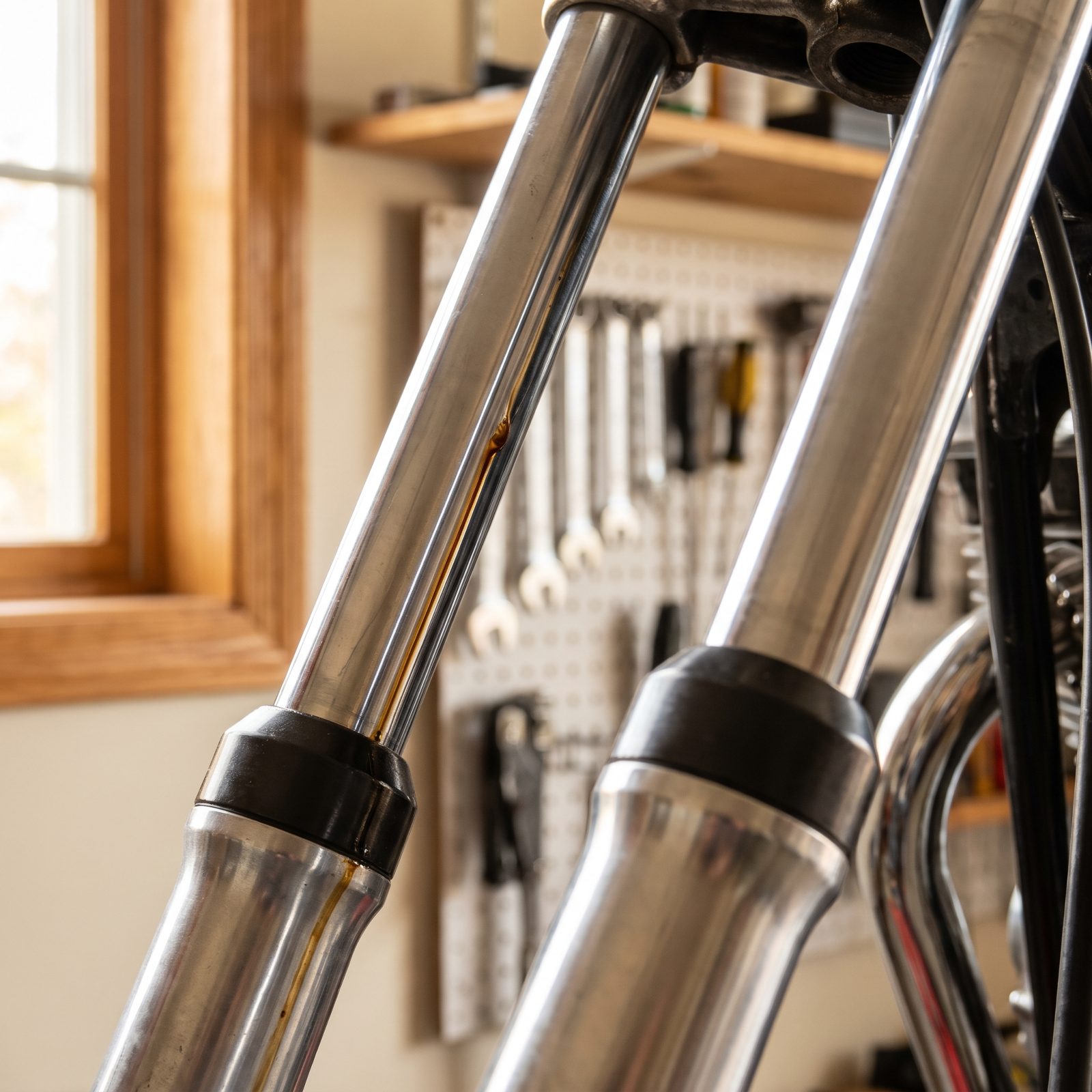
There’s a dark glisten on the lower fork tube. You see it. You even wipe it with your thumb. But the rest of the fork is polished to a mirror, throwing light like a trophy, and somehow that shine does the arguing for it. Surely something this beautiful can’t be hiding something expensive.
This is the attractiveness-leniency bias — the well-studied finding that we judge good-looking people, and apparently good-looking objects, more gently. Mock jurors hand attractive defendants lighter sentences. You hand a shiny motorcycle a lighter inspection.
The dating-world version needs no explanation. The charming stranger gets excuses the plain one never would. Same behavior, same forgiveness, wildly different standards, all because the wrapping is pretty. The seals still leak. The shine just bought them a pass.
10. That Exhaust Note Makes the Price Feel Reasonable
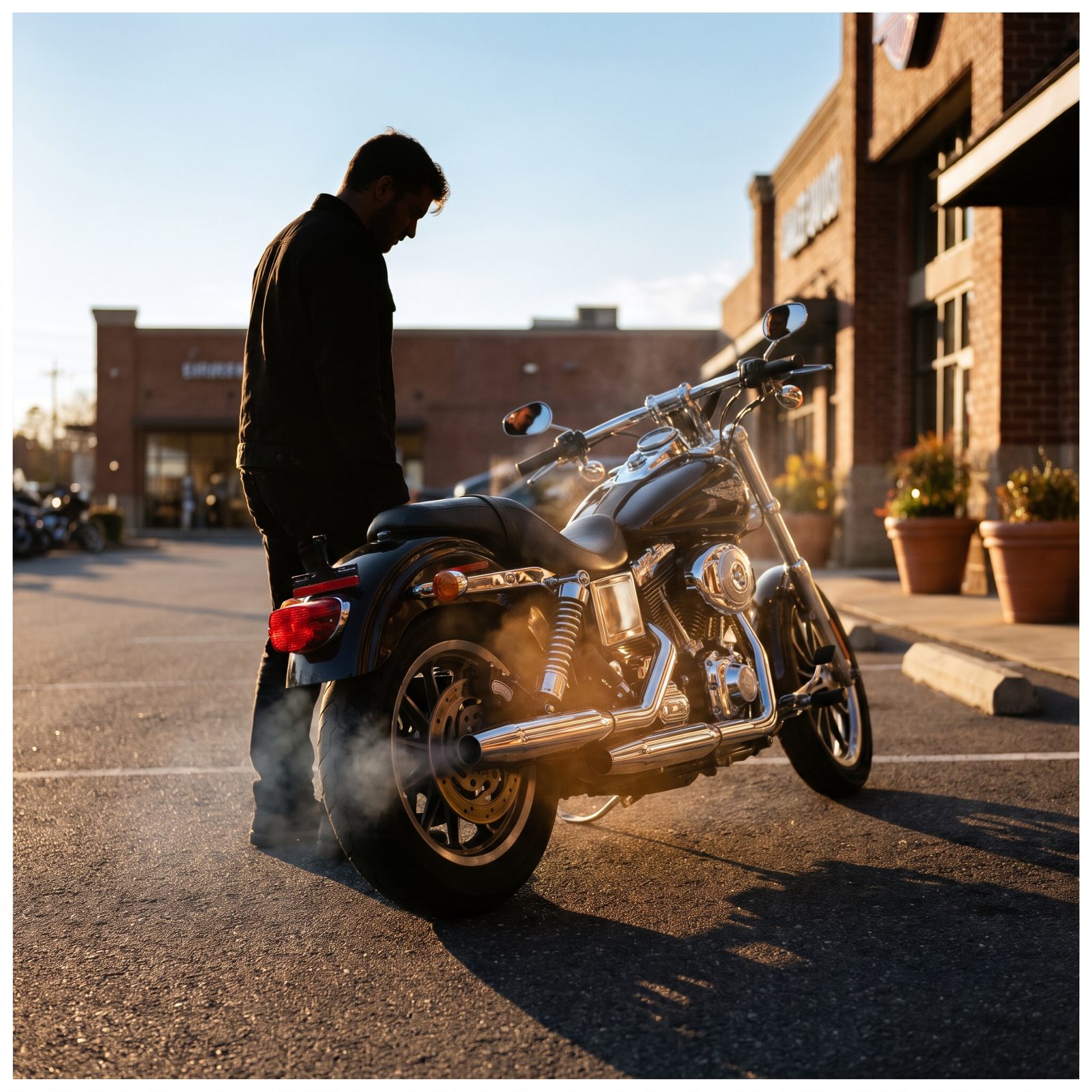
You thumb the starter and it barks to life, that low uneven thump settling into a rhythm you feel in your ribs. And in that exact second, the number on the tag shrinks. Two hundred over budget? For this sound? Practically a gift.
What’s happening is the affect heuristic — a strong feeling swamps the math. When something floods you with emotion, the logical part of the brain politely steps aside and lets the feeling do the pricing. The sound isn’t information. It’s a drug, and you’re reappraising the whole deal while high.
The number didn’t change. Your relationship to the number did.
It’s the laugh across the dinner table that makes you stop noticing they’ve been talking about themselves for an hour. One hit of genuine delight, and suddenly the drawbacks feel too petty to mention. The exhaust note sells the bike the way a good laugh sells a person. Neither tells you a single thing about Tuesday mornings.
9. A Rare Paint Color Turns Maybe Into Must-Have

You were a solid maybe. Then the salesperson mentions this was the only year they offered the color — a few hundred made, you’ll never see another on your road. And just like that, maybe becomes must-have.
Nothing about the bike changed. Only its scarcity did. That’s the scarcity principle, the simple fact that we want things more the harder they are to get. Limited editions, last one in stock, going fast. Our brains read rare as valuable, even when the rarity has nothing to do with whether the thing is any good.
It’s the pull of the one who seems unavailable, the stranger everyone else is also watching. Difficulty creates the desire, not the other way around. Put a common paint on it, or a common person in the room, and the same object loses half its gravity. Rarity is a card trick your wallet falls for every time.
8. Other Buyers Hovering Makes You Want the Bike More

Three other people are circling the same bike. One crouches by the rear wheel, studying the swingarm and brake; another stands just behind the bike, looking it over; a third stands with arms crossed, sizing it up in silence. And something primitive kicks on in your chest — a sudden certainty that you need to act now, before one of them walks off with what is clearly yours.
Social proof, doing its oldest job. When others want a thing, we assume they know something we don’t, and we want it harder. The desire goes contagious. You’re no longer evaluating the motorcycle. You’re competing for it.
Anyone who’s watched a crush get more interesting the moment someone else showed interest knows this feeling cold. Attention validates attraction. A crowd around the stranger at the party makes them magnetic, even to people who hadn’t noticed them a minute earlier. The bike didn’t improve. The competition just rewired how badly you want to win it.
7. The Salesperson’s Compliment Suddenly Has You Signing Papers

You throw a leg over it, and the salesperson says it: that bike suits you, like it was built for how you sit. And whatever resistance you had packed up and left. Where’s the pen.
Flattery works even when you can see it coming. Studies show we warm up to people who compliment us even after we’ve been told the compliments are strategic. Knowing it’s a tactic doesn’t switch off the glow. We’re wired to drink it in.
Picture the stranger who finds you funny, who leans in like your opinion is the most interesting thing they’ve heard all week. You know, somewhere, it might be routine for them. You don’t care. Being seen and approved of overrides your better judgment, and by then you’re already imagining the life you’d have together. The salesperson wasn’t lying, exactly. They just found the one button that skips straight past the budget.
6. You Want the Sportbike Version of Your Future Self

You commute on flat suburban roads at legal speeds. You are shopping for a 180-horsepower track weapon. Somewhere in your head lives a version of you who carves canyons on weekends, lean and fearless — and you’re buying the bike for him, not for the person who actually rides.
That’s aspirational identity at work. We don’t just buy the object. We buy who we imagine the object will make us. The motorcycle becomes a down payment on a future self who’s braver, cooler, more alive.
Same reason we fall for a stranger and immediately picture the person we’d become beside them. More adventurous. More interesting. Finally the version we always meant to be. We fall for the self they’d unlock, not the actual human standing there. The sportbike sells a story about you, and the story always beats the Tuesday commute.
5. Your Friends Spot Every Red Flag You Call Character
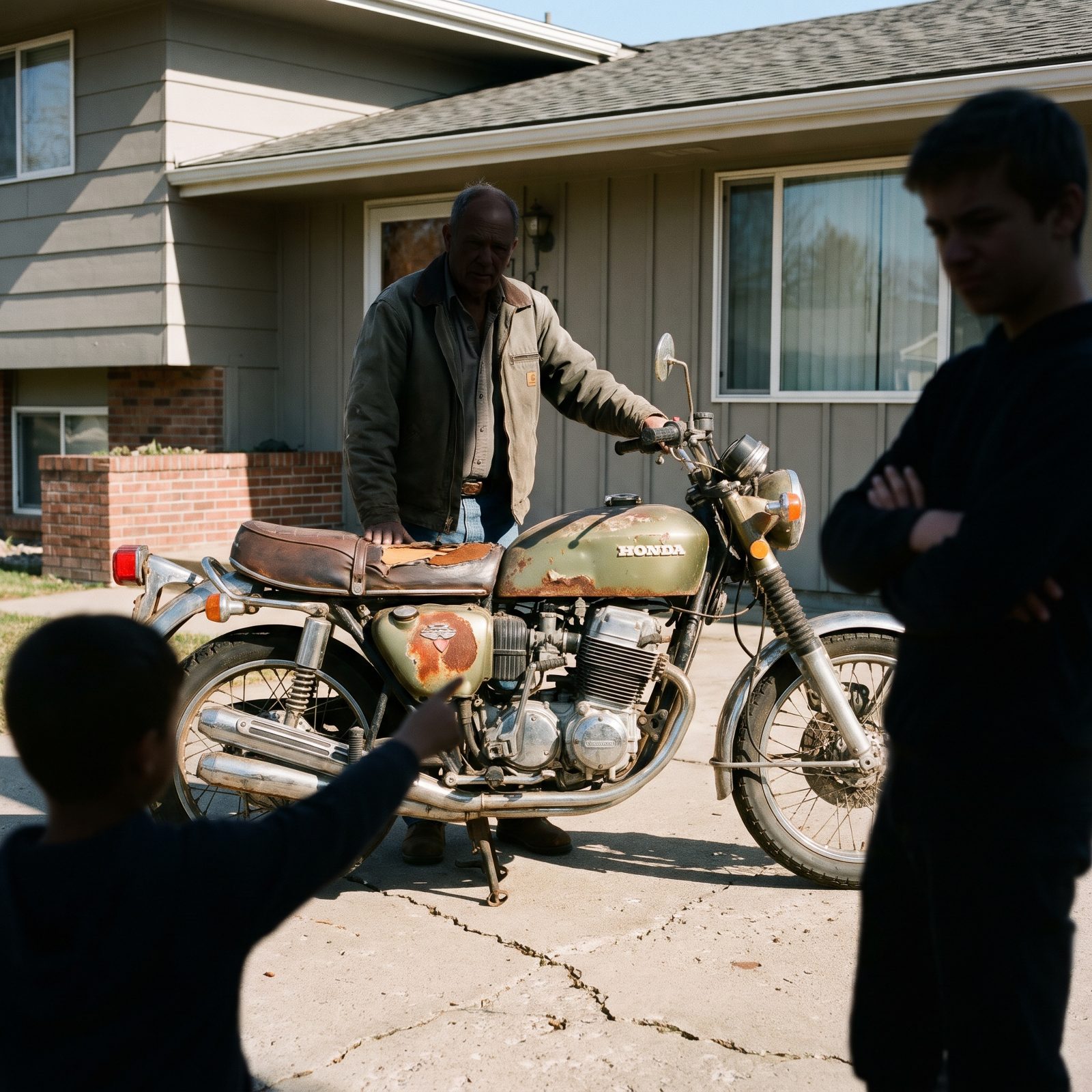
Your friends walk around it. One points at the rust by the welds. Another asks why the gauge cluster looks like it came off a different bike. And you hear yourself defending every single thing. The rust is patina. The mismatched parts are character. It has a story.
Confirmation bias is doing the heavy lifting here. Once you’ve decided you want something, you collect everything that supports the decision and explain away everything that doesn’t. Your friends see flaws. You see features, because you’ve already committed.
We’ve all been the friend watching someone defend a person who’s obviously trouble, calling the warning signs quirks. From the outside, the red flags are neon. From the inside, you’re too deep in the story to read them. The difference isn’t the evidence. It’s who’s already fallen.
4. You Compare Every New Bike With the One You Regret Selling
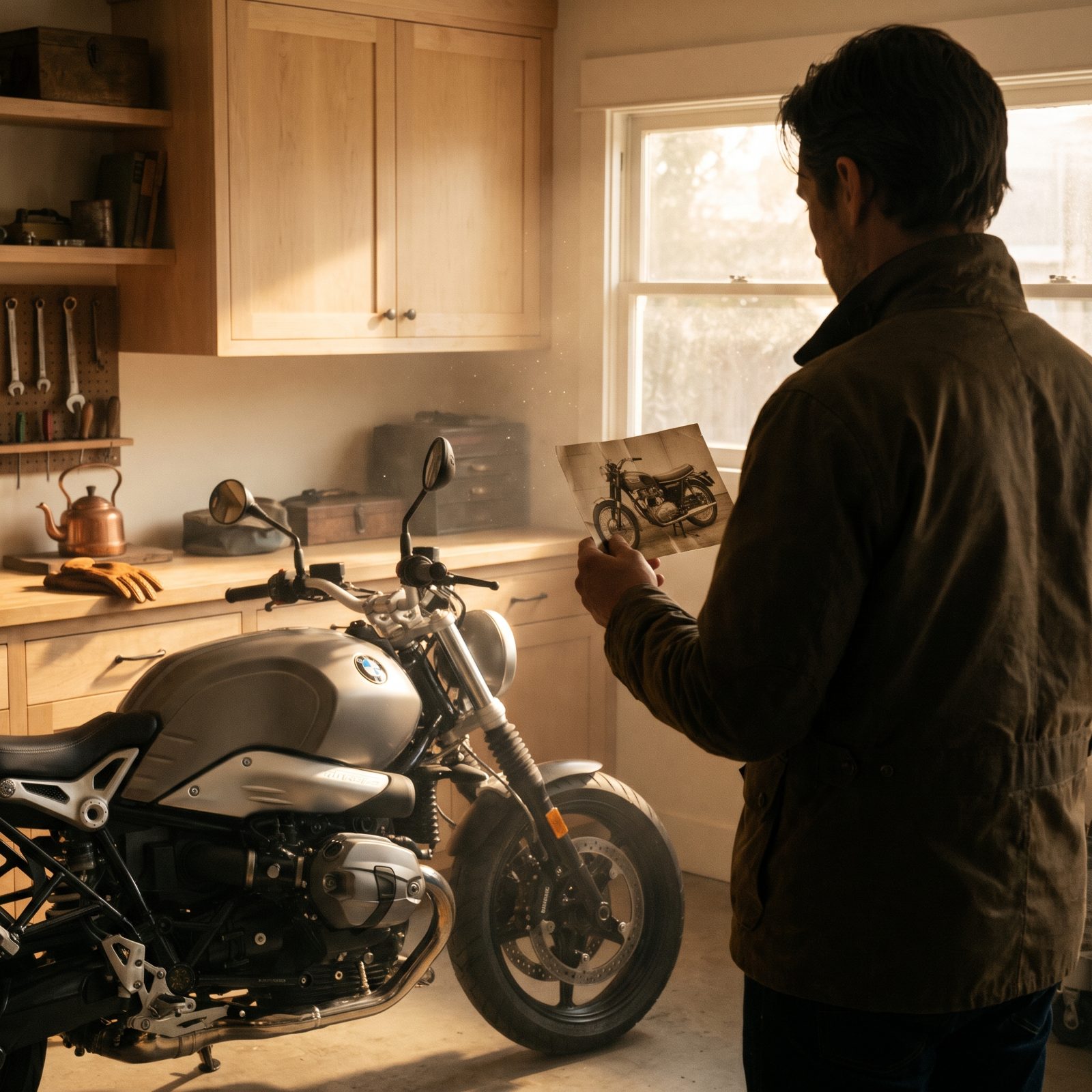
Every bike you look at now gets measured against the one you let go five years back. This new one’s seat is too firm. The old one fit like it was molded to you. This one sounds fine, but the old one — the old one sang. Nothing quite clears the bar it’s set.
Trouble is, the bar isn’t real. Nostalgia airbrushes the past. You remember the old bike’s good days and conveniently forget the carburetor that flooded every cold morning. The rosy retrospection effect sands memory down into a highlight reel.
It’s the ex you measure every new person against, forgetting exactly why it ended. The one that got away was never that flawless. It just got to leave before you noticed the flaws. Chasing a feeling that’s been edited in your head is a reliable way to be disappointed by things that are perfectly good.
3. A Short Test Ride Hides Years of Daily Irritation

Twenty minutes around the block and you’re sold. Smooth, eager, planted in the corners. What the test ride can’t show you is the wrist ache at mile ninety, the heat baking your right thigh in traffic, the vibration that numbs your hands on the highway — everything that only surfaces over seasons.
This is the focusing illusion. On a short ride you lock onto the thrill and nothing else exists. The brain mistakes a sample for the whole, assuming the best twenty minutes stand in for all the hours to come.
First dates run the same con. Everyone’s charming for one dinner. The habits that grind on you over months don’t show up over appetizers. A great first impression is engineered, consciously or not, to hide the ordinary friction underneath.
2. A Nonrefundable Deposit Makes Walking Away Feel Impossible

You put down the deposit before you’ve even heard the bike run cold on a Monday. The number felt small against the dream. Now it’s not small at all, because walking away means that money evaporates, and your brain treats evaporating money like a wound.
It’s the same reason people stay too long in things they already know aren’t right. You’ve met someone, spent three dinners and a weekend you’ll never get back, and suddenly leaving feels like admitting all of it was wasted. So you don’t leave. You double down.
That’s sunk-cost fallacy wearing a leather jacket. The money and the hours are gone whether you ride off or not, so they shouldn’t count toward the decision. But losing a deposit stings far harder than gaining the same amount ever would, and you’ll rationalize the rest of the purchase just to protect that first chunk. We’re not built to let go cleanly. Never have been.
The honest question is never what you’ve already spent. It’s whether you’d sign today starting from zero.
1. You Remember the Perfect Corner and Forget the Wrist Pain

Ask anyone who sold a punishing sportbike why they bought it, and they’ll describe one corner. One perfect, gold-lit sweeper where the thing dropped into the lean like it read their mind. They will not mention the numb hands, the cramped neck, or the parking lot they couldn’t duck-walk out of without wincing.
Memory is a liar with great taste. It keeps the highlight reel and quietly deletes the Tuesday commutes, the slow-speed U-turns that nearly dumped the bike, the hundred ordinary miles that felt like penance. Psychologists call it the peak-end rule: we judge a whole experience by its most intense moment and how it ended, not by the long gray middle where most of the misery actually lives. That gray middle is where you spend your life. The peak is where you spend about four seconds.
Same wiring makes you romanticize a stranger from one magnetic conversation. You replay the laugh, the eye contact, the single electric moment, and build a whole person out of it. The ordinary friction never enters the story because the story was never built from ordinary parts.
The corner was real. So was the wrist pain. You just chose to keep one of them.