
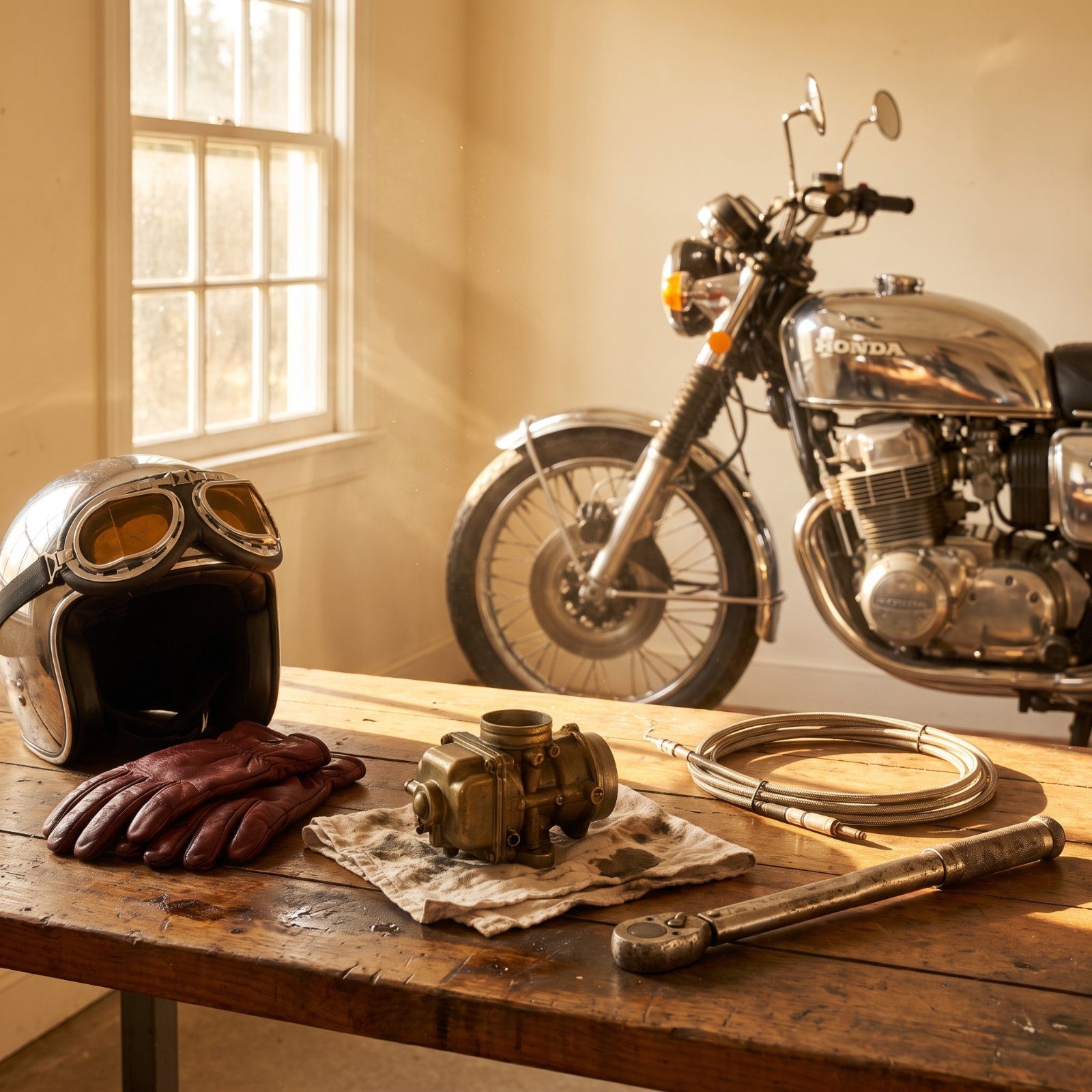
Ask around any coffee stop on a Sunday morning and you’ll hear the same story told a dozen ways. Somebody sold the bike in 1986 for a few hundred bucks to cover a mortgage payment or buy a minivan, and now the thing trades for the price of a decent used truck. These machines defined an era when Japan, Britain, Germany, and Italy were all swinging for the fences and none of them played it safe. Values on clean, original examples keep climbing while the supply of unbutchered survivors shrinks. Here are the ones people wish they’d kept in the garage.
Please note that some of the images in this article were created with the assistance of AI.
38. Honda CB750 Four: The Bike That Changed Everything
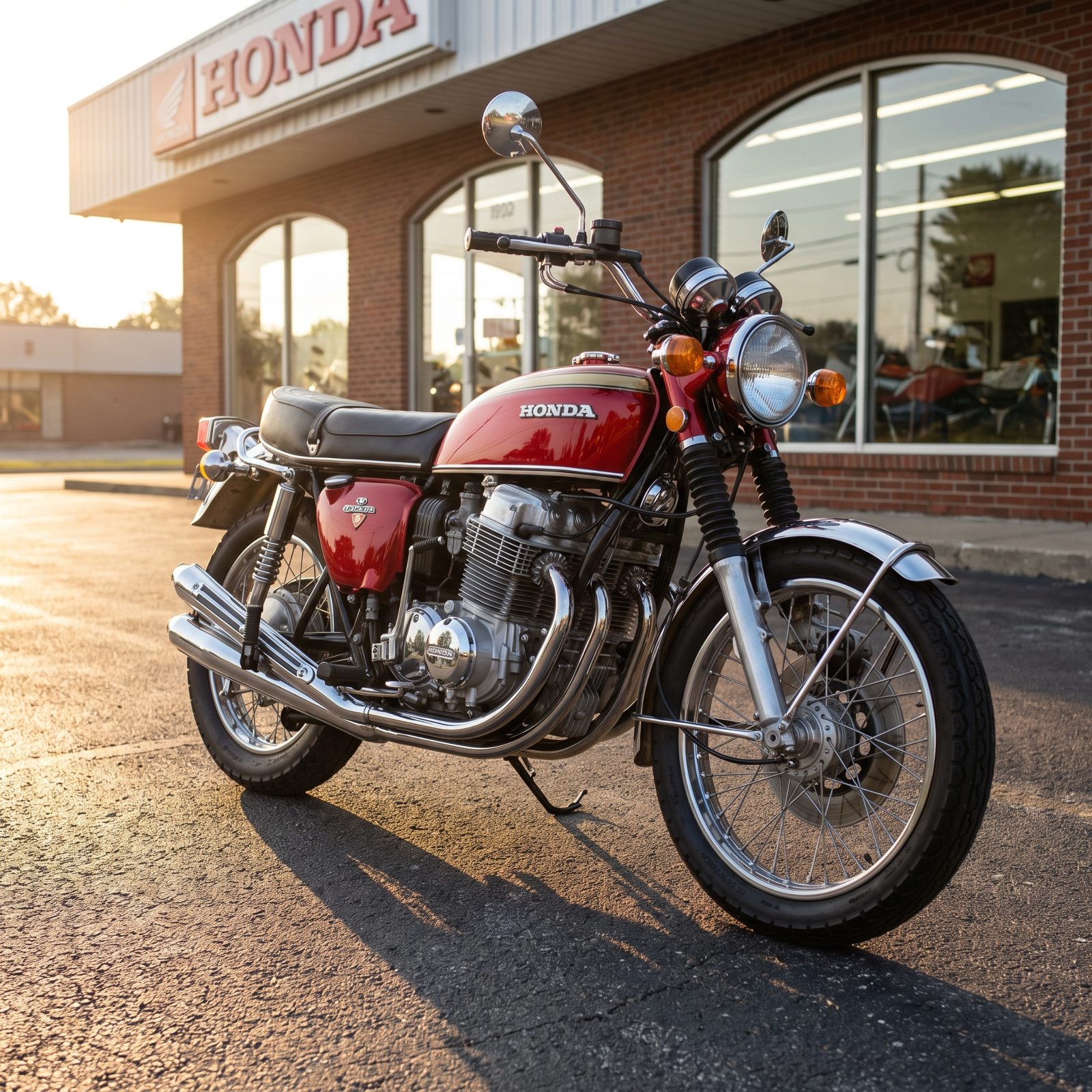
This is the one that rewrote the rulebook. When the CB750 landed in 1969, it handed regular riders a smooth inline-four, a front disc brake, and electric start, all for a price that made British twins look expensive and temperamental. It was fast, it didn’t leak, and it started every single time.
Early sandcast-crankcase examples are the holy grail and bring serious money at auction now, but even a tidy K-series fetches far more than anyone paid new. People handed these off for next to nothing in the eighties, figuring they were just old Hondas. They were wrong.
37. Kawasaki Z1 900: The King Kong That Dethroned the CB750
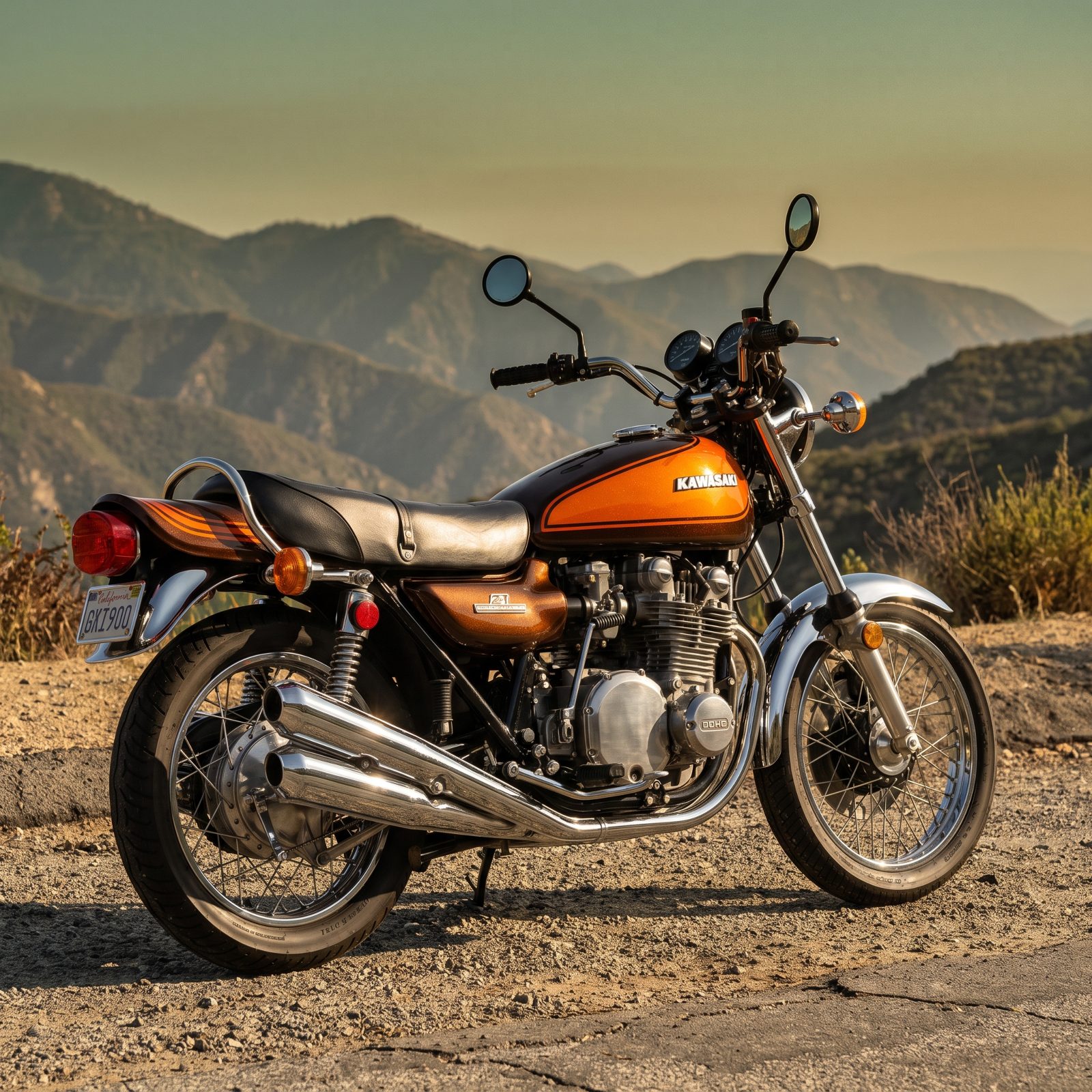
Kawasaki watched the CB750 take the crown, then spent four years quietly building something to snatch it back. The Z1 arrived in 1973 with a 903cc double-overhead-cam four that out-powered and outran everything Honda had, and that brown-and-orange fireball paint is pure period magic.
Clean Z1s have gone from parts-bin cheap to genuinely expensive in about fifteen years, with the sought-after 1973 first-year cars leading the charge. Let one go in the nineties thinking it was just a fast old Kawi? That memory probably still stings.
36. Norton Commando 850: British Muscle With an Attitude
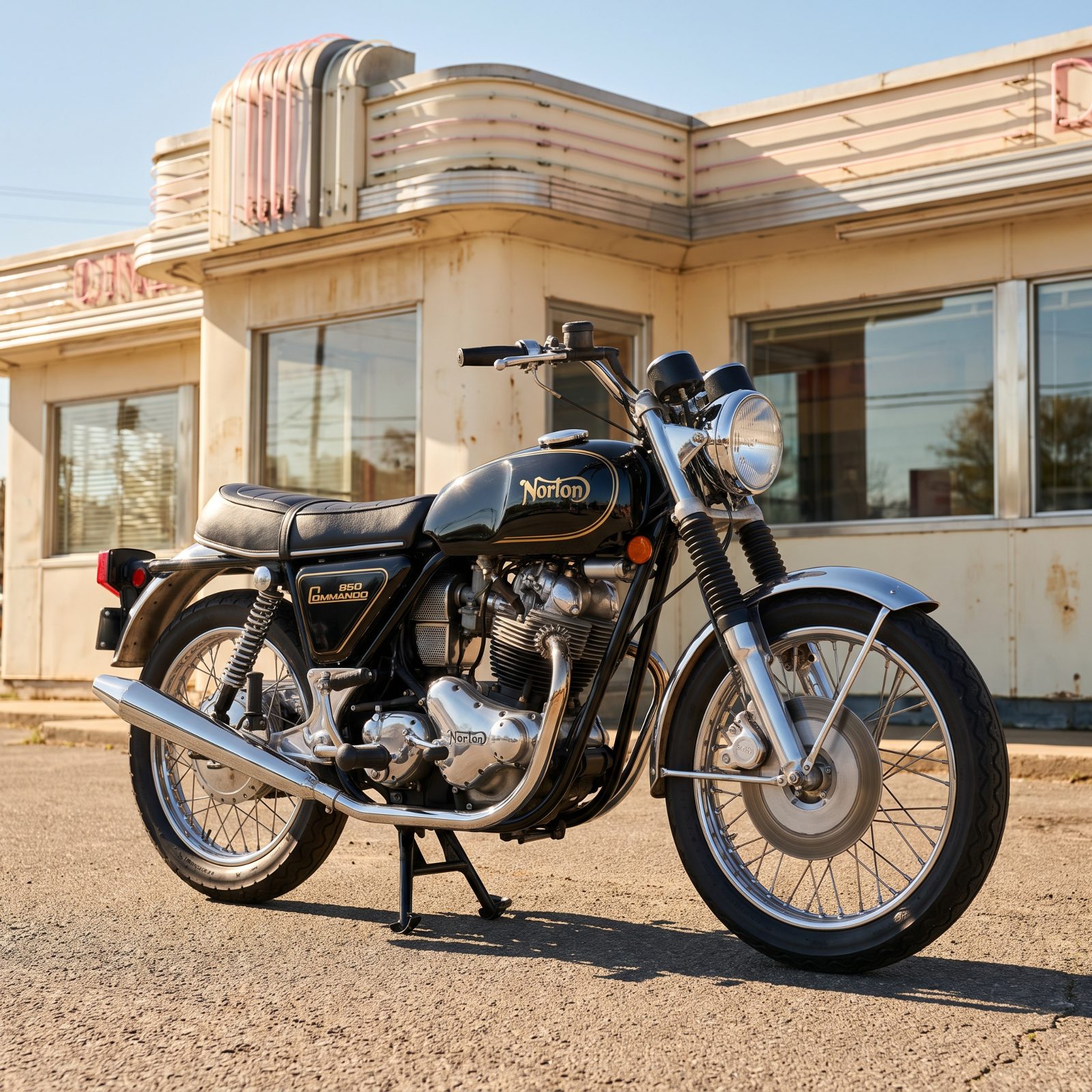
The Commando had no business being this good. An 828cc parallel twin that should have shaken itself apart, tamed by Norton’s clever Isolastic rubber engine mounts that let it rev hard while keeping the bars from going numb.
It sounds like nothing else, that deep syncopated British thump, and it looks right from every angle. Values have climbed steadily as riders rediscover how good a sorted Commando feels on a back road. Keep one maintained and it rewards you. Neglect one and it reminds you why some folks sold.
35. BMW R90S: The Smoke-Grey Gentleman’s Express
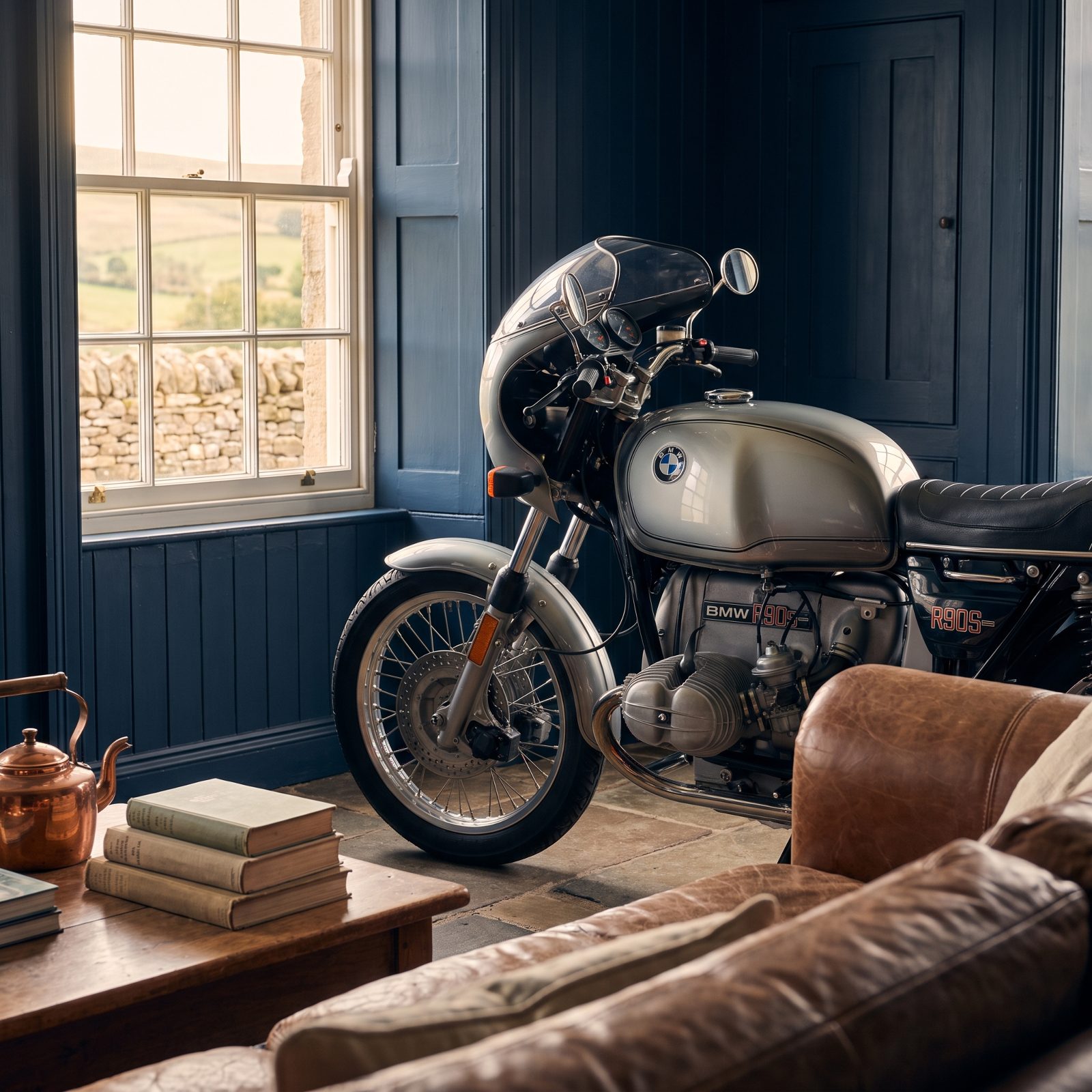
While the Japanese chased horsepower, BMW built a sport-tourer for the rider who wanted to cover three states before lunch without feeling it afterward. The R90S paired an 898cc boxer twin with a cockpit fairing and that hand-airbrushed smoke paint, each one slightly different because a person did it by hand.
Winning the inaugural Daytona Superbike race in 1976 cemented the legend. Daytona Orange examples in good order command strong prices now. This was the thinking rider’s superbike, and the ones who understood that never forget selling theirs.
34. Kawasaki H2 Mach IV: The Widowmaker Triple
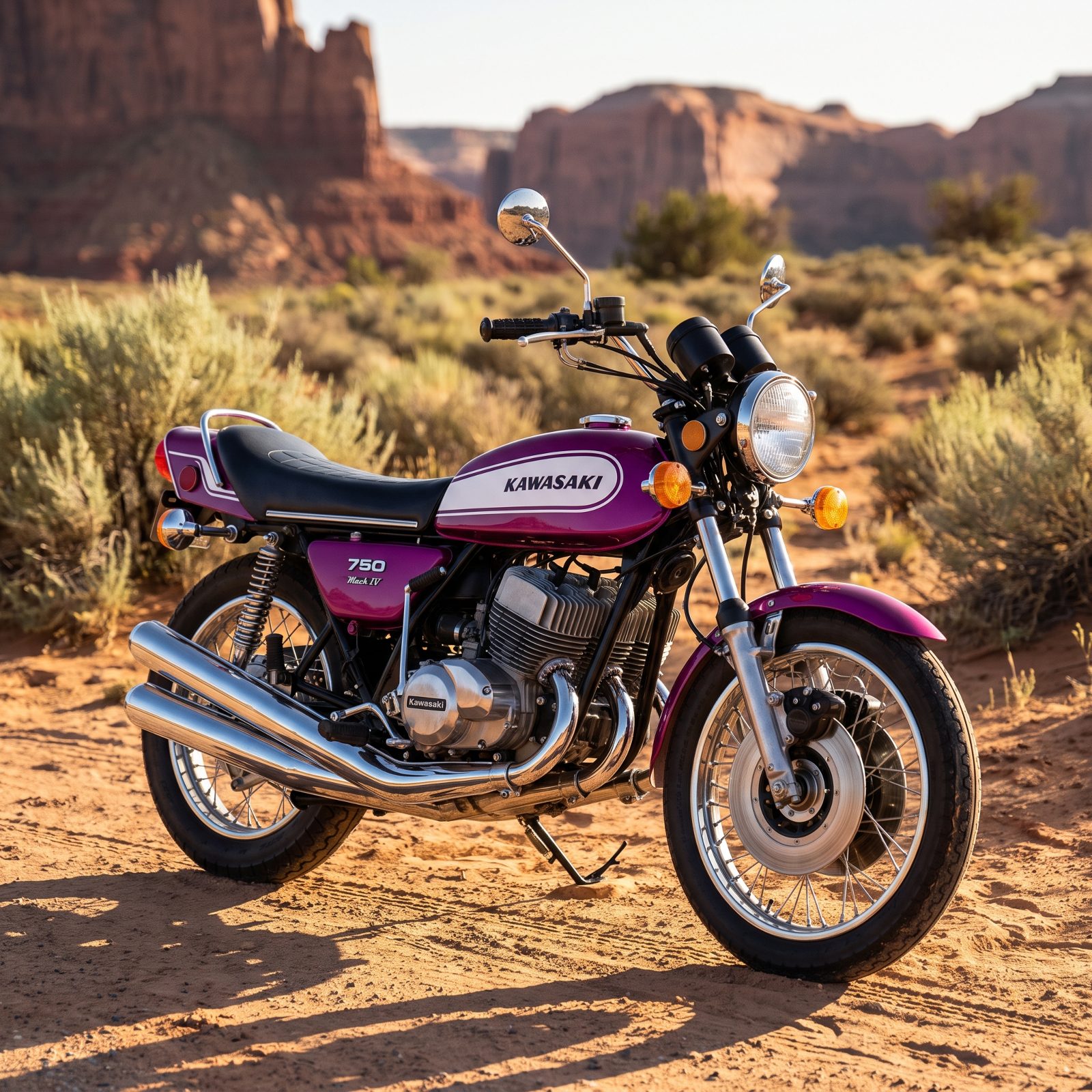
Nobody built anything quite as unhinged as the H2. A 748cc air-cooled two-stroke triple that dumped all its power at once, right where the front wheel wanted to come up, in a chassis that wasn’t entirely convinced it should.
Riders called it the Widowmaker and meant it as a compliment. It’s loud, it smokes, and it thrills in a way nothing modern can replicate. Clean originals are rare because so many got thrashed, and that scarcity shoves prices up every year.
33. Yamaha RD350: The Giant-Killer That Punched Above Its Class
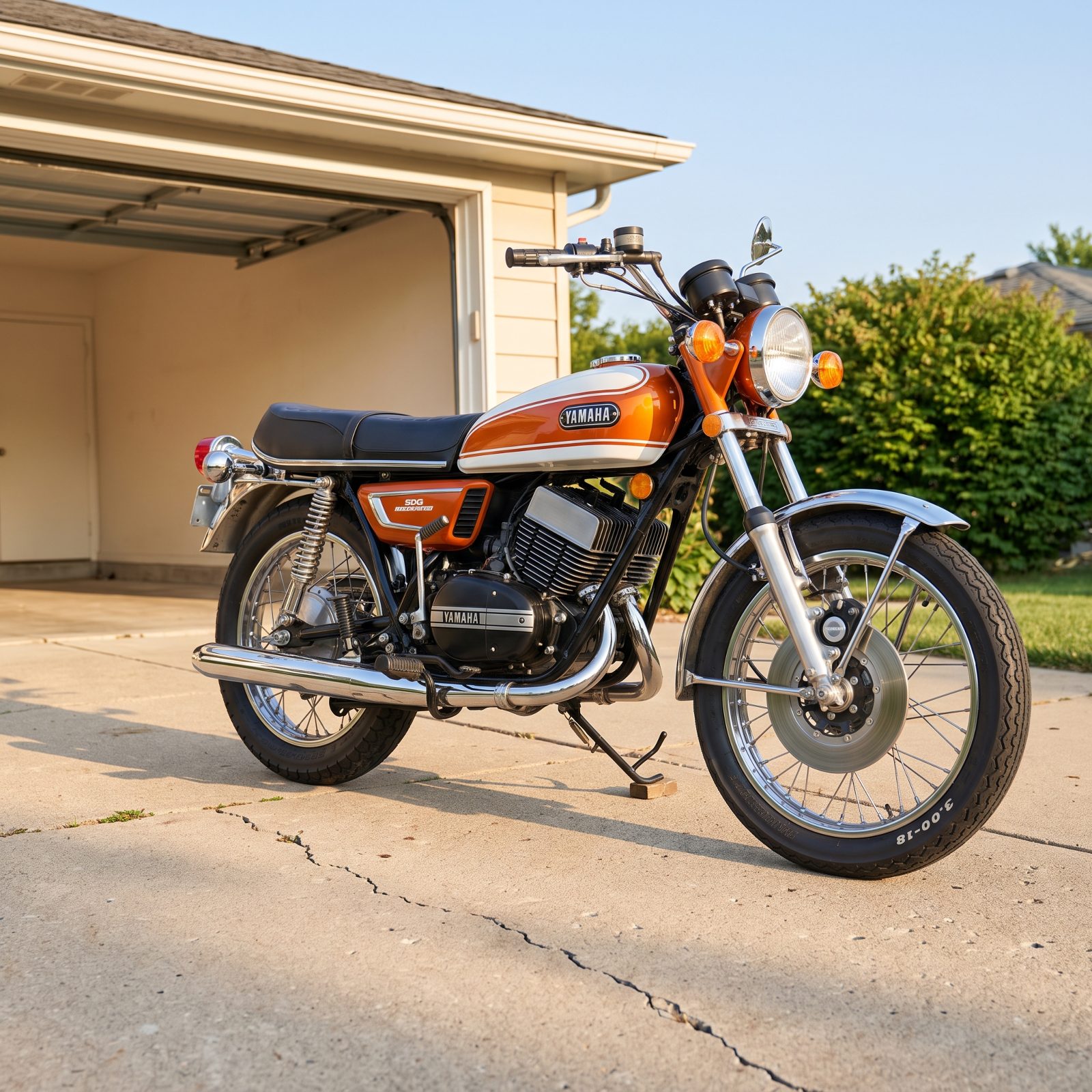
Small, light, and absolutely vicious for its size. The RD350 would embarrass bikes twice its displacement at a stoplight, and it cost about as much as a decent used car.
This is the bike a lot of riders learned how to really ride on, the one that taught you about powerbands and keeping it on the pipe. Clean examples have turned surprisingly collectible as the generation that loved them starts buying back its youth. The air-cooled originals and the later liquid-cooled LC both have devoted followings now.
32. Suzuki GT750 Water Buffalo: The Smooth Liquid-Cooled Triple
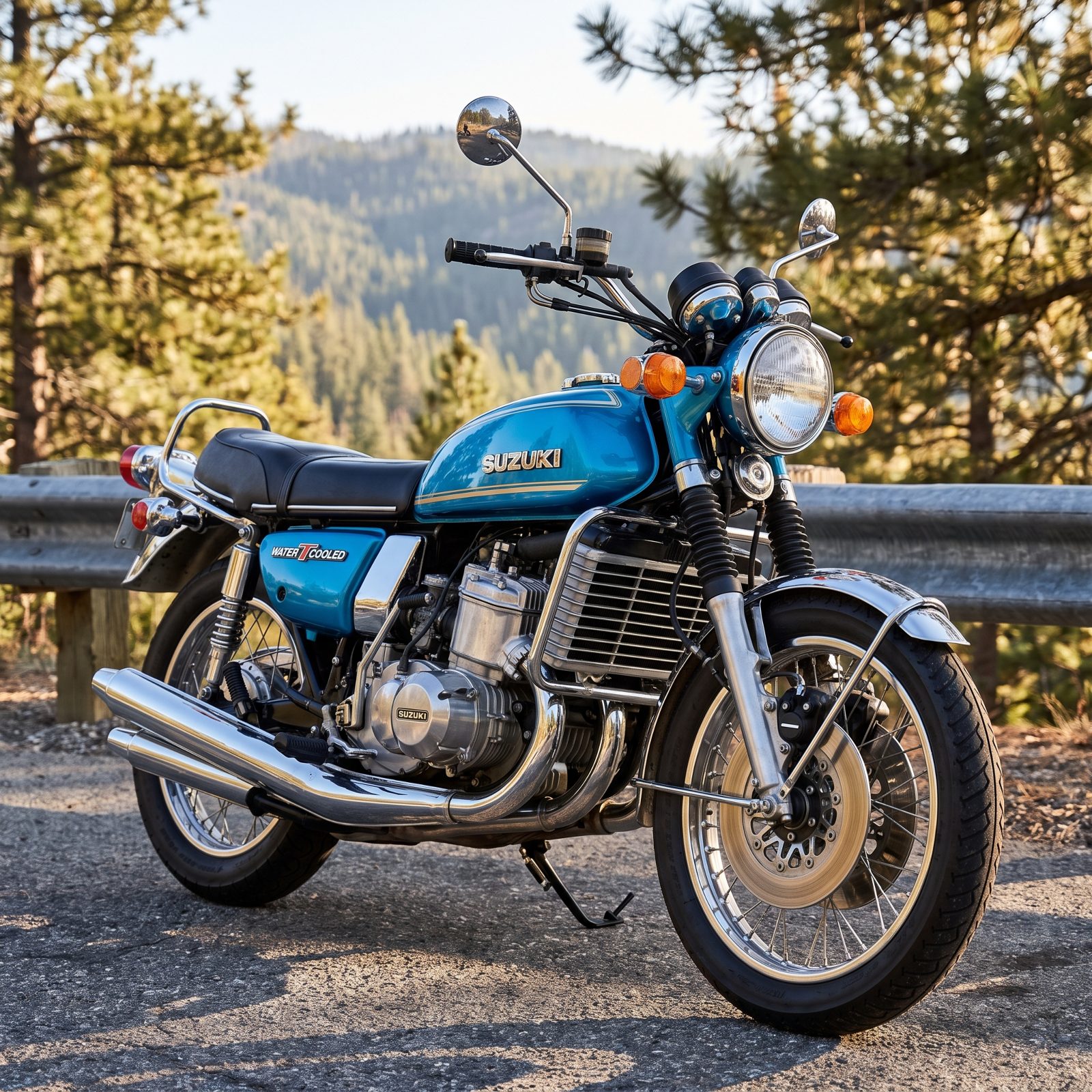
Suzuki looked at the two-stroke triple formula and decided to civilize it. The GT750 got liquid cooling, hence the radiator up front and the nickname, which turned a peaky two-stroke into a smooth, torquey long-distance cruiser.
It never carried the raw menace of the Kawasaki triples, which is exactly why people wrote it off for decades. That’s changing fast. A clean Water Buffalo is a lovely, relaxed thing to ride, collectors have finally caught on, and prices have moved up noticeably in the last few years.
31. Honda CBX1000: Six Cylinders of Pure Showing Off
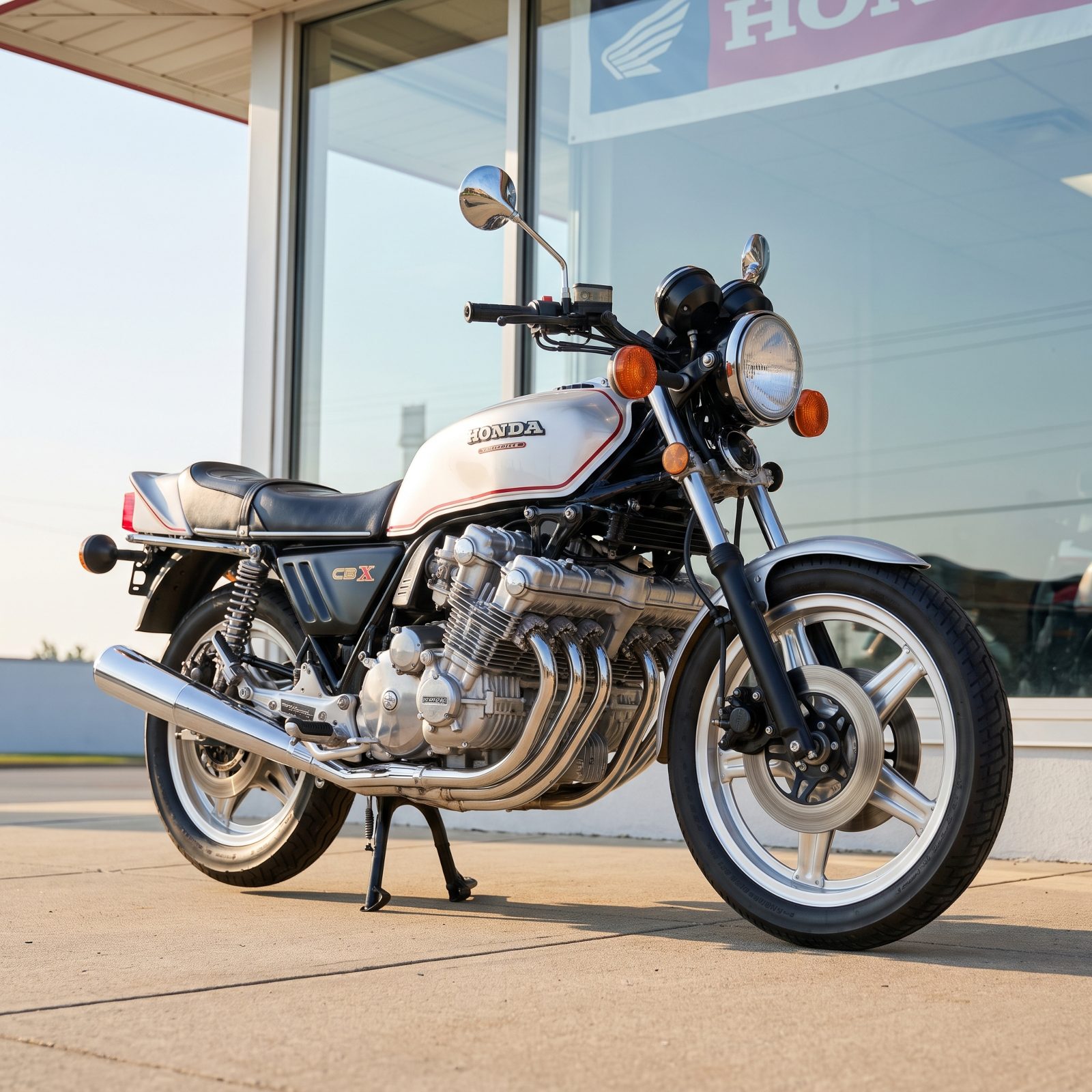
Six cylinders. Across the frame. In 1978. The CBX was Honda flexing for the sheer joy of it, a 1047cc inline-six that made a sound no other street bike could and looked like nothing else on the road.
It’s wide, it’s heavy, and that engine dares you not to stare at it. Bikes wearing aftermarket six-into-one systems still turn heads, but early 1979 bikes with the original six-into-two exhaust are the ones purists chase. Values have climbed hard now that this is recognized as one of the great look-at-me bikes of the era, and selling one is the kind of decision that haunts.
30. Moto Guzzi 850 Le Mans: The Italian Café Racer With a Transverse V-Twin
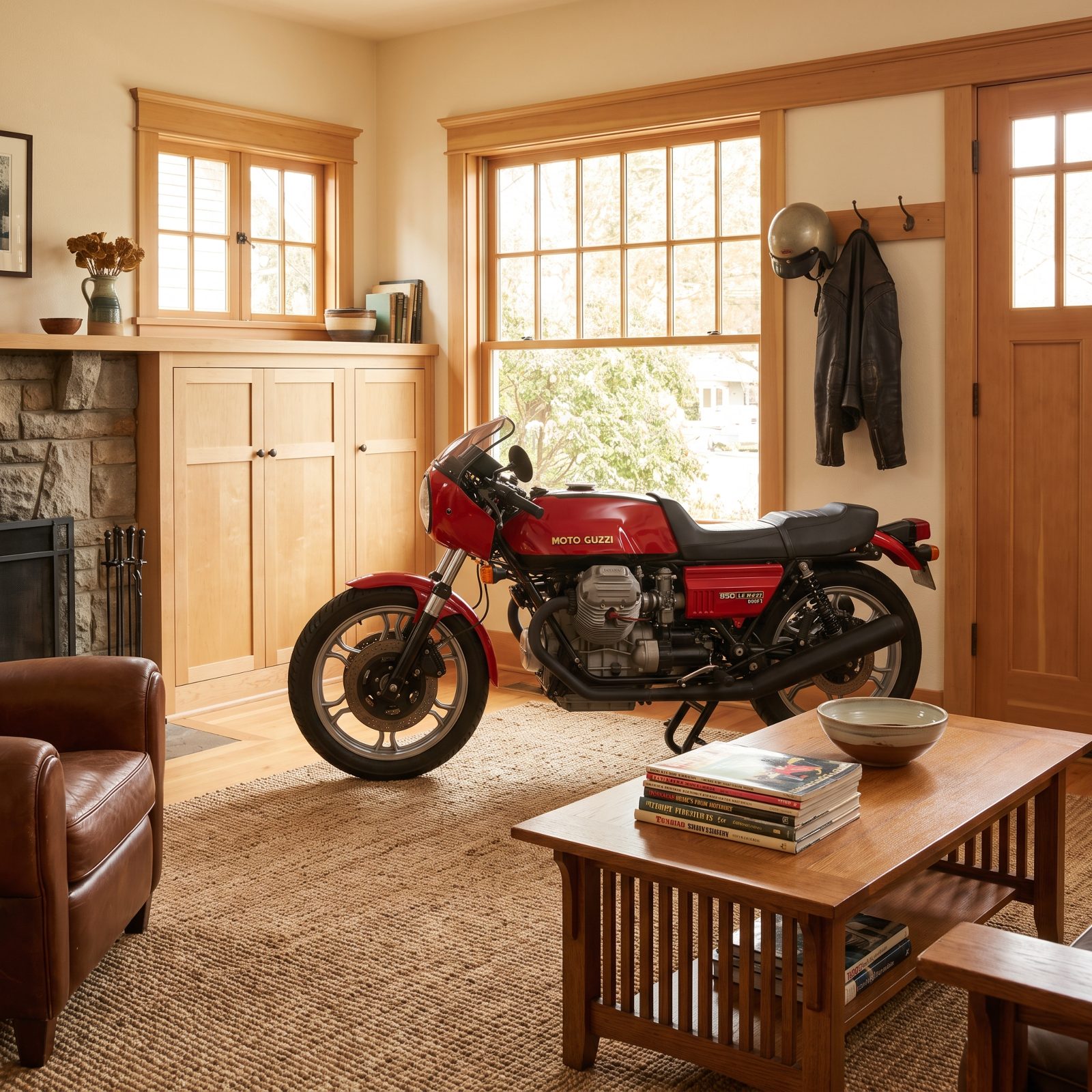
Leave it to the Italians to mount a V-twin sideways and make it gorgeous. The Le Mans put its cylinders out in the breeze where they could cool, gave you shaft drive, and wrapped the whole thing in angular café-racer bodywork that still looks sharp today.
It handles like it means it and pulls with a lazy, torquey character all its own. The Mk1 is the one everyone wants, and clean ones have become serious collector money. There’s a soul to these that the Japanese fours, for all their perfection, never quite matched.
29. Laverda Jota: The 140-MPH Italian Brute
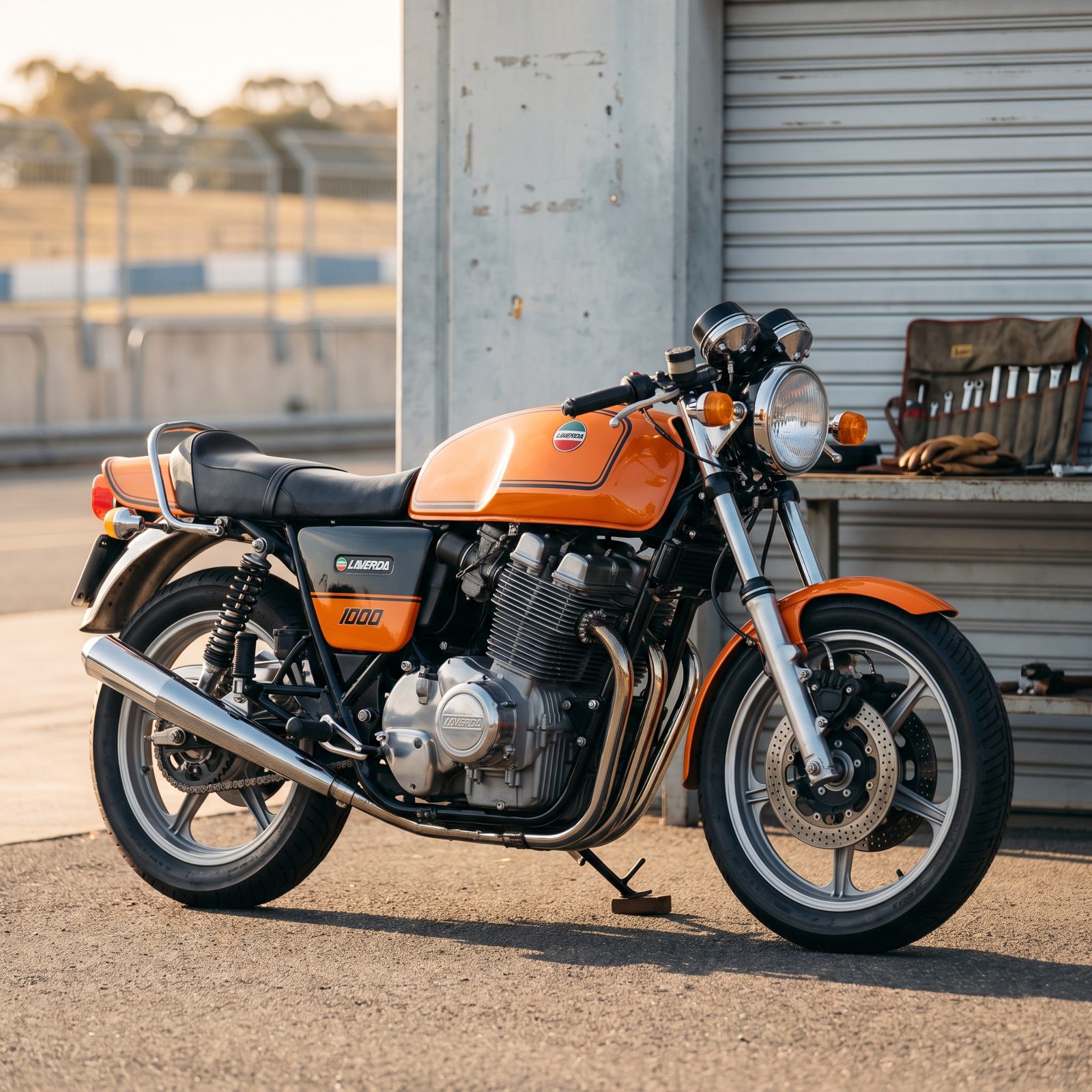
The Jota was named after a Spanish dance, an odd handle for the fastest production motorcycle you could buy in 1976. Over 140 mph from a 1000cc air-cooled triple, built like a tank and loud enough to set off car alarms before car alarms existed.
It’s a demanding, physical bike that doesn’t suffer passengers or casual riders, and that orange paint is unmistakable. Real Jotas are rare, prices have gone through the roof, and anyone who owned one and sold it to buy something sensible now tells the story with genuine regret. Keep the ones you love. That’s the whole lesson here.
28. BMW R100RS: The Autobahn Missile People Let Go Too Soon
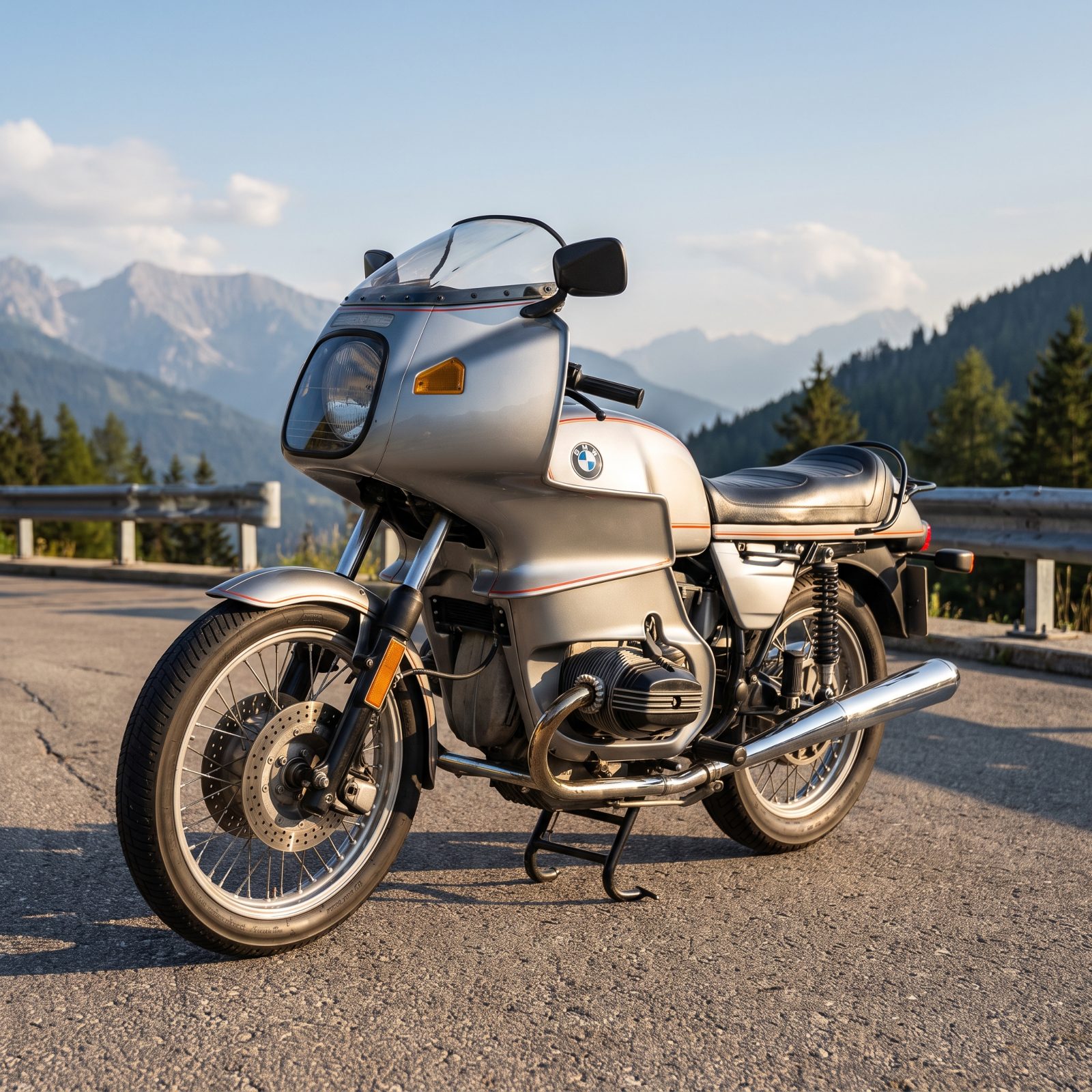
The R100RS was the first production motorcycle sold with a fairing designed in a wind tunnel, and that matters. At 80 on an open highway it feels like the air just stops arguing with you.
People sold them in the eighties because they looked dated next to the new Japanese rockets. Big mistake. A clean 1977 in silver smoke with the matching bodywork now moves real money at auction, and the boxer twin will outlive whoever sells it.
27. Honda Gold Wing GL1000: The Naked Original Before the Barges
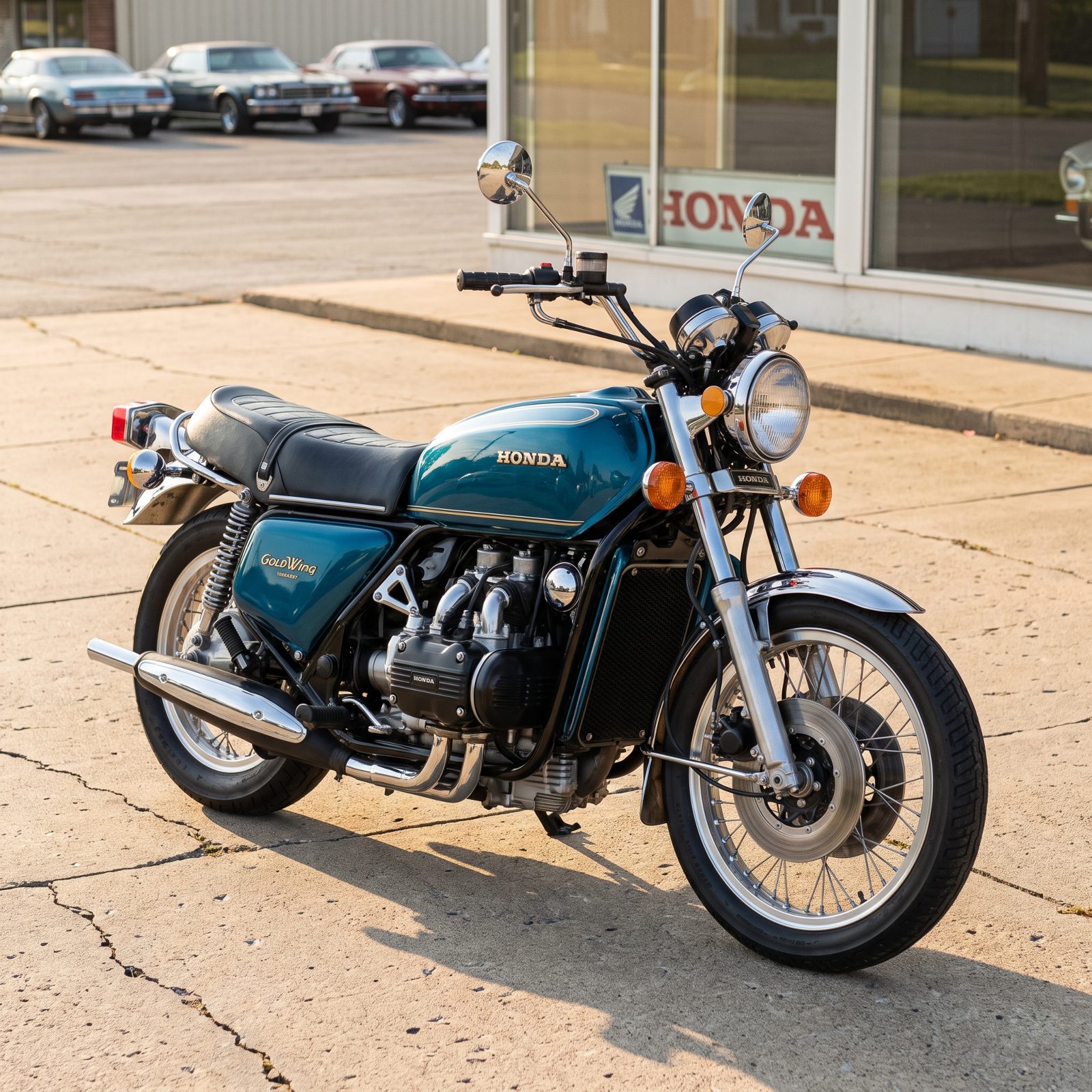
Forget the two-wheeled living rooms the Gold Wing became. The 1975 GL1000 was lean, naked, and genuinely quick — a liquid-cooled flat-four that ran smooth as a sewing machine and could cross a state without you noticing.
The part owners regret: they traded them in during the eighties when fully-dressed tourers took over, and the clean early naked bikes vanished. Finding an unmolested GL1000 now, no aftermarket fairing bolted on, no Vetter windshield drilled into it, is the hard part. The flat-four is nearly indestructible. The regret is real.
26. Yamaha XT500: The Thumper That Started the Dakar Legend
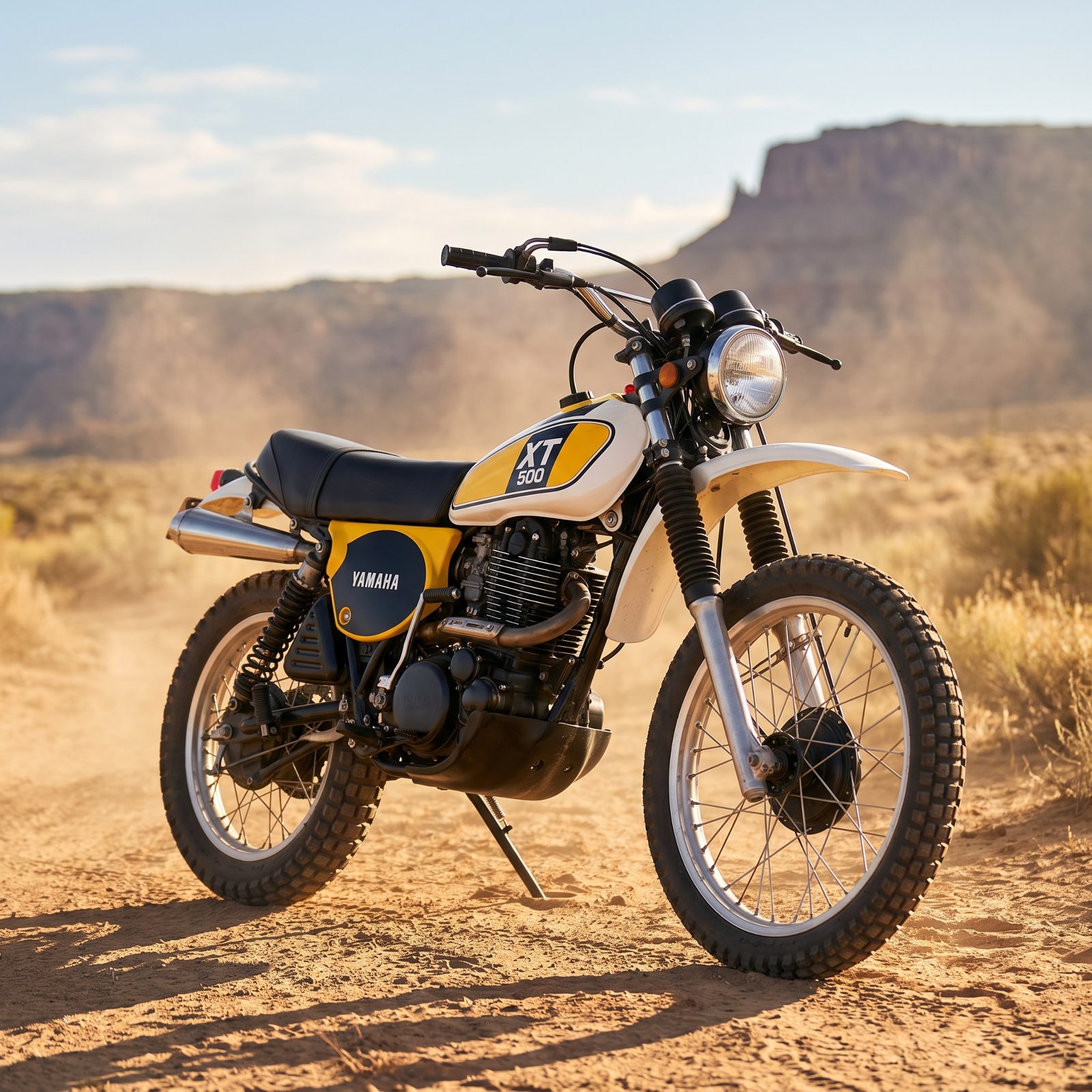
One cylinder. That’s the whole trick. The XT500 was a big air-cooled single that won the first two Paris-Dakar rallies and taught a generation you could ride the same bike to work and then across a desert.
Kickstarting one takes a knack. Get the drill wrong and it kicks back hard enough to remind you. Riders who sold theirs cheap in the nineties, back when old thumpers were just old thumpers, now watch clean examples climb at every vintage dirt auction. The XT founded an entire category, and owning the original counts for something.
25. Triumph Bonneville T140: The Last British Twin Standing
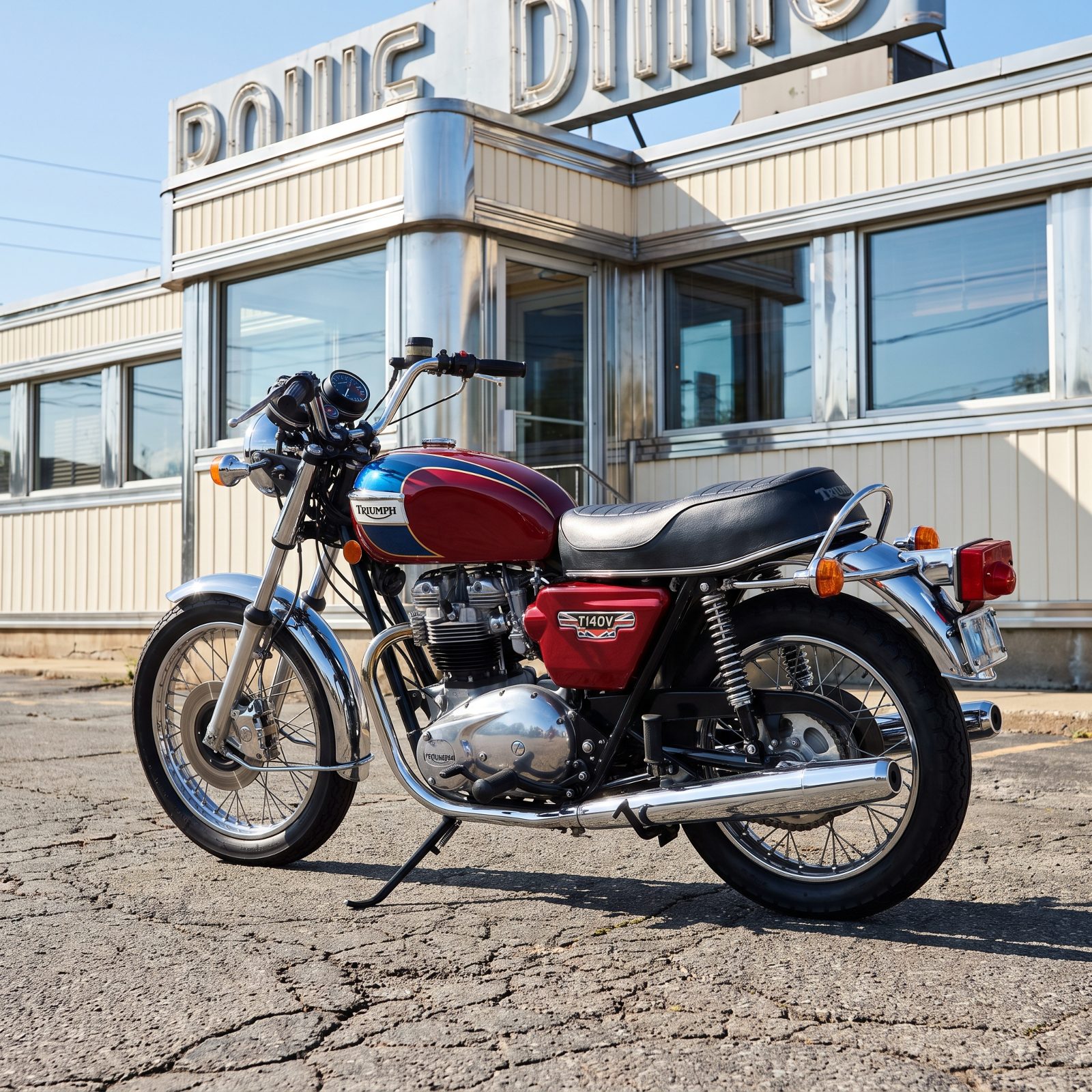
The T140 arrived just as the British industry was collapsing, which makes it both underdog and survivor. The 750 parallel twin has a lumpy, honest character no Japanese engine of the era could fake.
The 1977 Silver Jubilee edition, with its red, white and blue trim, is the one collectors chase hardest. People unloaded Bonnevilles for cheap Japanese reliability and spent the next forty years missing the sound.
A Bonneville doesn’t idle so much as breathe. You feel it through the bars before you hear it.
Yes, they leak a little. Fix the oil and the regret still outlasts the inconvenience.
24. Harley-Davidson XLCR: The Café Racer Harley Nobody Wanted Then
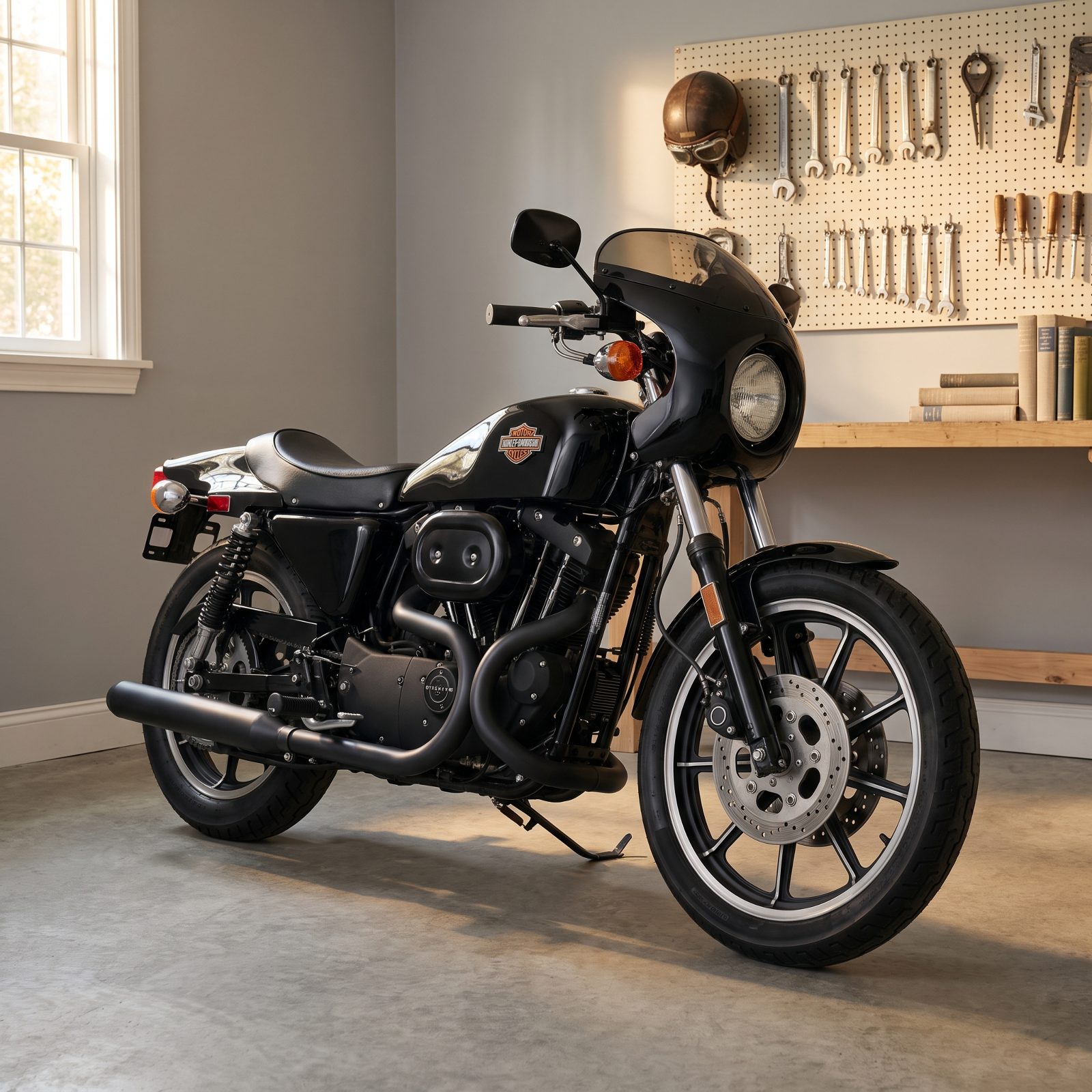
Here’s a funny one. The XLCR Café Racer flopped — Harley built it black and mean when buyers wanted chrome and comfort, and dealers couldn’t move them. They sat. People who bought one cheap later looked like fools, then geniuses.
All-black, siamese pipes, bikini fairing, solo seat. Willie G. Davidson was chasing the European café look, and the market yawned. Now it’s one of the most collectible Sportsters ever made, precisely because so few sold. Scarcity does strange things to regret, and the guys who flipped theirs for a dresser in 1980 don’t like to talk about it.
23. Triumph X-75 Hurricane: The Three-Cylinder That Looked Like a Spaceship
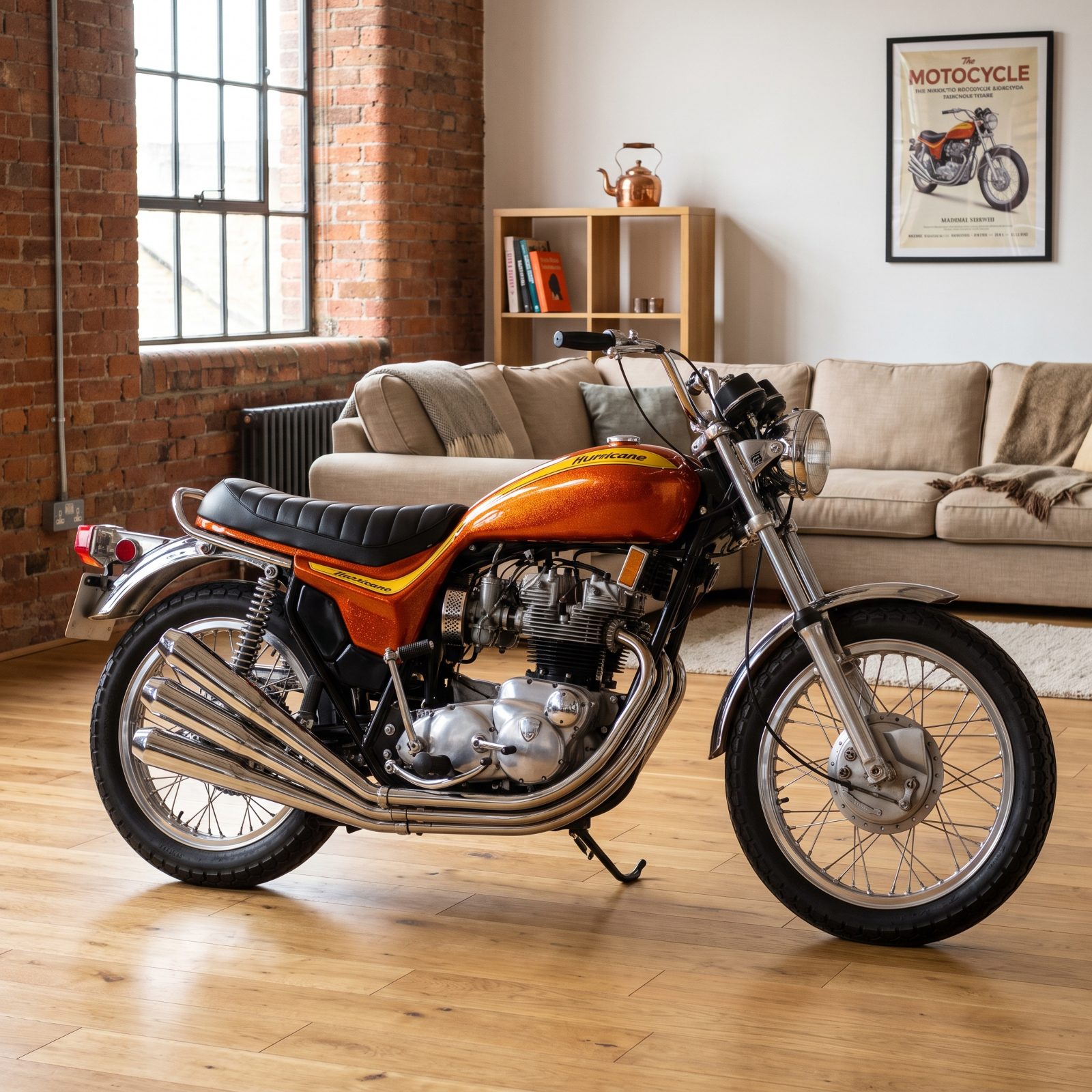
The Hurricane was a factory custom before anyone used that phrase. Craig Vetter styled it on a BSA triple, Triumph badged it, and the result looked like nothing else on the road.
Those three swept-up pipes on the right side. The tall chrome forks, the little orange tank-seat unit flowing as one piece. Only around a thousand were built, which tells you plenty about why values climbed.
People sold them because they were impractical, hot on the right leg, and odd. They fetch serious money now. Design that bold almost never survives a committee — this one slipped through.
22. Moto Guzzi V7 Sport: The Green Frame Italian Thoroughbred
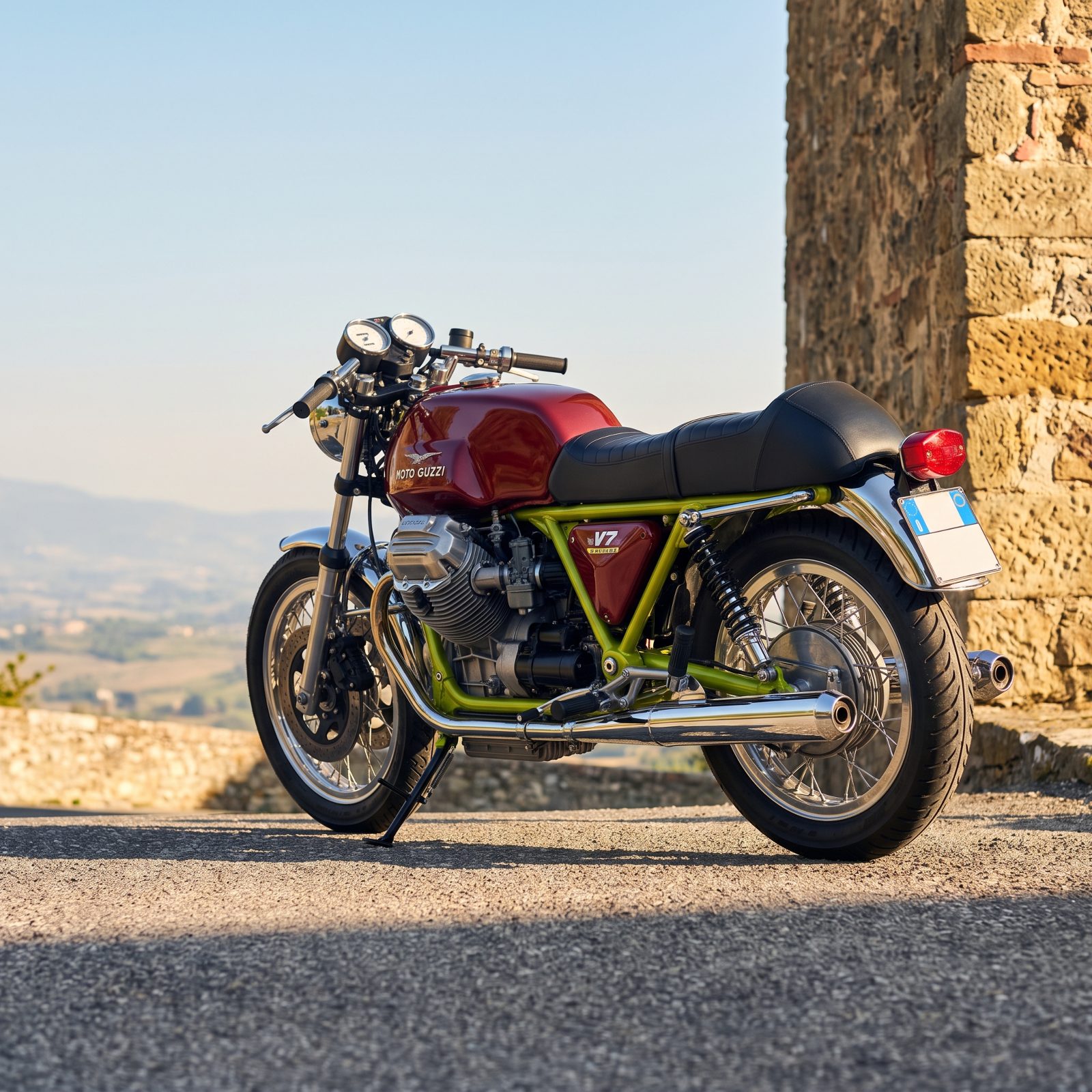
The green frame V7 Sport is the one Guzzi people get misty about. That lime chassis against the dark red tank is instantly recognizable, and the early loop-frame bikes are the holy grail.
A transverse V-twin with shaft drive, low clip-ons, and a chassis that handles like it means it. This was Guzzi telling the world Italians could build a sporting tourer, not just a scooter.
21. Laverda 750 SFC: The Orange Endurance Racer You Could Buy
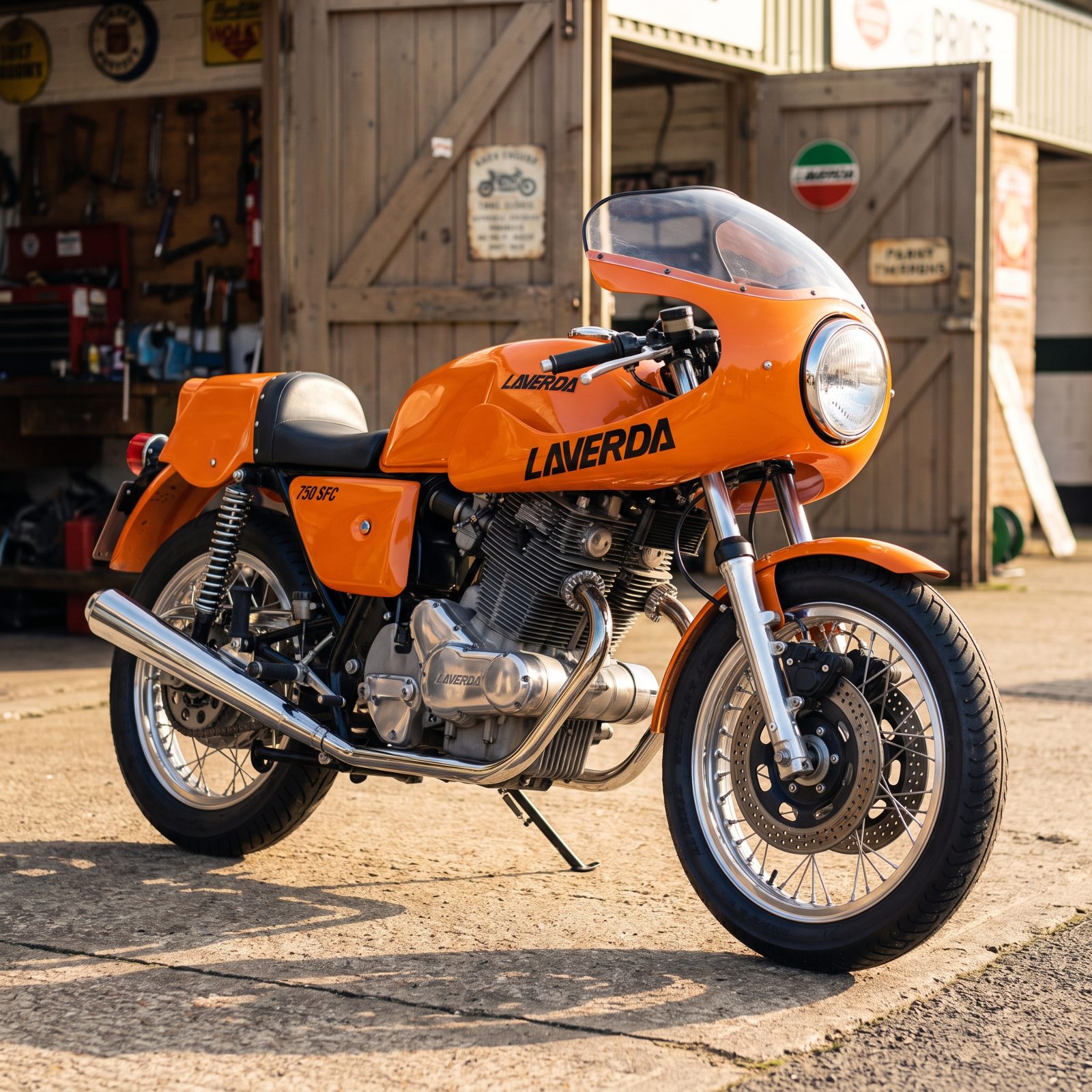
The SFC was built to win long-distance endurance races, then sold to the public in small numbers. Bright orange, half-faired, loud and heavy, it was a homologation special before most people knew the word.
Laverda made them in tiny batches. That rarity, plus a genuine racing record, puts the SFC at the top of the collectible Italian twin pile.
Owners who sold them cheap in the eighties were looking at a stubborn, heavy, hard-starting old racer. What they let go now trades for more than most new cars. Taste changes, and values follow.
20. MV Agusta 750S: The Four-Cylinder Jewel Few Could Afford New
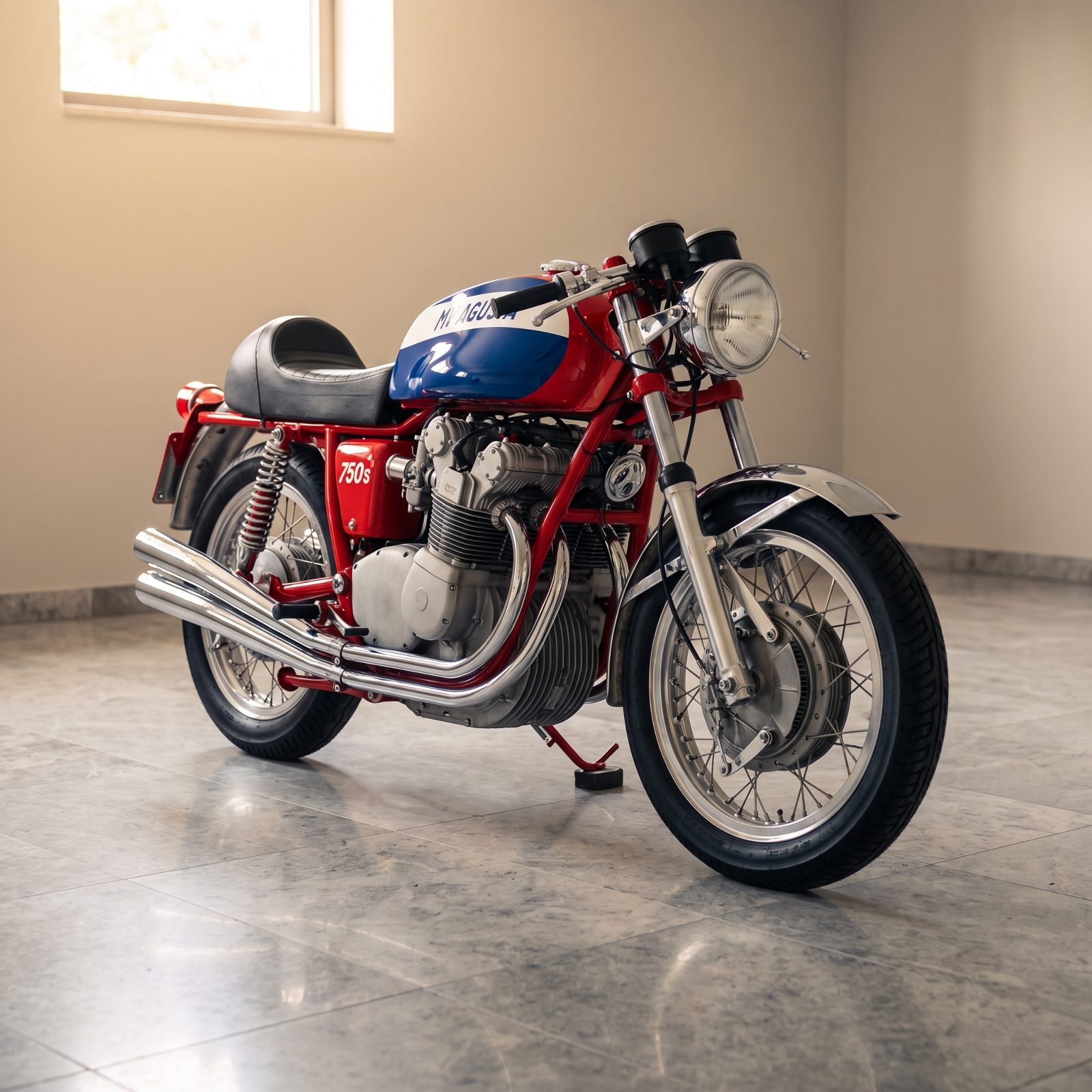
The 750S was the closest thing to a street-legal Grand Prix bike in 1973. An inline-four, shaft drive, built by the company that owned the racing championships for years, and priced so high almost nobody could buy one.
That exclusivity never faded. An MV 750S today is a six-figure motorcycle, and the ones that surface get scrutinized for originality right down to the fasteners.
You didn’t just buy an MV. You bought a piece of a racing dynasty, and the sound to prove it.
Anyone who parted with one for a reasonable sum decades ago made a decision they’ll never explain happily.
19. Ducati 750 GT: The Bevel Twin That Became a Blue-Chip Icon
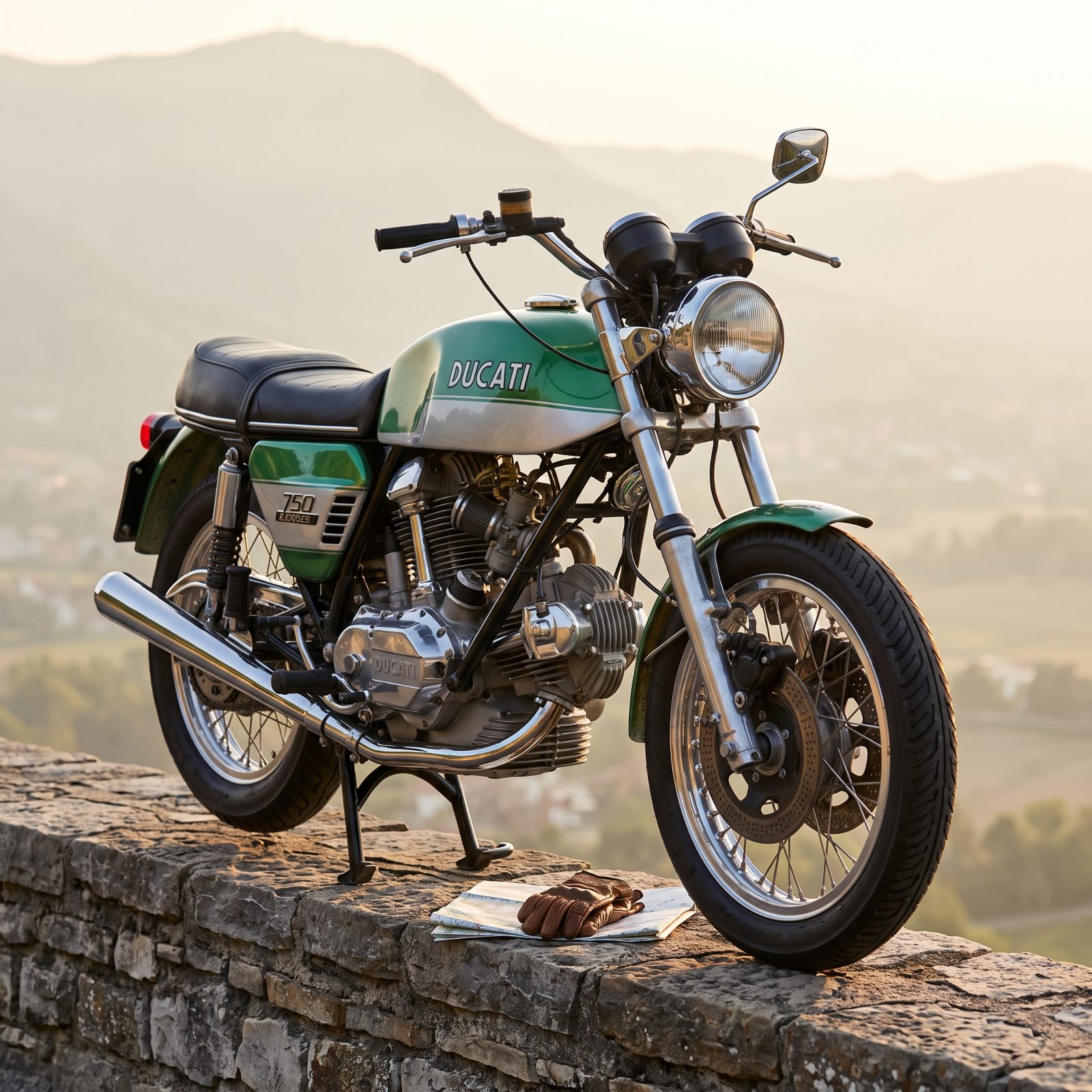
The 750 GT introduced the bevel-drive L-twin that would define Ducati for a generation. That engine, a cluster of polished cases and deep cooling fins under a green-and-silver tank, gives the bike a look nothing else shares.
It handled beautifully, which was the whole point. Fabio Taglioni designed it to go around corners better than anything, and it did.
Round-case GTs from the early seventies are now blue-chip collector bikes, especially clean original examples. Riders sold them back when they were just quirky old Italian twins with finicky bevel gears. Now the quirk is the appeal, and the appeal costs plenty. The ones who kept them look awfully smart.
18. Suzuki RE5: The Rotary Nobody Else Dared Build
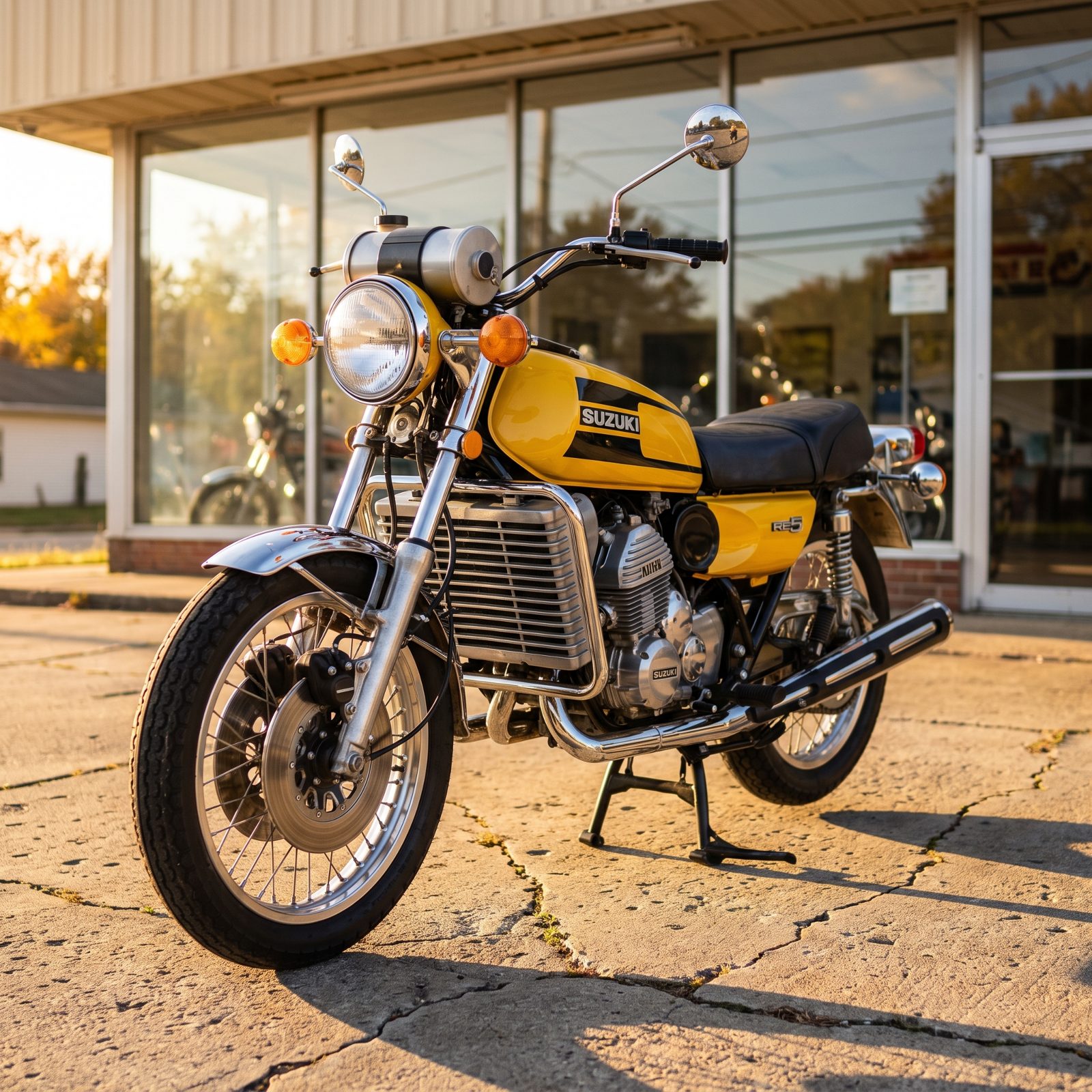
Suzuki bet the company on a rotary engine and the world shrugged. The RE5 drank fuel, ran hot, and weighed more than it had any right to, so it flopped. Which is the whole reason a clean one now pulls serious money at auction.
The gauge cluster is a cylindrical can with a hinged lid that pops open with the ignition. Nothing else looked like it then, and nothing looks like it now. Parts are a nightmare and specialists are rare, which keeps most people away. The ones who sold theirs in 1981 for grocery money think about it more than they’ll admit.
17. Benelli 750 Sei: Six Cylinders, Six Exhaust Pipes, Zero Regrets Until You Sold It
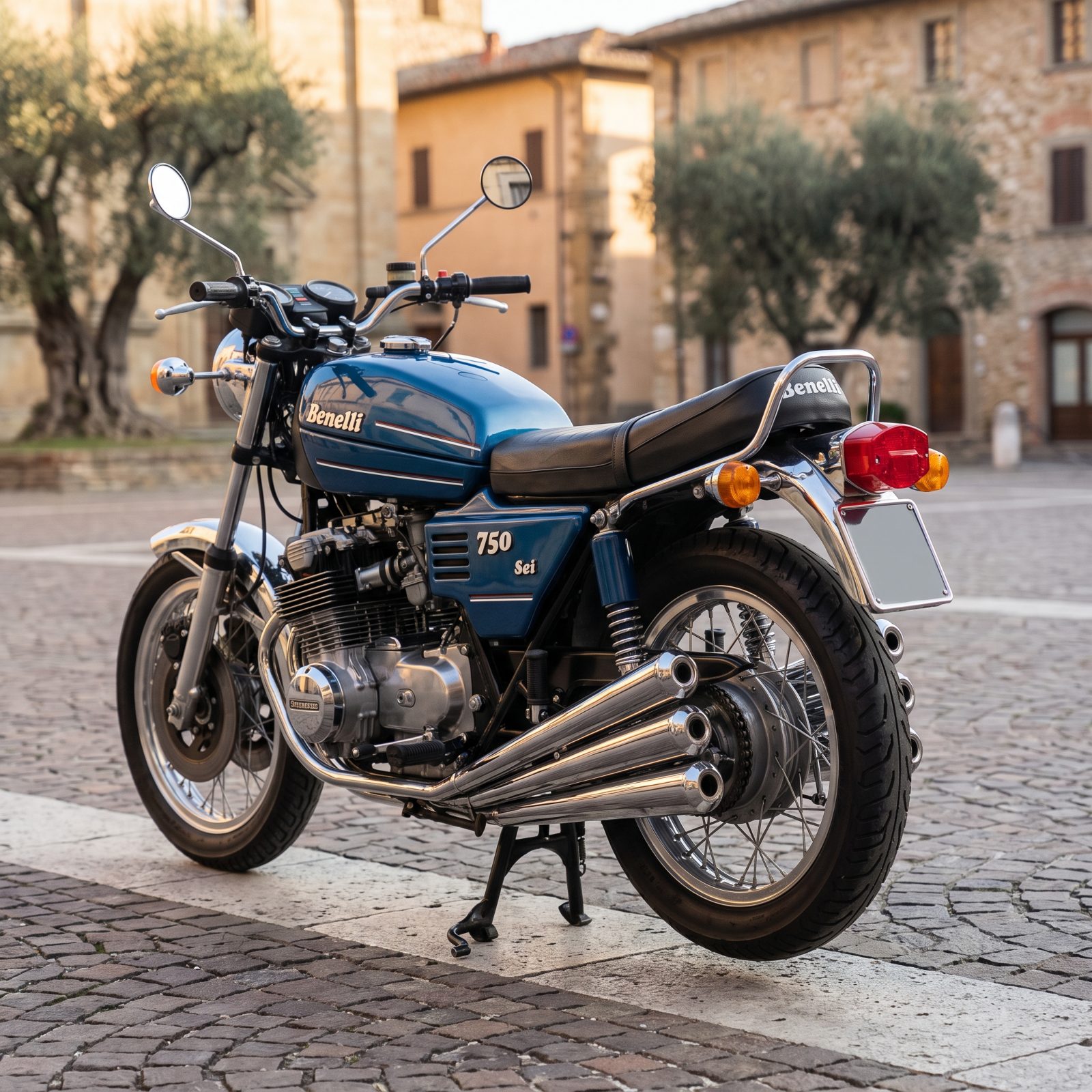
Six pipes. That’s what people remember. The Benelli 750 Sei lined up six chrome exhausts across the back like a pipe organ, and in 1975 nothing else on the road sounded remotely like it.
Underneath all that theater it borrowed heavily from Honda’s CB500 four, with two extra cylinders grafted on. Smooth as silk, slow to steer, and gorgeous in a way Japanese bikes weren’t yet trying to be. Values have climbed hard. A tidy Sei now commands money that would have bought a small house when it was new, and anyone who let one go for a few hundred dollars learned a slow, painful lesson about Italian charm.
16. Moto Morini 3½ Sport: The 350 That Shamed Bikes Twice Its Size
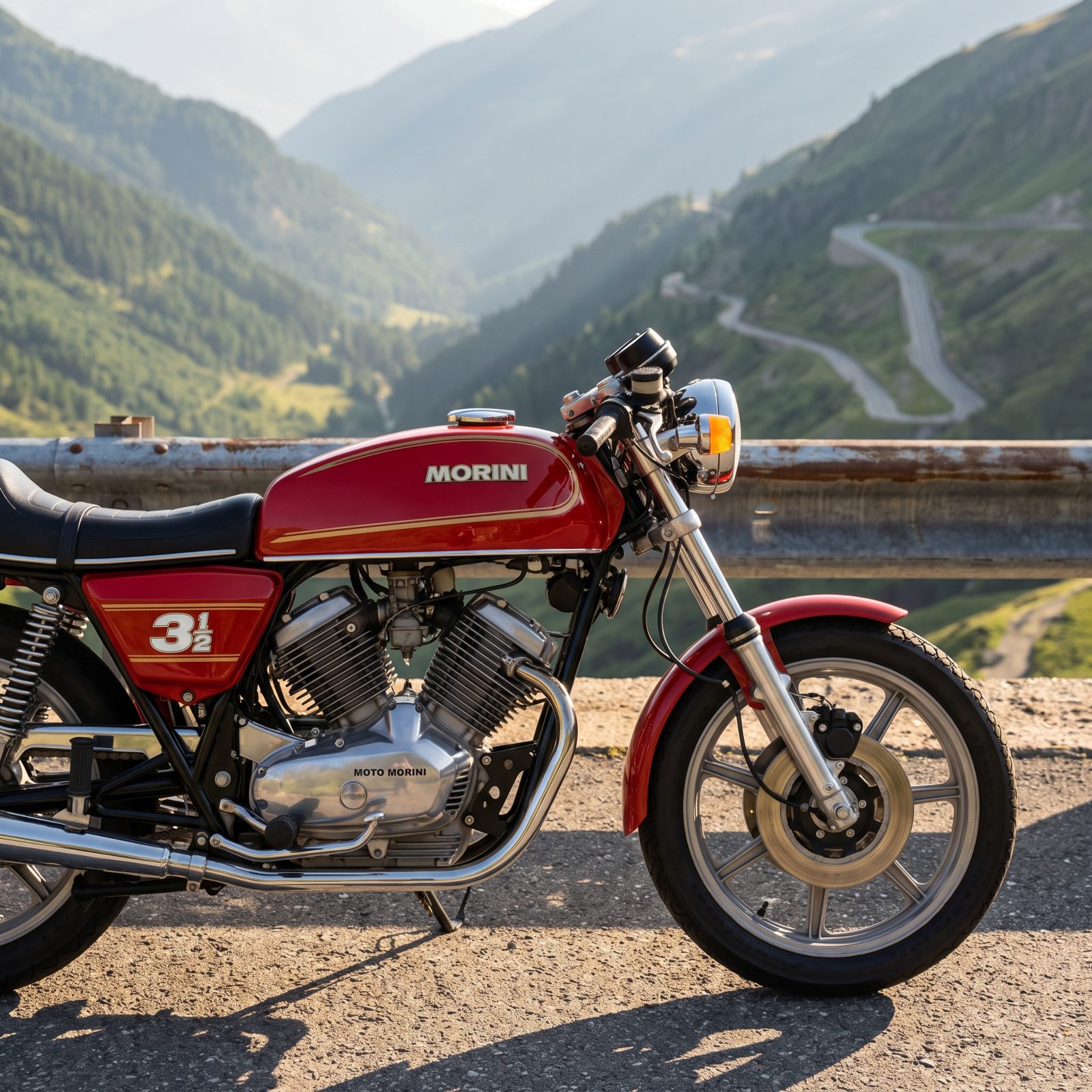
A 350 has no business embarrassing a 750. The Moto Morini 3½ Sport did it anyway, and the people who understood that kept quiet while everyone else chased displacement.
That 72-degree V-twin was a jewel. Toothed-belt cam drive, Heron combustion chambers, a chassis that danced through switchbacks where bigger bikes wallowed. On a tight mountain road it would simply run away from machines costing twice as much.
They were never cheap and they’re less cheap now. The riders who bought a 3½ Sport, flogged it for a season, then traded up to something bigger and dumber tend to wince when the subject comes up.
15. Honda CB400F Super Sport: The Four-Into-One That Everyone Wanted Back
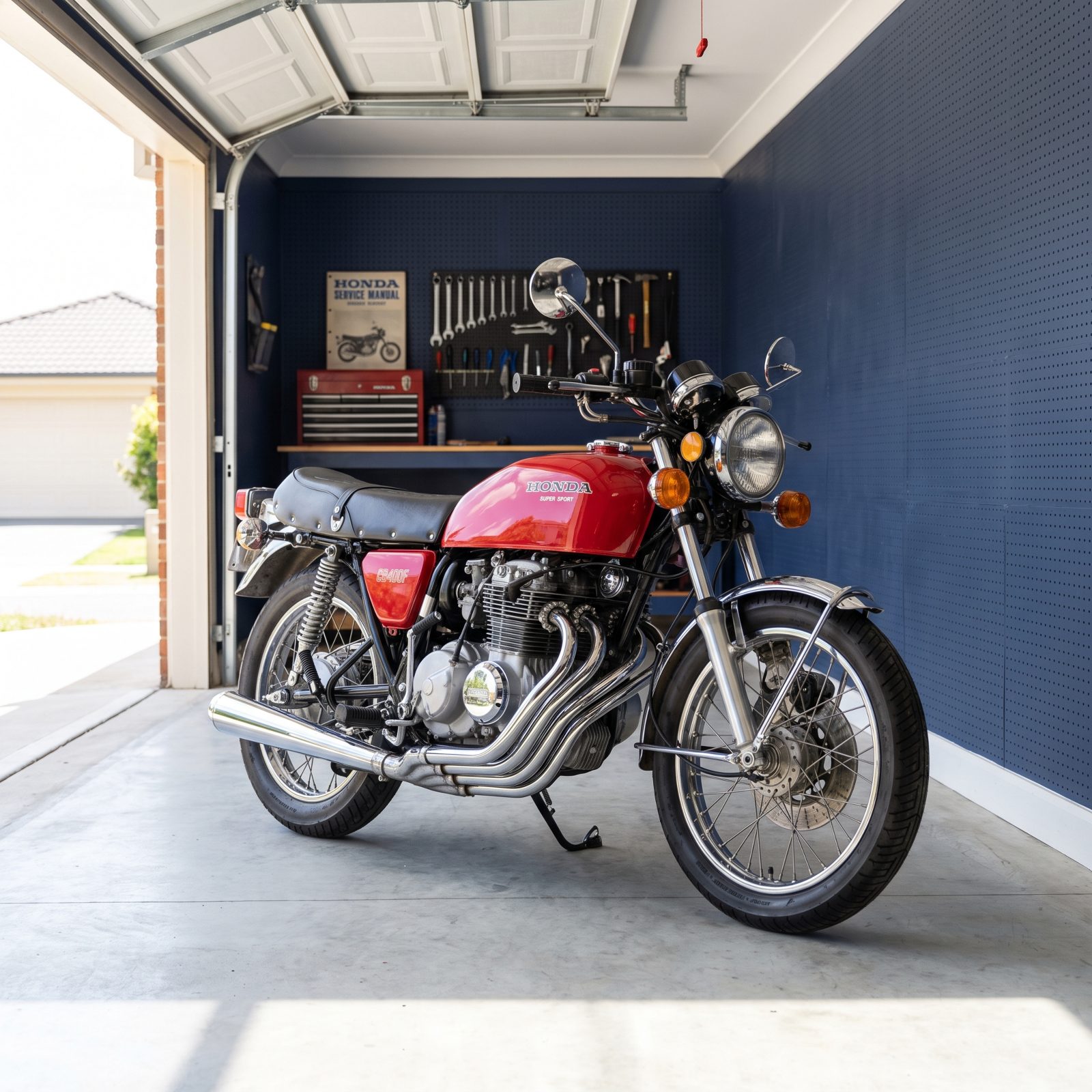
The exhaust made it. Honda bent a four-into-one header that swept down the right side like a piece of sculpture, and the CB400F has been chased by nostalgia ever since.
It wasn’t fast — forty-odd horsepower, revvy, happiest wrung right out. But it steered beautifully and looked like a proper café racer straight off the showroom floor, which almost no mass-market bike managed in 1975. Low bars, tidy tank, that pipe.
Clean ones have gone from cheap first bike to genuine collectible. Plenty of riders learned on a 400F, outgrew it, and sold it for next to nothing. Buying it back now costs real money.
14. Yamaha SR500: The Thumper That Became a Cult
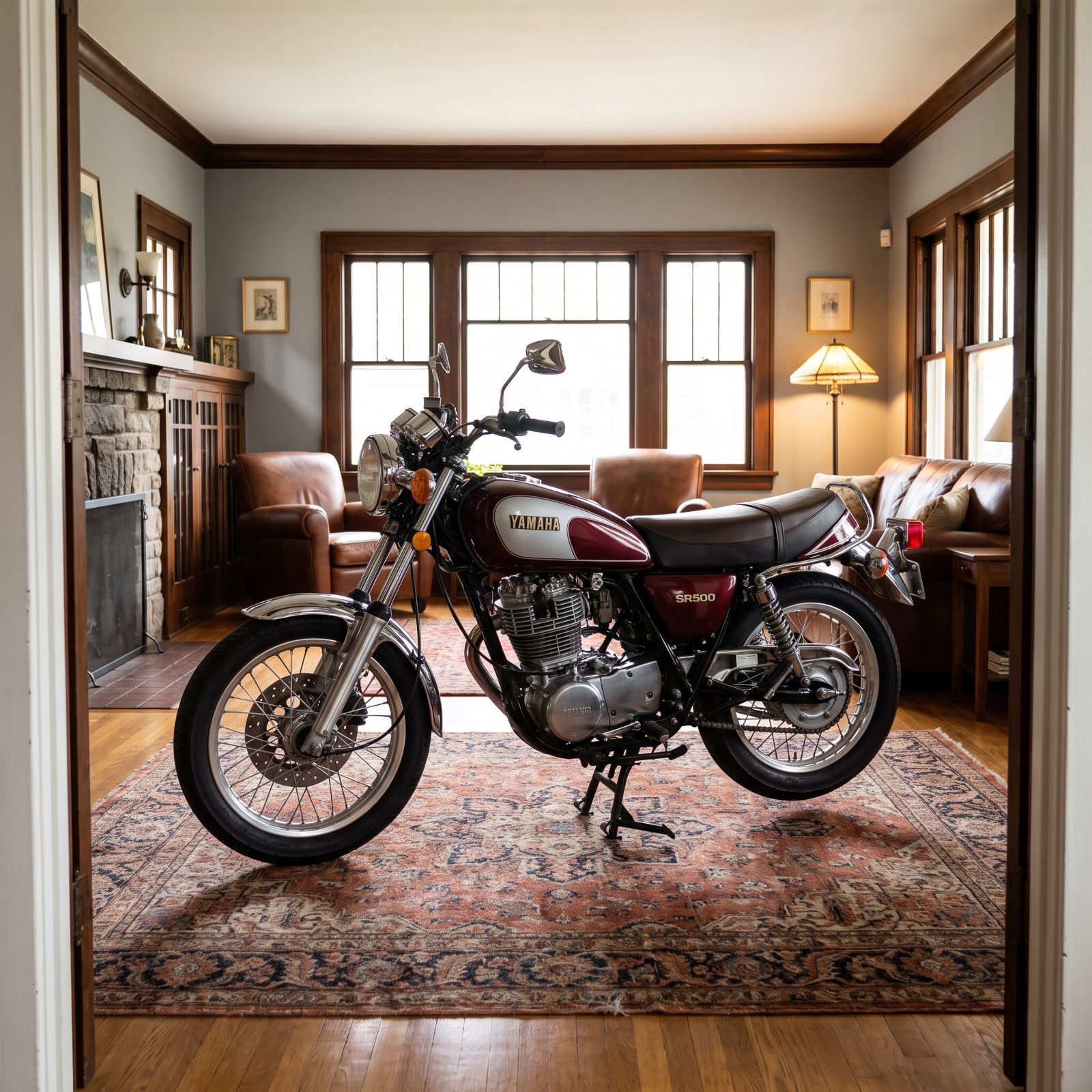
One cylinder. A kick-starter. A compression release you had to learn or you’d pitch yourself clean over the bars. The Yamaha SR500 asked something of you, and that’s exactly why people still love it decades later.
It hung on in various forms for an astonishingly long run because a small, loyal crowd flat refused to let it die. The customizers found it. The brat-style and café-racer scenes built entire movements on that honest air-cooled single.
Here’s the twist: a stock, unmolested SR500 is now harder to find than a modified one, and worth more. Everyone cut theirs up. The person who kept one original is sitting pretty.
13. Yamaha XS650: The Twin That Refused To Die
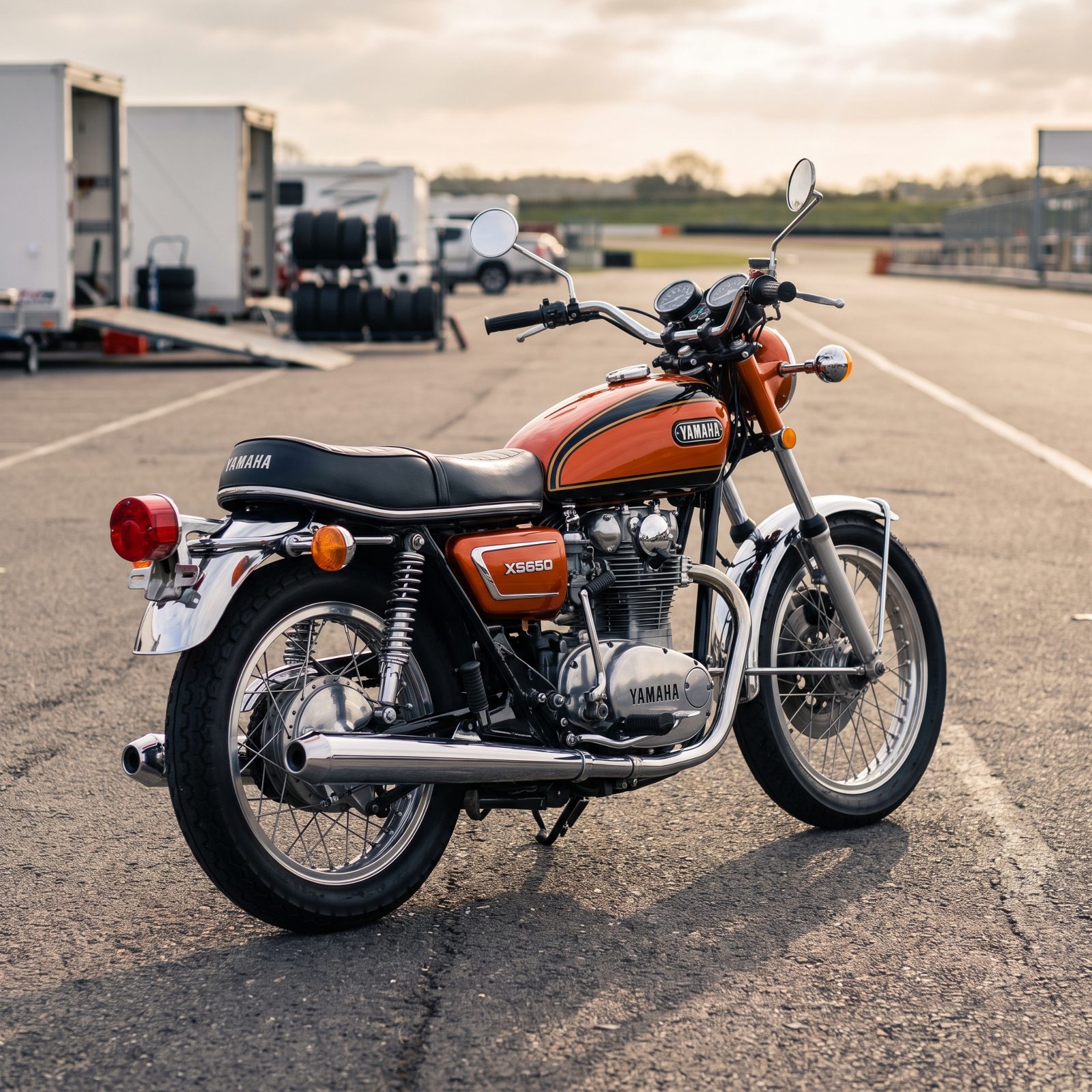
The XS650 is the bike that proved the Brits could be beaten at their own game. A vertical twin with the soul of a Triumph and the reliability the Triumph never managed.
It handled well, sounded right, and didn’t leak oil onto your garage floor every Sunday. That combination built a following that has only grown — the flat-track crowd adopted it, and the chopper and bobber builders strip them down by the hundred.
Which is the problem for anyone chasing an original. Unmodified examples get rarer every year. A clean, stock XS650 now fetches money that would have made a 1970s owner laugh out loud.
12. Suzuki GS1000: The Superbike That Finally Stopped and Turned
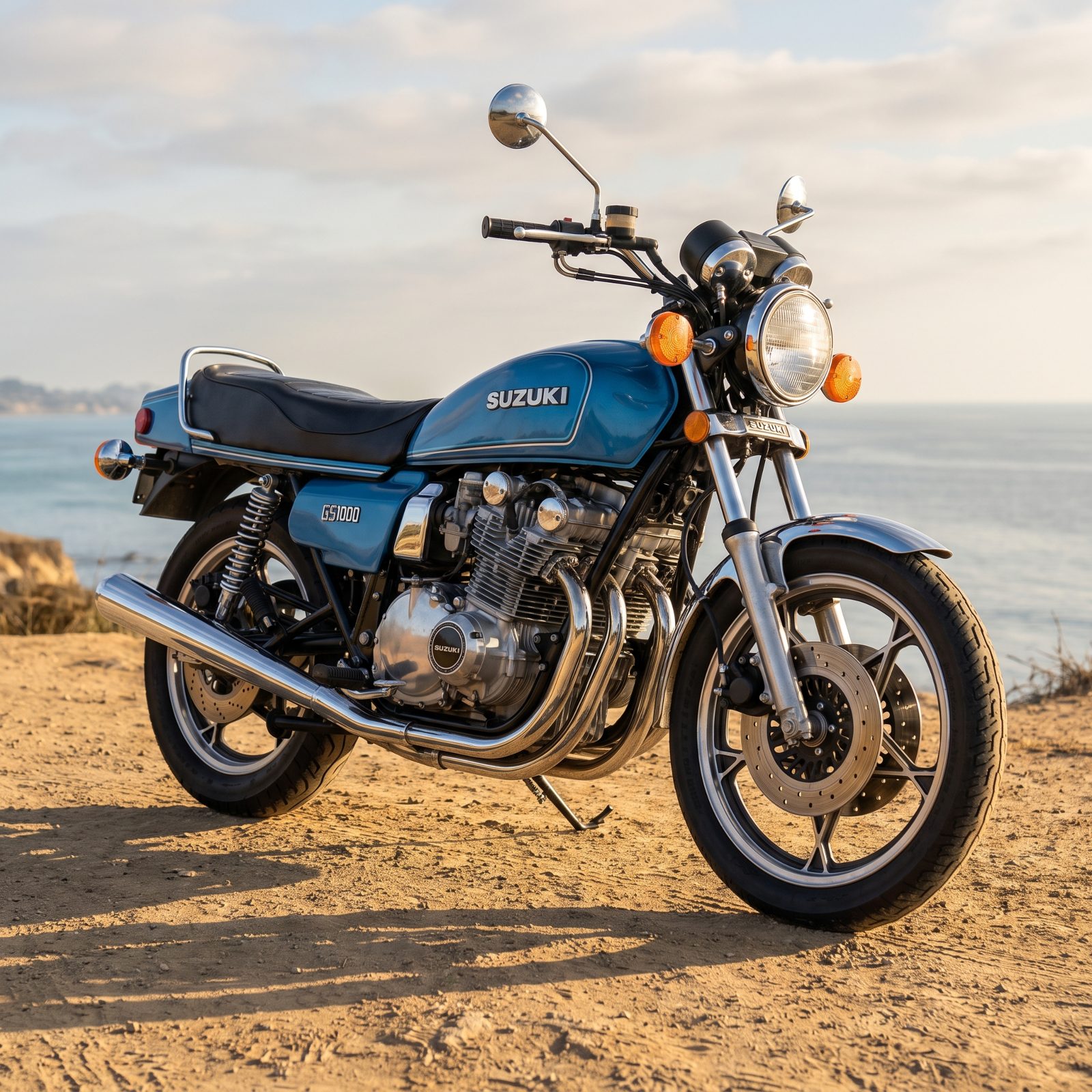
Before the GS1000, big Japanese fours went fast in a straight line and then tried to murder you in the corners. Suzuki fixed that. Here, at last, was a liter-class machine that could stop and change direction without drama.
It won races and it won respect, and it did it all with an air-cooled four tough as an anvil — the kind of engine that runs forever if you don’t do anything stupid.
For years these sold cheap because they weren’t exotic, just excellent. That window has closed. Riders who dismissed the GS1000 as a sensible commuter are now watching clean ones climb and kicking themselves.
11. Kawasaki Z1-R: The Angular Café Racer That Split Opinion
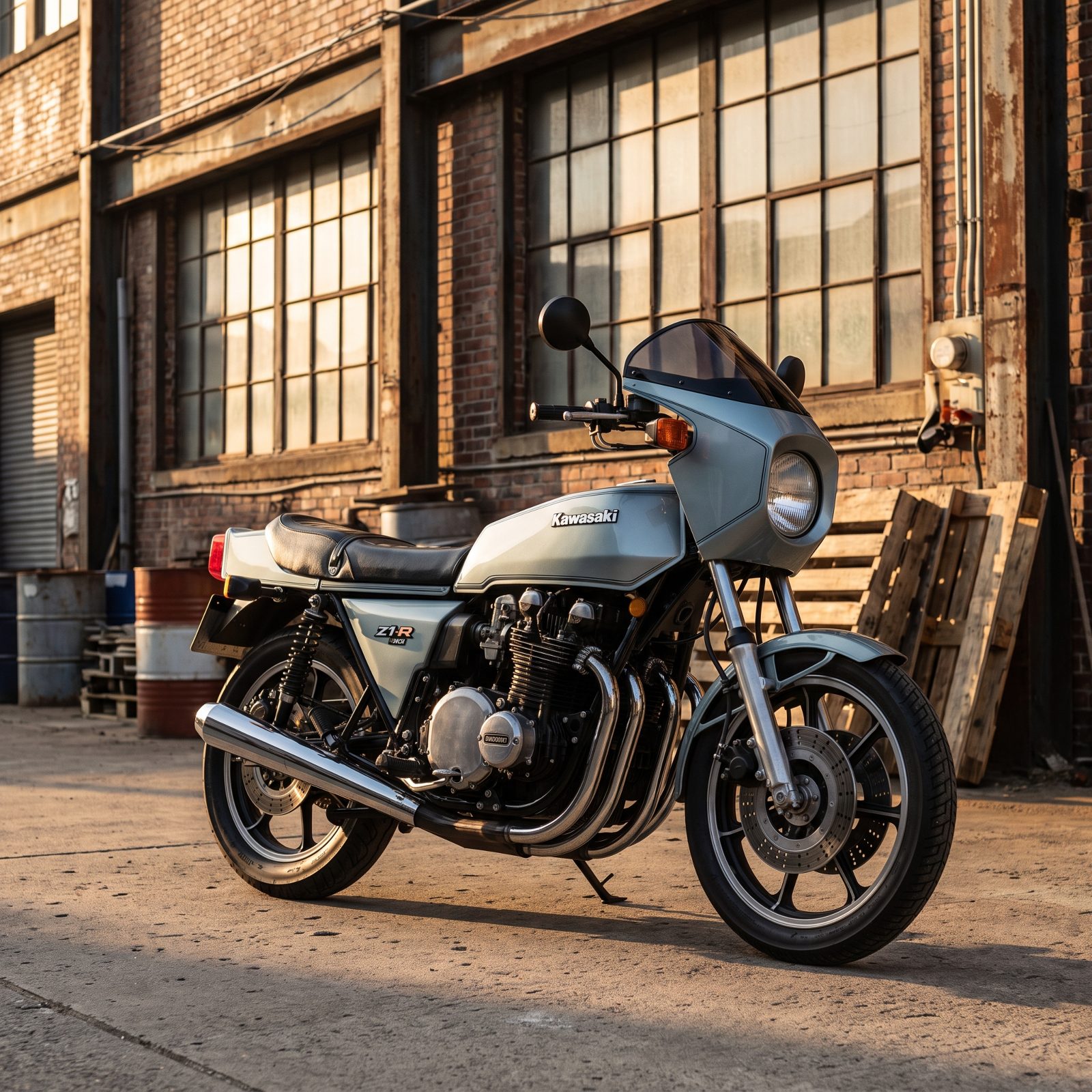
Angular. Grey. Divisive. The Z1-R looked like nothing else Kawasaki had built, all hard wedge lines and that oddly serious bikini fairing, and people either loved it on sight or couldn’t stand the thing.
Underneath the styling sat the proven DOHC four, fast and solid. But the looks were the gamble, and they didn’t move in huge numbers, which is precisely why originals are scarce and prized now.
That steel-grey paint is hard to find unfaded and almost impossible to match. A sharp, straight Z1-R with its fairing intact is a genuine find. The ones who thought it looked weird in 1978 and walked past had no idea what they were leaving behind.
10. Harley-Davidson FX Super Glide: The Factory Custom That Started It All
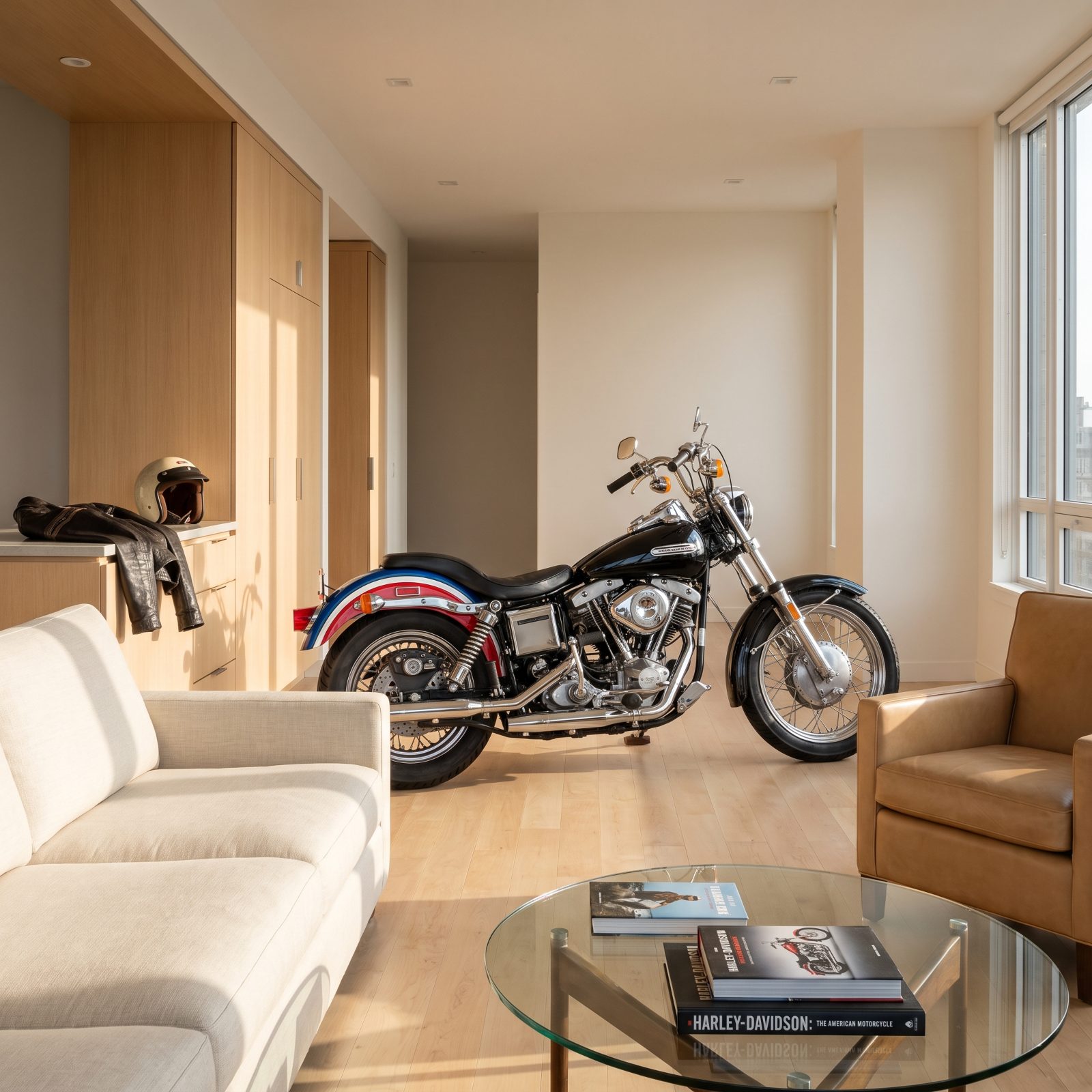
Willie G. Davidson looked at what customizers were doing in their garages and built it at the factory. The 1971 Super Glide married a big-twin engine to a light front end, and the whole factory-custom idea was born right there.
The early boat-tail versions split people hard. That swooping one-piece fiberglass tail was simply too much for a lot of buyers at the time, so Harley toned it down with a conventional steel rear fender and a separate dual seat — and that first wild version became the one collectors hunt.
Anyone who owned a genuine boat-tail FX and dumped it when the styling felt dated made an expensive mistake. Those early examples carry real weight now, in history and in dollars both.
9. Yamaha TZ750: The Two-Stroke Rocket Too Fast For Its Own Good
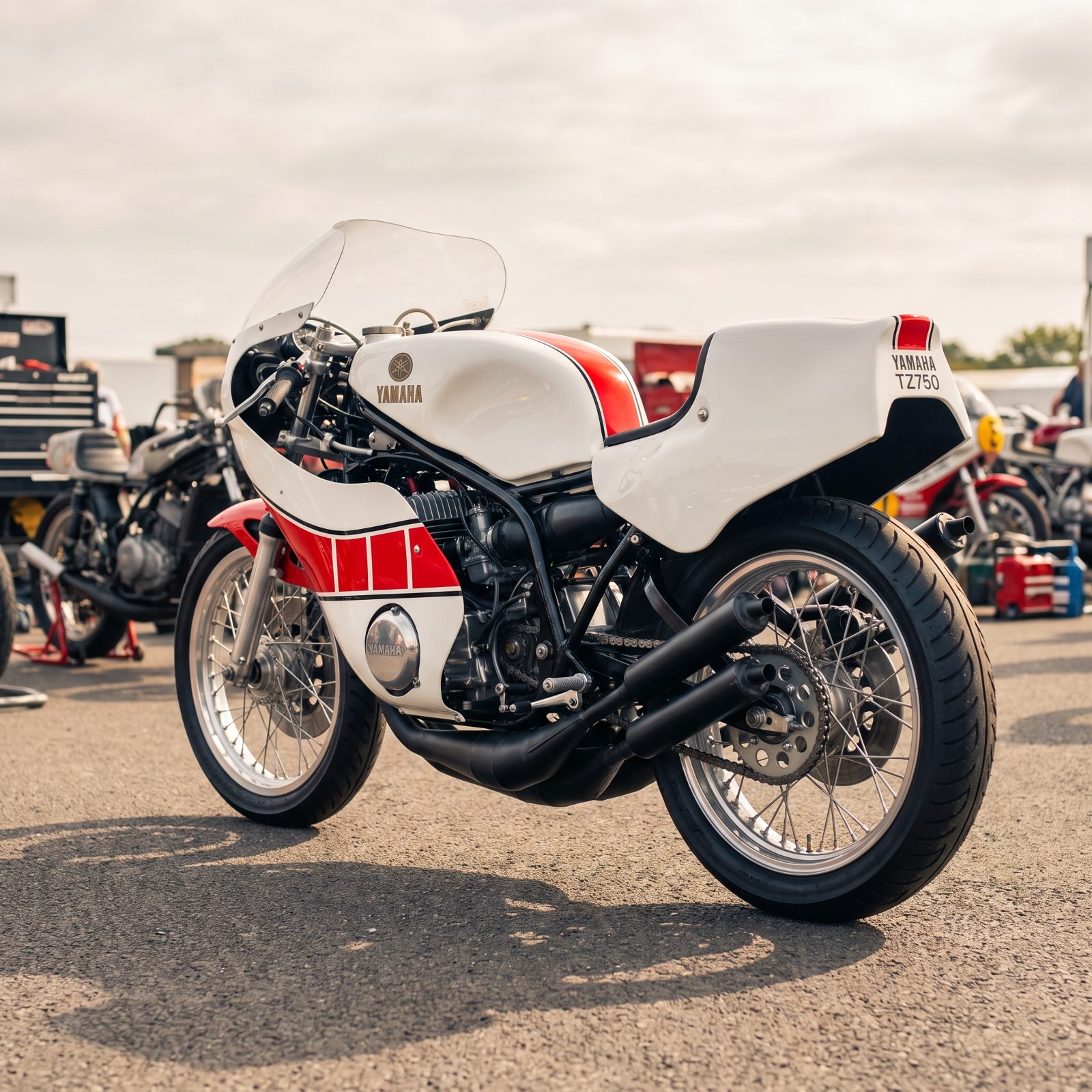
This one was never a street bike, and that’s the point. The TZ750 was a pure racing two-stroke that made so much power it frightened the people paid to be good at riding fast.
Kenny Roberts famously manhandled one around a dirt mile and declared they didn’t pay him enough to do it. Four cylinders, four expansion chambers, a scream that could peel paint. It defined an era of grand-prix and dirt-track racing.
Private racers bought them, blew them up, rebuilt them, and eventually moved on. Complete, correct survivors are serious collector pieces today, worth staggering sums. Any club racer who sold theirs cheap in the eighties to fund the next season tells that story with real regret now.
8. Honda CR250M Elsinore: The Two-Stroke That Caught the Factories Flat-Footed
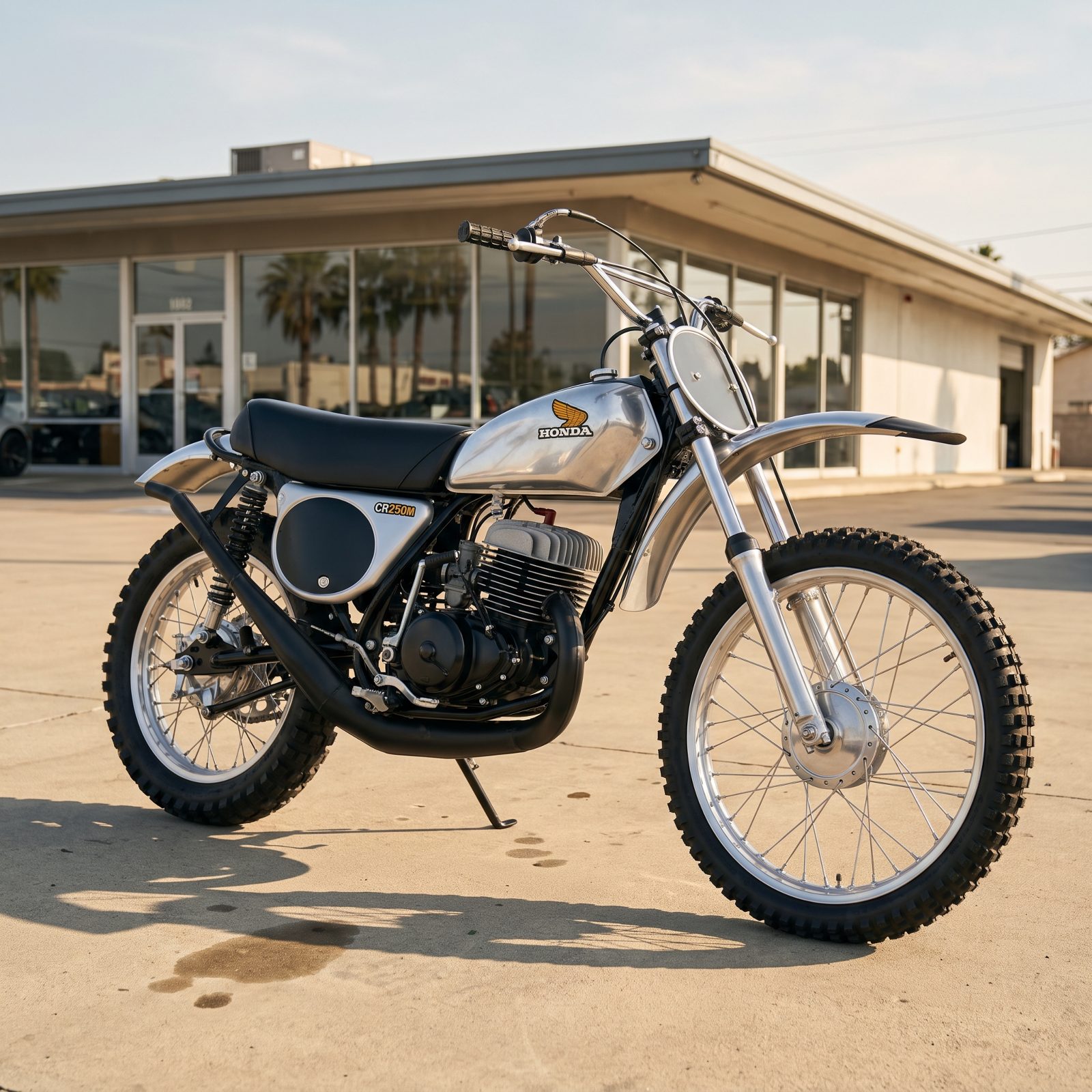
Honda’s first production motocrosser, aluminum tank and all, arrived ready to race, and it made every four-stroke dirt bike in America look like a plow horse overnight. Light, fast, honest — you could buy one off the showroom floor and go race it Saturday.
Then it started winning, and sales went vertical. Clean original Elsinores in lightless race trim now pull serious money at vintage auctions, and the folks who sold theirs for a few hundred bucks back in 1981 still wince when the subject comes up.
7. Husqvarna 400 Cross: The Swedish Hammer Everybody Underrated
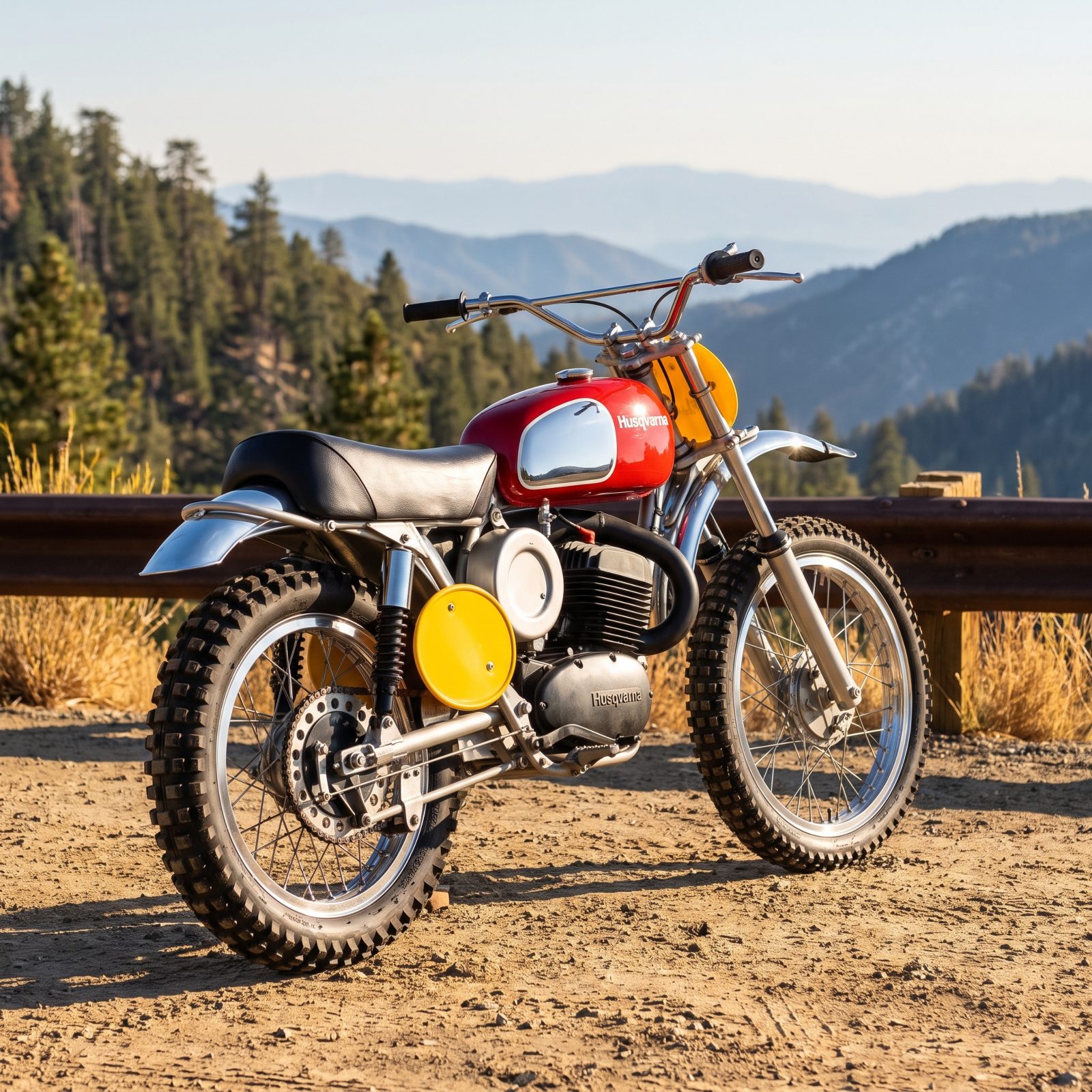
Light where it mattered, strong where it counted. The 400 Cross convinced American riders that a slim European two-stroke could humble anything Detroit or Japan had on the dirt.
Malcolm Smith rode one hard. So did a lot of desert racers who learned the painful way that the lightweight chassis rewarded a smooth throttle hand and punished a clumsy one. Parts are findable but not cheap, and a correct-colored red tank with period Husky script is the detail collectors chase. Sell one today and you’re financing somebody else’s garage.
6. Maico 501: The German Monster With a Two-Stroke Punch Like a Kicked Door
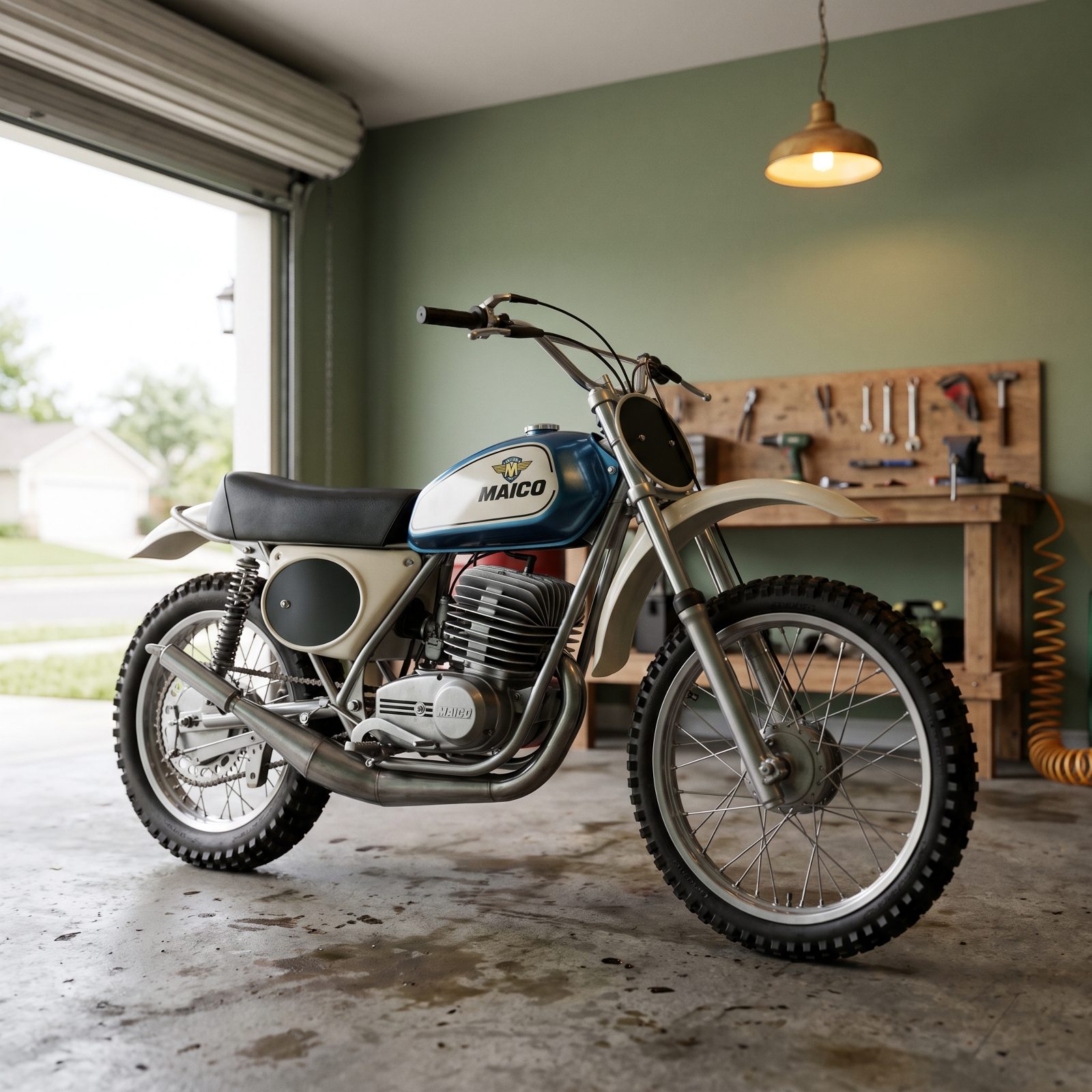
Big-bore two-strokes have no manners, and the 501 had the least of all of them. Riders talk about that midrange hit the way old sailors talk about storms.
Maico built motocross machines with handling that outran the competition for years, right up until the company’s finances fell apart in the eighties. That collapse is exactly why survivors matter. No corporate reissue, no second act, nothing. A correct 501 with its original bodywork and that enormous thumping single is a piece of a company that simply stopped existing.
5. Bultaco Pursang: Spanish Fire in a Red Tank
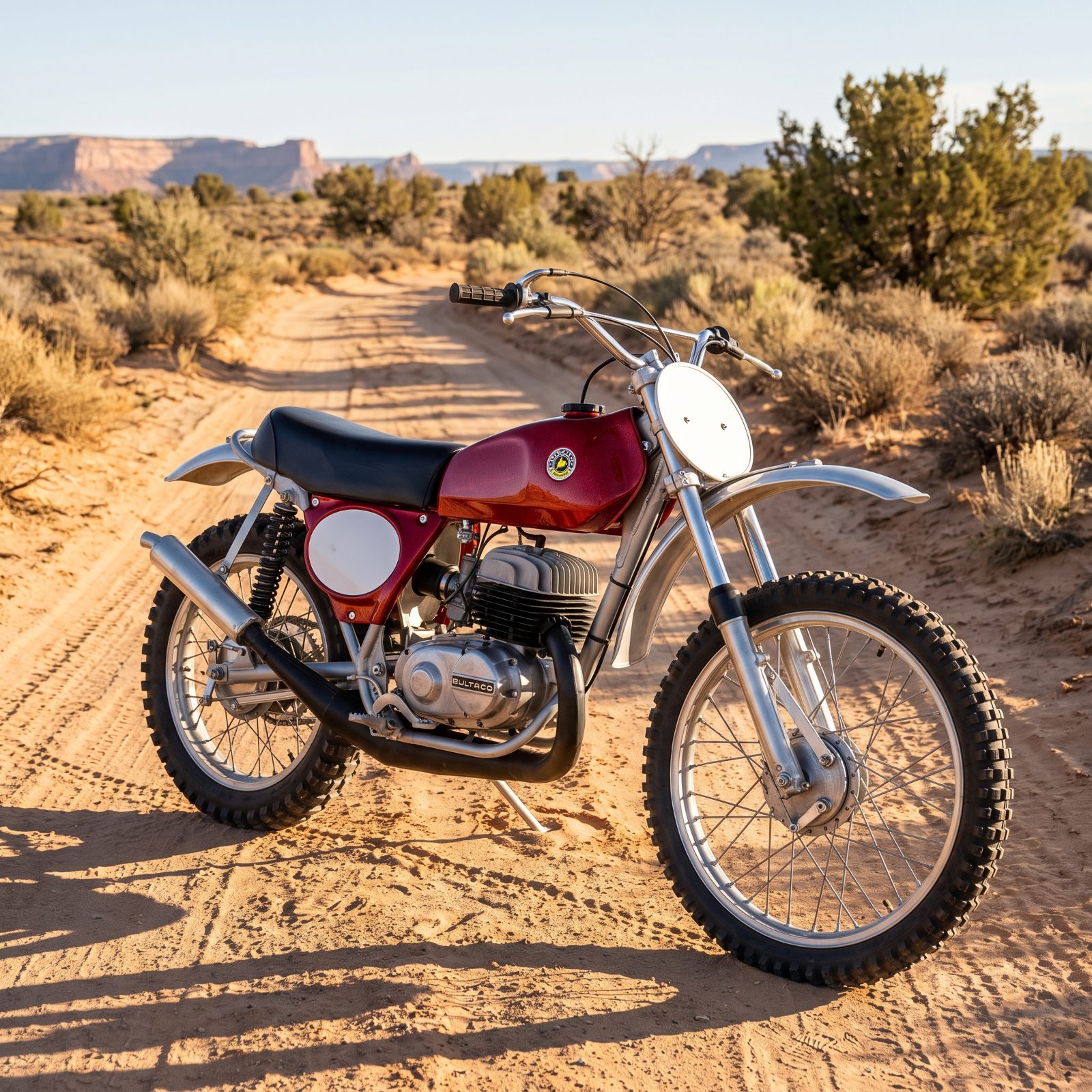
Red tank, thumbs-up logo, and a reputation built in the desert and on trials sections around the world. The Pursang was Bultaco’s motocross and enduro weapon, and it carried a soul the Japanese bikes couldn’t buy at any price.
Bultaco went under in the late seventies, revived briefly, then faded for good. Every clean Pursang is a small monument to a lost marque. Collectors want that metal-flake red tank untouched, and a straight example with correct controls and that unmistakable badge is worth holding onto with both hands.
4. Bultaco Sherpa T: The Trials Bike That Taught the World to Dance on Rocks
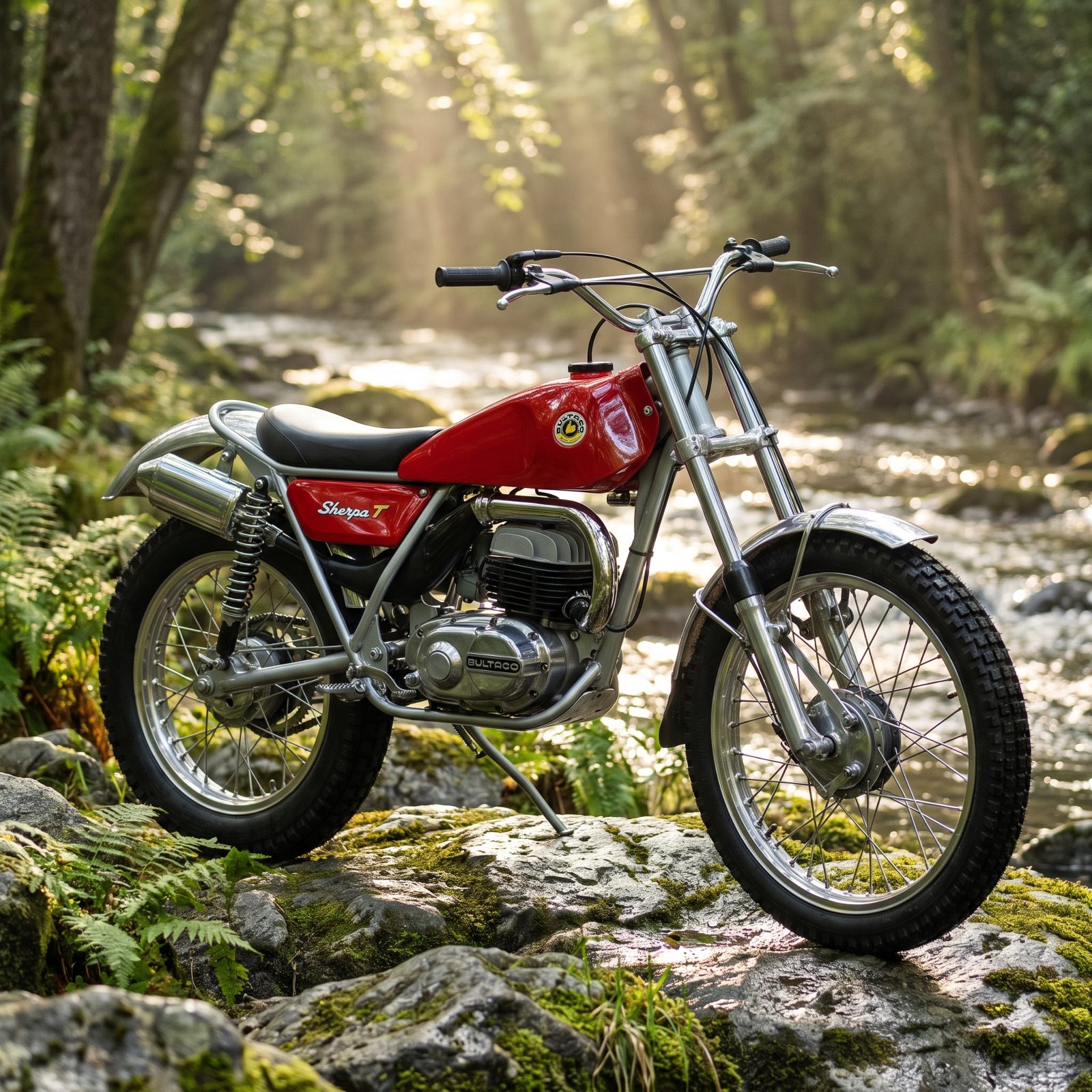
Sammy Miller helped develop it, and the Sherpa T basically wrote the rulebook for modern observed trials. Light, nimble, forgiving in a way that made impossible rock sections suddenly look polite.
These are the quiet collectibles. No screaming power, no race glory in the usual sense — just a near-perfect tool for a discipline most people have never watched. Riders who learned finesse on one and later let it go almost always say the same thing. They’d take it back at any price. Good originals are getting genuinely scarce.
3. Penton 125 Six Day: The American Dream Wearing a German Engine
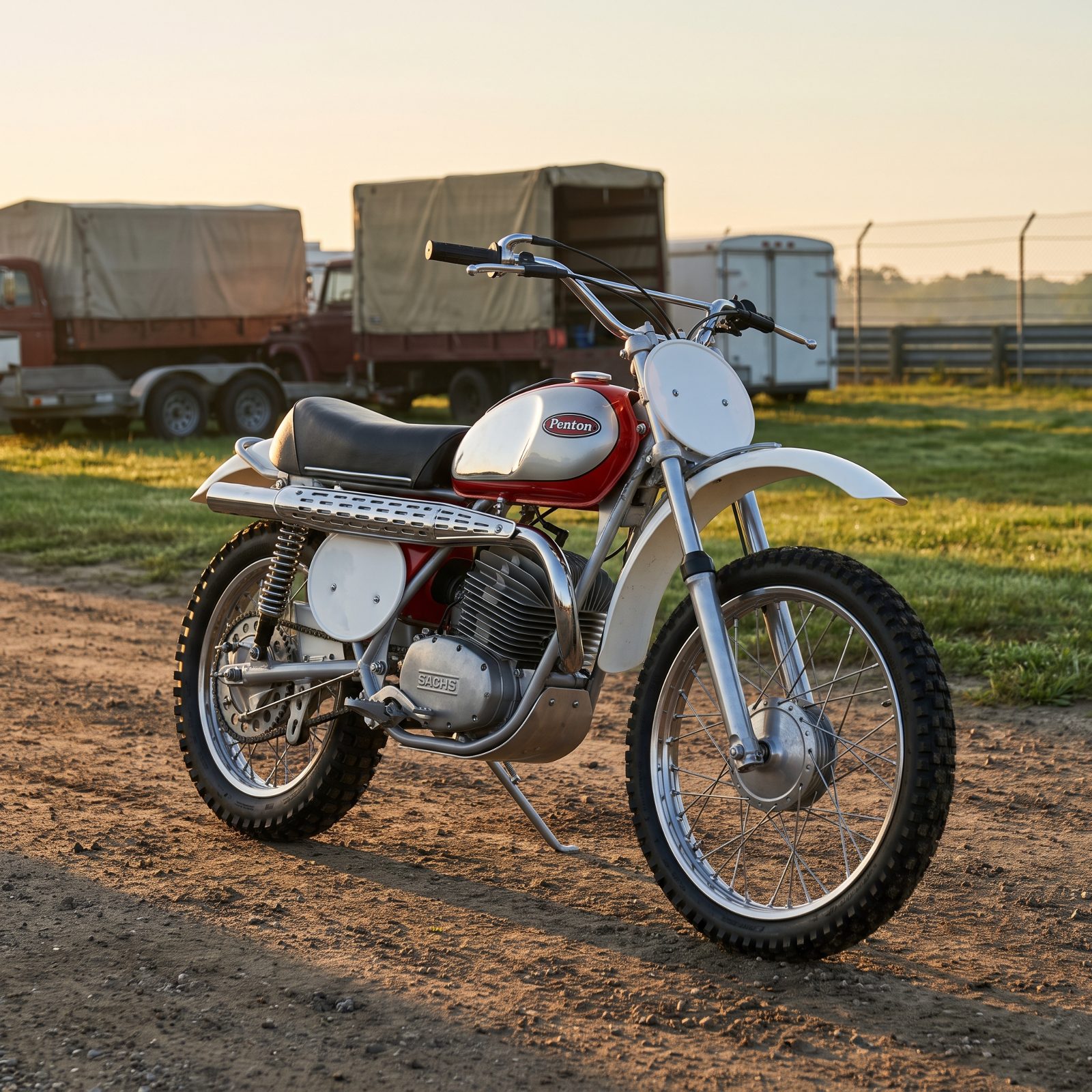
John Penton couldn’t find a light enduro bike he liked, so he had one built. German Sachs power, American vision, and a name that became legend in the International Six Days Trial.
Tiny, tough, and years ahead of its time. Penton the company eventually folded into KTM’s story, which puts these bikes at a fascinating hinge point in off-road history. Clean, unmolested examples with the correct Sachs engine and original graphics are collector gold, and the people who dumped theirs at swap meets in the eighties learned a slow, expensive lesson.
2. Suzuki T500 Titan: The Street Two-Stroke That Refused to Seize
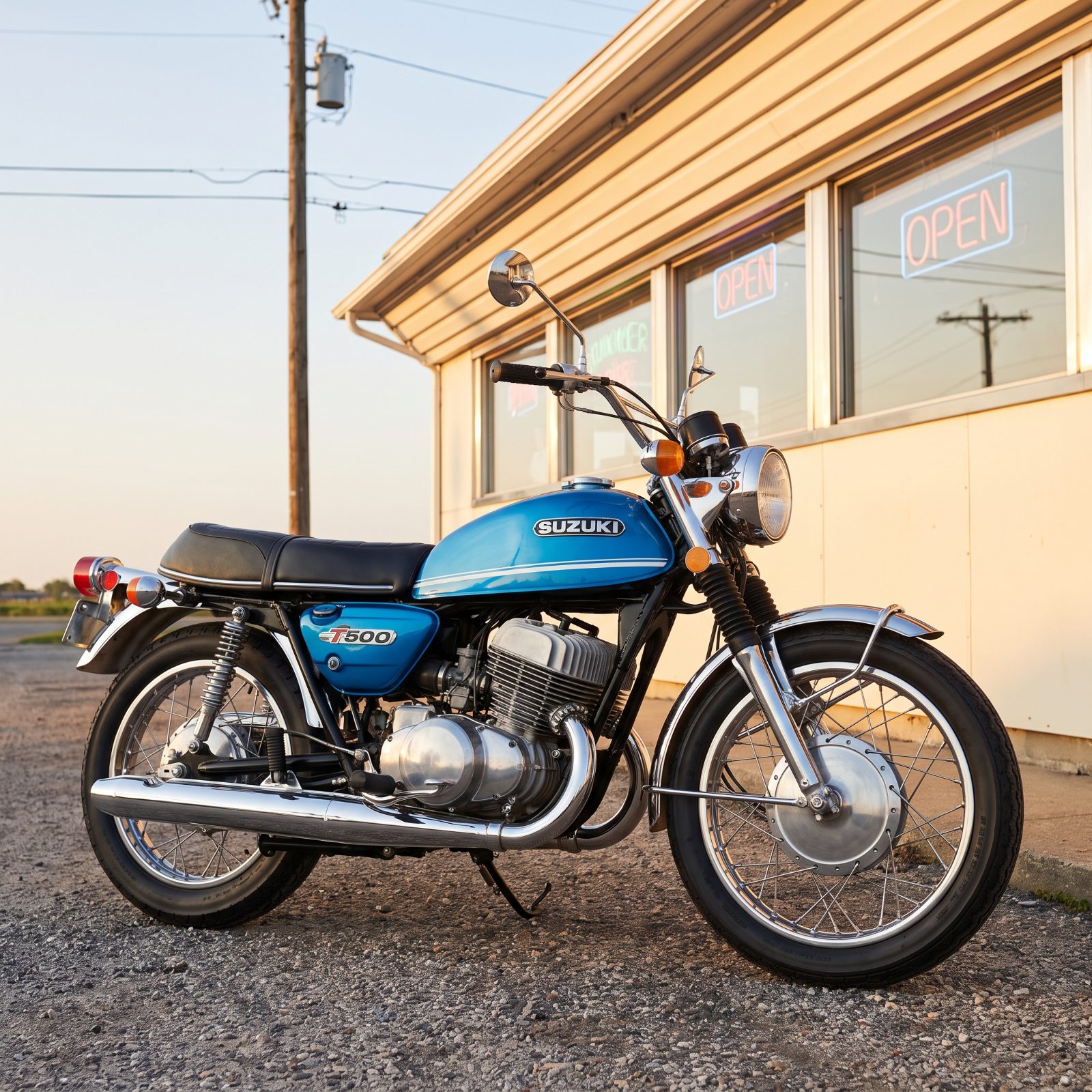
Everyone warned you a half-liter two-stroke twin would melt down on the highway. The Titan proved them wrong, running reliably where common sense said it had no business running at all.
It was never the fastest or the flashiest, which is exactly why so many got ridden hard and traded off cheap. A clean, correct T500 with its candy paint and twin chrome pipes is harder to find than the production numbers suggest. And the sound — that ring-ding wail from two expansion chambers — is enough to make a former owner regret the sale every time one rolls by.
1. Ducati 750 Super Sport: The Green-Frame Grail That Beat the Japanese at Their Own Game
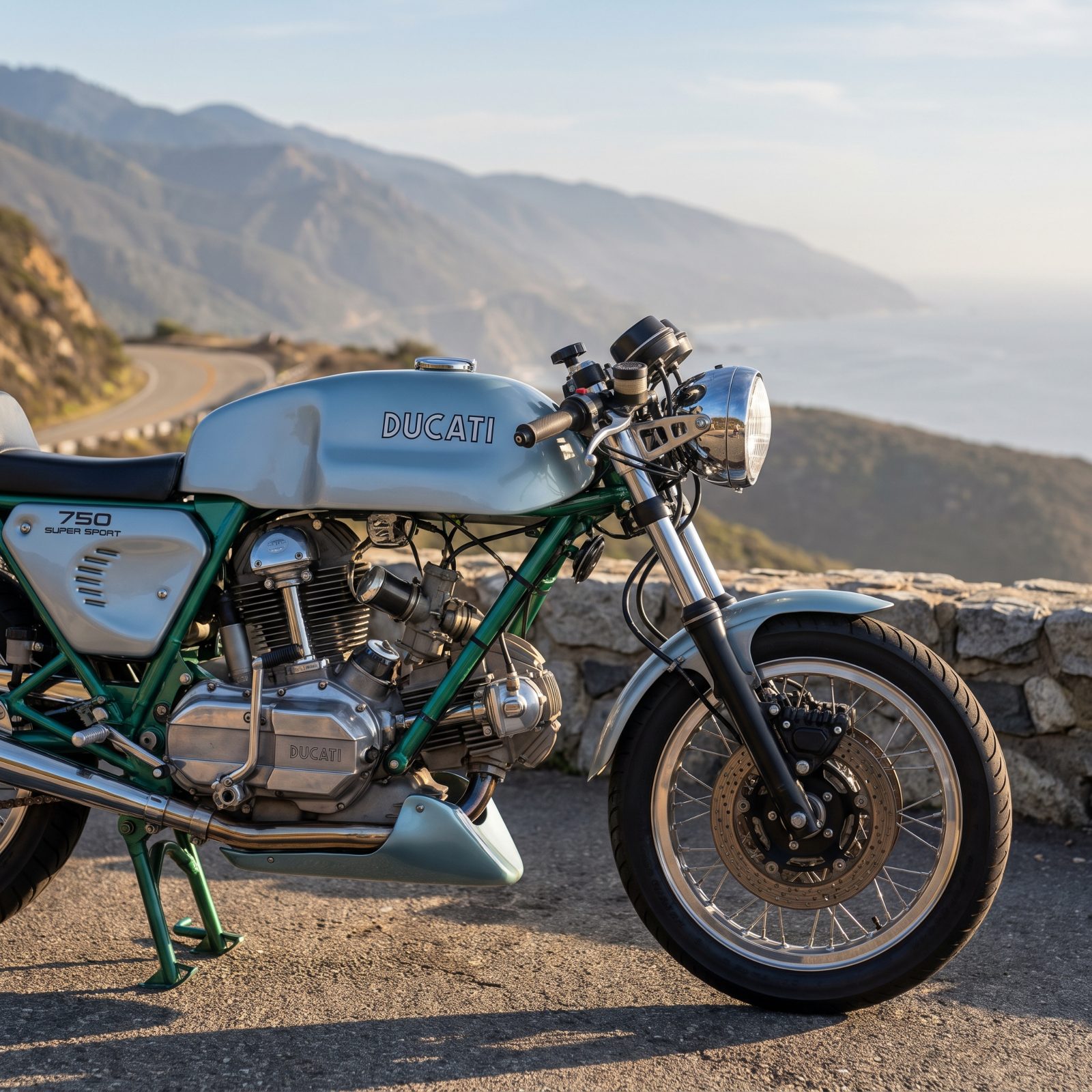
This is the one. The 1974 green-frame 750 Super Sport sits at the very top of the collectible-Ducati ladder, and for good reason.
Built to celebrate Paul Smart’s 1972 Imola 200 win — a race where Ducati’s bevel-drive L-twin embarrassed bigger, more powerful machines through sheer handling and torque. Only a small run left the factory. Values have climbed into territory most riders never imagined for a seventies motorcycle, which is why anyone who let one go in the lean years talks about it with a particular kind of quiet grief.
You don’t sell a green-frame Super Sport. You just borrow it from the next owner for a while.