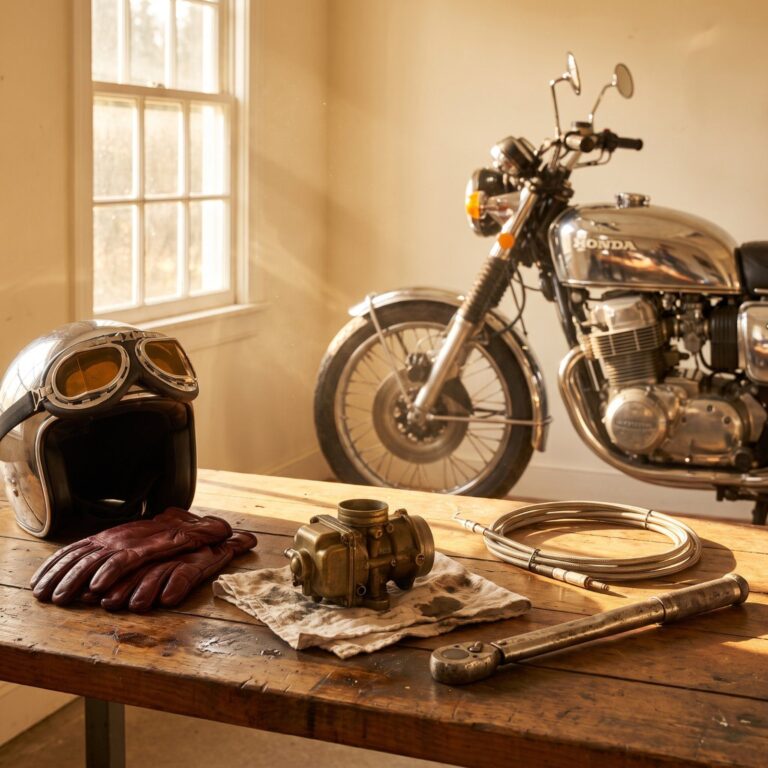
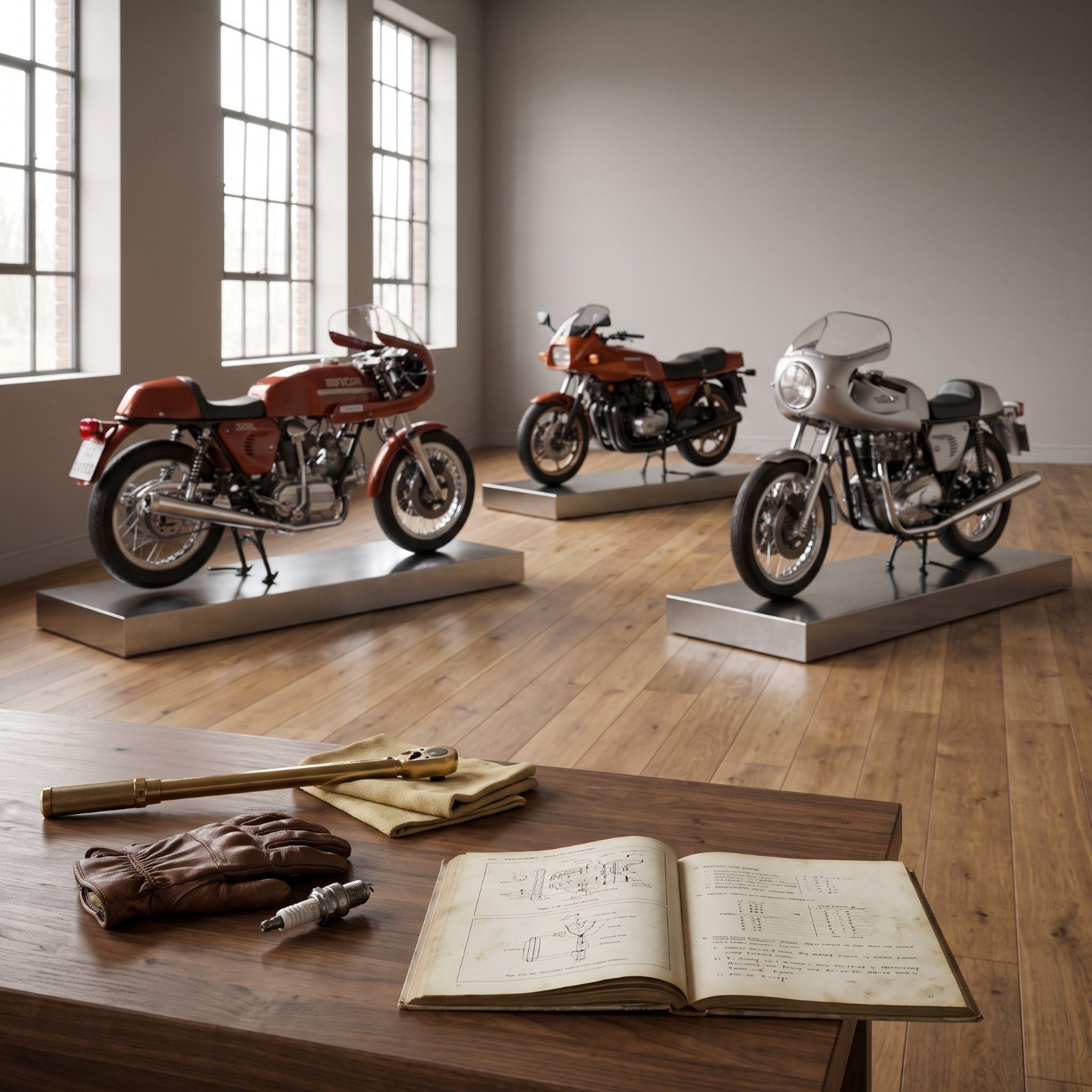
The real money, and the real conversations at Bonhams and in the paddock at Goodwood, happens around machines most riders have never thrown a leg over. Hand-welded frames from a workshop in Rimini. A Dutch superbike running a Wankel rotary. A turbocharged Swiss exotic with a frame builder’s signature in the backbone. These were low-volume oddities when new, and that scarcity has aged into something collectors now chase hard. What follows are the bikes that reward knowing more than the badge on the tank.
Please note that some of the images in this article were created with the assistance of AI.
1973 Bimota HB1: The Handbuilt Honda Special That Started It All
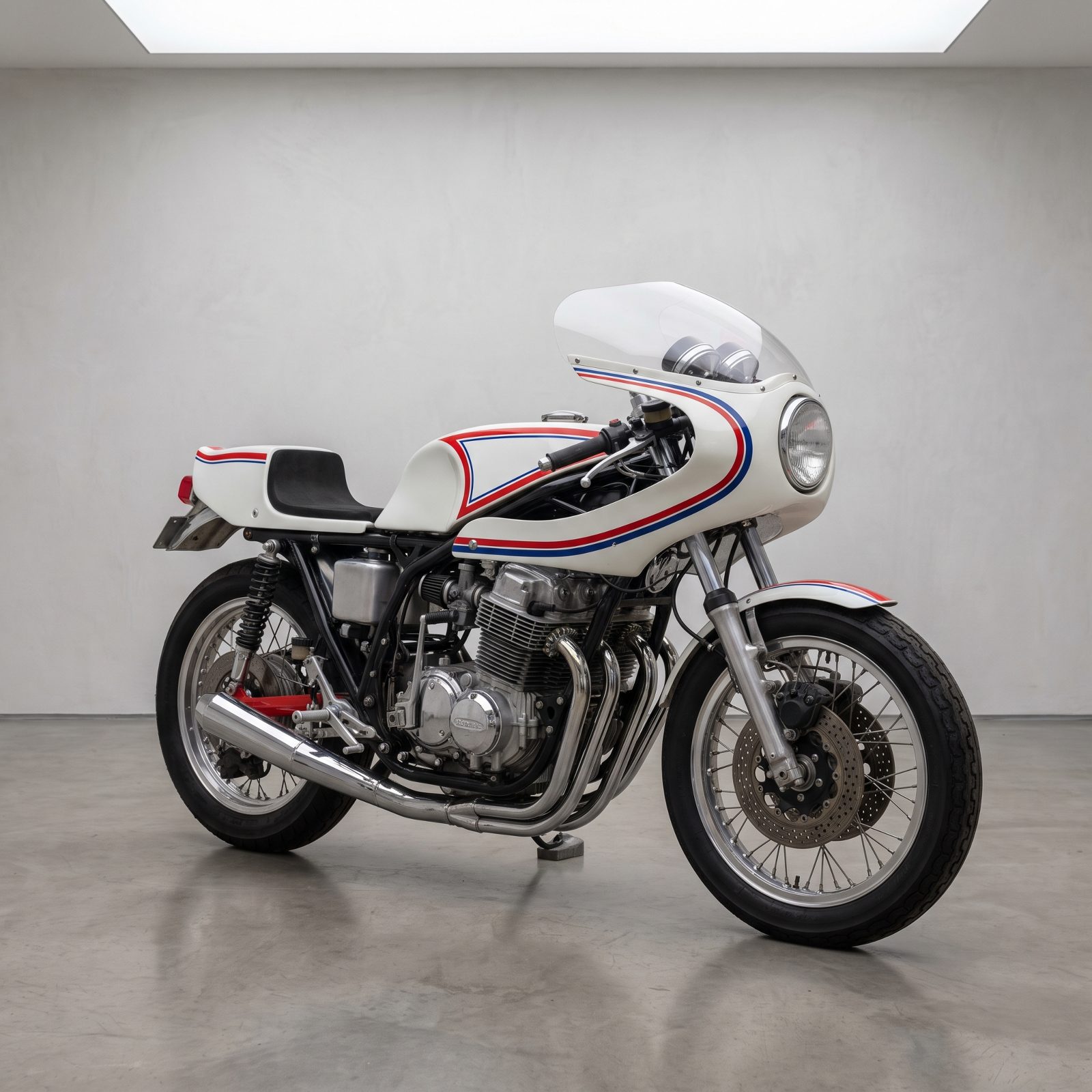
Only a handful were ever built, and fewer still survive. The HB1 proved Bimota could do what the Japanese factories could not: build a chassis worthy of the engine.
Honda’s CB750 four had the power. It also had a frame that flexed like a wet noodle at speed. Bimota wrapped that engine in a tight, light tubular steel frame of its own design, and suddenly the thing handled. Roughly ten were made, which is why one surfacing at auction gets collectors on the phone before the hammer drops.
1978 Van Veen OCR 1000: The Dutch Rotary Superbike Almost Nobody Has Seen
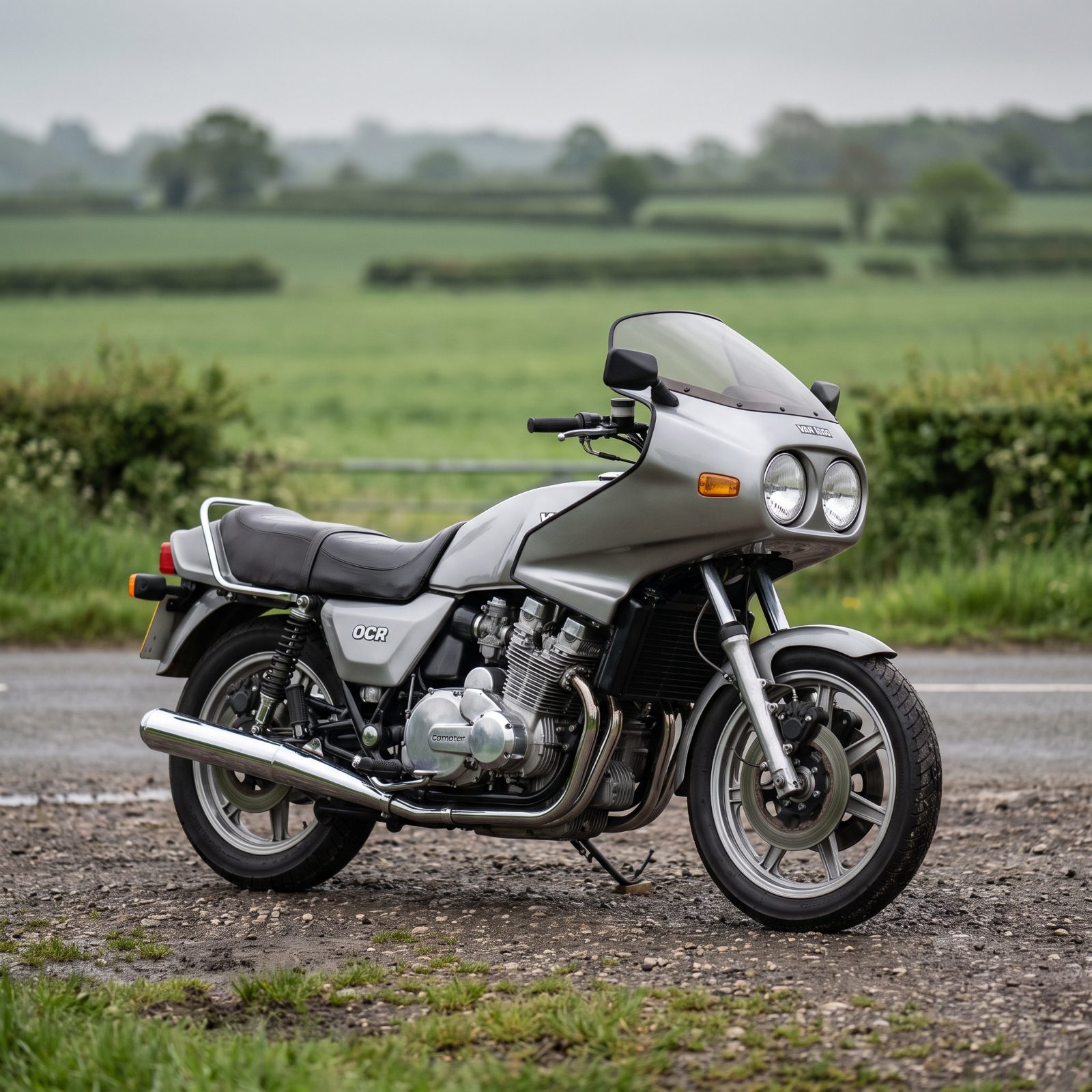
A Wankel rotary engine in a production motorcycle. That alone makes the OCR 1000 strange. That it came from a small Dutch firm better known for mopeds? Stranger still.
The twin-rotor Comotor unit, shared with the Citroën GS Birotor, gave the OCR a smoothness nothing with pistons could match. It was heavy, thirsty and wildly expensive to build. Only a few dozen complete bikes left the works before the money ran out. Find one today and you own a genuine footnote in engineering history, the kind that draws a crowd at any rotary gathering.
1979 Egli-Kawasaki MRD1: A Frame Builder’s Turbocharged Statement
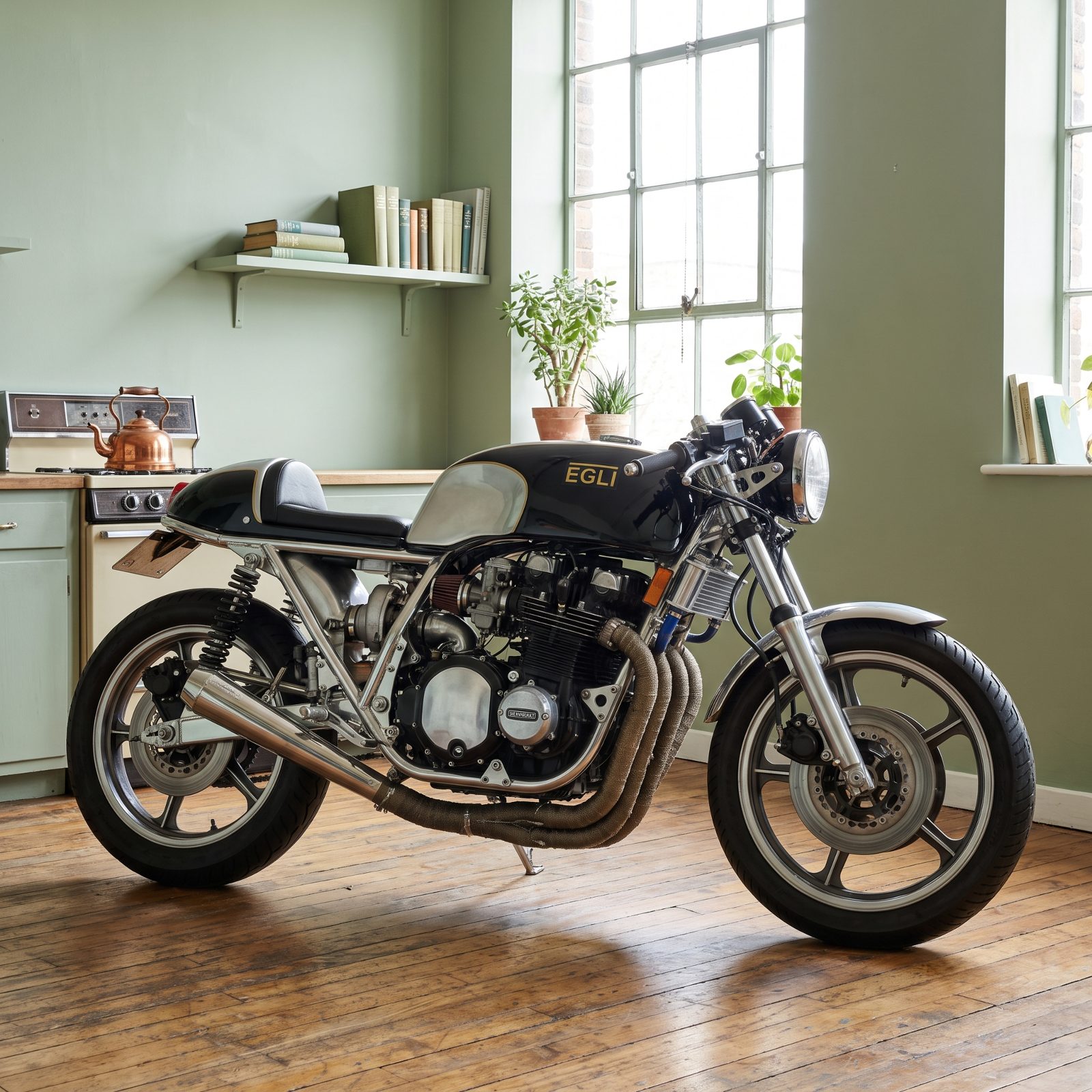
Fritz Egli built frames the way a cabinetmaker builds a desk. That large-diameter central backbone tube was his signature, and it made heavy Japanese fours steer like something half the weight.
The MRD1 took that chassis and bolted a turbocharger onto Kawasaki power, back when factory turbo bikes were still a gimmick nobody trusted. Egli trusted his own work. These were one-off and small-batch builds, so no two are quite identical, and provenance matters enormously to buyers. A documented, original Egli with the right paperwork sits in rare air.
1987 Norton Classic Rotary: One of the Scarcest Nortons You Can Own
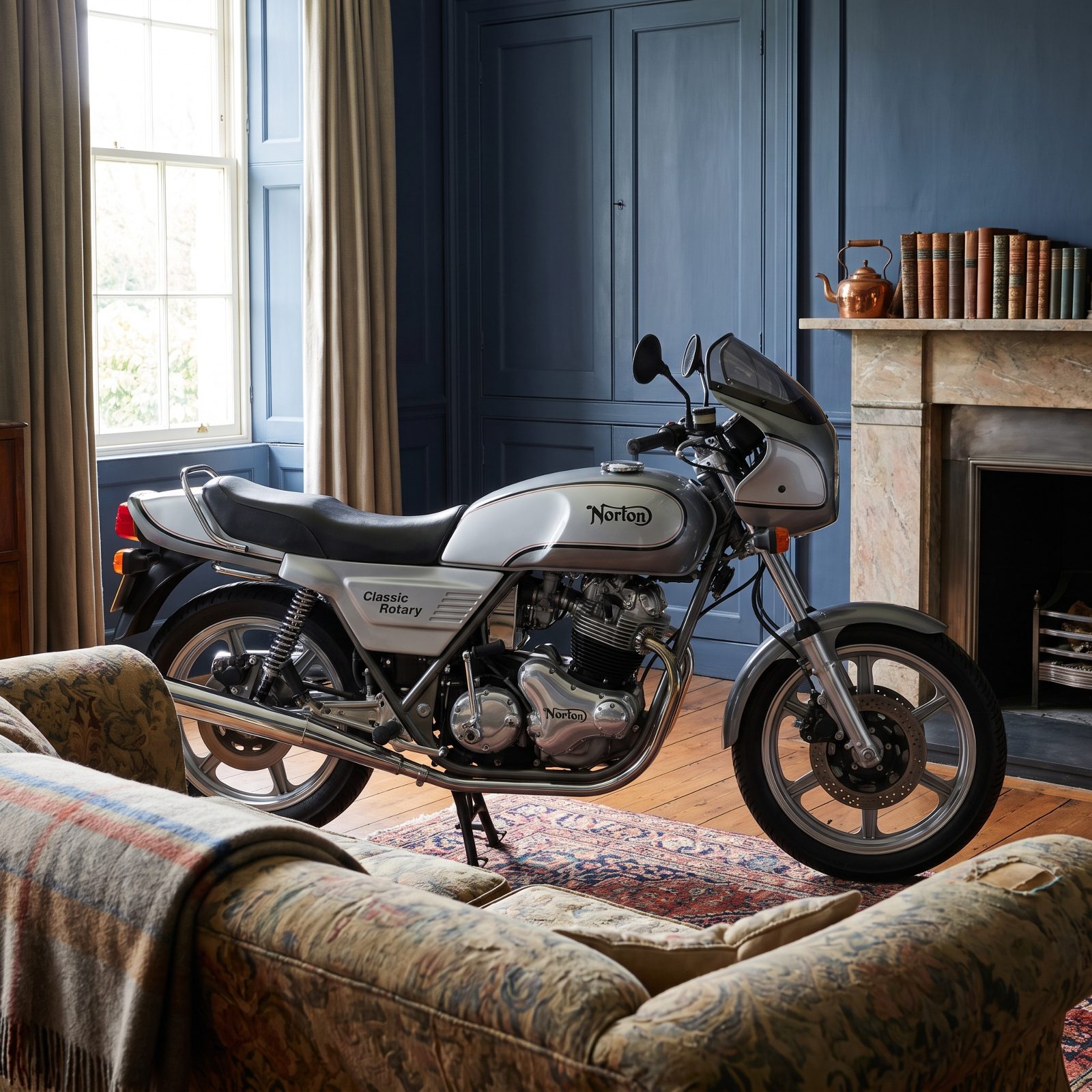
Norton bet its survival on the Wankel, and the Classic was the first fruit of that gamble. It also happens to be one of the smallest production runs the marque ever committed to.
Around 100 of the air-cooled Classic were built, each numbered, before Norton moved to the liquid-cooled Commander and the racing rotaries that eventually won at the Isle of Man. That TT pedigree pulls value up for every rotary Norton of the era. The Classic sits at the start of the story, which makes an original low-mileage example a quietly serious collector piece.
1981 Hesketh V1000: Britain’s Handbuilt V-Twin Gamble
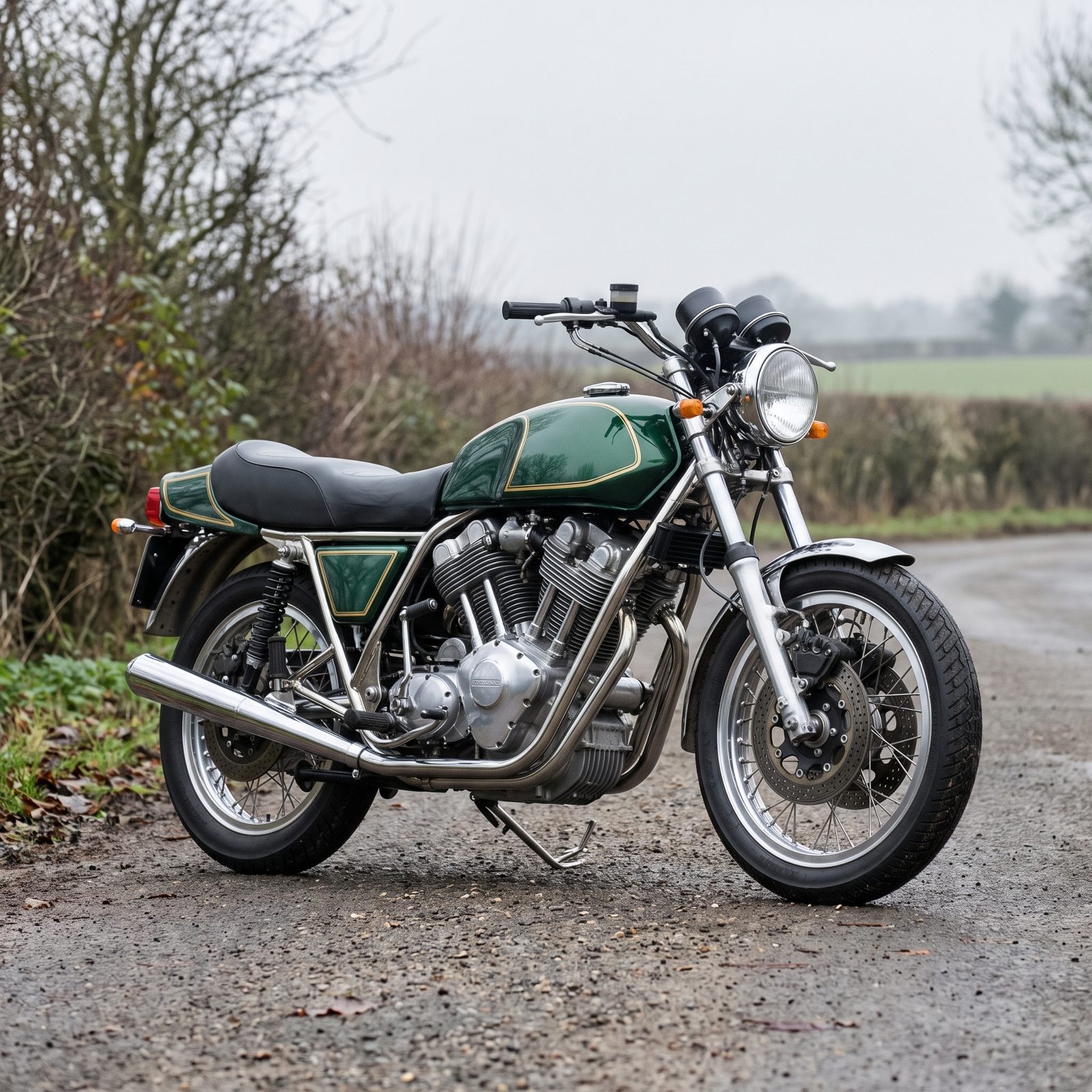
A nobleman’s attempt to revive the great British superbike. That’s the V1000 in one line, and the romance of the story is half of why people want one.
The big air-cooled V-twin looked magnificent, and the frame was properly engineered. But early examples had gearbox troubles and the price frightened buyers off, so the original company folded fast. Production stayed tiny, measured in the low hundreds across all the various attempts to keep the dream breathing.
It was the last serious effort to build a world-class motorcycle entirely in Britain, and it nearly worked.
1974 Rickman CR900 Kawasaki: Nickel-Plated Chassis, Z1 Muscle
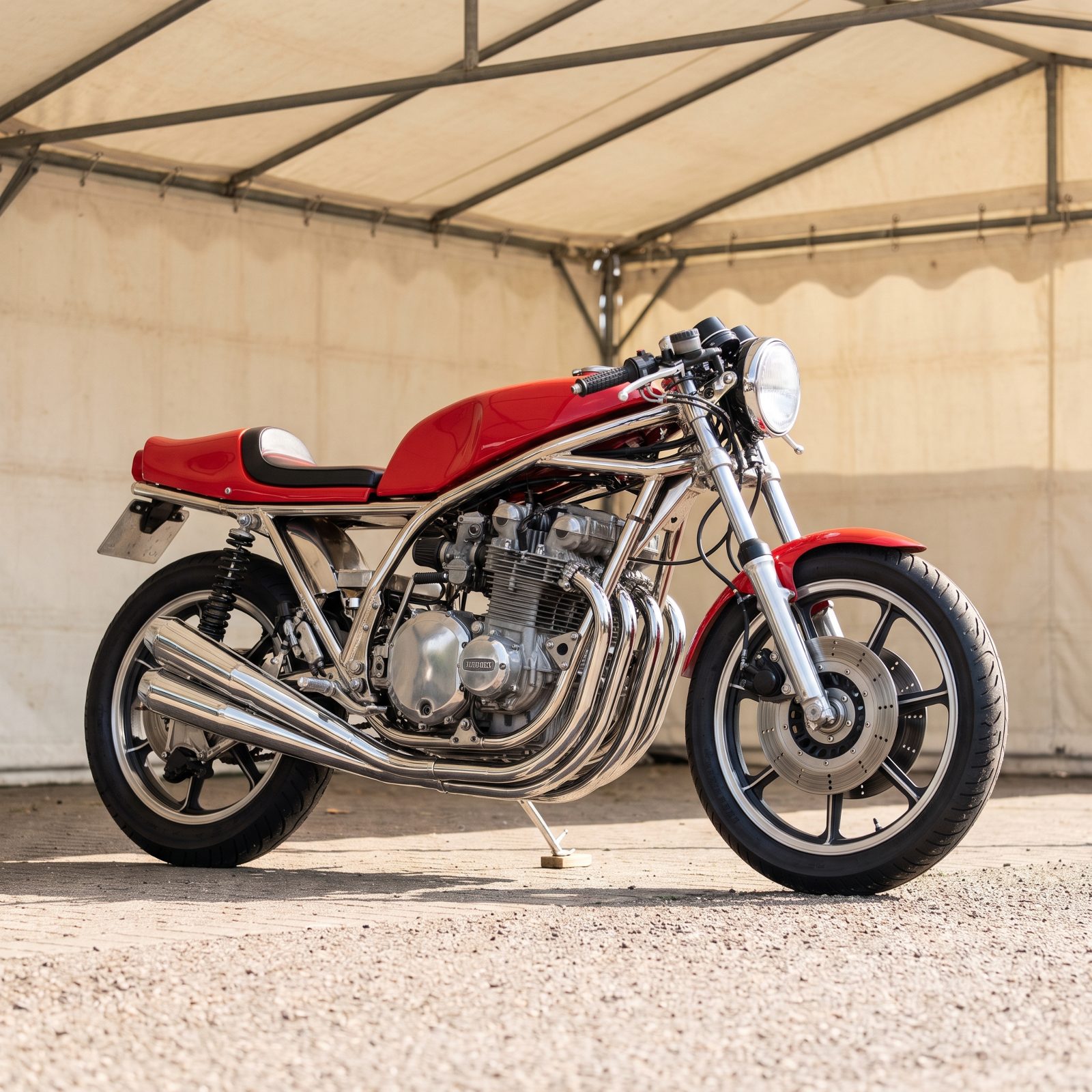
The nickel plating is the first thing you notice. Rickman frames gleamed like jewelry, and that finish is exactly why originality commands a premium today.
The CR900 took the finest British chassis thinking of the day and bolted in Kawasaki’s Z1 engine, the most powerful production four going. It steered properly and stopped properly, two things the stock Z1 managed only on a good day. Many went out the door as kits, so condition and matching numbers separate a genuine period build from a later reconstruction. Buyers care, and they pay for the difference.
1977 Bimota SB2: The Italian Chassis That Reframed Suzuki Power
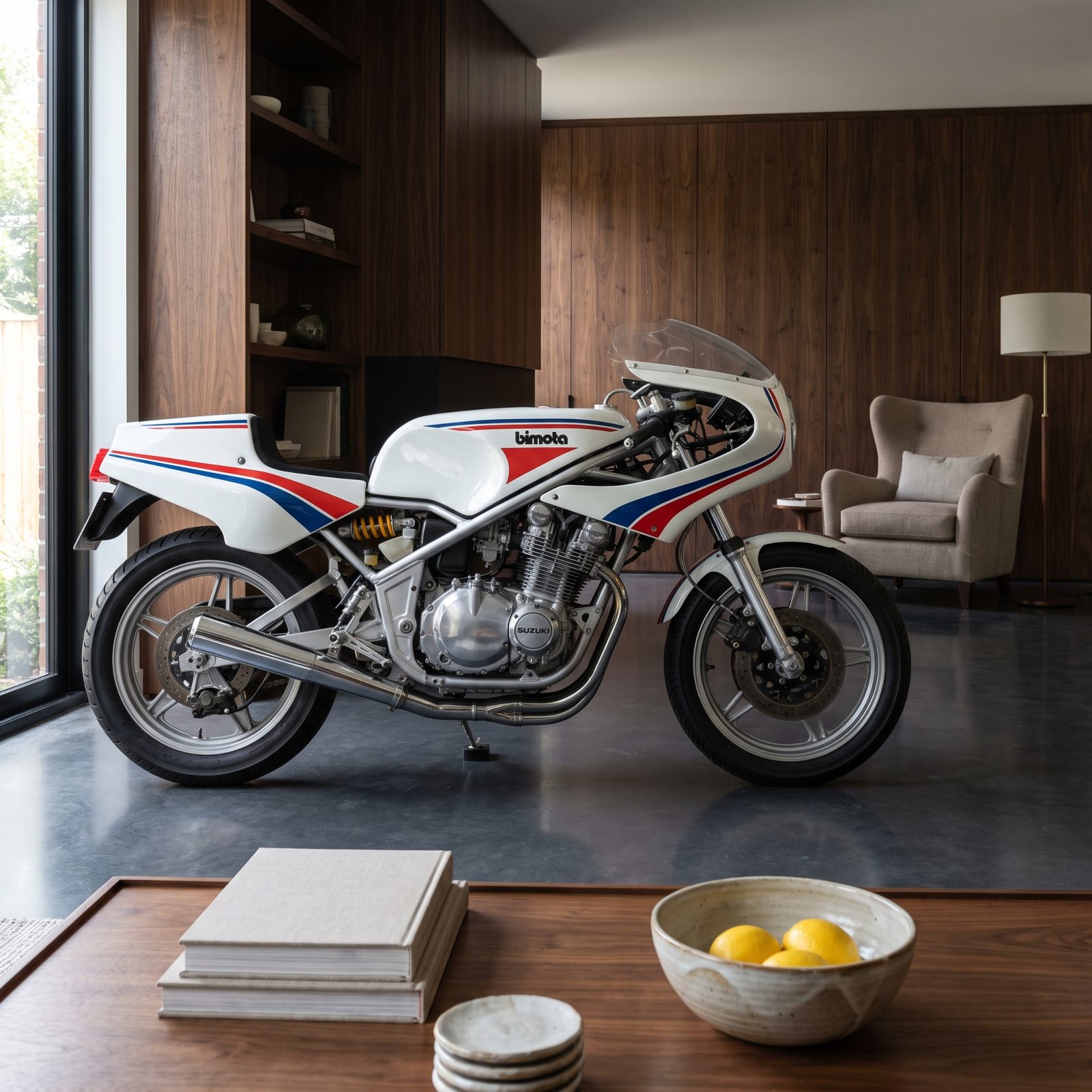
The SB2 looked like it rode in from ten years in the future. Integrated bodywork, a hinged tank for access, rising-rate rear suspension, all while most bikes still ran twin shocks and bolt-on accessories.
Underneath that fiberglass sat Suzuki’s GS750 four in a frame that treated it with respect. Fewer than 200 were built. This is where Bimota stopped being a frame shop and started being a design house, and collectors prize the earliest examples for exactly that reason. An honest original fetches strong money every time one changes hands.
1978 Bimota KB1: Kawasaki’s Four, Finally in a Frame Worthy of It
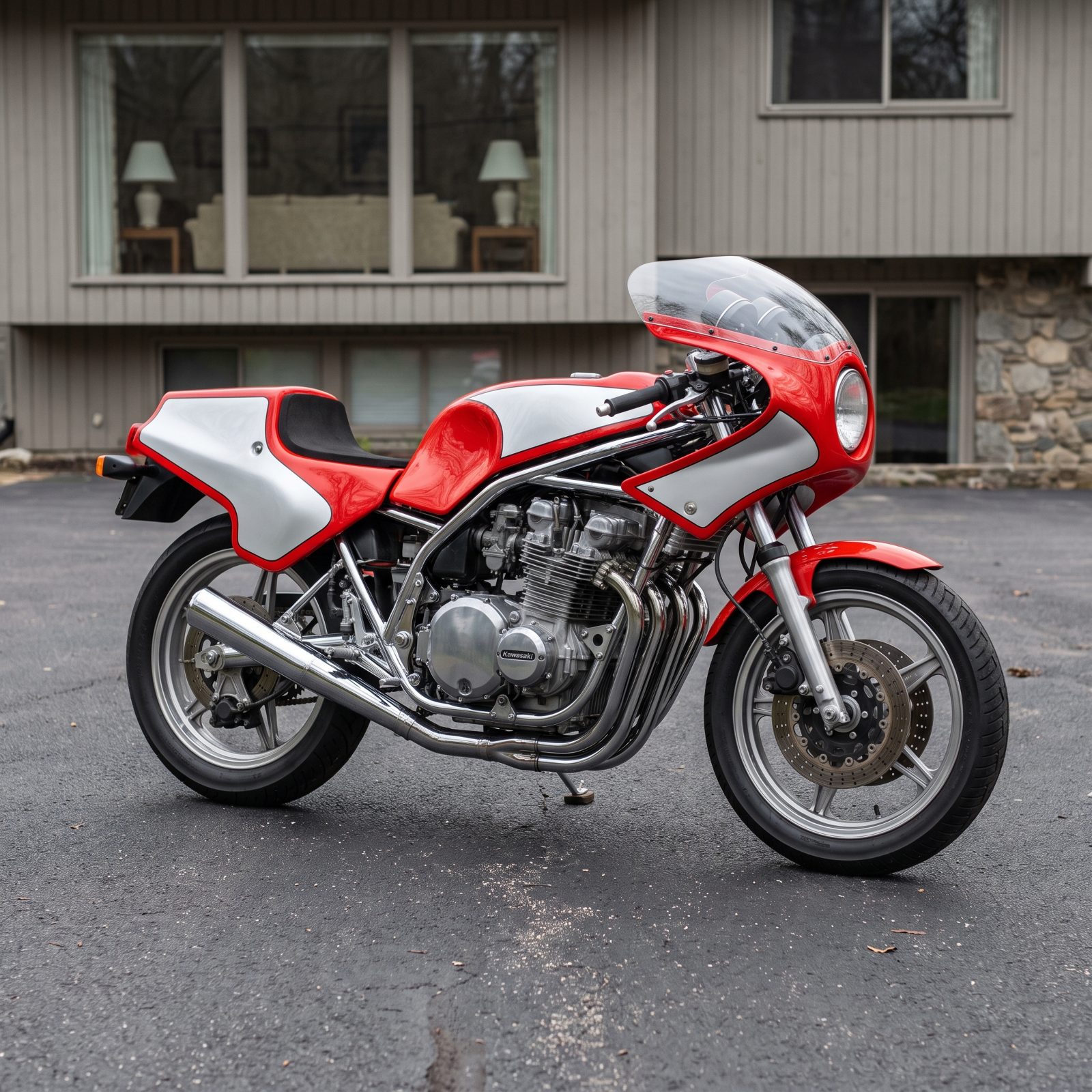
Kawasaki built brutal engines and hung them in frames that couldn’t keep up. Bimota saw the gap and filled it.
The KB1 used the Z1000 four in a light, short chromoly frame that turned a straight-line bruiser into a genuine sporting machine. Around 800 or so were built across its run, which makes it one of the more findable early Bimotas, though far from common. For a collector wanting a taste of the brand’s golden period without the outright rarity premium of an HB1, the KB1 is the smart entry point. Values have climbed steadily and show no sign of stopping.
1985 Bimota DB1: The Ducati-Powered Bimota That Saved the Company
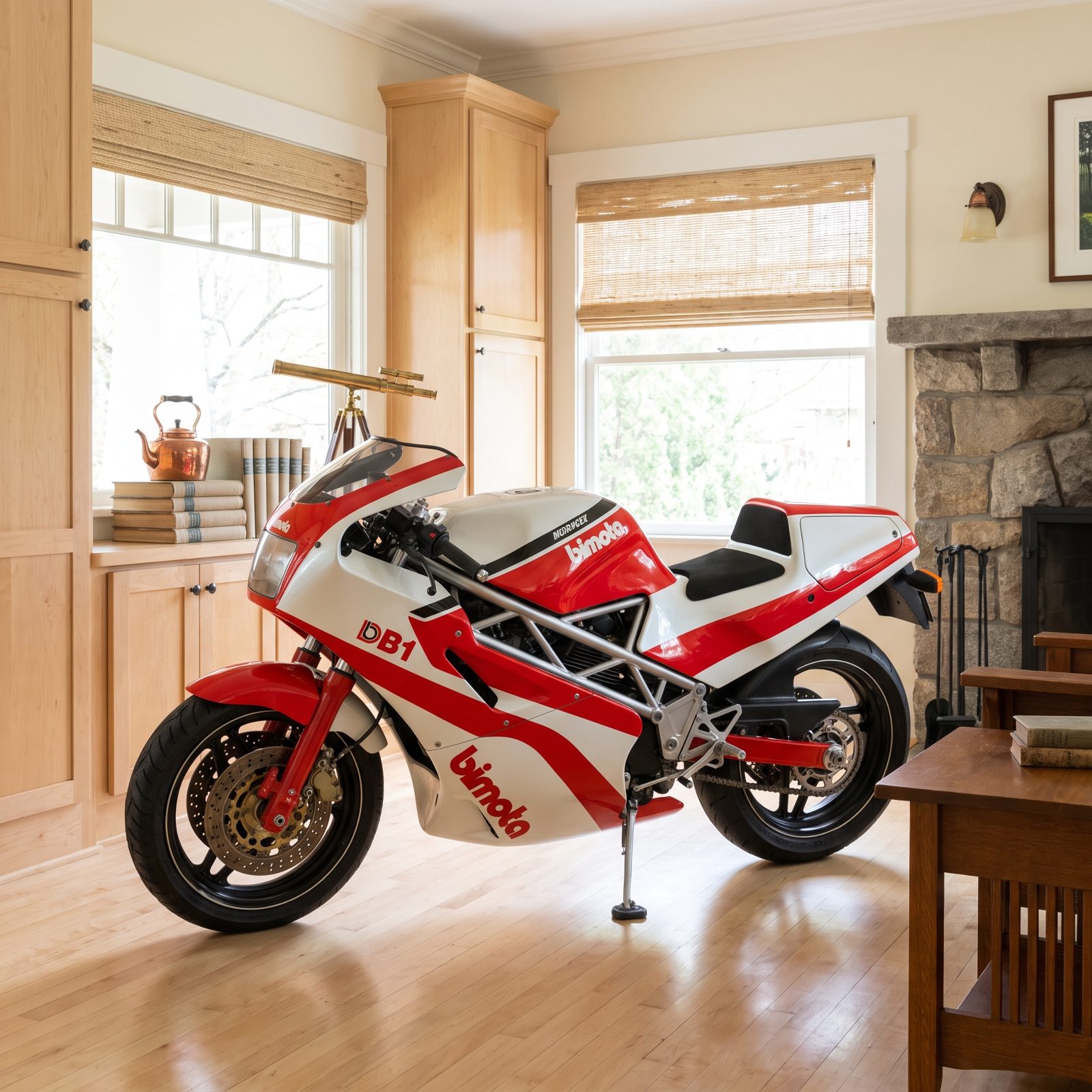
Full bodywork, Ducati’s Pantah V-twin, and a shape so clean it shaped sportbikes for a decade. The DB1 did more for Bimota’s finances than any model before it.
That fully enclosed fairing was a bold call in 1985, and it paid off both on the road and at the bank. Roughly 450 were made, a healthy number for Bimota, and the Ducati connection only sweetens the appeal for buyers who love both marques. This is the Bimota that proved the formula had legs. The bodywork is fragile, so original examples with it intact are the ones worth hunting.
1987 Bimota YB4 E.I.: Fuel Injection and a World Title in the Bodywork
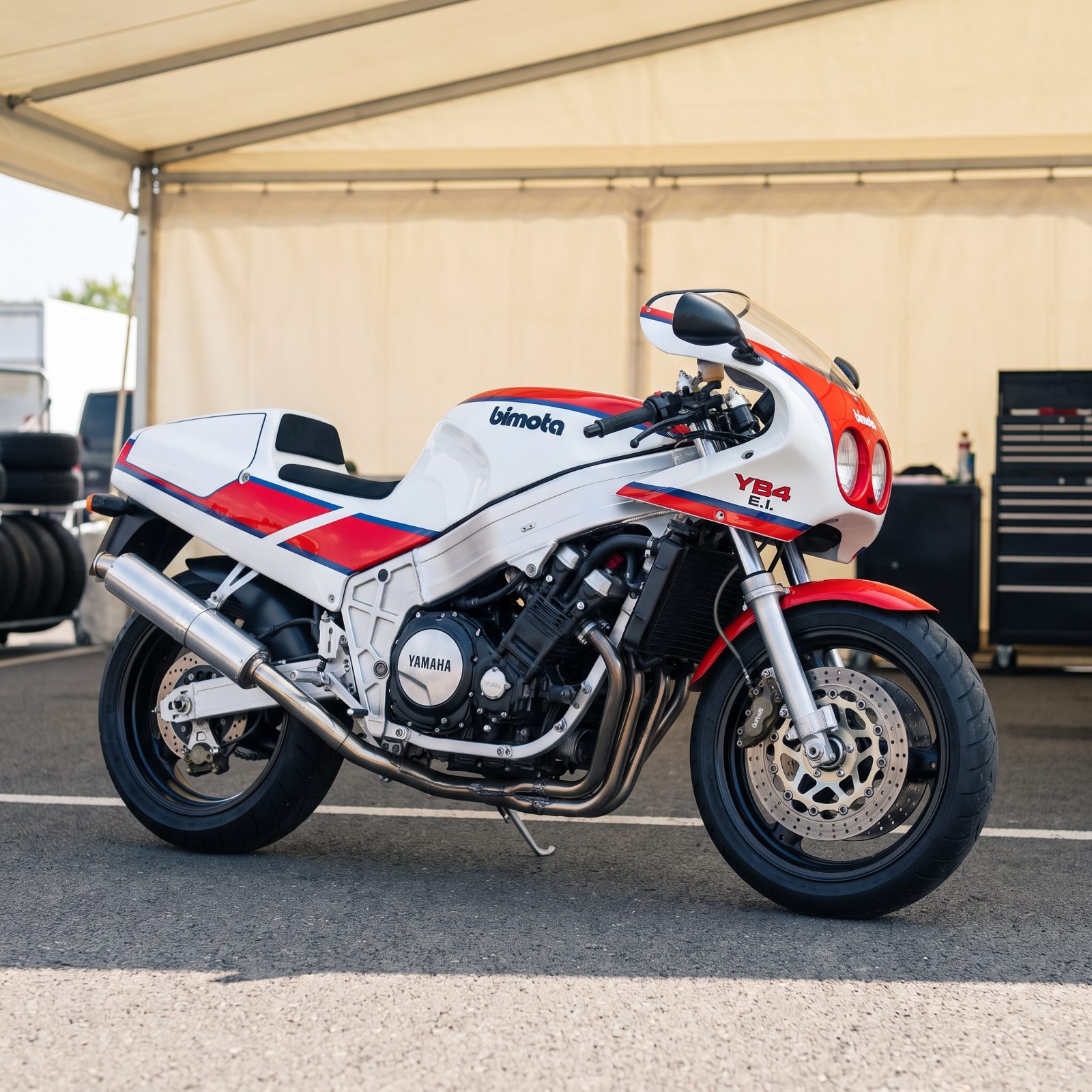
Championship pedigree you can park in your garage. The YB4 racer won the 1987 World TT Formula 1 title, and the road version carried that DNA straight to buyers.
The E.I. stood for electronic injection, still exotic on a street bike in 1987. Built around Yamaha’s FZ750 five-valve engine in a stiff aluminum frame, the YB4 was Bimota at the very top of its game. Road versions were scarce, well under 200 of them, and the racing provenance pushes them to the sharp end of Bimota collecting.
1975 Kawasaki KR750, The Triple That Fought Above Its Weight
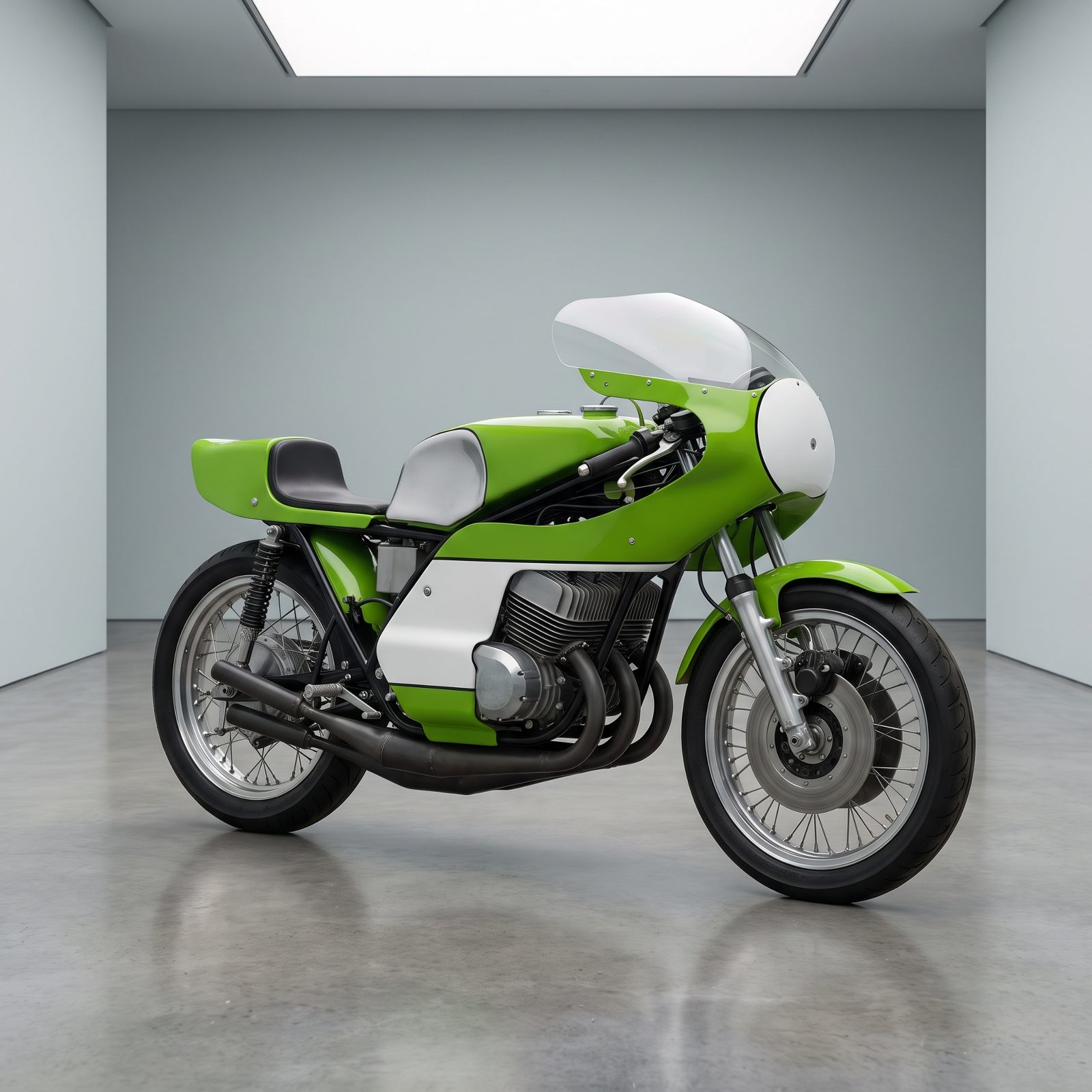
Kawasaki went its own way. The KR750 ran a 750cc two-stroke triple — loud, lean, and a genuine handful at full chat — and it punched well above what the layout had any right to allow.
Only a small run of these competition machines ever left the factory, and most were campaigned hard and crashed harder. The survivors with documented history and original engine cases now change hands in the kind of serious collector money that makes you blink twice. You can read the green paint from across a room. What the thing was actually like to ride is a different conversation, and not a gentle one.
1981 Suzuki RGB500, The Square-Four You Could Actually Buy
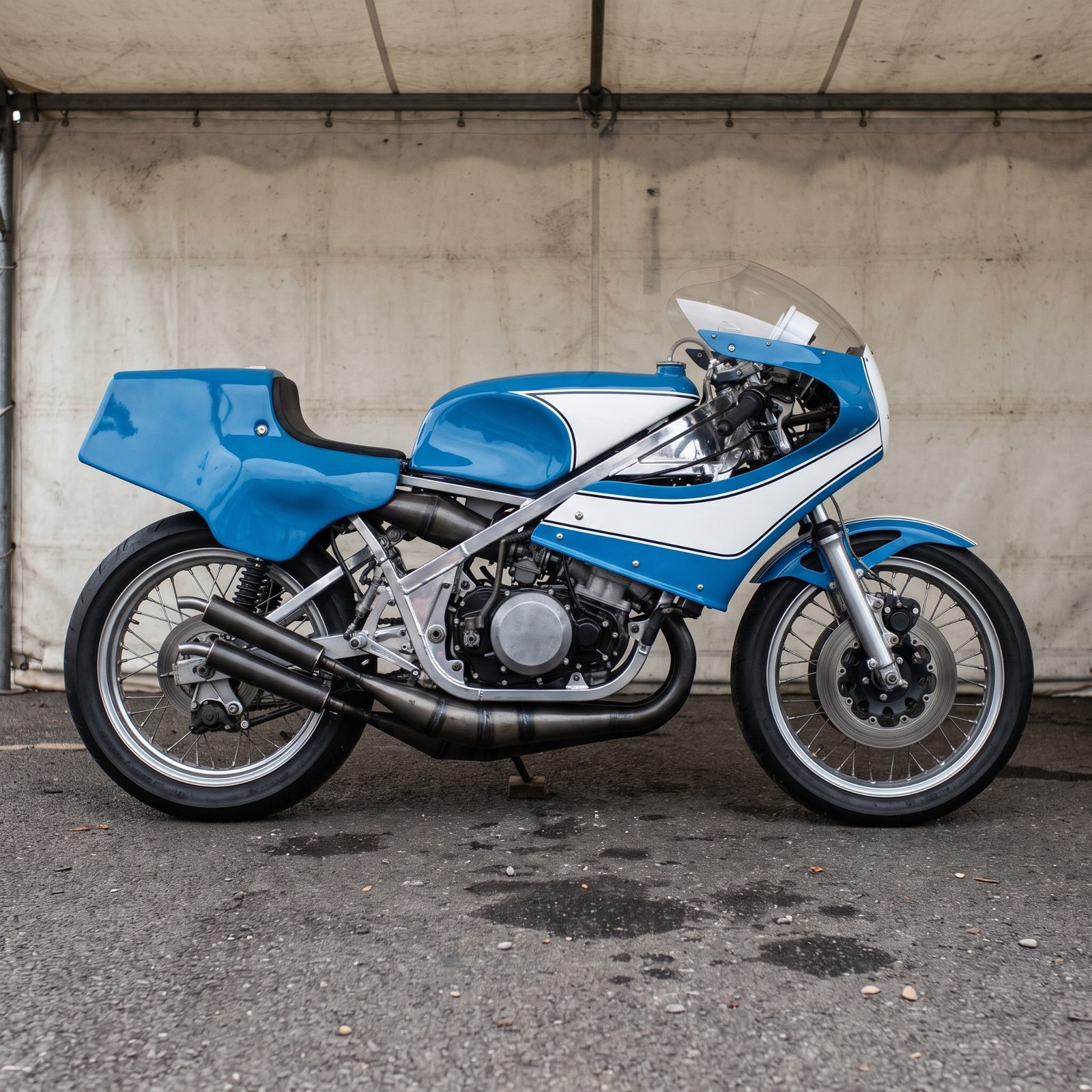
Picture yourself as a privateer in 1981 with grand prix ambitions and a trailer. The RGB500 was how you got on the grid against factory riders without a factory contract — a square-four two-stroke racer built in small numbers for paying customers, engineered to be competitive rather than merely present.
That customer-racer pedigree is precisely what collectors prize now. These were tools, used until they broke, so clean original examples are scarce. The ones with genuine paddock provenance carry a premium that regularly stuns people who assume only road bikes hold their value.
1984 Honda RS500, Honda’s Over-the-Counter Three-Cylinder Weapon
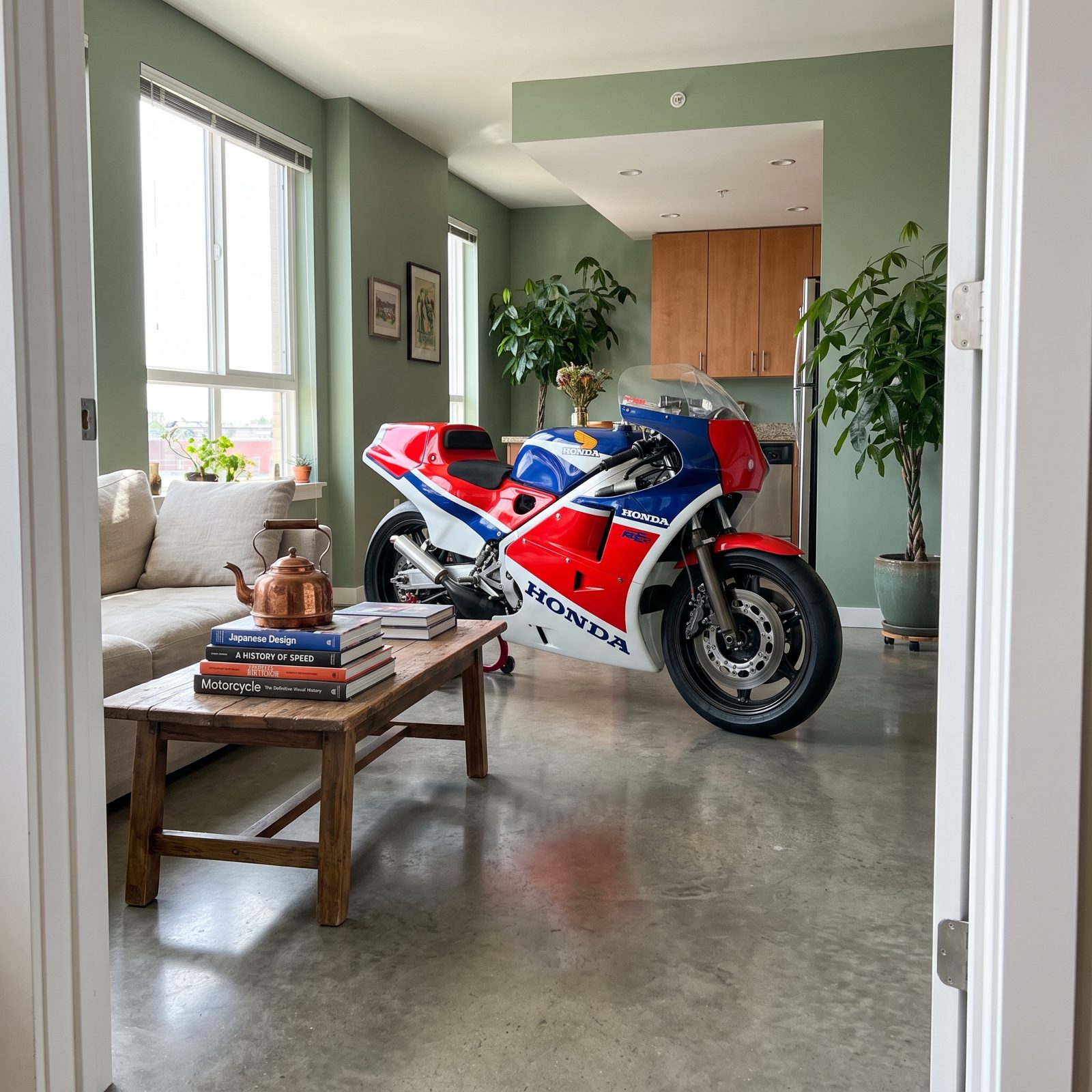
The RS500 was Honda handing privateers a production slice of the engineering that made the works NS500 famous. A works-styled two-stroke triple, sold over the counter to racers who could afford it — which was never many.
What makes these desirable is the racing lineage baked right into the part numbers. This was the hardware that put Honda back on top in the premier class, offered to customers in a diluted but genuinely fast form. The hard part is finding one with its engine untouched and a paddock history to back it up. Replicas and part-swapped bikes muddy the water, so documentation matters more here than almost anywhere else.
1974 Yamaha TZ750, The Open-Class Bully
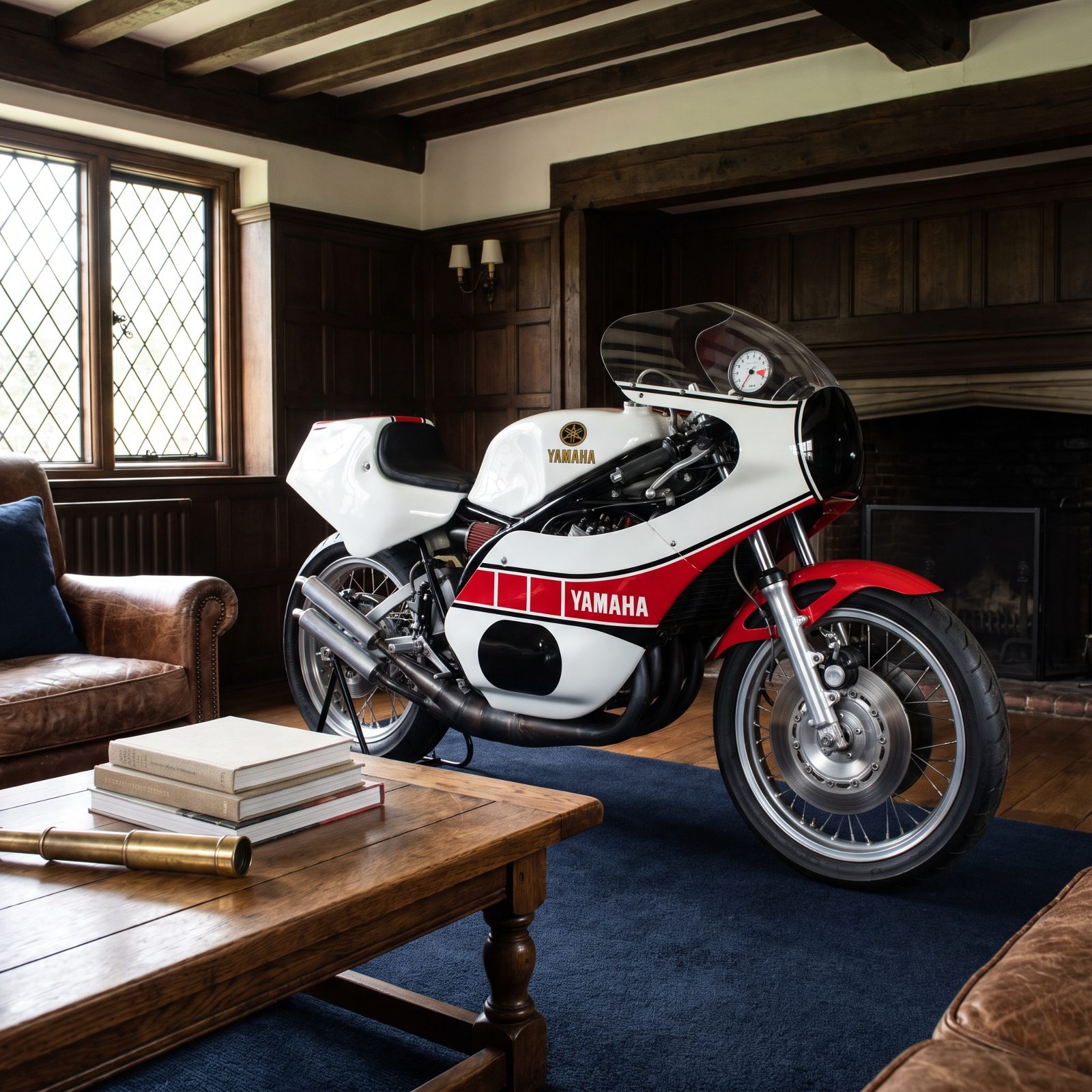
For years the TZ750 simply won. Hand a good rider one and the rest of the grid became a formality. It made so much power that the tires and frames of the day could barely contain it, and that’s half the legend right there.
Yamaha built these in real numbers for customers, so they aren’t vanishingly rare. Originality is the rare part. Most got thrashed, repainted, re-engined, and crashed across a decade of hard use. A matching-numbers early example with clean fiberglass and documented results sits at the top of plenty of want lists.
1989 Suzuki GSX-R750R RK, The Homologation GSX-R Nobody Mentions
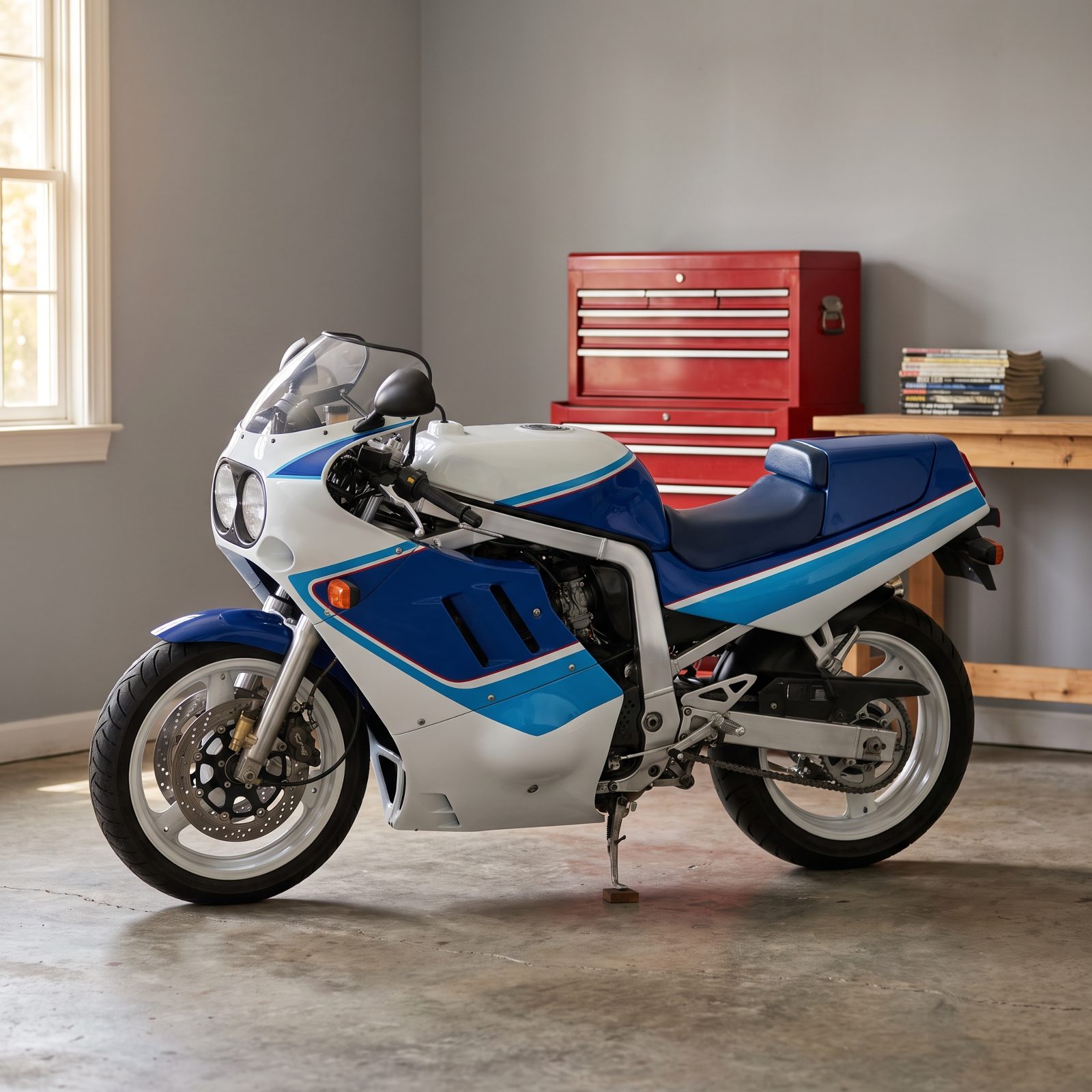
Everyone knows the GSX-R750. Almost nobody outside the collector world knows the RK version existed. Suzuki built a limited homologation run with a close-ratio gearbox, dry clutch, single seat and upgraded internals, purely so the race team had a legal basis to compete.
And that’s the draw. To a casual eye it reads like a regular GSX-R, which is exactly why so many clean originals got used up as everyday bikes. The people who understand the RK suffix will cross a continent for an unmolested one. The rest walk right past it.
1989 Yamaha FZR750R OW01, Hand-Built to Beat the Rulebook
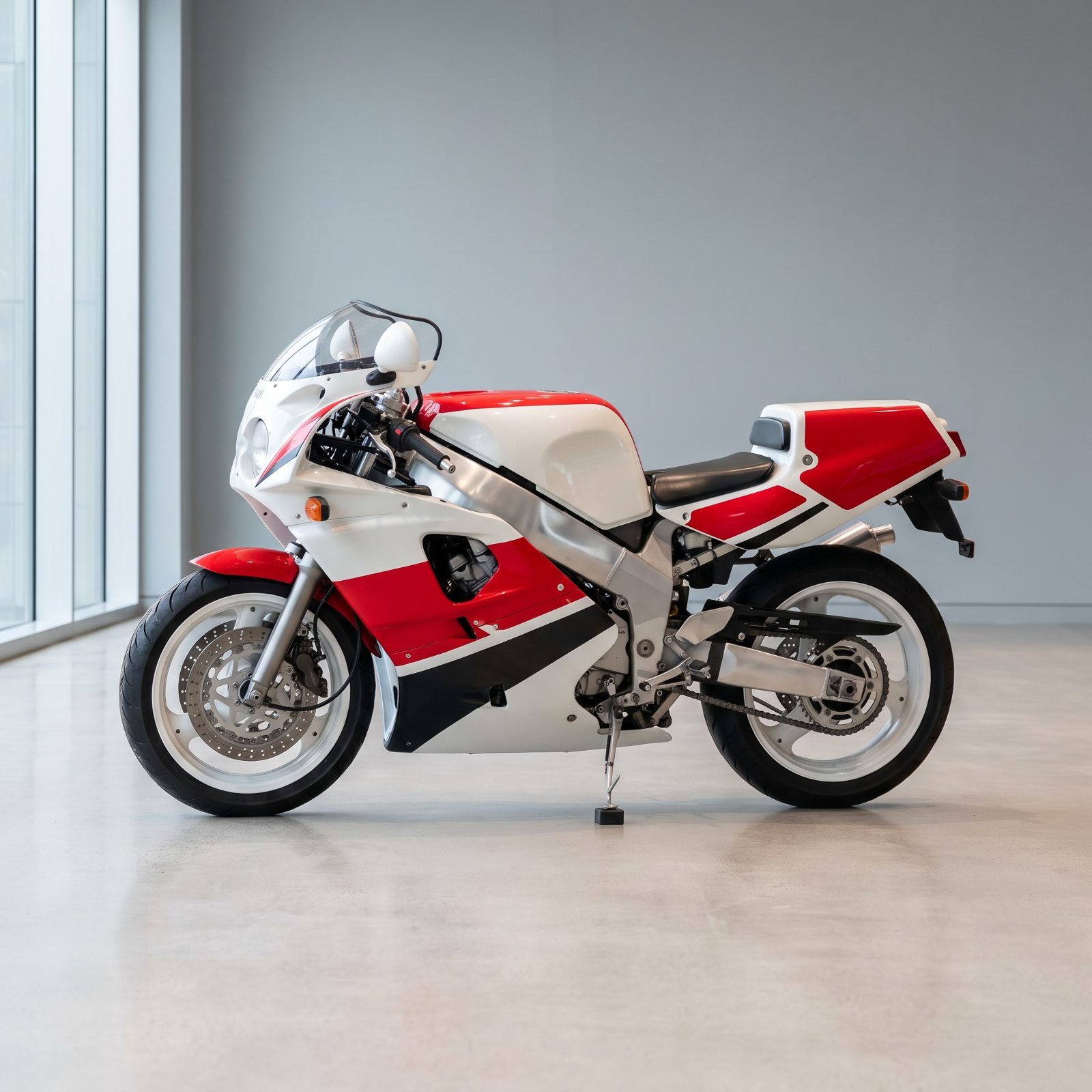
The OW01 was Yamaha’s answer to a superbike grid it fully intended to win. Built in limited numbers, largely hand-assembled, with close-ratio gears, titanium bits and an engine designed around the racing version rather than the showroom. Buying one new in 1989 cost serious money, and that kept production tiny.
Scarcity plus works-level engineering is why values keep climbing. The aluminum Deltabox frame and five-valve head were cutting stuff for the day, and the thing still looks the part parked dead still. Original, low-mile examples with history now sit firmly in collector territory, well above where used sportbikes usually land.
1986 Ducati 750 F1 Montjuich, The Limited-Run Italian With a Spanish Name
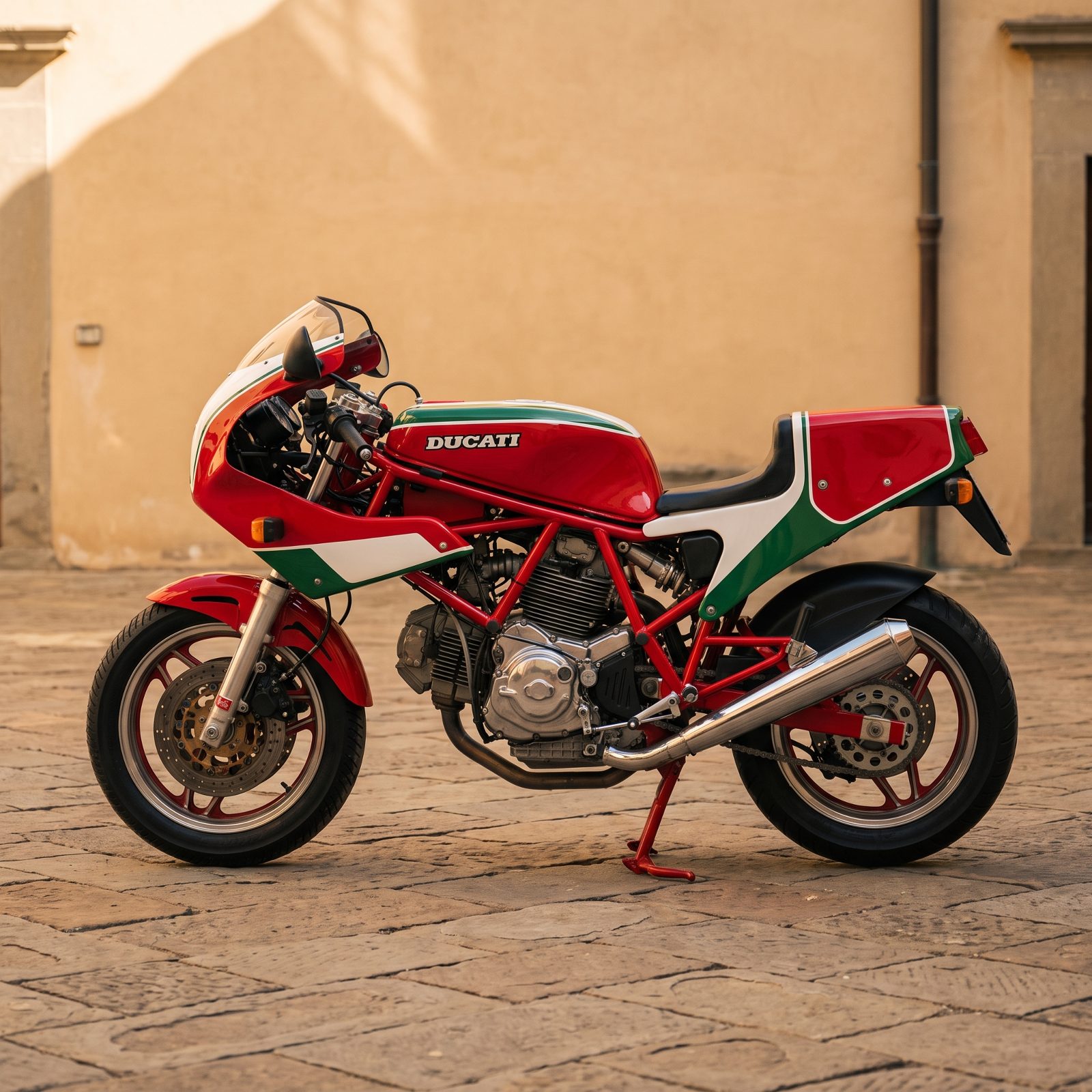
Named for a Spanish circuit, built in Italy, produced in numbers small enough that Ducati people can practically list the survivors from memory. The Montjuich took the already-special 750 F1 and sharpened it into a limited, competition-flavored edition with upgraded brakes, wheels and finish.
Collectors love it because it marks the air-cooled L-twin at a high point, right before water-cooling changed everything. The look is pure 1980s Ducati — red trellis frame, half fairing, that uneven desmo idle you feel in your chest more than hear. Prices have been strong for years, and clean low-use examples rarely sit for sale long.
1989 Ducati 851 SP1, Where the Modern Ducati Superbike Begins
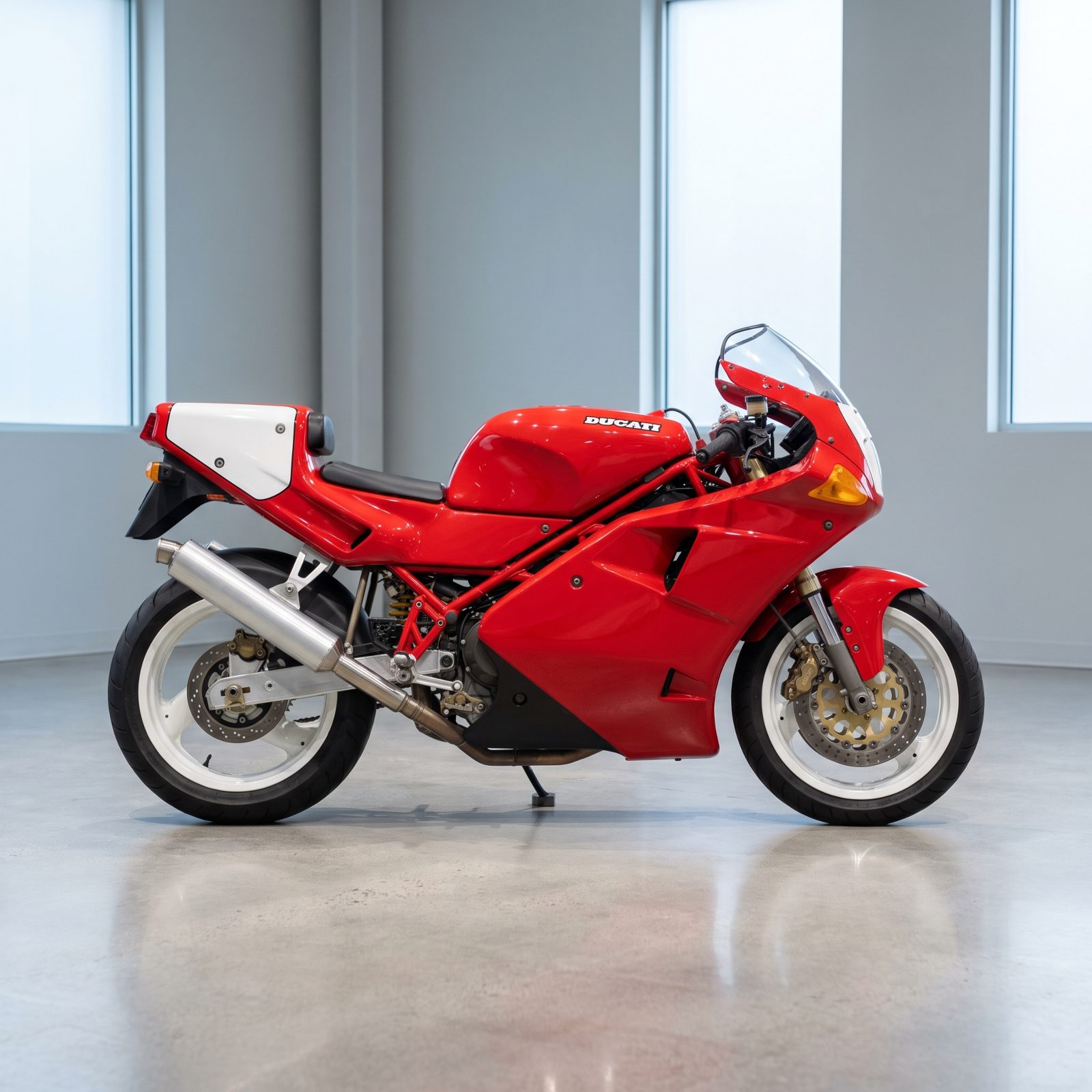
The 851 is the hinge point. Here’s where Ducati stepped away from air-cooled two-valve charm and into the liquid-cooled, four-valve desmoquattro layout that would define its superbikes for decades. The SP1 was the limited sporting version, built to feed the racing program.
Historical significance is the whole pull. You’re buying the foundation of everything that followed, in its first serious limited form. Early SP examples with full documentation have appreciated as the market woke up to what they represent. Buy on provenance, not paint. A repaint is nothing next to a verifiable history and matching numbers.
1974 Norton 850 Commando John Player Special, Race Colors on a Fading Legend
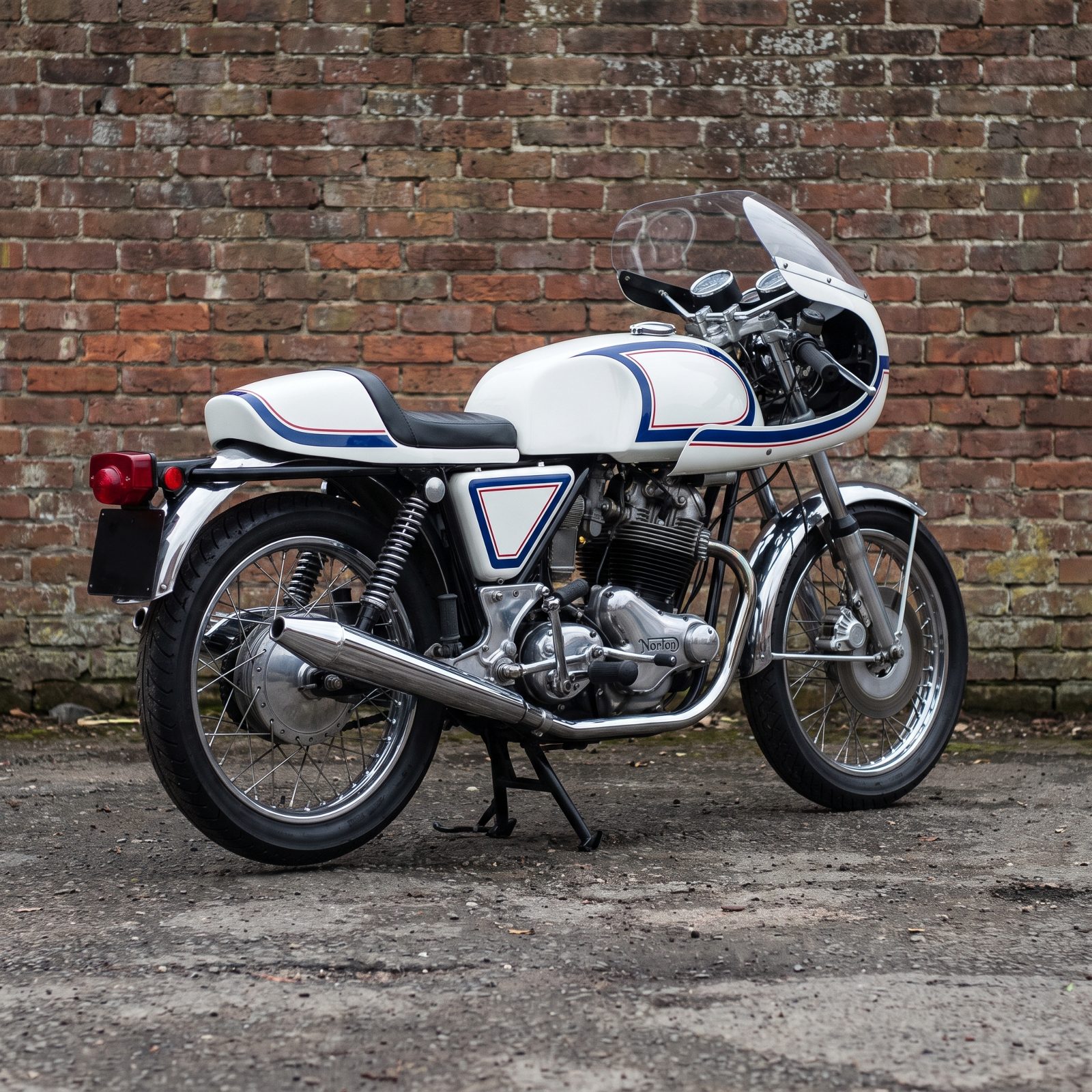
Norton was running out of road by 1974, and the John Player Special was dressed like it had everything to prove — racing-inspired bodywork, that white-and-blue livery lifted straight from the factory race effort, all wrapped around the last-era 850 Commando.
The appeal is partly the look and partly the moment. A proud British marque near the end, and the JPS carries that whole story right there on its fairing. Production was limited and survivors fewer, and original paint is nearly mythical given how many got crashed or restored off-spec. A genuine, documented one is a real find. Not a casual purchase.
1970 Norton 750 Production Racer, The Yellow Commando With Endurance Scars
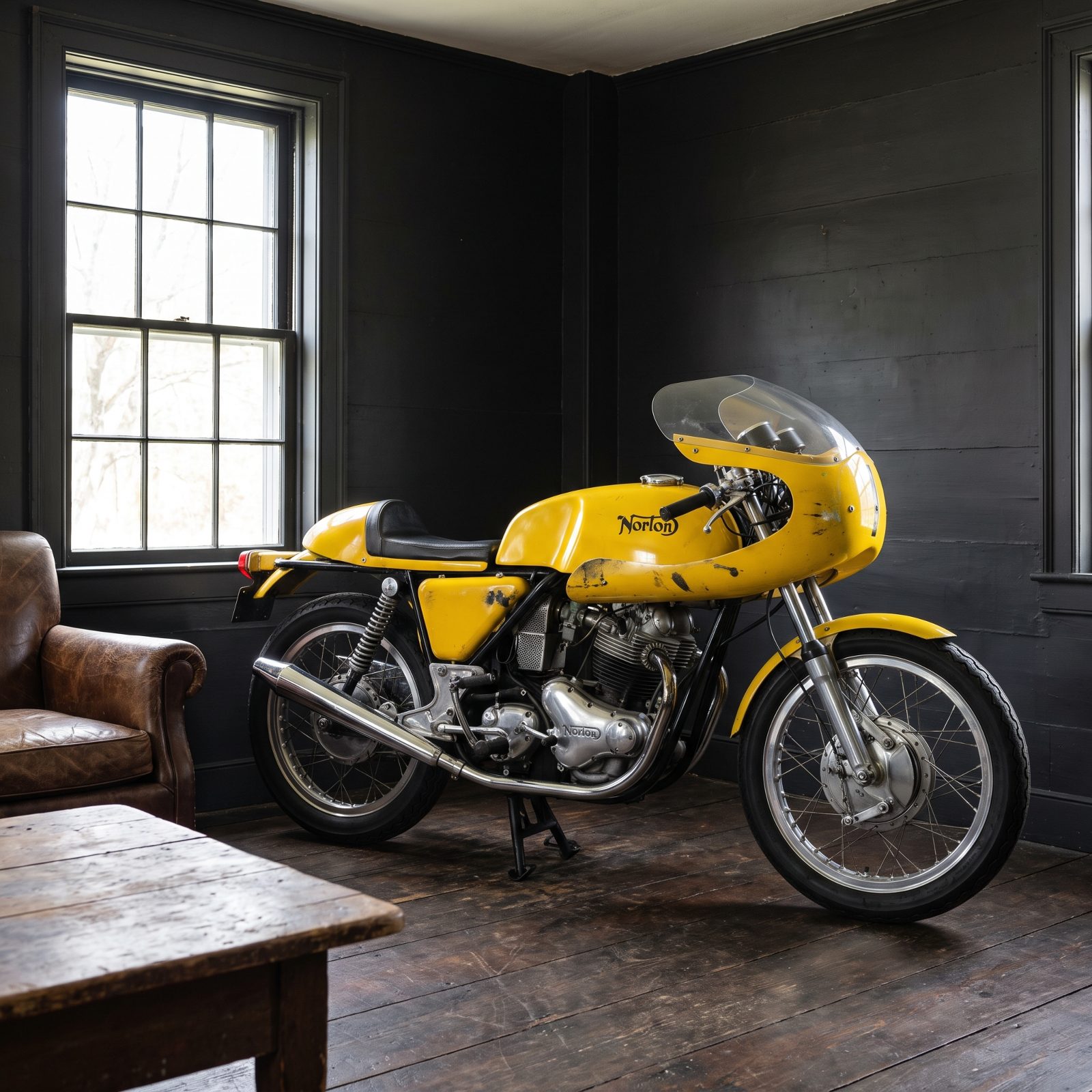
Factory-built, race-ready, and wearing that unmistakable yellow that earned it a nickname. The 750 Production Racer was Norton turning the Commando into a genuine competition machine, with real endurance results behind it.
This is the one with pedigree in the deepest sense — built in small numbers by the factory for racing, campaigned at serious long-distance events, carrying the kind of history documentation can actually prove and value follows. Originality is everything here, because so few left the works and fewer still came through hard racing lives intact. When a real one surfaces, the collector world notices fast.
1971 Laverda 750 SFC: The Orange Endurance Racer Built for the Road
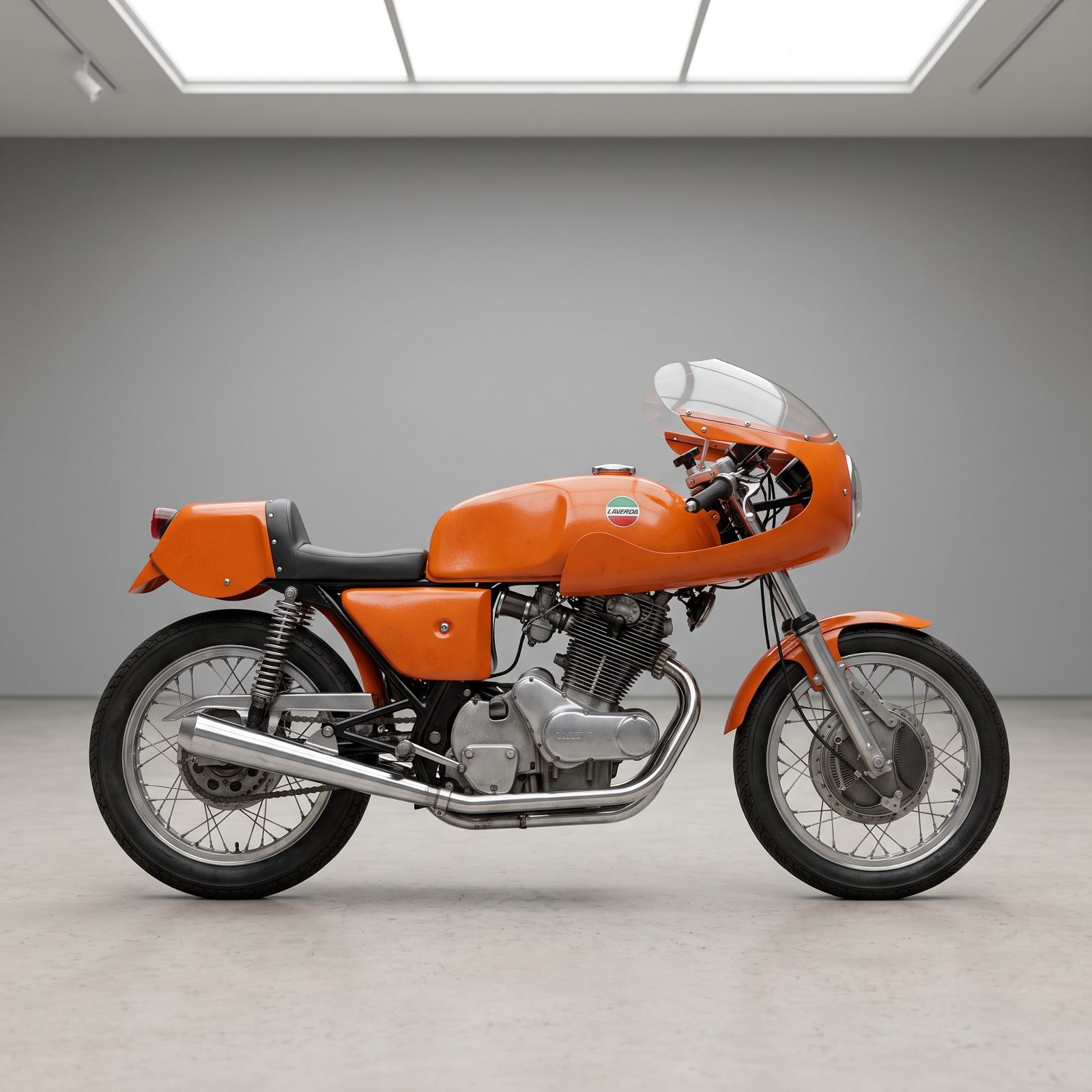
Built to win long-distance races and sold to the public almost as an afterthought, the SFC wears that orange paint for a reason. It was the official endurance color, the one spotted at Oss, Barcelona, and the Bol d’Or. Laverda made these in small batches, and each one landed closer to a works bike than anything you’d find on a showroom floor.
Collectors chase the earliest drum-brake versions hardest, and no wonder. That parallel twin pulls with a lumpy, mechanical urgency nothing from Japan came near at the time. Fewer than a thousand across the whole run. Genuine examples now trade well into six figures.
1975 MV Agusta 750S America: The Four-Cylinder Italian Flagship Everyone Wants
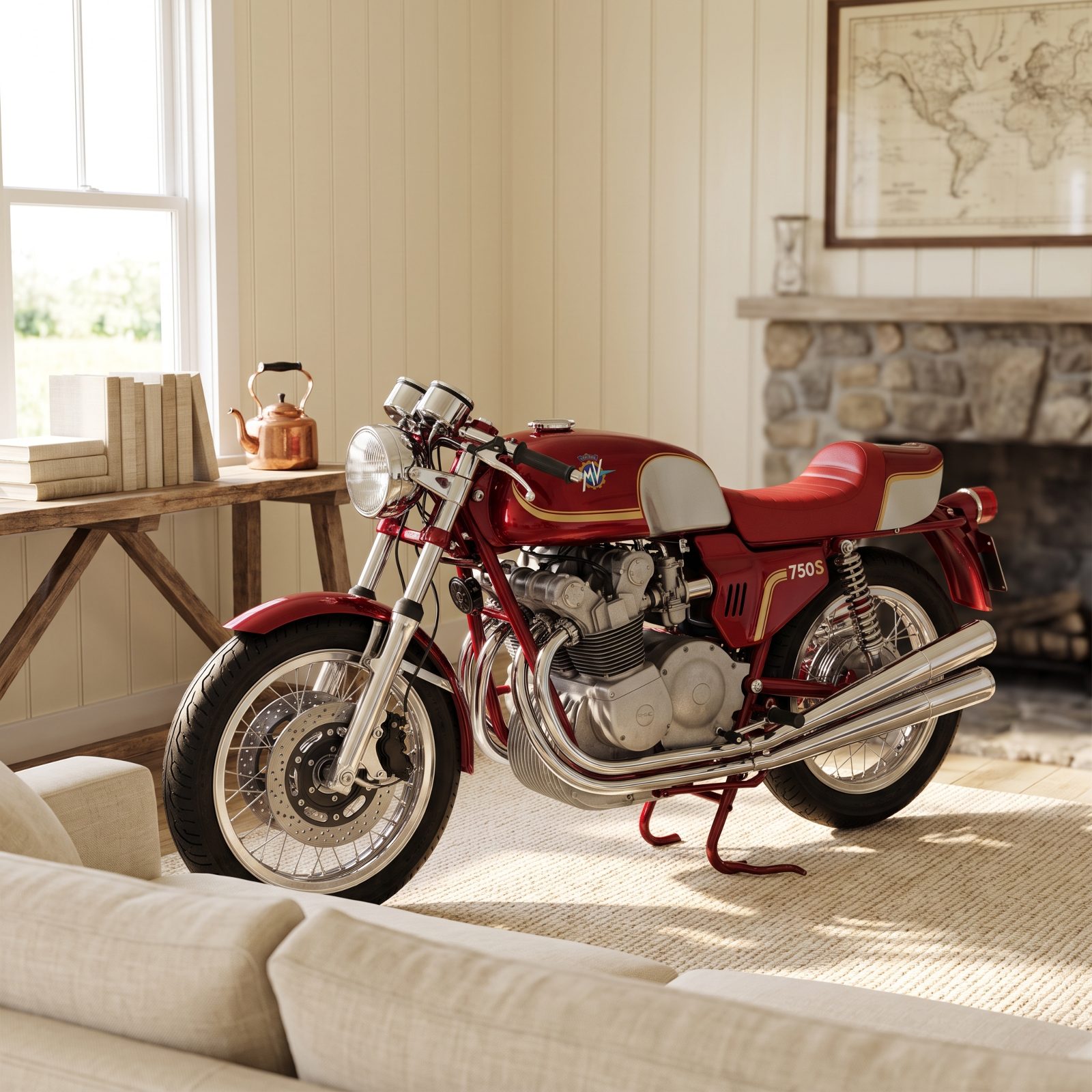
The America exists because a US importer wanted more capacity and more presence than the standard 750S offered. MV obliged, bumping displacement and giving the bike bodywork that looked like it rolled straight out of Grand Prix lore. Which it nearly did, given how thoroughly MV ruled the track through that era.
Four cylinders, shaft drive, and a standard of finish that made Japanese rivals feel disposable. Absurdly expensive when new, bought by people who knew exactly what the badge meant. The original, unmolested ones are what serious collectors fight over now.
1981 Honda CB1100R: The Hand-Finished Production Racer Wearing Road Clothes
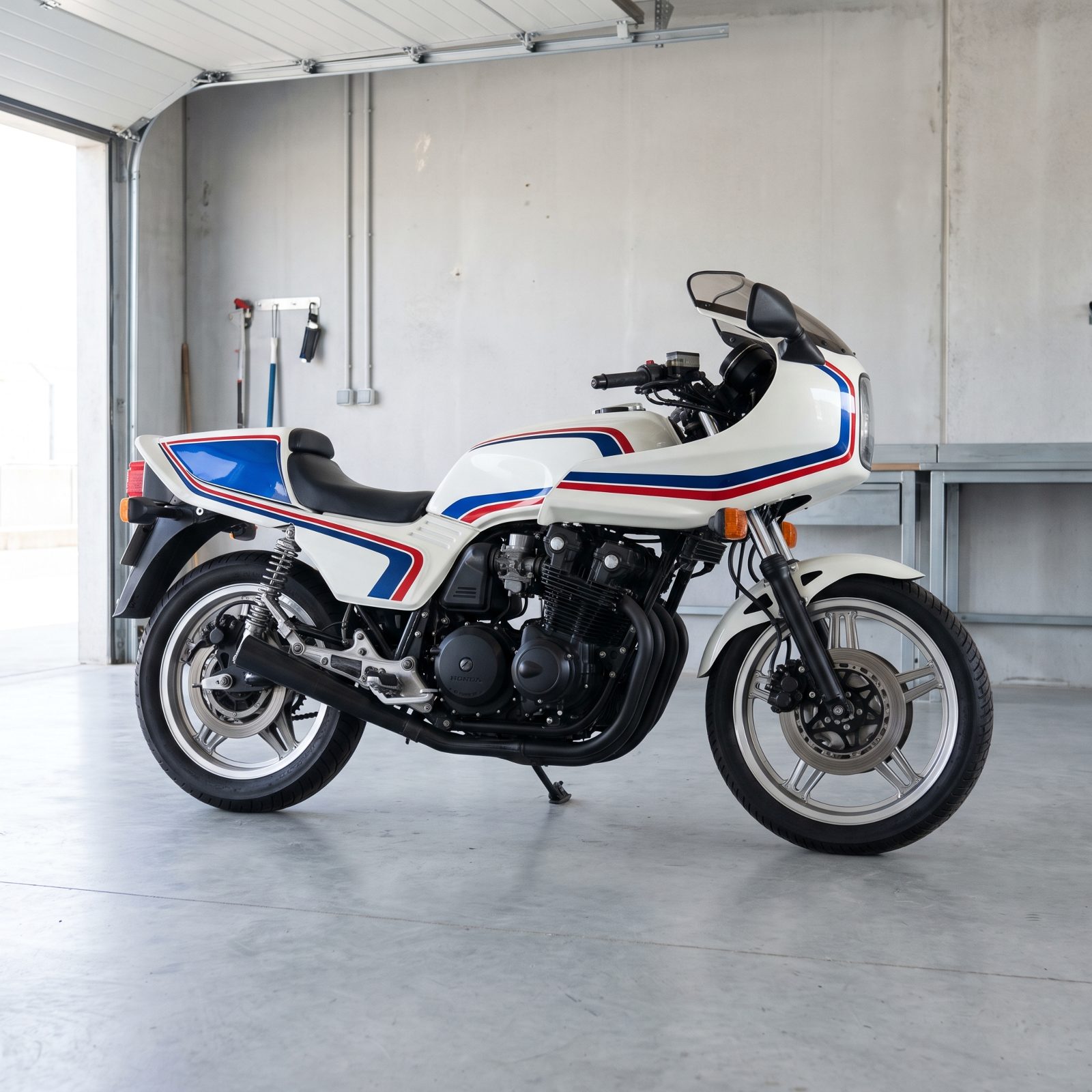
Honda built the CB1100R to win production endurance races in Australia and Europe, then sold just enough to the public to satisfy homologation rules. That’s why it feels nothing like the mass-market CB range it shares a name with.
Hand-assembled, with a stronger bottom end, a factory fairing, and that unmistakable single-seat tail. Early RB and RC variants are the prizes here. Find one that was never crashed and never repainted and the value climbs fast. Most got thrashed — which is exactly why the survivors matter.
Homologation specials are the bikes manufacturers never really wanted to sell. That reluctance is now the whole appeal.
1974 Ducati 750 Super Sport Green Frame: The Blue-Chip Bevel Ducati
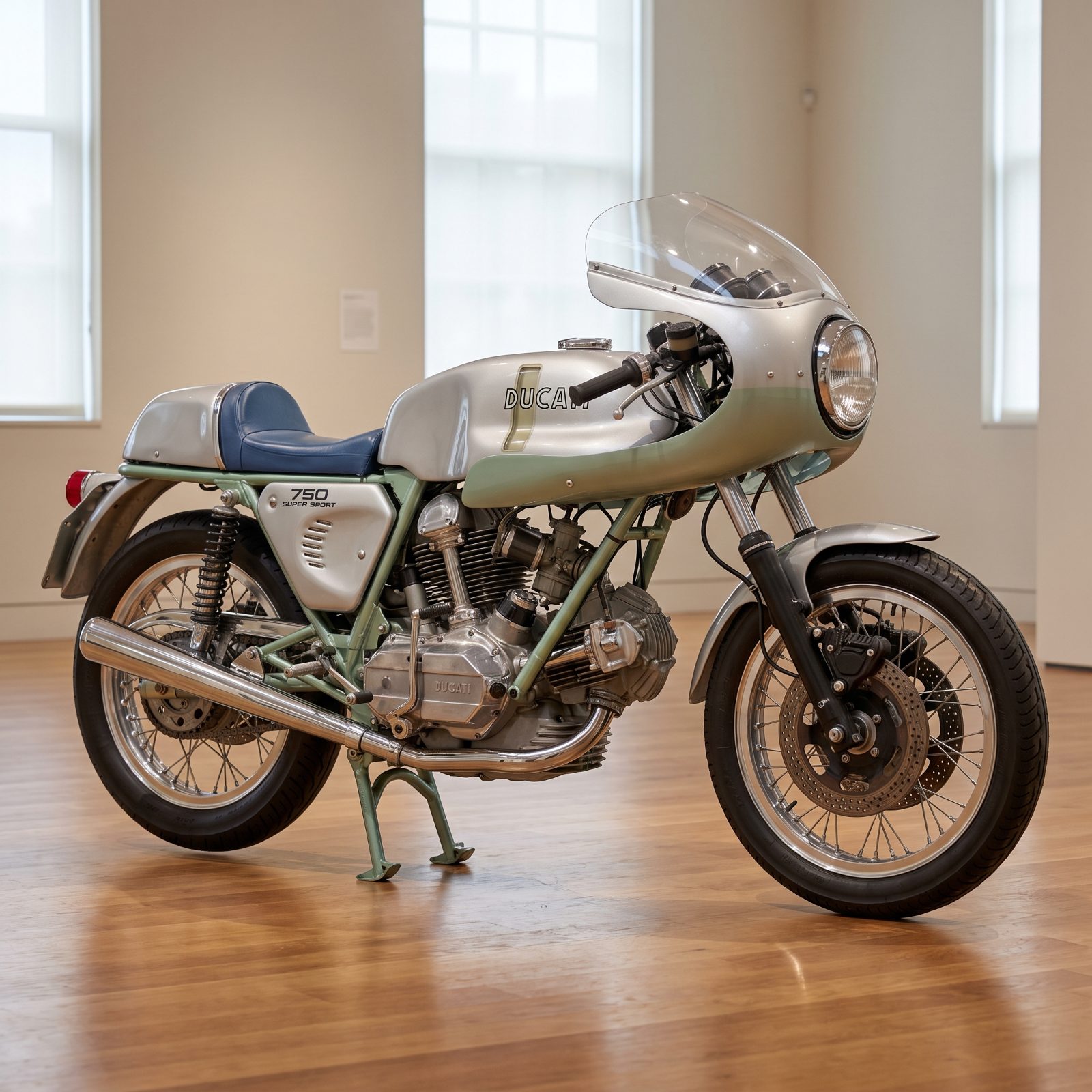
This is the one. The Green Frame validated the whole bevel-drive Ducati legend, built to celebrate the 1972 Imola 200 victory that put the marque on the world map.
Roughly four hundred were made, each with that pale green trellis frame, a desmodromic engine, and tank windows that let you check the fuel level by eye. Few survive untouched. Prices for documented, matching-numbers examples now rank among the highest of any production motorcycle ever sold, routinely crossing into serious six-figure territory at auction.
1988 Honda VFR750R RC30: The Gear-Driven Homologation Legend
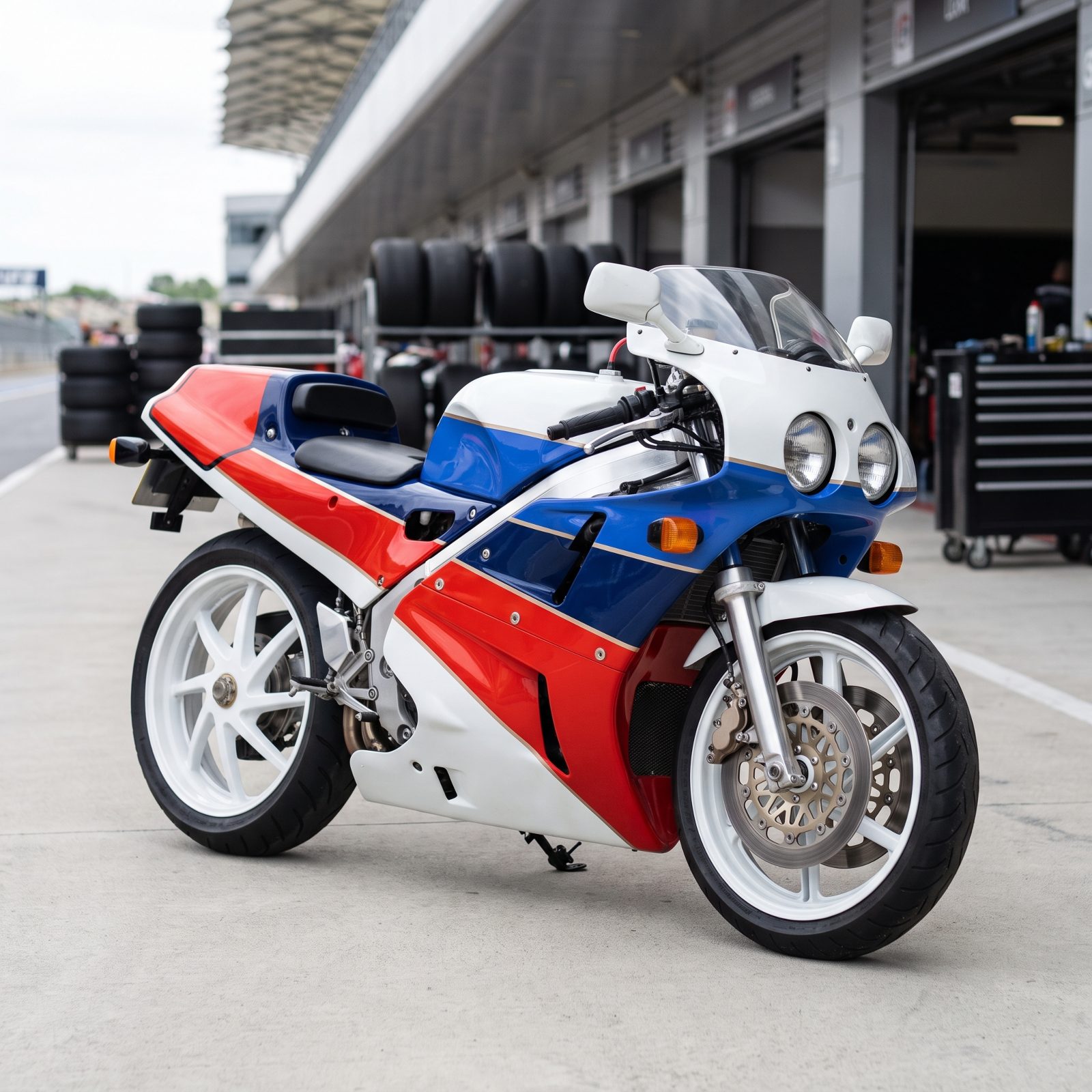
Gear-driven cams, a single-sided swingarm, a V-four that revved like a race engine because it basically was one. Honda built the RC30 to dominate the new World Superbike series, and dominate it did.
Every one was hand-built in limited numbers and sold at a price that floored people in 1988. The engineering sat years ahead of anything on the showroom floor. Low-mileage, unregistered or lightly used examples have become the benchmark for late-80s collectability. The clean ones keep climbing; the tired ones just sit there.
1970 Harley-Davidson XR-750: The Dirt-Track Racer That Became an Icon
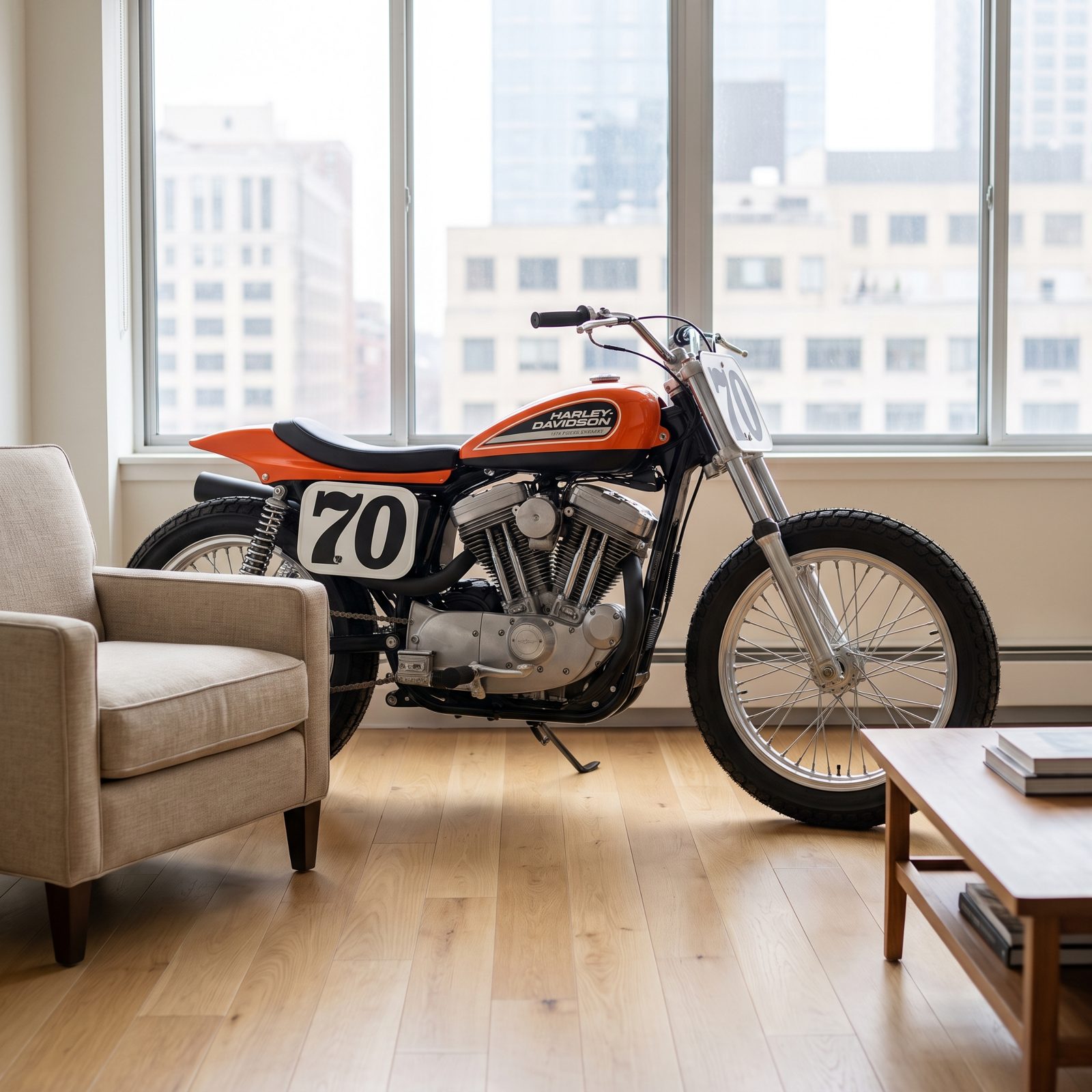
No front brake, low black pipes, and a stance built for sliding sideways through clay turns at full throttle. The XR-750 ruled American flat track for decades, and that’s why it reads as the definitive race-bred Harley.
The earliest iron-barrel 1970 and 1971 engines are fussier and far rarer than the later alloy versions that carried the model to glory. Genuine factory race bikes with real history behind them are vanishingly scarce. Provenance matters here more than on almost any machine on this list, because the replicas are everywhere.
1973 Ducati 750 Sport: The Lean Step Toward the Super Sport
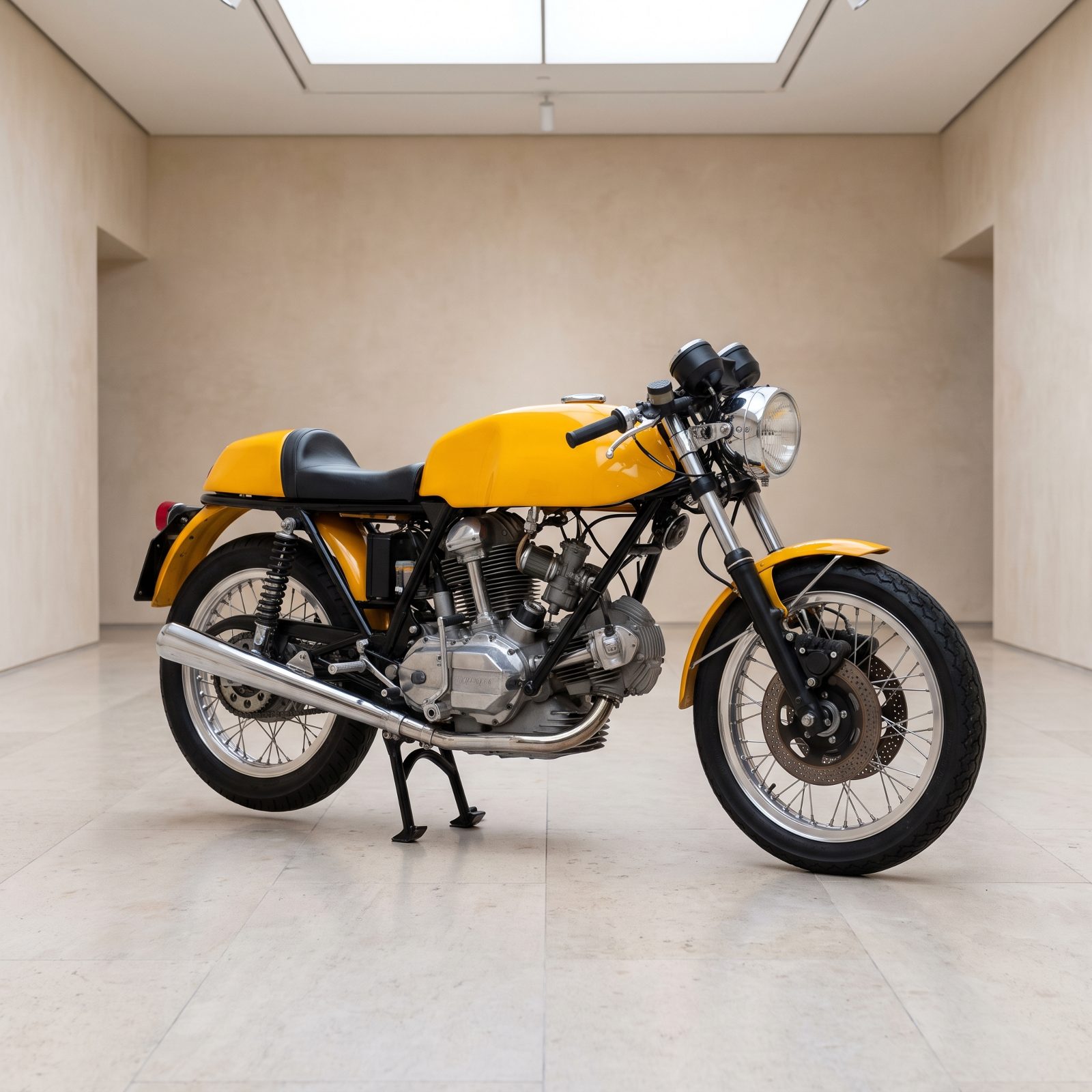
Before the Green Frame became a holy relic, the 750 Sport did the heavy lifting as Ducati’s proper sporting twin. Bright yellow, clip-ons, a single seat, and that same bevel-drive architecture that made the marque famous.
It sits a rung below the Super Sport in the hierarchy, which for years meant everybody overlooked it. Not anymore. Once Green Frames priced themselves out of reach, buyers rediscovered the Sport as the affordable way into real bevel-drive ownership, and values followed.
1975 Ducati 900 Super Sport: The Big-Bore Bevel Desmo
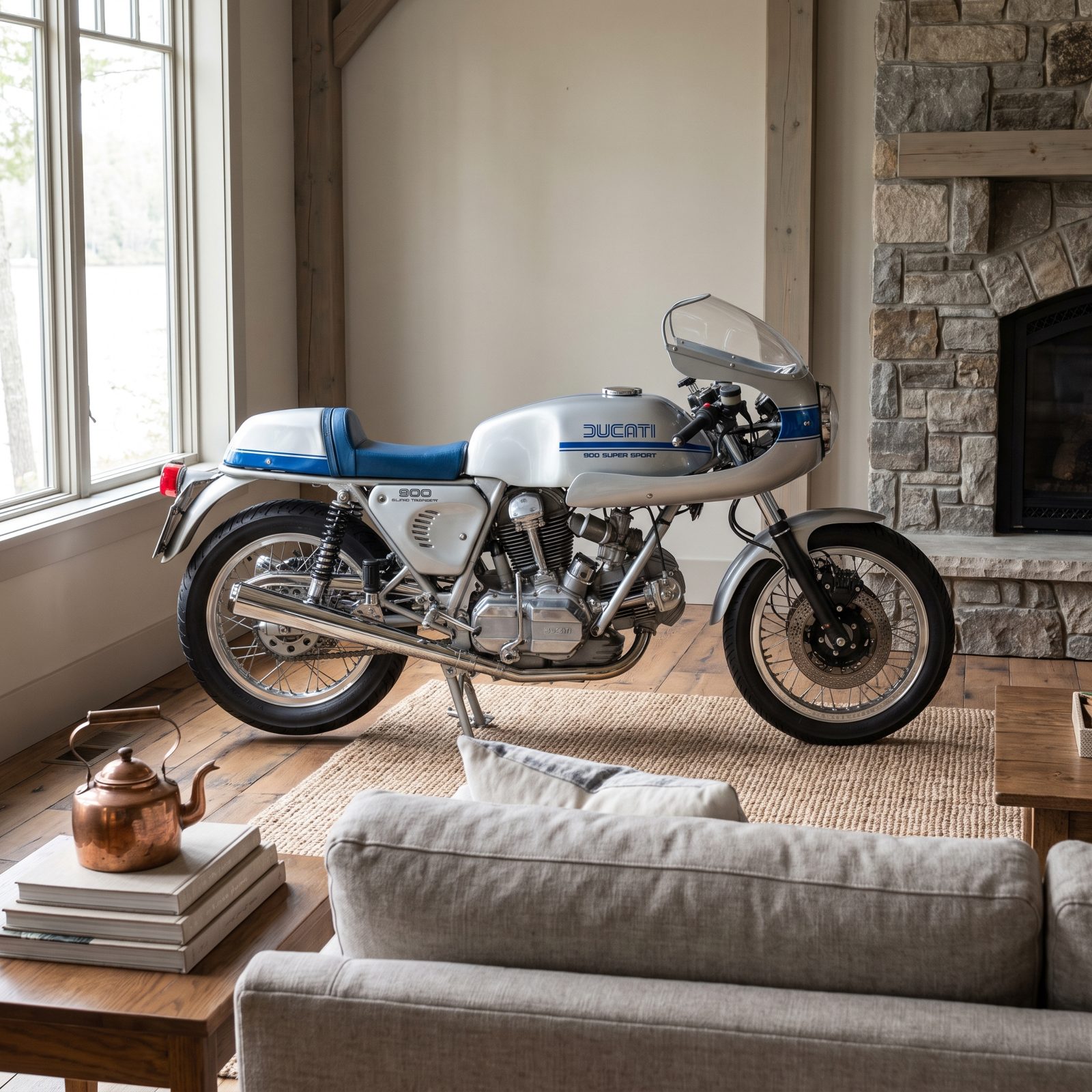
Take the Super Sport recipe and hand it some displacement. The 900 brought real torque to that lean, focused chassis, and for a lot of riders that made it the most usable of the classic bevel desmos.
The earliest mid-70s examples are the ones collectors prize most, from before later updates softened the whole character. Never common. Built in limited numbers, with genuine racing intent baked into the valvetrain. A documented early 900SS sits firmly in blue-chip territory today.
1974 Benelli 750 Sei: The First Production Six-Cylinder Motorcycle
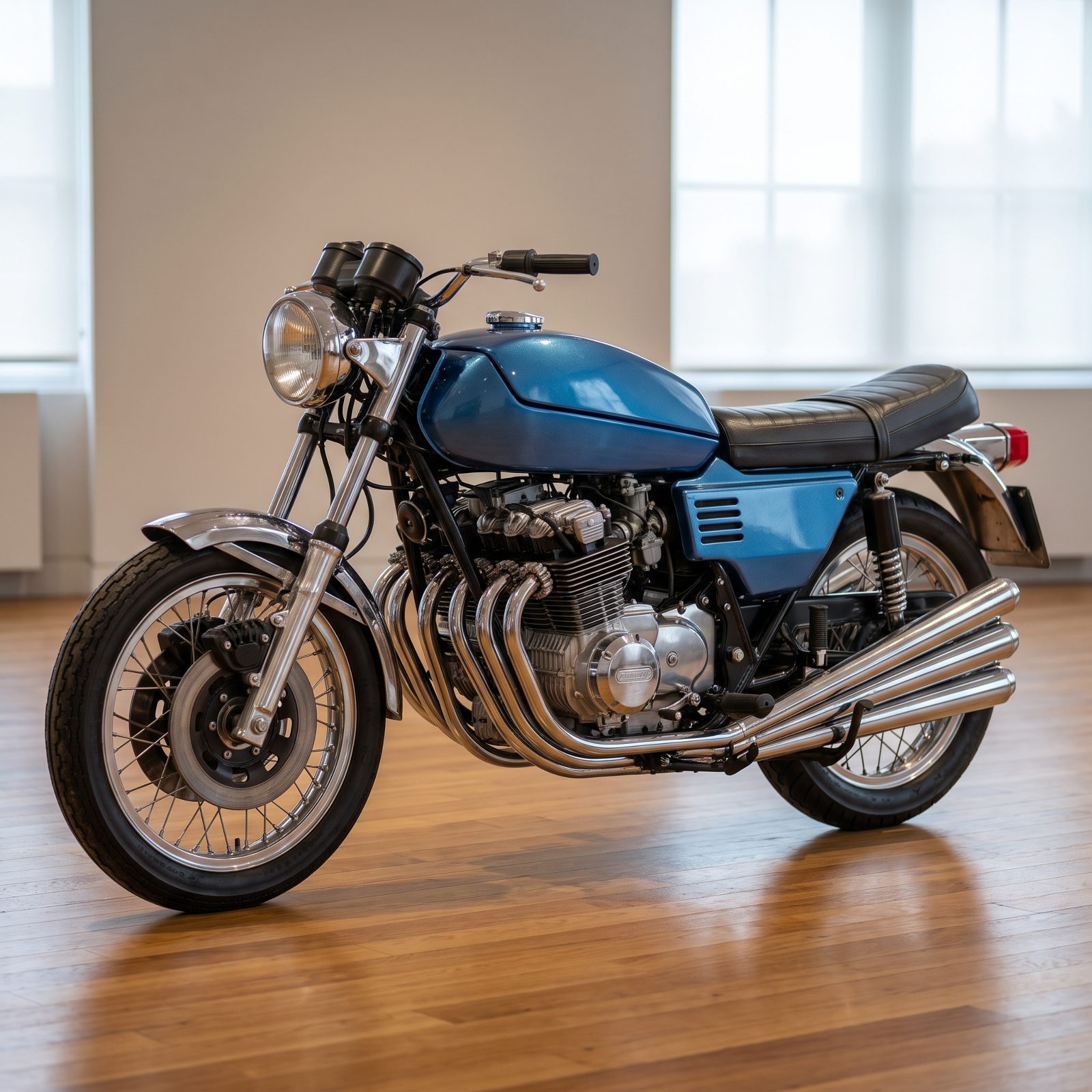
Six exhaust pipes fanning across the back end, one for every cylinder. The Sei beat Honda to the production six-cylinder punch and announced itself on pure spectacle.
Underneath all the drama sat engineering borrowed from Honda’s four, widened by two pots, which drew plenty of smirks at the time. History has been kinder. As the first series-production six it holds a secure place in motorcycling, and that oddball status is exactly why collectors want one. Running, complete examples are harder to find than the production figures suggest.
1976 Laverda Jota: The Muscular Triple With Endurance-Racing Teeth
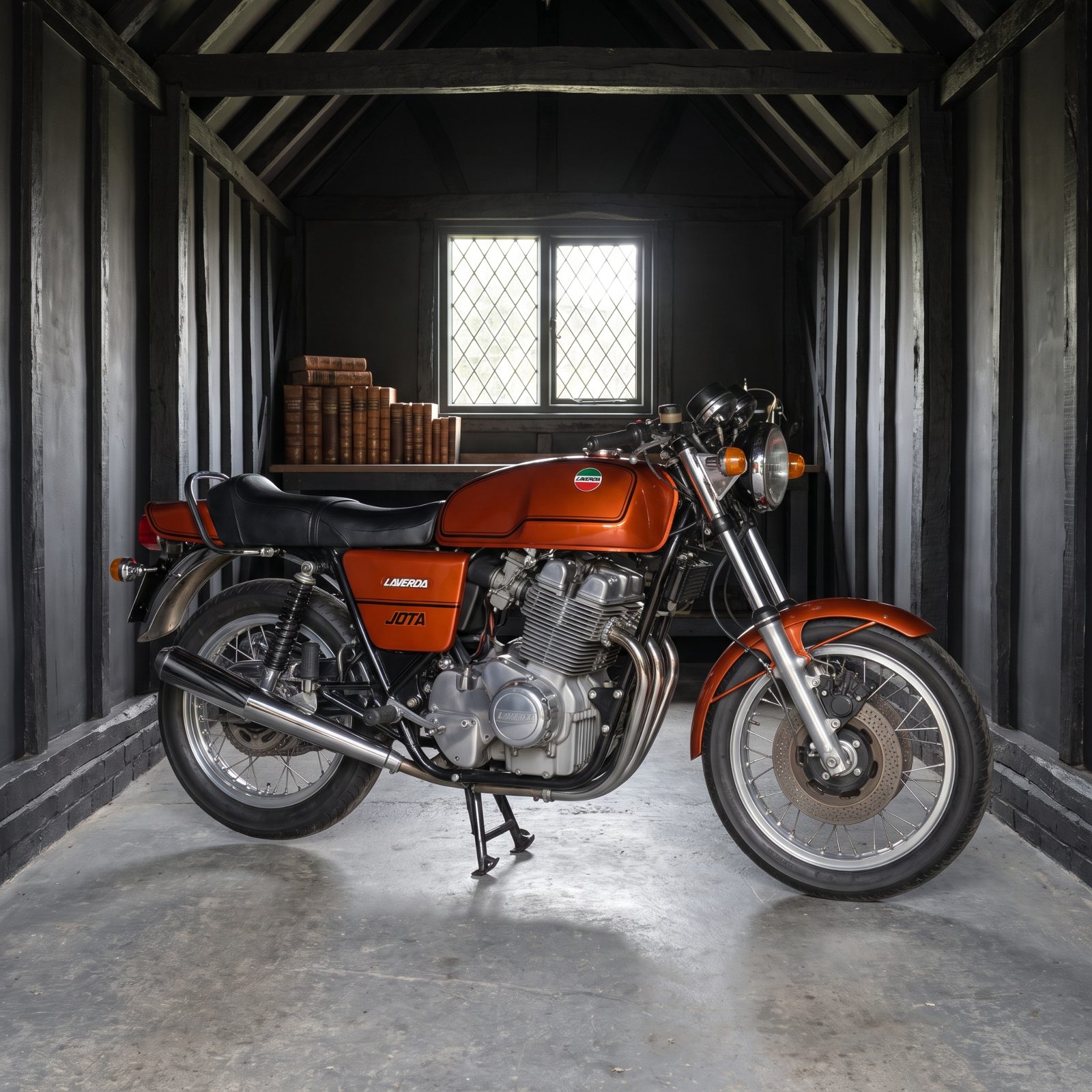
The Jota earned its reputation as one of the fastest production bikes of its day, and it earned that on a hot-cam triple that a British importer specced up for racing homologation, then sold to anyone brave enough.
That triple has a sound and a vibration all its own — a big-shouldered character nothing from Japan matched. Early examples with the original hot cams and the proper exhaust are the ones that count. The Jota does it all the way a good triple should: loud, heavy, and impossible to forget.
1973 Moto Guzzi V7 Sport, The Low-Frame Italian V-Twin Collectors Prize
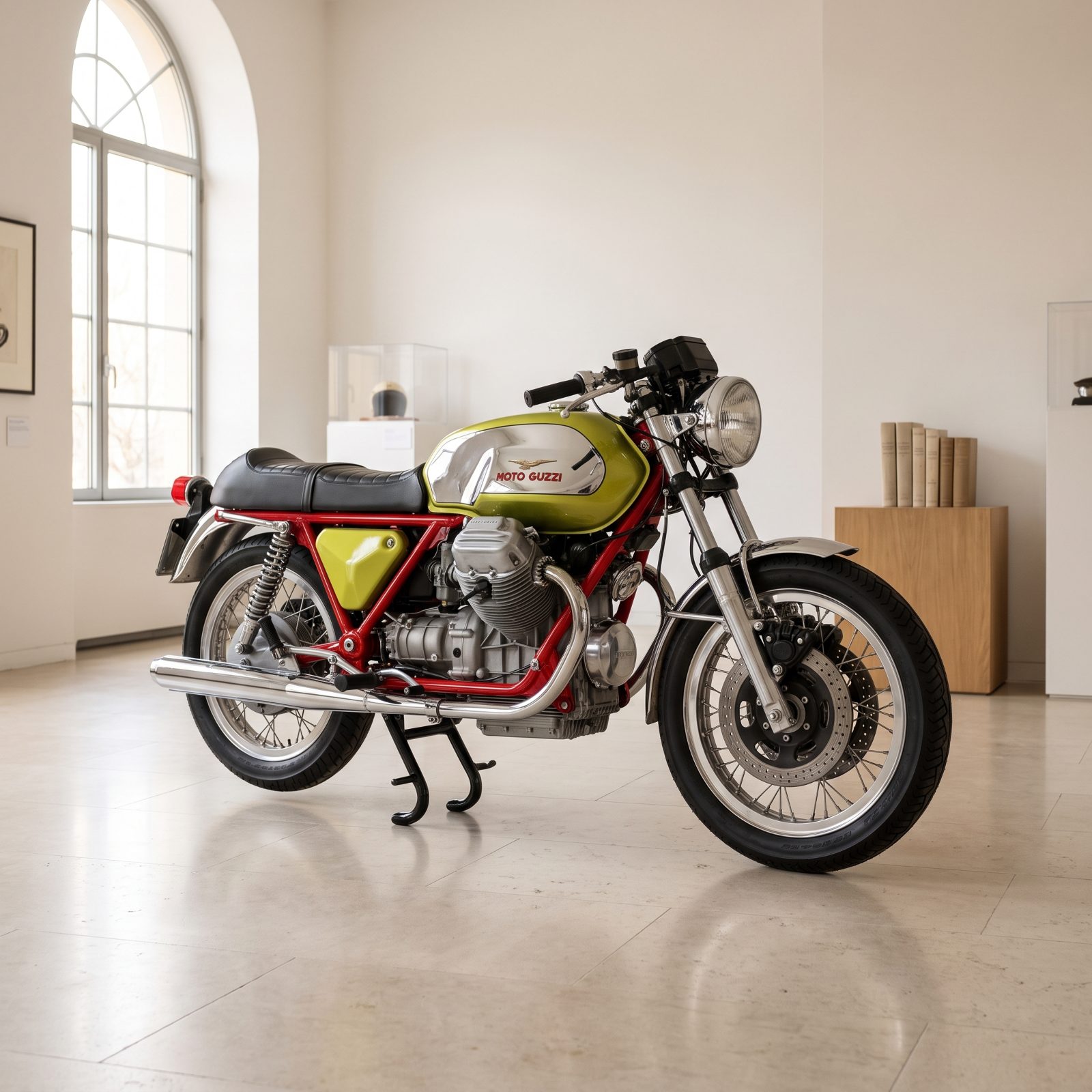
The frame is the whole story here. The first V7 Sport bikes rolled out with a red-painted tube frame built tight and low, so the rider sat down in the bike instead of perched on top of it, and that geometry handed the thing manners you’d expect from something far more modern.
Collectors chase the earliest telaio rosso examples hardest of all. Original paint, matching engine and frame numbers, the correct Borrani rims — any of those shove prices well past the ordinary Guzzis of the same years. Find one that’s never seen a respray and you’ve found something worth holding onto.
1976 Moto Guzzi 850 Le Mans Mk I, The Coveted Round-Headlight Original
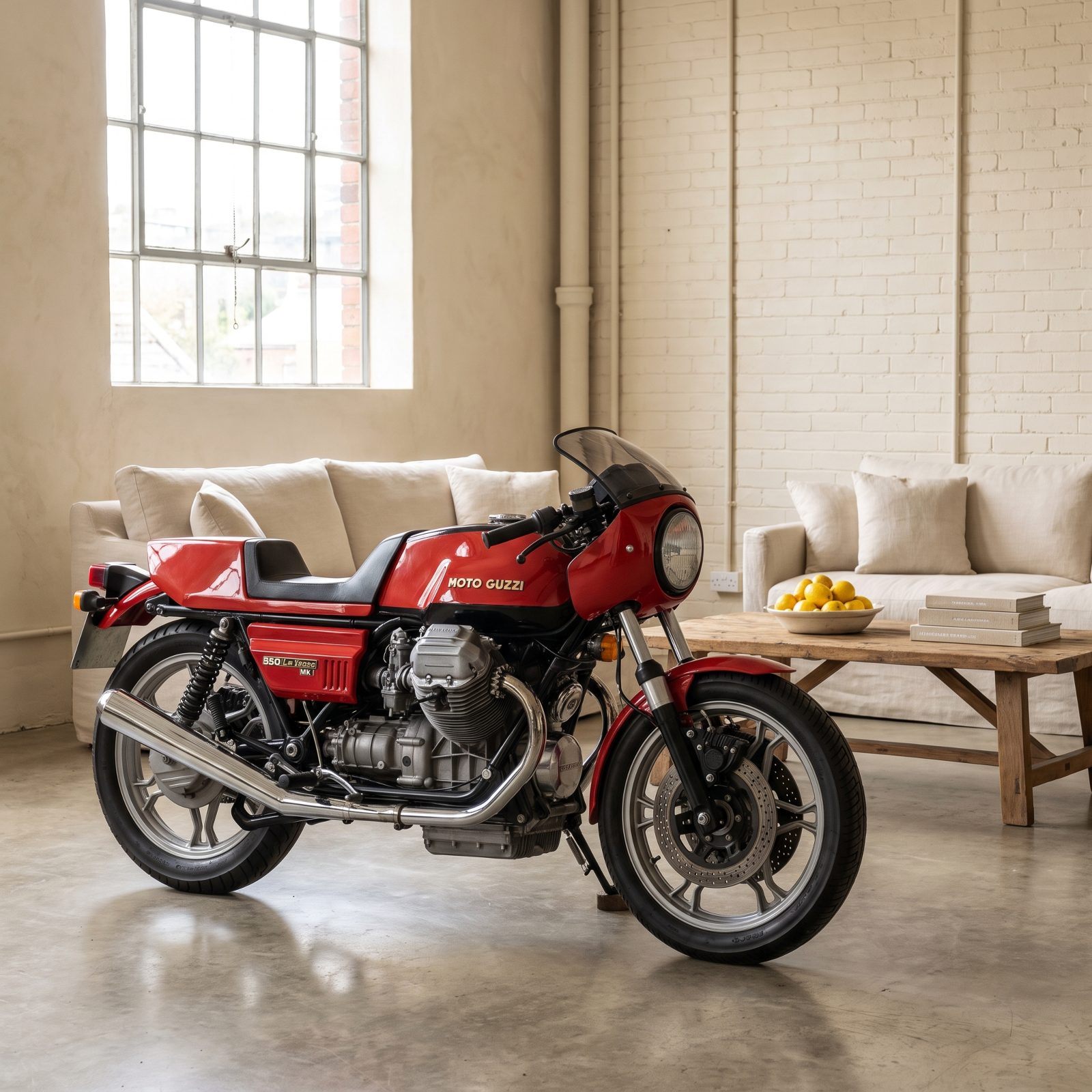
Everyone wants the round headlight. The Mk I Le Mans came with a small circular lamp set in that minimal fairing, and later versions switched to a rectangular unit that collectors simply never warmed to.
A detail, sure. But details decide value on a bike like this. A genuine first-series Mk I with its original bodywork, correct seat and that early angular tail commands a real premium over the Mk II that followed. Get the paperwork wrong, or buy one wearing a later nose, and you’ve just paid top money for a lesser machine.
1983 Harley-Davidson XR1000, Sportster Bodywork With XR-Inspired Cylinder Heads
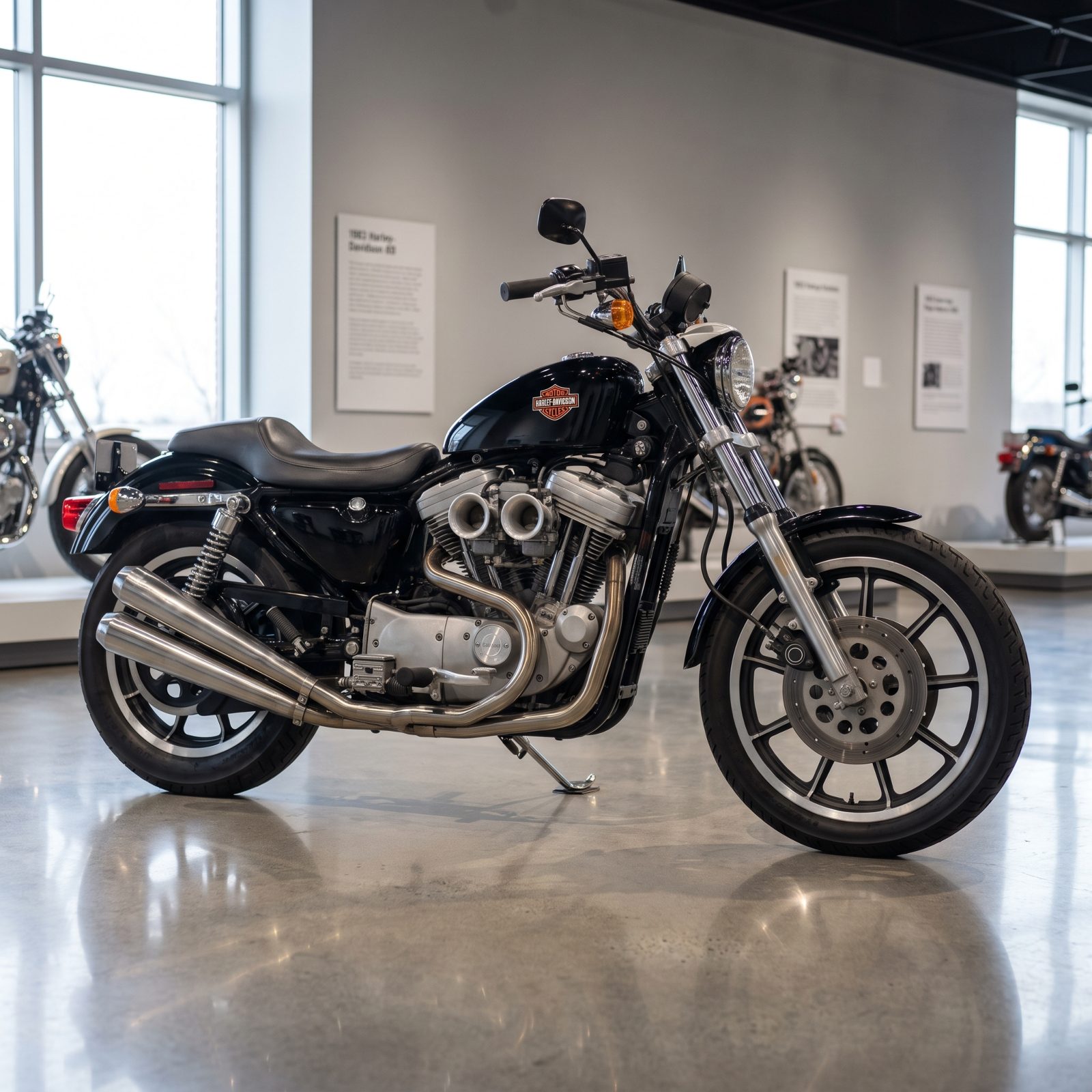
The factory built it, and almost nobody bought it. The XR1000 bolted racing-derived aluminum heads and twin carburetors onto a Sportster chassis, and new it cost close to double what a standard Sportster did. Dealers sat on them for ages.
That slow showroom floor is the collector’s gain now. Production ran a couple of years, the numbers stayed small, and clean originals have climbed hard since. Twin carburetors on one side and high, stacked pipes on the other make it read unmistakably as an XR in any lineup.
1977 Harley-Davidson XLCR, A Blacked-Out Factory Café Racer
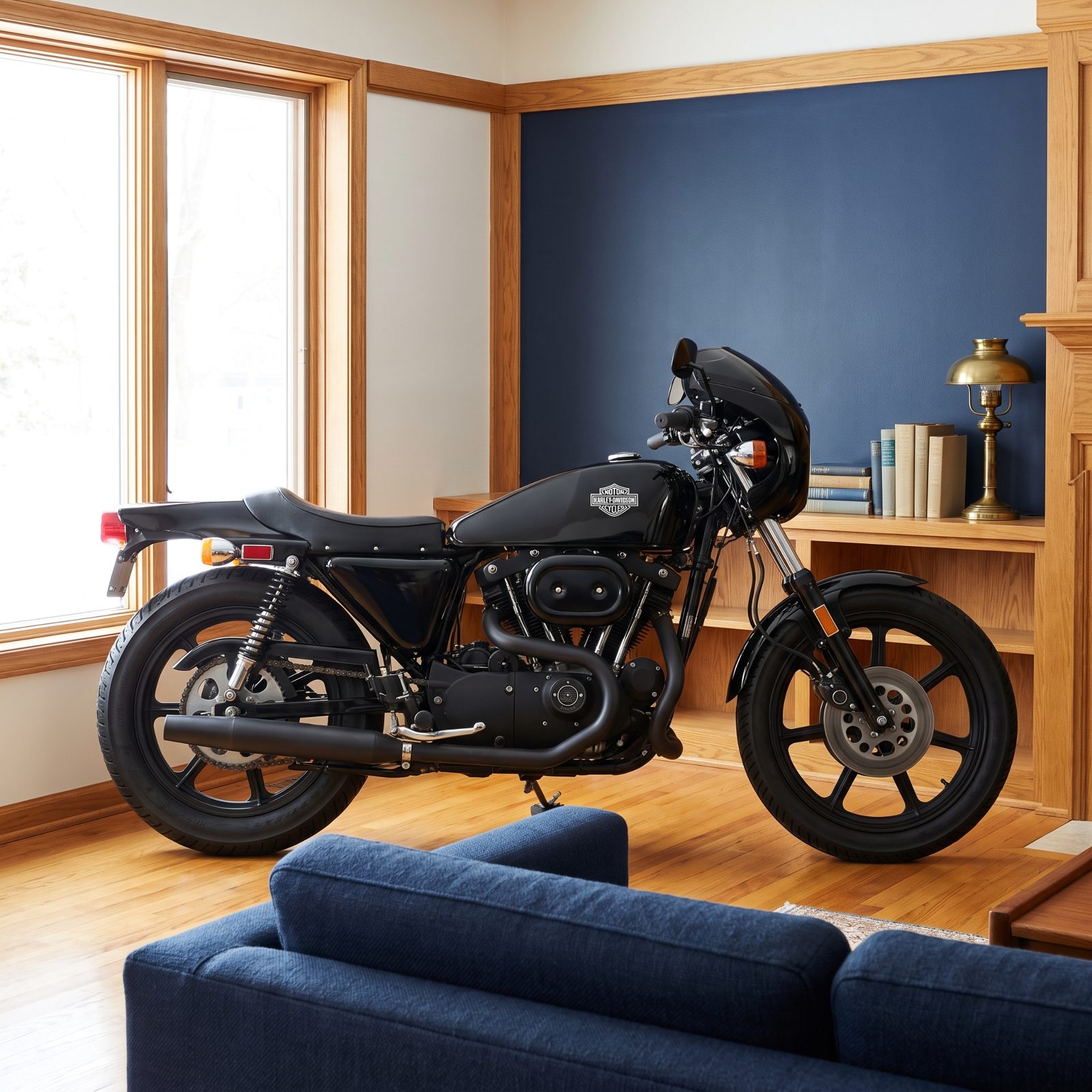
Black on black on black. The XLCR was Willie G. Davidson’s shot at selling a European-style café racer to an American audience that mostly wanted cruisers, and that audience mostly said no thanks.
Which is exactly why it’s collectible now. Built across just two main years in limited numbers, it ranks among the boldest design swings the factory ever took — the siamesed pipes, the bikini fairing, the all-black treatment, none of it looked like anything else wearing the bar-and-shield. Original paint and unmolested bodywork matter most. Repainted examples, and ones fitted with later wheels, take a hit.
1971 Harley-Davidson FX Super Glide, The Boat-Tail First-Year Factory Custom
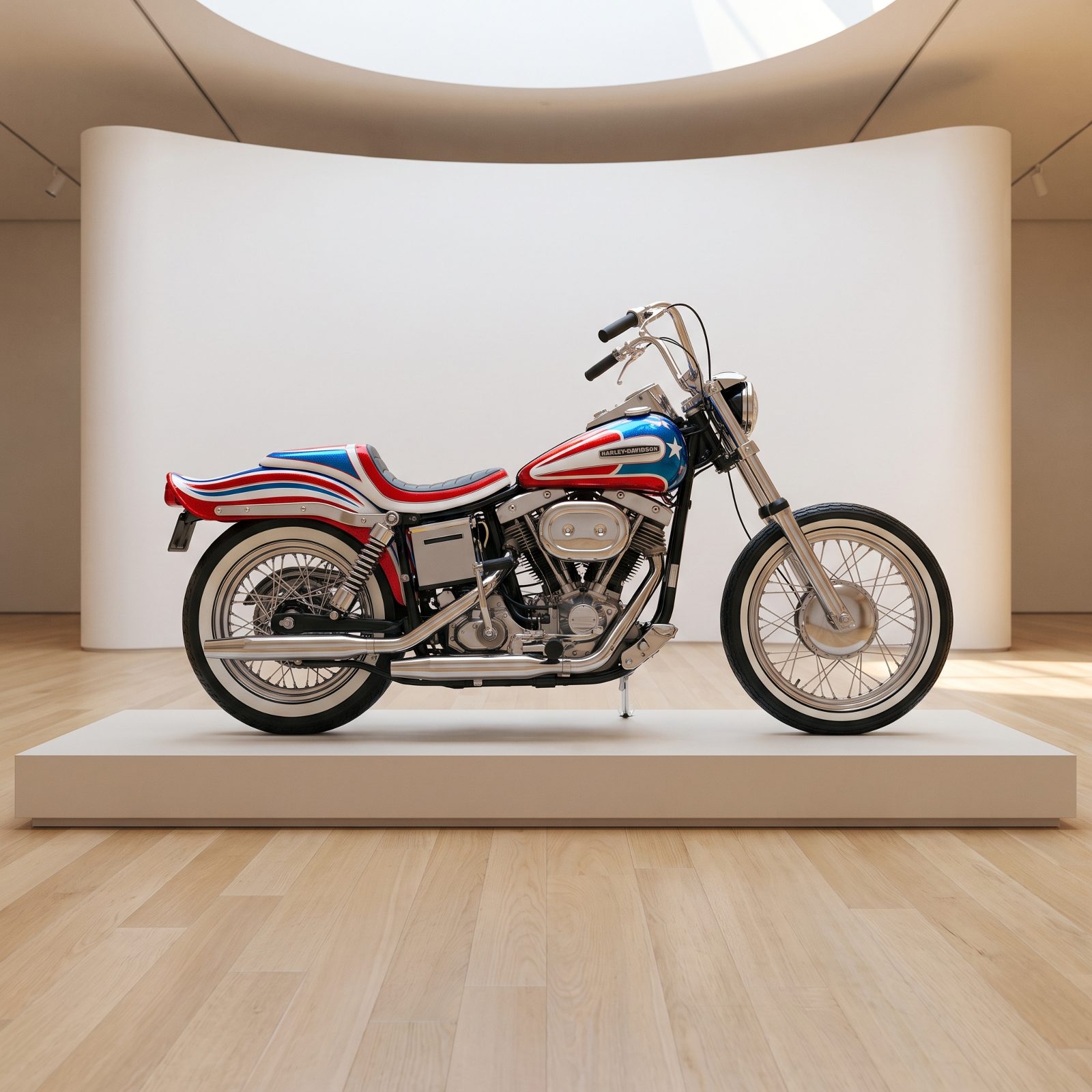
You’ve seen the boat-tail and either loved it or winced at it. The first-year Super Glide mated a big-twin frame to a slim Sportster front end and capped the whole thing with a one-piece fiberglass tail that split opinion the moment it landed on a showroom floor.
The market has since disagreed with the buyers of the day. That odd rear unit, especially in the red-white-and-blue scheme, is now the detail that makes early FX bikes hunted. Most owners back then yanked the boat-tail off for a conventional fender, which is why surviving originals are genuinely scarce.
The part everyone threw away is the part everyone now wants.
1973 Triumph X-75 Hurricane, A Fiberglass-Clad Factory Triple
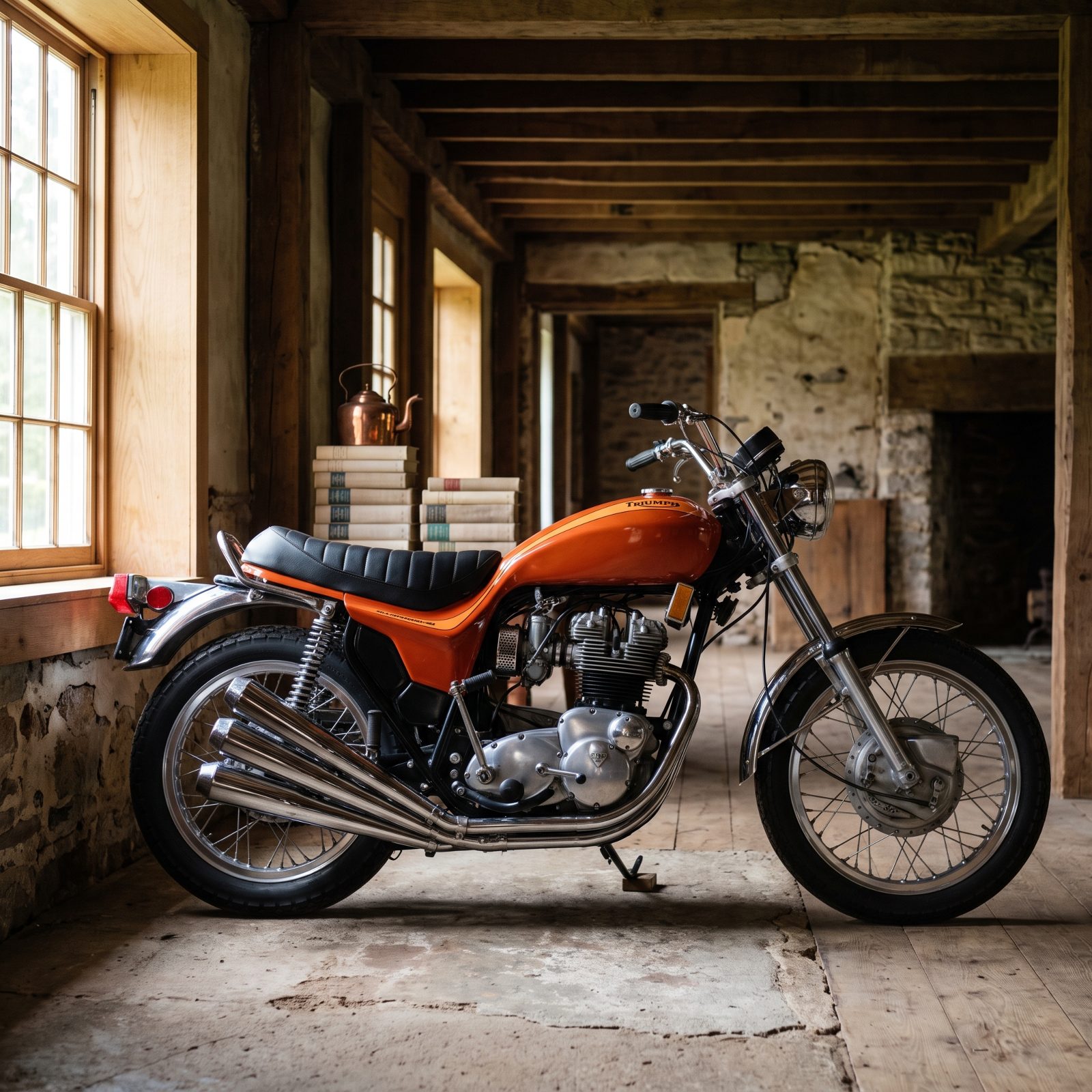
Three chrome pipes on one side, and a profile nobody forgets. The X-75 Hurricane started life as an independent styling exercise on a BSA Rocket 3 triple, and the factory then put it into limited production under the Triumph name.
Short production life, striking fiberglass bodywork, that stacked triple exhaust — together they make it one of the most recognizable British bikes of the decade, and collectors pay a steady premium for the look alone. Just know the one-piece tank unit is fragile and hard to source. Cracked or replaced bodywork drops the number fast.
1978 Kawasaki Z1-R TC, The Dealer-Converted Turbo Model With Extreme Rarity
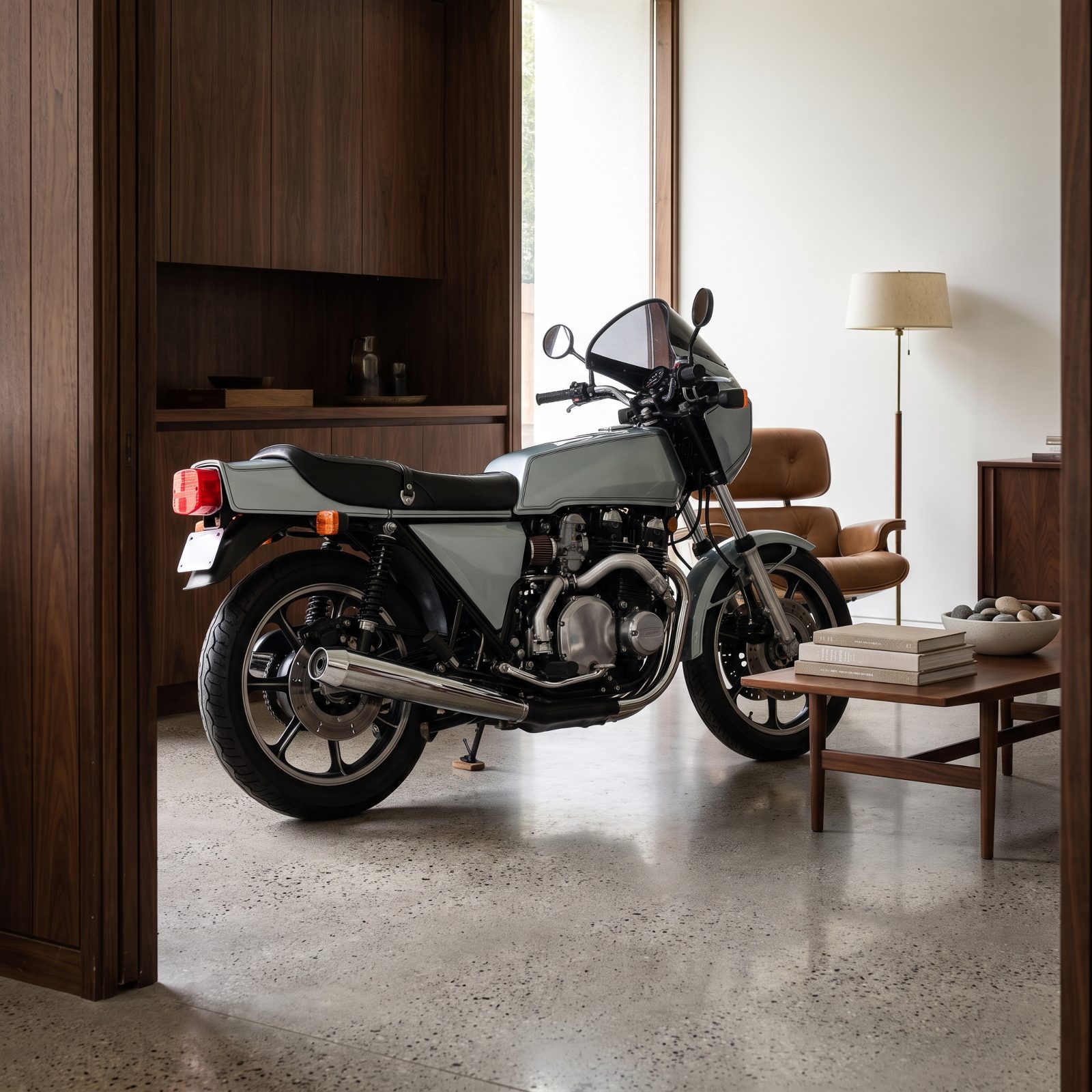
This is where rarity gets serious. The Z1-R TC was a turbocharged conversion done through select dealers rather than a mass-production model, and the total built stayed tiny. Tracking down a genuine documented example is a proper hunt.
The base Z1-R was already sharp — wedge fairing, squared tank, all of it. Bolt on the turbo kit and you’ve got one of the most sought-after Japanese superbikes of the era among collectors who know what they’re looking at.
1982 Kawasaki KZ1000R, The Lime-Green Superbike Replica
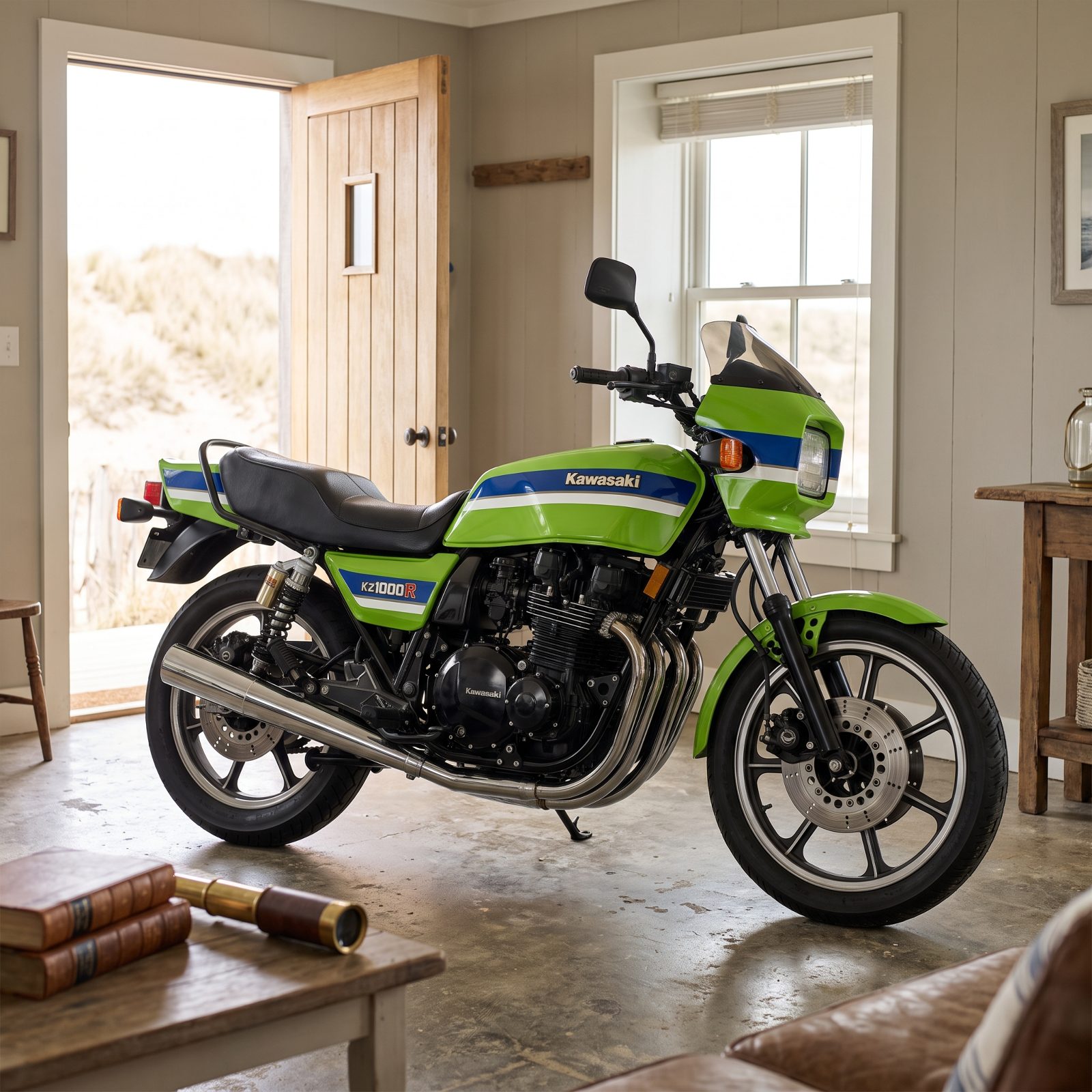
Lime green with blue and white stripes, racing history baked right into the color. The KZ1000R was a street replica of the factory superbike racer that dominated American tracks early in the decade, and the paint scheme alone tells anyone who knows the story exactly what it is.
Pedigree drives this one. That connection to championship-winning machines keeps clean originals climbing. Faded or resprayed paint stings the value hard, because here the color is half the appeal.
1973 Kawasaki Z1 900, The Original Big-Bore Double-Overhead-Cam Superbike
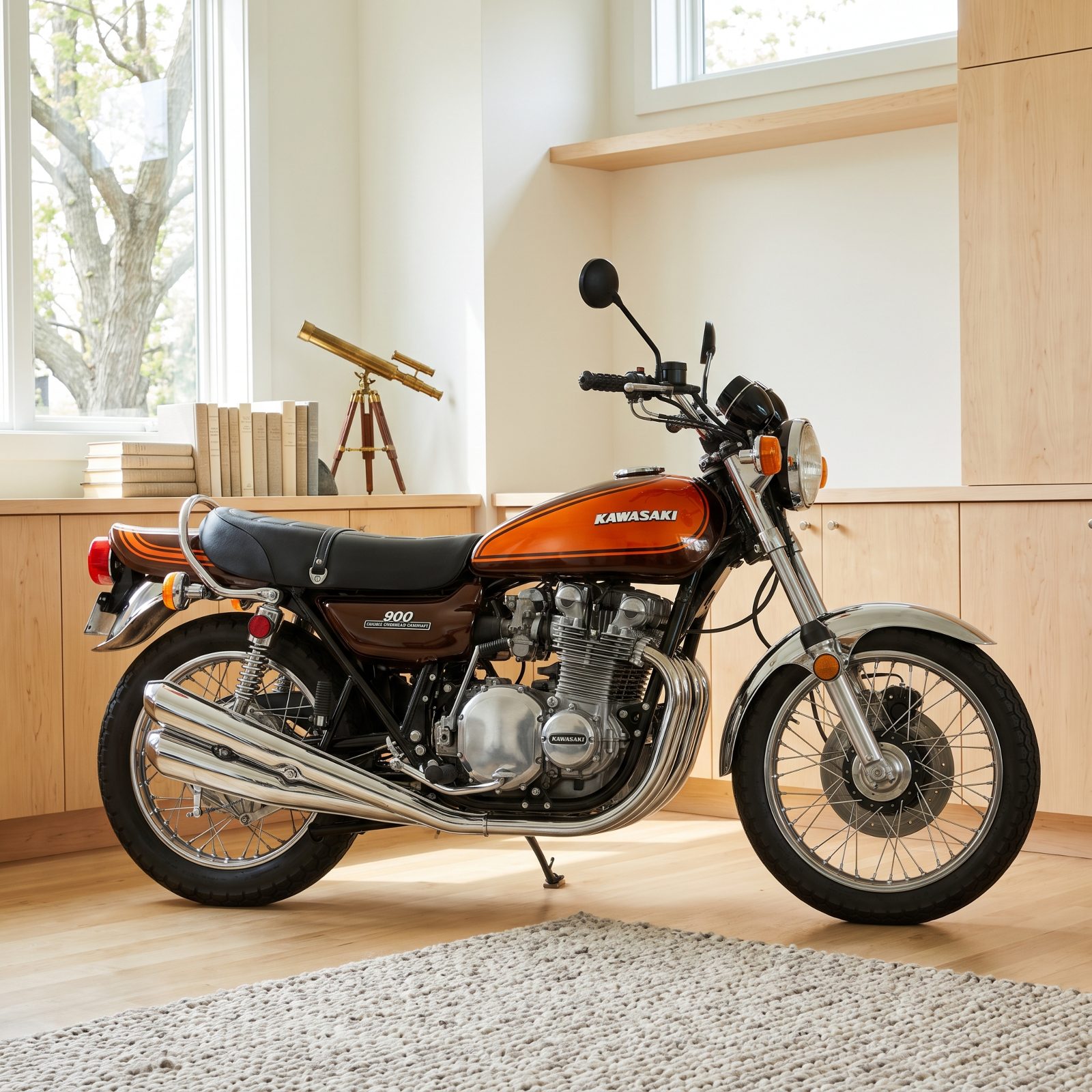
This is the one that set the template. The Z1 arrived with an air-cooled four-cylinder, double overhead cams and nearly 900cc at a time when its rivals were smaller and simpler. Faster, bigger, better built — the whole modern Japanese superbike grew straight out of it.
First-year 1973 bikes in the brown-and-orange candy fade are what serious collectors want. Matching numbers, original four-pipe exhaust and unrestored candy paint separate the valuable examples from the ridden-hard majority.
1972 Kawasaki H2 Mach IV, The 750cc Two-Stroke Triple With Fearsome Acceleration
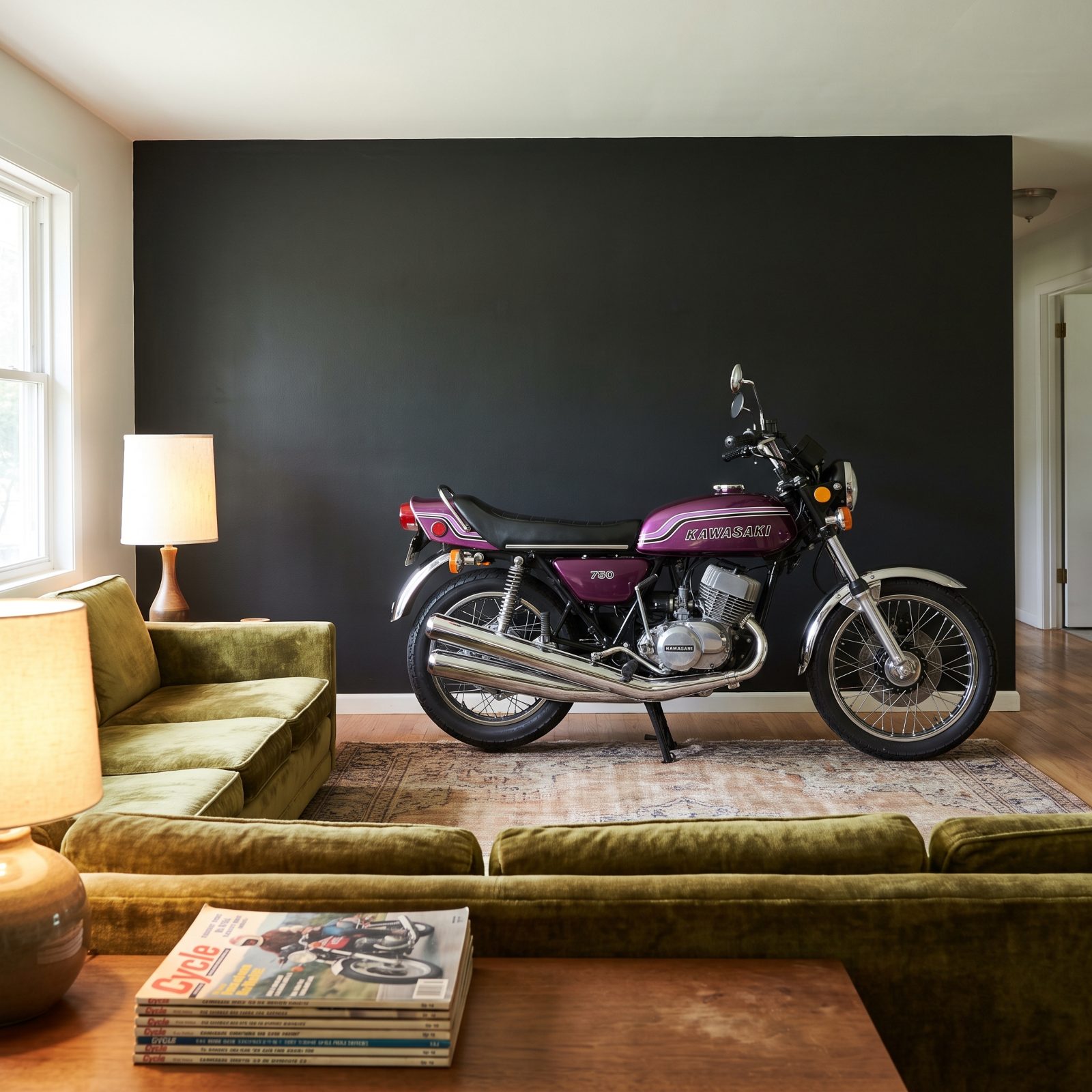
A reputation like nothing else on this list. The H2 was a 750cc two-stroke triple that made its power in a sudden, violent rush, and riders back then swapped stories about the front wheel lifting whether they’d asked it to or not. It earned the nickname the widowmaker honestly.
That danger is part of the legend now, and the legend is part of the price. First-year purple bikes — original paint, correct three-pipe exhaust, unrestored — sit right at the top of the two-stroke collector market. Two-strokes burned up fast and got thrashed harder, so survivors in honest shape barely turn up anymore.
1984 Yamaha RZV500R, The Aluminum-Framed Japanese-Market V4 Two-Stroke
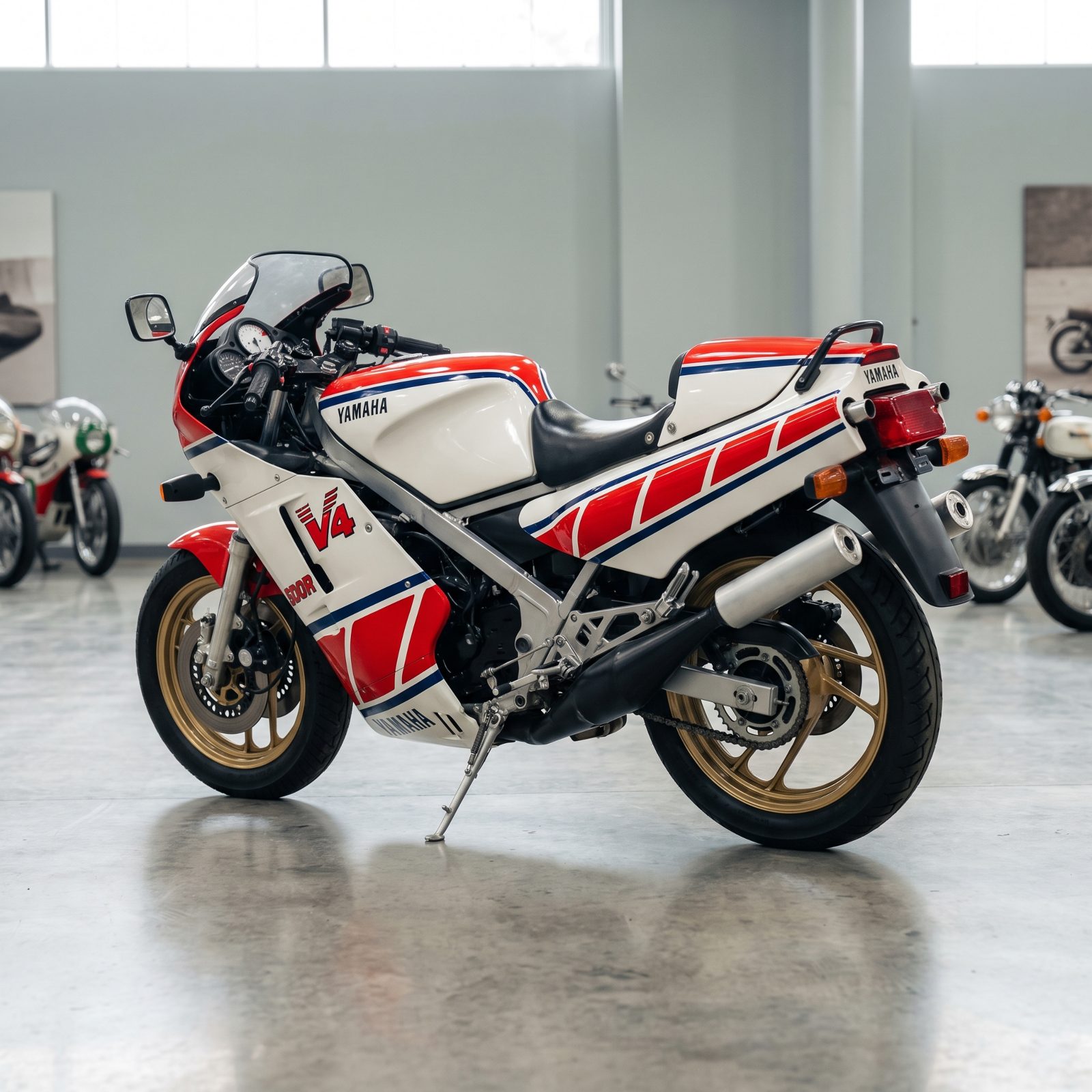
Yamaha built the street-legal RZ500 for the rest of the world, but for its home market it built something better. The RZV500R swapped steel for an aluminum frame, shaving real weight and landing as one of the first production aluminum chassis on a road bike.
Underneath sits a liquid-cooled 50-degree V4 two-stroke, basically a tamed YZR500 Grand Prix engine from the era that owned the podium. Four cylinders, four expansion chambers, and a powerband that hits like a dropped clutch at a stoplight. Values have climbed hard. Clean, unmolested examples almost never surface outside Japan, and that scarcity does the rest.
1979 Yamaha RD400F Daytona Special, The Final Air-Cooled RD400
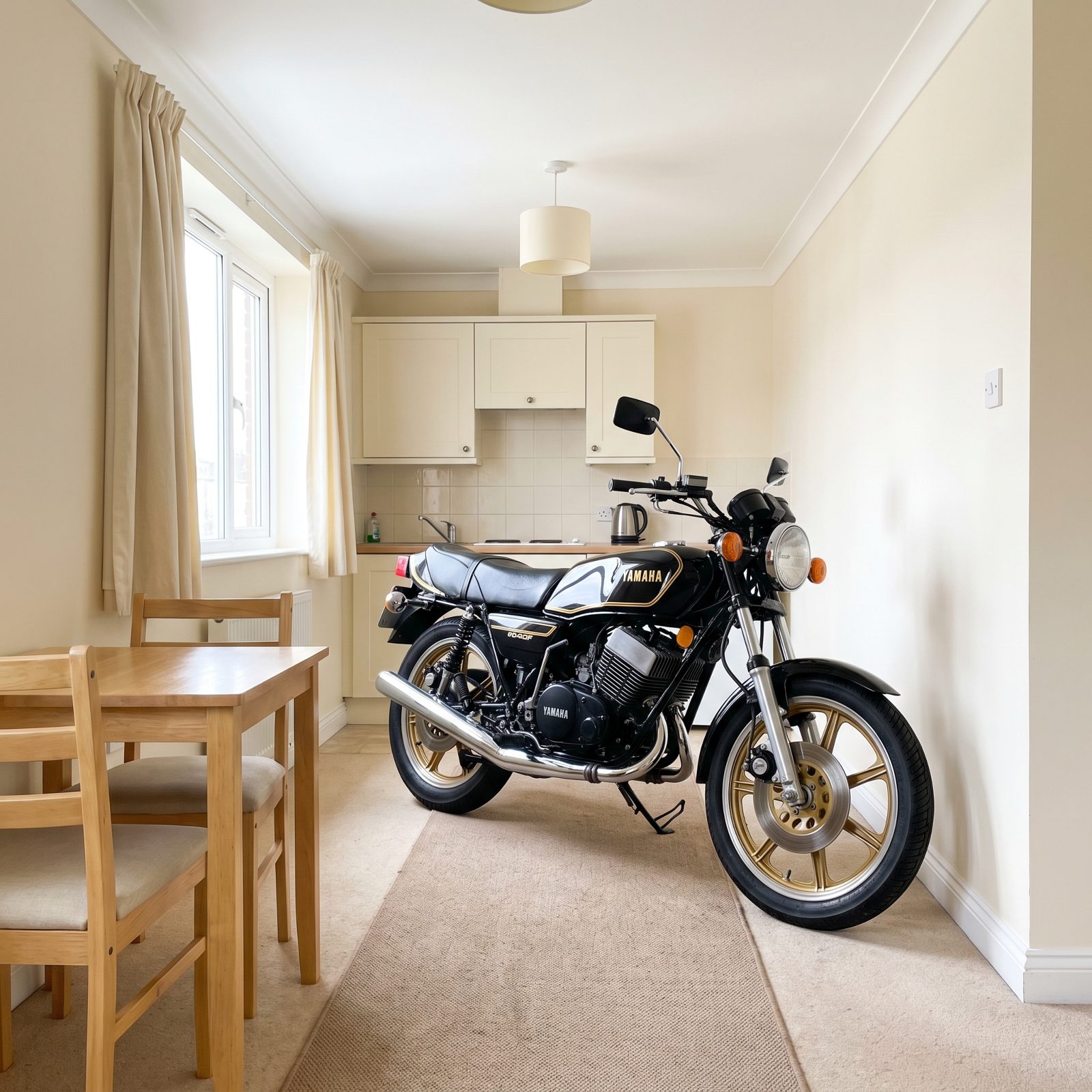
The RD400F closed the book on Yamaha’s air-cooled two-stroke twins in the US, and it went out dressed for the occasion. The Daytona Special wore black-and-gold livery and gold wheels, a look that still stops people cold in a crowded swap meet.
Emissions rules were tightening and everyone in the shop knew the clock was running, which is exactly why the final-year bike became the one collectors chase. The engine is simple, loud, and shockingly quick for 400cc. It’ll teach you about front-wheel weight whether you signed up for the lesson or not. Ride it on its own terms and it pays you back. Honest, mechanical, nothing electronic to hide behind.
1985 Suzuki RG500 Gamma, A Square-Four Tied Straight to Grand Prix
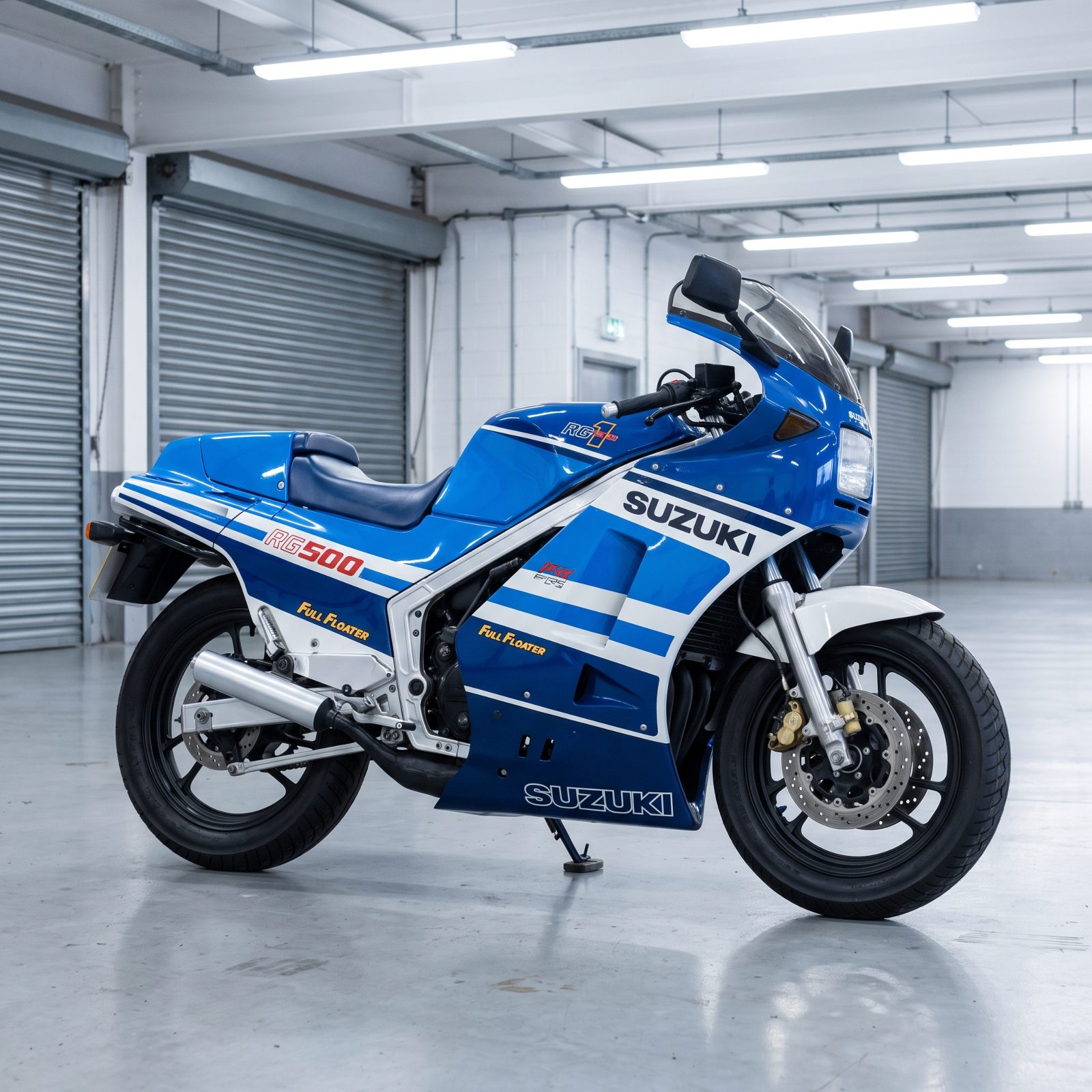
Four cylinders arranged in a square. An aluminum frame built to carry a Grand Prix engine onto public roads with the fewest concessions anyone could get away with. The RG500 Gamma is about as close as a road rider could get to the works machines that won world titles.
It doesn’t make power so much as it detonates power, and it does so right when you least expect it.
Low weight, savage powerband, and a bike that demands respect modern machines rarely ask for. Prices keep climbing as people stop seeing these as used two-strokes and start seeing proper collector hardware. The catch? Finding one with its original pipes and bodywork. Most got raced, crashed, or modified within an inch of their lives.
1986 Suzuki GSX-R750 Limited Edition, Dry Clutch and Solo Seat
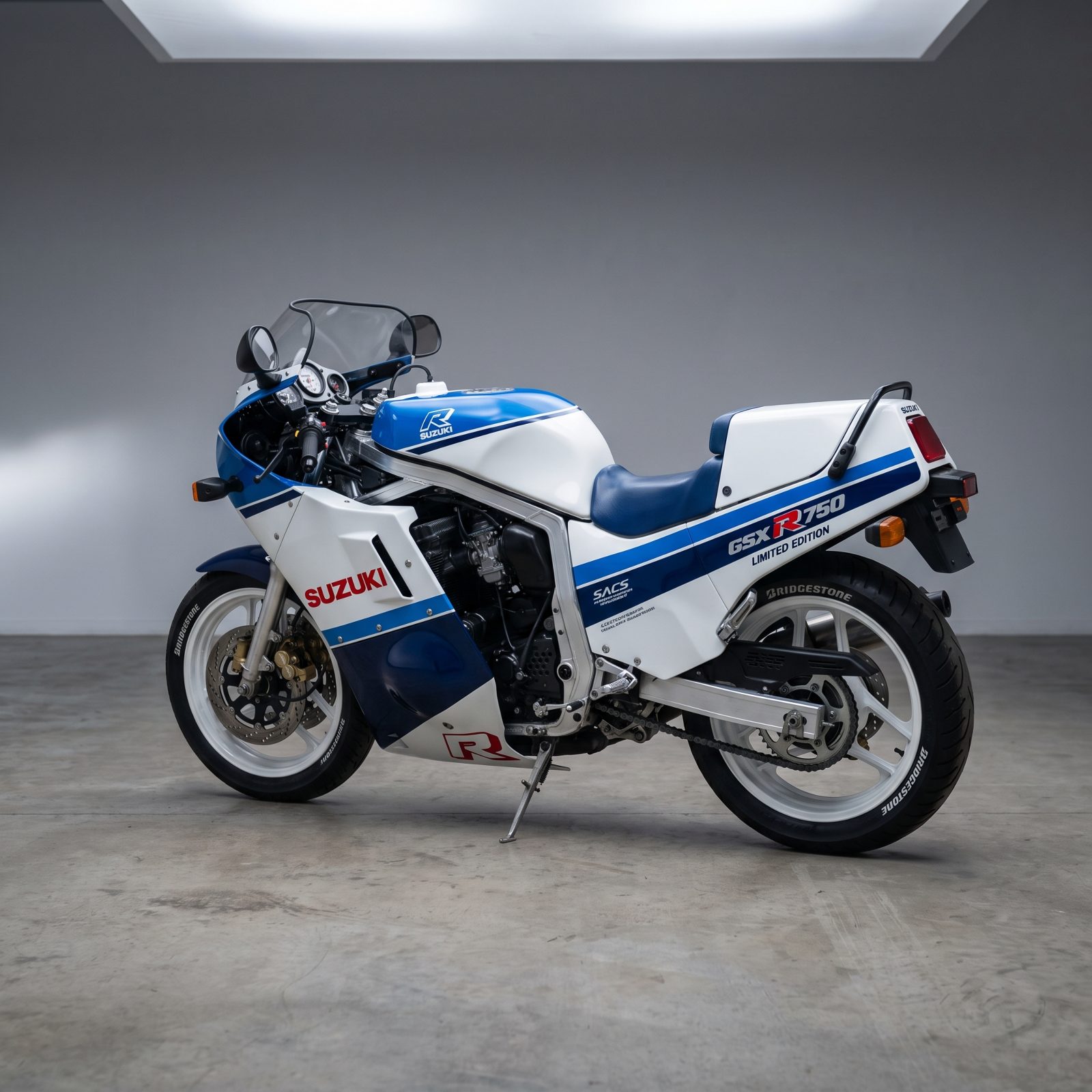
The standard GSX-R750 already tore up the rulebook on what a production superbike could weigh. The Limited Edition went further for homologation, adding a dry clutch, a solo seat, and hardware pulled closer to the endurance racers it was built to legitimize.
Suzuki made comparatively few of these, and that scarcity, bolted to the model’s standing as a genuine turning point in sportbike design, keeps collector interest hot. The aluminum cradle frame and oil-cooled four were radical for the period.
1982 Suzuki GSX1100S Katana, The Silver Wedge That Rewrote Styling
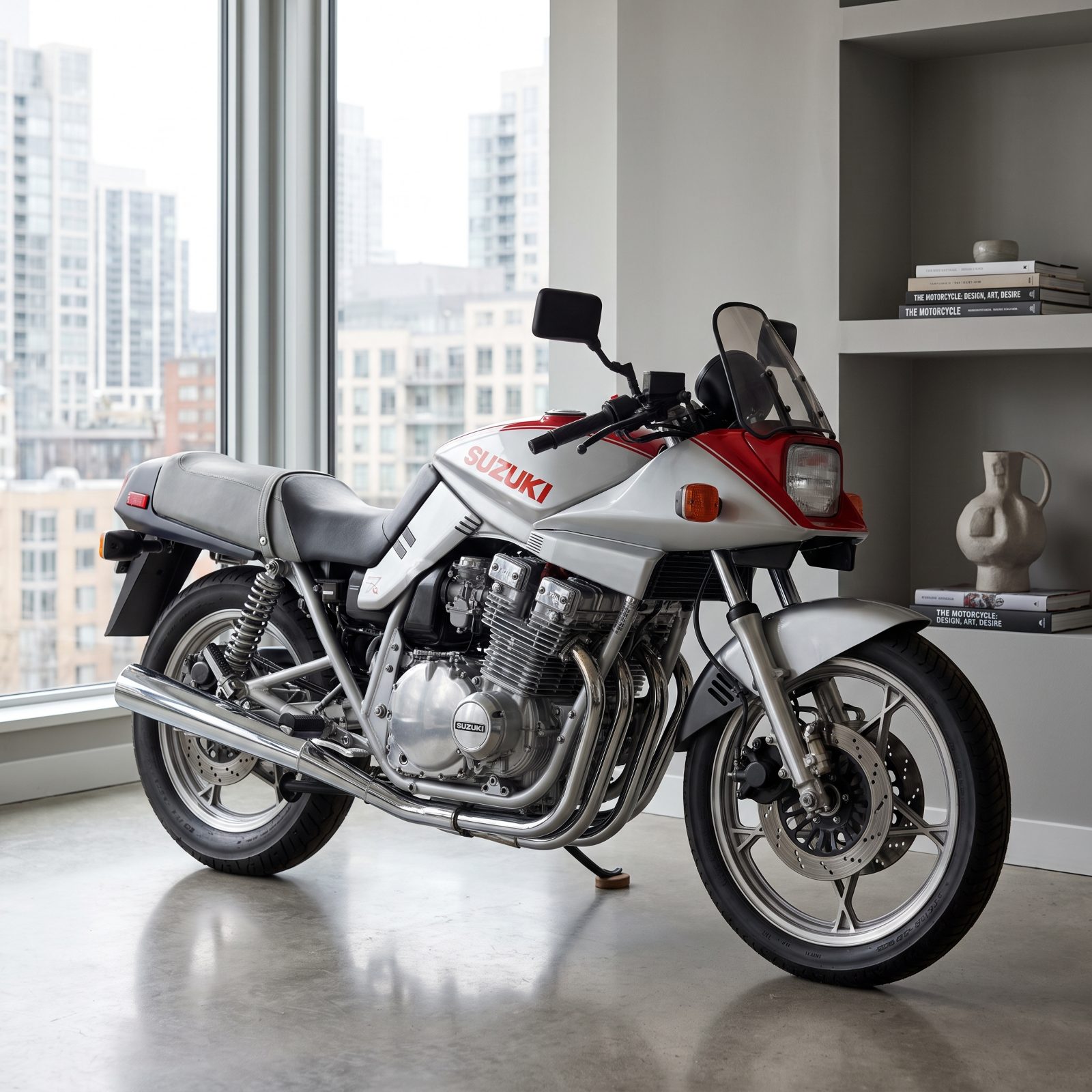
Nothing on the road looked like the Katana when it landed. The wedge tank, the dropped nose, the brushed silver finish, all of it penned by a studio better known for cars, which treated the machine as one continuous shape rather than a pile of parts bolted together.
Plenty of people hated it at first. That’s usually how important design goes. The styling aged straight into icon status, and original 1982 examples in correct silver with the stepped seat now pull serious money. The air-cooled 1100 four underneath was no slouch either, fast and torquey for its day. A clean one still looks like it rolled in from a future that never quite happened.
1973 Honda CR250M Elsinore, Honda’s First Production Two-Stroke Motocrosser
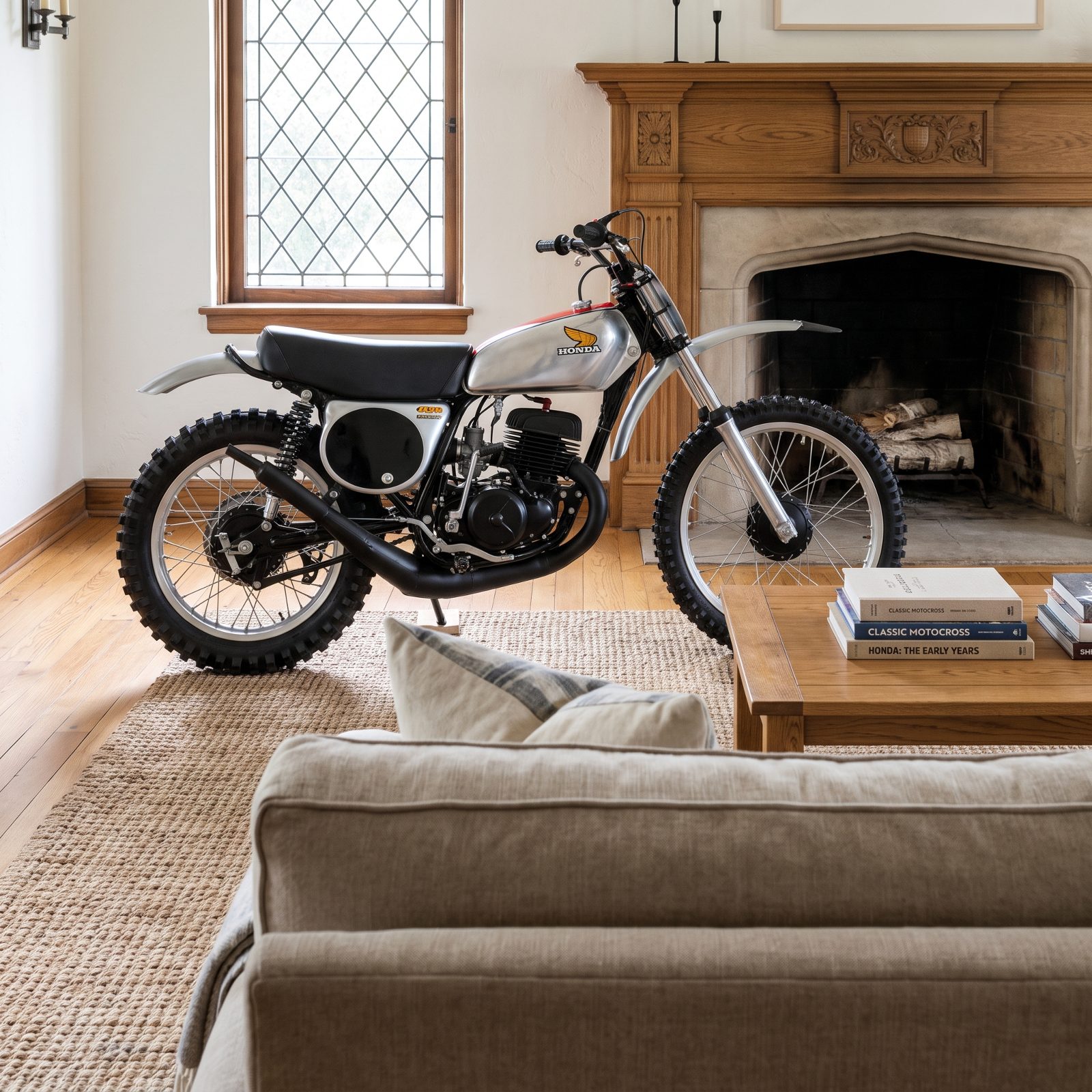
Honda built its reputation on four-strokes, then turned around and produced one of the defining two-stroke motocrossers of the decade. The CR250M Elsinore was the company’s first production two-stroke dirt bike, light and fast and good enough to win straight out of the crate.
Named after the famous California race, it became an instant legend among privateers who could finally buy competitive machinery without begging for a factory ride. Chase the early 1973 examples. Most got flogged into the ground on tracks and trails, so survivors with original aluminum bodywork and matching numbers are genuinely scarce. The ones that dodged hard use? Crown jewels of vintage motocross collecting.
1971 Maico 501, The Giant Two-Stroke That Collectors Fight Over
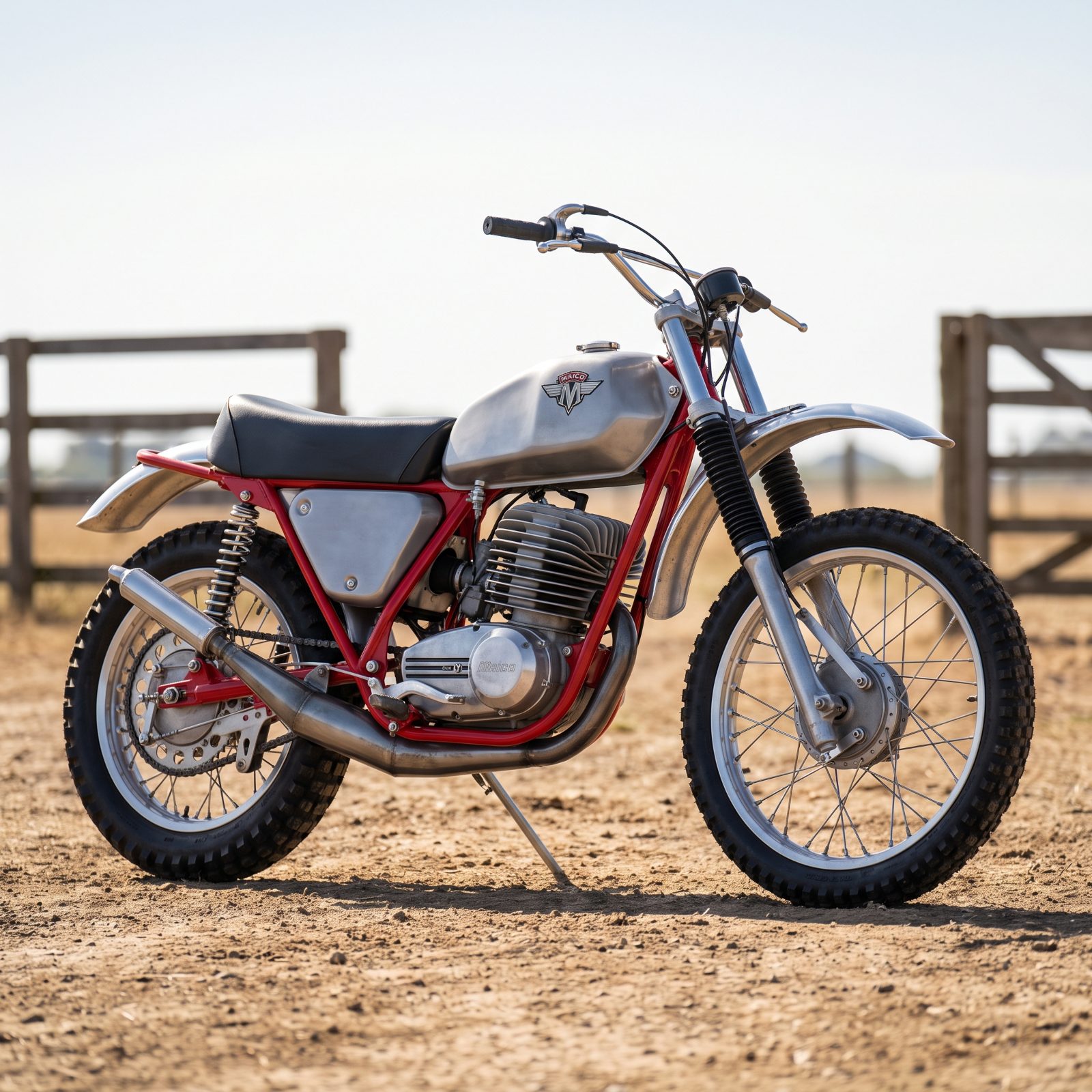
Maico made its name on huge-displacement two-stroke singles that made grown men nervous. The 501 was the biggest of the lot. A torque monster that pulled like a tractor and sounded like the end of the world.
German-built, low production, and ferociously capable in the deep stuff, these turned into open-class legend. Rarity, mechanical character, and real race pedigree keep serious vintage collectors circling any clean example that surfaces.