You swore you were done. The last one burned you. The transmission went at 90,000 miles and the dealer looked at you like it was somehow your fault, which stung worse than the repair quote. So you test-drove three other brands, two of them objectively better, and then you walked right back onto the same lot and signed for the same badge, telling yourself this generation is different. We do this with cars the way we do it with old flames. The wiring underneath is identical. Familiarity reads as safety, comfort gets mistaken for love, and sunk cost puts on a loyalty costume and struts around like it earned the title. The brands that keep us coming back aren’t the best ones. They’re the ones we already know how to forgive. Here’s what’s actually happening in your head when you re-up with the devil you know.
Please note that some of the images in this article were created with the assistance of AI.
17. You Know Where Every Button Lives Before the Test Drive Ends
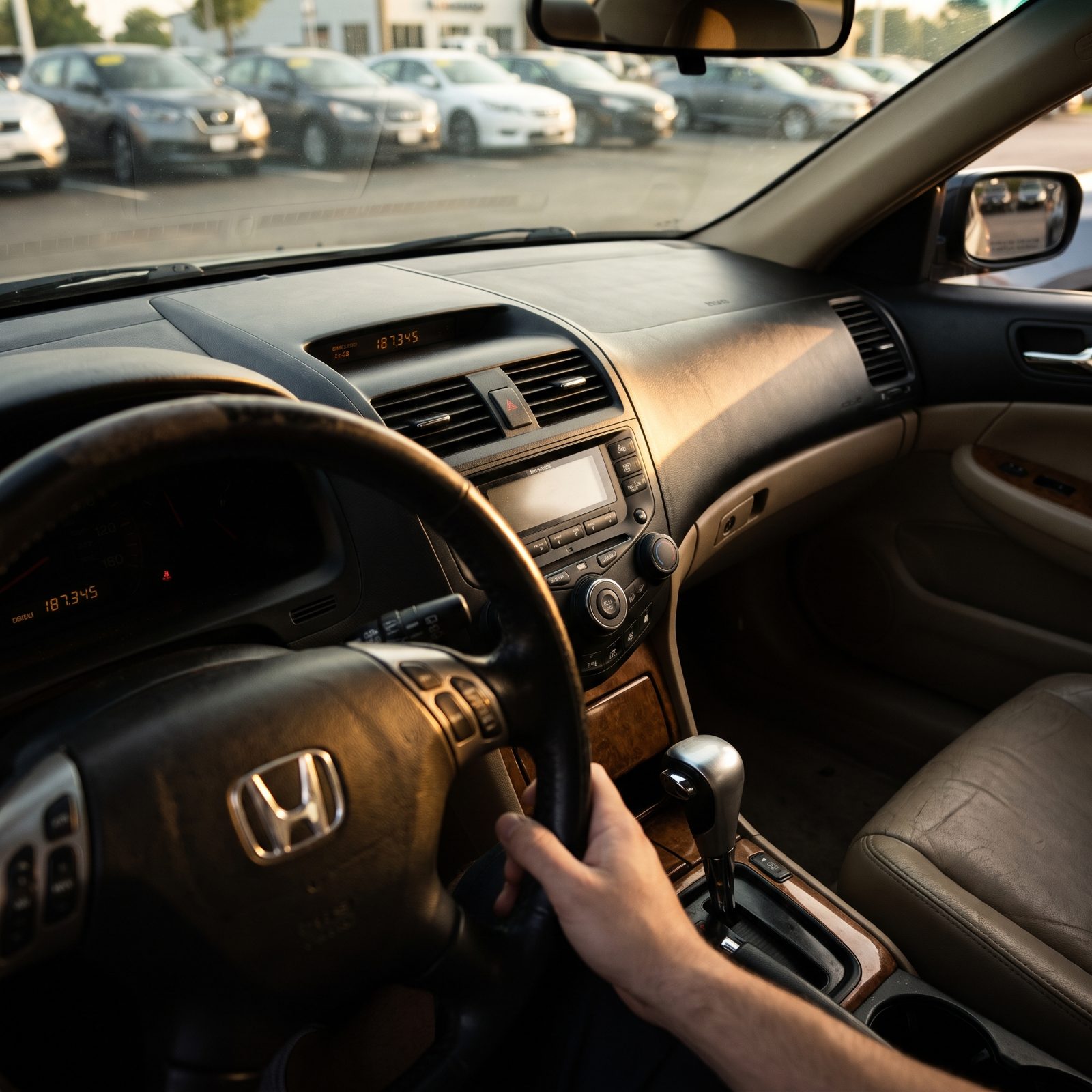
You slide in and your hand finds the climate dial without looking. The seat memory button sits exactly where your thumb expects it. The wipers, the trunk release, the little cubby for your sunglasses all map onto a brain you spent a decade building. Thirty seconds into the drive and you already feel like you’ve owned the thing for a year.
Same reason people drift back to someone they already dated. You get to skip the awkward getting-to-know-you phase, the figuring out which jokes land and which drawer the forks go in. The whole relationship arrives pre-loaded.
Psychologists call it the mere-exposure effect. The more we run into something, the more we like it, purely because our brain chews through the familiar with less effort and then mistakes that ease for affection. A new brand’s menu system makes you think. Thinking feels like work, and work feels like doubt.
16. Unknown Reliability Feels Riskier Than Known Repair Bills
Here’s the strange math we all run. The car you own has already stranded you twice and cost you four grand in surprises. You know its weaknesses by name. And yet buying a brand you’ve never owned, one with better reliability scores right there on paper, feels like gambling your rent.
You’ve done the exact thing in your own life. Stayed in the known mess instead of risking an unknown one. A devil with a face you recognize beats a stranger every time, because at least you know which way this one bites.
Loss aversion runs the show. We feel the sting of a bad outcome roughly twice as hard as we feel the pleasure of a good one, so a new brand’s single hypothetical failure looms larger than your current car’s fully documented history of them. The repairs you already paid for feel survivable. The ones you can’t see coming feel like a cliff edge in the fog.
It’s backwards. But it’s human, and it’s why people keep replacing a familiar lemon with its newest cousin.
15. The Redesign Promises It Has Finally Changed This Time
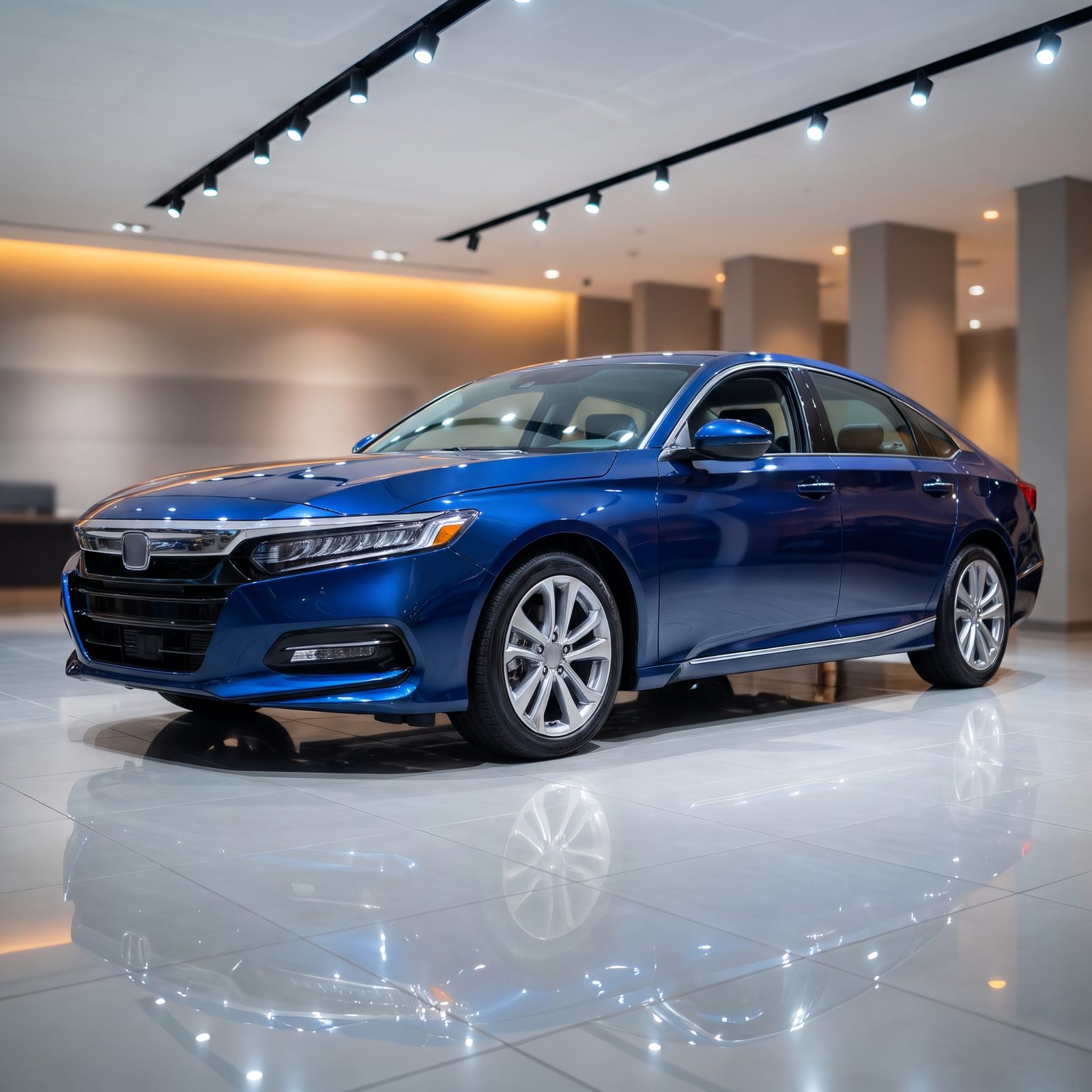
Every few years the brand that disappointed you shows up in new clothes. New grille, new interior, a press release swearing the old problems are solved, the cheap plastics upgraded, the transmission fully re-engineered. And some part of you wants to believe it, because you wanted it to work the first time around.
We fall for the makeover. The ex who texts to say they went to therapy and bought a plant. The hope that the fundamental thing changed when really the packaging did.
Call it the fresh-start effect, our genuine tendency to believe a clean slate actually wipes the slate. A new model year reads like a brand-new relationship, a reset button on every prior grievance. And look, sometimes the redesign really is better. But often enough the same corner-cutting just hides under prettier sheet metal.
A new grille is not an apology, and a new model year is not a personality transplant.
Read the owner forums before you read the brochure. The brochure is written by people who want you back.
14. You Call That Failed Transmission a One-Time Thing
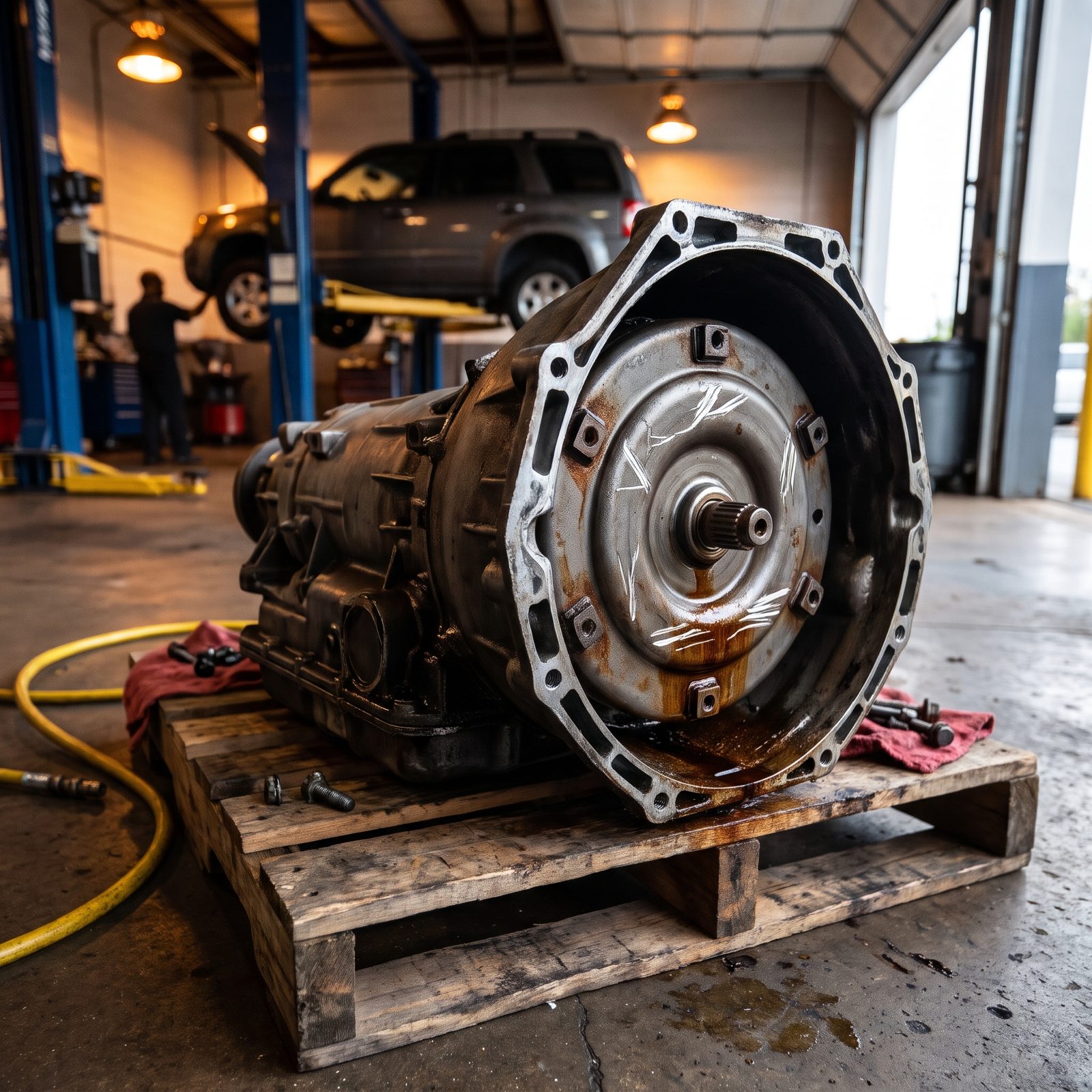
The transmission let go at 112,000 miles. A five-figure job, or a whole new car. And instead of calling it a pattern, you file it under bad luck. A fluke. Wrong place, wrong time, not the brand’s fault, really.
You’ve watched a friend do the exact same accounting with a person who let them down. One betrayal explained away as an off day. The context that excuses it, the extenuating circumstances, the stubborn insistence that this isn’t who they really are.
Blame confirmation bias. Once you’ve decided a brand is good, every scrap of evidence gets sorted to protect that decision. The smooth years count as proof. The catastrophic failure gets quarantined as an exception. Your brain would rather torture the data than cop to being wrong about something it’s loved for ten years.
13. You Remember the Smooth Miles, Not the Tow Trucks

Ask anyone about their favorite old car and they’ll tell you about the drives. The coast road with the windows down, the time it fired right up at twenty below, the way it just ran, year after year after year. What they conveniently leave out is the morning it died in the left lane of a bridge during rush hour while everyone behind them leaned on the horn.
Memory is a terrible accountant and a wonderful storyteller. It saves the highlight reel and quietly deletes the footage you can’t stand to rewatch.
Nostalgia and the peak-end rule team up on us here. We judge a whole experience by its emotional peaks and by how it ended, not by the sum of the daily grind. So the tow truck fades, the perfect summer drive hardens into legend, and the whole thing ends up remembered the way an old relationship gets remembered for the good trips and never the silent dinners.
When you go car shopping, then, you’re not measuring today’s options against the truth of what you owned. You’re measuring them against a curated memory the car itself could never have lived up to.
12. Your Best Road Trip Still Smells Like That Honda
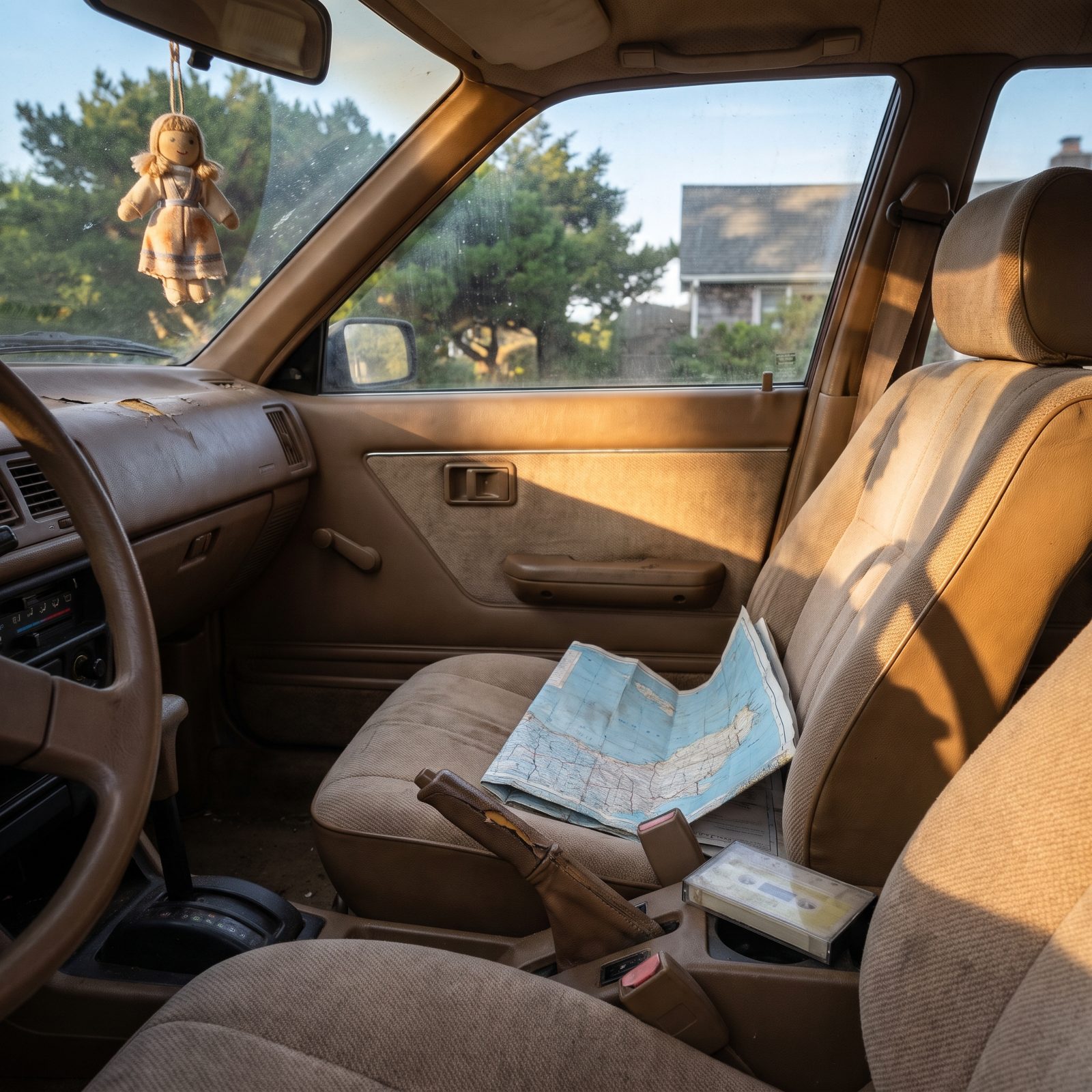
There’s a specific smell. Sun-warmed cloth seats, a little coffee spilled years ago, the particular plastic of a dashboard baked through a hundred summers. For a lot of us it belongs to one car, the one that carried a marriage proposal or a cross-country move or the kids home from the hospital.
Scent hooks straight into the oldest part of the brain, the part that files emotion and memory in the same drawer. One whiff and you’re nineteen again. Or newly married. Or twenty-two with the whole map still ahead of you.
So when the badge on a new car matches the one from that trip, you’re not just buying transportation. You’re trying to buy back a feeling. Same gravity that pulls people toward an old flame tied to the best chapter of their life. You’re not really chasing the person, or the brand. You’re chasing who you were when you had them.
11. You’ve Defended Jeep for Years, So Leaving Feels Personal
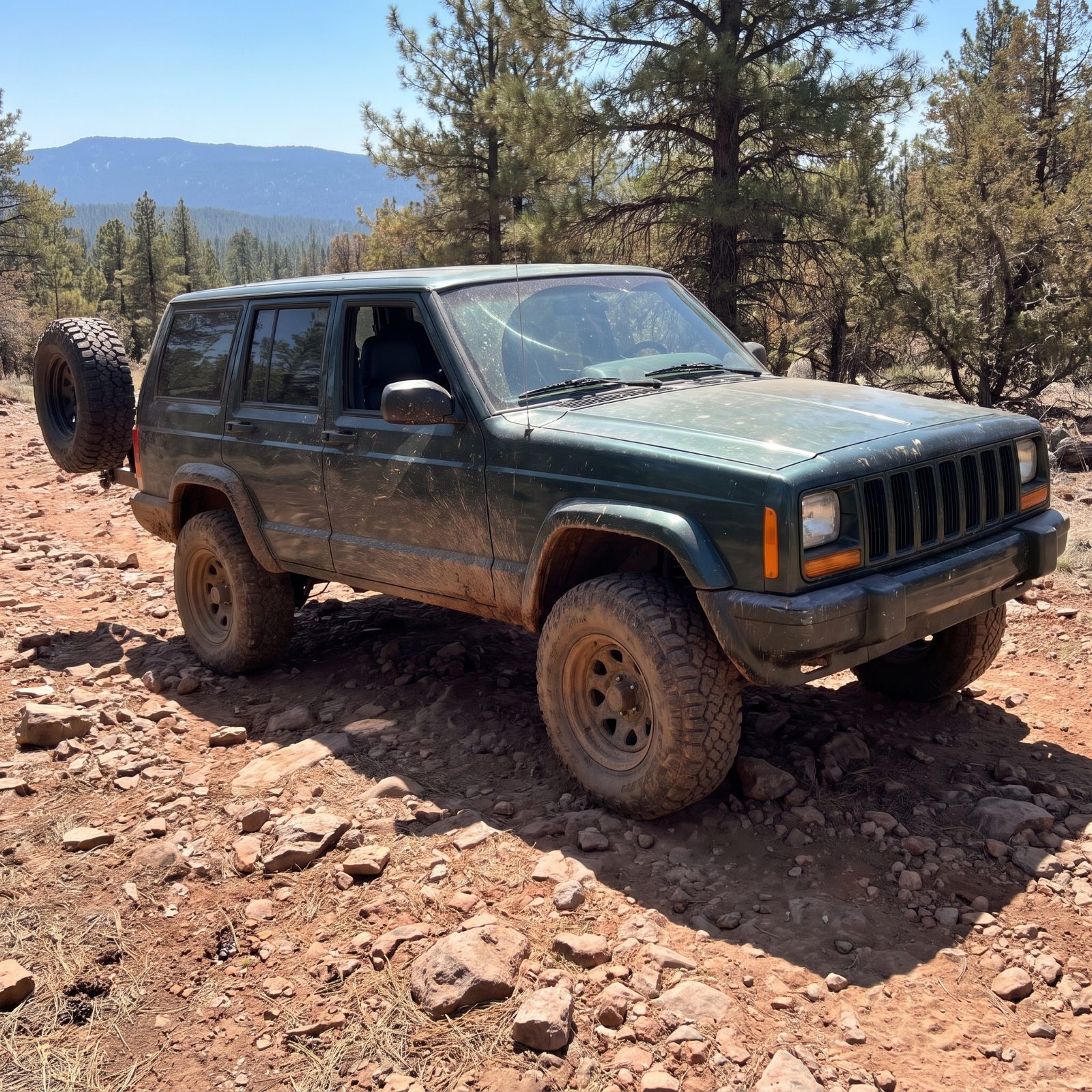
You’ve spent years telling people the ride isn’t that rough, that the leaks are character, that nothing else does what yours does once the pavement runs out. You’ve argued it at barbecues. You’ve got the hat. And somewhere along the line the brand stopped being a product you bought and quietly became a thing you are.
Which is exactly why switching feels like a betrayal of yourself. Walking away means admitting every one of those defenses was, at a minimum, oversold.
Cognitive dissonance does this. When your actions and your beliefs clash, the cheap fix isn’t changing the action. It’s cranking up the belief. The more publicly you’ve committed to something, the harder you’ll work to justify it, because the alternative means staring at the fact that you stayed loyal to something undeserving.
People stay in relationships for the same reason. Not because it’s still good, but because they’ve told everyone it is, and taking that back feels like losing face in front of the whole room.
10. The Badge Still Says Something You Like About Yourself
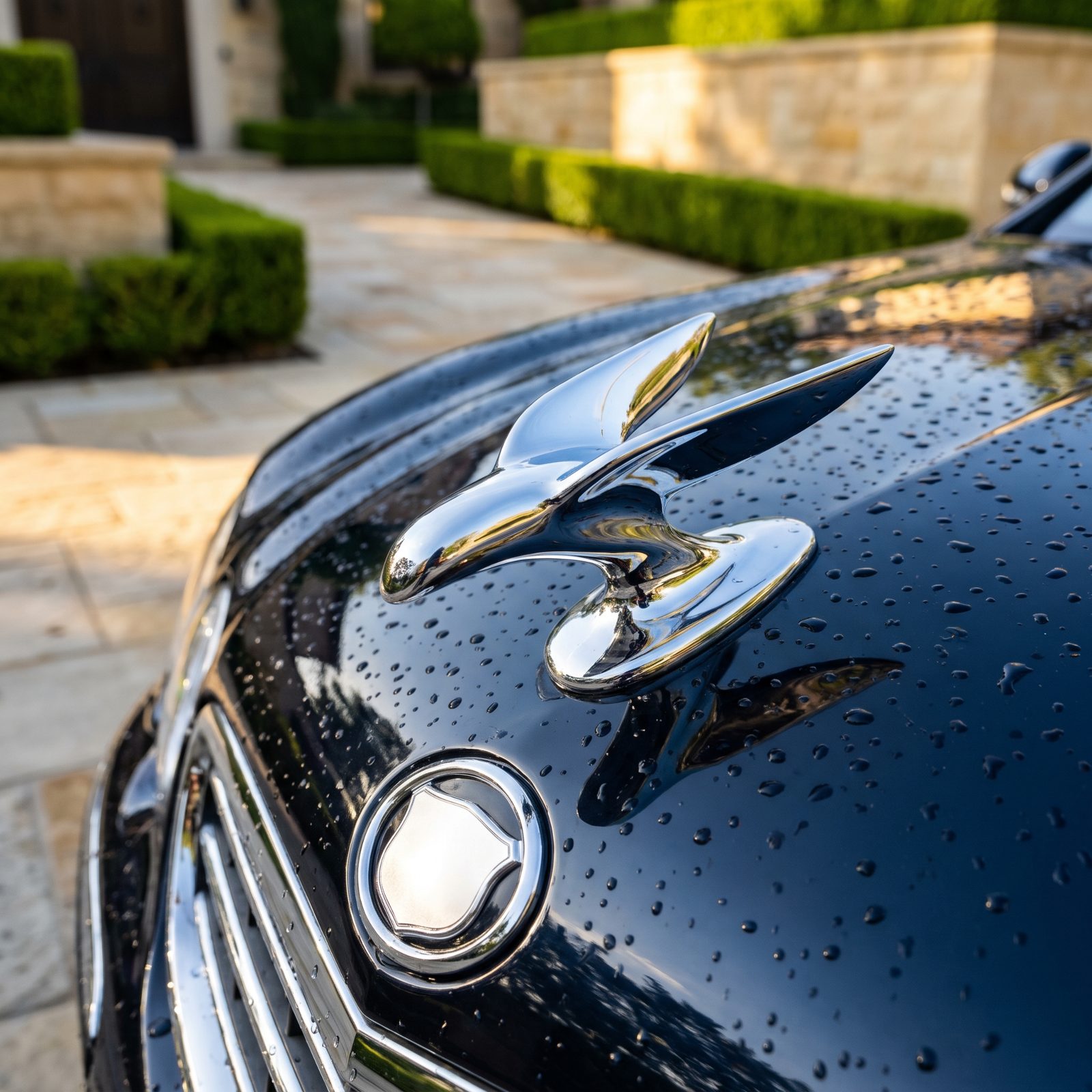
Be honest. Part of why you keep buying the brand is how it reads in the parking lot at work. The badge tells a little story about you. Hardworking. Successful. Outdoorsy, practical, whatever your particular story happens to be. You’ve gotten comfortable with it, and you like it.
Changing badges means changing the story, and that rattles you even when the new car beats the old one on every measurable count.
This is identity signaling, plain and simple. We use the things we buy to broadcast who we are, to everyone around us and, more quietly, to ourselves. A brand becomes shorthand for a version of you that you want the world to keep confirming. Leaving it feels a lot like changing your own signature.
Same reason a person circles back to a partner who looked right on their arm, who matched the life they’d pictured. Not love, exactly. Just a reflection they’d grown fond of catching in the mirror.
9. Your Dad Drove Fords, So the Blue Oval Feels Familiar
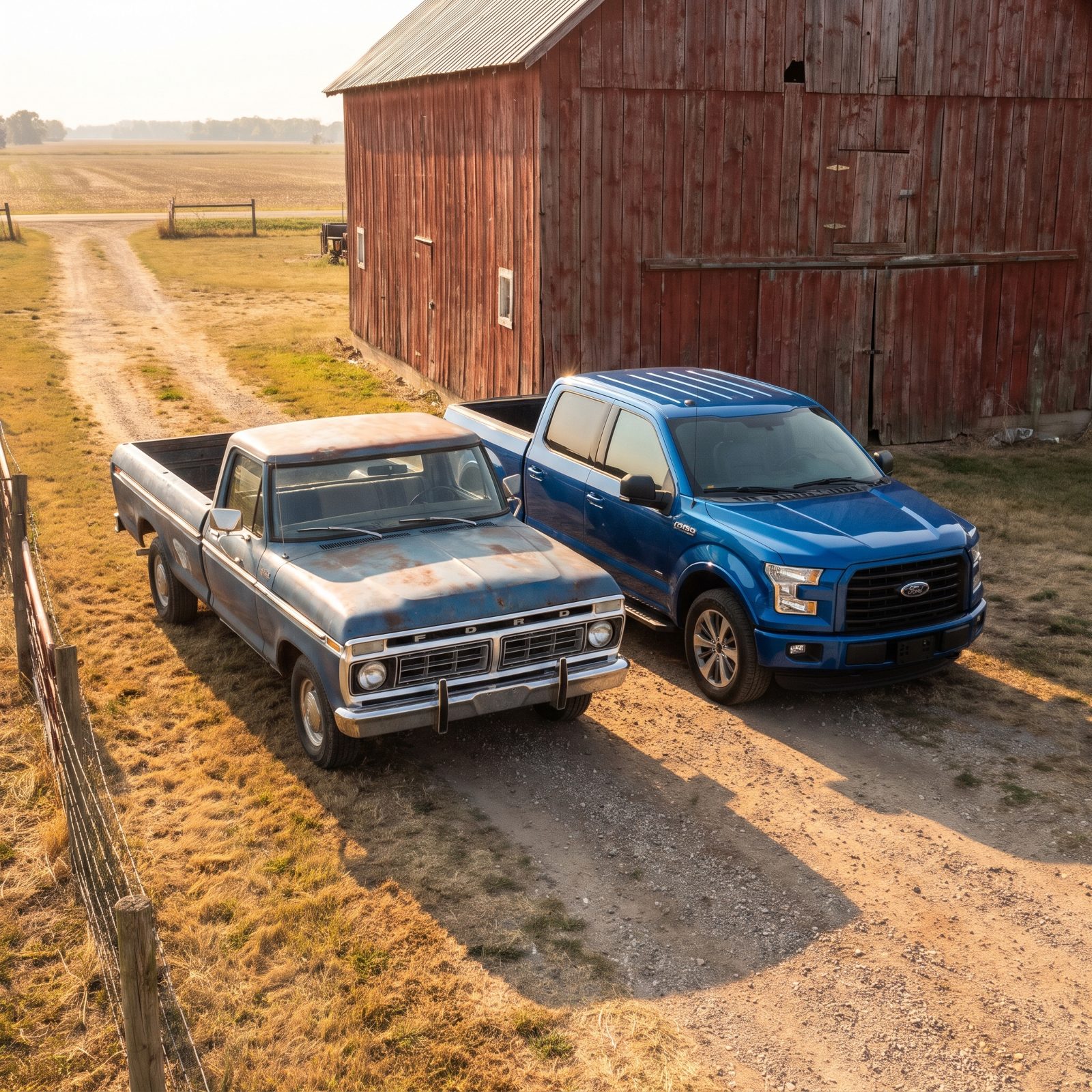
Some brand loyalty you didn’t choose. You inherited it. Your dad drove the blue oval, bought his trucks from the same dealer for thirty years, and said things about the competition you can still quote word for word. You grew up riding shotgun in it. Of course it feels like home.
Brand preference gets wired in early, often before we can even reach the pedals. We absorb our parents’ choices the way we absorb their accents and their politics, as a default setting that feels less like a preference and more like a plain fact about the world.
Psychologists call it the heritage effect, and marketers chase it hard. A customer handed down from a parent costs nothing to win and almost never leaves. Buying the brand keeps you tethered to him, especially once he’s gone. The truck turns into a handshake across time.
It’s the same pull that makes people re-up with a partner their family already blessed. Choosing against the inherited default can feel like choosing against the whole family.
8. The Owners’ Club Makes Switching Brands Feel Like Defecting
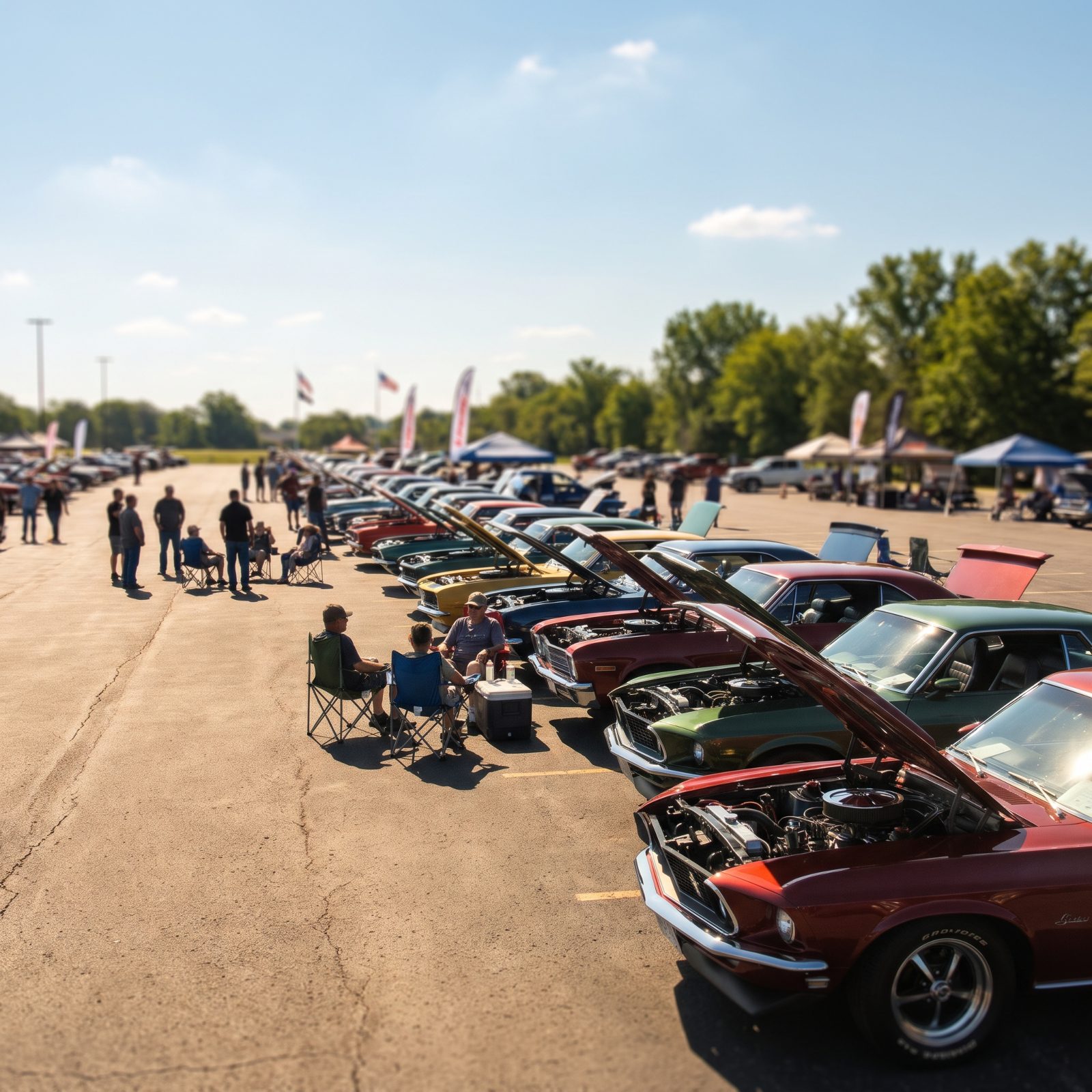
You didn’t just buy a car. You got a forum login, a Saturday meet, a dozen people who know your build down to the bolt and razz you about it mercilessly. One of them helped you source a part at midnight. You went to another one’s wedding. The brand came bundled with a whole tribe.
So switching stops being a transaction and turns into leaving a community. Rolling up to the meet in a rival badge would feel like crashing your own going-away party.
The mechanism here is belonging, one of the deepest drives we’ve got. In-group loyalty makes us weigh the cost of exclusion way heavier than the payoff of a better product. Your people are right here. Starting over somewhere else, as the new person who knows absolutely nobody, feels lonely in a way no spec sheet can fix.
Which is precisely why people go back to an ex wired into their entire social circle. Leaving the person means leaving the friends, the routines, the easy belonging. Sometimes we stay for the group and tell ourselves it’s for the one.
7. One Bulletproof Corolla Makes Every Toyota Look Dependable
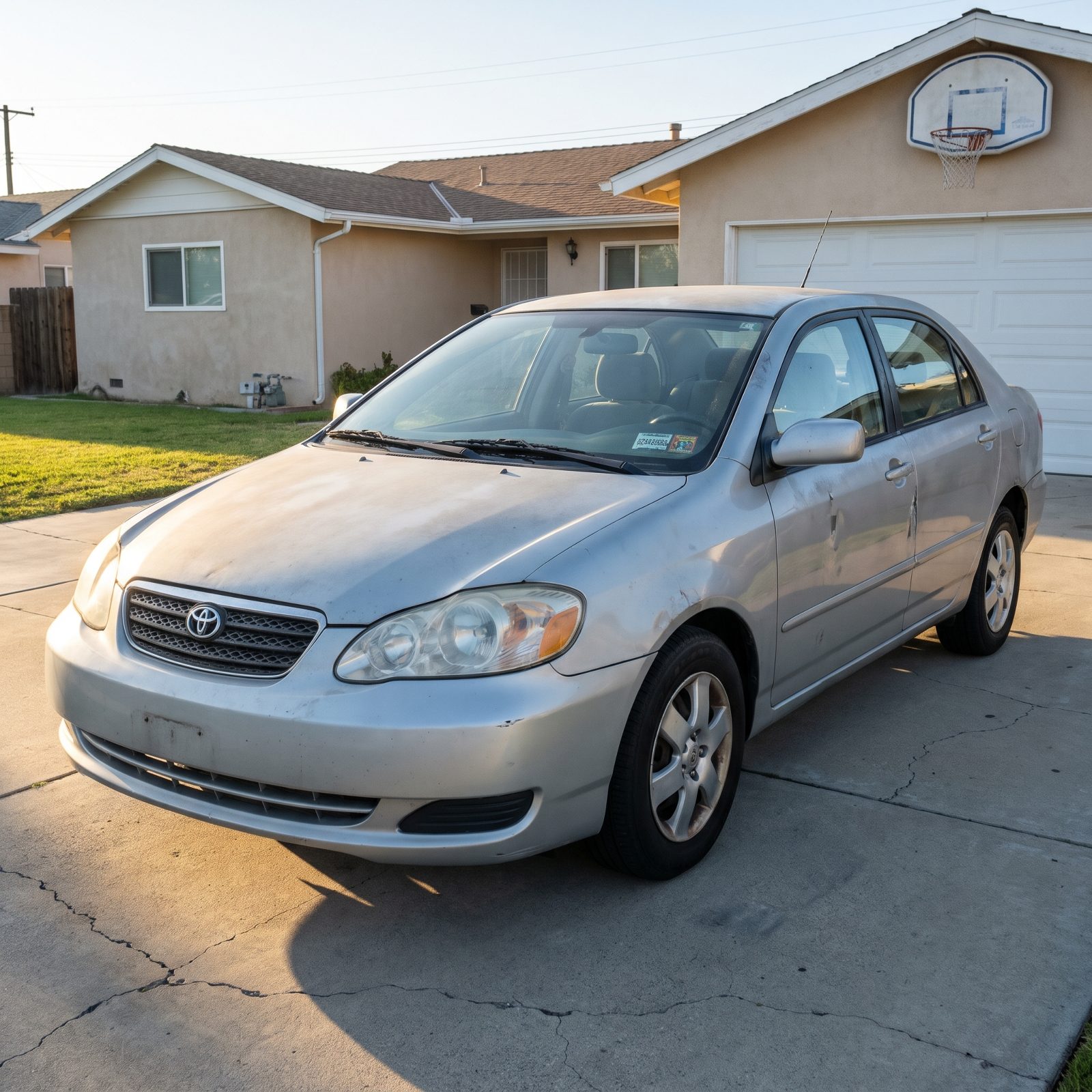
That first Corolla ran a quarter million miles and never once left you walking. Original clutch. One set of brakes you remember replacing. You sold it to a cousin and it’s probably still running somewhere. From that single car, you built an entire theory of the universe: Toyota equals forever.
Here’s the trap. One data point is a story, not a sample. Our brains treat a vivid personal experience as if it outranks every spreadsheet of reliability data ever published — that’s the availability heuristic, where the example you can picture beats the statistic you can’t.
It’s exactly how one good relationship early on sets a template you keep chasing. The problem isn’t that the Corolla was bad. It was great. The problem is you’re now buying your fourth Toyota on the strength of a car you owned in 2006, and refusing to notice the rest of the lot might be a different story entirely.
6. Your Roof Rack Fits, So Suddenly Subaru Wins Again
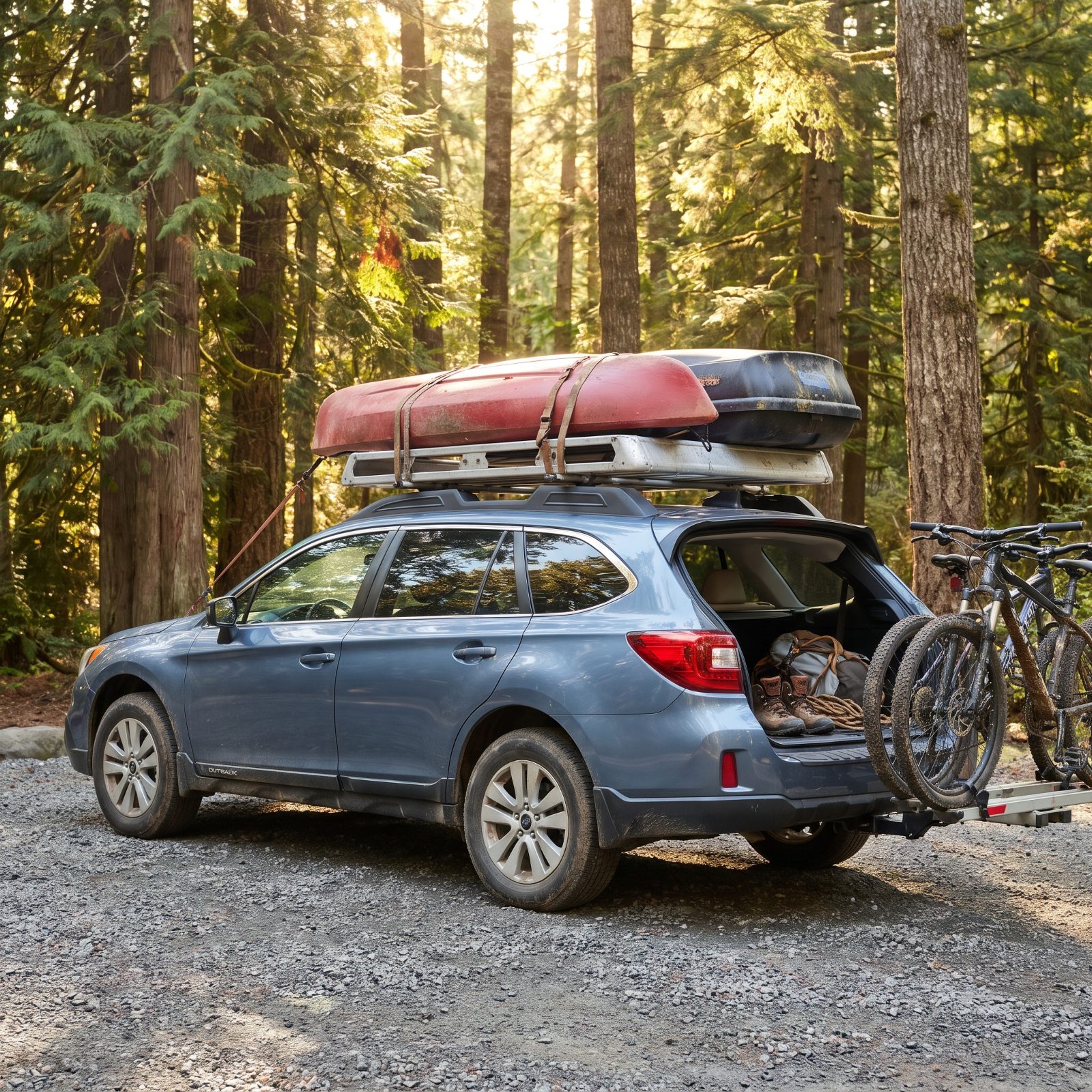
The kayak mounts. The bike rack already fits. That cargo box you spent a weekend bolting on carries straight over. Switching brands means re-buying all of it, re-measuring, re-cursing in the driveway — so you stay, and you call it loyalty when it’s really just a drawer full of parts you don’t want to replace.
Economists have a dry name for this: switching costs. The real cost of leaving isn’t the new car. It’s everything attached to the old life that comes with it.
People stay in all kinds of arrangements for the same reason — the shared gear, the system that works, the sheer friction of starting over. You tell yourself it’s about the all-wheel drive. Sometimes it’s about not wanting to buy new crossbars.
5. Your Mechanic Already Knows the Weird Volkswagen Noise
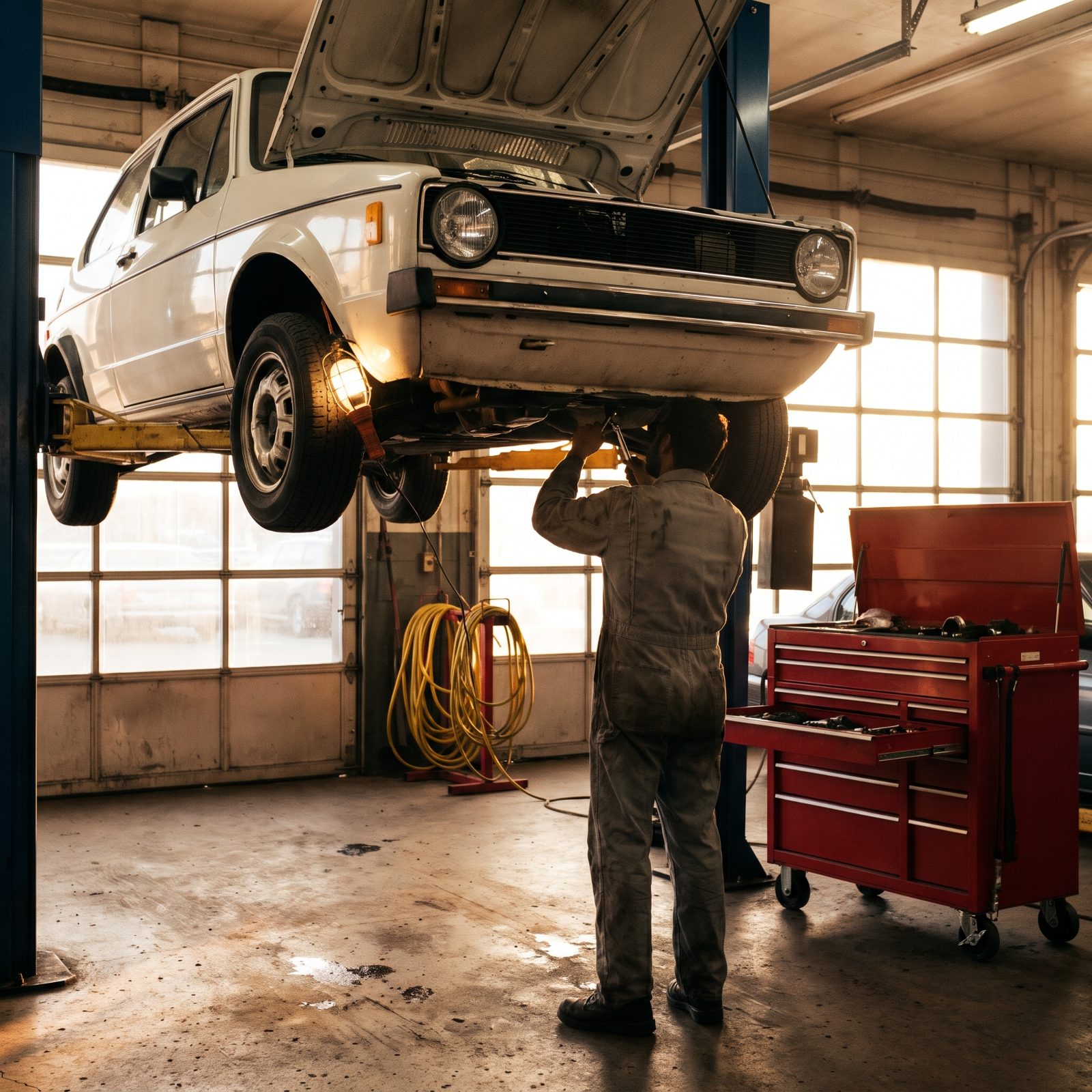
You describe the noise over the phone and your guy already knows. “Yeah, that’s the such-and-such, I’ve got the part.” No diagnostic fishing expedition, no learning curve. He’s been patching your Volkswagens for years and he speaks their language fluently.
Walk away from the brand and you lose that. You’d be explaining symptoms to a stranger who has to Google your car, charge you for the lookup, and maybe guess wrong anyway. The known quantity has enormous gravity.
There’s a real comfort in being understood without having to explain yourself, and it keeps people parked in situations long past their expiration date. You stay with the badge partly because someone else already knows its quirks so you don’t have to. That’s not nothing. That’s a bond with your mechanic dressed up as a bond with a car.
4. The Lease-End Offer Arrives Before You Can Look Around

A few months before your lease ends, the letter shows up. Loyalty pricing. Waived disposition fee. A payment that looks suspiciously close to what you’ve got now. They timed it so the easy path lands in your mailbox before you’ve even opened a competitor’s website.
No accident there. The whole thing is engineered around default bias — the well-documented fact that we overwhelmingly stick with whatever option requires no action. Doing nothing feels like a choice when it’s really just gravity.
Why do people re-up on everything from gym memberships to relationships? Same reason. The renewal is right there, the alternative requires effort, and effort loses. The dealer isn’t betting you love the brand. They’re betting you won’t shop. Most of the time, that’s a very safe bet.
3. Twenty Showrooms Later, the Familiar One Gets Your Deposit

You did the homework. Test drove everything, sat in every seat, built spreadsheets, compared cargo volume, watched the review videos until your eyes crossed. And after all those options blurred together, you put your deposit down on the brand you already knew.
Welcome to choice overload. Give a brain too many roughly-equal options and it doesn’t get sharper — it gets exhausted. The famous jam-tasting study found shoppers faced with a wall of varieties bought far less than those shown just a handful. More choices, less action.
When the mind is fried from comparing, it reaches for the thing it recognizes. The familiar brand becomes the rest stop, not the destination. Same instinct that sends people back to what they know after dating around and finding everything complicated.
The more you shop, the more the familiar starts to look like relief.
You didn’t pick it because it won. You picked it because deciding was over.
2. You Read Reviews Until Someone Confirms Your Brand Choice

Ten tabs of reviews open, and you’re not really reading them. You’re hunting. Scrolling past every word of praise for the rival until you find the one reviewer who confirms the brand you’d already decided on. There it is. You close the laptop, satisfied, calling it research.
That’s confirmation bias working exactly as designed. We don’t gather evidence to make a decision — we gather evidence to defend one we already made, discounting anything that argues against it and glowing at anything that agrees.
People do this before every return to a familiar person too. They go looking for permission, not information. The reviews never changed your mind. They never had a chance. You went shopping for a yes and, naturally, you found one.
1. One Bad Rental Makes You Swear Off Chevrolet Forever
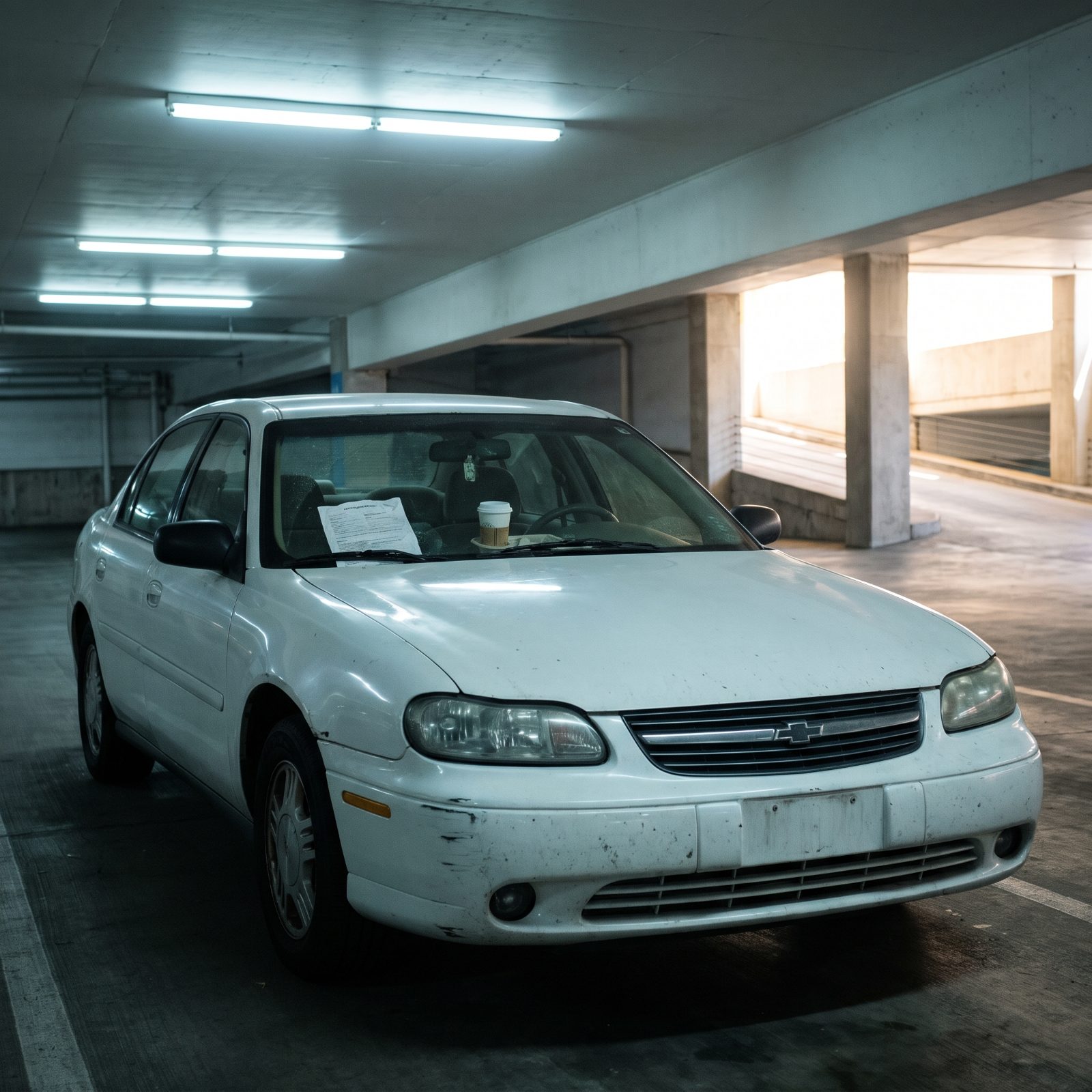
You rented one. The seats were flat, the infotainment froze twice, something rattled on the highway, and over four days you decided the entire brand was garbage. Never again, you declared — over a car that had been thrashed by a few hundred strangers before you ever turned the key.
That’s negativity bias doing its loudest work. Bad experiences carve deeper and stick harder than good ones, which is why one sour encounter can poison a whole category. A rental is the worst possible ambassador — beaten, ignored, abused — and yet you let it testify against every model in the lineup.
It’s the same wiring that lets one bad breakup slam the door on a whole type of person. The sample was unfair and you knew it. The feeling got there first and set up camp anyway.