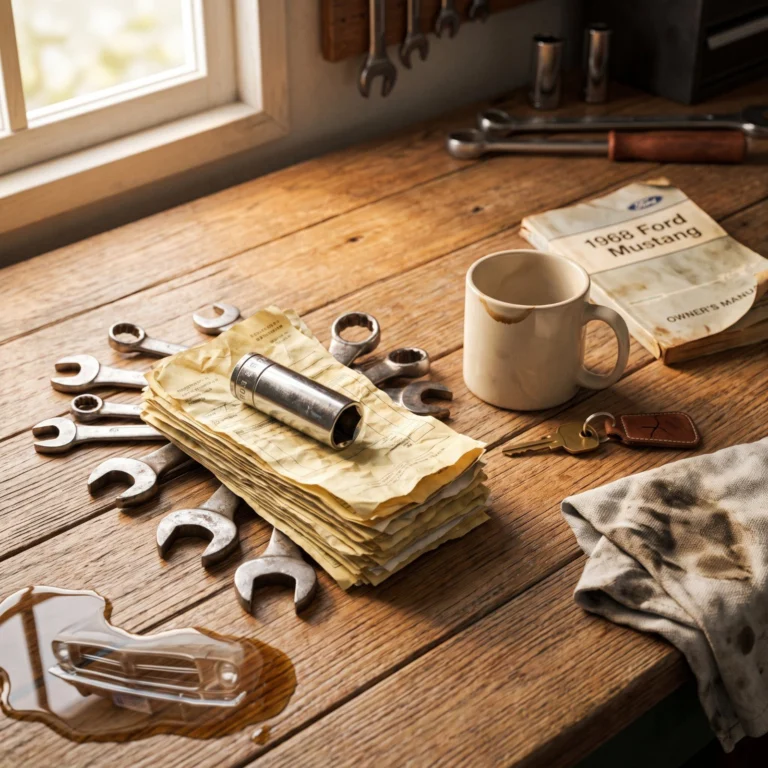

A clean sheet of leather smells like a second chance. You slide in, the odometer reads single digits, and for about ninety seconds you believe this is the version of your life where everything finally runs smoothly. Except you were sitting in a perfectly good car twenty minutes ago.
Please note that some of the images in this article were created with the assistance of AI.
We trade vehicles the way we trade jobs — same restlessness, same flattery, same ugly invoice that finally shoves us out the door. The wiring that makes a dealership lot feel like fresh air is the wiring that makes a recruiter’s email read like destiny. What follows are the parallels that’ll make you laugh, then wince, then quietly check your lease end date.
16. You Chase New-Car Smell When the Commute Feels Stale

Nothing is wrong with the car, and that’s the uncomfortable part. It starts every morning, the heater works, the tires are fine. But the commute has gone gray, and somewhere your brain decided the fix is a different cabin to sit in while the same road scrolls past the same billboards.
Call it what it is: novelty seeking. The car isn’t the problem — the repetition is, and a shiny replacement hands you a dopamine hit that feels like progress without being any. People pull the identical move at work. The job is stable, the paycheck clears, and the inbox still feels like a loop you can’t break, so you open the job boards at 11pm. Not because you need to leave. Because browsing something new tastes like escape.
15. You Replace the Car Instead of Fixing the Commute

The traffic is forty minutes each way. Buying the SUV doesn’t touch that. The leather’s nicer, the stereo’s louder, and you’re still parked in the exact same jam you crawled through Tuesday — only now with a payment attached.
We blame the tool for the situation. The commute is the thing eating your mornings, but the commute is hard to change, so we swap the easy variable instead. Watch the same move play out at work. The manager is the problem, the workload is the problem, the two-hour meeting is the problem — and we respond by rewriting the résumé. New employer, same role, same Monday dread come spring.
Fixing the real thing is slow and awkward. Replacing the car is quick and feels decisive, and our brains love decisive. They just never check whether it solved anything.
14. One Ugly Repair Bill Sends You Dealership Browsing
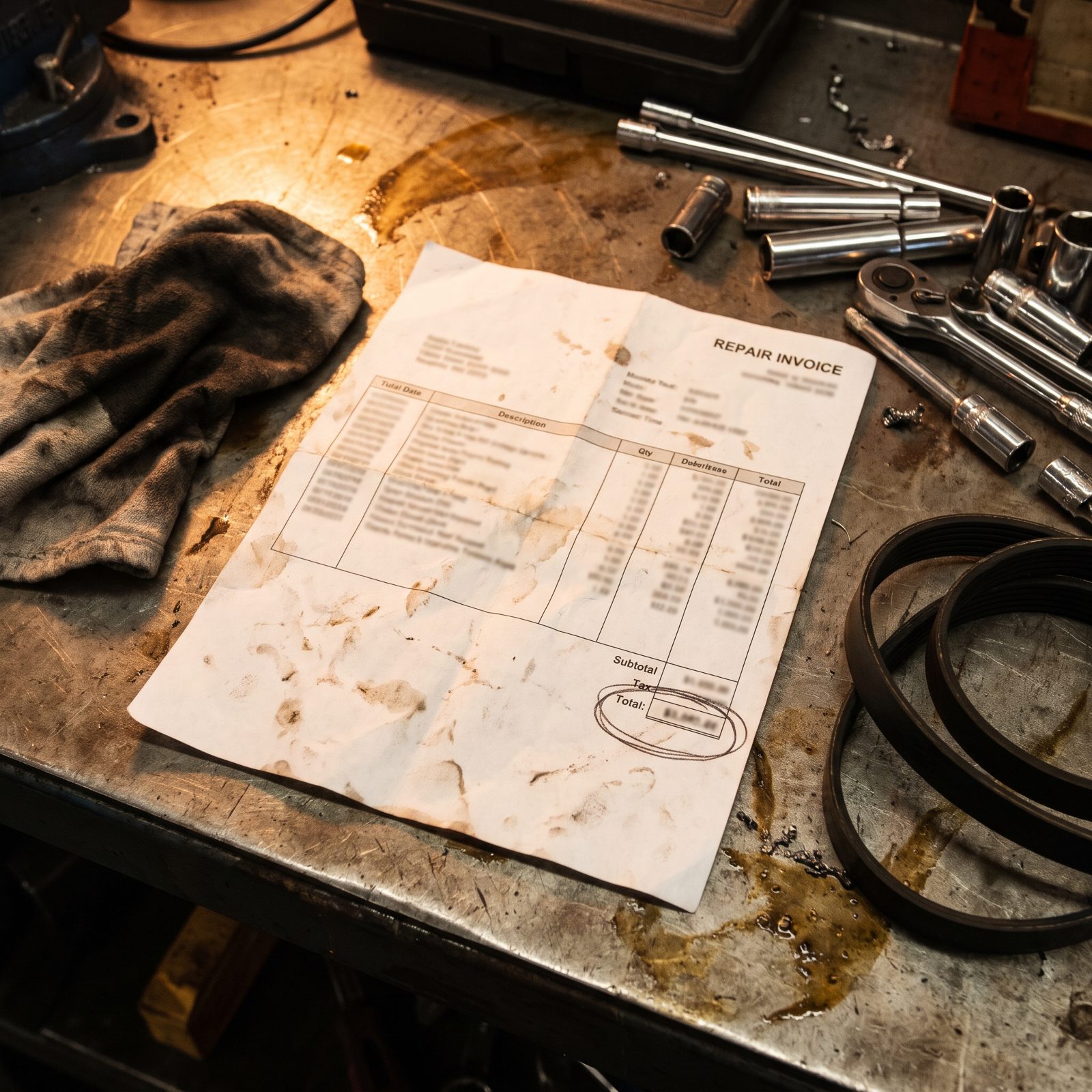
The total is circled at the bottom of a grease-stained invoice. A worn serpentine belt, a lost afternoon in the waiting room, and by evening you’re on a dealer site pricing something with a warranty.
Here’s the math nobody does in that moment. The car with the fresh repair is now the most reliable it’s been in years. You just fixed the one thing most likely to break, so logically you should keep it. Emotionally, the bill broke the bond.
It matches the brutal quarter at work, the layoff two desks over, the bonus that didn’t come. One bad event convinces you the whole thing is rotten, and you start interviewing out of pain rather than plan.
13. A Neighbor’s New SUV Makes Yours Feel Underqualified

Your car was fine until the family three doors down rolled home in the big new one with the panoramic roof. Now yours looks a little tired in the driveway. Nothing physically changed — the neighbor just raised the bar in a competition you never agreed to enter.
Status pressure doesn’t need a sales pitch. It needs a reference point. We don’t measure what we have against what we need; we measure it against what the people nearest us just got. The driveway becomes a leaderboard.
Offices run on the same engine. A peer gets the title, the corner spot, the fancier business cards, and suddenly your perfectly good role feels like a demotion nobody actually handed you. The work didn’t shrink. Someone else’s grew next to it.
12. The Salesperson Sees More Potential in You Than Your Car

You walk in defensive and leave feeling like a VIP. The salesperson never mentions your current car’s good years — they talk about where you deserve to be. More comfort, more capability, a ride that matches the life you keep telling yourself you’re building.
That’s recruitment, and it works because flattery lands hardest when you already feel a little undervalued at home. The recruiter who calls you a top performer, who says your current company doesn’t appreciate what it has, is reading from the same script as the floor rep insisting this trim is “really you.”
Nobody courts you harder than the people who want you to leave what you already have.
The trick isn’t that they’re lying. It’s that they’re saying the thing nobody at your current desk, or in your current garage, has bothered to say in a while.
11. A Ten-Minute Test Drive Starts Another Honeymoon

Ten minutes on a clean stretch of road and you’re convinced. The steering feels tighter, the seat hugs better, and every rattle your old car developed over the years is gloriously gone. You drive back ready to sign.
But a test drive is a first date, not a marriage. You never see the car in a monsoon, with three kids yelling in back, after forty thousand miles of parking-lot door dings. You’re judging a decade of ownership by its most flattering ten minutes.
Job interviews run the same con, mostly on ourselves. One good conversation with a charming hiring manager and we picture a future the actual Tuesdays will never match. The honeymoon is real. It’s just short.
10. A Better Trade-In Offer Finally Makes You Feel Valued
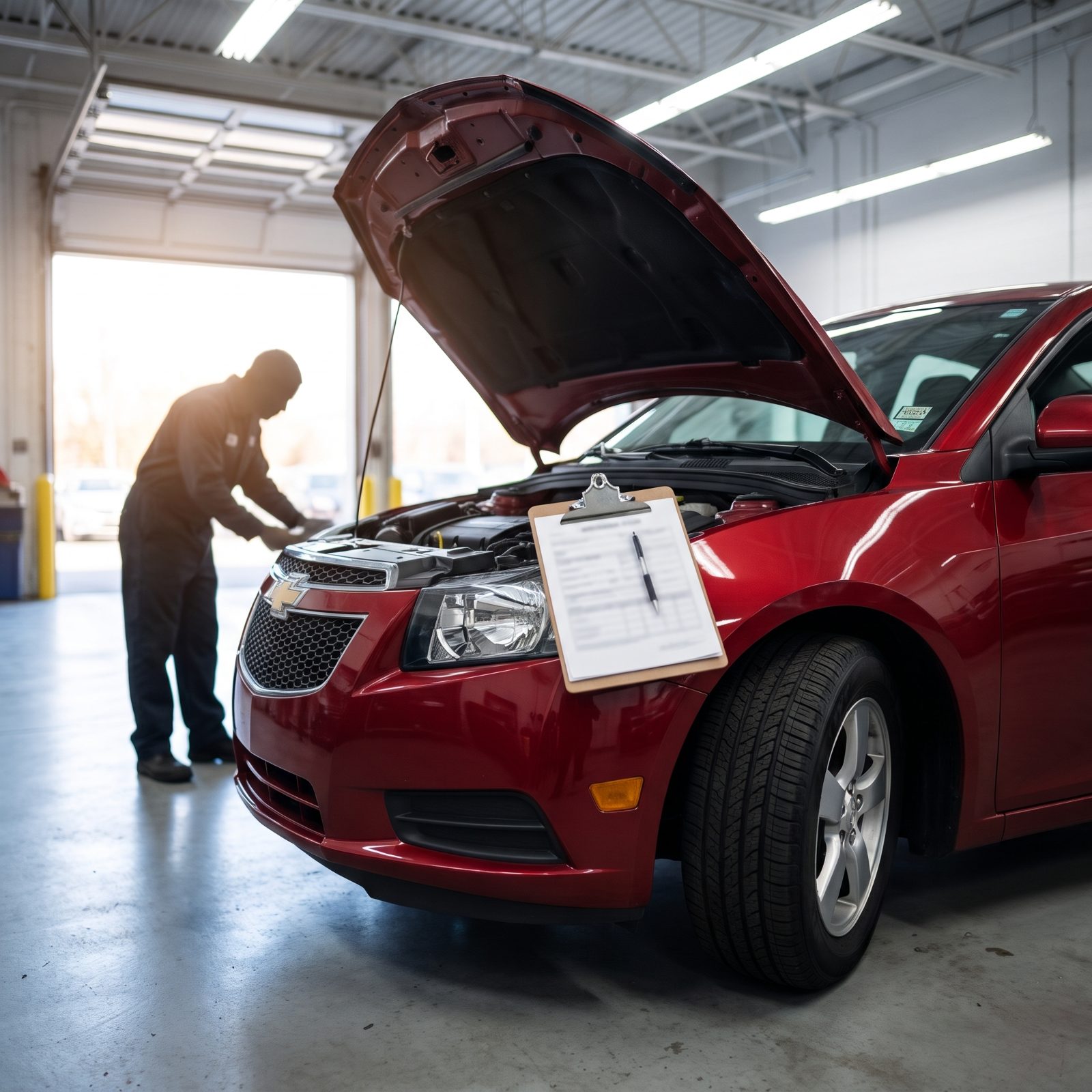
You brace for a lowball. Instead the number comes back higher than you expected, and something in you lifts — not because of the money, exactly, but because somebody finally looked at the thing you’ve been driving and said it was worth more than you thought.
Here’s the quiet truth. That feeling isn’t really about the car. It’s about being seen. We spend years assuming our old stuff, and our old selves, have depreciated into nothing, so an outside appraisal that says otherwise hits like validation.
Same rush as a counteroffer or a competing salary. The number on paper matters less than the message underneath it: you are worth more than your current situation is paying. People leave good jobs for that one sentence.
9. Conquest Cash Rewards You for Ditching Your Old Brand

Conquest cash is the discount a brand pays you for abandoning its rival. Show proof you currently own a competitor and the price drops. Loyalty gets you nothing. Disloyalty gets you a check.
Read that twice, because it’s one of the strangest incentives in retail. The company that’s had your money for years offers you less than the stranger trying to poach you. Stick around and you’re taken for granted. Threaten to leave and suddenly you’re courted.
Every veteran employee has felt that sting. The new hire walks in with the signing bonus and the bumped salary while the person who stayed loyal for a decade watches from across the hall. Organizations, like automakers, reward the switch more than the stay.
8. The Lease Ending Feels Like Permission to Leave

You didn’t hate the car. But the lease is up in two months, and that end date feels less like paperwork and more like a door swinging open. The timing hands you permission you’d never have given yourself.
A clean exit point lowers the activation energy for change. No selling, no haggling, no guilt. The contract just ends, and ending feels like a reason all by itself.
It’s why so many people quit around a work anniversary, a finished project, or a reorg. The natural boundary does the hard emotional work for us. We tell ourselves it’s the right time, when really it’s just the convenient time to do the thing we were already circling.
7. An Old Touchscreen Makes the Whole Car Feel Obsolete

The engine is strong, the frame is solid, and the brakes are new. But the infotainment screen is small and slow, running an interface a decade behind the phone in your pocket. And somehow that one square of glass makes the whole car feel finished.
We judge the whole by its most visible, most dated part. The screen is the thing you touch every single drive, so it carries more weight than the parts actually keeping you alive. One tired detail poisons the entire impression.
Same reason an outdated tool, a clunky system, or a manager still demanding printed reports can make an otherwise great job feel stuck in the past. The annoyance is small. The signal it sends — that you’re being left behind — is not.
6. A Gas-Price Spike Suddenly Makes Hybrids Look Brilliant
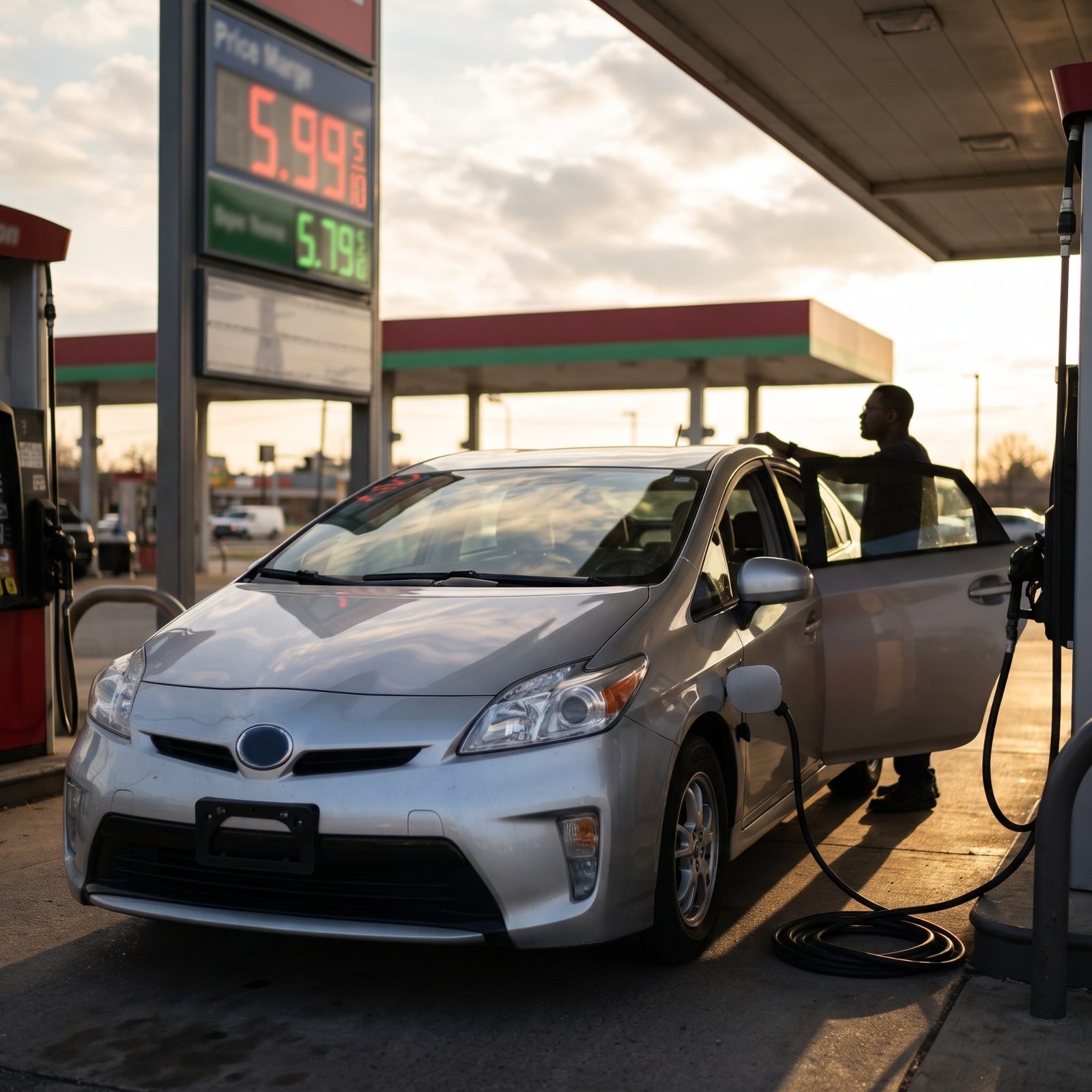
You swore you didn’t care about mileage. Then the number on the pump sign crawled past a line that felt wrong, and suddenly the hybrid you used to mock as a golf cart looks like the smartest thing on the lot. Same car as last month. Same seats, same stereo, same you. Only the price of filling it changed, and now the whole machine glows with virtue.
The job version plays out identically. A role you tolerated for three years turns unbearable the week a recruiter floats a bigger number. Nothing about the work shifted — your tolerance did, because a comparison point showed up and put a price tag on staying put.
This is loss aversion in work boots. We don’t react to steady pain; we react to sudden, measurable loss, and a spiking gas sign (or a friend’s fatter paycheck) is loss made loud. The ache was always there. You just needed something the size of a billboard before you’d admit it hurt.
5. The Baby Seat Turns Your Sedan Into a Resignation Letter
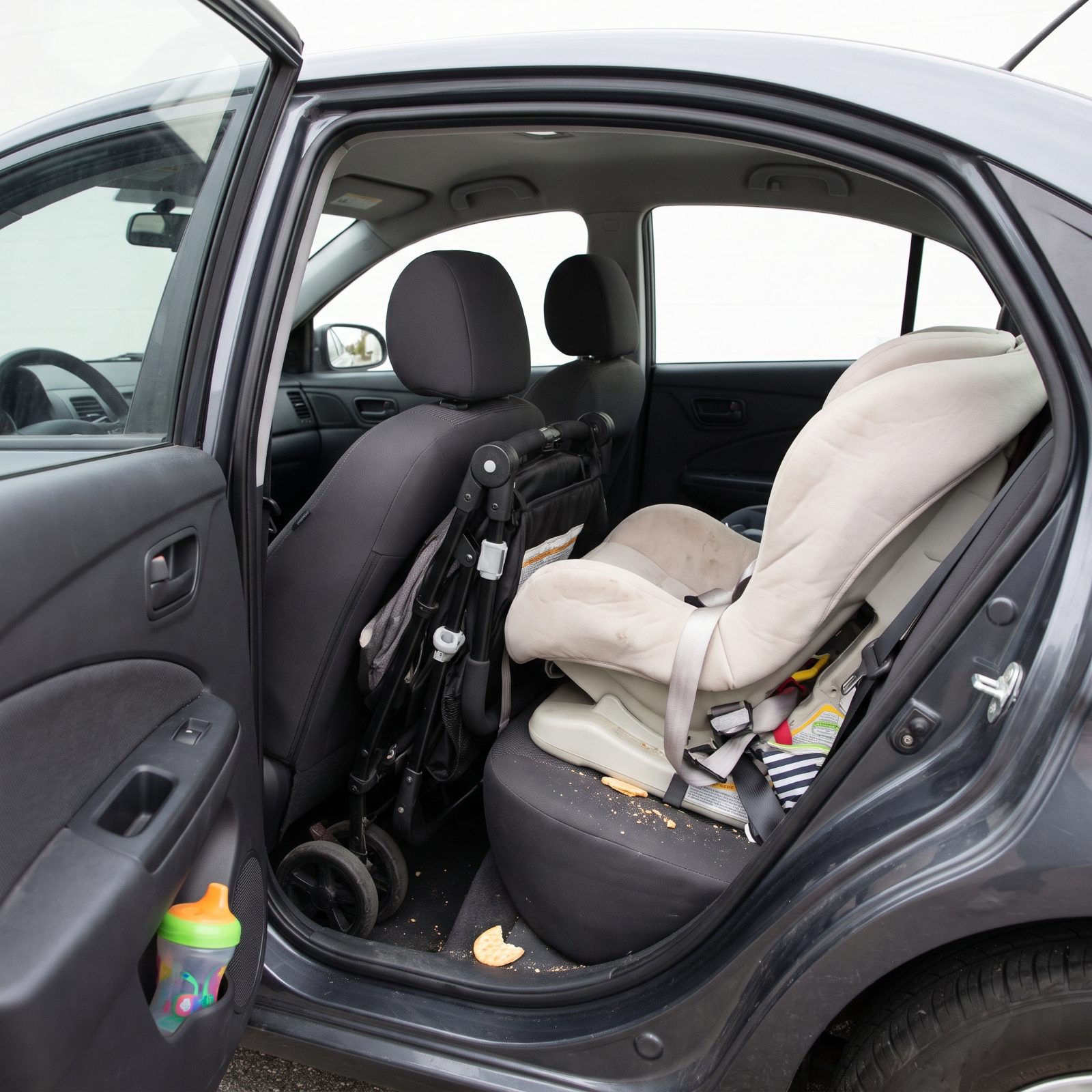
The seat goes in and the math goes out the window. You bolt the rear-facing rig behind the passenger seat, slide the passenger seat forward until your partner’s knees kiss the glovebox, and discover the trunk won’t hold the stroller and a week of groceries at the same time. The sedan didn’t shrink. Your life outgrew it overnight.
Same letter you draft in your head the morning a new responsibility lands at work and the old job plainly can’t carry it. The title fit fine until the thing you actually needed to haul changed shape.
Cars and roles both get measured against the life you have now, not the one you had when you signed. Roomy for two becomes punishment for four. A role that suited your twenties pinches in your forties. Nobody decides to leave. The load just stops fitting, and the resignation writes itself.
4. You Buy the Truck for Your Imaginary Weekends
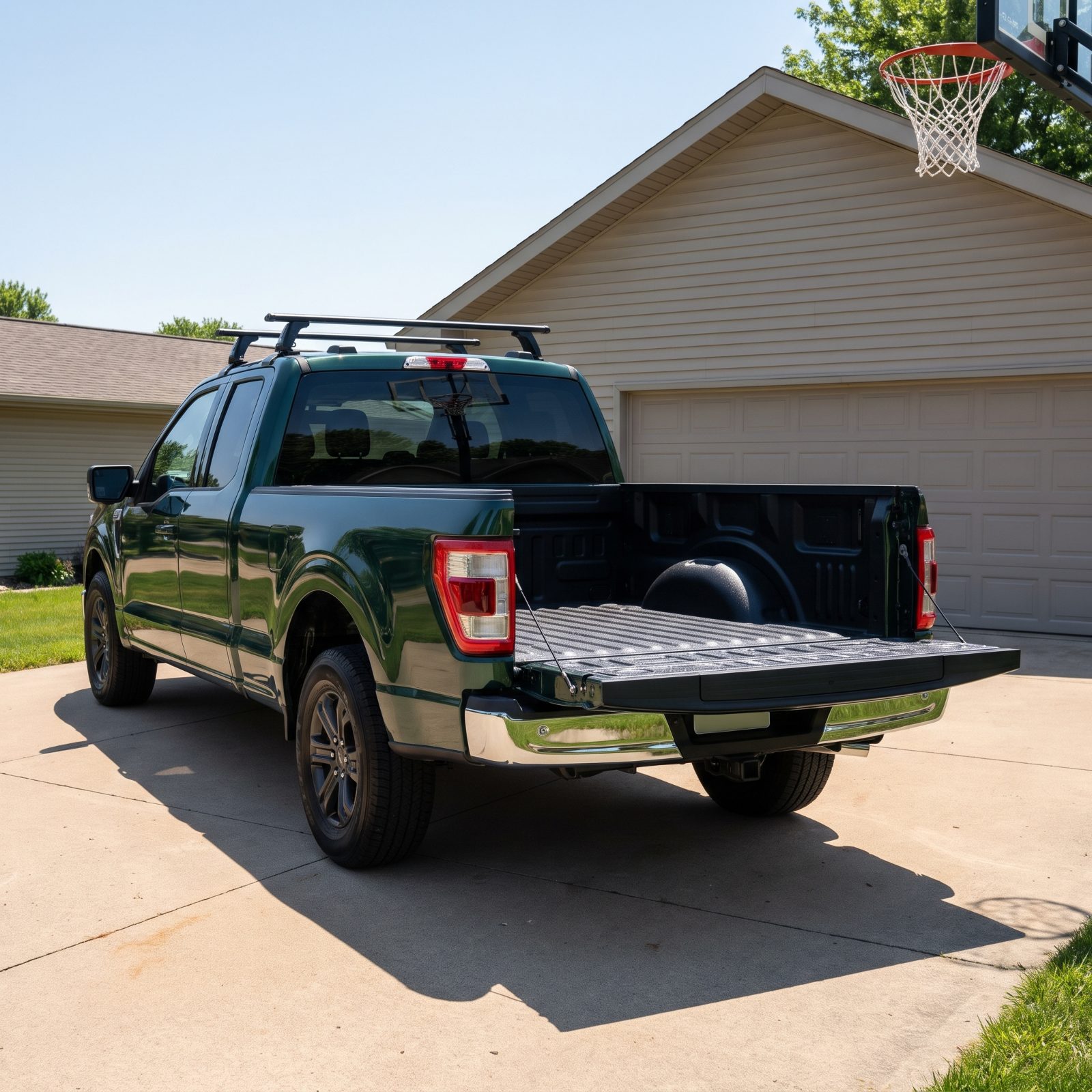
Nobody buys the truck for who they are. They buy it for who they keep promising to become.
The towing spec sells itself on a Saturday morning: the boat you’ll buy, the lumber you’ll haul, that campsite two hours up a gravel road you’ve never actually driven. Then eighteen months pass. The bed liner stays factory-clean, and the heaviest thing it’s ever carried is a bag of mulch and your own good intentions.
The job twin is the title you chase for the version of yourself it supposedly unlocks, not the work in front of you. You take the stretch role picturing the leader you’ll finally be, the projects you’ll finally run. Same daydream, bigger tires.
Call it the planning fallacy shaking hands with ego. We buy for the idealized future self — the one with free weekends and endless energy — and we write off the ordinary person who actually shows up Monday morning, tired. The truck isn’t a lie. It’s a bet on a better you. And the bed stays empty because that guy is forever arriving next weekend.
3. That Promotion Suddenly Calls for a Premium Badge

The raise clears, and within a month the perfectly good car in your driveway starts to look like it’s embarrassing you. You start clocking the badges in the executive lot. You tell yourself the new role involves client lunches, airport runs, image. Really? The paycheck grew and you want the world to see the number without having to say it out loud.
It runs the other way too. Some people buy the better car first, then feel obligated to chase a title that would justify it. Symbol and status get so tangled you can’t tell which one you were actually after.
This is status signaling at its most honest. A premium badge is a billboard for where you sit now, legible from across a parking lot in half a second. We don’t buy the engine. We buy what strangers assume about us at the red light. The promotion didn’t need a new car. Your ego just wanted witnesses.
2. Luxury-Car Burnout Sends You Back to Reliable and Boring
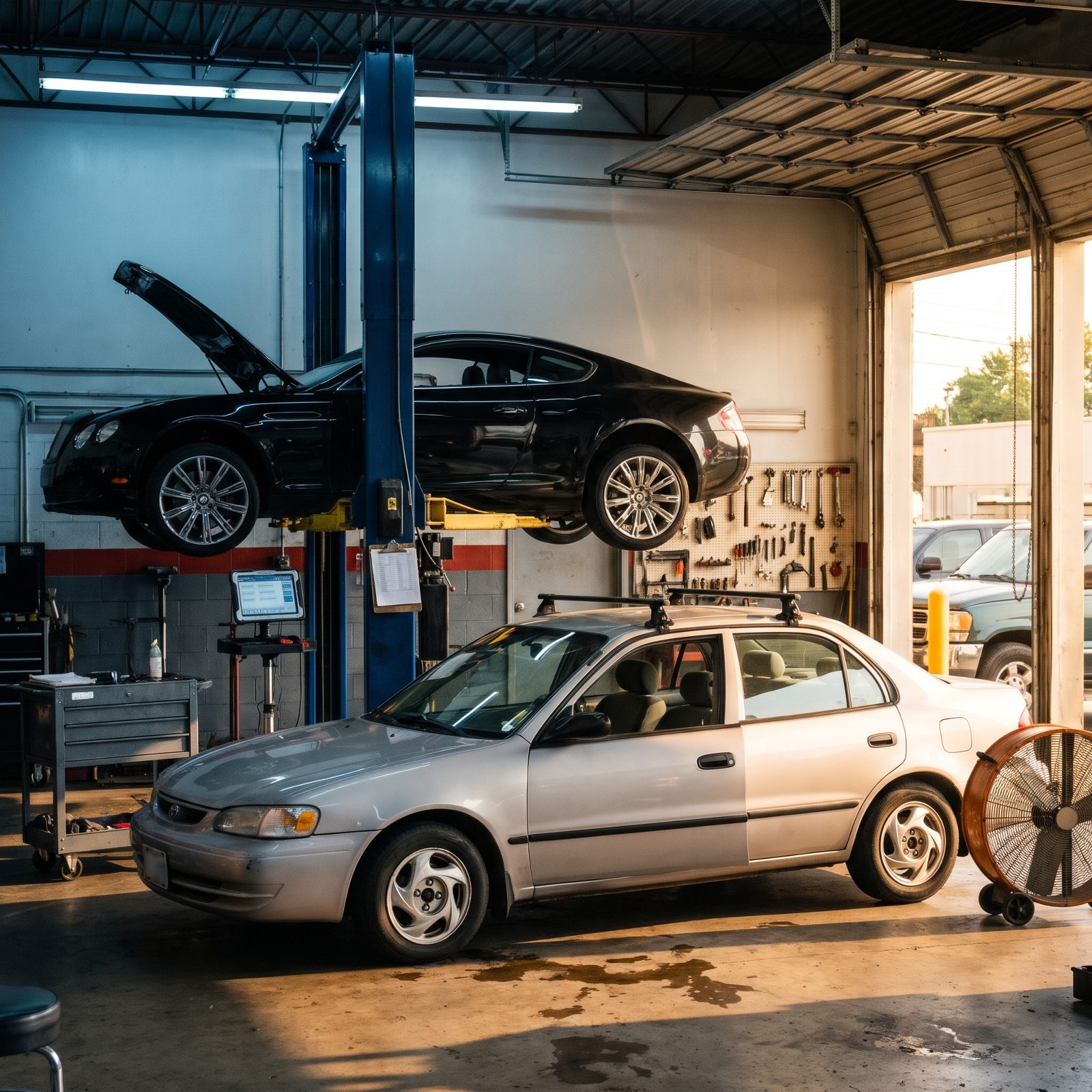
The luxury coupe was a thrill right up until the first four-figure service bill, the part that took three weeks to arrive, and the week it sat on the lift while you drove a loaner that reeked of someone else’s cigarettes. The novelty you paid a fortune for has gone flat, and now the dull, dependable sedan your brother drives looks like freedom.
Same arc as the glamorous job that turned out to be all fire drills and performance theater. You chased the shine, got it, and found out the shine came with a maintenance schedule nobody mentioned in the interview.
Hedonic adaptation is the quiet thief here. Any upgrade — car or career — feels incredible for a few months, then settles into your new normal while the costs stay stubbornly real. The joy fades faster than the payments. So you retreat to reliable and boring, which, as it happens, is the only thing that lets you sleep.
1. You Return to the Brand You Swore Off

You said never again. The transmission that gave up at 80,000 miles, the service department that shrugged, the whole saga you retold at three separate dinner parties. Then a decade slides by, the sting dulls, a redesign catches your eye, and there you are back on the same lot shaking the same brand’s hand like you two never had history.
People do this with employers all the time. You leave in a storm, swear you’ll never crawl back, and two jobs later you’re updating that very company’s application. The boomerang hire is a whole HR category for a reason.
Nostalgia sands the edges off memory. The failures blur, the familiar comfort lingers, and the known quantity starts to feel safer than the stranger. We’d rather return to a disappointment we understand than gamble on a fresh one. Swearing off a brand — or a boss — has a shelf life, and it’s usually shorter than the warranty.