There’s a specific sound a dying water pump makes at 6 a.m., and if you own the wrong car long enough, you learn to sleep right through it. It’s fine, you tell yourself. You’ve gotten frighteningly good at telling yourself it’s fine, and that skill transfers. The same wiring that keeps a man pouring money into a car that’s betrayed him a dozen times is the wiring that keeps people parked in relationships that quit working years back. Same sunk costs. Same stubborn hope. Same little lies passed around the dinner table. What follows is how staying loyal to a bad machine mirrors staying loyal to an unhappy pairing, and why the brain pulls both moves for identical reasons. You’ll recognize at least one. Probably more.
Please note that some of the images in this article were created with the assistance of AI.
18. You’ve Spent Too Much on Repairs to Leave Now
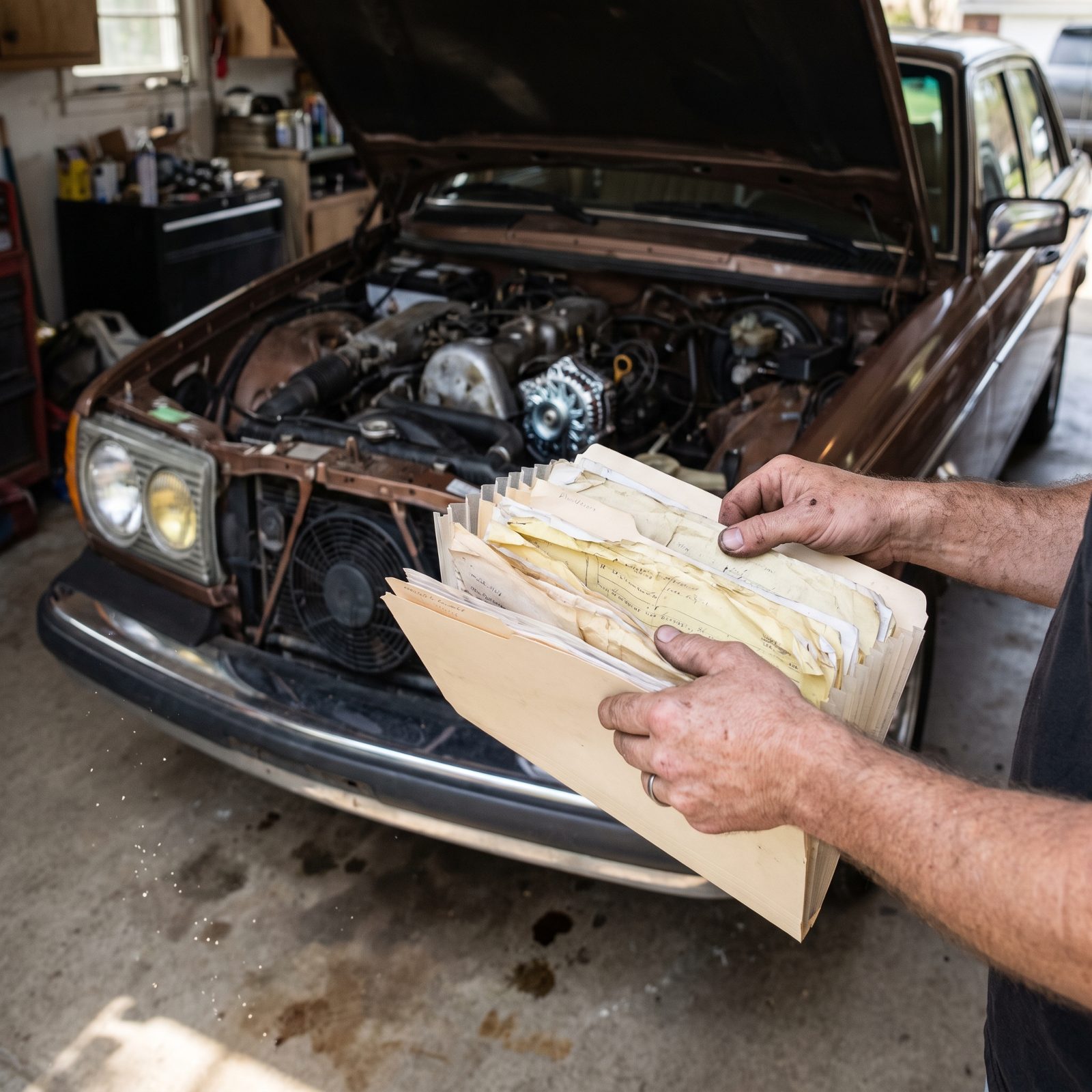
Add it up once and you’ll never add it up again. Transmission, clutch, two sets of injectors, that cursed electrical gremlin nobody could pin down. The number sits somewhere north of what the car is worth, you know it, and so you stop looking at the number.
Sunk-cost fallacy, pure and uncut. The money’s already gone and it’s not coming back whether you keep the car or torch it in the driveway. But the brain refuses to treat past spending as past — it files it as an investment that still has to pay off. That’s the exact trap that keeps people in marriages decades past the point of joy. We stayed this long. We’ve been through so much. Walking away now would make all of it a waste.
It wouldn’t. The waste already happened. Leaving just stops you from adding to it.
17. One Good Highway Run Erases a Month of Trouble

Everything’s forgotten at 70 with the windows down. Engine finally warm, gearbox slotting clean, that particular note the exhaust makes when it quits complaining and starts to sing. For twenty glorious minutes the car is everything you believed it was the day you signed the papers.
Then it won’t start in the grocery lot. Doesn’t matter — you’ve already recorded the highlight reel over the breakdowns.
Humans are terrible accountants of their own happiness. We don’t average our experiences. We remember the peaks and the endings and let those stand in for the whole of it, so one extraordinary Sunday drive gets filed as proof the car is good, the way a single good weekend keeps a struggling couple convinced the foundation’s still solid. The daily grind of disappointment gets no vote. Turns out the memory committee only invites the good times to testify.
The car isn’t the Sunday drive. It’s the 29 other days you had to make other plans.
16. You Swear the Next Repair Will Fix Everything
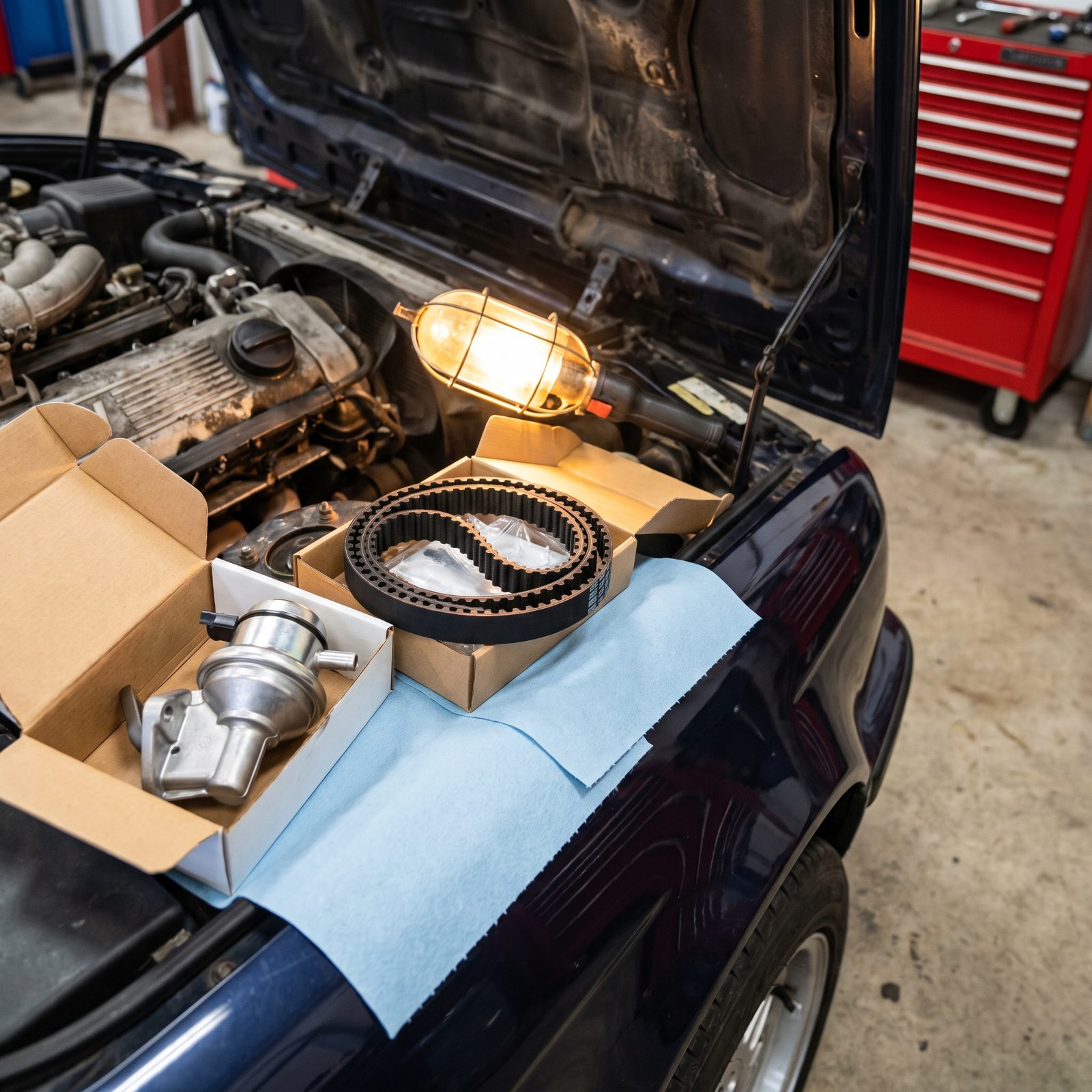
Just one more part. Always the promise. Replace the fuel pump and she’ll be dead reliable. No wait, it was the crank sensor. No, the whole harness. Every repair shows up wrapped in the belief that it’s the last one, the keystone, the thing that finally makes the whole miserable puzzle click.
It never is. There’s always a next thing, and you always believe the next thing is final.
Gambler’s logic — the same stuff that keeps people hoping a partner changes once the kids are grown, once work calms down, once that one issue gets sorted. We mistake the next fix for the finish line because the brain craves a clean ending more than it respects the pattern. A car with ten repairs isn’t one repair from reliability. It’s a car that breaks. That’s not a bug you can isolate. It’s the whole operating system.
15. Only You Know the Trick to Starting It Cold

Three pumps of the gas, hold the key for a four-count, ease off the clutch at exactly the right second, and swear a little. Anyone else turns the key and gets nothing. You have the touch, earned over years of failed mornings.
Here’s the uncomfortable part. You’ve started to take pride in the dysfunction.
Being the only one who can work the thing makes you feel essential, and that feeling is a drug. Same quiet satisfaction that keeps people glued to high-maintenance partners — the sense that nobody else could handle this, nobody else understands the system, I’m the specialist here. We mistake being needed for being loved, and managing a problem for solving it.
A car you can start is a convenience. A car only you can start is a part-time job you never applied for.
14. You Call Constant Breakdowns Part of Its Personality
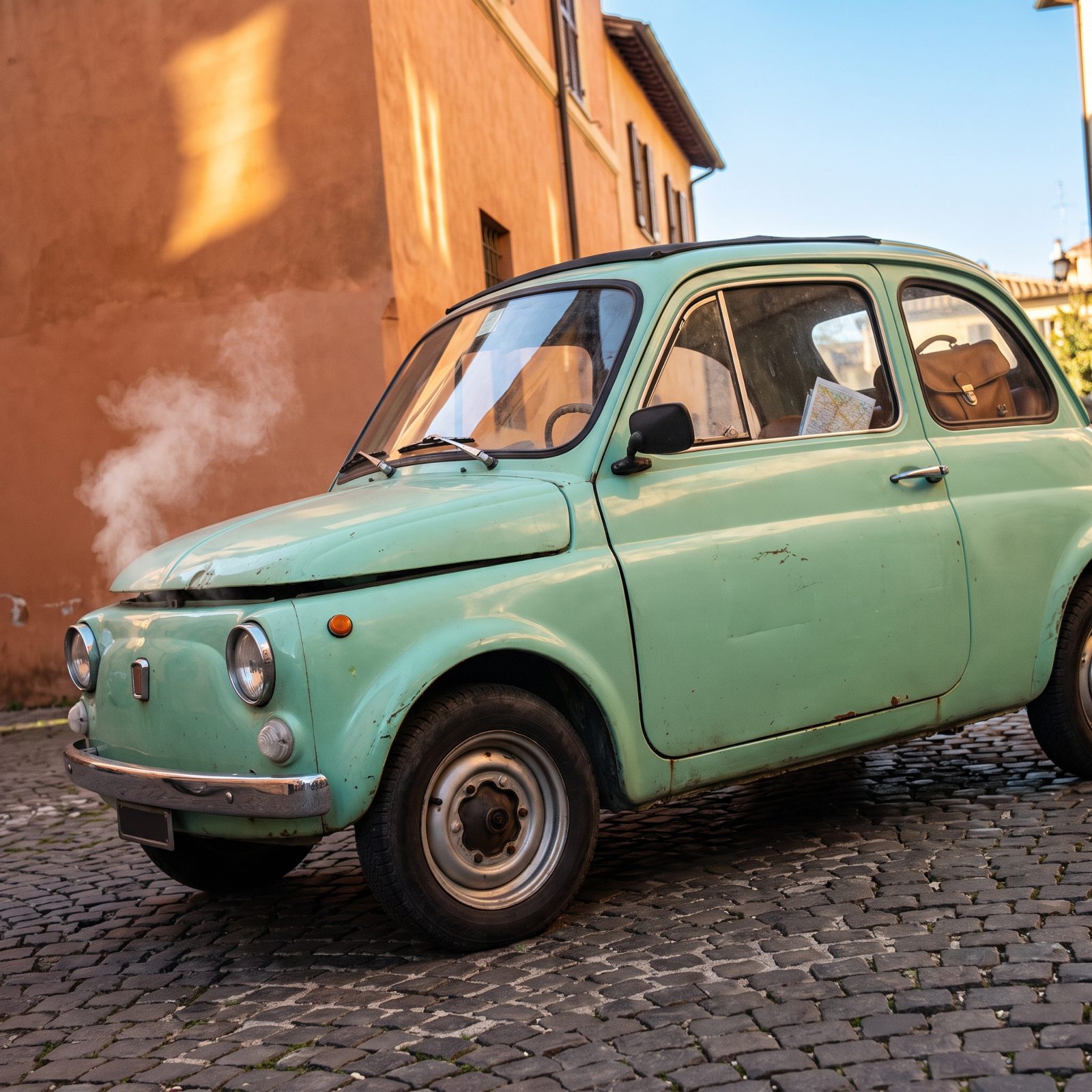
She’s got character. The way she stalls at every third light — that’s just her being dramatic. The temperamental AC that only works below 60 degrees? Charm. You’ve handed the car a soul, a mood, a little attitude, and in doing so you’ve quietly reclassified every failure as a personality trait instead of a defect.
Gorgeous bit of mental sleight-of-hand, and we all pull it with people too. His temper is just passion. Her coldness is just mystery. We wrap flaws in flattering language because naming them plainly would force a decision we’d rather dodge. A “quirky” car is one you get to keep. A “defective” car is one you have to deal with. So we reach for the gentler word every single time.
Steam from the hood isn’t a personality. It’s coolant where coolant should not be.
13. The Owners’ Forum Makes Every Breakdown Feel Normal
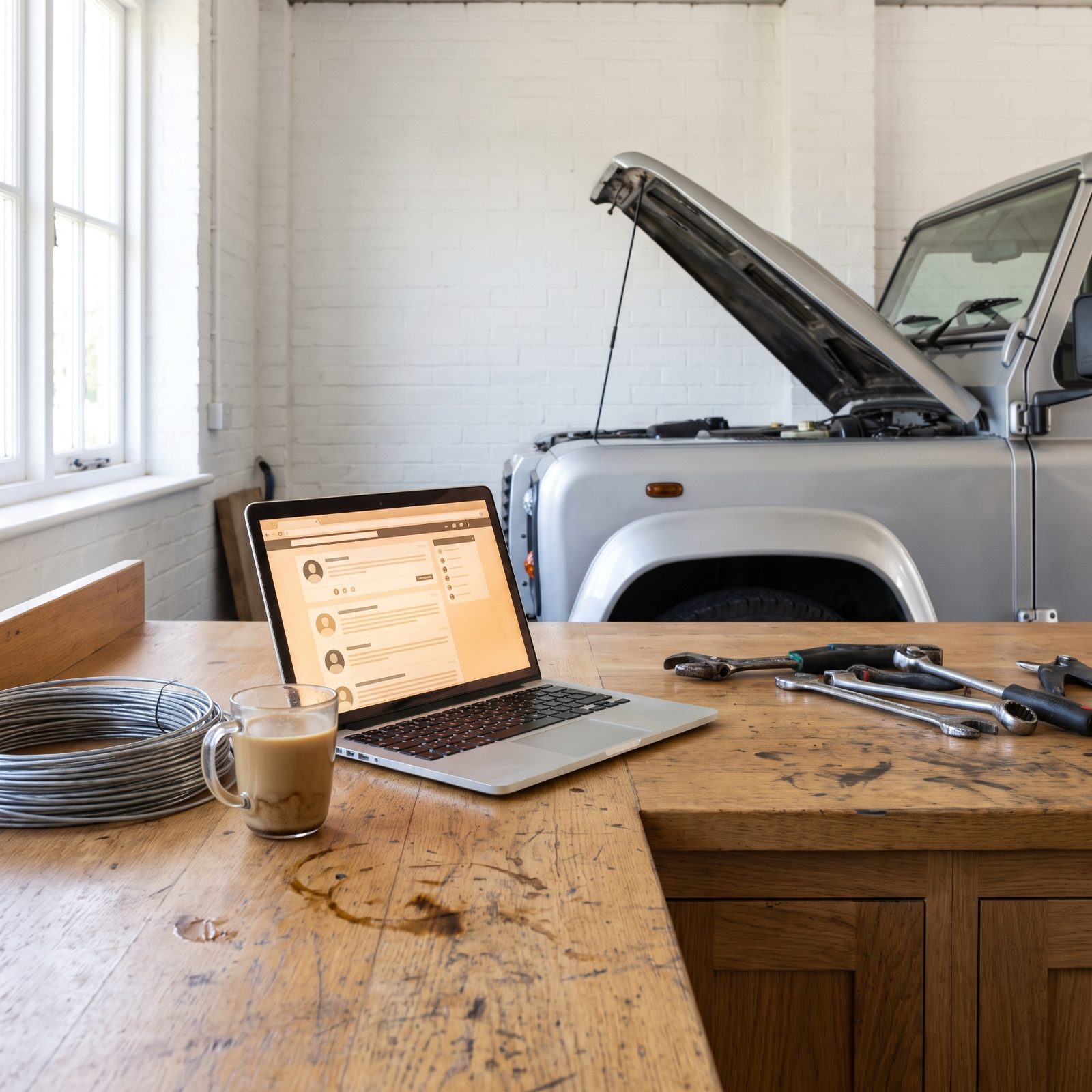
You type your symptom into the forum at midnight and within an hour forty strangers reply: oh yeah, mine does that, totally normal, mine’s done it for 200,000 miles. You exhale. See? Not just me. Everyone’s engine does the thing. Everyone’s electrical system is a haunted house. We’re all in this together.
The relief is real. The relief is also the trap.
Social proof is one of the strongest forces in human behavior. If everyone around us accepts something, we decide it must be acceptable. But a forum full of people with the same broken car isn’t evidence the problem is fine — it’s a self-selected club of people who also refuse to leave, reassuring each other that refusing to leave is reasonable. Same comfort you get when friends in miserable situations tell you marriage is just hard, that’s normal, nobody’s happy.
A room full of people suffering the same way doesn’t prove you’re fine. It proves the problem is widespread.
12. You Defend That Lemon Harder When Friends Hate It
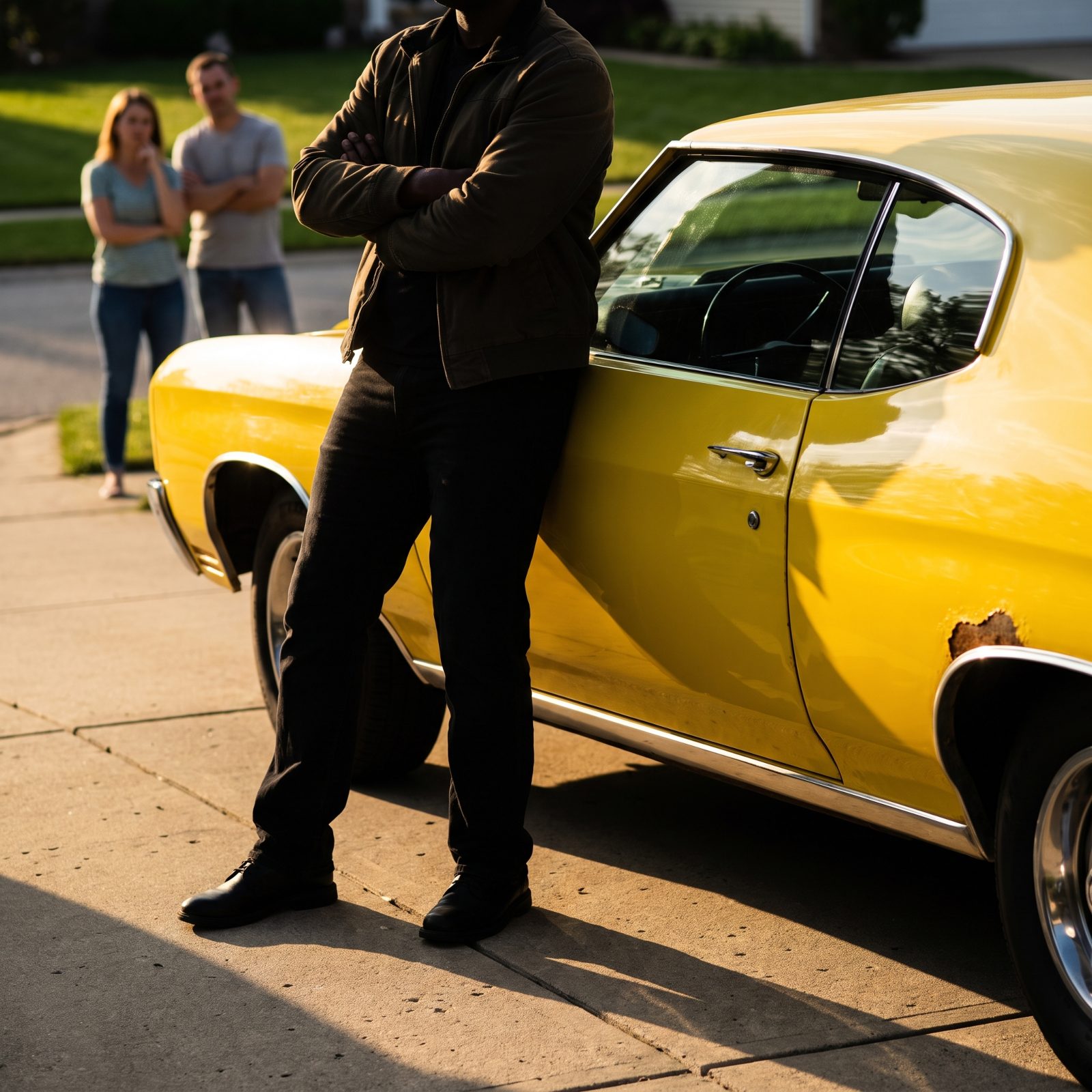
Mention the car’s worst day to someone else and watch what happens. Your buddy says “man, I’d have dumped that thing years ago,” and suddenly you’re reeling off its virtues like a defense attorney. The handling. The sound. The way they don’t make them anymore. By the end you believe your own argument harder than you did at the start.
Nobody fights for a car like the person whose friends keep telling them to sell it.
When our choices get attacked, we don’t reconsider — we dig in. Psychologists call it reactance, that reflex to defend our autonomy the second someone questions it, and it’s identical to how people rally around a partner the moment family voices concern. The criticism, meant to help, backfires completely. It turns a private doubt into a public commitment. Now leaving would mean admitting the critics had a point, so you’re more stuck than before anyone opened their mouth.
11. Selling It Would Mean Admitting Everyone Else Was Right

You finally wrote the sign. Cardboard, marker, tucked under the wiper. It took this long because putting it up meant conceding something a whole lot bigger than a car. It meant your brother was right. Your wife was right. The guy at work who called it a money pit was right. Selling isn’t just a transaction — it’s a public verdict on your own judgment.
So the cardboard sat in the garage for months while the car sat in the driveway, and now the sign is out there in the rain for the whole street to read.
We’ll soak up enormous ongoing pain to dodge the sharp, specific sting of being wrong in front of people who warned us. Same anchor that keeps someone in a relationship long past the end, because leaving confirms every doubter and every “I told you so” they’ve been swallowing for years. The ongoing misery feels private and manageable. The admission feels like a headline.
Here’s the reframe that helps: nobody actually keeps score the way you imagine. The person running the tally in their head is almost always just you.
10. You Hide Repair Receipts From People Who’d Judge You

The invoice goes in the glovebox, folded small, before you walk in the house. Or it gets paid from the account nobody checks. You’ve gotten quietly skilled at making the true cost of this car vanish before anyone can see it, because you already know what they’d say.
Secrecy is the tell.
When you start hiding the receipts, part of you has already reached the verdict. People don’t hide things they genuinely believe are fine — the concealment is your own judgment leaking out sideways. It’s exactly how someone in a bad situation downplays the fights, edits the story, keeps the worst parts off the dinner-table version. If the honest total would embarrass you in front of people you respect, that total is telling you something your pride keeps overruling.
You can hide the receipts from everyone except the one person who paid them.
9. You Avoid the Mechanic Who Might Confirm Your Suspicions
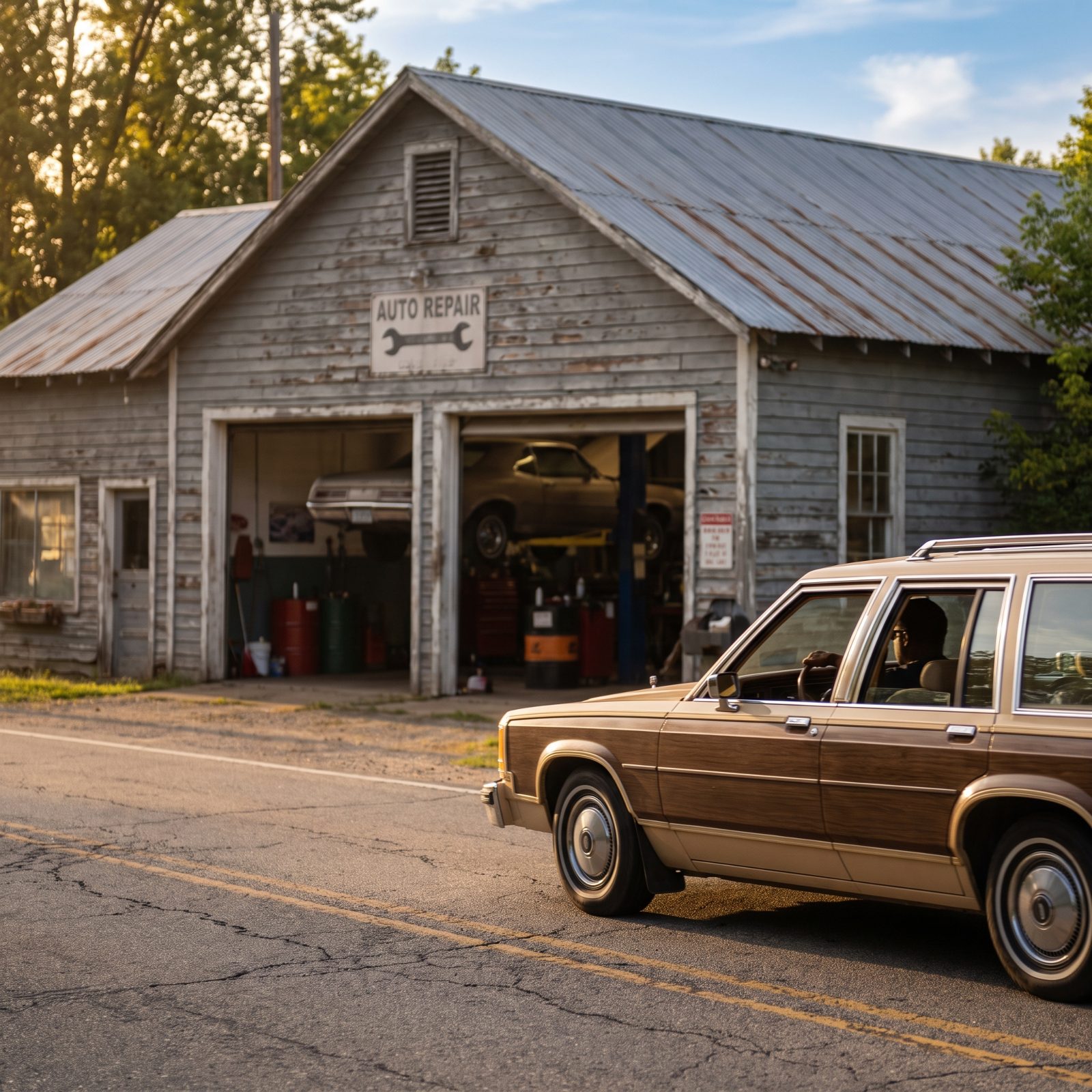
There’s one mechanic in town who actually knows what’s wrong. The honest one. The guy who’d put the car on the lift, look you dead in the eye, and tell you the frame’s going or the engine needs a rebuild it will never be worth. So you drive past his shop and go to the guy who slaps a bandage on it and sends you off smiling.
You’re not avoiding a diagnosis. You’re avoiding a decision.
The brain protects its favorite beliefs by steering clear of information that might topple them. We skip the full inspection for the same reason people skip the honest conversation that would force the issue in a dying relationship. As long as nobody says the true thing out loud, you get to keep pretending. Not knowing feels like hope. It isn’t. It’s just the postponement of a truth you already sense in your bones.
Go see the honest mechanic. Whatever he tells you, you’ll sleep better than you have in months.
8. A New Car Feels Riskier Than Familiar Warning Lights
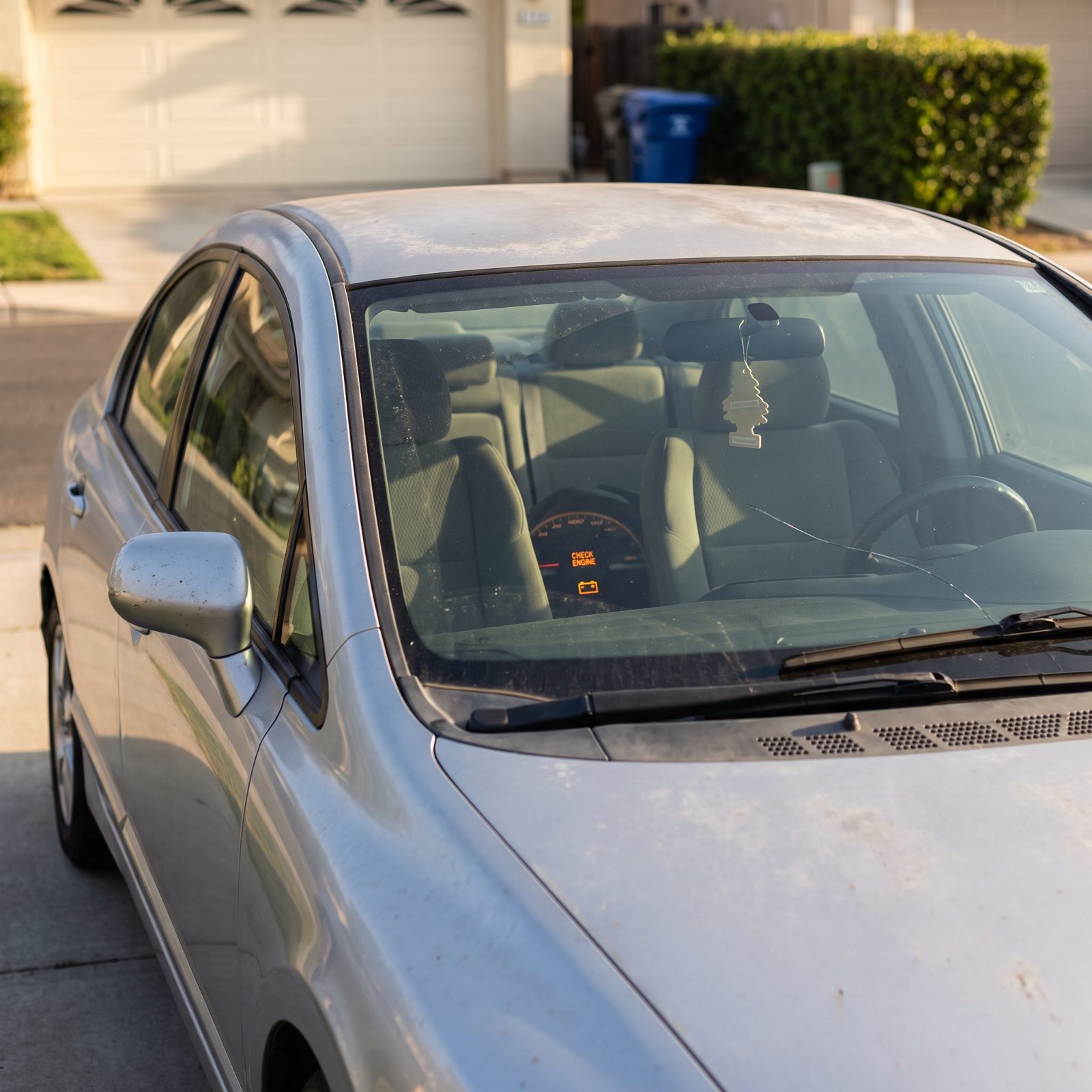
You know exactly what this car will do to you, and that’s the comfort of it. The transmission shudders between second and third, the AC quits above ninety, and the battery light flickers when you brake hard. All of it known. None of it a surprise anymore.
A new car is a stranger. Maybe it has a recall. Maybe it depreciates the second you pull off the lot. Maybe it hides problems you haven’t met yet — and the unknown ones scare you more than the familiar ones that have been bleeding your wallet dry for years.
That’s loss aversion wearing a seatbelt. We feel the sting of a possible new mistake far more sharply than the steady cost of an old one we’ve already made peace with, so the devil you know gets graded on a curve.
7. You Stop Taking Road Trips to Avoid Provoking It

There was a time you’d point this thing at the coast without a second thought. Now you plan around it. The long drive to the lake becomes a maybe, the weekend to see old friends four hours out becomes a phone call instead, and somewhere along the way you quietly built your whole life inside a fifteen-mile radius of your mechanic.
You tell yourself it’s about the money. It’s really about not wanting to discover what breaks next when you’re ninety miles from anywhere.
Call it avoidance coping. Rather than fix the real problem, you shrink your world to keep the problem from flaring up. The car never technically stopped you from going anywhere. You stopped yourself, then called it being careful.
You didn’t lose the open road. You just stopped trusting what would carry you down it.
6. Fixing It Yourself Makes the Bond Harder to Break
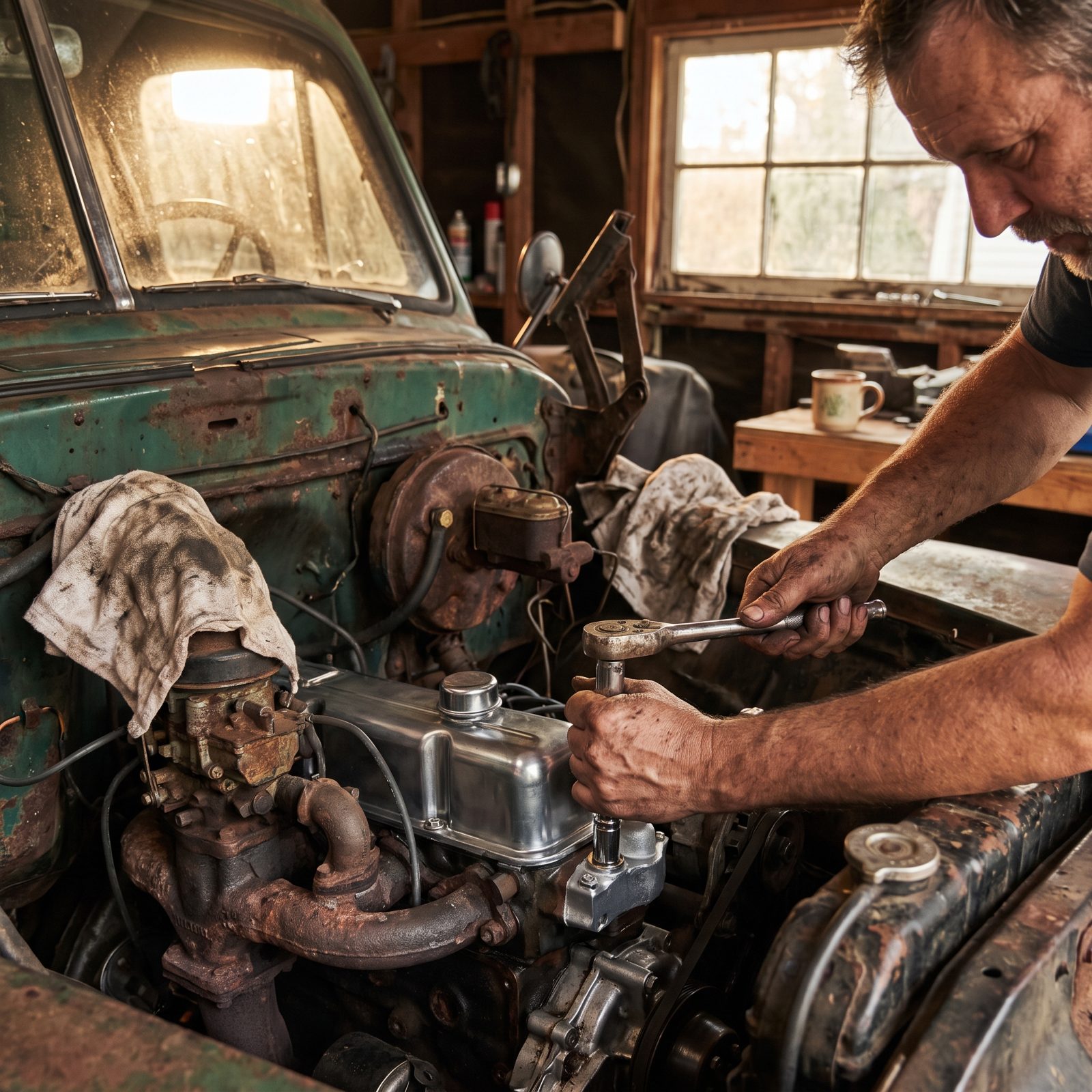
Every weekend under that hood welds you tighter to the car. You swapped the alternator yourself. Bled the brakes in the driveway. You know the sound the belt makes right before it goes, and you’ve learned to catch it before it strands you.
All that effort should be a reason to let go. Instead it’s the reason you can’t. You’ve poured yourself into this machine, so now it’s worth more to you than it would ever be to anyone else.
That’s the IKEA effect, named for the way people prize a wobbly bookshelf more once they’ve built it themselves. The labor becomes love. Those hours feel like equity, even when they’re really just hours you’ll never get back — and the same mechanism keeps people clinging to anything they’ve sweated to hold together.
5. The Trade-In Offer Feels Like a Personal Insult
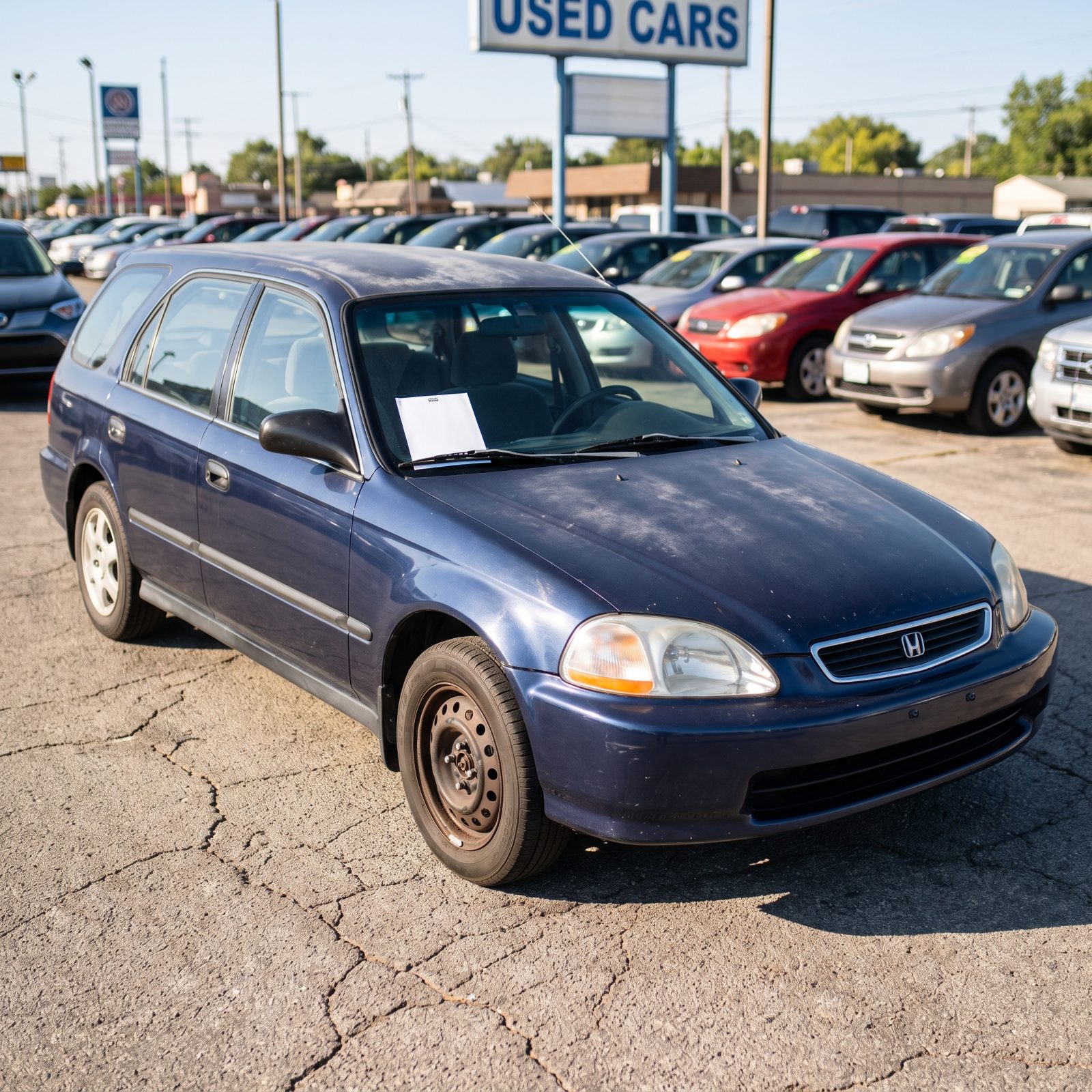
You bring it in half hoping someone will recognize what you see. The salesman walks around it once, glances at the odometer, and names a number so low it lands like a slap. Fifteen hundred dollars. For this. For everything you’ve put into it.
You drive home almost offended on the car’s behalf. How dare they. They don’t know about the new tires, the rebuilt transmission, the memories.
Here’s the gap. You’re pricing your history with the car; the market is pricing a machine. Call it the endowment effect, that strange human habit of valuing something more simply because it’s ours. The number isn’t an insult. It’s just honest about what the thing is worth to a stranger.
4. That Badge Still Says Something You Need People to See
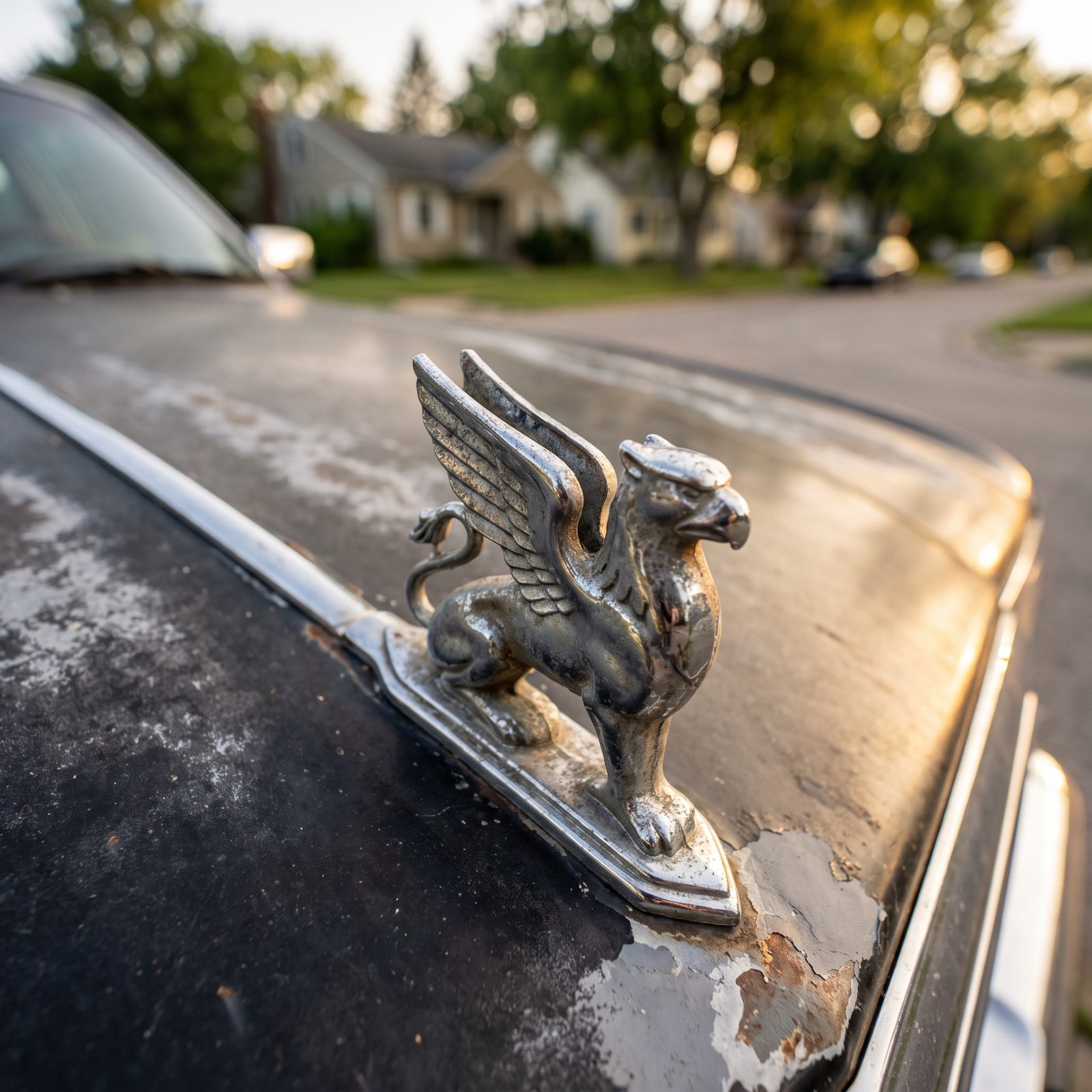
The car costs more to keep running than it’s worth, but the badge on the hood still means something in the office lot. Fifteen years ago it said you’d arrived. You’ve held on partly because trading down to something reliable and plain feels like trading down, period.
Nobody wants to admit they’re piloting a status symbol that’s been running on fumes and credit for a decade. But the emblem still does the work the actual engine gave up on long ago.
This is identity signaling — the way we use objects to broadcast who we are, or who we used to be. The car became part of your self-image, so letting it go feels like admitting some part of you has shrunk. It hasn’t. The brain just treats the symbol and the self as one and the same.
3. You Keep Comparing It to Even Worse Cars
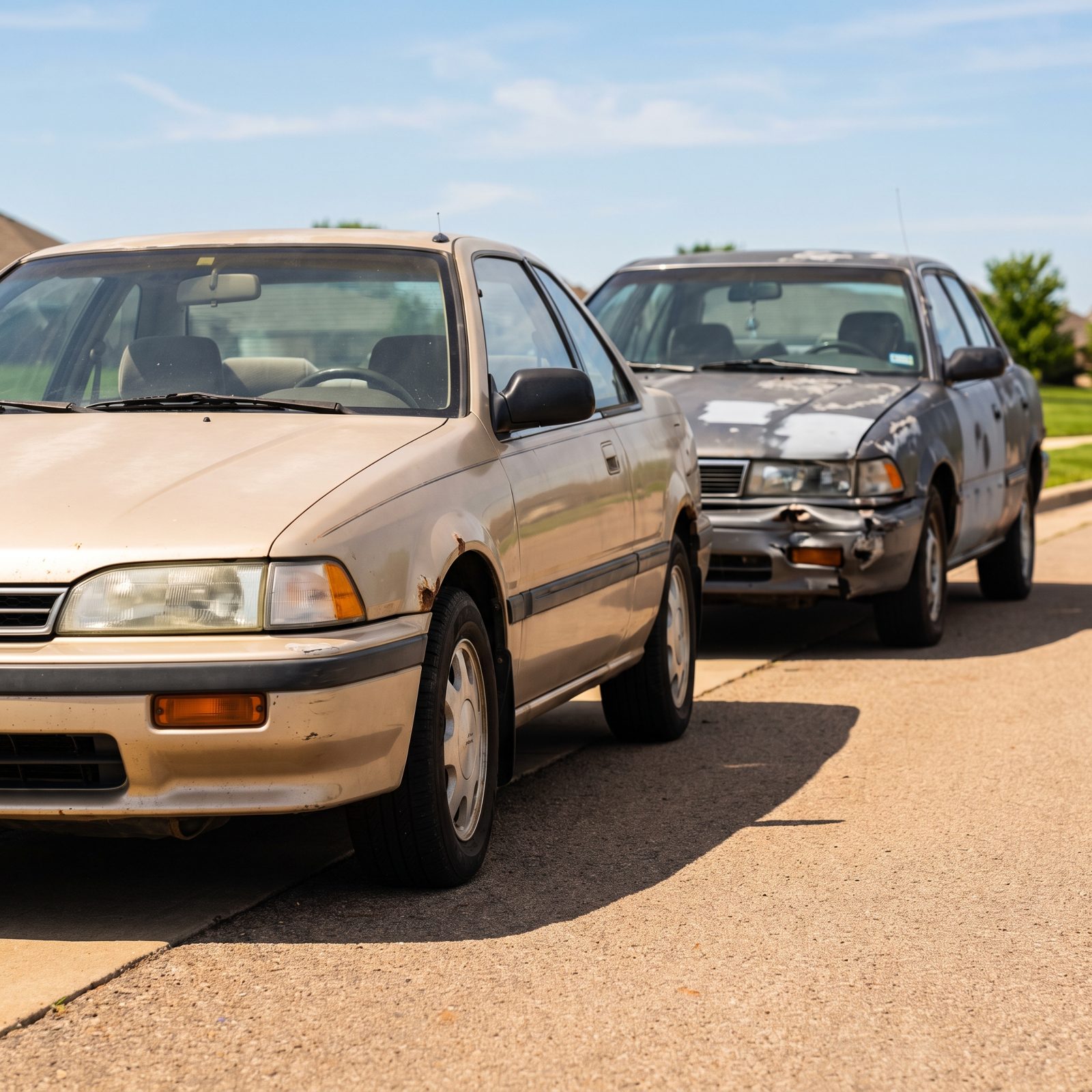
Sure, your car has issues. But your buddy’s old wreck won’t even turn over half the time, and someone at work drives a thing lashed together with zip ties. Next to those, yours looks almost dependable, and you reach for that comparison every time the doubts creep in.
Trouble is, you’ve picked the worst possible yardstick. You’re measuring your car against disasters instead of against something that would actually get you to work without drama.
That’s a downward comparison, the mind’s way of shielding a decision it would rather not question. By looking only at people doing worse, you make your own situation feel like a win. Great for your mood. Terrible for your judgment. The question was never whether your car beats the worst heap on the block — it’s whether the thing is good enough for you.
2. Your Best Memories All Seem to Include That Car
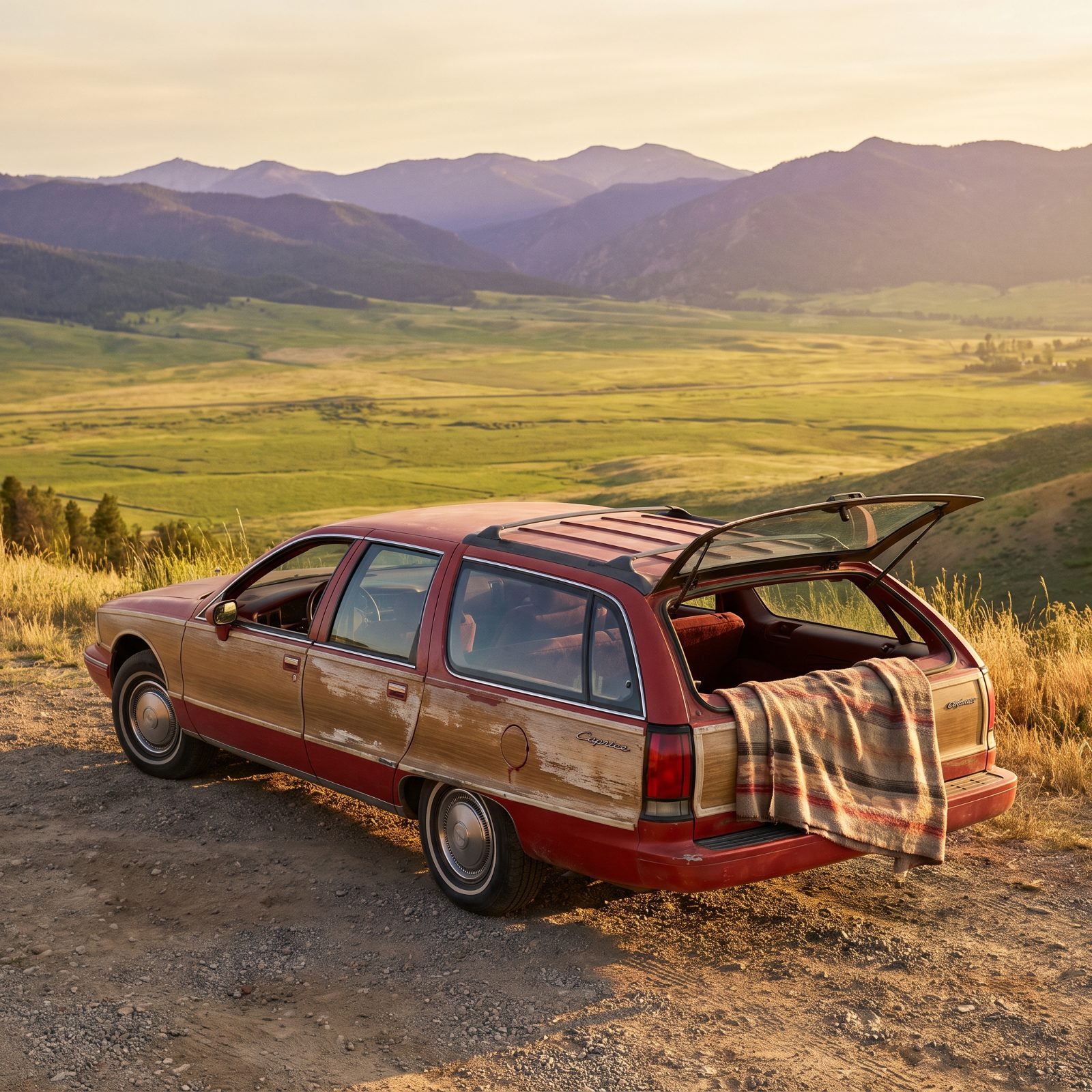
The drive home from the hospital when the first grandkid arrived. The run to the coast when everything was falling apart and the road somehow put it back together. The parking lot where you sat for an hour after good news, just to let it sink in. All of it happened in this car.
So letting it go feels like erasing the moments it carried you through — as if the memories live in the upholstery and not in you.
Nostalgia is a powerful adhesive. It edits the reel so the breakdowns fade and the good days glow brighter. You don’t remember the three hours on the shoulder waiting for a tow. You remember the sunset that came after.
1. You Promised to Keep It Until the Wheels Fell Off
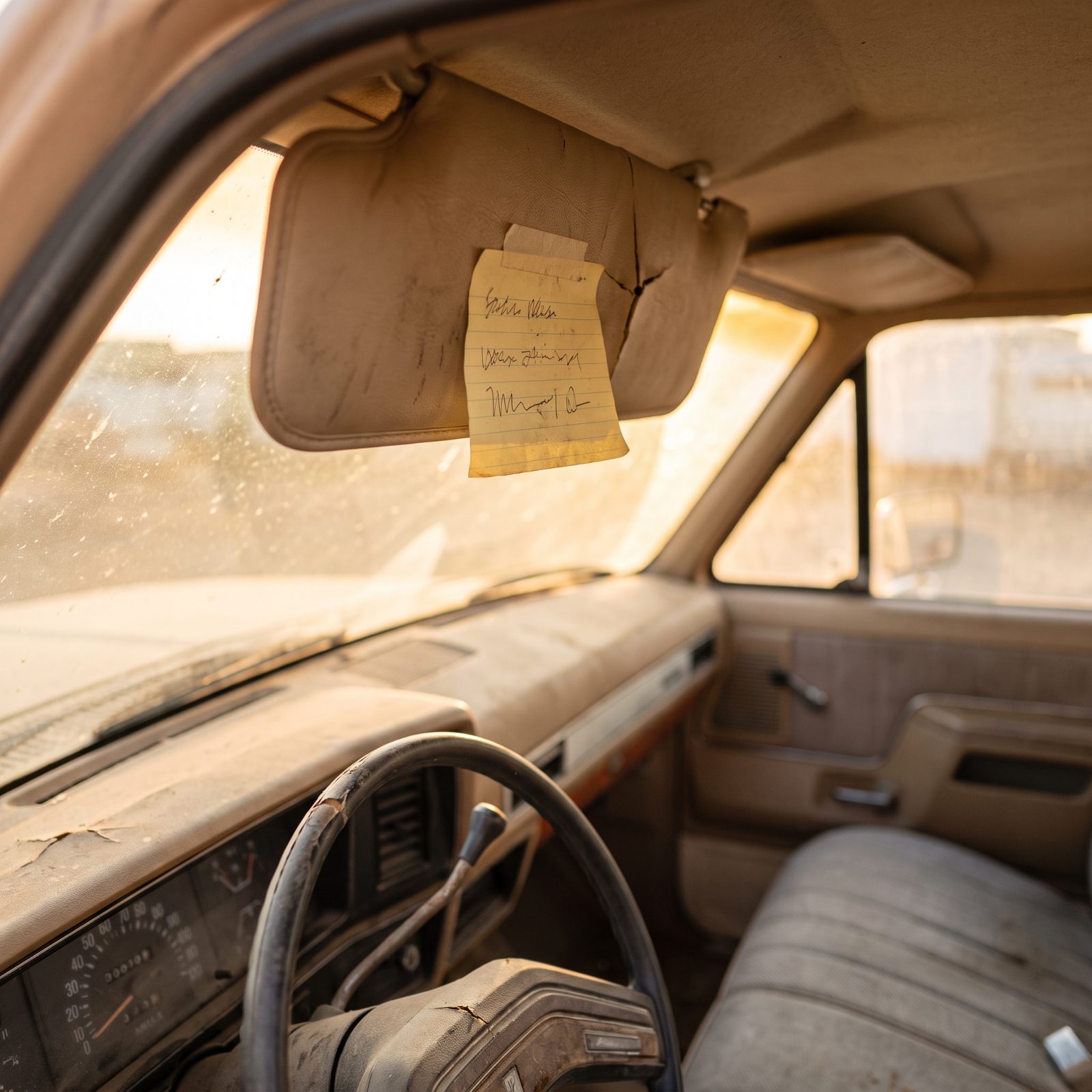
You said it out loud once — maybe to a friend, maybe just to yourself. This one’s a keeper, I’m driving it into the ground. Now that the words are out, backing out feels like breaking your word. To whom, exactly, you couldn’t say. But the pledge has teeth.
So you keep feeding money into a vehicle that stopped making sense two repairs ago, less because it’s smart and more because quitting would make a liar out of you.
Commitment escalation, they call it — the trap where honoring an old promise ends up costing more than the promise was ever worth. The move is to look at the car in front of you today and decide clearly, free of any vow you made to a younger, more optimistic version of yourself.
Loyalty is a fine thing to feel about a person. It’s a strange thing to owe a transmission. Sometimes the kindest honest move is to let the thing go while it still has a little dignity left — and so do you.