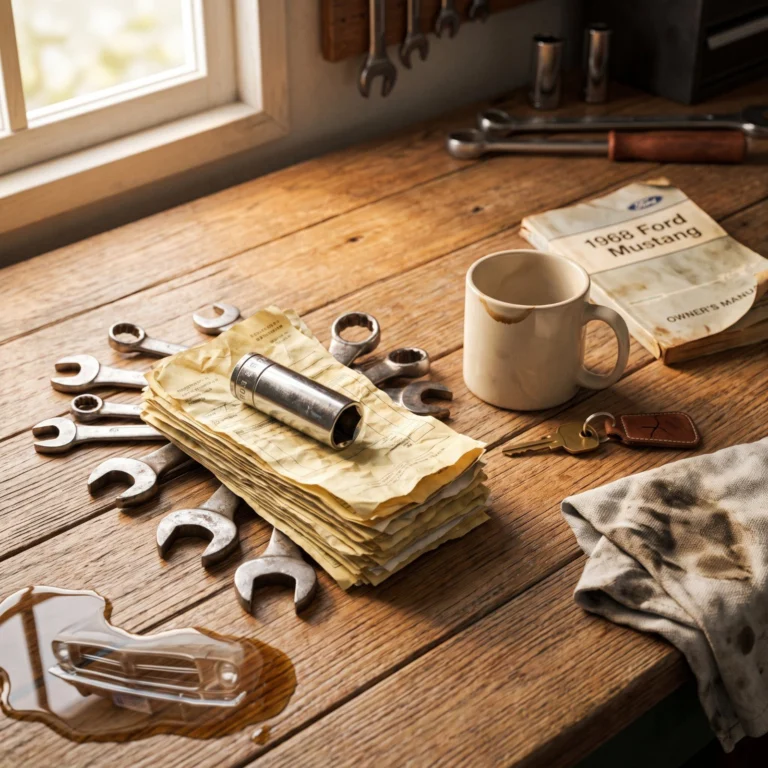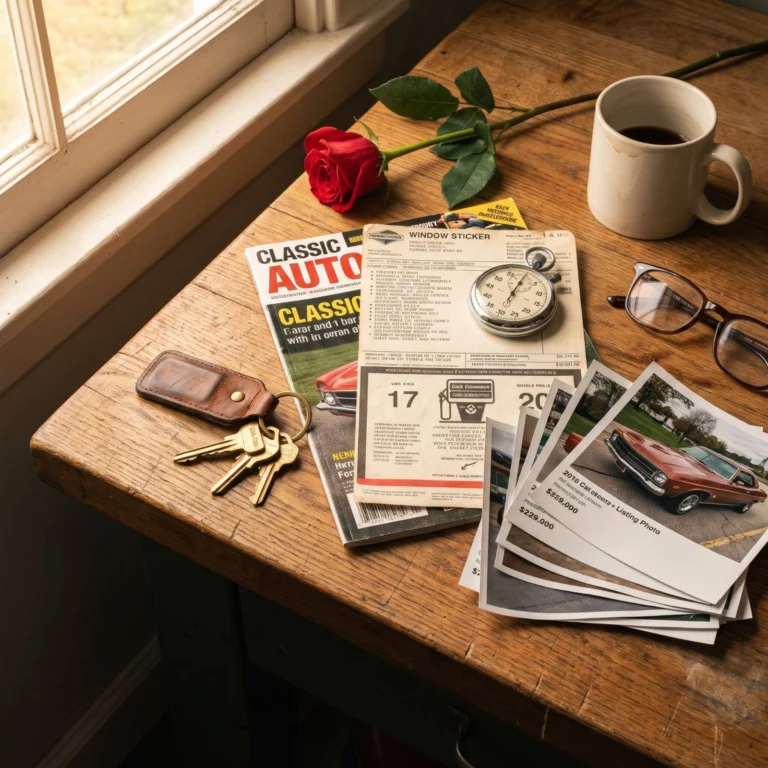
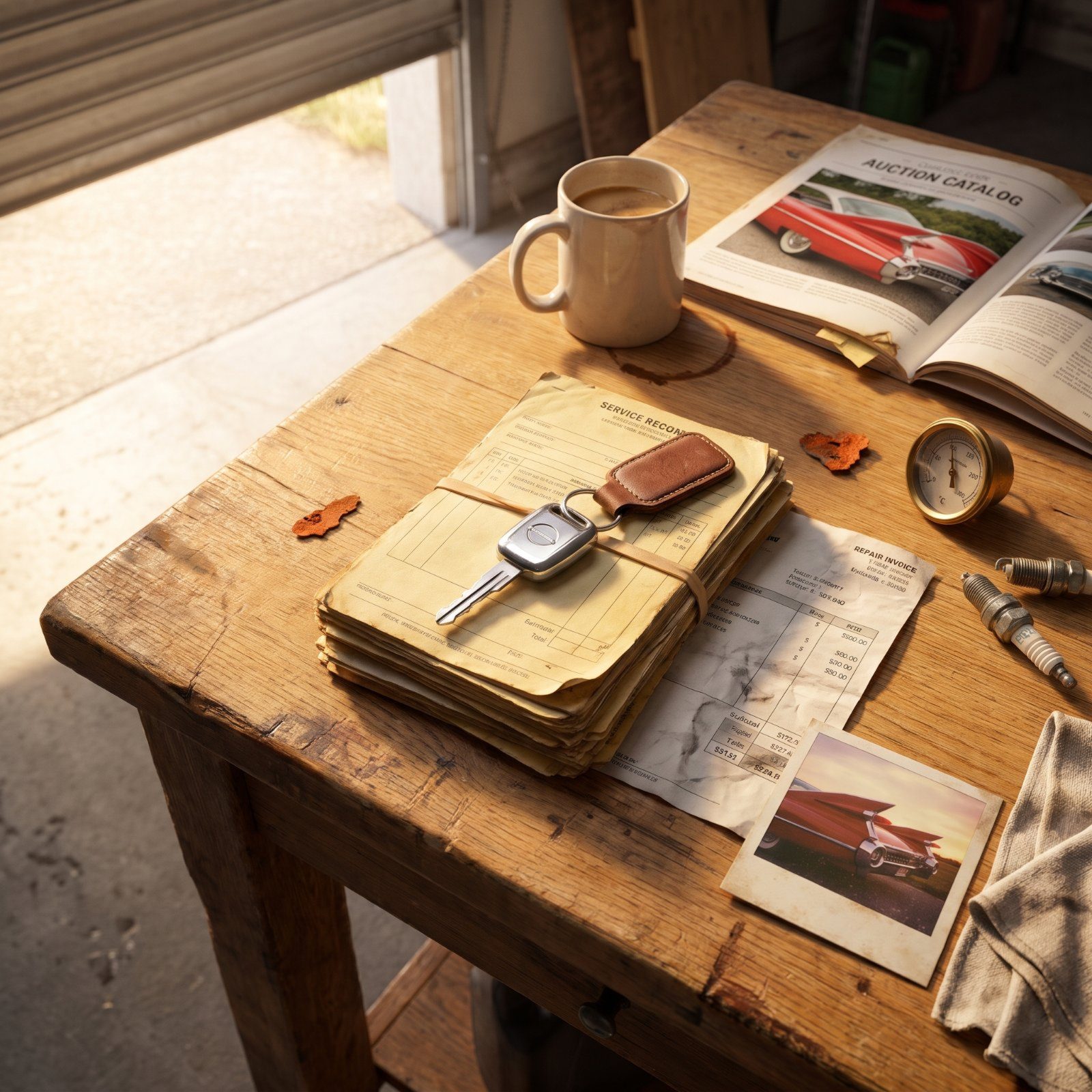
The smart move is to buy the boring, sorted, documented car. Nobody does that. We buy the one that made our chest go tight in a parking lot, the one with a receipt box held together by rubber bands and optimism — and then we spend years explaining the oil leak like it’s a personality quirk.
Please note that some of the images in this article were created with the assistance of AI.
The same wiring that drags people toward the handsome mess at the party drags us toward the handsome mess under the tarp. Chemistry over compatibility. Story over chassis. The flutter over the facts. You’ve watched a friend do it with a person, you’ve done it with a car, and below are the moments where the two look identical and the reason your brain can’t tell them apart.
18. You Spot One Tailfin and Forget Your Entire Checklist
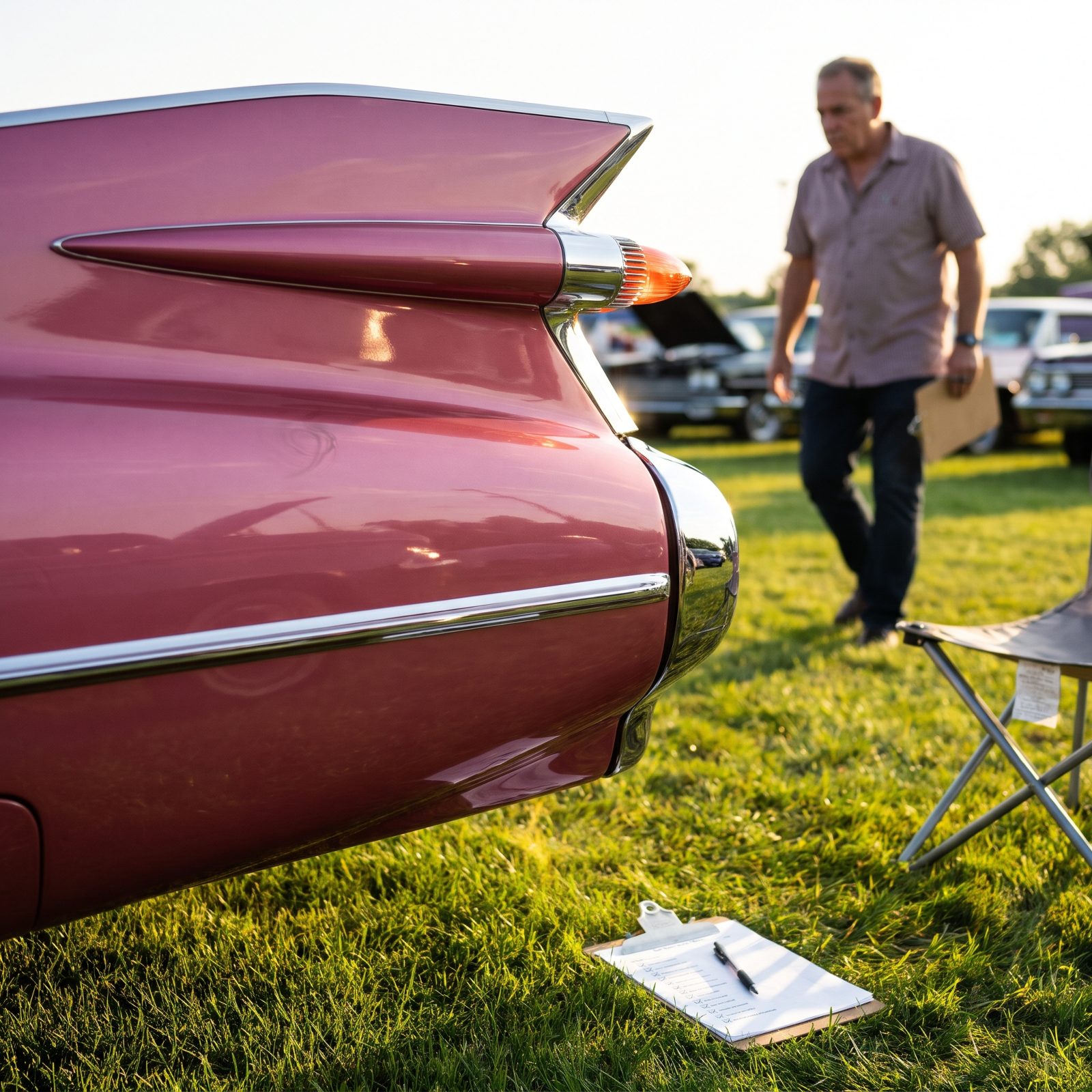
You walked onto the field with a plan. Compression test, frame inspection, matching numbers, a budget written on an actual piece of paper. Then a pink finned classic throws its tailfin into the sun and the paper might as well be confetti.
This is the halo effect wearing chrome. One gorgeous feature radiates outward and your brain quietly assumes the rest of the car must be just as good. It isn’t. The fin tells you nothing about the floor pans. But the same thing happens across a crowded room when one striking smile makes you decide, on zero evidence, that the person is kind and funny and emotionally available.
We generalize from the one thing we can see to the ninety things we can’t. Efficient, sure. It’s also how you end up driving home a car whose only verified quality is that it looked incredible from forty feet.
17. The Exhaust Note Drowns Out Every Sensible Objection
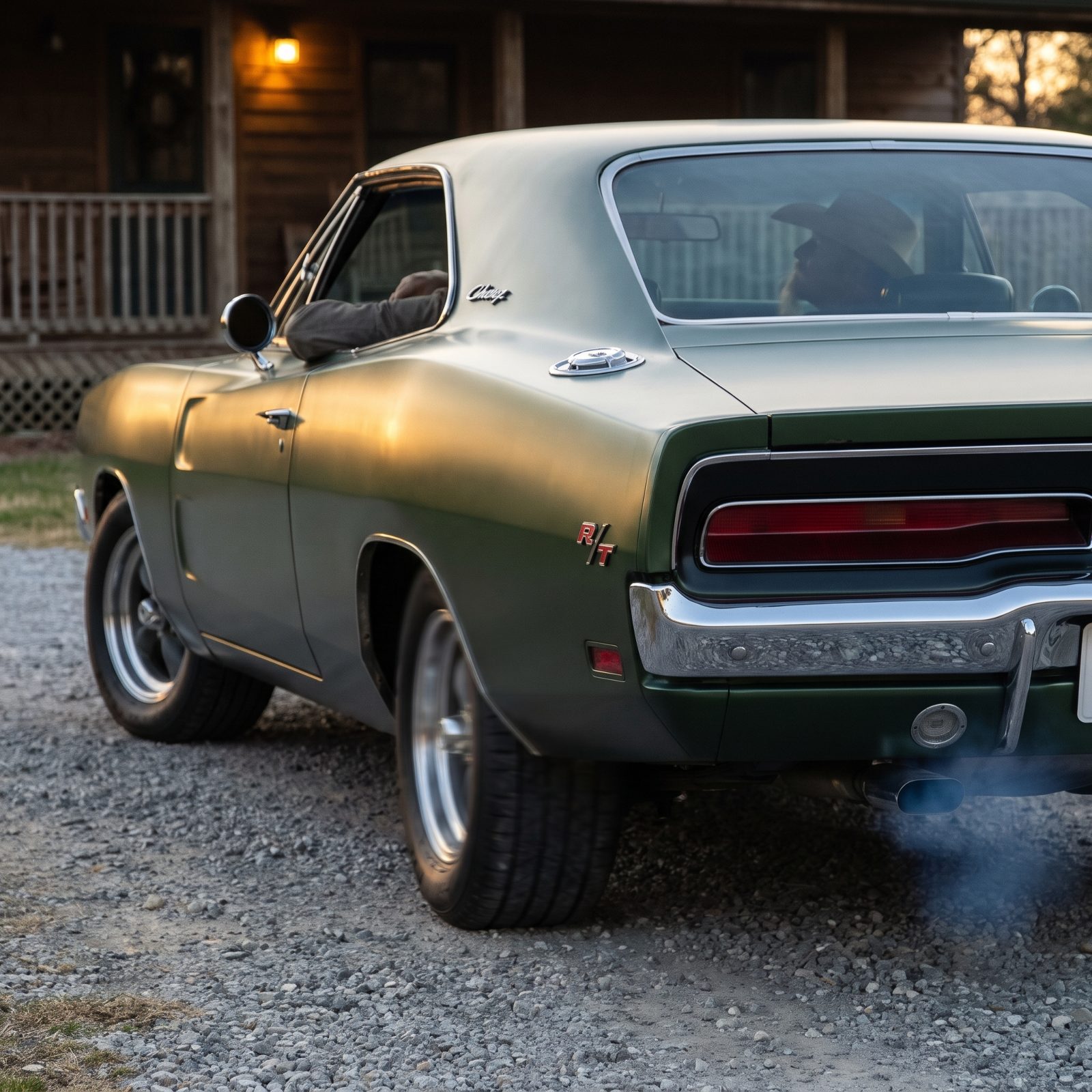
Someone starts a big-block and the whole conversation changes. A second ago you were asking pointed questions about the transmission fluid. Now you’re standing there grinning like a man who just heard his song come on.
Sound bypasses the reasoning part of the brain and goes straight to the part that feels. That rumble triggers a genuine physical response, the same flood of good chemistry you get when a voice on the phone makes your stomach do something at the wrong time of life. You stop evaluating and start wanting.
And here’s the cruel bit: the things that make a classic car wonderful to love and the things that make it wise to own are almost never the same things. A glorious exhaust note has never once fixed a leaking rear main seal. But try objecting to anything while that V8 is lumping at idle. You can’t. Neither can we.
16. That Familiar Badge Feels Like Someone You Already Know
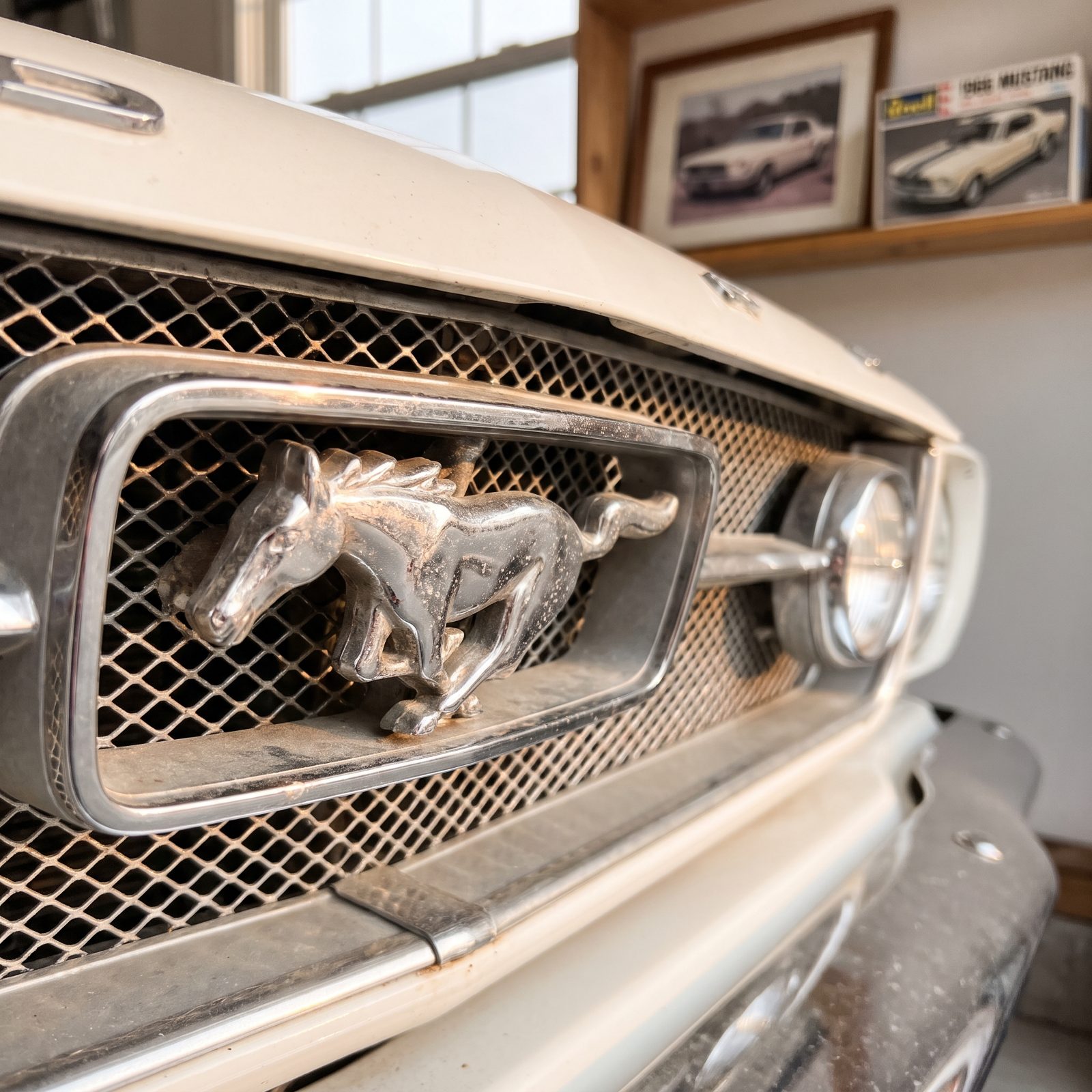
You see the badge and your guard drops before you’ve opened a single door. A Mustang pony, a Chevy bowtie, a Porsche crest. Your dad had one, or your first boss did, or a kid down the street you envied in 1974. The brand arrives pre-loved.
That’s familiarity breeding trust — the mere-exposure effect doing its quiet work. We like what we’ve seen before simply because we’ve seen it before. It’s the exact mechanism that makes people drift toward partners who remind them of a parent, warts and all. Comfort reads as compatibility. Those are not the same thing.
A badge you trust is a badge you stop inspecting. The familiar logo won’t tell you this particular example spent fifteen years rotting in a damp barn. But it feels like meeting an old friend, and nobody runs a background check on an old friend.
15. Your Childhood Dream Car Arrives Wearing Adult-Sized Problems
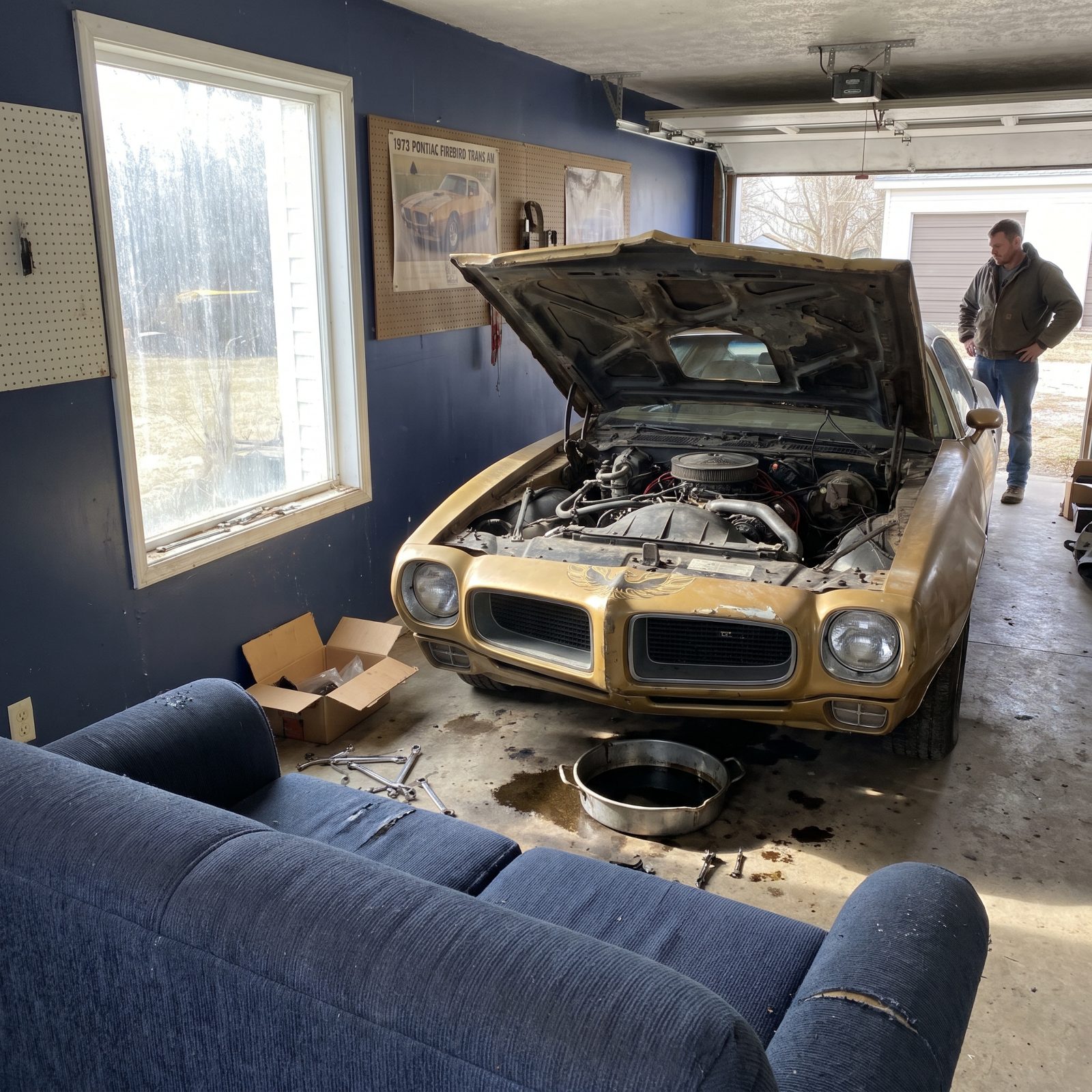
The poster was on your bedroom wall. The car in the driveway is the same model, three decades older, and it needs everything. The dream showed up — but it aged, and it brought a drip pan.
Nostalgia is a world-class salesman. It sells you a memory of the thing, not the thing. You’re not buying a 1973 Trans Am so much as buying a doorway back to being fourteen and immortal. Trouble is, the actual car doesn’t live in 1973. It lives in your garage, leaking, asking for money it doesn’t deserve.
Same as reconnecting with a high-school flame at a reunion. You both still fit the memory and neither of you fits the present. The feeling is real. The feeling just isn’t information about whether this is a good idea today.
14. You Buy the Story Before You Inspect the Chassis
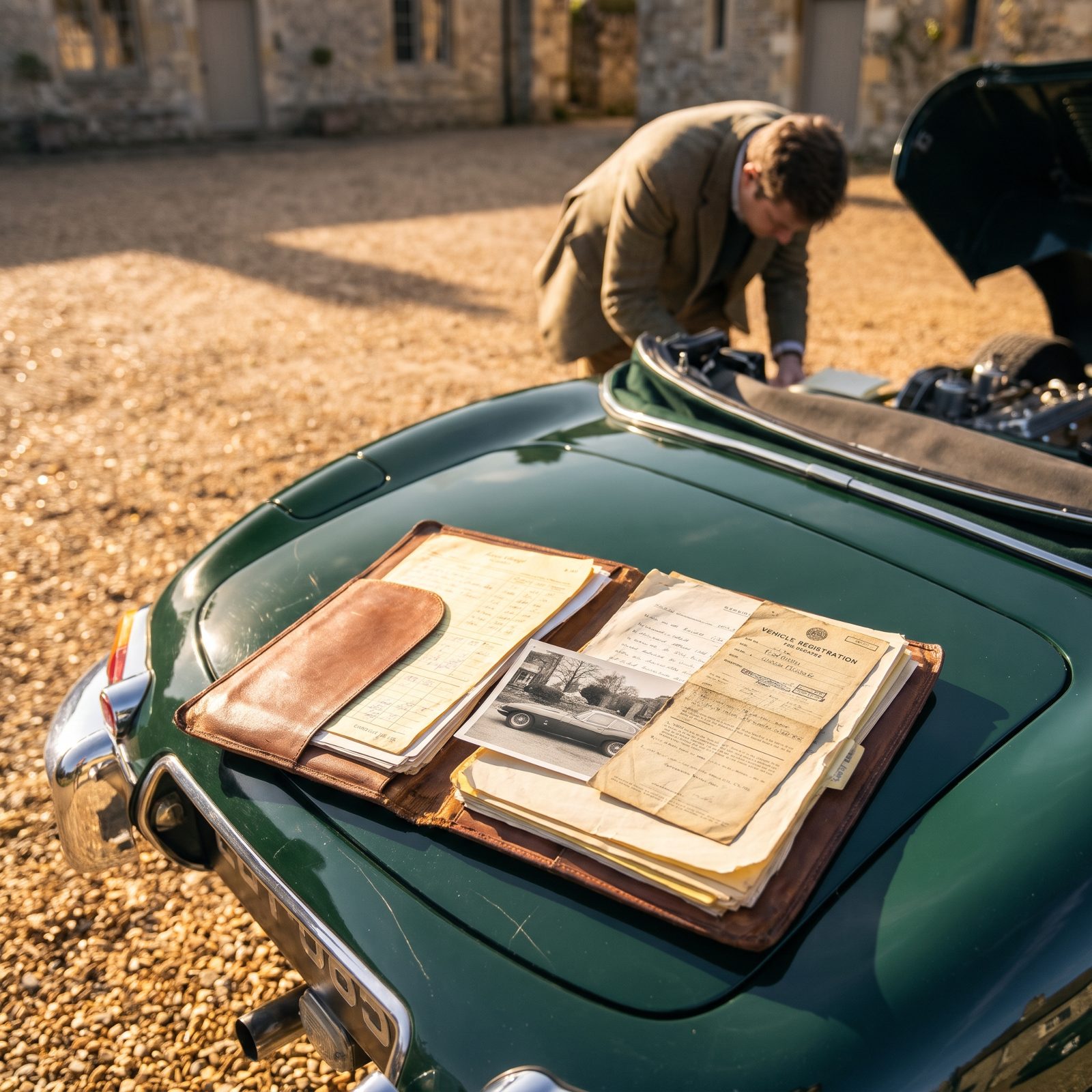
The seller says it was owned by a racing doctor who only drove it to the coast on Sundays. There’s a photo. There’s a folder. There’s a tale so good you forget you came to look at metal.
A compelling backstory triggers the narrative bias — our deep love of a story that makes sense over facts that don’t. A tidy history feels like proof. It isn’t. It’s a story about proof. Meanwhile the sills could be made of filler and faith and you’d never know, because you were busy picturing the racing doctor on the coast road.
People do this with partners constantly, falling for the biography. Fascinating past, dramatic exes, a life that reads like a novel. We confuse an interesting story with a trustworthy person. The chassis doesn’t care about the story. Crawl under it anyway.
A good provenance file is a story about proof, not proof itself. The jack and the flashlight don’t lie. The folder sometimes does.
13. A Five-Minute Test Drive Starts Planning Your Whole Future
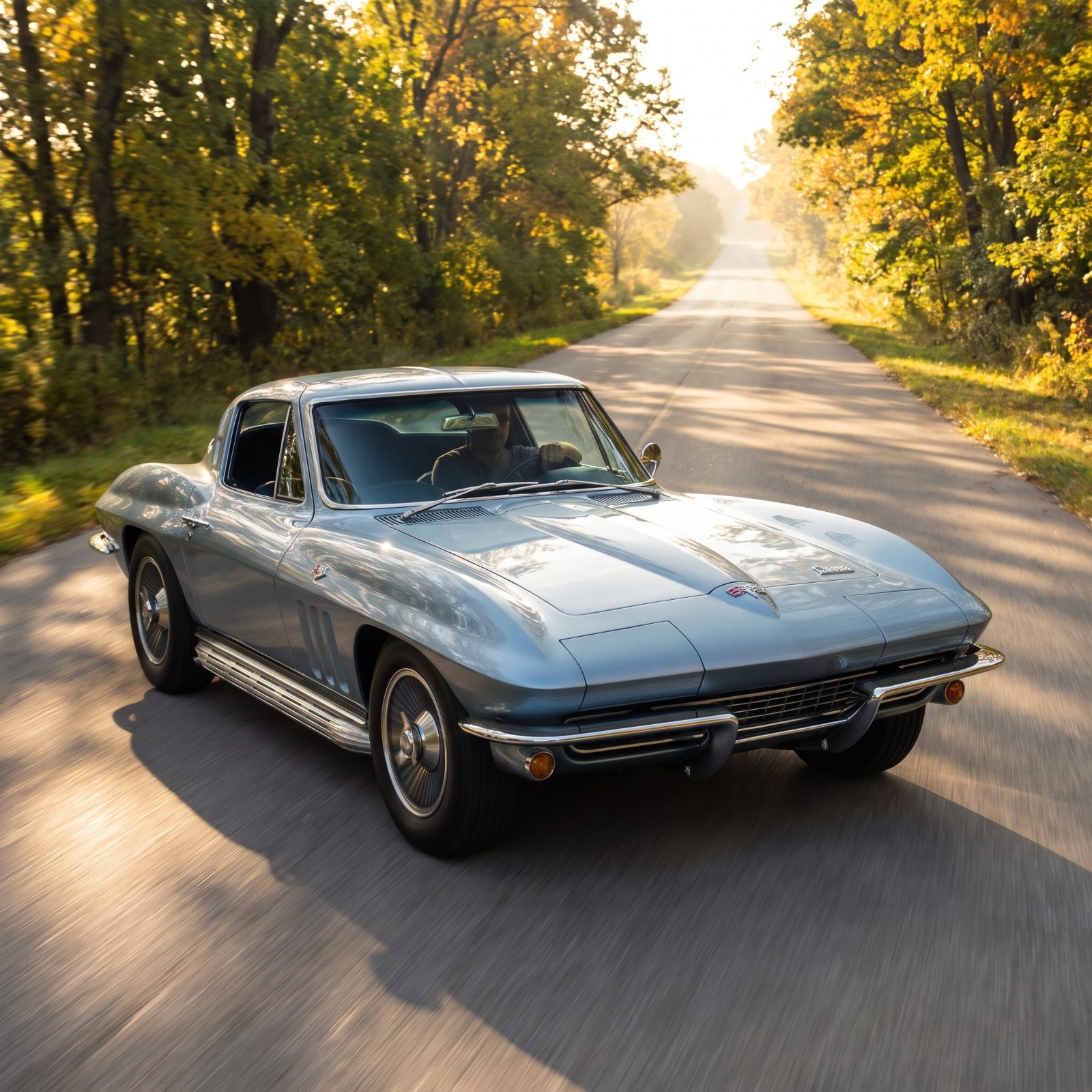
You take it round the block. Five minutes, tops. By the time you pull back into the seller’s driveway you’ve already named it, planned the Sunday drives, and mentally cleared a spot in the garage — a whole decade written on the strength of one short, flawless loop.
Call it the peak-end effect feeding the planning fallacy. One excellent experience becomes your forecast for all future experiences, and we’re wildly optimistic about how smoothly things will go. The brain takes a tiny, best-behavior sample and extrapolates it into a whole relationship.
Early dates run on the same engine. First impressions are everyone’s showroom finish. Nobody leaks on the first drive. Real character shows up on the cold mornings and the long trips, not the five-minute loop where everything was warm and willing.
12. Everyone Warns You About the Rust, So You Want It More
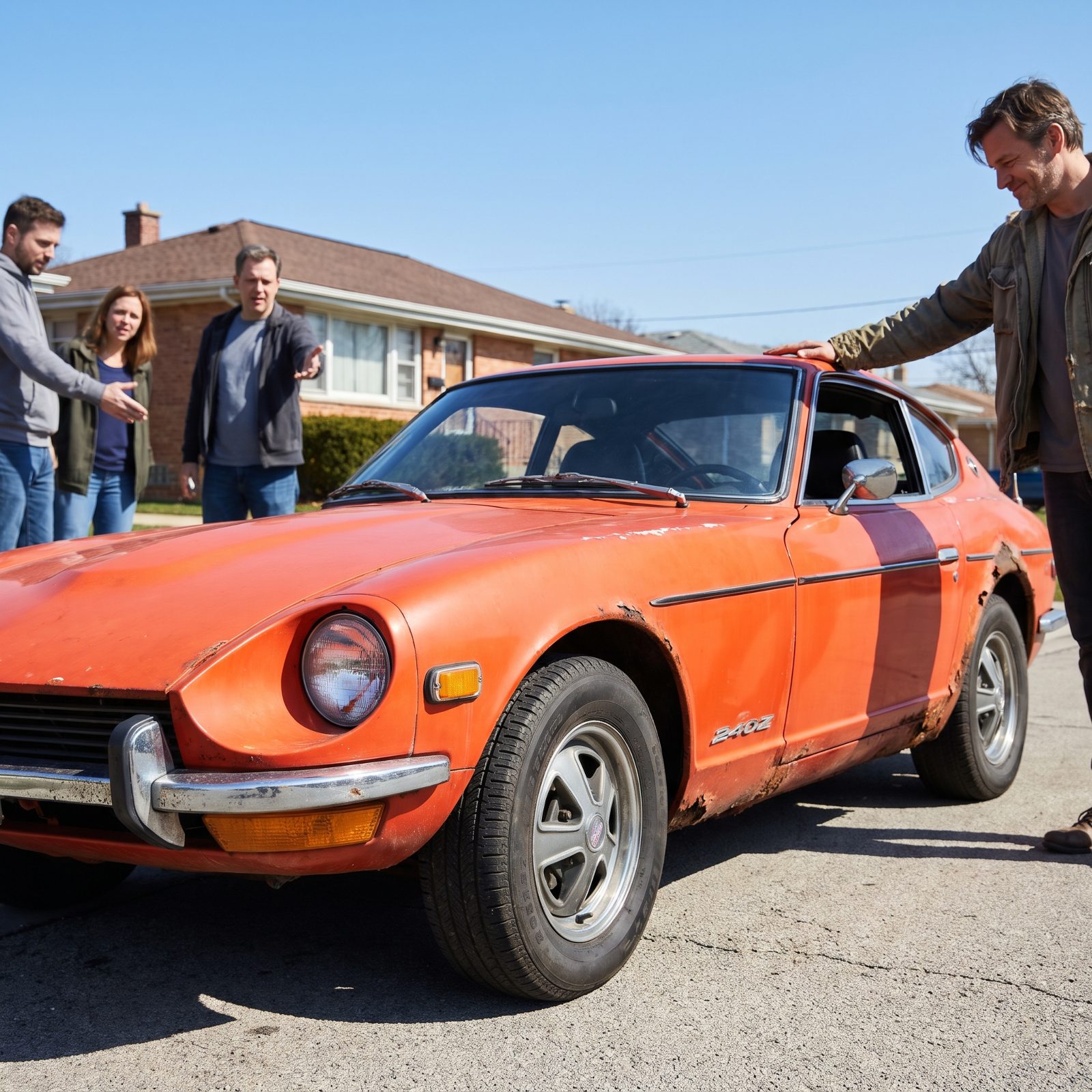
Three different people have now told you to walk away from the rust. Your mechanic sucked air through his teeth. And somehow all of it has only made you dig in harder, defending a car you were merely curious about an hour ago.
That’s reactance, the gut-level rebellion against being told what to do. Push on someone’s freedom and they shove back, often toward the very thing you warned them off. The more people say “don’t,” the more the car becomes your car, your call, your rebellion.
Oldest pattern in romance, this one. Tell a grown adult their new flame is bad news and watch them fall harder, purely to prove they aren’t being managed. The warning stops being advice and becomes a challenge to your judgment. And nobody protects their judgment more fiercely than someone about to use it badly.
11. The Auction Countdown Turns Mild Interest Into Desperate Need

You set a limit. A firm one. You wrote it down and told your spouse. Then the countdown hits fifteen seconds, someone you can’t even see tops your bid, and your finger hits the trackpad like it belongs to someone else. You just bid past your number for a car you were only kind of interested in this morning.
This is scarcity and competition welded together. The ticking clock triggers loss aversion, where the pain of losing feels heavier than the joy of winning, and the rival bidder turns it into a contest you suddenly must win. The car stops being the point. Beating that guy becomes the point.
Dating apps and bidding wars run on the same fuel. A person becomes dramatically more desirable the instant someone else wants them and the window is closing. The value isn’t in the thing. It’s in the fear of watching it drive off with somebody else.
10. One Smooth Start Makes You Forgive Six Failed Mornings
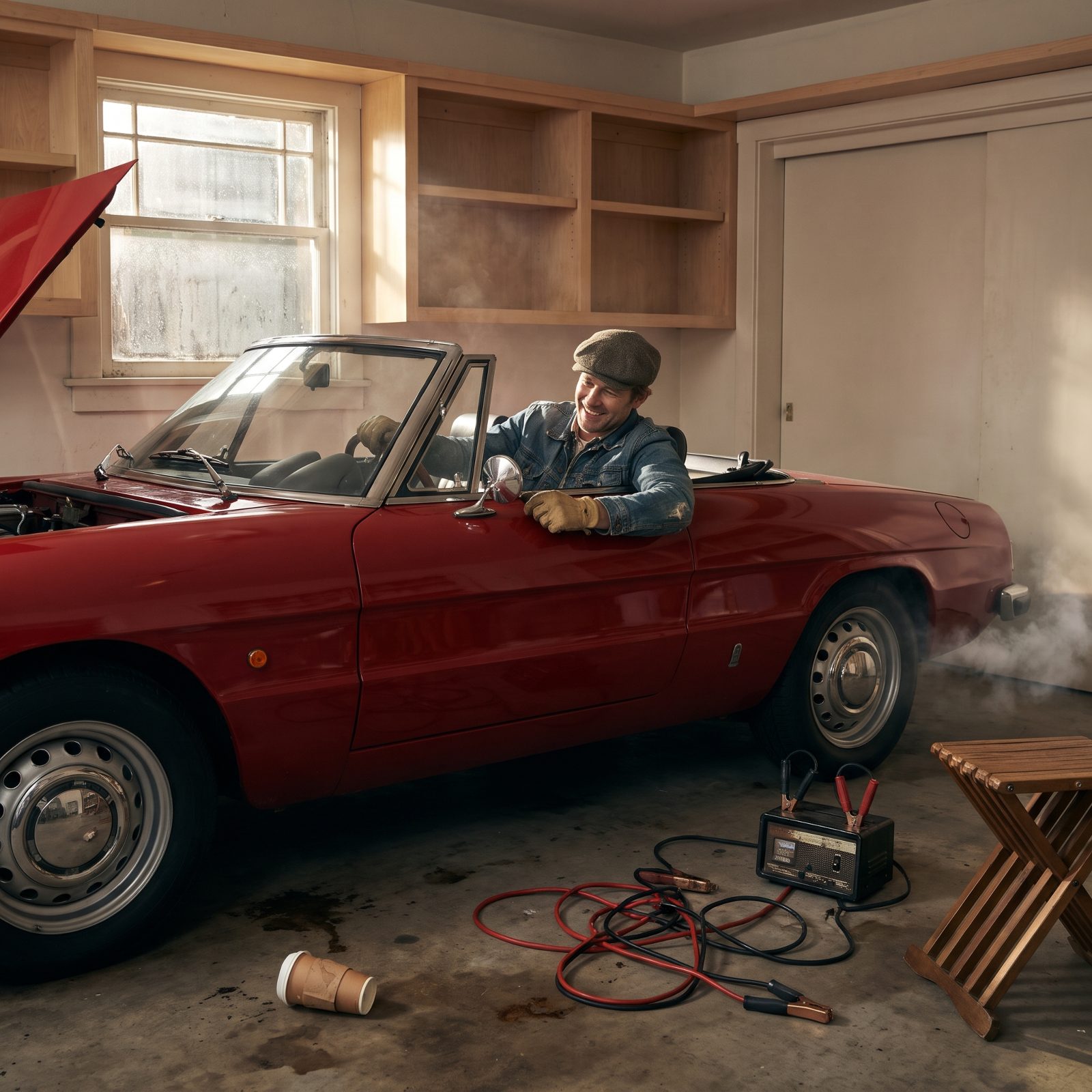
Six mornings in a row it refused to catch. You jumped it, cursed it, nearly listed it. Then on the seventh morning the key turns, it fires on the first crank sounding glorious, and every ounce of resentment evaporates on the spot.
That’s intermittent reinforcement, the single most powerful hook in human behavior. A reward that comes sometimes, unpredictably, is far stickier than a reward that comes every time. It’s why a slot machine beats a vending machine for holding your attention, and why the hot-and-cold person is harder to leave than the steady one.
The occasional perfect morning erases six bad ones, not because the math works, but because your brain weights that surprise win enormously. Reliable cars, like reliable people, don’t give you the thrill of the good day because there was never a bad one to survive. We mistake relief for love. The relief is just withdrawal ending.
9. You Start Calling Major Defects Part of Its Character
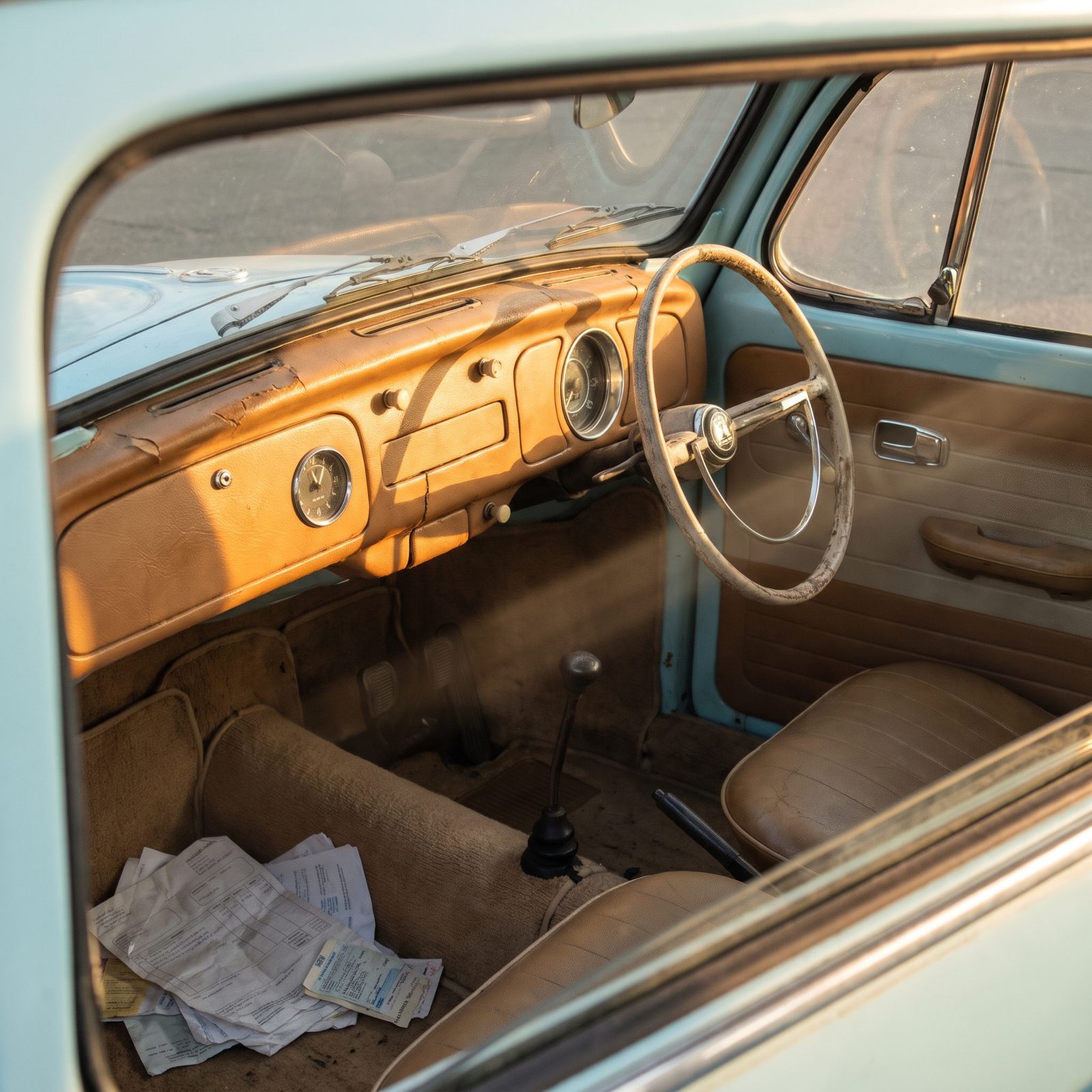
The oil leak is “just where it marks its spot.” The gearbox crunch into second is “its little quirk.” The heater that works only in July is “part of its personality.” Somewhere along the way you stopped describing defects and started describing a beloved eccentric.
Two mechanisms are at work here. There’s cognitive dissonance, the mental gymnastics we perform to justify a decision we already made, and there’s the endowment effect, where the thing becomes more precious simply because it’s yours. Combine them and every fault gets relabeled as charm. You can’t admit it’s a problem without admitting you were wrong, so it becomes character instead.
Long marriages and long ownerships both run on this quiet reframing. The snoring becomes “how I know he’s home.” The unreliable starter becomes “the ritual.” And honestly, past a certain point, this might be the healthiest bias on the whole list. Love is mostly just deciding to call the flaws by nicer names. The trick is choosing a car, or a person, actually worth the relabeling.
8. You Swear Your Mechanical Skills Can Change This One
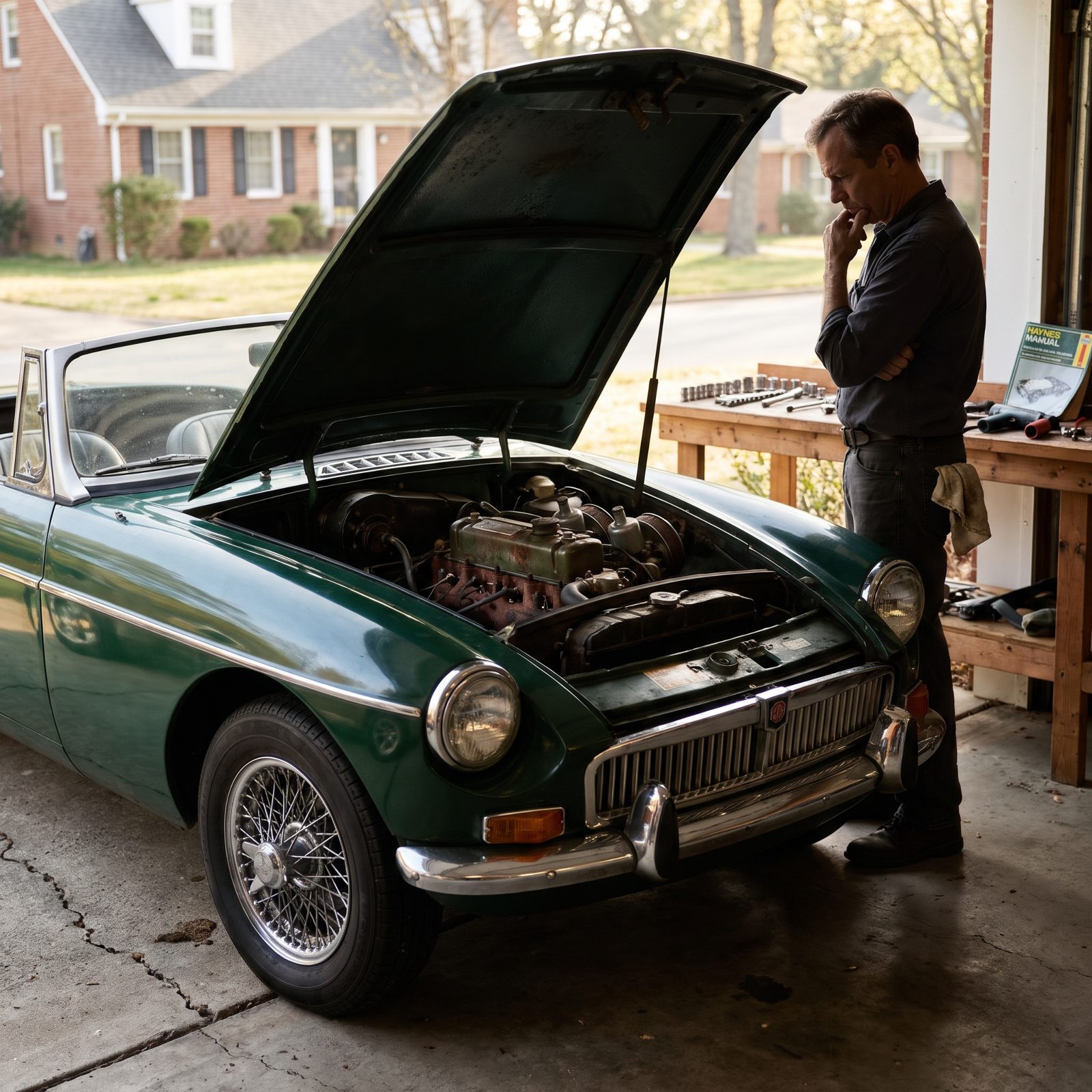
You see the oil stain spreading under it like a bruise, and instead of walking away you reach for the manual. That’s the tell. The car isn’t right, and you’ve already decided you’ll make it right. Fresh plugs, a rebuilt carb, a weekend and a case of patience, and surely the thing that fought three previous owners will finally behave for you.
It’s the same wiring that keeps someone chasing the person who’s charming on Tuesday and gone on Wednesday. Psychologists call it the fundamental attribution error pointed inward. Everybody else failed because they didn’t try hard enough. You, with your superior love and your torque wrench, will be the exception.
The roadster doesn’t know you’re special. It leaks because the gaskets are forty years old and British. But the fantasy of being the one who cracks it is more intoxicating than any car that just starts.
7. The First Repair Bill Only Makes You More Committed
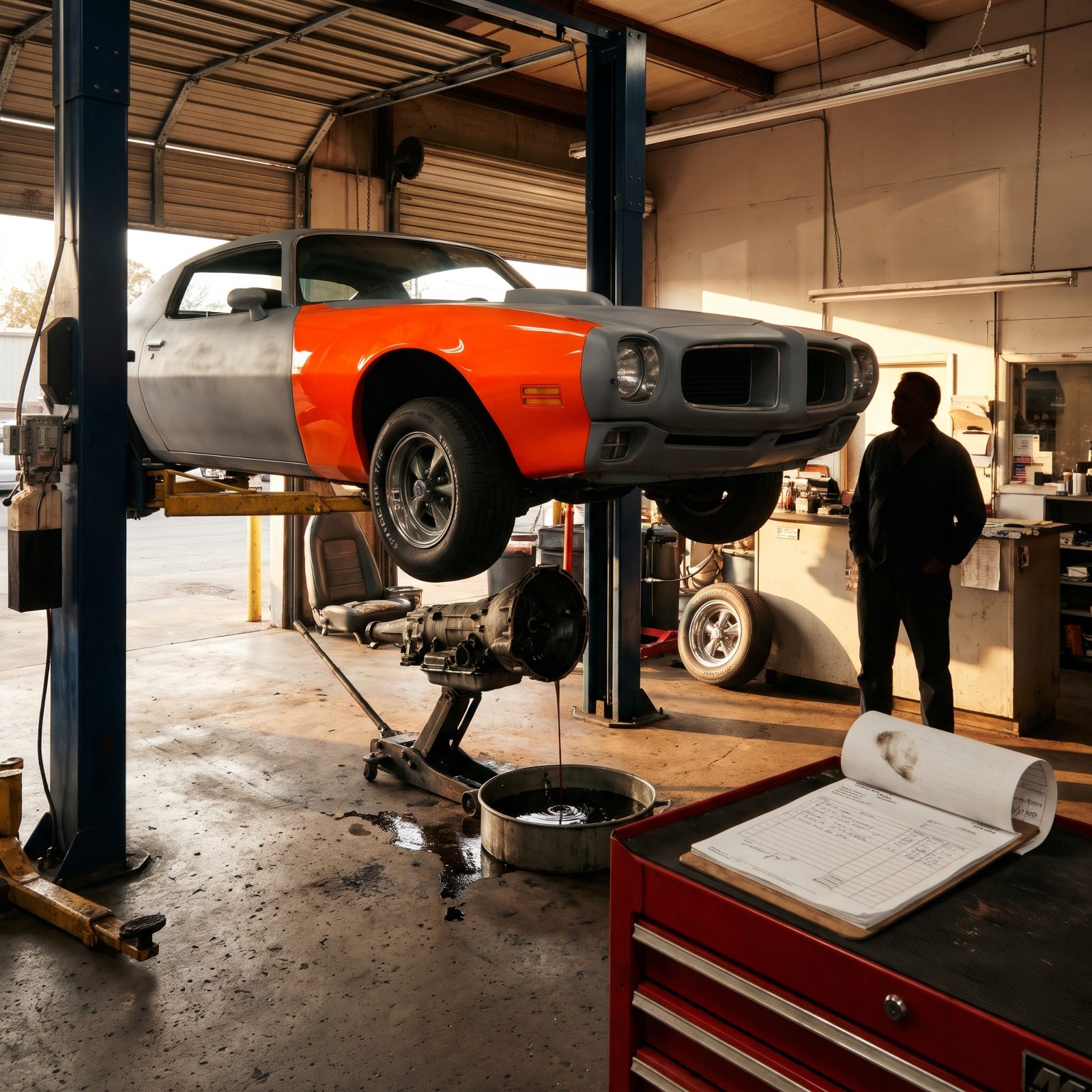
Four figures on an invoice should scare a sensible person off. Instead you stare at it, do some creative math about resale value, and feel more married to the thing than you did an hour ago. The bill didn’t push you out. It pulled you deeper.
That’s sunk cost doing its oldest trick. The more you’ve already poured in, the harder it is to admit the pouring was a mistake, so you keep pouring to protect the pour. People stay in relationships this way for years. We’ve all watched someone defend a decade of misery with the line, “But we’ve been through so much together.”
The muscle car and the mismatched partner run on the same grim logic: what you’ve spent becomes the reason you can’t stop spending. And somewhere in there, the leaving stops being about whether it’s worth it and starts being about not wanting to have been wrong.
The money you can’t get back becomes the money you keep spending to protect the money you can’t get back.
6. You Hide the Restoration Receipts From People Who Know You

The receipts live somewhere nobody looks — a folder behind the paint cans, a glovebox, the bottom of a toolbox tray where your spouse never digs. You tell people the brake job cost “a few hundred” and change the subject before anyone does the arithmetic.
This is the same instinct that makes someone downplay the warning signs to their friends. Nobody wants to narrate the full ledger of a bad decision out loud, because saying it plainly to someone who loves you makes it real.
Psychologists call it impression management, but it’s really just shame wearing a nicer jacket. We curate what we admit so the version of us in other people’s heads stays smarter than the version standing in the garage. The car knows the real number. You know the real number. Everyone else gets the edited one.
5. You Notice Every Admiring Look and None of the Smoke
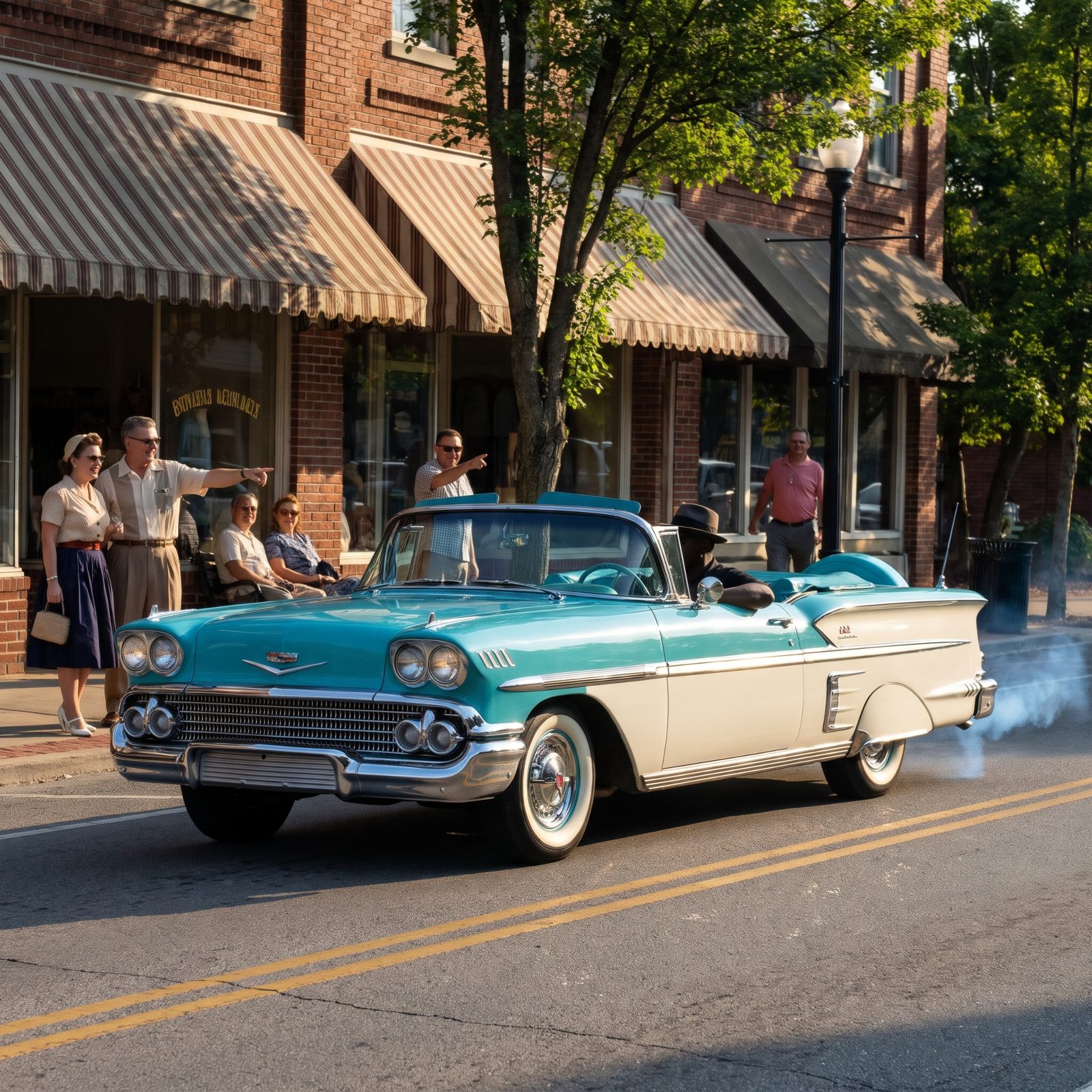
Heads turn on Main Street. A kid points. Somebody at the gas station says they had one just like it in high school, and you soak up every bit of it — driving tall, one arm on the door, grinning. Meanwhile a blue haze is pouring out the back and you can’t smell it anymore because your nose quit on you a mile ago.
This is confirmation bias with a V8. You collect every data point that says you were right to buy this car and filter out the ones that say otherwise. The compliments are evidence. The smoke is background noise.
It’s exactly how a smitten person hears the one charming thing a difficult partner said at dinner and forgets the four cold ones. We don’t weigh the good and the bad evenly. We weigh them by how much we want the verdict to come out a certain way.
4. You Compare Every Sensible Car to Its Best Feature
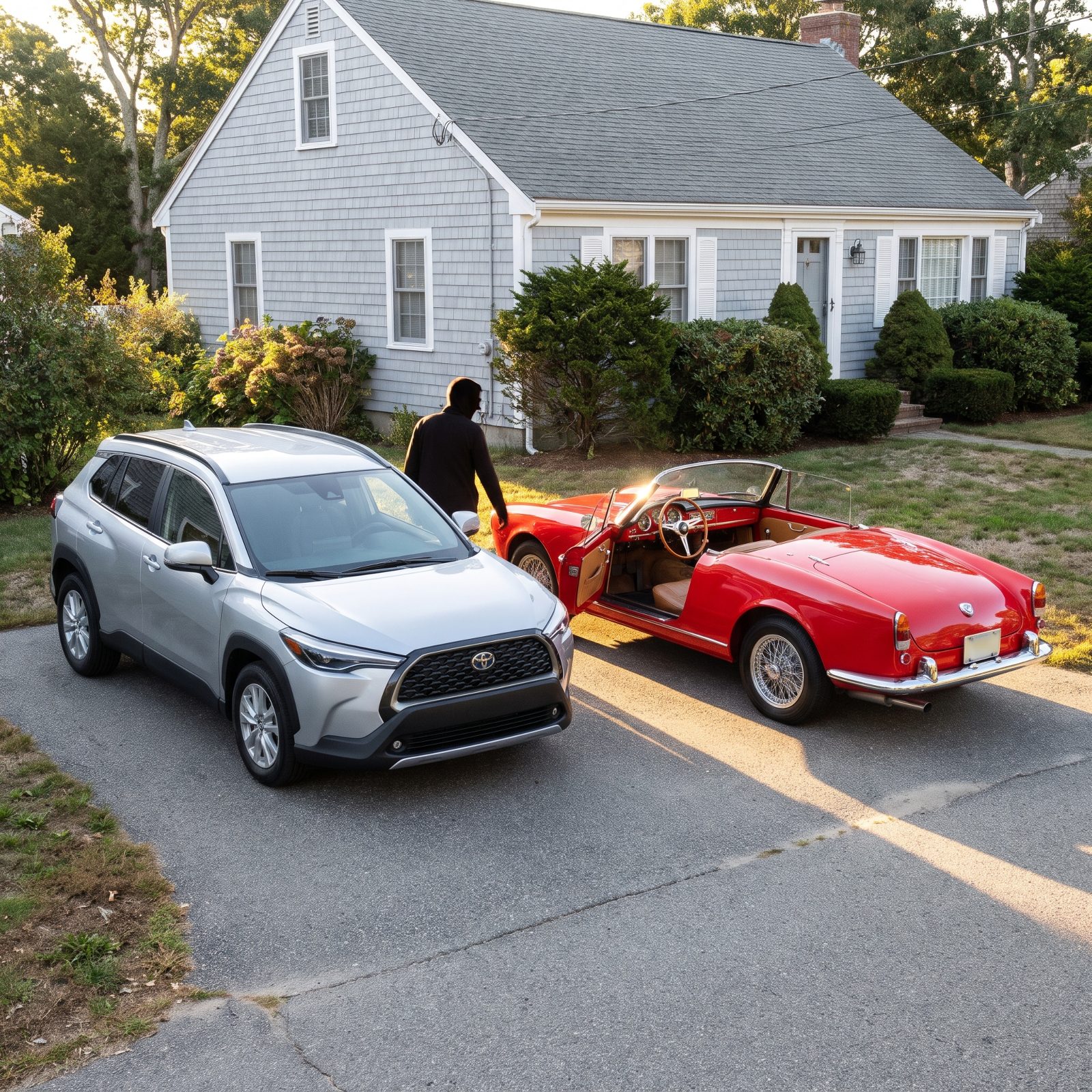
The new crossover does everything. It starts in January. It has cupholders you could bathe a cat in. And you cannot stop telling yourself it has no soul, because the classic in the next bay sounds like a thunderstorm when it finally fires, and nothing modern makes your chest do that.
You’re judging the sensible car against the one thing the classic does better than anything on earth, while ignoring the ten things it does worse. That’s the halo effect running in reverse. One glowing quality throws light over all the flaws, and anything without that quality feels dead by comparison.
People do this with partners constantly. They stack a kind, reliable, boring-to-them option against someone else’s single electric trait and conclude the safe choice is lacking. It isn’t lacking. It just doesn’t have the one feature that hijacked your nervous system.
3. You Name It, and Selling Starts Feeling Like Betrayal
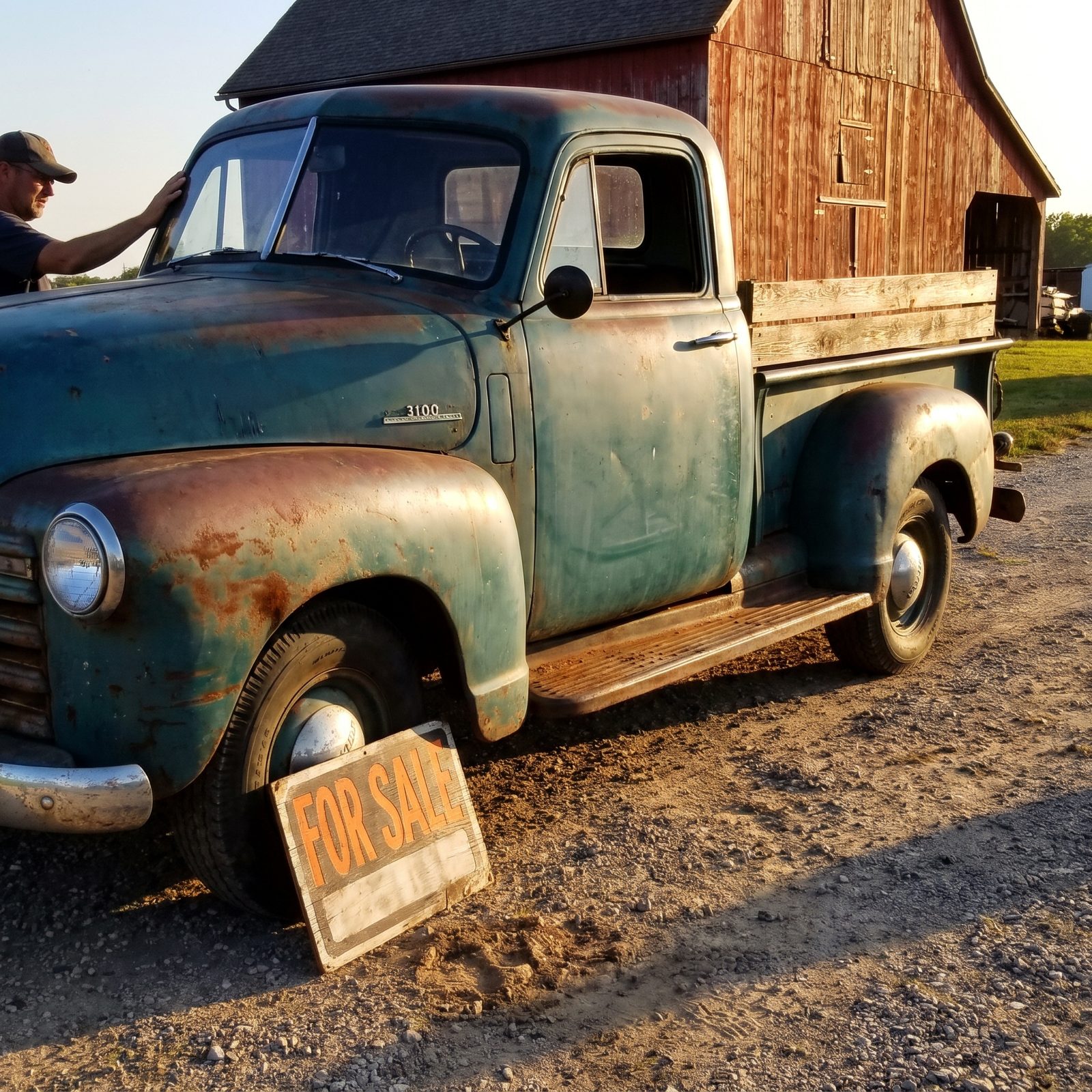
Somewhere along the way it stopped being “the truck” and picked up a name. The Beast. Old Blue. Something. Then the day you finally list it for sale, a tire-kicker shows up, offers you fair money, and you feel it in your stomach like you’re handing over a dog.
Naming a thing turns ownership into relationship. Once it has a name it has a personality, and a personality can be hurt, and you can’t sell something that might feel abandoned. That’s the endowment effect wearing a wedding ring. The moment you feel you own something, you value it far past what anyone would actually pay for it.
Same reason people stay long after the sensible move would be to go. Leaving stops feeling like a transaction and starts feeling like a moral failure. You’re not weighing dollars. You’re weighing loyalty against a hunk of steel that cannot love you back, and steel usually wins.
2. Matching Numbers Suddenly Matter More Than Matching Needs
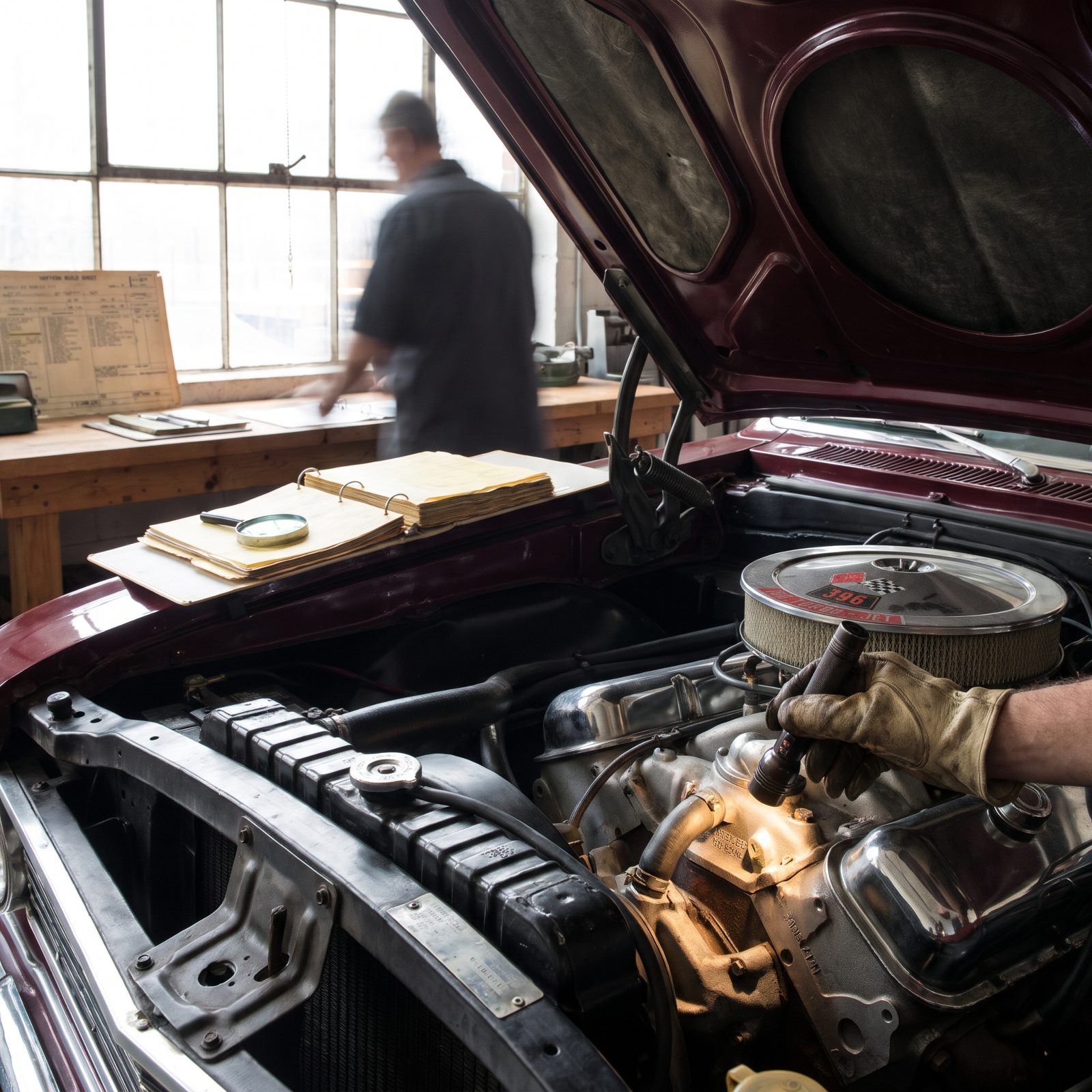
The engine runs rough, the heater’s dead, and you genuinely do not care, because the numbers match. Block, transmission, rear end, all original to this exact car. You’ll drive it twice a year. But it’s correct, and correctness has become the whole point.
Watch what happened there. The question quietly shifted from “does this car serve my life” to “does this car satisfy a standard that lives in other collectors’ heads.” That’s status signaling dressed up as authenticity. You’re chasing approval from a jury you’ll meet at a show once a season.
People pull the identical swap in love. At some point the question stops being “is this person good for me” and becomes “does this person look right, on paper, to everyone else.” The matching numbers are real. So is the rough idle. One you brag about and one you drive home with.
1. You Love Being the Only Person Who Can Start It
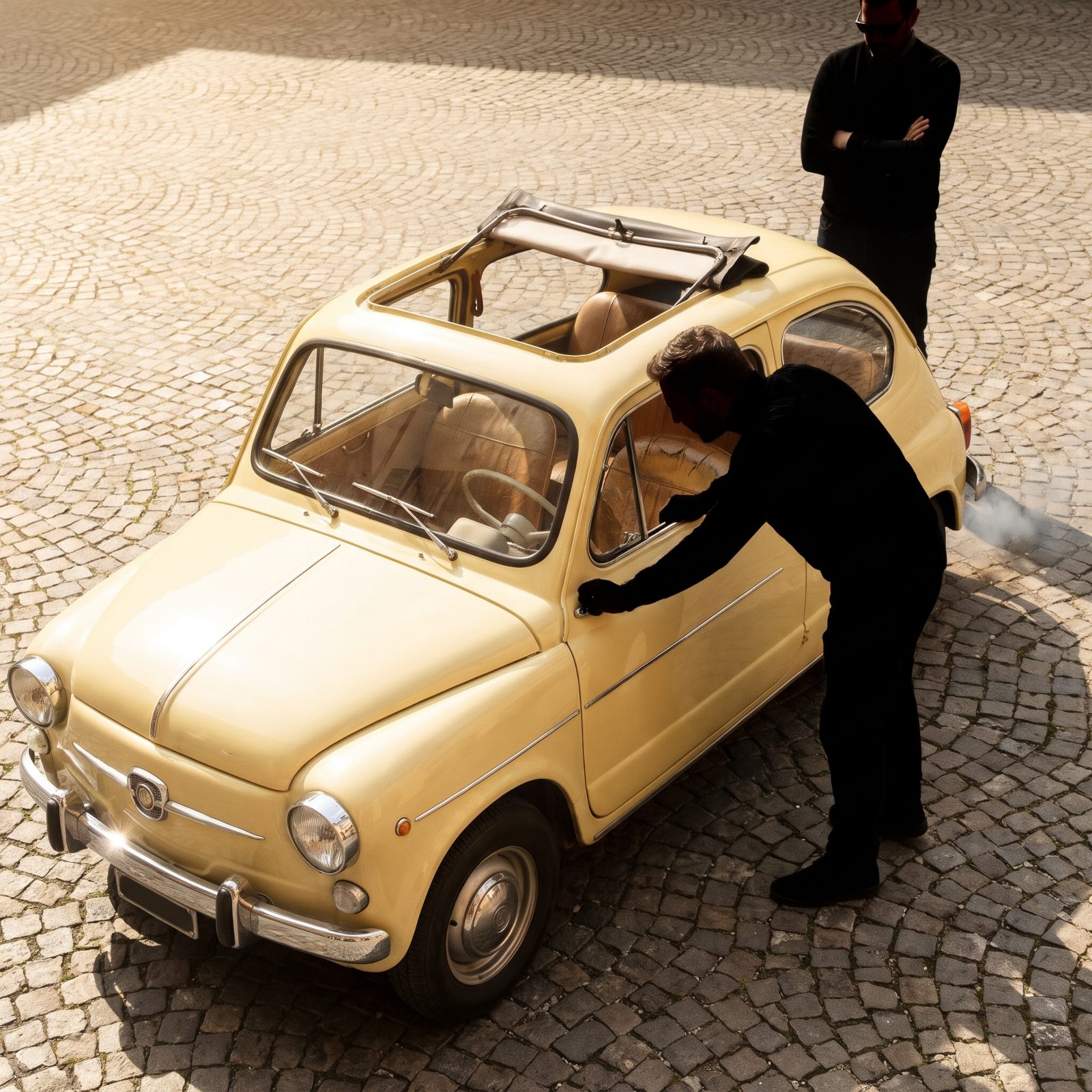
There’s a sequence to it. Choke out a quarter inch, two pumps of the pedal, hold the key for exactly a beat and a half, and whisper something only you and the car understand. Anyone else turns the key and gets nothing. You turn it and it fires, and some private part of you loves that nobody else can do this.
Here’s the uncomfortable bit. A car that only you can start isn’t romantic — it’s broken. But the difficulty has become intimacy. The ritual makes you feel chosen, indispensable, bonded to the machine in a way a reliable car could never offer.
People fall into the same trap with difficult partners. Being the only one who can “handle” someone feels like love when it’s really just a hard thing you’ve mistaken for a special thing. The effort you’ve sunk convinces you the struggle is the connection.
Fix the choke. See if you still love it when anyone can turn the key. That answer tells you what the whole thing was actually about.