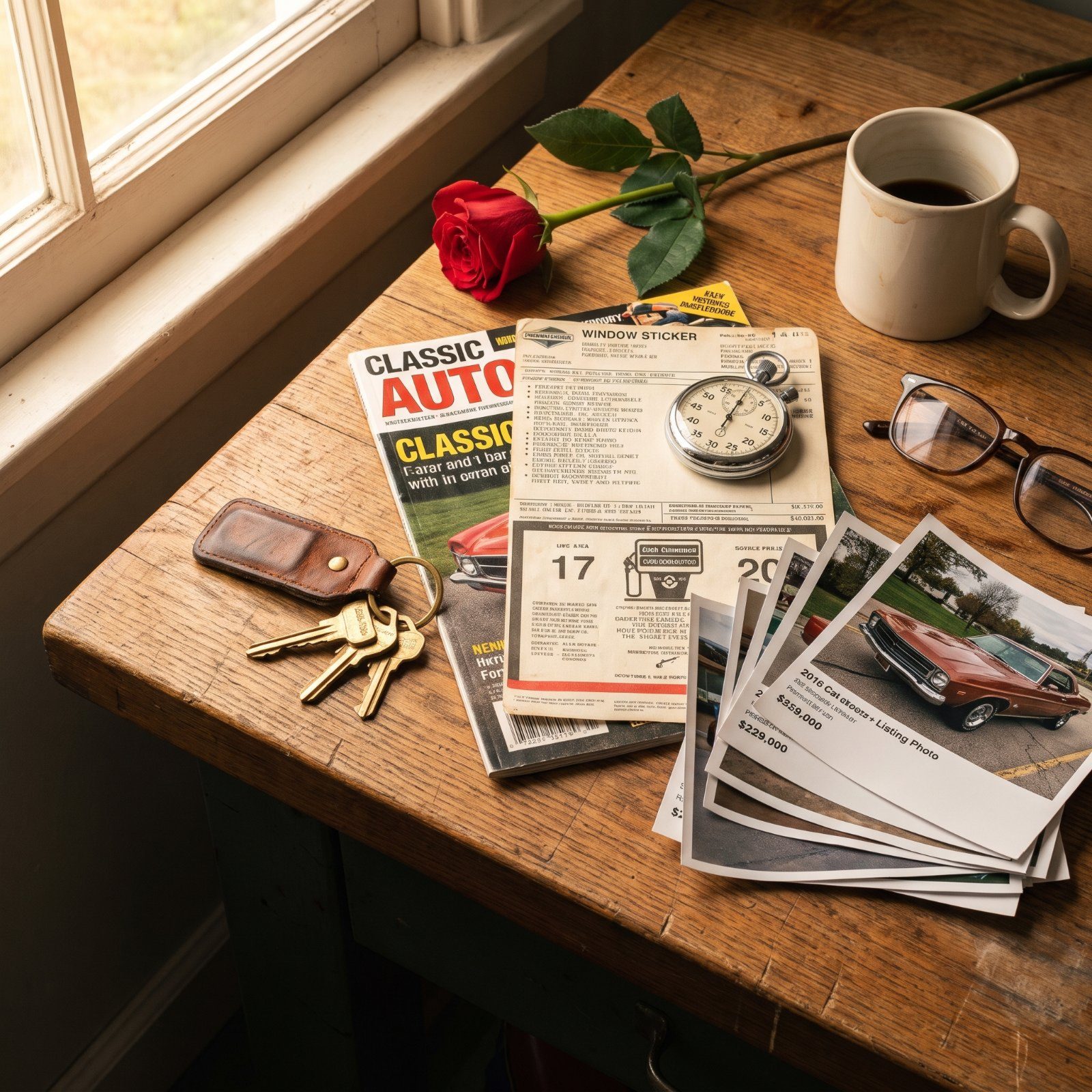
Nobody admits it, but the moment a set of listing photos loads, something old and animal fires in the back of your brain. You’ve already decided. The specs, the mileage, the service history — all of it becomes paperwork to justify a choice you made in three seconds flat. Sound familiar? It should. It’s the exact same wiring that made you call a friend at midnight about someone you’d met for one coffee.
Please note that some of the images in this article were created with the assistance of AI.
The hunt for the right car runs on the same quirks of judgment as the hunt for the right person. Infatuation, loss aversion, the halo effect, the stories we tell ourselves about who we’ll become. Below are the patterns that make a dealership lot feel suspiciously like a dating app, and the reasons your brain keeps doing this to you.
18. The Listing Photos Somehow Never Show the Rust
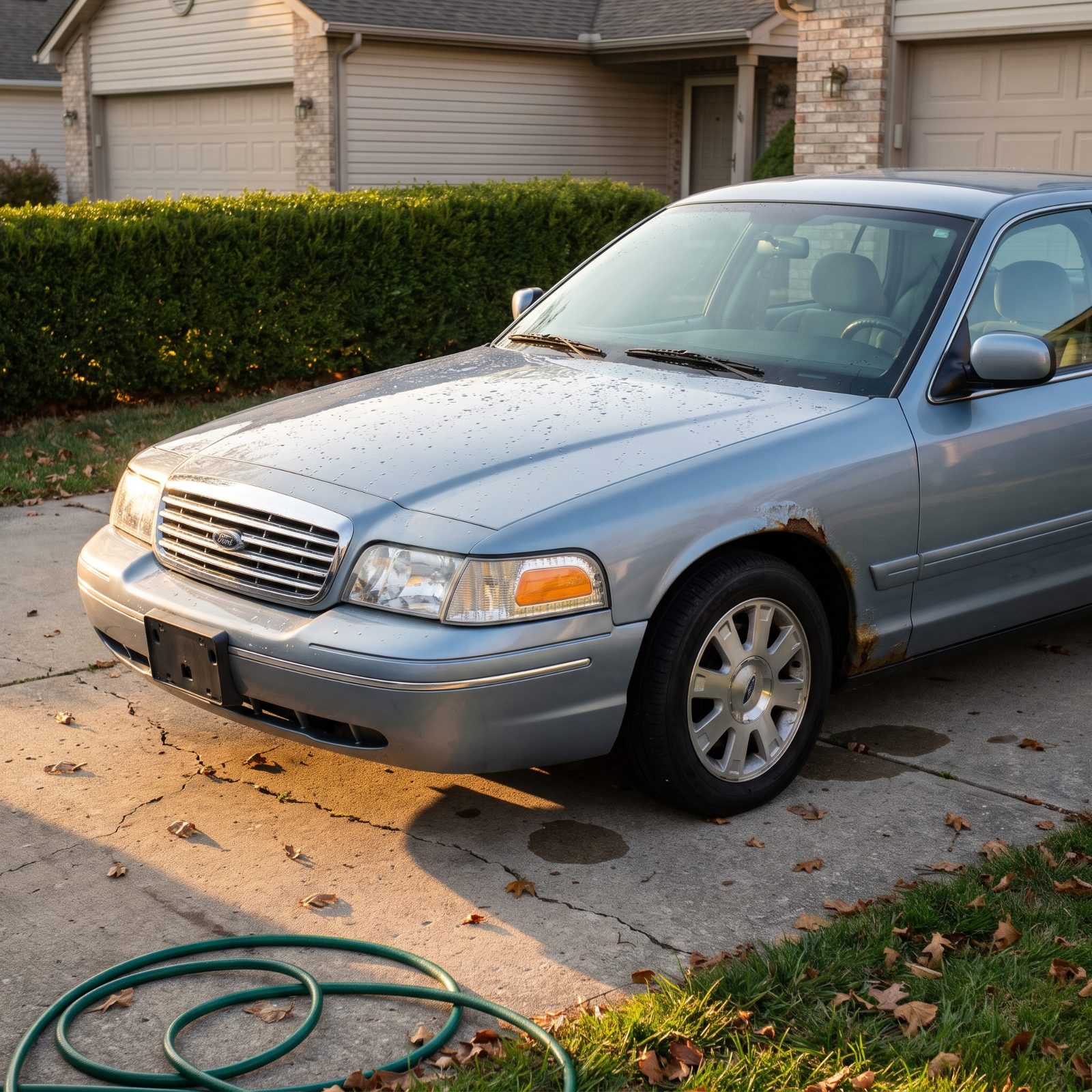
Every used-car listing is a highlight reel — washed, waxed, shot at the hour when the light forgives everything. The seller angles the camera to catch the gleam and never the wheel arches. You scroll through twelve photos and not one gets low enough to show the orange creeping up from the seams.
Same instinct behind every profile picture taken from above, in good light, with the one friend who takes good pictures. Nobody leads with their flaws. We all curate.
The bias at work is the halo effect: when one trait reads as attractive, your brain quietly assumes the rest is fine too. Shiny paint, so surely the frame is solid. It’s not a logical leap. It’s a feeling dressed up as a conclusion.
17. You Fall for the Badge Before Driving the Car
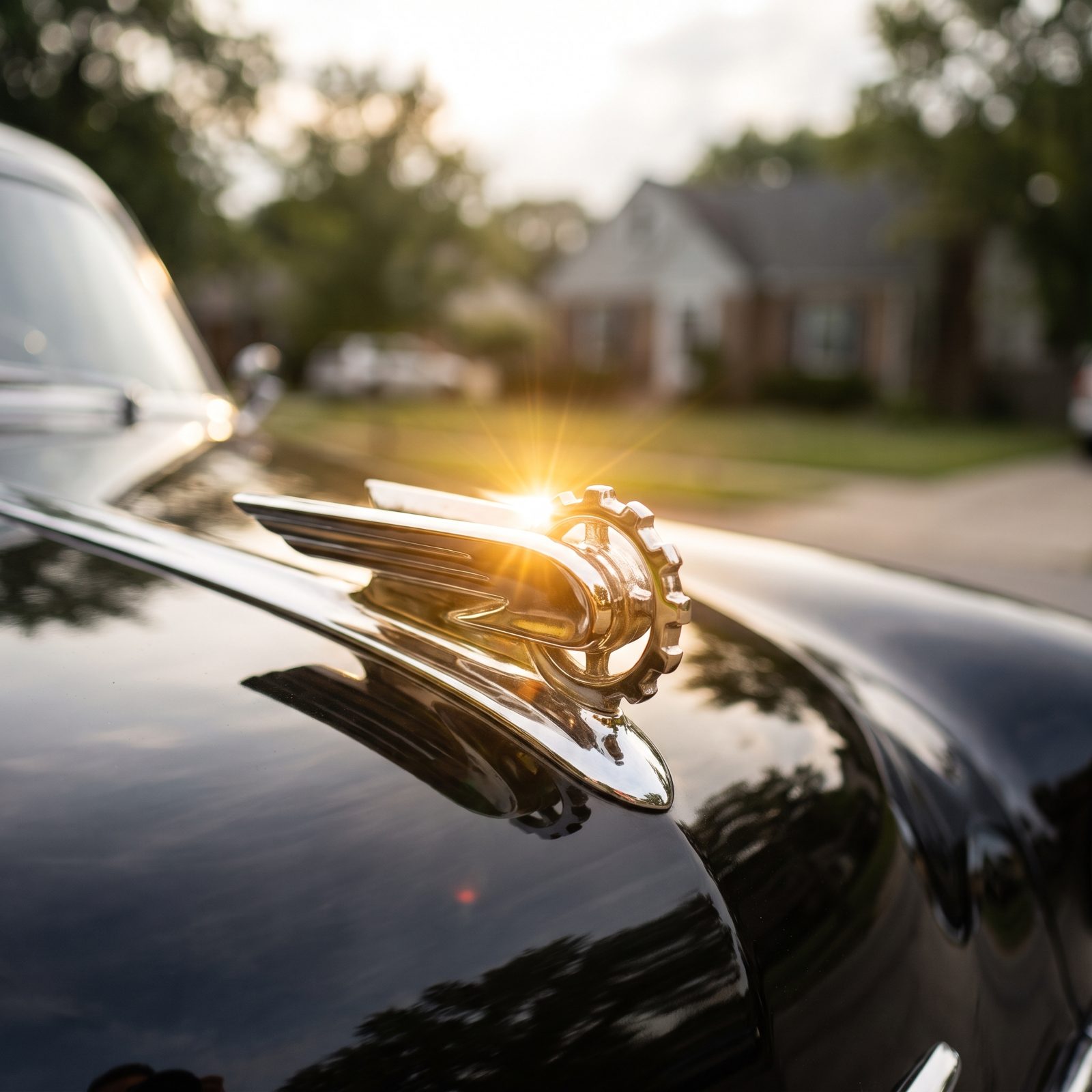
Some people decide on the brand before they’ve touched a steering wheel. The badge does the heavy lifting, promising something about them — a certain seriousness, a certain taste — before a single mile gets driven. The car itself becomes a formality.
We do this with people constantly, falling for the resume, the job title, the way a name sounds at a dinner party. The story of who someone is arrives long before the person does.
Psychologists call it identity signaling. What you buy is partly a statement about who you want the world to think you are, and a badge is shorthand for a self. Trouble is, you live with the whole car, not just the little chrome symbol on the hood. The commute doesn’t care what it says about you.
16. One Test Drive Makes Your Carefully Built Checklist Disappear
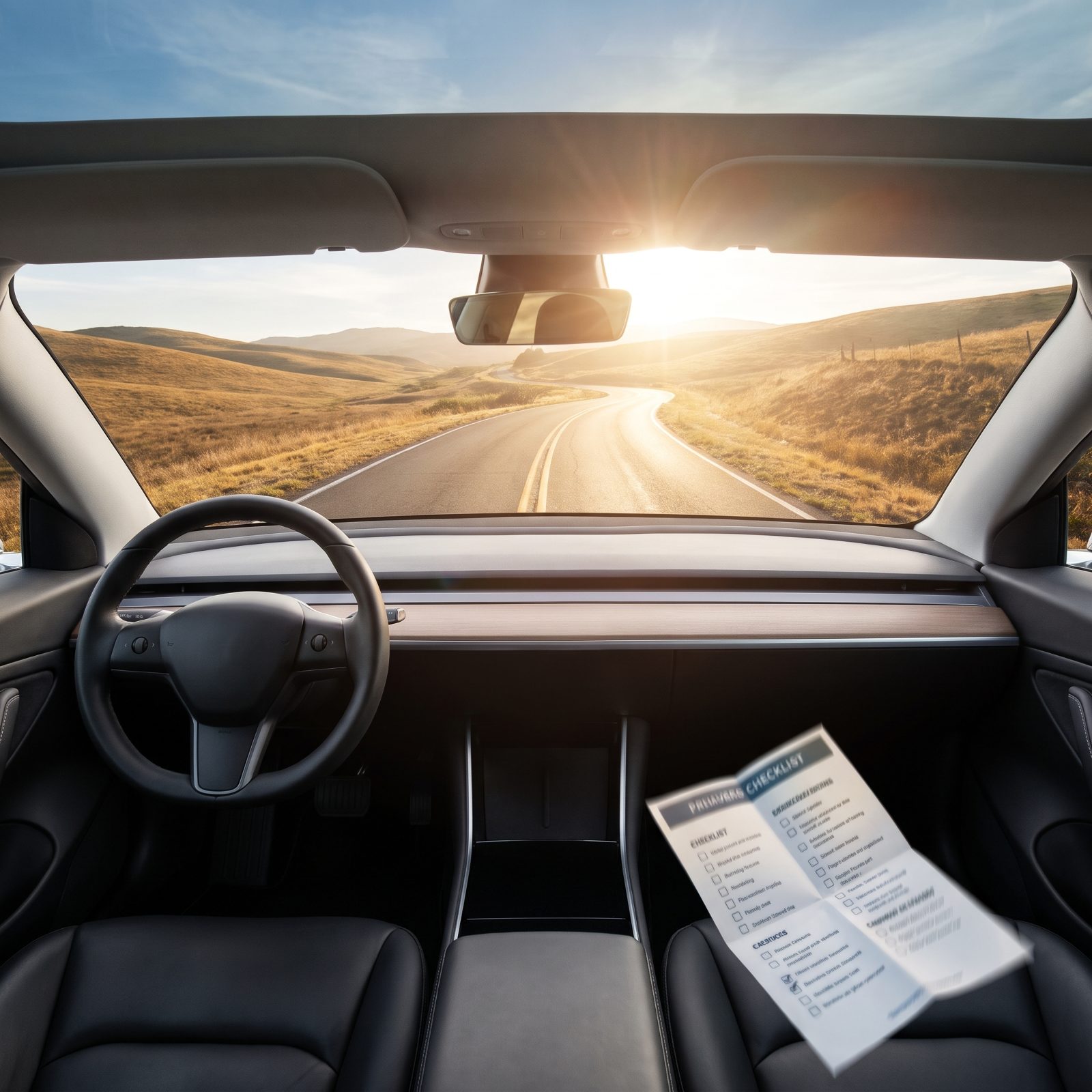
You walked in with a list — fuel economy, cargo volume, backup camera, non-negotiable. Then you looked through the windshield at the empty driver’s seat, the road opening up ahead, and the wheel just waiting for your hands. Before you’d even touched it, your list had evaporated, and you were already imagining the glove box with your sunglasses in it.
It’s the same reason a spreadsheet of dealbreakers survives right up until the actual chemistry hits. Reason builds the list. Feeling tears it up.
This is the affect heuristic. A strong emotion shows up, hijacks the slower, more careful part of your judgment, and answers the hard questions for you. Suddenly thirty-one highway mpg feels like plenty, even though you swore you wouldn’t go under thirty-five.
15. Limited-Edition Paint Makes an Ordinary Car Feel Destined
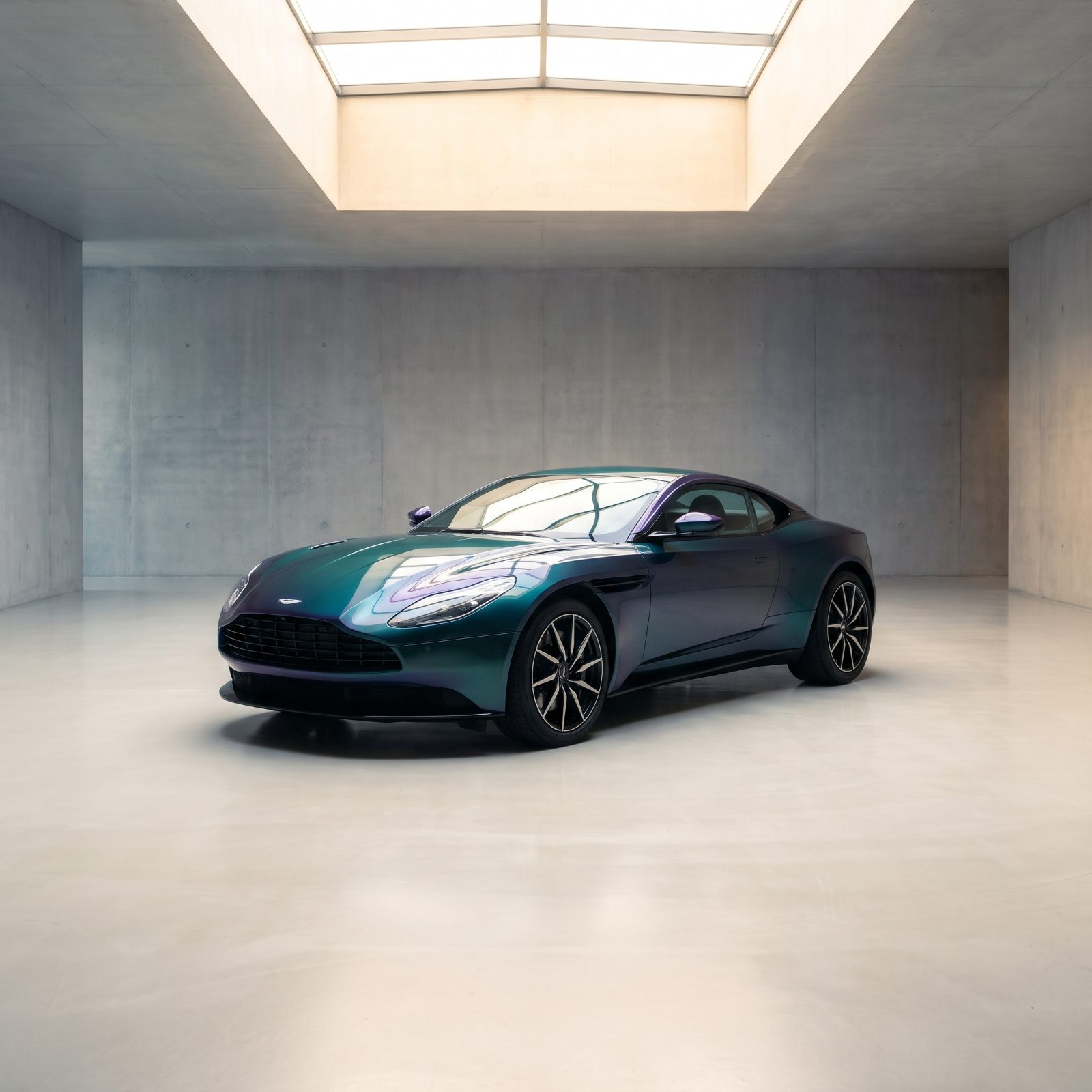
Same engine, same seats, same everything. But the paint is a shade they only made for one model year, and now the car feels like fate wore a coat of clearcoat. You start telling yourself it was meant to be yours. The rarity rewrites the whole story.
We treat people this way too. Whatever makes someone feel one-of-a-kind — a strange hobby, an unusual accent, a story nobody else has — convinces us they were sent for us specifically.
Behavioral economists call it scarcity bias. Our brains tag rare things as more valuable almost automatically, whether or not they actually are. A limited run of 400 cars isn’t 400 better cars. It’s 400 of the same car with a story attached.
14. You Read Fifty Reviews but Believe the One You Wanted

You did the research. Fifty reviews, forums, long threads about transmission quirks and weird rattles at high mileage. Thorough. Responsible. And yet somehow the review that stuck, the one you quote back to anyone who questions you, is the glowing five-star from the guy who loves his as much as you already want to love yours.
This is confirmation bias wearing a seatbelt. You weren’t gathering evidence. You were gathering permission. The warnings slid off; the praise stuck like a magnet.
Same thing happens when we ask around about a new relationship. We nod politely at the one friend who raises an eyebrow, then go straight home and replay the friend who said they seemed great. We don’t want data. We want a yes.
13. Your Friends’ Verdict Somehow Outranks Your Daily Commute
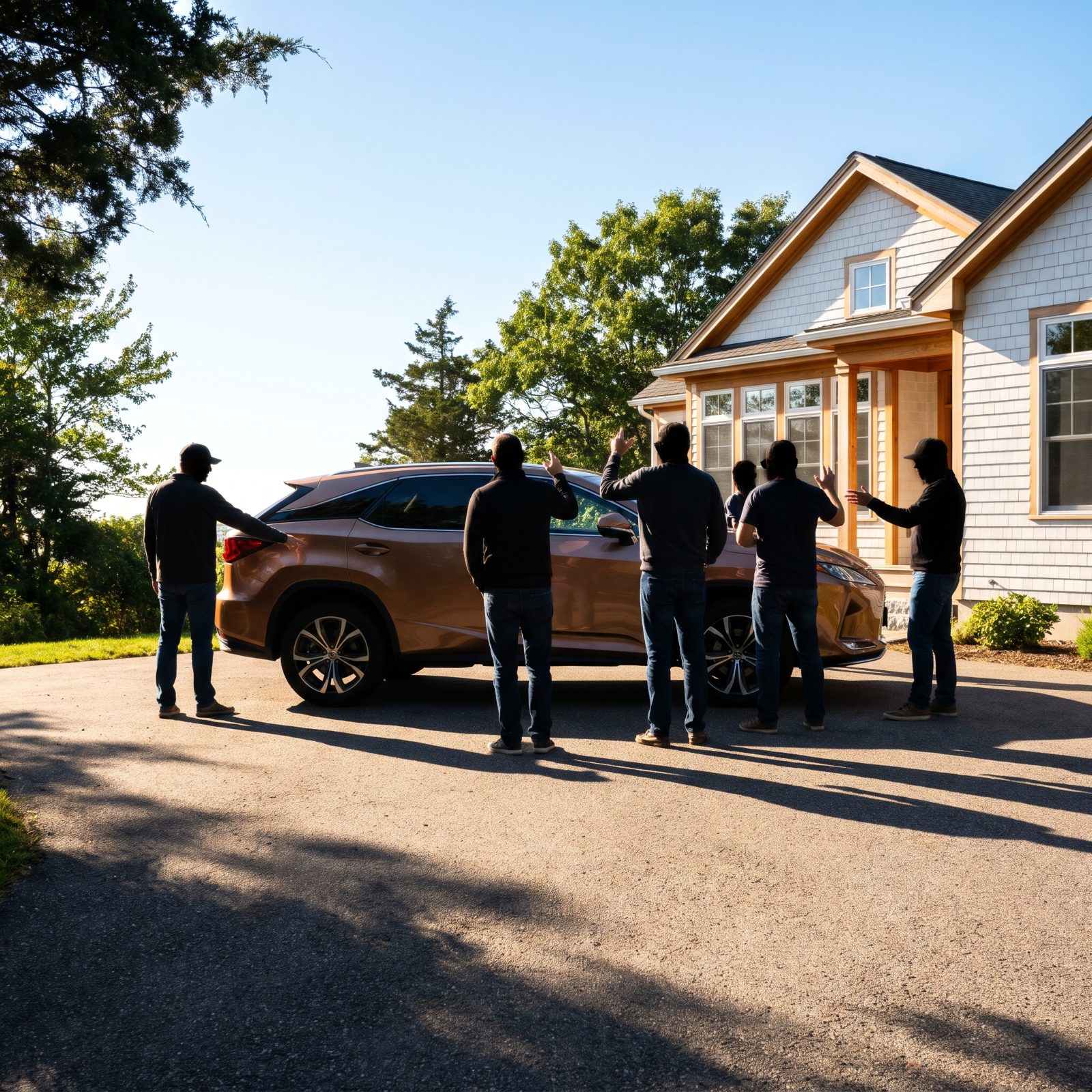
Here’s the strange math. You will sit in this car alone for an hour a day, five days a week, in traffic, for years. Your brother-in-law will see it for ninety seconds at a cookout. And yet his raised eyebrow about resale value weighs more in your head than your own aching lower back ever will.
We outsource approval on the things that matter most. The commute is yours and only yours, but the verdict we chase belongs to the people watching.
This is social proof, and it runs deeper than vanity — we’re wired to read the group’s reaction as safety information, a holdover from when fitting in kept you fed and sheltered. The catch? Your friends don’t have to drive it. You do, every single morning.
The person who praises your choice disappears. The commute stays.
12. One Bad Truck Makes You Distrust the Entire Brand
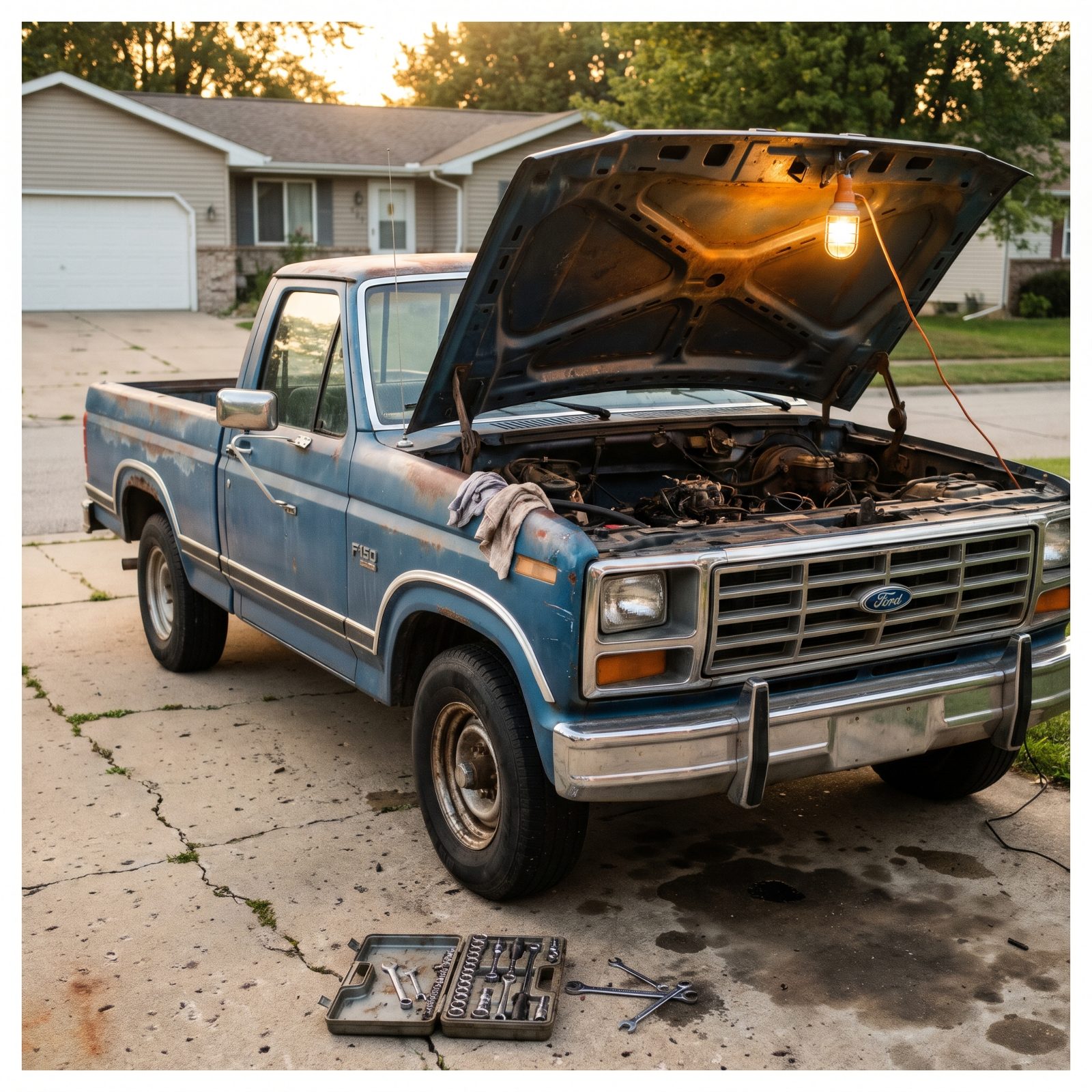
One truck did you dirty. Left you stranded, ate a transmission, bled your wallet dry through two cold winters. And now? The whole brand is dead to you. Doesn’t matter that they’ve built a million good ones since. You’re out.
Everyone has done this with a person, too — one bad apple from a certain type, a certain profession, a certain city, and suddenly a whole category gets crossed off the list forever.
Psychologists call it the availability heuristic. Your one vivid, painful memory is so easy to recall that it outweighs all the boring reliable ones you never had to think about. The breakdown you remember beats the ten thousand uneventful starts you don’t.
11. You Compare Every Wagon to the One You Sold
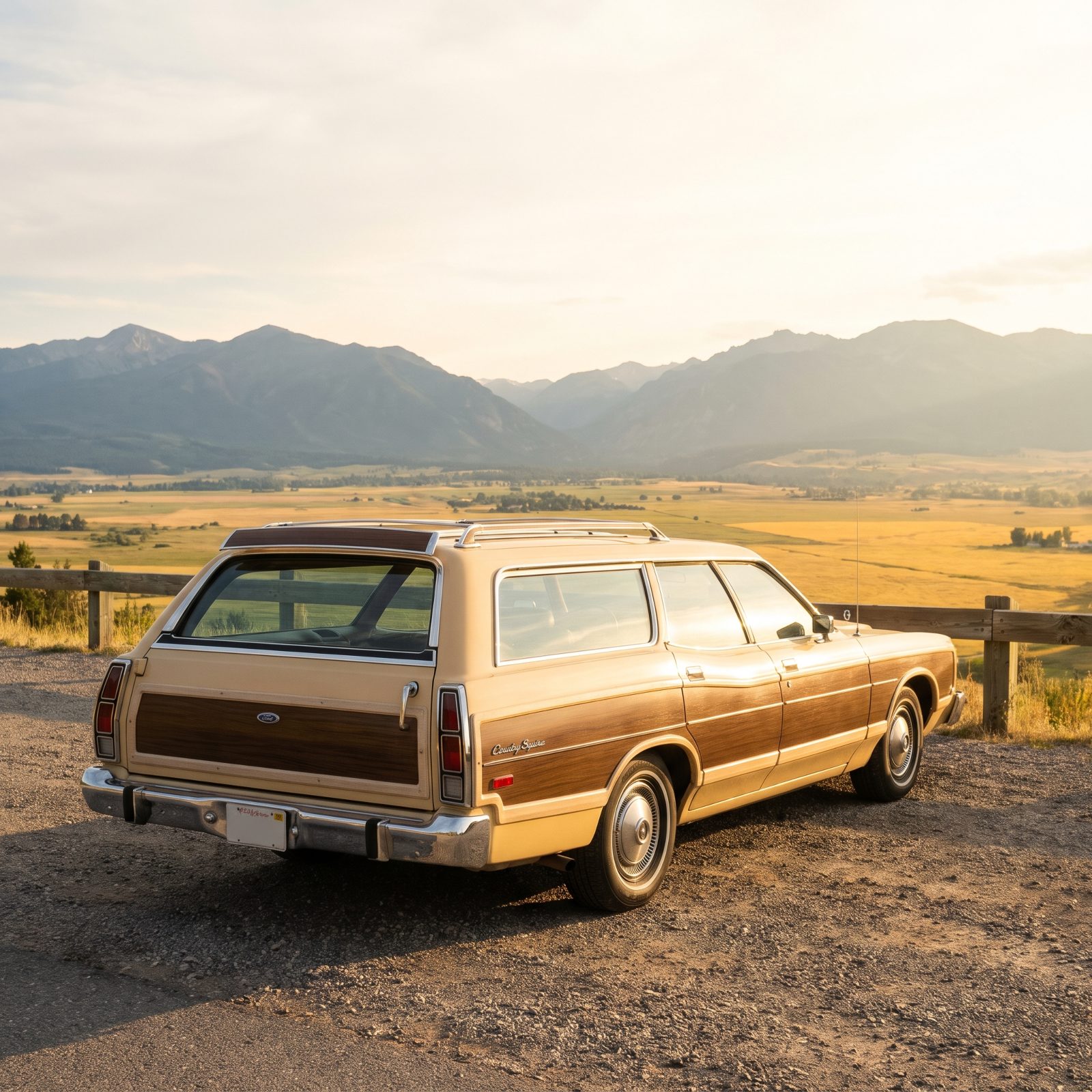
You let it go. Needed the money, needed the space in the garage, whatever the reason was. And ever since, every wagon you look at gets held up against the ghost of that one. This one’s seats aren’t as comfortable. That one’s cargo floor isn’t as flat. None of them are quite it.
The one that got away always wins, because you’re not really comparing cars. You’re comparing a real car against a polished memory, and memory doesn’t have cold starts or check-engine lights.
This is nostalgia doing its quiet editing. It keeps the good parts, sands off the rest, then sets an impossible bar for everything that follows. The wagon you sold wasn’t as perfect as you remember. It just had the advantage of being gone before it could annoy you.
10. You Buy the Truck That Matches Your Imagined Future

You bought it for the version of you that goes off-grid every weekend. Kayak on the roof, firewood in the bed, dirt roads and campsites and a dog with its head out the window. The truck isn’t for who you are. It’s for who you keep promising yourself you’ll become.
We do the exact same thing with partners, picking people who fit the life we intend to live rather than the one we’re actually living. The gym-membership version of ourselves does a lot of car shopping.
Psychologists call this the planning fallacy crossed with a hopeful self-image. We dramatically overestimate how much our future looks different from our present. The off-road tires wear down on the way to the office, and the kayak stays in the garage, still wearing its price sticker.
9. You Want Sports-Car Speed With Minivan Space and Mileage
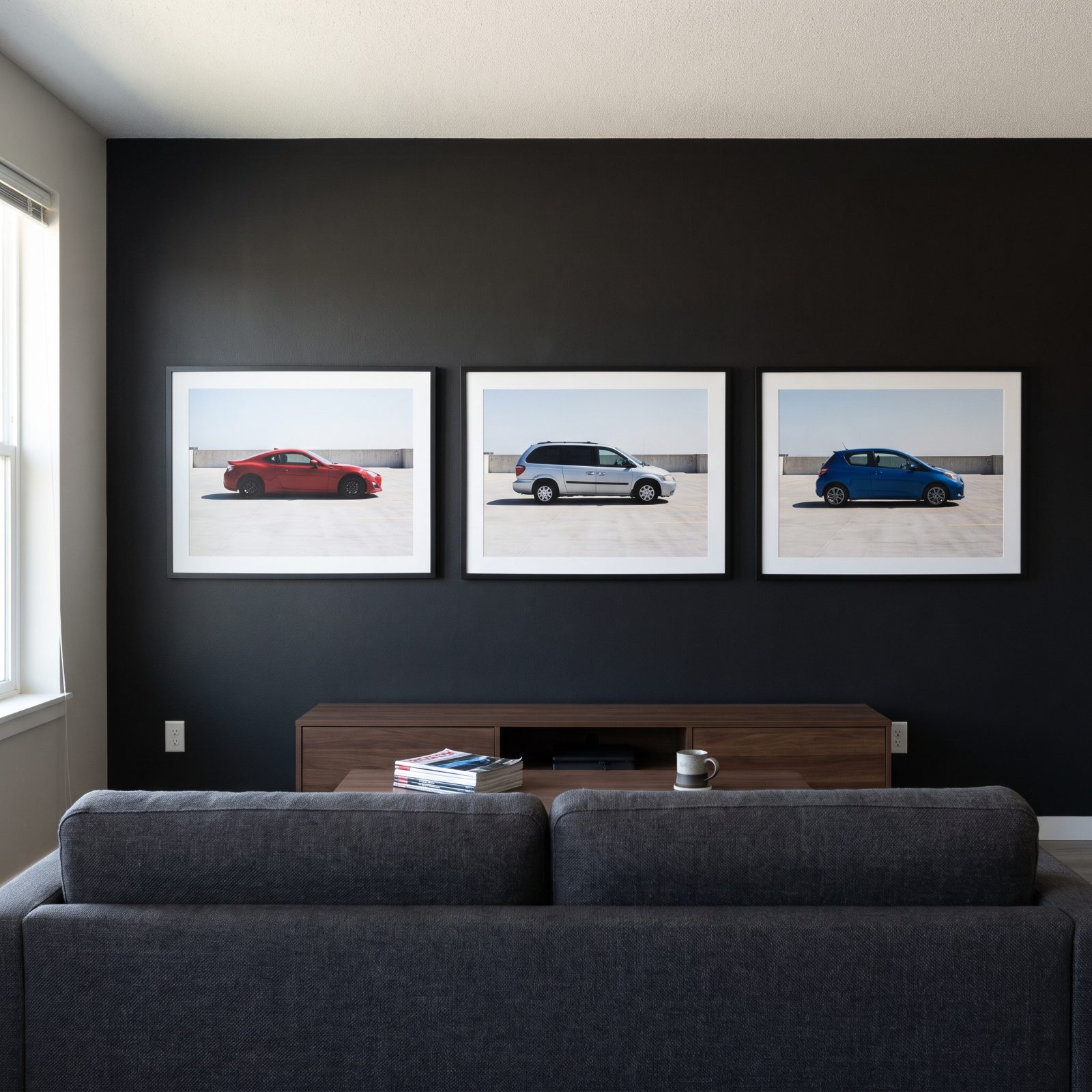
The ask is simple, you tell yourself. You just want a car that’s fast like a sports car, roomy like a minivan, cheap on gas like a commuter, and tough like a truck. Oh, and it should look good doing all of it. You’re not asking for much.
You’re asking for everything. And you know who else asks for everything? The person building a dream partner out of parts — the stability of one, the spontaneity of another, the looks of a third, all in one body that doesn’t exist.
Engineers talk about the triangle, where every choice costs you another. Speed costs space. Space costs mileage. You can’t max all three because they pull against each other, in cars and in people. The real question was never which car does everything. It’s which compromise you can live with for the next ten years.
8. The Dream SUV Gets Real When It Meets Your Garage
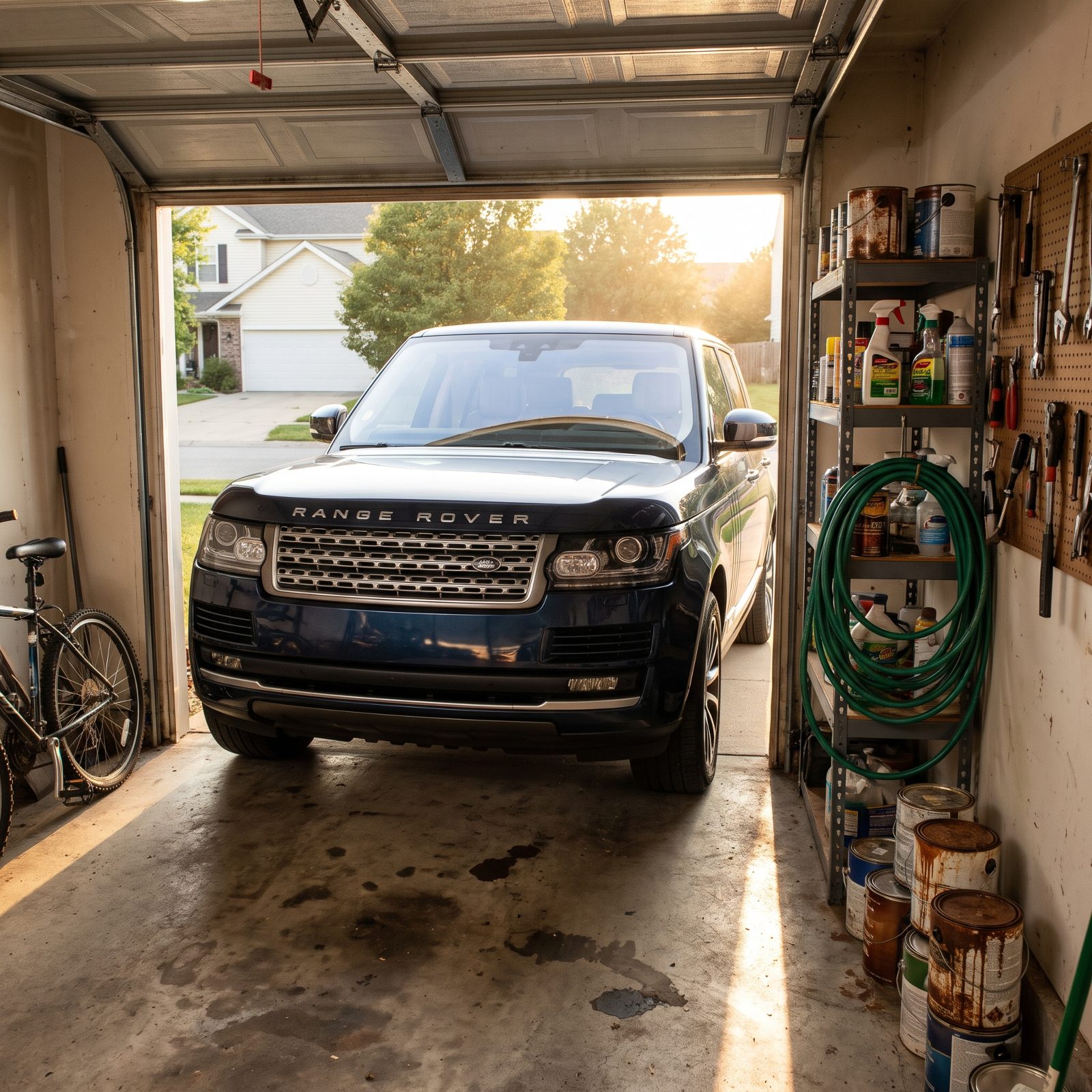
You saved the listing, watched the review three times, and already pictured yourself behind the wheel of that three-row land yacht with the sunglasses on and the grocery runs turned into expeditions. Then you pulled it into your actual garage and heard the side mirror kiss the shelving.
It’s the vehicle version of falling hard for someone who looks perfect in every photo, then discovering they snore, keep weird hours, and don’t fit your Sunday routine at all. The fantasy was never wrong. It just never had to share space with your real life.
Psychologists call it the planning fallacy, and it has a cousin called impact bias: we imagine the shiny thing in a vacuum, stripped of the friction of daily use. The open road, yes. The tight parking structure at work, never. So the dream SUV doesn’t let you down because it’s bad — it lets you down because nobody measured the doorway before the swooning started.
7. You Reject a Great Car Over One Weird Cupholder
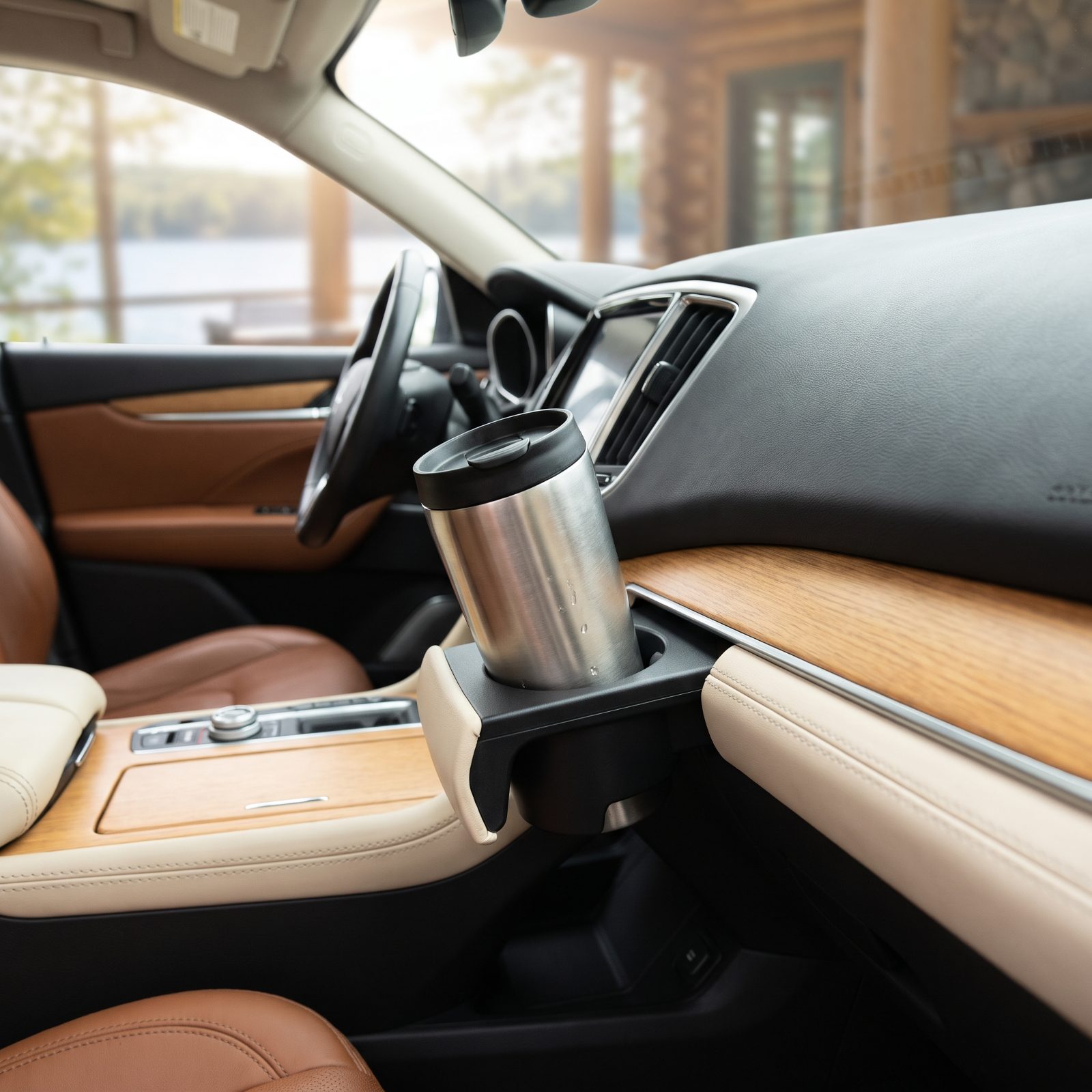
Everything checked out — sweet engine, fair price, clean paint. Then you noticed the cupholder sits in a spot that dumps your coffee every time you brake, and suddenly the whole car was dead to you.
We’ve all pulled the human version. The date goes well, the person is kind and funny and gainfully employed, and then they chew a little loud or drop one phrase you can’t unhear, and your brain quietly files the whole thing under no.
That’s the focusing illusion. We fixate on one vivid flaw and let it swallow everything good around it, so the cupholder becomes the entire car the way a chewing sound becomes the entire person. Neither is actually a dealbreaker. It just feels enormous because it’s the thing you keep staring at.
Smart buyers and smart daters learn the same move: ask whether the flaw is a cupholder or a transmission. One you live with. One you don’t.
6. You Expect a Project Car to Change After You Buy It
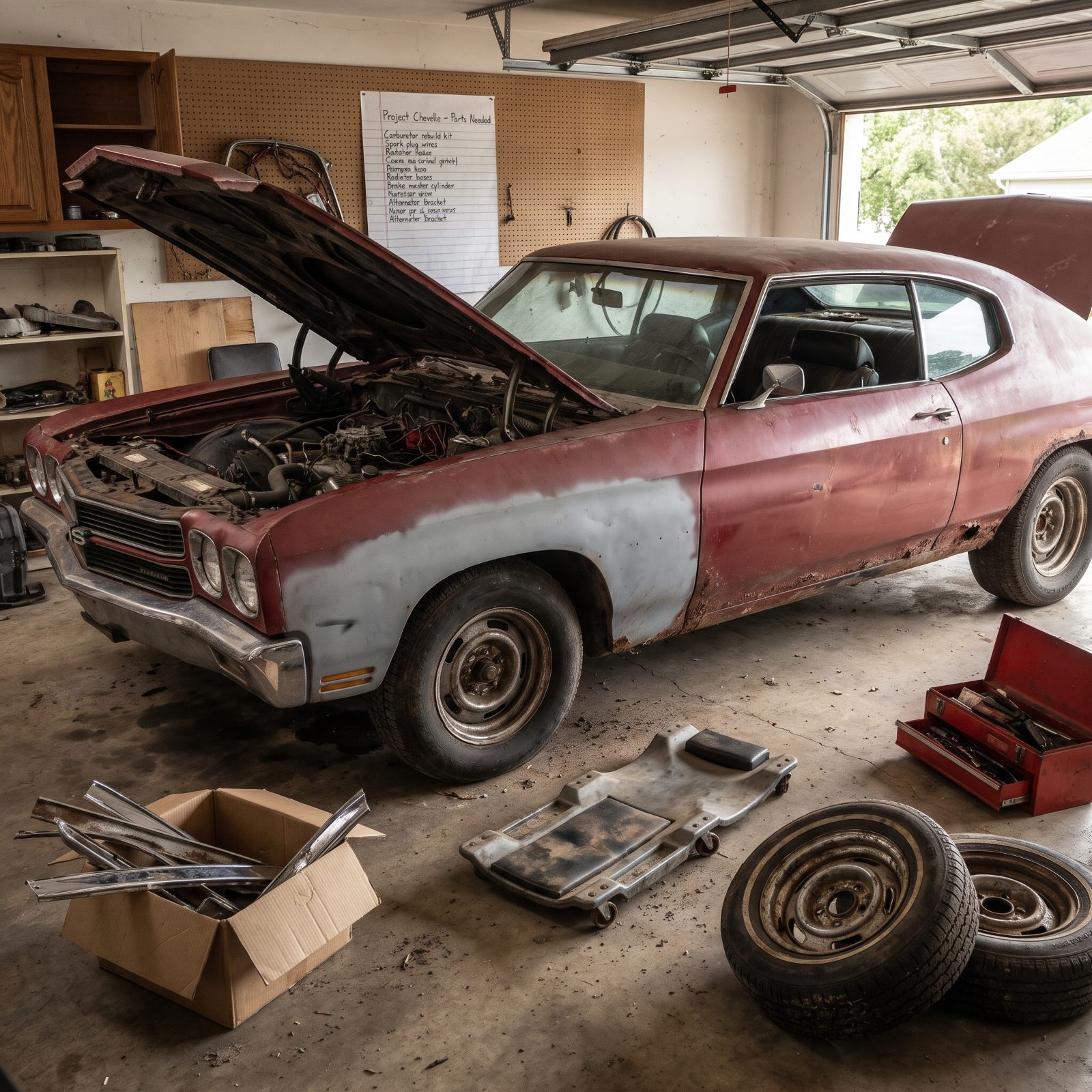
The ad said runs and drives, needs a little love. You heard a little love and your imagination filled in the rest — new headers, fresh paint, those wheels you’ve been eyeing. You bought the potential, not the car.
Then the weekends stacked up, the parts list grew, and the thing still sat on its tired old tires eight months later, exactly as flawed as the day you signed. Because here’s the secret nobody tells you at the swap meet: a project car does not improve on its own. You improve it, dollar by dollar, knuckle by scraped knuckle. Or it rusts quietly while you resent it.
People marry this way too, falling for who someone could be with a little work, then feeling betrayed when the fixing turns into a full-time job the other party never signed up for.
You can’t buy a car on the promise of who it’ll become. You buy what’s in the garage today.
Potential is not a feature. It’s a bill.
5. Reliable Starts Feeling Boring Beside Something With a Turbo
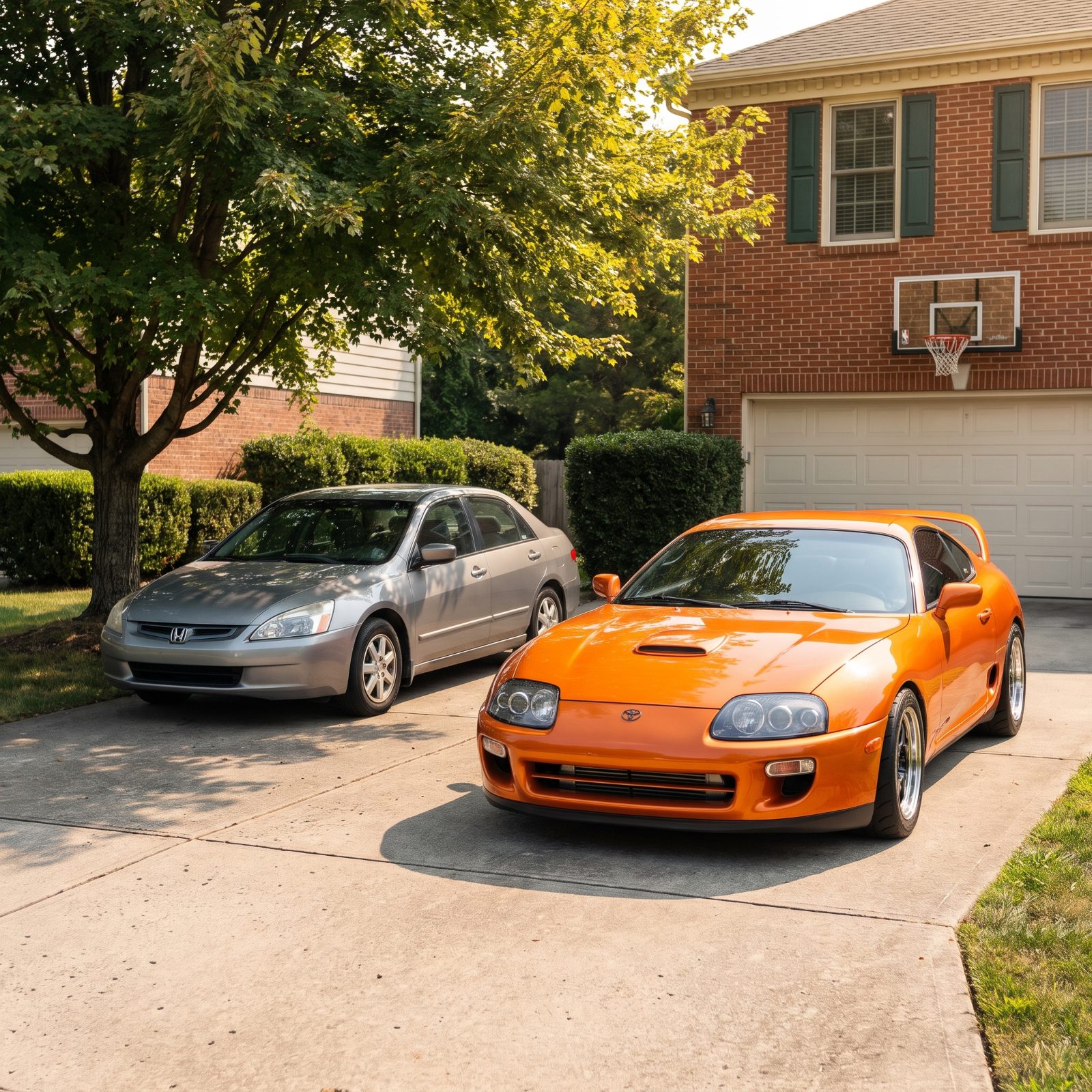
Your sedan has never left you stranded. Thousands of miles, zero drama, fires up every morning in January without a complaint. And lately you can barely look at it, because your neighbor just rolled home in something with a turbo and a growl.
Reliable gets taken for granted the second something exciting parks nearby — not because the dependable one got worse, but because you stopped noticing it was good.
This is hedonic adaptation, the same quiet thief that makes a loyal, easy relationship feel flat after a few good years. Whatever works smoothly fades into background noise. We measure happiness against novelty, and novelty always wins the first round. It just doesn’t win the tenth winter.
4. You Lease Because Three Years Feels Less Like Forever
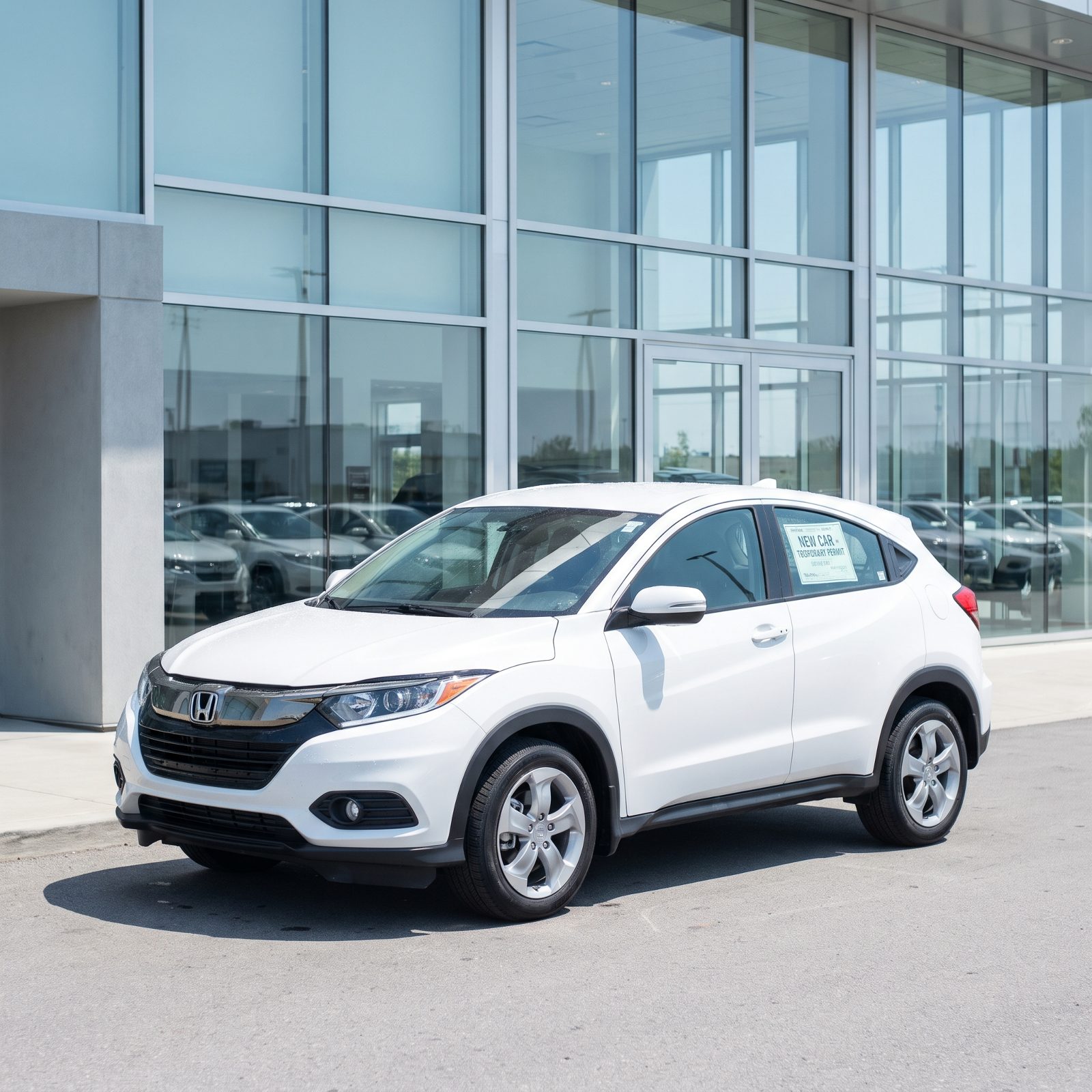
You could have bought it. The math even leaned that way. But signing up to own anything for eight years made your chest tighten, so you took the lease — three years, a fixed exit, a back door left open before you’d even pulled off the lot.
Commitment anxiety, dressed in a finance contract. The same instinct that keeps people in situations they describe as for now keeps us leasing cars we low-key love. The fear isn’t the thing itself. It’s the word forever.
Short horizons feel safe because they cap the downside. We’re wired toward loss aversion, so a smaller window of possible regret reads as freedom even when it costs more down the road. You pay a premium to never have to decide you’re sure.
Nothing wrong with a lease. Just be honest about what you’re really renting, which is the comfort of knowing you can walk.
3. You Settle for What’s Available When Your Ride Dies
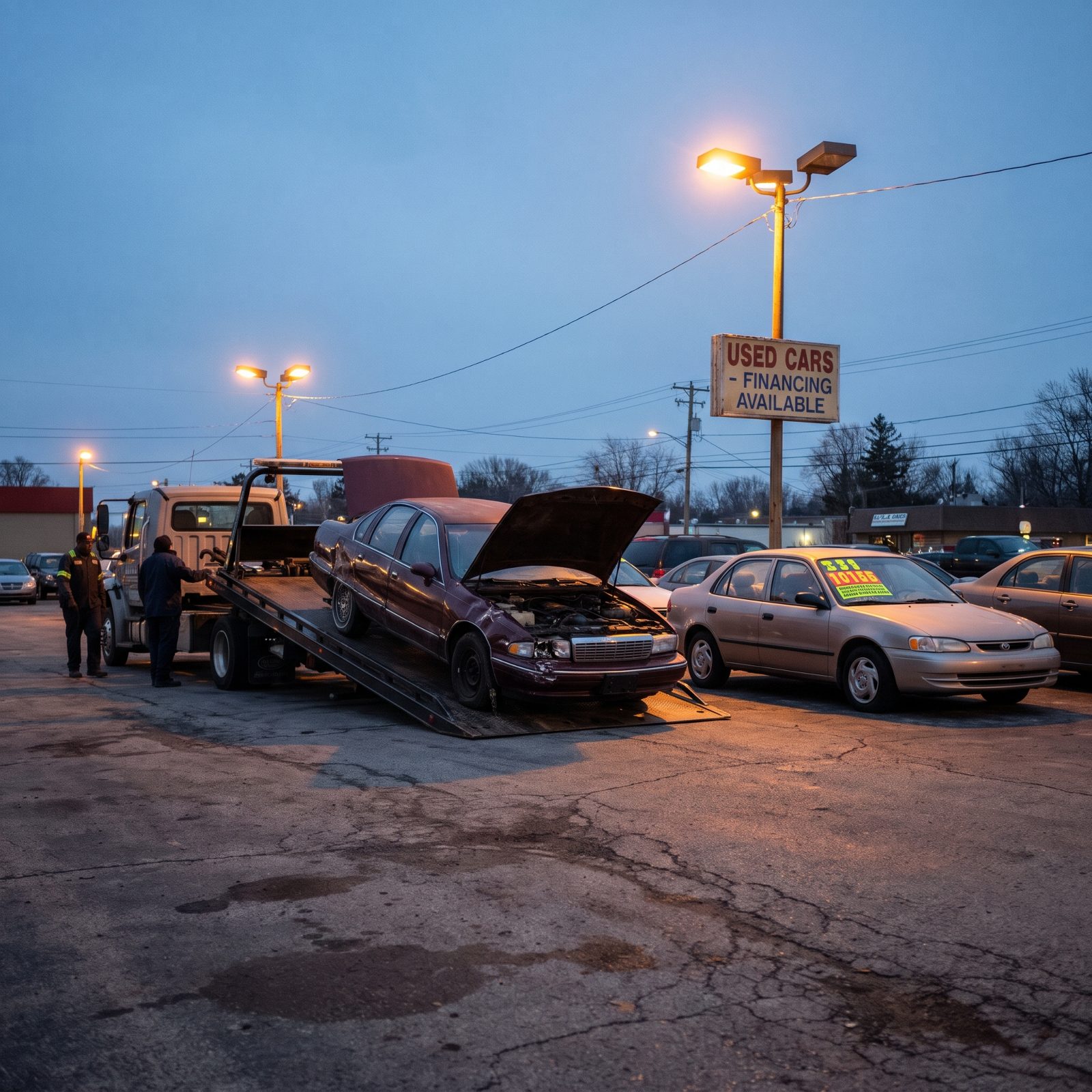
The old one died on a Tuesday and you needed to get to work Wednesday, so you walked onto the nearest lot with a budget and a bad mood and drove home in whatever was sitting there — available, running, good enough.
Nobody dreams about the good-enough car. But urgency is a lousy shopper. When the thing you depended on quits without warning, the pressure to just fix the problem steamrolls every preference you used to hold.
People rebound into relationships the exact same way. A sudden gap, a scramble to fill it, and six months later you’re squinting at your choice wondering how you landed here. Scarcity collapses standards fast. When options feel limited and the clock is loud, we grab what’s in reach and call it a decision.
2. You Keep Browsing Listings After Signing the Papers
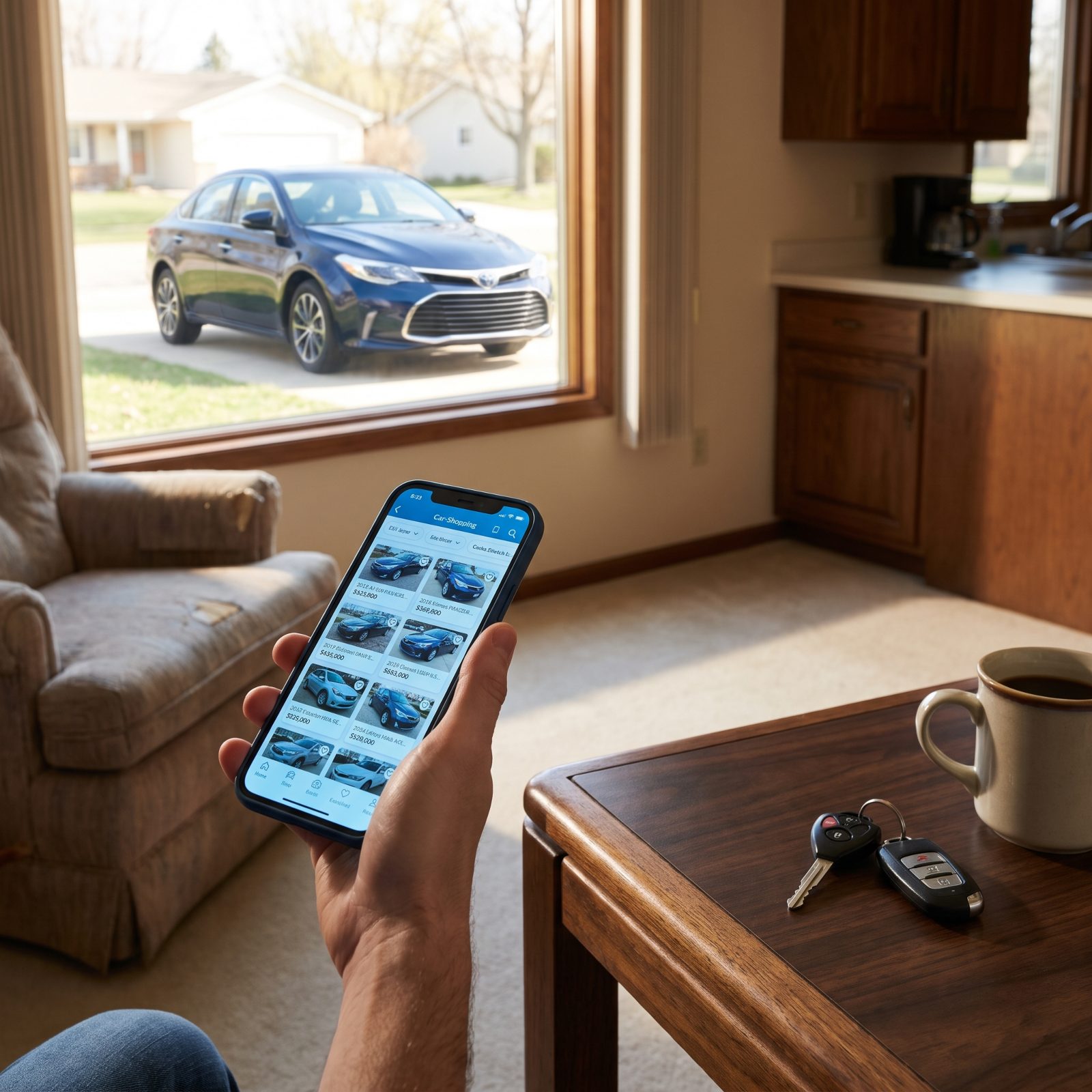
The keys are yours, the plates are ordered, and the car is sitting in your driveway paid for and perfectly good. And there you are on a bright morning, coffee going cold, thumb scrolling the same listings, wondering if you should have held out for the one with the sunroof.
Why do we do this? You just chose. The choosing is over. Yet the brain keeps shopping, keeps measuring what you have against the parade of what you didn’t pick.
Psychologists call it the paradox of choice, with its ugly sidekick, buyer’s remorse. Having options is a gift right up until you commit, at which point every road not taken starts to glow. Same reason some people stay half-swiping after they’ve found someone good. The abundance that helped you shop turns around and poisons your contentment.
The fix is boring but real: close the app. You can’t enjoy the car in your driveway while you’re grieving the ones you never test drove.
1. You Stay Because You’ve Already Paid for Three Transmissions
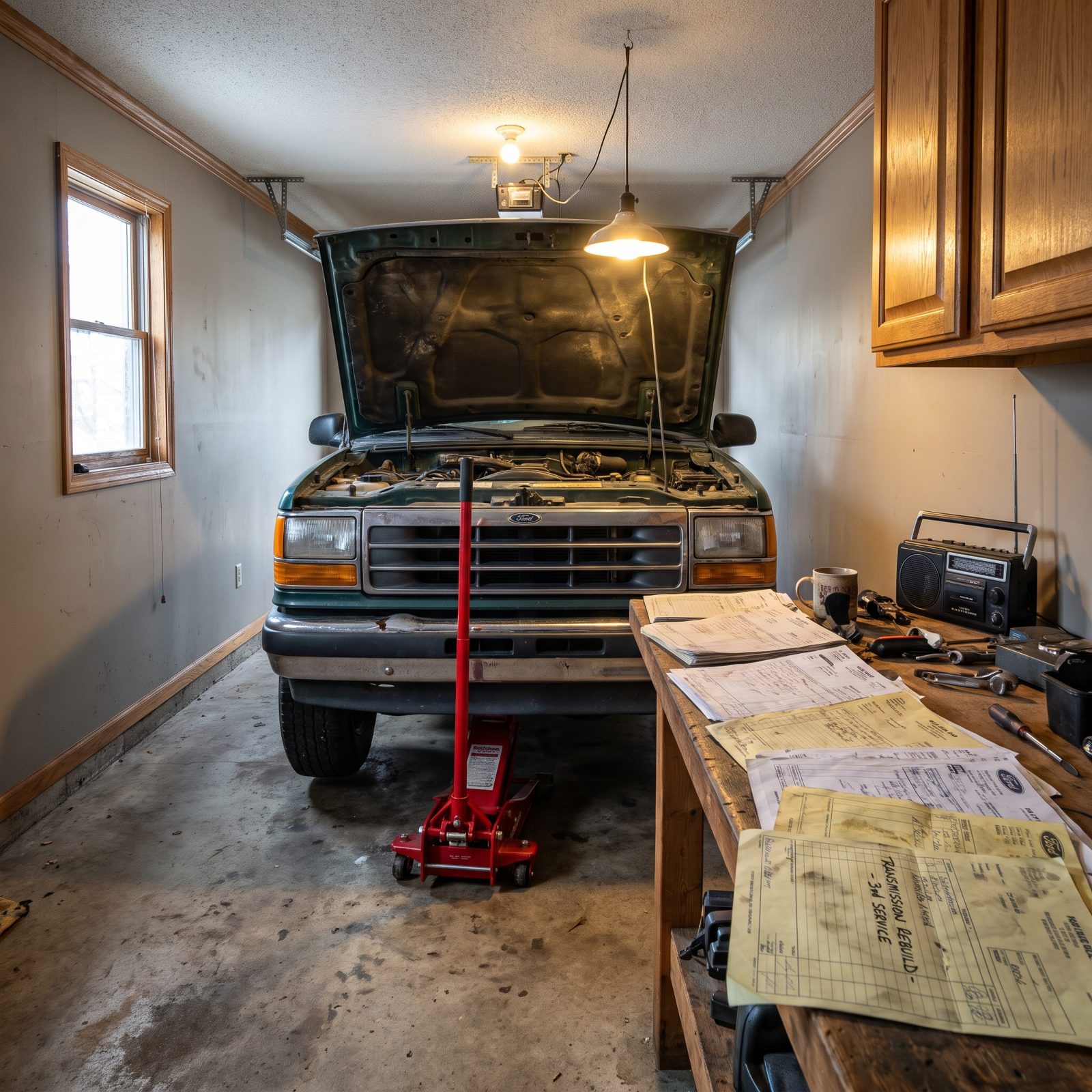
The transmission went again. Third one. The mechanic gave you the number and you did the thing we all do — added up everything you’ve already sunk into this truck and decided you can’t quit on it now.
Sunk-cost fallacy, pure and total. The money you already spent is gone no matter what you do next, and it tells you nothing about whether the next repair is worth it. But it feels like it does, because walking away would make all that past spending feel wasted.
People stay in marriages this way. Not for the future — for the years already invested. We treat our own history like a down payment we have to protect, when really it’s just the price of where we’ve been.
The question is never how much you’ve spent. It’s whether the thing in front of you is worth what it’ll cost from here. Everything behind you is already paid. Let it go, and decide clean.