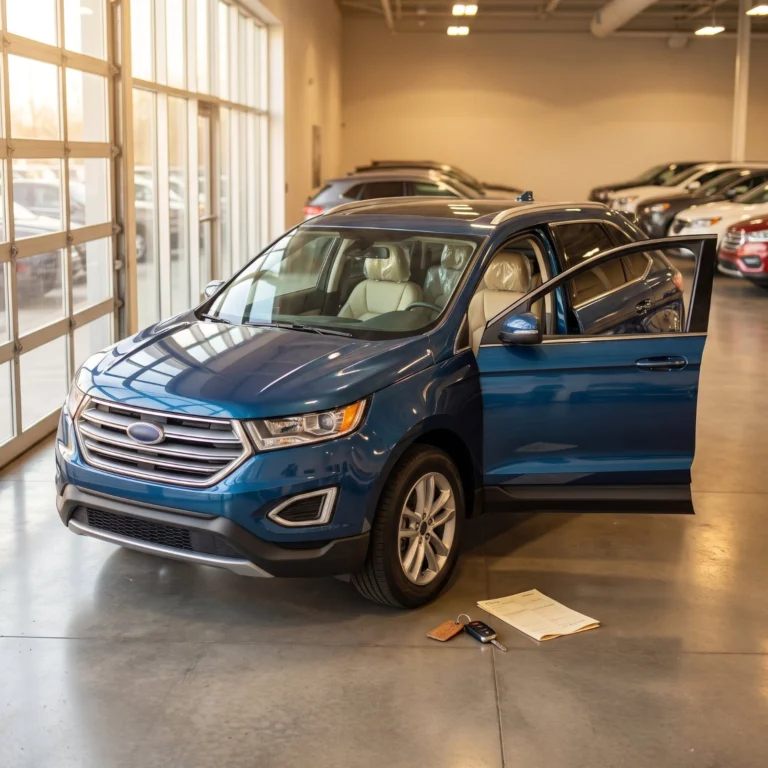

The car was gleaming in the lot. Freshly washed, tires dressed, sitting there like it had its whole life sorted out. And you felt that little pull in your chest, the one that quietly mutes the part of your brain that asks hard questions. You’ve felt that pull before, and not always about a car. Turns out the wiring that gets us into bad relationships is the same wiring that gets us into bad cars — same hope, same denial, same genius for explaining away the thing that eventually costs us. What follows are the moments where the two run perfectly parallel, where you stare at a known problem and talk yourself into calling it charm. You’ll recognize at least a few. Probably more than you’d like.
Please note that some of the images in this article were created with the assistance of AI.
18. Fresh Wax Makes You Forget the Oil Leak
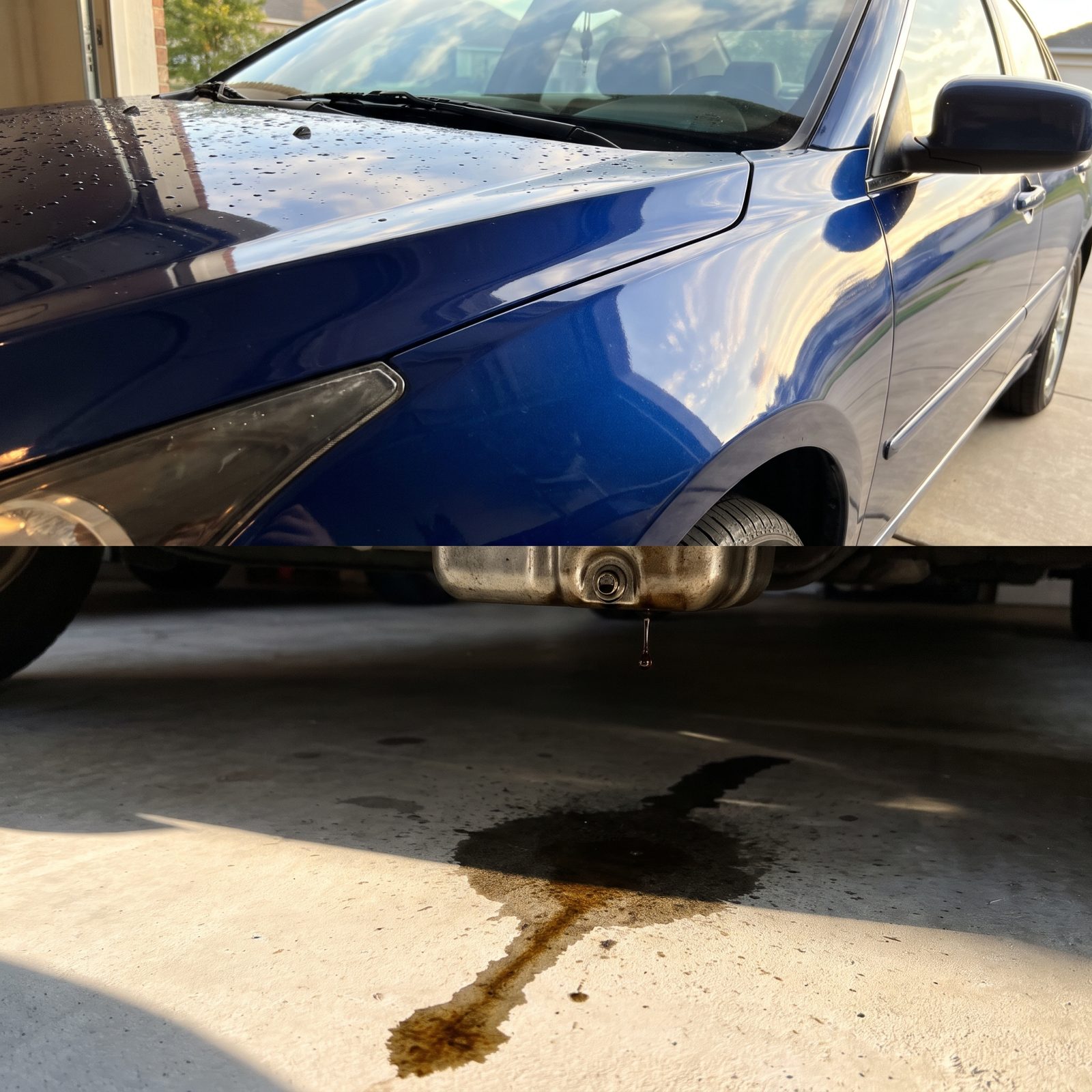
You walk up and the paint is glowing, water still beading on the hood, that showroom reek of tire shine hanging in the air. Something in you relaxes. If they cared enough to wax it, how bad could the rest be?
Then you look down. There’s a dark halo of oil on the concrete, fresh enough that a drop is still gathering on the pan. You note it. You do. But the shine already got a vote in, and the shine voted yes.
This is the halo effect, the oldest trick your brain plays on itself. One good quality — the gleaming paint, the charming first date — convinces you the invisible qualities must be good too. We assume the beautiful thing is also honest, reliable, solvent. It almost never follows. A fresh wax costs a few bucks and twenty minutes. An oil leak costs a weekend and your savings. Guess which one you were staring at.
17. A Big Discount Makes the Transmission Clunk Feel Free
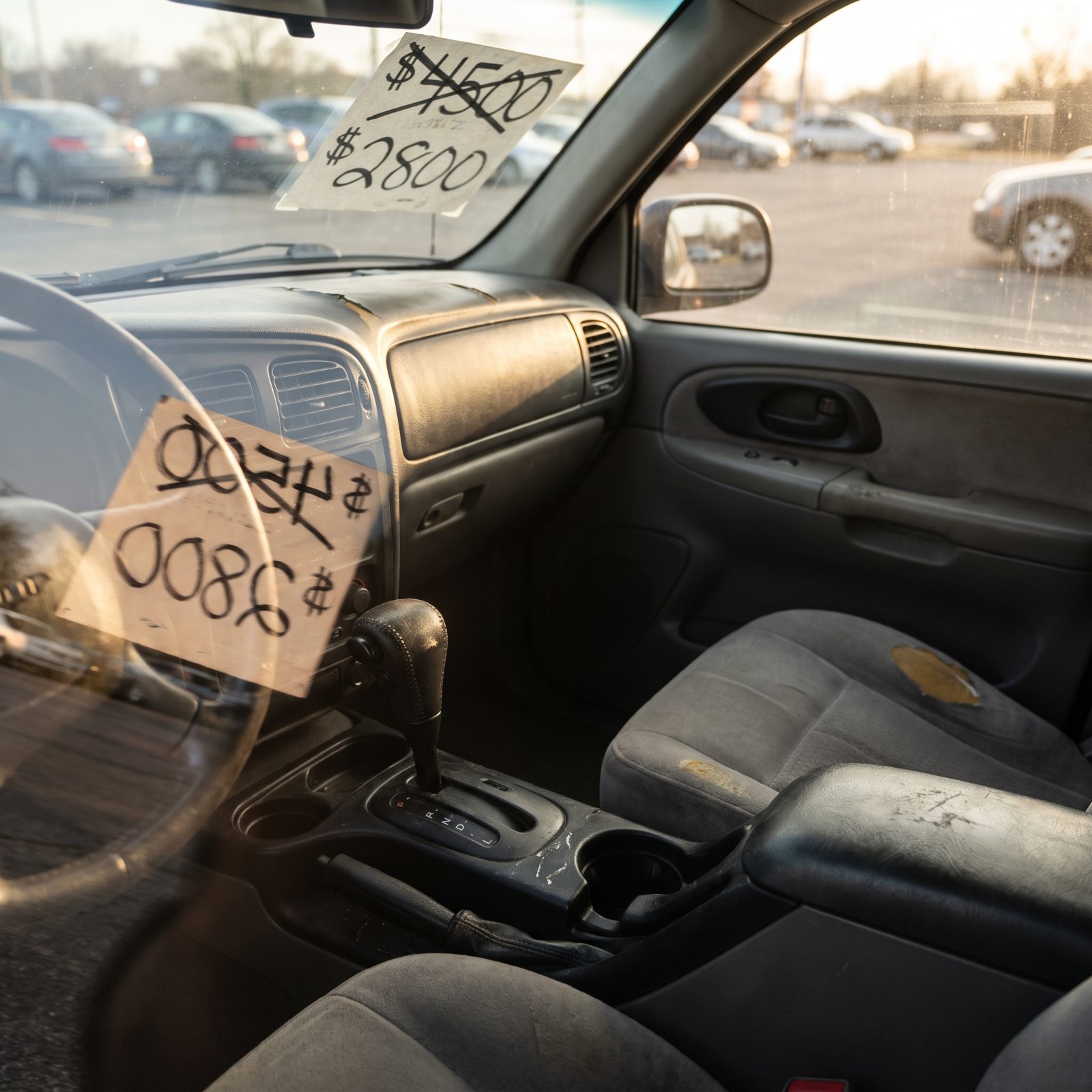
Seventeen hundred off the asking price, and you feel like you’ve already won — winning makes everything else go fuzzy. So when the transmission thunks between gears on the test drive, your brain files it under acceptable. You got a deal, remember? A clunk is just a small tax on a great bargain.
Here’s the con you’re running on yourself. The discount reframes a repair bill as a discount on the discount. A new transmission runs four grand, which wipes out everything you saved and then some before you’ve even found the next problem, but your brain refuses to do that math because the math ruins the high.
Same move people make rationalizing a partner who shows up with a mess. He’s got some baggage, sure, but look how much fun we have. You priced the fun and ignored the invoice. The discount was never free. It was a down payment on the problem they were trying to unload.
16. One Fun Test Drive Erases Ten Bad Clues

The engine wakes up, the wind hits, and for ten minutes you’re nineteen again. That rush does something chemical. It floods the moment and washes out everything the inspection should have flagged: the worn tires, the cold-start rattle, the brake pedal that felt a half-inch too soft.
You know this feeling from somewhere else. One great weekend with someone and suddenly all their earlier red flags look like quirks you were being uptight about. The good memory is vivid and recent. The warnings are abstract and old. Your brain weighs them like that’s a fair fight. It isn’t.
Call it the peak-end effect if you want a name for it. We judge an experience by its best moment, not its average, and a dealer who lets you really open it up on the on-ramp knows exactly what that peak will do to your memory of the rattle. They’re not selling the car. They’re selling the drive.
15. You Trust “Highway Miles” Without a Single Service Record
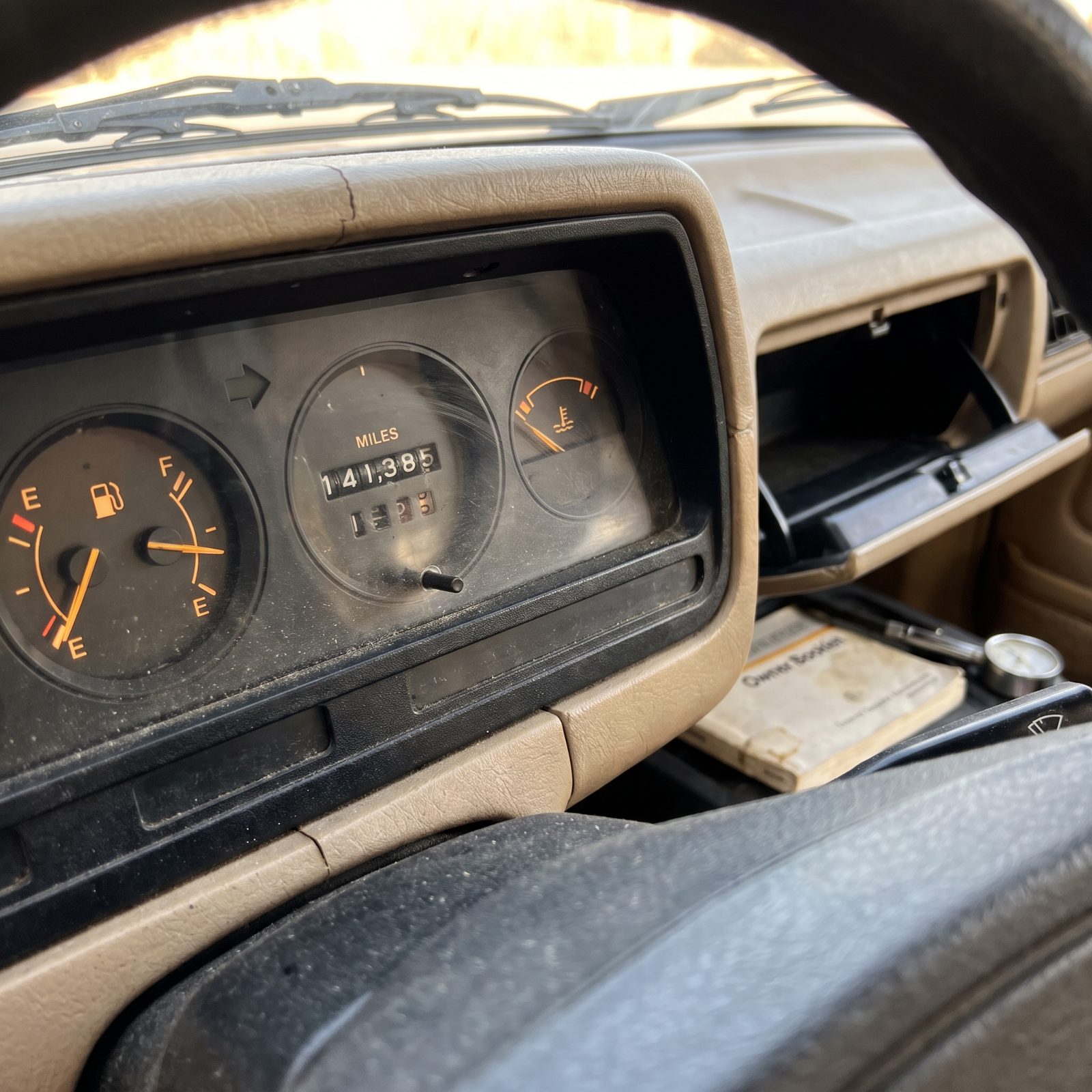
“It’s all highway miles.” You hear that and something loosens. Highway miles are the good kind — gentle cruising, no stop-and-go, barely counts. You nod along. And you never once ask for an oil change receipt to back any of it up.
Highway miles is a story. Service records are evidence. You took him at his word about the part you can’t see because he said the right thing about the part you can. You accepted the story because stories are easier to love.
People pull this with a partner’s past constantly. “I’ve changed, that was a long time ago,” and we want it true so badly we forget to ask what actually happened. One clean set of maintenance stamps tells you more than any reassurance ever will. No records means no proof. And no proof is itself the record.
14. The Luxury Badge Makes Deferred Maintenance Look Sophisticated
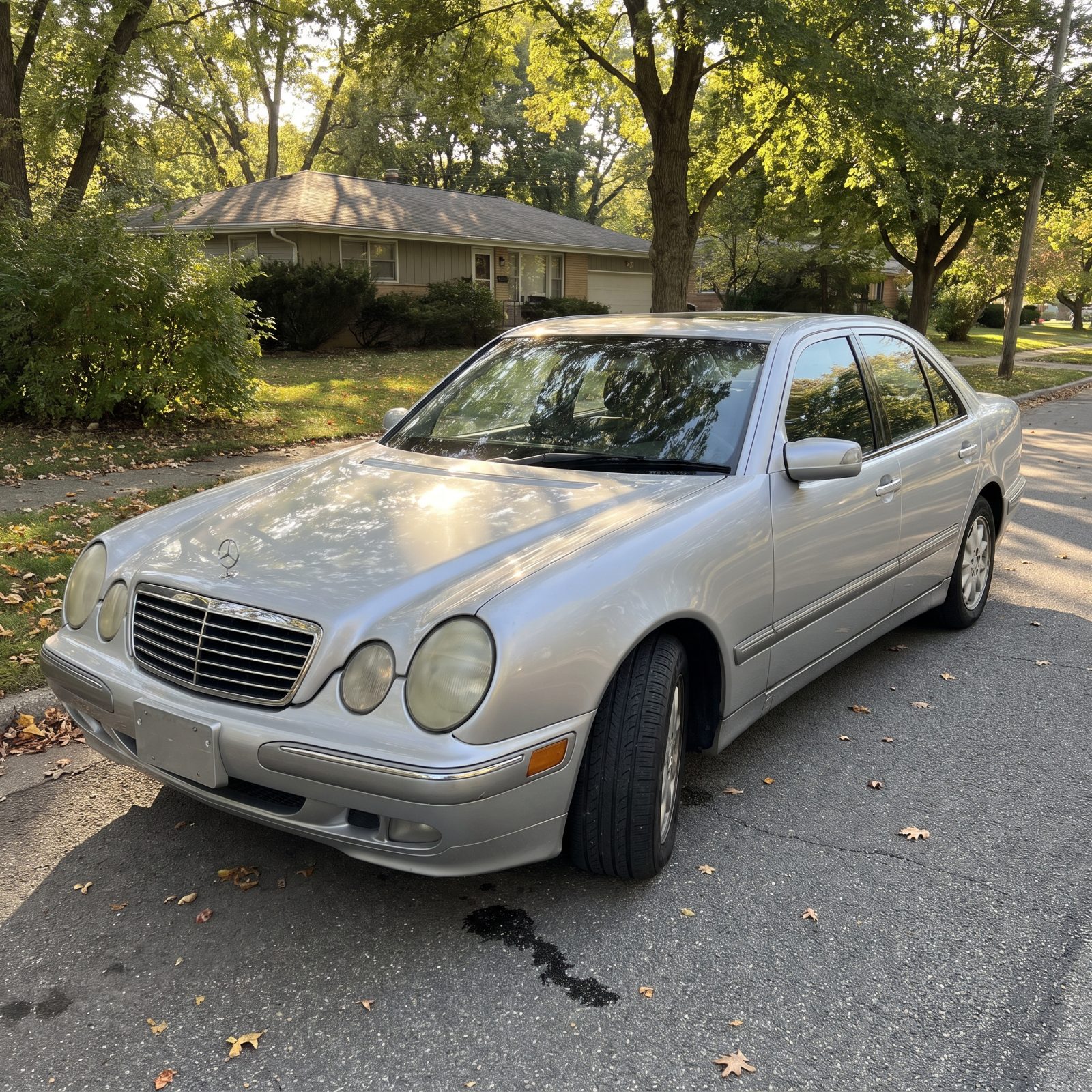
A worn-out economy car with high miles looks like exactly that. Put the same mileage and neglect under a prestige badge and suddenly it reads as patina. Character. A machine with a story. You stop seeing deferred maintenance and start seeing pedigree.
The logo is doing heavy psychological lifting. Status rubs off on our judgment, so a premium brand makes us assume premium upkeep — even when the evidence says the last owner skipped every service just to cover the payment. The prestige covers the neglect the way good lighting covers a lot.
Same reason a charming, well-dressed person gets more forgiveness for bad behavior than a plain one. We let the surface vouch for the substance. But a timing chain doesn’t care what’s stamped on the hood, and a luxury repair bill is just a regular repair bill with a worse number on the end.
13. You Drove Three Hours, So You’re Buying Something

You left before dawn. Three hours each way, a tank of gas, a whole Saturday gone. By the time you arrive, the car almost doesn’t matter — you’ve already invested too much to drive home empty-handed, and your brain treats the empty-handed drive as the real loss.
This is the sunk-cost fallacy wearing driving gloves. The gas and the hours are already spent, gone, unrecoverable, and the only rational question is whether this specific car is any good. But rational isn’t how we’re built. We throw good money after bad to justify the bad we already threw.
It’s the exact machinery that keeps people in dead relationships. “We’ve been together seven years, I can’t just leave.” The seven years are the reason to leave well, not the reason to stay badly. The three-hour drive owes you nothing. A bad car is a bad car whether you found it next door or across a state line.
The miles you already drove are gone. The only question left is whether the car in front of you is worth the next ten thousand.
12. A Small Deposit Starts Feeling Like a Wedding Vow

You put down five hundred bucks to hold it. Just a deposit. Totally refundable, the guy says. And something shifts in you the instant the cash leaves your hand. Now it’s your car. Walking away would feel like breaking a promise you never actually made.
That’s the endowment effect and commitment bias shaking hands. The moment we have skin in the game, even a small deposit, the thing becomes ours in our head, so we overvalue it and dread giving it up. The money is recoverable. The feeling of ownership is not, and the feeling runs the show.
People escalate the same way in relationships — one small commitment at a time, until backing out feels like betrayal instead of a sensible exit. A refundable deposit should be refundable without guilt. If walking away feels like heartbreak, that’s not love talking. That’s a five-hundred-dollar anchor earning its keep.
11. “Another Buyer Is Coming” Suddenly Makes Rust Acceptable

You’re crouched by the rear wheel, fingernail picking at a bubble of rust that flakes off into orange powder. This is a dealbreaker. You know it’s a dealbreaker. And then the seller mentions, casually, that someone else is coming to look in an hour.
Suddenly the rust shrinks. Your brain reclassifies structural rot as a minor cosmetic thing, because losing it to a stranger now feels worse than the problem itself. Scarcity does that. The second something might be taken away, we want it more and question it less.
This is the oldest pressure play in dating too — the sense that someone else is interested, so you’d better lock it down now. Manufactured competition shuts off careful thinking by design. And here’s what holds for cars and people both: anything good enough to fight over can survive you walking away to think it over. The rust was still eating the frame when the other buyer showed up. Scarcity didn’t fix it.
10. You Skip the Inspection Because the Seller Seems Nice
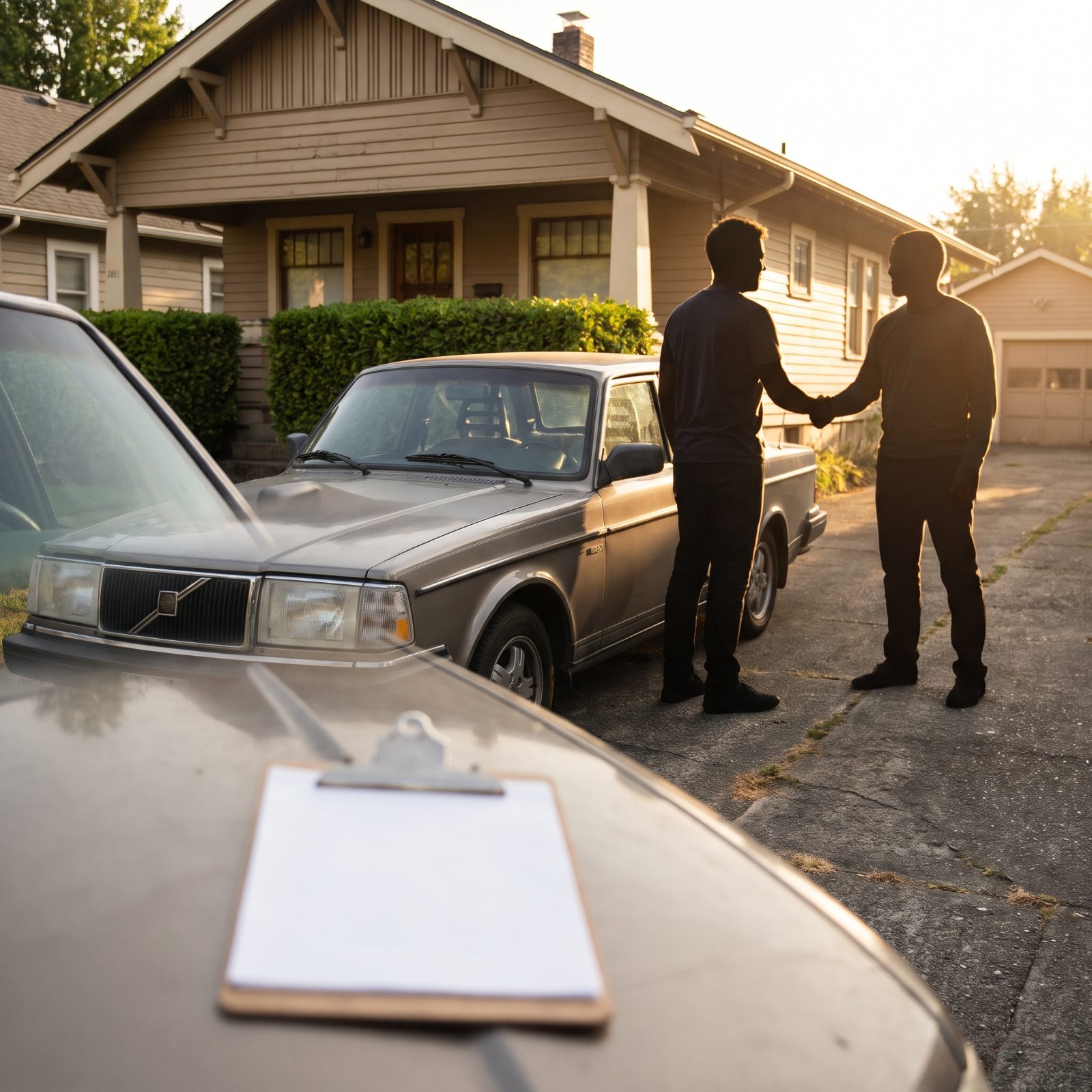
He offered you a coffee. Showed you pictures of his dog. Said all the right things about how he hated to let the car go. And somewhere in all that warmth, you decided a pre-purchase inspection would feel almost insulting. He seems too decent to be hiding anything.
That’s the warm-honesty bias, where we read friendliness as proof of trustworthiness — two completely different things. Nice is a personality. Honest is a track record. A genuinely kind person can still be selling you a car they know is bad, and a mechanic’s inspection doesn’t care how either of you feel.
We pull this with people we date all the time, mistaking charm for character and skipping the due diligence because asking questions feels cold. A hundred and fifty bucks for an independent inspection is the cheapest insurance you’ll ever buy. If a seller is truly nice, they’ll welcome it. If they flinch, the flinch just told you everything the coffee was trying to hide.
9. Your Dream Road Trip Is Already Overriding the Carfax

You haven’t even closed the deal and you can already see it. Windows down on a coast road, gear in the back, the trip you’ve been promising yourself for years. That daydream is vivid, specific, in color. The vehicle history report is gray text on a screen.
And there’s the whole problem. Your imagination has already moved in, which means the accident history and the salvage flag have to fight a fantasy — and the fantasy is winning. We don’t fall for the car. We fall for the version of ourselves we picture driving it.
It’s identical to loving who you hope someone will become instead of who the evidence says they are. The future you’re renovating in your head isn’t on the report, and the report doesn’t care about your trip. Read the Carfax before the daydream gets a vote. The road will still be there next week. A rebuilt-title surprise on day two of your dream trip will not be nearly so forgiving.
8. You Call Every Warning Light “Probably Just a Sensor”
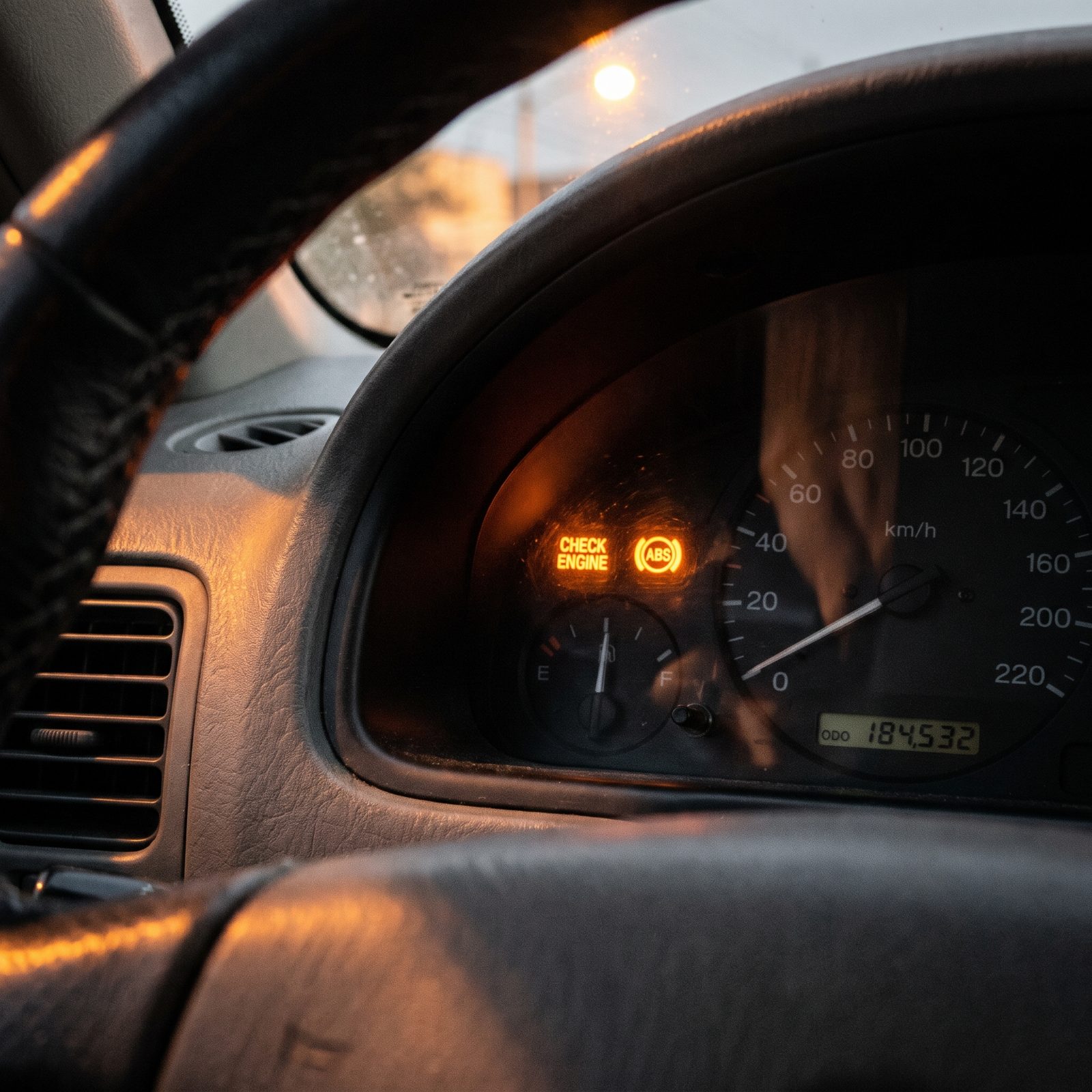
The dash lights up like a slot machine and the seller waves it off. “Oh, that light? Probably just a sensor.” You want it to be just a sensor, so you decide it is. Never mind that a sensor throws a code for a reason, and the reason is rarely free to fix.
Same move people make with the first real warning in a relationship. The temper that flashes once. The lie that was small but was still a lie. We label it an isolated glitch instead of a signal, downgrade the data, and keep the story.
Psychologists call this motivated reasoning. The light isn’t lying. We just decide what it means before we’ve looked under the hood, because the convenient answer costs us nothing today and the honest one costs us the car we already want.
7. Your Friend Hates the Car, So You Defend It Harder
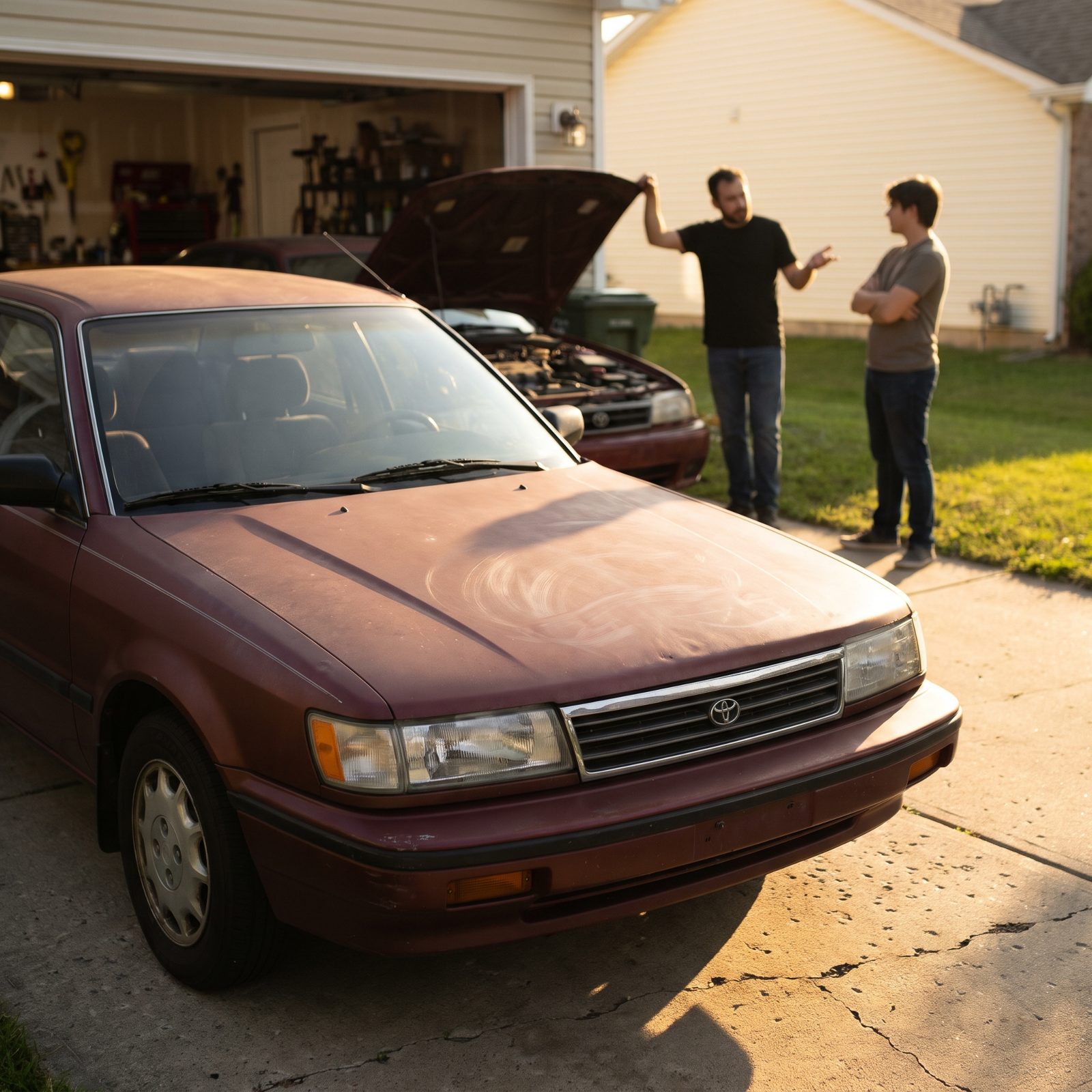
You brought a friend along specifically for a second opinion. Then your friend gives it, it’s negative, and something flips. Suddenly you’re the car’s lawyer. “The rust is mostly cosmetic. Those engines run forever. You just don’t get it.”
Notice what happened. A minute ago you had doubts too, and the moment someone else voiced them, you switched sides.
This is reactance, the stubborn little motor inside us that pushes back the instant we feel our freedom being steered. The harder a friend argues against the person you’re dating, the more you catch yourself listing their virtues. Not because the evidence changed. Because being told what to do makes us dig in. And here’s the cruel part: the people who love you enough to say the hard thing are the ones most likely to trigger it.
6. You Accept a Warm Engine After Requesting a Cold Start
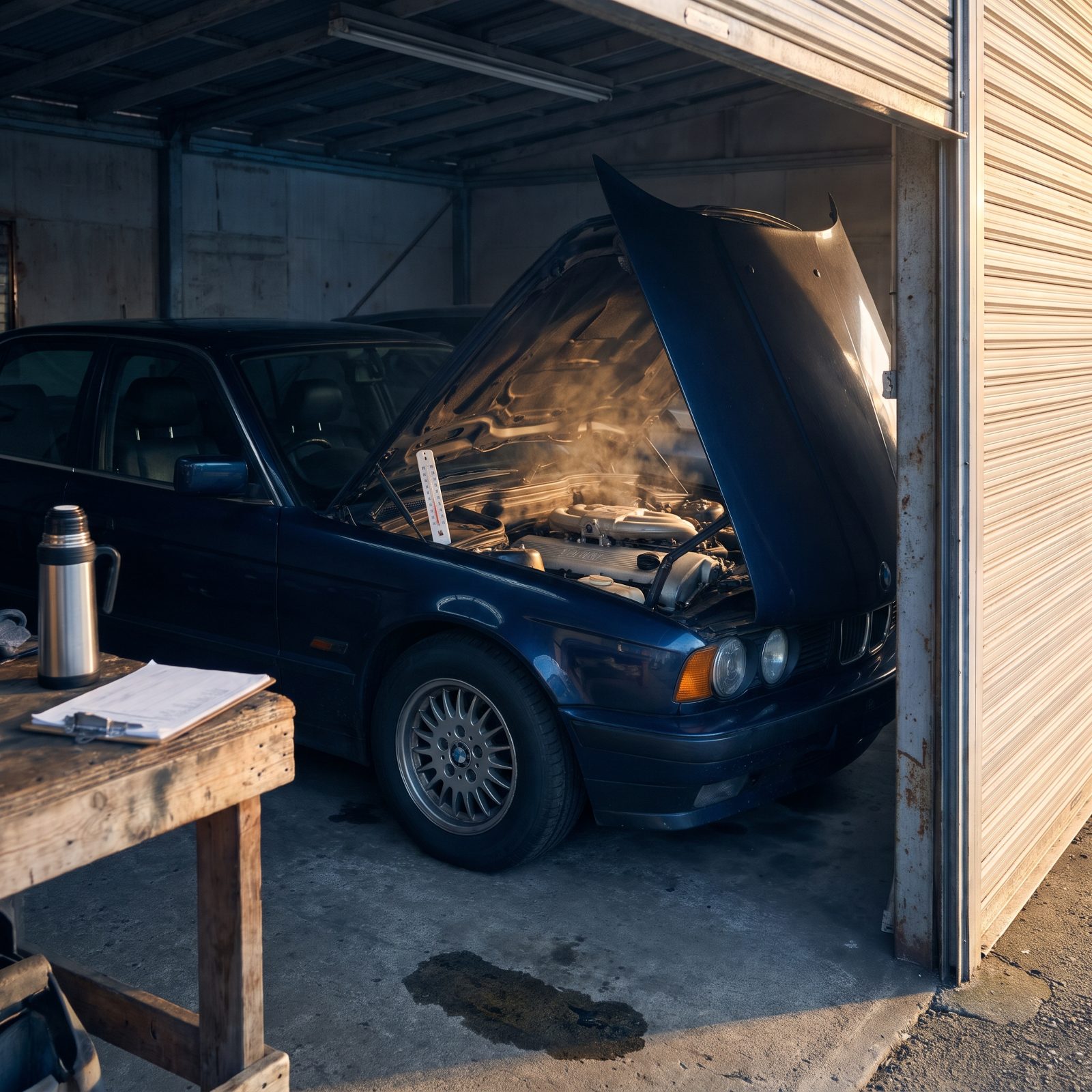
You asked for a cold start on purpose. Cold is when a tired engine confesses, the rough idle, the puff of smoke, the knock that smooths out once things warm up. You show up, put your hand near the hood, and it’s already warm. The seller “just moved it out of the garage.”
Red flag, and you know it. But the car’s sitting right there, you’re already invested, and you don’t want the friction of calling it out, so you let it slide.
That’s rationalization chasing sunk cost. You spent the drive, the Saturday morning, the hope, and walking over a warm hood feels wasteful. People do the exact same thing when the explanation doesn’t add up and they decide not to press, because pressing might blow up an afternoon they’ve already paid for. The warm engine was the test. You failed it, not the car.
A cold start you didn’t get to see is a cold start that answered a question. Just not the one you wanted.
5. You Hear Three Ownership Stories and Choose Your Favorite

You ask three simple questions and get three slightly different answers. First the accident was “just a bumper tap.” Then it was “the previous owner, not me.” Then it was “honestly I’m not sure, I bought it like this.” Your brain, bless it, quietly files the gentlest version and treats it as gospel.
We’re excellent at this. Given conflicting accounts about someone’s past, the breakups, the fired-or-quit, the “it’s complicated,” we pick the version that lets us keep going and dismiss the rest as noise. Confirmation bias doesn’t just ignore bad data. It shops. It walks the shelf of explanations and buys the flattering one.
Three stories about one car isn’t three chances to find the good one. It’s one big warning that nobody’s telling you the whole thing.
4. The Familiar Brand Gets Trust It Hasn’t Earned
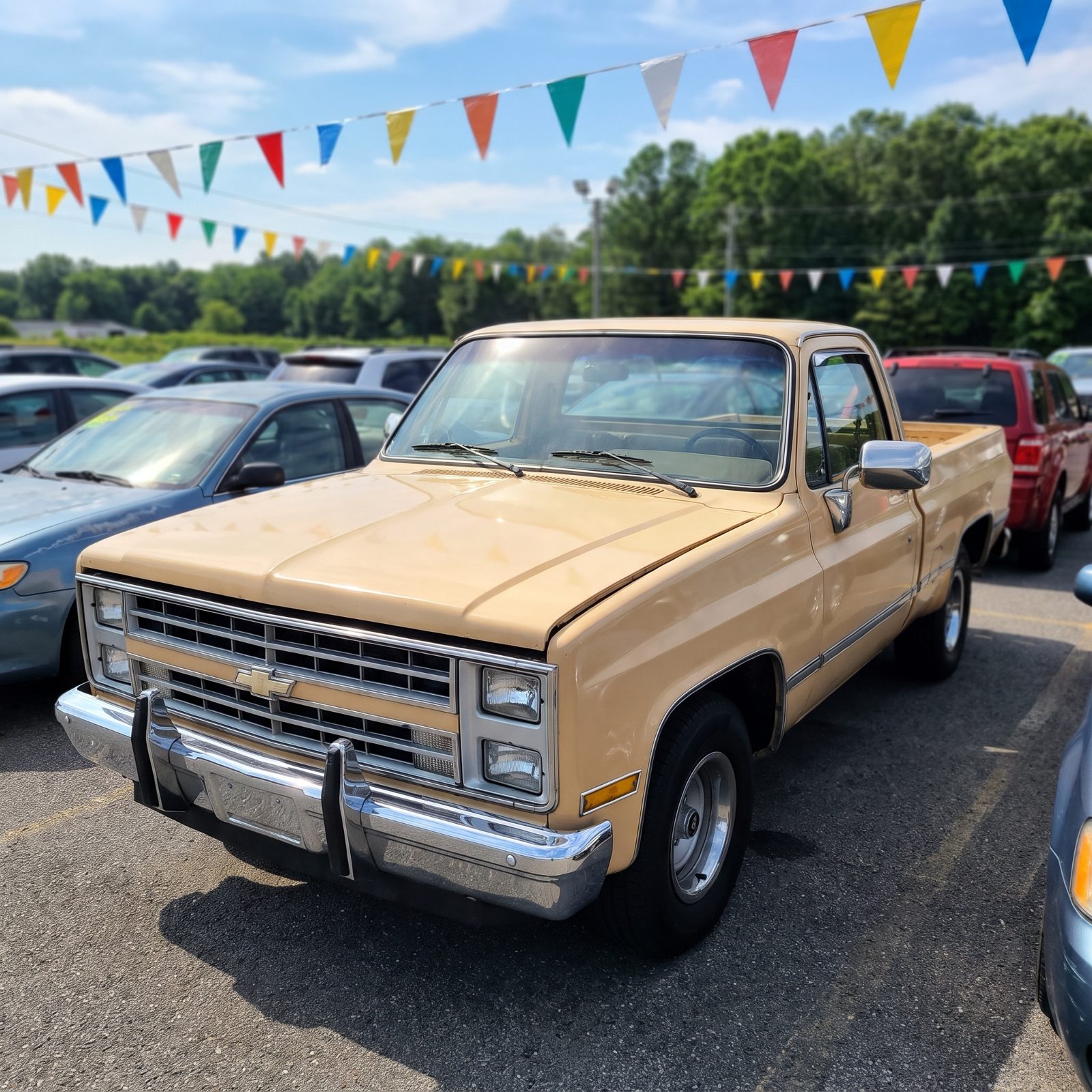
It’s a brand your dad swore by, the one you grew up riding in. So when this particular example shows up with a soft brake pedal and a suspicious puddle, part of your brain pats you on the shoulder and says, come on, these never die. You hand the whole brand’s reputation to one specific tired vehicle that did not sign that contract.
People do this with family and type all the time. “He comes from good people.” “She reminds me of my college sweetheart.” We transfer trust earned by a category onto an individual who hasn’t earned a thing yet.
Brand loyalty is real and useful at the showroom level. But reputation is an average. The car in front of you is a single data point, and single data points can be lemons no matter whose badge they wear.
3. You’d Rather Not Ask Why the Title Is Rebuilt
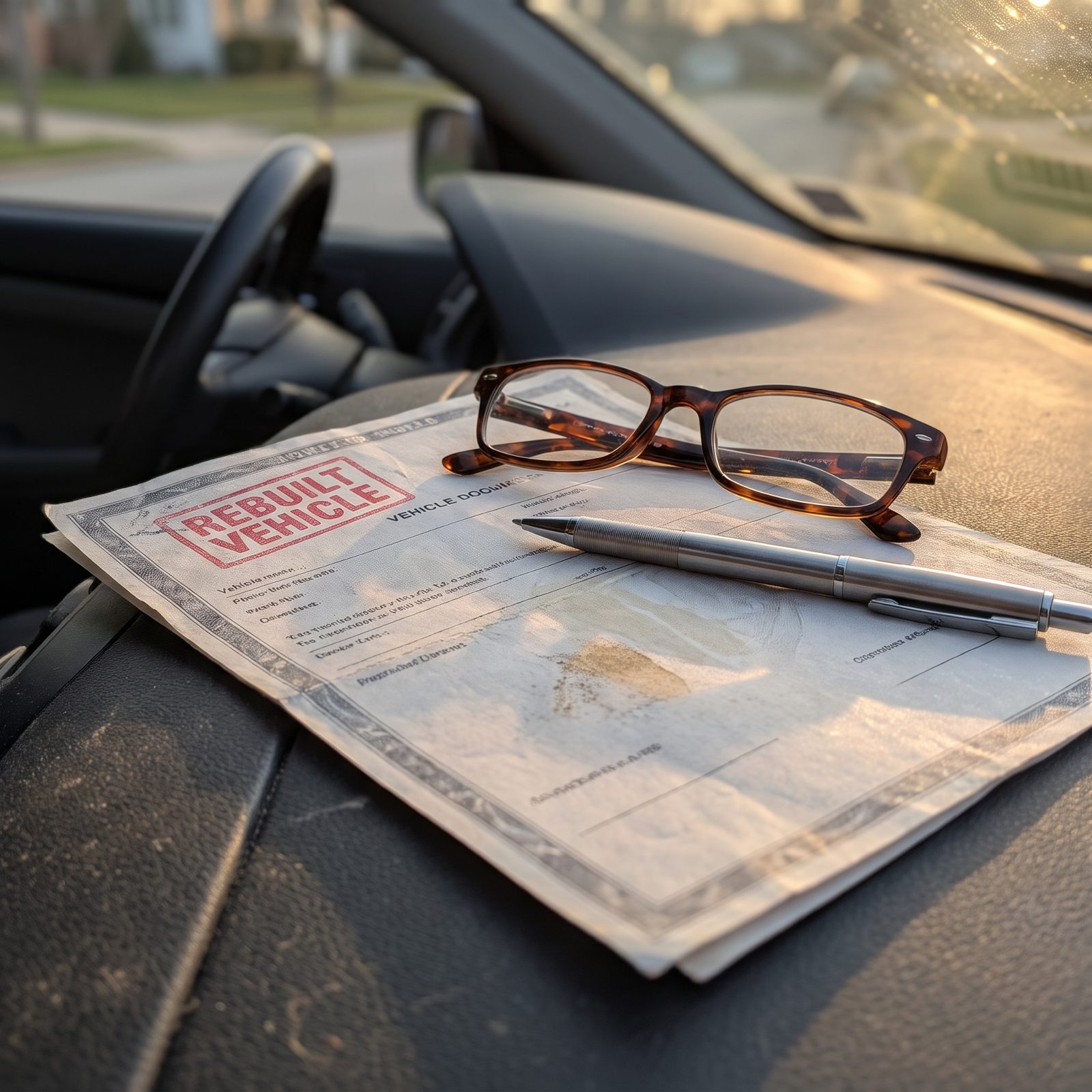
A rebuilt title means the insurance company once declared this car a total loss. Something happened bad enough that fixing it cost more than the car was worth, and somebody fixed it anyway. That’s not a footnote. That’s the headline.
And yet the question hangs there and you don’t ask it. Because asking might get an answer that kills the deal, and some part of you would rather stay in the warm fog of not knowing.
Willful blindness, the technical term and the honest one. We protect the fantasy by refusing to collect the fact that would end it. Same reason people don’t check the phone, don’t ask the pointed question, don’t look up the thing they already suspect. The answer isn’t the threat. Knowing it is. A rebuilt title you’re afraid to ask about is a rebuilt title you’ve already decided to forgive.
2. You’ll Fix Every Problem Once Life “Settles Down”

You spot the problems. The clutch is going, the AC is dead, there’s a leak you’ll “get to.” Your plan is a quiet, confident lie: once work calms down, once the kids are back in school, once the budget loosens, you’ll sort it all out in one glorious weekend. You buy the car on the strength of a future that never quite arrives.
The planning fallacy, with a side of optimism bias. We chronically underestimate what repairs cost, how long they take, and how little free time Future You actually has. Future You is also tired and broke, by the way.
Same bargain people strike with a relationship’s problems. “We’ll work on it when things settle down.” Things don’t settle down. They stay busy, and the problem you planned to fix later becomes the problem you live with now. The leak you buy is the leak you keep.
1. Needing a Car Makes This Bad Car Look Better
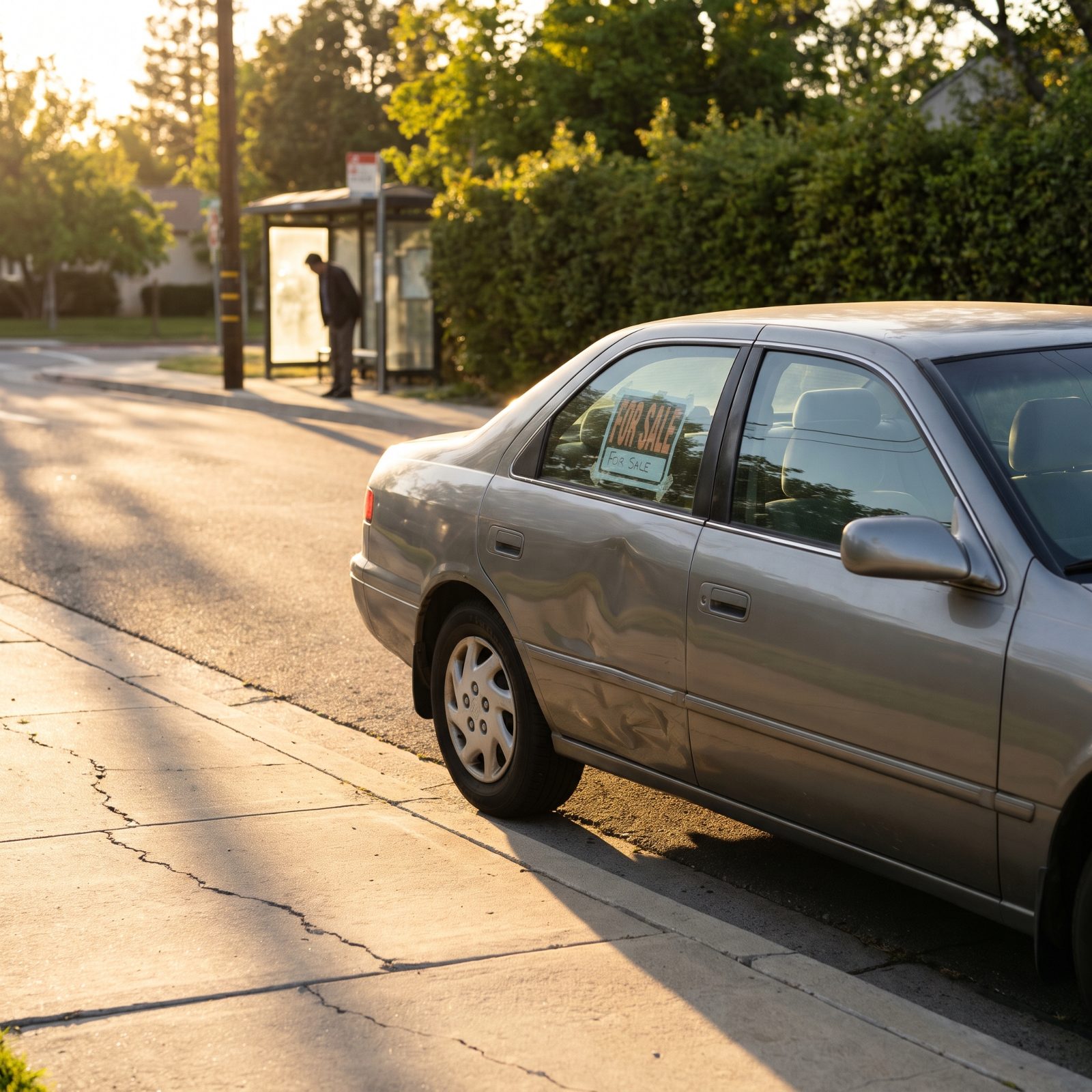
Your car died Tuesday. You start work across town Monday. The ride-share bills are stacking up and the panic is real. Under that pressure, a mediocre sedan with a check engine light and a spongy brake pedal starts looking downright heroic. It runs. It’s here. It’s cheap. Sold.
Scarcity does something strange to judgment. When options feel few and the clock is loud, our standards quietly collapse and whatever’s available gets a promotion it never earned.
People under relationship pressure, loneliness, a biological clock, a social deadline, do the identical thing. A so-so match looks like a great one when the alternative feels like nothing. The bad car and the bad fit share this: they look best to the person who feels they can’t afford to wait.
Desperation is not a buying strategy. It’s just a mood that spends your money for you.