There’s a moment on the lot when your brain quietly lies to you. You walk up to a car, something clicks behind your ribs, and the spreadsheet you built the night before just evaporates. You know this feeling — you’ve had it standing in a crowded room, too. The same wiring that makes you fall for a profile before you’ve met the person makes you fall for a paint color before you’ve touched the service records. We’ve all signed something we shouldn’t have because it felt right in the moment. Below, the car lot becomes a mirror. Every panic you’ve ever had about love shows up again, this time wearing tires. You’ll laugh, then wince, then recognize somebody. Probably yourself.
Please note that some of the images in this article were created with the assistance of AI.
16. You Notice the Bodywork Before Asking What’s Underneath
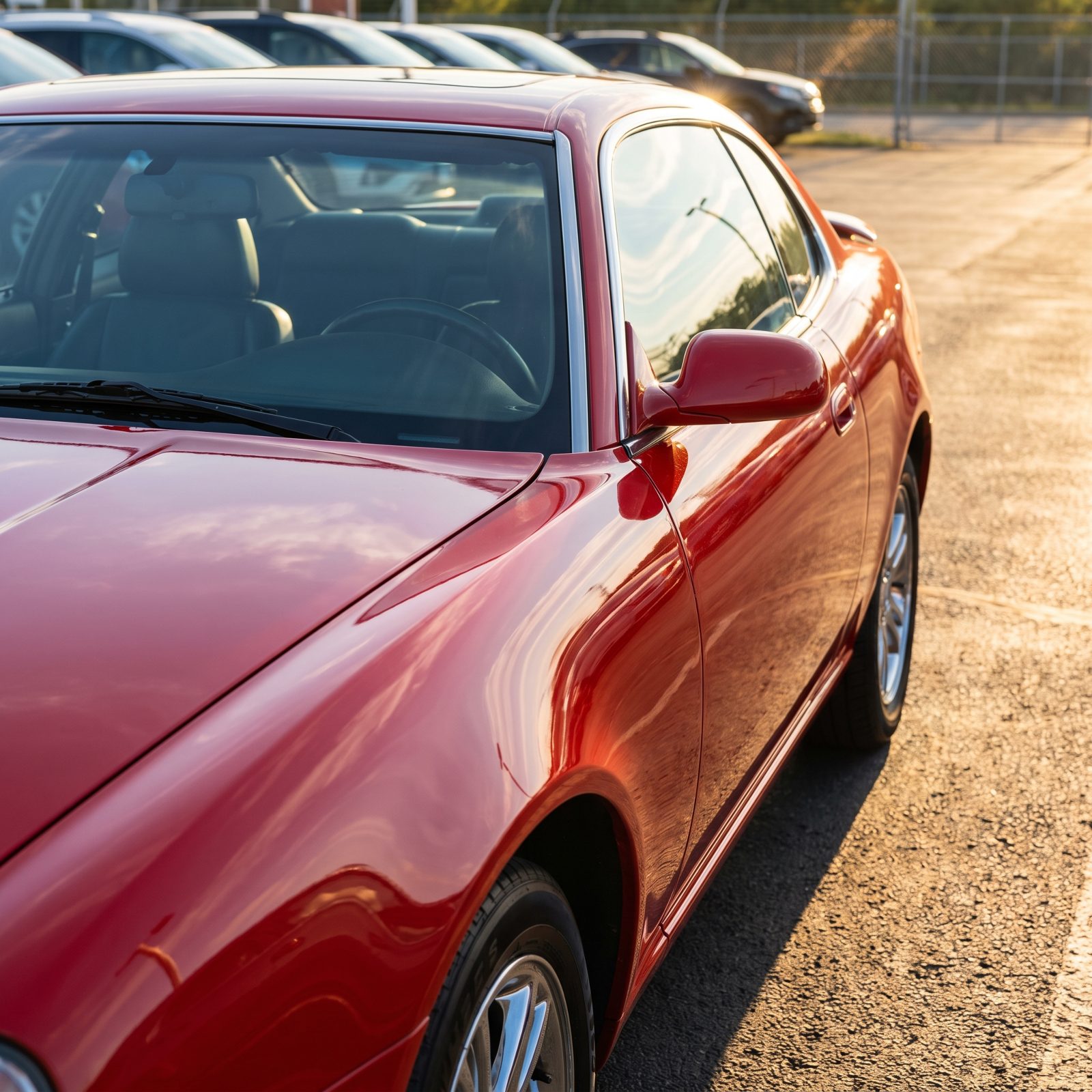
The paint gets you first. Always. You walk the lot, the red one catches the light, and your feet just go there without asking permission. You haven’t popped the hood or checked the mileage. You know it’s pretty, and for about ninety seconds that’s the only fact that matters.
Same thing happens across a room. Attraction arrives before information. Psychologists call it the halo effect: when one good quality is obvious, we assume the hidden ones are good too. Shiny paint equals good engine. Nice jawline equals kind heart. Neither follows, but the brain files it that way anyway because it’s lazy and in a hurry.
We’ve all done it — bought a car because the metallic flake looked incredible under the showroom glow. The transmission had opinions about hills. Beauty is real information, just not the information you think you’re getting.
15. One Great Test Drive Can Scramble Your Entire Checklist

You arrived with a list — fuel economy, cargo space, a budget circled twice in pen. Then you took it around the block, the engine woke up on the on-ramp, the gear lever came alive under your hand, and suddenly that list reads like something a stranger wrote.
One good evening with a new person does exactly the same wrecking-ball work on your standards. A single intense experience floods the system and drowns out slower judgment. The feeling is loud. The spreadsheet is quiet. Loud wins.
It isn’t weakness. It’s chemistry doing its job, which is to overrule your frontal lobe before it finishes the math. You’re not going to stop feeling it — you will feel it. The trick is remembering the list existed once you get home and the engine’s cooled off.
14. You Claim Practicality Matters, Then Price the Convertible

Ask anyone on the lot what they need and you’ll hear the same noble speech. Reliable. Good on gas. Room for the dog. Then you watch them drift, like a tide, toward the two-seater with a trunk that fits one duffel bag and a sense of humor.
We say practical and mean safe to admit out loud. The convertible is what we actually want, dressed down because wanting it feels frivolous at our age. People do the identical move describing their ideal partner — stable, kind, good with money. All true. All also the socially acceptable version of the thing that actually makes the heart move.
There’s a name for this gap. Stated preferences versus revealed preferences — what you tell the survey, versus what you reach for when nobody’s grading you. The honest answer lives in your test-drive history, not your checklist.
Nobody ever drove four hours out of the way to look at a sensible crossover.
13. The Dealership Lighting Makes Every Car Look More Desirable
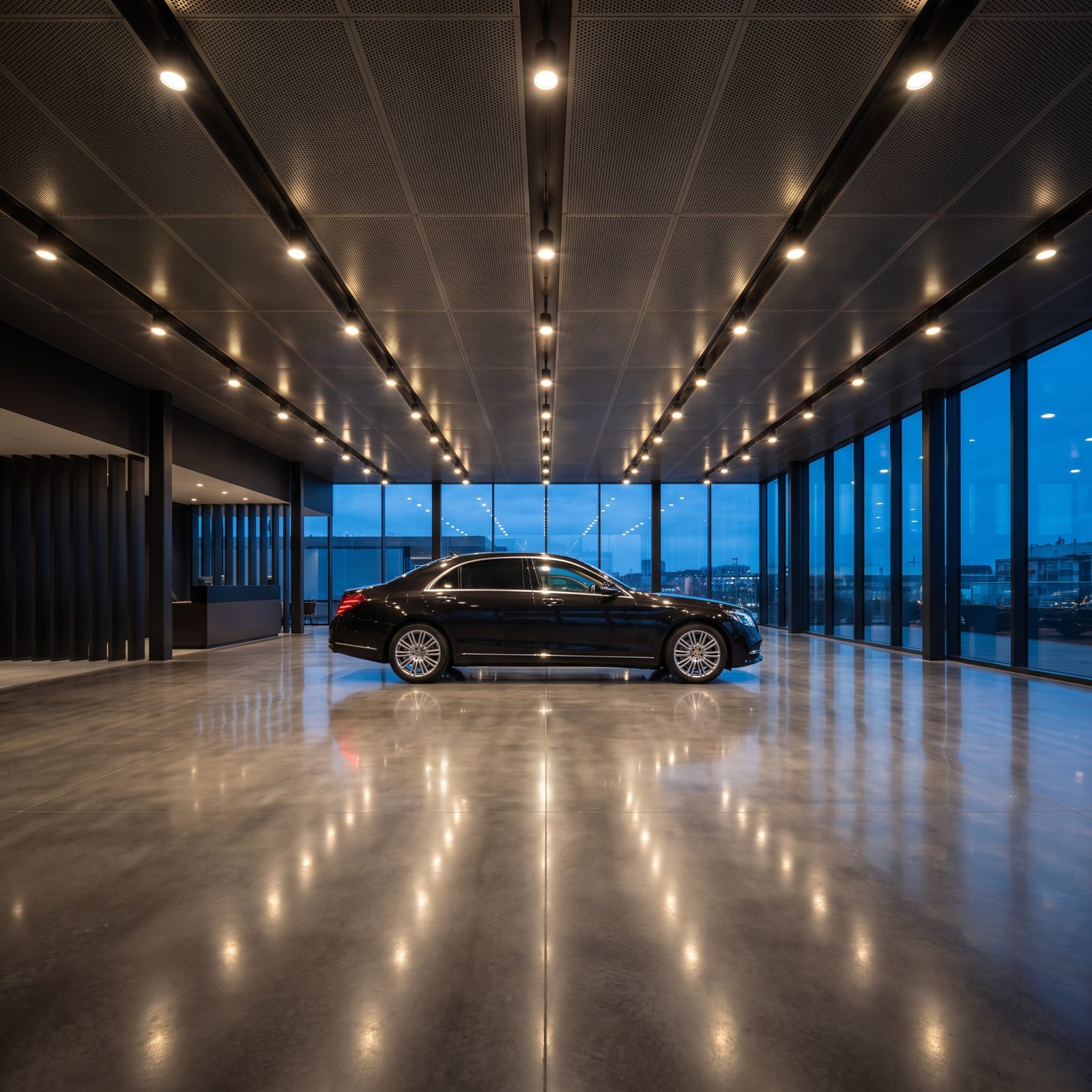
Those showroom lights aren’t an accident. Someone chose them, aimed them, and paid for them so the car never looks that good again once it’s parked in your own driveway under a gray sky. The staging is the sell.
Which is why a first date at a candlelit place with good music feels like destiny, and the same person at a fluorescent-lit DMV on a Tuesday feels like a different human entirely. Context flatters. We keep crediting the subject when the credit belongs to the room.
Marketers know this cold, and more and more the staging gets done by software that tests which background and lighting make a listing photo rack up clicks. The lesson from the lot holds for people too: see them in bad light before you sign anything. Rain. Traffic. A long line. Ordinary light tells the truth that showroom light is paid to hide.
12. A Prestigious Badge Can Make Flaws Seem Less Important
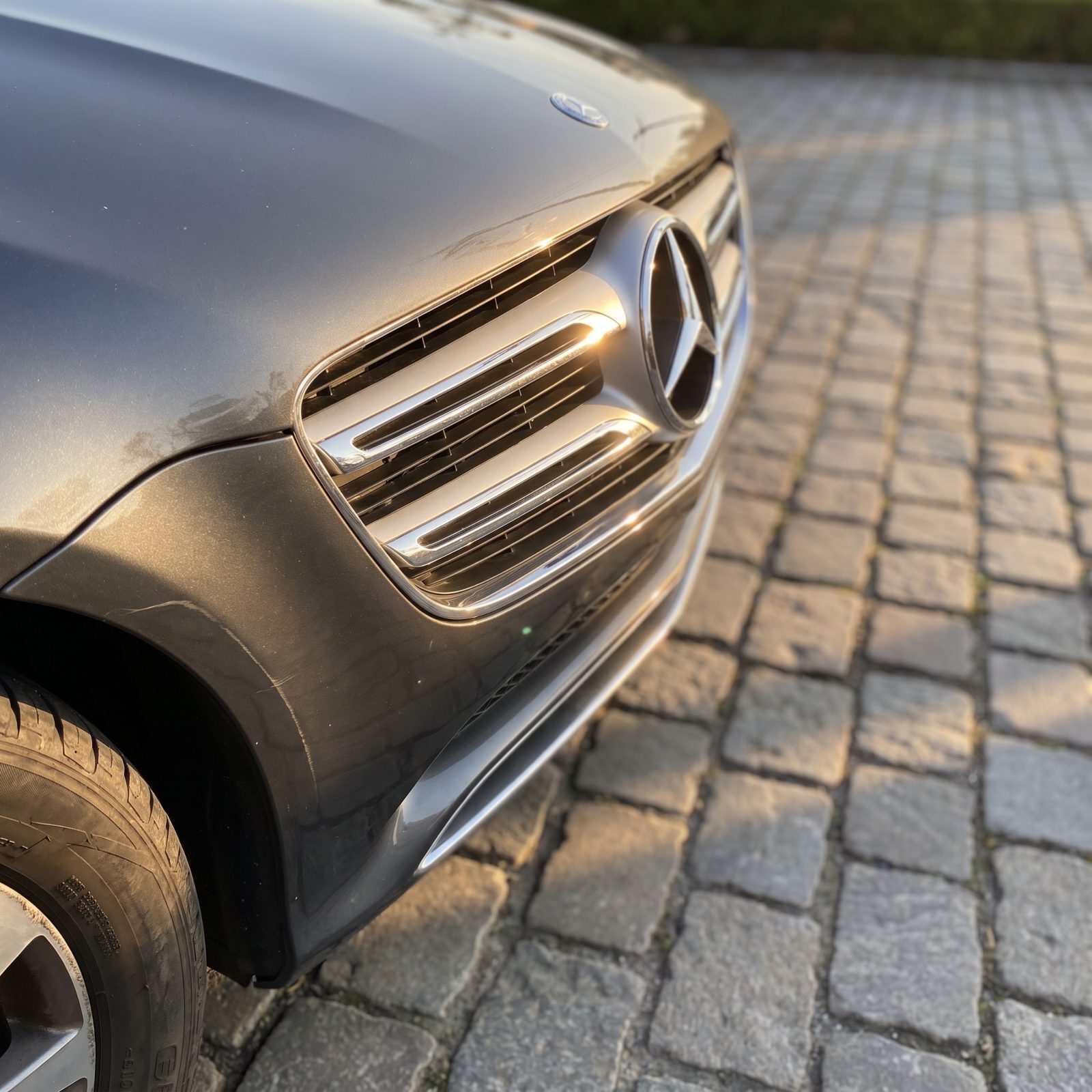
Put a famous emblem on a car and watch the same dent become character. The rattle becomes personality. You’ll forgive a luxury badge sins you’d walk away from on an economy car in a heartbeat, and the name does the forgiving for you.
Status launders flaws. We’ve all seen it with people — the way an impressive title or a known family name makes the rude comment land as confidence and the red flag read as edge. The prestige buys patience the behavior never earned.
It’s cognitive, not moral. The brain uses reputation as a shortcut so it can skip the hard work of judging the actual thing in front of it. A known name feels safer than an unknown one even when the unknown one is objectively better built. Costs more, breaks the same. You’re paying retail for a story.
11. Limited Availability Makes an Average Vehicle Suddenly Irresistible
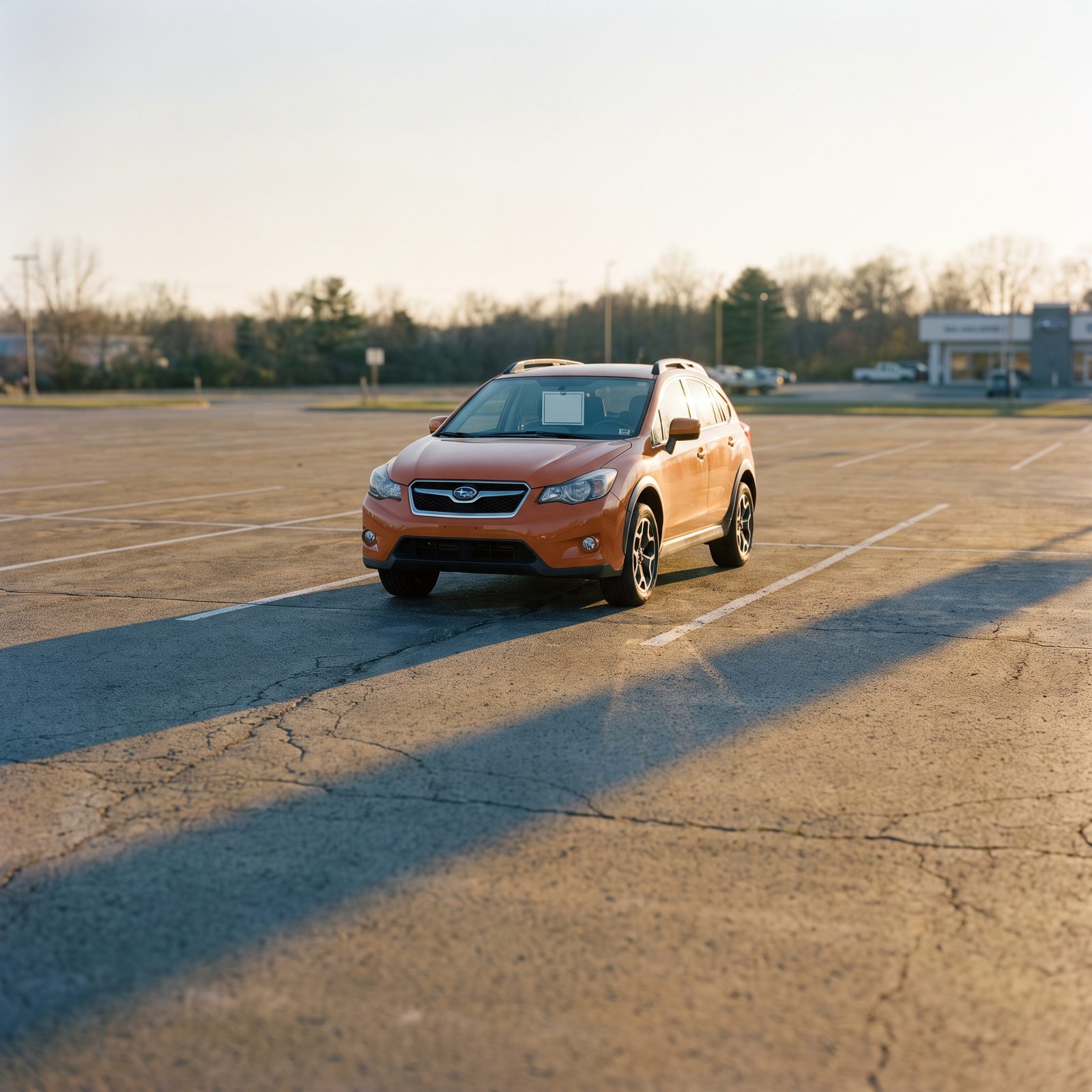
Tell a shopper there’s only one left and watch a perfectly average car become the one that got away. Last in stock. Discontinued next year. Somebody else is coming to look at four. Suddenly your pulse is up over a vehicle you felt nothing about an hour ago.
Scarcity hijacks wanting. The person you took for granted becomes magnetic the second they mention they’re seeing someone else. Nothing about them changed. Your estimate of your chances did, and the fear of losing it outruns the question of whether you ever wanted it.
Loss aversion is the engine here — we hate losing something roughly twice as much as we like gaining it. A salesman saying it’s spoken for isn’t selling you the car. He’s selling you the losing. And we will chase losing further than we’d ever chase winning.
10. A Trusted Friend’s Disapproval Can Spoil the Whole Test Drive
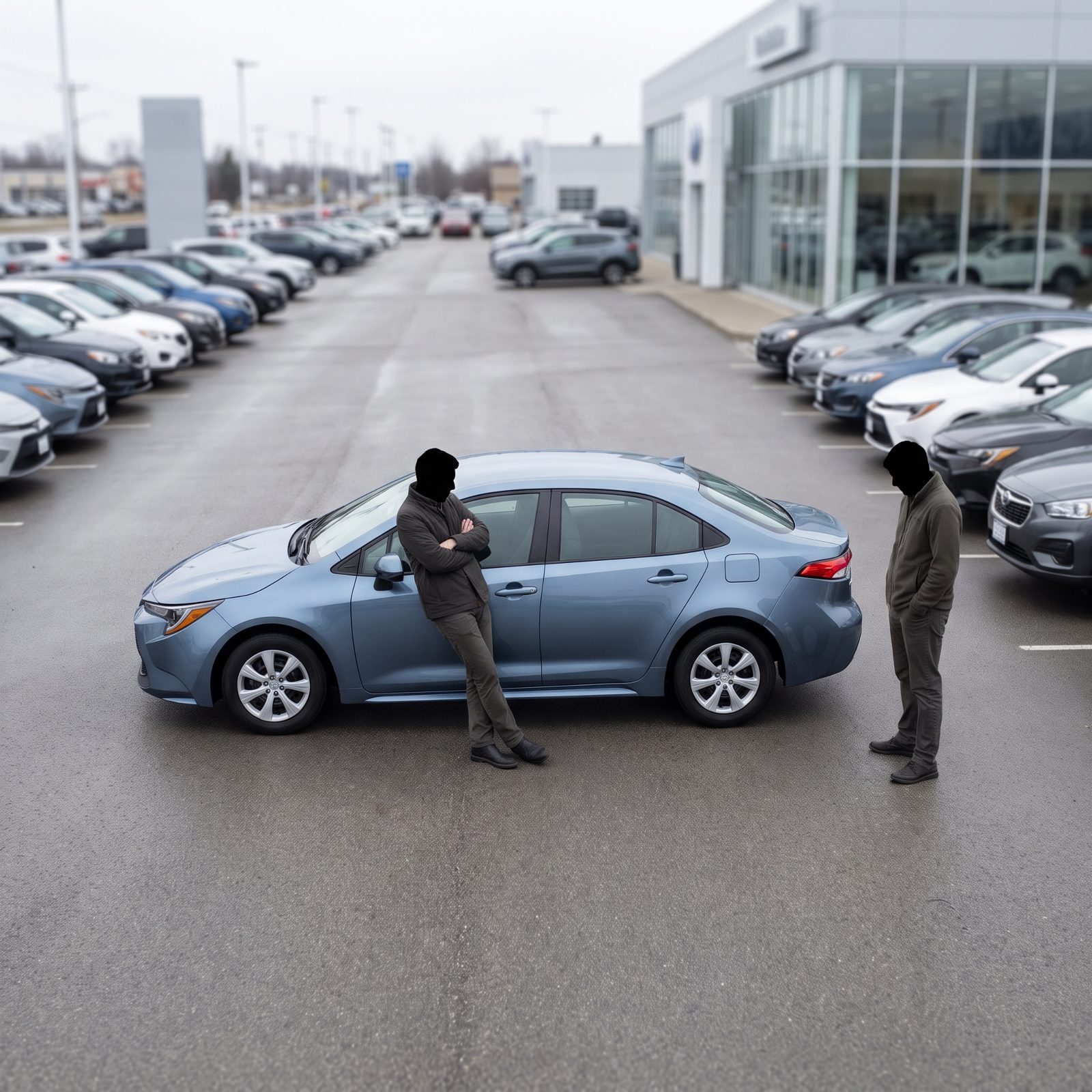
You loved it right up until your buddy walked around the back, made a face, and said one word under his breath. Now you can’t unsee whatever he saw. The magic’s gone, and you hand the keys back feeling faintly embarrassed you ever liked it.
One raised eyebrow from someone you trust can gut an entire feeling, and it works the same way when you bring a new person home to meet the people who know you best. Their verdict overwrites yours, because deep down we outsource judgment to the group. It kept our ancestors alive — the tribe’s read on a stranger was survival data.
Social proof runs both directions. A crowd of approval makes mediocre feel great, and a single trusted no makes great feel suspect. Worth knowing, so you can tell the difference between your friend spotting real rust and your friend just not sharing your taste. Sometimes it’s rust. Sometimes it’s that he’s never liked anything you’ve picked.
9. The Vehicle History Report Reveals Baggage You Can’t Ignore
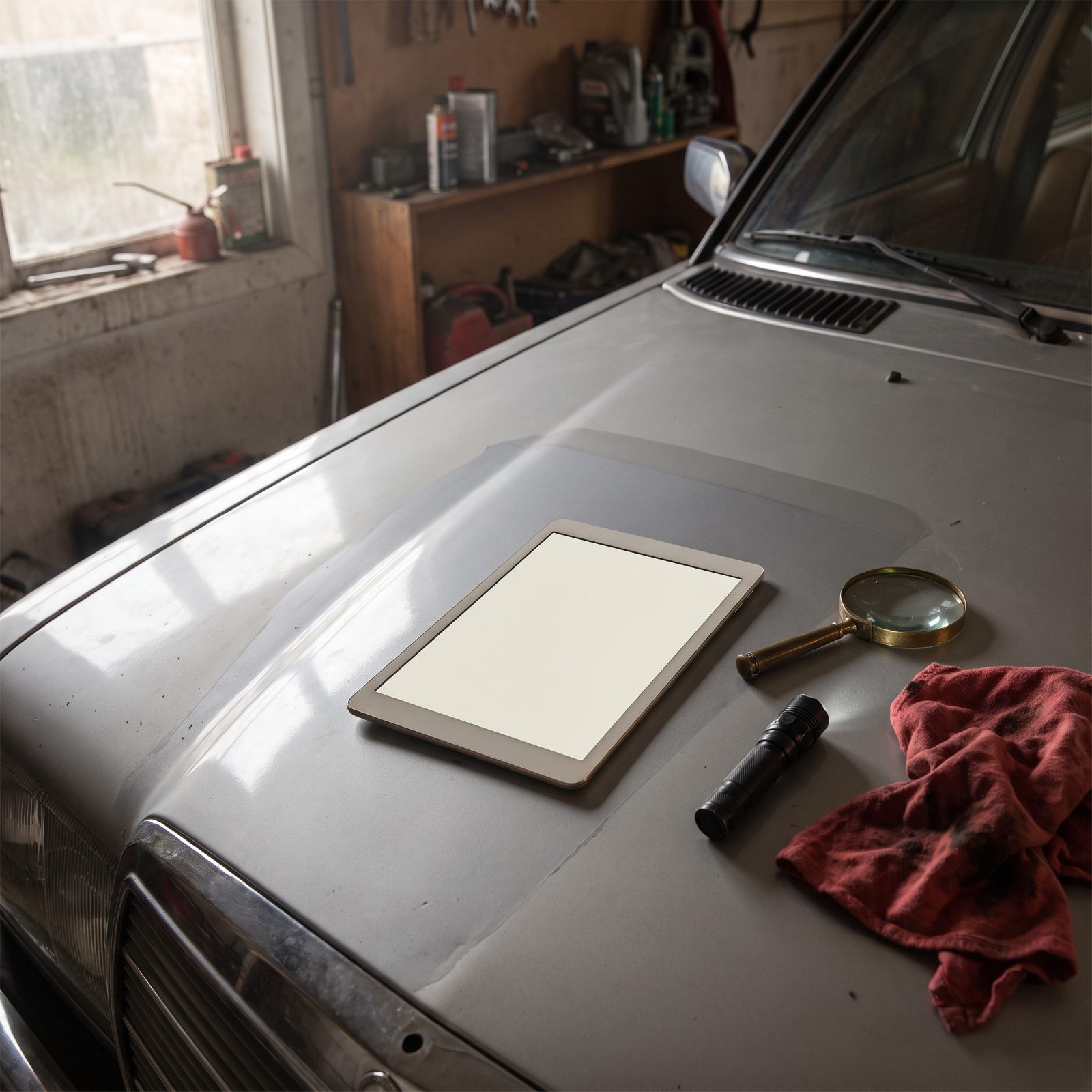
Everything was going great. The drive was smooth, the price was right, your heart was basically done. Then the report loads — two previous owners, a flood title, an accident the seller somehow forgot to mention. The car is exactly as good as it was five minutes ago, and you feel completely differently about it.
History doesn’t change the metal. It changes you. The first time someone’s past comes into focus — the exes, the pattern, the thing they glossed over — that same recalibration happens in your chest. You’re not reacting to who they are today. You’re pricing in the risk their story just revealed.
Your brain is running a Bayesian update, folding new evidence into old belief. A car with a clean report and the same car with a flood title are the same object with wildly different odds attached. Baggage is just information arriving late. The question is never whether there’s a history — there always is. It’s whether you can live with the one you found.
8. You Explain Away Warning Lights When the Car Feels Special
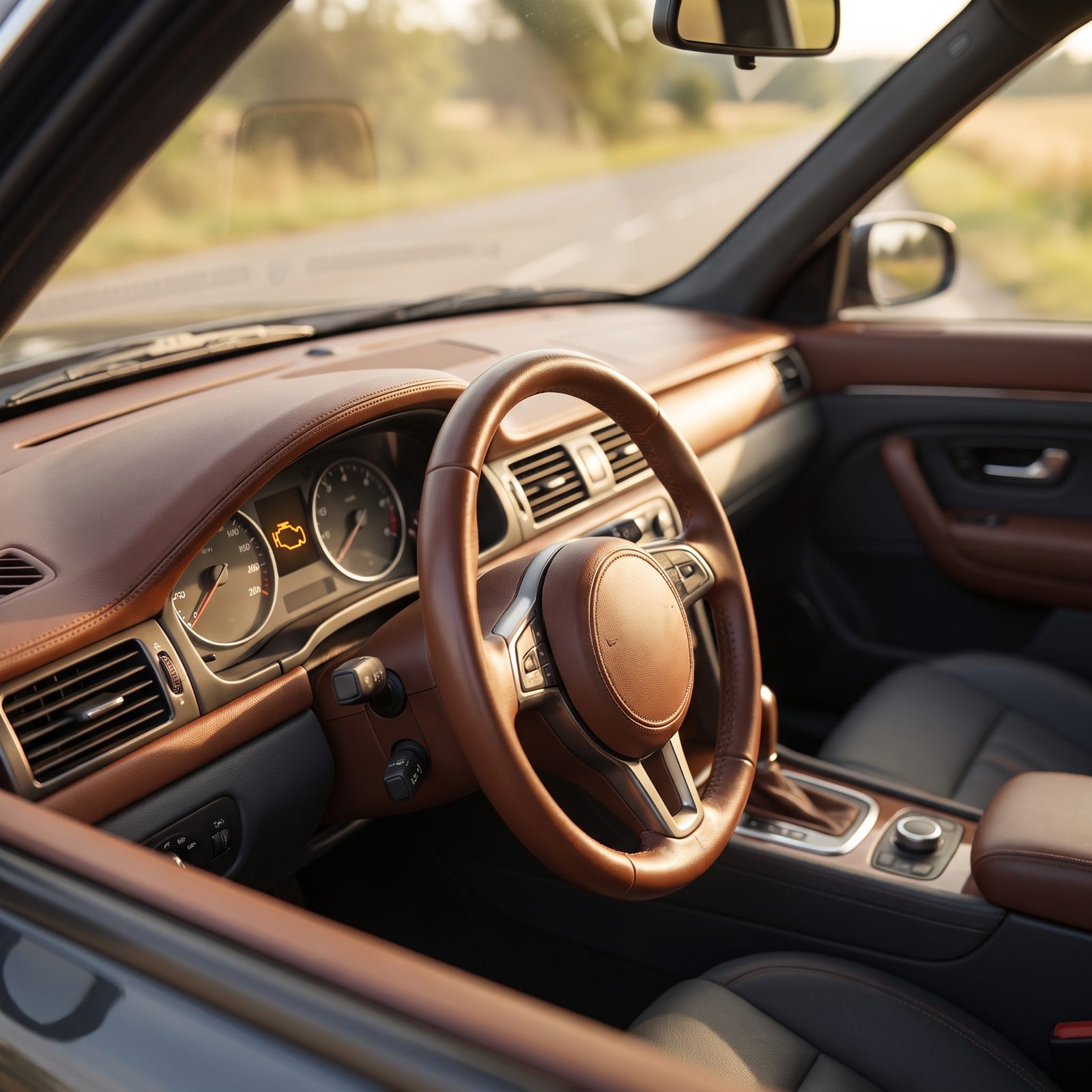
The light comes on. You know what a check-engine light means. But this car feels right, so the story writes itself: probably just a loose gas cap, probably a sensor, probably nothing, I’ll get it looked at. You’ve already decided to keep it. Now you’re just assembling evidence for the verdict you reached an hour ago.
That’s confirmation bias wearing coveralls. Once the heart commits, the mind becomes a defense attorney — collecting only the facts that support the case and filing the rest under later. Anyone who’s stayed too long with the wrong person knows this one cold. The excuses. The it’s-not-usually-like-this. The warning lights explained away one at a time.
The feeling doesn’t make the light less real. A thing can be special and still be telling you something’s wrong. Both at once. Love and a bad sensor live comfortably in the same vehicle.
7. You Picture Road Trips Before Checking Whether Groceries Fit

You’re standing on the lot and you’re not on the lot anymore. You’re on a coast road at dawn, windows down, nowhere to be. You’ve already named the trips you’ll take before you’ve checked whether a full cart of groceries clears the hatch on a normal Tuesday. The daydream shopped first. Reality shows up to the appointment late, if at all.
We fall for the highlight reel — the anniversary drive, the camping weekend, the version of life this thing unlocks. That’s precisely how we fall for people, buying the best weekend and forgetting that most of the relationship is the random Tuesdays. The vacation is five days. The commute is five hundred.
Psychologists call it affective forecasting, and we’re reliably terrible at it. We over-weight the rare, vivid future and under-weight the dull, constant present where life actually happens. Picture the groceries. Picture the rain. Picture the ordinary Thursday. If it still feels right then — now you’ve got something.
6. Monthly Payments Tempt You Past Your Sensible Price Ceiling
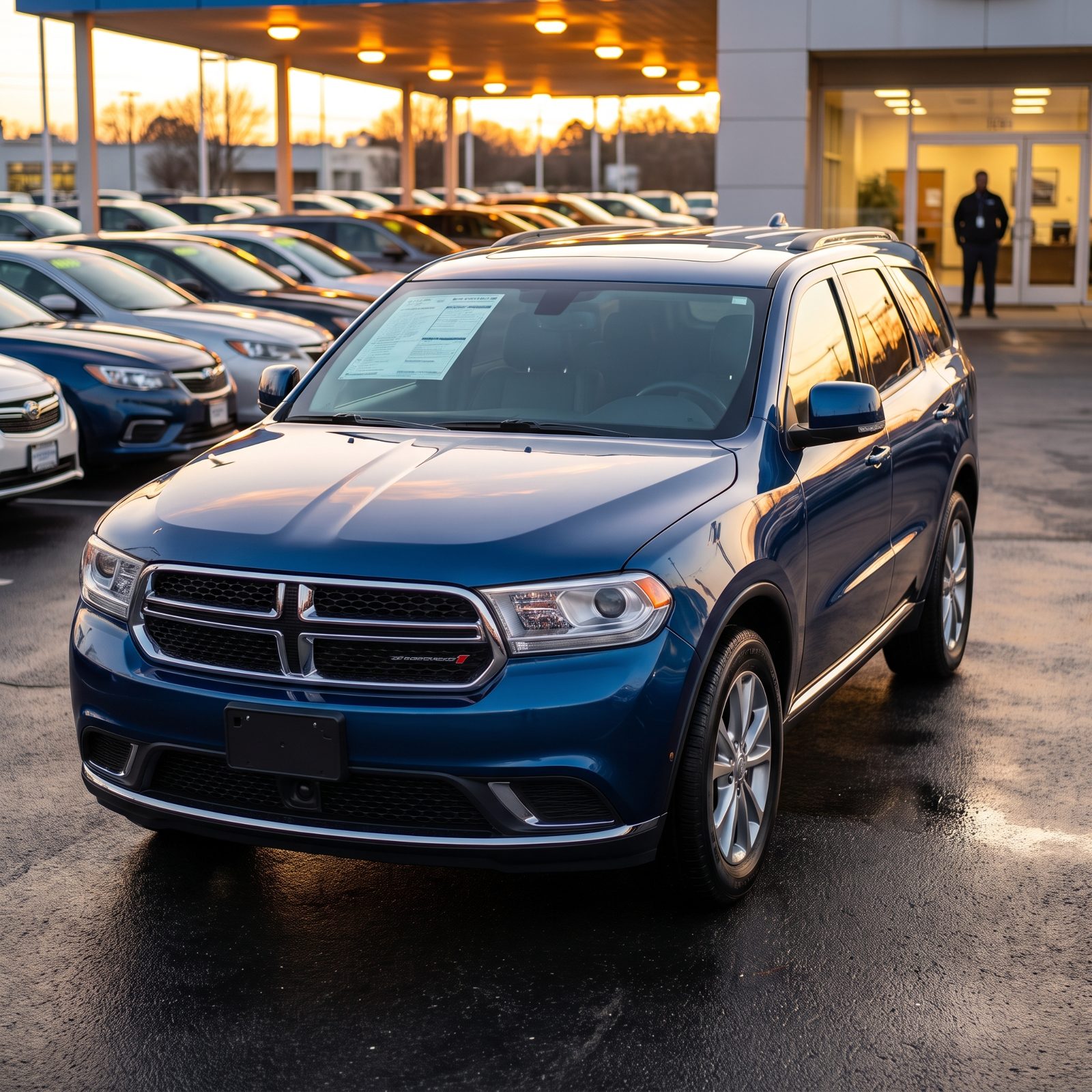
The sticker says more than you planned to spend. Then the sales manager slides a slip of paper across the desk with a number that ends in the words “a month,” and suddenly the whole thing feels affordable. It isn’t. You just stopped looking at the price and started looking at the payment.
People run the same crooked math with partners. The total cost looks frightening, so the brain quietly breaks it into bearable installments. You tell yourself you can handle this person one weekend at a time, one small compromise at a time, and nobody adds up the sum until much later.
Economists call it the payment framing effect, and it works because our minds are hopeless at totaling anything that arrives in pieces. Three dozen small yeses don’t register as one enormous yes, even when that’s exactly what they are. The grille glows, the figure shrinks, and the ceiling you swore to last week quietly climbs a floor.
5. Too Many Test Drives Leave Every Vehicle Feeling Wrong
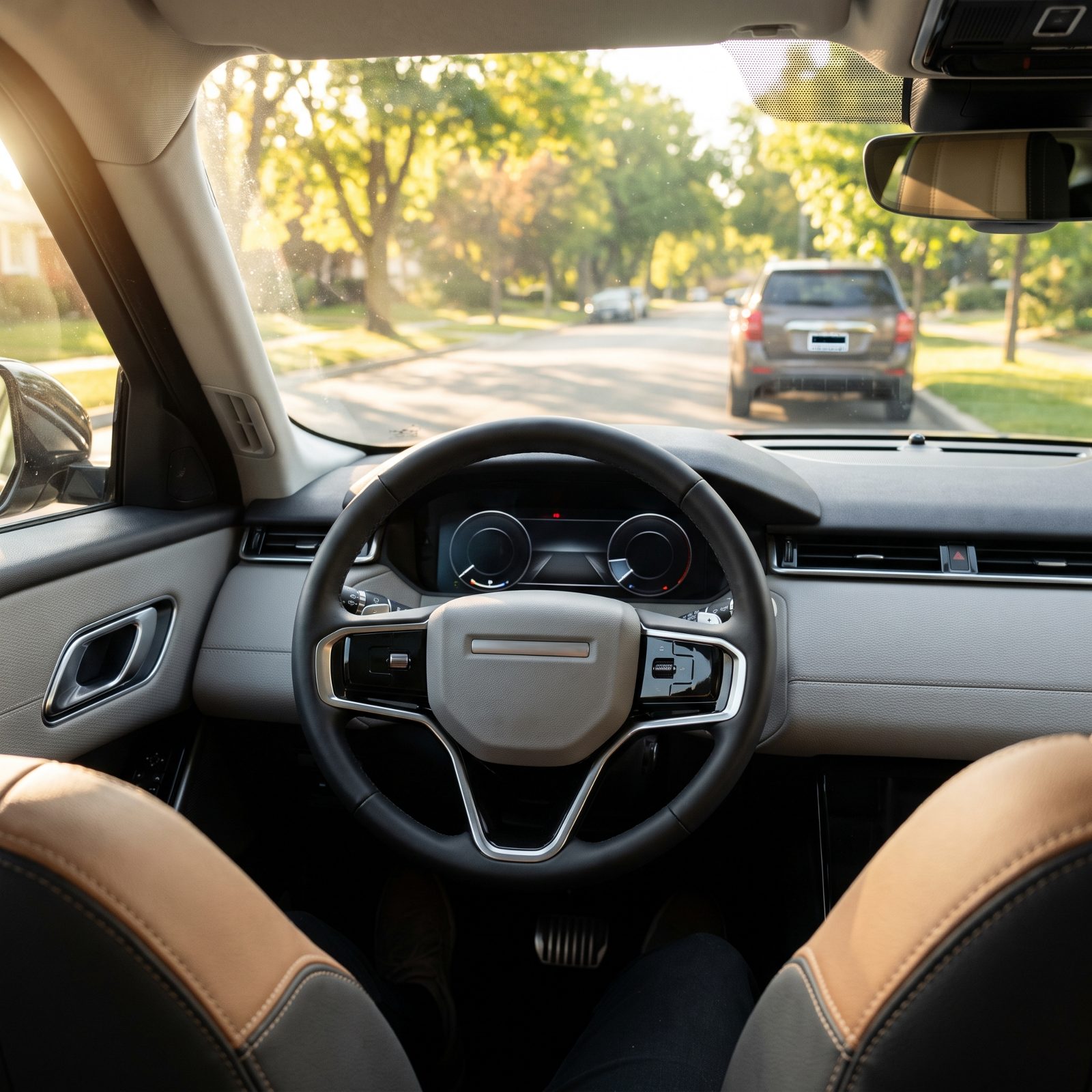
Five test drives in, every car has a flaw. The steering on this one is too light. That one’s blind spot runs a hair too big, and the third rides beautifully but the infotainment lagged once and now you can’t unsee it. Nothing is good enough, which is strange, because any of them would have thrilled you a month ago.
Date enough people and the same rot sets in. You start keeping a mental spreadsheet, and every new face gets ranked against a Frankenstein composite of everyone you’ve ever met. One is funny but has no drive. Another is kind but never makes you laugh. Nobody survives, because the test itself was rigged from the start.
Researchers have shown this choice-overload trap again and again: more options leave us less satisfied, not more. Each new candidate isn’t a fresh chance to win. It’s a fresh chance to spot a defect. So the more you sample, the harder commitment gets, because your standard quietly slid from “good” to “flawless” — and flawless doesn’t exist on a lot, or anywhere else.
4. You Keep Browsing Listings After Finding a Perfectly Good Match
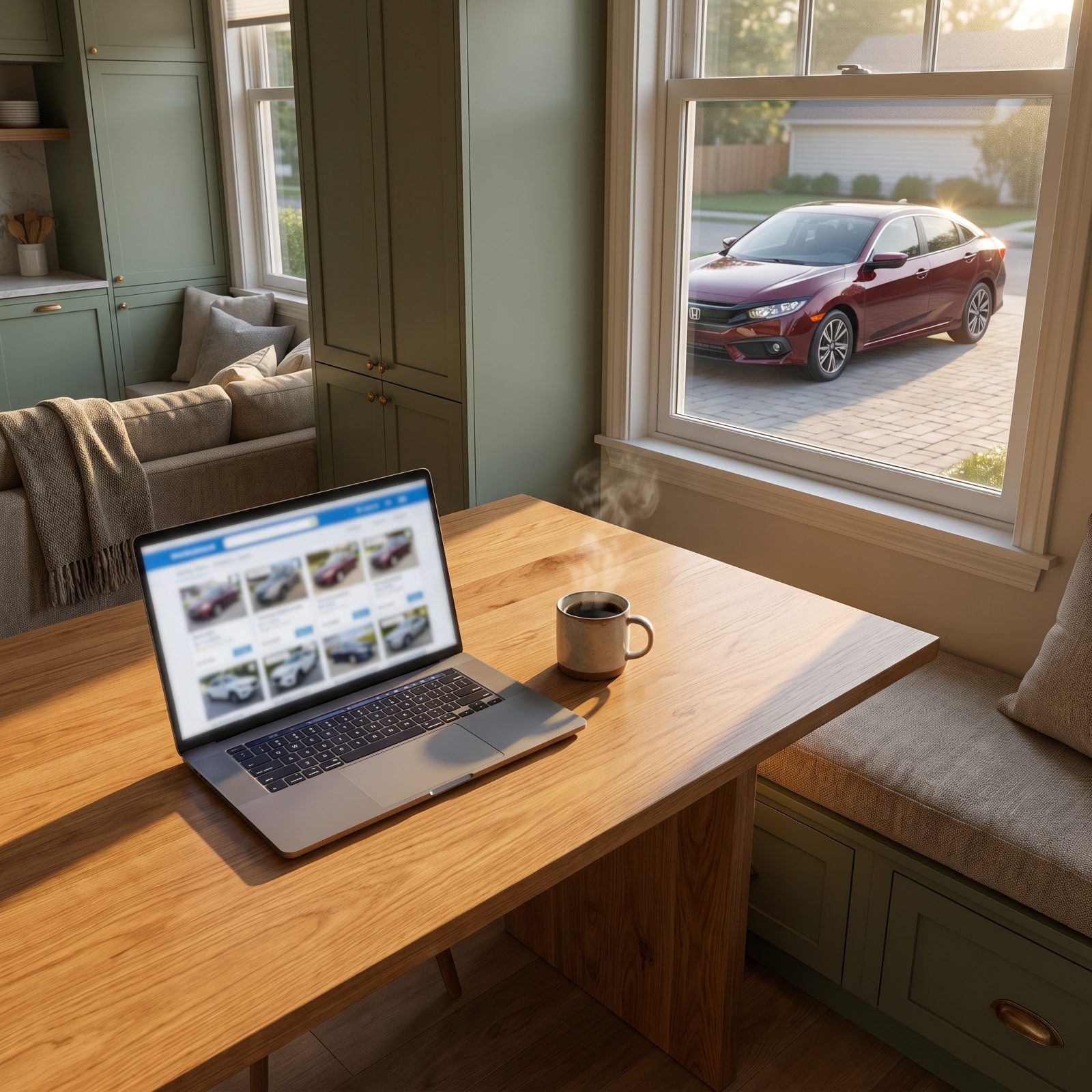
The car in your driveway starts every morning, hauls the dog, passed inspection, and has never once left you stranded. And still, at eleven at night, you’re thumbing through listings for something newer, lower miles, a color you like a little better. You’re not shopping. You’re wondering.
We pull the same move on people we’re already with. The relationship works fine. Then a notification pops, or an old familiar face drifts past, or some idle what-if lands, and the browsing starts up in the back of your head even though the garage is full.
Call it the grass-is-greener loop, powered by a brain that adapts to anything good and then stops noticing it. Hedonic adaptation is a dull name for a real thief, because the thing that once delighted you becomes the thing you look right past. The listings aren’t better. They’re just new, and new lights up a part of us that “reliable” stopped reaching a long time ago.
The car didn’t get worse. You just stopped seeing it.
The fix isn’t a better car. It’s closing the app and going for a drive in the one you’ve already got.
3. The Wrong Cabin Annoys You More With Every Commute
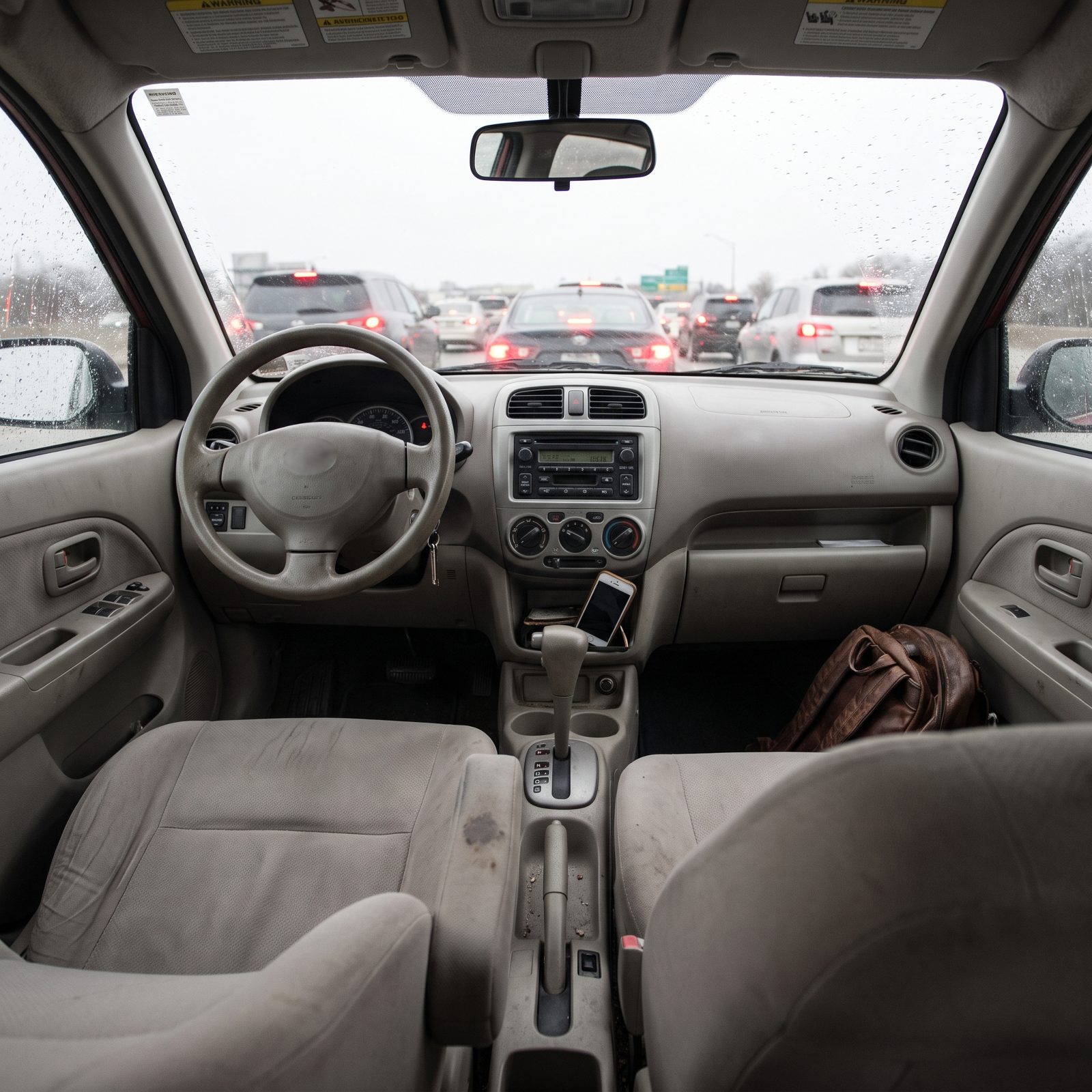
On the test drive you loved it. The looks sold you, the engine note sold you, and the stiff seat and awkward cupholder never registered because you were too busy being impressed. Six months later, that cupholder is personal. The seat has a word for your lower back, and it isn’t a nice one.
Looks pull you in; daily life wears you down. A gorgeous cabin you fight every single morning turns into a grudge you commute to work.
People go the same way. Chemistry gets you through the door, but compatibility is what you actually live inside, and those little friction points you waved off early — the ones you swore you’d adjust to — don’t fade. They stack. Every commute, every ordinary Tuesday, files away a little more patience.
2. You’ll Tolerate Maintenance When You Truly Love the Machine
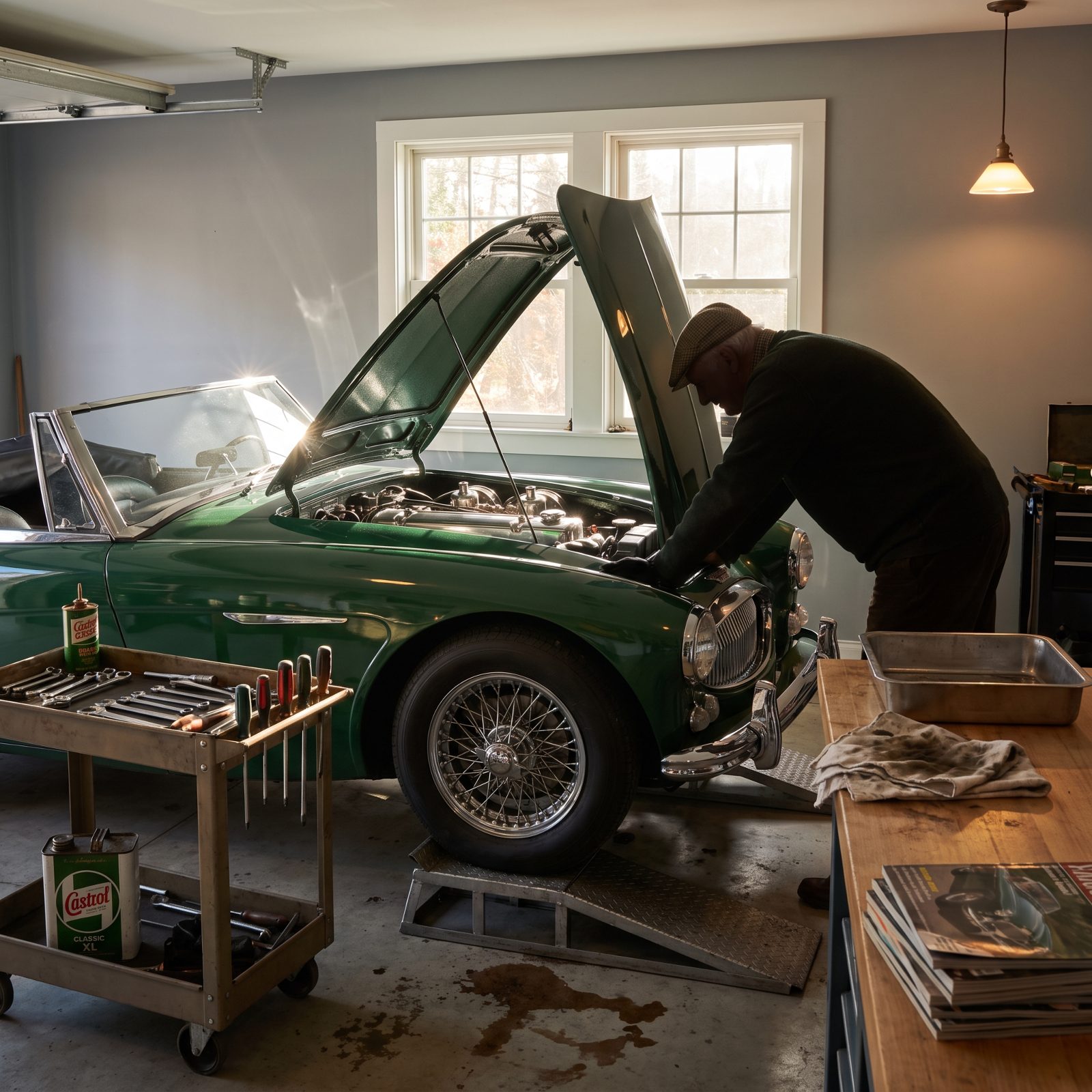
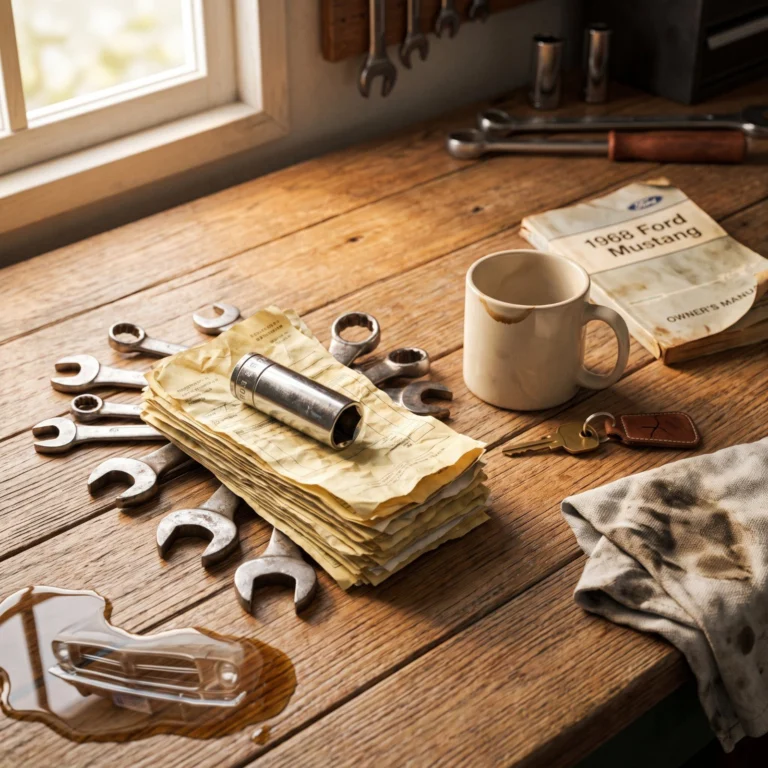
A car that leaves oil spots on the floor, wants a carb adjustment every spring, and sulks on cold mornings should drive any sensible owner up the wall. Yet the guy with the vintage roadster props the hood, lays out his wrenches, and lingers by the garage window like a man with nowhere better to be. He’ll burn a whole Saturday chasing one rattle and call it a good day. Hand him a flawless appliance car and he’d be bored by Thursday.
Love does this to the ledger. Once you genuinely want something, the upkeep stops reading as cost and starts reading as care, and the effort becomes part of the bond instead of a tax on it.
Psychologists have a cousin to this called the IKEA effect: we prize things more when we’ve sunk our own labor into them. The hours you pour in don’t drain your affection. They deepen it. Same deal with the people worth keeping. The maintenance never vanishes. You just quit resenting it, because what’s on the other end is worth every greasy knuckle.
1. Sometimes the Right Vehicle Arrives at the Wrong Time

Every gearhead has a story about the one that got away. The perfect truck, fairly priced, exactly what you’d been hunting — and it surfaced the same month the roof needed replacing or the job went sideways. You let it go. Someone else drove it home. You still think about it.
Timing is the quiet variable nobody writes into the pros-and-cons list. A vehicle can be right in every measurable way and still be impossible, because you don’t buy a car in a vacuum. You buy it inside a life that has other bills and its own weather.
Same with people. The right one shows up while you’re mid-divorce, mid-move, mid-grief, flat broke on bandwidth. Nothing about them is wrong. Everything about the moment is.
The hard part is swallowing that “good” and “now” are two separate questions, and both have to come back yes. We’d love to believe the right thing bends time to fit. It doesn’t. Sometimes you just wave at the taillights and hope the next right one rolls up when your driveway, and your life, actually has room for it.