You will stand in a showroom, lean over a tank you have no business affording, and feel your heart do the thing it was not supposed to do at your age. Then you go home and pretend the decision was rational. It never was. The wiring that pulls us toward one bike over another is the same wiring that pulls us toward one person: the surge of attraction, the stories we tell ourselves, the voice of the crowd, the fear of missing the last one on the lot. We are no more built to choose machines with our heads than we are built to choose people that way. What follows is a mirror. You will laugh. You may also wince.
Please note that some of the images in this article were created with the assistance of AI.
17. You Notice the Tank Before Asking Anything Practical
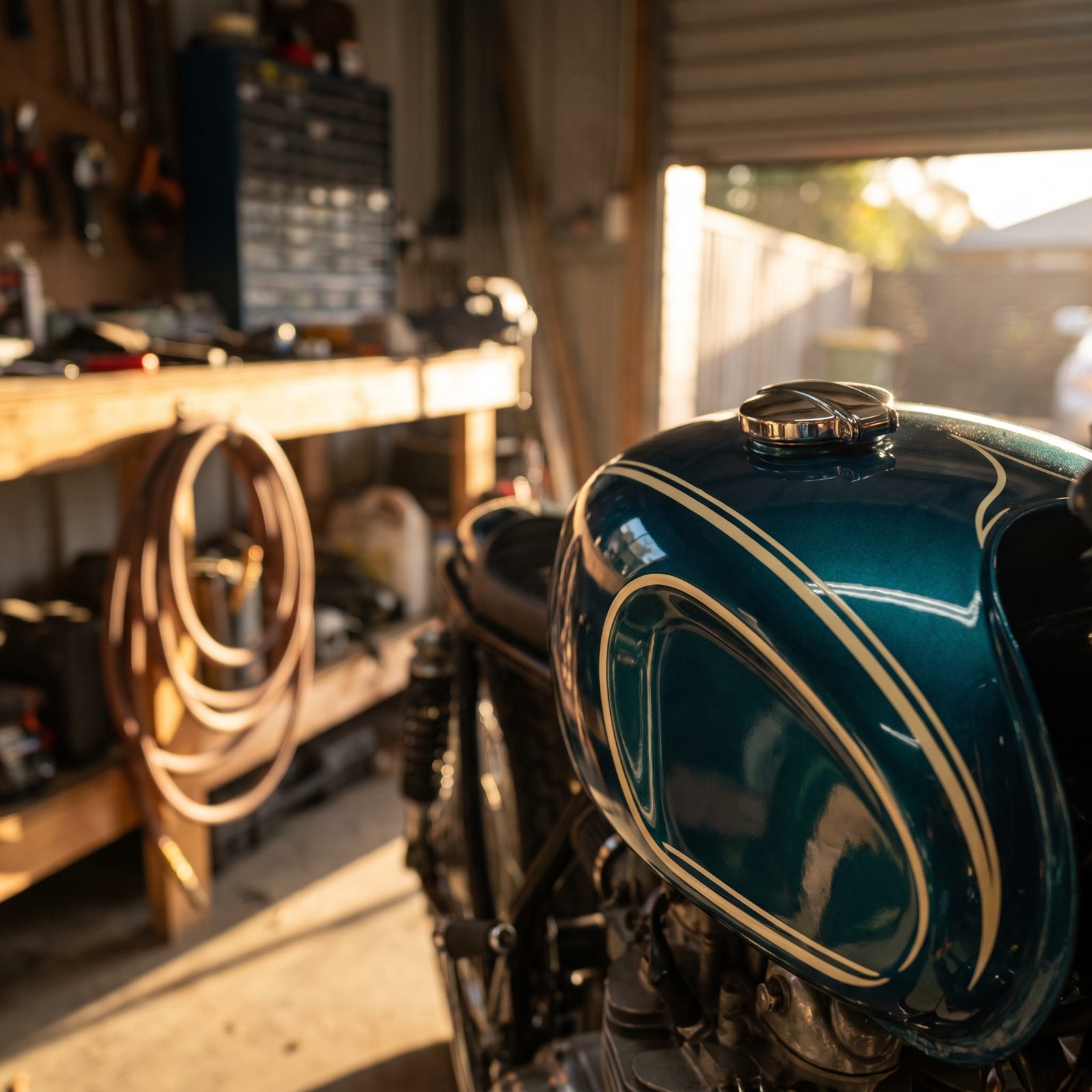
You walk up to a bike and your eyes trace the tank first — the sweep of it, the paint, the way the light rolls off the curve. You haven’t asked about the mileage or who owned it. You’re already in love with a gas container.
Same thing happens across a room with a person. A jawline, a laugh, the way they stand, and attraction fires before a single useful fact arrives. Psychologists call it the halo effect: one appealing trait convinces your brain the whole package must be good. A pretty tank must mean a sweet engine. A warm smile must mean a kind heart. Neither is true, and your brain does not care.
The tank is the trailer, not the movie. Watch the whole thing before you sign anything.
16. The Dealer’s Attention Makes Ordinary Chrome Feel Special
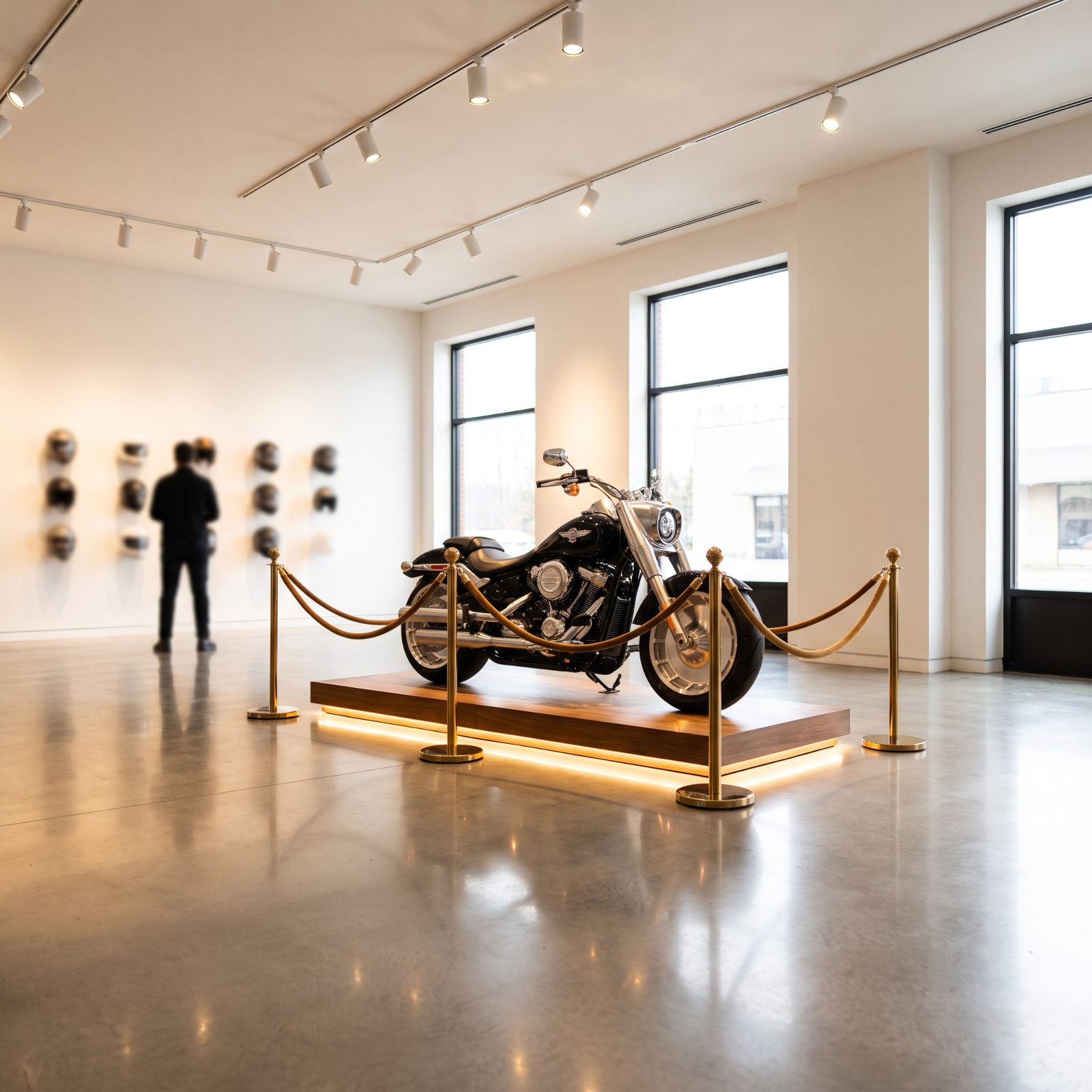
The coffee is free and someone remembered your name. Suddenly that fairly standard middleweight you came to kick the tires on feels like destiny. The salesperson leans in, nods at your opinions, tells you this one just came in and they thought of a buyer exactly like you.
You’ve felt this on a first date. Someone pays full attention, laughs at the mediocre joke, acts like you’re the most interesting thing in the building, and your read on them climbs by the minute. You can’t tell how much of it is them and how much is simply being flattered.
Reciprocity is the lever. Treat someone like they’re special and they warm to you, then they mistake that warmth for a signal about the thing itself. The chrome didn’t change. You did.
15. One Test Ride Can Overrule Your Entire Spreadsheet
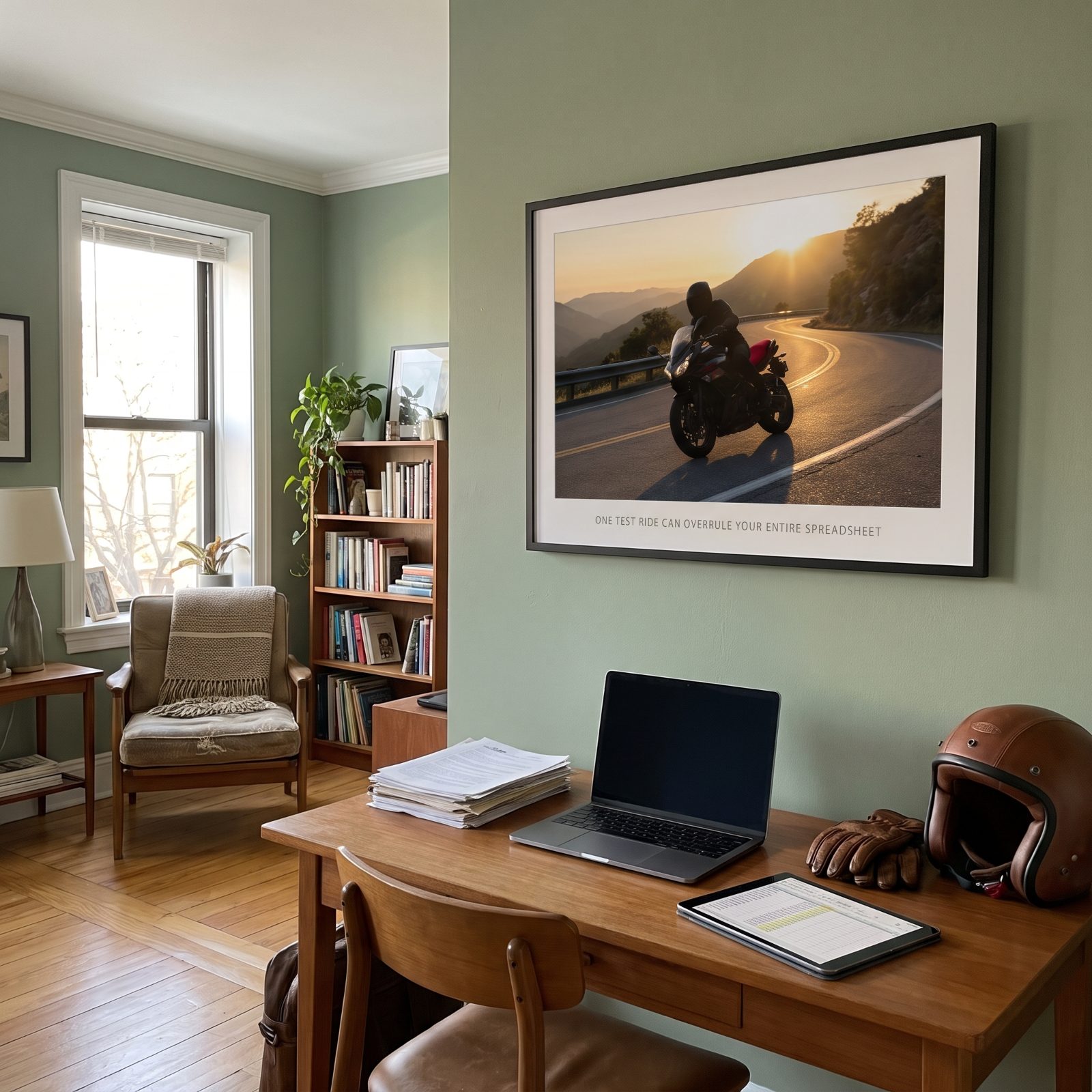
You did the homework. Columns for weight, service intervals, insurance, resale, and the sensible choice sat there clear in black and white. Then you took the other one around the block, felt it drop into the first corner like it already knew your hands, and the spreadsheet became a napkin.
We do this with people constantly. You can list every reason someone is wrong for you, and then they do one small thing — hold the door a certain way, say the exact right sentence — and the whole ledger evaporates.
Call it the affect heuristic. When something feels good, the brain quietly rewrites the facts to match the feeling. Your reasoning doesn’t fail so much as get edited behind your back by the good feeling that just walked in.
The ride matters. It’s real information. Just don’t let one perfect afternoon erase six honest weeks of thinking.
14. You Shop for the Rider You Hope to Become

The adventure bike with the aluminum panniers isn’t for the rider you are. It’s for the rider who crosses Patagonia, fords a river, camps under stars in a country you can’t spell. You buy for that person, then you ride the same forty-minute loop to the diner every Saturday.
People choose partners this way too. We pick for the life we imagine we’ll grow into, the better version we’ll become once the right person is beside us. We buy the future, not the present.
Behavioral folks call it the planning fallacy with a little aspirational identity stirred in. We’re reliably terrible at predicting our own behavior and reliably generous about who we’ll be next year. The bike is capable of the dream. The real question is whether you are — and whether you need the dream version to be happy with the rides you’ll actually take.
13. Your Knees Spot a Bad Match Before Your Brain
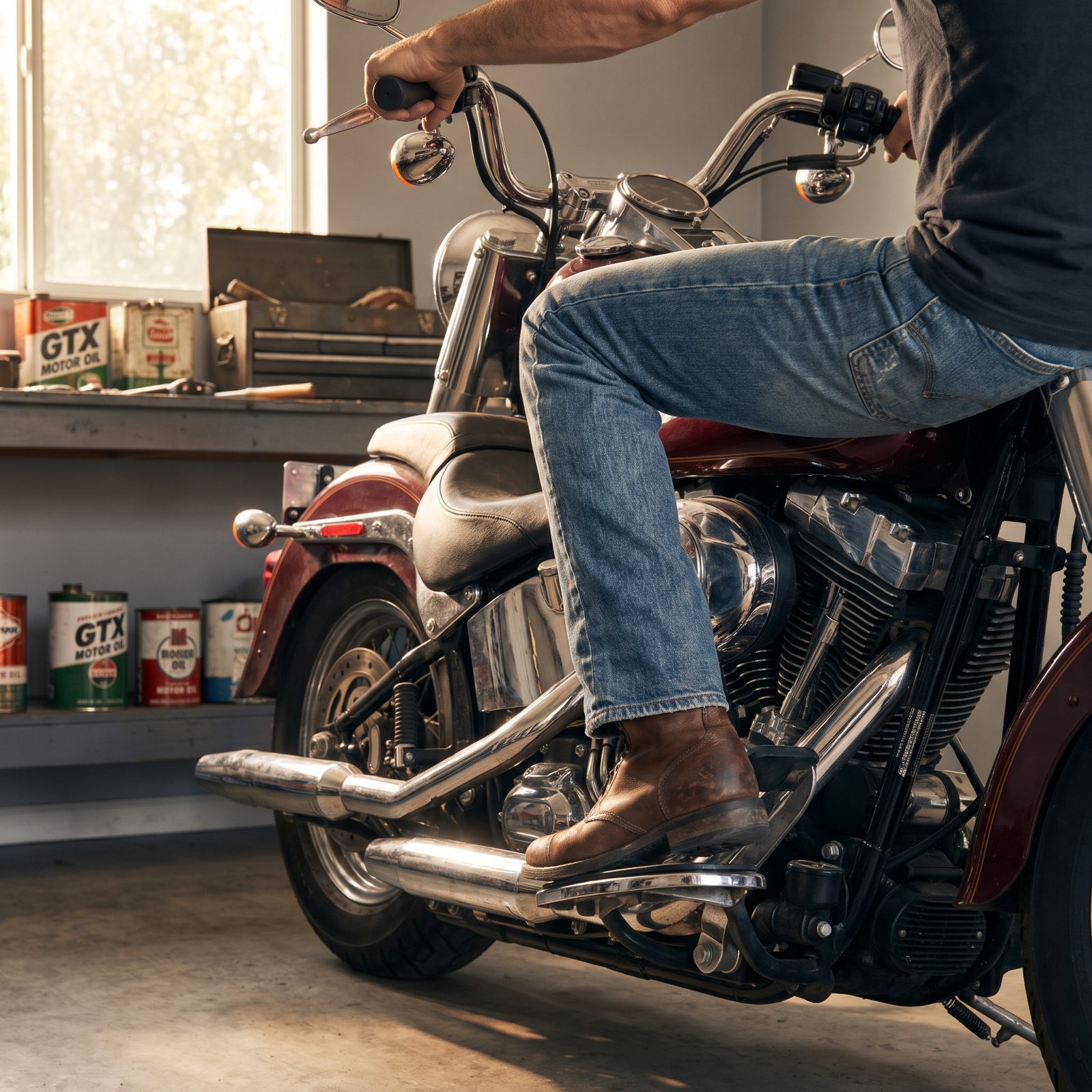
You can love everything about a bike on paper and then sit on it and feel wrong. The reach is a stretch, the pegs put your knees somewhere unkind, your wrists carry weight they shouldn’t. You’ll tell yourself you can adjust. Ten miles in, your body files a formal complaint.
The body knows things the mind argues with. Same with people. You meet someone who checks every box and something in your gut sits crooked — a low discomfort you keep explaining away because surely this should be right.
Call it embodied cognition if you want the term for it. Your nervous system logs a mismatch long before your thinking brain assembles the reasons, and we’re wired to override that signal with logic. We’re usually sorry we did. The fit isn’t a detail you patch later. The fit is the whole thing.
12. Friends Judge the Badge Before They Know the Bike
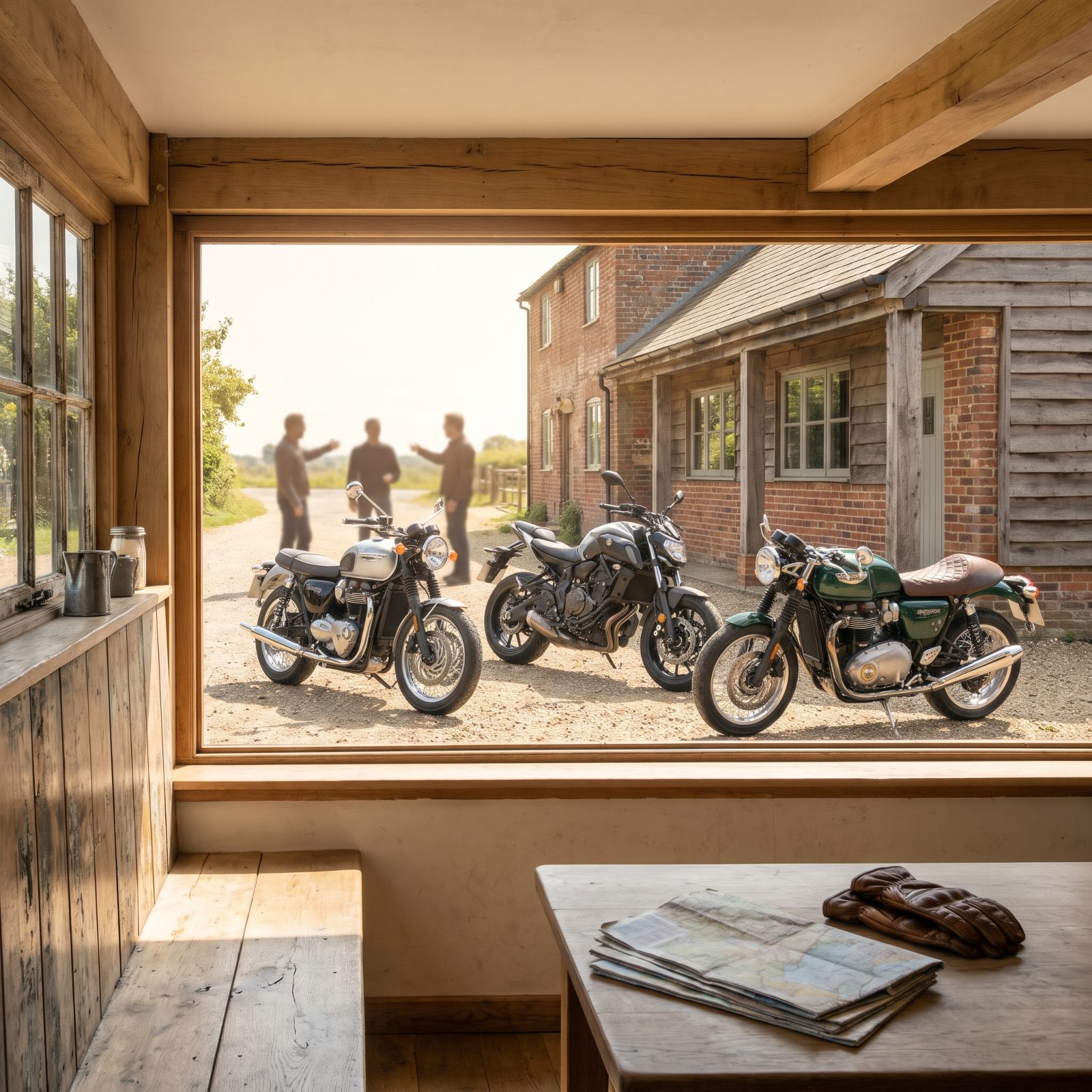
You roll up to the group ride on a brand nobody in the circle respects and you feel it before anyone speaks. A raised eyebrow. A too-quick “oh, nice.” They’ve rendered a verdict on the badge before they’ve heard the exhaust note or felt how it handles. The bike hasn’t done anything yet.
Bring a new partner to the family dinner and watch the same machinery grind into gear. People sort fast and shallow, reaching for the easy label because it saves them the work of actually knowing. Social proof in reverse: when the crowd doesn’t nod, you start doubting a choice that felt rock-solid alone in the garage.
Here’s the uncomfortable part. Their approval has nothing to do with whether the thing is right for you, and we chase it anyway. You ride the bike. They don’t. Let them keep their eyebrows.
11. You Keep Dating the Same Engine Layout
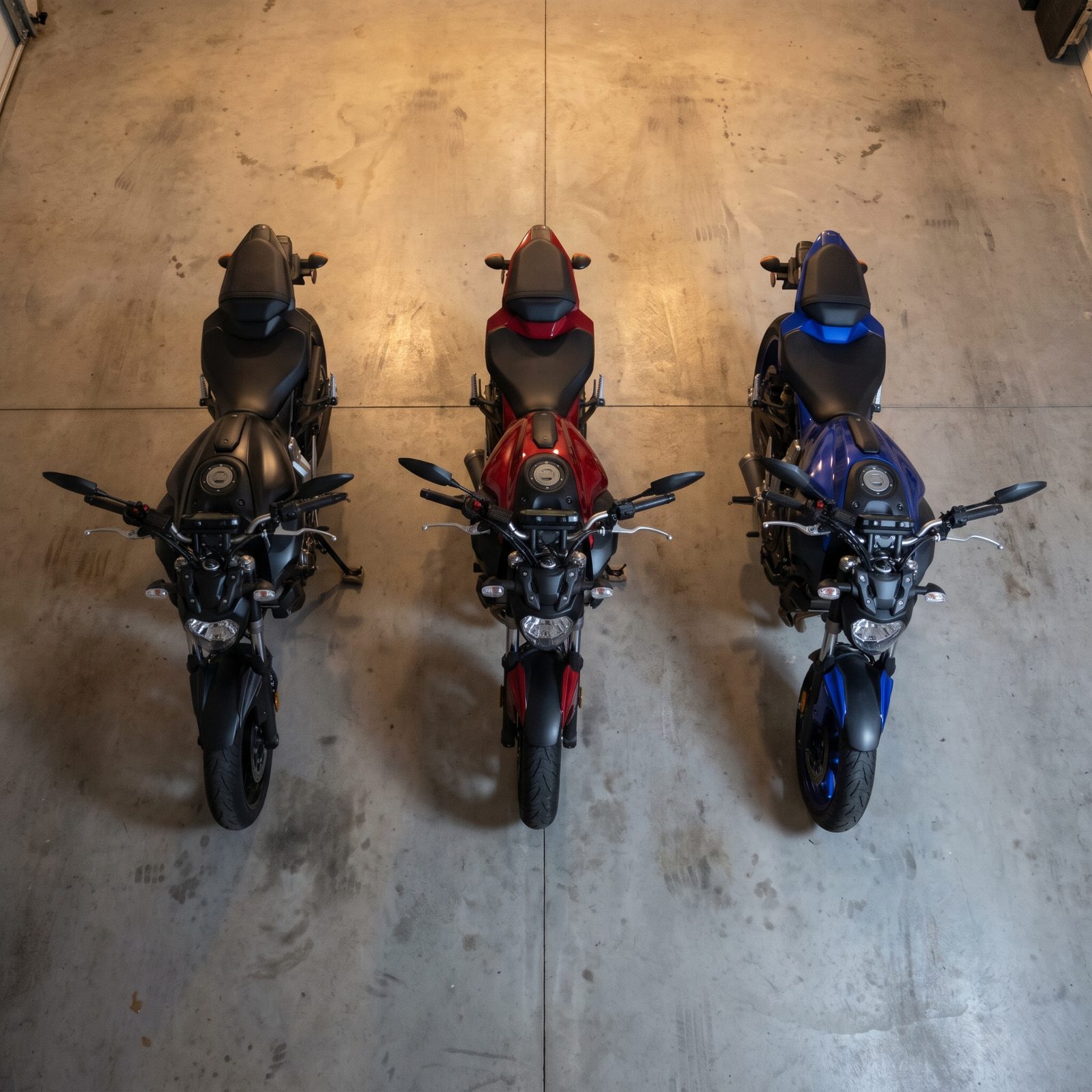
Look back at your garage history and a pattern shows up you never planned. Always a twin. Always upright bars. Always that same character of power delivery that feels like home the second you twist the grip. You thought you were choosing fresh each time. You were choosing the same thing in new paint.
Everyone runs a version of this in relationships, picking the same temperament again and again — sometimes the same flaws — because familiar reads as safe to a brain that treats unfamiliar as risky.
Repetition isn’t always a mistake. Sometimes you’ve genuinely learned what suits you. Still, it’s worth asking whether you keep choosing the type because it fits, or because the unknown scares you more than the disappointment you already know by heart.
10. Too Many Listings Make Every Motorcycle Feel Wrong
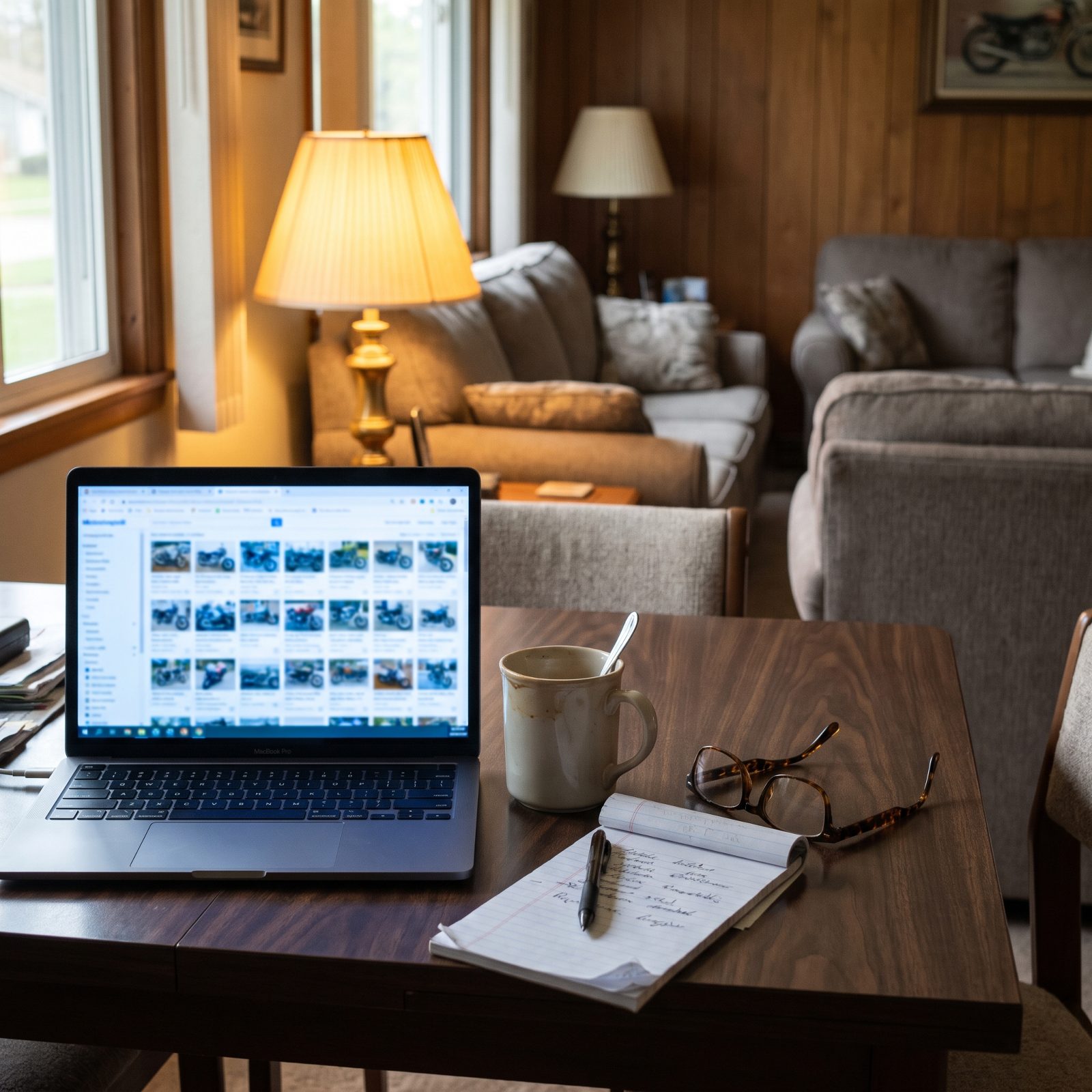
Ten tabs open. Each bike has one deal-killing flaw the next one fixes, and that one carries a flaw the first one didn’t. You started excited. Now every listing feels faintly disappointing, and you’ve bought nothing in three weeks.
Dating apps built an entire economy on this exact feeling. When the options are endless, no single one clears the bar, because the bar is now “better than every possibility I haven’t even met.”
Choice overload is real and it’s cruel. More options don’t make us happier choosers. They make us anxious ones — more prone to regret, less able to commit. Barry Schwartz built a whole book around the paradox of it.
At some point you close the tabs. Not because the perfect one appeared. Because perfect was never on the lot, and a good bike you actually commit to beats a theoretical one you never ride.
9. Limited Stock Turns Maybe Into Take My Deposit
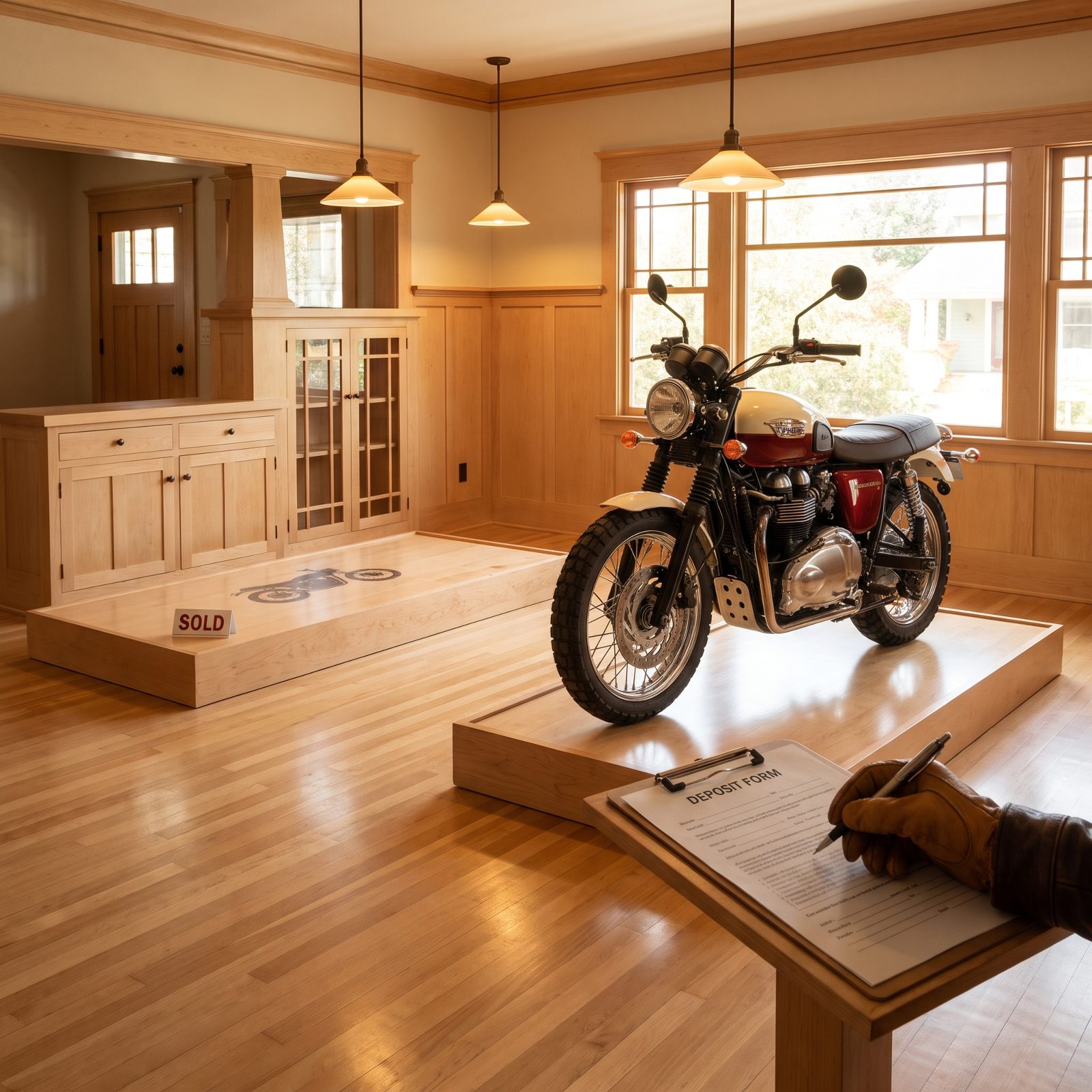
“That’s the last one in the color, and someone’s coming to look at it this afternoon.” Your pulse changes. The careful shopper who wanted to sleep on it reaches for the deposit like it’s a reflex. Suddenly the bike you were lukewarm on becomes the one that got away.
Scarcity flips a switch in the oldest part of us. The second something might vanish, we want it more and stop asking whether we wanted it at all. Same jolt behind rushing into a relationship because the person is “not going to be single long” — as if availability were the same as suitability.
Loss aversion does the heavy lifting. We feel a potential loss far more sharply than an equal gain, so the fear of missing out drowns out the quieter question of whether this is even the right machine. The last one is still only right if it was right at full stock. Scarcity doesn’t improve the bike. It just rushes you.
8. You Start Planning Mods Before You’ve Signed Anything
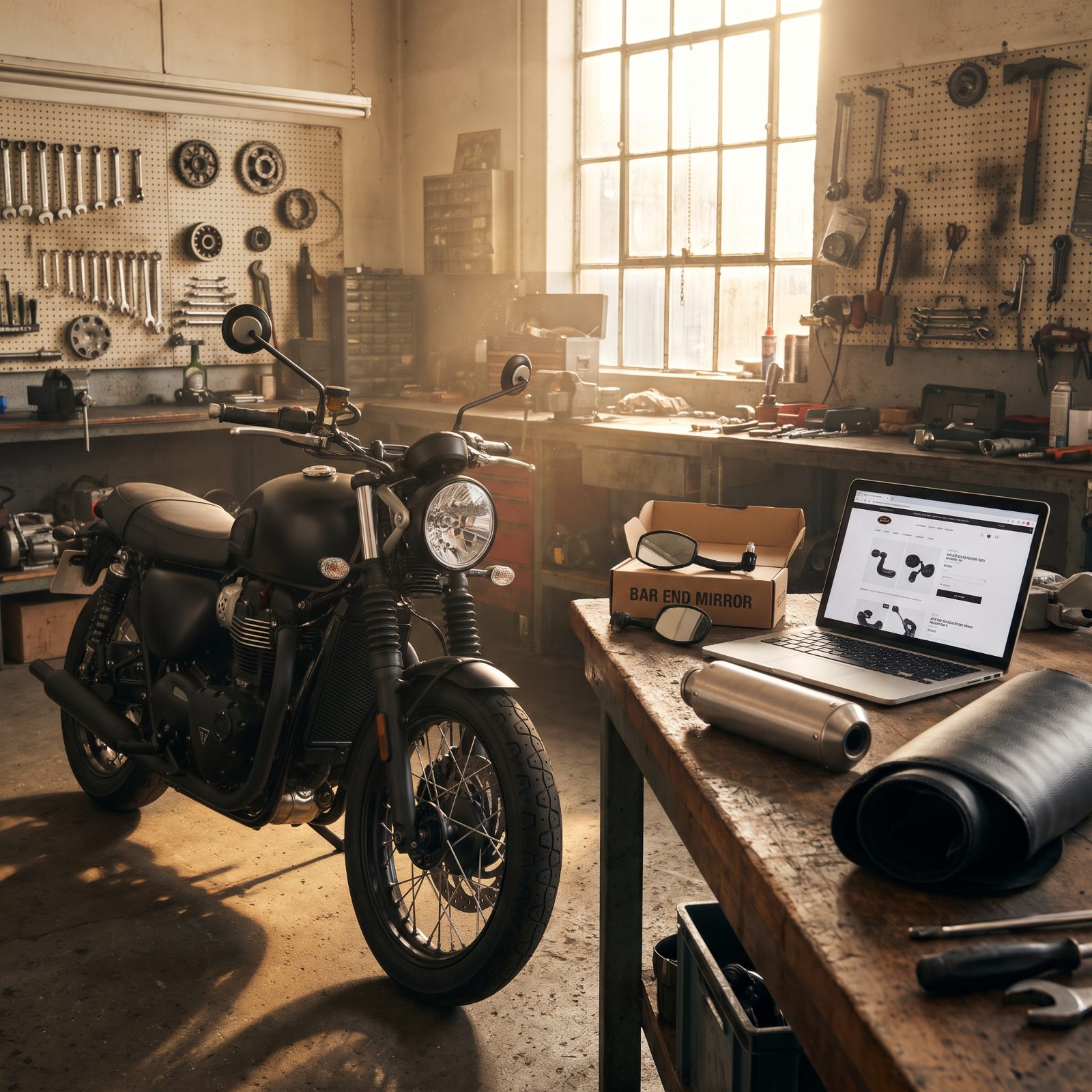
You haven’t put down a deposit and you’ve already got a cart full of bar-end mirrors, a louder can, and a seat that fits your back instead of theirs. The bike is fine. You just want it to be a little more yours.
Same impulse that makes you fall for a person and immediately start picturing them without the terrible jacket. We don’t commit to who’s in front of us — we commit to the upgraded version we’ve rendered in our head. Psychologists call it the idealization phase, and it’s wide open at full throttle before any paperwork exists.
Trouble is, the stock bike is the one you’re actually buying. The modded fantasy costs more, takes longer, sometimes rides worse. Plenty of riders have spent real money making a perfectly good machine fit a picture that only ever existed in their imagination.
7. Used Bikes Arrive With Habits You Cannot Fully Erase
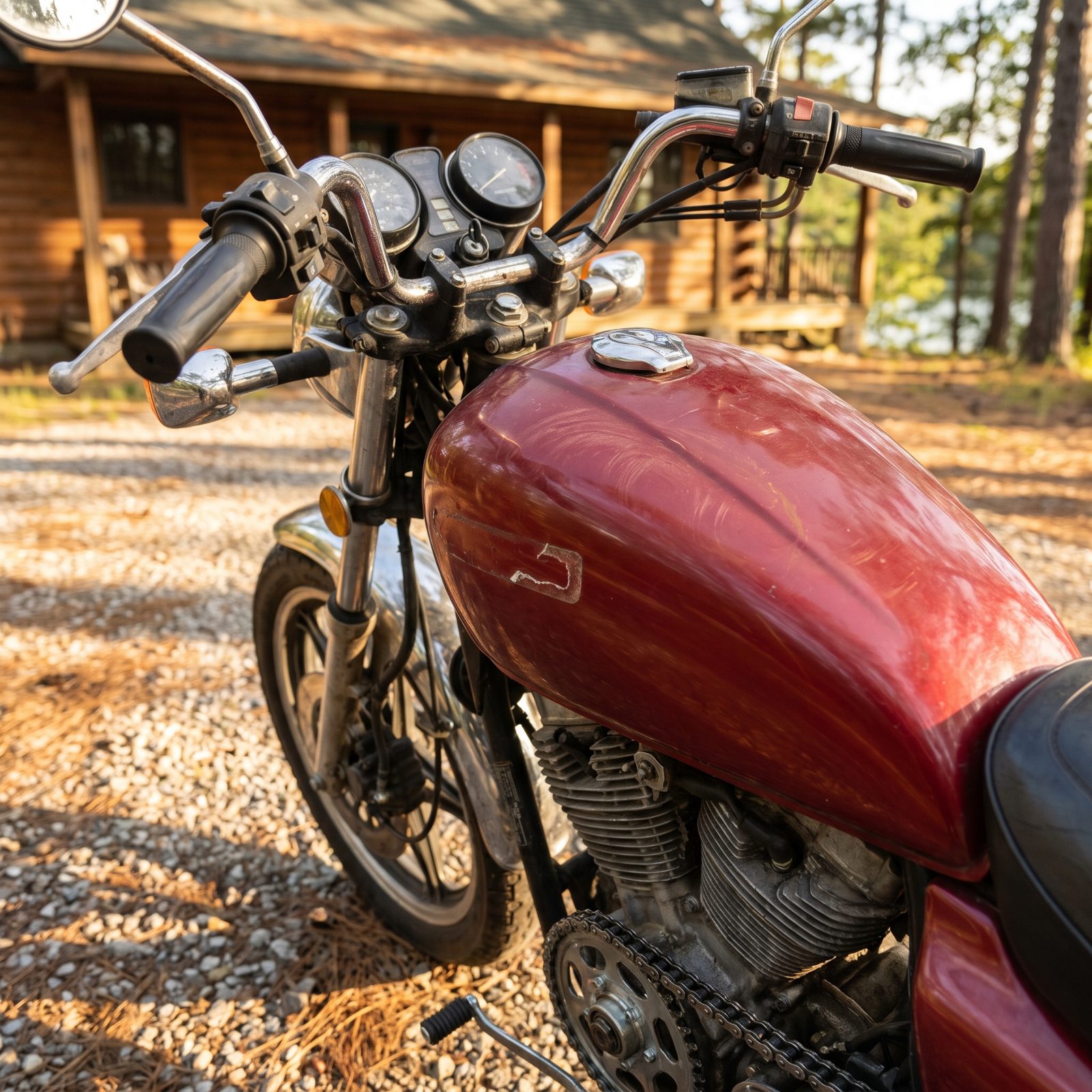
The listing says well maintained. The reality is a clutch that bites at a weird spot, a throttle someone trained to be twitchy, and a worn patch on the seat shaped like a stranger. You can service it, clean it, even repaint it, and the habits linger anyway.
People show up the same way. Nobody over forty is a fresh build. Everybody comes with wear patterns from whoever rode them before you, and the loudest ones are the ones a prior owner installed.
You don’t buy the machine new, so you don’t get to set the baseline — you inherit it. The smart move isn’t pretending the history isn’t there. It’s deciding which worn-in habits you can live with and which ones are a dealbreaker before you hand over the cash. Scrubbing all of it clean was never on the menu.
6. Low Maintenance Sounds Sexy Until the Service Schedule Appears
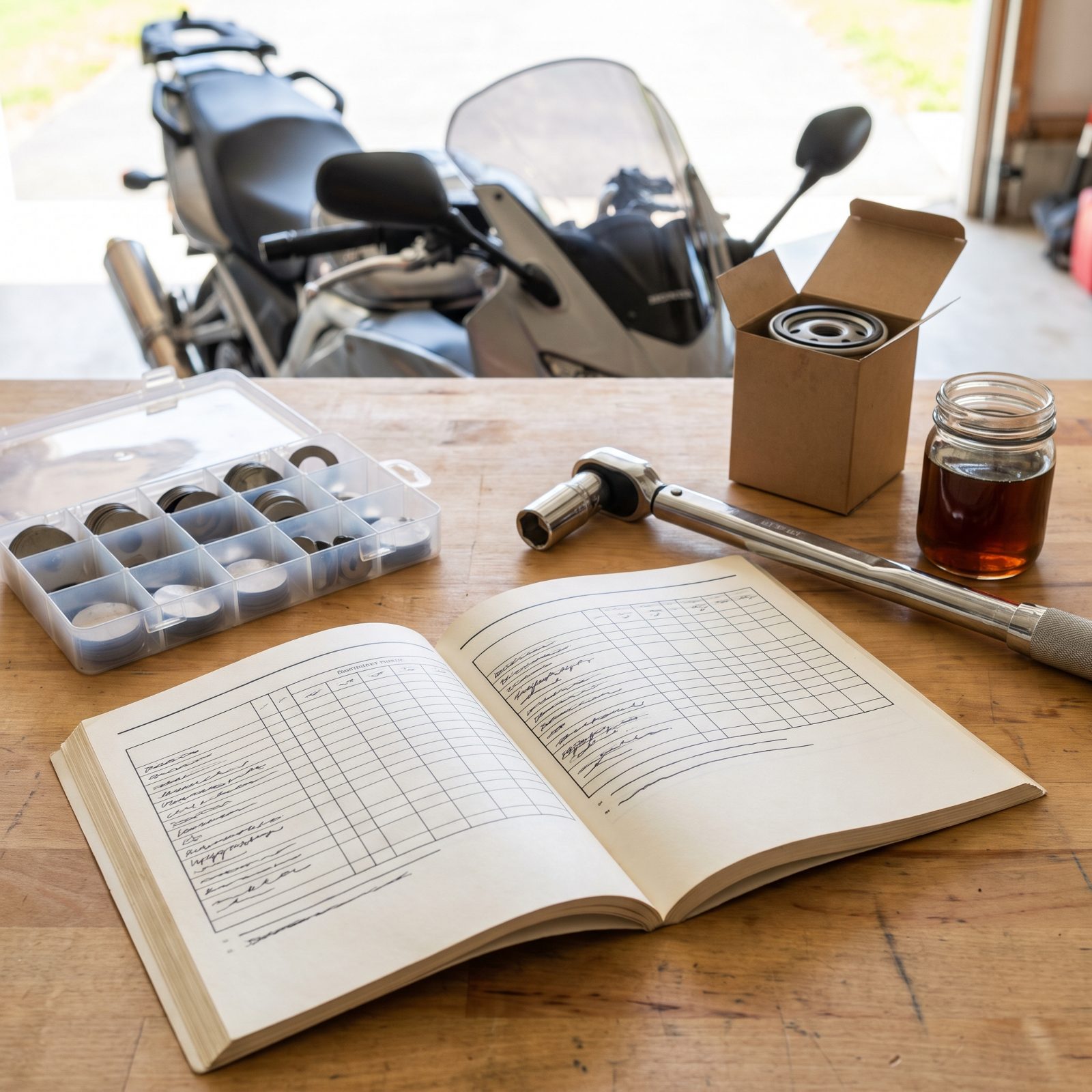
Everyone says they want something easygoing. Reliable. Won’t demand much. Then the service schedule lands and you discover that “low maintenance” bike wants valve clearances checked, a specific oil nobody stocks, and a shop visit that costs more than the fun you had last month.
Low maintenance is a story we tell at the start. What we actually want is low surprise. The chain still needs adjusting, the fluids still need changing, and attention is the rent you pay for keeping anything running. The machines that ask for the least up front often ask for the most when they finally ask.
There is no such thing as a bike that asks for nothing. There’s only the bike whose demands you’re willing to meet.
The ones that promise zero upkeep are usually just hiding the bill.
5. Your Passenger Gets a Vote Whether You Admit It
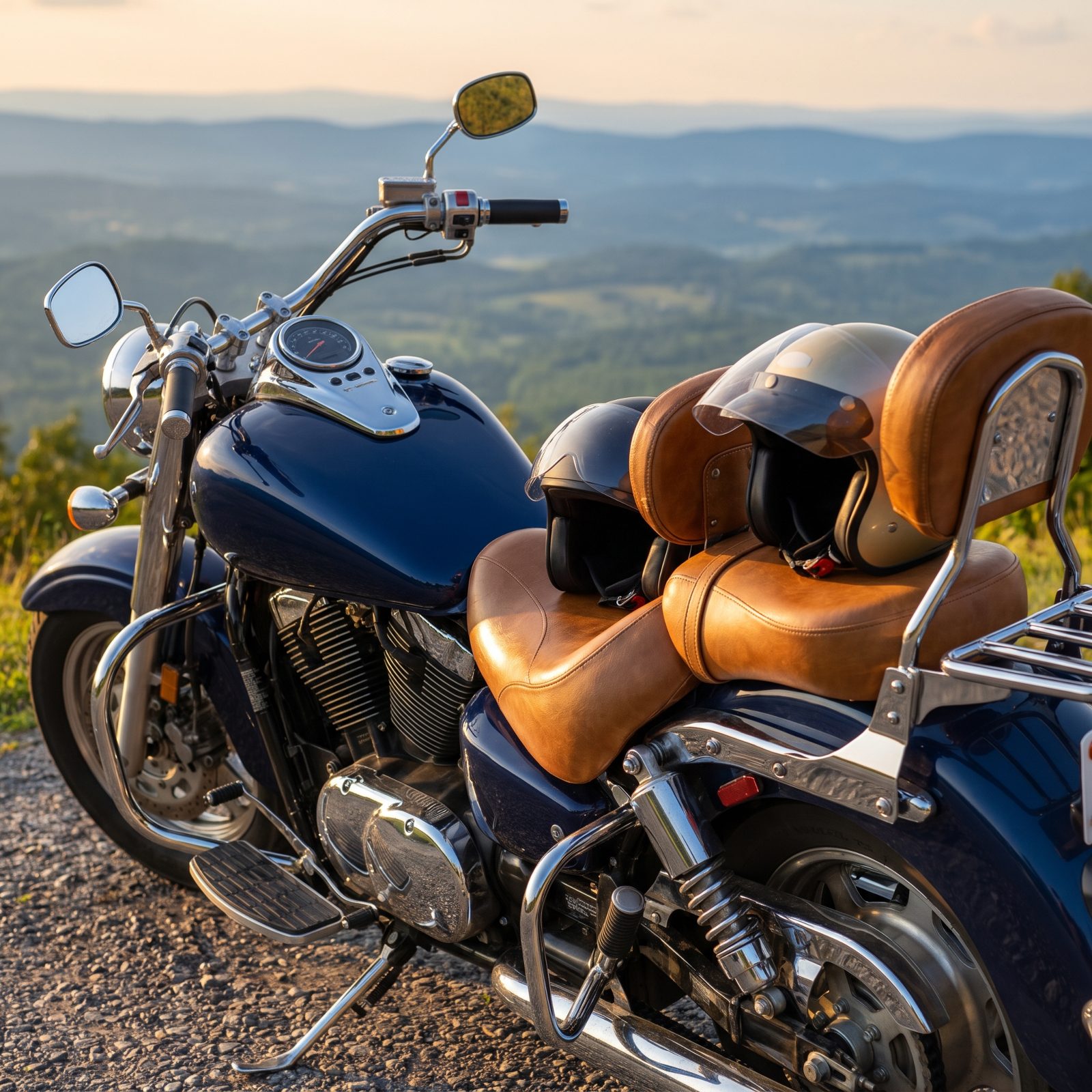
You tell yourself this is your bike, your choice, end of discussion. Then you notice the seat’s too narrow for two, the pegs put a passenger’s knees in orbit, and the person you ride with most has gone quiet about the whole thing.
Suddenly comfort, backrest, and grab rails are on the shortlist. Funny how that works.
We like to imagine the big calls are solo calls. They almost never are. The people who’ll actually share the thing cast a quiet vote long before you notice you’re counting it. Ignore it and you end up with a machine that’s technically perfect and functionally lonely — parked more than it’s ridden, because the one you wanted beside you dreads the seat.
4. Garage Space Decides What Your Heart Cannot
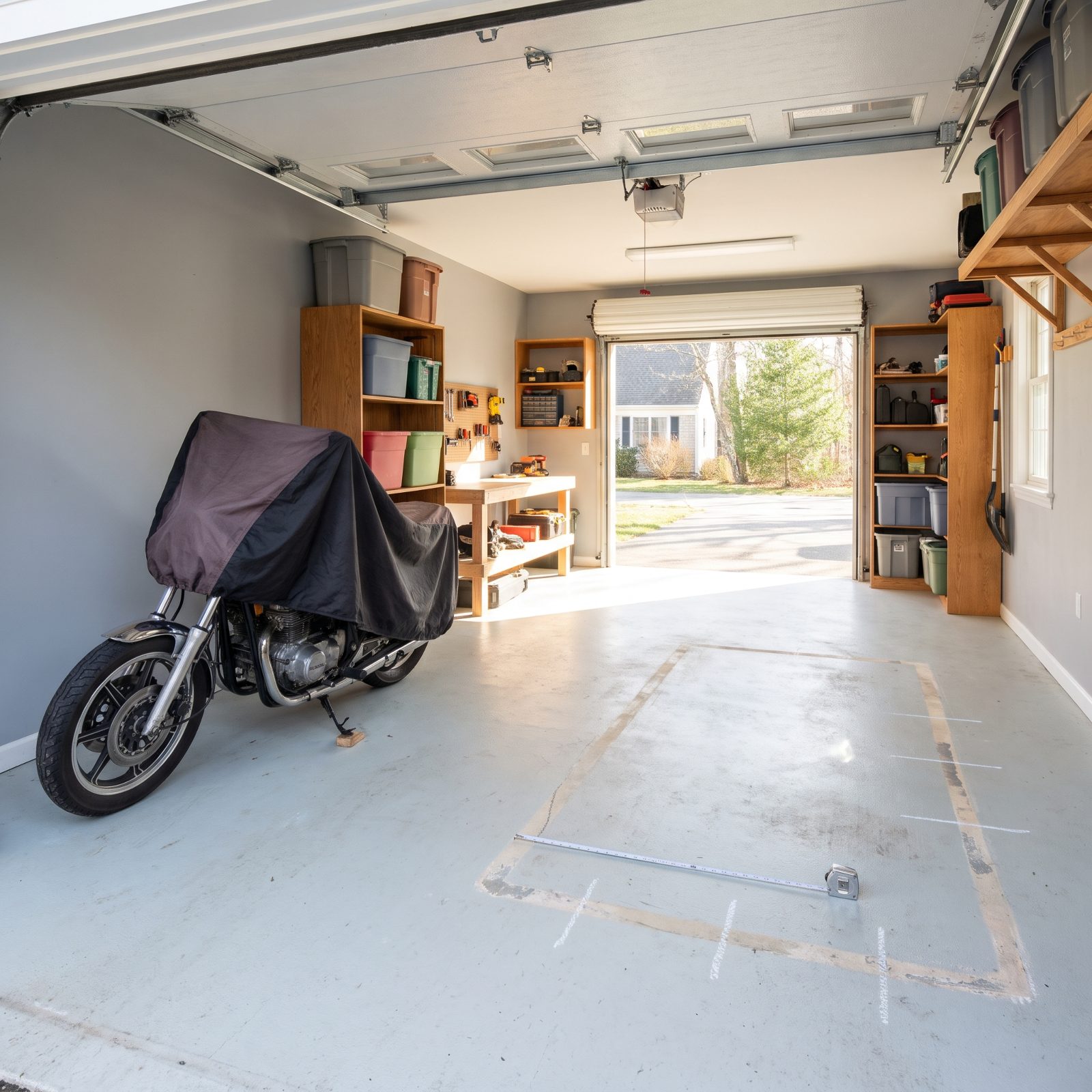
Your heart wants the big tourer with the hard bags. Your garage fits that tourer only if you ditch the lawnmower, the kids’ old bikes, and most of your dignity. So you look at something smaller and call it a mature decision.
Constraints make the choice for us constantly, and we dress them up as wisdom after the fact. Square footage, budget, hours in a week — these are the quiet referees. They don’t care what you fell for.
There’s a strange relief in it, honestly. A limit does the deciding your heart kept flinching away from. The thing you can actually house and actually afford becomes the thing you actually ride. And the one that wouldn’t fit becomes a story you tell, which is cheaper than storage.
3. The Perfect Motorcycle Can Arrive in the Wrong Season
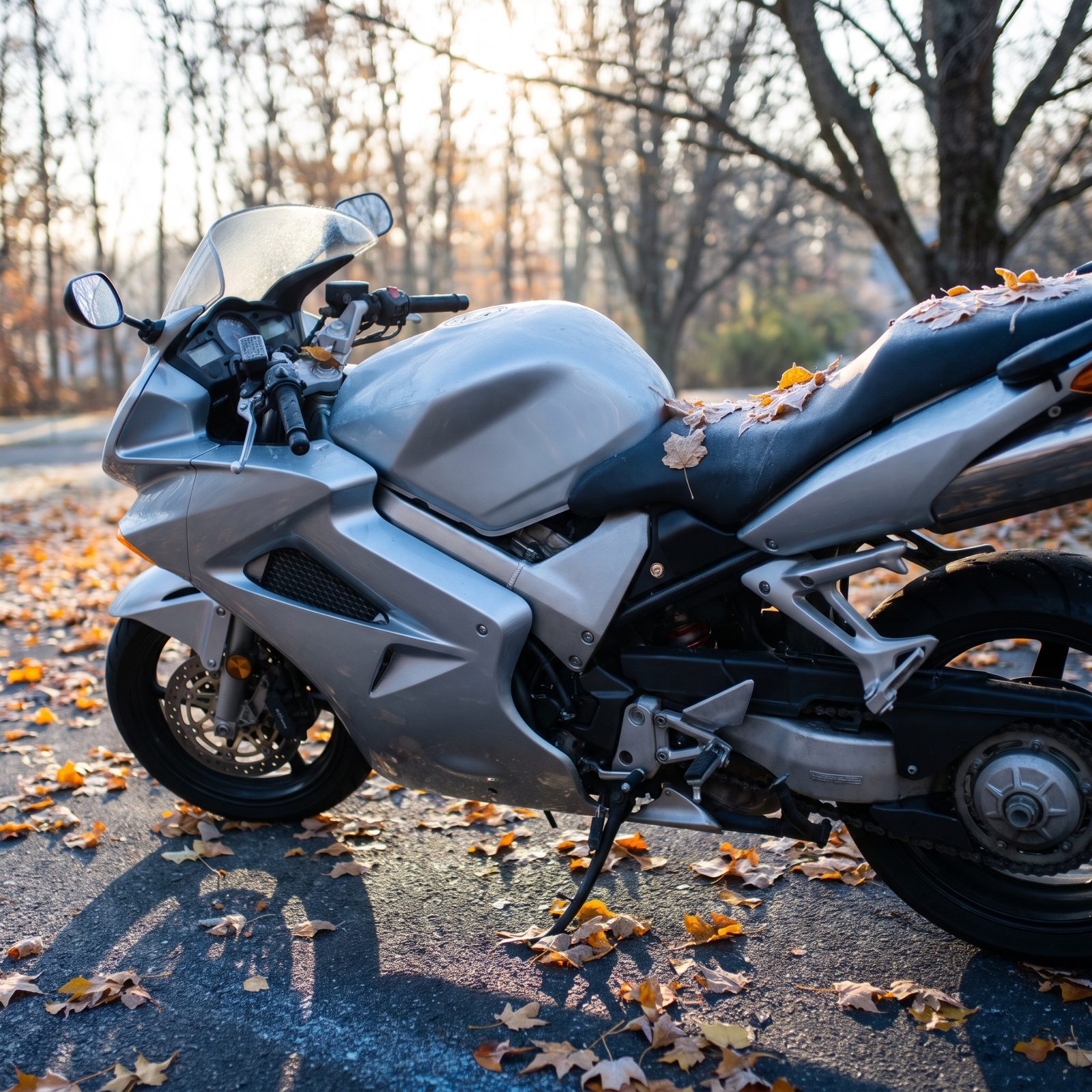
The listing of a lifetime shows up in late October. Exact bike, fair price, one owner, winter three weeks out. You either buy it and stare at it through the cold, or you pass and spend the next six months refreshing the same search, finding nothing.
Timing has no respect for readiness. The right thing shows up when you’re broke, busy, or snowed in, and the wrong thing is always conveniently available. We treat a good match and good timing like they’re the same event. They rarely land together.
Here’s the part worth sitting with. A great fit at a bad moment is still a great fit. Seasons pass. The staring-at-it-in-the-garage months end, and spring doesn’t care that you jumped early. Pass on the right one because the calendar’s inconvenient and you end up settling for whatever’s around when you finally feel ready.
2. After the Deposit, Every Warning Light Looks Smaller
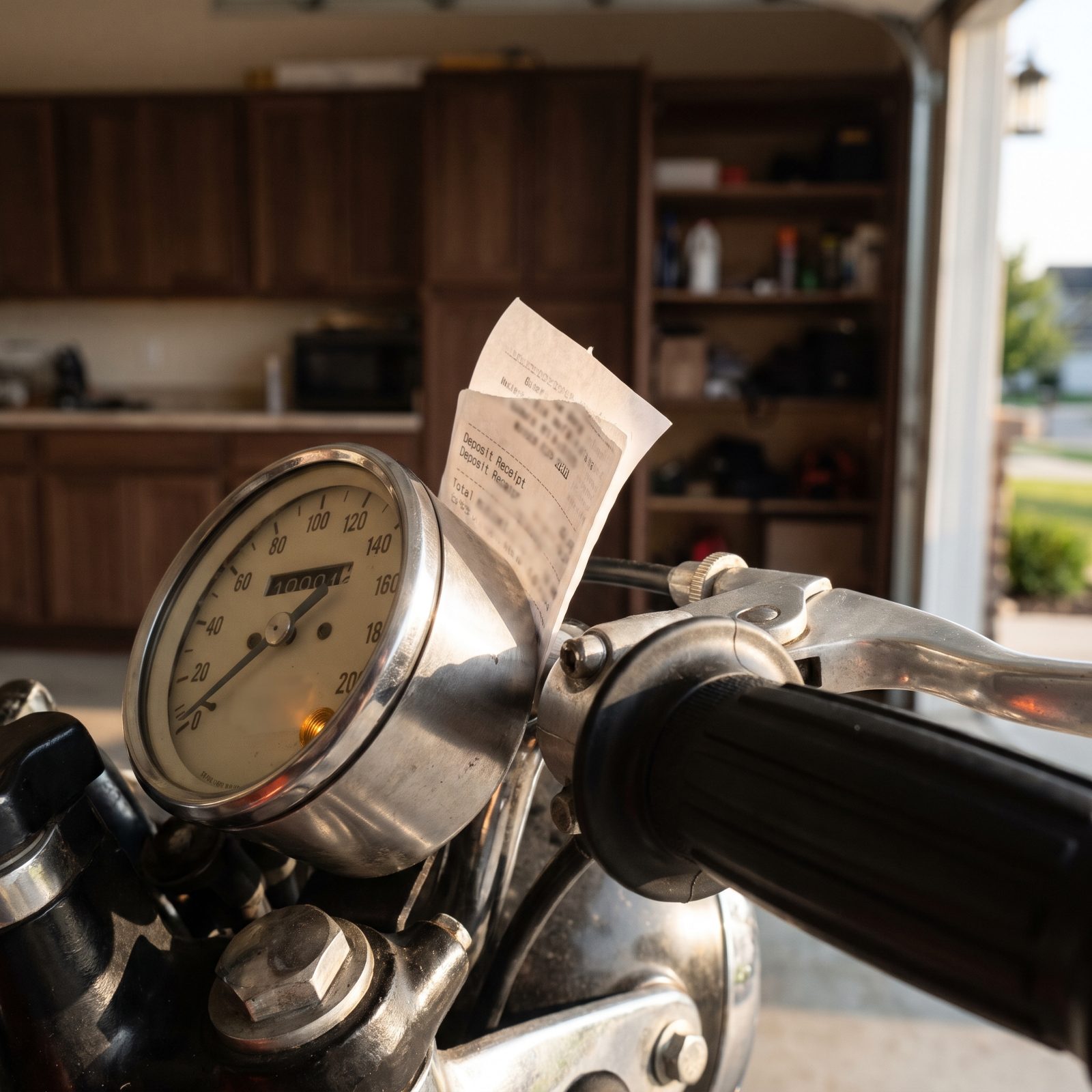
Before you pay, every little thing is a red flag. A faint tick in the engine, a soft brake, a seller who’s vague about the last service. After the deposit clears, that same tick becomes “character,” the brake “just needs bedding in,” and the seller was “probably just forgetful.”
Nothing about the bike changed. Your relationship to the problem did.
Commitment rewires the eyes. Once we’ve put real money, time, or hope into something, the brain starts protecting the decision instead of examining it. Flaws shrink. Excuses grow. It’s the same reflex that keeps people explaining away things they’d have walked from on a first date, because walking now means admitting the deposit was a mistake. The fix isn’t to never commit — it’s to do your hardest looking before the money moves, because afterward your own judgment quietly joins the sales team.
1. You Trust the Bike Only After the First Hard Corner
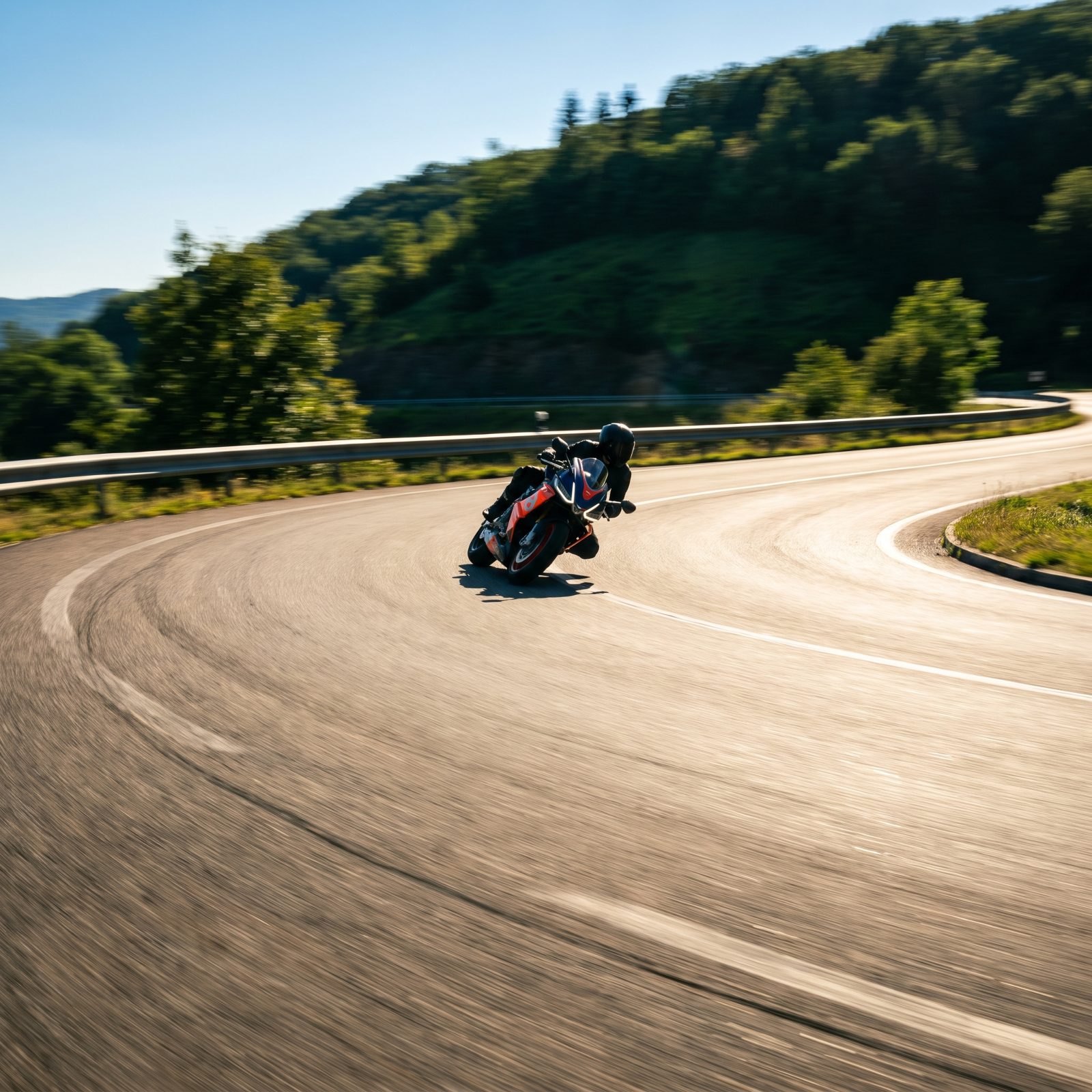
You can read every review, study every spec, and sit on it in the showroom a hundred times. You don’t actually trust a motorcycle until the first real corner — the one where you commit your weight, countersteer, and feel whether the thing holds its line or tries to kill you.
Everything before that is theory. Trust isn’t decided in the parking lot. It’s decided when there’s something to lose and the machine does what you hoped it would.
Same with people. You don’t know what you’ve got until the first hard corner together: the stress, the bad news, the moment where talk runs out and behavior takes over. That’s where confidence gets built or quietly dies. Not in the easy miles. In the one that could’ve gone wrong and didn’t.