The brochure is open on the kitchen table at 11 p.m. and you are not reading the engine specs. You are reading a version of yourself. Younger, looser, the kind of person who takes the long way home just because the road curves. That is the trick a dream vehicle plays on every one of us. We think we are buying a machine, when really we are buying a story about who we might become once it is parked in the driveway. The same wiring that makes people fall for the wrong person or the bigger house or the shinier job runs straight through the showroom. Below are the biases, the imagined identities, and the plain human reflexes that make us want the car we picture more than the car we actually drive. You will see yourself in at least a few. We certainly did.
Please note that some of the images in this article were created with the assistance of AI.
15. The Sports Car Comes With Your Imagined New Personality
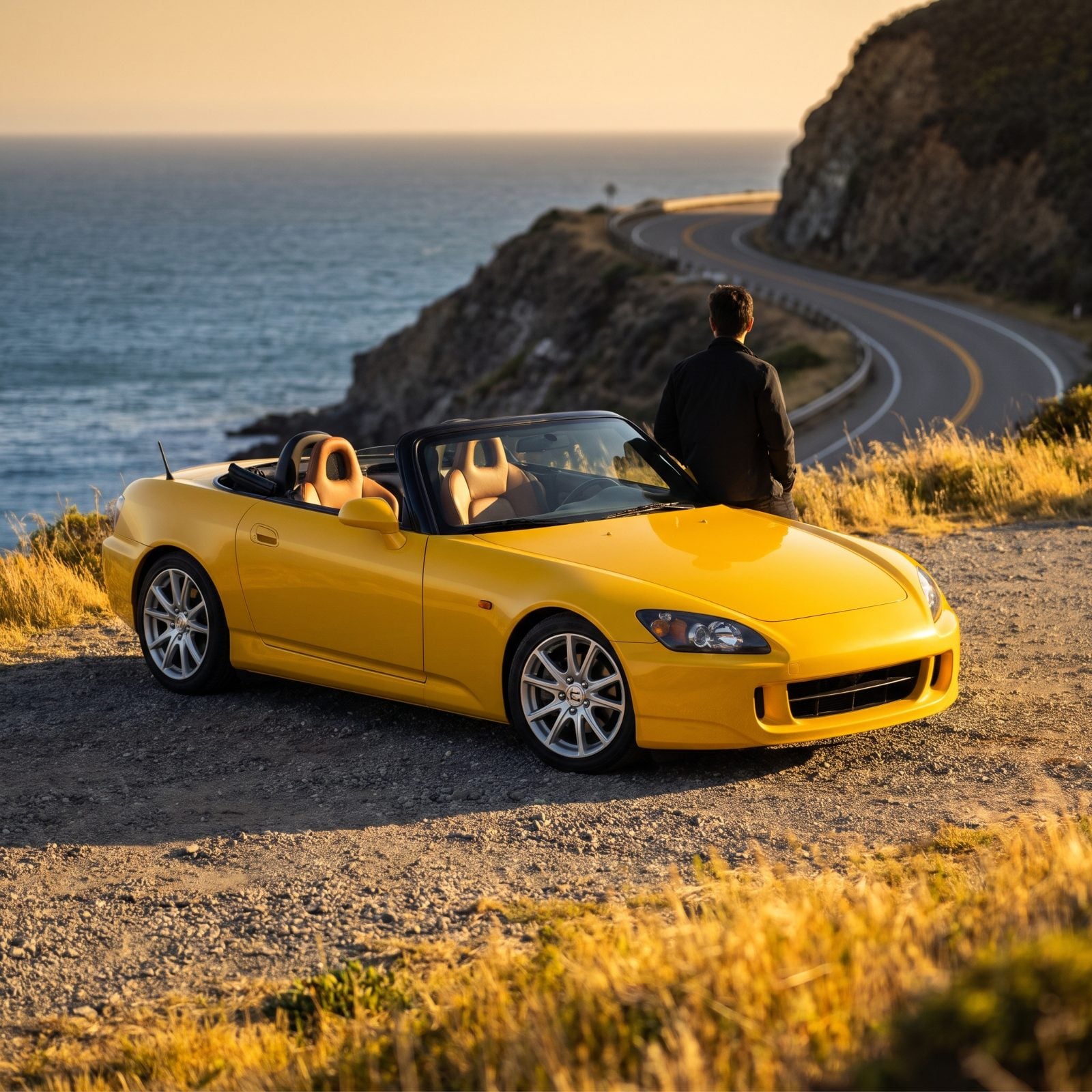
You do not buy the convertible. You buy the guy who drives it. He is relaxed in a way you are not, he wears the sunglasses well, and he has places to be that involve coastlines. The car is just the costume that lets him exist.
Same reflex that makes a person pick up guitar lessons after a breakup, or buy the hiking boots before the hike. Psychologists call it the extended self — the idea that we absorb our possessions into our identity and treat them as proof of who we are. The object arrives first and we hope the personality follows it home.
Sometimes it even works for a while. You take the top down and feel lighter. But the car cannot carry a whole new self for long, because Monday still shows up and the commute is still the commute. The person behind the wheel is the same one who signed the loan, now with a stiffer ride and a smaller back seat.
14. A Luxury Badge Starts Looking Like Proof You Made It
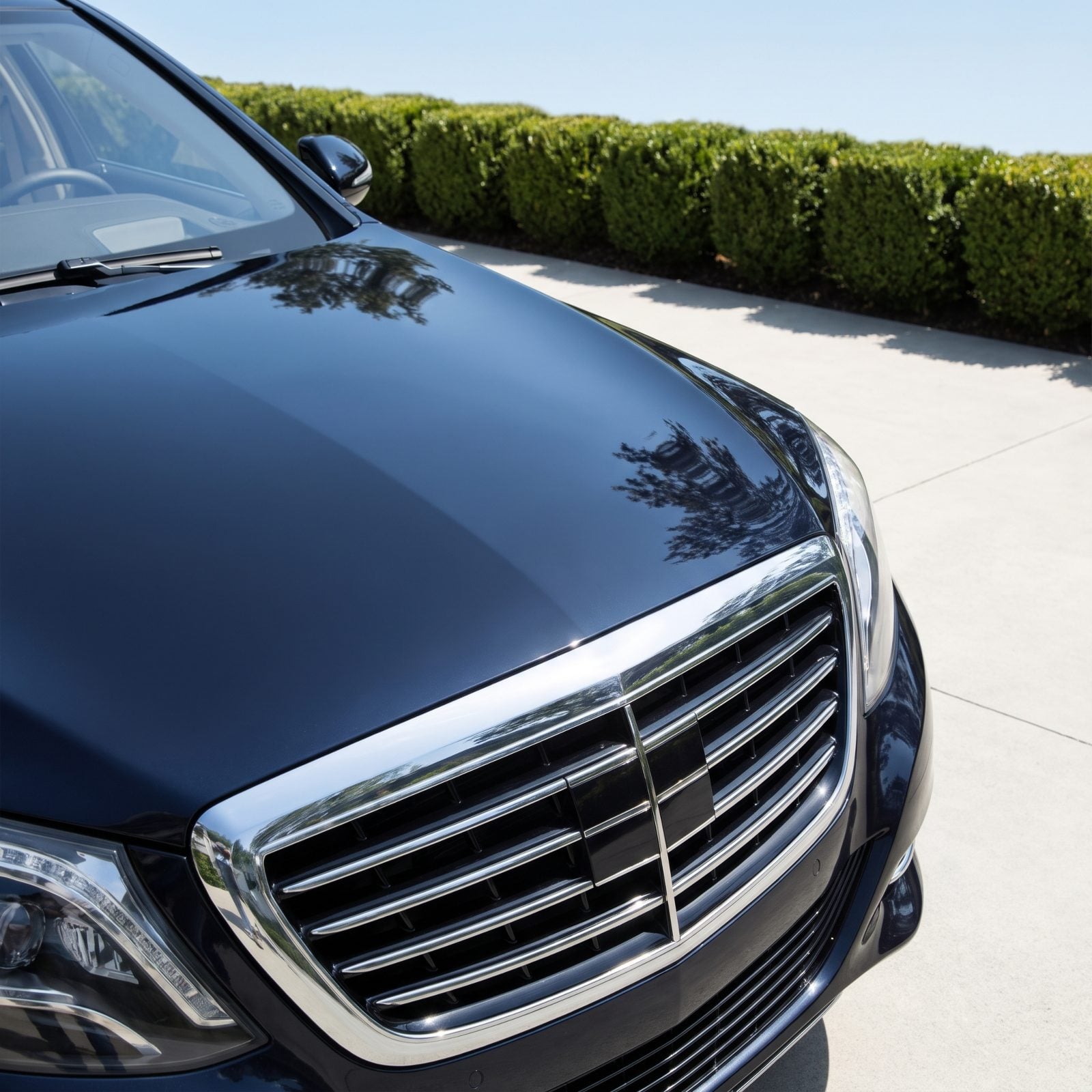
There is a moment in the showroom when the badge stops being a logo and becomes a verdict. You arrived uncertain about where you stand, and the crest on the hood seems to answer the question for you. You made it. Here is the receipt.
We do this with everything that signals status — the corner office, the zip code, the watch. Status signaling, the old human habit of broadcasting rank so the group places us correctly. Trouble is, the audience is mostly imaginary. The neighbors glance for two seconds and return to their own lives.
The badge tells strangers a story you are really telling yourself.
We have all watched good people stretch a budget past comfort for a nameplate, then confess later that the thrill wore off before the first oil change. The car was fine. The car was more than fine. What faded was the thing it was supposed to prove, because nobody was keeping score but us.
13. You Buy the Jeep for Trails You Never Take
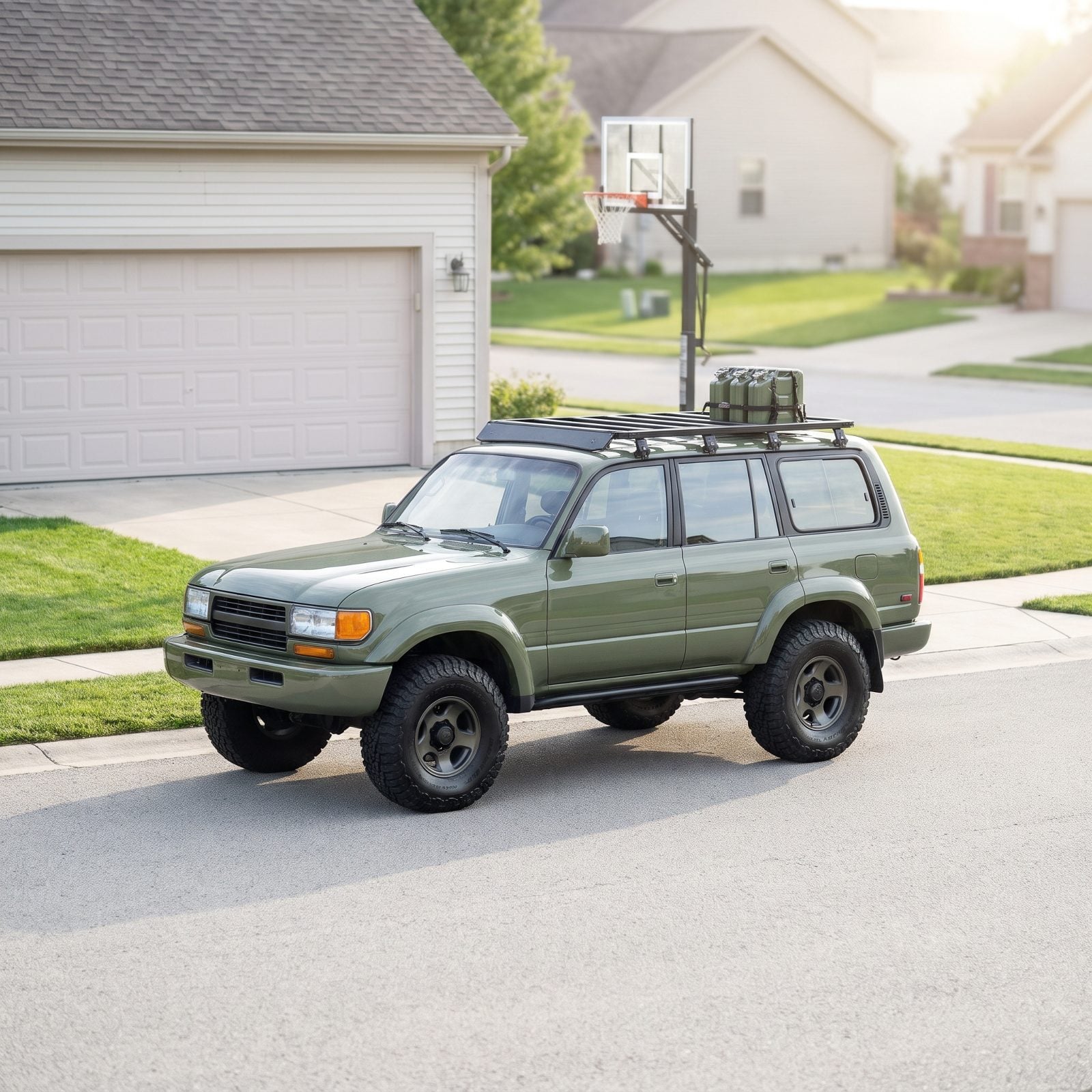
The winch will never pull anything. The locking differentials stay locked in theory only. That off-road beast spends its life carrying groceries and idling in the school pickup line, as clean as the day it left the lot.
And yet the capability feels essential. You are paying for the option to go anywhere, even if your actual route never leaves the pavement. Possibility over probability — we overvalue the open door far more than we ever use it.
Same instinct behind the passport that expires unused and the kayak in the garage rafters. The dream is not the trail. The dream is being the kind of person who could hit the trail on a whim, and that identity costs forty thousand dollars and twelve miles per gallon. Honestly, it might be worth it to some folks just for the feeling. None of us is immune.
12. The Childhood Poster Still Gets a Vote at Forty-Five
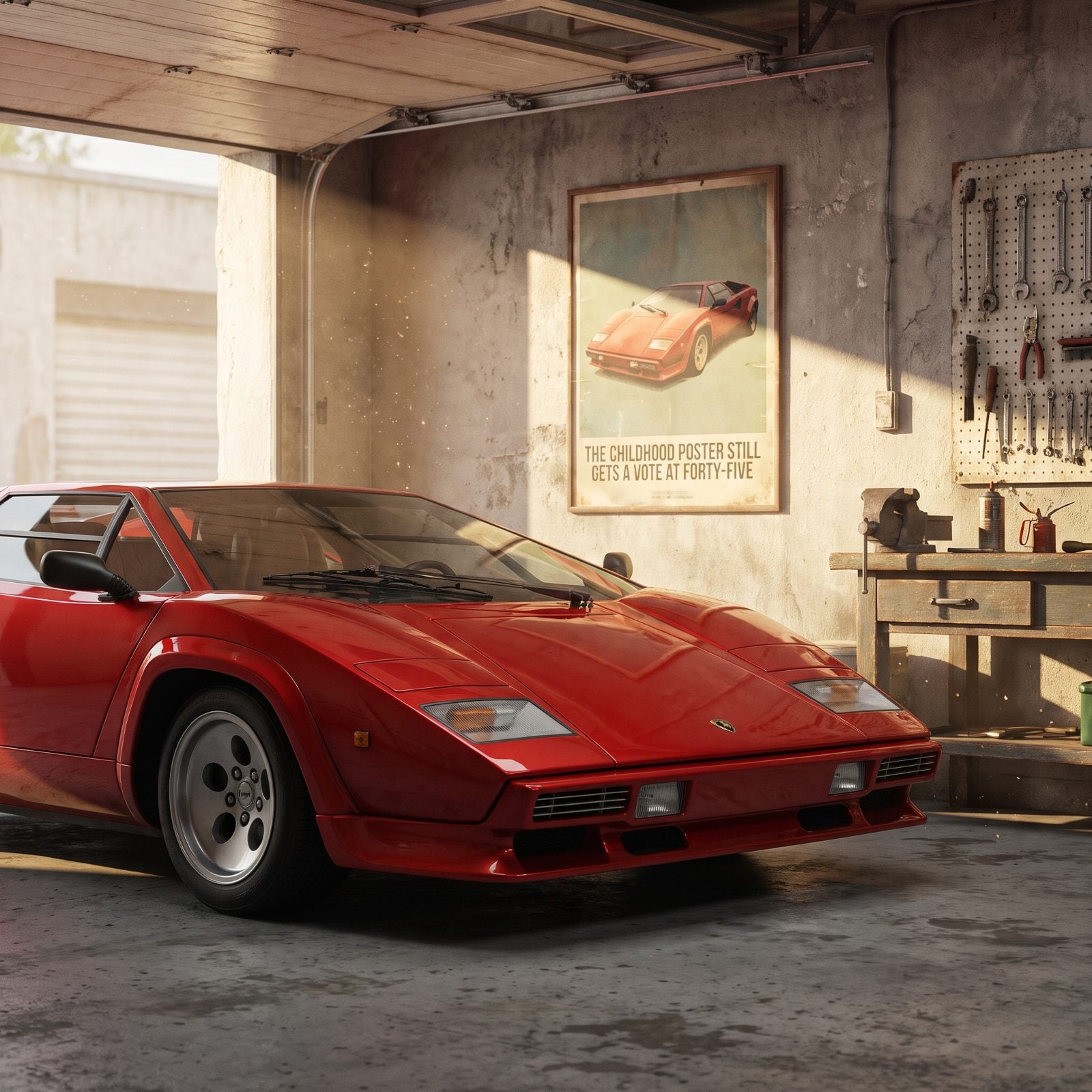
Somewhere there was a bedroom wall. On it, the car. The one with the doors that opened wrong and the engine that sounded like the end of the world. You were ten and it was the most important object in existence.
Decades later that ten-year-old still has a seat at the table, and he does not care about resale value or fuel economy. He wants the poster car. Nostalgia is not a soft, harmless thing — it is a powerful decision engine that dresses up an old longing as a present-day need.
The research keeps showing that nostalgia makes us feel more connected and more willing to spend to recapture a feeling. The car becomes a time machine aimed at the version of you who had his whole life ahead of him.
11. Your Neighbor’s New Truck Resets What Counts as Enough
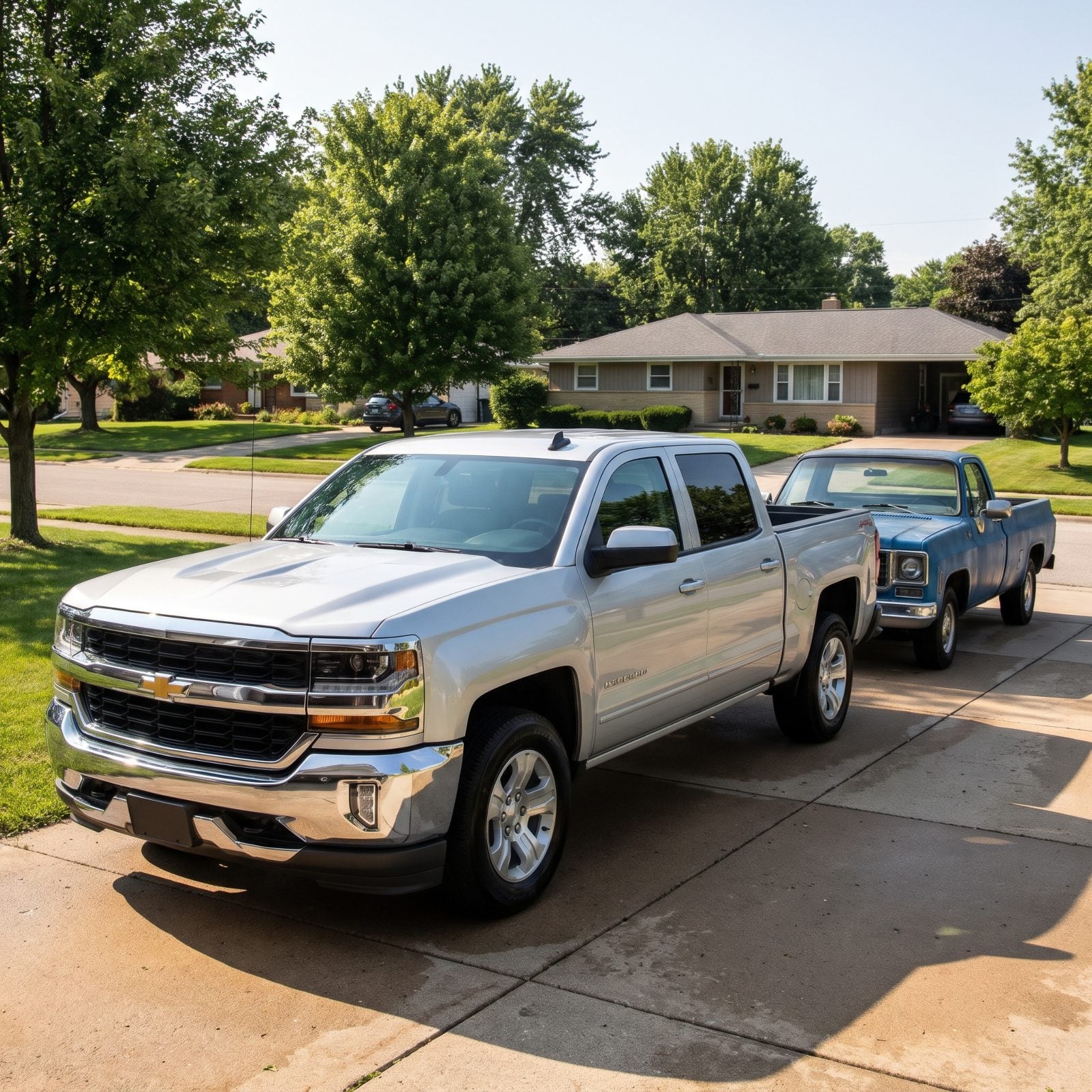
Your truck was fine on Thursday. It hauled, it started, it never embarrassed you. Then Friday morning the driveway next door grew a new one — taller and louder and wrapped in chrome — and suddenly yours looks like a leftover.
Nothing changed about your truck. Only the reference point moved. This is social comparison, the old upward glance that measures our stuff against whoever is standing closest. We are hopeless at judging enough on its own. We only know more and less.
Hedonic adaptation makes it worse. Whatever we own settles into the background and stops delivering the thrill, so the new baseline is always just a little above what we have. The neighbor’s purchase did not make your truck worse. It made the itch come back early.
10. The Test Drive Makes Tuesday Errands Feel Cinematic
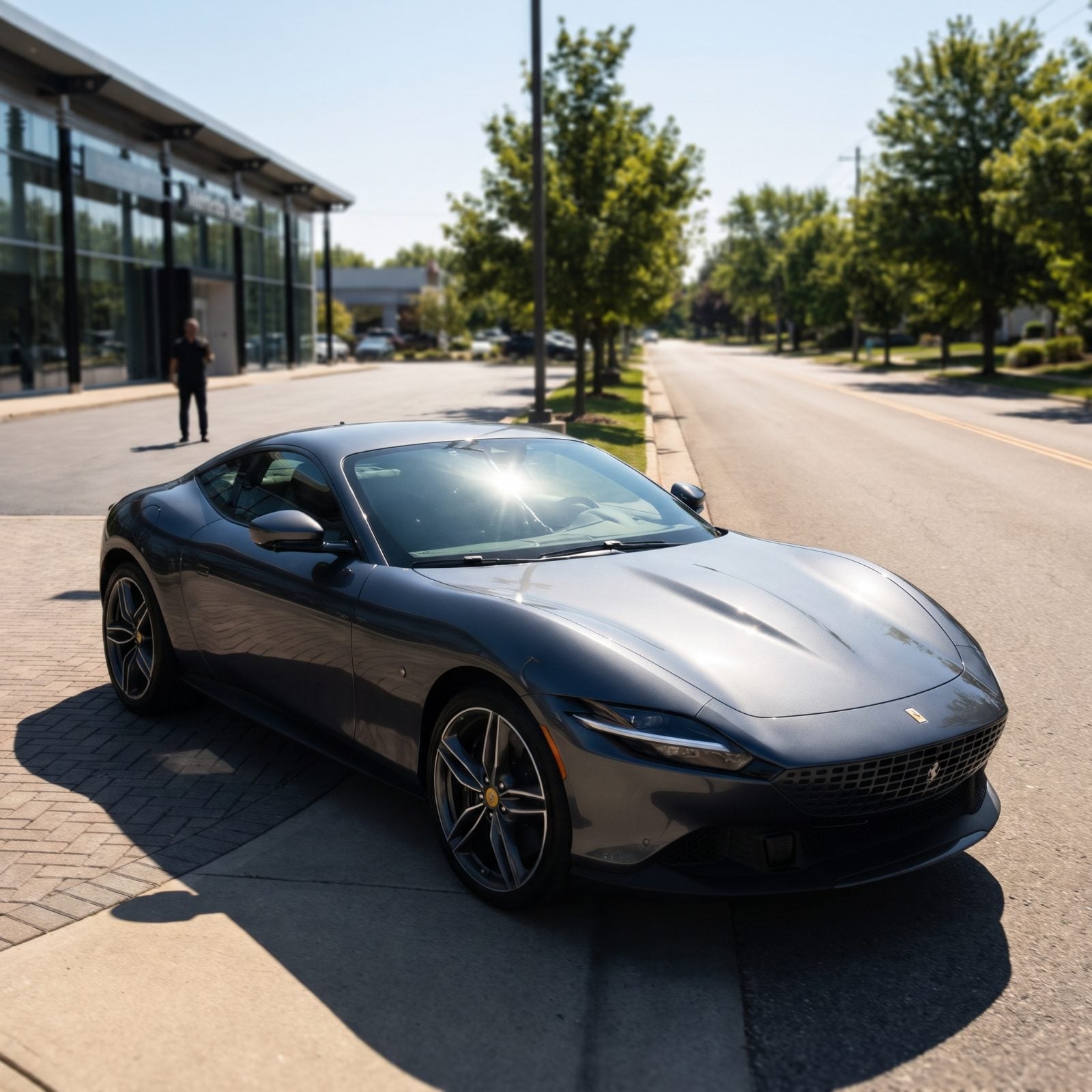
They hand you the keys and something shifts. The light looks better. The steering feels like intention. For twenty minutes the same roads you drive half-asleep every morning turn into a sequence from a film where you are clearly the lead.
That is not an accident, and it is not entirely the car. It is novelty, and novelty floods us with attention and a little dopamine hit that makes everything feel sharper and more alive. The errand route becomes an event because your brain is awake for once.
Here is the quiet trap. You are sampling the car on its best possible day and comparing it to your current car on its ten-thousandth, most ignored day. No wonder the new one wins. The real test is not how Tuesday feels in month one. It is how it feels in month forty, when the shine is routine and the novelty has long since gone to sleep.
9. Limited-Edition Paint Turns Maybe Into Sign Here
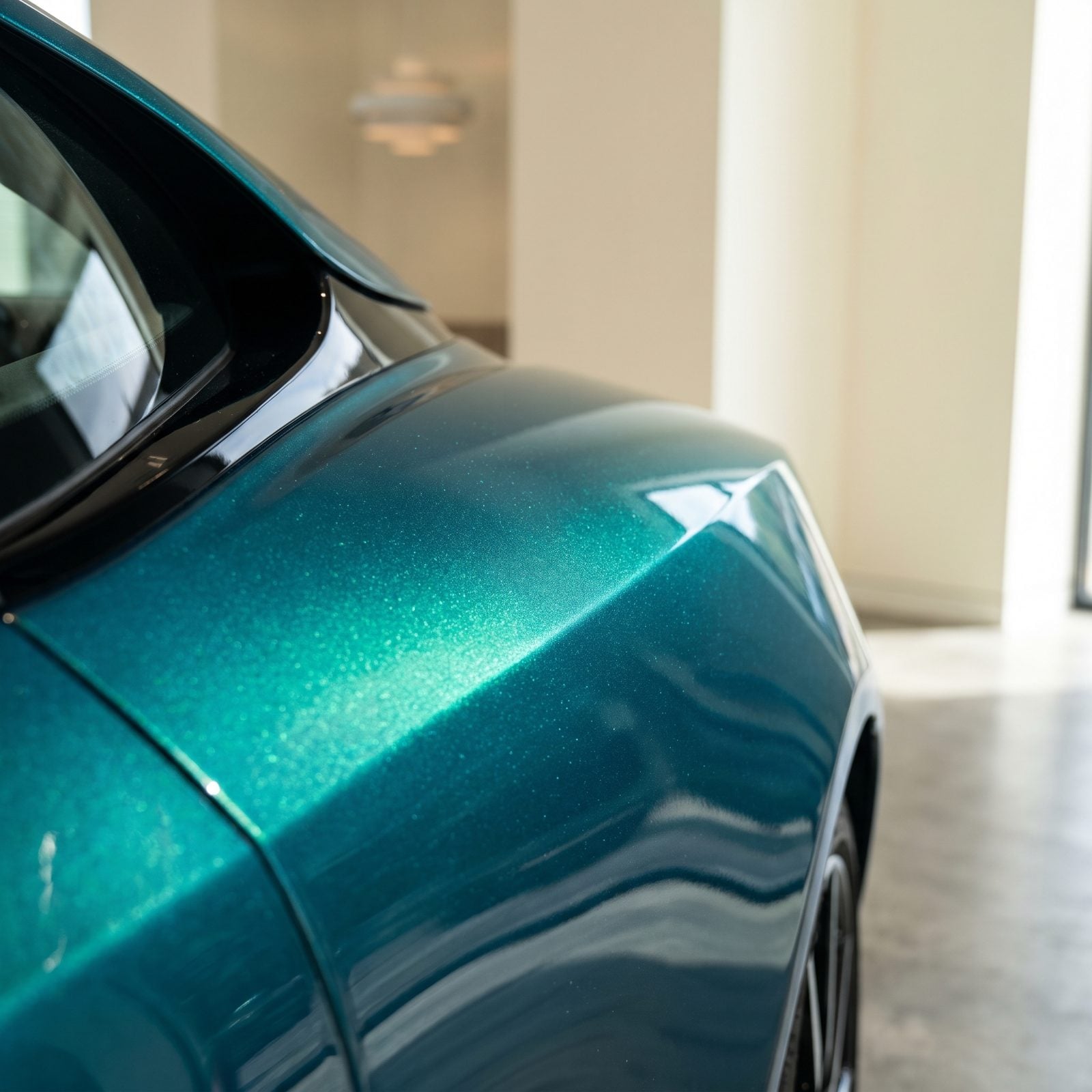
You were on the fence. Then the salesperson mentions the color is a one-year run, build slots are nearly gone, and this exact teal will not return. The fence vanishes, and suddenly you are reaching for a pen you did not know you were holding.
Scarcity does that to all of us. The thing becomes more desirable the second it threatens to disappear, even when nothing about the thing itself changed. We are wired to grab what might slip away, a leftover from a world where hesitation meant going hungry.
The limited paint is a beautiful piece of theater. It converts a slow, rational maybe into an urgent, emotional yes by attaching a deadline to desire. And the color really is lovely. That is what makes it work. You are not wrong to want it — you are just being nudged to want it faster than you would have chosen on your own.
8. Three Perfect Reviews Erase Every Warning You Read
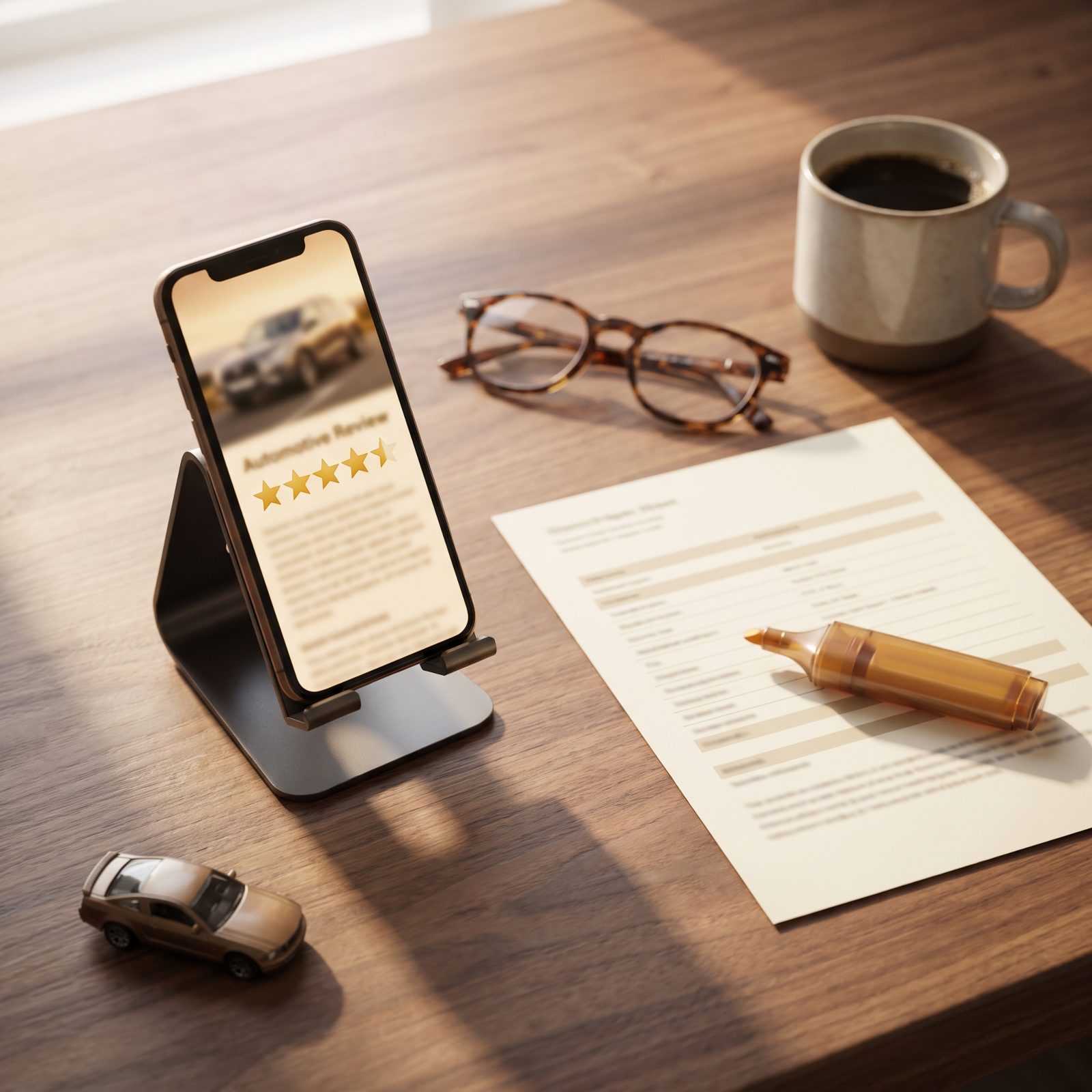
You read the warnings. The transmission complaints, the squeak nobody could fix, the owner forum thread titled in all caps. You noted them. Then three glowing reviews rolled in from people who adore the car, and the warnings quietly dissolved like they were never there.
Confirmation bias wearing its Sunday best. Once we have decided we want something, we go looking for the evidence that says yes and we treat the evidence that says no as noise, exceptions, cranks who do not get it.
The praise feels like information. It is really permission. We are not weighing facts anymore — we are collecting a jury that will return the verdict we already want. And the more we want the car, the louder the three happy owners sound, while the hundred quiet complaints fade into the margins where we can safely ignore them.
7. Building the Configurator Becomes Better Than Owning the Car

It is a weeknight and you have built the car eleven times. Base trim, then loaded, then the mid-grade with just the one package. New wheels. Different interior. You are not going to buy it tonight, maybe not this year, but the configurator is open again, and it is somehow the best part of your evening.
Anticipation is often sweeter than arrival. The dreaming stage is pure upside — all the possibility and none of the loan payment, none of the first door ding, none of the slow slide from exciting to normal. Our brains reward the wanting more generously than the having.
The car you build at midnight will always beat the car you park at noon.
So we linger in the imagining, because the imagined version is flawless and free and ours alone. The moment you actually own it, reality starts editing it down to size. We have spent whole evenings happily spec’ing cars we had no plan to buy, and we regret none of them.
6. You Research for Months to Avoid Choosing an Imperfect Car

Month one, you narrowed it to three. Month three, you expanded it to seven. The spreadsheet has tabs now. You can recite tow ratings and reliability percentiles in your sleep, and you are no closer to a decision than the day you started.
Somewhere the research stopped being research and became a way to avoid committing. Every car has a flaw — the reviews all admit it. And the more options you pile up, the more paralyzed you get, because choice overload does not sharpen a decision. It freezes it.
Underneath the spreadsheet is a quieter fear. If you pick, you give up every other car you could have picked, and you lock in the one with the known imperfection. So you keep the search open, where everything is still possible and nothing has disappointed you yet. The perfect car does not exist, and chasing it is a comfortable way to never have to settle for a real one.
5. You Price the Payment and Forget the Tires
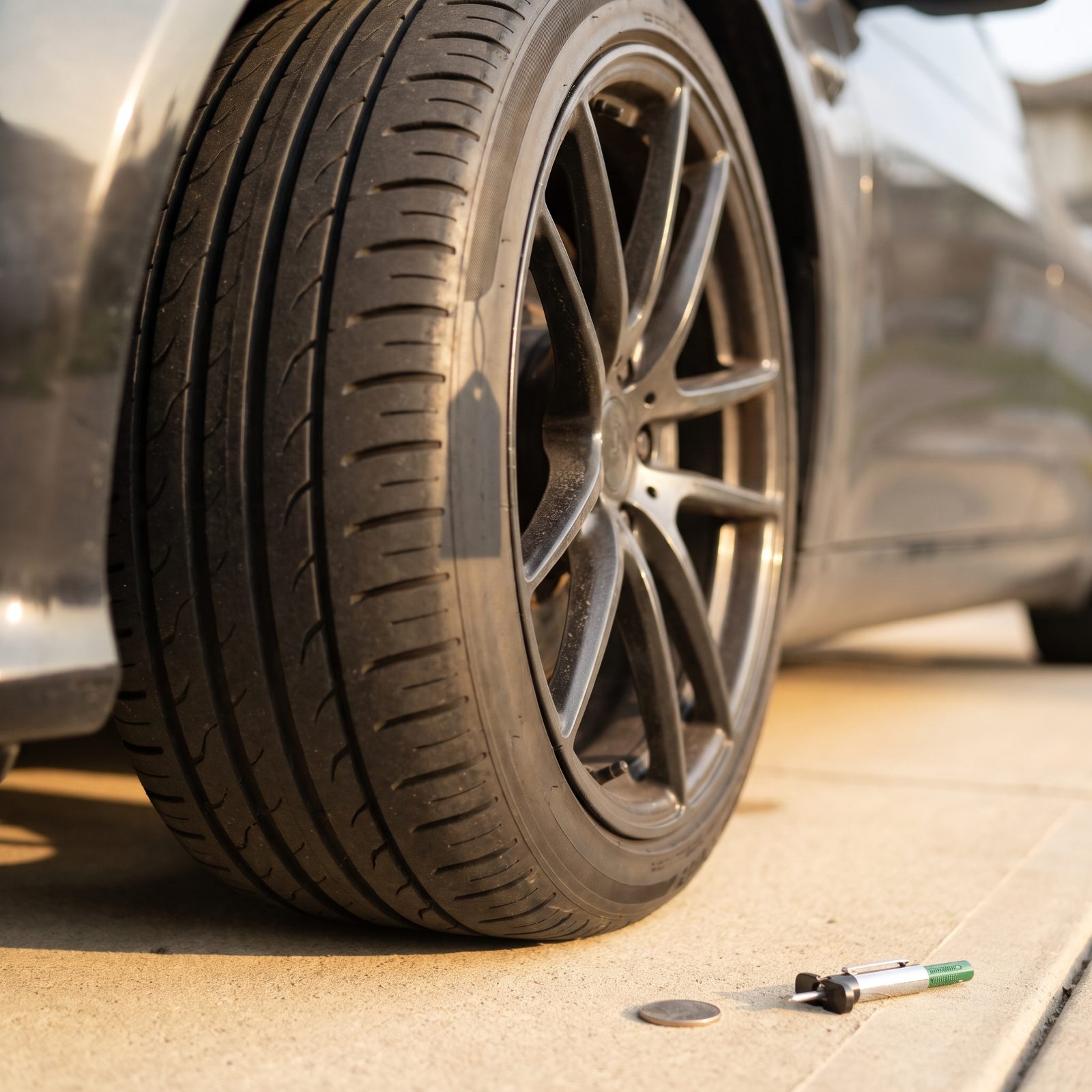
The payment is the whole negotiation, isn’t it. You get the monthly number to land where it needs to and you shake hands feeling like a winner. Then a staggered set of summer tires wears out fast and costs more than two mortgage payments, and the “great deal” starts looking like a subscription you didn’t read.
We pull the same stunt with the big decisions, falling in love with the headline and skipping the maintenance. The wedding budget gets planned down to the napkins while the marriage itself gets no line item. The dream job’s salary is memorized; the sixty-hour weeks are a rounding error you’ll deal with later.
Behavioral economists call it narrow framing. We isolate the one number that’s easy to love and ignore the running costs that decide whether we actually love the thing. The payment is the invitation. The tires, the insurance, the premium fuel, those are the relationship.
4. You Shop After a Bad Week and Choose More Horsepower
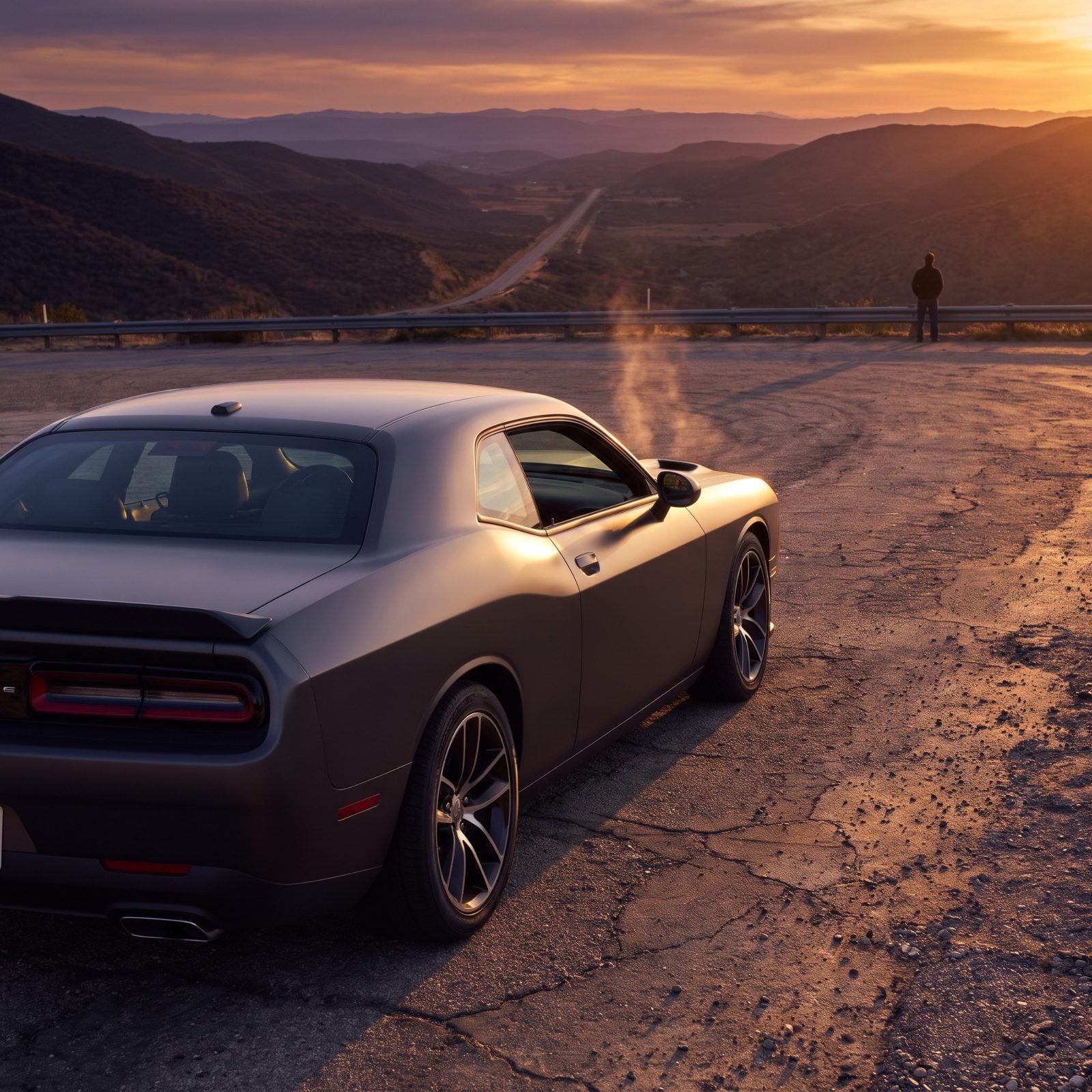
Rough stretch at work, something sideways at home, and suddenly you’re on a configurator at eleven at night adding the bigger engine. Not the sensible trim. The loud one, the one that announces something. You’re not buying transportation. You’re buying a feeling you couldn’t get anywhere else that week.
This is retail therapy wearing a leather jacket. The horsepower is a proxy. What the bad week took from you was a sense of control and significance, and three hundred extra horses promise to hand it right back the moment you touch the throttle. For a few seconds, they even deliver.
People do this with every reinvention — the haircut after the breakup, the dramatic career pivot after the demotion. We reach for the loudest available change because a loud change feels like power, and power is exactly what the low mood drained out of us. The engine doesn’t fix the week. It just revs loud enough to drown it out for a while.
3. The Bigger SUV Promises Family Harmony by Cup Holder
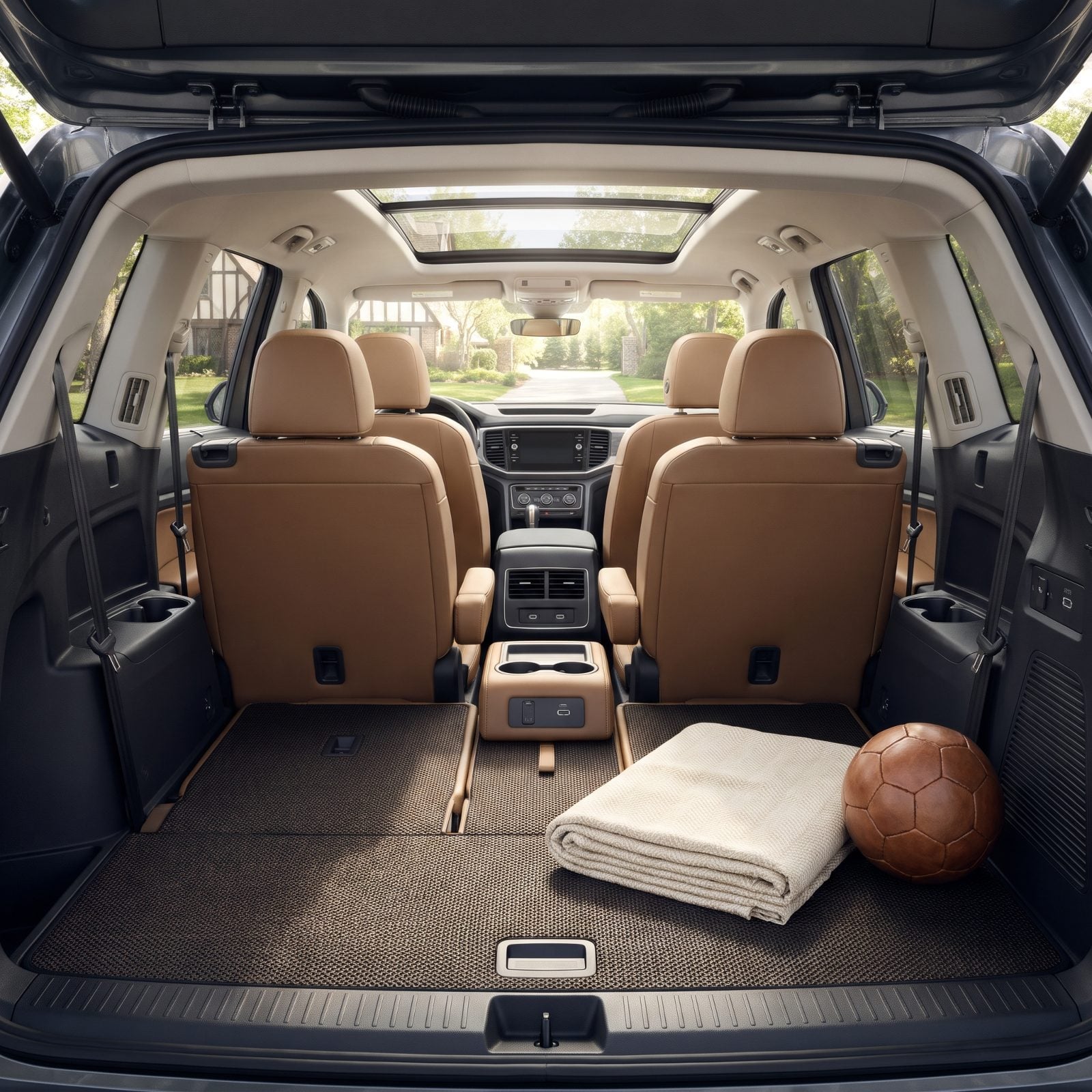
The brochure practically narrates it for you: everyone content in their own captain’s chair, snacks in reach, a road trip where nobody complains. You count the cup holders like they’re a parenting strategy, imagining the harmony the square footage will somehow create.
But the arguing doesn’t ride in the second row. It rides in the people. A bigger vehicle gives everyone more distance, and more distance just means the bickering has better acoustics. The machine was never the variable.
This is the geographic solution to a non-geographic problem, and we try it constantly. The bigger house that’s supposed to end the clutter fights. The move to a new town that’s supposed to fix the restlessness we packed in the boxes. We keep believing that rearranging the container will change what’s inside it.
You can’t buy your way out of a problem that climbed into the car with you.
Buy the three-row if you need the seats. Just don’t expect it to raise your kids.
2. The Garage Queen Preserves a Future You Keep Postponing
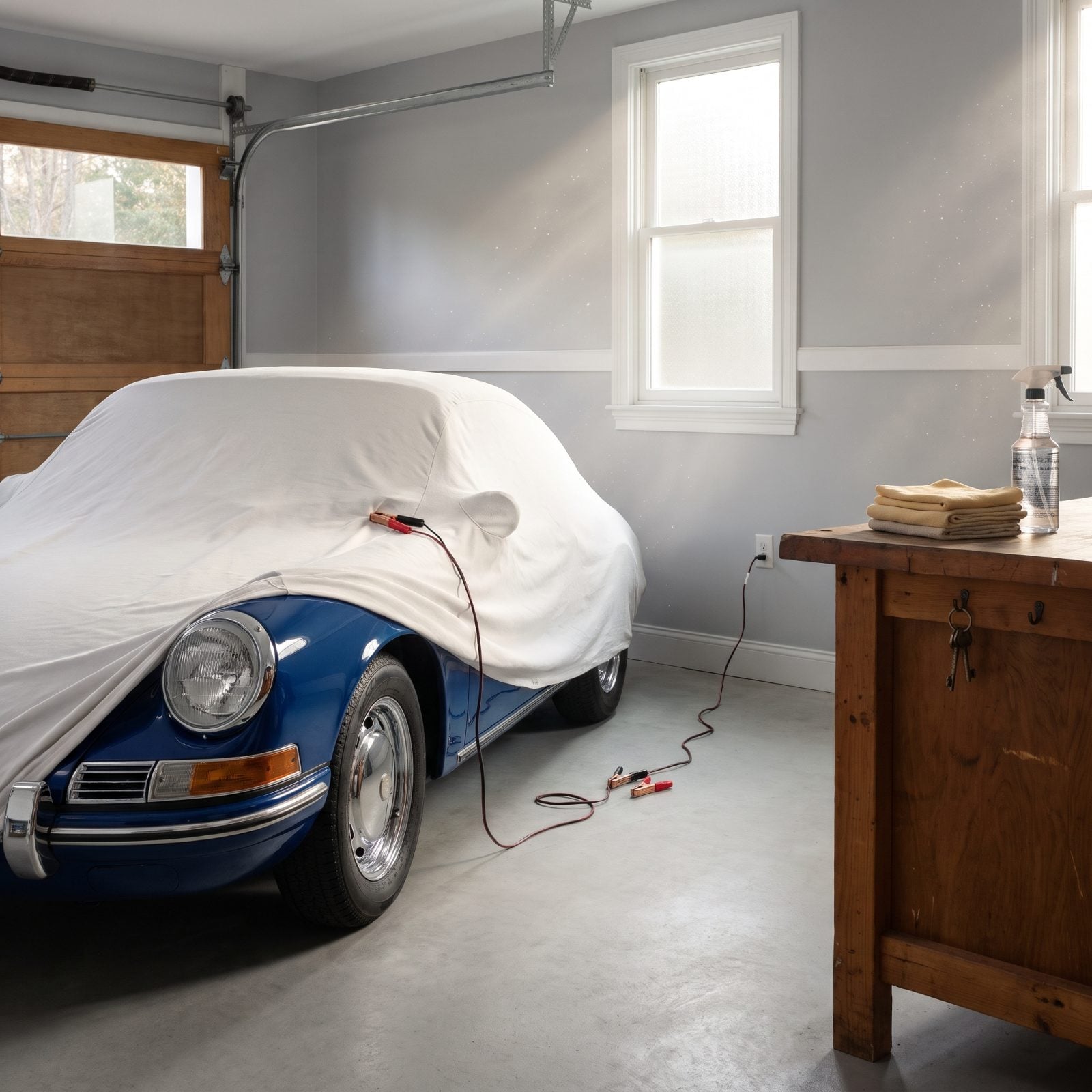
It sits under a cover pulled back off its nose, charger clamps lying unused on the floor, odometer barely moving. Too nice to drive. You’re saving it for the right road, the right weather, the retirement, the day you’ll finally have time to enjoy it properly. That day keeps not arriving.
The garage queen isn’t a car. It’s a deposit on a version of yourself you’ve scheduled for later, and “later” is a comfortable place to keep a dream because it never has to survive contact with a Tuesday.
We do this with so much. The good china that waits for an occasion grand enough to deserve it. The savings earmarked for a trip that stays in the planning folder. The endowment effect makes us overvalue what we own, and loss aversion makes us terrified of using it up. So we protect the thing by never actually having it.
A car preserved from life is just a very expensive promise. Drive it. Scratch it. The miles are the point.
1. You Keep the Wrong Convertible Because You Chased It Forever
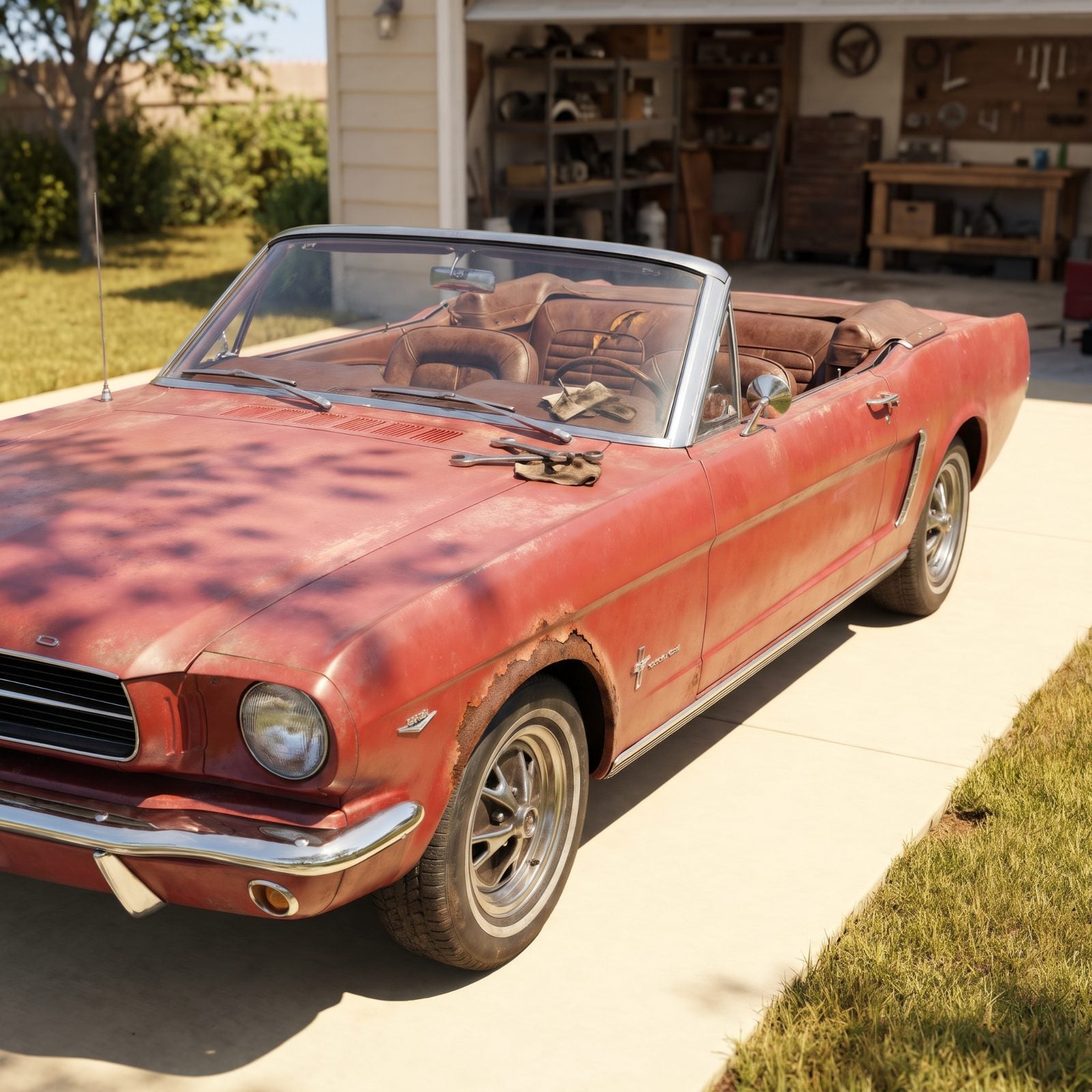
You hunted this convertible for years. Classifieds, barn finds, the one that got away twice. Then you finally got it, and somewhere along the line you noticed it isn’t actually the car you thought it was. The parts are impossible. The handling is agricultural. It leaks. And you will not let it go.
Not because it’s good. Because of everything you poured into getting it. Sunk cost, plain as day. Every hour of searching, every dollar of restoration, every weekend under the hood becomes reasoning you use to justify staying, even though none of that effort has anything to do with whether the thing is right for you now.
People stay in the wrong relationships, the wrong careers, the wrong zip codes on exactly this logic. Walking away feels like admitting the chase was wasted, so we keep paying to avoid the pain of having paid.
The years you spent chasing it are already gone. They’re not an argument for keeping it. They’re just the receipt.