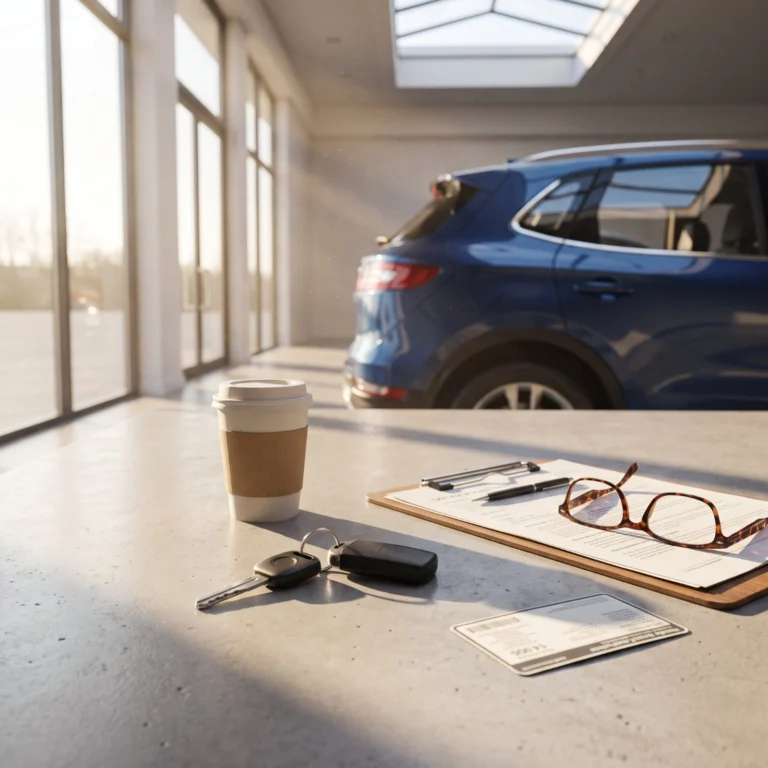
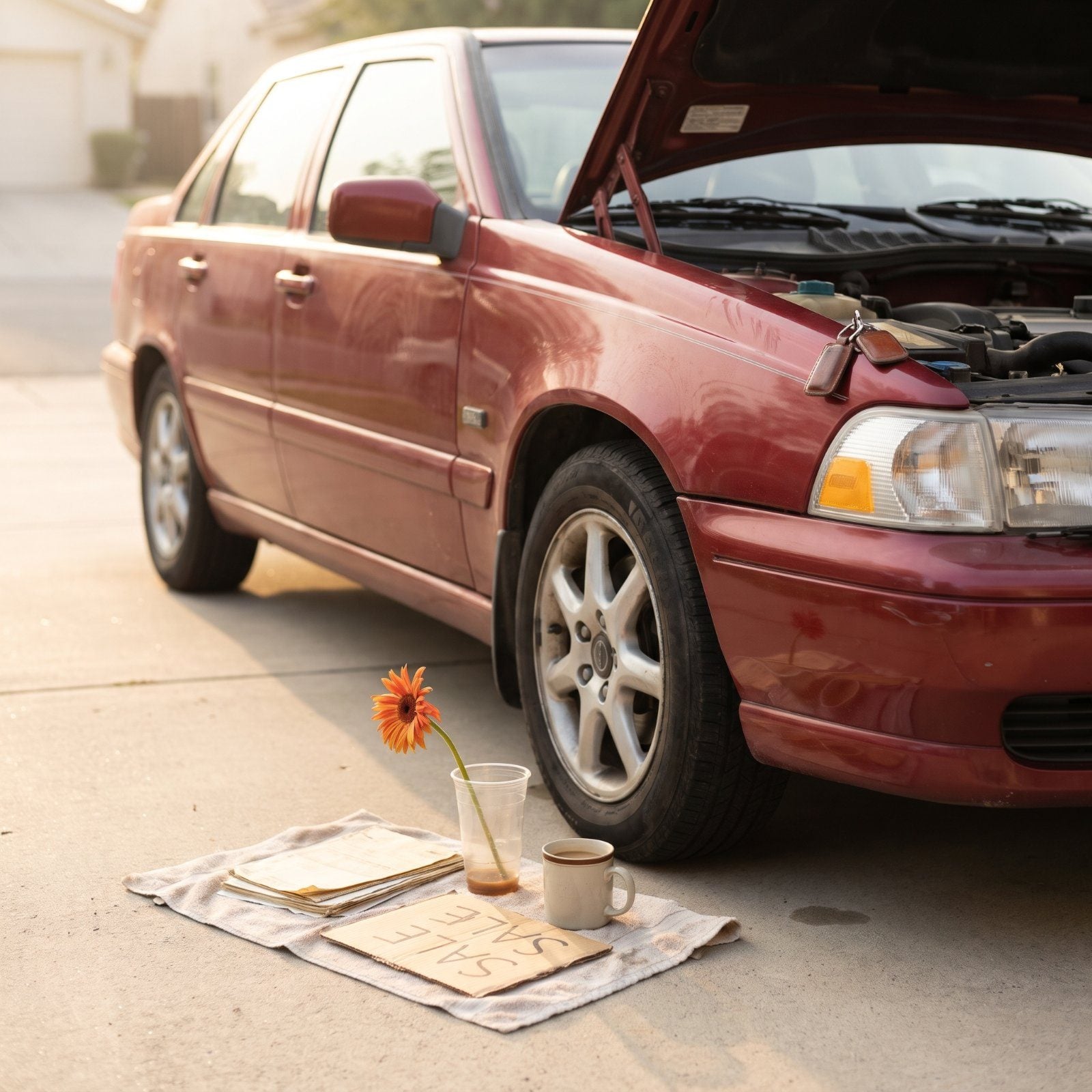
The worst car you ever bought and the worst person you ever dated have more in common than you’d like to admit. Both looked incredible across a crowded room, both felt like destiny for about three weeks, and both ended with you sitting alone and running numbers in your head, wondering how a grown adult who pays taxes could have missed every single warning sign.
Please note that some of the images in this article were created with the assistance of AI.
Now the uncomfortable part. The same wiring that makes us fall for the wrong machine makes us fall for the wrong partner. We chase the shine, we ignore the paperwork, we tell ourselves the problems are charming. You’ll recognize yourself in these, and you’ll probably spot a friend too. Once you see the pattern, good luck unseeing it in either part of your life.
17. You Fall for the Paint Before Checking Service Records
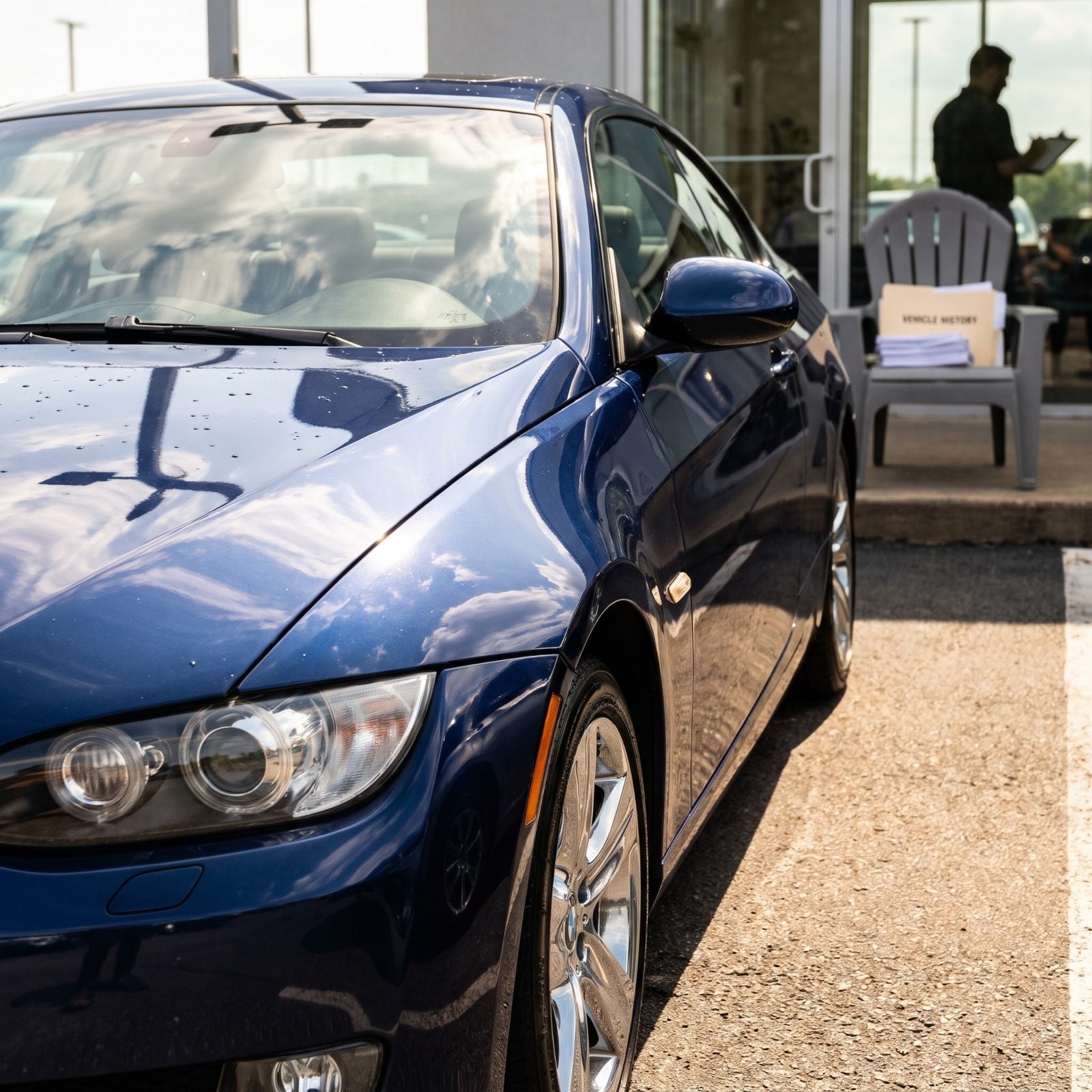
You walk the lot and one car stops you cold. The paint is deep and wet-looking, buffed to a shine that throws back your own reflection, and your chest does that thing. You’re already imagining the driveway.
Nobody opens the maintenance folder first. The pretty one gets the benefit of the doubt before it earns a single bit of it, and that’s the halo effect, plain as day. One attractive trait — the finish — and your brain quietly assumes the engine, the history, the previous owner’s habits must all be just as good.
It’s the same mechanism that makes us trust a charming stranger at a party. We see one dazzling quality and backfill the rest with hope. Trouble is, a repaint hides rust and a smile hides a temper. Both buff out the warning signs you needed to see.
16. One Great Test Drive Makes Every Red Flag Seem Petty

The test drive goes perfect. The engine pulls clean, the seat hugs you right, and the song on the radio hits at exactly the right moment. You come back grinning, and suddenly the soft brakes and the odd whine from the transmission feel like nitpicking.
That’s recency bias wearing driving gloves. The last, strongest feeling drowns out everything that came before, and one good afternoon rewrites the whole story in your head while the little problems shrink to nothing.
Same thing happens three dates in. One magical night and the fact that they showed up forty minutes late and were rude to the waiter gets filed under minor. Peak experiences are loud. Quiet warnings are easy to talk yourself out of. And the drive you remember is never the drive you’ll have every Tuesday in traffic.
15. The Other Buyer Suddenly Makes This Car Irresistible
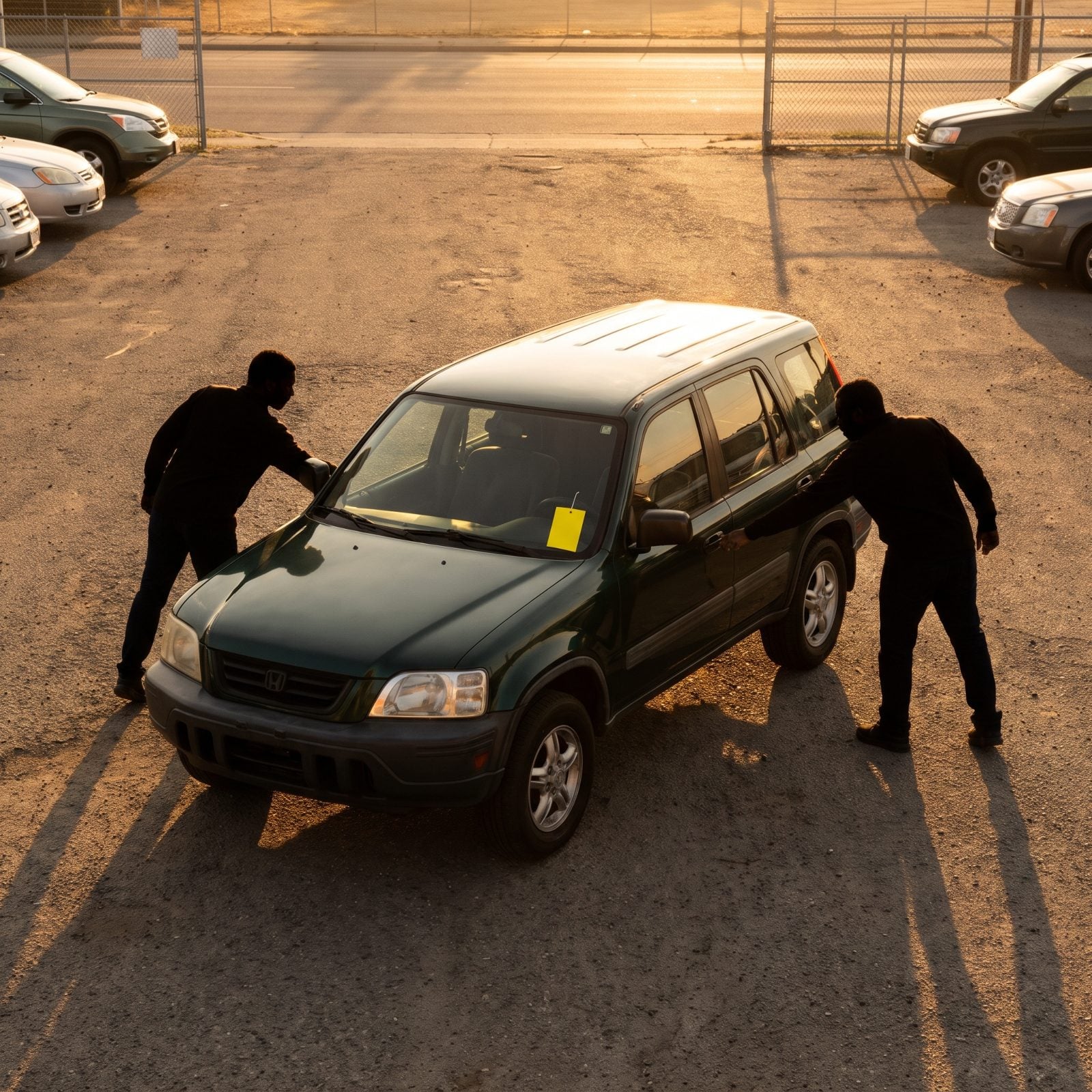
You were lukewarm on it. Then the salesman mentions another couple is coming at four to look at the same one, and all of a sudden you can’t stop picturing them driving off in your car.
Nothing about the vehicle changed. Your valuation did. Scarcity flips a switch in the brain, and competition makes anything feel more precious than it is, so the mediocre becomes must-have because someone else might take it.
Oldest trick in romance, too. The person you were ignoring becomes fascinating the second someone else shows interest. We don’t want the thing. We want to win it.
14. Your Friends Love the Badge, So You Ignore the Payment
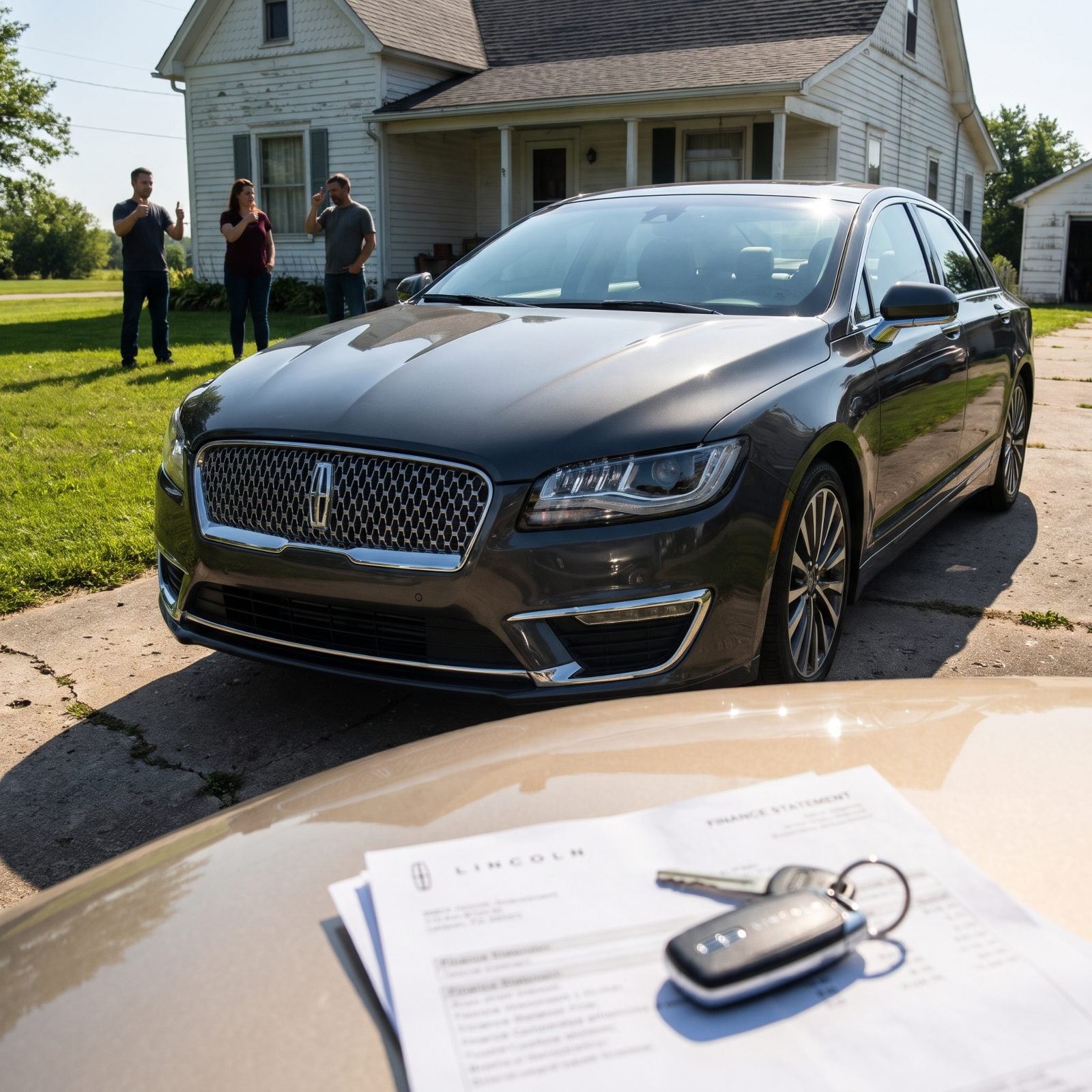
You roll up and the group goes quiet in the good way. Somebody whistles. Somebody asks what you paid, but not really, because they already approve. And just like that, the monthly number that scared you last week stops mattering.
This is social proof paying your car note. We outsource our judgment to the crowd, and when the crowd nods, a bad decision suddenly feels validated. Approval is a drug and status is the needle.
Watch it play out in dating. People stay in relationships that look great on paper and feel lousy in private, because the outside applause drowns out the inside doubt. The badge impresses a parking lot full of people you’ll never see again. The payment visits you on the first of every month, all by itself.
13. You Buy the SUV for a Life You Don’t Live
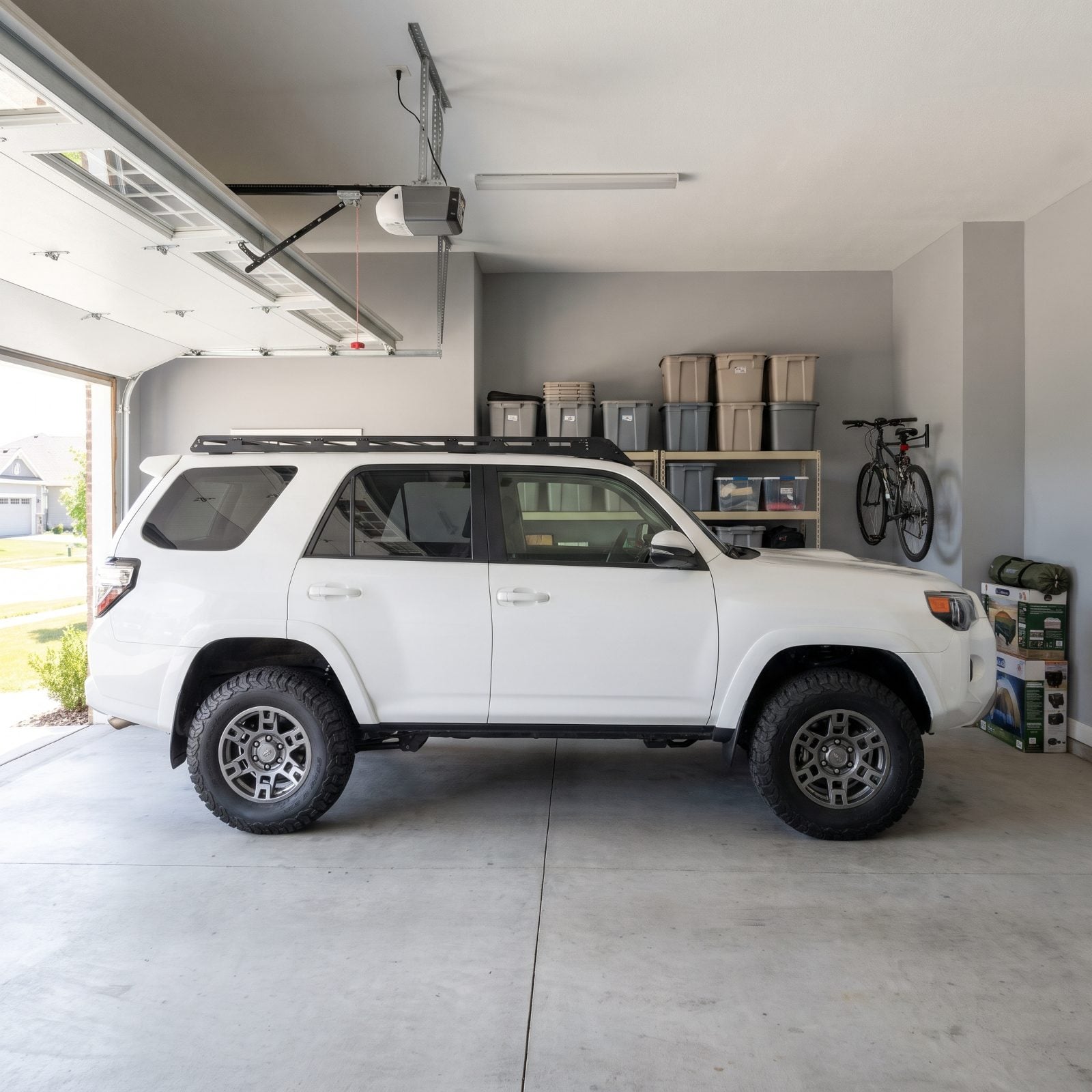
The brochure had the SUV crossing a river, roof tent up, mountain bikes on the back, a dog hanging out the window. You bought that life. What you actually do is a twelve-minute school run and the occasional grocery haul.
So you didn’t buy a vehicle. You bought a version of yourself. Call it identity signaling with a splash of wishful thinking, where real money goes chasing a self you intend to become but rarely do.
People pull the same move with partners. You pick someone who fits the adventurous, outdoorsy, spontaneous person you want to be, not the one who likes a quiet weekend and a nap. The tow package never gets used. The river never gets crossed. Meanwhile you’re paying premium fuel to idle in a drop-off line.
12. A Bad Breakdown Sends You Into a Rebound Purchase
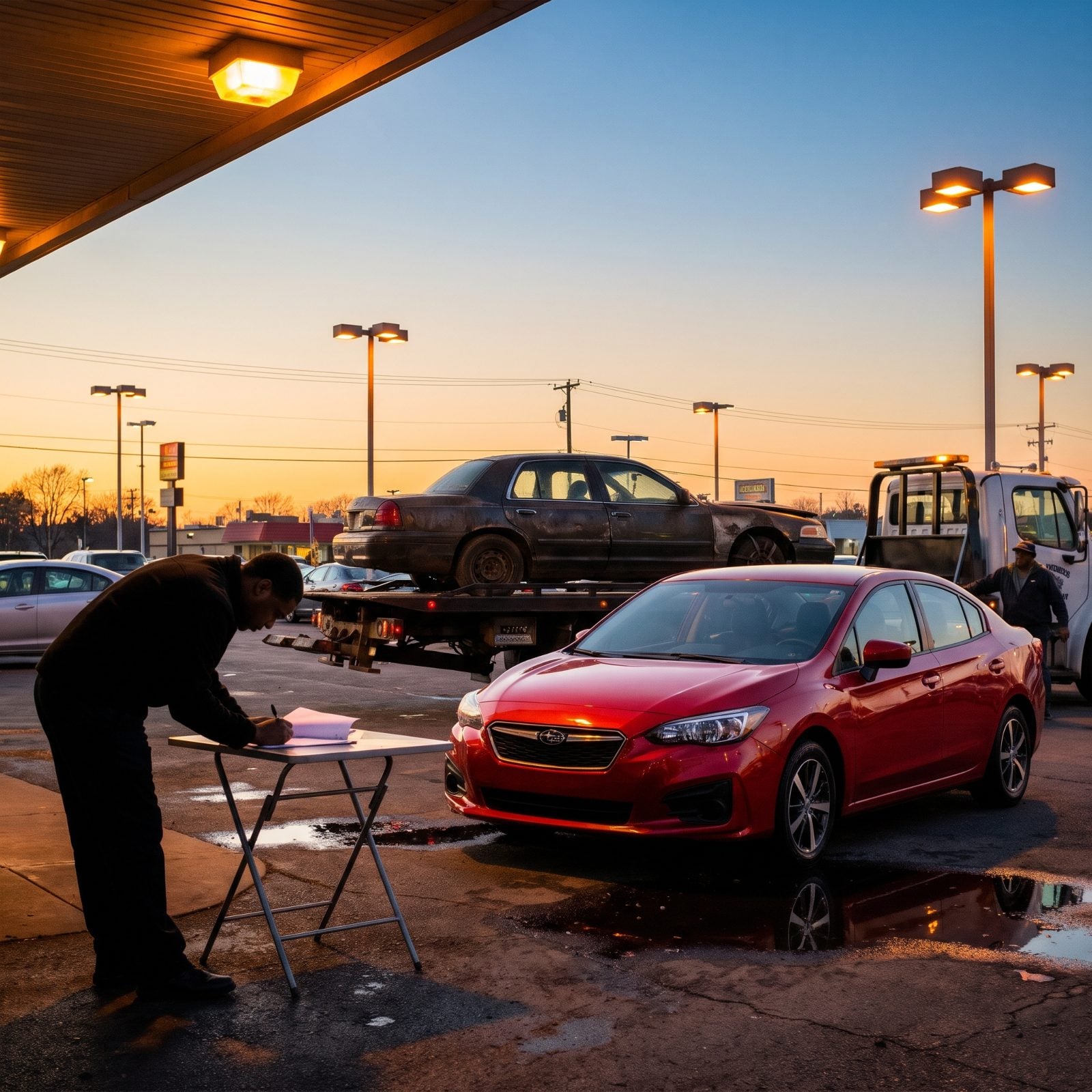
The old car finally died on the shoulder of the interstate. Three days of rideshares and a borrowed minivan later, you walk onto a lot in a mood. You’re not shopping — you’re escaping. You sign for the first thing that runs and feels nothing like the one that betrayed you.
That’s a rebound, same as the human kind. Pain makes us act fast and act wrong. We’re not choosing toward something good, we’re running away from something bad, and panic is a terrible negotiator.
The rebound car and the rebound relationship share a tell. You picked it for what it isn’t, not for what it is. A few months in, when the wound closes, you look over and wonder who this stranger in your driveway even is.
11. You Call Missing Features Compromises Until They Annoy You
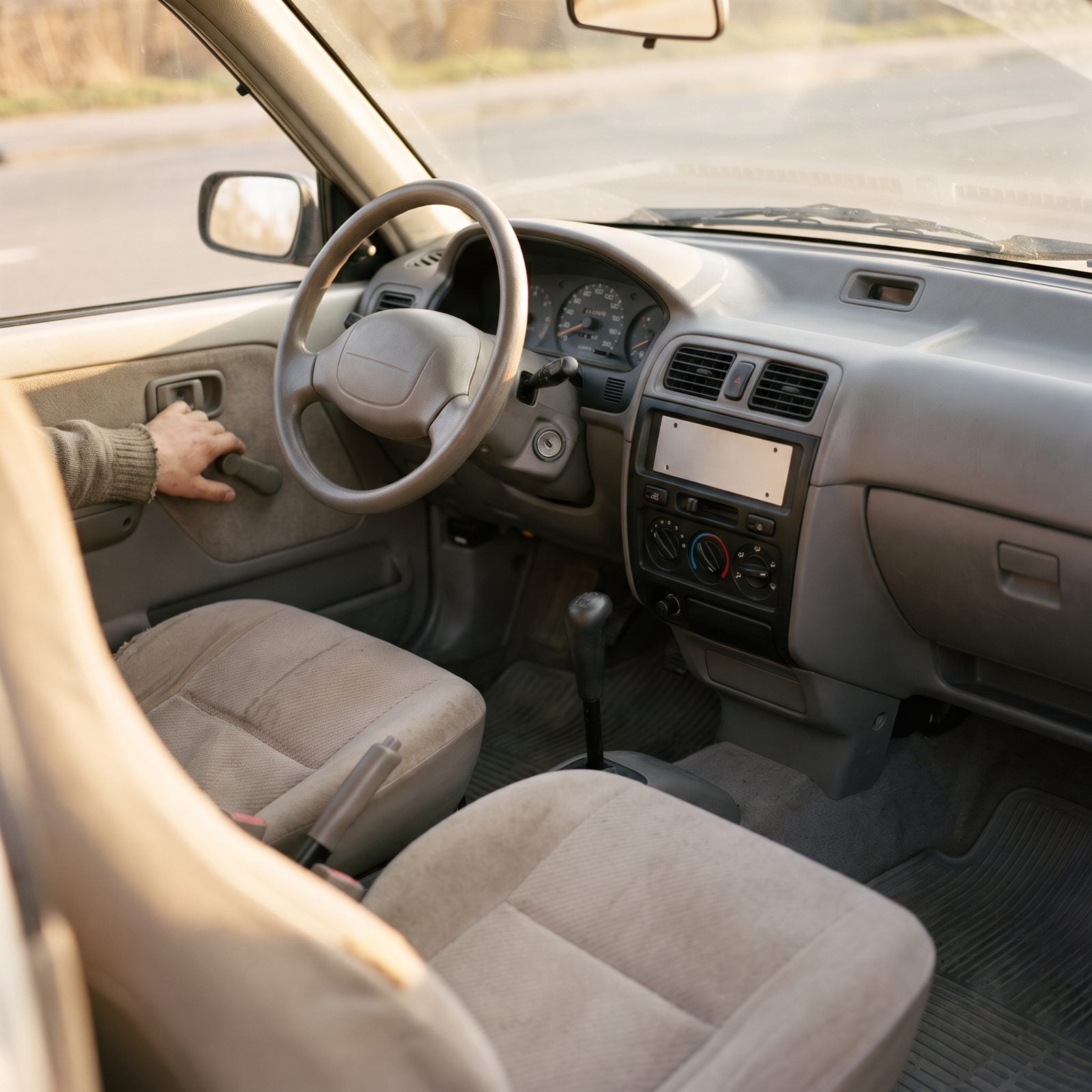
No heated seats? Fine, you’re tough. Crank windows in the back build character. No backup camera — well, you’ve got mirrors and good eyes, thank you very much. On day one, every gap reads as a feature of your excellent, no-nonsense values.
Then January comes and your hands are frozen to the bare steering column. Here’s the gap between what we talk ourselves into at the counter and what we actually tolerate day to day. We rationalize the lack up front because we’re in love, and the brain hates admitting it settled.
Same story with people. “I don’t need someone who’s affectionate” works great until month six, when you’re starving for a hug. The thing you shrugged off during the honeymoon becomes the thing you grind your teeth about by winter. Nobody falls out of love with the whole package at once. It’s always the little missing piece you swore wouldn’t matter.
10. The Monthly Payment Distracts You From the Real Cost

“It’s only two-ninety a month.” That’s the whole conversation. The sticker, the interest, the six-year term, the way you’ll owe more than it’s worth for ages — all of it vanishes behind one small, friendly number.
Welcome to mental accounting and present bias teaming up to pick your pocket. We fixate on the small recurring cost and wave off the enormous total, because today’s comfort outvotes tomorrow’s arithmetic every single time.
A low monthly payment is just a big mistake sliced thin enough to swallow.
People stay in relationships the exact same way. Day to day it’s tolerable, so you never add up the years. The real price is never on the price tag. It’s in the payments you quietly stopped noticing.
9. You Believe the Sales Pitch You Wanted to Hear

“These engines run forever.” “Previous owner babied it.” “This model holds its value like gold.” You nod along, because every word is exactly what you showed up hoping to hear.
Confirmation bias just handed the salesman a free win. Once you’ve decided you want the car, you go hunting for reasons to say yes and treat every reassurance as proof. The pitch isn’t convincing you. It’s giving you permission.
We do the same with people we’re already smitten with. They tell us they’ve changed, they’re ready, they’re different now, and we believe it because we need it to be true. Nobody gets fooled against their will here. We volunteer. The lie you fall for is almost always the one you were auditioning for.
8. You Keep Fixing the Lemon Because You’ve Come This Far
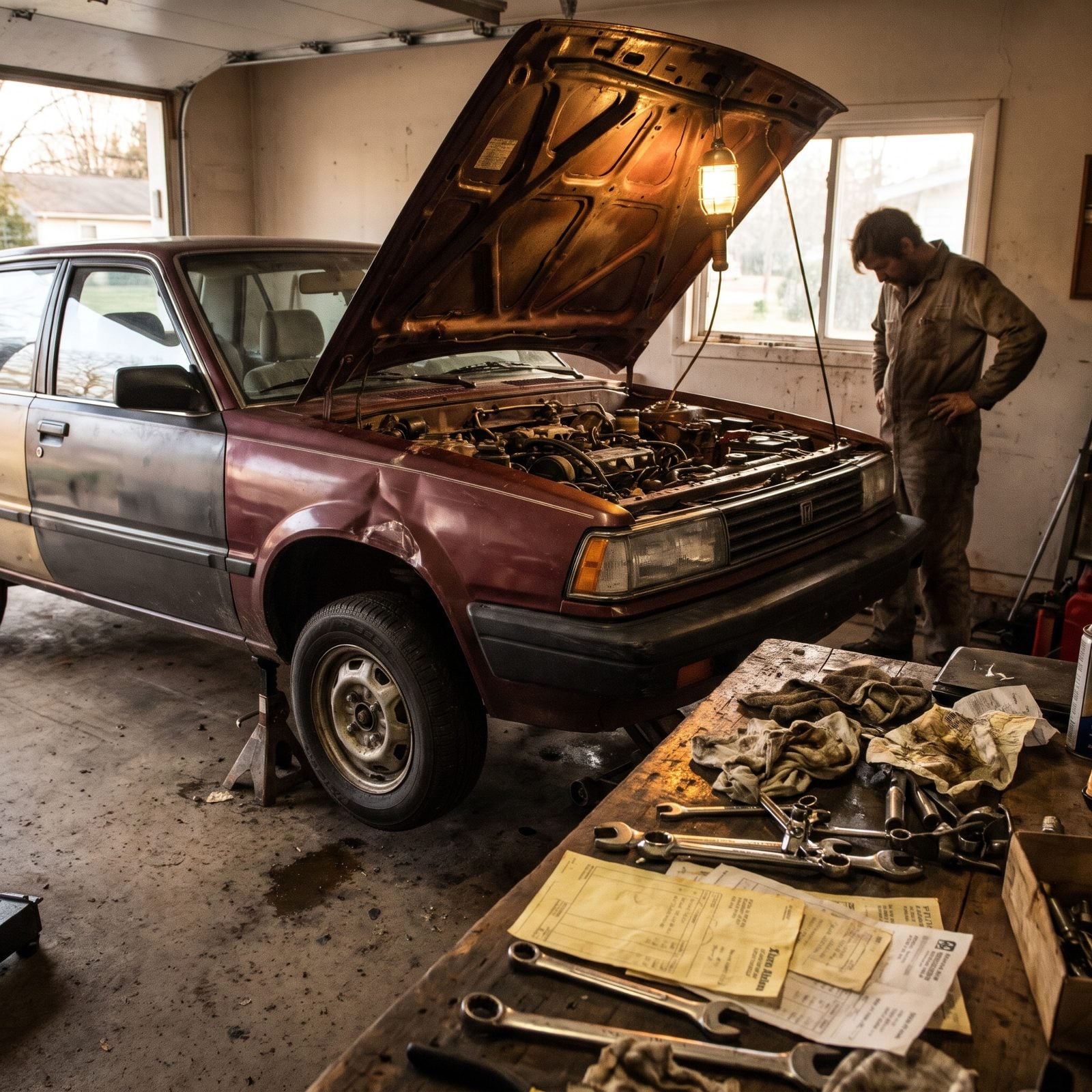
New alternator in March. Transmission flush in May. Now it’s the water pump, and you catch yourself saying the line every lemon owner says: “Well, I’ve already put so much into it, might as well fix this too.”
That’s the sunk-cost fallacy, the most expensive sentence in the English language. The money you already spent is gone no matter what you do next, but your brain treats it like a reason to keep spending. Quitting feels like admitting the whole thing was a waste, so you throw good money after bad to protect your pride.
Which is precisely why people stay too long in relationships that are clearly over. “We’ve been together ten years” becomes the reason to stay, when really it’s just ten years you can’t get back. The years are spent. The only question is about the ones ahead.
7. One Perfect Sunday Drive Buys the Car Another Month

You know the drive. Empty two-lane at seven in the evening, windows down, the right song on and the car finally doing exactly what you bought it to do. For twenty minutes it’s the smartest money you ever spent — brake quote forgotten, cold-start stumble forgotten, that payment that lands every month like clockwork gone from your head entirely.
It’s the same reason people stay in relationships that are wrong six days out of seven. The seventh day is so good it erases the math, and one perfect evening re-signs the lease on the whole thing before you’ve noticed you signed anything.
Psychologists call it intermittent reinforcement. The unpredictable reward hooks us harder than a steady one ever could — a slot machine pays out just enough to keep your hand moving, and so does a car that’s magic one Sunday in five and a headache the other four.
6. You Start Browsing Listings Right After Signing the Papers

The ink isn’t dry and you’re already thumbing through listings. Not shopping, exactly. Just looking — seeing what else was out there, what the same money might have gotten you, whether the one you passed on is still up.
Anyone who’s rushed into a relationship knows the feeling. You commit, the committing itself flips a switch, and suddenly every alternative looks sharper than it did yesterday. The grass was fine until you fenced yourself into your own yard.
That’s reactance. The second a choice becomes final, the options you gave up gain a shine they never had while they were on the table. We want most what we’ve just made impossible, and the locked door is always the most interesting door in the house.
The trap is this: that restless browsing isn’t information. It’s your brain mourning the roads not taken, dressed up as research. The car didn’t get worse overnight. Your freedom to pick a different one did.
5. Your Old Car Gets More Lovable After It’s Gone
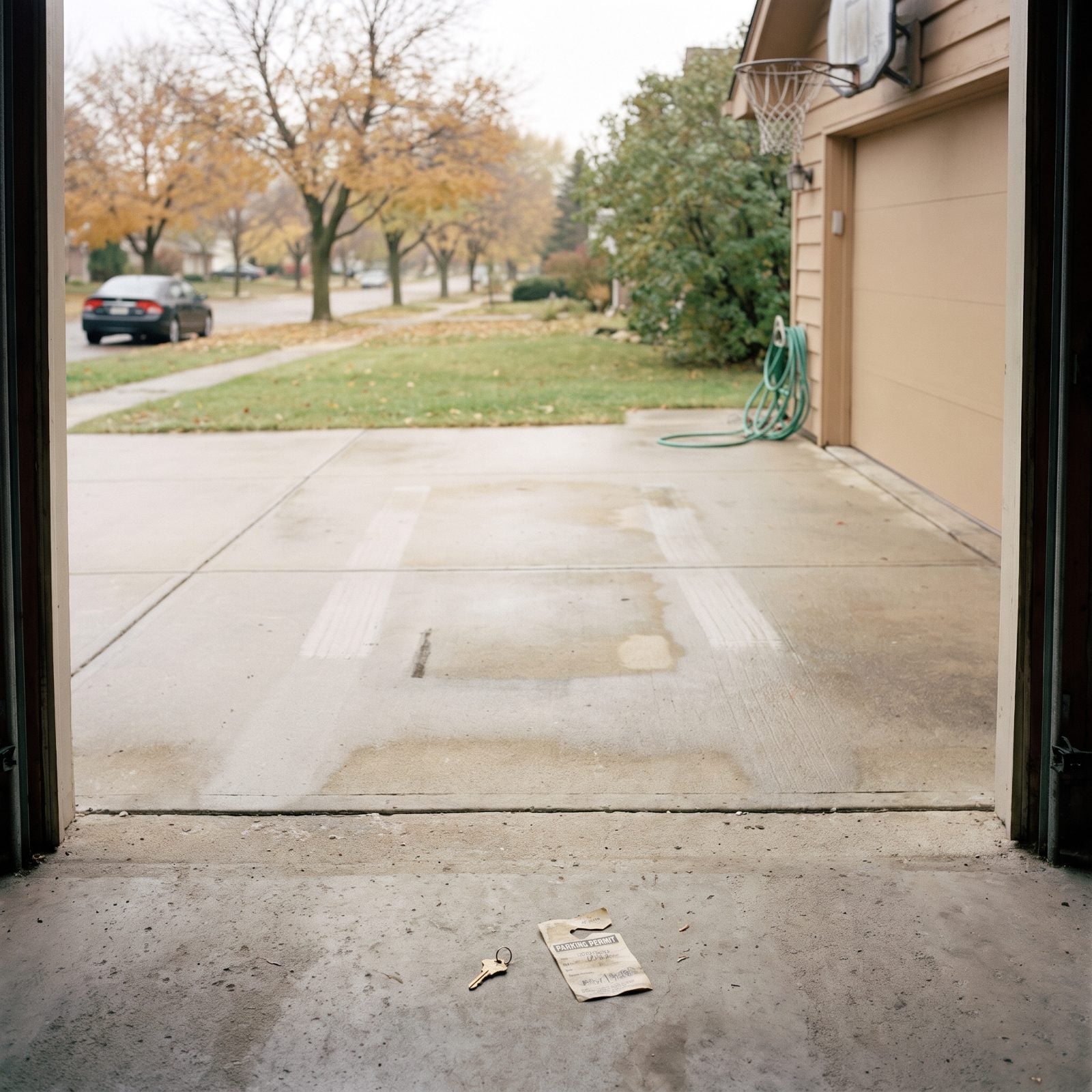
The old car had a torn seat, a window that went down but not always up, and a smell you spent years trying to get rid of. You couldn’t wait to be done with it.
Then it’s gone. And within a month you’re telling people it never once left you stranded. You remember the road trips, not the alternator — the way it fired up every morning in January, conveniently editing out the three mornings it didn’t.
Same thing happens after a breakup. The relationship you were desperate to leave softens in the rearview the moment there’s no going back. Bad parts fade, good parts get a soundtrack.
We don’t remember our cars. We remember how we felt driving them, which is a far kinder editor.
It’s called rosy retrospection, and it’s less a flaw than a mercy. The brain files away the sharp edges and keeps the warm center. Useful for peace. Dangerous when it talks you into buying the same mistake twice.
4. The New-Car Smell Fades Before the Loan Does
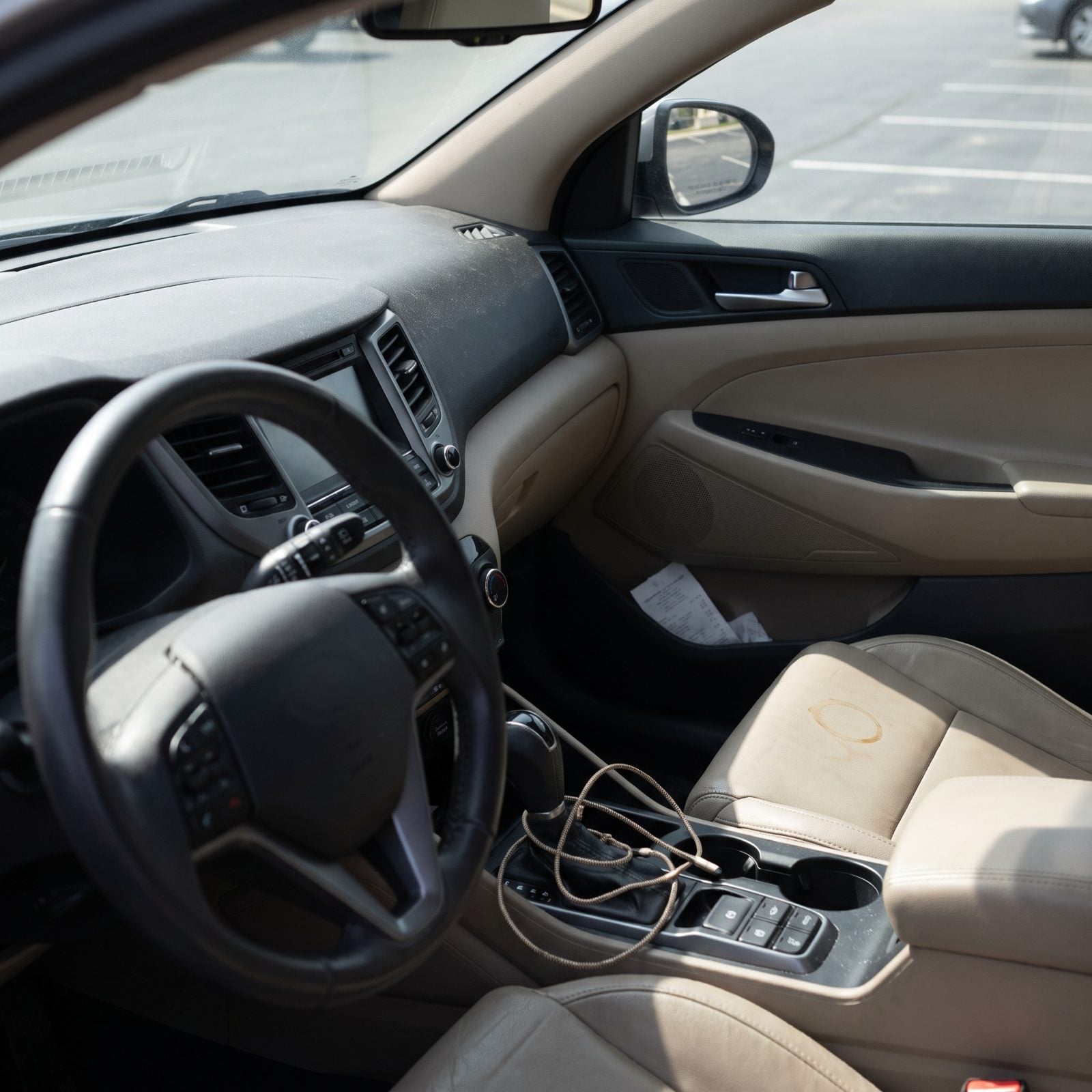
That smell is the whole pitch. It says new, it says clean, it says you did something good for yourself. Factories bottle a version of it and sell it as spray, which should tell you everything about the grip it has on us.
And it’s gone in weeks — replaced by gym bag, spilled coffee, the fries that disappeared under the seat back in March. The thrill of the new flattens into the texture of ordinary life while you’re still paying premium for a feeling that already checked out.
Every new relationship runs the same clock. The butterflies, the sharpened attention, the sense that this time is different — all of it adapts down to baseline faster than anyone expects.
Hedonic adaptation, the psychologists call it. We drift back to our emotional set point no matter what we buy or who we meet. The cure for a flat feeling is almost never a newer thing. It’s usually accepting that the glow was always going to fade, and asking whether what’s left is worth keeping.
3. You Defend the Purchase Hardest When Doubt Creeps In
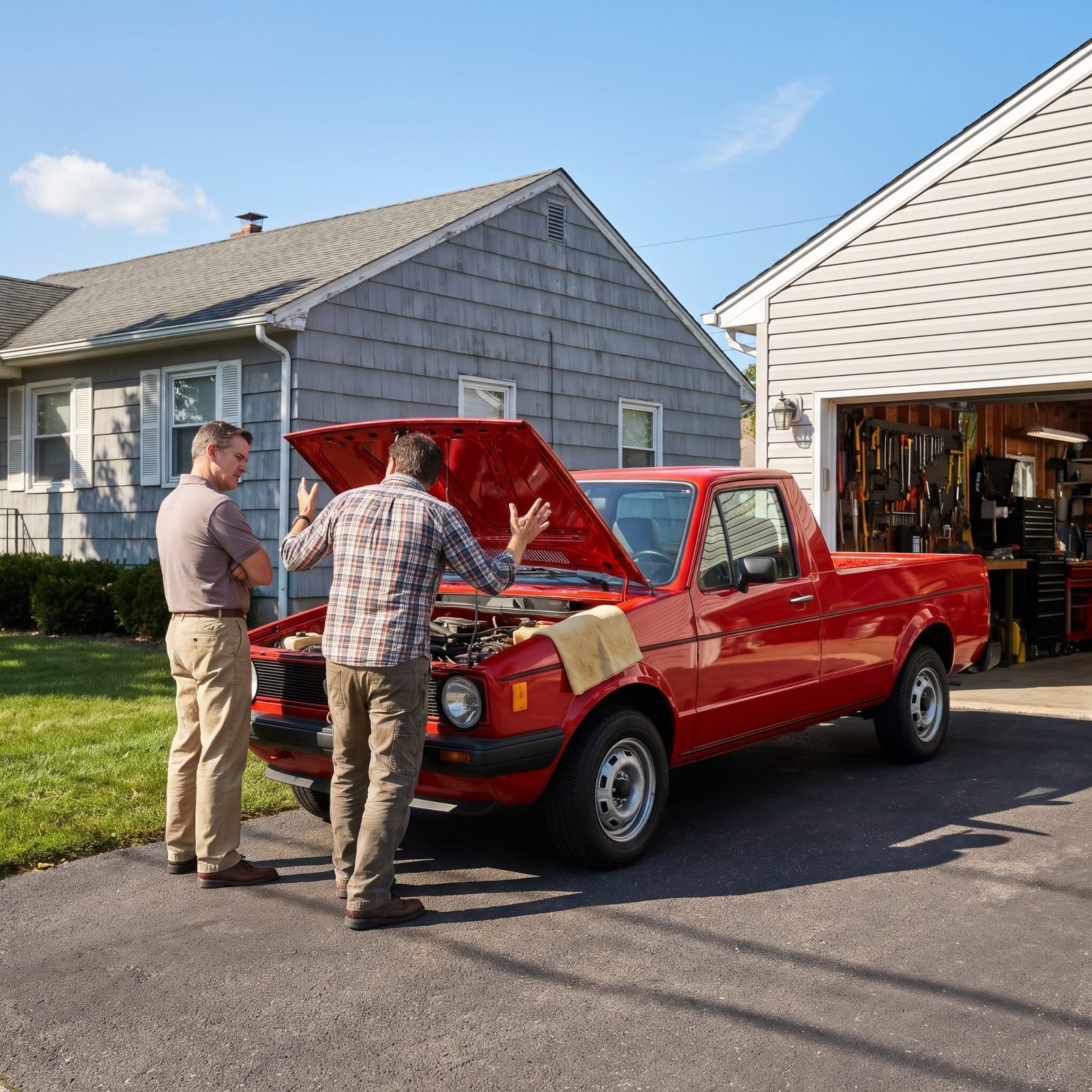
Nobody attacked the car. A neighbor just asked how it’s been running, and you launched into a three-minute case for the defense — reliability ratings, resale projections, the reason the towing spec matters even though you’ve never towed a thing.
The louder the sales pitch, the quieter the doubt it’s covering. You’re not arguing with the neighbor. You’re arguing with the part of you that suspects you overpaid.
We do this with every choice we’re secretly unsure of. The friends who insist most loudly how happy they are tend to be the ones working hardest to believe it.
It’s cognitive dissonance doing cleanup. When a big decision and a creeping regret share one skull, something has to give, and it’s easier to recruit more reasons than to admit the mistake. So we build the case, we overexplain, we defend the thing to strangers who never doubted it in the first place.
2. You Avoid Telling People What You Actually Paid

Someone compliments the car and asks what you gave for it, and you hear yourself round down. Or dodge. Or say “I got a decent deal” in a tone that ends the conversation. The real number stays in the folder in the glovebox where nobody can do the math.
People hide the price of a bad buy the same way they hide the cost of a relationship that drains them. The money, the years, the compromises — all quietly understated when someone asks how it’s really going.
Shame is a private accountant. We’ll happily broadcast a good decision and bury an expensive one, because the number isn’t just a number. It’s a verdict on our judgment, and we’d rather not read it aloud.
Watch for the tell. If you can’t say the price without flinching, some part of you already filed the review. You just haven’t let yourself read it yet.
1. You Blame Yourself for Not Making the Wrong Car Work
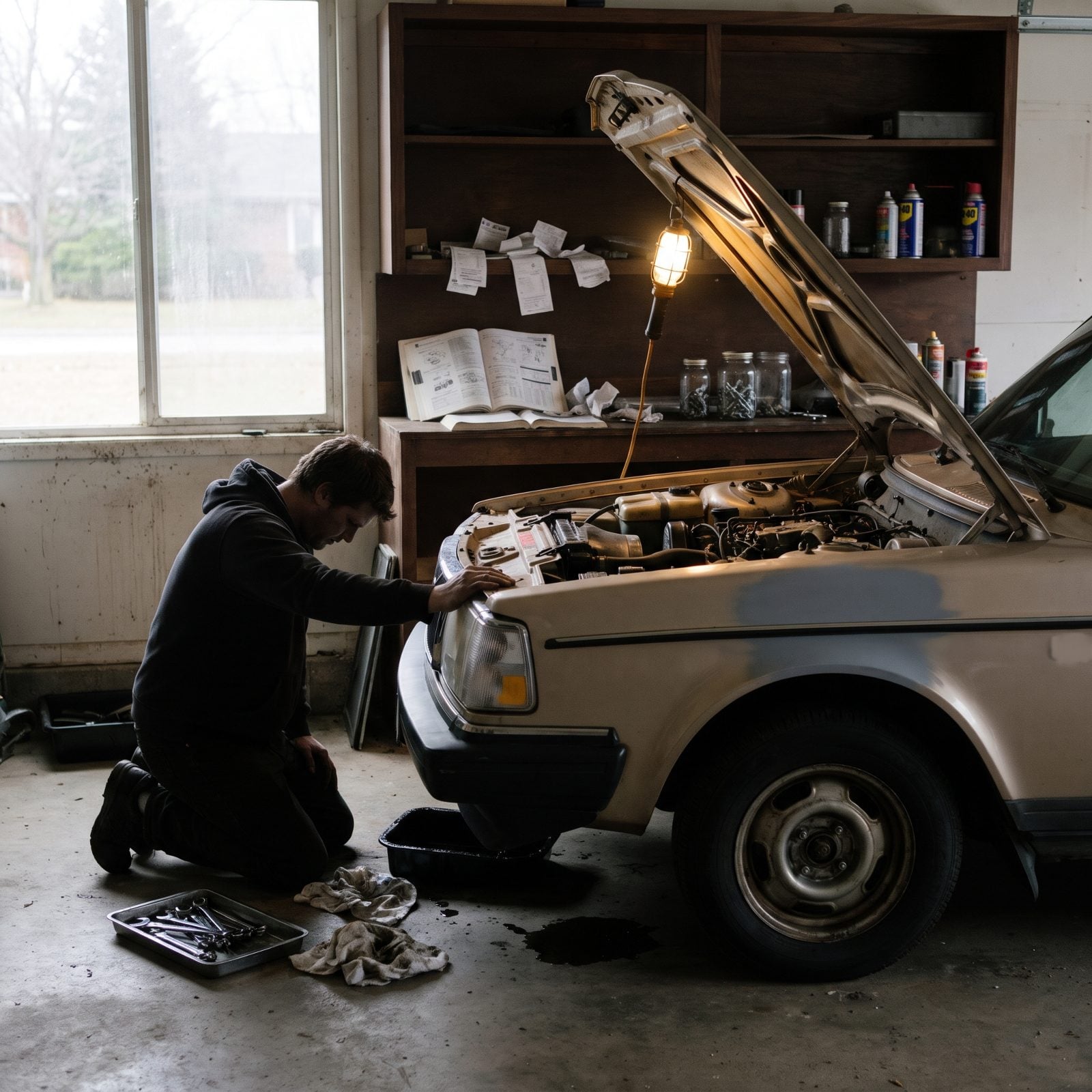
The transmission slips, the electrics gremlin out, the shop can’t replicate the noise you swear is there. And somehow the conclusion you land on isn’t “this car is a lemon.” It’s “maybe I didn’t maintain it right. Maybe I drove it wrong. Maybe if I’d just stayed on top of it.”
Read that again and swap the car for a person. It’s the exact script people run in a relationship that was never going to work — auditing themselves for the flaw that would explain it, because a flaw you can fix feels better than a thing that was broken off the lot.
Control is the comfort here. If the fault is yours, then the solution is yours and you’re not helpless. Admitting the car was just a bad car means admitting you got unlucky, and we hate luck more than we hate blame.
Some cars are duds off the line. Some matches are wrong from the first drive. Not everything that fails is a report card on you.