The engine turns over before you’ve decided where you’re going. That’s the tell. Nobody plans an escape drive — you just find yourself at the end of the driveway with half a tank, no destination, and a chest that feels a little lighter than it did two minutes ago. We’ve all done it. A bad call from the doctor, a fight that went sideways, a week that chewed you up and spit you into the garage on a Friday night, and the answer, somehow, is movement. The same wiring that sends other people to the mall with a credit card sends us down a two-lane with the windows cracked. Below are the habits you’ll recognize instantly, and why they work on you the way a shopping bag works on somebody else.
Please note that some of the images in this article were created with the assistance of AI.
16. Bad News Sends You Straight for the Car Keys
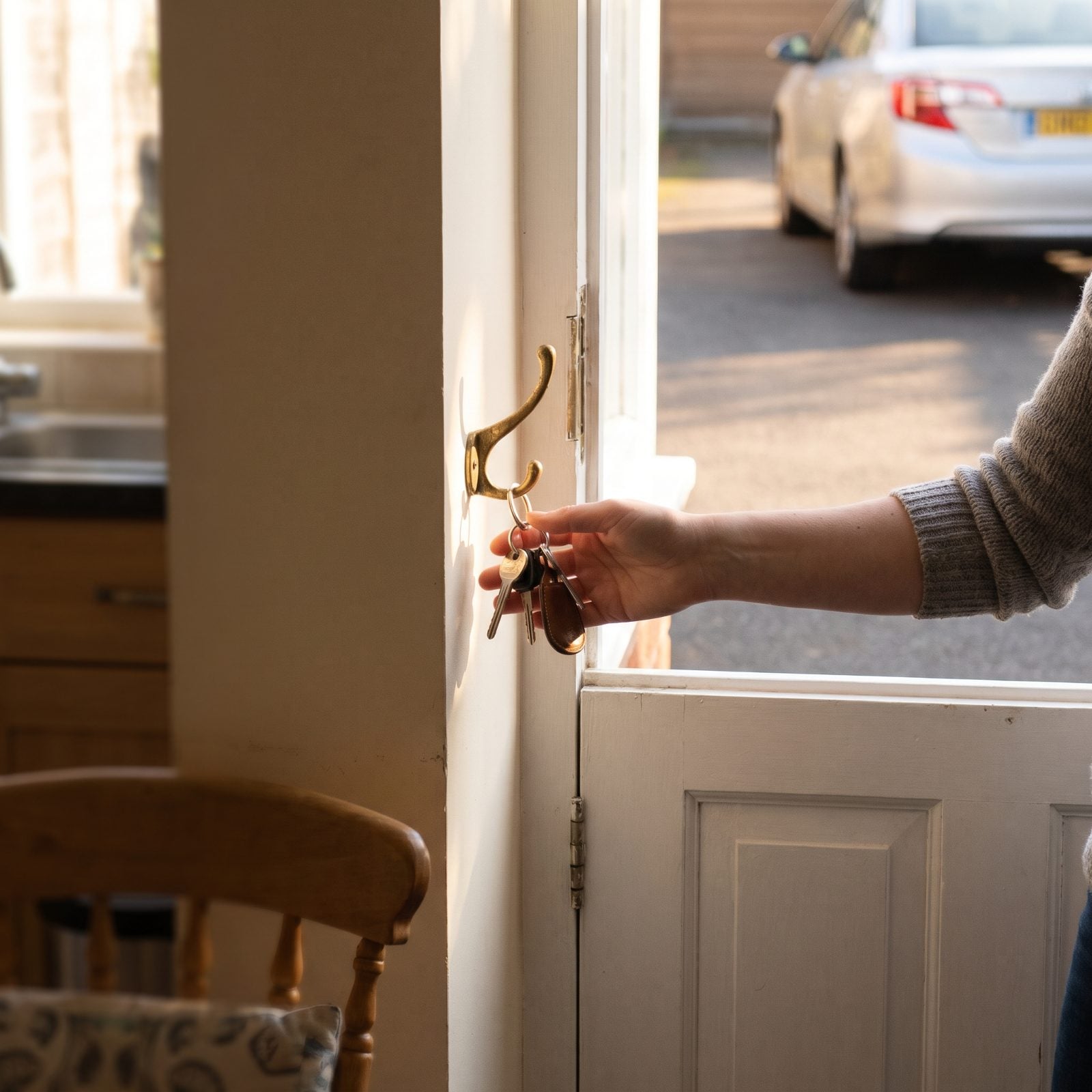
You hang up the phone and your body is already moving. Not toward the couch — toward the hook by the door where the keys live. The brain hasn’t finished processing the news, but the hands have made a decision.
This is the exact impulse that sends somebody else to a checkout line with an armful of things they didn’t want an hour ago. Psychologists call it distraction-based coping, and it’s not weakness. A rattled nervous system wants a physical action it can take right now, something that interrupts the spiral. Buying gives that. So does turning a key. Both deliver a small jolt of control when the thing that actually hurts sits miles outside your reach.
The difference is the receipt. One costs you forty bucks and a closet full of regret. The other costs a gallon of gas and leaves you calmer than you started.
15. You Leave Before You Can Name the Feeling
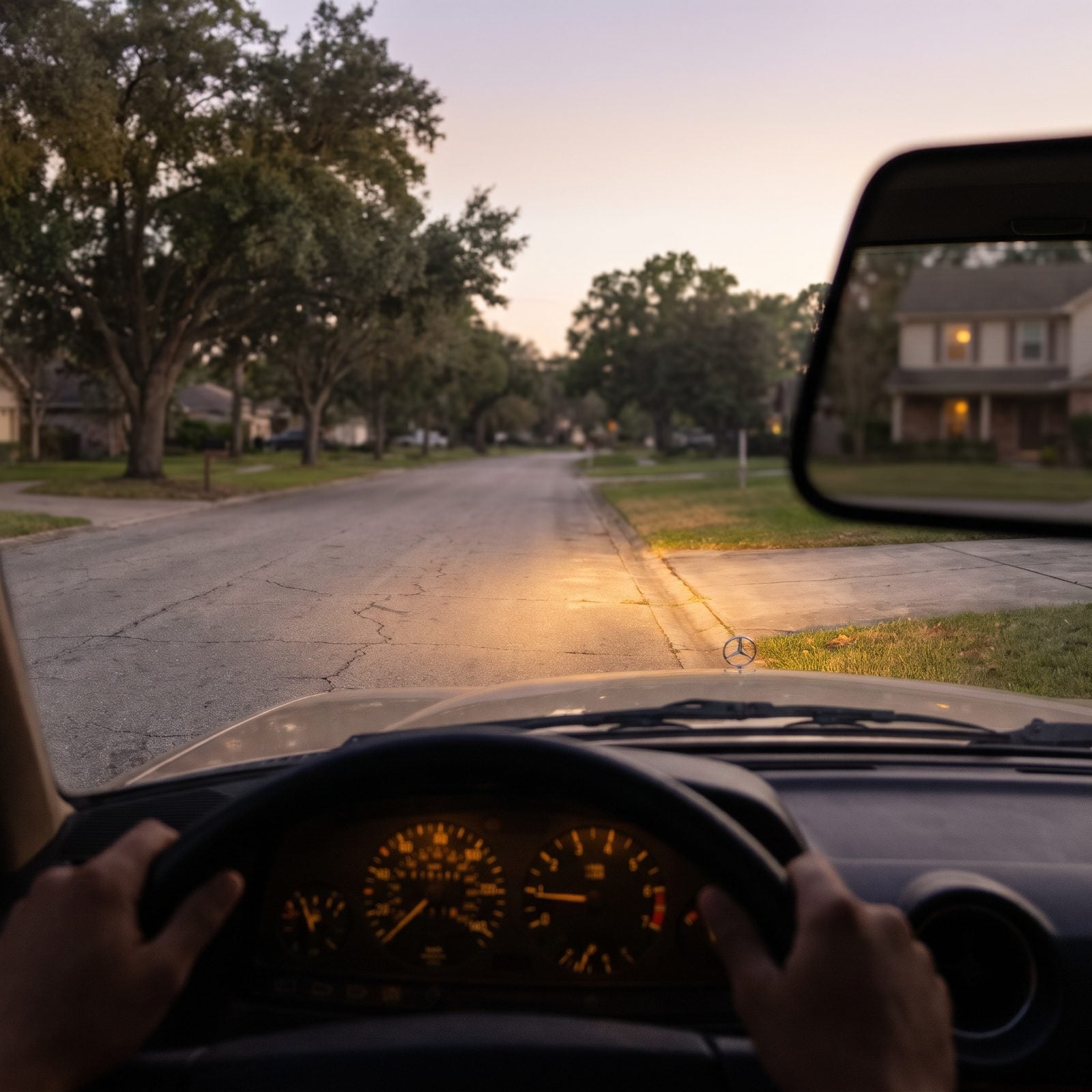
Ask yourself what’s wrong while you’re backing out and you’ll come up empty. You just know you had to go. The feeling hasn’t got a name yet. The drive comes first, and the understanding — if it ever arrives — shows up around mile fifteen.
Same thing happens in a store. You don’t decide you’re sad and then shop. You’re already wandering the aisles when it occurs to you something’s off. The behavior outruns the emotion.
And there’s a reason for that. When stress is vague and formless, the mind grabs for anything concrete — a route, a cart, a task. Giving yourself a simple physical loop to complete buys time for the real feeling to surface on its own terms, instead of ambushing you on the kitchen floor.
14. The Driver’s Seat Feels Controllable When Life Doesn’t
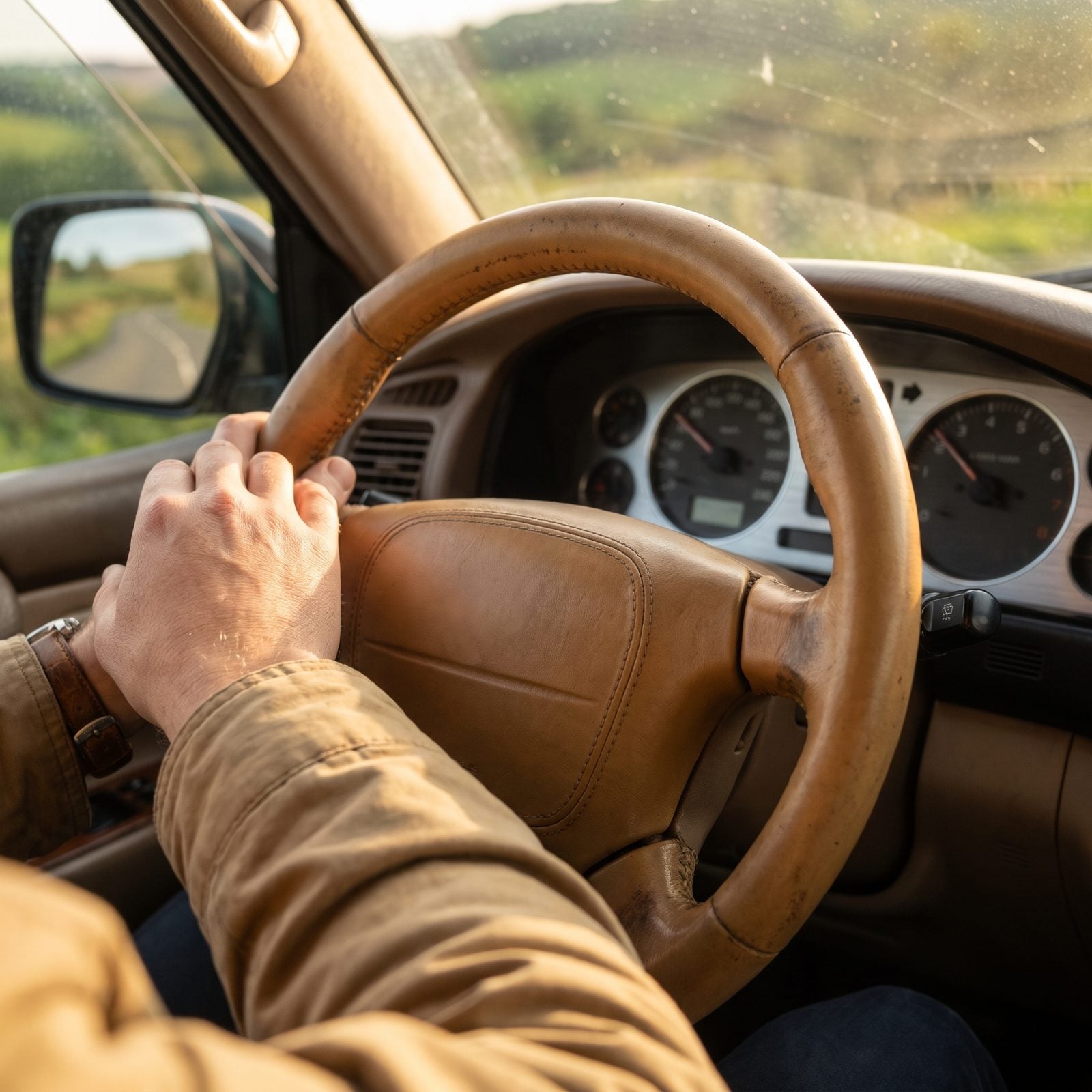
You can’t fix the thing that’s eating at you. But you can decide to turn left.
That’s the whole appeal of the driver’s seat when the rest of life has gone slippery. Every input does exactly what you tell it. Press the pedal, you speed up. Turn the wheel, the car turns. Nothing argues. Nothing changes its mind overnight. In a world where the big problems ignore your wishes completely, a machine that obeys your hands feels like a small miracle.
Retail scratches the same itch from the other direction — choosing between two colors, saying yes to this and no to that, deciding exactly what comes home with you. It hands back the agency the day stole. Both are the same quiet negotiation with chaos: if I can’t control the storm, let me control this one square foot of the world.
13. You Take the Long Way Home to Delay Reality
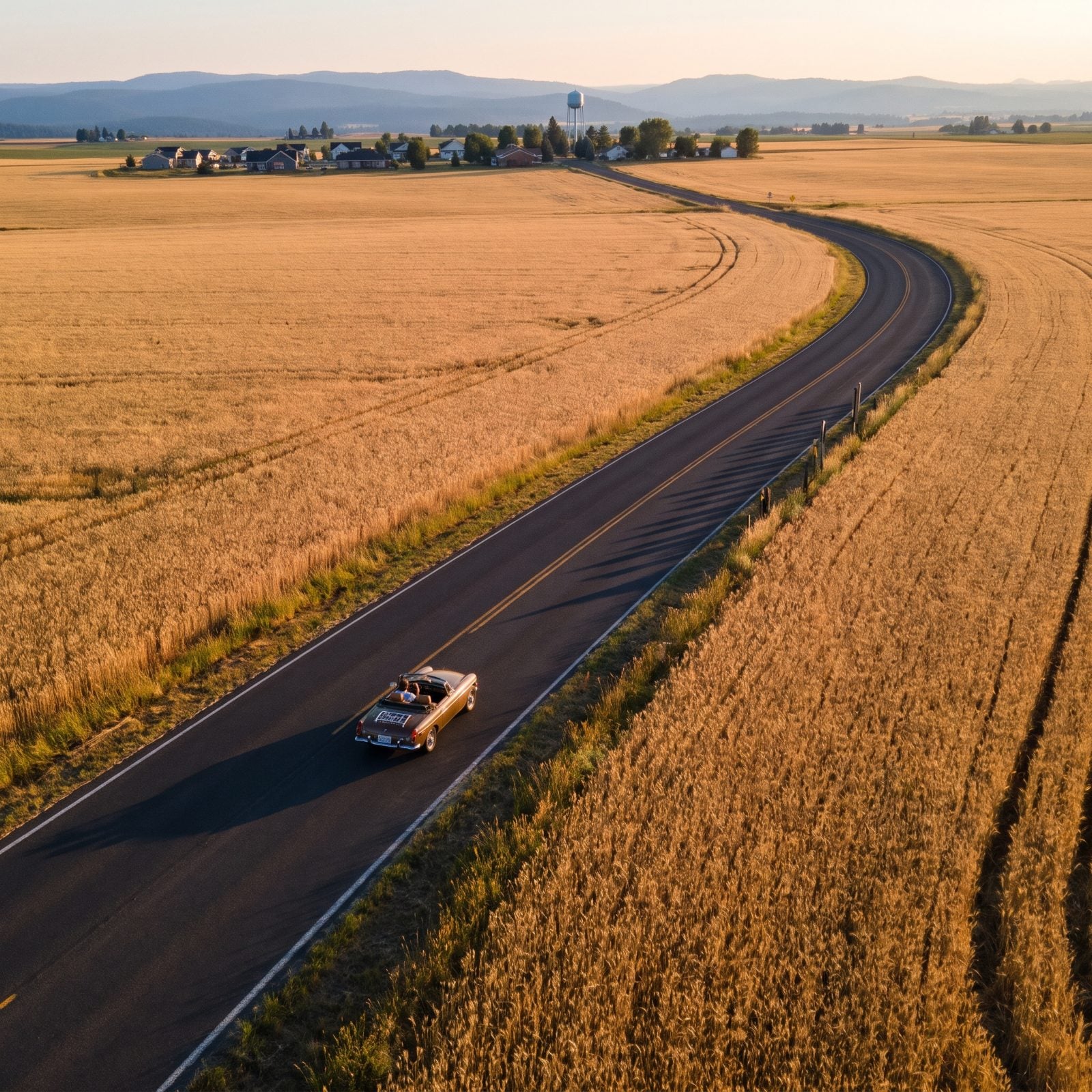
The exit for home shows up and you keep going. Three more miles, maybe five. You tell yourself the long way is prettier, and it is, but that’s not why you took it. You took it because home is where the unfinished thing is waiting.
People do this with a shopping trip they can’t quite end. One more aisle. One more store. Anything to stay inside the little bubble where the harder business of the day is on pause.
Psychologists have a plain name for it: avoidance coping. It isn’t noble and it doesn’t solve a thing. But a short, bounded delay — the kind that ends when the gas light comes on — can give a frazzled brain enough room to come back ready. The trouble starts only when the long way becomes the only way.
12. You Choose Roads Where Nobody Can Ask What’s Wrong
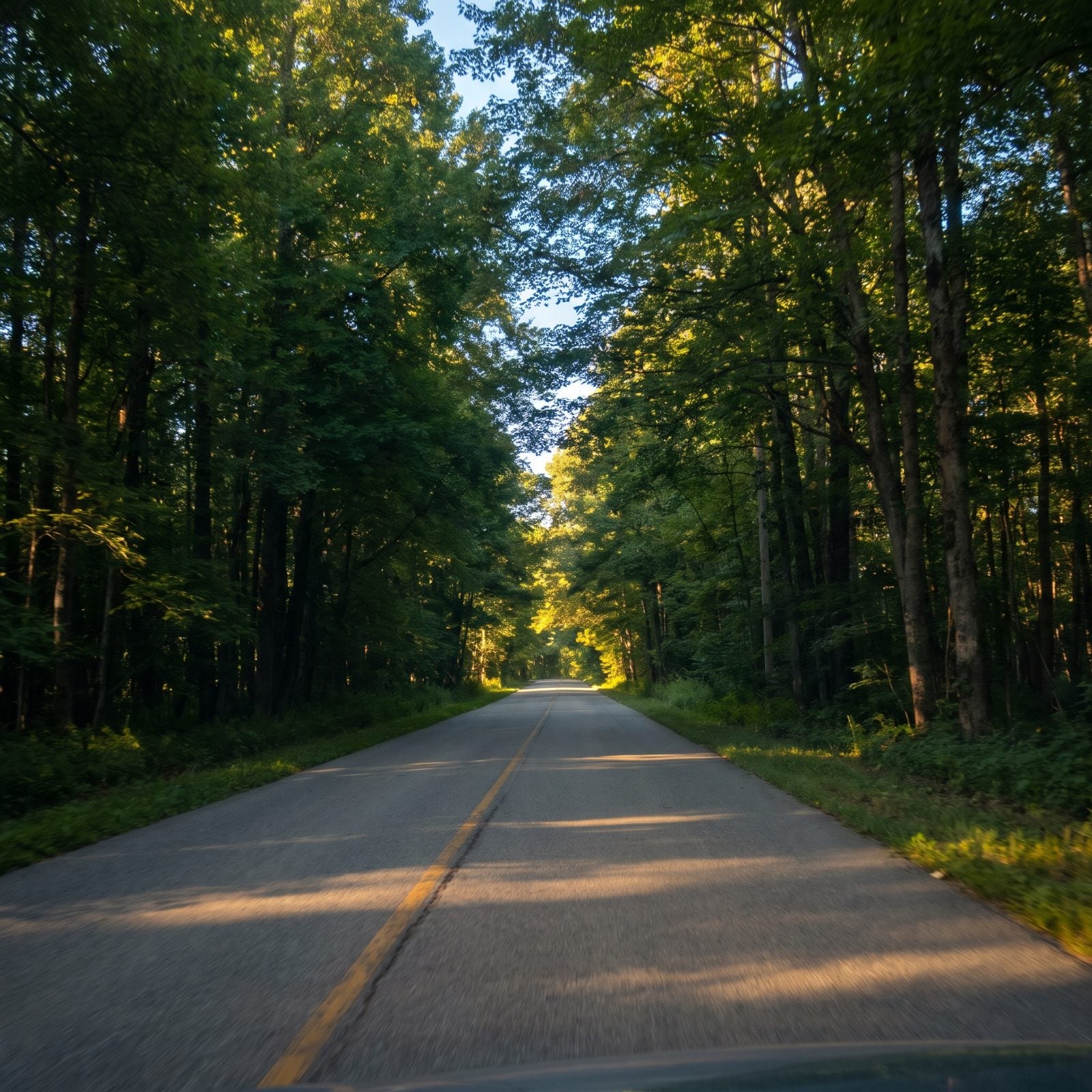
You skip the highway full of people you might know and aim for the road where it’s just you and the trees. No neighbors. No one to roll down a window and read your face. The privacy is the point.
It’s the same instinct that sends someone to a store across town instead of the one around the corner — somewhere nobody will say, “You look like you’ve had a day.” When you’re raw, the last thing you want is to be seen and asked about it before you’ve decided what to say.
Solitude lets the stress discharge without an audience to perform for. You don’t have to be okay for anybody on an empty back road. You just have to be moving.
11. You Reward a Brutal Week With an Aimless Drive
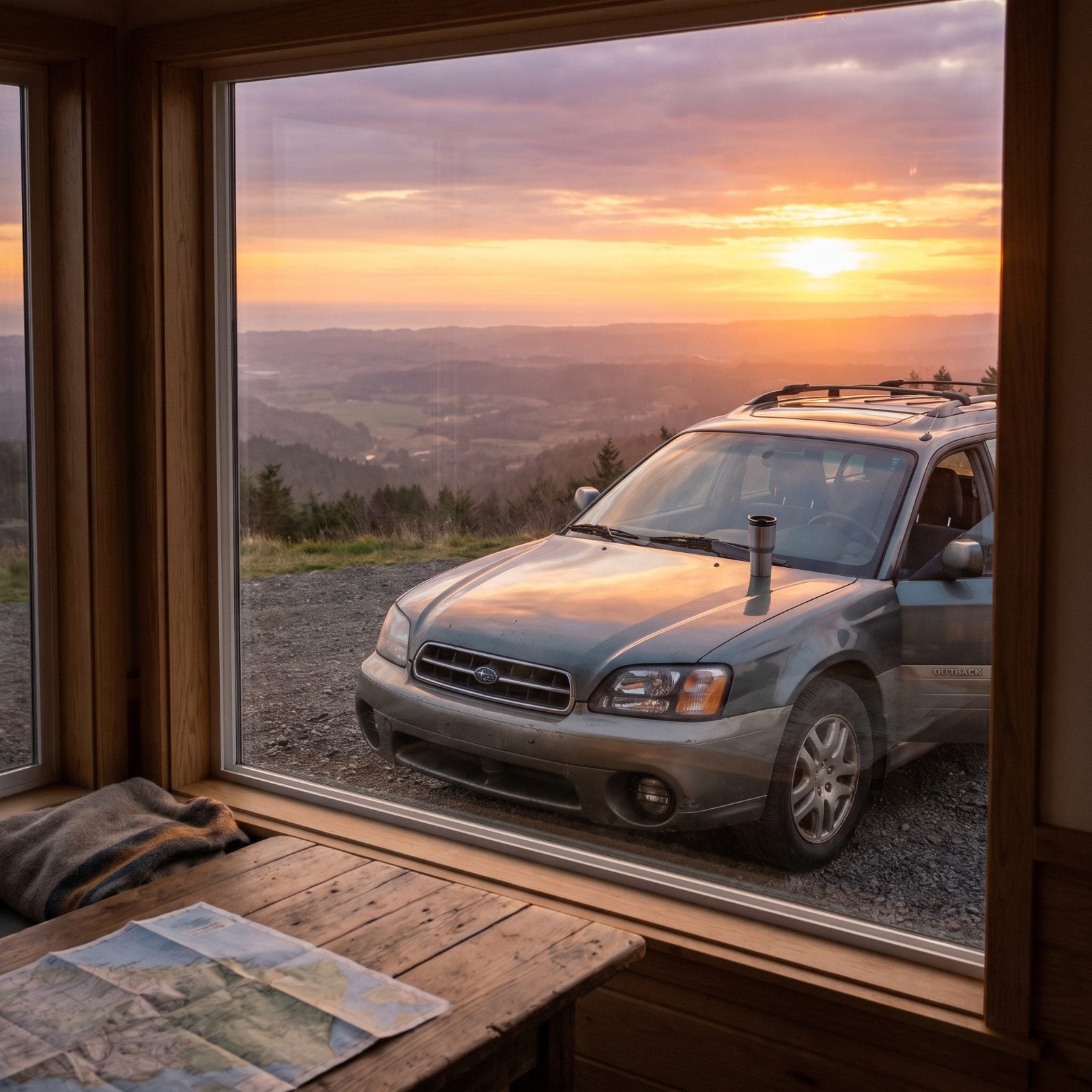
Friday hits like a closing door and the drive becomes the prize. You survived the week, so you owe yourself something, and the something is an hour of road with no obligation attached. Pure treat.
That’s retail therapy stripped to its bones. The reward purchase, the “I deserve this” after a grind. Both run on the same dopamine loop: effort endured, treat delivered, loop closes, you feel squared up with yourself.
Here’s the quiet upside — the drive doesn’t leave a balance on a statement or a thing to dust. You get the full hit of the reward with none of the morning-after. If you’re going to bribe yourself for making it through, this is the cheapest bribe going.
10. You Call It an Errand So It Sounds Responsible
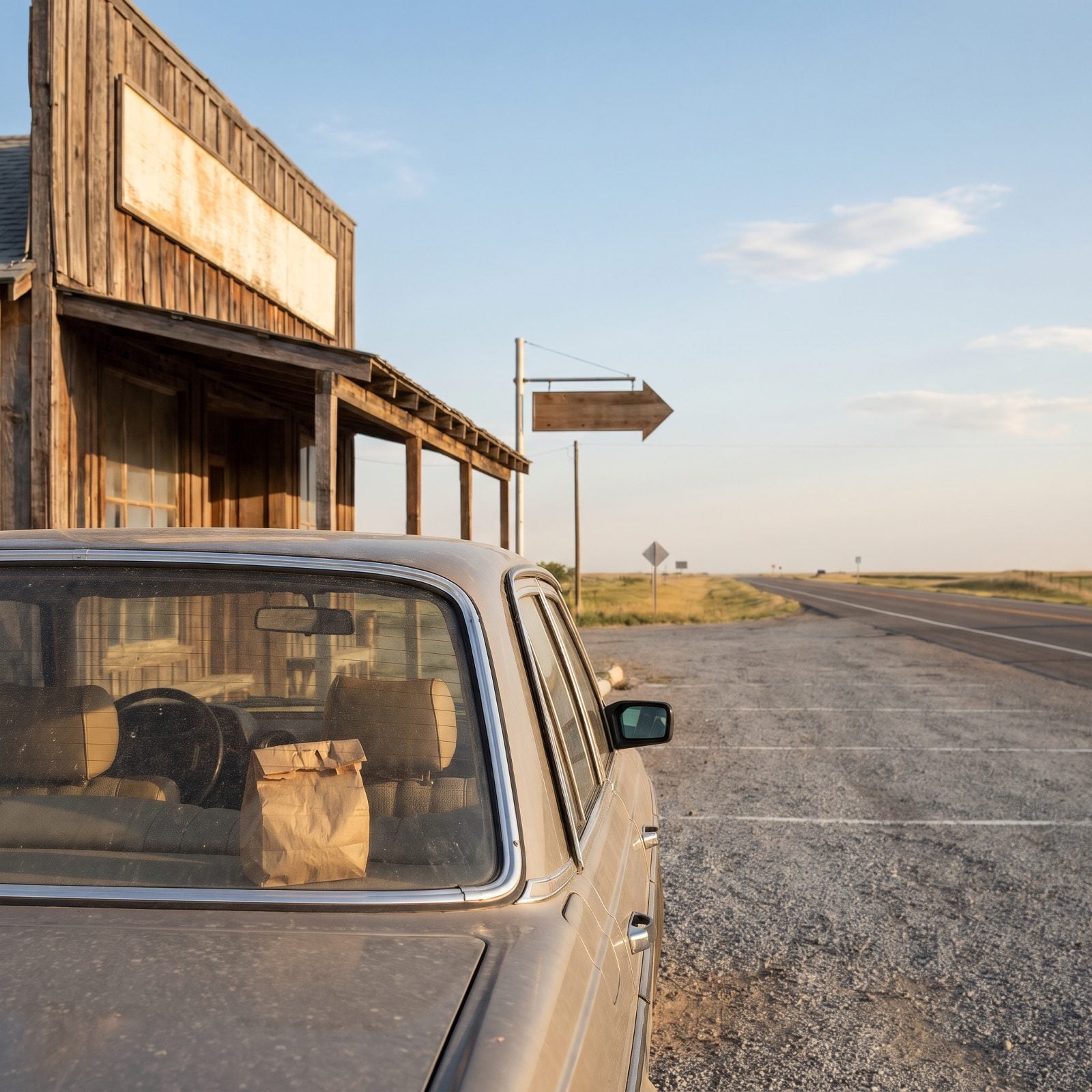
You needed one thing from the store. The store is four minutes away. You were gone ninety. Somewhere in there the errand became the cover story for the drive you actually wanted.
Shoppers run the same play. “I’m just going for socks” is how a lot of people justify an afternoon of wandering and a bag that holds everything but socks. The errand gives the escape a respectable costume.
Why we bother is almost sweet. We’re built to feel guilty about doing nothing for ourselves, so we dress the indulgence up as a task. The groceries make it allowable. The one item in the bag is permission. You weren’t hiding from anything, you were being responsible. Sure you were.
9. Coffee and a Playlist Make the Escape Feel Official
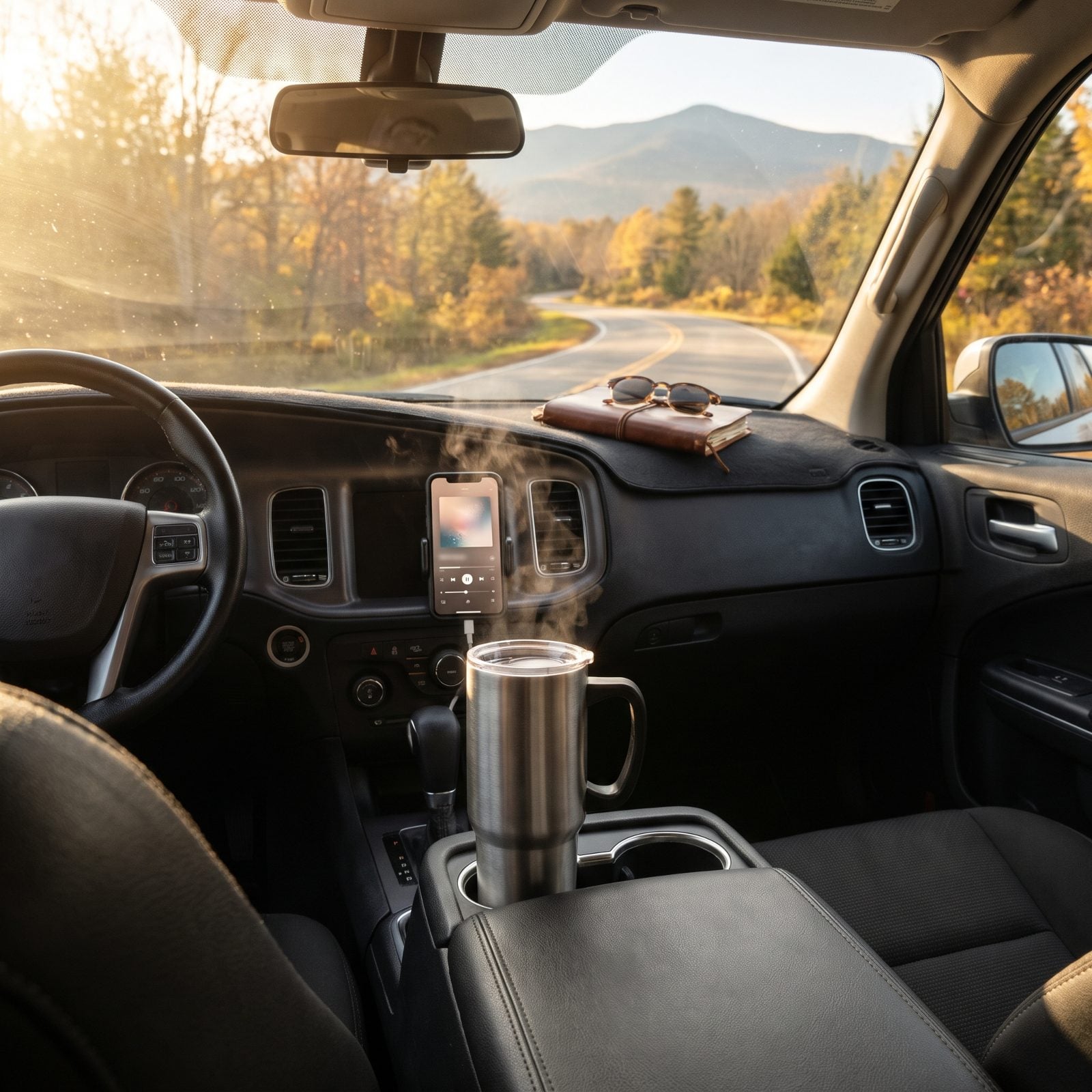
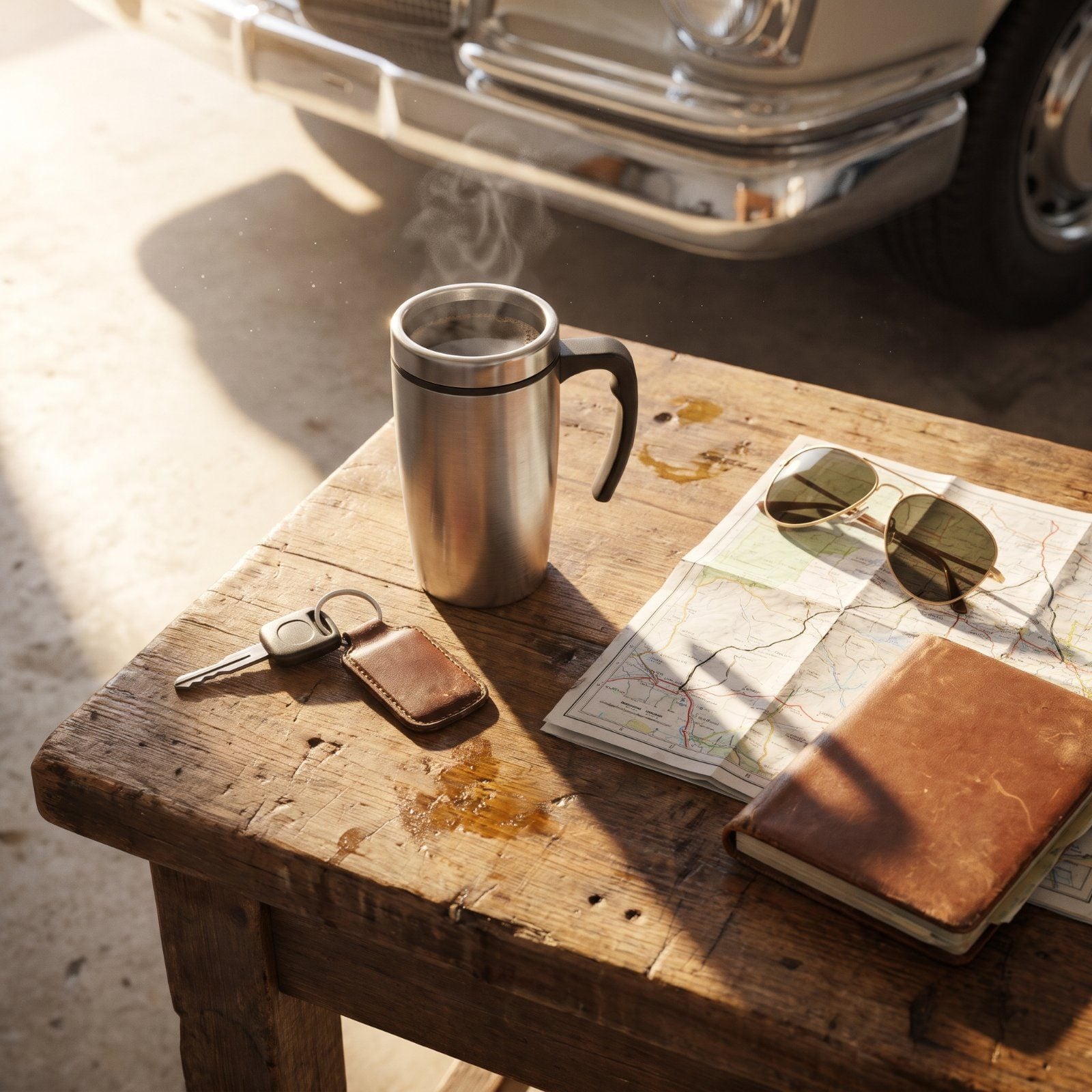
No one just drives off. First the coffee. Then the right playlist, cued before you shift into reverse. That little setup turns a getaway into a ceremony.
Shoppers have their version too — the favorite coffee in hand before the mall doors, the playlist in the earbuds. The ritual signals to your brain that you’re about to feel better, and it raises the ceiling on how good the whole thing lands.
Anticipation does half the work of any treat. People who study pleasure keep finding the lead-up often beats the main event. That mug and those first three songs aren’t decoration. They’re the part of the escape that starts working before you’ve gone anywhere.
8. You Plan Scenic Routes Long Before You Need Them
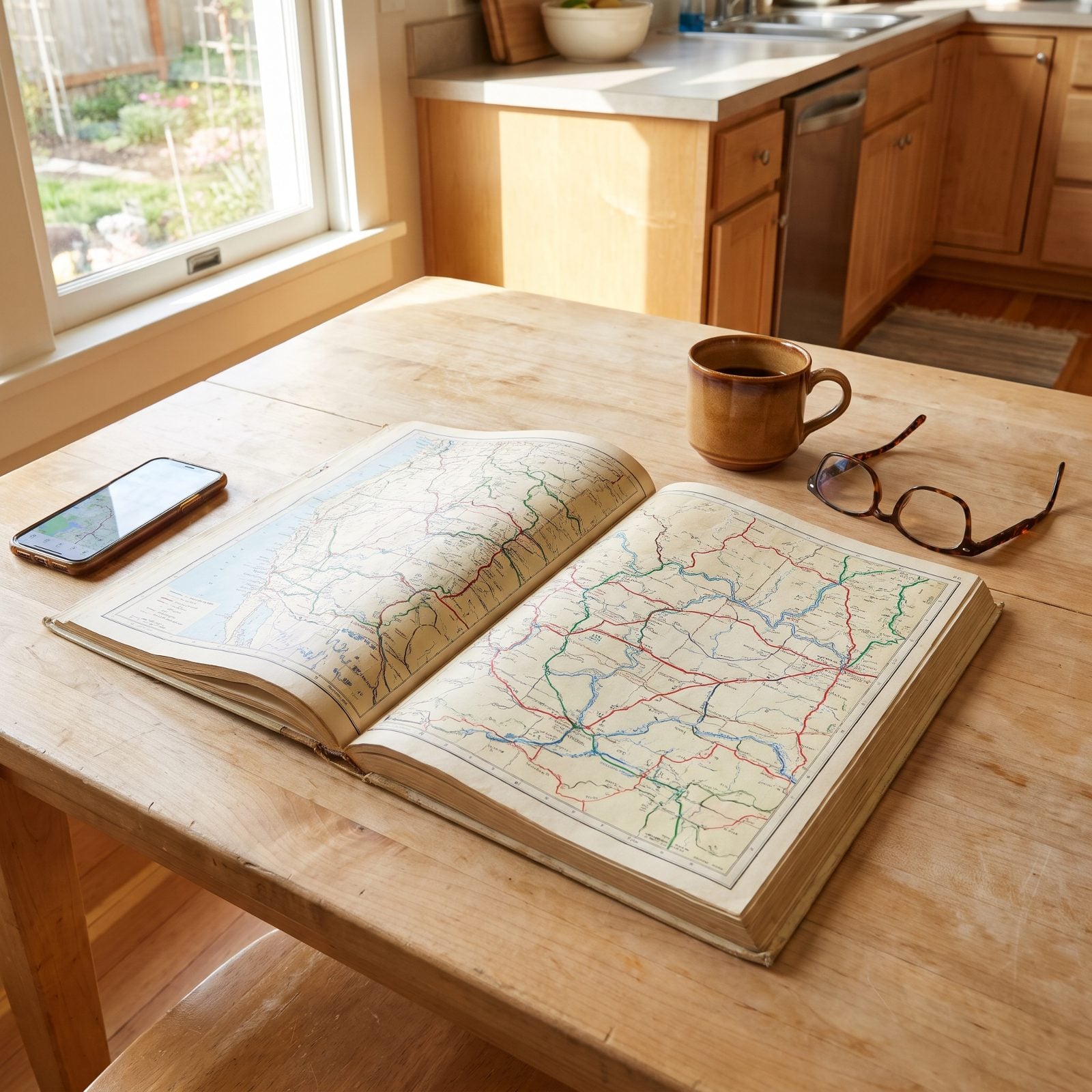
Months before you need it, you’ve already filed away the route. The pretty back road past the reservoir. The ridge drive with the overlook. You’re not using them today. You’re banking them.
Think of an online cart full of items you never buy, or a wish list you keep topped up. Having the option ready is its own comfort. The resource just sits there like money in a drawer you may never spend.
Knowing the escape hatch exists lowers stress even on the days you never open it. The planning isn’t wasted time — it’s insurance against the week that hasn’t arrived yet, and the mind finds real relief just in knowing the plan is on the shelf.
7. A New Back Road Delivers a Fresh Little Thrill
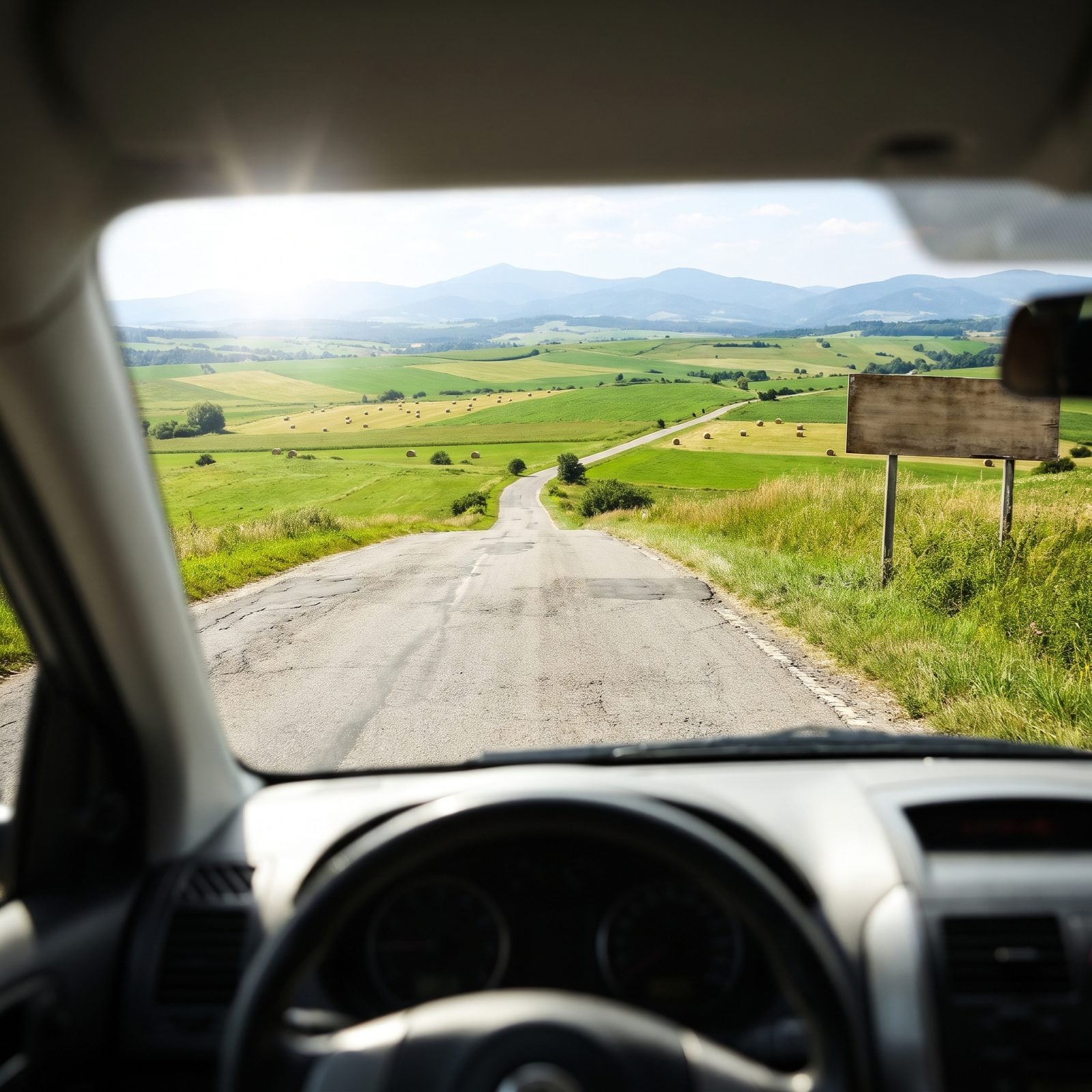
The familiar loop is comforting, but a road you’ve never driven hits different. You crest a hill and there’s a valley you didn’t know was there. Tiny spark. Pure novelty.
That spark is the identical chemistry behind the rush of something brand new in a shopping bag. The brain pays out dopamine for the unfamiliar, the just-discovered, the thing you didn’t have yesterday. Novelty runs the whole show on both sides.
Here’s where buying falls down: the new thing stops being new fast, so you chase the next one, and the next. The road doesn’t do that to you nearly as hard. A back road you drove once can still surprise you years later in a season you’ve never seen it in. Cheaper way to keep feeding the part of you that just wants something new.
6. You Window-Shop Other Lives Through Small-Town Windshields
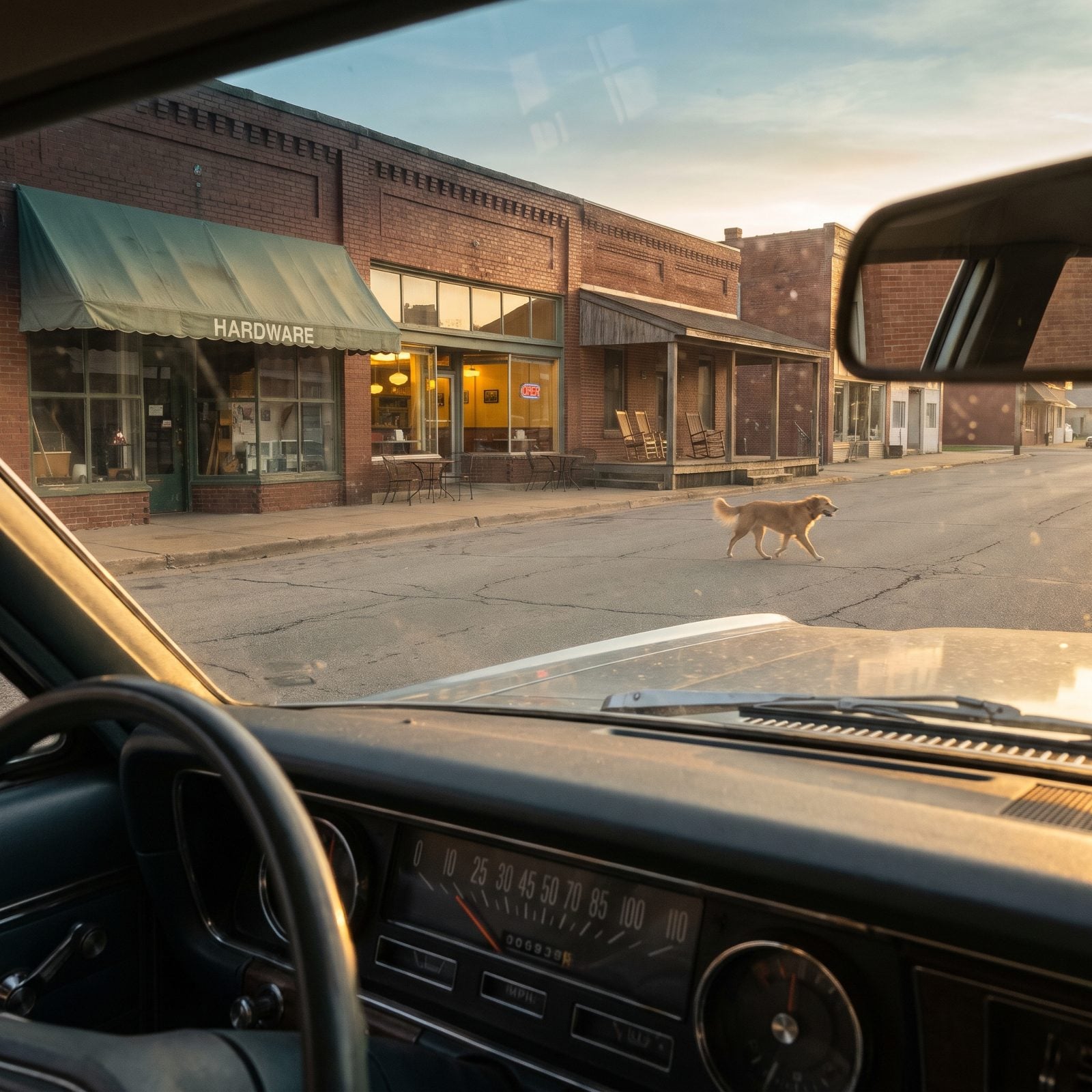
You slow to a crawl on a street you’ve never driven before. There’s the hardware store under its faded green awning, the café with its OPEN sign glowing and empty tables out front, the porch with three rocking chairs waiting for somebody, a golden dog trotting across the road like he owns the place. For about four seconds you live there. You know the whole arrangement, and you imagine the quieter version of your own life playing out behind those storefront windows.
Same pull that sends people drifting through a department store with no shopping list. You’re not buying — you’re trying on a life. The cashmere you’ll never wear, the main-street life you’ll never live: both do the identical job. They let you picture a better-arranged you, cost-free, for a moment.
Psychologists call it fantasy consumption, and it’s one of the oldest comforts we’ve got. The brain hands you a small real reward just for imagining the better scene. No purchase required. Retail runs it with price tags. You run it at 25 miles an hour through a town whose name you’ll forget by dinner.
5. One More Exit Somehow Becomes Another Forty Minutes
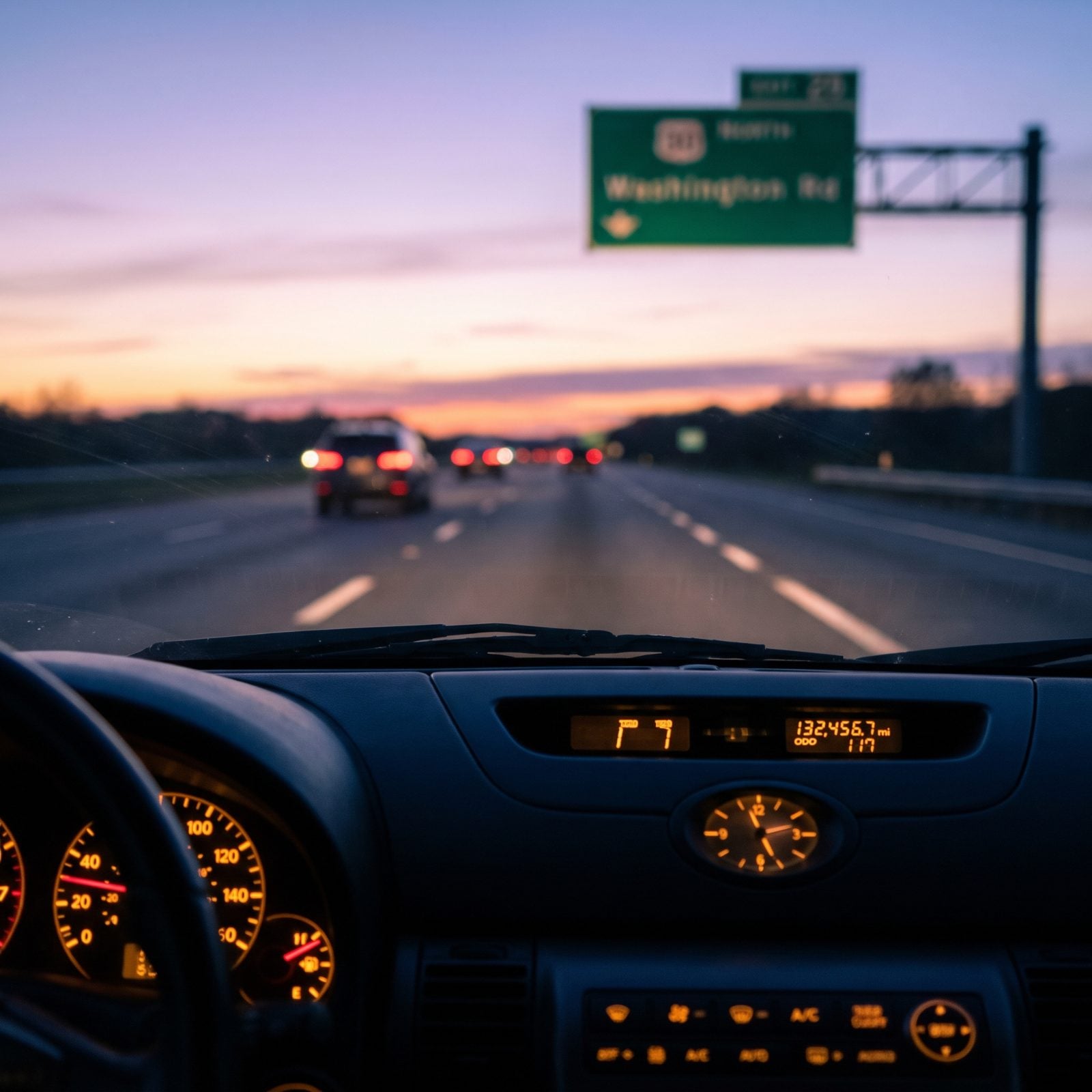
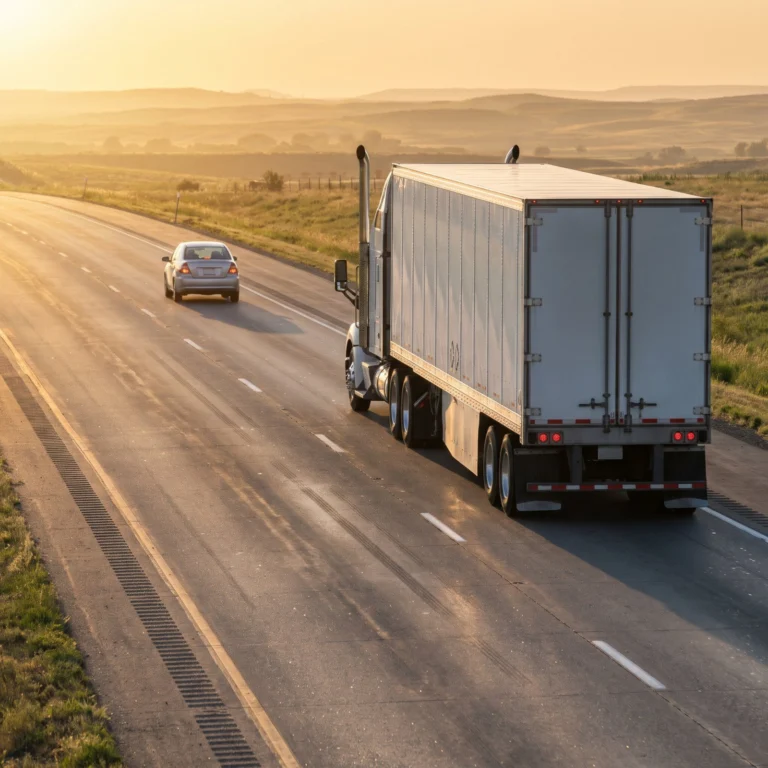
You told yourself you’d turn around at the next exit. Then the next one had a better reason to skip it, and then it got dark, and turning back felt like admitting something, so you kept rolling. Forty minutes past the point you meant to stop, the road feels like it’s deciding for you.
Watch someone with a full cart tell themselves “just one more aisle.” Same engine running. The reward isn’t the destination — it’s the forward motion, the little hit of maybe-the-next-thing.
Both are chasing the same chemical. Anticipation lights up the brain harder than arrival does. Robert Sapolsky wrote about how dopamine spikes on the way to a reward, not when you reach it. The next exit, the next aisle — they both promise the thing you’re actually hooked on, which is the promise.
4. The Usual Loop Gets Longer When It Stops Working
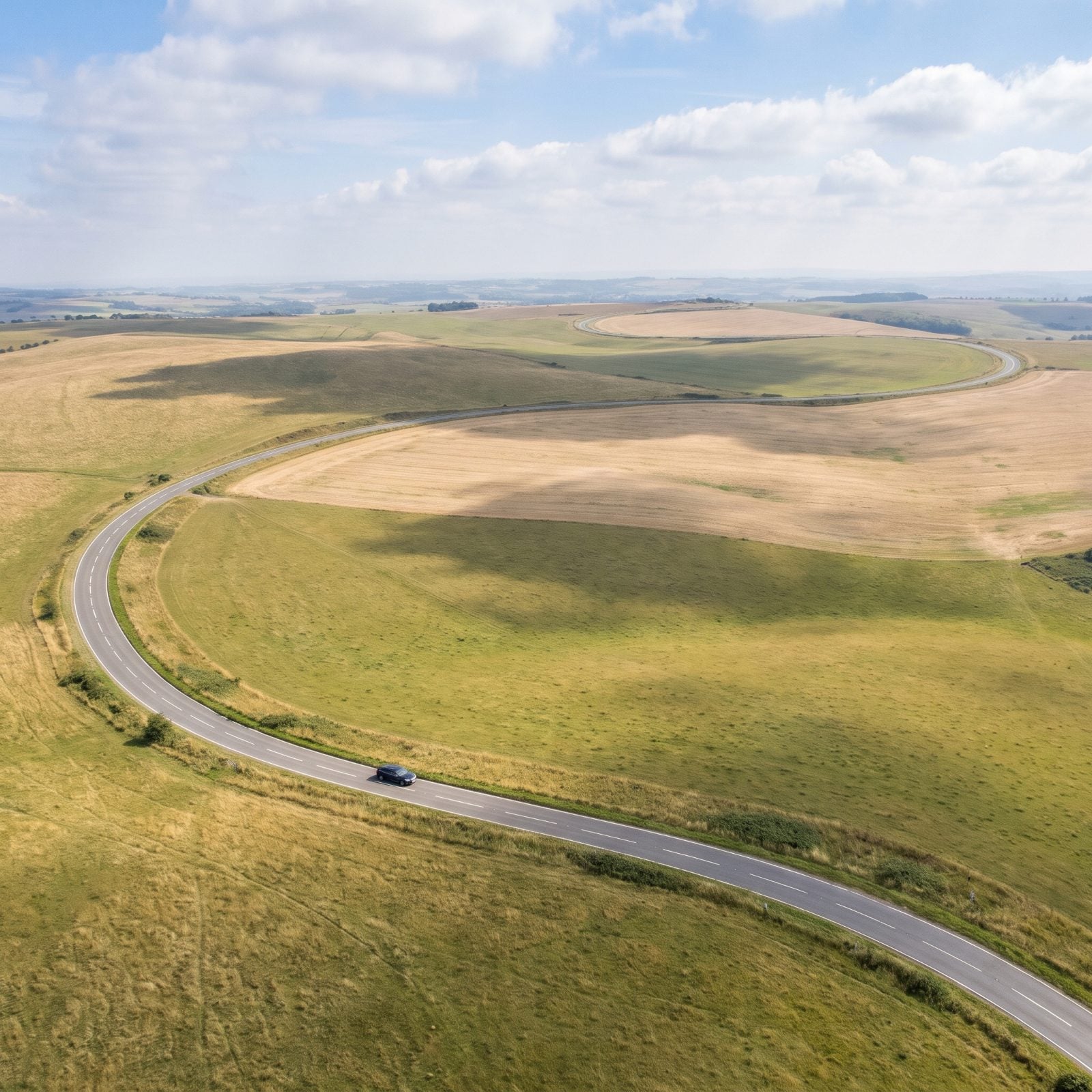
Everyone has a loop. The twenty-minute stretch you drive when your head is loud — river road, past the old grain elevator, back along the highway. It works for a while. Then one week it doesn’t, so you add the long way around the reservoir. Next week you add the ridge. The loop that used to reset you keeps needing more road to do the same job.
That’s hedonic adaptation, plain as day. Whatever soothed you becomes the baseline, and the baseline stops counting as relief. Same mechanism behind the person who used to feel better after one new shirt and now needs a whole cart to get the same lift.
The dose that worked last month is just the floor this month.
You’re not weak for needing more miles. You’re human, and the human reward system is built to shrug off whatever it already has. The fix isn’t a longer loop. It’s noticing that longer was never going to be enough.
3. You Ignore the Fuel Gauge Until the Mood Lifts
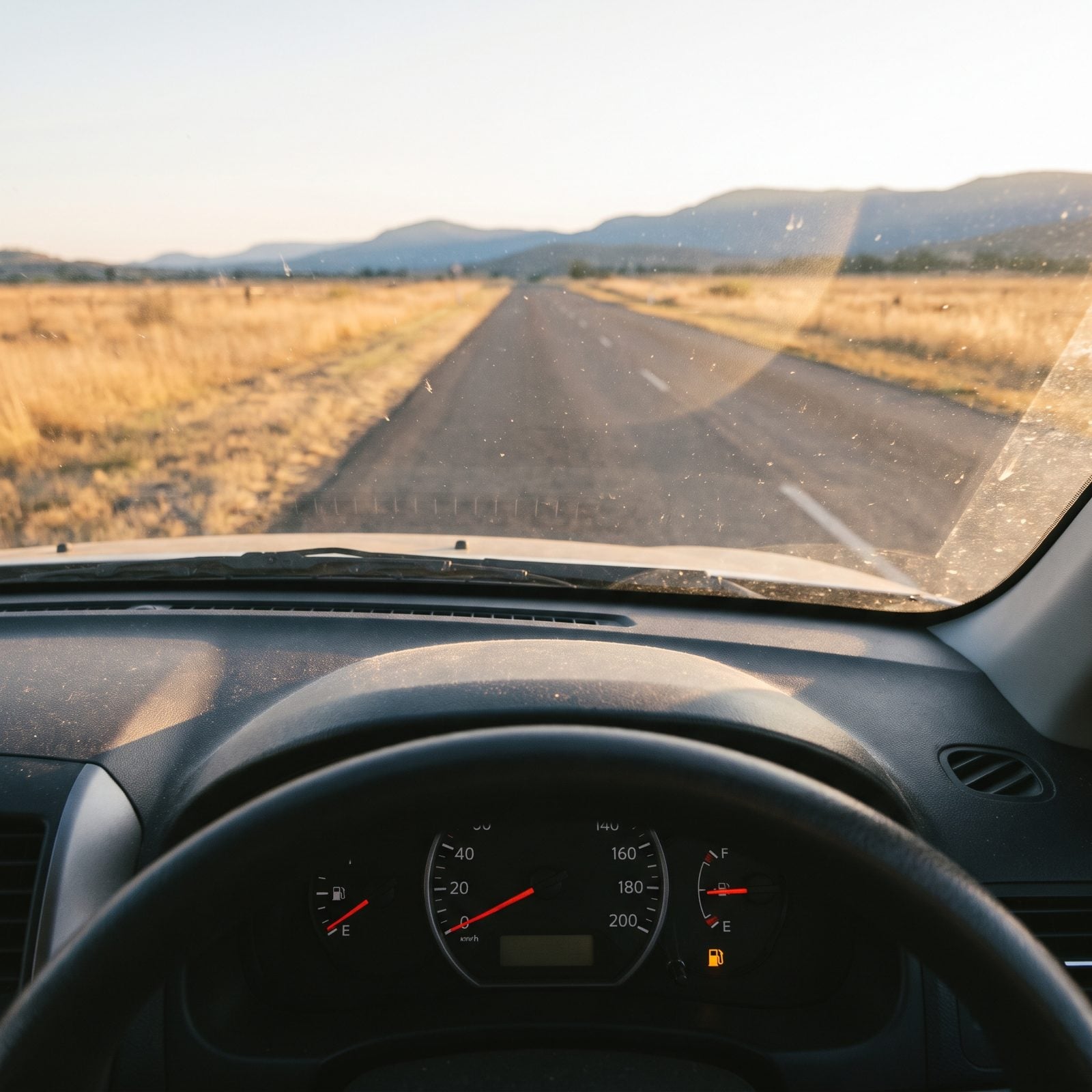
The little amber light has been on for a while now, the needle sitting just above E. You’ve seen it. You keep driving anyway, because pulling into a station means stopping, and stopping means the feeling comes back, and right now the road is holding it at bay. So you ride the warning light. The mood lift matters more than the math.
Same willful blindness as swiping the card without checking the balance. You know. You just don’t want the number ruining the thing the spending is doing for you. The future-you who has to deal with it is a stranger you’re happy to stiff.
Behavioral folks call this present bias — our deep talent for discounting the cost that arrives later in favor of the comfort available now. The gauge and the bank balance are the same honest instrument, and we treat them the same way: later’s problem.
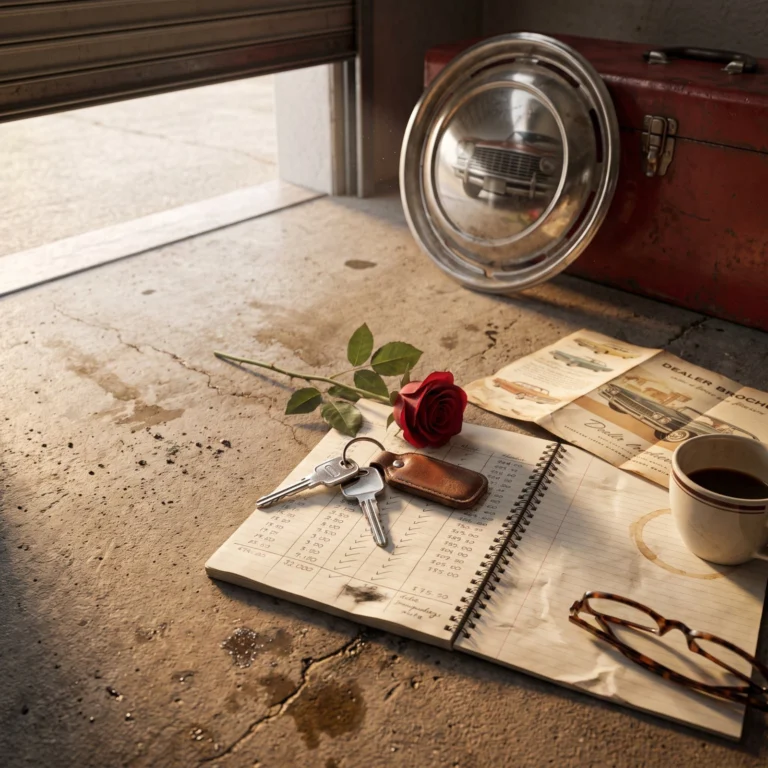
2. You Feel Better Right Until the Garage Door Opens
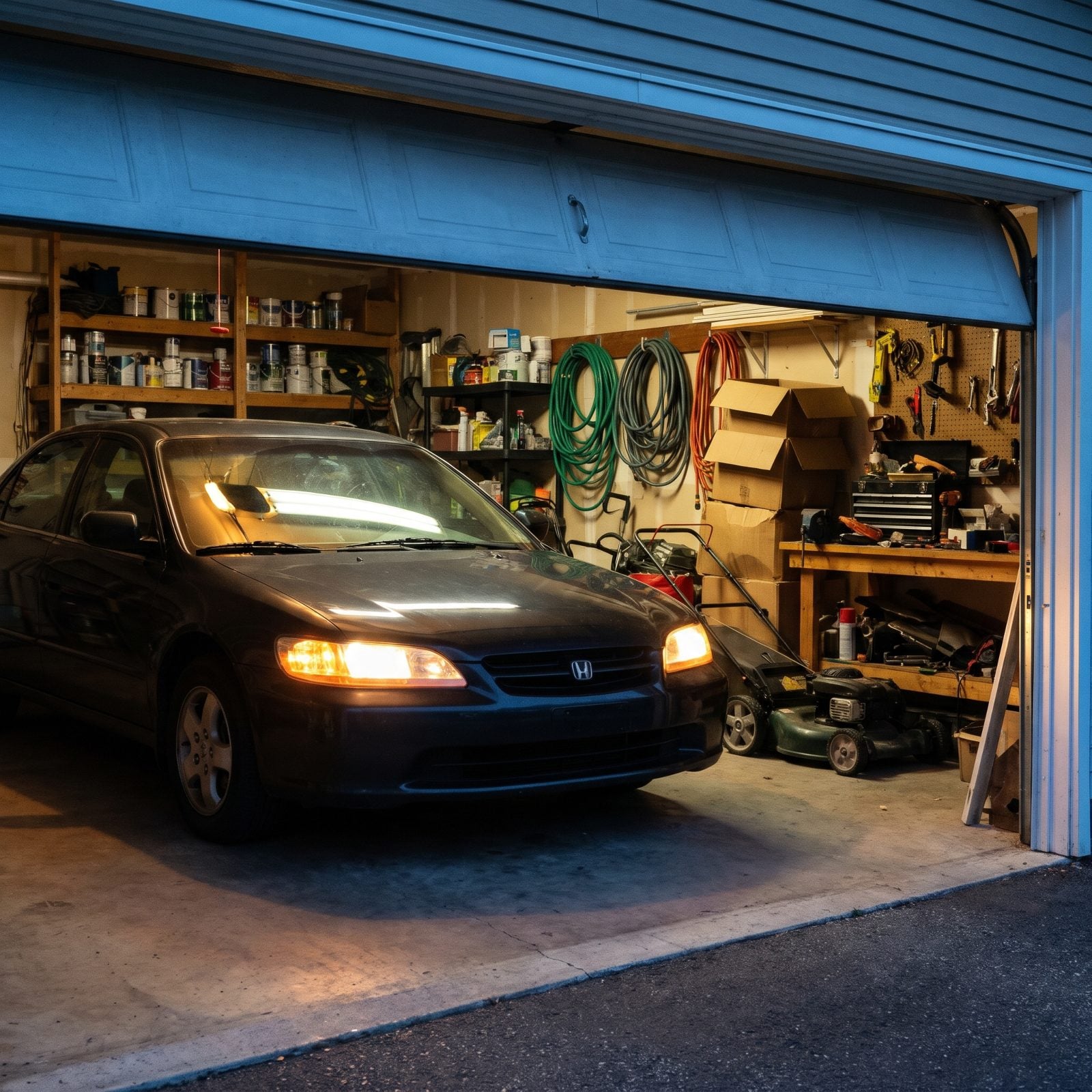
The drive did its work. Somewhere out on the highway the knot loosened and you felt almost fine. Then the garage door rolls up and there’s the same lawn mower, the same half-finished project, the same everything you drove away from. The calm drains out before you’ve even killed the engine.
You’ve felt the identical drop carrying bags from the car — the thrill real in the aisle, gone by the time the stuff hit the kitchen counter, still in its packaging, already furniture.
That gap has a name. It’s the comedown between anticipation and possession. The buying felt better than the having, the driving felt better than the arriving, and in both cases the reward lived in the motion. The motion is exactly the part you just ended.
Knowing this doesn’t ruin the drive. It just explains why the last two minutes always feel like the longest.
1. You Regret the Miles, Then Repeat Them Next Weekend
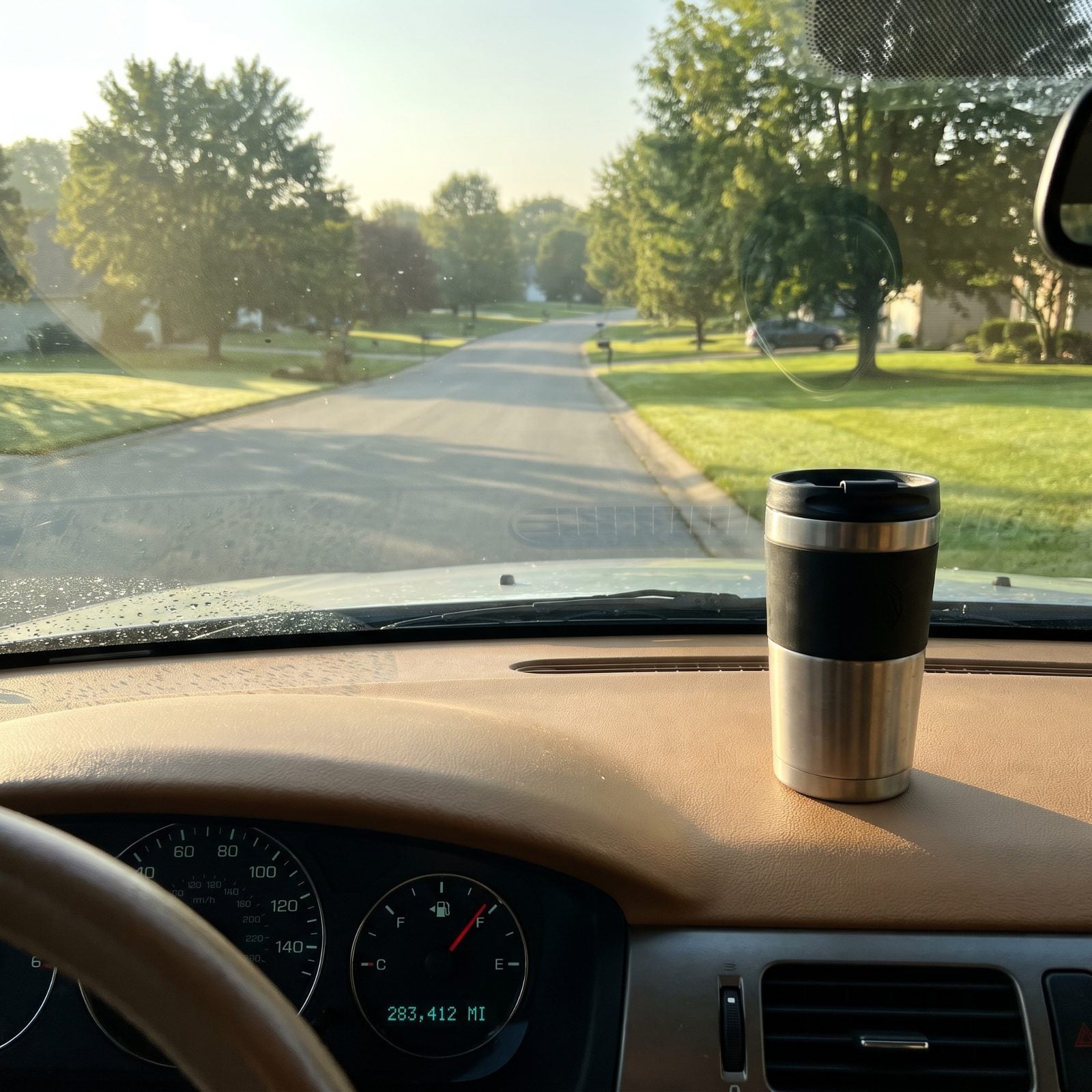
Sunday night you did the math. Two hundred miles, a tank of gas, four hours you could’ve spent on the thing you keep not doing. You swore that was the last aimless drive — dumb use of a weekend. By Saturday morning the keys are in your hand and you’re out the driveway before the coffee’s cool.
Retail regret works exactly the same. The return window closes, the guilt fades, and the next time the mood dips the card comes right back out. We forget the comedown and remember only the lift.
Memory does us dirty here. We recall the peak of an experience and its ending, not the long middling truth of it — which is why the drive and the spree both get a cleaner review than they earned. The regret is honest. It’s just no match for the next bad Tuesday.