There’s a specific hesitation at the mouth of a parking lot when you drive something nice. You slow down and scan, pretending to look for a spot when you’re really reading the room — who’s here, what they drive, where you fit.
Please note that some of the images in this article were created with the assistance of AI.
You’ve felt the other version of this standing in a doorway with a name tag stuck to your chest, deciding whether to walk toward the people from calculus or the people who hung out by the smoking lot. Same clenched stomach. Same quiet math. A luxury car just hands the old anxiety a steering wheel. What follows are the moments where the two experiences line up so cleanly it’s almost funny, and once you spot the wiring underneath, you can’t unsee it.
16. You Check the Lot Before Choosing Your Parking Spot
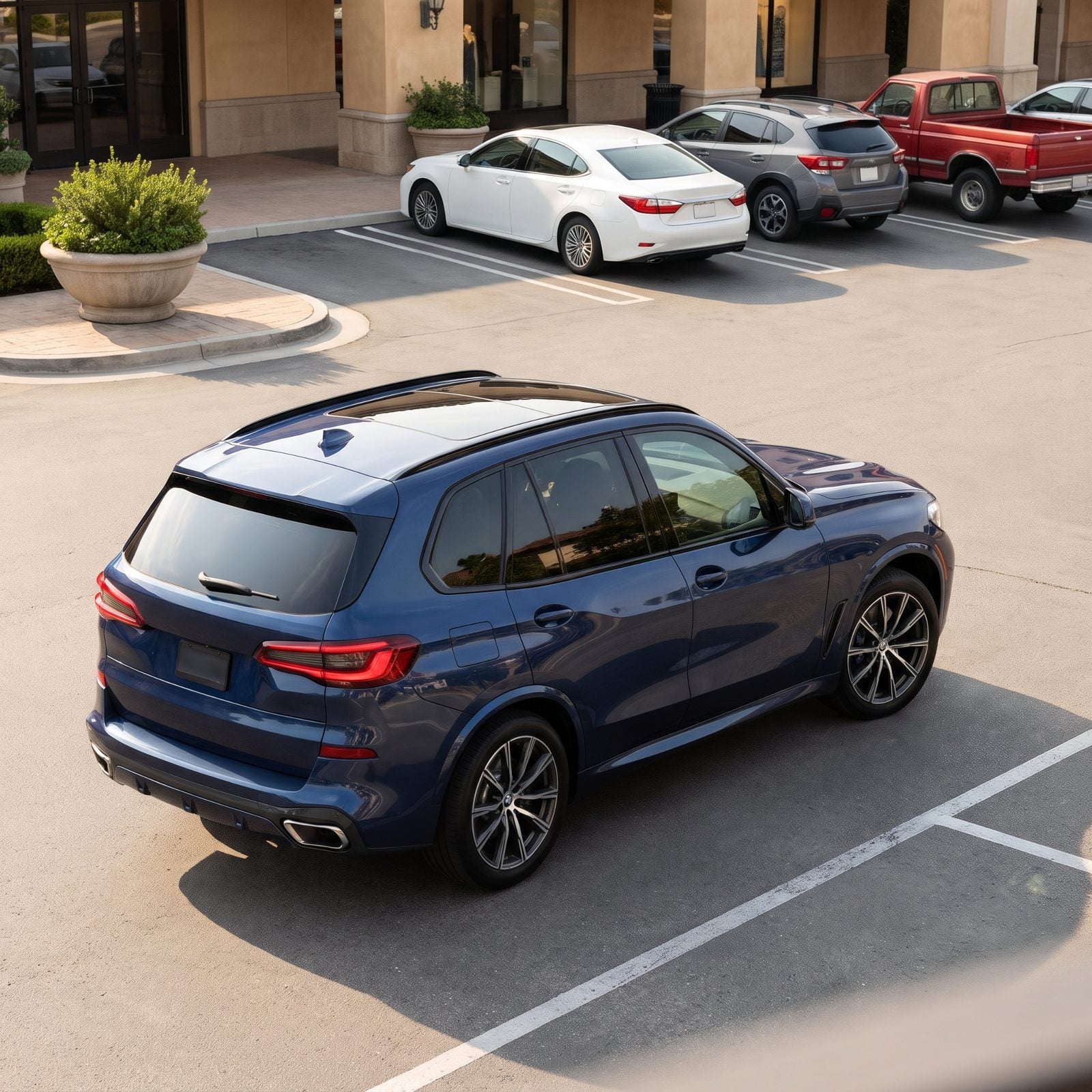
You roll in slow. Not because the lot is full — because you’re deciding. End cap away from the cart corral, or the spot by the entrance where everyone walks past? You’ve run the whole calculation before you’ve cleared the gate.
Same read you ran walking into the gym with the folding tables and the dusty banner. Drift toward the people you want to be seen with, or the corner where nobody notices you? Both choices are about managing an audience you haven’t even talked to yet.
Psychologists call it impression management — that low hum of adjusting how you present before anyone’s watching. The spot isn’t about the car. It’s about controlling the first glance. And here’s what nobody admits: the people you’re positioning for mostly aren’t looking. We badly overestimate how much attention we pull. That spotlight you feel is almost entirely your own.
15. You Wash the Car for a Five-Minute Coffee Run
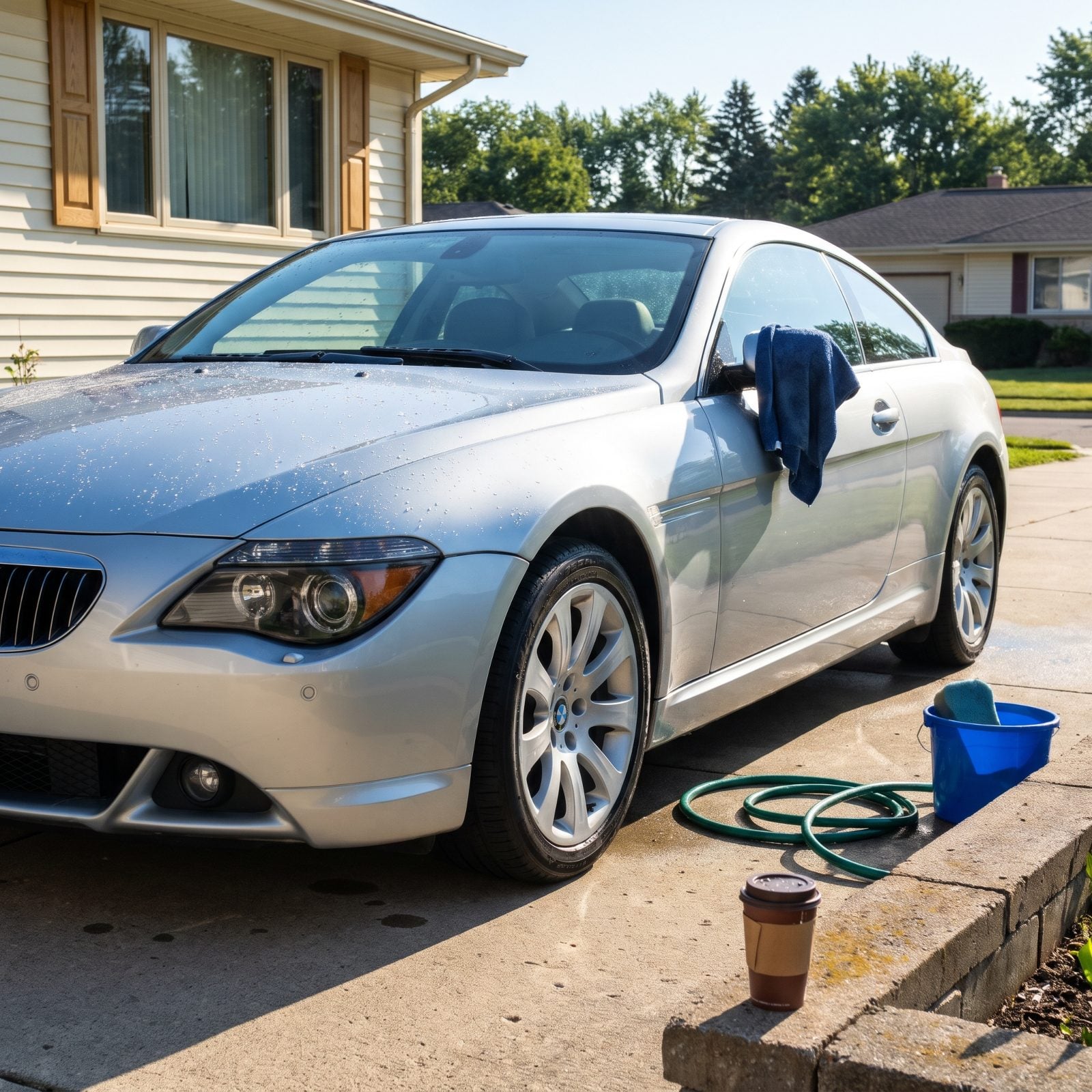
The errand is nothing — a coffee, maybe a loaf of bread. And yet out comes the hose, the wheels get the brush, the hood gets wiped down twice. For a trip that’ll last the length of one song on the way home.
Reunion math works the same way. Nobody drives two hours to a buffet without a haircut they didn’t need, an outfit tried on three times, and a quiet hour spent deciding how much effort would read as trying too hard.
The effort isn’t for the coffee. It’s for the version of yourself you want on the record.
14. You Time the Valet Arrival for Maximum Witnesses
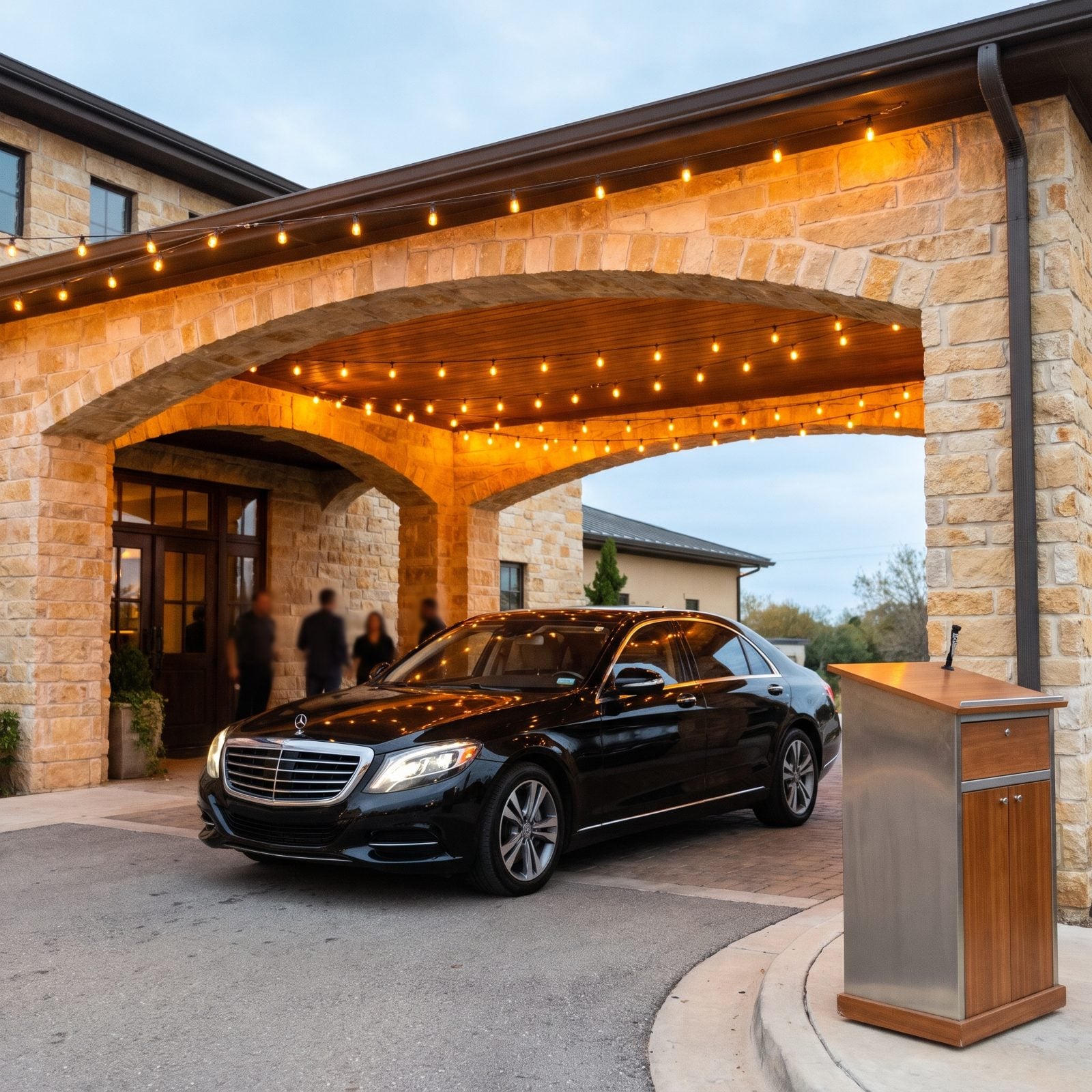
You could hand off the keys when the entrance is dead empty. Instead you circle the block, or hang back at the light, until there’s a cluster near the door. Then you glide up, slow and easy, like it’s nothing.
Pure reunion-entrance logic. People show up fashionably late almost never because of traffic. They want to walk into a room that’s already assembled — to be seen arriving, rather than sitting there looking like they’ve waited an hour.
Underneath it all runs the spotlight effect, that wildly inflated sense that others are tracking us closely. The valet drop-off is a stage you built in your head. Most of the crowd is mid-conversation and catches nothing. The one person who does look forgets by the appetizer. We rehearse for an audience that barely exists.
13. The Key Fob Somehow Lands Logo-Side Up
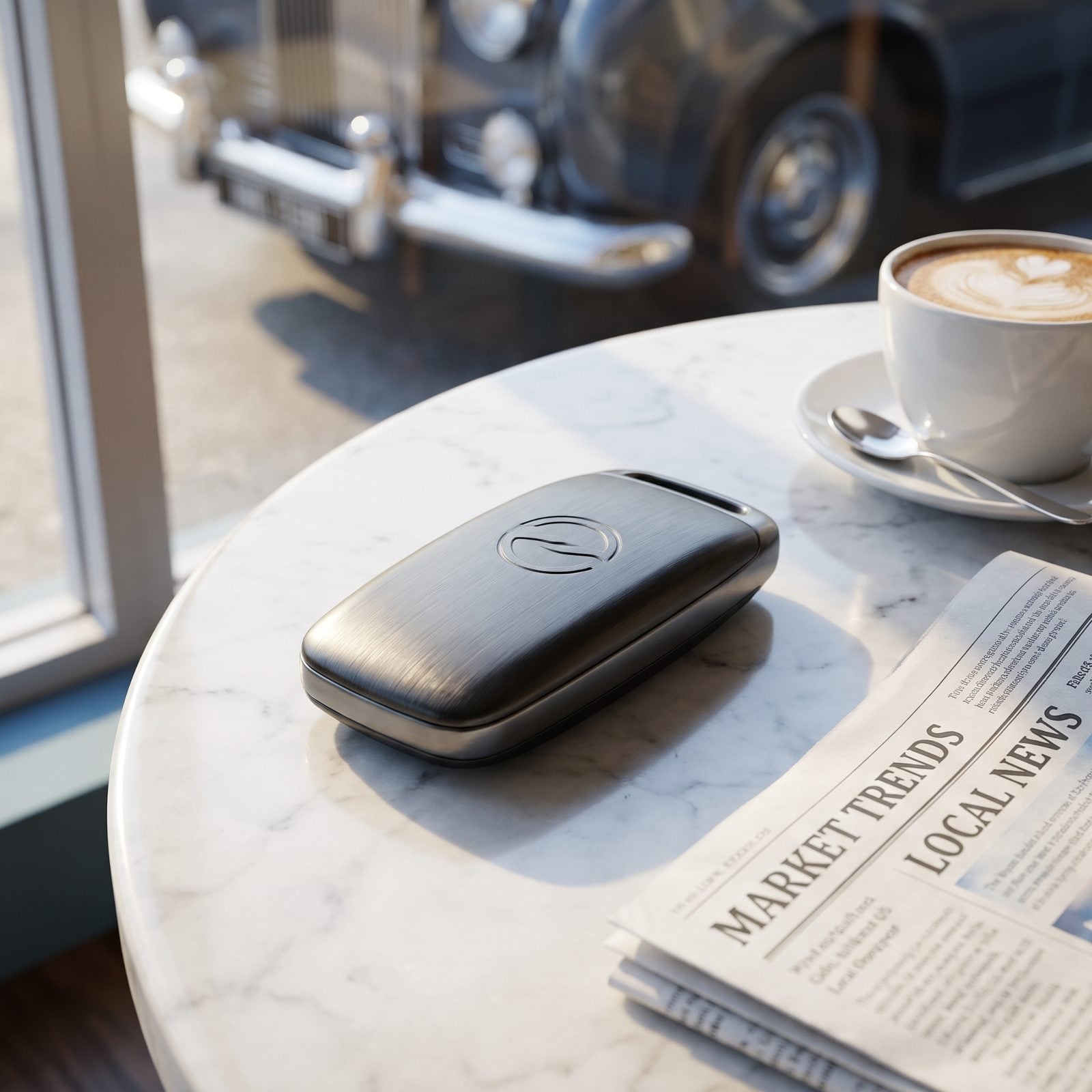
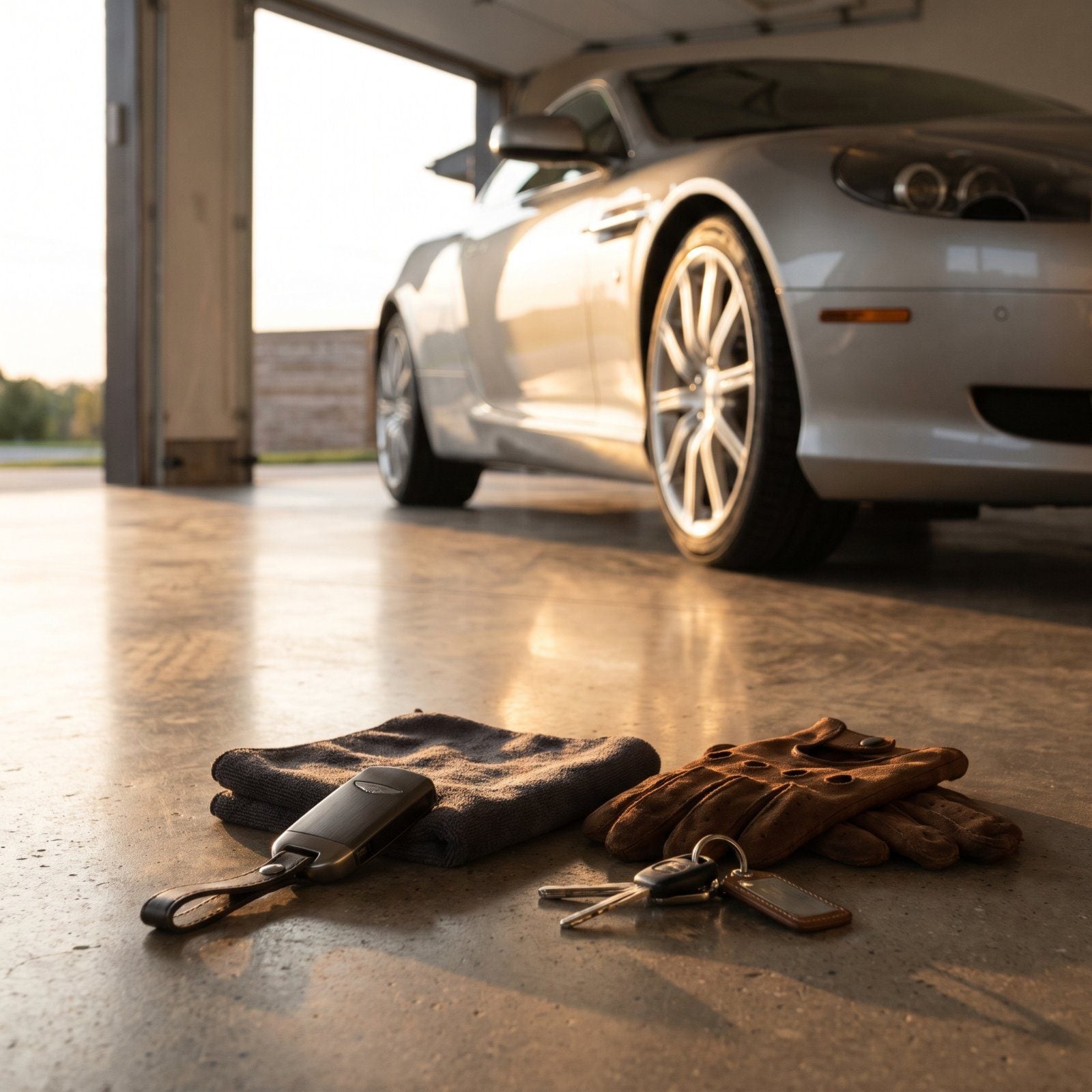
Watch where the keys land on the cafe table. Never in a pocket, never face down. They settle emblem up, left of the mug, angled toward the aisle like a small accidental billboard that is not accidental at all.
It’s the same instinct that makes somebody casually drop the promotion, the new title, the kid at the good school, before anyone asks. The information just happens to come out early, framed as nothing.
Identity signaling at its most compact — a whole self-story delivered without a word, by a piece of plastic the size of a matchbook. We all do versions of it. The honest move is admitting the fob is a sentence.
12. You Notice Who Compliments the Car and Who Doesn’t
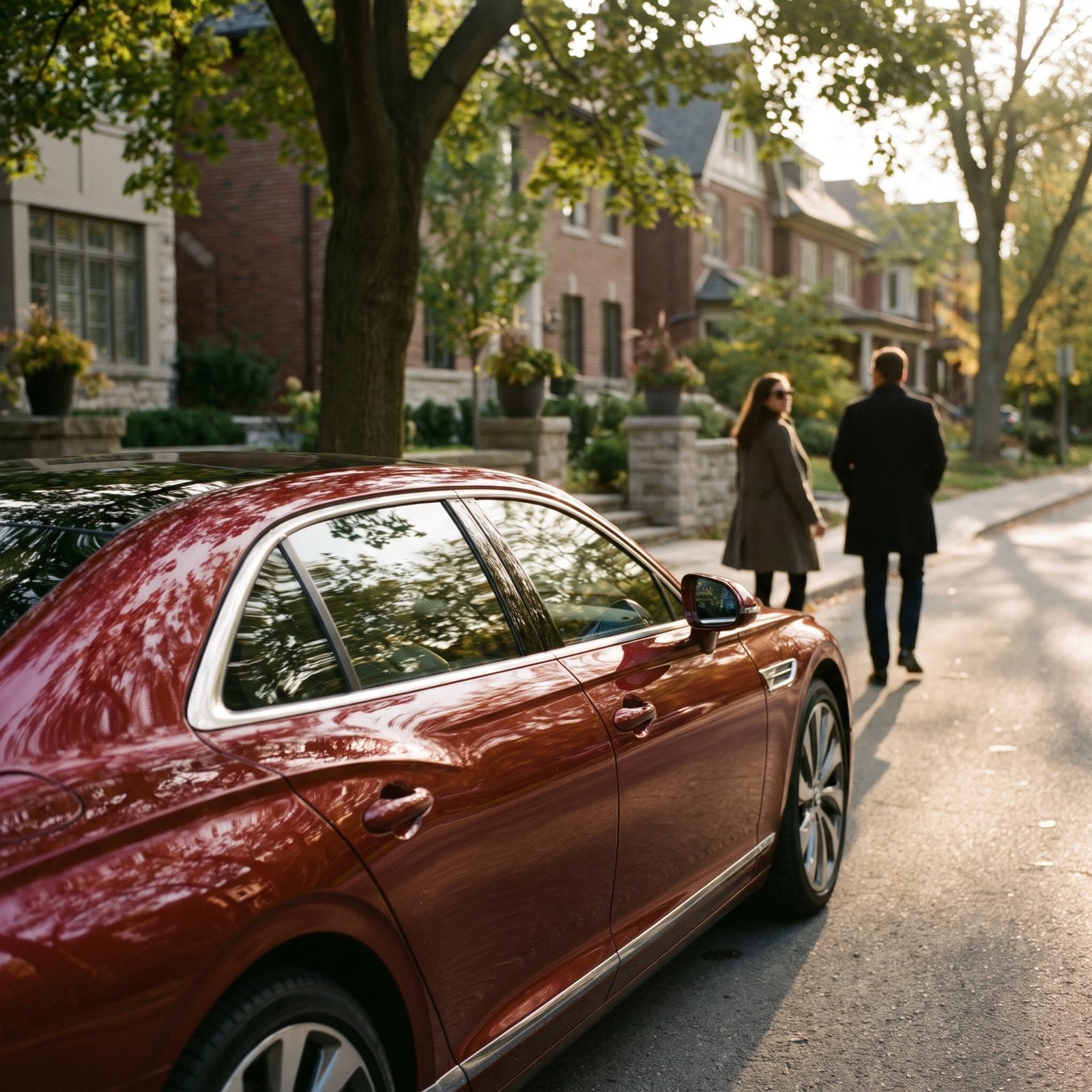
A neighbor says something nice and you file it away. Another neighbor says nothing, and you file that too — harder, probably. The silence from the one you expected to notice stings in a way the compliment never fully soothes.
Anyone who’s walked a reunion room knows this ledger. The classmate who lights up when they see you, weighed against the one who gives you a flat hello and keeps moving. We keep score on reactions we pretend we aren’t counting.
Blame the negativity bias, wired deep in all of us. A snub carries more weight than praise — sometimes several times over — because the brain treats social rejection like a threat worth remembering. Ten warm reactions can’t quite cancel one cool one. The car didn’t change your worth to anybody who matters. Your brain just can’t stop auditing the room.
11. You Discuss Horsepower Like It’s a Career Achievement
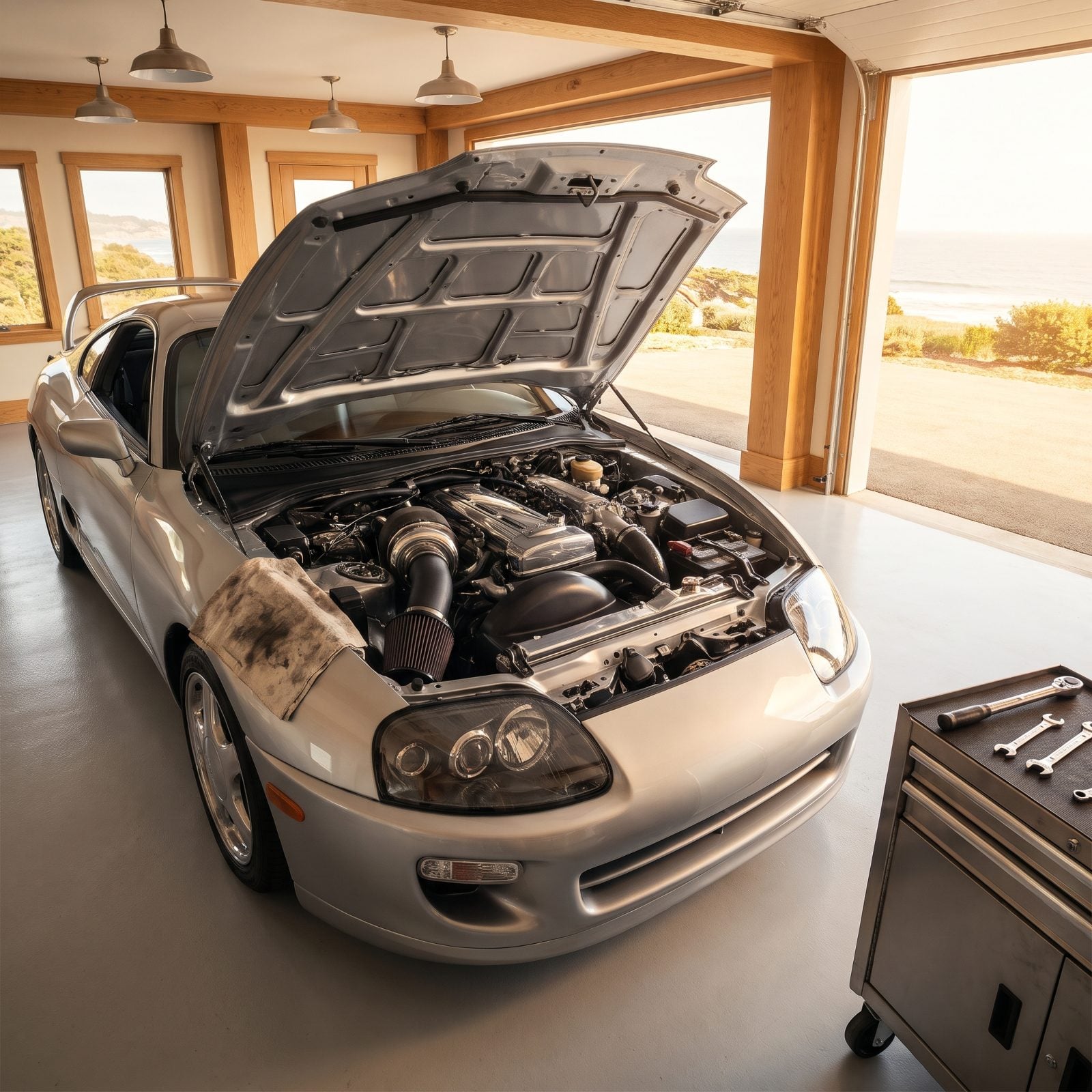
The number comes up fast. Horsepower, torque, zero-to-sixty, recited with the exact cadence someone uses for a title or a salary bump — as if the output figure were something you personally accomplished rather than ordered off a menu.
It mirrors the reunion habit of leading with the resume: the role, the company, the years in, offered up as proof of a life going somewhere. Numbers feel objective. Numbers feel safe. You can’t argue with 500 horsepower any more than you can argue with a VP title.
Say the number if you love the number. Just know the room remembers the enthusiasm, not the figure.
10. You Demonstrate Every Screen to Prove You’re Current
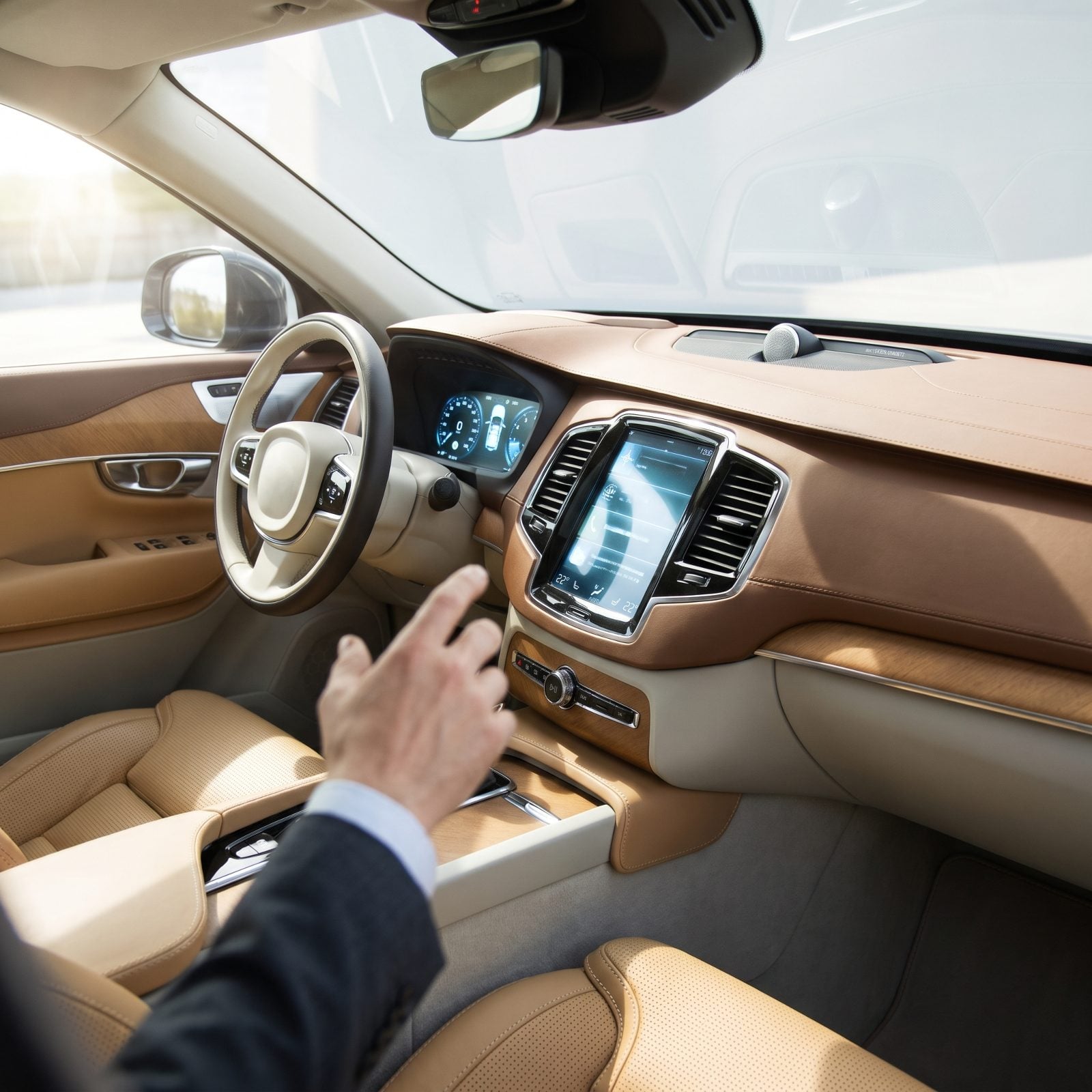
You’ve got a passenger for four minutes and somehow they’ve already seen the massage seats, the ambient lighting menu, the voice command that mostly works, and the app that starts the car from inside the house. The tour was not requested.
This is the reunion move of making sure everyone knows you aren’t stuck in the past — the references to new music, the app you just downloaded, the casual proof that you did not freeze in time at eighteen.
Fear of being seen as outdated drives more behavior than almost any of us will admit.
The engine running it is status maintenance, that quiet dread of slipping behind. Demonstrating the tech isn’t really about the tech. It’s a way of saying I’m keeping up, don’t count me out. The irony? Genuine ease with new things never needs a demonstration.
9. You Explain Why the Older Body Style Is Better
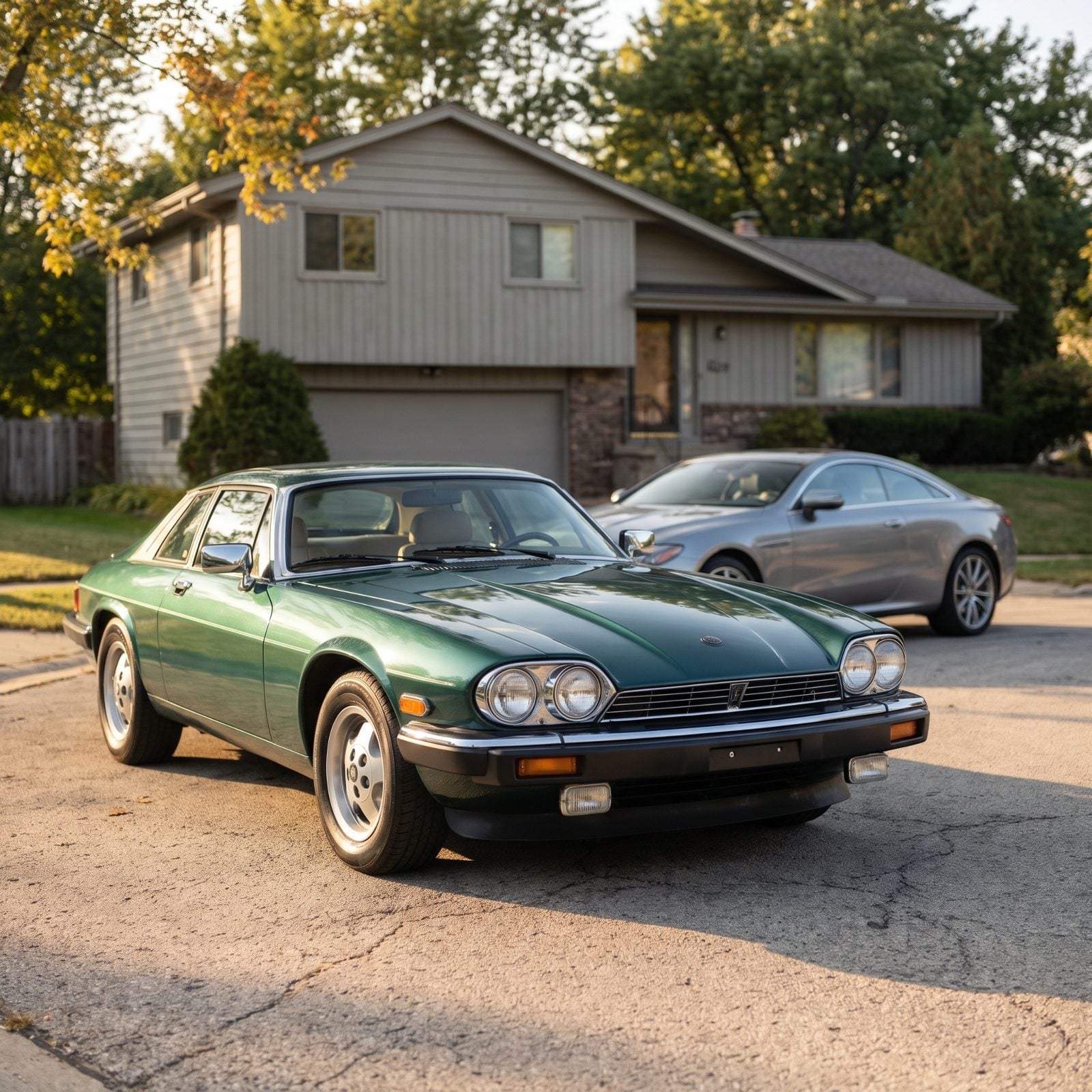
The new one has more gadgets, sure. But you’ll explain, at length, why the previous generation had the better proportions, the honest steering, switches that clicked instead of swiping. The old shape was the real one. They ruined it.
Every reunion has that person insisting the music, the movies, the whole decade was simply better back then. Same reflex, aimed at a different object.
Nostalgia doing what nostalgia does — and it’s not really about cars or songs at all. It’s about a time when you were younger and the future still felt wide open. We don’t actually miss the chrome or the cassette deck. We miss who we were when those were new. Defending the old body style is a gentle way of defending your own history, and there’s nothing wrong with that, so long as you know what you’re really protecting.
8. You Call the Pricier Cars Tacky on Principle
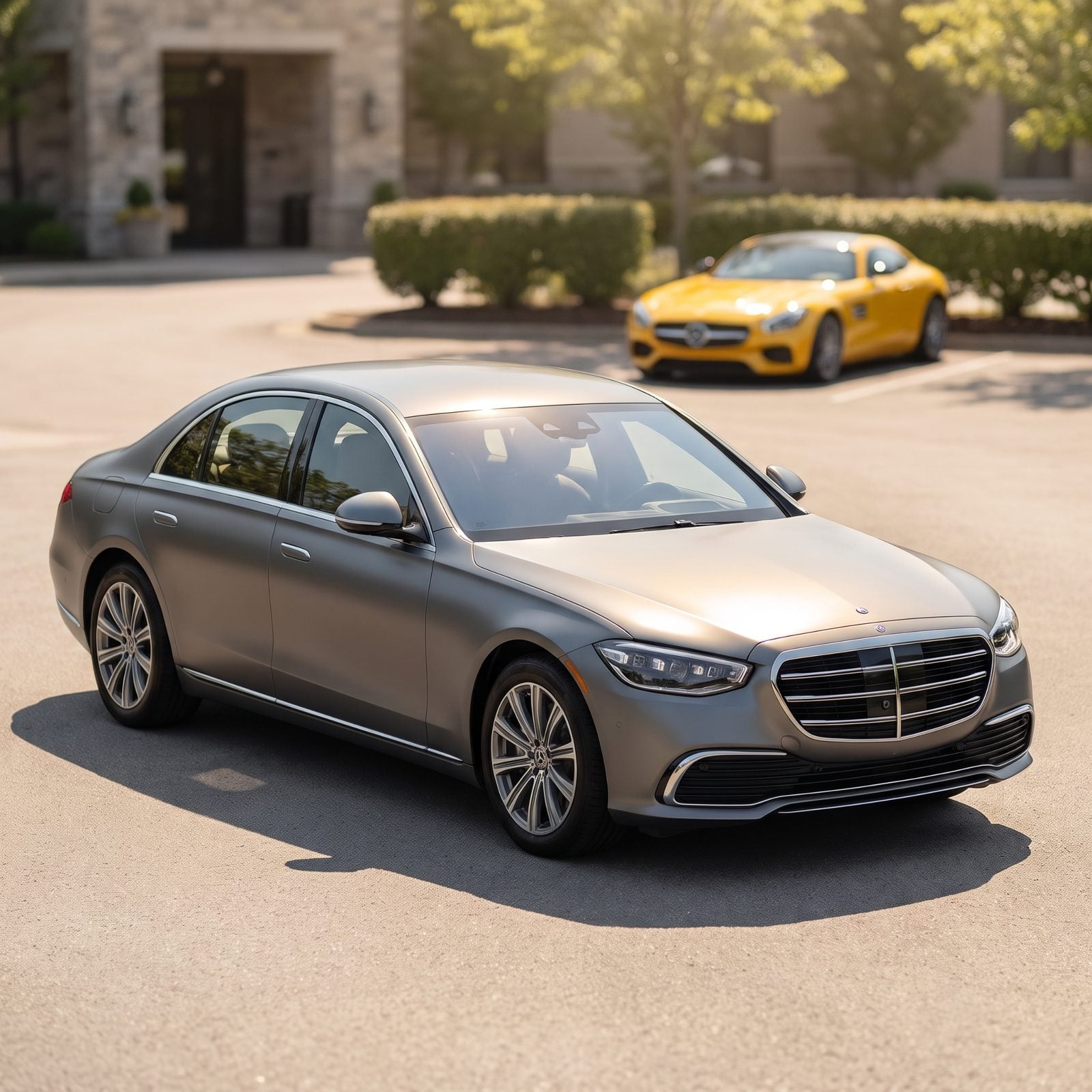
The louder, costlier machine rolls by and you’ve got an opinion loaded and ready. Vulgar. Trying too hard. Money with no taste. You, of course, picked the restrained one — the understated one, the one only people who really know would appreciate.
That’s the reunion attendee who shows up in something deliberately low-key, then makes sure you understand it was expensive and that pointing it out would be gauche. Dismissing the flashier player is its own flex.
Calling the pricier car tacky lets you win a comparison without seeming to compete. It’s still a comparison. The judgment gives the game away.
7. You Hope Nobody Asks Whether It’s Leased
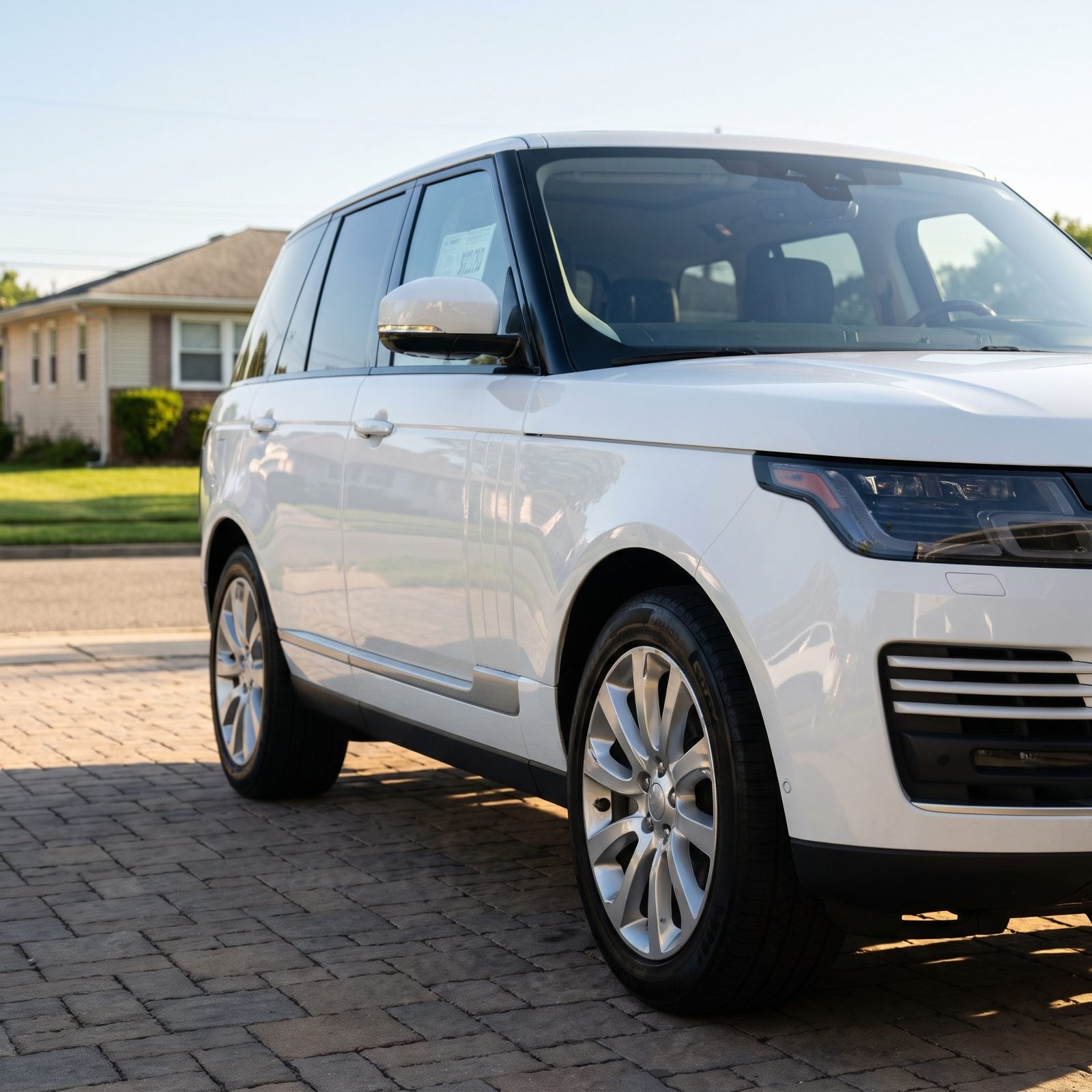
The one question that tightens the chest: so, did you buy it or lease it? Suddenly the whole performance has a seam, and somebody’s thumb is right on it. You’d rather talk horsepower all day than touch this one.
It’s the reunion dread of the follow-up that unravels the headline. The great job that’s actually a contract gig. The dream house that’s a rental. The thing underneath the thing you were hoping to leave unexamined.
What’s running here is impostor anxiety — the fear that the image won’t survive scrutiny. Most of this list is about building a presentation. This one is about the terror that someone will inspect it up close. And here’s the quiet relief: almost nobody is inspecting that hard. The worry lives far more in you than in anyone across the table. The car is a car. You were always the point.
6. You Keep Repair Bills Out of the Success Story
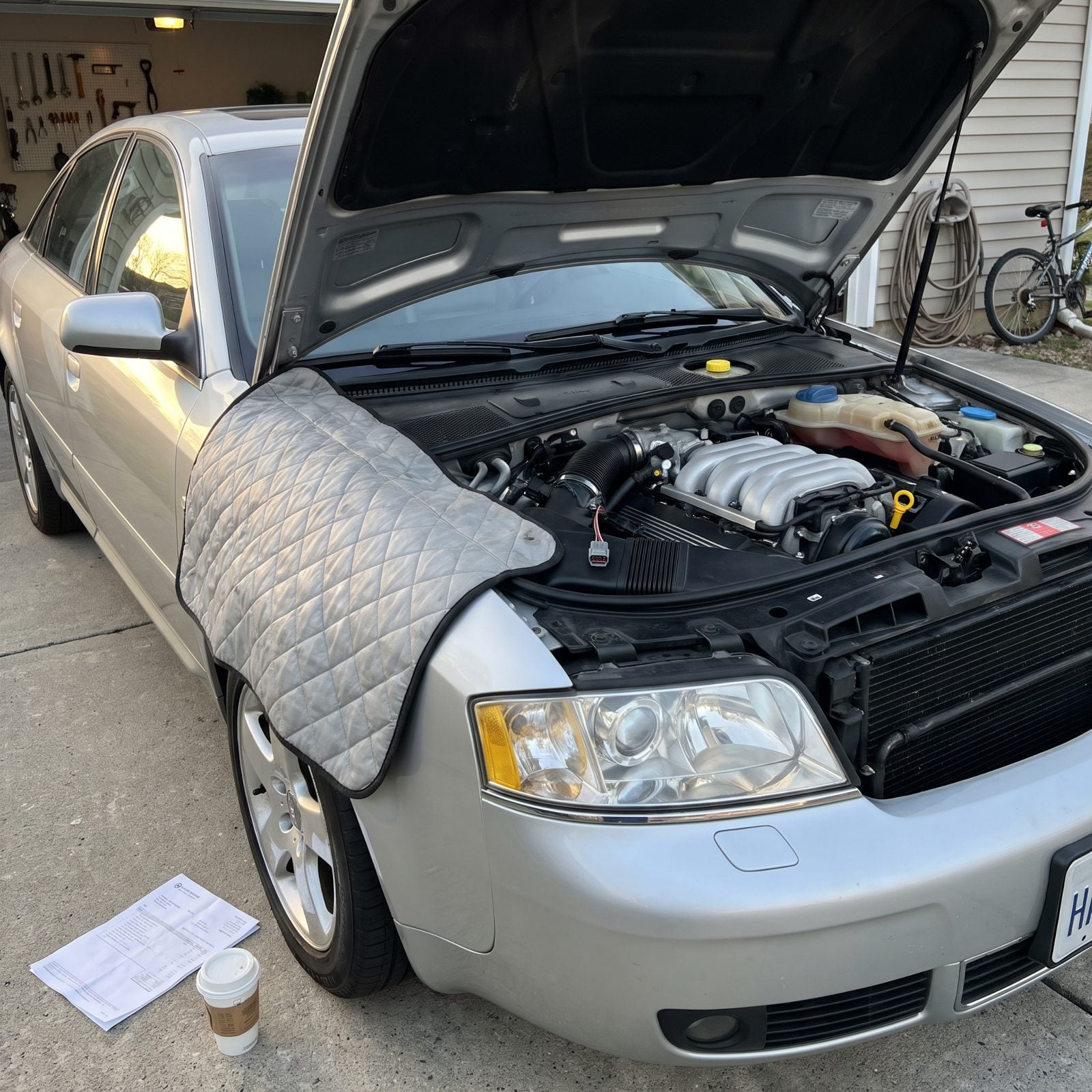
Ask anyone at a dinner party about their imported sports sedan and you’ll hear about the torque, the exhaust note at four thousand RPM, that back road they carved up last fall. What you won’t hear about is the control arm that let go at sixty thousand miles, or the number the dealership quoted for brakes that cost more than most people’s first car.
It’s the same editing we all do at reunions. You mention the promotion and skip the year you were out of work, because the mind runs a highlight reel and files the bloopers somewhere dark. What we share is a curated argument for how well things are going.
Psychologists call it impression management, and it hums away under the surface, pushing the version that wins the room. The repair bills are real. So is the pride. Both live in the same owner at the same time.
5. A Tiny Door Ding Feels Weirdly Personal
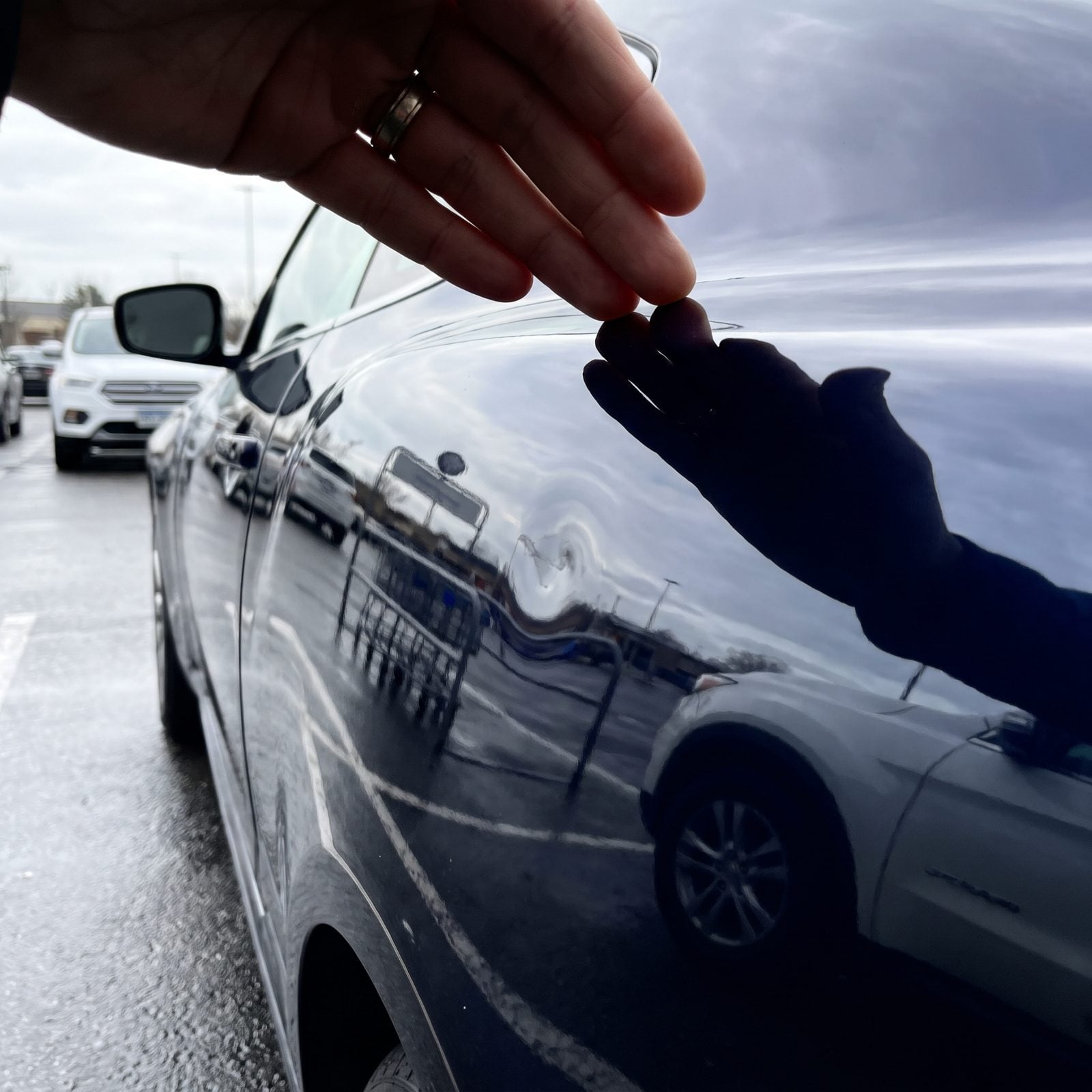
You walk out of the grocery store and there it is. A ding on the rear door, the kind the car next to you left without a note. Barely visible. And yet it lands like an insult, a small cold stone dropping into your stomach.
Here’s the odd part. The car is a machine. It cannot be offended. But damage to the things that represent us reads as damage to us, which is why that dent feels less like a repair and more like a slight.
This is the endowment effect wearing a trench coat. We value what we own far beyond its price and bond hard to the objects that carry our identity. A scratch on a stranger’s car is a shrug. A scratch on yours is a reunion where someone brings up the thing you’d hoped everyone forgot. The flaw is tiny. The feeling is not.
4. You Post the Steering Wheel More Than the Destination
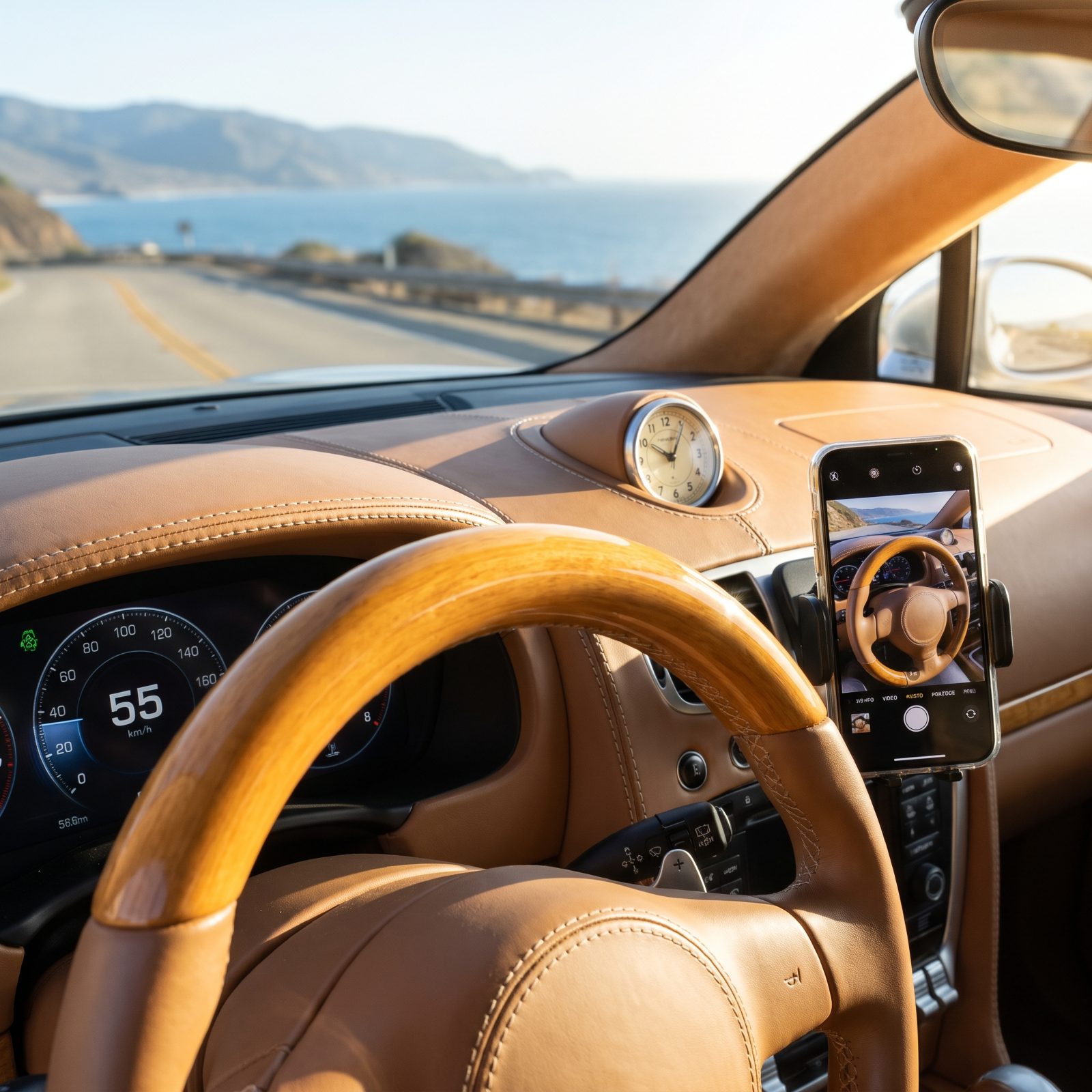
You drove two hundred miles to a lookout that has sold postcards for fifty years. The photo you posted that night? The steering wheel. The stitched leather, the clock set into the dash, the horn symbol on the hub catching the morning light. The ocean’s in there somewhere, blurry, behind the glass.
We’ve all scrolled past it. The destination is the alibi, and the real subject is the thing that announces who’s doing the driving.
The view was the excuse. The dashboard was the message.
Call it identity signaling. What we broadcast isn’t where we went; it’s what it says about us that we went there in this. Reunions run on the same fuel. Nobody recounts the drive to the hotel ballroom. They walk in and let the outfit, the posture, the easy confidence do the talking. The cliff was beautiful. But a cliff doesn’t carry a badge on its nose.
3. You Join the Owners’ Club and Find Your Clique
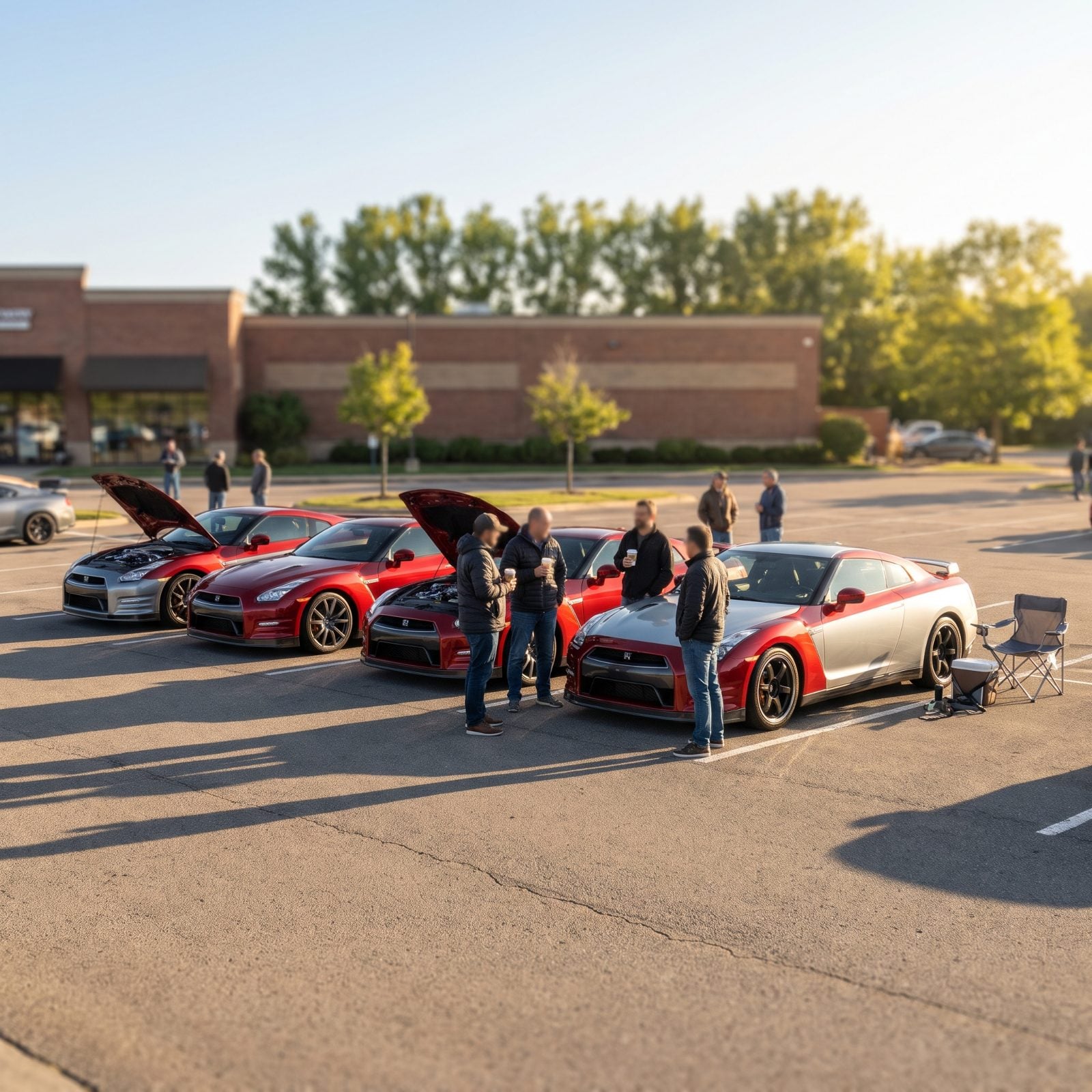
You bought the car, and within a month you were standing in a parking lot at 7 a.m. on a Saturday holding a coffee you didn’t need, talking torque curves with people you’d never met. The forum came first. Then the group chat. Then the meetup where everyone drives the same thing and somehow that’s the appeal.
Owning the car was step one. Belonging to the people who own it was the part you didn’t see coming, and the part that stuck.
This is in-group identity doing what it always does. We don’t just want the object; we want the tribe the object gets us into. Reunions are the original version of the same move. You walk back into that gym and drift straight to your people, the ones who shared the reference points, the ones who get it without a word of explanation. The badge on the hood is a membership card. You just didn’t read the fine print until you were already in.
2. You Add Sporty Trim to Feel Ten Years Younger
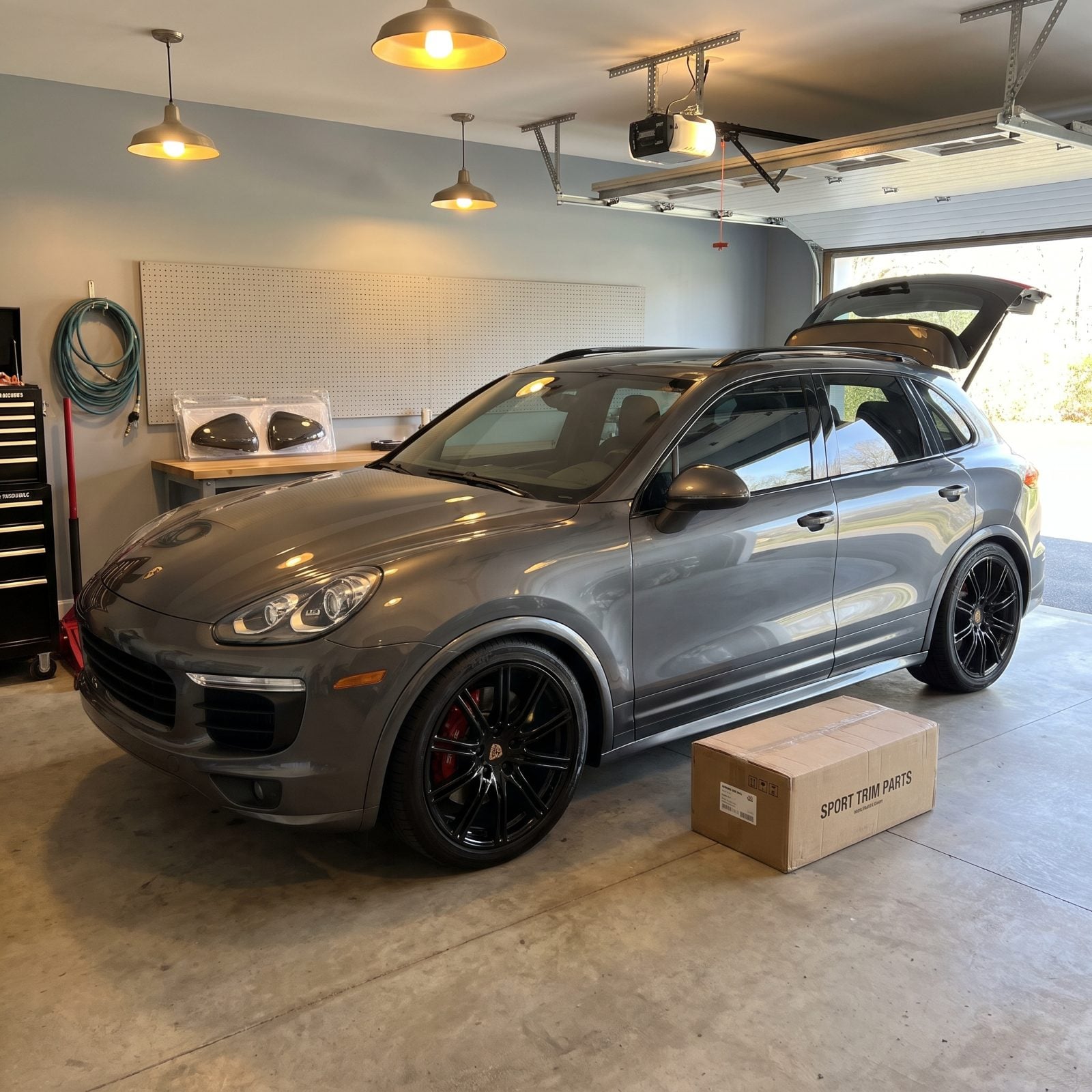
The car was fine. Better than fine. But then came the gloss black wheels, the red calipers, the little spoiler that does nothing for airflow and everything for the ego. Suddenly the commute has a soundtrack.
Most of us have watched this happen to friends and felt the pull ourselves. There’s a specific buzz to upgrades that promise to peel a decade off the thing, and off you with it.
Call it the midlife signal cast in metal and paint. The sporty trim insists the story isn’t over, that somewhere in you there’s still a version that takes corners hard. The reunion equivalent is the fresh haircut, the deliberate outfit, the quiet campaign to walk in looking like time cut you some slack. Nobody’s fooled, exactly. But we’re not doing it to fool anyone. We do it to feel the way the younger version felt, and for a few miles, it actually works.
1. You Avoid Carpooling So Nobody Sees the Mess
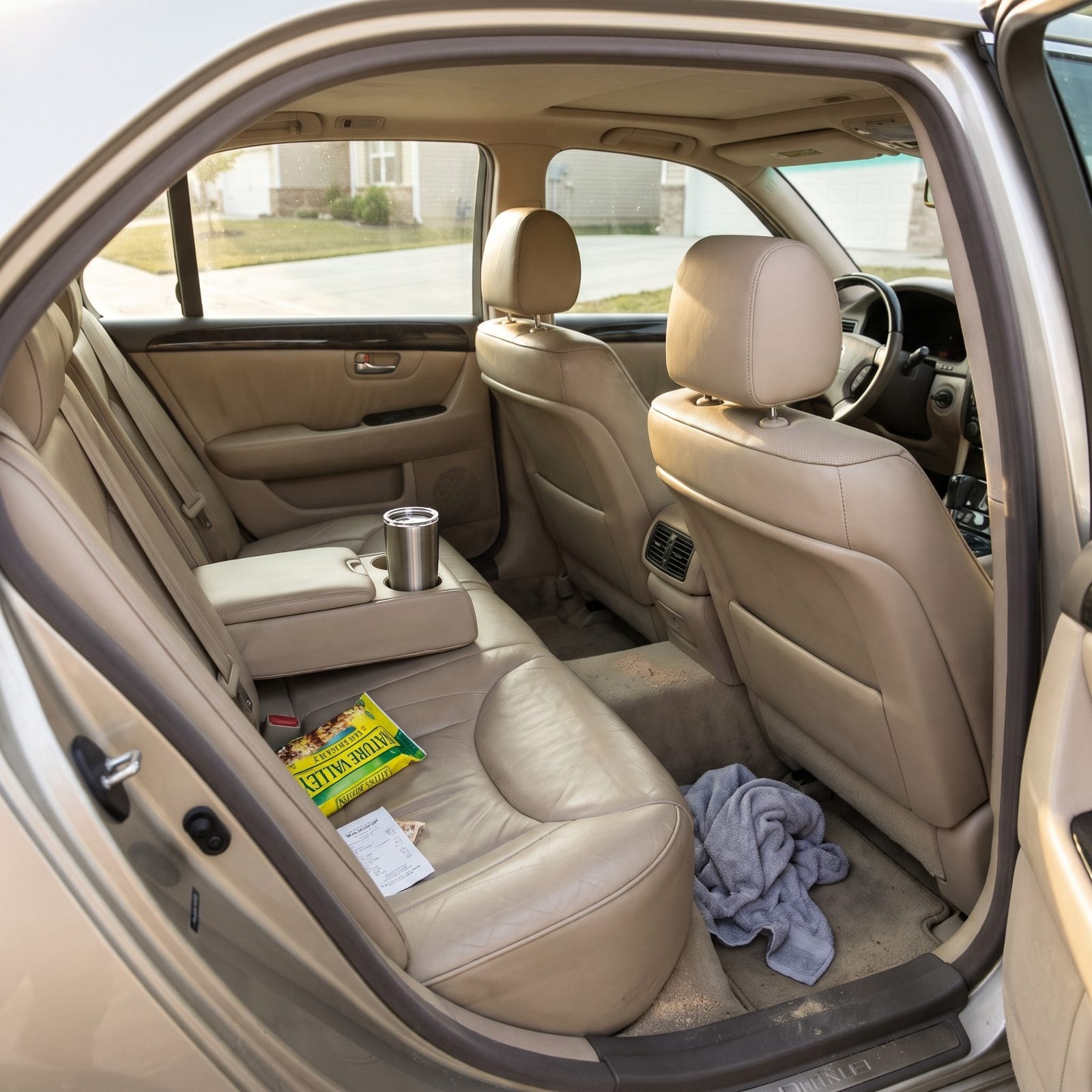
Someone suggests you drive to lunch. You hesitate. Not because of traffic, but because the back seat tells the truth the exterior works so hard to hide. A granola bar wrapper. A gym towel that’s lived back there since Tuesday. Sand from a beach trip three weeks gone. The car is immaculate from the driver’s seat forward and a diary of real life from the headrests back.
So you offer to meet there instead. Mess unseen, crisis averted.
This is the gap between the front stage and the back stage, the two selves we all run. One is polished, lit, performed. The other is where the actual living happens, and we guard that door with our lives. Reunions run identical software, serving up the arrived-and-thriving version while the complicated parts stay home. The clutter isn’t shameful. It’s just not for the audience, and the shine exists precisely so nobody checks behind it.