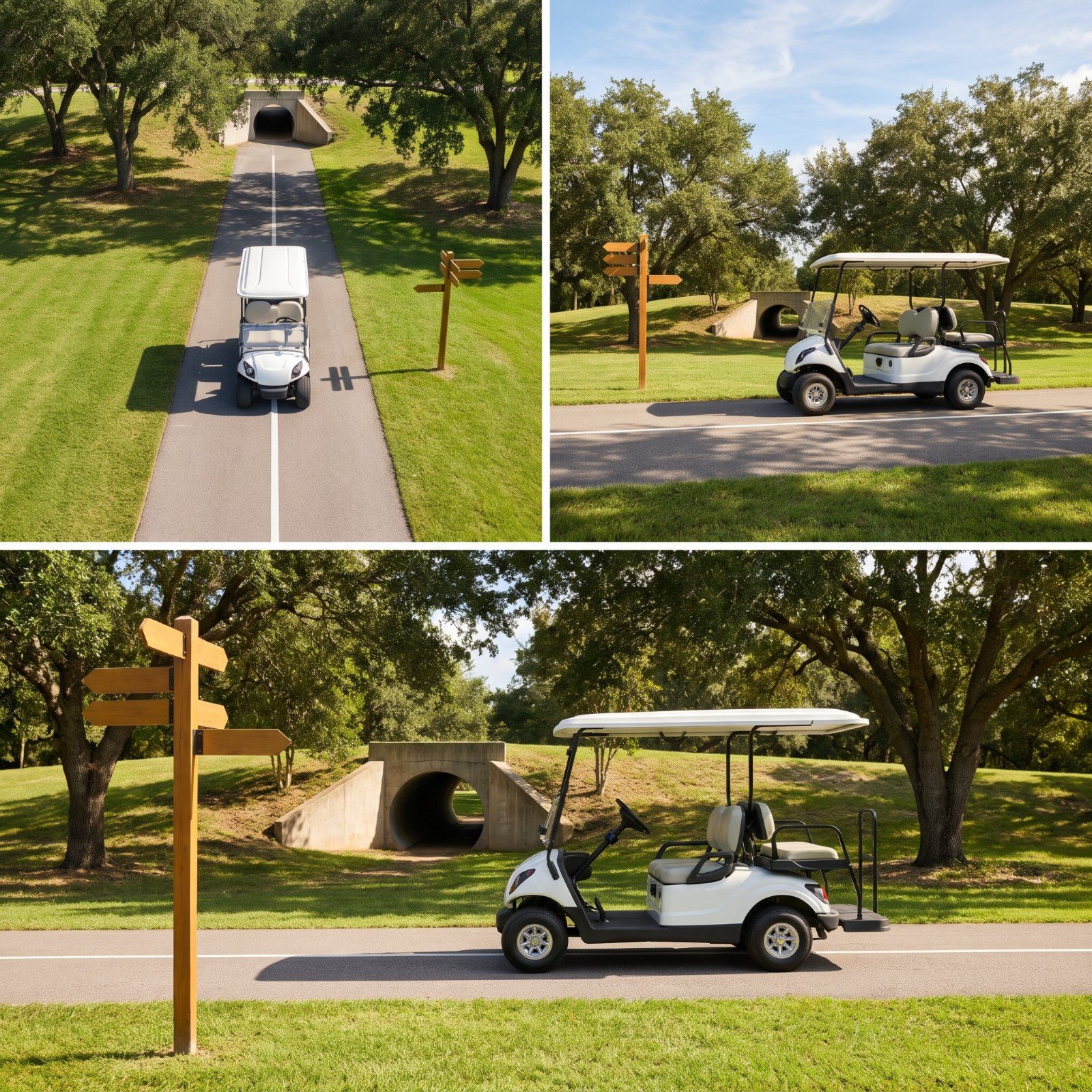
A golf cart with no golf course in sight. That is the first thing that throws visitors to Peachtree City. Kids ride them to school, retirees drive them to the pharmacy and the dentist and the grocery store, and nobody blinks. None of it happens by accident. Behind every cart puttering off to a restaurant sits decades of planning: numbered intersections, highway bridges built just for carts, tunnels dug under four-lane roads, garage bays sized for a vehicle most of the country still treats as a toy. Here’s the hidden engineering that makes it run.
Please note that some of the images in this article were created with the assistance of AI.
28. Numbered Path Intersections So 911 Can Actually Find You
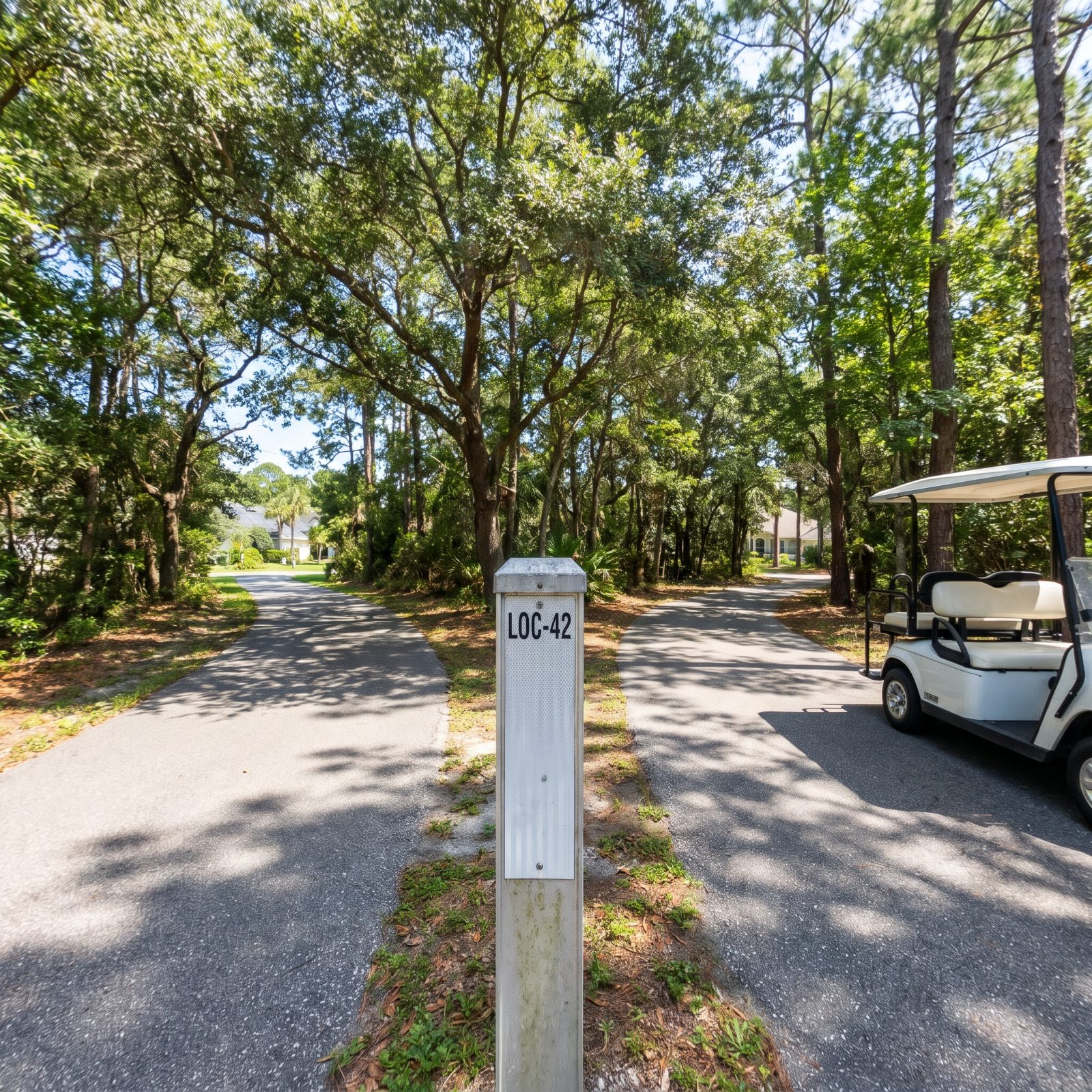
A cart path cuts through woods, behind houses, under roads. None of it has a street address. So when someone goes down with chest pains out there on the asphalt, how does the ambulance find them?
Peachtree City solved it with numbered markers at path intersections. You read the dispatcher the number on the nearest post, and crews know exactly where to roll. Same idea as mile markers on a highway, just scaled down to a network that never touches the street grid.
27. Tunnels Dug Beneath Roads Instead of Dangerous Crossings
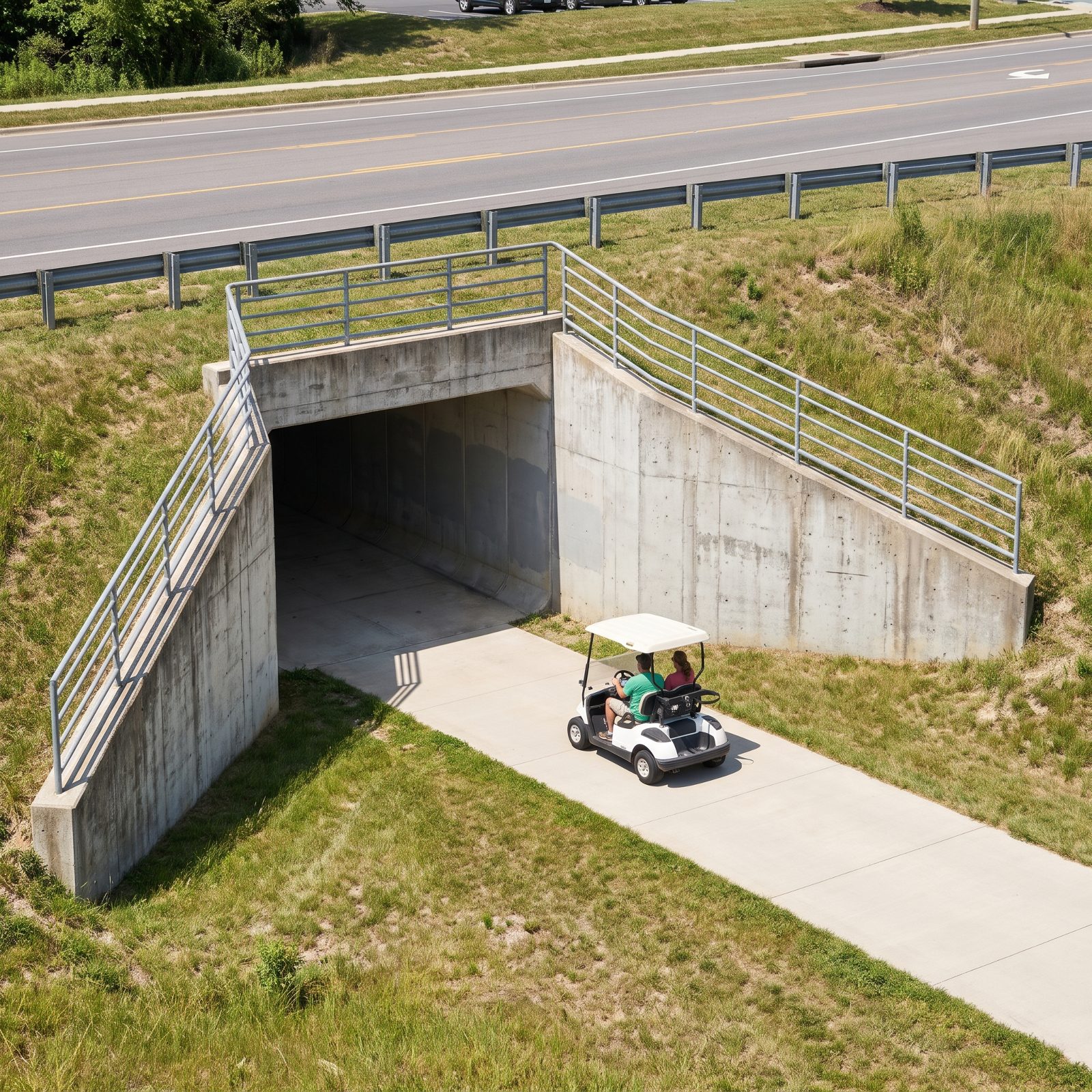
Crossing a four-lane road in a golf cart is how people get hurt. Towns that take carts seriously just refuse to make them do it.
So they build tunnels instead. The path dips under the road, carts pass through, and nobody waits for a light or gambles on a gap in traffic. Peachtree City has dozens of these underpasses threaded beneath its big arteries. The cost is real. So is the payoff — the cart network and the car network barely touch, which is exactly what grade separation is supposed to buy you.
26. A Path Network That Ignores the Street Grid Entirely
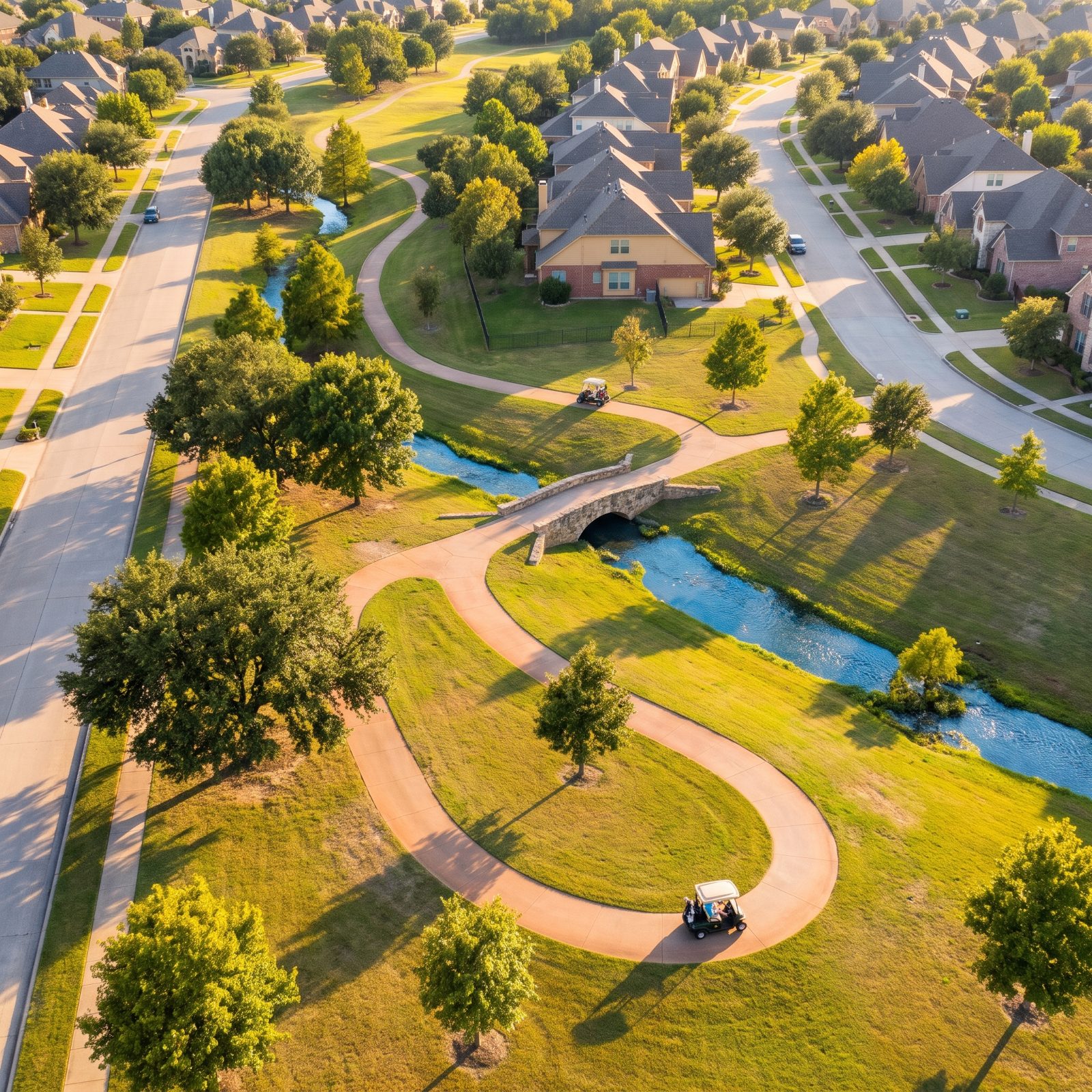
The genius move was refusing to run carts on the roads at all.
Peachtree City built a dedicated path system that goes where cars don’t — behind subdivisions, along greenways, through tunnels and over bridges. You can hit the grocery store, the library, and a dozen restaurants without ever sharing pavement with a pickup truck. Two separate maps laid over the same town, and they rarely overlap.
25. Dedicated Golf-Cart Bridges Flying Over Major Highways
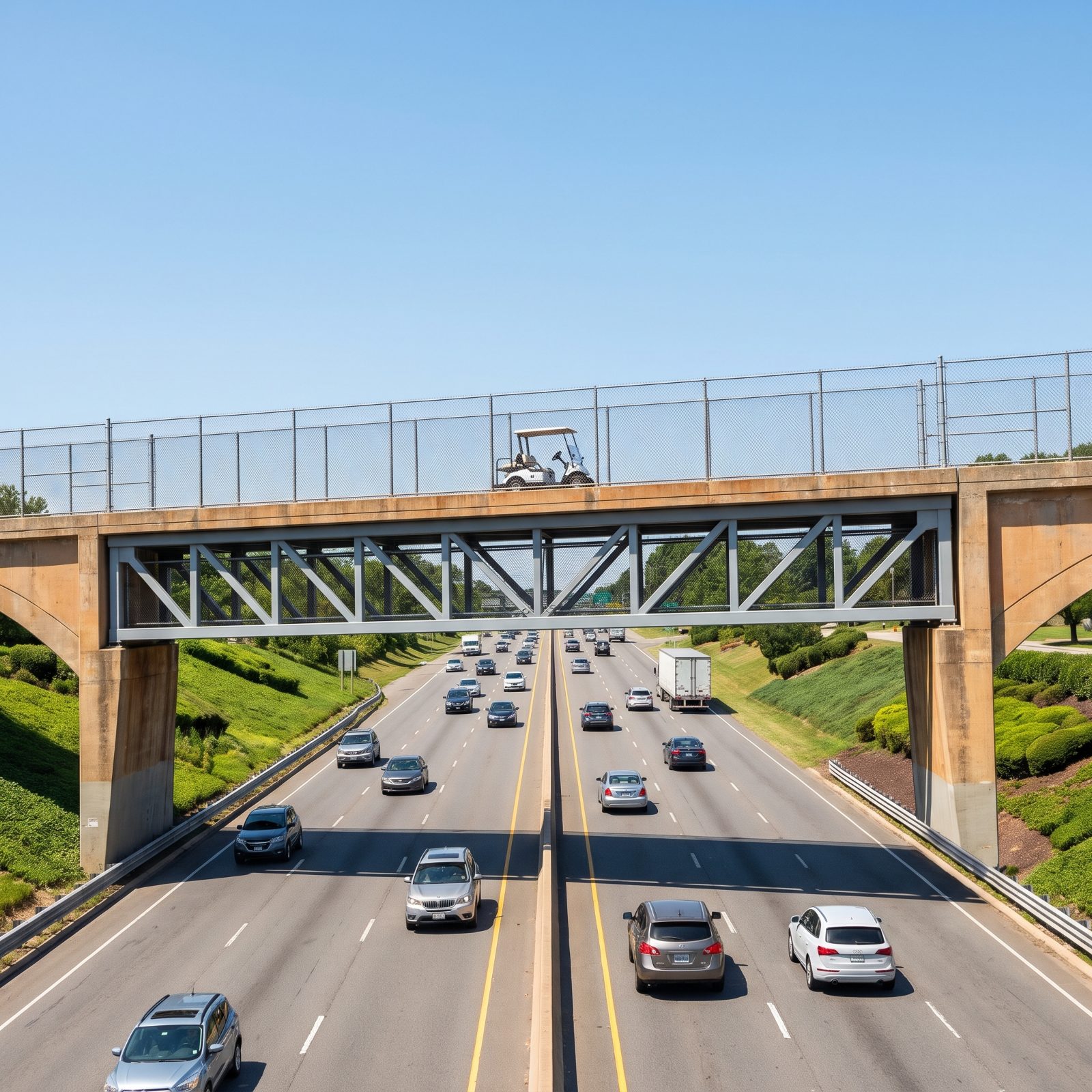
Some roads are too big to tunnel under. So the solution goes up.
Golf-cart bridges arc over highways that would otherwise split a community in two. High railings keep carts contained, the span lifts them clear of fast traffic, and the two halves of town stay stitched together. And these aren’t afterthoughts bolted onto a car bridge — they’re purpose-built spans, engineered and permitted for a vehicle that weighs a fraction of what crosses the road below.
24. Shopping Centers That Open Their Back Door to the Path
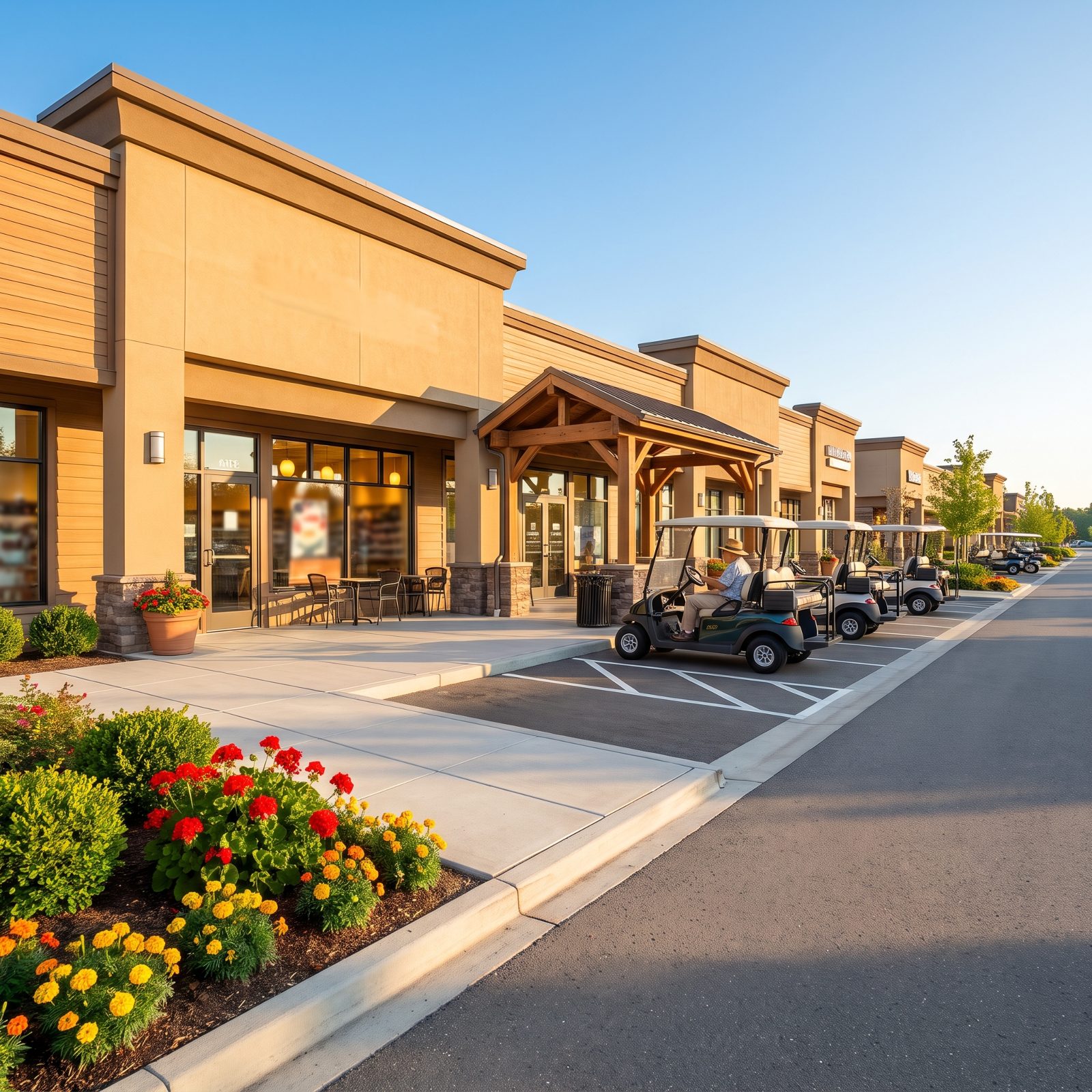
A shopping center usually faces its parking lot and turns its back on everything else. In cart towns, that math flips.
Plazas orient toward the path, with marked cart parking right by the door and an entrance on the side most people actually arrive from. A business that ignores the path gives up a steady stream of customers who never bother with a car. The ones who figure it out put the cart spaces front and center and watch them fill up.
23. Pint-Sized Emergency Vehicles for Places an Ambulance Can’t Reach
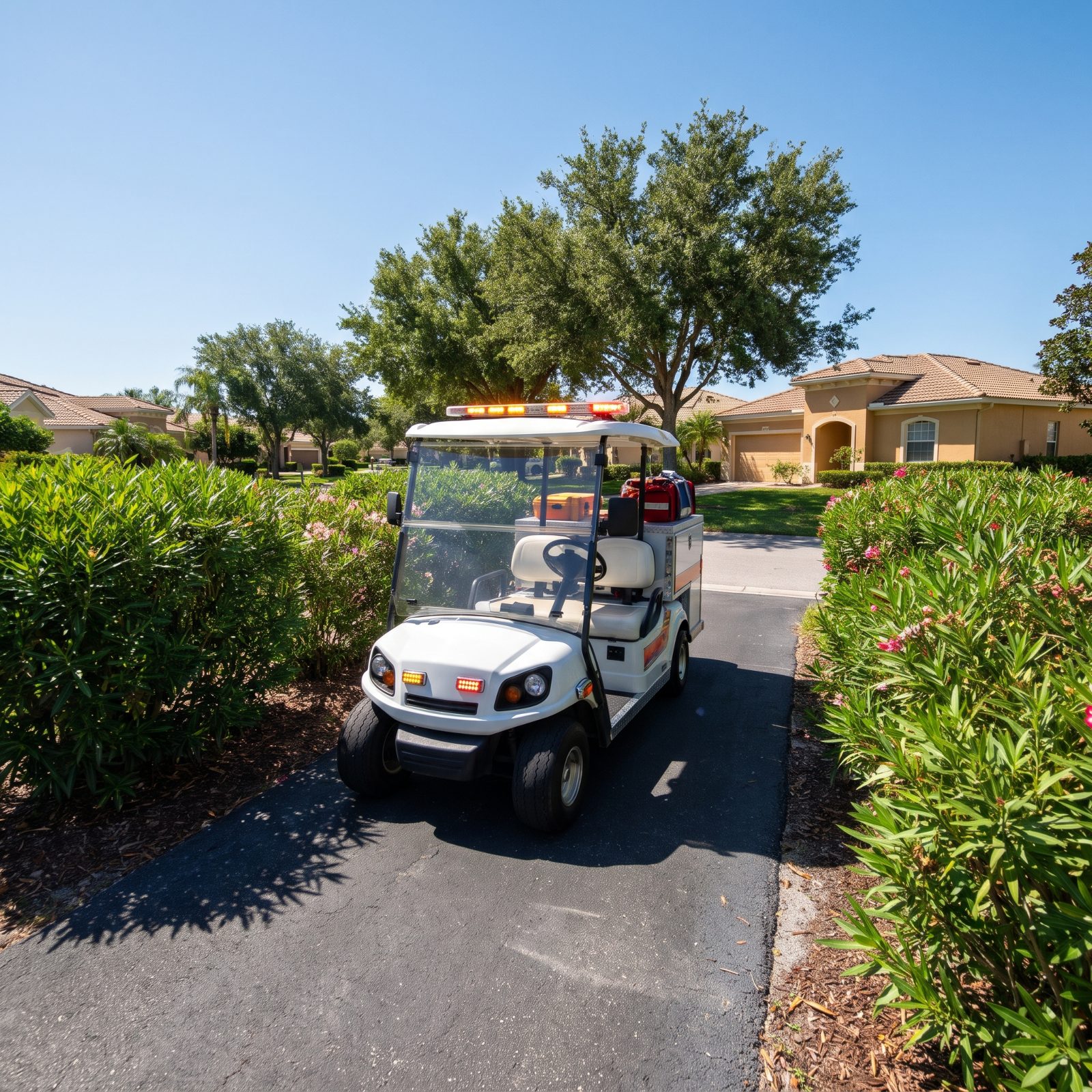
A full-size ambulance can’t squeeze down a six-foot path or through a cart tunnel. The same infrastructure that keeps cars out keeps the cavalry out too.
So communities answer with compact response units — basically ruggedized carts loaded with medical gear and warning lights — that go where the big trucks can’t. First responders reach the patient on the path, stabilize them, then hand off to a road ambulance at the nearest access point. A relay built around the town’s own geometry.
22. Reflective Lot Markers You Can Read From the Cart Path at Night
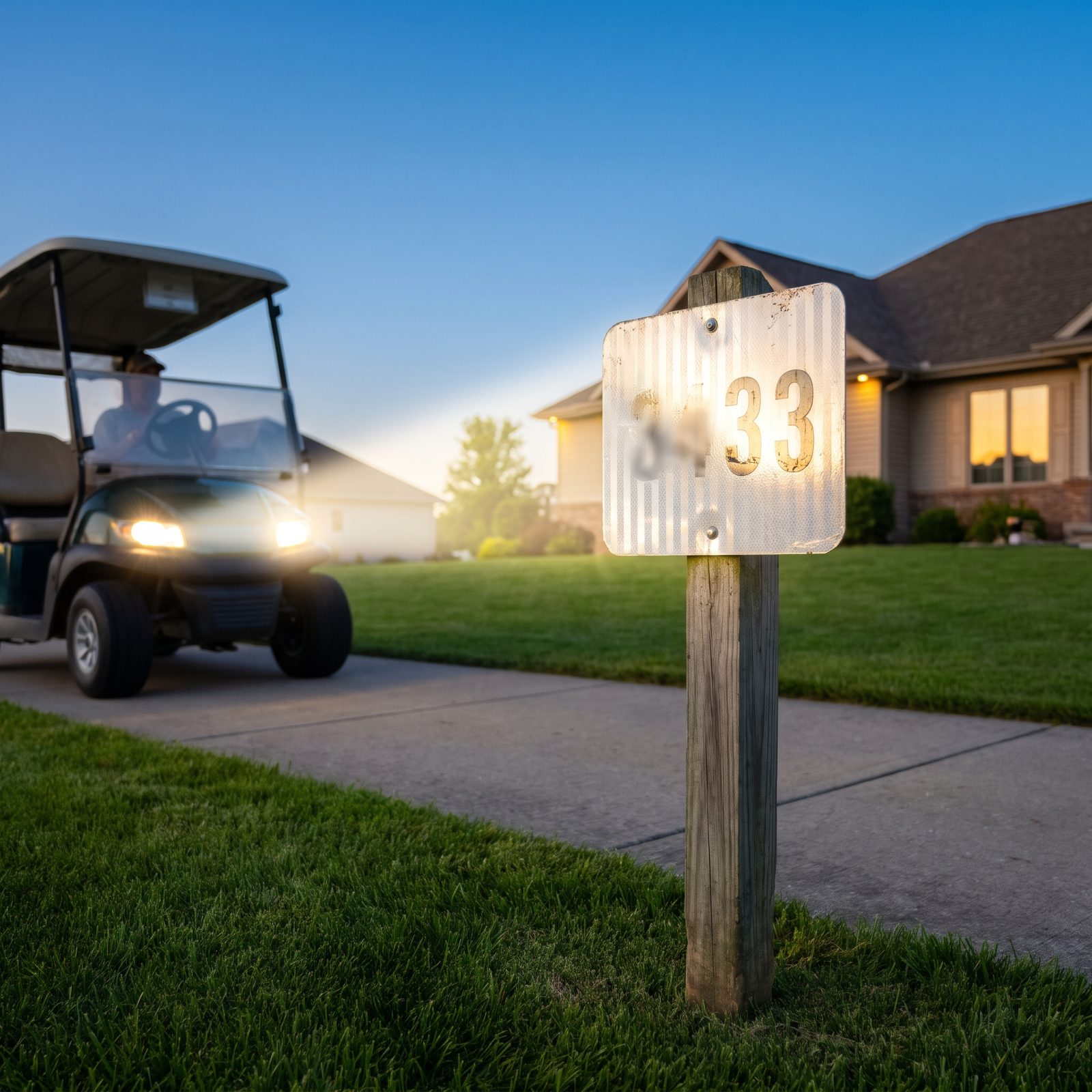
From the street, your house number is obvious. From the path out back, it might as well not exist.
Which is why path-side communities bolt reflective markers to the rear of each lot, set to catch a cart headlight sweeping across them. Helps guests find a driveway after dark. Helps a lot more when a crew is racing to the right backyard at 2 a.m. A number nobody can see at night is a number that doesn’t count.
21. Golf-Cart Parking Lots at the Local High School
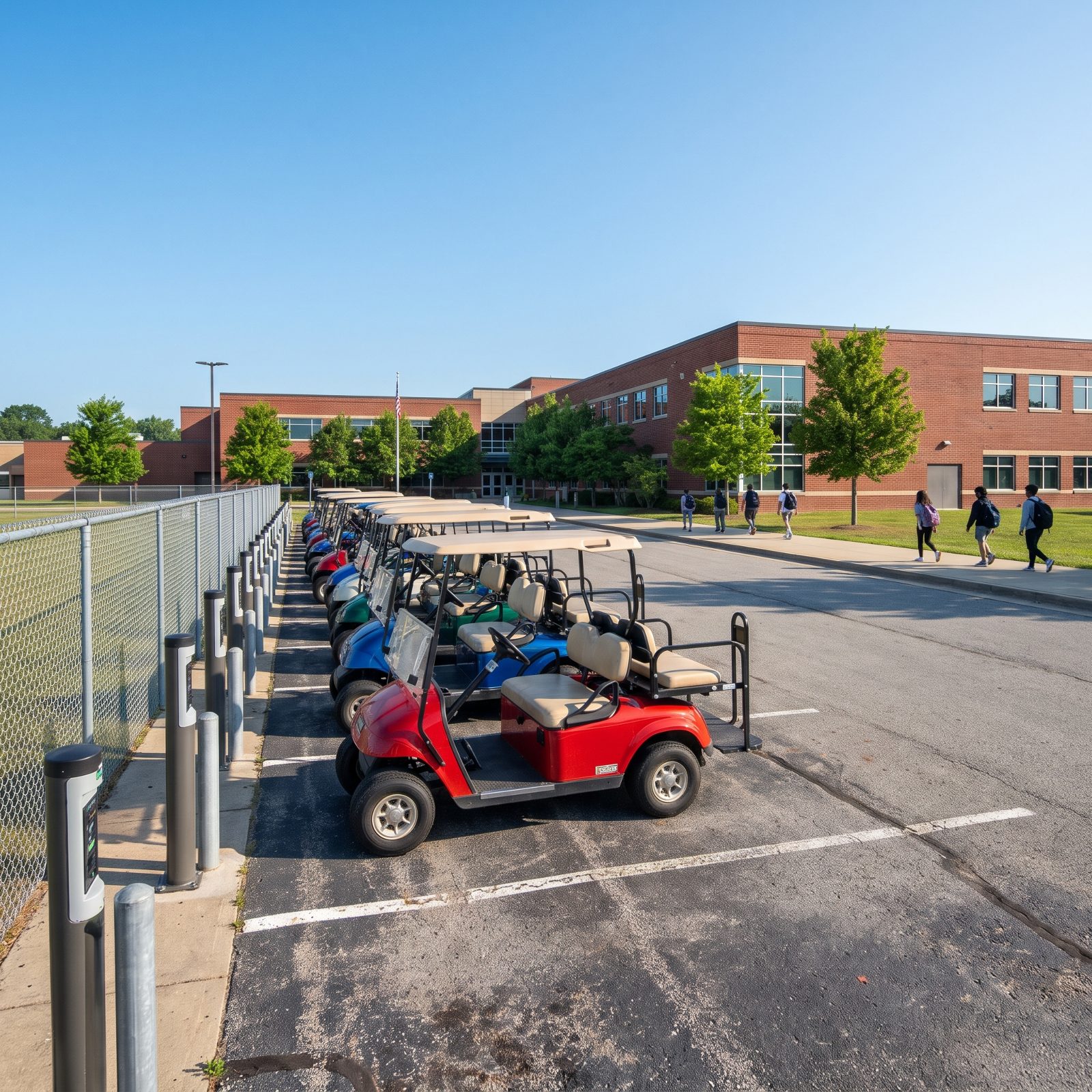
Picture a high school parking lot. Now picture half of it filled with golf carts instead of cars.
In Peachtree City, teenagers old enough to drive a cart but not yet a car commute to school on the path network, and the school built parking to match. Dedicated cart stalls, sometimes charging points, the whole thing handled as ordinary transportation policy rather than some cute novelty. It’s one of the clearest signs a town has gone all in.
20. Cart Paths Maintained Like Real Roads, Detours and All
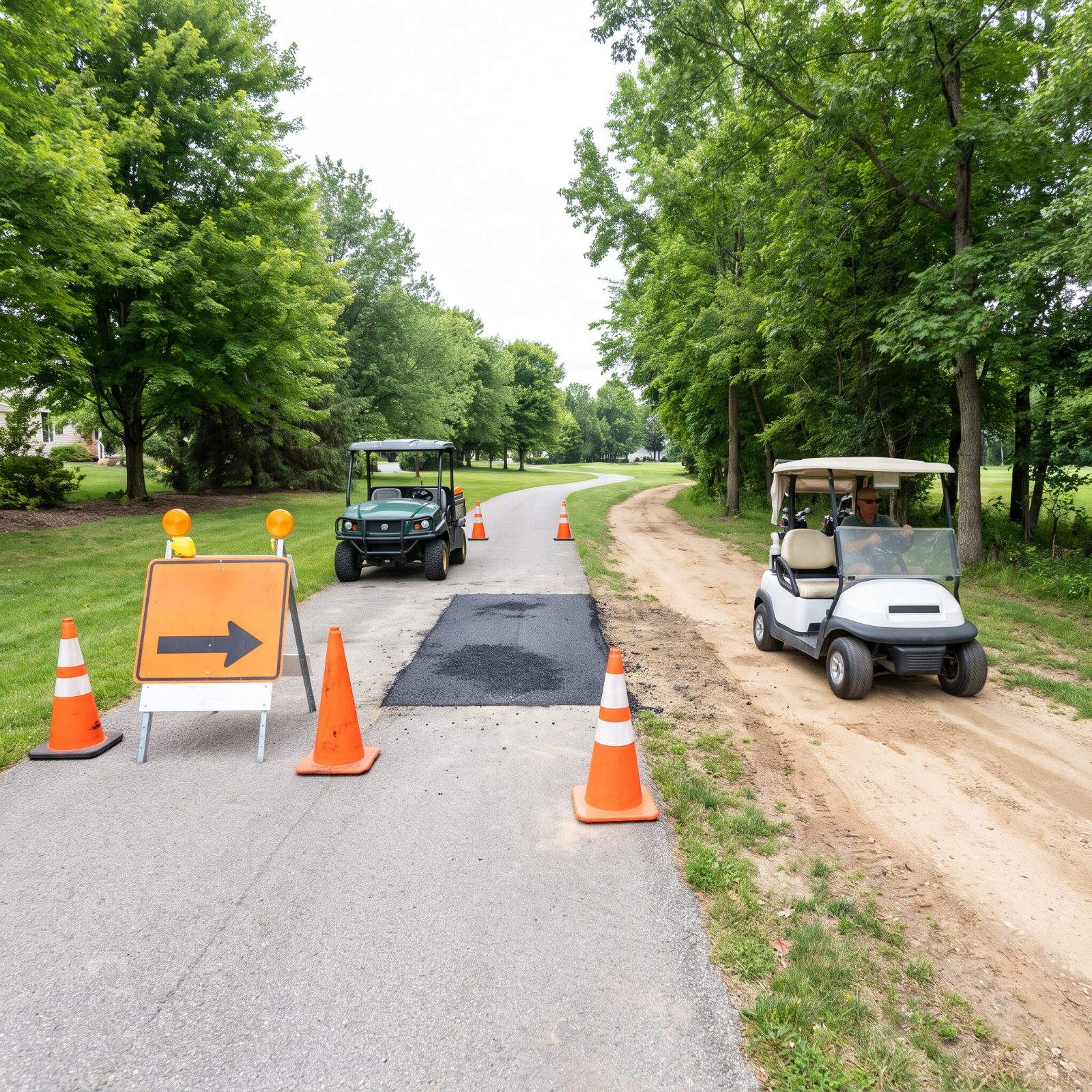
Real infrastructure gets a budget, a crew, and a maintenance schedule. Want to know whether a town takes carts seriously? Watch what happens when the path cracks.
Cart paths get resurfaced, patched, and closed for repair just like streets. When a segment goes offline, out come the cones and a signed detour routing carts around the work zone. Nobody improvises. The path is a line item, not a courtesy, and it gets the same respect as the asphalt cars drive on.
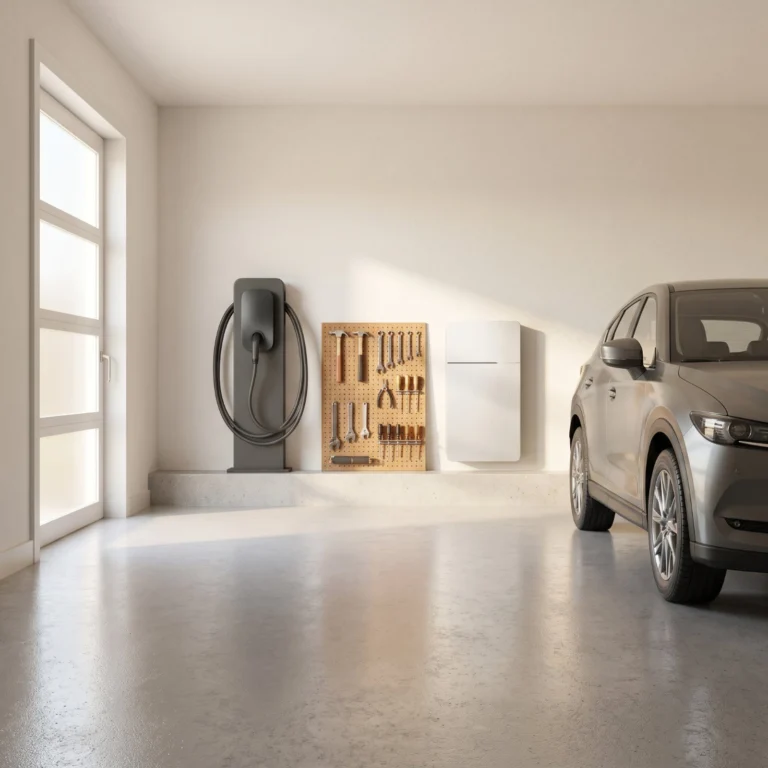
19. Homes Built With a Garage Bay Sized for the Cart
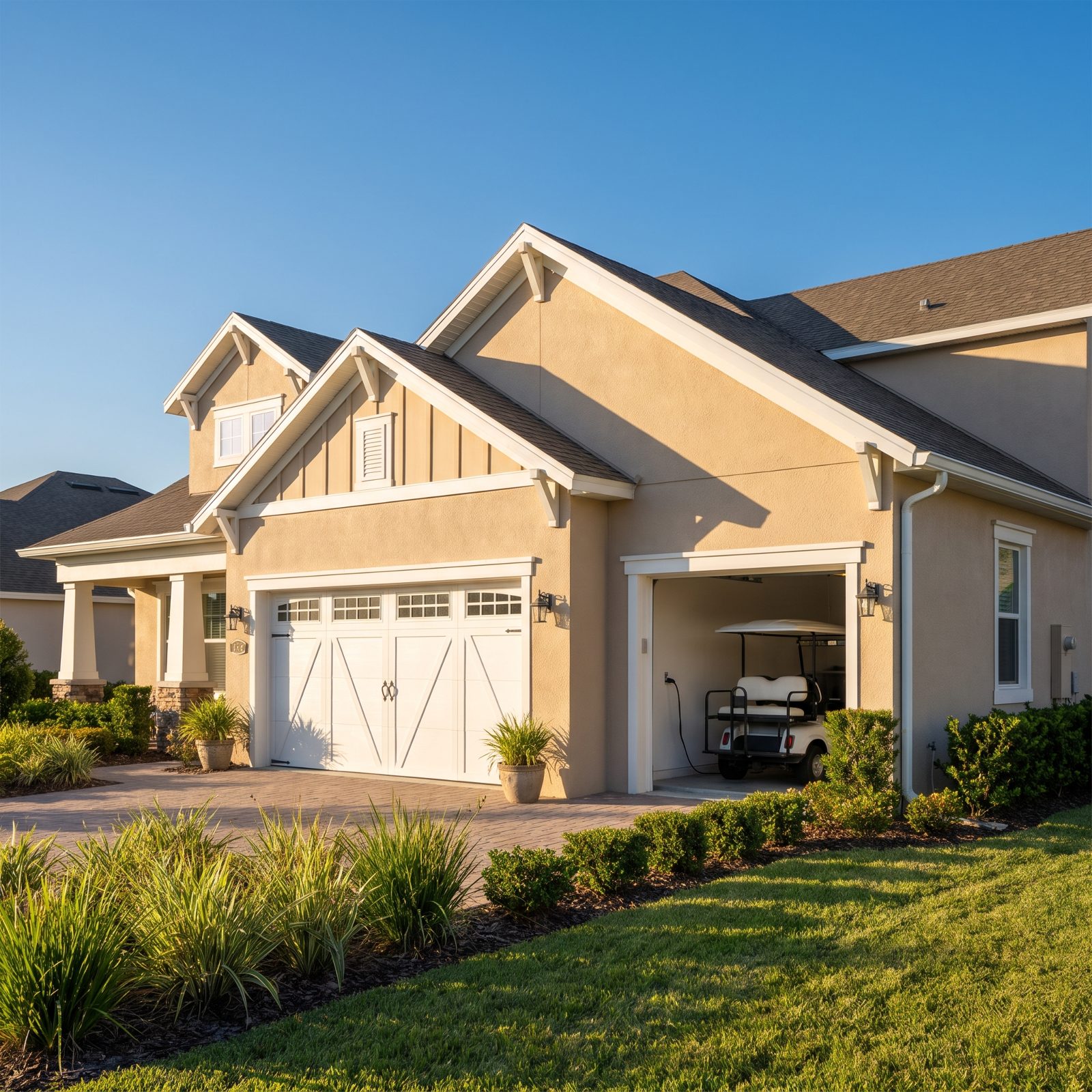
You know the standard garage: two cars, a workbench, a lawnmower jammed in the corner. In cart country the floor plan grows a third door.
Builders add a dedicated cart bay, usually narrower than a car stall, often with a charging outlet already run to the wall. Keeps the cart out of the weather, keeps the battery topped up, and tells you something about the local economy. When a developer designs the garage around the cart, the cart has stopped being a hobby and become how the household actually gets around.
18. Neighborhood Entrances Built for Both Cars and Carts
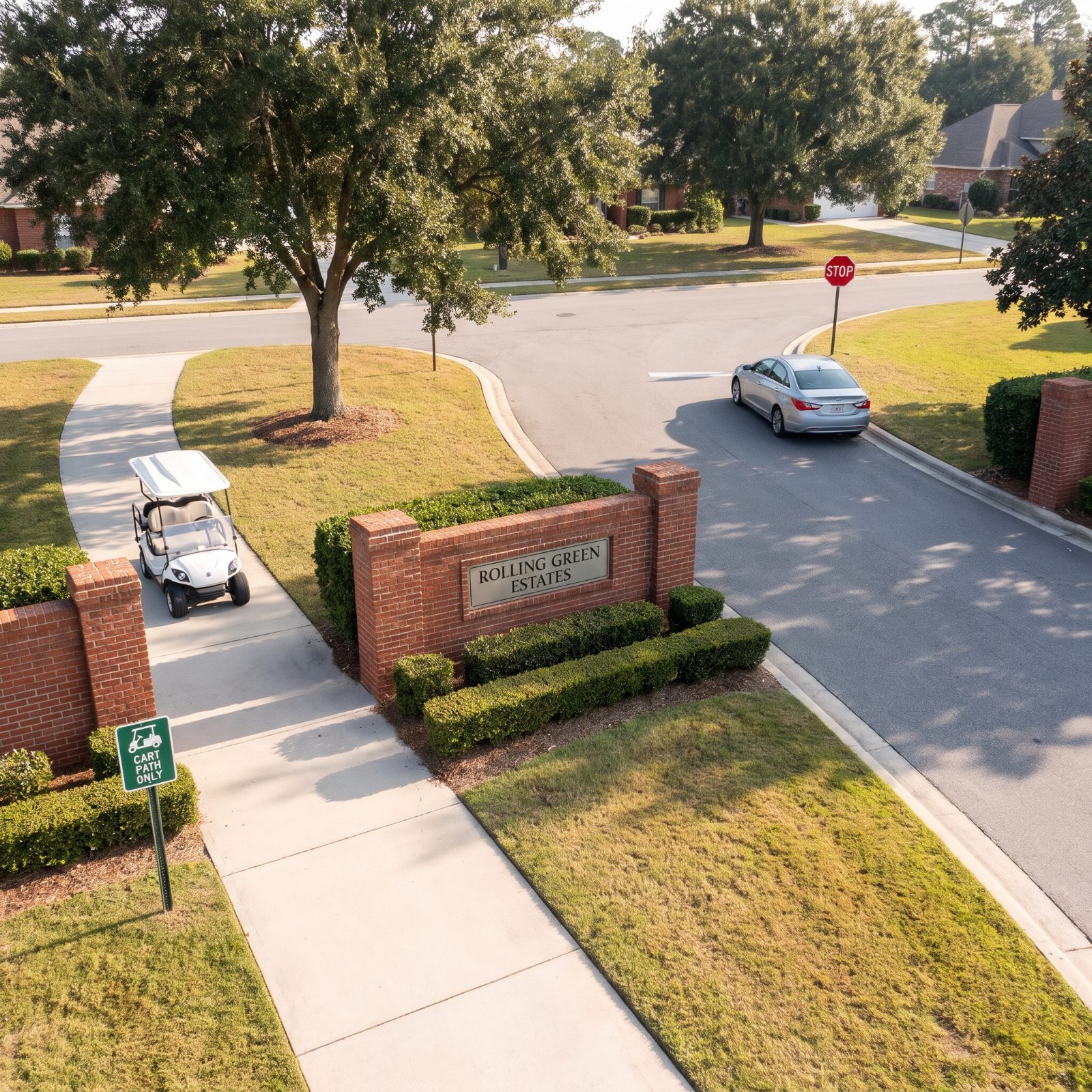
The whole system lives or dies on the entrance. Get it wrong and carts dump straight into traffic; get it right and the two worlds barely touch.
Peachtree City nailed this decades ago by treating the cart path as its own road rather than an afterthought bolted onto the shoulder. Every subdivision gets two mouths — one for the sedan backing out of the garage, one for the cart heading to the ball field — and they rarely cross at speed. That’s the point.
Look closely and the grading is doing the work, dipping the path under or swinging it wide of the car lane so neither one has to yield at the busy moment. Simple, almost invisible, and it’s the reason the whole arrangement doesn’t turn into a merge-lane brawl every morning.
17. Path Roundabouts That Keep Cart Traffic Flowing
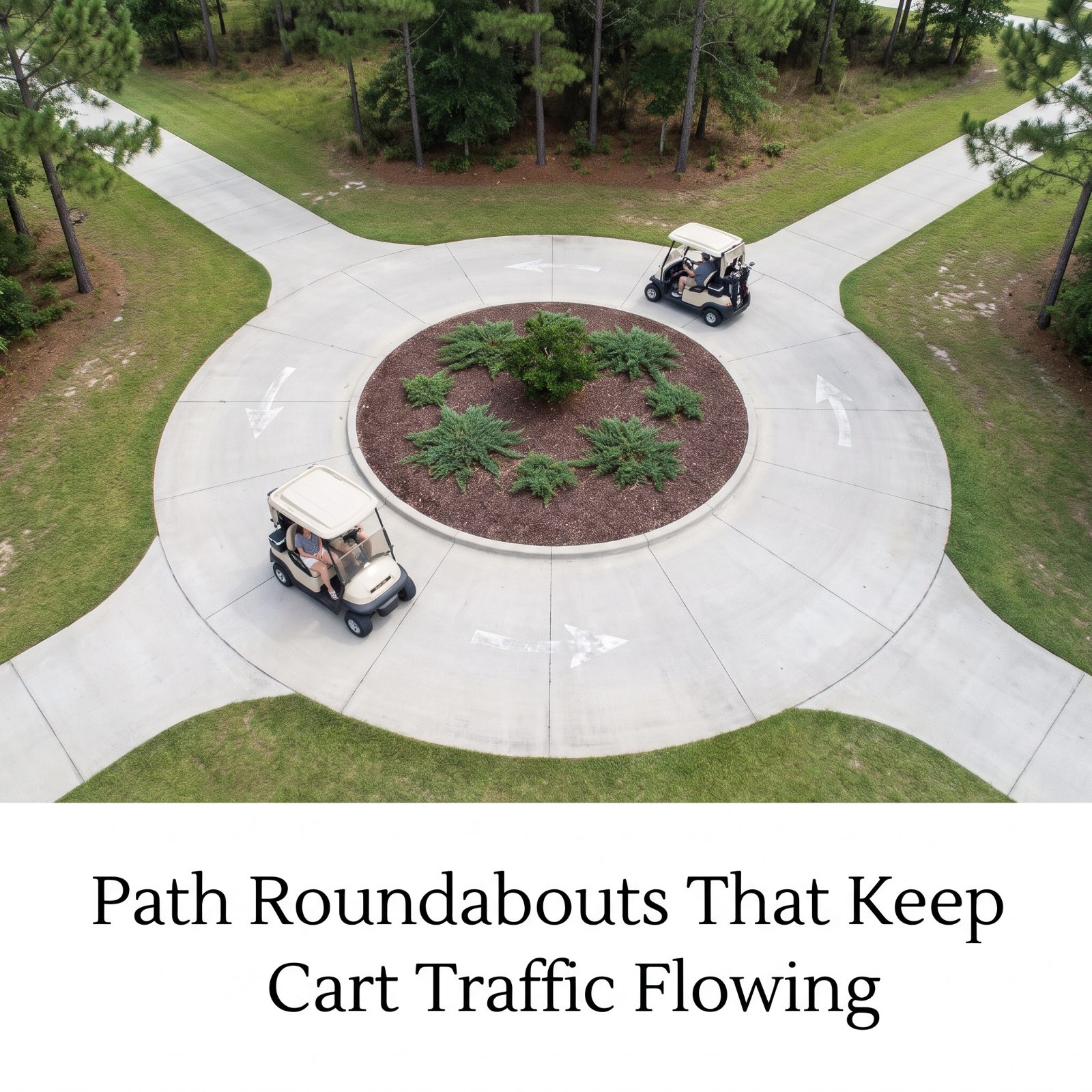
Four paths meeting at one point? That’s a recipe for the slow-motion standoff you’ve watched at every unmarked junction, two drivers waving each other through until the heat death of the universe.
The fix came from the big roads, shrunk down. A little landscaped circle, yield-to-the-left logic, and suddenly nobody stops dead. Carts just keep rolling at their lazy 15 or 20 instead of clustering up and braking.
You see these mostly in The Villages, where cart volume on a Saturday morning rivals a real highway, and the beauty of it is that there’s nothing to learn. You already know how a roundabout works. The cart version just asks you to do it at jogging speed.
16. Convex Mirrors at Blind Tunnel Approaches
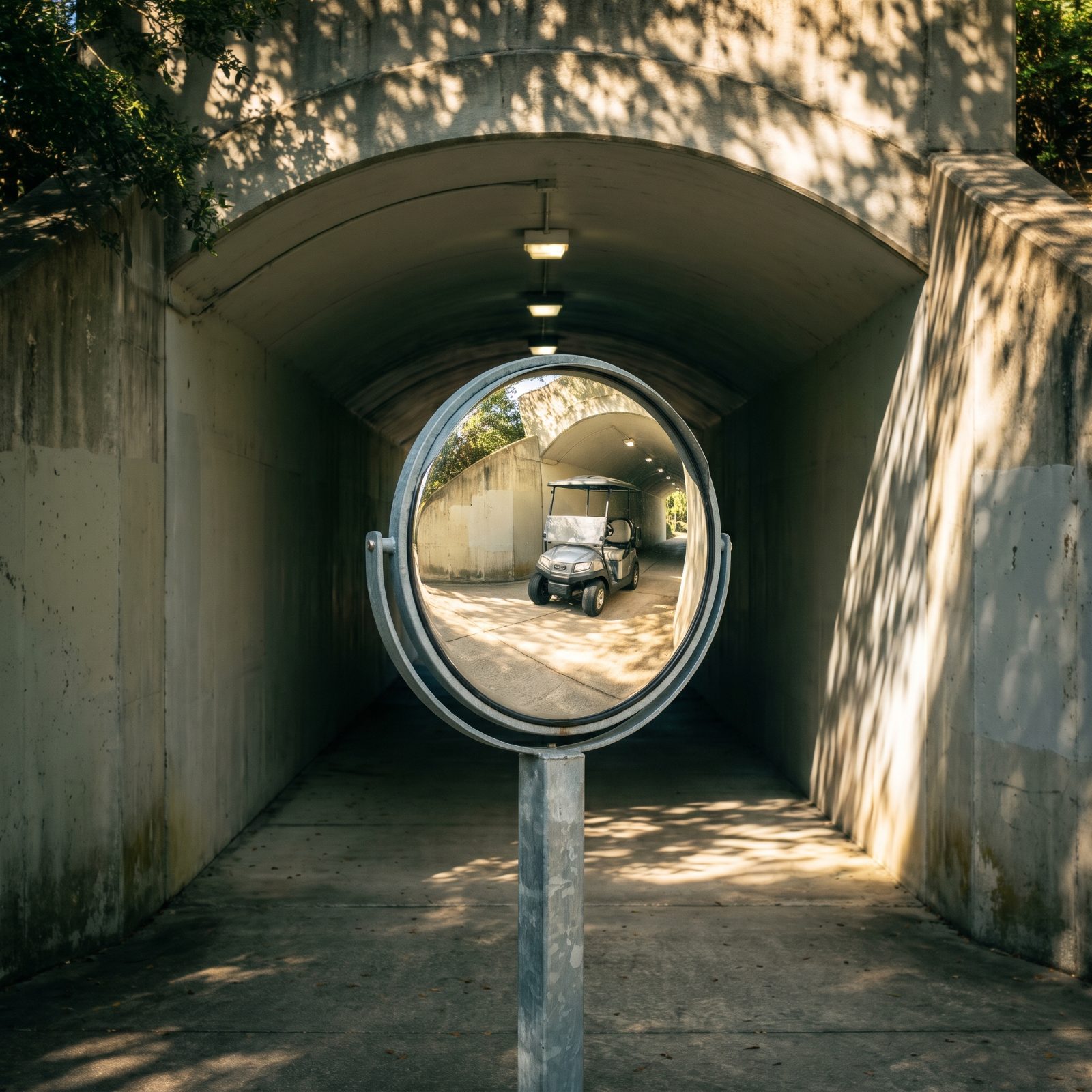
Tunnels solve one problem and create another. Routing carts under the road kills the cross-traffic collisions, but now the approach is a straight, narrow concrete throat, and you need to know who’s barreling toward you from the far side before you enter.
So the mirror goes up — one cheap convex mirror on a post beside each mouth, angled down the tunnel, so you catch an oncoming cart or a cyclist before you commit to the tunnel. Same trick a warehouse uses at a blind aisle, nothing clever about it.
Peachtree City runs a pile of these underpasses, and those mirrors are the reason two-way path traffic works inside a space barely wide enough for a cart and a bike side by side.
15. Medical Offices and Pharmacies Wired Into the Cart Network
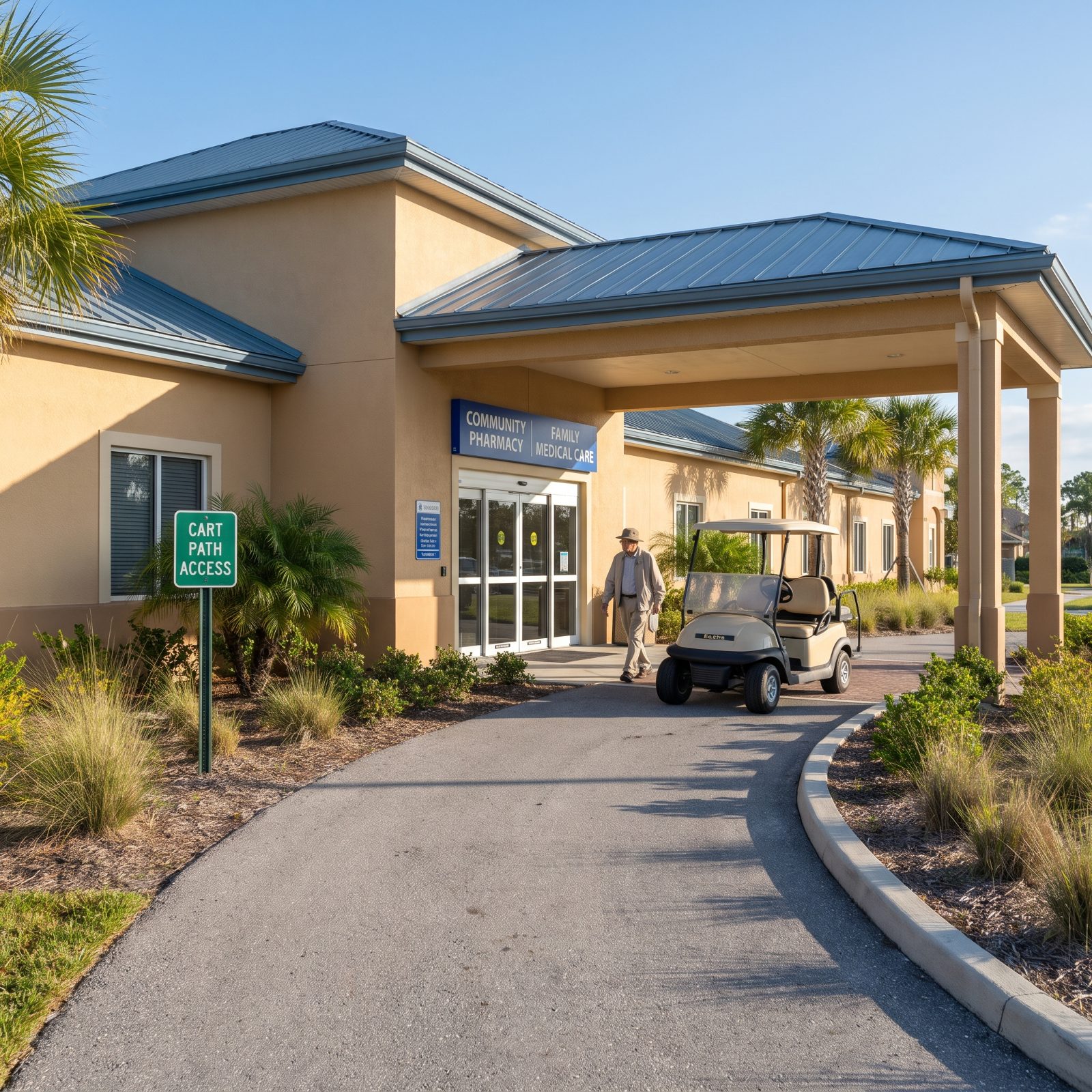
Transportation stops being a novelty the day you can take the cart to your cardiologist.
That’s the line these communities crossed on purpose. Palm Desert and The Villages pushed their path networks all the way to the doctor’s office, the dentist, the pharmacy — not just the golf course and the clubhouse. For a resident who handed over the car keys at 82, that one connection is the whole difference between independence and waiting on a ride that may not come.
And the medical plazas play along. Covered drop-offs at the door, parking a few steps from the entrance, paths that never force a frail patient across a live road. It turns a 15 mph vehicle into a genuine lifeline for aging in place.
14. Charging Outlets at the Places You Linger
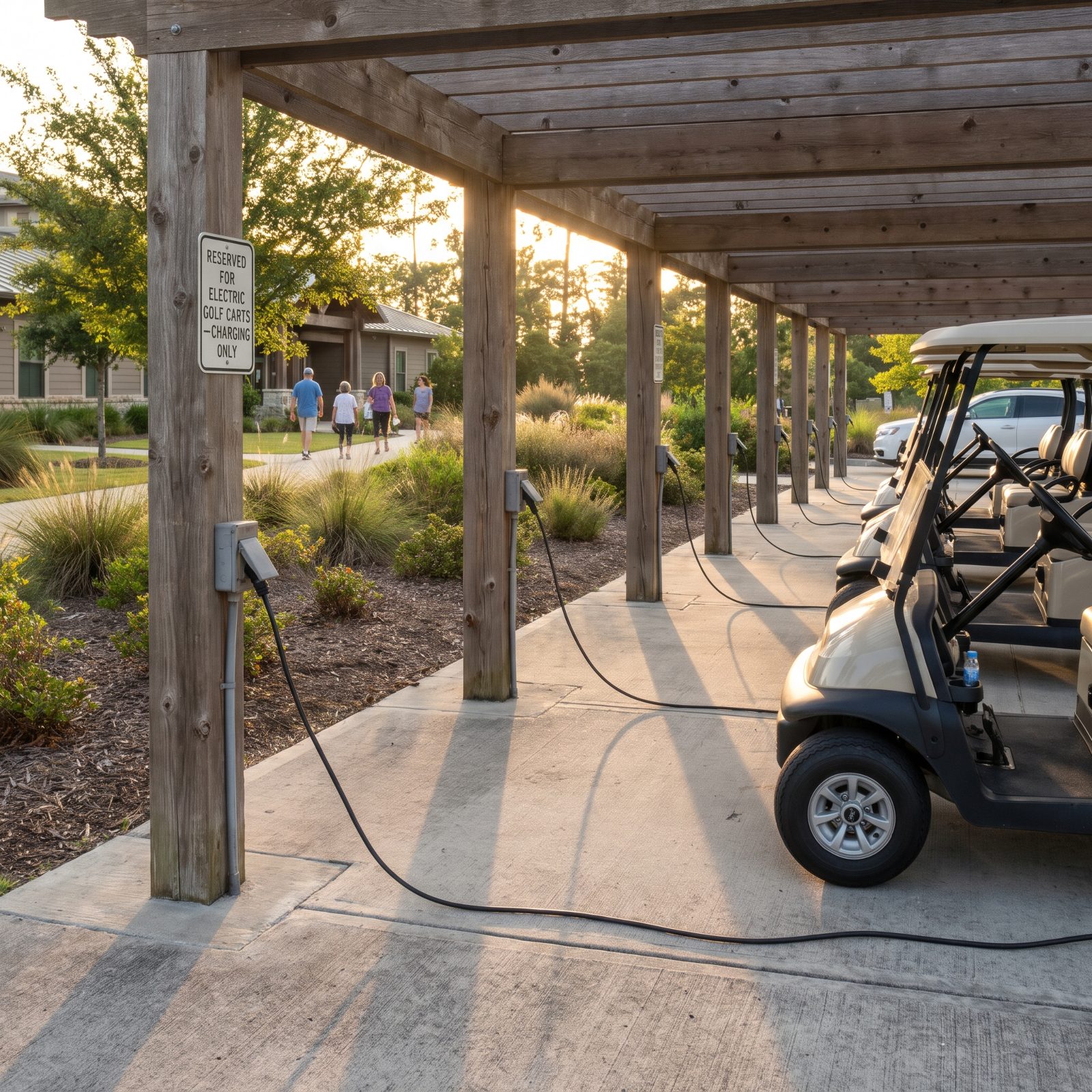
Electric carts have a short leash. Range anxiety on a golf cart sounds like a punchline until you’re the one shoving one up a hill in July.
The answer is outlets where people already park themselves for a couple of hours — rec centers, pools, clubhouses, pickleball complexes. Plug in while you play, roll home with a full battery.
Nothing fancy here, usually just weatherproof 120-volt outlets on a post next to the designated spots. But putting them at long-dwell destinations instead of random corners is the clever part. A charger nobody parks near for two hours is just an expensive lawn ornament.
13. Cart Rentals Waiting at the Ferry Landing
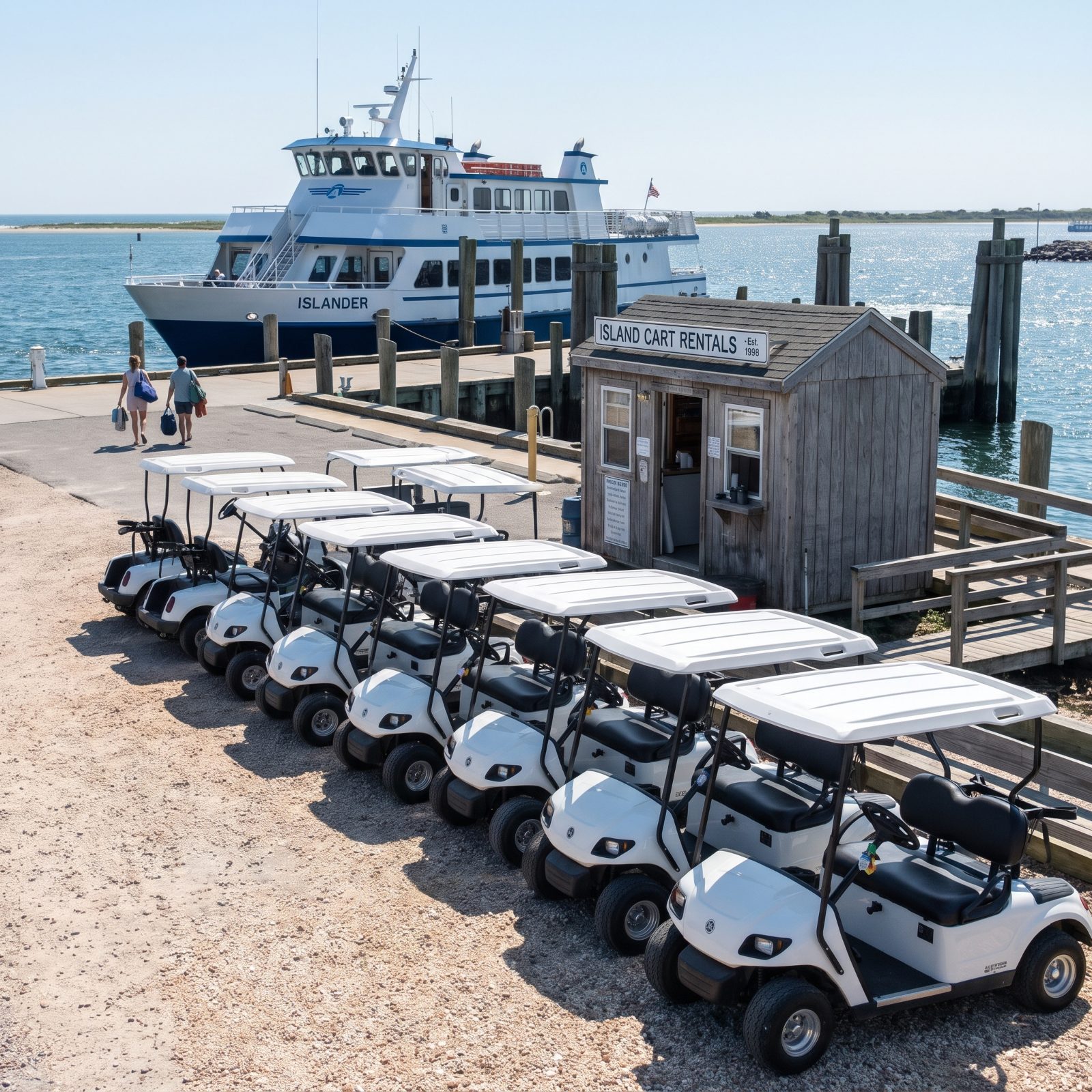
On a car-free island, the cart isn’t a toy. It’s the only way off the dock.
So the rentals sit exactly where they have to, feet from the ferry slip. Step off the boat with your weekend bag and the cart is already there, key in it, directions to your rental taped to the dash.
Bald Head Island off North Carolina runs this way, and so do a scattering of barrier islands up and down both coasts. The logistics are ruthless out of pure necessity — if that rental fleet isn’t staged at the gateway, visitors are stranded, luggage and all, with nowhere to go.
12. Islands Like Bald Head That Keep Conventional Cars Out
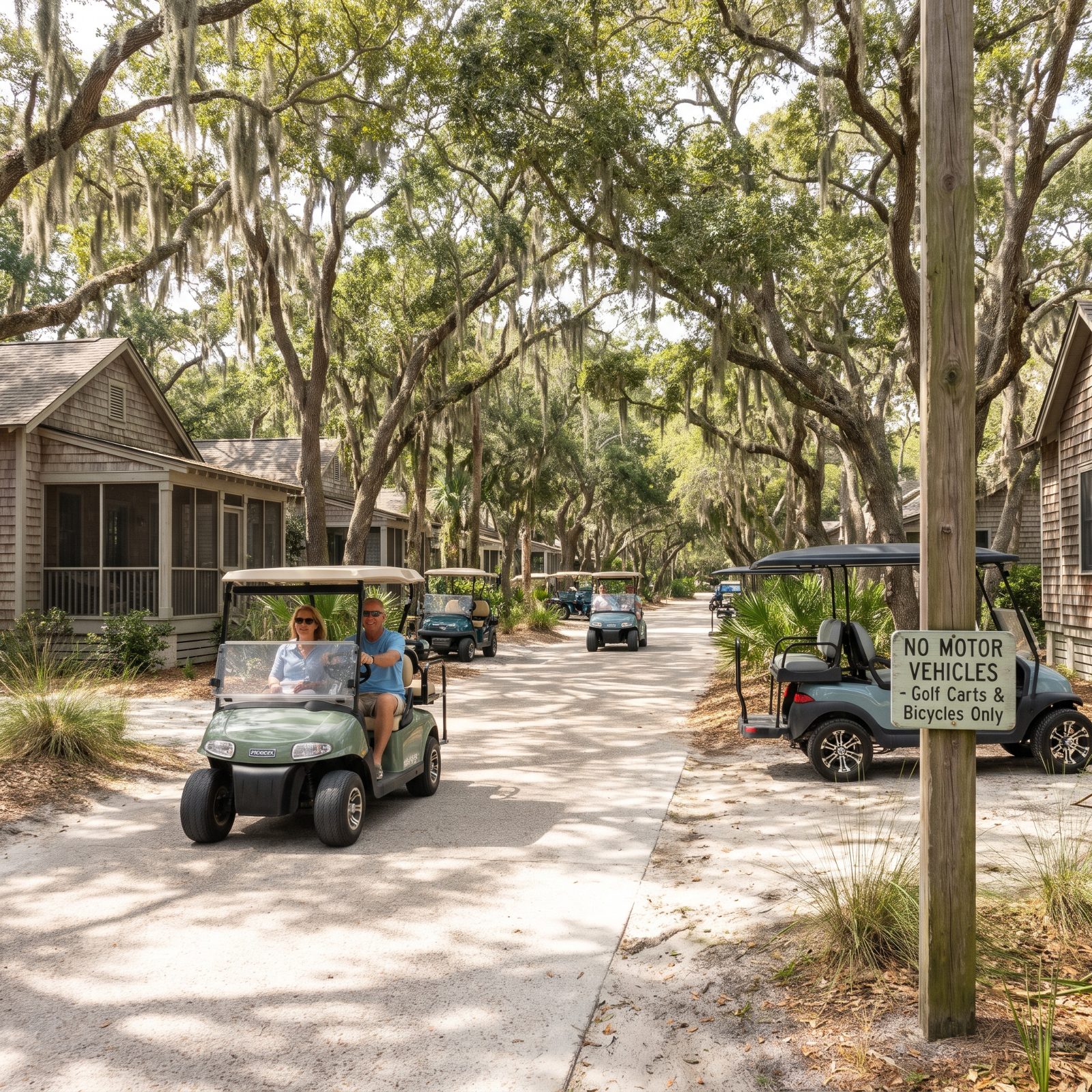
Ban the car and everything else falls into place. That’s the quiet logic of the strictest cart communities.
Bald Head Island is the clearest example in the Southeast. Private vehicles stay on the mainland, and residents and visitors get around by golf cart, bicycle, or foot. The island feels fundamentally different for it — no traffic noise, no cut-through speeders, kids on carts rolling alongside grandparents on carts.
The restriction does the heavy lifting that signs and speed bumps never could. When a cart is the fastest thing on the road, you don’t have to engineer around 45 mph traffic, because there isn’t any. Pull the car out of the equation and the whole network gets simpler overnight.
11. Specialized Towing for the Cart That Died on the Path
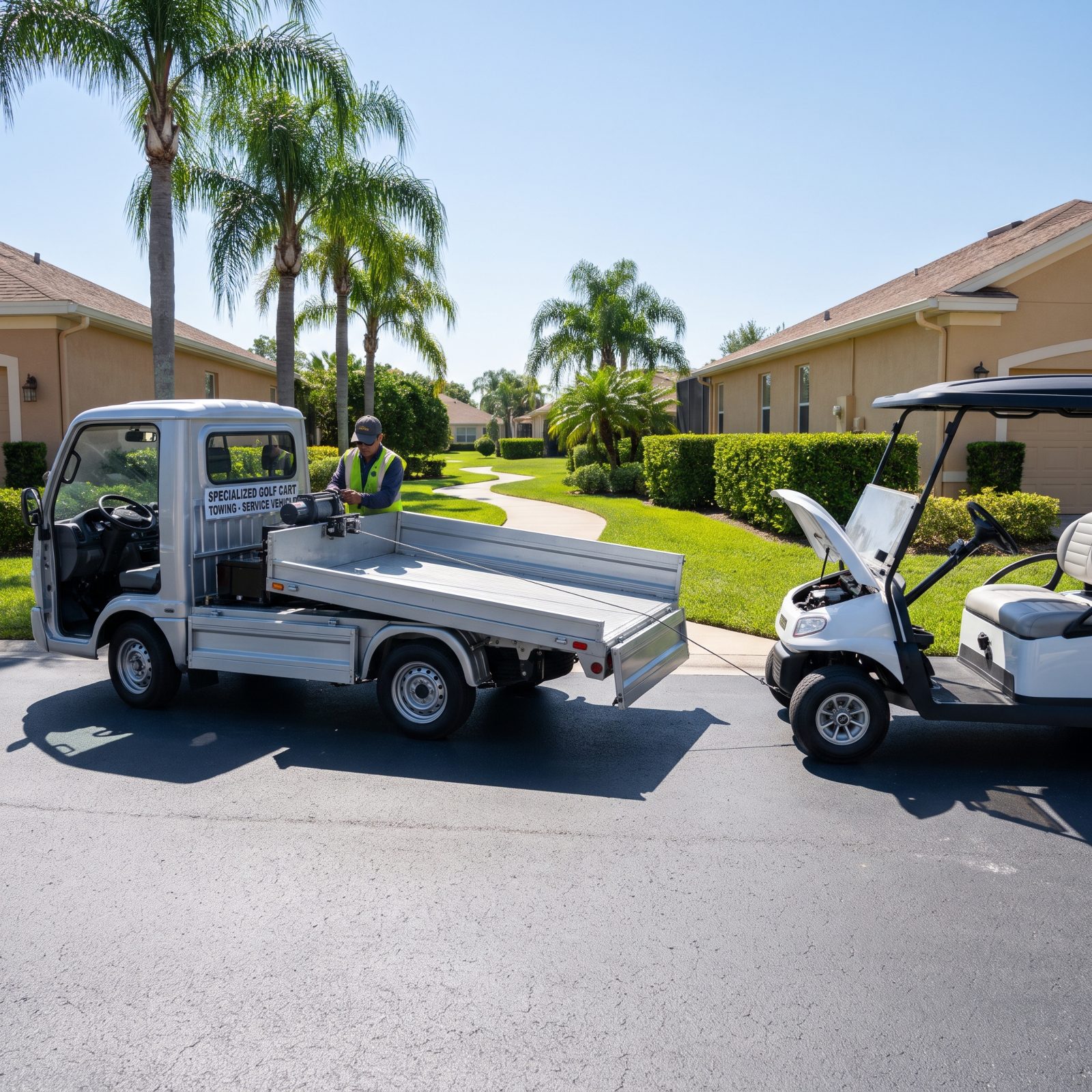
A dead cart on a narrow path is a different animal than a dead car on the shoulder. A regular tow truck won’t fit, and if it somehow does, it’ll chew up the pavement getting there.
So a small industry grew up around the problem — compact flatbeds and cart-specific service rigs that can reach you on a path barely wider than a sidewalk, winch the thing aboard, and clear the lane before a backup forms behind you.
In cart-heavy towns this is as routine as a jump-start is anywhere else. Battery quits, motor fails, you call it in, and a right-sized truck shows up. Nobody puts it in the brochures, but it’s exactly the kind of service that makes the whole thing feel like real transportation instead of a weekend hobby.
10. Official Street-Legal Cart Route Maps You Can Actually Trust
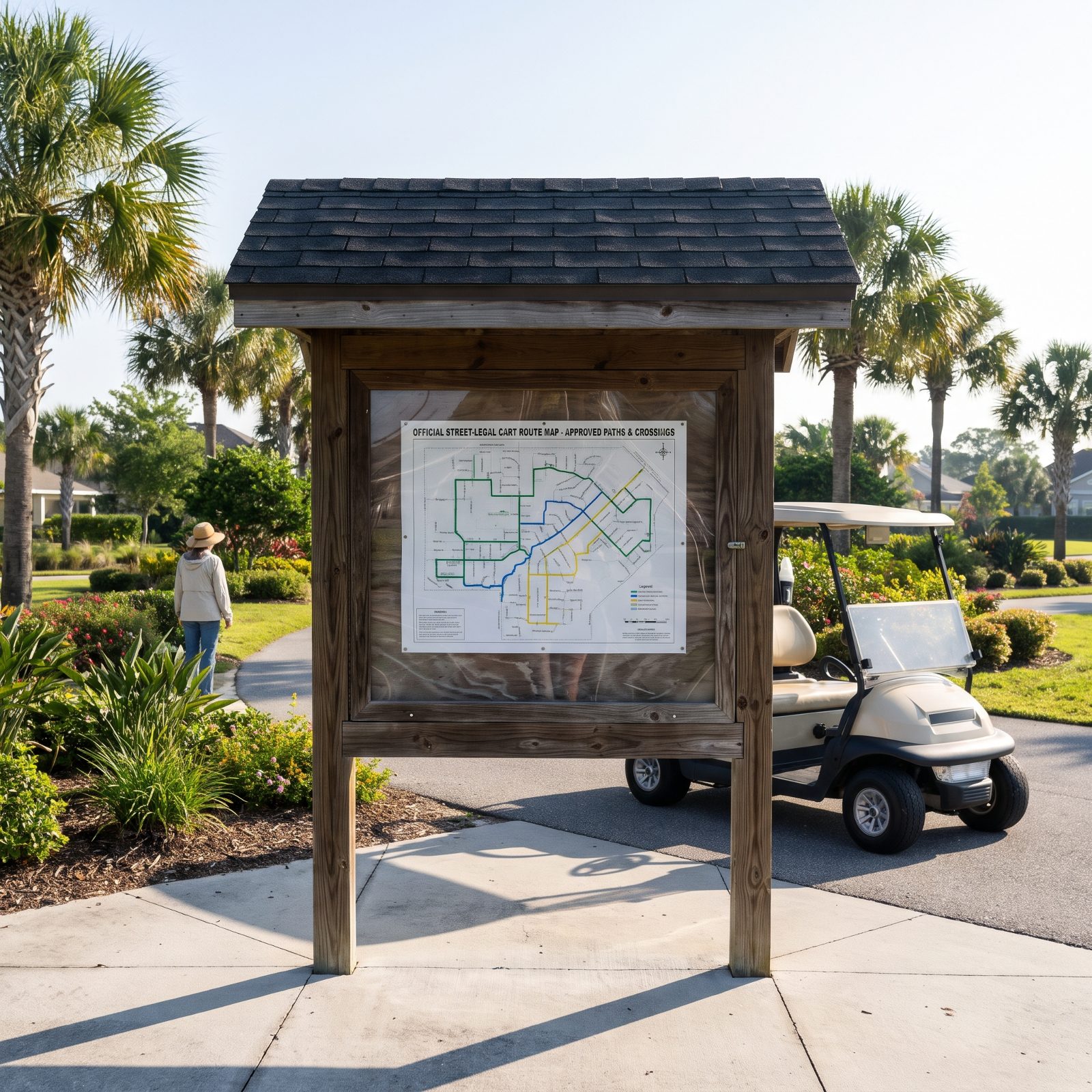
Knowing you can drive a cart somewhere is useless if you don’t know where. The official maps close that gap.
Peachtree City, The Villages, and Palm Desert all publish route maps showing exactly which paths connect, which streets are legal to cross or travel, and which are flat-out off-limits. No guessing, no getting ticketed because you wandered onto a road carts aren’t allowed on.
- They mark the approved street-legal segments versus path-only routes.
- They flag the crossings where carts and cars share pavement.
- They get updated as the network grows, which it constantly does.
Call it the instruction manual for the whole system. Without it, all that infrastructure is just concrete you’re too nervous to use.
9. They Clearly Separate Ordinary Golf Carts From Faster Low-Speed Vehicles
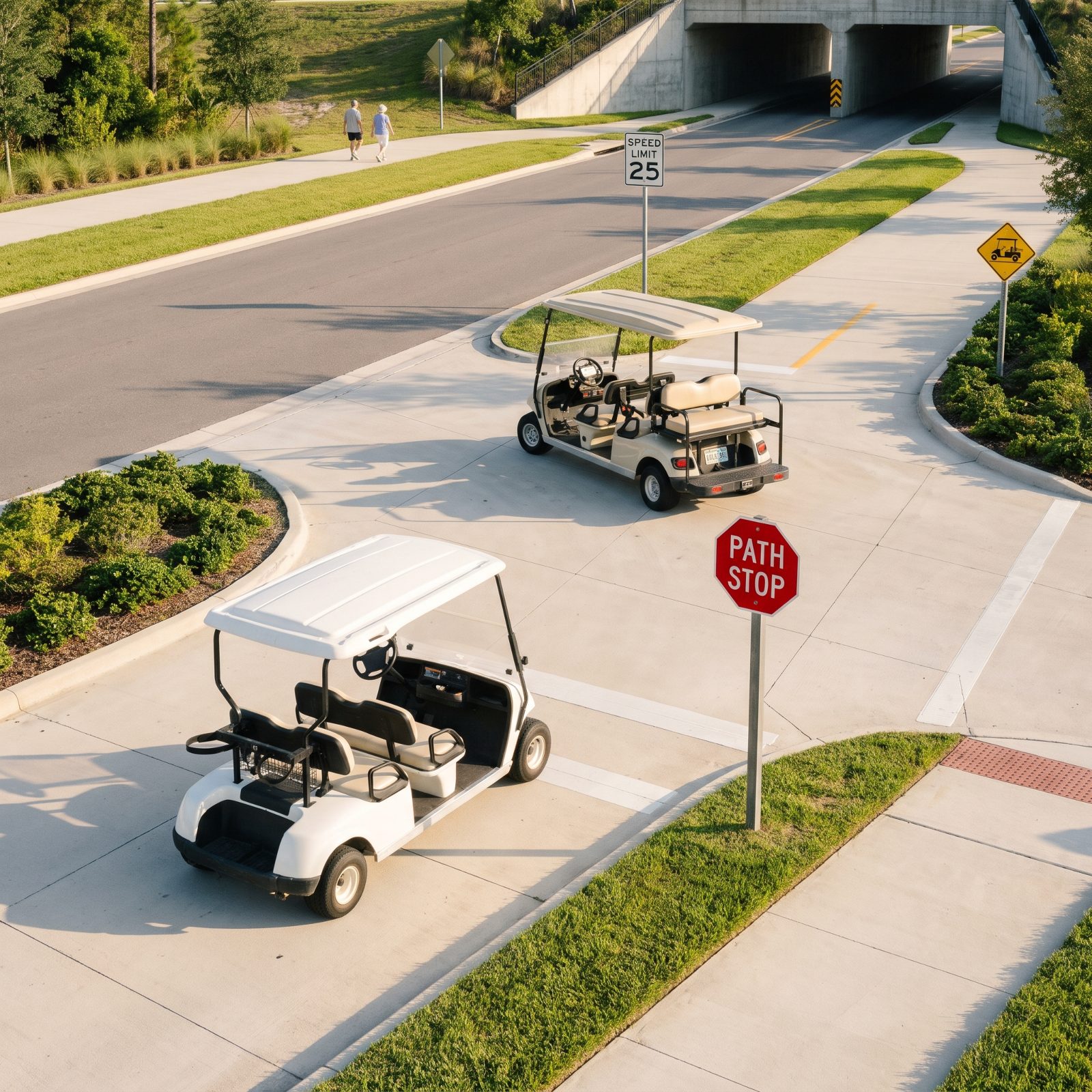
Not every four-wheeled runabout on these paths is the same machine, and the towns that work best make the difference obvious. A true golf cart tops out around 15 to 20 mph and belongs on paths and inside communities. A low-speed vehicle, or LSV, is built to hit roughly 20 to 25 mph, and federal rules require it to carry seatbelts, headlights, turn signals, mirrors, a windshield and a VIN before it rolls off the lot. That gear is what lets an LSV legally share certain public streets posted 35 mph or under. A plain golf cart usually can’t.
Blur the two and you’ll get burned at renewal time, or worse, after a fender-bender, when the insurer asks what the thing actually is and you don’t have a good answer.
8. They Register Local Carts With Easy-to-Spot Decals
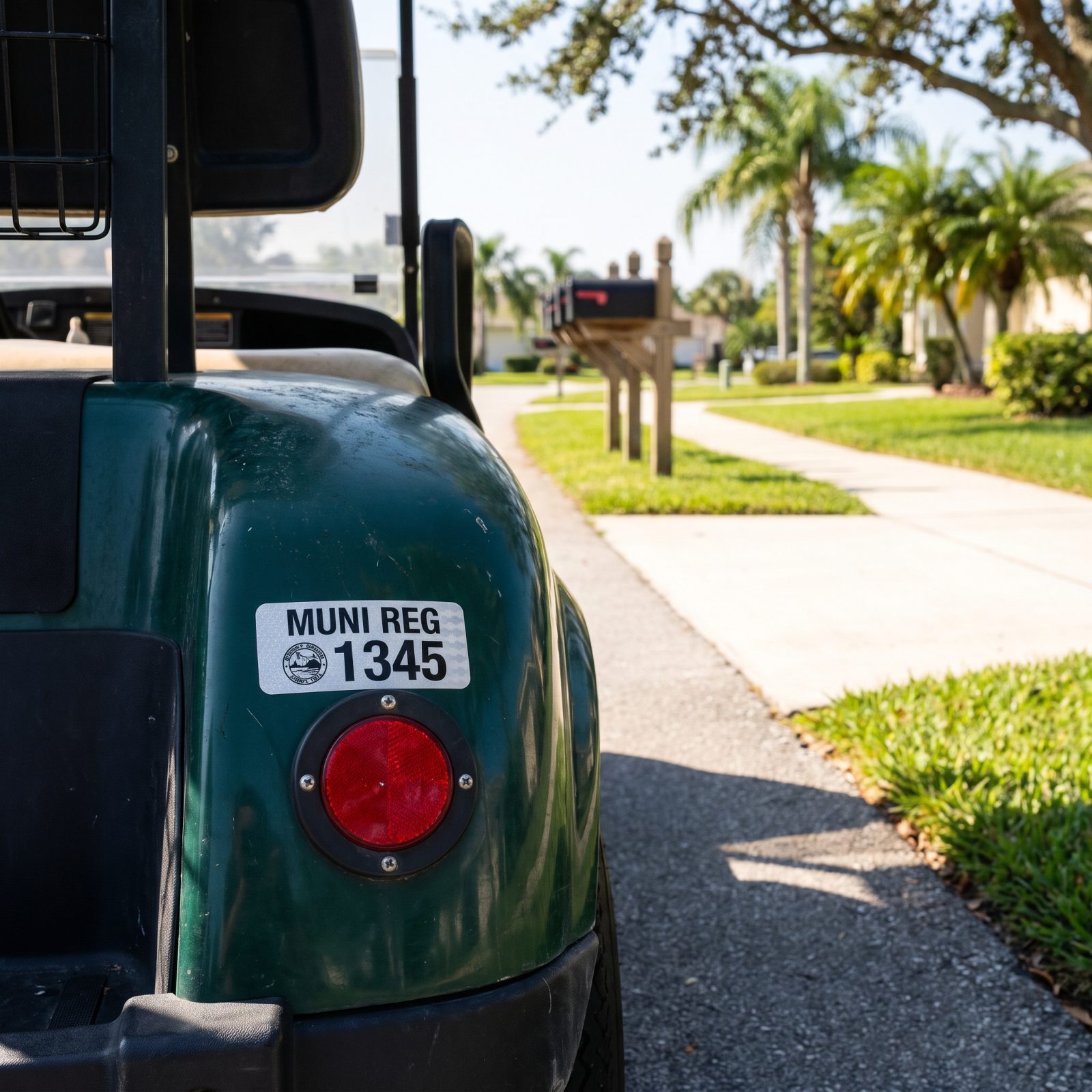
A sticker sounds trivial. Then a cart rolls away from a bar at midnight and nobody can say whose it is. Towns like Peachtree City require every cart to carry a registration decal, and the ones doing it right make the number big, reflective and readable from across the street.
The payoff is speed. Police match a cart to an owner in seconds, found carts get returned instead of impounded, and the modest fee, renewed every few years, quietly funds the path maintenance that keeps the whole system rolling.
7. They Give Rental Customers Route Maps and Rules Before Handing Over the Key
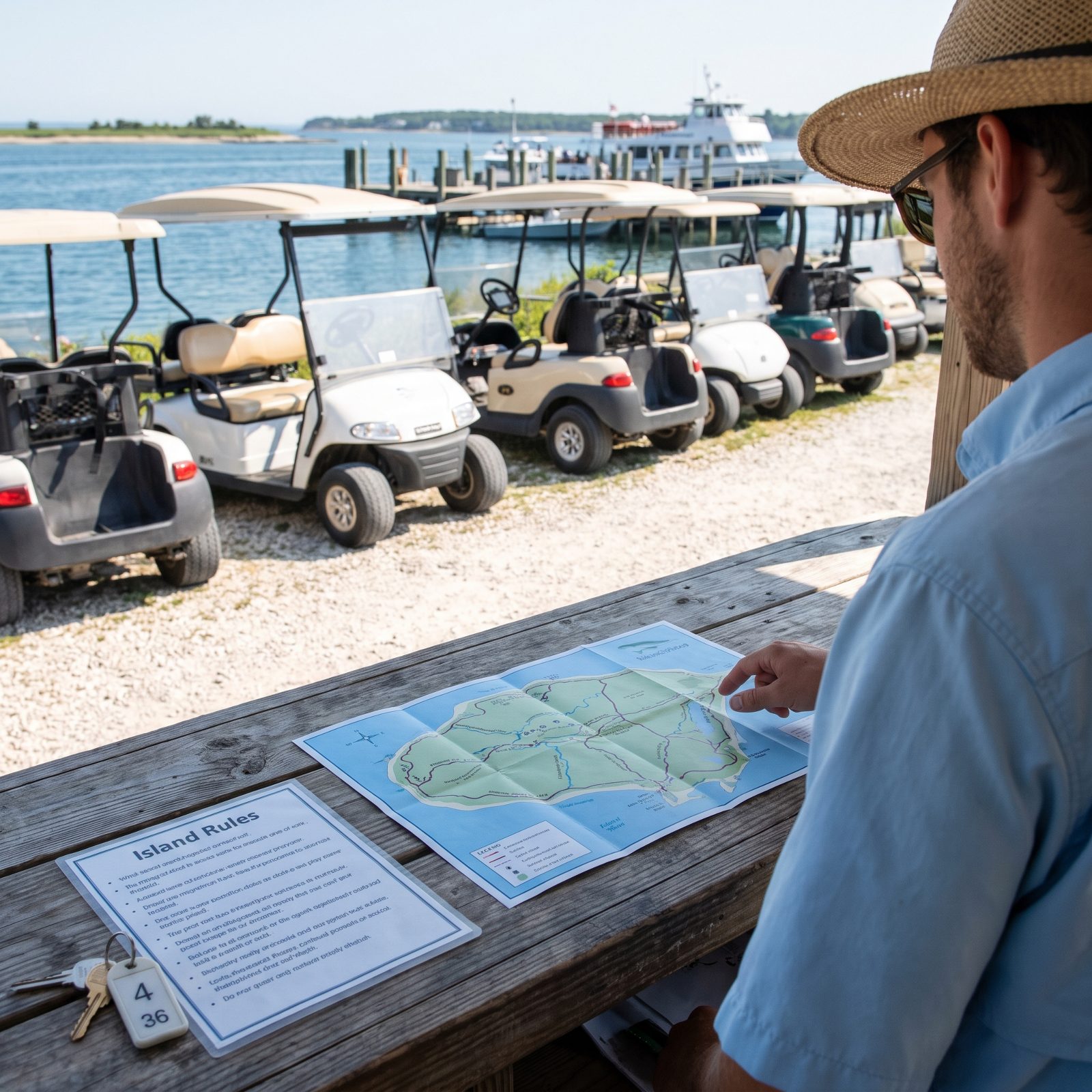
Hand a vacationer a cart with no instructions and you get a tourist doing 18 mph the wrong way down a one-way lane. The islands that limit cars, places like Catalina and the Georgia and Carolina barrier islands, figured out to front-load the briefing instead.
Before the key changes hands, the renter gets a paper map with the legal paths marked, a short card spelling out where carts can and can’t go, and a plain reminder that the same traffic laws still apply. Three minutes. And it heads off the afternoon call about a cart jammed on a beach stair or buried in a dune.
6. They Make Grocery Runs Practical With Cargo Baskets and Rear Seats
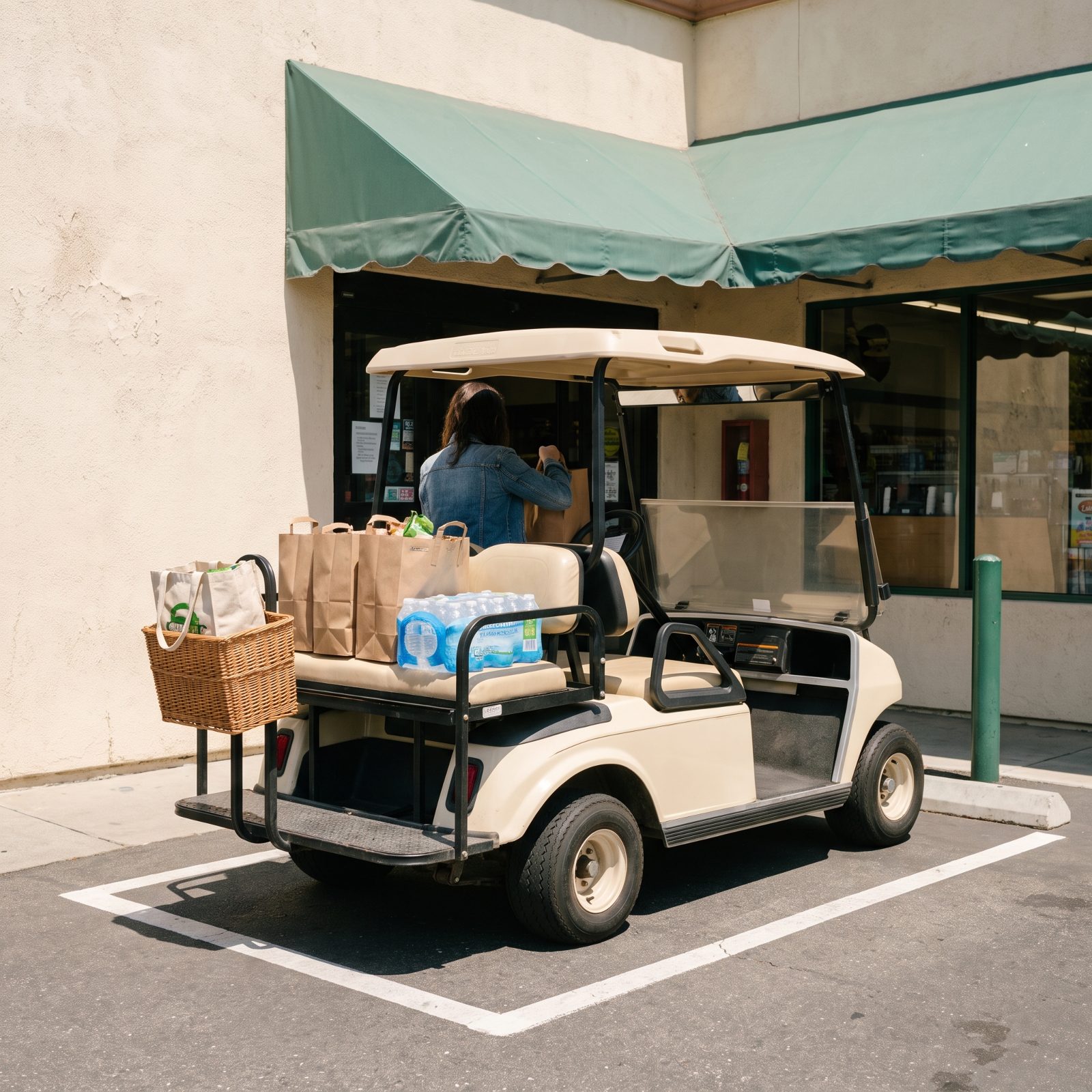
A cart earns its keep the day it replaces the car for errands, and that comes down to where you stash the groceries. The flip-flop rear seat is the workhorse here: passengers ride there, then you fold it flat into a deck and the bags ride there instead. Bolt on a front or rear cargo basket and a four-person cart hauls a full week of groceries without a trunk in sight.
Towns that lean into cart life stock their stores to match. Compact cart-sized spaces by the door, a loading ledge at cart height, now and then a dedicated path running straight to the entrance. House to store and back can beat firing up a two-ton SUV for a single gallon of milk.
5. They Reserve Cart Parking at Festivals and Community Events
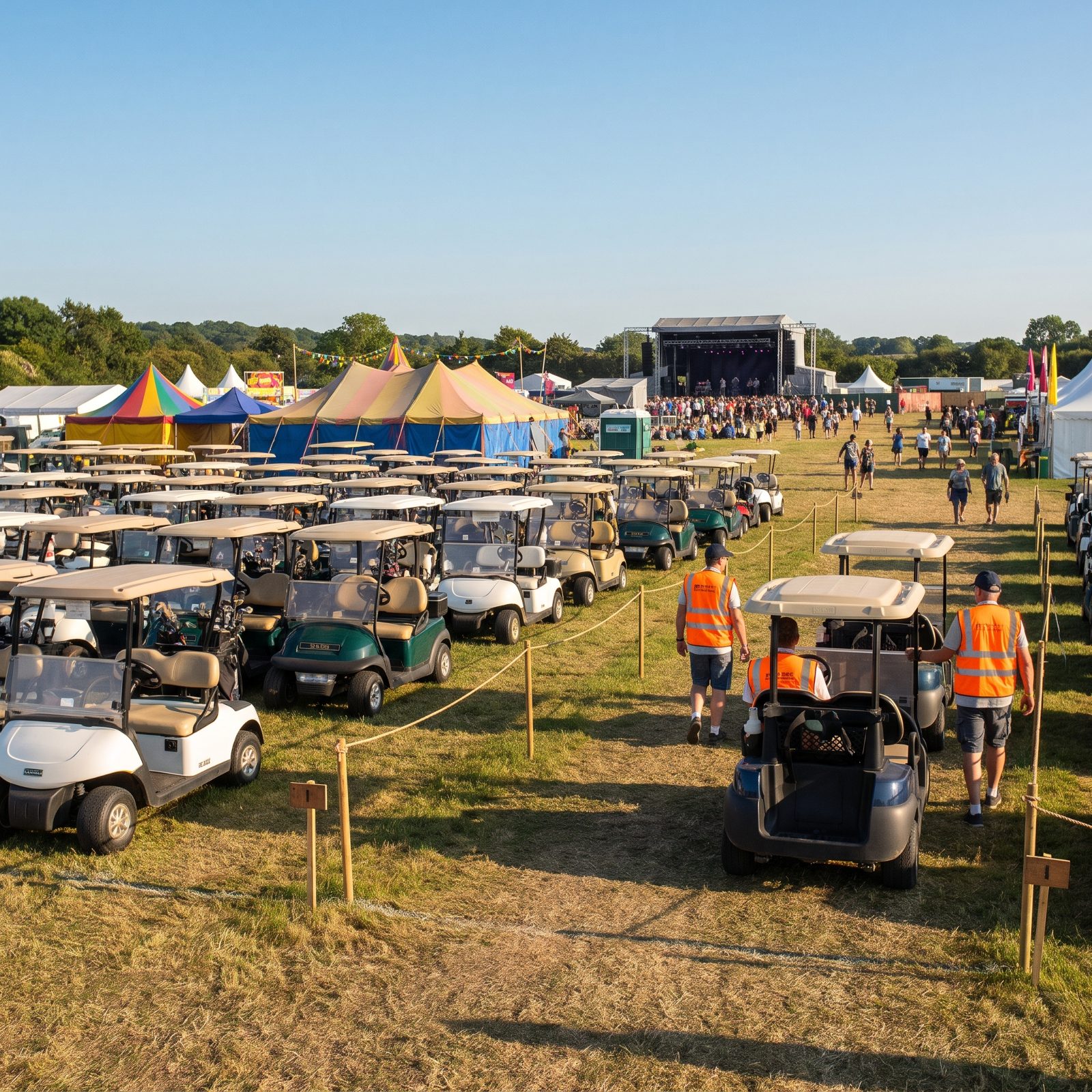
Watch a Fourth of July crowd in The Villages or Peachtree City and the parking tells you everything. Rows of carts sorted into lanes, volunteers in vests waving them into numbered sections, and a cart lot that often dwarfs the car lot sitting next to it.
Why does it work? A cart takes a fraction of the footprint and clears out in minutes once the fireworks die down. Events that plan for it keep the surrounding streets open and send families home at a walking pace instead of leaving them to idle in a car queue.
4. They Turn Golf-Cart Parades Into Major Civic Traditions
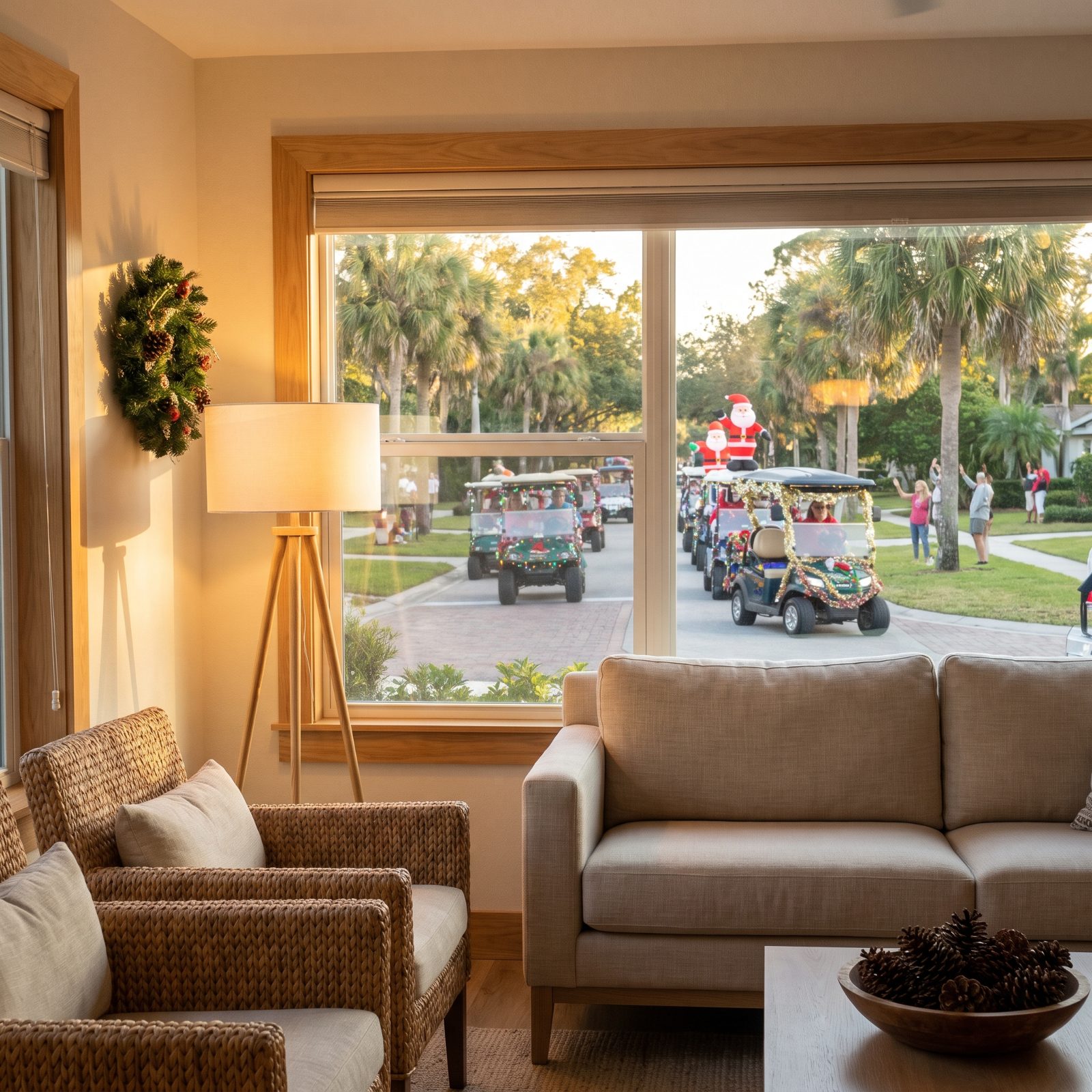
Decorate a cart and you’ve got a float, which is exactly why these communities build whole holidays around the idea. Christmas light parades, Halloween trick-or-treat convoys, homecoming processions, strings of carts dripping with lights and garland and the occasional inflatable snowman rolling past lawns packed with neighbors.
The beauty of it is how low the bar sits. Anyone with a cart and an extension cord’s worth of lights can join. No trailer, no horse, no committee sign-up sheet. The parade becomes the thing that introduces new residents to the block, and trust me, the rivalry over best-decorated cart gets genuinely nasty.
3. They Build Local Repair Economies Around Batteries, Tires and Controllers
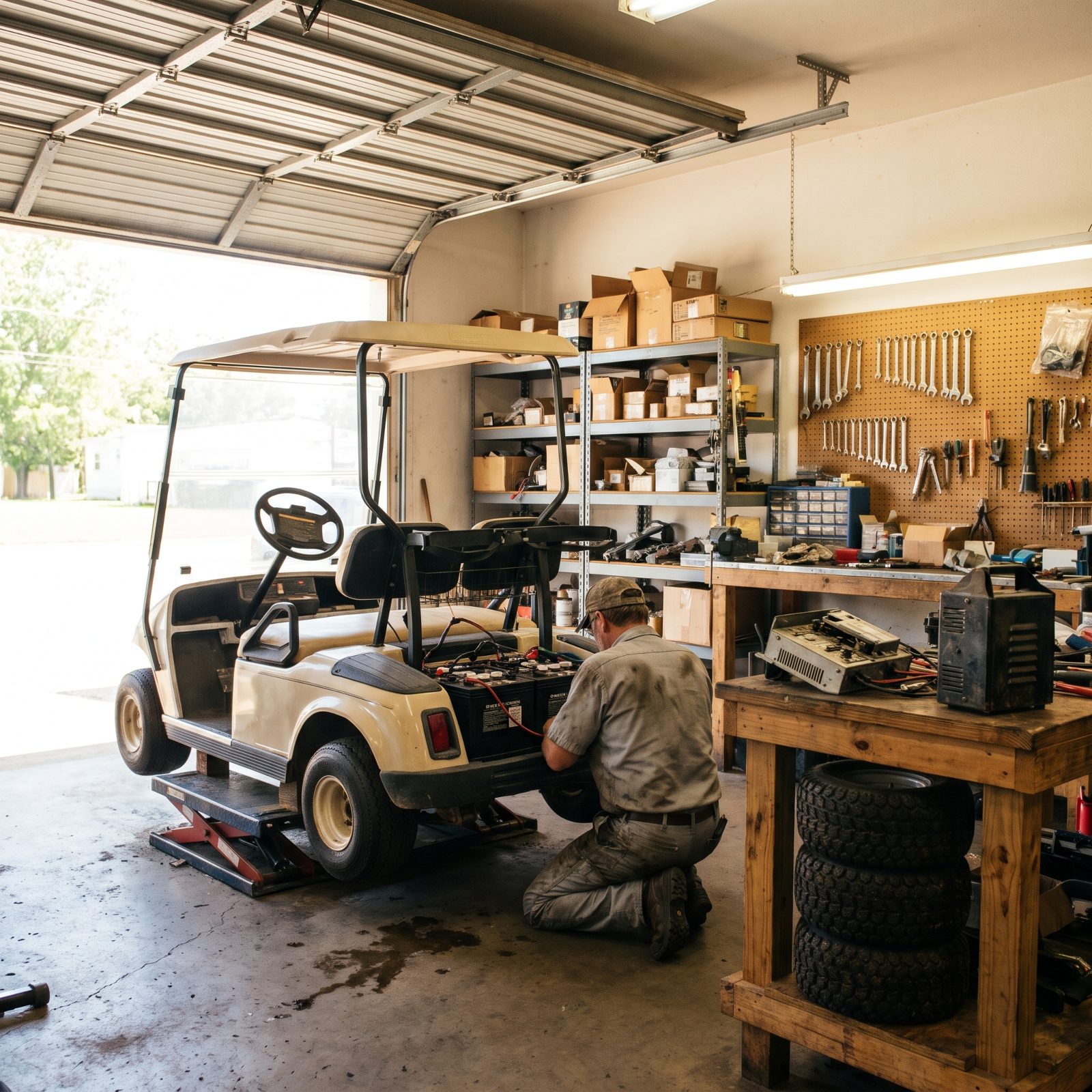
Where carts do real work, a whole trade springs up around keeping them alive. Battery shops. Tire specialists. Controller techs and mobile repair vans that pull right up to your driveway.
The money lives in the parts people forget. A set of flooded lead-acid batteries runs several hundred dollars and lasts roughly four to six years with decent care, while lithium conversions cost more up front and outlive them by a mile. Controllers fail, tires wear bald on pavement, chargers just quietly die. In a cart-dependent town, you want a mechanic who knows a 36-volt system from a 48-volt one before you ever hand over a dime.
A cart that sits dead in the garage is a car payment you made for nothing.
2. They Add Rain Enclosures and Windshields to Extend the Driving Season
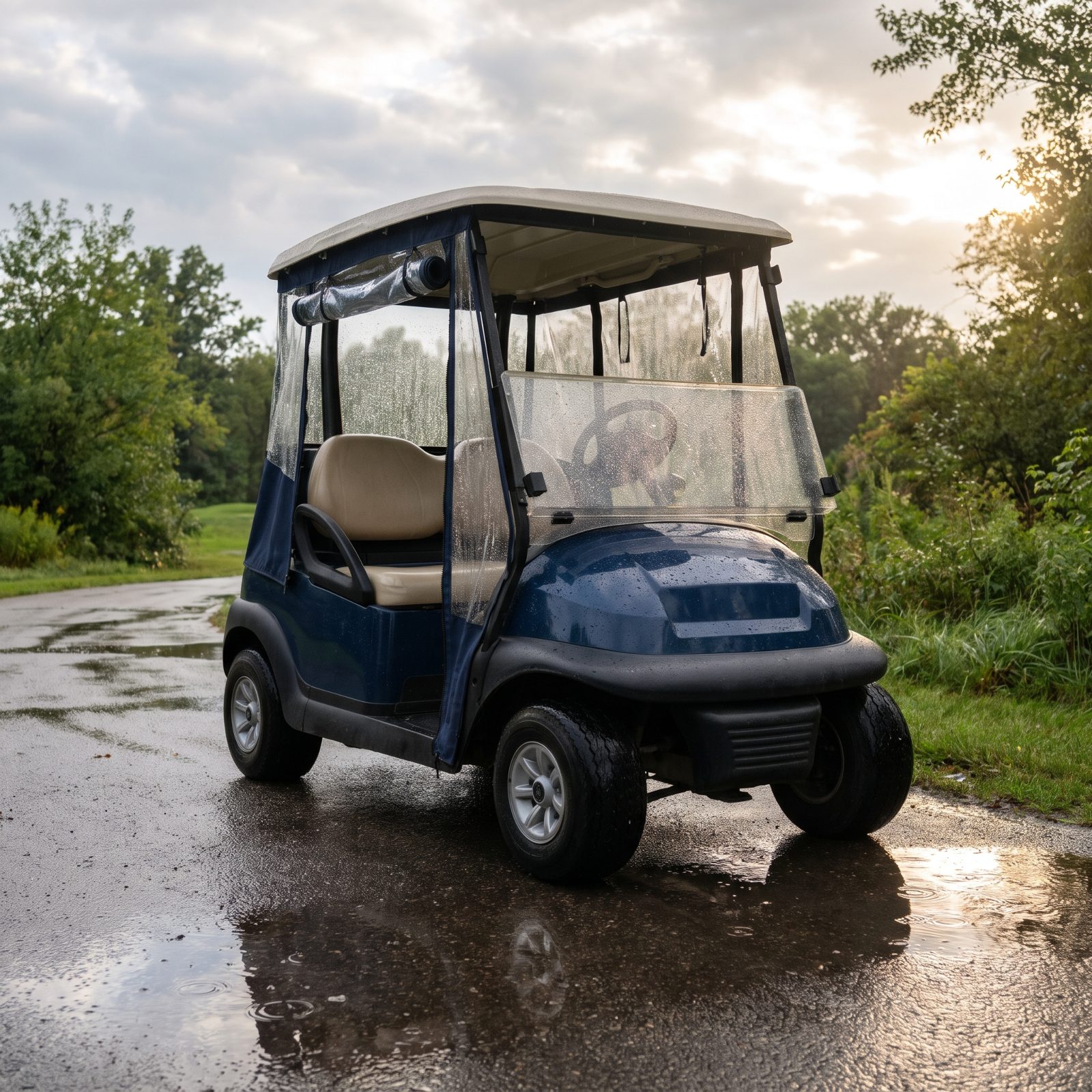
Rain is what sends fair-weather cart owners scurrying back to the car, so the committed ones gear up. A clear zip-up vinyl enclosure turns an open cart into a dry bubble, a folding windshield cuts the wind and the bugs, and a hard top keeps the sun and the drizzle off your head.
Up north they add more: a little cab heater, a defroster fan, insulated side curtains. None of it turns a cart into a sedan, and nobody’s claiming otherwise. But it’s the gap between parking the thing from November to March and actually driving it all year, which is the reason you bought one in the first place.
1. They Treat the Golf Cart as a Social Space Rather Than Just a Vehicle
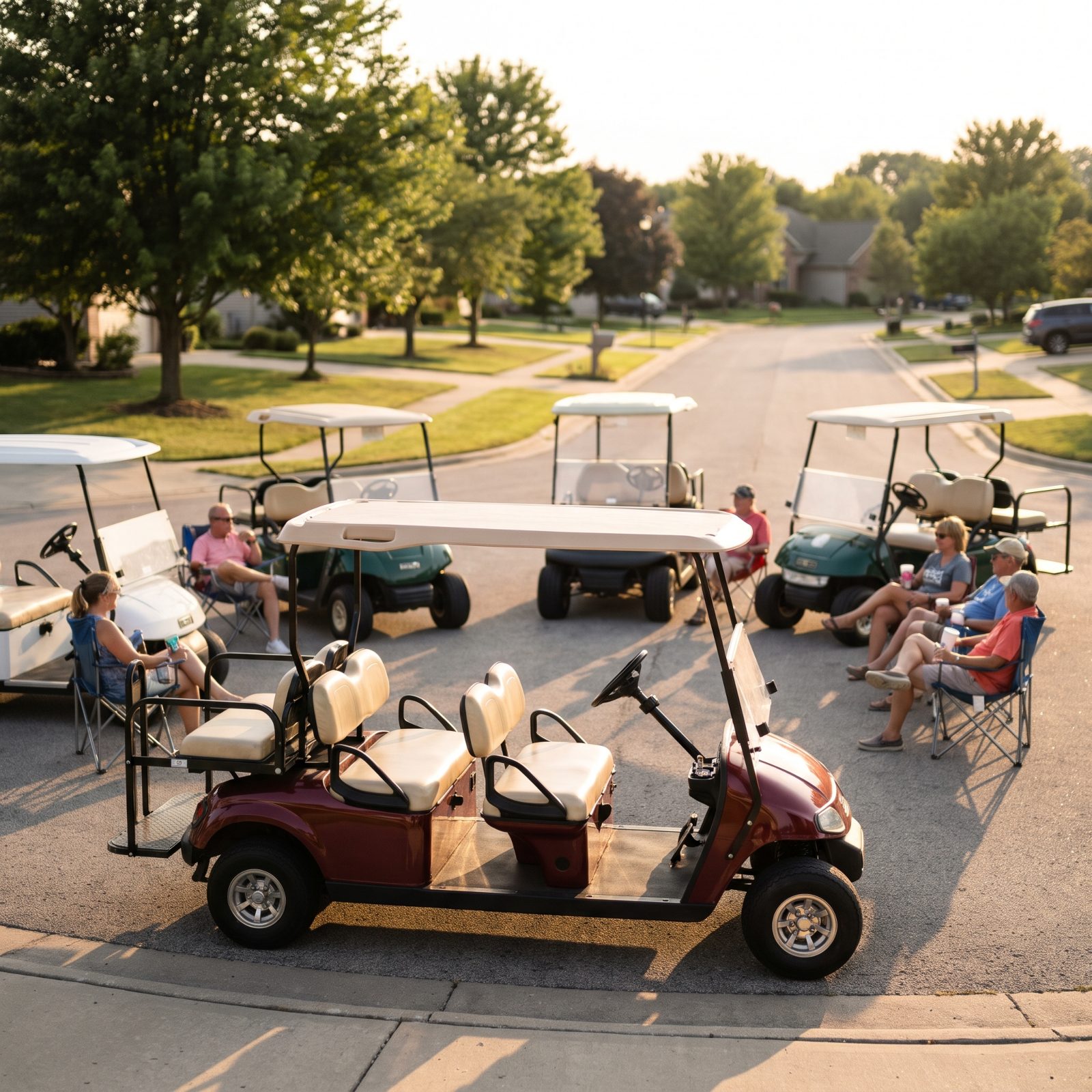
The cart that matters most in these towns often isn’t moving at all. Pull a few of them into a loose circle at the end of the driveway and you’ve got a porch on wheels. Rear-facing seats put people face to face. Six-seaters exist for one reason: the ride itself is the hangout.
That’s what newcomers miss when they tally the cost against a second car. The cart is how you run into neighbors, how kids get around on their own terms, how a trip to the mailbox turns into forty minutes you never planned on. Sure, the transportation is real. But the social machine it runs on is why nobody around here will give it up.