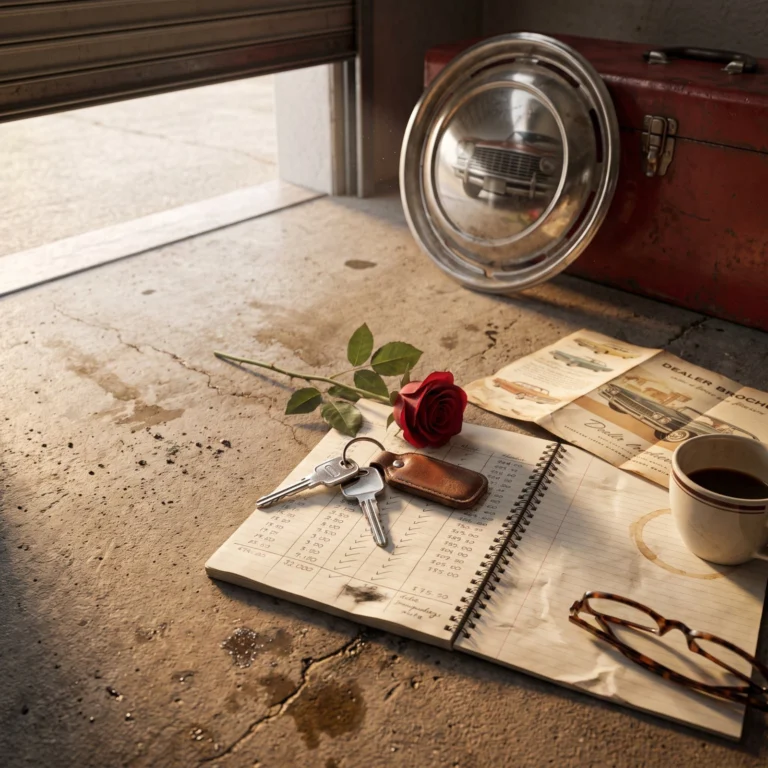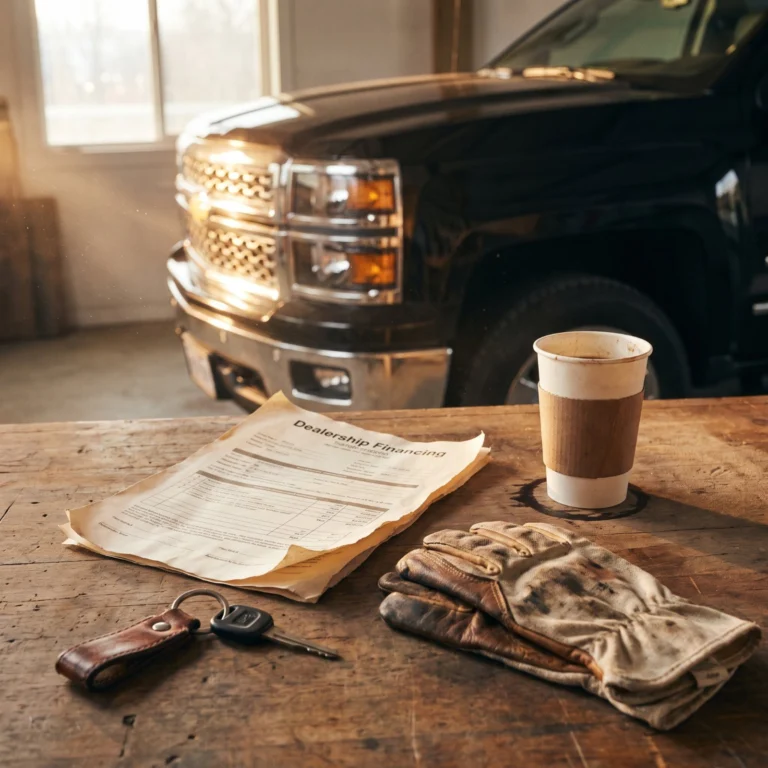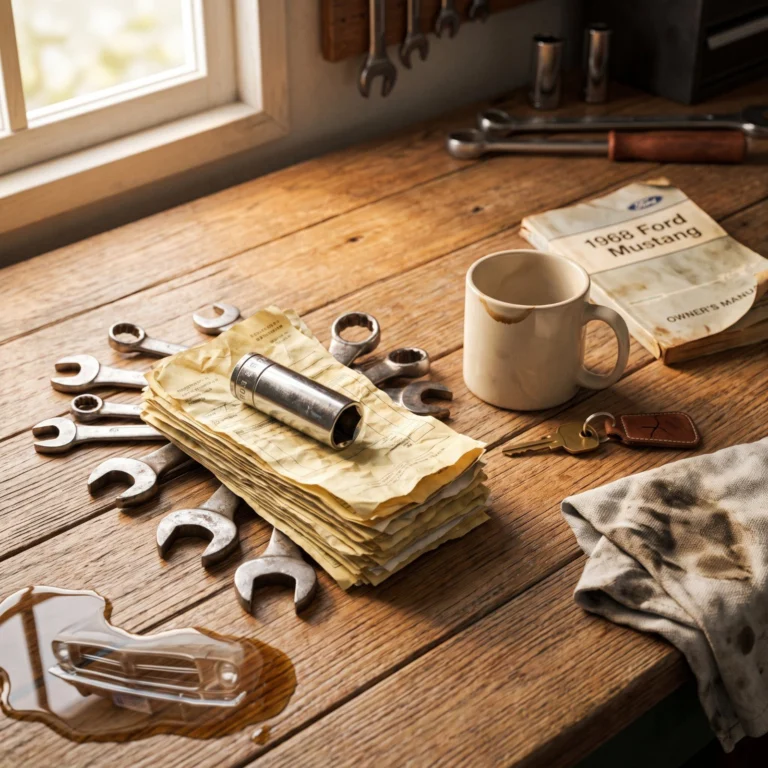
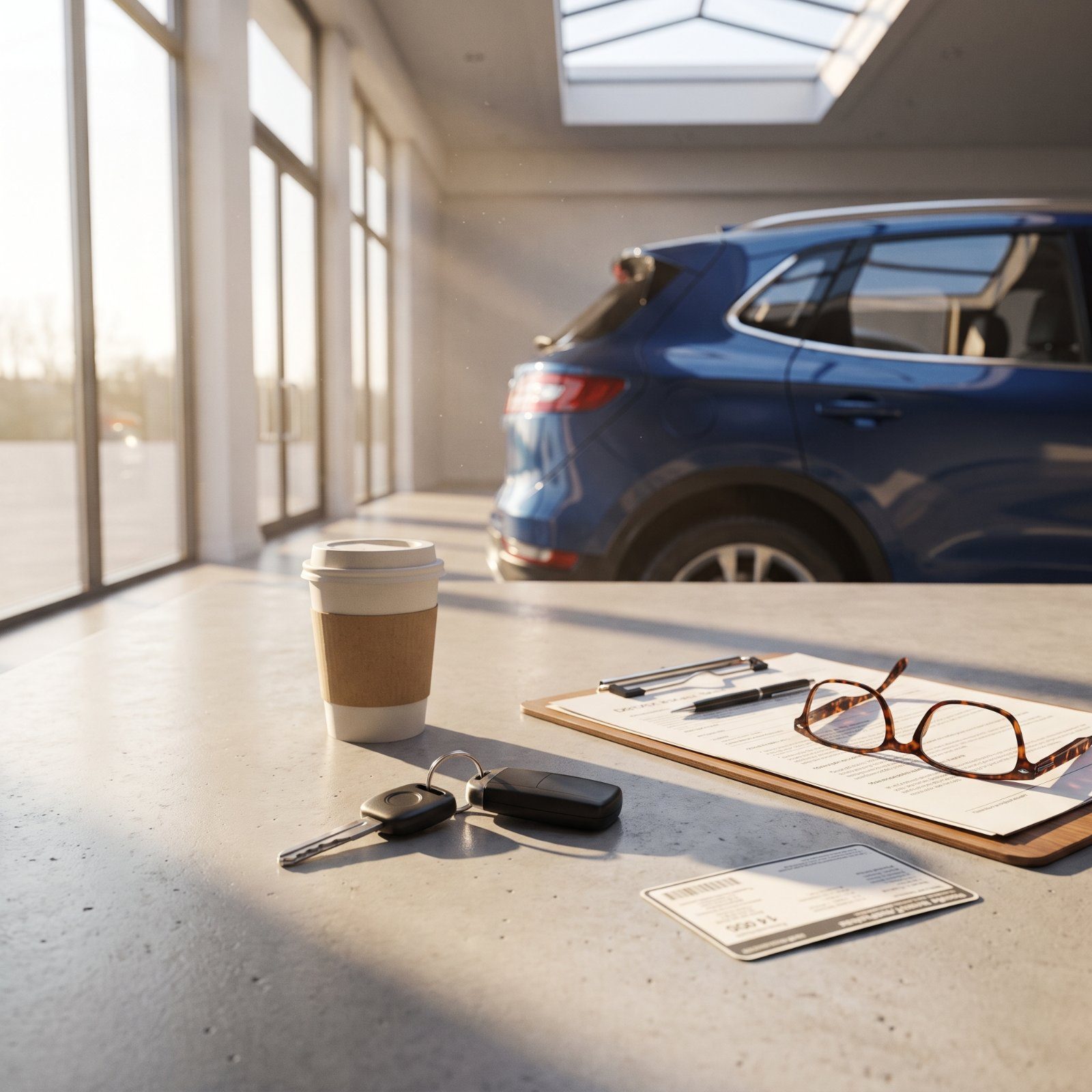
The lot is quiet on a Tuesday morning. You walk past the sensible sedans, past the thing you drove for twelve years, and you stop in front of something you have no business wanting. That pull in your chest isn’t horsepower. It’s permission.
Please note that some of the images in this article were created with the assistance of AI.
Car shopping after a split looks like car shopping — financing, cup holders, cargo room, warranty. But underneath the clipboard and the test drive, something else is happening. You’re not just picking a vehicle. You’re deciding who you are now that nobody is voting with you. These are the moves people make without noticing, and the honest reasons behind them. You’ll recognize at least a few. Maybe all of them.
18. You Reject Every Model Your Ex Would Have Chosen

You walk straight past the crossover you drove for a decade. That exact shade of reasonable gray now feels like somebody else’s taste wearing your name. And suddenly the manual transmission looks appealing, the two-door looks appealing, the orange looks appealing.
Call it reactance — the little mental spring that fires after years of being managed. Every old compromise gets re-read as a decision someone else made for you. Rejecting their taste is faster than finding your own, so that’s where most people start.
Here’s the catch. A car bought purely to spite a memory still has that memory riding shotgun. The orange one is only yours if you’d want it in an empty room.
17. You Treat the Trade-In Like a Breakup Artifact
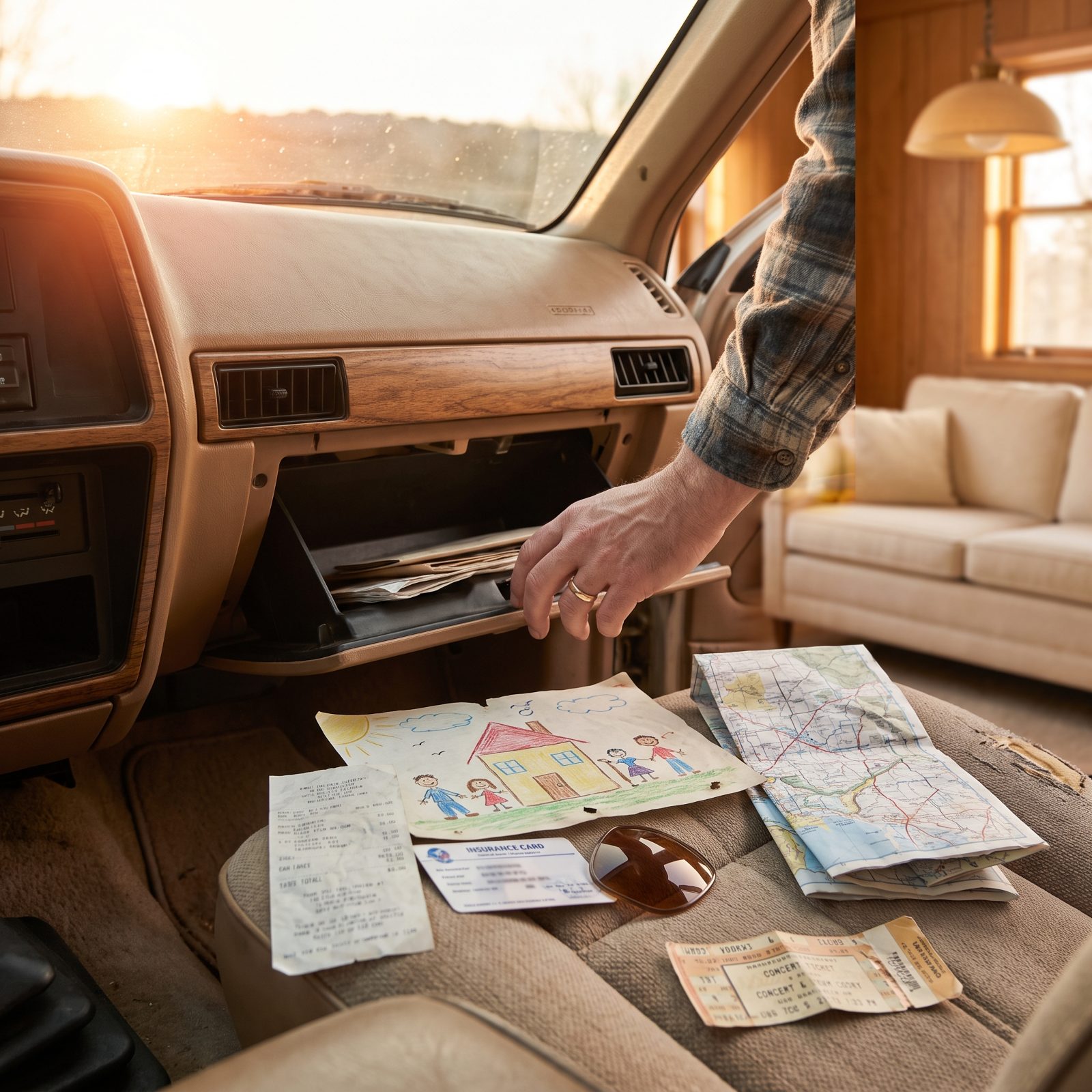
Before you hand over the keys, you sit in the old car one more time and clean out the glovebox. A parking stub from a trip you’d rather forget. A hair tie that isn’t yours anymore. Sand from a beach you went to together. The trade-in value is a few thousand dollars. The emotional value is a mess you didn’t budget for.
People treat the old vehicle like a shared apartment they’re finally vacating. It held the arguments at red lights and the long silence on the way home. Letting it go feels less like a transaction and more like closing a door you’ve been standing in for years.
The dealer sees a car with high mileage and a few dings. You see a time capsule. Both are correct. But keeping the thing doesn’t keep the time, and selling it doesn’t erase it either. Clean it out, take the photo if you need it, and sign.
16. You Research Reliability Until Choosing Feels Dangerous

Two dozen browser tabs. Reliability ratings cross-referenced against owner forums cross-referenced against a video of a guy in a garage explaining timing chains. You’ve learned more about transmissions than any human needs. And you still can’t pick.
This is the paralysis that shows up after a decision goes badly wrong. When you trusted something once and it collapsed, your brain decides the problem was insufficient information. So you gather more, and more, convinced the perfect data point is one tab away — the one that’ll protect you from ever being wrong again.
You’re not researching a car. You’re trying to buy a guarantee that nobody sells.
No car is bulletproof. No spouse was either. Reliable means good enough to trust, not certain enough to never hurt you. Different things. Chasing the second one keeps you parked in the driveway forever.
15. You Test-Drive Personalities, Not Just Powertrains
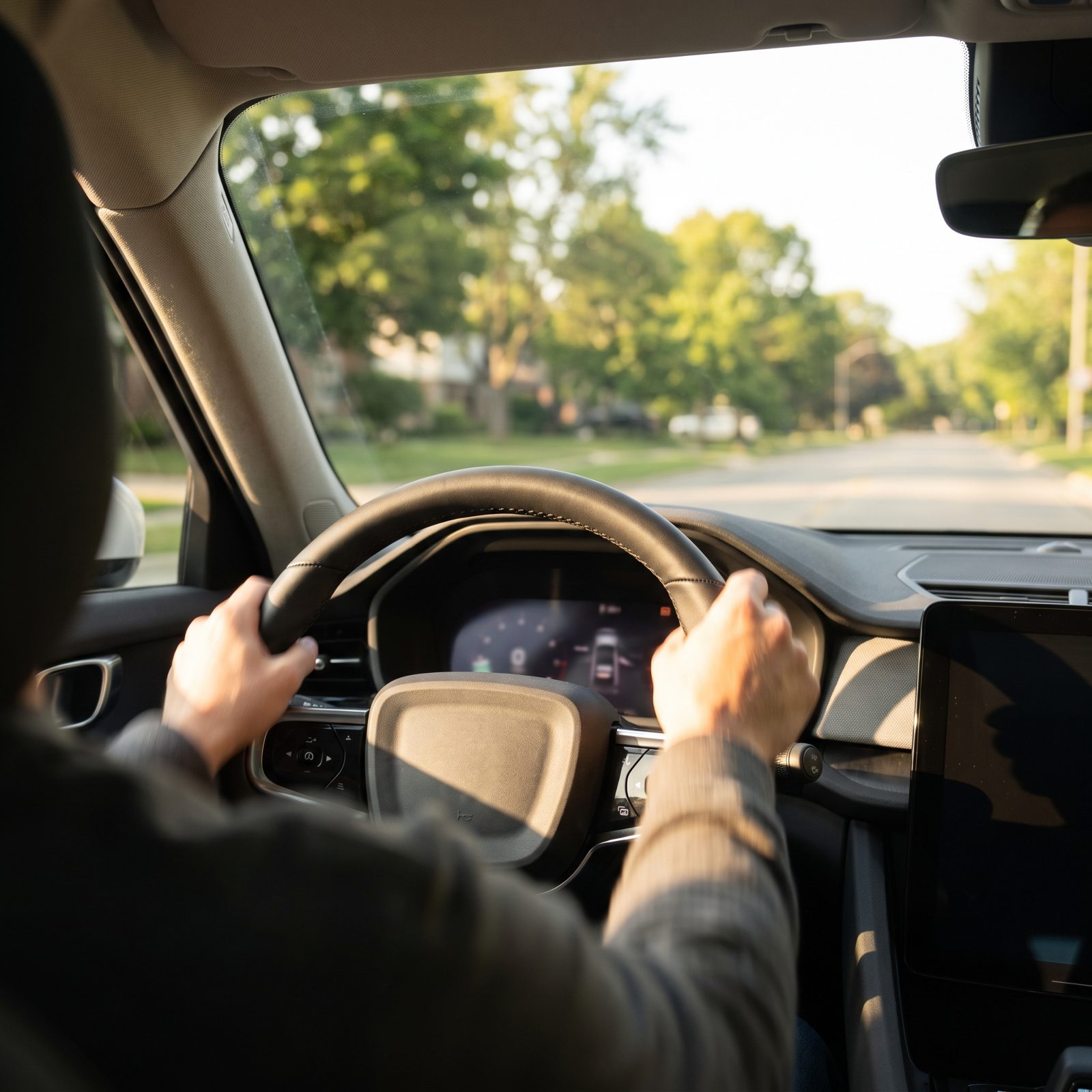
You’re not timing the zero-to-sixty. You’re checking how you feel merging onto the highway. Does this car make you sit up straighter? Do you catch your reflection in the window and think, huh, that’s interesting? The spec sheet talks horsepower. You’re asking a different question entirely.
After years of being half of a unit, you’ve forgotten what your own preferences feel like from the inside. So you try cars on the way you’d try on a whole new self. The hatchback makes you practical. The coupe makes you reckless. The pickup makes you someone who has plans involving lumber.
Drive a few. Notice which one you keep narrating. That’s the one.
14. You Drop the Third Row From Your Must-Have List
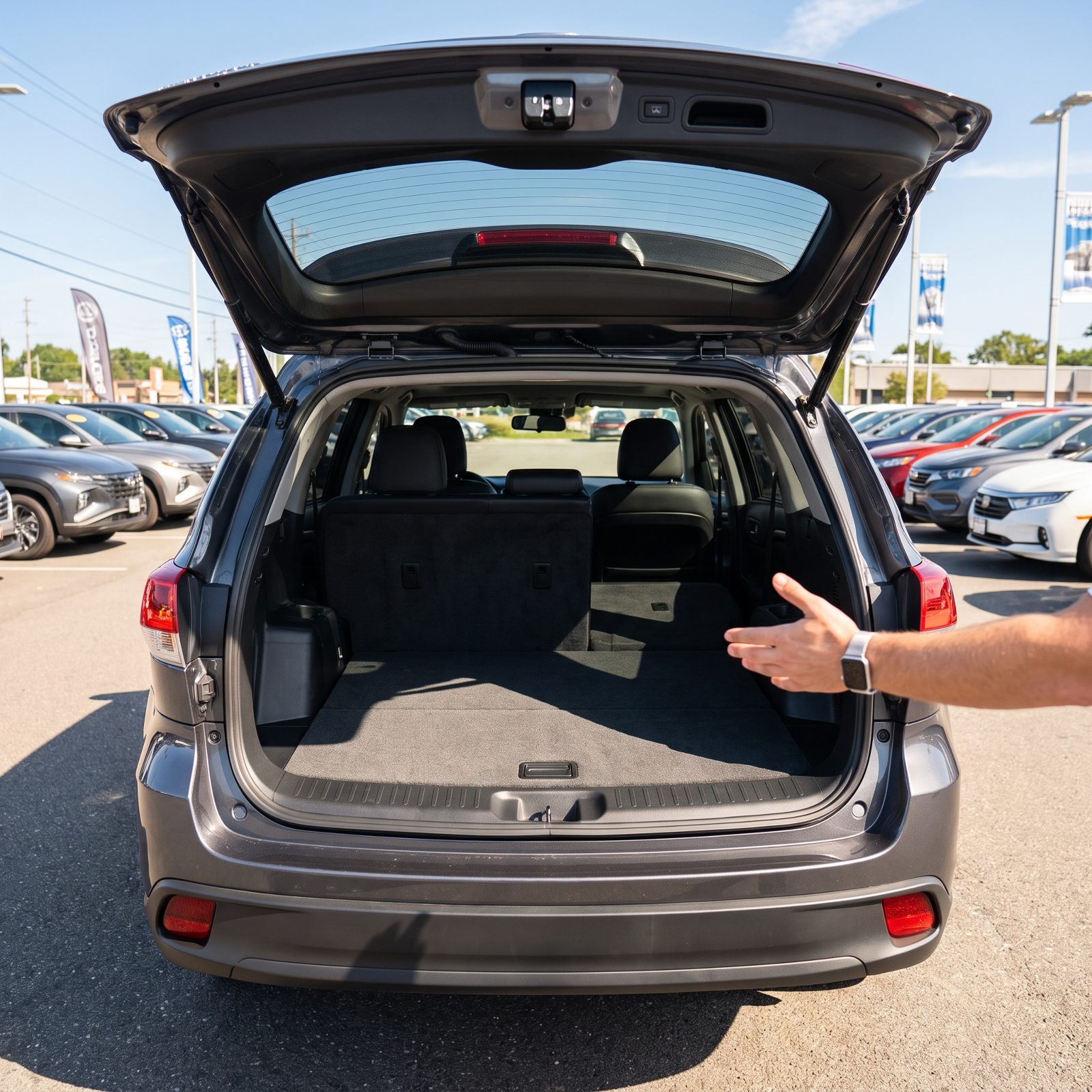
Last time, the third row was non-negotiable — carpools, in-laws, the dog and the gear and the folding chairs for everyone’s games. This time you look at it and something loosens. You don’t need to haul the whole world anymore. You need room for you, and maybe one person you actually like.
Shrinking the vehicle is you right-sizing the life. That must-have list wasn’t yours. It was the household’s logistics turned into a shopping requirement, and when the household changes shape, the car can finally change with it.
There’s a strange grief in this, and a strange relief, often in the same afternoon. Fewer seats, fewer passengers to plan around. It also means the car fits the actual size of your days now, not the size they used to be. Call it accuracy.
13. You Add Roof Rails for Your Imaginary Outdoorsy Era
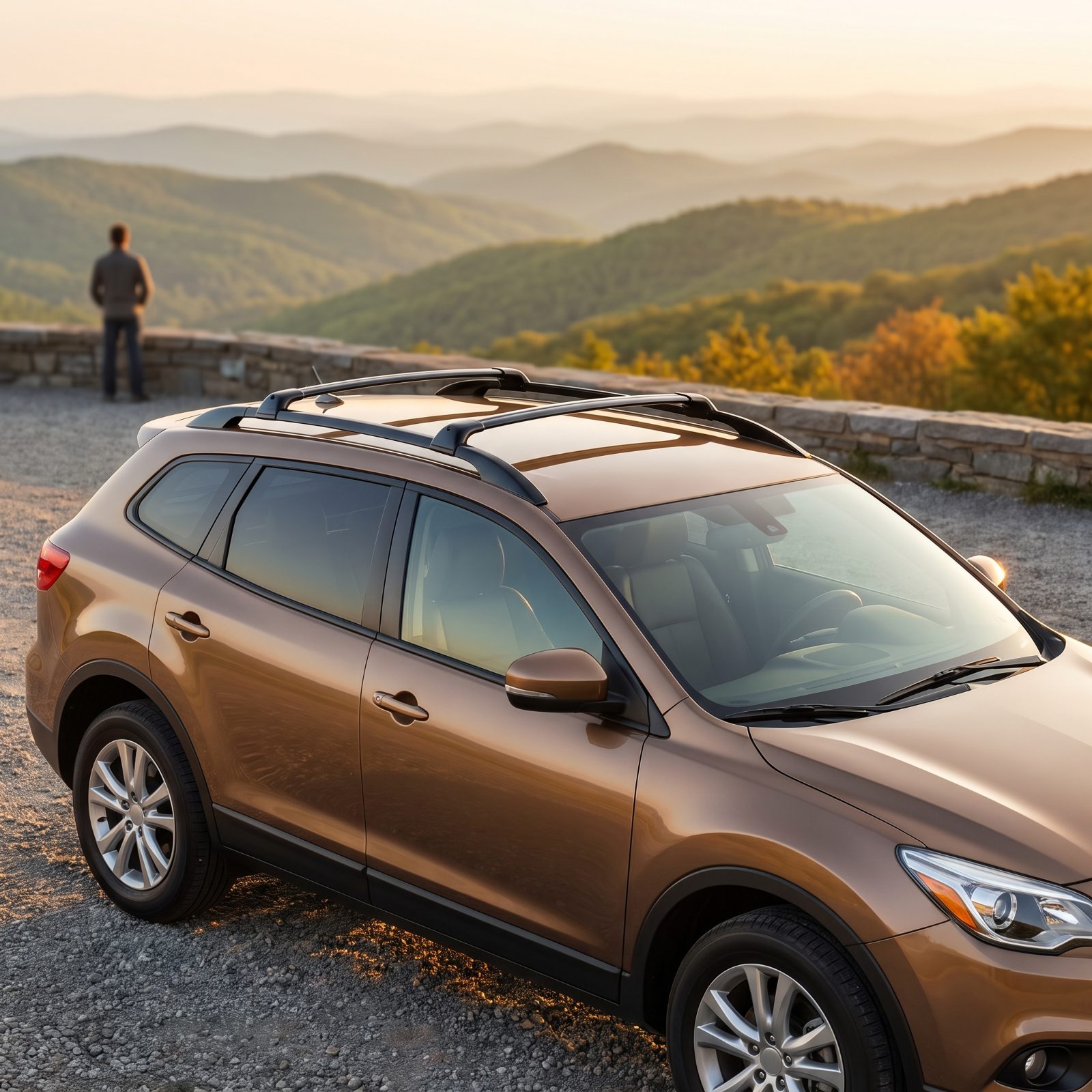
You’ve never owned a kayak. You don’t own a bike you’d be proud to mount on the back. But those roof rails? Add them. Because the version of you walking out of this dealership is a person who does things now. Weekend trips. Trailheads. A life with gear strapped to the top of it.
The empty rails are a promise to a future self. When a chapter ends, you reach for props that signal the chapter you want next, and you buy them before you’ve earned them, hoping the object will drag the identity along behind it.
No shame in it. Sometimes the rails come first and the adventures follow. And sometimes they just whistle on the highway and remind you of a plan you still have time to keep.
12. You Make the Paint Color Prove Something
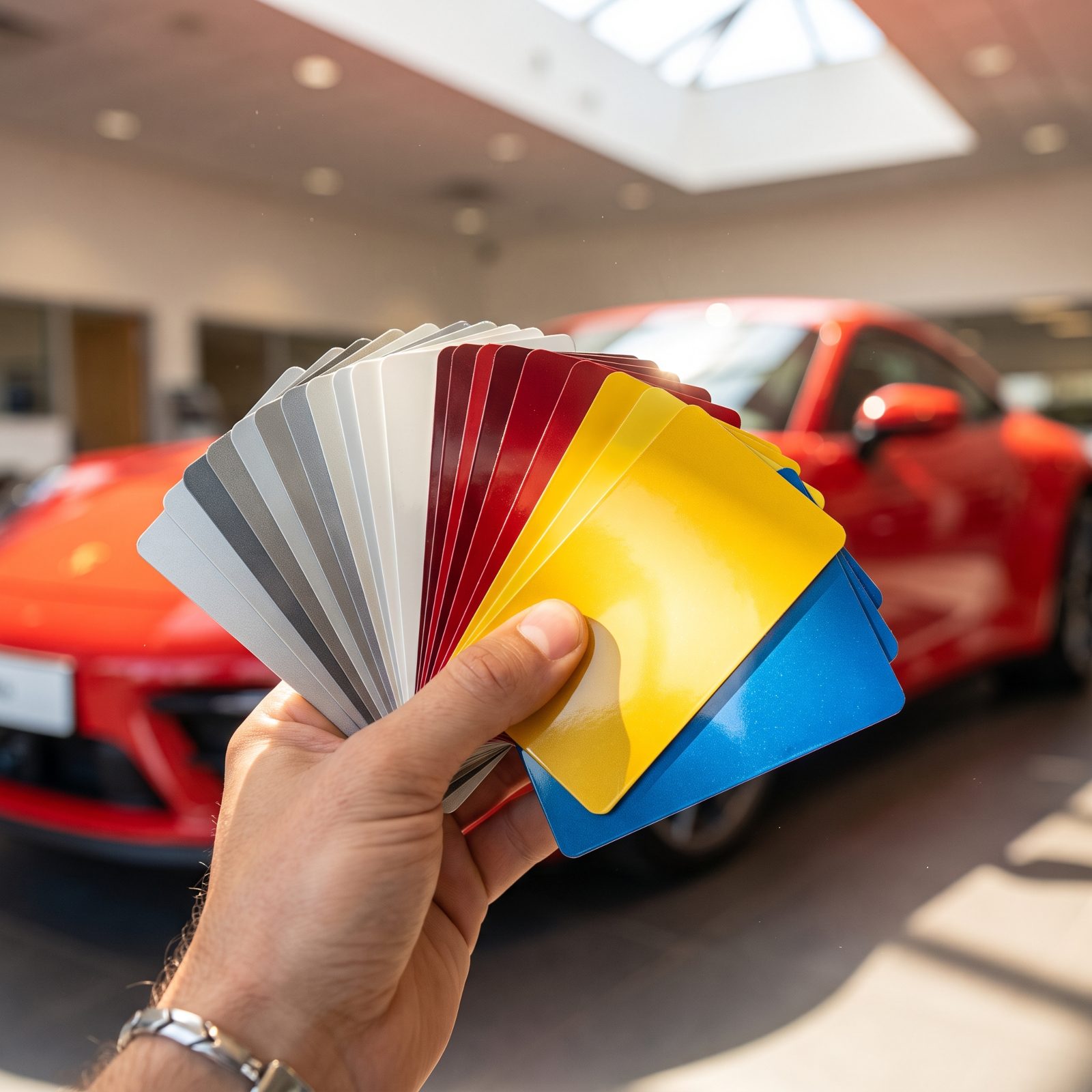
For years the answer was white, or silver, or whatever holds resale and offends nobody. Safe. Invisible. The automotive equivalent of not making a scene. Now you’re standing at the paint board reaching for the deep green, the burnt orange, the blue that looks almost illegal in certain light.
Picking a loud color is choosing to be seen again. A neutral car doesn’t want to be noticed, and for a long stretch you may have practiced not being noticed yourself. The bold paint is a small public declaration that you’re done with that.
Resale will take a hit. You know this, and for once you don’t care, which is maybe the whole point. The color isn’t an investment decision — it’s a visibility decision. You want to walk across a parking lot and spot your car instantly, a bright fact in a sea of beige, and feel something that says: there I am.
11. You Let the Monthly Payment Edit the Fantasy

The fantasy had a panoramic roof and a badge that made valets stand up straighter. Then the finance manager slid a number across the desk, and the fantasy quietly shed a trim level. Then another. The dream didn’t die. It got negotiated down to what one income can carry.
This is the first honest reckoning of the new math, and it stings. Everything splits differently now. The household used to be a shared engine. Now it’s just you at the kitchen table, discovering what your actual life costs when there’s nobody to split it with.
Here’s the surprising part. The payment that fits almost always buys more peace than the stretch that impresses. A car you can comfortably afford doesn’t wake you up at 2 a.m. The ego wanted the upgrade. The nervous system wanted the smaller number — and over the long haul, the nervous system usually wins the argument that matters.
10. You Lease Because Forever Feels Too Ambitious
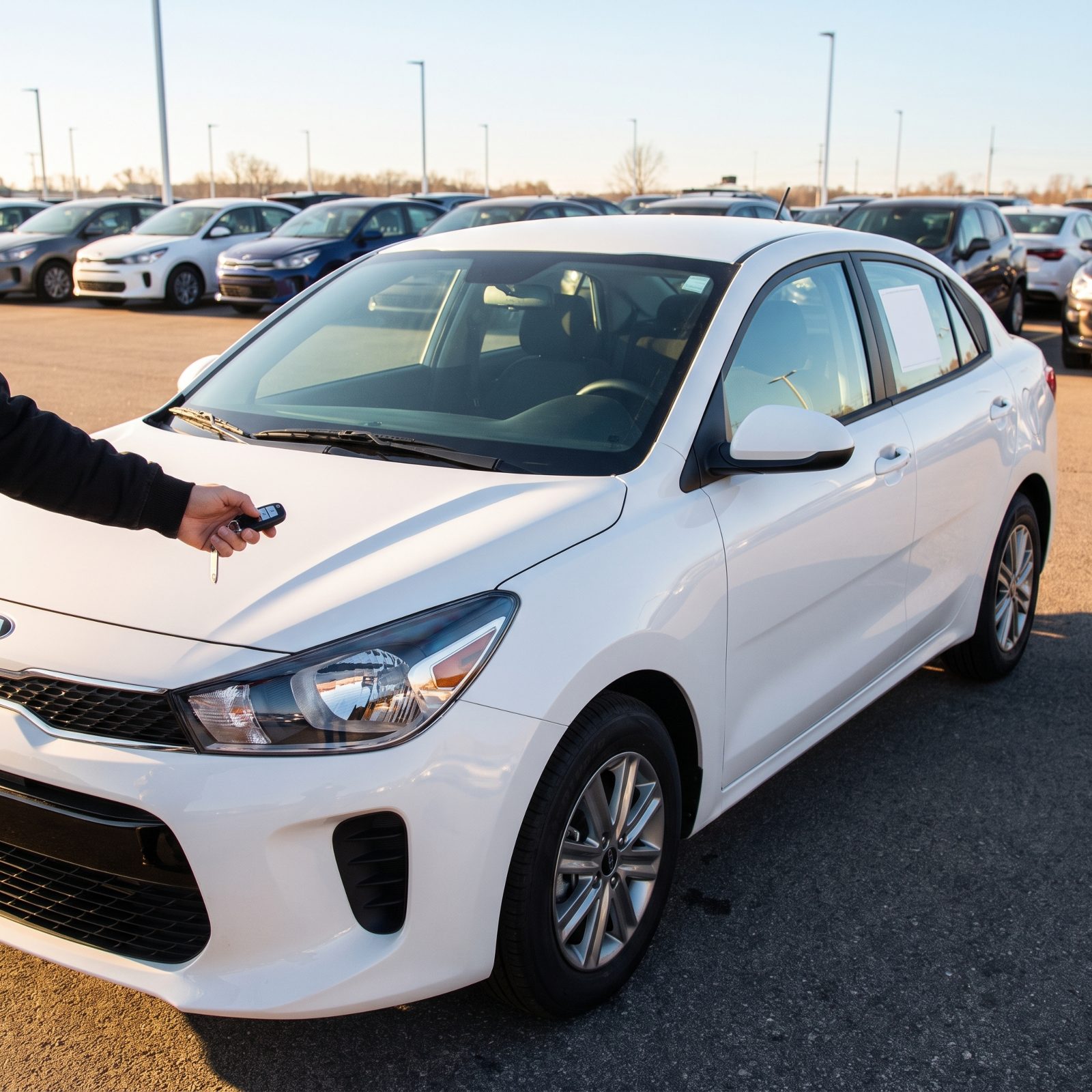
Three years. Not six, not a loan that chains you to a vehicle through the whole next phase of a life you can’t picture yet. You lease because committing to anything for the long haul feels, right now, like more than you can promise.
And that’s a reasonable position for someone who just watched a forever end. Signing up for the next six years of anything trips a small alarm. Short-term, low-stakes, reversible — those words sound like oxygen after a long commitment went sideways.
There’s wisdom in building an exit when you don’t know where you’re going. Just don’t confuse keeping every door open with actually walking through one.
9. You Believe the Salesperson Who Says It Suits You

“Honestly, this one suits you.” Five words, and you feel them land somewhere you weren’t guarding. A stranger looked at you and the car and decided you two go together. You know it’s part of the pitch. You believe it anyway.
After a long stretch of feeling unseen, or picked apart, or quietly criticized, a warm read of who you are hits like cold water in the desert. You’re hungry for someone to reflect back a flattering image — and the person whose job is to close the deal happens to be fluent in exactly that.
The flattery isn’t fake, exactly. It’s just aimed.
Nothing wrong with enjoying it. Just clock how much weight you’re putting on the opinion of someone who gets paid when you say yes. The question isn’t whether the car suits you. It’s whether you still know the answer without being told. Stand in that showroom and decide for yourself, and the salesperson can say whatever they like. You’ve already got your own vote back.
8. You Learn Reinvention Has an Insurance Premium
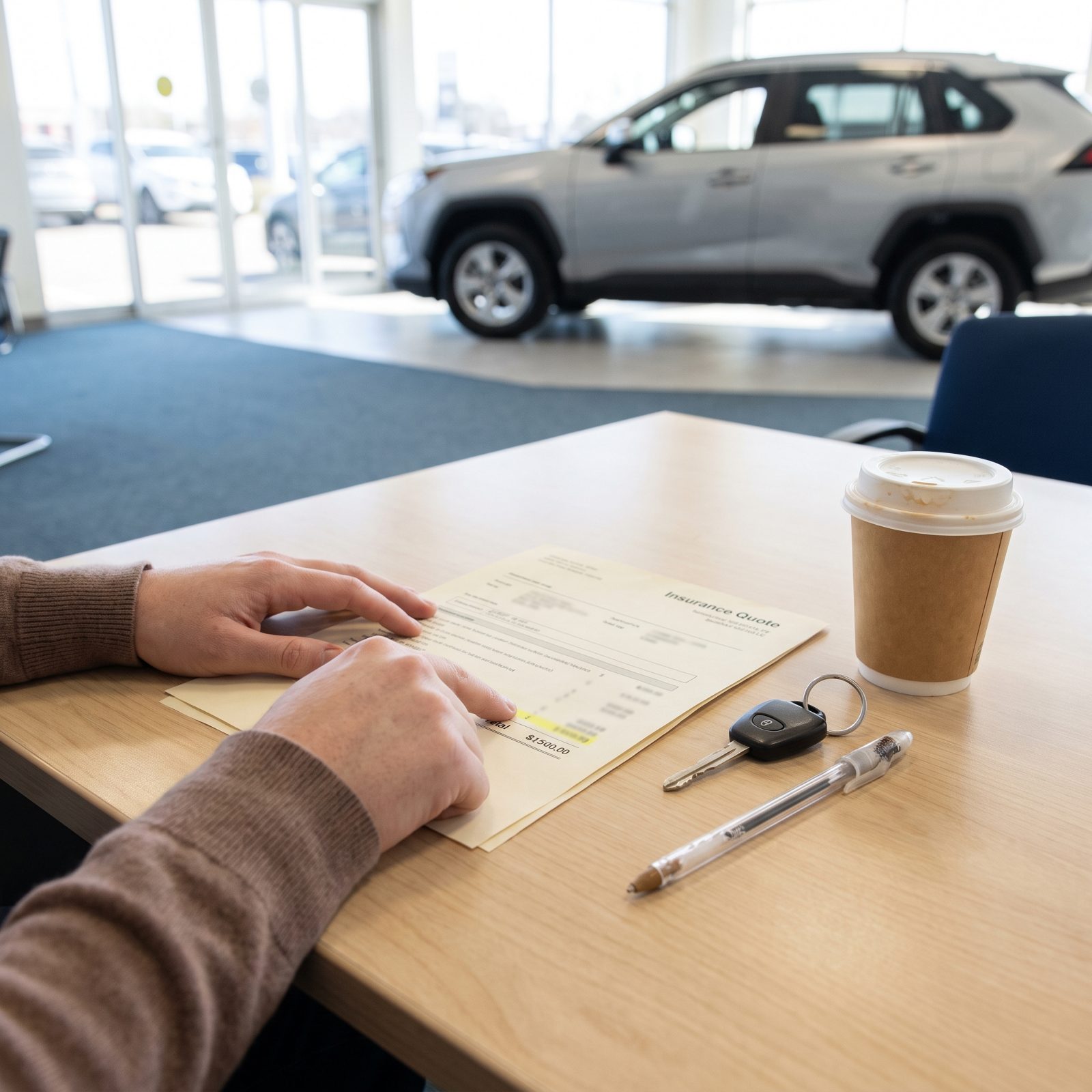
Nobody tells you the shiny new life comes with a monthly bill. You fall for the sportier trim, the turbo badge, the color that finally feels like you — and then the quote lands, a different number entirely from the sensible sedan you’d resigned yourself to driving forever. Freedom has a line item.
First lesson of rebuilding from scratch: autonomy is real, but it isn’t free. The upgrade in self-image shows up as a cost somewhere, and the premium is the universe’s polite way of pricing your fresh start. You wanted to feel like a new person. New people pay more.
The psychology here is self-signaling dressed up as rebellion. You convince yourself the extra money buys more than horsepower — it buys proof that you’re done playing small. And honestly? Sometimes that’s worth every dollar, even when the math makes you wince in the parking lot.
7. You Name the Car Before Learning the Infotainment
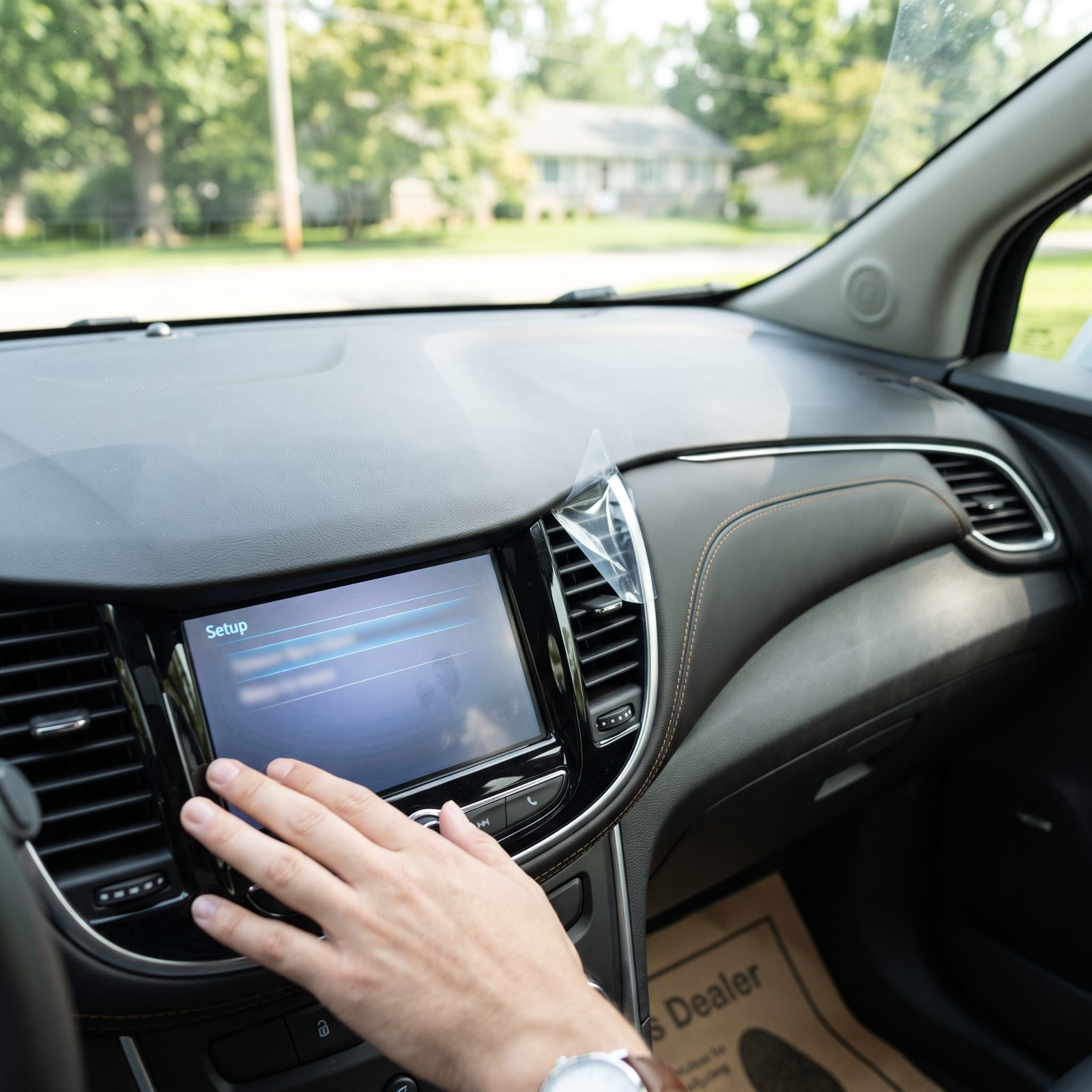
You’ve had the car three days and already given it a name. You have not, however, figured out how to pair your phone, change the clock, or turn off the lane-keep assist that keeps nudging you like a nervous passenger.
Priorities after a big reset run emotional before practical. Naming the car is an act of claiming — it turns a two-ton appliance into a companion, a decision you made for yourself, a thing that belongs to nobody but you. The manual can wait. The bond can’t.
6. You Turn the First Solo Drive Into a Ceremony
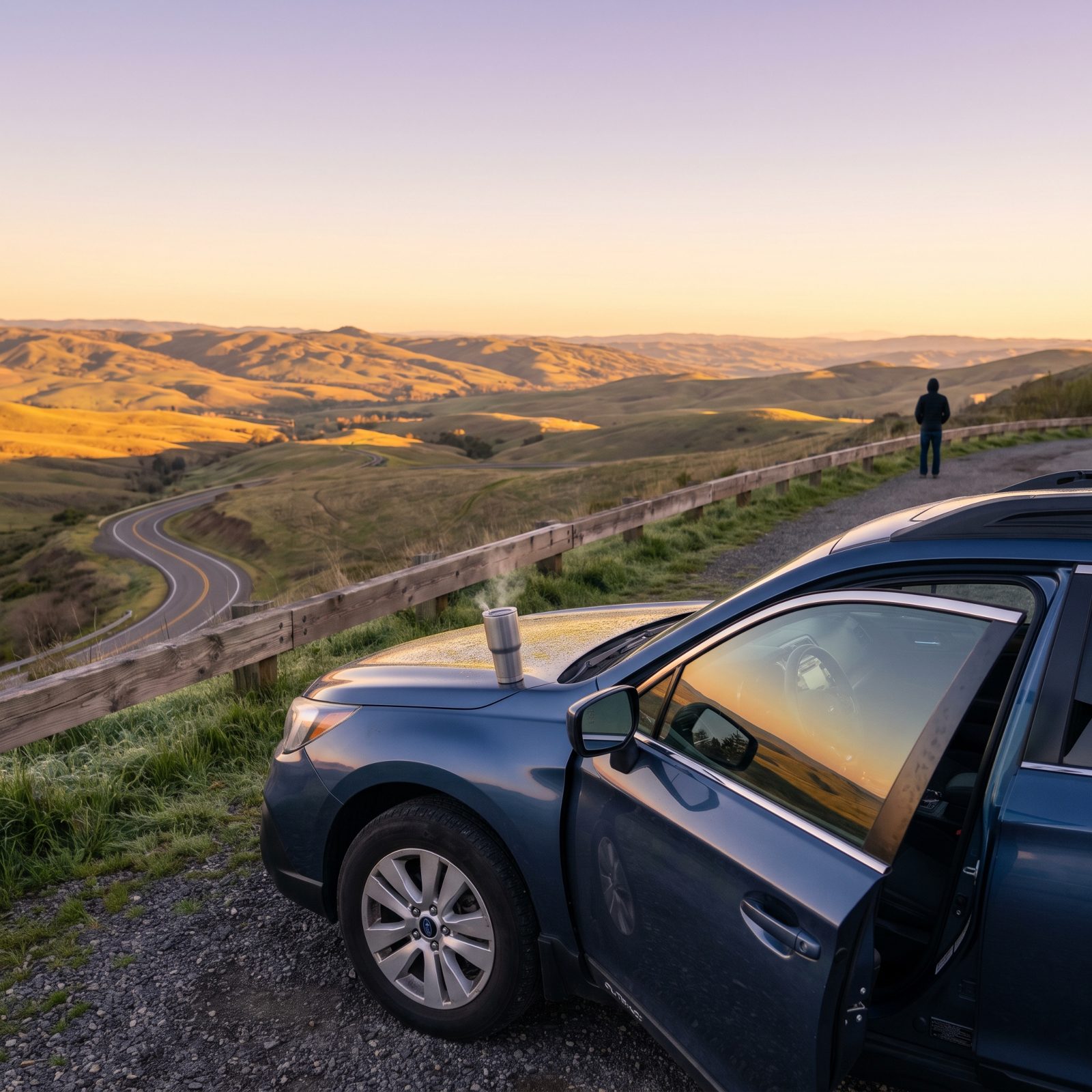
The first drive alone doesn’t go to the grocery store. It goes somewhere. You pick a road with a view, brew a coffee for the cupholder, maybe cue up an album you haven’t played in years because someone else never liked it.
A ceremony is how humans mark a threshold. You’re not just testing the brakes — you’re telling yourself something changed, out loud, in a language of asphalt and sunrise. The route doesn’t matter. The marking does.
After a long stretch of shared decisions, a solo drive is the smallest possible declaration of sovereignty. Nobody to consult on the destination. Nobody fiddling with the temperature. The ritual makes the ordinary feel earned, and earned is what you were after.
5. You Sit Taller Once the Driver’s Seat Is Yours
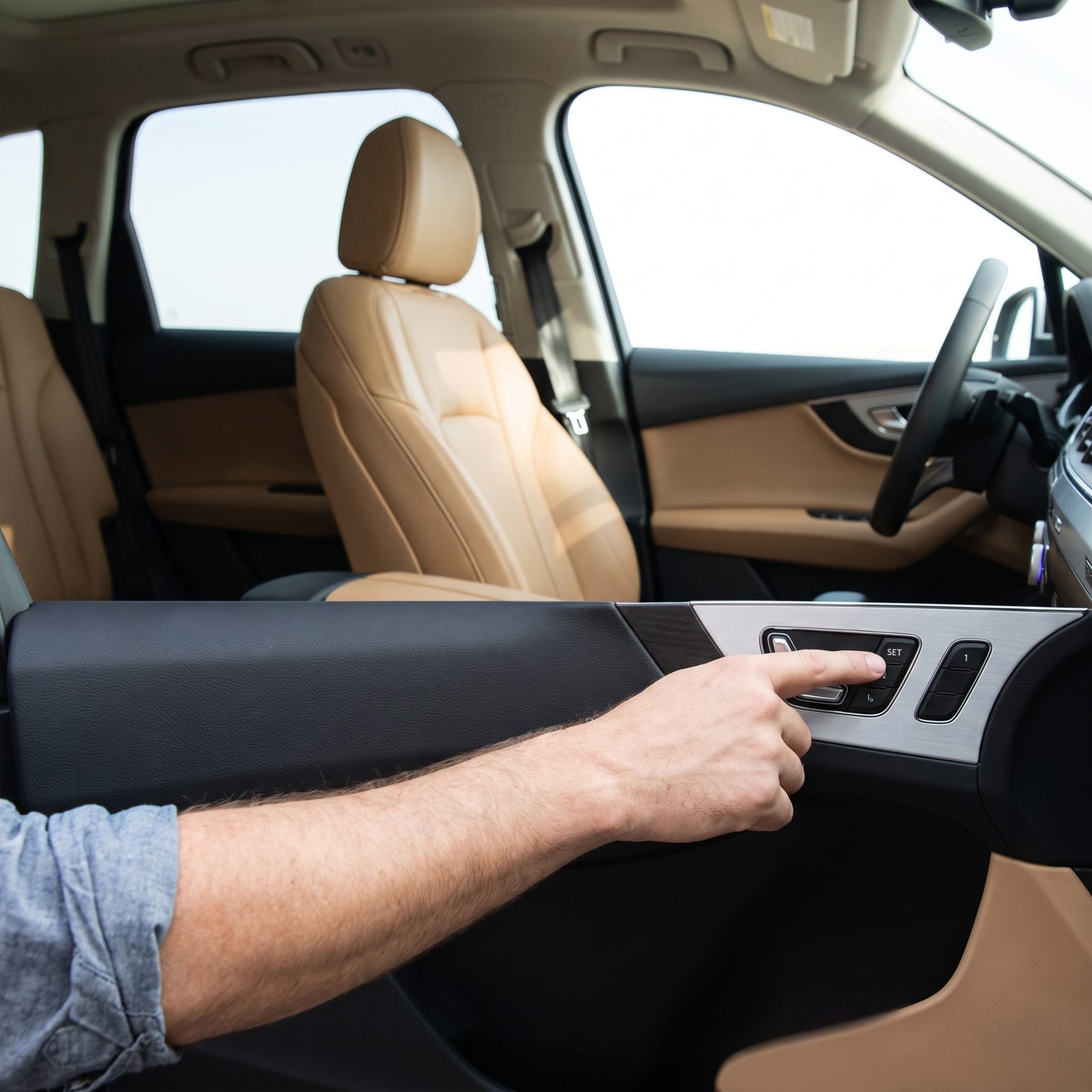
For years the seat was set for someone else. Mirrors angled to their height, lumbar dialed to their back, radio presets loaded with their stations. The first thing you do in a car that’s entirely yours is set the seat to you. Not a compromise. Not halfway. Exactly you.
Posture research has documented it: sitting upright and expansive shifts how confident people actually feel, not just how they look. A driver’s seat that fits your body starts fixing your head a little too.
You’re not just adjusting the seat. You’re announcing that your comfort is the one that counts now.
Rebuilding self-image follows the same path. You stop contorting yourself to fit a space shaped by two people, and you take up the room that’s yours. Strangely, a two-inch change in seat height can feel like getting a piece of yourself back.
4. You Post the Keys Before Buyer’s Remorse Arrives

You haven’t driven it a full week and the keys are already on a napkin, the fob catching the light just right, the photo up. New chapter. New wheels. The caption hints at everything without saying any of it.
Announcing the purchase loudly and immediately is how we lock in a decision before doubt can walk through the door. Say it to an audience and it becomes real, committed, harder to regret. The social post is a down payment on certainty.
Rebuilding anything invites second-guessing. Posting the keys plants a flag loud enough that your own cold feet can hear it and stand down.
3. You Defend the Purchase Harder After Signing the Loan
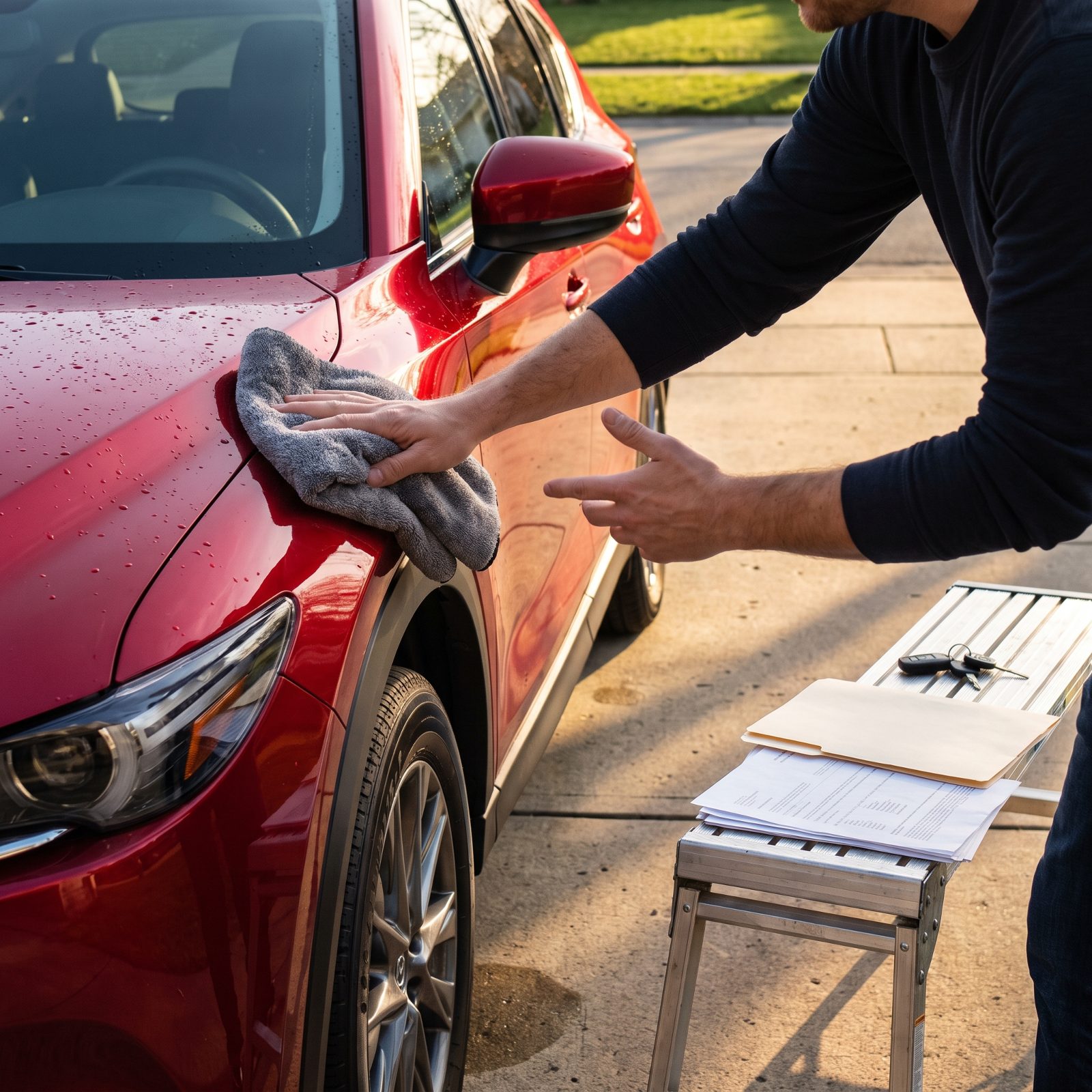
The louder the loan, the louder the defense. The moment the paperwork is signed, every doubt you had vanishes, and in its place arrives someone who can rattle off the resale value, the safety ratings, and the long-term cost-per-mile to anyone foolish enough to raise an eyebrow at the color.
Sunk-cost logic, running in reverse to protect you. Once real money is committed, the brain gets busy manufacturing reasons it was well spent. Not because the car got better. Because admitting doubt now would cost too much.
Rebuilding your life burns the same fuel. After a hard, expensive decision, you become its fiercest advocate — the commitment itself generates the conviction. You didn’t talk yourself into it before signing. You do it after, every single time someone asks if you’re sure.
2. You Take the First Door Ding Personally
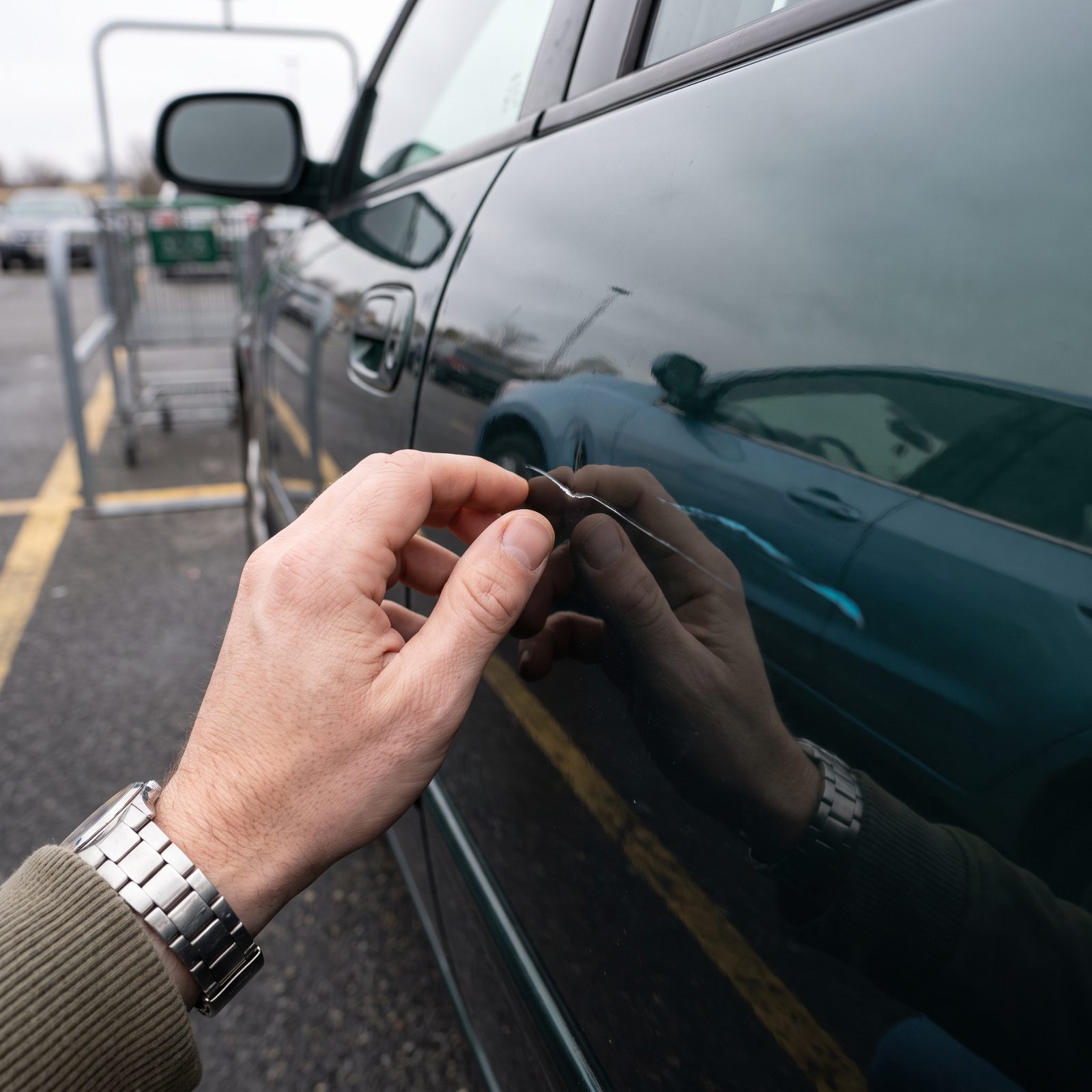
Someone swings their door open two spaces over and leaves a small ding in your door. You stand there wounded like it happened to you. On any other car you’d have shrugged. On this one, it stings for a week.
The endowment effect, turned up to eleven. We value what’s ours far beyond its sticker price, and we feel damage to it more sharply than reason allows. The first scratch on a fresh start lands hard because the newness was carrying something bigger.
Here’s the mercy in it, though. Once the first ding happens, the spell breaks. The car becomes something you use instead of something you guard. The scratch you dreaded is the thing that finally lets you relax.
1. You Realize the New Car Still Knows Your Commute
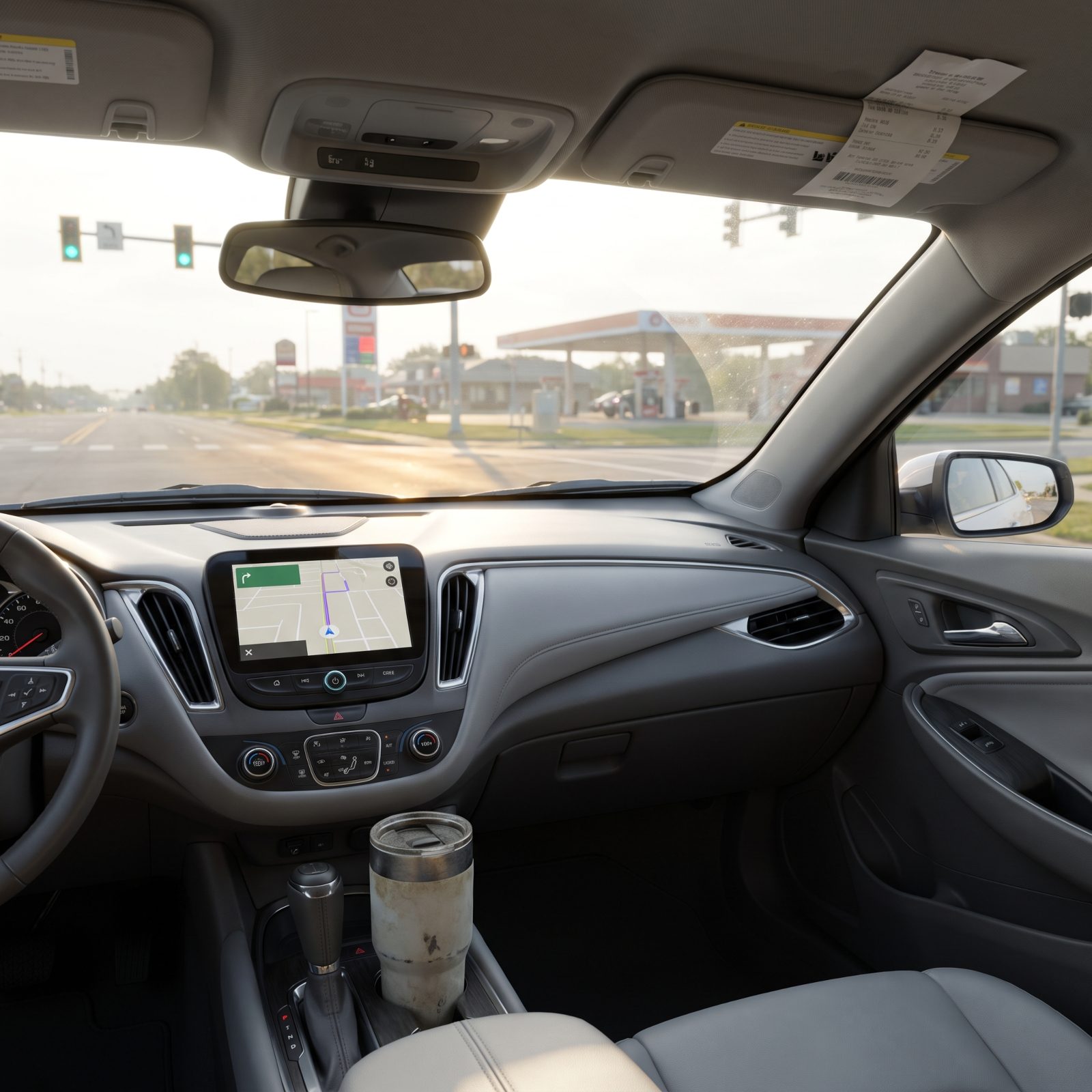
New car, new life, same right turn at the same light at the same time every morning. You bought a different machine and drove it straight into the old groove. The muscle memory didn’t come in the box, and it didn’t leave with the trade-in either.
Here’s the truth nobody prints in the brochure. A purchase changes the vessel, not the route. Rebuilding autonomy is thrilling in the showroom and then quietly humbling on a Tuesday, when you catch yourself running the exact patterns you always ran. The upholstery is new; the habits are rented furniture that moved with you.
And that’s fine. Reinvention isn’t about scorching every routine to the ground — it’s about choosing, on purpose, which grooves you keep and which ones you finally steer out of. The car can’t do that part. You can. The commute still knows your name, but you decide whether to follow it.