Most people walk straight past the farm equipment row at an auction. They came for the Corvettes and the split-window VWs. Then a flatbed rolls in carrying something squat and strange, wearing paint nobody mixes anymore, and three dealers who flew in from different states go dead quiet. These are the machines that built the back forty and threw out a few backs doing it. Some are rare because almost nobody bought them in the first place. Others survived by dumb luck in a barn roof corner somewhere. Every one of them says more about American and European ingenuity than any trailer-queen show car ever could. Here are the ones that turn heads and empty wallets.
Please note that some of the images in this article were created with the assistance of AI.
36. John Deere Dain All-Wheel-Drive: The Four-Wheel Oddity Before Deere Went Green
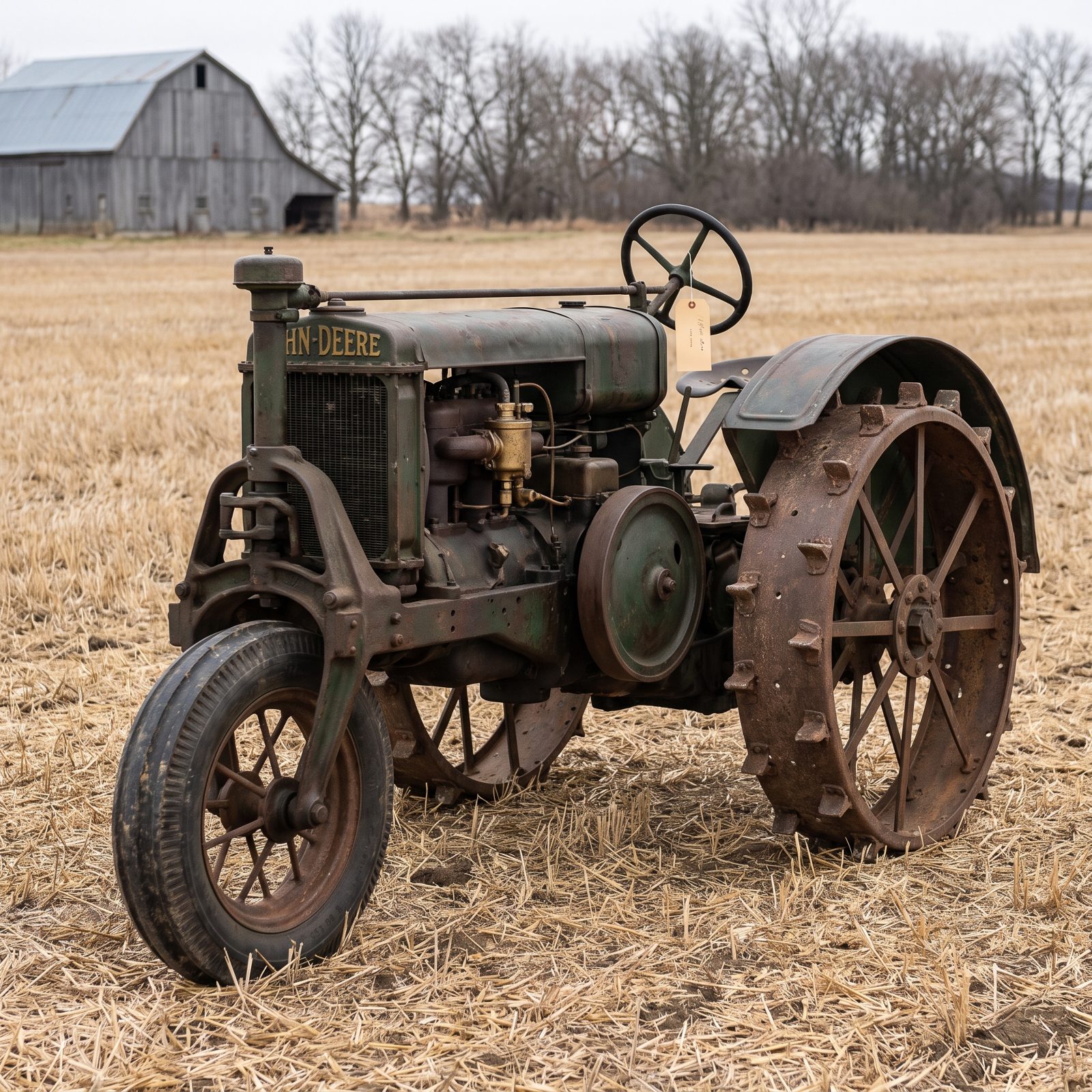
Before green-and-yellow meant anything, there was the Dain. Built around 1918, it was Deere’s first in-house tractor design and offered something almost nobody else did at the time: power driven to all four steel-lugged wheels. Joseph Dain drew it up, Deere bought his company, and then a small handful got built before the whole project quietly died.
That tiny production run is the entire story. When one surfaces, serious Deere collectors stop breathing. A functional, documented example has crossed the block for money that makes a nicely restored 4020 look like lunch change.
35. Farmall 4300: International’s Articulated Beast With Hough Muscle
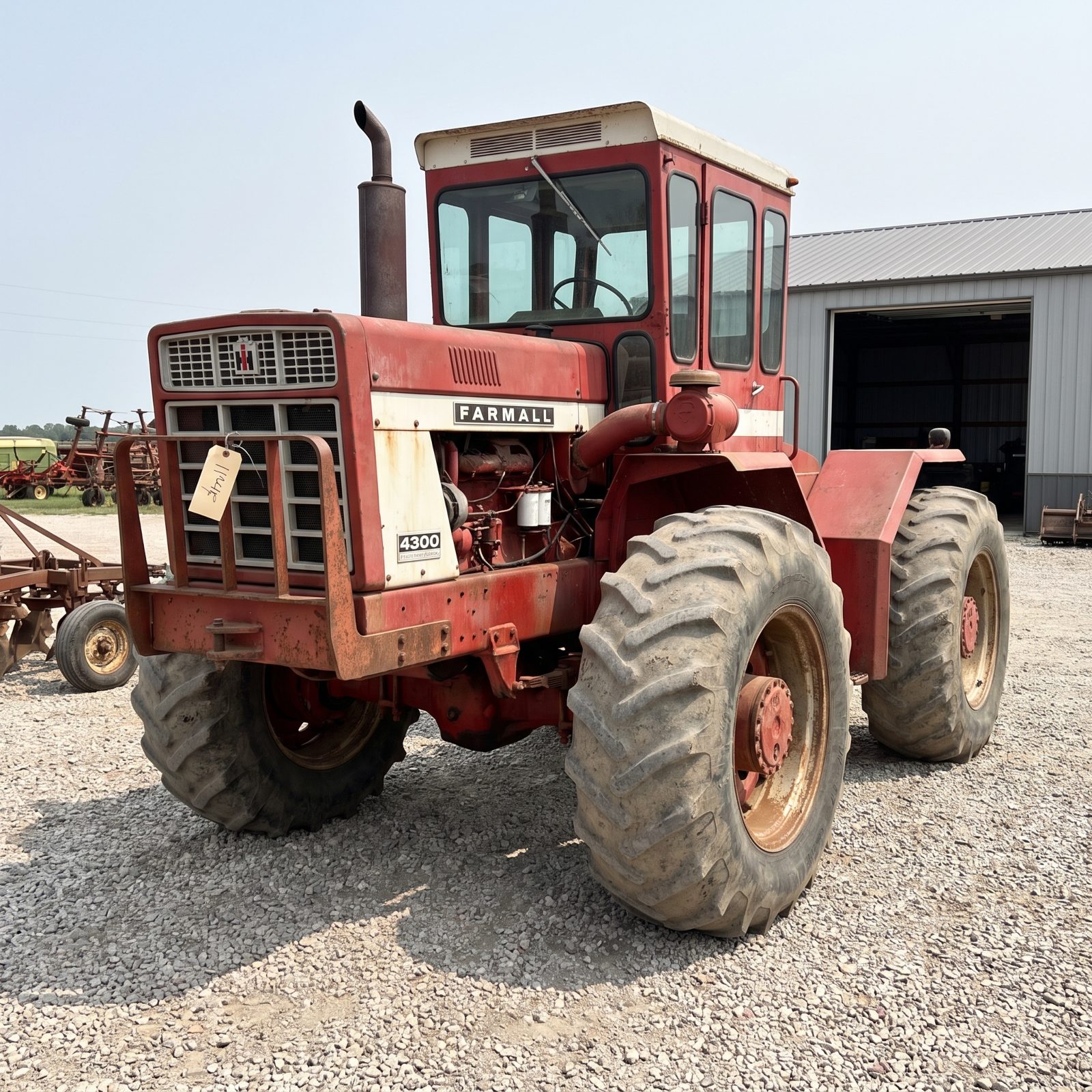
International wanted into the big-horsepower articulated game, so it raided its own parts bins to get there. The 4300 borrowed heavy running gear from the Hough construction side of the company, which is why it looks less like a tractor and more like something that ought to be out grading a highway.
Only a few dozen rolled out in the early 1960s. Expensive, thirsty, and more machine than most farmers could ever justify. That commercial flop is now the whole value proposition. Survivors are scarce, and the ones that still run draw crowds who appreciate ambition that didn’t quite land the first time around.
34. Minneapolis-Moline UDLX Comfortractor: The 1930s Tractor With a Heater
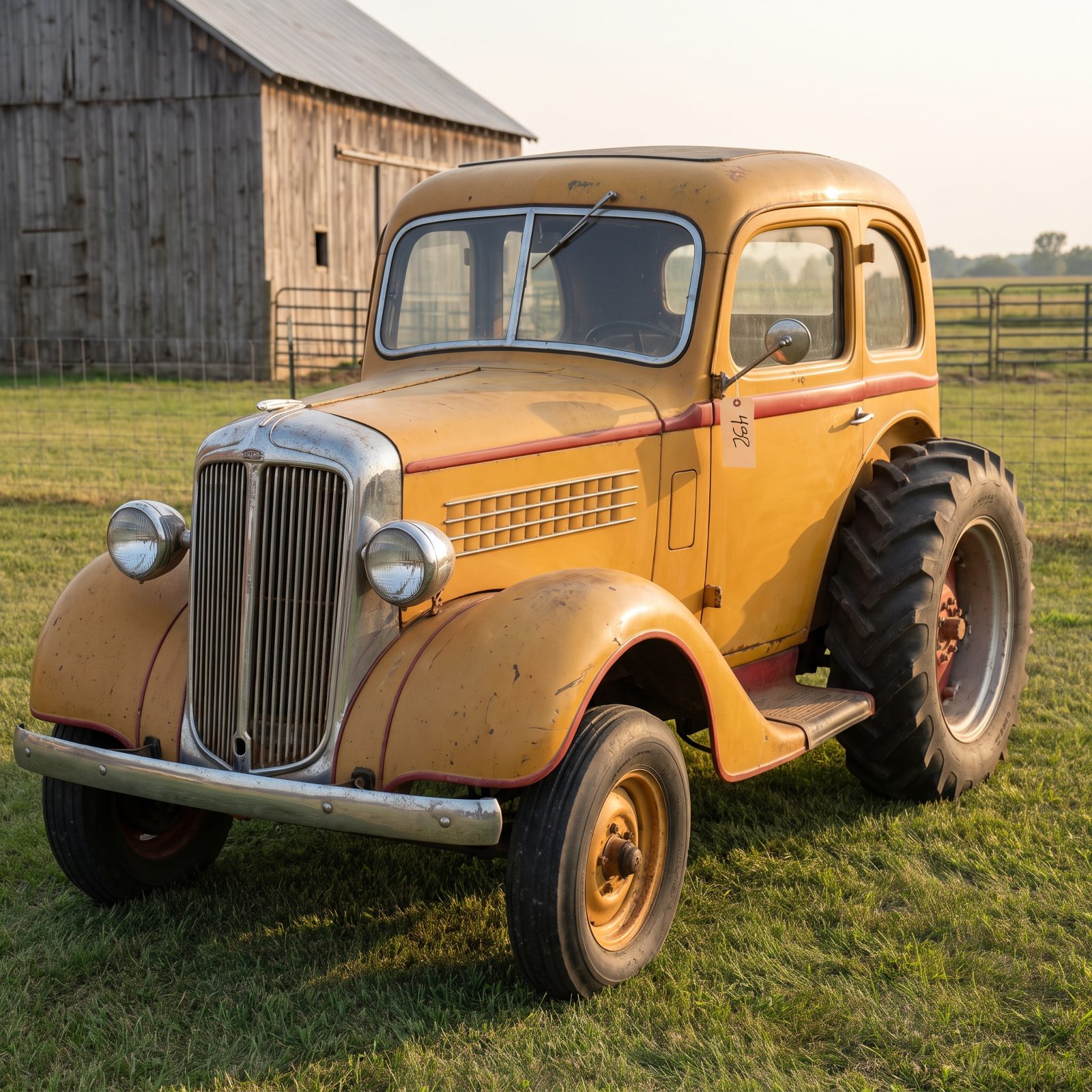
A tractor you could drive to the dance in your good shoes.
The UDLX was Minneapolis-Moline swinging for luxury farming in 1938. Enclosed cab, heater, windshield wipers, even a cigarette lighter. Geared for the road, it could run close to highway speed, so a man could plow all day and still haul the family into town for a movie that night.
Only a small run ever left the factory. Terrible timing, a steep price, and a Depression that most definitely wasn’t shopping for comfort. Today it sits near the top of the hobby, chased as much for those Art Deco curves as for how few are left.
33. Doe Triple-D: Two Fordsons Bolted Into One Field Monster
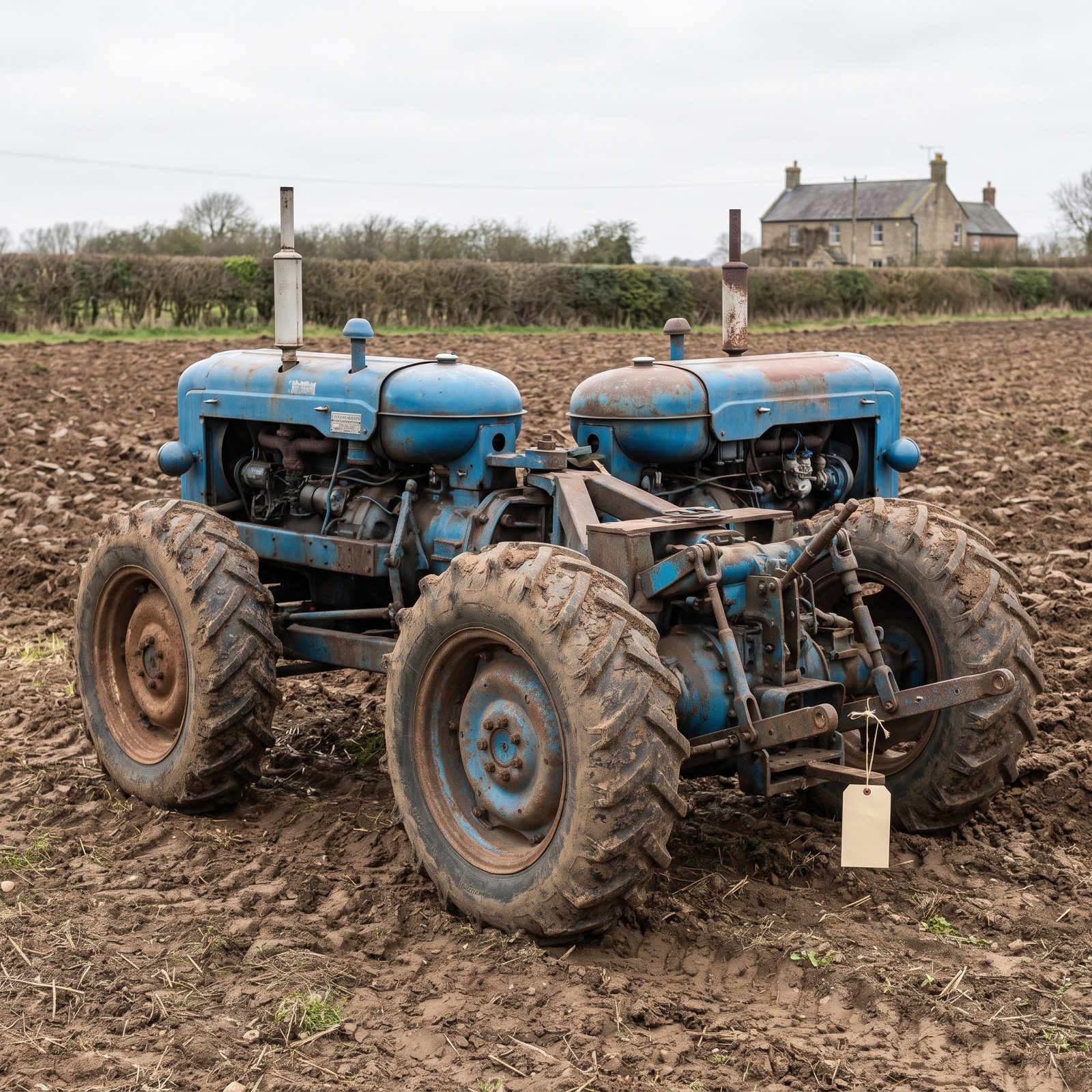
Someone in Essex looked at a single Fordson and decided the answer was two of them, one behind the other, joined through a pivoting turntable in the middle and steered by hydraulic rams from a seat on the rear unit. That’s this field monster in one sentence. Four-wheel-drive grunt from a firm that mostly made loaders, built because big four-wheel-drive tractors barely existed in Britain yet.
A few hundred came out through the 1960s. They were brutally capable and an absolute pig to turn around in a tight headland. British collectors treat a twin-Fordson oddity like this like treasure, and when one shows up at a UK sale, the bidding heats up fast. Engineering by addition — and somehow it worked.
32. New Idea Uni-System: One Power Unit, A Dozen Jobs
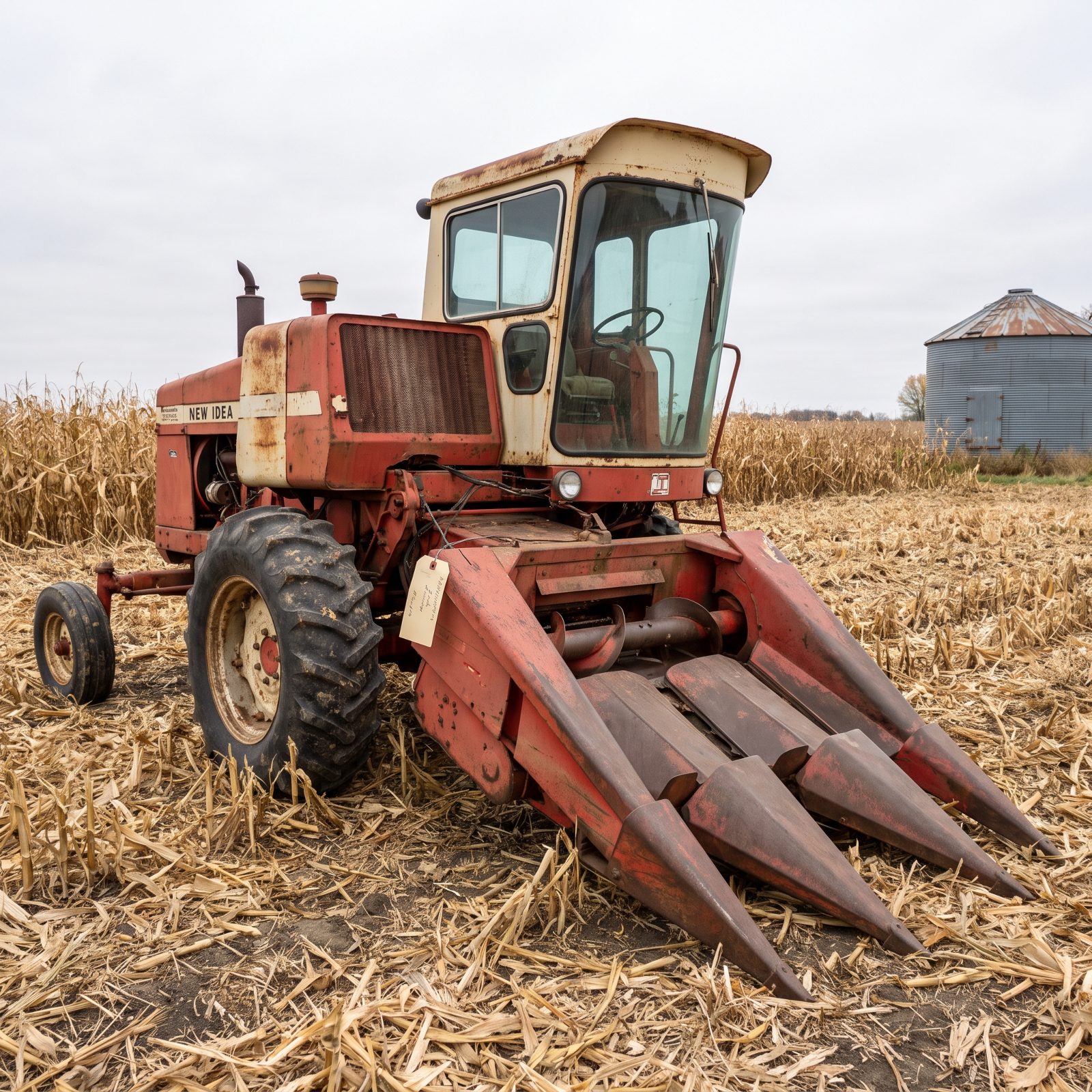
The Swiss Army knife of the farmyard.
The Uni-System was a smart idea that deserved to win more than it did. One self-propelled power unit took different heads: a corn picker in fall, a combine for small grain, a forage harvester for silage. Buy a single engine and chassis, then swap the business end with the season.
Ahead of its time, and a little fussy to live with, so the numbers thinned out over the years. Collectors who focus on harvest gear chase complete Uni-Systems with all the attachments. Finding one with every tool still in the shed is like turning up an old camera with each original lens still in the bag.
31. Field Marshall Series 3: The Diesel You Start With a Lit Paper Cartridge
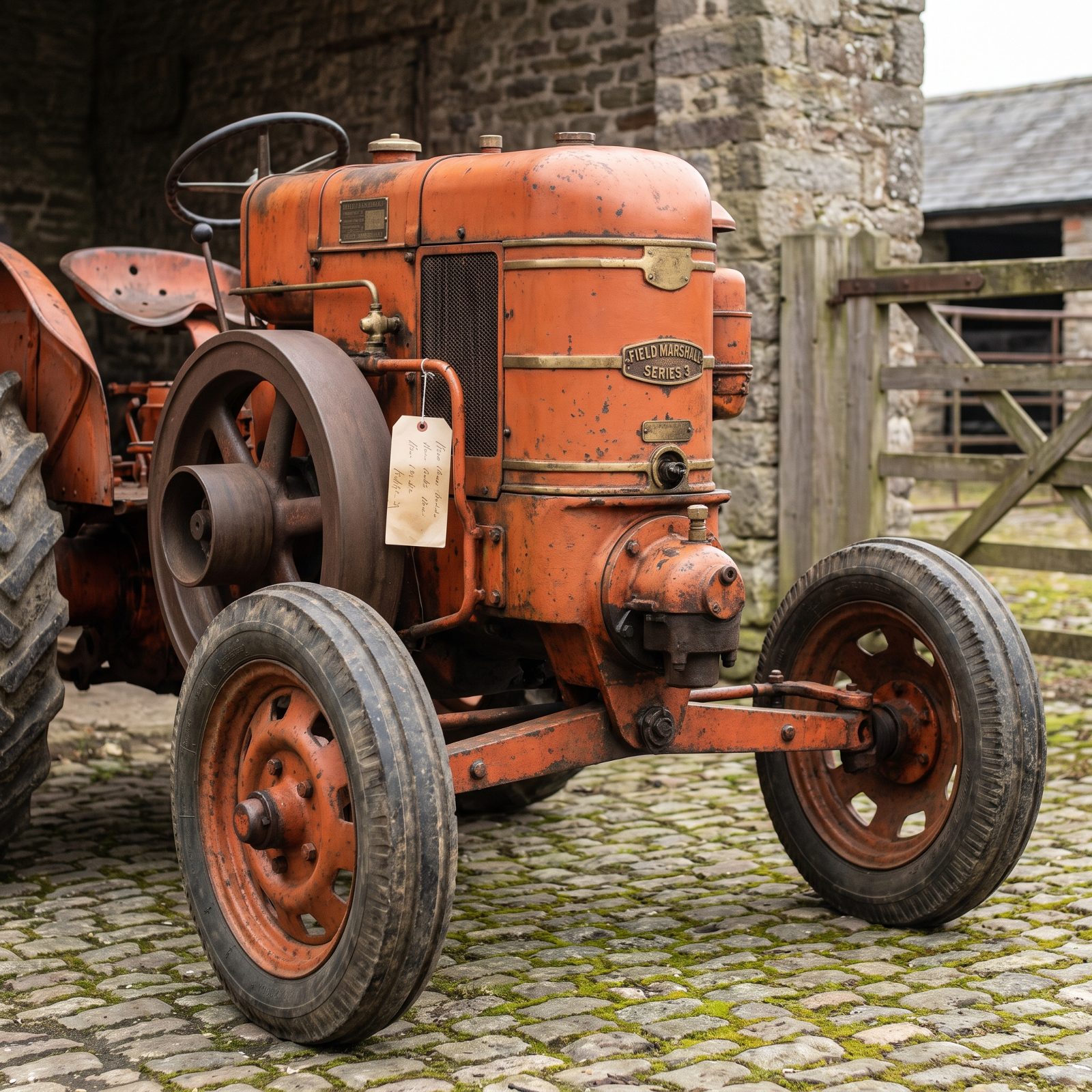
You don’t turn a key on a Field Marshall. You light a smoldering paper cartridge, jam it into the cylinder head, and swing that flywheel until heat and compression catch. Half tractor, half ritual. And that enormous thumping single-cylinder diesel sounds like nothing else on the showground.
British through and through, built around Gainsborough in the 1940s and 50s. The Series 3 is the one everybody hunts. When the starting demo kicks off at auction, a crowd gathers — watching someone coax one awake is half the fun.
30. Lanz Bulldog D9506: The Hot-Bulb Thumper From Germany
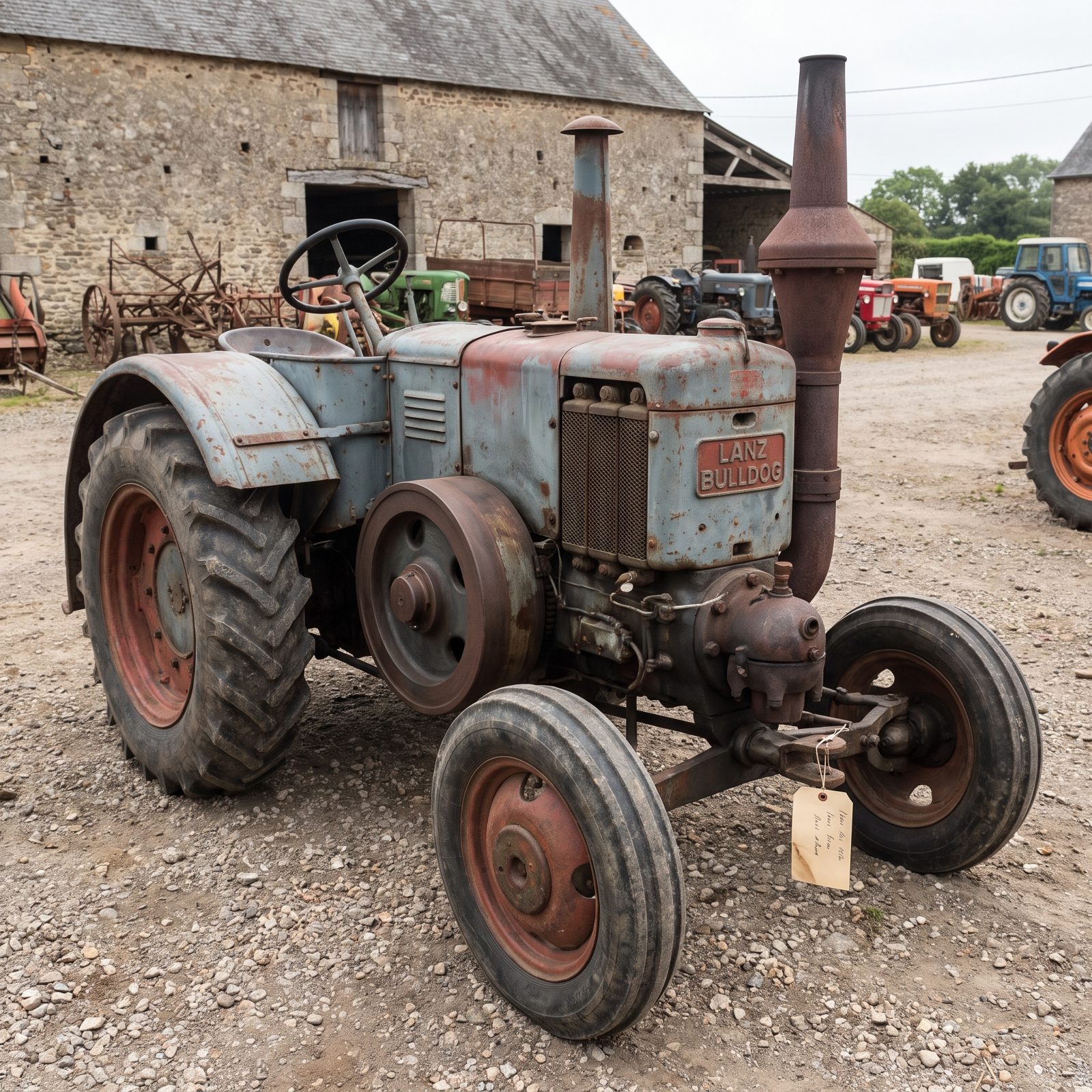
The Lanz Bulldog runs on a hot-bulb principle that feels like it wandered out of a boat’s engine room and into a field by mistake. One huge horizontal cylinder up front, and torque so low it’ll lug along happily at barely more than idle. Pour almost anything oily in the tank and it’ll chew through it.
Built across decades and licensed all over, the Bulldog turned into a genuine legend on the Continent. The D9506 pulls real money from collectors who love slow-revving simplicity. That lazy, hammering exhaust note? That’s mid-century German stubbornness made mechanical.
29. Oliver Super 99 GM: The Row-Crop With a Screaming Two-Stroke Detroit
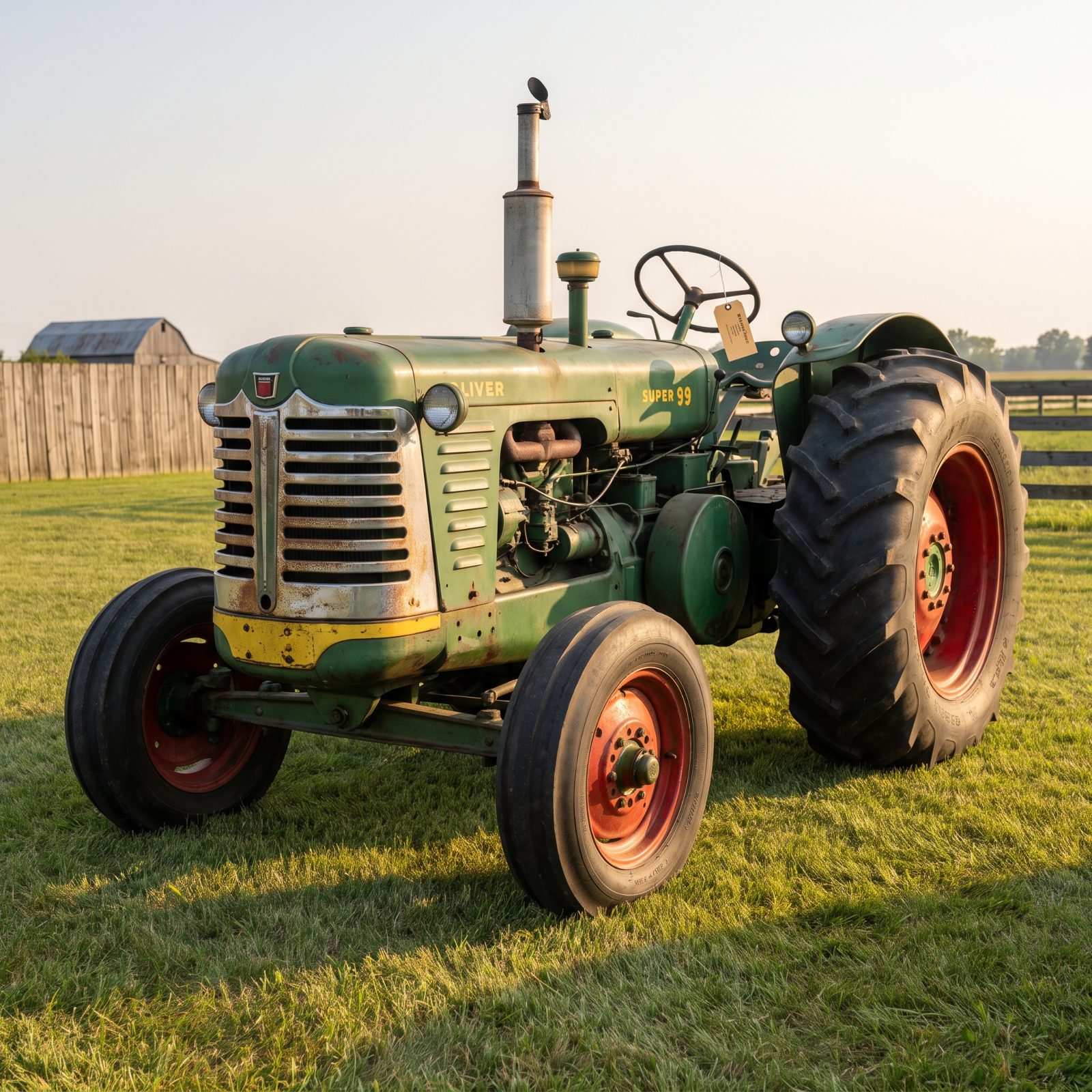
It idles like a city bus and sounds proud of it.
Oliver dropped a Detroit Diesel 3-71 two-stroke into the Super 99 and built a machine with a voice all its own. That GM engine revs and whines where other tractors just thump along, and farmers either loved the power or cursed the fuel bill.
The GM version was the pricey, less-common option. Which is precisely why it’s the one collectors track down today. A clean, running Super 99 GM anchors a collection. Fire it up at a show and people three rows over will crane their necks hunting for the source of that racket.
28. Porsche-Diesel Master 419: Yes, Those Porsches Built Tractors
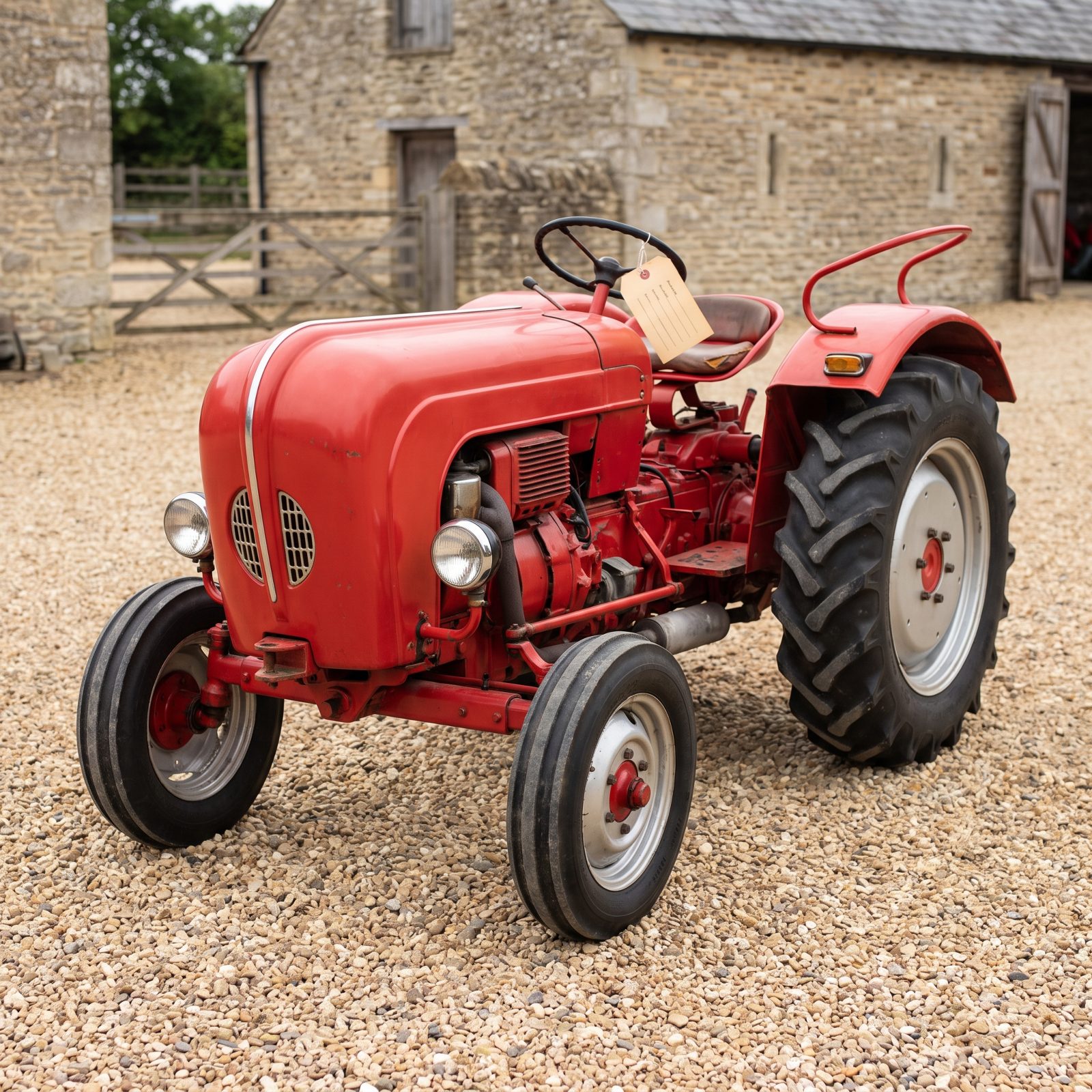
The name on the hood is the whole pitch. Porsche built tractors in the 1950s, and the Master 419 is the four-cylinder flagship of that line — all air-cooled diesel engineering wrapped in that unmistakable bright red sheet metal.
Buyers come at this one from two directions. Tractor people respect the engineering; Porsche enthusiasts want the badge in a shape nobody else at the car show will have. That crossover demand shoves prices well past what the horsepower alone could ever justify. It’s a working-farm machine that moonlights as a conversation piece in somebody’s garage full of 911s.
27. Lamborghini 2R: Before the Supercars, There Was a Plow
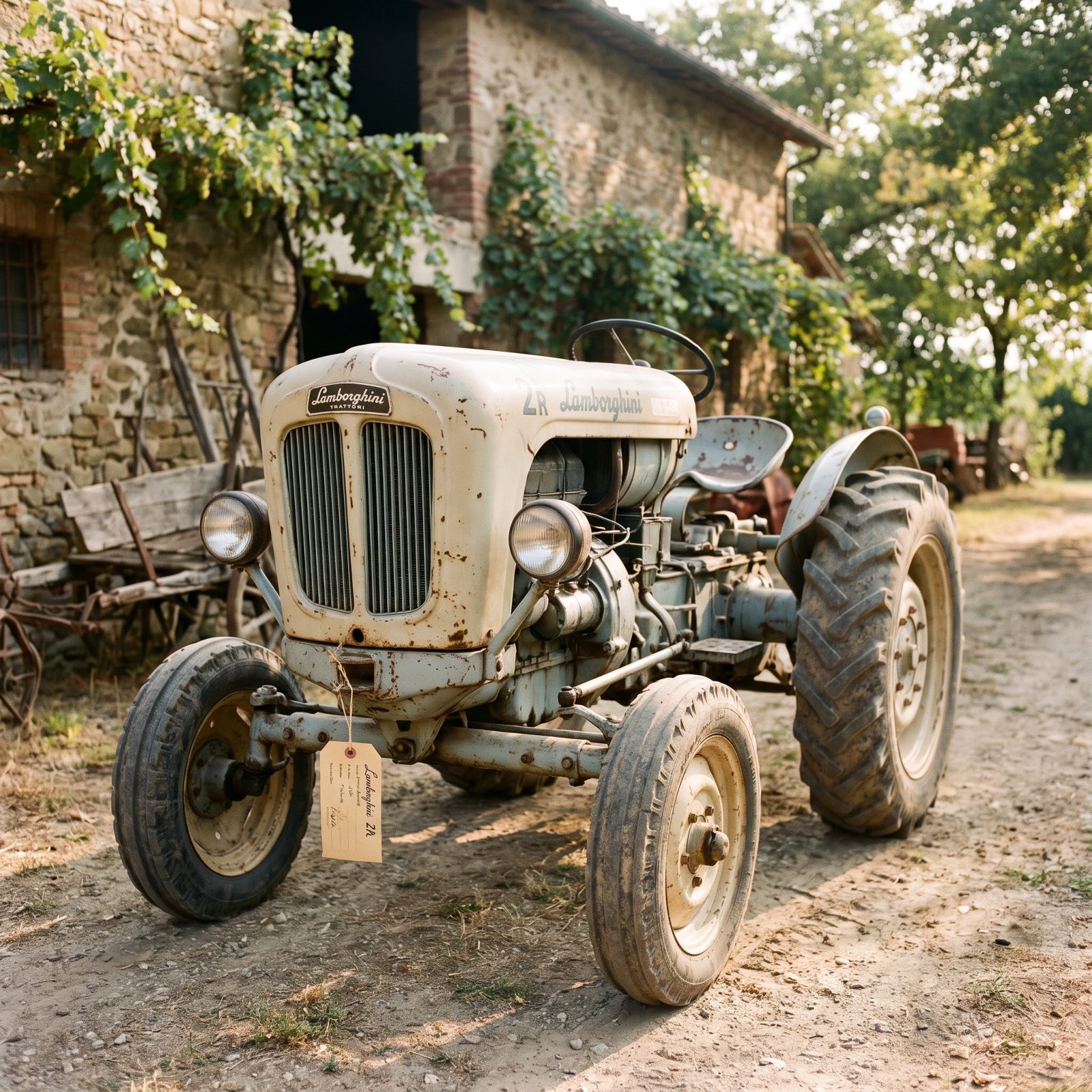
Ferruccio Lamborghini sold tractors long before he sold anything you’d race.
The story’s practically folklore by now: a tractor manufacturer, fed up with the clutch in his Ferrari, decides to build his own sports car. But the farm machinery came first, and the early 2R is a genuine piece of exactly where it all began.
These barely ever surface, and almost never in North America. When one does, the bidding pulls in tractor collectors and Lamborghini obsessives at the same time. Owning the humble machine that kicked off the whole dynasty has a pull no spec sheet can explain. It’s the origin story, riding on lug tires.
26. County 1474, The British Four-Wheel-Drive With Four Matching Wheels
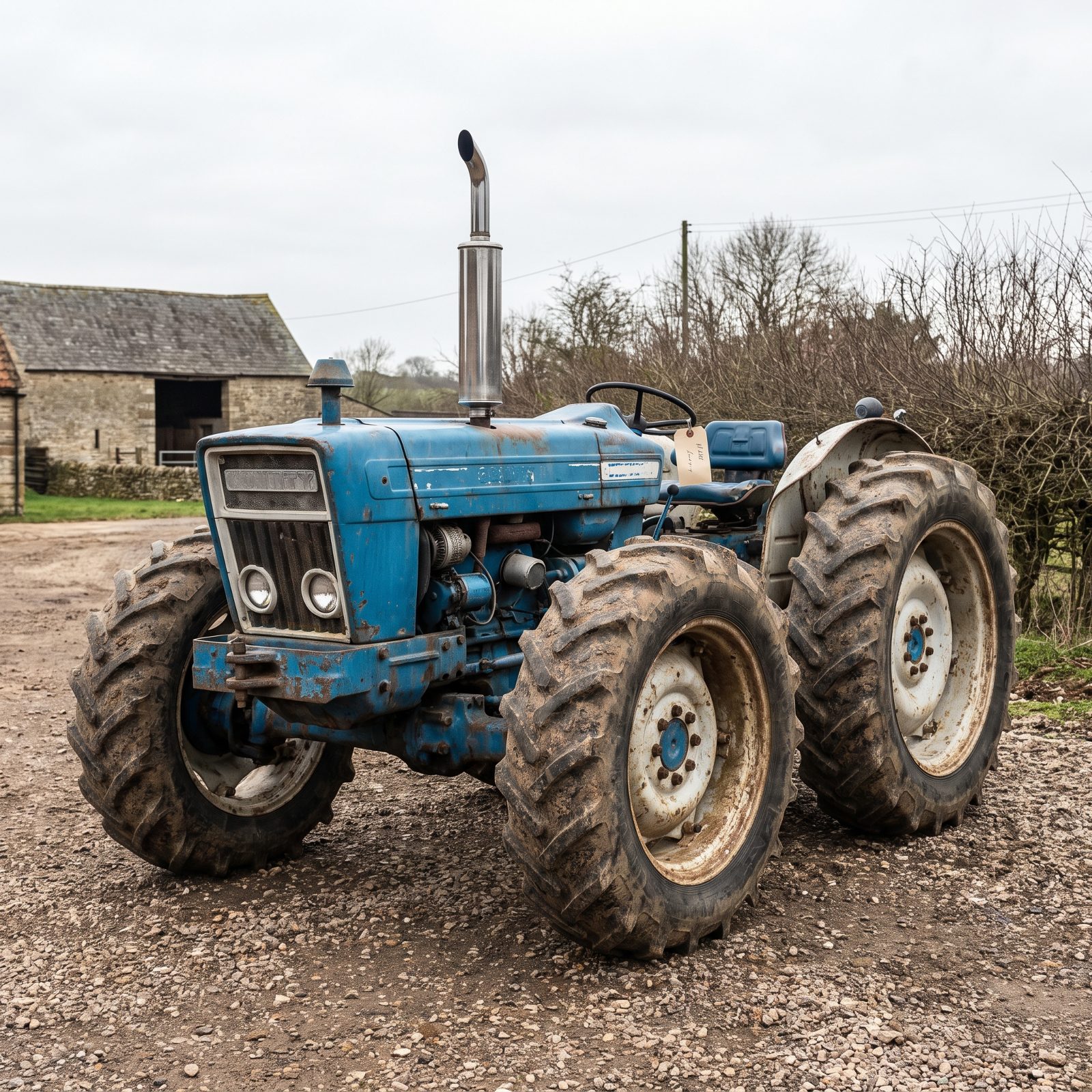
Most four-wheel-drive tractors give the front axle smaller wheels. County went the other way, and that one stubborn decision is why you can pick one out from clear across a muddy field — equal wheels all around, driven by twin shafts running down each flank of a Ford skid unit, which gave the County grip ordinary tractors never came close to.
The 1474 ran a six-cylinder Ford engine and became the muscle of British hill farms in the 1970s. Fewer survived than you’d guess. The conversion work was specialized, parts wore out, and plenty got picked clean for spares.
25. Mercedes-Benz MB-trac 1500, The Cab-Forward German That Works Both Ends
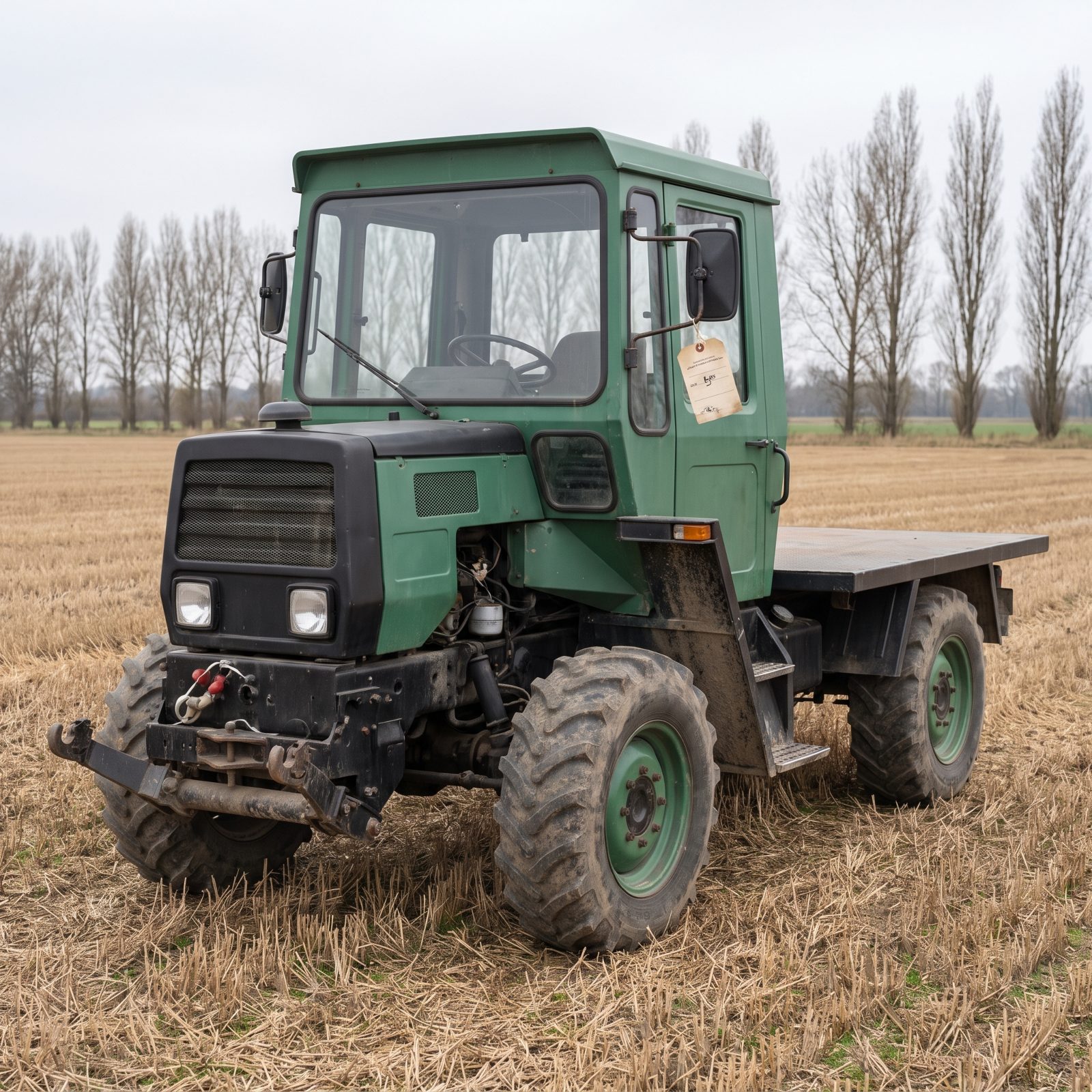
Picture a tractor that pulls a plow in front and carries a load behind, both at once. That was the whole MB-trac idea — a system carrier with a forward cab, hitches at both ends, and equal wheels to spread weight evenly across soft ground.
Built on Unimog mechanicals, the 1500 ran a Mercedes diesel and cruised at road speeds that left ordinary farm tractors eating dust. German collectors chase them hard. Clean examples cross the Channel and the Atlantic to buyers who want something no domestic brand ever bothered to build.
24. Mercedes-Benz Unimog 406 Agricultural, Portal Axles Where You Least Expect Them
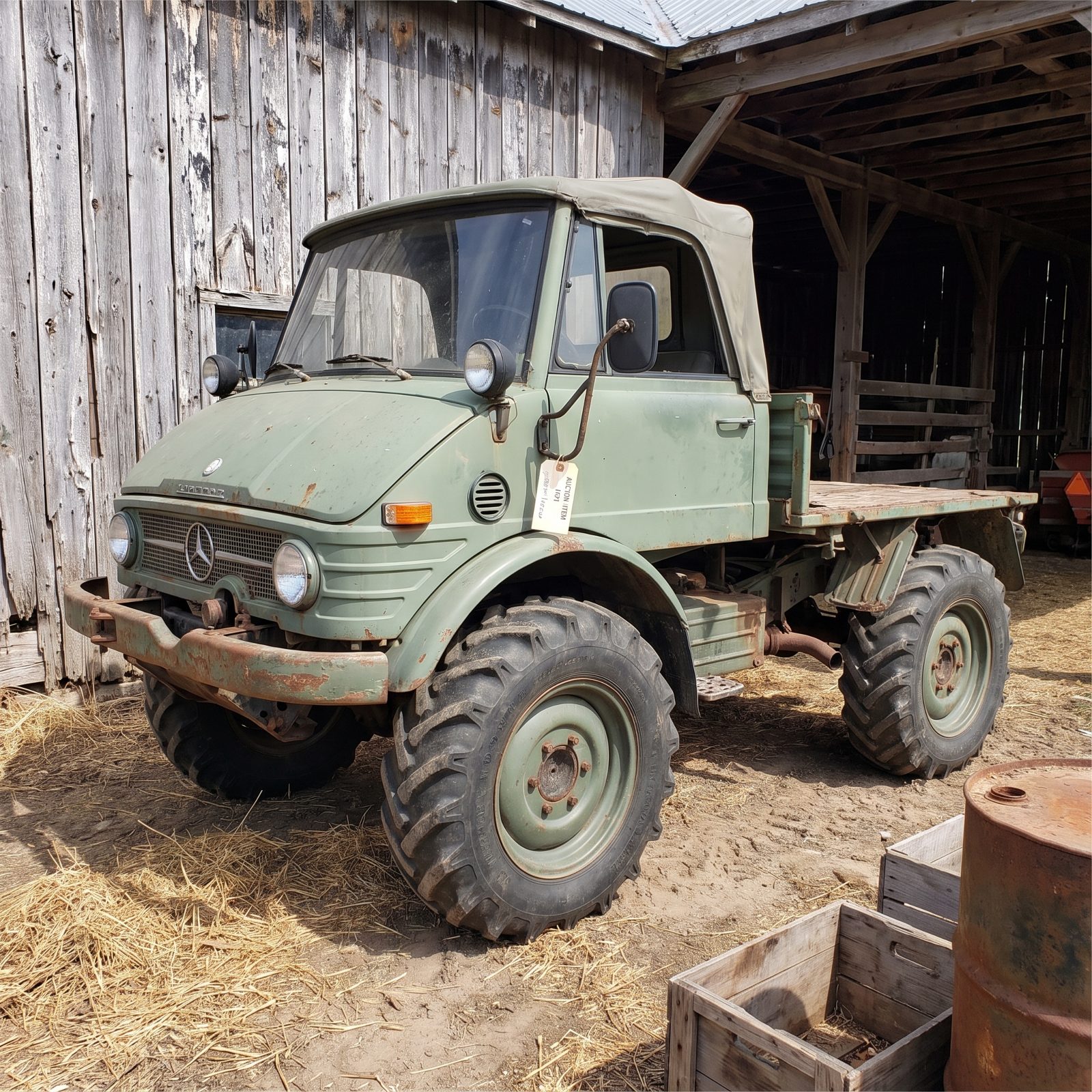
The giveaway is ground clearance. A 406 sits weirdly high because its portal axles tuck the hubs below the axle centerline, a trick lifted straight from heavy military kit, and on a farm that meant rolling over row crops without flattening them.
Never really a tractor, never really a truck. It ran belt pulleys and PTO implements, hauled on the road, and did all of it with coil-sprung comfort no tractor ever offered. Collectors love the oddball logic of the thing. Parts can be a nightmare, though, so budget for that before the gavel drops.
23. PTO-Equipped Willys CJ-5 Farm Jeep, The Little Rig That Ran the Thresher
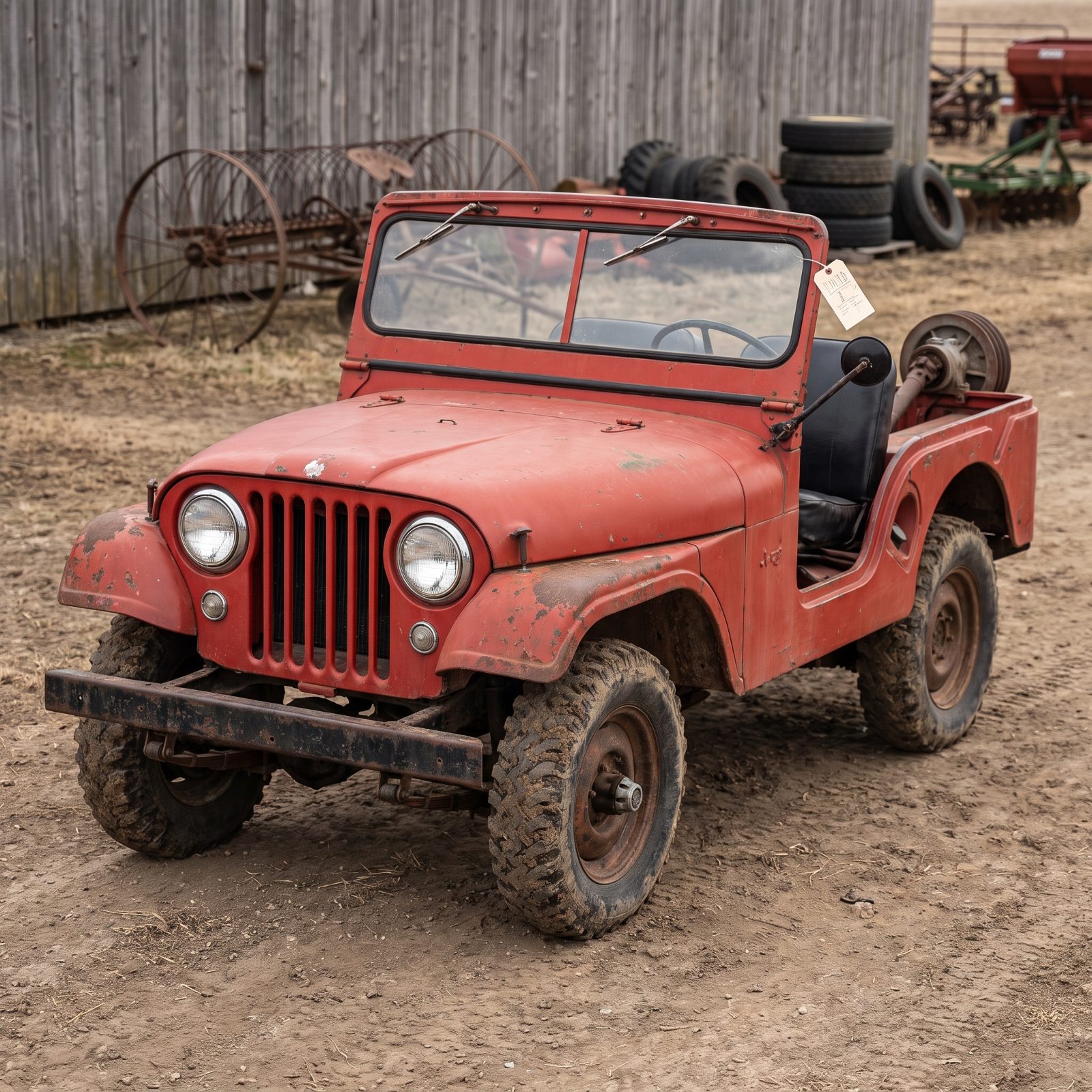
Farmers bought the CJ-5 because it pulled double duty — drive to town, then back it up to a belt-driven thresher or a post-hole auger and let the engine do stationary work through the power takeoff.
That versatility is the collector hook. A plain CJ-5 is a dime a dozen. One wearing its original factory or dealer-fitted PTO and pulley gear, with paperwork proving it was a working farm unit? Whole different animal on the block.
22. International Harvester A-5 Auto Wagon, The High-Wheeler That Fired the Horses
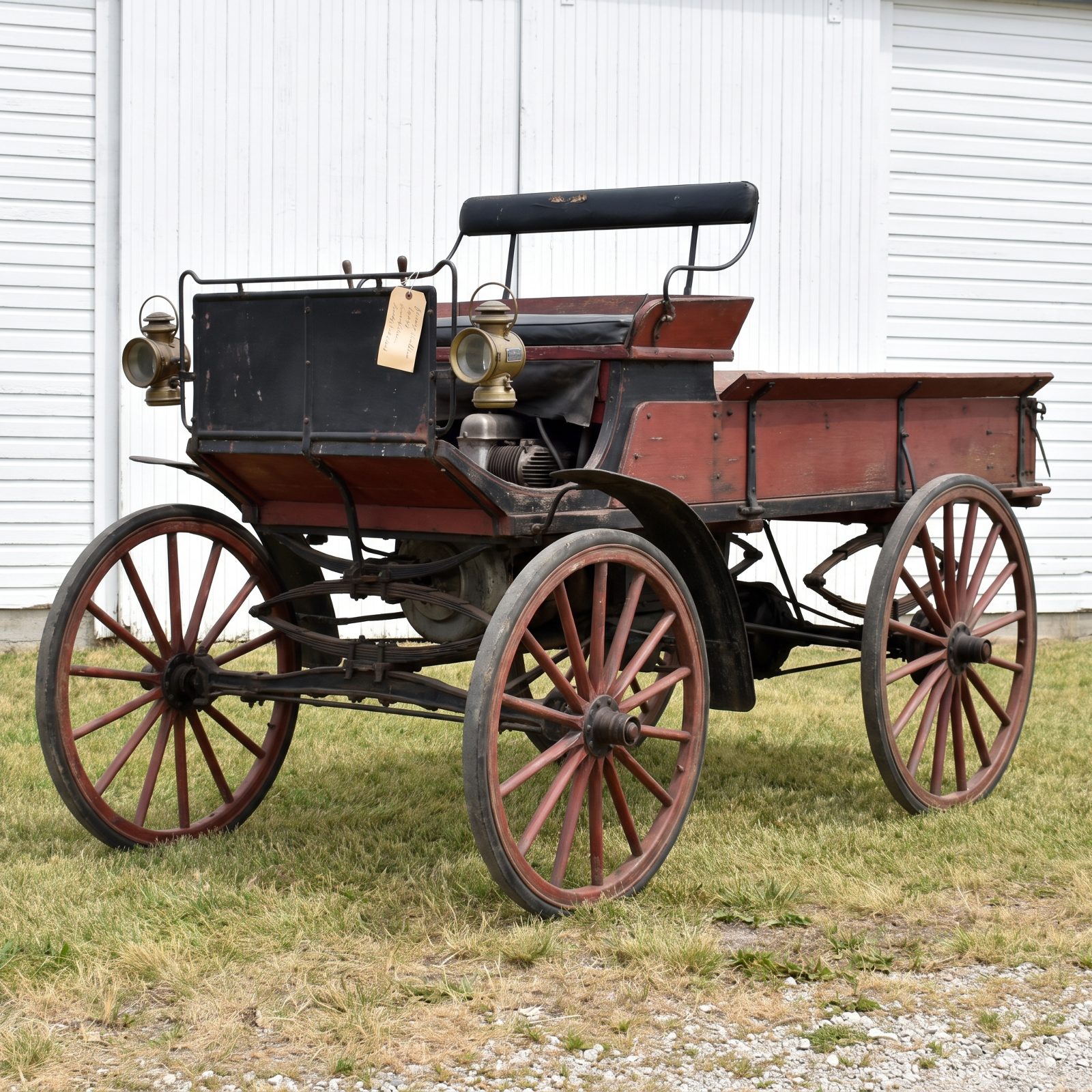
Picture a motor buggy riding on wheels tall enough to clear deep rutted mud, and you’ve got the Auto Wagon. International built it to retire the horse and wagon on rural roads that early automobiles simply could not survive.
Those towering wooden-spoked wheels, the exposed seat, the engine hiding underneath you — nothing else looks like it. It belongs more to the horse age than the car age, which is exactly why early-vehicle collectors and farm museums scrap over genuine running examples whenever one surfaces.
21. Jeep FC-170 Farm Truck, Cab-Over Oddity With the Bed Over the Axle
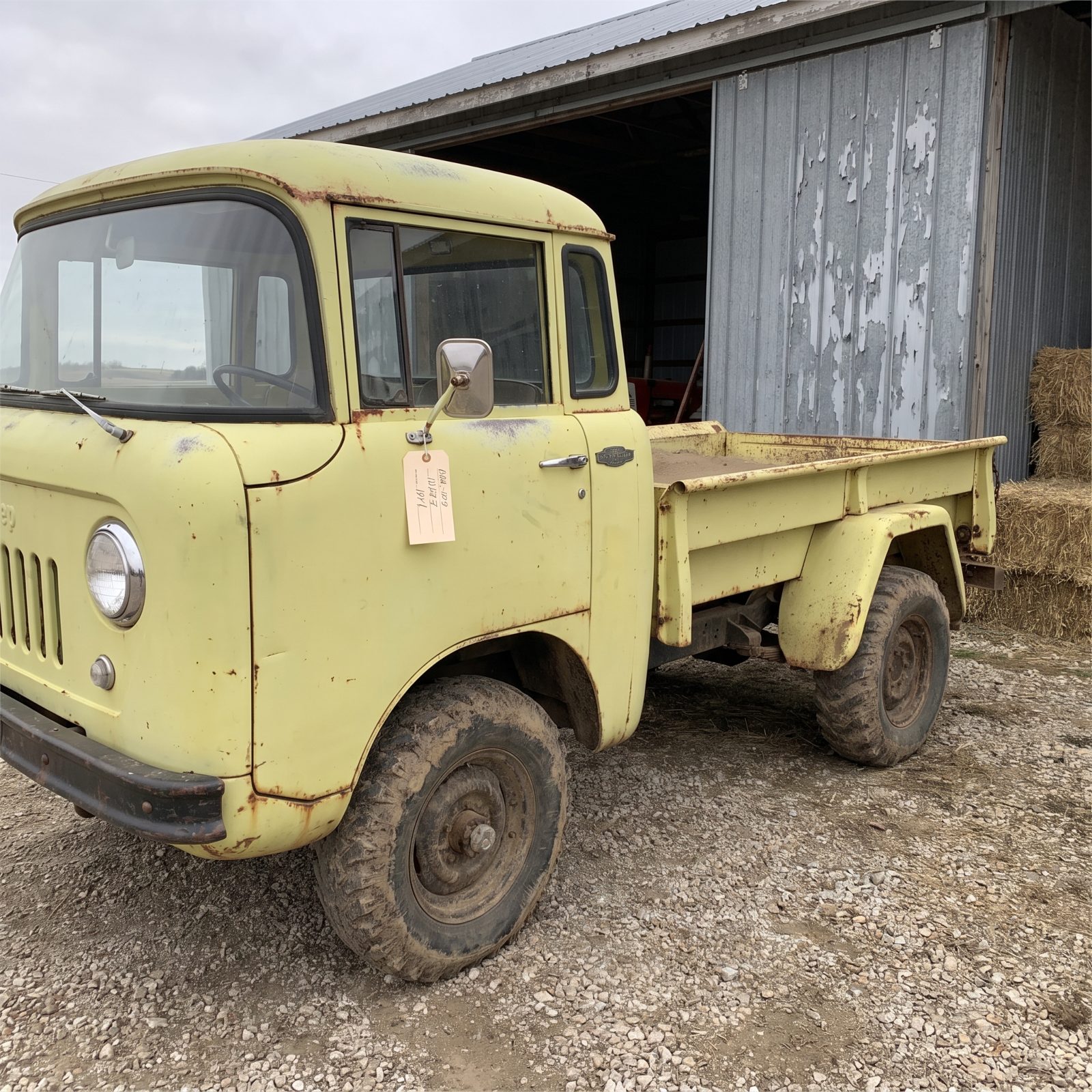
The driver sits right over the front wheels, which gives the FC-170 that snub-nosed, almost toy-like face. The cab-forward layout crammed a long bed onto a short wheelbase, and the bed rode high over the rear axle for proper load-carrying muscle.
Built from the mid-1950s into the mid-1960s, it never sold in huge numbers, and rust quietly claimed most of the ones that did. A straight four-wheel-drive FC-170 still earning its keep draws a crowd — because so few ever made it this far.
20. Diamond T 201 Pickup, The Work Truck With Art Deco Jewelry
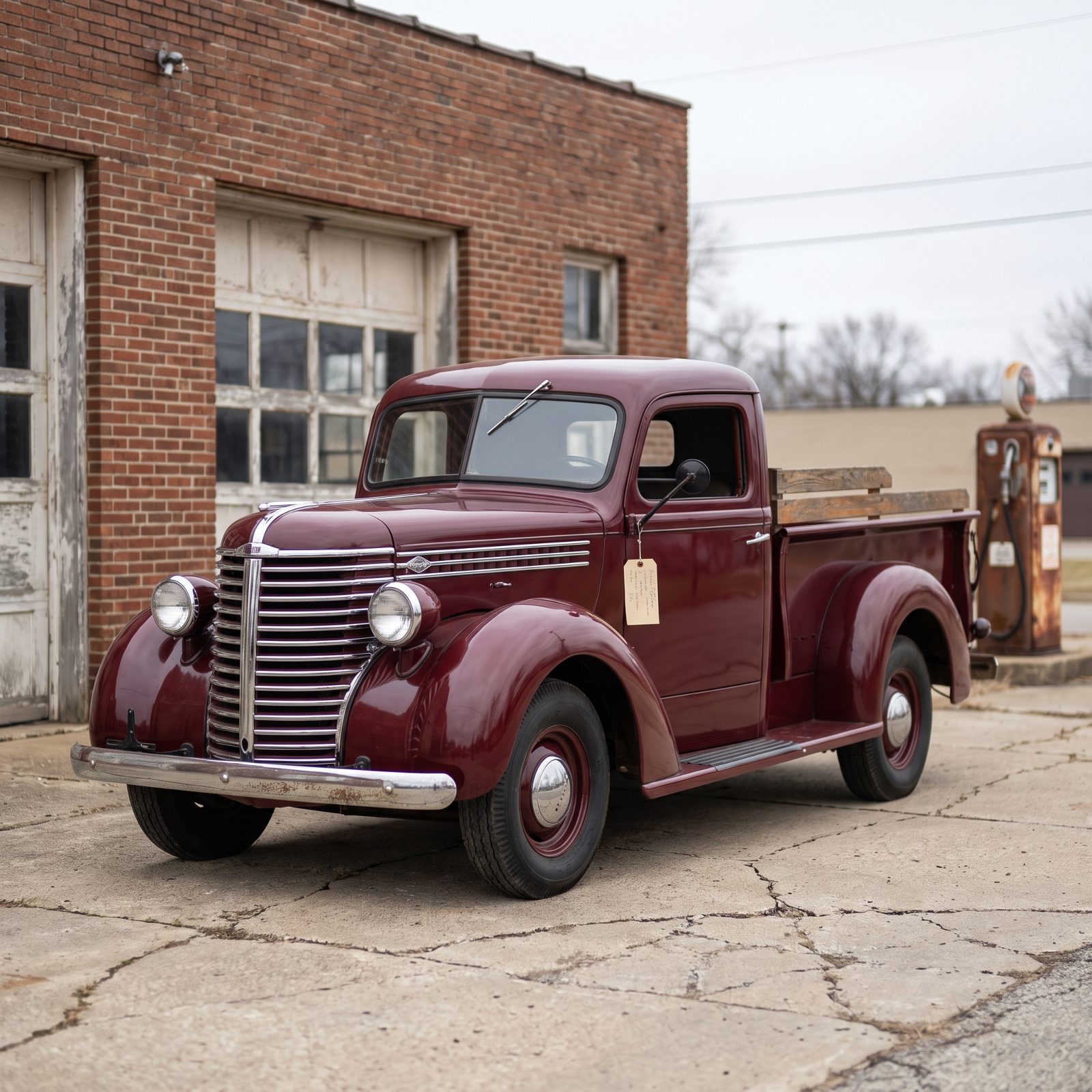
Nobody expected a half-ton pickup to look like this. Diamond T dressed the 201 like a luxury sedan — swooping fenders, a chromed grille, teardrop headlamps, Art Deco trim where rivals offered plain bare steel.
Under all that finery it was genuinely heavy-duty, overbuilt for its rating, which is why so many soldiered on for decades. Diamond T was a Chicago outfit better known for big commercial rigs, and the 201 was its charming oddball.
That mix of jewelry and brawn is pure catnip for truck collectors. Clean ones punch way above their size class on the block.
19. International Harvester Travelette, The Crew Cab Before Crew Cabs Were Cool
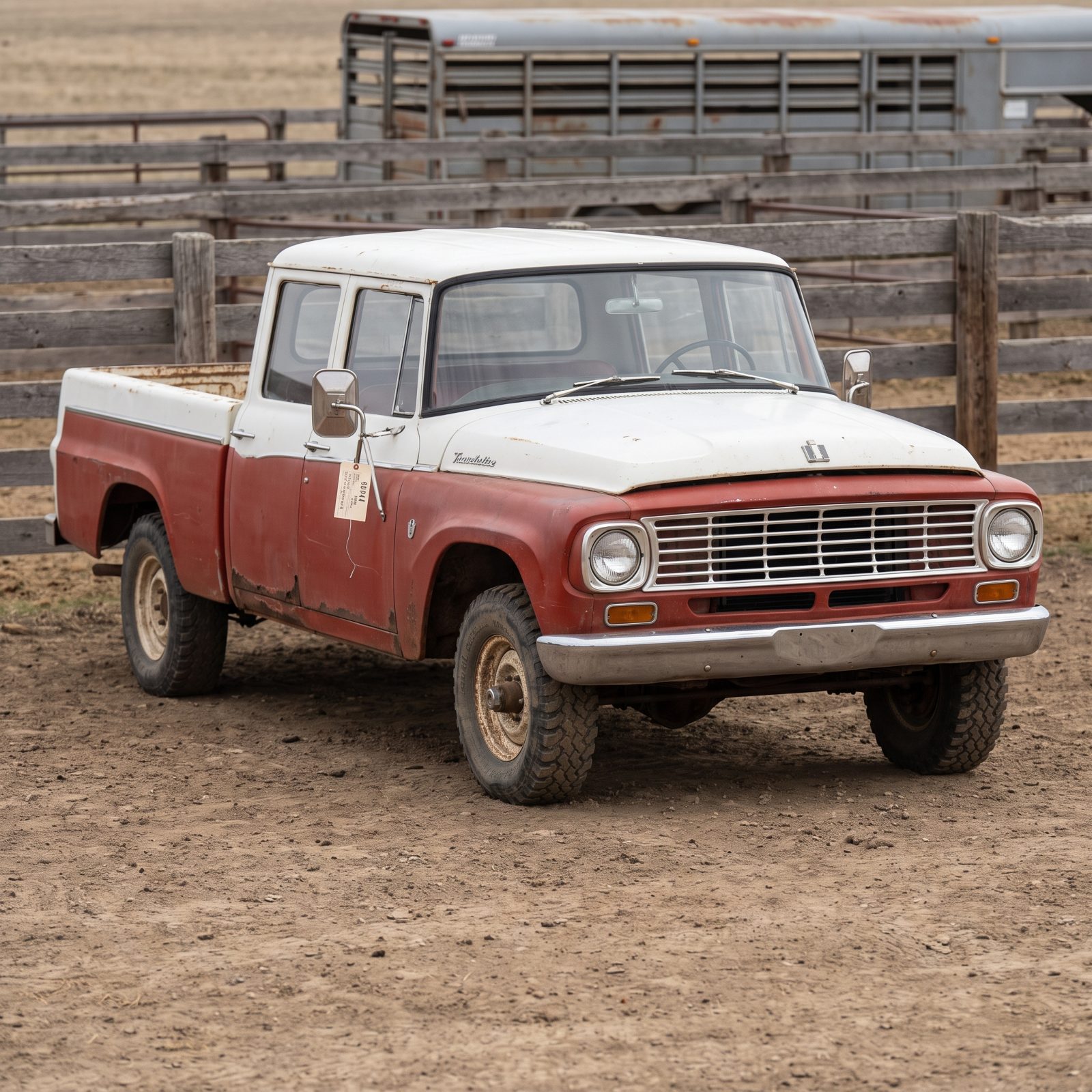
Long before every suburban driveway held a four-door pickup, International was already building one. The Travelette gave ranch crews real seating for a full gang plus a working bed, straight from the factory.
Four-wheel-drive versions are the ones collectors actually want. They were the true working-ranch tool, so they got used hard and discarded harder. Finding one that’s solid, complete and 4WD takes patience. And when a good one does show up, the people who understand what it was quietly line up to bid.
18. Dodge Power Wagon WDX, Civilian Muscle Straight Off the Battlefield
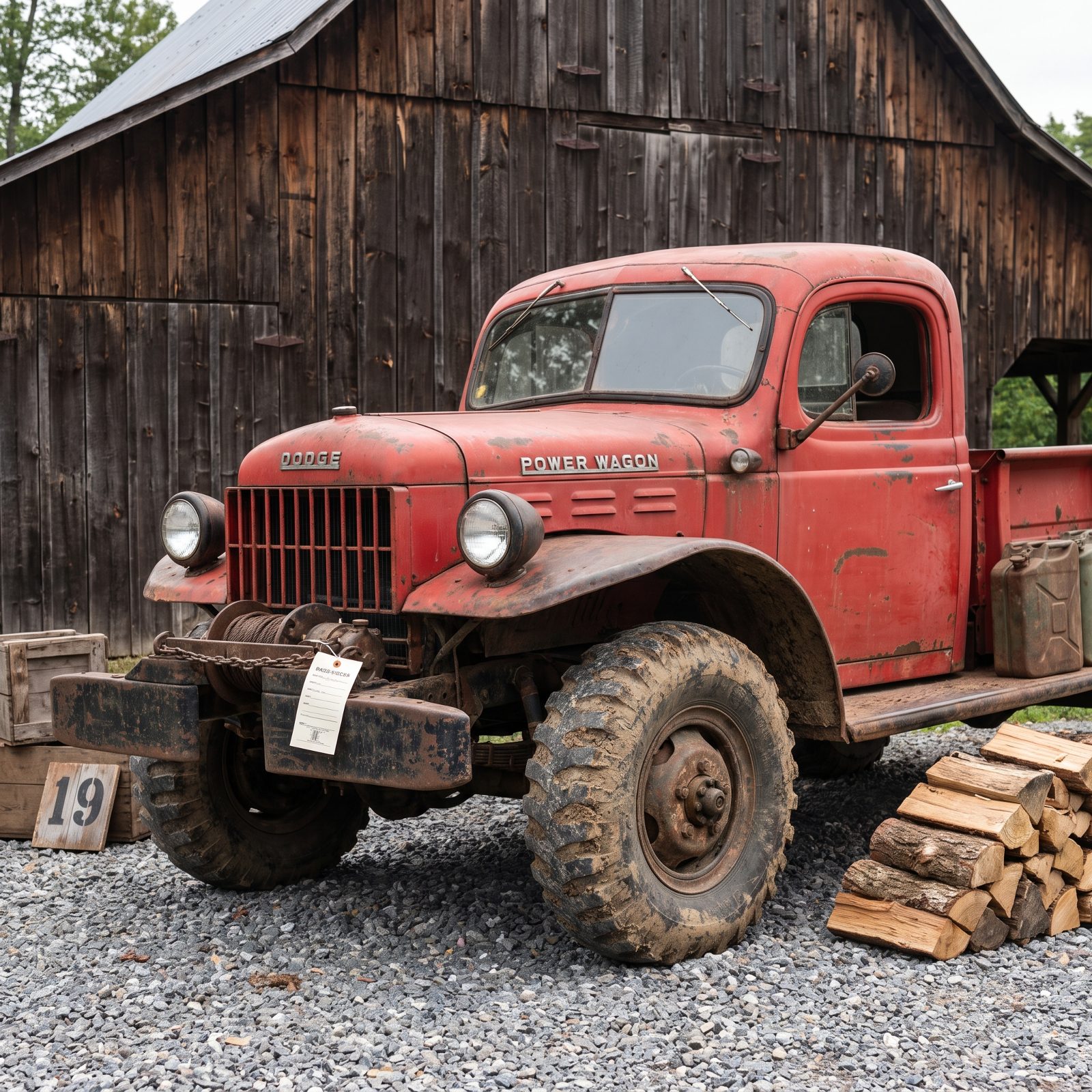
The WDX is a WWII truck that peeled off its uniform and went to work on the farm. Dodge took the wartime weapons carrier, civilianized it in 1946, and sold the result to anyone who needed brute capability off the pavement.
Those slab-sided flat fenders and that upright stance read “government surplus” at a glance, and that’s the draw. A WDX with its PTO, winch and original drivetrain still intact sits dead center in the collector truck world now, and values have climbed steadily year after year.
17. Chevrolet 5700 COE Grain Truck, The Cab-Over With the Dramatic Nose
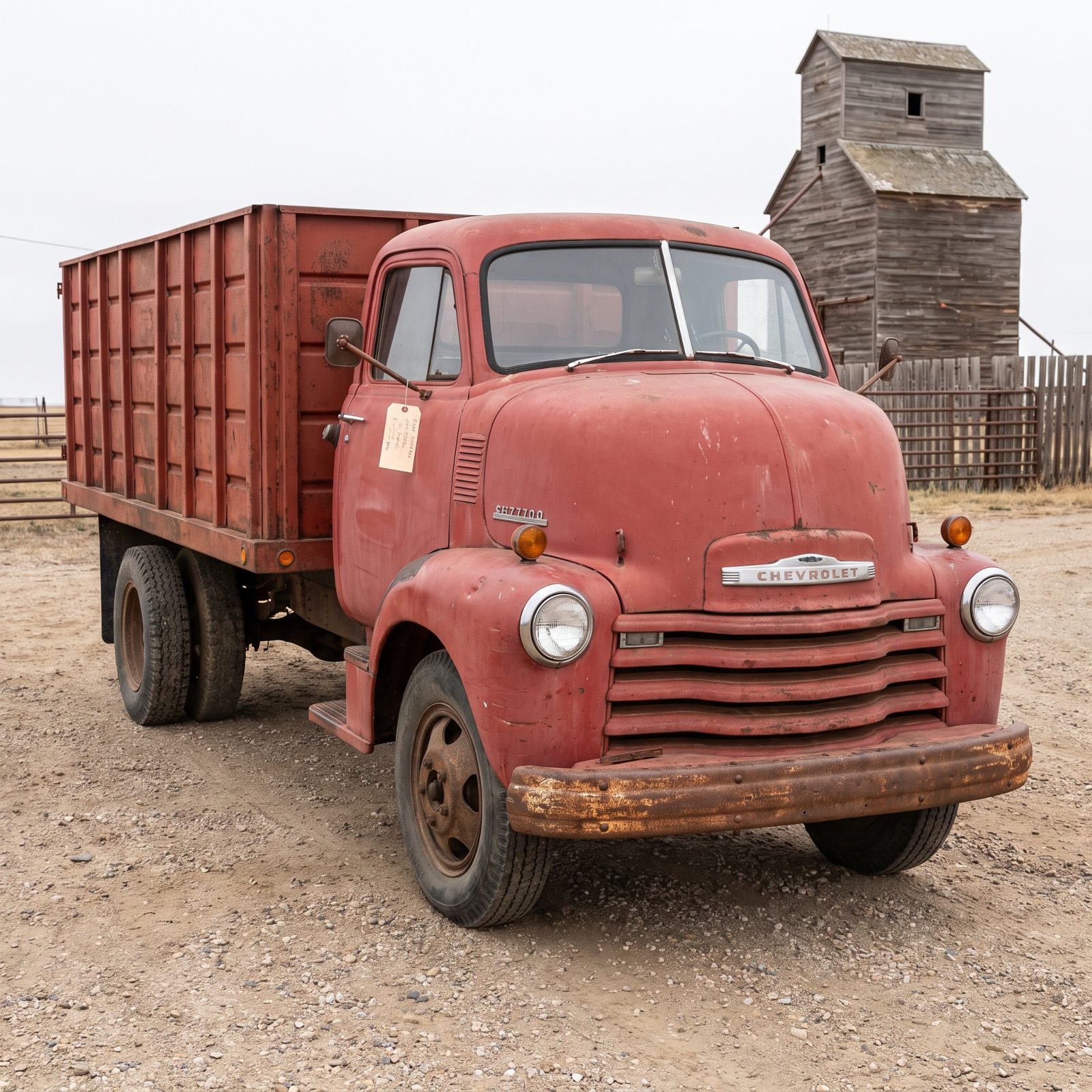
Everything about the 5700 is front-loaded. The cab perches right over the engine and front axle, the nose drops almost straight down, and the whole truck looks like it’s leaning in to get to work before you’ve even climbed aboard.
Farmers loved the layout. A short wheelbase turned tight in the yard while the tall grain bed still swallowed a real load, and those exaggerated proportions make it a favorite with collectors who want presence without springing for a full semi. A solid COE with its grain box intact is getting genuinely hard to track down.
16. Rumely OilPull 30-60 Type E: The Kerosene Giant With a Radiator the Size of a Door
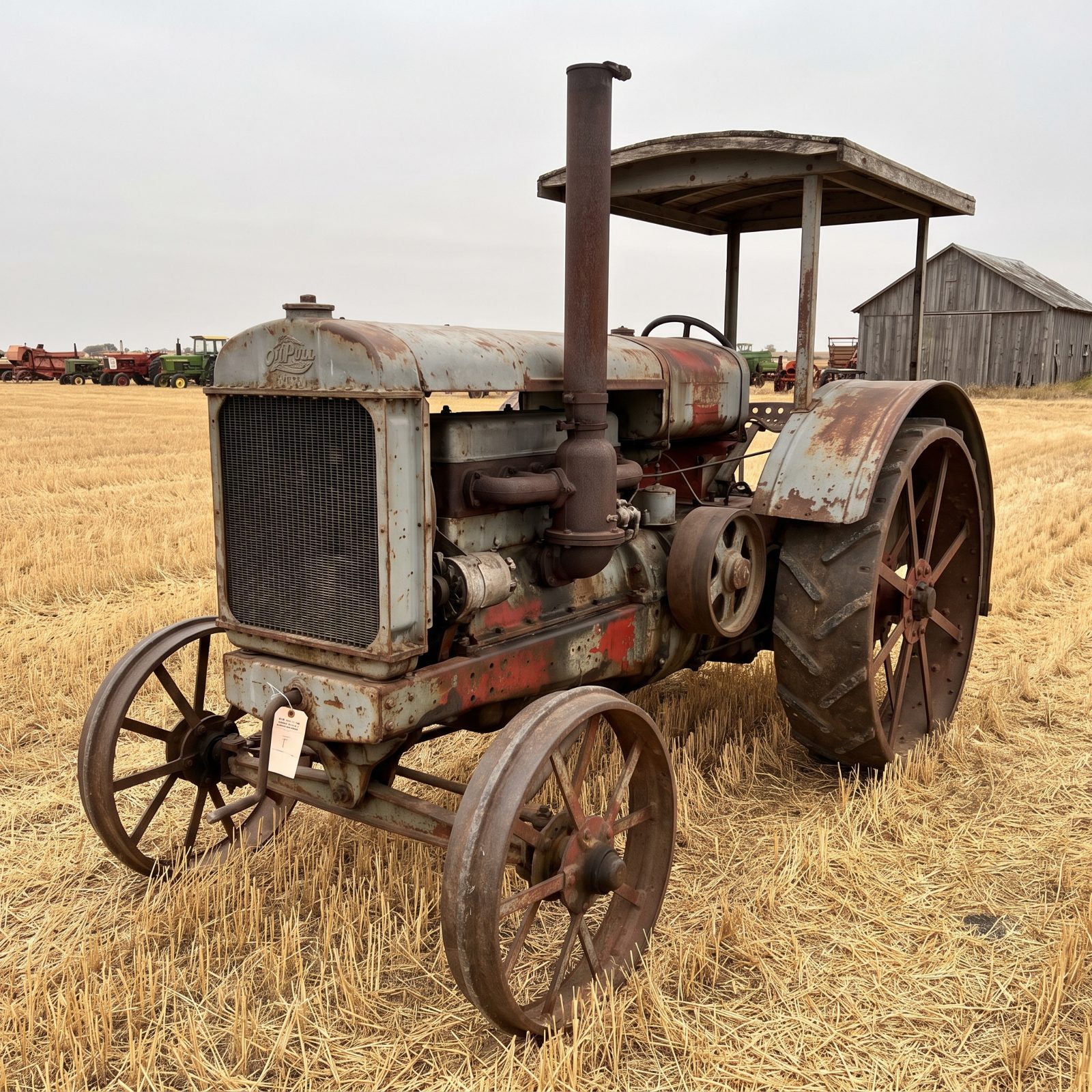
That slab of cooling tubes bolted to the nose isn’t a radiator for water. It’s an oil cooler, and it’s the whole reason these things sold. Rumely burned cheap kerosene back when gasoline was the expensive stuff, and the oil-circulation system let the engine run hot enough to swallow it without hammering itself apart. Farmers did that math in their heads at the dealer and signed.
The 30-60 is the big one — sixty belt horsepower, drawbar pull that could drag a plow gang through gumbo clay, and enough presence to stop auction traffic cold. Completeness is everything. An original stack, an intact cooling core, legible brass tags: that’s what separates a serious sale from a parts hulk somebody’s going to scavenge.
15. Waterloo Boy Model N: The Tractor John Deere Bought a Company to Get
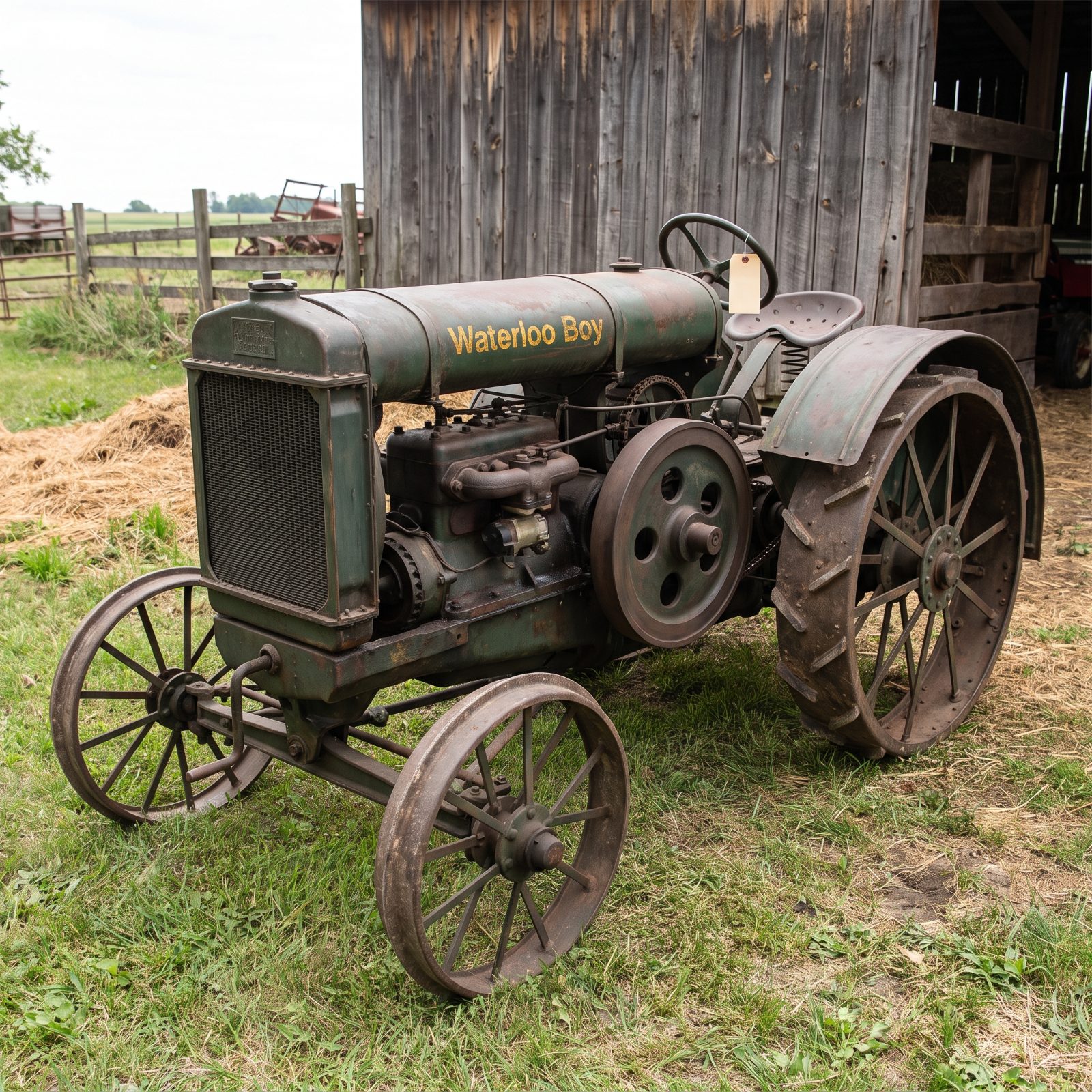
Nobody chases the Model N for horsepower. They chase it for what it turned into. When Deere decided to get into tractors in 1918, it skipped the drawing board entirely — it bought the Waterloo Gasoline Engine Company outright, and the Model N is the machine that came in the box.
Every two-cylinder John Deere after that, every poppin’ Johnny that defined the brand for half a century, traces straight back to this chugging green frame. That bloodline is the appeal. A documented early Model N with its original engine number still readable is a provenance piece first and a working tractor a distant second.
14. Case 65 HP Steam Traction Engine: The Machine the Whole Auction Walks Over to See
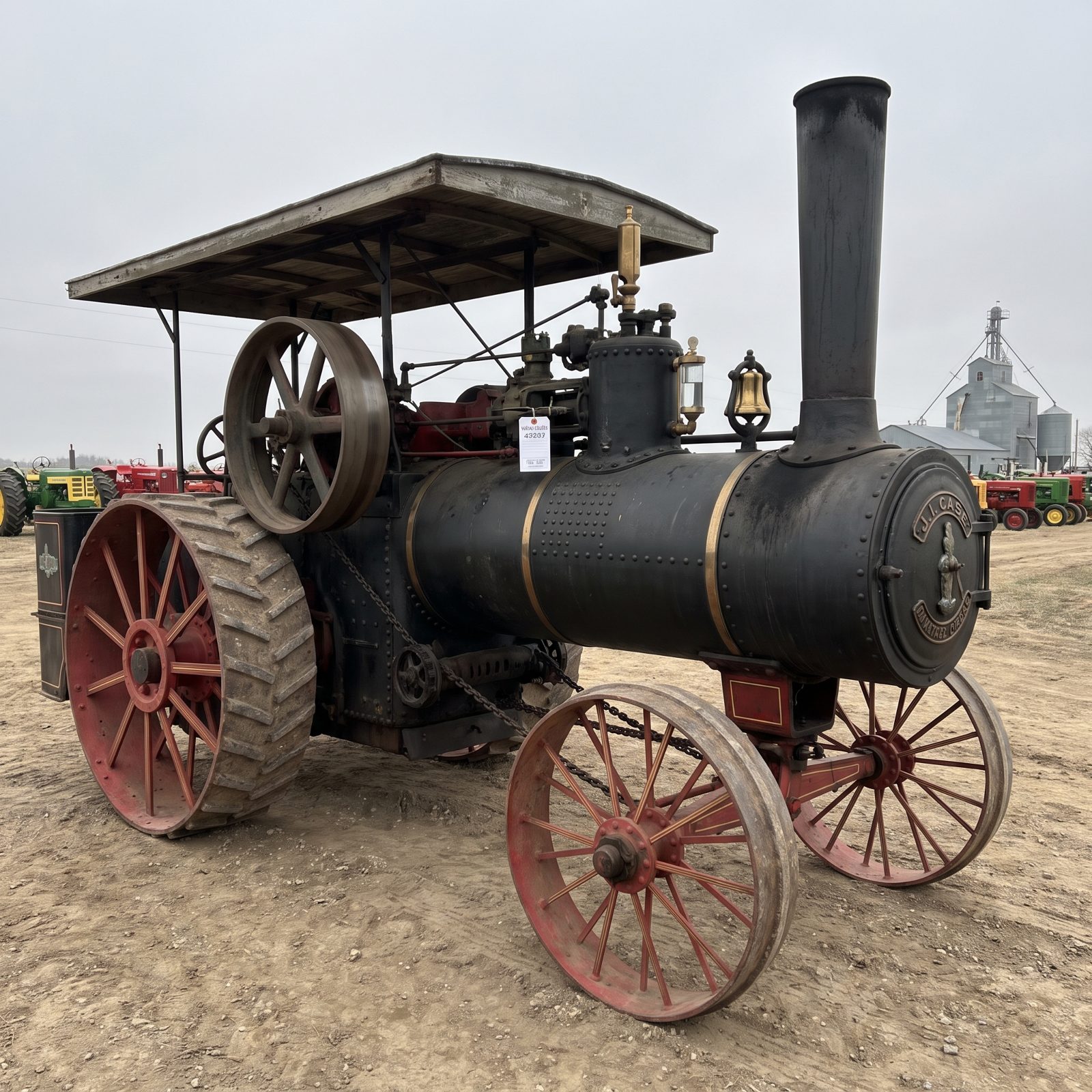
Nothing else on the sale bill casts a shadow like this. A 65 HP Case steamer stands taller than the bidders, weighs north of ten tons, and when it’s under steam you can feel the ground shift a little as it rolls past.
These headline every serious machinery auction, and the buyer pool stays tiny for good reason. You need somewhere to park ten tons, a certified boiler to fire it legally, and the plain nerve to run the thing. One detail swings the final number by thousands: a current boiler inspection certificate. Without it, you’ve bought yourself a magnificent lawn ornament.
13. McCormick-Deering Threshing Machine: The Belt-Driven Harvester Clubs Fight to Demonstrate
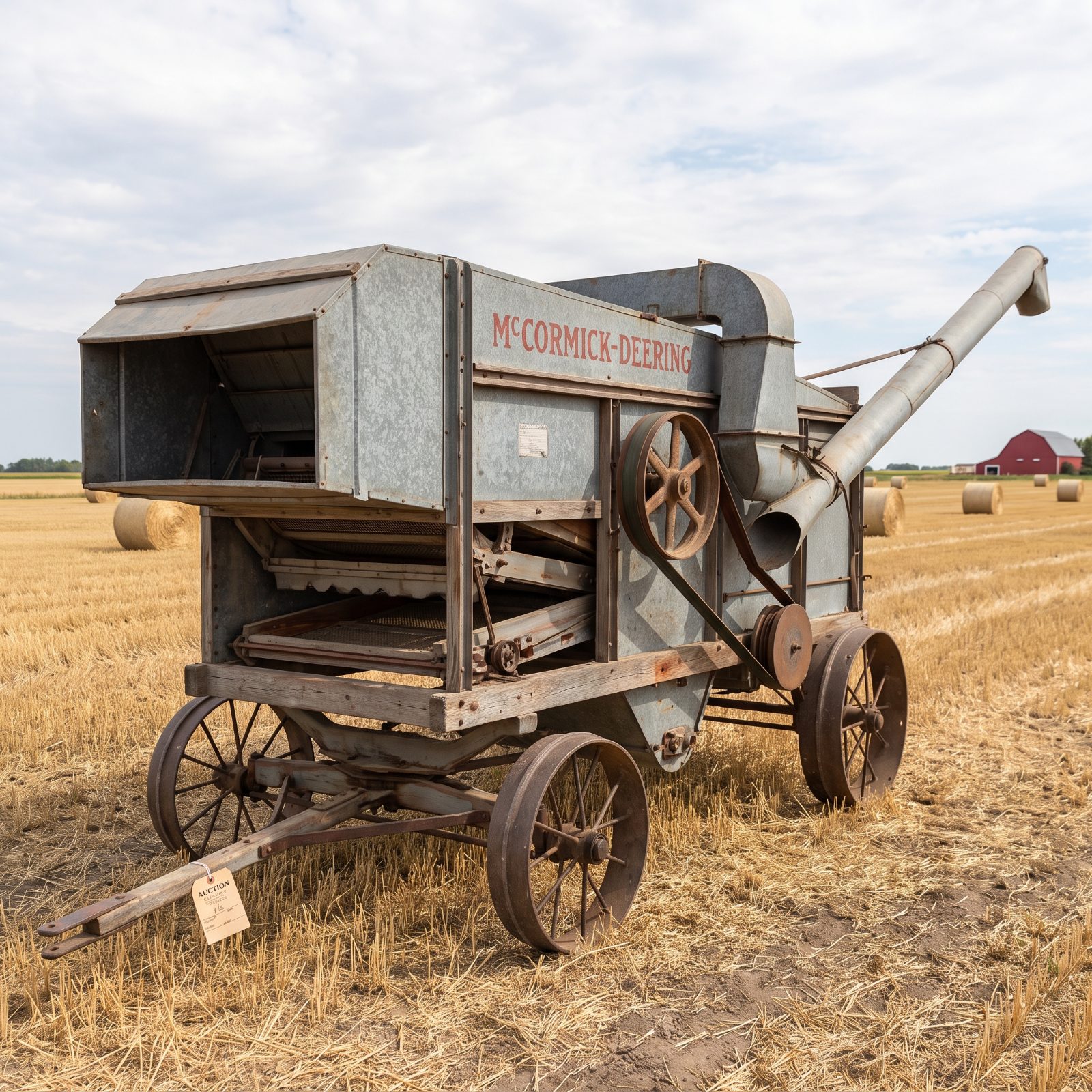
On its own a threshing machine is big, awkward, and worth less than you’d guess. Pair it with the right belt tractor and a crew that knows the choreography, though, and it becomes the star of the county threshing bee.
That’s the collector logic right there. These pull the grain out of the straw off a long drive belt running from a tractor pulley, and demonstrating one is a lost art that a handful of clubs keep barely breathing. Value rides on the feeder, the sieves, and whether that blower pipe still folds and extends without binding. A complete, belt-ready unit sells way above one already headed for the hedgerow to rot.
12. Allis-Chalmers All-Crop 60 Combine: The Little Orange Pull-Type Judged on Its Decals
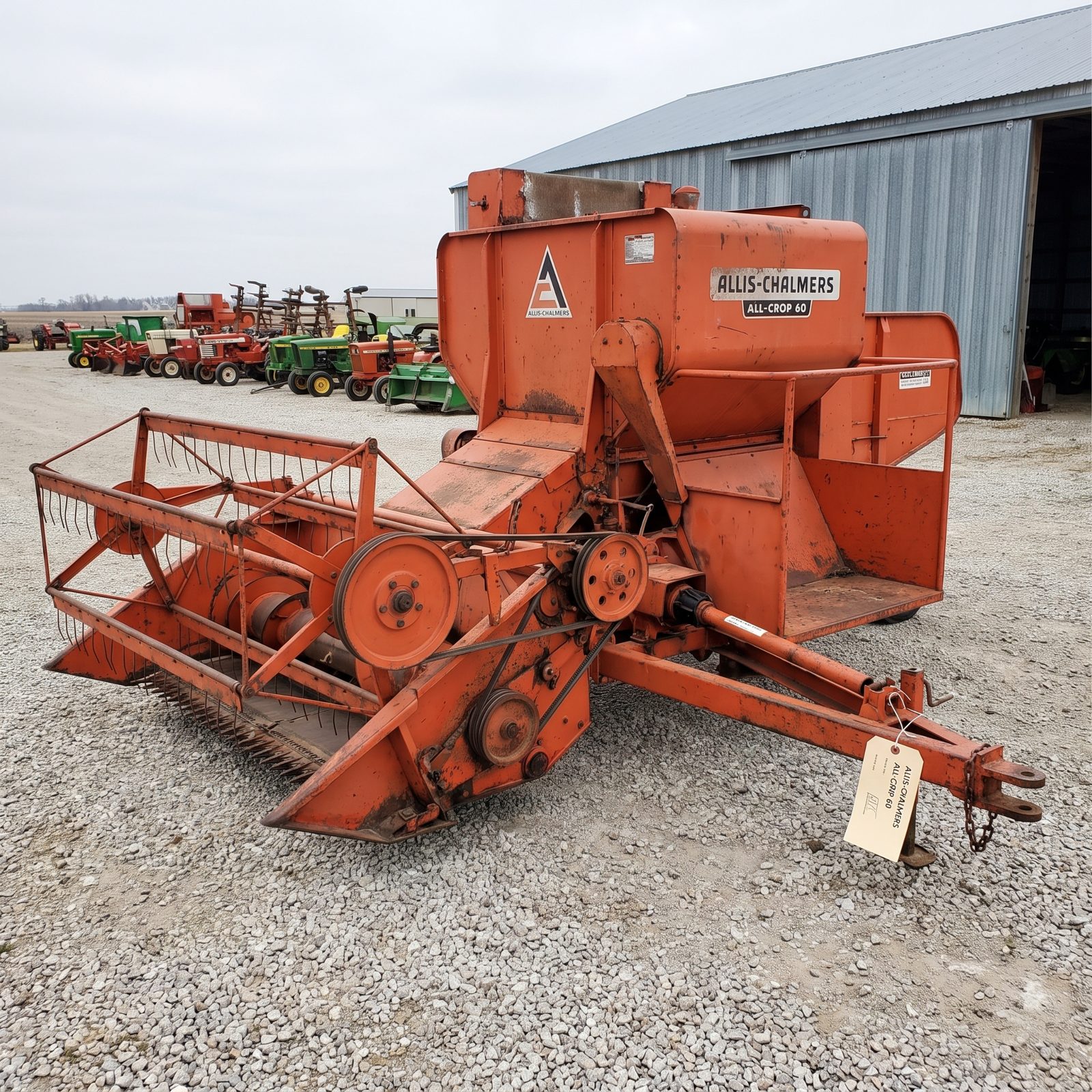
Collectors judge this one close. Almost fussy. The All-Crop 60 was a compact pull-type built to harvest small grains behind a modest tractor, and the factory cranked out thousands of them, so what separates a winner from the herd comes down to small stuff.
- Original Persian orange paint with legible factory decals, not somebody’s weekend respray
- A complete cutter bar, reel, and canvas with no patched-together substitutes bolted in
- Uncommon crop attachments for beans, clover, or grass seed — the kind of parts most units shed decades ago
Find one with those rare attachments still hanging in the shed and you’ve found the lot the orange faithful quietly circle on their catalog.
11. International Harvester 2-MH Corn Picker: The Mounted Rig That Completes a Farmall
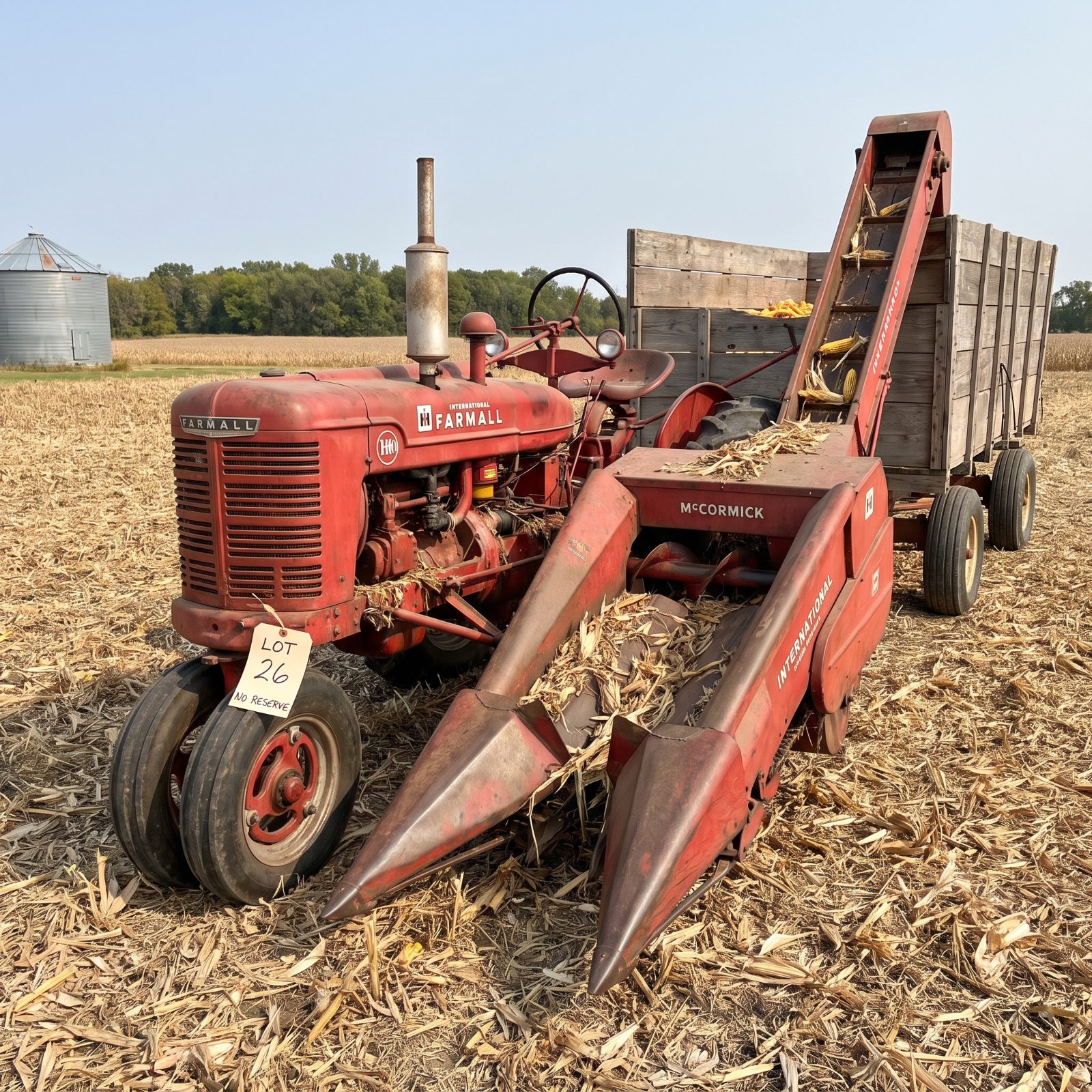
A bare Farmall shows up at every sale. A Farmall parked beside a correct-period two-row mounted picker is a whole harvest scene frozen in steel, and that’s what gets bidders out of their lawn chairs.
These two-row pickers bolted right onto the tractor and did everything in one pass — gathering, snapping, husking, then dumping into a trailing wagon. Sorting one out takes hours and real know-how, so a picker that’s already complete and runs clean saves the next owner a genuinely brutal weekend. The snapping rolls and husking bed soak up the wear, so check those first, before anything else. A complete tractor-and-picker pair sells as a display piece worth more than its two halves would bring apart.
10. New Holland Model 77 Baler: The Twine-Tie Pioneer With Its Own Wisconsin Engine
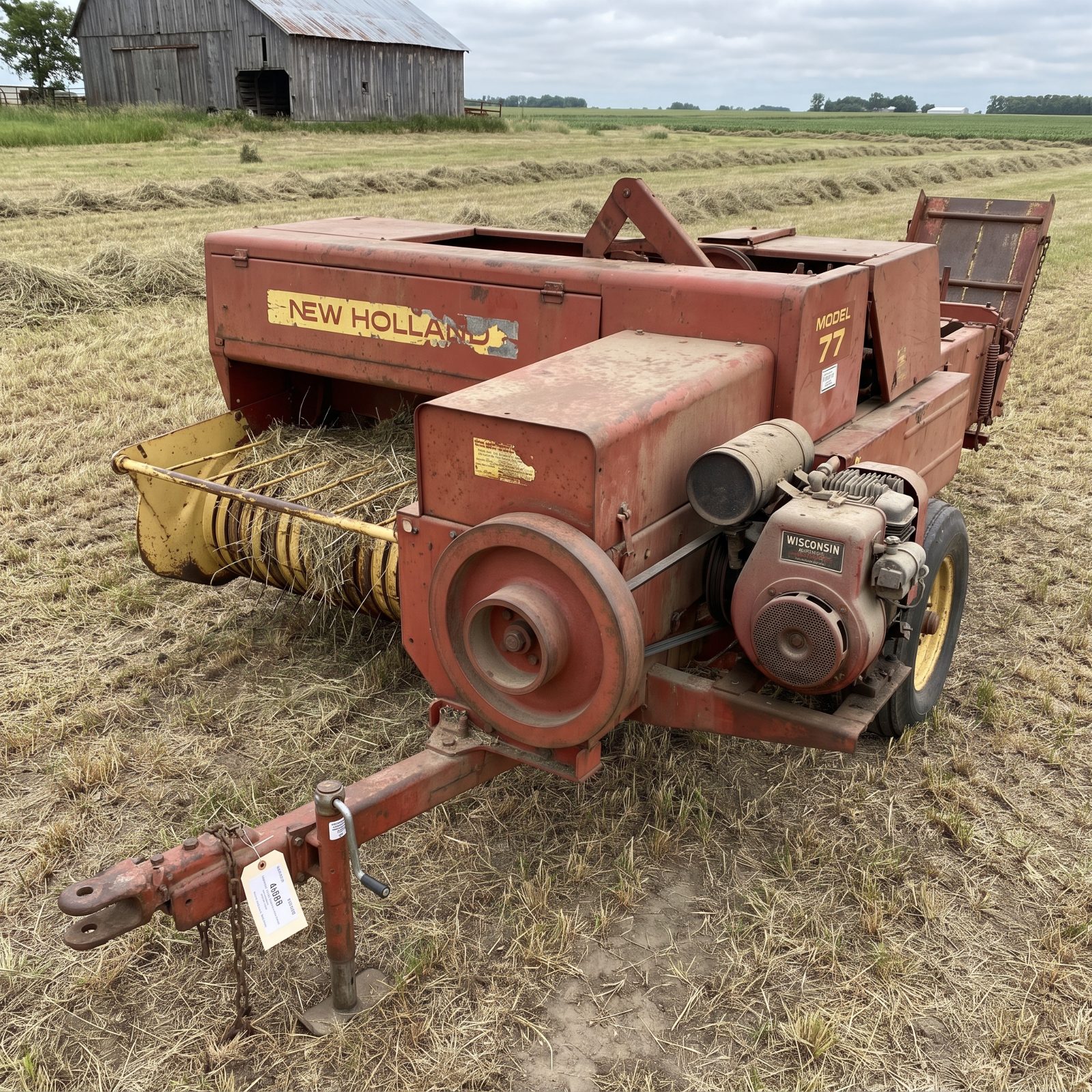
The part that hooks collectors sits bolted to the side, not inside the bale chamber. The Model 77 carried its own air-cooled Wisconsin engine to drive the baling mechanism, which meant the tractor only had to pull it along and spin the pickup. That standalone powerplant is half the charm and all the conversation.
This baler helped prove automatic twine-tie baling could actually hold up in the field, which earns it a real spot in hay equipment history. The knotter is the heart of the whole thing — a Model 77 that still ties a reliable knot brings noticeably more than one that only pretends to. And the Wisconsin engine? Originality there matters just as much as the knotter does.
9. New Holland 1033 Stackliner: The Bale Wagon That Builds and Dumps a Load by Itself
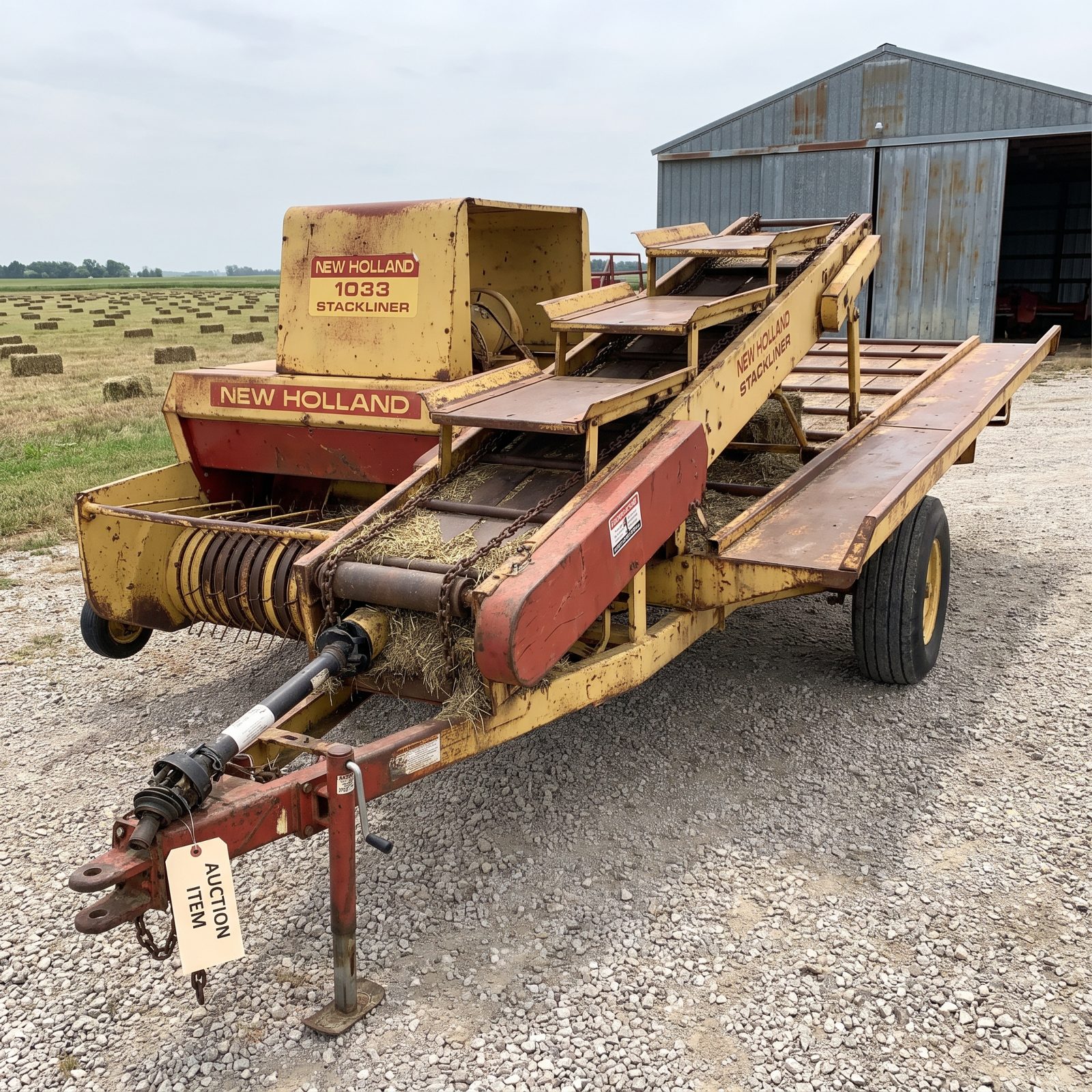
Watching a Stackliner work is exactly why people buy them to demonstrate. It plucks small square bales off the field, stacks them into neat tiers on its own bed, then tilts up and sets the whole block down in one piece. Not one hand touches a bale the entire time.
That automation was clever enough that hay-equipment collectors chase working examples hard. The hydraulics and chain drives are where these things fail, and a 1033 that runs a full build-and-unload cycle without jamming is the one that draws the crowd at the rail. Buyers here pay for function, not paint.
8. John Deere Model E Stationary Engine: The Green Hit-and-Miss That Ran the Farm
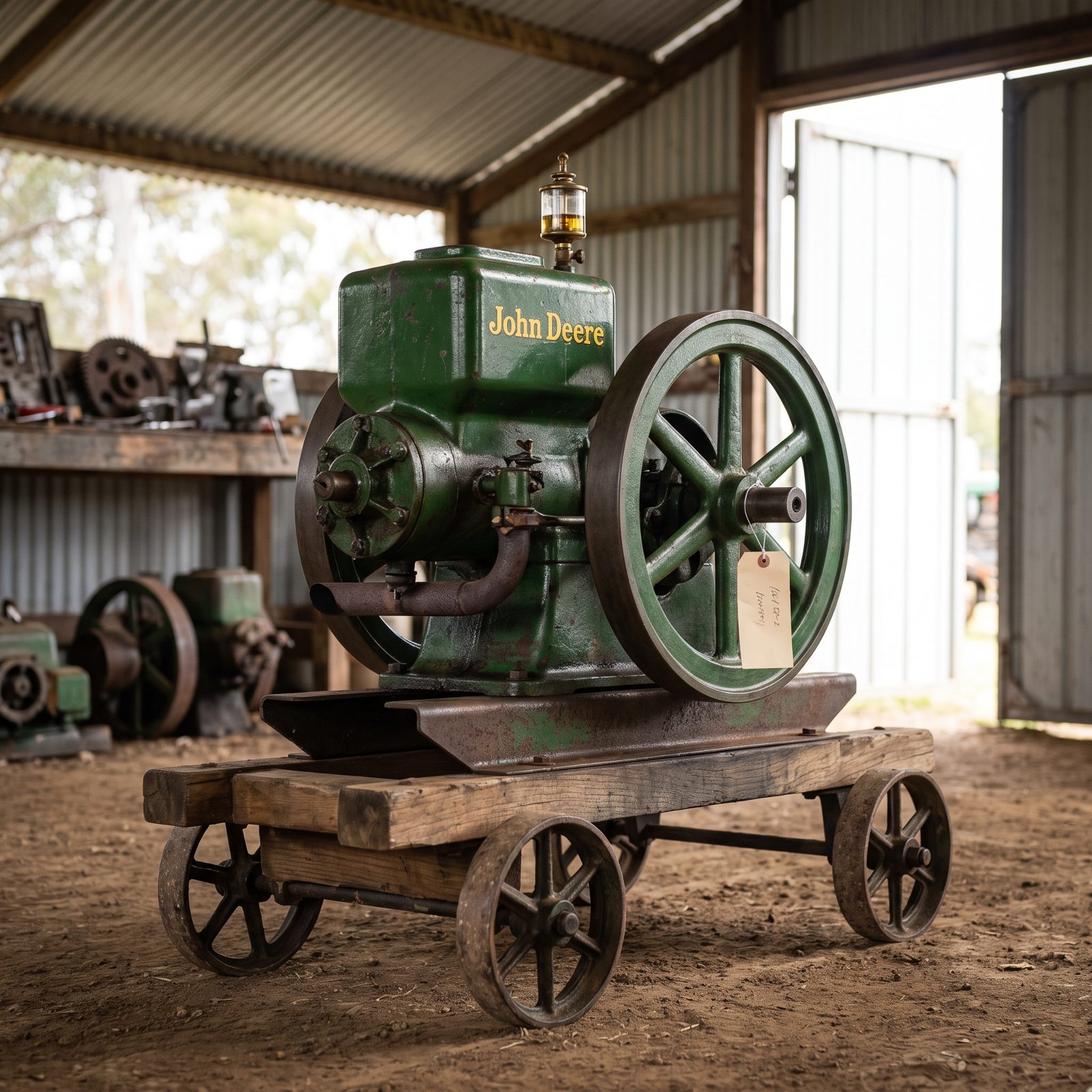
Before every farm had a tractor sitting idle for every little chore, the small jobs ran off engines like this. The Model E is a hit-and-miss, meaning it only fires when the governor decides the flywheels have slowed enough, then coasts along on momentum until the next bang. That lazy, uneven pop… pop… pop is a sound collectors would pick out blindfolded in a crowded field.
It pumped water, ground feed, turned the washing machine, spun grinders and buzz saws off a flat belt. Compact, portable, endlessly useful — the thing earned its keep ten different ways. These are the gateway collectible for a lot of folks, because one fits in a corner of the garage and starts on a hand crank. Original igniter, matching flywheels, a cylinder that spins free: that’s what sorts the good ones from the rest.
7. Allis-Chalmers Model G: The Rear-Engine Oddball You’d Spot From a Field Away
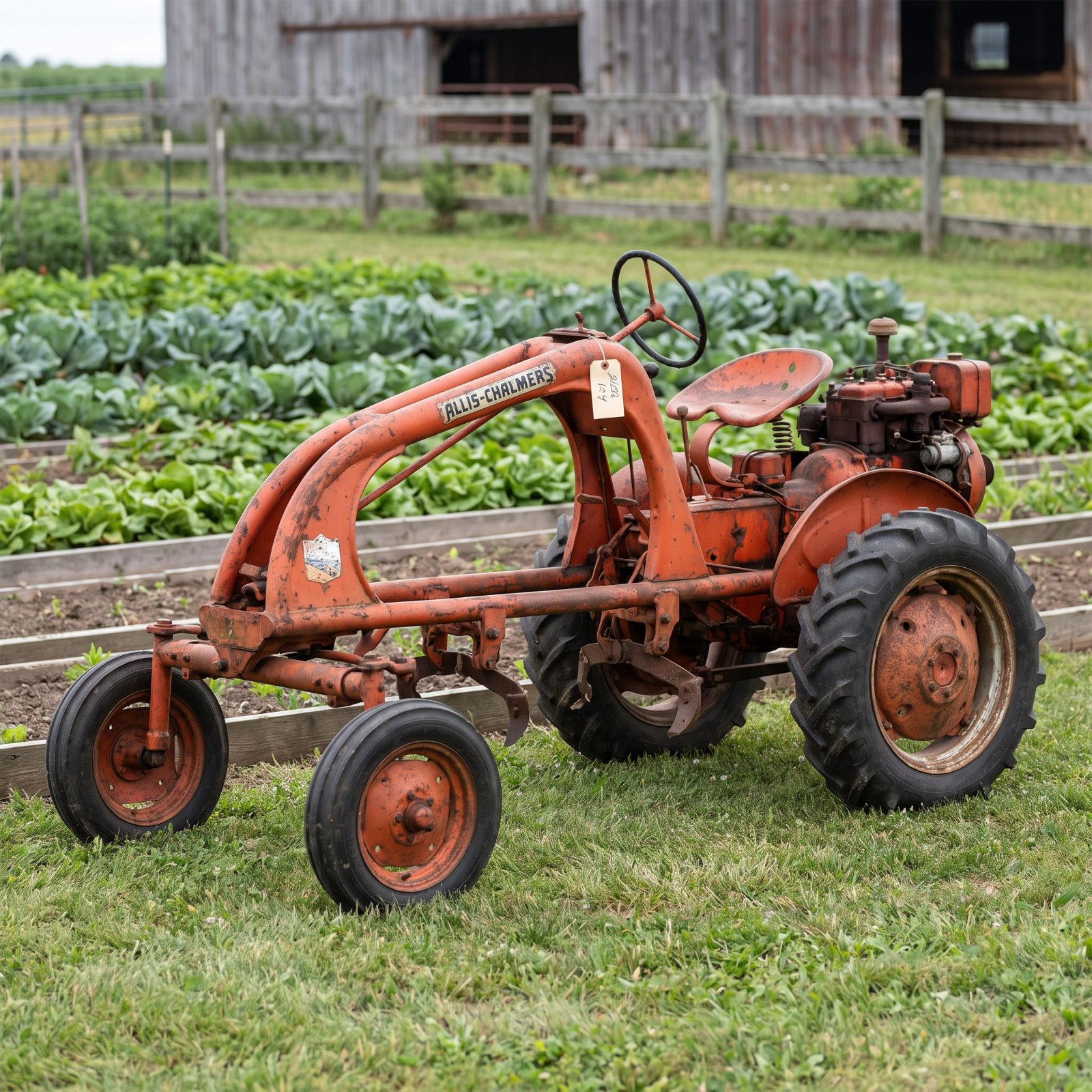
You can pick out a Model G from clear across the fairgrounds, and honestly that’s most of the appeal. The engine sits behind the driver, the frame arches up and leaves the whole middle wide open, and the operator stares straight down at the dirt and the cultivator scratching along under the belly.
Allis built it for truck farmers running row crops who needed to see exactly what they were weeding. Nothing else on the lot looks like it. Small-acre organic growers rediscovered the design a while back, which keeps demand stubbornly high and running examples thin on the ground. A Model G with its belly-mount tools still bolted on is the sale that separates the merely curious from the committed.
6. International Harvester 1468, The V8 Muscle Tractor With Four Stacks
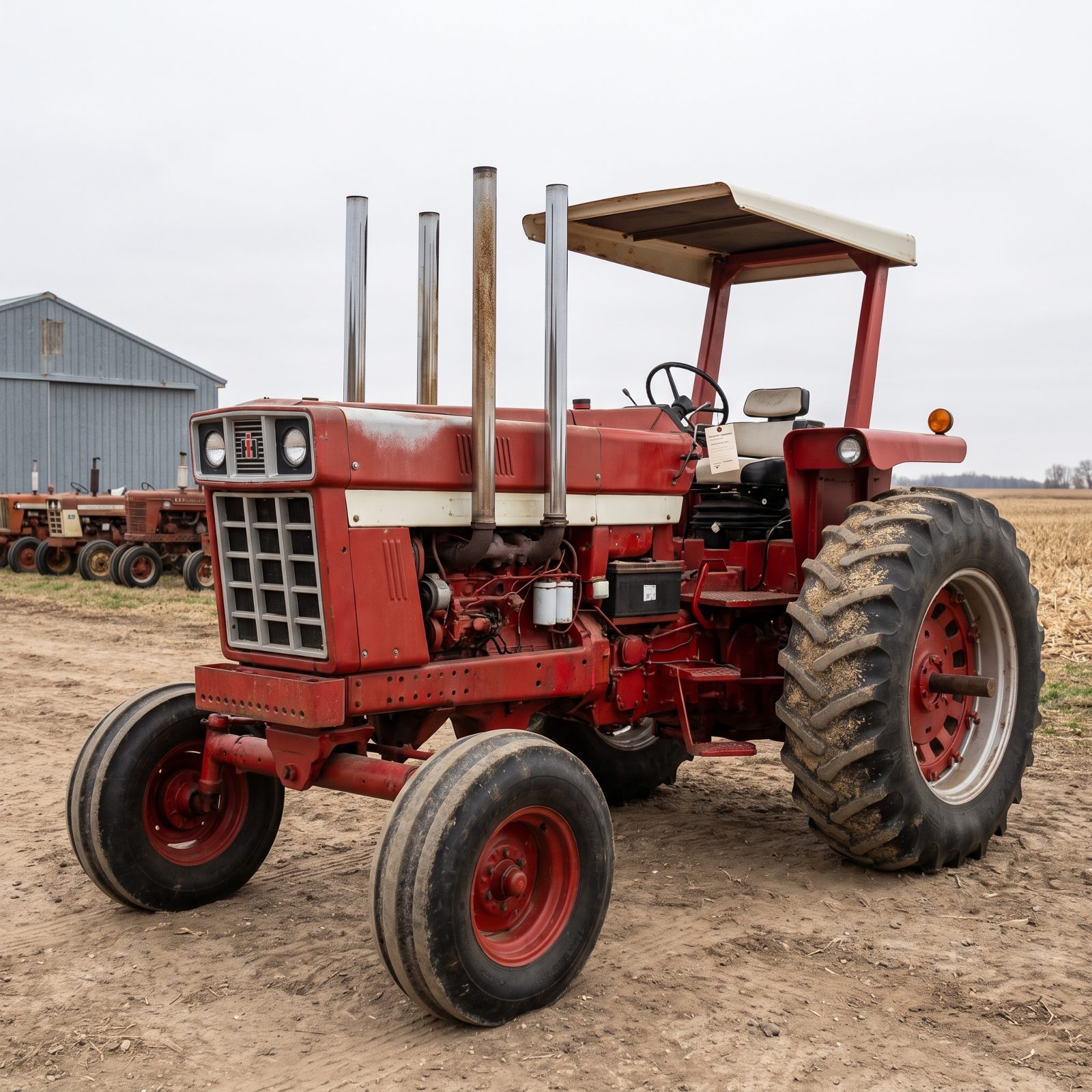
This is the one serious collectors circle in the catalog before anything else. The 1468 was the only V8 diesel International ever put in a row-crop tractor, and it announced itself with twin exhaust stacks where everyone else ran one.
Only a couple thousand left the factory. That scarcity, married to the noise a 549-cubic-inch V8 makes under load, is why clean examples pull money that would baffle anyone who still thinks a tractor is just a tool.
5. Case 1570 Spirit of ’76, The Bicentennial Tractor In Red, White And Blue
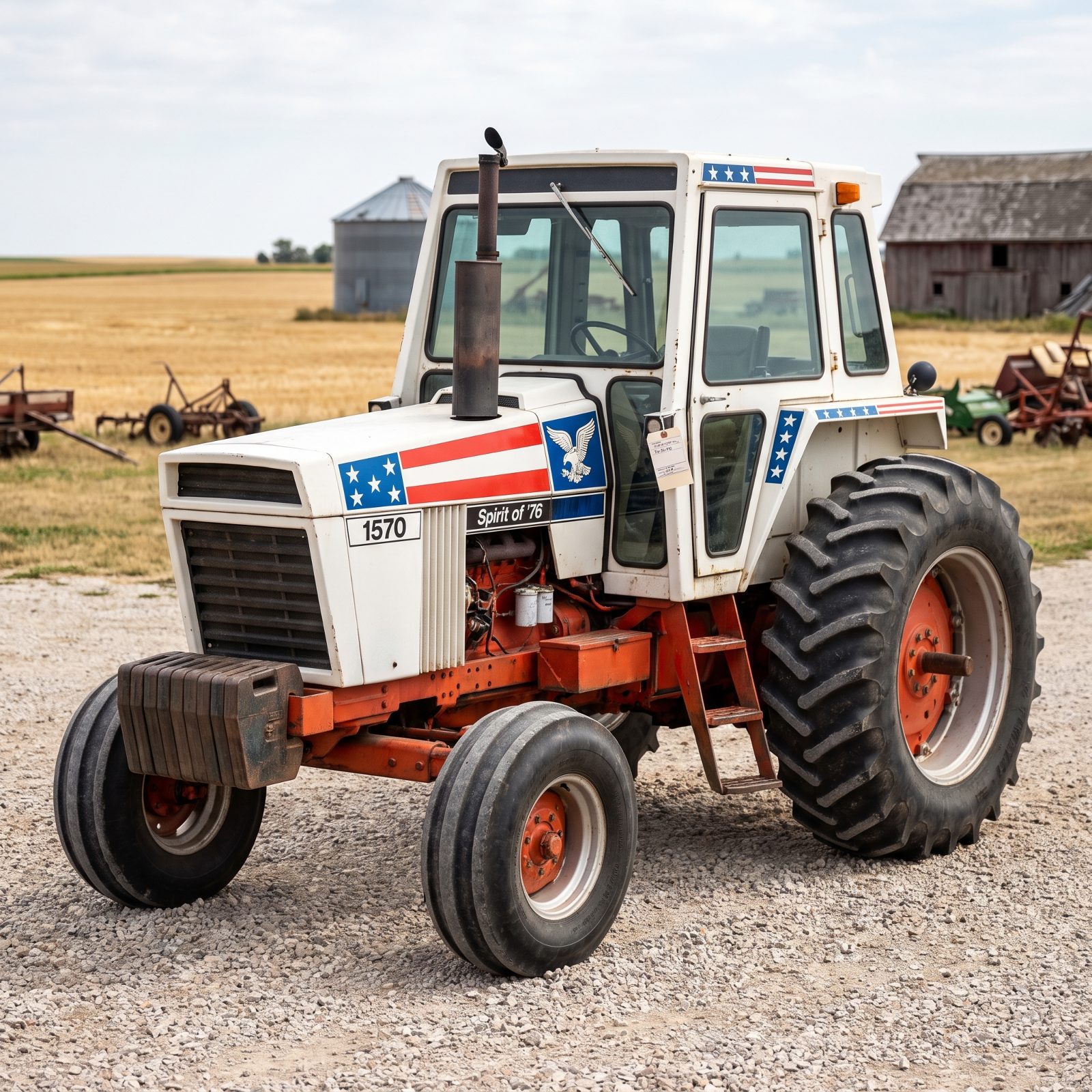
Case built a limited run of these for the Bicentennial, and the paint tells you everything. Eagles, stars, red, white and blue running the whole length of the hood. A rolling billboard dressed up for July 4th, 1976.
Underneath the costume sat a big 180-plus horsepower machine, and the Spirit of ’76 package turned it into a collector’s piece before it ever touched a field. Original graphics are the whole game. A repaint, no matter how careful, knocks the value down hard, because what bidders chase is the factory paint that actually survived.
4. International Harvester 1206, The White-Paneled Turbo That Started It
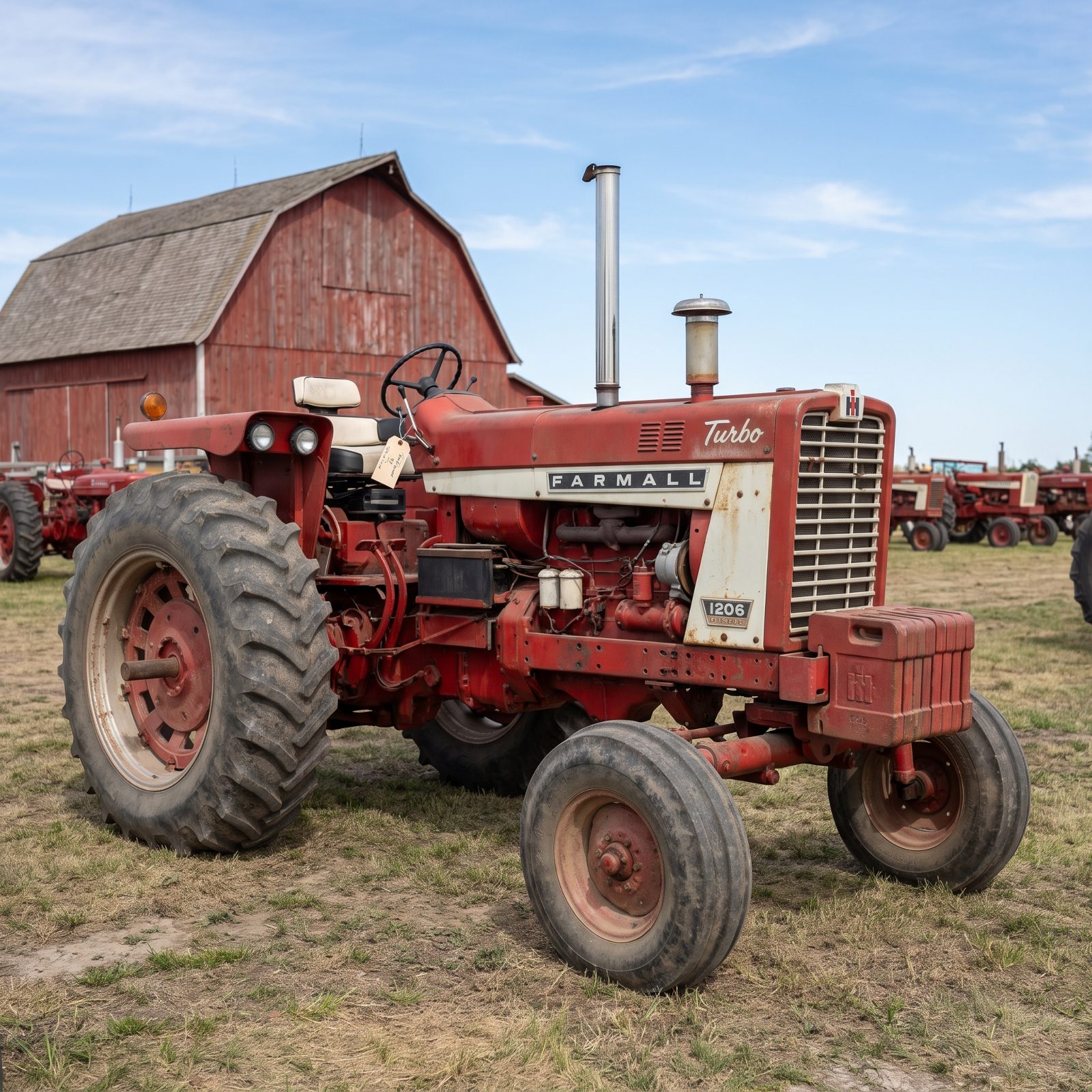
The 1206 is where farm horsepower stopped being polite. International dropped a turbocharged diesel into a row-crop tractor and painted the hood panels white so everyone at the co-op knew what was coming down the road.
Those white panels became the signature. A collector can spot a 1206 from across a crowded lot by that detail alone. Credit it with kicking off the horsepower race between the color brands, and that bit of history gives an honest, unmolested example real pull with bidders who care about firsts.
3. International Harvester 3588 2+2, The Articulated Tractor Built Backwards
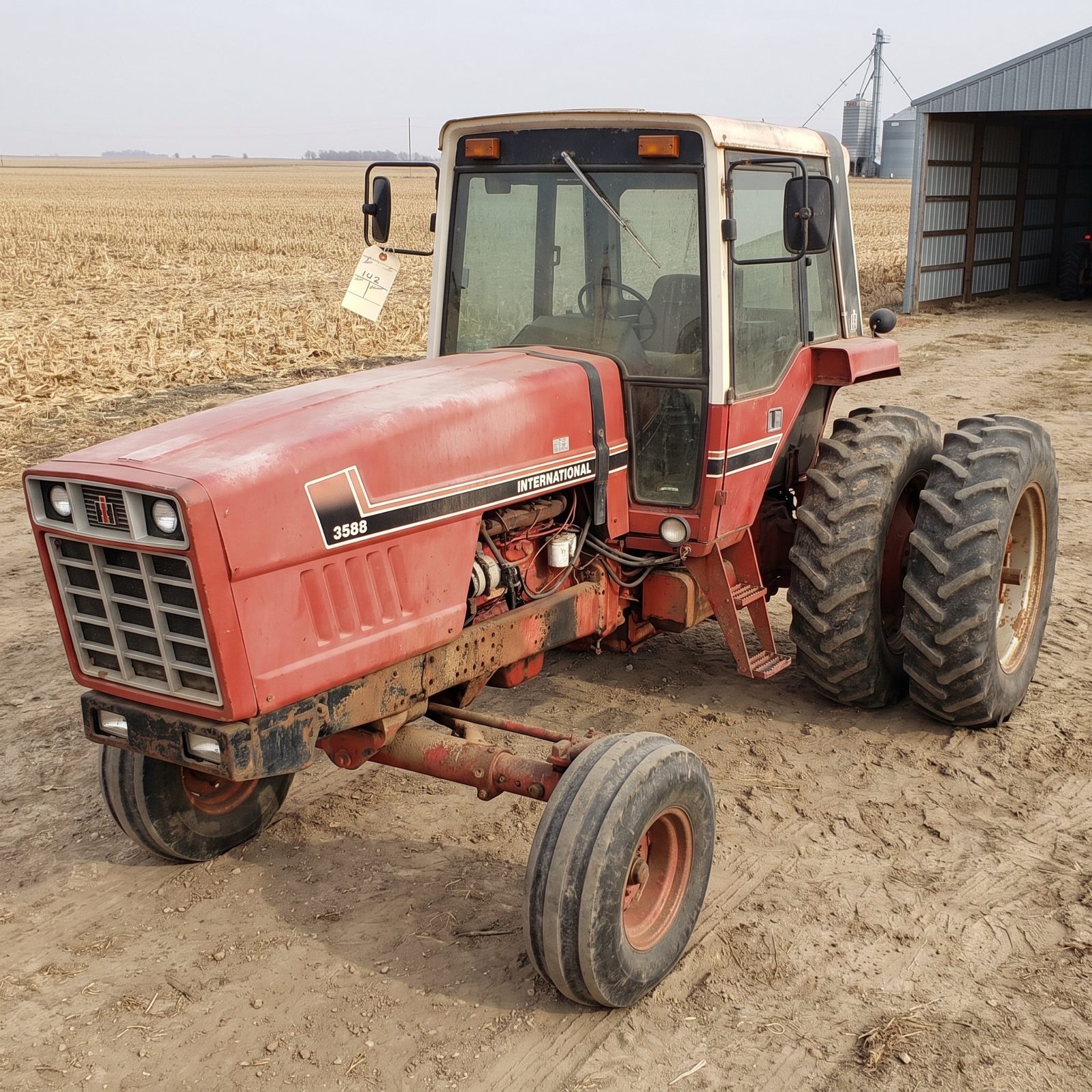
People stop at the 3588 because it looks wrong in the best way. Long drooping hood, cab sitting squarely over the rear axle, duals out back and an articulation joint up ahead of the cab — a layout nothing else in the field shares. International called it a 2+2, and anyone who knows one spots it instantly.
It was IH’s answer to four-wheel-drive muscle without starting from a blank page — existing driveline parts reworked into an articulated machine. Farmers nicknamed it the “Snoopy” for that long drooping hood. And collectors chase it now precisely because it was a bold, strange bet no other company bothered to copy. Odd sells, when odd came straight from the factory.
2. Steiger Tiger IV, The Lime-Green Giant On Four Equal Wheels
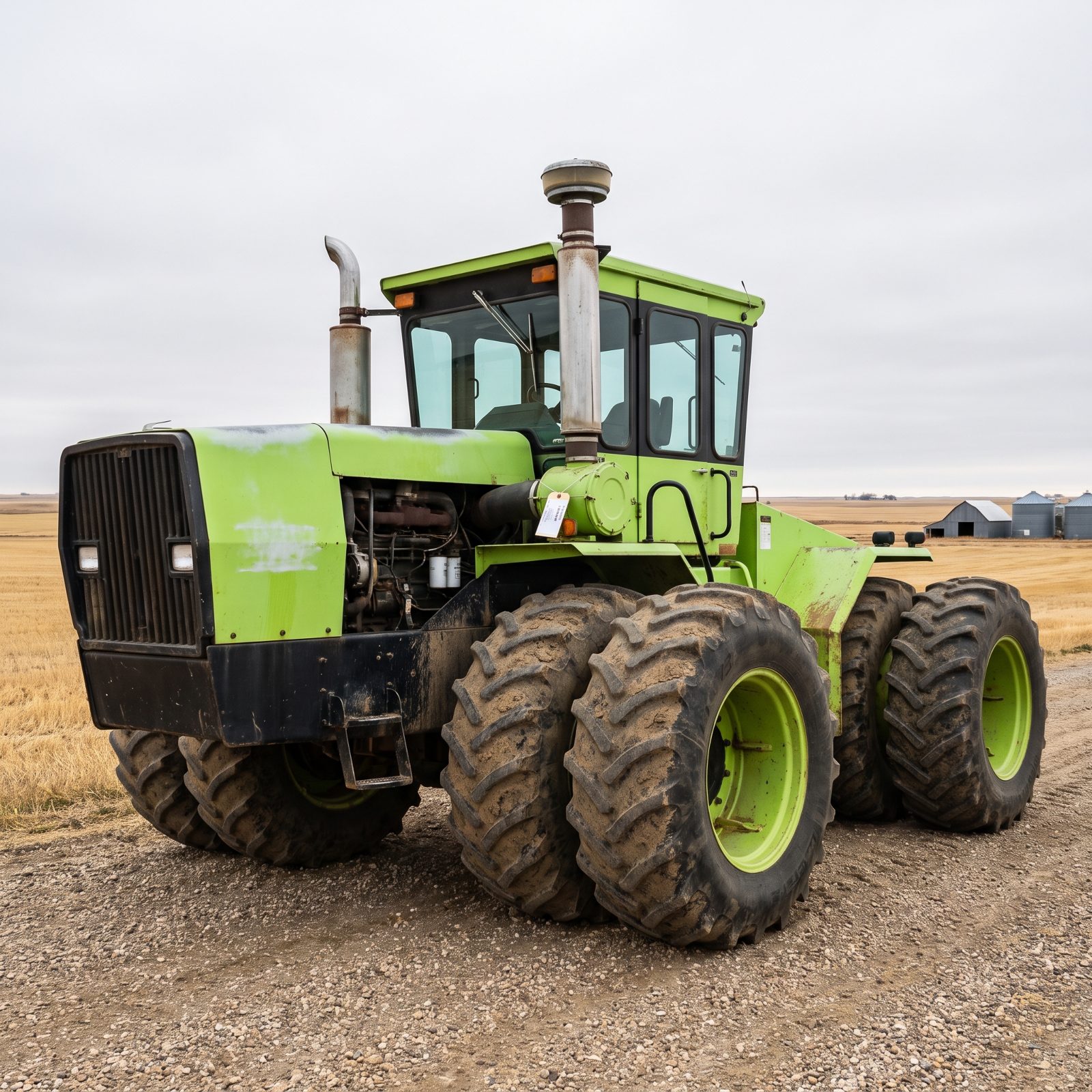
Size is the whole appeal here. The Tiger IV stood on tires taller than most people, wore lime-green paint you could spot from the next county, and made a half-ton pickup parked beside it look like a toy.
Steiger built these for wide-open operations that needed to drag a thirty-foot implement without flinching. The company’s independent machines have a devoted following, and the big Tigers sit at the top of most want-lists.
1. John Deere 6030, The Open-Station Bruiser With Factory Turbo
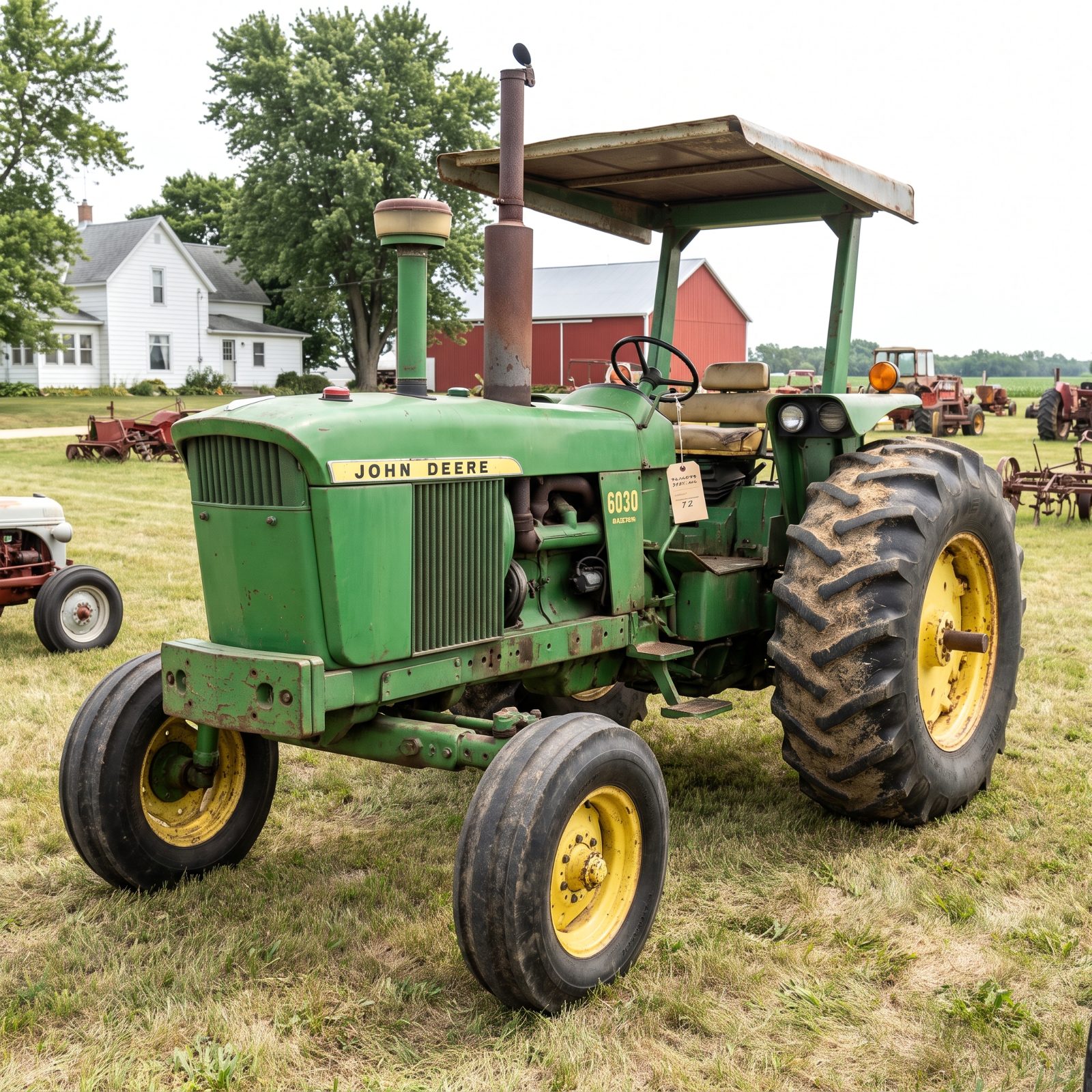
The 6030 was the end of a line, and about as much tractor as Deere would ever cram into an open-station package. Factory-turbocharged diesel, a stance like it was looking for a fight, no cab to soften any of it.
It never sold in volume. That’s exactly why it moves now — big, honest, uncomplicated, the kind of machine that reminds people what Deere green meant back before everything got quieter and smarter.