A pickup never dies in July. It waits for the worst possible morning — the one where you already slept through the alarm — and then it just clicks and does nothing. Dead in the driveway. And right there, stranded and furious, is the exact moment most of us go out and make a terrible decision about the next one. We buy on feeling. We buy on fear. We buy the truck that looks good on a test loop and ignore warning lights we’d never miss on someone else’s rig. The same wiring that leads a person into a bad relationship leads them onto a bad lot. Here’s where the two roads merge, and why we keep taking both.
Please note that some of the images in this article were created with the assistance of AI.
20. You Shop Right After Your Old Truck Betrays You
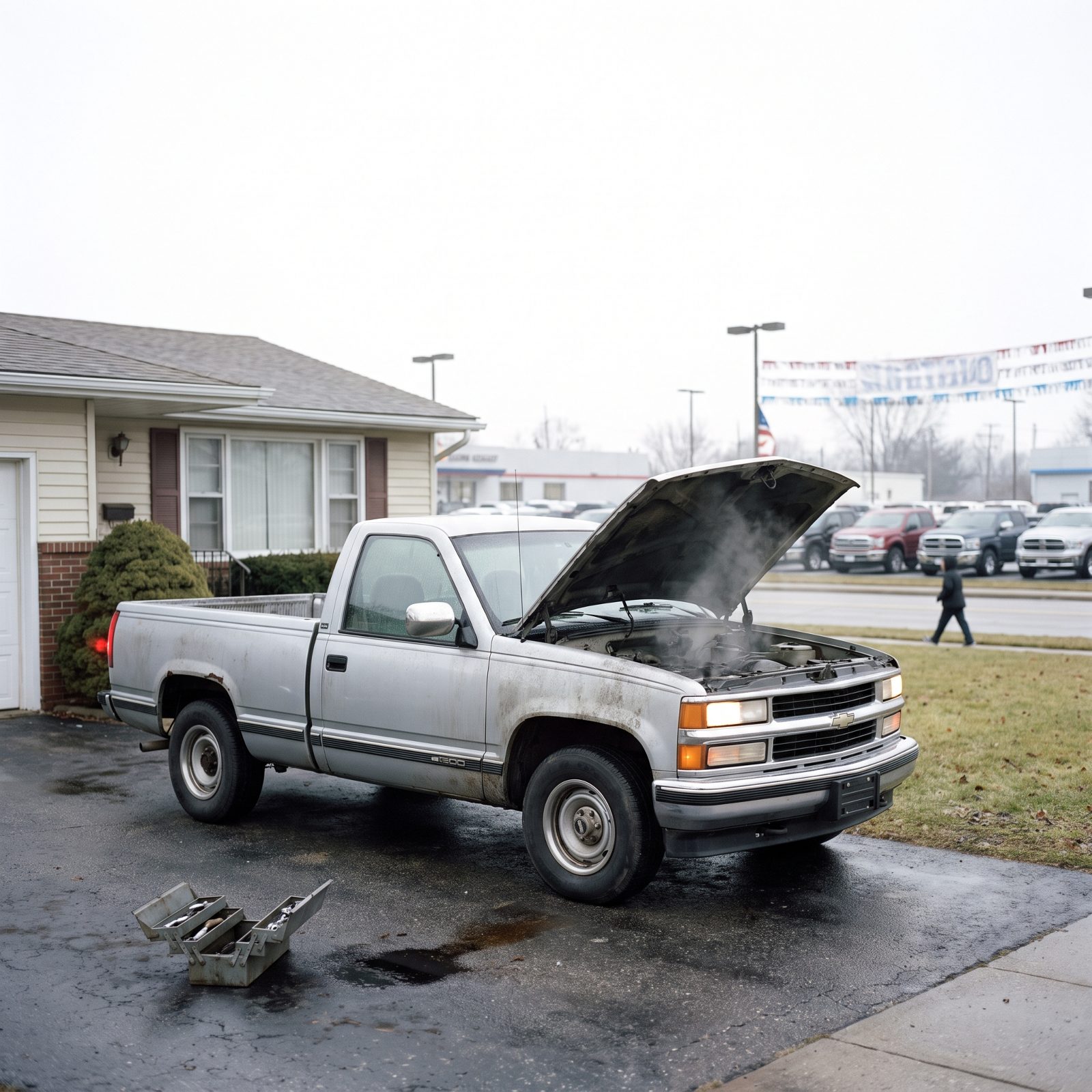
The cruel part is the timing. A truck never quits on an easy Tuesday — it quits when you’re late, broke, and standing in the driveway with a key that does nothing. And in that white-hot moment of being let down, you decide to go shopping. That’s the worst headspace a buyer can carry onto a lot.
People do the identical thing after a bad breakup. Hurt on Friday, back out there by Saturday night, picking the first option that smiles. The feeling driving both is the same. Psychologists call it the rebound, and it runs on emotional contrast — anything new looks great compared to the thing that just hurt you.
You’re not choosing. You’re fleeing. And a truck bought to stop a feeling almost never fits the actual job you need it to do.
19. Being Truckless Sounds Worse Than Settling Today
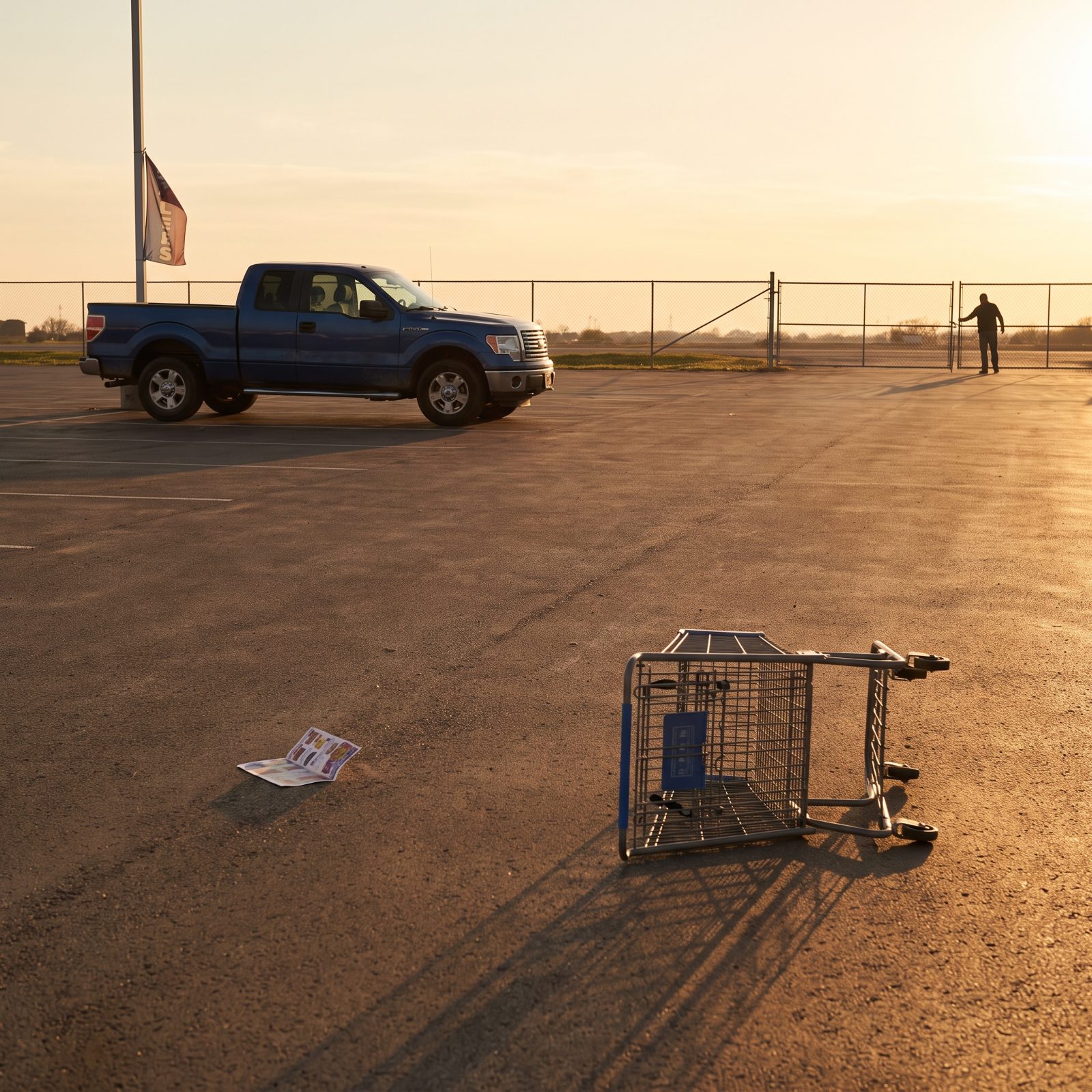
Ask yourself why you’re rushing. Usually it isn’t that this blue truck is right — it’s that the thought of standing in the parking lot without any truck at all feels unbearable. Needing a ride to work tomorrow quietly becomes needing to buy one tonight.
The mirror is obvious. Plenty of people stay with someone who doesn’t fit because the blank space of being alone scares them more than the daily friction of a bad match. Loss aversion is the engine, and it’s a nasty one. We feel the pain of having nothing far more sharply than we feel the joy of eventually having the right thing.
So we settle. Present, flawed, and available beats future, unknown, and better every time. A truck chosen to fill a void gets forgiven for everything — right up until the void it filled becomes the problem itself.
18. You Notice the Lift Kit Before the Loan Terms
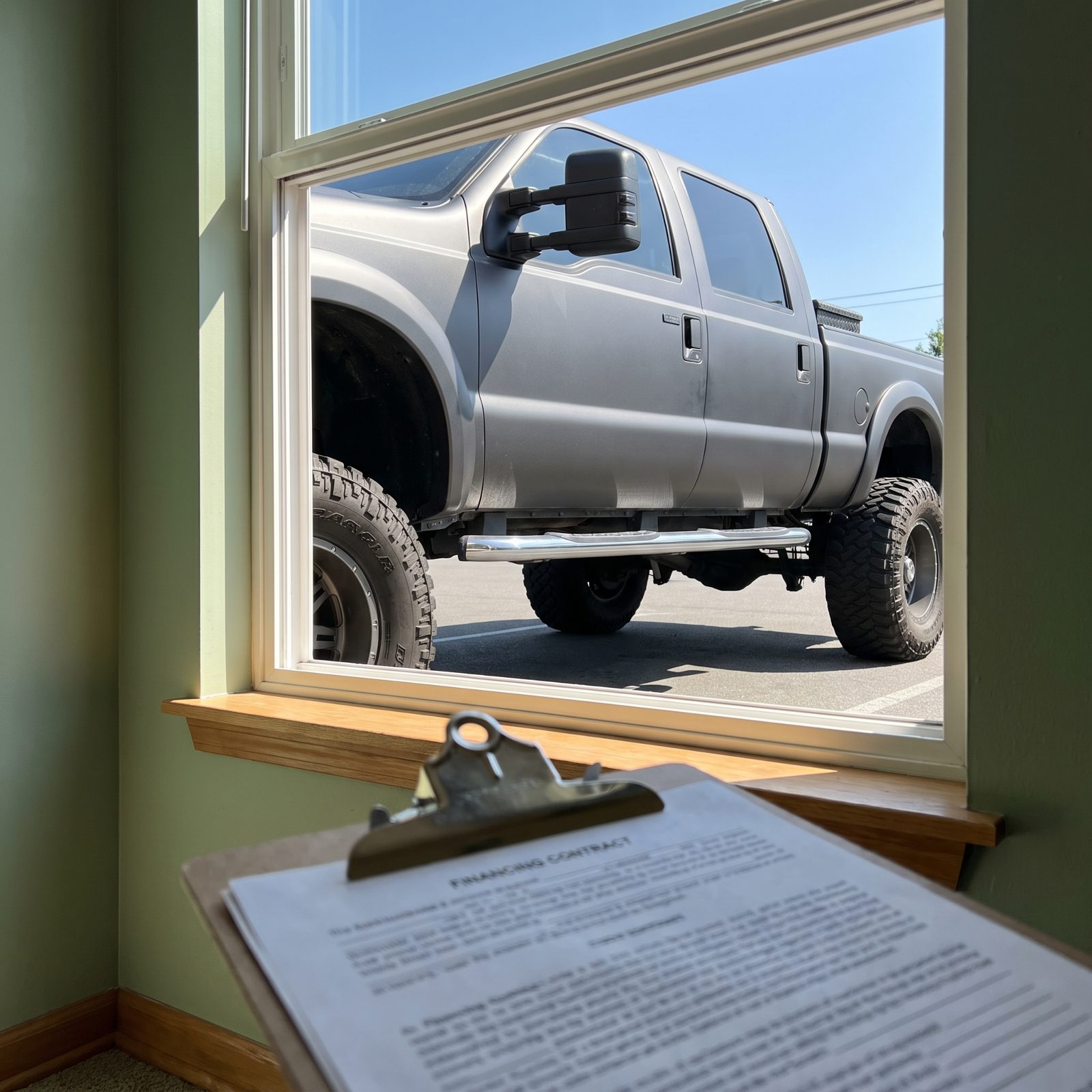
The lift kit sells the truck. Six inches of suspension, tires taller than a toddler, a stance that makes you feel ten feet tall in the parking lot. You’re sold before anyone mentions the rate, the term, or the small fact that this thing drinks premium like it’s thirsty.
Same pull that makes someone chase the exciting one while the terms of the actual relationship stay buried in the fine print. The sparkle grabs you. The structure that decides whether any of this works? Skipped.
Behavioral folks call it salience bias. Loud, visible features hijack the decision while the boring numbers that actually run your life get waved through. A seventy-two-month loan on a gas-guzzling show truck is a long time to admire a lift kit. The tires don’t make the payment. You do.
17. One Great Test Drive Erases Every Practical Concern
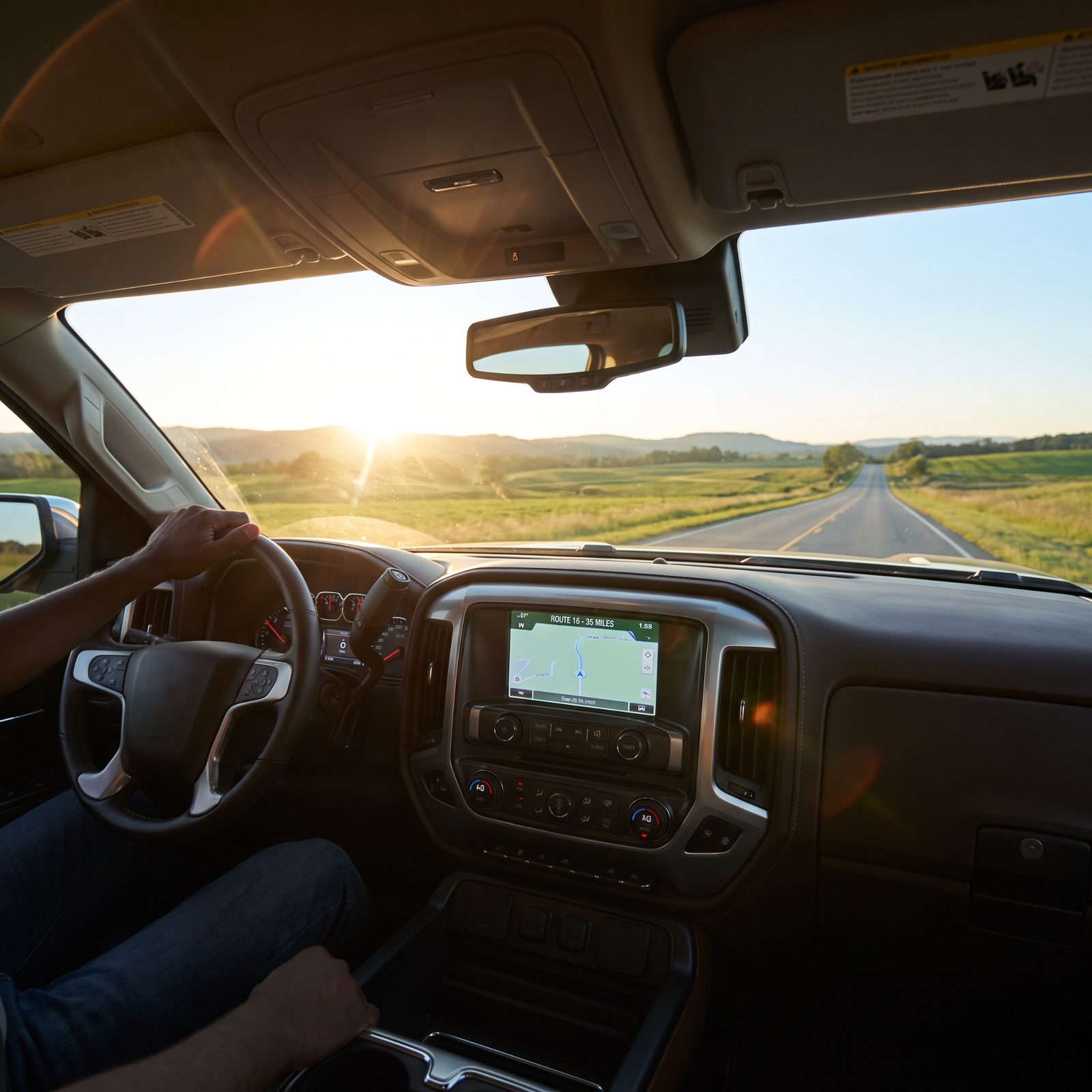
Twenty minutes on a sunny loop with no cargo, no trailer, no traffic, and suddenly the fuel economy doesn’t matter and the tight back seat is fine. The truck glides. The stereo thumps. You’re grinning at a stoplight. Every concern you walked in with just evaporated.
This is the first-date effect in sheet metal — one good evening where everything clicks and the brain quietly files every red flag under unimportant. The halo effect does the heavy lifting. One strong positive experience spreads a warm glow over everything else, including the parts you haven’t actually tested.
A dealer picks the smooth route on purpose. Nobody hands you the keys and says take it up a grade with half a ton in the bed in August traffic. The test drive is the honeymoon. Ownership is the marriage. Judge the marriage.
16. You Picture Adventures the Truck Will Never Take

You’re standing on the lot, and you’re not buying a truck. You’re buying weekend trips to the mountains, a kayak in the bed, a dog riding shotgun, campfires you’ll never actually light. The truck becomes a prop in a highlight reel of a life you aren’t currently living.
We do this with people too. We fall for who someone could be — the version in our head, the potential — and marry the fantasy instead of the person standing right there. Projection is the mechanism. We paint our hopes onto a blank surface, then feel let down when reality keeps its own shape.
Here’s the hard truth. The truck that mostly runs to the hardware store and sits in a parking garage all week does not need a thirty-six-gallon tank and crawl gears. Buy for the life you have. The fantasy truck spends its years hauling groceries and resenting you for it.
15. A Bigger Truck Feels Like a Better You
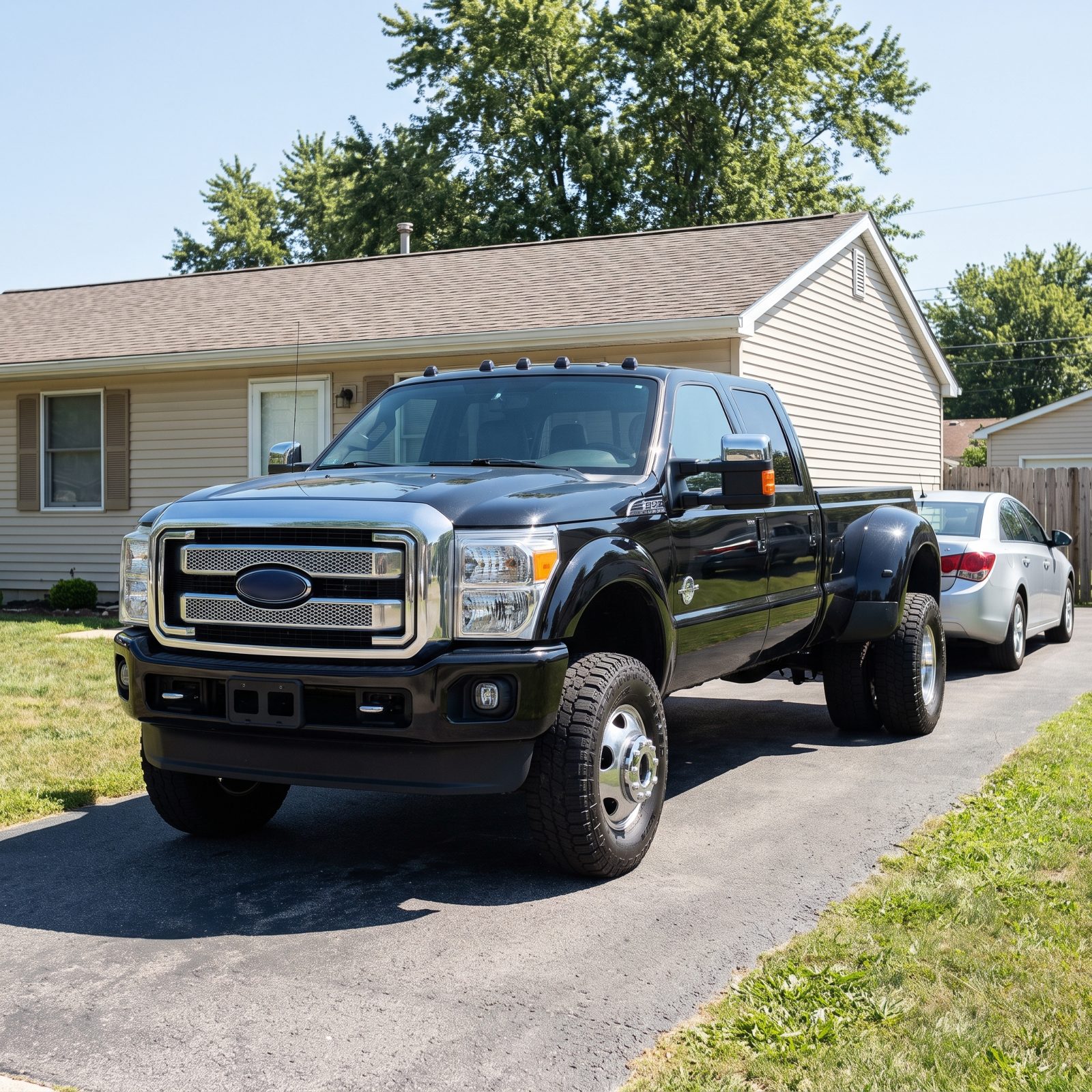
There’s a reason the dually in the driveway is wider than the garage, and it isn’t towing. It’s standing a little taller at the gas station, looking down into other cars, feeling like the kind of person who handles things. The truck becomes a costume for the self you want to project.
The parallel runs straight into dating up — chasing the partner who makes you look good to the room rather than the one who actually fits your days. Both are status signaling, choosing the thing that sends a message to other people over the thing that works for you when nobody’s watching.
And here’s the cruel part: hedonic adaptation. That first flush of feeling impressive fades in about a month. Then you’re left with a vehicle you can’t park, a payment you resent, and the same self you were trying to outrun.
14. You Buy the Truck Your Friends Already Approve
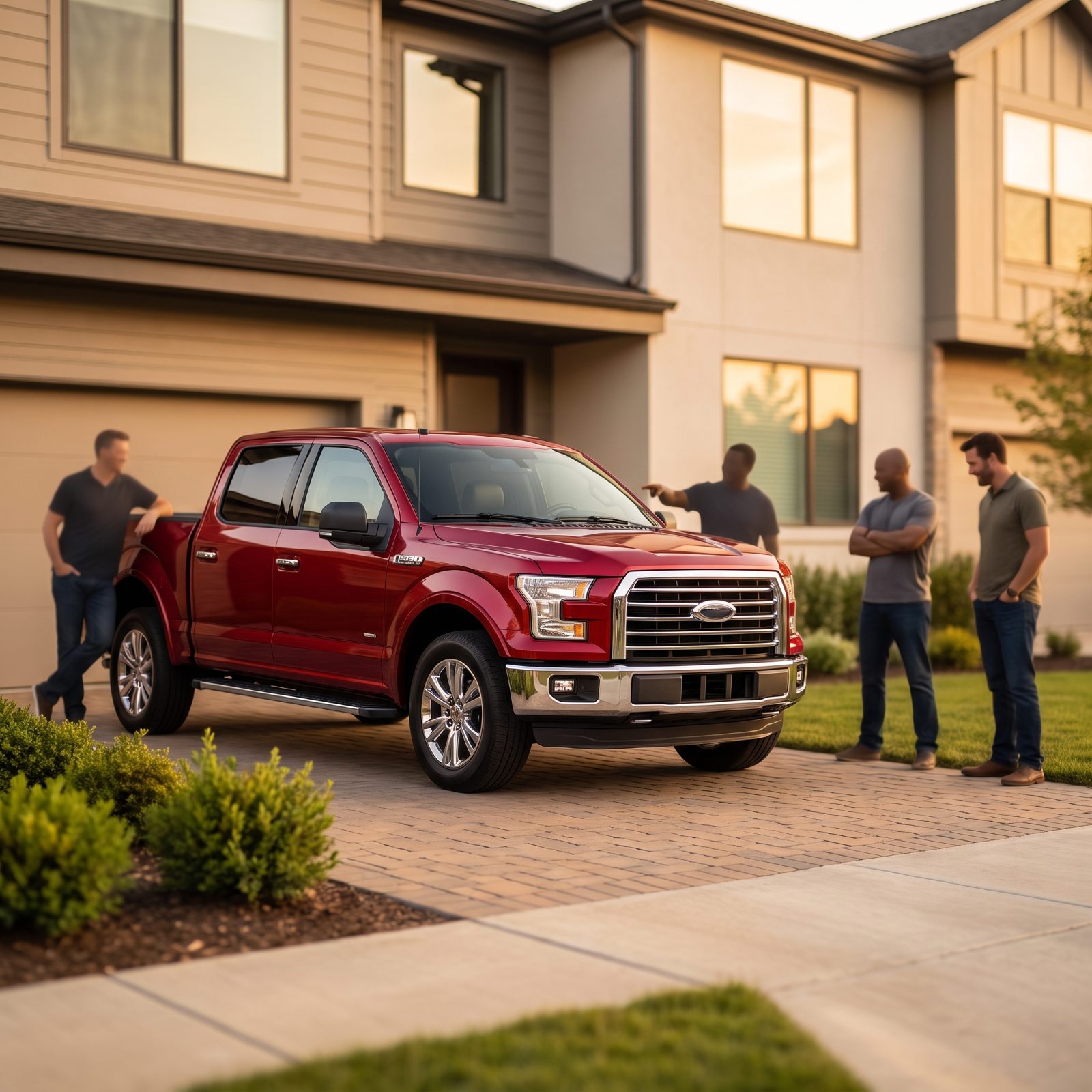
You were torn between two trucks until the buddies weighed in. One got the nods, the “oh yeah, that’s a good one,” the group approval. Suddenly your own quiet doubts felt silly, and you signed on the one the crowd blessed.
People do this with partners constantly, picking whoever the friends and family rate highly over the one that actually suits their temperament. Social proof is the lever. When we’re unsure, we outsource the call to the group, figuring the crowd must know something we don’t.
But your friends don’t drive your commute. They won’t make the payment or sit in that cramped cab for three years. The approval feels good for an afternoon in the driveway. The fit is yours alone to live with — and a truck you chose for the chorus gets old fast once the chorus goes home.
13. Brand Loyalty Keeps Sending You Back to Trouble
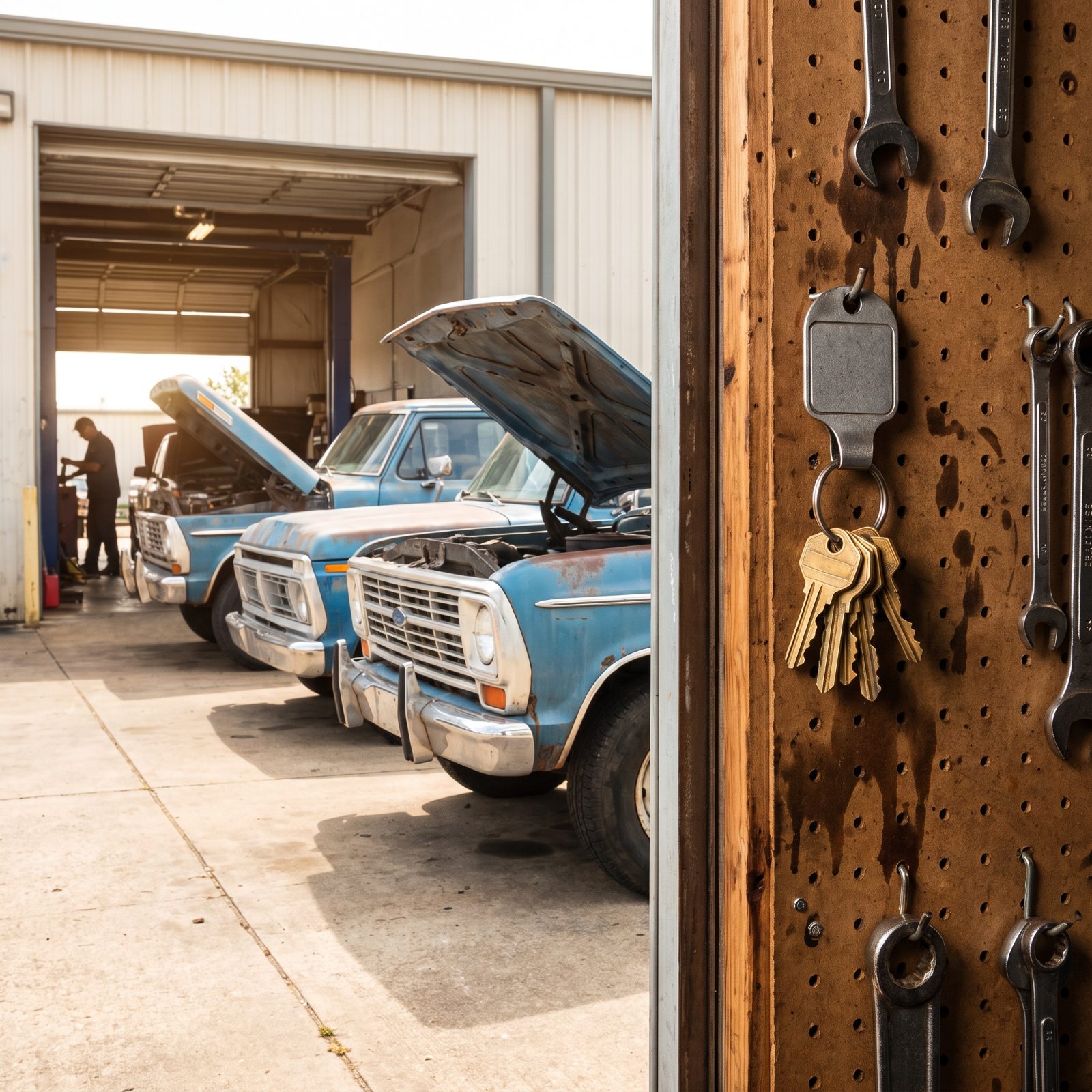
It burned you last time. The transmission at eighty thousand, the recall letters, the service bay you knew by name. And here you are, back at the same badge, swearing this year’s model fixed all that. You bought the brand, not the truck.
Same loyalty that keeps someone circling back to a type of partner who keeps hurting them — the familiar pattern that feels like home even when home is a mess. Commitment bias and the sunk-cost fallacy braid together here. We’ve poured identity and years into the brand, so admitting we should switch feels like admitting the whole history was a mistake.
Loyalty to a badge that keeps letting you down is not loyalty. It’s a habit wearing a good jacket.
The truck doesn’t know you’re faithful. It won’t reward you for staying. Pick the one that works, not the one that matches your old caps and keychains.
12. You Skip the Inspection Because Trust Feels Romantic
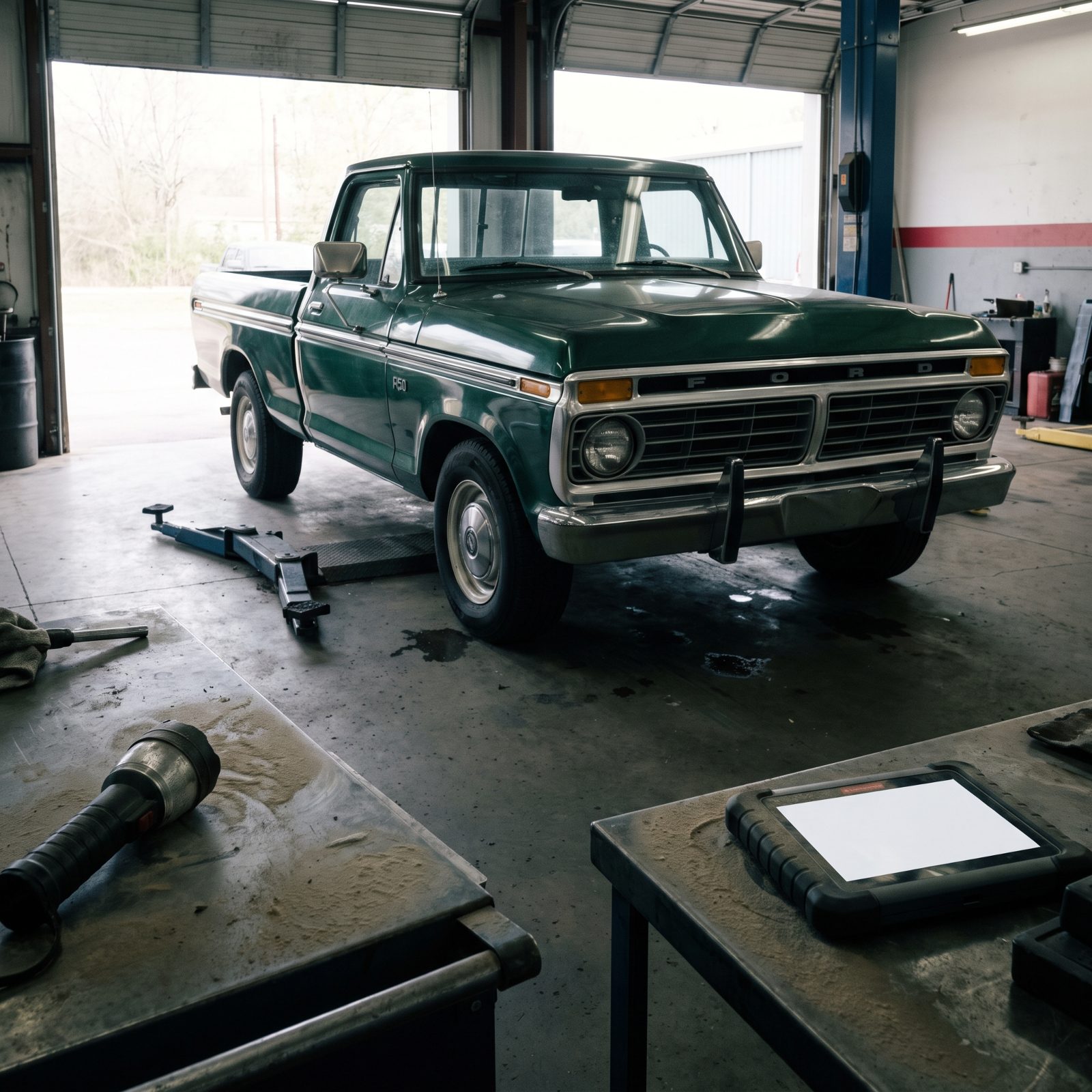
Here’s a dumb thing smart people do. The seller seems honest, the truck looks clean, and paying a mechanic to put it on a lift feels almost insulting — so you skip it. You go on trust. And six weeks later you’re reading up on frame rot you could’ve spotted in ten minutes.
The echo in relationships is loud. We rush past the hard conversations because asking feels unromantic, like you’re accusing someone, when really you’re just finding out what’s true before you commit. Avoiding bad news so you can keep the good feeling has a name — the ostrich effect. And it’s expensive.
A used-truck inspection isn’t an insult. It’s due diligence. Anything a quick look reveals is cheaper to learn now than after the paperwork clears. If the truck is as good as it looks, the lift just proves it.
11. You Hear Expert Advice and Ask Another Expert
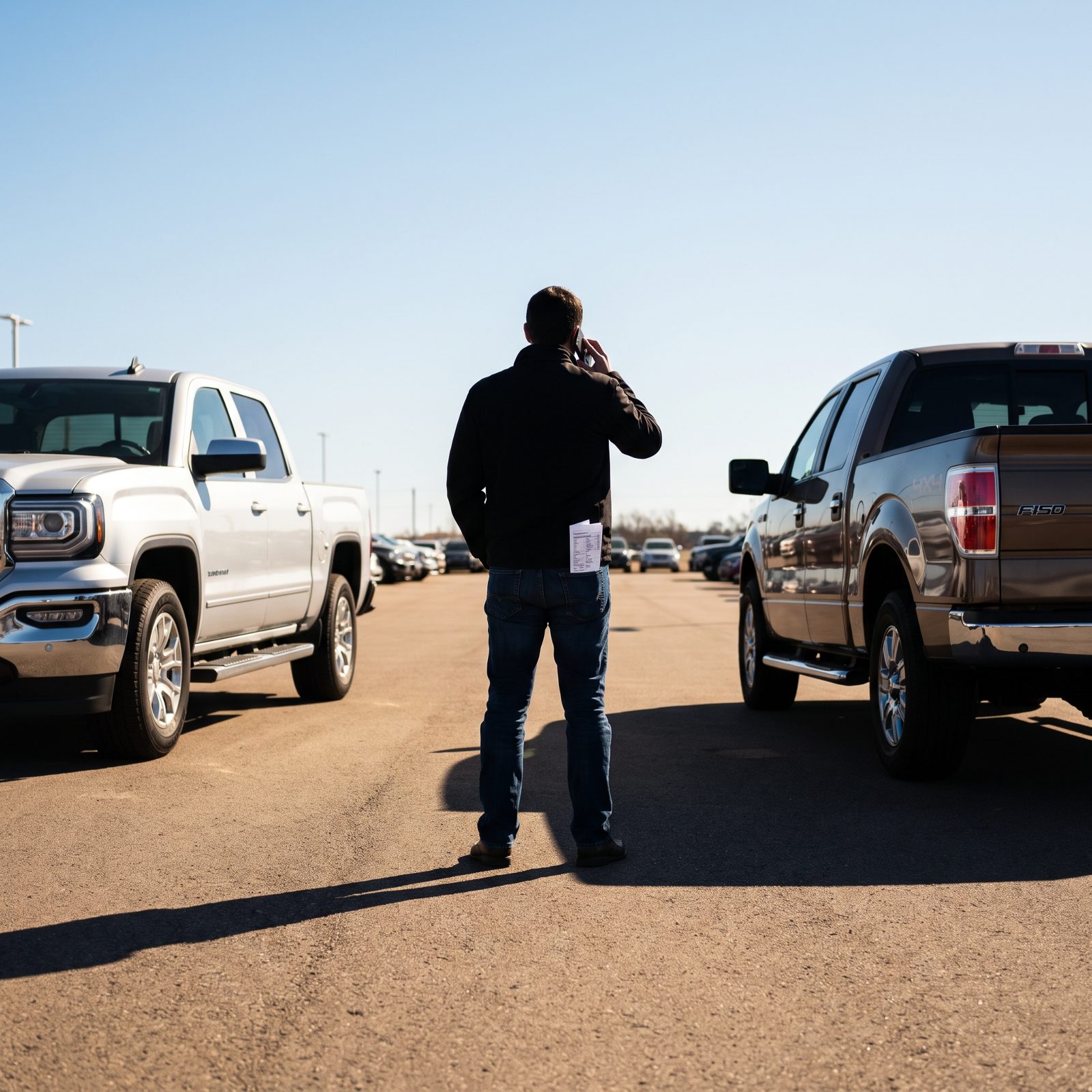
Your mechanic told you the truth about that model. So did the reliability data. So did your brother-in-law who owned one. And still you keep asking people, scrolling forums at midnight, hunting for just one voice that says the thing you want to hear.
We do this once we’ve already decided and just need permission. Same move as asking friend after friend about a doomed relationship until someone finally caves and says “follow your heart.” Confirmation bias has the wheel. We’re not gathering information — we’re shopping for agreement.
Here’s the tell. If you’ve asked five experts and you’re still asking, you aren’t confused. You already know the answer and you don’t like it. The sixth opinion won’t fix a truck the first five already flagged. Trust the people you trusted enough to ask, and stop auditioning for the one who’ll bless the thing anyway.
10. The Huge Cab Wins Until Parking Becomes Real
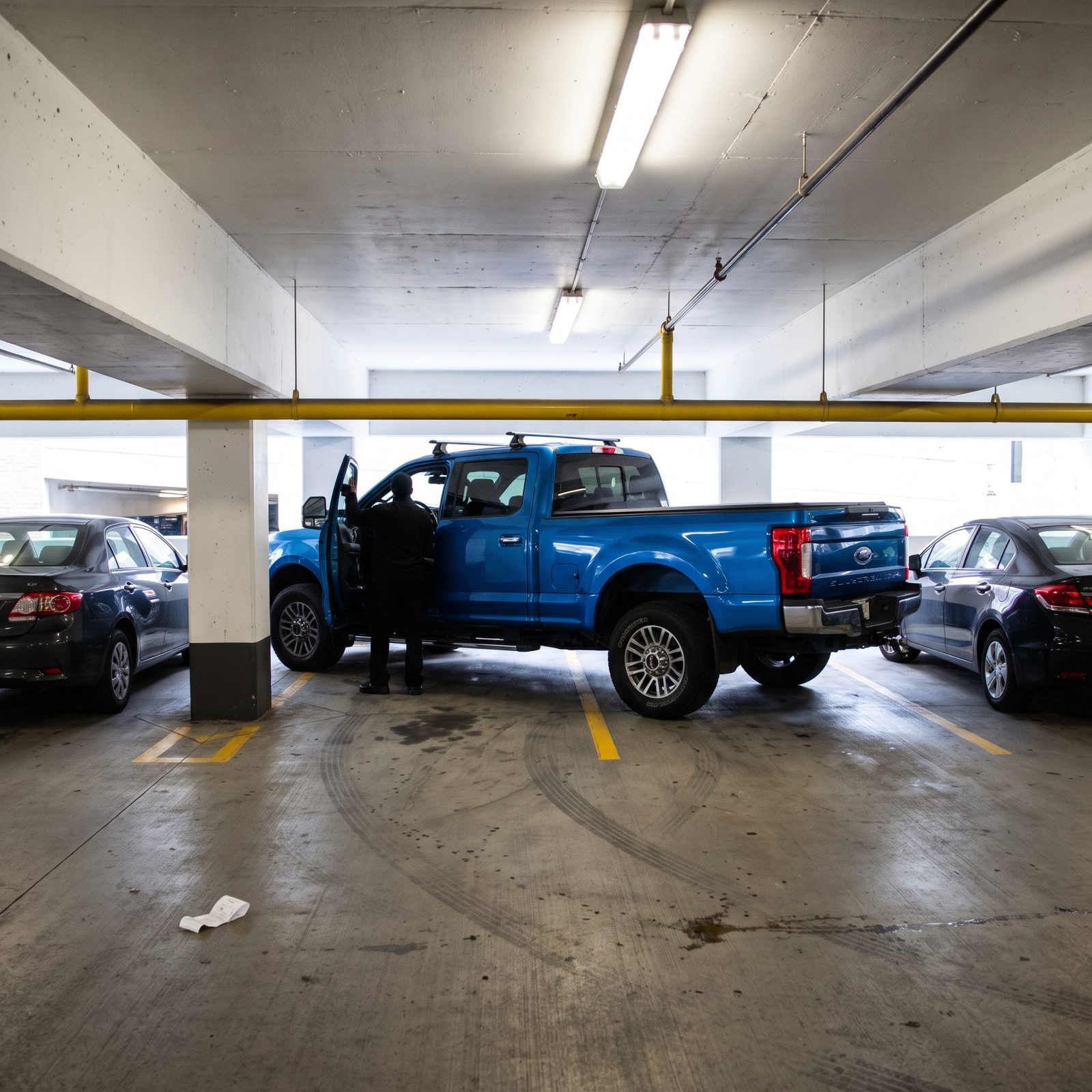
The lot had you the second you climbed into that back seat. You felt the legroom, pictured the whole family stretched out on a road trip, and the big crew cab sold itself in about four minutes flat. Nobody test drives a parking garage.
It’s the same pull that wrecks a first date. The big, impressive thing lands fast — dinner, the view, the easy charm — and what you never price in is the daily friction, the part where the grand gesture has to squeeze through an actual Tuesday.
Psychologists call it the focusing illusion. We fixate on one dramatic feature at the moment of choosing and ignore the hundred small frictions that decide whether we’re happy later. Big cab, big charm, same blind spot. You bought the highlight reel, and now you’re backing up twelve times at the grocery store.
9. The Monthly Payment Hides How Much It Demands
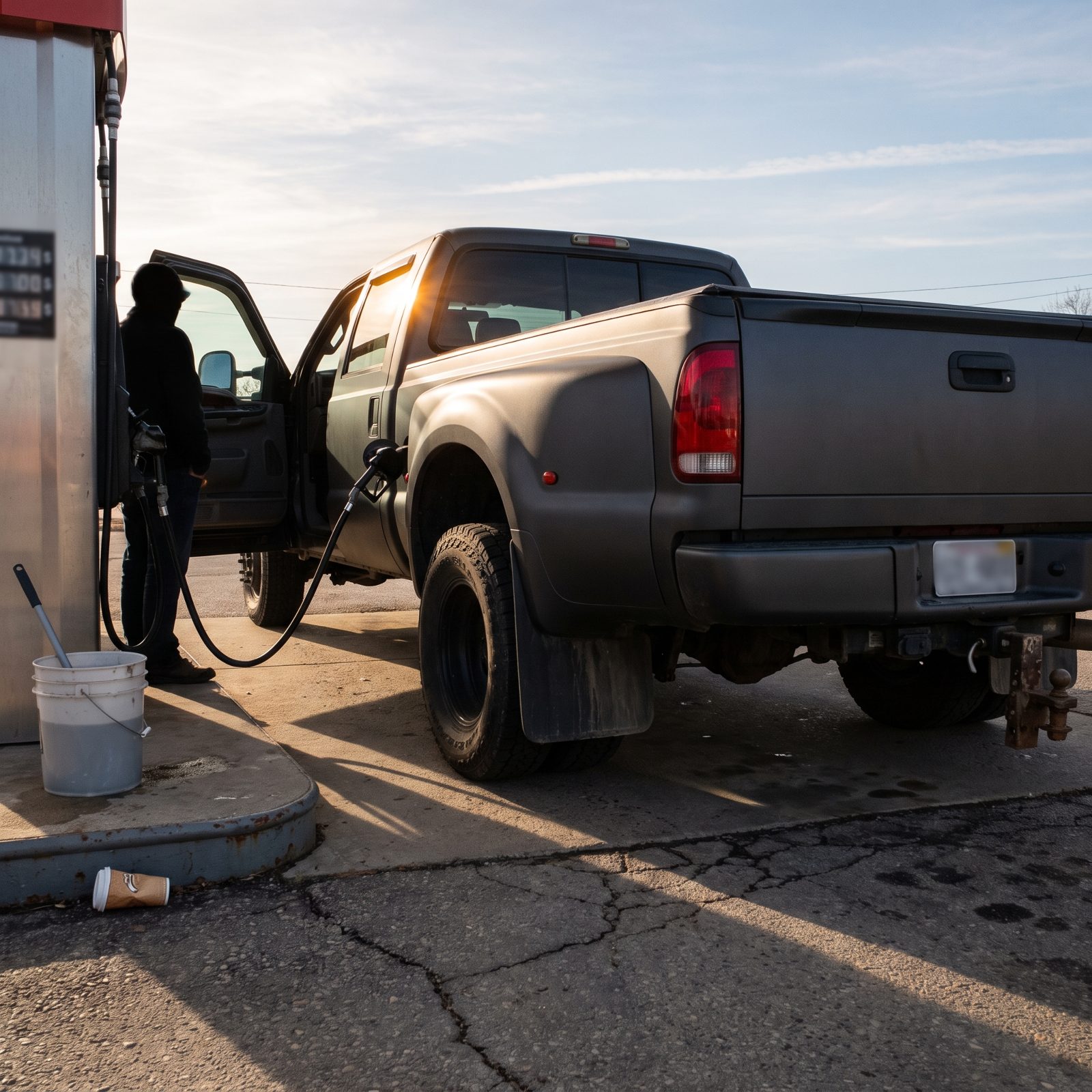
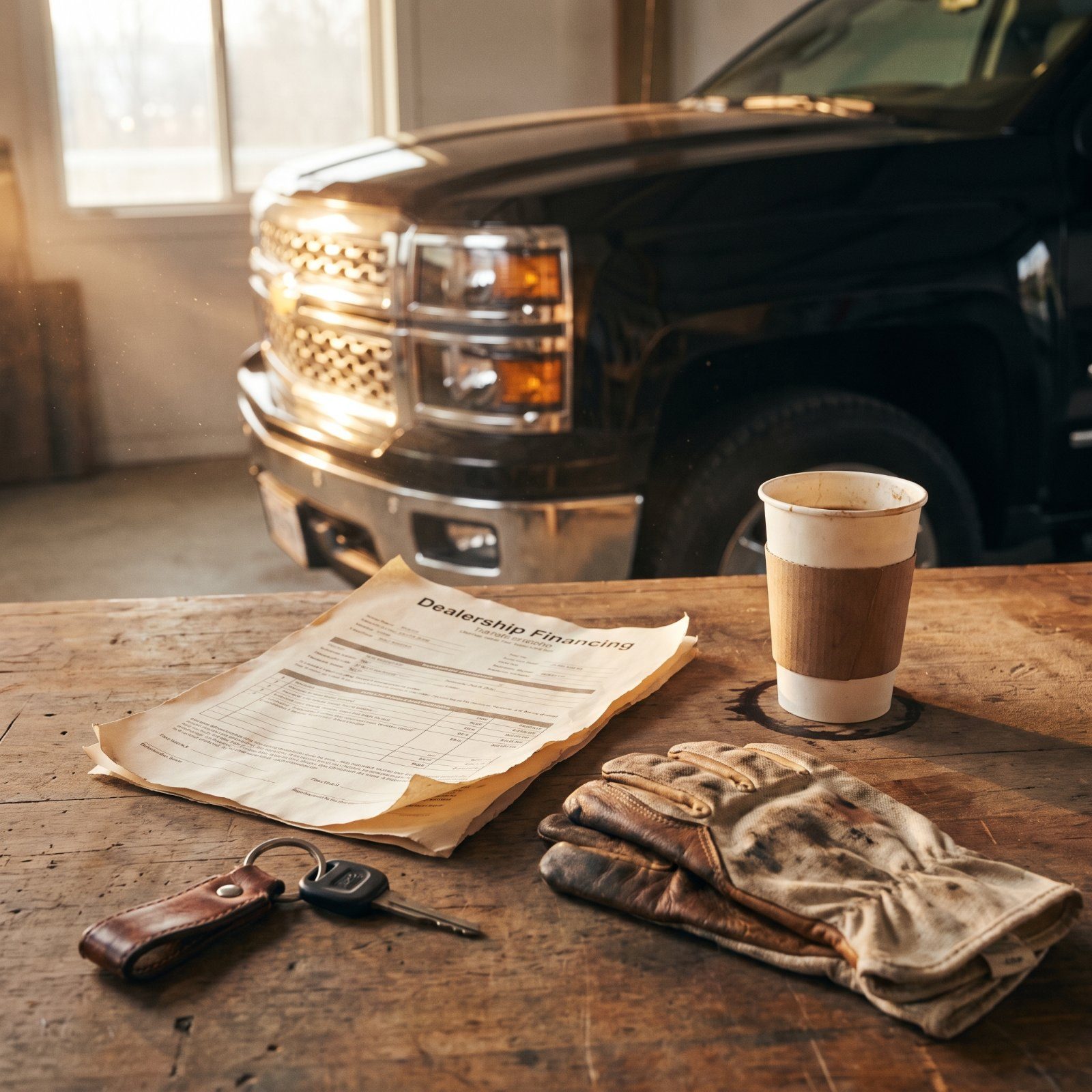
The payment looked fine. You ran the math on the finance desk napkin, the number cleared your comfort line, you shook hands. Then the fuel bill showed up. Then insurance. Then the tires that cost more than your first car’s engine.
You’ve watched this exact thing in a relationship that read as affordable on paper. The person seemed easy, low drama at the start, and then came the time it quietly ate, the moods you learned to work around, the weekends spent managing instead of living.
This is the planning fallacy wearing a cowboy hat. We anchor on the one clean number we can see and underweight the long tail of costs we can’t. The sticker is honest. The total is a slow-motion ambush. Nobody signs up for the part that bleeds you by the month.
8. You Call Warning Lights Little Personality Quirks
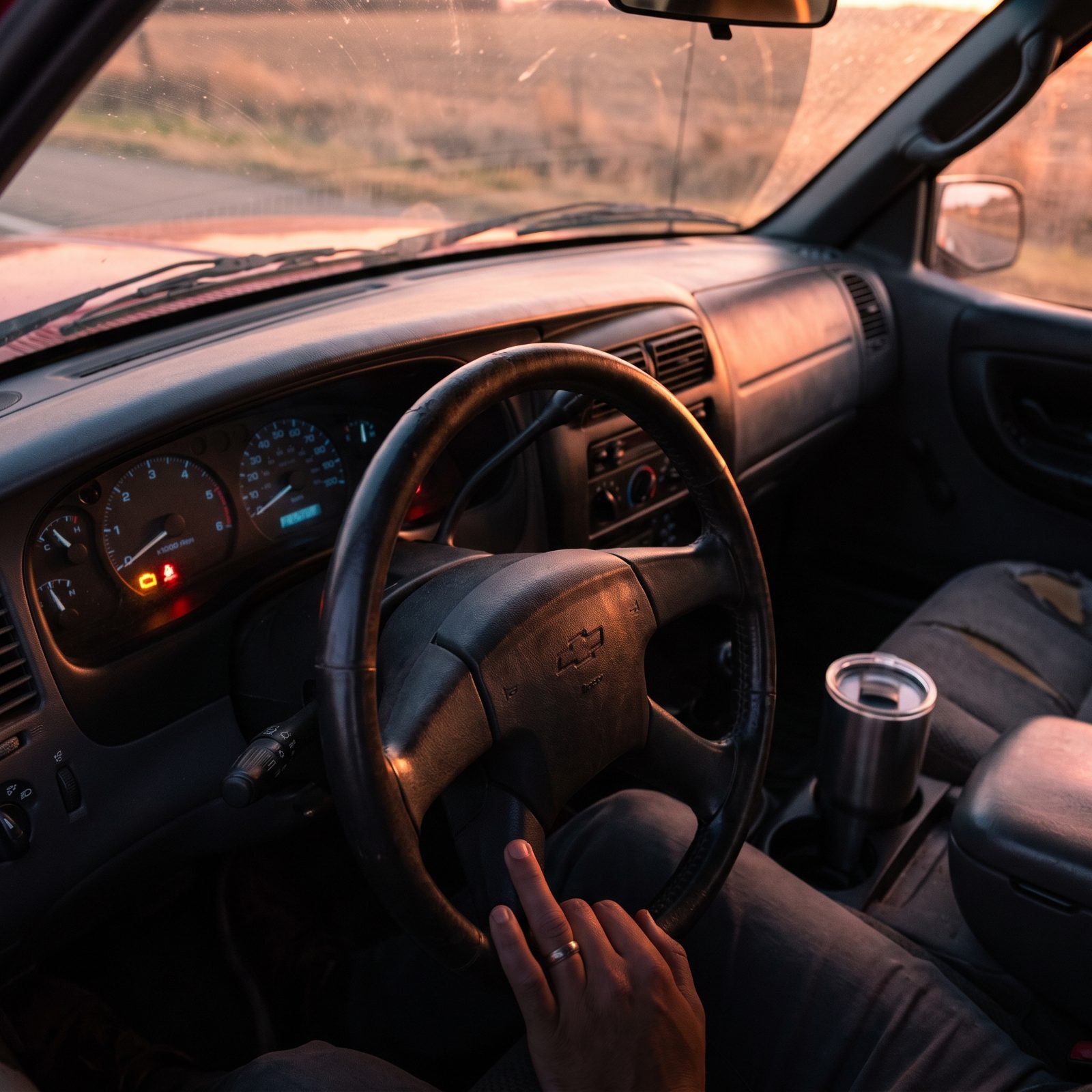
The check engine light came on in week three. You tapped the dash, shrugged, decided it was just the truck being the truck. A month later the ABS light joined it, and you’d started naming them — calling them the usual suspects, like old friends who show up uninvited.
We do this with people too. A red flag becomes a charming eccentric streak. The thing that should stop us turns into a story we tell with a fond little laugh. He’s just intense. She’s just moody. The truck’s just got character.
Rationalization is the mind protecting a decision it has already made. Admitting the warning means admitting the mistake, so we relabel the alarm as a feature. The dash is telling you the truth in the plainest language it has. You taught yourself to hear a personality instead.
7. You Add Accessories Instead of Admitting It Is Wrong
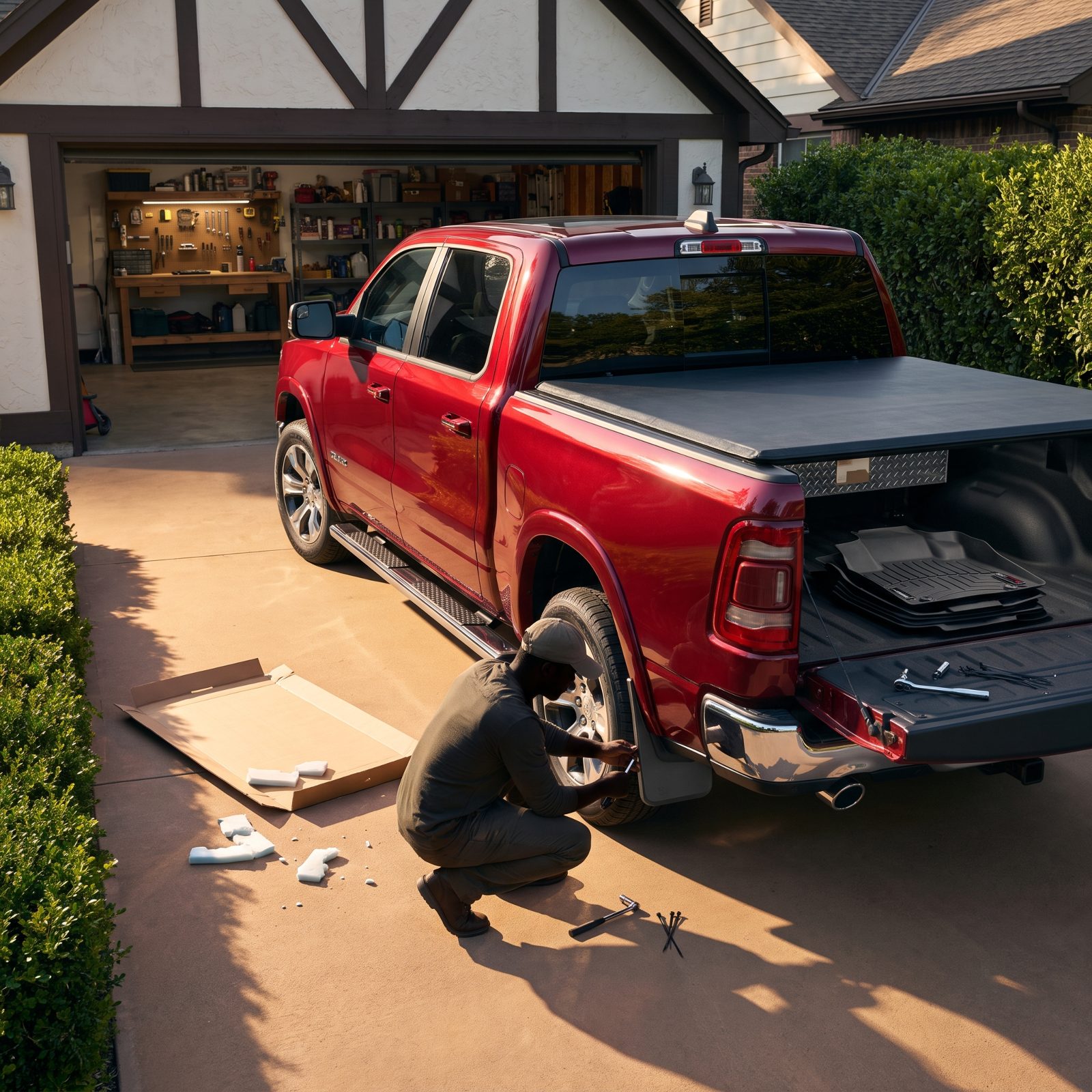
The truck rides rough and the transmission hunts for gears on every hill. So you bought running boards. And a bed cover. And those seat covers you kept circling online, plus a lift kit you’re pricing out for spring.
Each upgrade is a vote of confidence you don’t actually feel. It’s the relationship version of planning the big trip, repainting the bedroom, picking out a puppy — anything to pour fresh effort into the thing that’s quietly not working underneath.
We decorate the problem because fixing it would mean facing it.
This is effort justification, the same engine behind the IKEA effect. The more we put in, the more we need it to be worth it, so we keep putting in to protect what we already spent. The accessories aren’t about the truck. They’re about not being wrong.
6. You Stop Noticing the Rattle Everyone Else Hears
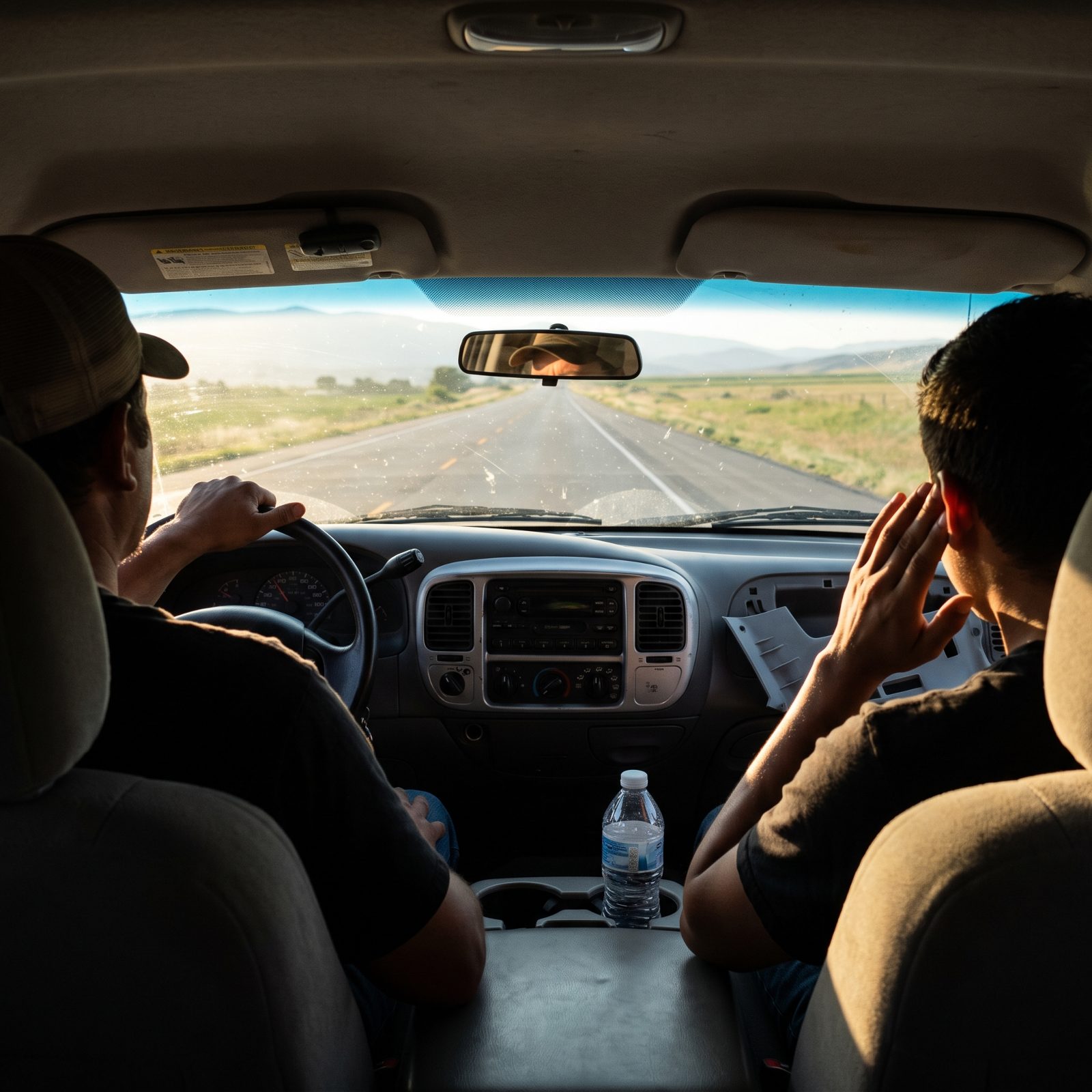
There’s a rattle somewhere behind the dash. It started small. Now a friend climbs in, raises an eyebrow, asks what that noise is — and you honestly have to listen for a second before you hear it. You stopped registering the thing months ago.
You’ve sat in the passenger seat of someone else’s life and heard the rattle they’ve gone deaf to. The way a partner talks to them. A habit that makes everyone wince while they smile through it. It takes an outside ear to catch what proximity erased.
Hedonic adaptation does this. We acclimate to constant input, good and bad, until it fades into the background hum of normal. The noise never got quieter. You did. And getting used to something is not the same as it being fine.
5. You Keep Checking the Dash Because Trust Is Gone

You used to just drive. Now your eyes drop to the temperature gauge every few miles like you’re checking a pulse. One roadside breakdown rewired you — the truck hasn’t acted up in weeks and you still won’t look away from that needle.
Once trust breaks, it doesn’t repair at the speed it shattered. A relationship that burned you once leaves the same residue. You start reading tone of voice for weather, scanning for the thing that went wrong last time, bracing before there’s anything to brace for.
Negativity bias is the reason. One bad event carves a deeper groove than a dozen good ones. Your brain decided the truck was a liar after a single betrayal, and no amount of smooth highway talks it back. Checking the dash isn’t caution anymore. It’s a scar.
4. You Blame Yourself for Not Handling Its Temperament
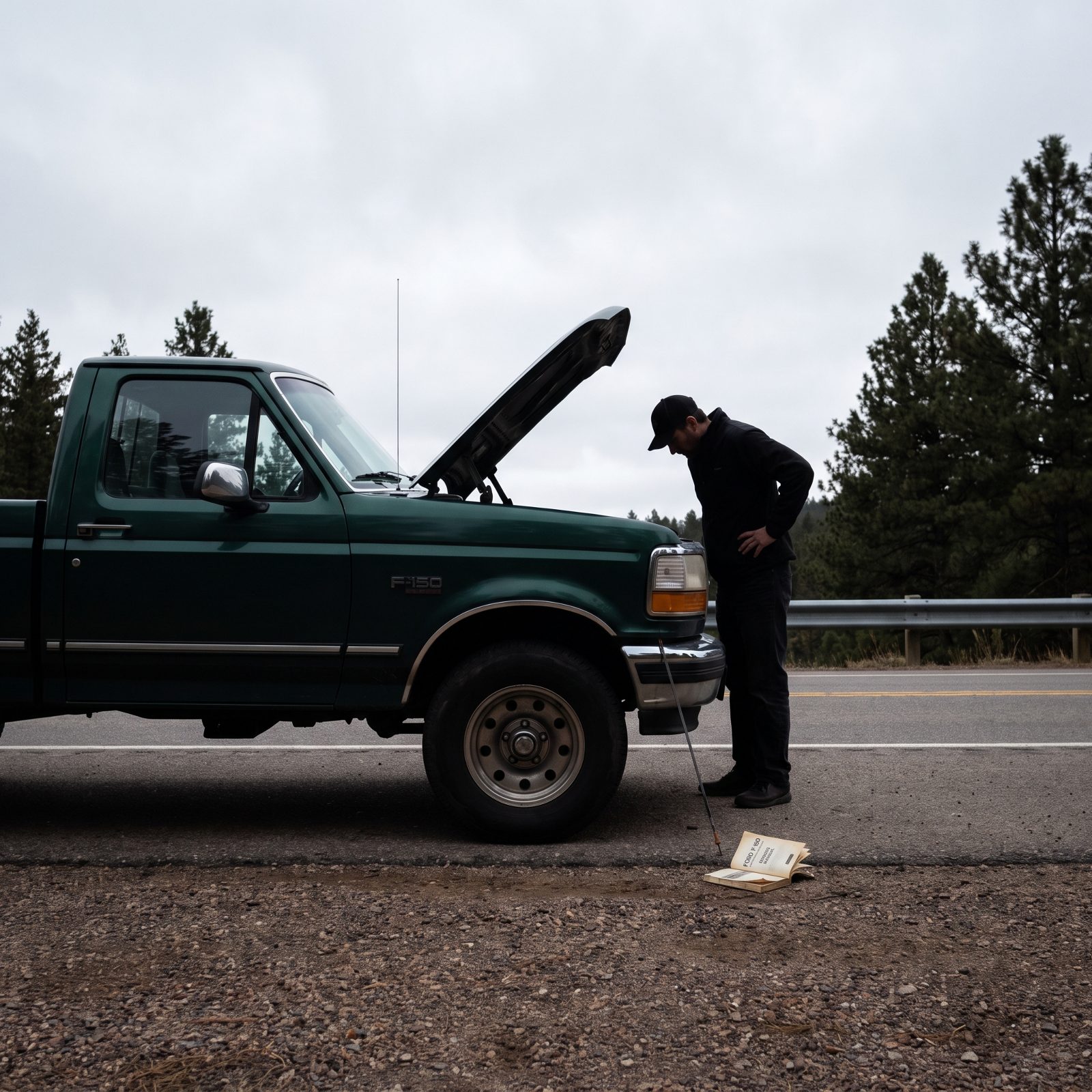
The truck left you stranded again and somehow you’re the one apologizing. Maybe you should’ve warmed it up longer. Maybe you towed too heavy. Maybe you missed a service interval and this is really on you. The machine failed, and you’re building the case against yourself.
Anyone who has stayed too long with the wrong person knows this reflex cold. The fault flows one direction. If only I’d been more patient, more understanding, better at reading the signs. The problem reframes itself as your deficiency.
This is the self-serving bias thrown into reverse. Normally we take credit for wins and pin losses on circumstance. But when we’re committed to something that keeps hurting us, we flip it. We swallow the blame because the alternative — admitting the thing itself is faulty — costs more than guilt does. A truck that fails you is not a test of your character.
3. You Defend the Truck Harder When Friends Question It
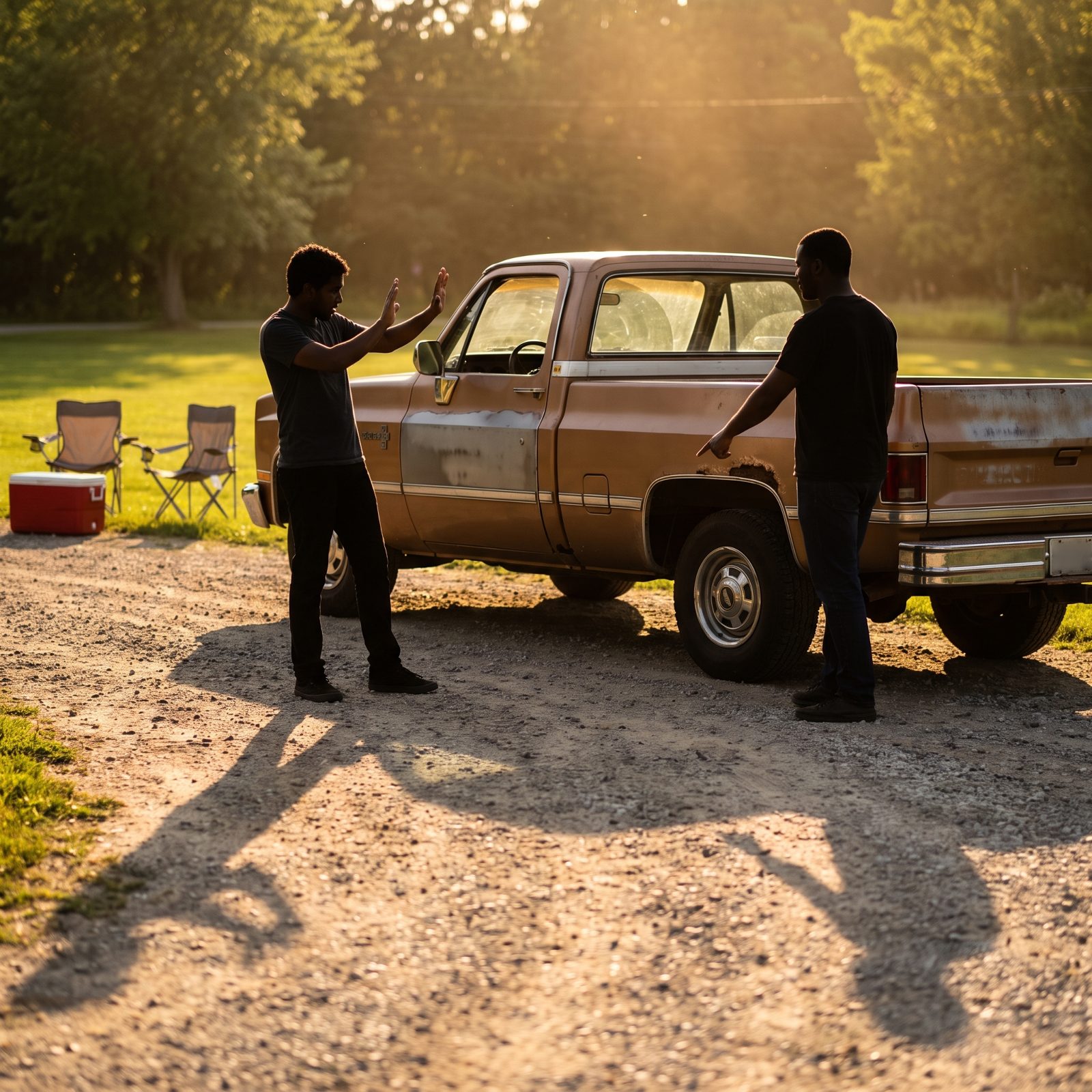
A buddy nods at the rust creeping out of the wheel well and asks, gently, whether you ever think about trading it. Something in you stiffens. Suddenly you’re reciting towing capacity like a lawyer, listing the good days, swearing this truck has never once let you down — which you both know isn’t true.
Watch what happens when someone questions a friend’s partner. Even the friend who was complaining an hour ago will close ranks the second an outsider agrees. Criticism from outside triggers a defense you’d never mount from inside.
Your friend didn’t attack the truck. He attacked the story you’ve been telling yourself to keep it. That’s why it stung.
2. Every Repair Makes Walking Away Feel More Wasteful
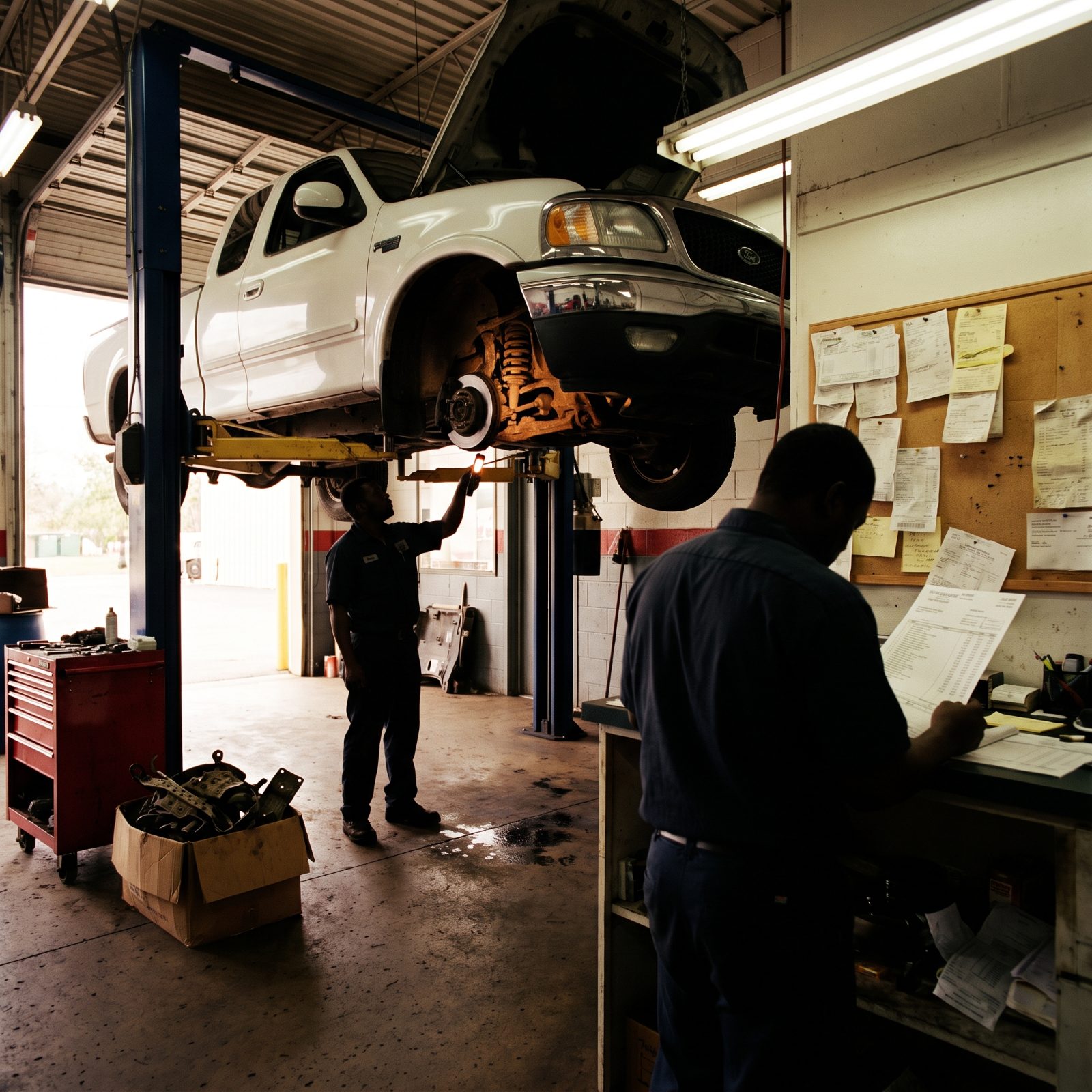
New alternator in March. Brakes in June. Transmission flush, water pump, a set of injectors you never saw coming. At this point selling it feels insane — you’ve sunk so much into this truck that walking away would waste every dollar already spent.
That logic has trapped more people in more relationships than any amount of love ever has. All those years. All that work. You can’t leave now, not after everything you’ve poured in. The investment becomes the reason to keep bleeding.
This is the sunk cost fallacy, and the most expensive sentence in the English language is some version of but I’ve already. Money spent is gone whether you keep the truck or not. The question is never what you’ve invested. It’s whether the next dollar is worth it. Your receipts can’t drive. They can only keep you in the seat.
1. One Trouble-Free Week Makes the Truck Seem Reformed
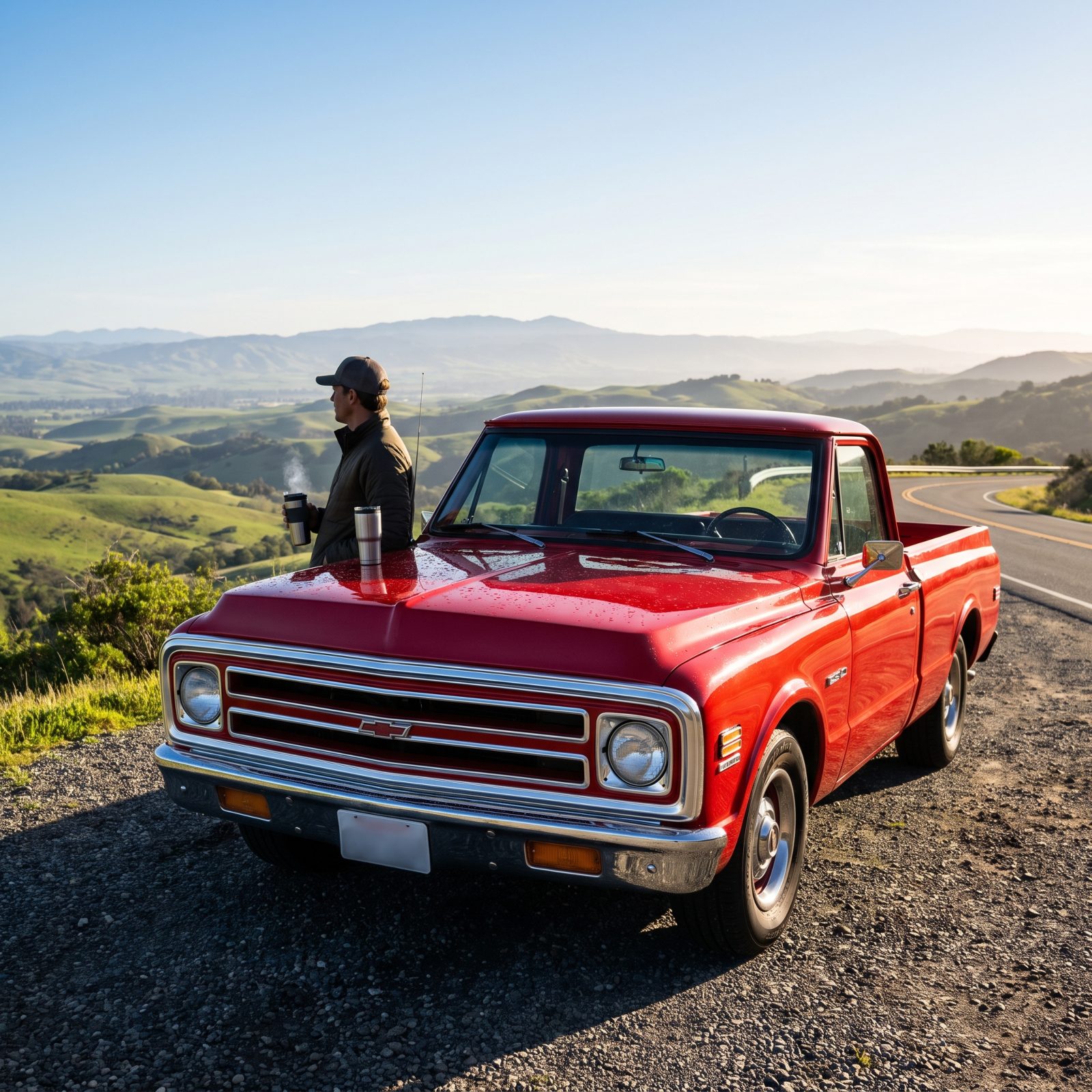
Seven days. No lights, no rattles, no roadside drama. The truck started clean every morning and ran like the day you bought it, and now you’re standing at an overlook thinking maybe you had it all wrong. Maybe it just needed that last repair. Maybe it’s fixed.
Hope resets fast. One good stretch and the whole ledger wipes. People do the identical thing after a rough patch ends — a good week, a kind gesture, a glimpse of how it used to be, and the months of trouble shrink in the rearview.
Intermittent reinforcement is the cruelest hook in psychology. Unpredictable rewards bind us harder than reliable ones, which is exactly how slot machines keep people glued to the chair. The good week isn’t proof of change. It’s the payout that keeps you playing. And that needle on the temperature gauge is going to climb again on the drive home.