

Nobody walks onto a lot planning to spend eleven thousand dollars more than they meant to. And yet the drive home feels great, the payment feels fine, and the real number doesn’t catch up with you until some random Tuesday in month seven. The same wiring that talks us into a bigger mortgage talks us into a bigger truck. It isn’t stupidity. It’s a set of mental shortcuts that served our ancestors well and serve the finance manager even better.
Please note that some of the images in this article were created with the assistance of AI.
What follows is a tour of those shortcuts, caught red-handed on a car lot and a real-estate listing alike. You’ll recognize every one. You’ve either done it yourself or watched a friend do it while you nodded along like it made perfect sense at the time.
16. You Shop the Monthly Payment, Not the Vehicle

The salesperson never asks what the truck costs. They ask what you want to pay a month, and the second your answer is a number you can say out loud without flinching, the real price stops mattering. Stretch the loan to 84 months and almost anything fits inside “around six hundred.”
Same trick turns a house you can’t afford into a house you can. Nobody signs a mortgage thinking about the total. You think about the payment, and the payment is built to feel survivable no matter how monstrous the number behind it grows.
Call it the framing effect doing its job. Change the unit, change the decision. A $68,000 truck sounds like a line you shouldn’t cross; “less than your cable and phone bill combined” sounds like a steal. Same money, different wrapper.
15. The Dealer’s Approval Feels Like Permission to Spend

You walk in nervous about the price and walk out being told you’re approved for twelve thousand more than you asked for. And something flips. A stranger with a computer just certified that you deserve the bigger engine, so who are you to argue with the math?
Mortgage lenders pull the same lever. You apply for what you need and get pre-approved for a number that makes your actual budget look timid. The approval reads as expert endorsement. Feels like a scoreboard. It is not.
What’s really happening is authority bias. When an institution blesses a number, we treat it as a verdict on our worth rather than a calculation of how much risk someone else is willing to sell us. The bank isn’t saying you can afford it. The bank is saying it can profit if you try.
14. Your Neighbor’s New Crossover Resets What Normal Costs
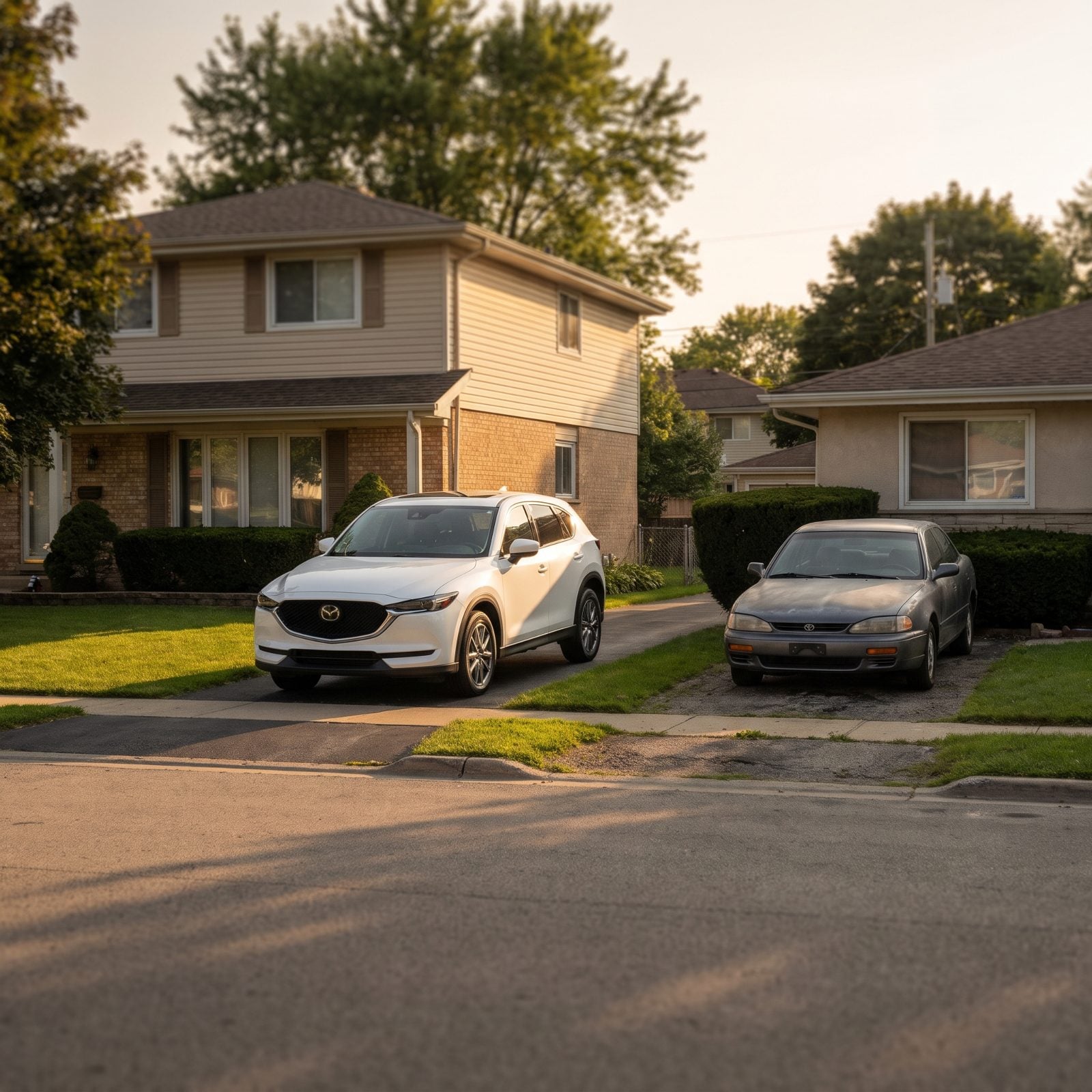
Last month a $35,000 SUV felt like plenty. Then the folks three doors down rolled home in a loaded crossover, and suddenly your perfectly good budget feels like settling. Nothing about your finances changed. Your reference point did.
Same thing happens when you walk an open house in a neighborhood you only half belong in and decide your current place is beneath you. The granite counters didn’t lower your income. They just raised the floor of what you’ll now accept.
This is anchoring with a dash of keeping up appearances. We don’t judge value in a vacuum; we judge it against the last impressive thing we saw. One sharp crossover in the cul-de-sac quietly rewrites the price of “normal” for the whole street.
13. You Buy Three Rows for Kids You Might Have
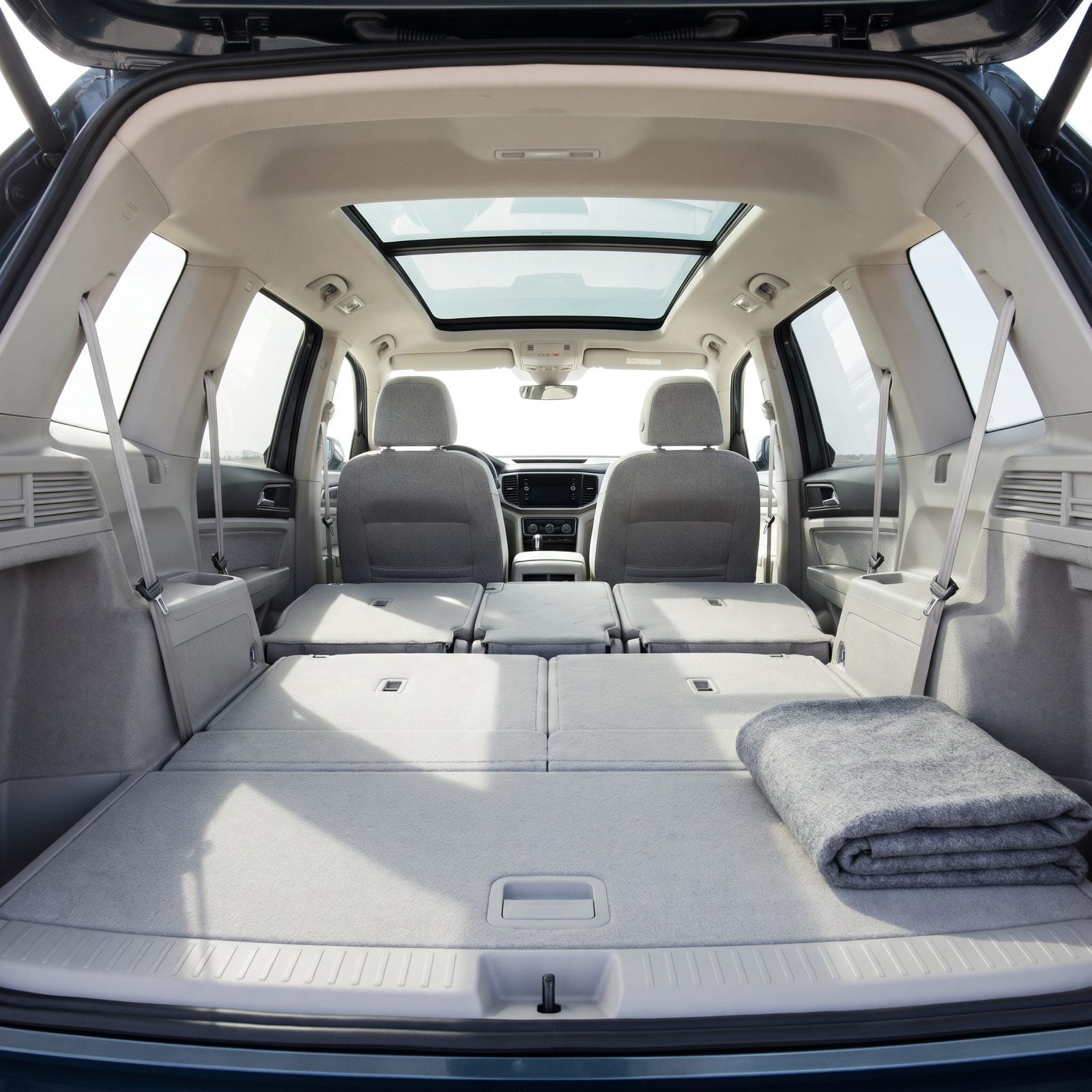
The third row is for the camping trips you’ll finally take, the road trips with the whole family, the grandkids someday. You fold those seats down maybe twice a year and haul mulch the rest of the time, but you paid for them because of the life you picture living.
It’s the same reason people buy a house with a formal dining room and a bonus room above the garage. Not for who they are. For who they intend to become.
Call it buying for an imagined future self. We picture a fuller, busier life than the one we actually live, so we buy for an imagined version of our lives, pay real money for it, and then live the ordinary Tuesday where two of those seats never see a single passenger.
12. Weekend Adventure Ads Rewrite Your Actual Tuesday Commute

Every truck ad is a river crossing, a mountain pass, a campsite at golden hour. Not one shows the thing you’ll actually do, which is sit in traffic on the way to a dentist appointment. Yet the ad sells the fantasy so cleanly you start believing the capability is the point.
Real estate runs the same play with listing photos shot at magic hour and that staged breakfast nook flooded with light. You’re buying the morning coffee scene, not the forty-year-old furnace.
Marketers lean on identity appeal: sell the person you’d like to be, not the task in front of you. That off-road package costs three grand and will touch dirt once, if ever. But it lets you buy the story, and people pay more for stories than for steel.
11. One Test Drive Makes Horsepower Feel Like a Need

You didn’t walk in wanting 400 horsepower. Then you floored it merging onto the highway, got shoved back into the seat, and grinned like an idiot. Twenty seconds later the base engine feels like a punishment you’d be inflicting on yourself.
House-hunters hit this the moment they stand in a vaulted great room. The normal ceilings they were fine with that morning suddenly feel like a basement. One taste of the upgrade and the sensible option loses all its flavor.
Economists call it the endowment effect getting a running start. Once you’ve experienced the better thing, giving it up registers as a loss, not a saving, and we hate losses far more than we love gains. That test drive wasn’t a sample. It was a trap, and a fun one.
10. The Luxury Trim Makes the Base Model Seem Sensible

The lot shows you the top trim first. Ventilated seats, panoramic roof, a sound system that could fill a stadium, priced somewhere near the moon. Then they show you the mid trim, which has most of that for a lot less, and suddenly the middle feels like the smart, grown-up choice.
Except you came in to look at the base model.
Builders pull this exact move with the model home. They stage it to the gills with every upgrade, so the standard finishes read as cheap and the “reasonable” upgrade package feels like restraint. You spend more and feel thrifty doing it.
Welcome to the decoy effect. A deliberately overpriced option exists to make the one they actually want to sell you look like wisdom. You’re not comparing against your budget anymore. You’re comparing against the thing you were never going to buy.
9. Limited Inventory Turns Waiting Into a Terrible Idea

“We’ve got one left in that color, and I had two people asking about it this morning.” True or not, the sentence works. The thing you were going to sleep on becomes a thing you have to decide now, because the alternative is losing it forever.
House buyers know this song by heart. The multiple-offer situation, the deadline by five o’clock, the gentle warning that it won’t last the weekend. Scarcity shuts down the part of your brain that does patient arithmetic.
Loss aversion runs the whole show here. The pain of missing out hits harder than the pleasure of getting it, so a shrinking supply makes you spend fast to dodge a regret you haven’t even had yet.
8. Your Partner Loves It, So the Budget Gets Flexible
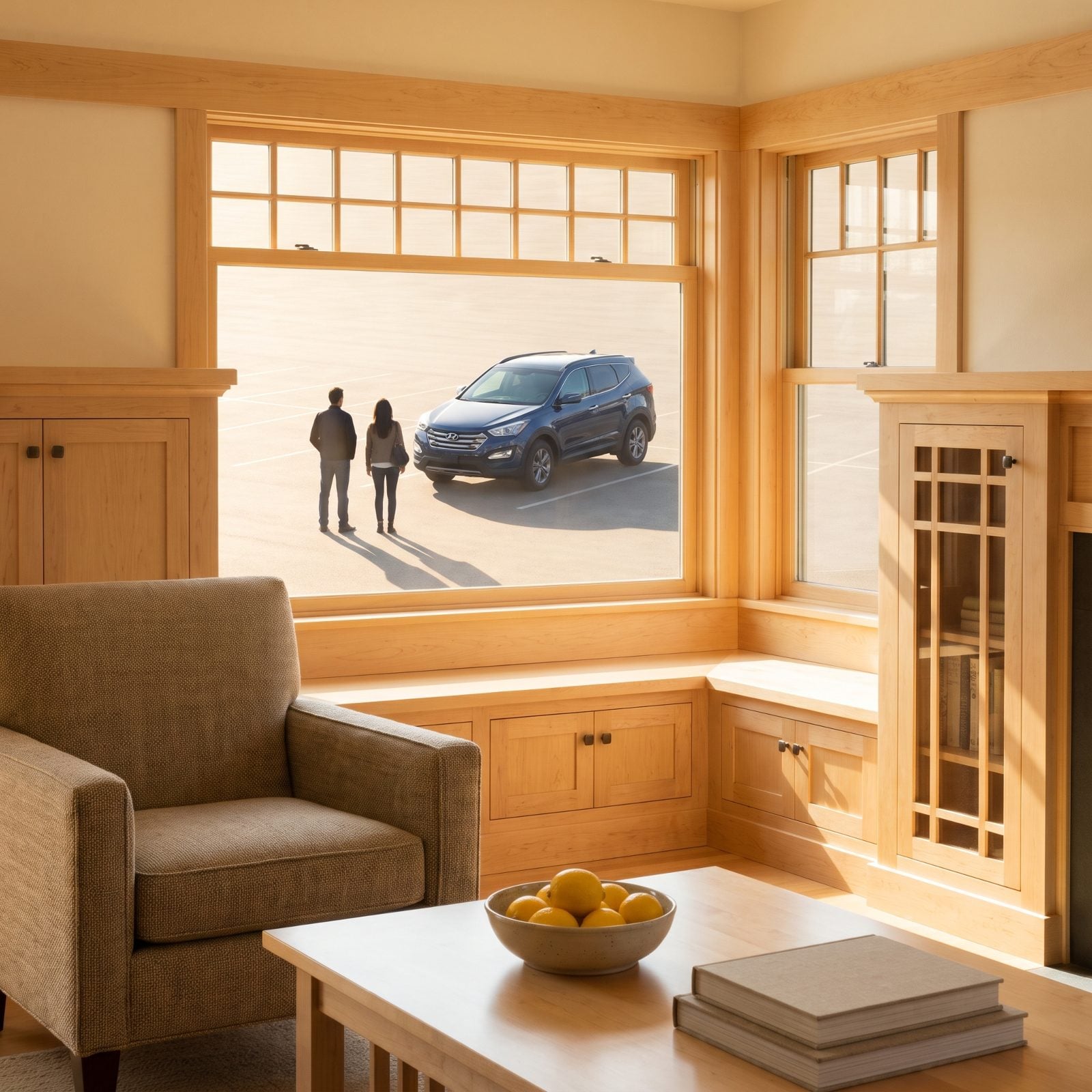
You had a firm number. Then your spouse ran a hand along the dashboard and said the word “nice” in that particular tone, and the number went soft around the edges. Now you’re both quietly handing each other permission to go over, and neither of you wants to be the one who said no to the other’s happiness.
It’s the open house where one of you falls hard for the backyard and the budget suddenly sprouts an extra thirty grand of wiggle room. Shared desire doesn’t split the resistance. It doubles the momentum.
Psychologists talk about diffusion of responsibility. When two people make a reckless call together, neither fully owns it, so neither applies the brakes. The caution that would’ve saved you solo evaporates the moment you’re a team cheering each other on toward the bigger spend.
7. You Keep Adding Packages Because It’s Only Twenty More
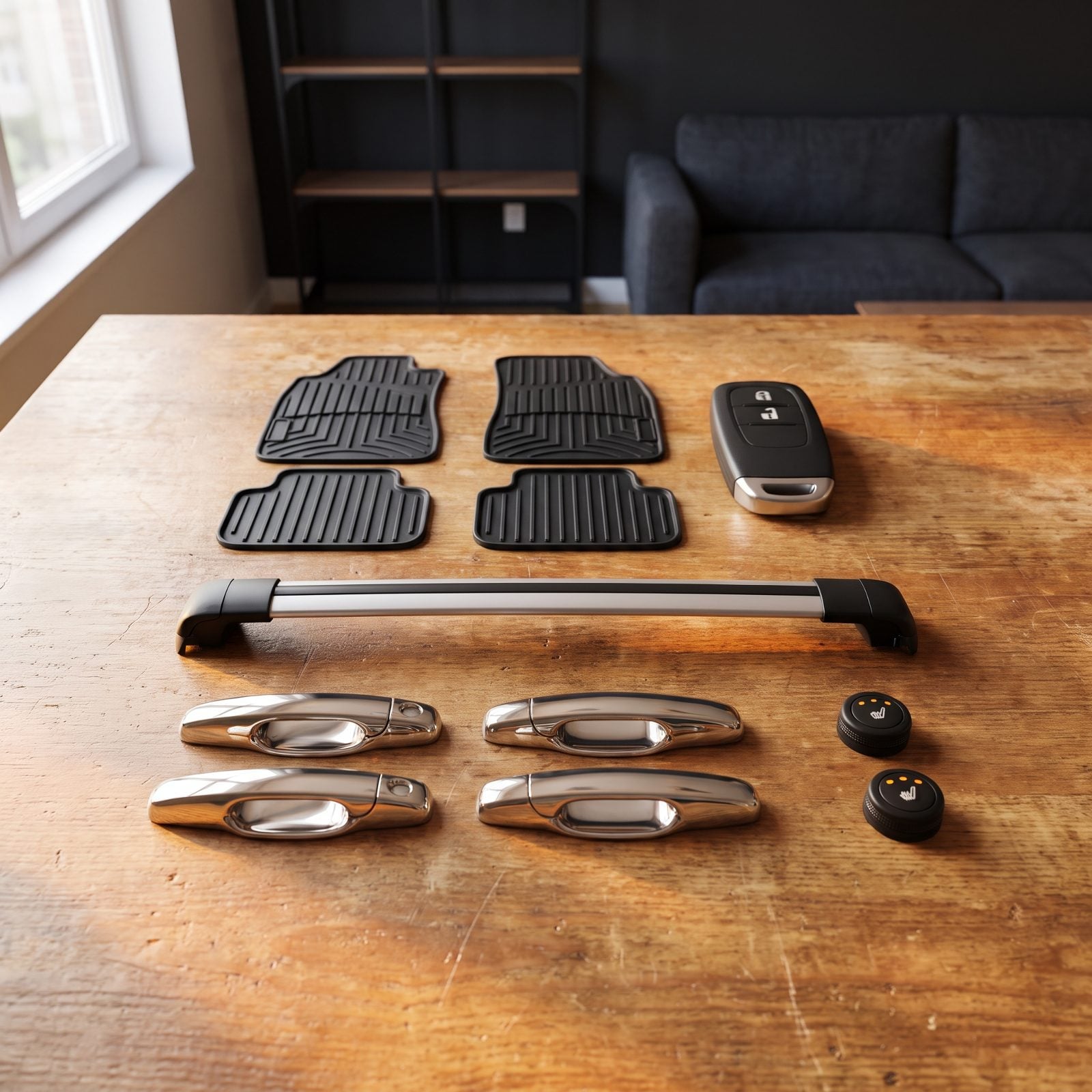
Heated seats are only twenty a month. The upgraded sound, another fifteen. Floor mats, towing package, paint protection, extended warranty. Each one is a rounding error. Add them together and they’re a second truck payment, and you never felt a single decision as expensive.
This is how a kitchen renovation goes from twelve grand to forty. Nobody approves a forty-thousand-dollar jump. They approve the backsplash, then the better faucet, then “while we’re in there” the whole floor.
Each small yes feels trivial against the giant number you’ve already committed to. Economists call it the relative-cost illusion. Twenty dollars matters a lot when you’re buying a sandwich and nothing at all when you’re already fifty grand deep. The big purchase numbs you to the little ones, and the little ones are where they get you.
The big number doesn’t stop you from spending. It gives you cover to stop counting.
6. The Bigger SUV Feels Safer Before You Check Crash Tests
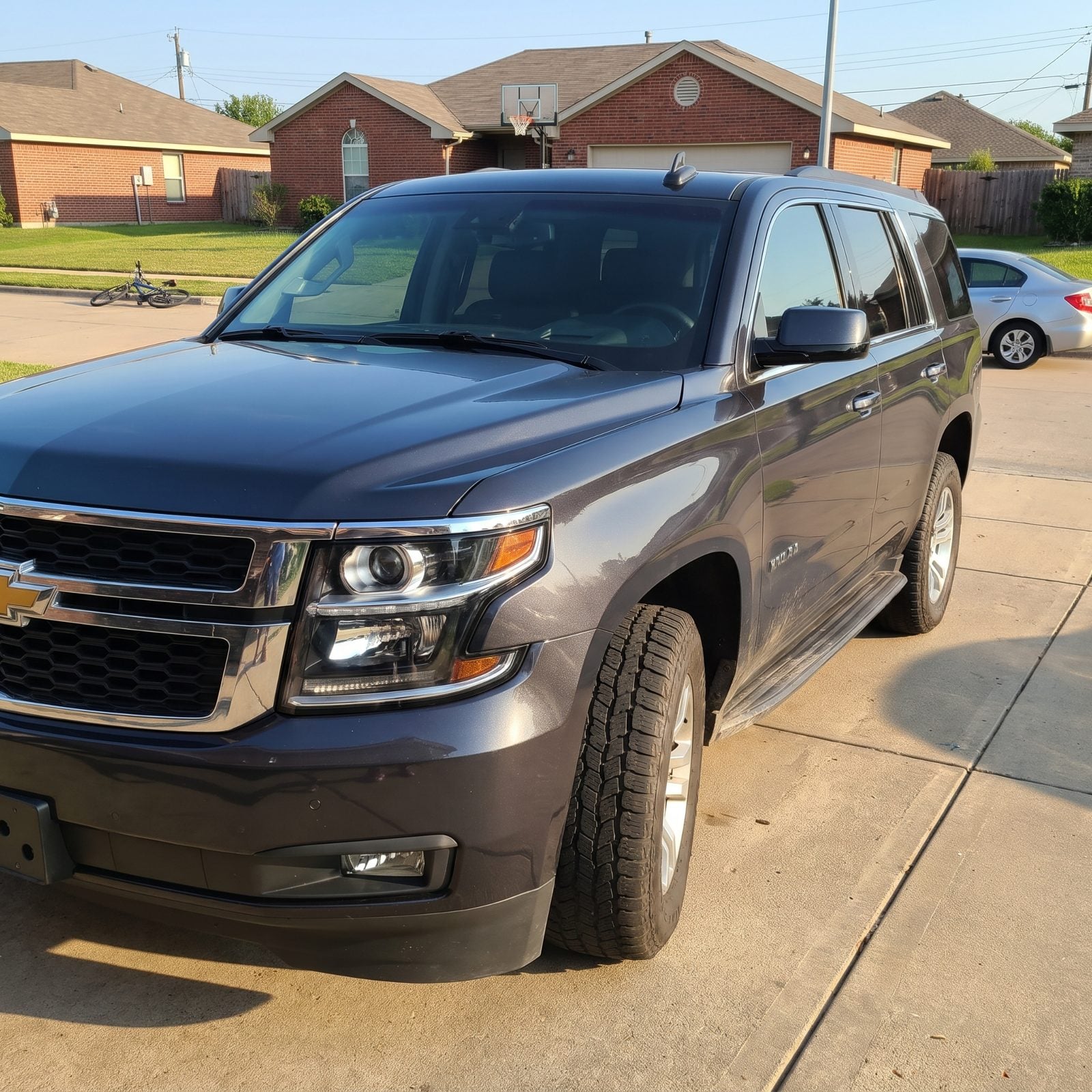
You stand next to the full-size SUV in the lot and something in your chest relaxes. It’s tall, it’s heavy, and it sits above traffic like a lifeguard chair. Picture your family inside it and you feel protected before you’ve read a single line of data.
That feeling is older than cars. We’re wired to read size as safety, the same way a bigger house on a wider lot reads as stability no matter what the inspection turns up. Mass equals security in the oldest part of the brain, and the brain closes the case before the facts arrive. Then you check the crash ratings and find the mid-size crossover scored higher, rolls less, and stops shorter.
The size didn’t make you safer. It made you feel safer — and the feeling costs an extra ten grand plus worse mileage for the privilege.
5. You Assume Next Year’s Raise Will Cover the SUV
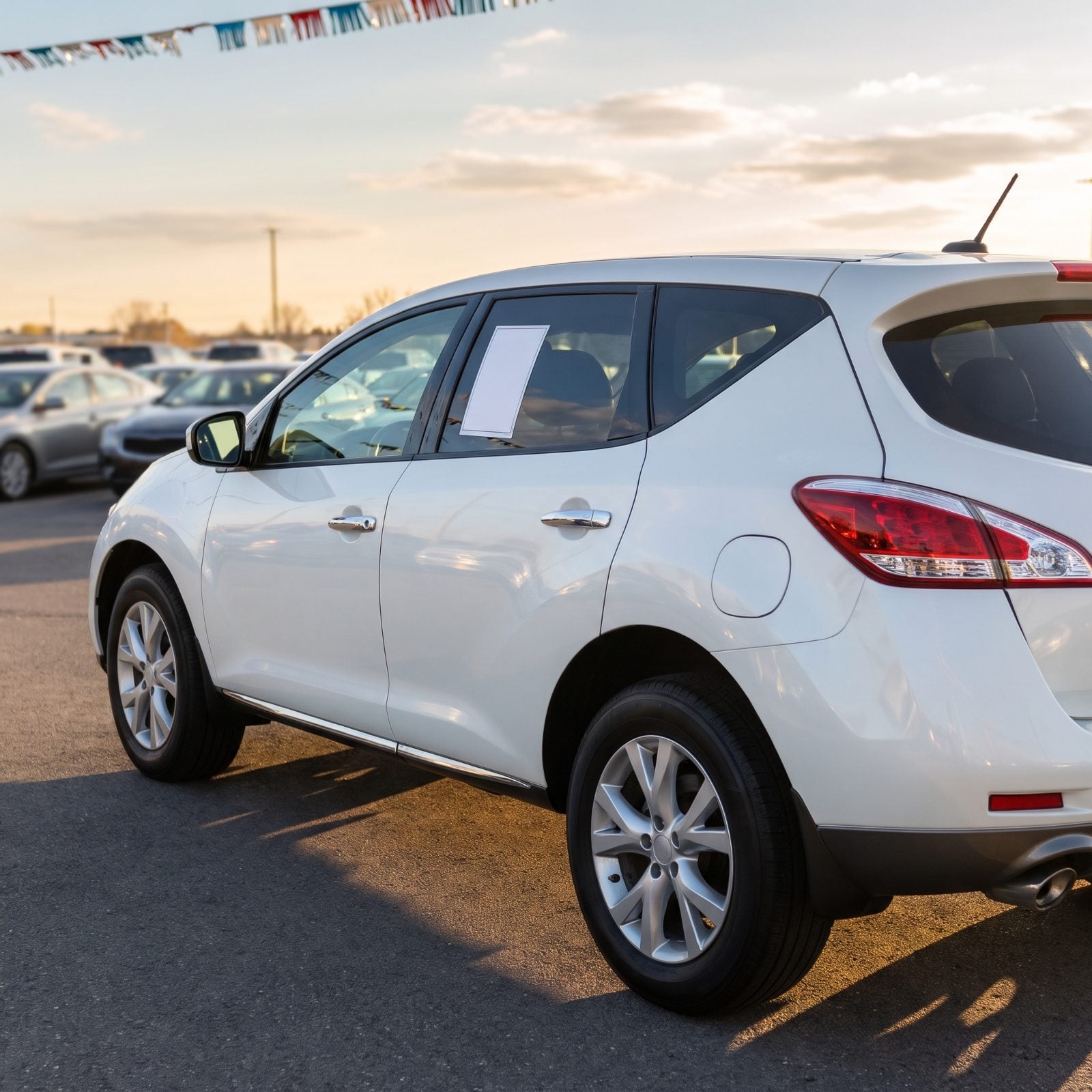
The payment is a stretch and you know it. So you do the math a particular way — you don’t budget for the salary you have, you budget for the one you expect. The raise coming in spring, the bonus that usually lands, the side work that might pick up. Future-you becomes the cosigner on today’s loan.
House buyers run the identical trick, stretching to the top of what the lender allows because the career only goes up from here, right? Psychologists call it optimism bias, and it’s a stubborn one. We consistently predict our own future to be brighter, richer, and smoother than our own past has ever actually been.
The raise is real, maybe. But the furnace that dies, the medical bill, the kid’s braces, the year the bonus gets cut — those are real too, and they never make the spreadsheet. You plan for the best version of next year and sign for a payment that needs it.
You finance the vehicle with money you haven’t earned, backed by a year that hasn’t happened.
4. You Budget for Fuel and Somehow Forget the Tires
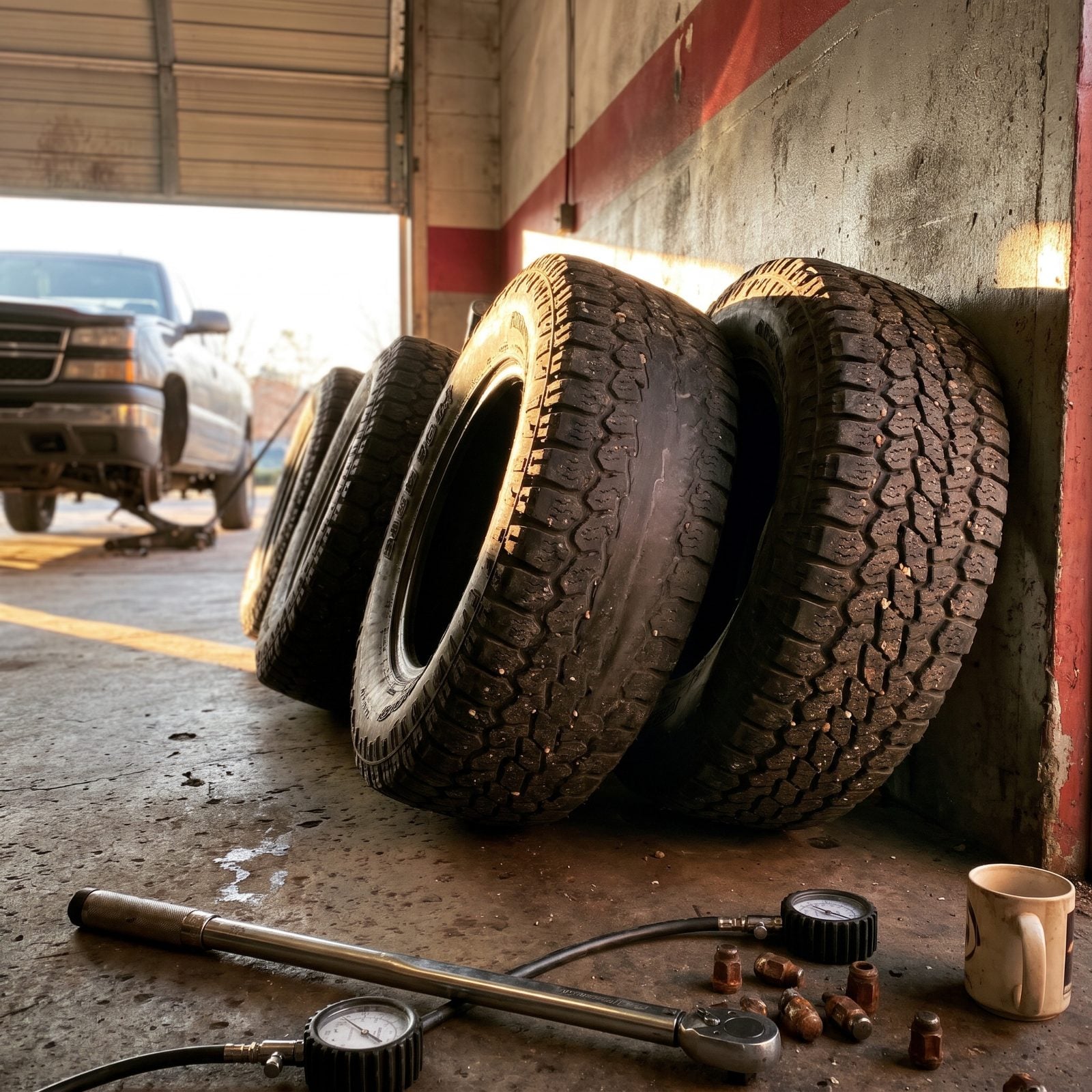
The monthly budget has a line for gas. Of course it does — gas is the cost you feel every week, right there on the pump display. So that one gets counted.
Then a set of tires for the big truck runs you most of a grand. And brakes. And the oil changes that cost more because the engine holds a small lake, and the insurance premium that quietly reflects how much it costs to replace the thing. None of that made the plan, because none of it is a weekly sting. It’s the slow cost, the kind that hides in the back of the drawer.
Homeowners do this exactly. They budget the mortgage and forget the roof, the water heater, the tree that needs taking down. We anchor on the visible number and treat everything invisible as free.
3. Fresh Detailing Distracts You From the Service History
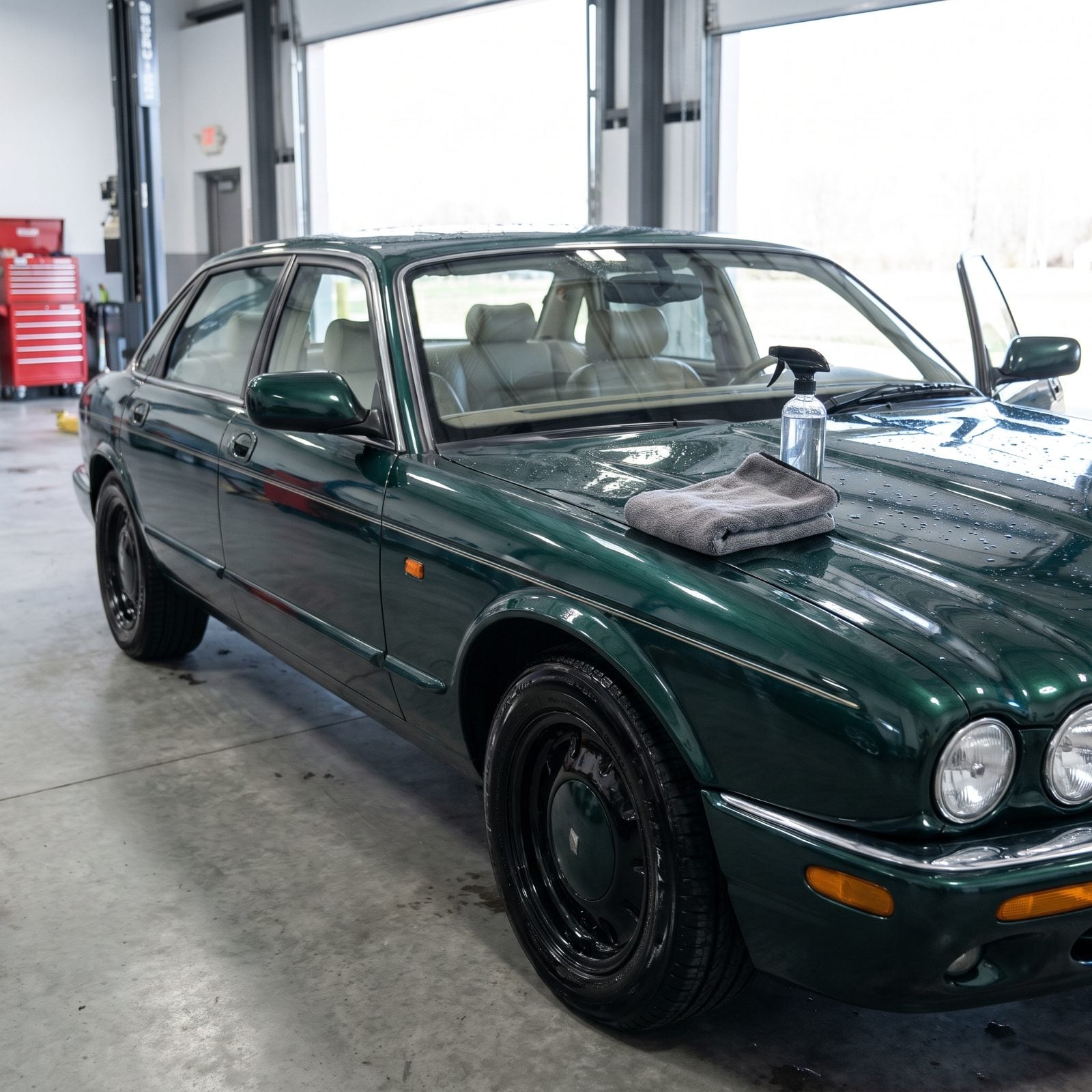
It smells like a new car even though it’s got eighty thousand miles on the clock. The paint throws back the light, the tires are wet-black, and the carpets have those fresh vacuum lines. You run a hand along the hood and you already want it.
Shine is a magic trick. The halo effect means one good trait — here, a spotless surface — bleeds into everything else, and your brain assumes a car this clean must have been cared for underneath too. Maybe it was. Or maybe the detailing cost two hundred bucks and papers over a gap in the records where someone skipped three years of maintenance.
Staged houses pull the same lever. Fresh paint, a vase of lemons, warm cookies in the oven, and suddenly the cracked foundation stops feeling urgent. A clean surface is the cheapest lie in any big purchase.
The service history is the boring stack of paper nobody wants to read. Read it anyway. The wax wears off. The maintenance gaps don’t.
2. After the Deposit, Every Mechanical Red Flag Looks Fixable
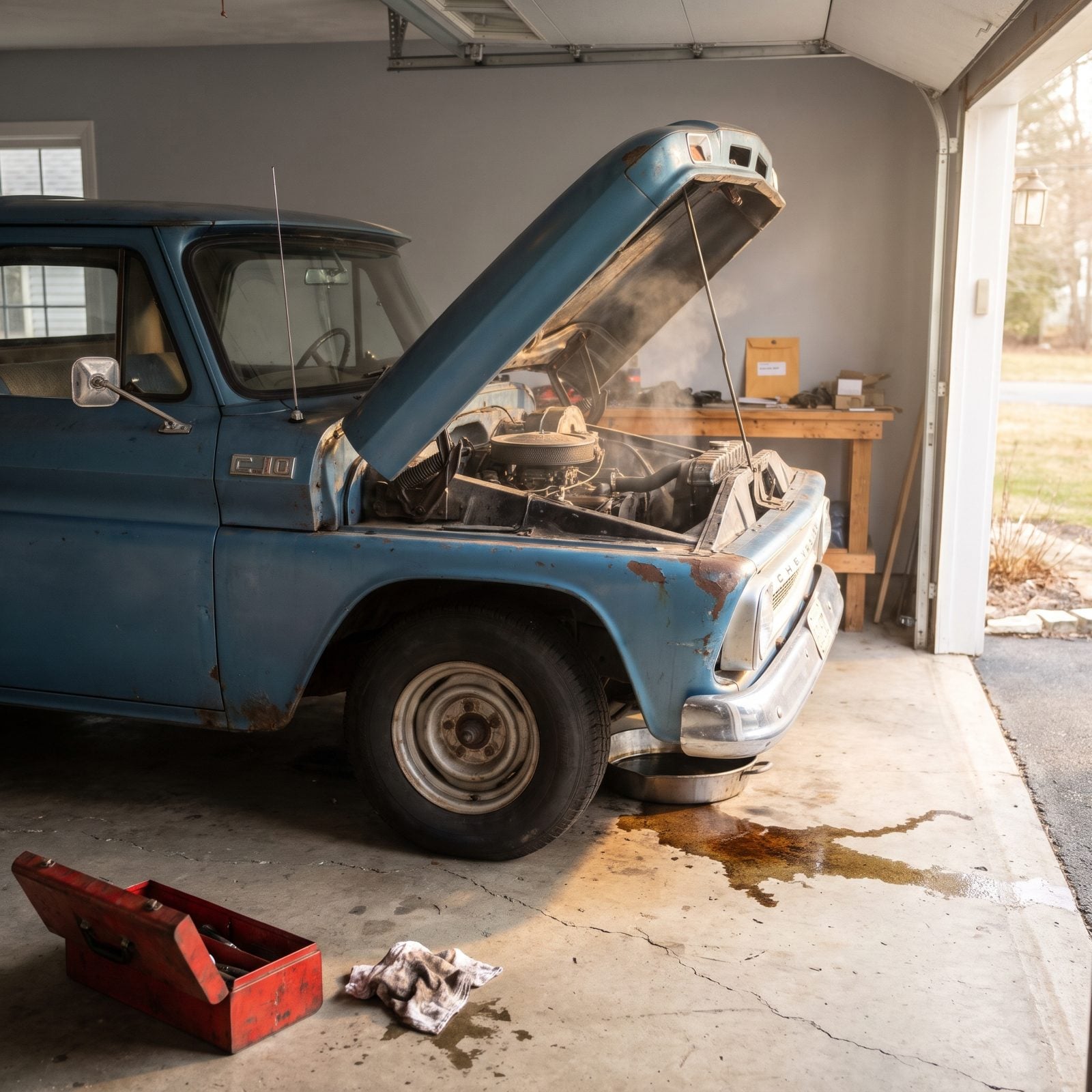
Before the deposit, you were a hawk. A whine from the transmission, a shimmer of oil on the driveway, a check-engine light that flickered on then off — any one of those walks you out of the deal.
After the deposit, something shifts. The whine is probably just low fluid. The oil is probably an old leak, not an active one. The light was probably a loose gas cap. Every flag that would have scared you an hour ago now carries a cheap, hopeful explanation.
That’s the money talking. Once you’ve got skin in the game, the brain reframes problems to protect the choice you already made. Home buyers do it between the offer and the inspection, quietly demoting the roof from “deal-breaker” to “we’ll get to it.”
1. You Trust Resale Value to Rescue the Giant Loan
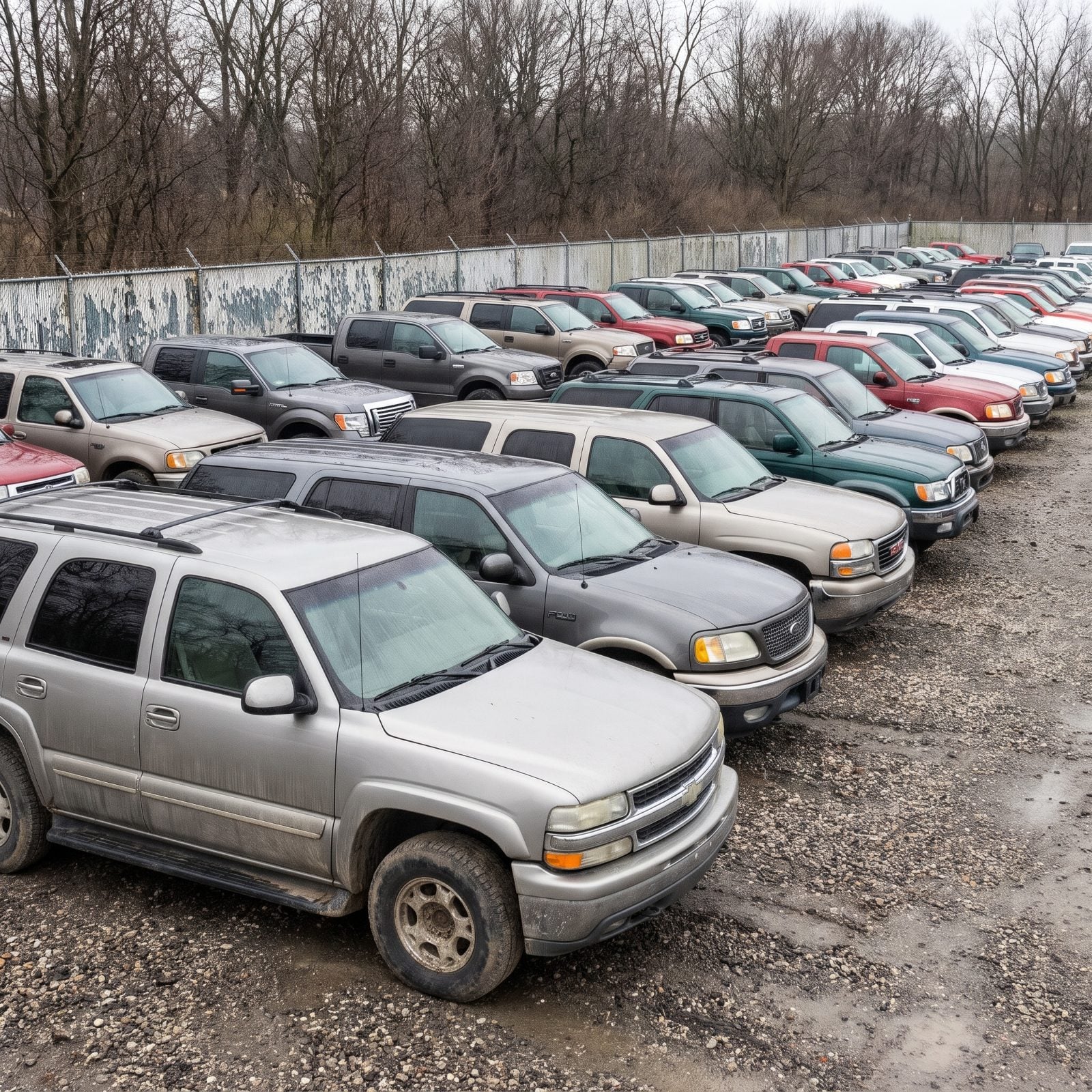
The salesman says it, and you want to believe it, so you do: this model holds its value. You stretch into the big truck partly because you’re told you can sell it in five years and come out fine. The giant loan feels less giant when a rescue is built right into the plan.
Here’s the problem with that math. Resale is a bet on a future market you don’t control. Gas prices move. Rates move. Everybody who bought the same hot model is trying to dump it the same year you are. And a loan this big means you’ll owe more than the thing is worth for years — upside down the whole stretch the rescue is supposed to show up.
People justify maxed-out mortgages the same way. “Real estate always goes up.” Until it doesn’t, and the thing you were counting on to bail you out becomes the thing you can’t afford to sell.