
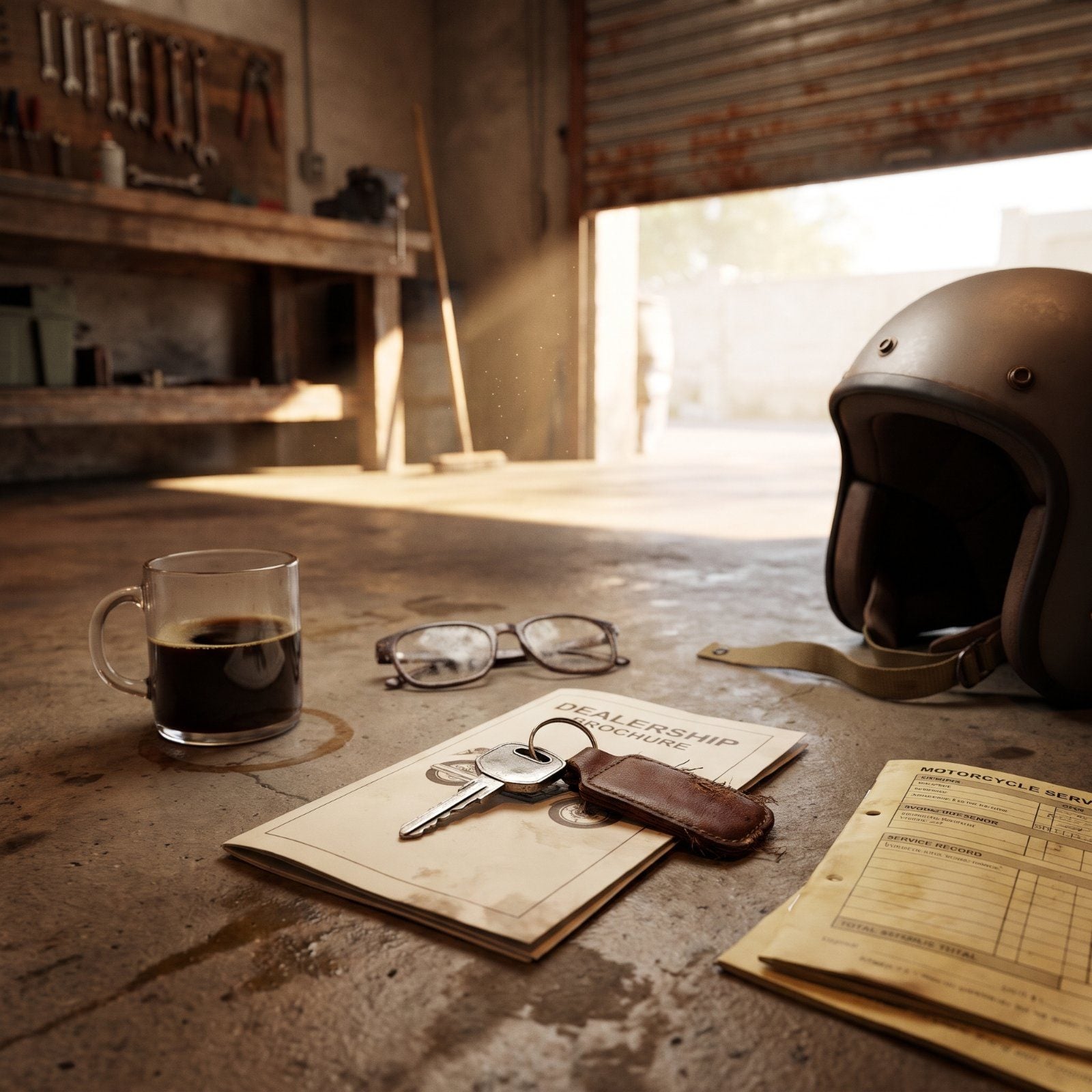
The honeymoon bike has been parked in the garage for three decades, and now you’re standing on a showroom floor with your reading glasses pushed up, pretending you understand ABS brake modules. Your heart does a thing it hasn’t done since you were nineteen. You tell yourself you’re being practical. You are absolutely not. Shopping for a motorcycle later in life pokes the same nerves as circling back into the dating pool after a long marriage ends: the comparisons you can’t stop making, the sensible plan you abandon the second something shiny leans on its kickstand. Different machines. Identical wiring in your head. Here’s where the two overlap, and why you keep falling for it.
Please note that some of the images in this article were created with the assistance of AI.
18. You Compare Every Bike to the One You Loved
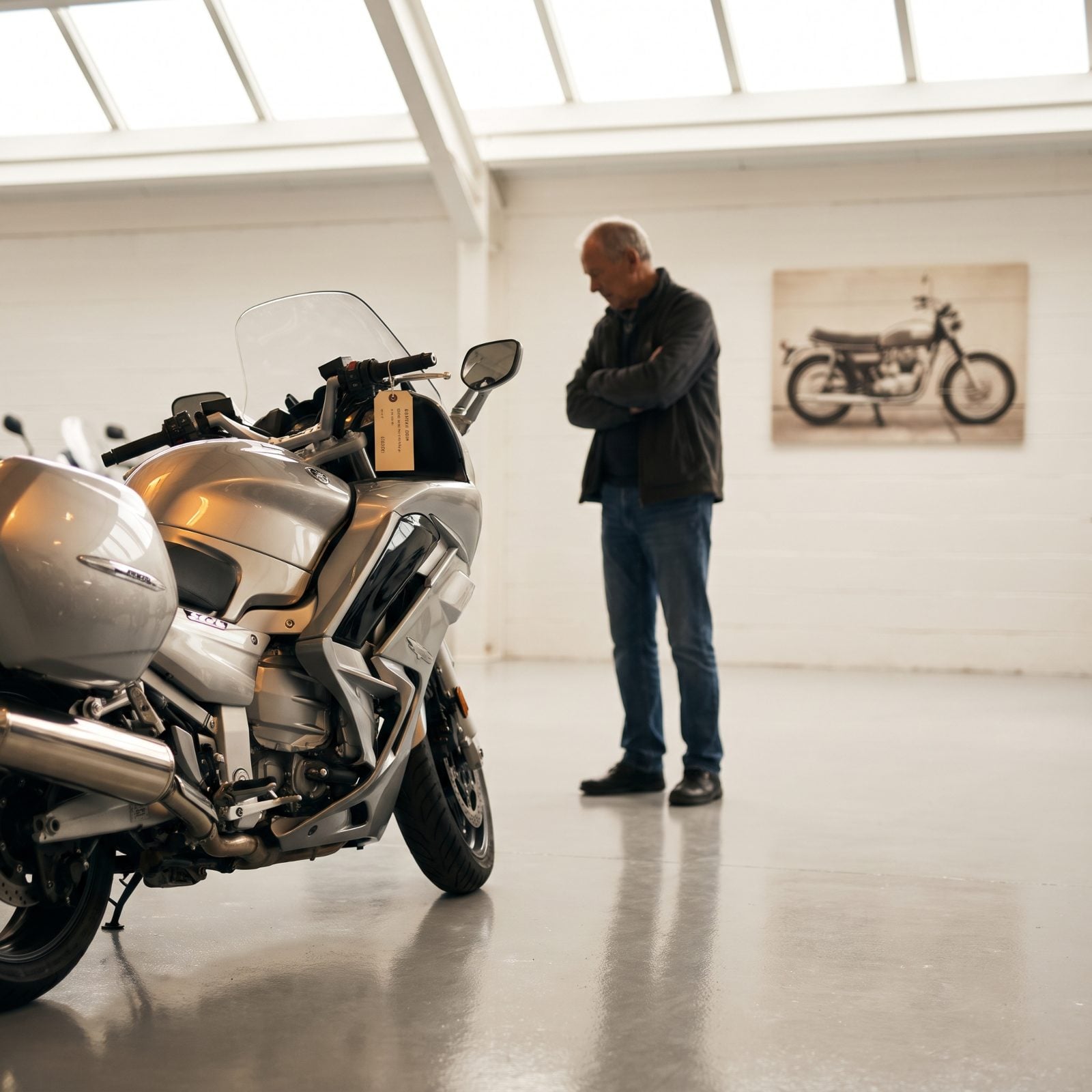
The old bike wasn’t even that good. You remember the one from your thirties as faster, lighter, more alive than it ever actually was, and now every machine on the floor gets measured against a ghost that’s been getting better in your memory for years.
It’s the same trick your brain plays with a first love or a long marriage. We don’t remember the real thing — we remember the edited cut, the highlight reel with the arguments and the oil leaks trimmed out. Psychologists call it rosy retrospection, and it’s ruthless. The past gets a softer lens than anything standing in front of you ever will.
So the new bike never wins on day one. It can’t. It’s competing against something that no longer exists, polished by thirty years of forgetting.
17. You Say Sensible, Then Keep Browsing Italian Superbikes
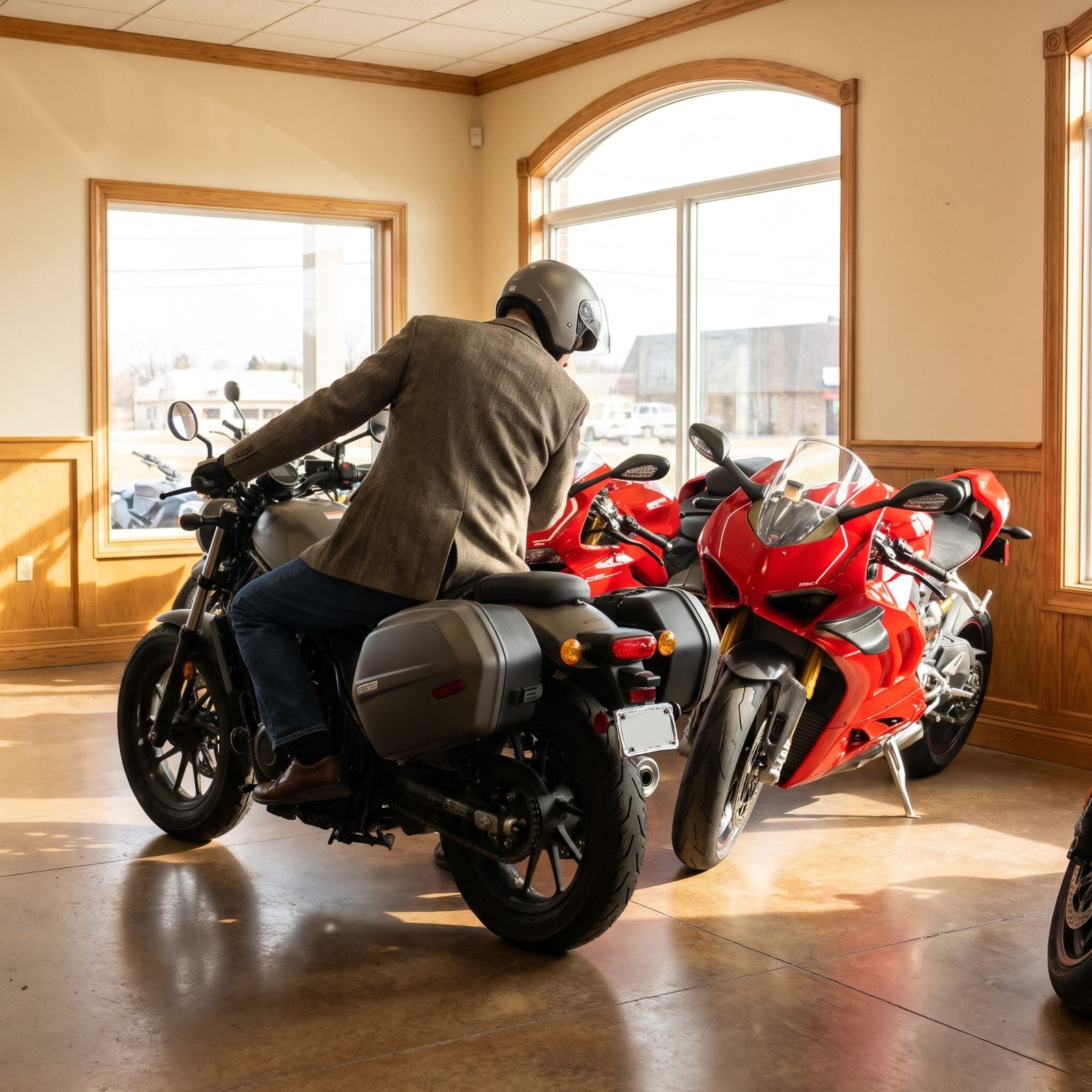
Out loud, the plan is mature. Upright seating position, heated grips, something with bags you can take to the coast without your lower back filing a complaint. You even said the word “sensible” to the salesperson, and you meant it.
Then your phone knows. The browser tabs tell the truth your mouth won’t, and three of them are open to Italian superbikes with clip-on bars and seats designed by someone who has never once had a hip. You have no business wanting it. You want it anyway.
The same gap shows up the moment someone back in the dating world lists what they’re after. Kind. Stable. Good communicator. Then they swipe on the one who is clearly a beautiful disaster. The list is what we think we should want. The browsing history is what we actually chase.
16. The Showroom Shine Makes Red Flags Harder to See
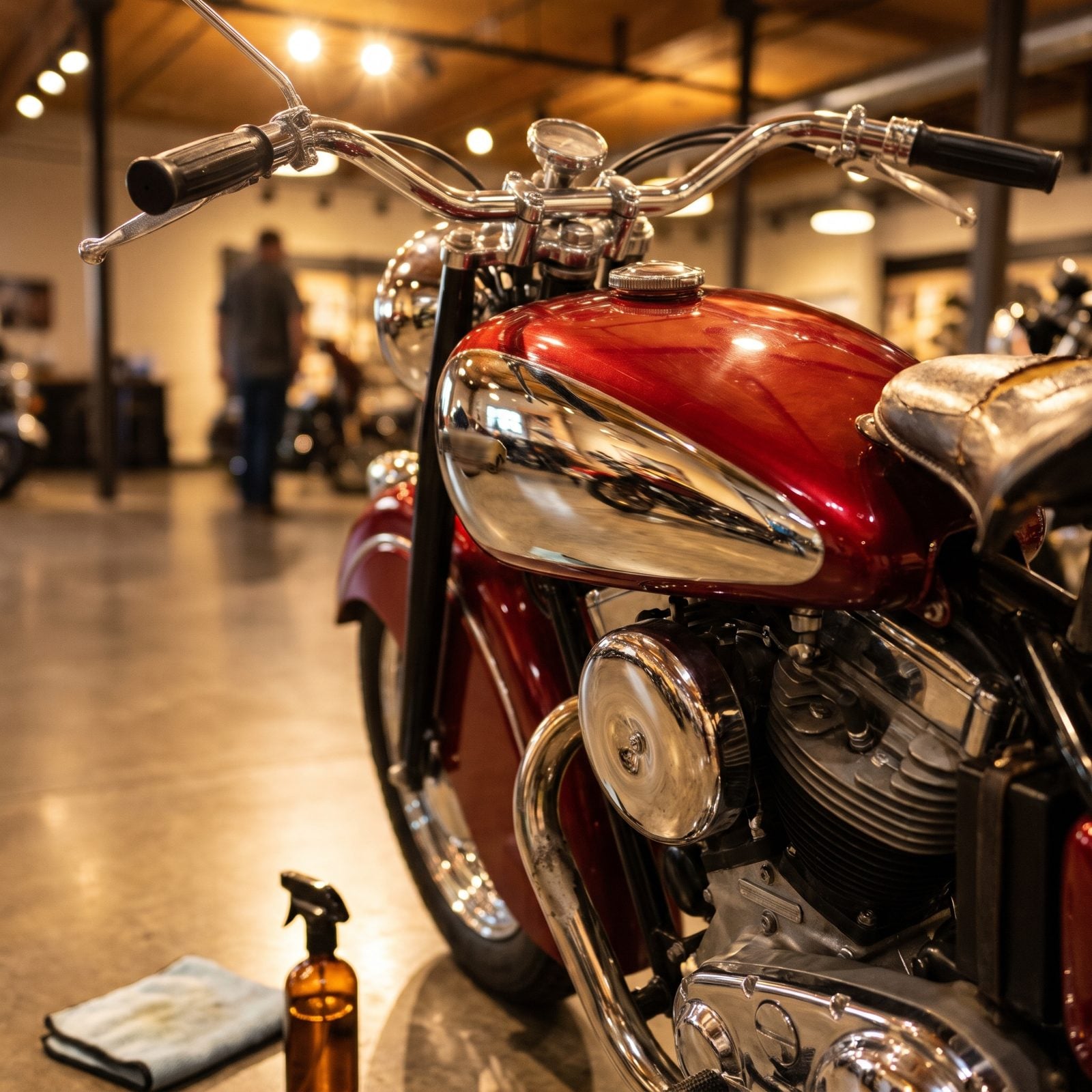
They detail these things for a reason. A bike that’s been buffed, polished, and parked under a warm spotlight looks like it has never once left you stranded at a gas station in the rain. The shine does work on your judgment that the machine itself hasn’t earned yet.
That’s the halo effect, plain as day. One attractive trait — the gleam — bleeds out and makes you assume everything else is just as good. The engine, the maintenance, the honesty of the mileage. You stop asking hard questions because the pretty surface already answered them for you.
First dates run on the exact same current. A good jacket, a confident smile, a nice restaurant, and suddenly you’ve decided this person is also reliable, generous, and emotionally available. You have evidence for none of it. You just liked the shine.
The fix is boring and it works. Walk the bike into daylight, read the record, and ask the question you’d rather not.
15. Limited-Edition Paint Starts Feeling Suspiciously Like Destiny
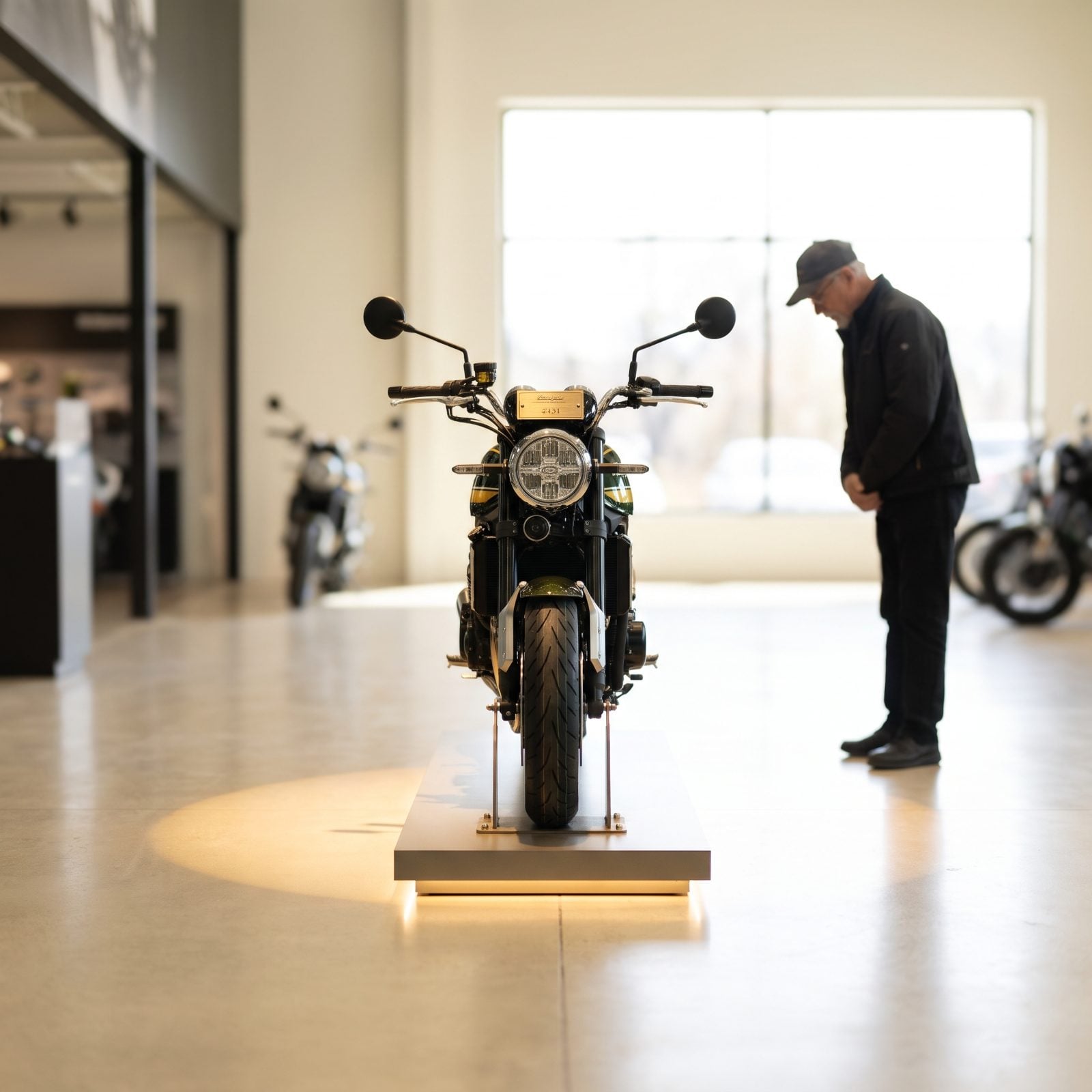
One of a few hundred built. A numbered plaque. Paint they only ran for a single model year. Something in your chest goes quiet and certain, and you start narrating it as fate, as if the universe reserved this exact bike for you and only you.
It didn’t. A marketing team decided scarcity sells, and your brain fell for it like it always does. We assign more value to the thing we might not get — call it the scarcity principle. The rarity isn’t about quality at all. It’s a trigger, and it works on wallets of every age.
The dating-world version is that electric feeling that this person is one in a million, meant to be, a connection you’ll never find again. Maybe. But that “once in a lifetime” hum is often just scarcity talking, dressed up in nicer clothes.
14. One Test Ride Rewrites Your Entire Must-Have List
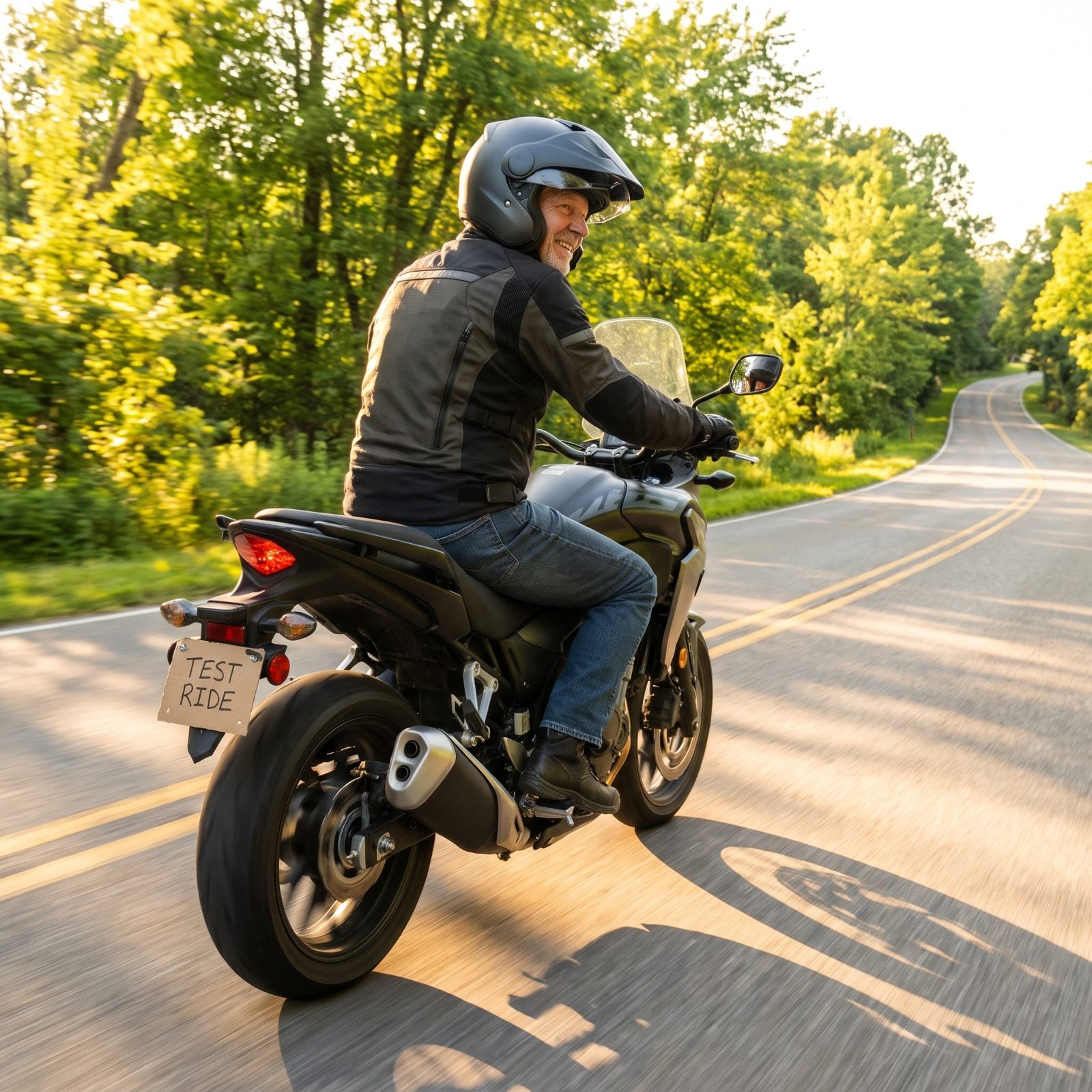
You had the list. Chain-driven, specific displacement, a certain seat height, nothing over a weight you’d decided on in advance. Then you threw a leg over something completely off-brief, rolled out of the lot, and three miles later the list was confetti.
The engine note did something to you. The way it settled into a corner felt like it had been waiting for you specifically, and every requirement you’d written down got renegotiated in about four minutes of actual riding.
Here’s the mechanism: we are terrible at predicting how an experience will feel until we’re inside it. On paper, we weigh specs. In the saddle, we feel. And feeling wins, every single time, because it’s real and the spreadsheet never was.
Same thing undoes people after a long marriage. They have a type, a checklist, non-negotiables. Then they spend one easy afternoon with someone who matches none of it and the whole thing goes out the window. The connection you can feel beats the one you described on paper.
13. A Clean Service History Feels Weirdly Reassuring
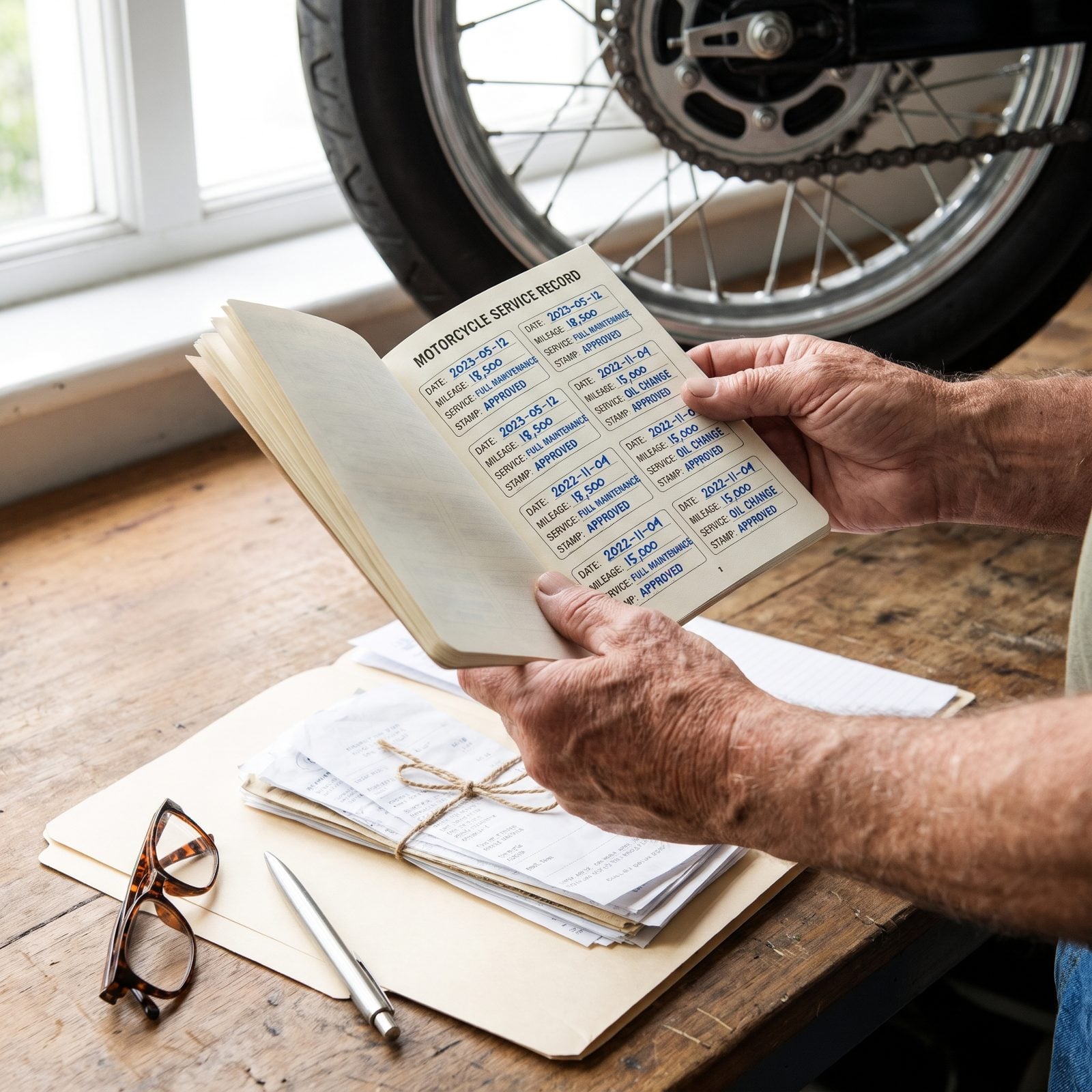
Nothing turns you on quite like a complete maintenance log. Stamped intervals. A folder of receipts. Valve checks done on time by someone who clearly cared. You find yourself oddly moved by the proof that this machine was looked after.
It makes sense. A documented past lowers the risk of an expensive surprise, and at this stage you have zero appetite for expensive surprises. But the pull runs deeper than logic. There’s comfort in a track record you can hold in your hands.
Back in the dating pool, the same instinct hums quietly underneath everything. You’re reassured by someone with steady friendships, a job they’ve held, a history that suggests they maintained things rather than abandoned them when they got hard. Past behavior is the best predictor we’ve got, and we lean on it because the alternative is flying blind.
A clean history isn’t a guarantee. But it’s the closest thing to one you’ll find on a showroom floor.
12. Your Friends Suddenly Have Strong Opinions About Harleys
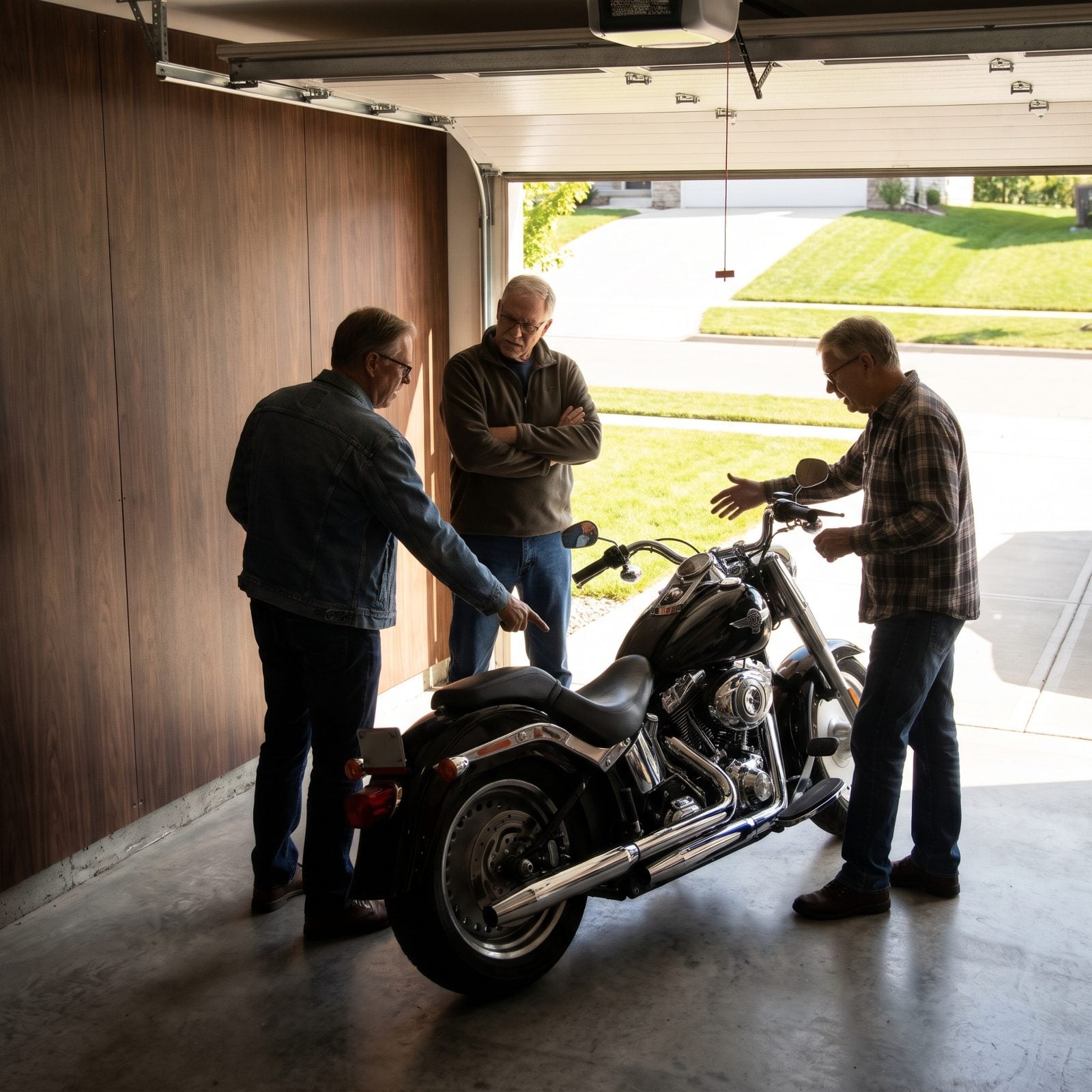
You mentioned you were looking at a cruiser, and now everyone’s an expert. The guy who hasn’t ridden since the Carter administration has firm views. Your brother-in-law sends you a link at 11pm. Half of them think a Harley is the only real motorcycle and the other half think it’s a mistake with pipes.
None of this is really about the bike. People project, and your choice became a screen for their own stuff — the road trip they never took, the one they wish they’d bought, the risk they’re glad they didn’t.
Reenter the dating world and watch the exact same thing happen the moment you mention someone new. Suddenly friends and grown kids have opinions, warnings, approvals, red flags they spotted from across the room. Some of it is love. A lot of it is their fear wearing your situation as a costume.
The louder the outside opinion, the more likely it’s about them, not you.
Listen politely. Then remember whose knees and whose heart are actually involved.
11. The Bike Your Kids Hate Becomes More Interesting
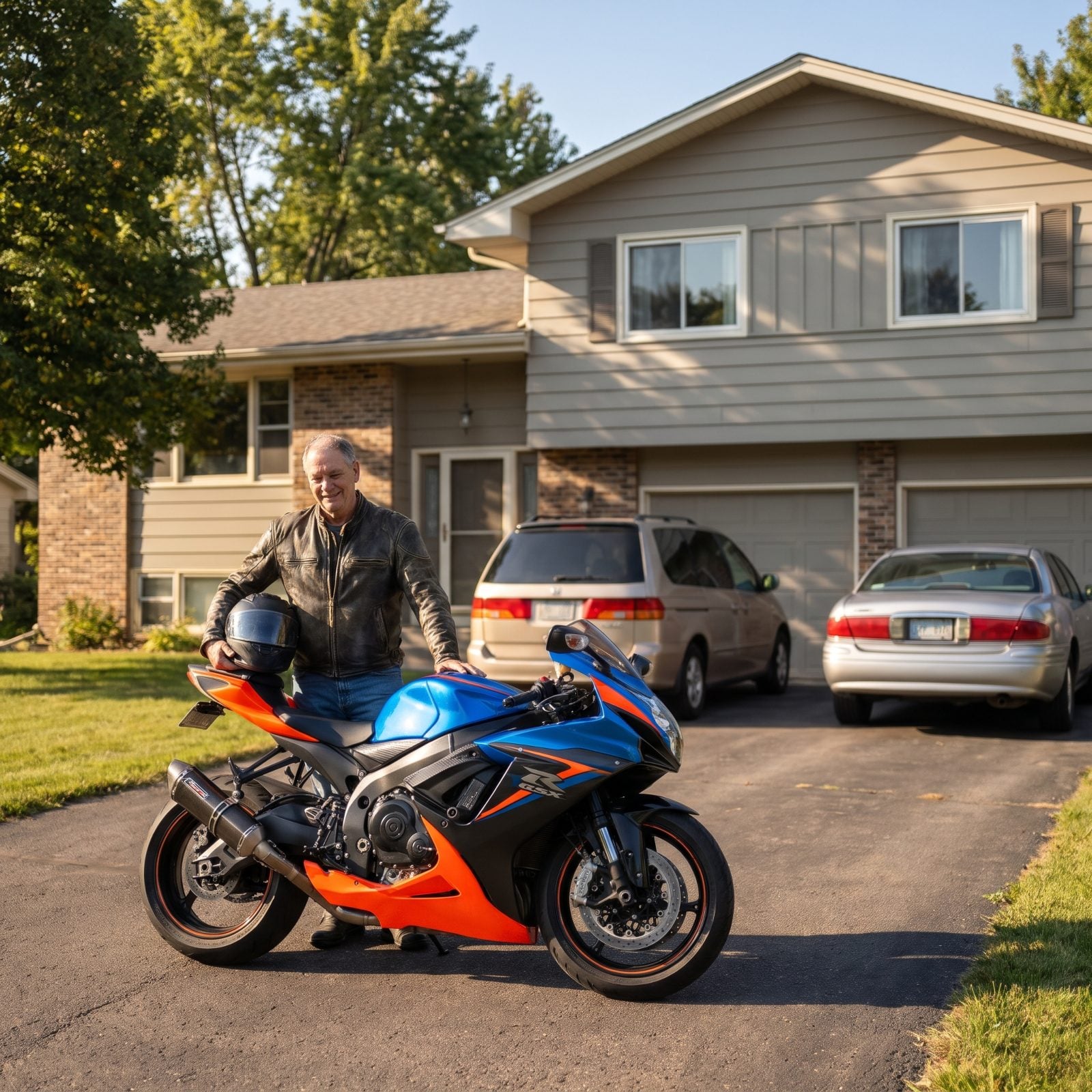
Your kids made a face. They used the word “ridiculous.” One of them asked, with real concern, whether you’d thought this through. And something funny happened in your chest — the bike got more appealing, not less.
That’s not stubbornness. That’s reactance, the deep human itch to defend our freedom the second someone tries to fence it in. Push on a choice and we push back harder, sometimes clean past what we even wanted in the first place.
It’s the same heat that flares when adult children disapprove of someone you’ve started seeing after the marriage ended. Their raised eyebrows can accidentally turn a merely interesting person into a cause worth fighting for. The resistance generates its own attraction.
10. You Wonder Whether Your Knees Can Handle This
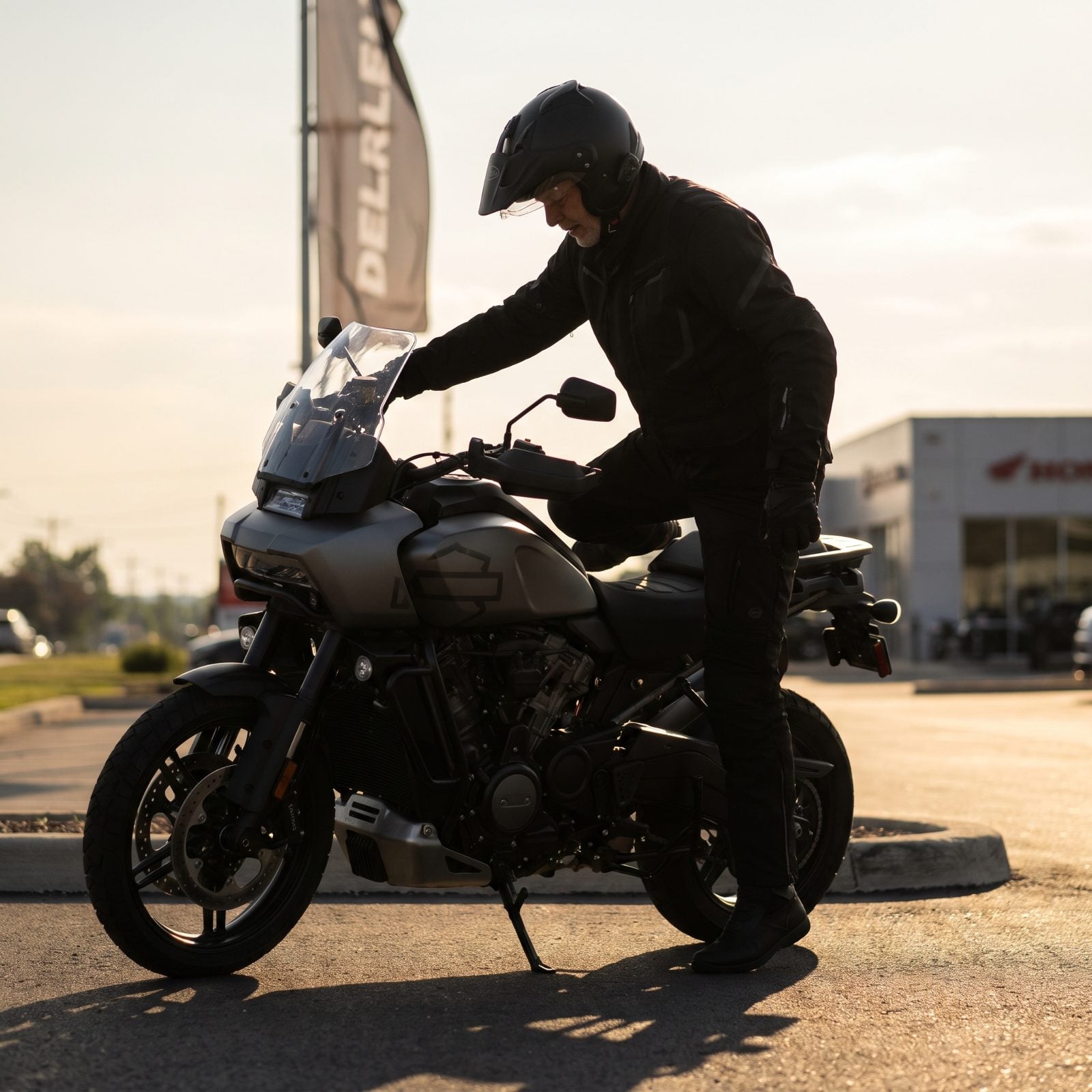
Somewhere between the showroom fantasy and the parking lot reality, a quieter voice pipes up. Can you actually flat-foot this at a stoplight? Will your lower back forgive you after two hundred miles? Is your reach as good as the version of you in your head assumes?
This is where excitement meets an honest inventory of what your body actually offers now. It’s not defeat. It’s accuracy. A bike too tall or too heavy isn’t romantic — it’s a bad morning waiting to happen.
Anyone stepping back into dating later runs the same quiet audit. Not of the knees exactly, but of the energy, the patience, the appetite for starting over, the honest reckoning with what you bring and what you can carry now versus at thirty.
The people and the bikes that work best are the ones that fit who you are today. Not who you were when your warranty was still good.
9. The Right Seat Matters More Than Showroom Looks
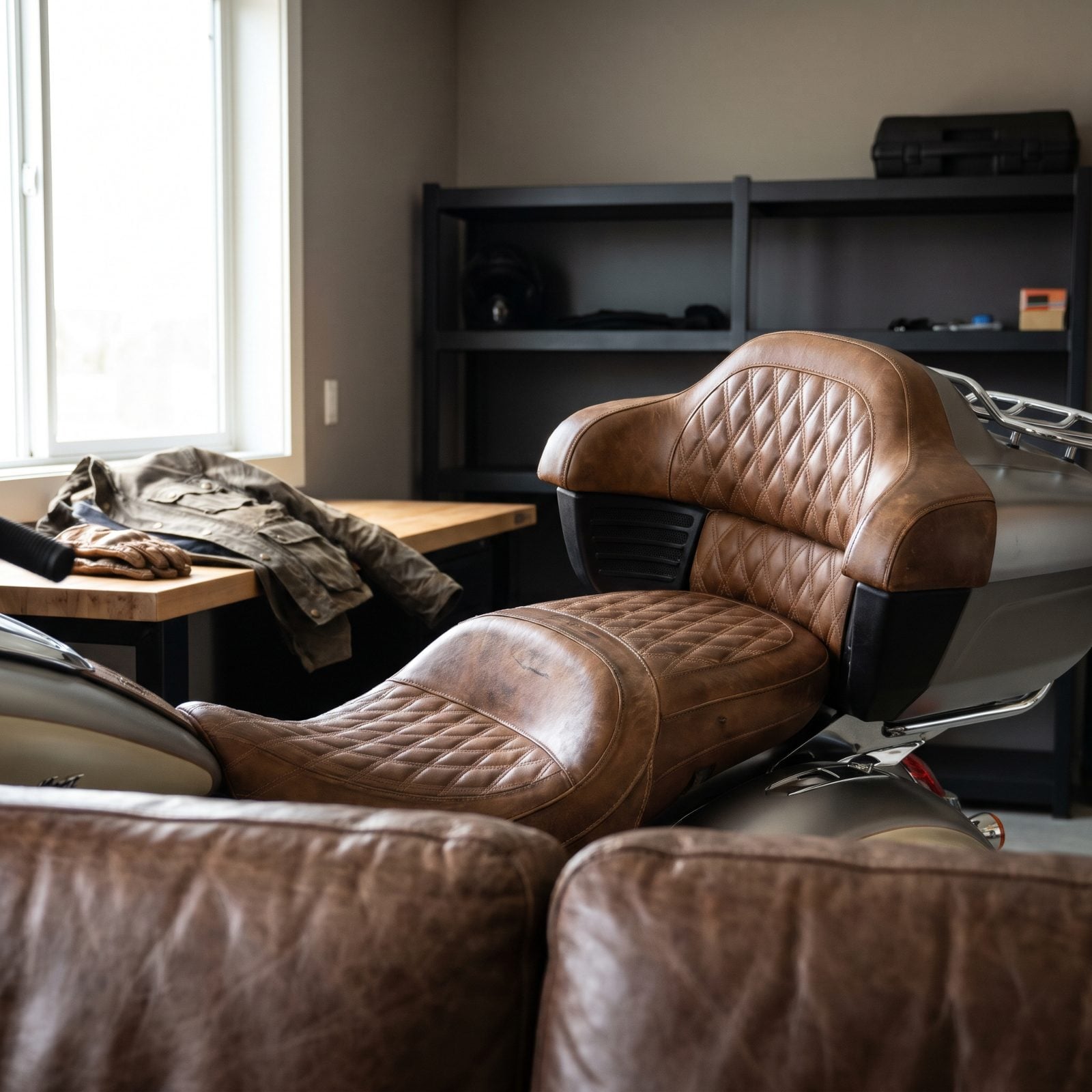
Nobody poses with the seat. It’s the least glamorous part of any motorcycle, and it decides whether your weekend ends in a grin or a limp. A beautiful bike with a cruel seat punishes you for every mile you were so proud of.
Shine fades fast on a long ride. What lasts is comfort — the fit between you and the thing over hours, not minutes. The stuff that doesn’t photograph well is usually the stuff that actually carries the relationship.
After a long marriage, you learn this one in your bones. The fireworks of a first meeting are real, but they’re not what you live on. What holds up over the long haul is the quiet daily ease of being around someone, the comfort that doesn’t need a spotlight to be worth it.
Chase the comfortable seat. The gleam was never going to ride home with you anyway.
8. You Check Whether It Fits Your Actual Garage
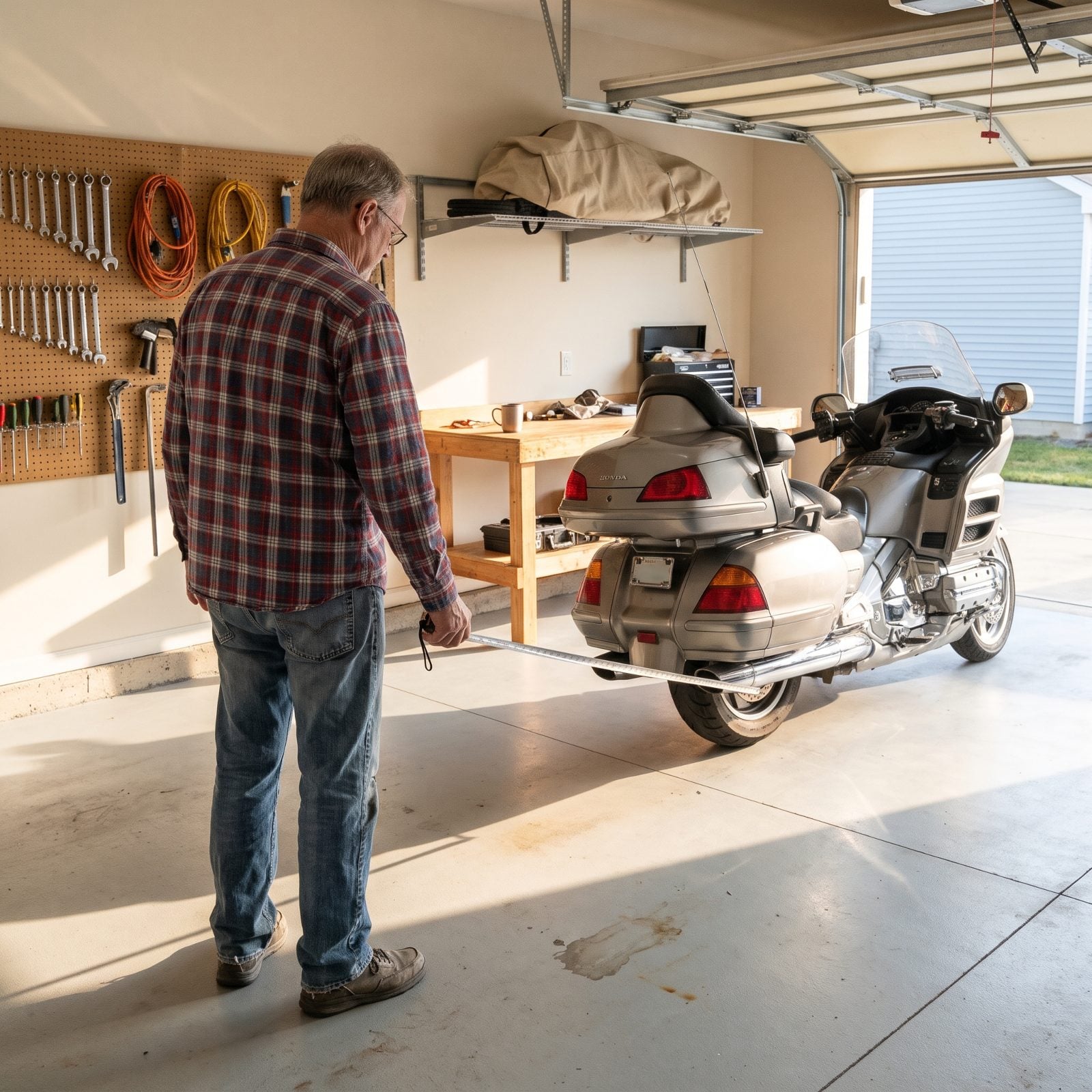
Before anyone falls in love, they stand in the garage with a tape measure. The dream is a full dresser with hard bags and a backrest, but the reality is a bay that has to share space with a pegboard wall of tools, a workbench, and shelves you don’t want to bump. So you run the tape along the bike, measure the clearance, and picture backing it in at night, in the dark, half asleep, without clipping the workbench.
This is the oldest grown-up instinct there is. The thing you want has to fit the life you already have, and people reentering the dating world after decades do the same math without admitting it. Does this person fit my Sunday mornings, my grandkids, my need for quiet by nine? That’s not coldness. It’s self-knowledge.
The psychology has a name: construal. Up close, we judge things by concrete, logistical details instead of the shiny fantasy. The fantasy is the cross-country run. The garage is where it has to live, and if it doesn’t fit the room, that cross-country run never happens anyway.
7. You Picture Cross-Country Trips Before Signing the Papers
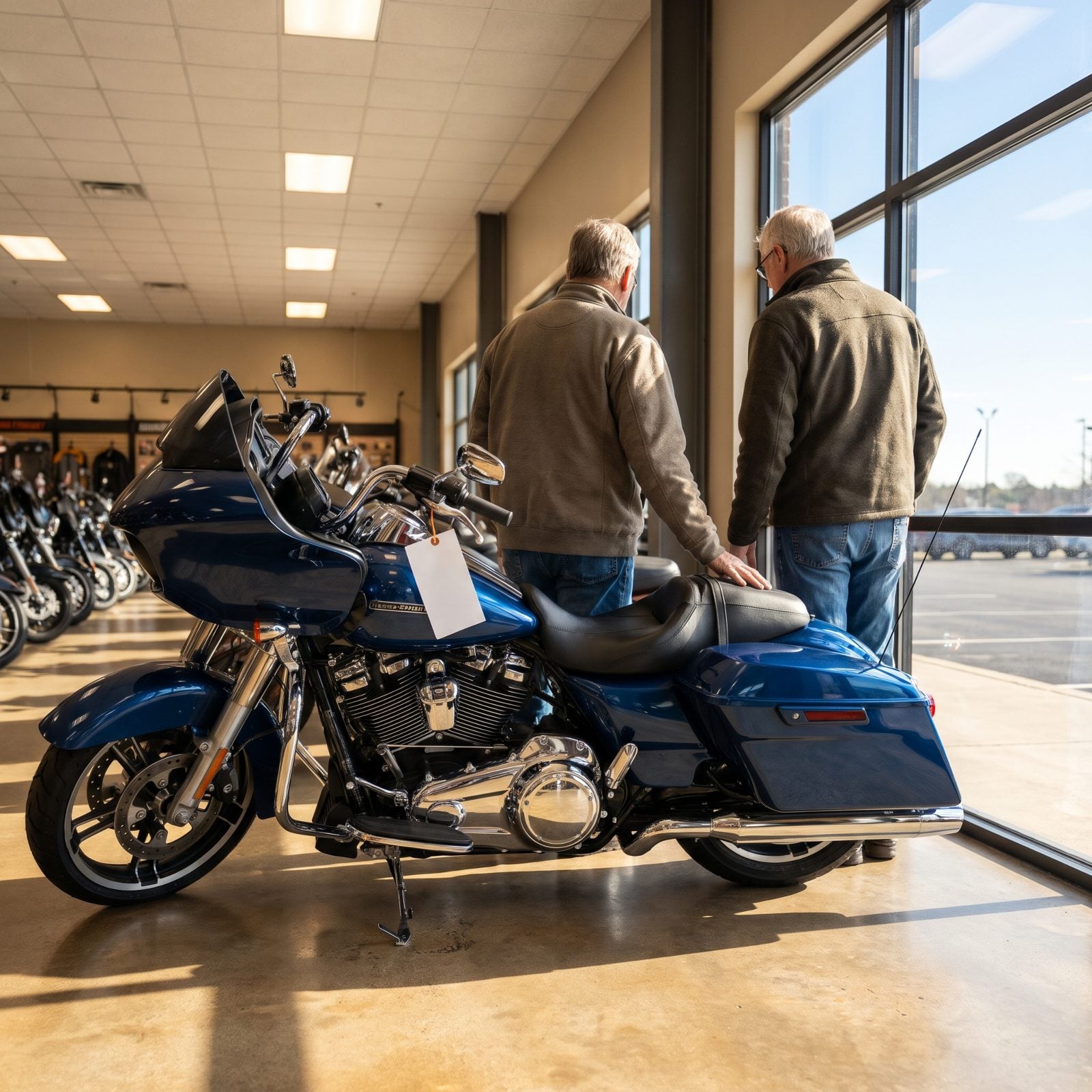
You haven’t paid yet and you’re already somewhere in Utah. The bike is still wearing its hang-tag, but in your head the saddlebags are packed, a canyon highway unspools ahead, and there’s a diner in a town you can’t name. Nobody test-rides a tourer around the block. They test-ride the whole fantasy of the next ten summers.
Starting a new relationship later in life runs on the same fuel. You meet someone over coffee and your brain is already drafting a trip to Italy that neither of you has mentioned. That’s the affective forecasting trap — we’re wired to imagine the peak experience, the postcard moment, and we’re genuinely bad at weighting the ordinary Tuesdays that make up most of the mileage.
The daydream isn’t the problem. It’s the hook that gets us to try at all. The trouble starts when the daydream signs the papers before those ordinary Tuesdays get a vote. Picture the trip, then ask yourself who’s checking the tire pressure in a gas station at dawn, because that’s the part that’s really coming.
6. You Start With a Short Loop Before Planning Tours
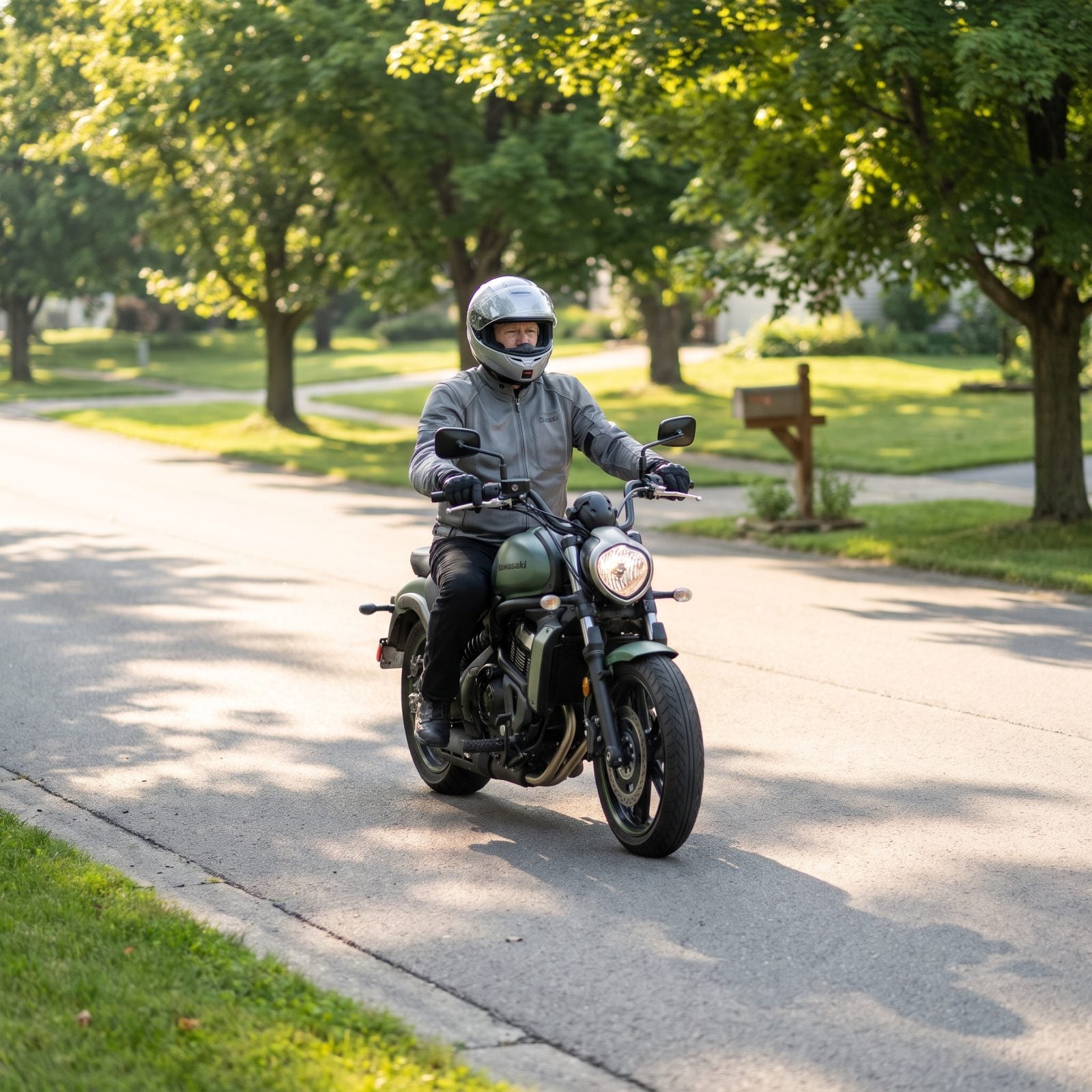
The first ride is never the Pacific Coast Highway. It’s a loop through the neighborhood, maybe out to the gas station and back, helmet still smelling like the box. You’re not covering ground — you’re asking a quieter question: do my wrists hurt after twenty minutes, can I flat-foot it at the light, does the clutch forgive me?
Easing back into dating after a long marriage works exactly like that short loop. You don’t propose. You get coffee. You see how an hour feels before you risk a weekend, and that caution isn’t timidity, it’s smart calibration.
Small stakes first. The big tour only earns a place after the short loop proves the thing fits your body and your nerves.
There’s a real mechanism underneath it. We overestimate how well we’ll tolerate something until we actually sit in it for a while, and the short loop surfaces that truth cheaply. Blisters on a Sunday morning beat blisters in Montana with nobody around to help you push.
5. You Consider Customizing Things You Should Probably Accept
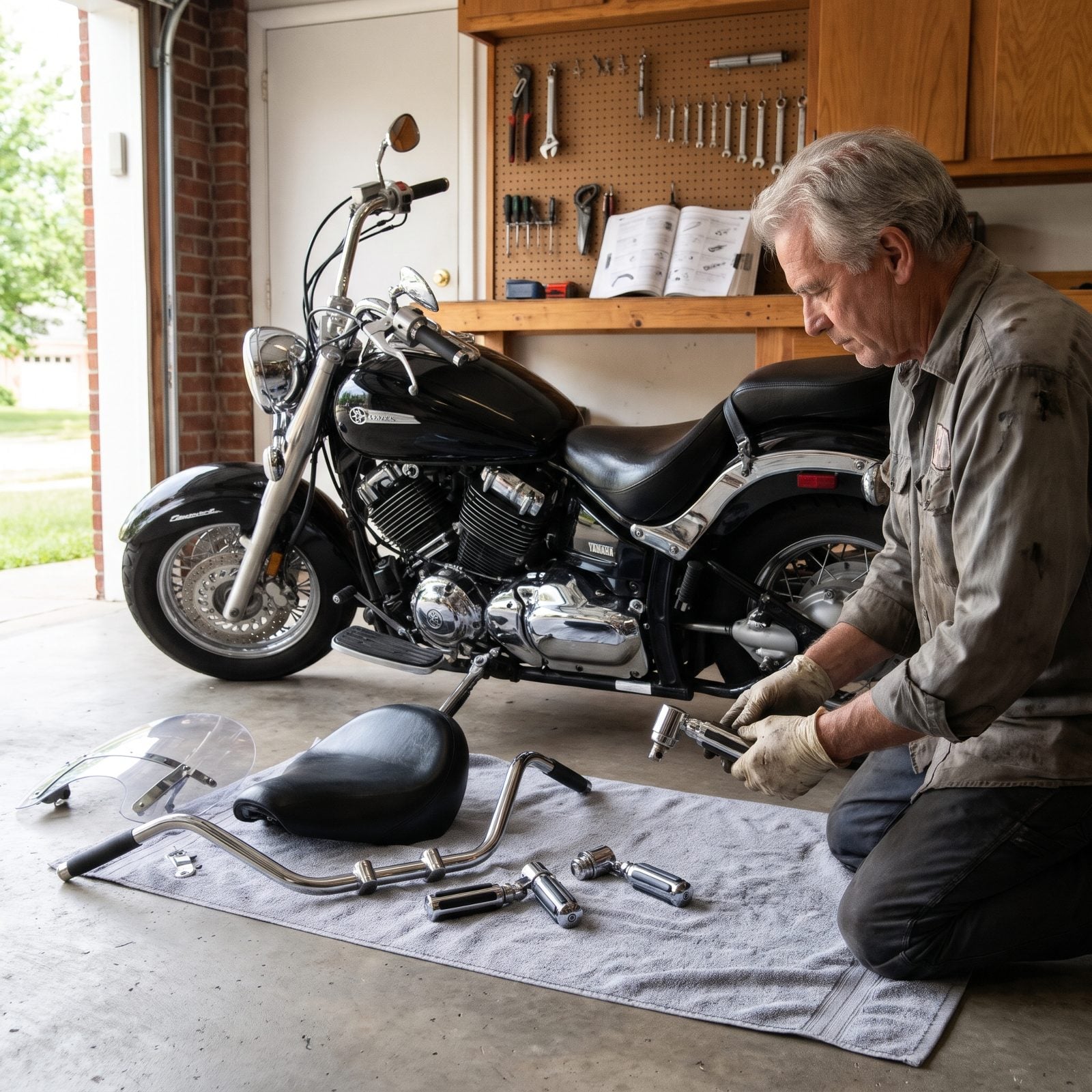
The bike hasn’t got a thousand miles on it and already there’s a catalog open to taller bars, a wider seat, and a windshield to cut the buffeting. Some of that is genuine fit. A lot of it is the quiet belief that a few hundred dollars will turn this good bike into the perfect one that doesn’t exist.
We do the same thing with people. You meet someone solid and the mind starts drafting renovations — if they just dressed a little sharper, if they’d come around on the long trips. Fix three things and they’d be ideal.
Psychologists call the engine behind this the IKEA effect, the odd fact that we value things more once we’ve put our own labor into them. Customizing deepens attachment, which is lovely on a motorcycle and dangerous on a human being. The honest work is telling apart the bar you genuinely need from the fantasy of a machine, or a person, with no compromises left in it. Some things you modify. Some things you accept, or you walk.
4. Walking Away Gets Harder After Buying the Matching Helmet
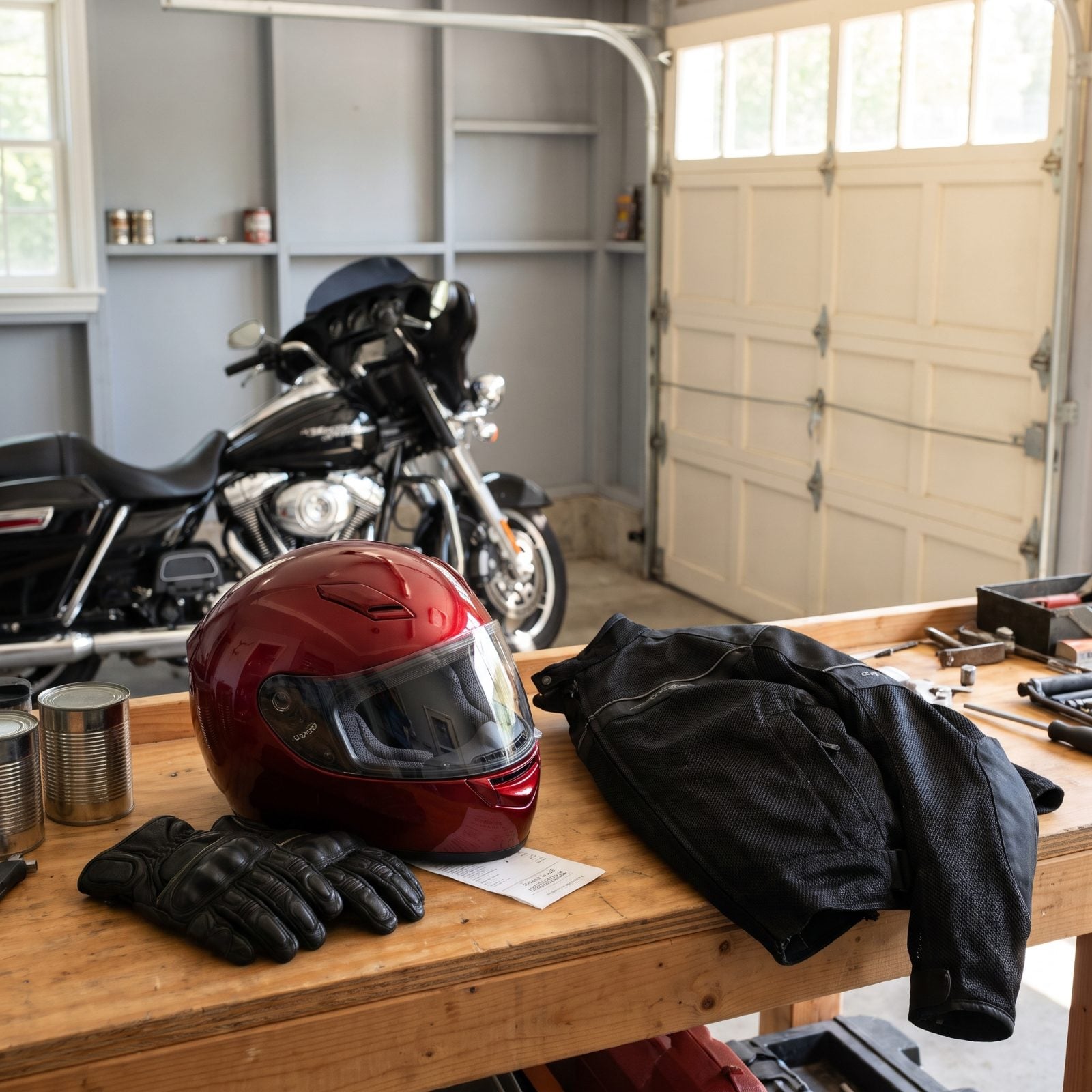
It isn’t the bike that traps you. It’s the gear. Once you’ve bought the matching helmet, the armored jacket, the gloves that actually fit, the heated grips installed on a Saturday you’ll never get back — selling the thing starts to feel like admitting a mistake. So you keep it, not because it’s right, but because leaving now means all of that was for nothing.
The same gravity pulls at a relationship: the shared calendar, the drawer at their place, the friends who’ve met each other. Every small investment makes the exit feel more expensive, whether or not the thing still makes you happy.
The money for the helmet is gone either way. The real question never changes, stripped of everything you’ve already paid: starting from today, is this worth keeping? Answer that one honestly and the receipts stop running your decisions.
3. Paperwork, Insurance, and Tires Arrive With the Relationship

The brochure showed a sunset road. Nobody photographed the insurance quote, the title transfer at the DMV, or the morning you learn that touring tires don’t last forever and cost real money to replace. The ride is the small sliver you daydream about. The paperwork and the rubber are the rest of it, the part you actually live.
Coupling up again after a long marriage comes bundled with its own quiet logistics — beneficiaries, schedules, whose house, whose dog, what the adult kids think. The sunset is why you show up. The admin is what the relationship is made of most days.
There’s a documented quirk worth naming here: the planning fallacy, our habit of imagining the best-case version and skipping the costs and chores that always come attached. We budget for the fun and forget the upkeep, every single time.
Love the ride. Just know the tires come with it.
2. You Keep Browsing Listings After Finding a Perfectly Good Bike
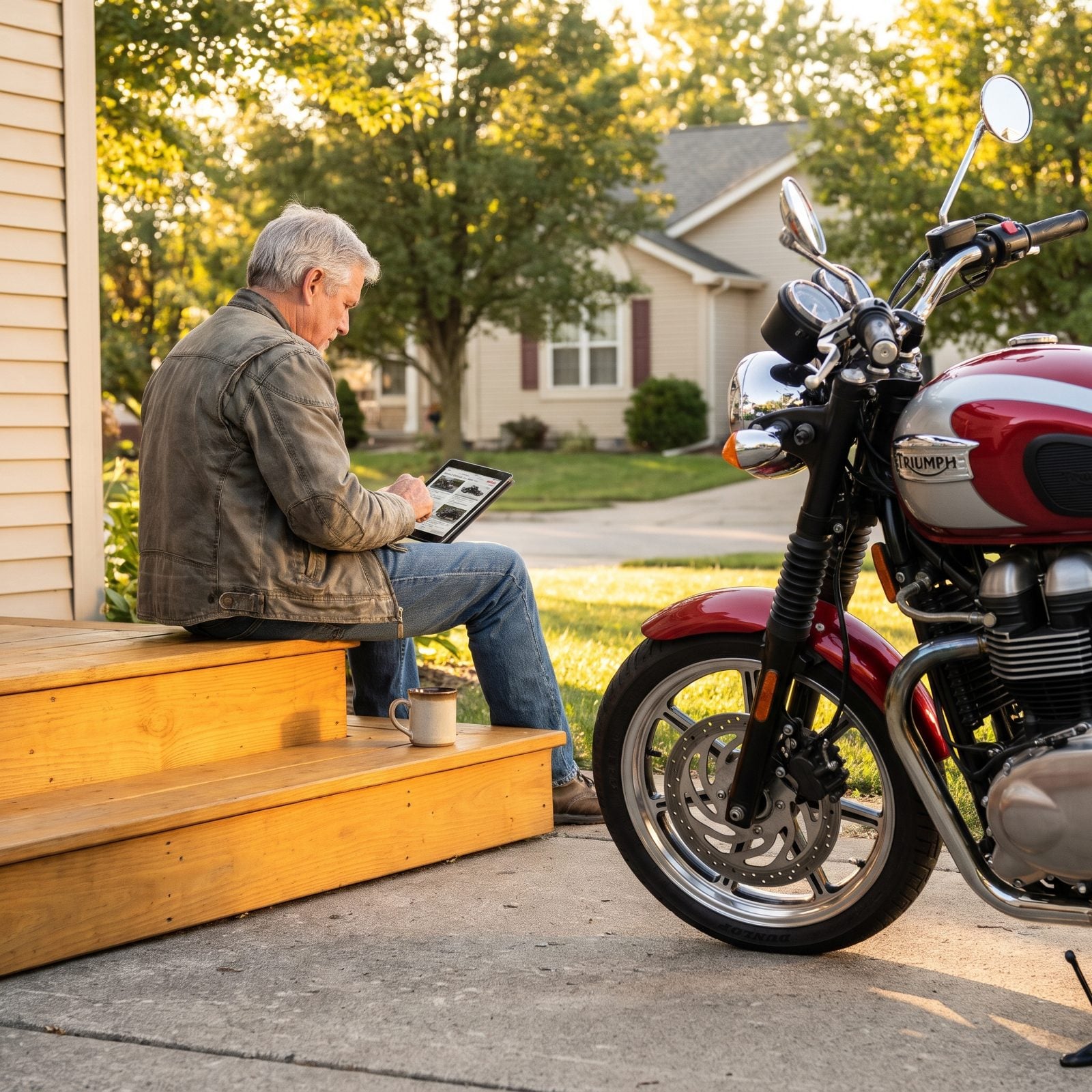
The bike in the driveway is exactly right. It starts every time, it fits, and you love riding it. So why does the thumb keep scrolling the listings anyway, checking what came up this week, what a little more money might buy? The good bike sits there earning nothing but your wandering eye.
Dating apps built an entire industry on this reflex. There’s always another profile, another maybe, the nagging sense that the next swipe holds someone marginally better. Enough stops feeling like enough the moment a bigger menu is a tap away.
Economists named this one choice overload — the strange finding that more options often leave us less satisfied and less committed to the one we picked. The abundance that feels like freedom quietly becomes a low hum of doubt about whatever we already have.
1. You Notice Every Flaw Once the Honeymoon Ride Ends
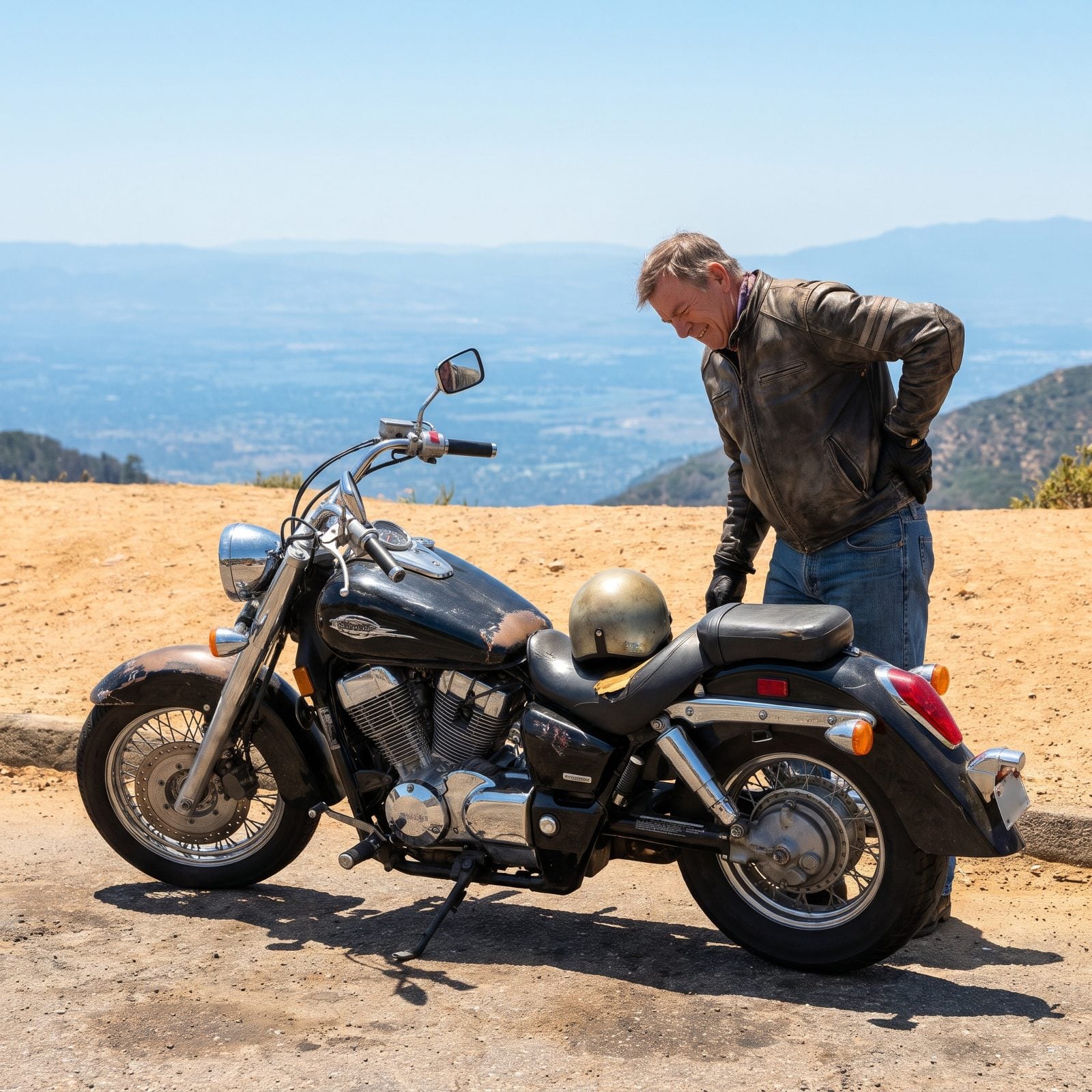
The first month, the bike could do no wrong. By the third, you’ve clocked how the seat punishes you after ninety minutes, how the mirror buzzes at highway speed, how the clutch pull wears out your left hand in stop-and-go traffic. Nothing about the bike changed. Your attention did. The thrill wore off and the details walked in.
This is the most honest moment in any pairing, machine or human. The glow fades on schedule, every time, and suddenly you’re seeing the thing as it actually is instead of as you hoped. Couples hit the same wall a year or two in, when the small habits stop being charming and start being just habits.
The name for the fade is hedonic adaptation. We get used to anything, good or bad, and our brains quietly reset to neutral. The high was never going to last — it wasn’t built to.
Here’s the part worth holding onto. Noticing the flaws isn’t the relationship failing; it’s the relationship becoming real. The riders who stay happy aren’t the ones who found a flawless bike. They’re the ones who decided the buzzing mirror and the stiff back were a fair price for the road. Call it what it is: not settling, but choosing with your eyes open.