
A clean old pickup used to be the cheap end of the hobby. Muscle cars got the money, trucks got the hay bales. That math broke somewhere in the last decade, and now a correctly restored C10 short-bed can cost more than a loaded crew-cab off the lot without anyone at the auction blinking. These are the haulers that climbed into collector territory on their own merits. Some are rare option packages. Some are factory oddballs nobody understood at the time. Each one below has crossed the block north of a new truck’s sticker, and the good ones keep climbing.
Please note that some of the images in this article were created with the assistance of AI.
1964 Dodge D100 Custom Sports Special With the 426 Wedge
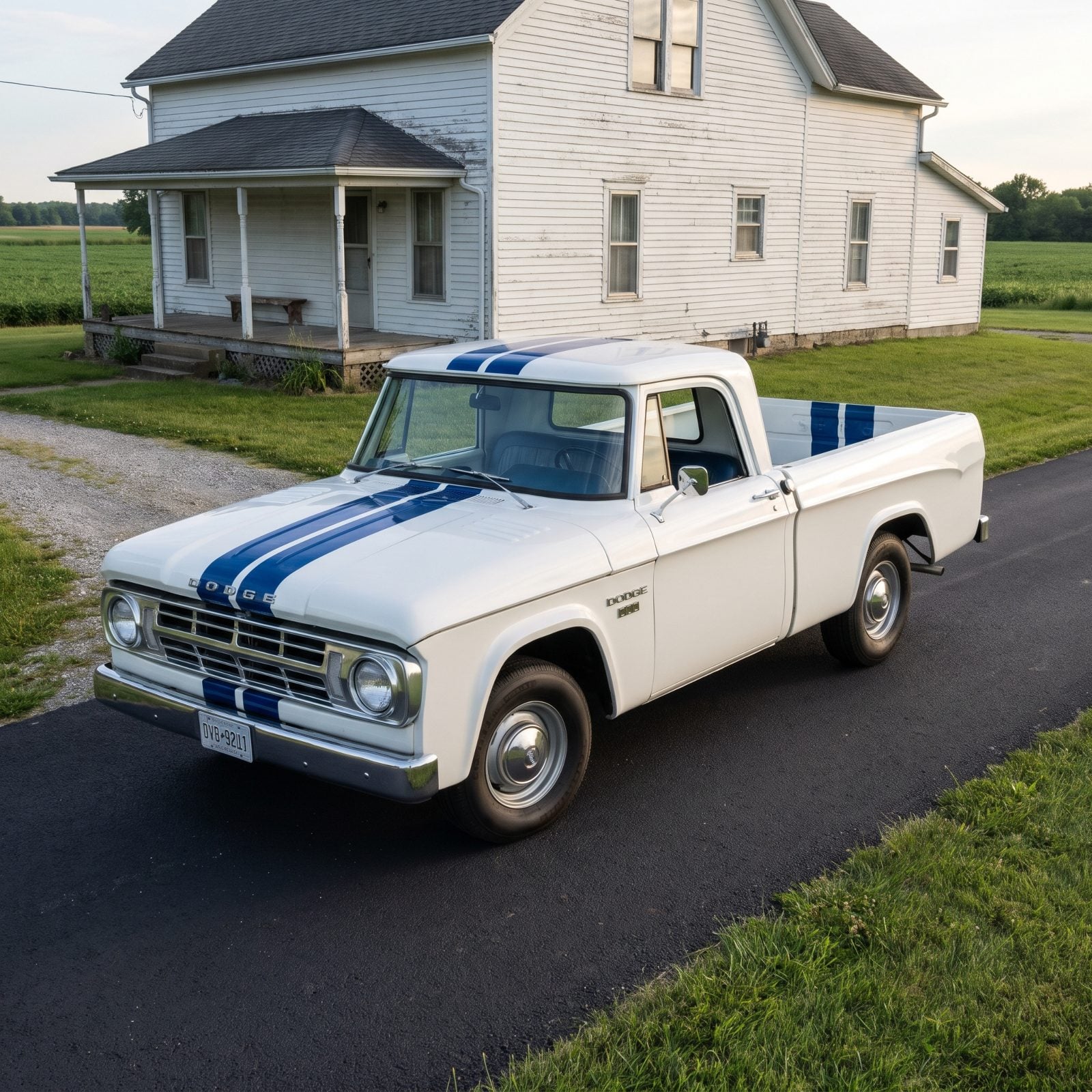
Most people have never heard of this one, which is exactly why it matters. Dodge quietly dropped the 426 Wedge big-block into a short run of D100 half-tons and dressed them with racing stripes and bucket seats. A muscle truck before the term existed.
Survivors are scarce and documentation is scarcer, so verified examples bring real money at serious auctions. The engine is the whole story. A standard D100 is a nice old farm truck; this one will outrun things it has no business outrunning.
1967 Chevrolet C10 Short-Bed Fleetside
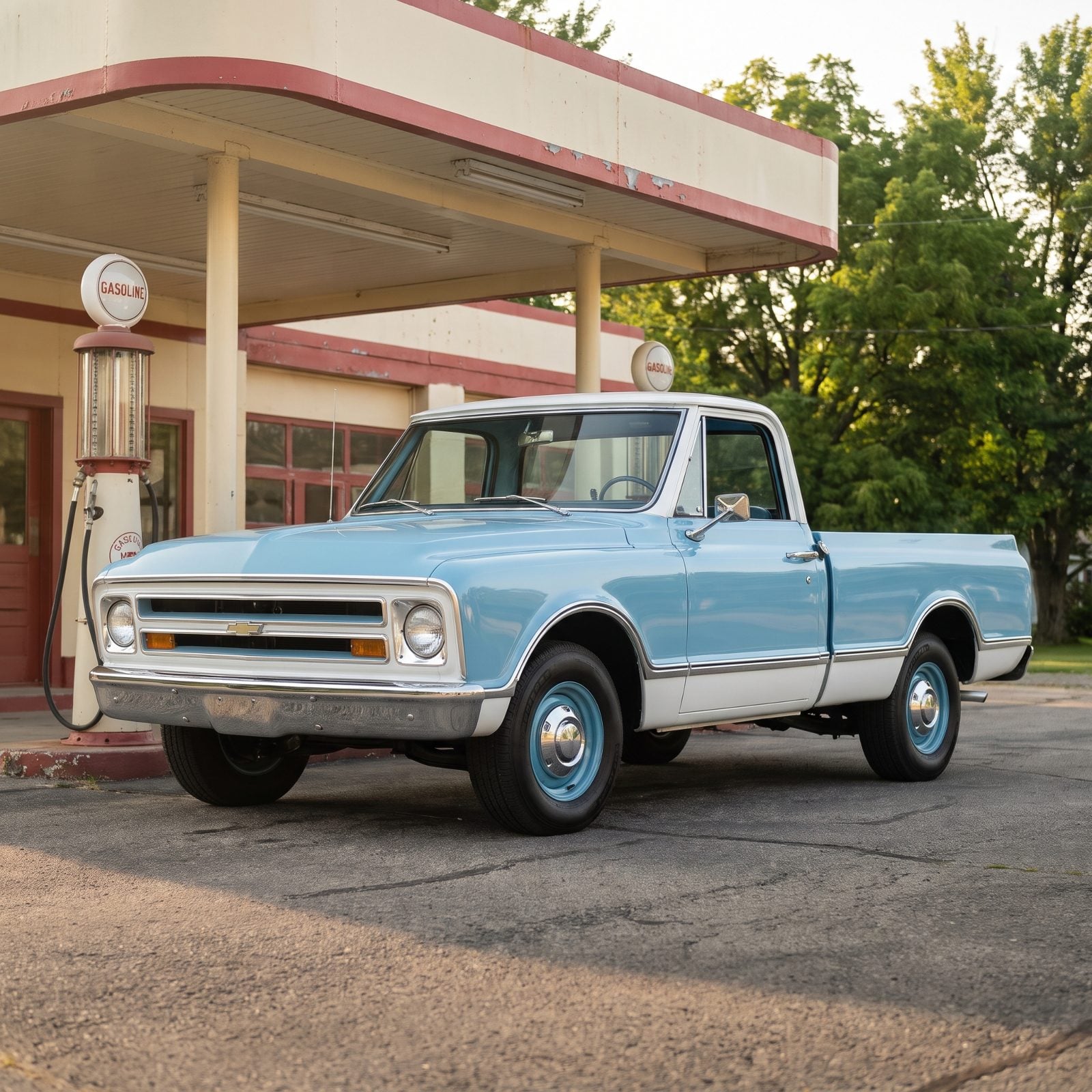
The C10 short-bed is the blue-chip stock of the vintage truck world. The 1967-72 generation reads clean and modern without trying, and the short-bed Fleetside is the shape everyone wants.
A properly restored one regularly sells past the price of a new Silverado, and the small-window first-year 1967 carries a premium of its own. Buyers get burned confusing a long-bed converted to short with a factory short-bed. Measure the frame and check the VIN. The difference is thousands of dollars, and most sellers won’t volunteer it.
1966 Ford F-250 Highboy 4×4
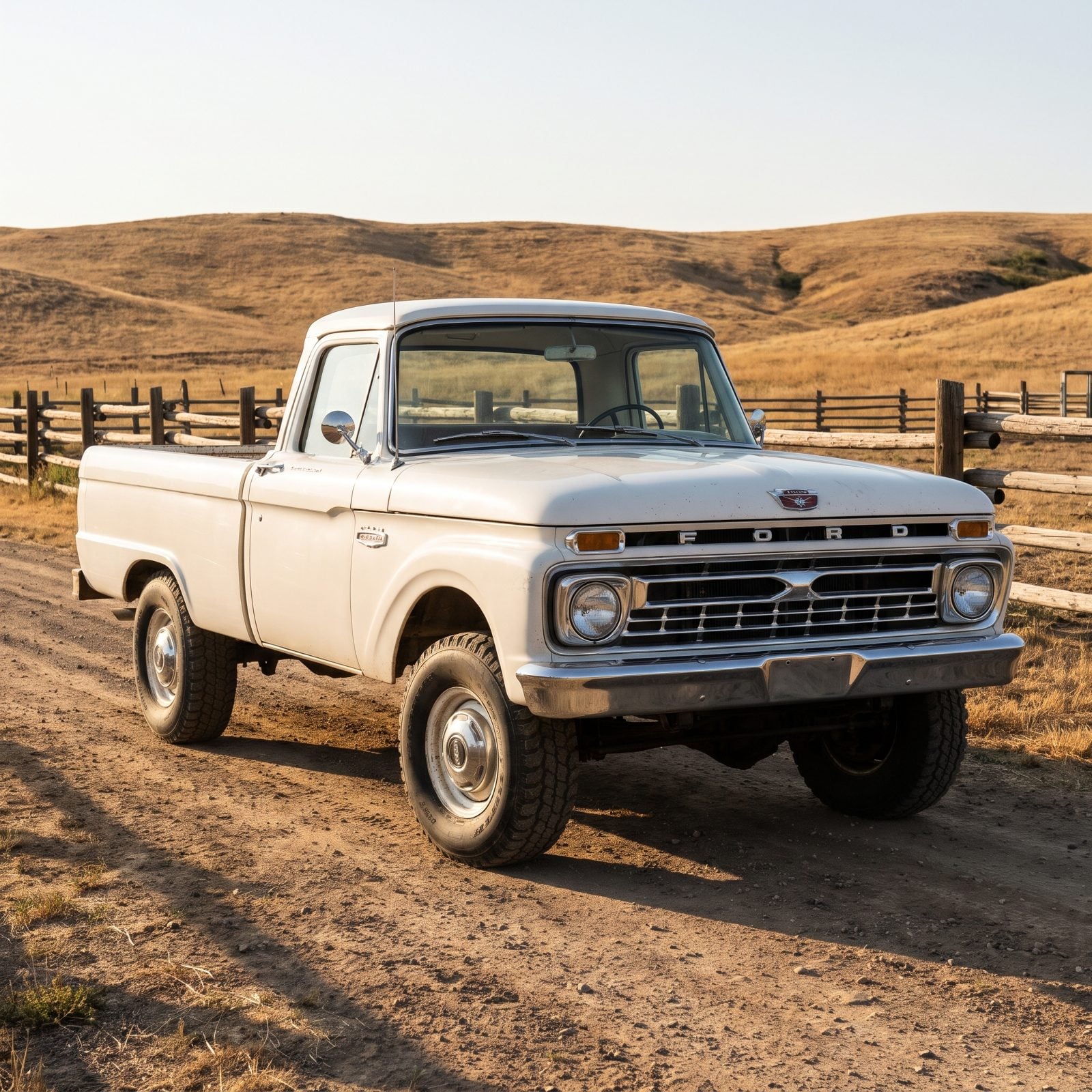
The nickname comes from the ride height, not the attitude. Ford’s early four-wheel-drive F-250s ran a divorced transfer case that sat the body noticeably taller than later trucks, and collectors chase that stance hard.
Clean Highboys have become genuinely expensive, especially with original drivetrains intact. Frame-mounted hardware and factory height separate a real Highboy from a lifted pretender, and people pay for the authentic stance. Fakes exist. They look close until you crawl underneath.
1972 Chevrolet K10 Cheyenne Super 4×4
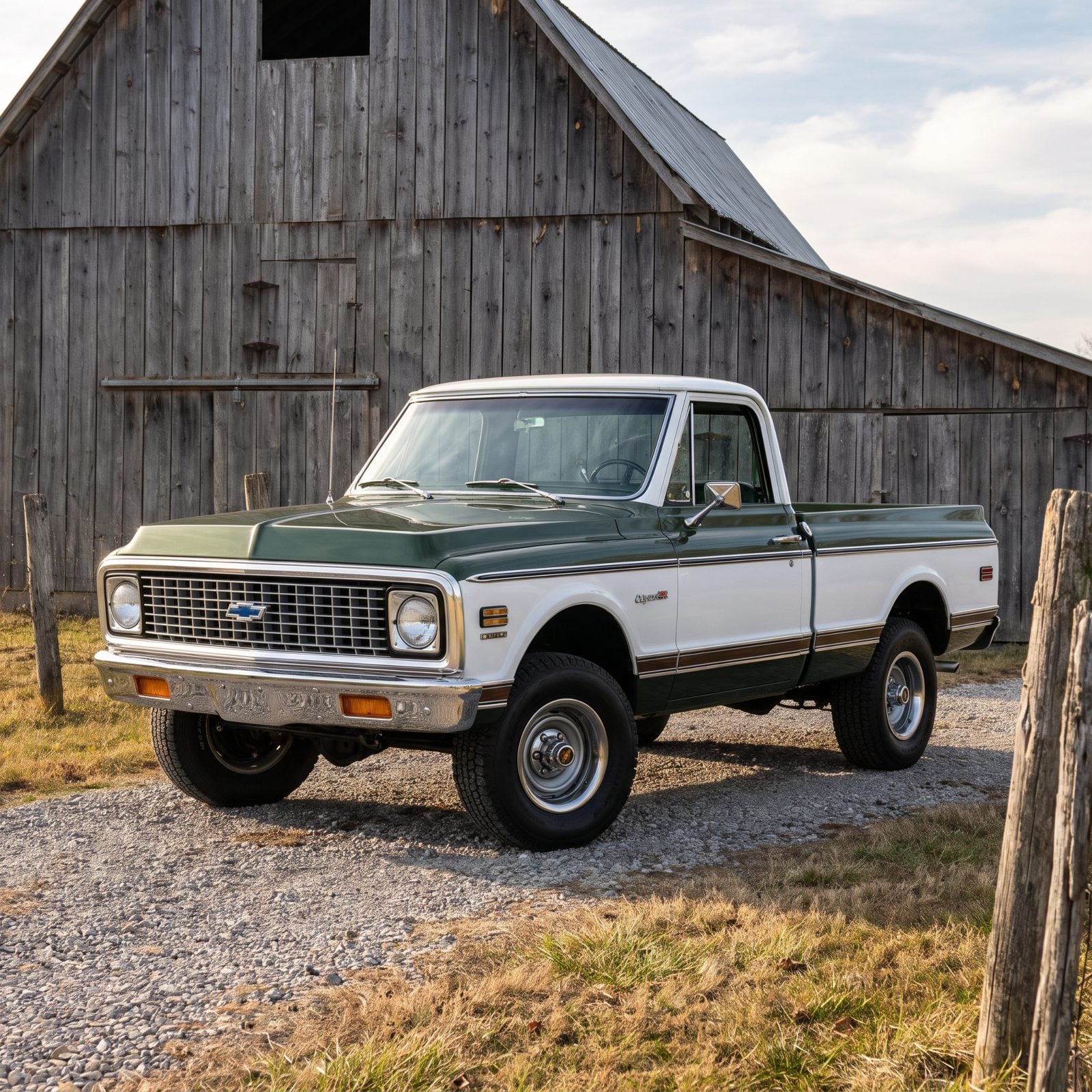
The Cheyenne Super was the loaded trim — woodgrain, carpet, brightwork, and the badges that told the neighbors you’d spent extra. In K10 four-wheel-drive form it’s become one of the most sought-after square-body-adjacent trucks out there.
And 1972 is the last year of the rounded 1967-72 body, which adds its own appeal. A documented Cheyenne Super with the right options and original 4×4 drivetrain pushes well into new-truck money and beyond.
1961 Chevrolet Corvair 95 Rampside
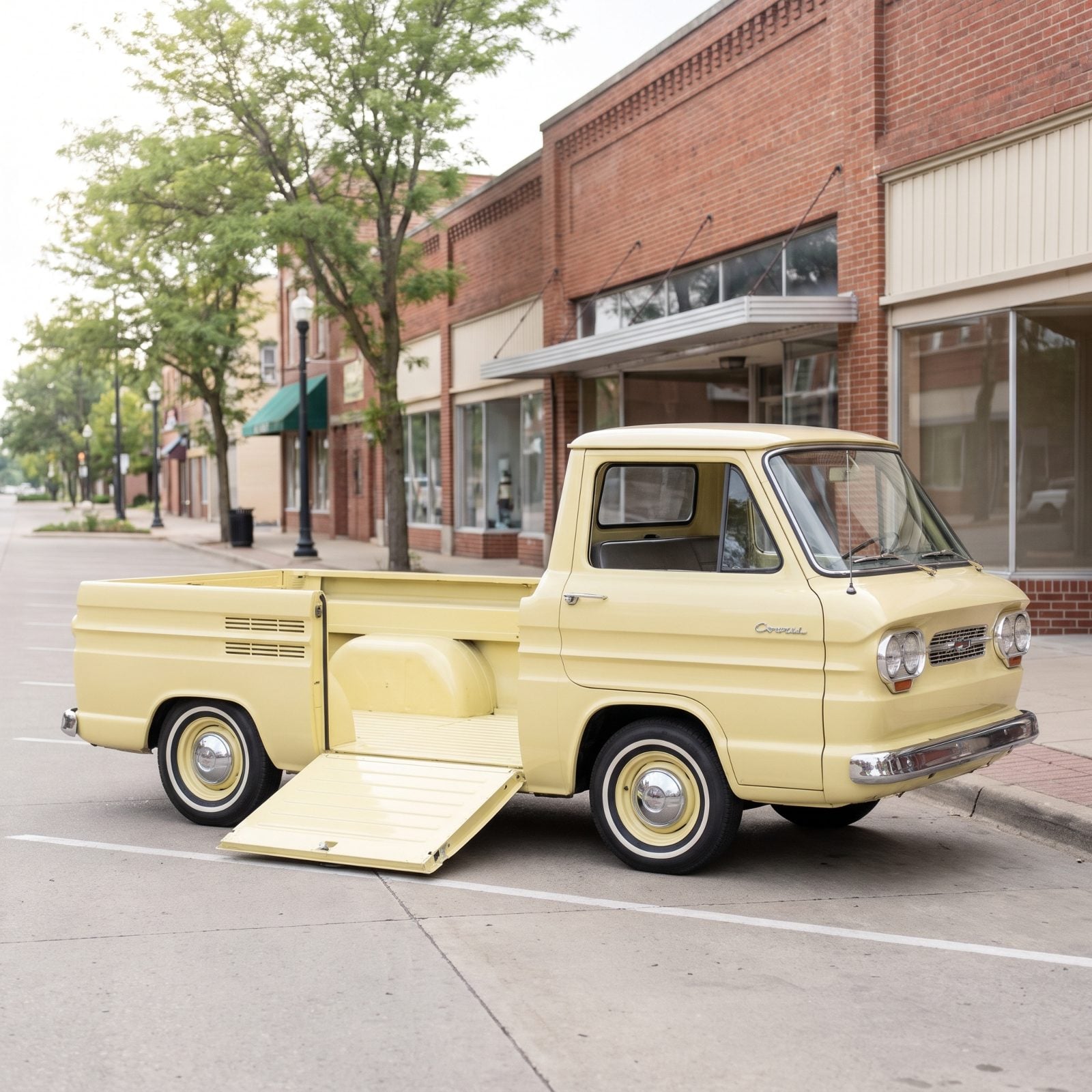
Nobody appreciated this oddball when it was new. The Rampside was a cab-forward pickup, with its engine in the back and a fold-down ramp in the side of the bed, built so you could roll cargo straight in at ground level. Genuinely clever, and it sold poorly.
That scarcity is now worth money. Clean Rampsides have climbed into collector territory because almost nobody kept them, and the ones that survived rusted in interesting places. It’s weird, it’s rare, and weird plus rare is a reliable formula. I have a soft spot for machines that flopped in the showroom and won in the end.
1978 Dodge Li’l Red Express Truck
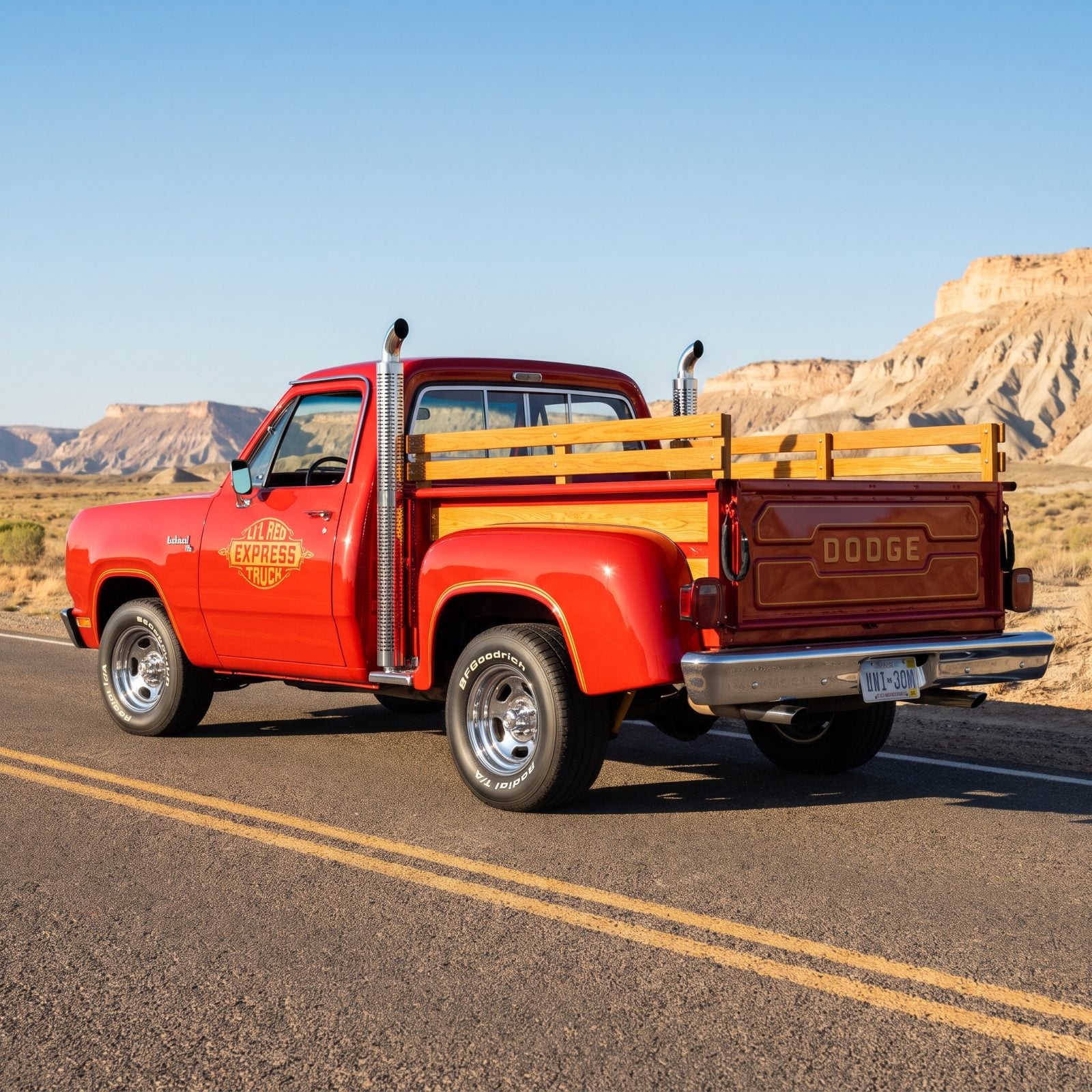
Those chrome exhaust stacks weren’t decoration. They were a loophole.
Emissions rules in 1978 came down hardest on passenger cars, and light trucks had more room to breathe. Dodge noticed, built a 360 with real cam and exhaust, and for a brief moment the Li’l Red Express stood among the quickest American vehicles you could buy. A work truck beat the muscle cars because the rulebook forgot about it.
Documented, unmolested examples with the oak bed rails and original stacks sell for serious collector prices today. A two-year production run keeps supply tight.
1960 Chevrolet C10 Apache Fleetside
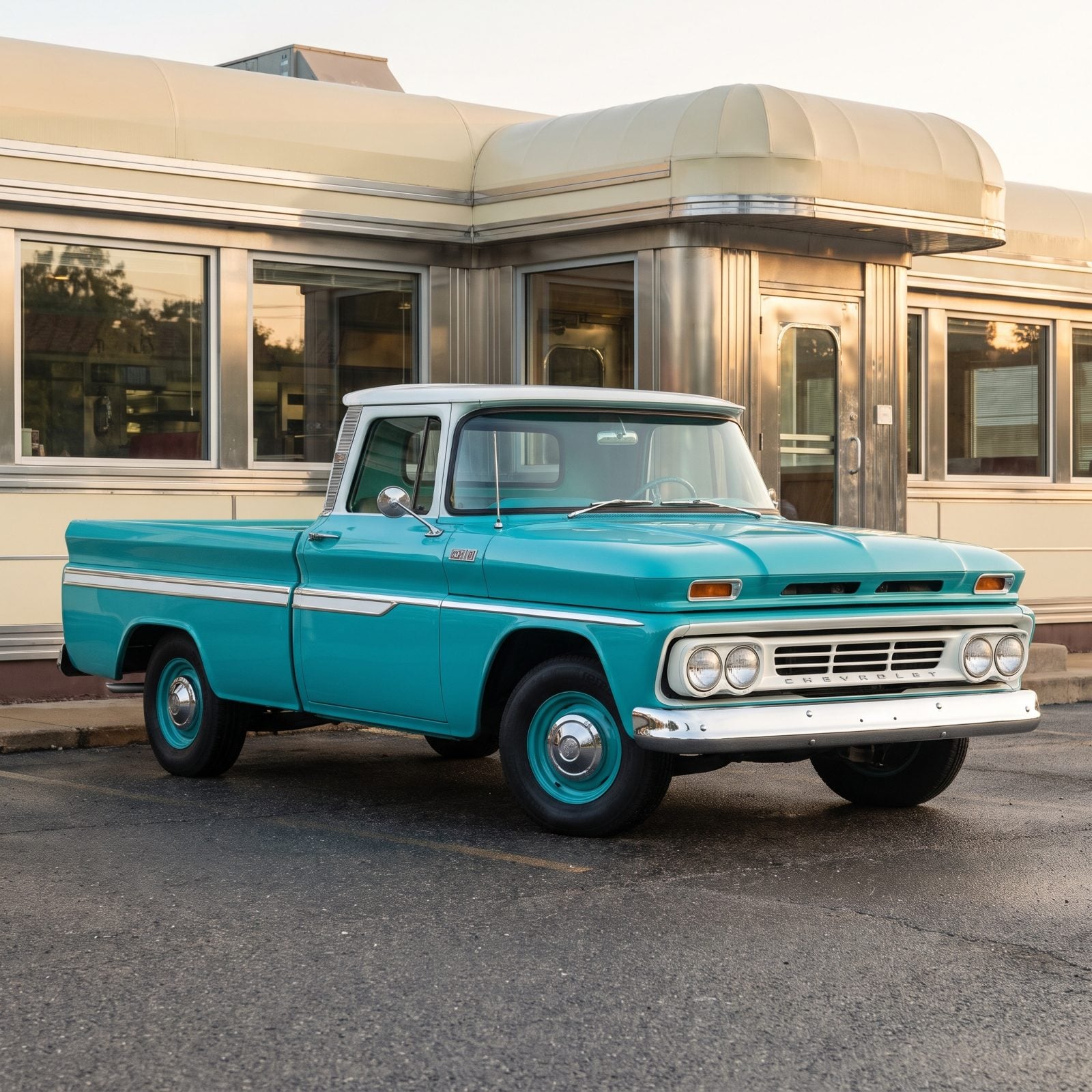
The Apache name arrived on Chevy’s trucks in 1958, and 1960 opened a new chapter with the quad-headlight front and a wraparound windshield that dates it instantly to the moment it was built. The early Fleetside with factory two-tone and the chrome side spear is the one collectors circle.
Honest survivors and quality restorations clear new-truck money without much trouble now. That rounded cab and dramatic glass give it a presence the later square trucks traded away for practicality.
1975 GMC Gentleman Jim
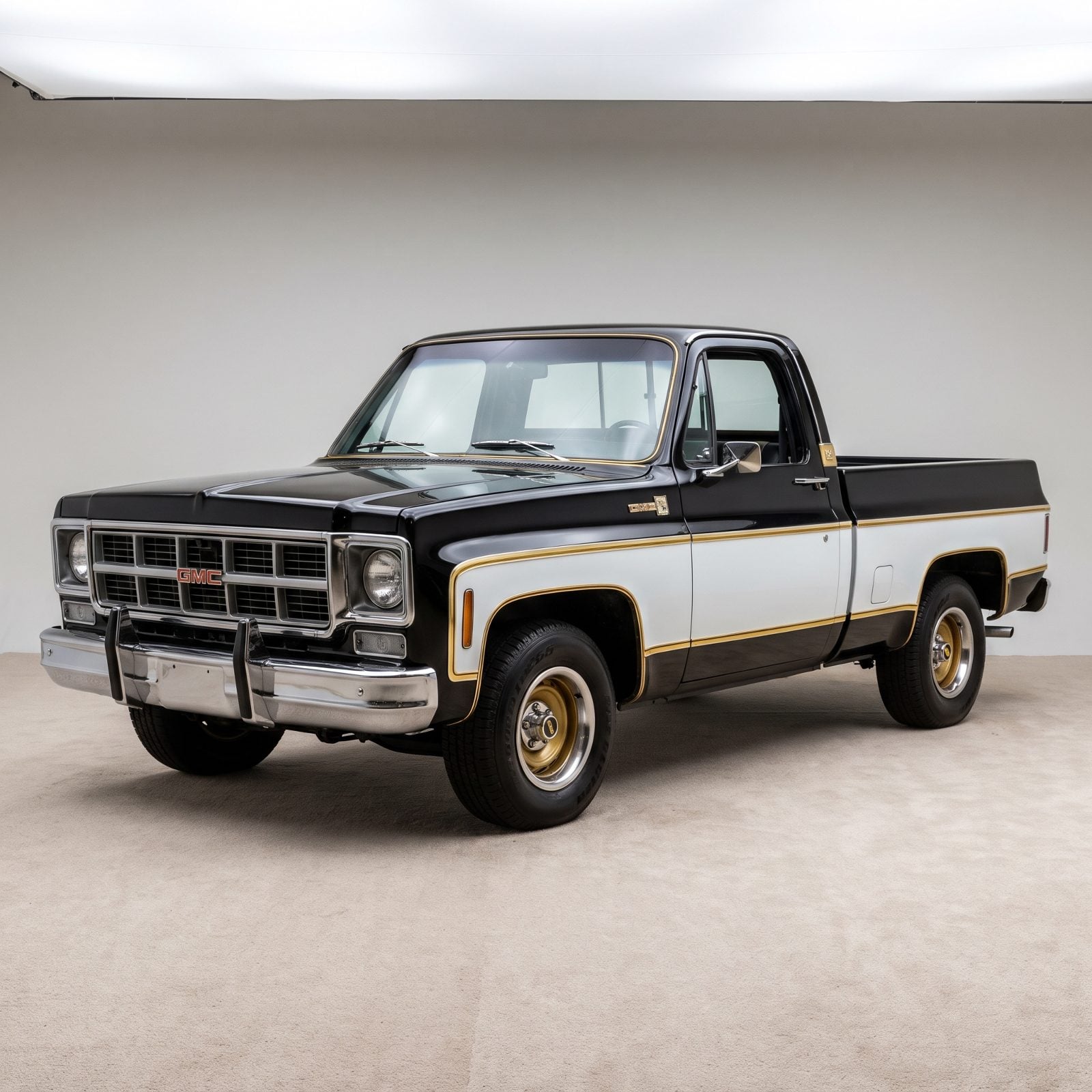
GMC built the Gentleman Jim as a special appearance package — black and white with gold striping and accents, aimed squarely at buyers who wanted a dressed-up truck back when most pickups were still painted like appliances.
Production numbers were small, and that’s the engine behind its value today. It’s a visual package more than a performance one, but collectors of factory special editions take it seriously. Verify the striping and badging are original, because reproducing the look is easy and selling a clone as the real thing is tempting. A documented Gentleman Jim is a rare animal.
1961 Ford F-100 Unibody Styleside
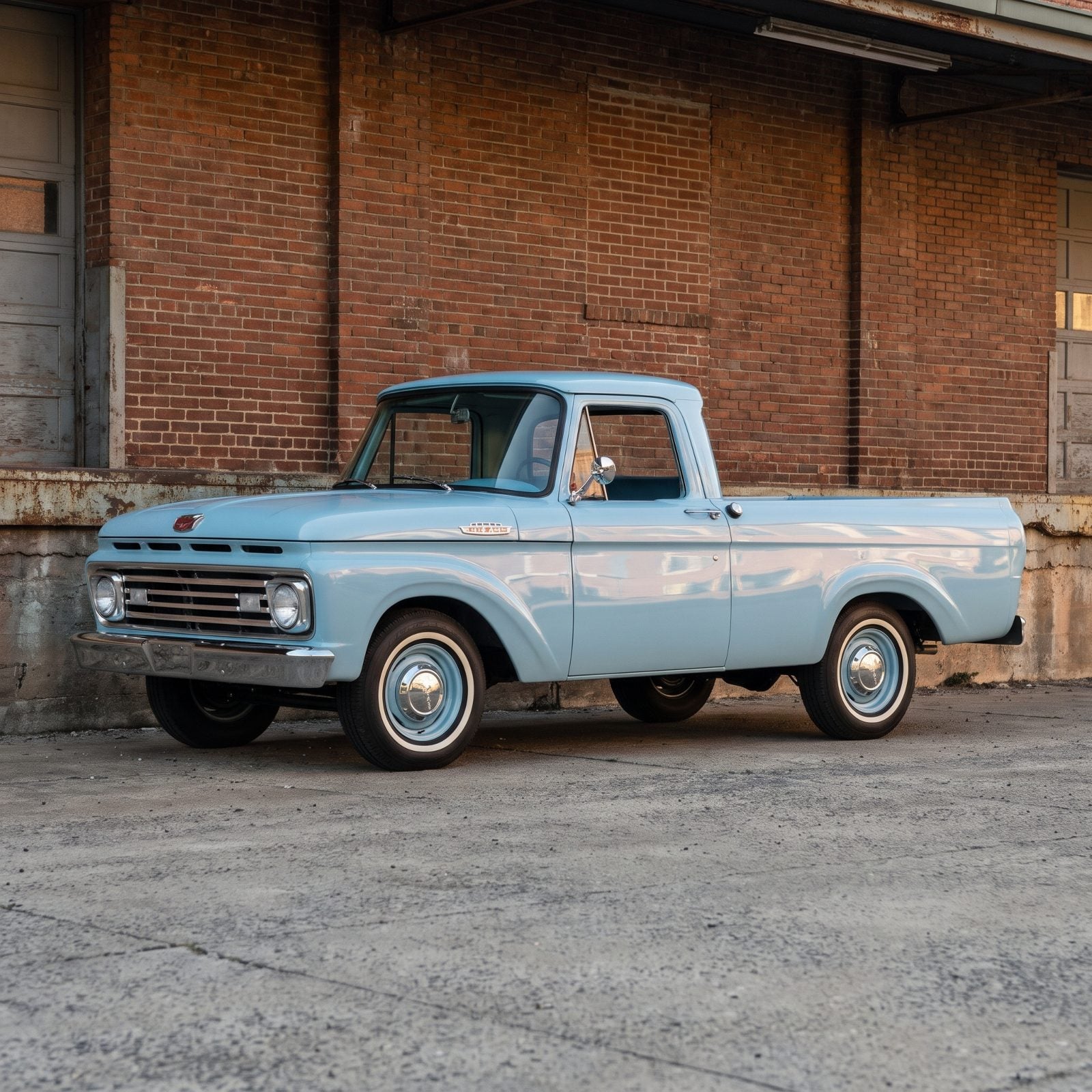
Ford had a bold idea and then quietly killed it. For a few years the F-100 could be ordered as a Unibody, with the cab and bed built as one continuous piece of sheet metal for a cleaner, more car-like profile.
Owners hated it. A twisted frame on a work site would bind the doors and bed together, so Ford walked the design back. That short, troubled production makes genuine Unibody trucks uncommon today, and the survivors in good shape command strong collector interest precisely because they were a failure worth remembering.
1967 Kaiser Jeep M715 Military Pickup
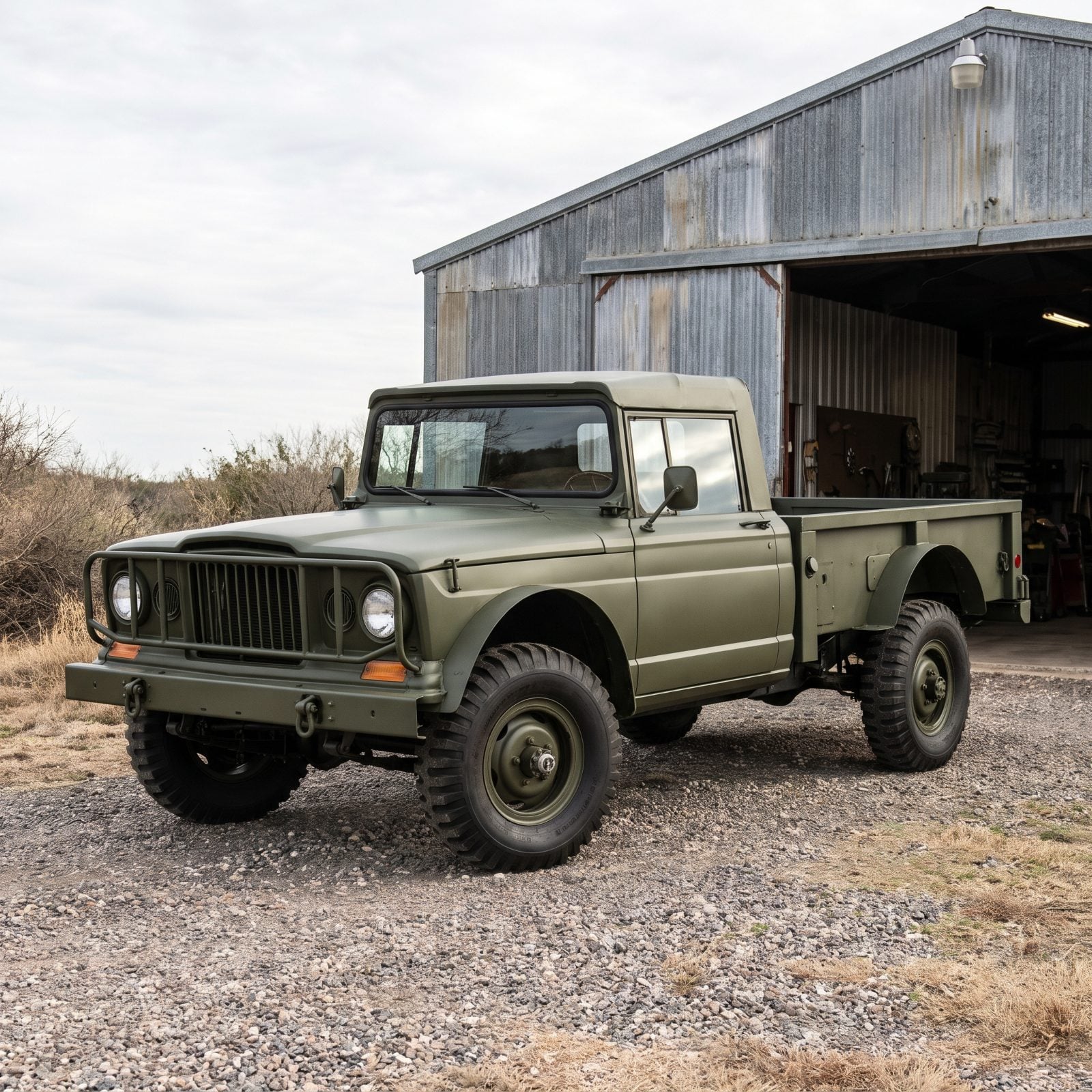
This one broke into the collector market from a completely different direction. The M715 was a military five-quarter-ton truck built on Kaiser Jeep Gladiator bones, never a consumer product at all.
Civilians discovered it later, and demand for clean, correct examples climbed as surplus trucks got restored and documented. It’s enormous, slow, and about as subtle as a tank. A real M715 in presentable shape now costs what a new half-ton does, and the people who want one don’t care about the ride quality. They want the thing that looks like it could outlast a war.
1962 Jeep FC-170: The Cab-Over Oddball That Prints Money
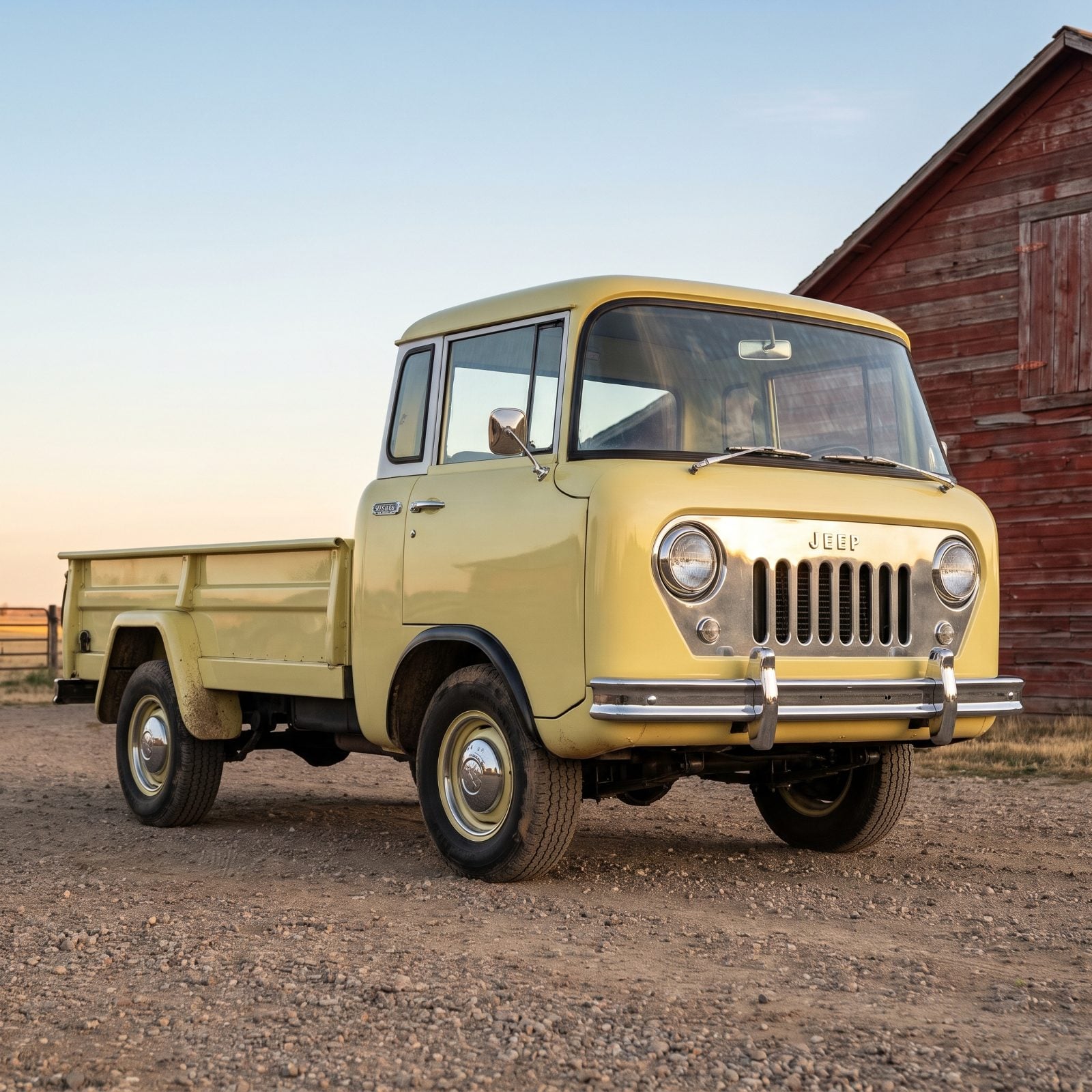
Nobody expected the ugly one to win. The FC-170 looks like a toolshed someone bolted an engine under, cab perched right over the front wheels, the whole shape dreamed up by Brooks Stevens back in 1956 when he worked out that a short truck could still swallow a long bed.
They barely sold. That’s exactly why a clean one now pulls serious money at auction, often well past the sticker on a new half-ton. Survivors are thin on the ground because most got worked to death on farms and ranches, then left to rust behind the equipment shed.
Find an honest, unmolested FC and you’ve got a conversation piece that outruns depreciation.
1960 Willys Jeep Pickup 4×4: The Steel Workhorse Nobody Saw Coming
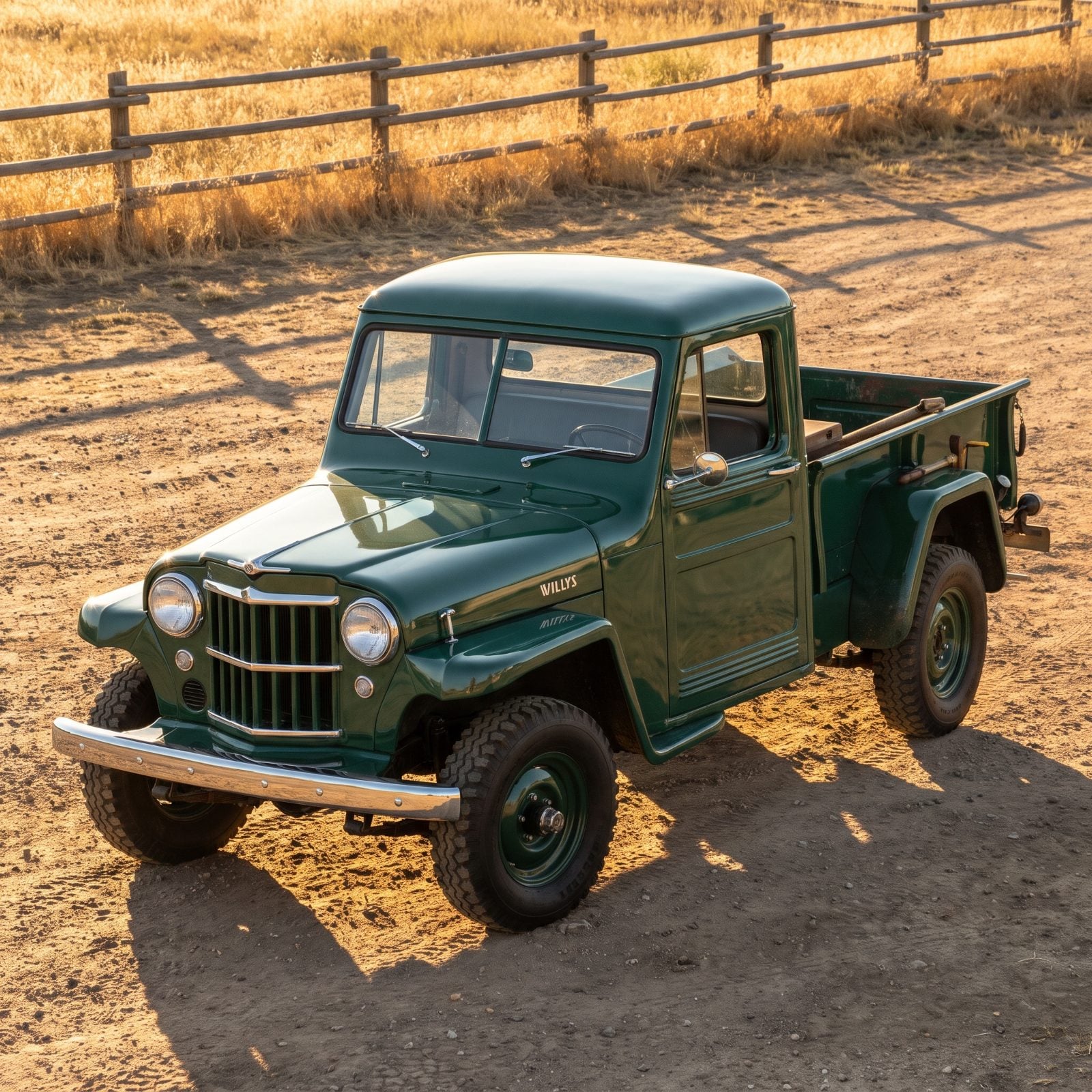
Built on bones that trace straight back to World War II, the Willys pickup ran essentially the same body from the late 1940s all the way through 1965. That long production run makes people assume they’re everywhere. They aren’t. Rust ate most of them, slowly and without mercy.
A sorted 4×4 example with the T-case intact and the original flathead or Hurricane engine is the sweet spot. Values climbed hard over the past decade, and a frame-off restoration clears what a new mid-size truck costs with room to spare.
Buy one that’s already solid. Rebuilding a rotted Willys cab is a lesson in humility.
1967 Volkswagen Type 2 Double Cab: The Split-Window That Broke the Bank
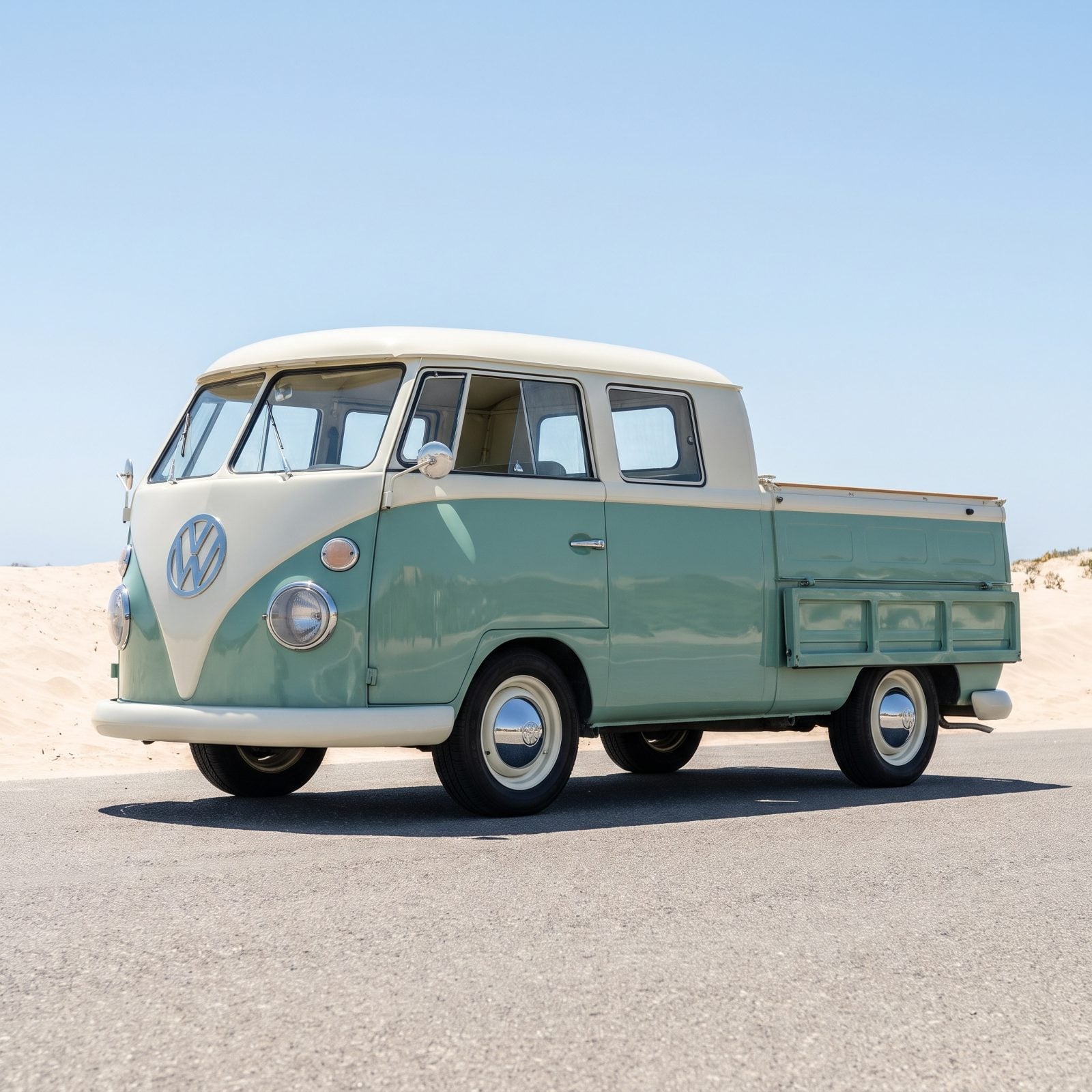
This is the one that surprises people most. It’s a Volkswagen. A slow, air-cooled, 50-ish horsepower Volkswagen. And a clean Double Cab from the final split-window year commands money that would buy a loaded new full-size pickup and leave change in your pocket.
Why? The shape, mostly, plus the practicality: two rows of seats, a drop-side flatbed, lockable storage tucked under the deck. Collectors chase the 1967 because it’s the last of the split screens before the 1968 redesign smoothed everything over.
Watch the floors and the battery trays. Rot hides in the lower cab corners, and a tidy-looking example can be hollow underneath.
1962 Land Rover Series IIA 109 Pickup: British Steel That Refuses to Die
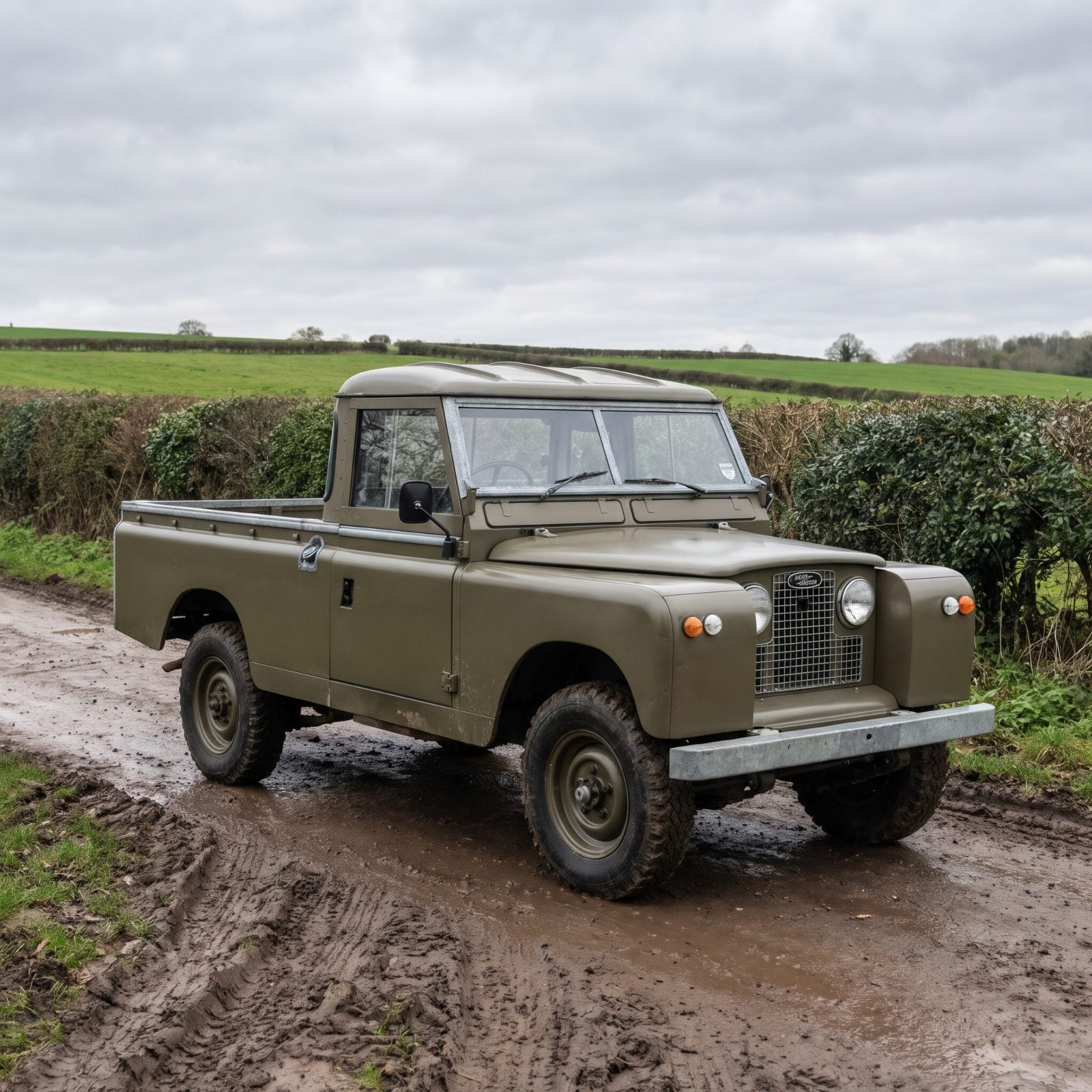
You’ve seen one parked outside a vineyard tasting room, looking like it drove there from 1962 and never bothered to stop. The 109 pickup is the long-wheelbase Series IIA, aluminum-bodied so it never really rusts, though the steel frame underneath happily will.
Here’s the catch worth knowing. The body survives, the chassis and bulkhead don’t, so a galvanized replacement frame is almost expected on any proper restoration.
Clean, matching-numbers 109 pickups have gone global in demand, and US collectors pay import-adjusted prices that sail right past a new truck.
1961 International Harvester Scout 80 Pickup: The First Shot at the Bronco
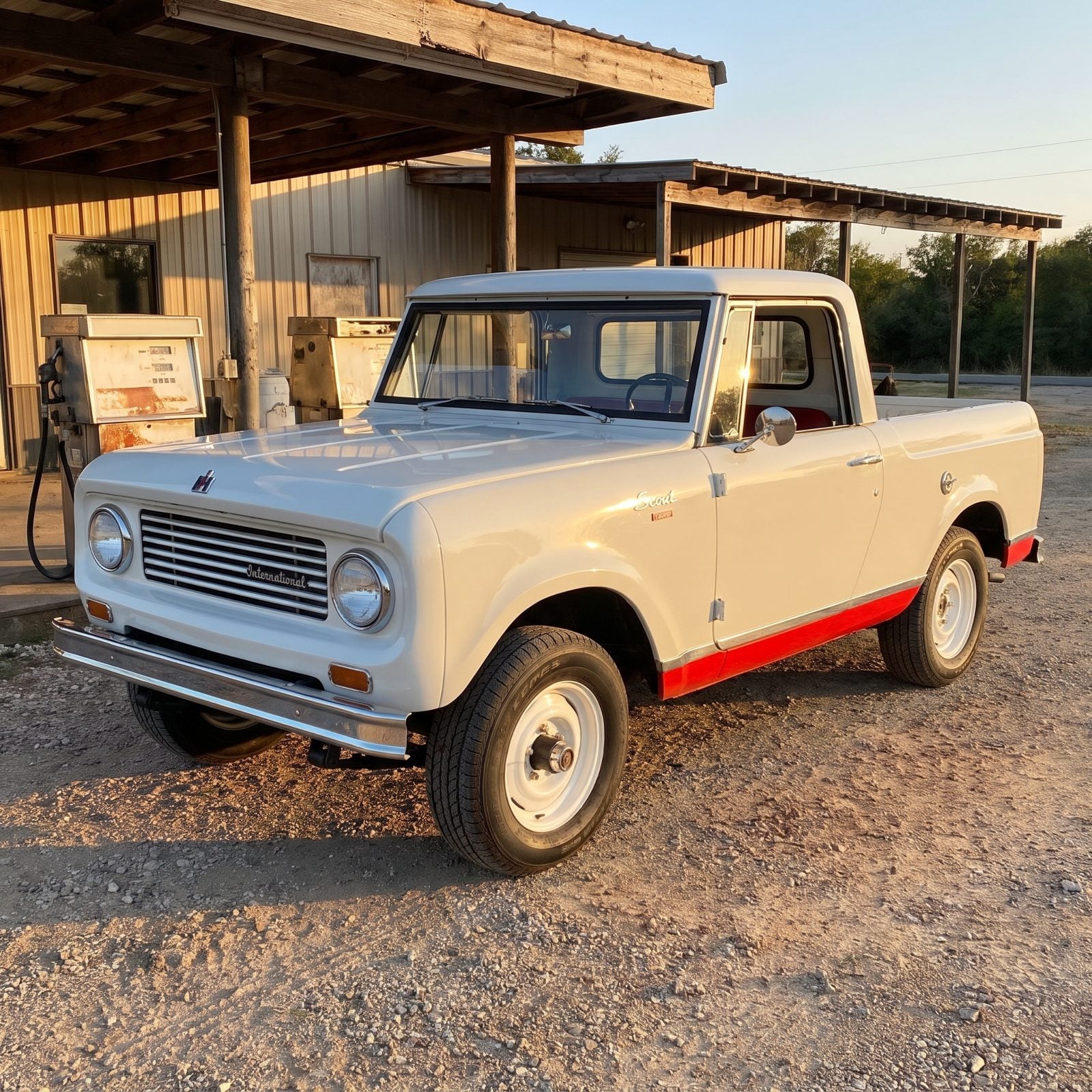
Before the Bronco, before the Blazer, there was the Scout. International Harvester built it in 1961 as a compact 4×4 you could configure as a pickup, and it beat Ford’s Bronco to market by four years.
That slab-side styling is pure early-sixties honesty — no curves, no apology, just metal folded into useful shapes. Early Scout 80s with the sliding rear window and the quirky fold-down windshield are the ones collectors chase.
Parts hunting is where the real money goes. IH walked away from passenger vehicles in 1980, so sourcing correct trim takes patience and a thick wallet. A finished one clears new-truck money easily.
1974 Mazda REPU: The Only Rotary Pickup Ever Sold Here
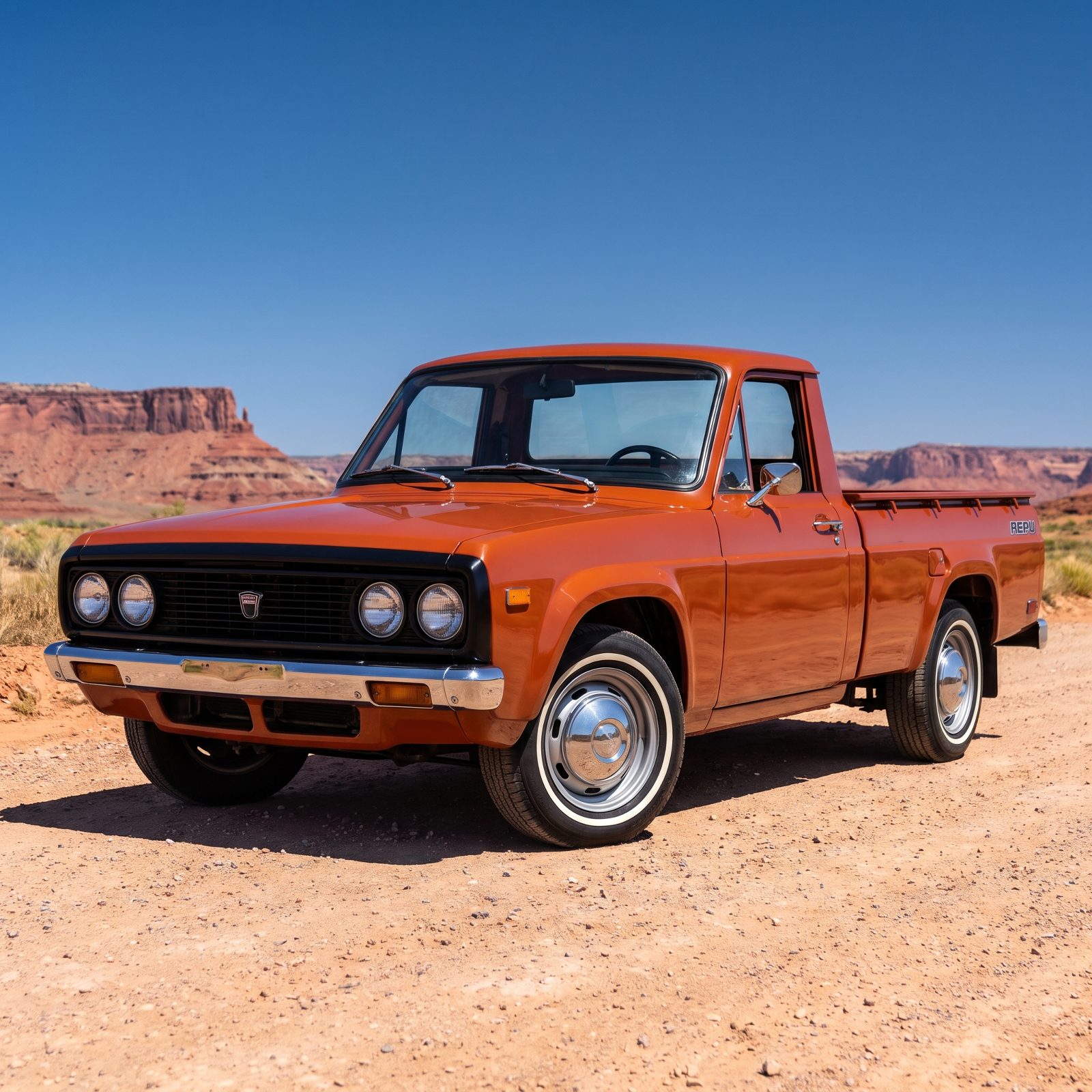
A pickup with a Wankel rotary engine sounds like a bar bet somebody lost. Mazda actually built it. The REPU — Rotary Engine Pickup — sold in the US for a few short years in the mid-seventies, the only rotary-powered truck ever offered on these shores.
It revs like a sport bike and drinks fuel like one too, which killed it fast when gas prices spiked. Survivors are rare because the apex seals needed a kind of care most owners never bothered to give them.
Find one with a healthy 13B and the flared fenders intact, and you own a genuine oddity. Prices have climbed past what a new compact truck costs, pushed up by rotary diehards who know exactly how few are left.
1969 Ford Ranchero GT 428 Cobra Jet: The Muscle Car Wearing a Bed
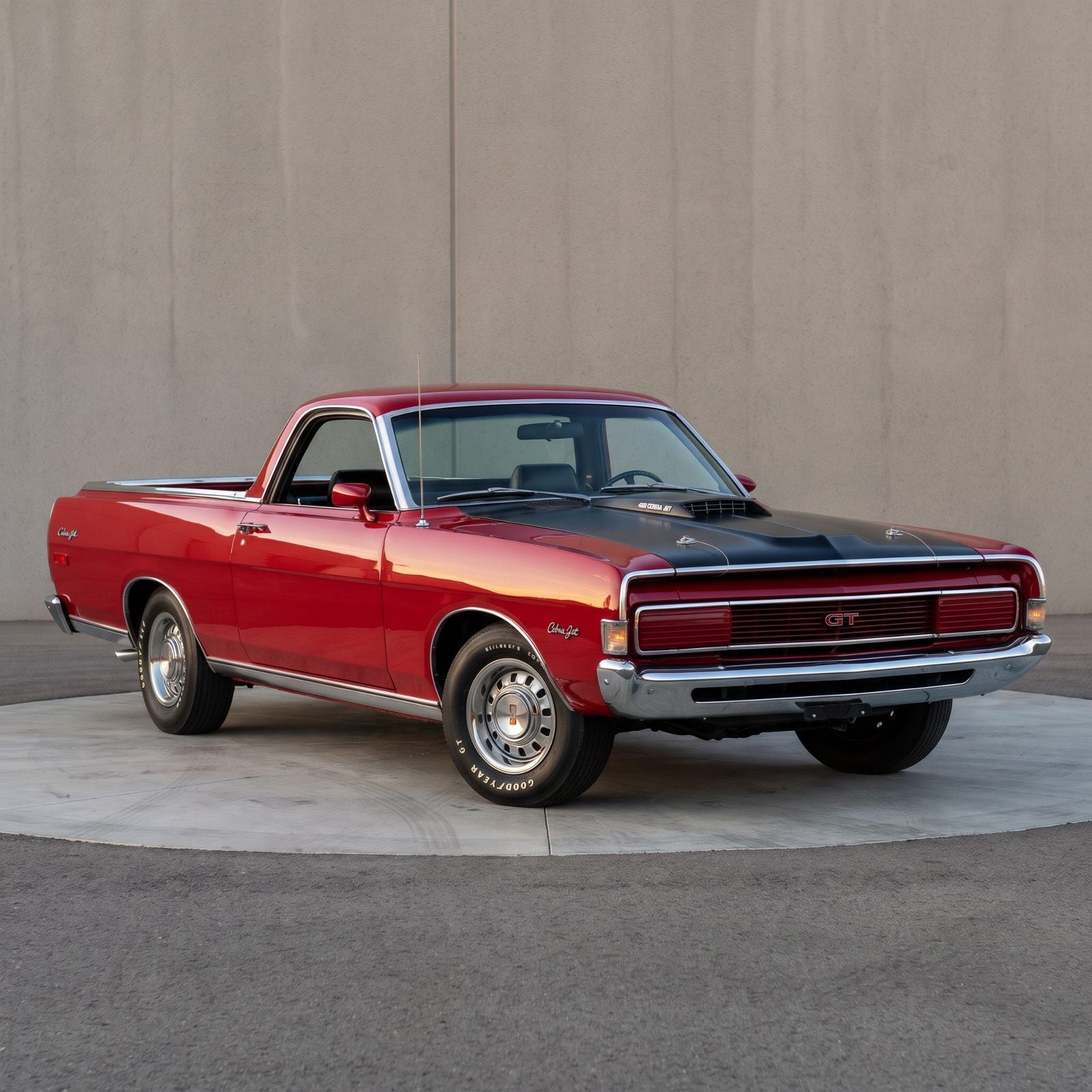
Half the people who see it never clock what’s under the hood. That’s the fun. The Ranchero reads as a stylish car-truck until the 428 Cobra Jet wakes up and reminds everyone this is a Mustang drivetrain with a cargo bed bolted on the back.
The GT package paired with the Cobra Jet big-block is the configuration that matters, and documentation is everything. A real 428 CJ car with the Marti Report backing it is worth several times a 302 lookalike.
These punch into serious money, well beyond a new truck, and the fakes outnumber the real ones. Verify the numbers or walk away.
1970 Chevrolet El Camino SS 454: Big-Block Hauler at the Peak of Its Powers
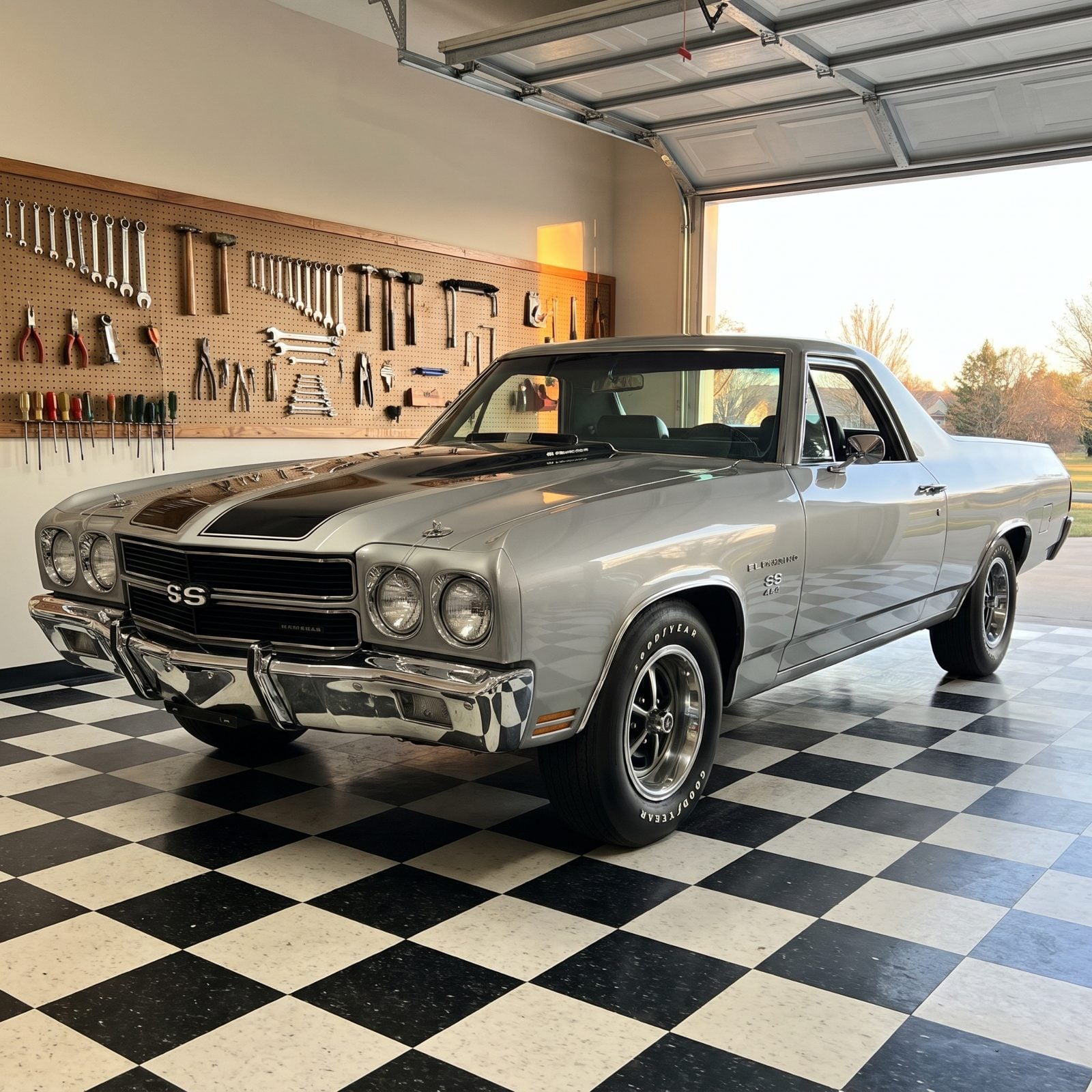
1970 was the high-water mark and everybody in the hobby knows it. This is the year before emissions rules started strangling compression, so the 454 LS5 and the rarer LS6 made real, honest, mean-it power.
The El Camino SS 454 is the muscle era’s best argument that a truck bed and a monster engine belong together. Cowl-induction hood and SS stripes supply the look; the numbers-matching big block supplies the money.
A documented LS6 is stratospheric. Even a solid LS5 clears new full-size truck pricing without breaking a sweat. Buy on the paper trail, not the paint.
1979 Chevrolet K30 Crew Cab 4×4: The Square-Body Dually Everyone Wants Now
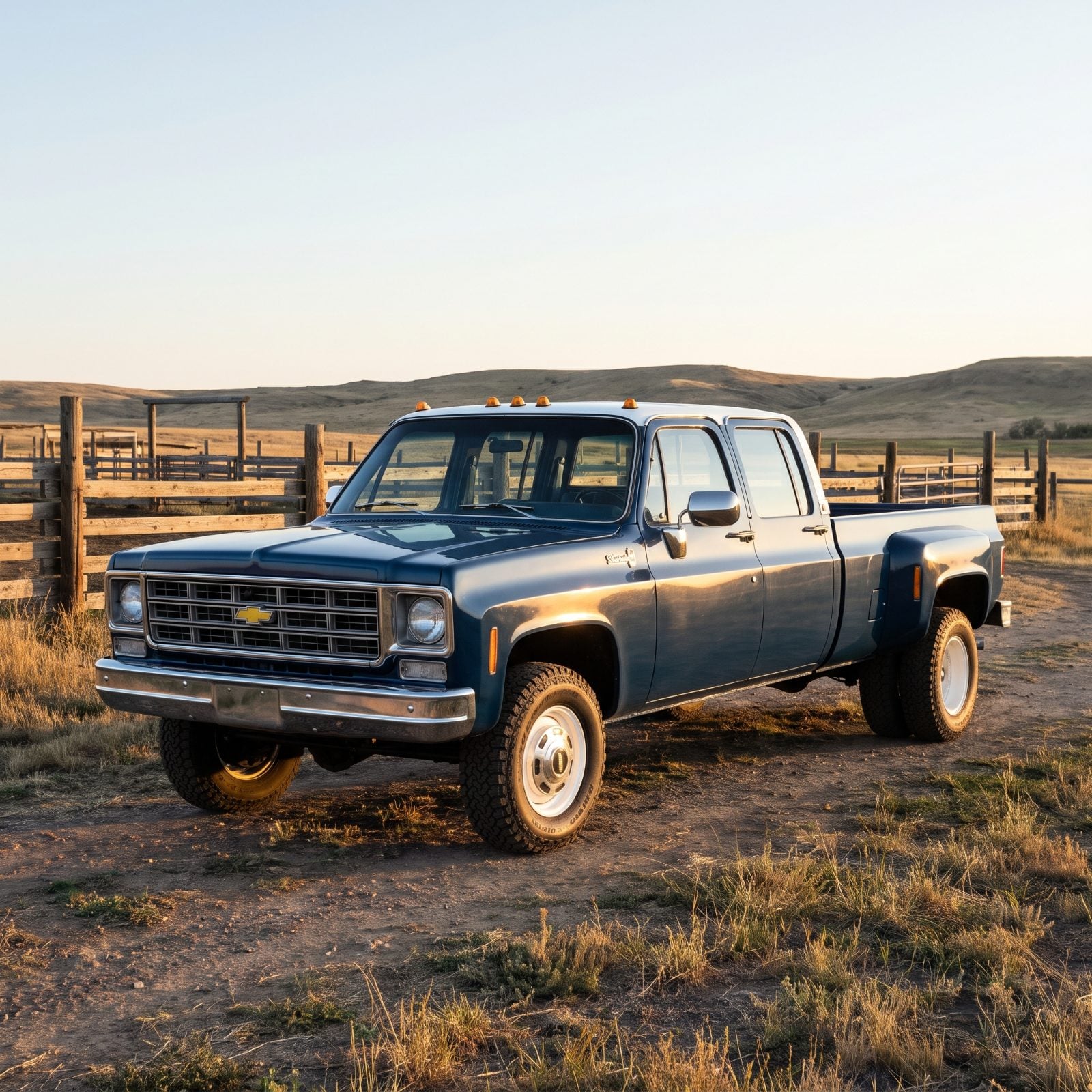
The square-body wave caught a lot of people off guard. Trucks that were cheap farm transportation ten years ago now bring numbers that make longtime owners blink.
The K30 Crew Cab 4×4 sits at the top of that heap — four doors, wide flared rear fenders over dual rear wheels, lifted stance, the whole square-jawed look that collectors and rod shops fell hard for. A rust-free Western example with the original drivetrain and clean two-tone paint is genuinely scarce now.
Done right, one clears what a new three-quarter-ton costs. The catch is the cab mounts and the wide-fender bed, both of which rot in the spots you can’t see.
1968 Chevrolet K10 4×4: The Short-Bed Fleetside Gold Standard
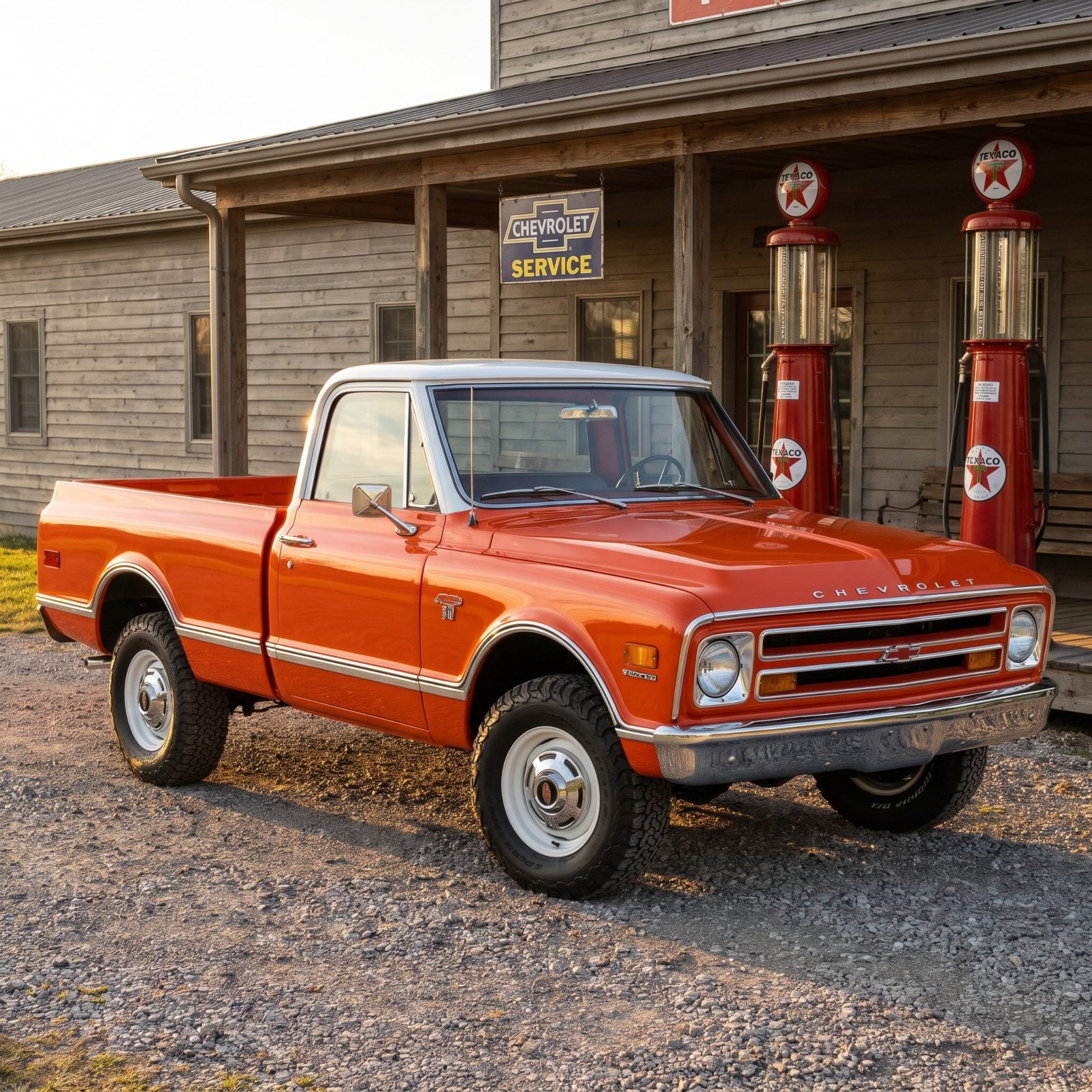
Stand in a show field full of classic Chevys and watch what happens. A crowd gathers around the short-bed fleetside K10 while the long-beds sit lonely by the fence. That’s the market talking.
The 1968 lands right in the heart of the 1967-1972 generation that collectors treat as the sweet spot. Factory 4×4, short bed, fleetside body — check all three boxes at once and you’ve got the truck that moves the needle. Big-block versions and documented CST trucks command the top dollar, and a proper one now matches or beats a new half-ton out the door.
Honest advice: the short-bed premium is real, so a converted long-bed gets passed off as a short-bed more often than you’d like. Measure the bed yourself.
1971 Chevrolet C10 Cheyenne
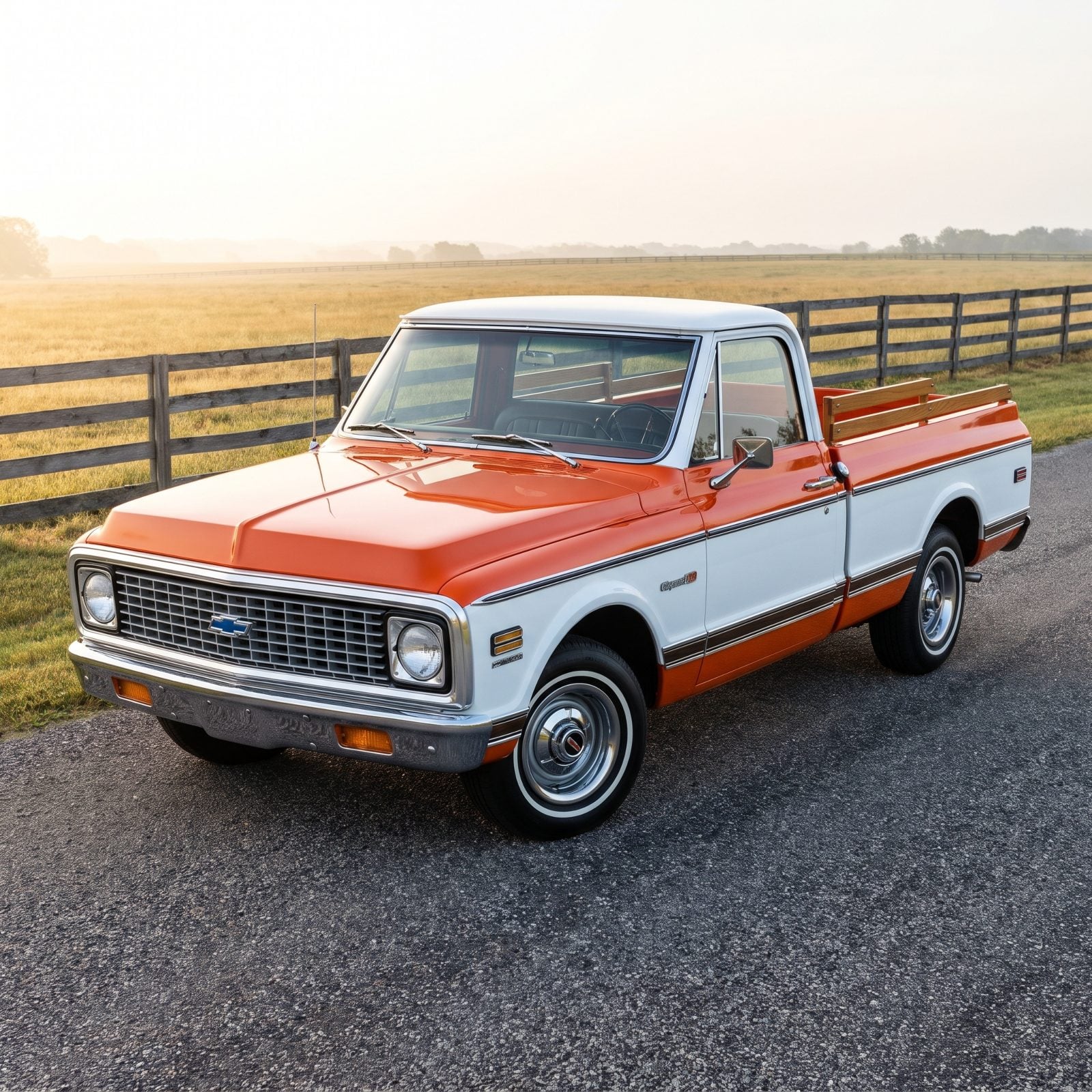
The square-body guys will argue, but the 1967 to 1972 C10 is the one that lit the whole collector fuse. The 1971 Cheyenne sits near the top of that run. It was the trim package that finally admitted a pickup could be nice inside.
Clean shortbed fleetsides with a small-block and the right colors regularly cross auction blocks in the forties to seventies, and big-block or frame-off cars push well past that. A new half-ton Silverado stickers for less.
What people miss: the shortbed is the money. A longbed version of the same truck runs thousands cheaper and it’s twice as easy to find. Bed length makes or breaks the number.
1967 Dodge W200 Power Wagon
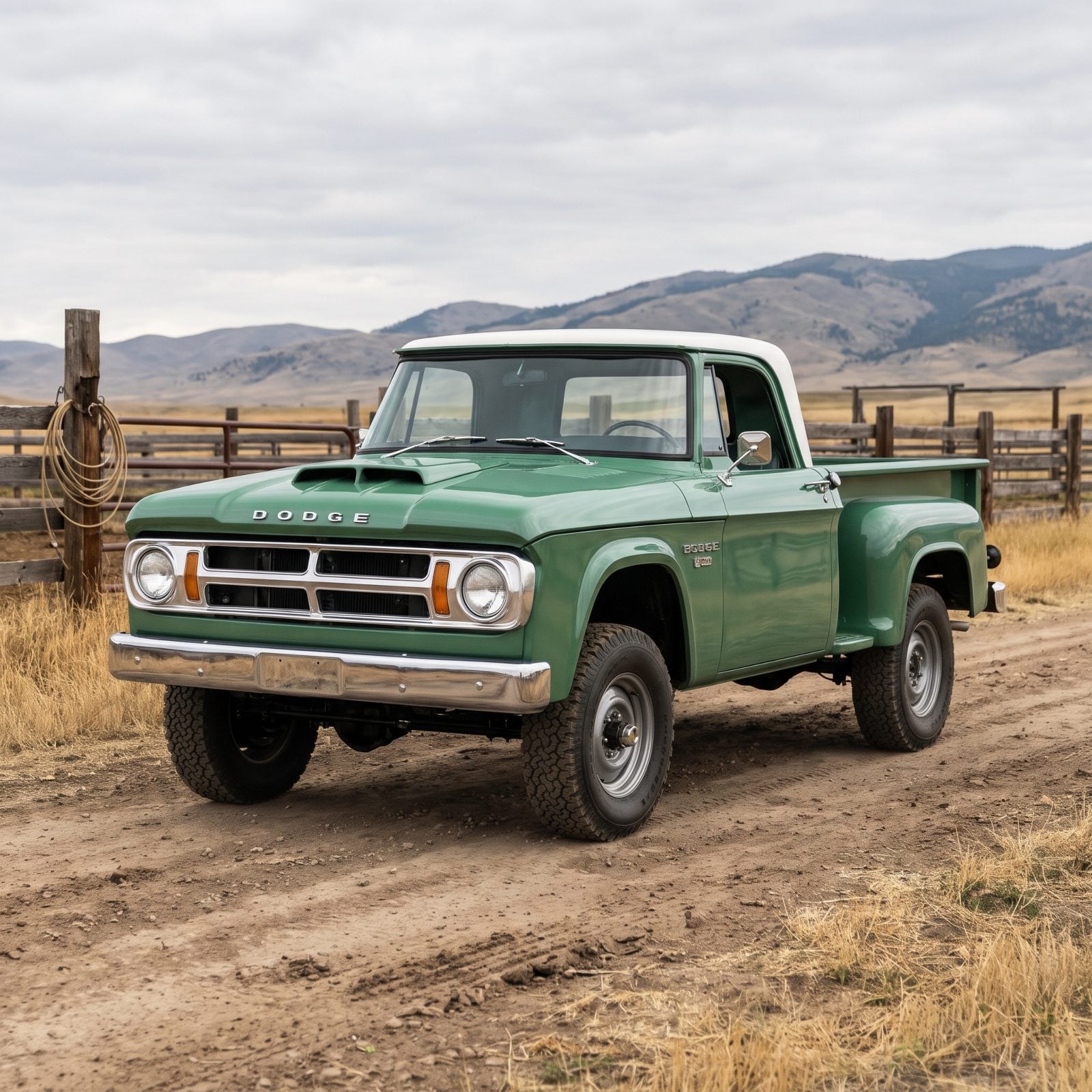
Tough as a cinder block and about as subtle. The W200 Power Wagon got built for ranchers and road crews, not boulevard cruising, which is exactly why clean ones went scarce.
These were worked until they died, so finding a solid, unrotted survivor is the hard part. A proper restoration can run past sixty grand, and heavy-duty four-wheel-drive examples with the Utiline bed command the strongest money.
You buy one of these for the stance and the presence. It idles like it means it.
1976 GMC Beau James
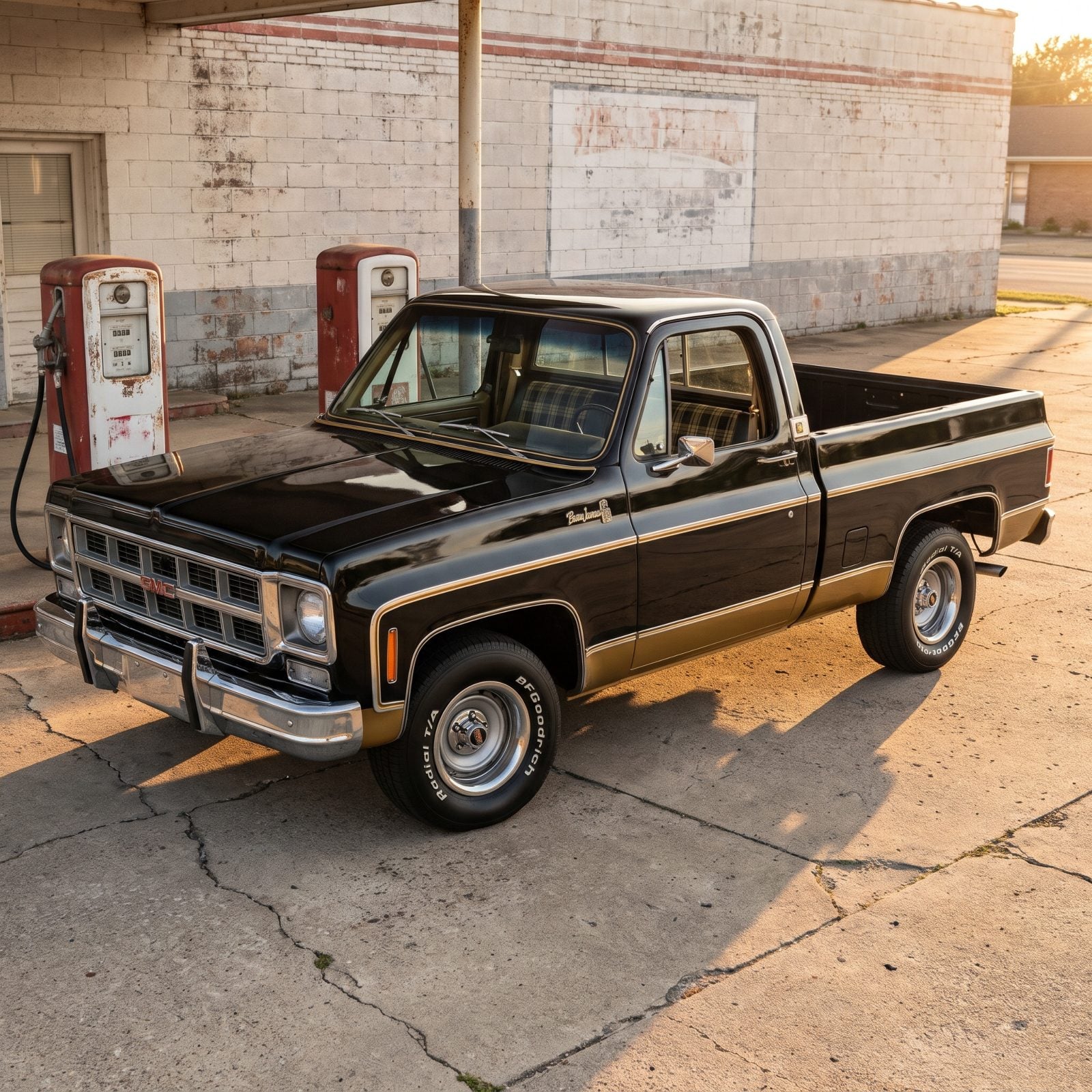
Most people have never heard of the Beau James, and that’s half its appeal. A dealer-driven special edition dressed in black and gold with pinstriping and sport wheels, built in small numbers.
Rarity does the heavy lifting here. You can find a plain 1976 Sierra all day long. A documented, correctly badged Beau James in good paint is a different conversation, and collectors pay up for the oddball factory packages nobody else has.
The trucks that disappeared are the ones that climb hardest. Nobody saved the special editions on purpose.
1972 GMC K2500 Sierra Grande
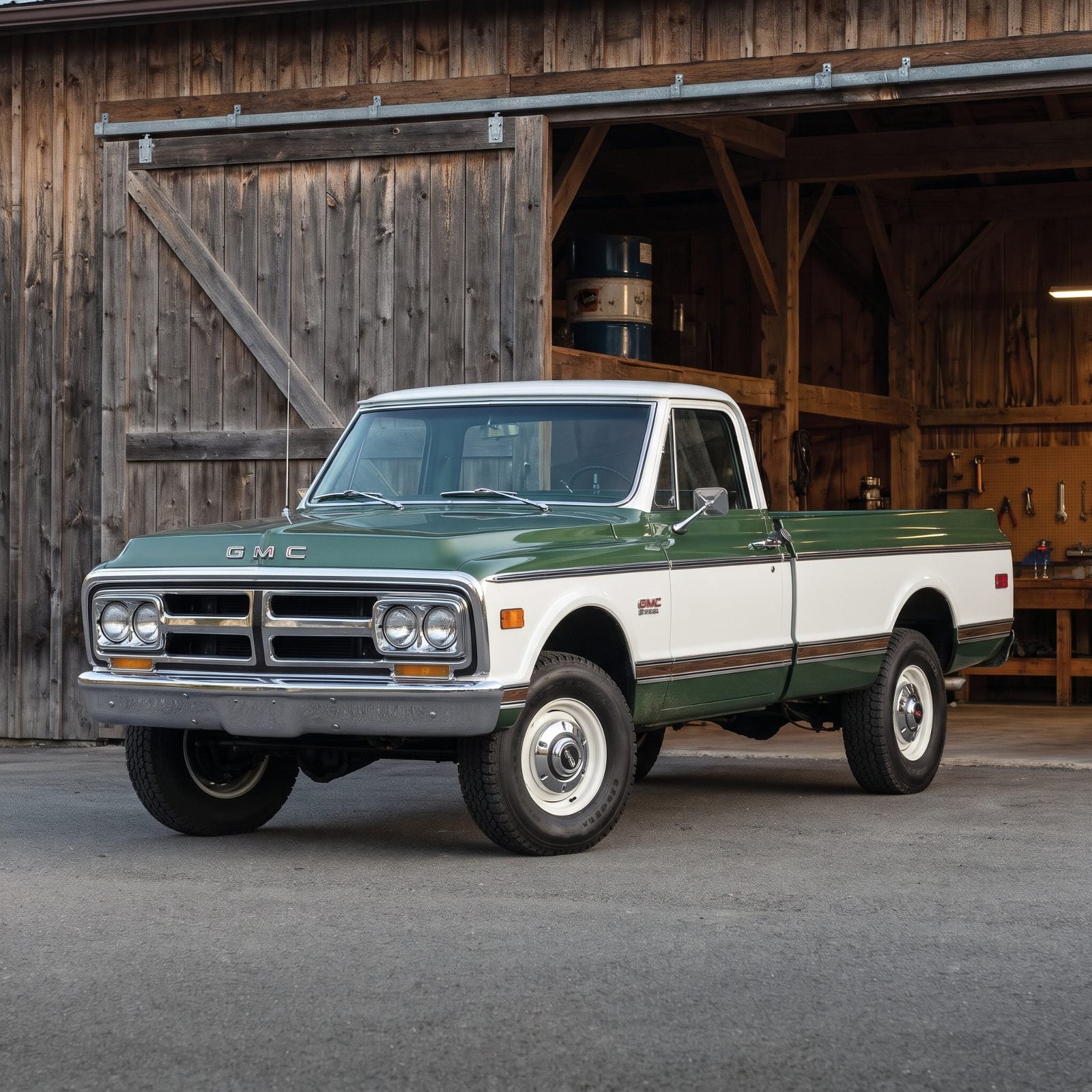
The last year of the 1967-72 generation, and the four-wheel-drive K-series is where the heat lives. The Sierra Grande trim added the nicer interior and brightwork that makes a restored one feel special.
A clean, numbers-correct K2500 in the right colors can land north of fifty grand, more with a big-block and paperwork. But rust is the enemy. These fought salt their whole lives, and cab corners and rockers tell the truth faster than any seller will.
1977 GMC Sierra Classic 4×4
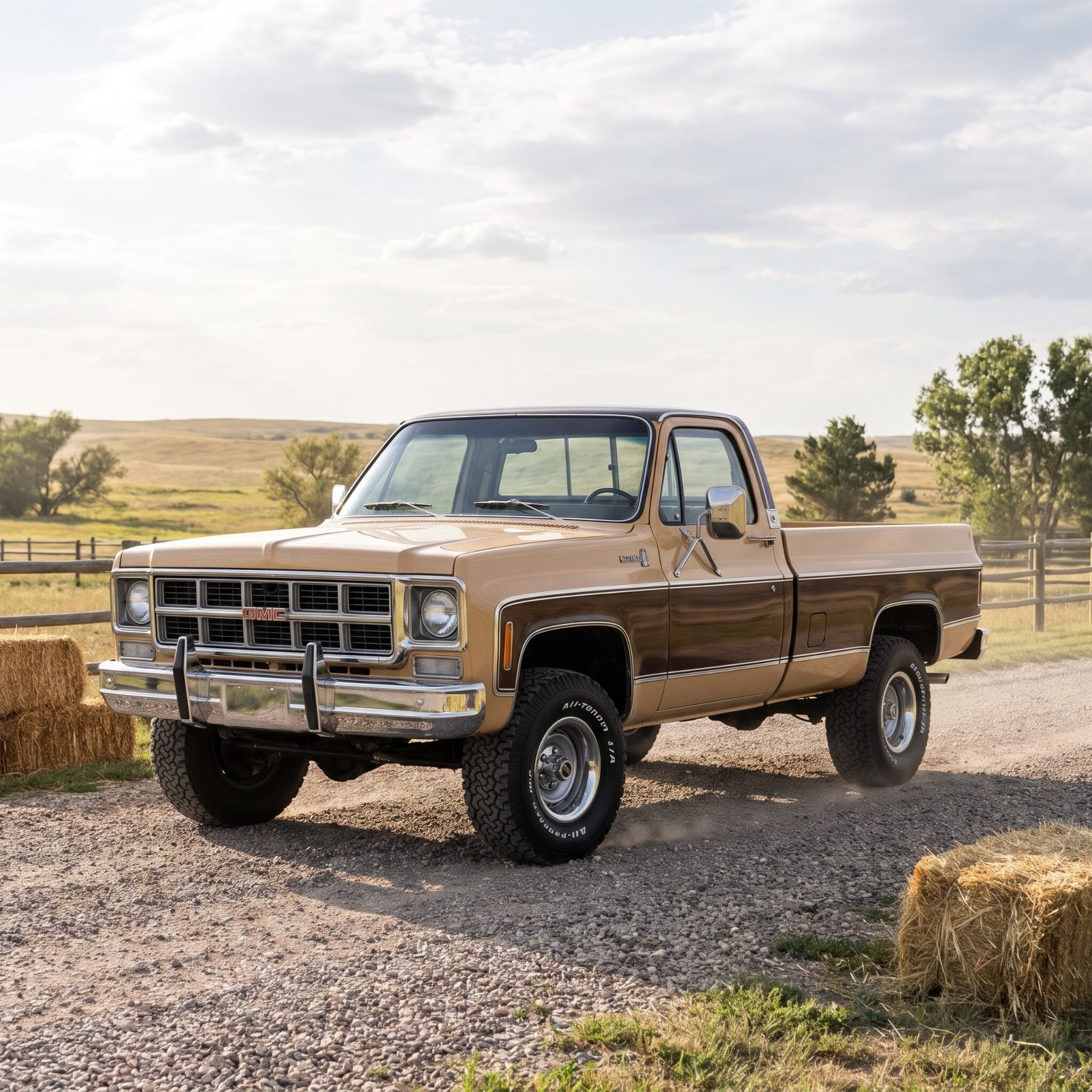
Sierra Classic was GMC’s top trim, and in four-wheel-drive form it’s one of the most wanted square-bodies going. Chrome, woodgrain, and a stance that photographs well from every angle.
Values have climbed steadily. Clean 4×4 Sierra Classics trade well into the forties and fifties, with the best shortbeds reaching higher. The square-body craze among younger buyers pulled these up hard over the last decade.
Buy the body, not the drivetrain. A tired 350 is a weekend. A rotted cab is a second mortgage.
1978 GMC Caballero Diablo
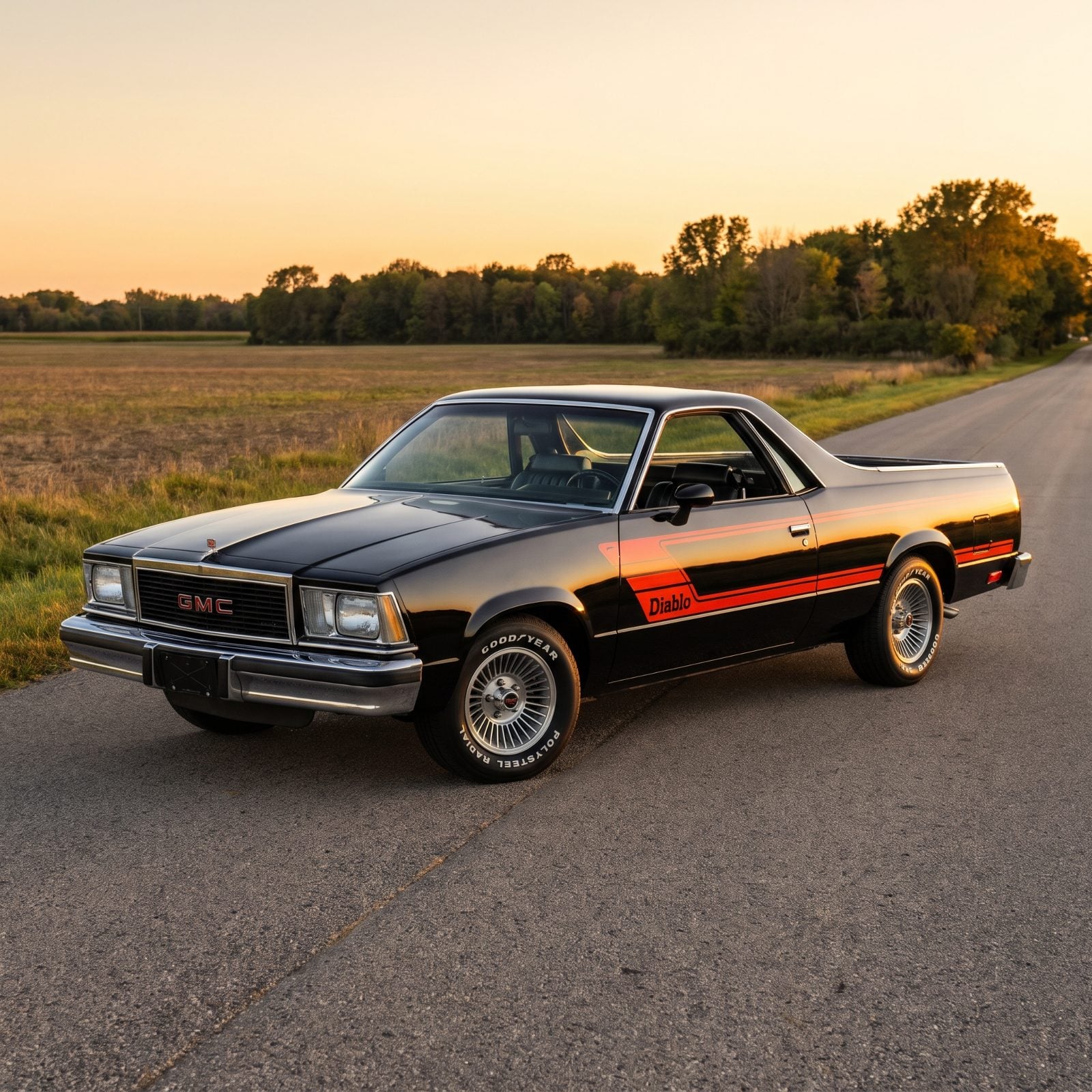
The Caballero was GMC’s version of the El Camino, and the Diablo package was the loud one — bold side graphics, sport wheels, the works. Half car, half truck, all 1970s attitude.
These fly under the radar next to their Chevy cousins, which keeps a clean one interesting. A genuine Diablo with its original graphics and sheet metal is a tough find, and that scarcity does the pricing work.
I have a soft spot for these. They’re useless as actual trucks and completely charming because of it.
1969 Ford F-100 Ranger XLT
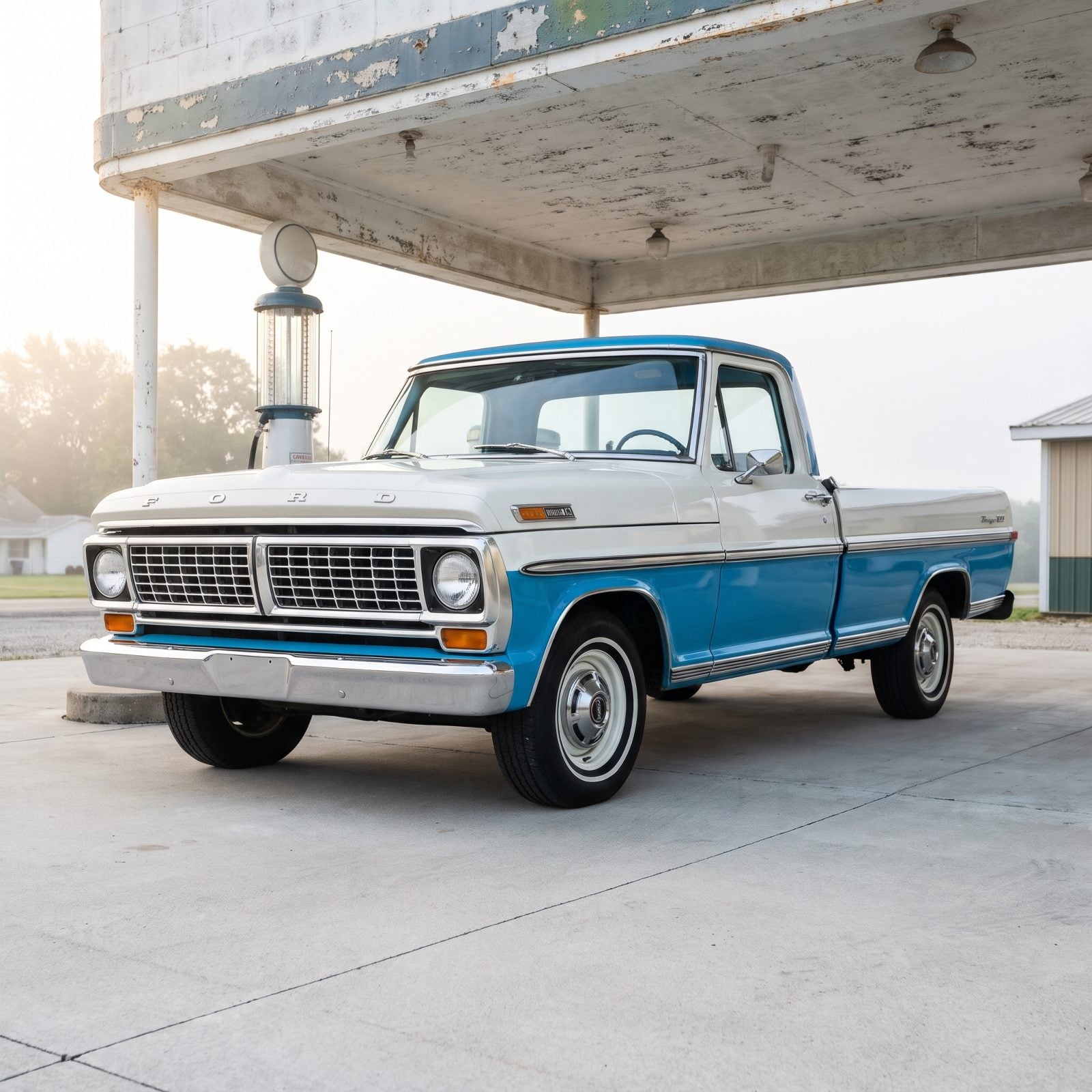
The fifth-generation F-100 wears one of the cleanest faces Ford ever bolted onto a truck, and the Ranger XLT trim dressed it up right. Brightwork, a nicer cab, proportions that still look correct today.
Good ones have moved up as buyers chase classic Fords that aren’t Mustangs. A sorted F-100 Ranger XLT can run from the mid-thirties into the fifties depending on engine and bed style, and the shortbed carries the premium.
Simple, honest, easy to own. That’s most of why people want them.
1978 Ford F-150 Ranger Lariat 4×4
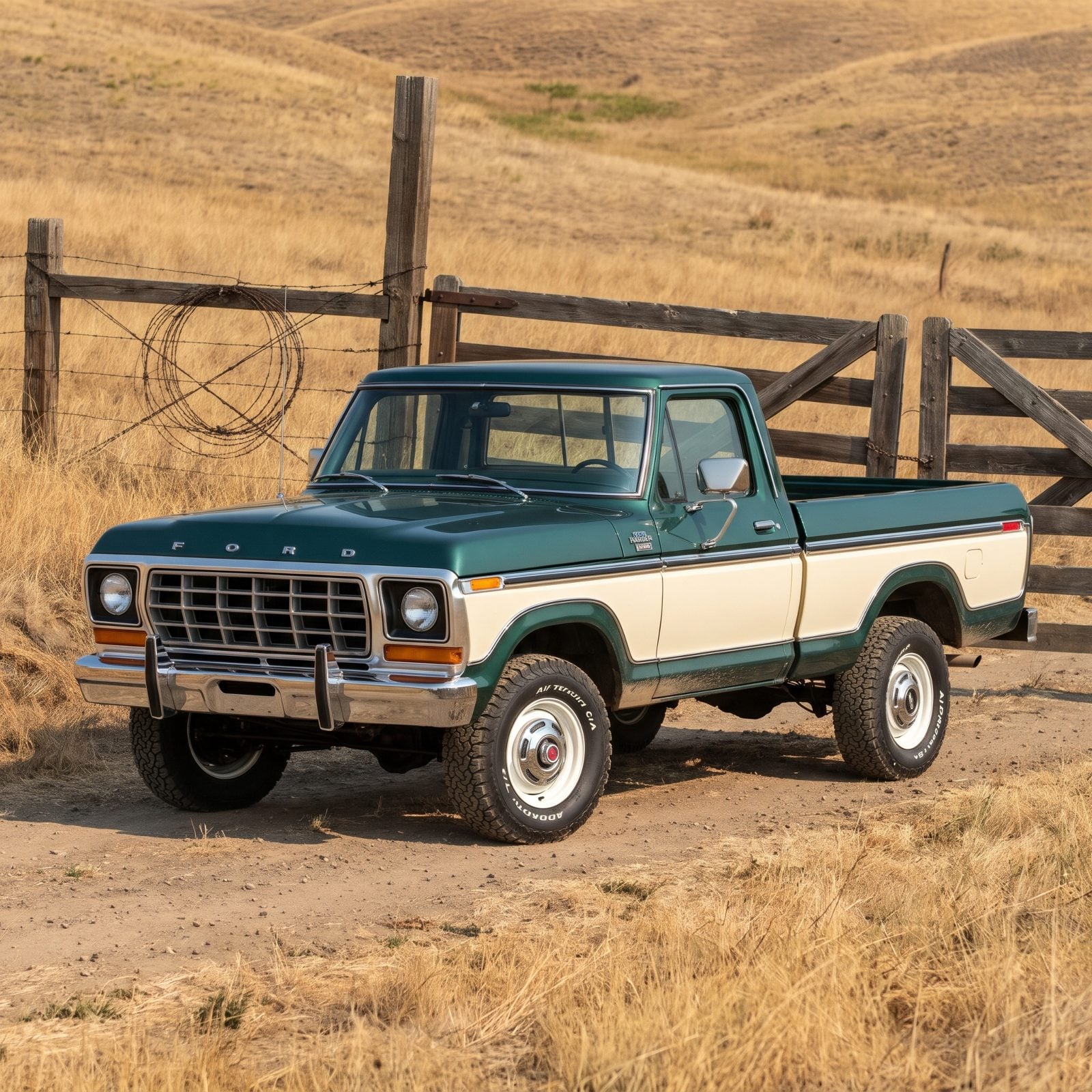
The dentside Ford in four-wheel-drive Ranger Lariat trim has become a real collector target, and it caught a lot of owners flat-footed. These were everywhere once. Clean, unmolested ones aren’t anymore.
The 4×4 body style brings the money, tall stance and two-tone paint with chrome trim and all. Restored examples land in the mid-forties to around sixty grand, and the best ones go further. A new Lariat today costs roughly the same and will never appreciate a dime.
The truck your neighbor drove into the ground in 1985 is now a six-figure conversation on the right day.
1977 Ford F-150 Free Wheeling
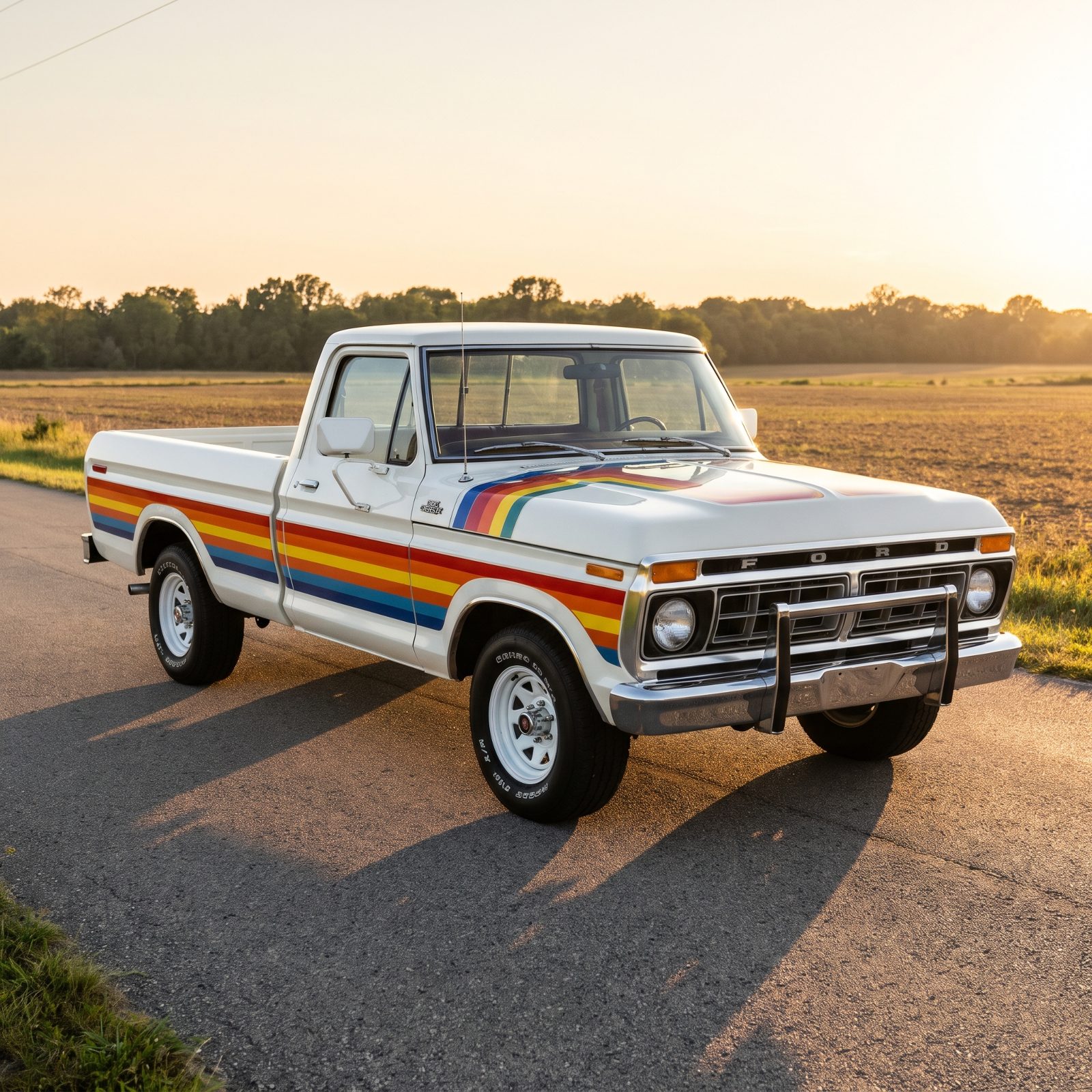
Rainbow stripes, loud wheels, and zero shame. The Free Wheeling package was Ford leaning all the way into late-1970s van-and-truck culture, and it’s pure period flavor.
Nobody tells you this part: the appeal is the graphics, and the graphics are exactly what got painted over, faded, or peeled on most survivors. A complete, original-stripe Free Wheeling is rare enough to pull strong, specific collector money.
You either get the joke or you don’t. The people who get it pay the most.
1967 Ford Ranchero 390 GT
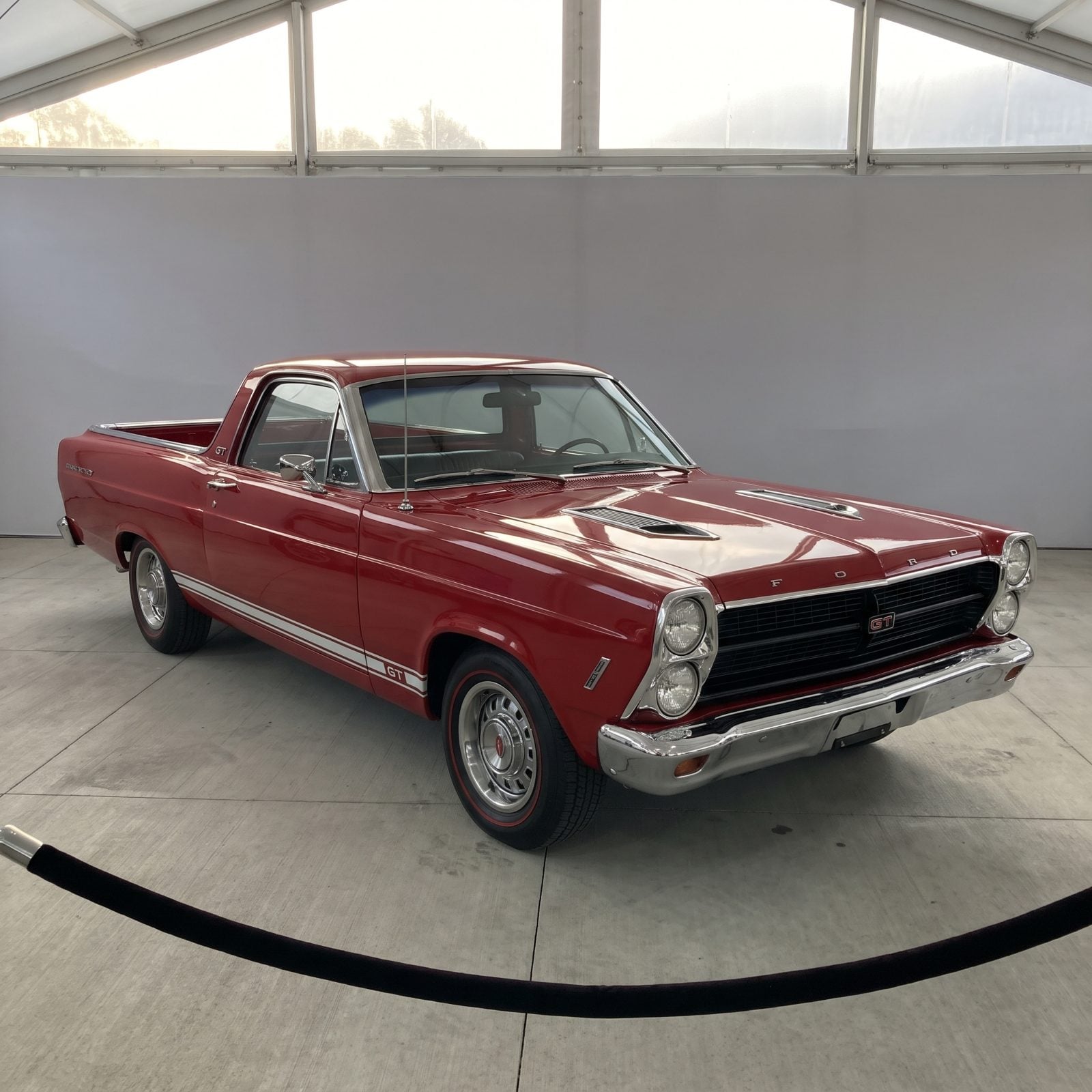
The Ranchero blurred the line between muscle car and pickup, and the 390 GT version is where it gets serious. Big-block power under a mid-size body with a cargo bed, a combination that aged beautifully.
These straddle two collector worlds, muscle and truck, which keeps demand high from both camps. A documented 390 GT in correct colors can reach well past forty grand, and the strongest examples go higher at auction.
It drives like a car, hauls like a truck, and sounds like trouble. That’s the whole pitch, and it still works.
1971 Dodge D100 Dude: The Sport-Truck Dodge Buried in a Catalog Footnote
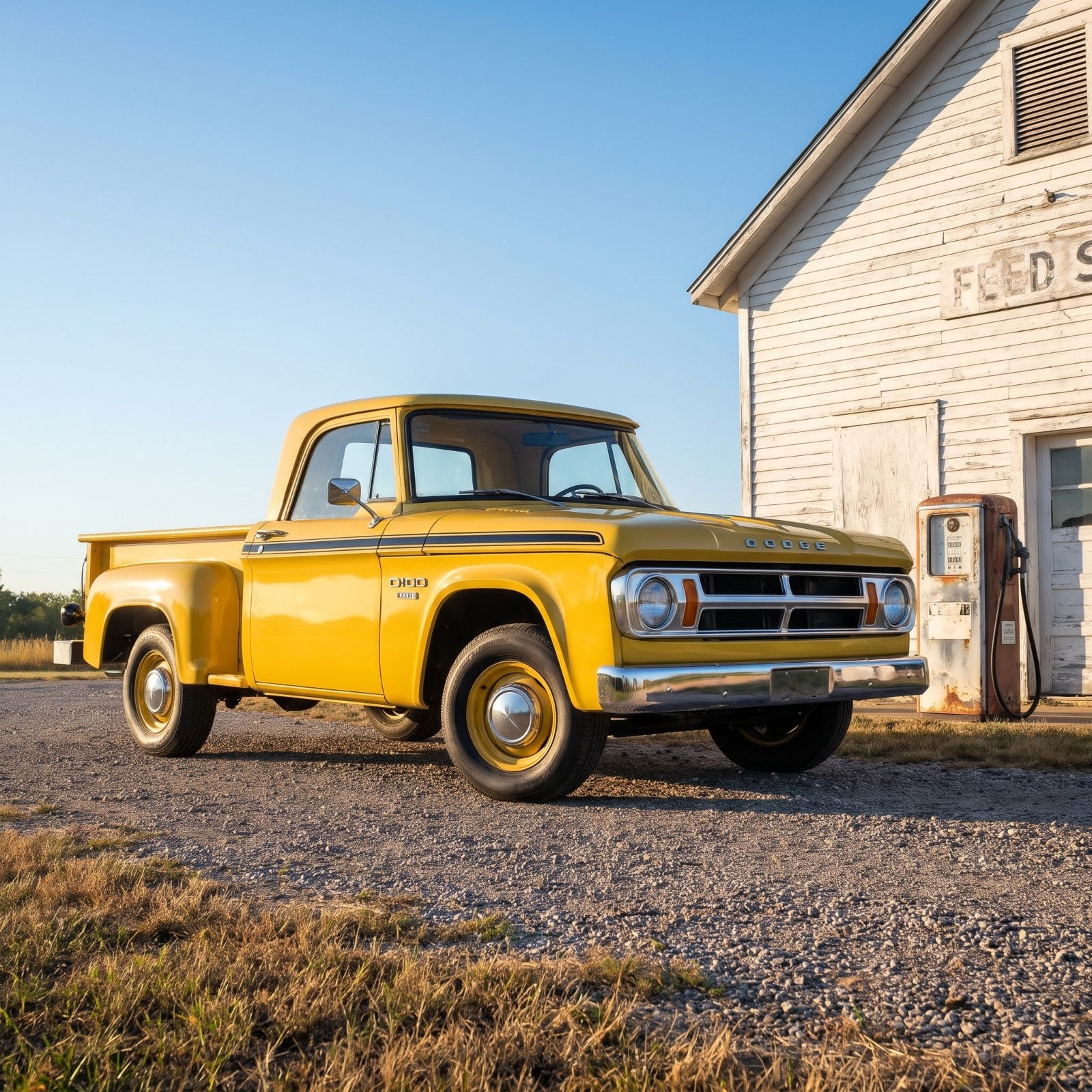
Nobody talks about the Dude, and that’s exactly why clean ones have gotten expensive. Dodge sold it as a budget appearance package across 1970 and 1971 — a C-shaped tape stripe wrapping around the back of the bed, Dude decals, and not much else under the hood. Most got worked to death on farms, so survivors are thin on the ground.
Find an unmolested one and you’re looking at a truck that can clear new half-ton money at auction. Buyers aren’t paying for horsepower. They’re handing over cash for a name almost nobody remembers and stripes almost nobody has seen in the metal.
1974 Dodge W100 Club Cab 4×4: The Crew-Comfort Idea Before Its Time
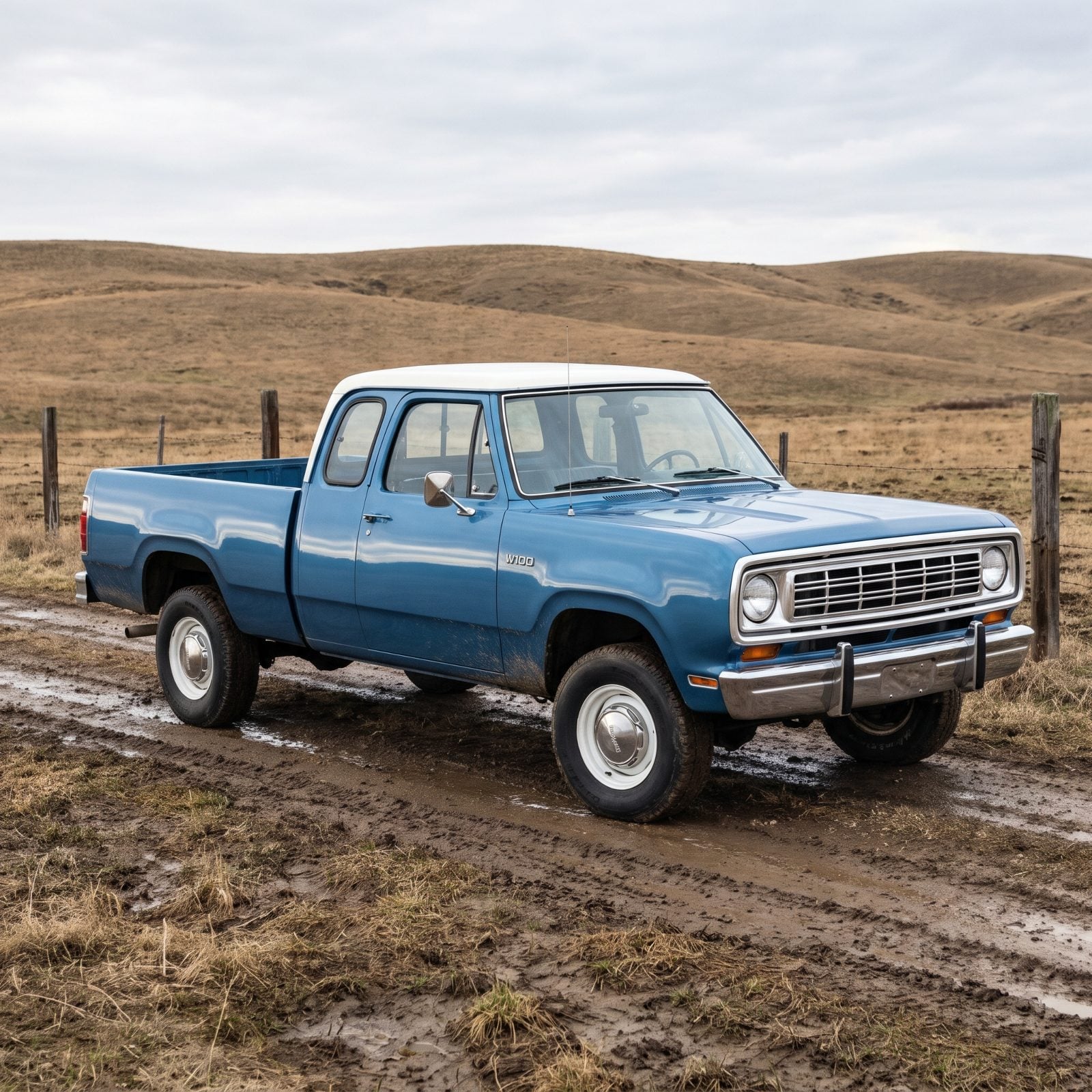
The Club Cab was Dodge quietly inventing the comfortable family 4×4 before the market knew it wanted one. That stretched cab gave you jump seats and lockable dry storage behind the bench — a genuinely useful idea in 1974, and ahead of its time by a couple of decades.
In four-wheel-drive W100 trim, these have become sleeper collectibles. Rust took most of them. A solid, honest example with the running gear intact can push past the price of a base new pickup today, and you’d still have change left over for fuel.
1976 Dodge D100 Warlock: Black Paint, Gold Pinstripes, Real Oak
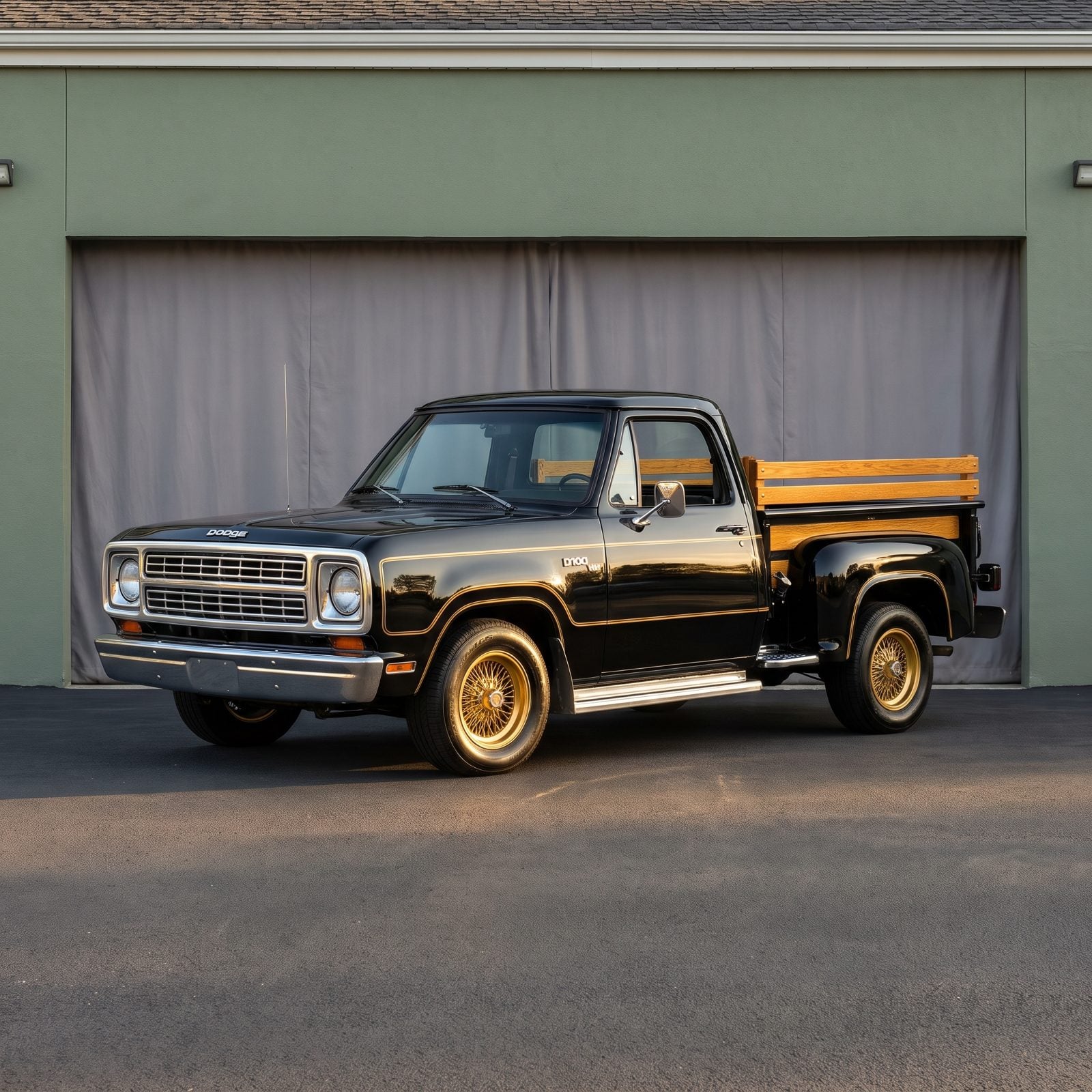
This is the one that started the factory custom-truck craze. The Warlock rolled out gloss black with gold pinstripes, gold spoke wheels, chrome running boards, and genuine oak bed rails, all from the factory. Dodge built it off a concept that got mobbed at shows, then actually put it on the order sheet.
Documented, correctly optioned Warlocks are blue-chip now. The oak rails and gold wheels are what people chase — and, naturally, they’re the first things to rot or vanish. A truck wearing its original wood and stripes commands real premiums, often well north of a new base truck.
It looked like trouble sitting still, and it priced accordingly, then and now.
1977 Dodge W150 Macho Power Wagon: Stripes Loud Enough to Hear
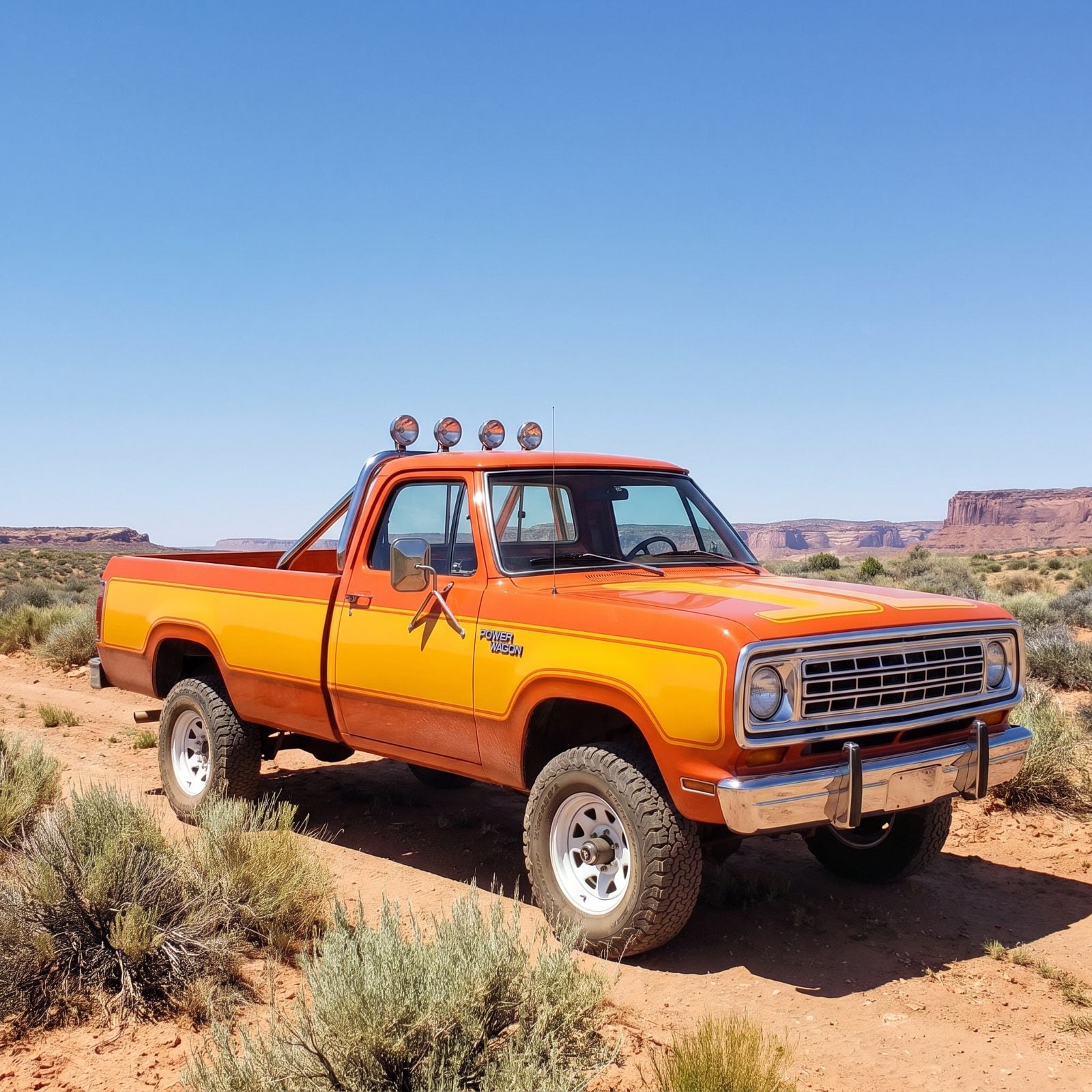
You could spot a Macho from a quarter mile. That was the point. Dodge wrapped the Power Wagon in some of the loudest factory graphics of the decade — bright banded stripes running the full length of the body — then backed the look with a serious 4×4 drivetrain that actually earned the attitude.
Values have climbed hard. Unlike a lot of stripe-package trucks, the Macho had the hardware to match the noise, and collectors reward that. A clean, numbers-correct example trades well above a new off-road half-ton, especially with the roll bar and factory lights still wearing their original paint.
1963 Jeep Gladiator J200: The Truck That Outlived Three Owners of Its Own Company
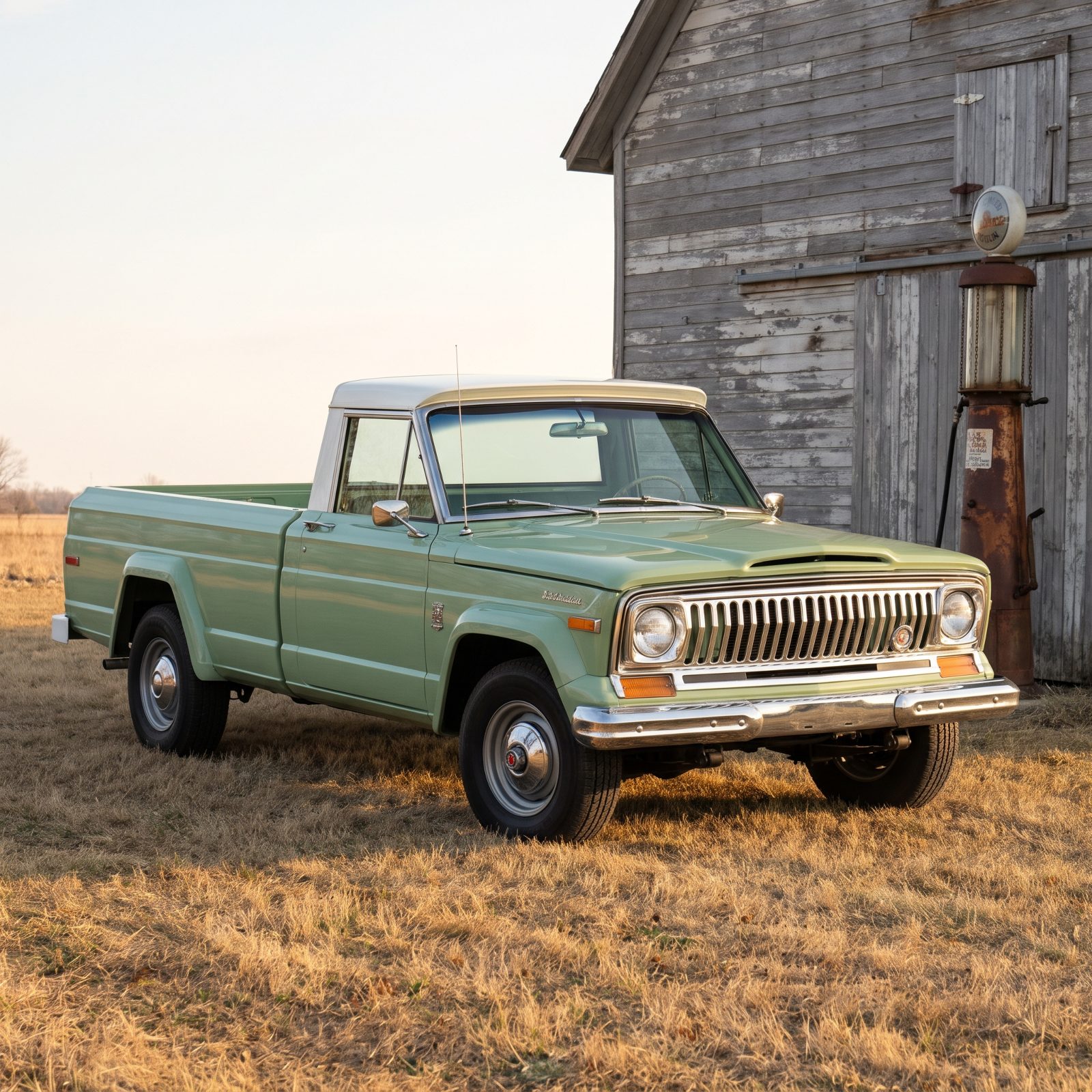
Credit the Gladiator with a longer production run than almost anybody remembers. It launched in 1962 and soldiered on while the company changed hands more than once. That stubborn toughness is exactly why first-year and early examples carry real cachet today.
The 1963 J200 wears a wide chrome vertical-bar grille with single round headlights set side by side, and clean survivors are getting scarce. Collectors like that it predates the whole muscle-truck circus. Honest styling, a real working truck underneath, and the best originals have quietly crept past new-truck pricing at specialist sales.
1978 Jeep J10 Golden Eagle: The Hood Decal That Pays for Itself
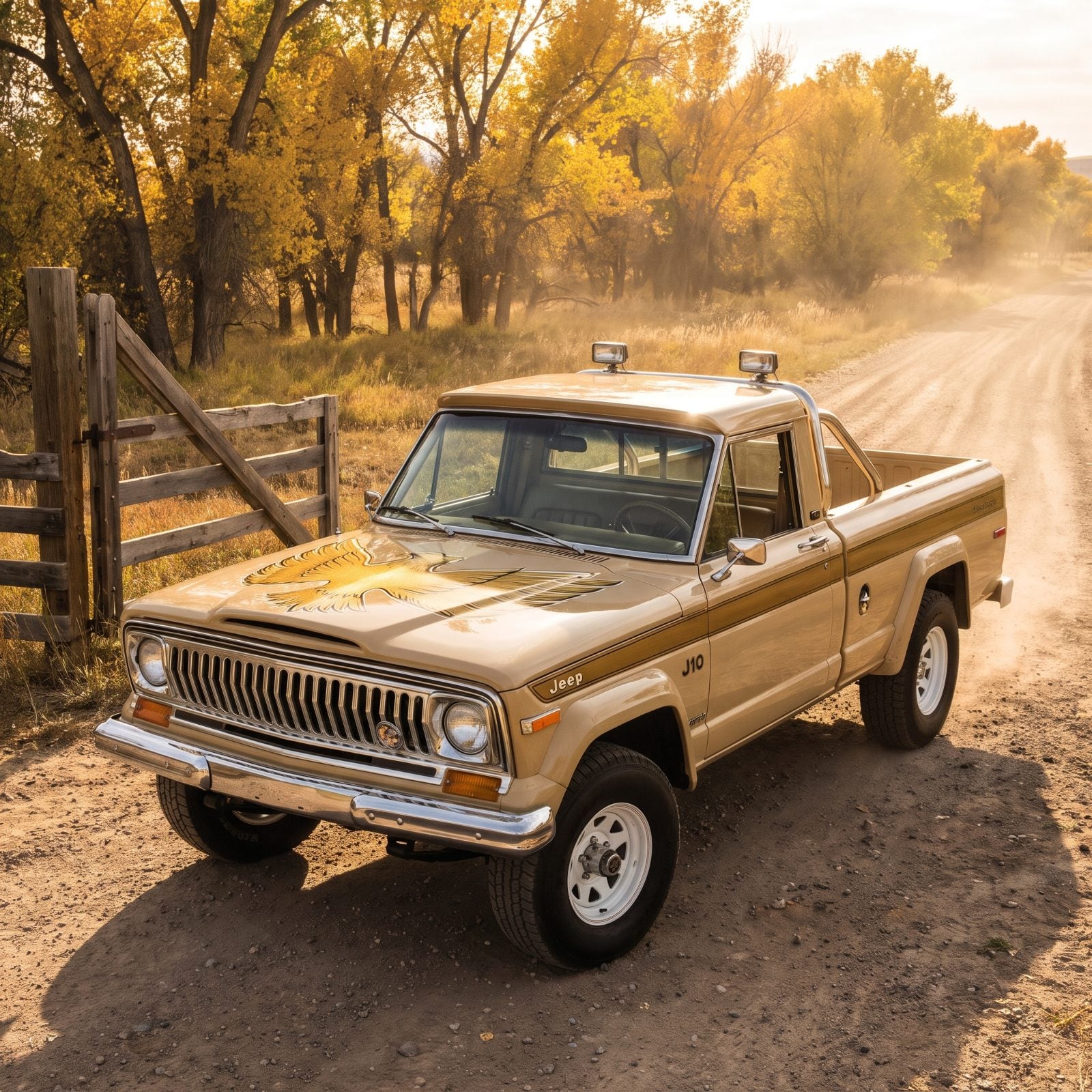
The eagle on the hood is doing a lot of financial work. Jeep’s Golden Eagle package plastered an enormous spread-winged decal across the hood and dressed the J10 in tan paint, gold stripes, white spoke wheels, and a roll bar. Pure late-seventies theater, and I mean that as a compliment.
And it worked. These rank among the most sought-after full-size Jeep trucks going. The catch? Correct hood decals and the right wheels are miserable to source, so a truck with its original graphics intact fetches a premium that often clears what a new mid-size pickup costs.
1979 Jeep J10 Honcho: The Stepside Sport Package Nobody Saw Coming
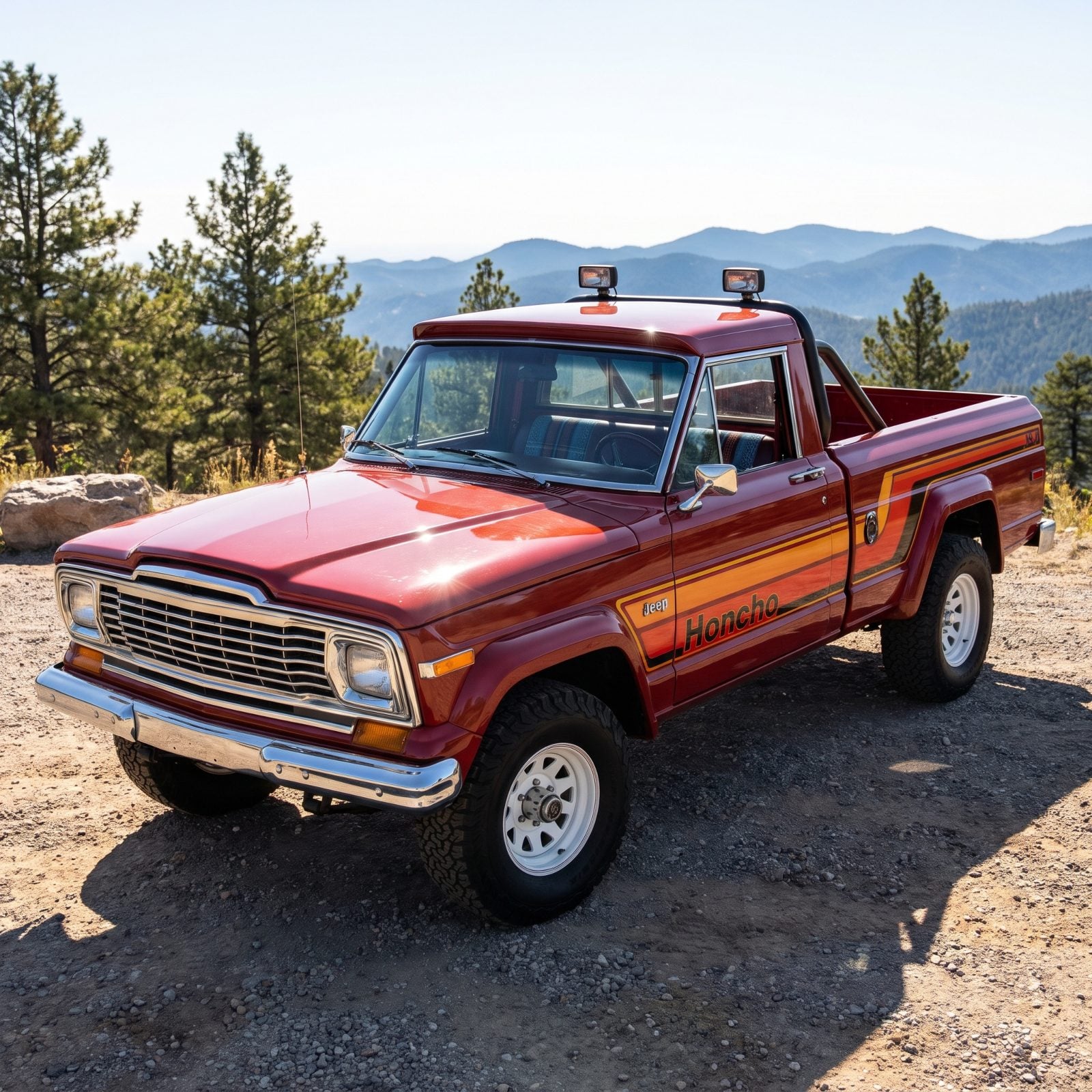
The Honcho took the full-size Jeep truck and handed it some attitude: thick bodyside tape stripes, a stepside bed on the sport versions, fat tires, a roll bar, and that unmistakable late-seventies swagger. Some even came with the Levi’s denim-look interior, which is honestly half the fun.
Honchos run hot at auction these days, and the stepside short-bed trucks lead the pack. A clean, documented example with its original stripe package and interior pulls strong money — routinely more than a new compact pickup, with the gap widening every year.
1971 International Harvester 1210 Travelette: The Four-Door Before Four-Doors Were Cool
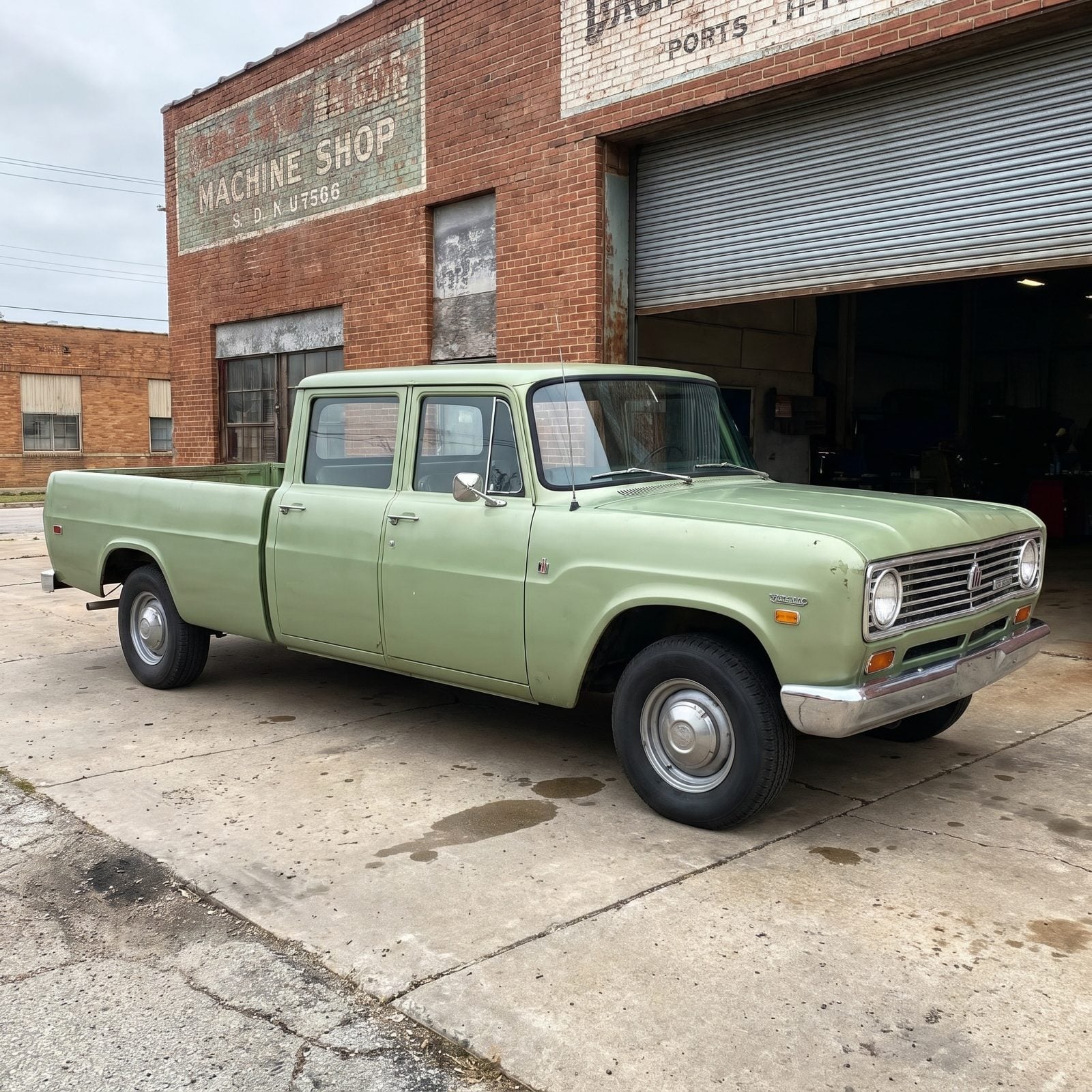
Long before every driveway held a four-door pickup, International was building crew cabs for work crews who had to haul both people and gear. The 1210 Travelette seated a full crew and still carried a real bed. A genuine piece of pickup history, and most people walk right past it.
That obscurity cuts both ways. Parts can be a headache and finding one that isn’t rotted takes patience. But clean, running Travelettes have turned collectible precisely because International bailed on the pickup business in the seventies. A solid four-door can now sit right up against new-truck money.
1974 International Harvester 200 4×4: Farm Iron That Became Blue-Chip
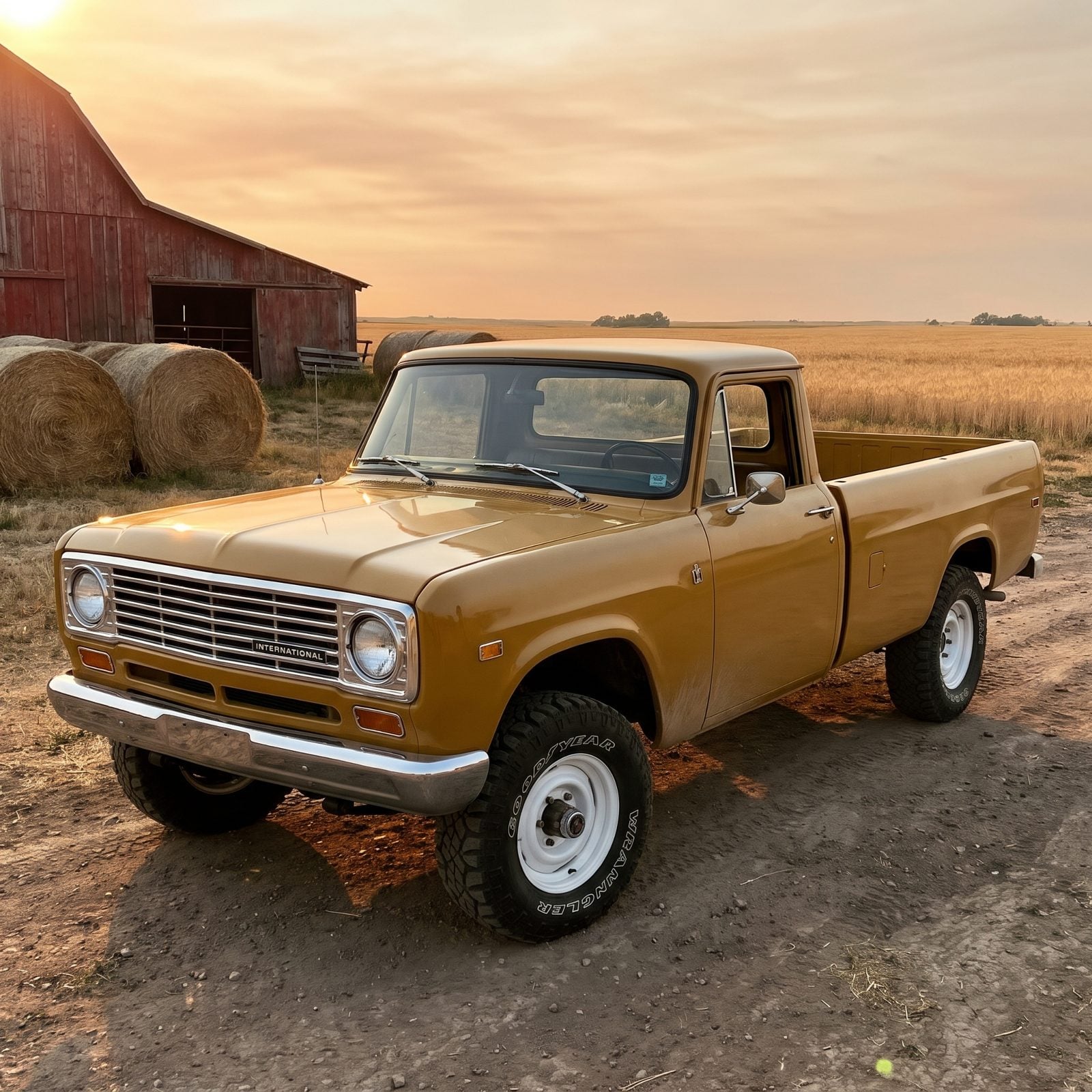
Here’s the quiet story. International built genuinely overbuilt trucks, then walked away from the light-truck market entirely in 1975. Rugged hardware plus a brand that stopped making pickups — that’s a collector’s recipe.
The 200 4×4 was a no-nonsense farm and ranch truck, and buyers didn’t baby them. The ones that survived intact draw serious attention now, with a correct, rust-free 4×4 example trading for more than a new half-ton. Not bad for a truck that spent its early life hauling feed.
1963 Studebaker Champ 8E: The Last Gasp From South Bend
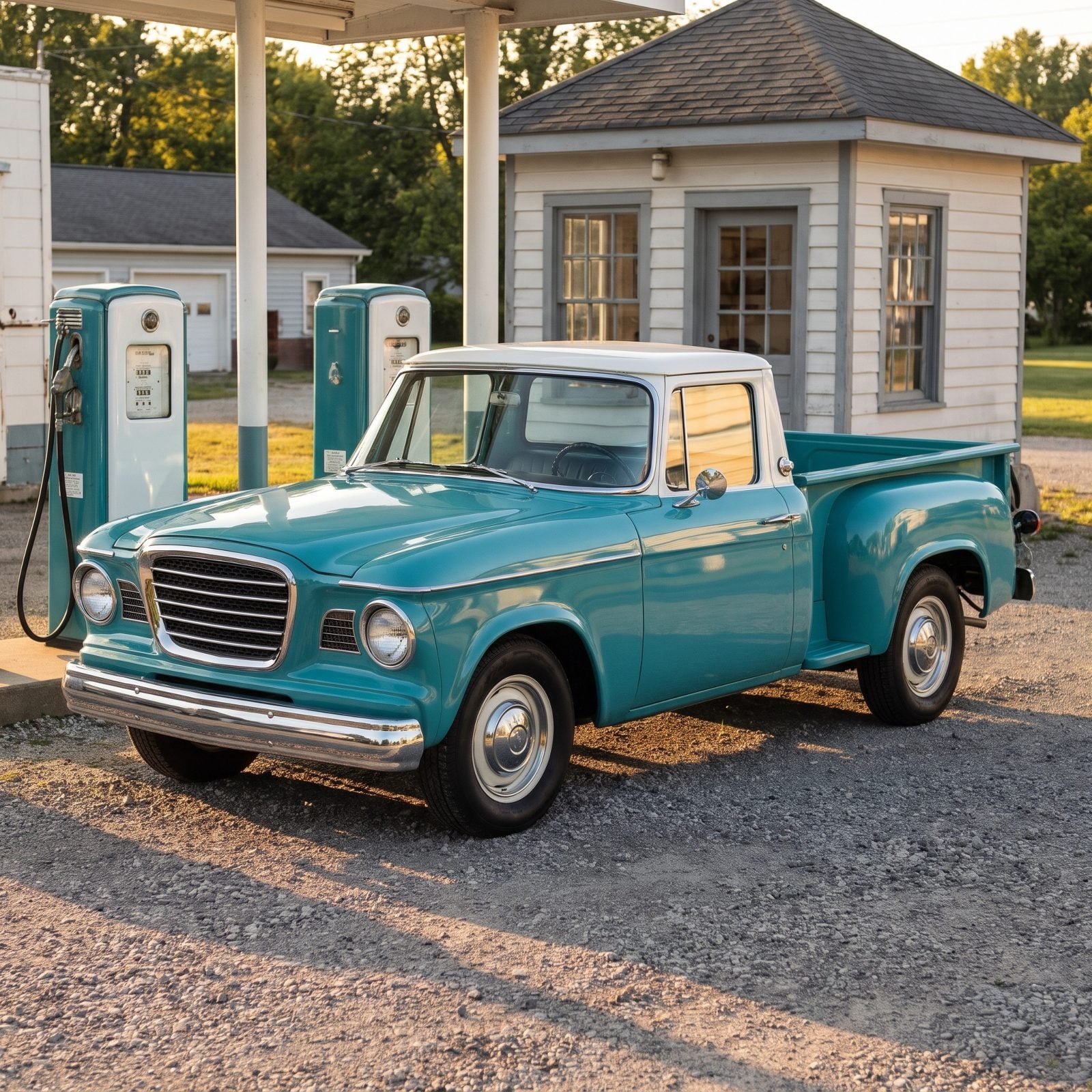
Studebaker was running out of road by 1963, and the Champ is where you can watch it happen. To save money, the company grafted its Lark car cab onto a pickup chassis. That gave the Champ a passenger-car dash and a face no other truck wore.
The desperation is the appeal now. Studebaker shut its South Bend plant in 1963, which puts the Champ close to the end of the line. Survivors are rare, parts loyalty runs deep, and a sharp 8E with the car-based cab intact carries real value among people who know what they’re looking at.
1967 Toyota Stout 1900: The Oddball That Quietly Got Expensive
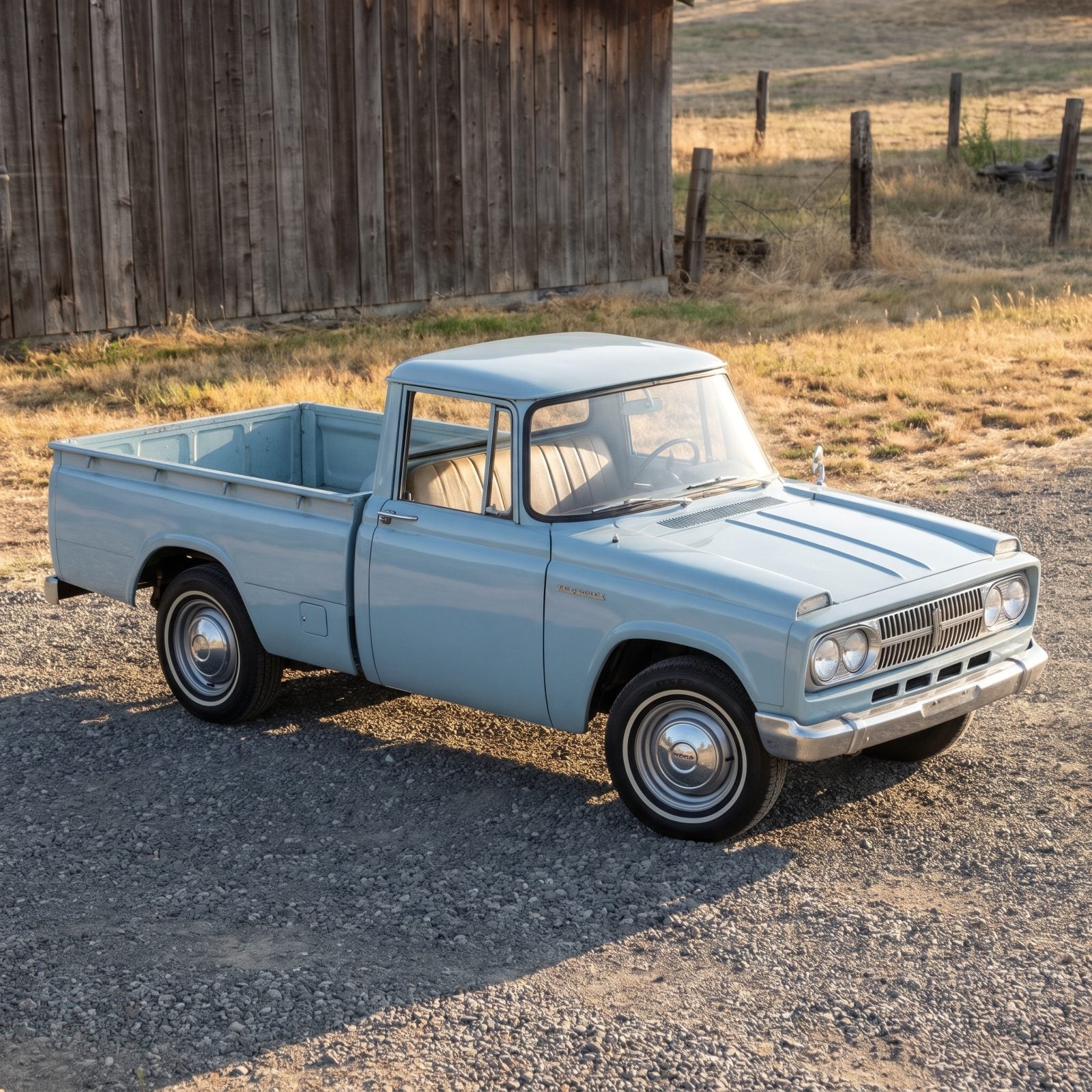
Nobody bought a Stout for looks. It showed up in 1964 as Toyota’s test balloon for the American truck market, and it mostly flopped — underpowered, narrow, and a little awkward around the grille. Dealers couldn’t move them.
Which is exactly why a clean one is worth money now. Survival rate is brutal. Most got worked to death on farms or rusted into the ground, so a genuinely original 1967 Stout 1900 with straight sheet metal and its correct 1.9-liter four can push well past what you’d pay for a base new pickup today. Simple math: almost none are left.
1979 Toyota 4×4 Pickup: The One Everybody Suddenly Wants Back
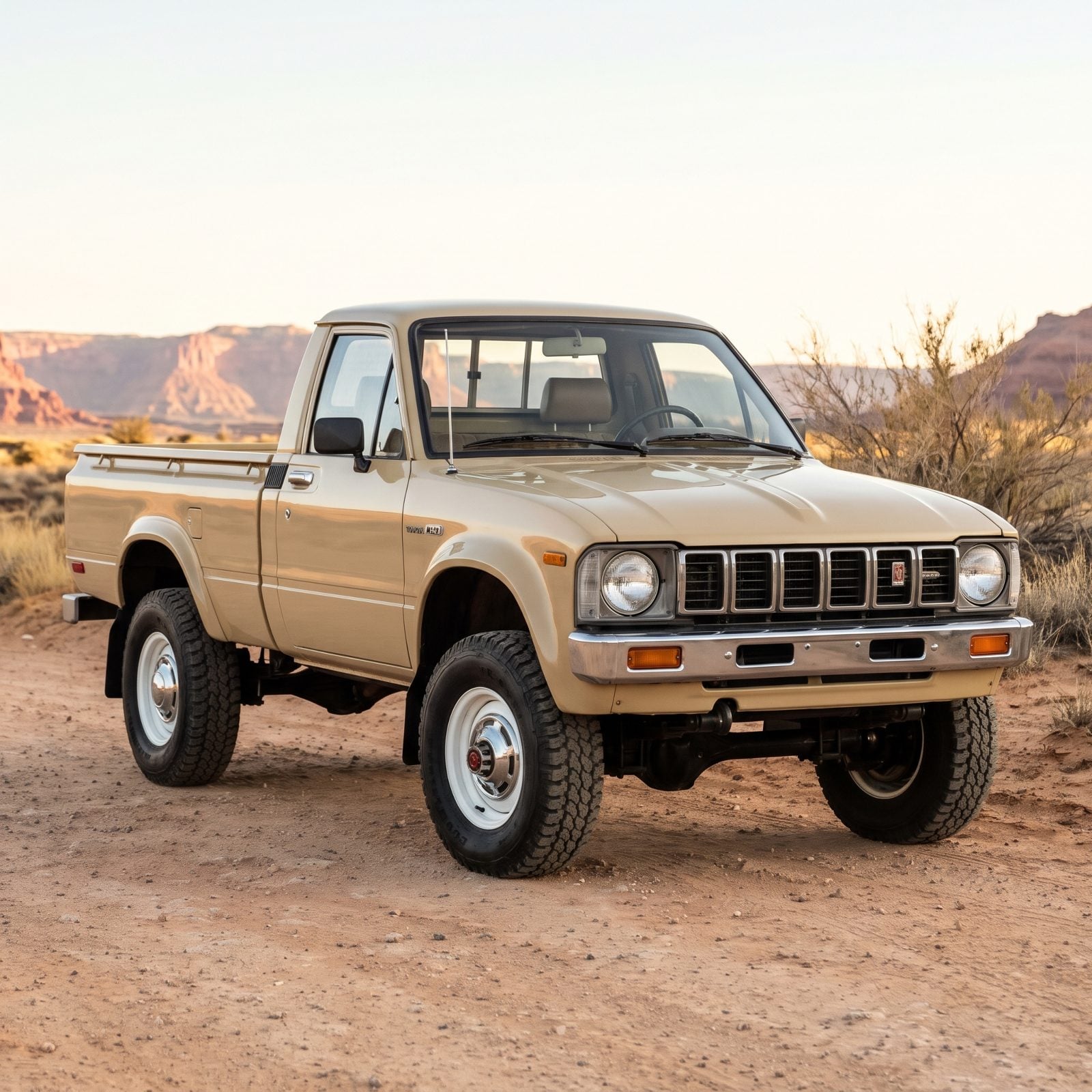
This is the truck that launched a thousand garage obsessions. The late-’70s Hilux-based 4×4, with its solid front axle and bulletproof 20R four-cylinder, became the template for every overland build you’ve ever scrolled past.
Here’s the catch. Enthusiasts have figured that out, and clean, unmolested examples now sell for numbers that make dealers blink. A rust-free 1979 4×4 single cab with the original drivetrain, factory wheels, and no lift kit can command more than a brand-new midsize pickup.
And the real twist? The ones worth the most are the ones nobody touched. Every lift, every repaint, every swapped bumper knocks the price down. Originality is the whole game.
1979 Datsun 620 King Cab: The Small Truck With a Big Following
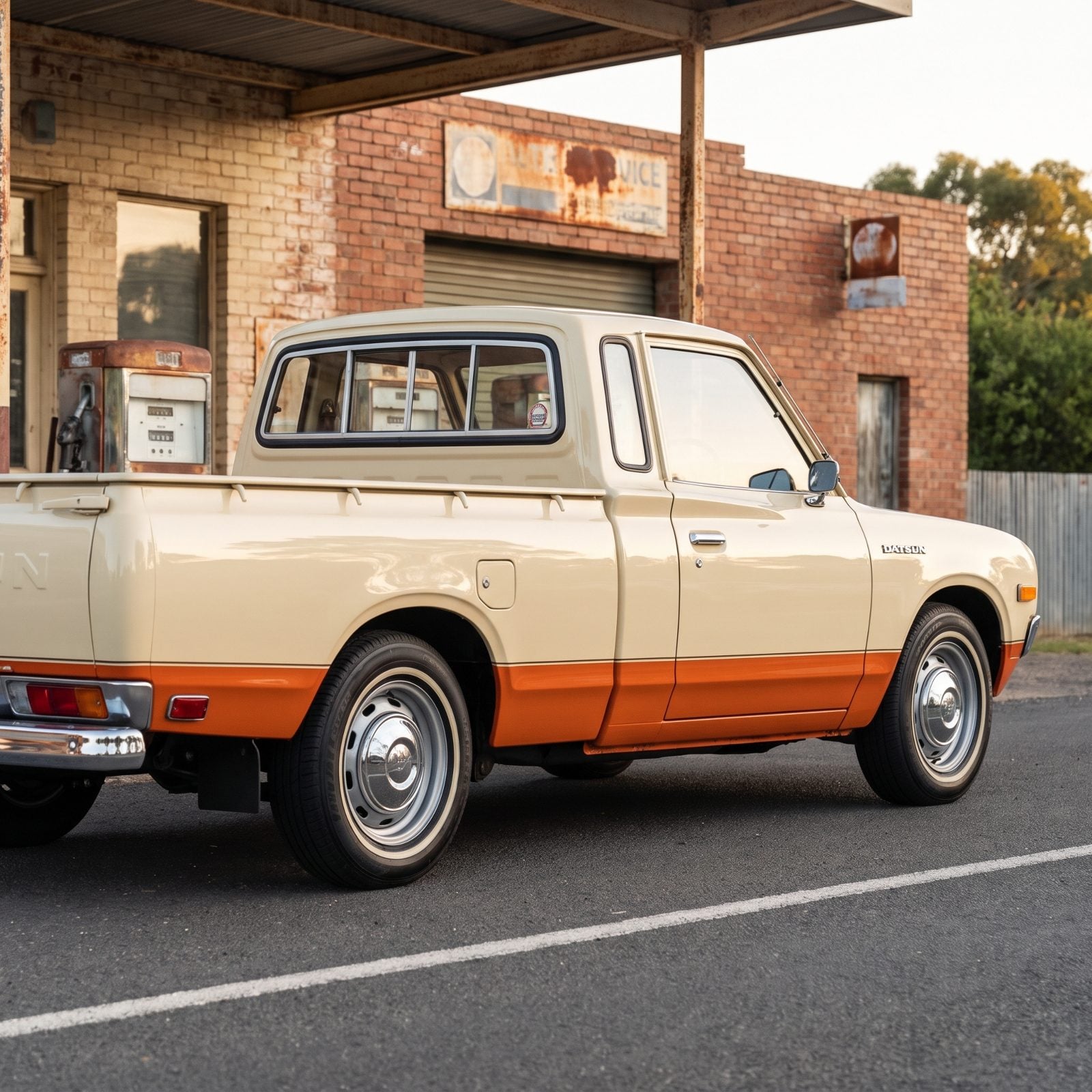
The 620 King Cab did something sneaky. It gave you a stretch of cab behind the seats — just enough for a toolbox or a dog — without turning the little Datsun into a barge. And that coke-bottle bed kick made it one of the best-looking small trucks ever built.
Clean survivors are scarce, because thin metal and salt air were not kind to these. A straight 1979 King Cab with its L20B four and original two-tone paint pulls serious money at auction now, often outrunning a new compact pickup.
1965 Toyota Land Cruiser FJ45 Pickup: The Blue-Chip of the Bunch
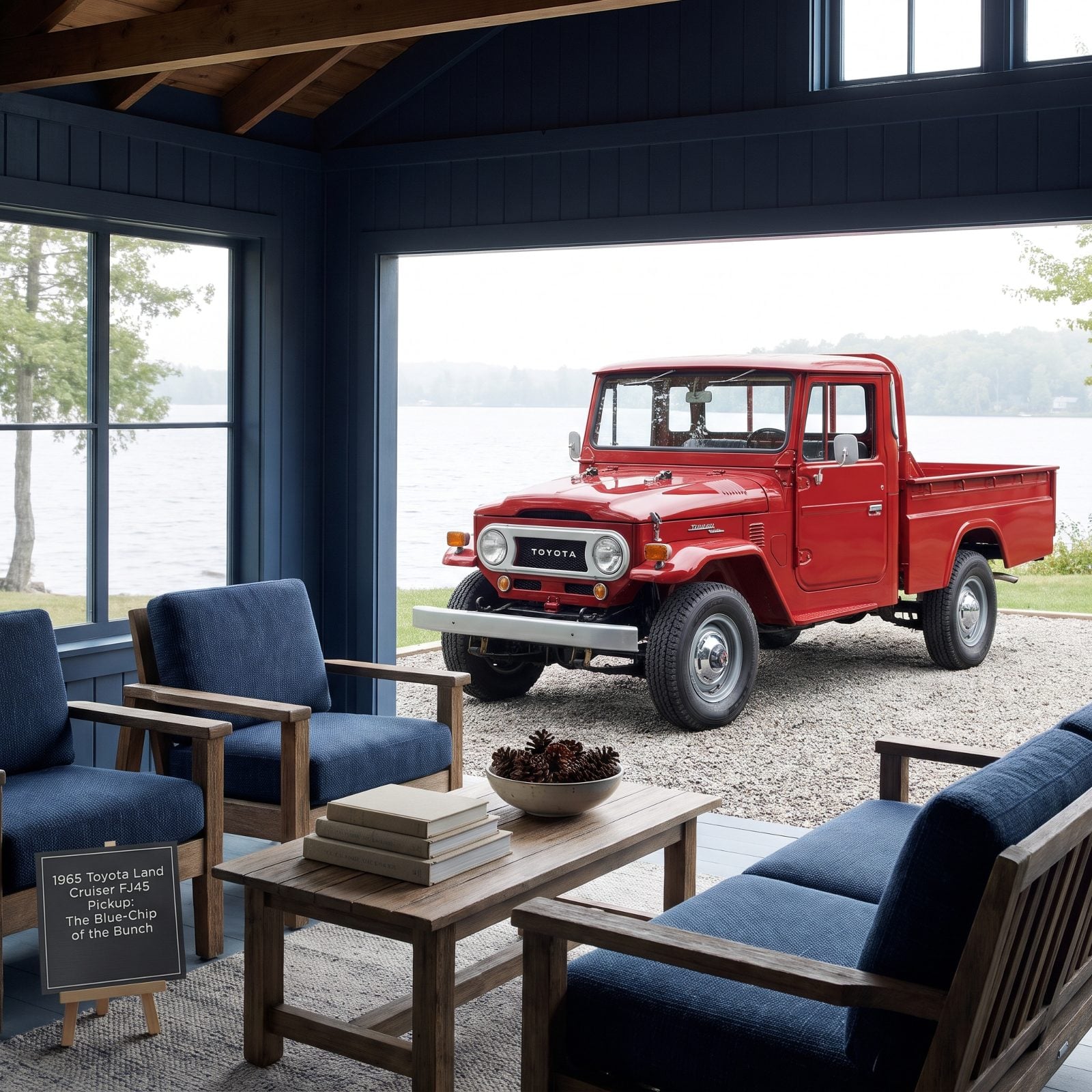
If the rest of this list flirts with new-truck money, the FJ45 pickup laughs at it.
These long-wheelbase Land Cruiser pickups were built in tiny numbers and exported in even tinier ones. Many spent their lives hauling in South America, Africa, and Australia, which means a genuine, rust-free 1965 example is a needle in a very large haystack.
Properly restored FJ45 pickups routinely clear six figures at the big auctions. We’re not talking about beating a new F-150 on price — we’re talking about buying three of them. The F-engine inline-six, the agricultural charm, the sheer scarcity. This one plays in a different financial universe entirely.
1962 Ford F-100 4×4: Unibody Looks, Four-Wheel-Drive Muscle
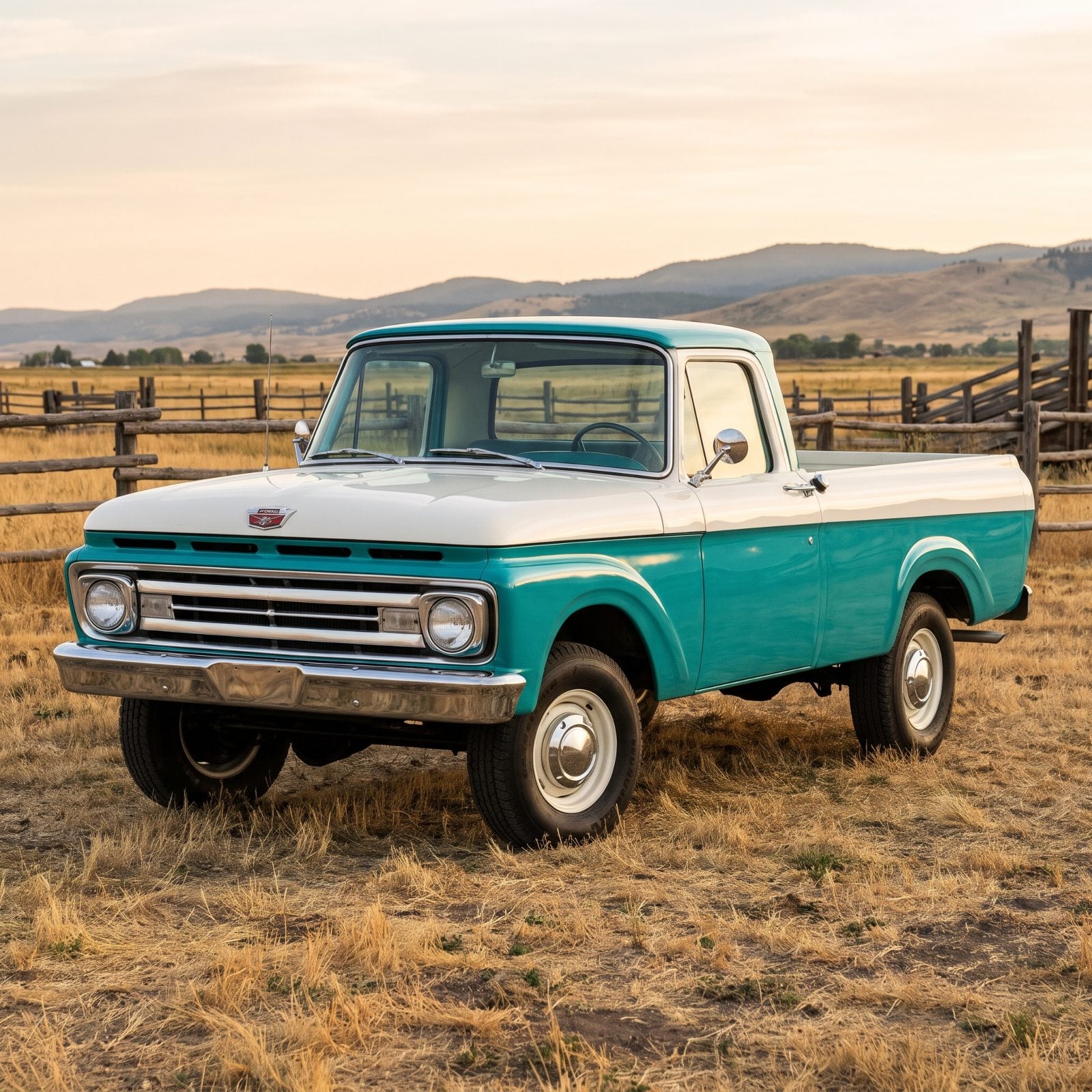
Early-’60s F-100s wore some of the cleanest lines Ford ever drew. Flat sides, single round headlights, that broad grille. Add factory four-wheel-drive and you get something collectors fight over.
The 4×4 trucks are the ones that matter, and for good reason. Far fewer were built, they worked harder, and most got chewed up on jobsites and trails. Finding a 1962 F-100 4×4 with solid sheet metal and its correct running gear takes patience and a deep wallet.
A sharp restoration here can land above what a new half-ton costs, and a documented original climbs higher. The styling alone sells it — people want the look of that era without a single plastic trim piece in sight.
1963 International Harvester C-120 4×4: The Farm Tool Turned Trophy
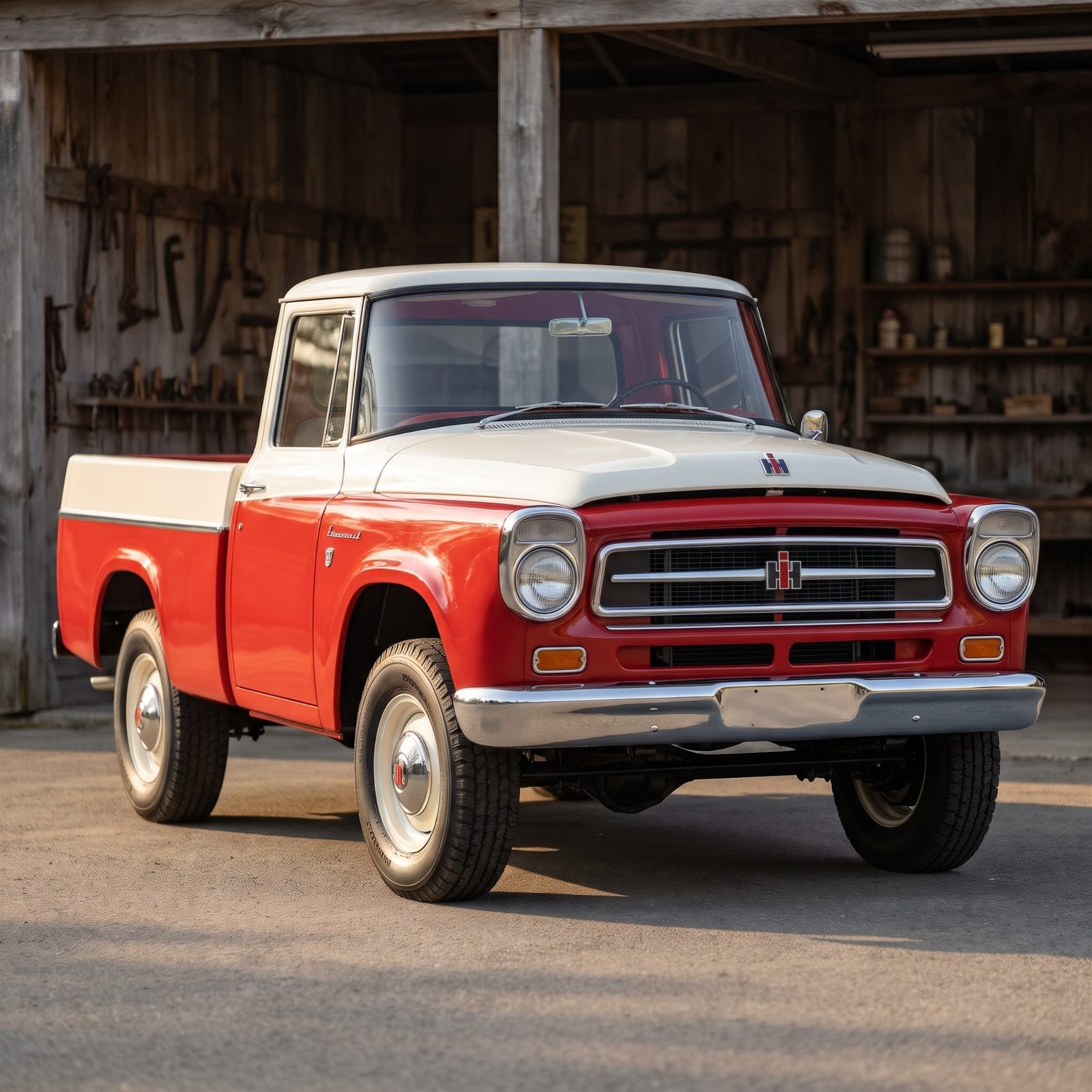
International built trucks for people who actually needed trucks. The C-120 4×4 was a workhorse first and a style statement never, which is exactly why clean ones are so hard to find. They got used up.
That’s turned the survivors into something special. A restored 1963 C-120 4×4 with its correct V8 and four-wheel-drive gear stands out at any show precisely because nobody else has one. The boxy, honest styling reads as the real deal in a way the mass-market trucks never could — and honestly, that square-jawed ugliness is half the charm.
Values have crept up steadily. A well-sorted example now trades in territory that overlaps with new pickups, and the rarity keeps a floor under it. Want a vintage 4×4 that won’t be parked next to five identical ones at the fairgrounds? This is the move.