
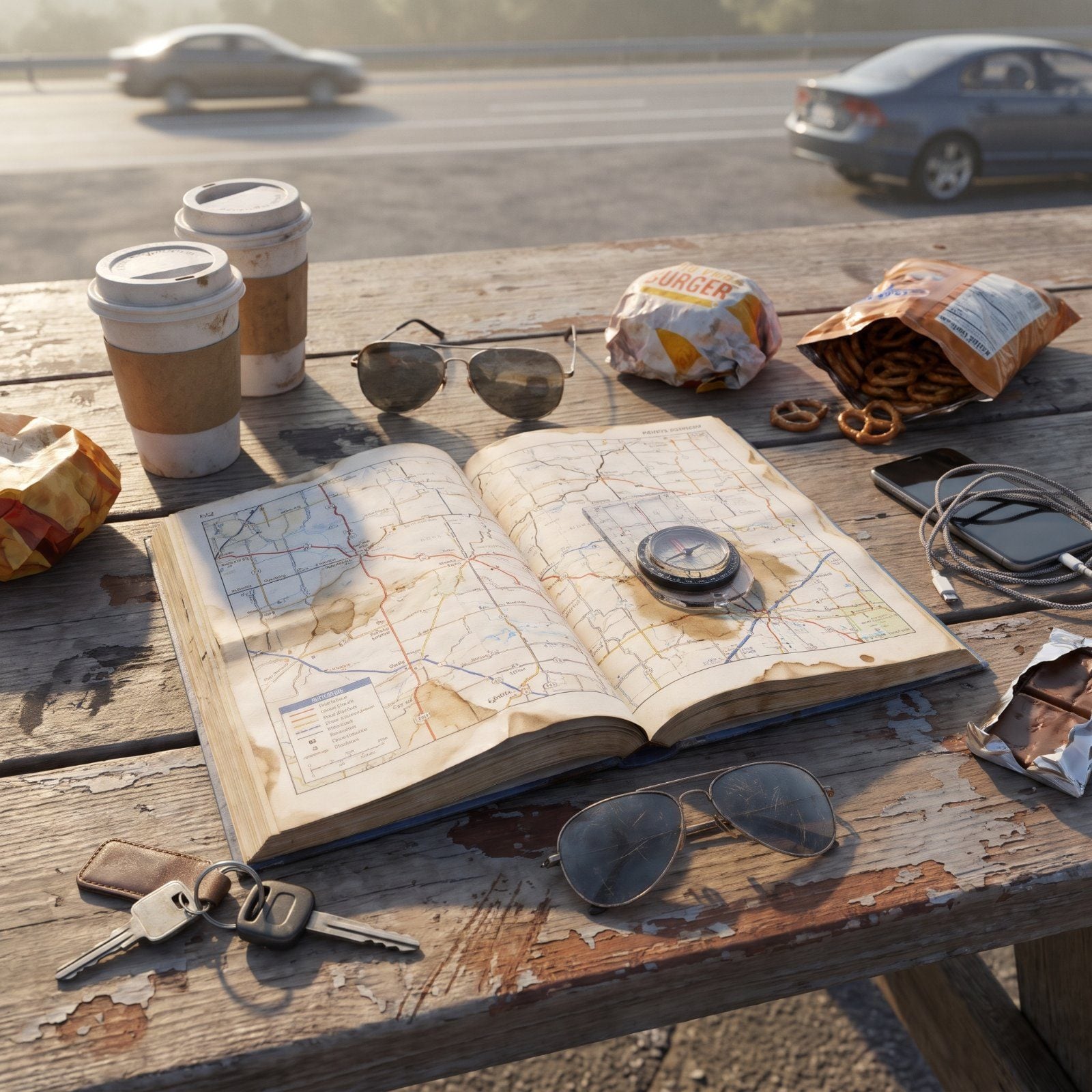
A cross-country drive is a lie detector with cupholders. You think you’re arguing about a wrong turn outside Amarillo, but you’re really arguing about whether your worry gets taken seriously, whether you trust the other person, whether the two of you can bend when the plan breaks. The windshield is the only thing between you and 1,800 miles of the truth about how you handle each other. Counselors charge for this. The interstate gives it away free with gas and a bag of pretzels. Every couple who has ever packed a trunk before dawn and pointed the hood west knows the feeling. Below are the moments that pull the mask off. Not because road trips are bad — but because a confined space, a shared goal, and no escape hatch surface the exact patterns a therapist spends months trying to name.
Please note that some of the images in this article were created with the assistance of AI.
14. One Missed Exit Becomes a Full Blame Deposition

You sail past the exit. The ramp peels off to the right and you’re on the wrong side of a concrete barrier with no way back for miles. Before the GPS finishes recalculating, the autopsy begins. Who was supposed to be watching? Who said the sign came up fast? Who, exactly, dropped the ball?
The missed exit cost you twenty minutes. The argument is about to cost you a long stretch of silence, and that trade makes no sense until you realize you stopped talking about the road a while ago.
Counselors have a name for the shift from problem to blame. One partner needs the other to be at fault, because if it’s nobody’s fault then it’s just life, and life being random is scarier than someone being careless. So we assign a villain. It feels like justice. It’s really just fear looking for a place to land.
13. The Gas Gauge Exposes Everybody’s Appetite for Risk

The low-fuel light blinks on. One of you wants to pull in at the very next station, full stop, no debate. The other sees a quarter-tank’s worth of range on the readout and a cheaper price twenty miles up and says, calmly, we’ll make it.
Nobody is wrong about gas. This was never about gas.
It’s the same conversation couples have about the savings account, the medical thing they’ve been putting off, the roof that probably has another winter in it. One of you runs on buffer. The other runs on optimization. Put them in a car with a needle on E and you get a live demonstration of two nervous systems that calibrate risk completely differently.
The person who always fills up at half a tank married the person who treats E as a suggestion. That’s not an accident. Opposites regulate each other, right up until they don’t.
The fix therapists push isn’t picking a winner. It’s naming the gap out loud so the risk-taker stops reading caution as nagging, and the planner stops reading confidence as recklessness.
12. Passenger-Seat Scrolling Feels Personal After Three States

Deep into the second day. You’re driving, and the person beside you has been scrolling for forty minutes without a word. The road is flat, the podcast ended, and somewhere in the quiet a small resentment starts to grow teeth. They’re right there and they’re gone.
You could say something. You don’t. That’s the tell.
What’s actually happening is a bid for connection getting missed. A counselor named John Gottman spent decades watching couples and found that happy ones turn toward these tiny bids and struggling ones turn away. The driver wants a little company. The passenger is three states deep in someone else’s wedding photos. Neither one is cruel — one is just unaware the moment is even a moment.
The loneliness you feel next to someone absorbed in their phone is the same loneliness you feel across the dinner table when they answer you without looking up. The car just removes every distraction except that one, so you can’t talk yourself out of noticing.
11. Backseat Driving Makes Every Suggestion Sound Like Criticism

You’re inching through brake-lit traffic doing fine. From the passenger seat comes: you could get over now. Not an order. Just a helpful observation. Your knuckles tighten anyway, because you heard something they didn’t say out loud — I don’t trust how you’re handling this.
A completely neutral tip hit you like a verdict. That’s not thin skin. It’s the halo effect running in reverse: once you suspect someone is evaluating you, every single thing they say gets filed under evidence, and the kindest advice arrives pre-stamped as a complaint.
Couples do this everywhere. One loads the dishwasher and the other mentions the glasses go on top, and suddenly it’s not about glasses — it’s about whether you’re seen as competent in your own kitchen. The road raises the stakes because bumper-to-bumper traffic makes everybody’s guard go up.
The way through is boring and it works. The passenger drops the frequency of tips to near zero and trusts the driver to drive. And when a real warning comes, the driver learns to hear the care underneath instead of the control. Easier said. Still the whole game.
10. Nobody Forgets Who Packed Every Snack and Charger
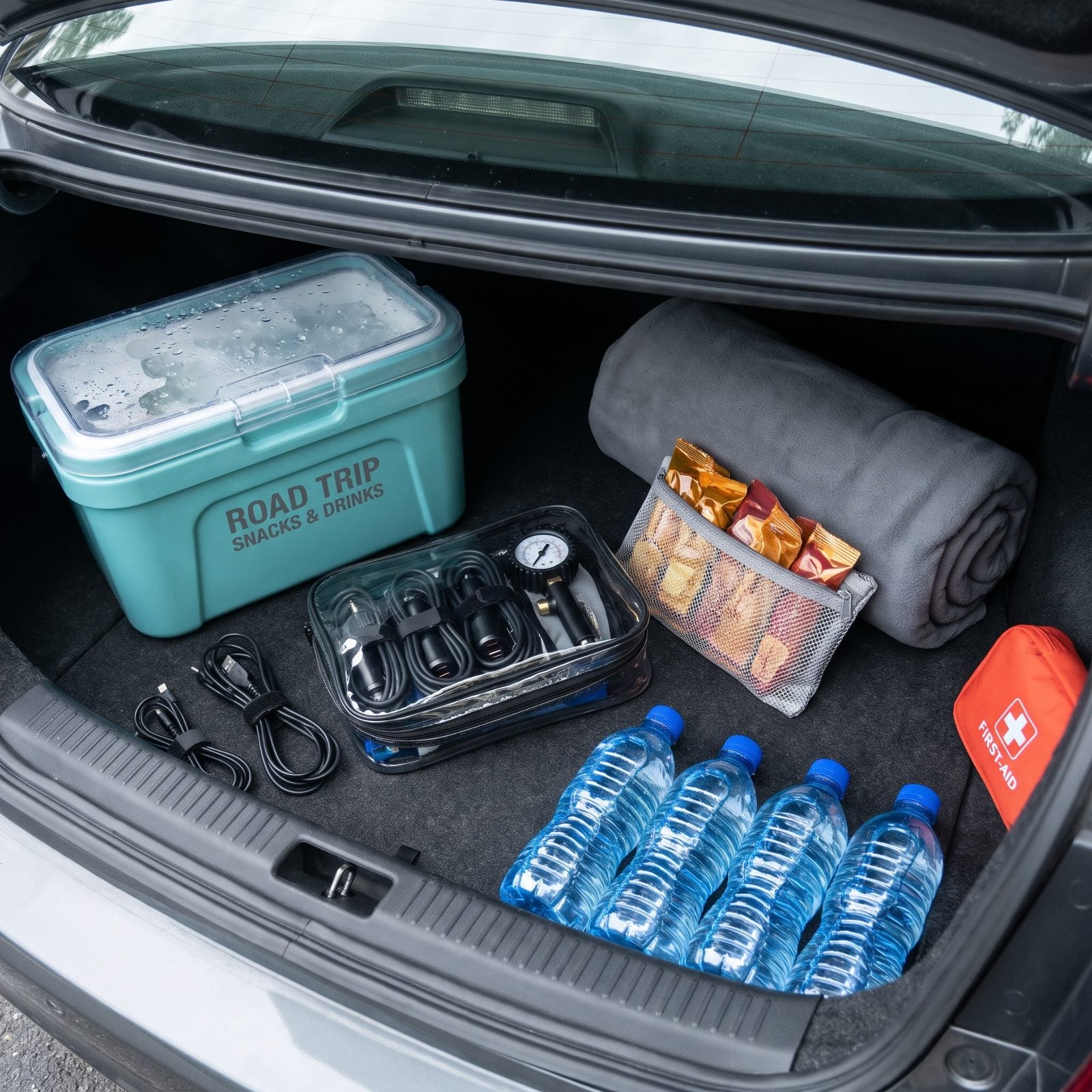
Day two. Somebody reaches back for a charger and it’s there. Reaches for a snack and it’s there, individually bagged, the kind they actually like. Water, cold. Napkins. The thing for the thing. None of it appeared by magic. One of you stood in a kitchen before sunrise making it all happen, and now that person is watching it get used without a single word of notice.
That’s the ache of invisible labor — the work that only becomes visible when it’s missing. Pack the car perfectly and you get silence. Forget the phone cables once and you get a lecture from here to the state line.
Marriage counselors see this as the quiet engine of a thousand resentments. It isn’t about the chargers. It’s about being the person who carries the load and feeling like a ghost while you do it. Recognition is cheap and it’s the whole paycheck.
9. A Bathroom Stop Tests Whether Small Needs Count
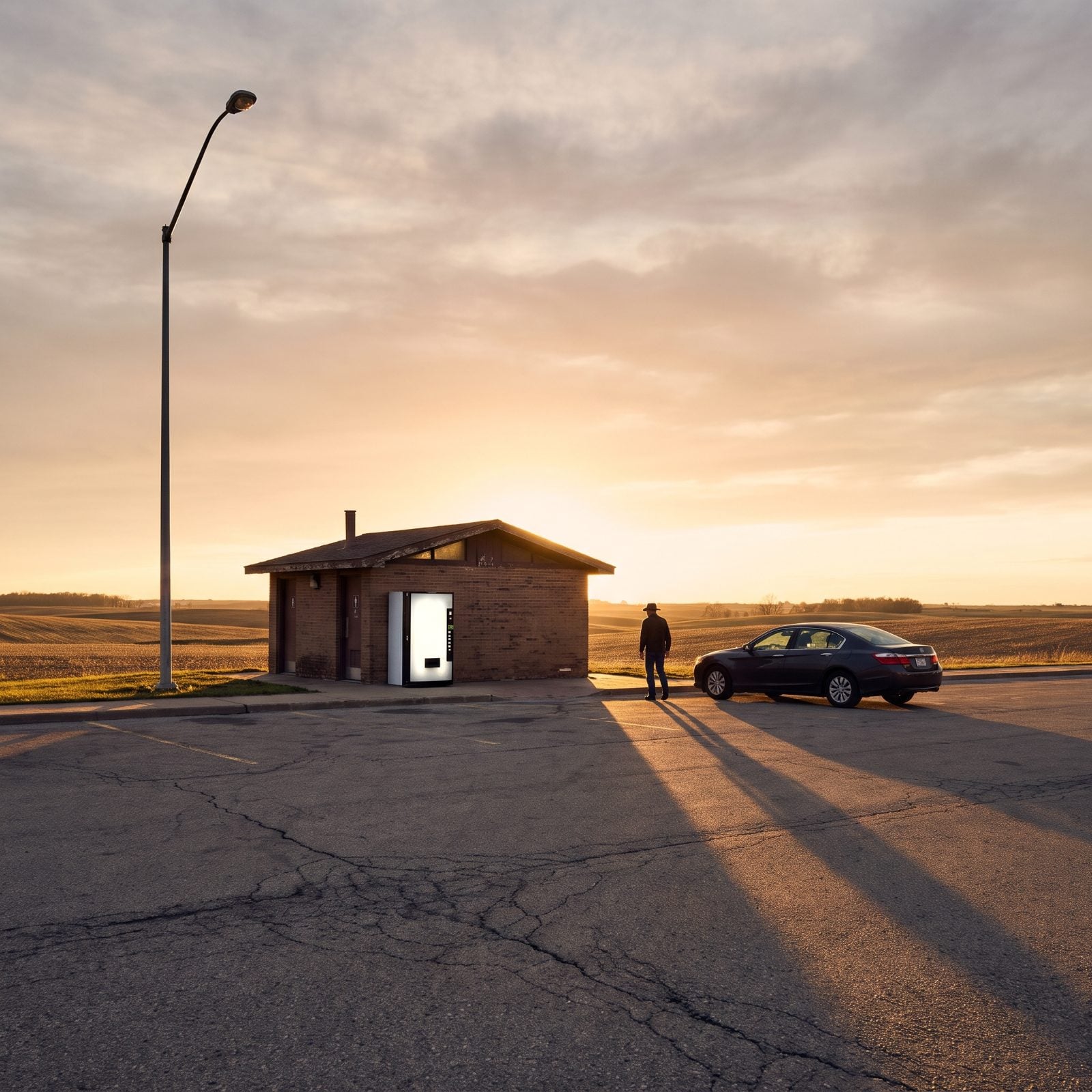
One of you needs to stop. The other, deep in the zone and doing good time, says we just stopped, or can you hold it, or worst of all, nothing, and keeps driving. Small request. Small denial. And something small turns cold in the passenger seat.
This is the whole relationship in miniature. Does my need, even a minor one, register as real to you? Or do I have to justify it, downgrade it, earn the right to ask?
Psychologists call the healthy version responsiveness — the sense that your person notices what you need and treats it as worth acting on. It’s one of the strongest predictors of whether couples feel close. And it almost never gets tested by the big stuff. It gets tested by whether you’ll take the next exit because somebody said they’d like to.
The driver thinks they’re protecting the schedule. The passenger learns, quietly, that their comfort ranks below a good average speed. File that away enough times over the years and you’ve got a marriage where nobody asks for anything anymore. Take the exit.
8. The Thermostat Becomes a Referendum on Fairness

You nudge it two degrees cooler. Twenty minutes later it’s two degrees warmer. Neither of you says anything. The vent war is conducted entirely by hand, in silence, like two countries moving troops to a border nobody will admit exists.
Two degrees. That’s the entire conflict. And it’s enormous.
What’s really at stake is fairness — the feeling that in this shared space, your comfort counts as much as theirs, not less. When one person always runs cold and the other always runs hot, somebody is going to spend the drive uncomfortable, and the question underneath every quiet dial-twist is simple: whose turn is it to suffer?
Counselors see the same math in the thermostat at home, the TV volume, the window cracked at night. Proxy wars, little stand-ins for the big unspoken ledger of who sacrifices and who gets accommodated.
7. Hotel Choices Reveal What Comfort Is Worth to You

End of a long day. One of you is scrolling for the cheapest clean bed within reason. The other is quietly pulling up a place with a real mattress and a decent shower, thirty dollars more, and bracing to defend it. The negotiation that follows is never really about the room.
It’s about what you believe you deserve, and whether spending on comfort counts as smart or as guilty.
Money fights in marriage are rarely about the dollars. They’re about the stories we carry. One of you learned that frugality is virtue and comfort is a luxury you have to justify. The other learned that you only get one body and one night’s sleep, so pay for the good one. Both are reasonable. Both run deep. And a motel parking lot late at night, exhausted, is where they collide.
The couples who settle it well don’t win. They trade. Cheap tonight, nice tomorrow. The point was never the room. It was feeling like your version of comfort gets a vote.
6. Roadside Detours Show Who Can Bend the Plan
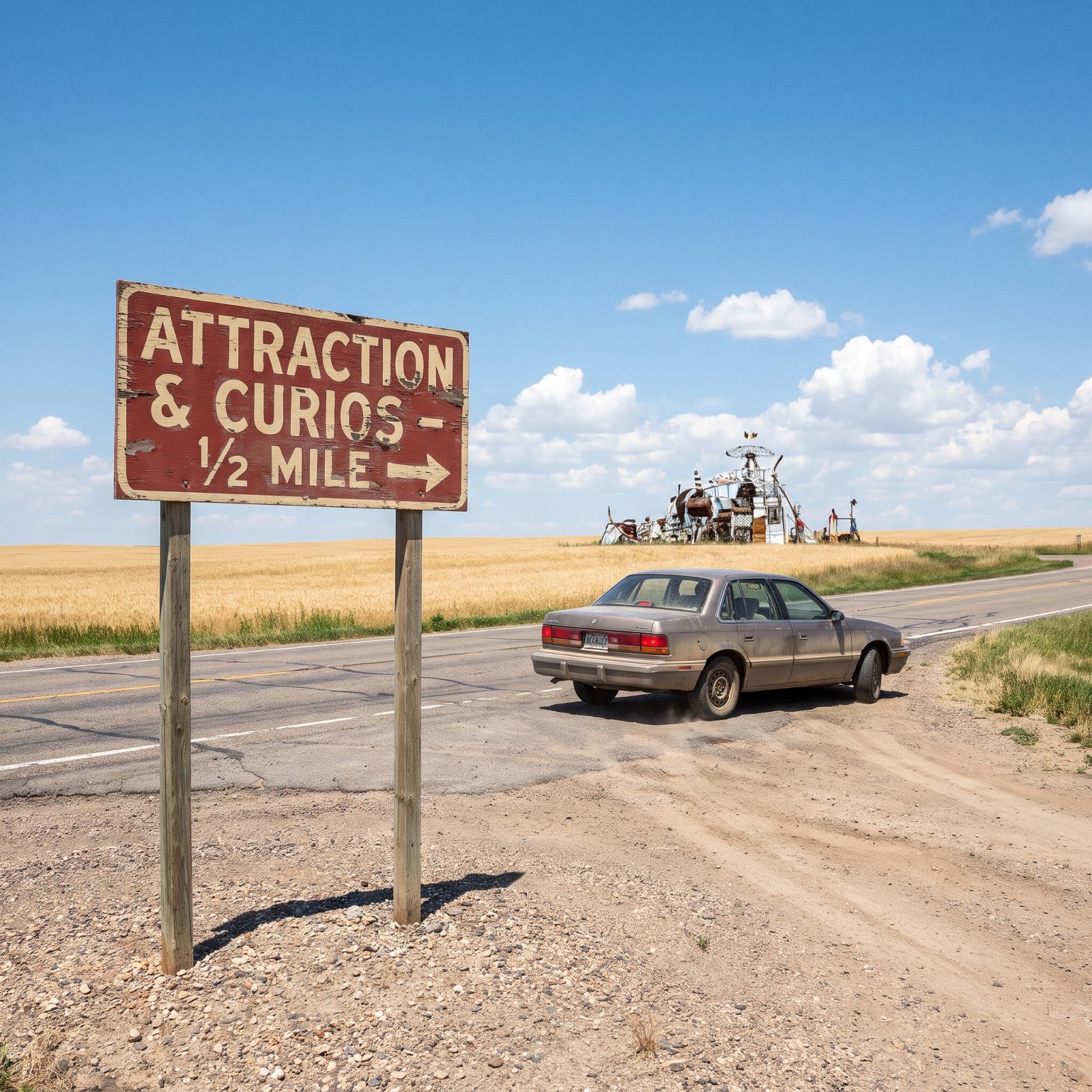
A sign flashes by. World’s largest something, two miles ahead. One of you lights up. The other glances at the clock, the planned arrival time, the dinner reservation, and feels the whole carefully built schedule wobble. Two miles. The real question is whether the plan is a tool or a cage.
This is flexibility versus structure, and every couple has one of each. The planner isn’t rigid for fun — structure is how they feel safe. The spontaneous one isn’t careless; possibility is how they feel alive. Neither style is the mature one, no matter what either person privately believes.
Therapists watch this fault line crack open over vacations, holidays, parenting, every situation where a plan meets a surprise. The detour is just the compressed version, decided in the eight seconds before the turnoff.
The best road trips, and the best marriages, are run by the planner who learns to leave slack in the schedule on purpose, so the spontaneous one has somewhere to put the magic.
Take the exit for the giant ball of twine once in a while. The reservation will survive. The memory of saying no to everything won’t be the one you keep.
5. Meeting Relatives En Route Reopens Old Alliance Lines

You pull into the driveway of somebody’s cousin, or aunt, or old family friend — a planned overnight on the long way across. Within an hour, something shifts. One of you relaxes into old rhythms, old jokes, old roles. The other feels, suddenly, like a guest in their own partnership.
Family of origin pulls hard. The second you’re back in the orbit of the people who knew you before you were a couple, old alliances reactivate. You take sides without meaning to. You defend your people, go quiet when yours gets a dig in, and go hot when theirs does.
This is the oldest conflict in couples work: the loyalty bind. Being on your partner’s team while still belonging to the family that raised you. A road trip forces it in real time, no time to prep, and then you’re driving away afterward, trapped together with whatever just got stirred up.
The drive away from family is the most honest hour of any trip. Use it well.
4. Dashboard Warnings Reveal Who Prefers Problems Unmentioned

The little amber light flicks on somewhere around mile two hundred — low tire pressure, or that check-engine glow nobody wants to decode. One kind of driver pulls into the next station and actually reads the manual in the parking lot. The other reaches up, angles a sticky note over the light, and decides the car feels fine. Which it does. Right up until it doesn’t.
You already know the marriage version of this. One partner names the small cold thing the second they feel it, while the other would rather let it hum under the floorboards than open a conversation that might run long and go somewhere ugly. Neither one is lazy. They’re just running different threat math.
Psychologists call the second type avoidance coping. The warning isn’t the stressor — the conversation about the warning is. So the brain files it under “deal with later” and pockets a little hit of relief for kicking the can down the road. Trouble is, cans grind louder the longer they roll, same as a dry bearing.
3. Two Hours Hungry Can Rewrite Your Partner’s Entire Personality

Mile forty, everyone’s a delight. Mile one-ninety, no breakfast, and someone snaps about the lane choice until it’s somehow a referendum on your entire driving history. You know this person. You married this person. On a different day, with an empty stomach, you are this person.
Low blood sugar isn’t a character flaw, but it does a convincing impression of one. The brain runs on glucose, and when the tank drops toward empty, the parts that handle patience and perspective are the first to brown out. What’s left is raw reactivity hunting for a target.
The argument at hour three usually isn’t the argument. It’s the hunger wearing the argument’s clothes.
Counselors call it flooding — the point where someone’s too physiologically cranked to actually hear you. The road trip just bolts a literal fuel gauge onto the whole thing. Good drivers learn to call it out loud: pull over, eat something, pick the debate back up with a sandwich in hand. Good couples learn the identical move. Half your worst fights dissolve under a snack and a twenty-minute cooldown, and yeah, that’s a little insulting once you catch yourself noticing it.
2. Happy Highway Photos Can Hide a Miserable Car

The photo looks incredible — ocean on the right, a paper map spread across the back seat, a phone held up to the sunroof just so. You’d post it without a second thought. What the frame crops out is that nobody in the car has said a real word in forty miles, and the silence in there has a texture you could chew.
Everybody runs the highlight reel. A road trip just makes it brutally efficient. Point the camera out the window at the pretty part, crop out the stiff shoulders and the clipped one-word answers.
Social scientists have a blunt name for the ache this breeds: the comparison gap. We measure our own messy insides against everybody else’s filtered outsides, and we lose every single time. Worse, we run the same scam on our own relationships — performing the trip we’re supposed to be having, then feeling lousy about the one we’re actually sitting in.
A good trip doesn’t need to photograph well at every mile. It needs to survive the quiet forty miles and still want to pull over for pie afterward. The highway shot is marketing. The car is the truth.
1. Leaving Late Revives Every Argument About Respecting Time
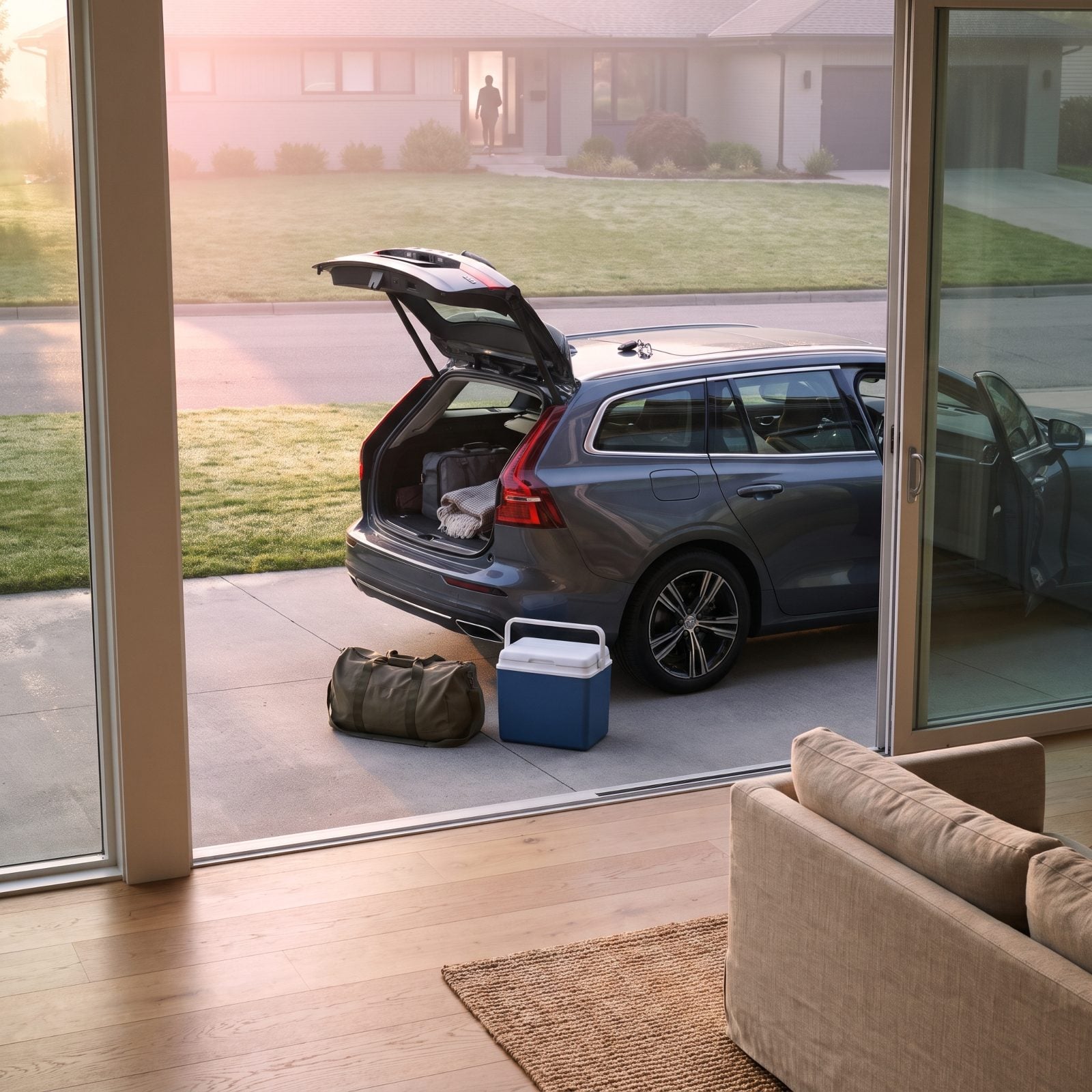
The plan said six a.m. sharp. It’s now half past six, the cooler’s still parked on the garage floor, and the trunk stands open and half-loaded while a lone figure waits in a doorway across the street. Nobody’s said the word “late” yet. Everybody is thinking it hard enough to crack the driveway.
Departure time is rarely about the clock. It’s about whose time counts. One person treats the agreed hour as a promise made out loud. The other treats it as a loose suggestion, a vague target to drift toward sometime before lunch. Put those two in a driveway at dawn and the whole marital history comes right out of the glovebox.
What’s actually firing here is the gap between what people agreed to and what they actually prioritize. Being made to wait registers, down at the gut level, as being told your time matters less than theirs. That’s why a half-hour delay can detonate a reaction wildly out of scale with half an hour.
So the late departure was never a logistics problem. It’s a respect conversation that found itself a convenient place to happen.