
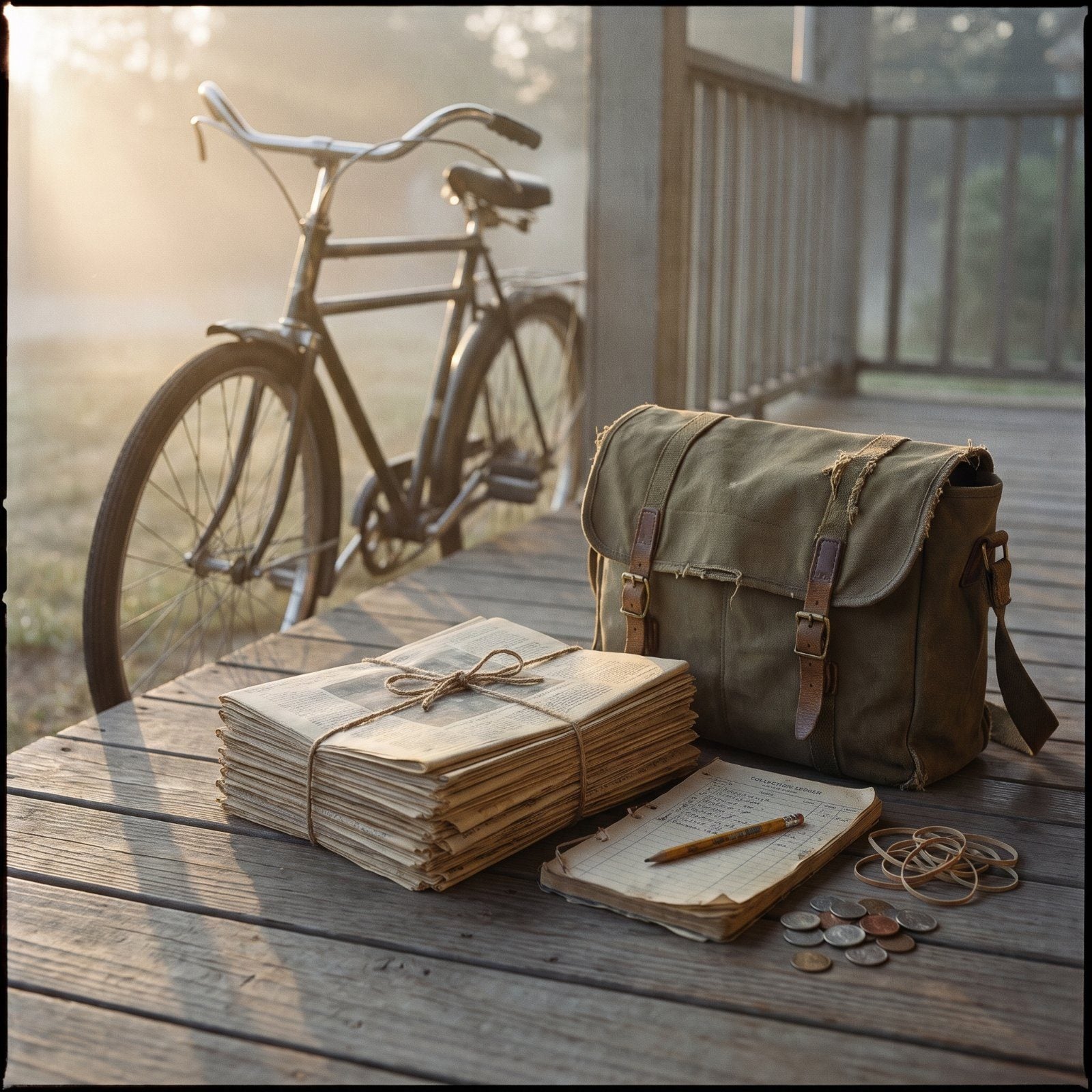
The alarm went off at 5 a.m. and a kid in grade school rolled out into the dark to run a business. No adult watching, no phone in a pocket, just a canvas bag, a steel bike, and a stack of papers that had to land on porches before the grown-ups woke up for coffee. We ran those routes in rain, snow, and the gray hour before sunrise, and nobody blinked. Look back now with a parent’s eyes and the whole thing reads like a liability nightmare. Here’s what that job actually asked of a ten-year-old, risk by risk.
Please note that some of the images in this article were created with the assistance of AI.
37. Children as Young as 10 Ran Their Own Routes
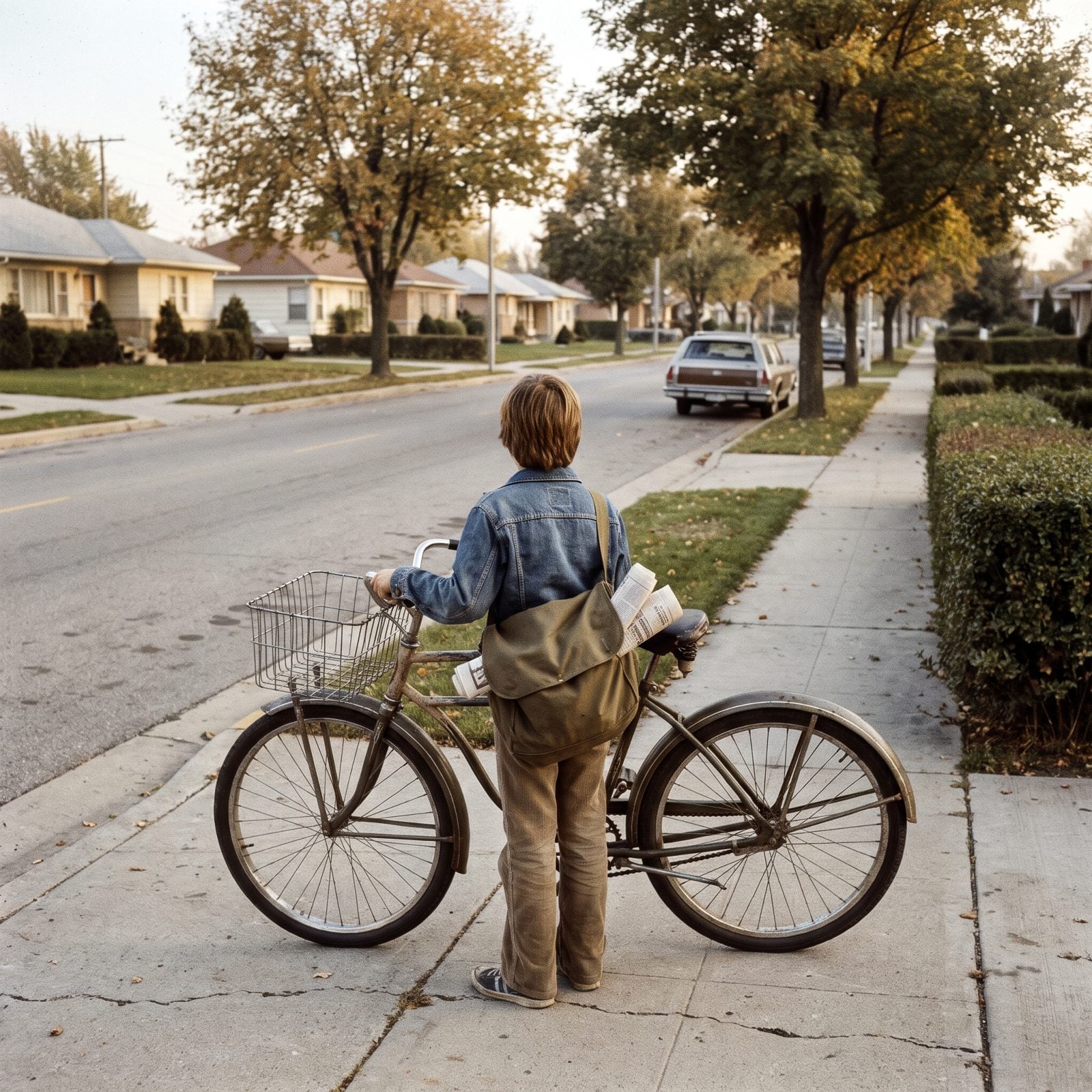
A ten-year-old with a paper route wasn’t really delivering papers. He was running a small, unsupervised enterprise — you collected the money, you handled the complaints, and you ate the loss when a customer stiffed you.
The newspaper didn’t hire the kid as an employee. You were an independent contractor before you understood what that meant, which meant nobody at the office was responsible for your safety, your hours, or where you ended up at 6 a.m.
36. Morning Deliveries Began Before Sunrise
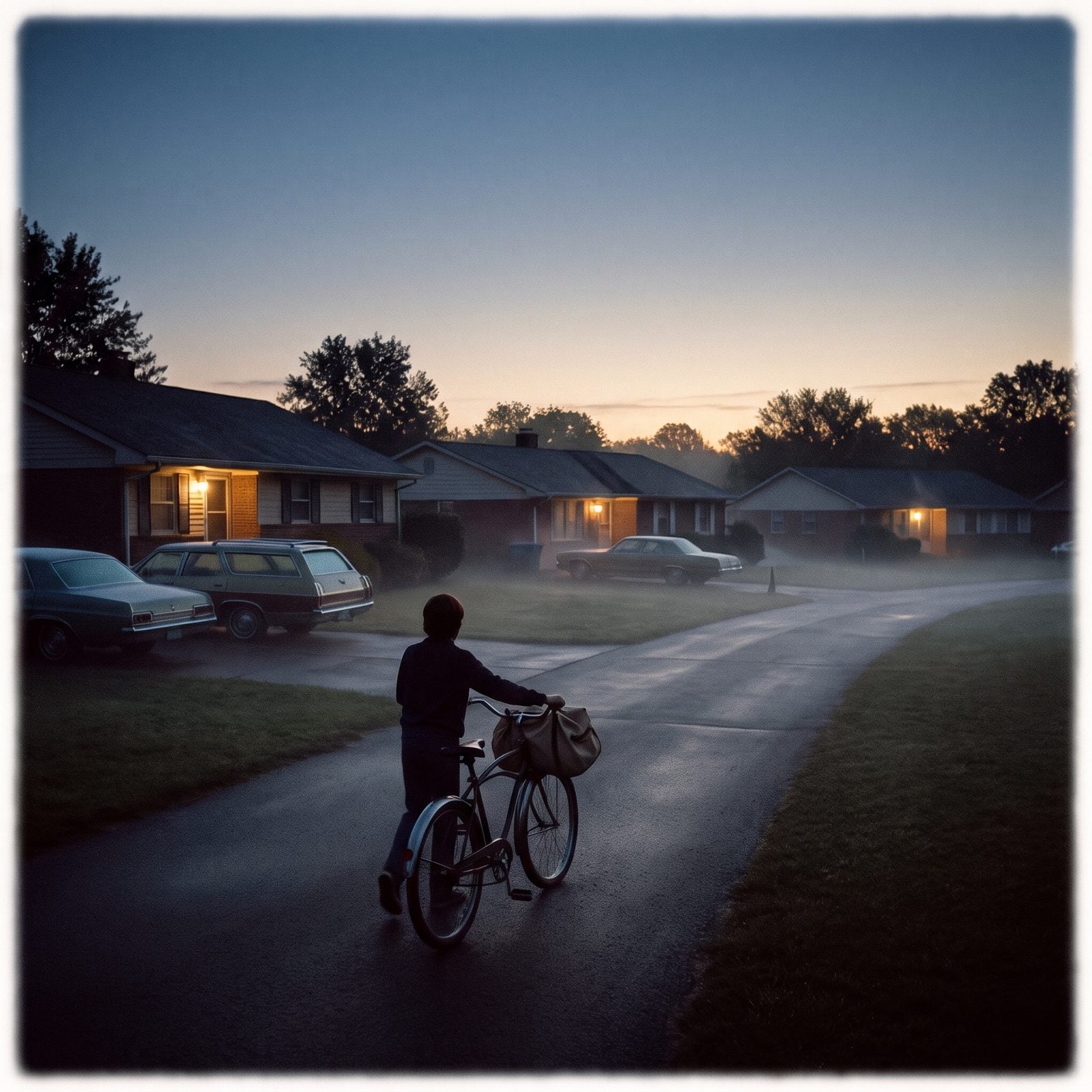
Morning routes meant dragging yourself up at 4:30 or 5 a.m., before a single neighbor stirred. The streets belonged to you, the newspaper truck that dropped the bundle, and whatever else was moving out there in the dark.
A sleepy kid navigating empty blocks in low light is not operating at full capacity. You missed curbs. You misjudged ditches. And the one adult who might have noticed trouble was asleep inside a house with the shades drawn.
35. Evening Routes Continued After Winter Darkness Fell
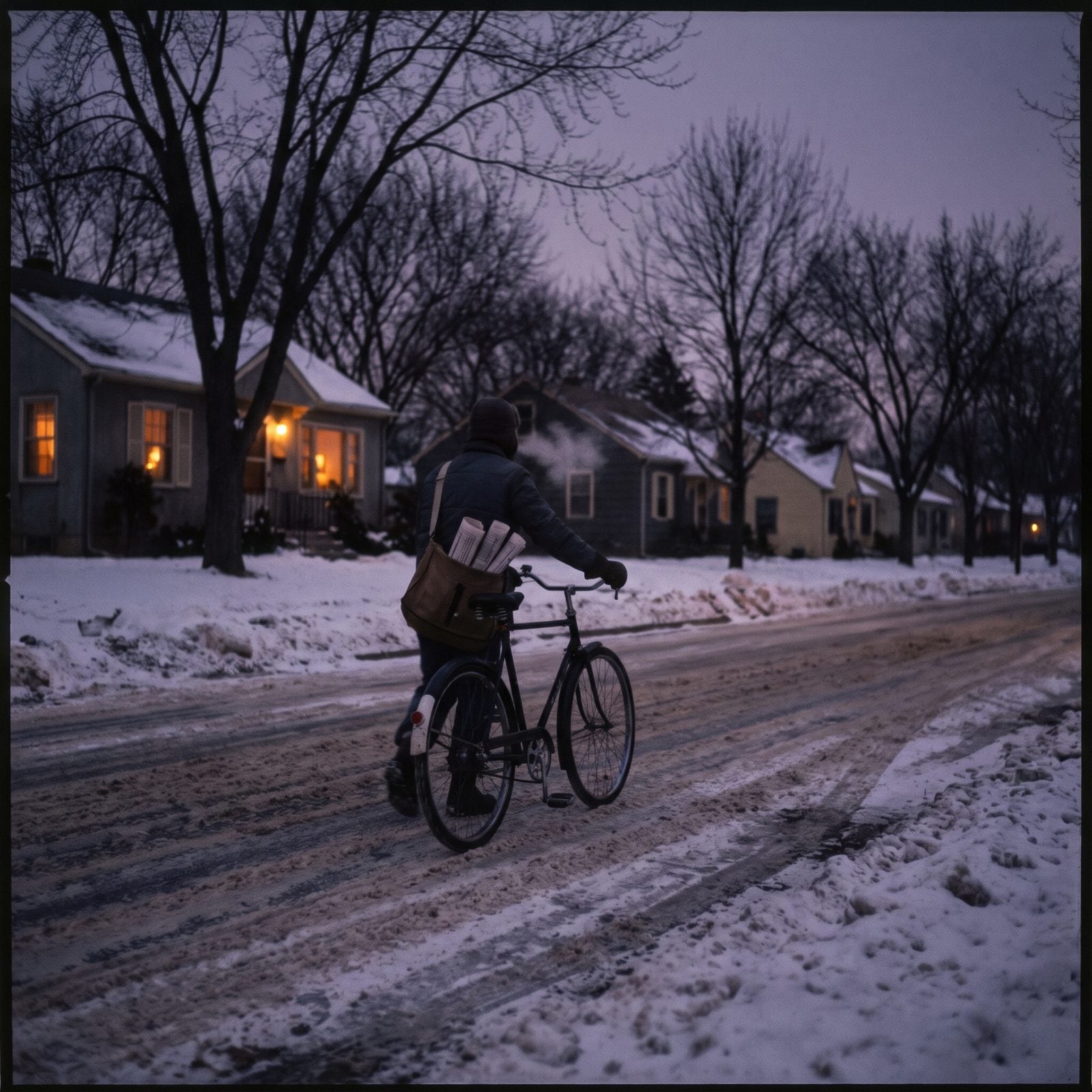
By December the evening route happened in the dark, full stop. School let out, you grabbed the bag, and the sun was gone before you reached the last house.
Winter stacks the odds against you. Ice hides under the snow, drivers squint through foggy windshields, and a small figure in a dark coat moves along the shoulder of a road where nobody expects a child after nightfall. The job never paused for the solstice.
34. Most Paperboys Completed Their Routes Alone
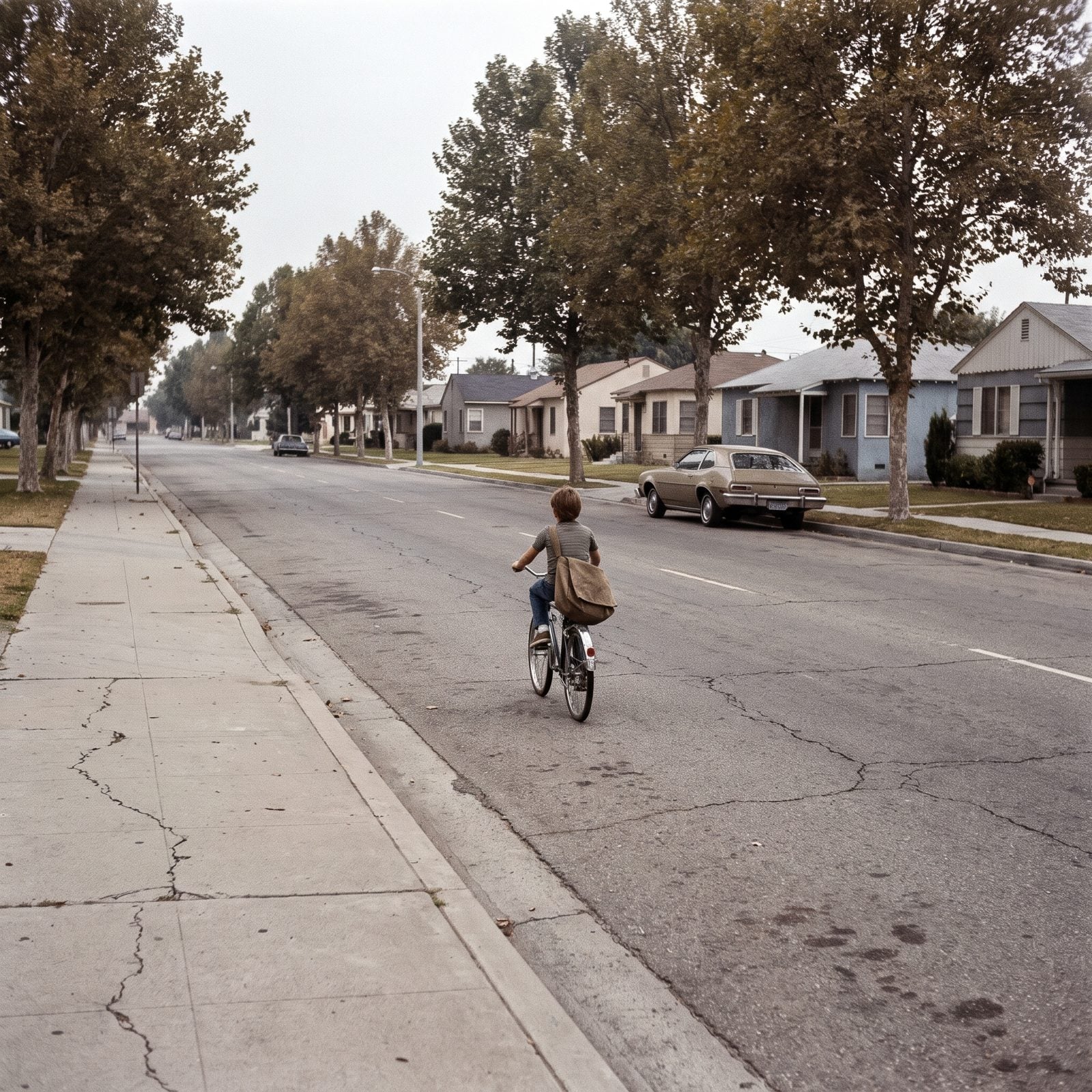
No buddy system. No supervising manager riding along. You did the whole loop solo, house after house, sometimes for a couple of hours.
Going it alone meant that if something went wrong — a fall, a mean dog, a stranger at the curb — there was nobody to run for help and nobody who’d notice you were missing until much later. The independence felt great at eleven. It looks a lot different from the parent’s chair.
33. Parents Could Not Track Their Child’s Location
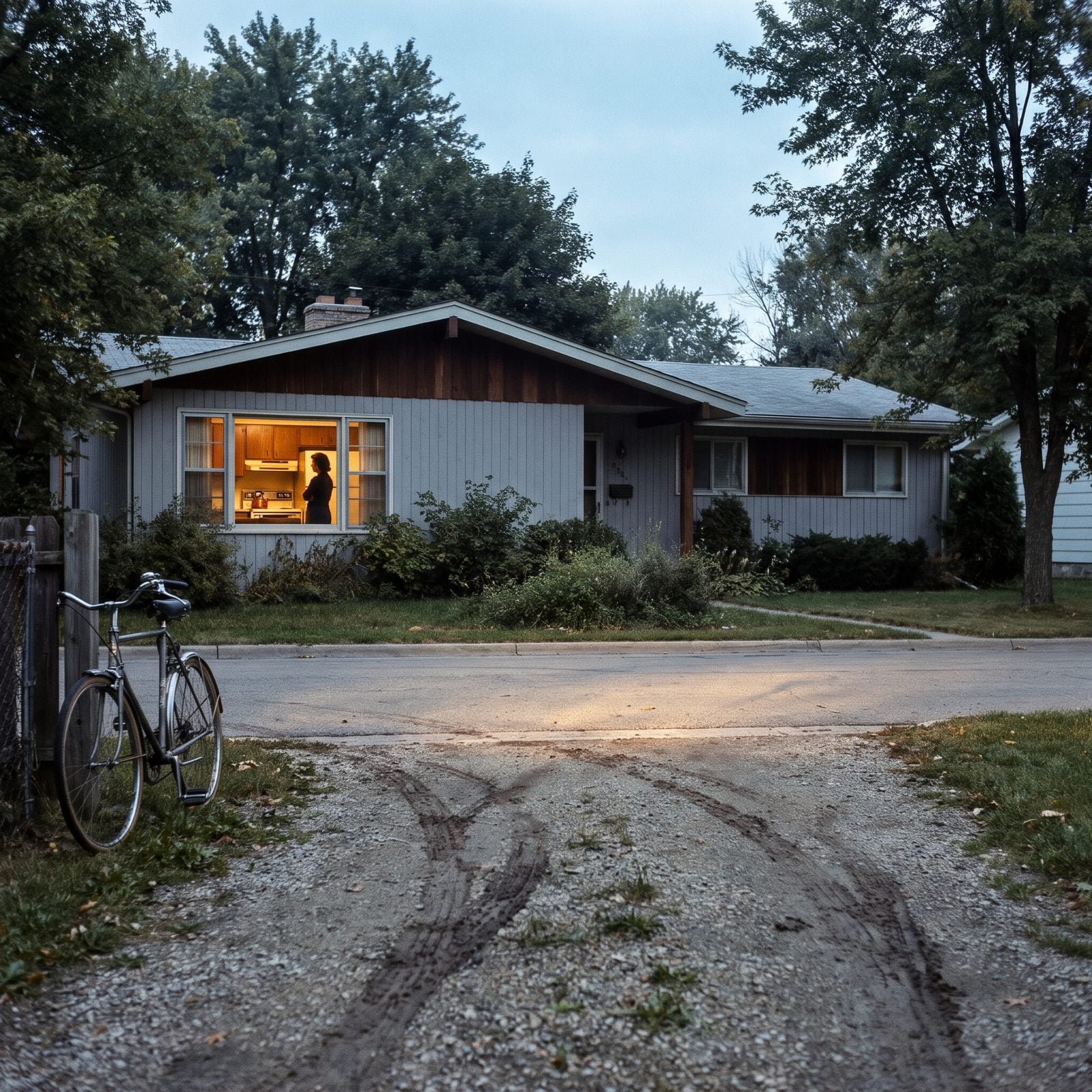
Nobody knew where you were in real time. Not within a block, not within a mile. Your mom knew you left at five and figured you’d be back by seven.
That gap is the part that unnerves people now. A parent today watches a glowing dot cross a map, but back then the only tracking system was the back door swinging open and a kid walking in cold and hungry. If the kid didn’t show up, you went looking — on foot, in the dark.
32. Bicycle Helmets Were Rarely Worn
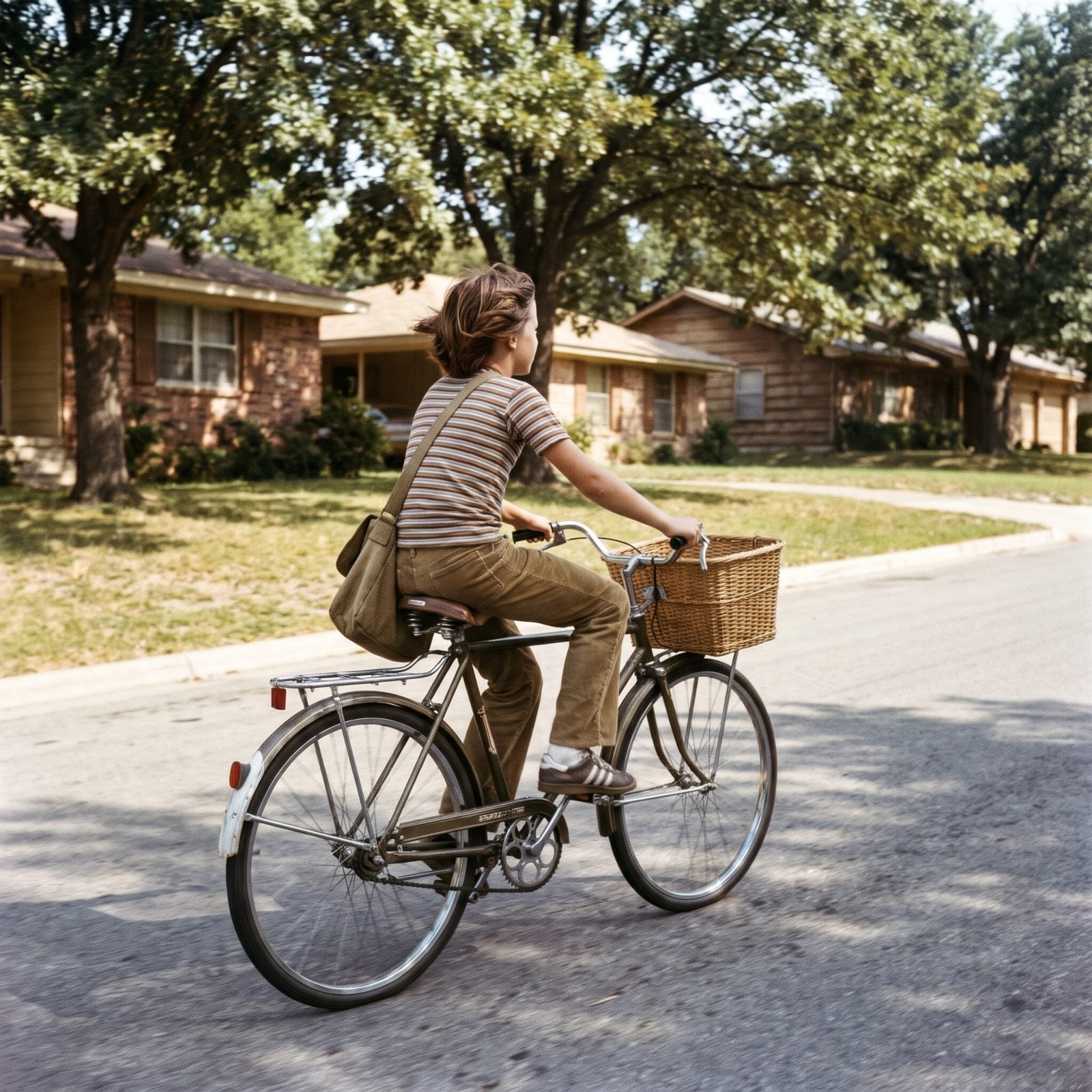
Nobody wore a helmet. They barely existed in any usable form, and no kid would have been caught dead in one anyway.
You rode a heavy steel bike loaded with papers — often one-handed while flinging the next delivery, down hills and off curbs, with nothing between your skull and the pavement. The modern bike helmet didn’t catch on until the 1980s and later. A 1970s paper route was all speed, gravity, and bare heads.
31. Many Delivery Bikes Had No Working Lights
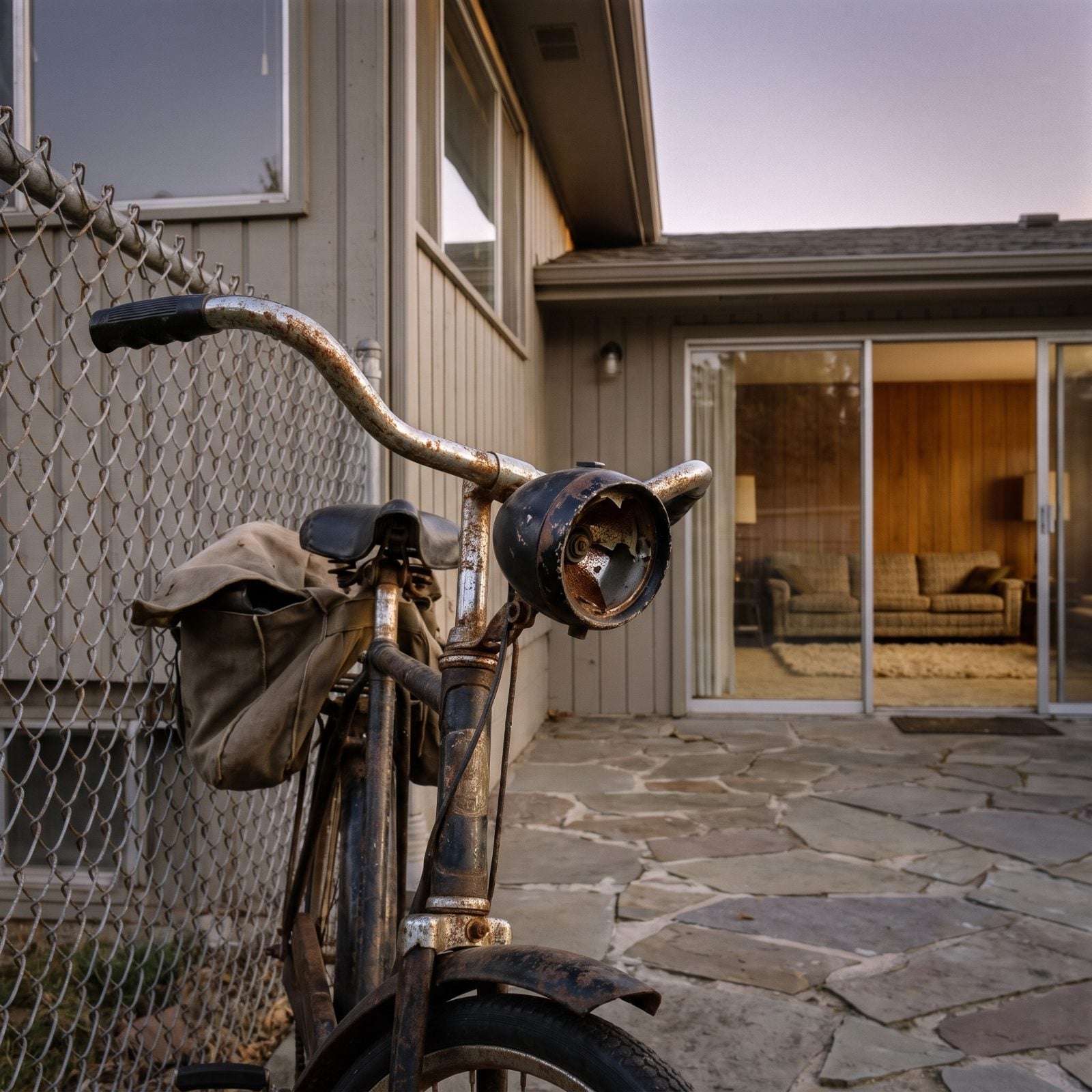
If your bike had a light at all, it was a friction generator that dragged on the tire and quit the second you slowed down. Most bikes didn’t have one, or it had rusted out seasons ago.
So you rode invisible. Predawn, winter evening, didn’t matter — a kid on an unlit bike was essentially a shadow to anyone behind the wheel. And nobody at home was checking whether the lamp worked before you left.
30. Reflective Clothing Was Not Standard Gear
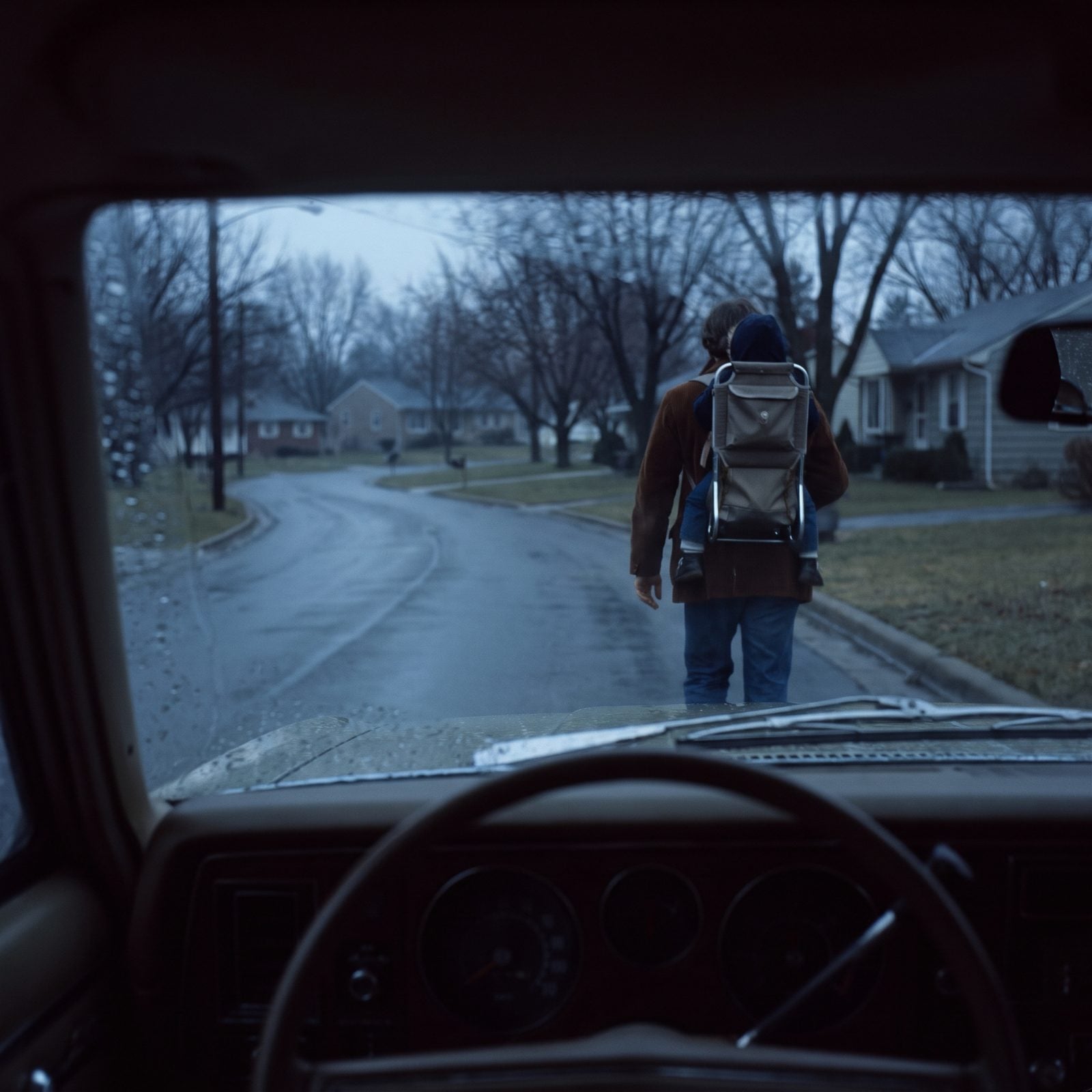
You wore whatever kept you warm. A brown coat, dark jeans, a navy hood — none of it bounced back a single beam of light.
The high-visibility vest wasn’t a thing a parent owned or wanted. So on a foggy residential street before dawn, a driver could barely pick out a kid on a bike, melting into the gloom until the last second. The gear that would let a parent breathe easier today simply wasn’t part of the picture.
29. Young Riders Shared Roads With Commuter Traffic
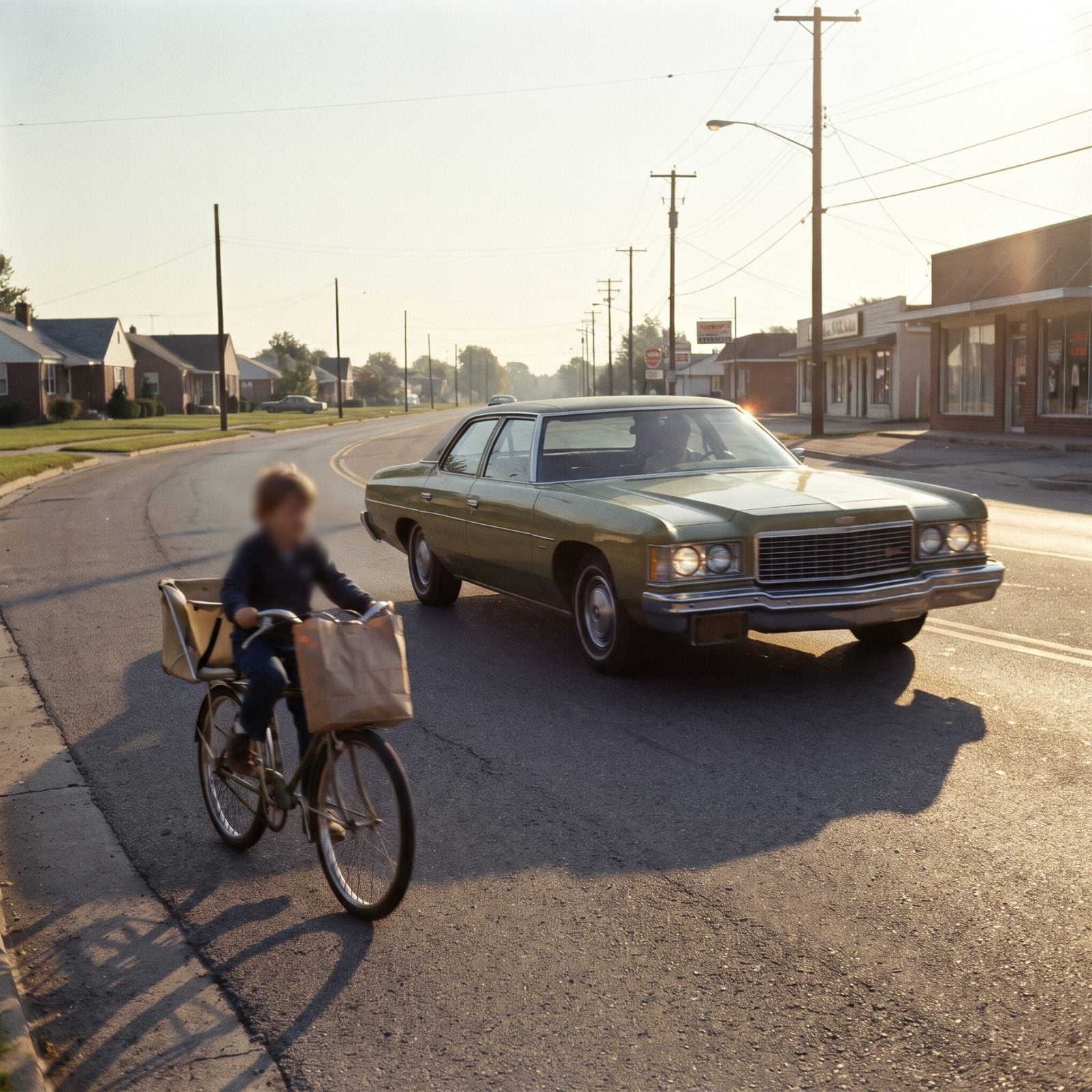
The evening route hit right as adults drove home from work, and the morning route sometimes overlapped the first commuters. You shared the pavement with cars driven by tired people who had no reason to expect a child on a bike.
No bike lane. No crossing guard. Just a kid holding a line along the shoulder, dodging parked cars, cutting across to hit both sides of the street, trusting that every driver saw a small figure they weren’t looking for. We did it every single day and mostly made it home fine. That last word is doing a lot of work.
28. Routes That Required Crossing Busy Intersections
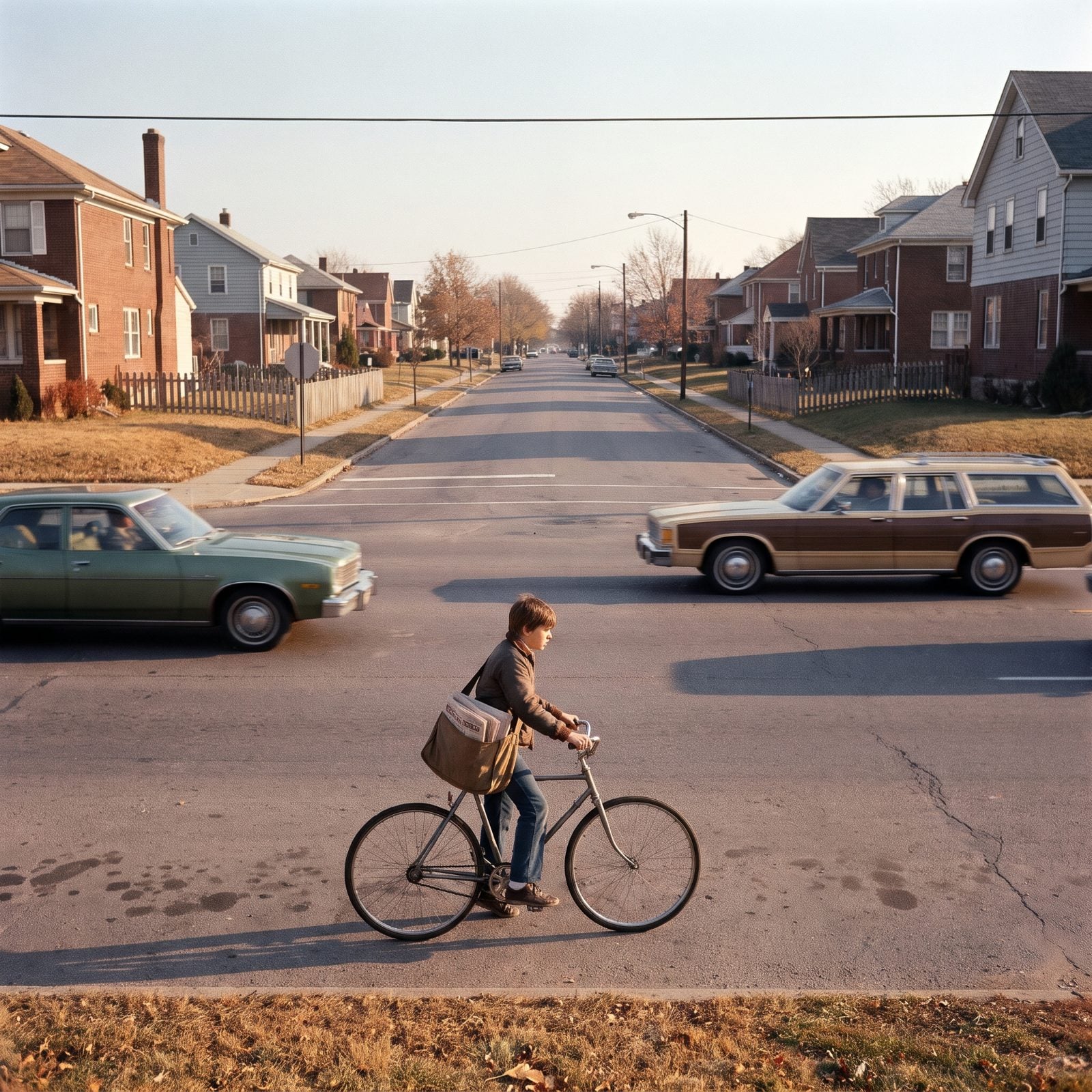
Every route had one. The corner where two through-streets met and nobody slowed down. A carrier on a loaded bike sat low, moved slow, and showed up as a shape most drivers simply weren’t scanning for.
No crossing guard shows up at six in the morning, and nobody’s wearing a reflective vest. But the paper had to get across, so the kid got across, judging gaps between a wagon and a delivery truck with nothing but their own nerve.
27. Railroad Crossings Were Just Another Line on the Map
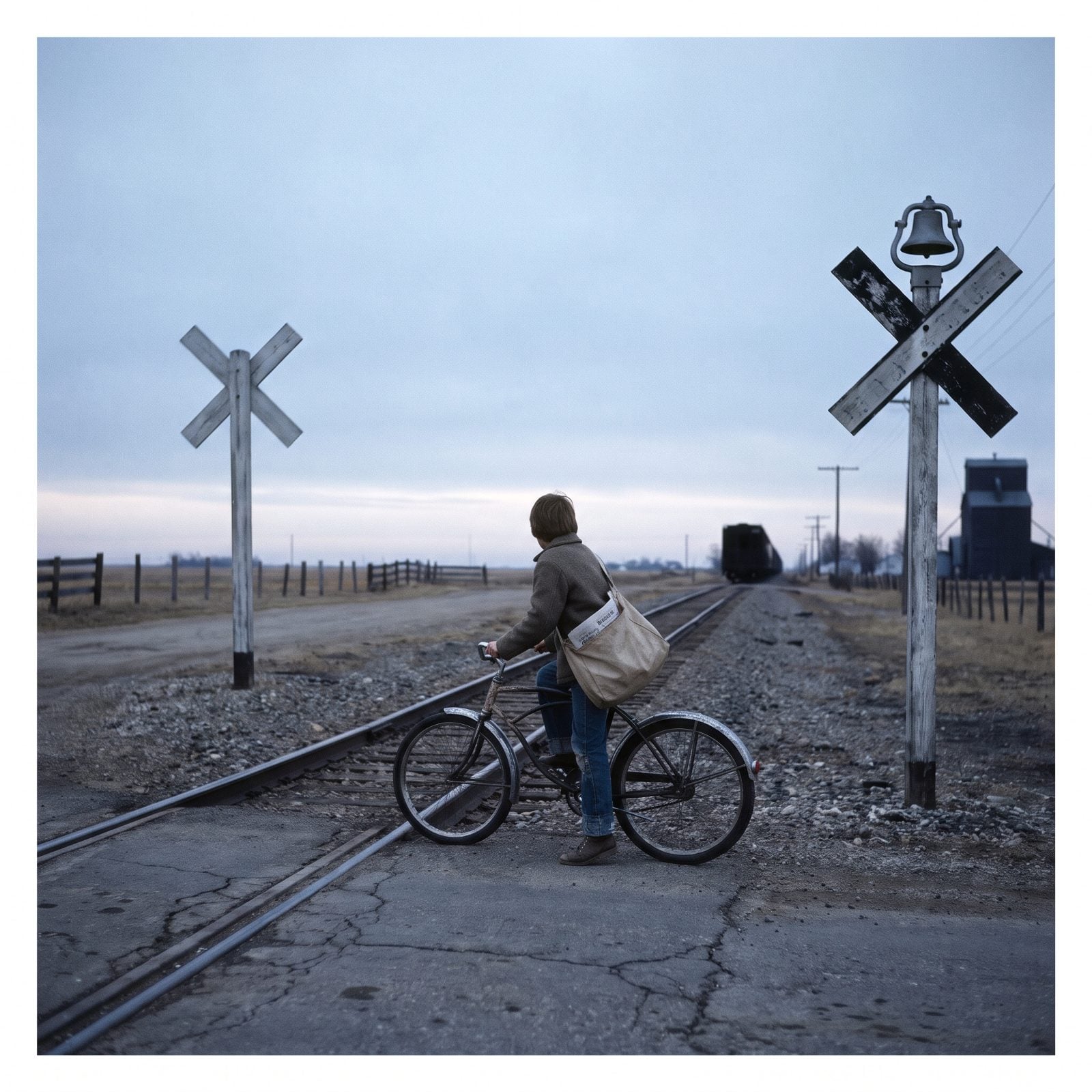
Plenty of routes ran straight over the tracks. In towns built around a rail line, that was simply where the houses were, and the papers went to the houses — no asterisk, no detour.
Here’s the thing about a loaded bike: it doesn’t accelerate like an empty one. Clearing a crossing meant a slow, wobbling push across two rails that could grab a thin tire, with no gate, no lights worth trusting, and a schedule that didn’t care what time the freight came through. Kids learned the train times by heart because nothing else was going to tell them.
26. The Heavy Canvas Shoulder Bag Did Quiet Damage
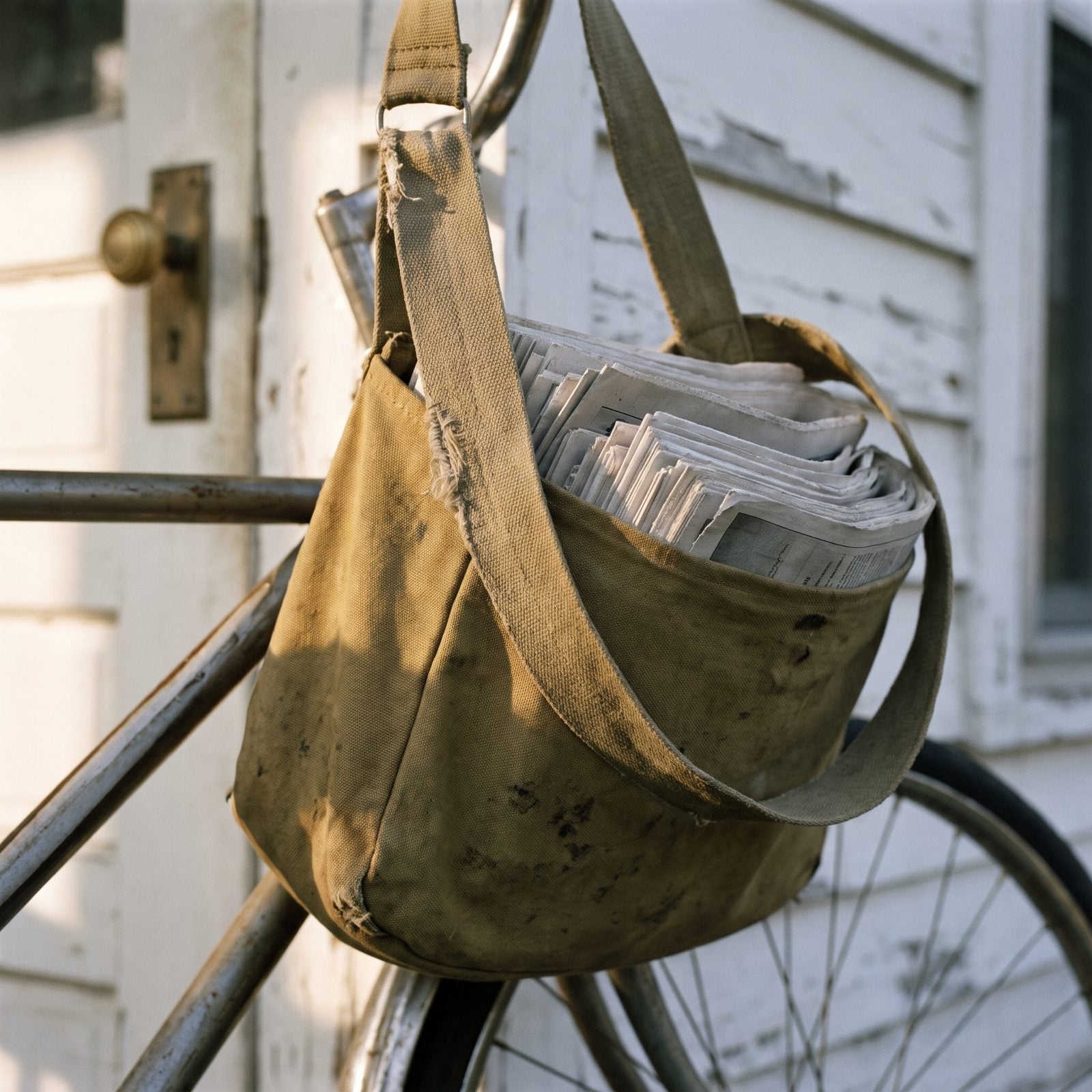
The bag was canvas, built to haul, and that was the problem. Loaded for a full route it pulled hard on one shoulder, the strap carving a line into a growing kid’s neck morning after morning.
Nobody talked about the ache. You wore it, you walked lopsided, you got home and dropped it by the door. The weight rode on the same side every single day, and the body quietly rearranged itself around it — one shoulder lower than the other by spring.
25. Sunday Editions Turned a Routine Ride Into a Haul
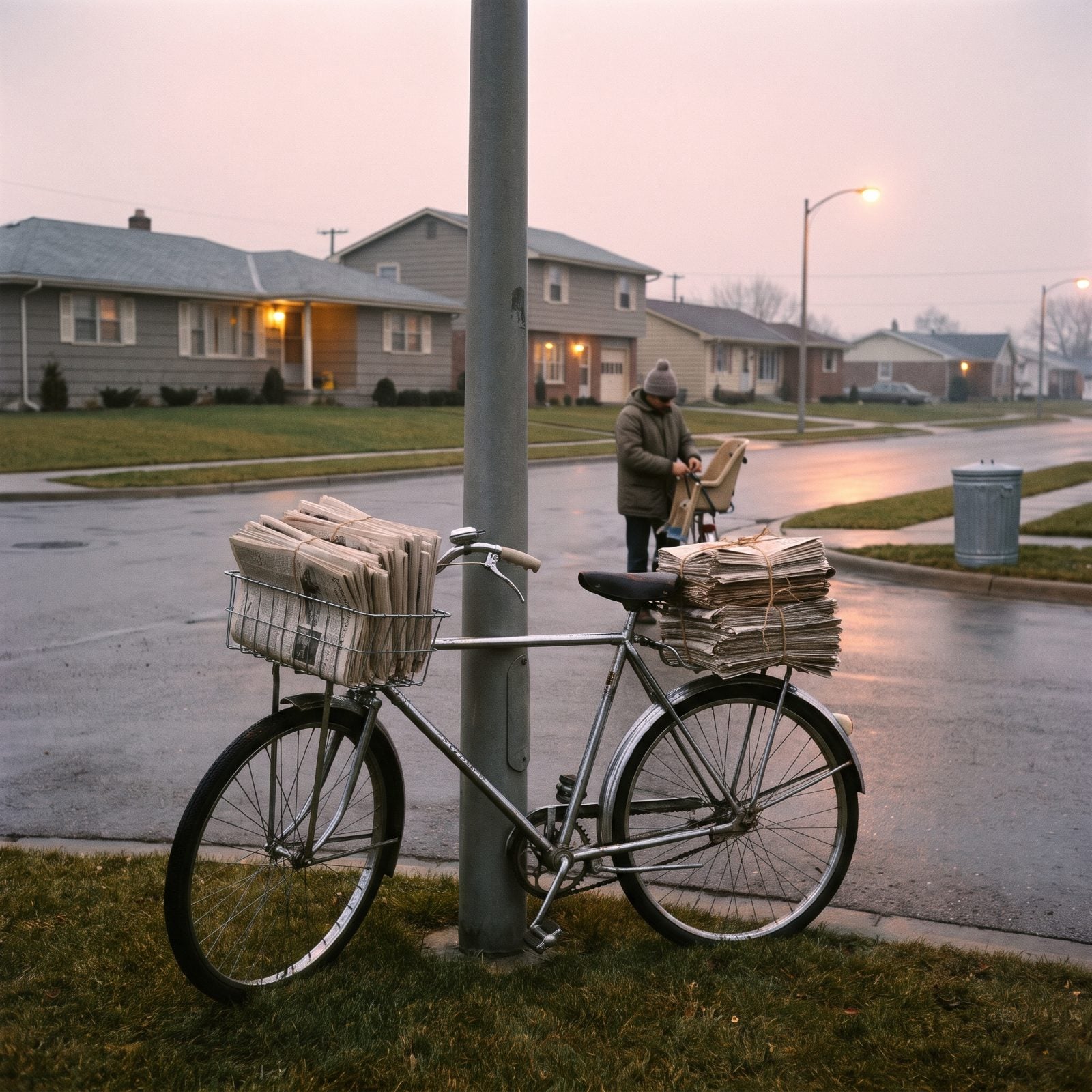
Sunday papers were monsters. Stuffed with coupons, classifieds, comics and glossy inserts, one Sunday edition weighed several times a weekday paper. Now multiply that by an entire route.
The bike that handled fine on a Tuesday became a sluggish, top-heavy barge on Sunday. Carriers often had to make the run in two trips, or split the load between the basket, the rack and a bag until the frame groaned under the strain. First light on Sunday was the hardest ride of the week, and everyone working a route knew it in their legs.
24. Papers Balanced in Baskets and Homemade Crates
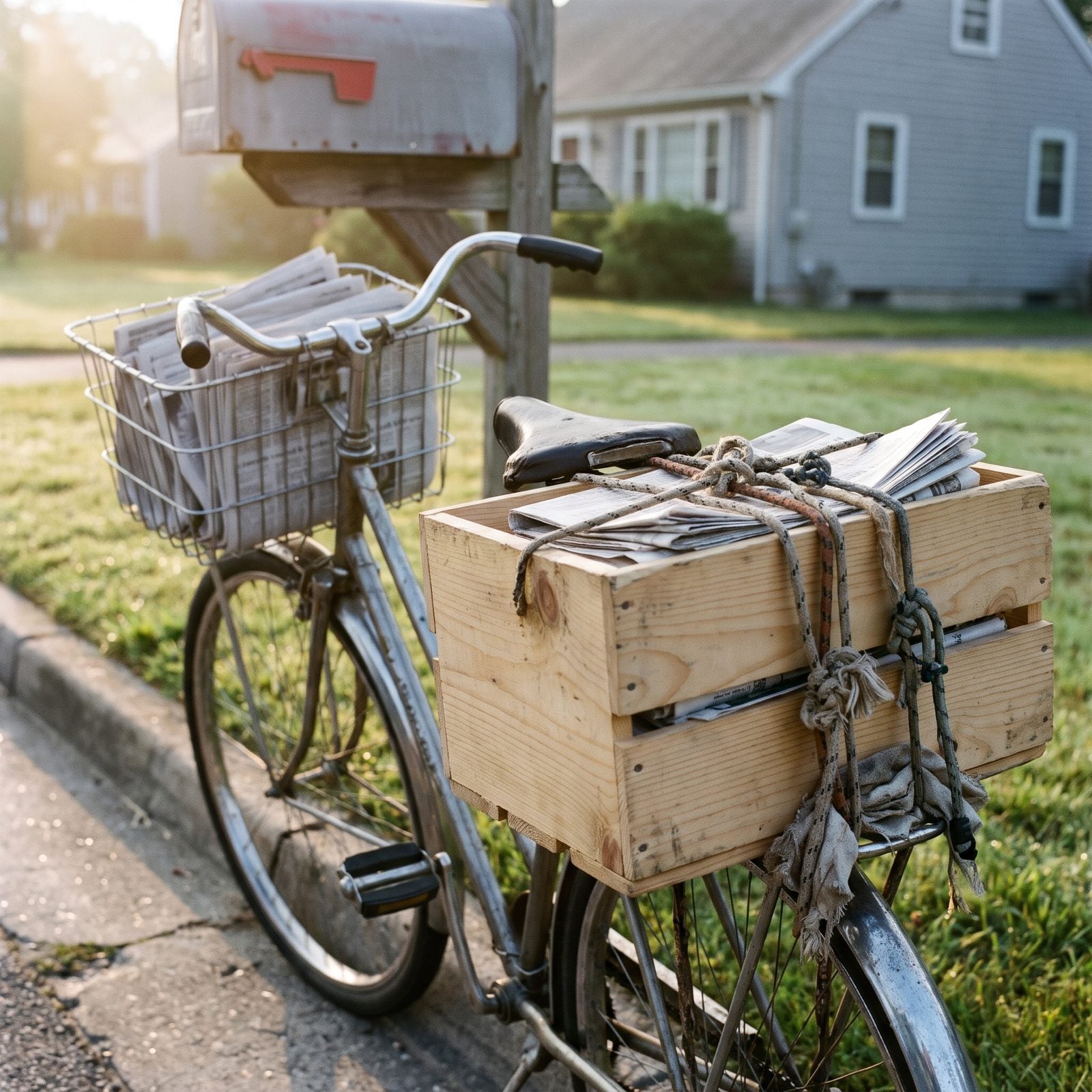
Factory baskets filled up fast, so kids got creative. A wooden produce crate, a metal milk box, an old bread tray lashed to the rack with rope or whatever was hanging in the garage.
None of these rigs were tested by anyone. They shifted in corners, popped loose over bumps, and dumped a stack of papers in the gutter if the knot gave. The whole setup rode on a kid’s judgment and a length of twine.
The engineering review for most paper-route cargo systems was one child and a knot they half-remembered.
23. An Overloaded Bicycle Was Hard to Steer and Harder to Stop
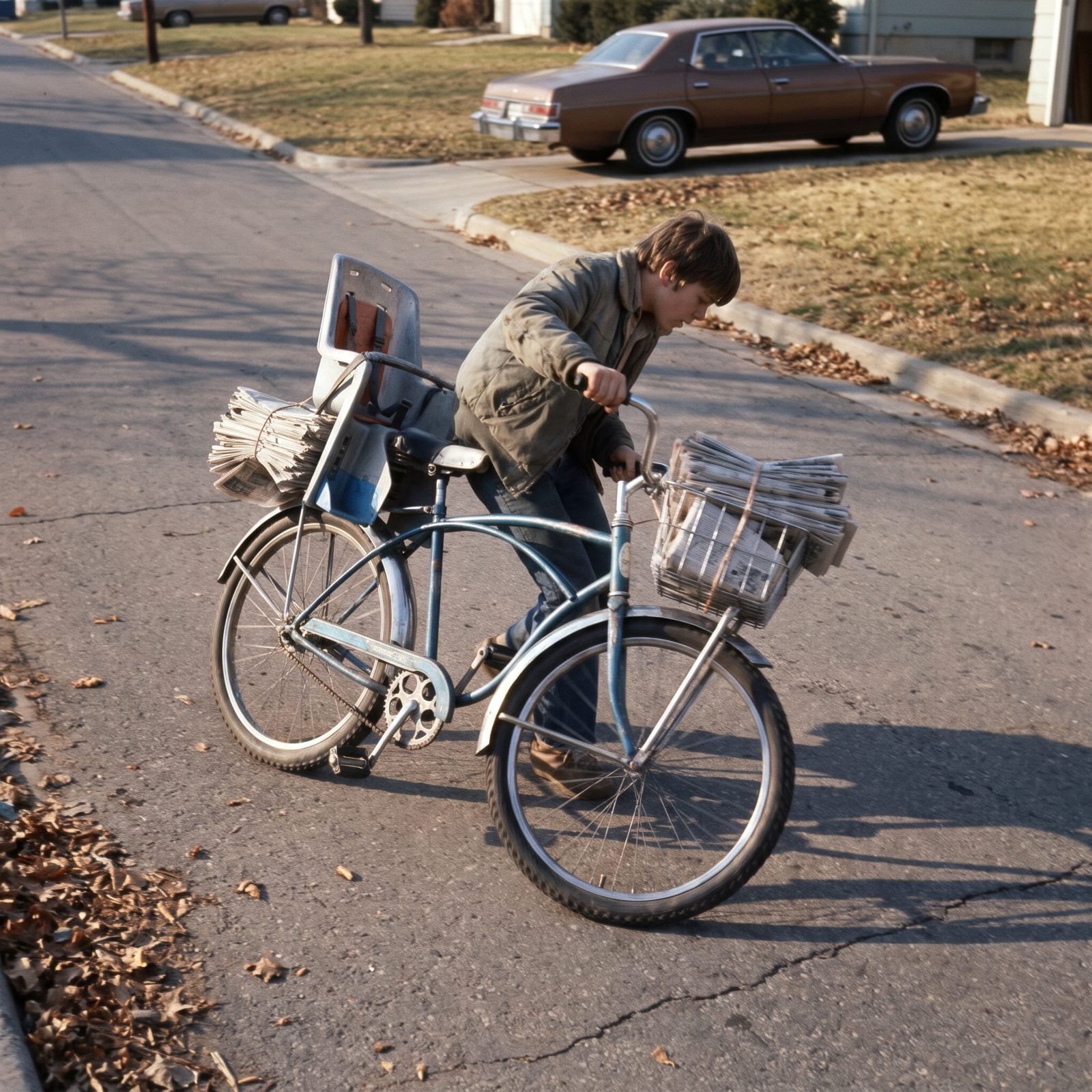
Weight up front makes a bike twitchy. Weight in back makes it push. Load both ends and a kid’s steering input turned into a polite suggestion the bike considered and often ignored.
Most of these were coaster-brake single-speeds, which means you stopped by back-pedaling one wheel. On a dry flat street, fine. Loaded down a hill in the wet, though, that single rear brake was asking an awful lot, and all that weight behind you wanted to keep going long after you’d decided to stop.
Remembering the overloaded basket on his Schwinn in 1974, a former 1970s paperboy writes that “The slightest turn of the handlebars meant the bike lurched violently to the side as the weight of the papers took control of the steering.”
22. Riding With One Hand While the Other Worked
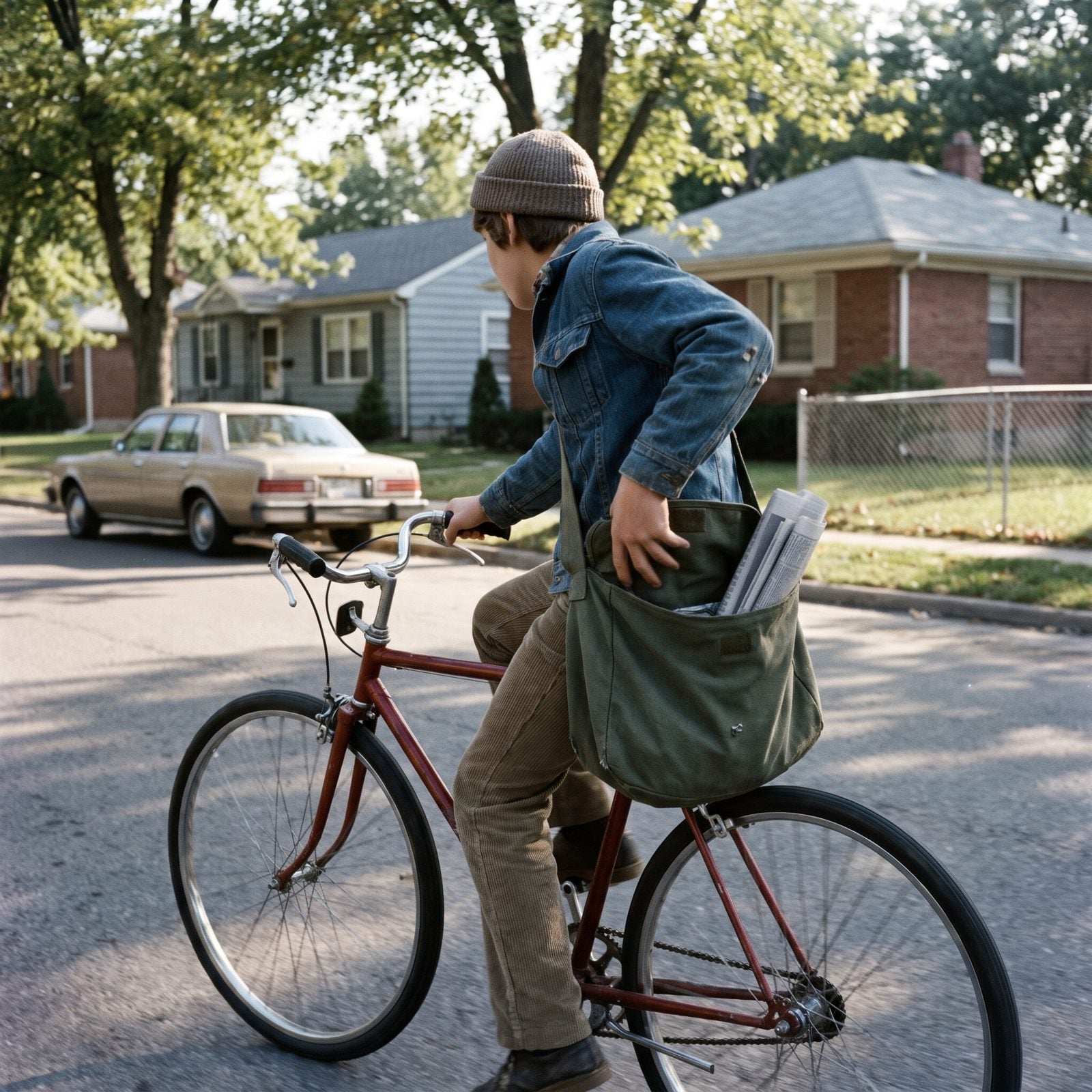
You can’t fold, grab and throw with both hands on the bars. So you didn’t. One hand steered, the other dug into the bag, and the whole thing happened at a roll.
It became second nature, which is exactly what made it easy to forget it was dangerous. A parked car door, a loose dog, a pothole — and suddenly the hand you needed was full of newsprint.
21. The Throw From a Moving Bike
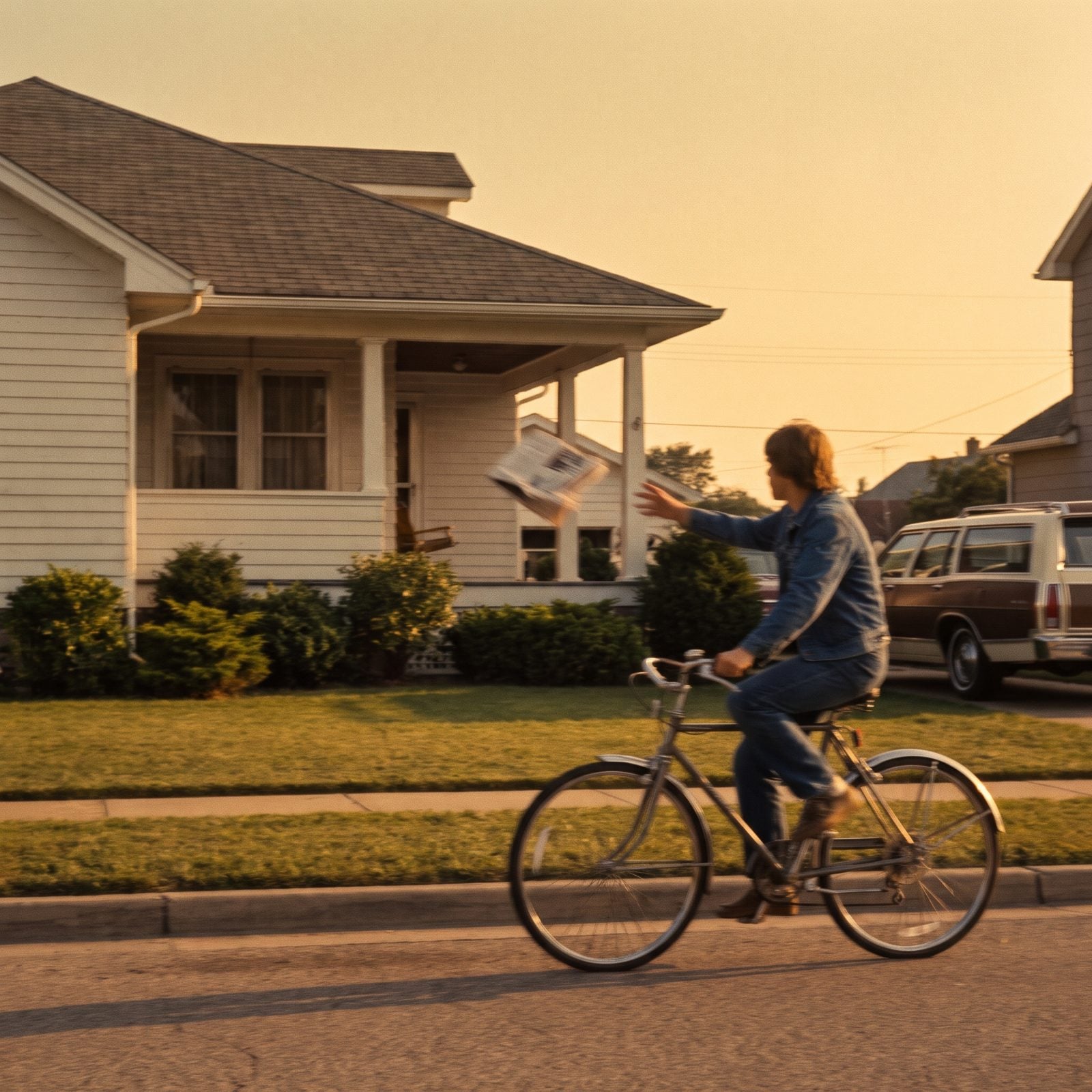
The porch toss was the skill you bragged about. A tight-folded paper, a flick of the wrist, and it landed square on the mat without the kid ever touching the brakes.
Miss by a foot and it went in the bushes, the gutter, or clean through a storm window. More than one carrier paid off a cracked pane out of their own collection money. The throw demanded eyes off the road at the exact moment the bike kept moving, and the whole route ran on that small gamble, house after house after house.
After throwing tens of thousands of papers starting in 1971, one former Arkansas paperboy admits “I didn’t have great aim, but as far as I can remember, I only broke one window. That particular sound is unmistakable.”
20. Rain, Snow, and Bitter Cold Rarely Cancelled a Route
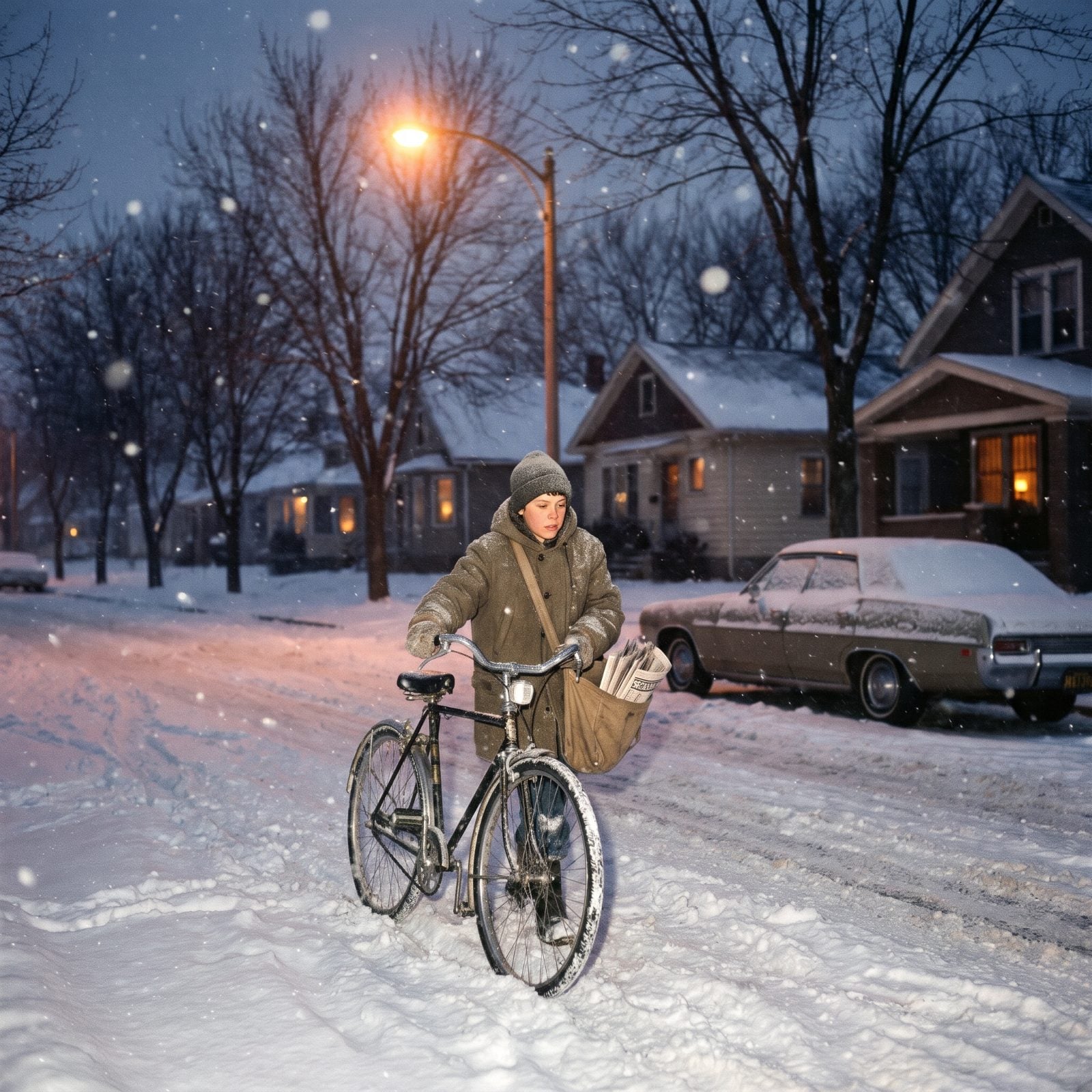
The paper came every single day, and so did the carrier. There was no snow day for a route.
In a downpour, kids wrapped the papers in plastic bags one by one and got soaked doing it. Come January they layered up and went out into the dark at six, fingers too numb to fold by the end of the block. The expectation was simple and total: the customer paid for a paper on the porch, and the weather was the carrier’s problem to solve. Period.
19. Icy Streets Navigated Before the Plows and Salt Arrived
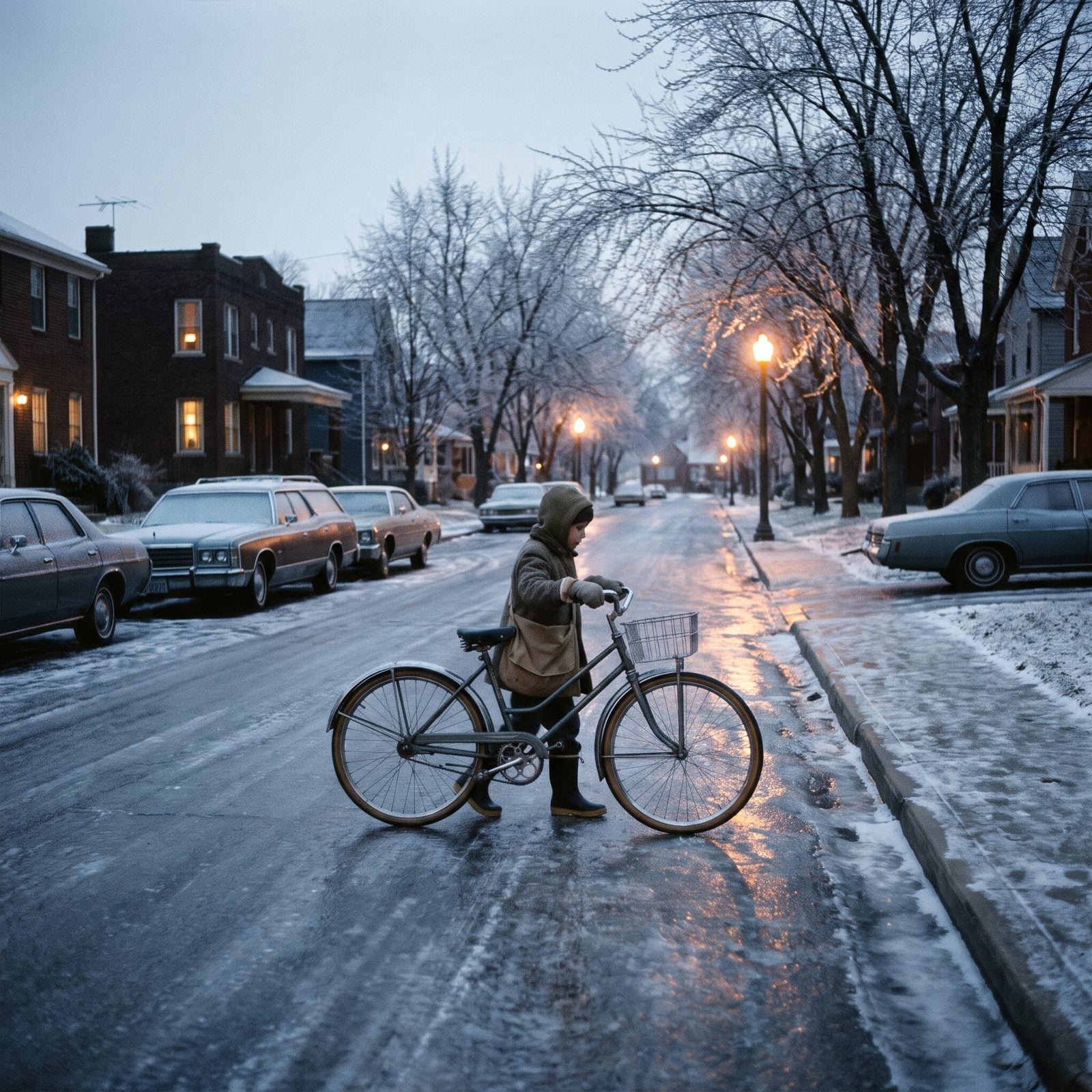
The carrier was out before the town woke up, which meant out before the plow and the salt truck. The streets sat in their rawest state — black ice on the hills, frozen slush in the gutters, driveways nobody had touched yet.
Riding was often out of the question, so the bike got walked, boots sliding, papers still due on time. Being first on the street sounds like a small thing. It wasn’t. It meant facing every road at its meanest, with no help coming and the sun not up yet to show you where the ice was waiting.
18. Thunderstorms Could Catch Carriers Far From Home
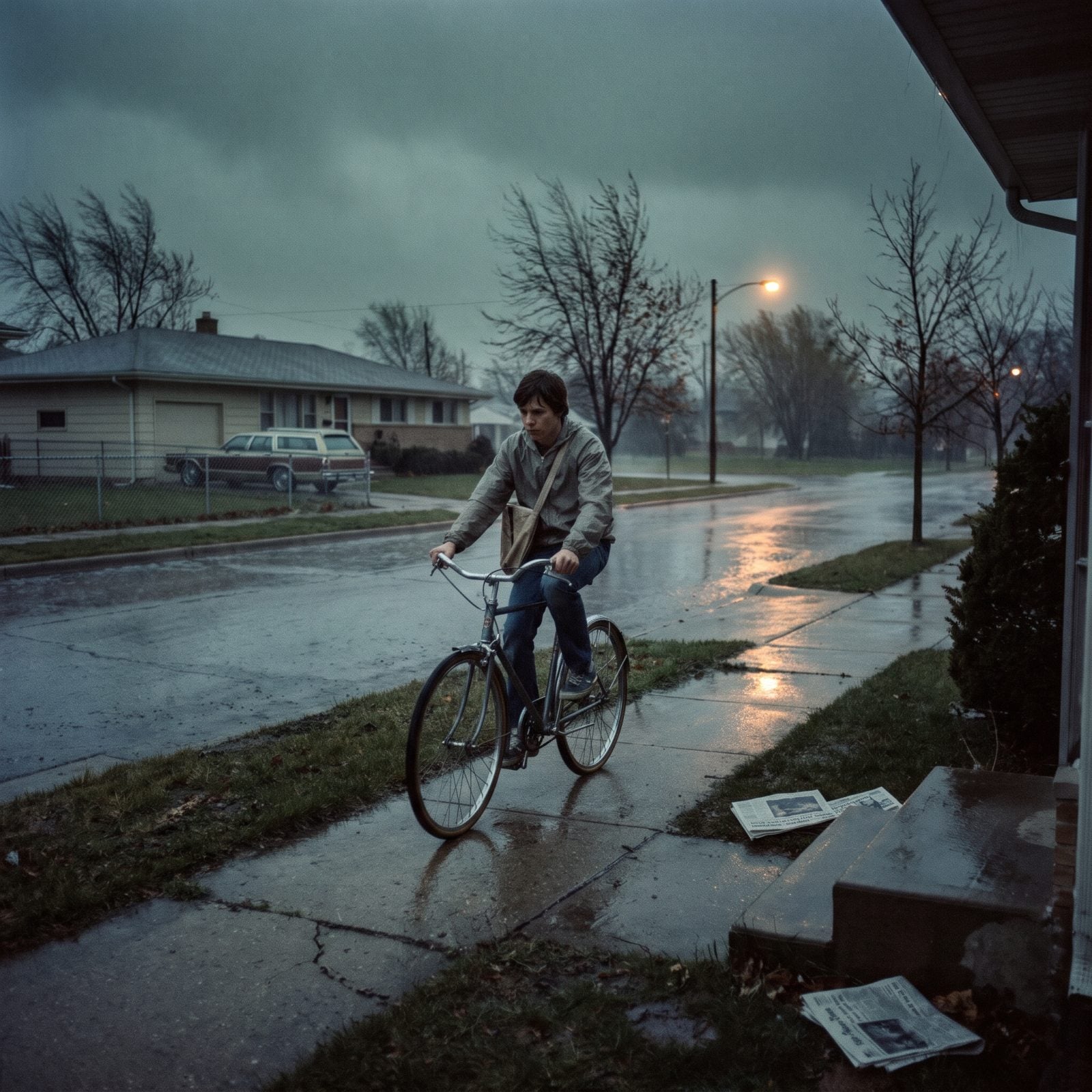
A paper route ran on a clock, and the clock didn’t care about the sky. Carriers left before dawn or right after school, often a mile or more from the house, when a line of storms rolled through. No radar app in a pocket, no parent trailing in a car — just a kid on a steel bike hauling forty pounds of wet newsprint with nowhere near enough shelter.
Lightning over open suburban streets is the part nobody thought about back then. You finished the route because the route had to get done, and the papers still had to land dry on porches. Which is its own small comedy when you’re soaked through to the socks.
17. Loose and Territorial Dogs Were a Routine Threat
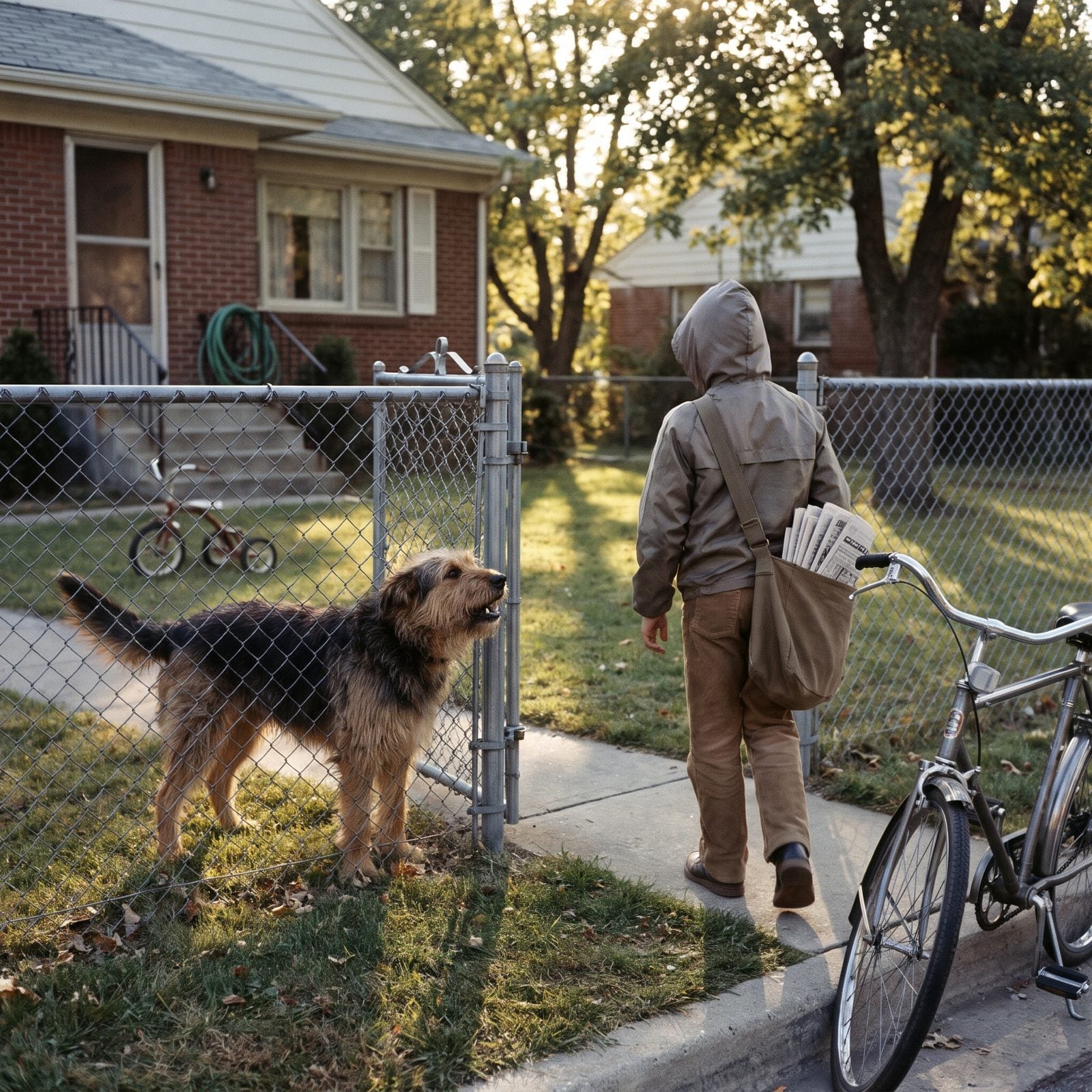
Ask anyone who carried papers and the dog stories come out first. Every route had one — the fence that was supposed to be latched, the one that bolted the second a gate cracked open, the quiet one that was fine until the day it suddenly wasn’t.
A kid on foot, hands full of newsprint, cutting across private lawns at speed is exactly what a territorial dog is wired to run down. No reporting system, no owner on a leash, no adult standing by. So you learned which houses to approach from the street and which to skip until the dog was inside, and that knowledge got handed down carrier to carrier like a trade secret.
16. Dark Porch Steps Hid Ice, Toys, and Other Tripping Hazards
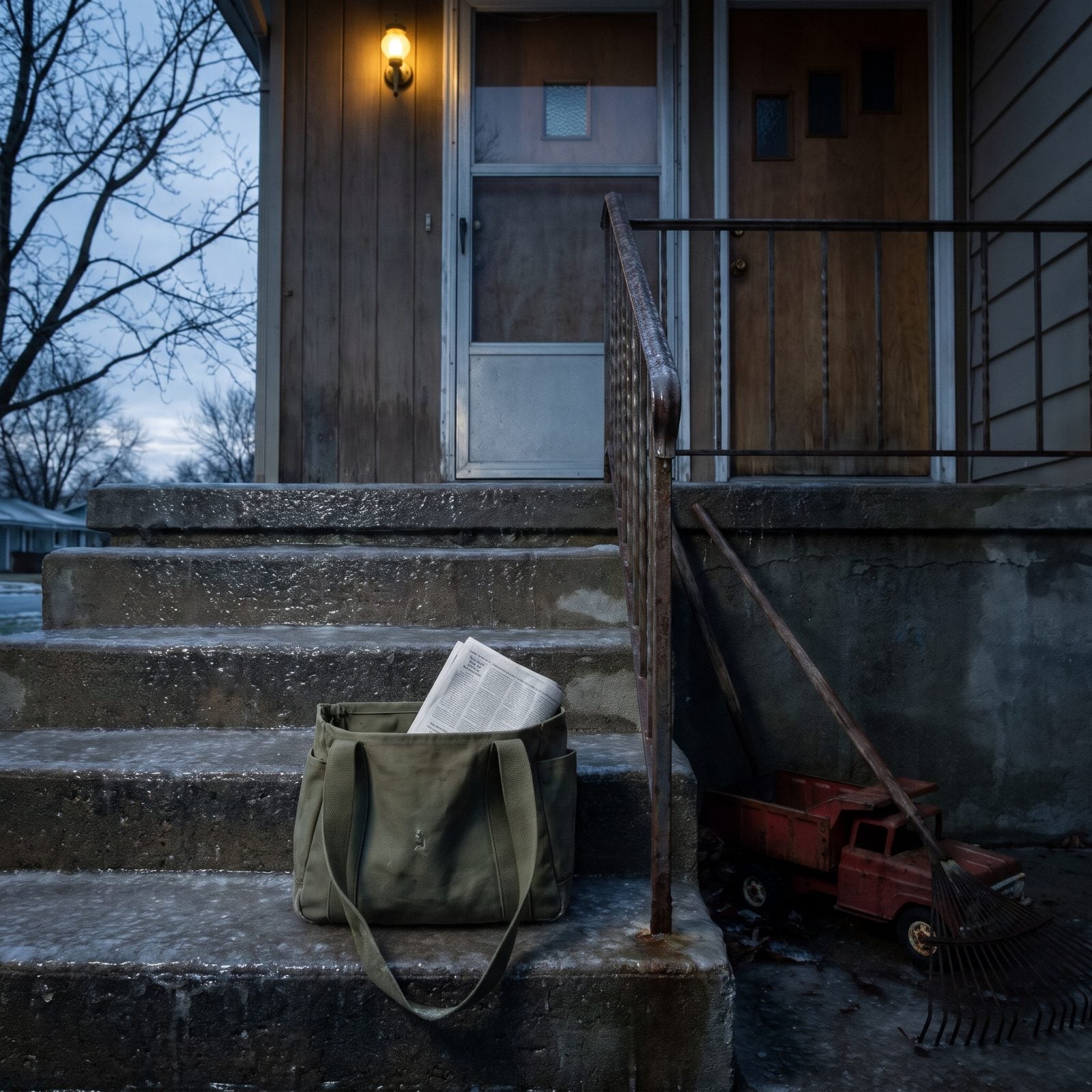
Porch lights were a luxury at 5 a.m., and most weren’t on. Carriers walked up strange steps in the dark, in winter, hauling a load that threw off their balance before they even reached the first tread.
Ice you couldn’t see. A skateboard somebody’s kid left out. A hose, a loose brick, a step with a bad rise — you found all of it with your feet. On a familiar porch you knew the trip spots by heart, but on a new customer’s steps you were guessing in the dark with both arms full.
15. Customers Could Request Delivery to Side or Back Doors
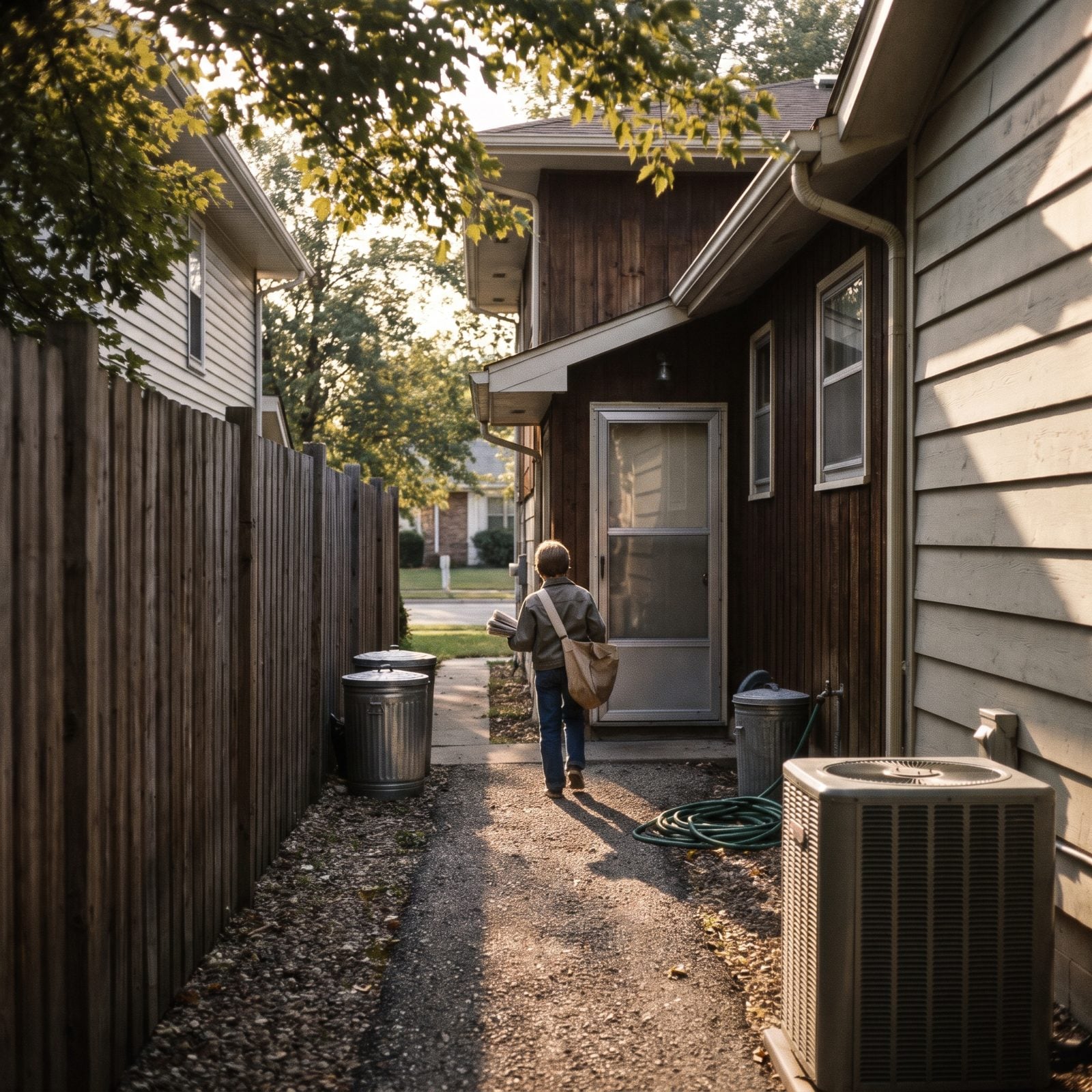
Plenty of subscribers didn’t want their paper on the front porch. They wanted it by the kitchen door, the side entry, the back stoop off the garage. The carrier obliged, because the customer was always right and the tips ran better when you did.
Which meant a child walking off the public sidewalk, out of the neighbors’ sightline, into a narrow side yard behind a tall fence, alone, often in low light. Nobody thought twice about it. A kid delivering papers had a reason to be back there, and that reason was the whole protection.
14. Apartment Routes Led Children Into Isolated Hallways and Stairwells
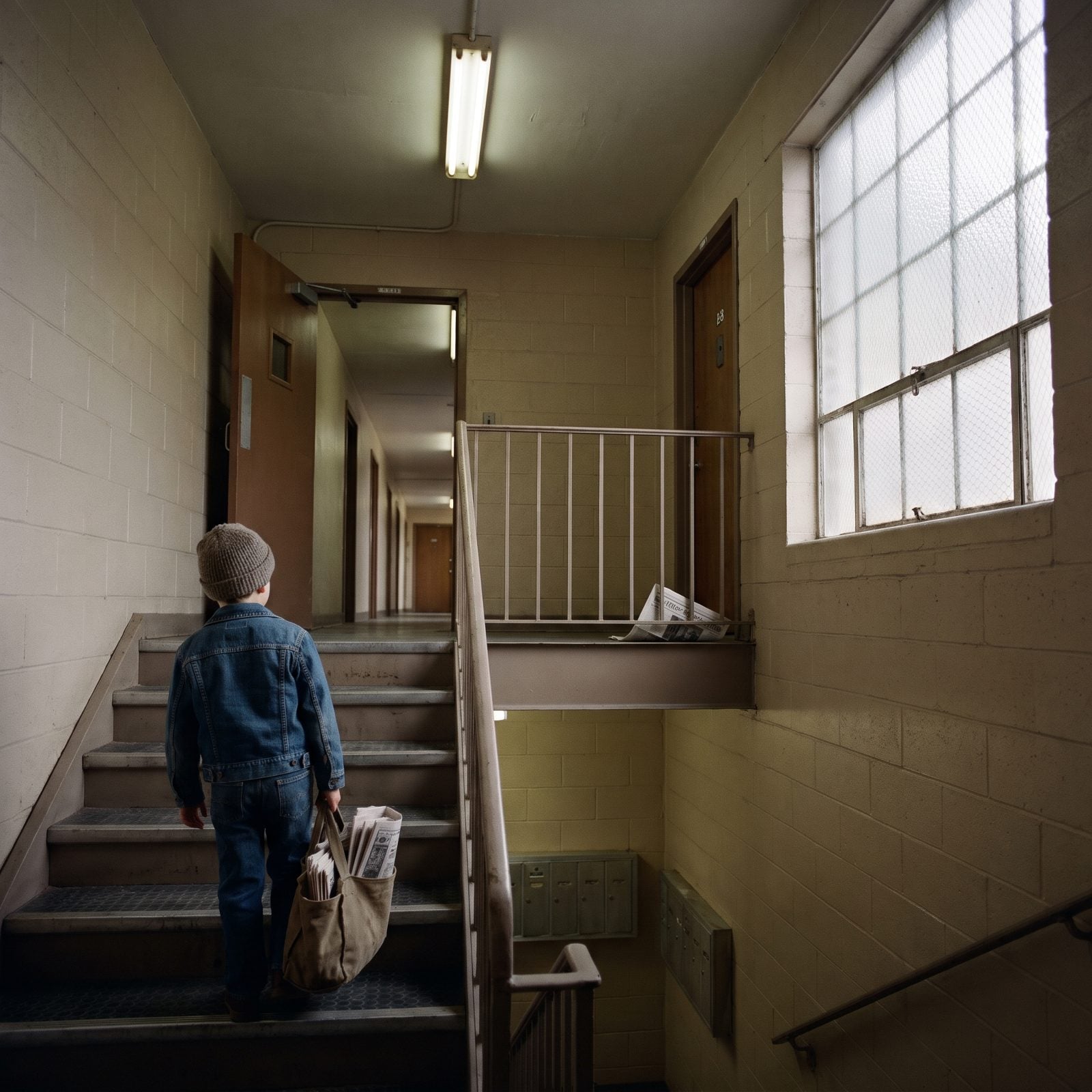
Apartment routes paid well because nobody else wanted them. Dozens of doors stacked in one building, which meant a kid moving alone through enclosed hallways and concrete stairwells, out of sight of the street and anyone walking it.
You’d climb three flights to a back landing with one dead bulb. You’d walk corridors where every footstep echoed and the only way out was the way you came in. No key fob, no camera, no buzzer in most buildings — just a child, a stack of papers, and a building full of strangers who may or may not have been home.
The street at least had neighbors watching. The stairwell had nobody.
13. Carriers Knocked on Strangers’ Doors to Collect Payment
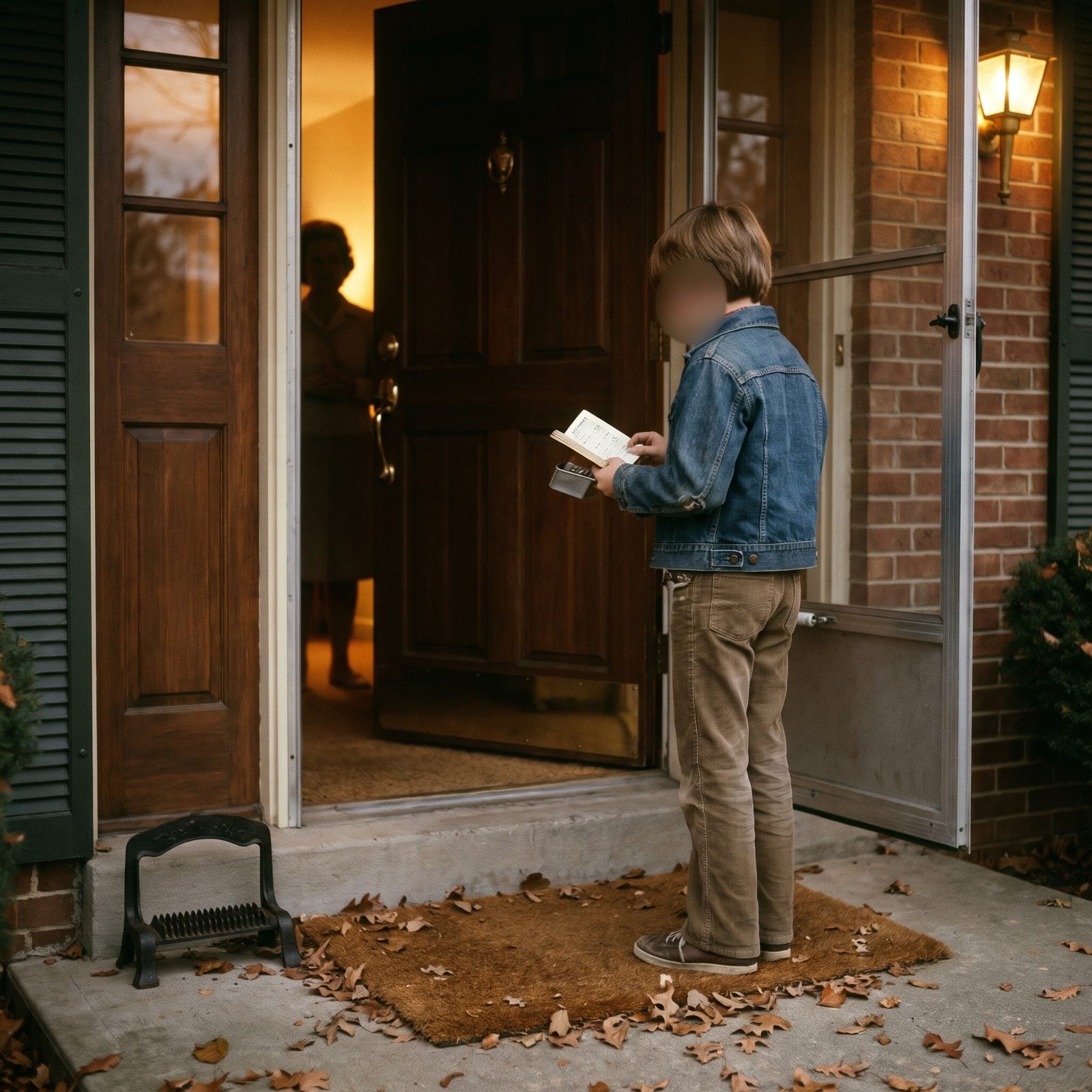
Delivery was only half the job. The carrier also ran the business end, which meant walking door to door to collect the subscription money, usually once a month.
Picture how it actually went. A ten-year-old knocks on a stranger’s door after supper, waits for it to open, and stands there on the mat while a grown adult decides whether to pay. No backup. No appointment. Just a kid with a booklet and a coin dispenser, reading the mood of whoever answered. Most were fine, sure. The whole arrangement rested on most being fine.
12. Collections Often Took Place After Dark
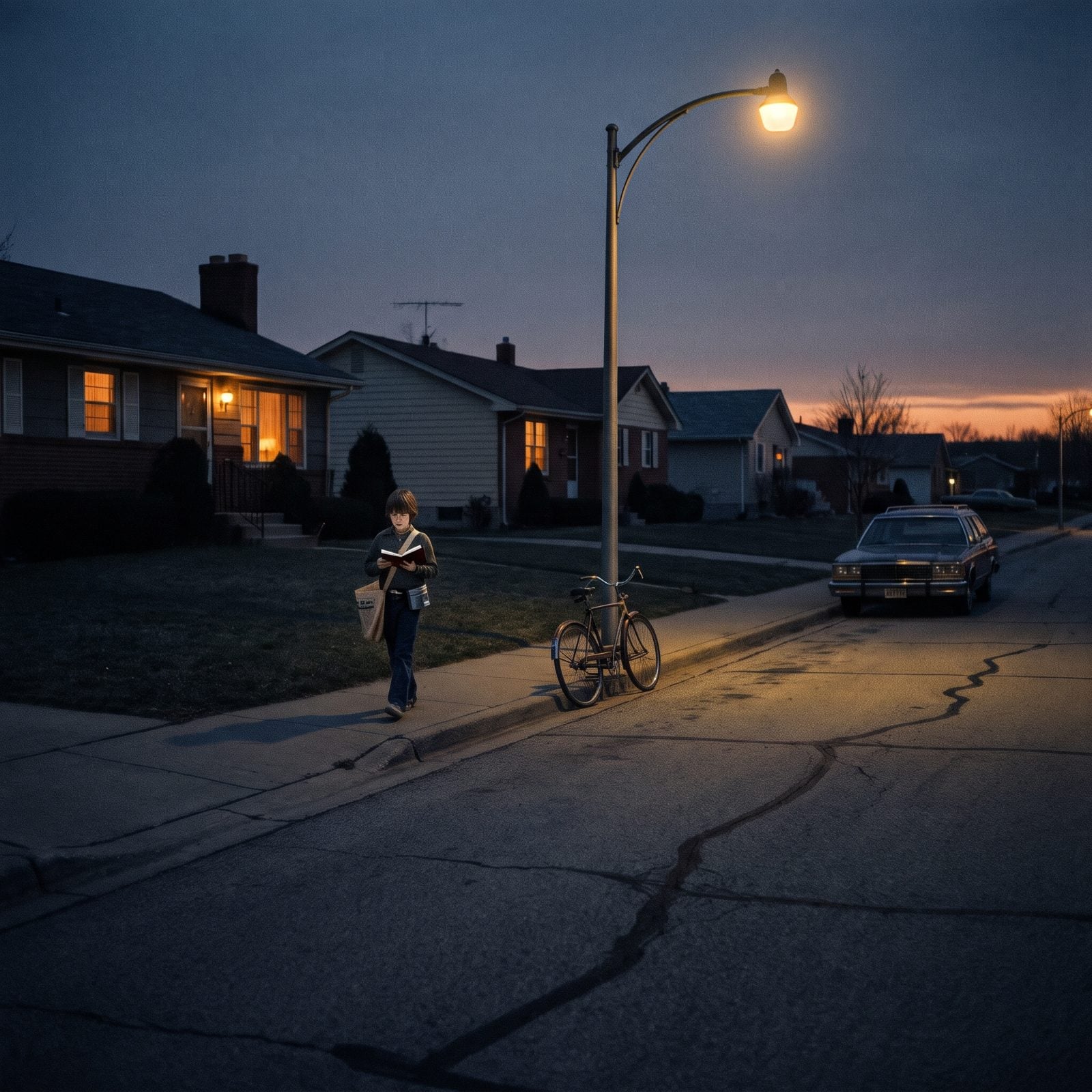
You collected when people were home, and people were home after dark. That’s just how the math shook out. Dinner ended, porch lights came on, and out went the carrier to knock on doors with a pocket full of change.
So the collection route stretched into the evening, in the cold months long past sunset — a child walking unlit streets alone, stopping at house after house, carrying a growing wad of cash. The timing that made collections possible was the exact timing that made them riskiest. And nobody in charge seemed to notice.
11. Payment Envelopes Were Left in Unsecured Hiding Places
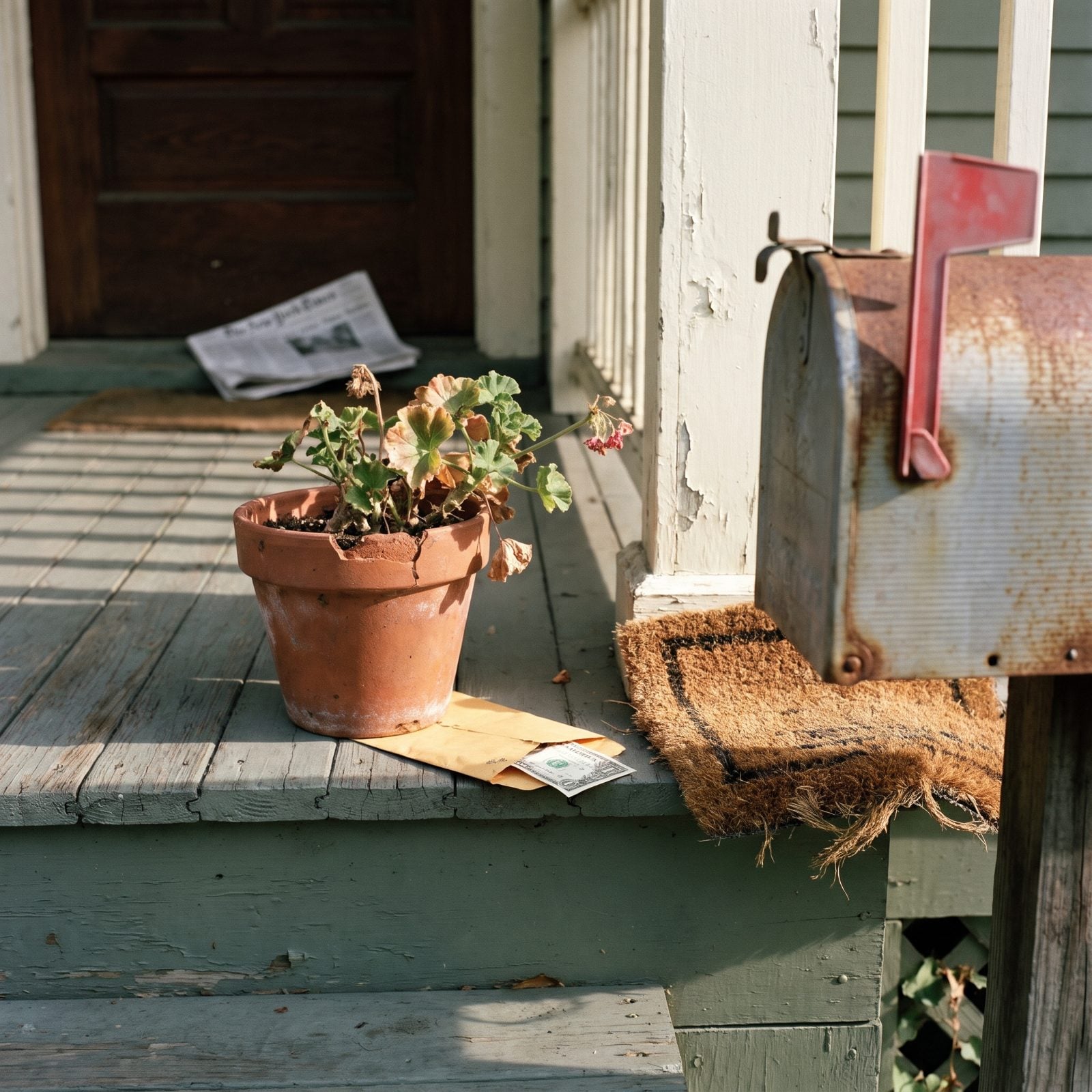
When customers weren’t home, they’d leave the payment out for the carrier to grab. Under the mat. Inside the screen door. Tucked beneath a flowerpot that fooled absolutely no one.
An envelope of cash sitting on a porch all day is a problem for everybody. If it vanished before the carrier got there, the carrier often ate the loss, because the customer swore they left it and the kid had no way to prove otherwise. You were on the hook for money you never touched, left in a spot a passing stranger could clock from the sidewalk.
10. Carriers Had to Confront Customers Who Had Not Paid
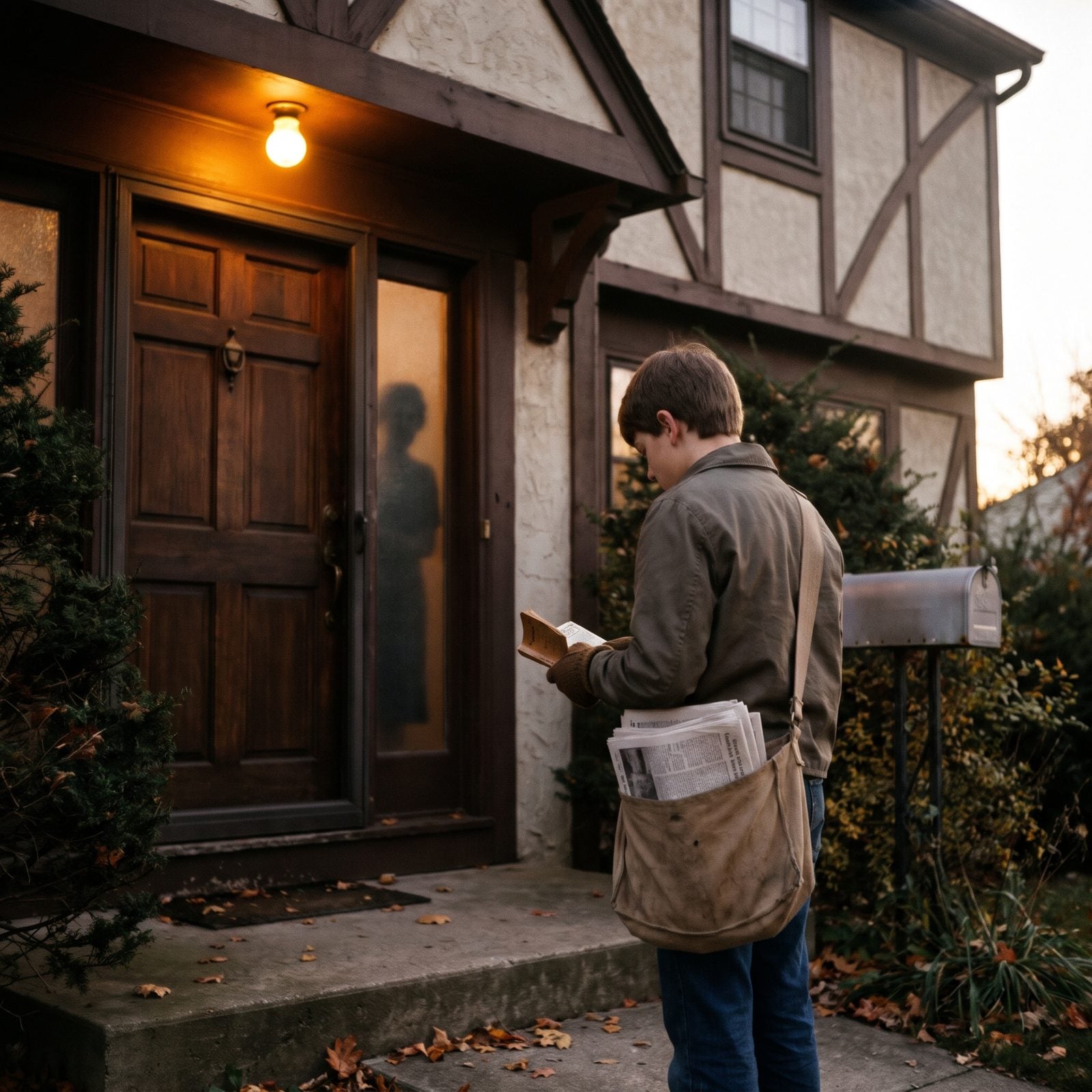
This is the part that aged kids fast. The paper had to be paid for whether the customer paid or not. Carriers bought their papers from the company, then collected from subscribers, and if a customer dodged, the kid was still on the hook for that money.
So a child had to go back. Again and again. Knock on the door of a grown adult who was plainly avoiding payment, and ask for money owed. That’s a job with real conflict baked right into it, handed to someone too young to drive, with no manager standing behind them and no good options when the answer stayed no.
9. Damaged or Missing Papers Came Straight Out of a Carrier’s Earnings
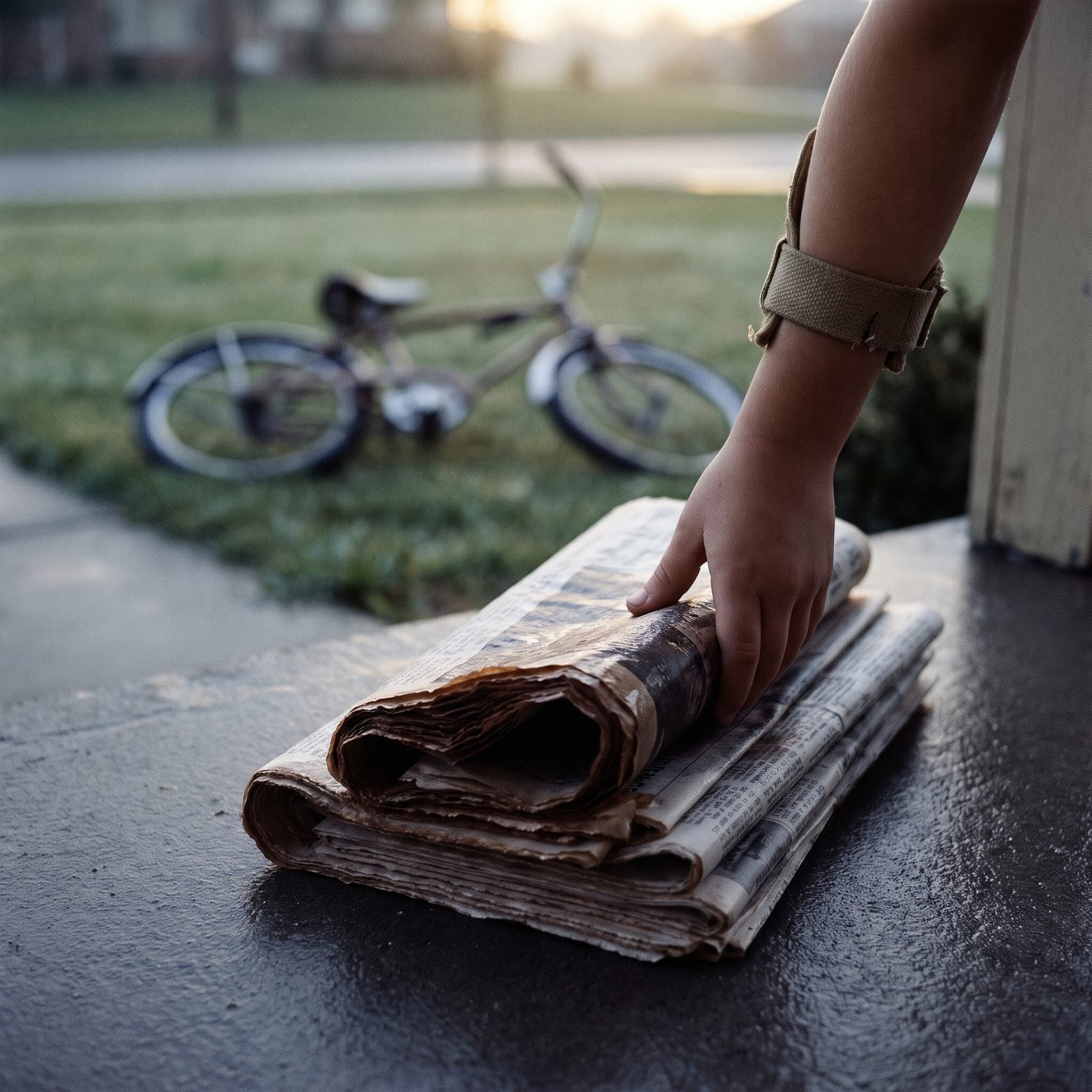
Drop a paper in a puddle and you didn’t just lose face with the customer — you lost money. The distributor charged you for every copy in your bundle whether it arrived in good shape or not.
Rain through a torn bag. A stack that slid into the gutter. A dog that reached the porch ahead of you. All of it was yours to cover, and the economics ran exactly one direction, away from the kid. So you learned fast: fold tight, bag against weather, and aim a sight better than any eleven-year-old had a right to.
8. Customer Complaints Landed on the Child, Face to Face
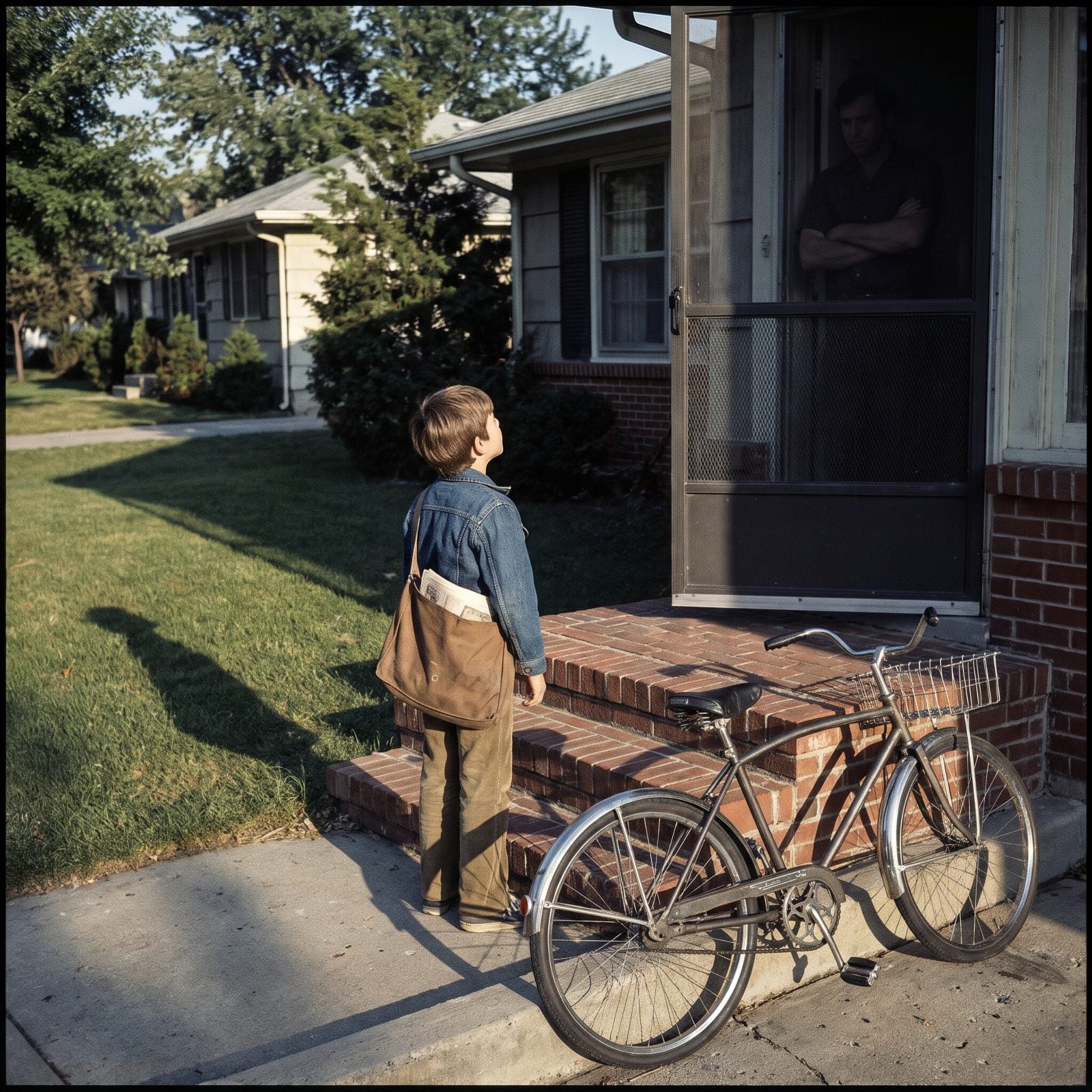
No manager took the call. There was no call. If a paper was late, torn, or landed in the rosebushes, the customer told the kid directly — usually at the door, sometimes with real heat behind it.
Picture a grown adult complaining to a sixth-grader about service, and the sixth-grader expected to apologize, make it right, and keep the account. That’s a negotiation most adults would dread, and kids ran it in the dark before breakfast and again on collection night. You got good at reading a porch light and a tone of voice, or you got yelled at. No HR. Just you and the screen door.
7. Newspaper Delivery Sat Outside the Big Federal Child-Labor Rules
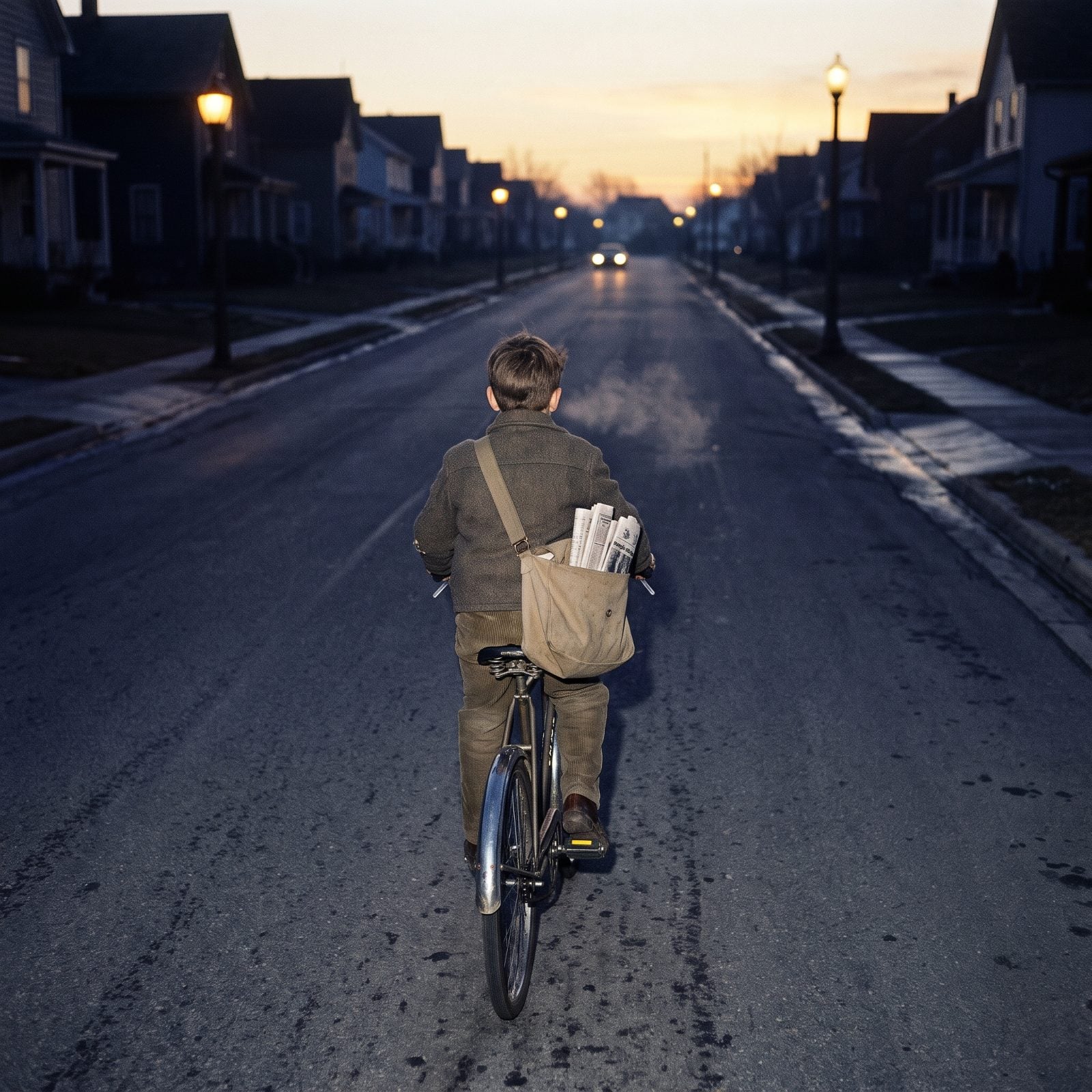
Federal law set minimum ages for most kinds of work. Newspaper delivery got carved right out of it.
The Fair Labor Standards Act carried a specific exemption for youth delivering papers to consumers, which is why kids far younger than any factory or retail job would allow were out on dark streets before dawn. The reasoning at the time leaned on the idea that it taught responsibility and the hours were short. The practical effect? A ten-year-old on a bicycle dropped straight into a gap the rest of the labor code had long since closed.
Answering whether child labor laws apply to a paper route, an employment law firm explains that “Youth employed in the delivery of newspapers to consumers are not covered by the FLSA’s child labor and wage and hour provisions.”
6. No Minimum Wage, No Benefits, No Safety Net
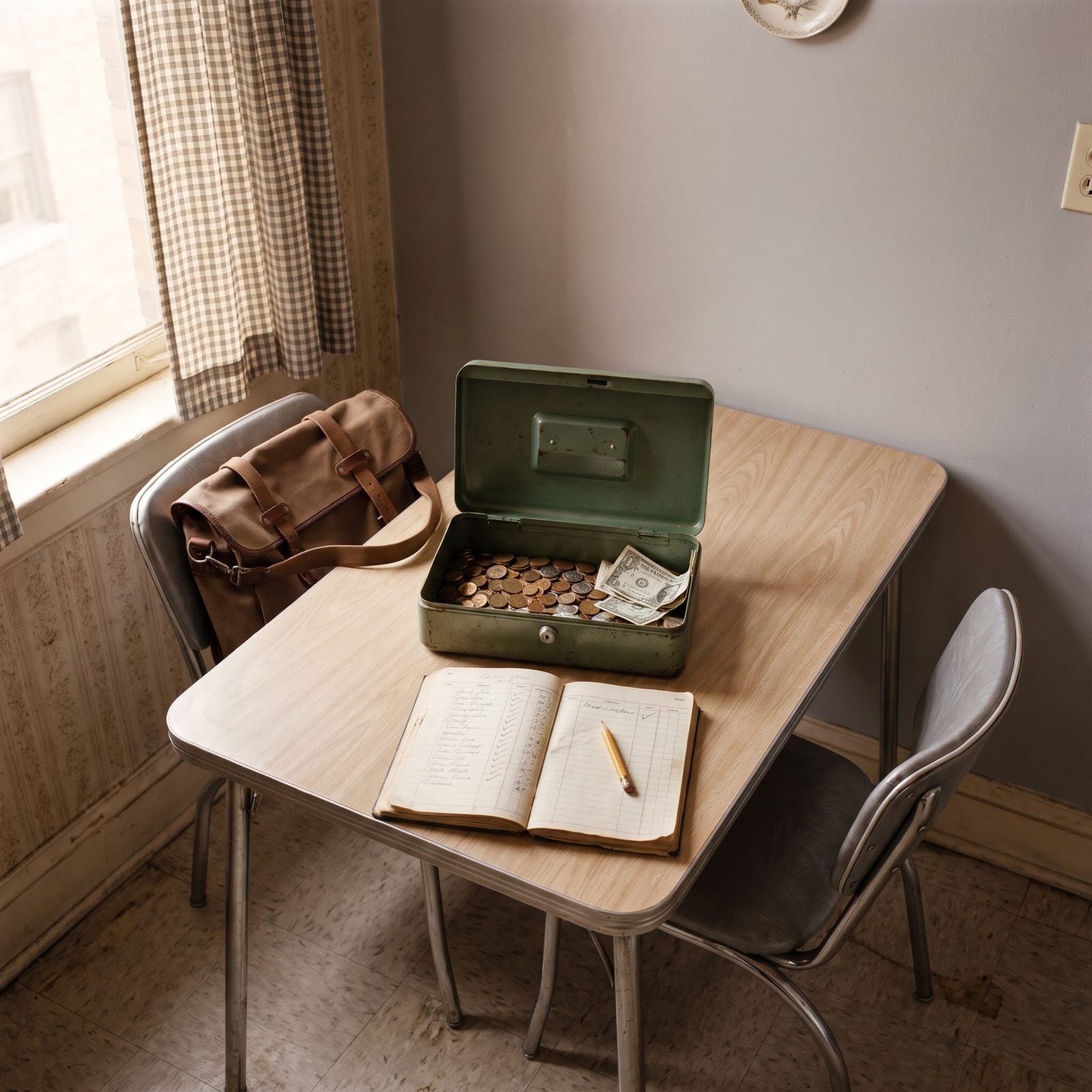
Because carriers got classed as independent contractors, the whole apparatus of employment skipped them. No minimum wage floor, no overtime, no workers’ comp if you went down on the ice, no sick pay, no insurance, nothing.
Get hurt on the route and the medical bill was the family’s problem, not the paper’s. The money was real — for a kid it felt like a fortune — but there was no cushion under any of it. You were the labor, the collections department, and the entire benefits package rolled into one short person with a bag.
Writing about an adult newspaper delivery agent who was hurt while loading papers, a work injury lawyer notes that “the judge determined that the claimant was an independent contractor and thus was not entitled to workers’ compensation benefits.”
5. Nobody Was Actually Watching the Route
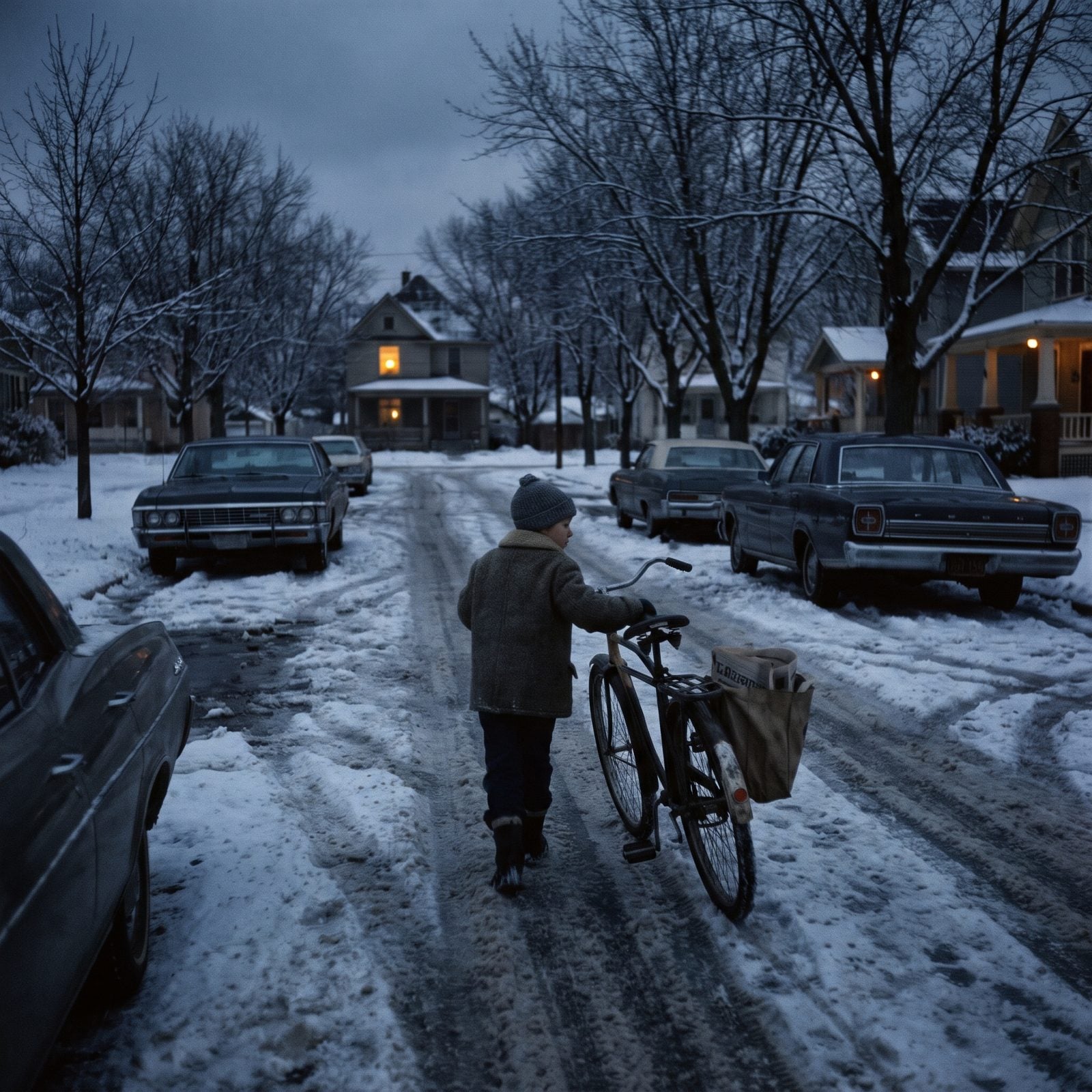
Here’s what would stop a modern parent cold. For most of the route, no grown-up had eyes on the kid at all.
You left before the house woke up, crossed streets, cut through alleys, and handled loose dogs and strange cars and bad weather on your own judgment — which at that age is very much a work in progress. A distributor dropped bundles and vanished. Parents slept or worked. The deal was simple and quietly enormous: a child alone outdoors, in the dark, responsible for a job, supervised by nothing but whatever sense that kid had already managed to build.
4. Roadside Repairs Were the Carrier’s Job, Not an Adult’s
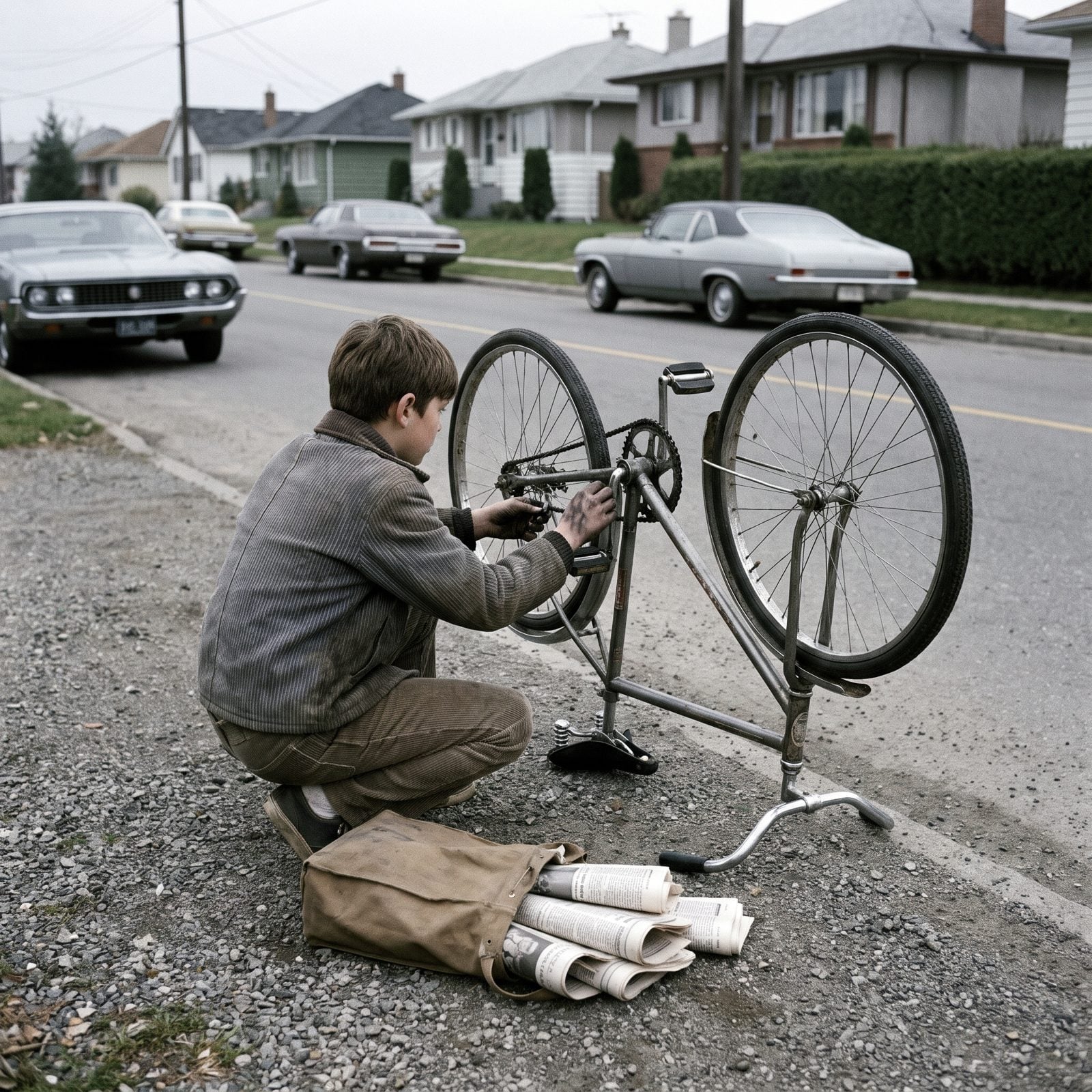
Chain jumps the sprocket. Tire goes flat two miles from home with forty papers still to drop. Who fixes it? You do, on the shoulder of the road, with whatever’s in your pockets.
Kids learned to wrestle a chain back on, patch a tube, true a wobbling wheel, and improvise when none of that worked. No roadside assistance, no ride coming. You either got the bike moving or you walked it and finished the route late, which dumped you right back at the angry screen door. The upside, if you want one, is that a lot of those kids grew up completely unbothered by a dead car in a parking lot.
3. A Breakdown Could Strand a Kid Miles From Home
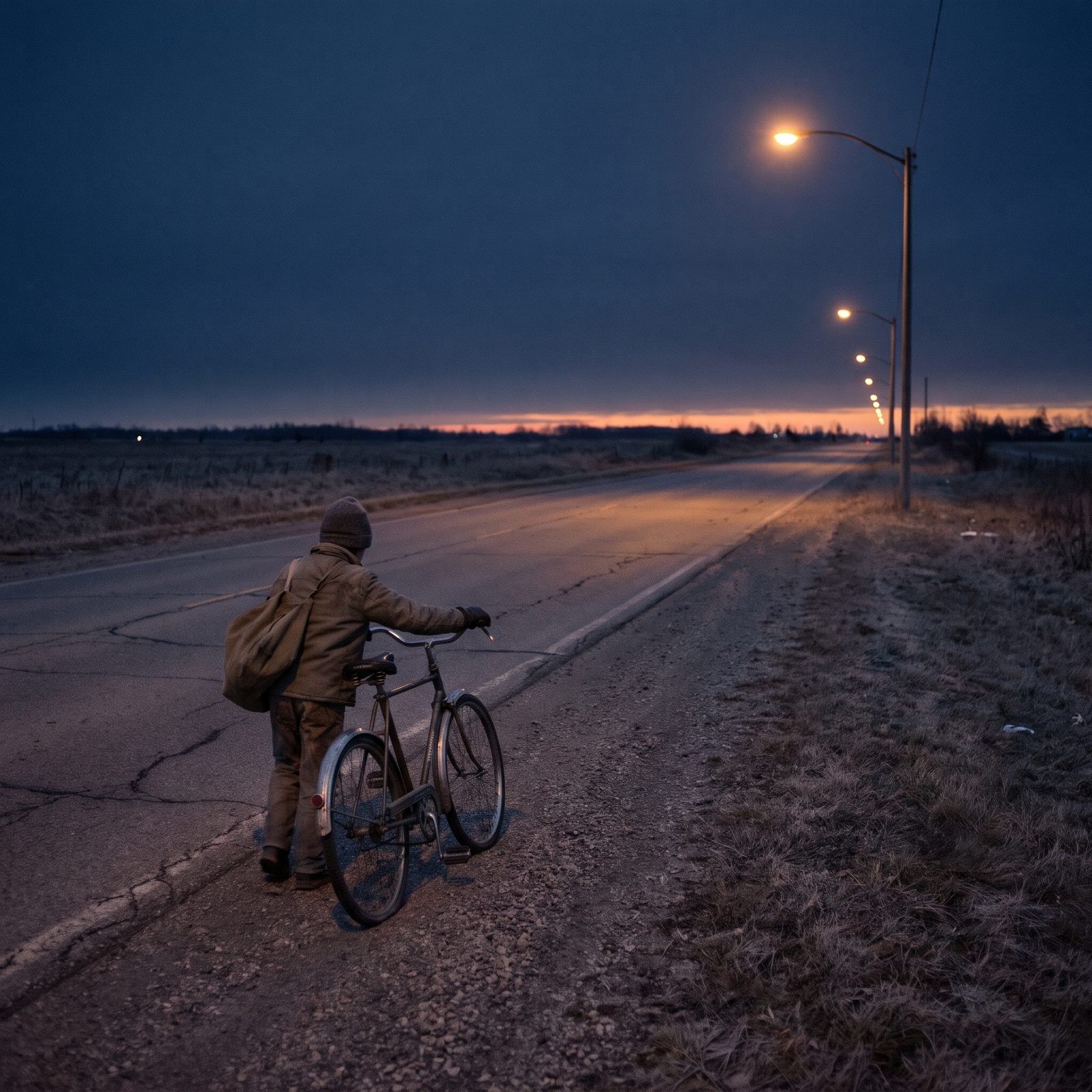
Think about the geography of it. Routes stretched well past the edge of a kid’s own block, sometimes clear into the next neighborhood, and a mechanical failure out there wasn’t an inconvenience — it was a stranding.
No phone in your pocket. No way to call home. A snapped chain or a shredded tire at the far end of the route meant a long walk back in the dark, pushing a dead bike, papers still undelivered, nobody aware you were overdue. If something had gone truly wrong, the first anyone would know was when you failed to turn up for breakfast. Thin margin for a child. And everybody just accepted it as the cost of the job.
2. The Whole Route Had to Be Done Before the First Bell
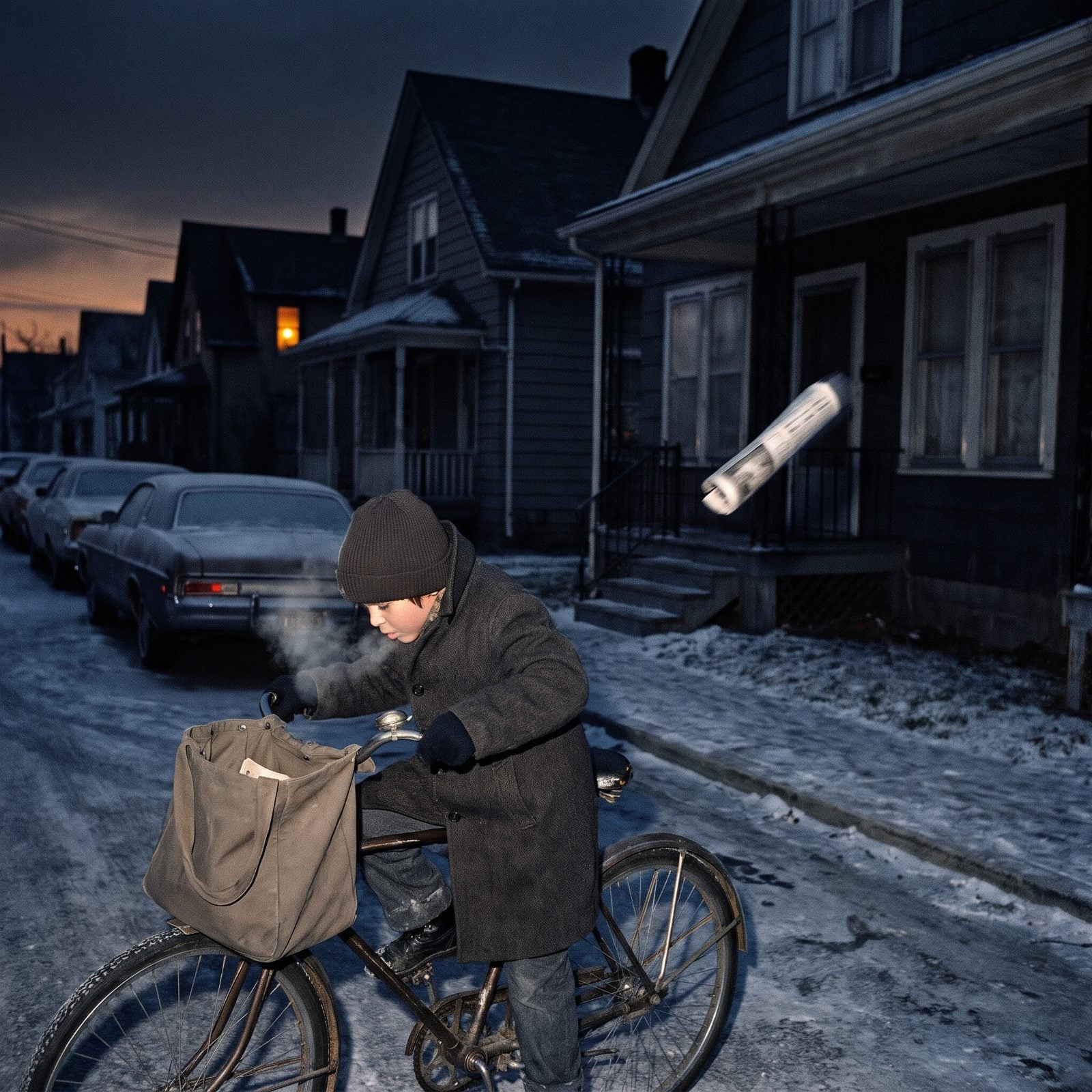
Morning routes ran against a hard deadline that had nothing to do with the papers. School.
You had to deliver every customer, often dozens of them, get home, and still make class on time. That compressed the whole operation into a cold, dark window before dawn, and it rewarded speed over caution every single day. Finish late and you were either marked tardy or you skipped breakfast to claw back the minutes. A kid learning that papers and punctuality came before a hot meal and a warm coat — that’s a lesson in priorities, and not one you’d pick for an eleven-year-old.
1. Going on Vacation Meant Finding Your Own Replacement
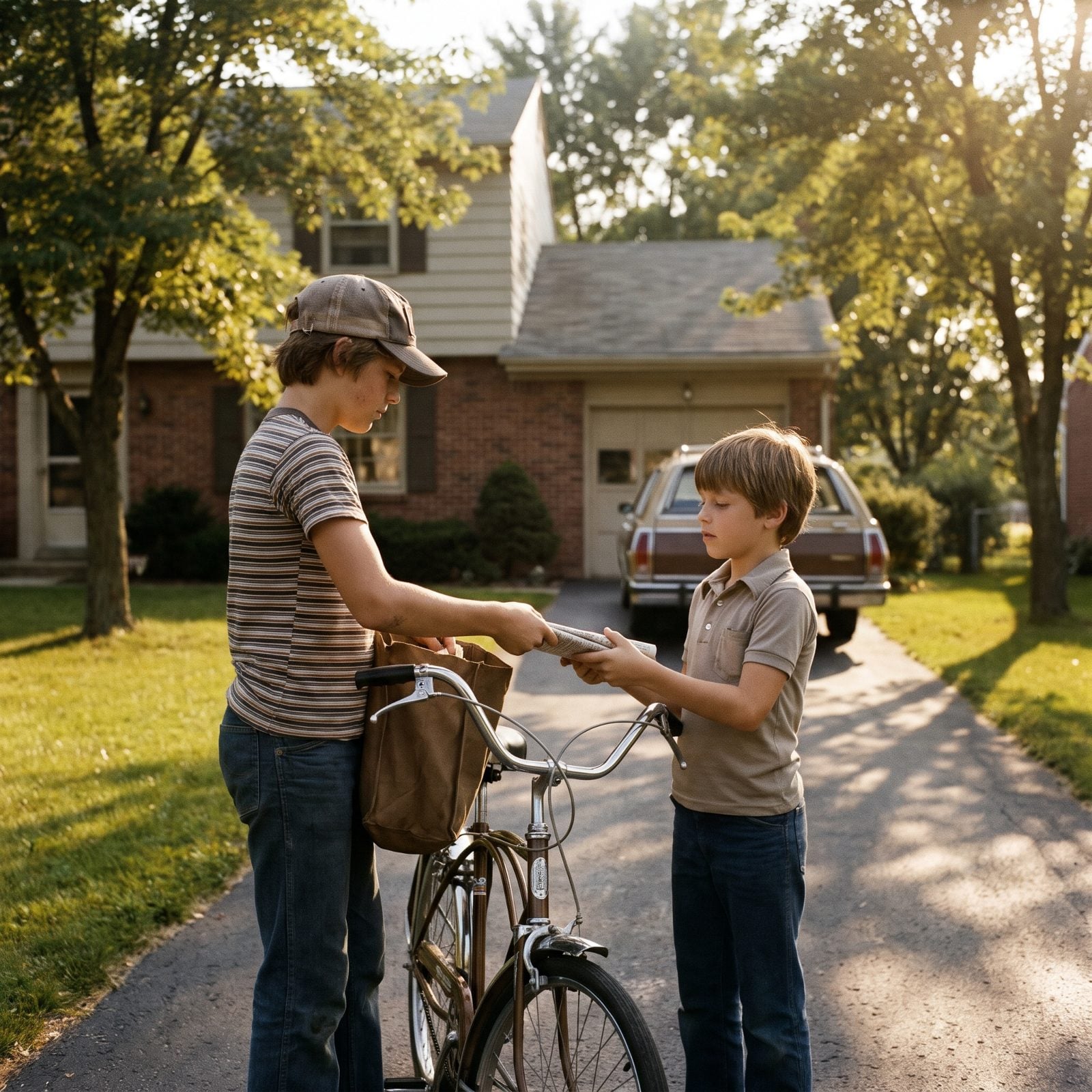
Family trip coming up? The route didn’t pause for it. Papers still landed on the distributor’s corner every morning and customers still expected them, so the carrier had to line up cover.
That usually meant leaning on a friend or a younger sibling, walking them through the route, trusting them with the bag and the ledger, and often paying them out of your own earnings for the week. A twelve-year-old subcontracting a job to another twelve-year-old, managing the handoff, eating any mess the fill-in made. No boss arranged it. No adult signed off on it. The responsibility just stayed with the kid, vacation or not — which tells you exactly how much of a real job it was.