
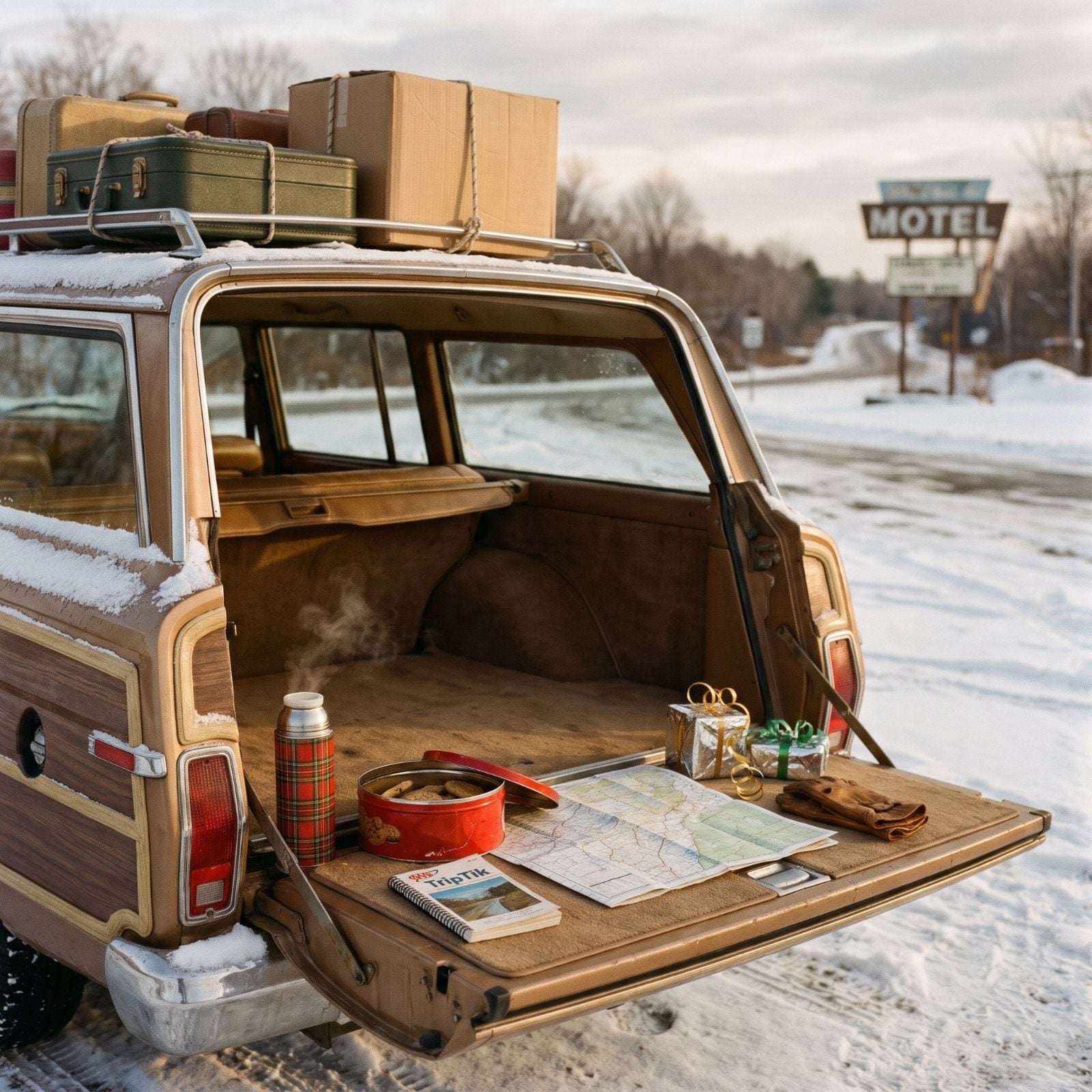
The way-back smelled like vinyl, cold french fries, and whatever the dog had rolled in before you left Ohio. Six hours into a Christmas drive, three kids were piled in the cargo area of a Country Squire, nobody was belted, and the only real argument was over the eight-track. None of it registered as dangerous. It was just Tuesday with presents strapped to the roof. The 1970s family station wagon trip ran on habits we’d never allow now, plus a few we quietly miss. Here’s what rolling down the interstate toward Grandma’s actually looked like.
Please note that some of the images in this article were created with the assistance of AI.
43. Kids Rode in the Rear-Facing Way-Back Seat
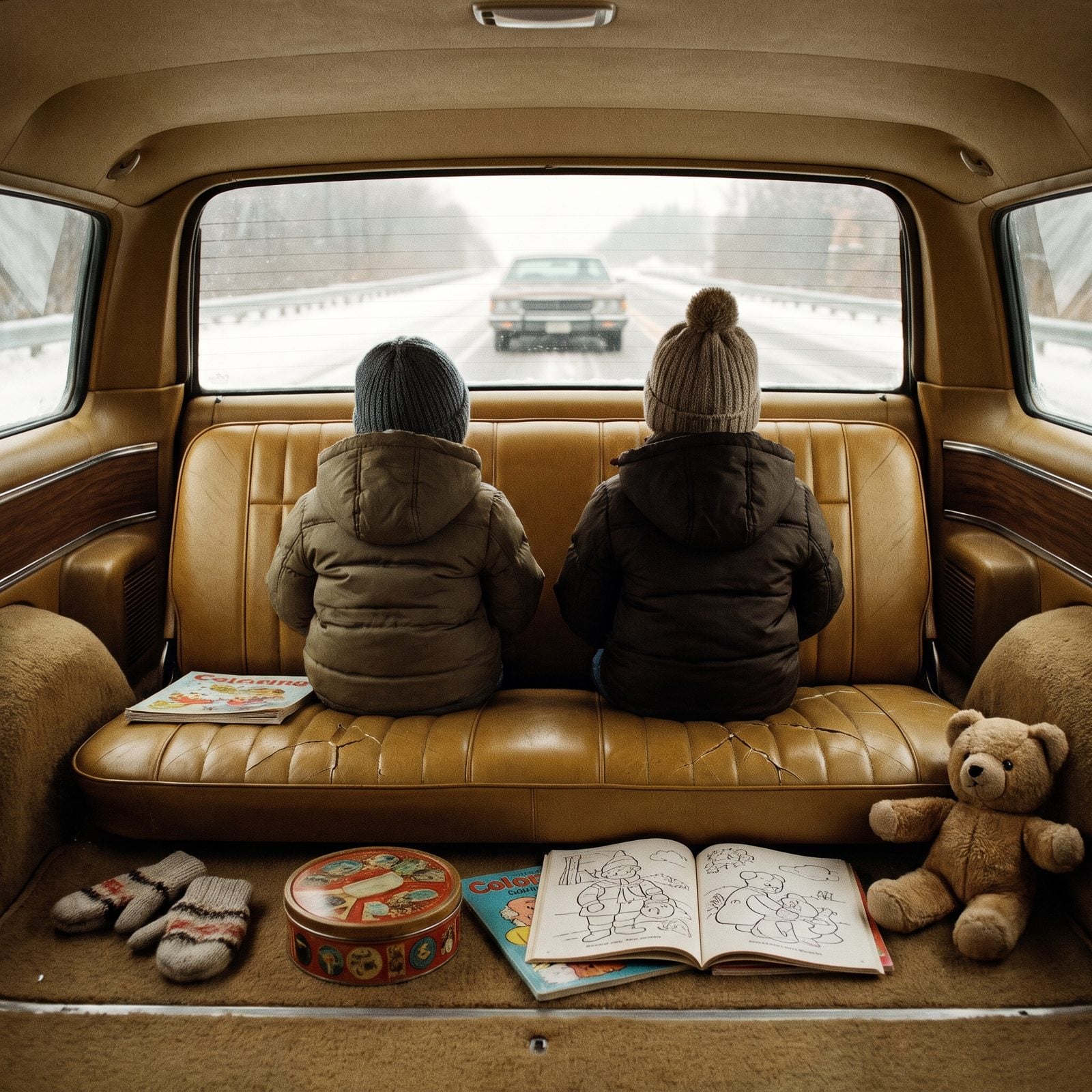
The way-back was the best seat and the worst seat at the same time. You rode facing backward, watching the road you’d already covered unspool behind you, waving at truckers and making faces at the Buick on your tail. It felt like a clubhouse that happened to be moving at highway speed.
It was also a kid sitting with nothing but a vinyl seatback between him and a pane of rear window glass. Any belt back there was buried in the seat, and nobody thought to ask why. The way-back wasn’t a flaw. It was a feature, splashed proudly across brochures as room for the whole gang.
42. Seat Belts Were Often Ignored or Buried
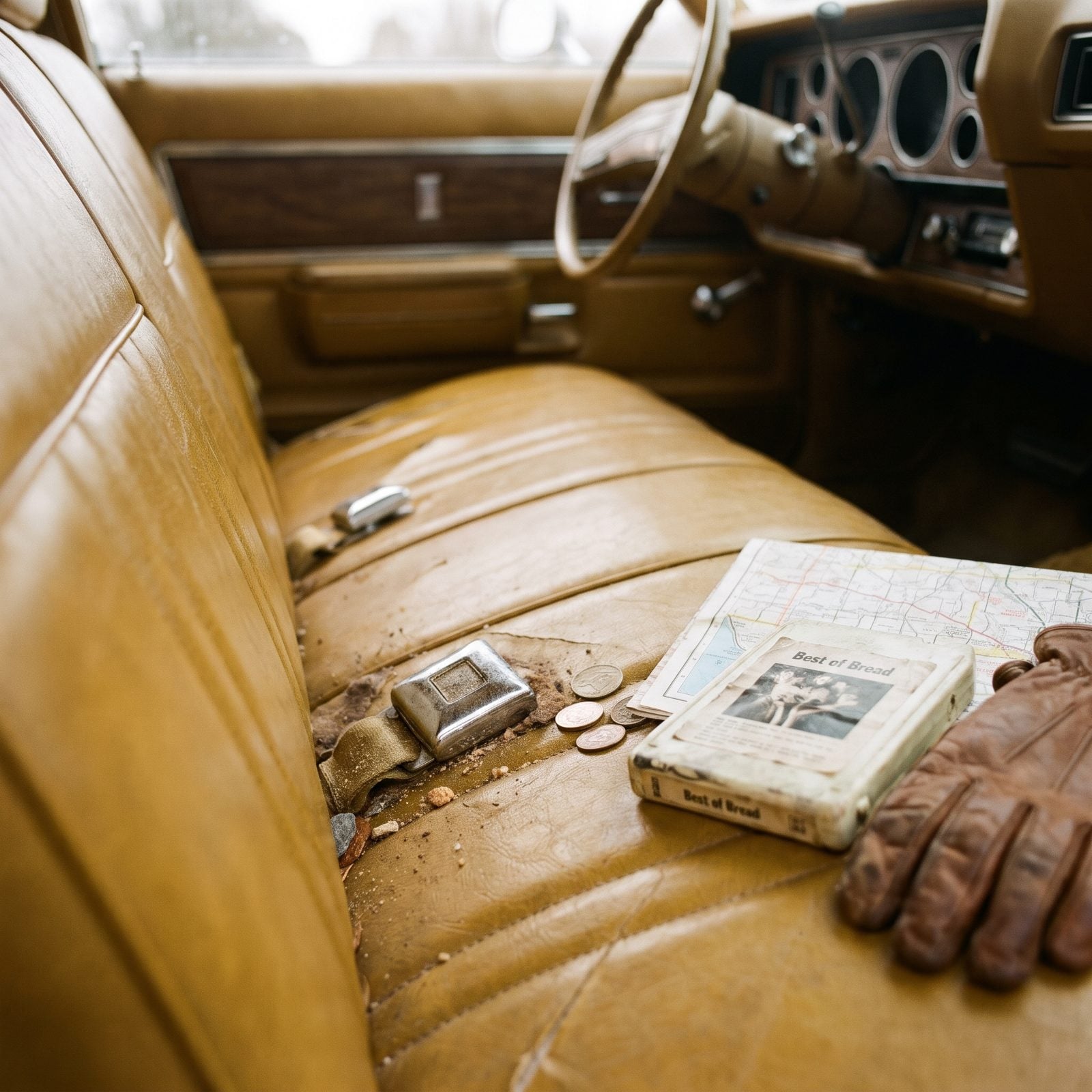
Nobody used them. The belts lived jammed down in the seat crease, coated in crumbs, the buckle warm from a day of sun. Dad might pull his across for the highway. The kids? Forget it.
Buckling up was a cultural matter, not yet a legal one. The first state seat belt law didn’t arrive until 1984 in New York, and before that the whole business got treated as optional and faintly paranoid. More than one adult actively unbuckled because the belt was wrinkling his good shirt.
41. The Cargo Area Became a Rolling Playroom and Bedroom
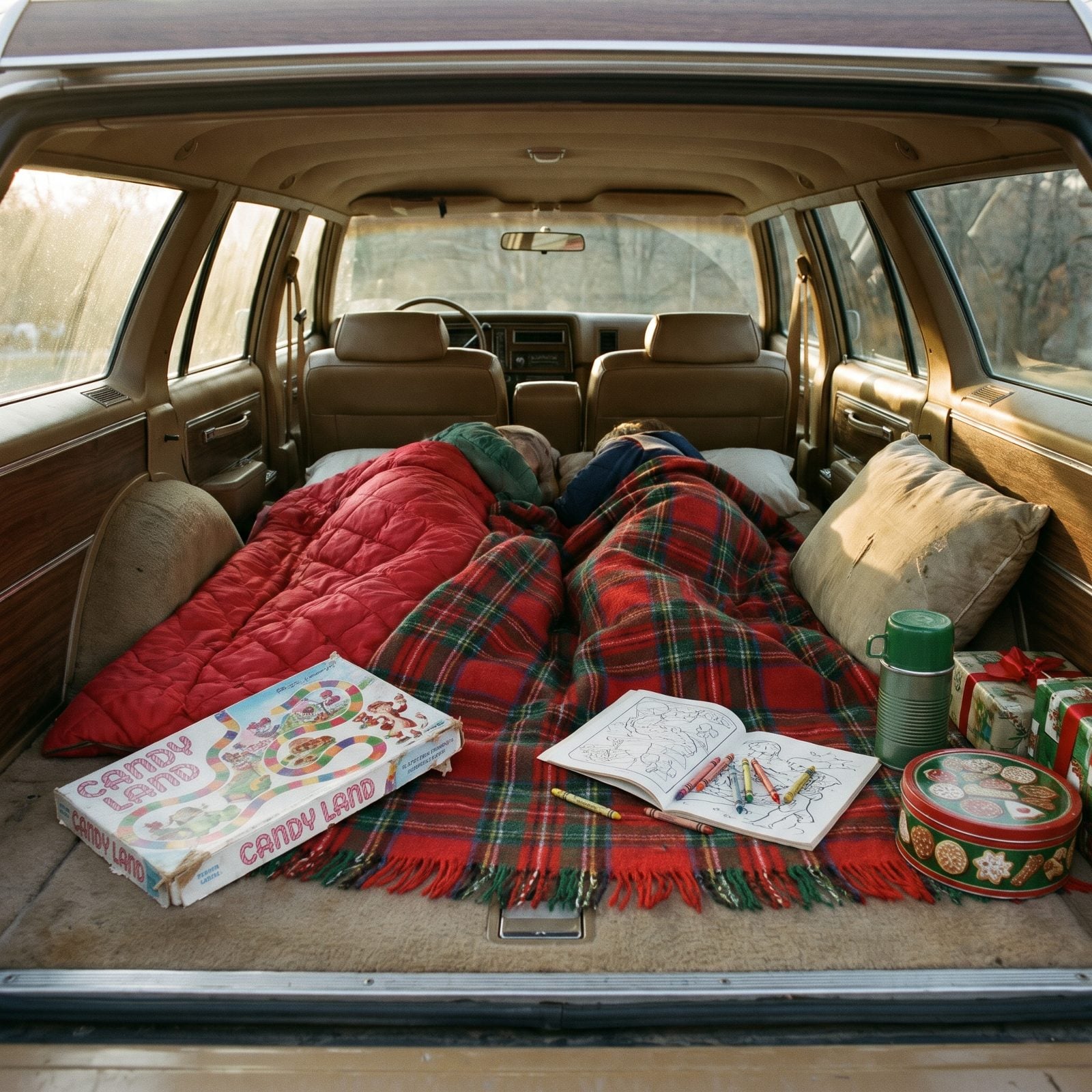
Fold the way-back flat and suddenly you had real estate. Families loaded it with sleeping bags, pillows, a cooler, a grocery sack of snacks, and turned the whole rear deck into a fort. On a long overnight haul, kids genuinely slept back there, stretched across the carpet while the heater droned.
You played games on your stomach and built little walls out of wrapped gifts. Best bunk you ever had — moving at seventy, zero restraints, a tailgate full of luggage behind your head.
40. The Family Dog Roamed Loose Inside the Wagon
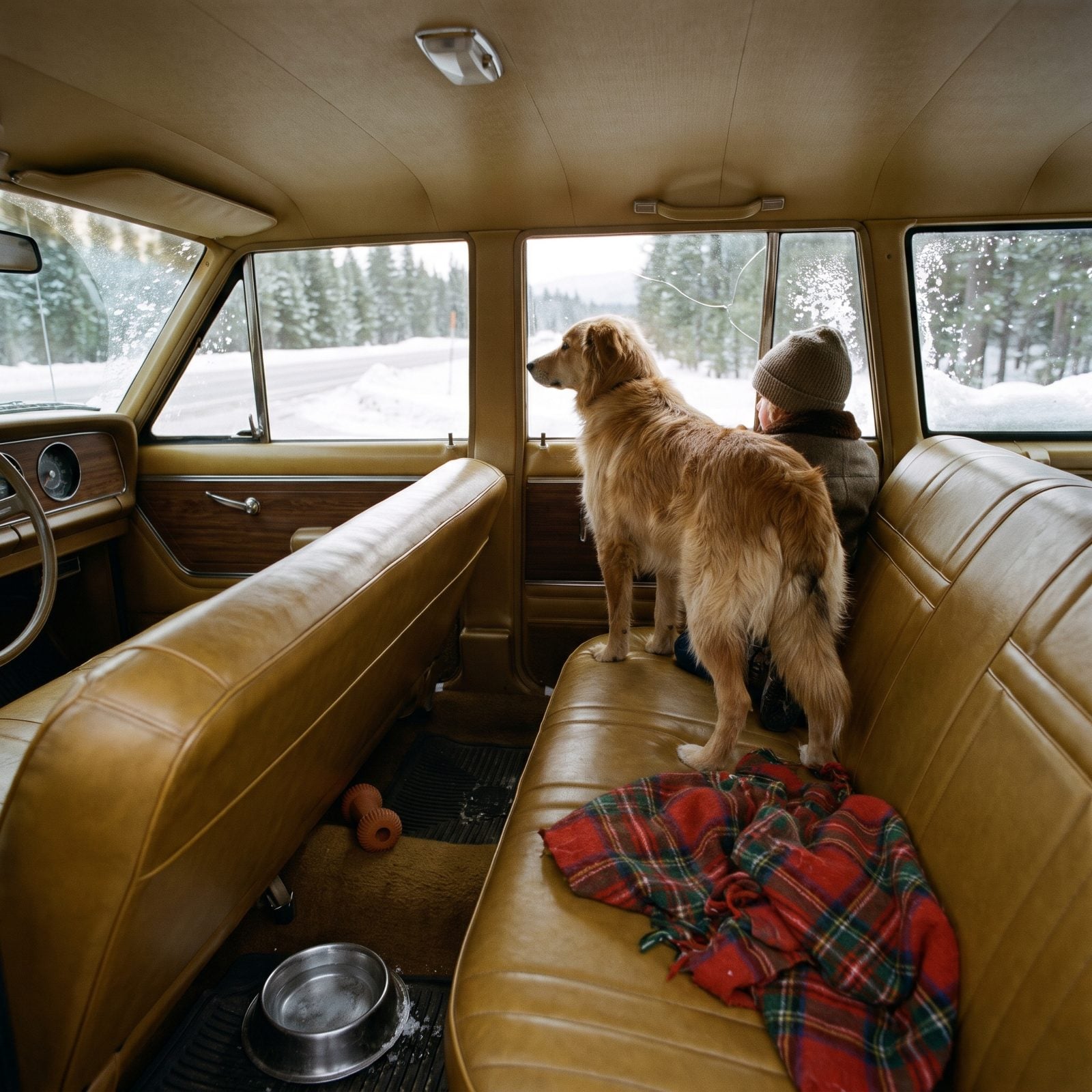
The dog had the run of the place. He’d start up front on someone’s lap, migrate to the bench, step on three kids, circle twice, then settle wherever a cookie might fall. Crack a window and he was at it in a heartbeat, ears flapping.
No crate, no harness, no barrier — just a loose, happy animal sliding around the cabin on every curve and begging at every rest stop. Somehow he always knew before the people did when a drive-through was coming up.
39. AAA TripTiks Flipped One Narrow Page at a Time
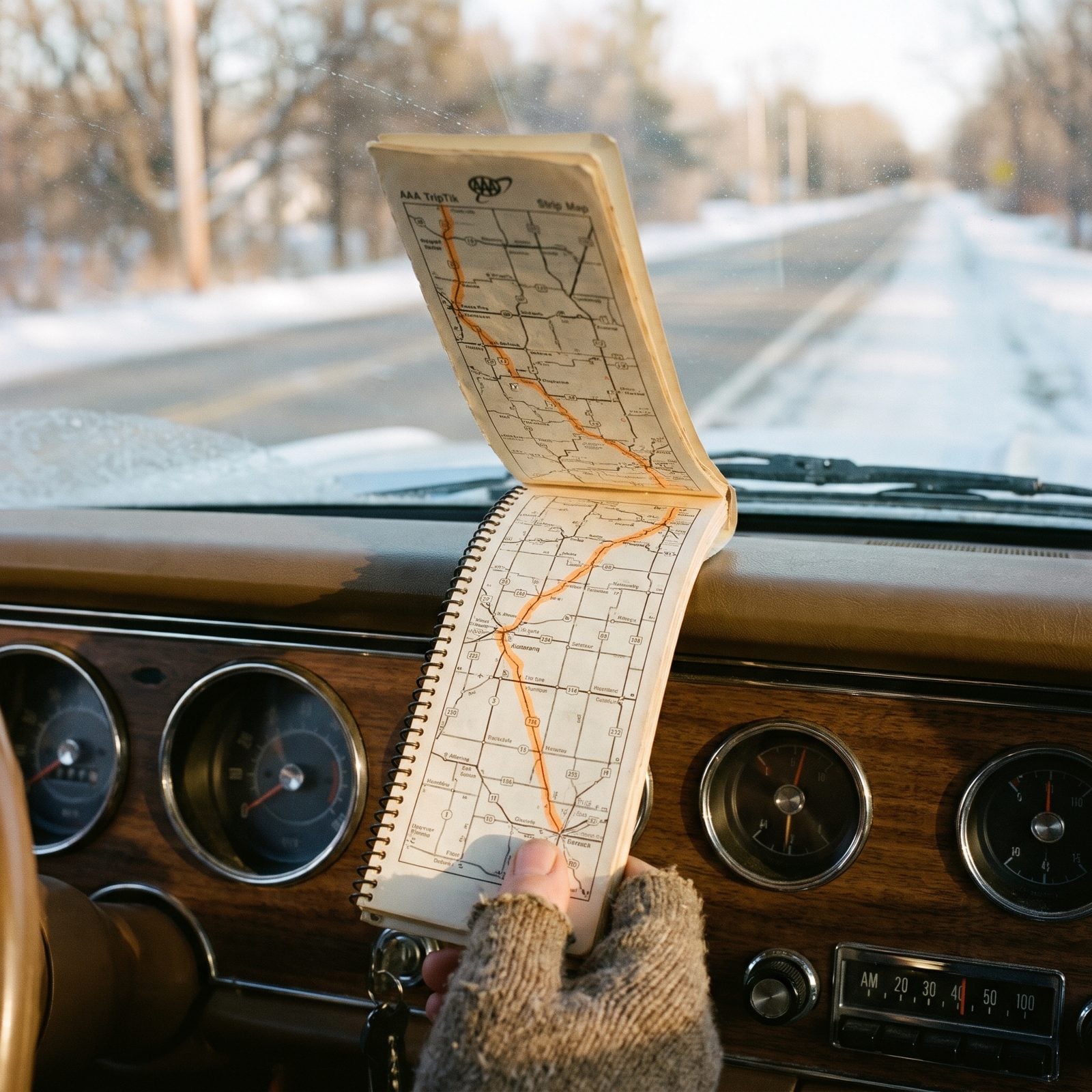
Navigation came pre-chewed. You’d stop by the AAA office before the trip and a clerk would assemble a custom TripTik — a spiral flip-book of narrow strip maps, your route highlighted in marker, page by page.
The driver was often the navigator too, holding the book up against the wheel, flipping to the next skinny page every twenty minutes and calling out turns to nobody but themselves. It worked beautifully right up until you missed an exit and had to figure out which page you’d actually fallen off of. Reverse-engineering your location from a strip map is its own small panic.
38. Getting Lost Meant Asking a Stranger for Directions
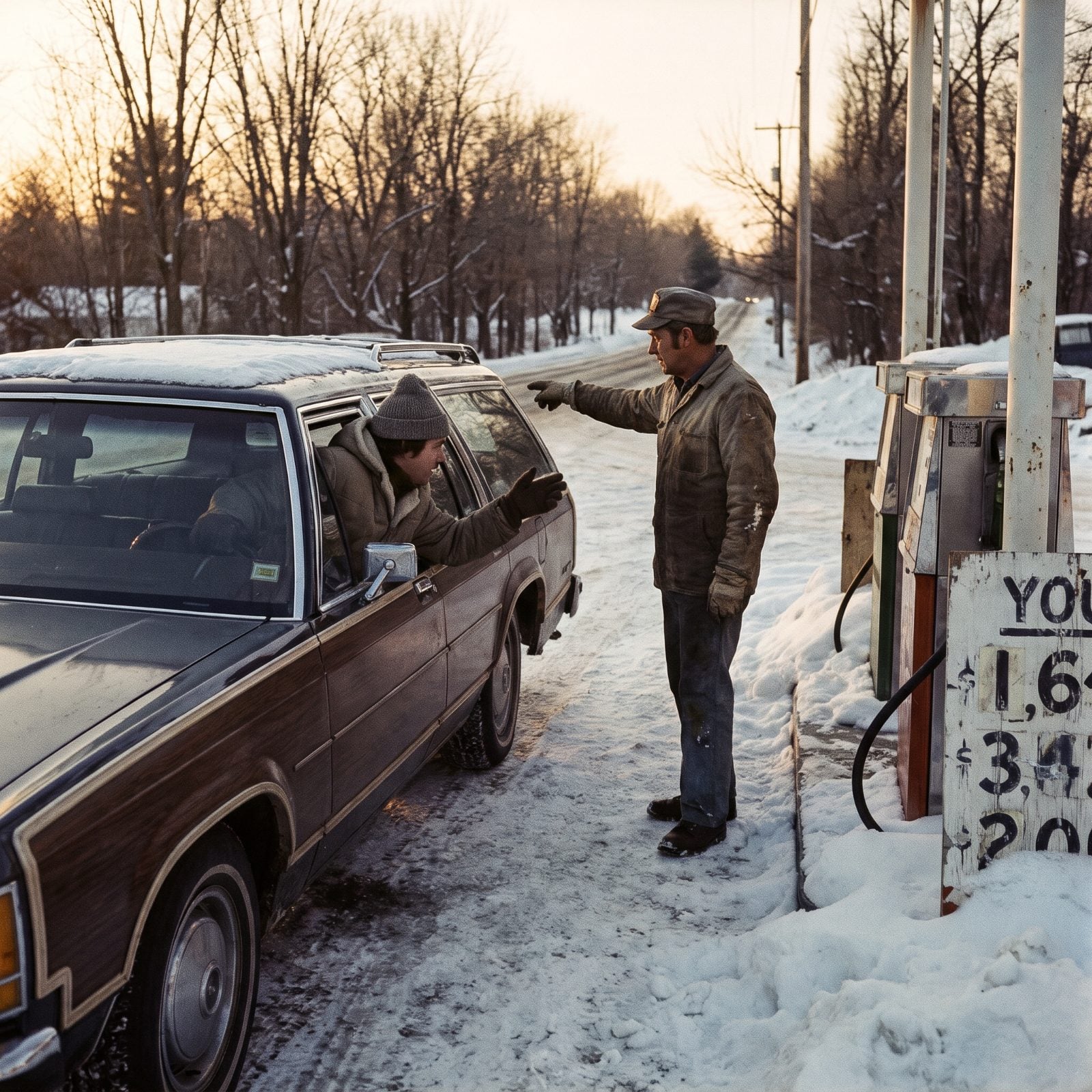
When the TripTik failed you, the fix was human. You pulled into a gas station, rolled down the window, and asked the attendant how to get back to Route 40. He’d point, mutter something about a feed store and a second light, and send you off half-confident.
Half those directions were wrong or flat impossible to follow. But a social contract held the whole thing together. You trusted a stranger in coveralls at a snowy pump, and he trusted that you’d figure out the rest. It usually worked out.
37. A Roadside Payphone and a Collect Call Confirmed a Safe Arrival
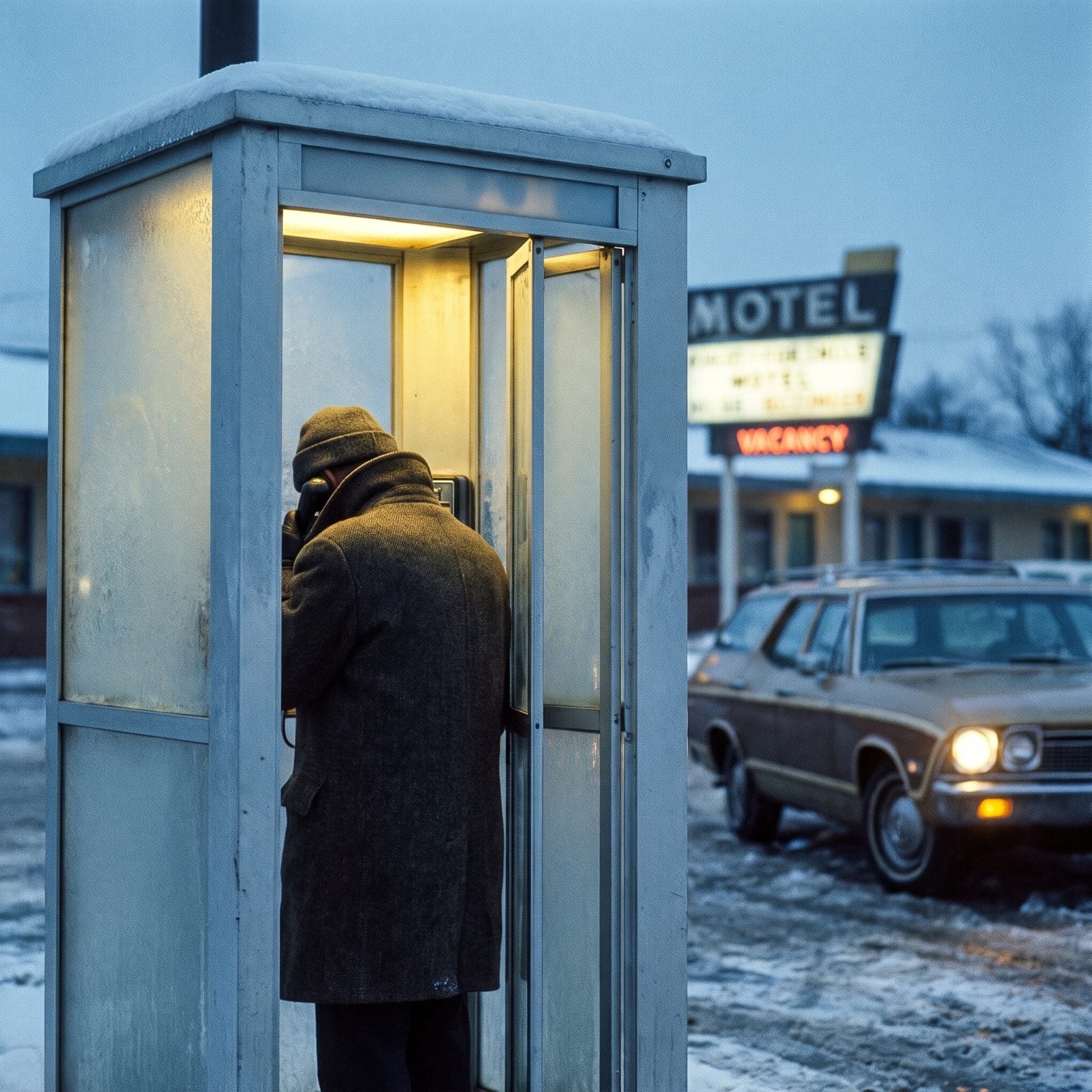
You didn’t call to chat. You called to prove you weren’t dead in a ditch. Pull into a motel or a diner, find the payphone bolted to the wall, and place a collect call home.
Everybody knew the trick. The operator asks who’s calling, and you blurt your whole message into the name slot before anyone accepts the charges. “CollectcallfromWE-MADE-IT.” Grandma declines, saves the money, and knows you arrived. A whole generation gamed the phone company for free, one clever refusal at a time.
36. CB Radios Let Families Talk to Truckers
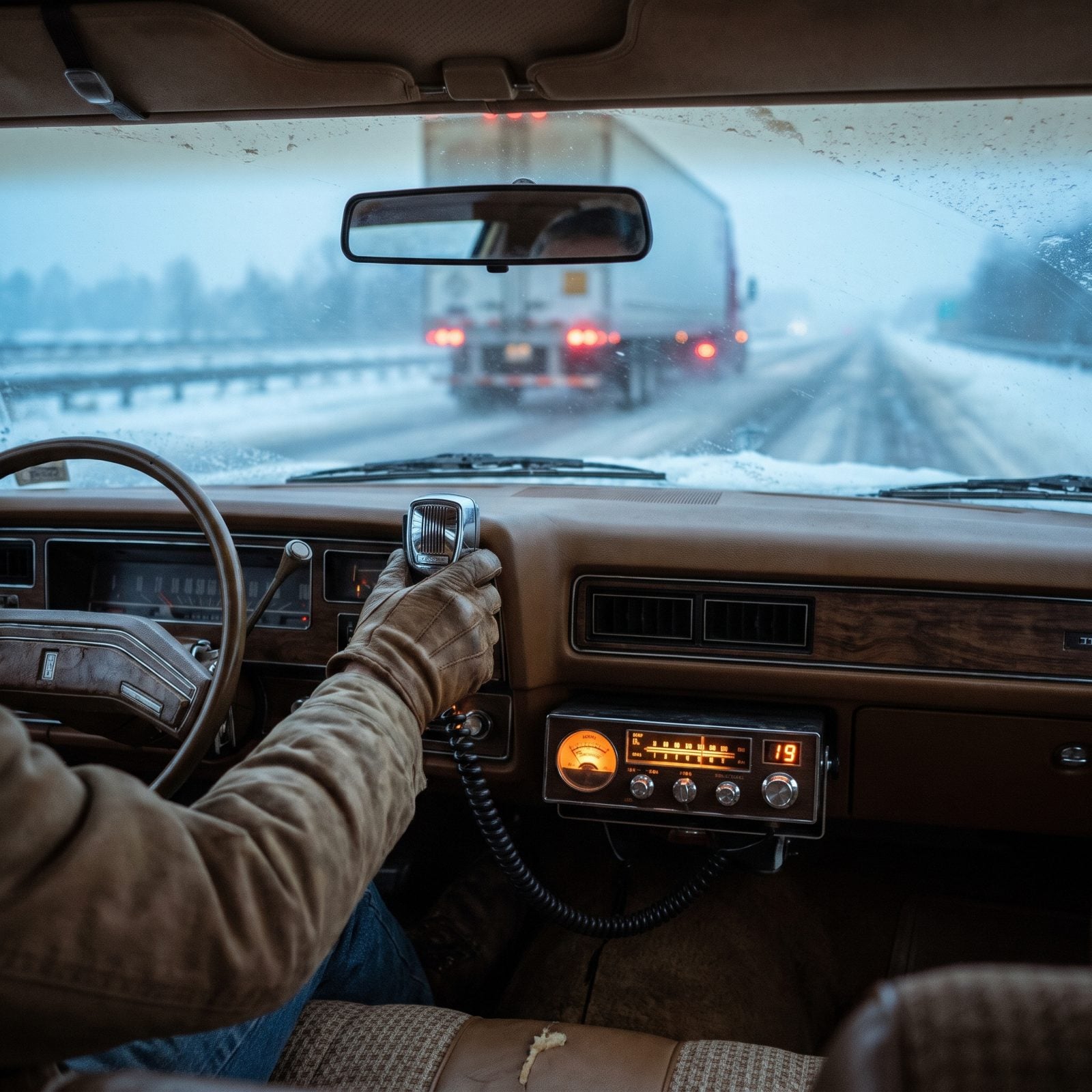
For a few years there, everybody had a handle. The CB radio turned the interstate into a party line, and a family chattering toward Christmas could key the mic and ask the trucker ahead about traffic, weather, or where the smokeys were parked.
Kids fought over who got to talk. You’d report an icy patch, catch a “ten-four, good buddy” back from some driver forty miles up, and feel like a member of a secret network strung across the whole dark highway. The CB warned you about the snowstorm long before any radio station bothered to.
35. AM Radio Faded Into Static Between Towns
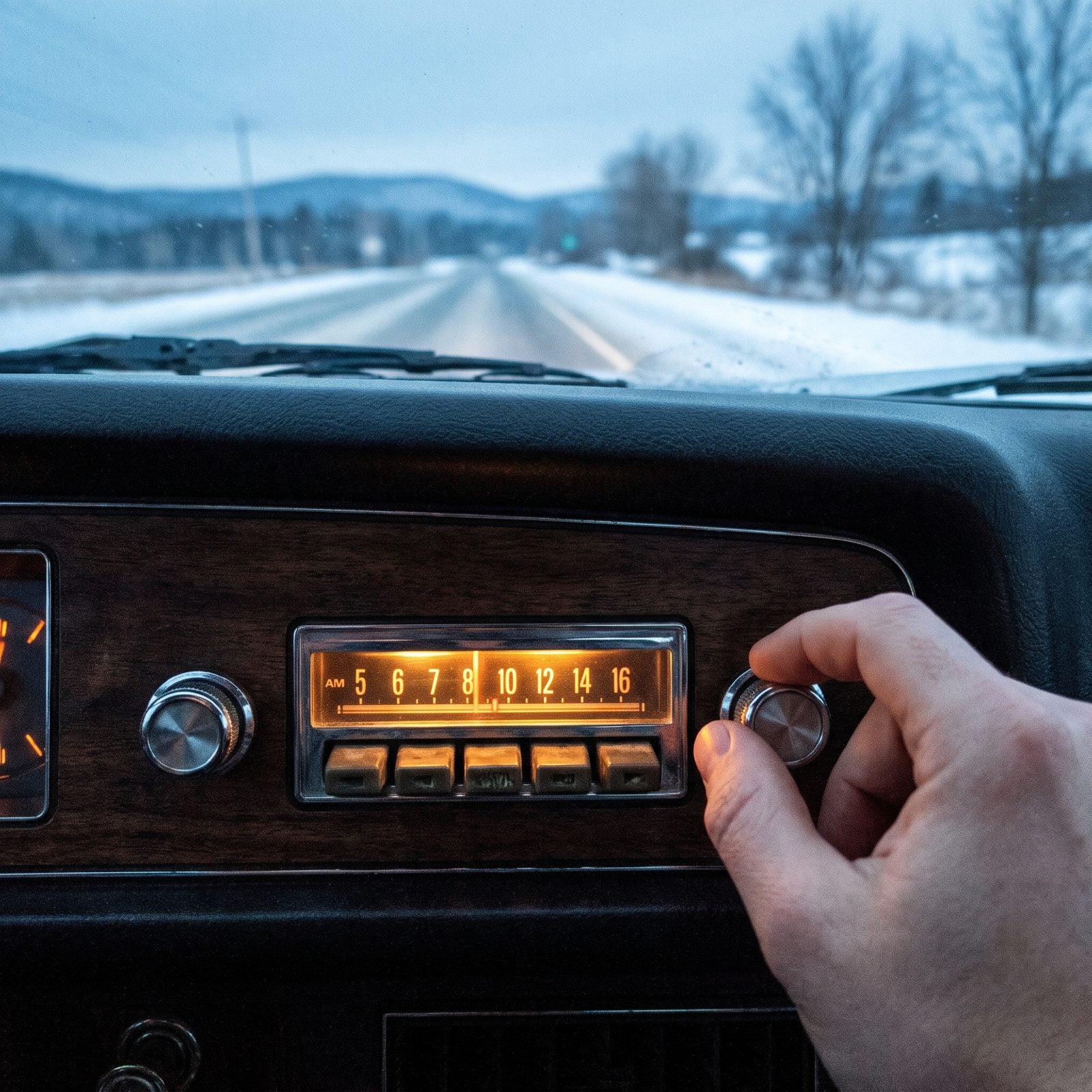
Out between towns, the music just dissolved. AM signals carried for miles at night but thinned into hiss during the day, so you’d burn ten minutes chasing a station across the dial as one faded and another crackled in.
Catching a strong clear-channel signal felt like a win. You held onto it as long as you could, listening to a DJ two states away fight through the static, until the hills swallowed the signal and the hunt started over. That quiet in between had a character all its own.
34. Eight-Track Tapes Changed Songs Mid-Chorus
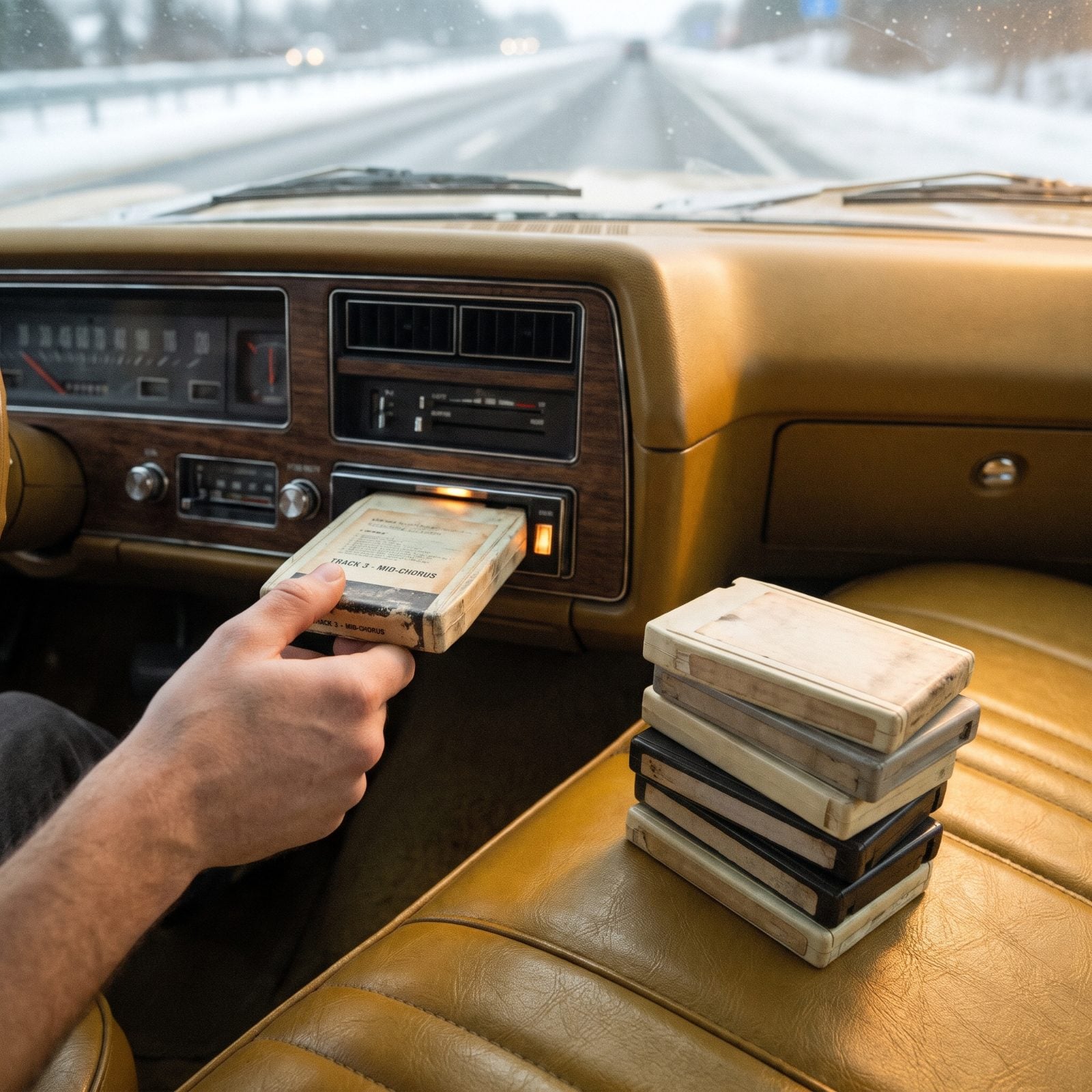
The eight-track was glorious and cursed. No rewind, no skip, and the single worst quirk ever committed to plastic: to cram a record onto four looping tracks, the machine would slice a song clean in half, go “ka-CHUNK” switching programs, and finish the chorus thirty seconds later.
You memorized which songs got mangled and braced for the cut every time. The cartridges were chunky, they jammed, and on cold mornings the tape would drag and warble until the cabin warmed up. Still — that clunky brick meant you controlled the music for the first time. Static-free, at least until the tape jammed.
33. Christmas Music Played Only When a Radio Station Chose It
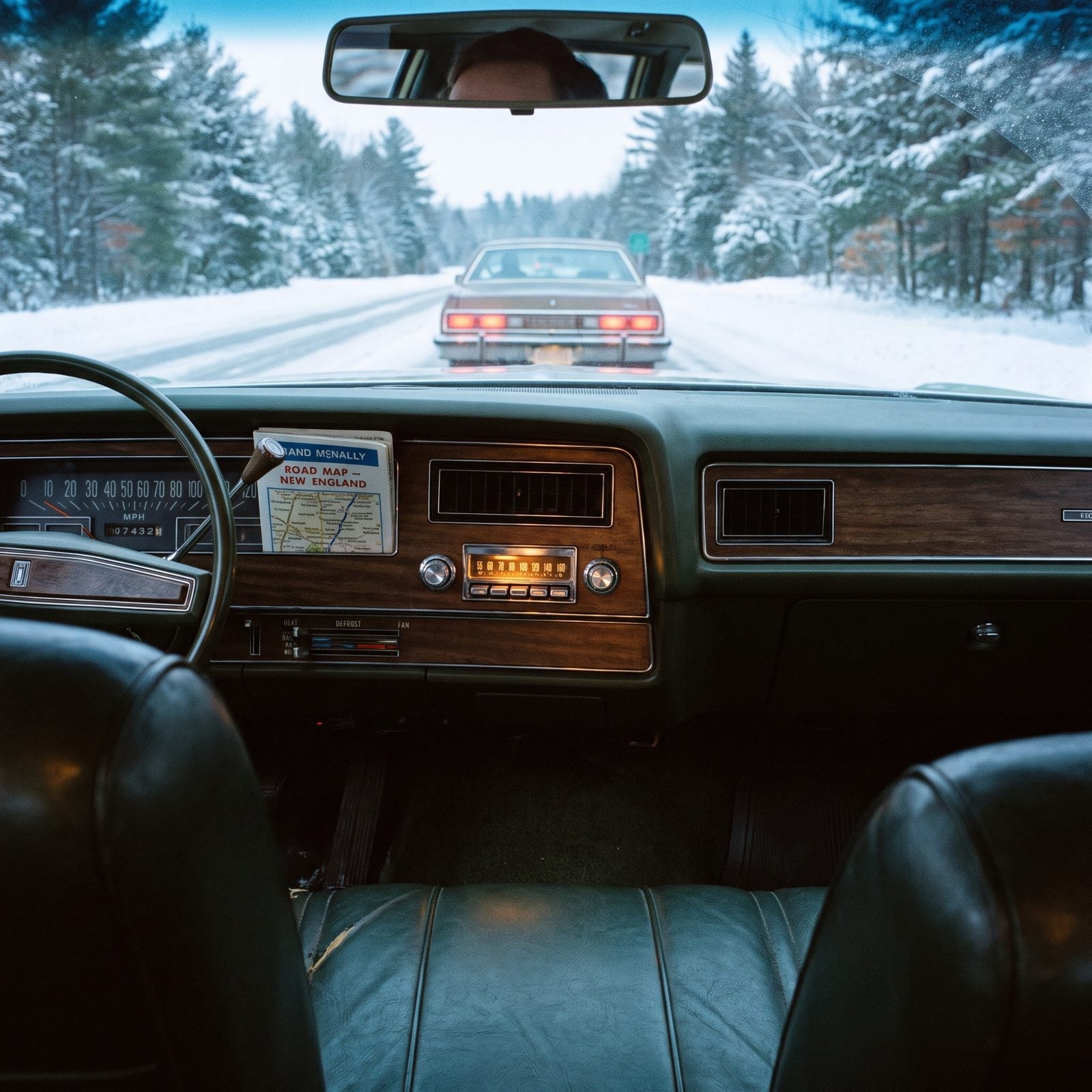
There were no playlists. There was a disc jockey you’d never meet, and a dial that crackled with static between towns, and somewhere past the county line your favorite station dissolving into a farm report or a preacher.
Hearing “Jingle Bell Rock” meant something back then, because you couldn’t summon it. You waited. And when it finally came on, every kid in the back went quiet for three minutes like it was a gift nobody had wrapped yet.
32. Kids Begged Truckers to Blast Their Air Horns
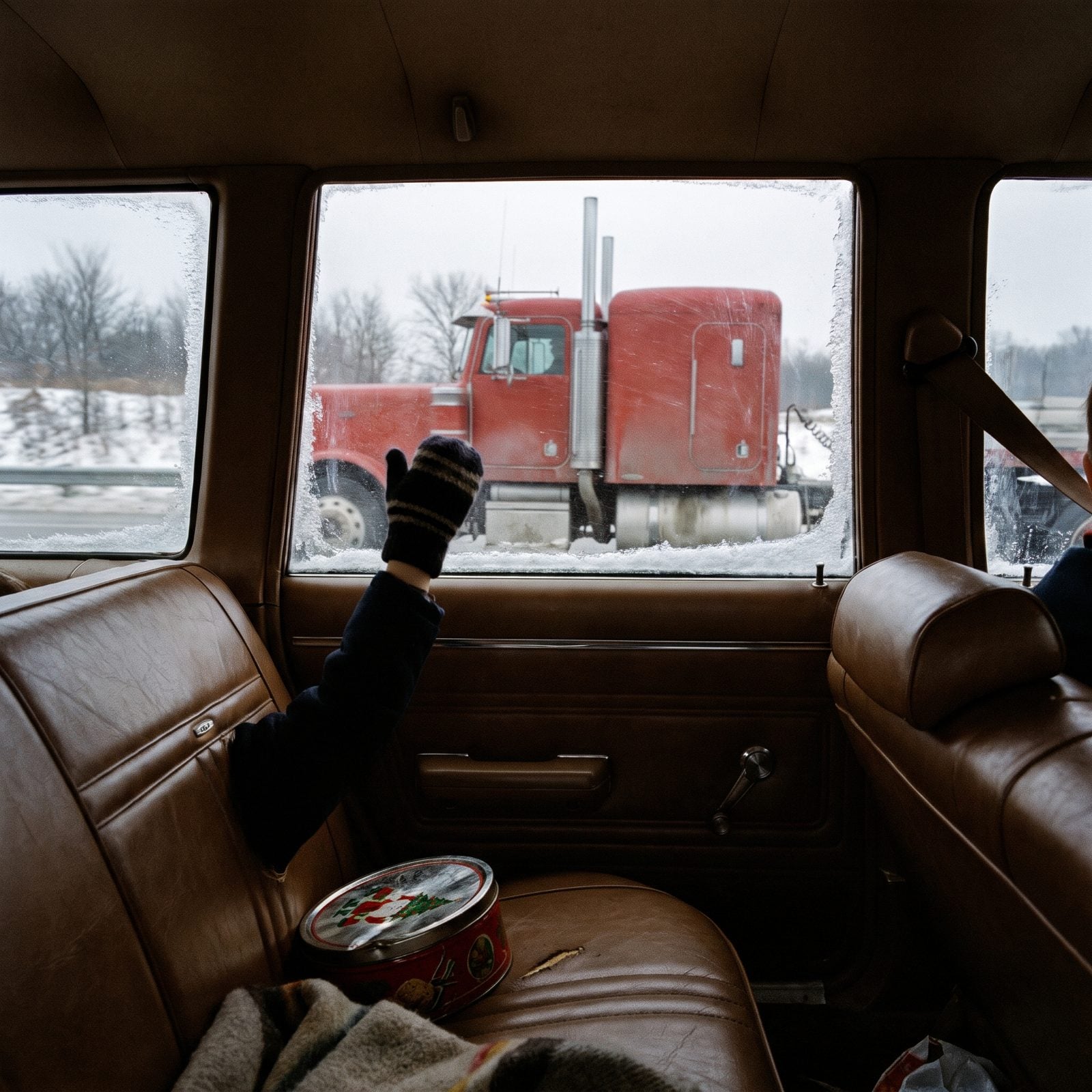
Arm up. Fist pumping. The universal semaphore for please, sir, scare my parents half to death.
Most truckers obliged. A good one would lay on that horn like he was announcing Christmas, and the whole back seat would erupt. The ones who ignored you got booed through glass they couldn’t possibly hear through. Pure, dumb, perfect entertainment, and it cost nothing but the nerve to make eye contact with a man sitting forty feet up in a Peterbilt.
31. The License Plate Game Could Last for Days
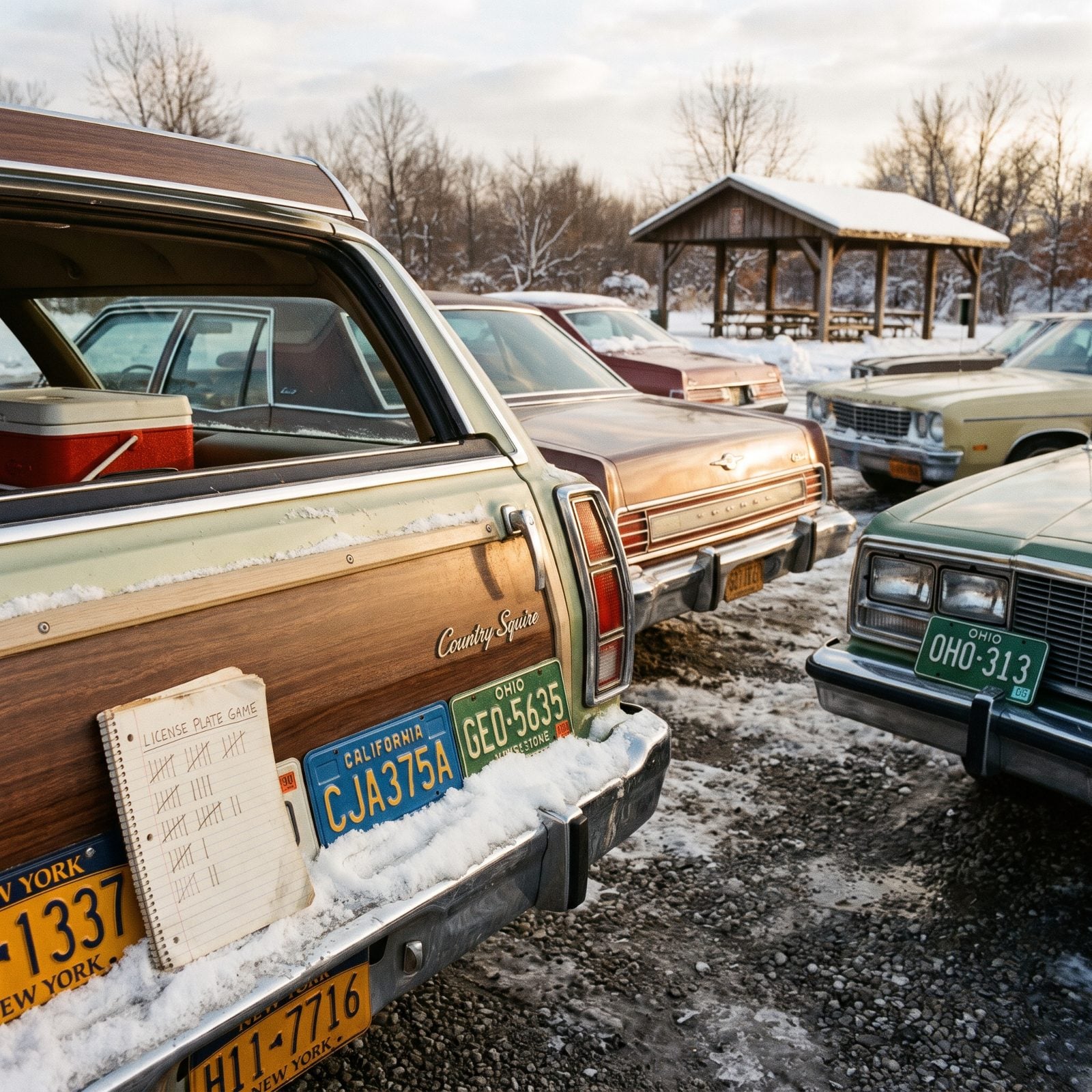
Forty-eight states, one long interstate, and a notebook going soft at the corners. Spotting Hawaii was a myth you chased for a decade. Finding Alaska on a plate in Ohio felt like catching a comet.
The game outlasted meals, naps, and a flat tire outside Terre Haute. It ran on nothing — no batteries, no screen, no outlet. Just the open road handing you random strangers from random states, and a reason to look out the window instead of down at your lap.
30. Mad Libs Kept the Back Seat Laughing
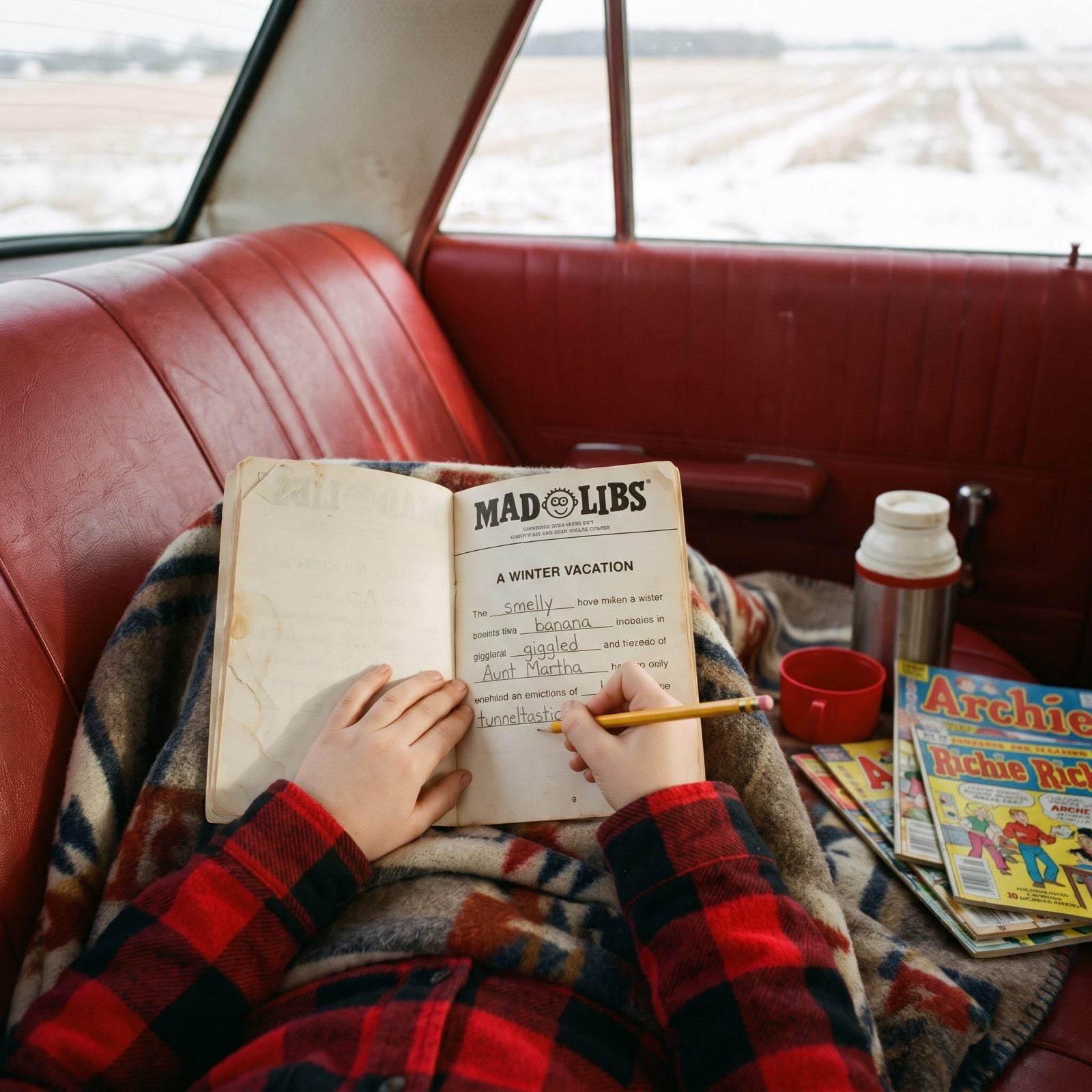
Someone always shouted the dirtiest noun they could get away with. That was the whole engine of it.
A fill-in-the-blank story turned the Grandma’s-house drive into a giggling arms race, every kid angling to make the reader lose it at “the slippery toilet reindeer.” Nobody read the finished sentence straight. You couldn’t. The pencil got passed around until the booklet fell apart at the staples, and then you started over from the back.
29. Etch A Sketches Served as Portable Screens
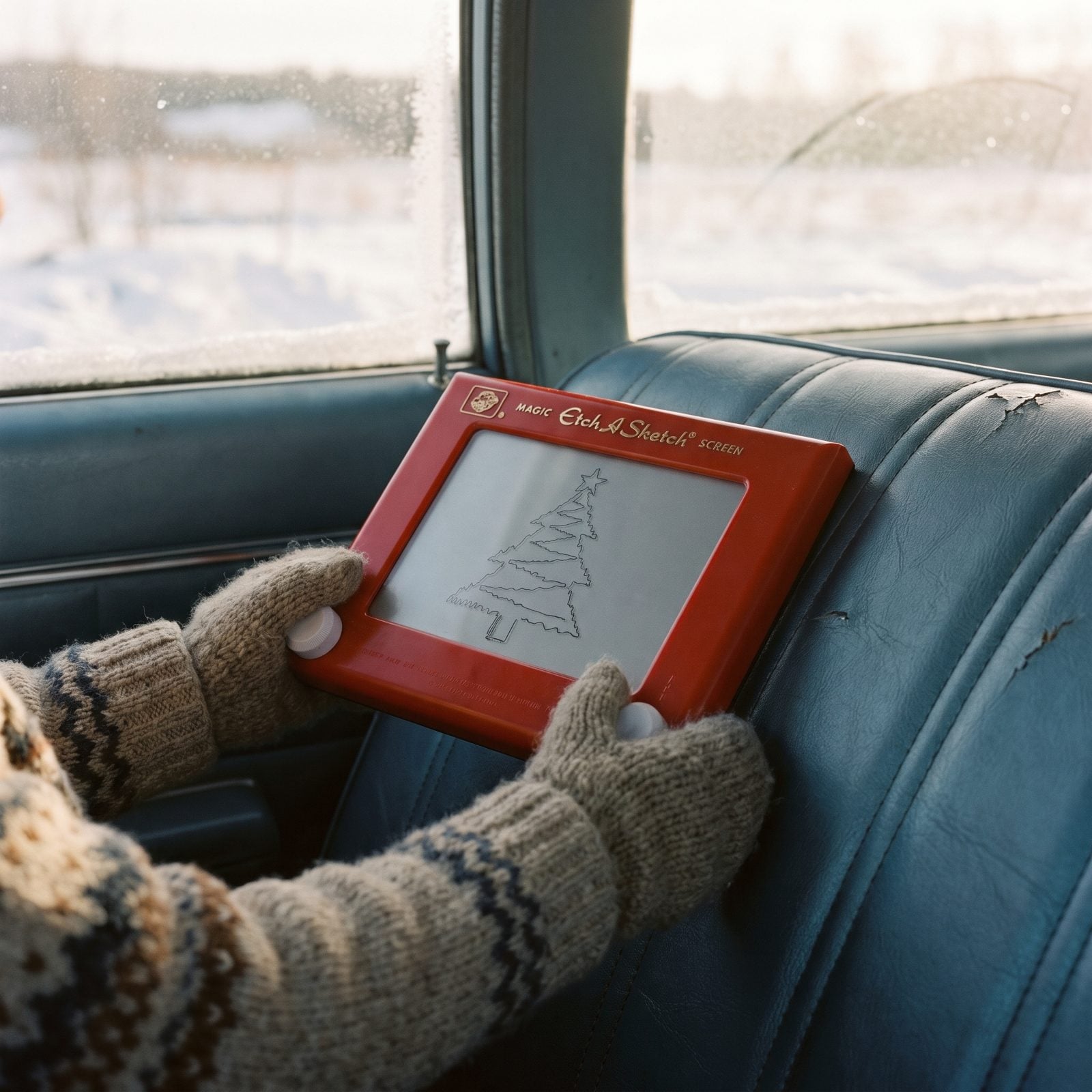
Two knobs, a grey screen, and the heartbreak of a pothole.
You’d spend ten careful minutes drawing a staircase, nailing those right angles like a tiny draftsman, and then the wagon hit a frost heave and shook the whole thing clean. Anybody over a certain age knows the specific grief of a ruined Etch A Sketch.
Still, it was the closest thing to a screen the back seat had. No glow, no sound, no battery warning — just red plastic and the faint rattle of aluminum powder inside, which, if you shook it long enough, earned you a sharp word from the front seat to knock it off.
28. Nobody Had a Cup Holder
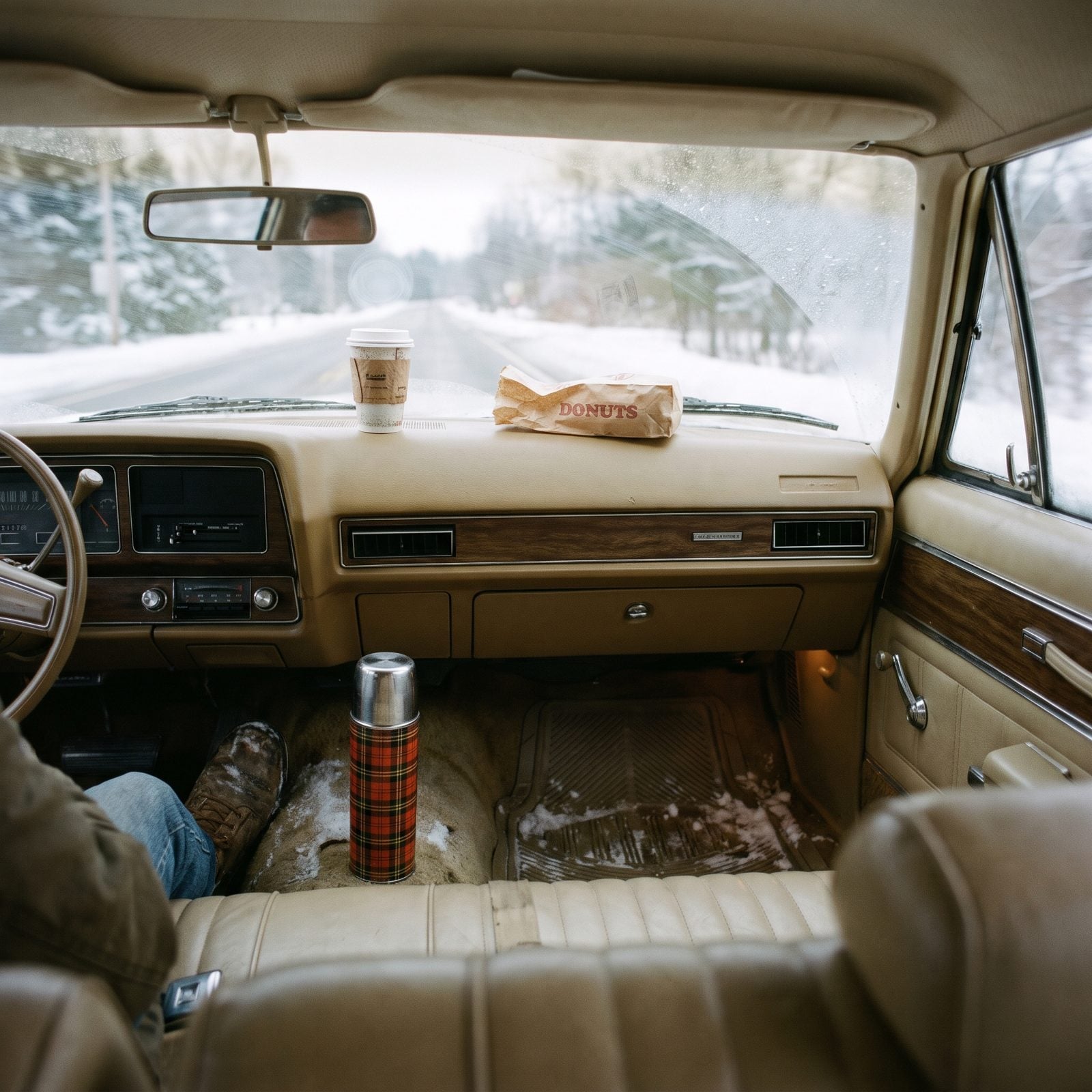
The dashboard was the cup holder. So was the seat between your legs, the window ledge, and your own two hands clamped around a thermos cap of coffee gone lukewarm.
Every sharp turn was a coffee emergency. A hard stop meant a lap full of hot chocolate and half an hour of blame. People genuinely drove with a styrofoam cup wedged into the crook of a knee, and it worked until it very much didn’t. Cup holders didn’t show up as standard for years. We survived on faith and reflexes.
27. Crank Windows Provided the Climate Control
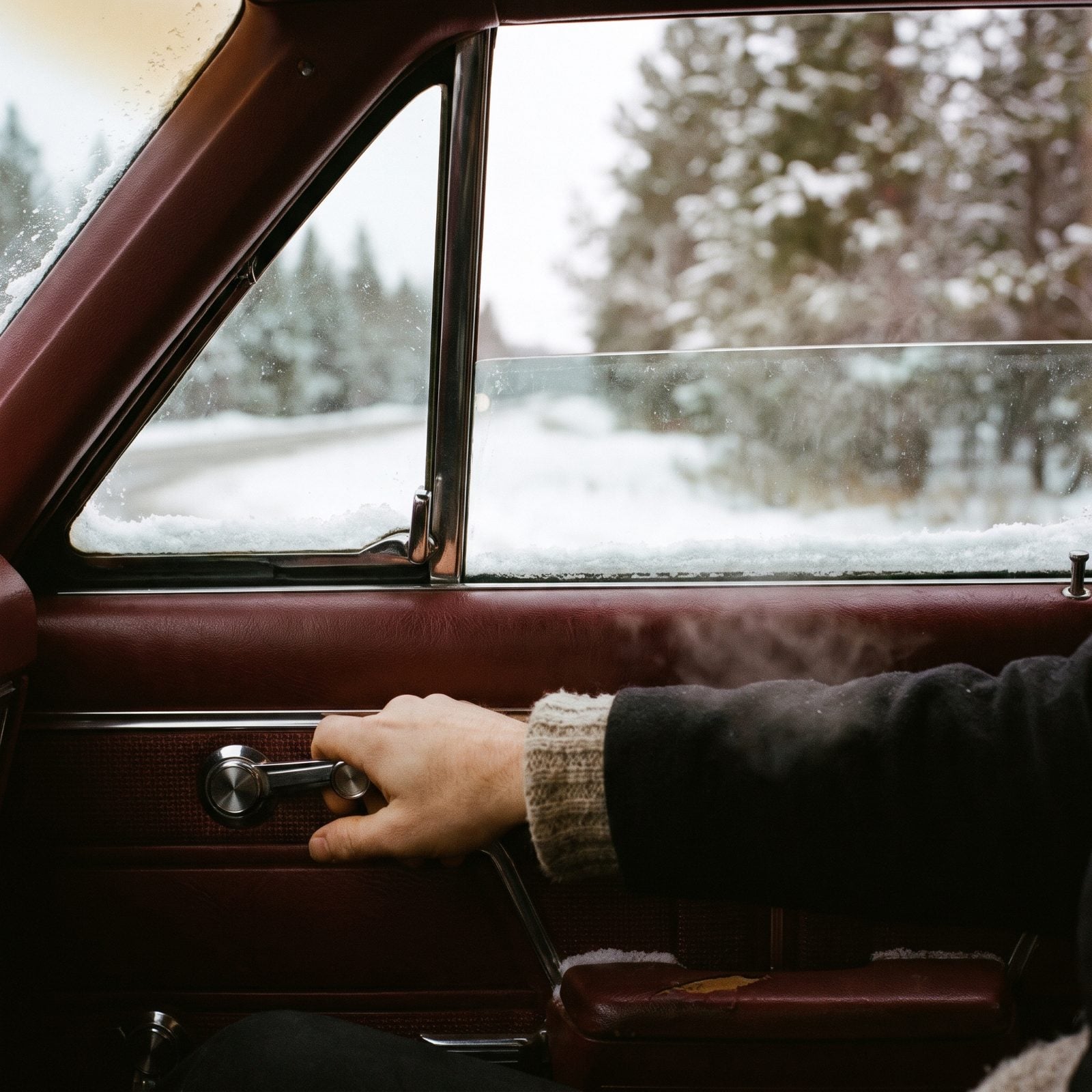
Climate control had a handle and a workout attached. Four windows, four cranks, and a driver barking “roll it up, you’re letting the heat out” roughly every six miles.
You learned the exact number of turns for a crack of fresh air versus a full blast. Rolling up a back window from the front was impossible, which handed the kids a small, cruel power over the adults. The first time you touched a power window, it felt like science fiction. These just felt like a chore you did without thinking.
26. Tiny Vent Windows Blasted Air Into the Cabin
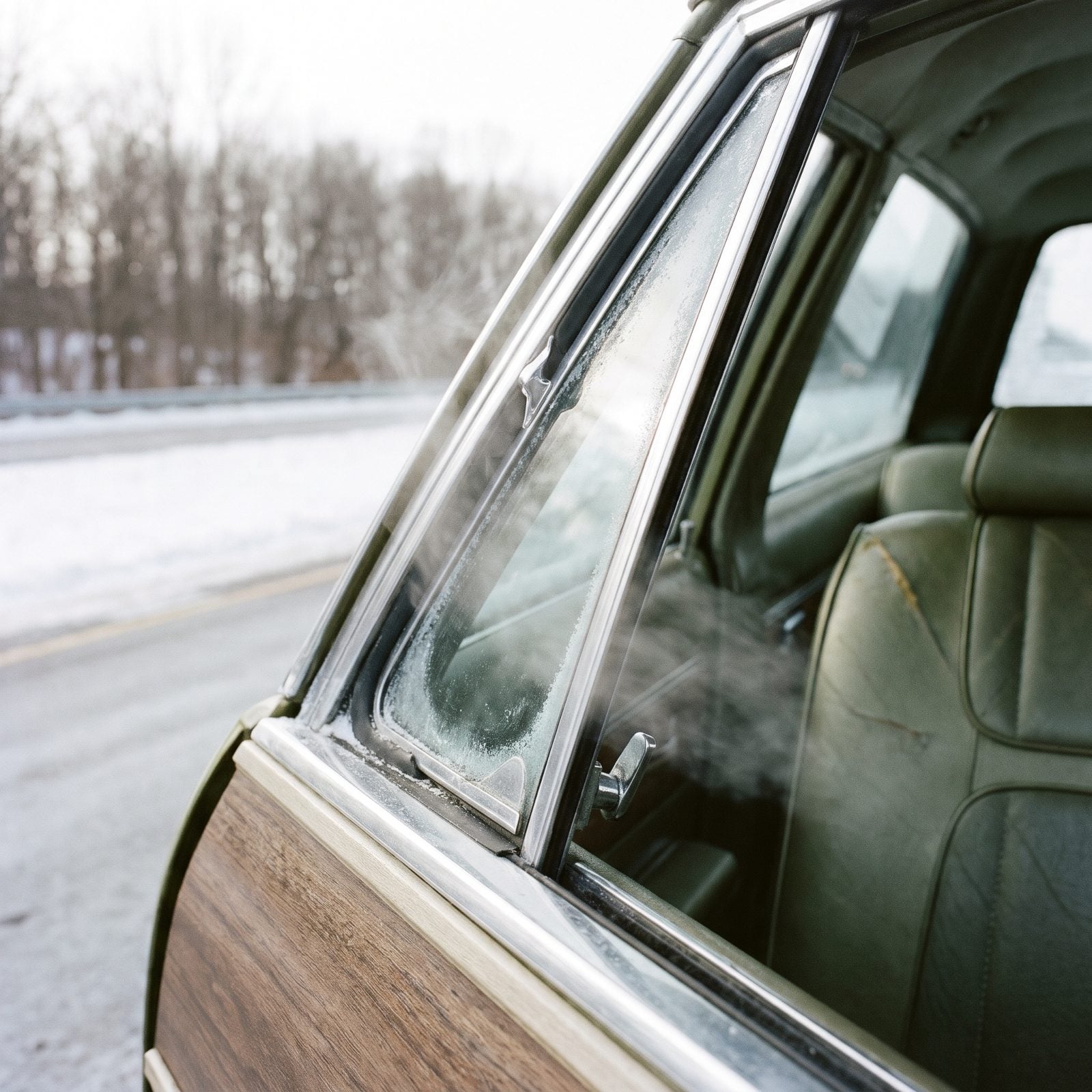
That little triangle of glass up front was the single greatest piece of engineering nobody appreciated. Flip the latch, angle it into the wind, and it funneled a cold jet of air straight at your face whether you wanted it or not.
Smokers loved them for flicking ash. Everyone else used them to argue about temperature without touching the real windows. They vanished from most cars decades ago, and plenty of folks who grew up with them still reach for a latch that isn’t there.
25. Vinyl Seats Felt Freezing Cold in December
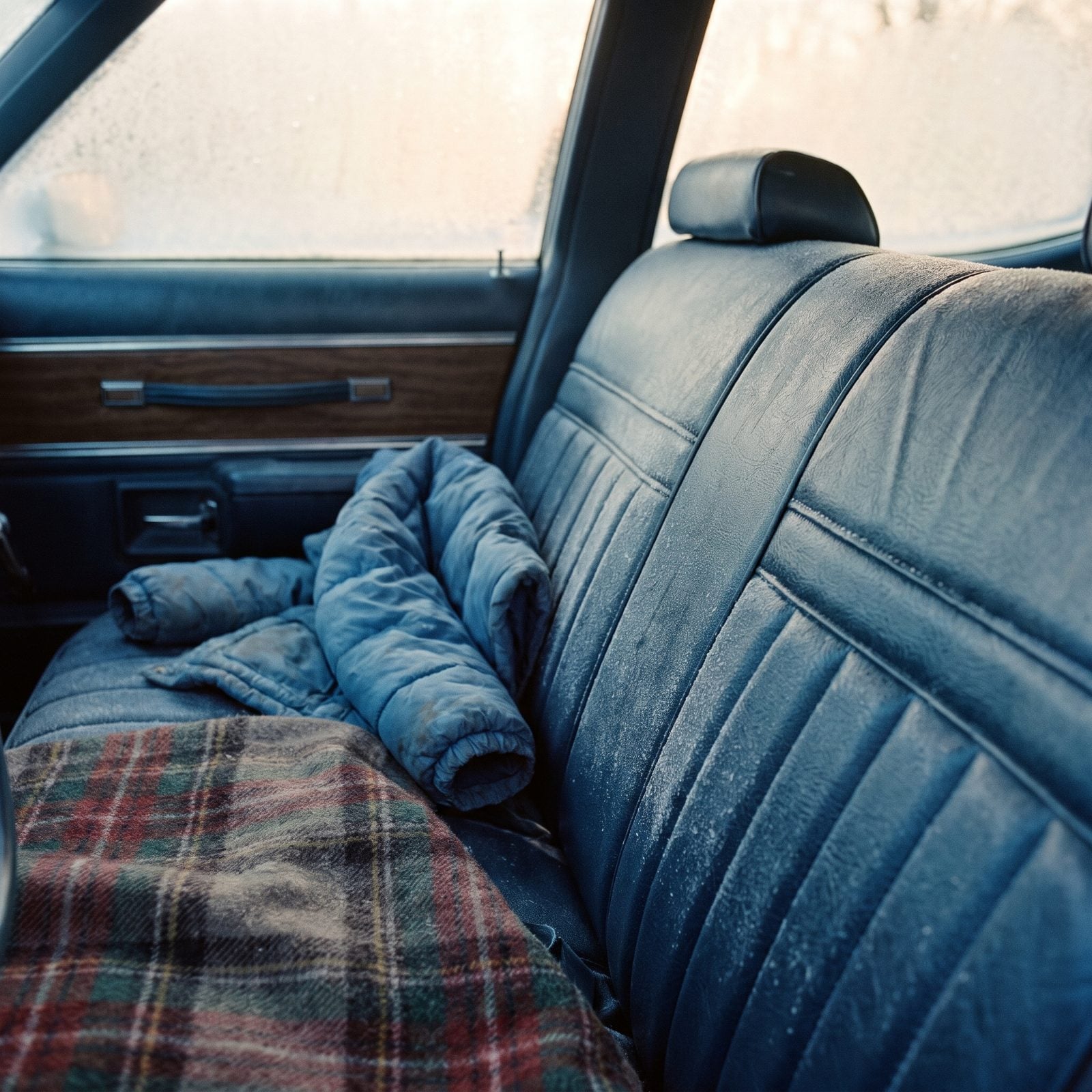
Sitting down on a December morning felt like a dare.
Cold vinyl pulls the warmth right out of you through two layers of corduroy, and there was no gentle way about it. You’d perch on the edge, hover, then commit with a yelp. Twenty minutes later it was warm as toast and your legs were glued to it. Summer was worse — those same seats could brand the backs of your thighs. There was no winning with vinyl. There was only enduring it, blanket or no blanket.
24. The Heater Took Miles to Warm the Car
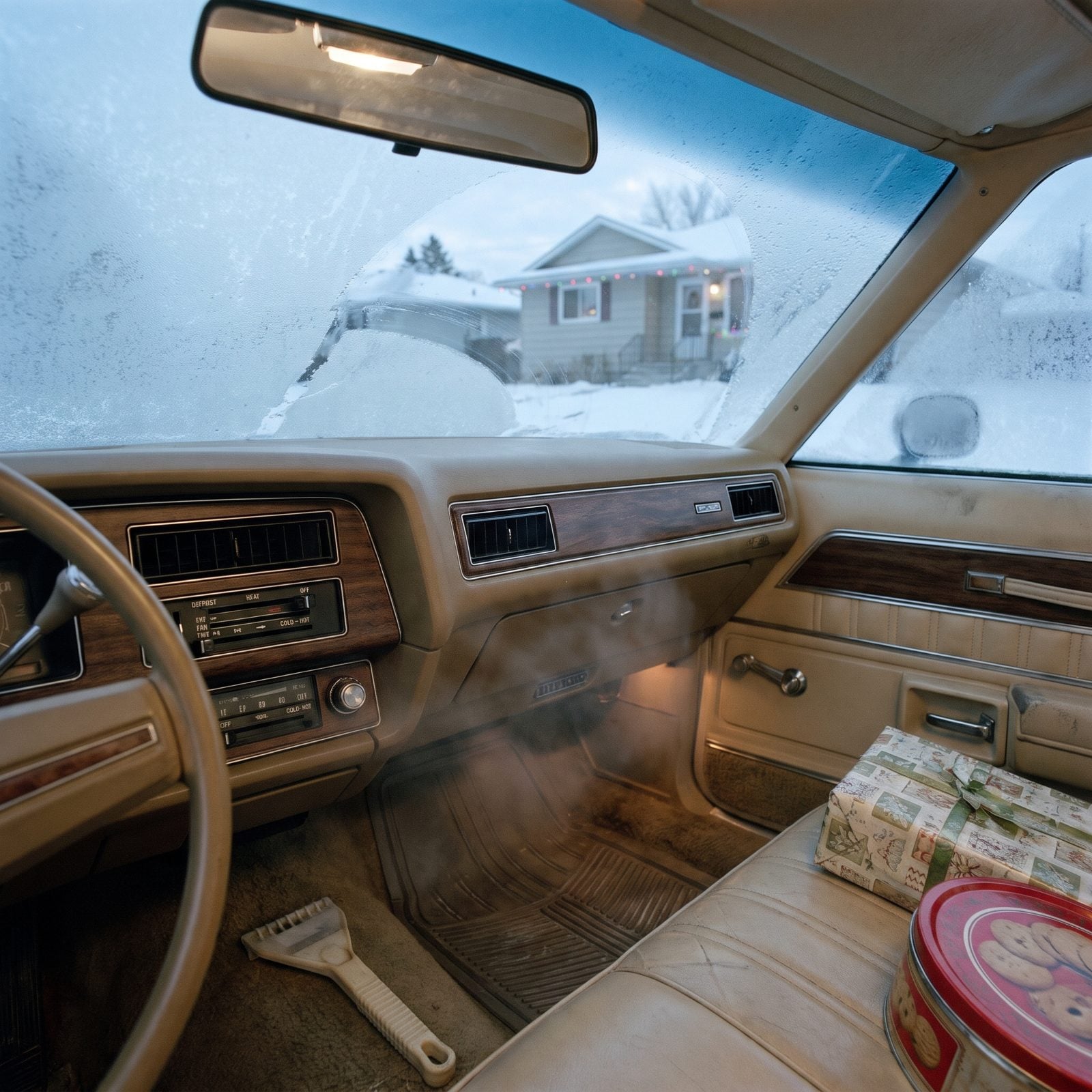
You started cold and stayed cold for a good long while. The heater didn’t care about your schedule.
That big V8 needed real miles to put heat into the coolant and real time to push it through the core, so the first stretch of every winter drive happened in your coat, breath hanging in a frosty cloud over the footwell and fogging the glass, dad scraping a porthole clear before tossing the ice scraper on the floor. By the time the air finally went warm, you were usually already turning onto Grandma’s street. Nobody idled to warm it up either, not for long, because gas wasn’t free and patience was a family value.
23. Frost Sometimes Formed Inside the Windows
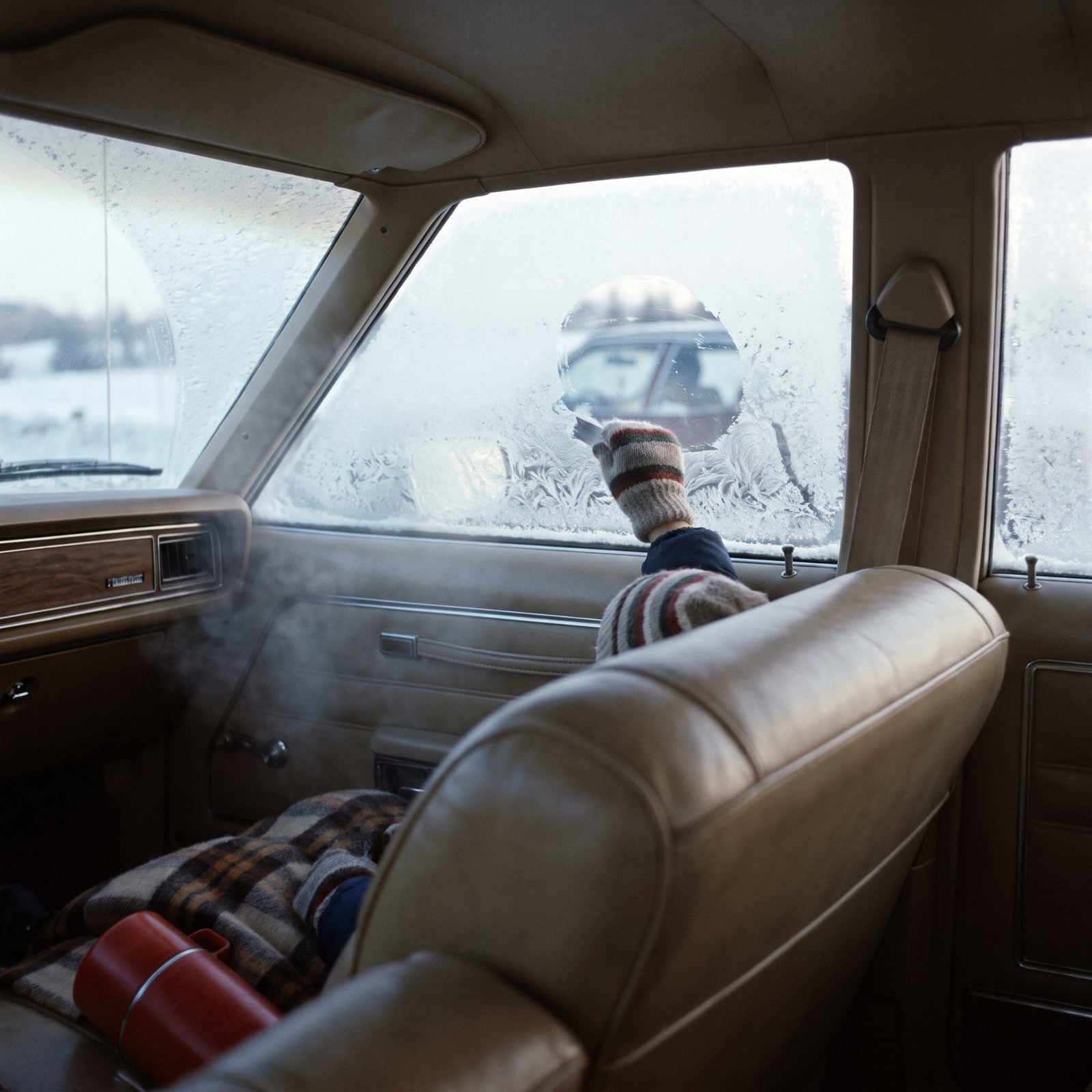
The heater in those wagons had two settings: nothing, then suddenly too much. Until it caught up, your own breath went to work against you, and the moisture from four or five people fogged the glass until a cold enough night froze it there in feathery patterns by morning.
You scraped a viewing hole with a glove or a cassette case. Defrost was a prayer, not a feature. The front windshield got priority because the driver needed it, which left the back seat riding half-blind through the first hour of every winter morning.
22. Smoking With Children in the Car Was Common
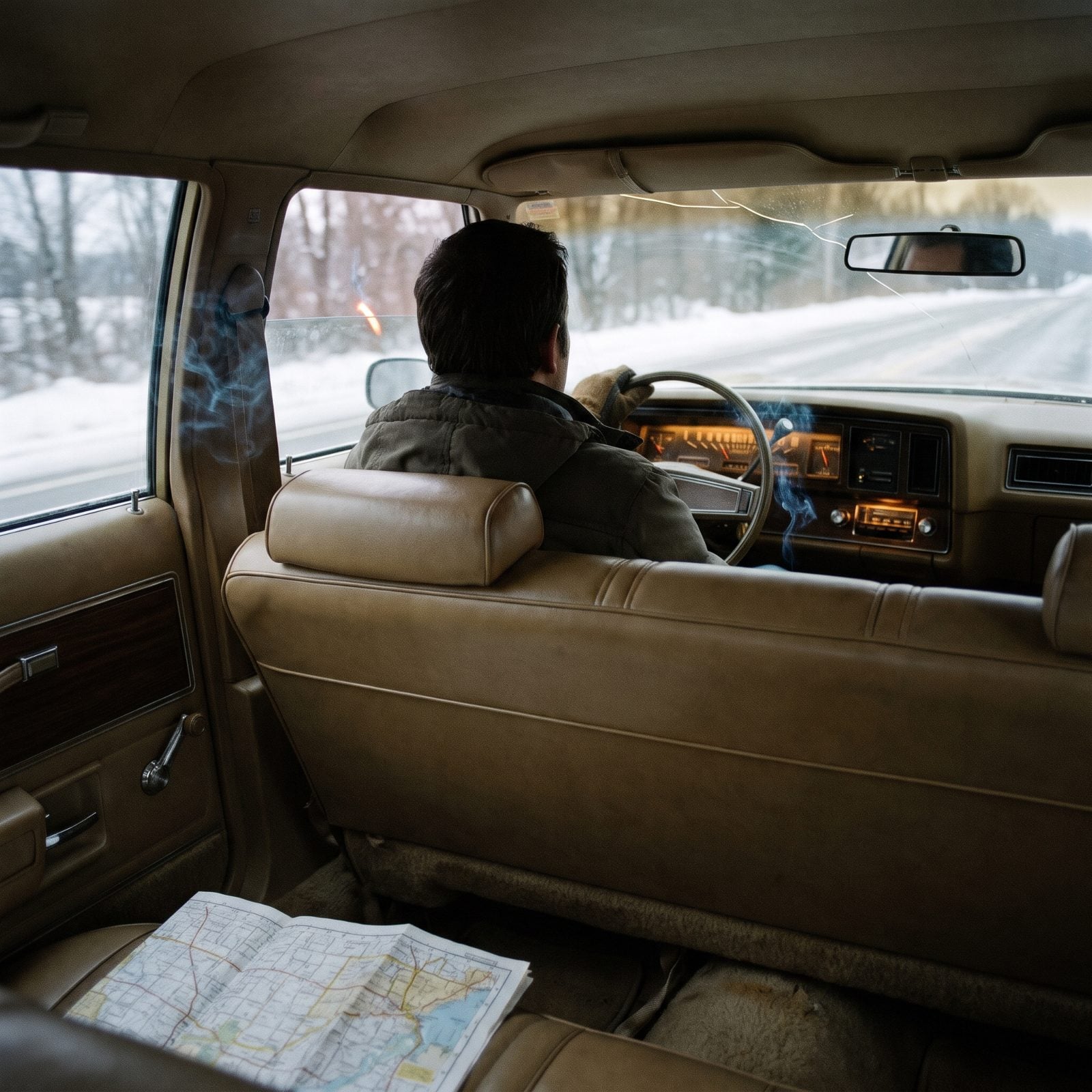
Nobody thought twice. The adult up front lit one, cracked the window an inch against the cold, and the whole cabin filled with a blue haze that the kids in back just breathed. On a long Christmas haul, a pack could disappear before lunch.
We know a lot more now, and it’s an uncomfortable thing to look back on honestly. That window crack did almost nothing in winter because nobody wanted the heat escaping, so the smoke stayed, settled into the headliner, and rode home with everyone.
21. Built-In Ashtrays and a Dashboard Cigarette Lighter Came Standard
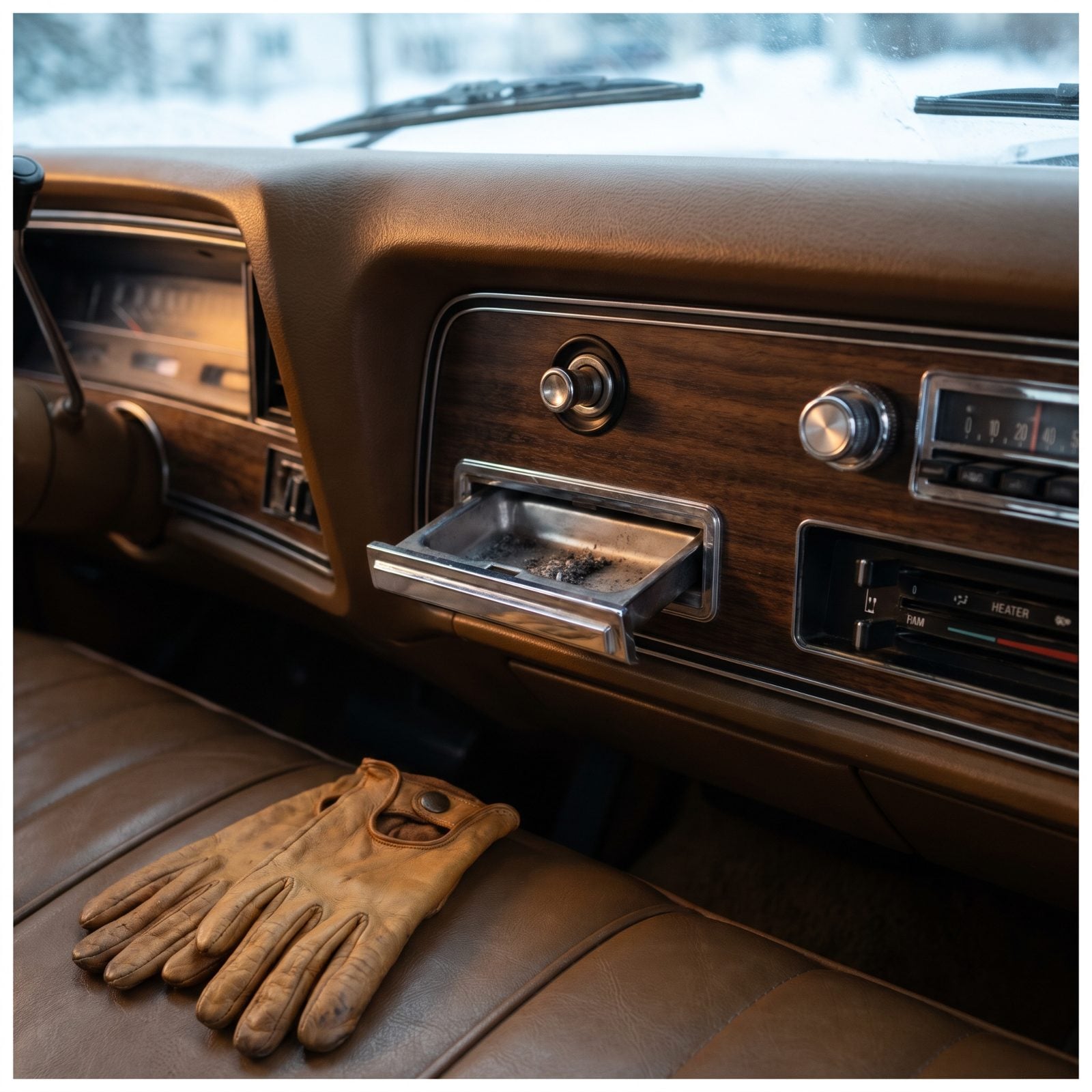
Pop the ashtray open and it was already a little grimy, that faint tar smell baked into the chrome. Every bench seat had its own, and the rear passengers got ashtrays built into the door panels or the backs of the front seats, which tells you everything about who was expected to use them.
The lighter itself was a genuine tool. Push it in, wait for the pop, and out came a glowing coil of orange. Long before it charged anything, that little socket did exactly one job, and it did it hot.
20. Fake Wood Paneling Made the Wagon Look Upscale
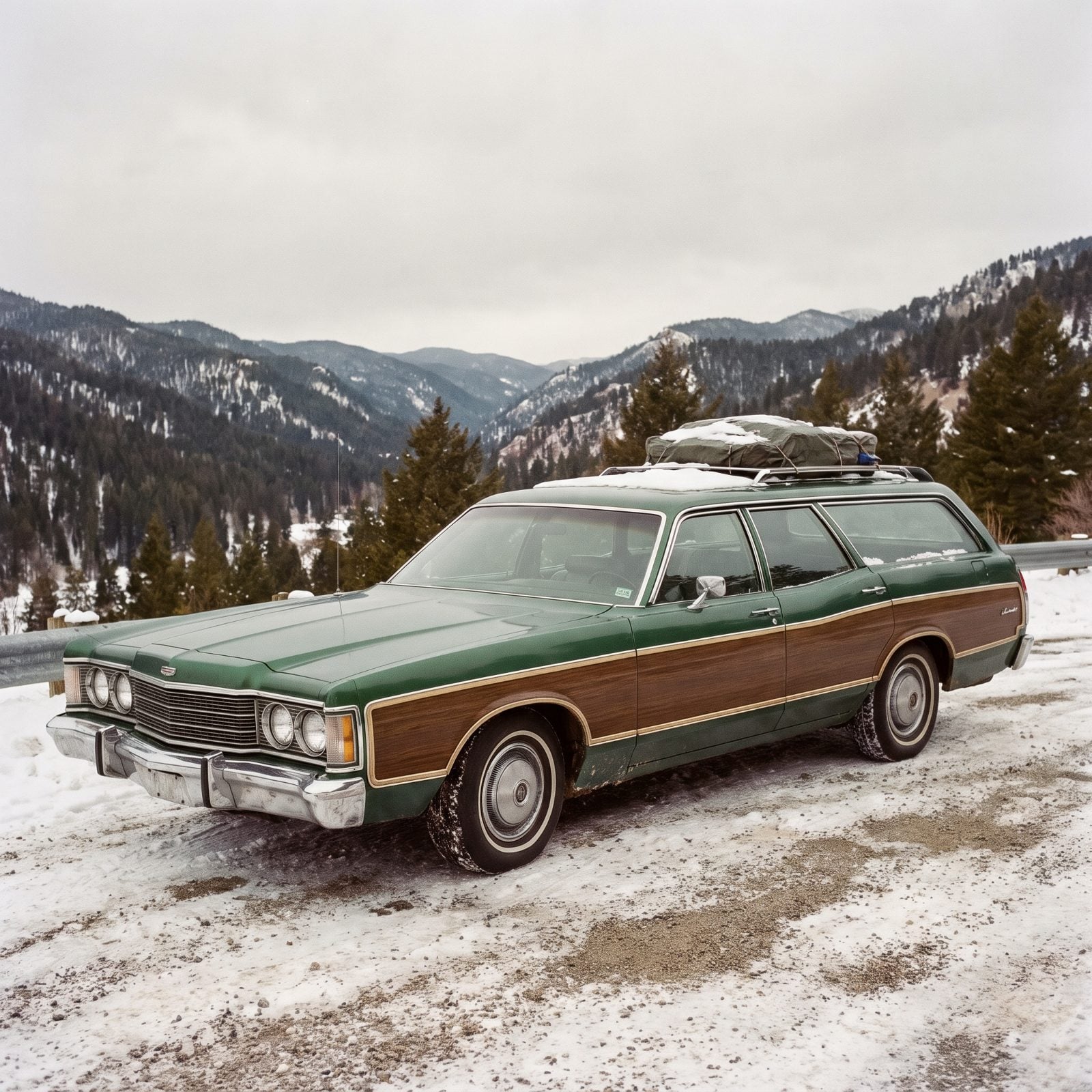
It fooled no one up close, and it didn’t need to. The faux-wood was printed vinyl appliqué with a fake chrome frame around it, slapped onto the flanks to suggest the old timber-bodied woodies of the 1940s. Pure theater. And it worked.
A wagon with woodgrain read as the family flagship, the top trim. You’d spot one in a motel lot and know somebody splurged. Sun and road salt eventually curled the edges and faded the print to a sad yellow, but fresh off the lot, it was the look every neighbor wanted sitting in their own driveway.
19. The Tailgate Could Open More Than One Way
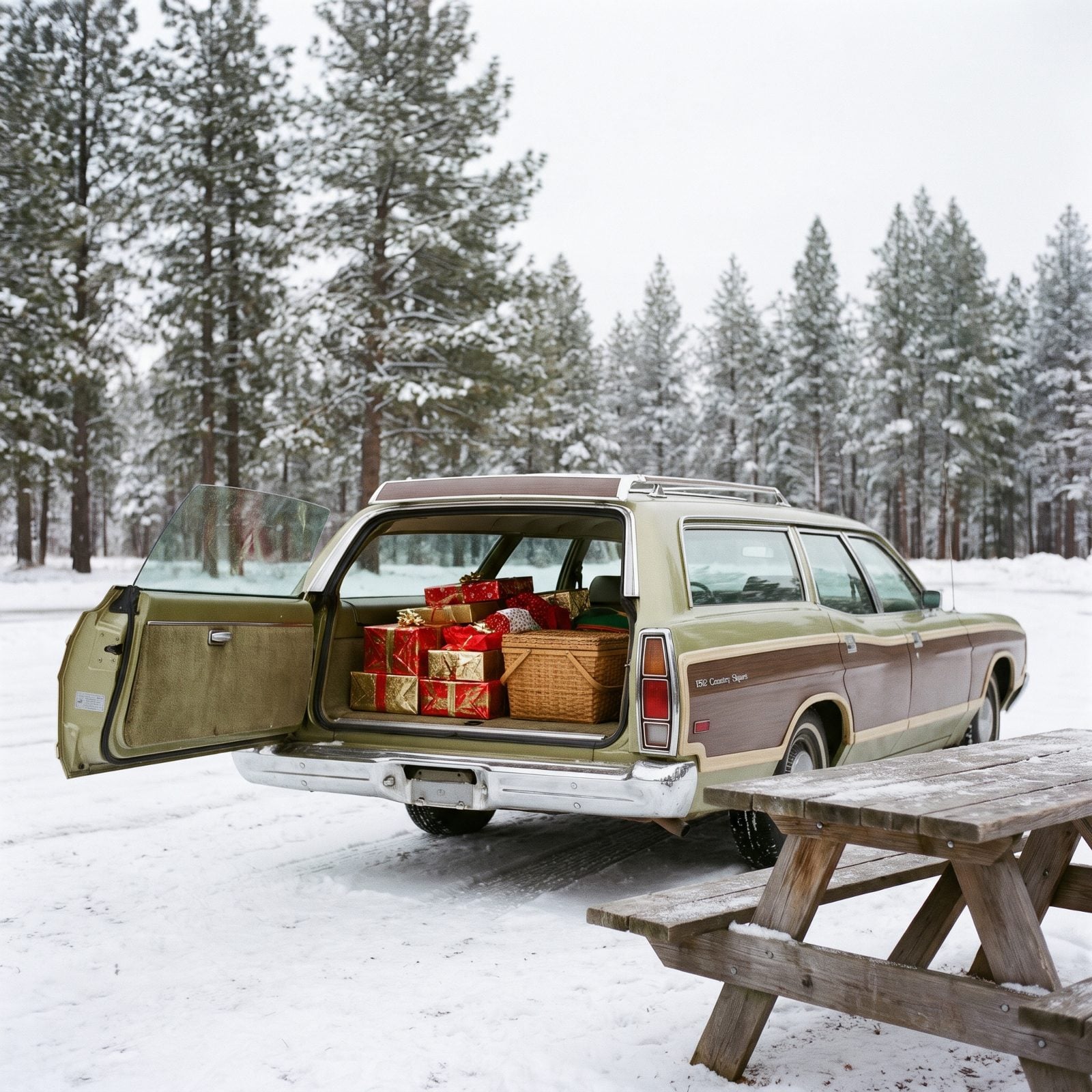
This was the party trick. The two-way tailgates dropped down like a traditional gate, but they could also swing open sideways like a door, pivoting on the corner. One handle, two motions, depending on which way you twisted it.
Swing it like a door and you loaded groceries without climbing over a dropped gate. Drop it flat and you had a bench for sandwiches at the rest area. Ford called their version the Magic Doorgate and leaned hard into the gimmick, and owners loved showing it off almost as much as they loved using it.
18. A Power Rear Window Disappeared Into the Tailgate
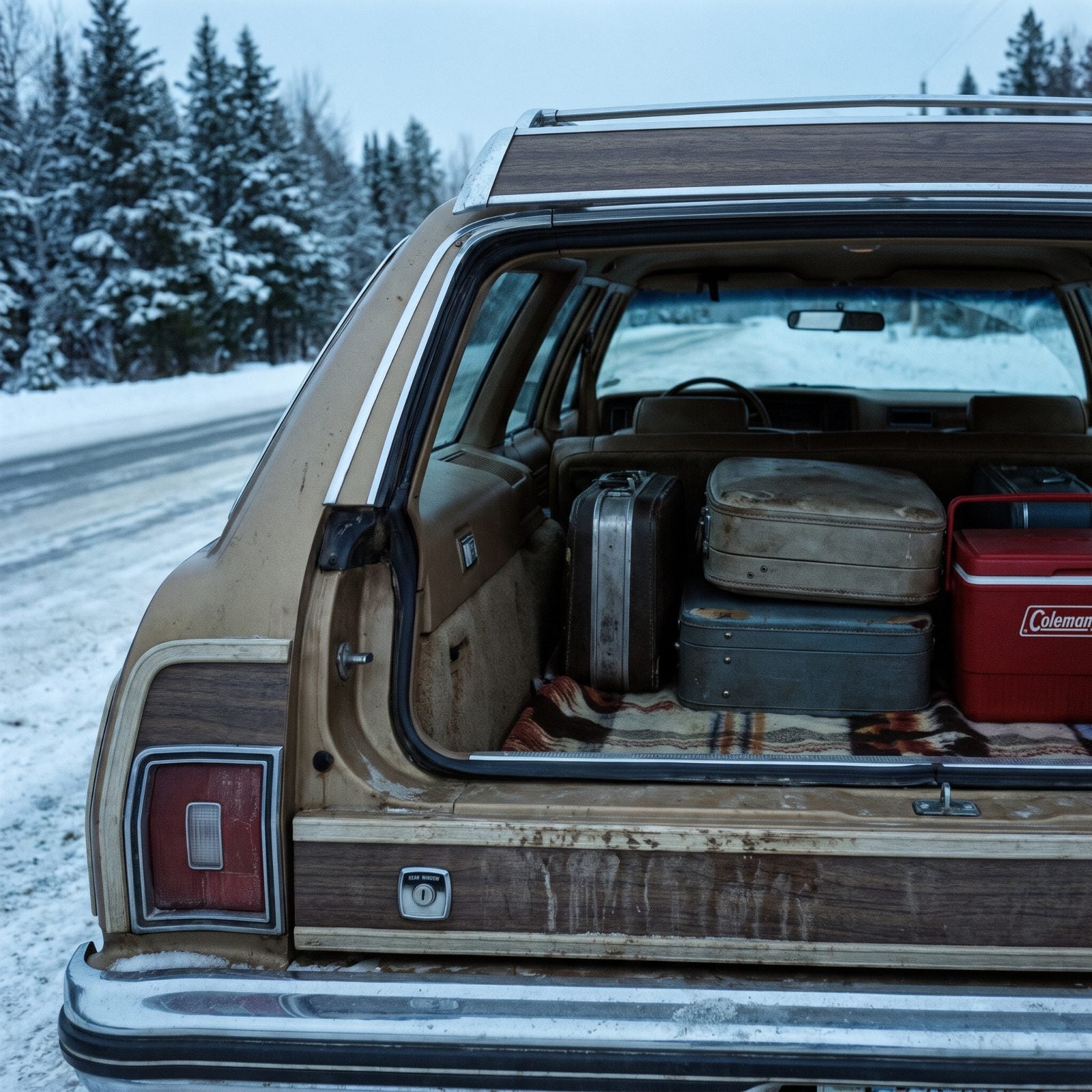
Flip the switch and the big rear glass vanished from its frame, leaving the back of the wagon wide open. No crank, no lifting, just a proper power window on the back of a car, which felt like genuine luxury at the time.
Some wagons tied it to the ignition or a key switch on the bumper for safety, because a wide-open rear opening on a moving car was exactly the kind of thing that invited trouble. Kids loved waving out of it. Parents learned to keep a hand near the switch.
17. Driving With the Rear Window Down Could Pull Exhaust Inside
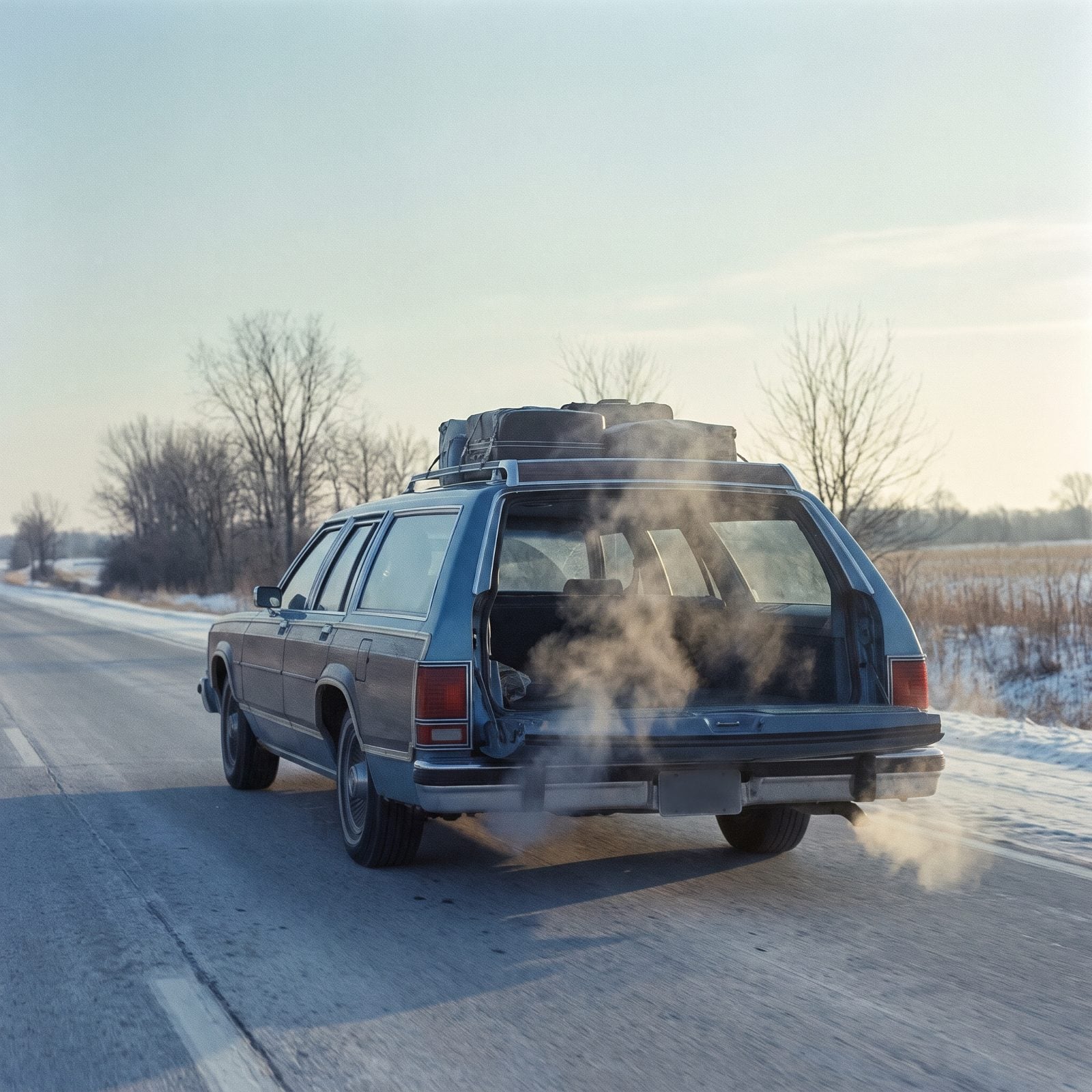
Here’s the part that never showed up in any brochure. A long flat tailgate with the window down created a low-pressure pocket right behind the car, the same aerodynamic quirk that keeps a pickup bed swirling with air, and on these wagons that pocket could draw tailpipe exhaust up and in.
Carbon monoxide has no smell. You wouldn’t know until the headaches started. It’s a real hazard, documented in station wagons specifically, and the reason you keep that rear glass up or at minimum run plenty of front ventilation if you ever drive a vintage one.
16. The Car Was Packed High Enough to Block Rearward Vision
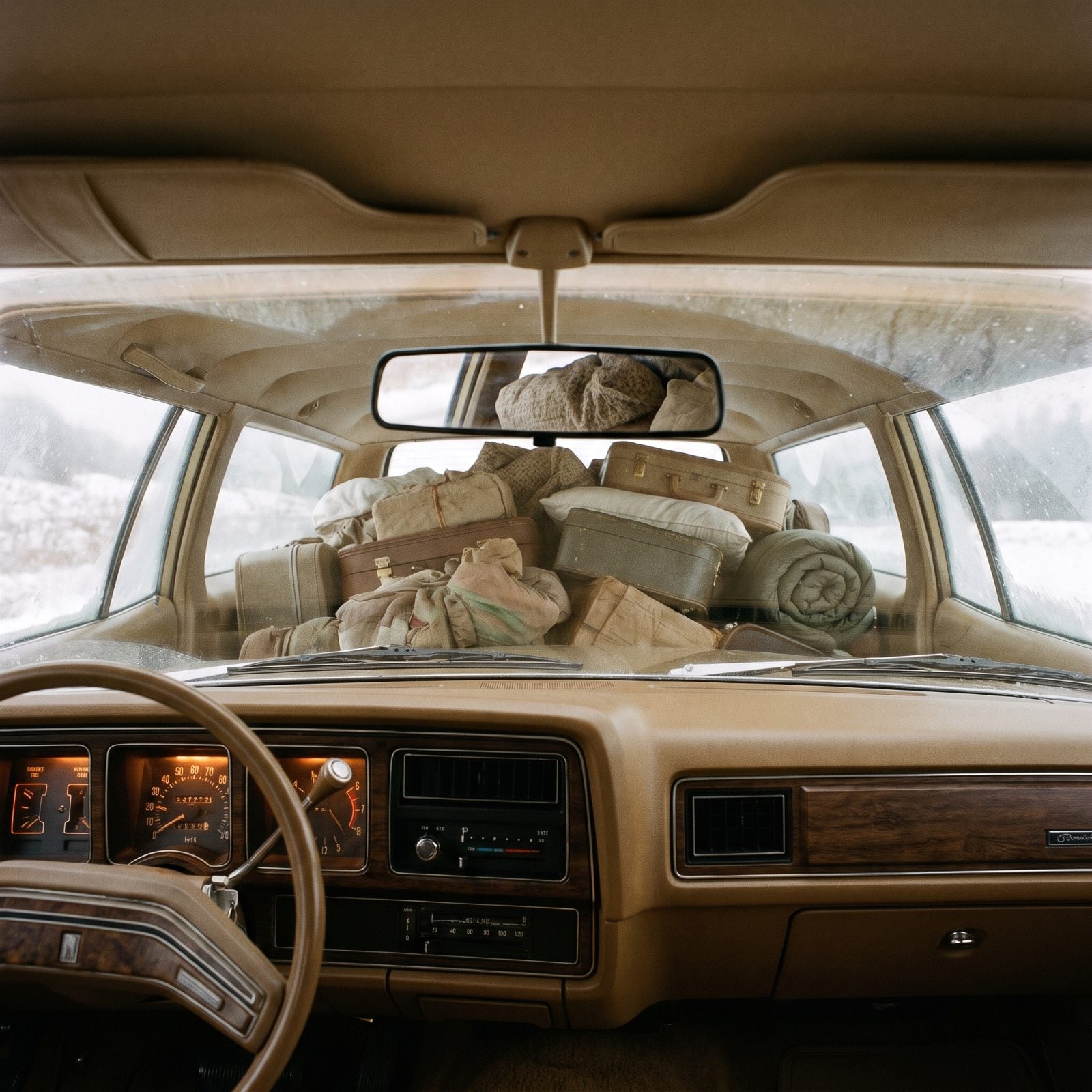
By the time everything was loaded for the holiday run, the rearview mirror framed nothing but a heap of bedding, with luggage piled across the cargo area: vintage suitcases stacked on the seatback, plain white pillows and bundled blankets wedged in the gaps, a rolled-up sleeping bag in the corner, and the rear window blocked out entirely.
The side mirrors did all the work, and on those wagons they were small. Backing out of a gas station became a two-person operation with someone leaning out the door. We take backup cameras for granted now. Back then you just trusted the shout from the passenger seat and crept slowly.
15. Suitcases Were Roped Directly to the Roof Rack
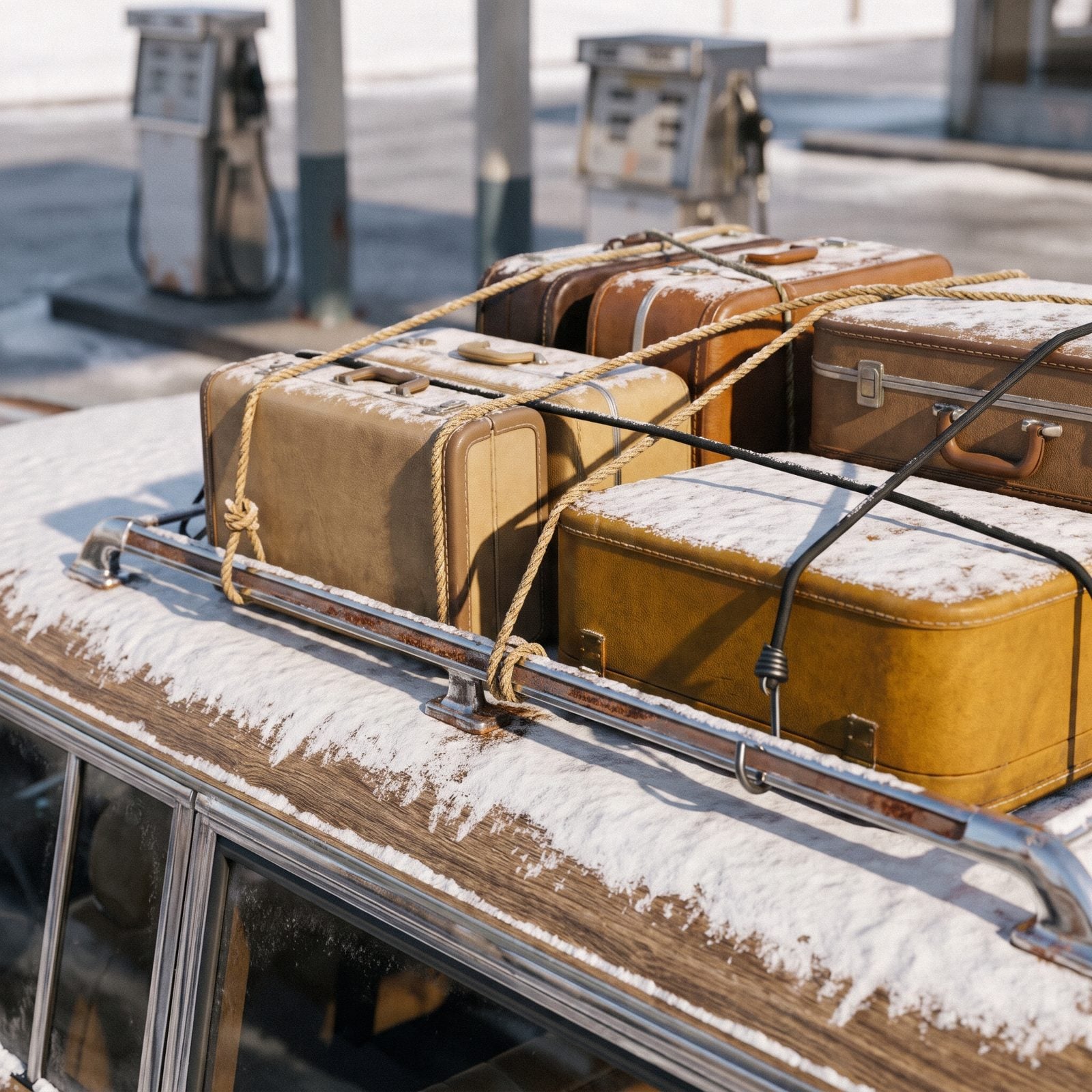
No rooftop cargo box. No cinch straps with ratchet buckles. Just a pile of hard-shell suitcases stacked on the chrome rack and lashed down with whatever was in the garage: clothesline, manila rope, a couple of bungee cords if you were fancy.
The knots were a point of pride and a point of anxiety. Every gas stop meant a walk around the car, a tug on the ropes, a squint at that one suitcase that always looked like it was sliding. Cover it with a tarp if snow was coming. Then drive slow over the bumps and hope.
14. Christmas Presents Traveled Hidden Under Blankets
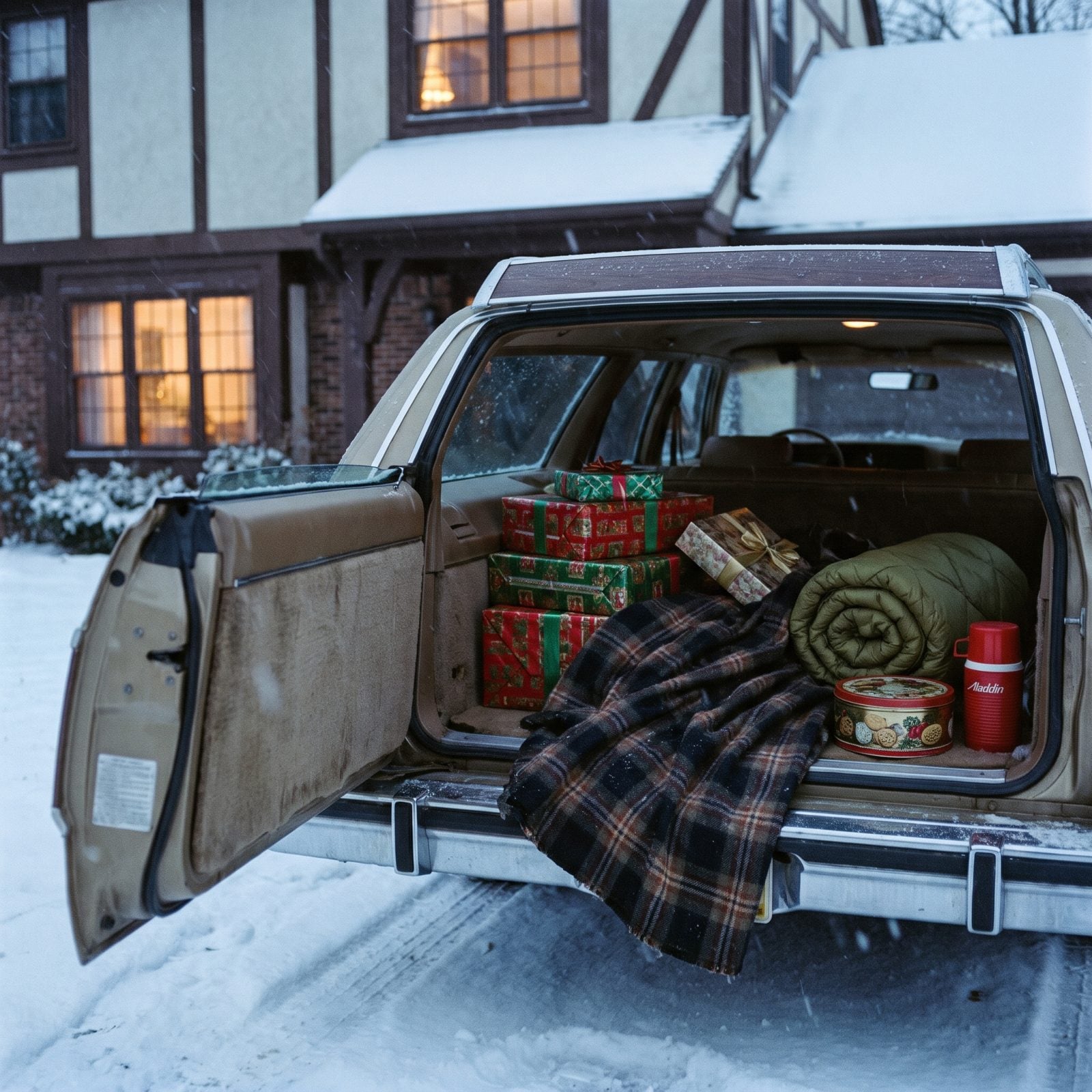
The best cargo of all rode under a blanket. Presents for the grandparents, for the cousins, the ones the kids weren’t supposed to see, stashed in the way-back and covered with a quilt or a sleeping bag before the little ones climbed in.
It fooled nobody and everybody at once. The shapes gave it all away; a kid knew exactly what the long flat one probably was. But there was an agreement not to look, and that agreement was half the magic. The blanket wasn’t hiding the gifts so much as protecting the surprise, which mattered a whole lot more.
13. Some Families Carried a Christmas Tree on the Roof
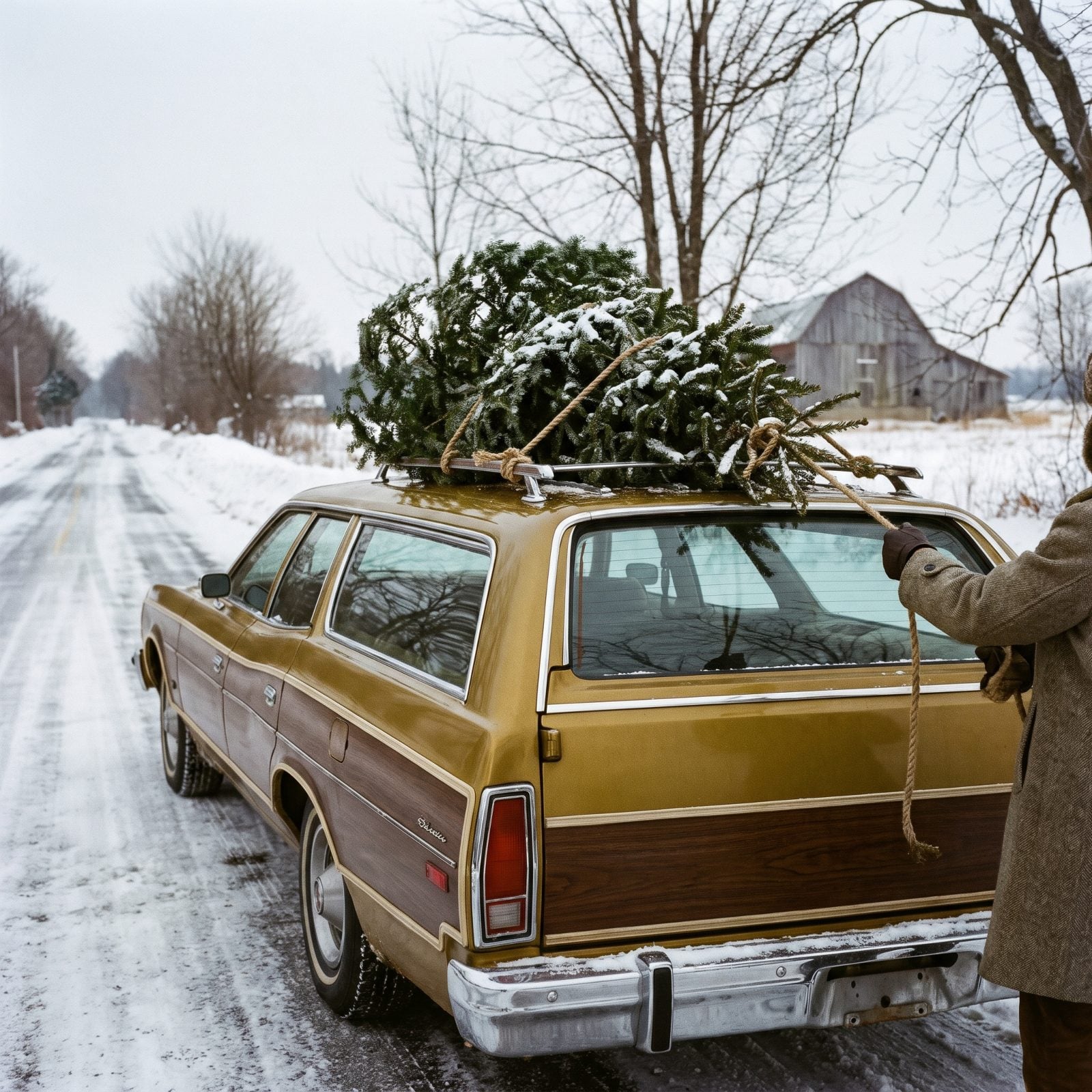
You tied the tree down with whatever rope lived in the garage — clothesline, baling twine, the frayed stuff off last year’s tomato stakes. It held or it didn’t.
The smart move was wrapping the trunk end toward the front so the wind flattened the branches instead of catching them like a sail. Nobody read that in a manual. You learned it the first time a tree tried to take flight over Donner Pass.
Sap on the roof rack came off eventually. Usually by spring.
12. Cookie Tins Filled the Car With Holiday Snacks
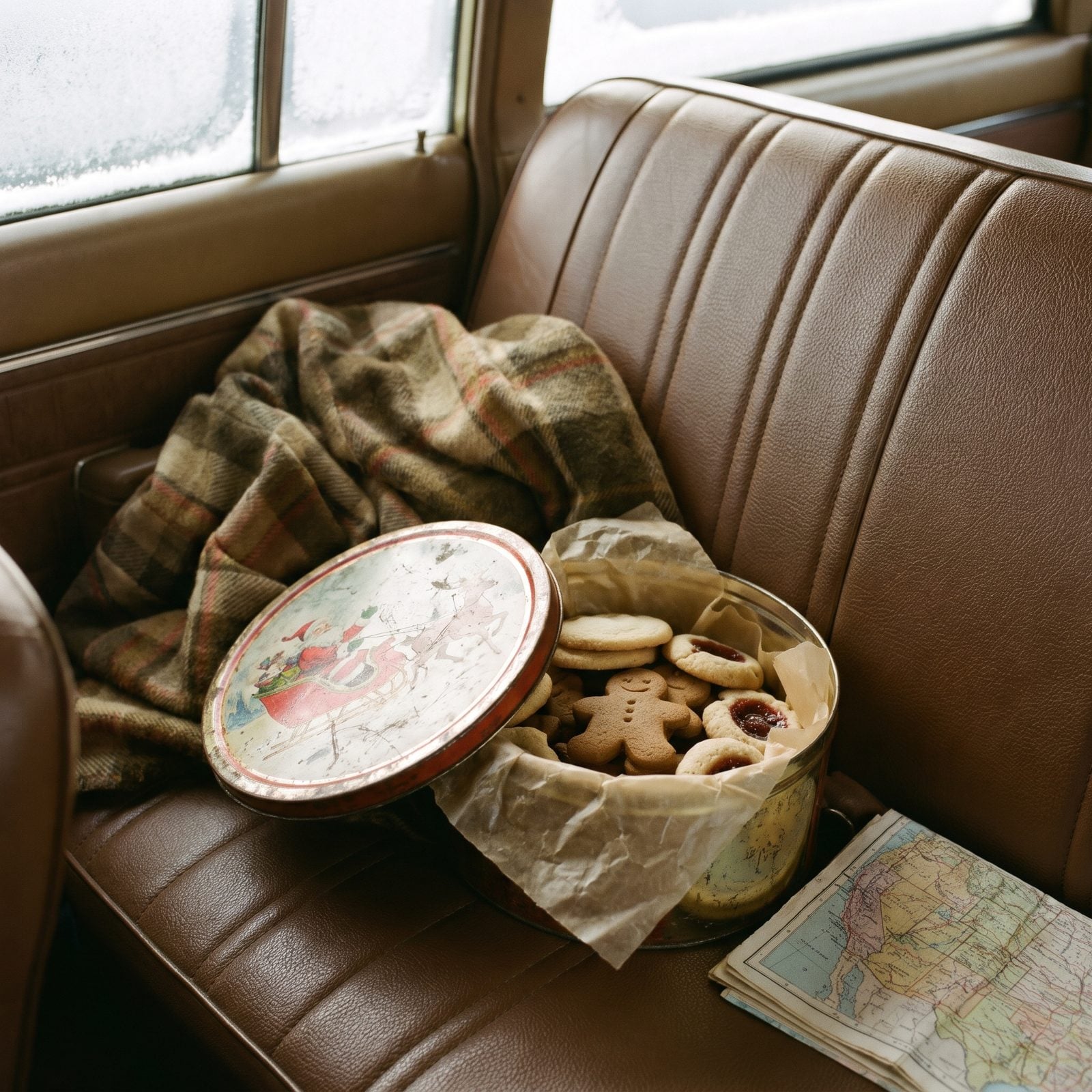
The tin was never full of cookies. Everyone knew this. You pried the lid off expecting shortbread and got sewing supplies or old buttons — a small betrayal, repeated every December.
When it did hold cookies, it rode on somebody’s lap in the back seat and got passed forward one at a time like contraband. That specific metallic pop of the lid meant snack time without anyone having to say a word.
11. A Thermos of Cocoa Replaced a Coffee-Shop Stop
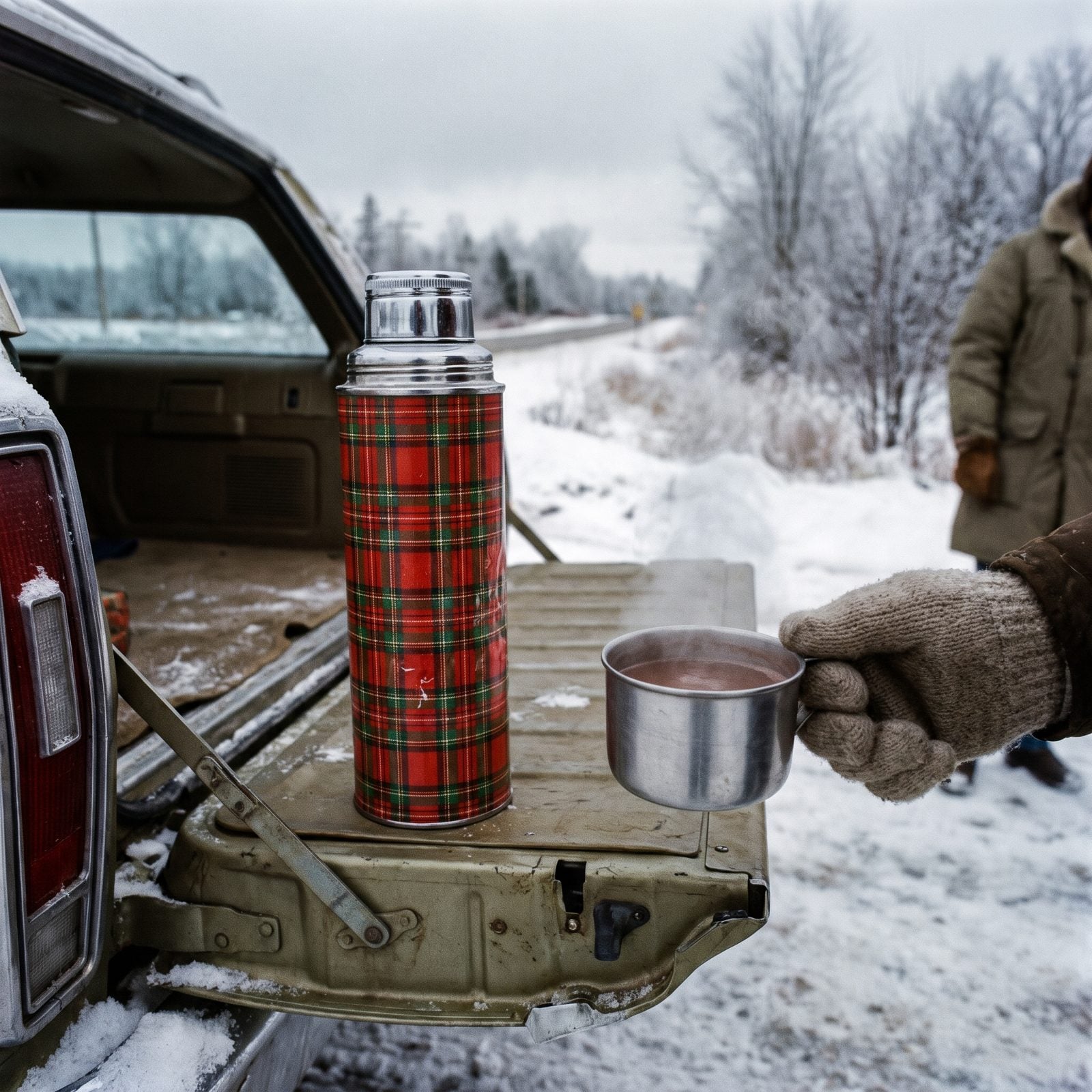
Stopping cost money. The thermos cost nothing.
Somebody filled it at dawn in the kitchen and that cocoa stayed scalding past lunch. Those old steel-lined vacuum bottles genuinely held heat better than most things you can buy now — assuming you didn’t drop one and shatter the glass liner inside. People did. Constantly.
The lid stayed screwed on; the cocoa went into a battered steel camp mug, and you shared it. If you were the kid, you got the dregs, which were somehow always the sweetest part because the sugar settled.
10. Sandwiches Were Eaten at Freezing Rest-Area Picnic Tables
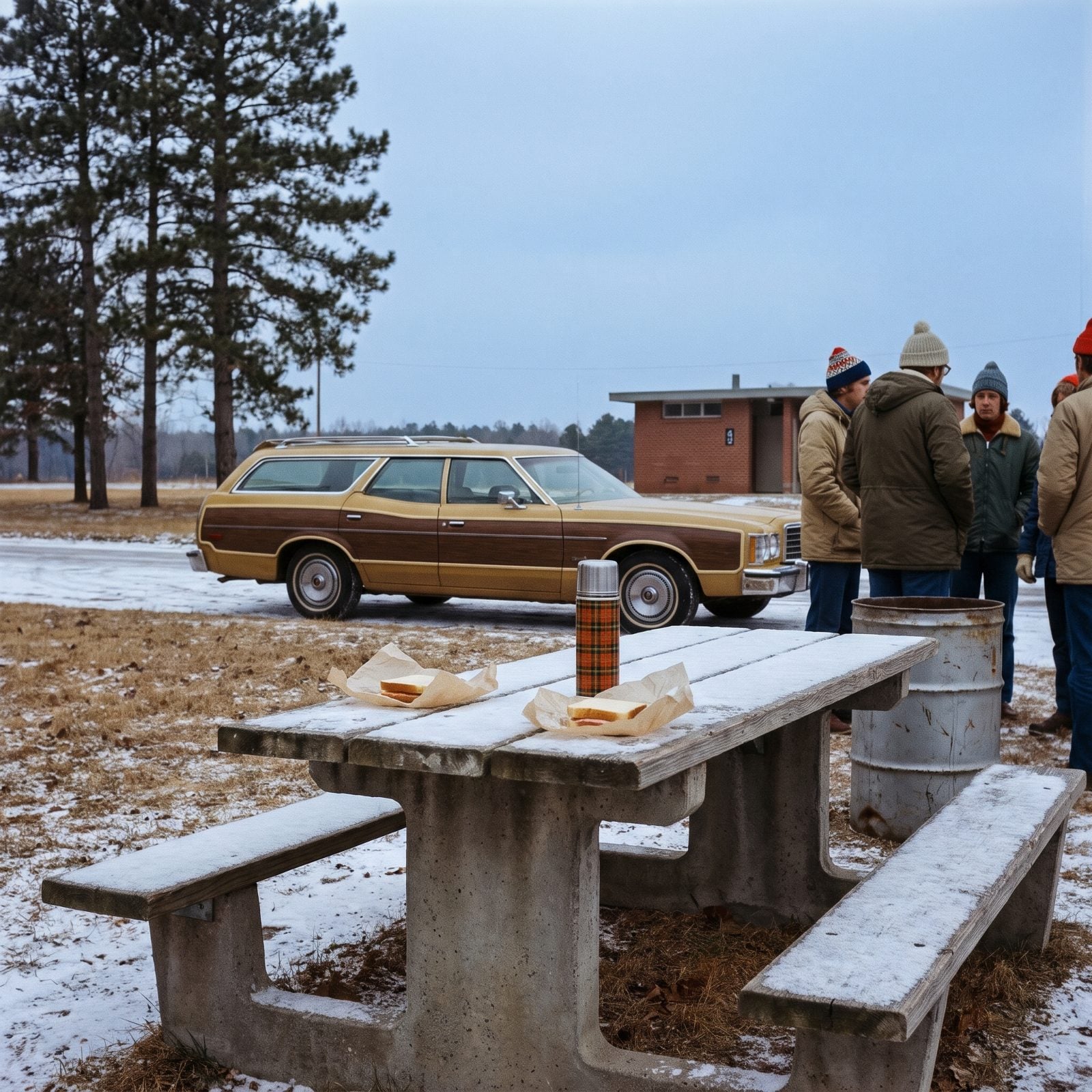
You ate the sandwiches because it was lunchtime, not because anybody wanted to sit on a frozen concrete bench in a windbreaker. The bread was slightly squashed from riding under the cocoa thermos, and the cheese had gone a little sweaty inside the wax paper.
Nobody lingered. You ate standing half the time, stamping your feet, the wind coming across the plains like it had a grudge. Ten minutes, trash in the barrel, back in the car with the heater roaring.
Rest areas back then were brick buckets with a vending machine if you were lucky. The romance came later, in the remembering.
9. Roadside Diners Had Booths and Tabletop Jukeboxes
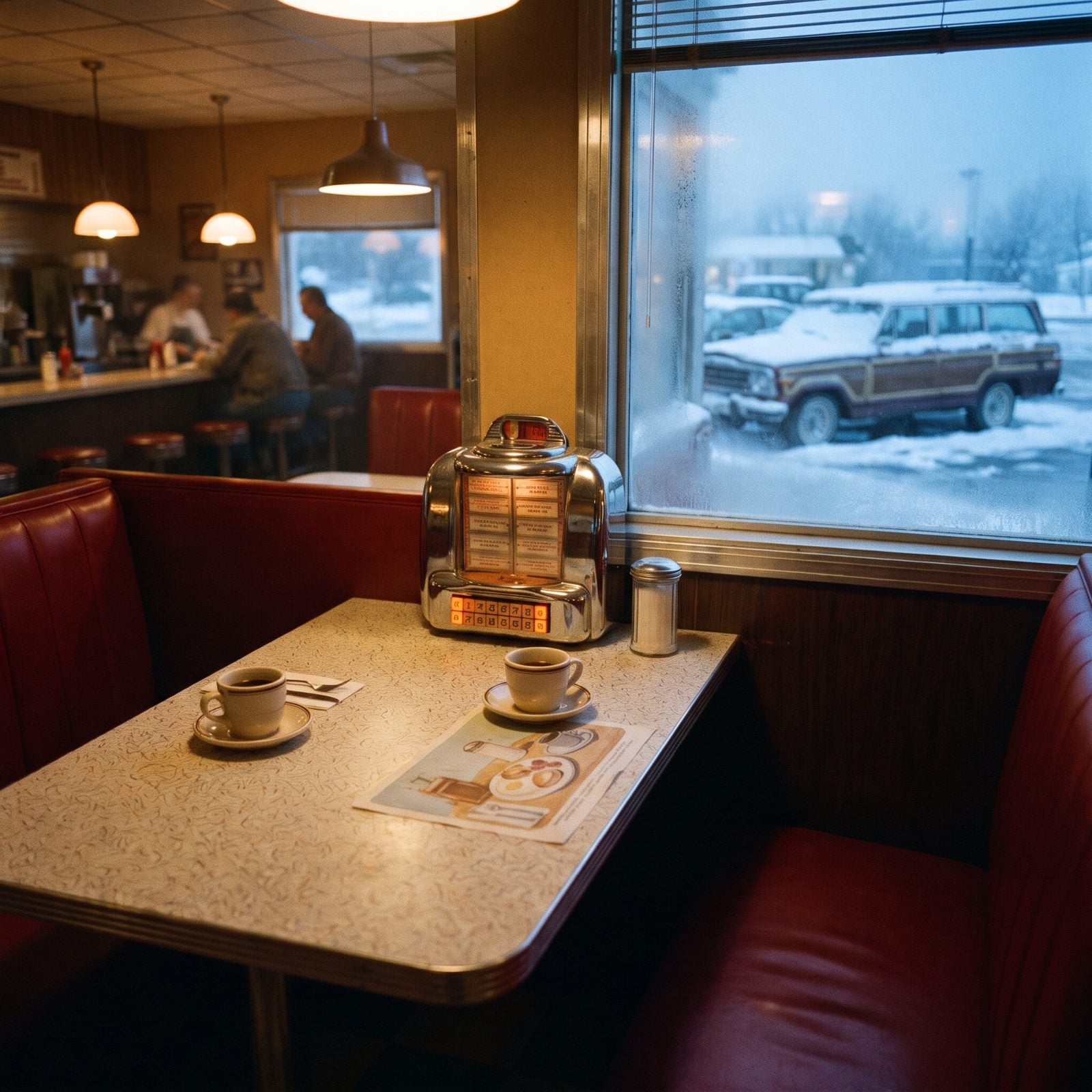
That little chrome jukebox bolted to the end of the table was the whole show. A nickel a song, a dime for three, and you flipped the metal page cards like a tiny menu of someone else’s taste.
Half of them didn’t work. You fed in your money anyway, because the choosing mattered more than the music ever arriving.
The booth itself was the real luxury — warm, enclosed, your own small country after hours of highway. Coffee came in thick white mugs that held heat and never quite got clean.
8. Attendants Pumped the Gas and Cleaned the Windshield
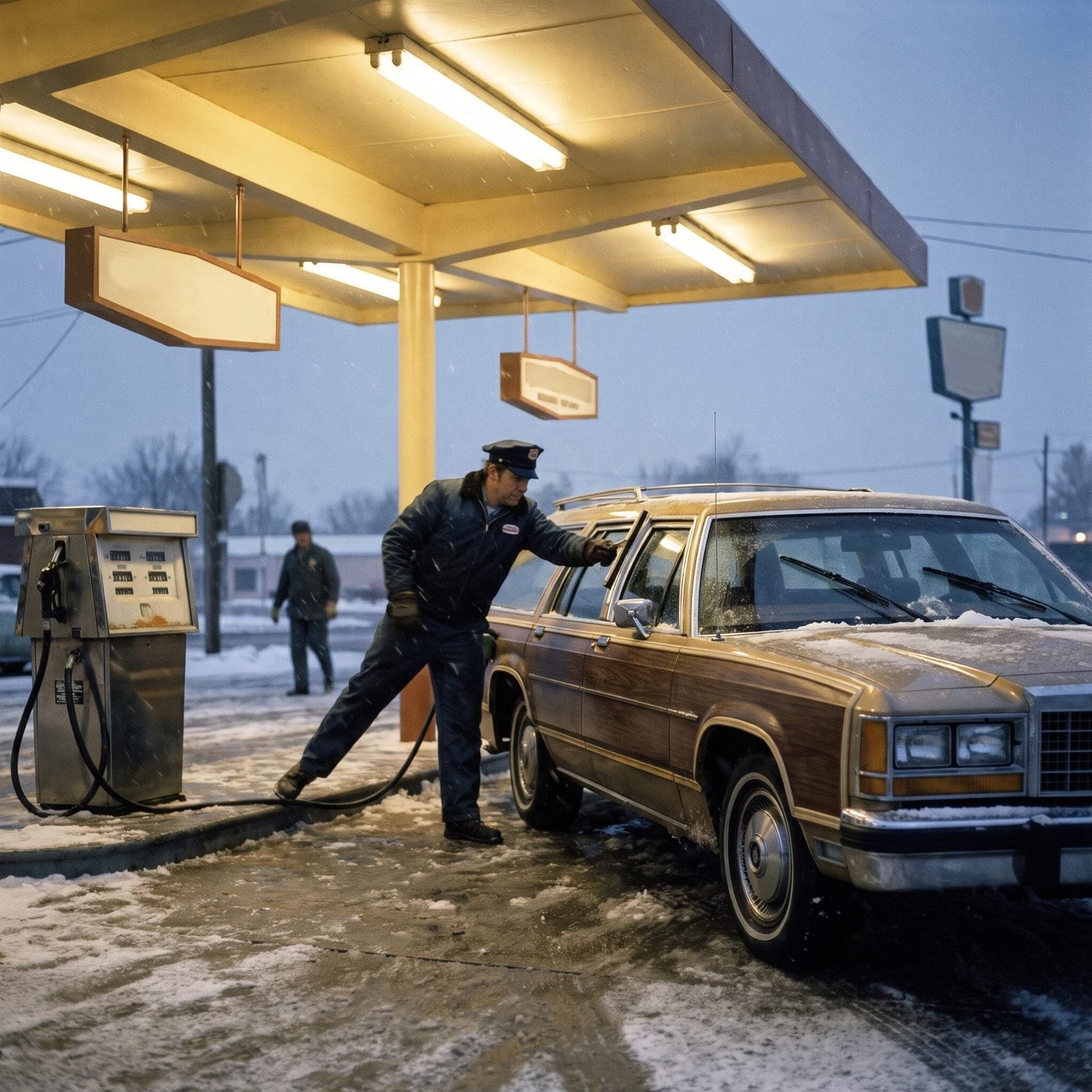
You rolled down the window, said “fill it up,” and sat there warm while someone else stood in the sleet. The windshield got wiped, the oil got checked if you asked, and sometimes a kid walked away with a free glass tumbler or a set of steak knives for loyalty.
Nobody touched a pump handle. The idea would’ve seemed strange. You paid cash through a cracked window and got your change counted back into your palm.
7. Leaded Gasoline Was the Normal Choice
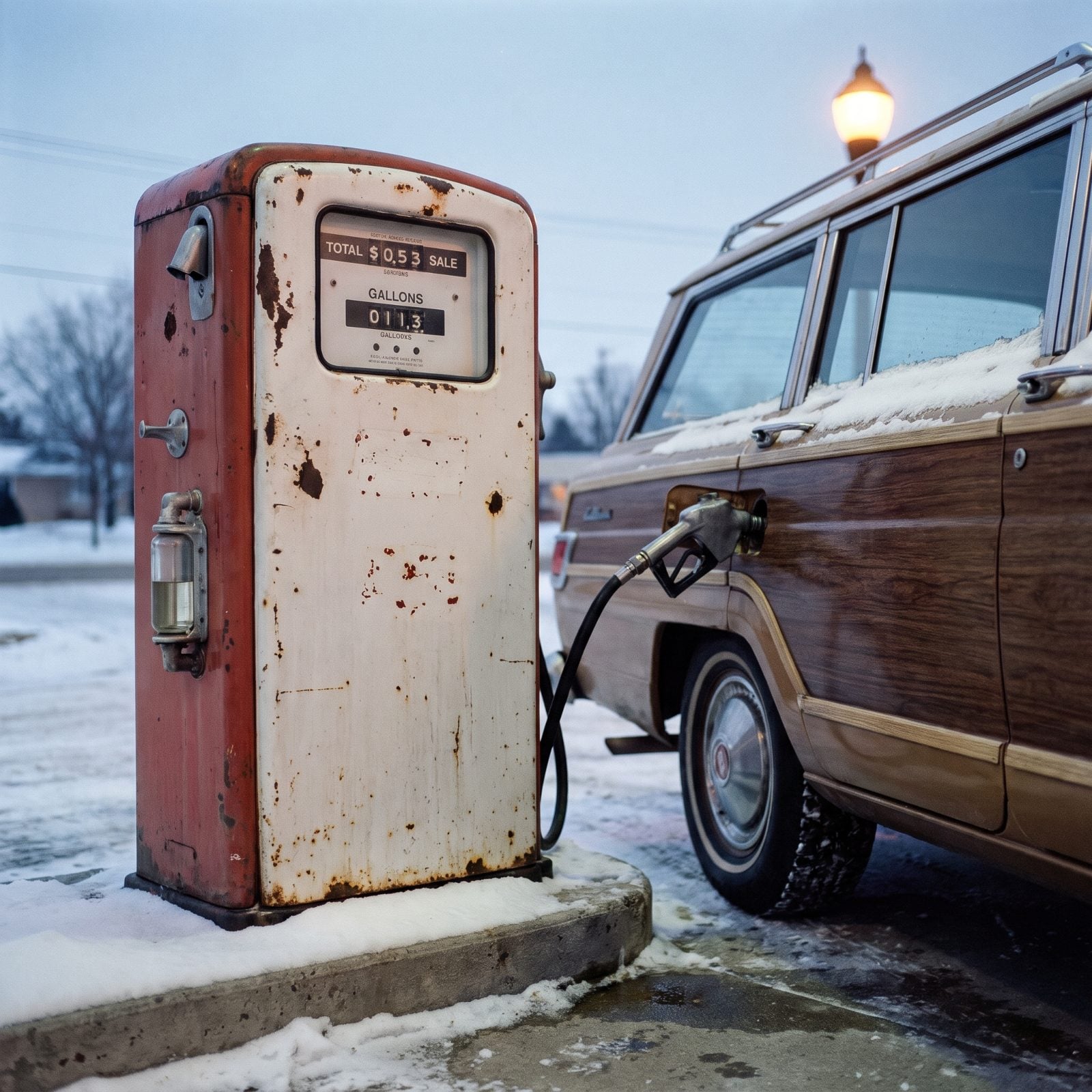
The regular grade had lead in it and nobody blinked. It cushioned the valve seats on older engines and bumped the octane cheaply — handy, and also the problem.
The air near a busy station carried a sweetish tang you’d notice now and wouldn’t like. Catalytic converters arrived in 1975 and demanded unleaded, which started the long goodbye. The last leaded pump for cars finally went dark in the mid-90s.
If you drove an old enough wagon, you watched for the station that still sold the stuff. For a while, both nozzles sat right there side by side.
6. Snow Chains Were Installed by Hand Beside the Road
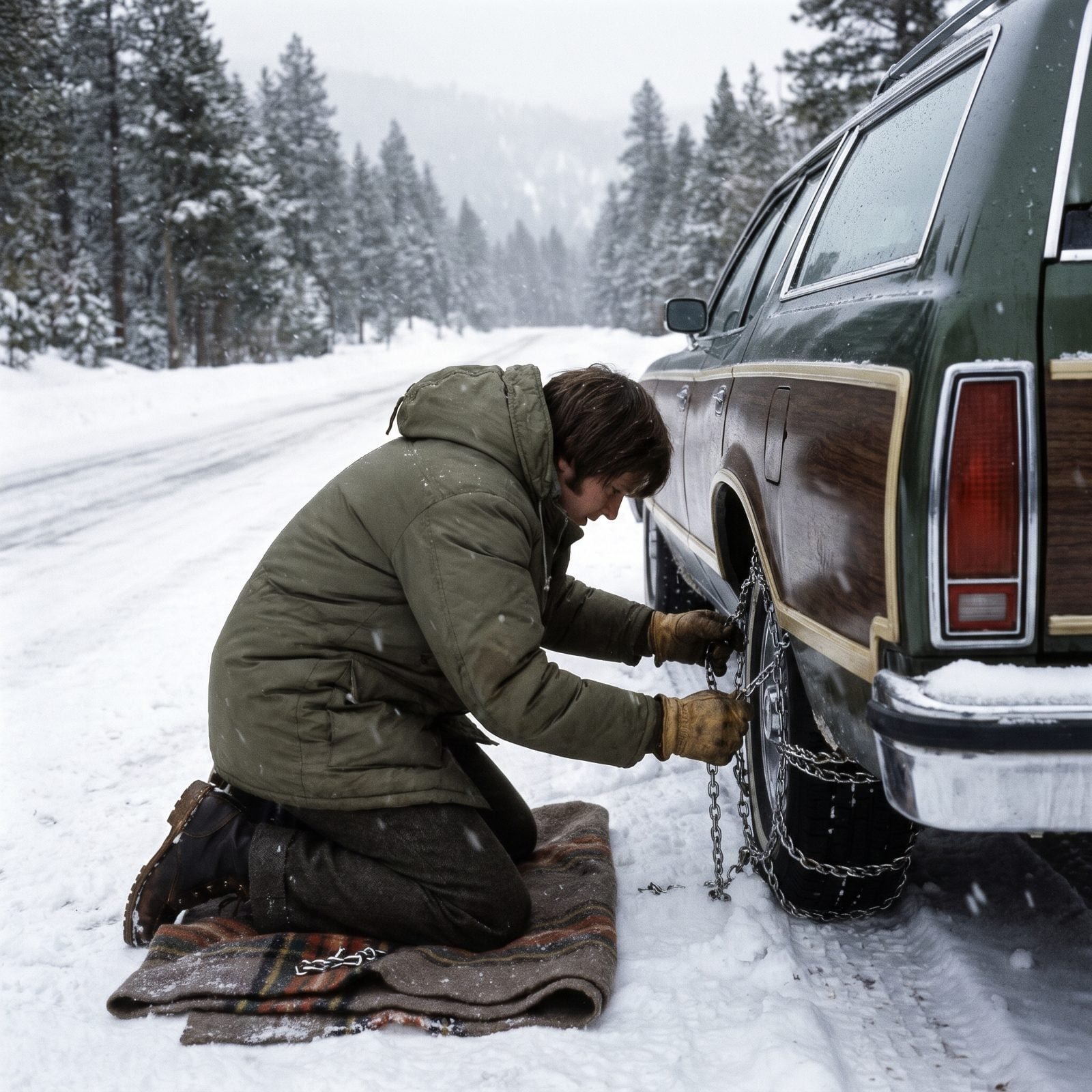
There’s a particular misery to lying in roadside slush, feeding cold steel links behind a tire while traffic hisses past. Your gloves soaked through in minutes. Your knuckles found every sharp edge.
You laid the chains flat, rolled the car forward a few feet, then clamped the fasteners. Rush it and you’d drive a quarter mile before a loose end started whacking the wheel well like a hammer. Then you did the whole thing over.
5. Weather Reports Arrived at Scheduled Times on the Radio
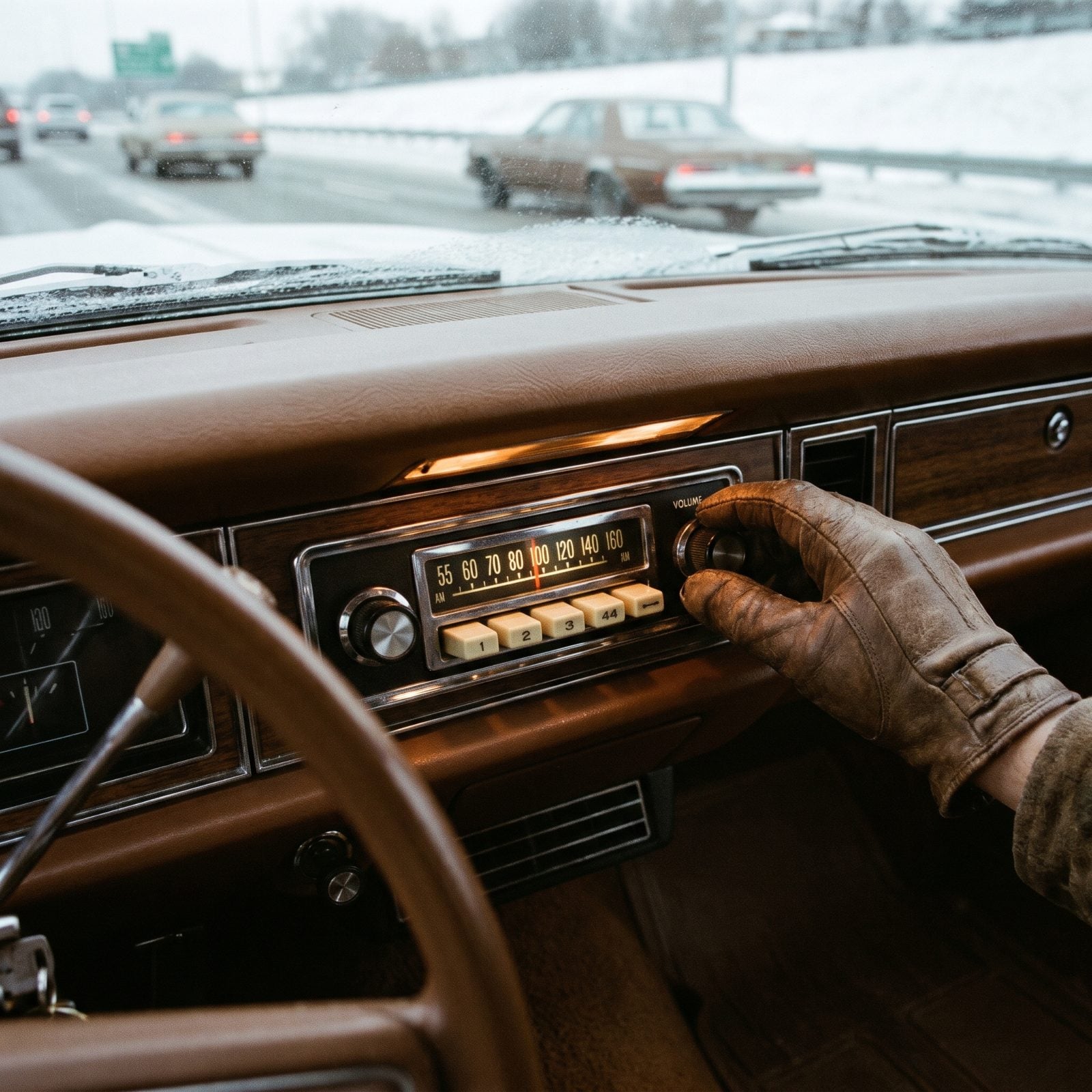
You didn’t pull weather out of the air whenever you wanted it. You waited. The forecast came at the top of the hour, maybe after the farm report, buried between a hymn and a feed-store ad.
So the whole car went quiet for ninety seconds while a man read snow totals for counties you’d never heard of. Miss it and you missed it — you guessed at the pass and found out the hard way.
There was a discipline to that. A weather report you had to earn, you actually listened to.
4. Motels Were Chosen by Glowing Vacancy Signs Without Reservations
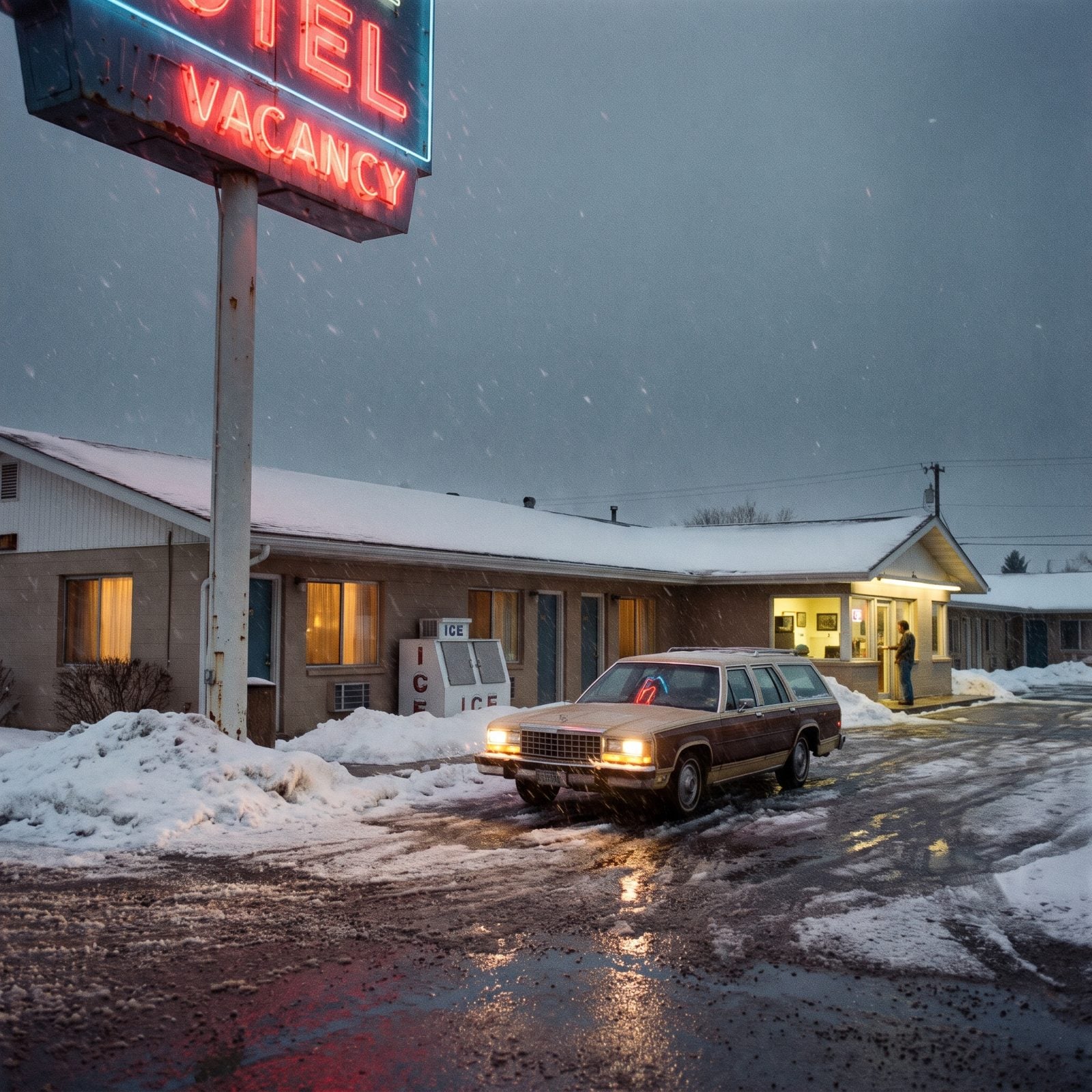
You drove until you were done driving, then hunted a glowing VACANCY sign like a moth. No app, no confirmation number, no idea what you’d get until the clerk handed over a real metal key on a plastic diamond fob.
Sometimes the sign lied and the “NO” had burned out. Sometimes you landed a room that smelled of cigarettes and radiator, a TV bolted to the dresser, a bedspread patterned to hide whatever the last guest left behind.
But the freedom was real. You stopped when you wanted, wherever you landed. The next town always had a sign, and the sign was always on.
3. Magic Fingers Beds Shook After Feeding Them a Quarter
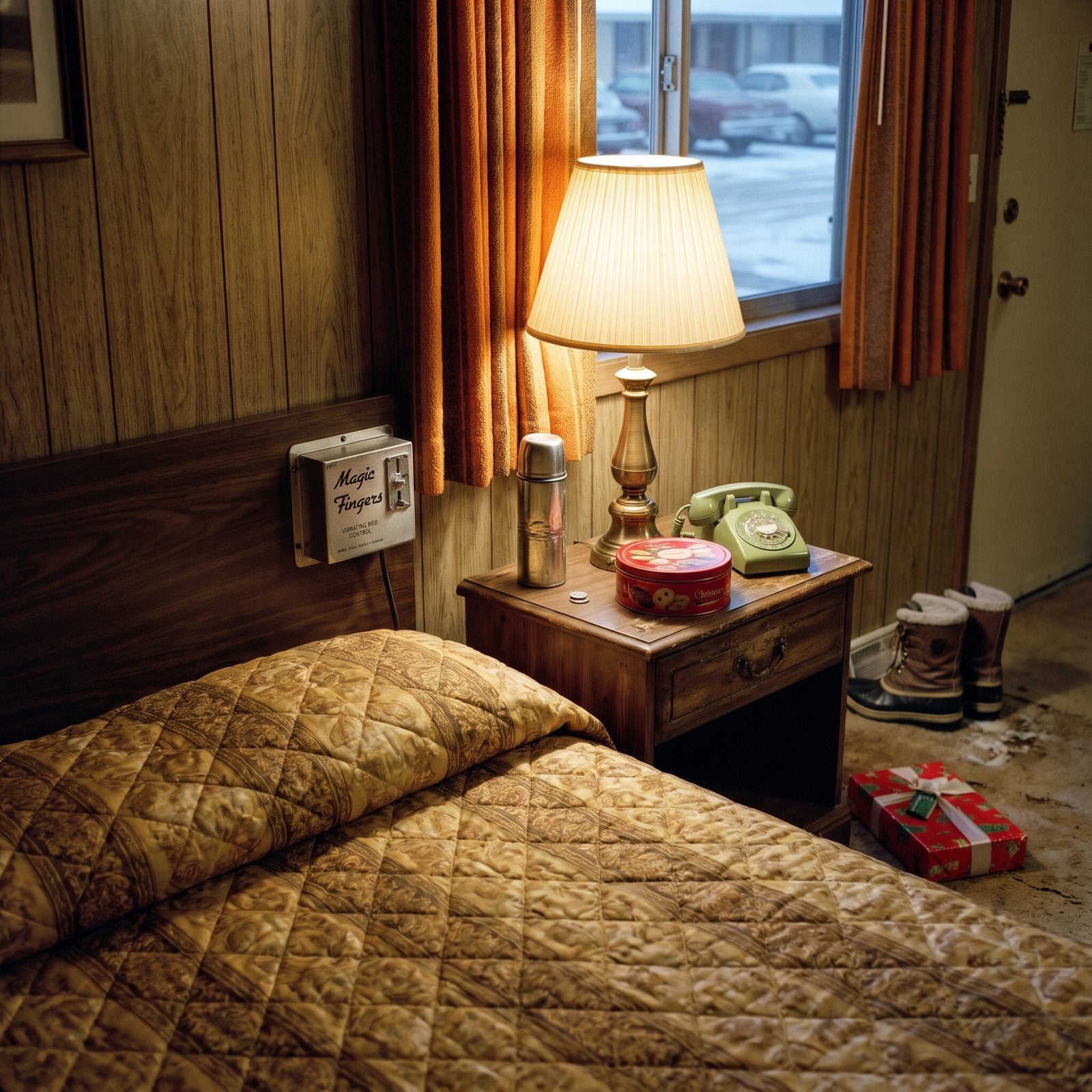
Twenty-five cents bought you fifteen minutes of a bed that buzzed like a washing machine with a brick in the drum. The Magic Fingers box sat bolted to the headboard — a coin slot and a promise. You dropped the quarter and the whole mattress went to work.
Nobody slept better for it, and that was never the point. After a day crammed in the wagon, a shaking bed beat actual rest hands down, and the kids fought over who got to feed it. The thing rattled, wound down, and somebody always wanted another quarter.
2. A Roll of Film Allowed 12, 24, or 36 Photos, With No Preview
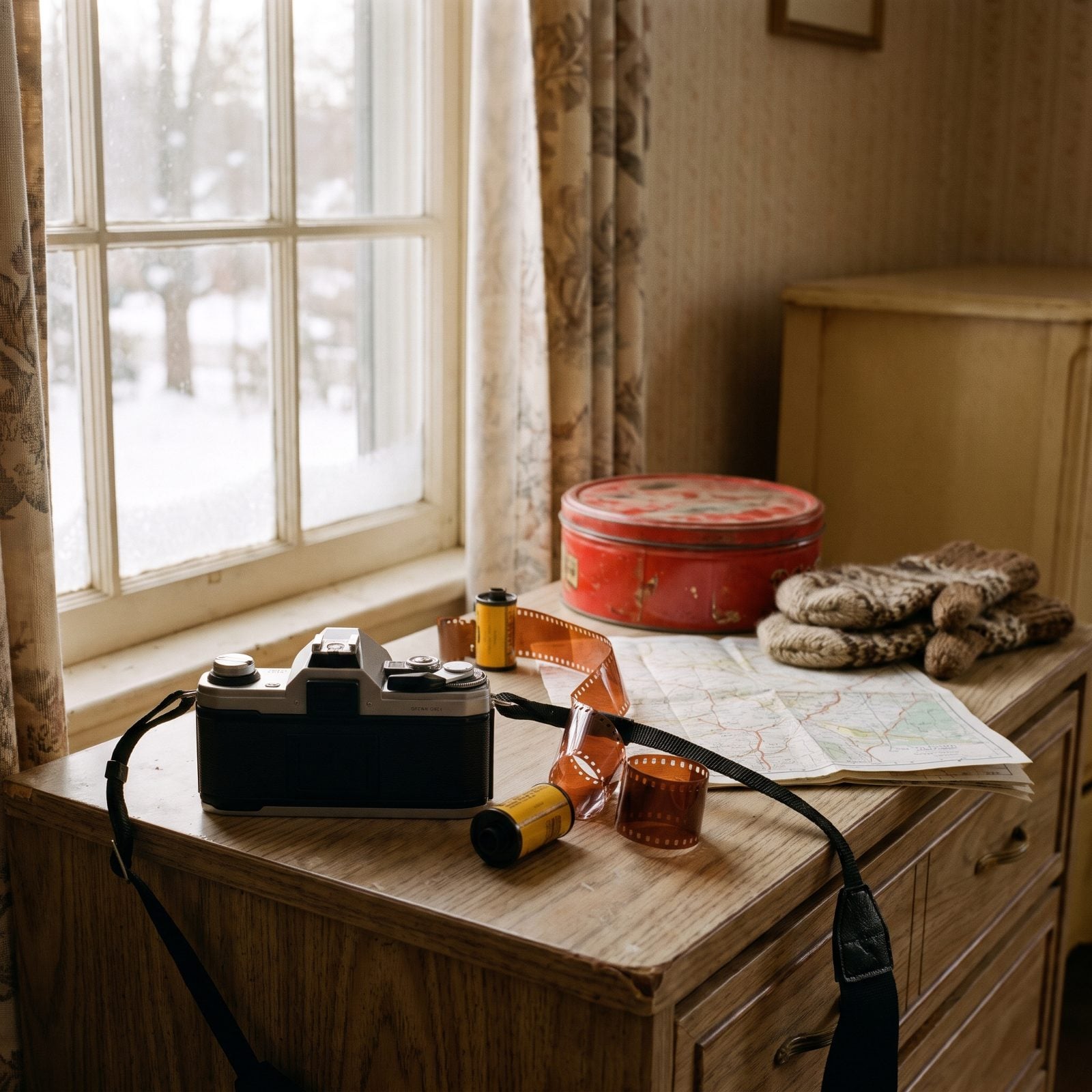
Thirty-six exposures. You made every one count because there was no screen to check, no delete, no second try. You framed the shot, held your breath, and found out two weeks later at the drugstore whether anyone had their eyes open.
Half the roll was always a blur of the dashboard, a thumb over the lens, or Grandpa mid-blink in front of a snow bank. The good ones felt earned. You shot the lookout, the motel sign, the decorated diner, then put the camera away — film cost money and you were rationing it to the state line.
You didn’t photograph everything. You photographed what you thought you’d want to remember, and you were often wrong.
The not-knowing was the whole experience. A single roll might hold Thanksgiving, a birthday, and half a Christmas trip before anyone developed it, so the prints came back as a time capsule you’d half forgotten shooting.
1. Postcards Announced the Family’s Progress After the Fact
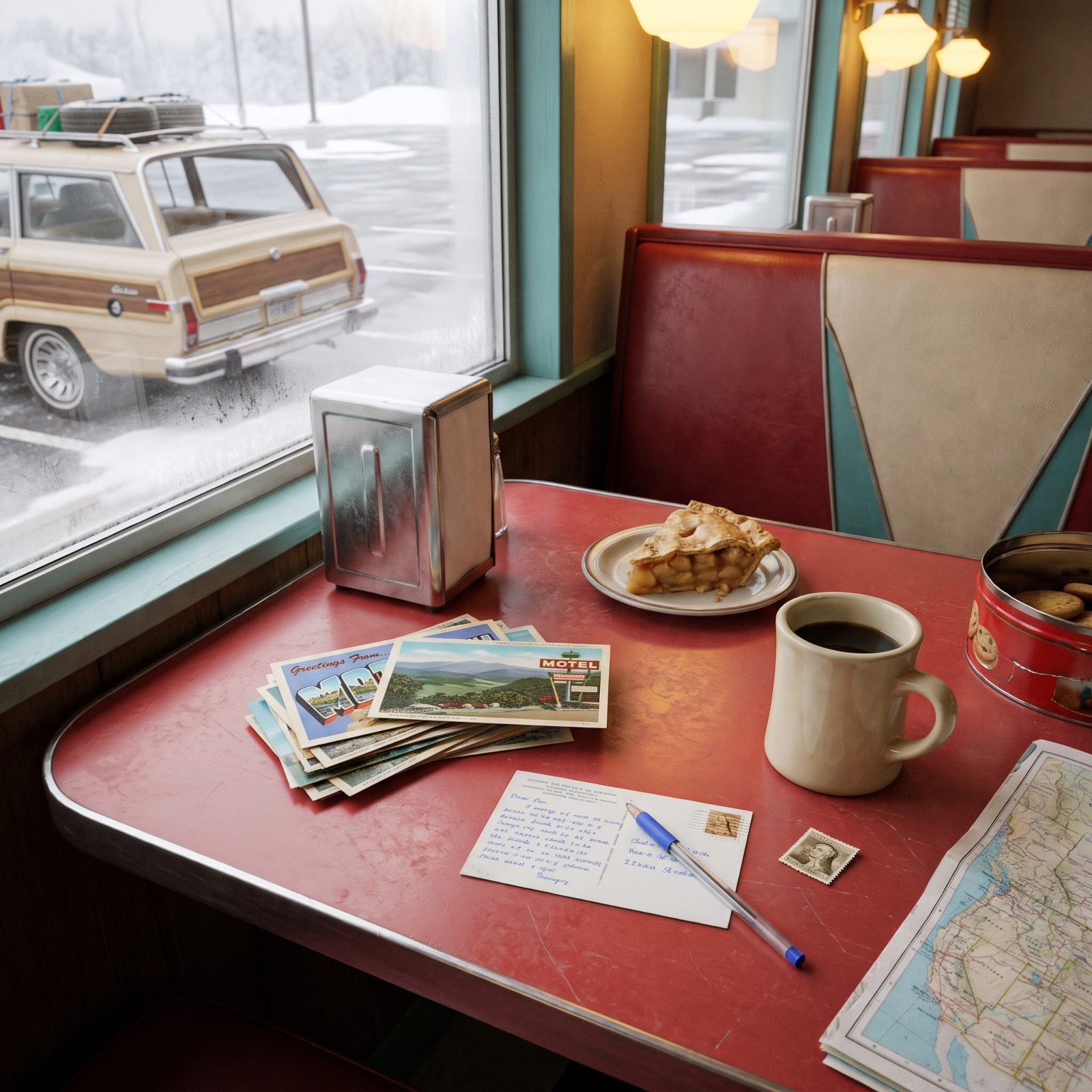
The postcard was the only way to tell people where you’d been, and it always showed up after you’d already left. You grabbed one off the gas station rack, scribbled three lines at the diner counter, dropped it in the slot, and it reached home days behind you.
Relatives got the news out of order — a card from the mountain pass might land before the one from the motel two states back. Nobody minded. What mattered was the proof: we made it this far, the roads were icy, look at the dumb picture of a giant plastic cow.
Those cards outlived the trip. They ended up shoved in a kitchen drawer or taped to a fridge, proof of a journey nobody photographed well enough to remember otherwise.