
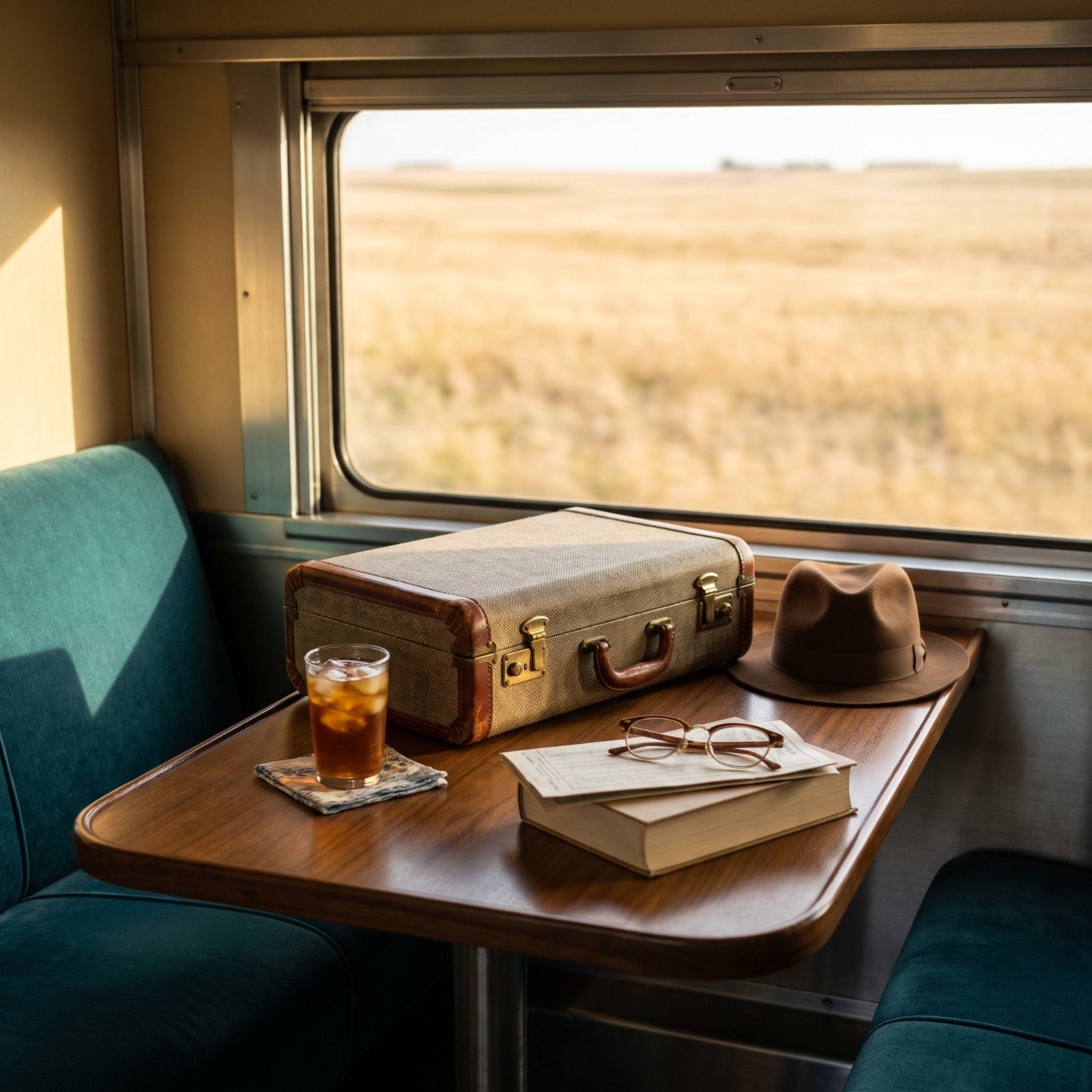
The coach seat on a 1953 streamliner was wider than the economy seat on most airliners flying today. That’s not nostalgia. That’s a tape measure. Somewhere between the postwar rail boom and the modern hub-and-spoke airport, we decided that moving people long distances should feel like being filed in a cabinet. The old trains knew better and sold the ride itself as the reason to go. Below are the things those cars did for the ordinary passenger, back when the ordinary passenger expected to be treated like a guest. Some of it could still work at 35,000 feet. Most of it we just quietly gave away.
Please note that some of the images in this article were created with the assistance of AI.
40. Legroom That Did Not Require a Premium Upgrade
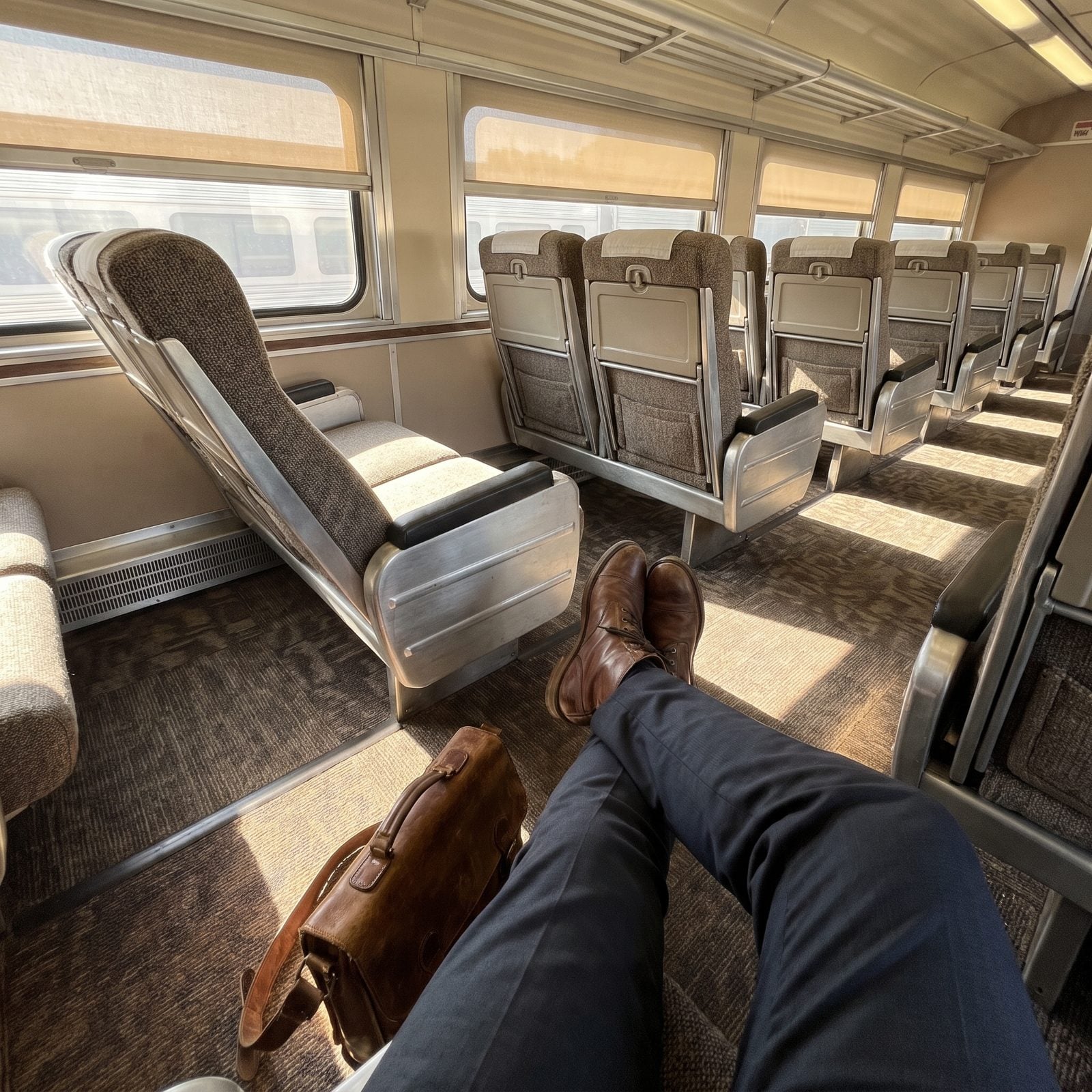
Nobody paid extra for their knees. Coach seat pitch on the better streamliners ran generous enough that a tall man could cross his legs without a negotiation. Compare that to the cramped pitch that counts as standard economy now.
The difference in philosophy matters more than the inches. The railroads assumed you might be aboard for twelve hours or thirty, so cramming you was a bad business plan. You’d remember it, and you’d book the other line next time. Airlines assume you’ll forget by the time you land. They’re usually right, and that’s the quiet shame of it.
39. Padded Footrests and Leg Rests
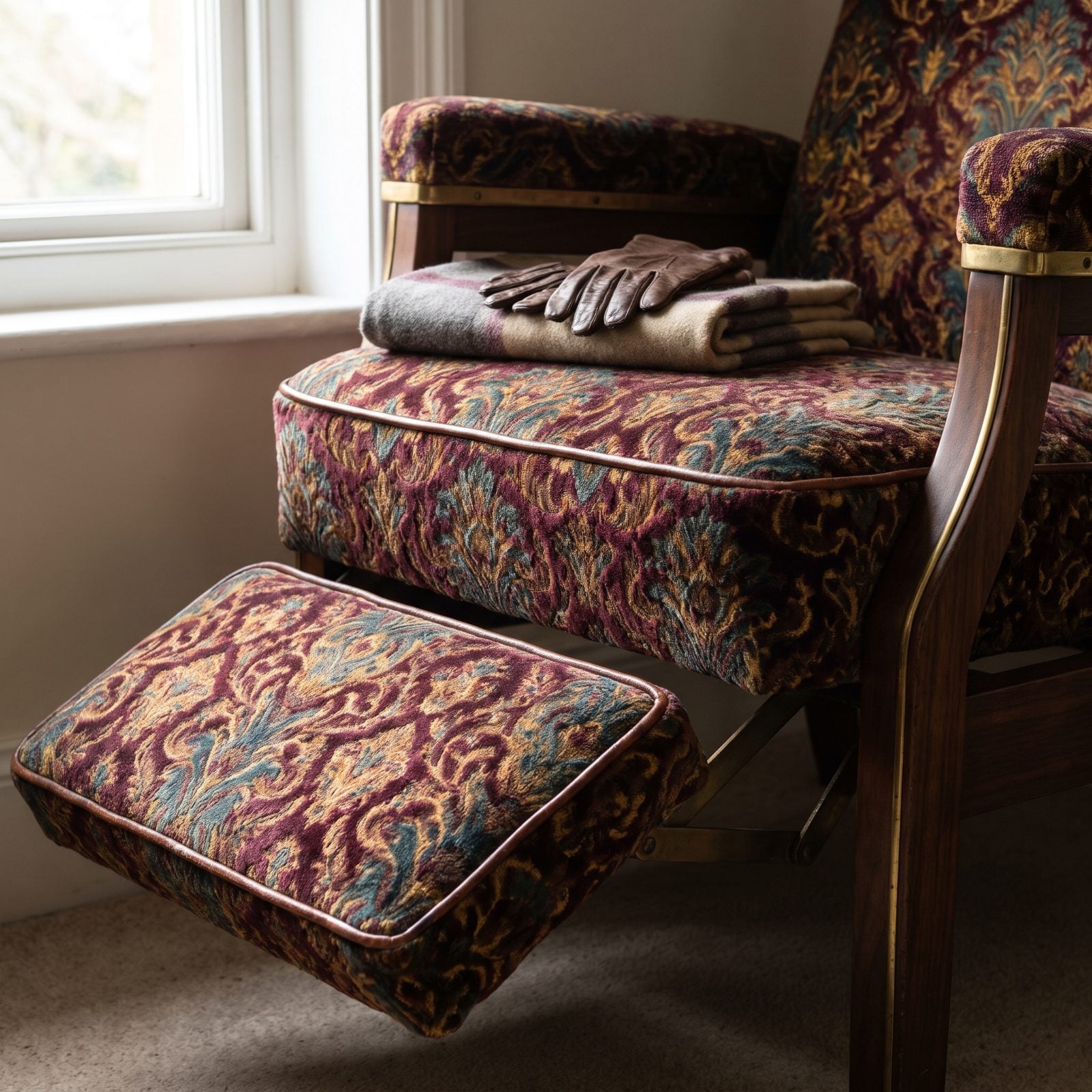
This one would read as pure luxury on a plane today, yet it was standard-issue reclining coach gear seventy years ago. The better seats came with a footrest that swung up and a leg rest that extended, so you could stretch out instead of folding yourself into a 90-degree trap for hours.
We’ve all flown overnight in an economy seat and arrived feeling like we’d been stored rather than transported. A padded footrest sounds small. It’s the difference between sleeping and enduring. The railroads understood that a rested arriving passenger was a return customer.
38. Face-to-Face Seats for Companions
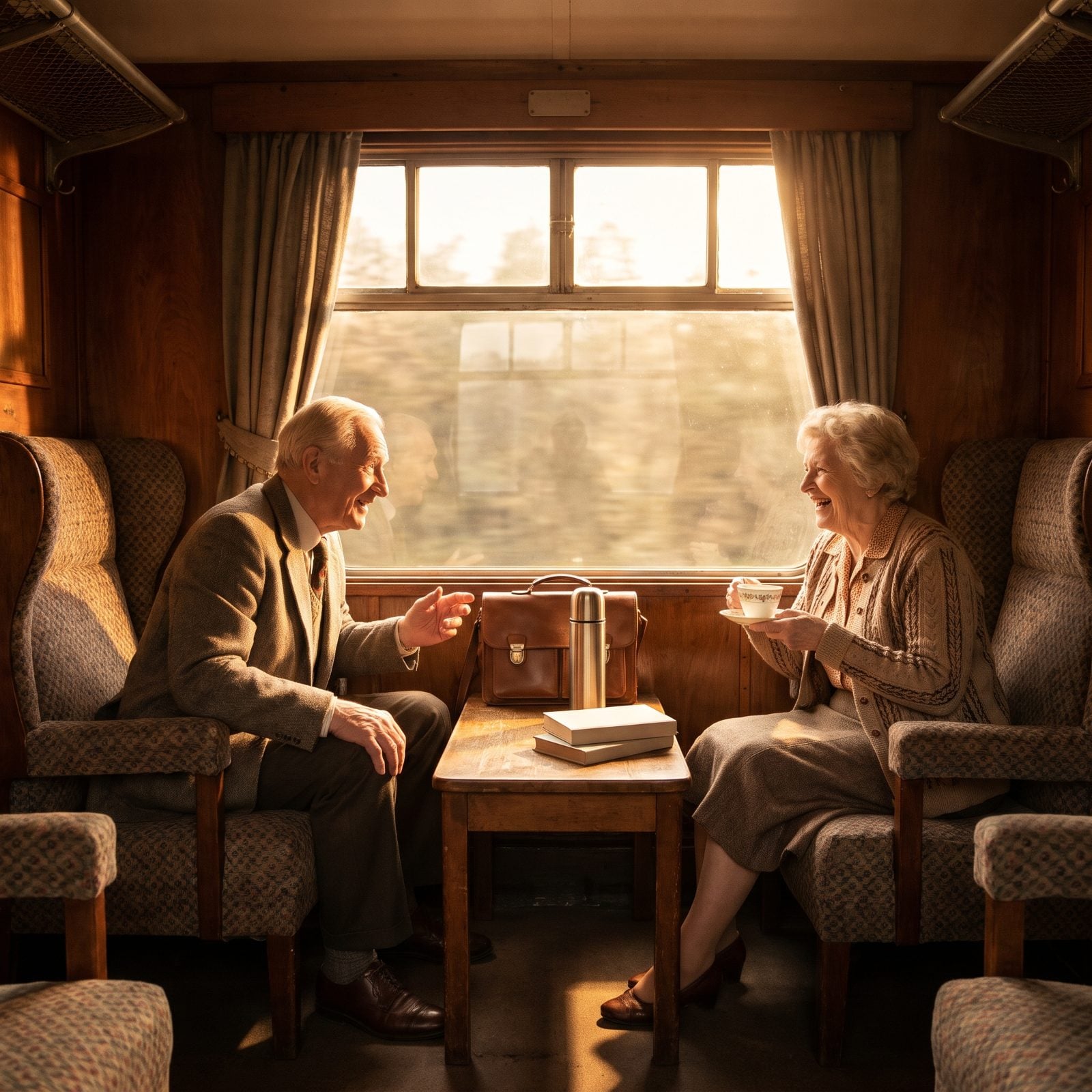
You could sit facing the person you were traveling with. Not craning sideways over an armrest for twelve hours, not shouting across a seatback. Actually facing them, like two people having a conversation the way people do.
Modern cabins line everyone up facing the same wall, like a waiting room that happens to be moving. The old cars let families and couples cluster, and that choice carried a quiet message: you came here together, so sit together.
37. Full Tables Between Seat Groups
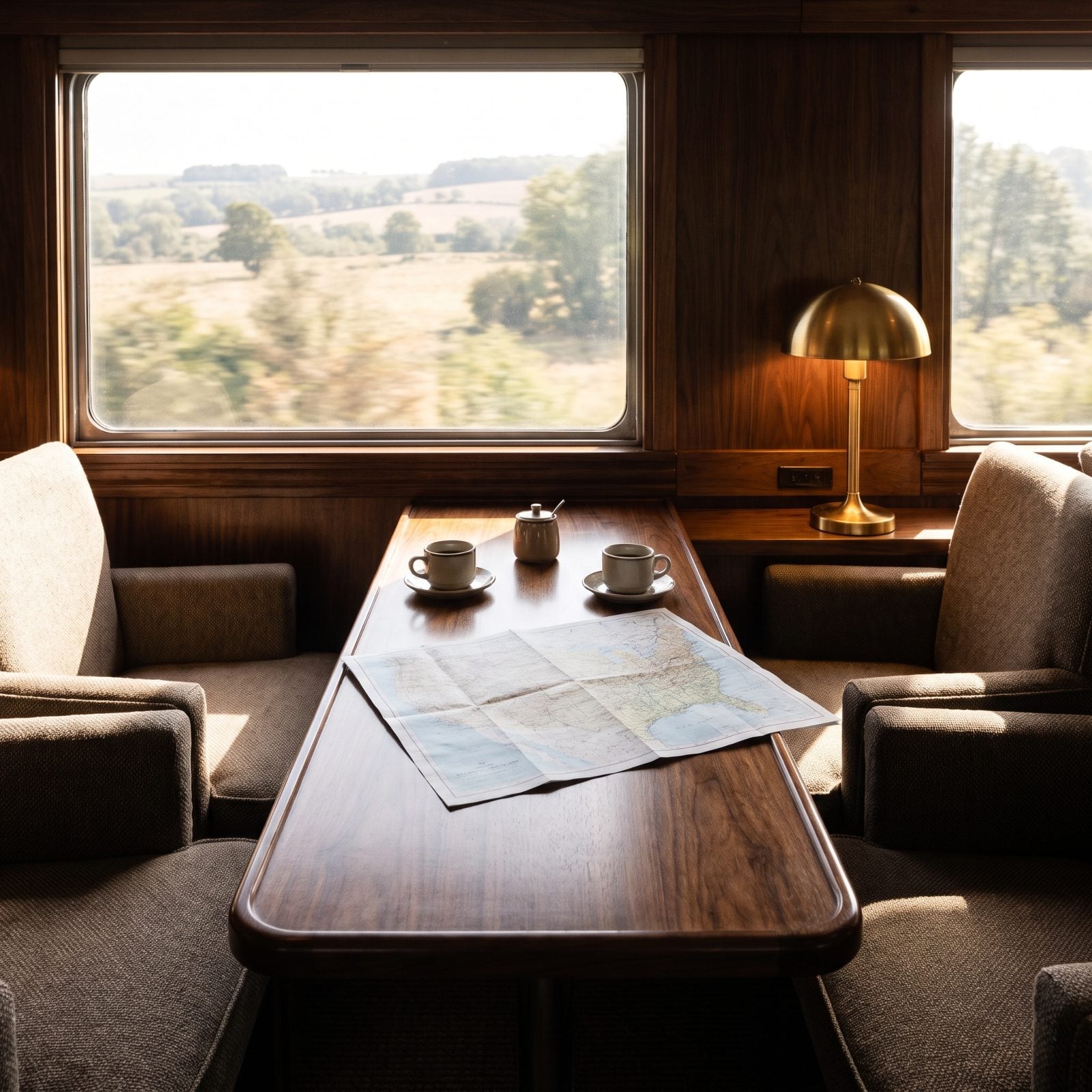
A real table. Not a plastic tray the size of a magazine that folds down from the seat in front and shakes every time the person ahead shifts. A fixed table between seat groups, big enough for a card game, a meal, a spread-out map, a kid’s coloring book.
The modern tray table is engineered to hold a coffee cup and your lowered expectations. You’ve tried to work on one, and you’ve watched your laptop get guillotined when the seat ahead reclined. The old tables sat solid in the middle of a seating group, and nobody could ruin them by leaning back.
36. Aisles Wide Enough to Pass Comfortably
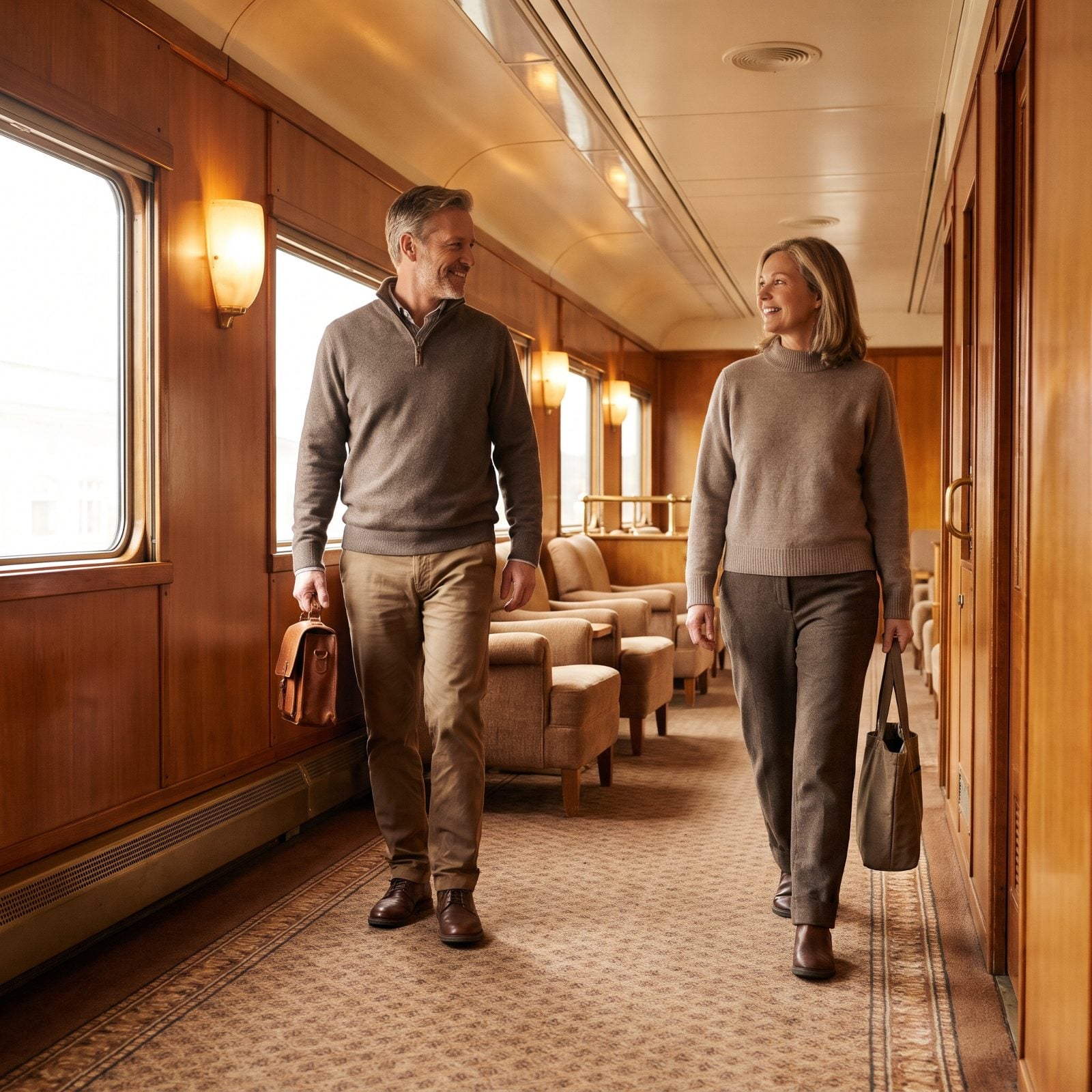
You could pass another person in the aisle without a full-body apology dance. The streamliner aisle gave you room to walk, to carry a drink, to let the conductor through without everyone performing a slow-motion tango.
The modern aircraft aisle is barely wide enough for the beverage cart, which is exactly why they built it that way. Every inch of aisle is an inch not sold as a seat. Simple math, and you feel the result every time you flatten yourself against a headrest so someone can reach the lavatory.
35. Space to Stand and Walk During the Journey
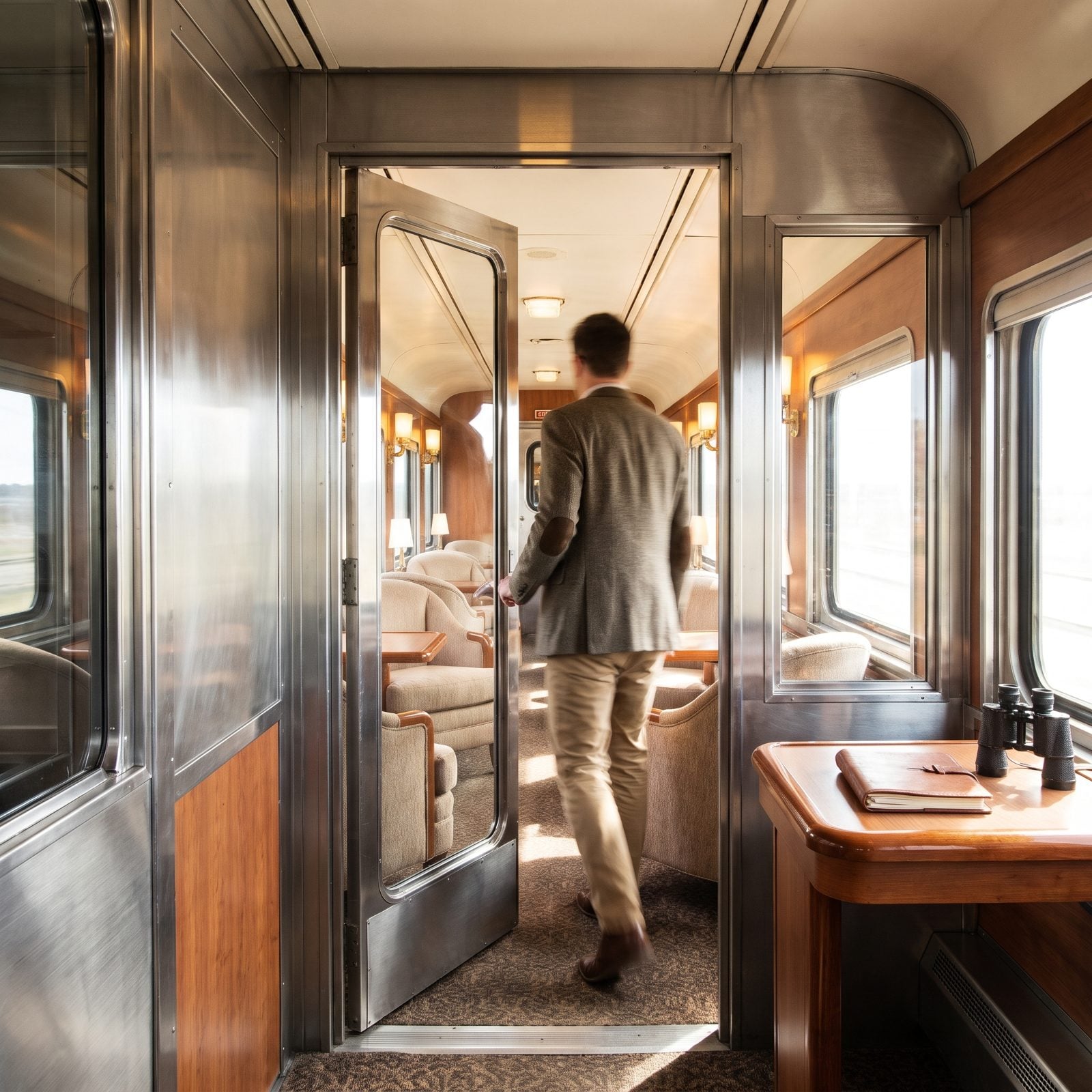
Movement was built into the trip. You could get up and go somewhere — a lounge car, an observation car, a diner, a club where you’d actually stand and stretch your legs because the train had places to be a passenger that weren’t your seat.
On a long flight you’re issued a seat and a strong suggestion to stay in it. The train treated the journey as a space you lived in for a while, not a container you occupied. Walking to the lounge car for a coffee beat pressing a button and waiting for a cart to reach row 34.
34. Picture Windows at Every Row
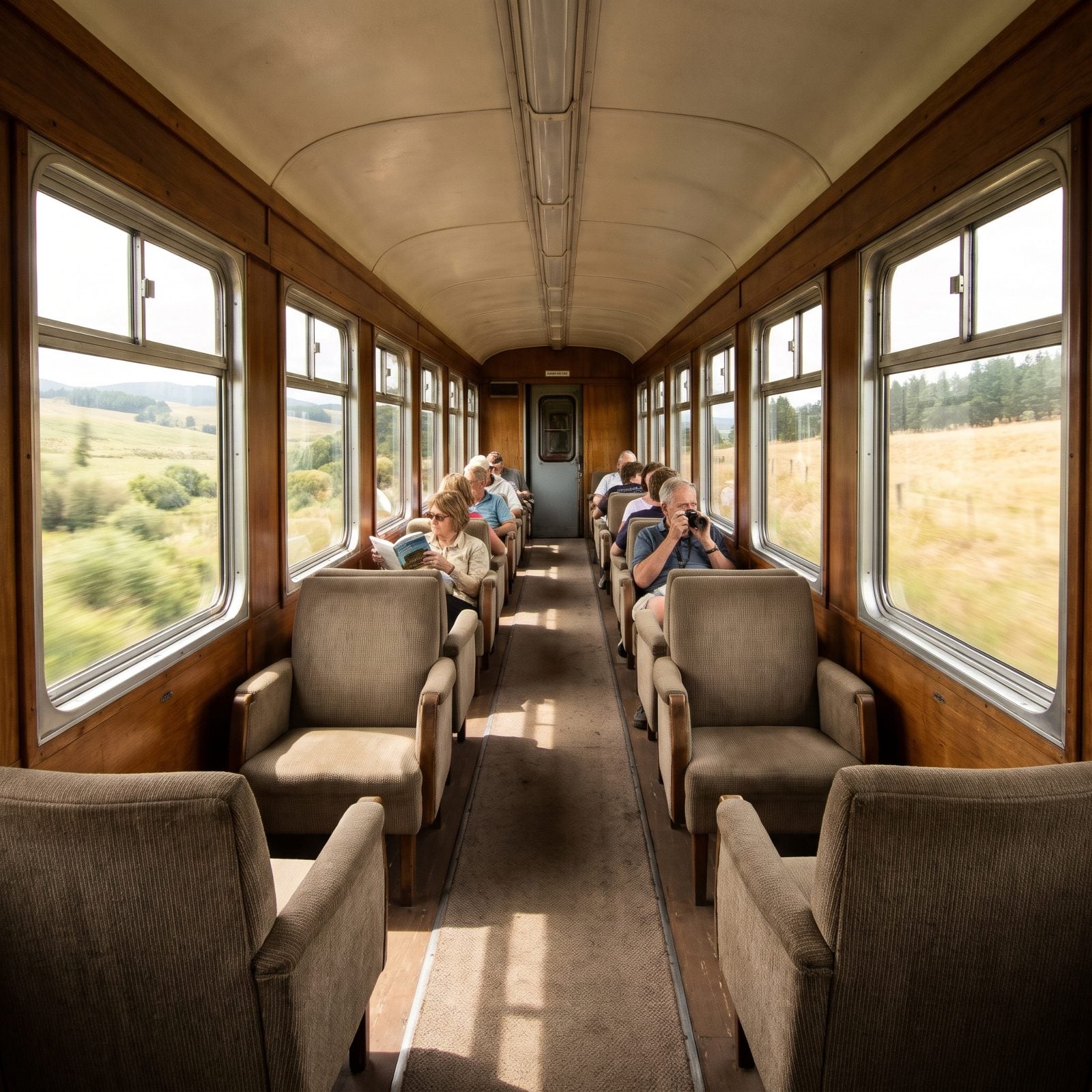
Big windows. Not the porthole you share with the person beside you, the one somebody always closes forty minutes in. Full picture windows, one per row, built so the view was the point of the whole enterprise.
The streamliners were selling the scenery — the Rockies, the high desert, the river running alongside the track at dusk. Everyone had a seat at the show. Modern aircraft windows keep shrinking and the window shade is now a battlefield of competing preferences. We traded the view for glare on someone’s screen.
33. Glass-Domed Sightseeing Cars
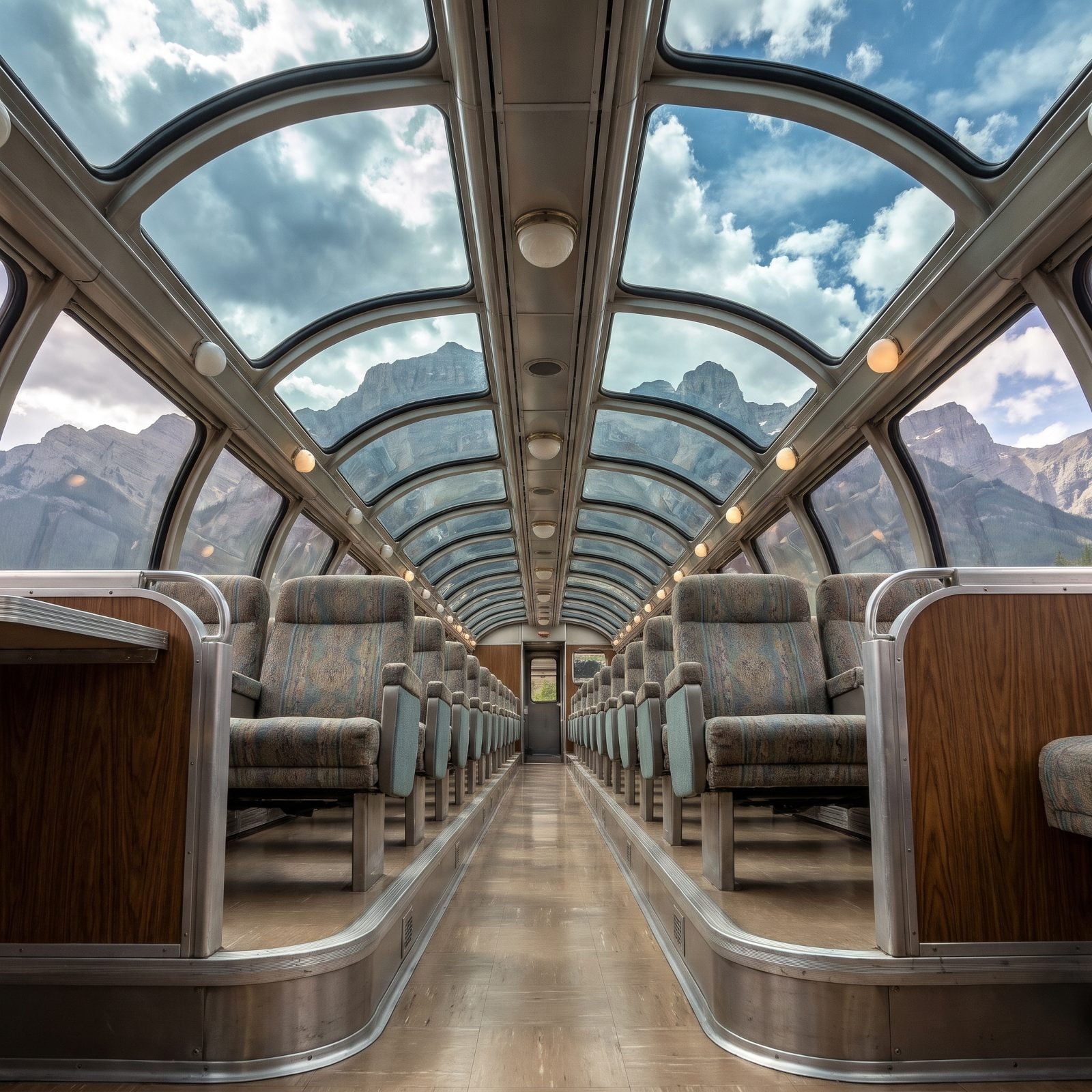
This is the one no airplane will ever match, and that’s exactly why it belongs here. The full-length dome car ran a glass roof the entire length of the coach, right over the rows of seats. You simply took your seat and sat inside a lens, sky overhead, horizon all around, the whole world rolling past in 360 degrees.
They ran these on the great western routes through the 1950s, and people planned trips around them. Nothing about a modern cabin even tries to make the view an event. The dome car understood something the airport gate forgot entirely: getting there can be the best part, if somebody bothers to build it that way.
32. Lounge Cars With Freestanding Armchairs
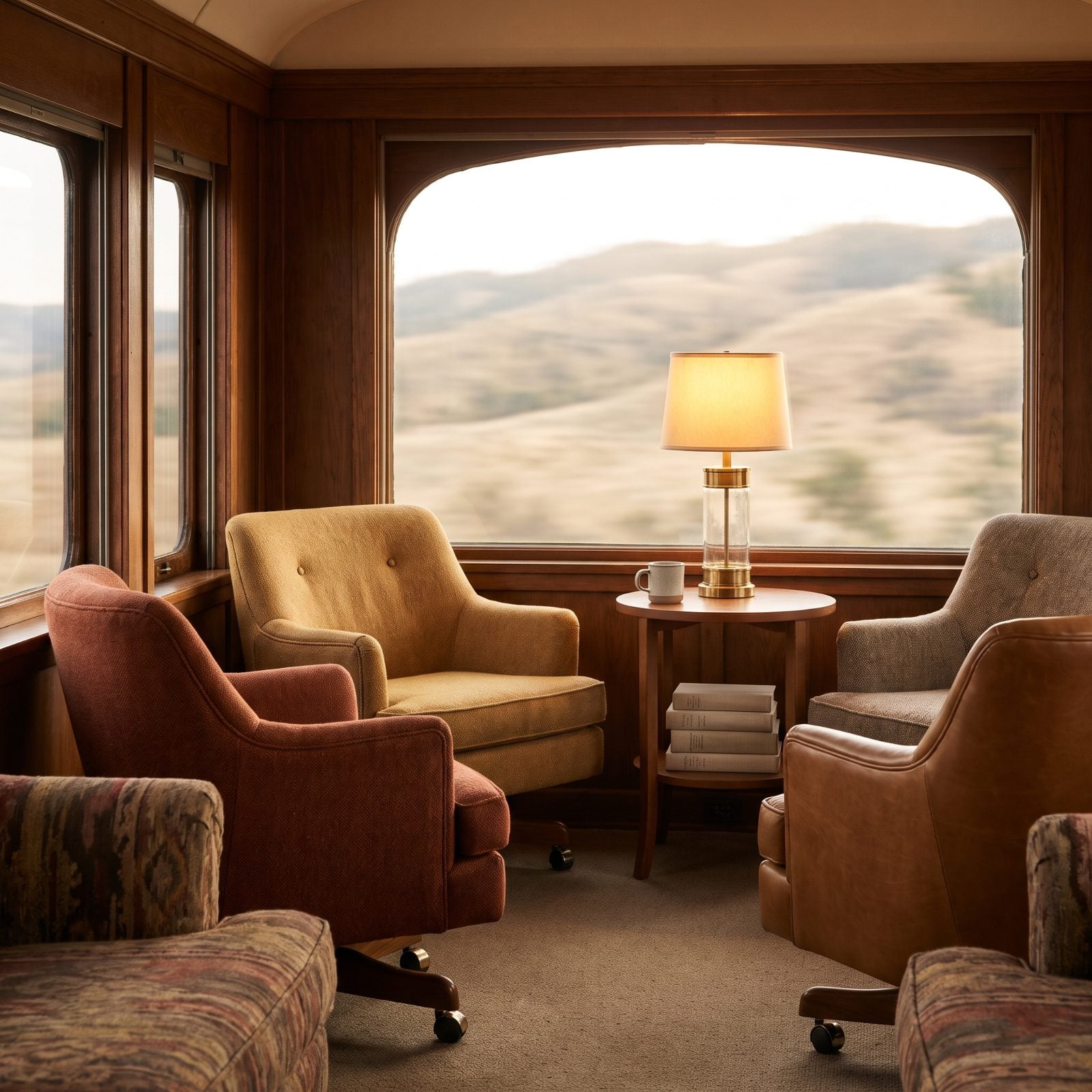
Nobody bolted these chairs to the floor. In a 1950s lounge car you could pull a seat around to face a friend, the window, or nobody at all. Try doing that at 35,000 feet.
The freestanding armchair was a small act of respect. It said you were a person, not cargo, and you got to decide which way you faced. Airlines ran the math the other direction decades ago — every inch became revenue, and the swivel chair lost.
31. Bar Lounges With Proper Seating
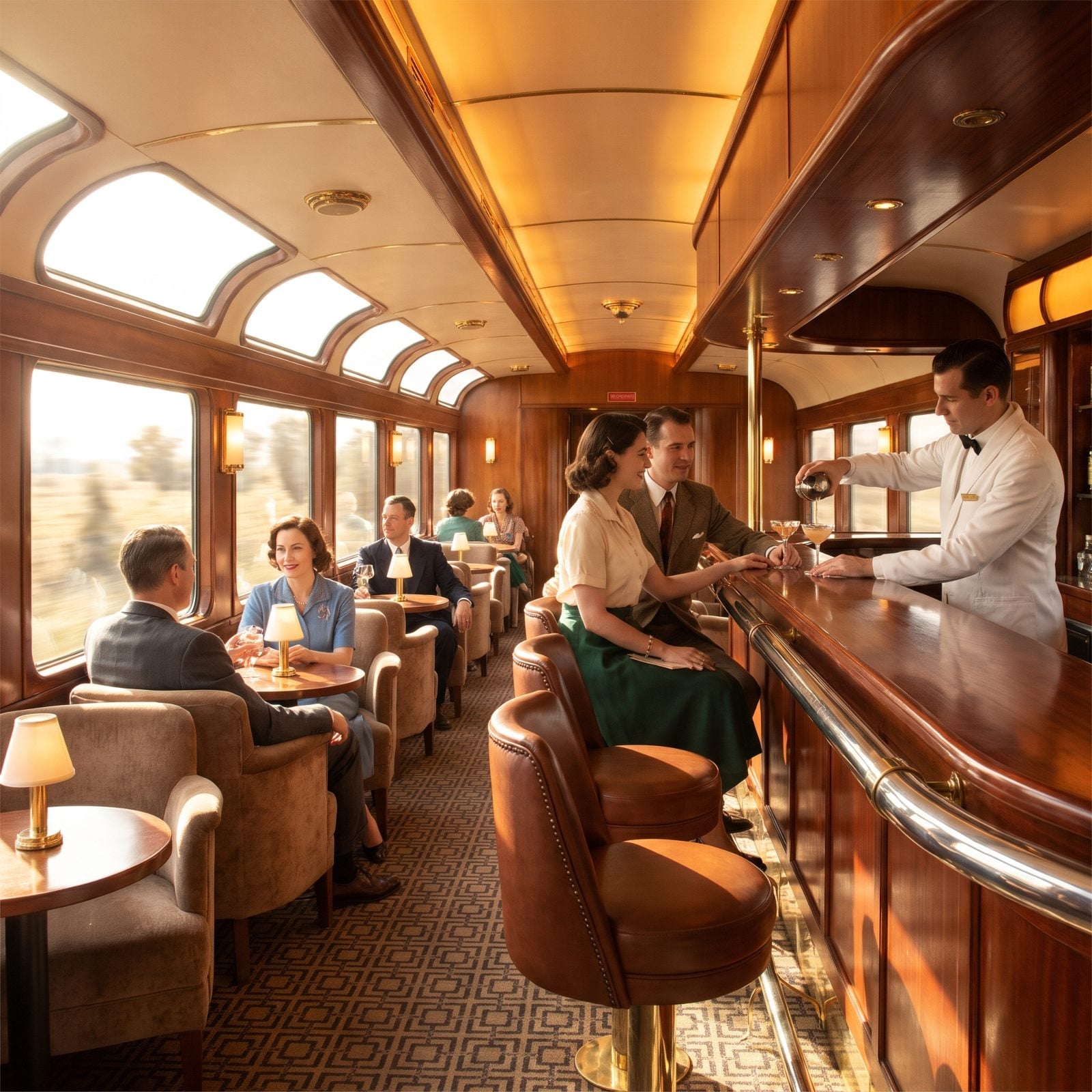
The bar had stools and tables. You sat down and you stayed a while.
On a plane the drink comes to you in a plastic cup, poured from a little bottle, and the whole transaction lasts about as long as it takes to say thanks. The 1950s version had a bartender who knew your order by the second night and a lounge built for lingering. The difference isn’t the liquor — it’s whether anyone expected you to enjoy it.
30. Restaurant-Style Dining Cars
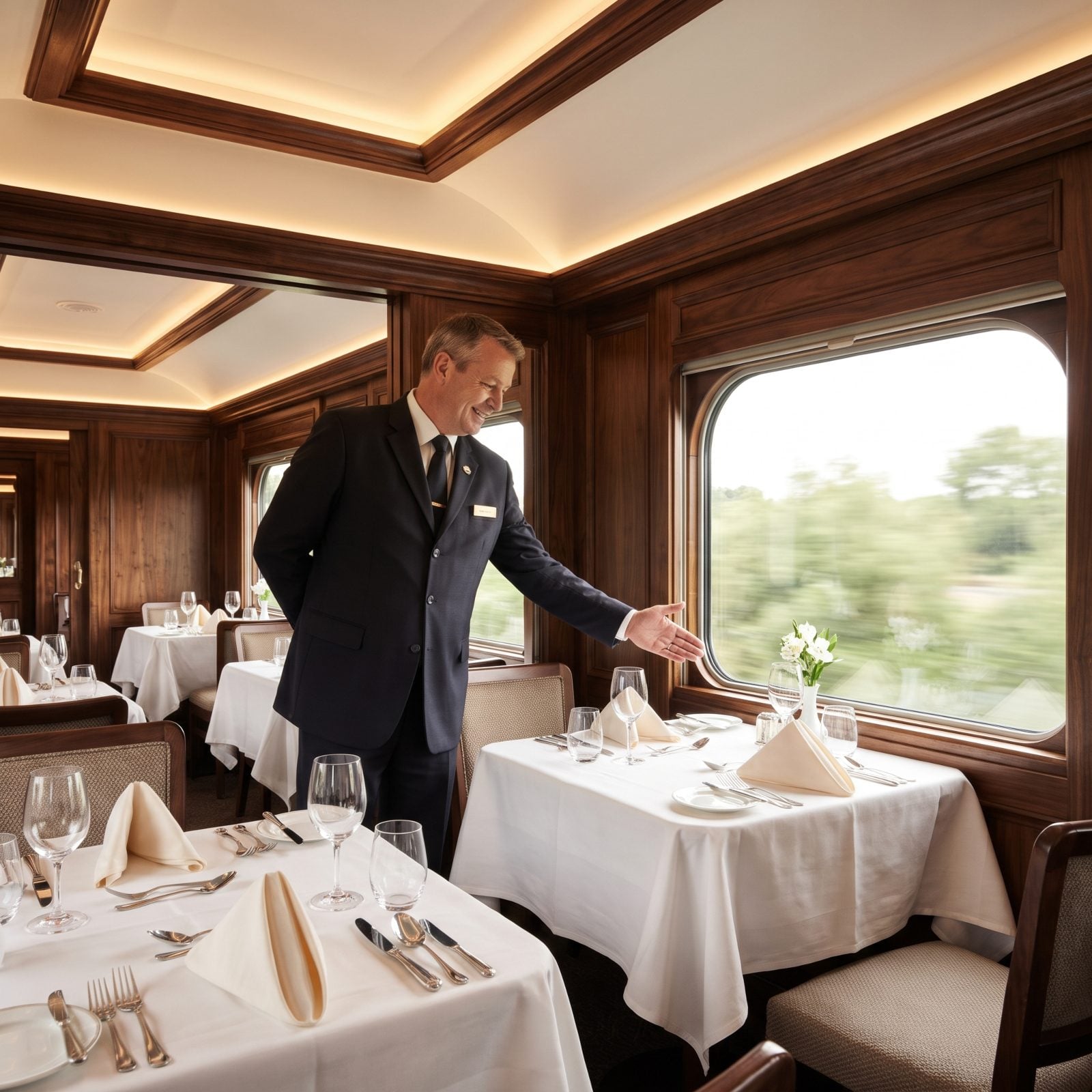
You walked into a room, a host seated you, and dinner arrived on a plate at a table that didn’t fold out of the seatback in front of someone’s knees.
The dining car was a restaurant that happened to be moving — tables for two and four, a real aisle, the scenery sliding by outside. Compare that to eating off your tray while the passenger ahead reclines into your soup. We gave up a lot of civilization for speed, and this one sits near the top of the list.
29. Kitchens Cooking Meals From Scratch
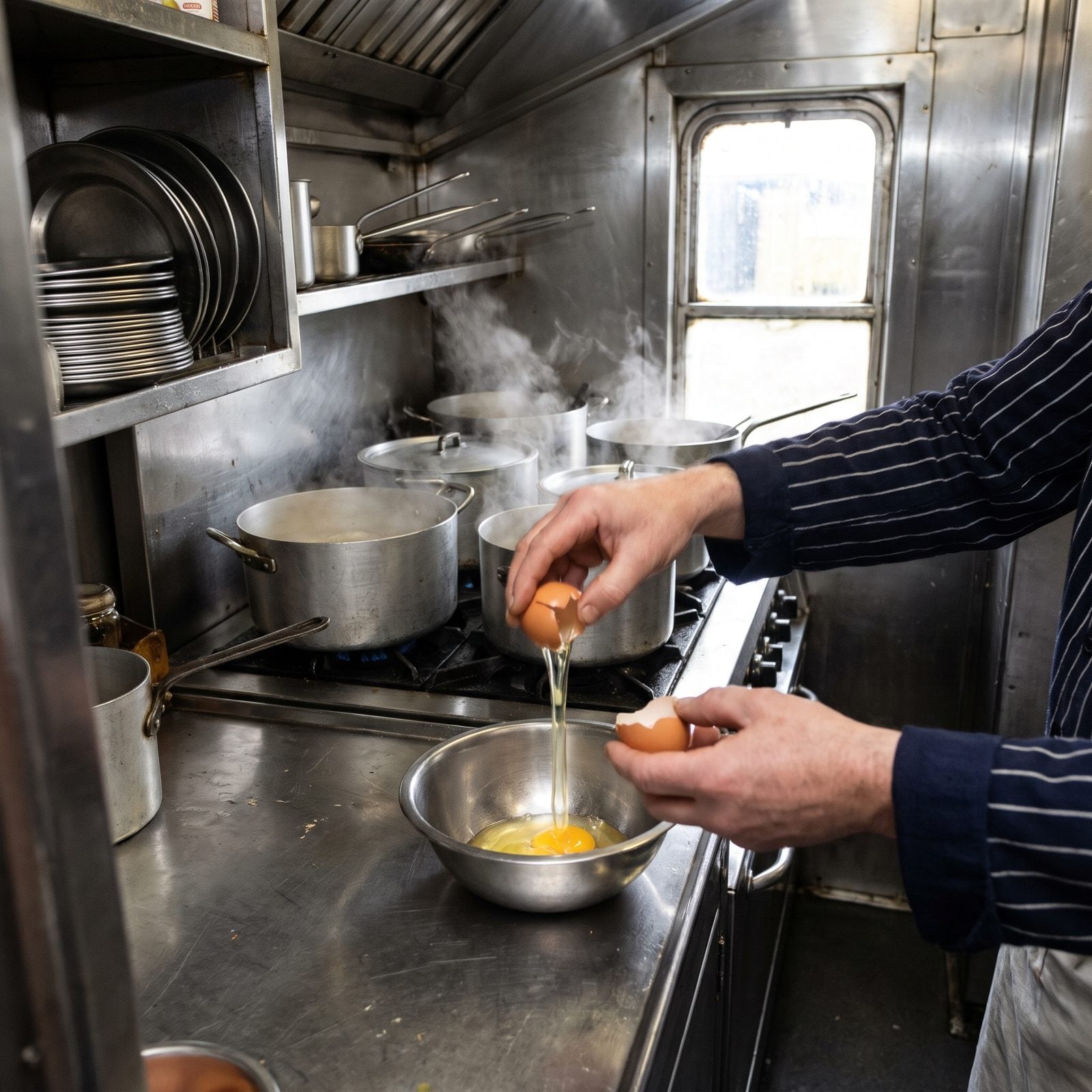
The food was cooked on the train. On a moving train, in a galley narrower than most hallways, by cooks who broke eggs and seared steaks while the floor swayed under them.
Not reheated. Not plated three states back and parked under a heat lamp. The railroads were famous for it. The Santa Fe’s Fred Harvey operation and the Northern Pacific’s Great Big Baked Potato weren’t marketing fictions — they were kitchens doing honest work at speed. Airline food gets mocked because it’s assembled in a commissary and finished with a convection pulse. Nobody’s cooking anything up there, and that’s the whole problem.
28. Waiters Taking Orders at the Table
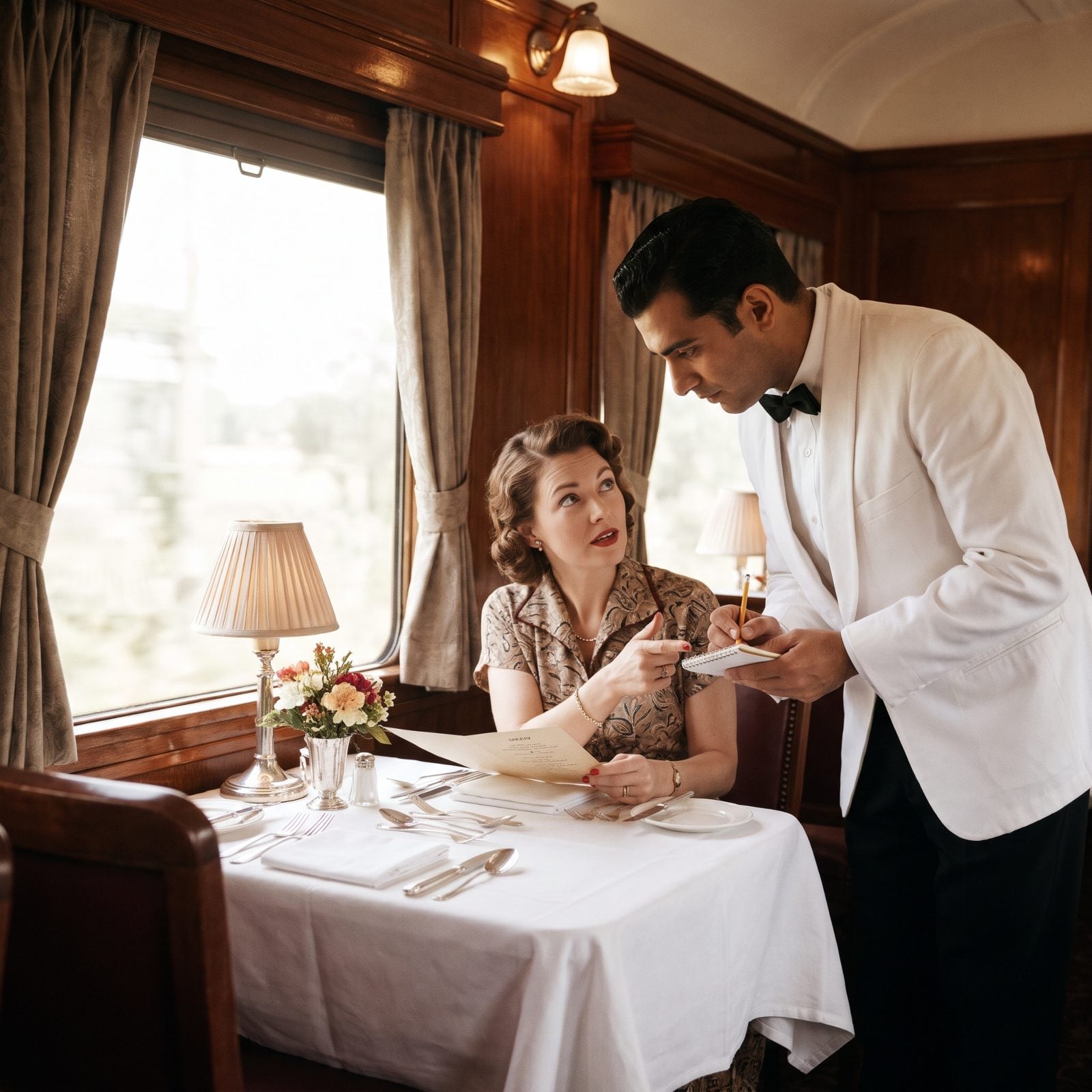
Someone came to your table, asked what you wanted, wrote it down, and brought it back. The whole arrangement treated you like a guest.
Flying sorted this into a cart that rolls down the aisle offering a binary choice before it runs out of the one you actually wanted somewhere around row 20. The dining-car waiter, meanwhile, remembered the people who rode the route often. That kind of service costs money and attention, and both got cut the moment comfort stopped being the product.
27. Real China, Glassware, and Metal Flatware
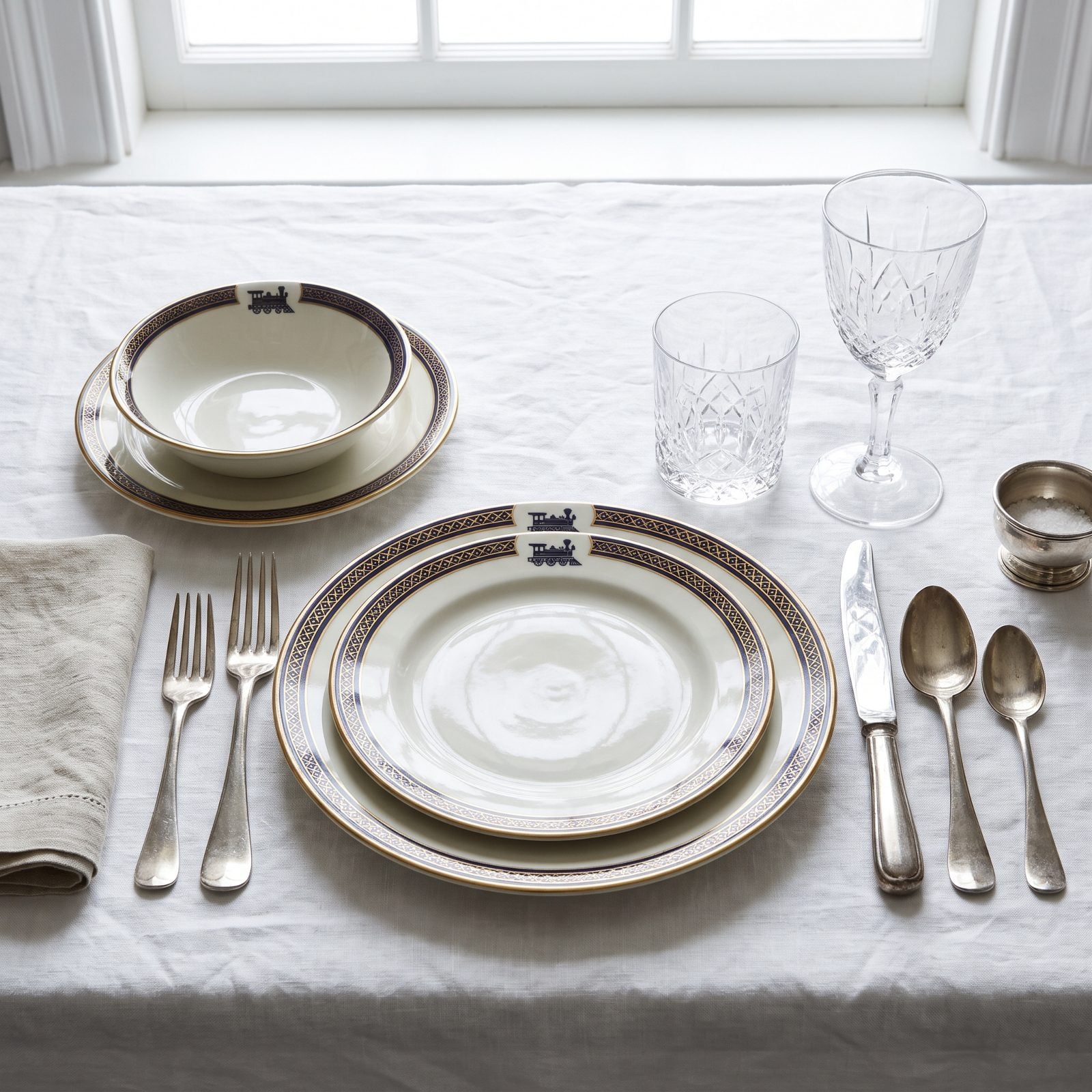
China. Glass. Metal that weighed something in your hand.
The railroads commissioned their own patterns, and collectors still hunt for those plates and fork handles. A heavy fork tells your hand the meal is serious. A plastic one tells you the opposite before you’ve taken a bite.
Airlines dumped the weight to save fuel, and the fuel math is real. But something left the cabin with the real flatware, and it never came back.
26. White Linen Tablecloths and Napkins
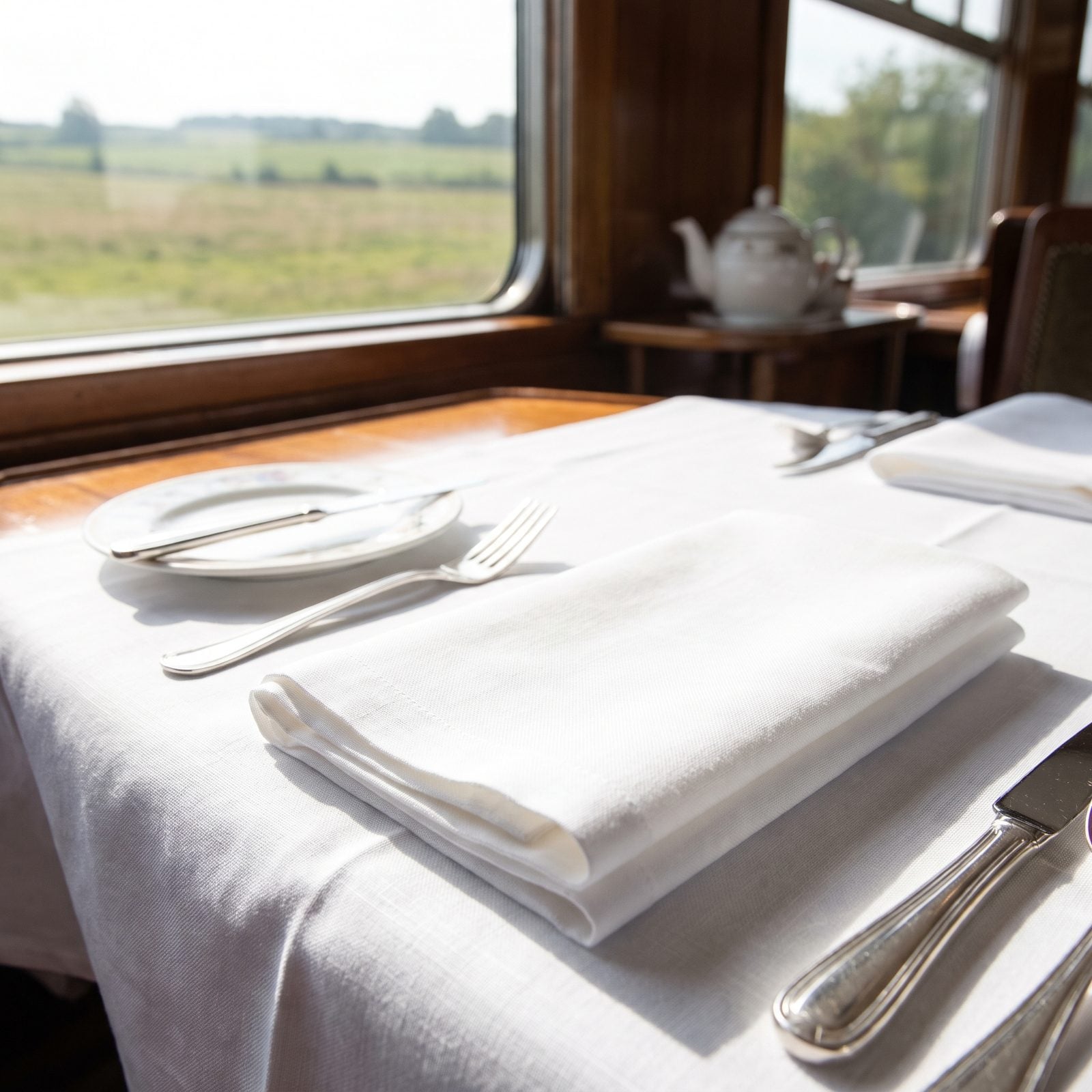
The tablecloth was white, pressed, and changed between seatings. That one detail did more work than any fare class ever has.
Linen signals that someone prepared the space for you — the difference between a meal and a feeding. You feel it before you can name it, which is exactly why the railroads spent the laundry budget on it.
25. Menus Featuring Regional Specialties
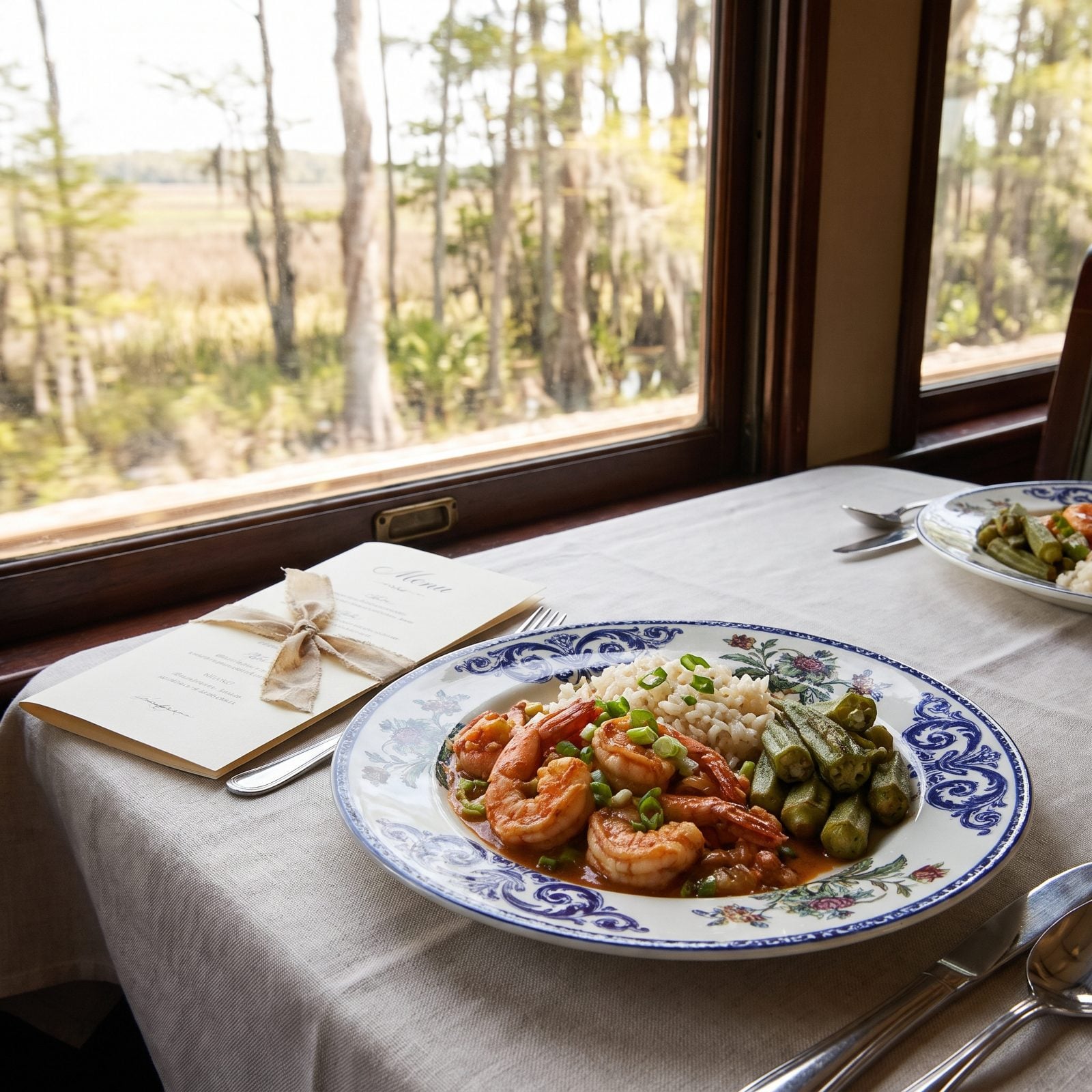
The menu knew where you were. Roll through Louisiana and the kitchen ran Creole. Cross the Northwest and the salmon showed up. The food changed with the window.
A train can do that, and an airport food court actively refuses to — you can land in three different cities and eat the same three chains in each. The dining car used geography as a feature. Your trip tasted like the ground you were crossing, which is about the most civilized idea on this whole list.
24. Private Roomettes for Solo Travelers
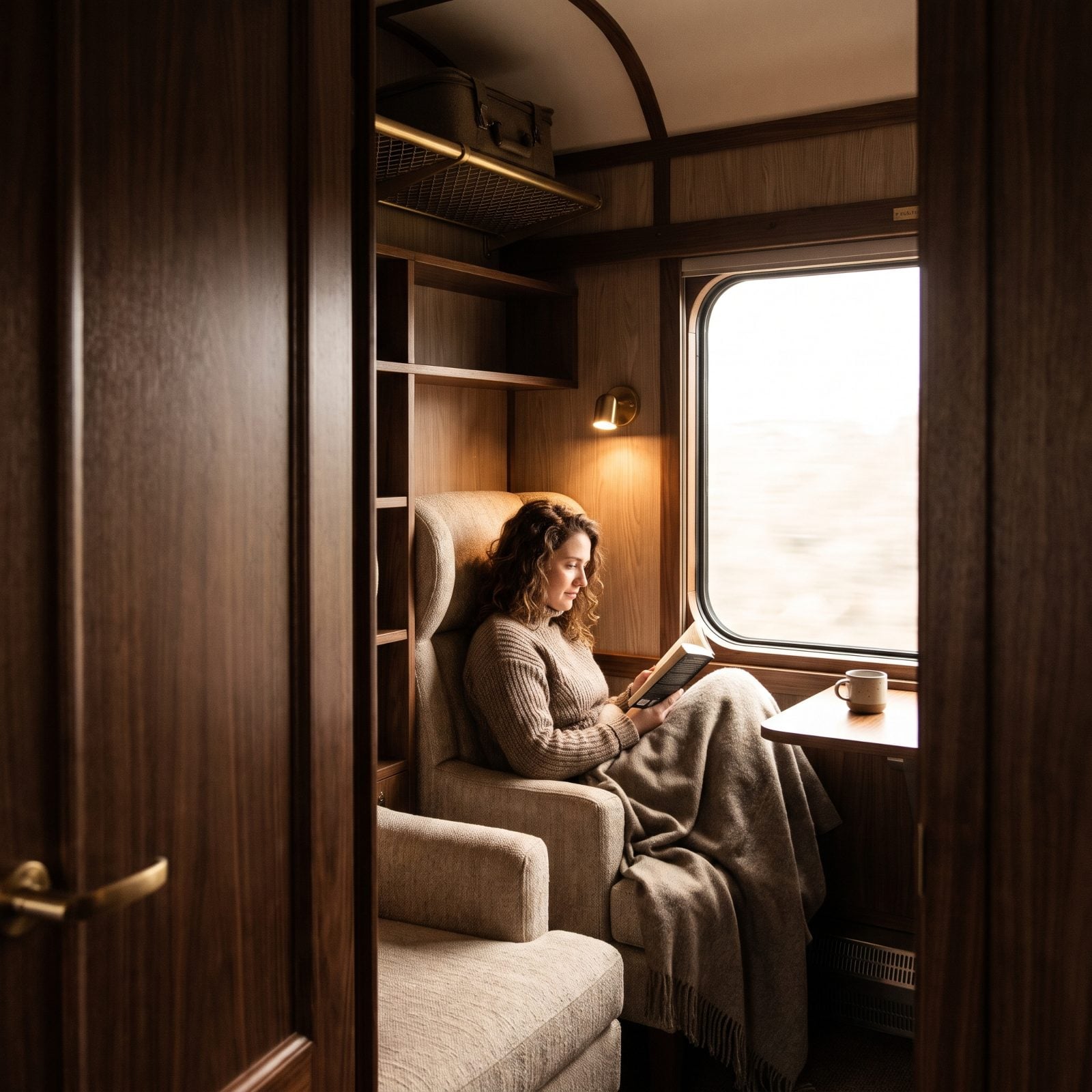
A door that closed. A window that was yours. A bed, a sink, and nobody’s elbow in your ribs.
The roomette was built for one, and it gave a solo traveler actual privacy for the price of a ticket upgrade rather than a jet charter. The closest thing flying offers is a middle seat and a prayer. We traded real private space for cup holders and inflight wifi. Bad trade.
23. Family Drawing Rooms With Sofas
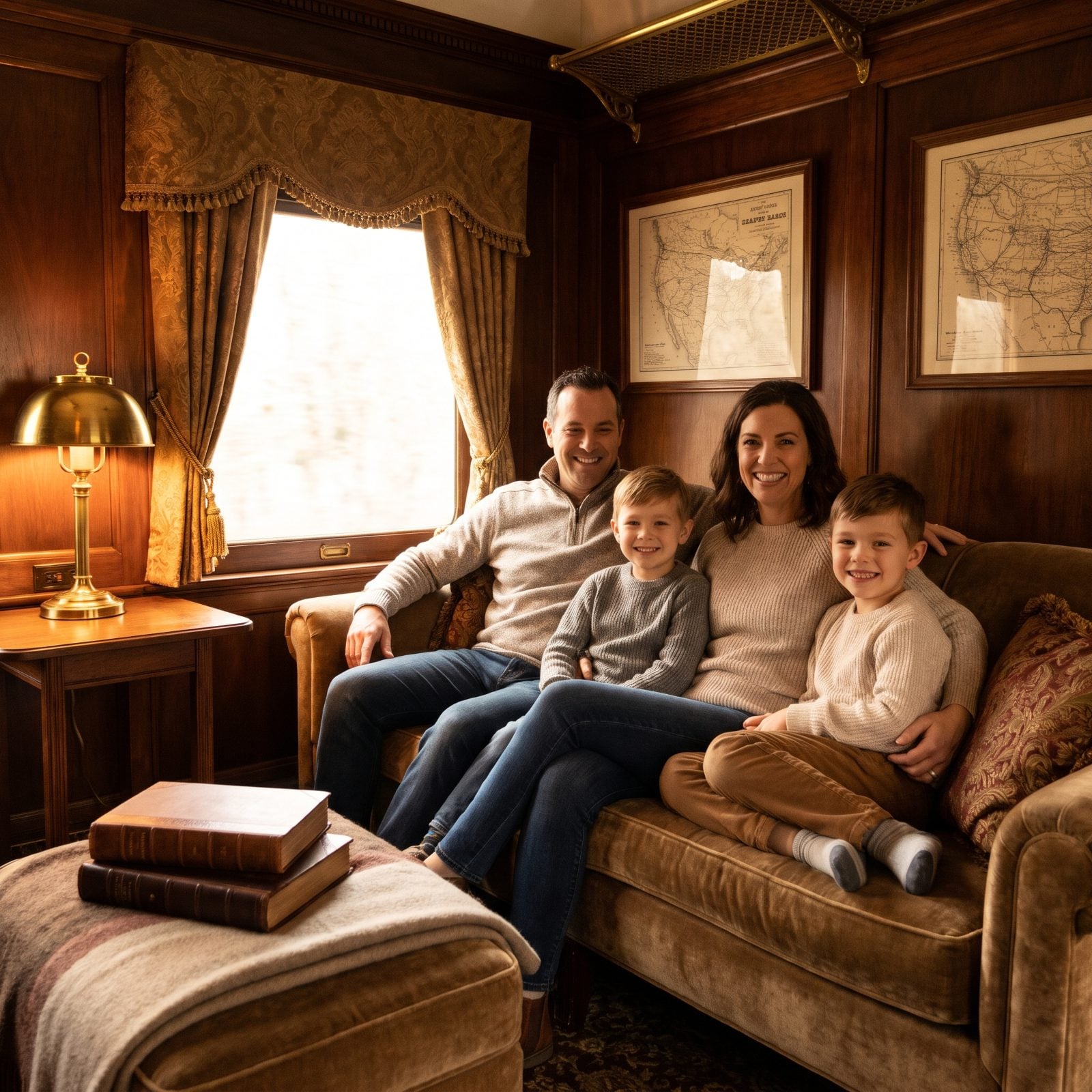
A room. For your family. With a sofa.
The drawing room was the big one — a private compartment with seating, a washroom, and enough space that a family of four didn’t have to spend two days knee to knee. Kids could spread out, and nobody kicked the seatback because there was no seatback to kick.
Traveling with family now means buying four seats scattered across a cabin and hoping a stranger will swap so you can sit near your own kid. The railroads solved that with a door and a couch seventy years ago. The fix still works. We just stopped offering it.
22. Full-Length Beds With Real Mattresses
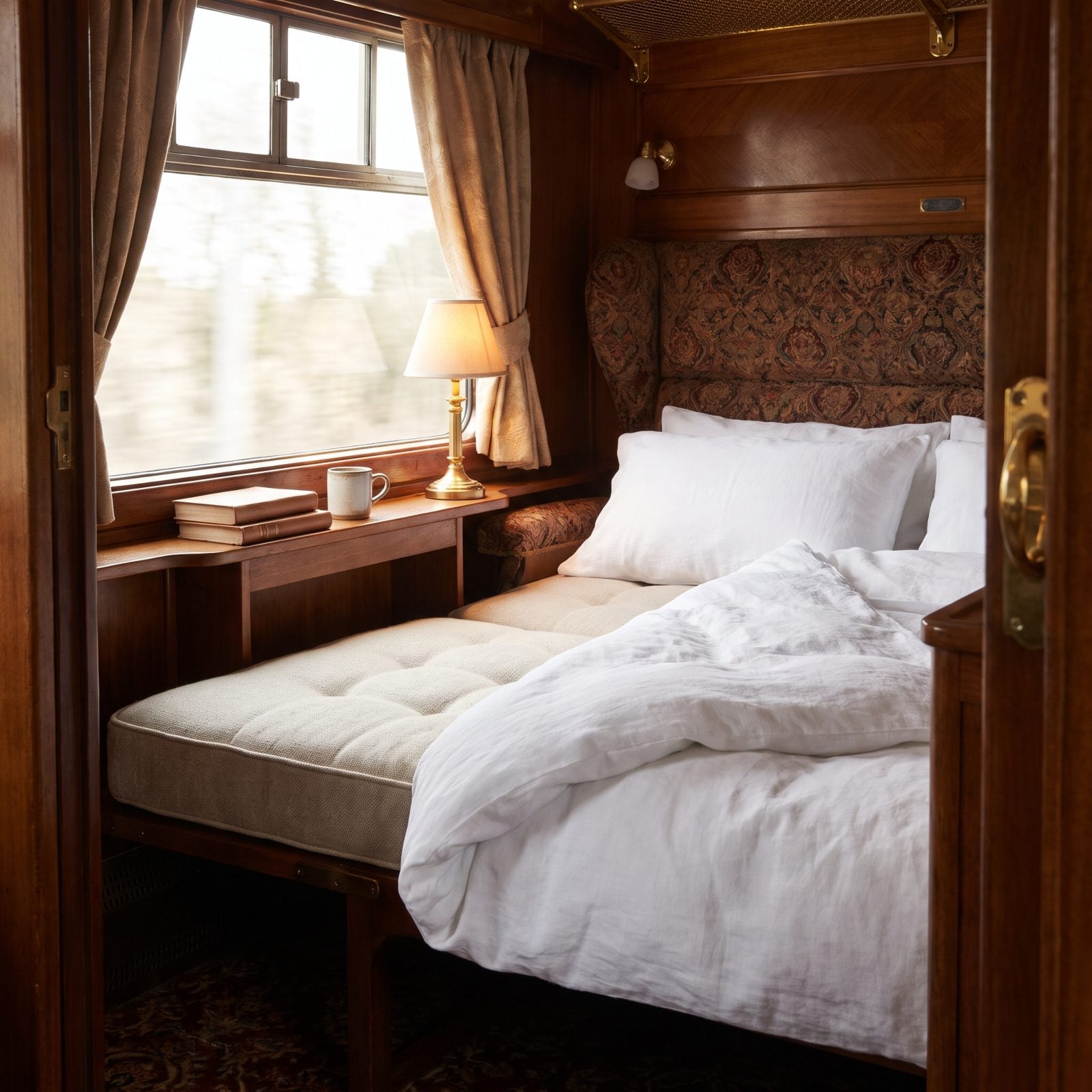
Try lying flat on a red-eye to Denver. You can’t. The best money buys you up there is a seat that reclines just far enough to annoy whoever’s sitting behind you.
The 1950s streamliner had this one figured out before jet travel existed. A real mattress, full length, pulled down over the seat at night. You boarded in Chicago, slept, and woke up somewhere past Nebraska in an actual bed — not a chair doing an impression of one.
Modern business-class pods chase the same idea at four times the cost, and most of them still won’t give you a mattress thick enough to forget you’re lying on a machine.
21. Fresh Sheets, Blankets, and a Pillow You’d Actually Use
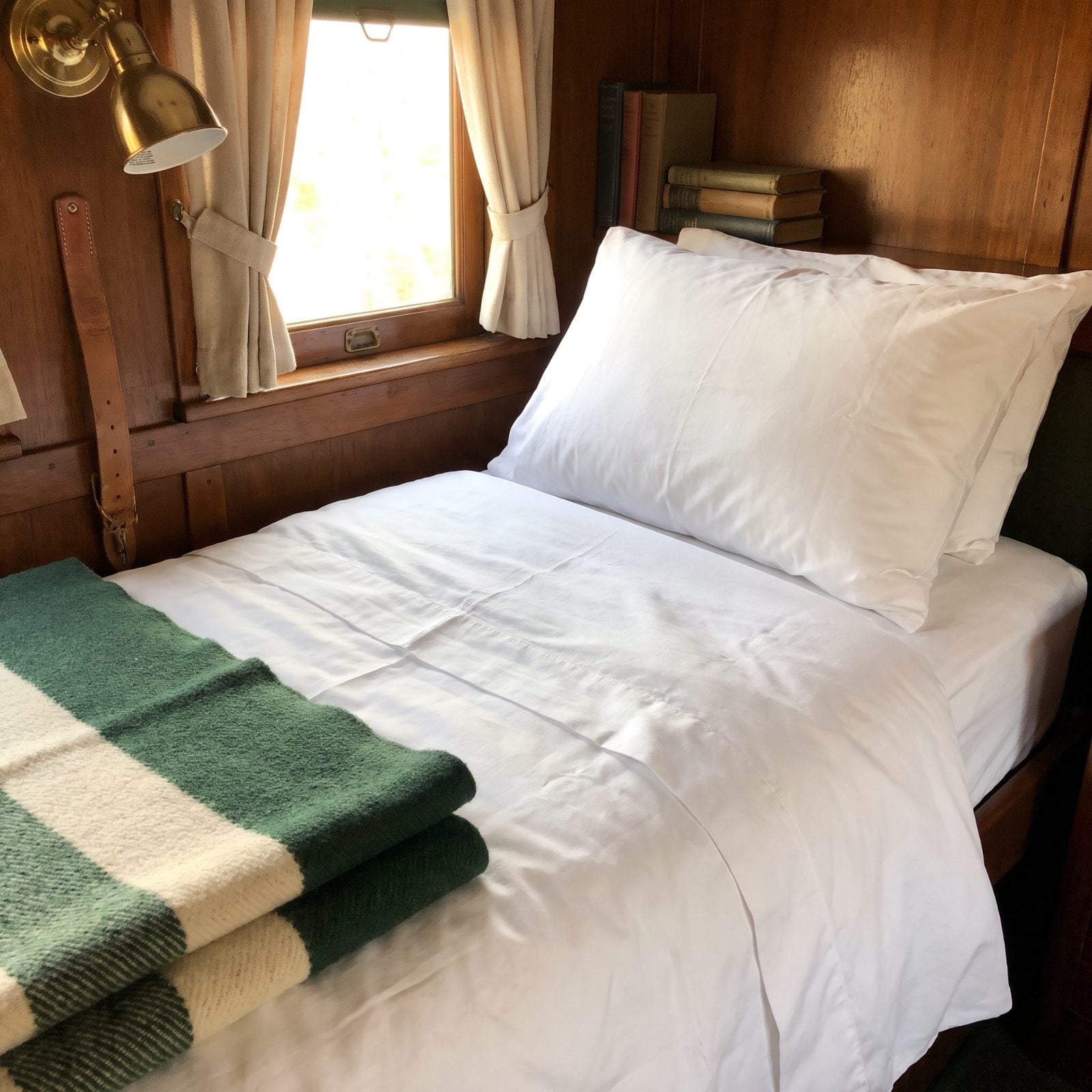
Laundered cotton sheets. A wool blanket with real weight to it, and a pillow that wasn’t the size of a dinner roll.
Compare that to the plastic-wrapped flannel square they hand you in the sky — the one that smells faintly of warehouse and doesn’t reach your feet. Railroads treated bedding as a reason to ride rather than a cost to shave. Sheets came off the car at the end of every run and went to a laundry, so you slept in clean linen that somebody had actually pressed.
Here’s the part nobody mentions: the pillow sells the whole thing. A good one convinces your body it’s home. The airlines have never once figured that out.
20. The Foldaway Washbasin Built Into Your Compartment
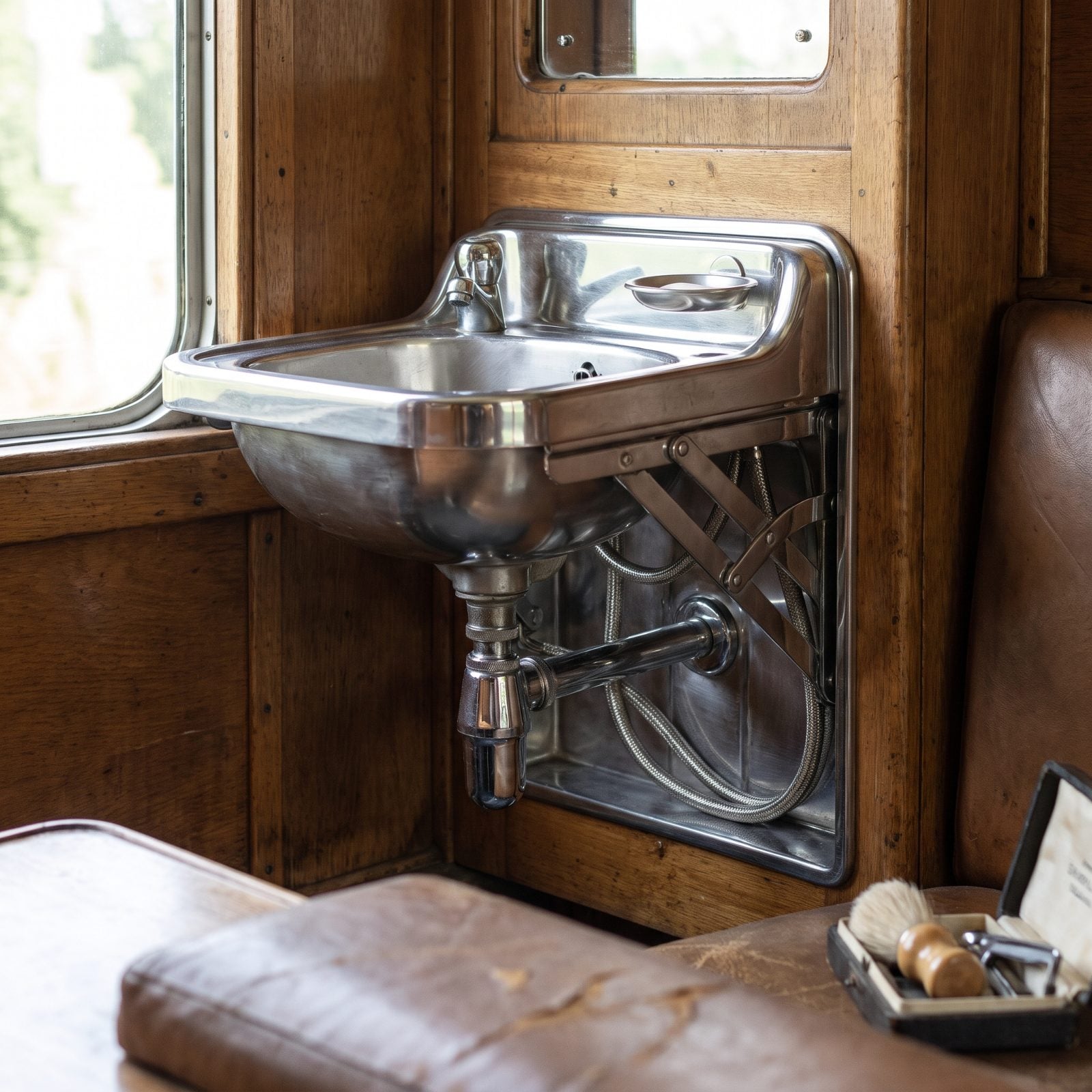
You’ve done it — stood in the aisle waiting on the one lavatory serving forty rows while the seatbelt sign blinks on and off like it’s teasing you.
The streamliner roomette folded its answer right into the wall. Tip the basin down and you had a deep steel bowl, a mirror, a towel, a cake of soap. You washed your face before bed and brushed your teeth without queuing behind a stranger holding a toothbrush.
A plane can’t give every seat a sink, fine. But the principle holds: the fewer shared bottlenecks between a traveler and basic dignity, the more civilized the trip feels. Every airport that bolts on a few more bathrooms past security gets it. Most planes still don’t.
19. A Private Toilet in the Premium Compartments
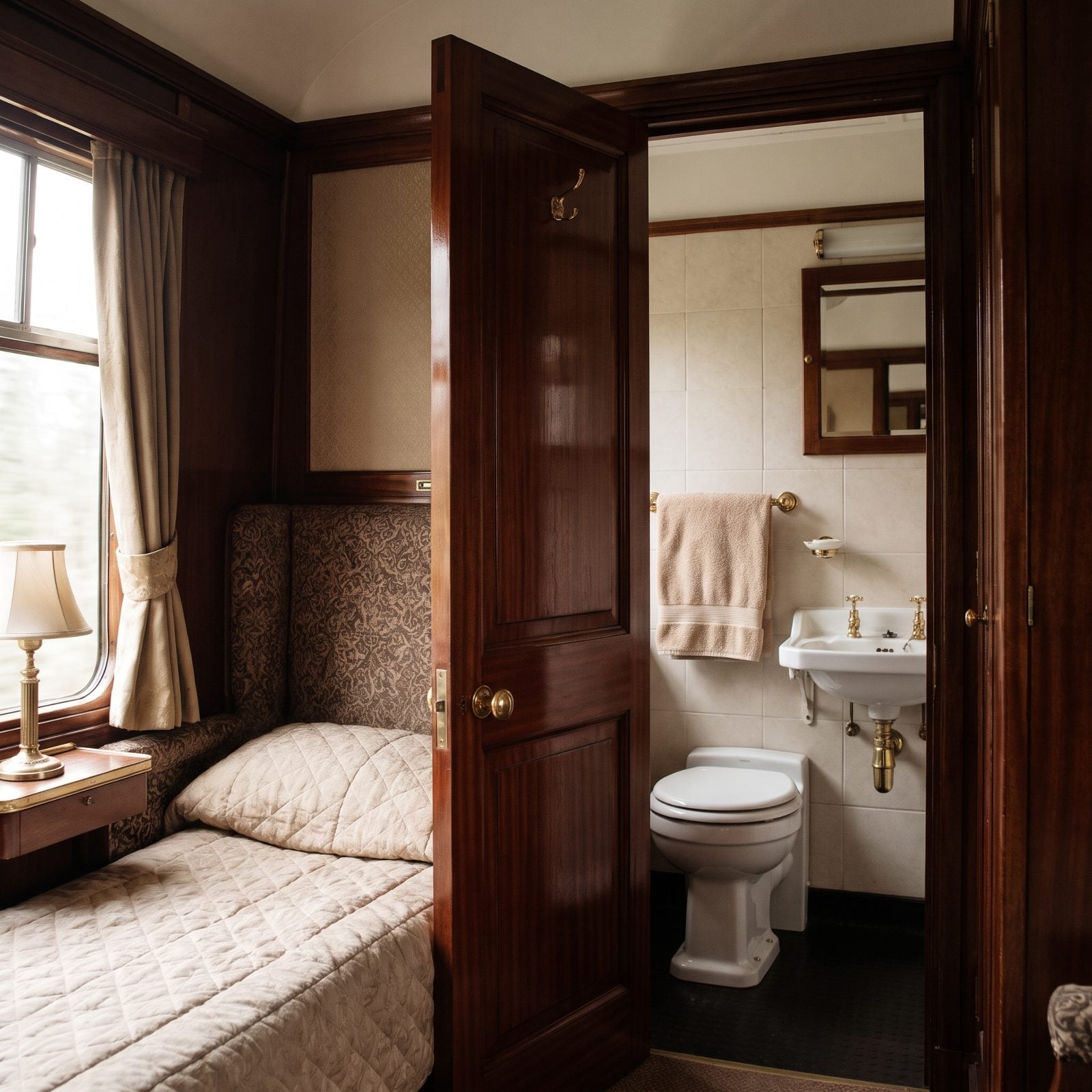
Privacy was a thing you could buy, and plenty of travelers did.
Step up to a bedroom or a drawing room on a 1950s streamliner and you got your own toilet, in its own little room just off your compartment, used by nobody but your party. No queue. No handle that won’t lock. No stranger’s timing to work around.
Premium air cabins have crept toward this with suites and sliding doors, but the toilet is still down the aisle, shared, and occupied the exact moment you need it. The old railroad logic ran simple: pay for the top room and you didn’t share the most private thing a traveler needs.
18. An Onboard Shower for the Long Hauls
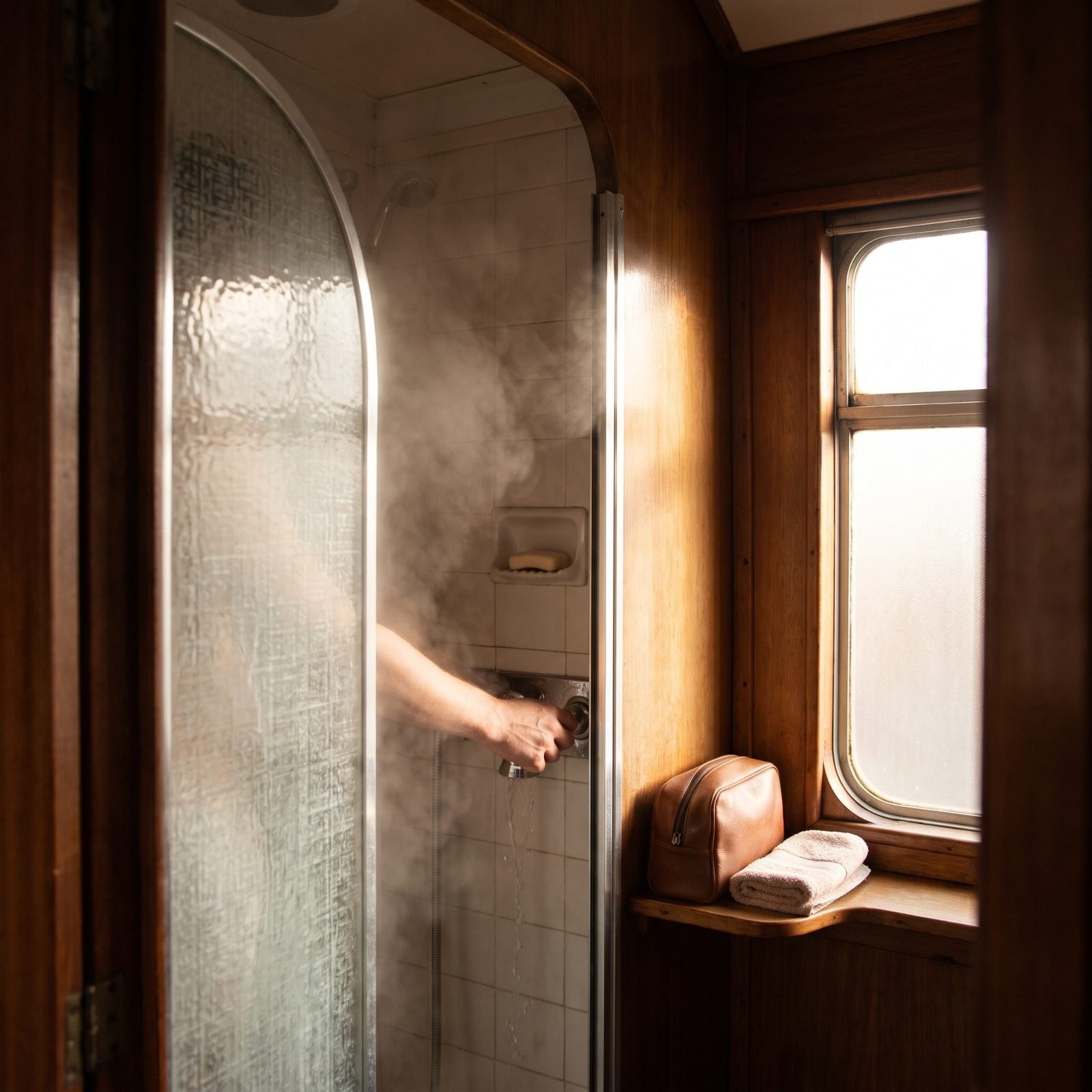
Cross the country over two nights and you start to feel it. The grime, the slept-in clothes, that particular staleness of long travel.
Some premium transcontinental cars carried a shower, and a few of the top accommodations had one built right in. You stepped off in Los Angeles feeling like a person instead of a parcel.
No commercial airliner offers this on a domestic route, and only a handful of the richest international first-class cabins bother. The gap tells you something. We made travel faster and decided getting clean along the way was a luxury rather than a basic comfort. The train had the better instinct, and it had it seventy years ago.
17. A Pullman Porter Assigned to Your Sleeping Car
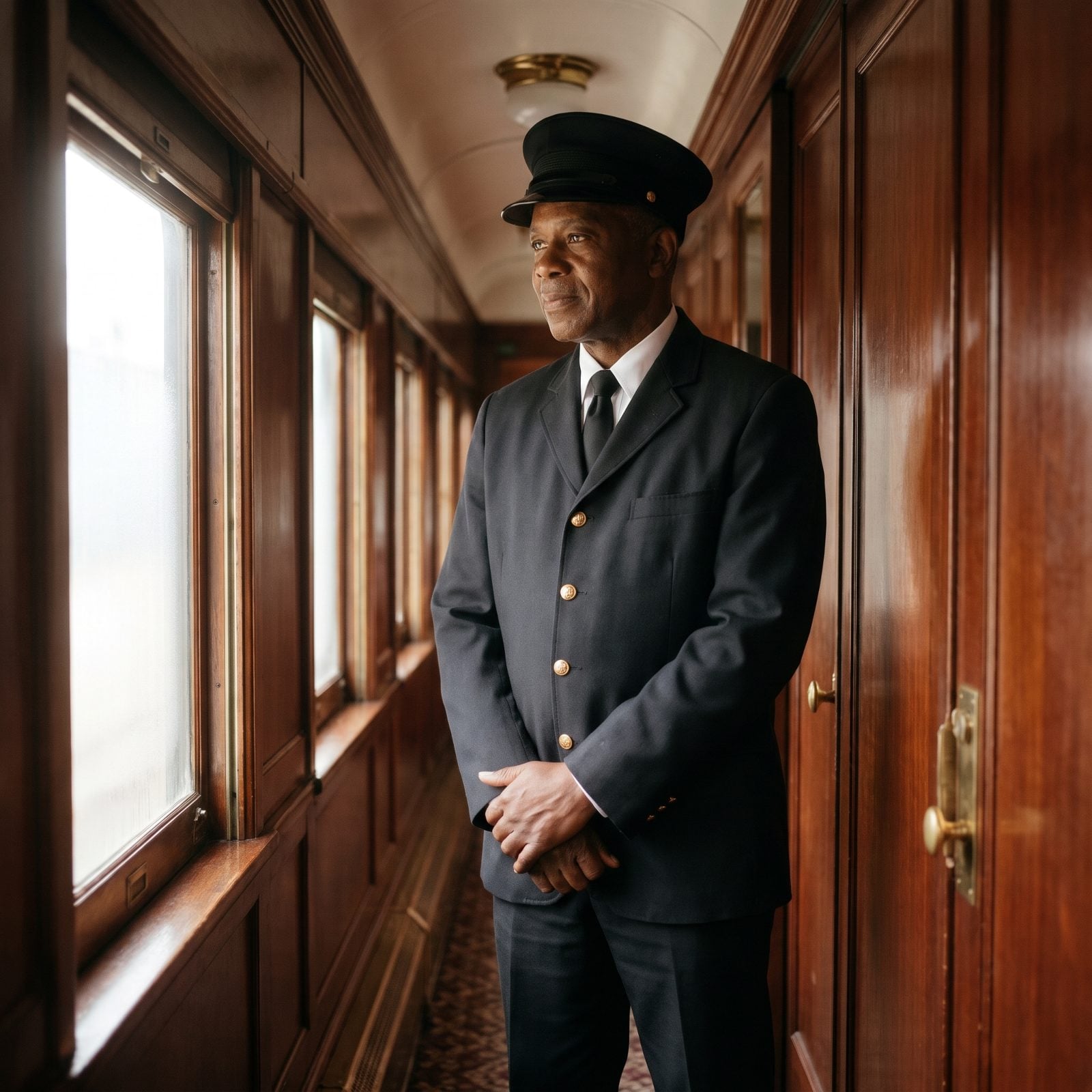
One person, your car, your whole trip. The Pullman porter knew which berth was yours, when you wanted the bed down, where your bag went, and what time you’d asked to be woken.
Now picture the opposite: a cabin crew of six splitting their attention across two hundred strangers, visible mainly when the cart rolls through. The porter was a single point of contact who had you figured out by the end of the first evening.
The service came out of hard history. Pullman porters were overwhelmingly Black men, often overworked and underpaid, and their union fight shaped the American labor movement. The attentiveness was real — and so was the cost of providing it.
16. Evening Turndown While You Were at Dinner
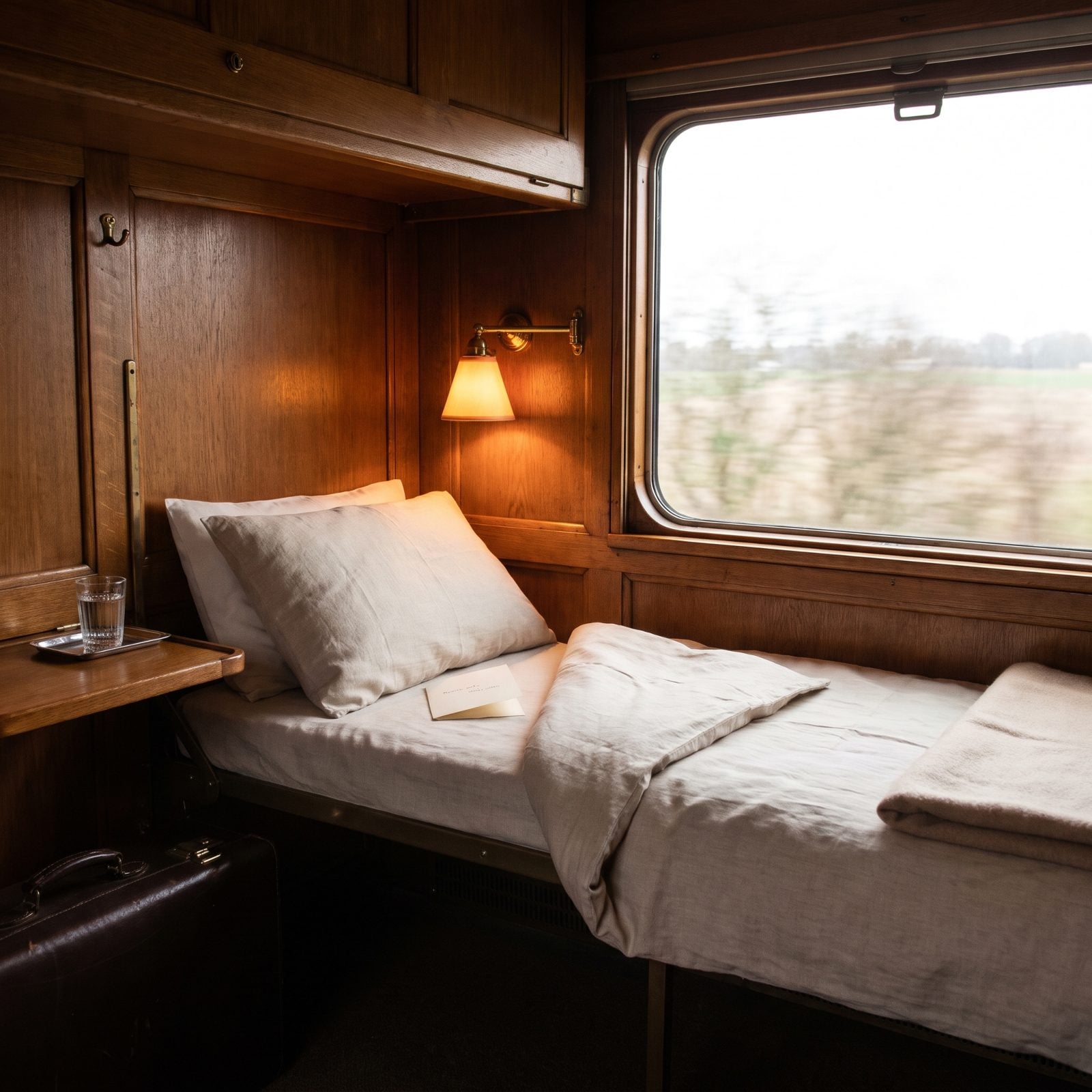
You left your seat an upright compartment and came back from the dining car to a made bed.
While you ate, the porter converted the space — seat into berth, sheet folded back at an angle, pillow plumped, reading lamp left burning low. You didn’t lift a finger. The travel day ended and the night began in the half hour you spent over coffee.
Hotels still pull this off. Travel at thirty thousand feet asks you to wrestle your own tray table, your own blanket, your own crick in the neck. The train understood a basic truth that aviation never bothered with: comfort you have to assemble yourself isn’t really comfort.
15. Breakfast Brought to Your Compartment
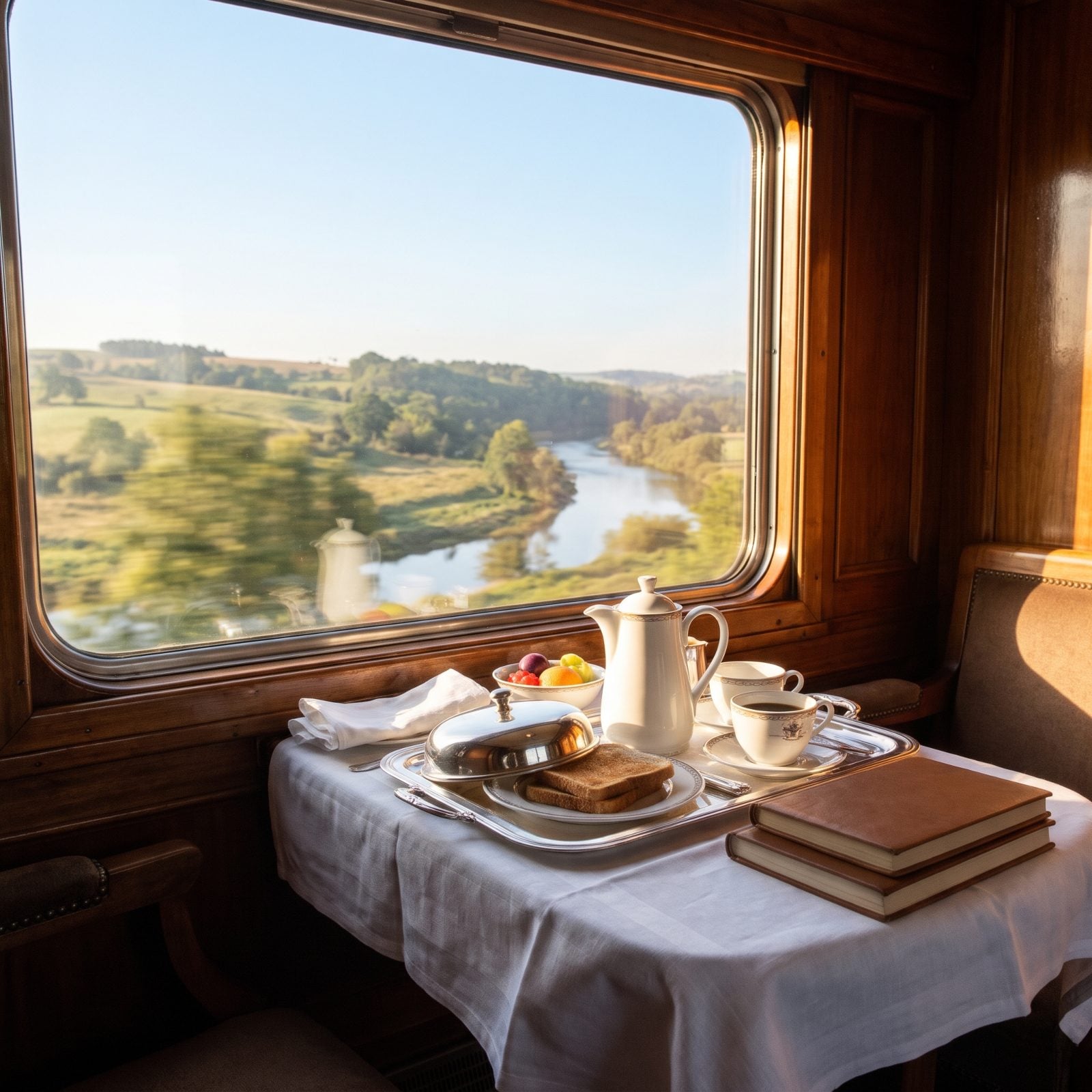
Coffee and toast, brought to your door, on real china, while the country rolled by the window.
Order the night before and breakfast arrived in the morning: a silver pot, a cloth napkin, juice in an actual glass. You ate in a robe watching Kansas go gold at sunrise — no line, no cart, no cellophane anywhere.
The airline version? A warm pastry handed across a cart and a cup of coffee you balance on a tray the size of a paperback. One of these makes you feel like a guest. The other makes you feel like processed freight.
14. The Onboard Shoeshine Nobody Expected
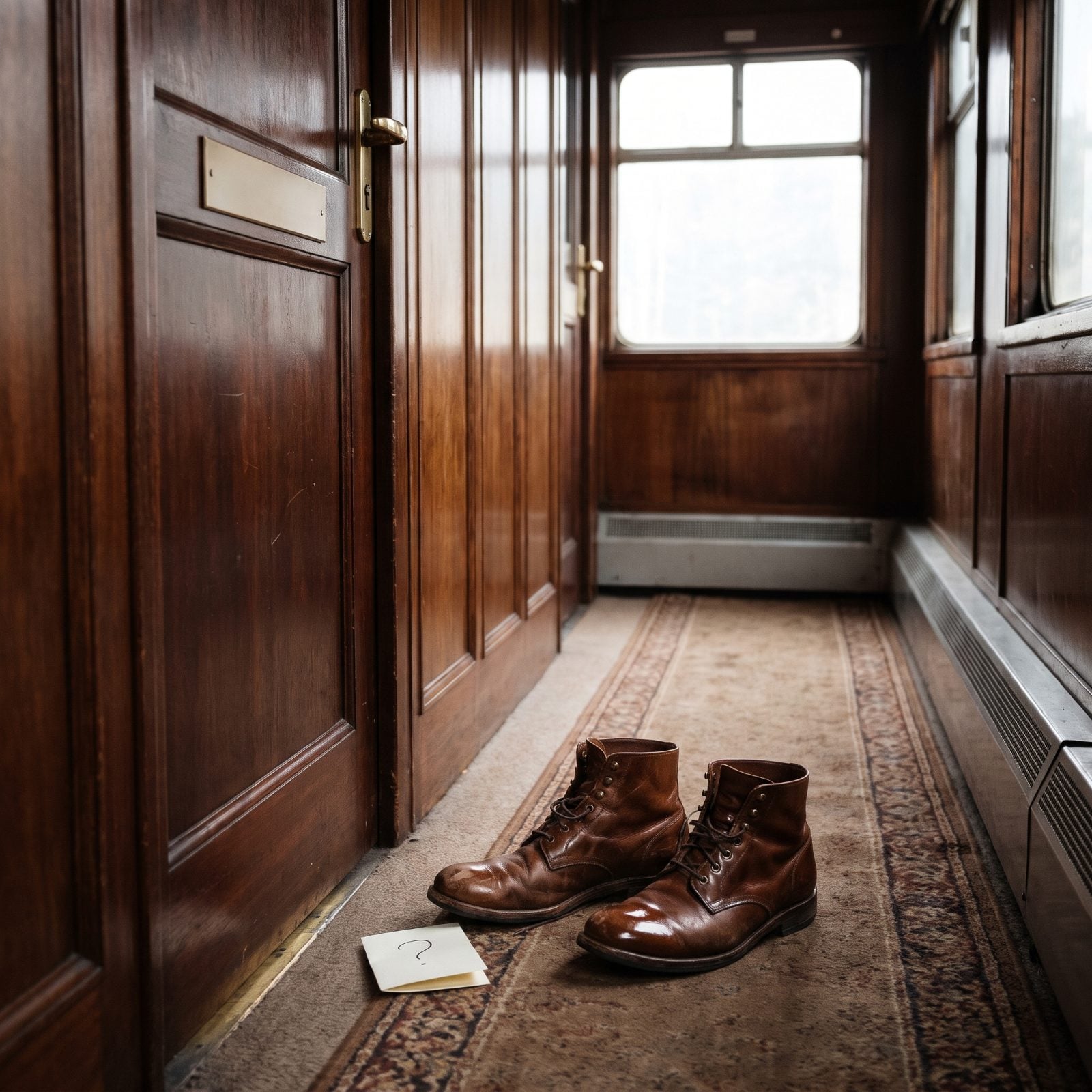
Leave your shoes outside the door at night. Find them polished in the morning.
A small thing, almost a flourish — the kind of detail that told you the railroad was watching parts of the trip you hadn’t thought to ask about. You walked into your meeting looking like you’d had a valet instead of a nineteen-hour ride.
Nobody expects this from travel anymore, which is exactly why it landed. The surprise comfort, the one you never booked, is the one you still remember thirty years on.
13. Redcaps Carrying Your Bags From Curb to Train
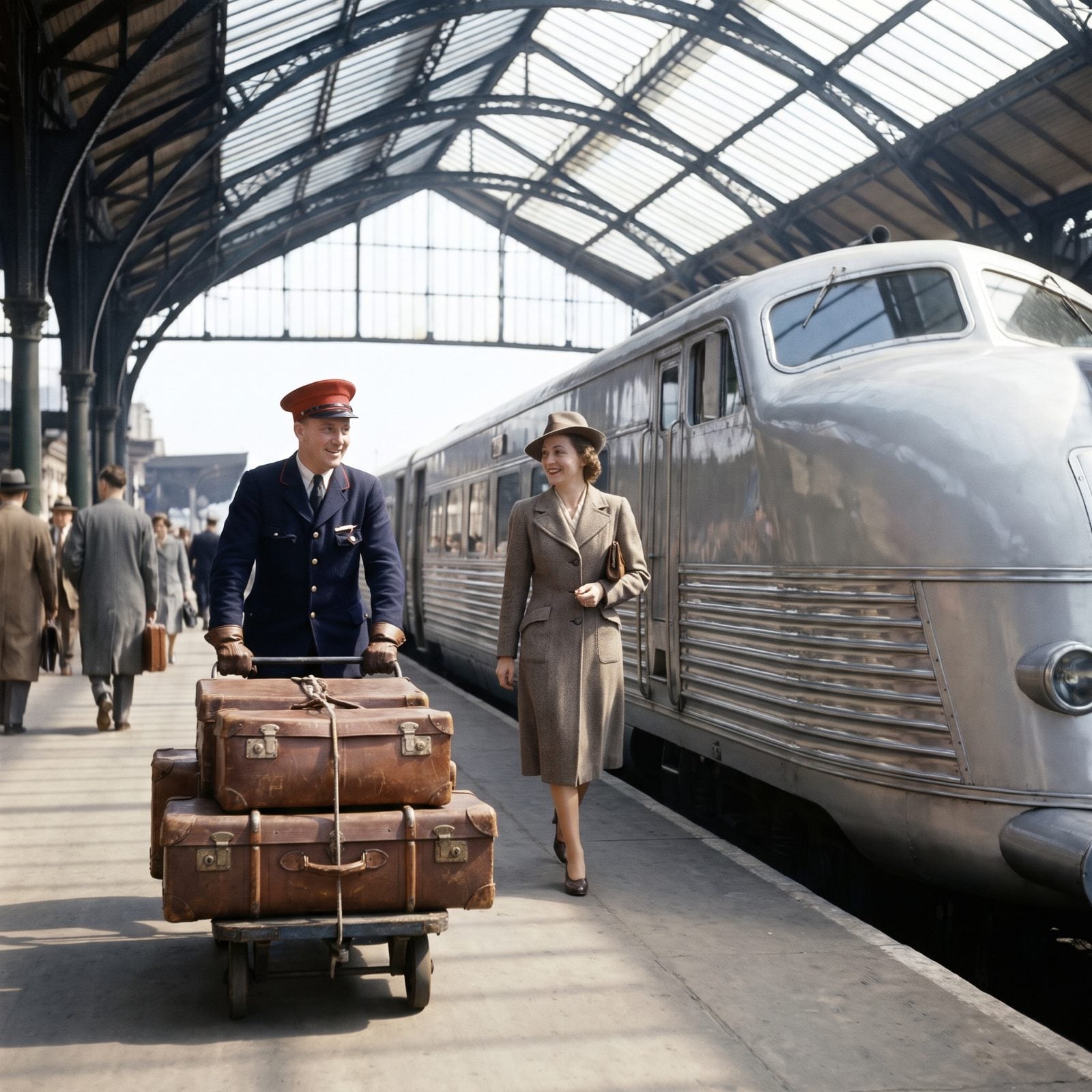
Pull up to the station, hand your bags to a redcap, and walk to your car empty-handed while he carried everything to your seat.
No wrestling a hard-shell roller over a curb, no hoisting it onto a scale, no fight to cram it into a bin two rows back. The redcaps took the worst part of travel — the hauling — and made it someone else’s job for the price of a tip.
Now you drag your own luggage from the parking shuttle through security to a gate half a mile off, then jockey for overhead space with a planeload of people doing the exact same thing. The redcap system was a clean trade: a small tip bought you the chance to arrive without sweating through your shirt.
12. Checked Luggage Stored Outside the Passenger Space
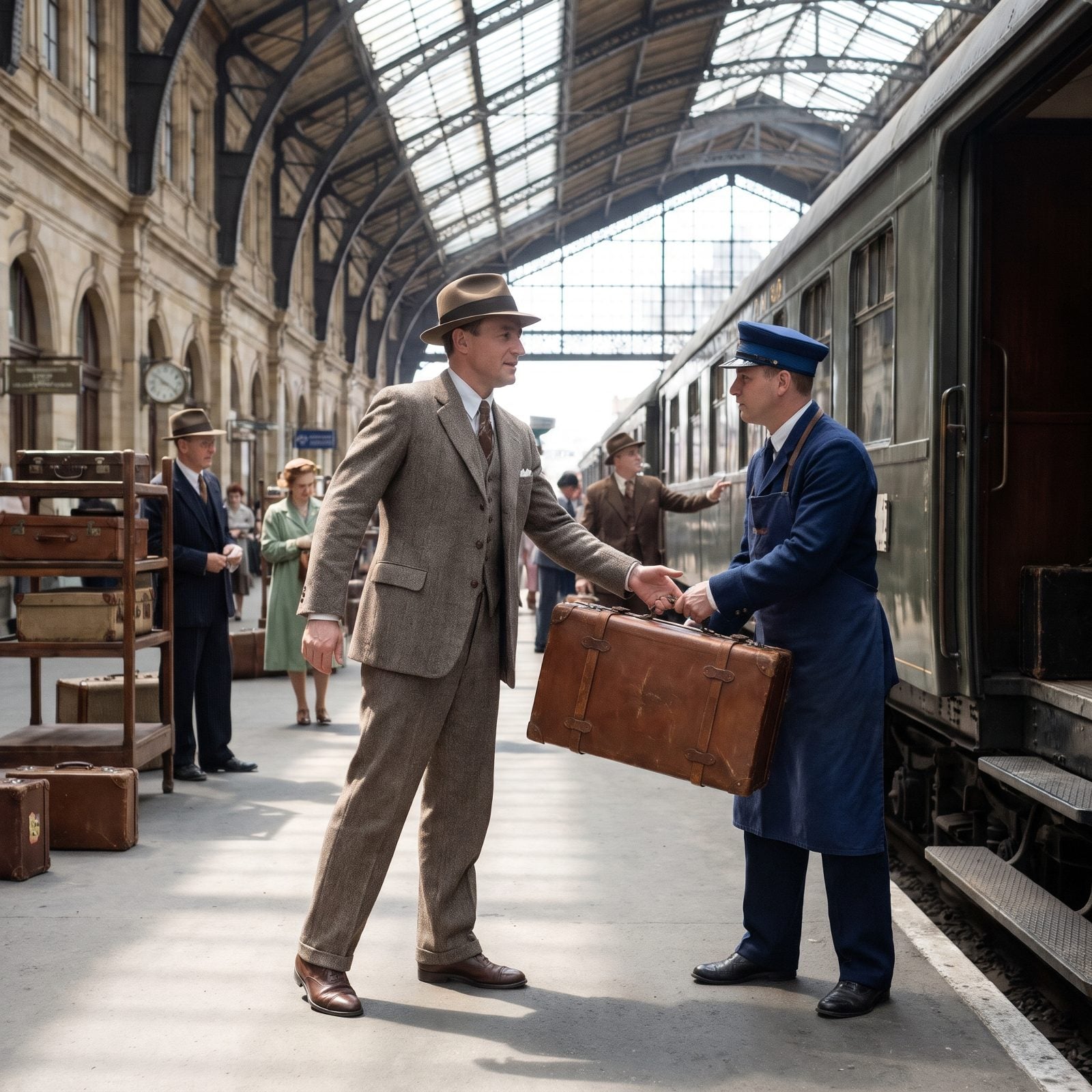
You hauled your bag onto the platform, handed it to a porter, and walked into the car with your hands free. That was the deal. The heavy cases rode in a dedicated baggage car, sorted and racked, nowhere near your knees.
Now the overhead bin is a contact sport, and people circle the gate like it’s musical chairs — because losing the bin means your roller goes to the belly of the plane anyway, just later and angrier. The old setup solved it by design instead of anxiety. Separate the bags from the people and the whole boarding process calms down.
11. Baggage Allowances Built Right Into the Fare
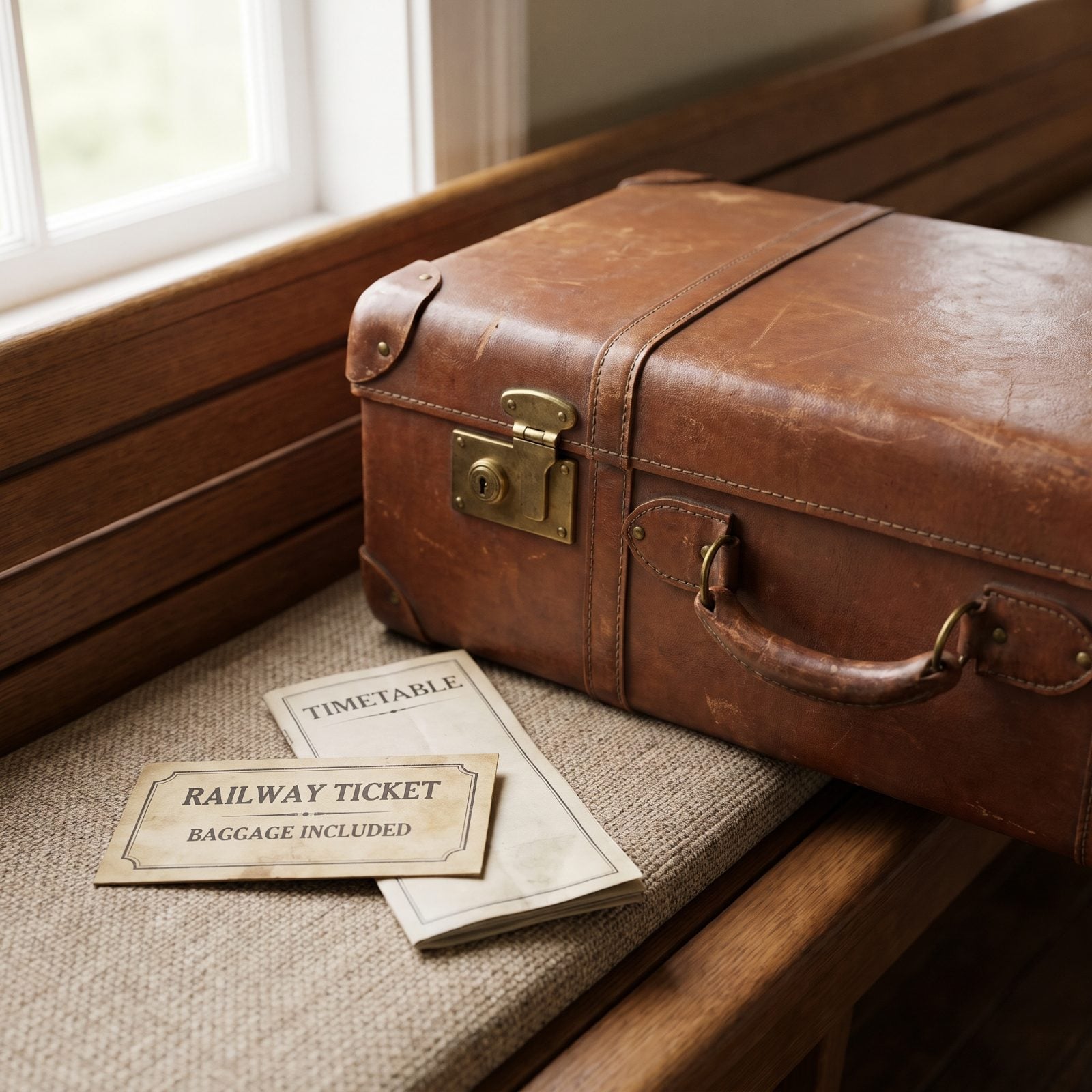
No fee math. No weighing your roller on the bathroom scale at 5am and praying. The price of the ticket included your bags, checked and claimed with a paper stub.
Say you booked a fare today and your suitcase tipped a pound over the limit. That single pound costs you a surcharge and a public repack on the terminal floor while the line watches. The old model treated luggage as part of travel, not a revenue stream bolted on after the fact — people packed what they needed and nobody got nickeled for owning a coat.
10. Dedicated Coat Closets and Garment Storage
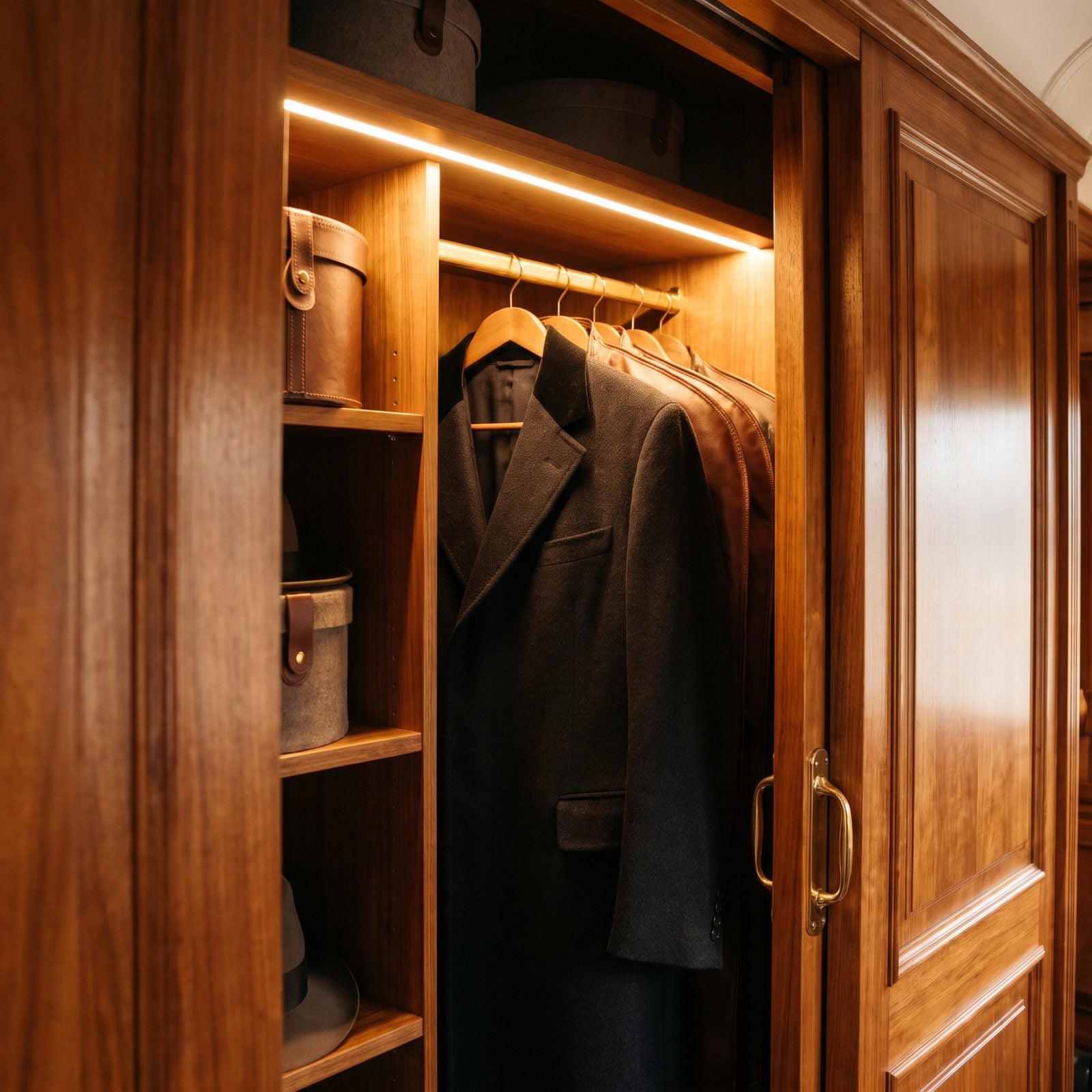
A good overcoat is a tent when you wad it into an overhead bin. The parlor cars knew this. They built closets with real rails and real hangers, so your wool topcoat arrived uncrushed and your hat kept its shape.
You’ve stuffed a nice jacket into a bin, come back three hours later, and found it folded into permanent diagonal creases. The streamliner answer was almost insultingly simple: give coats a place to hang. Garments on a rail take up less room than garments on laps, and they look like something when you land.
9. Passenger-Controlled Fresh-Air Vents
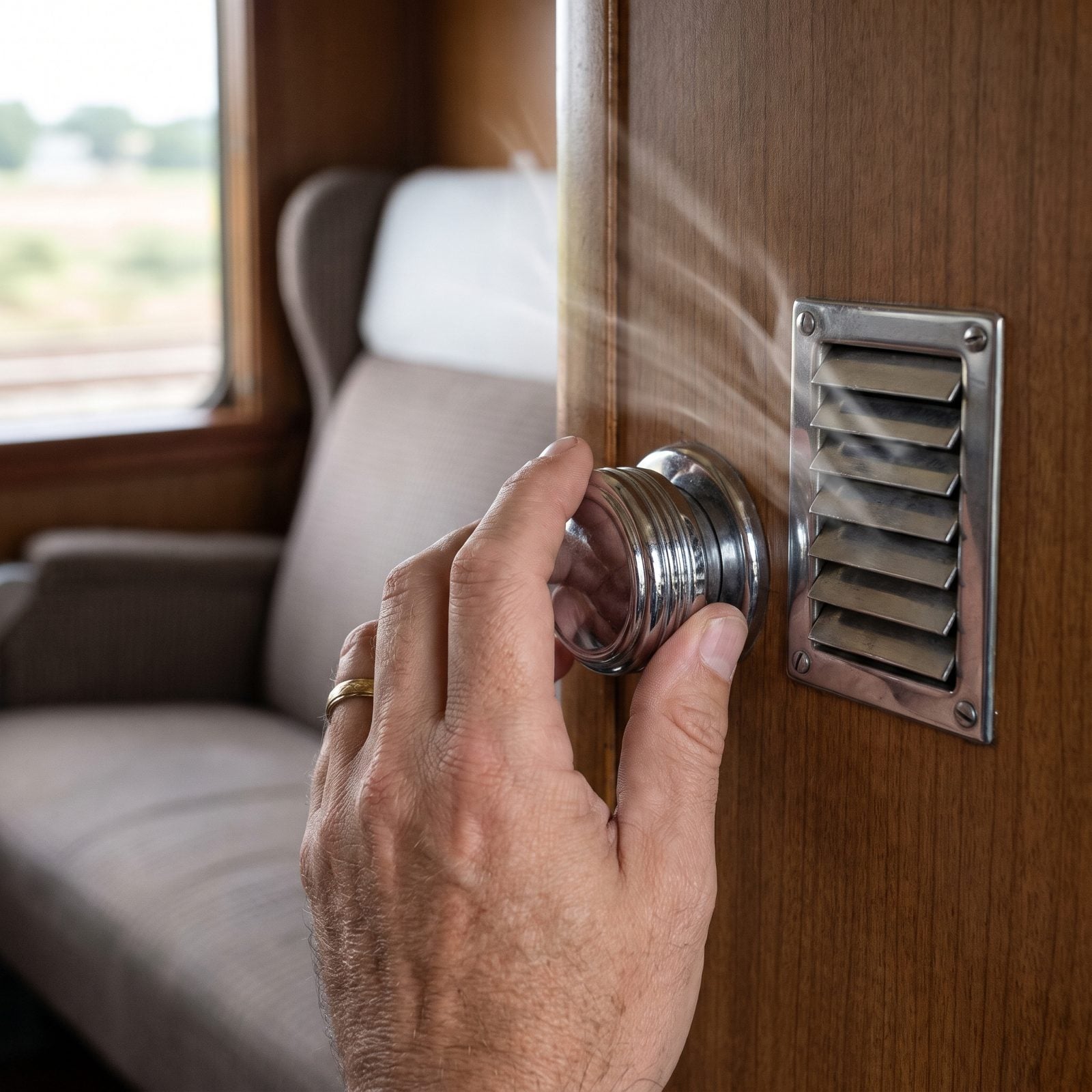
Too stuffy? You twisted the chrome vent and got a stream of your own air. Too cold? You closed it. That was the extent of the negotiation.
Picture the plane cabin where one row is sweating and the row behind is wrapped in blankets, and the crew can only pick one answer for a hundred people. The streamliner handed the dial to the individual. Small thing. Enormous difference in whether a long trip feels survivable. Personal control over the air at your own elbow is one of those comforts nobody praises until it’s gone.
8. Carpeted Floors That Softened the Cabin Noise
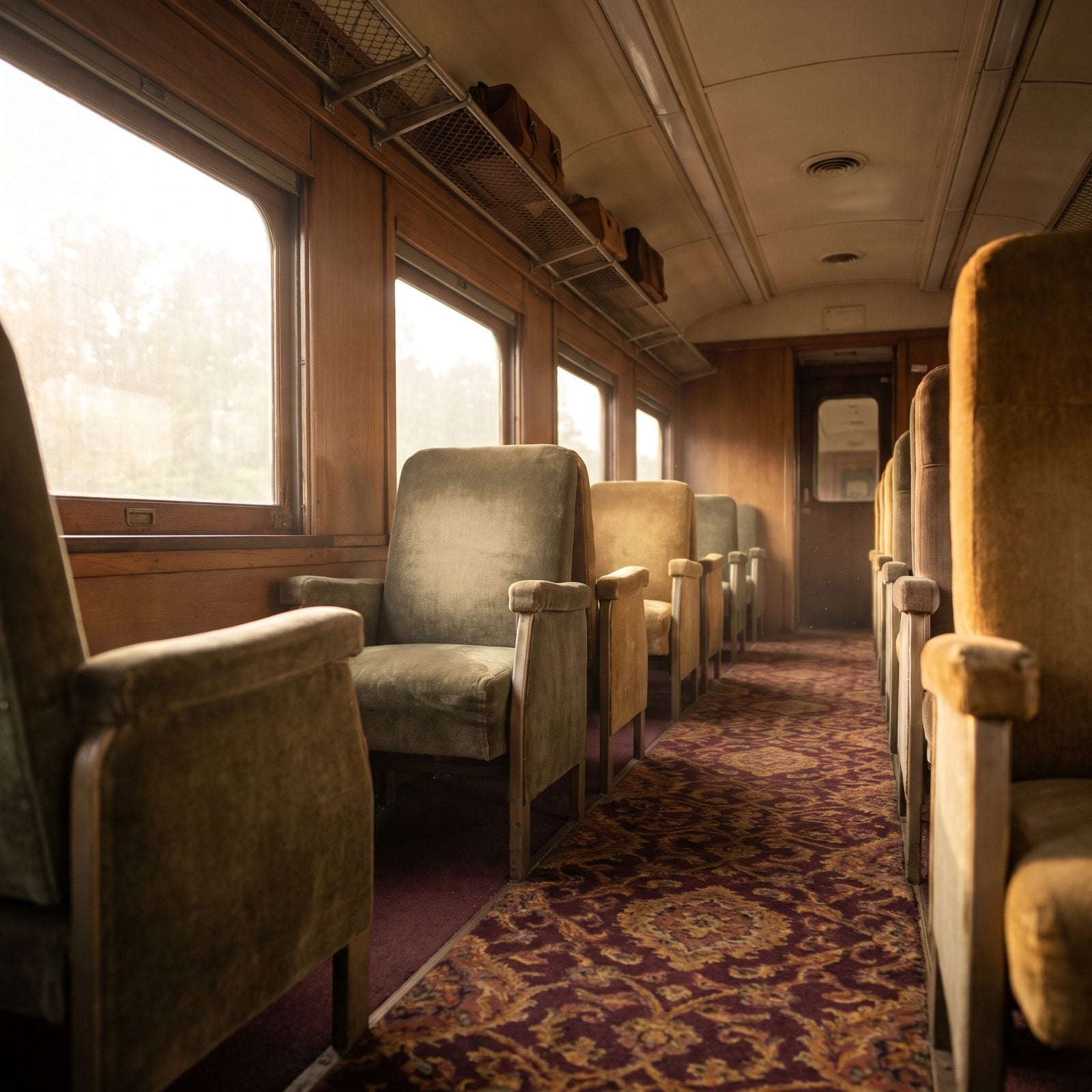
Thick wool carpet, patterned in burgundy and gold, running the length of the aisle. It wasn’t decoration. It ate the drone.
Hard cabin surfaces bounce every sound straight back at you, which is why six hours in a jet leaves your head ringing before anyone even speaks. The carpeted car swallowed footsteps, muffled the rattle, and let a conversation happen at normal volume. Soft floors are quiet floors, and quiet travel is the kind you step off of still feeling human.
7. Wood Paneling Instead of Molded Plastic
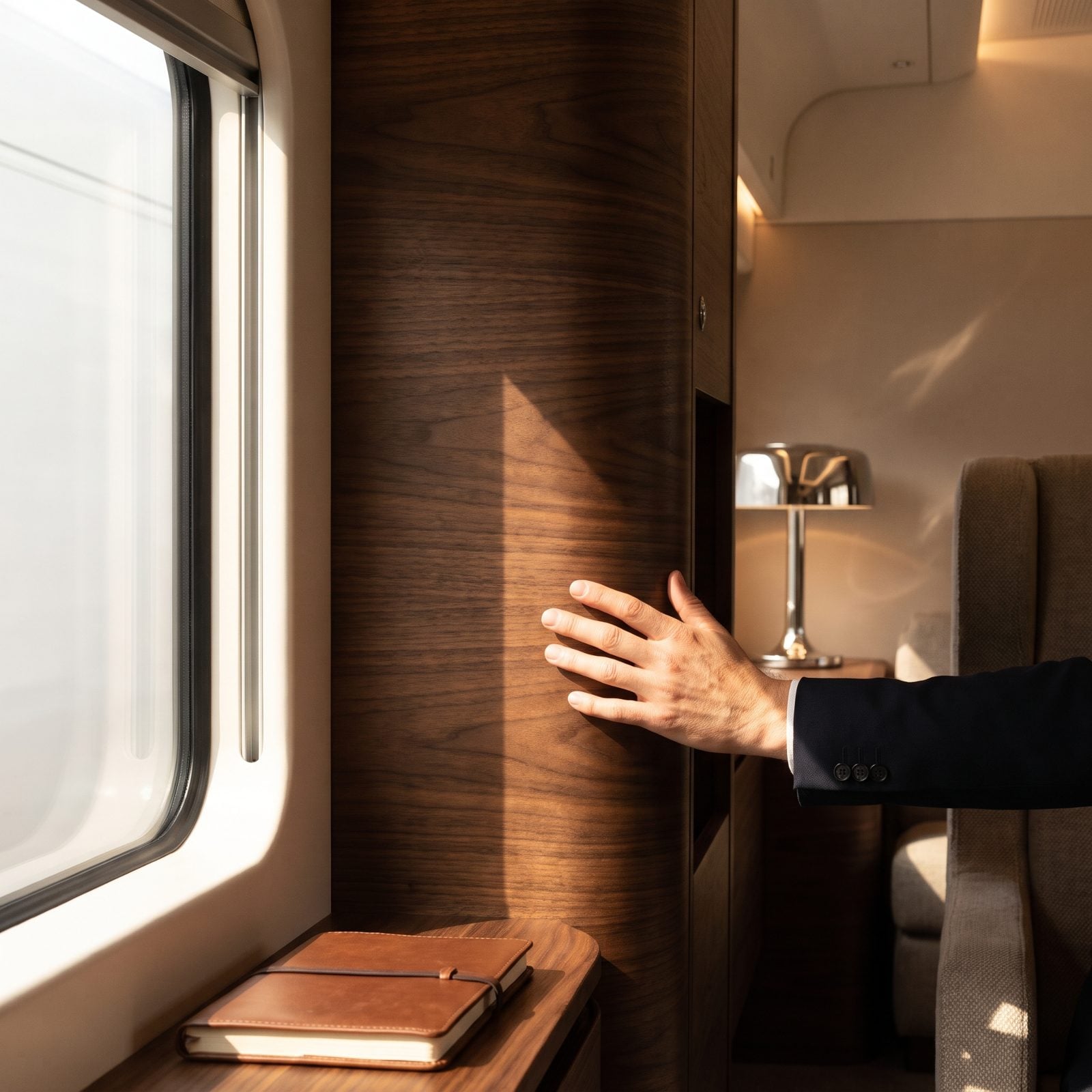
You ran your hand along the wall and felt grain, not a seam line from an injection mold. The cars were paneled in real wood, warm to the touch and warm to the eye.
Modern cabins are molded plastic because plastic is light and cheap and wipes clean. Fair enough. But there’s a reason a wood-lined room feels like somewhere and a plastic one feels like a waiting area that happens to move. Materials carry a message your brain reads before you’ve thought about it, and polished walnut says someone cared how this would hold up over the next twenty years.
6. Restrooms Large Enough to Actually Use
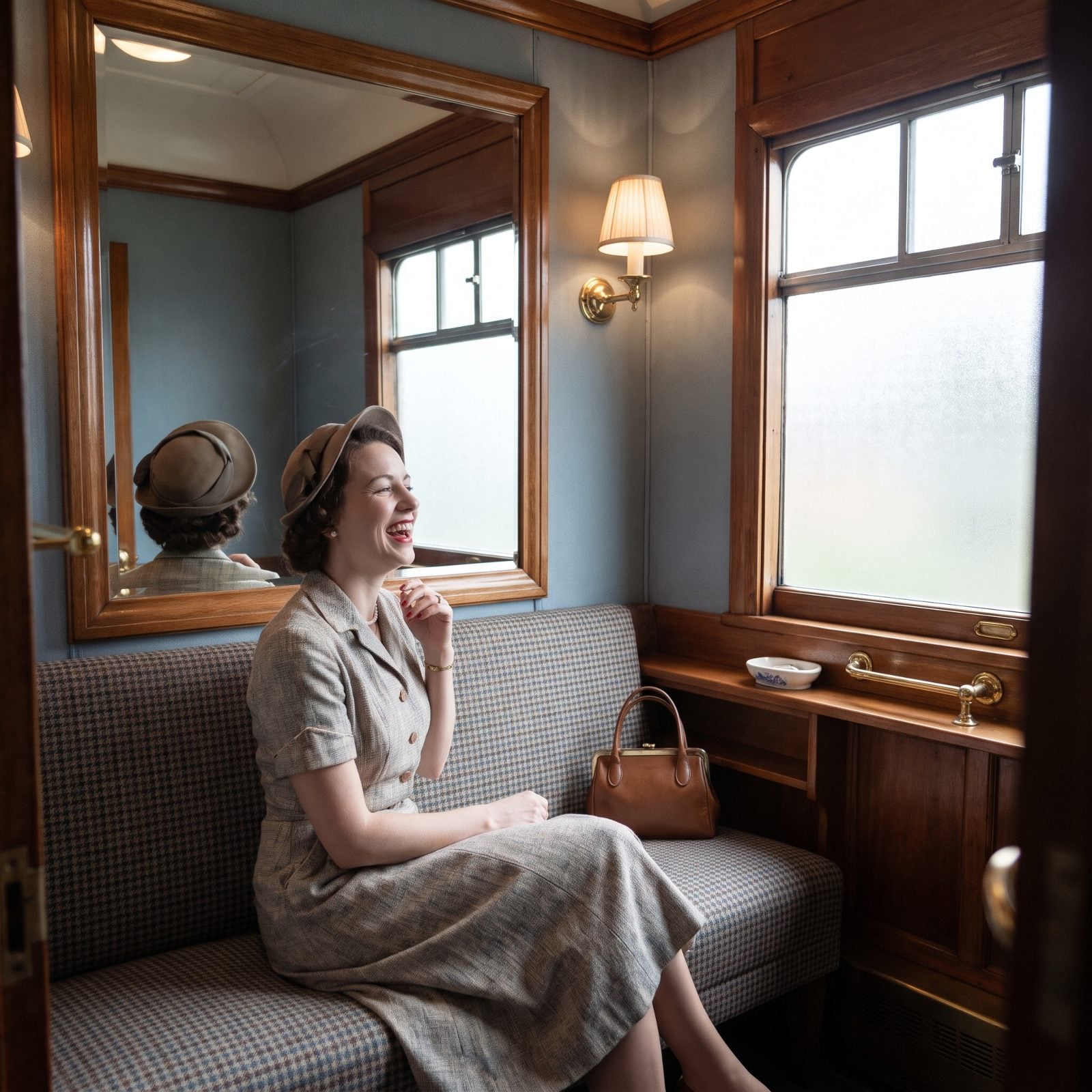
You could turn around. You could set something down. The lounge cars had powder rooms with a bench, a real mirror, and floor space enough to change a shirt without performing contortion.
The modern lavatory is a closet you back into and hope. Everyone has done the elbow-pinned shuffle trying to reach the sink. The old answer gave the space its due, because a long trip means people need a dignified minute — and dignity needs a few square feet to stand in.
5. Writing Desks With a View
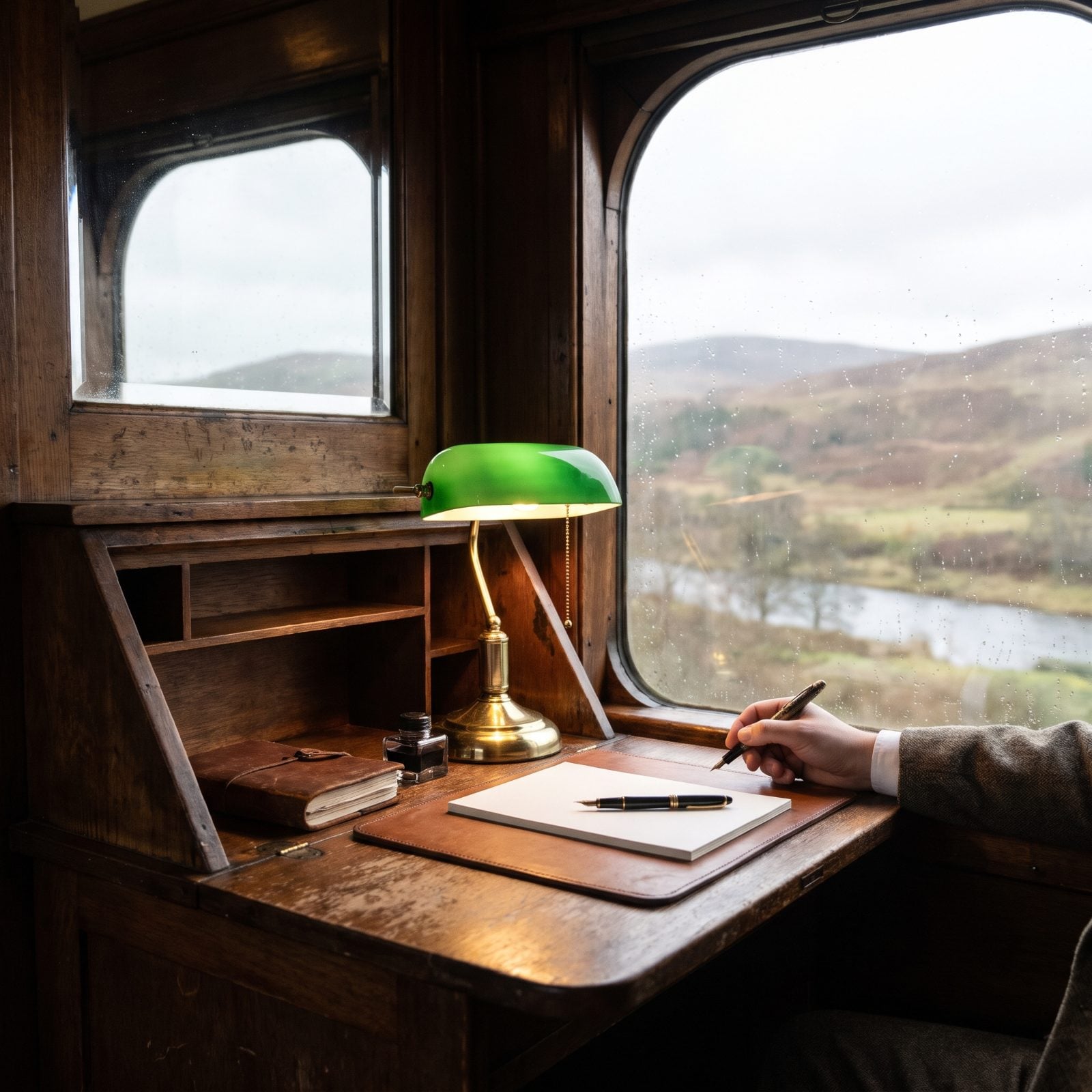
Some cars had a built-in desk by the window. A blotter, a slot of stationery, a lamp with a green glass shade, and the whole country sliding past while you wrote a letter to somebody who’d be glad to get one.
Tray tables don’t count. They exist to hold a cup and a laptop you’re hunched over for work. A proper writing desk assumed you might want to think, to correspond, to watch the land go by with a pen in your hand and nowhere to be. And that assumption — that a traveler is a person with an interior life and not just cargo with a boarding pass — is the whole difference.
4. The Children’s Playroom Car
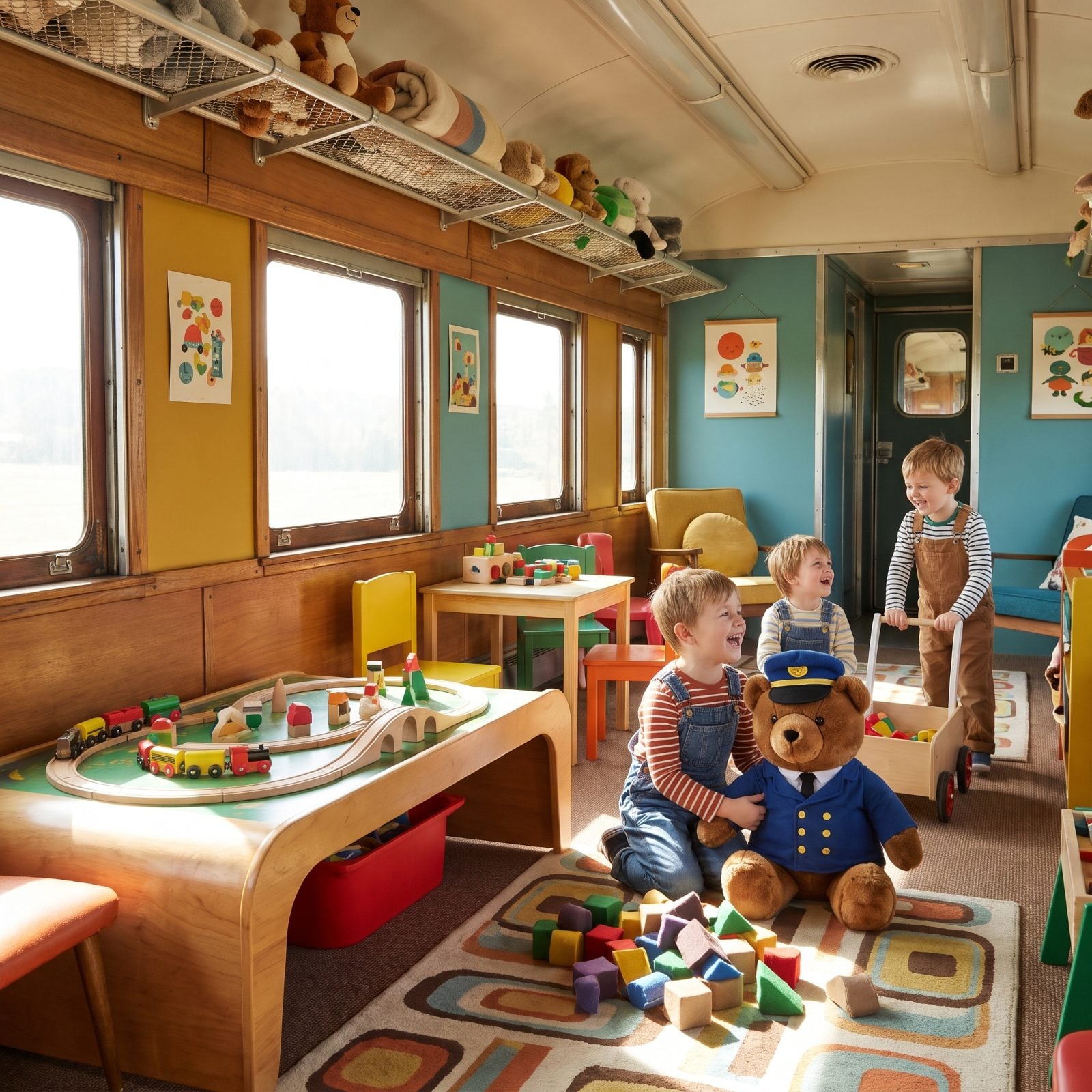
Somewhere along the way we decided children on long trips were a problem to be contained rather than a group to be accommodated. The 1950s streamliners thought differently, and they built whole cars around that difference. Dedicated playrooms gave kids a carpeted space with toys, books, and room to move while the miles rolled by.
The logic was simple: a kid burning off energy in a space built for it is a kid who isn’t kicking the seat in front of him. Modern aircraft have no equivalent. You strap a four-year-old into a slot smaller than a shopping cart and dare him to sit still for five hours.
3. Stewardess-Nurses Trained for Medical Problems
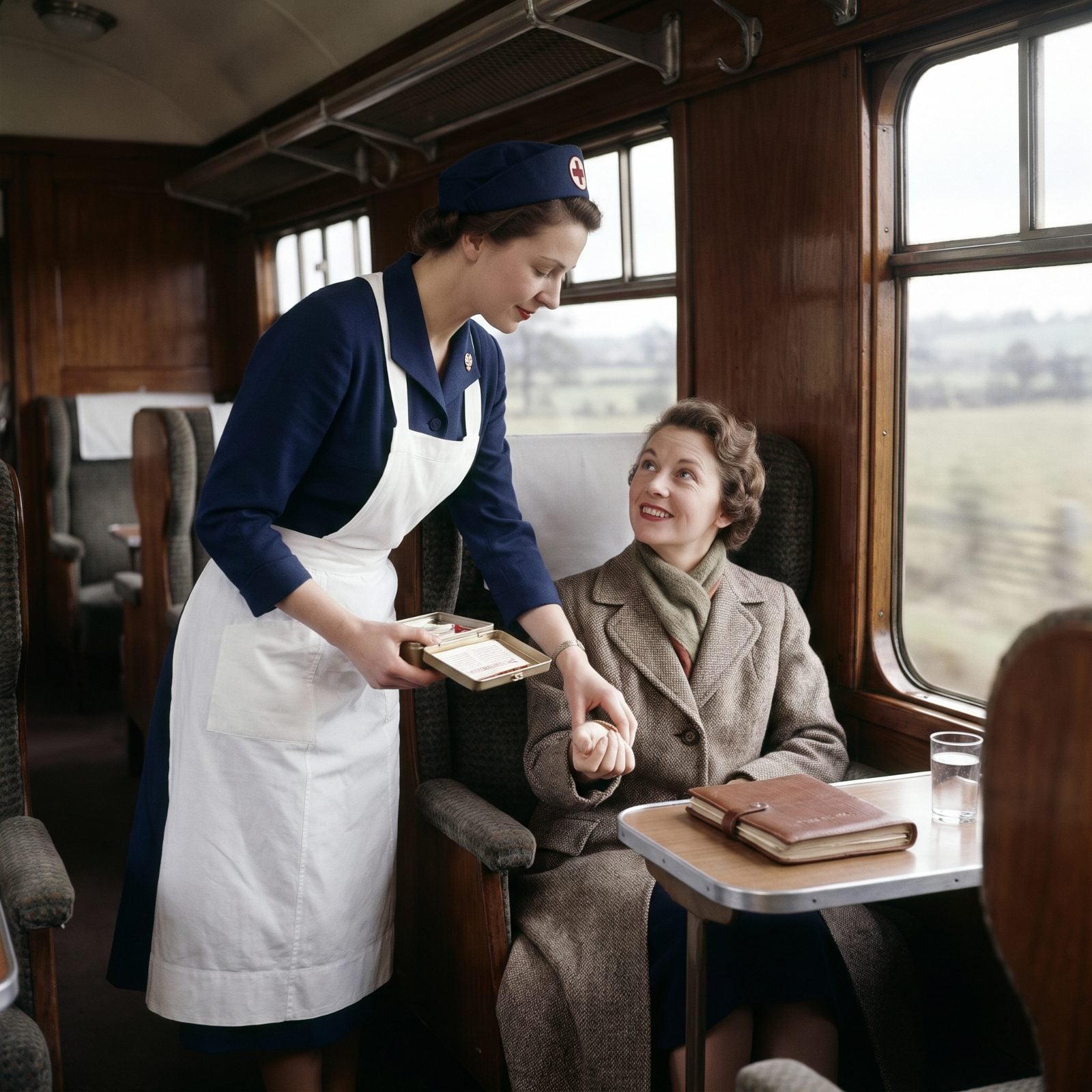
The railroads put registered nurses on their best trains. Not flight attendants with a weekend first-aid refresher — actual trained nurses who could handle a diabetic emergency, a fainting spell, or a frightened passenger having a bad night.
Flying crews today are trained to a point, and they do more than people give them credit for. But the baseline was higher when the person offering you coffee could also take your pulse and mean something by it. Thirty thousand feet is a long way from a hospital. It would be worth more than a peanut allergy announcement to know real care was walking the aisle.
2. Onboard Hosts Explaining the Scenery and Landmarks
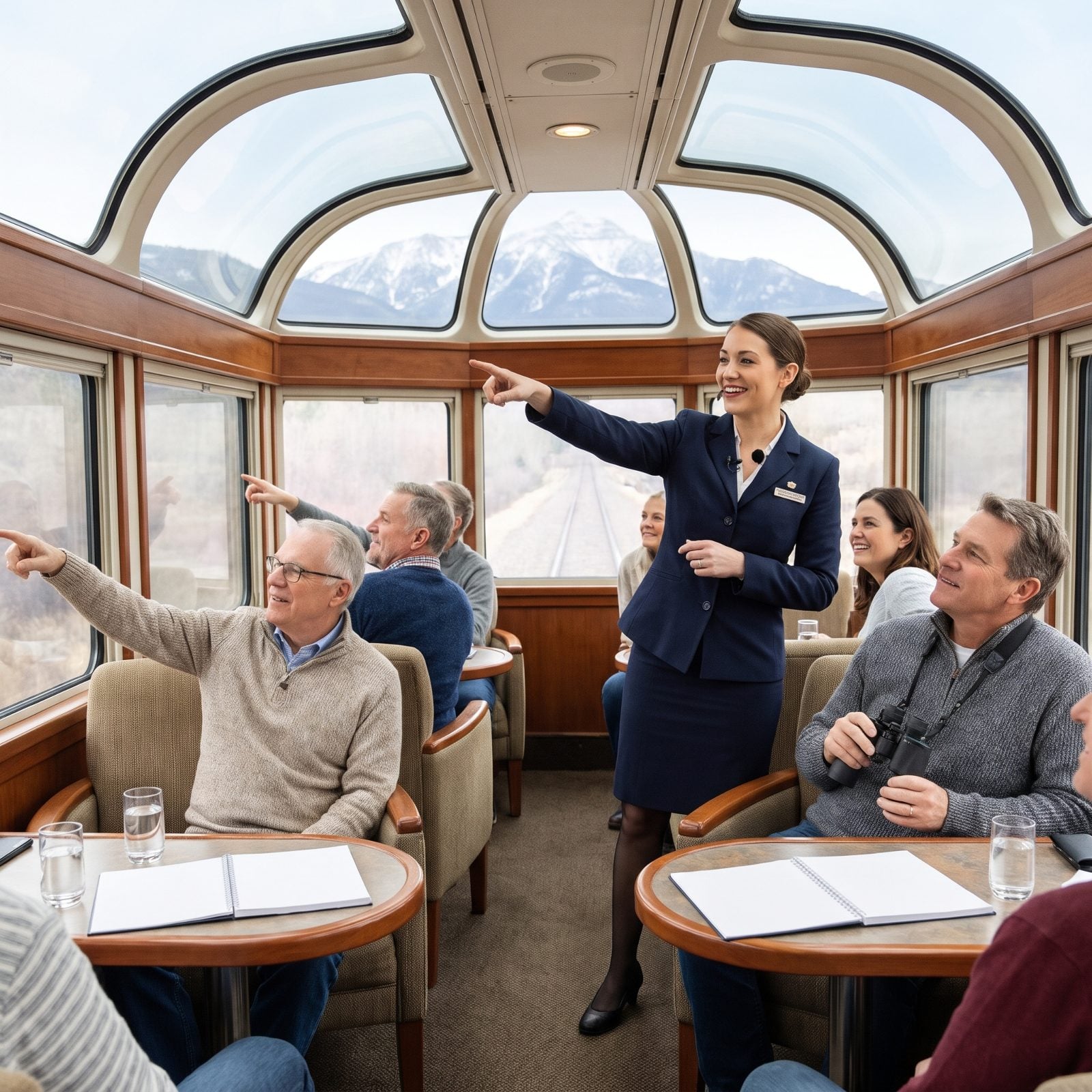
You can fly over the Rockies and never know you did it. Window shade down, screen up, a cart somewhere behind you. The 1950s dome cars had a person whose whole job was to tell you what you were looking at.
They named the peaks, pointed out the river that cut the canyon and the old mining town on the ridge, and showed you the exact spot where the line climbed its steepest grade. Suddenly the trip became something you understood instead of something you endured.
Air travel turned the view into an inconvenience to be covered with a plastic shade. We lost something there, and most of us never noticed it leaving.
1. Posted Fares Without Algorithmic Price Swings
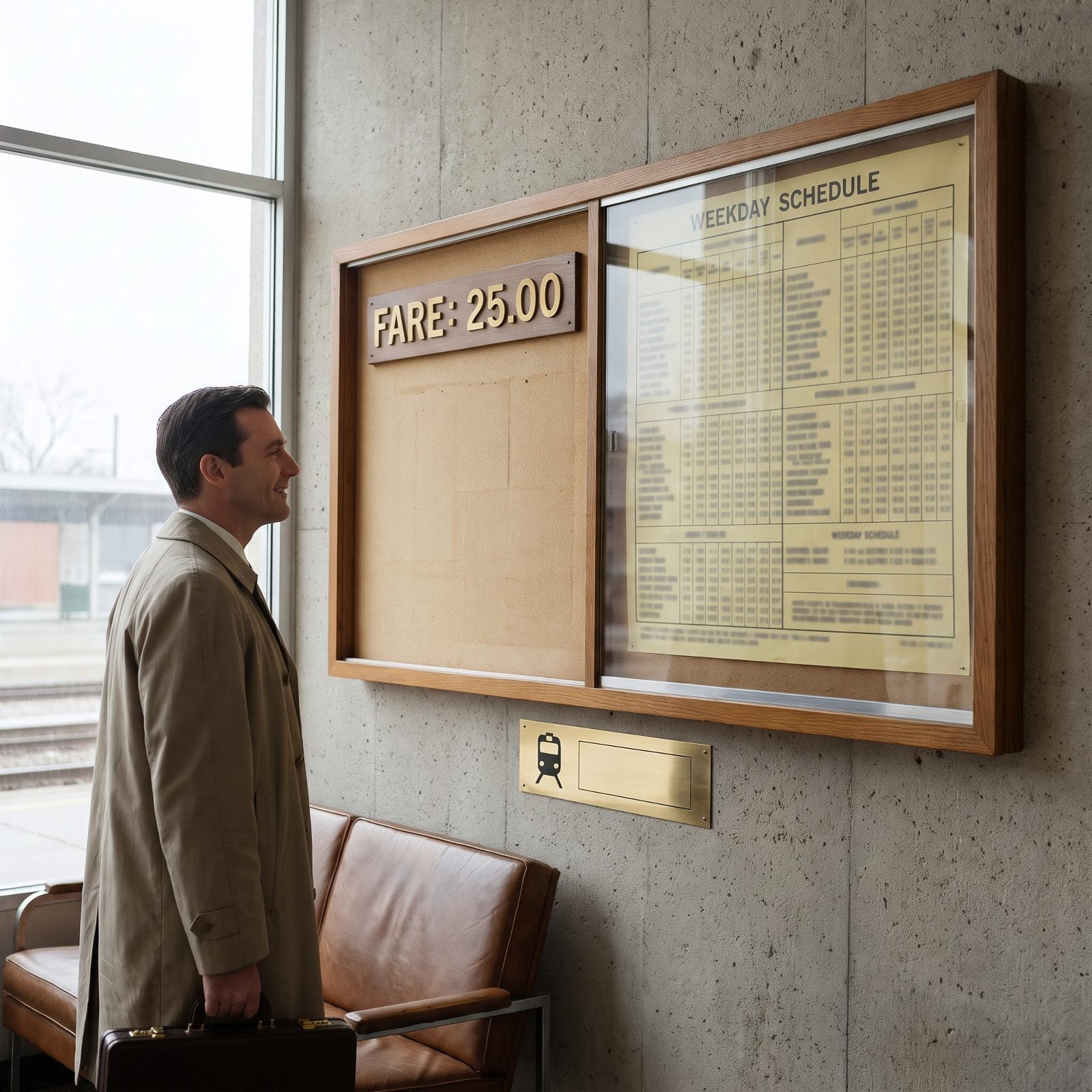
The fare was the fare. Posted on a board, printed in a timetable, the same number for the person who booked in March and the person who walked up the morning of.
Nobody’s phone was watching how many times they looked at a route and quietly raising the price. No ticket that was a couple hundred dollars at breakfast and nearly double that by lunch. It cost what it cost, and you could plan around it like an adult.
Modern airline pricing is a slot machine dressed as a transaction. Same seat, same flight, a dozen different prices depending on when you blink. The old way wasn’t glamorous. It was honest, and honest ages well.