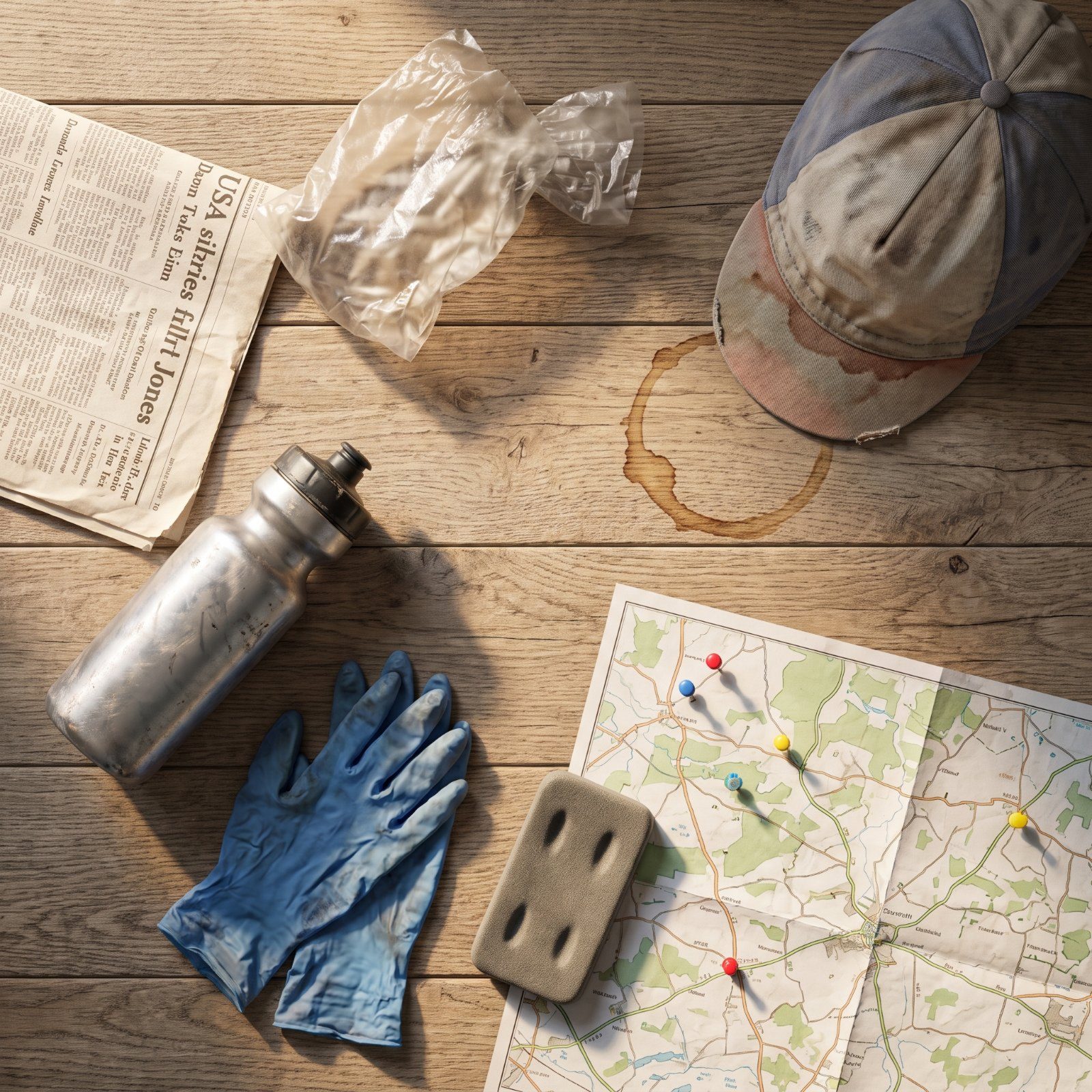
Somewhere around mile forty, most riders stop having fun. The saddle turns to concrete, the wind feels personal, and the loop you’ve ridden two hundred times becomes a chore with pedals. A new bike rarely fixes it. What fixes it is a handful of small, slightly strange habits that experienced riders use and almost never bother to explain. Some cost nothing, one involves a bread bag, and all of them boil down to keeping the body comfortable and the ride interesting enough that you actually want to roll out again tomorrow. Here’s what’s worth stealing.
Please note that some of the images in this article were created with the assistance of AI.
41. Finish While Another Few Miles Still Sound Appealing
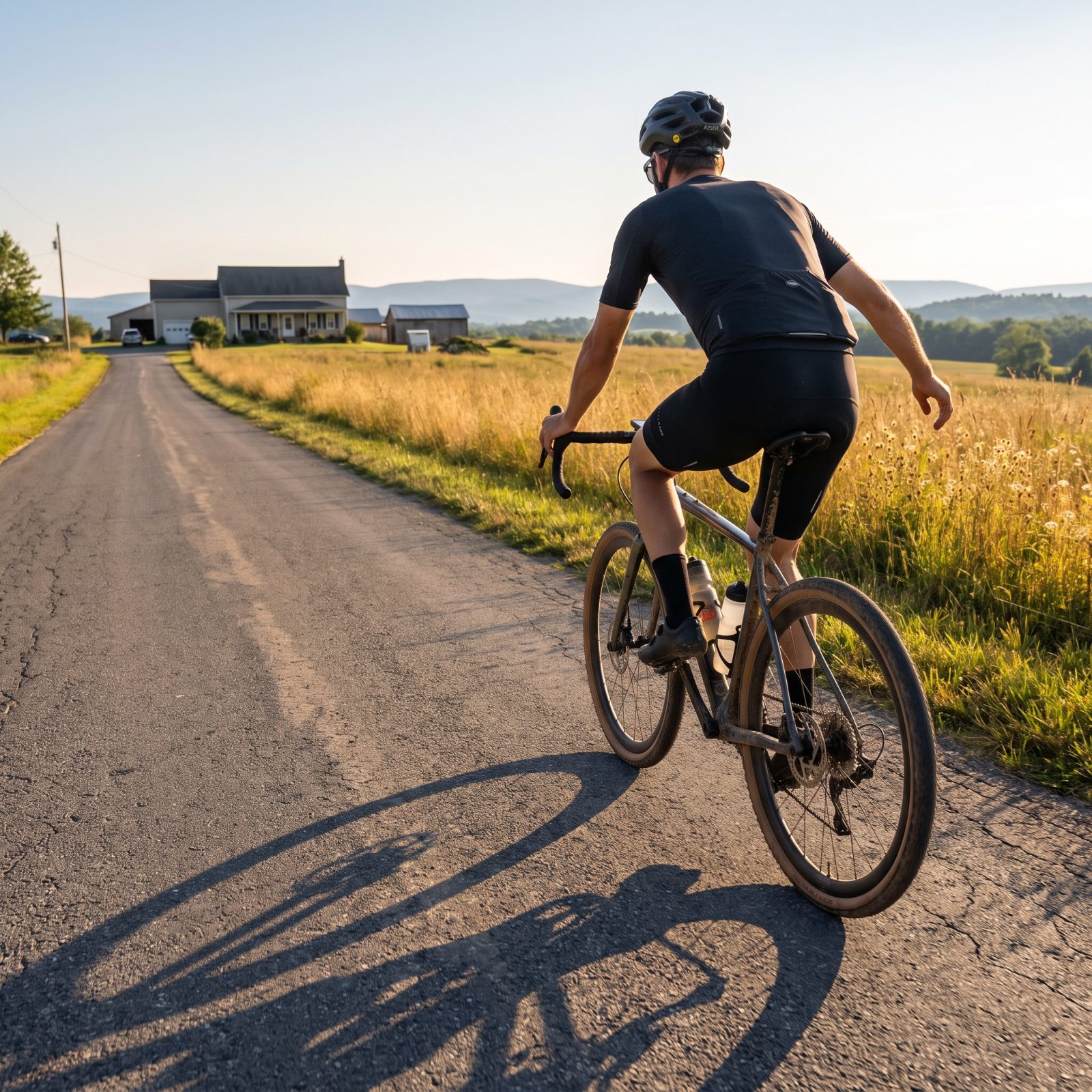
The best ride is the one you cut slightly short. Most riders chase the opposite, squeezing out every last mile until the bike feels like punishment and they roll home swearing at the saddle. Then they skip tomorrow.
Stop while you still have gas in the tank and the body files the ride away as easy. That memory is what drags you back out the door the next day. Legs recover faster, and the brain stops linking the bike to suffering.
40. Take Transit Out and Ride Home
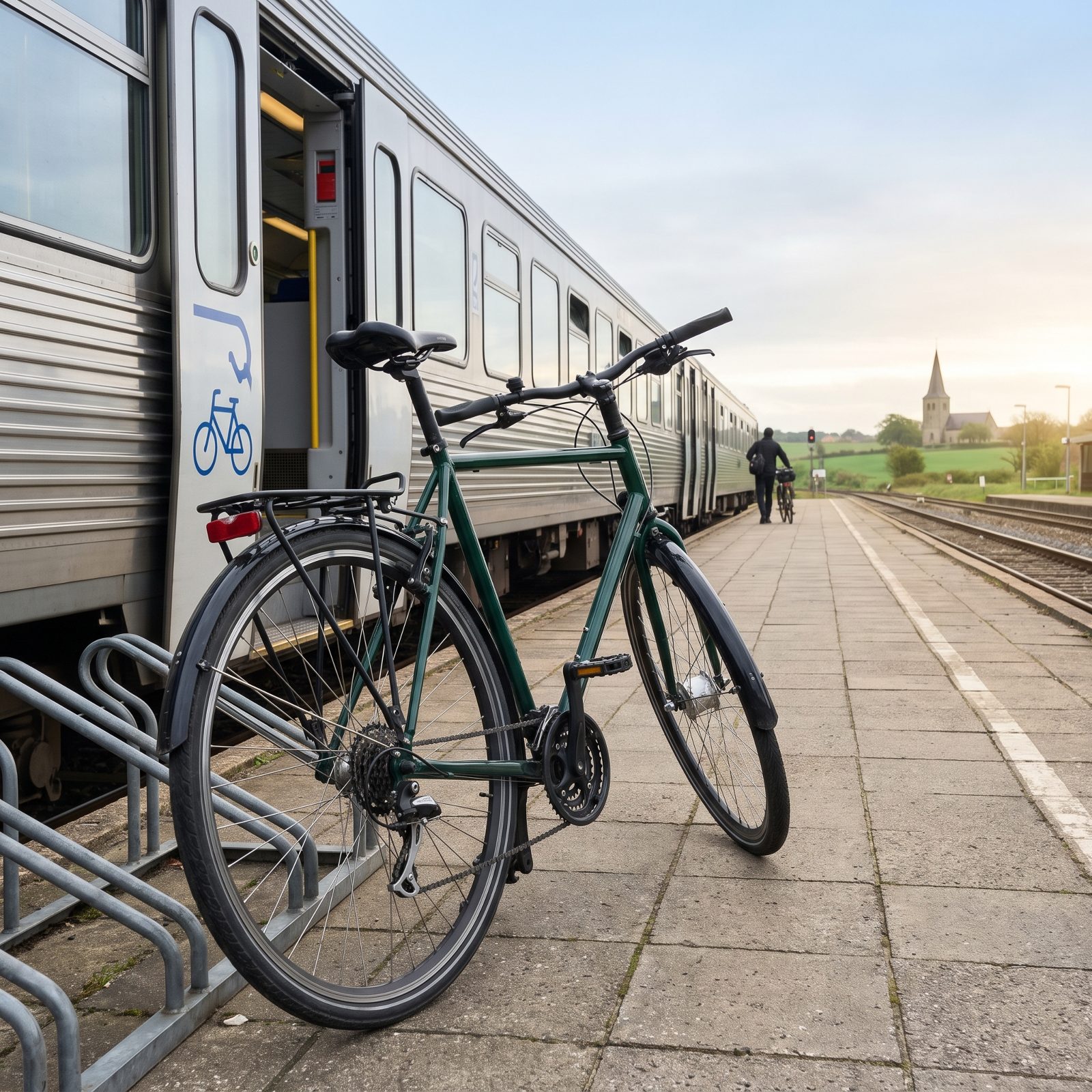
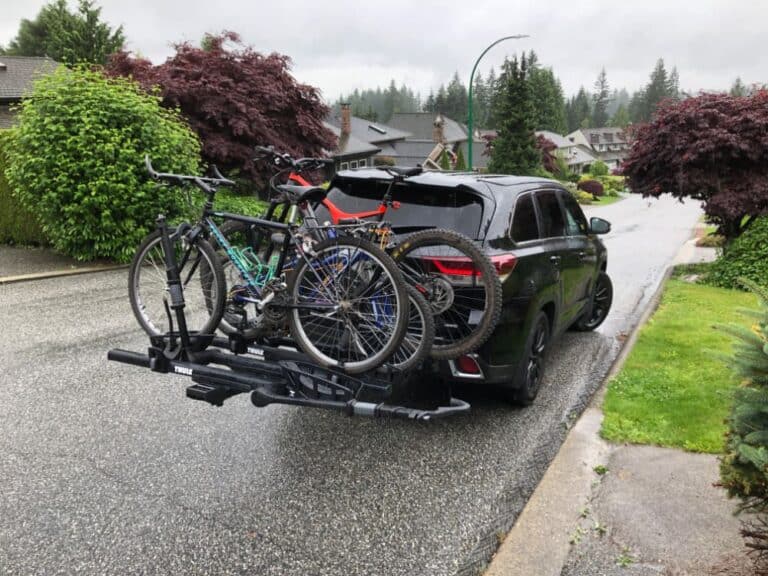
One-way rides change everything. Load the bike on a train or bus, get carried out to somewhere unfamiliar, then pedal the whole way back on your own terms.
You get a fresh route with none of the usual out-and-back monotony, and no nagging worry about how far is too far. The train already handled the hard part. Every mile home feels downhill in spirit, even when the grade says otherwise.
Plenty of regional rail lines let you bring a bike outside peak hours, often free or for a couple of bucks. Rules vary by system, so check before you roll up. Done right, it turns an ordinary Saturday into a proper little expedition.
39. Tuck Newspaper Inside the Jersey for a Cold Descent
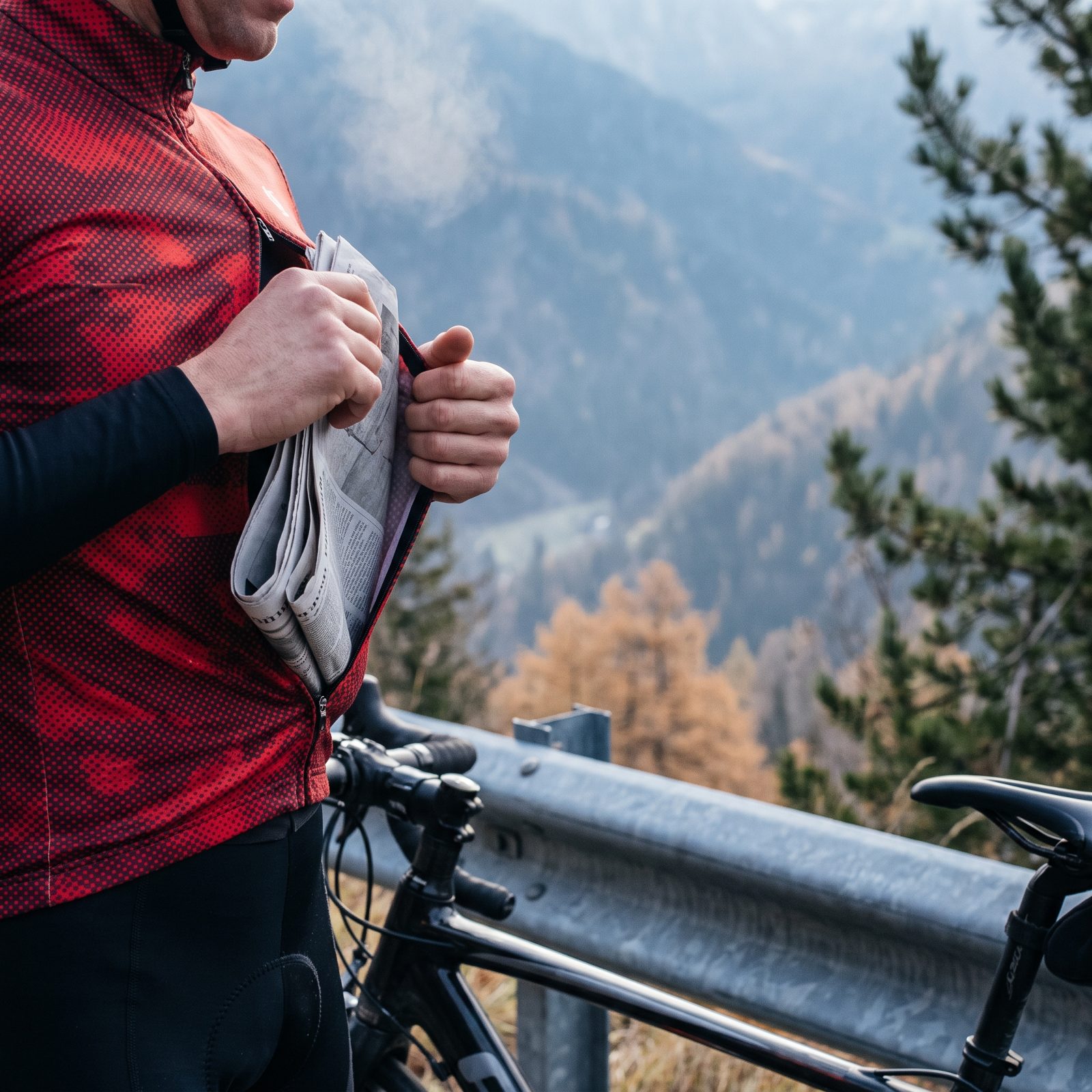
Climb a mountain pass and you reach the top soaked through. Then you point the bike downhill, and that damp chest becomes a wind tunnel of misery for the next twenty minutes.
Racers have beaten this for a century with a single sheet of newspaper tucked under the jersey. It blocks the wind off your core on the way down, weighs almost nothing, and you ditch it or stash it once you warm back up. A paper towel or plastic bag works in a pinch, but newspaper breathes better and doesn’t crackle like a chip packet every time you shift.
38. Freeze a Half-Full Bottle on Its Side
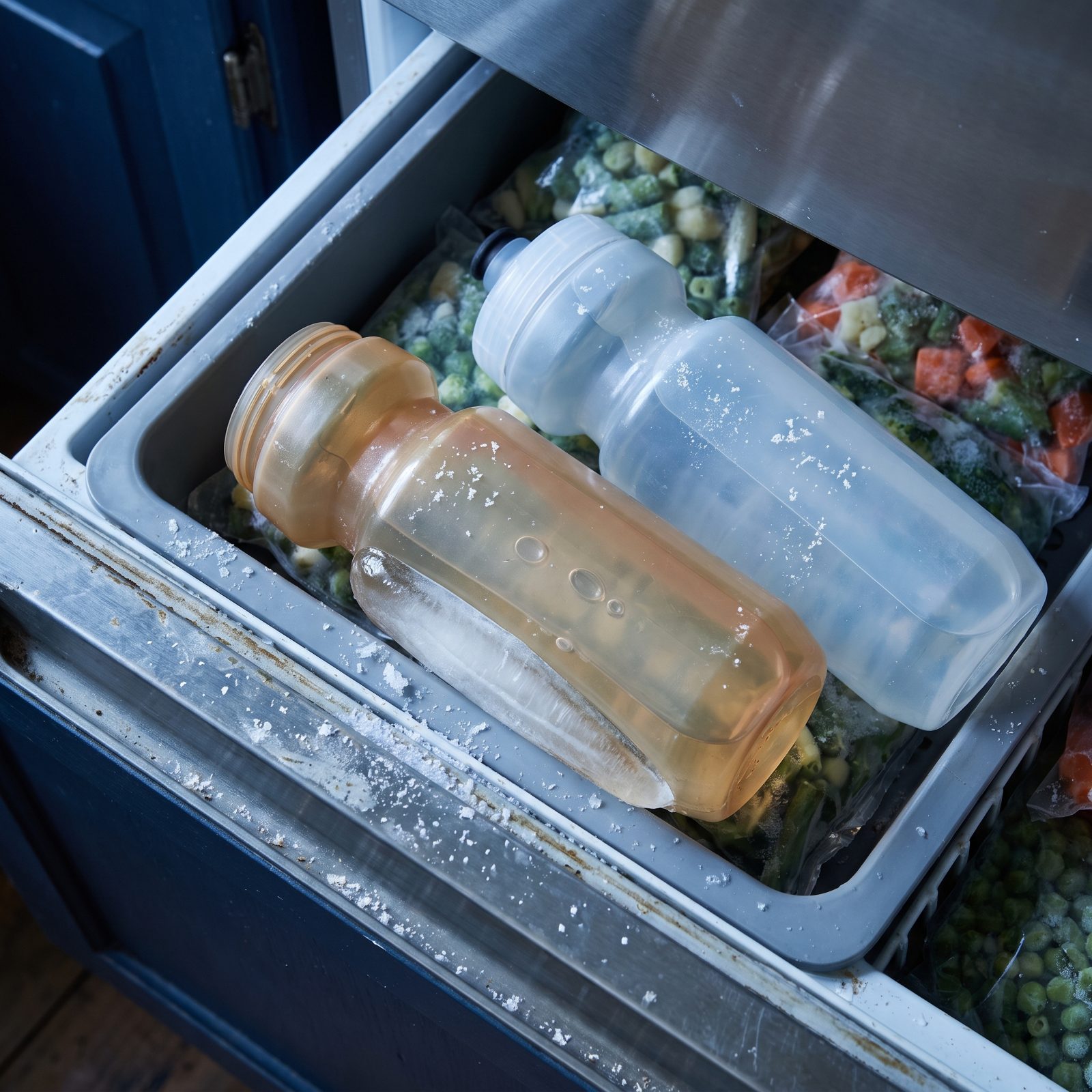
Fill a bottle halfway, lay it flat in the freezer, and let the ice form along the side wall instead of plugging up the neck. In the morning, top it off with water.
Now the ice runs the length of the bottle, so cold water flows past it the whole ride instead of fighting a frozen block jammed at the mouth. Three hours into a hot afternoon you’re still getting genuinely cold drinks, not lukewarm sips that quit after the first climb.
Small trick. Enormous difference on a July ride when your other bottle has turned to bathwater.
37. Mark a Bailout Station Before an Exploratory Ride
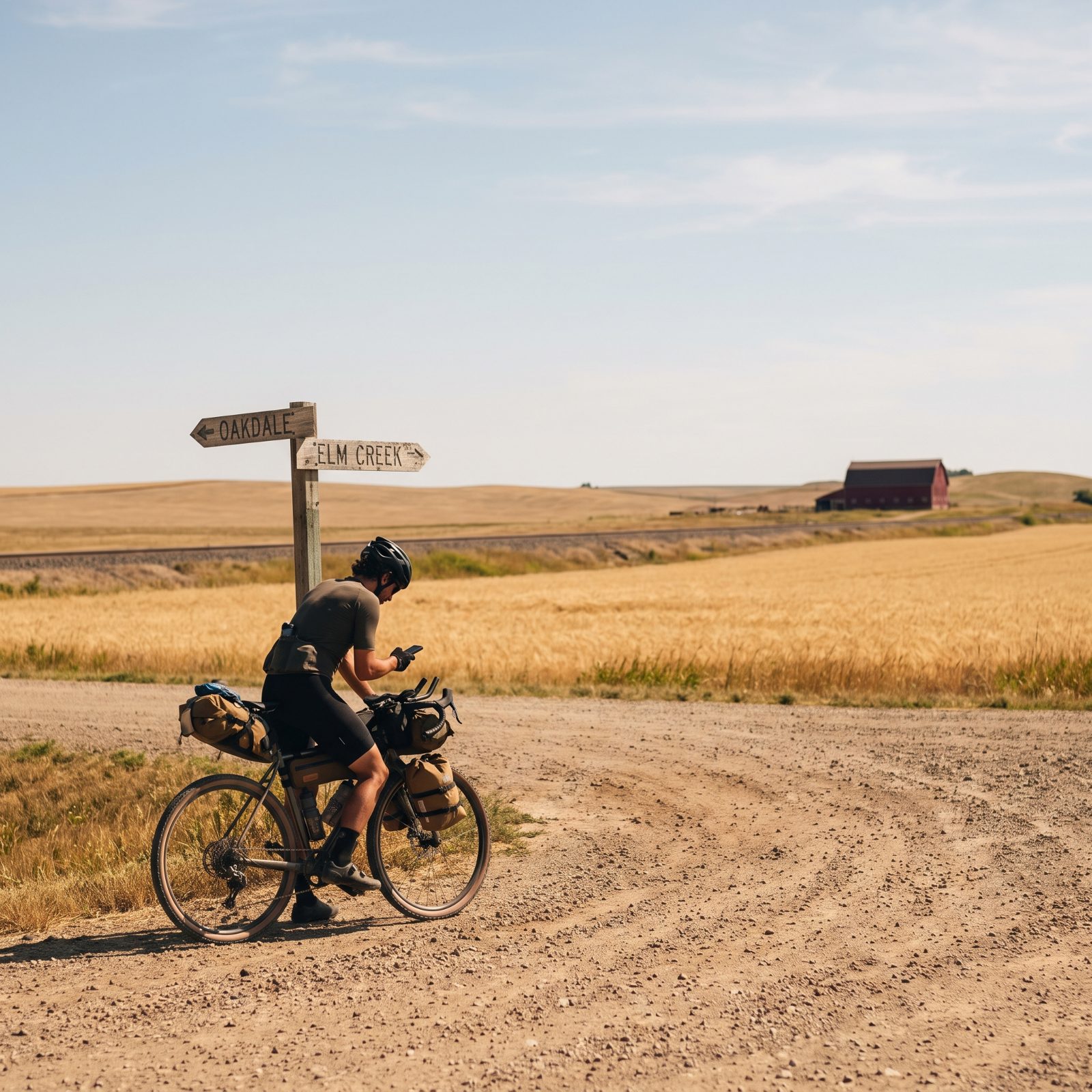
Before you head somewhere new, drop a pin on one train station, bus stop, or any town with a cab company roughly along the route.
That single backup turns a nervous ride into a confident one. Knowing you can bail if the weather turns, a knee flares, or your legs just evaporate lets you push into unfamiliar roads without that low hum of dread about being stranded forty miles from the car.
36. Use Bread Bags as Emergency Waterproof Sock Covers
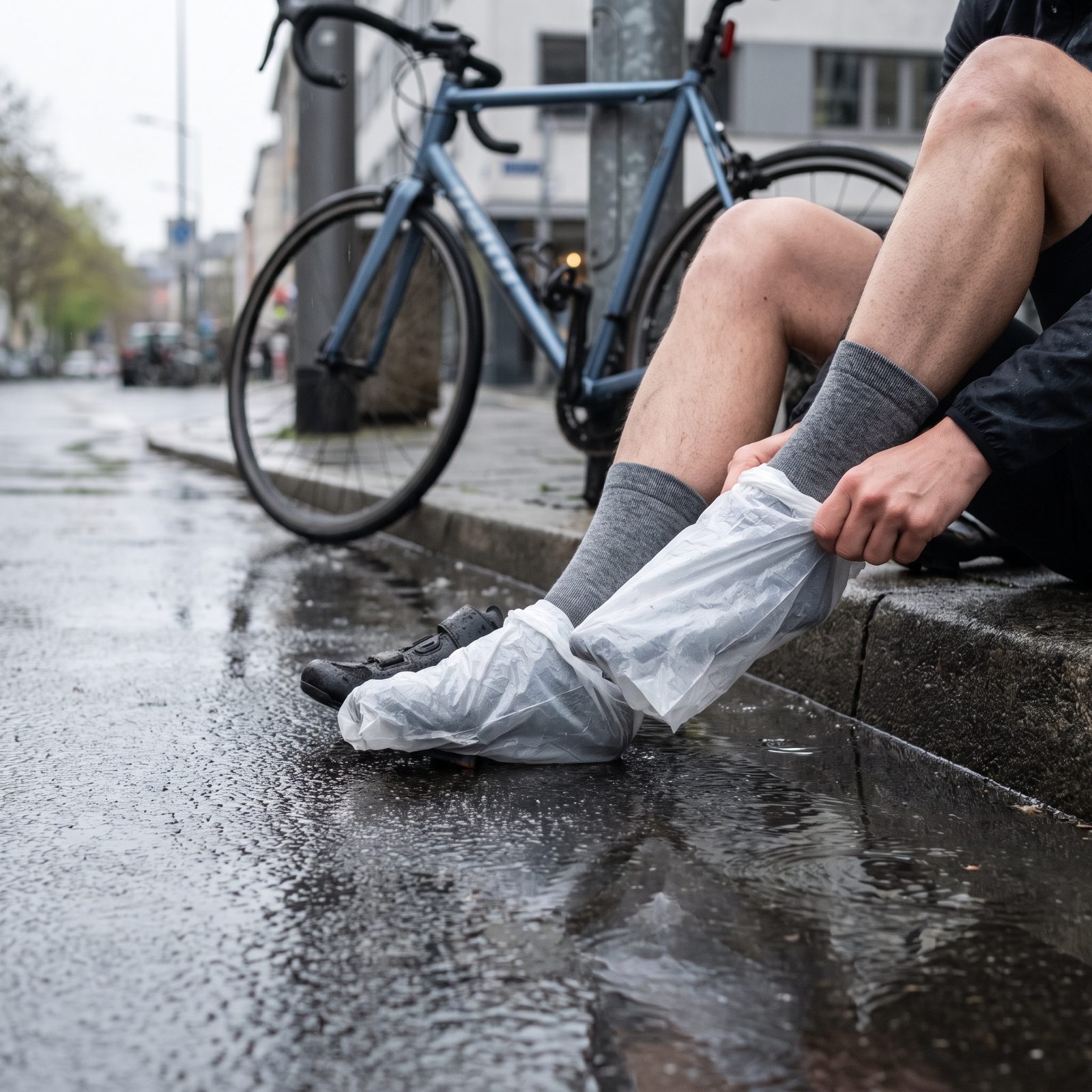
Cold wet feet ruin a ride faster than almost anything. The nerves in your toes just give up and start firing off complaints with every pedal stroke.
Pull a plastic bread bag over each shoe and up around your ankle, and you’ve built a makeshift overshoe that keeps spray off your socks and blocks the worst of the wet. Looks ridiculous. Works anyway, which is exactly why winter commuters and randonneurs have done it for decades.
Keep a couple of flattened bags in your saddle pack. They weigh nothing, cost nothing, and the first time a downpour ambushes you ten miles from home, you’ll stop finding the idea funny.
35. Carry Nitrile Gloves for Sudden Cold Rain
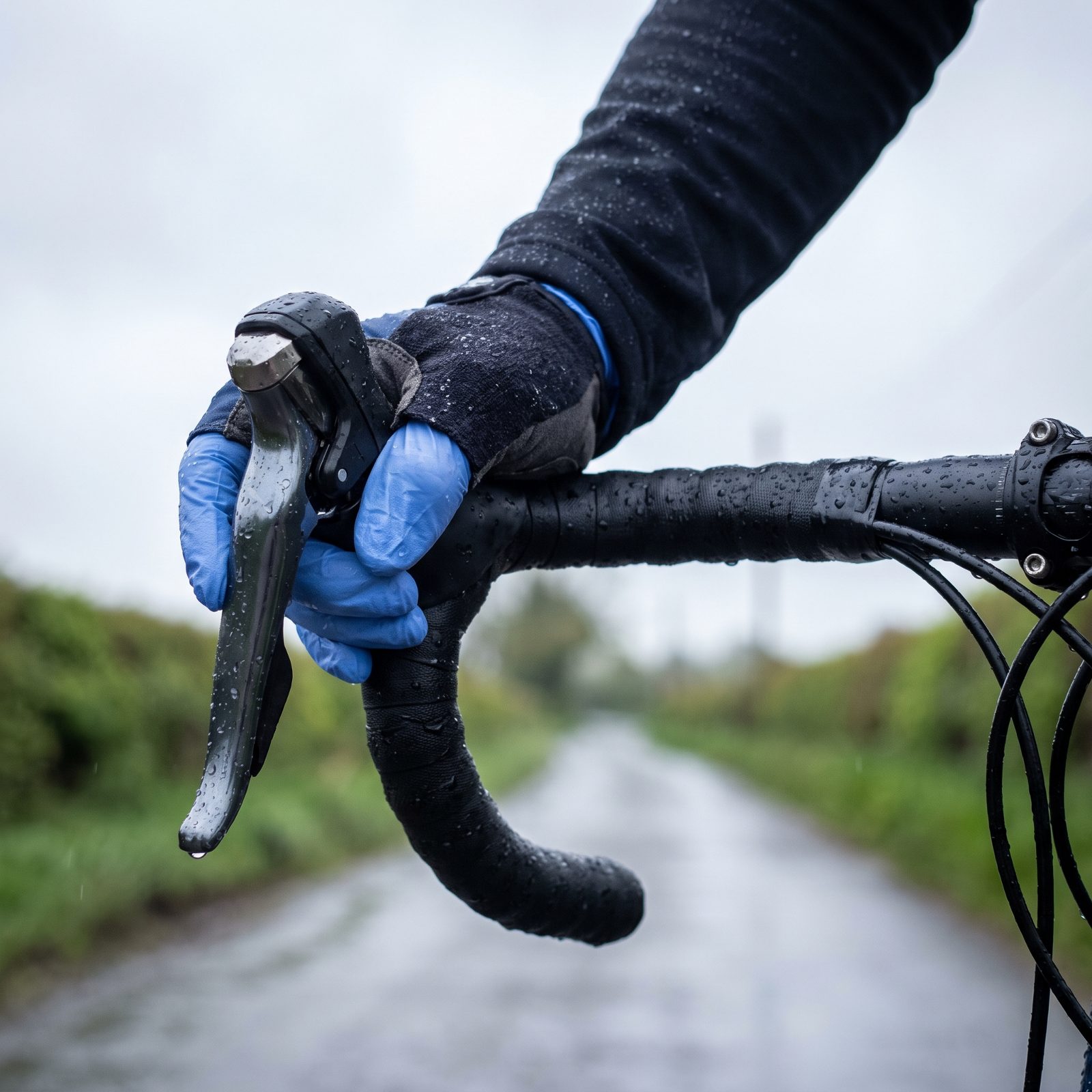
A pair of disposable nitrile gloves folded into a jersey pocket is one of the smartest ounces you can carry.
When cold rain hits out of nowhere, pull them on and slip your fingerless cycling gloves over the top. They cut the windchill and help keep your hands from going numb and clumsy on the brakes, and on a slick road that matters a lot more than comfort.
Mechanics and nurses buy them by the box, so they cost next to nothing. Stash three or four in the seat pack and forget about them until the sky opens up and your fingers start to quit.
34. Save One Interesting Map Pin After Every Ride
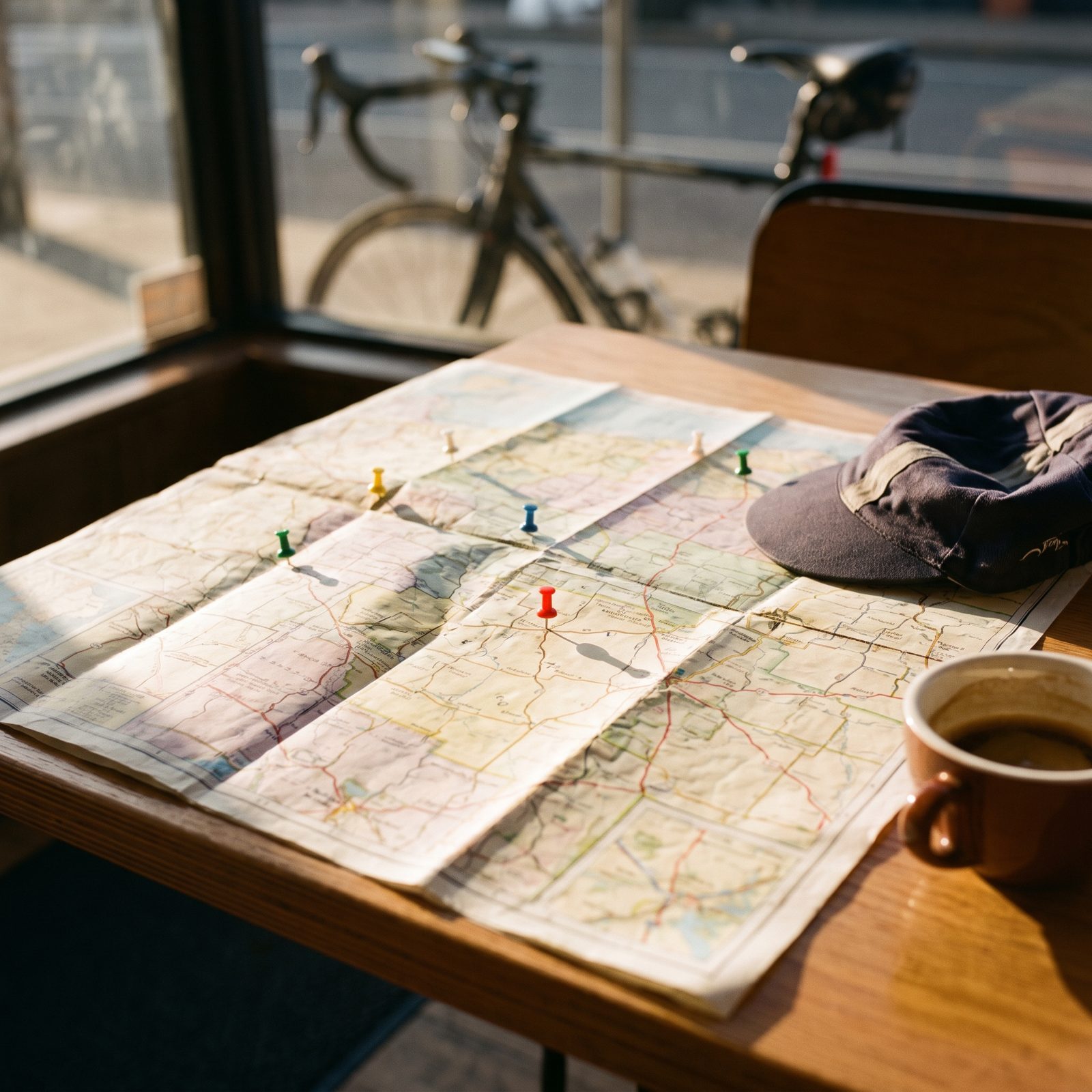
After each ride, mark one thing worth going back for. A roadside diner, a ridiculous hill, a lake you glimpsed through the trees, a barn that made you slow down and gawk.
Over a season those pins become a personal map of adventures waiting to happen. When motivation runs dry, you don’t sit there staring at the same gray loop wondering why you bother. You pick a pin and go chase it.
The ride stops being exercise and starts being a reason to go see the thing you promised yourself you’d come back for.
Any mapping app does the job. So does a paper map and a shoebox of pins, if you like the tactile version. The idea is to build a backlog of curiosity instead of running the same circuit on autopilot.
33. Pack a Palm-Sized Sit Pad for Roadside Breaks
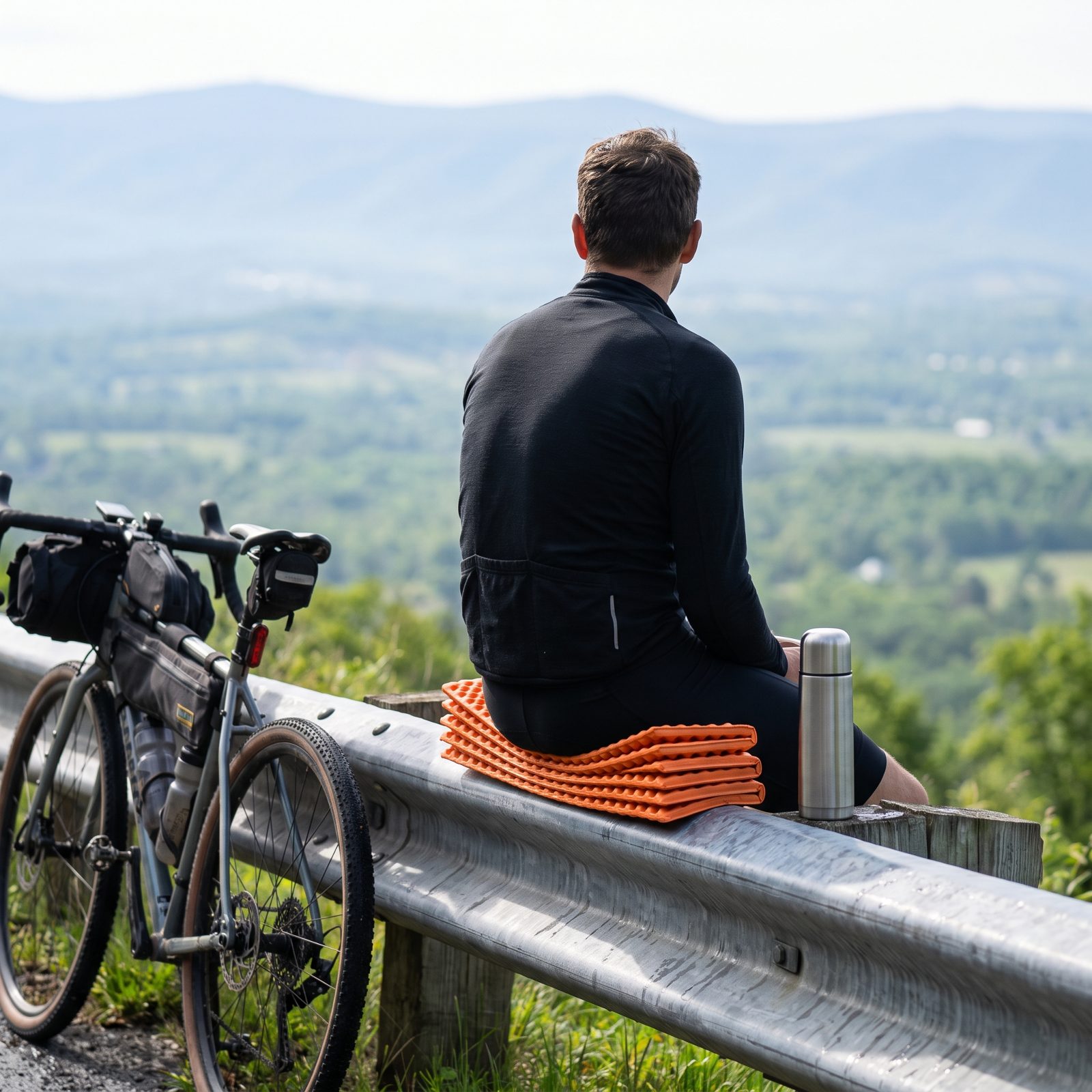
Every good ride has a stop. A view, a snack, a moment to just sit. And every rider has planted themselves on a cold wet curb or a thorny patch of grass and regretted it instantly.
A folding foam sit pad, the kind backpackers swear by, weighs a few ounces and tucks flat into a jersey pocket. Any guardrail, log, or damp boulder becomes a dry seat. Breaks stretch out and start feeling like rest instead of a hurried standing snack before you clip back in.
Small comfort. But comfort is what keeps the fun alive across a long day on the bike.
32. Unclench the Jaw at Every Stop Sign
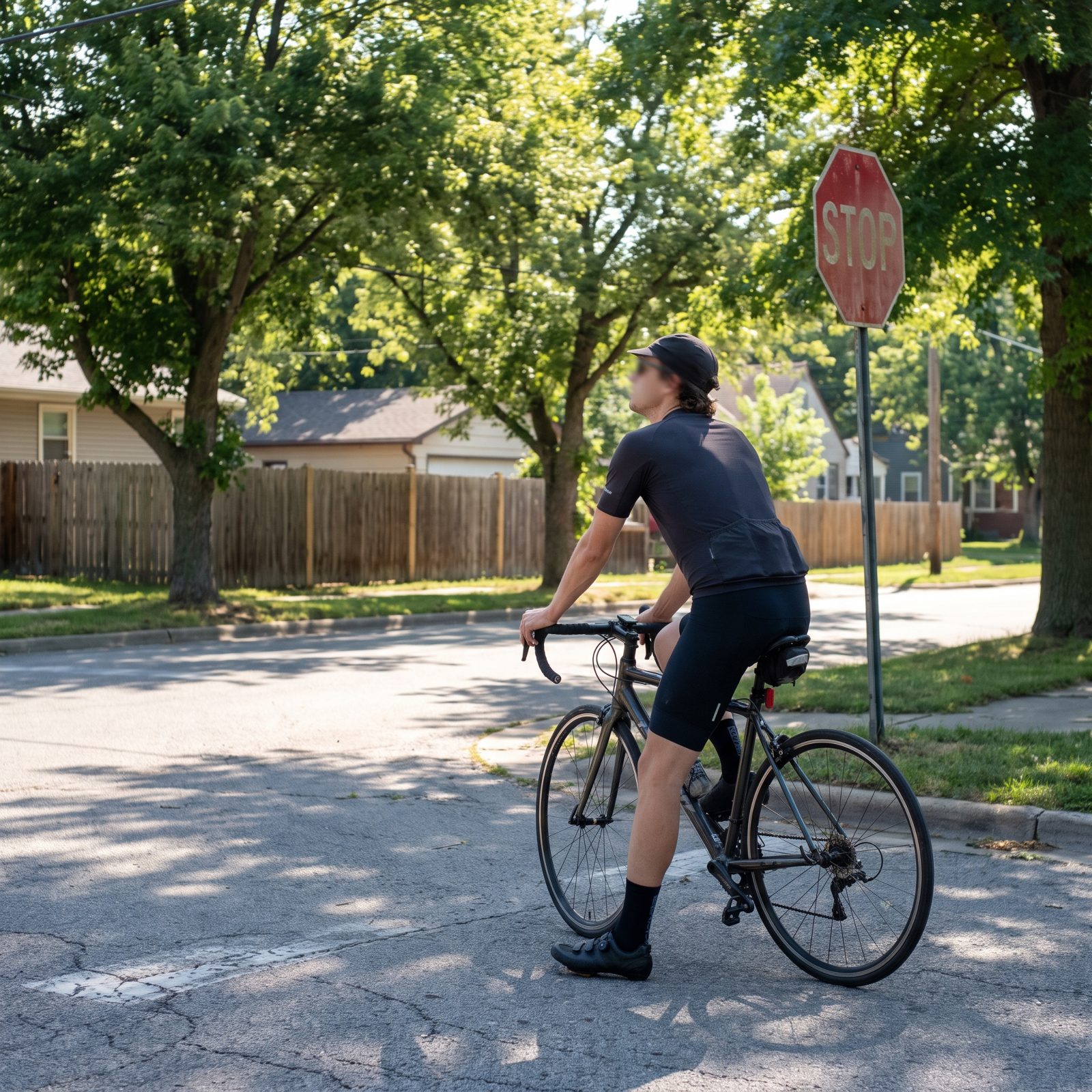
Most riders carry tension they never clock. A clenched jaw, hunched shoulders, a death grip on the bars. By hour two it’s a headache, a stiff neck, numb hands.
Use every stop sign as a cue. Come to a halt, drop the shoulders, unclench the jaw, loosen the grip, shake out one hand then the other. Three seconds, and it resets the whole upper body before the tension stacks up on itself.
Bolt the habit onto something you already do dozens of times a ride and it sticks without any willpower. Your whole body thanks you for the rest of the day.
31. Ride a Familiar Loop Backward Once a Month
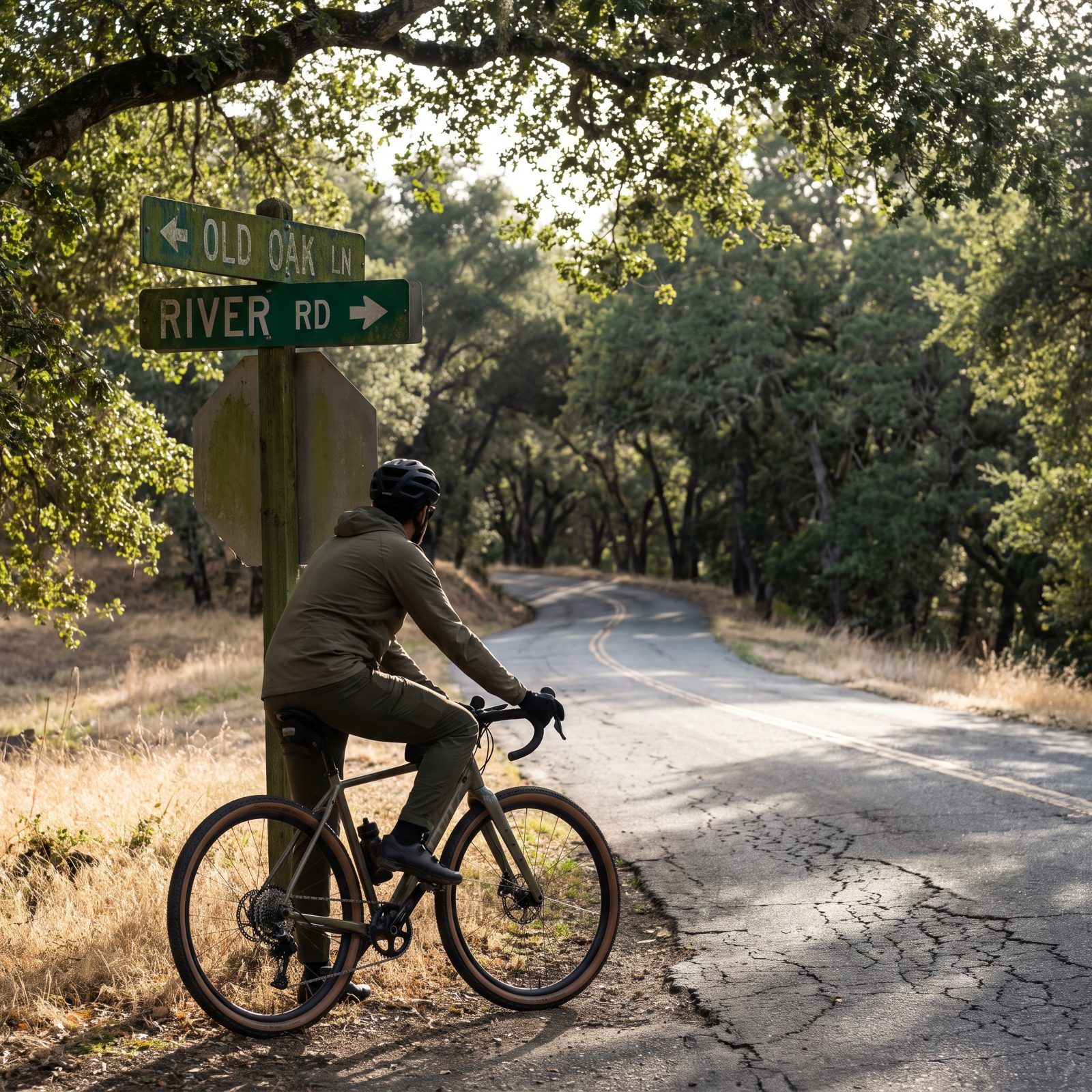
The loop you ride every Sunday has a secret: you’ve only ever seen half of it. Ride it clockwise for years and the other direction hides climbs you thought were descents, views that were always behind you, a whole second version of the same road.
Costs nothing. Changes everything. That gentle grade out of town becomes a grind on the way back, and the brutal hill you dread turns into a free downhill you never knew was there — a downhill, imagine that. Your legs read the whole thing as a new route and your brain finally stops running on autopilot.
30. Turn the Bike Computer to a Data-Free Screen
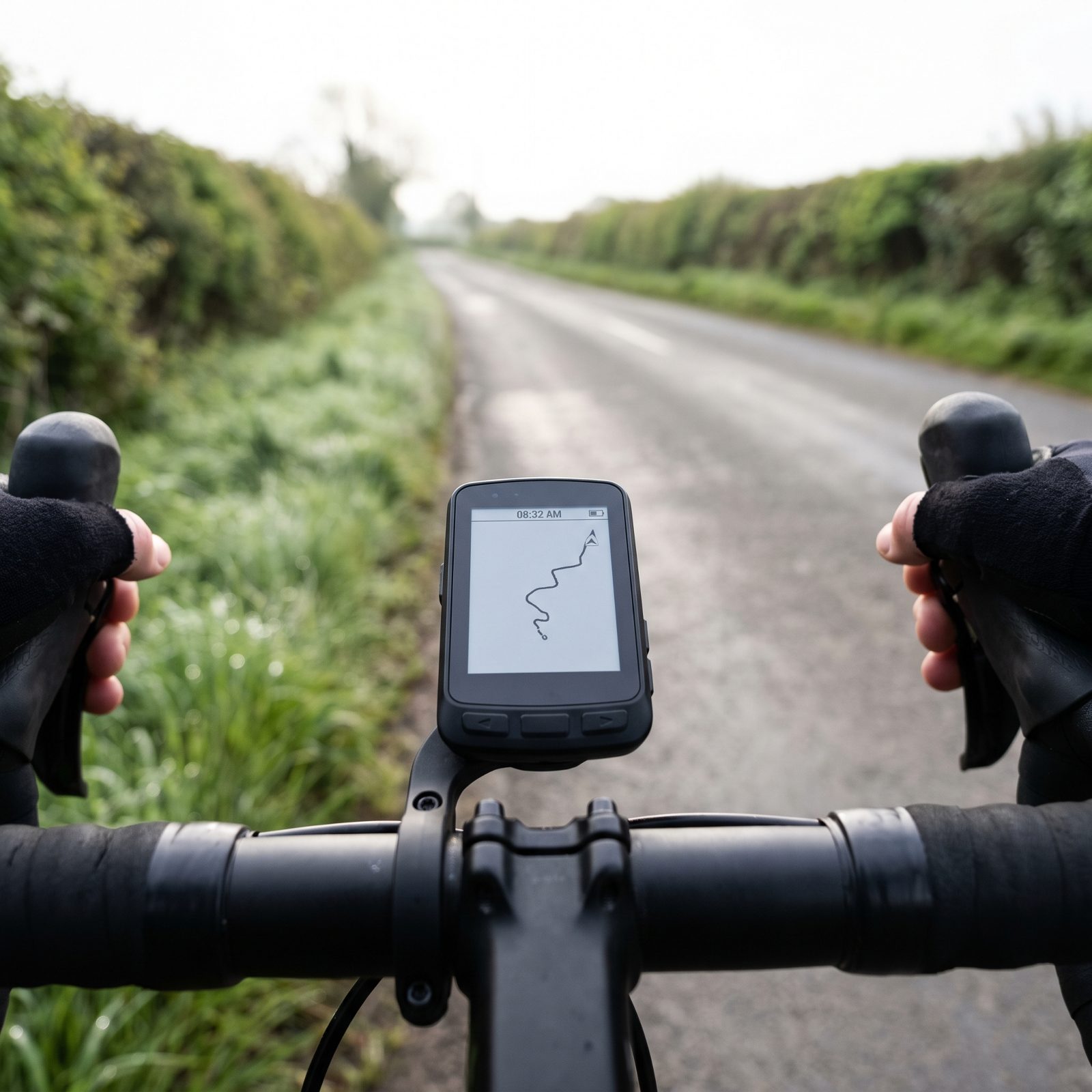
Most riders stare at a dashboard the whole ride — speed, power, cadence, heart rate, the little arrows telling you whether you’re winning or losing against yourself. It turns a bike into a spreadsheet with pedals.
So switch the head unit to a blank or map-only screen one ride a week. The device keeps recording everything for later; you just stop watching it happen. And what comes back is the thing that got you riding in the first place — paying attention to the road instead of the readout.
You’ll be slower by the numbers and you won’t care. That’s the idea.
29. Build a Route Around a Ferry Crossing
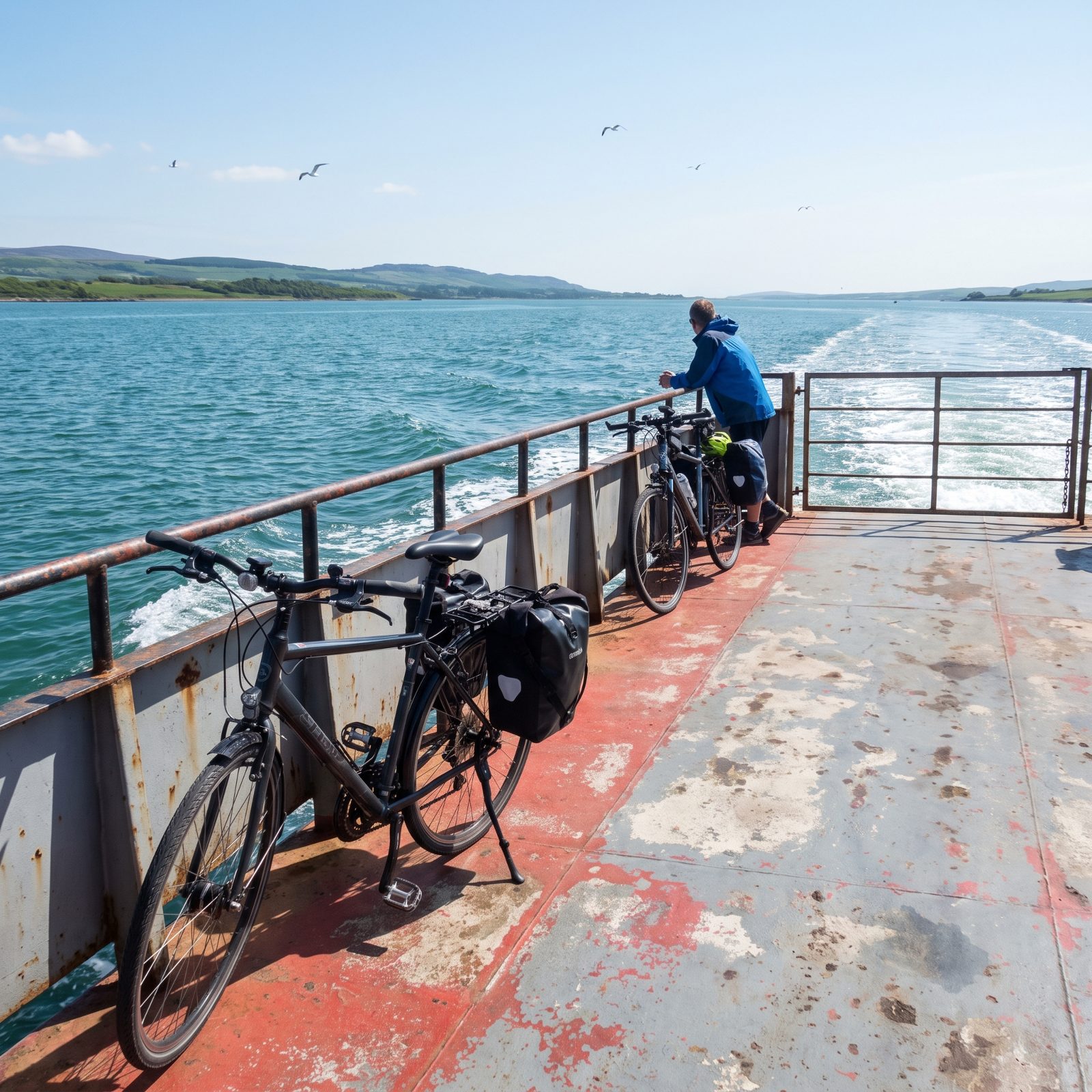
A ferry splits a ride in two and both halves get better for it. Pedal hard to catch the boat, then stand on deck with the wind doing the work while the shoreline slides past. It’s the only part of a ride where you’re moving and resting at once.
Small passenger ferries across rivers, lakes and harbors often carry bikes for a few dollars, sometimes free, and they almost never turn up when you search for cycling routes. Plan the whole loop around the departure schedule. Miss a boat by two minutes, sit on a bench in the sun, wait for the next one — that’s not a failure. It’s the break you didn’t know to schedule.
28. Take One Legal Turn Never Ridden Before
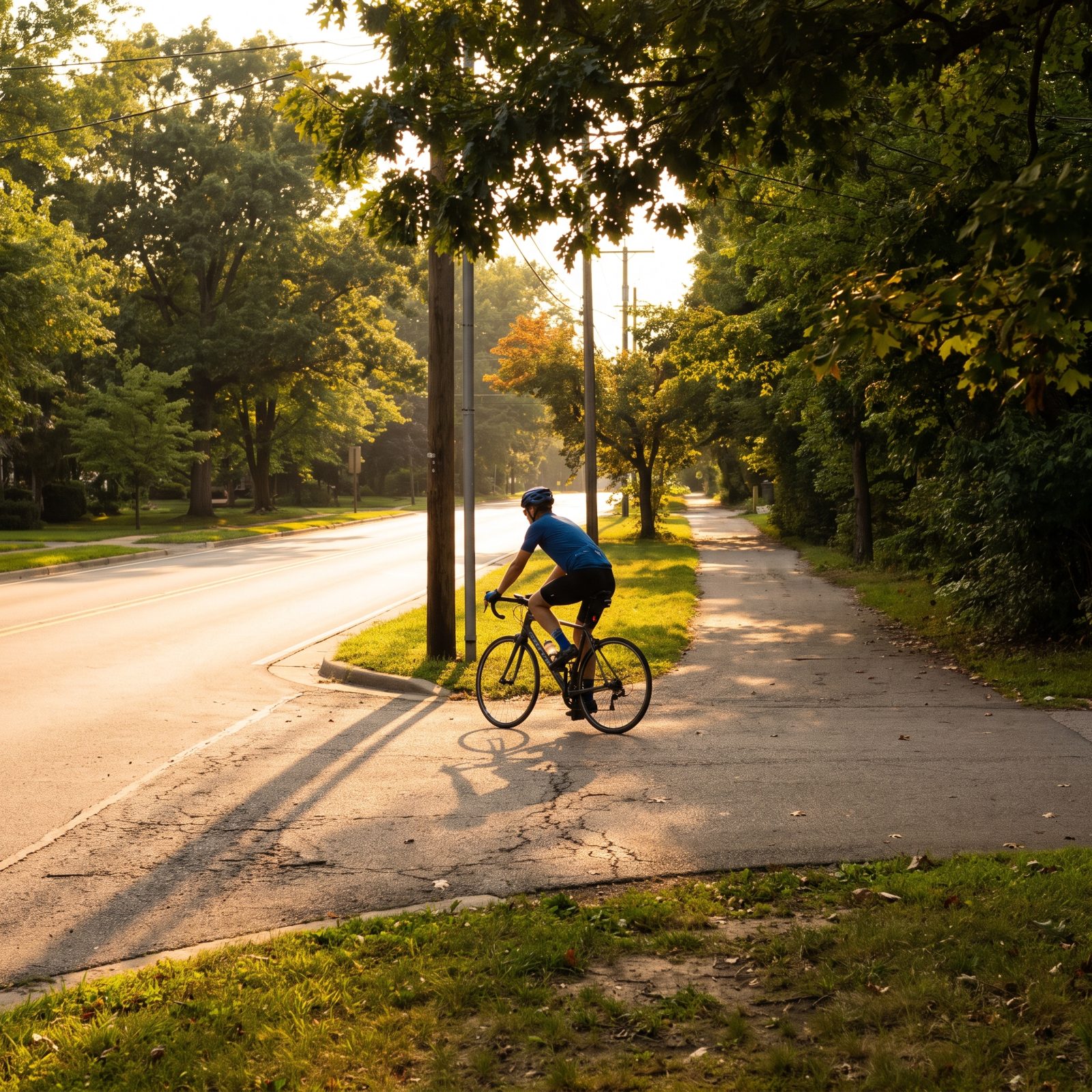
You pass the same side streets every week and never turn down them. One day a month, pick one — any legal turn you’ve never taken, chosen on the spot, no research, no plan. See where it goes.
Most of the time it dead-ends at a cul-de-sac and you backtrack. Fine. But every fourth or fifth one opens into a connector you never knew existed, a back way that cuts out a busy stretch, maybe a street with a view. Your mental map of your own town is full of holes, and this is how you fill them.
27. Choose the Bakery First and Design the Route Second
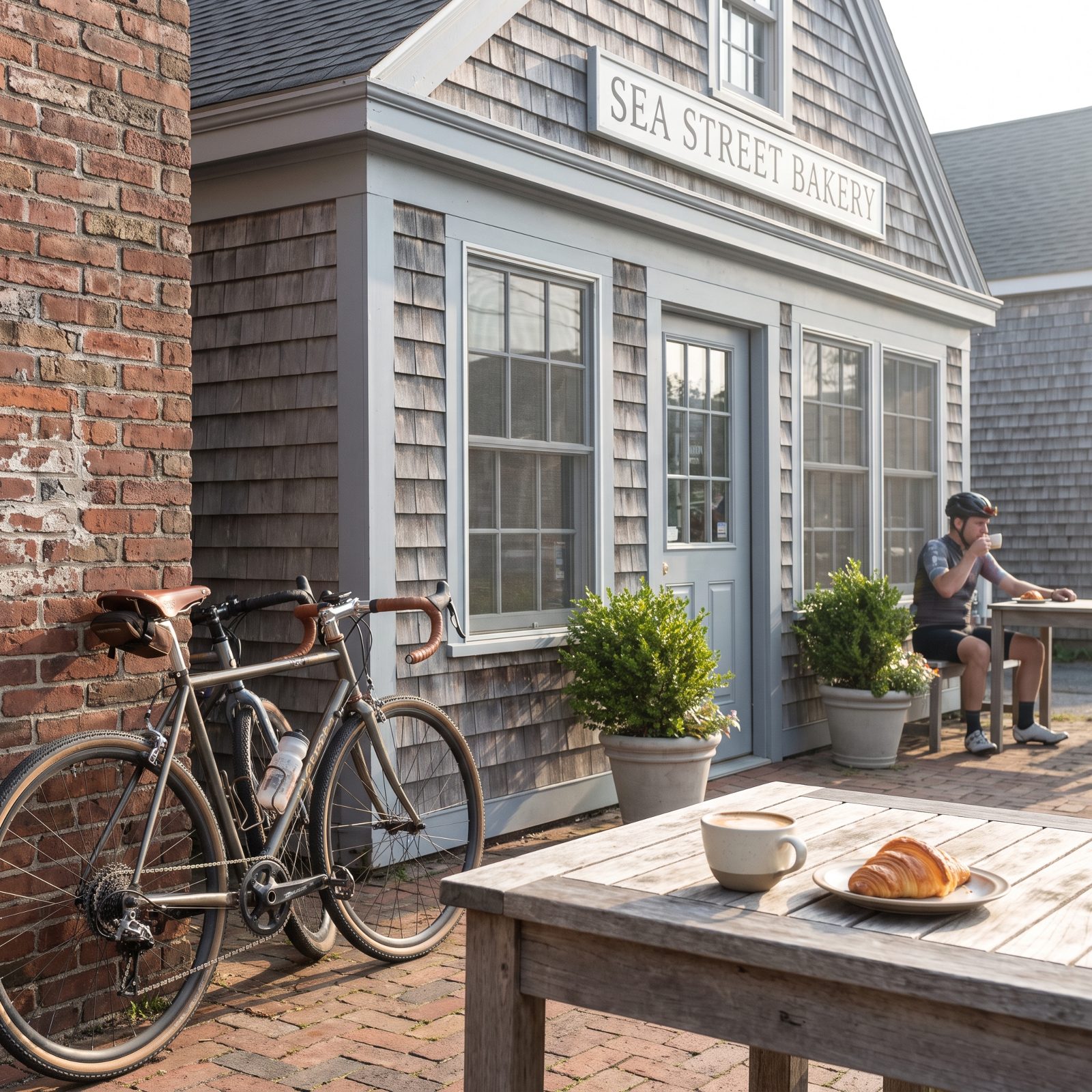
Routes built around a destination beat routes built around distance. A number on a screen gives you nothing to look forward to at the halfway point. A warm almond croissant and a decent flat white give you a reason to keep pedaling into a headwind.
Pick the bakery, the farm stand, the diner with the pie — then draw the route to reach it at the right time. The ride gets a plot. Anticipation builds over the last few miles, the smell before you’ve even locked the bike up, that sitting-down heaviness in your legs that food was made to fix.
26. Complete One Missing Map Tile per Ride
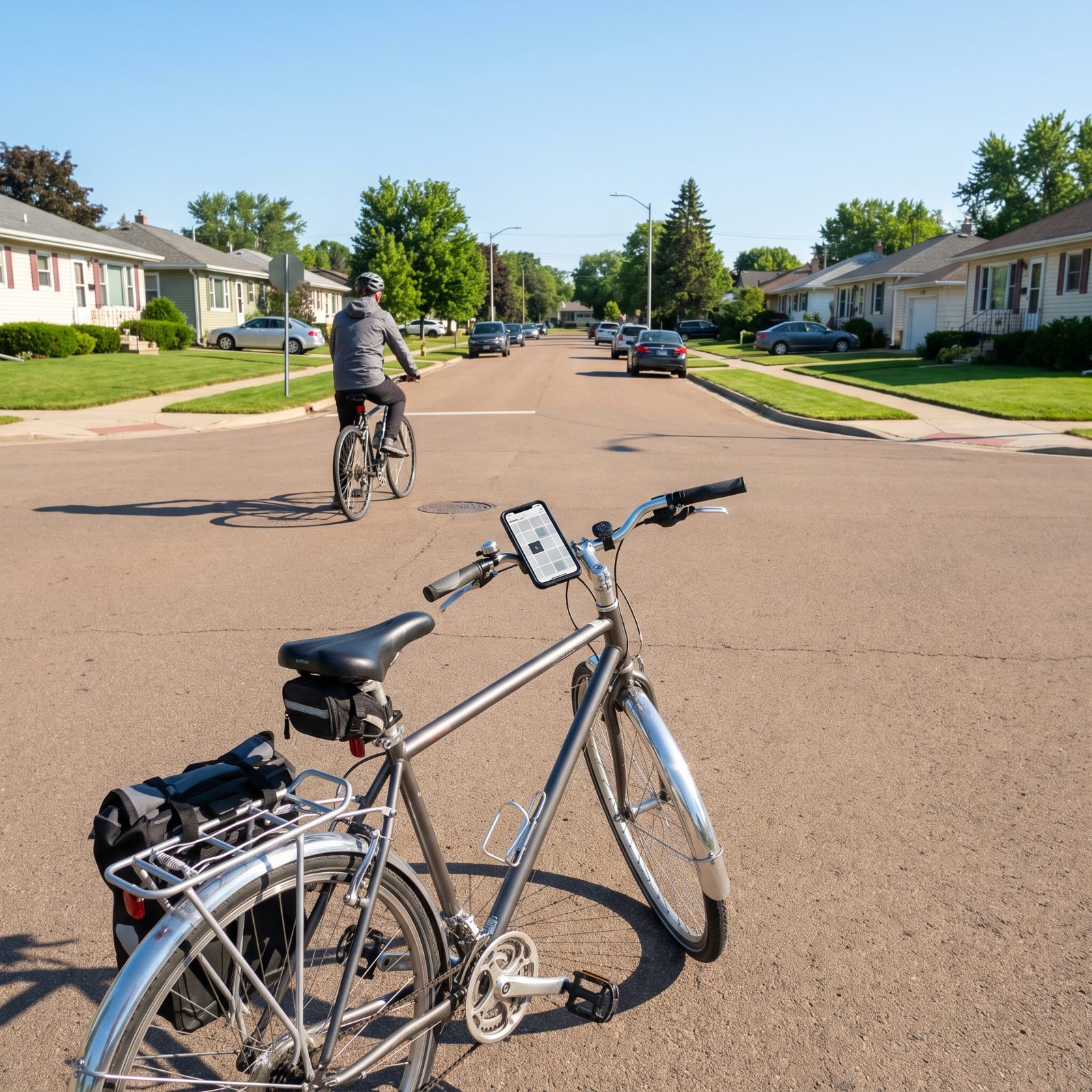
There’s a version of cycling where the goal isn’t speed or distance but coverage. Apps that track which parts of a map you’ve actually ridden turn your own city into a grid of squares — some filled in, most not. The unfilled ones become the point.
Knock out one new tile per ride: a single block you’ve never ridden, a street that was always just off your usual path. Takes five minutes. And it’s absurdly satisfying to watch the map darken over months.
25. Follow a Creek From Its Headwaters Downstream
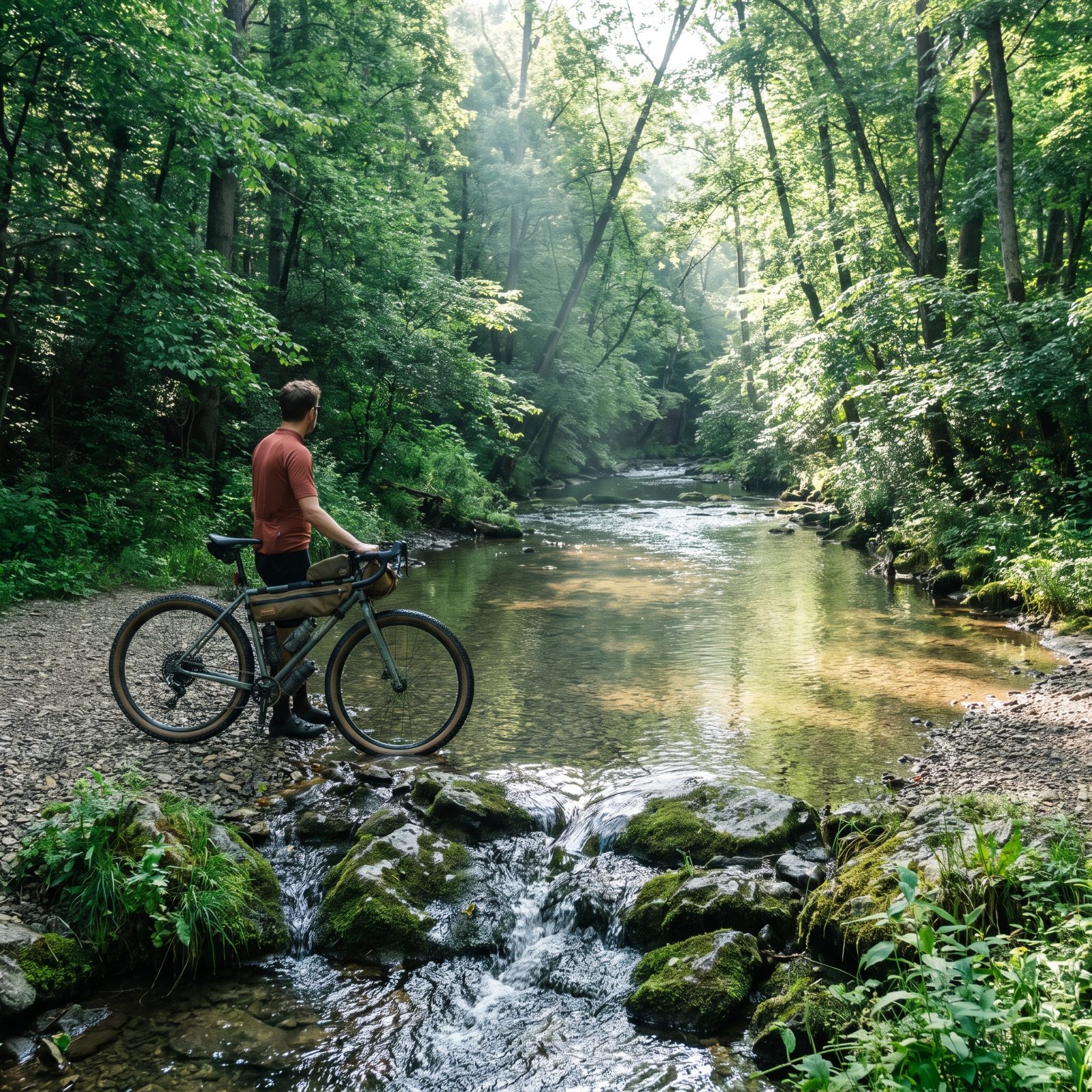
Water goes somewhere, and following it gives a ride a shape that distance never can. Start where a local creek begins — often a culvert behind a shopping center or a spring on the edge of town — and ride it downstream as far as the roads and paths allow.
Creeks run through the parts of a place roads skip: old mill sites, green corridors, the back of neighborhoods you’ve only ever seen from the front. You’ll find paths that exist only because the water was there first. Chase it until it joins something bigger. That’s your finish line.
24. Trace an Abandoned Railway From Town to Town
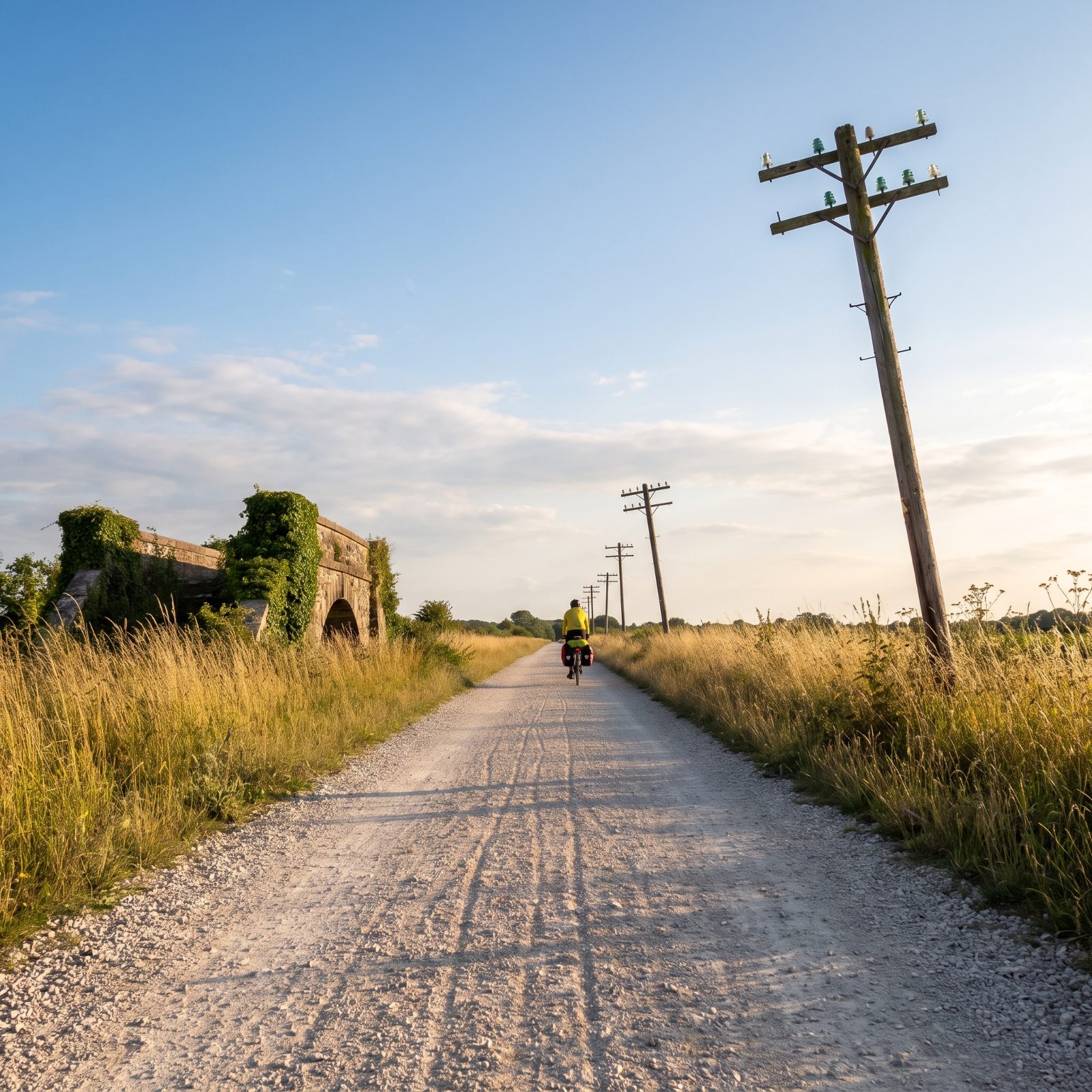
Railways were built to hate hills. That’s why an old rail bed turned into a trail is the gentlest, straightest, most relentlessly rollable surface a bike will ever find. Grades rarely top a couple of percent, because a loaded freight train couldn’t manage more.
Thousands of miles of former lines across the country now carry bikes instead of boxcars. Ride one town-to-town and you’re tracing a route someone surveyed a century ago, past the old depots, the cut-stone bridges, the mile markers that once counted something else entirely. It’s history you roll through at fifteen miles an hour.
23. Collect Every Rideable Bridge in the Local Area
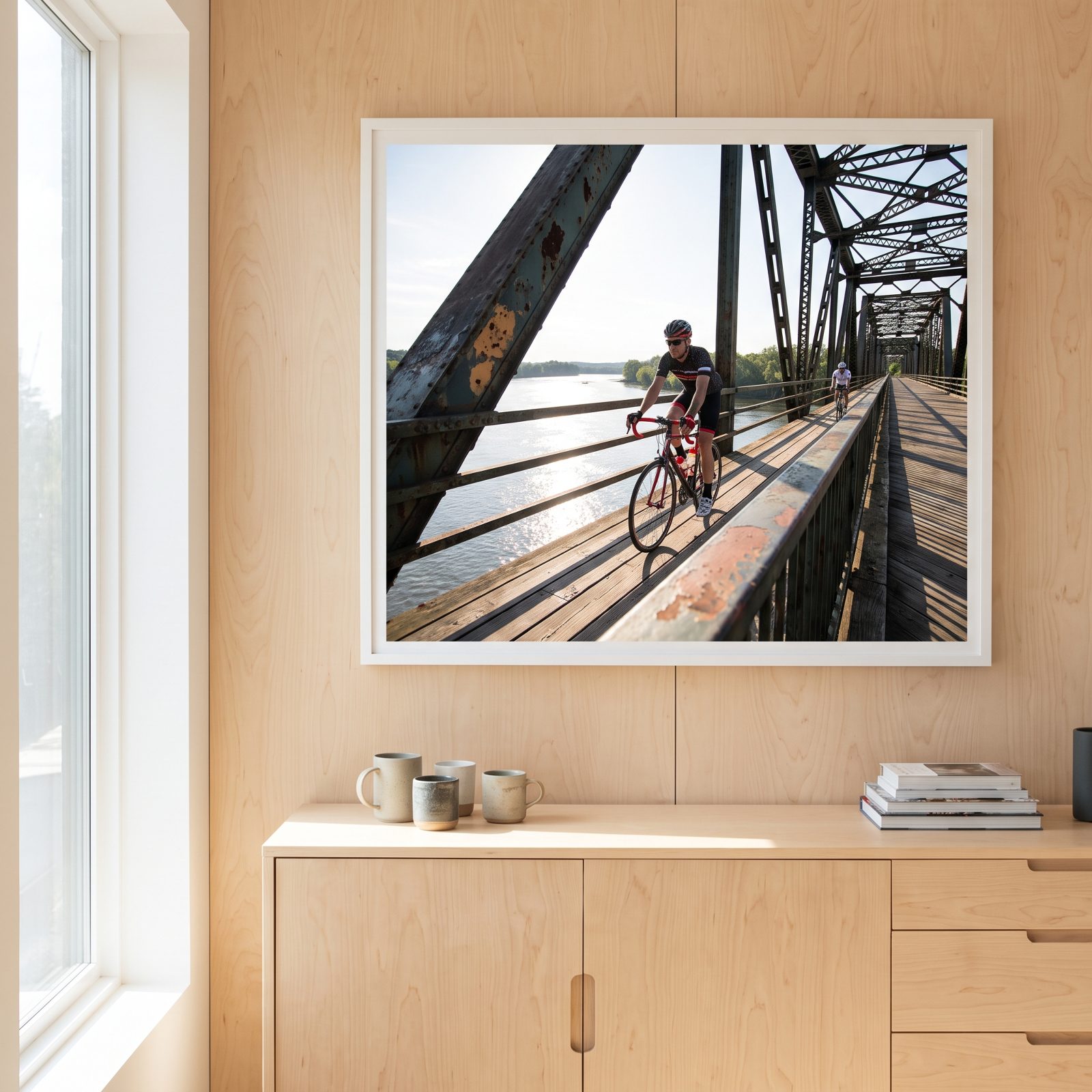
Bridges are where a region shows off. The old iron truss nobody maintains, the covered one the tourists photograph, the pedestrian span bolted under a highway that only cyclists ever use. Make a list of every one in riding range and tick them off.
Sounds like a collector’s quirk until you see how it reshapes a ride. Bridges sit at the low points, where water cuts through, so a route built to hit three of them strings together valleys, river paths and crossings you’d otherwise never link. Each one is a small arrival. Rolling onto a span you’ve eyed on the map for months feels better than it has any right to.
22. Follow the Municipal Boundary for a Full Loop
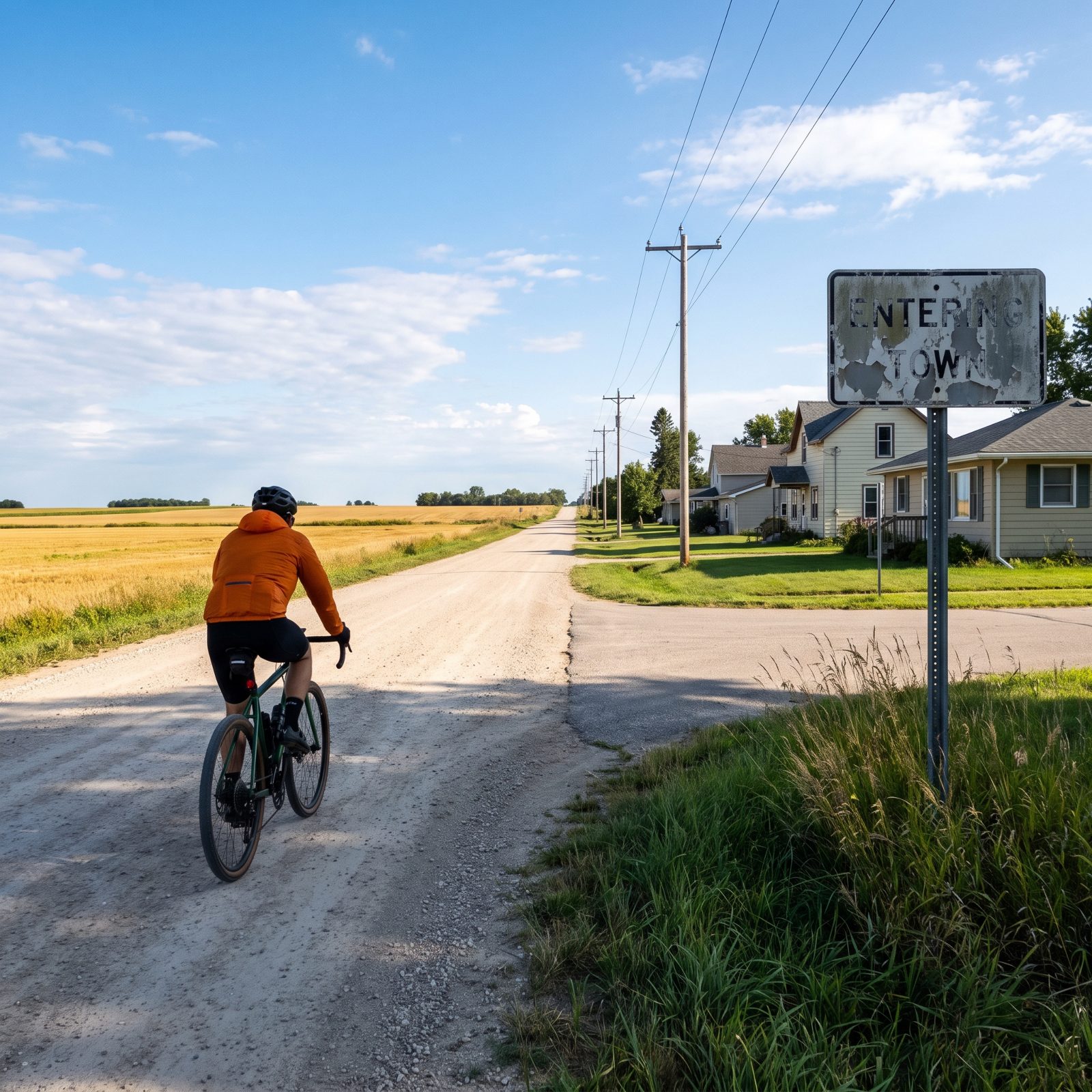
A town has an edge, and almost nobody rides it. Pull up the municipal boundary — the actual legal line of your city or township — and trace it as closely as the roads allow for one full loop around the whole thing.
It’s the strangest tour of a place you can take. The boundary ignores where people actually go, so it drags you past the water treatment plant, the back of the industrial park, the last farm holding out against the subdivisions, the exact spot where the cul-de-sacs stop and the countryside starts.
You end up knowing where your town really ends — which turns out to be a different thing from where it feels like it ends.
21. Link Local Murals Into a Rolling Art Tour
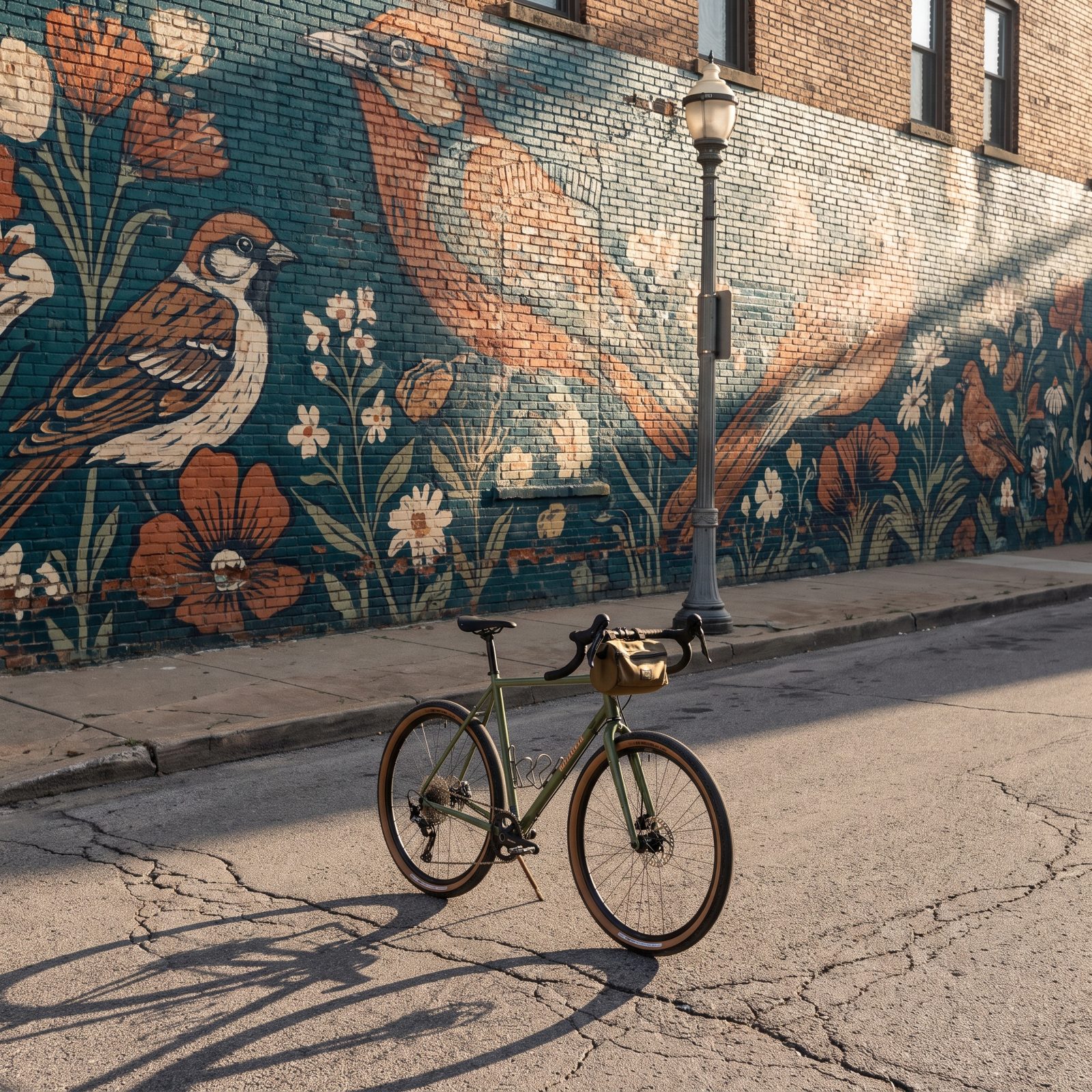
Every town has them now — painted walls down alleys, behind the hardware store, on the side of a laundromat nobody looks at twice. String five or six together and the route plans itself.
Here’s why it works. You quit staring at your average speed and start actually seeing the town, and a twelve-mile loop you’ve ridden a hundred times turns into a scavenger hunt. You end up on streets you never turned down before, all because a painted wall pulled you around the corner.
20. Ride to Breakfast Before Sunrise
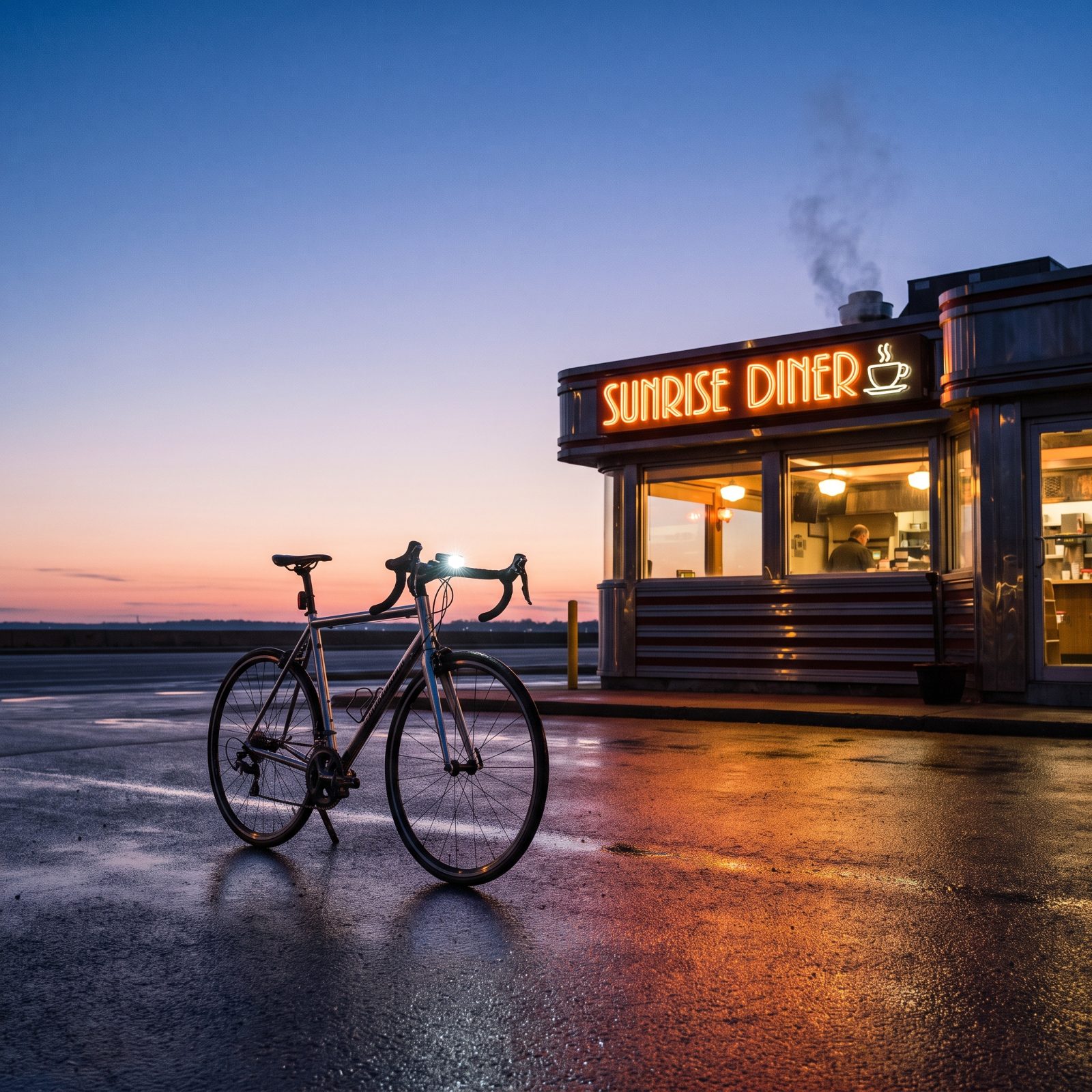
For about forty-five minutes the world belongs to early risers. No traffic, no heat, just you and a cold road with the smell of bacon waiting at the end of it.
Hang food on the finish line and the whole mood of the ride shifts — it stops being exercise and becomes an errand with a reward. You pedal easier because you’re chasing eggs and coffee instead of a number on a screen. Rolling up as the cook flips the sign to OPEN? That feels like you got away with something.
19. Put a Safe Swimming Stop at the Route Midpoint
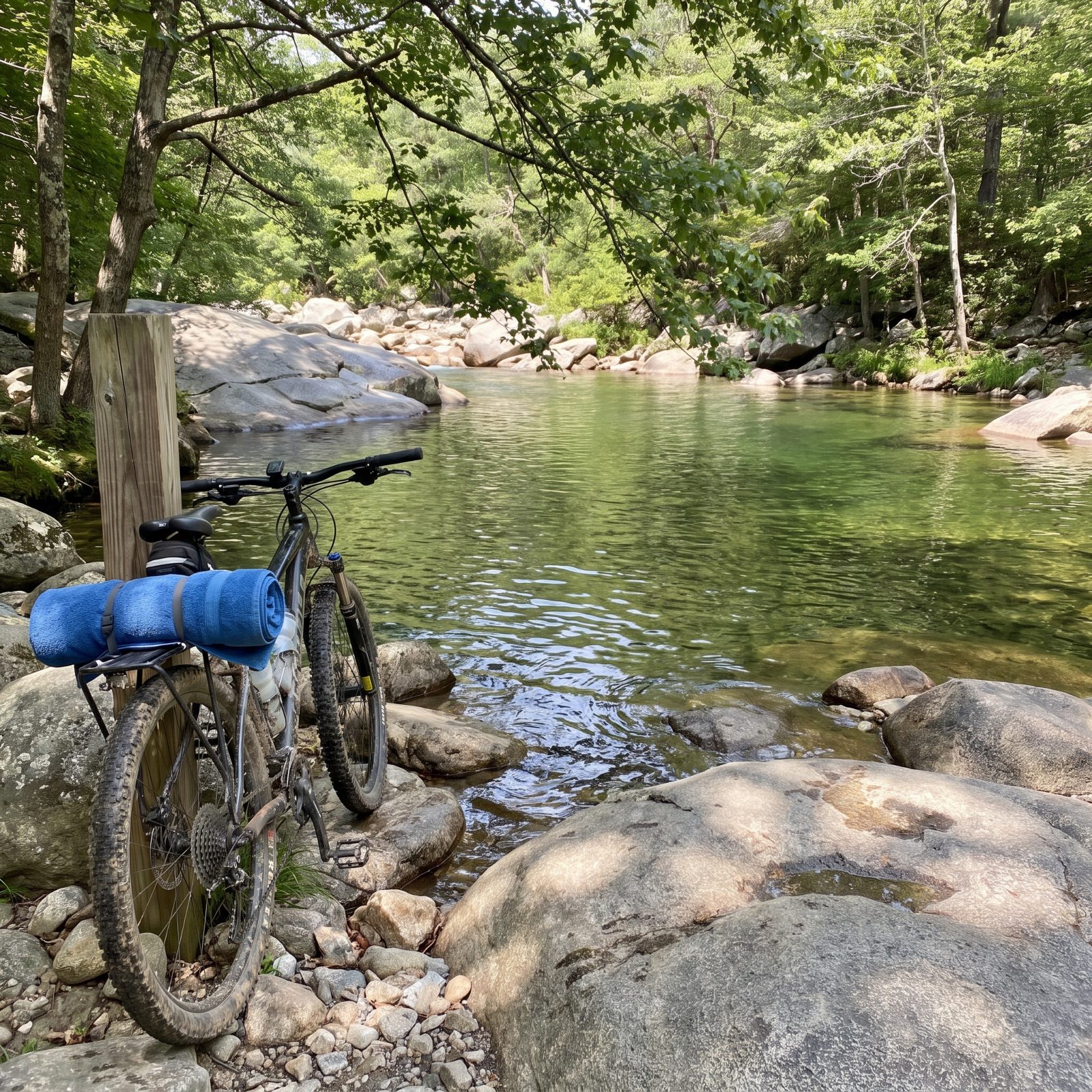
A swim at the turnaround resets everything. Legs cool off, sweat washes away, and the back half of the ride feels like a brand-new day.
Just pick a spot that’s genuinely safe — calm water, a gradual entry, no hidden current. A lake cove or a lazy river bend beats anything with a sign warning about undertow. Carry a thin packable towel, and keep the dip short so your legs don’t stiffen up on you.
18. Photograph the Same Landmark in Every Season
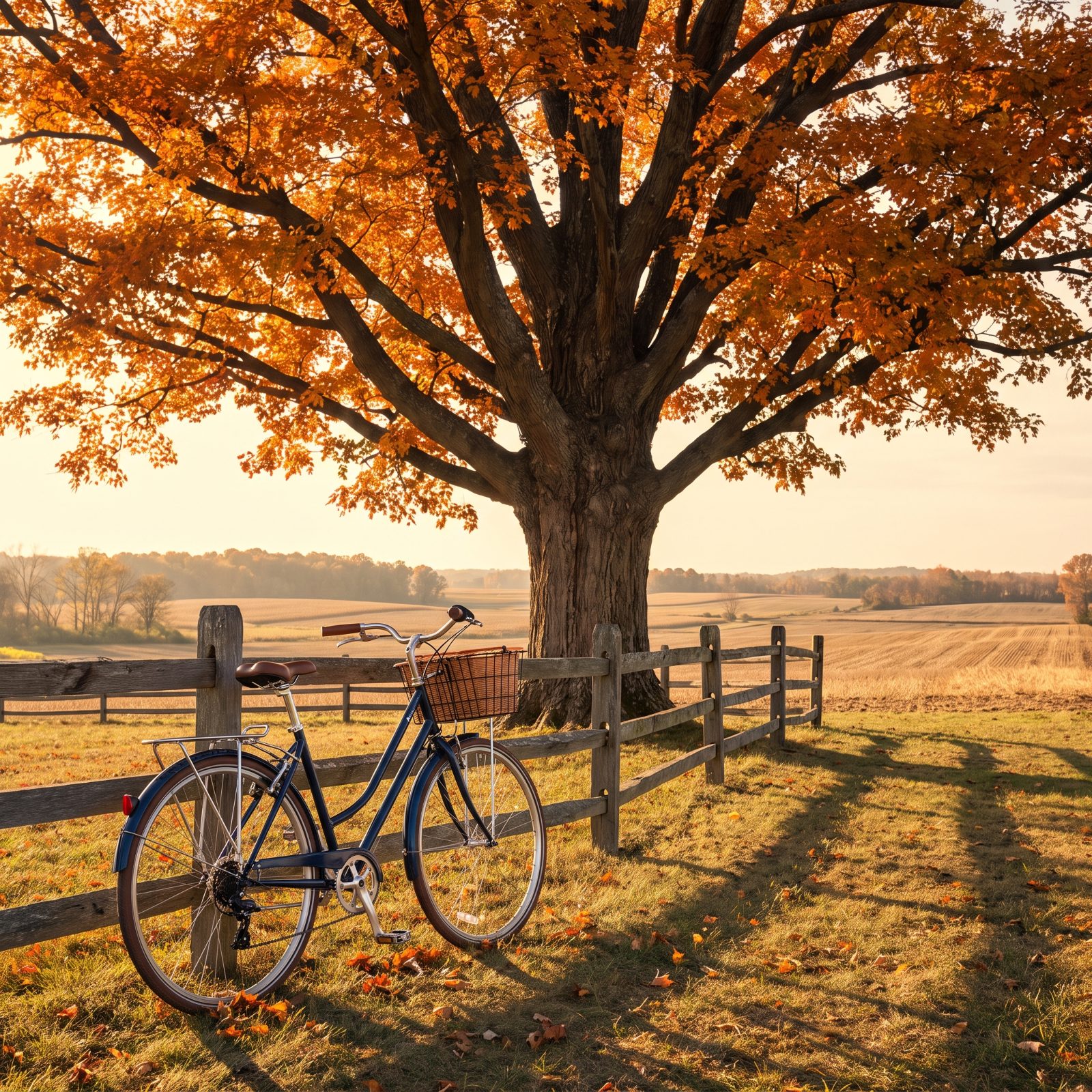
Pick one spot — a barn, a bridge, a lone tree on a ridge. Stop there on every ride that passes it and take the same shot from the same angle.
What you get after a year beats any fitness app graph. The field goes brown, then green, then gold, then white. That tree you caught bare in February is a full canopy by June. A repeated route becomes a time-lapse of your own riding life, and suddenly the loop you know cold has a reason to feel new again.
17. Make the Summer Solstice the Year’s Longest Ride
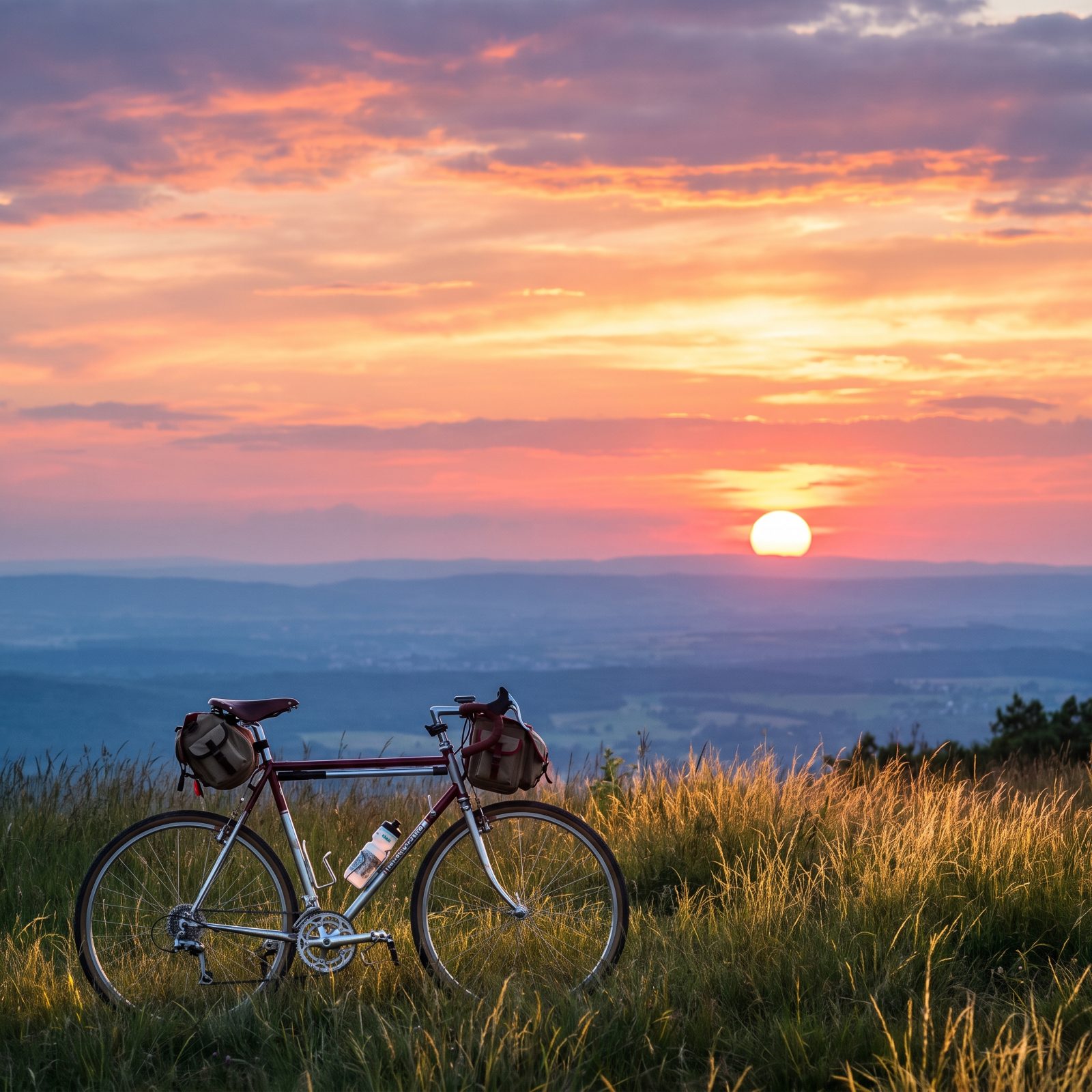
Around June 20th or 21st the longest day of the year hands you more daylight than any other date on the calendar, and spending it in the saddle feels like using that calendar exactly right.
Make it a ritual. Same day every year, longer route, maybe a sunrise start chased by a sunset finish. It gives the year a marker that has nothing to do with a race bib or a training block — and there’s a quiet satisfaction in riding until the light finally quits, instead of the other way around.
16. Start Into the Wind So the Return Feels Easier
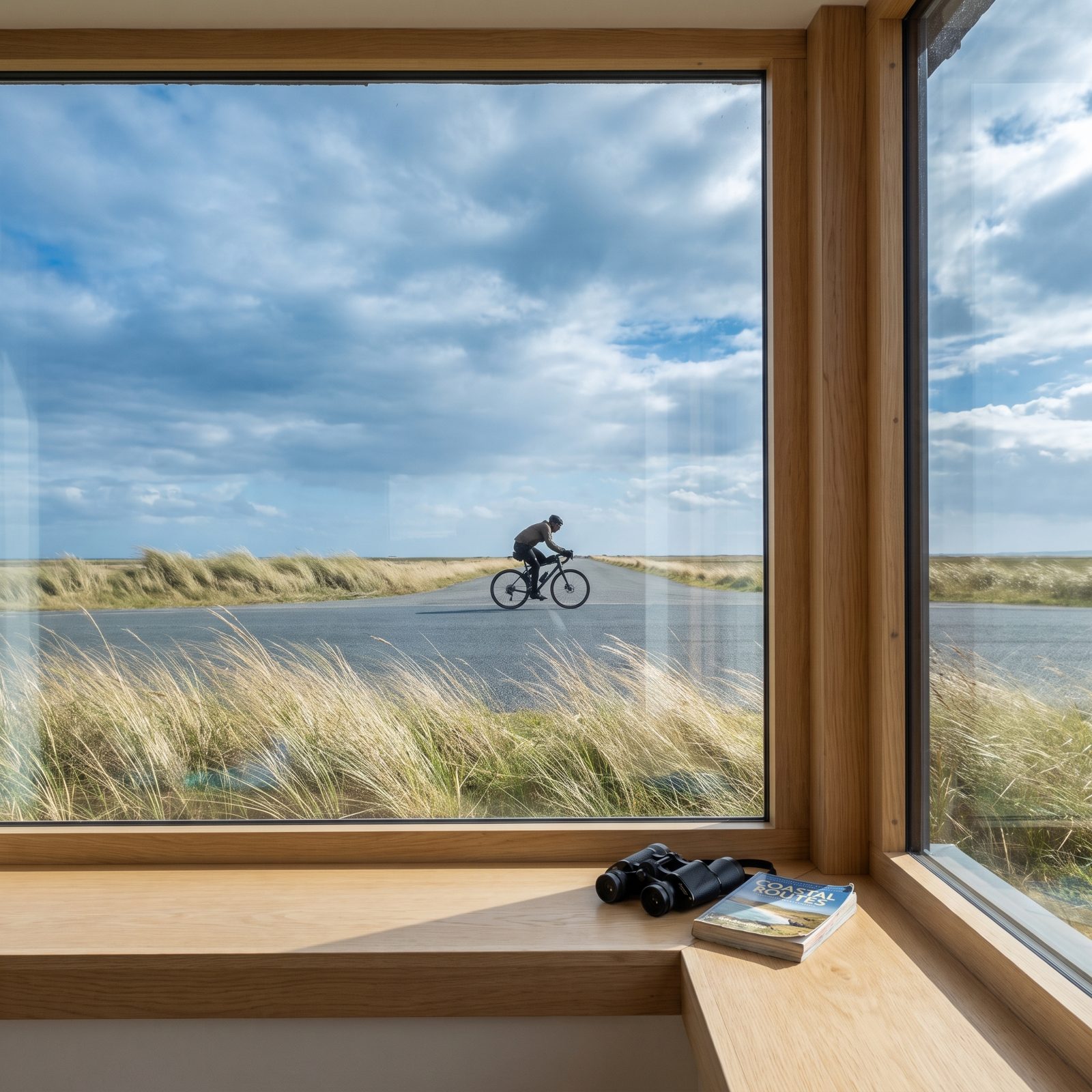
Check the forecast for wind direction before you roll out, then point yourself straight into it for the first half. Tired legs on the way home get the wind at their back, and that free shove feels like someone’s pedaling for you.
Most riders do it backwards without ever thinking about it. Out with a tailwind, feeling strong, going too far — then grinding home into a wall of air with nothing left in the tank. Flip it. Put the hard part at the start, while you’ve still got the fuel to pay for it.
15. Make the First 20 Minutes Deliberately Slow
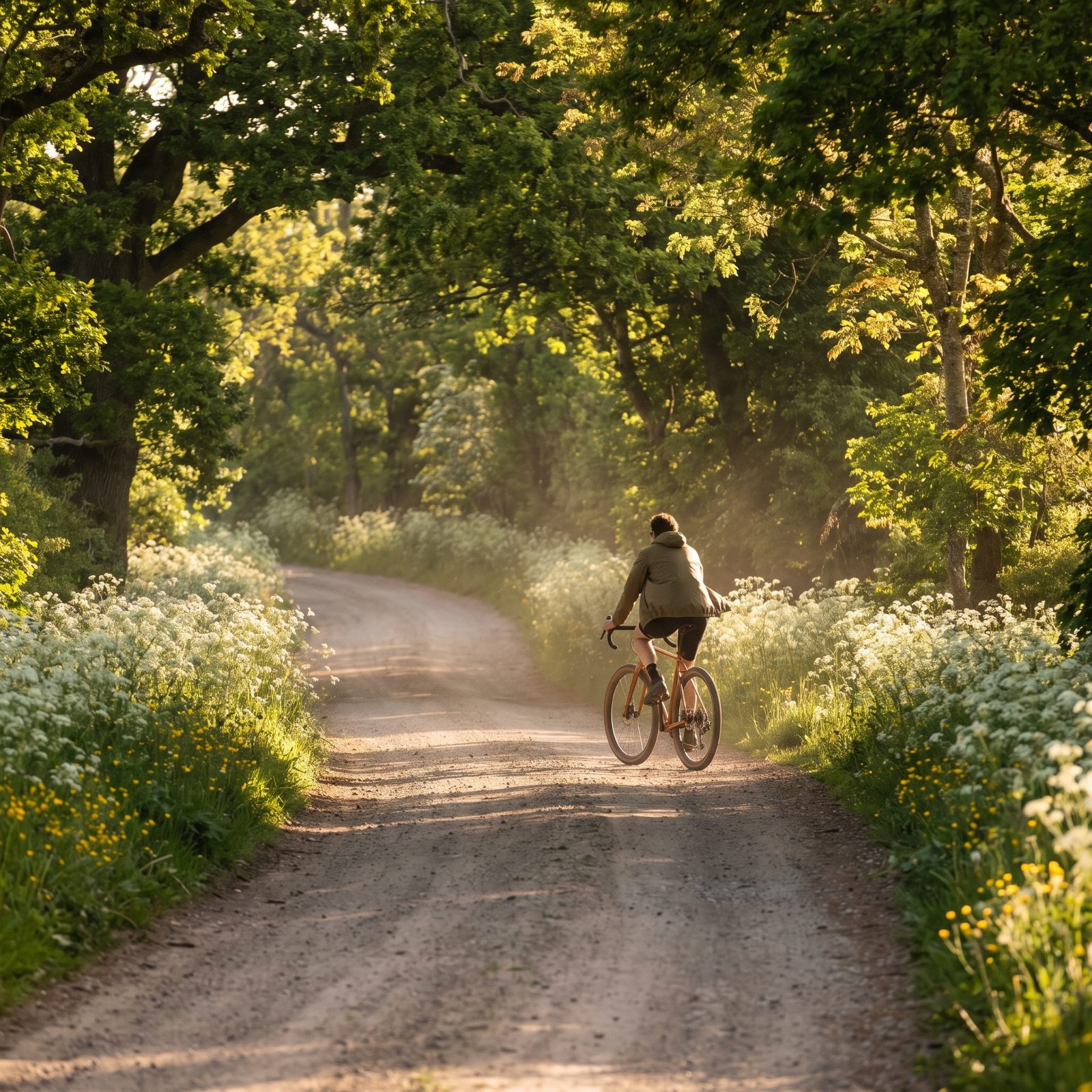
Don’t start fast. Honestly, it’s one of the few rules worth following every single ride.
Spin easy for the first twenty minutes and your muscles, joints and lungs get to warm into the work. Sprint off the driveway and you’ll feel ragged for the first hour, then blame the ride — but the ride was fine. You skipped the warm-up.
A slow opening does something to your head, too. You notice the morning instead of fighting it, and by the time you’re ready to press, the whole thing already feels good.
14. Look Back From the Top of Every Major Climb
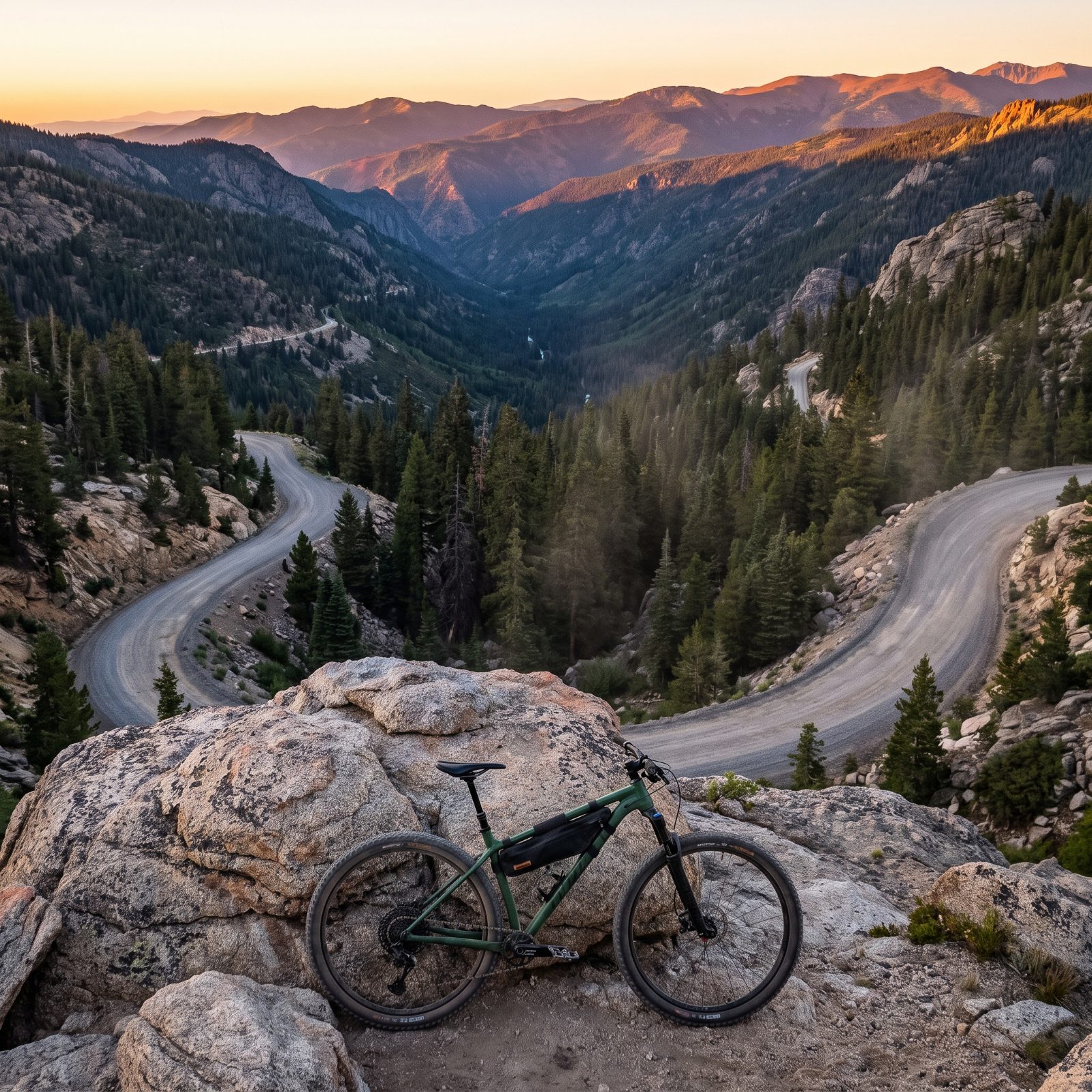
Everyone grinds up a climb staring at the next three feet of pavement. Hardly anyone turns around at the top.
So do it. Stop, breathe, look back down the road you just beat. The switchbacks, the valley, all that distance you covered on nothing but legs laid out below you — that gives the suffering a payoff you can actually see. Measure a climb only in watts and it’s a chore. A climb you can look back on becomes a story.
13. Replace the Mid-Ride Bar Stop With a Tiny Picnic
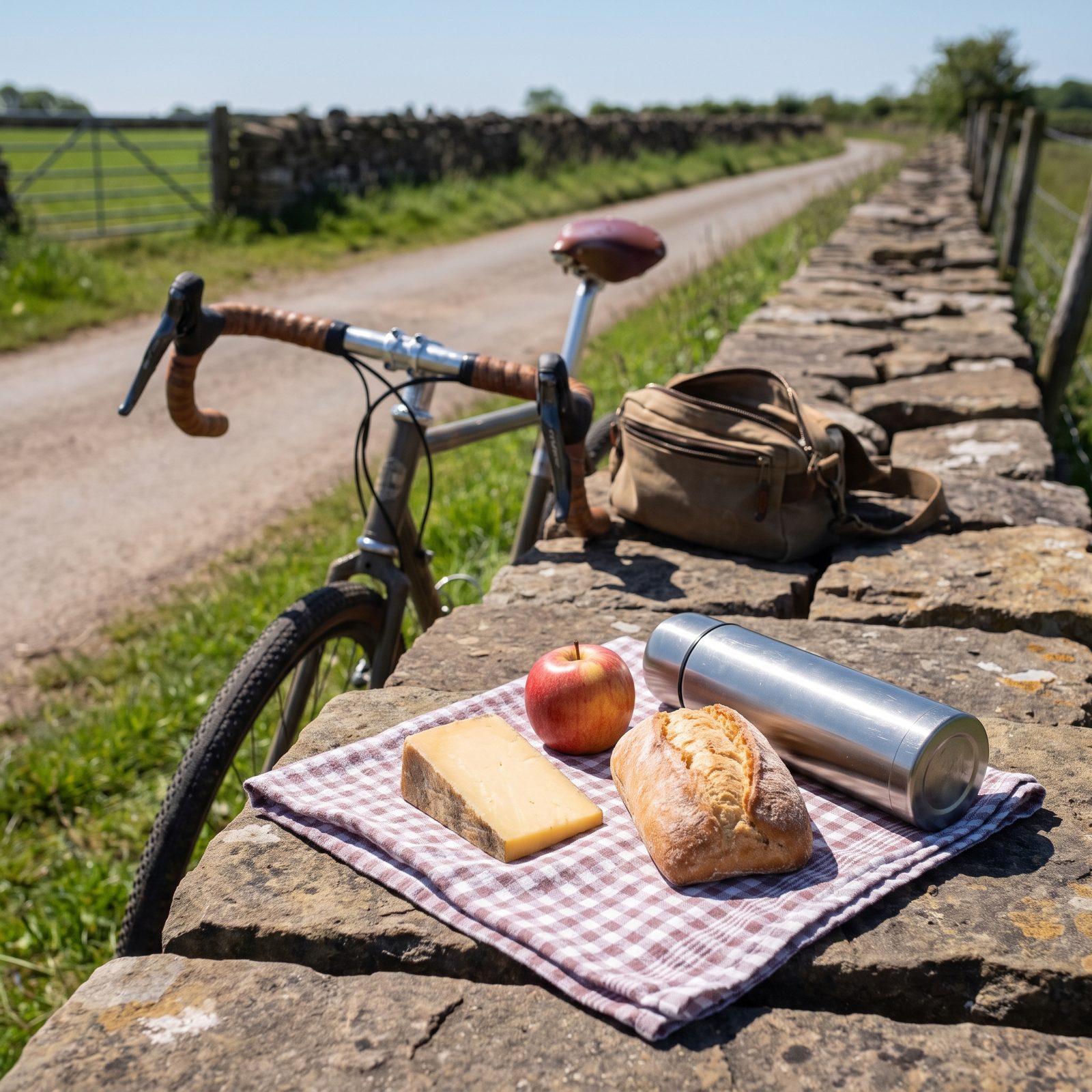
The gas-station energy bar, choked down standing over the handlebars, is a sad little tradition. Swap it.
Pack bread, a wedge of cheese, an apple, maybe a thermos of coffee. Find a stone wall or a bench with a view and actually sit for ten minutes. A little planning and a small bag, and your refuel becomes the best part of the whole day. You ride home thinking about where you sat, not how fast you went.
12. Carry Small Cash for Unstaffed Roadside Stands
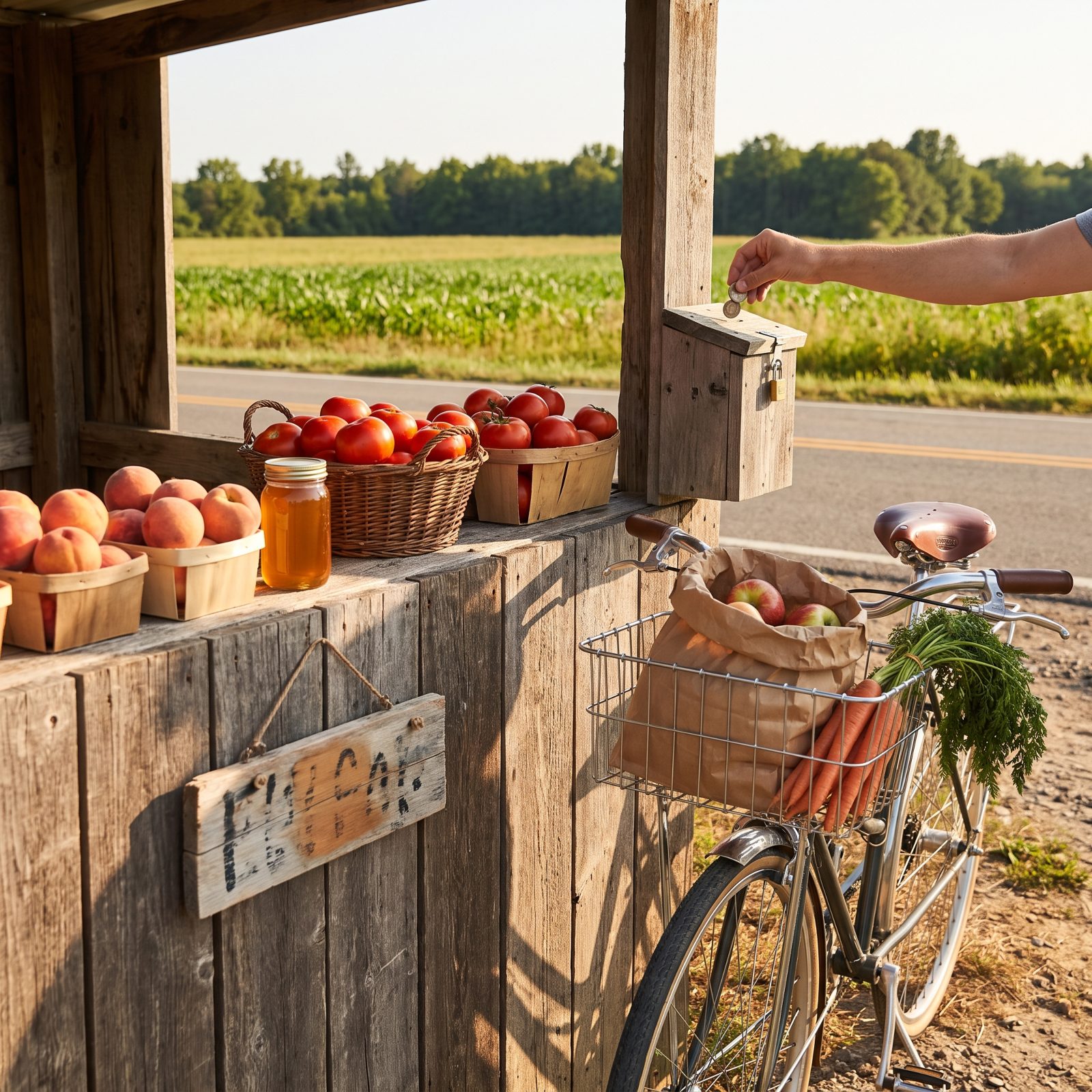
Out on the back roads you’ll find a wooden box, a basket of peaches, and a sign asking a couple of bucks on the honor system. Card readers don’t live out there. Cash does.
Keep a few singles folded in a saddlebag or jersey pocket. The whole thing depends on being able to pay — a warm tomato eaten by the fence, honey from the farm it came off, sweet corn you carry home in the basket. It’s one of the real joys of riding past the edge of town, and it evaporates the second you realize your wallet holds nothing but plastic.
11. Bring a Packable Tote for Unexpected Market Finds
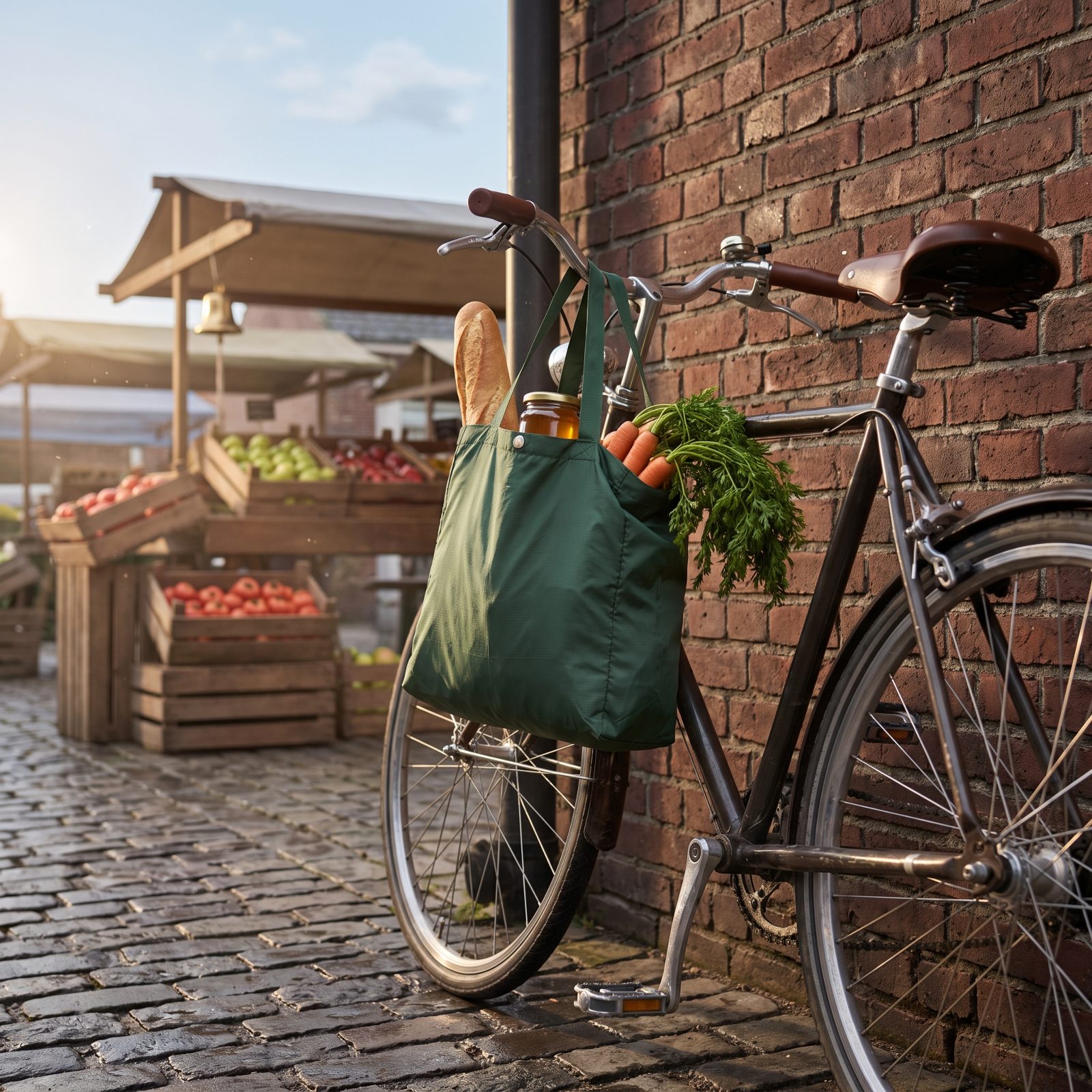
A tote folded down to wallet size rides in a jersey pocket for weeks doing absolutely nothing. Then one Saturday your route runs past a market and suddenly the bike has a trunk. A commuter with panniers plans the stop. A rider with a stashed tote just stumbles into it, and that difference is the whole point.
Honey from a stall. A loaf still warm. Some beat-up paperback from a sidewalk bin. None of it fits in a standard saddlebag, and all of it hands the ride a reason it didn’t have when you clipped in. The best rides change shape halfway through.
10. Take a Café Ride in Comfortable Everyday Clothes
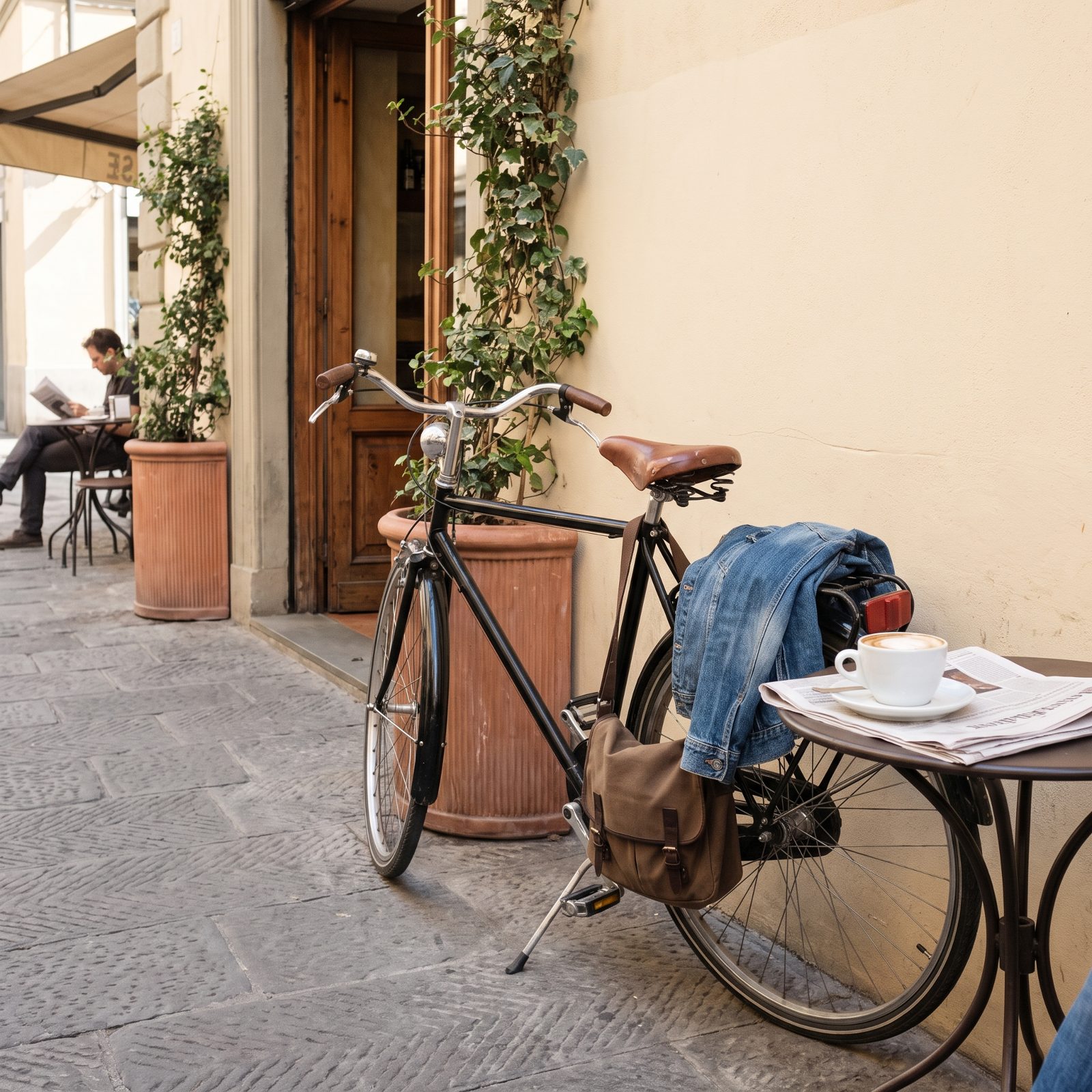
Lycra turns a coffee run into training. Jeans and a flannel turn it back into a ride. There’s a strange freedom in rolling up to a café in the clothes you’d wear to the hardware store, ordering a coffee, and sitting down without first peeling off a damp base layer.
The gear sends a signal to your own brain, and it’s louder than you’d think. Full kit says performance; a sweater says Sunday. Once the bike stops being a workout machine and goes back to being transportation, the whole relationship with it softens.
9. Use Flat Pedals for an Occasional Reset Ride
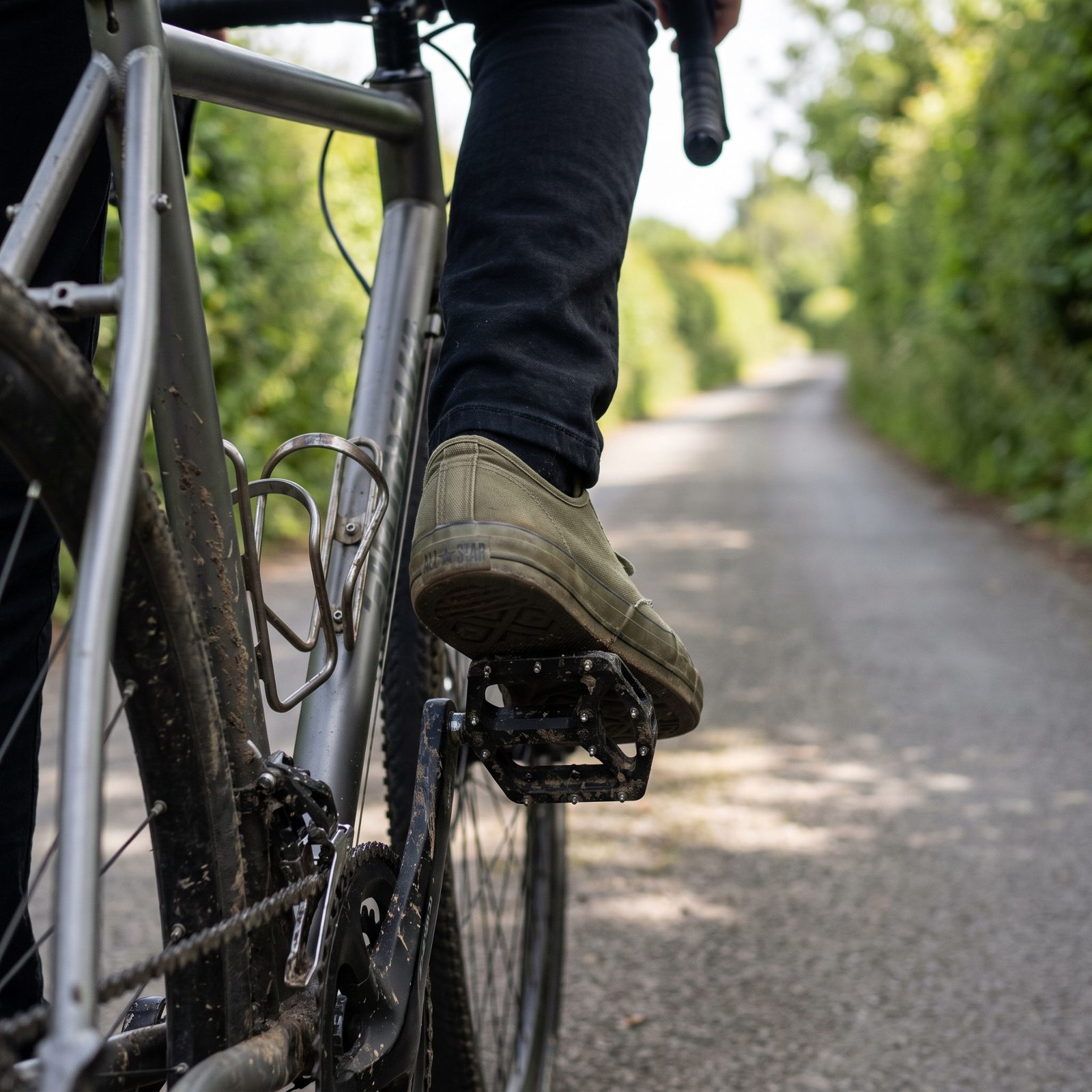
Clipless pedals make you faster and a little tense. Every stop becomes a tiny decision. Swap to flat platforms for a weekend and that low background hum of tension just drops away. Feet go down whenever they want. No twist, no click, no last-second panic at the light.
Flats also rebuild a skill that clipped-in riders quietly lose — driving the pedal with good foot position and your actual foot muscles instead of leaning on a cleat. Spend a reset ride on platforms and the bike reminds you it works fine without the hardware bolted on.
8. Complete a Short Route Without Changing Gear
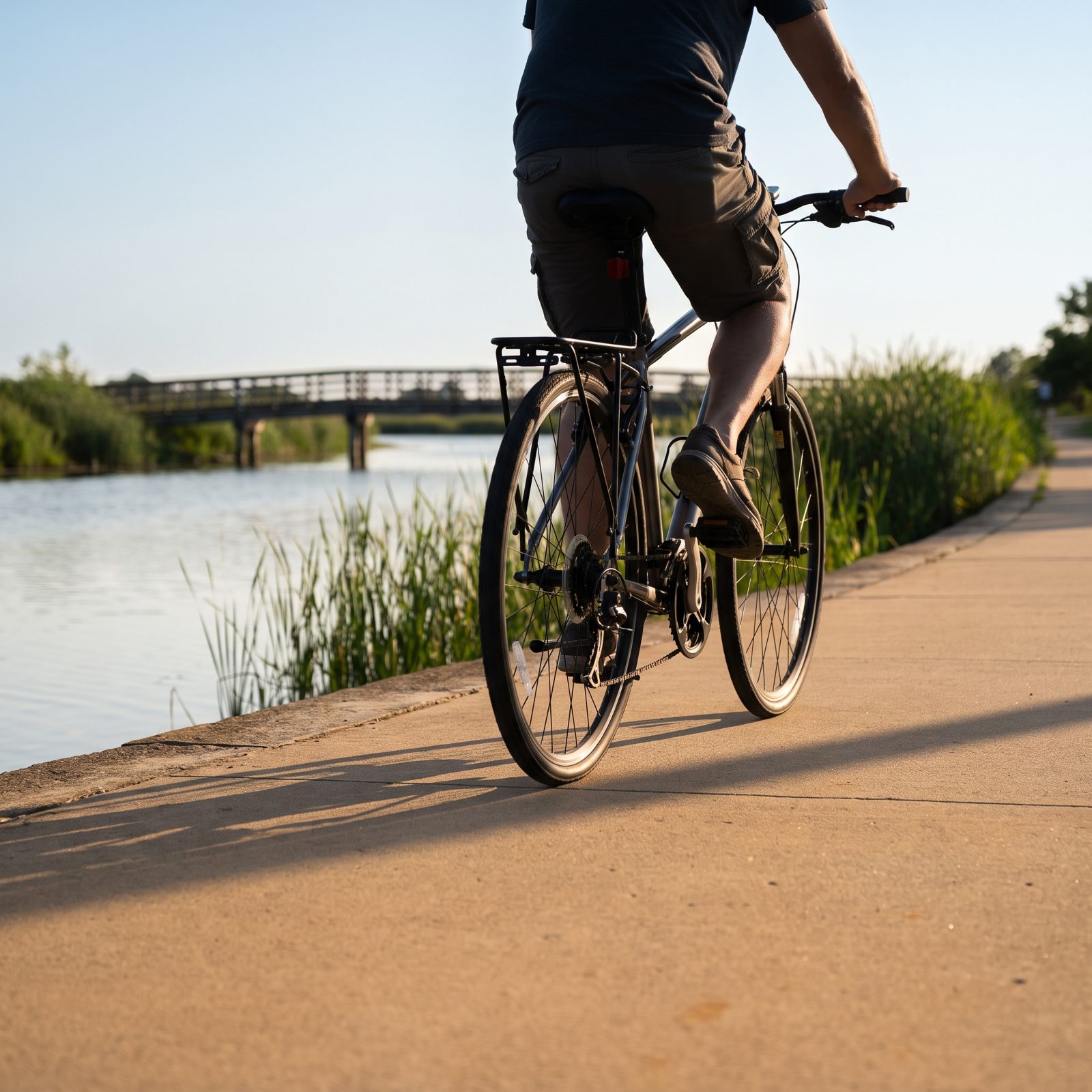
Pick a flat loop. Drop it into one gear before you leave the driveway, then ride the whole thing without touching the shifter once.
Something settles when your left hand has nothing to fiddle with. You stop micro-adjusting cadence every twenty feet and second-guessing whether you’re in the right ratio — you just spin and look around. Riders who’ve spent time on single-speeds know this feeling, and they chase it on purpose. One gear over one short route turns a familiar path into a slower, more observant version of itself.
7. See How Far the Bike Coasts on the Same Safe Hill
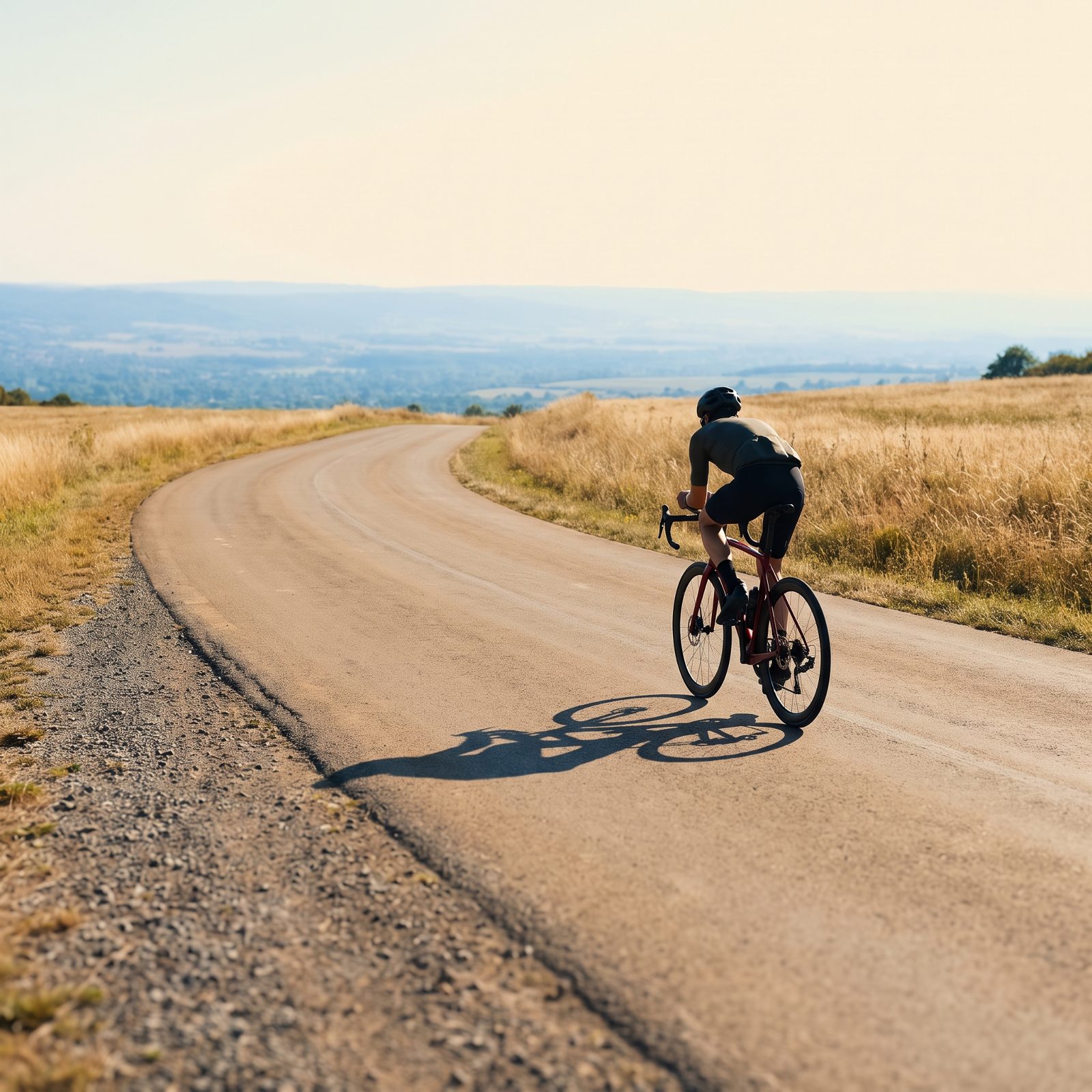
Find a gentle hill with clear sightlines and no cross traffic. Start coasting from the same spot every time, stop pedaling at the same marker, and see where the bike finally rolls to a rest.
Sounds like nothing. It’s oddly addictive. Tire pressure, chain cleanliness, how tight your tuck is, even the wind that day — all of it nudges where you stop. Give it a few weeks and you start reading the bike like a gauge. A dirty drivetrain costs you distance; a freshly cleaned one hands it back. It’s the simplest free diagnostic a rider has, and it doubles as a quiet little game you keep playing against yourself.
6. Practice Tight Figure Eights in an Empty Lot
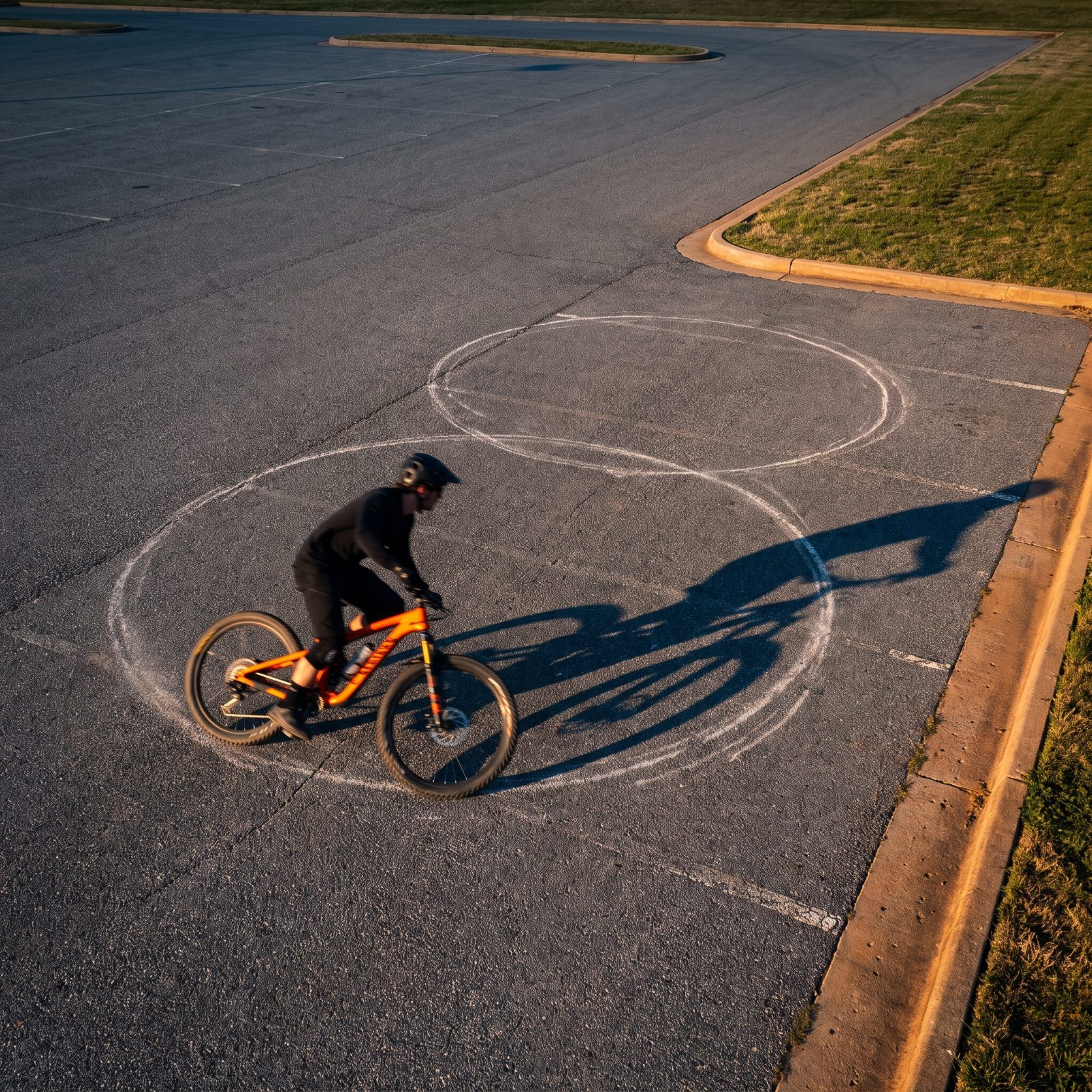
Riding straight is easy. Turning a bike inside its own length is not. Chalk two tight circles in an empty lot and ride figures of eight between them, shrinking the loops a little each session.
This is the skill that saves you in a crowded bike lane, at a pinched trailhead, or threading a parking garage. Slow, controlled turning at low speed is harder than any descent, and most riders never practice it — then they wonder why they foot-dab every time the path narrows. Ten minutes of figure eights sharpens handling that no amount of straight-line miles ever will.
5. Hold a Slow-Riding Contest With Cycling Friends
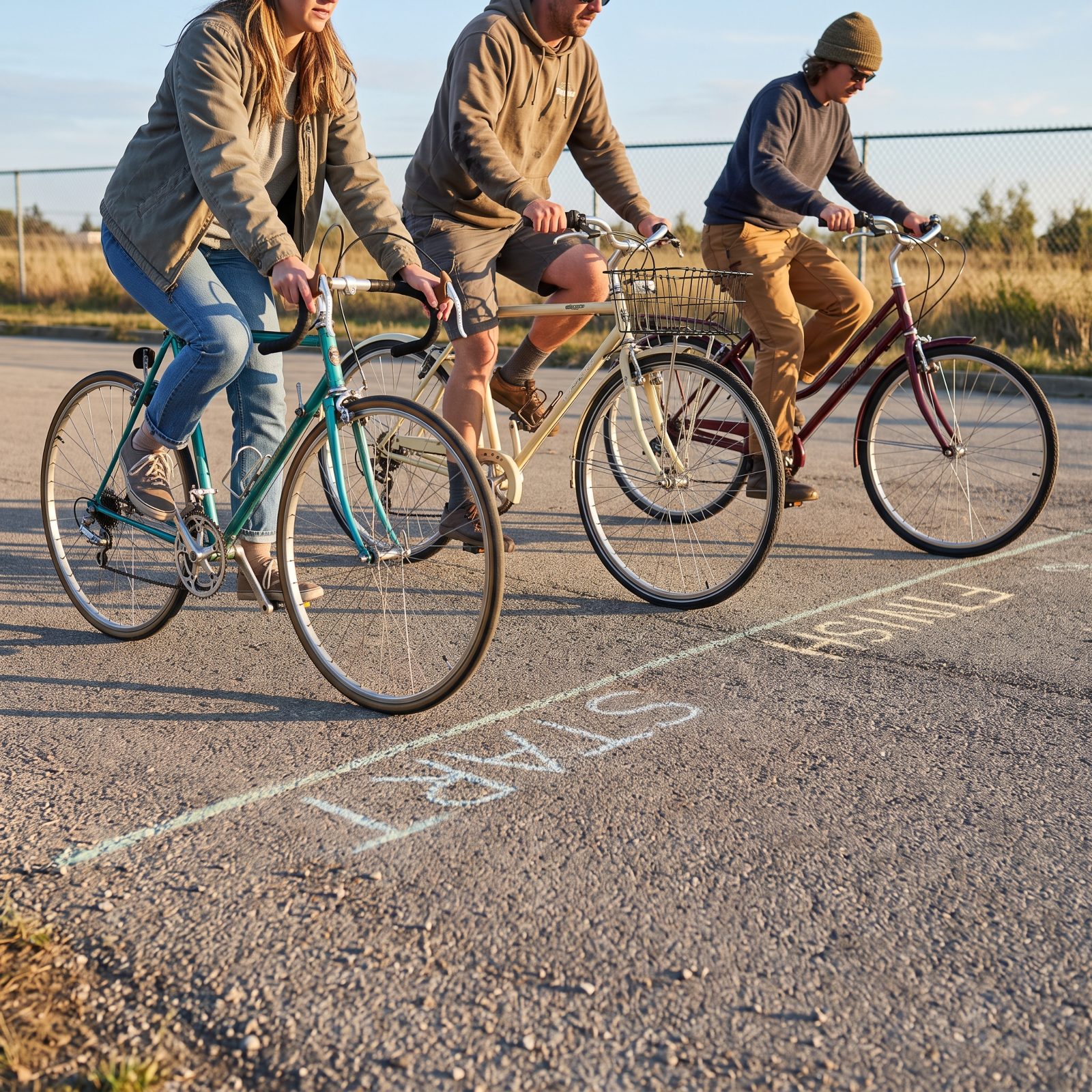
Whoever reaches the line last without putting a foot down wins. Chalk one long line on the pavement, label one end START and the other FINISH, line up a few friends alongside it, and race to be slowest. Much harder than it reads, and hilarious to watch.
Balance at near-zero speed might be the most useful bike skill nobody bothers to train, and it happens to be the most fun to learn in a group. Expect a lot of laughing, a lot of wobbling, and a surprising amount of genuine improvement by the third round.
4. Practice Lifting the Front Wheel Over a Chalk Line
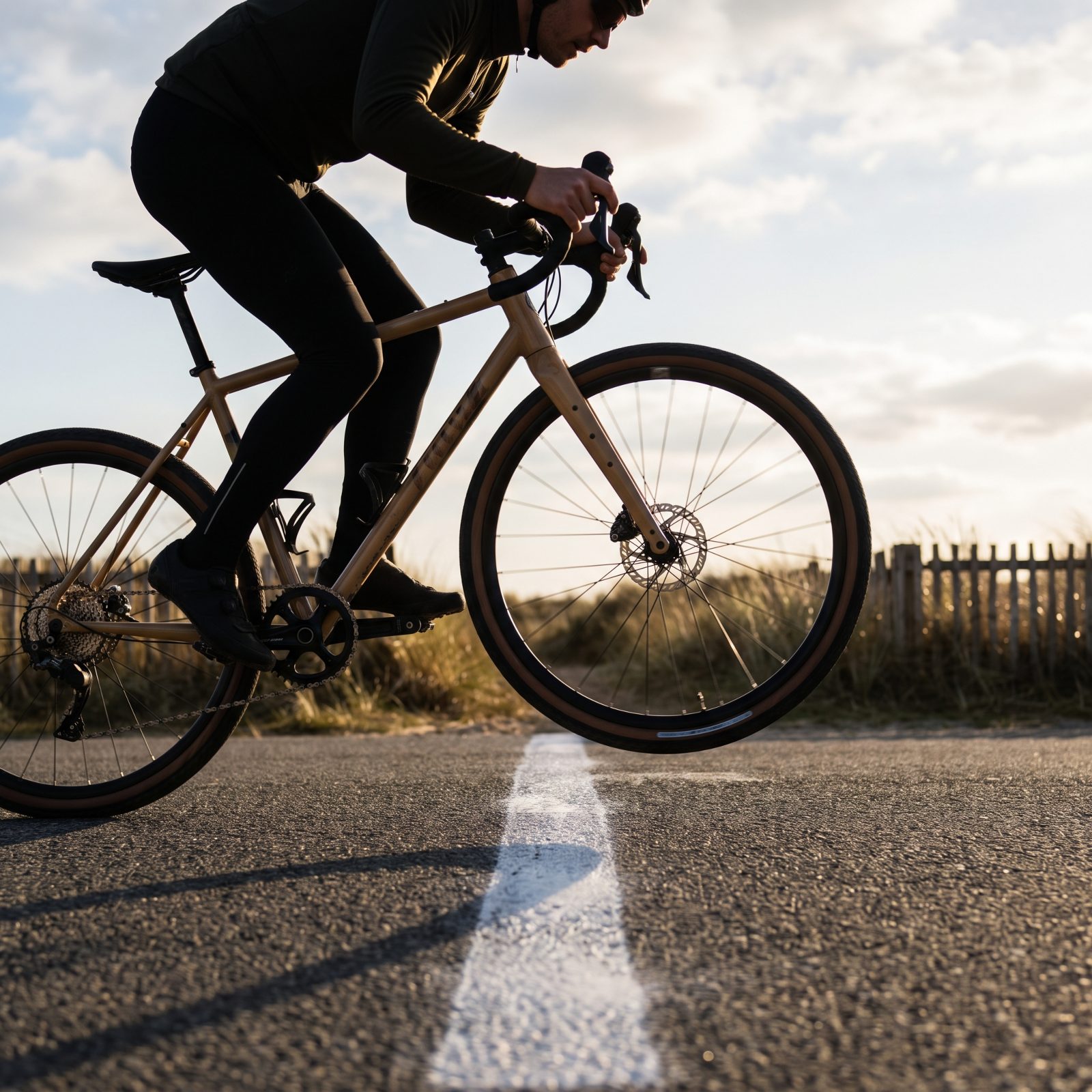
A controlled front-wheel lift gets you over curbs, root crossings, and potholes without the jolt that rattles your fillings loose. Draw a chalk line and practice popping the front tire over it, starting with a gentle pull and keeping both brakes ready.
Keep the lifts low. This isn’t wheelie territory, and it isn’t about showing off — it’s the small, useful hop that turns a nasty edge into a non-event. Once your body knows the timing, you stop bracing for every obstacle on the road and the ride gets a lot less jarring.
3. Practice Controlled Emergency Stops in an Empty Lot
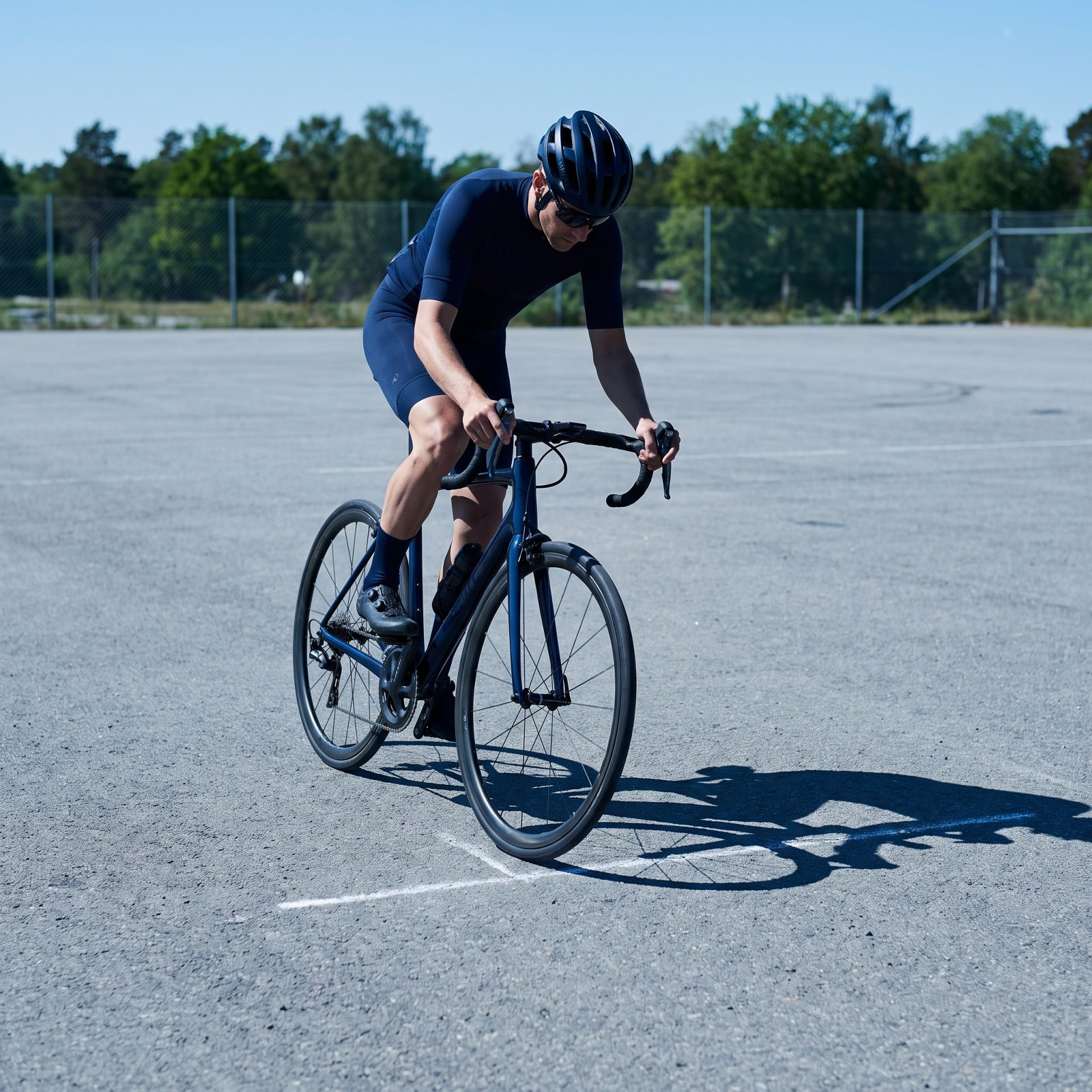
Nobody plans to stop fast until a car door swings open. So go to an empty lot, keep the speed low, and practice shifting your weight back while you squeeze both brakes together — the bike slows hard and straight, no rear wheel skidding out sideways.
Start slow and gentle. Build up only as the feel comes. The whole point is muscle memory, so that when the real moment arrives your hands and hips already know the move. You stop clean instead of grabbing a fistful of front brake and launching yourself over the bars.
2. Let the Last Rider Choose the Next Rest Stop
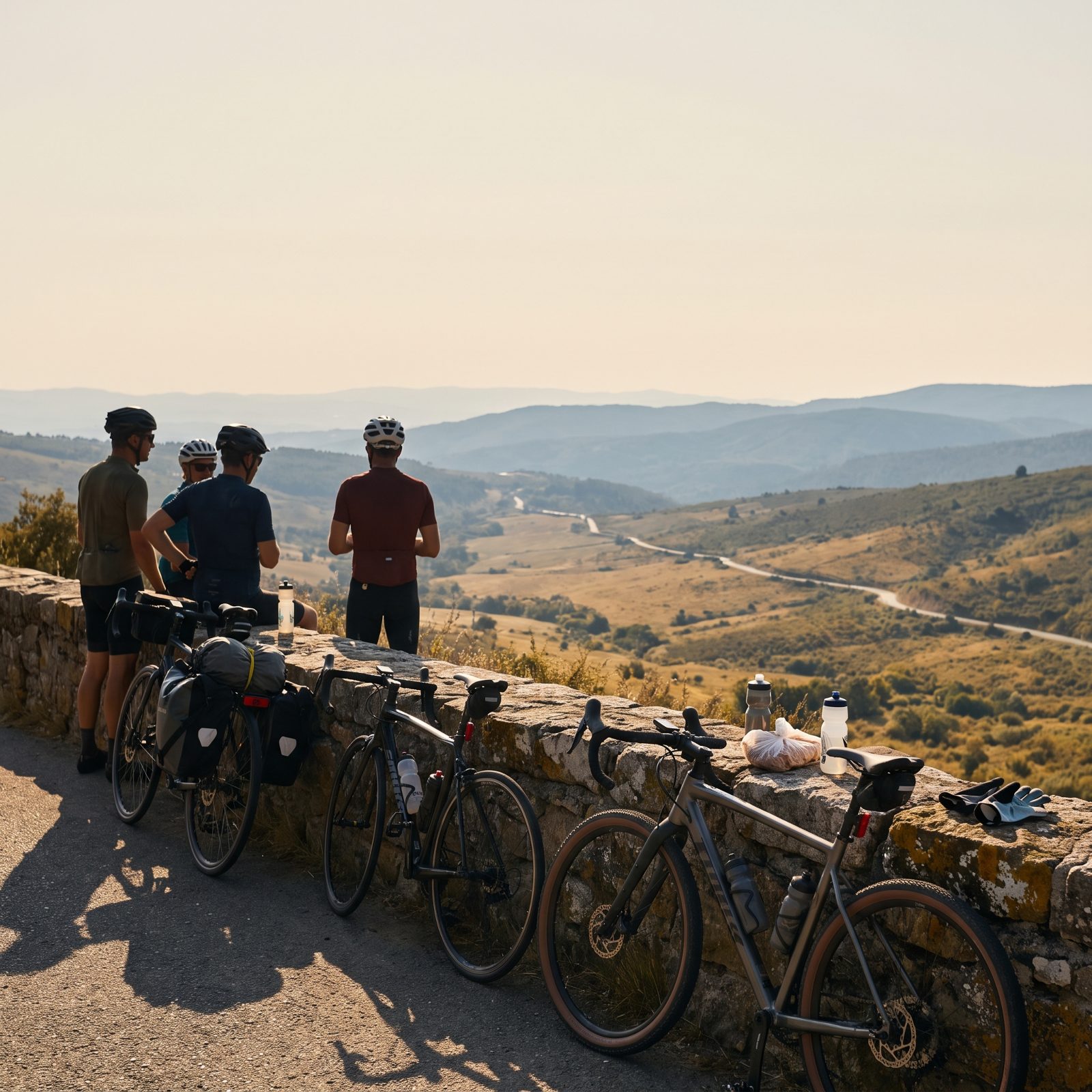
Group rides have a silent hierarchy. The strongest set the pace, pick the route, and call the stops, while whoever’s hanging off the back just suffers quietly. Flip it. Whoever finishes the last segment last gets to choose the next rest stop.
That one rule does two things at once. The slower rider gets a reason to keep pushing instead of privately deciding never to show up again, and the fast ones finally learn to wait — which, honestly, is the whole difference between a ride a group remembers fondly and one half of them dread. Be generous on a bike and it pays you back in riders who still want to come out next weekend.
1. Pair the Post-Ride Bike Wash With a Favorite Drink
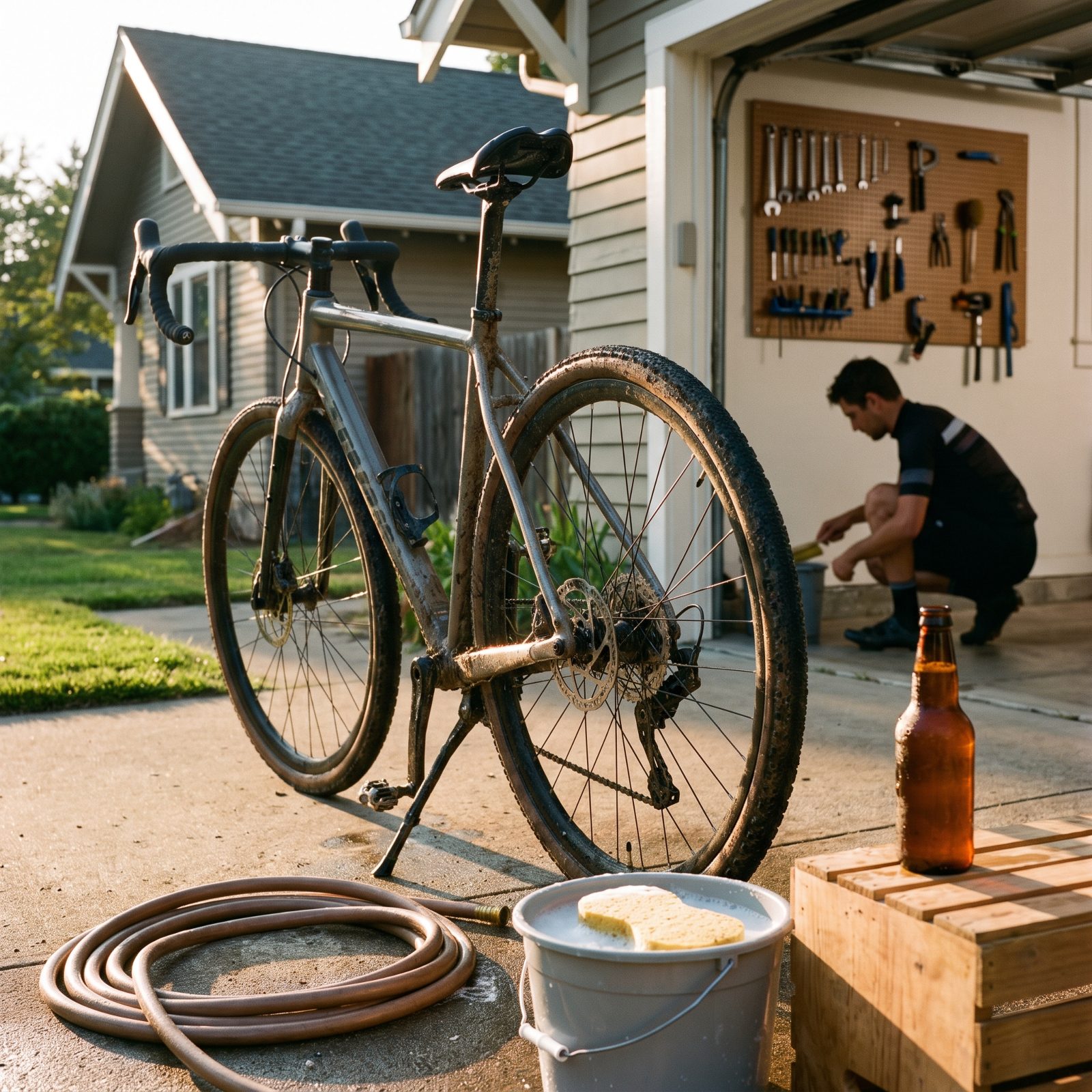
Nobody wants to wash a bike after a hard ride. Your legs are cooked, the enthusiasm drained out somewhere around the last climb, and the hose just feels like one more thing between you and the couch. So the chain stays gritty, the drivetrain wears out early, and a cheap cassette turns into an expensive one.
Here’s what the riders who actually maintain their machines figured out: make the wash the reward instead of the penance. Crack a cold beer, pour an iced tea, brew the good coffee — whatever you’d genuinely look forward to. Set it on the workbench where you can see it. Rule is simple. You only get a sip between scrubbing the cassette and rinsing the frame, and all of a sudden those fifteen minutes of soap and water turn into the nicest stretch of the whole afternoon.
The habit sticks because your brain quietly starts tying the wash to the treat rather than the exhaustion. Do it four or five times and the hose stops reading like a punishment. Your bike lasts longer and shifts cleaner, and — this is the strange part — you start looking forward to the cleanup. Good luck finding another trade that cheap.