
A new Harley never felt cheap, even when the sticker said otherwise. Under a thousand dollars in 1950 bought a lot more than a motorcycle, and working out how much takes a little math plus some honesty about what a dollar used to do. The prices below are the real ones, pulled from period sales material, with inflation context so you can feel the weight. Some will surprise you. A few cost less adjusted than a decent used bike does now. The rest tell you exactly where Milwaukee aimed, decade by decade, model by model.
Please note that some of the images in this article were created with the assistance of AI.
1950 FL Hydra-Glide, The Panhead Price Baseline
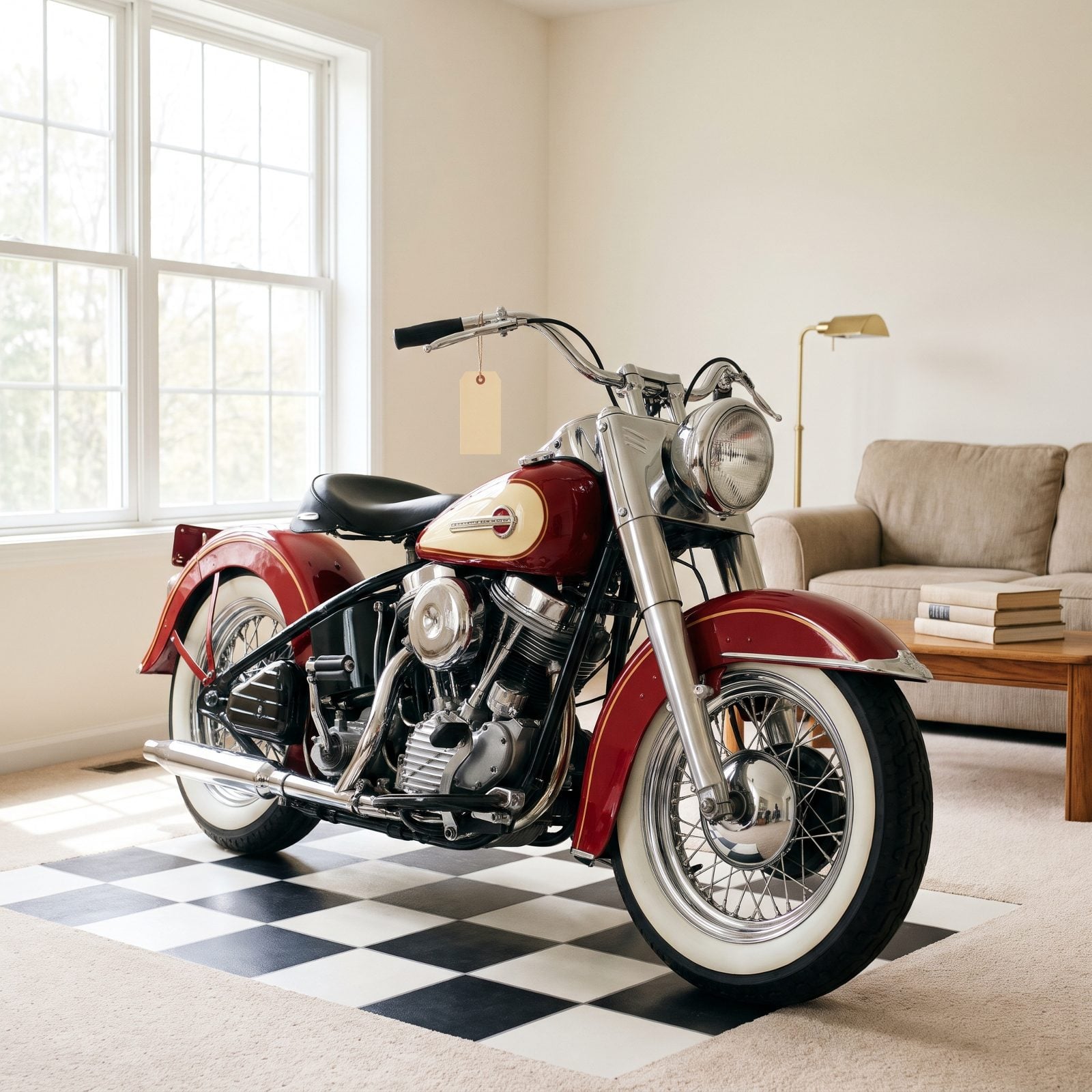
The Panhead is where the price trail starts. The 1950 FL Hydra-Glide, with its new telescopic front fork, listed right around big-twin money for the era, somewhere in the high hundreds when it left the crate. Sounds like nothing now. It wasn’t nothing then.
Adjusted for inflation you’re looking at the low five figures, roughly a solid mid-range Harley today. The math surprises anyone who assumes old bikes were always bargains. A new Hydra-Glide cost a working man a serious chunk of a year.
1957 XL Sportster, The Original Sportster Price
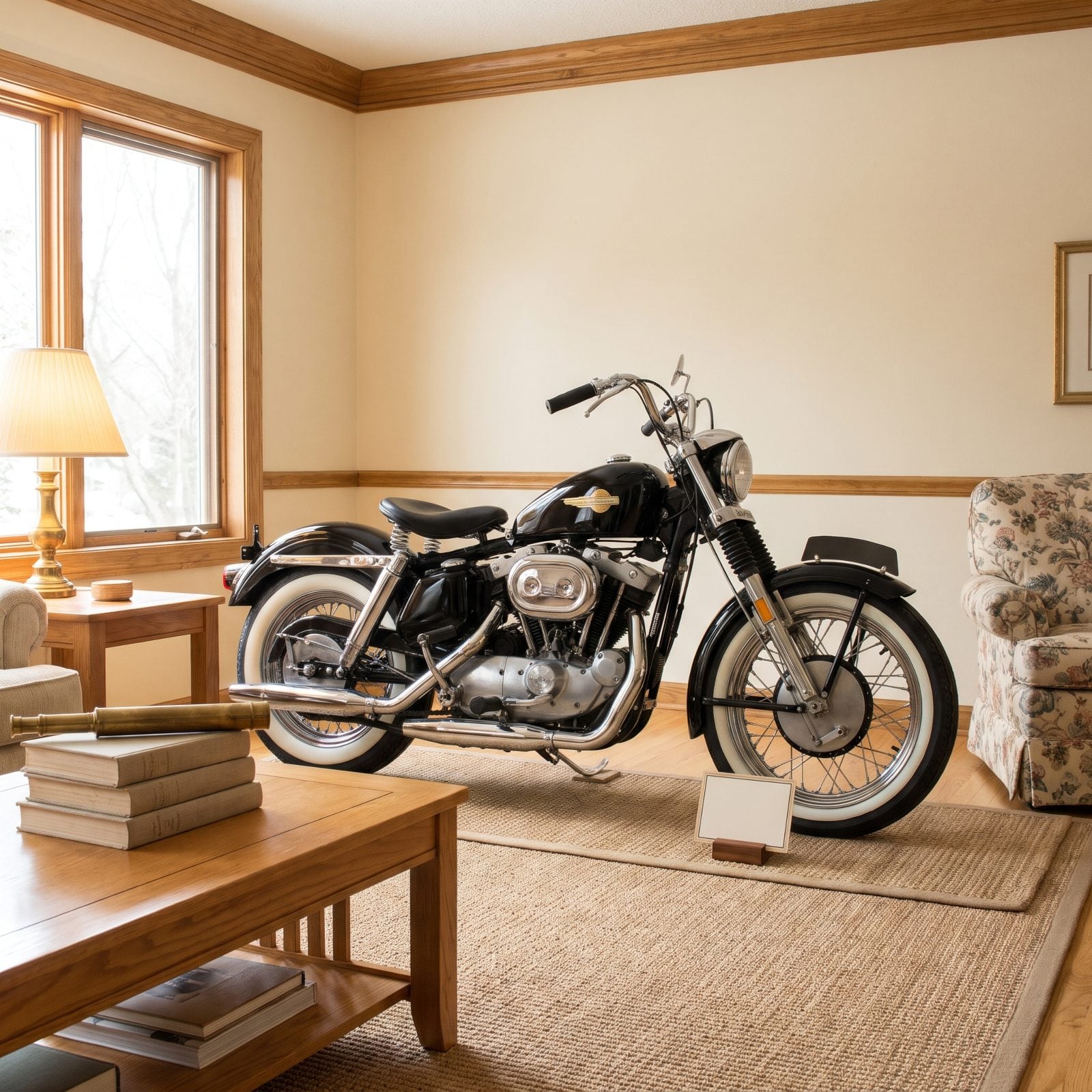
The first Sportster rolled out in 1957 and changed the whole argument about what a Harley was for. The XL carried a new overhead-valve engine and a lighter, quicker feel than the big twins.
Price landed under the big FL models, which was exactly the point. Here was the attainable, athletic Harley, aimed at younger riders and anyone who wanted to go fast without hauling a battleship around. Adjusted for inflation it still reads as the cheaper door into the lineup, and that positioning never really changed in seventy years.
1958 FLH Duo-Glide, Rear Suspension Reaches the Big Twin
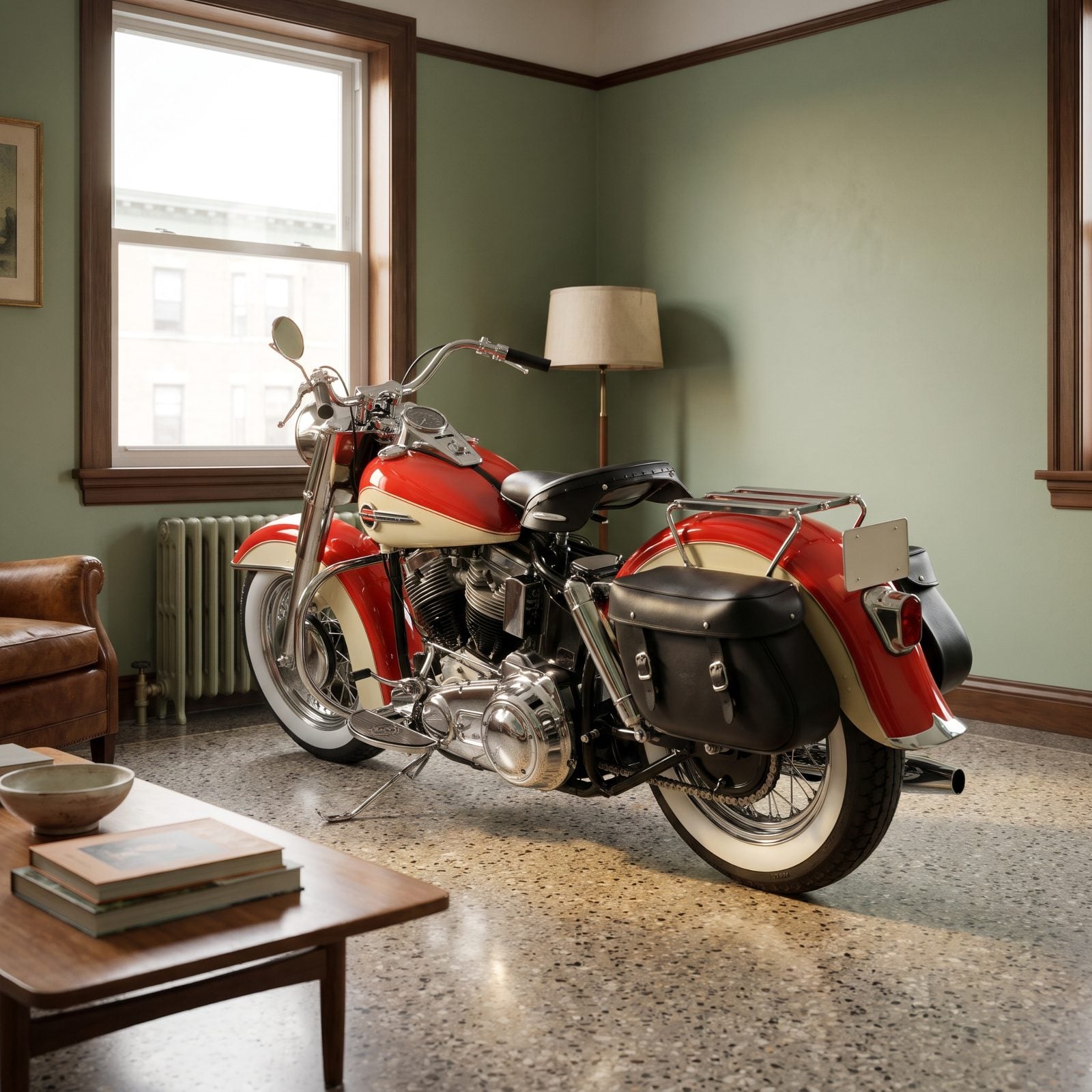
Comfort cost extra, and in 1958 it finally arrived at the back wheel. The Duo-Glide added rear suspension to the big twin, which is where the name came from: suspension front and rear, two glides.
The FLH sat at the top of big-twin pricing, above the Hydra-Glide it replaced. You paid for the swingarm and shocks, and anyone who’d ridden a hardtail across a rough county road understood the value instantly. Inflation-adjusted, this was premium touring money. It’s the clear ancestor of every plush bagger Milwaukee sells now.
1960 Topper, Harley-Davidson’s Scooter Experiment
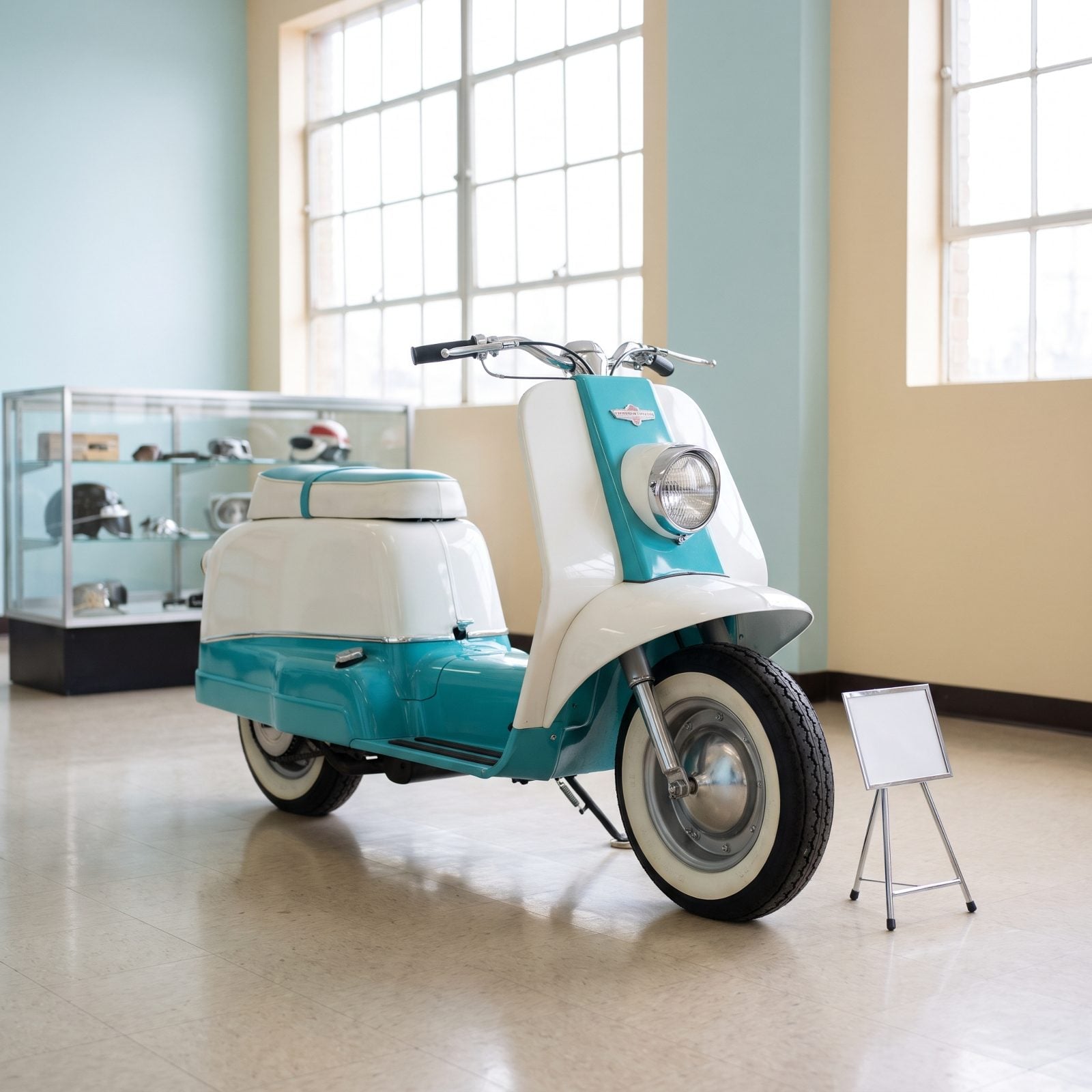
Not every landmark is a legend. The Topper was Harley’s scooter, built from 1960 to 1965, a fiberglass-bodied step-through with a two-stroke engine and a pull-start like a lawnmower. I have a soft spot for it precisely because it flopped.
Dirt cheap, far under any real motorcycle in the lineup, a couple hundred dollars territory. That was the whole pitch: entry-level transport for folks who’d never buy a big twin. The market shrugged. Vespa owned that space, and the Topper quietly disappeared.
1965 FLH Electra Glide, Electric Start Arrives
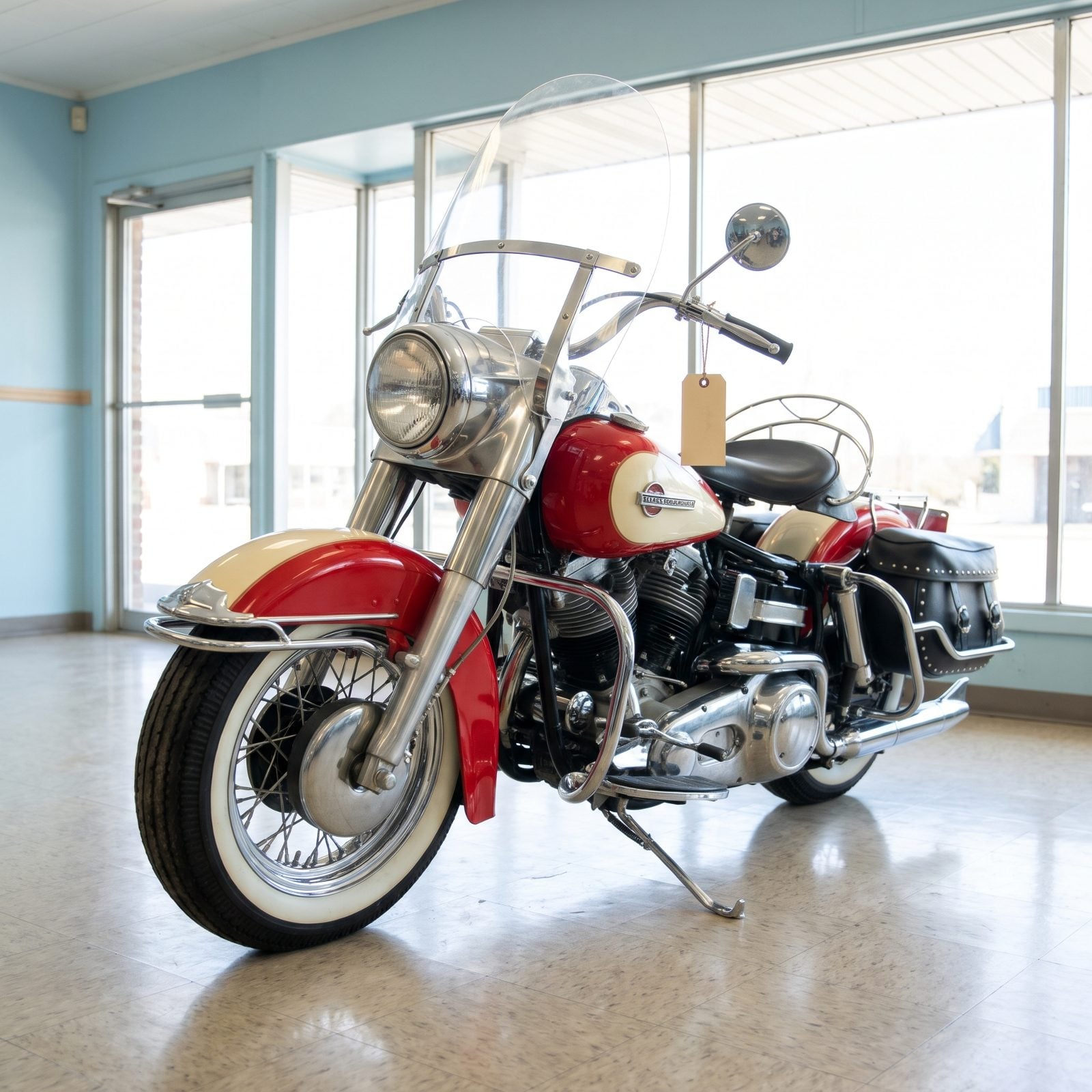
Push a button, the engine lights. That’s what 1965 bought you, and it earned the bike a name that stuck forever: Electra Glide. The last of the Panheads got an electric starter, and the touring Harley finally stopped demanding a healthy kick.
Convenience came at a premium. The FLH Electra Glide topped the lineup, the most expensive Harley you could buy, and adjusted for inflation it reads as serious touring money, right where loaded baggers still live. Some things don’t change. You still pay for the top of the dresser line, and people still line up to.
1969 XLCH Sportster, The Kick-Start Performance Choice
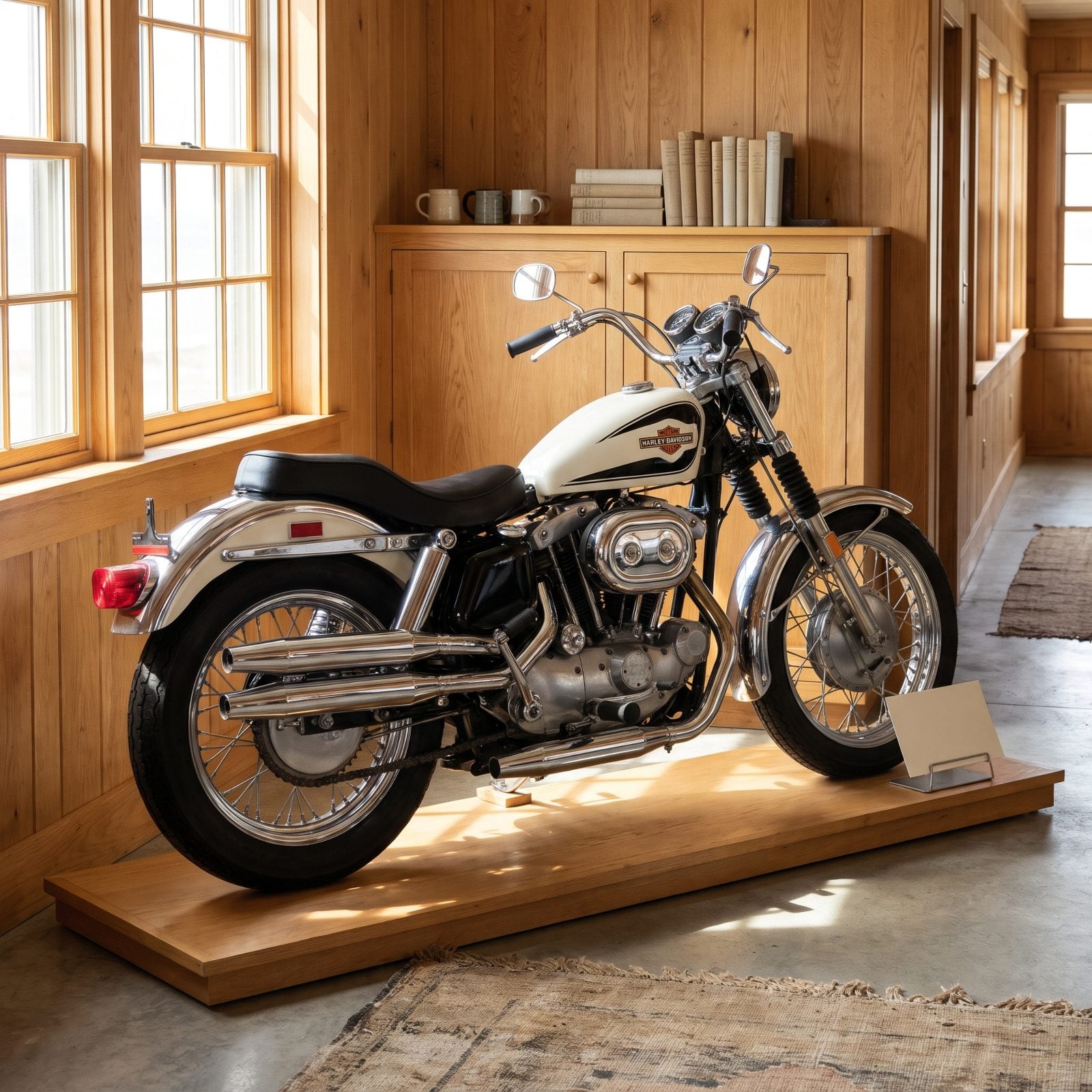
While the big twins went electric, the XLCH Sportster still wanted your right leg. The CH was the lighter, meaner, kick-only Sportster, stripped for speed with its small peanut tank and low-slung dual chrome pipes.
It priced below the full-dress tourers and even undercut some of its own Sportster siblings on sticker, selling on attitude rather than comfort. Inflation-adjusted it’s still the affordable fast bike of the era. If you knew how to swing a kick-starter and didn’t care about saddlebags, this was the one you bragged about at the diner.
1971 FX Super Glide, Birth of the Factory Custom
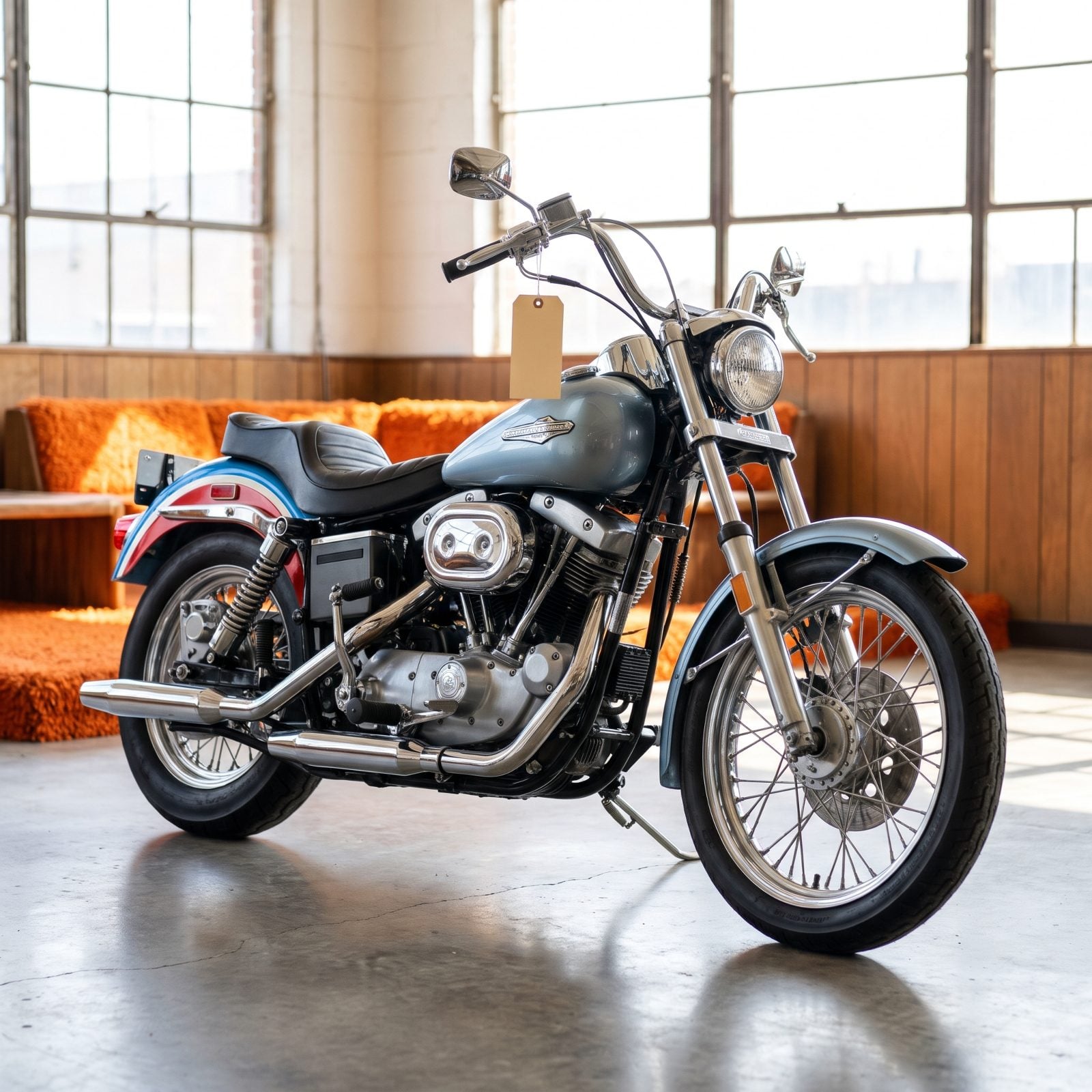
Willie G. Davidson looked at what customizers were doing in their garages and decided the factory should just do it first. The 1971 FX Super Glide mated a big-twin engine to a lighter Sportster-style front end, and the factory custom was born.
Priced between the Sportster and the full dressers, it was a clever middle. You got big-twin muscle without the touring bulk or the touring price.
The Super Glide is the moment Harley stopped fighting the custom scene and started selling to it.
That full, valanced red, white and blue rear fender looks bold and loud today. But the idea behind the bike built half of Milwaukee’s future catalog.
1973 X-90, The Pint-Size Harley
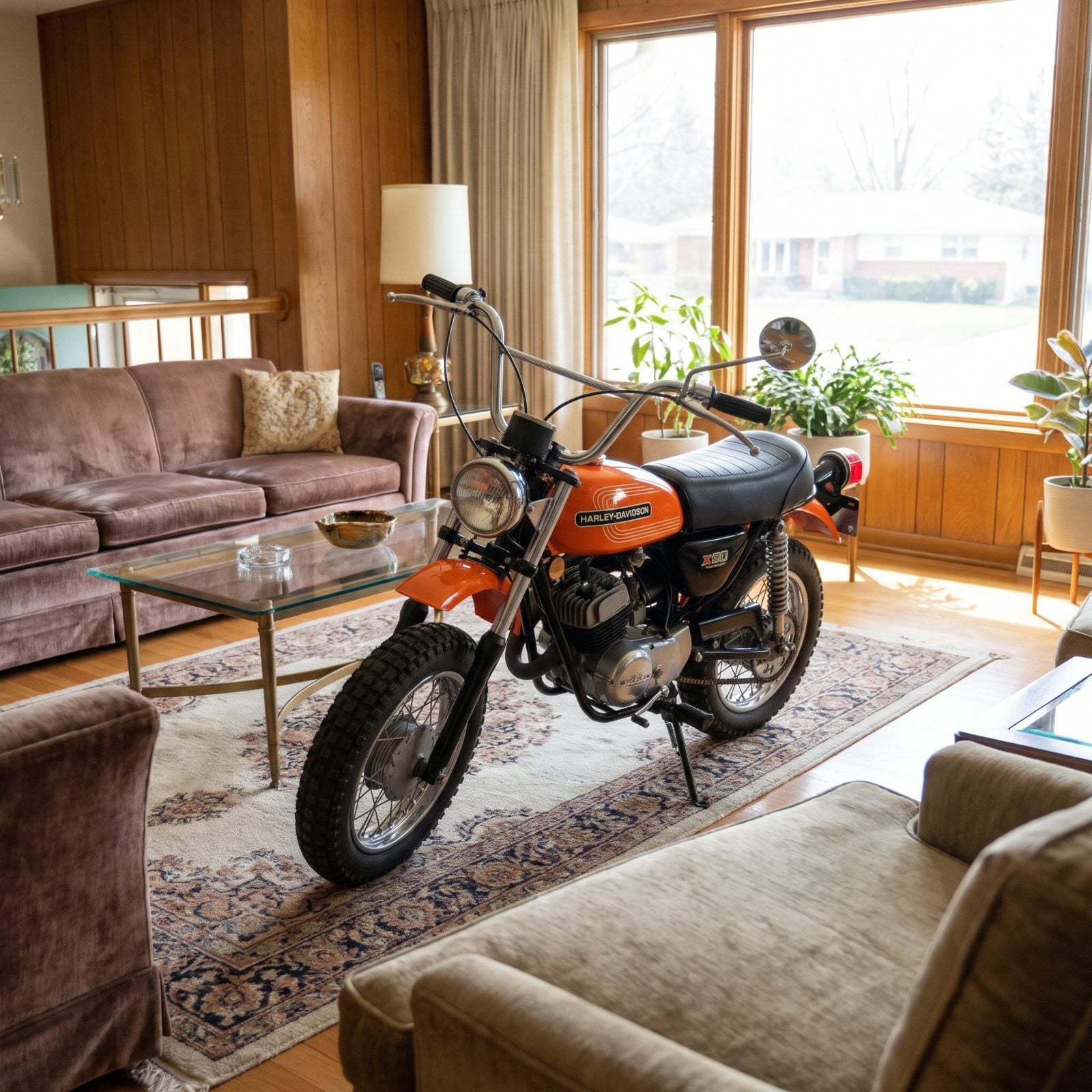
Here’s one most people forget. During Harley’s AMF-era partnership with the Italian firm Aermacchi, the company sold a tiny 90cc two-stroke called the X-90, basically a minibike wearing the bar-and-shield.
Cheapest thing with a Harley badge, priced for teenagers and backyard trails. Adjusted for inflation it’s still pocket change next to a real motorcycle.
Purists hated it then and roll their eyes now. I think it’s great. Not every landmark has to be heroic. Some just prove a company was willing to try strange things to keep the lights on.
1977 FXS Low Rider, A New Kind of Factory Custom
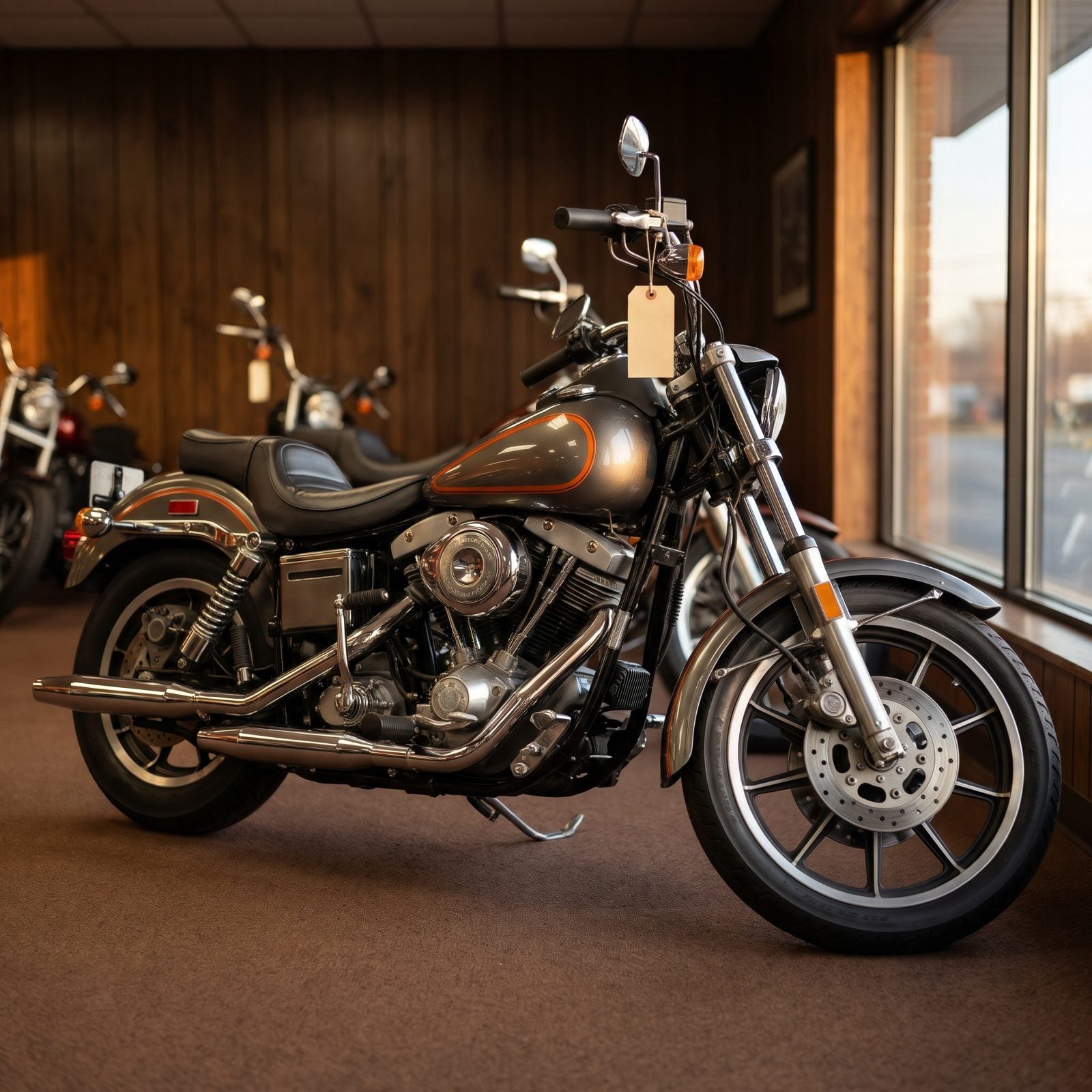
Low, long, and gray, the Low Rider looked like nothing else in the 1977 showroom. Cast wheels, drag bars, a tank-top instrument console, and a seat height that practically dared you to touch the pavement.
It slotted into the custom-cruiser bracket, above a Sportster and below the dressers, and it sold fast. Riders had been building this bike in their own garages for years. Here it was, done right, under warranty.
1977 XLCR Café Racer, Willie G.’s Blacked-Out Gamble
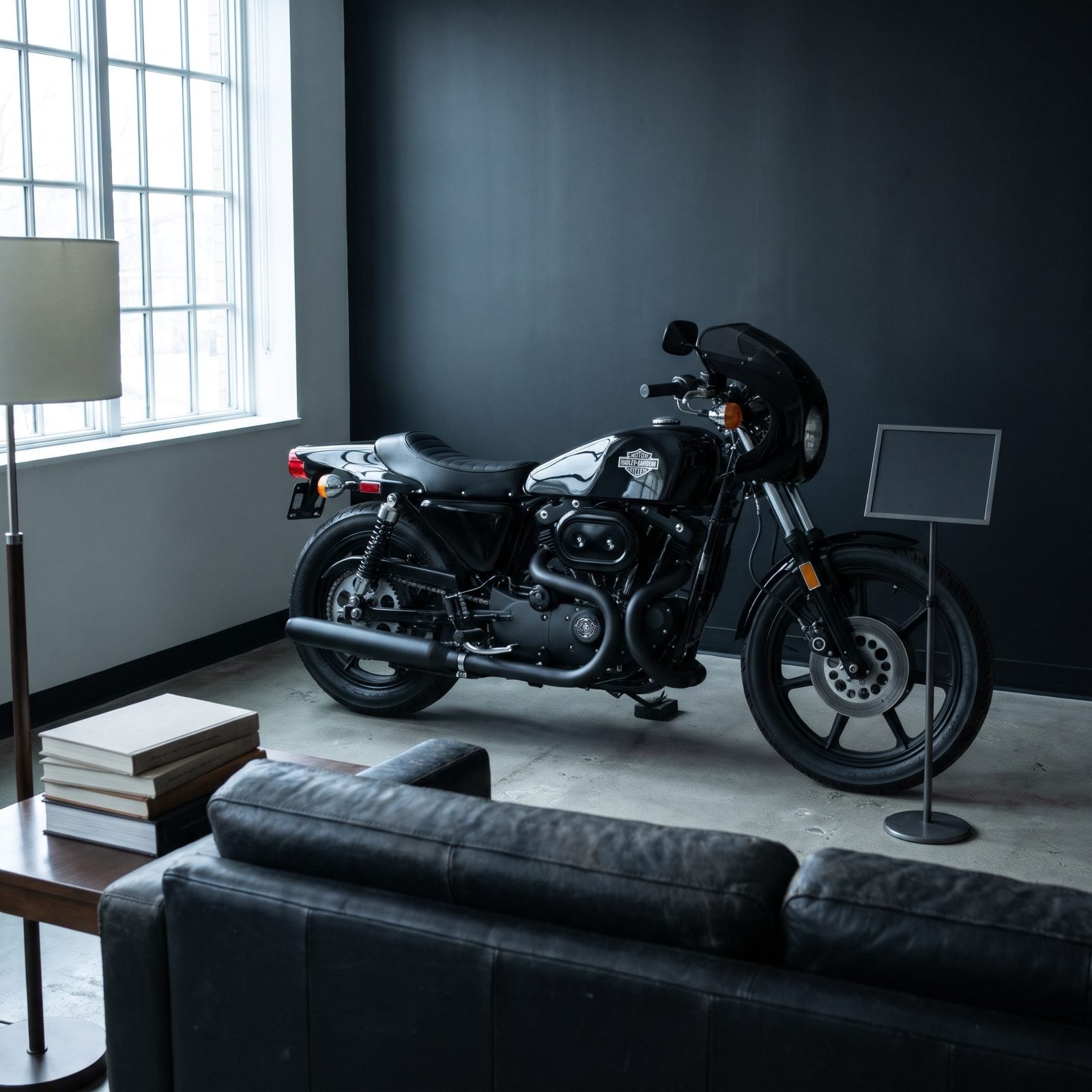
Black on black on black, the XLCR was Willie G. Davidson following his own taste off a cliff. The 1977 XLCR paired a bikini fairing, low clubman bars, a long angular tank and a menacing all-dark finish, a look like nothing Harley had ever sold.
The original XLCR was a European-style café racer built on Sportster bones.
It priced above a standard Sportster, a premium for its looks and its siamesed exhaust. The problem? It sold terribly. Produced for just a couple of years, it baffled a cruiser-minded crowd that wanted chrome and rumble, not Euro-racer attitude.
So of course it’s now one of the most collectible Harleys of the era. The bike nobody wanted new is the one everybody wants today. The market has a long memory and a cruel sense of humor.
1980 FLT Tour Glide, Harley’s New Touring Platform
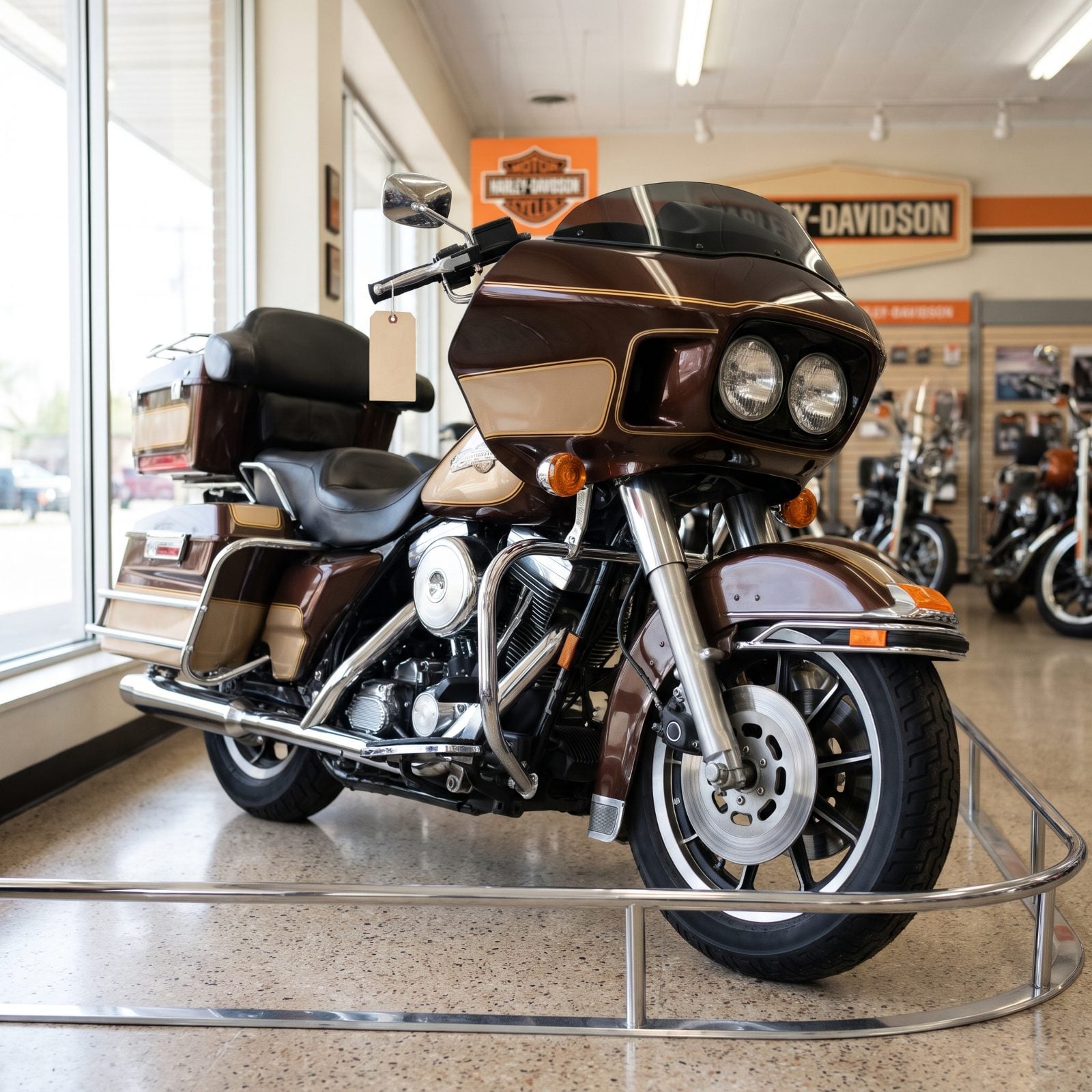
The Tour Glide moved the fairing off the forks and bolted it to the frame, so the steering got lighter and the whole front end stopped fighting you in crosswinds and parking lots. That twin-headlamp face looked odd to Harley loyalists, and plenty of them said so, loudly.
It was big money for 1980. This was Harley trying to out-tour the imports with proper rubber engine mounting and a five-speed, and it mostly worked — even if the Shovelhead still leaked where Shovelheads leak.
1982 FXR Super Glide II, The Rubber-Mounted Reinvention
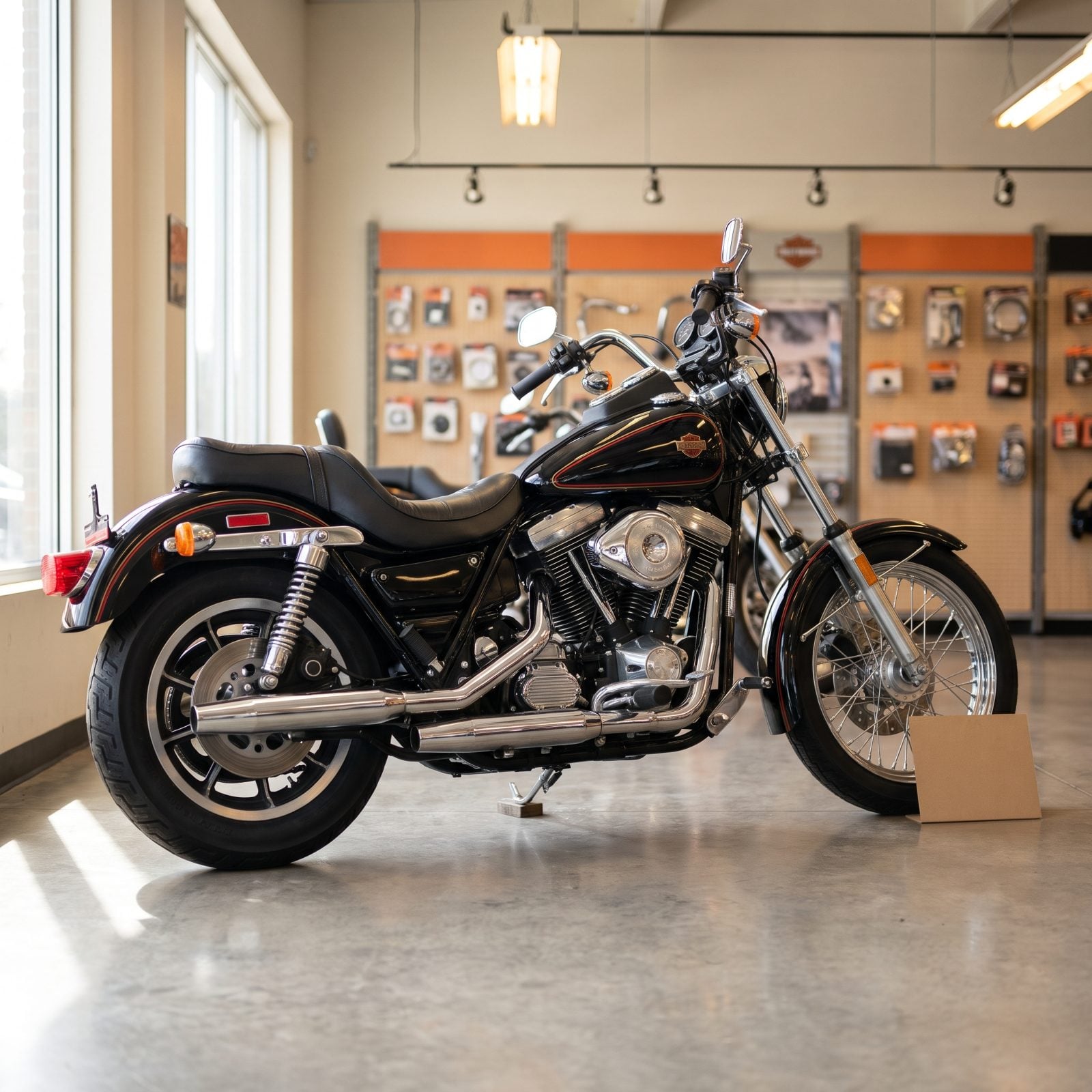
The FXR is the one engineers loved. New frame, triangulated and stiff, with the big twin isolated on rubber so the vibration stayed in the engine instead of your hands and feet. It cornered better than anything the Motor Company had built. Ask a long-haul rider which old Harley they’d keep and a lot of them say FXR without blinking.
The catch? Clean originals now trade for well above their original sticker, because word got out.
1984 FXST Softail, The Hidden-Suspension Breakthrough
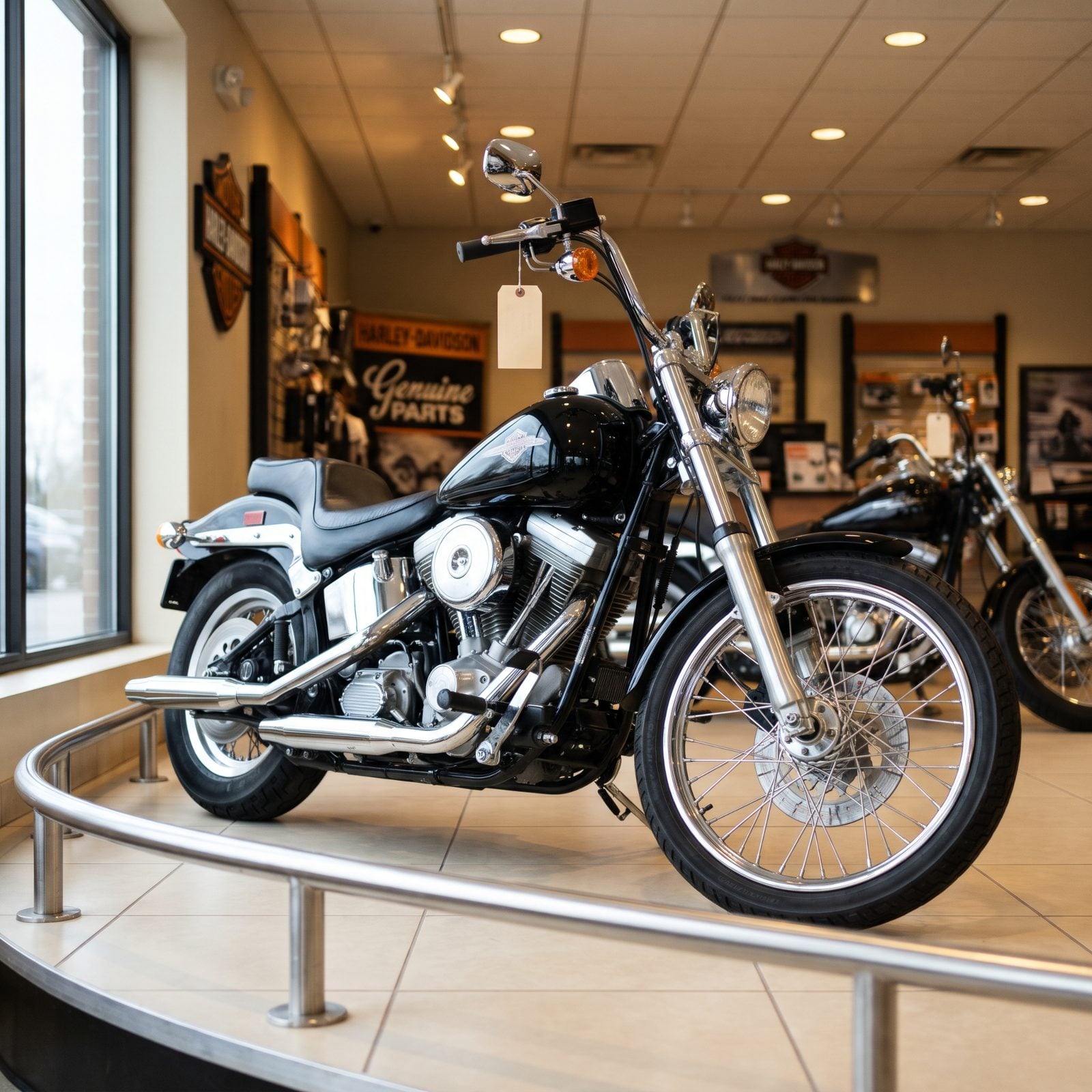
Here’s the trick that sold a generation of bikes. The Softail looks like a rigid hardtail off a 1940s bobber — clean triangle out back, no visible shocks. But the shocks are right there, hidden horizontal under the transmission. You get the old-school look and a ride that won’t rattle your fillings loose.
1984 also brought the Evolution engine, the one that finally ran cool and stayed together. Two big ideas arriving the same year. Harley needed the win, and this was it.
1986 XLH 883 Sportster, The Affordable Entry Point
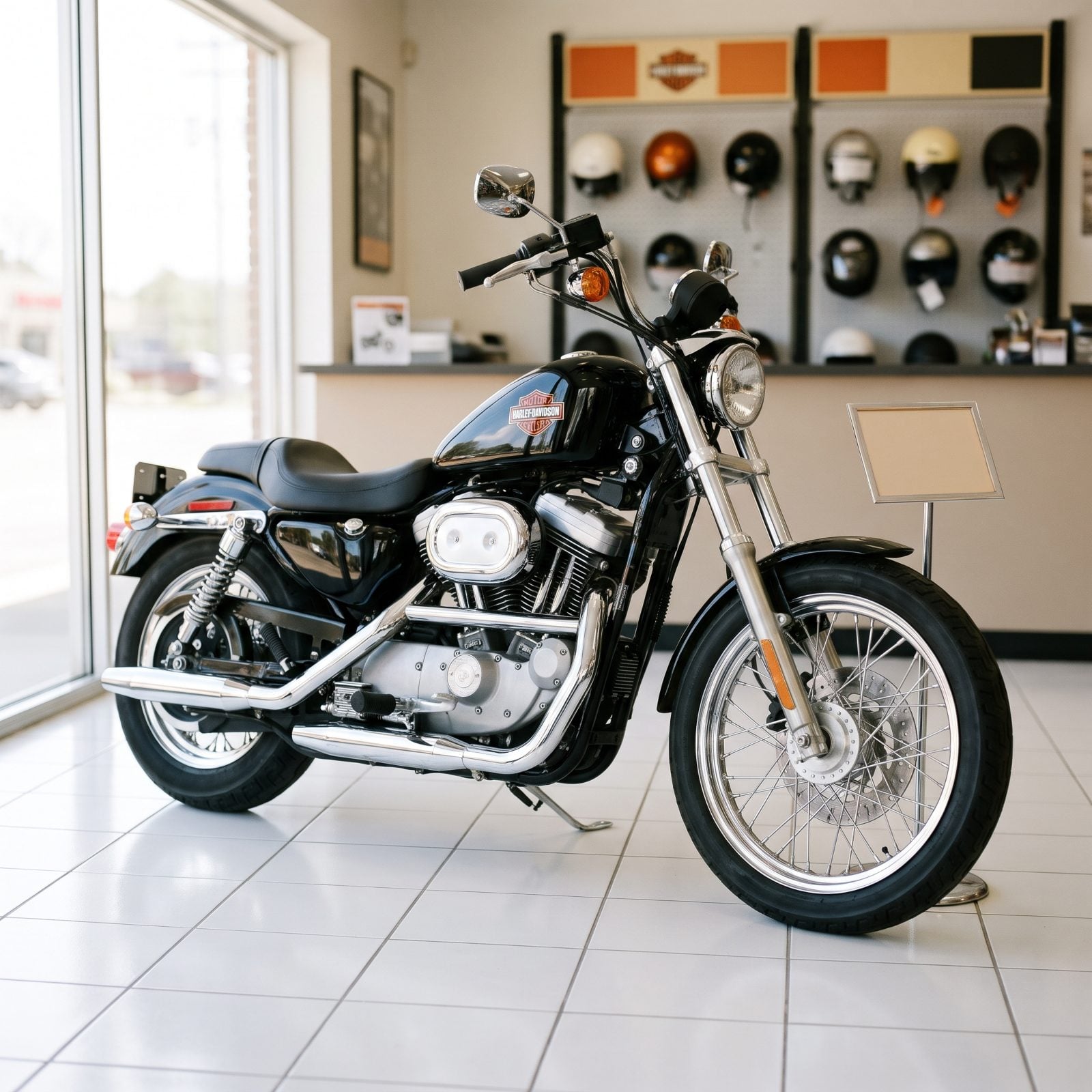
This is the bike that got people in the door. Harley priced the base 883 aggressively, famously under four grand, to pull younger riders off Japanese bikes and give them something with the bar-and-shield on the tank.
The small peanut tank meant frequent fuel stops. Nobody complained. For a lot of folks this was the first Harley — bought on a modest budget, ridden hard, and plenty traded up later. Original MSRP ran just $3,995.
1988 FXSTS Springer Softail, The Springer Fork Returns
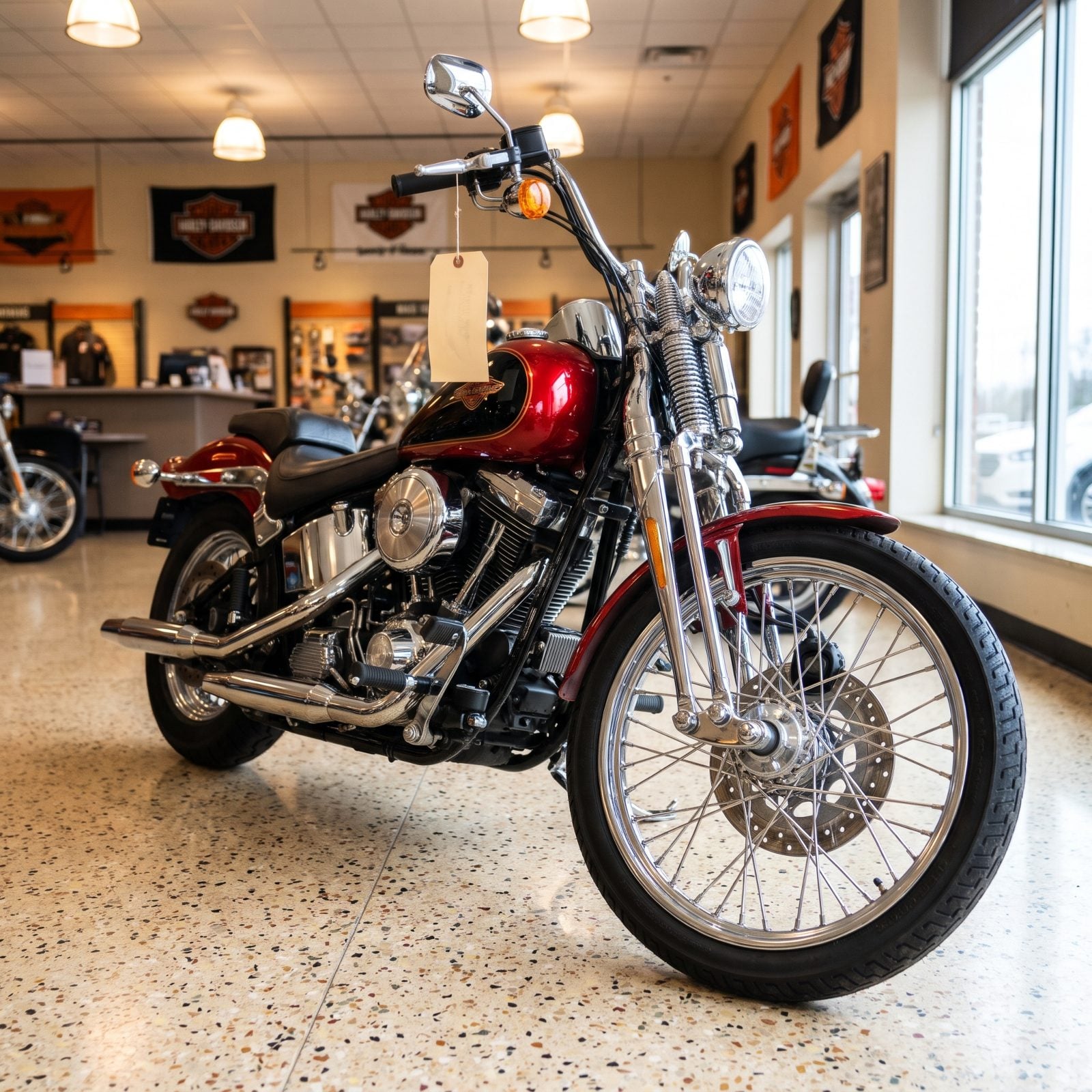
Harley dug the springer fork out of its own history — a design it had dropped back in the late 1940s — and bolted it onto a modern Softail. Exposed springs, chrome linkages, the whole works out there for everyone to see.
It rode like a 1948 front end, honestly. That was the point. People wanted the look, and the nostalgia cost extra. Form over function, and buyers lined up anyway.
1990 FLSTF Fat Boy, The Icon’s Original Sticker Price
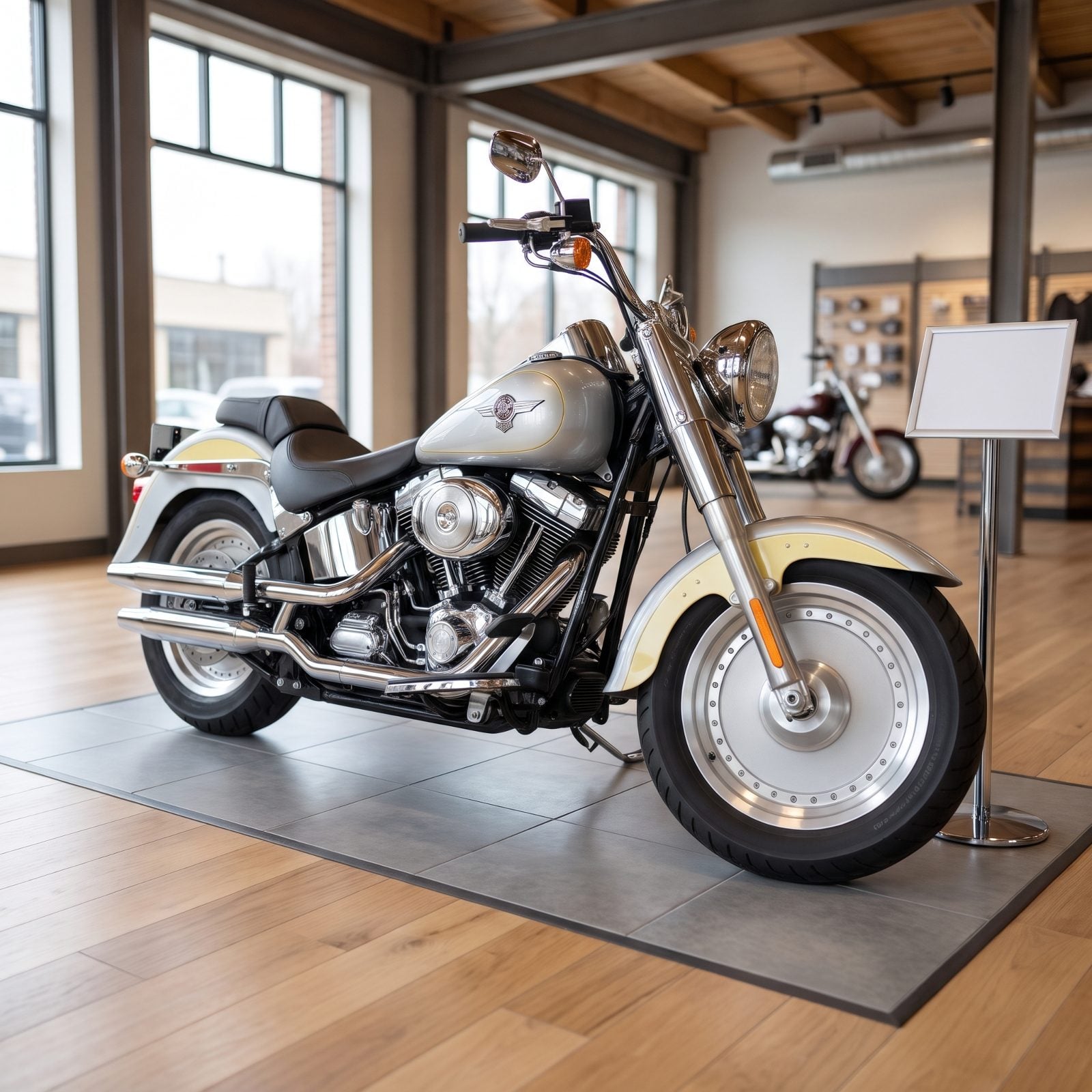
Solid disc wheels, monochrome silver, yellow accents. The 1990 Fat Boy looked like nothing else on the floor, and it became the most recognizable Harley silhouette of the decade. The styling was so complete it barely changed for years.
You know this bike even if you’ve never thrown a leg over one. It showed up in movies. For a whole wave of new riders it settled the question of what a Harley was supposed to look like.
The name alone sold bikes. Ask around a parking lot and half the people there can tell you what a Fat Boy is.
1991 FXDB Sturgis, The Early Dyna Debut
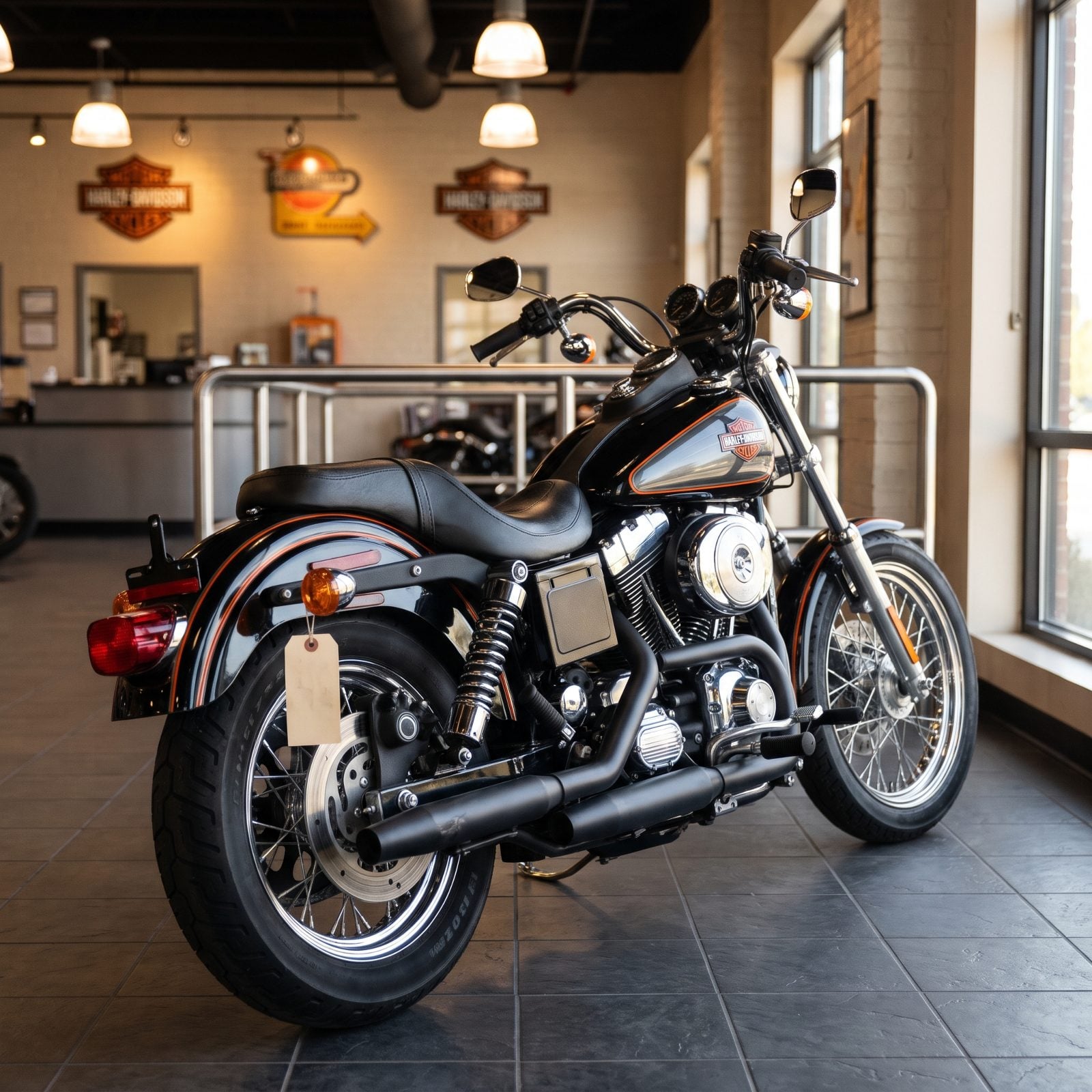
The Dyna frame debuted on this limited-run Sturgis model — black paint, orange accents, chrome-laden engine, named for the South Dakota rally. It brought rubber engine mounting to a big-twin platform that would eventually push the old FXR line into retirement.
Production was capped, which makes clean examples collectible now. The Dyna idea stuck around for decades afterward.
1994 FLHR Road King, A Modern Touring Classic Arrives
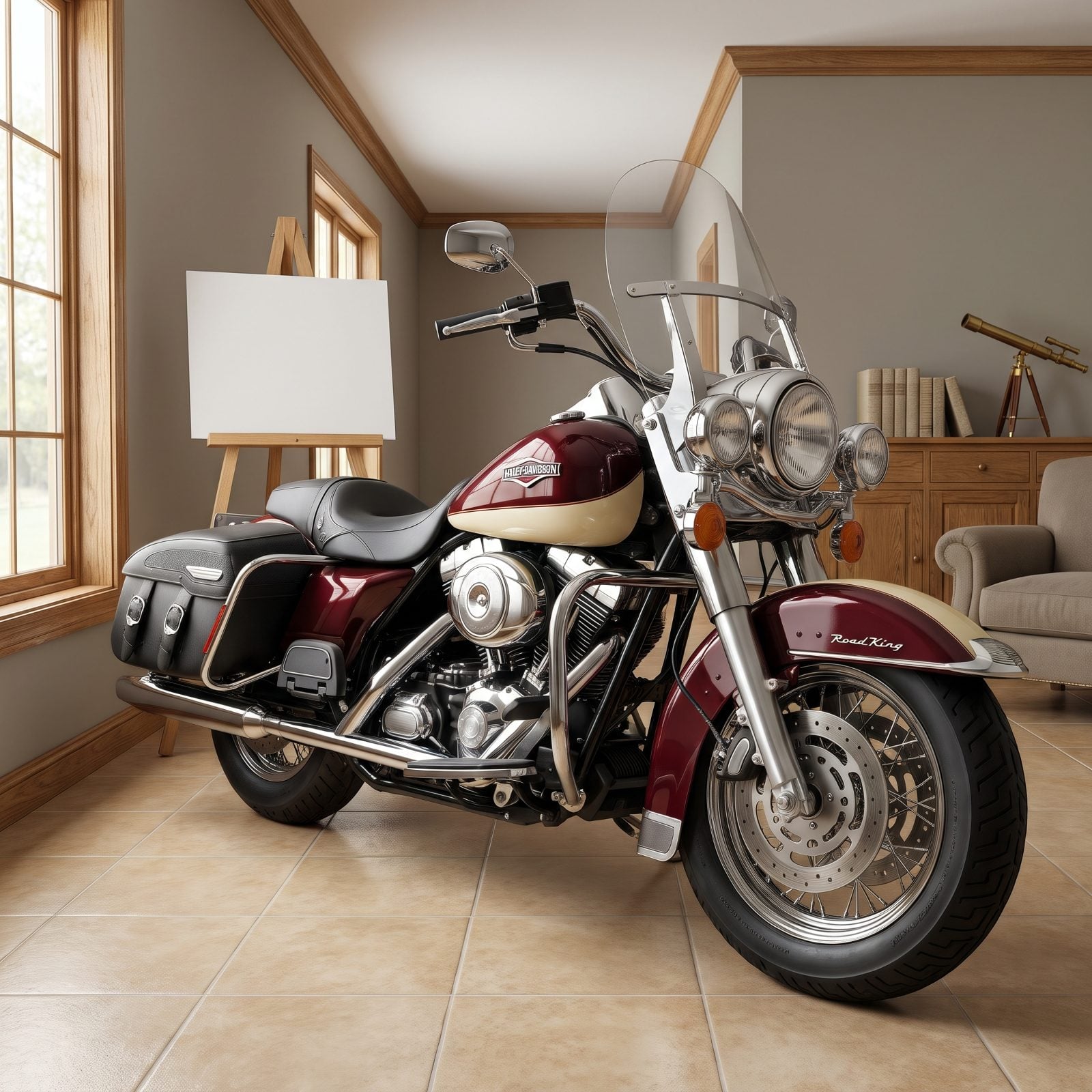
The Road King skipped the big fairing and went with a single round headlamp nacelle, a nod to the old FLH tourers. Detachable windshield, quick-release bags, and you had one bike that handled a weekend trip or a Sunday run with the fairing stuff stripped off.
It read classic without feeling dated. That round front end is still in the lineup in spirit, decades on. For the money it covered a lot of ground, literally.
1996 FLSTS Heritage Springer, Nostalgia at a Premium
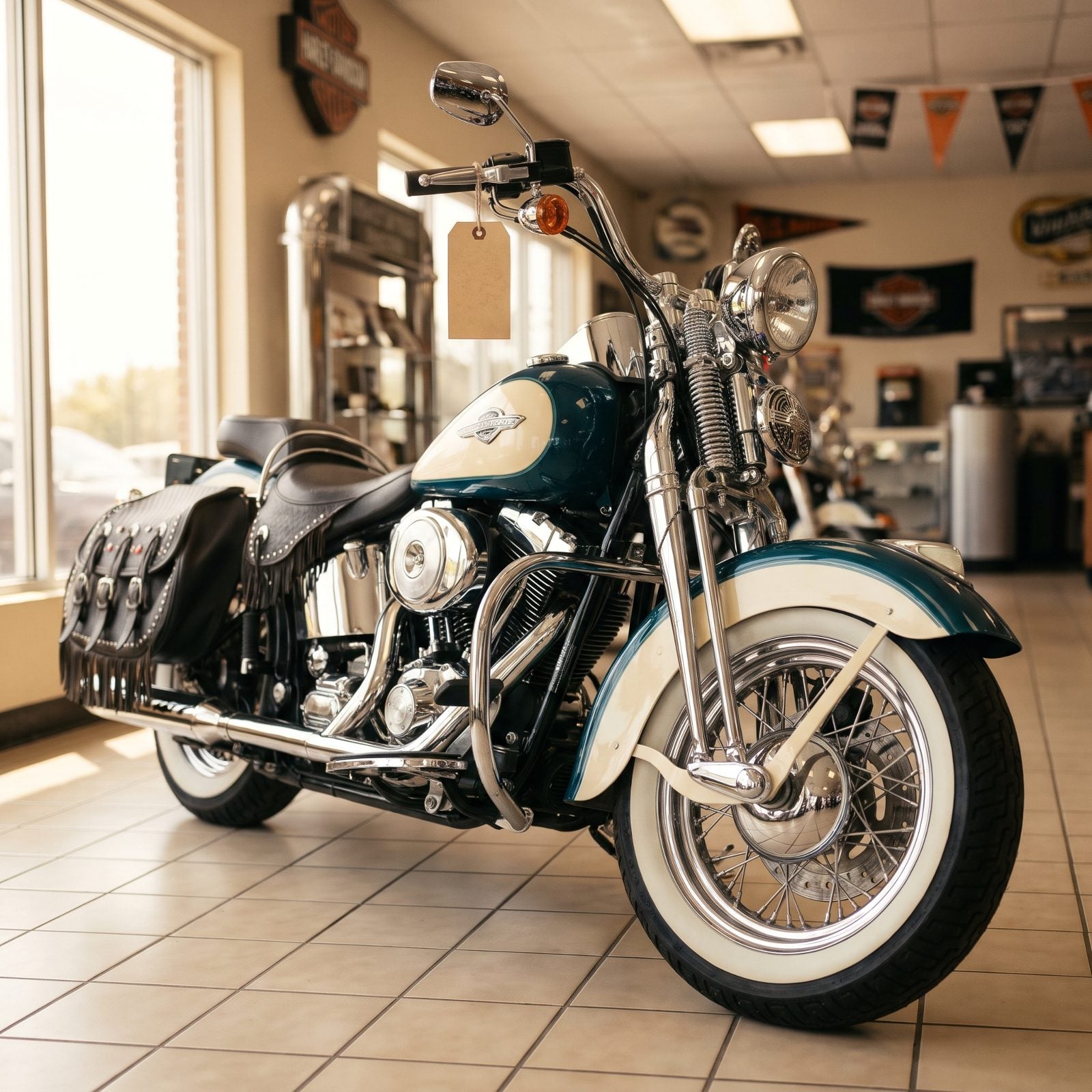
This was Harley selling 1948 back to you in 1996. Deep valanced fenders, whitewalls, studded leather bags with fringe, a tombstone taillight, and that leading-link front end up top. Every detail aimed straight at the postwar era.
All that chrome and leather carried a premium. The Heritage Springer was one of the pricier Softails on the floor. You paid for the show. Some riders swear it’s the best-looking Softail of the era, and they have a case.
1998 FLTR Road Glide, The Sharknose Takes Shape
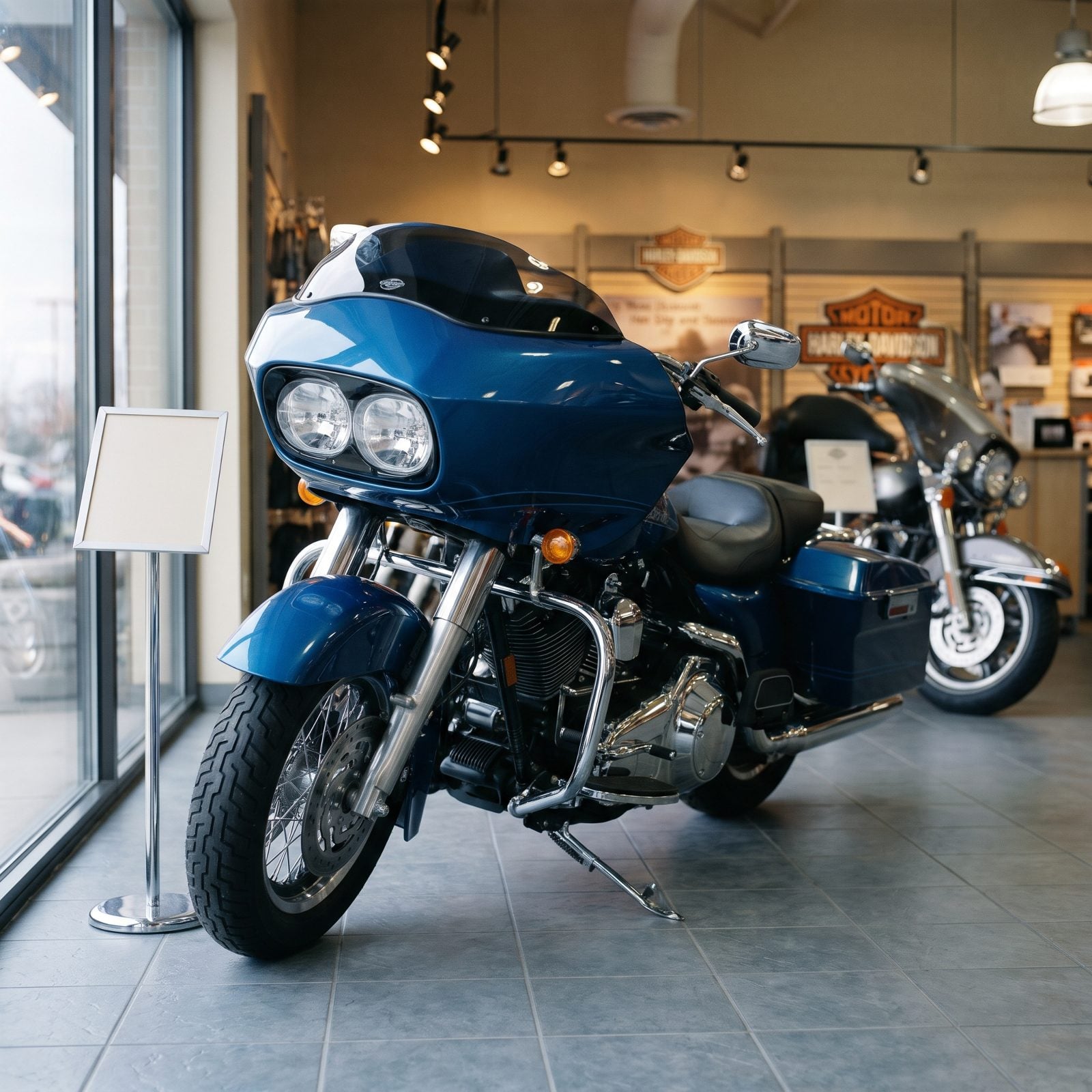
The Road Glide’s frame-mounted fairing, the sharknose, gave it a face nobody confused with anything else. Dual headlamps, that angular shell, and because it bolted to the frame instead of the forks, the steering stayed light at speed with all that bodywork hanging out front.
Riders either love the look or they don’t, and that’s held true ever since. It’s become a cult favorite for big-mile touring and custom baggers. The shape has barely changed in principle, which tells you they got it right the first time.
2000 FXSTD Softail Deuce: The Millennium-Era Custom
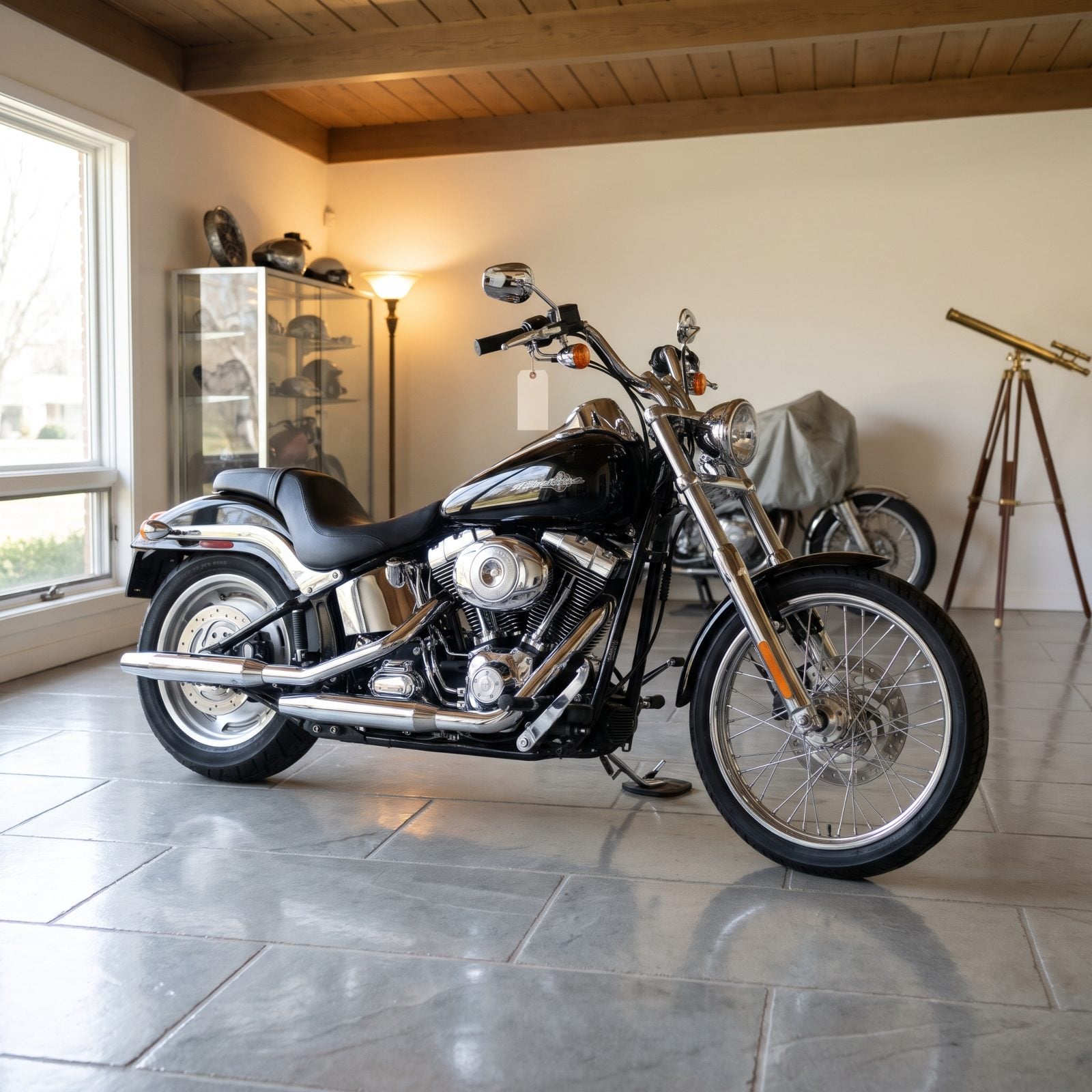
The Deuce was Willie G’s answer to the aftermarket chop shops. Factory custom, right off the floor, with that long stretched tank and the counterbalanced Twin Cam 88B that finally let Softails rev without shaking your fillings loose.
New in 2000 it stickered in the low-to-mid teens, call it around sixteen grand for a loaded color. Not cheap then. Run that through the inflation machine and you land near a comparable new Softail today. The Deuce held its look, which is the whole reason clean ones still move for solid money and owners rarely want to let them go.
2001 VRSCA V-Rod: The Liquid-Cooled Revolution
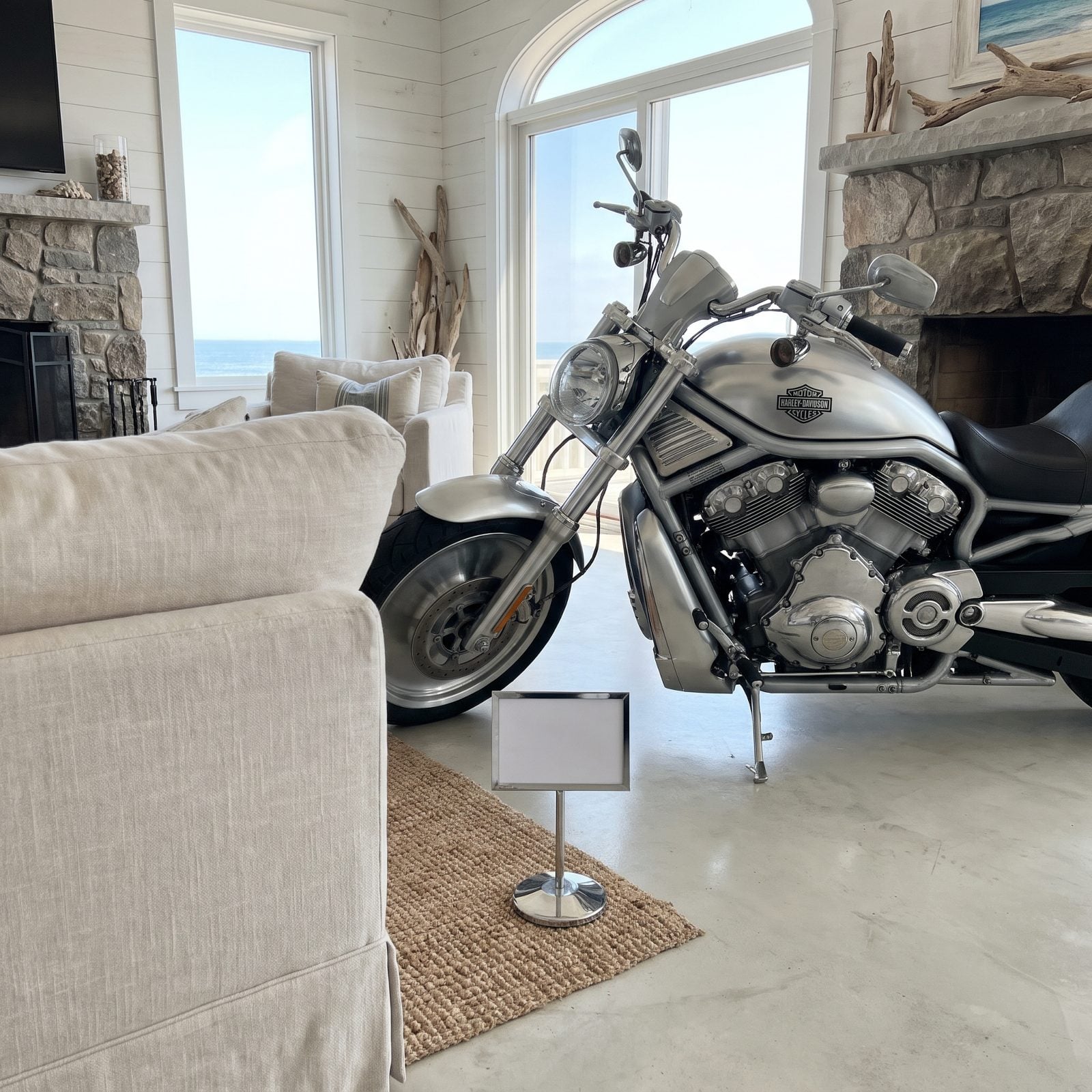
Water cooling on a Harley. In 2001 that was close to heresy in some circles, and the V-Rod leaned all the way in with 115 horsepower from a 60-degree Revolution engine co-developed with Porsche.
The brushed anodized silver VRSCA launched around seventeen grand, which puts it near a solid new bike in today’s money. People argued for years about whether it even counted as a real Harley. The motor outlived the argument. Bulletproof thing, and the platform ran all the way to 2017. Early silver ones are quietly getting collectible now that nobody builds anything like them.
2007 XL 1200N Nightster: The Dark Custom Era Begins
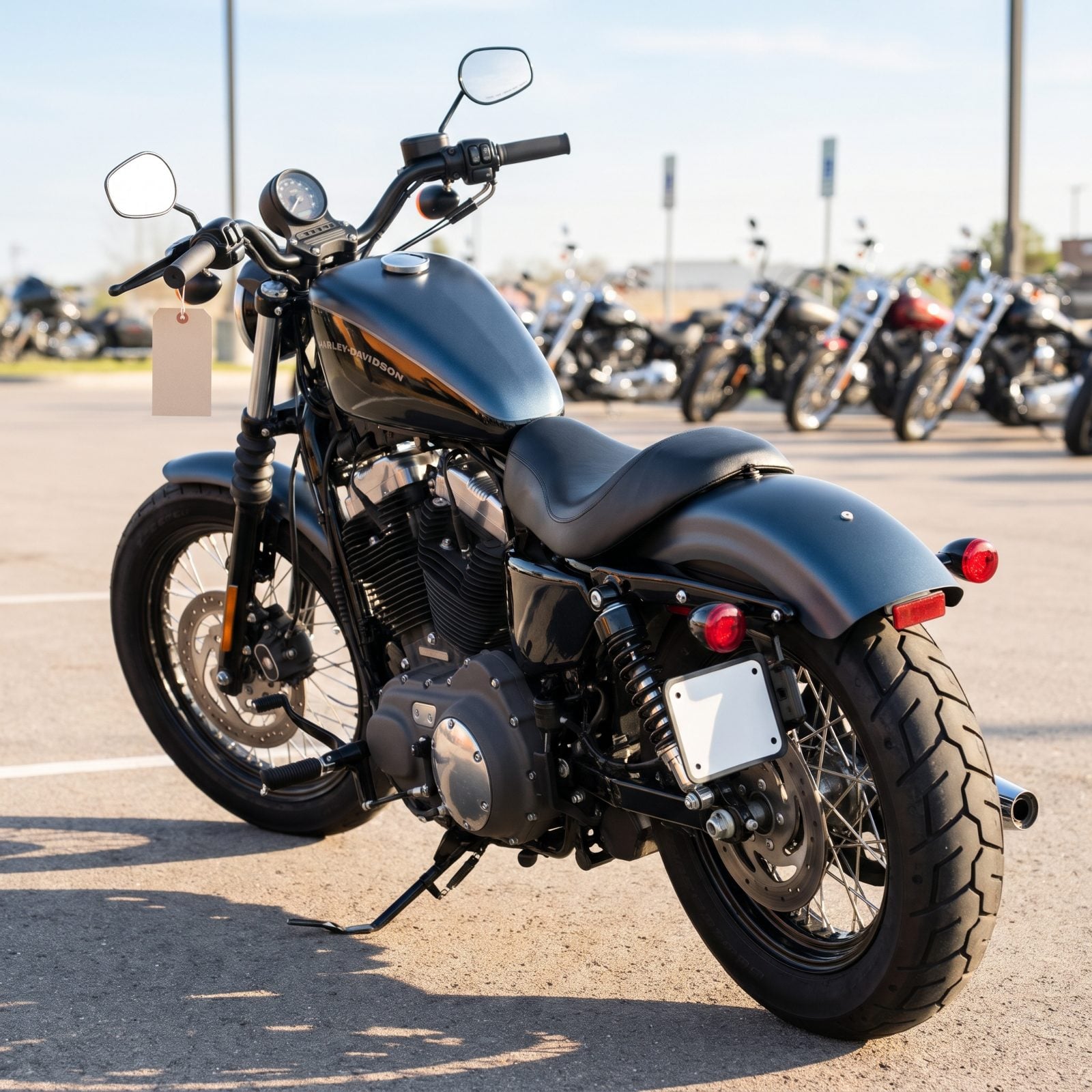
Black everything. Chopped fender, side-mount plate, low seat, and a price that got a lot of riders through the garage door.
The Nightster kicked off what Harley called the Dark Custom line, the blacked-out budget-cool movement that saved the Sportster’s reputation with younger buyers. It launched around nine and a half grand. For the money it looked like a three-grand chop job somebody did in their shed, except it carried a warranty. That was the whole trick.
2009 XR1200: Harley’s Sportiest Street Bike
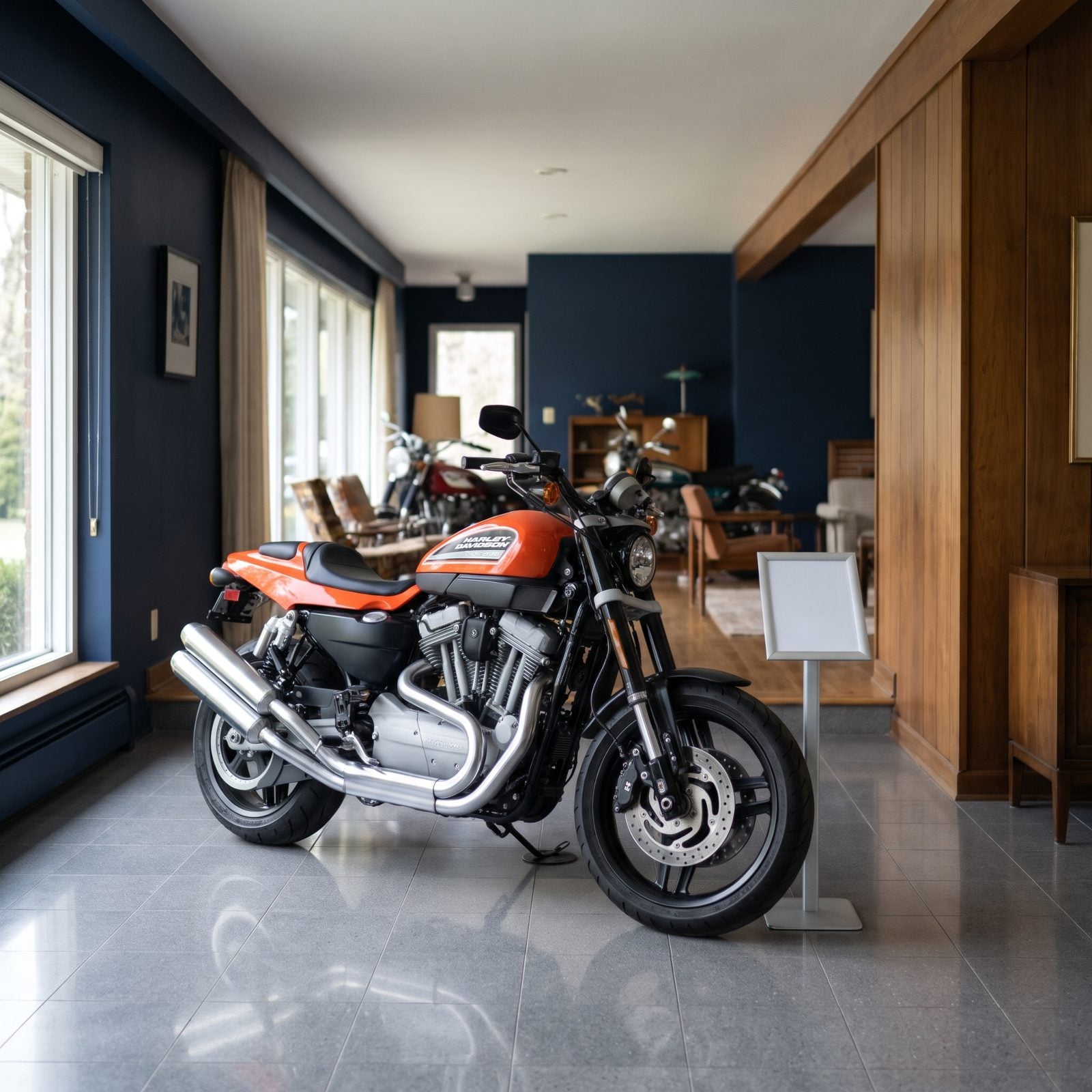
Finally, a Harley you could actually hustle through a corner without the floorboards grinding sparks.
The XR1200 borrowed its soul from the XR-750 flat tracker and its hardware from the parts bin that mattered: inverted forks, four-piston front brakes, a rubber-mounted 1200 tuned for ninety-plus horses. It hit the US in 2009 after launching in Europe first, priced around eleven grand. Americans mostly shrugged. Sales were soft, production ended in 2013, and that’s exactly why the survivors have a cult. Closest thing to a Harley sportbike the factory ever built, and they pulled the plug before most people noticed.
2009 FLHTCUTG Tri Glide Ultra Classic: The Factory Trike Arrives
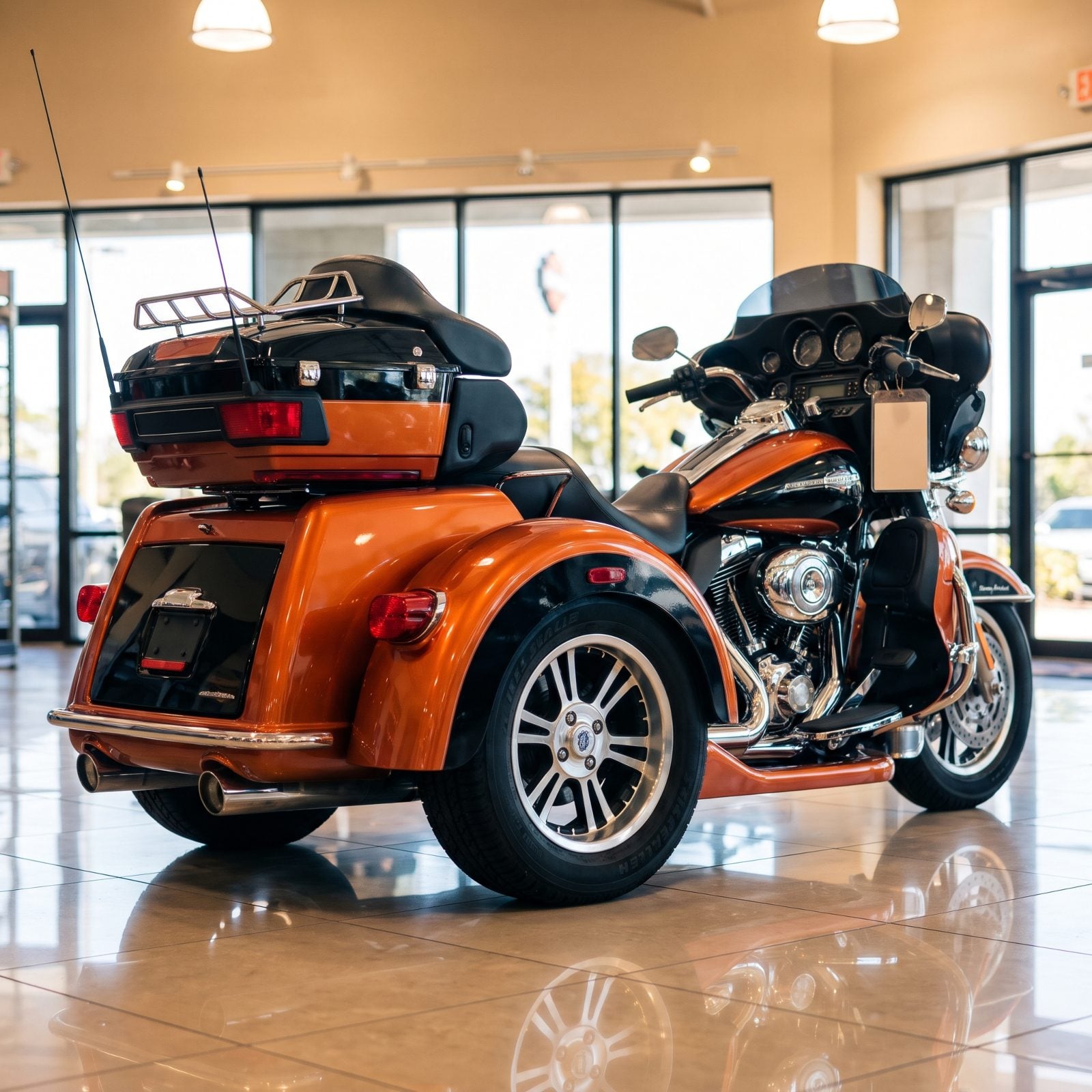
Harley’s first factory trike in modern memory, aimed squarely at riders who weren’t ready to park the dream.
The Tri Glide gave aging and balance-conscious riders a way to keep touring without sweating a 900-pound bagger at a stoplight. Fully dressed with the Batwing fairing, Tour-Pak, and a trunk you could pack for a week, it launched around thirty grand.
Dealers couldn’t keep them in stock. For a huge slice of the 40-plus crowd, three wheels wasn’t a step down. It was permission to keep going, and that market has only grown since.
2010 XL1200X Forty-Eight: The Peanut-Tank Bestseller
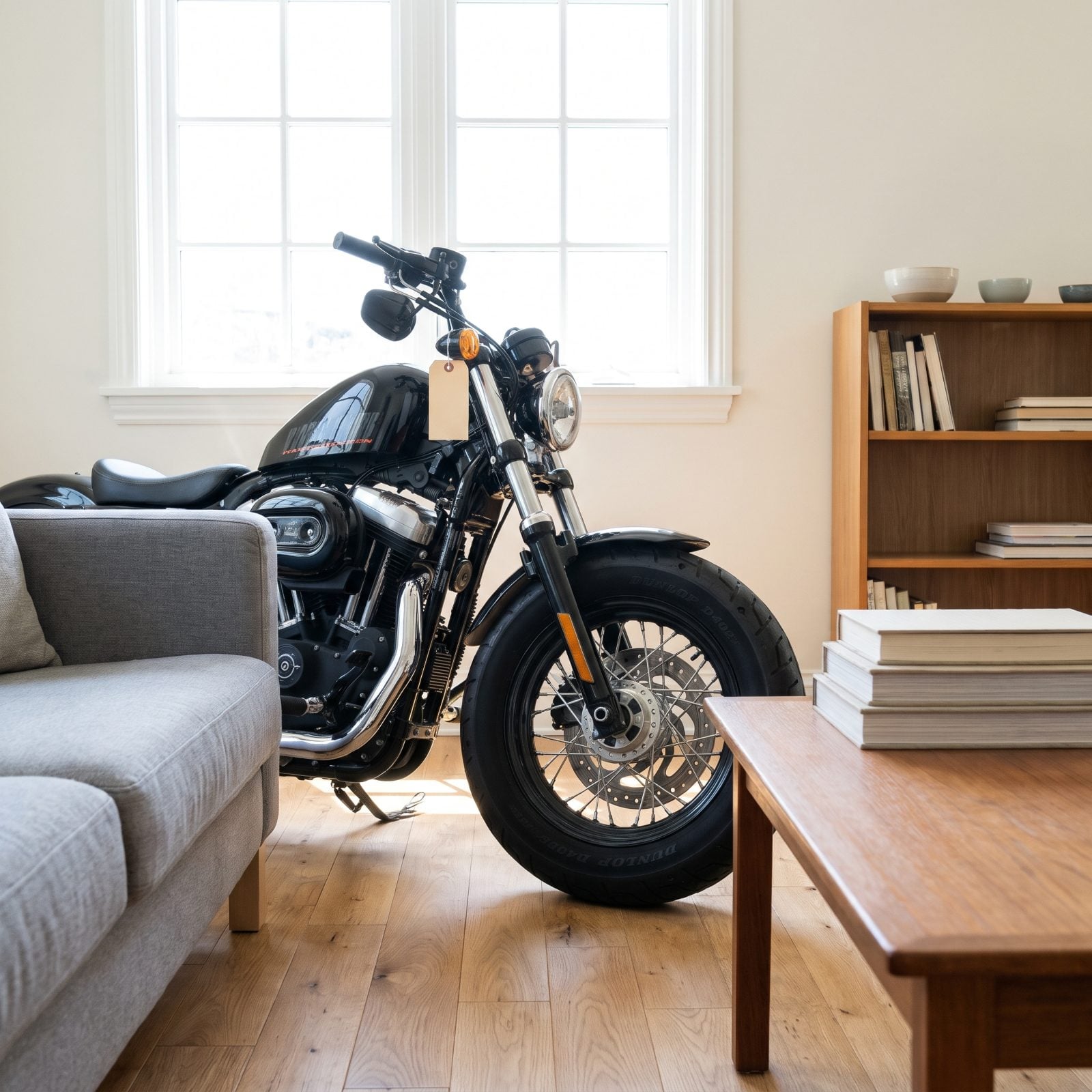
That tiny 2.1-gallon peanut tank came off the Fifties Sportsters, and the fat 16-inch front tire gave it a bulldog stance nothing else in the lineup had.
The Forty-Eight nailed the look so hard it became one of Harley’s best-selling Sportsters for years. It launched in 2010 around ten and a half grand. The tiny tank meant frequent fuel stops, everybody warned you about it, and nobody cared. You bought it because it looked right, and because at that price you could.
2013 FXSB Breakout: Drag-Inspired Softail Style
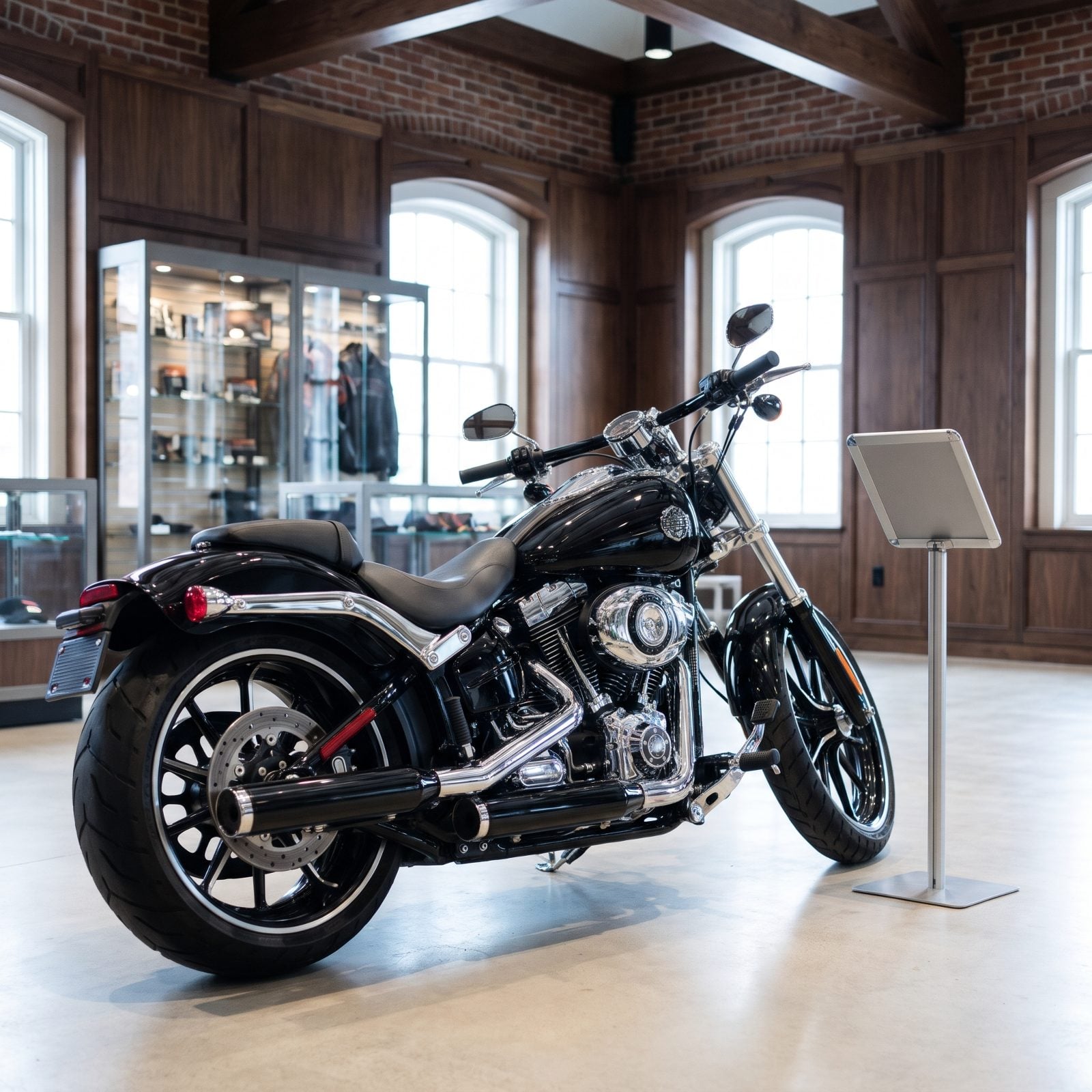
Drag strip attitude, dealer-floor convenience. The Breakout dragged the custom-shop fat-tire look into the catalog with a 240mm rear tire, a skinny 21-inch front, and a stance so low it looked parked even at speed.
It arrived in 2013 around eighteen grand. The wide rear tire makes it a handful in tight turns, and that’s the honest trade for the look. Cruise it straight, though, and it feels like a machine built to be photographed, which, let’s be real, is half of why anybody bought one.
2014 XG500 Street 500: Harley’s Least-Expensive Modern Street Bike
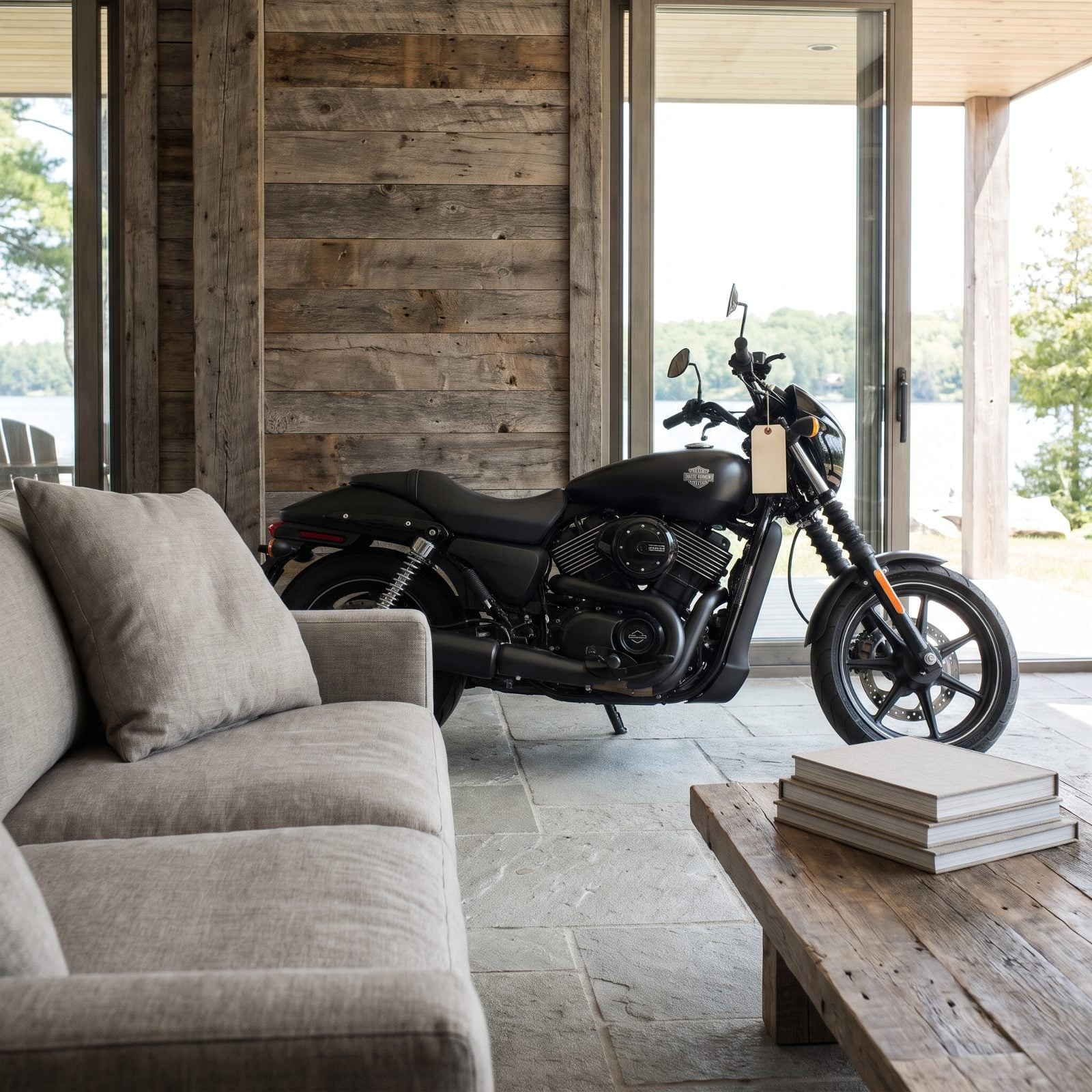
The cheapest way Harley ever offered to get a new one in the garage.
Built in Kansas City and India, the Street 500 ran a liquid-cooled Revolution X motor, a low 25.7-inch seat, and a blacked-out look pitched at new riders and city commuters. It launched for roughly sixty-seven hundred. Purists sneered, and Harley didn’t care, because the point was never to impress the guy on the Road Glide. It was to get a 22-year-old onto a Harley before a Honda got there first. The experiment ran until 2020.
2015 FLTRXS Road Glide Special: The Sharknose Returns
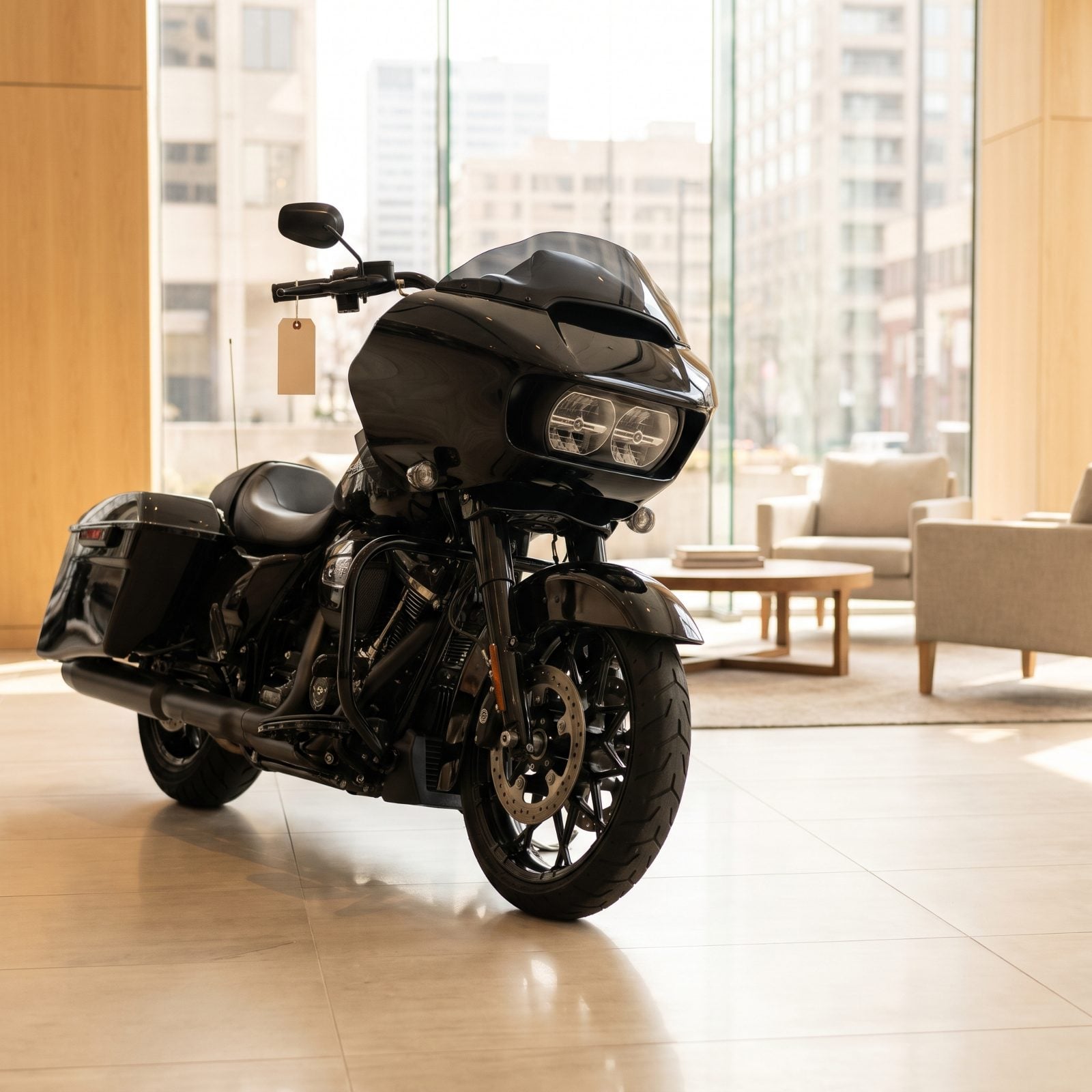
The sharknose. That frame-mounted fairing with the dual headlights splits every Harley rider into two camps, and the ones who love it really love it.
Harley dropped the Road Glide for 2014, then brought it roaring back redesigned for 2015 after owners practically revolted. The Special trim came blacked out, slammed, and loaded with the touring essentials. It launched around twenty-two grand.
The frame-mount fairing doesn’t turn with the bars, which means the wind buffeting at speed feels completely different from a Street Glide. You either prefer it or you don’t.
2016 FXDLS Low Rider S: The Performance-Cruiser Formula
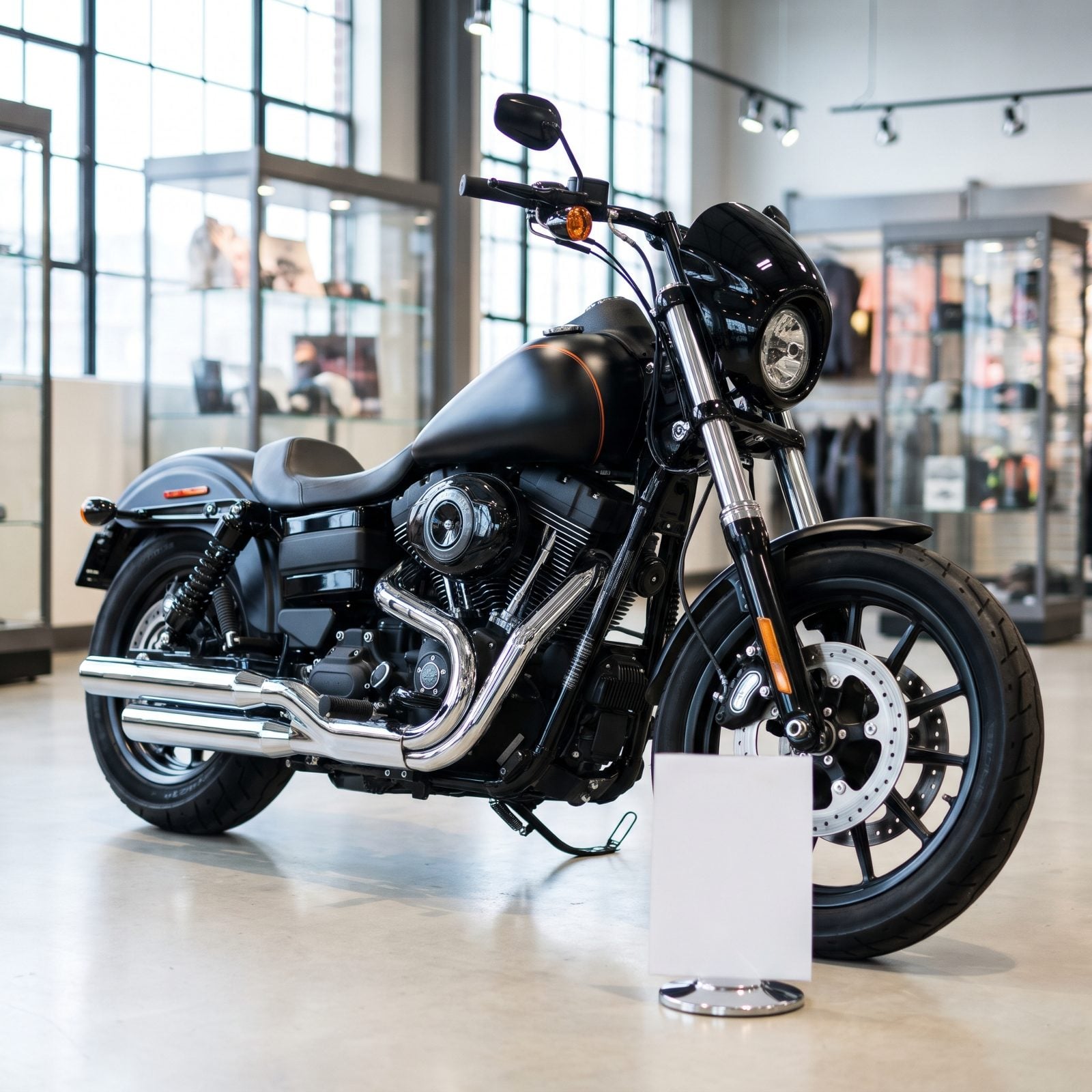
Take the Dyna chassis, stuff in the big 110 from the CVO parts shelf, blacken everything, and bolt on moto bars and a little speed screen. That’s the Low Rider S recipe, and it worked.
This was the bike that proved riders would pay for a factory-hot-rodded Dyna. It launched late in 2015 for the 2016 model year, around sixteen-seven. Then the Dyna platform died the next year when Harley folded everything into the new Softail frame, which turned the FXDLS into an instant end-of-an-era collectible. Clean low-mile ones command a premium now precisely because they’re the last of a line.
2018 FXFBS Fat Bob 114, The New Softail Generation That Killed the Dyna
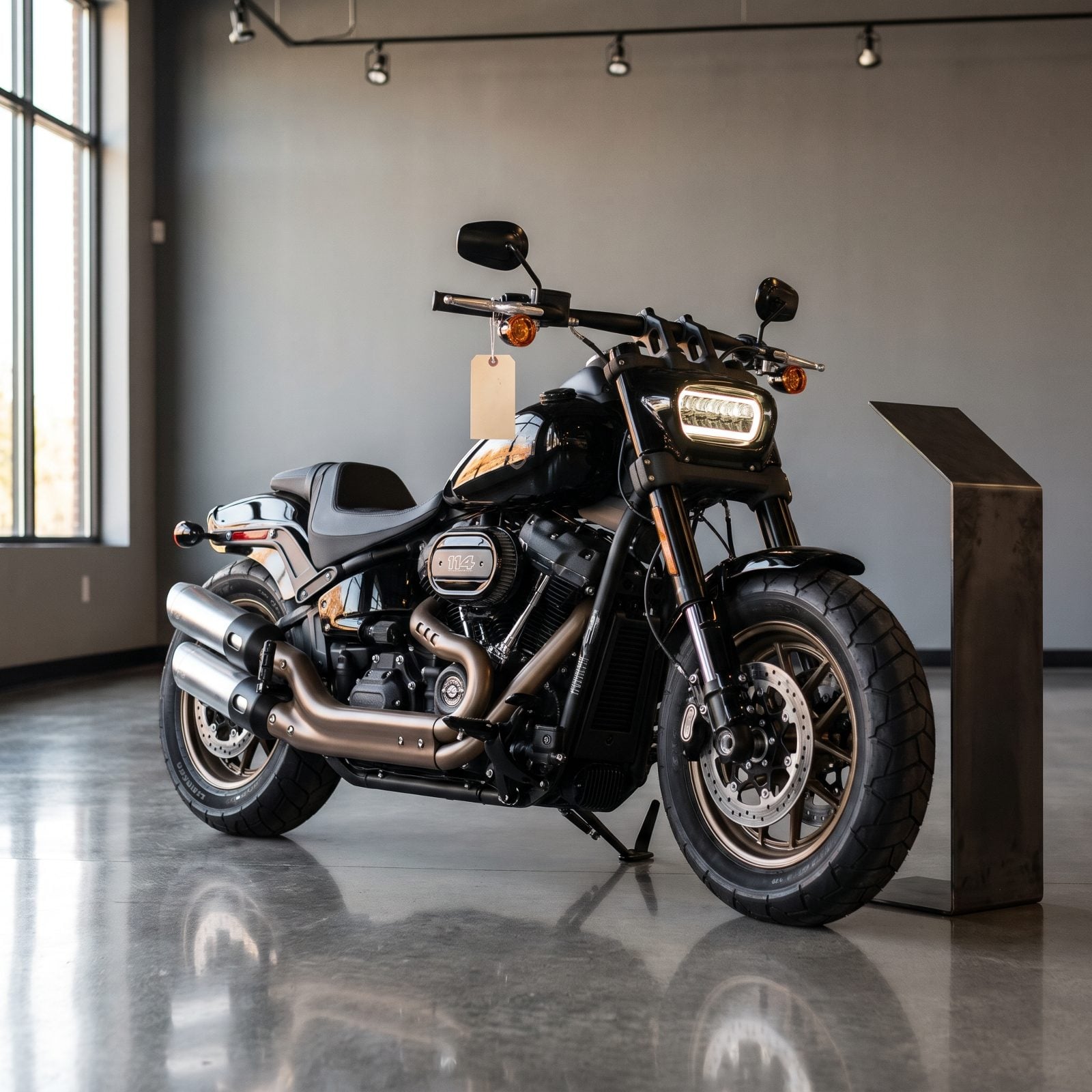
This was the bike that ended the Dyna line and started an argument that still runs in parking lots. Harley folded Dyna and Softail into one platform for 2018, and the Fat Bob got the strangest face in the catalog: a rectangular LED headlight on a bike that had always worn a round one.
People hated it on paper. Then they rode it. The 114-cubic-inch Milwaukee-Eight and that stout inverted fork turned a cruiser into something that actually wanted to corner.
Base pricing landed in the high-teens, with the 114 commanding a premium over the smaller 107. Adjusted for inflation it reads as a real-money machine that delivered real hardware.
2020 LiveWire, The Day Harley-Davidson Plugged In
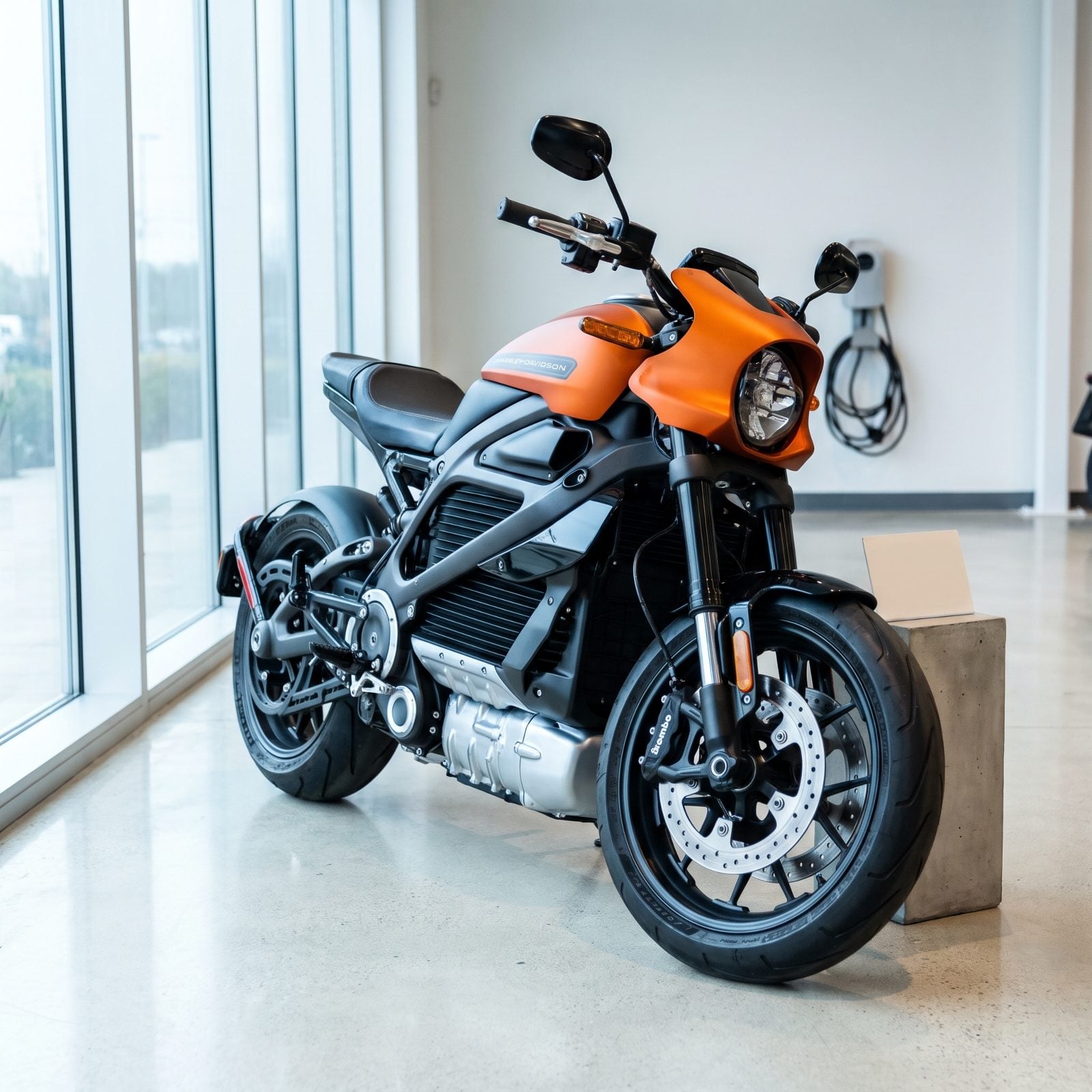
No clutch. No gears. No idle rumble. Just a whine that builds into a shove, and a lot of longtime riders standing around looking betrayed.
The LiveWire arrived with a sticker near thirty grand, which is the number everyone remembers. That bought you city range north of a hundred miles, instant torque off the line, and DC fast charging that could top it up during a long lunch.
Harley later spun LiveWire off into its own brand. But this was the first production electric to wear the bar-and-shield, and it was quicker to 60 than half the V-twins in the room. The price kept it a show-off piece more than a showroom mover.
2021 Pan America 1250 Special, The Adventure Bike Nobody Thought Milwaukee Had In It
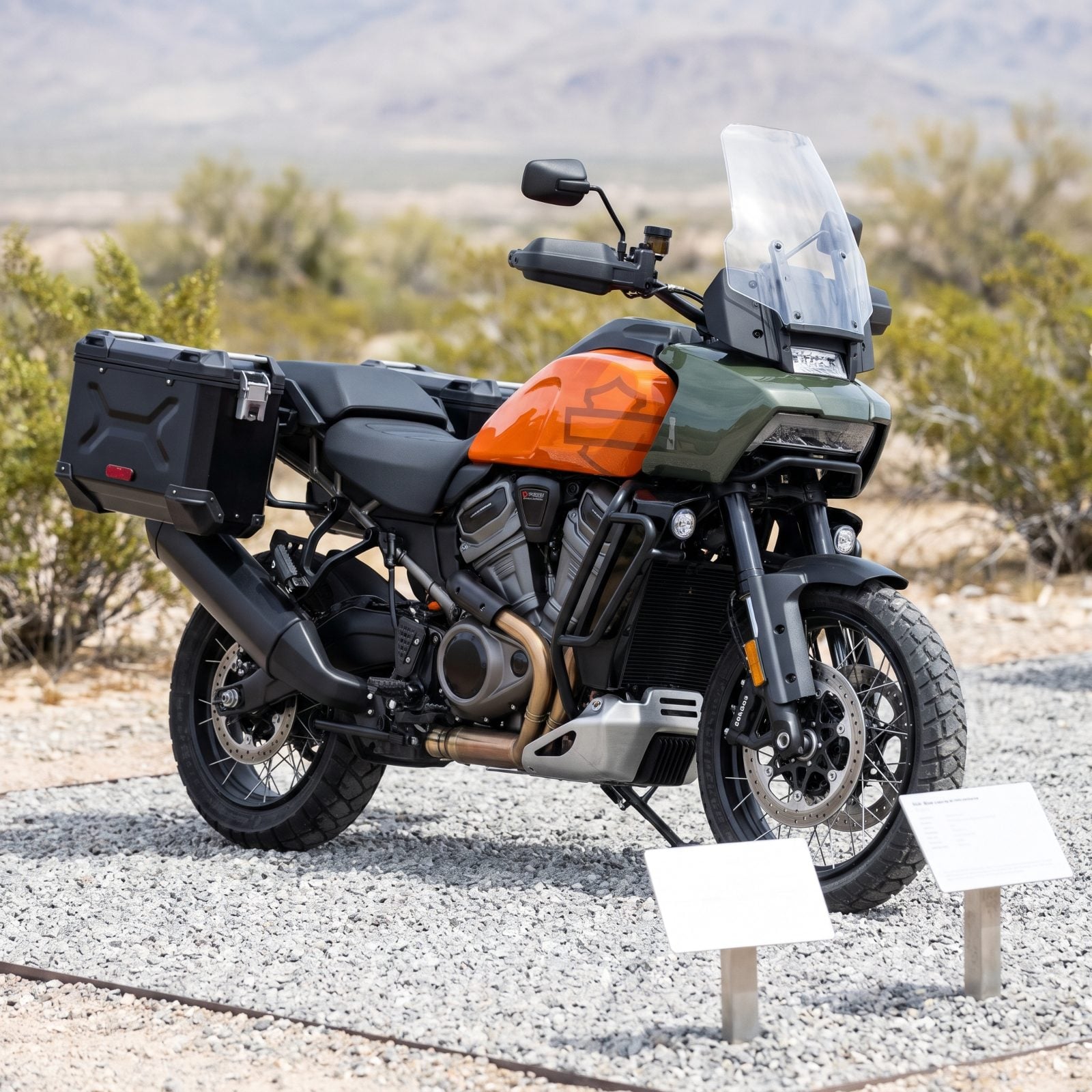
Harley built a proper adventure bike, and it was good enough to embarrass the people who laughed at the idea.
The Pan America 1250 Special showed up around twenty grand with hardware that read like a European spec sheet. The new liquid-cooled Revolution Max put down roughly 150 horsepower, and the rest of the list ran deep: semi-active suspension, cornering ABS, and an Adaptive Ride Height system that dropped the bike at stops so your boots could reach the ground.
That last trick was the quiet genius. Tall ADV bikes scare off shorter riders. This one squatted as you slowed and stood tall as you rolled on.
For a first swing in a crowded segment, it finished near the top of magazine comparison tests. Nobody saw that coming.
2021 Sportster S, The Revolution Max Blows Up the Sportster Rulebook
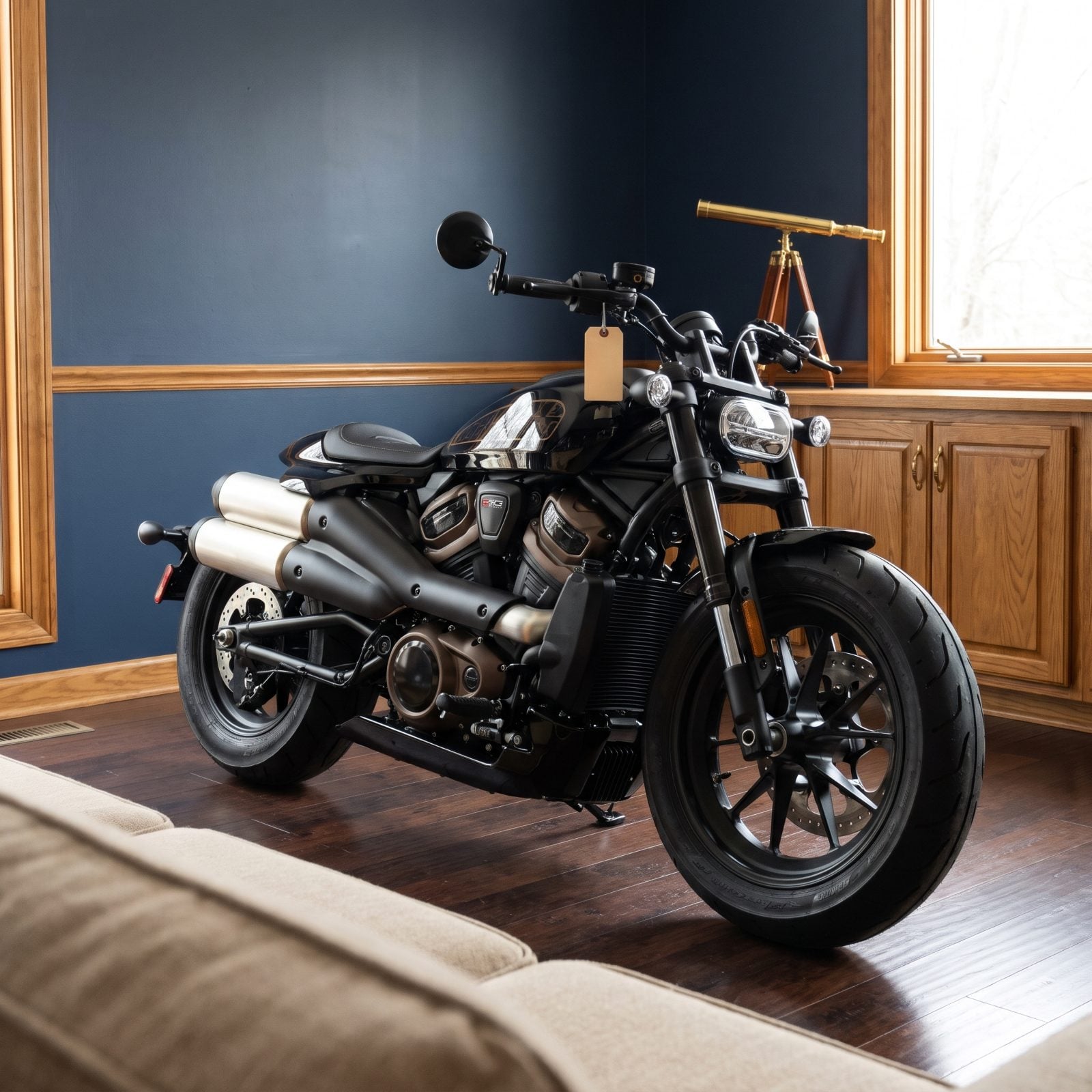
Water-cooled. No pushrods tapping. A stacked exhaust parked inches from your right thigh. If you learned the Sportster as an air-cooled 883 your dad rode, this one barely shares the name.
Priced in the mid-teens, the Sportster S swapped six-plus decades of tradition for the Revolution Max 1250T, a 121-horsepower powerplant that doubled as the frame. That fat front tire makes the steering heavy at parking-lot crawl. Out on the road it settles into something genuinely quick.
2022 FXLRST Low Rider ST, The Club-Style Bagger Harley Finally Built at the Factory
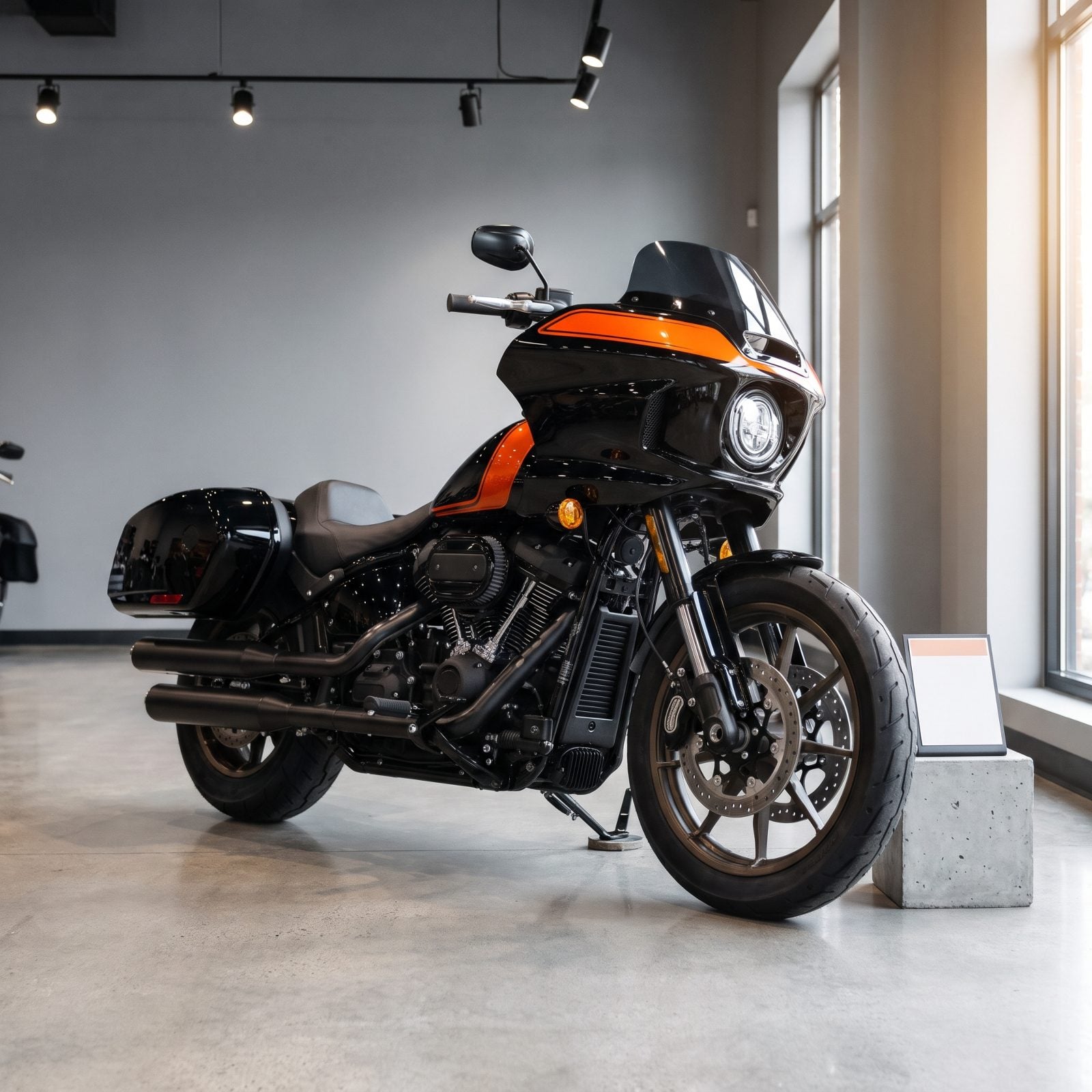
Riders had been hacking together club-style baggers in garages for years. Frame-mounted fairing, performance engine, color-matched hard bags, low and mean. Harley watched, took notes, and built it on the line.
The Low Rider ST arrived around twenty-two grand with the Milwaukee-Eight 117 and that sharknose fairing bolted straight to the frame, so the wind hit the bike instead of your arms. It earned its sticker by saving you the custom-shop bill.
And here’s the part that mattered: this one proved Harley was actually reading the aftermarket. A sport-tourer with cruiser blood, built for people who ride hard and far.
2023 CVO Road Glide, Variable Valve Timing Lands in the Flagship
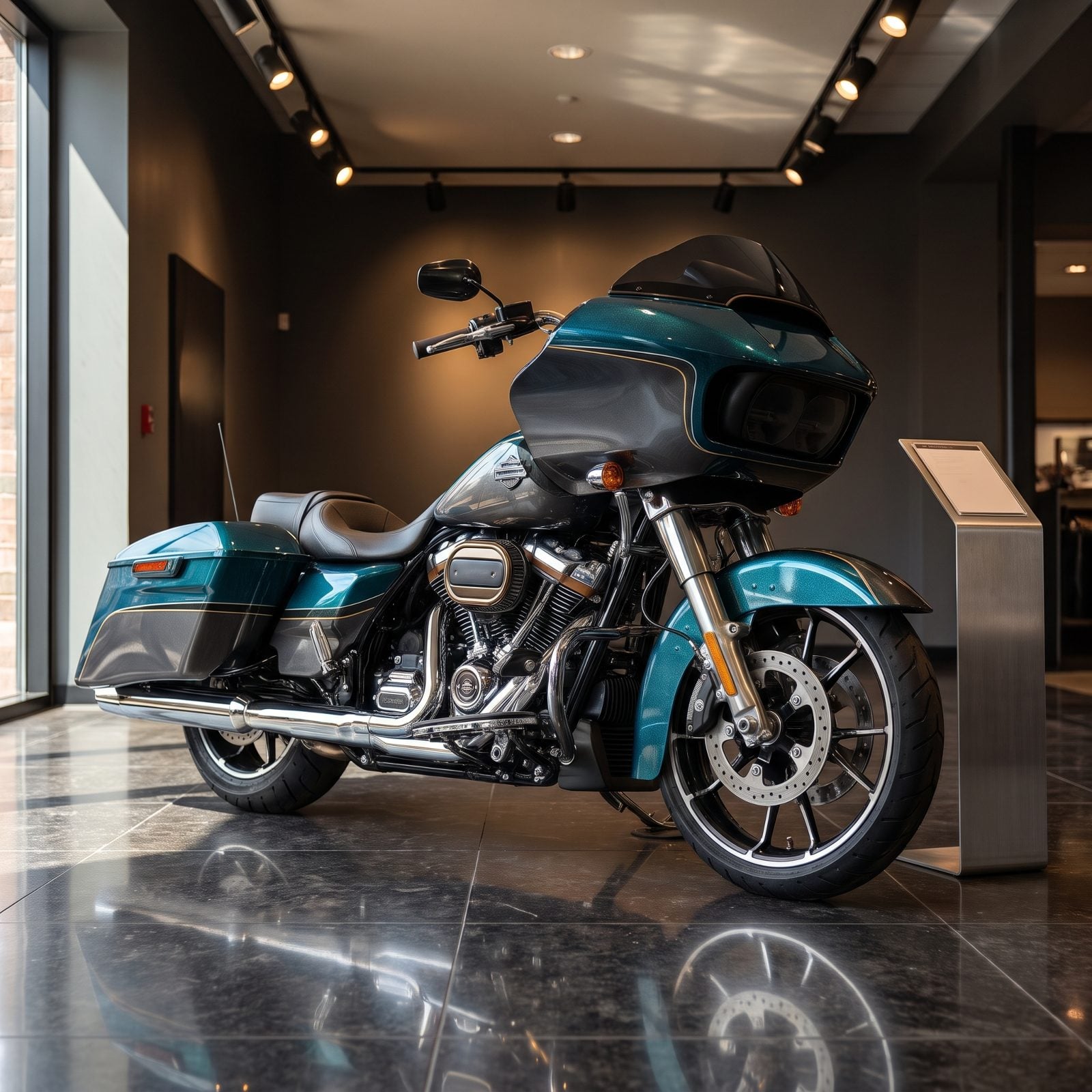
The top shelf of the catalog, and the first place Harley trusted its new variable valve timing.
The 2023 CVO models broke past the forty-grand mark, landing well into luxury-car money. For that you got the Milwaukee-Eight 121, VVT for a broader torque spread, a huge reworked infotainment screen, and paint deep enough to lose your reflection in.
CVO stands for Custom Vehicle Operations: Harley’s own in-house hot-rodding, done once a year in limited numbers. Yes, the premium is steep. But these bikes preview the tech that trickles down to the rest of the lineup a year or two later.
2024 Hydra-Glide Revival, The Panhead Silhouette Reborn for the Icons Collection
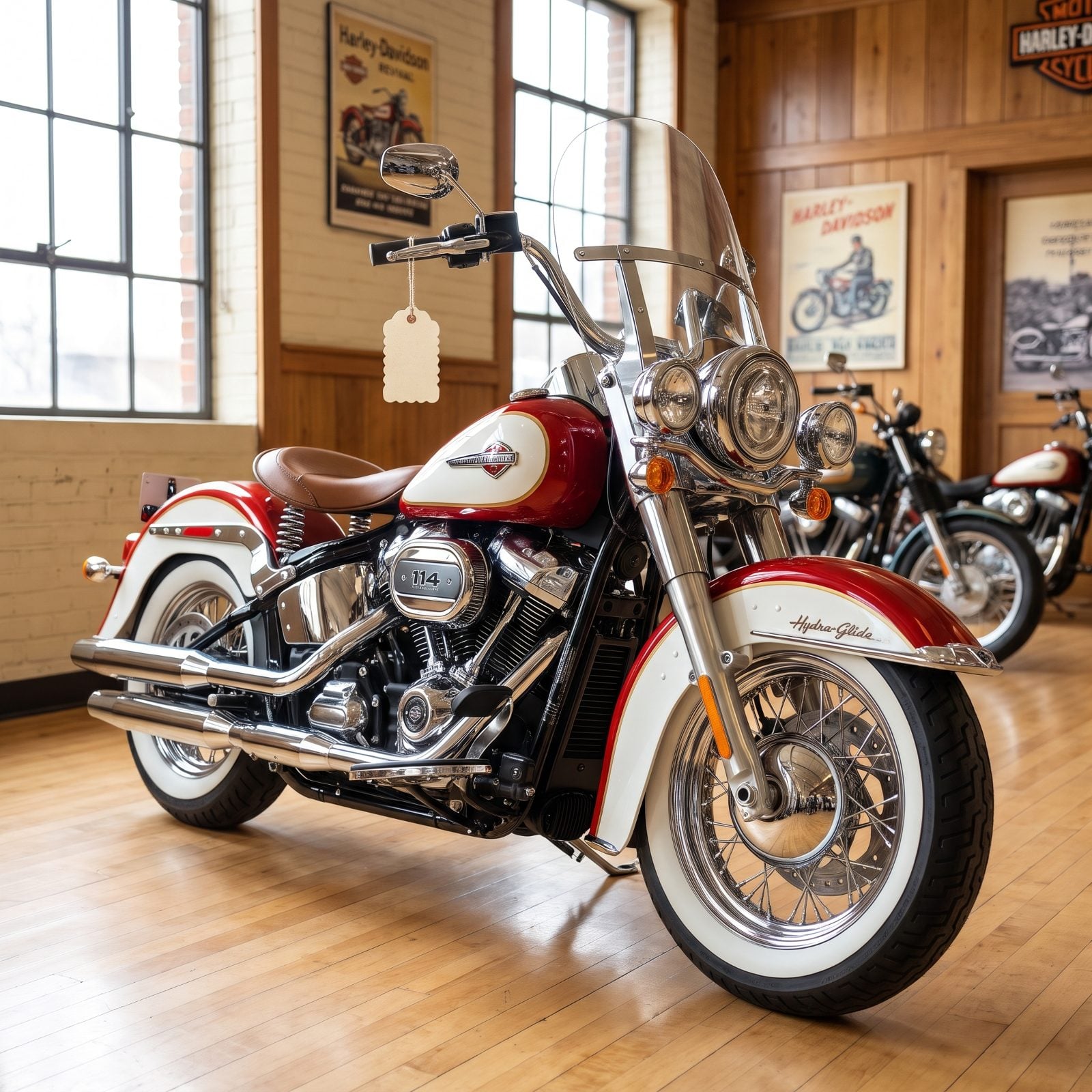
Squint at it and you’re standing in a 1956 dealership. The valanced front fender, the chrome nacelle, the whitewalls, the sprung solo saddle in tan leather. All of it borrowed straight from the Panhead-era Hydra-Glide that gave the front suspension its name.
Underneath lives a modern Milwaukee-Eight 114, so you get the look without the kickstart ritual or the roadside oil leaks.
Part of the limited Icons Collection, it carried a heritage premium well past the standard touring bikes. You’re paying for the hand-painted pinstripe and, honestly, for the restraint it takes to make a brand-new bike look seventy years old.
2026 Street Glide, Today’s Grand American Tourer, and What It Costs Now
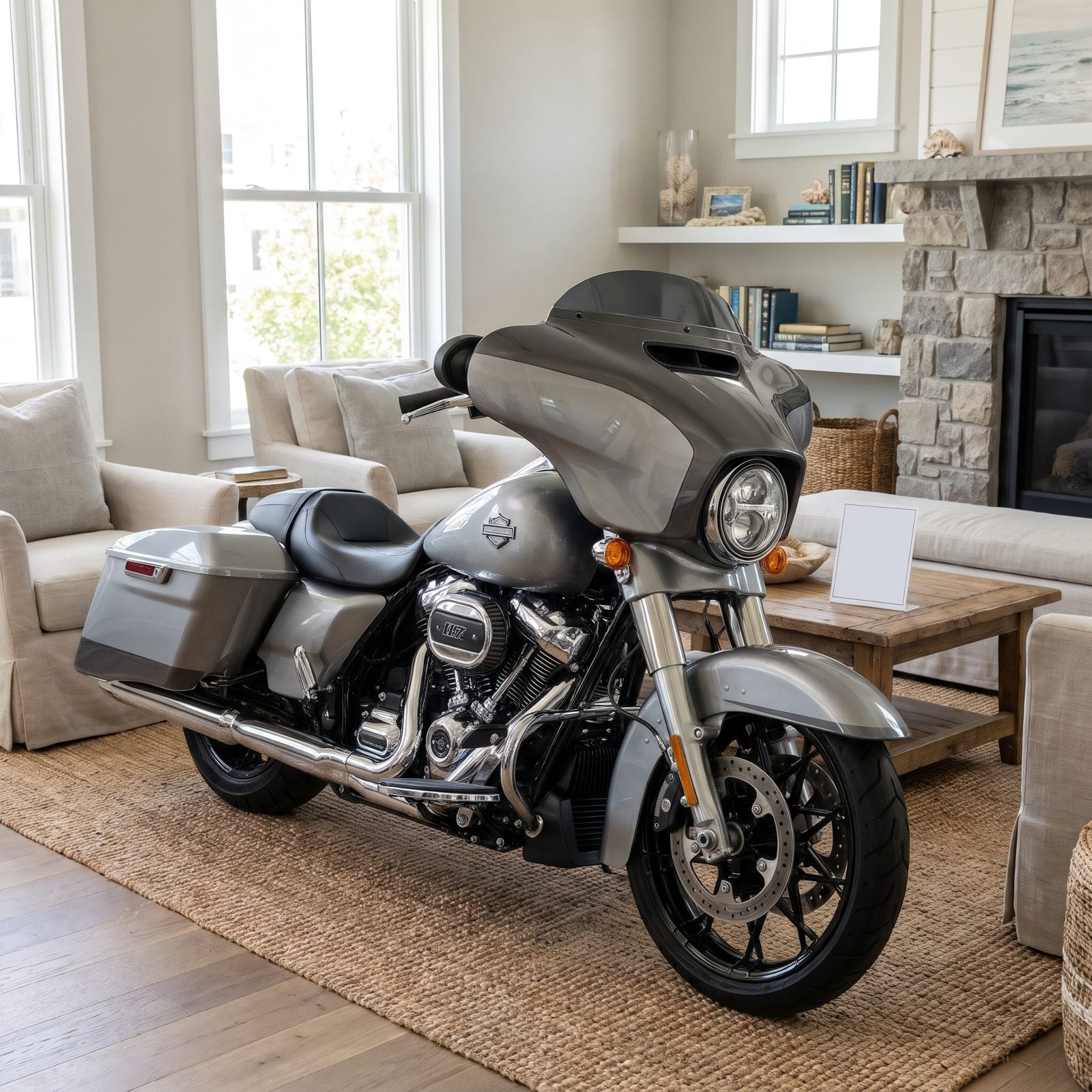
Here’s where the chronology leaves you. The 2026 Street Glide starts around twenty-six grand before you touch the options sheet, and the batwing fairing hides a touchscreen that would look at home in a new truck.
The Milwaukee-Eight 117 is now standard, not a CVO exclusive. That’s the whole pattern across every bike here: today’s flagship tech becomes next year’s base spec.
Run the inflation math on that 1950 Panhead and a new Street Glide isn’t the outrage it sounds like. You’re buying ABS, cruise, infotainment, and a motor that doesn’t need a kickstart or a prayer.
Same bar-and-shield. Seventy-five years of it. The hardware changed every chapter. The reason people line up never did.