
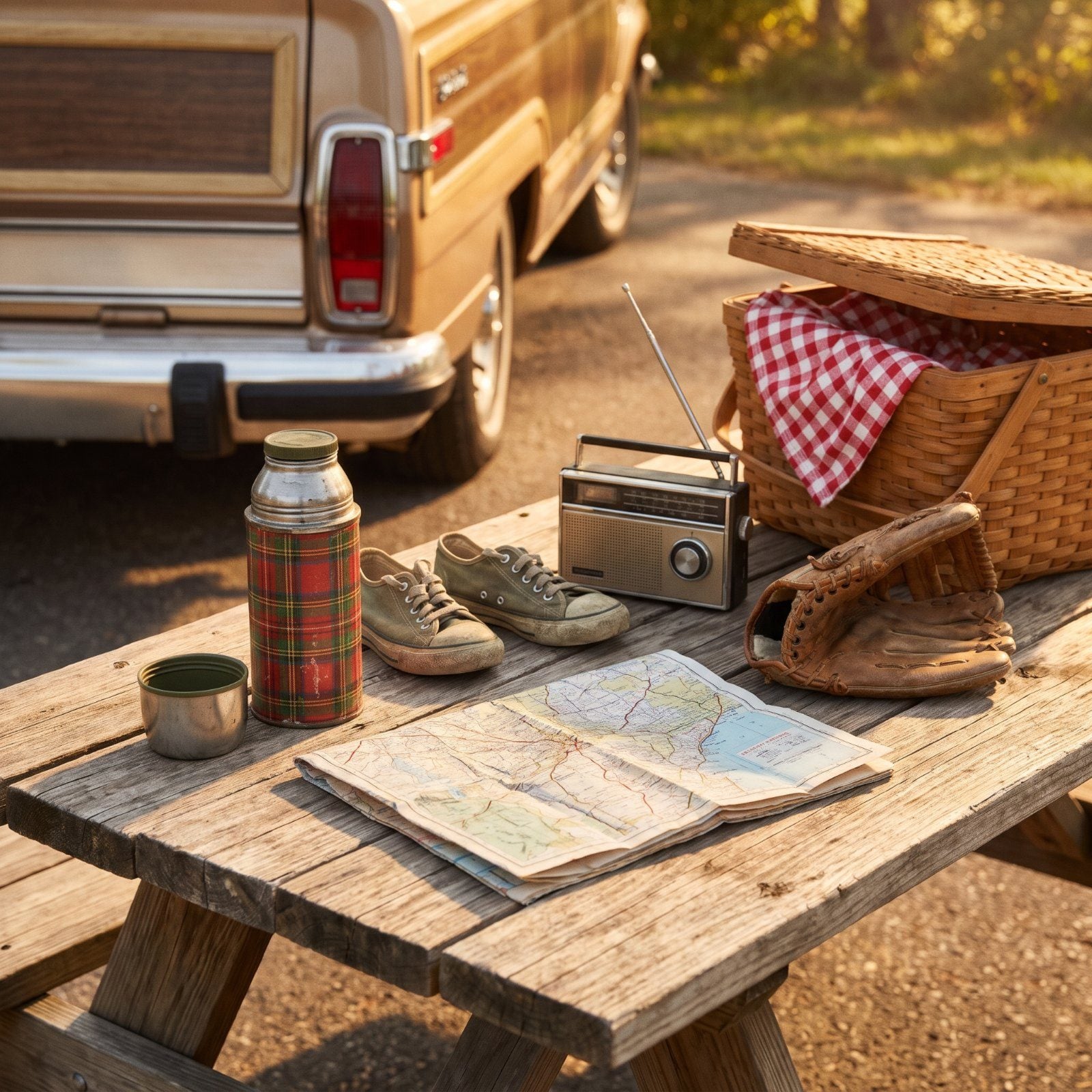
The tailgate dropped down like a diving board and that was the whole afternoon. You rode backwards in the way-back, watching the road peel away behind you, waving at truckers who honked because a kid asked. These wagons were enormous, thirsty, and slower than they looked. They also carried four kids, a dog, a cooler, and two weeks of luggage to the lake without complaint. We built family lore inside them. Here are the ones that defined the school run, the summer vacation, and every suburban driveway worth remembering.
Please note that some of the images in this article were created with the assistance of AI.
38. The Wood-Paneled Ford Country Squire
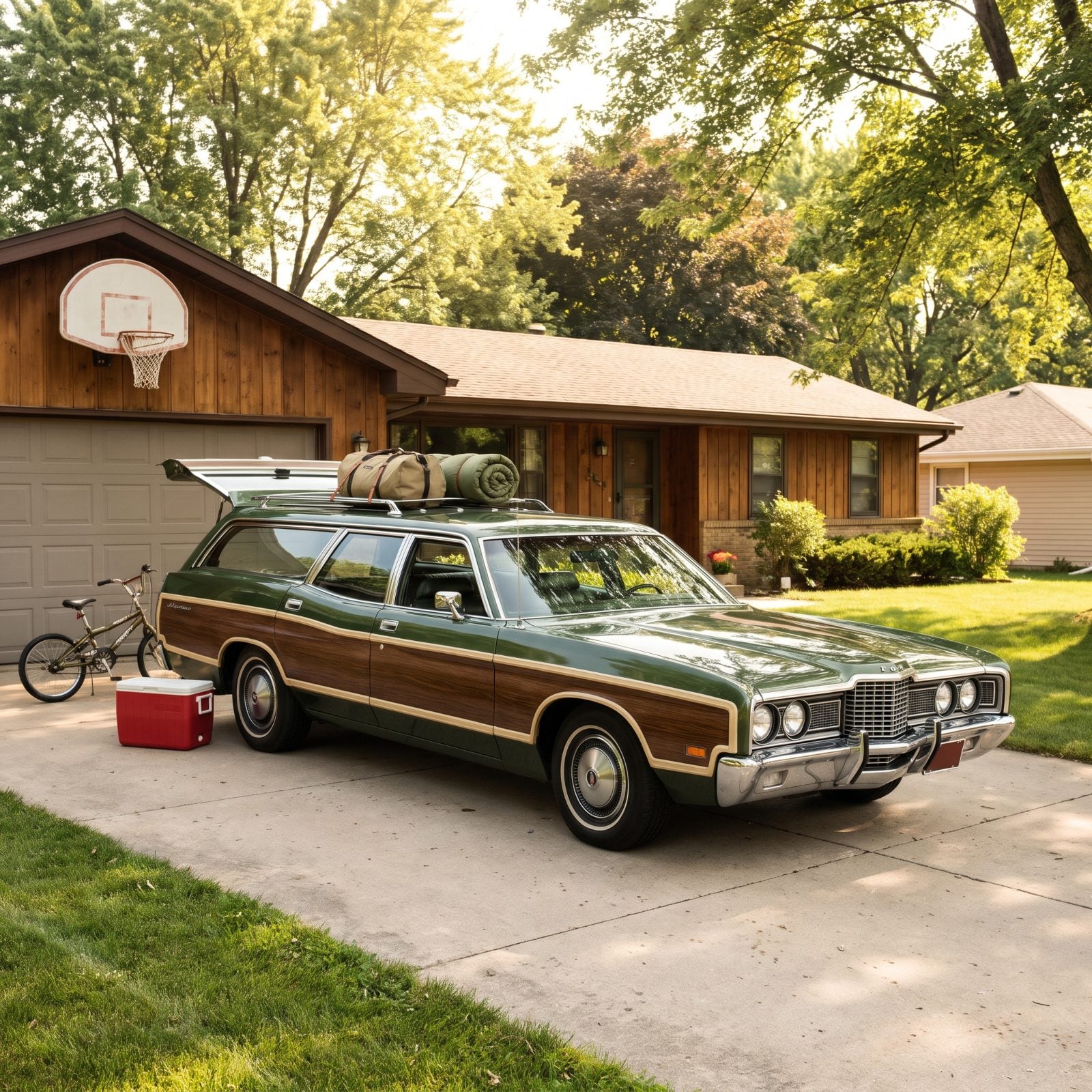
The woodgrain wasn’t wood. It was vinyl appliqué over steel, every kid knew it, and nobody cared. The Country Squire ruled the suburban driveway, a land yacht stretching past eighteen feet with a V8 up front and a rear-facing third row that was flat-out the best seat in the family.
That tailgate was a party trick. It swung open like a door or dropped down like a gate, opening the whole cargo bay at once. Parents loved the space. Kids loved riding backwards and mouthing honk your horn at semi drivers for hours on end.
37. The Oldsmobile Vista Cruiser With Roof Windows
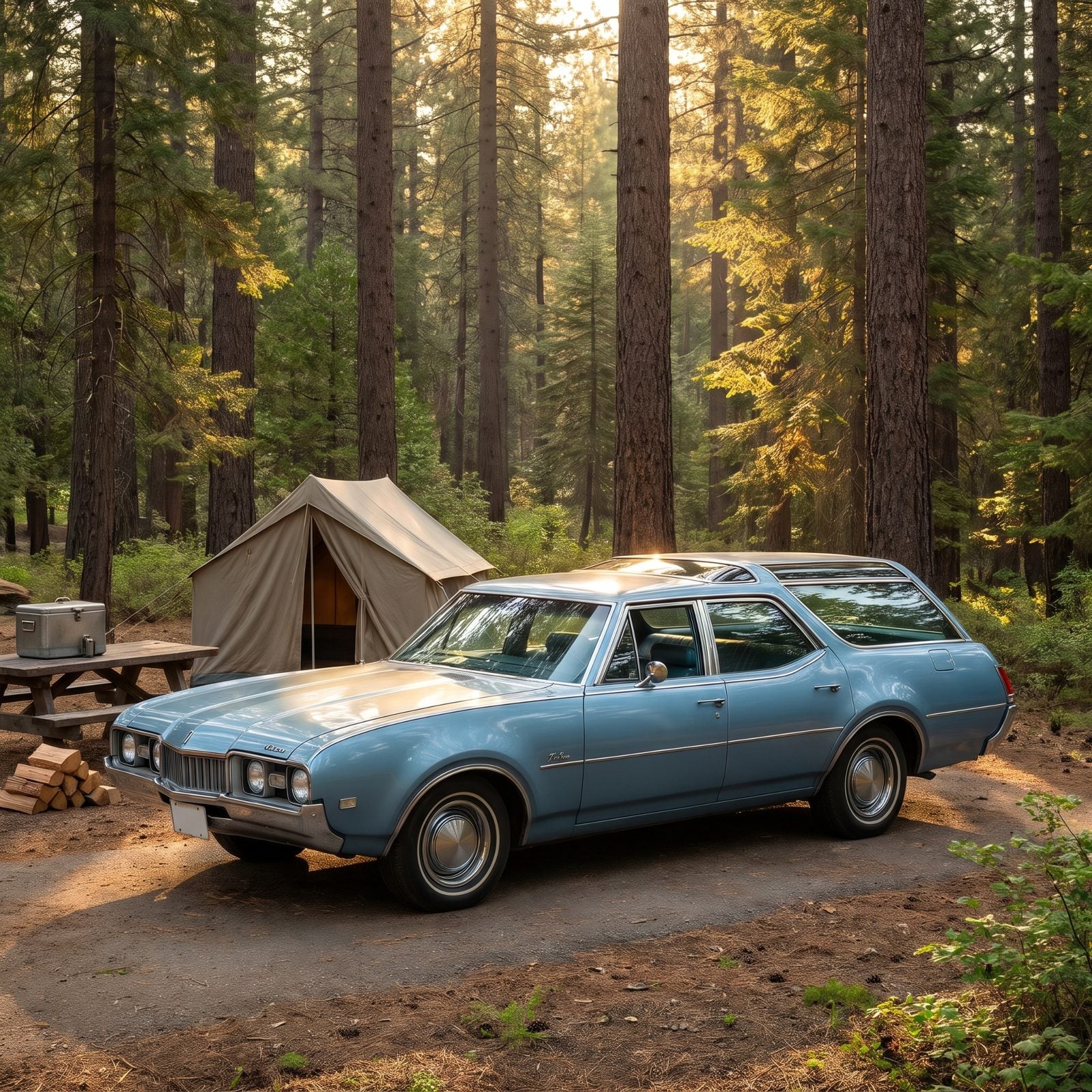
Those glass panels in the roof were the whole point. The Vista Cruiser raised its rear roofline a few inches and set tinted skylights into it, so the kids in back got sky, treetops, and the undersides of highway overpasses rolling past overhead.
On a long drive through the mountains, that roof turned the back of the wagon into a scenery greenhouse. It also turned it into an oven when the sun was out, a trade every family learned by the second trip. No other wagon let a kid watch the clouds while lying flat in the way-back.
36. The Chevrolet Caprice Classic Estate
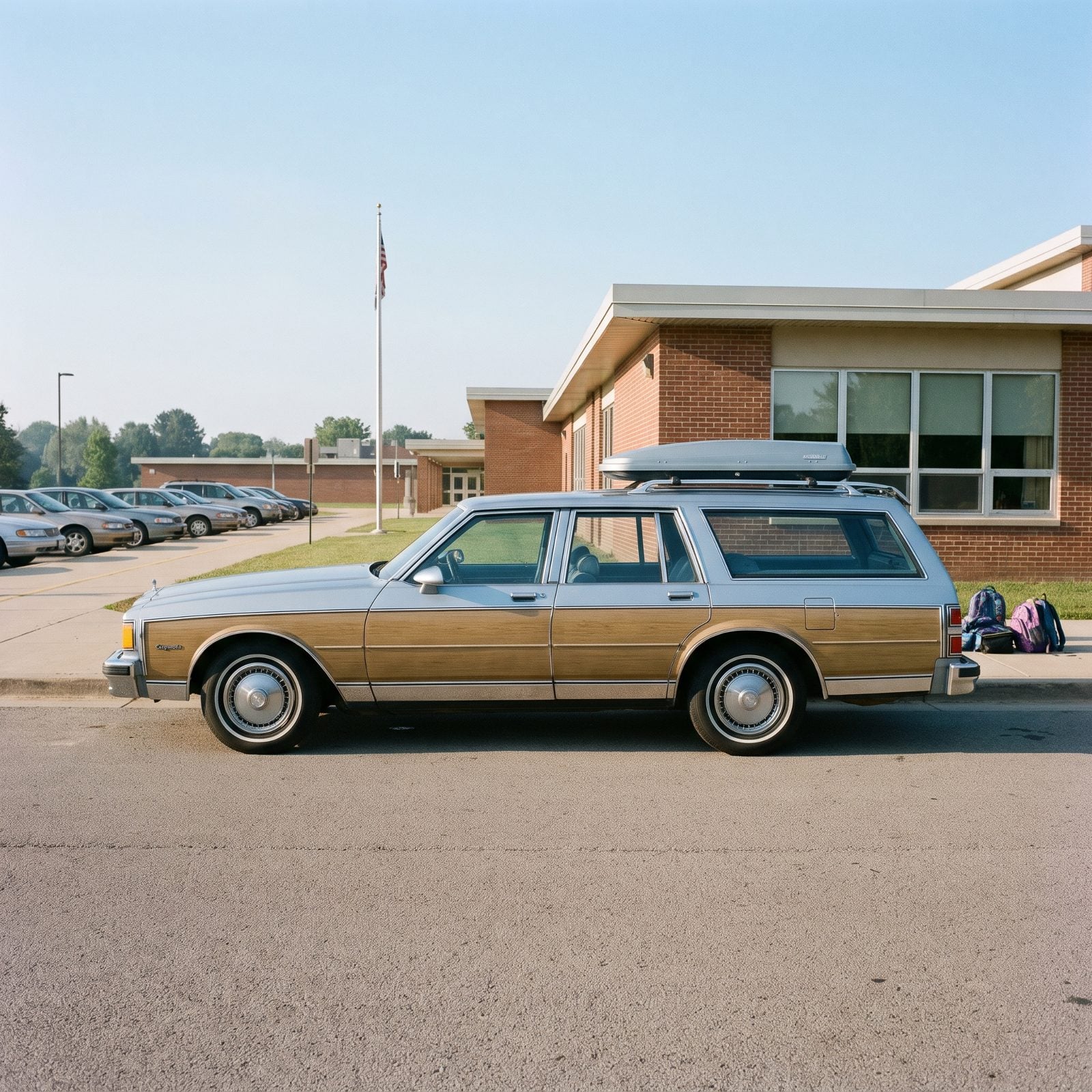
Boxy, square-shouldered, and absolutely everywhere in the 1980s. The Caprice Estate was the default school-run wagon, the one idling in the pickup lane with the engine running and the AC fighting a losing battle against August.
GM built these on the B-body platform that also gave us cop cars and taxis, so parts stayed cheap and mechanics knew them cold. The rear-facing seat folded flat for a load of plywood or a Costco run before Costco existed. Glamorous? No. It just worked, year after year, which is its own kind of loyalty.
35. The Four-Wheel-Drive AMC Eagle Wagon
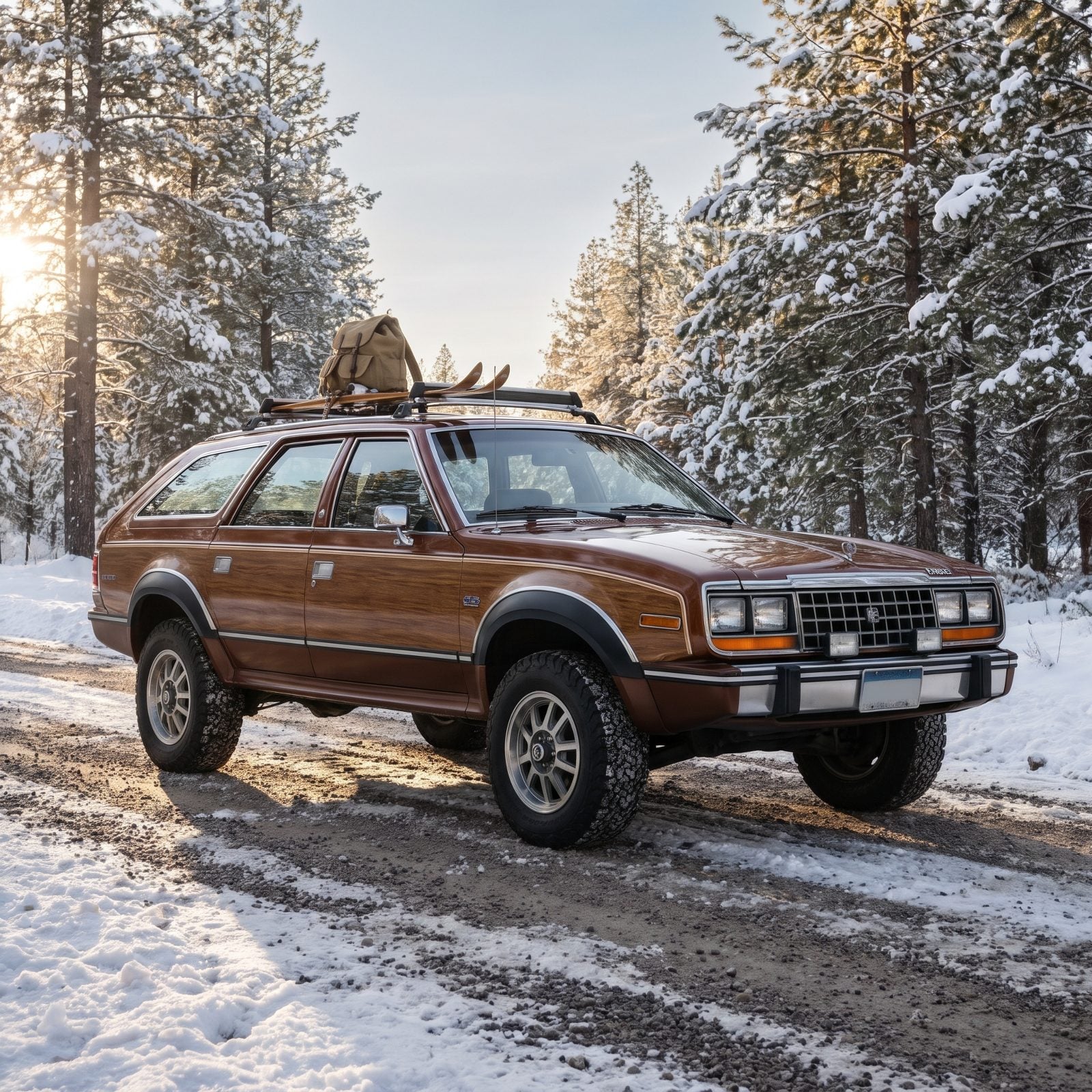
Decades before the Subaru Outback made the lifted wagon a cliché, AMC did it. The Eagle took a regular wagon body, jacked it up, and ran full-time four-wheel drive underneath, so the family living up a dirt road could actually get home in February.
It looked faintly ridiculous, like a wagon up on its tiptoes, fender flares and all. That oddness was the genius. Station-wagon space and snow-day capability in one body, and nobody else offered the combination. AMC was broke and inventive, and the Eagle is the best argument for both.
34. The Two-Door Chevrolet Nomad
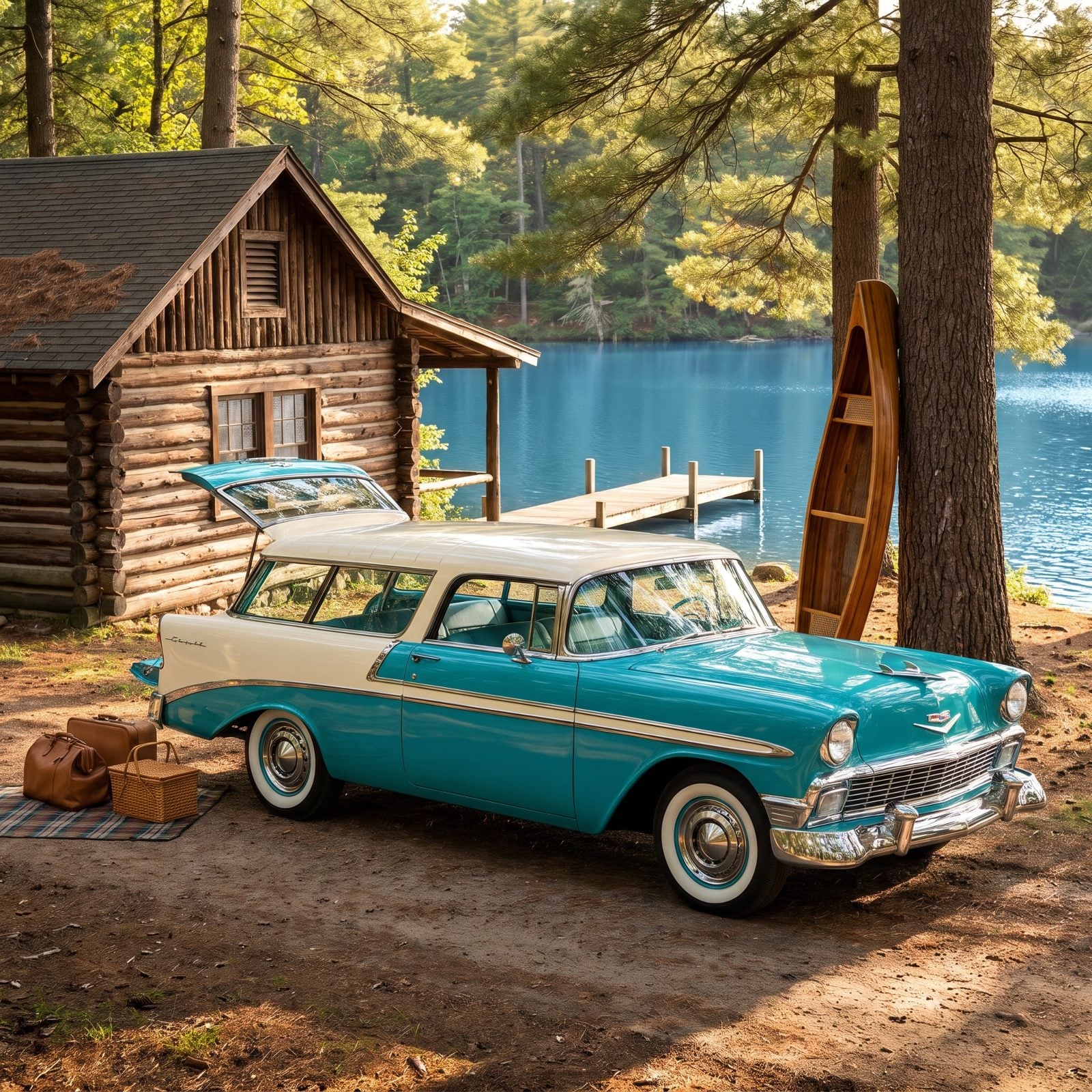
The Nomad broke the rules. Two doors on a wagon, hardtop styling, that two-piece tailgate with its teal drop-down panel and the liftgate glass swinging up overhead. It was a wagon pretending to be a sports car and getting away with it.
Practical? Not really. Climbing into the back seat past a flipped front seat with an armful of groceries was a chore, and three kids trying it at once was even worse. But families who bought a ’55, ’56 or ’57 Nomad weren’t optimizing for cargo access. They wanted the prettiest wagon on the block, and for three model years, that’s exactly what sat in the driveway.
A wagon pretending to be a sports car, and getting away with it.
33. The Oldsmobile Custom Cruiser
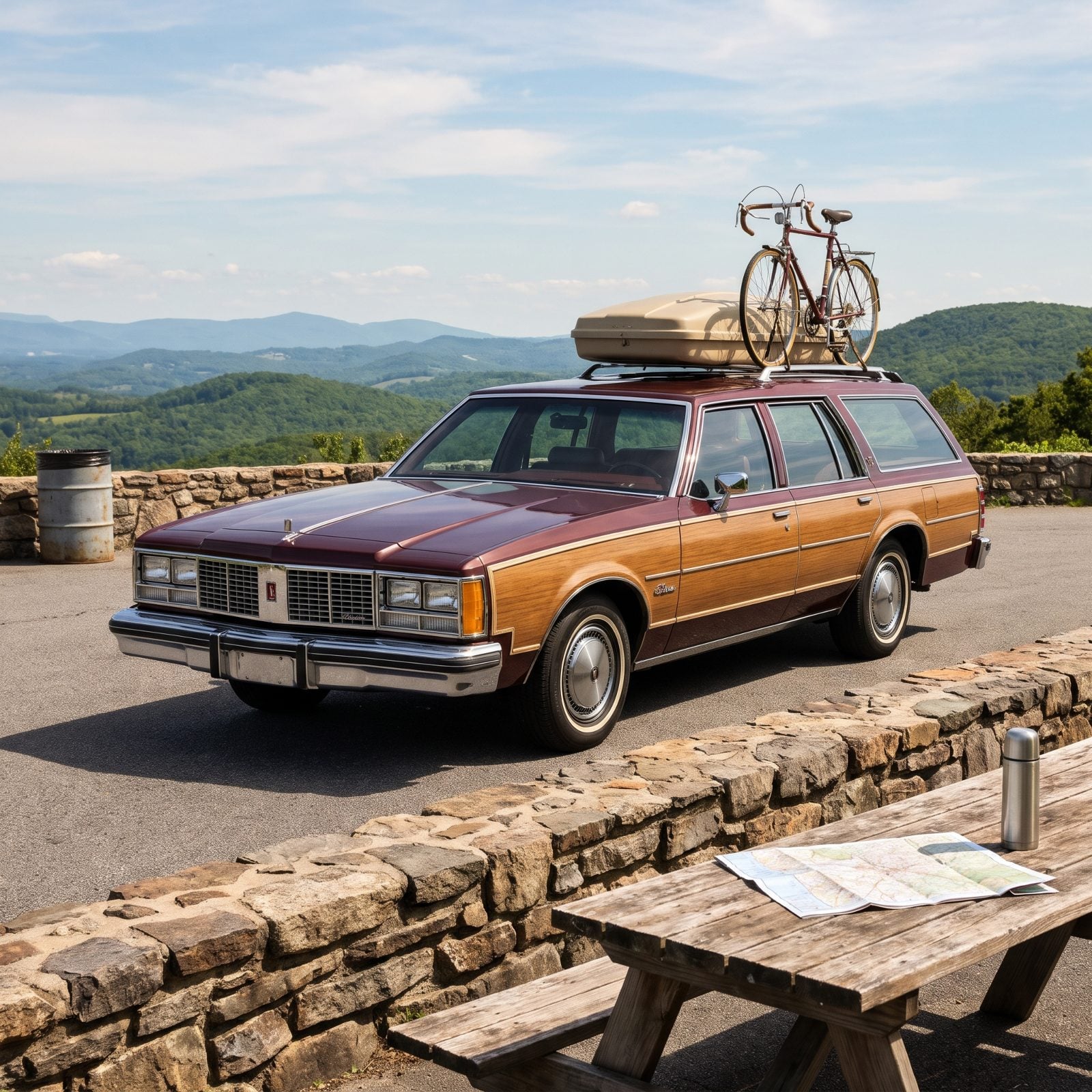
The Custom Cruiser was Oldsmobile’s full-size hauler, and for a lot of families it was the vacation machine. Rocket V8 up front, acres of bench seating, and a clamshell-era legacy of being big enough to sleep in if you truly had to.
Loaded with a cargo box on the roof and a bike mounted on the rack beside it, it drank its way down the interstate while nobody flinched, because gas was cheap and the trip mattered more. The Olds nameplate meant a little extra comfort over the Chevy, and parents noticed that sort of thing.
32. The Buick Estate Wagon
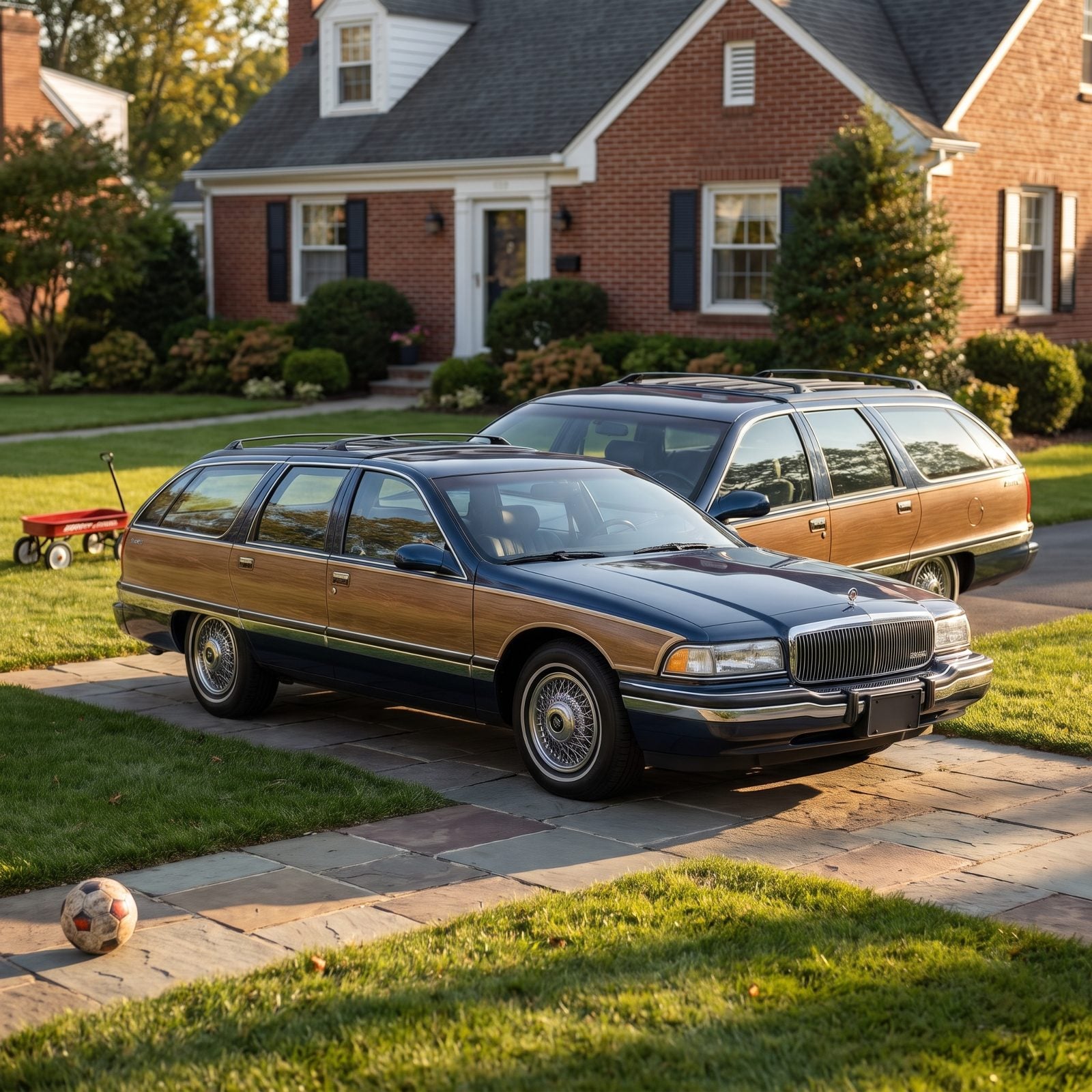
This was the wagon for the family that had arrived. Buick’s Estate sat at the top of GM’s wagon lineup, plushest seats, quietest ride, the most convincing woodgrain, and a waterfall grille lifted straight off a luxury sedan.
The last ones, built into the mid-’90s, got rounded aero styling and the LT1 V8 under the hood, which made them genuinely quick for something the size of a small apartment. It drove like a sofa on casters. The people who owned them wouldn’t have had it any other way.
31. The Pontiac Grand Safari
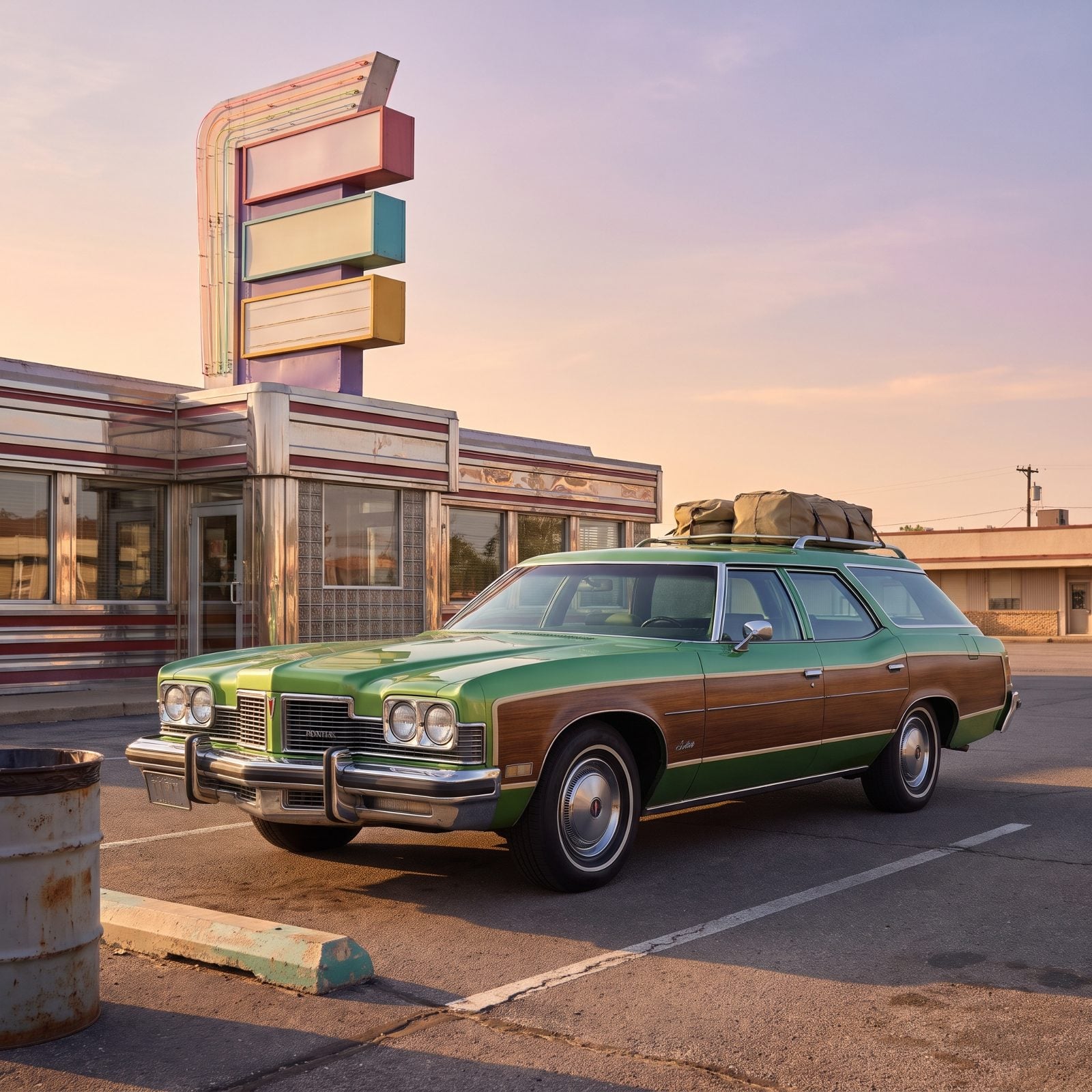
Pontiac’s full-size wagon came with the brand’s split-grille snout and, in the early ’70s, that remarkable clamshell tailgate. The rear glass slid up into the roof while the tailgate dropped down into the floor, both powered, so you loaded cargo through a clean open gap with nothing in the way.
Clever idea. GM eventually abandoned it, partly because the motors and mechanisms gave trouble as the cars aged and the seals wore out. But when it worked, dropping that tailgate at the grocery lot felt like swinging open a bank vault. The Grand Safari handed a plain errand a little bit of occasion.
30. The Buick Sport Wagon and Its Skyroof Glass
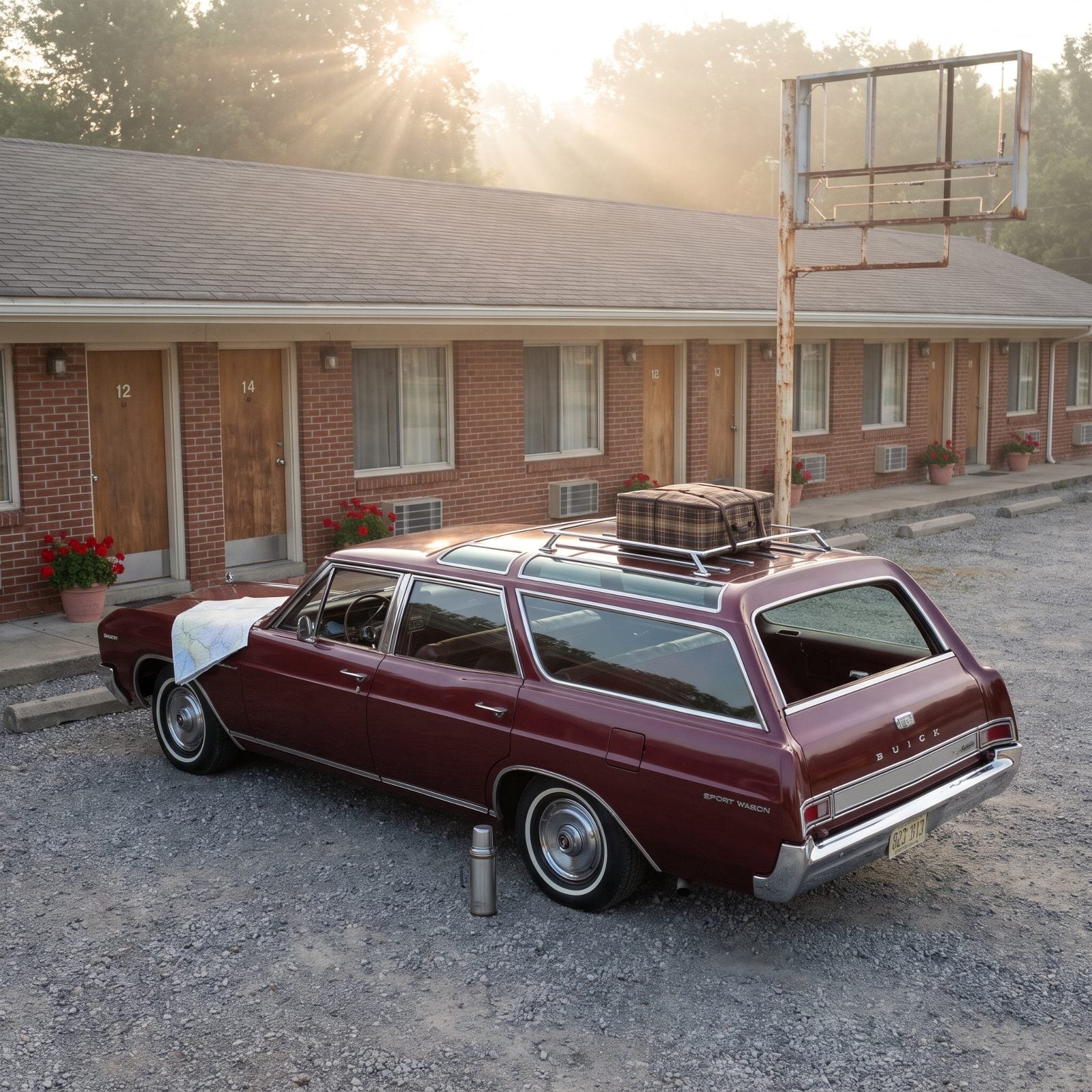
The Buick Sport Wagon had a trick you noticed from the back seat. Its roof climbed up over the rear two rows with tinted glass panels set into it, giving kids a view of passing oak branches and highway overpasses they’d never get in an ordinary wagon.
Buick shared the raised-roof idea with the Oldsmobile Vista Cruiser, which somehow got all the fame. But the Sport Wagon rode smoother and had that torquey Buick V8 up front. Call it the wagon for people who wanted a little dignity with their grocery runs.
29. The Ford Ranch Wagon, the No-Nonsense Workhorse
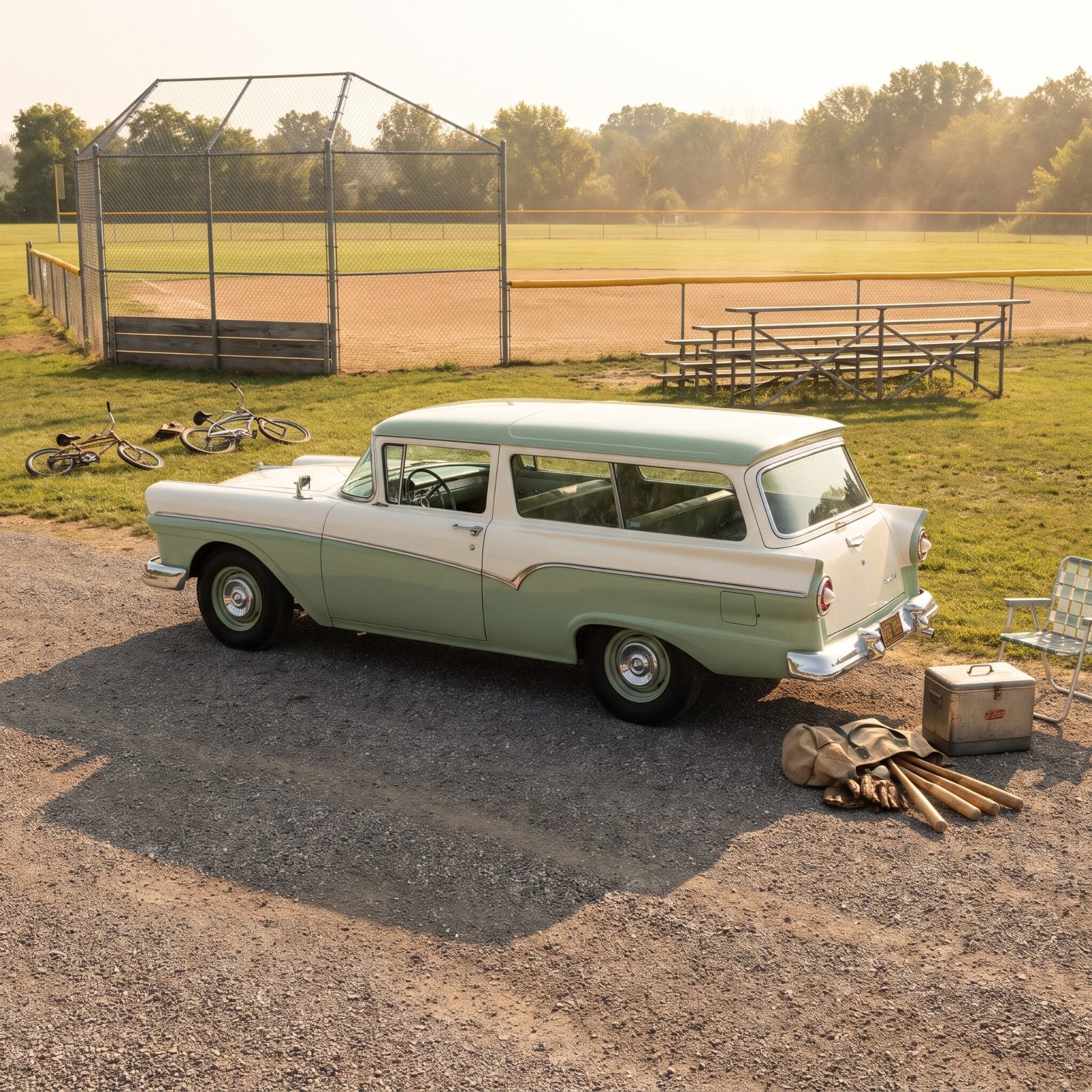
Not every wagon wanted to impress the neighbors. The Ford Ranch Wagon sat at the bottom of the lineup, painted steel where the fancy models wore chrome, and that plainness was the whole point.
You bought one because it hauled kids, lumber, and dogs for years without asking much in return. Vinyl seats you could wipe down after a muddy ballgame, a flathead or an early Y-block V8 under the hood, and not a speck of pretense anywhere on it.
The two-door versions are rarer now, loved by people who like their nostalgia honest.
28. The Plymouth Fury Suburban, the Full-Size Hauler
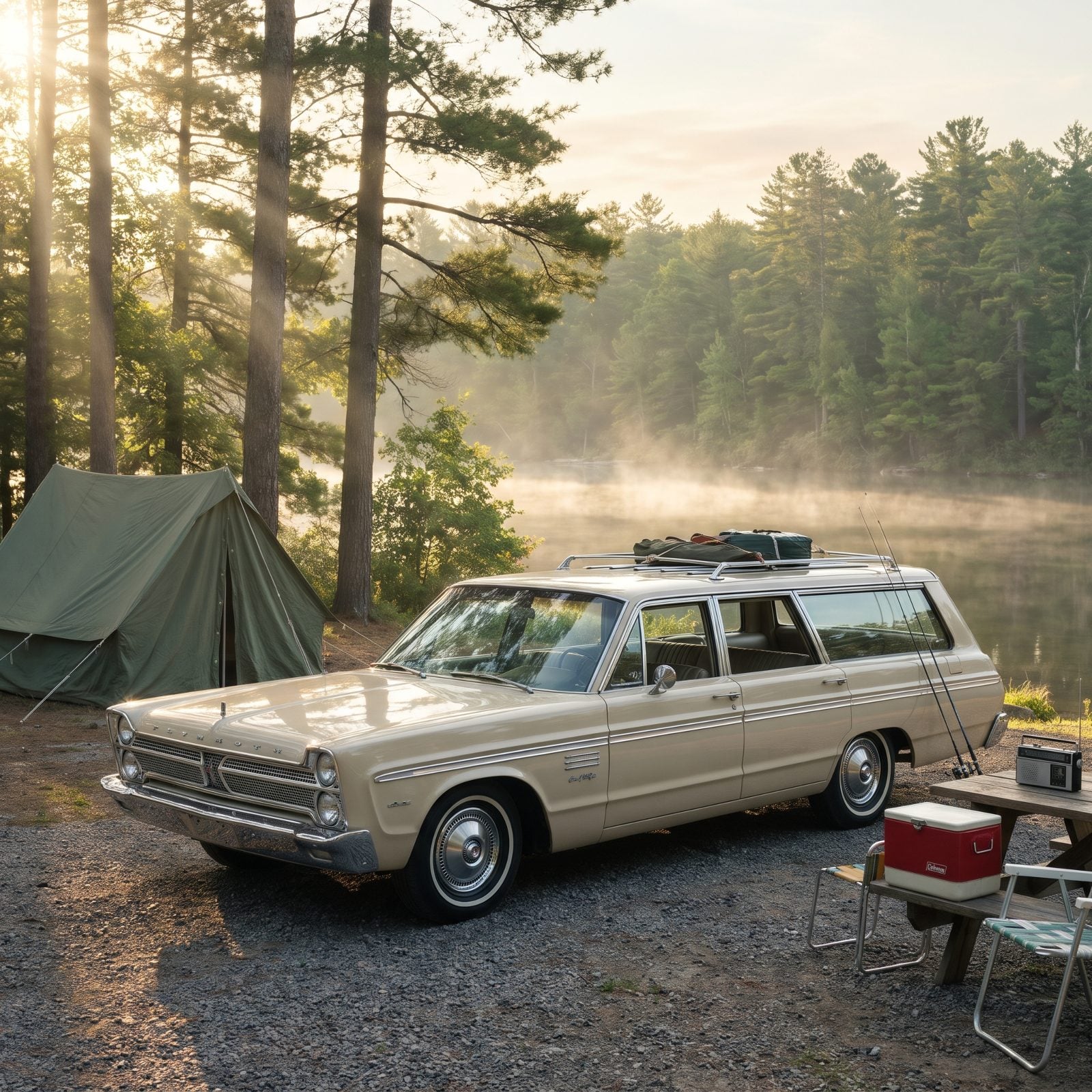
Plymouth wore the name Suburban long before it belonged to Chevrolet alone. The Fury Suburban was the big one — a three-row land yacht that swallowed a whole camping trip and the family that came with it.
These rode soft on torsion-bar front suspension, which Chrysler bragged about and which actually delivered. A 318 or a 383 moved all that steel without drama. You’d find one at every campground in the mid-’60s, tailgate down, fishing poles leaning against the bumper.
27. The AMC Hornet Sportabout, the Wagon That Looked Good
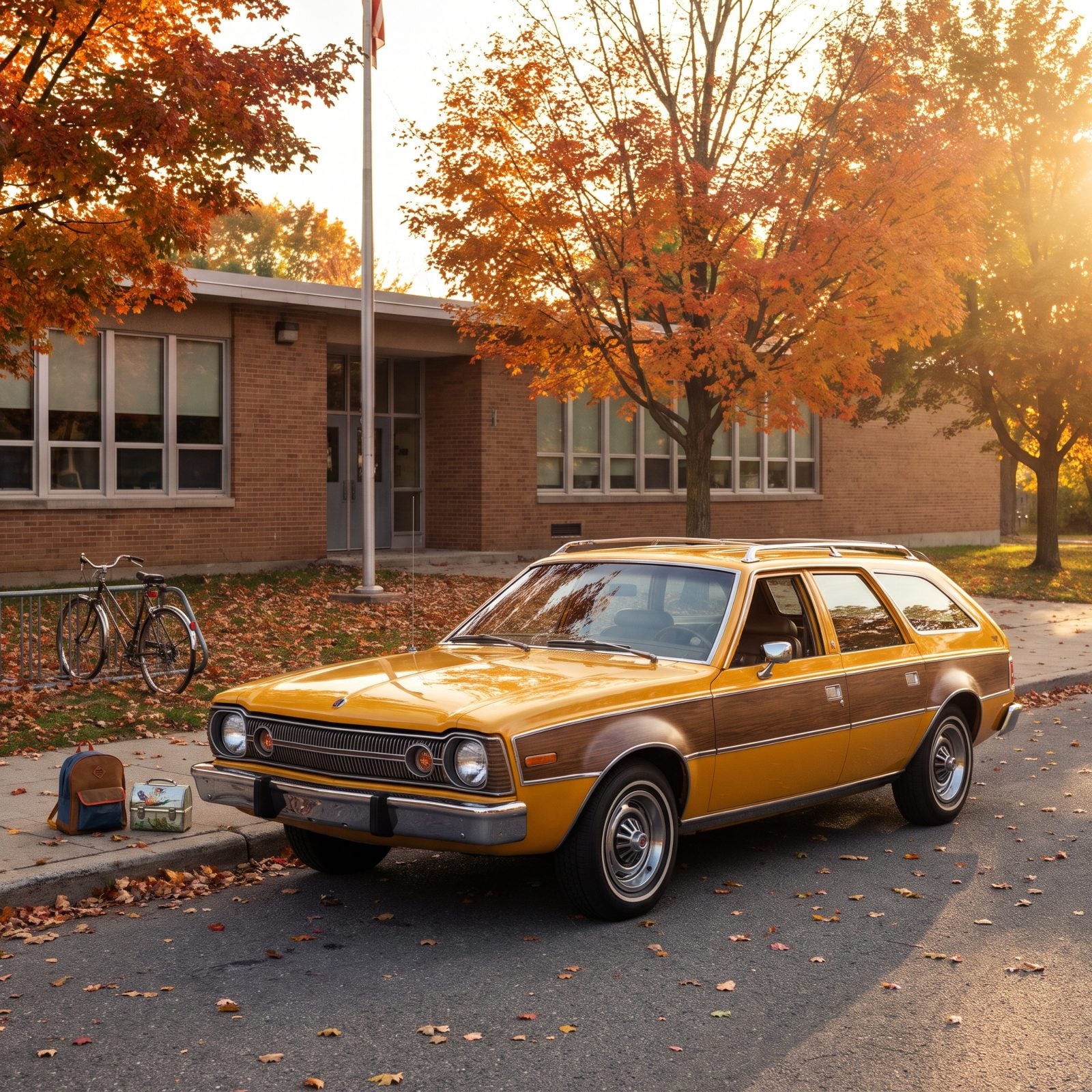
Finally, a compact wagon that didn’t look like a shoebox. The Hornet Sportabout had a sloped rear glass and clean lines back when most small wagons resembled appliances with windows.
AMC’s in-house stylists under Dick Teague get credit for tidying up the shape, and it shows. For a family that couldn’t swing a full-size wagon but still needed to haul groceries and kids, the Sportabout managed the job without feeling like a penalty box. The woodgrain option was pure theater. Worked anyway.
26. The Edsel Villager, the Wagon From a Famous Flop
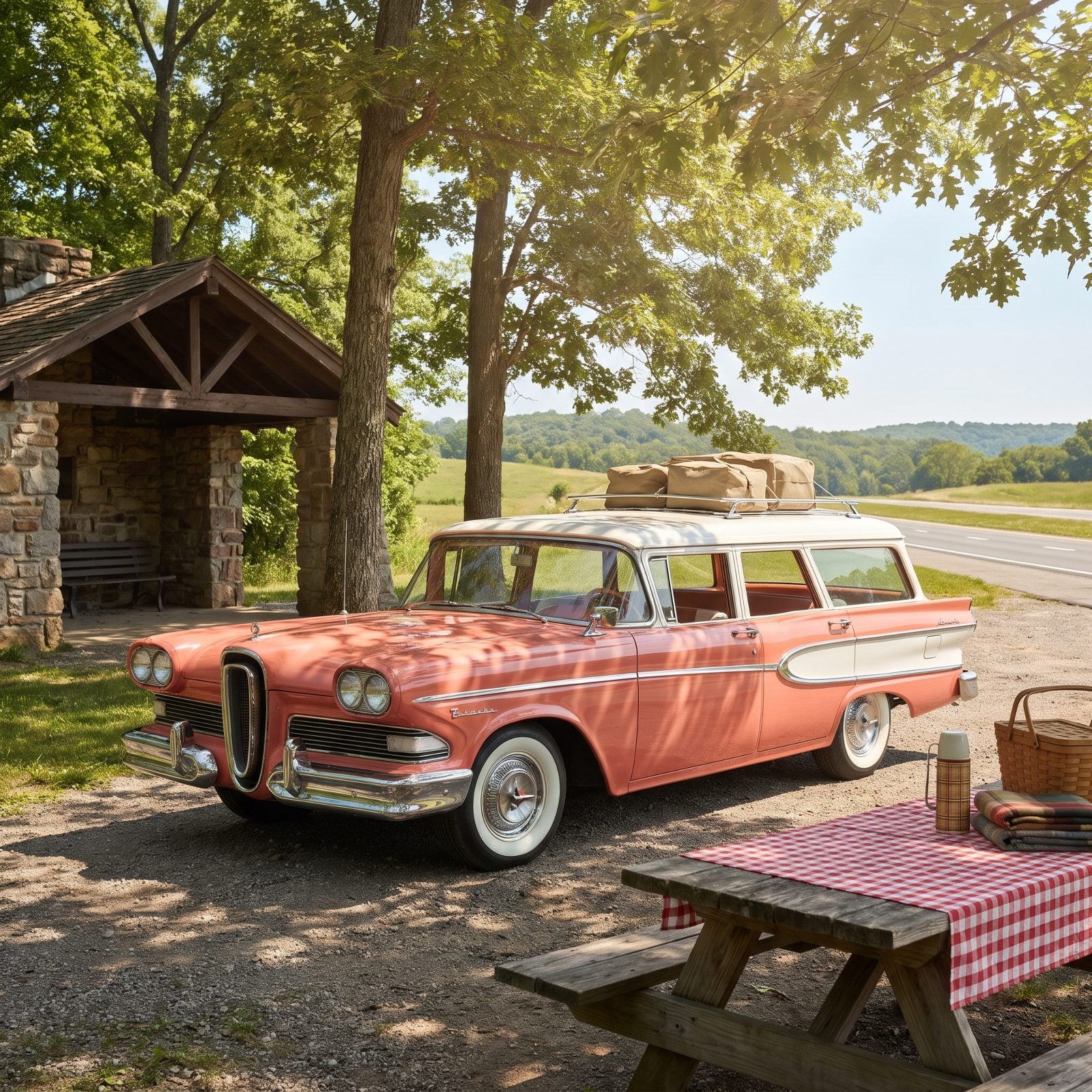
The Edsel is shorthand for failure now. Ford bet enormous money on it, the public shrugged, and the whole brand was gone by 1960. But the Villager wagon came along for the ride, and it turned out to be a strange, charming survivor.
That vertical grille got mocked endlessly — some said it looked like a toilet seat, which didn’t help sales. Underneath the controversy sat a perfectly capable family wagon with plenty of room and the usual late-’50s chrome swagger. So few sold that a clean Villager today draws a crowd at any show. Funny how nothing makes a car interesting like the world deciding it didn’t want one.
25. The Chevrolet Vega Kammback, the Small Wagon That Tried
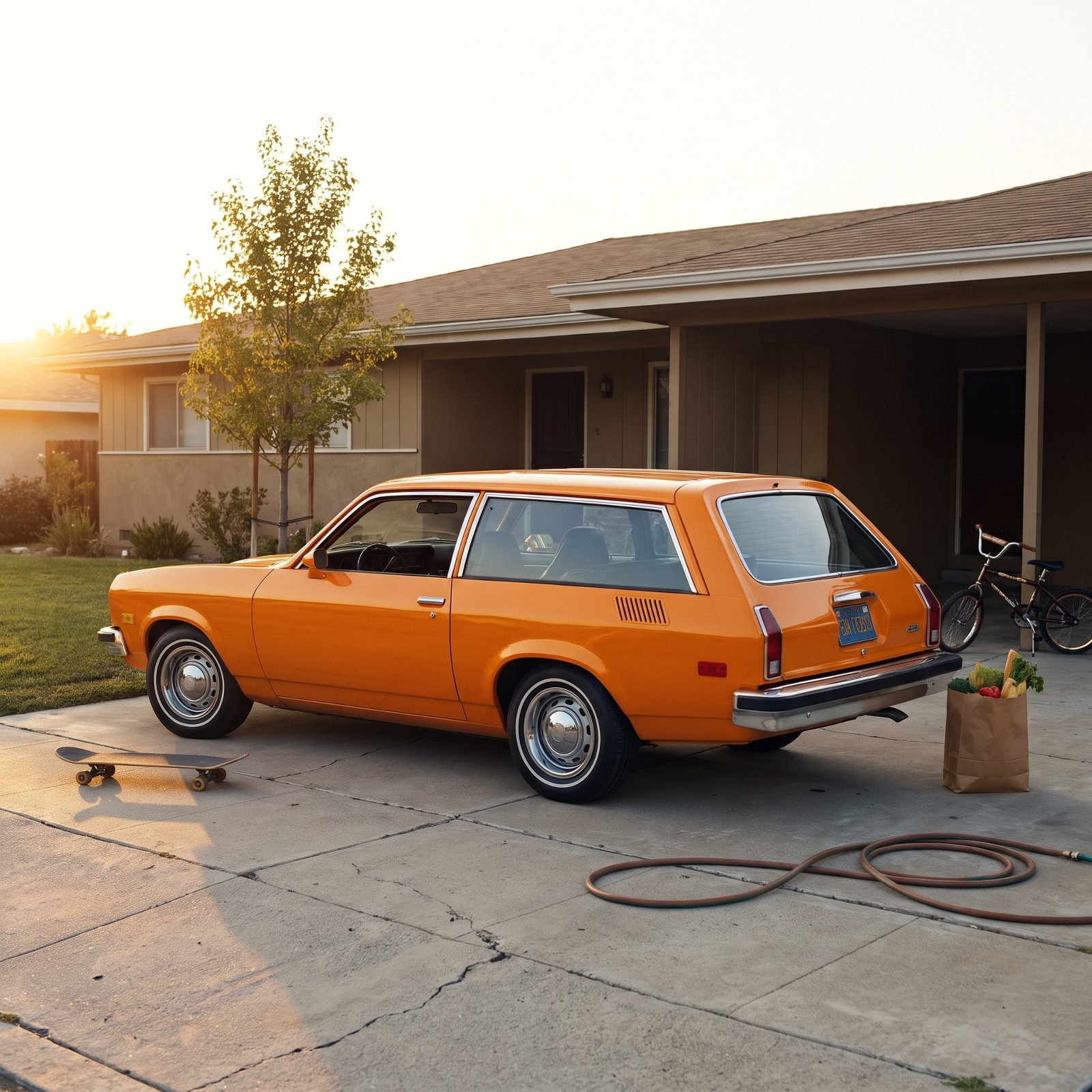
The Vega Kammback had a shape people genuinely liked and an engine that broke a lot of hearts. That aluminum-block four overheated, burned oil, and the bodies rusted like it was their calling.
And yet the little wagon itself looked sharp, with that abruptly chopped Kammback tail the engineers swore helped airflow. For young families on a tight budget in the early ’70s, it was a lot of practical shape for the money — provided you kept one eye on the temperature gauge and the other on the fender wells.
Explaining why the Vega’s aluminum-block four suffered so badly, an automotive historian writes: “If an aluminum/iron engine overheats, the aluminum side will expand faster than the iron side, putting considerable stress on the head gasket (which mates the head to the block) and eventually causing it to fail.”
24. The Ford Pinto Squire, Woodgrain on the Smallest Wagon
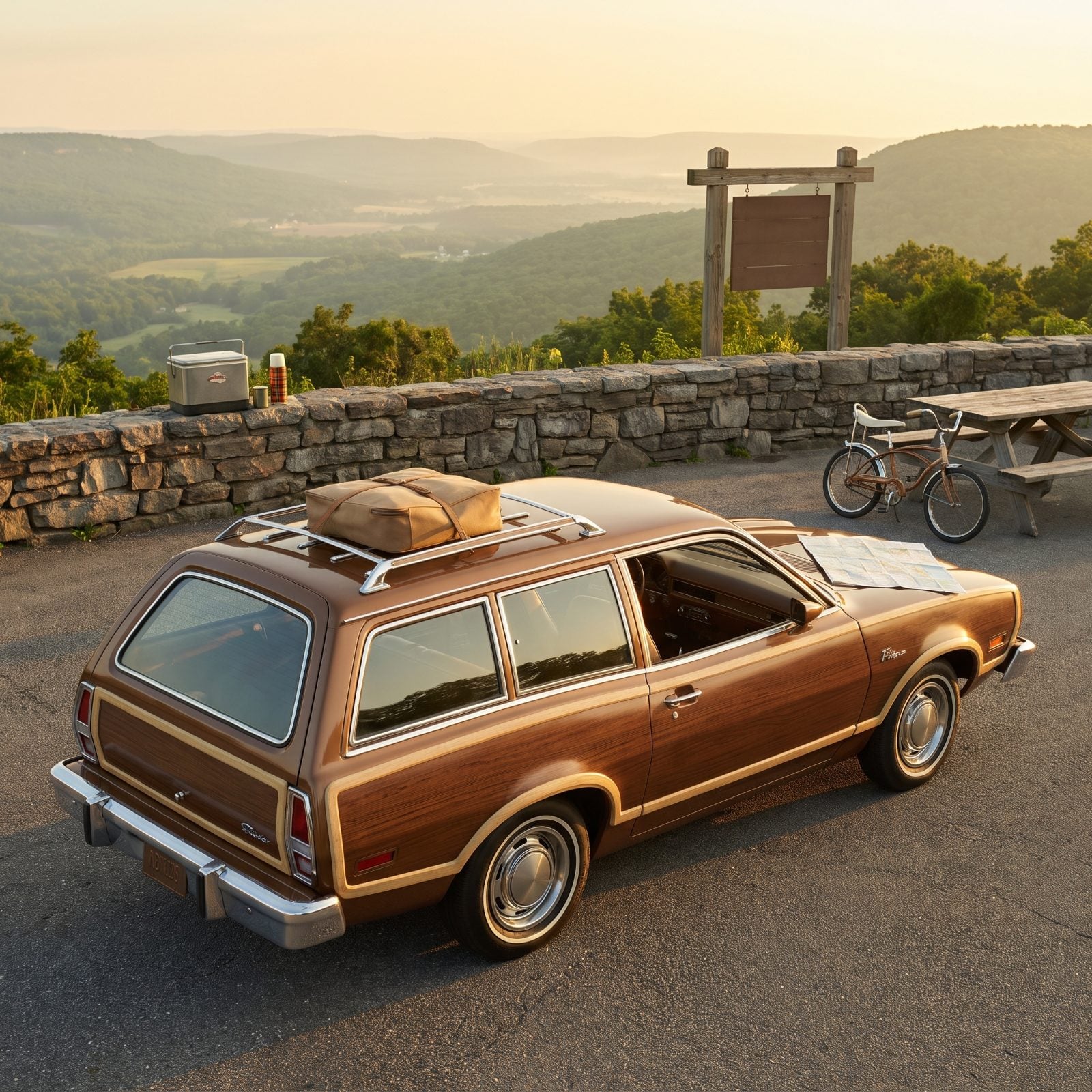
Ford put woodgrain on everything, right down to the Pinto. The Squire trim slapped the vacation-wagon look onto the smallest wagon in the lineup, and somehow it landed.
The wagon dodged the fuel-tank controversy that haunted the Pinto sedans, because its rear layout was different. Cheap to run, easy to park, and roomier inside than its stubby length let on. A young family could load one with camping gear, point it at a two-lane road, and just go. It asked for very little and handed back more than its reputation suggests.
23. The 1978 Ford Fairmont Wagon
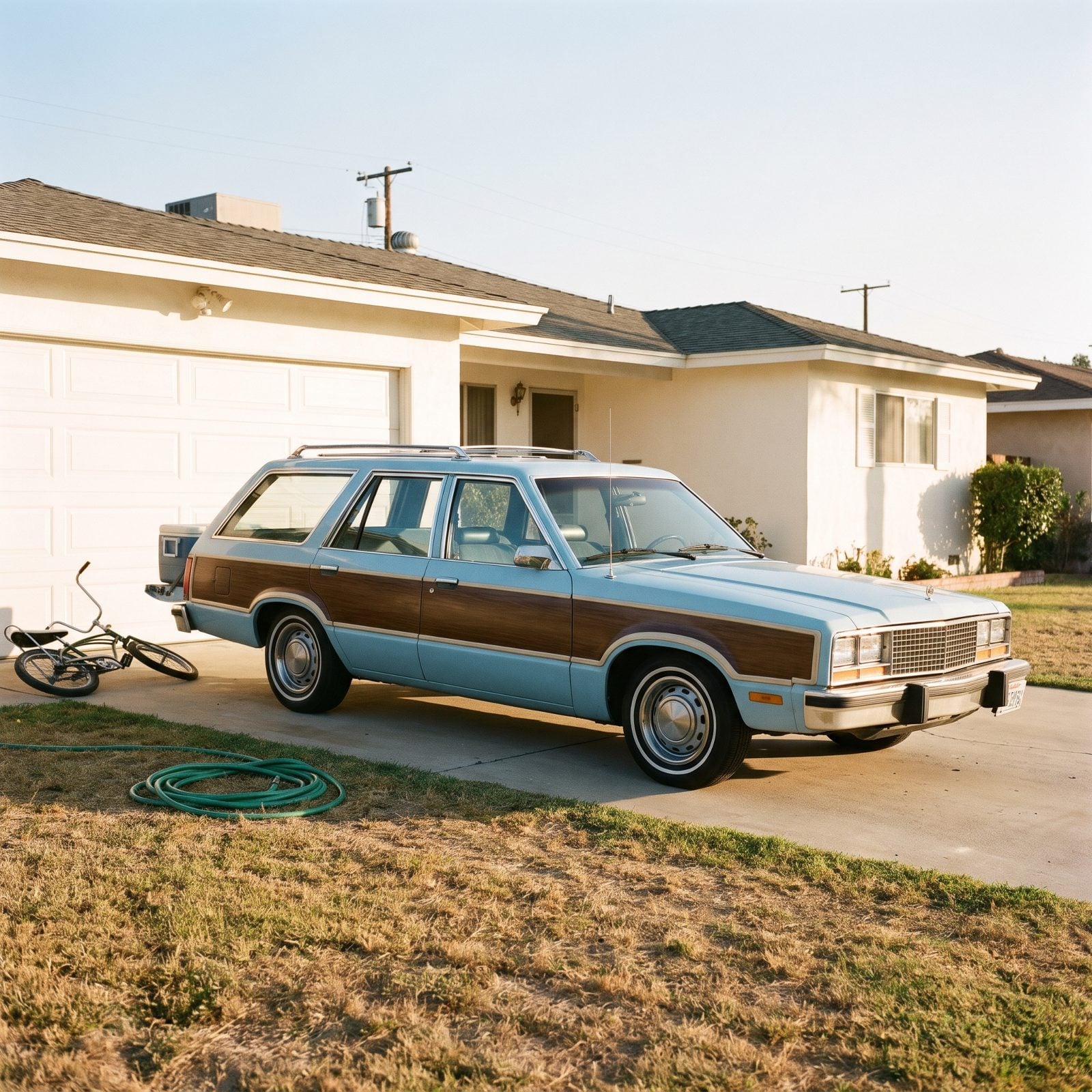
Ford built the Fairmont to be cheap to buy and cheaper to run, and the wagon became the default family mule for households that didn’t want a land yacht parked out front. Rear-wheel drive, a straight-six that refused to quit, and a cargo bay that could swallow a summer’s worth of camping gear.
The woodgrain was vinyl. Everybody knew it was vinyl. Nobody cared — what mattered was that the back seat folded flat and you could pack three kids and a dog back there without anyone throwing an elbow. These were honest cars, slow and plain, built to be fixed in a driveway with a crescent wrench and a free Saturday.
22. The 1981 Dodge Aries Wagon
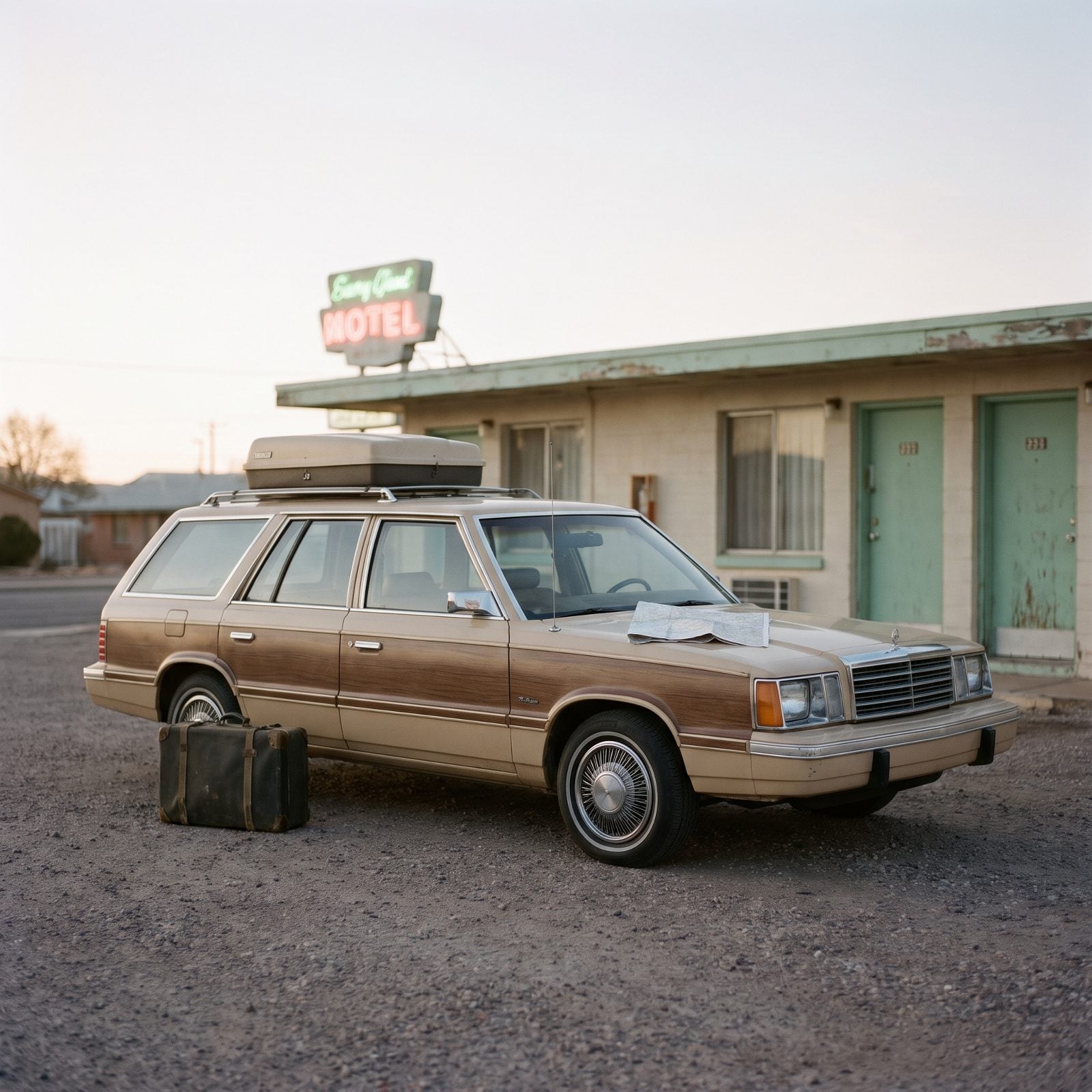
The K-car saved Chrysler. That’s not an exaggeration, just history. The Aries wagon was the practical face of that rescue — a front-drive box that got decent mileage and carried a family without drama.
Nobody wrote love songs about these. They were transportation, full stop. But a lot of kids learned to parallel park in one, and plenty of them survived first winters in salt-belt states where the fenders eventually rusted into lace. The engine was reliable in a way that bordered on boring, which is exactly what a parent wanted.
21. The 1984 Chevrolet Cavalier Wagon
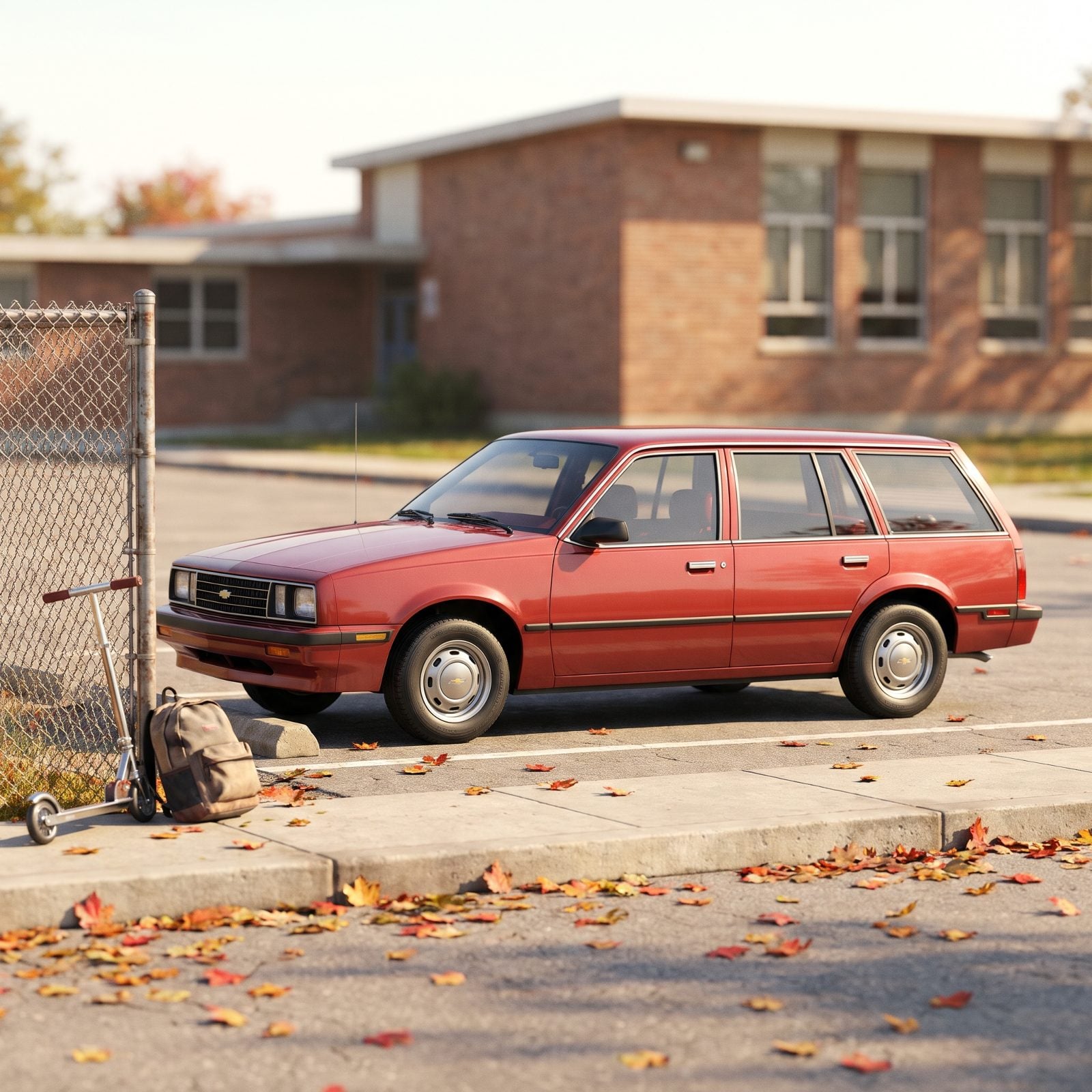
Small, affordable, everywhere. The Cavalier wagon was the entry-level family car for people not ready to commit to anything bigger, and GM moved them by the ton.
No pretensions here. The engine was adequate, the interior was hard plastic, the whole thing felt built to a price. But it started every morning, tucked into a tight apartment lot, and hauled groceries and school projects without a word of complaint. For a lot of families this was the second car — the one that did the daily grind while the big sedan sat in the garage waiting for Sunday.
20. The 1992 Ford Taurus Wagon
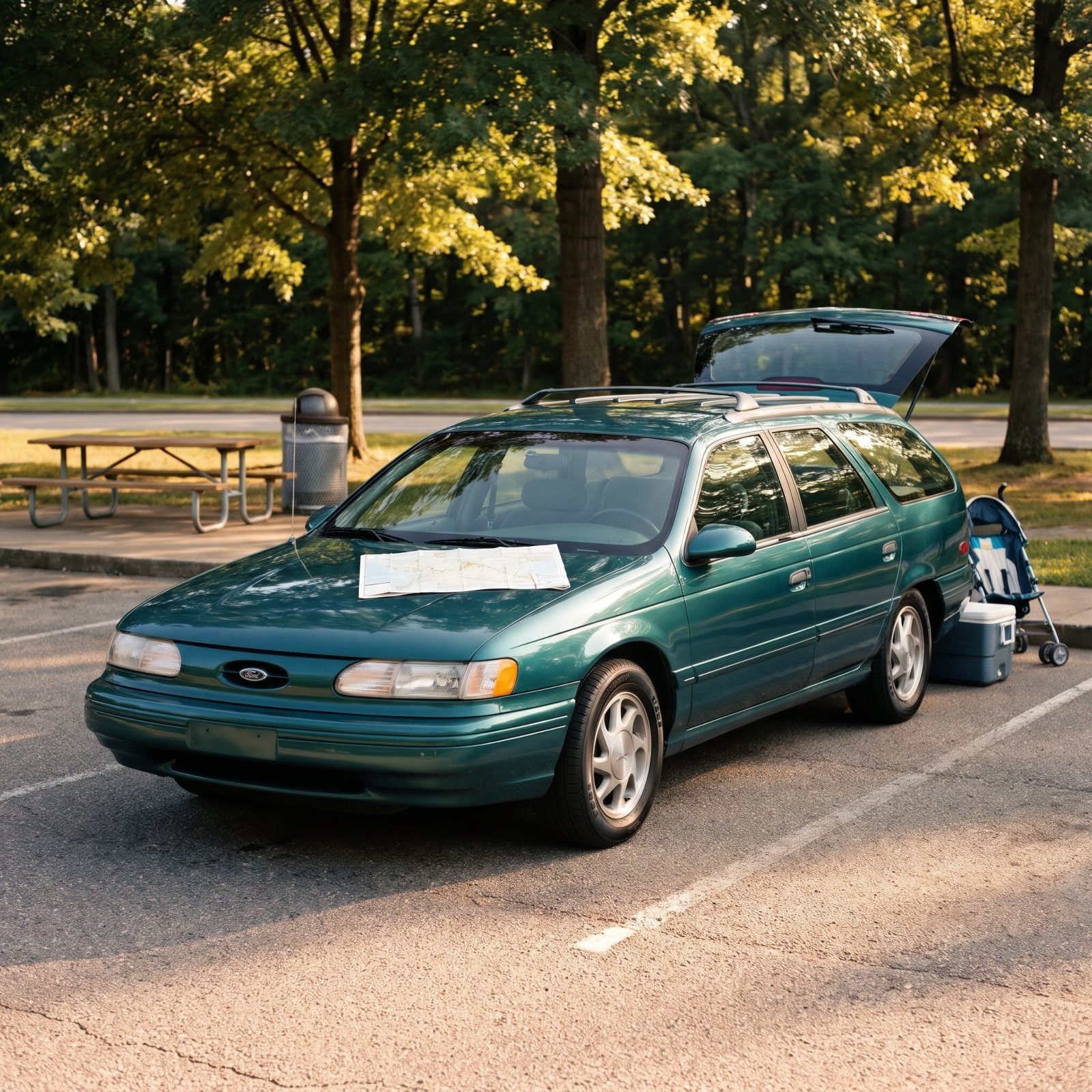
The Taurus rewrote how American cars looked, and the wagon carried that rounded, aero shape into a million driveways. After years of boxes, this thing looked like it had rolled in from the next decade.
Roomy, comfortable, and genuinely good to drive, the Taurus wagon became the suburban default for the better part of a decade. That optional rear-facing third-row seat turned the cargo area into a mobile fort for the youngest kids, who loved waving at the cars behind them.
It had weak spots. The transmissions could be fragile, and the head gaskets on some V6s were known to let go. But when it ran right, few family haulers of the era were more pleasant to live with.
19. The 1991 Ford Escort Wagon
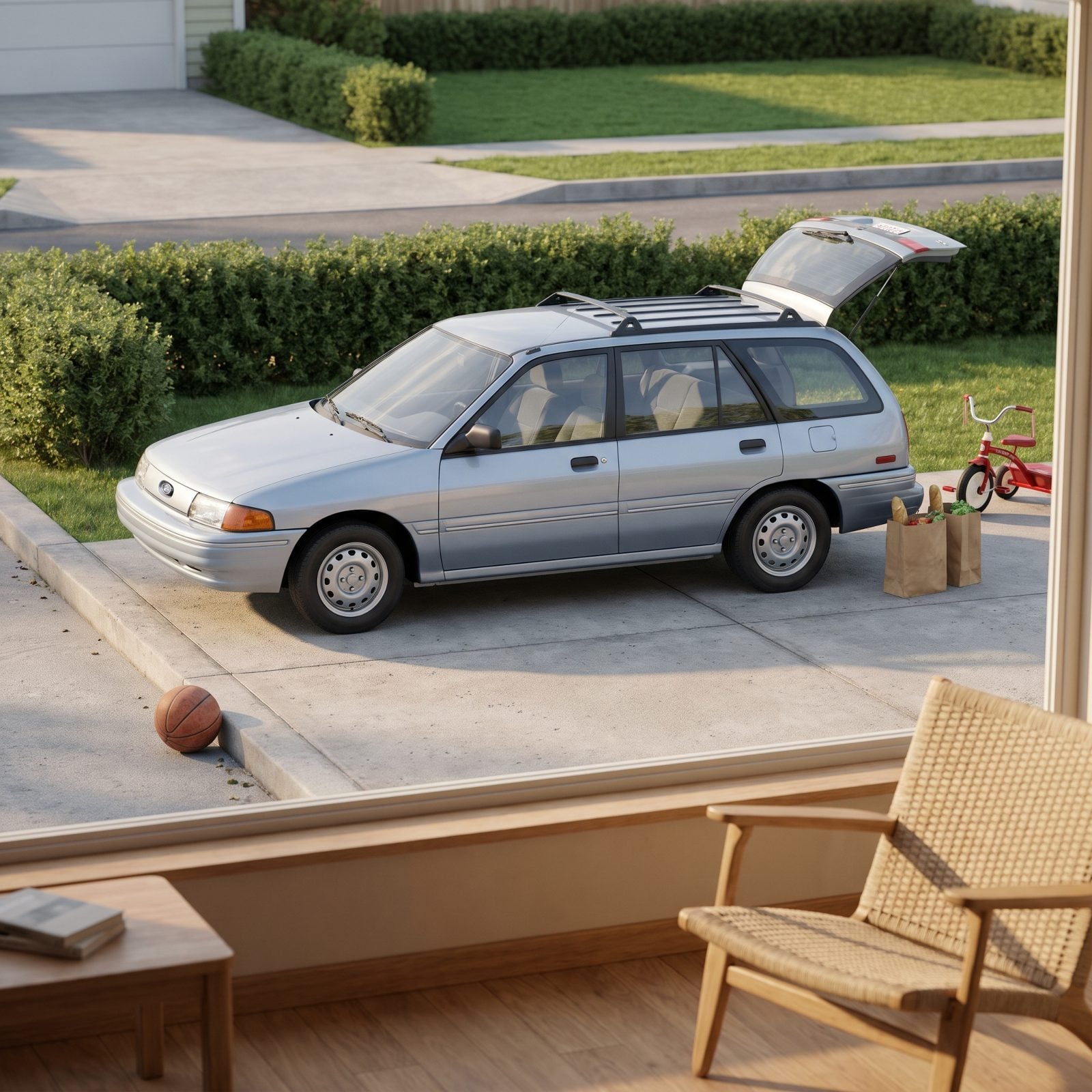
The Escort wagon was the small, sensible pick, and plenty of families chose it because it sipped gas and shrugged off neglect. This was the car you learned to drive stick in, then handed down to the oldest kid the second they turned sixteen.
Not quick, not quiet. But the cargo area was surprisingly useful for something this size — you could cram in a dorm room’s worth of stuff or a week of camping gear, and the little four-cylinder would keep chugging past 150,000 miles if you changed the oil and otherwise left it alone.
18. The 1996 Saturn SW2
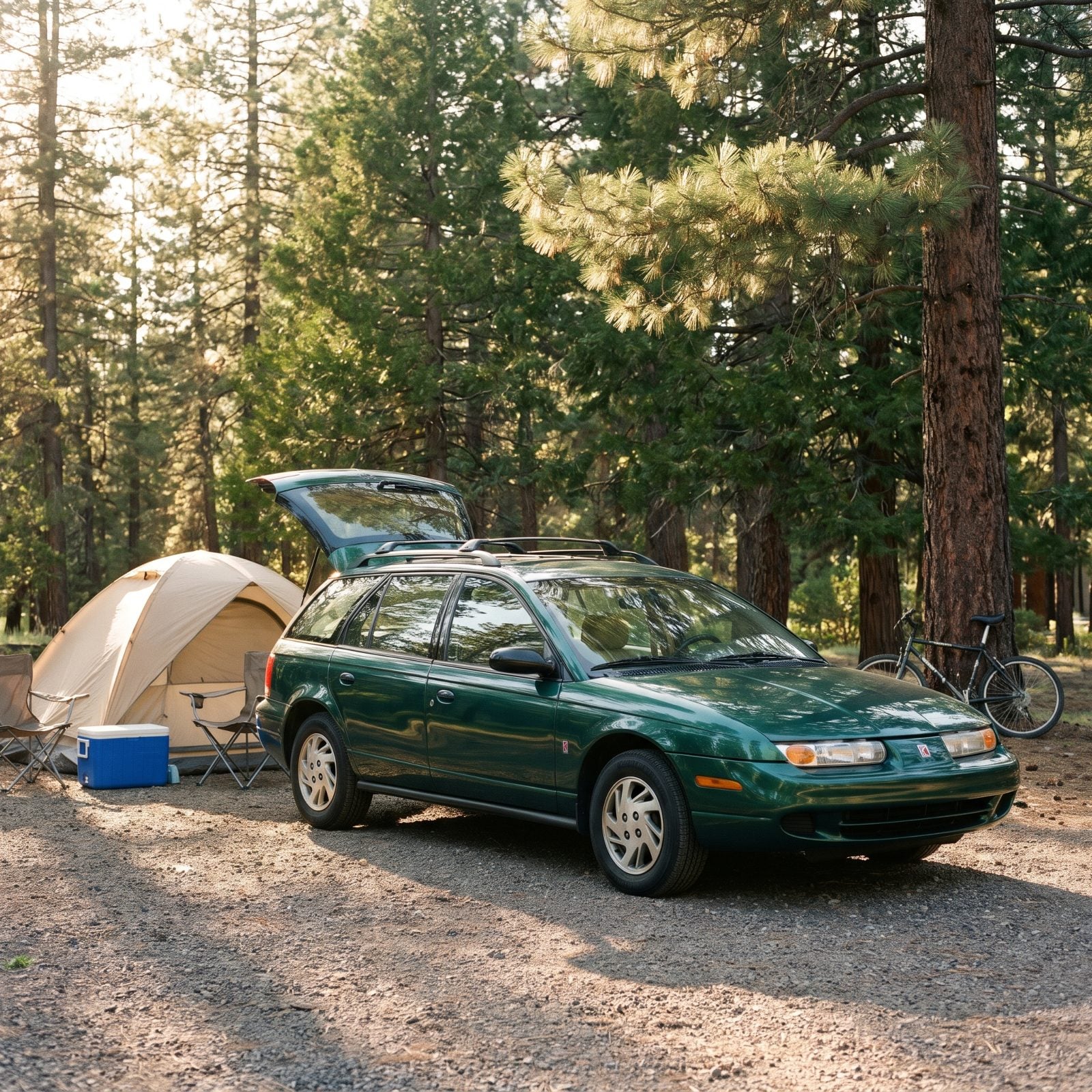
Saturn sold these with a pitch nobody else had: no haggling, dent-resistant plastic doors, and a company that treated buyers like people instead of marks. The SW2 wagon was the family version, and it earned a following that bordered on cult.
Those polymer panels shrugged off shopping-cart dings and careless parking-lot neighbors. The twin-cam four was peppy enough, the fuel economy was genuinely good, and the thing ran forever if you kept up with it.
Saturn owners were loyal in a way the rest of the industry quietly envied, and the wagons were a big part of why.
It wasn’t fancy. Just honest and tough — and for a lot of families that counted for more than leather seats ever would.
17. The 1969 Volkswagen Type 3 Squareback
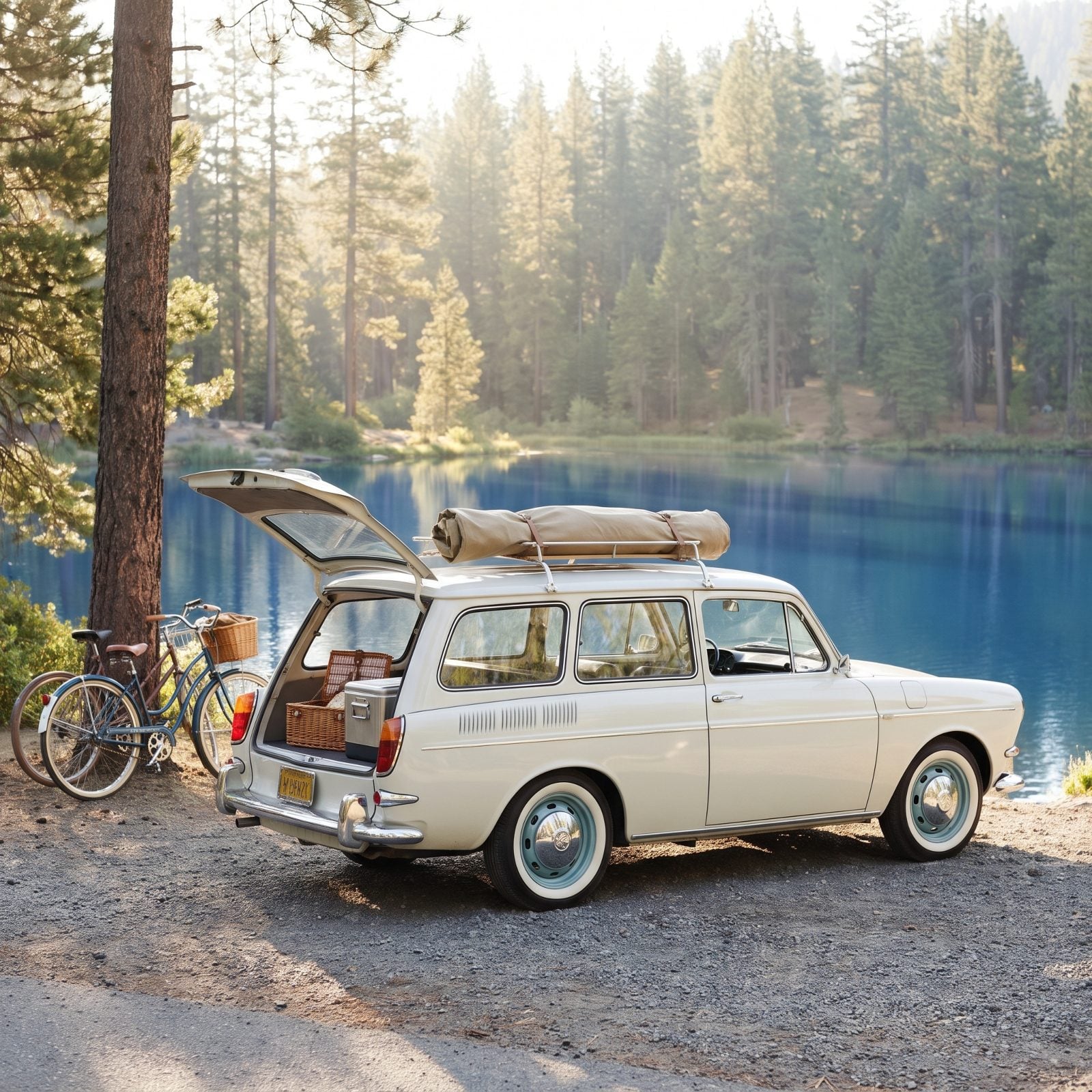
Leave it to Volkswagen to shove the engine in the back and call the trunk up front. The Squareback gave you cargo space at both ends, which baffled people the first time they popped the hood and found luggage where a motor should be.
Air-cooled, simple, stubbornly reliable, it became the alternative-family wagon for people who wanted nothing to do with a big American box. The flat-four hummed along at modest speeds, the fuel economy was excellent, and the whole thing carried a friendly, unpretentious charm that’s hard to manufacture on purpose.
16. The 1984 Volkswagen Quantum Wagon
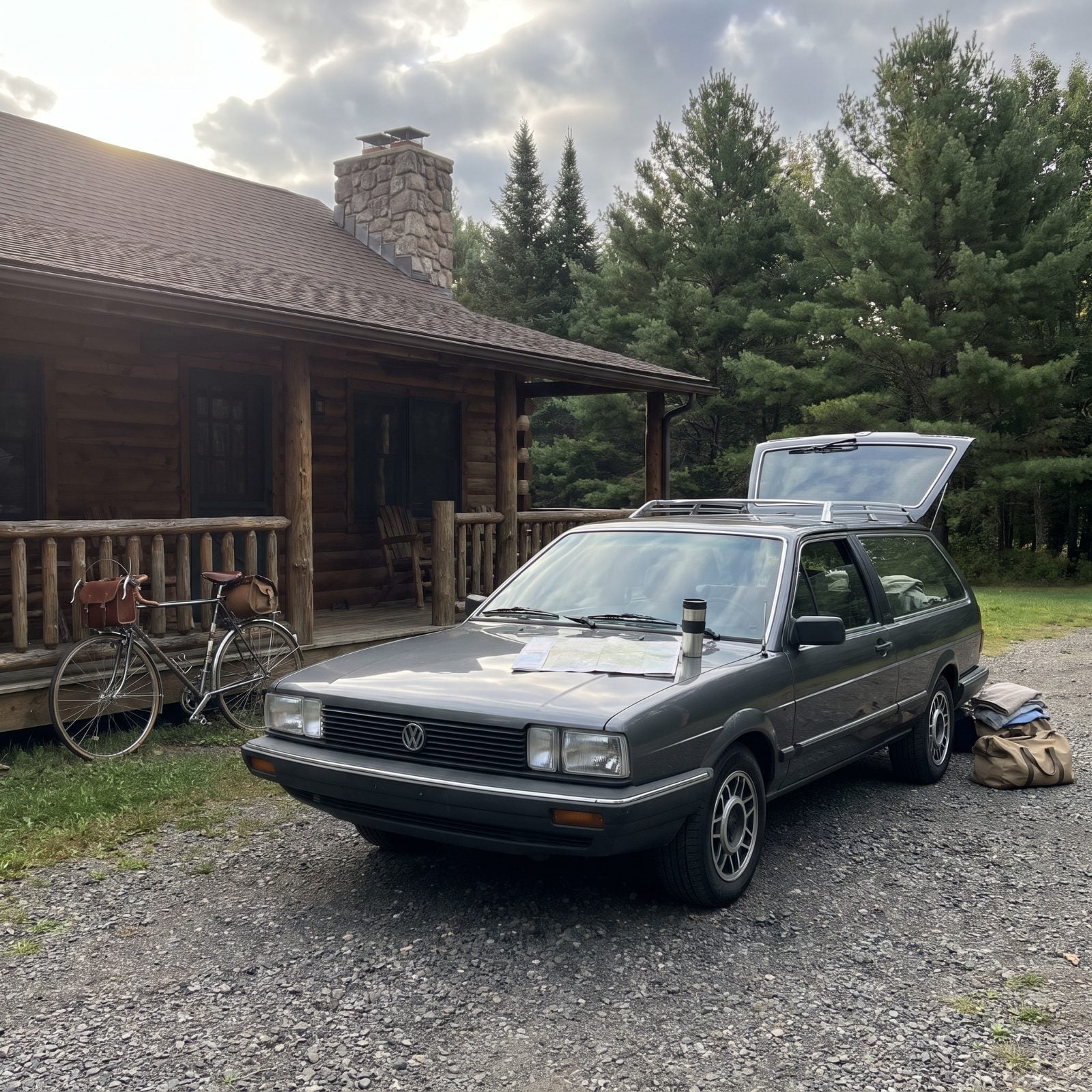
The Quantum was Volkswagen’s crack at a proper, upscale European wagon for American families, and it felt different the moment you dropped into the seat — tighter, more solid, built with a seriousness the economy cars never bothered with.
You could order it with the inline-five lifted from Audi, which gave it a distinctive thrum and smooth, easy power. Plusher interior, more composed ride, a continental air that stood out in a lot full of domestic boxes.
It never sold in huge numbers here. That makes the survivors genuinely uncommon now. The people who bought one tended to read the spec sheet carefully and wanted something that drove like it cost more than it did.
15. The Mercedes-Benz 300TD: The Diesel That Outlived the Mortgage
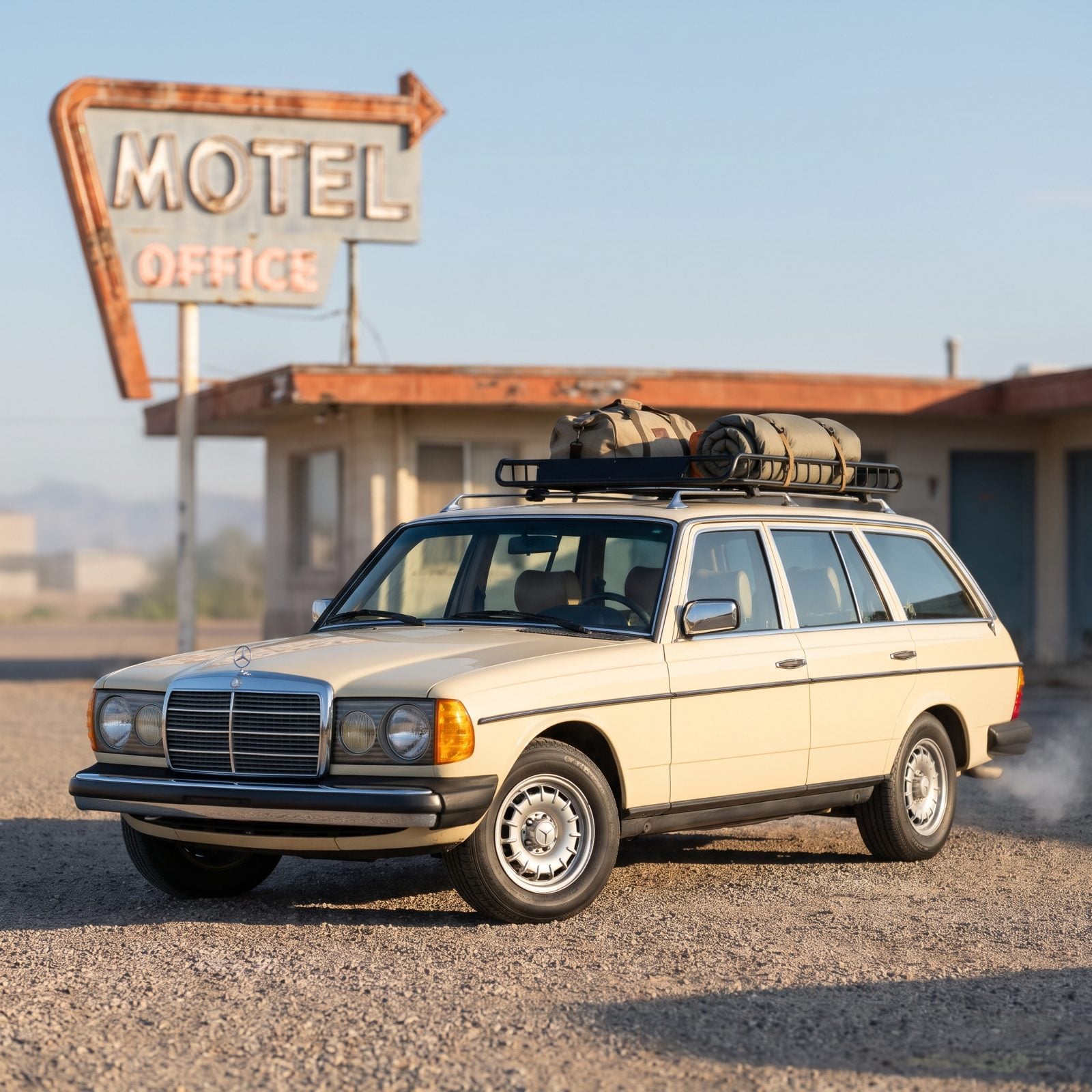
Some cars die. This one just keeps clocking miles. The 300TD, the diesel wagon version of the legendary W123, earned a reputation that still holds: get one past 200,000 miles and you’re barely halfway through its life.
The five-cylinder turbodiesel was slow. Genuinely slow. You merged onto the highway with faith and a running start. But it clattered to life in January without complaint and returned real fuel economy while hauling three kids and a dog in the rear-facing jump seat.
You’ve seen one still on the road today, paint gone chalky, odometer rolled past numbers the designers never imagined. That’s no accident — just engineering that didn’t know when to quit.
14. The Peugeot 505 Wagon: The French Cloud Nobody Remembers Buying
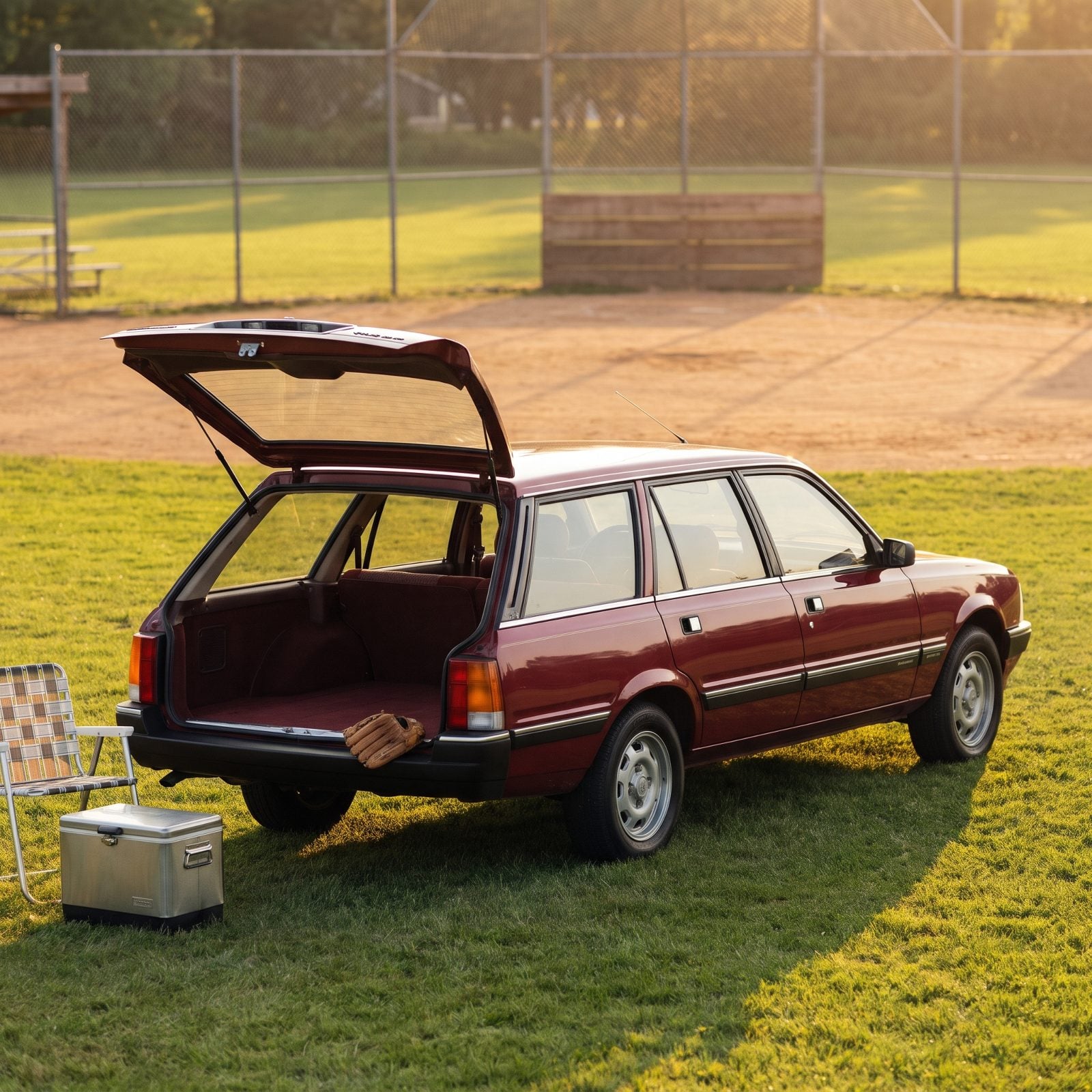
The 505 wagon rode like something a lot more expensive. Peugeot built its name on suspension that swallowed broken pavement whole, and the long-wheelbase estate took that talent and stretched it even further.
It also sat eight. The optional rear-facing third row folded out of the cargo floor, which made it a carpool hero and a school-pickup regular. Reliability was the catch, though, and American dealers thinned out until Peugeot bailed on the US entirely in 1991.
13. The Datsun 510 Wagon: The Giant-Killer With a Cargo Hold
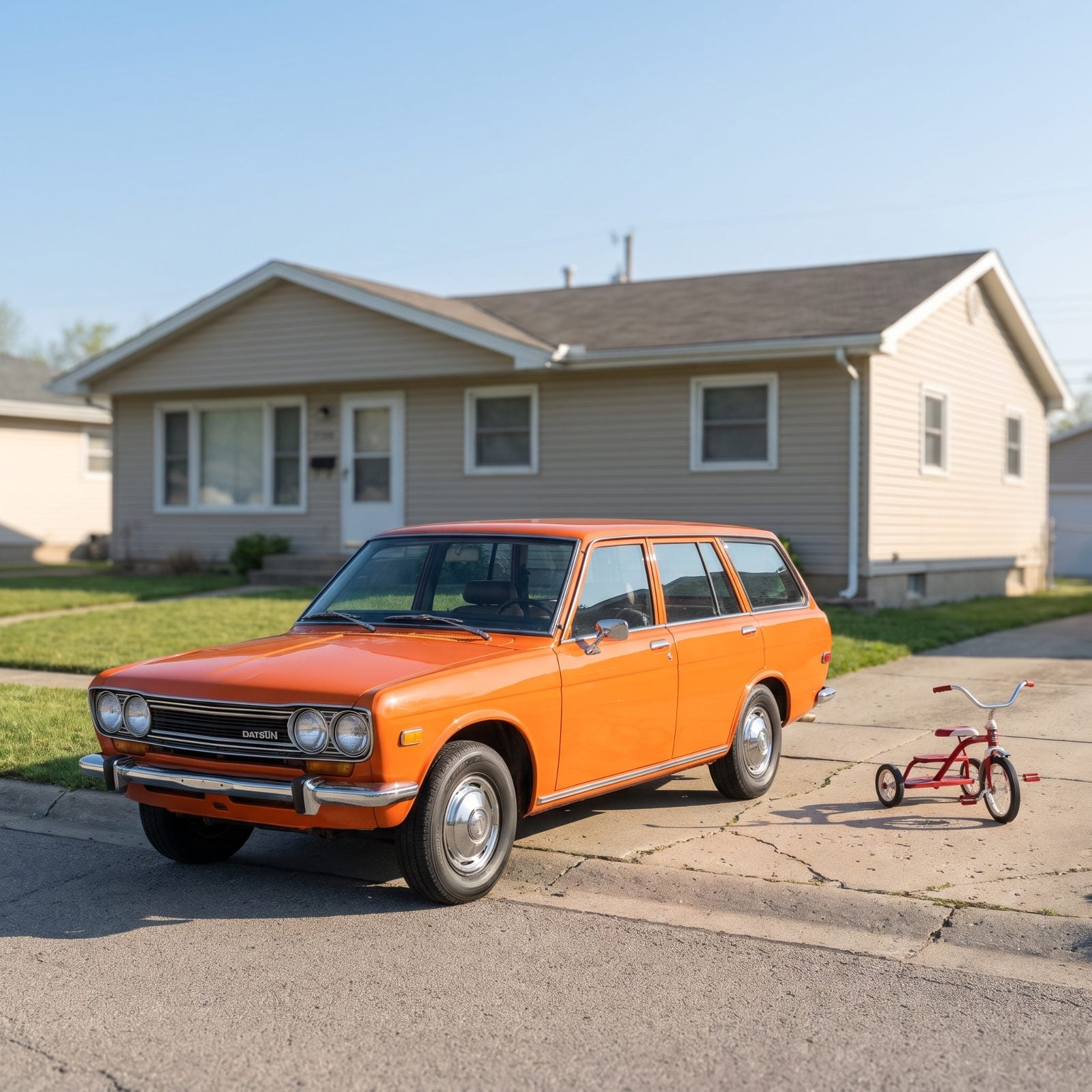
Enthusiasts know the 510 as the sedan that embarrassed Alfa Romeos on the racetrack. Families knew the wagon version as the small, honest hauler that just ran.
Independent rear suspension in an economy car was rare in 1968. It made the 510 sedan handle; the wagon made do with a simpler live rear axle but still felt more composed than its price had any business being. The thing sipped gas, started cold, asked for almost nothing.
Rust was the enemy. These dissolved in salt country faster than almost anything, which is why survivors now command money nobody would have believed back when they were just the reliable little wagon in the driveway.
12. The Toyota Corolla Wagon: The Appliance That Refused to Break
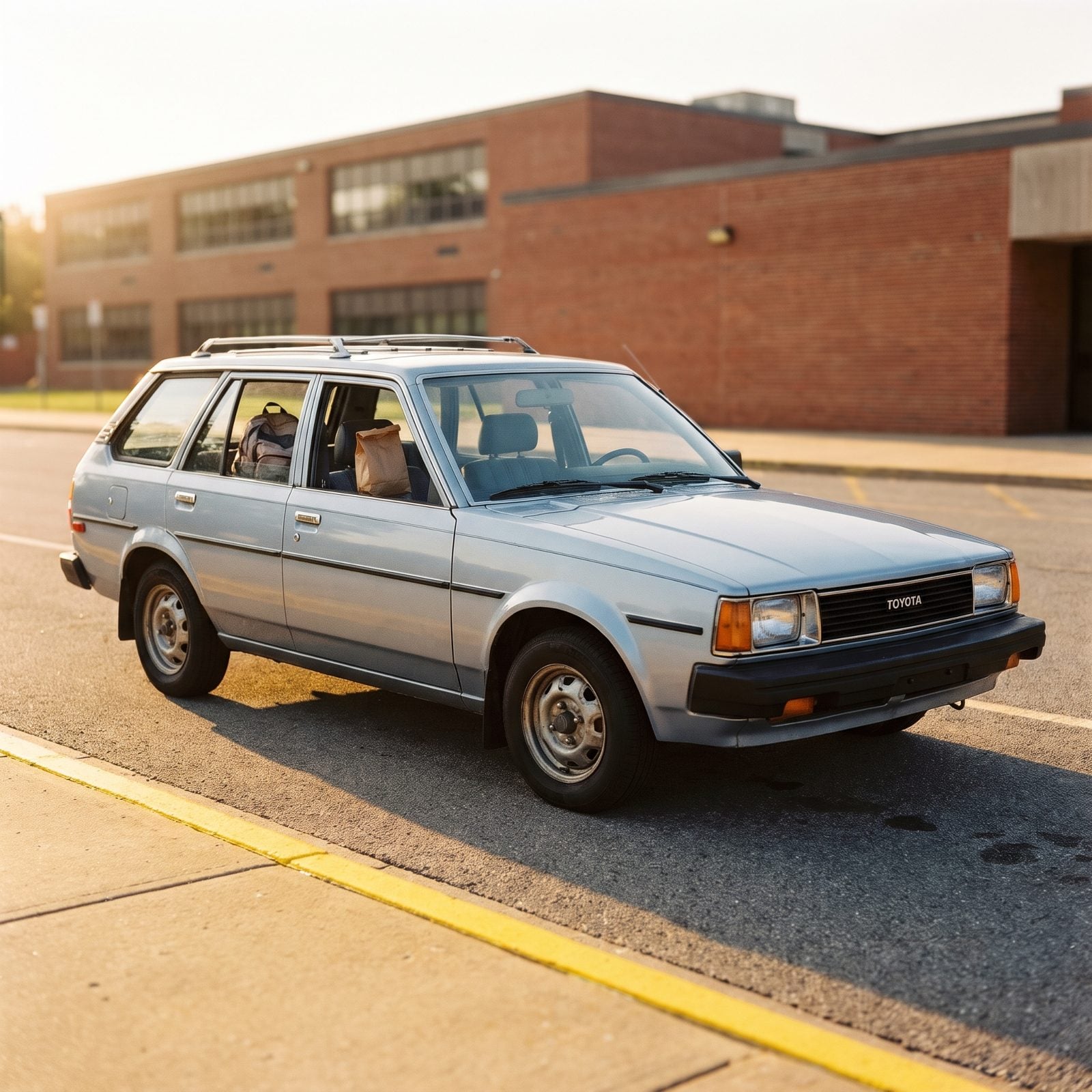
Nobody wrote poems about the Corolla wagon. They just kept driving it.
This was transportation stripped to its one essential promise: turn the key, it starts, haul what you need, and repeat that for fifteen years without drama. The Corolla wagon of the ’80s became the default second car for millions of families precisely because it never asked for attention.
Cheap to run, cheap to fix, dull in the way a reliable friend is dull. You didn’t love it. You trusted it. And trust, over a decade of school runs and grocery trips, turns out to be worth a whole lot more than charisma.
11. The Toyota Tercel 4WD Wagon: The Pocket-Sized Mountain Goat
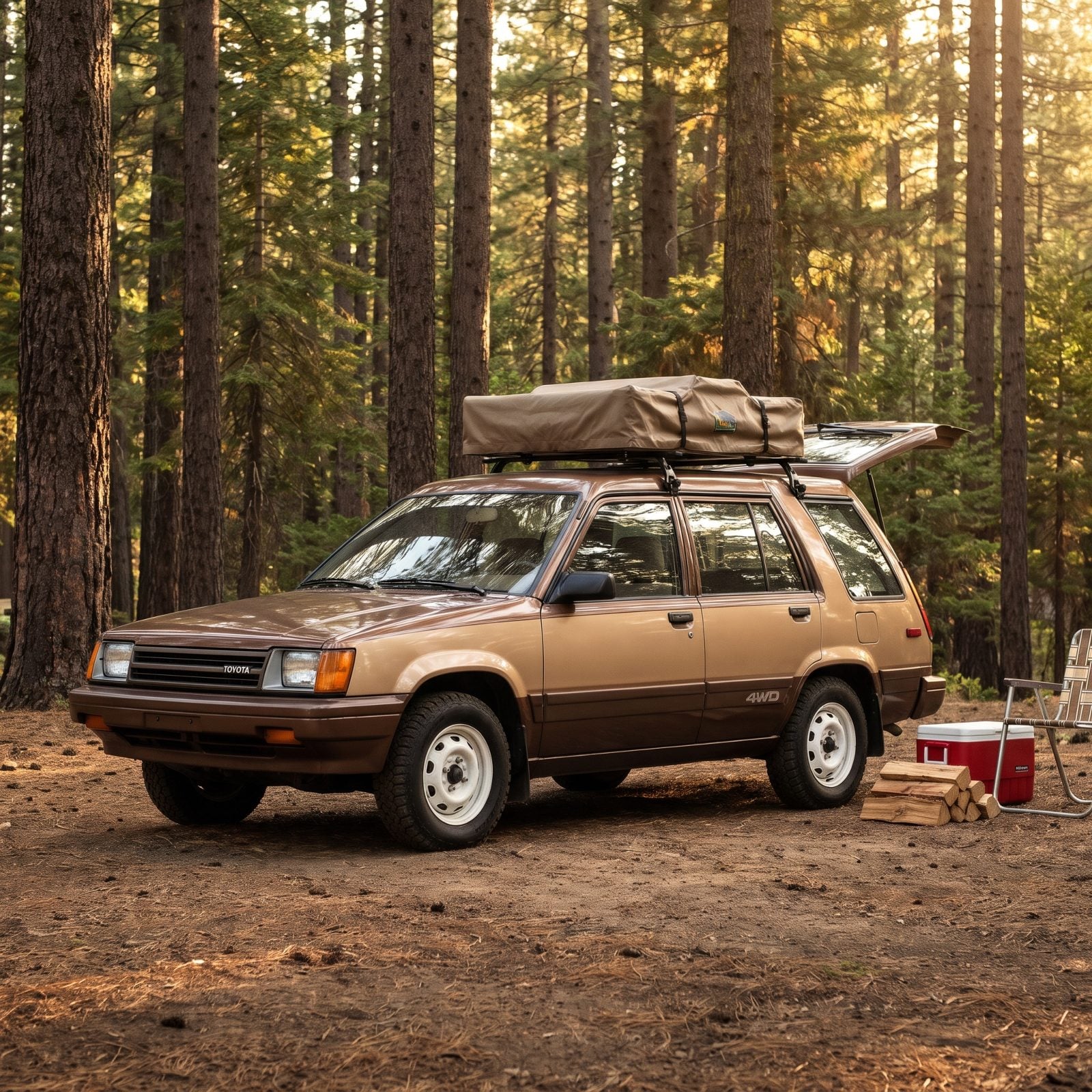
The Tercel 4WD wagon was weird on purpose and better for it. Tall and boxy, with an extra-low creeper gear for climbing, it brought four-wheel drive to families who couldn’t afford a real SUV and didn’t want to feed one either.
That odd dashboard hill-shape inclinometer. The seats-up cargo flexibility. The way it’d scramble up a snowy campground road that stopped sedans cold. It punched so far above its weight that ski-town locals still hunt them down.
10. The Toyota Cressida Wagon: The Lexus Before There Was a Lexus
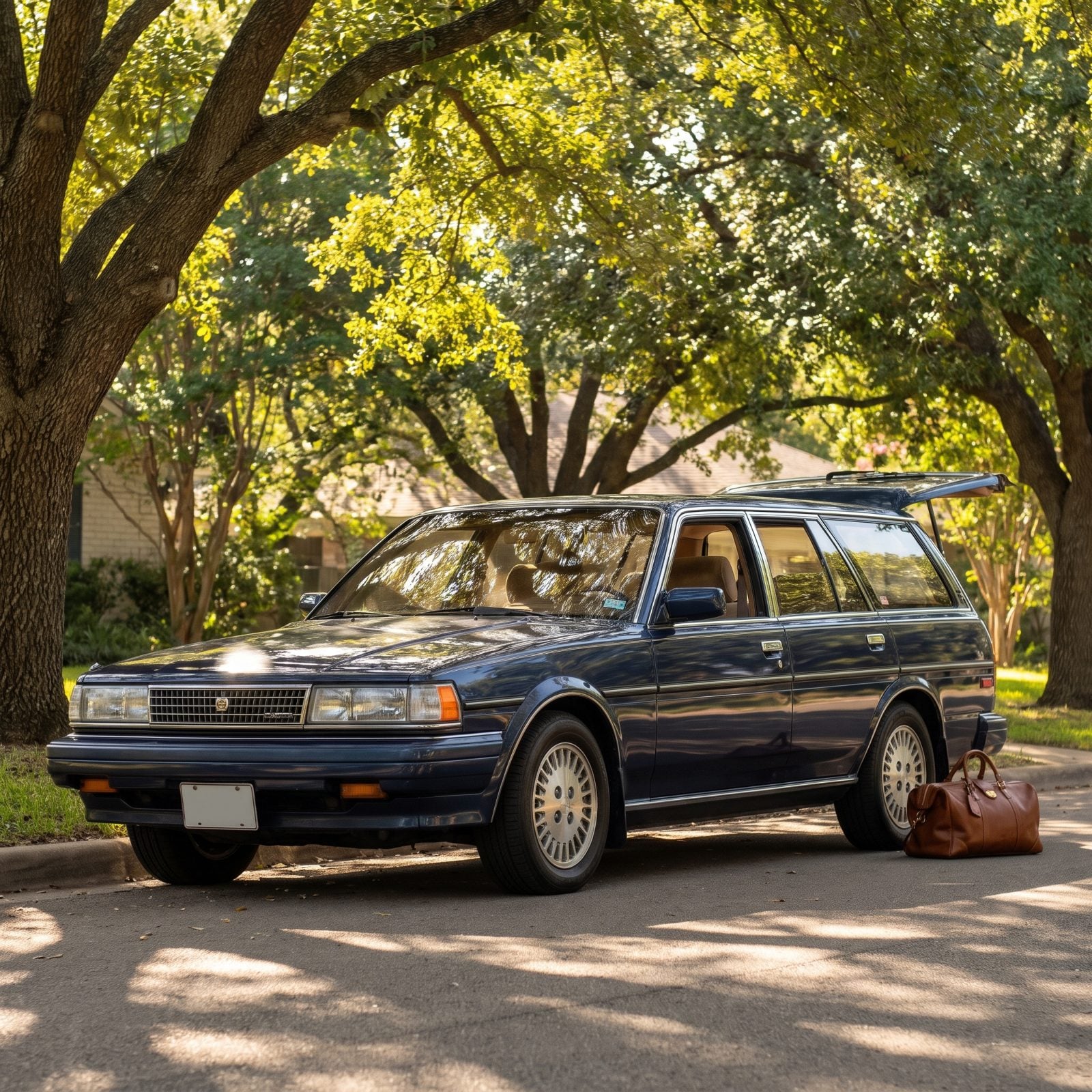
Before Toyota built a luxury brand, it built the Cressida. The wagon took that smooth inline-six, rear-wheel-drive sedan, bolted on a cargo hold, and somehow the result felt genuinely plush for a Toyota.
Velour seats, power everything, and a straight-six (the 5M and later 7M) that ran forever while sounding expensive doing it. Here was the family wagon for people who wanted quiet and comfort with Toyota reliability — no badge-shopping required.
When Lexus arrived in 1989, the Cressida’s job was basically done. But the engine lived on in enthusiast builds, and the wagons became quietly collectible.
9. The Toyota Camry Wagon: The Minivan Alternative That Aged Gracefully
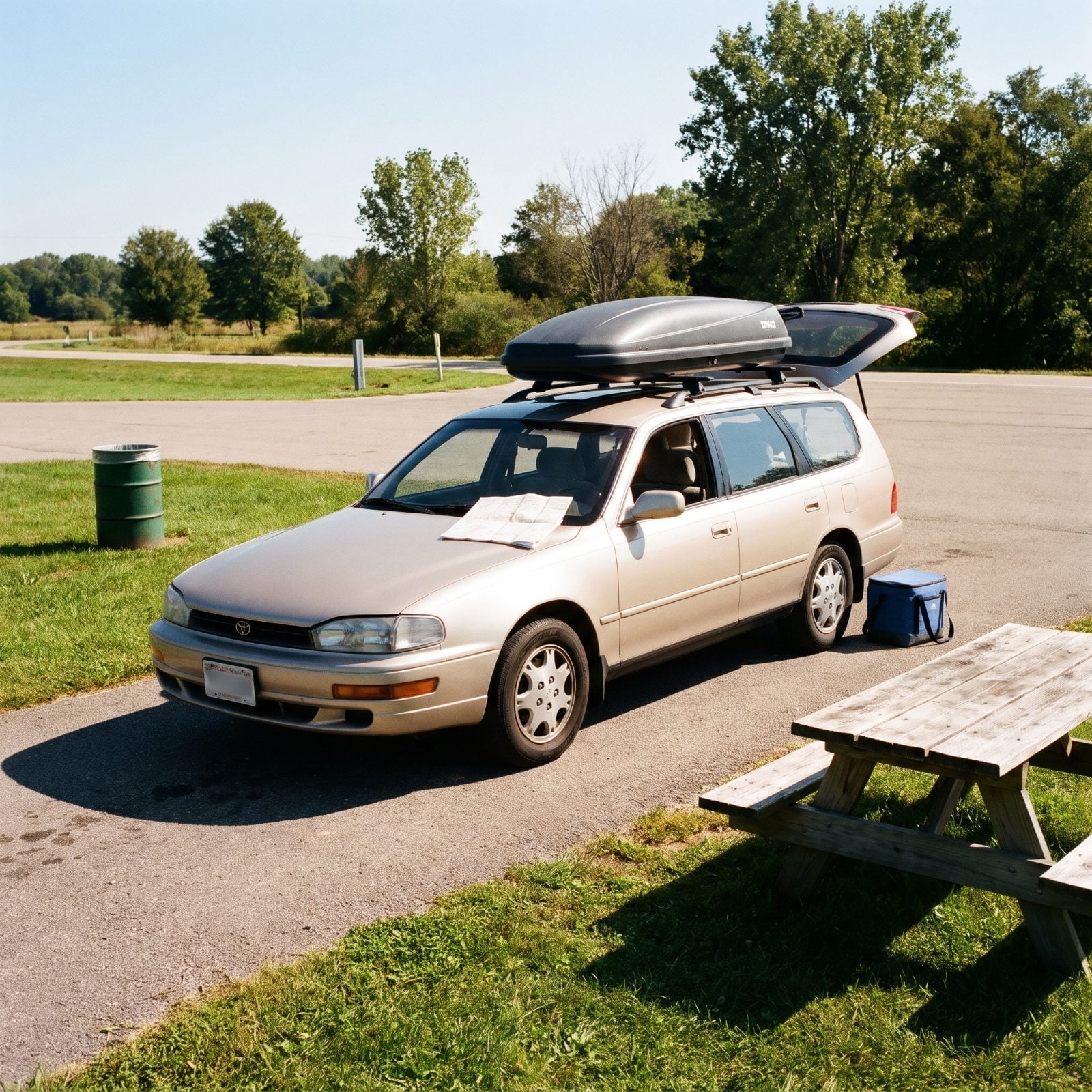
The Camry wagon was the sensible choice that stopped feeling like a compromise. By the early ’90s, Camry had become shorthand for “it’ll just work,” and the wagon handed families the space without committing them to a minivan’s image.
Some came with a rear-facing third-row seat that kids loved and parents tolerated. The V6 was smooth, the build quality tight, and the whole thing held its value like few wagons ever manage.
8. The Honda Civic Wagon: The Tall-Roof Oddball Families Fell For
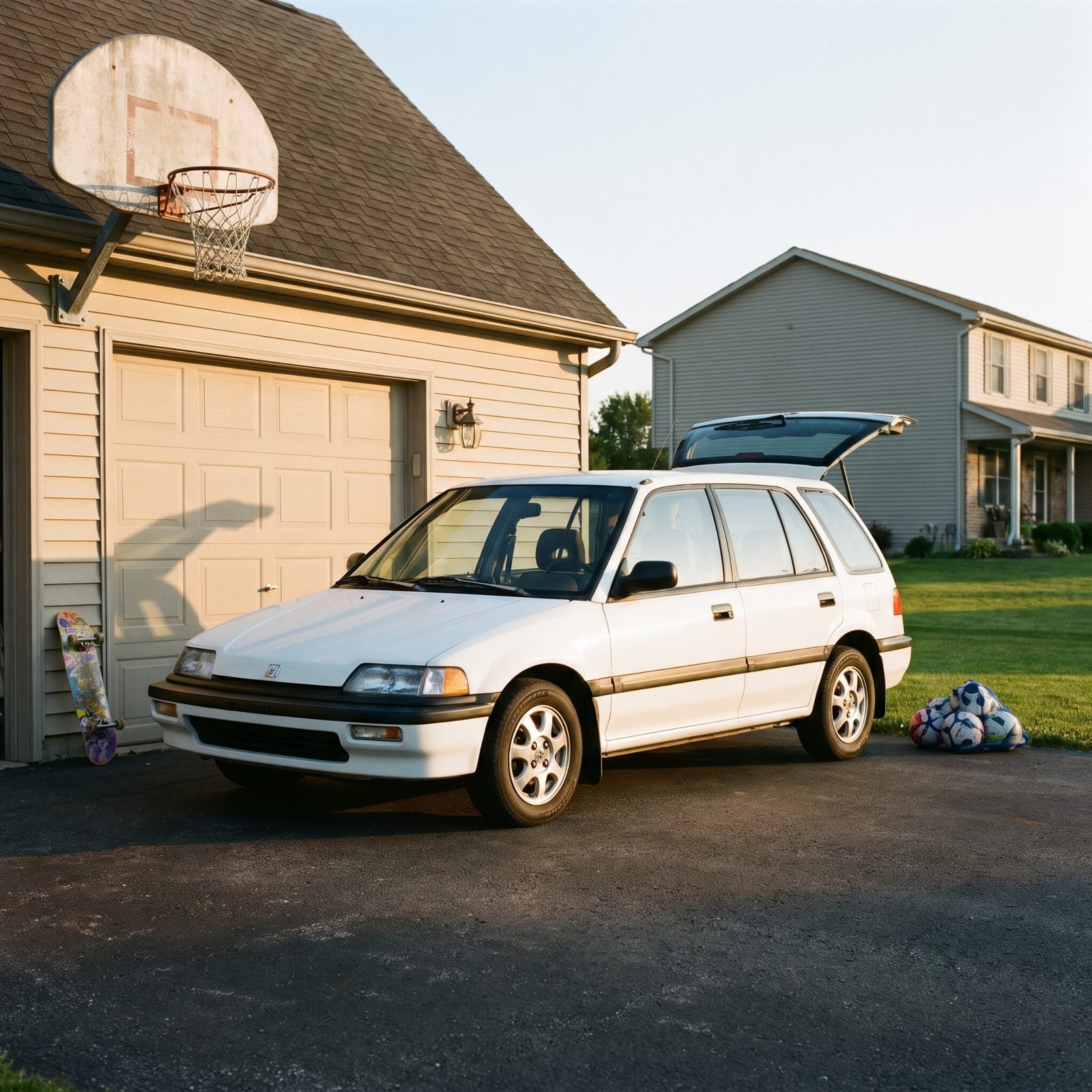
Tall, upright, with a greenhouse that felt like a sunroom on wheels. The Civic wagon looked a little goofy and drove like nothing else in its class.
Some years offered Real Time 4WD, a system that woke the rear wheels only when the fronts started to slip. It made a small, efficient wagon weirdly capable in rain and light snow. Fuel economy stayed excellent, and visibility was outstanding thanks to all that glass.
It was the thinking parent’s economy wagon, and Honda, in its wisdom, discontinued it right as people started to appreciate it. Figures.
A longtime high-mileage car owner who has had two Civic wagons says their 4WD system was full-time and needed no input from the driver, which made it the more popular choice because it was so easy to use. (via a longtime high-mileage car owner)
7. The Subaru GL Wagon
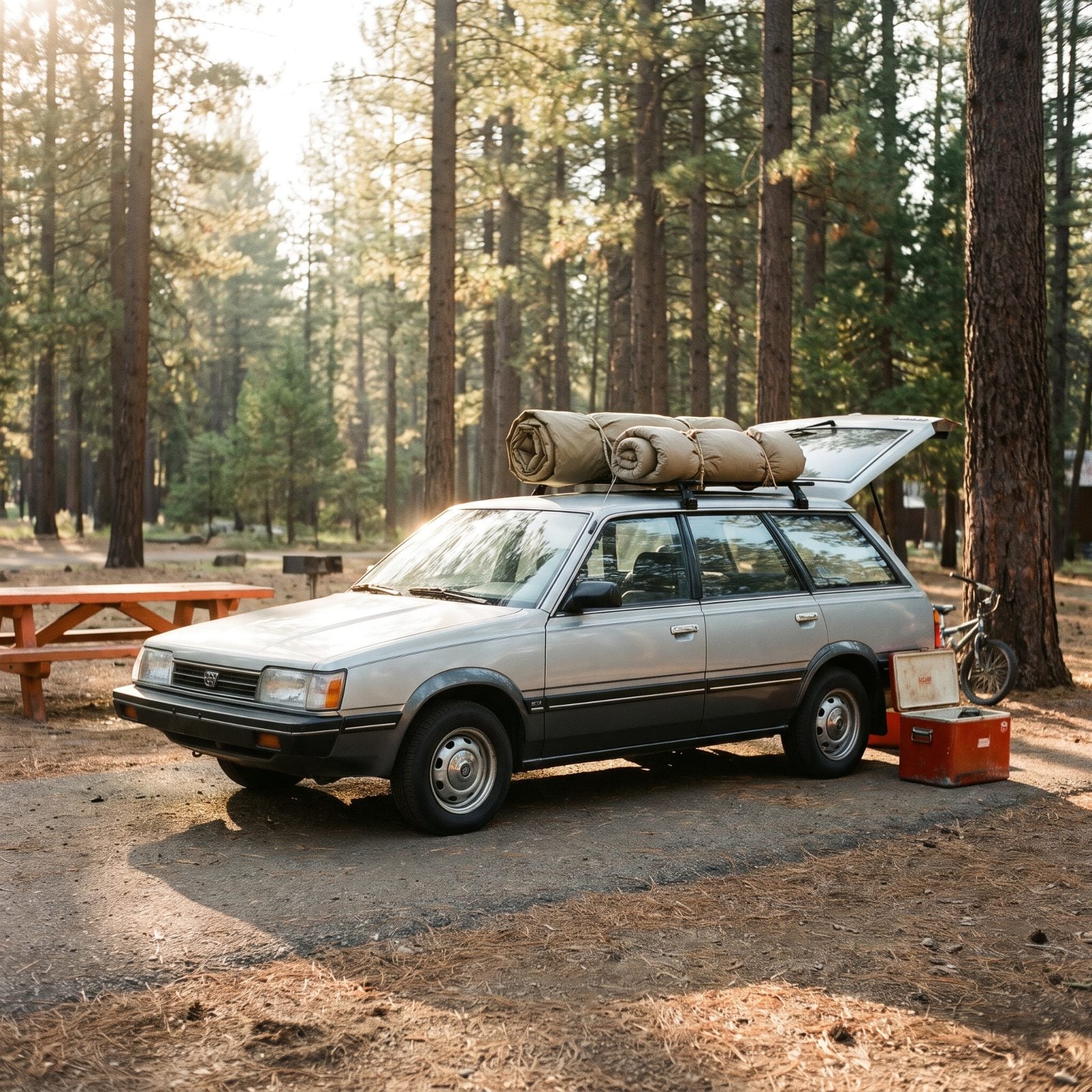
Nobody bought a Subaru GL to show off, and that was the appeal. It was the car that started every weekend by actually starting, even at a frozen trailhead where the fancier wagons sat there sulking.
The four-wheel-drive versions had a little dash button that pulled the rear wheels in on demand — cheap, light, and almost comically willing on a muddy boat ramp or a snowed-in school morning. The engines? Odd little boxer fours that sounded like a sewing machine and ran forever.
6. The Mazda 626 Wagon
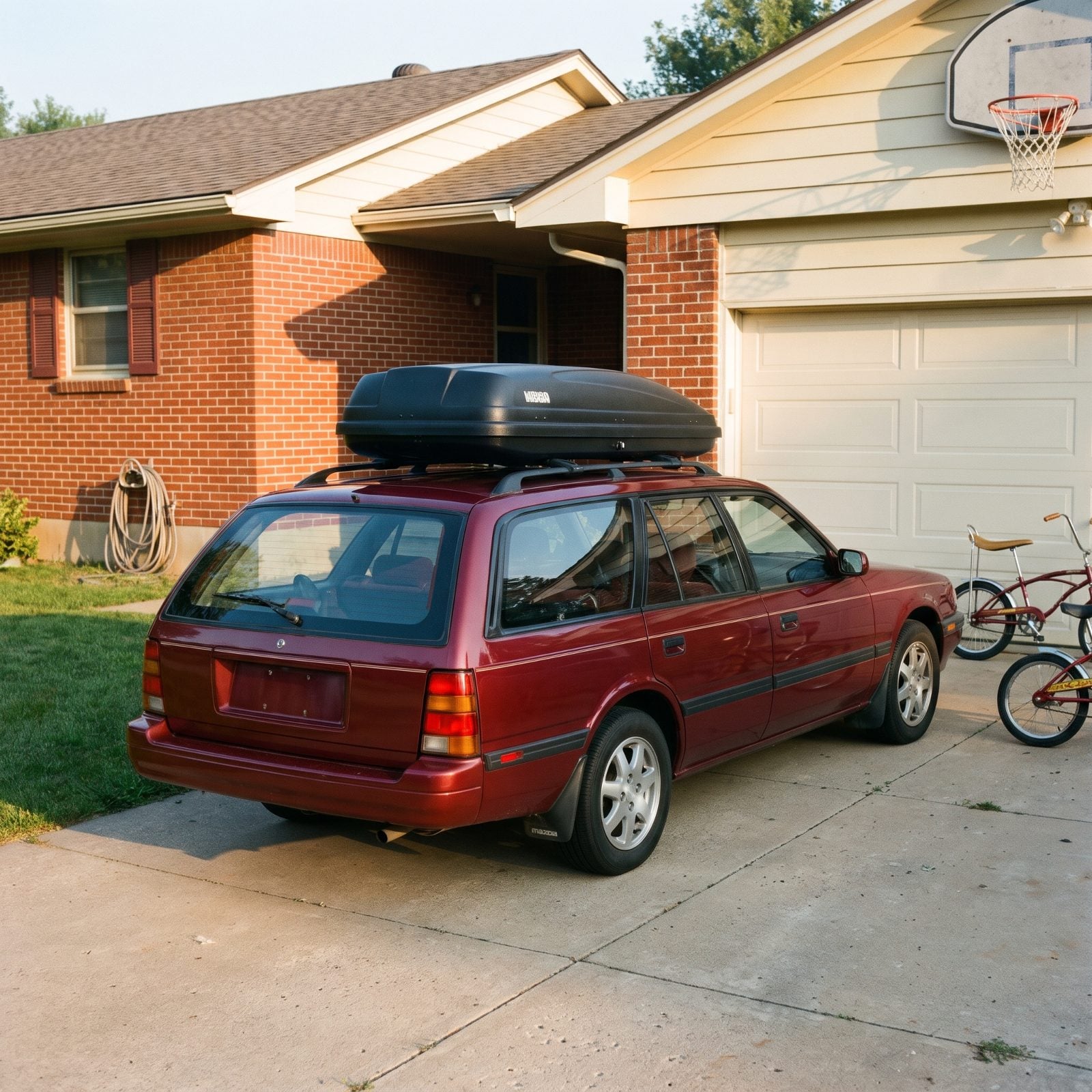
The 626 wagon is the one most people forget, which is exactly why it earns a line here. It never made a poster. It just showed up every single day for a decade and never asked for anything in return.
What you got was a quiet, roomy, honest box that returned decent fuel economy and rarely broke. The interiors felt a half-step nicer than the price suggested, with cloth that held up and switches that still clicked right past a hundred thousand miles. If your neighbor had one in brown, you remember the trunk smelling faintly of vinyl and french fries. That was most of them.
5. The Volvo 850 Wagon
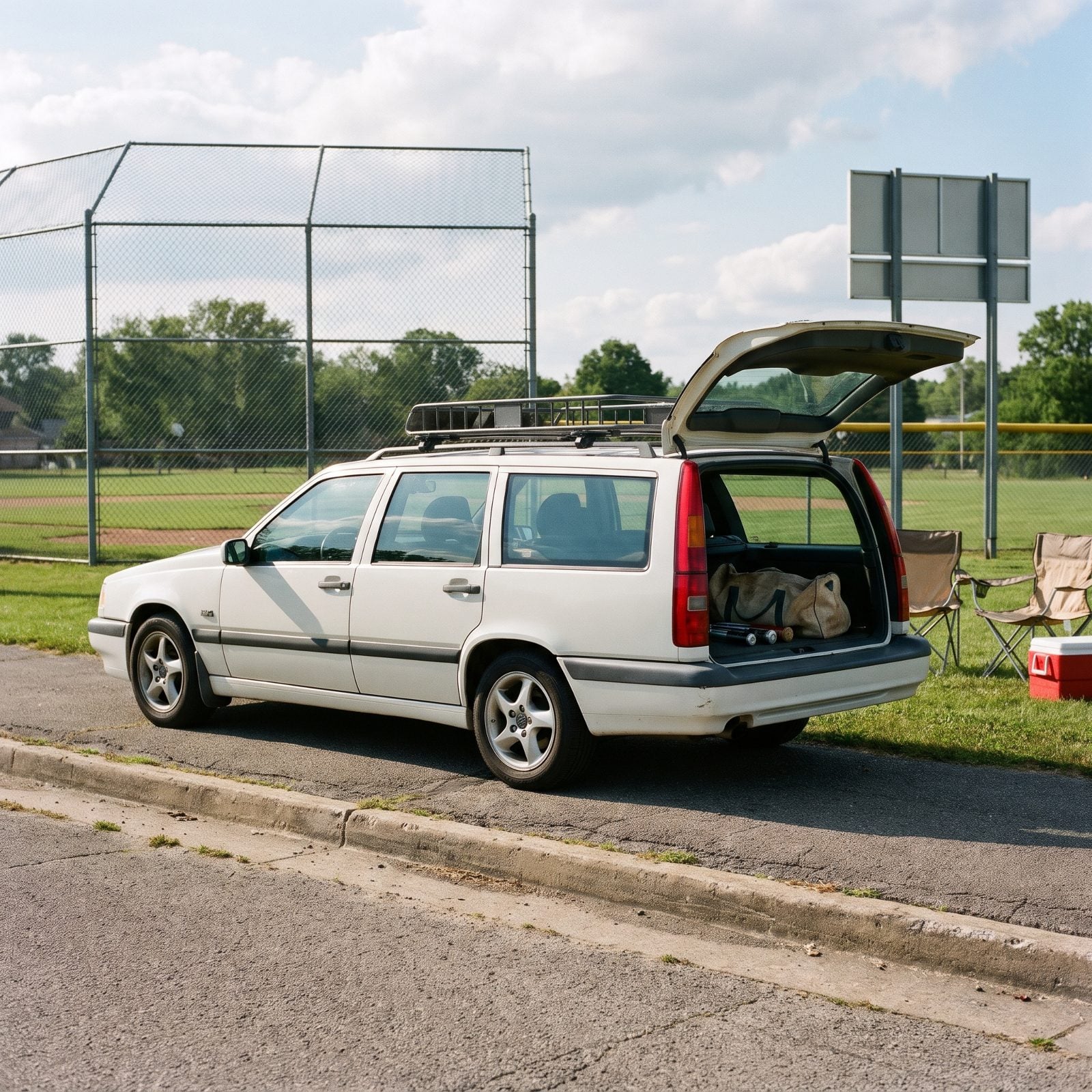
Here’s the wagon that turned safety into a love language. The 850 made the boxy Volvo cool again, partly because the T5 version was genuinely quick and partly because it looked like a brick that had been to the gym.
Parents bought it for the crumple zones and the side-impact bars. Kids remember the fold-flat cargo floor you could stuff a whole hockey team’s worth of gear into, and the way it felt indestructible when nothing else did. Front-wheel drive was a big shift for a company that had built its name on rear-drive sedans, and the five-cylinder engine had a warble you could pick out from a block away.
It looked like a brick that had been to the gym.
4. The Saab 95 Wagon
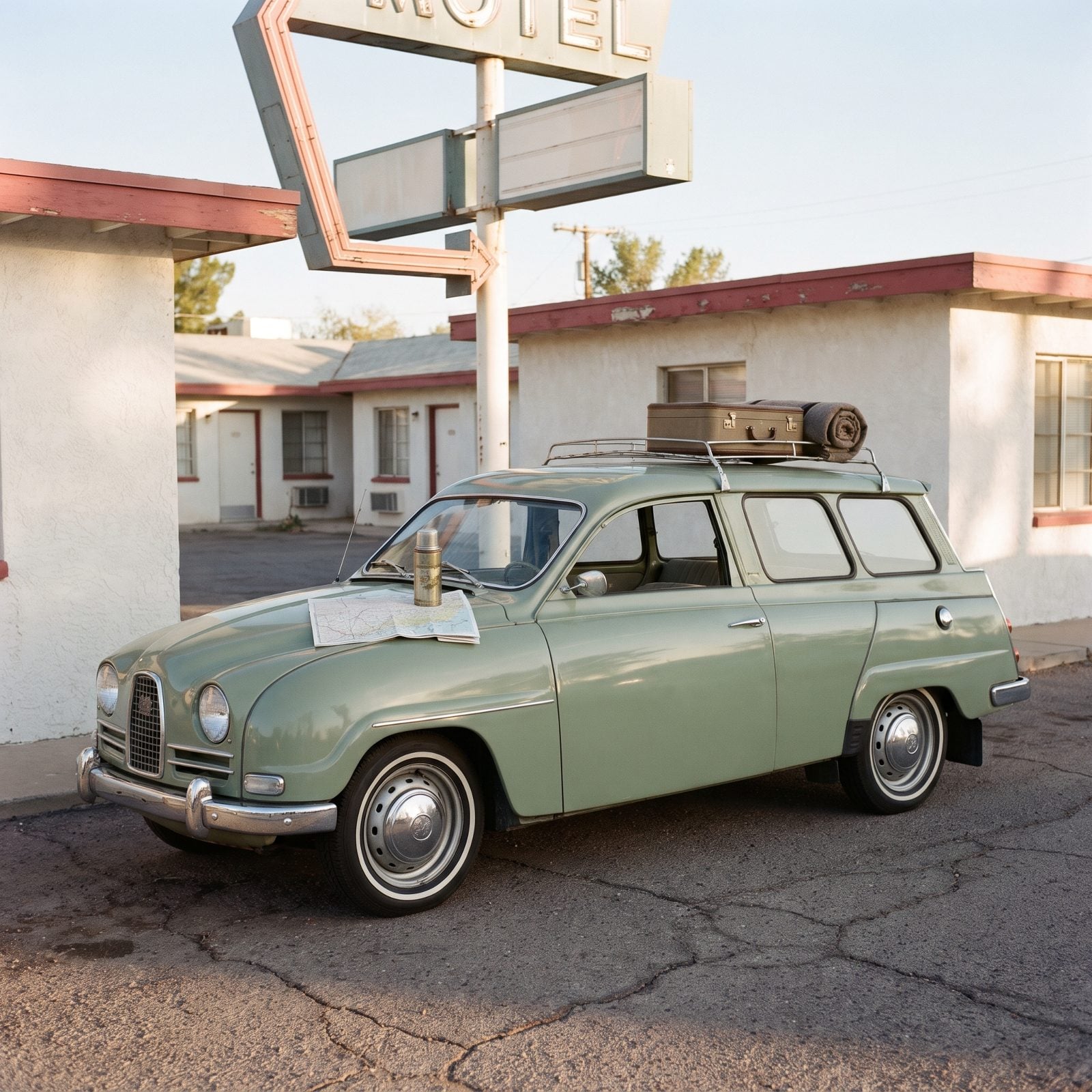
Odd car. Lovely odd car.
The Saab 95 wagon carried a jump seat in the very back that faced rearward, so the kids rode looking at the cars behind you, waving at strangers for three hundred miles. Early versions ran a two-stroke engine that needed oil mixed into the fuel and left a faint blue haze on hard pulls. Later ones got a V4, which felt like a luxury by comparison.
It was built by people who clearly designed aircraft first and cars second, and you can read it in the aerodynamic nose and the freewheel clutch that let the thing coast like a glider. You didn’t see many. The ones you saw, you remembered.
3. The Plymouth Volaré Station Wagon
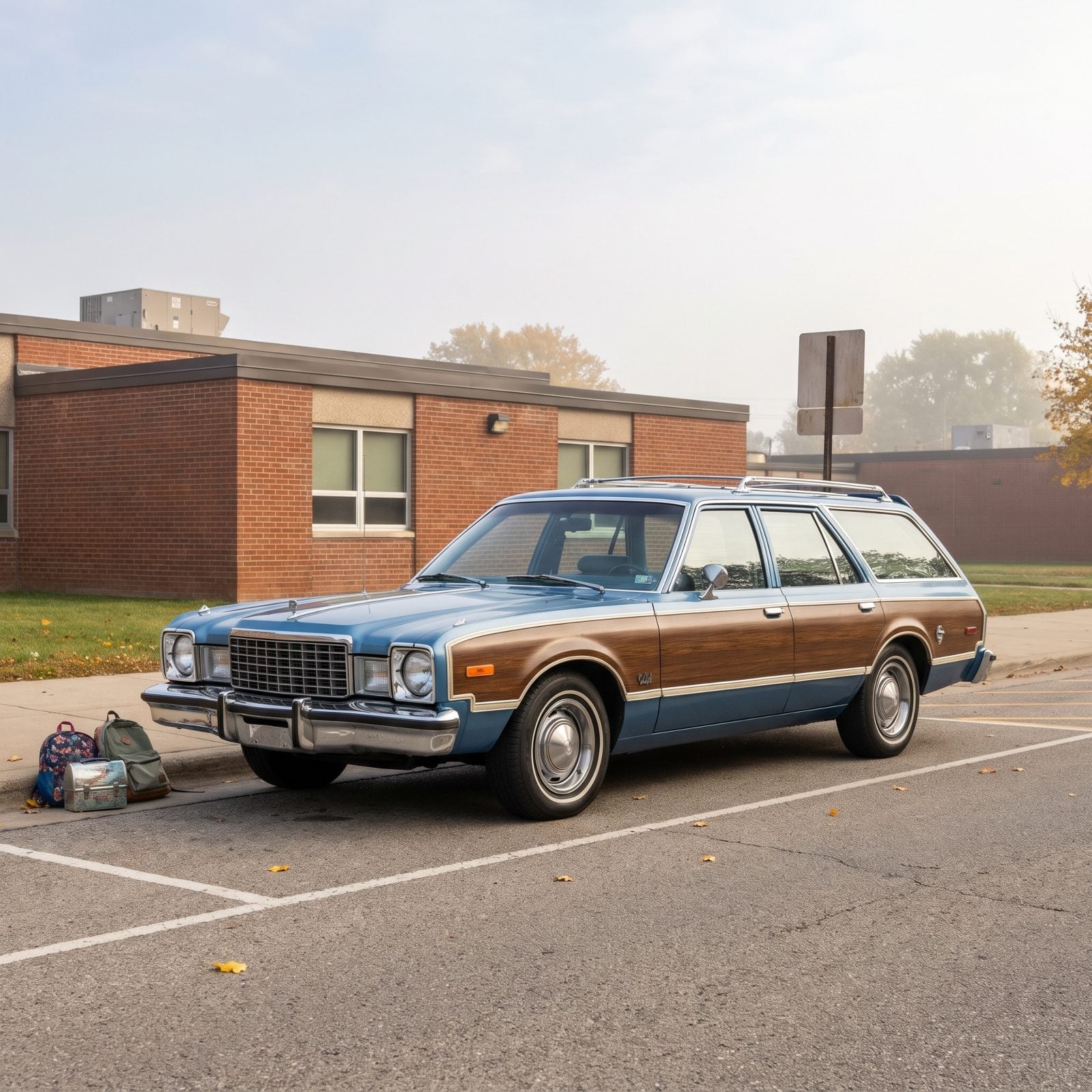
The woodgrain wasn’t wood. Everybody knew. Nobody cared.
The Volaré wagon showed up when Chrysler badly needed a hit, and for a couple of years it was exactly that — right up until the rust and the early-build quality problems caught up with it. The ones that survived did so because somebody loved them enough to keep after the fenders with a wire brush and a can of primer every spring.
It rode soft, seated eight in a pinch, and the rear-facing bench meant the youngest always got carsick first.
2. The Futuristic Mercury Sable Wagon
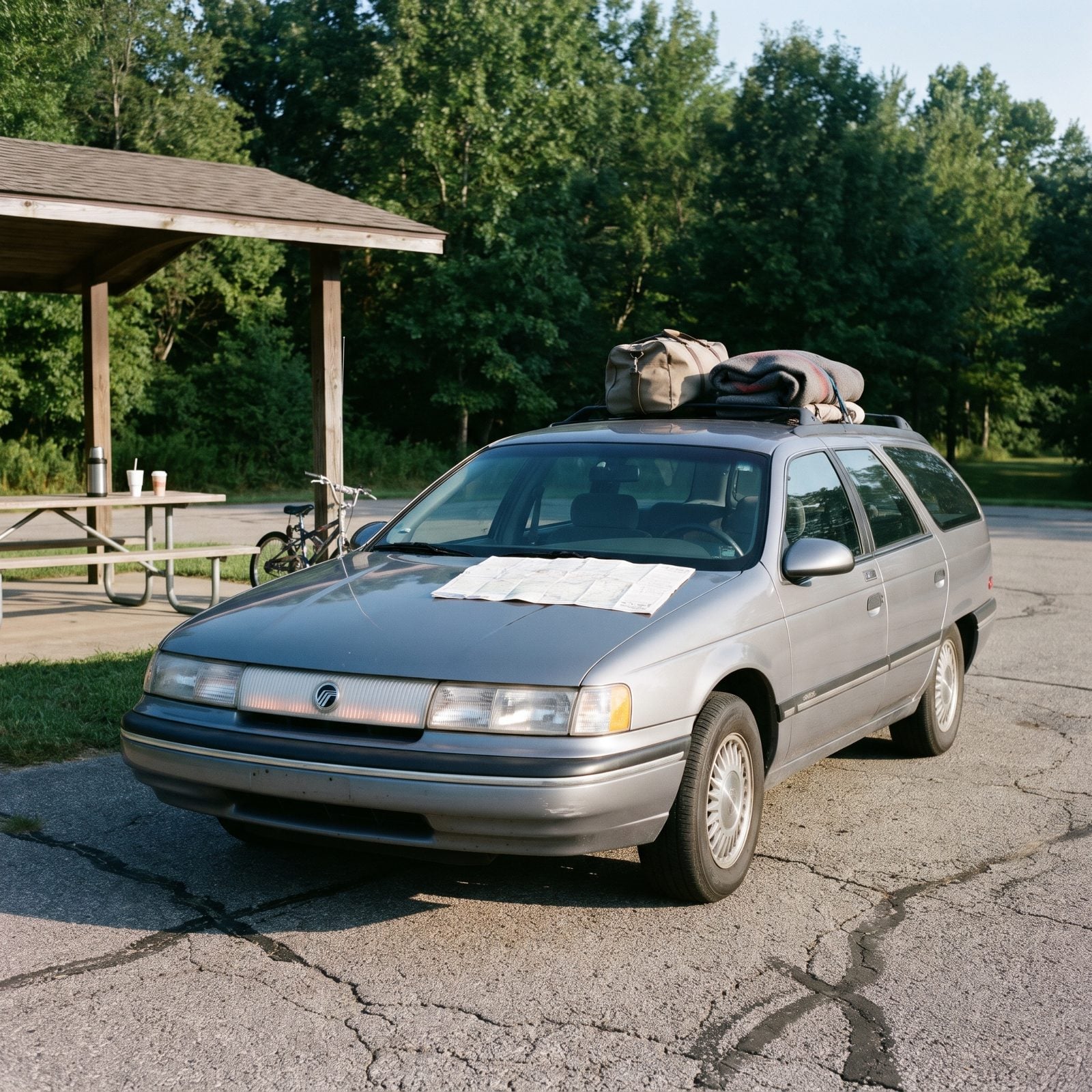
That glowing light bar across the nose looked like something off a spaceship when it came out. The Sable wagon was Mercury’s answer to a question nobody had bothered asking, and it turned out far better than it had any right to be.
Underneath the smooth aero shape sat the same solid bones as the Ford Taurus, so parts were cheap and mechanics never scratched their heads. The optional rear-facing third seat folded flat into the cargo floor, and the whole car felt modern in a way the wood-paneled dinosaurs never managed. Call it the wagon that made the minivan nervous.
1. The Full-Size Dodge Monaco Station Wagon
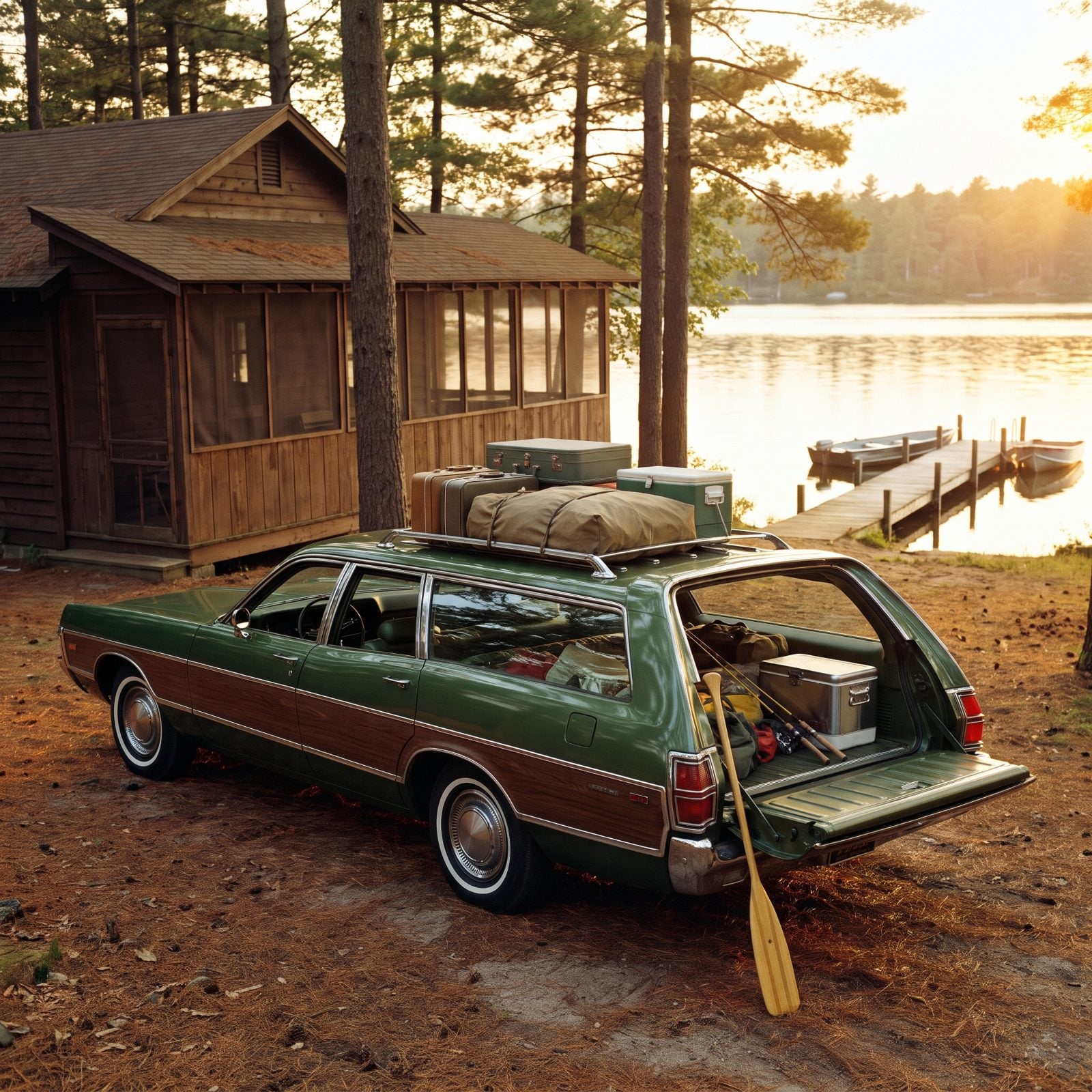
You could land a small plane on the hood.
The Monaco wagon was the land yacht in full — nearly nineteen feet of American steel with a big-block V8 up front and a cavern out back that swallowed a family of seven and all their luggage without blinking. Fuel economy was a rumor. Nobody checked. Gas was cheap and the open road was the entire reason you bought the thing.
The tailgate did a clever two-way trick, swinging out like a door or folding down like a gate, which felt like genuine magic to a seven-year-old loading groceries. These are the wagons in the faded slides from the family cabin, parked nose-out by the lake with the whole summer still ahead.