
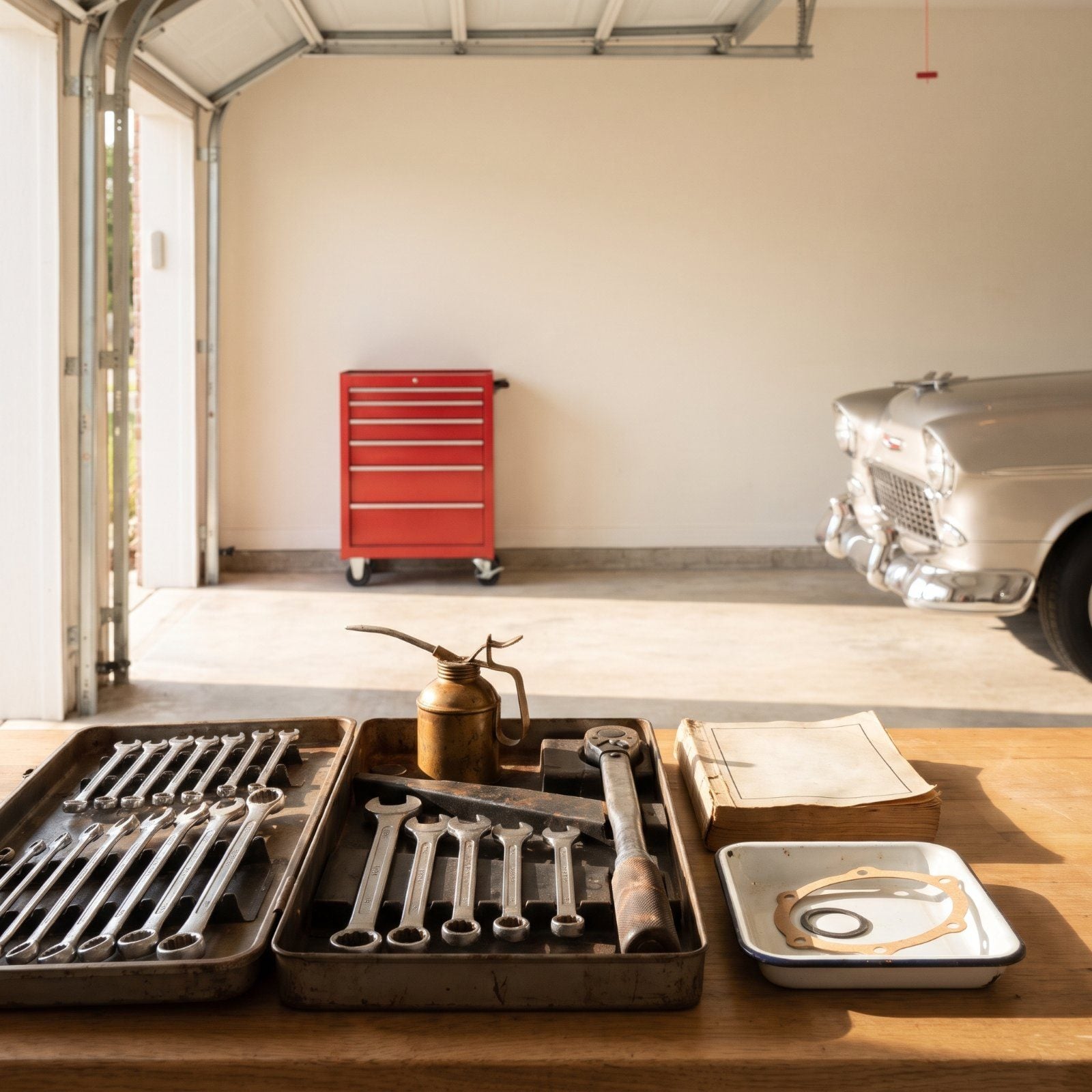
The best wrenching afternoon we ever had cost nine dollars in parts and a Saturday we didn’t want back. No scan tool. No sealed modules, no dealer-only software holding the car hostage. Just a wrench, a gasket, and an engine bay you could reach into without first peeling off half the front of the car. Some classics punish you. These ones pay you back. They were built back when a shade-tree mechanic was the expected customer, parts were cheap and everywhere, and the manual actually told you the truth. If your knees aren’t what they were and your patience for electronics wore out years ago, this is your list.
Please note that some of the images in this article were created with the assistance of AI.
1938, 2003 Volkswagen Beetle: The Air-Cooled DIY Benchmark
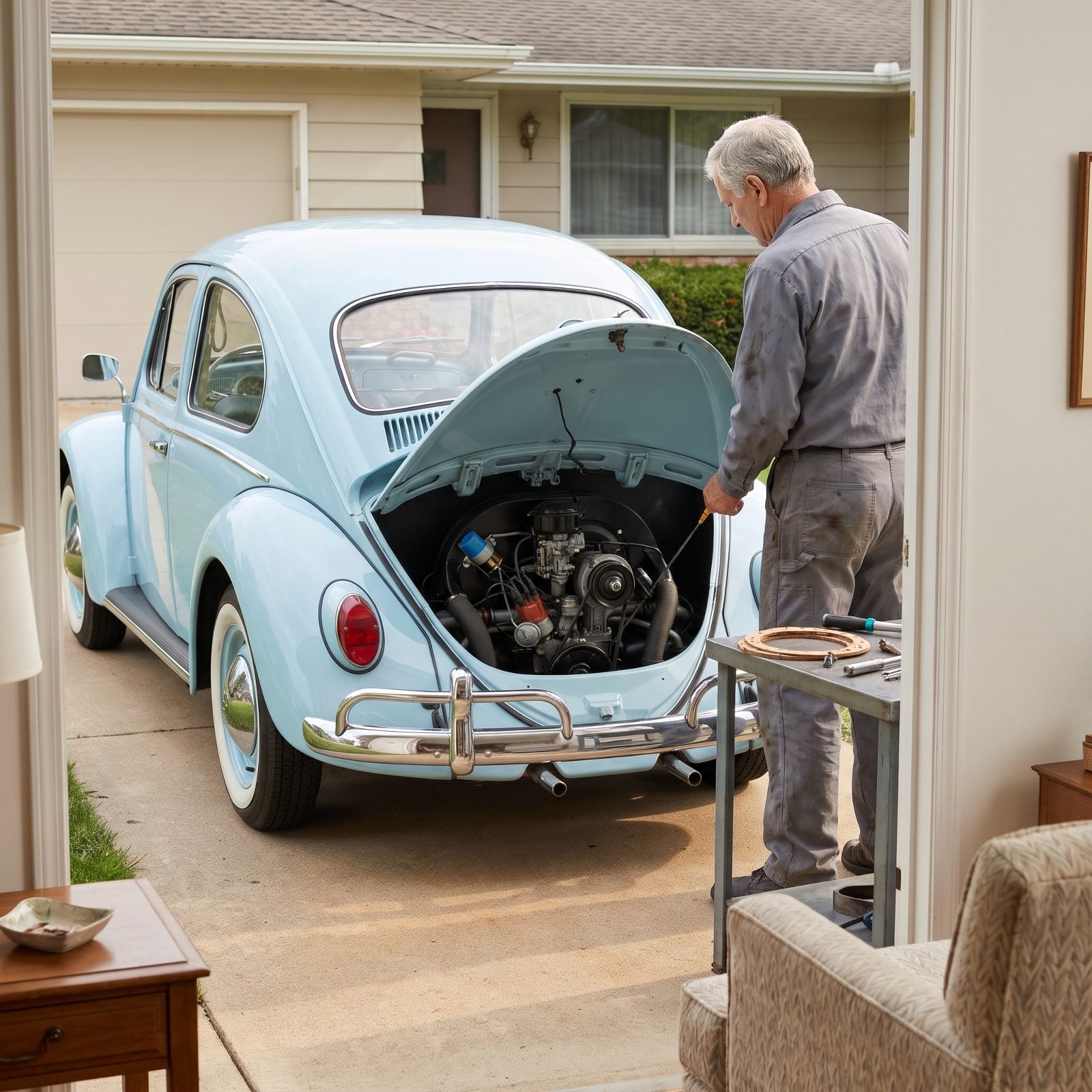
No radiator. No water pump, no coolant to boil over in a parking lot on a July afternoon. The air-cooled Beetle got rid of the single most failure-prone system on an old car by simply refusing to have one in the first place.
Pull the engine with a floor jack and a friend in under an hour, because it hangs off four bolts and the whole car was built around that trick. Valve adjustments? A feeler gauge and a Sunday morning. Parts are everywhere and cheap, since millions were built and the aftermarket never took a day off.
Here’s the catch nobody mentions. Heater boxes rust out, and cabin heat in January is more of a rumor than a feature. But as a machine to learn on, nothing’s friendlier.
1965, 1966 Ford Mustang: Parts Support Nobody Can Match
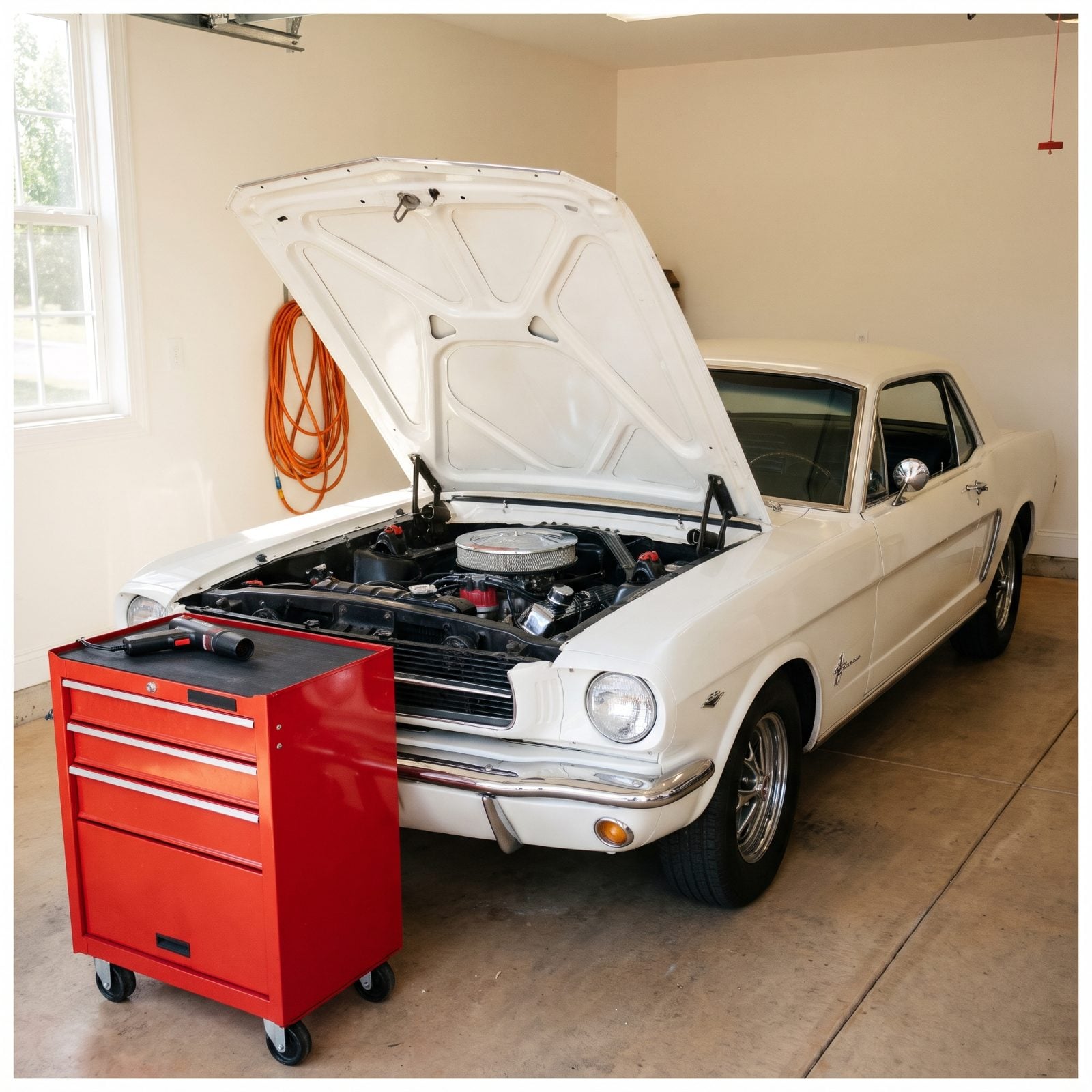
Want proof the Mustang is the easiest classic in America to keep running? You can order a complete reproduction body shell brand new. Fenders, floors, wiring harnesses, interiors, trim, every last bolt. Whole catalogs got built around this one car.
The early six and the 289 V8 both sit in a roomy bay with the distributor right up front where your hands actually reach. Timing, points, carburetor, all textbook stuff. A beginner can tune one in an afternoon.
But that popularity cuts both ways. Prices for clean originals run higher than the mechanicals deserve, and a reproduction rust-repair panel doesn’t make the welding any easier when you’re the one holding the torch.
1928, 1931 Ford Model A: Four Cylinders and Nothing to Hide
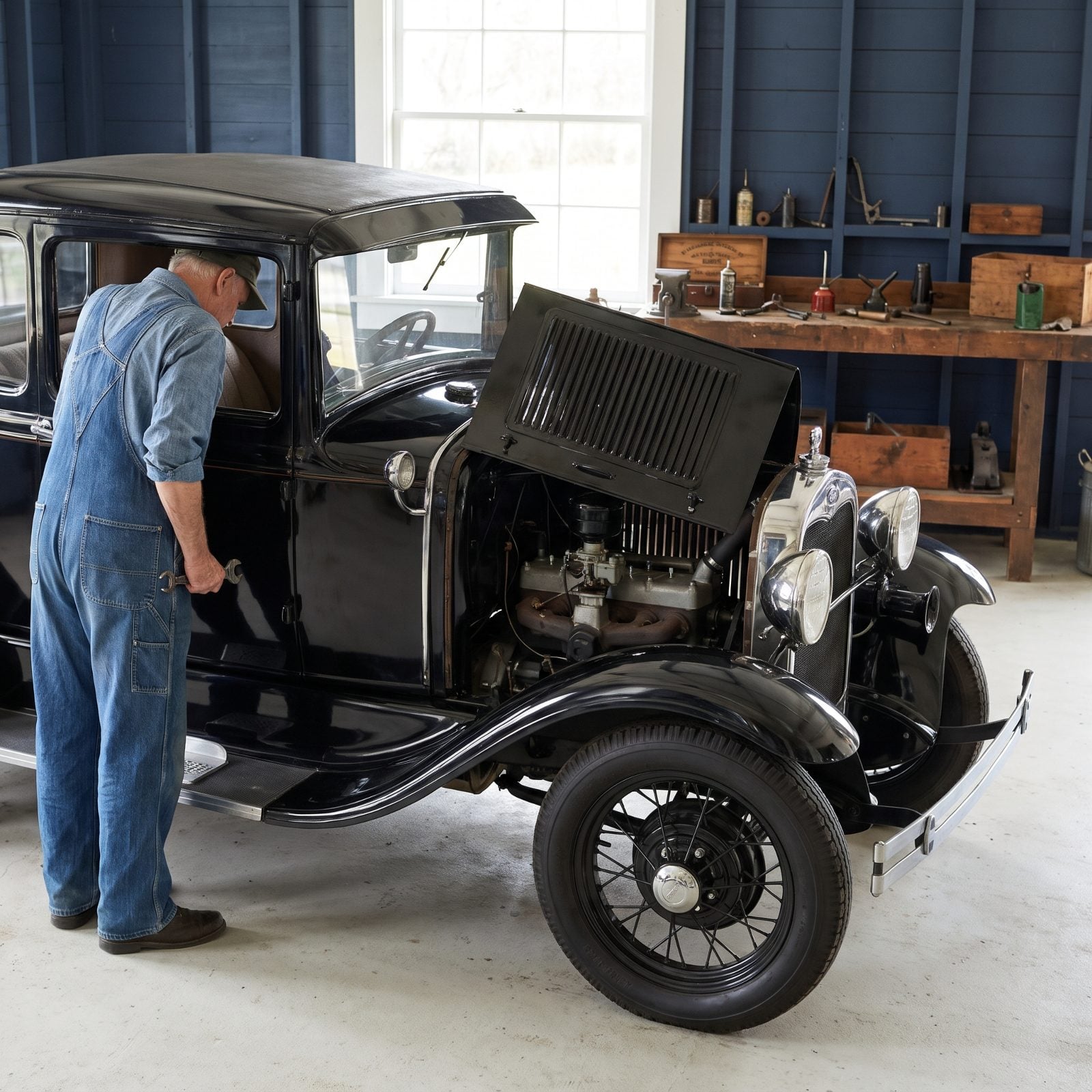
There’s almost nothing to understand here, and that’s exactly why it works. A Model A engine is a flathead four, a carburetor, a distributor, and a hand crank for the mornings the battery quits on you. You can see daylight between every component.
The Model A community is a small nation unto itself: clubs, swap meets, and a reproduction supply so complete you could build an entire car from scratch. Parts prices stay reasonable because the supply is vast.
The honest downsides? Mechanical brakes that ask you to plan ahead, a 40-mph comfort zone, and a crank start that’ll remind your wrist it has opinions. For a first vintage car, though, nothing teaches you more.
1962, 1980 MGB: The Best-Supported British Classic Going
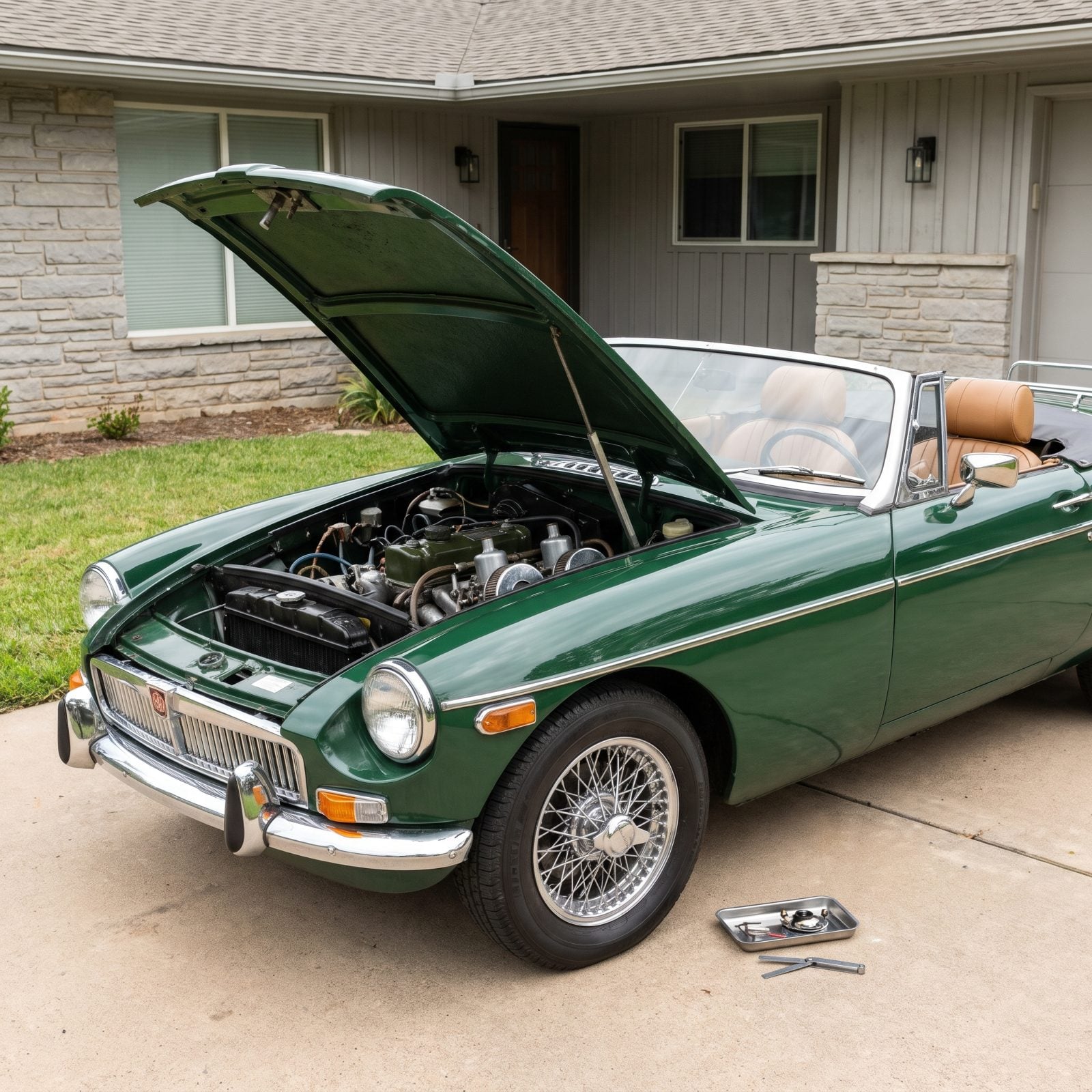
British electrics get mocked, and fairly so. The MGB is the exception that proves you can own a British car without keeping a priest on retainer.
The B-series four is tough, slow, and gloriously simple. Those twin SU carburetors look intimidating right up until the day you realize they’re about the easiest carbs on earth to balance by ear and feel. Moss Motors and a handful of others stock essentially everything, which is rare as hen’s teeth for an old European car.
So I’ll say it flat: the MGB is the smartest way into vintage sports cars. Cheap to buy, cheap to fix, and the engine bay has elbow room a Spitfire owner would weep for.
1962, 1980 Triumph Spitfire: The Front End Tips Forward for You
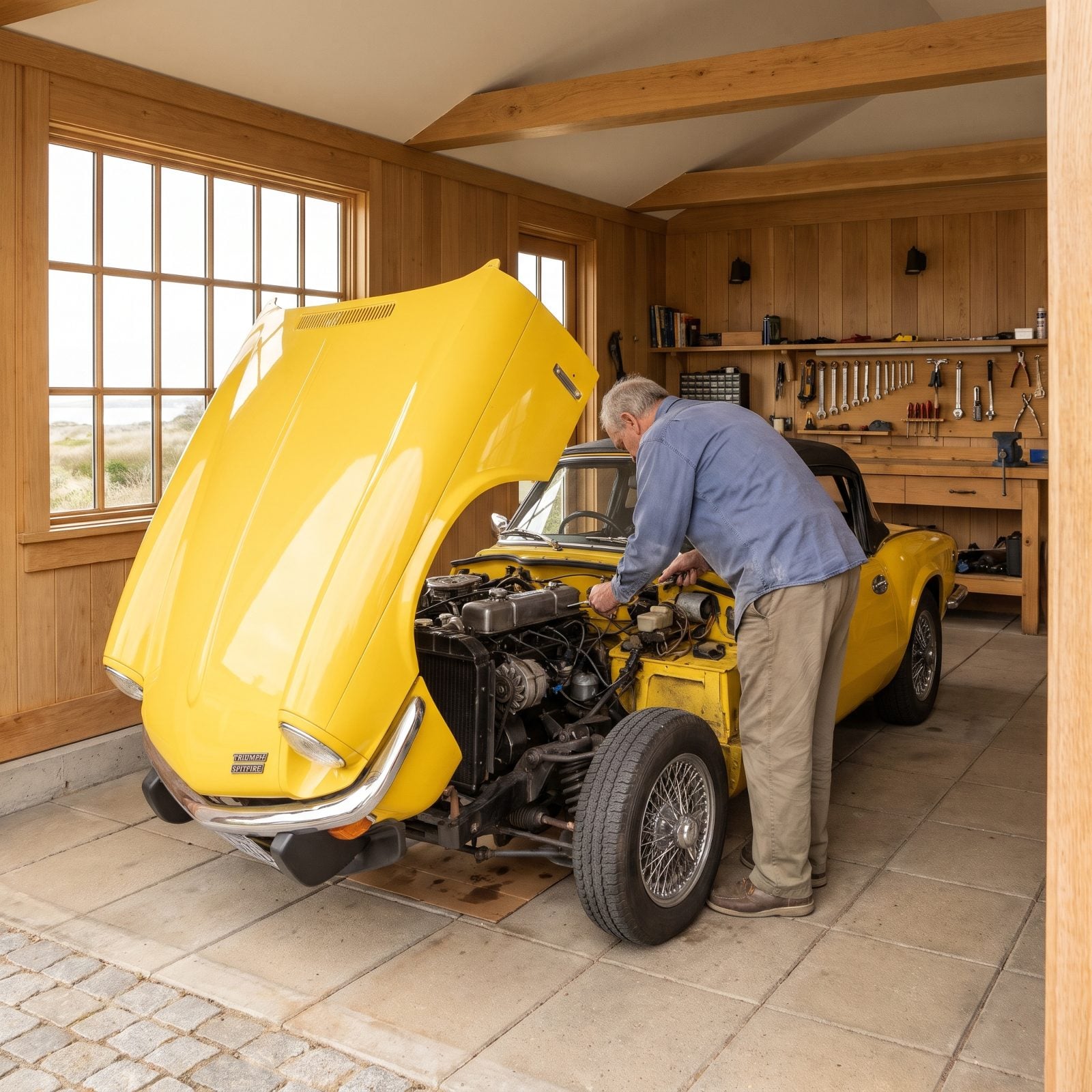
Pull one latch and the whole front of the car swings up and forward. Suddenly the engine, both front wheels, the suspension, and the steering are all sitting out in the open air in front of you like a cutaway diagram.
Few other classics hand you this kind of access. Walk right up, work standing, no yoga poses required. The four-cylinder is dead basic, parts support through specialists holds up fine, and the whole car weighs about as much as a loaded golf cart.
The trade-off: those swing-axle rear suspensions have a reputation for surprising you mid-corner. Respect that and the Spitfire is a joy to own and a joy to fix.
1974, 1993 Volvo 240: Engineered So You Could Reach Everything
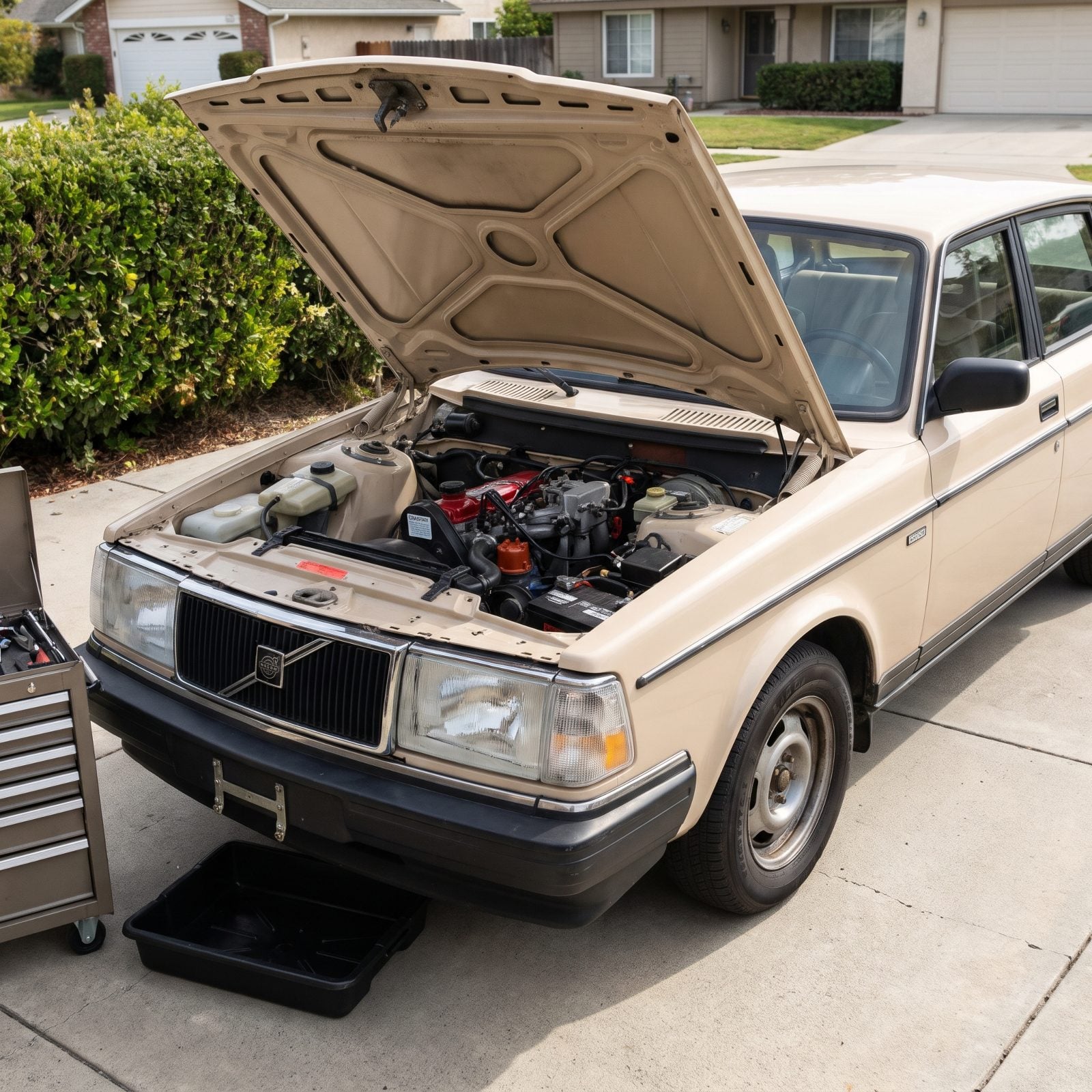
Volvo’s engineers actually cared whether a mechanic could reach the thing he needed to reach.
The redblock four-cylinder stands up tall and proud with daylight on every side. Oil filter, belts, distributor, all right there in front of you. The firewall is nearly flat. The whole bay was laid out by people who expected the car to run 300,000 miles and get worked on the entire way.
Parts support is excellent and the engine flat-out refuses to die. This is the classic you can drive every single day while you learn on it.
In a farewell post about selling his car, a repeat 240 owner credits the Volvo’s legendary status to its simple design and its overbuilt, under-stressed engine.
1960, 1965 Ford Falcon: Light, Roomy, and Honest
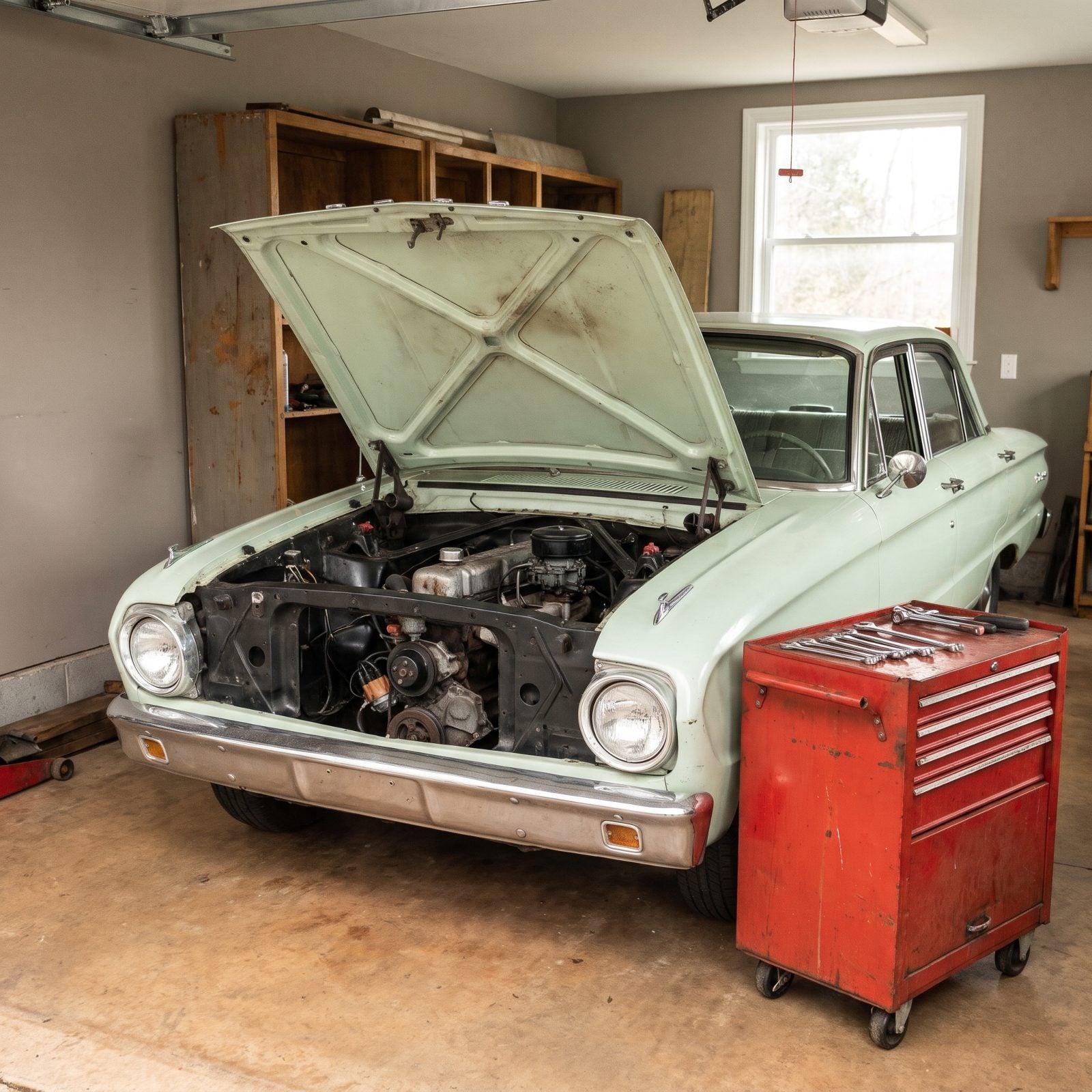
The Falcon is the Mustang’s plain older sibling. Underneath, it’s nearly the same car for a fraction of the money.
Ford built its economy compact light and cheap, which means the engine bay around that little inline-six is practically empty. Change a water pump and you’ll still have room to set your coffee down somewhere. The mechanicals are shared with countless Fords of the era, so parts flow easily and cost next to nothing.
Nobody fights over Falcons the way they claw at each other over Mustangs, and that keeps buy-in prices sane. For a beginner who wants a real American classic without paying the premium, this is the quiet smart move.
1948, 1990 Citroën 2CV: Clever Engineering That Weighs Almost Nothing
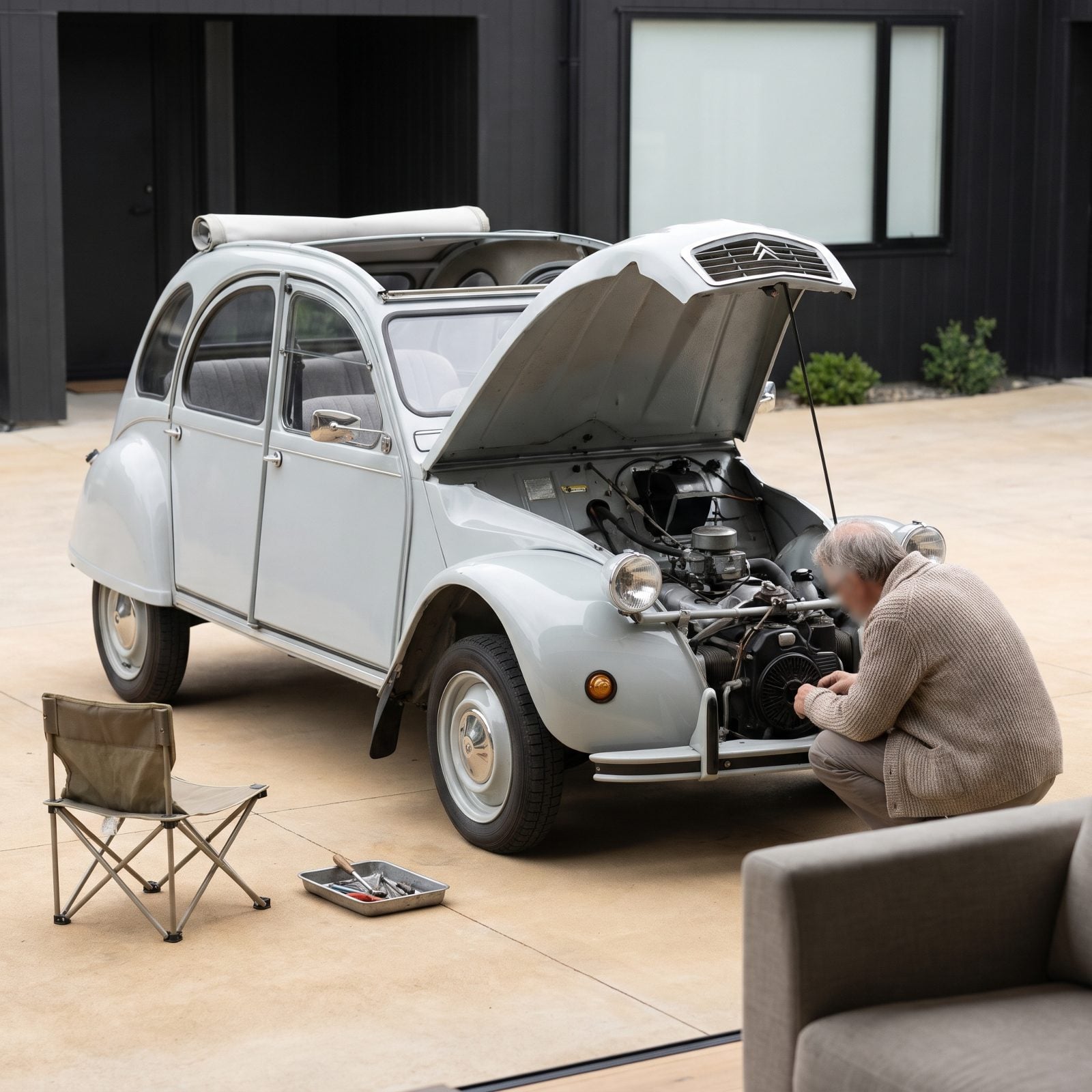
Lift the hood of a 2CV and you’ll laugh out loud. There’s barely anything there. A two-cylinder air-cooled engine about the size of a picnic cooler, a carburetor, and an ocean of empty space on every side of it.
The whole car was designed to be fixed by a farmer standing in a field with the simplest tools he owned. Light enough that two people can push it, air-cooled so there’s no coolant system to fuss over, and built to flex over rough ground rather than snap.
Parts support in Europe is superb. The US specialist network is small but fiercely devoted. It’s slow, it’s eccentric, and it might just be the most purely satisfying thing on this whole list to wrench on.
1968, 1973 Datsun 510, Simple Engineering With a Spacious Engine Bay
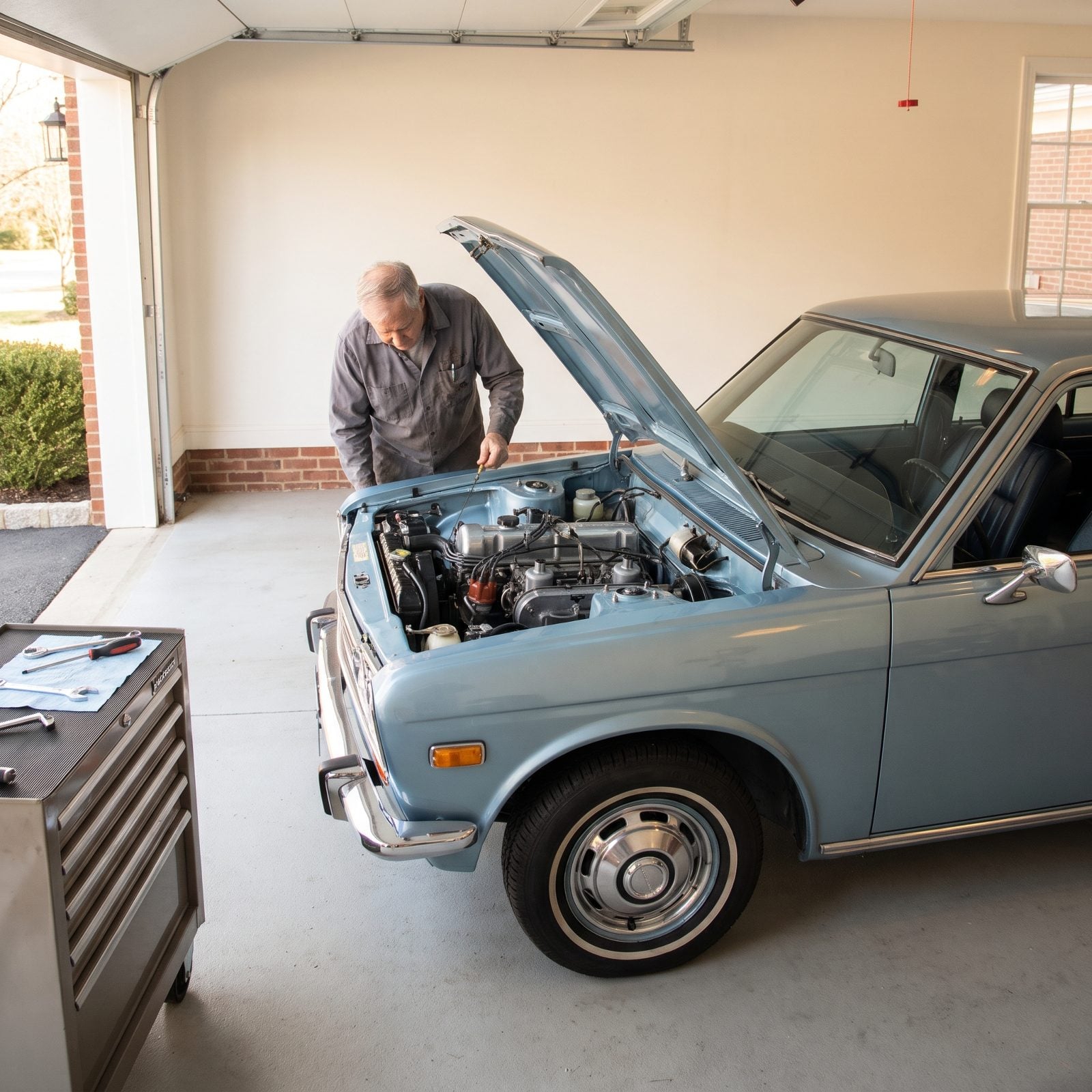
Open the hood on a 510 and you see a lot of fender well and not much clutter. The L-series overhead-cam four sits upright with open space on every side, so plugs, distributor, carburetors, and water pump are all right where your hands want them.
Underneath, it’s more sophisticated than it looks. Struts up front, independent rear on the sedans, and nothing about either is hard to service. Racing made the 510 a legend, and that left a deep well of aftermarket and reproduction parts. L-series engine parts also cross over with other Datsuns of the era, which helps when a part gets scarce.
The real enemy is rust, not the mechanicals. Buy the cleanest body you can afford and the rest is easy.
1948, 1971 Morris Minor, Friendly Styling and Exceptionally Basic Mechanics
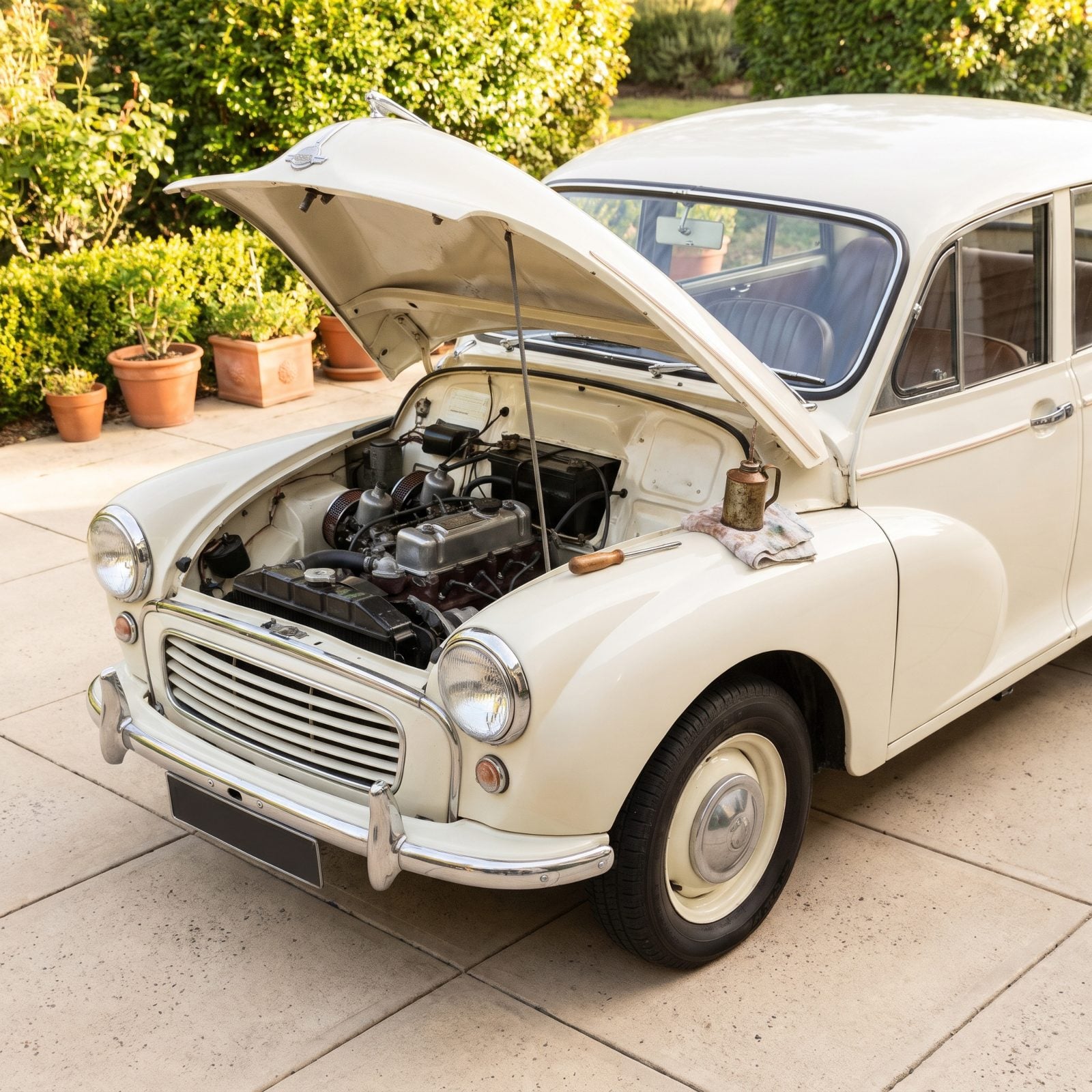
That rounded, cheerful face has sold a lot of Morris Minors on looks alone. What keeps owners around is how little there is to go wrong. Most cars carry the small A-series four, set in an engine bay so roomy you can practically sit on the fender and reach the far side.
Torsion-bar front suspension, rack-and-pinion steering, leaf springs out back, drum brakes. That’s the whole recipe. The one habit you have to learn is greasing the front suspension trunnions on schedule, because that’s where neglected Minors get into trouble.
Specialist suppliers, mostly in Britain, stock nearly every part the car ever had, and the A-series is one of the best-understood small engines on earth.
1962, 1967 Chevrolet Chevy II Nova, A Simple Car Built for Easy Service
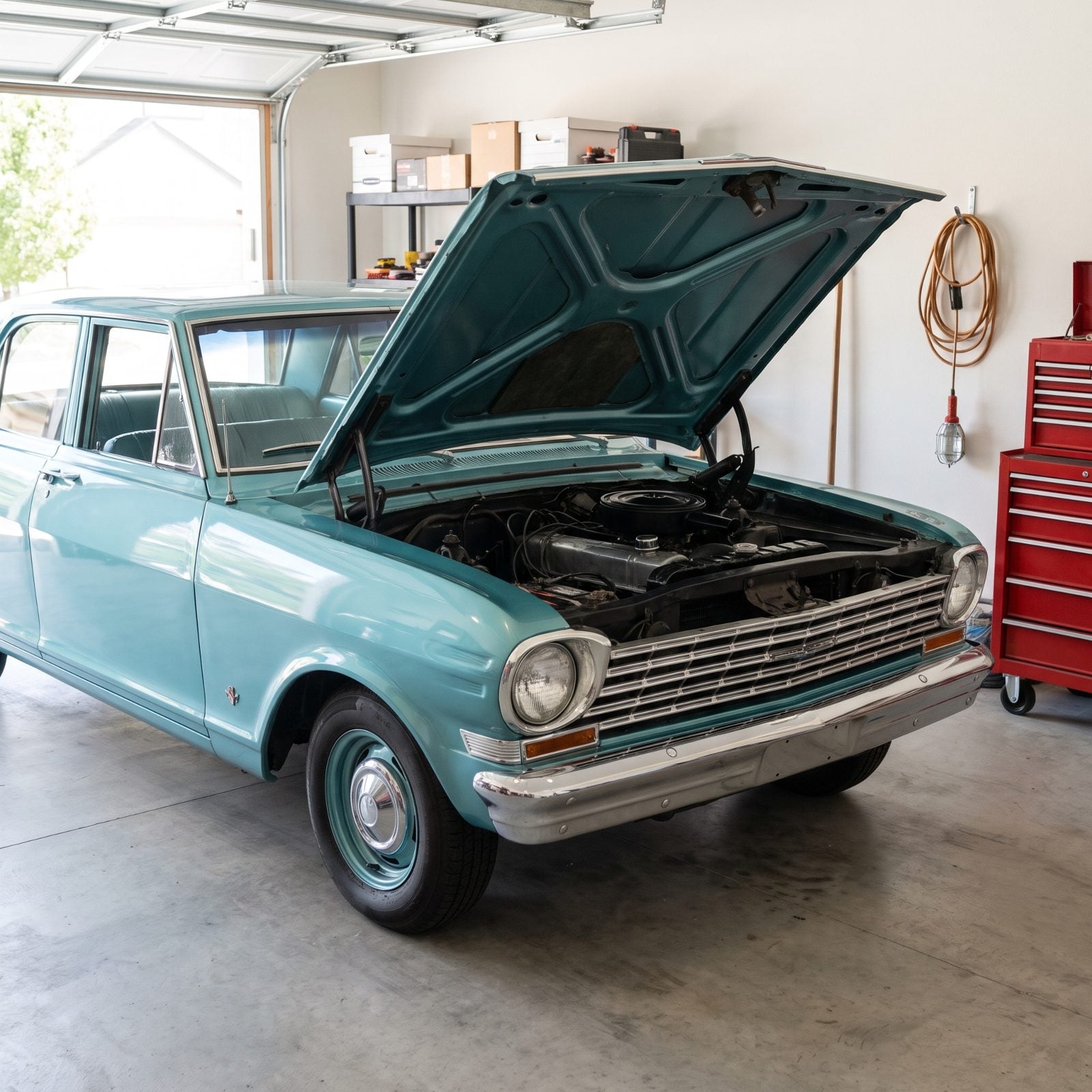
Chevrolet designed the first Chevy II as a no-frills compact, and you can still feel that brief in every bolt. The early cars came with a plain inline four or six sitting in a bay with daylight all around it, and the V8s that came later fit without crowding things the way bigger engines do in some compacts.
The rear suspension uses simple single-leaf springs, the front end is conventional GM hardware, and a good share of the wear parts are shared with other Chevrolets of the period. Your local counter can usually help without a special order.
Tune-ups are points, plugs, condenser, and a timing light. Nothing hides behind plastic covers, and nothing needs a computer to tell you what’s wrong.
1976, 1985 Mercedes-Benz 240D W123, Durable and Mechanically Understandable
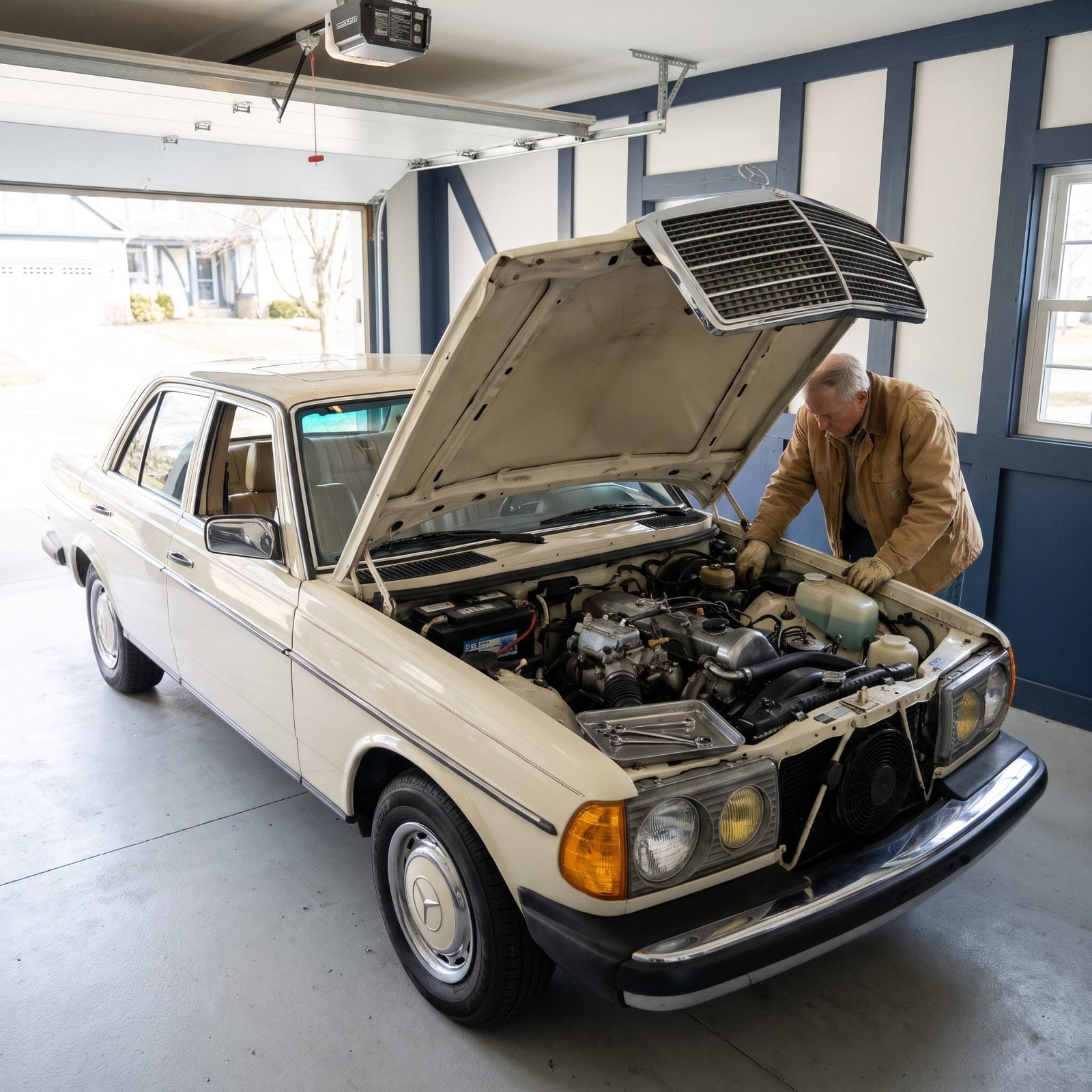
No spark plugs. No distributor. No points to gap. The 240D’s four-cylinder diesel runs on mechanical injection, so once you understand fuel, air, and glow plugs, you understand most of what keeps it running.
It’s slow, there’s no point pretending otherwise. Merging onto a freeway takes planning. But that unstressed engine and a famously solid build are why so many of these racked up huge mileage. Routine work like valve adjustments, fuel filters, and oil changes is laid out logically, and parts support is excellent.
The usual gremlin is the vacuum system, which runs the door locks and engine shutoff on many cars. Leaks are annoying but rarely mysterious. A hand vacuum pump and some patience will find them.
1957, 1975 Fiat 500, A Tiny Engine Removable Without Heavy Equipment
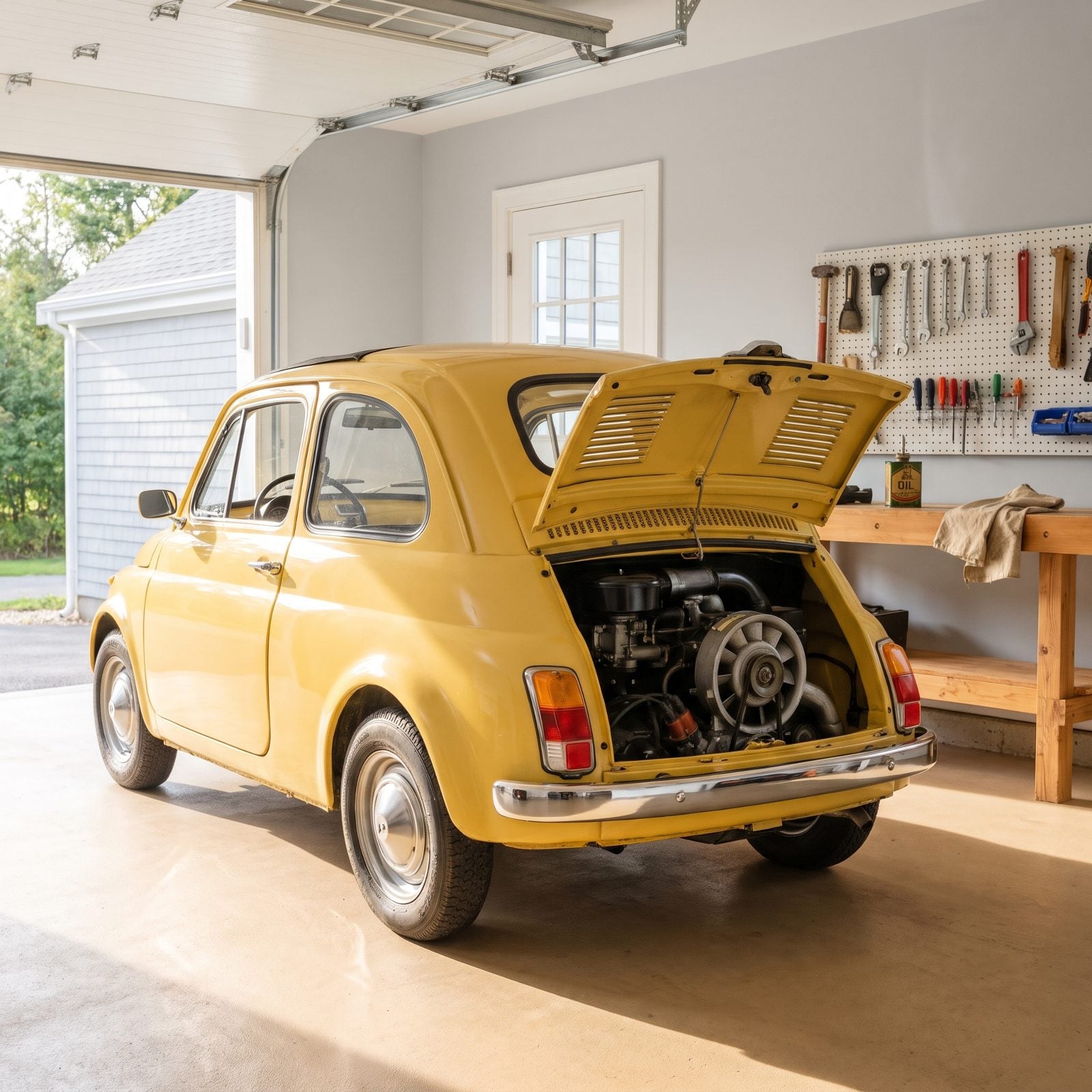
The Fiat 500’s air-cooled twin is so small and light that pulling it isn’t a big event. With a floor jack and some blocks under the back of the car, the engine drops out without an engine hoist or a shop full of equipment. Plenty of owners do it in their own garage.
There’s no radiator to worry about, very little wiring, and a mechanical layout you can learn in an afternoon. Italian and European specialists keep parts flowing, and the car is so small you can work all the way around it in a one-car garage with room left for the lawnmower.
Just know what you’re buying. Highway speed is a stretch, and the 500 is happiest on back roads and around town.
1970, 1979 Toyota Corolla E20/E30, Durable Simplicity in a Compact Package
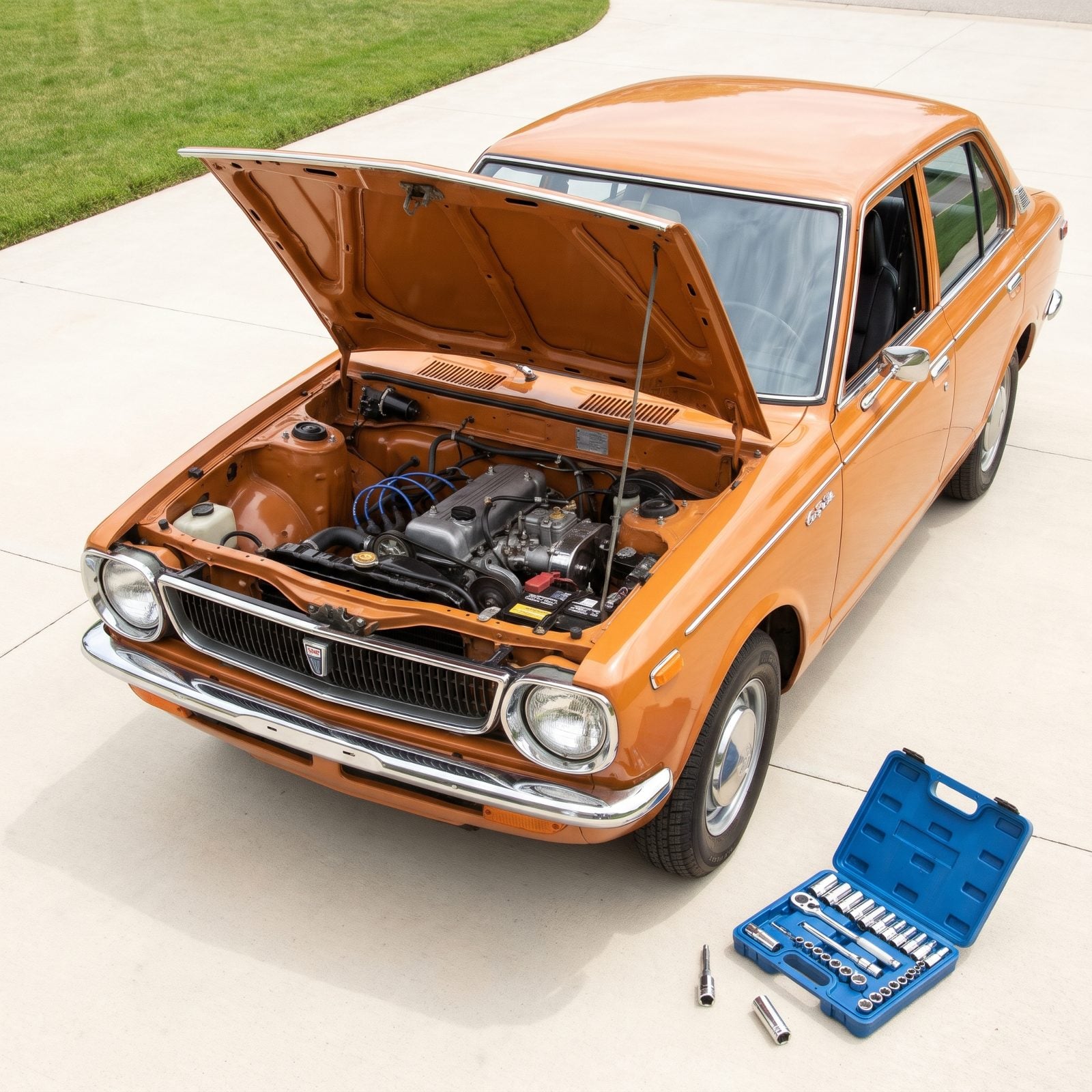
Early Corollas earned Toyota its reputation for reliability, and the reasons are easy to see once you open the hood. A small four-cylinder, a single carburetor, front engine, rear drive, and a live axle on leaf springs. There’s nothing to puzzle over.
The pushrod K-series engines in particular are known for being nearly unkillable, and the bay around them leaves plenty of room for your hands and tools. Valve adjustments, carb tuning, and brake jobs are straightforward weekend work.
The challenge is finding one. Rust took most of these off the road long ago, so a solid survivor is worth the hunt. Some parts take digging through Japanese-car specialists and online sellers, but the mechanicals are simple enough to keep one going for a long time.
1958, 1969 Rambler American, Compact Dimensions and Honest Mechanical Design
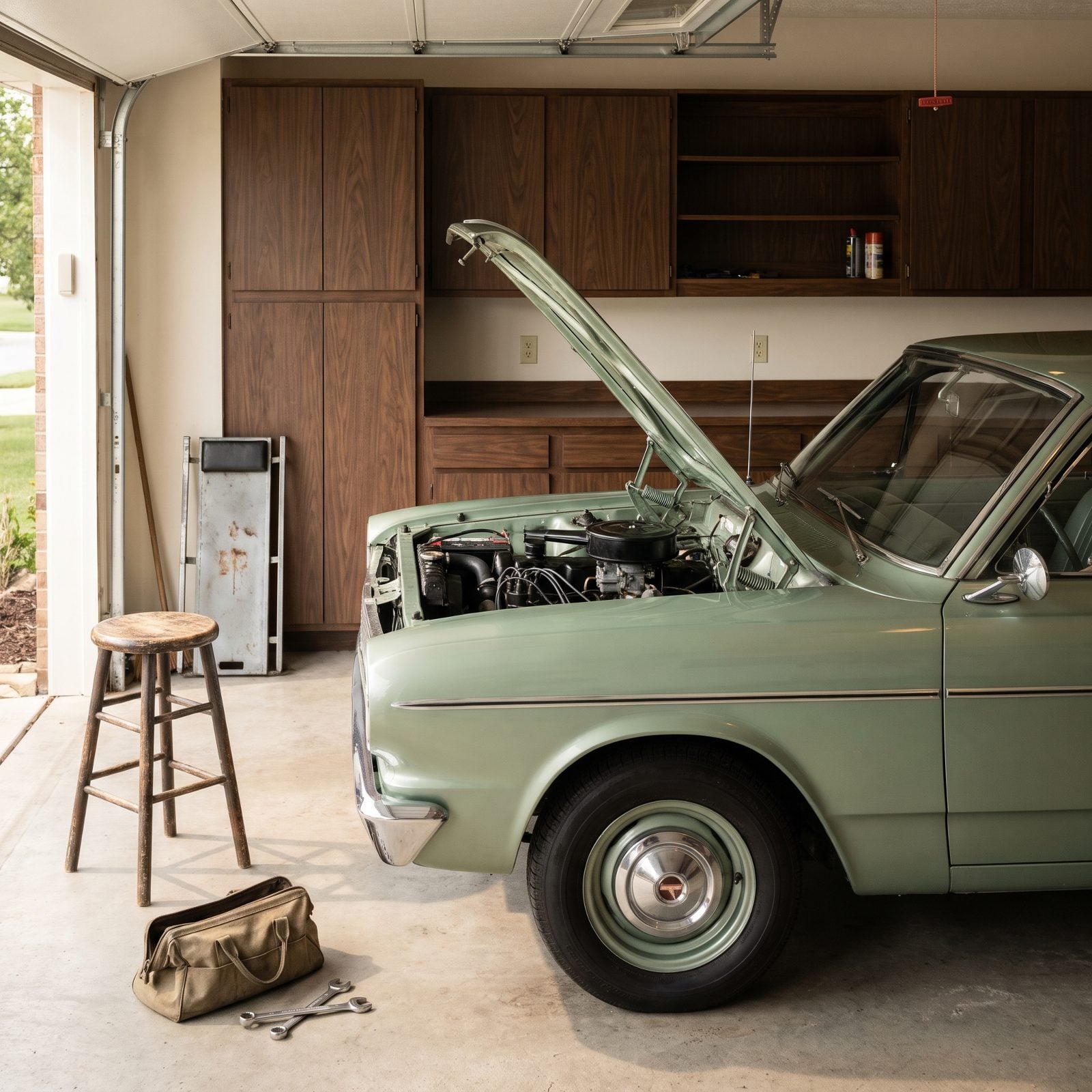
The Rambler American was built for buyers who wanted dependable transportation and nothing more, and it shows in the best way. A short wheelbase, a narrow body, and a sturdy inline six make for a car you can reach into without stretching over a mile of fender.
The early cars were essentially a revived version of the mid-fifties Nash Rambler, and that design is about as plain as postwar cars got. The 1964 redesign brought cleaner styling and, over the following years, bigger sixes and eventually a V8 option, all still in a layout with generous room around the engine.
Club support is devoted, and the mechanical simplicity means a lot of fixes come down to basic tools and a service manual rather than special equipment.
1968, 1976 BMW 2002, A Compact Sports Sedan With Excellent Underhood Access
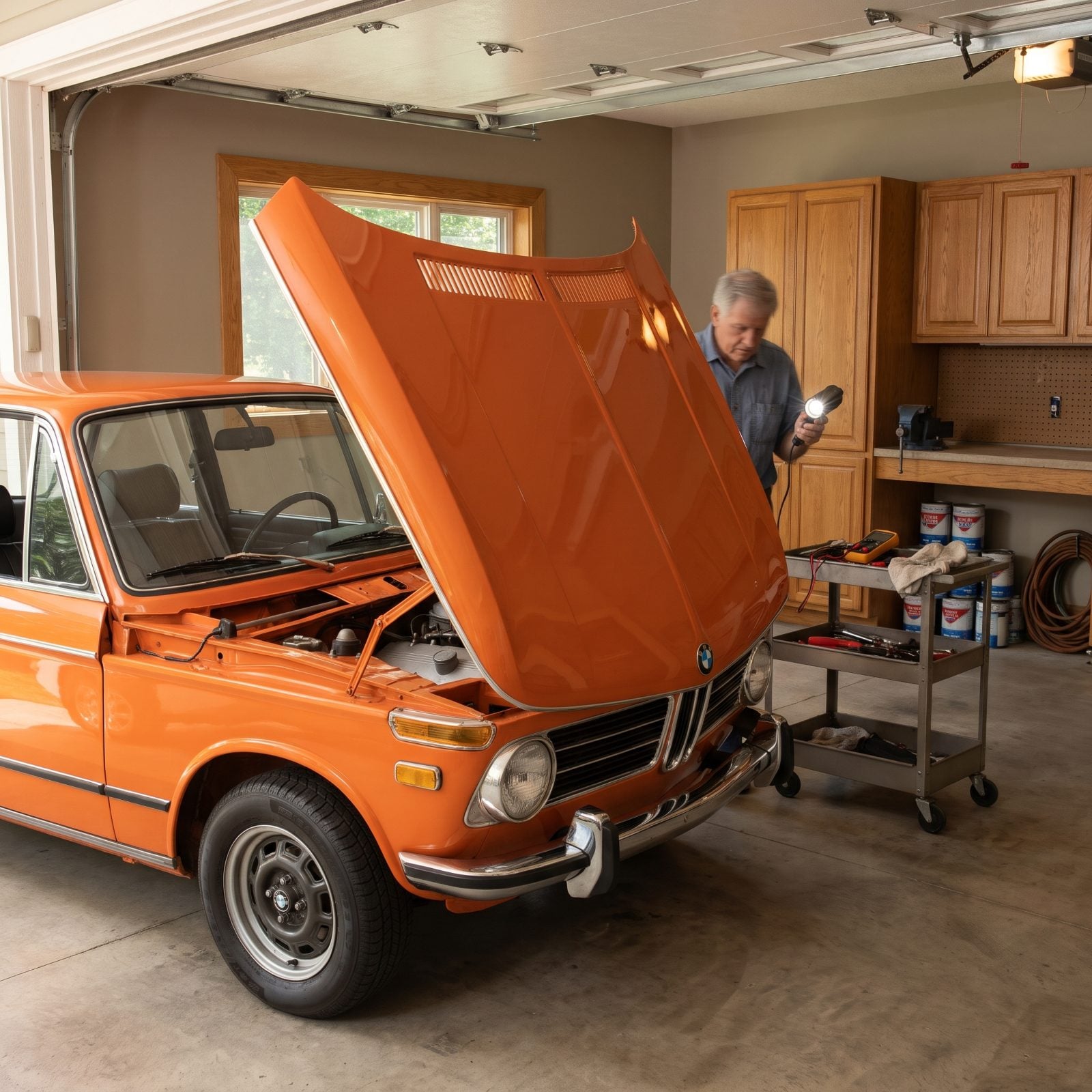
BMW tilted the 2002’s M10 four-cylinder over at an angle, and that one decision makes the whole engine bay friendly. The low side leaves open space for the intake and carburetor, while the high side puts the plugs, valve cover, and distributor within easy reach.
The carbureted cars are the easiest to live with: an overhead-cam four with one carb, a simple ignition, and a layout you can learn in an afternoon. Suspension and brakes are conventional and well documented, and the 2002 has one of the most active club and specialist networks of any classic BMW.
It’s also a pleasure to drive, which is half the point. Watch for rust in the usual places, and expect reasonable parts prices since BMW built plenty of them.
1956, 1970 Volvo Amazon, Durable, Logical, and Exceptionally DIY-Friendly
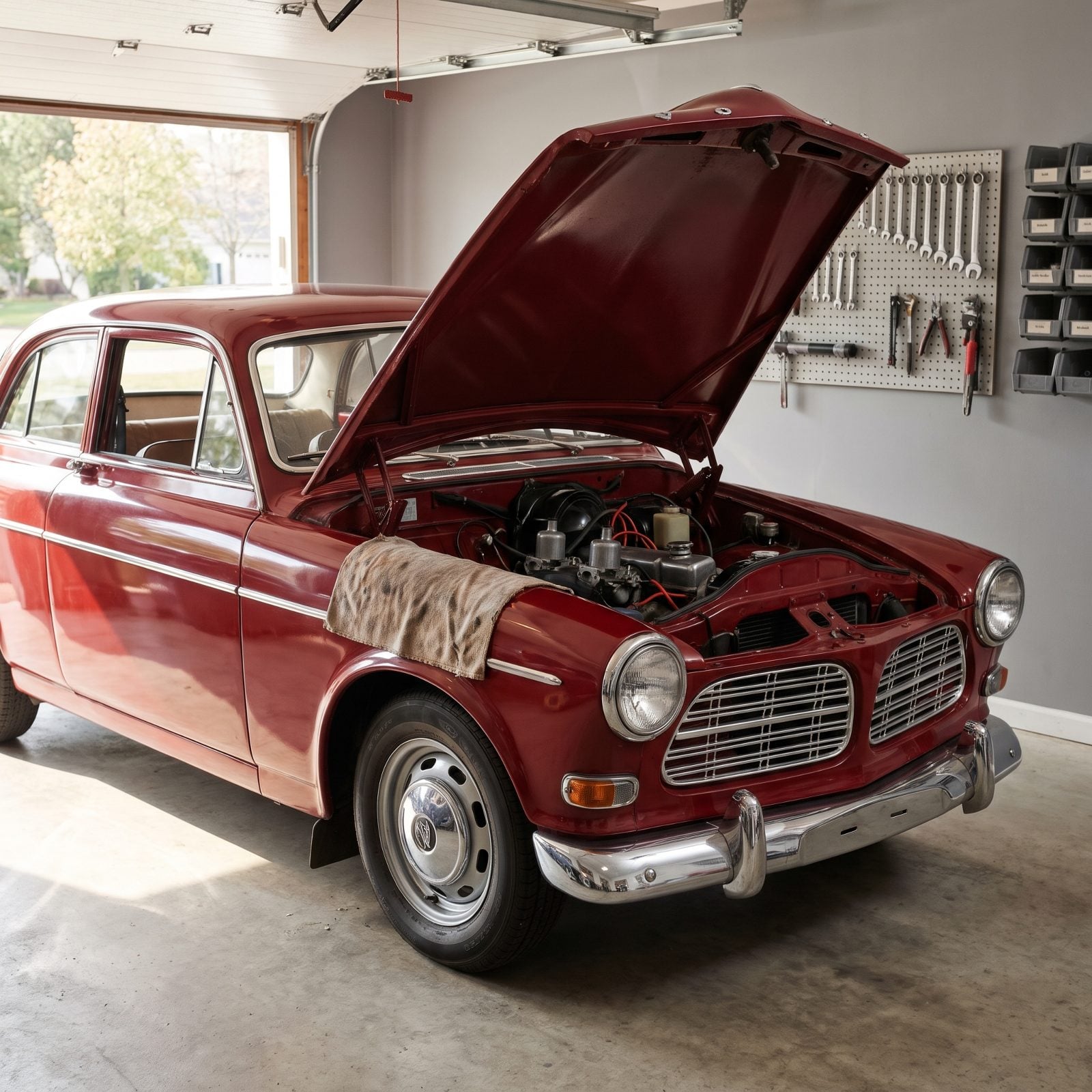
The Amazon is Swedish engineering at its most sensible. The pushrod B18 four in most of these cars has a reputation for running practically forever with basic care, and it sits in a bay with plenty of open space around it.
Everything is laid out so a regular owner can handle it: twin carbs that are simple to balance, an easy-to-reach distributor, and drum or disc brakes depending on the year, all with straightforward hardware. Many engine and drivetrain parts are shared with other Volvos of the era, so specialists keep the shelves stocked.
You also get a solid, comfortable car with real trunk space and a classic look that ages well. If the 240 is the Volvo for practical owners, the Amazon is where that approach started.
On a Volvo owners’ forum, one home mechanic who calls his Amazon the height of simplicity says “I had the engine out and dismantled to its individual parts in a couple of hours, and removing the interior took about an hour.”
1968, 1974 Ford Escort Mk I, Basic Rear-Wheel-Drive Engineering
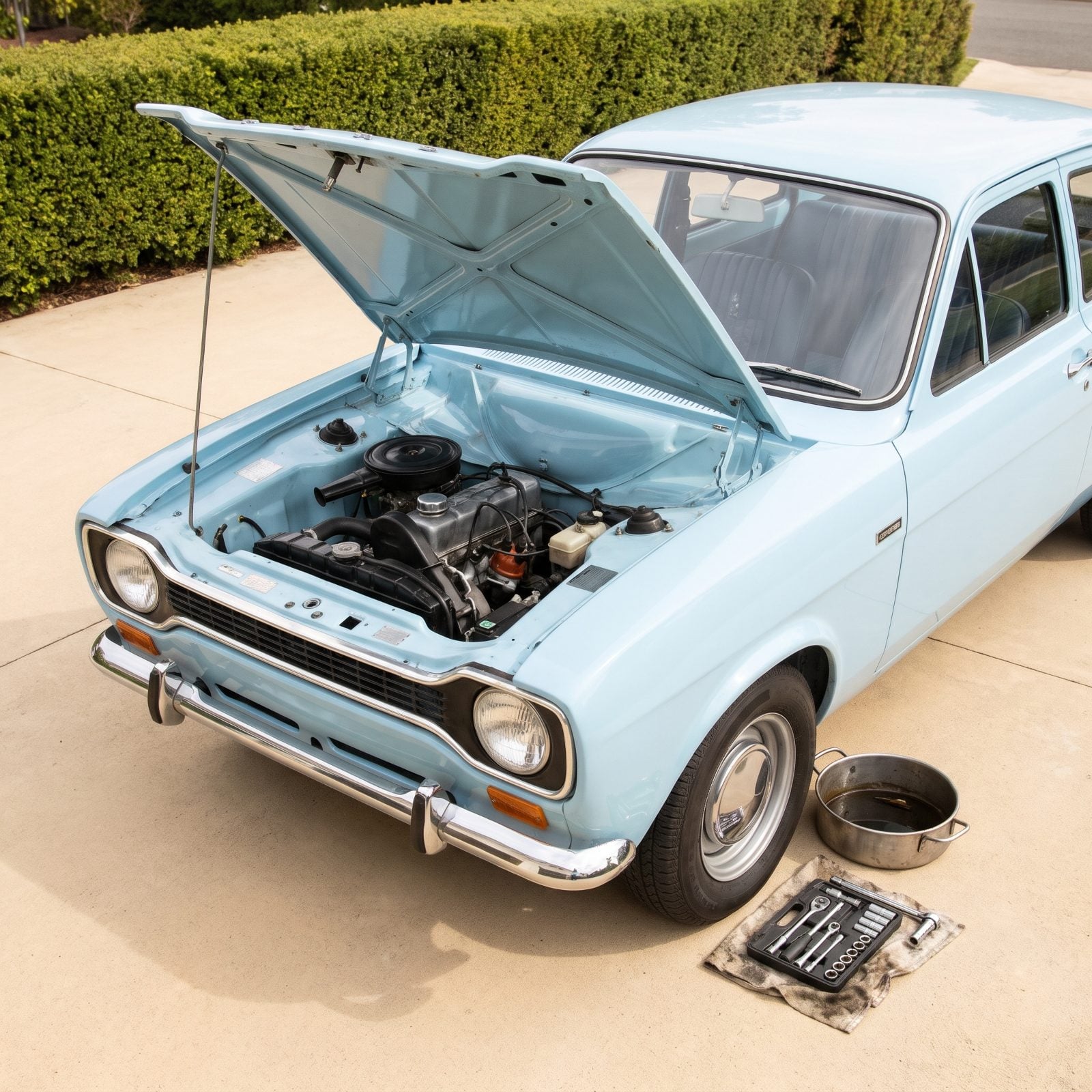
The Mk I Escort is the textbook small rear-driver. Front engine, live axle on leaf springs, struts up front, and in many cars the overhead-valve Kent four, which is about as simple and well understood as British fours get.
Rallying made the Escort famous, and the motorsport crowd built a huge parts and know-how base around it, especially in the UK. The Kent engine powered a lot of club racing, so performance and replacement parts remain easy to source. Ford didn’t sell the Mk I new in the US, so expect an import and some shipping on certain parts.
Once you have one, though, the work is pure basics. Points, plugs, carb, brakes, bushings. A small car you can understand completely and enjoy every time you drive it.
1959, 1966 Studebaker Lark: Compact Outside, Wide Open Underneath
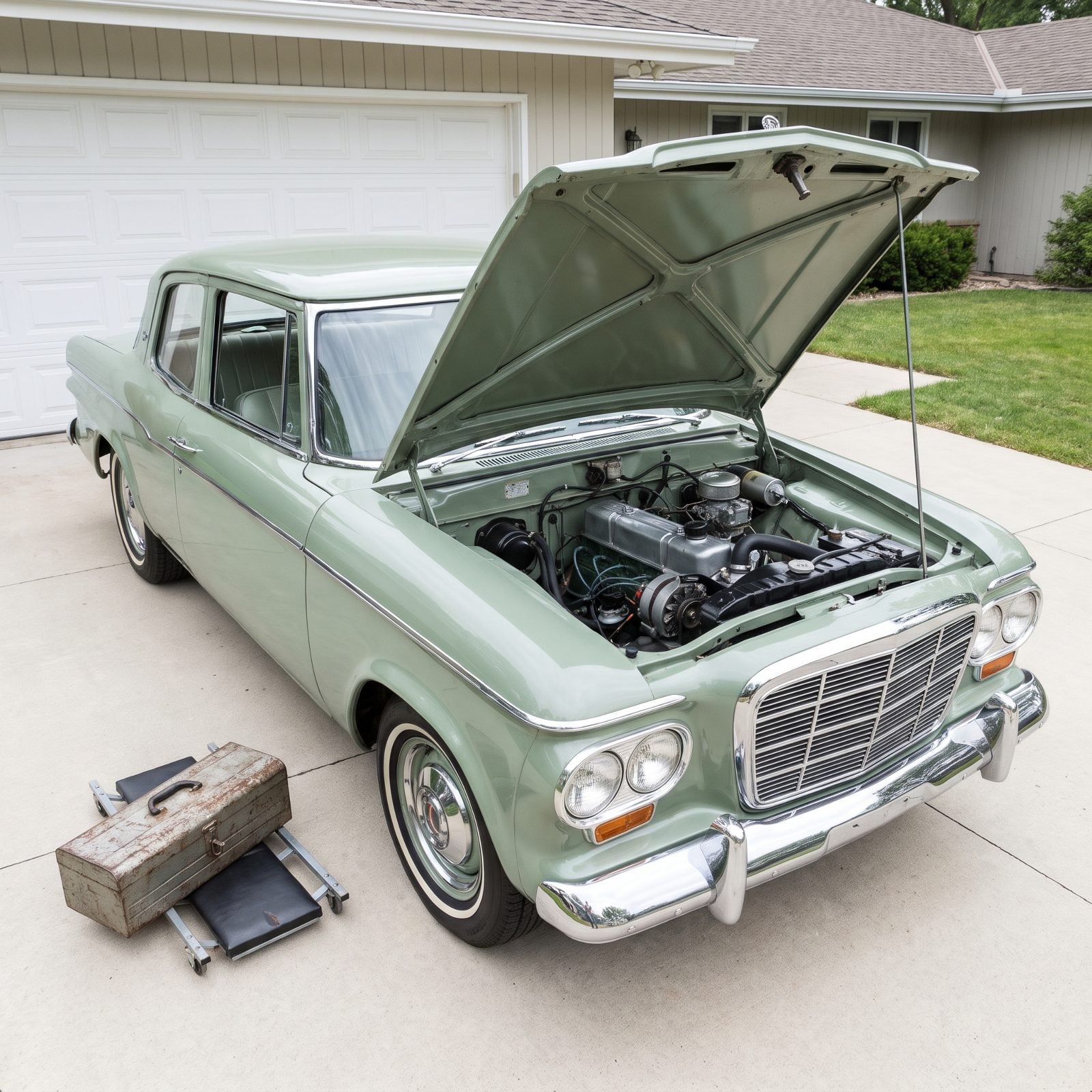
Studebaker built the Lark to be honest, and honest is exactly what you get when you lift the hood. The inline-six sits in a bay with room to spare on both sides, so you can reach the plugs, the carb, and the fuel pump without draping yourself across the fender like a tarp.
Parts are the catch. Studebaker closed its doors decades ago, so you lean on specialist suppliers and a club network that has kept these alive for years. Good news, though — nothing on the engine is exotic. Points, condenser, a single-barrel carburetor, a mechanical fuel pump. Learn cars in the 1960s and you already speak this language fluently.
1970, 1977 AMC Hornet: A Tough Compact With Elbow Room to Spare
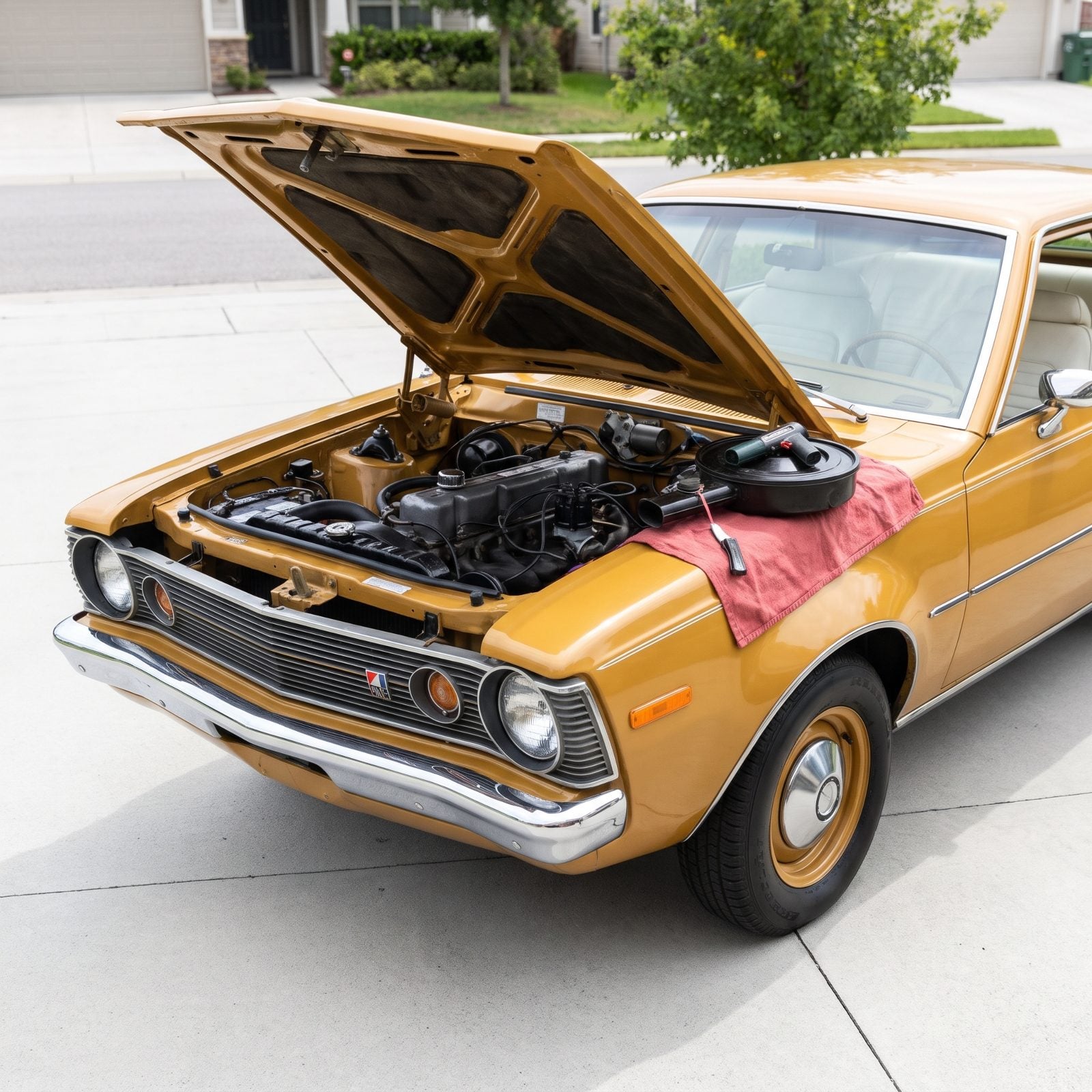
The Hornet’s inline-six is one of the toughest engines Detroit ever stamped out, and AMC bolted it into a body with real working space. Stand at the fender and you can see the whole motor.
These shared a lot of mechanical DNA with later AMC and early Jeep products, which is why parts support holds up better than the brand’s small production numbers would suggest. A good chunk of the suspension and driveline bits interchange right across the family. That’s a quiet gift when you’re hunting down a water pump on a Saturday morning with nothing open but the parts counter and your patience.
1960, 1975 Peugeot 404: French Durability With Nothing Hidden
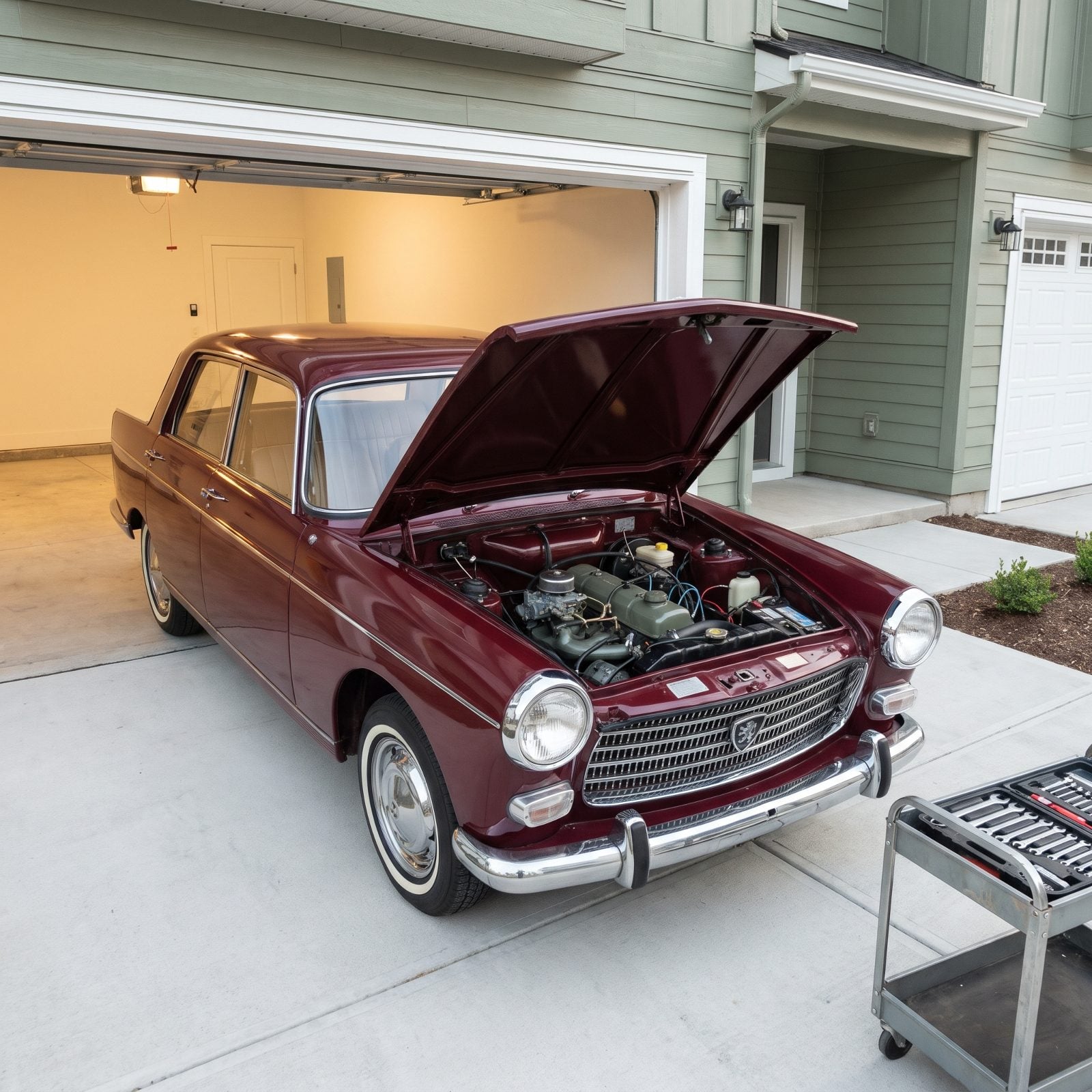
Ask anyone who ran one across Africa or South America. The 404 earned its reputation in places with bad roads and no dealer for five hundred miles.
The engine leans over at an angle, which does you a favor — the top end sits right there, easy to work. Peugeot overbuilt the thing on purpose, and the suspension and driveline were made to take abuse and keep rolling.
Finding a 404 in the States takes patience, and some trim and body parts mean overseas orders and a wait. Mechanically, though? Uncomplicated, well-mannered, and happy to reward a careful owner with miles.
1975, 1984 Volkswagen Rabbit: The Car That Taught a Generation to Wrench
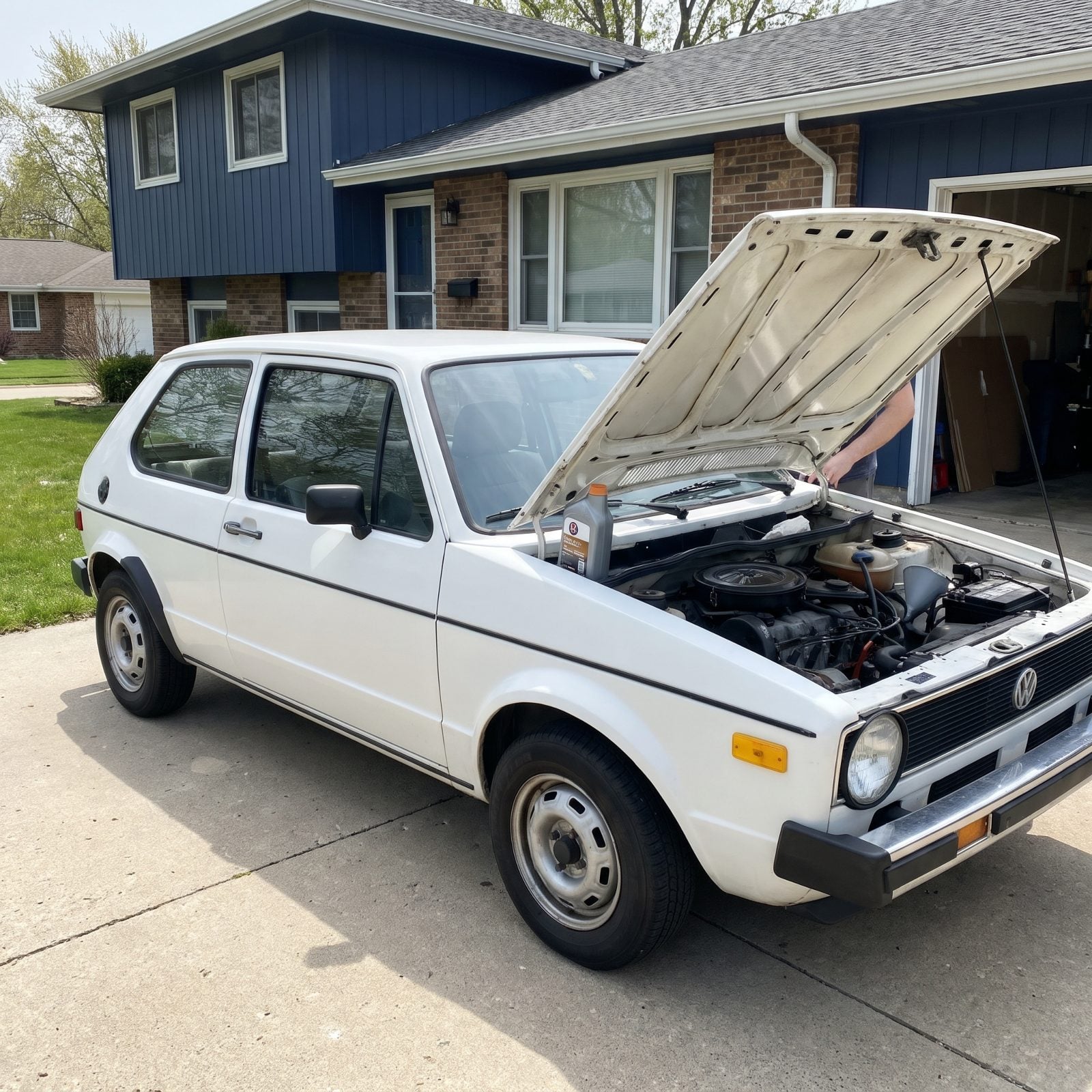
Want a front-drive classic that practically hands you the tools? Start here.
The Rabbit’s four-cylinder is small, simple, and forgiving. Oil changes, timing belts, valve adjustments — you can knock out all of it in an afternoon with a basic set of metric wrenches. And the parts bin is enormous, because VW built this platform for ages and the aftermarket never let go of it.
This is the car a lot of people cut their teeth on, and it still works that way. Mess something up and the fix is cheap, and it’s been documented a thousand times over by someone who already made your exact mistake.
1965, 1970 Datsun Roadster: A Four-Cylinder Sports Car With a Devoted Crowd
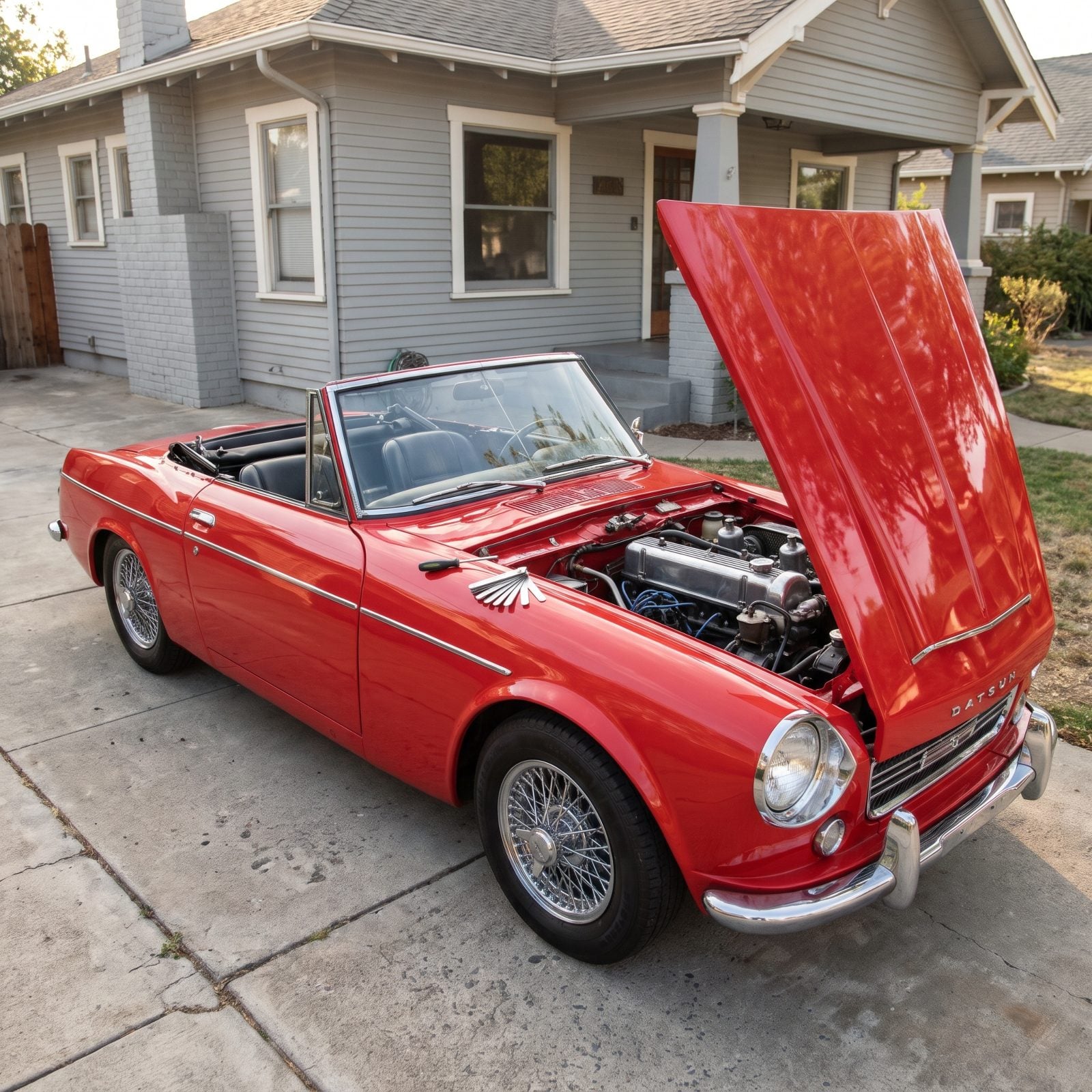
Before the Z car made Datsun famous, there was the Roadster, and it’s one of the most honest little sports cars you can own.
The engine is a plain inline-four with carbs you can tune by ear once you learn its moods. Everything sits out in the open. The owners’ community is small but fierce, and they’ve reproduced the parts that matter, so lean on them hard — the club knowledge alone is worth the price of admission.
1969, 1976 Triumph TR6: A Straight-Six Roadster Built for Hands-On Owners
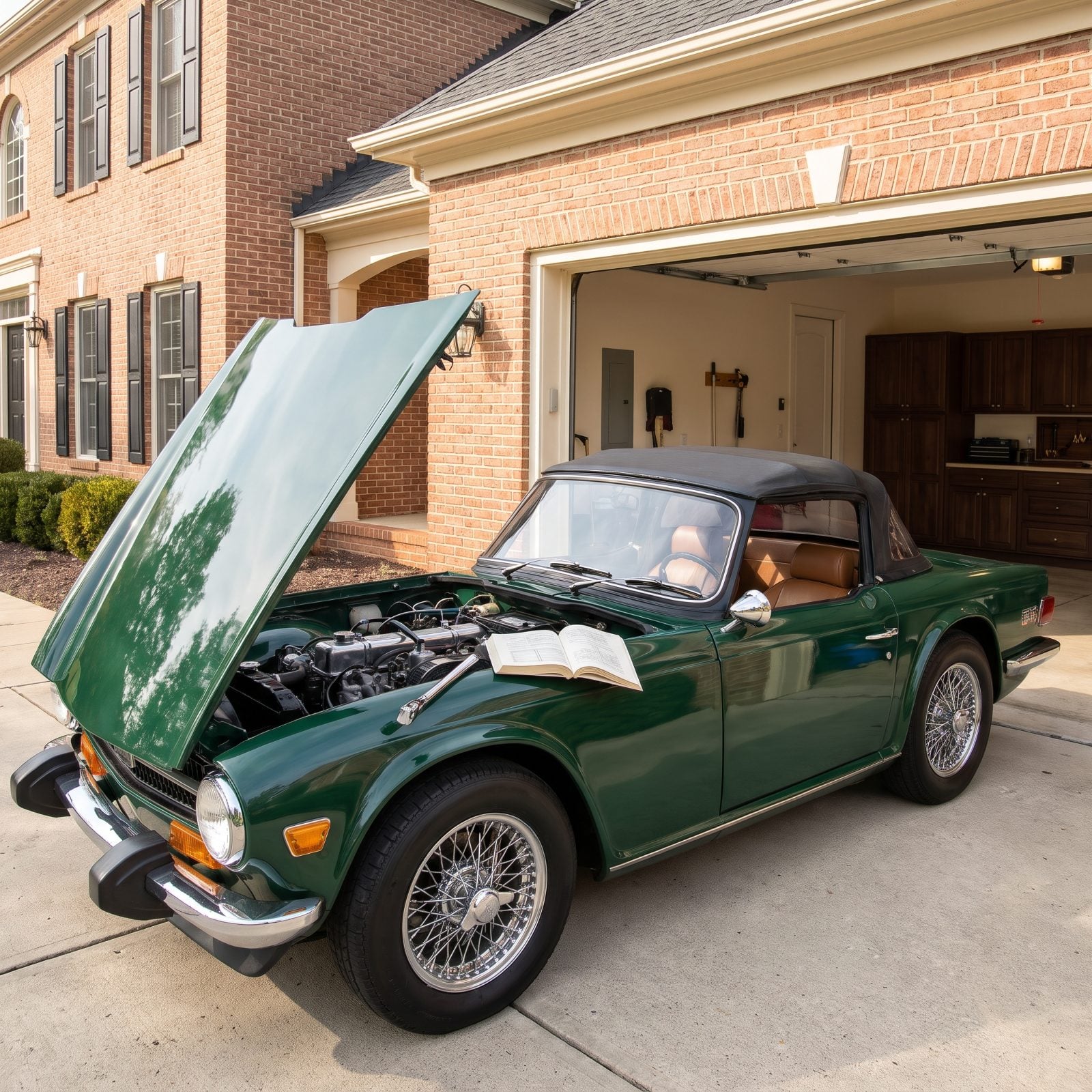
The TR6 gives you a real straight-six and a body with squared-off good looks, and it stays friendly to the owner who likes to turn wrenches.
The engine bay runs long and open. You can get at the carbureted versions — US cars got twin Strombergs — without fighting for every inch of knuckle room. Triumph parts support is excellent thanks to a deep British specialist network, and the club scene is large and generous with advice.
Know this going in: the electrics are vintage British, and they will test you. Learn the wiring, keep the grounds clean, and the car mostly behaves itself.
1966, 1985 Fiat 124 Spider: Twin-Cam Simplicity With Real Specialist Backing
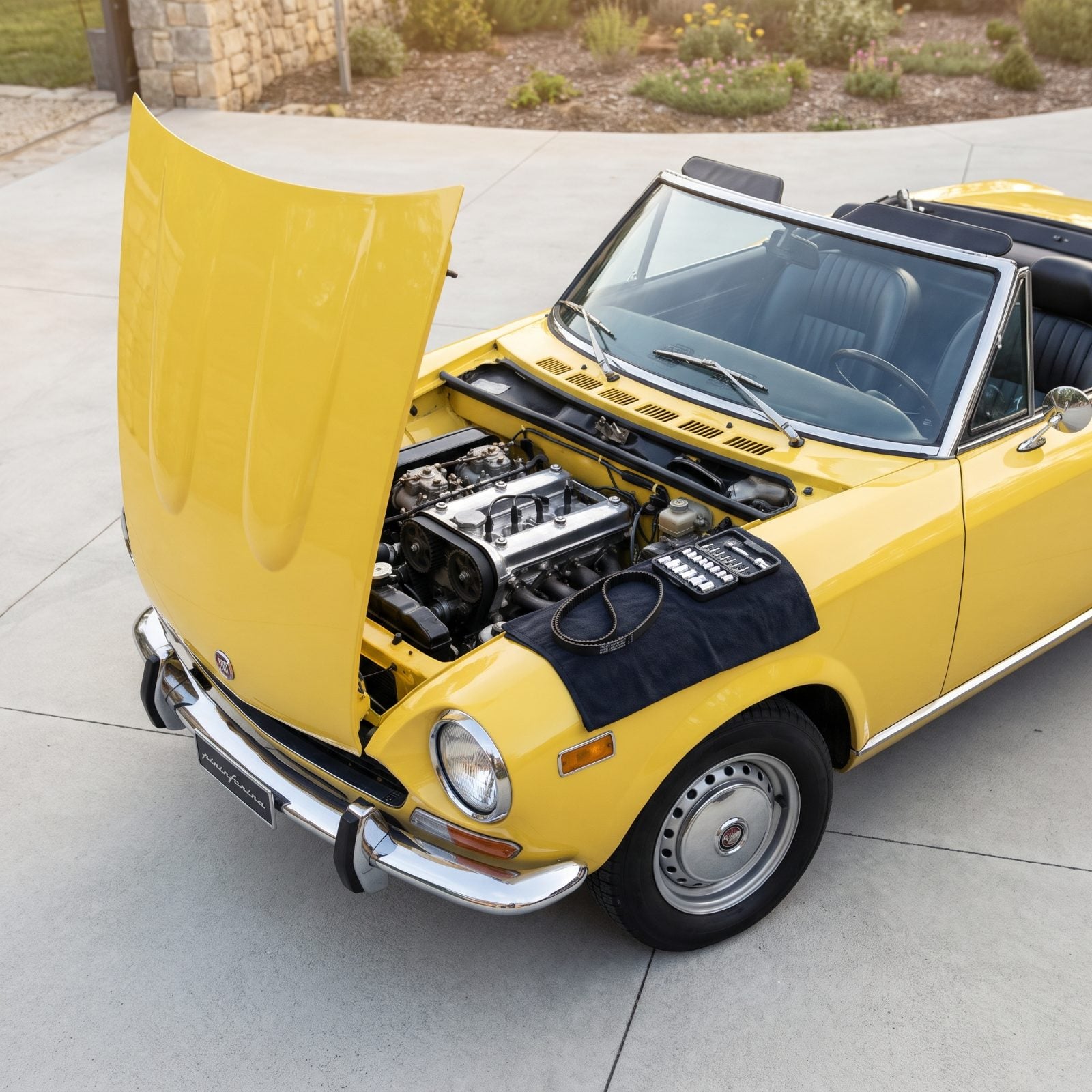
That Lampredi twin-cam is the heart of the 124 Spider, and it’s a cleaner, friendlier engine than its Italian pedigree might lead you to fear.
The belt-driven cams make timing work straightforward, and the whole engine is laid out logically with good access. Specialist suppliers keep these very well stocked, and prices stay reasonable because Fiat built a lot of them over a long run.
1960, 1980 Saab 96: Quirky Engineering That Opens Right Up
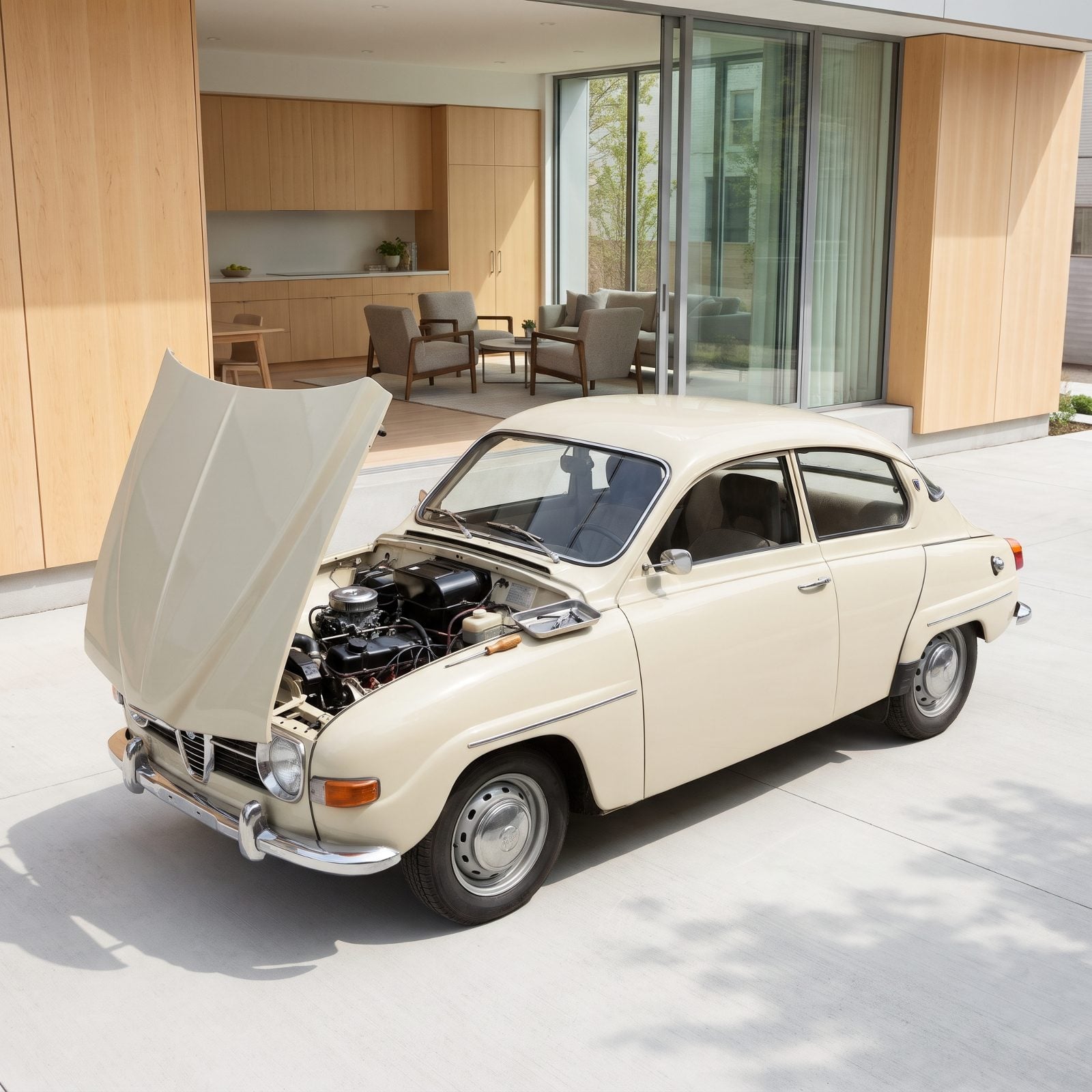
Saab’s engineers did things their own stubborn way, and the 96 proves you can be odd and still be easy to service.
The hood hinges forward at the front, and the engine — early two-stroke, later a Ford-sourced V4 — sits way out ahead where you can actually get a hand on it. The V4 cars are the easier pick for parts since they borrow from Ford’s bin. Two-strokes are charming and even simpler, but they ask more of you on upkeep.
I’ll admit the two-stroke smell and the freewheeling gearbox take getting used to. That’s half the fun.
1973, 1979 Honda Civic: Featherweight and Nearly Electronics-Free
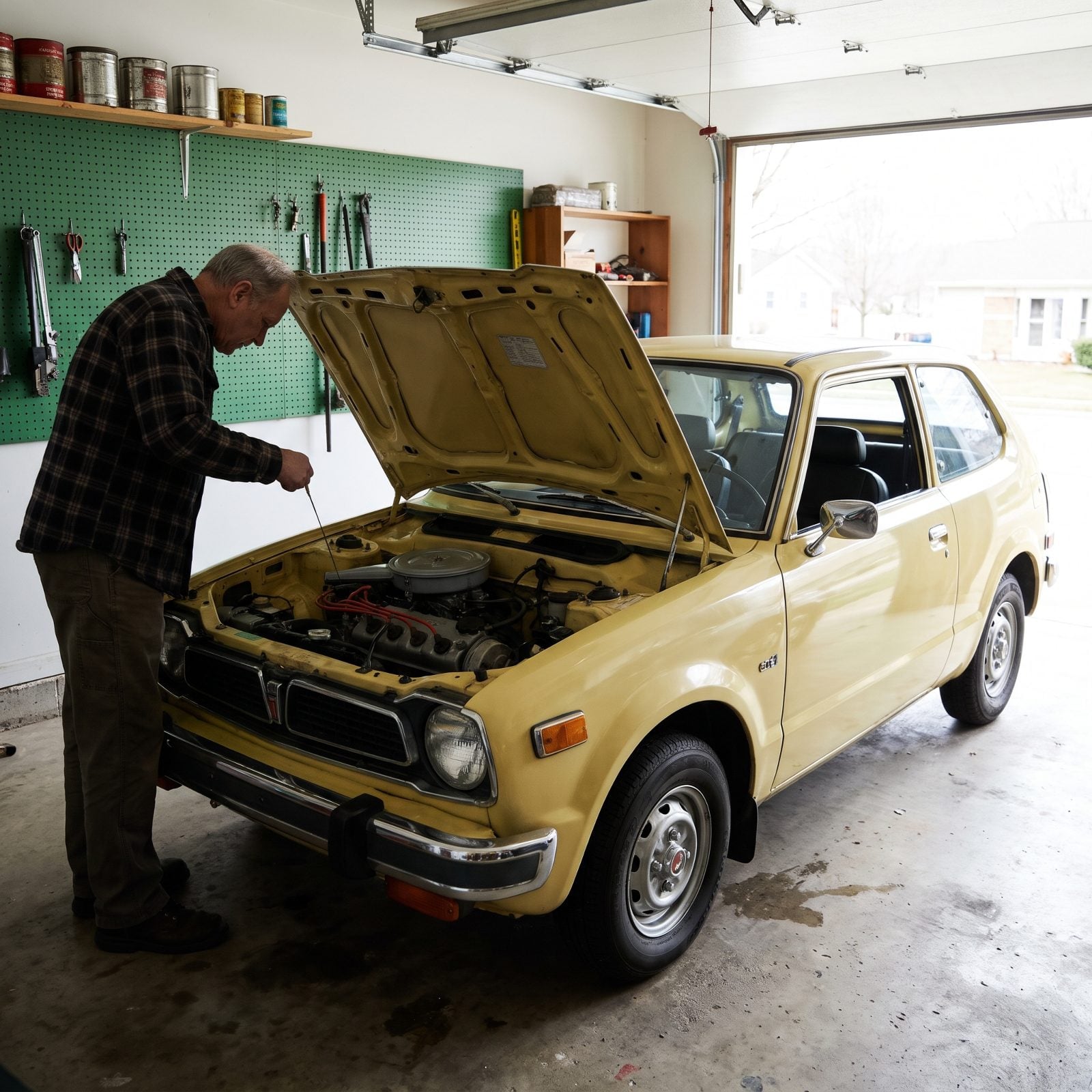
Under 1,600 pounds. That number tells you most of what you need to know, because when a car weighs this little, everything about owning it gets easier — the jack stands hold a feather, the brakes barely wear, and one person can wrestle a fender off without a buddy and a six-pack.
The early Civic ran a simple carbureted four with wiring you could trace on a napkin. CVCC models get fiddly around the emissions plumbing, so the plainer base engines are kinder to a weekend wrench. Find one that hasn’t dissolved and you’ve got honest transportation that fits in half a garage bay.
1970, 1988 Lada 2101: Soviet-Built Fiat You Can Fix With a Hammer
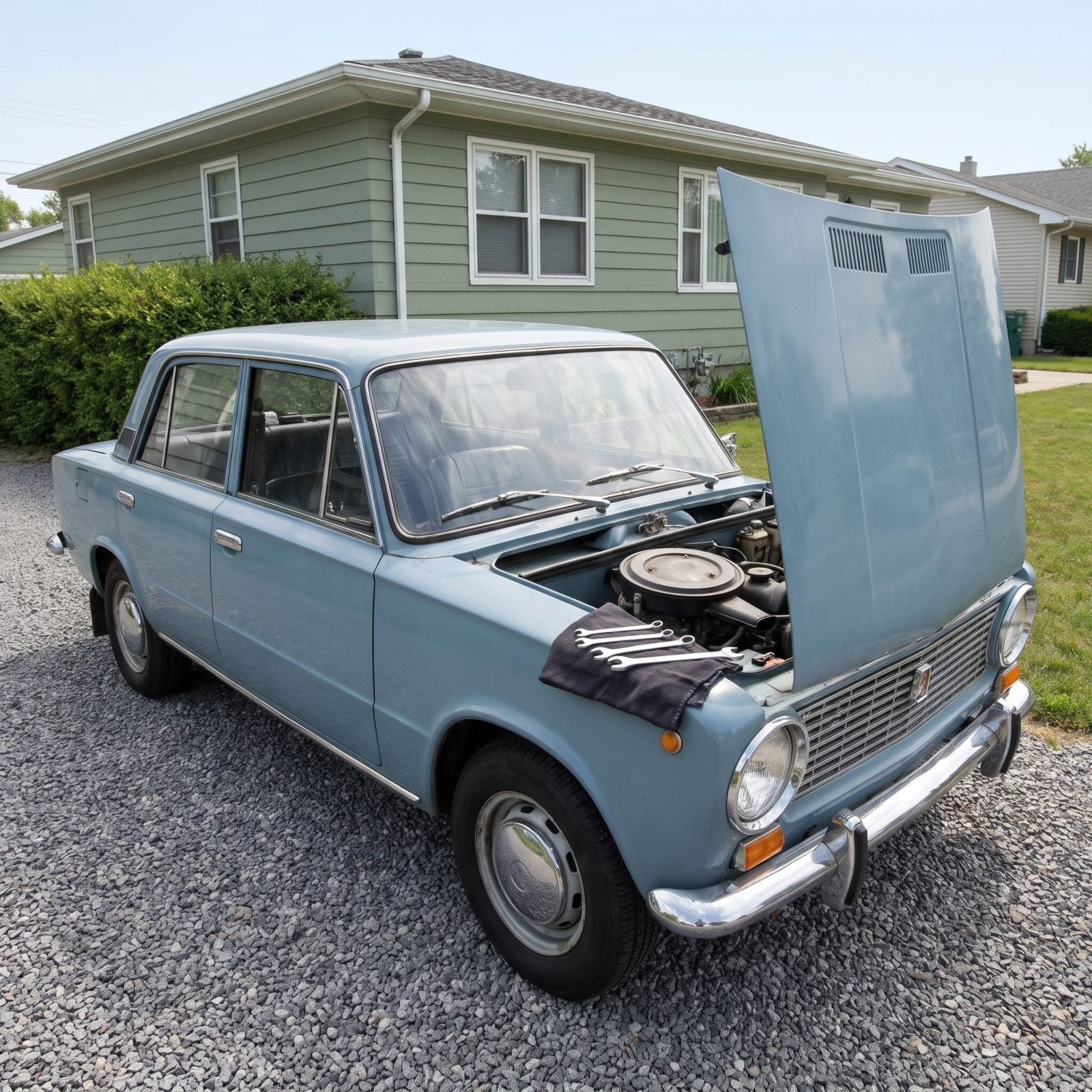
Built on the bones of the Fiat 124 and then simplified for a country where you couldn’t call AAA, the Lada 2101 made roughness a design feature. Thicker metal. Higher ground clearance. A cooling system that forgives neglect. They built it to be repaired by the person who owned it, in the cold, with whatever was out in the shed.
These are rare in the States, so parts take some hunting through European sellers. But the mechanicals are so plain that a competent hobbyist can fabricate or substitute half of what wears out. Want a conversation piece that teaches you patience? This is it.
1977, 1990 Chevrolet Caprice: Full-Size Toughness, Zero Drama
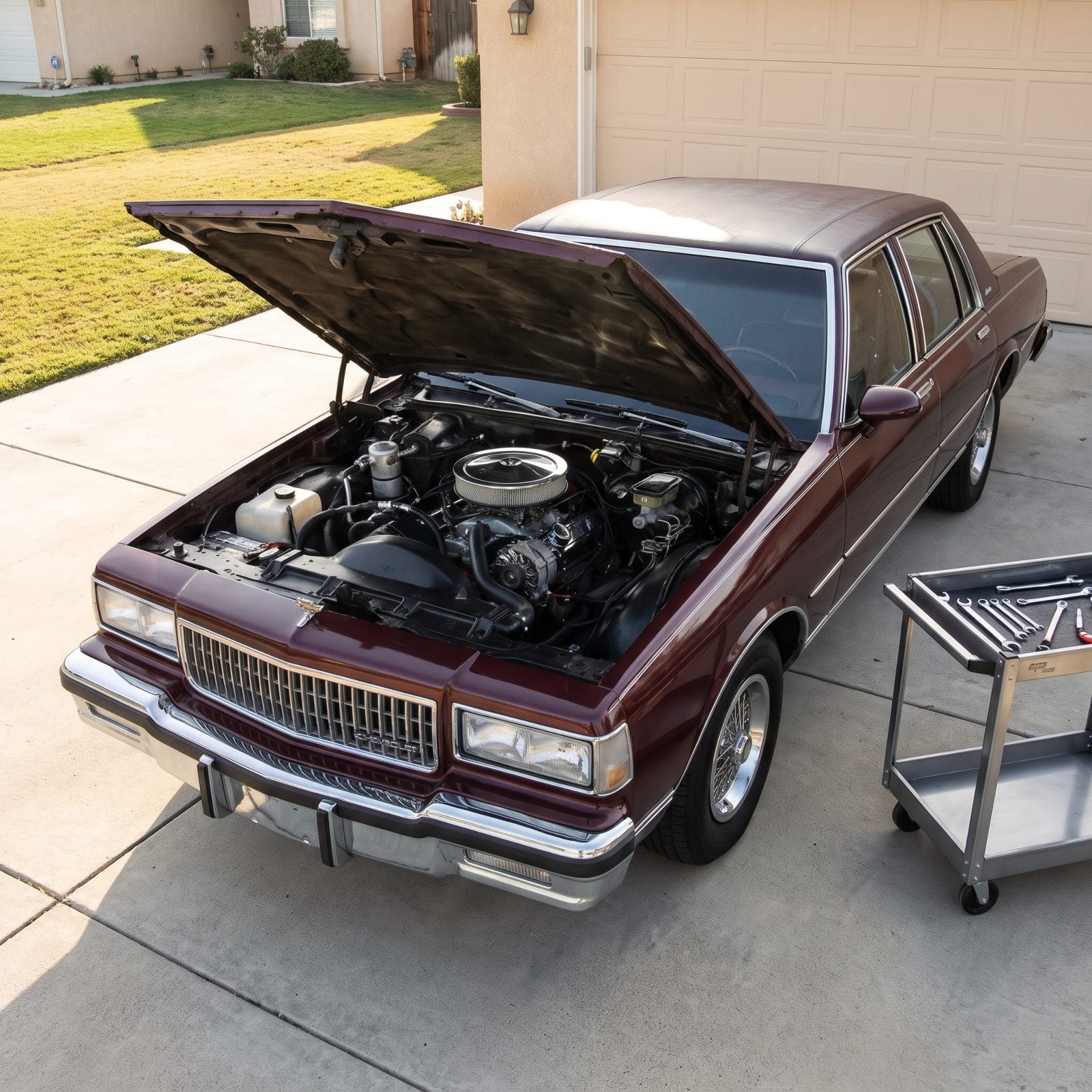
The downsized Caprice is a full-size car that drives small and fixes smaller. GM’s B-body ran a small-block Chevy V8, a frame you could land a plane on, and an engine bay so roomy you can perch on the inner fender while you work. Nothing hides in there.
Parts support is close to infinite, since half the hot-rod aftermarket exists to feed the small-block. A rebuild kit, a carburetor, a set of plugs and wires — all of it available at any counter in the country, usually in stock.
1964, 1972 Oldsmobile Cutlass: Plain Engineering, First-Rate Club Support
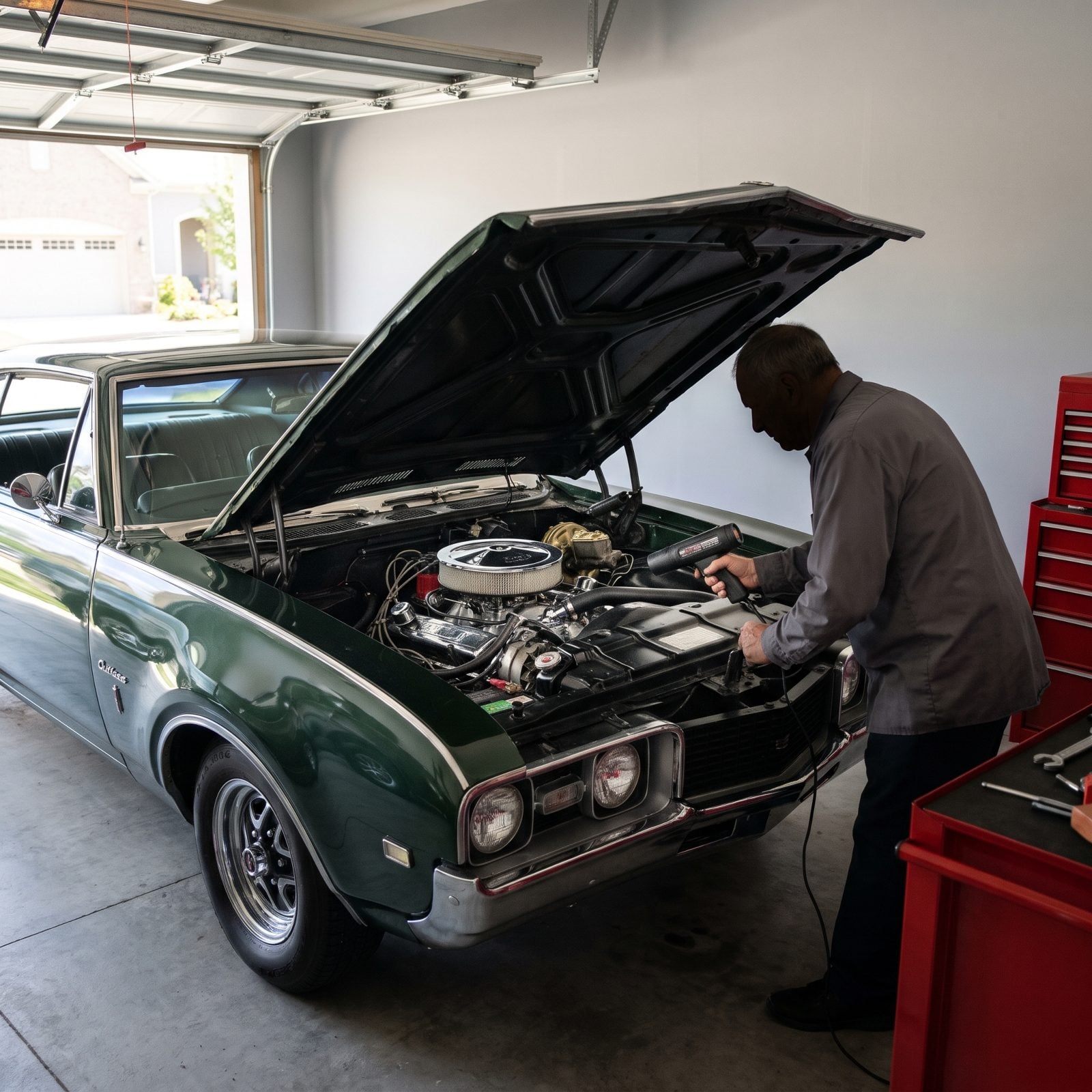
A good owners’ club is worth more than a shop manual, and the A-body Oldsmobiles have some of the best. Stuck at midnight with a part number you can’t read? Somebody in a forum thread already solved it ten years ago and posted the fix.
The Cutlass itself is honest GM muscle-era hardware. Rochester carb, points or a simple HEI swap, a frame and suspension that any generalist understands. Nothing about it demands a specialist.
The car is simple. The community behind it is deep. That combination keeps these on the road long after fussier classics get parked.
1968, 1974 AMC Javelin: Underdog Pony Car, Straightforward Bones
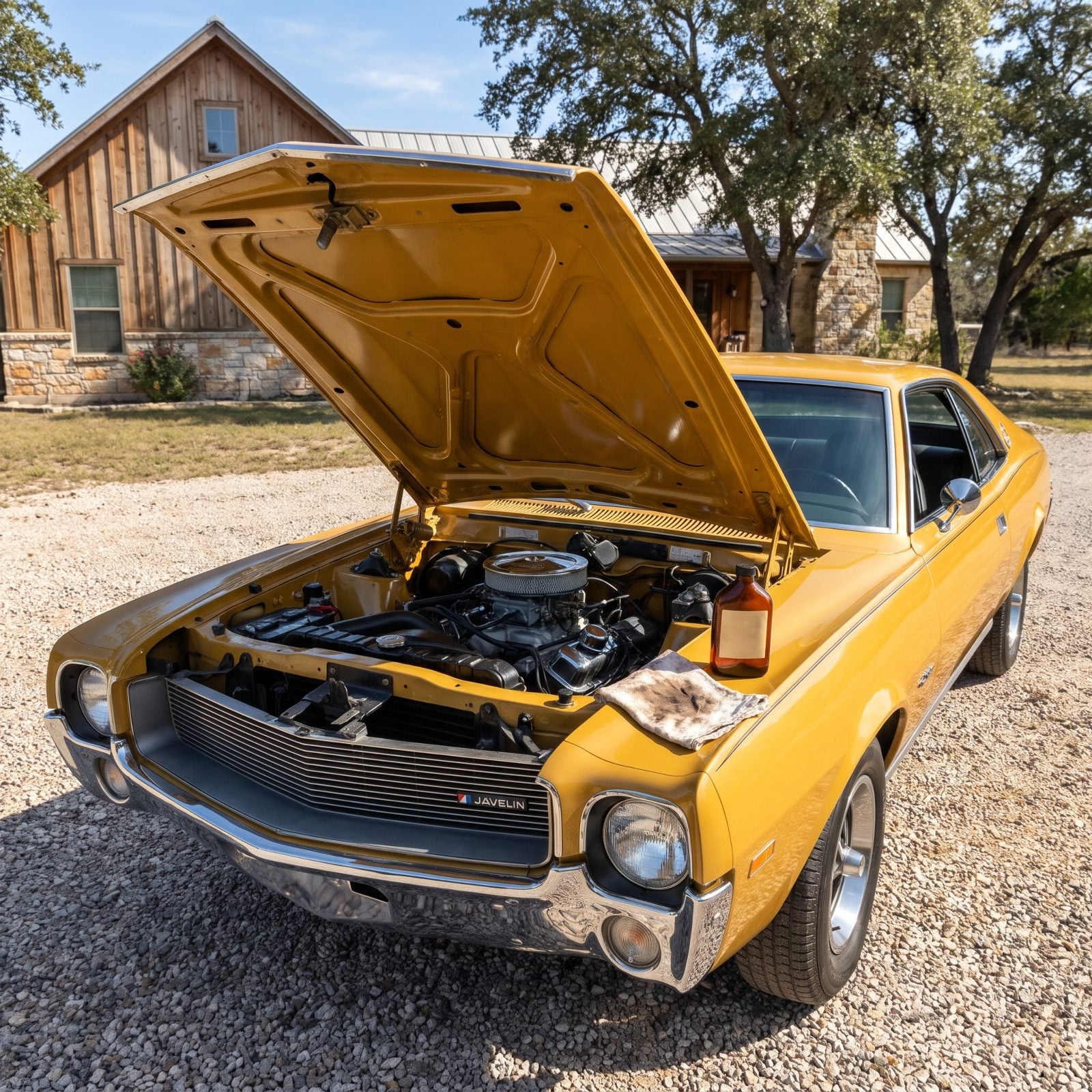
Everybody chases Mustangs and Camaros, which is exactly why the Javelin is the smart buy. Fewer dollars, the same era of simple hardware, and a look nobody else on the cruise night will have.
The AMC V8s are stout and conventional — no exotic tooling to service them. The catch is parts. Some AMC-specific pieces take patience to source, since the company is long gone, but a dedicated supplier network and the AMC faithful keep the common wear items flowing. Buy the cleanest body you can afford and let the running gear be the easy part.
1960, 1964 Chevrolet Corvair: Air-Cooled Oddball With a Loyal Parts Network
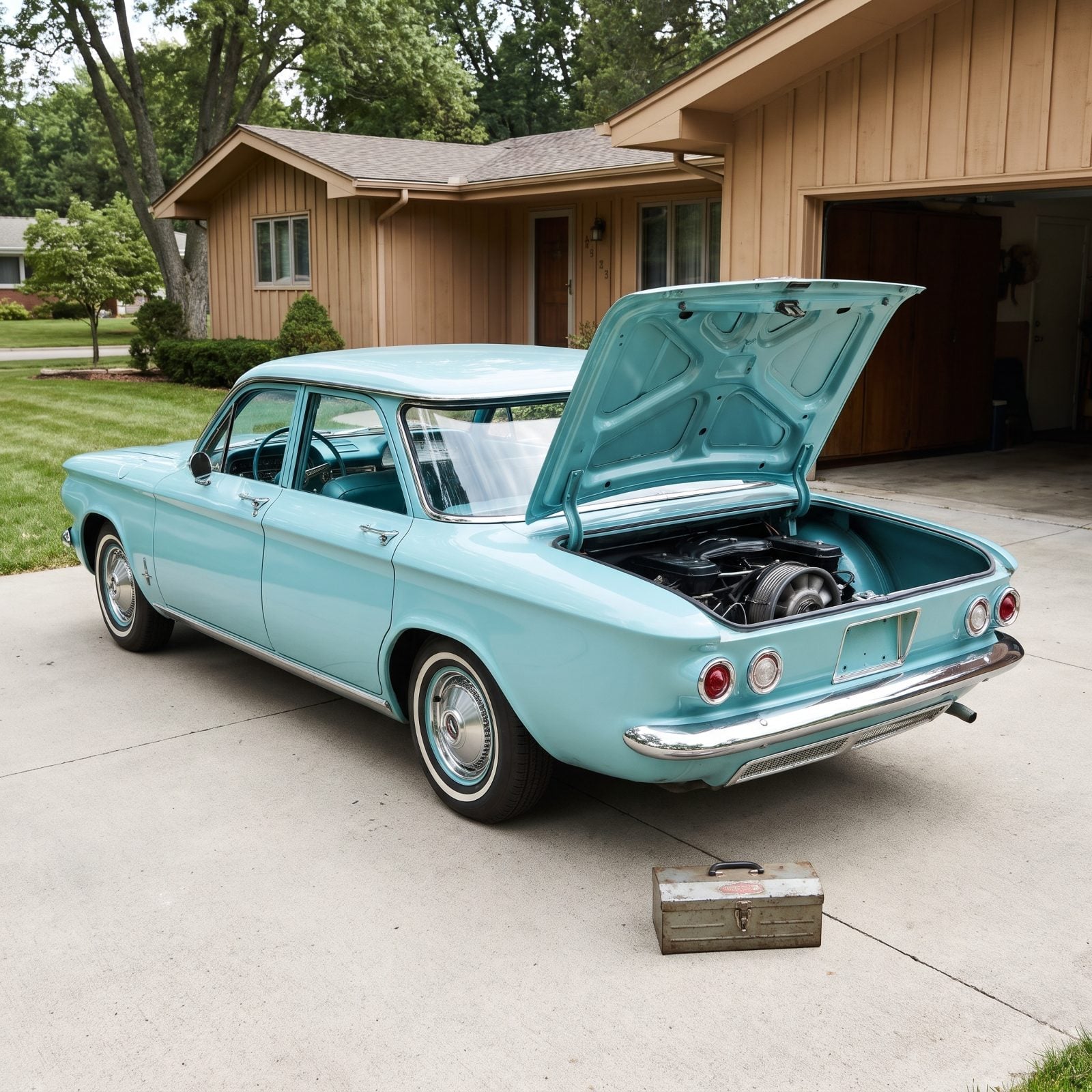
No radiator. No water pump. No freeze plugs waiting to fail. The Corvair’s air-cooled flat-six does away with a whole category of problems other old cars spend their lives having, and in exchange it hands you its own quirks — mostly around the cooling shroud and those push-rod tube seals that love to weep oil.
Here’s the saving grace. The Corvair crowd is one of the most organized in the hobby, with reproduction parts, rebuild services, and knowledge all over the place. These cars were nearly forgotten, and the enthusiasts flat refused to let them die.
1961, 1992 Renault 4: Dead-Simple French Workhorse
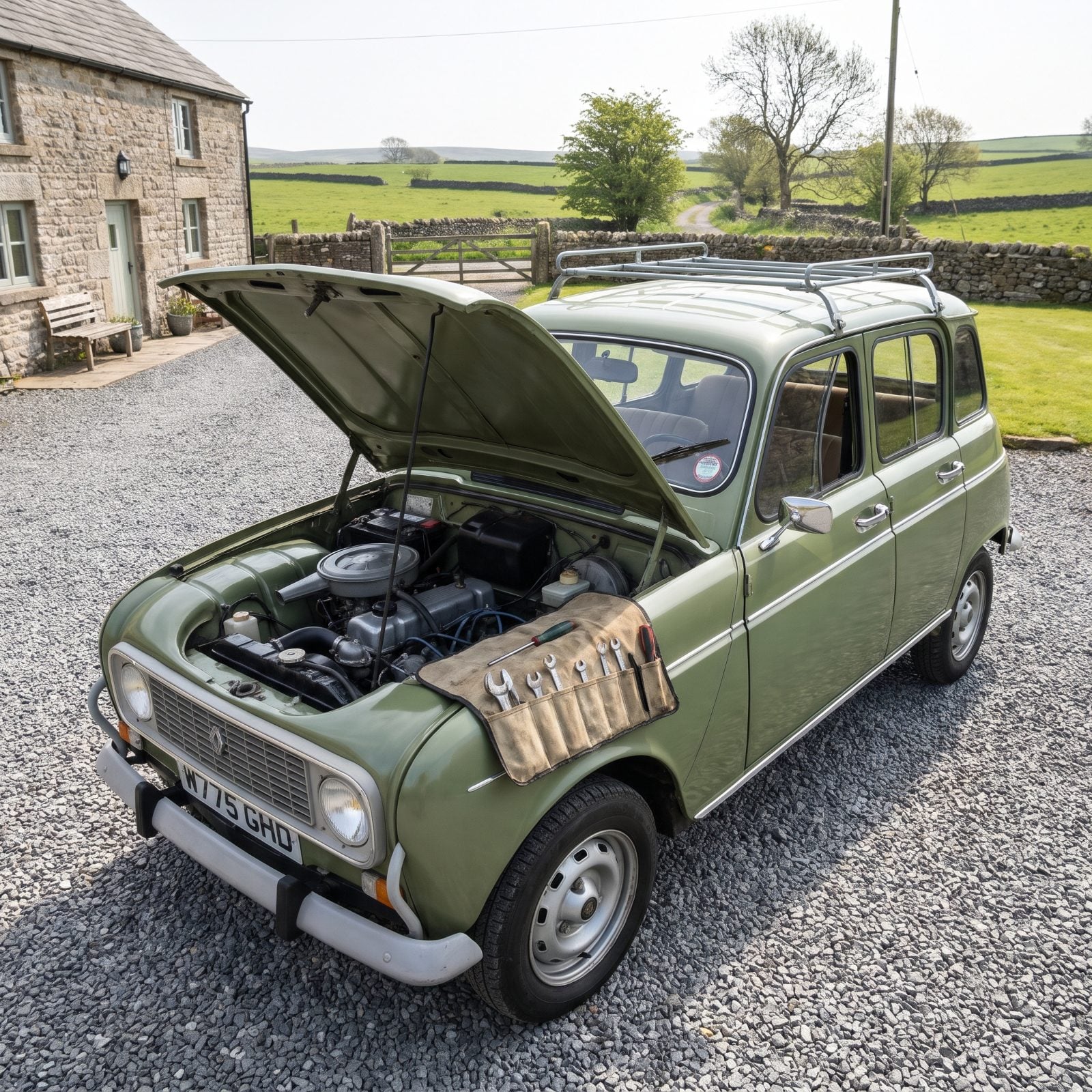
Millions upon millions built across three decades. That kind of production run means two things: the design was right, and the parts are still floating around the world in barns and warehouses.
The Renault 4 is simplicity as philosophy. Soft long-travel suspension, a torquey little four, a dashboard-mounted gear shift that pokes straight out at you like a walking cane. Everything sits where you can reach it. Renault always expected the owner to handle maintenance, so the car cooperates. It’s not fast and it doesn’t pretend to be. This is the car you fix in an hour and drive for another decade.
1965, 1973 Opel Kadett B: Lightweight and Mechanically Honest
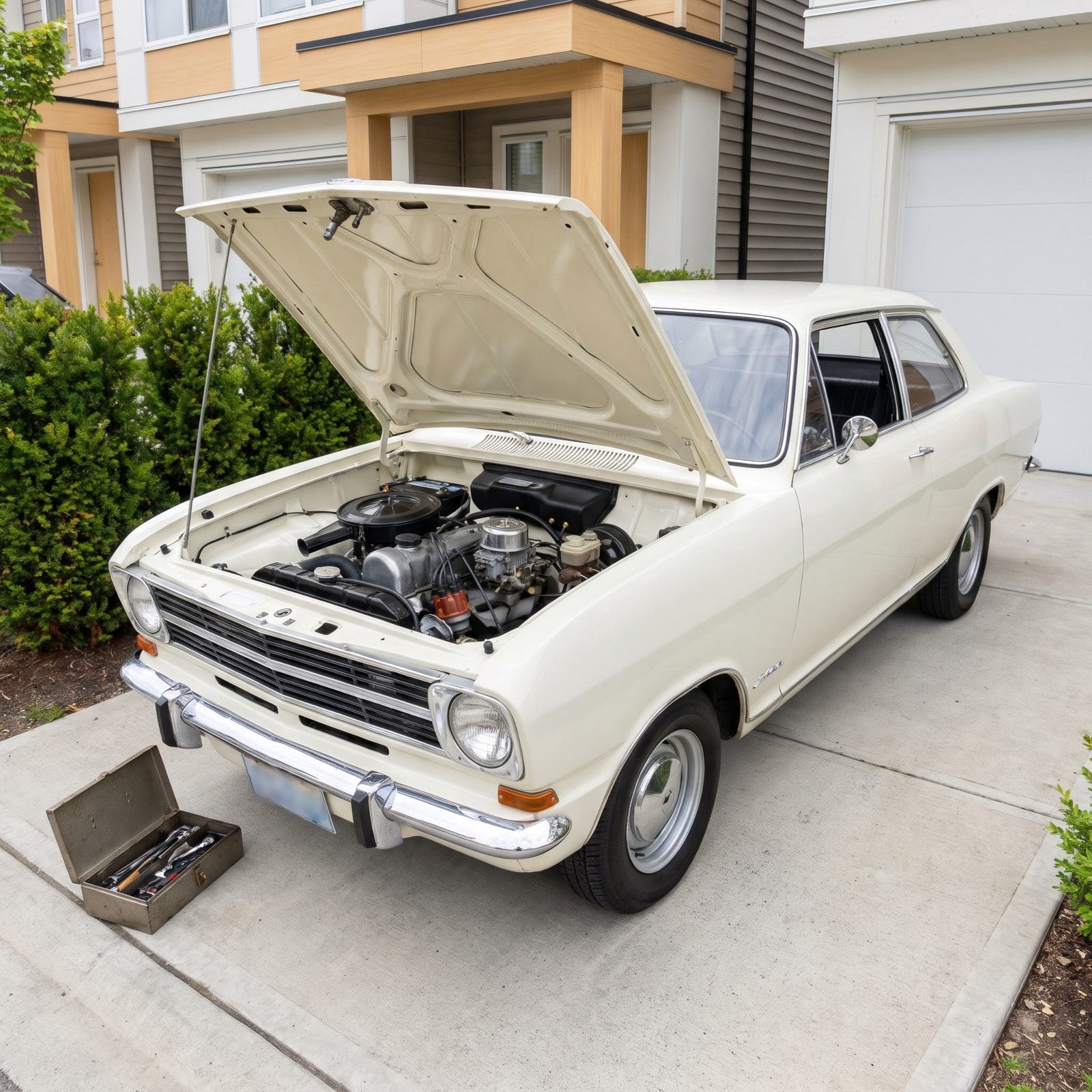
The Kadett B is what happens when a company builds a small car with zero interest in being clever. Front engine, rear drive, a plain overhead-valve four, a body light enough to push out of a jam by yourself.
Opel sold these in the US through Buick dealers, so the cars found their way here in decent numbers. The running gear shares DNA with other GM-Europe products, which helps on the parts front. Values stay reasonable because they fly under the radar — and that’s the quiet opportunity for someone who wants a tidy, uncomplicated classic without the auction-house price tag.
1964, 1967 Chevrolet Chevelle: Big Engine Bay, Familiar Guts
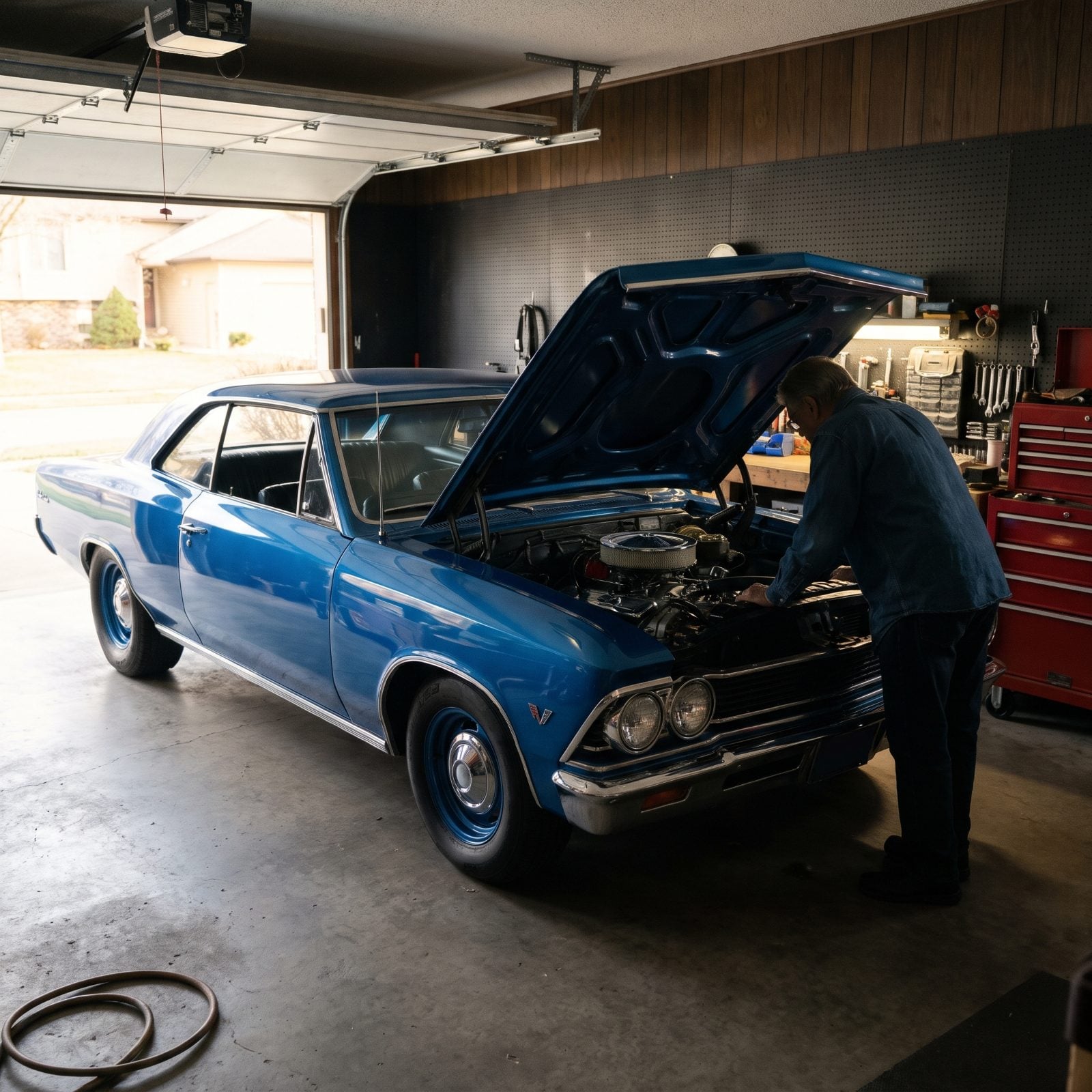
Ever wished a car had designed its engine bay for human hands? Drive a mid-sixties Chevelle. The small-block sits in a cavern, and you can walk your fingers to the back of the block without a telescoping magnet and a prayer.
Mechanically it’s the greatest-hits album of American classic parts. Small-block or big-block Chevy, Rochester carb, GM drivetrain pieces that any supplier stocks blindfolded. Reproduction panels, trim, interiors — all of it exists in abundance because the demand never went away.
1982, 1991 BMW E30 3 Series: The Modern Classic That Documents Itself
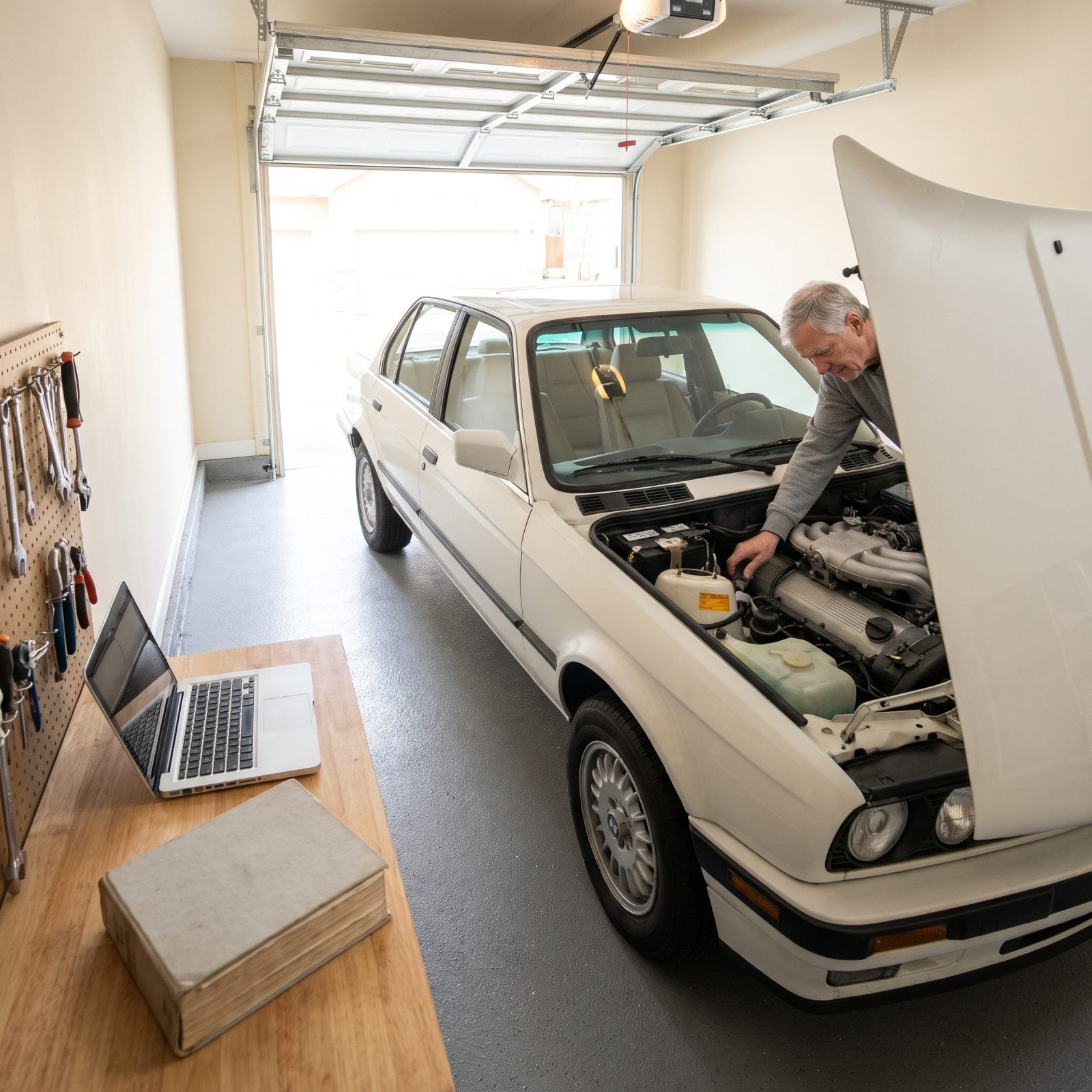
No classic is better documented than the E30. Between the forums, the Bentley manuals, the YouTube walkthroughs, and decades of owners who photographed every single job they ever did, you’ll never be stuck guessing your way through a repair in the dark.
Both the M20 inline-six and the four-cylinder M10 are forgiving motors. Here’s the catch: the jobs that scare people are the ones that get skipped. The timing belt on the M20 is one — it’s an interference engine, so that one isn’t optional — and then there’s the aging cooling system. Replace the belt on schedule, swap out the plastic-necked radiator and the water pump, and the car turns boringly reliable, which is high praise for a car this old.
Prices have climbed, though. A solid 325i runs real money now, and clean 325is or M3 examples live in another bracket entirely. Buy on condition, not color.
1908, 1927 Ford Model T: Mechanical Honesty You Can Hold in Your Hand
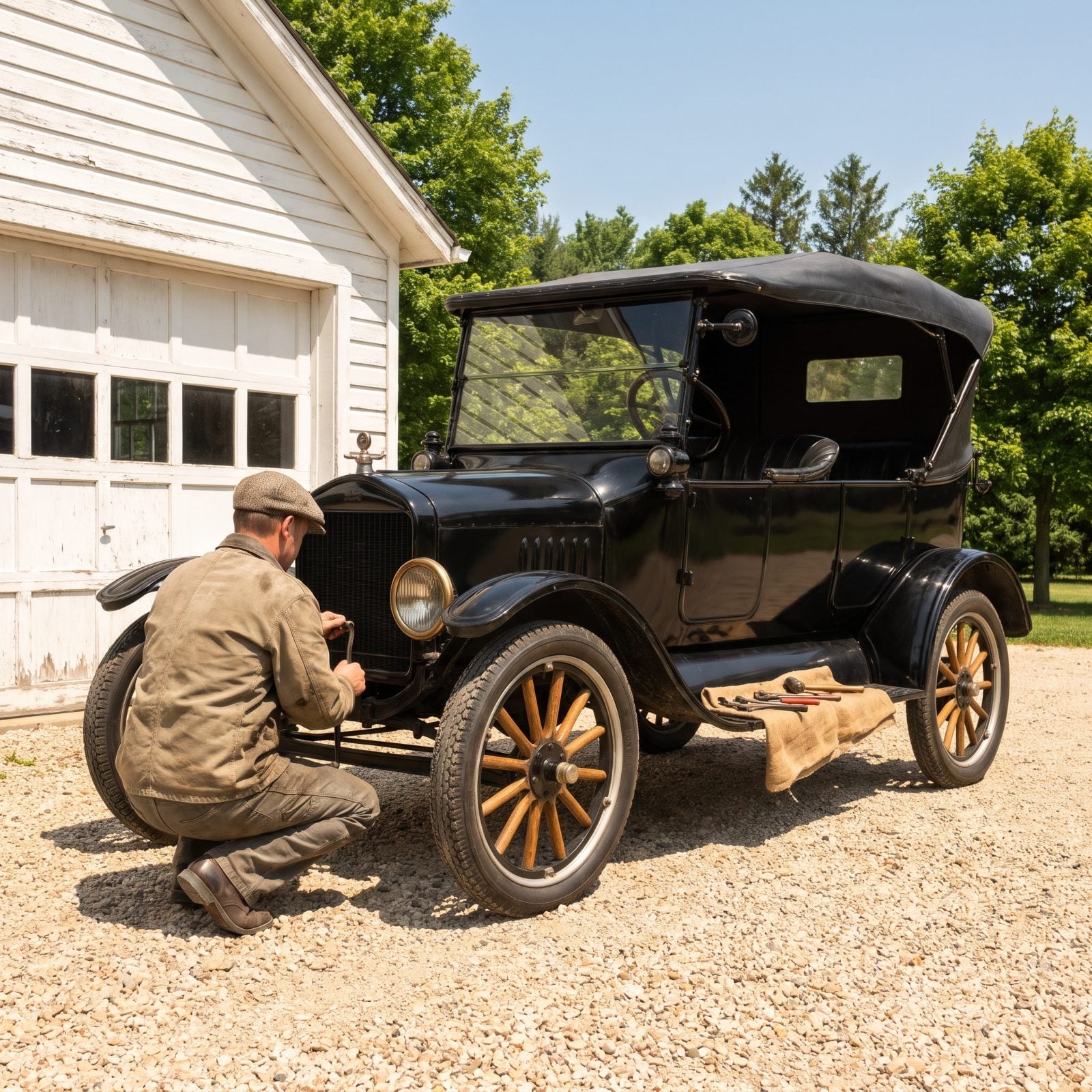
Simplicity at its purest. The Model T has no water pump, no fuel pump, and no distributor in the modern sense. Fuel feeds by gravity, cooling works by thermosiphon, and the ignition runs off a magneto and a set of wooden-boxed coils you can rebuild at the kitchen table on a rainy afternoon.
The famous quirk is that planetary transmission worked by three foot pedals instead of a stick. Takes a day to learn. Becomes second nature after that.
Parts are astonishingly available. Suppliers like Lang’s and Snyder’s stock nearly everything new, so a component that wore out a century ago arrives in a cardboard box this week. Few cars this old cost this little to keep running.