
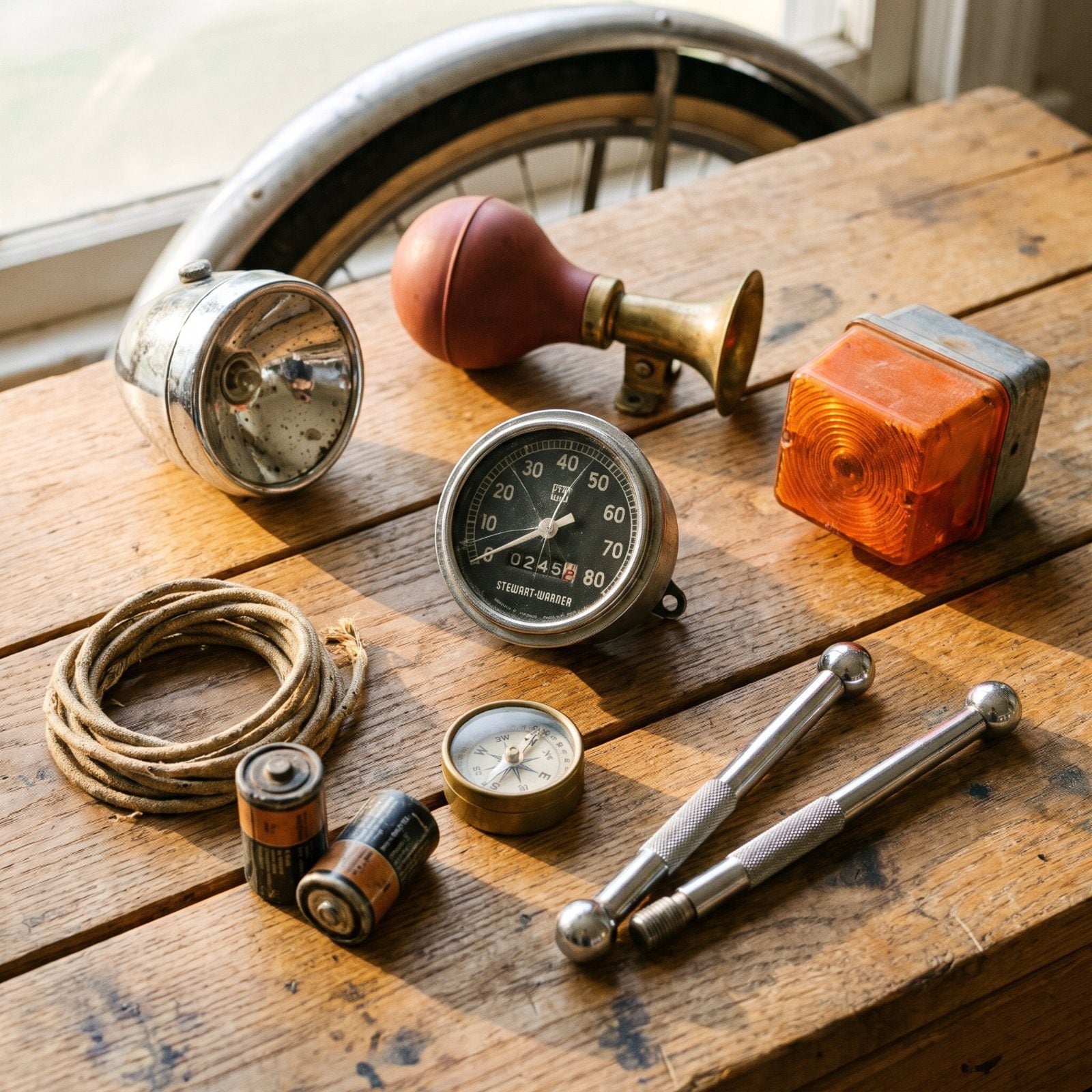
The spoke beads rattled, the playing card flapped against the rear wheel, and somewhere in a hardware store aisle smelling of rubber and cut keys, a kid with lawn-mowing money stood deciding between a horn and a headlamp. Couldn’t afford both. The bikes back then were steel, heavy, honest. What hung off the handlebars said everything about the rider — these were the clamp-on, screw-tight, battery-hungry gadgets that made a Schwinn feel like a motorcycle, and most of them wore out, fell off, or got handed down until the chrome went to rust. Here’s the hardware worth remembering.
Please note that some of the images in this article were created with the assistance of AI.
31. Handlebar-Mounted Battery Turn Signals That Blinked Like a Buick
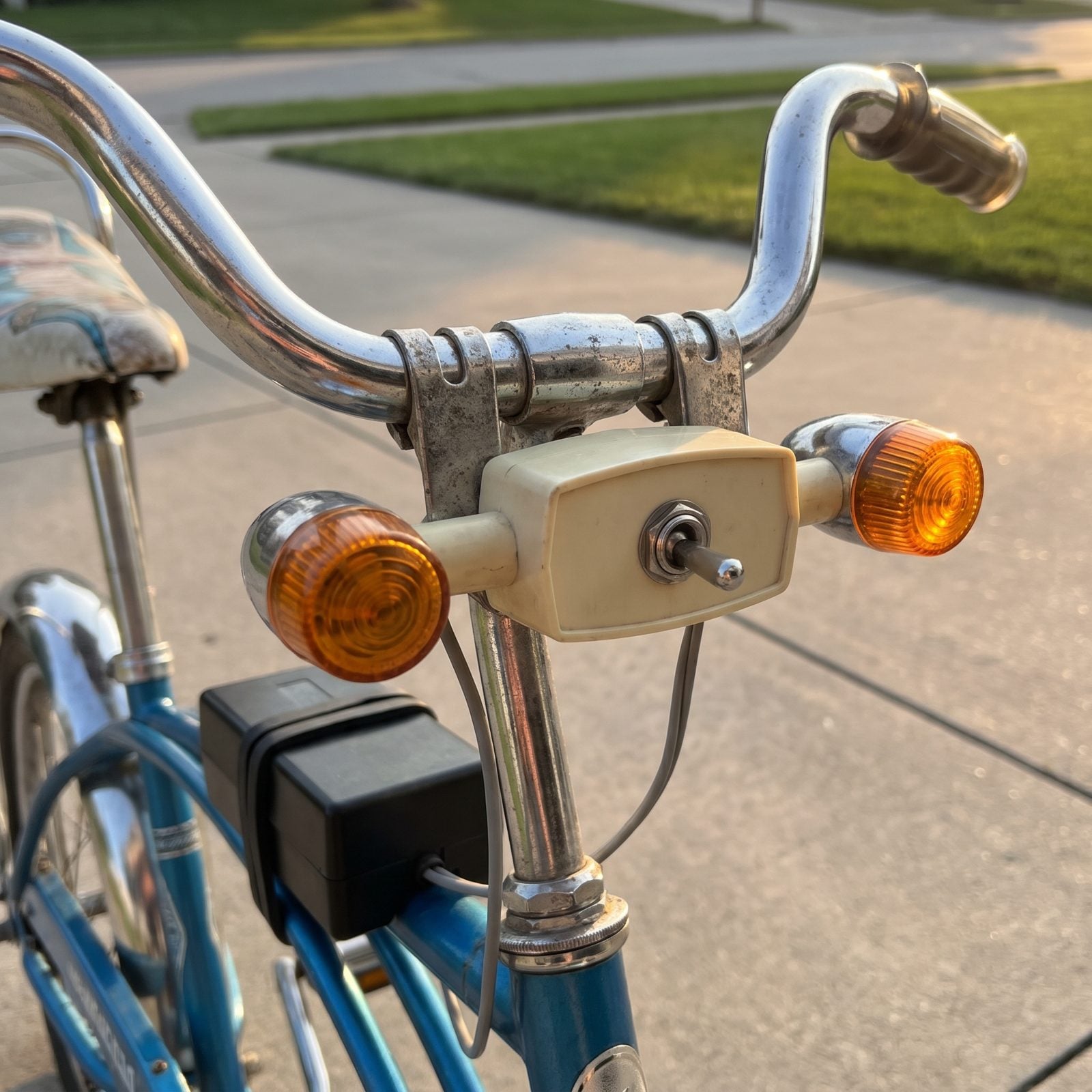
Nobody needed these, and that was the appeal. Your bike didn’t go fast enough to require signaling intent, and your arm worked fine. But the kid down the street had turn signals that blinked, so now you had to have them too.
They clamped to the bars, ran a flimsy wire to a battery pack rubber-banded to the frame, and clicked left or right with a little toggle. The amber lenses were pure Detroit cosplay. Half of them stopped blinking within a month, usually after one rainstorm found the battery contacts.
30. The Clamp-On AM Transistor Radio That Rode Shotgun on Your Bars
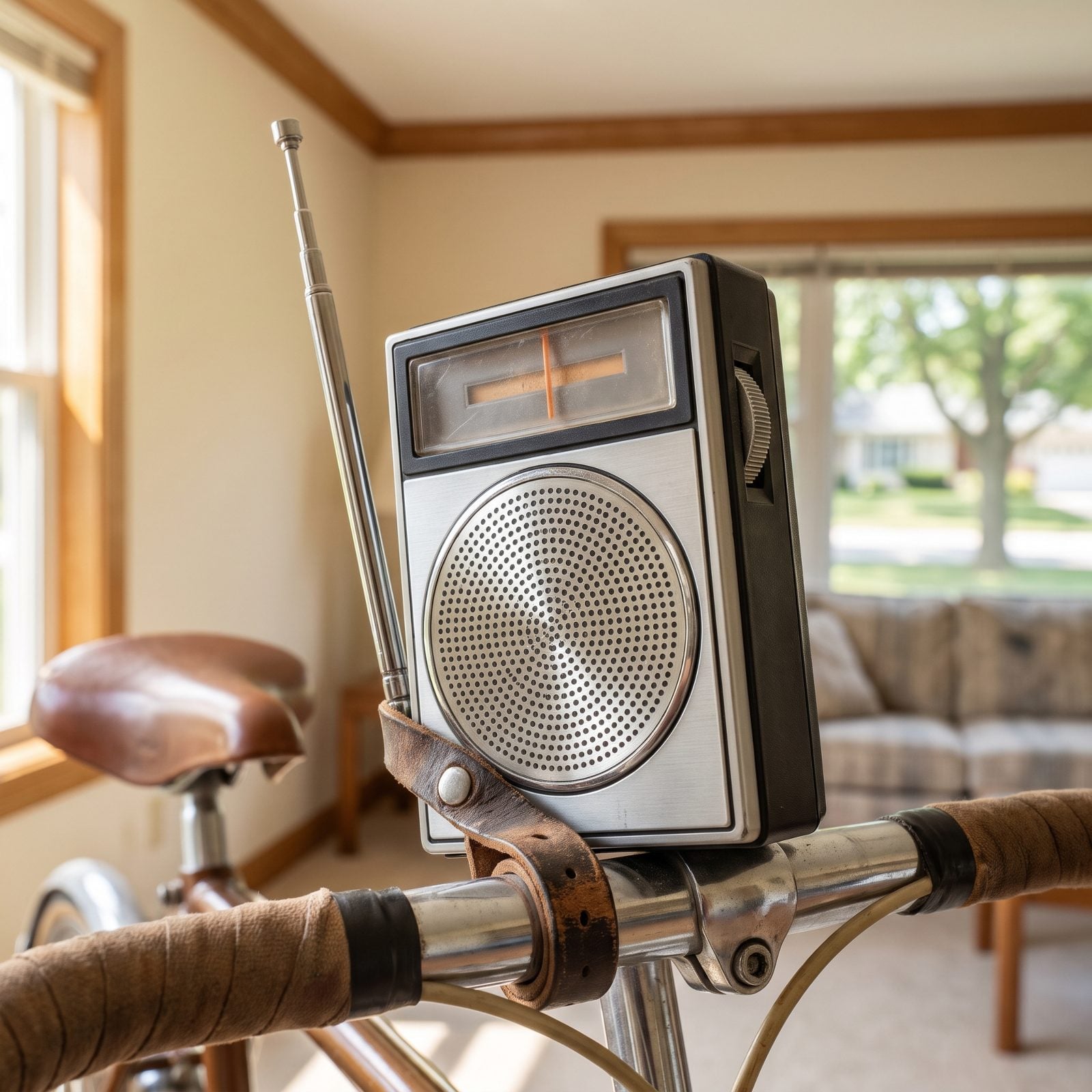
Picture a tinny AM station leaking out of a speaker the size of a cookie while you pedal to the pool. That was the soundtrack. One earbud? Never. The whole idea was everyone within thirty feet hearing your station.
They strapped on with a leather band or a stamped-steel bracket, ate a nine-volt for breakfast, and lost the signal every time you rode under power lines. The sound was terrible. We loved it anyway.
29. The Stewart-Warner Mechanical Speedometer That Topped Out at a Lie
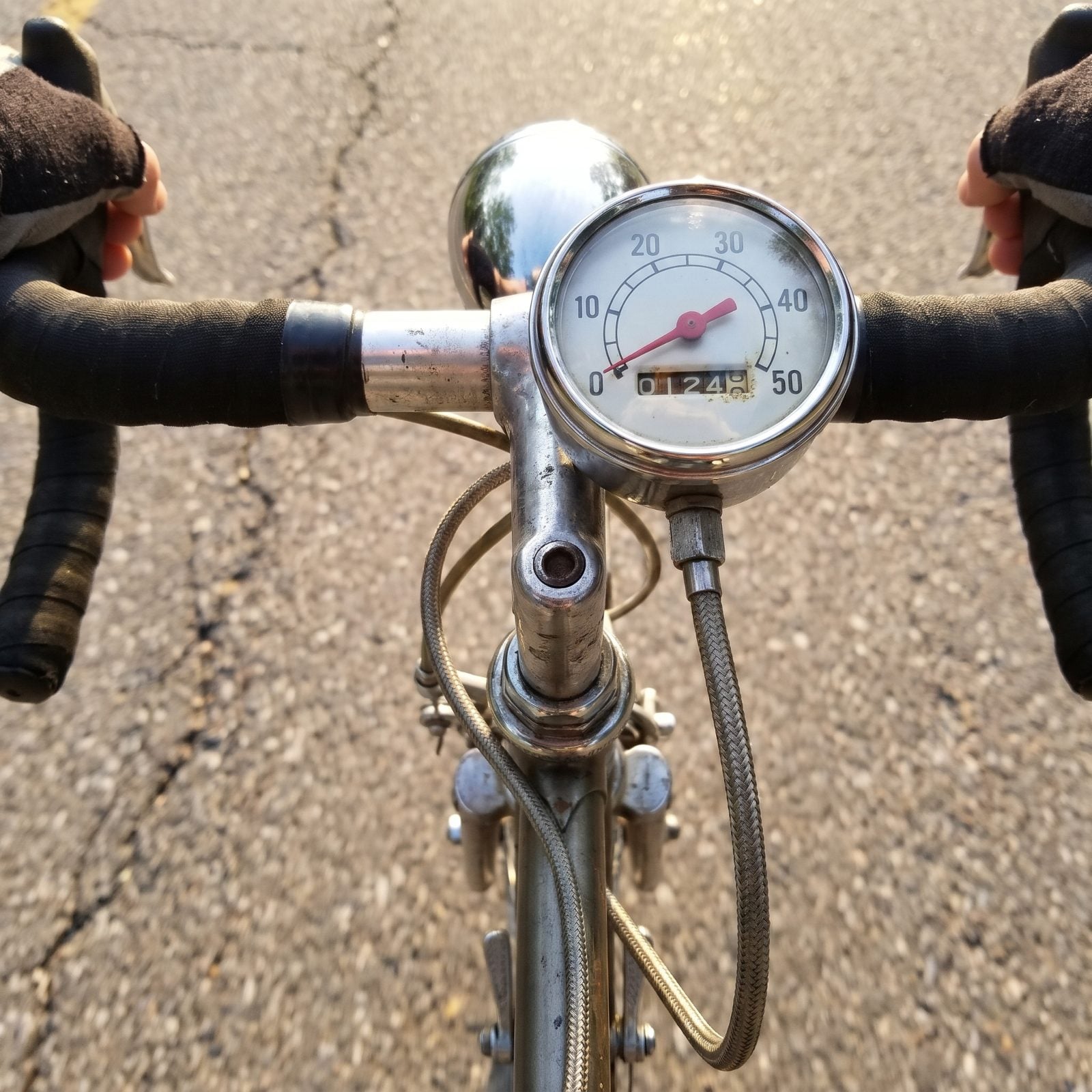
The braided cable was the magic. It ran from a little knurled wheel riding against your front tire, up the fork, into the back of a chrome dial that told you, with total confidence, you were doing 23 miles an hour.
You weren’t doing 23. The calibration assumed a specific wheel size and tire pressure, and yours was always off, so the number was aspirational. Still, watching that red needle climb on a downhill felt like you’d set some kind of record nobody else would ever believe. The odometer ticking past a hundred miles was a genuine milestone — worth announcing at dinner.
28. The Union Bottle Dynamo That Hummed and Dragged
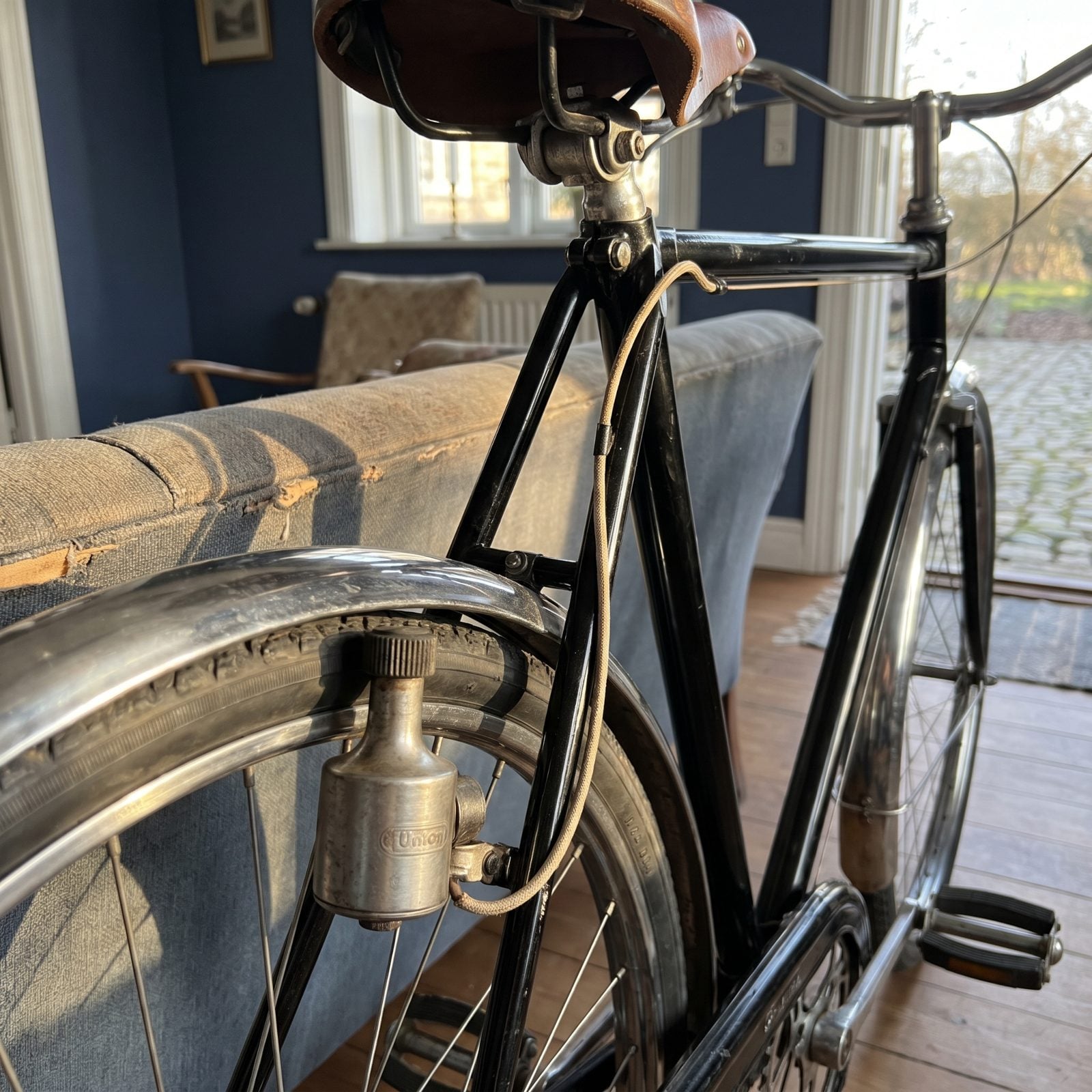
You felt this one in your legs. The little knurled cap sat tucked under the fender, a black knurled wheel jutted out sideways by the rim, and every rotation fought back with a faint drag and a mosquito hum. No batteries, though — that was the pitch.
Flick the lever and the dynamo swung toward the wheel. Faster you went, brighter the lamp, which meant at a stoplight your light went out completely and left you sitting in the dark. Practical and infuriating in equal measure. Europeans swore by them. American kids mostly thought they were a chore.
27. The Chrome Dry-Cell Headlamp That Clamped Like It Meant It
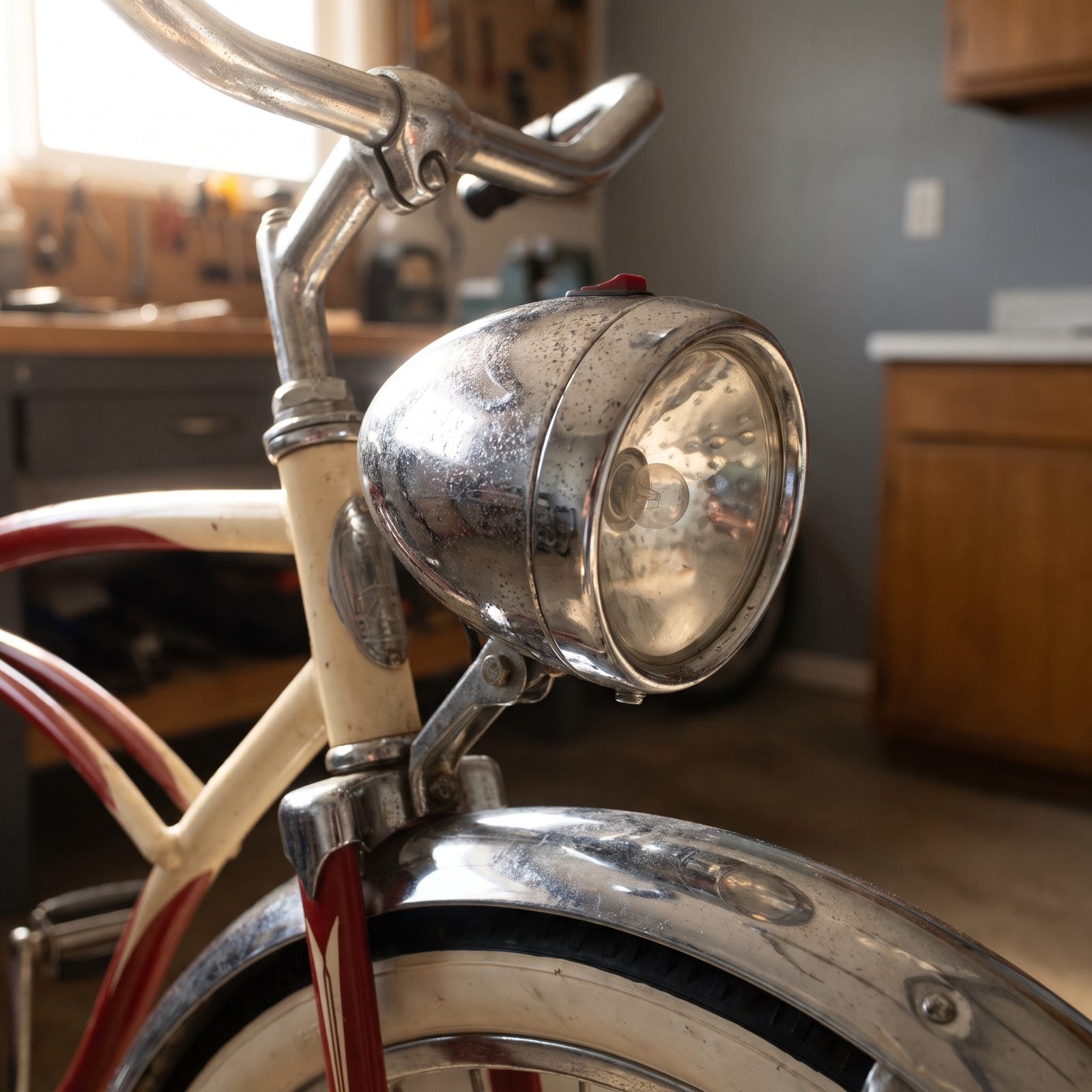
This was the serious one. Solid chrome, heavy enough to feel like it cost real money, with a bracket that clamped down hard and a red switch on top that clicked with authority.
Inside sat two D-cells and a bulb behind a dimpled reflector that threw a weak yellow puddle about eight feet ahead. Not enough to actually see by, but plenty to make you feel equipped. The chrome dented easy and rusted at the seams, and everyone’s eventually ended up with a cracked lens held on by a wrap of tape.
26. The Oversized Box Taillight That Announced You Were Back There
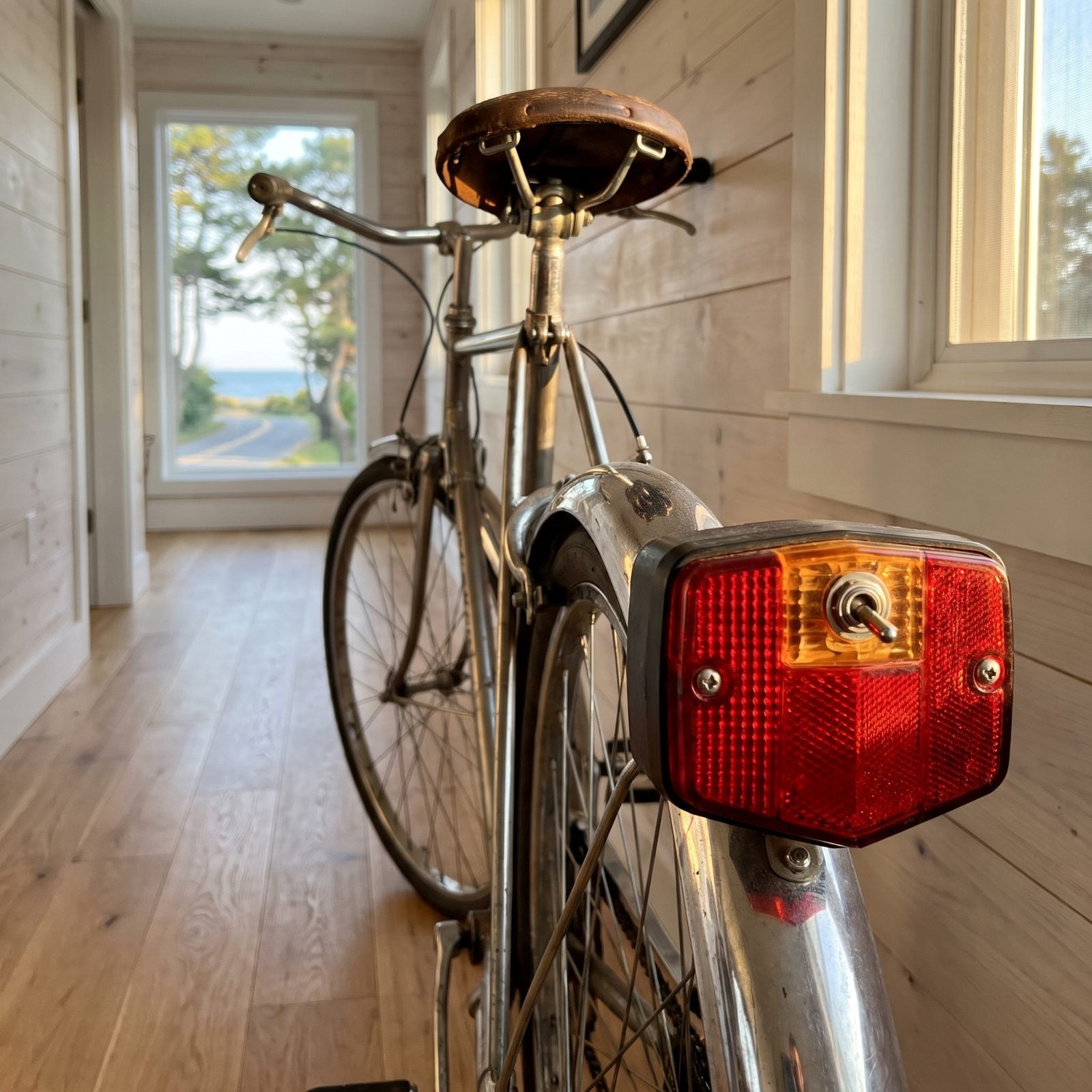
Subtle was not the goal. These taillights were fist-sized bricks of red plastic, ribbed and faceted so the whole thing lit up like a brake light off a station wagon.
They bolted to the fender, ran on their own batteries, and blinked or glowed steady depending on how much you paid. Parents loved them. And the reflective facets meant a car’s headlights lit you up even when the battery died — which it always did, usually the one night you actually needed it.
25. The Rubber Squeeze-Bulb Horn That Honked Like a Goose
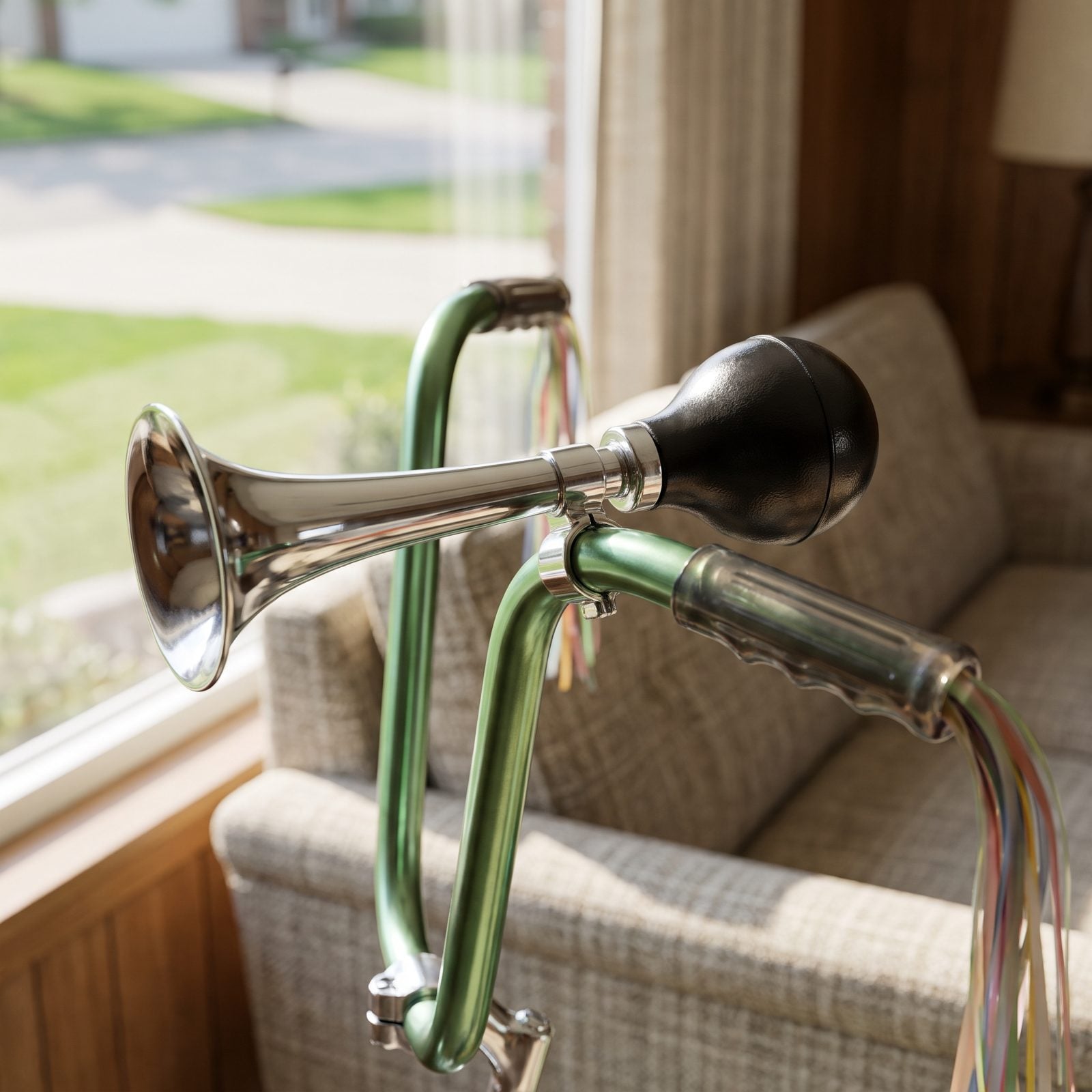
Squeeze the bulb, out came a honk somewhere between a clown car and an angry goose. No battery, no wire, no failure mode except the day the rubber bulb finally split from UV and age.
The chrome trumpet was the whole look, curling off the bars to make your bike slightly ridiculous and entirely yours. Every kid eventually learned you could palm the bulb in rapid taps for a machine-gun honk that drove the neighborhood nuts.
24. The Handlebar Compass Sealed in a Little Chrome Housing
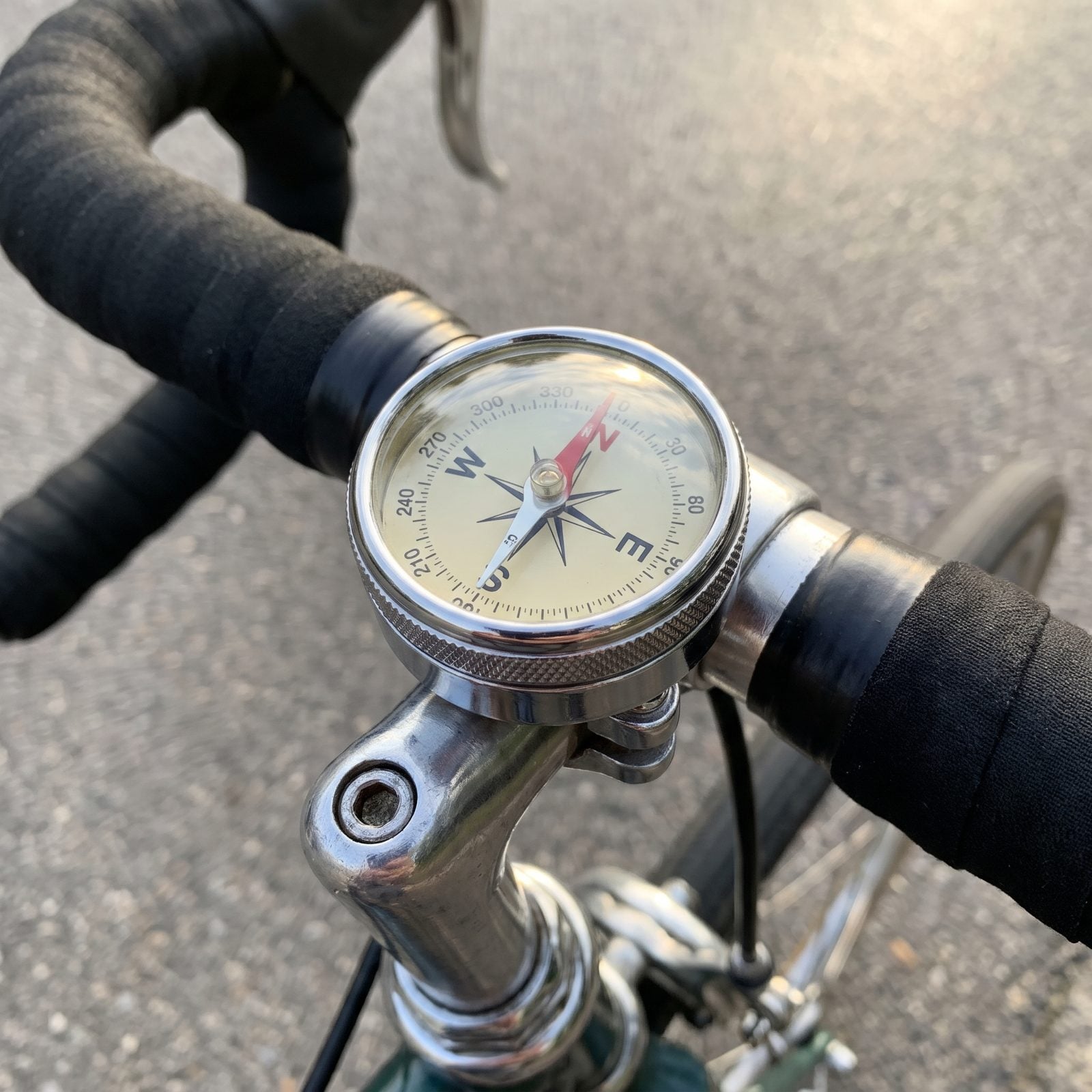
A compass. On a bicycle. In the suburbs. Questionable practicality, and absolutely beside the point.
It sat right in the middle of the handlebar, the bars plugging straight into either side of its chrome case, needle sloshing around under a domed lens, and made every ride to the corner store feel like an expedition. The marketing leaned hard on touring and adventure. Mostly it confirmed you were, in fact, heading toward the Dairy Queen. Still, there was something to glancing down and knowing which way was north while you figured out where you were actually going.
23. Personalized Metal Bicycle License Plate
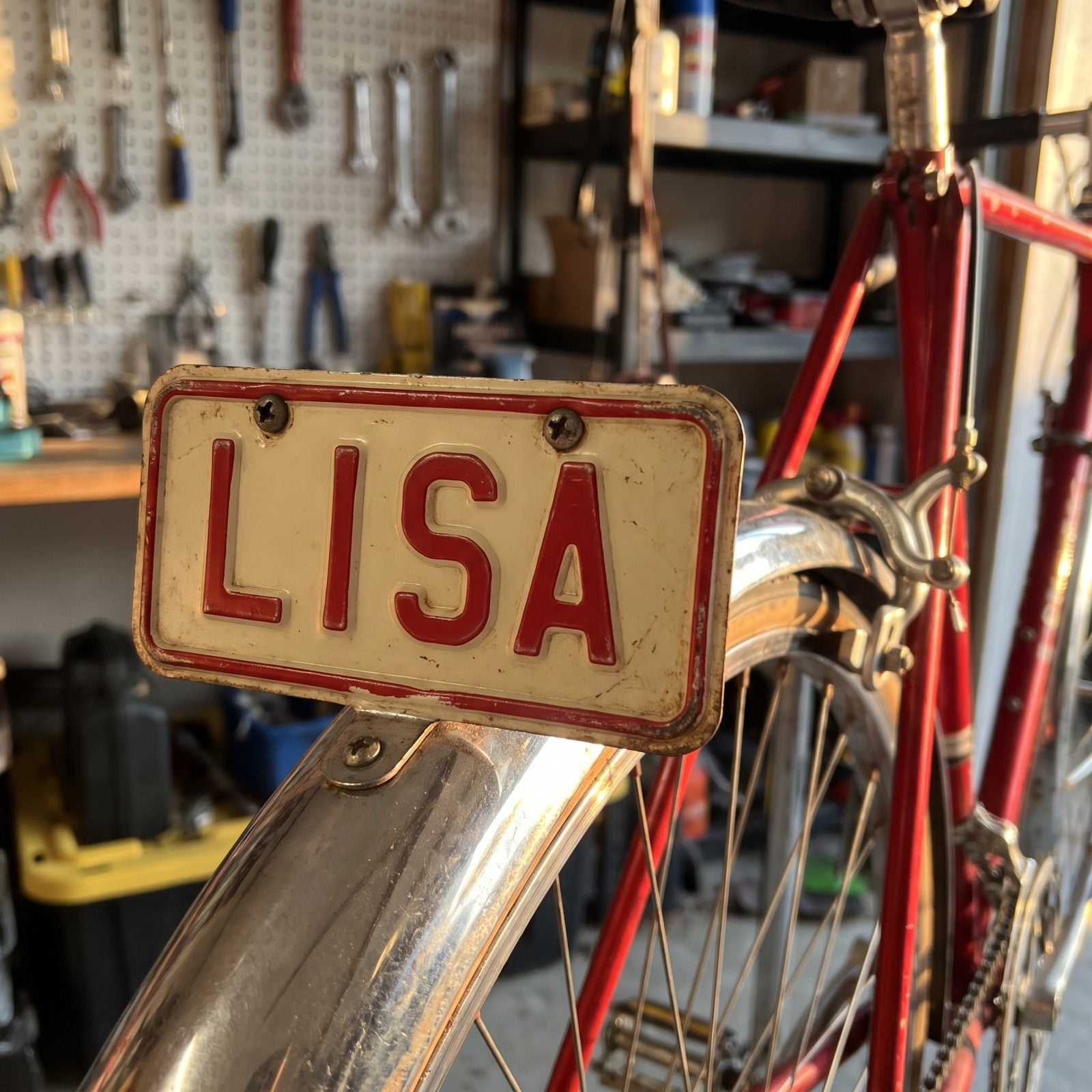
Every drugstore spinner rack and county-fair booth had them — a little stamped-metal plate with your name in raised letters, pulled from a short list of the most common names. Which meant the kid named Kevin was set, and the kid named Eustace was out of luck.
You bolted it to the rear fender with two screws and suddenly the bike was officially yours. It did nothing. It meant everything.
22. Faux Fox Tail for the Sissy Bar
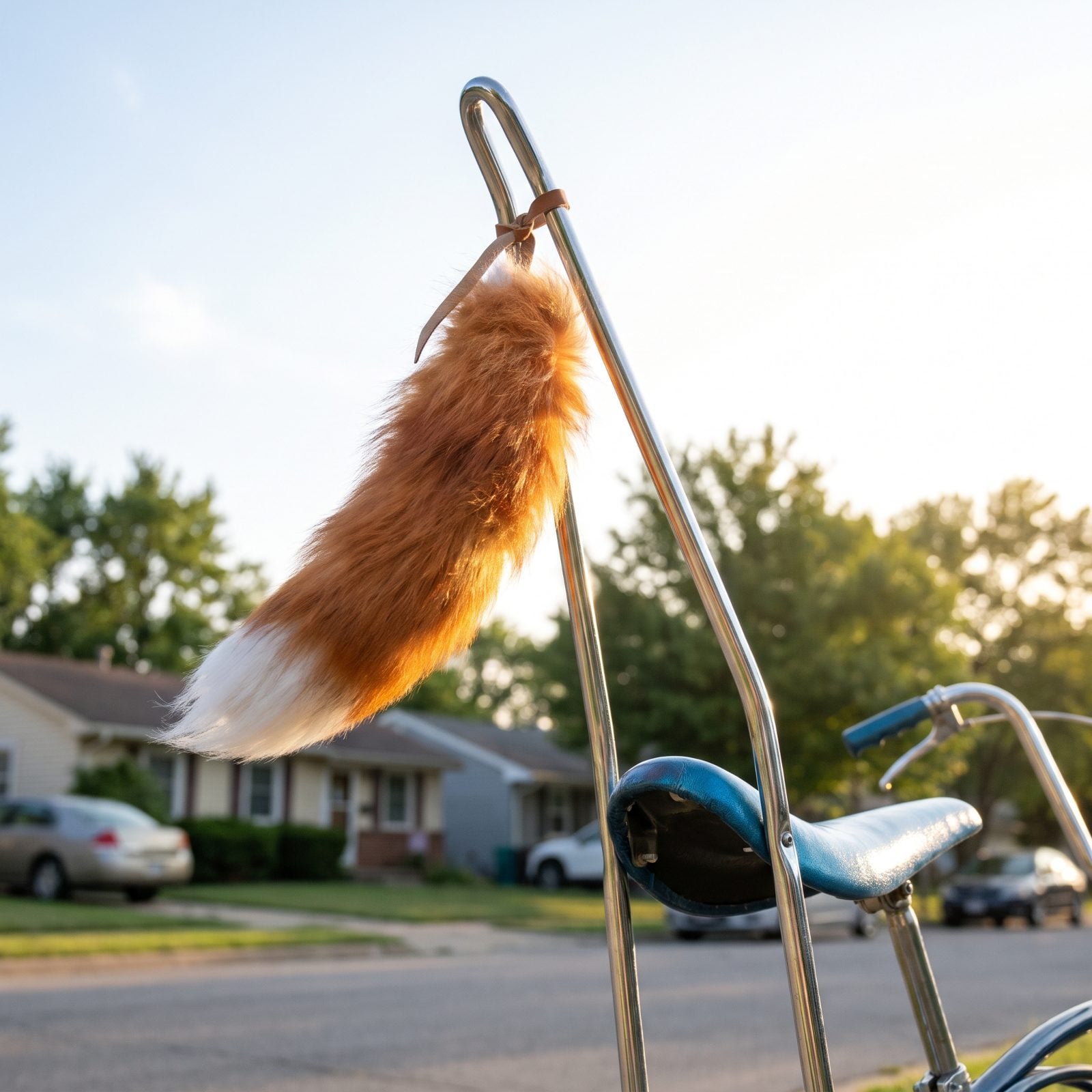
Straight off the CB-radio, van-culture aesthetic of the decade, shrunk down to kid size. A synthetic fox tail, orange with the little white tip, lashed to the top of the sissy bar where it could flap in the wind.
The hot-rodders ran them off antennas and the bikers ran them off chrome bars. And the eleven-year-old on the stingray ran one because the older guys did — copying older guys being roughly half of what a bike was for.
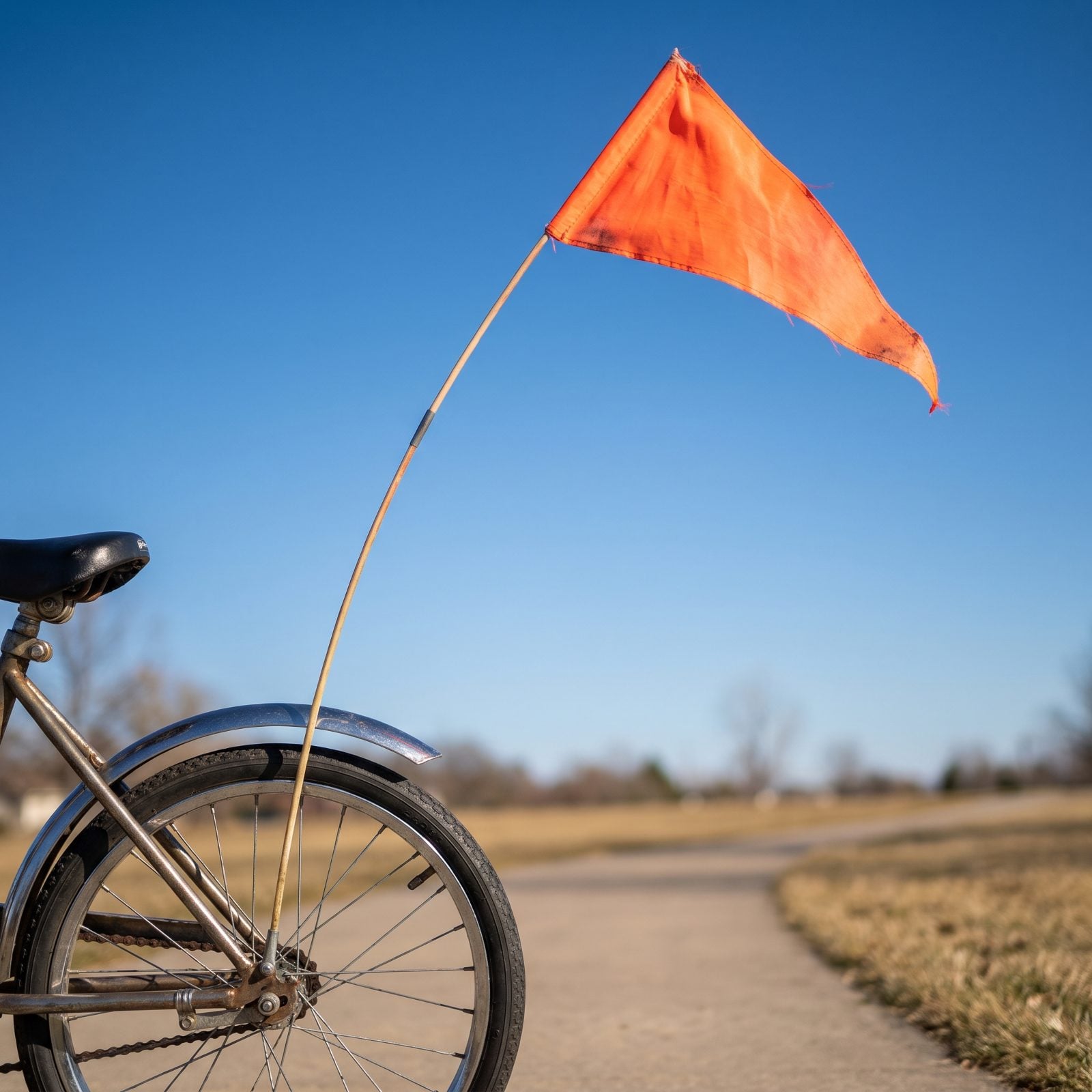
21. Fluorescent Safety Pennant on a Fiberglass Pole
Sky Blue
Chrome Silver
Fiberglass White
Parents loved these. Kids tolerated them. A six-foot fiberglass whip bolted to the rear axle with a screaming orange flag at the top, there to make a small rider visible over the hood of a car.
But the pole itself was the real entertainment. You could bend it almost double and let it whip back, or race a buddy and watch both flags snap in the draft — safety gear that doubled as a toy. And unlike the spoke beads, this one was actually built to last.
20. Bolt-On Bicycle Wheelie Bar
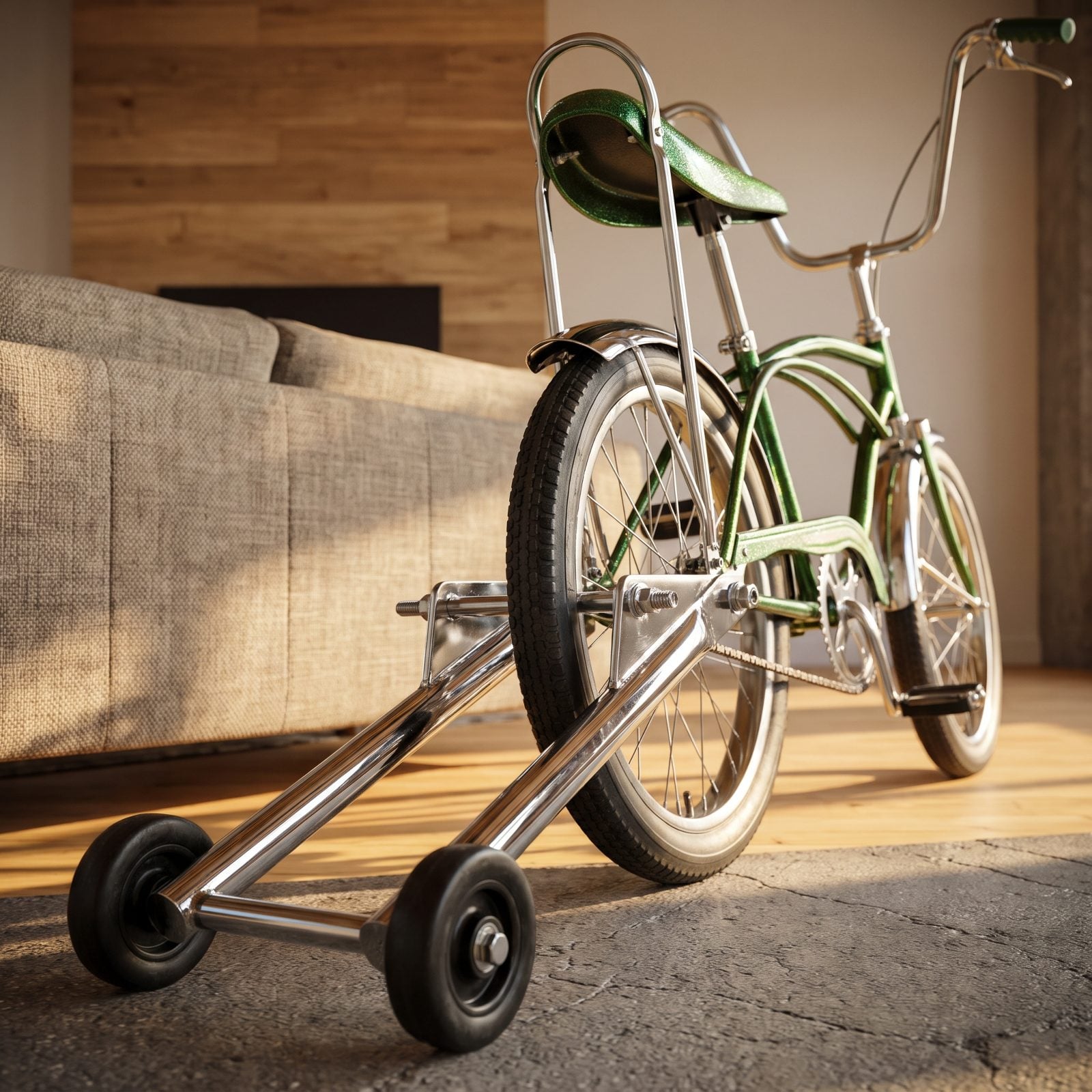
Now here was the dream-machine upgrade. A pair of chrome arms that bolted to the rear axle and angled back behind the rear tire to two little caster wheels, and the box promised that when you yanked the front end up, you could cruise down the sidewalk on one wheel for a whole block.
It never quite worked as advertised. The wheels dug in on grass, scraped on hills, and most kids figured out they could pop a longer wheelie without the thing attached. But bolted on, it looked serious. Looking serious was the entire job.
19. Padded Sissy-Bar Backrest
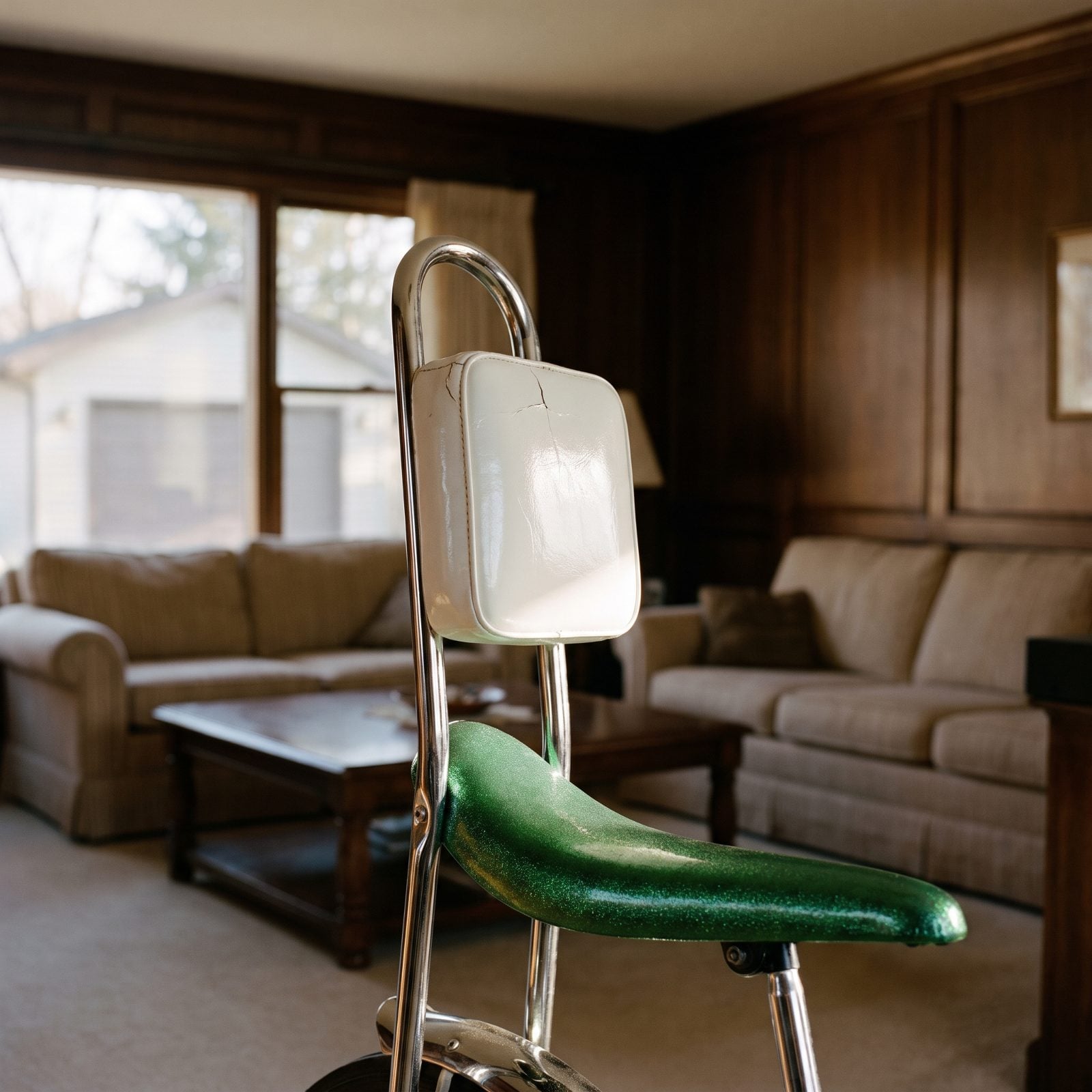
The sissy bar started out as a place to keep your rider from sliding off the back of the banana seat. Add a padded vinyl cushion across the top and now you had a backrest — and now the bike looked like a chopper.
Shiny white or metallic vinyl, puffy with foam, a little quilted stitching. It cracked at the seams within a couple of summers and the foam went stiff. Didn’t matter one bit. You leaned back against it at the curb like you owned the street.
18. Crocheted-Back Leather Cycling Gloves
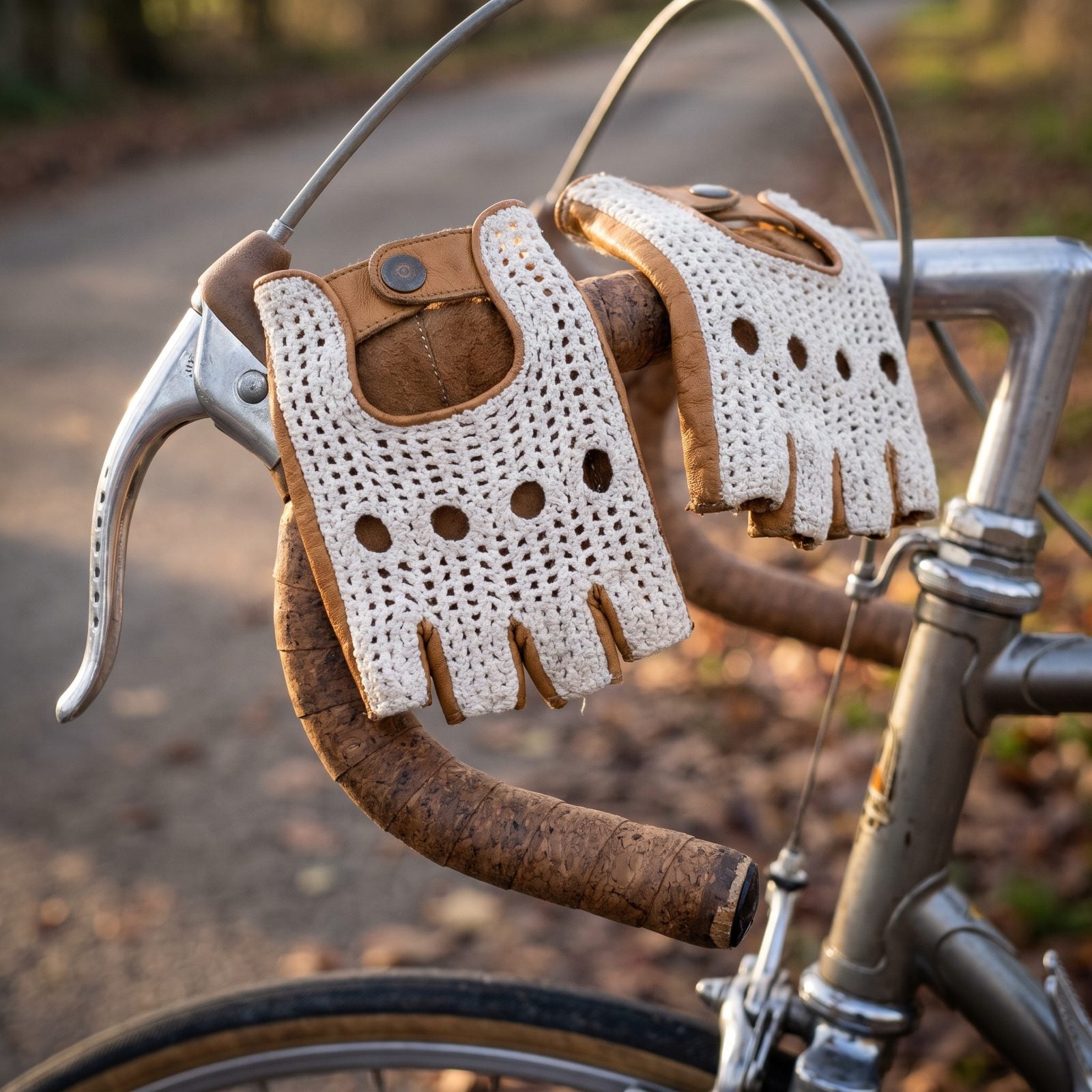
Tan leather palm, white crocheted back with the little holes, snap at the wrist, fingers cut off at the knuckle. If you rode a ten-speed any real distance in the seventies, these were on your hands.
The crochet let your skin breathe on a long climb, and the padded leather palm saved your hands from going numb on the drops. They got sweat-stiff and smelled like a saddle by August, and you wore them anyway — because they meant you were a rider, not a kid on a bike.
17. The Oilskin Rain Cape That Turned You Into a Billowing Tent
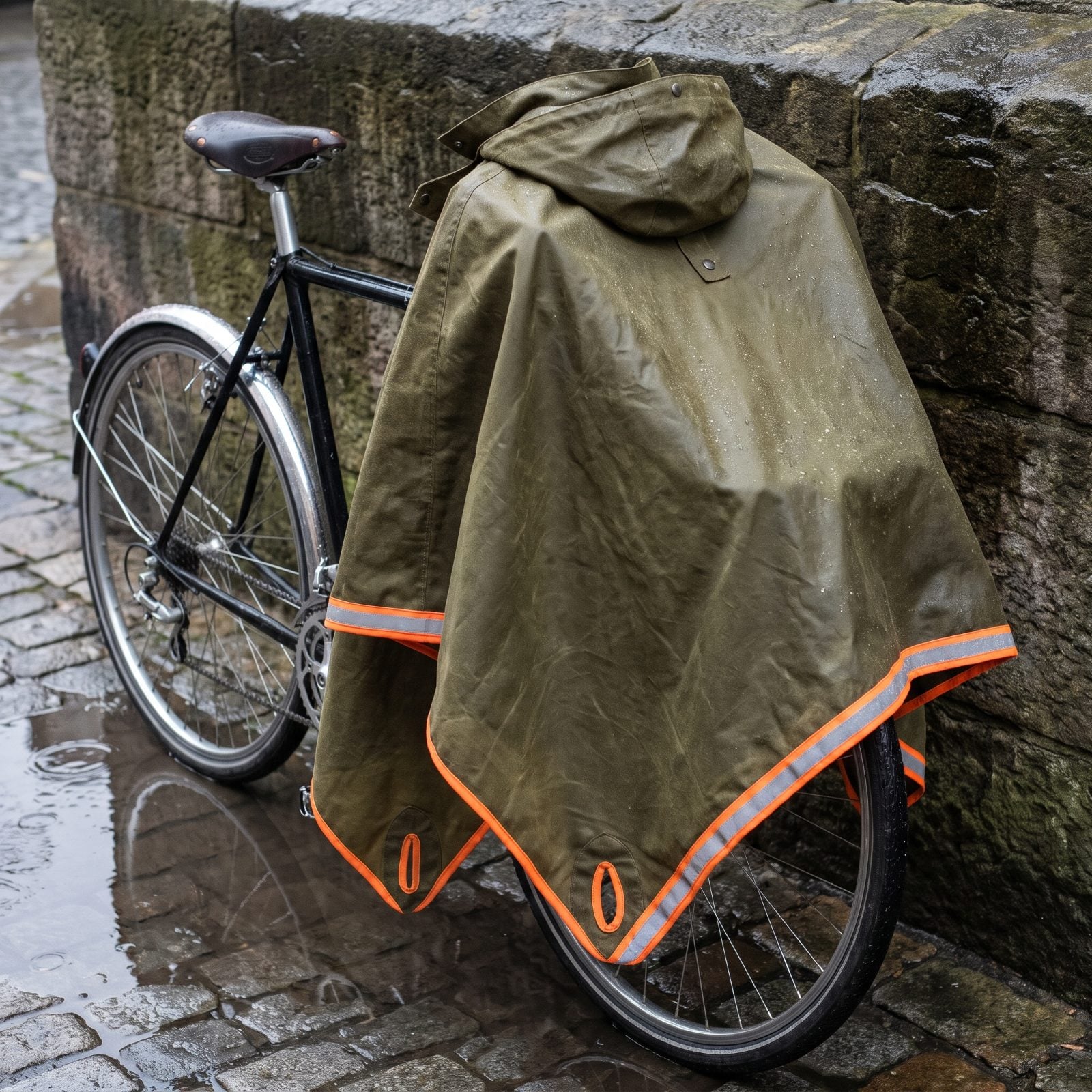
Before breathable shells existed, you rode in a tent. The oilskin cape snapped at the neck and flared out over the bars while your arms held the front corners open like a sail, keeping rain off your chest and lap. It did nothing for your legs. In a headwind it tried to lift you clean off the road.
Waxed cotton smelled like a canvas garage and weighed a ton when soaked, but it folded into the saddlebag and worked, after a fashion. Riders in Britain and the Low Countries swore by them. Dry on top, soaked from the knees down — and that counted as a win.
As an expert bikepacker puts it, “There is one obvious drawback with a cape: the wind. Accepting that, it is great for keeping you dry.”
16. Nail-On Cleats You Hammered Into the Sole of Your Shoe
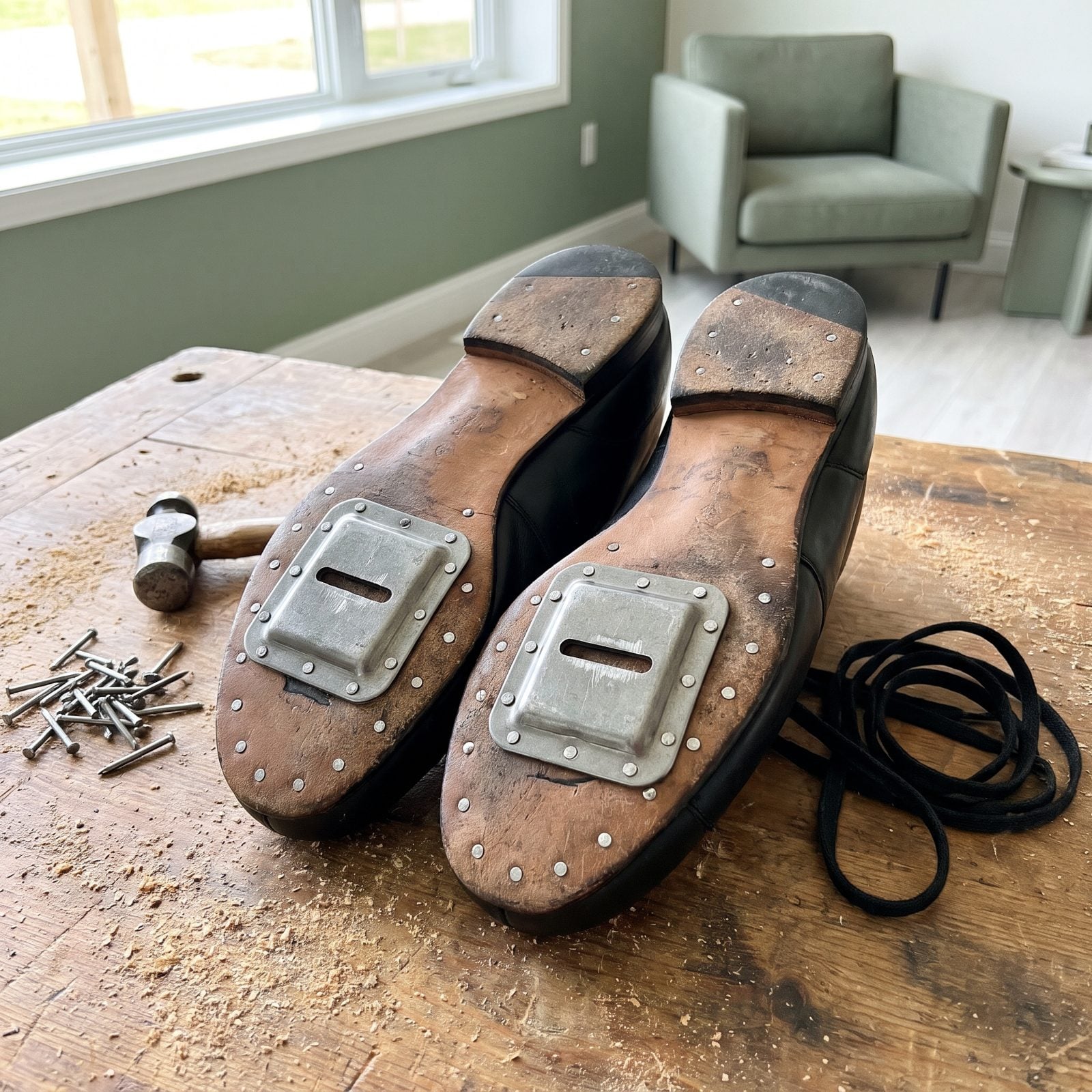
You nailed metal to your shoes. On purpose.
Early cycling cleats had no clip mechanism. The cleat was a raised steel box with a short slot punched through it, and you positioned it on the sole under the ball of your foot, then hammered it on with tacks. Get the placement wrong and your knee paid for it over the next hundred miles.
No adjusting on the road, either. You guessed, you rode, you limped, you pried the nails out and tried again. Clipless pedals would eventually make all of this look medieval — but that was years off. For now you were a carpenter in the kitchen the night before a ride.
15. The Silca Impero Frame Pump That Lived Along Your Top Tube
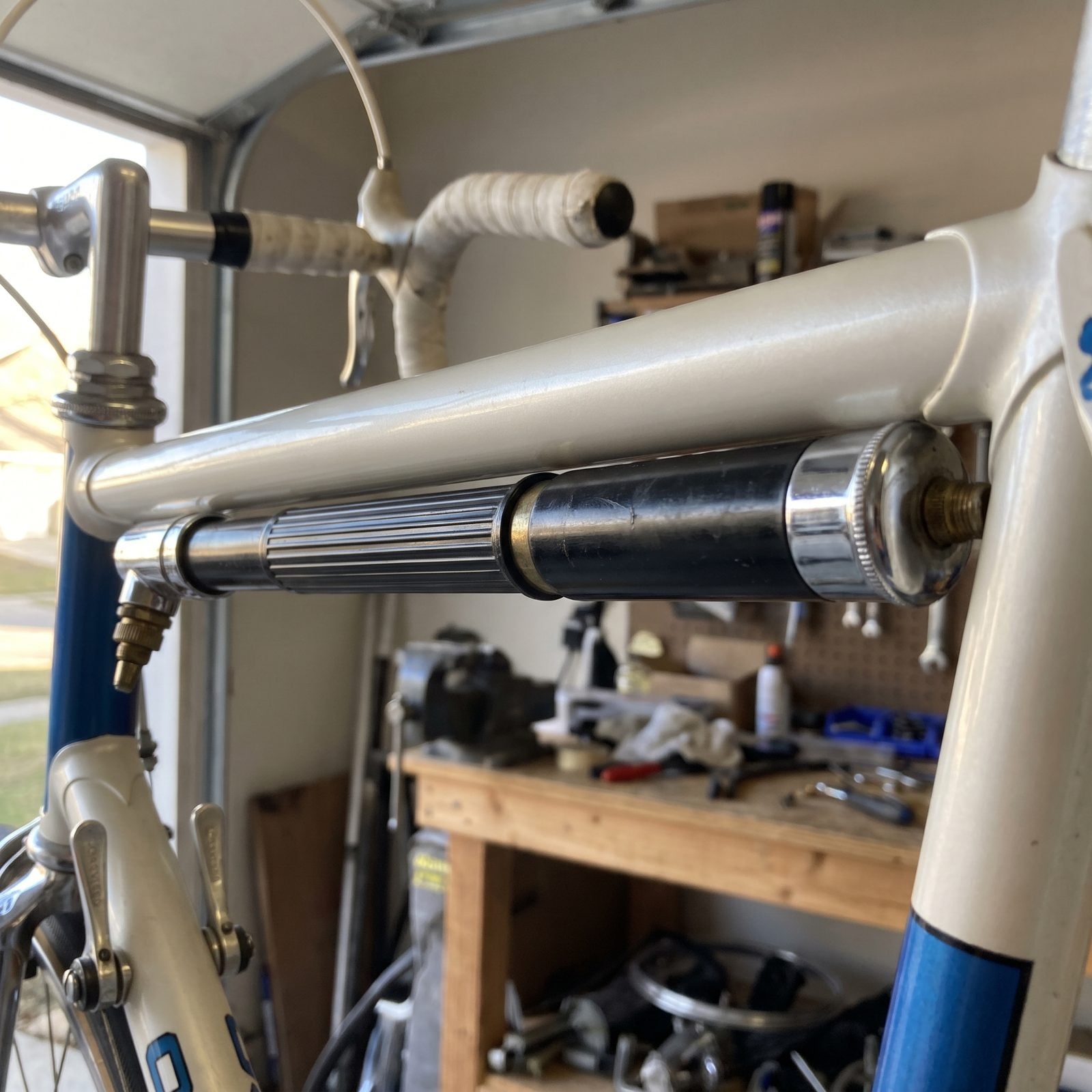
No clips, no cage. You pressed it up under the top tube, one end against the head tube and the knurled cap of the chrome head against the tube’s underside, and spring tension held it there for a thousand miles.
The Silca Impero was the Italian pump every serious rider carried, a slim black barrel with a chrome head you clamped onto a presta valve. It pumped slowly and it pumped forever, and it fit the frame so cleanly it looked like part of the bike. Pop it off at the roadside, screw the head on, and you inflated a tire by hand with a steady arm ache.
14. The Little Metal Tin Full of Patches and Rubber Cement
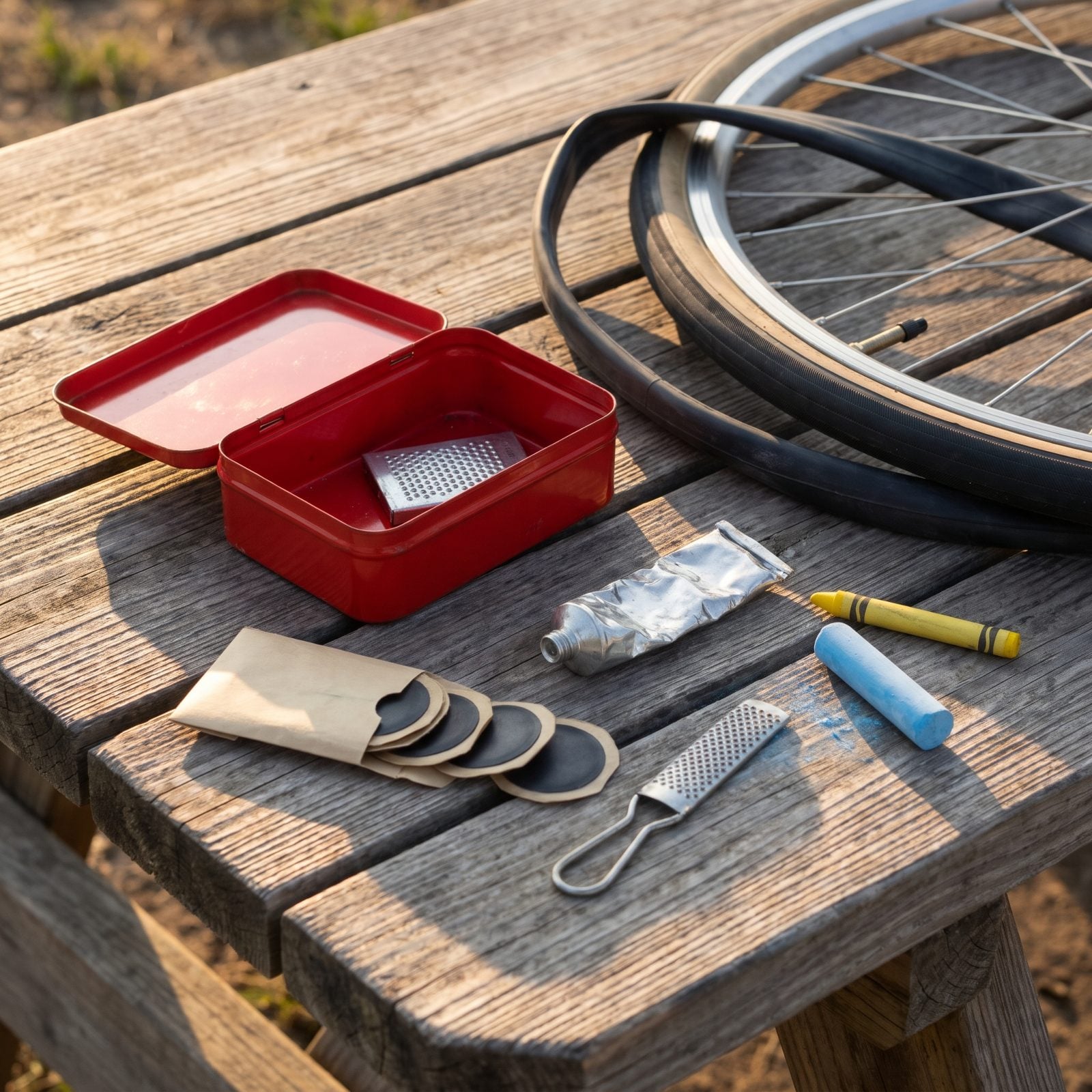
A little grater sat inside the tin. You scuffed the tube against its rough metal, wiped it clean, smeared a thin film of rubber cement, and waited for it to go tacky. That waiting was the part nobody had patience for, and the patch that peeled off two miles later was always the one you rushed.
A stick of chalk lived in there too, for dusting the excess cement so it didn’t glue the tube to itself. The whole kit rattled in your saddlebag and smelled faintly of solvent. You fixed the tube. You didn’t throw it away. That was simply how it went.
13. The Dog-Bone Wrench That Fit Every Nut on the Bike
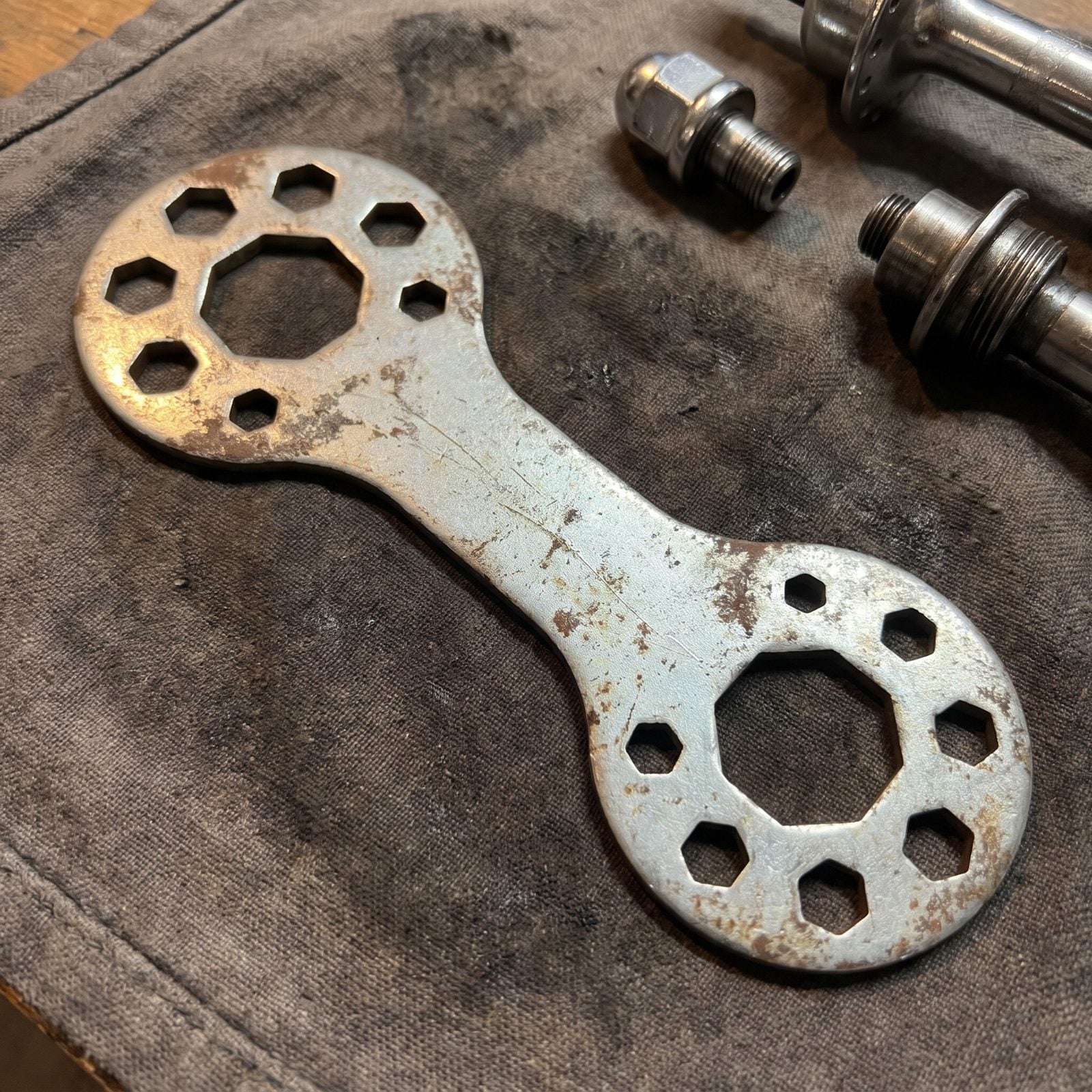
Cheap, flat, and shaped like a bone a cartoon dog would chew. The dog-bone wrench had hex cutouts stamped around a figure-eight body, and between them it covered most of the axle and brake nuts on a department-store bike.
It gave you no leverage and rounded off nuts if you leaned on it too hard. But it cost almost nothing, came free in the box with a lot of bikes, and lived in a kitchen drawer for twenty years. Half the ten-speeds in America got their flat tires fixed with one of these and a pair of spoons.
12. The Leather Saddle Bag Buckled Under the Seat
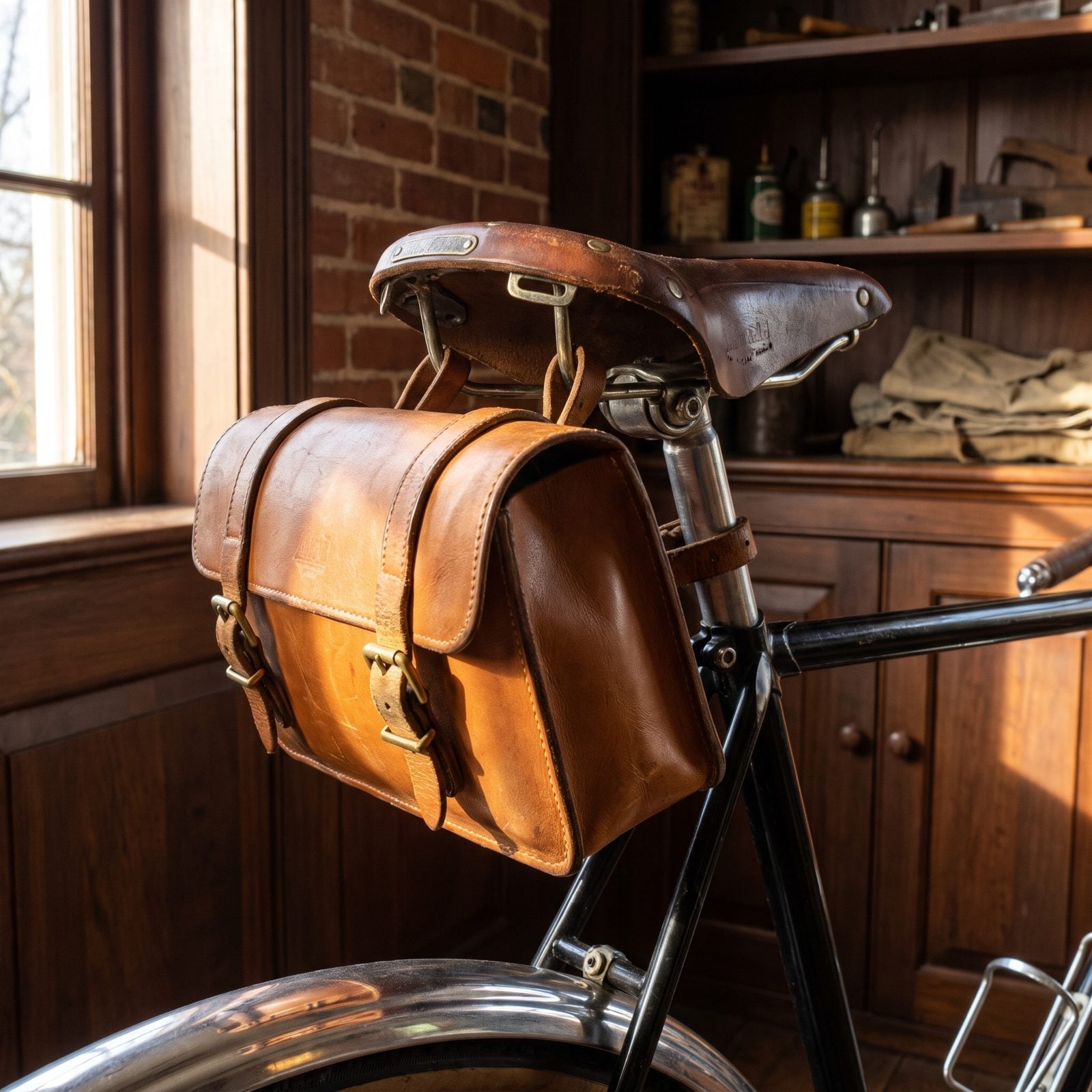
It buckled under the saddle on two thin straps, and it held exactly what a ride needed: a patch tin, a couple of tire levers, a folded five, maybe a candy bar gone soft in the heat.
The best ones were Brooks leather and matched the saddle above them. They darkened with years and oil until the hide looked like an old baseball glove. The buckles took forever to open with cold fingers at a roadside flat, which is the only complaint anyone ever had — and nobody switched to anything else anyway.
11. The Wire Tire Savers That Dragged Across Your Tread
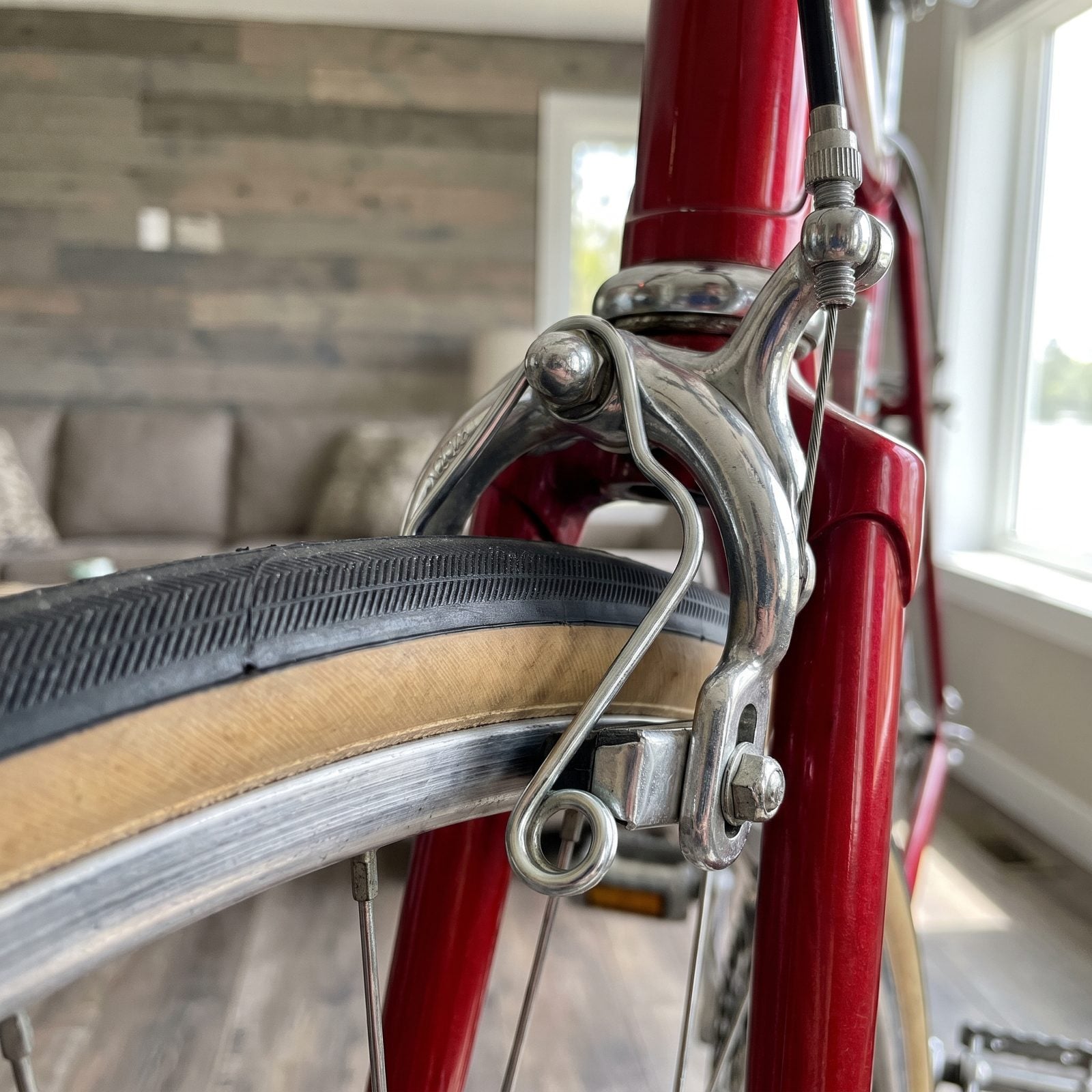
A long spring-steel rod clamped up high near the head tube, ran down past the brake, and ended in a loop riding lightly across the tread as it spun. The idea: brush off bits of grit and glass before they worked their way through the rubber and gave you a flat.
Did they help? A little, maybe, on wet roads strewn with grit. Mostly they hummed against the tire and gave you one more thing to fiddle with so it didn’t rub the sidewall. Serious riders ran them. Everybody else figured they looked like a bent coat hanger somebody forgot to pull off. Both camps had a point.
As a vintage bike parts seller puts it, “These little gadgets hang from your brake bolts and gently "scrape" your tires clean from road grime and stray glass.”
10. The Flat Pocket Oil Can With the Bendy Long Spout
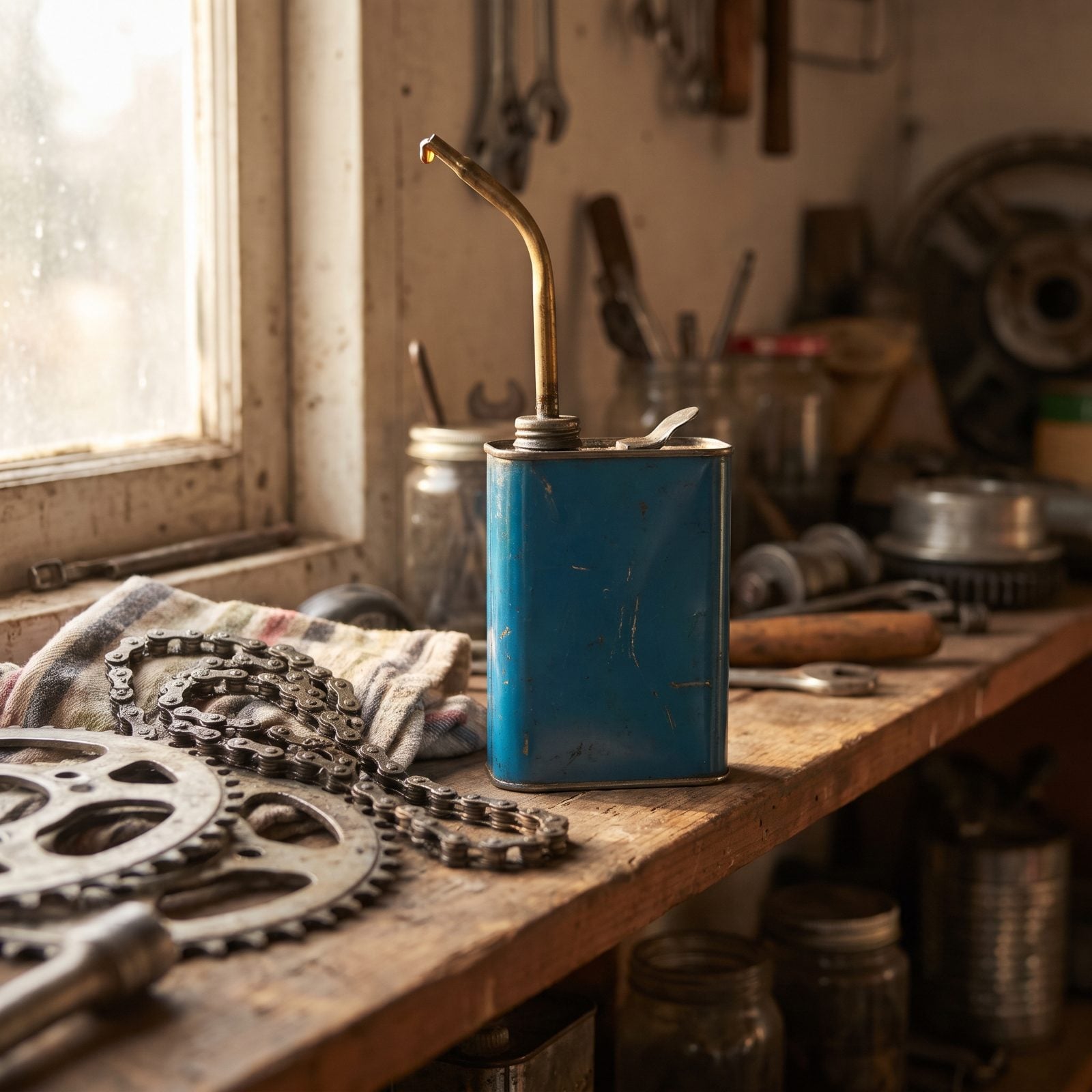
Press the base with your thumb and a drop of oil climbed up the long curved spout to the exact link you aimed at. That spout could reach into a coaster brake or down a derailleur cage without flooding the whole chain.
It lived flat in a tool drawer or a jacket pocket. The oil was whatever household stuff you had on the shelf, usually too heavy, which gummed the chain and grabbed road dust like flypaper. We all over-oiled back then. A black ring on the rim and a stripe up the back of your pant leg was the badge of a well-maintained bike — or so we told ourselves.
9. The Boxy Canvas Panniers That Hooked Over the Rack
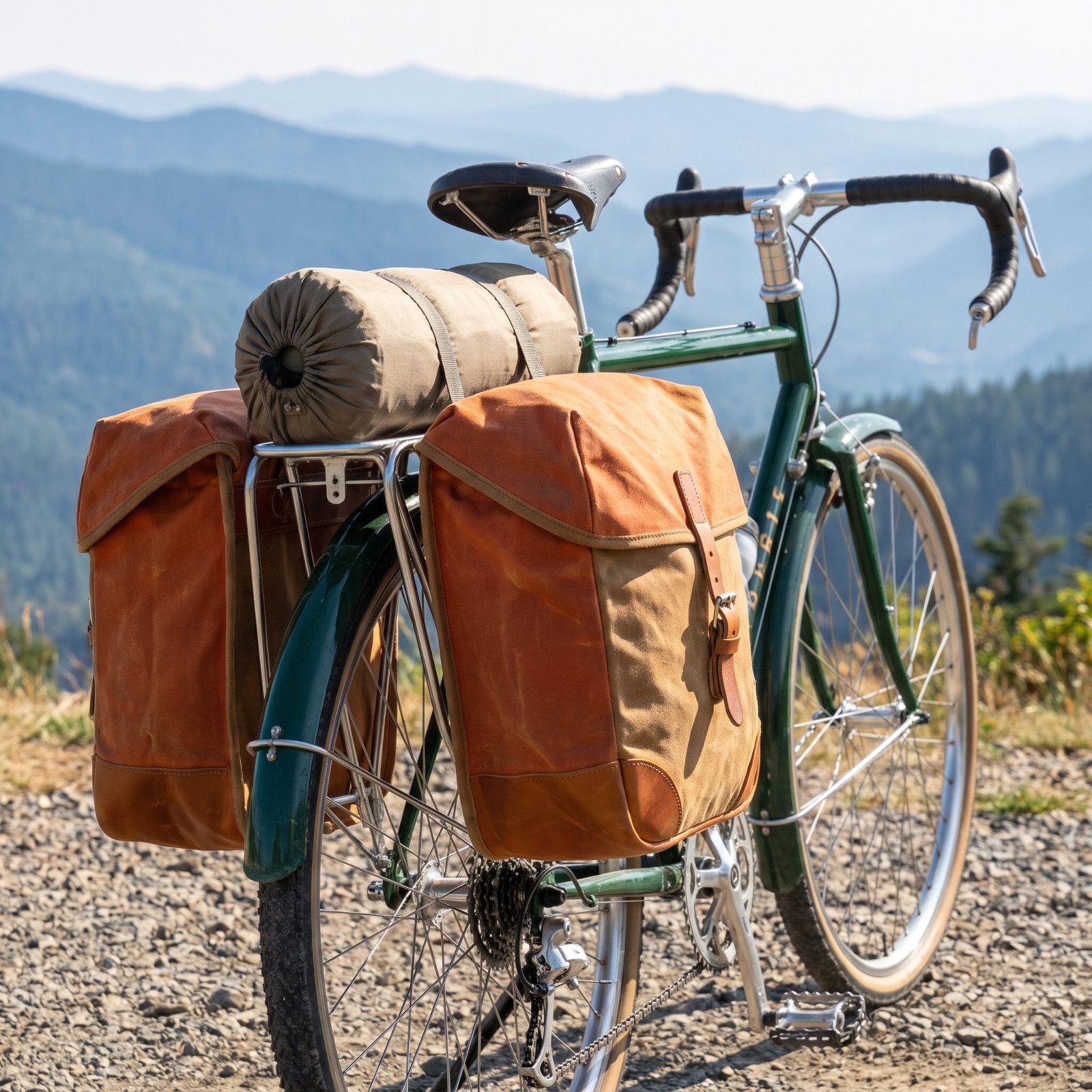
No clips, no quick-release. Bent steel hooks hung the bag over the rack rail and a lower strap kept it from swinging into the spokes. That was the whole system, and it hauled a week of camping gear across a state.
Waxed canvas in loud touring orange, leather corners, buckled flaps you opened in the rain with numb hands. They sagged when overloaded and rubbed your heel if you mounted them too far forward. But bolt a pair of these to a rear rack and a ten-speed stopped being a toy — it became the thing that carried you a thousand miles with everything you owned.
8. The Canvas Newspaper Delivery Bag Slung Over the Handlebars
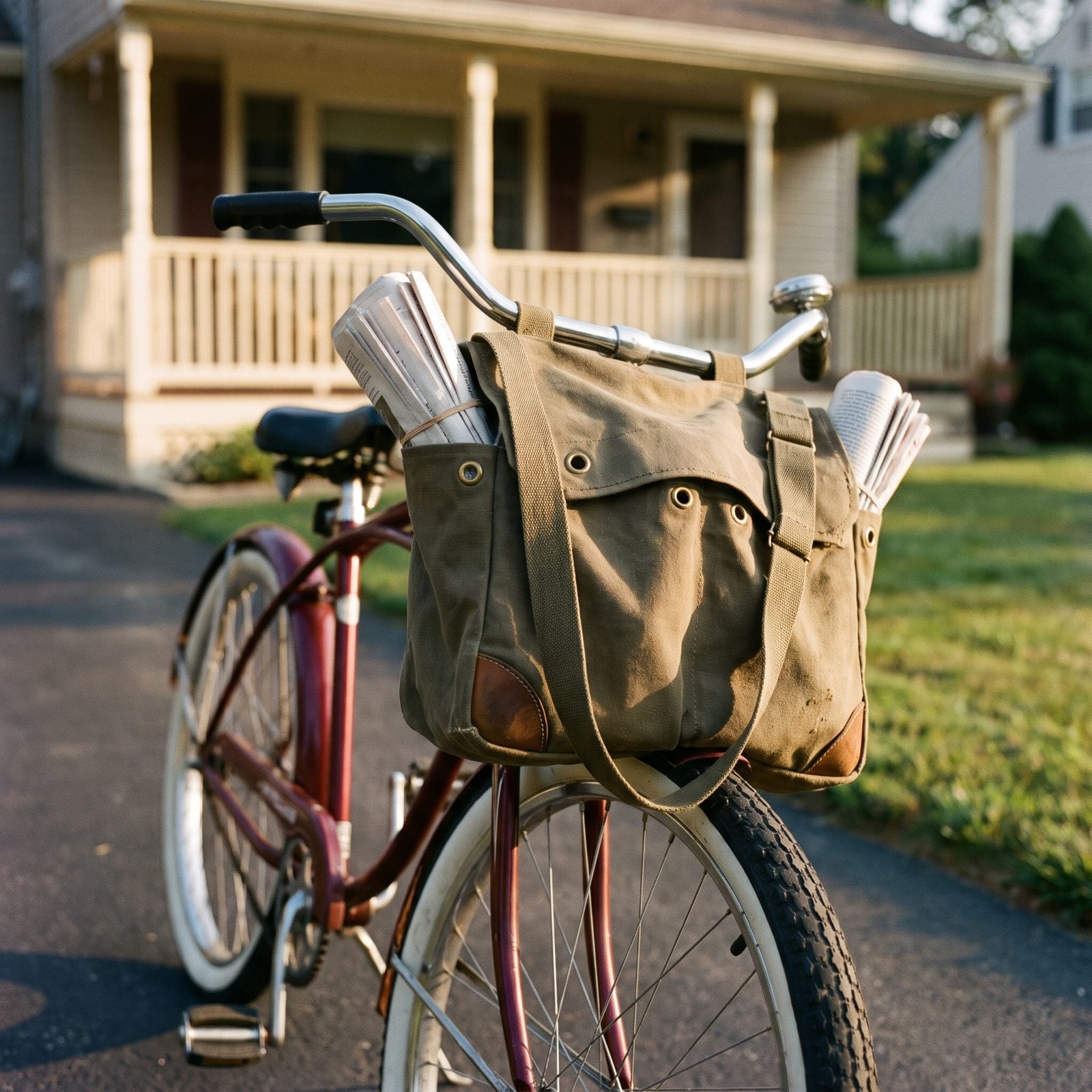
Before the route went to adults in hatchbacks, it went to a kid on a bike before dawn. The canvas delivery bag was the tool of that trade — two deep pouches, a strap the width of a seatbelt, and enough cotton heft to shrug off rain for a block or two before it soaked clean through.
The weight was the problem nobody warned you about. Load up the front and the steering went heavy and vague, the bars pulling toward the ground while you fought to hold a line. Veterans split the load between bars and shoulder to keep the front wheel honest. And the bag usually outlasted the bike. You can still turn one up at estate sales, stiff with age, smelling faintly of newsprint ink that never quite left the fibers.
7. The Tubular-Steel Rear Child Seat Bolted Behind the Saddle
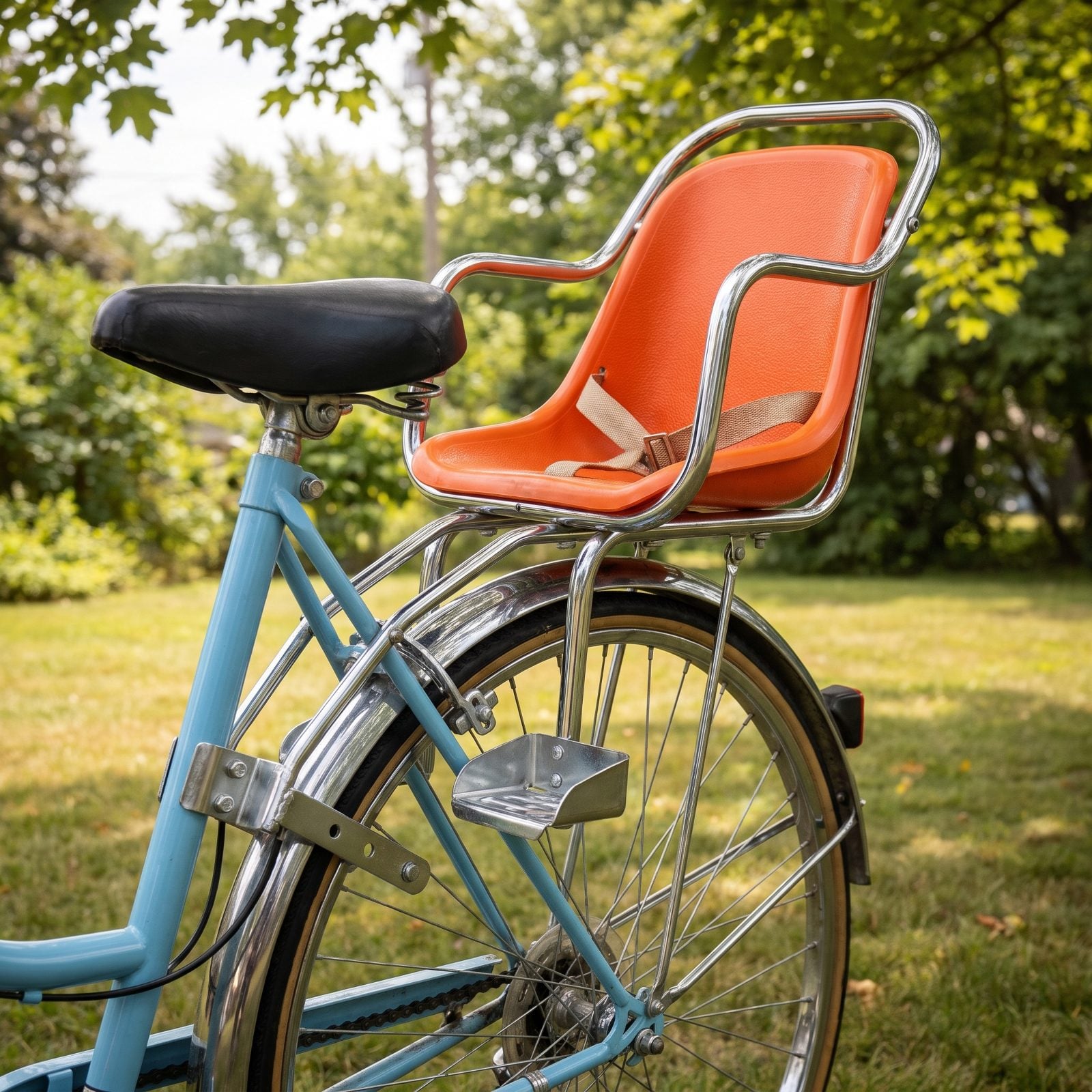
Parents strapped toddlers into these without a second thought. A chrome tube frame, a scoop of orange plastic, a lap belt, footrests stamped from sheet steel — and that was the entire safety system.
The genius and the flaw came from the same place. Mounting the child directly over the rear axle kept everything low and centered, so the bike balanced well, but it also put little feet one slip away from the spokes. Most seats bolted on a wheel guard for exactly that reason, and the kids who didn’t get one have a scar to prove it. By modern standards the thing is terrifying. In its day, it was simply how you got a two-year-old to the park.
6. The Cannondale Bugger Cargo Trailer Trailing Behind
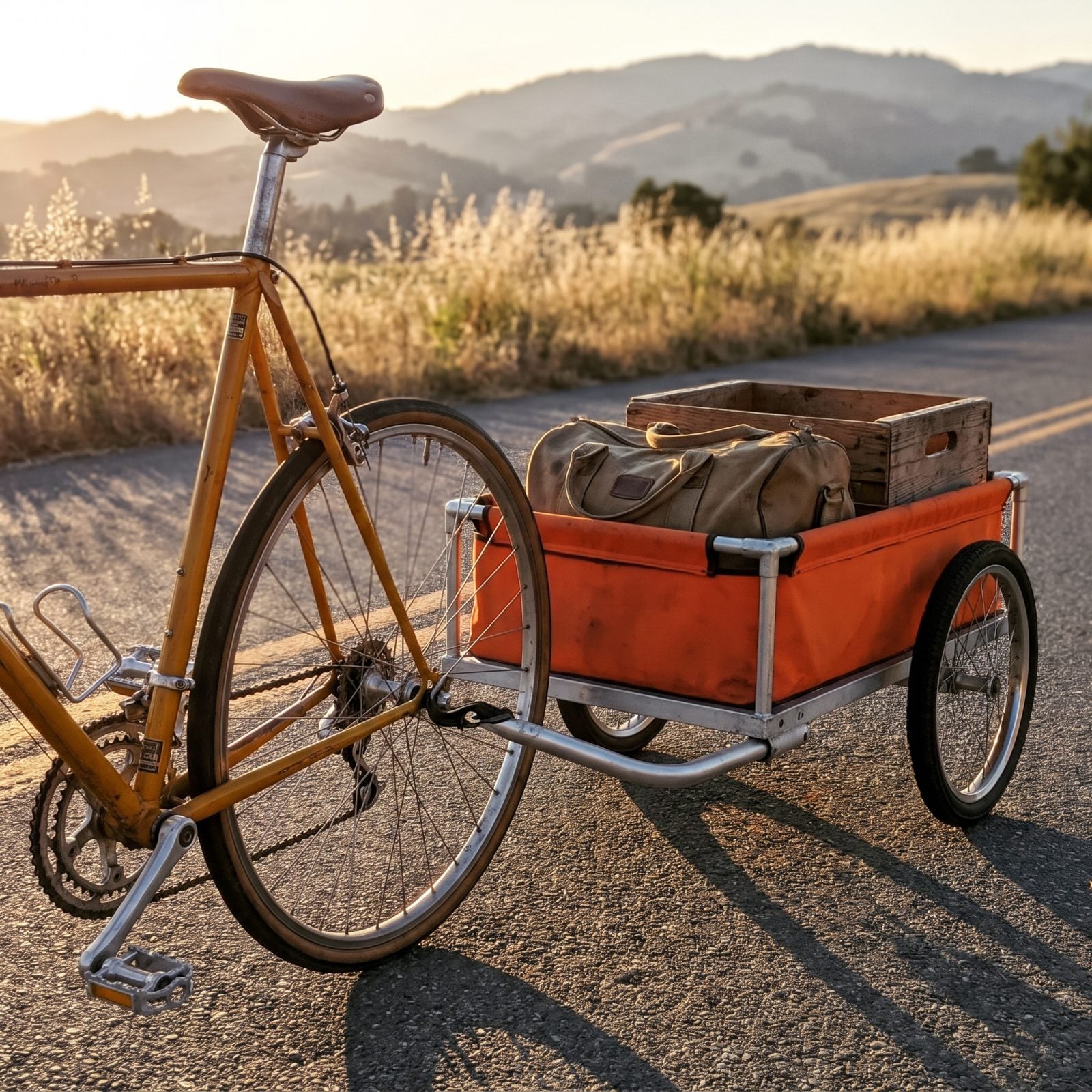
Cannondale started with a trailer, not a bike. The Bugger launched in 1971 as the company’s first product, and the name aged about as well as you’d expect before they quietly retired it.
What it did was simple and well ahead of its time. A bicycle could suddenly haul real cargo — groceries, camping gear, a load of firewood, eventually a kid once the padded versions showed up. One hitch arm clamped onto the bike at the rear axle, two small wheels tracked behind, and a plain ten-speed turned into a small truck.
Owners loved and cursed it in roughly equal measure. On the flat it pulled easy. On a climb? You felt every single pound. Still, it founded an entire category that bike camping and errand-running live in to this day.
5. The Laced Rear-Wheel Skirt Guard Over the Spokes
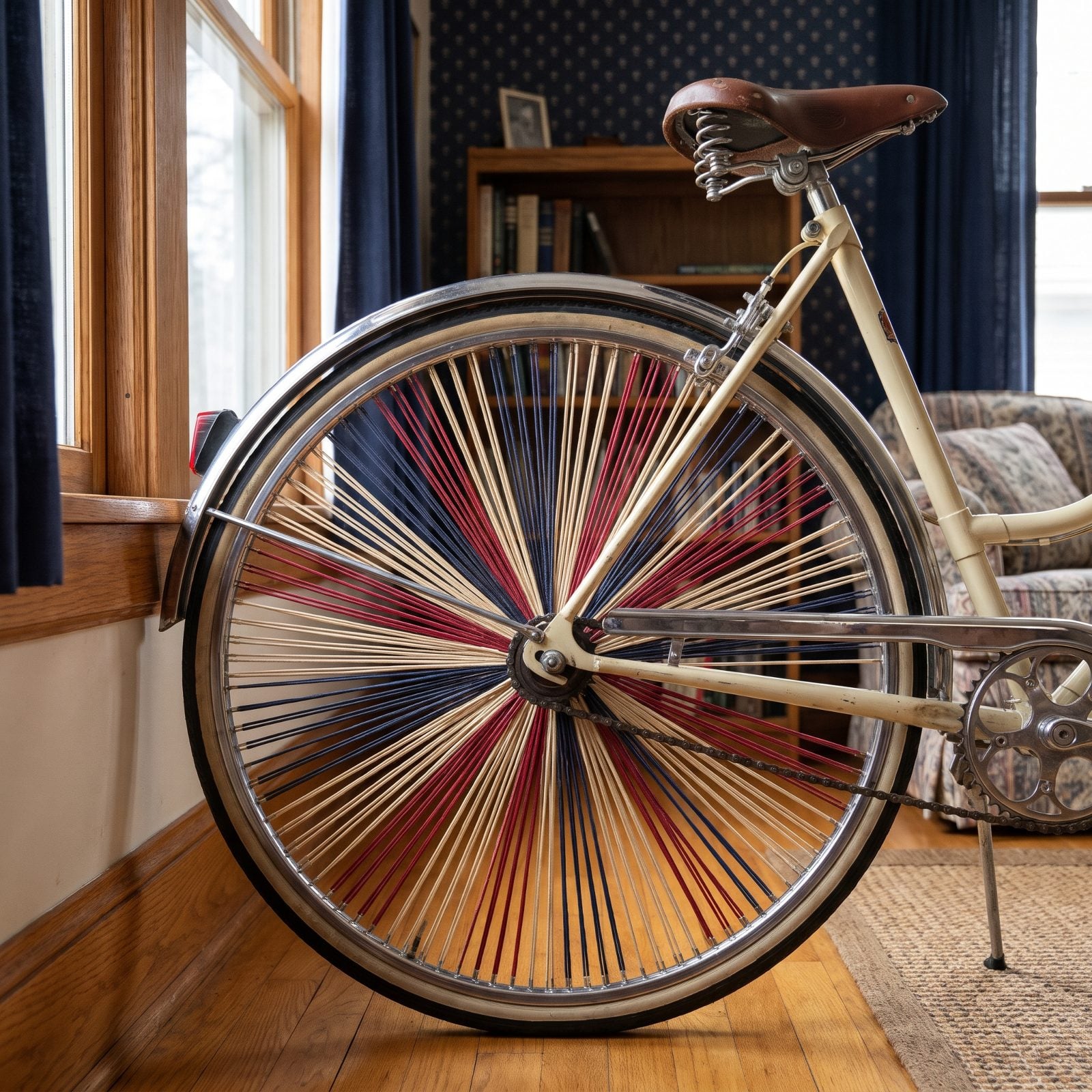
A full circle of laced cord filling the back wheel, radiating from hub to rim all the way around like a fully opened parasol, with the metal spokes barely visible behind it. Pretty, sure. But it earned its keep.
The skirt guard kept loose clothing, long coats, and anything with a hem out of the rear spokes — where a dangling edge becomes a sudden, violent stop. Dutch and English roadsters wore them as standard kit. Over here they read as charmingly old-world, mostly seen on step-through frames ridden by anyone who refused to change out of a dress just to run an errand. The red, navy and cream lacing was practical and decorative at once, a rare combination on a bicycle.
4. The Rubber Mud Flap With a Round Reflector Riveted On
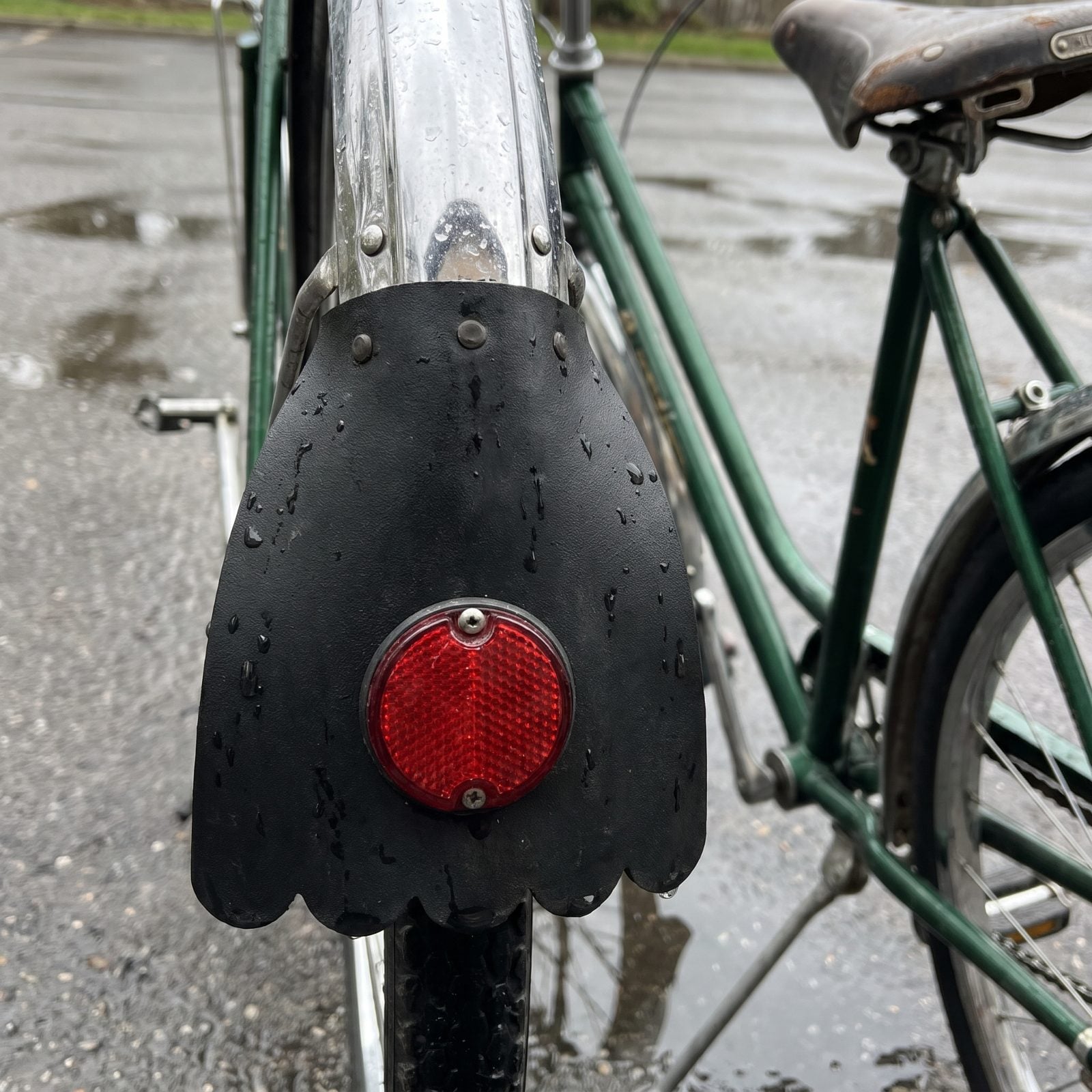
Cheap, ugly, and genuinely useful. The rubber mud flap bolted to the back of a fender and caught the spray before it painted a brown stripe up your back.
That round reflector riveted to the bottom was the upgrade that mattered. A car’s headlights caught the red disc from behind and gave the driver a half-second more to register a rider on an unlit road. It wasn’t a light. It did nothing on its own. But back before every bike wore a battery-powered blinker, that passive little disc did quiet work keeping riders out of hospital bays.
3. The Smoke-Tinted Plastic Touring Bidon in Its Steel Cage
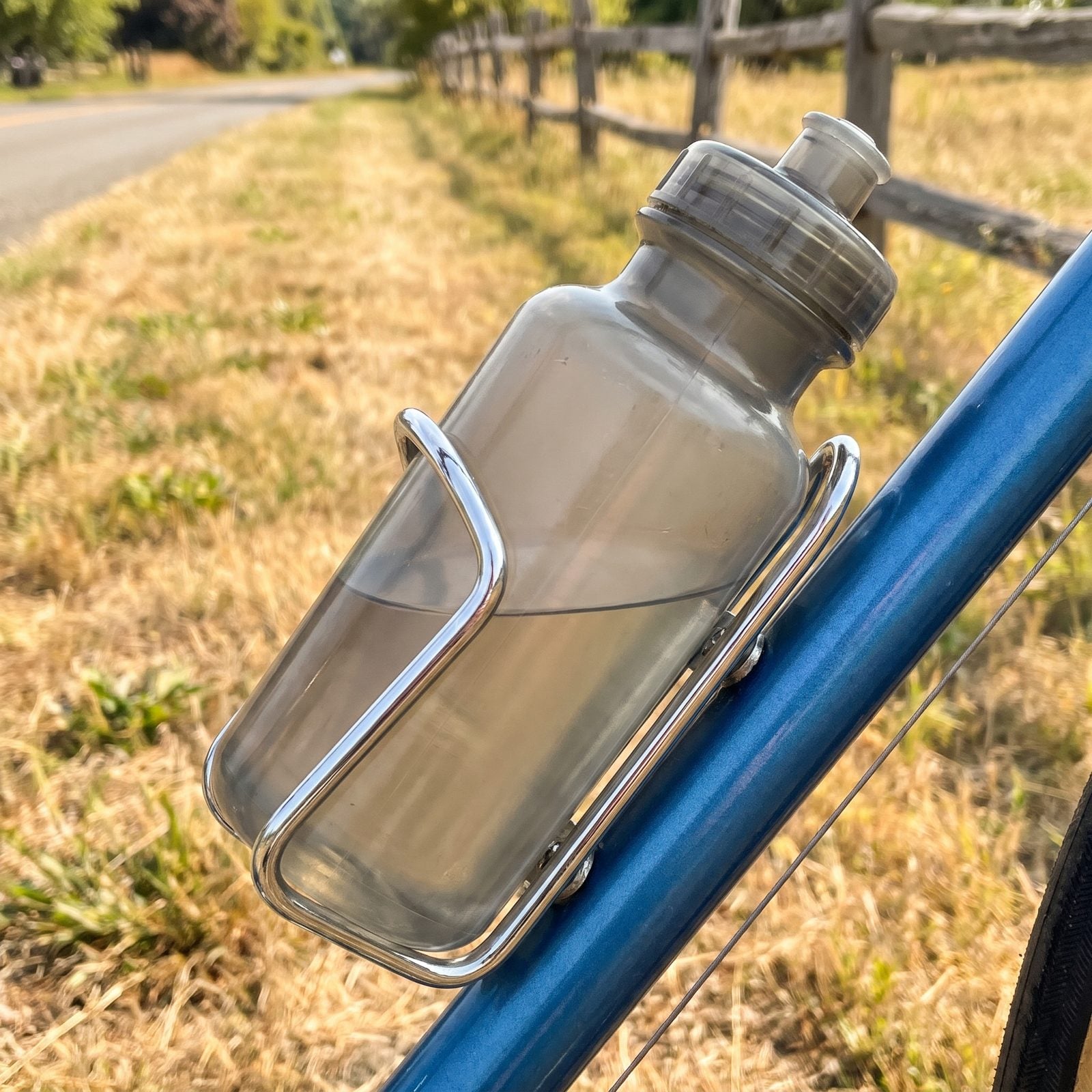
The water tasted like the bottle. Everyone who toured in the seventies knows that flat, faintly plastic flavor, and nobody who drank from a smoke-gray bidon on a hundred-mile day would pretend otherwise.
The tinted plastic was the whole look — translucent enough to see the water line, dark enough to hide the fact you hadn’t rinsed it in a week. It rode in a chrome spring-steel cage that gripped with coiled arms and rattled like a maraca on rough pavement. Push-pull cap, no valve, no insulation. You learned to grab it, squeeze, and shove it back without ever looking down, and on a long ride that reach became pure muscle memory.
2. The First-Generation Kryptonite U-Lock Clipped to the Frame
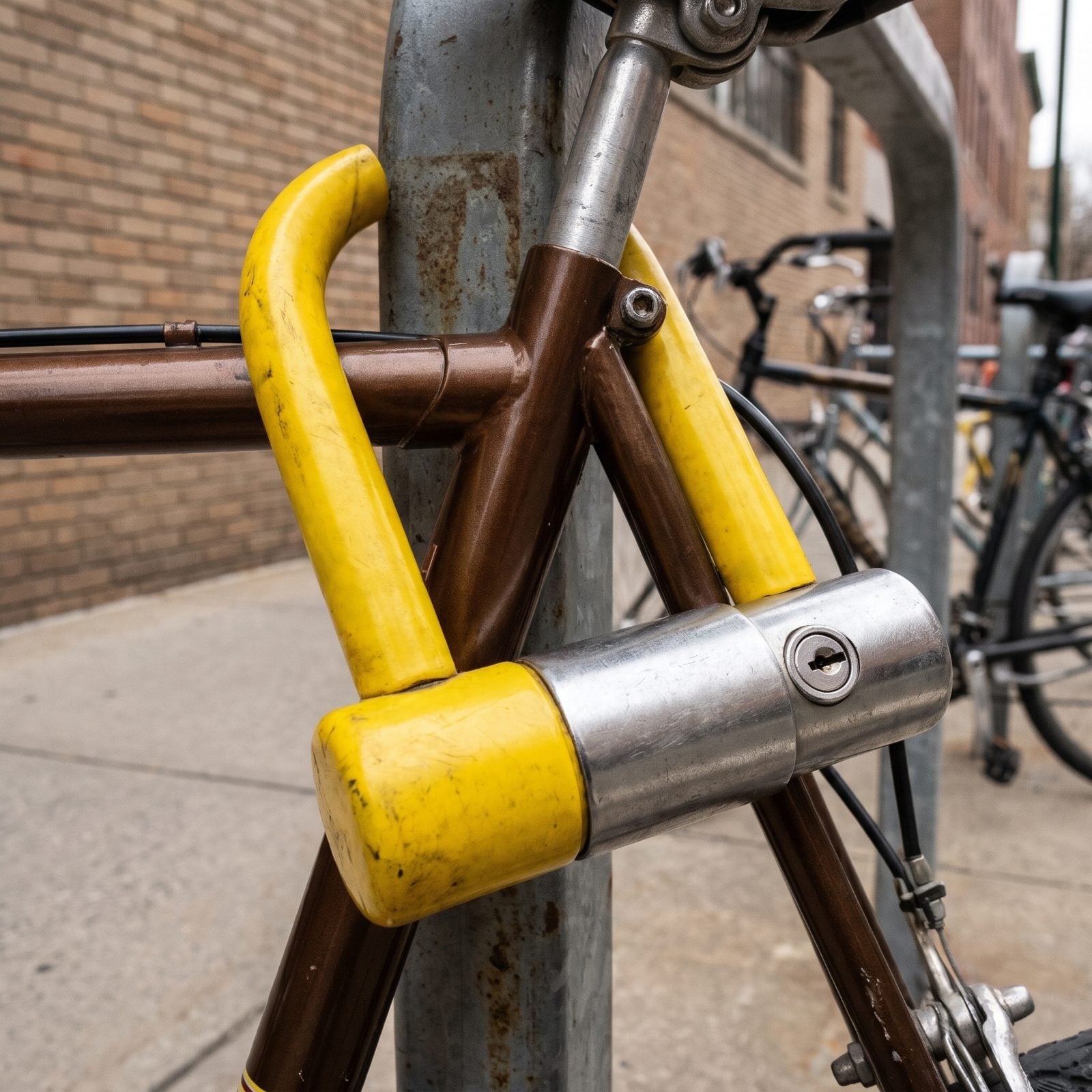
City riders got tired of coming back to a cut cable and half a bike. The Kryptonite U-lock, introduced in the mid-1970s, answered with a slab of hardened steel bent into a U — the kind of thing bolt cutters just skated right off of.
The yellow vinyl coating became the signature. It kept the steel from scratching your frame and made the lock impossible to lose in a bag. The company’s founder famously staked his reputation on it, chaining test bikes in the roughest corners of New York to prove the point.
No lock is a promise. But that heavy U clipped to your frame was the first time a bike owner could walk away from the rack without a knot in the stomach.
As a bike mechanic turned inventor puts it, “It just occurred to me, bolt cutters were the most-used tool, so you don’t use a rod: you use bar stock.”
1. The Steel Roof-Rack Carrier With Fork Clamps and Wheel Channels
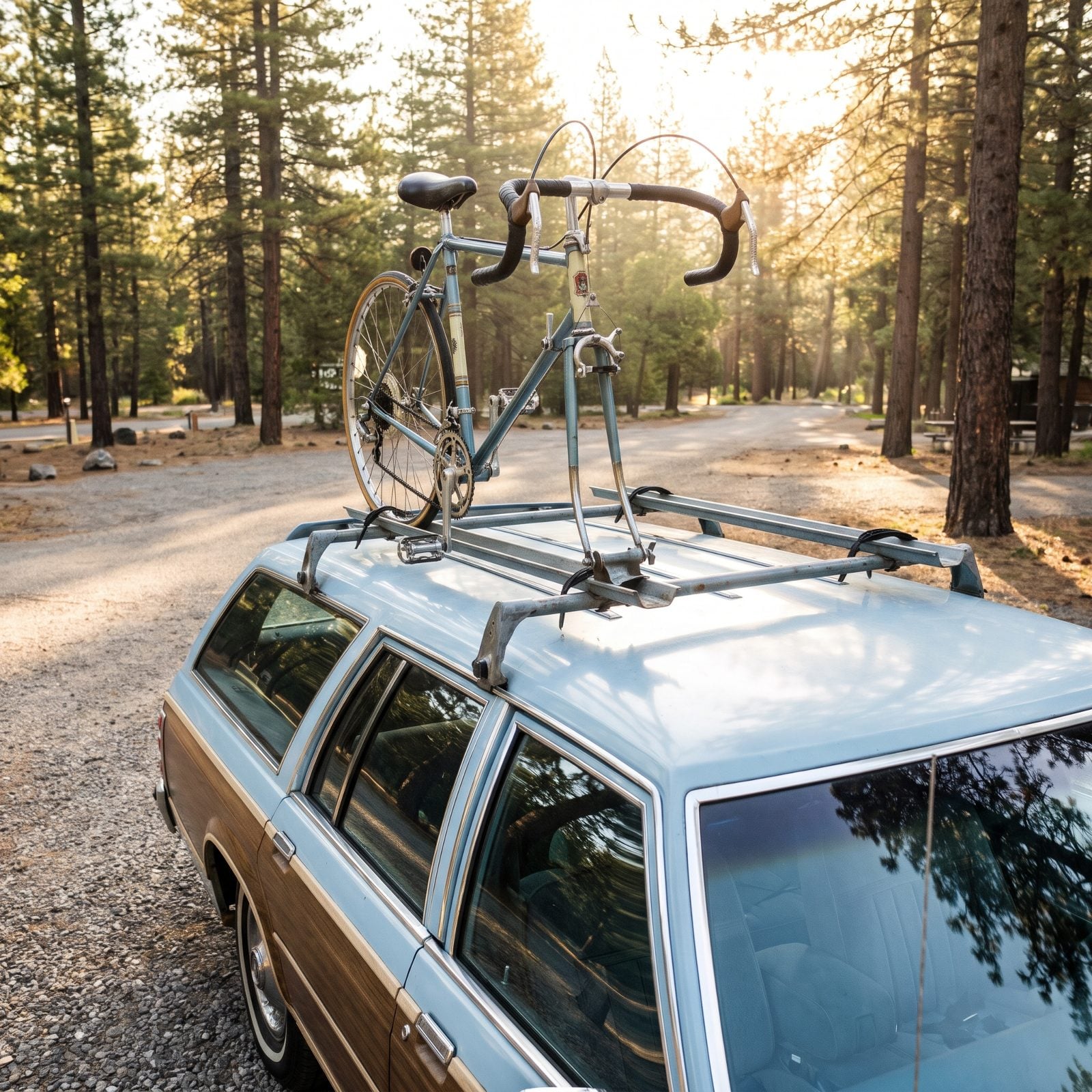
Getting the bikes to the trailhead meant hoisting them overhead onto the wagon roof. The steel rack clamped to the rain gutters, a pair of long channels cradled the wheels, and a fork mount held the front end once you popped the front wheel off.
Loading it was a two-person ballet when the bike was heavy and the roof was high. And you learned to mind the clearance of every parking garage and drive-through overhang for the rest of your natural life, because the sound of a ten-speed meeting a concrete beam at thirty is one you only need to hear once.
This rig bolted bikes, road trips, and family vacations together. Half the reason a kid ever saw a national park was a rack like this doing the quiet work up top.