
Count the cars that have passed through your driveway in the last decade. Now count the reasons each one left. The engine was fine. The paint was fine. Something else wore off, some shine you could not name, and three months later you were scrolling listings at eleven at night telling yourself it was just curiosity.
Please note that some of the images in this article were created with the assistance of AI.
The itch that trades a perfectly good car has a twin, and anyone who has restarted the whole dating circus after a breakup knows it by heart. Same wiring. You get the little dopamine hit when the new thing shows up clean and full of promise, then the hangover when it becomes the thing you leave at the curb. What follows is a walk through the exact machinery that makes buying cars feel like falling for people, over and over, hopefully.
16. You Call It Research While Flirting With Online Listings

It starts honest enough. You just want to know what a loaded trim goes for these days, and then it’s midnight, you’ve favorited four cars in two states, and you’re deep in the forum where grown adults argue about transmission fluid. That’s not research. That’s flirting, and you know it.
The dating version is the same scroll with a different app. You tell yourself you’re only looking, keeping options warm, staying informed about the market. Nobody calls it browsing. Everybody does it.
Underneath sits anticipatory dopamine. The chemical reward fires harder for the chase than for the catch — your brain pays you up front for imagining the thing, which is why the listing at 11pm feels better than the car you already own. Looking is free and endless. The hit comes before any commitment, and that’s exactly what makes it so hard to close the tab.
15. Endless Inventory Makes a Good Car Feel Like Settling

The good car in your driveway starts the day fine. Then you walk a lot with four hundred alternatives, or you scroll a site that never runs out, and suddenly yours feels like a compromise you made before you knew better.
Researchers have been chewing on choice overload for decades. More options don’t make us happier — they make us second-guess the one we picked and daydream about the better one we skipped. The dating-app era runs on exactly this. When the next profile is always one swipe away, the person in front of you has to compete with an infinite line of ghosts.
A car that was perfect in a vacuum becomes merely adequate the moment it has rivals it will never actually be measured against. Your sedan didn’t change. The reference point did. Abundance is the problem dressed up as a gift.
14. Your Neighbor’s New SUV Makes Yours Look Suddenly Tired
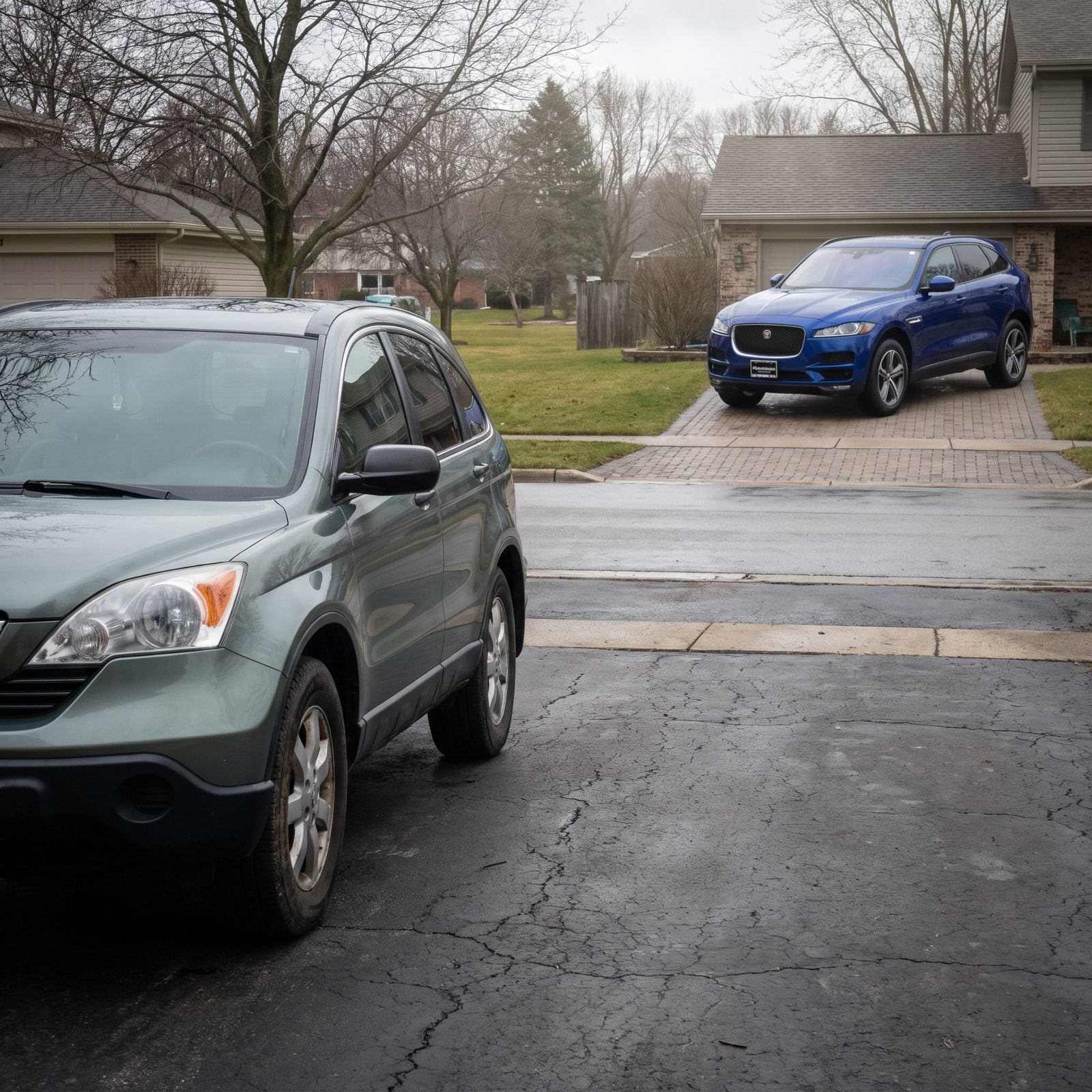
You loved your SUV on Monday. Then the neighbor rolls home Tuesday in something newer, bigger, with that specific showroom gleam, and by Wednesday yours looks like it’s been through something. It hasn’t. You just got handed a new yardstick.
Economists named this a long time ago. Keeping up with the Joneses isn’t a cliché, it’s a measurable habit of pegging our satisfaction to the people nearest us instead of to anything absolute.
Nobody feels poor until the person next door feels richer.
The romantic twin is the reunion sting — seeing the one who got away looking great, and suddenly rethinking your whole situation. Social comparison is involuntary; your brain does it before you’ve decided to care. The fix isn’t a newer car. It’s noticing that the goalpost moved itself.
13. The Dealer’s Attention Feels Suspiciously Like Instant Chemistry
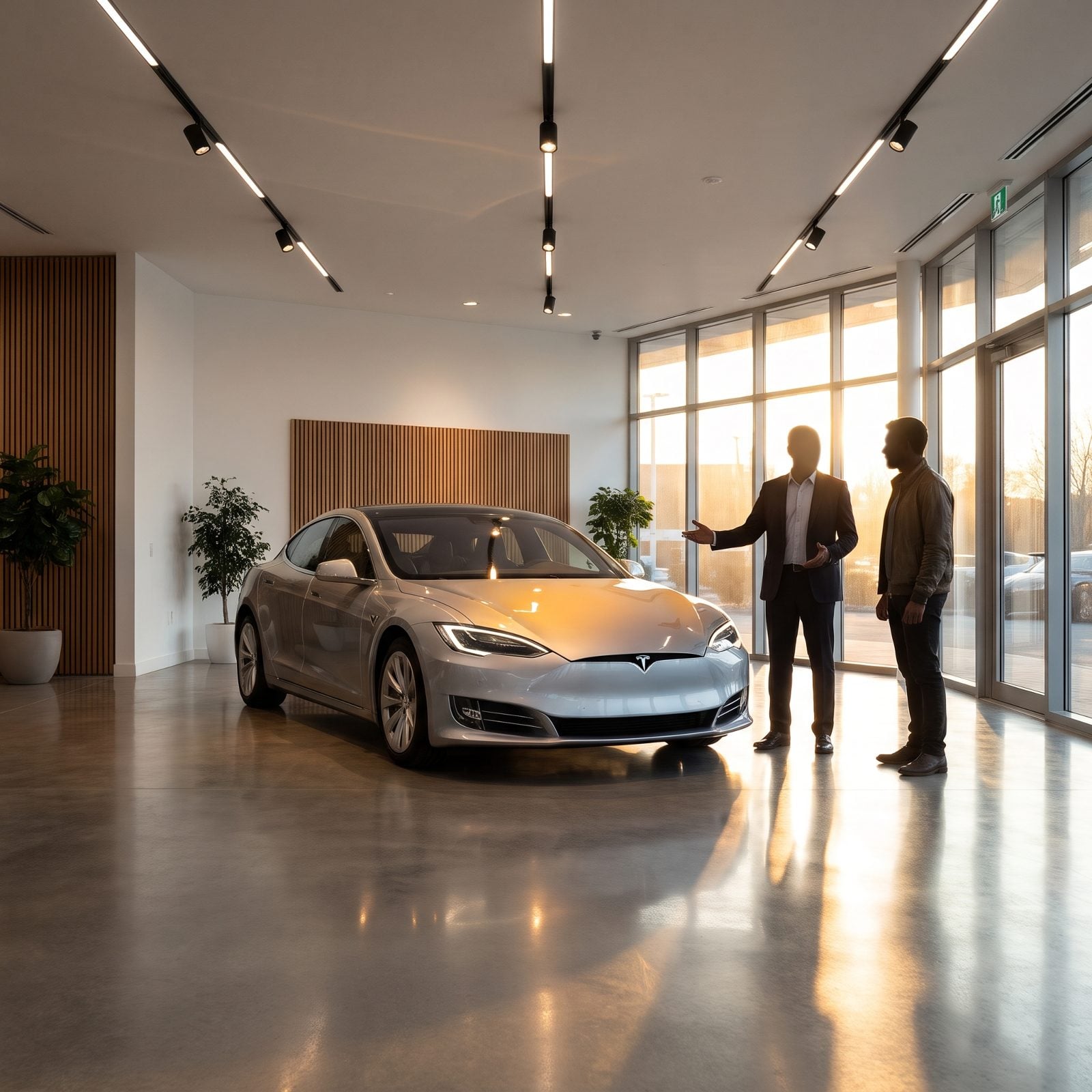
Walk into a showroom and somebody’s delighted to see you. They remember your name, they laugh at the joke that wasn’t funny, they ask what you really need and nod like it’s wisdom. For twenty minutes you are the most interesting person in the building.
It feels like chemistry because your body can’t fully tell the difference. Reciprocal liking and a warm, attentive manner trigger the same pleasant hum whether it’s genuine or professional. The first-date version works identically — somebody who leans in, mirrors your energy, makes you feel chosen.
But attention is the product, not proof of fit. A great closer and a charming first date share a skill set, and neither tells you anything about Tuesday morning at the dealership counter, or Tuesday morning three years in. Warmth is cheap to produce and expensive to confuse for compatibility.
12. Limited-Edition Paint Turns Maybe Into Absolutely Must-Have
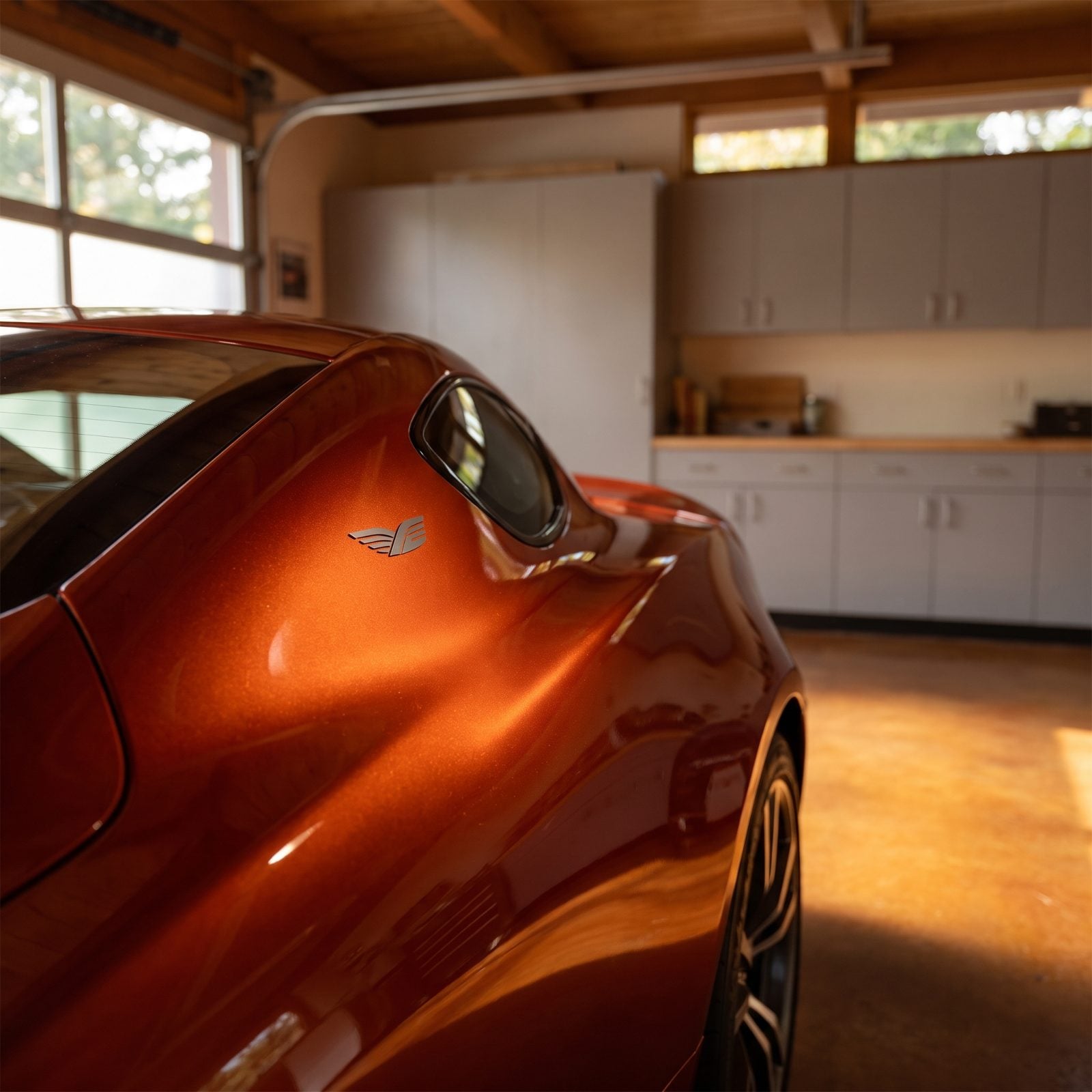
You weren’t going to buy anything. Then they mentioned only three hundred will wear this paint, and the maybe in your chest hardened into a must. Not because the car got better. Because it got rarer.
Scarcity hijacks judgment. The moment something is framed as limited or almost gone, we want it more and think about it less. Marketers have known this forever, and your brain still falls for it every time the word “exclusive” shows up on a window sticker.
The romance mirror is the one who’s hard to get, suddenly far more appealing than the kind soul who texts back fast. Availability reads as low value. Scarcity reads as worth. Neither is true, but both move us.
Here’s the tell. Ask whether you’d want the car in the common color at the common price. If the answer cools off even slightly, you weren’t chasing the car. You were chasing the rarity.
11. You Ignore Reliability Data Because the Coupe Has Chemistry
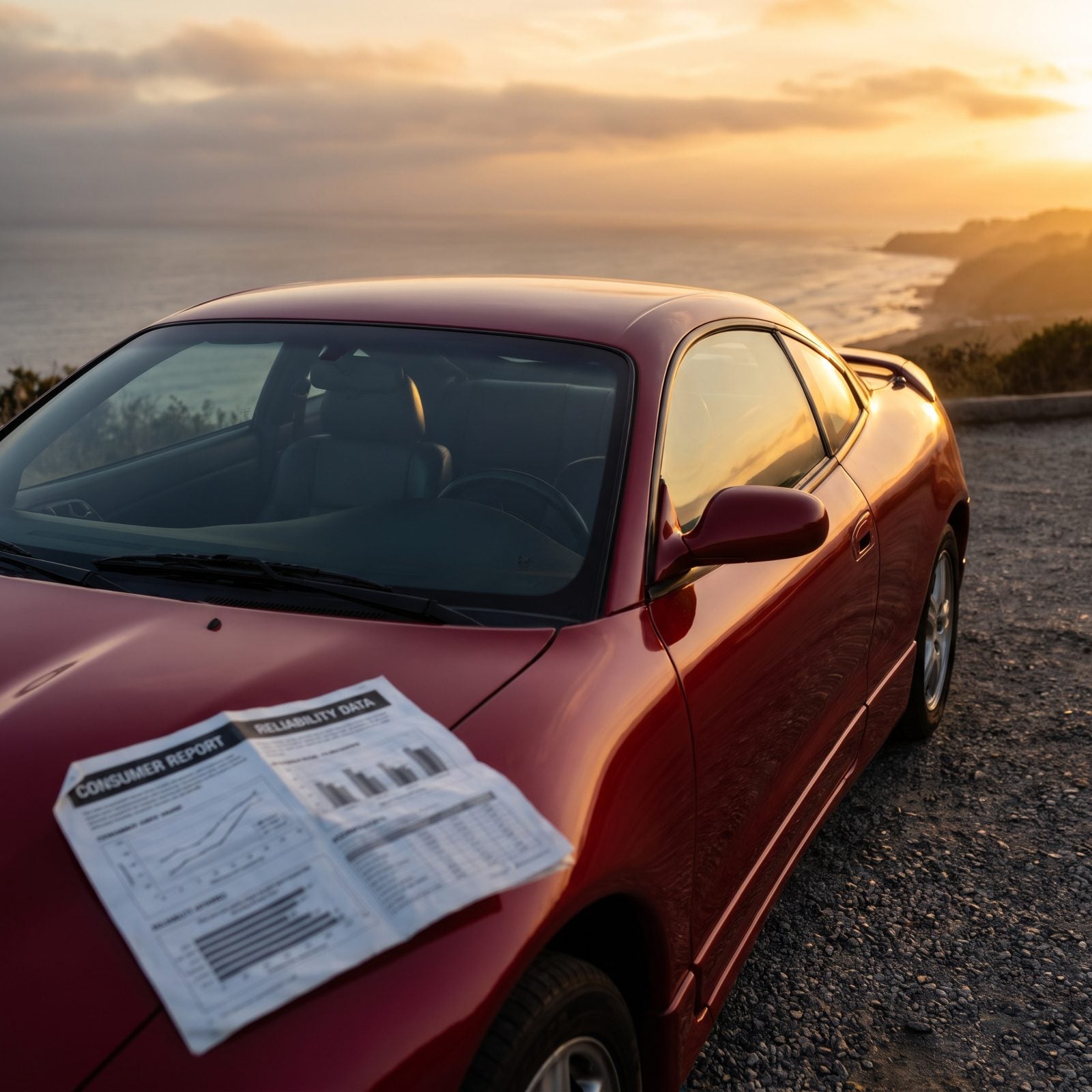
The reviews were a warning. Expensive electronics, parts on backorder, a transmission with a reputation. You read all of it. Then you sat in the coupe, heard the door shut with that heavy thunk, and the data quietly left the room.
Call it the halo effect. One strong impression — the way it looks, the way it feels to settle into the seat — bleeds over everything else and whispers that the rest must be fine too. Attractive things get the benefit of the doubt they didn’t earn.
We do this with people constantly. Charm buys a pass on red flags we’d never ignore on paper, and the good-looking stranger seems smarter, kinder, more reliable, none of which the evidence supports.
Chemistry isn’t a lie. It’s just a terrible forecaster. The thing that makes you want it tells you nothing about how it’ll treat you in month fourteen.
10. You Keep Choosing the Same Car in Different Badges
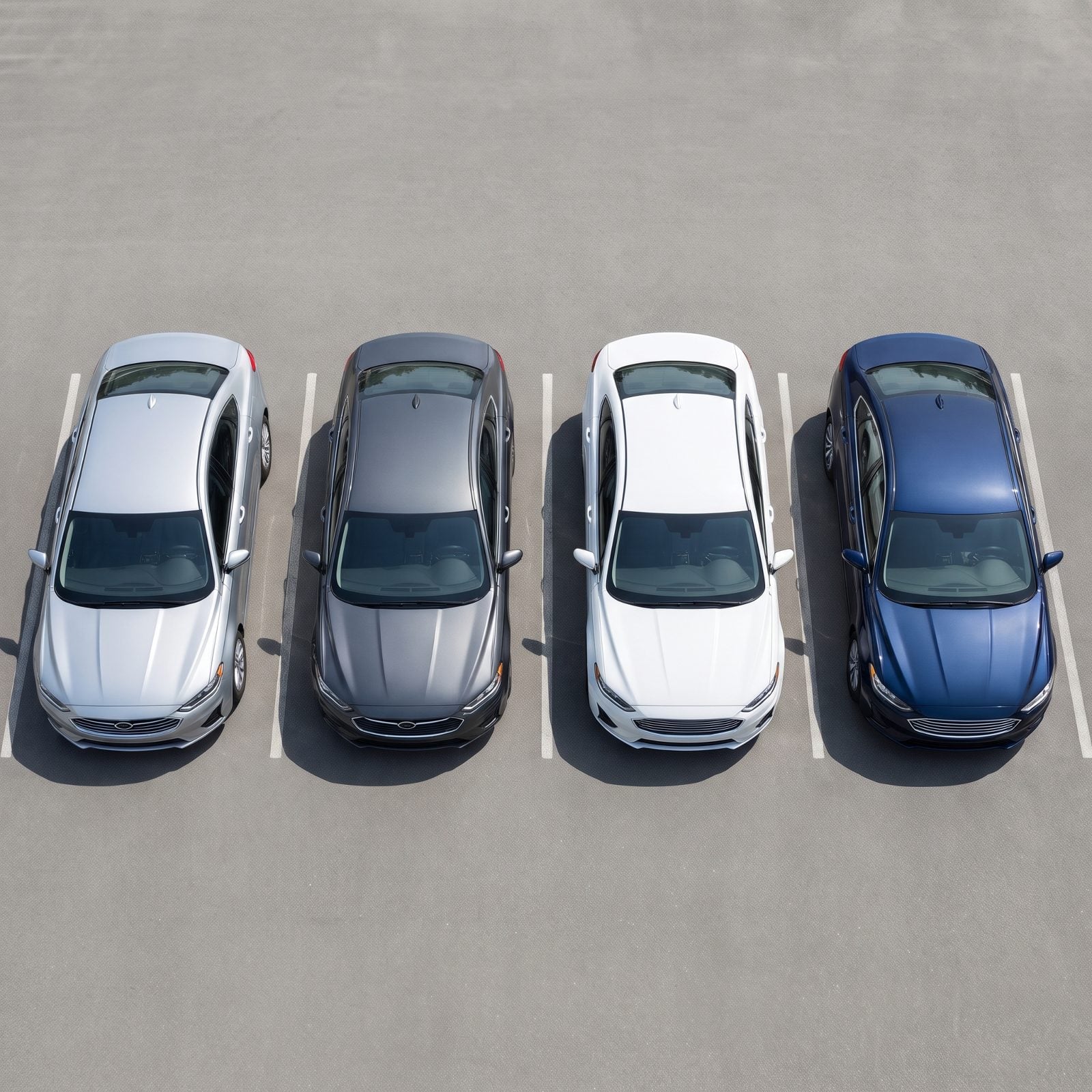
Line up your last four cars and something awkward shows up. Different makes, different years, different colors — and all of them the same car in a costume. Same size, same character, same compromises. You thought you were changing. You were reupholstering a habit.
Psychologists call it a repetition compulsion, the pull to keep recreating a familiar pattern even while believing you’re doing something new. Familiar feels safe, so we steer back to it without noticing the wheel turned itself.
The dating parallel is the one everyone can name in a friend and never in themselves. New face, same type, same ending. We mistake a different label for a different choice.
Variety isn’t about swapping the badge. It’s about swapping the thing you actually keep reaching for. Most of us never do, because the familiar is exactly what we’re loyal to.
9. The Dream Truck Belongs to a Future Version of You

The truck you want isn’t for the life you have. It’s for the one you keep promising yourself. Weekends at the trailhead, a boat you don’t own yet, projects that need hauling. You’re not buying transportation. You’re buying a down payment on a person you intend to become.
Behavioral folks call this the aspirational self, and marketers aim straight at it. We buy for the identity we’re reaching toward, then quietly live the identity we already have, which involves far more grocery runs than mountain passes.
The romantic version is dating the potential instead of the person. You’re not with who’s in front of you — you’re with the fixed-up future version you’ve written in your head.
The truck is honest, at least. It just sits there being capable while your weekends fill with errands. The gap between the garage and the life isn’t the truck’s fault. It’s the story you told yourself at the dealership.
8. Every Life Reset Somehow Requires a Different Set of Keys
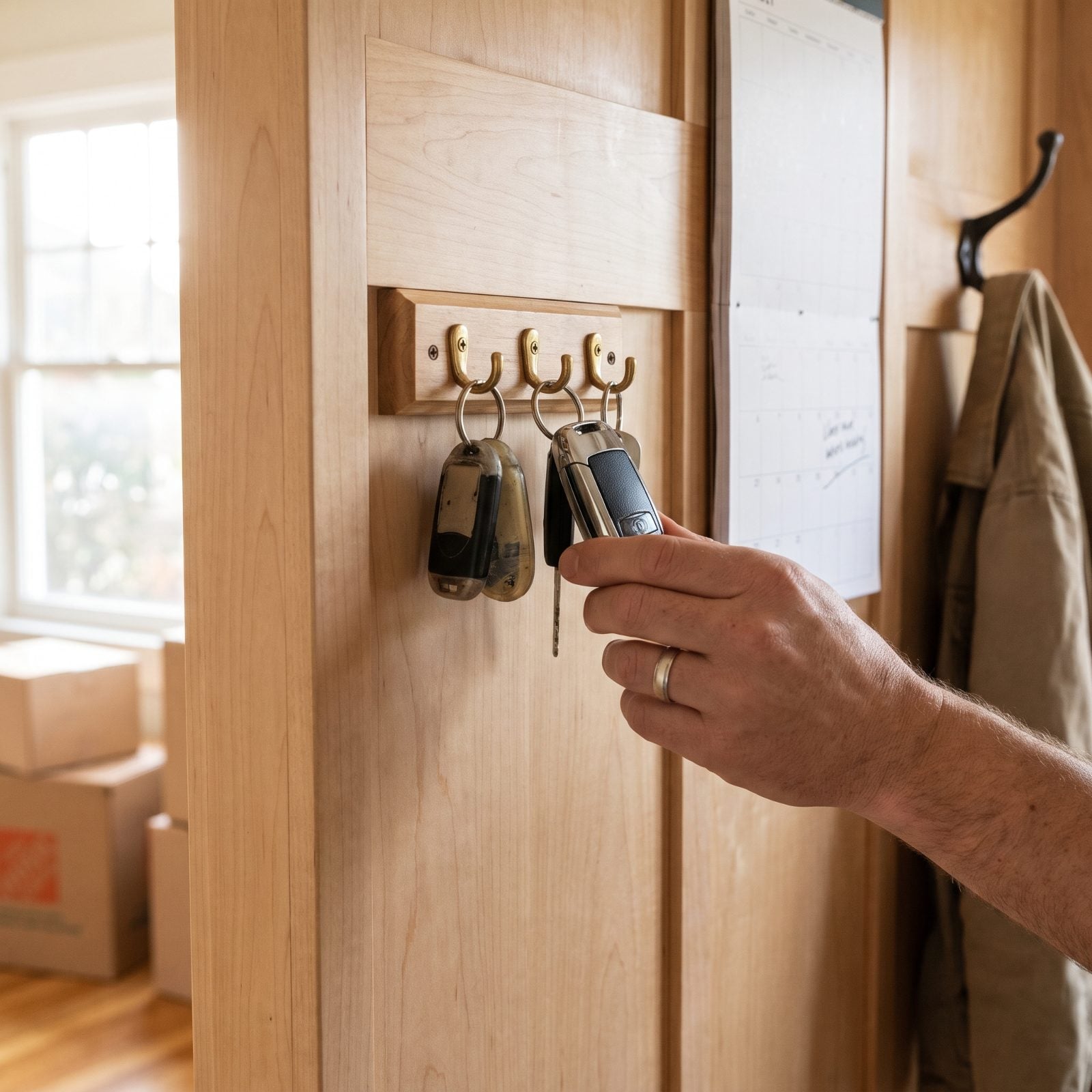
Notice when the car bug bites hardest. New job. Empty nest. A birthday with a zero in it. The life shifted, and somehow the first concrete move is a different set of keys, as if the old car can’t come with you into the new chapter.
This is the fresh-start effect. We treat the big dates on the calendar as clean slates and feel driven to mark them with something tangible. A new car becomes a receipt for a new era, proof to yourself that the change is real.
People do the identical thing with relationships. The breakup, the move, the promotion, and then the instinct to find someone new to go with the new you. The partner, like the car, becomes a prop in the story of becoming different.
Nothing wrong with marking a milestone. Just know what’s doing the buying. Sometimes it’s a genuine need. Sometimes it’s a transition in costume, looking for something to wear.
7. You Blame the Sedan for a Commute You Hate

The commute is ninety minutes of brake lights and other people’s merging. You hate it. And somewhere around exit twelve, the hate drifts onto the car — the seat feels wrong, the engine feels tired, the whole thing suddenly seems like the problem.
It isn’t. The car is the one part of that drive still doing its job. Blaming the object is easier than blaming the situation, because the object you can trade. The traffic you’re stuck with.
Psychologists call it misattribution. We feel a bad emotion, then pin it on whatever’s convenient and fixable. The relationship version is textbook — mistaking a stressful season for a bad partner, swapping the person when the real culprit was the year.
A new car won’t shorten the drive. It’ll feel better for about three weeks, then the same commute will wear the new one down too. You can’t buy your way out of a problem the car was never causing.
6. You Customize Everything and Resent What It Still Can’t Be
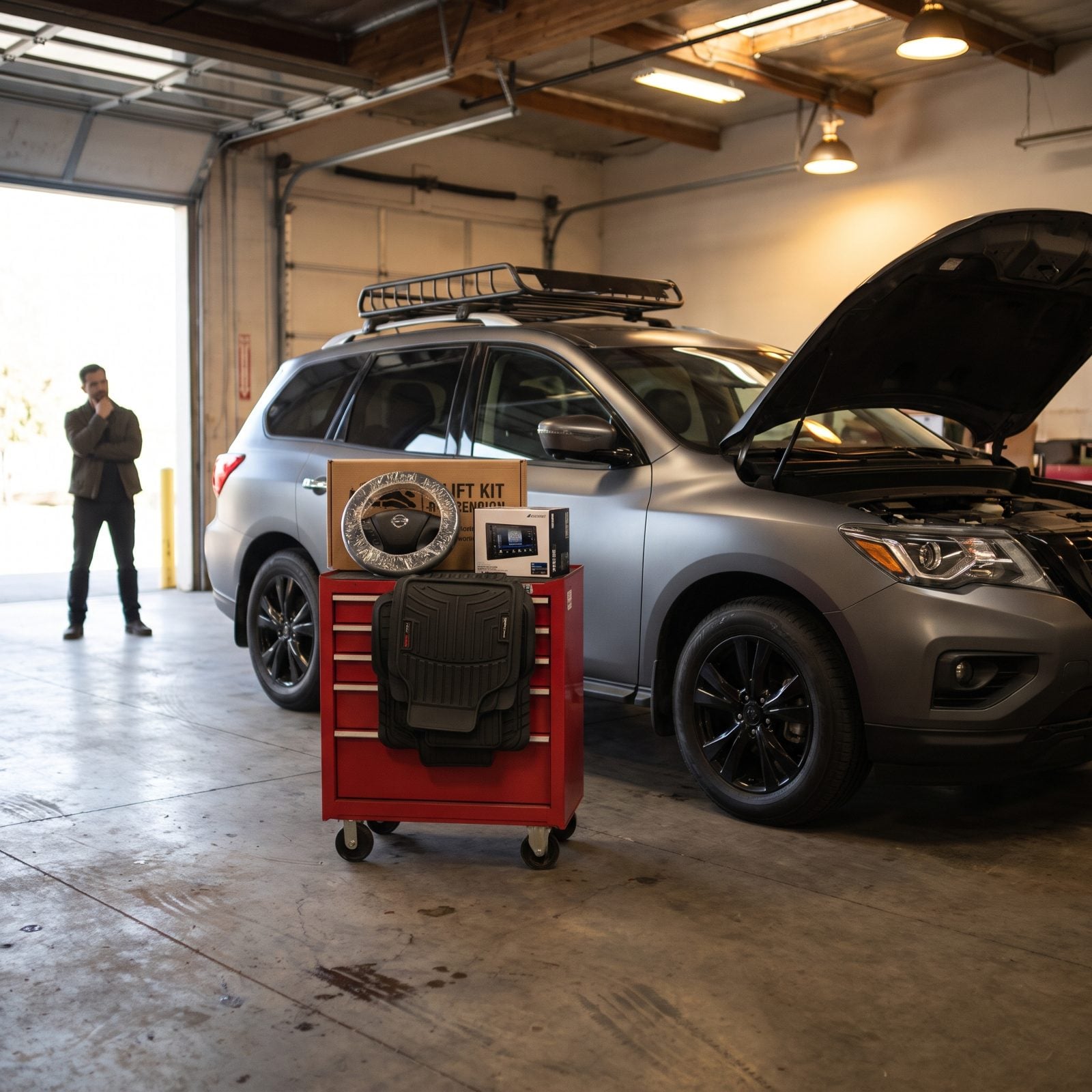
You bought it close to right, then spent a year trying to close the gap. New wheels, a better stereo, a tune, a lift, floor mats that cost more than floor mats have any business costing. Each upgrade promised to finally make the thing feel like the one in your head. And each one worked for about a week before you spotted the next flaw it couldn’t fix.
This is the loop people run in relationships when they fall for potential instead of the person standing in front of them. You don’t love what’s there. You love the edited version you keep almost building. Psychologists point to the endowment effect stacked on sunk cost — the more you pour in, the more you believe it’s worth saving, even while you stay furious it isn’t what you wanted.
The truck never changed its character. It just got expensive while staying itself.
5. The First Warning Light Sends You Browsing Trade-Ins
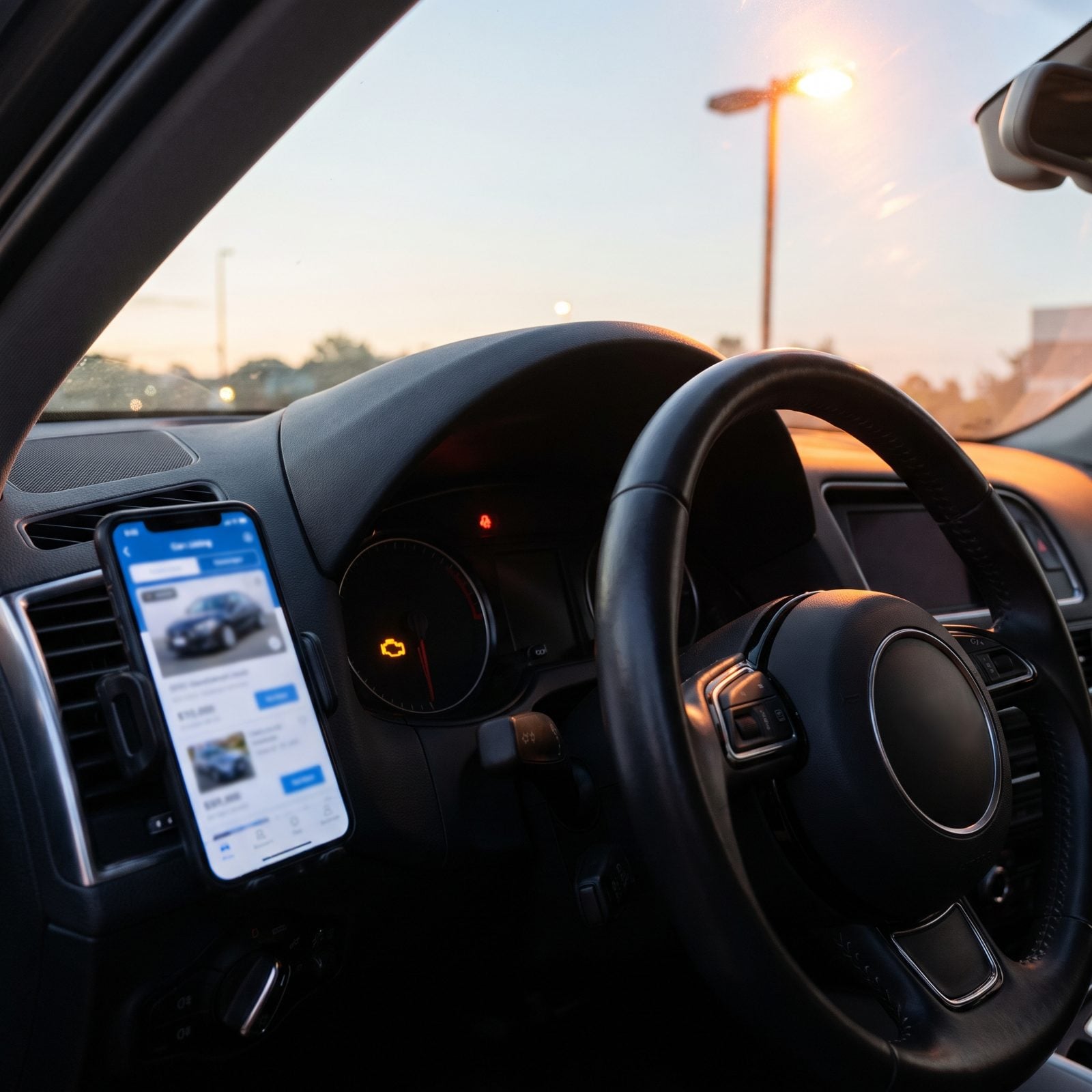
One amber light. Not even a serious one — probably a loose gas cap, or a sensor being dramatic. And inside the hour you’re on a listings app pricing out what you’d owe on something newer. The car ran fine that morning and it runs fine now, but the spell is broken.
People pull this with partners. The first real flaw surfaces, and instead of fixing it the eye drifts toward the fantasy of starting clean. It isn’t about the fault. It’s about what the fault threatens — the story that this one was going to be different.
Blame the contrast effect. A single blemish looks enormous against a background you’d built up as near-perfect, and the faster you idealized the thing, the harder its first imperfection lands.
A check-engine light costs eighty bucks to diagnose. Leaving costs you thousands. We talk ourselves into the expensive option because it feels like action.
Fixing is boring. Replacing feels like a decision. That’s the trick your brain plays on you.
4. The Perfect Specification Exists Until Next Year’s Model Arrives

The spec you obsessed over was perfect. The exact engine, the right trim, the color you waited on. For a season it was the one. Then the refreshed model dropped — mildly reshaped grille, bigger screen, two more horsepower — and suddenly yours felt like it rolled out of the previous decade.
Nothing about your car got worse. The goalpost just slid. It’s the same machinery behind the restless partner who meets someone perfectly good, then starts measuring them against whoever walked in more recently. The reference point keeps moving, so satisfaction never shows up.
Marketers get this better than we’d like them to. The annual refresh has nothing to do with engineering. It’s a reset button on your contentment, pressed on a schedule.
3. New-Car Smell Stops Working Sooner Every Time
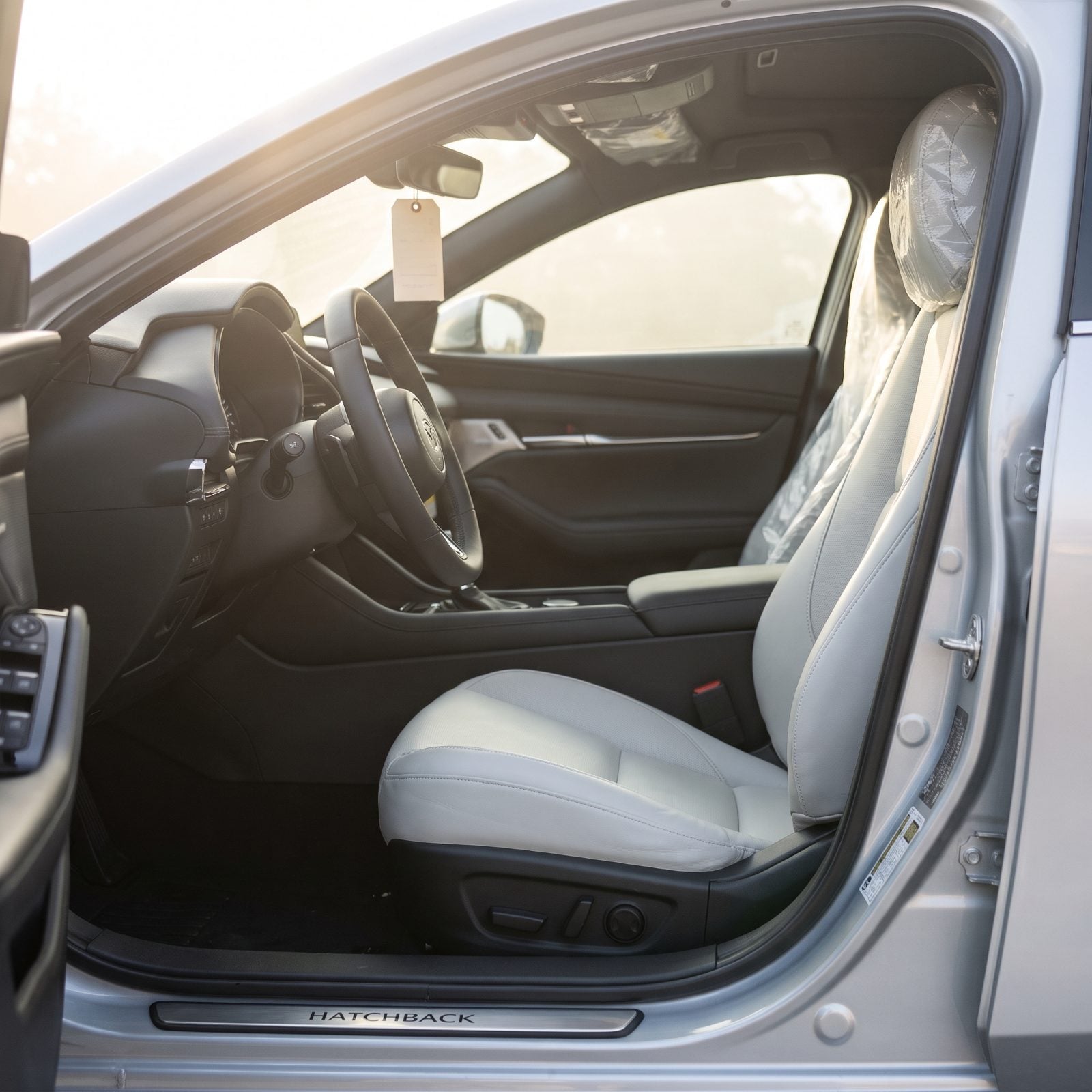
That first drive off the lot is a chemical high — new-car smell, everything aligned, the sense that this version of your life starts right now. Your first car, it lasted months. These days you barely make it to the first fill-up before it’s just your car again.
Say hello to hedonic adaptation, the quiet thief that drains the joy out of every upgrade you’ll ever make. Your baseline resets. The treat becomes the normal. Then you need a bigger treat to feel the same jolt.
Same pattern drives the people who chase the early rush of new romance over and over. The honeymoon feeling is real, but it was always going to fade, because that’s what the nervous system does with anything constant. The trouble isn’t the car or the person. It’s expecting the spark to stay permanent instead of treating it as the opening scene.
2. Trade-In Bonuses Make Leaving Feel Like You’re Winning

The salesman slides the numbers across the desk and all at once leaving looks like a reward. Loyalty bonus. Inflated trade value. Zero down. Your perfectly functional truck gets reframed as money you’re leaving on the table if you stay put.
This is loss aversion flipped around and aimed at you. The deal makes keeping what you’ve got feel like a loss, so walking away reads as the clever move. You don’t feel like you’re spending forty grand. You feel like you’re winning a game.
People rationalize leaving good relationships this exact way — building a story where staying is the thing costing them and the exit is obviously the smart call. The exit is just the exciting call wearing a smart one’s clothes.
Run the numbers somewhere the showroom lights can’t reach them.
1. You Remember the Trade-In More Fondly Once It’s Gone
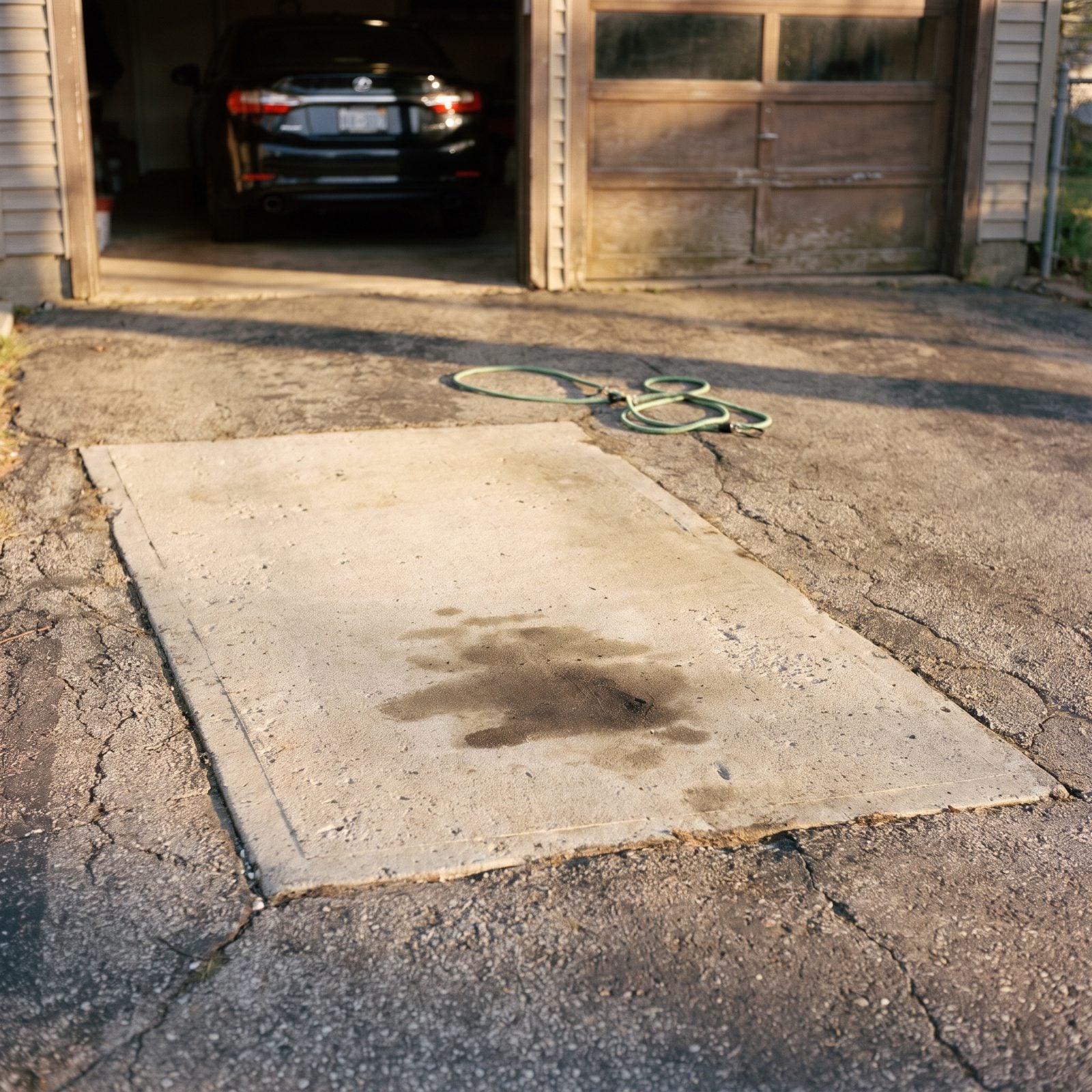
The one you couldn’t wait to dump becomes the one you bring up at every cookout. You forget the transmission that slipped, the AC that quit in July, the rattle you never did chase down. What sticks is the road trips, the way it fired up every cold morning, how it fit you.
Memory lies, and it lies kindly. Call it rosy retrospection: once the daily annoyances stop, the brain quietly files them away and keeps the highlight reel. The car gets better in your head the longer it’s been out of your driveway.
It’s why people idealize the ex they chased off while taking for granted the partner still showing up. Distance edits out the friction. You end up pining for a version that never actually existed — usually while your current ride sits there running fine, unloved.
We don’t miss the vehicle. We miss who we were when we drove it, and nothing on the lot sells that.
So before you chase the ghost of the old one, ask whether you miss the car or the stretch of your life it carried you through. Nine times out of ten, it’s the life.