
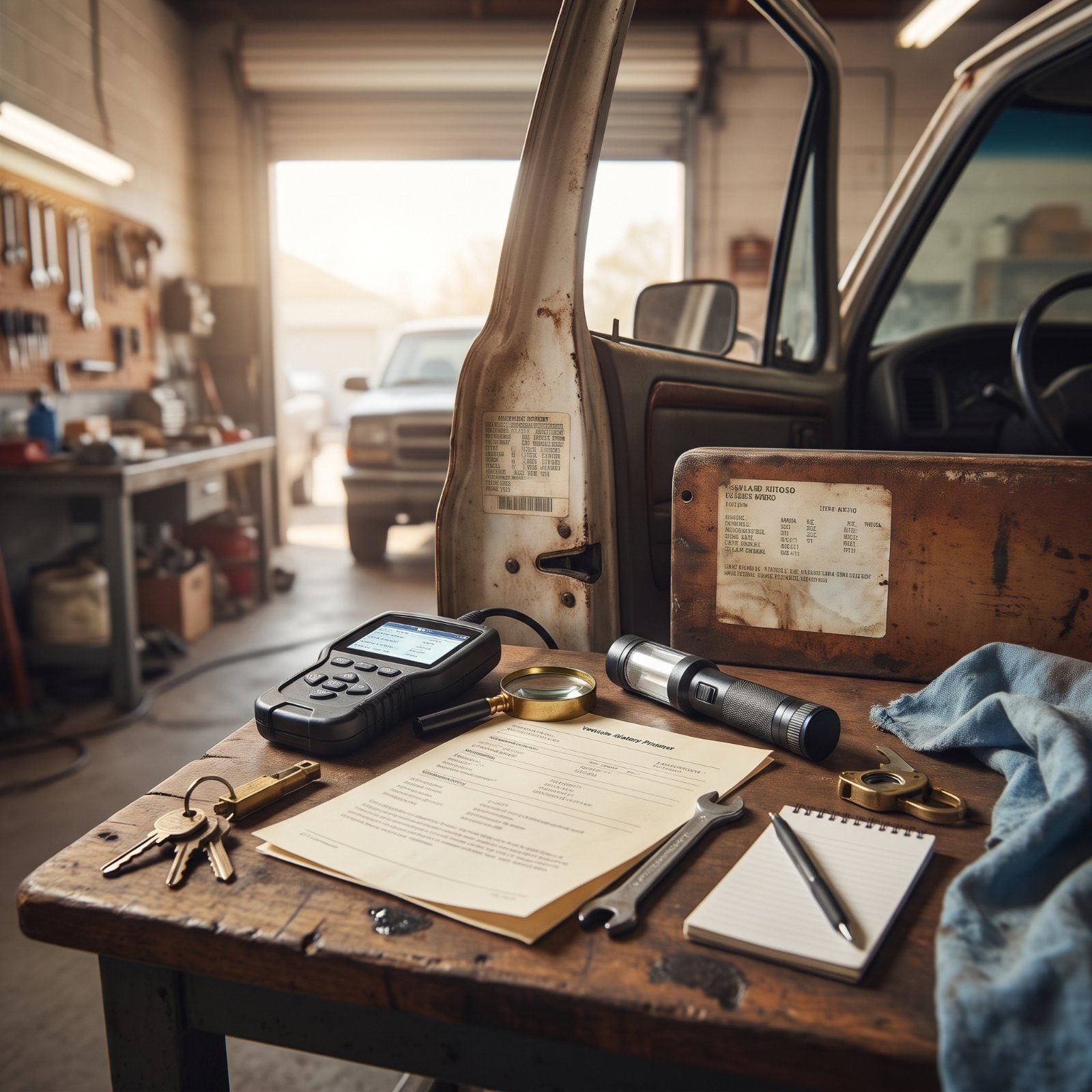
A clean truck in a driveway tells you almost nothing. The paint can shine while the frame rusts underneath, the odometer reads low while the transmission counts its last miles, and the handshake feels honest while the title says otherwise. Most buyers don’t lose money on dramatic lemons. They lose it on quiet oversights that surface three months later and cost a weekend plus a few grand. Good news, though: every trap in here has a fix that takes minutes and saves real money.
Please note that some of the images in this article were created with the assistance of AI.
37. Skipping an Independent Pre-Purchase Inspection
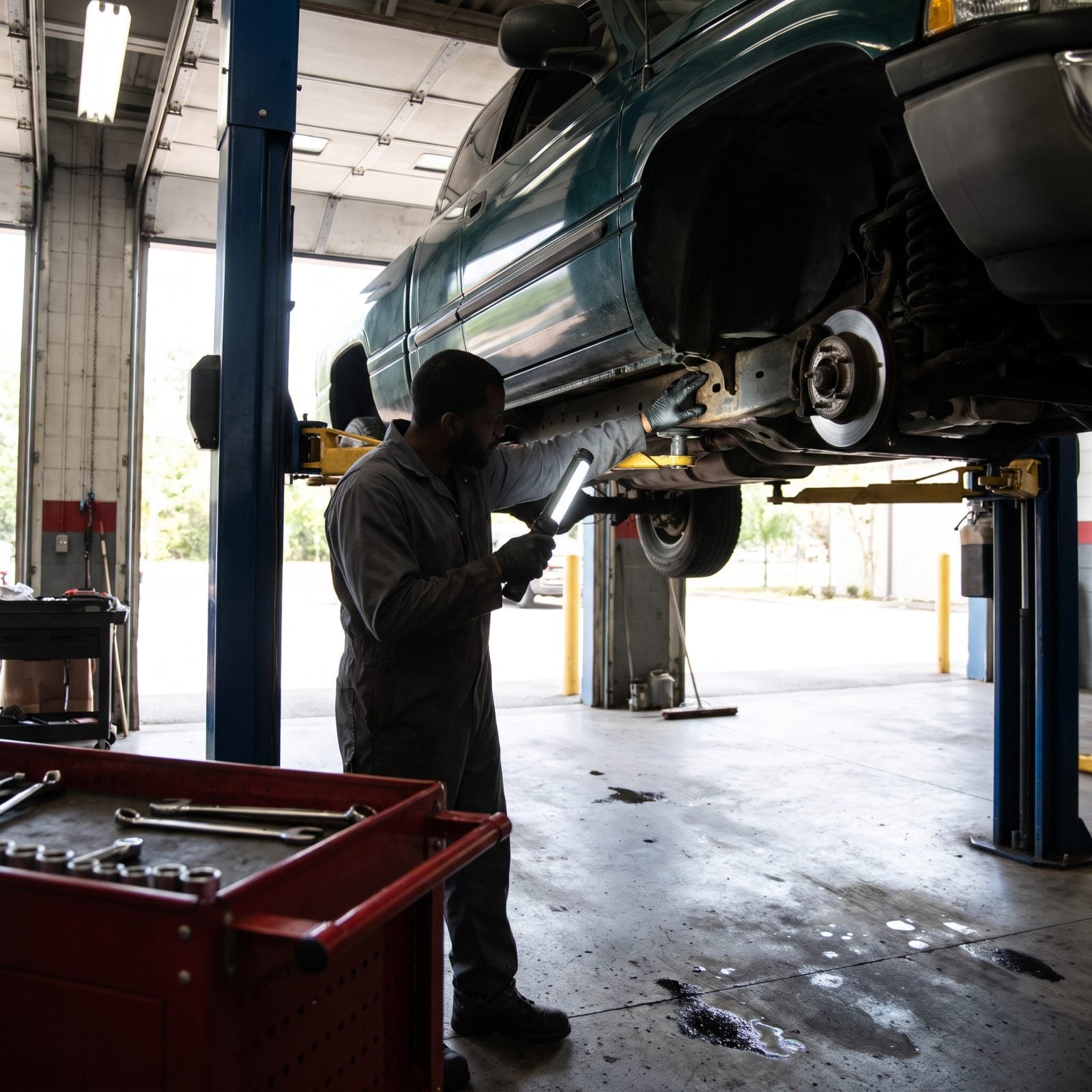
The seller swears his cousin is a mechanic and the truck is “solid.” Maybe it is. But a pickup lives a harder life than a sedan, and the damage hides where you’ll never spot it from the driver’s seat, a cracked frame rail, a leaking transfer case, a rear diff that’s been run low on fluid for years.
Skip the independent inspection to save a hundred bucks and that’s the most expensive hundred dollars you’ll never spend. One missed frame repair can cost more than the truck. Pay a shop you chose, not one the seller recommends, to put it on a lift and go through it cold.
36. Choosing the Wrong Cab-and-Bed Configuration
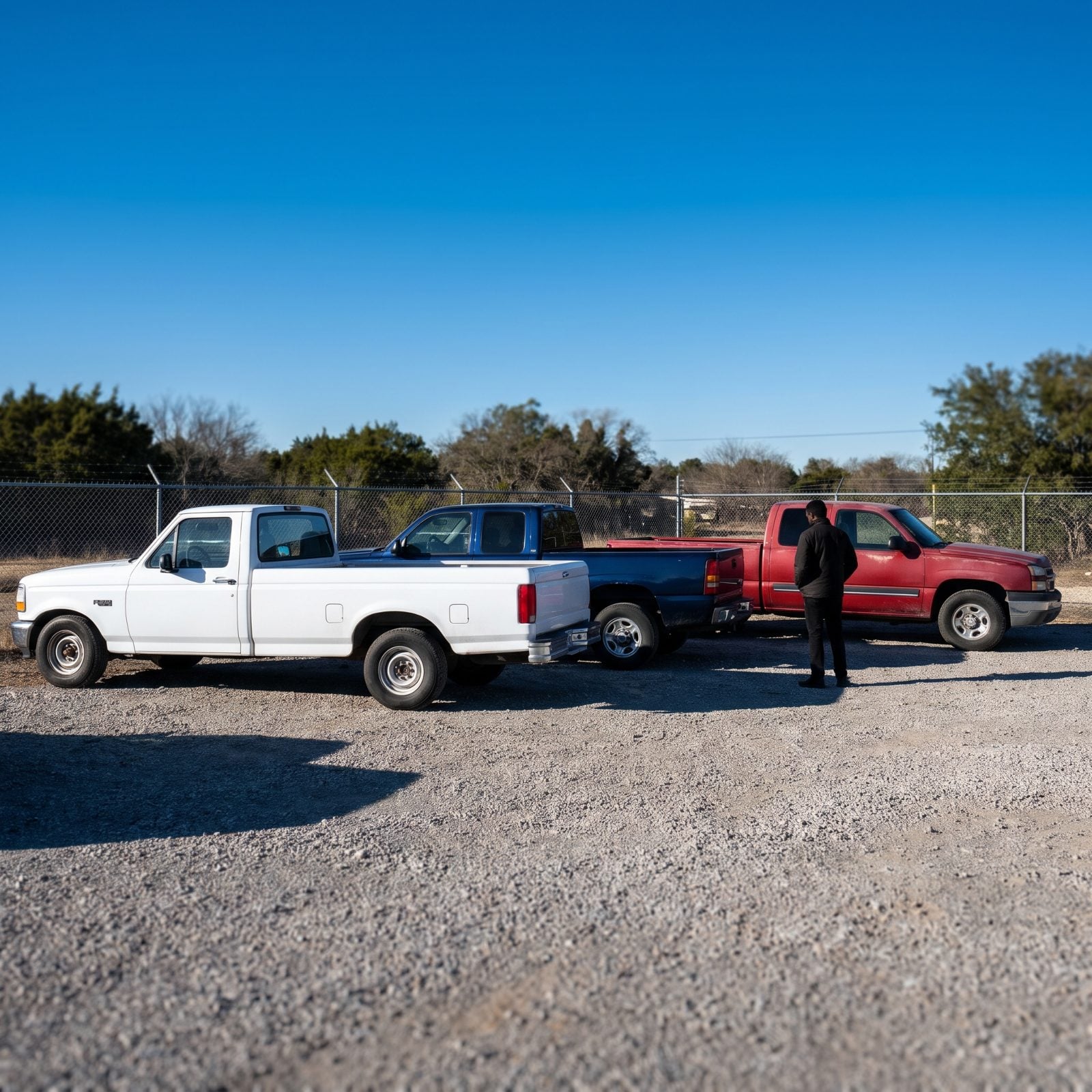
Crew cab, short bed, because it looks right and fits the family. Then you try to haul a full sheet of plywood or a motorcycle and the tailgate won’t close.
Cab and bed are a trade you make once and live with for years. That roomy back seat you use twice a month? It can cost you the bed length you need every single weekend. So before you fall for one specific truck, decide honestly what you haul most, then go measure. A six-and-a-half-foot bed and an eight-foot bed behave like different vehicles in a parking lot and in a storm.
35. Ignoring the Payload Sticker in the Doorjamb
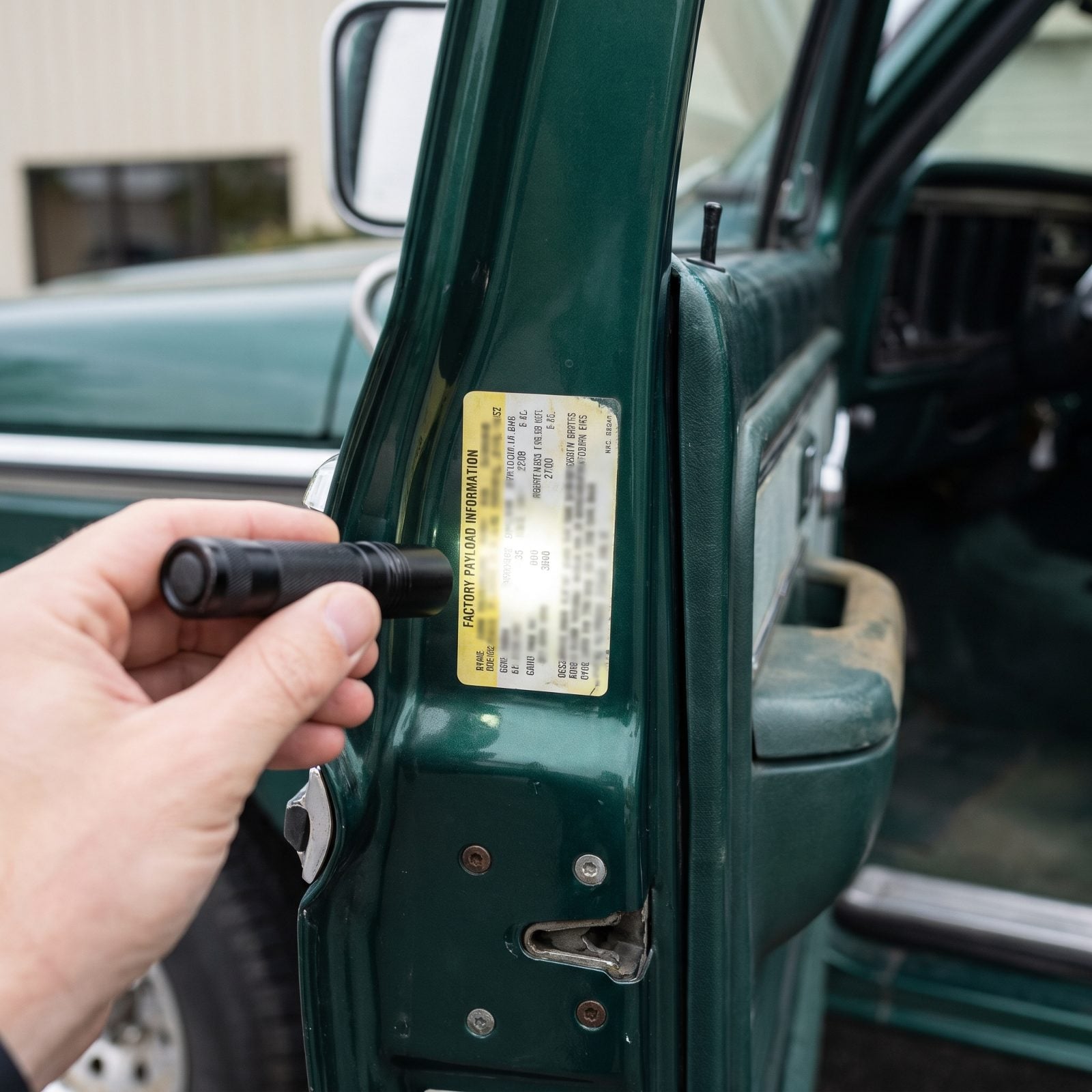
Everyone quotes the brochure number. A truck that can carry “up to 2,300 pounds” is a marketing headline, not the one sitting in front of you. The real figure lives on a sticker in the driver’s doorjamb, and options eat into it fast, a sunroof, bigger wheels, a diesel, a second row of seats, all of it shaves off what the truck can legally and safely carry.
Load past that number and you’re chewing through brakes, bearings, and tires, with your insurance company taking notes. Open the door. Find the sticker. Read the payload line for this exact truck and do your math against that, not the ad.
34. Assuming Every Trim Has the Same Tow Rating
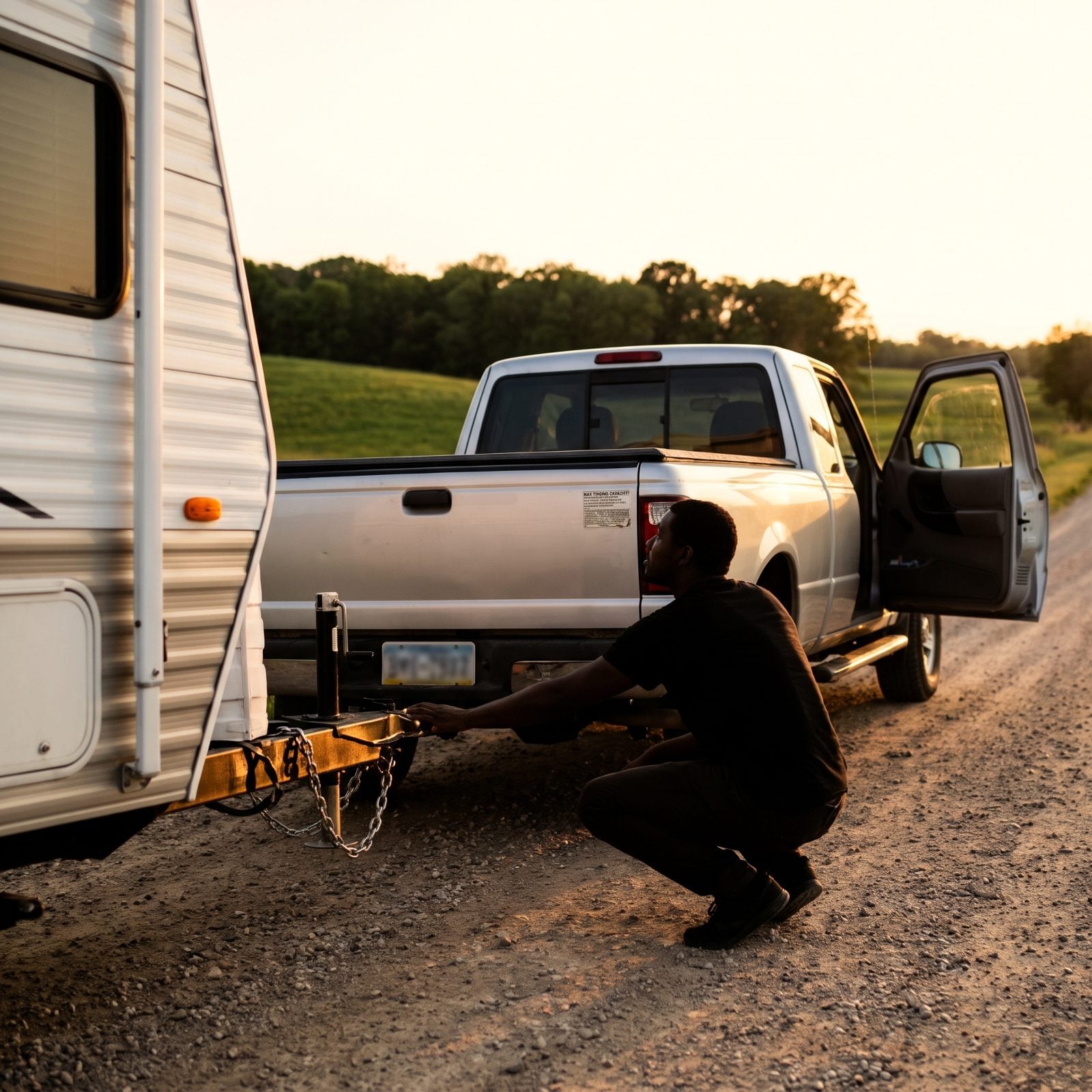
Two trucks, same model year, same badge on the tailgate. One tows seven thousand pounds, the other pulls well over eleven thousand. What separates them is the axle ratio, the cab style, the engine, and whether somebody checked the factory tow package on the order sheet.
Buy on the badge and you can end up with a truck that can’t safely pull the trailer you bought it for. Don’t trust the seller’s guess. Find the door sticker or the glovebox build info, read the exact axle ratio and configuration, and look up the tow number for that precise combination. The gap between trims is wide enough to strand you halfway up a grade.
33. Keeping No Reserve for Immediate Repairs
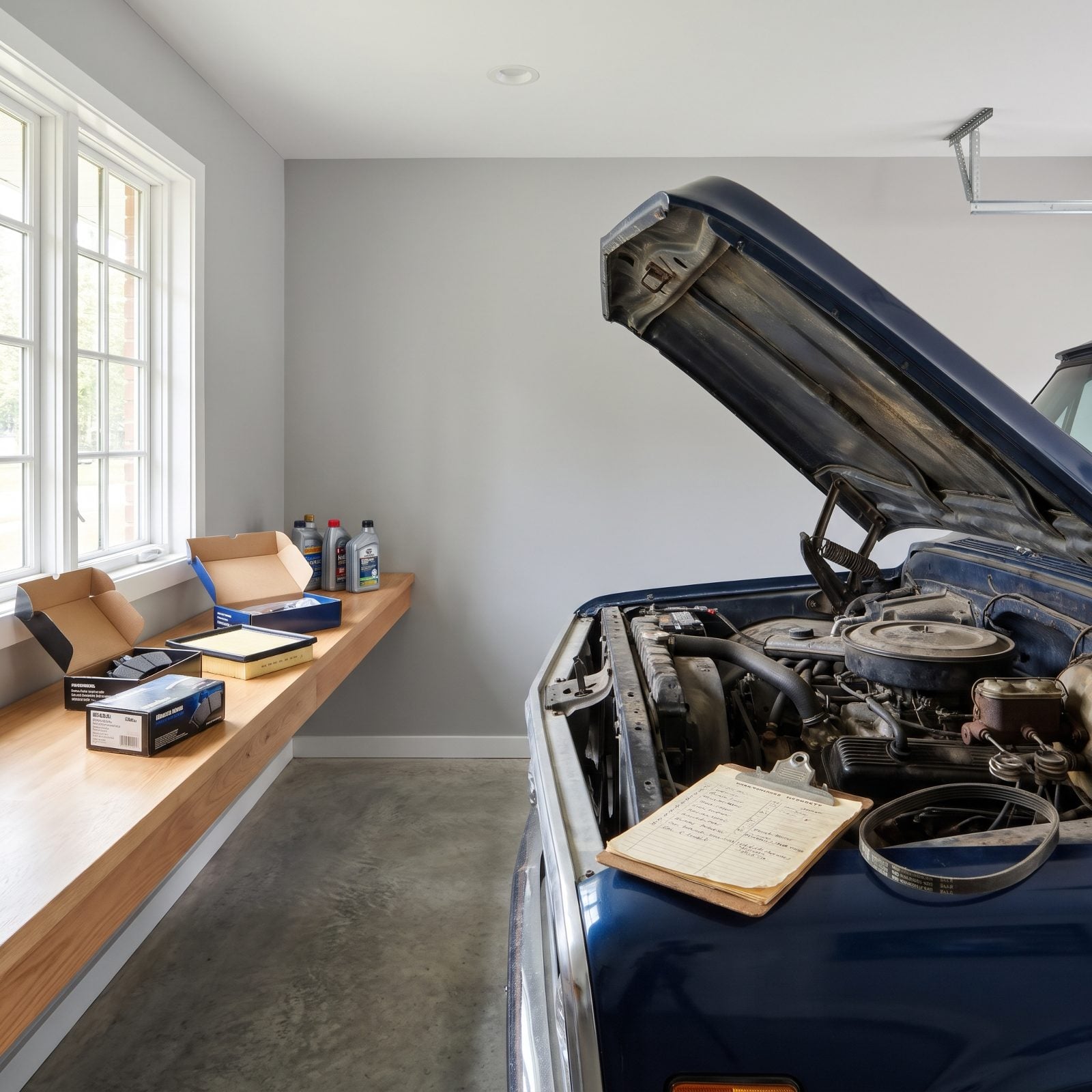
You spend every dollar you have on the purchase price and drive home proud. Two weeks later it wants tires, a battery, and a brake job, and now you’re back on a lender’s doorstep or parking it until payday.
A used truck almost always needs something in the first month, usually the exact stuff a seller let slide right before listing it. Set aside a cushion before you buy, a few hundred to a couple thousand depending on age and miles. Plan for the repair instead of praying against it. That reserve is what separates owning the truck from the truck owning you.
32. Failing to Match the Seller’s ID to the Title
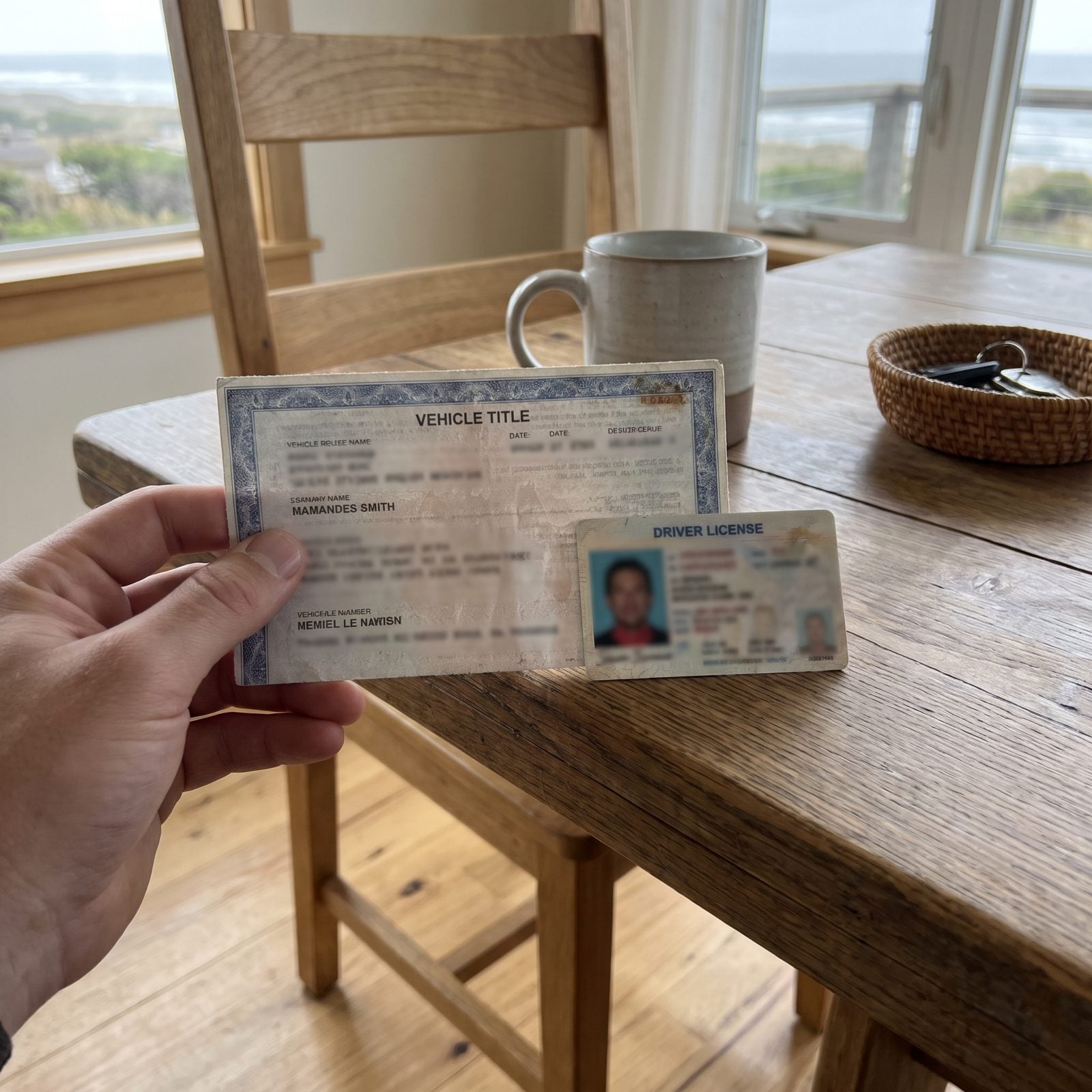
The name on the title doesn’t match the man selling you the truck. He says it’s his brother’s, or his ex’s, or he just bought it and never got around to transferring it. Any of those might be true. Some of them end with a stranger knocking on your door to tell you the truck is theirs.
Curbstoning and title fraud run heavy in the used pickup market because trucks move fast and sell for cash. Match the photo ID to the name printed on the title before any money changes hands. Names don’t line up and the story’s fuzzy? That’s your exit.
31. Not Checking Every VIN Location
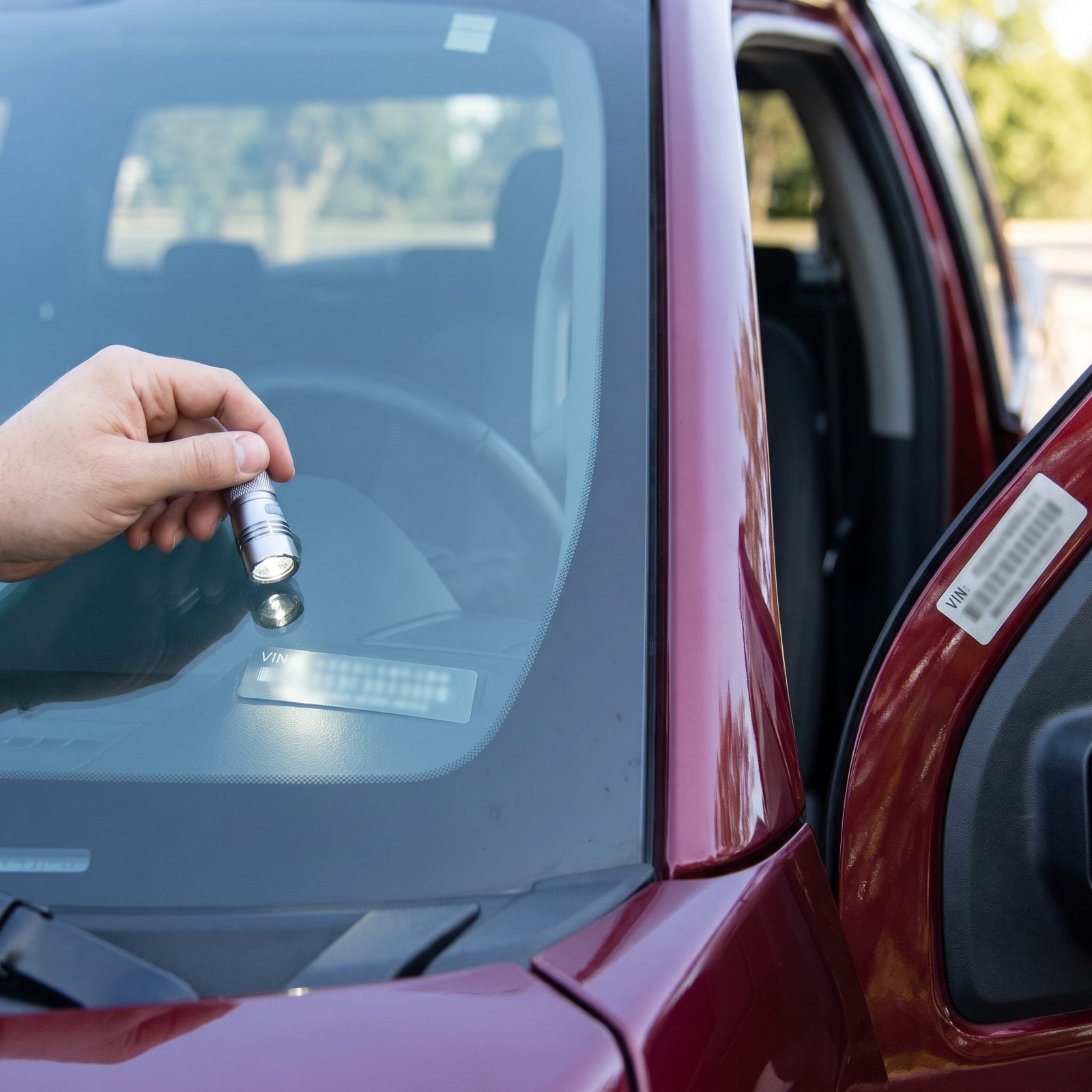
You glance at the dash VIN, see it matches the paperwork, and call it good. But a truck carries its number in several places, and the whole reason you’re checking is to make sure they all agree.
Mismatched VINs, a label that’s been peeled and reglued, a plate that doesn’t sit flush, these point to a stolen vehicle or two wrecks stitched into one. Check the dash, the driver’s doorjamb sticker, and the frame or engine stamp where it applies. They should all read the same, and none should look tampered with. Numbers that disagree are the kind of problem that ends with the truck getting towed away from you.
30. Treating a Vehicle History Report as an Inspection
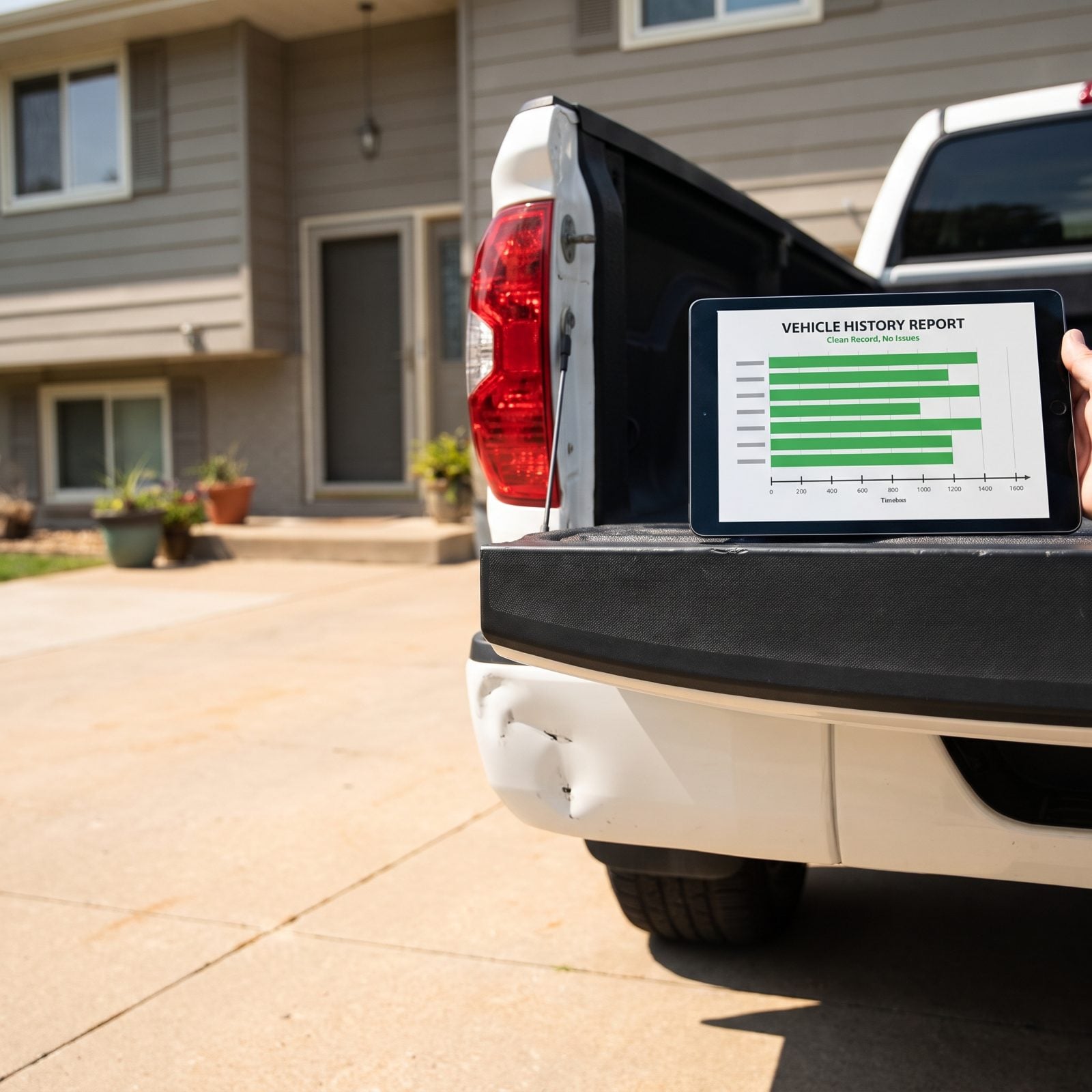
The report comes back clean, so you relax. What that report doesn’t know: every fender-bender fixed in a buddy’s driveway, every flood the truck got dried out from before a claim, every accident where the owner just paid cash and moved on.
A clean report means no reported trouble, which is a long way from no trouble. Use it to catch red flags, title brands, odometer rollbacks, a string of suspiciously quick resales. Then put the truck on a lift and in your own hands anyway. The report is a background check. The inspection is the physical.
A clean history report tells you what got written down, not what actually happened.
29. Overlooking an Existing Lien
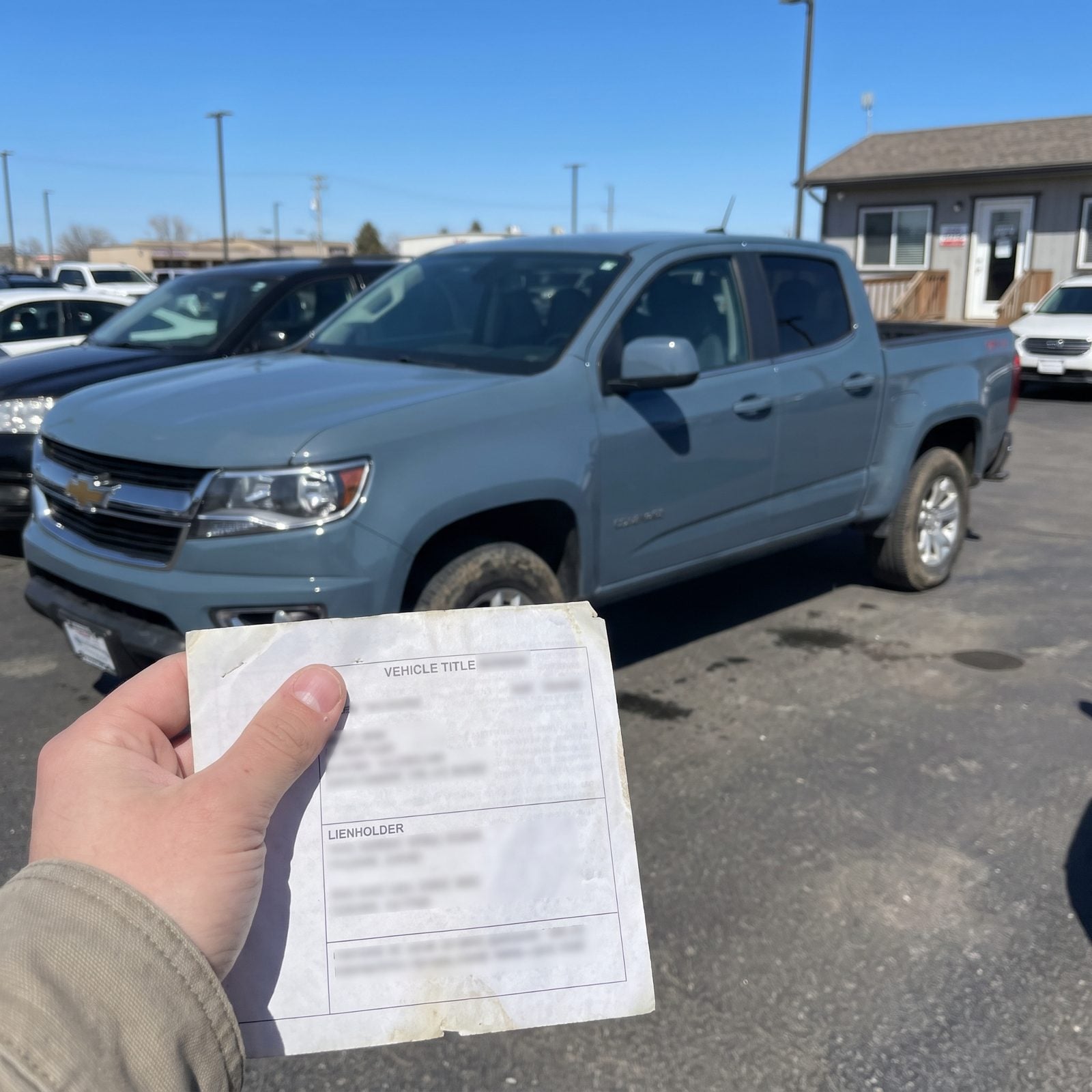
You hand over the cash, get the keys, and drive off happy. Trouble is, the bank still has a claim on that truck because the seller never paid it off, so now you own a vehicle you can’t register or legally sell.
A lien follows the truck, not the seller. Private sellers sometimes genuinely forget, and a few just hope you won’t ask. Before money moves, confirm the title is clear or get the payoff handled directly through the lienholder. If there’s a loan still on it, pay the bank, not the seller, and get the lien release in writing. A promise that the check’s in the mail doesn’t count.
28. Misunderstanding a Salvage or Rebuilt Title
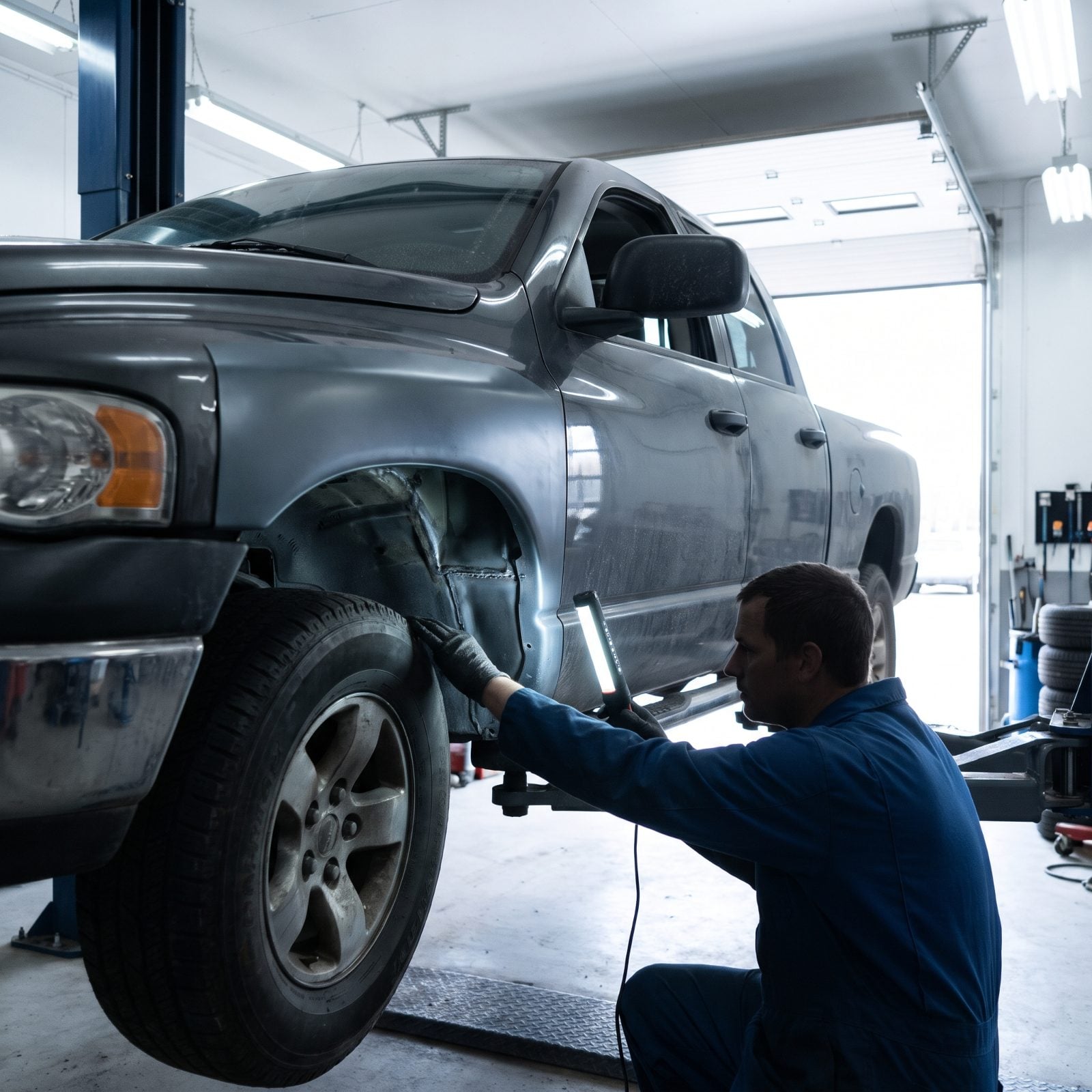
A salvage or rebuilt pickup priced thousands under market looks like a steal. Sometimes it genuinely is, a fine truck that took hail damage and got fixed right. Other times it’s a totaled frame straightened just enough to look okay in a listing photo.
Either way, that brand rides on the title forever. It drags down resale value, limits your insurance options, and some lenders won’t touch it with financing at all. A salvage title isn’t automatically a walk-away, but it earns more scrutiny, not less. Get it on a lift. Understand exactly what was damaged and how it was repaired, then weigh the discount against the headache you’re buying. Cheap and free are two different things.
27. Missing the Telltale Signs of Previous Flood Damage
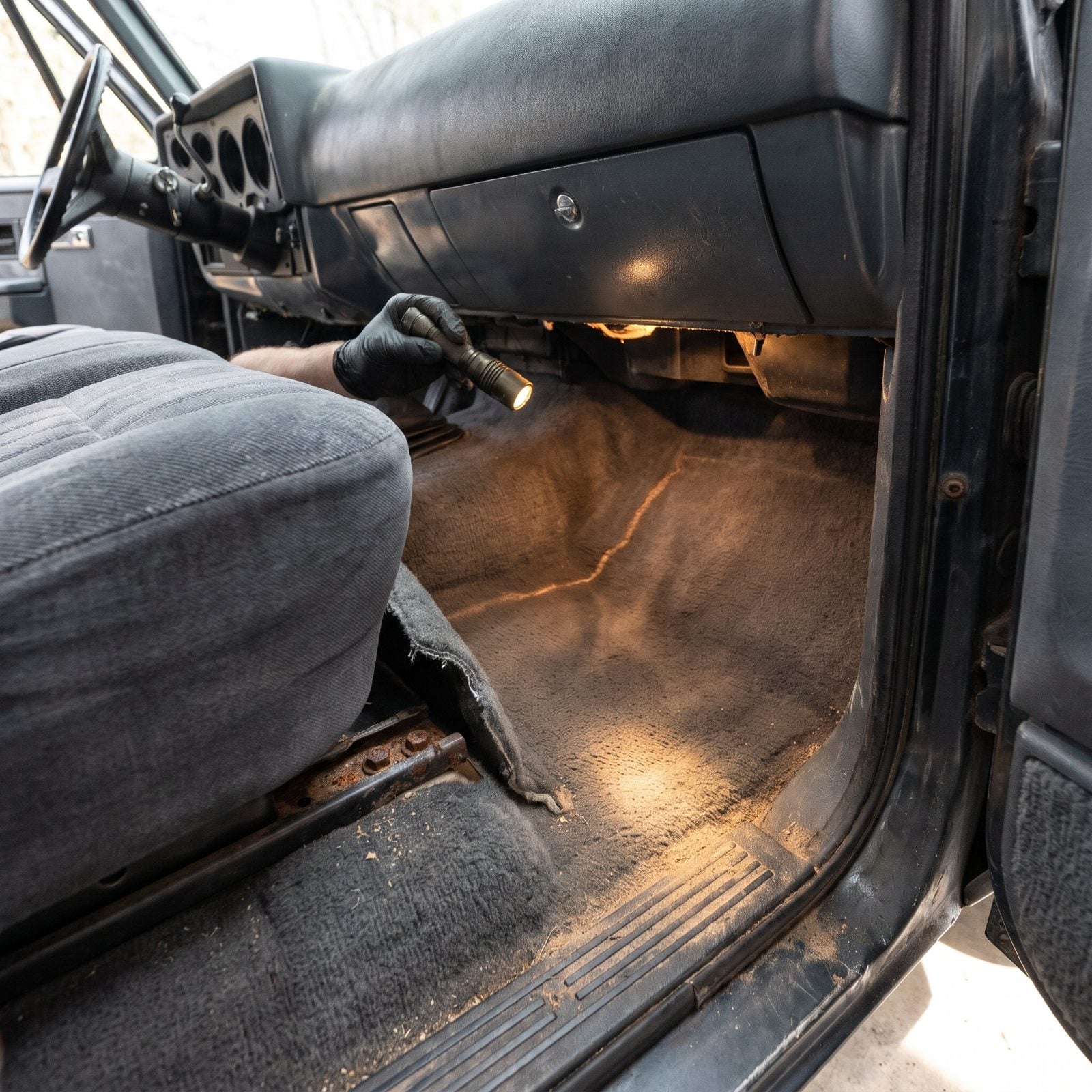
Flood trucks don’t announce themselves. They show up clean, cheap, and out of state, carrying a smell the seller blames on an air freshener that gave out. So pull up the carpet and start digging. Check the seat tracks, the seatbelt retractors deep in their housings, and the wiring harness plugs under the dash for crusty green corrosion and silt where silt has no business being.
A flood truck will bleed you slowly for years — electrical gremlins, control modules failing one by one, rust blooming from the inside out. You can’t fix water that already went where it went.
26. Reading the Odometer but Ignoring Fleet Use and Idle Hours
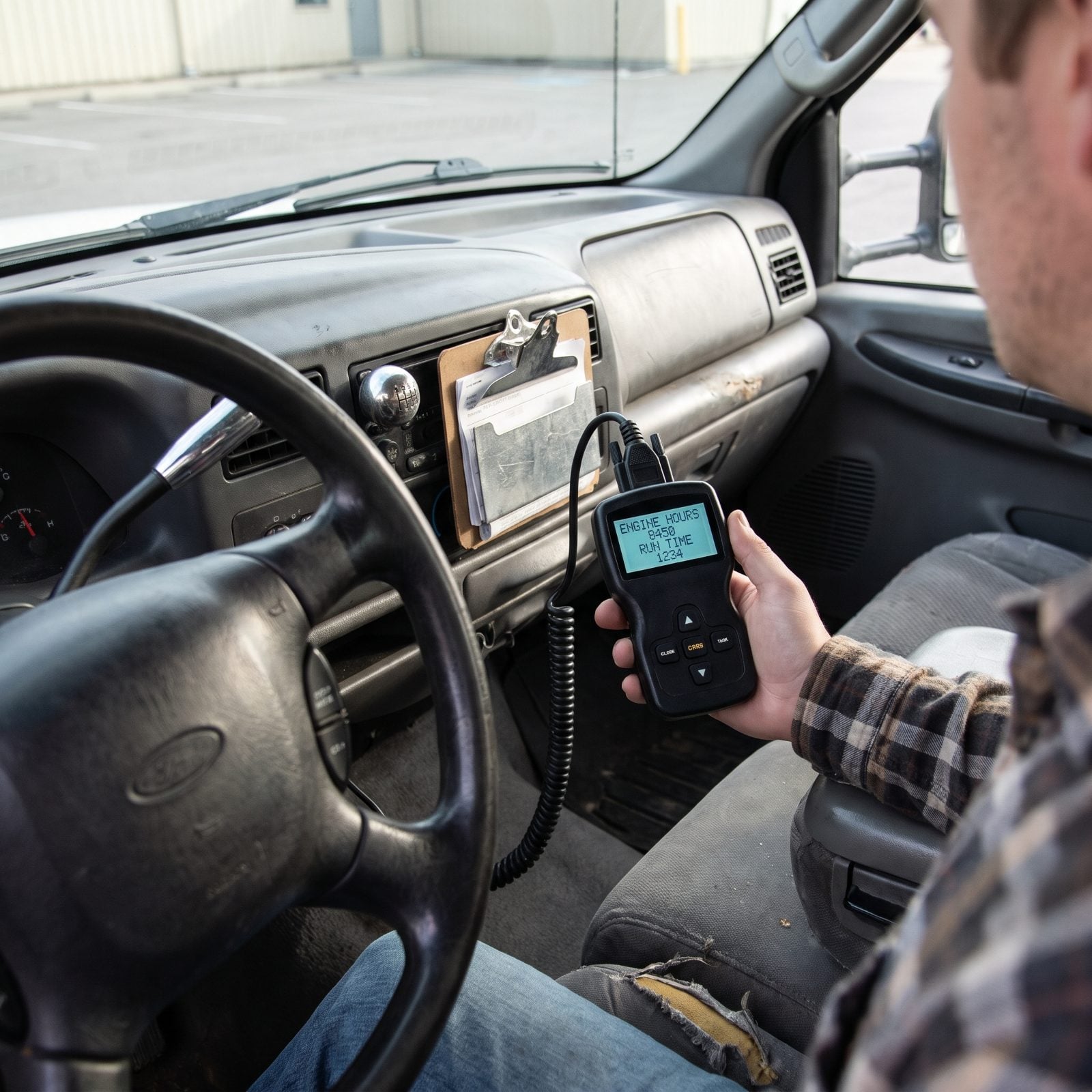
Eighty thousand miles sounds young. But a truck that spent its life idling at a job site with the AC running all day has done the work of a highway cruiser pushing a quarter million. Miles measure distance, not how hard the thing labored.
Ask what the truck did for a living. Fleet and work trucks pile up idle hours that never touch the odometer, and plenty of pickups, even older ones, will give up their engine and idle hours to a handheld scan tool plugged in under the dash. Pull that number and do the math — lots of hours against low miles means a hard, slow life.
25. Shrugging Off a Truck’s Rust-Belt Winters
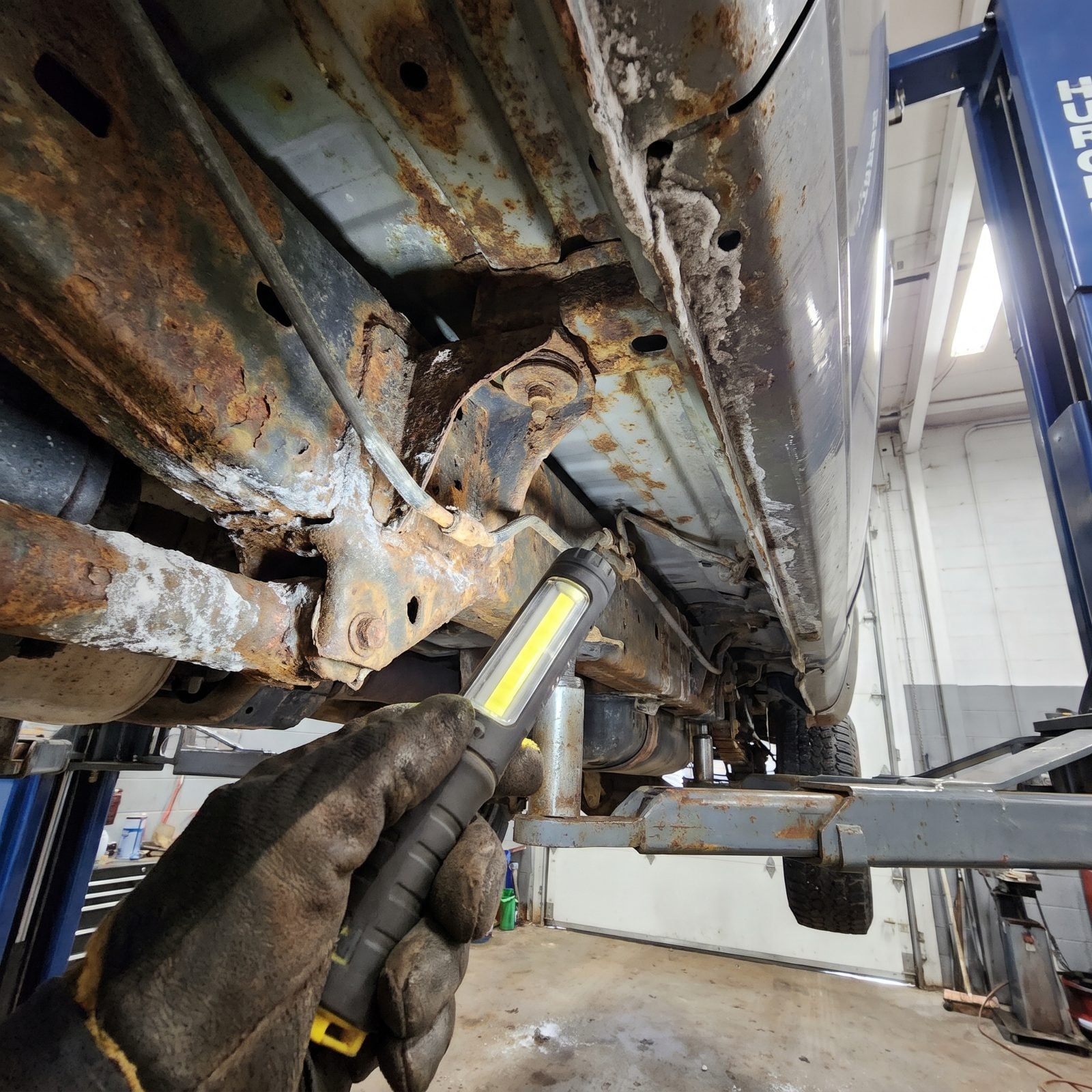
A truck from Ohio or Michigan has eaten a decade of road salt, and salt doesn’t stop working just because the title changed hands. The paint can be flawless while the frame quietly turns to cornflakes underneath.
Run the vehicle history and note every state it lived in, then get under it. Rust-belt corrosion goes after brake and fuel lines, body mounts, and the frame itself — and a rotted frame is a totaled truck no matter how sweet the engine runs.
24. Letting the Seller Warm the Engine Before You Show Up
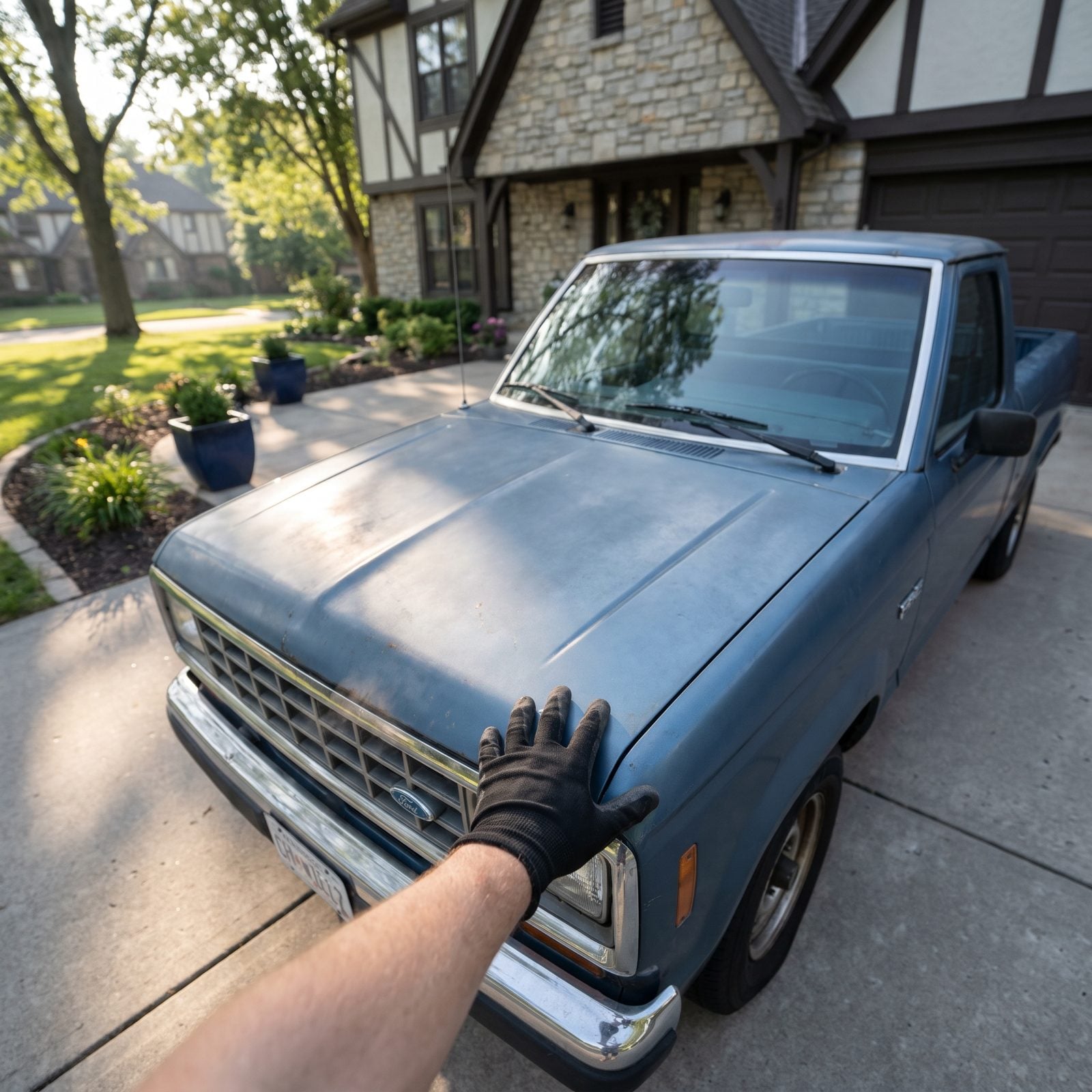
You pull into the driveway and the engine’s already purring, idle smooth as glass. Convenient. A warm engine hides cold-start knock, hard starting, smoke on the first fire-up, and a dozen other problems that only show when the thing’s been parked overnight.
Insist on a true cold start. Call ahead and ask that nobody drive or start the truck before you arrive. Then lay a hand on the hood when you walk up. Warm metal tells you two things: the engine’s hot, and the seller is hiding something.
23. Buying Without a Full Scan of Every Control Module

A basic code reader peeks at the engine and shrugs. A full scan of every module tells you a story the engine light never would — the engine control module checking in clean, while the ABS, airbag and transmission modules report fault codes that a quick glance at the dash would never reveal.
Modern trucks run dozens of networked computers, and a clean result from one module says nothing about the others. Pay a shop with a bidirectional scanner, or buy one worth owning, and read all of them. Stored and pending codes are a confession the truck can’t walk back.
The check-engine light is the headline. The full module scan is the whole story.
22. Walking Past Recently Reset Emissions Monitors
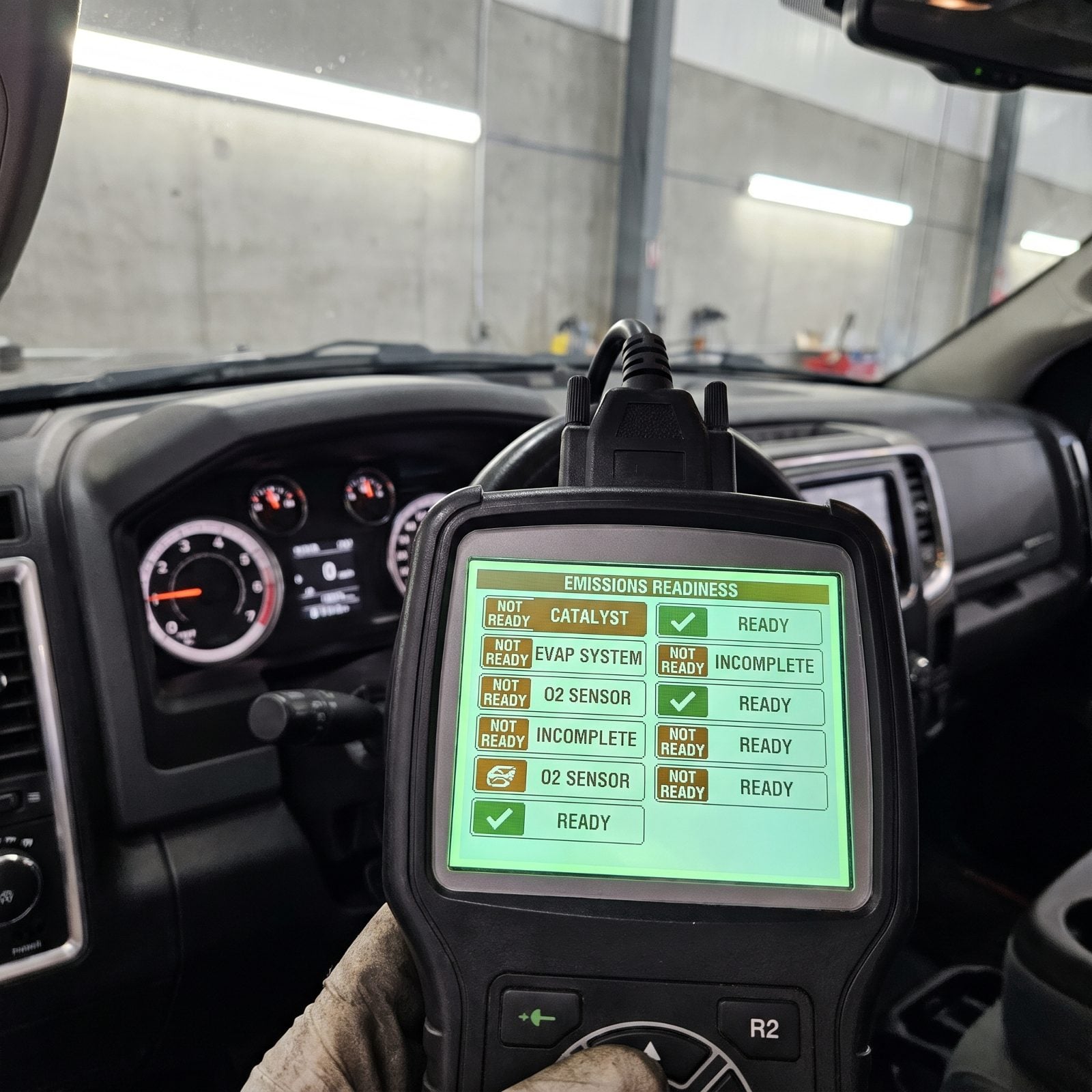
A slick little trick: clear the codes right before you show up. The check-engine light stays dark long enough to close the deal, then comes back a week later when the problem is yours.
So check the emissions readiness monitors on your scan. If most of them read “not ready,” either the battery got disconnected recently or the codes were just wiped. On a truck that’s supposedly been running clean for years? That’s a flag waving right in your face.
21. Trusting Fresh Undercoating Over a Real Frame Check
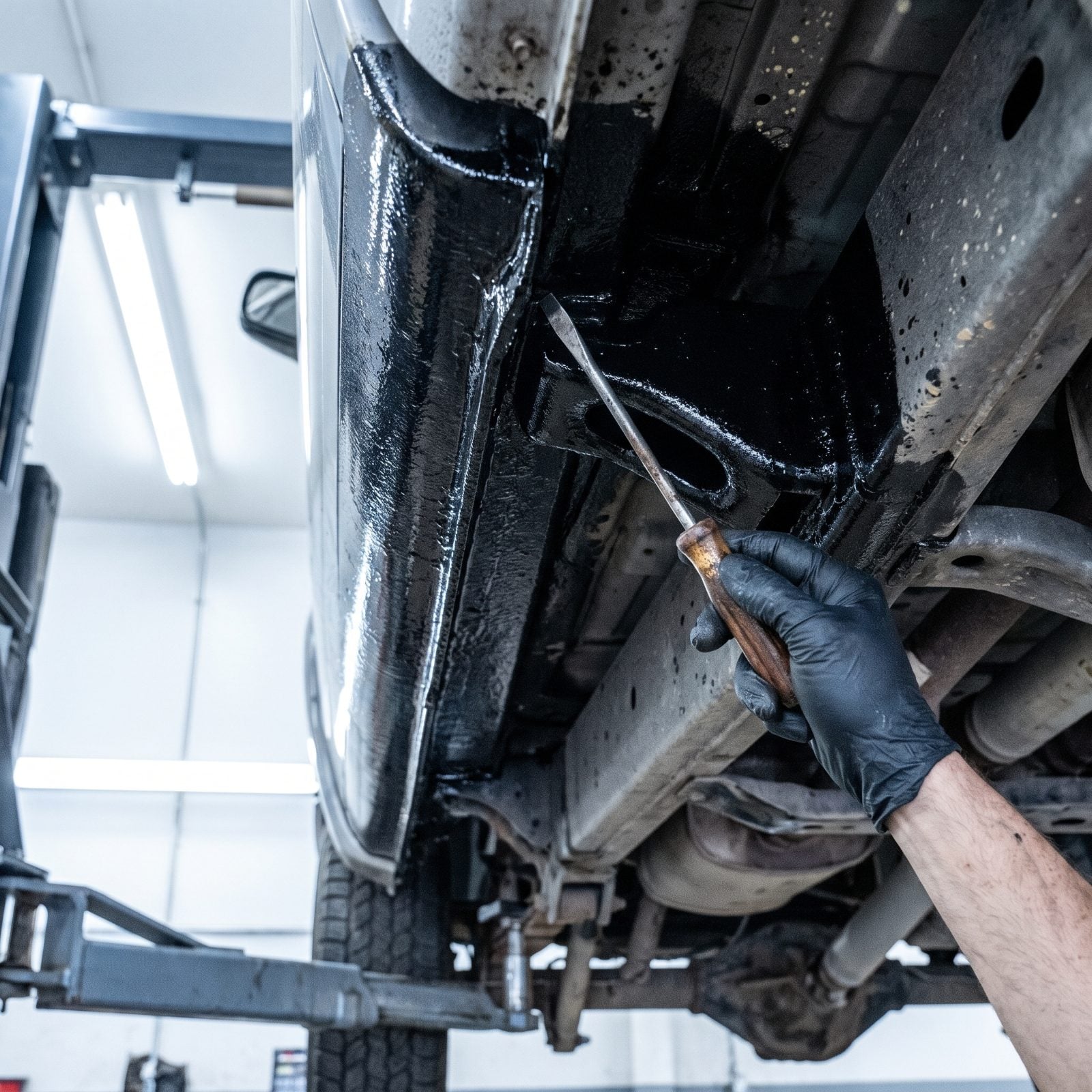
Thick, glossy black undercoating on a used truck isn’t always protection. Sometimes it’s makeup for the frame, sprayed on heavy to bury the rot underneath.
Fresh coating over existing rust seals moisture in and speeds up the damage while hiding it from your eyes. Don’t get charmed by the shine. Tap the frame with a screwdriver handle and listen — solid steel rings, rotten metal thuds and flakes. Probe the rails, the body mounts, and the crossmembers, and pay extra attention anywhere the coating looks newer than the rest of the truck.
20. Overlooking a Bent Frame and Uneven Body Gaps
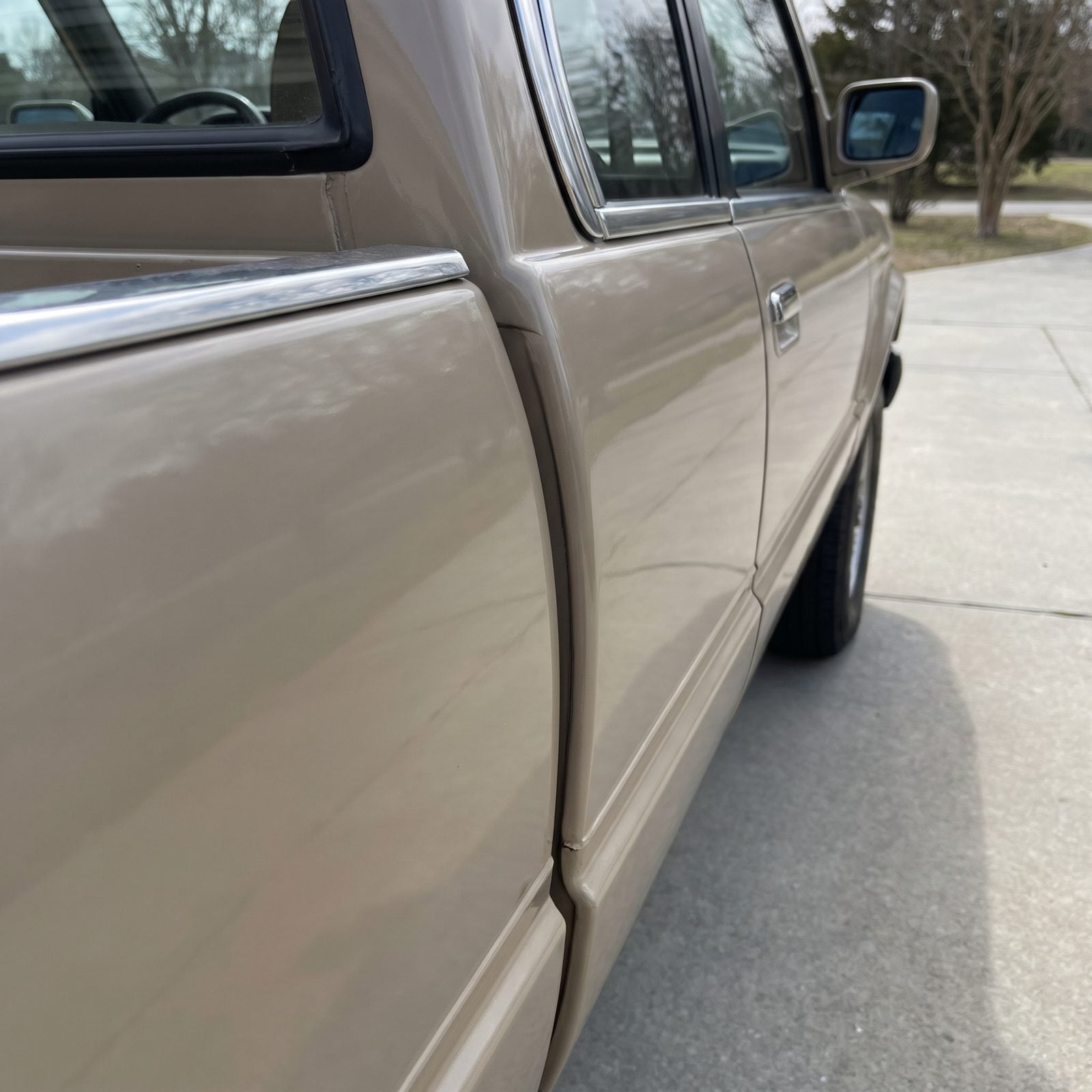
Crouch at the front corner and sight down the body line. A truck that took a serious hit, even a repaired one, will show it in the gaps — one panel sits proud, a door gap tapers where it should stay even, the bed won’t line up with the cab.
A bent frame means the truck will eat tires, pull under braking, and never track straight again. Measure the gaps side to side and check that both doors close with the same effort. When the panels disagree with each other, the frame probably took the blow, and no amount of fresh paint fixes geometry.
19. Ignoring Tire Age, Mismatched Sets, and Uneven Wear
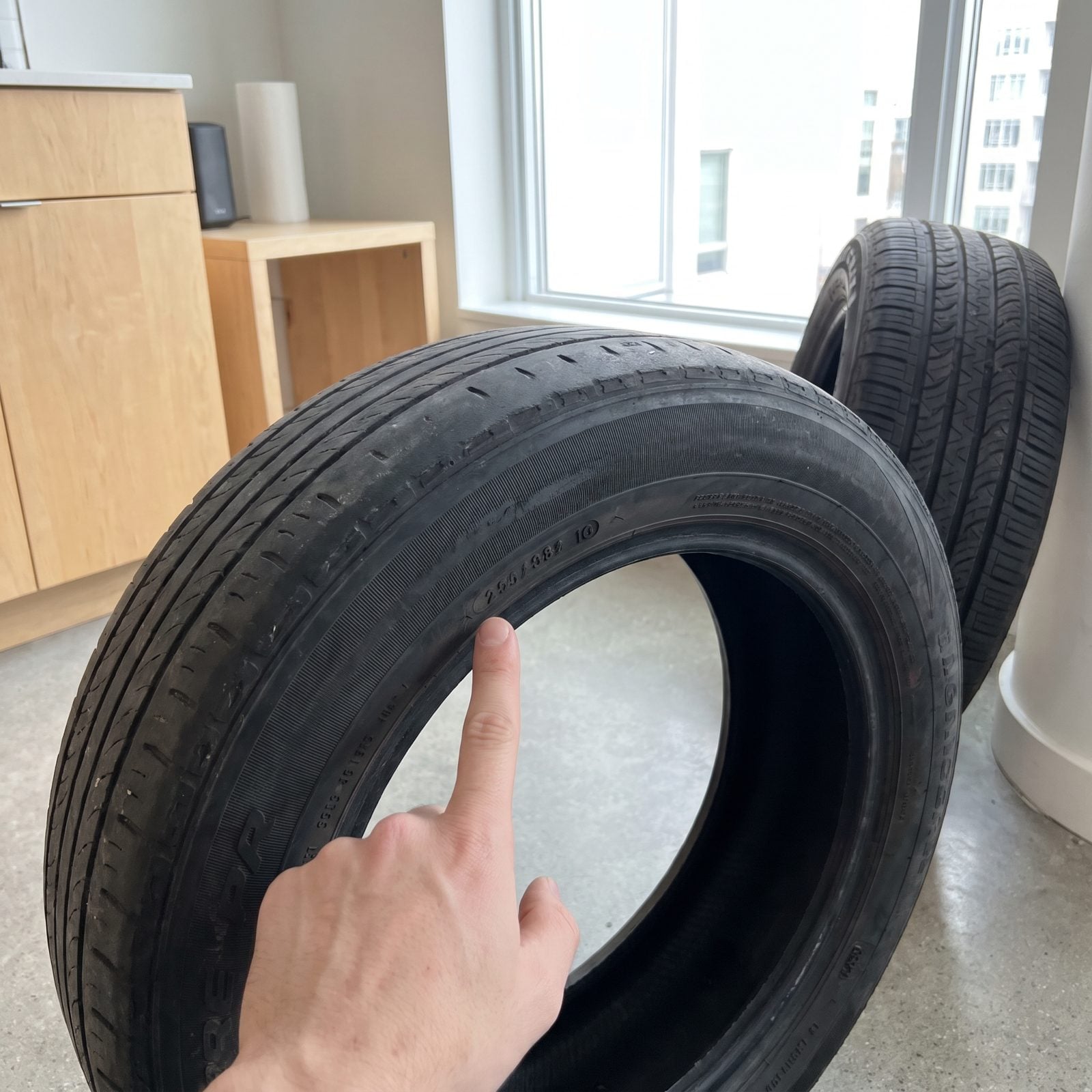
Good tread depth doesn’t mean good tires. Find the four-digit date code on the sidewall. Rubber past six or seven years old is hardening and cracking regardless of how deep that tread looks, and old tires on a heavy truck are a bad bet all around.
Four mismatched tires tell you the seller bought the cheapest thing available one at a time — which says plenty about how the rest of the truck got cared for. And uneven wear? That points to alignment trouble, worn ball joints, or that bent frame you were already worried about.
18. Skipping an Actual Measurement of the Brakes and Rotors
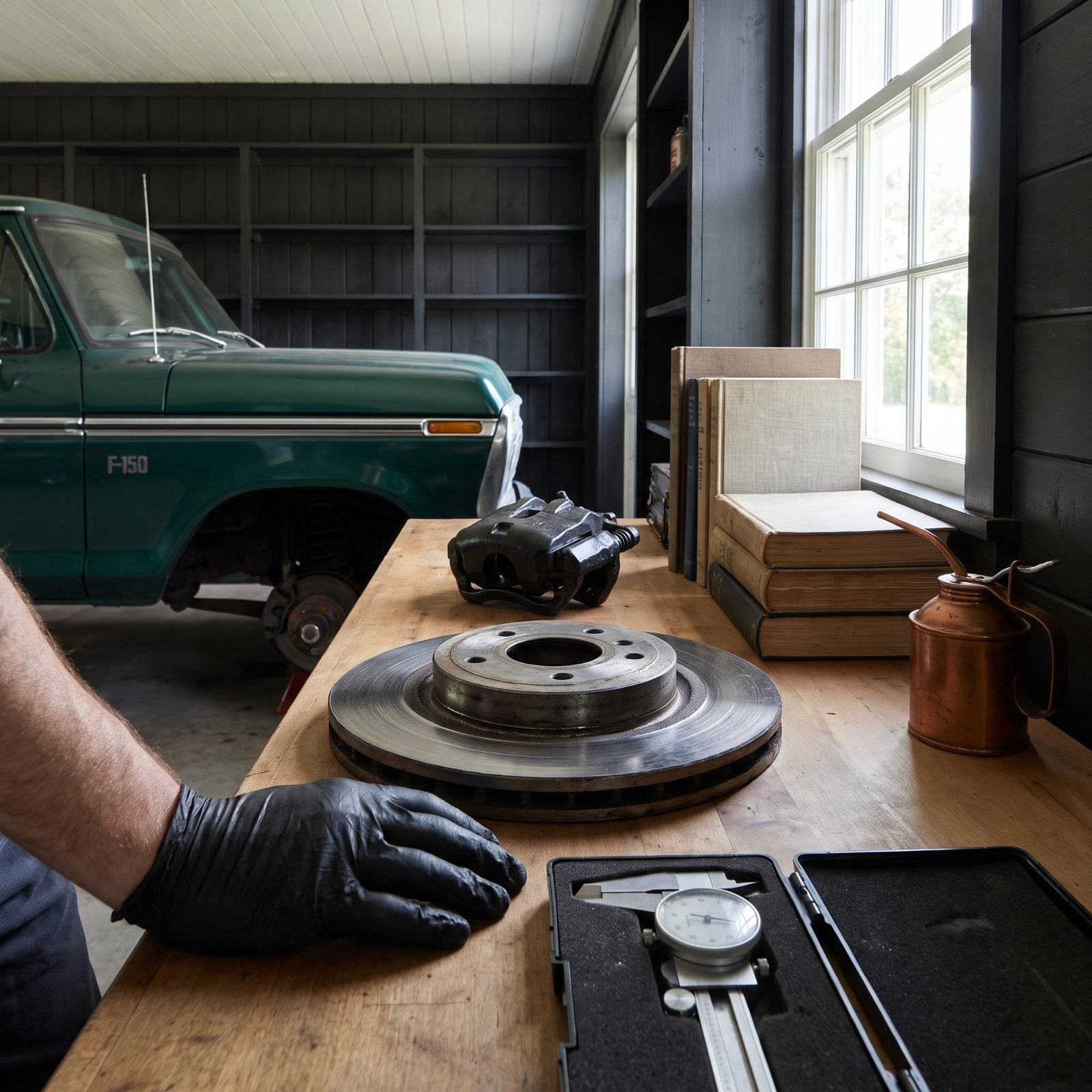
“Brakes feel fine” is not an inspection. Pedal feel hides a lot. Pull the wheels — or have a shop do it — and actually look at the pad thickness, the rotor surface, and the grooves worn into the metal.
Deep scoring, a pronounced lip at the rotor’s edge, or pads worn down to the backing plate mean a brake job you’ll pay for soon, often all four corners at once, which runs into real money on a heavy truck. Rotors carry a minimum thickness stamped right on them. A micrometer clamped across the friction surface — not perched on the hub next to a lug stud, where it measures nothing useful — tells you in thirty seconds whether they’re already past it. Call that leverage at the negotiating table — and money you shouldn’t inherit blind.
17. Skipping Ball-Joint, Tie-Rod, and Steering-Play Checks
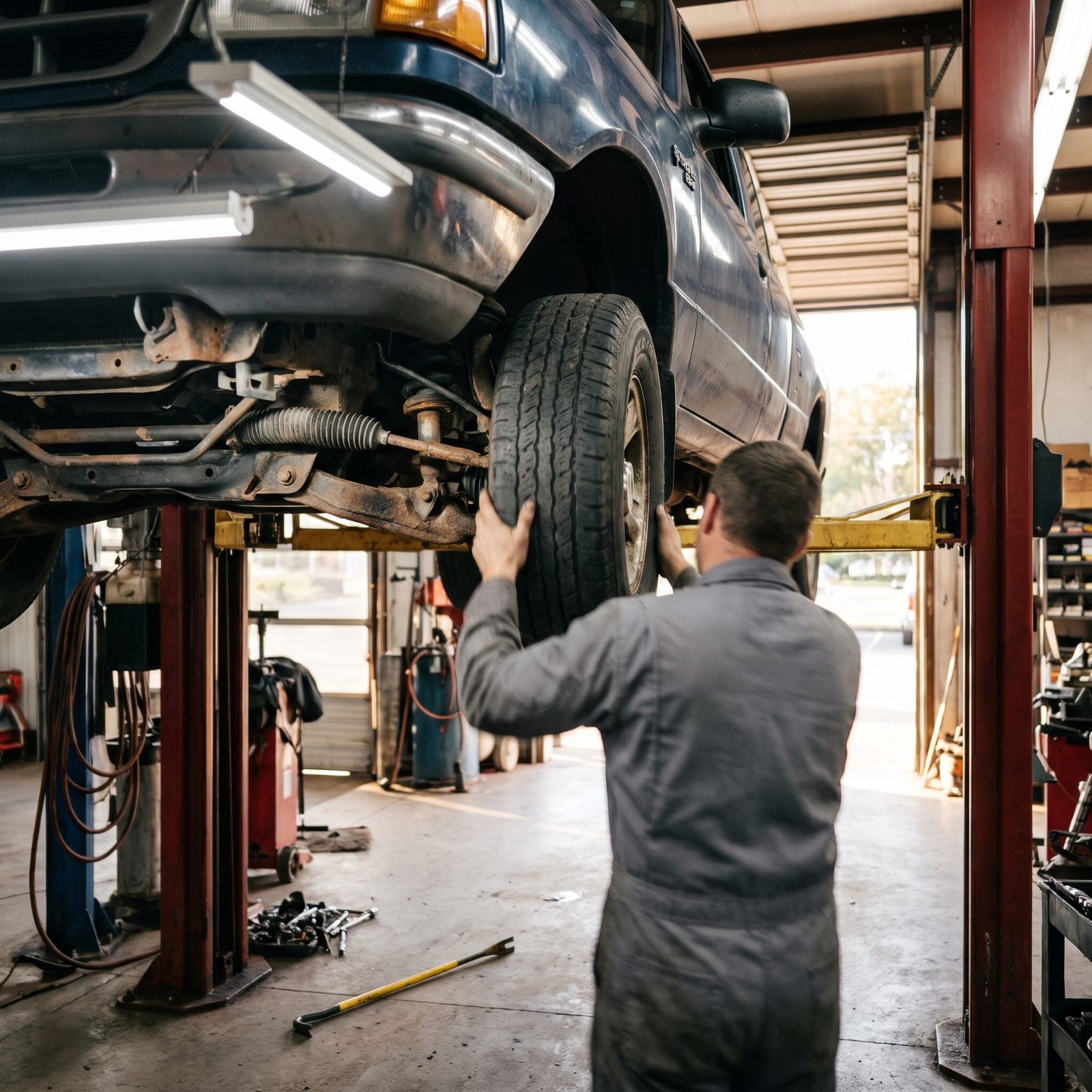
Grab the front tire at three and nine, rock it hard, then grab it at twelve and six and rock again. If there’s a clunk or slop, something in the steering is worn out and nobody told you.
This is the cheap mistake that turns expensive. Worn ball joints and tie-rod ends eat tires, drift under braking, and in a bad case they let a wheel fold under the truck entirely. A full front-end rebuild runs real money, and you’ll be the one paying it a month after the sale.
Get under there before you hand over a dime. Watch for torn boots, grease weeping from a joint, and uneven tread already starting on the inside edge. A truck that wanders on the test drive is telling you the same story your hands just confirmed.
16. Checking Engine Oil Without Examining Its Condition
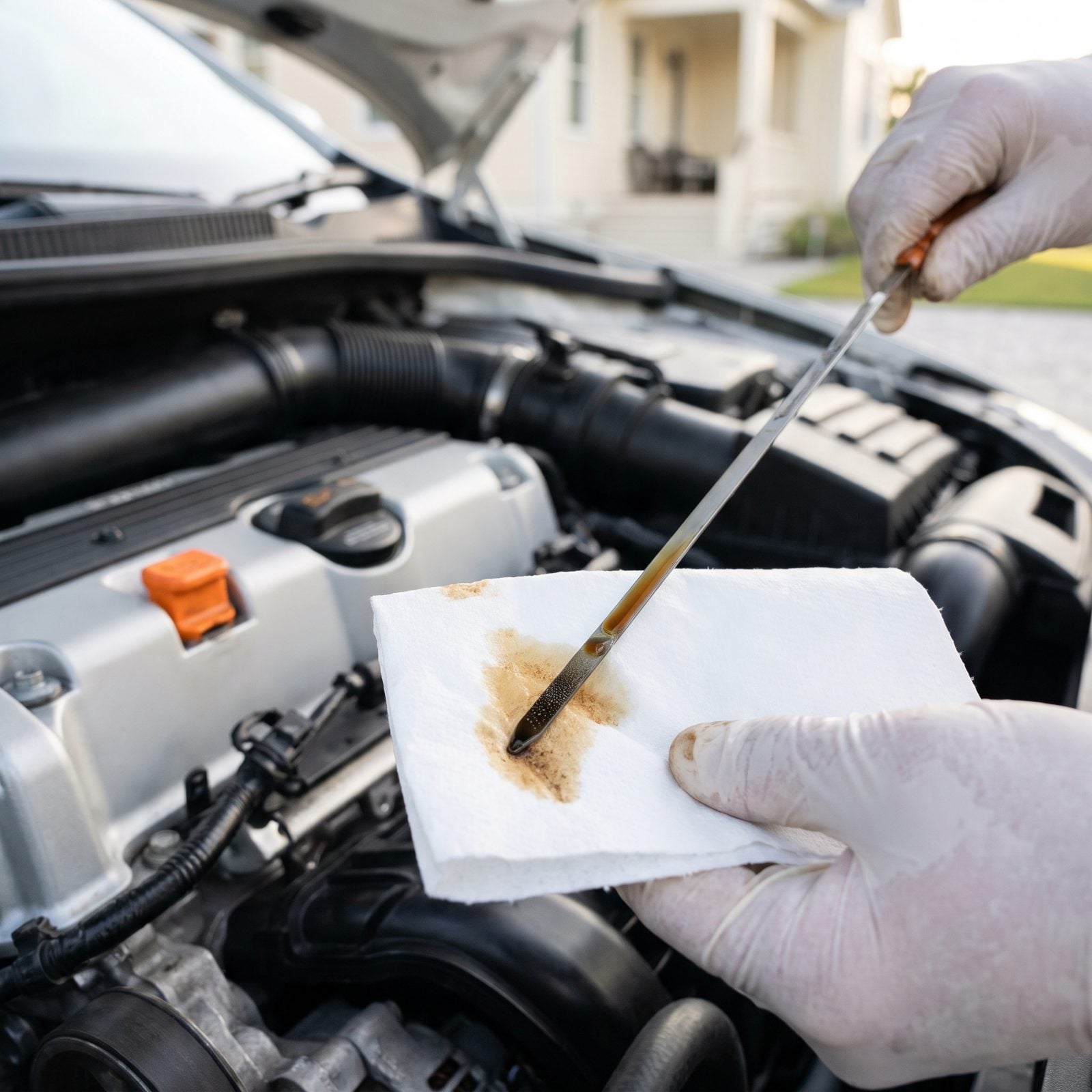
Anyone can pull a dipstick and confirm the oil is full. That tells you almost nothing, because the level is the easy half and the condition is the half that saves you.
Wipe the oil onto a white paper towel and look at it in daylight. Clean oil runs honey to light brown. Milky or coffee-with-cream color means coolant is getting in, gritty flecks or a metallic shimmer means something inside is grinding itself apart, and thick tarry sludge on the filler cap says the oil hasn’t been changed in a very long time. In a used truck, oil neglect is almost never the only neglect.
Smell it, too. Sharp gasoline means fuel is washing past the rings. Burnt and acrid means it ran hot. None of this costs you anything but two minutes.
15. Ignoring Oil or Combustion Residue in the Coolant
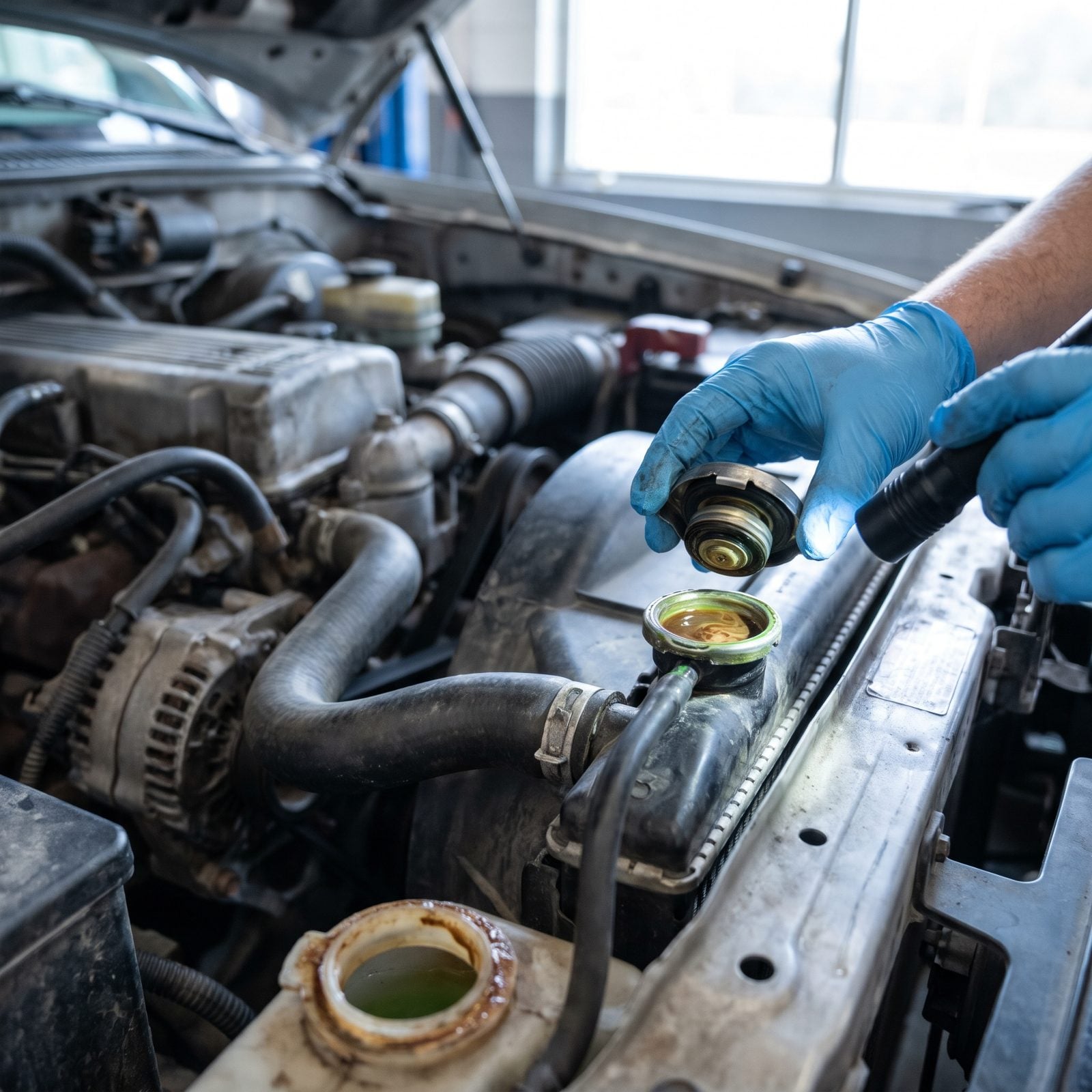
Pop the radiator cap on a cold engine and look hard at what’s inside. Coolant should be clean and brightly colored. A brown oily film on top, a chocolate-milk swirl, or a crusty residue ring on the overflow bottle are all the same bad news wearing different clothes.
Oil in the coolant usually means a failing head gasket, a cracked head, or a leaking oil cooler. Any of those can run into thousands of dollars and days of downtime. On a diesel, a bad oil cooler can take out the whole engine if it’s ignored long enough.
While you’re in there, pull the oil cap too. A beige foamy crust on the underside is the same story told from the other direction. One contaminated fluid can be a fluke. Both contaminated means walk.
14. Skipping a Crankcase Blow-By Check
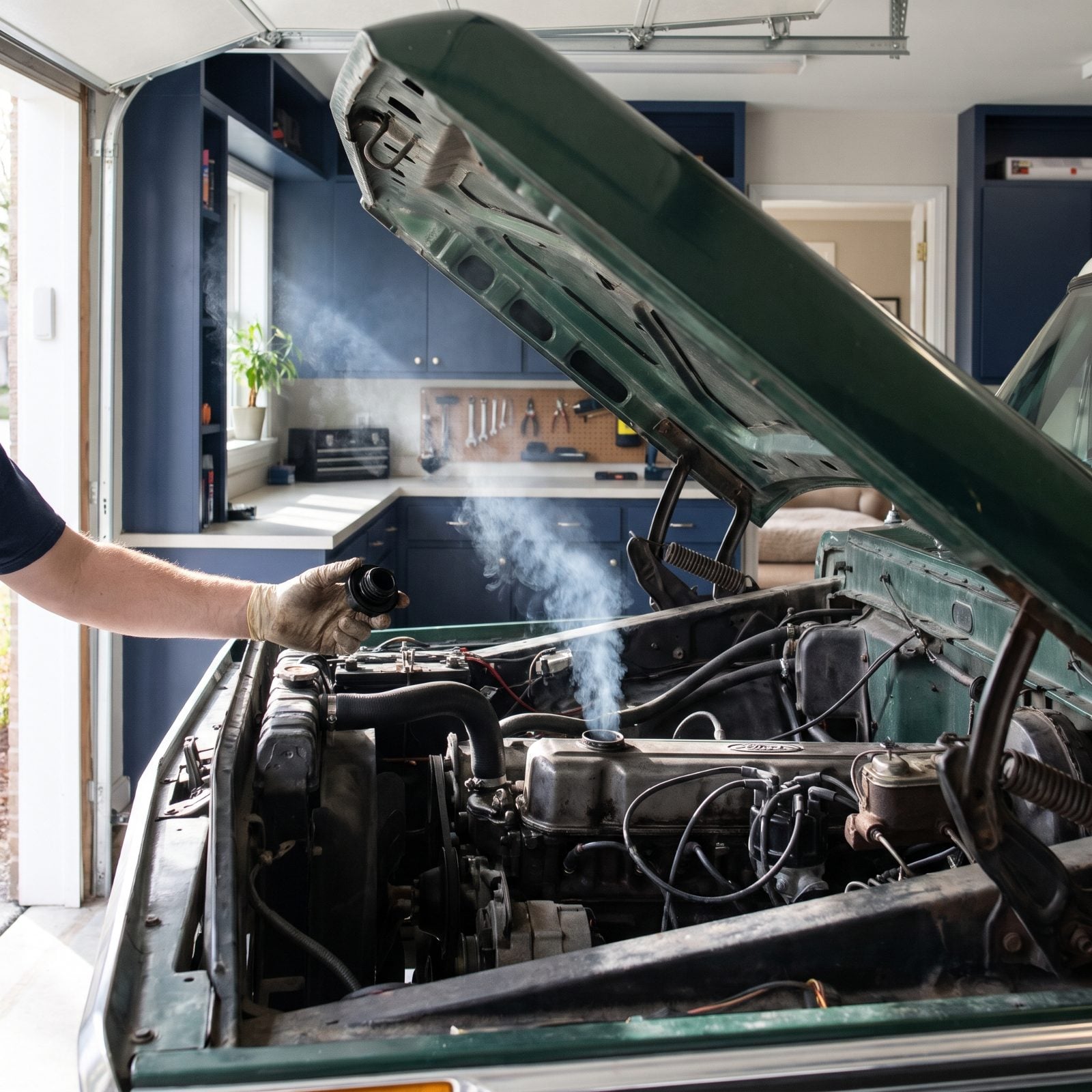
With the engine warm and idling, pull the oil filler cap off and set it loosely over the hole. A little puff of vapor is normal. But a steady stream that pushes the cap off or breathes out visible smoke is blow-by, and blow-by means the piston rings are tired.
Worn rings don’t get better. They get worse, and they drag the whole engine down with them: oil burning, power fading, compression slipping away. On a high-mile truck especially, heavy blow-by is a bill you don’t want to inherit.
Do this one every time. Ten seconds, no tools, and it reads the health of the engine from the inside.
13. Dismissing Blue, White, or Black Exhaust Smoke
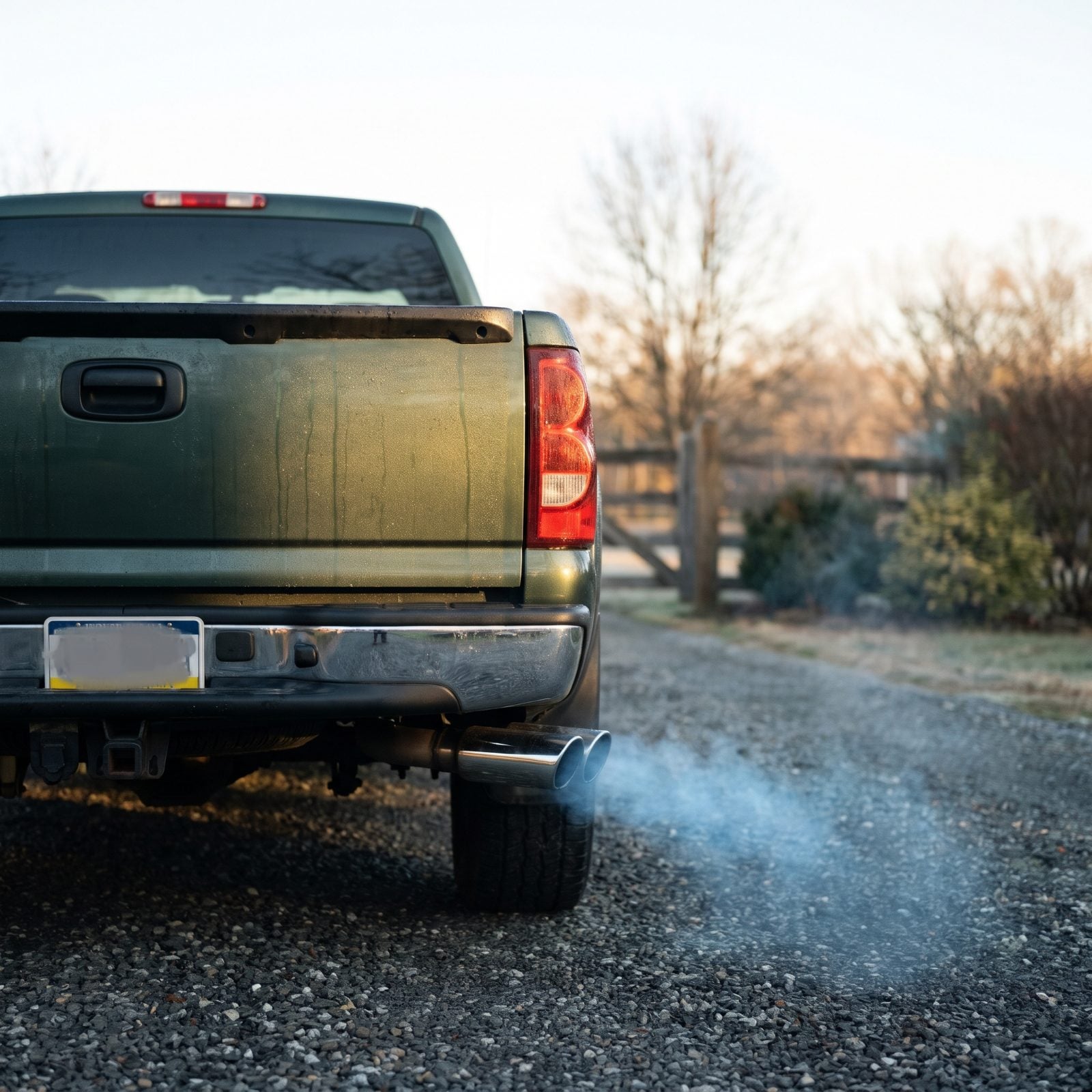
Have someone start the truck cold while you stand behind it, then watch the pipe again when they get on the throttle after it warms up. The color of the smoke is the diagnosis.
Blue means oil burning, from worn rings or valve seals. White that lingers (not the morning condensation that clears) points to coolant in the combustion chamber, often a head gasket. Black means it’s dumping too much fuel, which on a diesel can be injectors, a tuner, or a clogged filter. A puff on cold start that clears in seconds is usually fine. Smoke that keeps coming is not.
People talk themselves out of this one constantly. The truck looks clean, the paint shines, so the little haze gets forgiven. Don’t forgive it. The pipe is honest even when the seller isn’t.
12. Ignoring Contaminated Fluid or Harsh Transmission Shifts
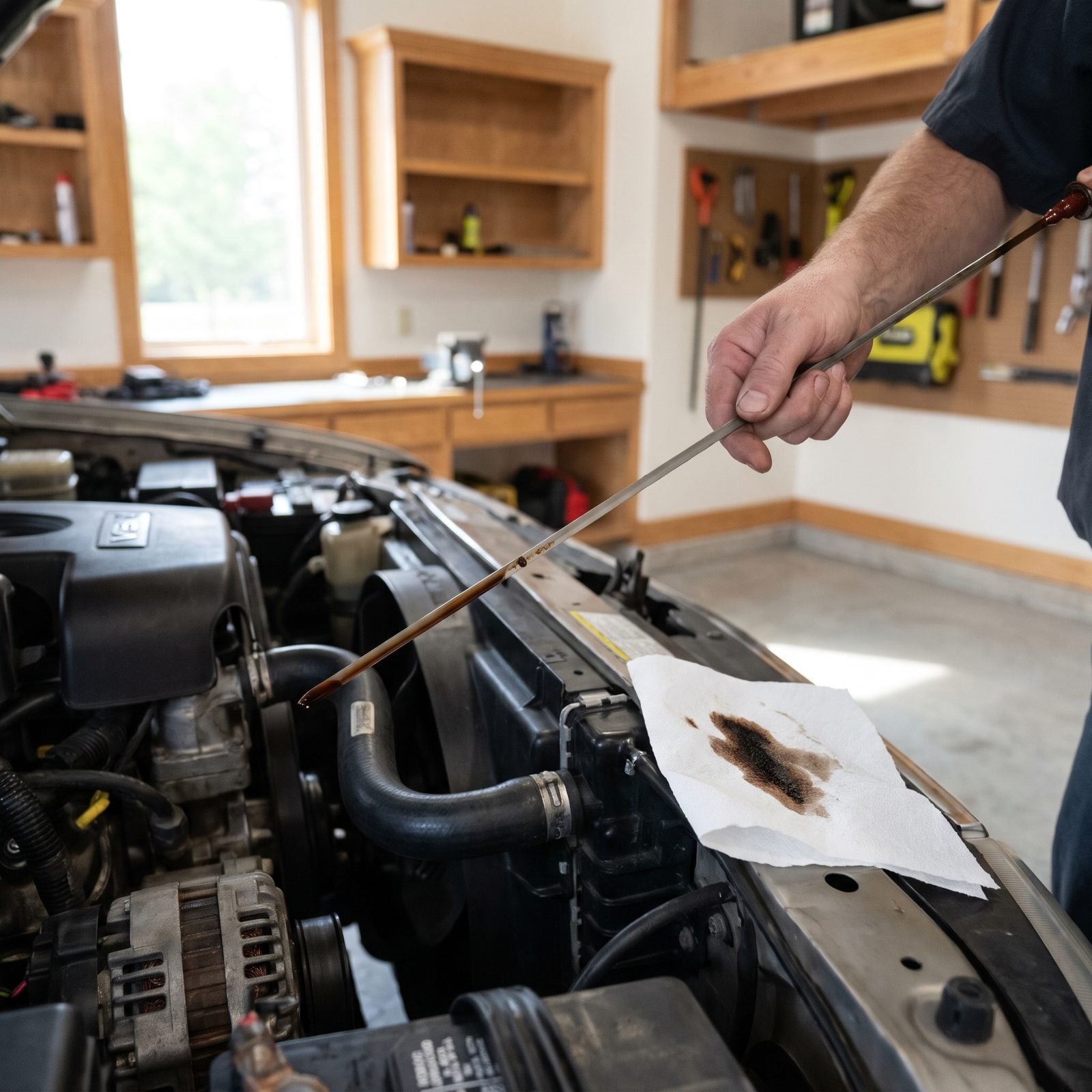
Check the transmission fluid the same way you checked the oil, on a white towel, in daylight. Healthy automatic fluid is bright red and nearly odorless. Dark brown fluid that smells scorched means it has cooked, and cooked fluid points to a transmission that’s been worked too hard or ignored too long.
Then drive it. Shifts should be smooth and predictable. A truck that slams into gear, slips, flares between shifts, or hunts for gears on a flat road is warning you, and a rebuild or replacement sits among the most expensive single repairs on any pickup.
11. Failing to Verify That Every Four-Wheel-Drive Mode Engages
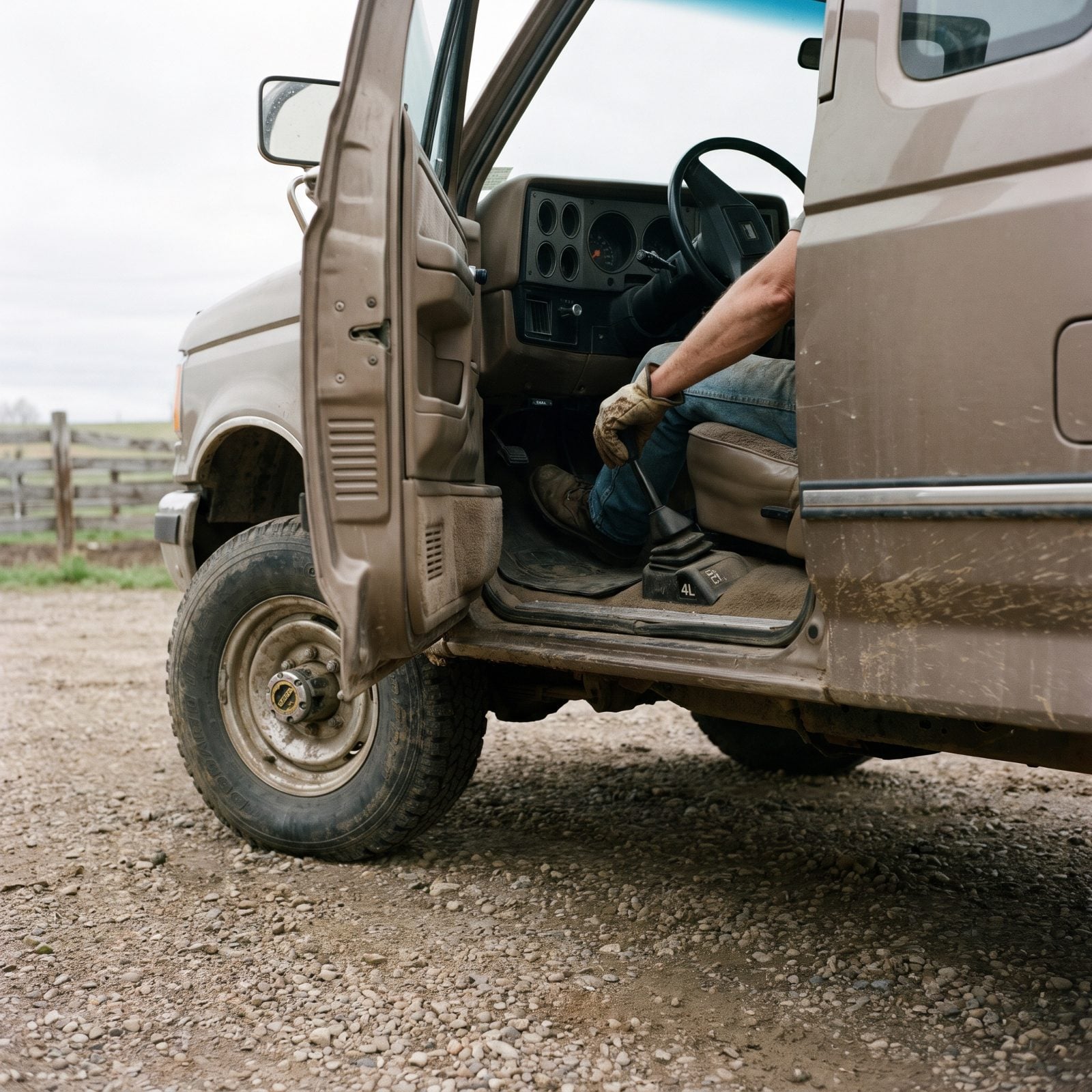
Plenty of used four-wheel-drive trucks on the market have never had their four-wheel-drive actually tested by the buyer. People assume the badge works. Assume nothing.
On a loose surface where it’s safe, cycle through every mode: two-high, four-high, four-low, and back. Each should engage with a clean clunk and let the truck crawl without binding or grinding. Got manual locking hubs? Turn them and confirm the front wheels actually pull. A dash light that comes on while nothing changes underneath is a system that’s broken, and broken here gets expensive.
Front axle, transfer case, actuator, hubs: any of them can fail, and a dead 4WD knocks serious value off a truck people buy specifically to go where the pavement stops.
10. Ignoring Axle Whine and Differential Clunks
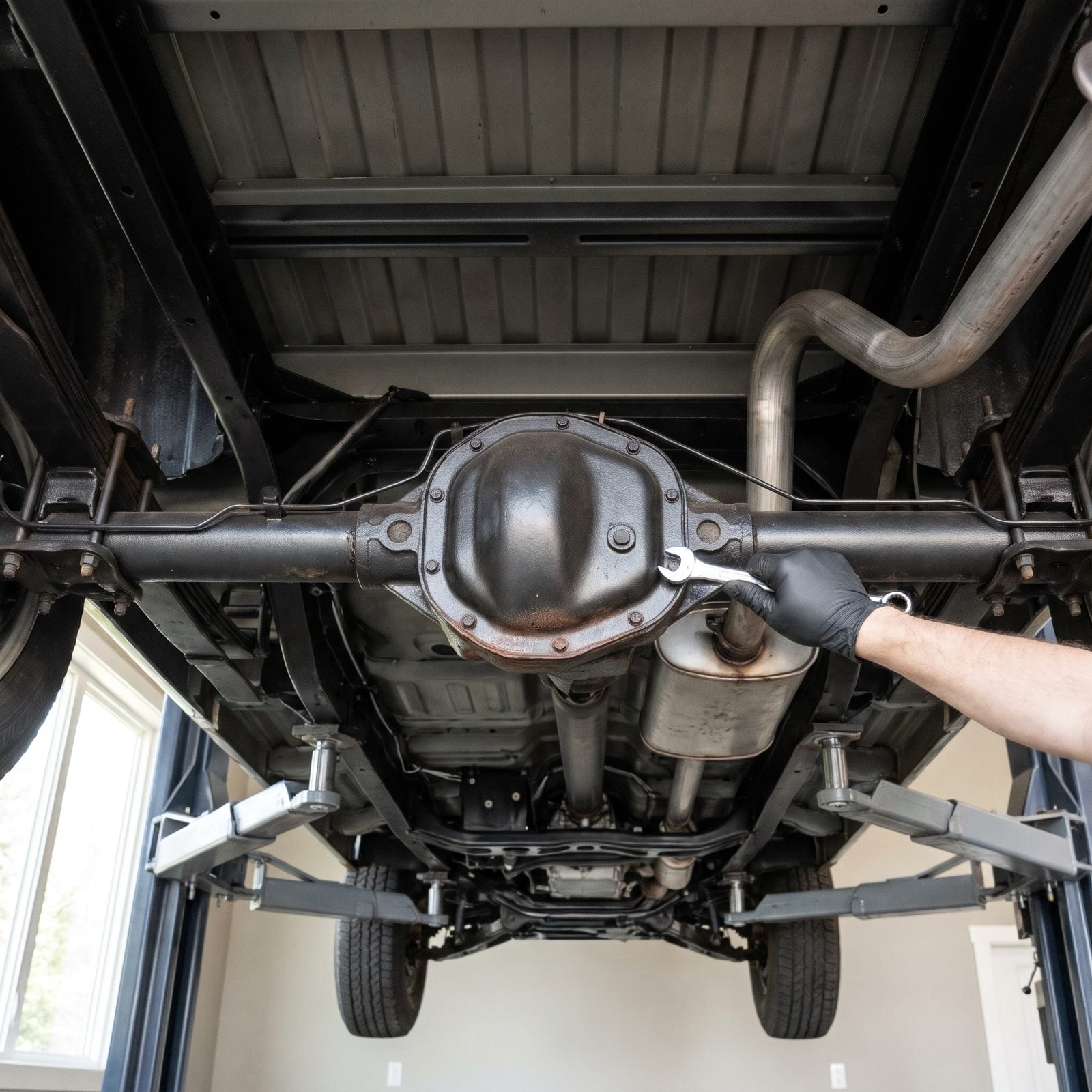
Drive with the radio off. A healthy drivetrain is boring to listen to. A rising-and-falling whine that tracks with speed usually comes from worn gears in the differential, while a clunk every time you go from gas to coast, or shift from drive to reverse, points to backlash, worn u-joints, or a tired carrier.
Then look underneath. Gear oil weeping around the diff cover or a pinion seal tells you it’s been running low, and gears that run dry don’t last. Rebuilding a differential or replacing u-joints and a driveshaft adds up fast.
Listen on acceleration, on coast, and on a steady cruise separately. Each condition loads the gears differently, and the noise that only shows up on one of them is the clue most people miss.
9. Overlooking Diesel Particulate Filter Problems
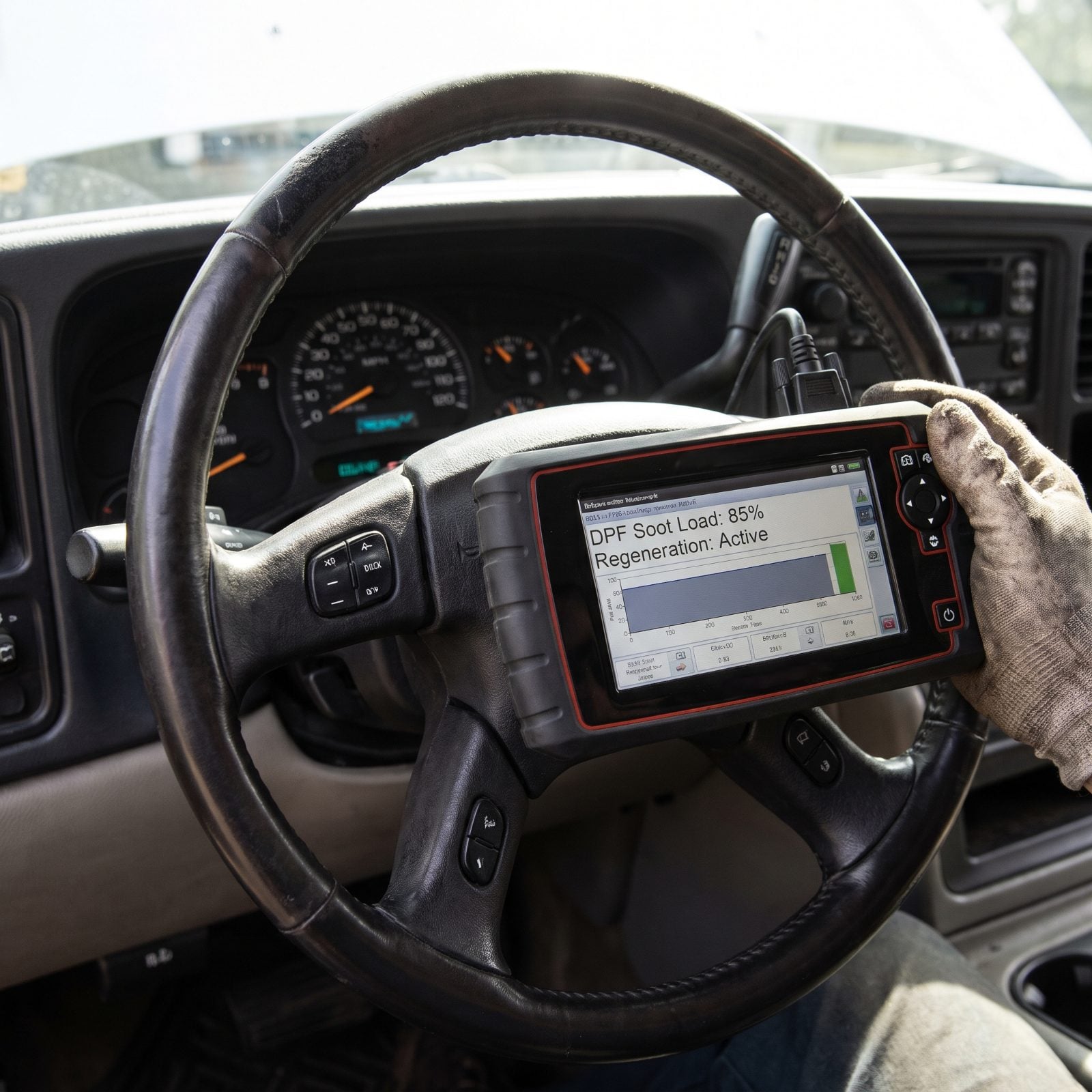
A modern diesel lives or dies by its emissions plumbing, and the diesel particulate filter is the part that quietly ruins budgets.
The DPF traps soot and burns it off during a regeneration cycle. A truck used for nothing but short, cold trips never gets hot enough to regen properly, so the filter clogs. A clogged or failing DPF, a bad EGR system, or a dead DEF injector can throw the truck into limp mode and leave you holding a four-figure parts bill.
Plug in a scan tool before you buy. Look at soot load, regen history, and any stored emissions codes, then ask how the truck was driven. A clean scan on a diesel is worth more than a clean carpet.
8. Buying a Truck With Deleted Emissions Equipment
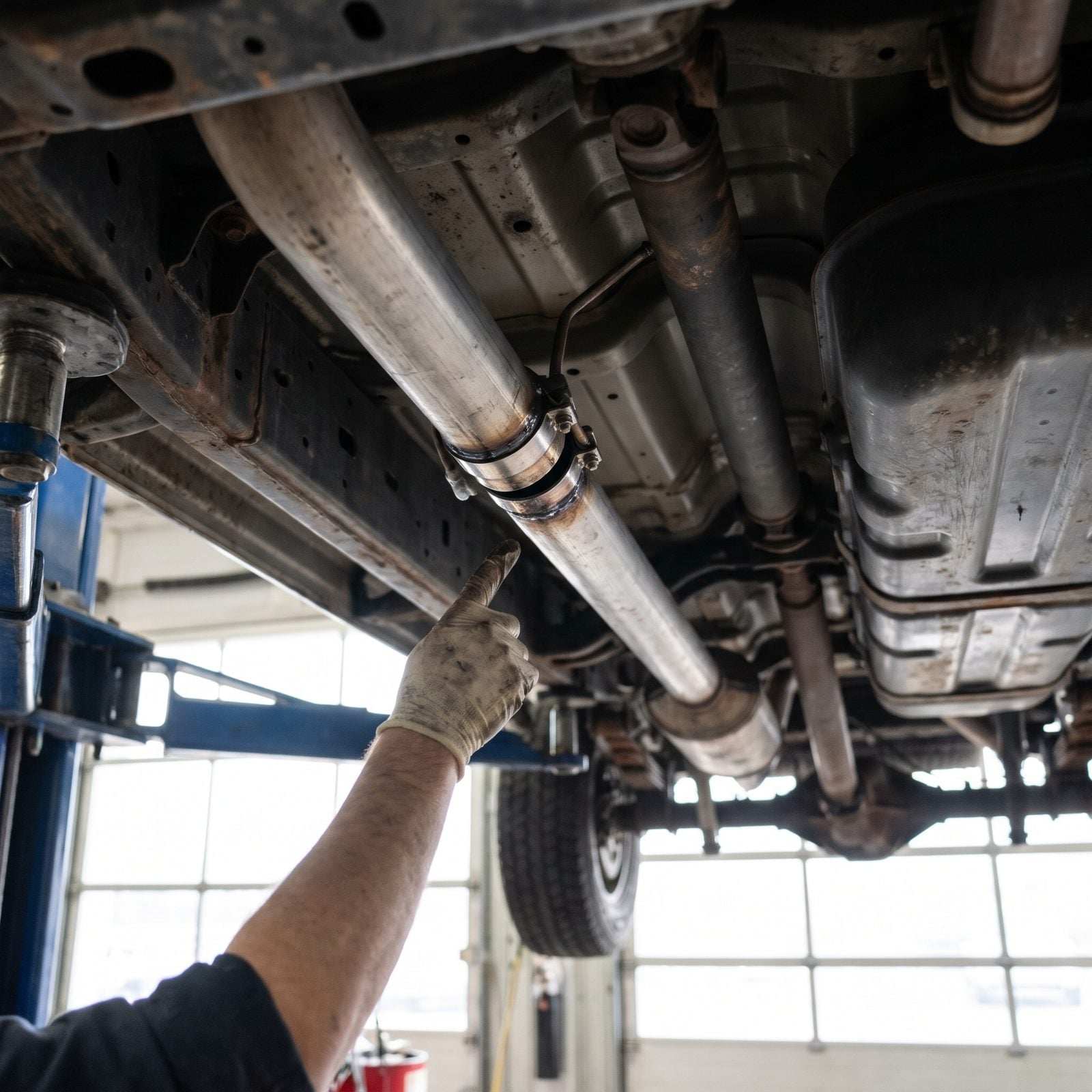
Somewhere along the way, a previous owner decided the emissions system was in the way and cut it out. Deleted DPF, gutted EGR, a tuner stuffed with software that lies to the computer. The truck might run strong and roll coal, and the seller will pitch all of that as a feature.
It isn’t. A deleted truck can fail inspection, can’t be legally registered in plenty of states, and tanks its resale value because the next buyer inherits the same headache. Putting the factory equipment back on costs thousands, and tracking down the original parts for an older truck is its own scavenger hunt.
Look under it for missing canisters, fresh straight-pipe welds, and mismatched clamps. When the tailpipe story and the dash gauges don’t match, somebody’s been editing the truth.
7. Ignoring an Undocumented Engine or Transmission Tune
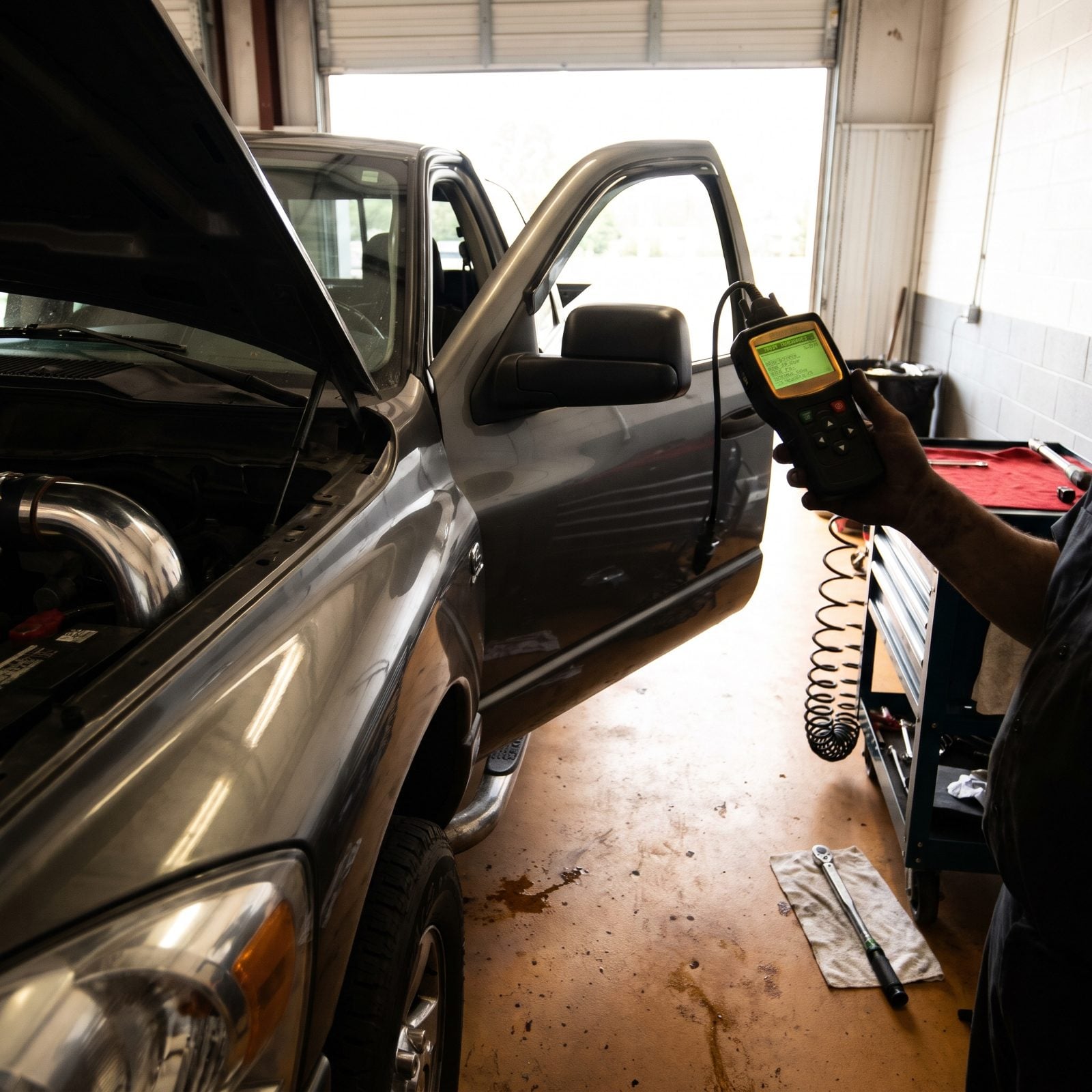
A truck that feels a little too eager off the line should make you curious, not excited. Reflashed tunes get loaded for more power and towing grunt, and the seller rarely mentions it because it voids warranties and cooks components faster than stock ever would.
The cost shows up later. A fried clutch pack, a melted turbo, or a transmission that slips under a loaded trailer the first weekend you own it — and a scanner that reads calibration IDs and compares them against factory numbers will catch most of it before any of that lands in your lap.
6. Assuming a Lift Kit and Oversized Tires Were Properly Set Up
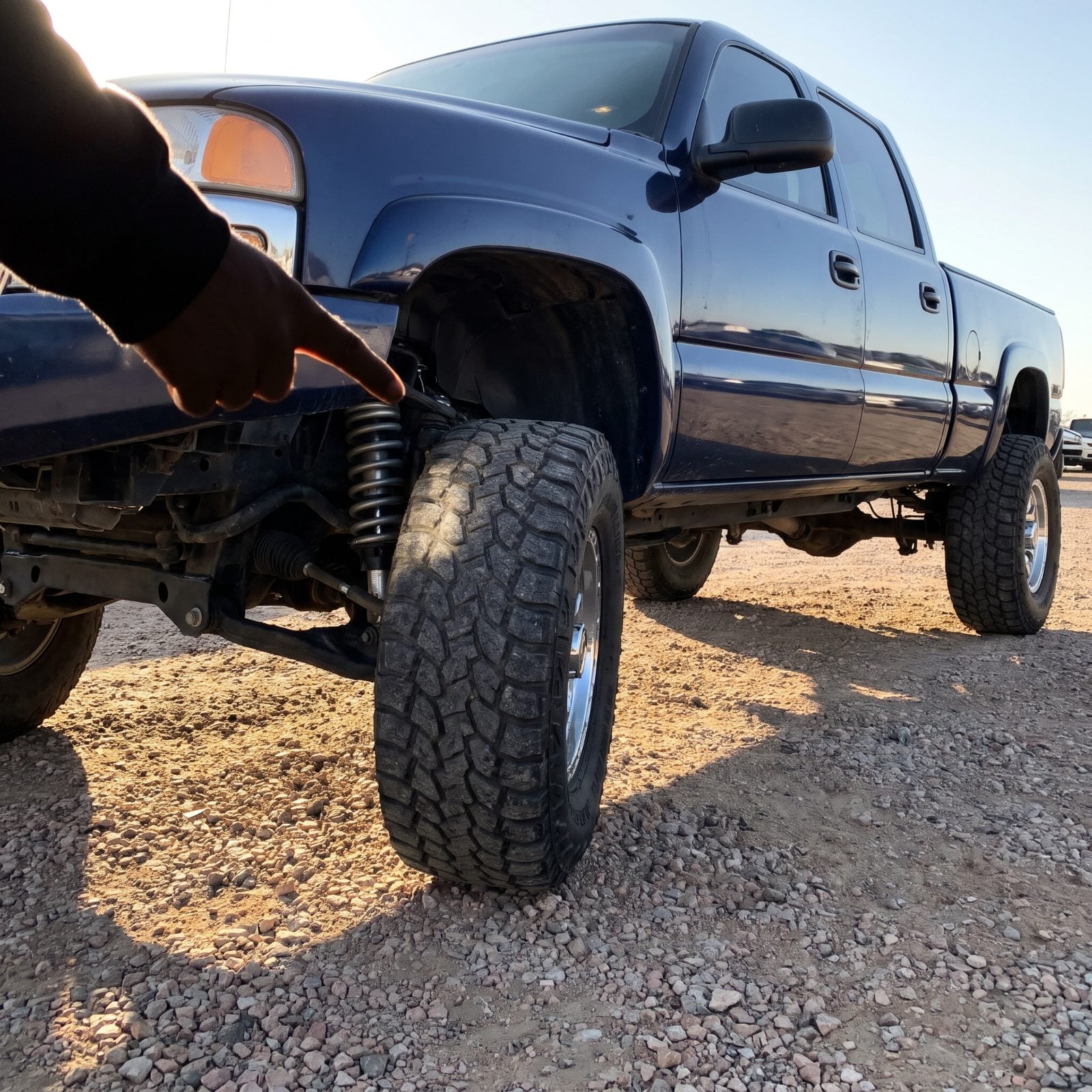
A tall truck on fat tires photographs beautifully and drives like a compromise if the lift was done on the cheap. Steering angles, pinion angles, brake lines, and alignment all shift when a truck goes up, and a rushed install skips half of those.
You find out later. The tires feather on the inside edge, the driveshaft vibrates at highway speed, or the ABS acts strange because nobody recalibrated for the new rolling diameter. So crawl under it — check the inner tire edges, look for stretched brake lines, and feel for play in the steering.
A documented build from a known shop is worth paying for. A mystery lift bolted together in a driveway is a project you’re buying, whether you planned to or not.
5. Ignoring Wear Around a Gooseneck or Fifth-Wheel Hitch
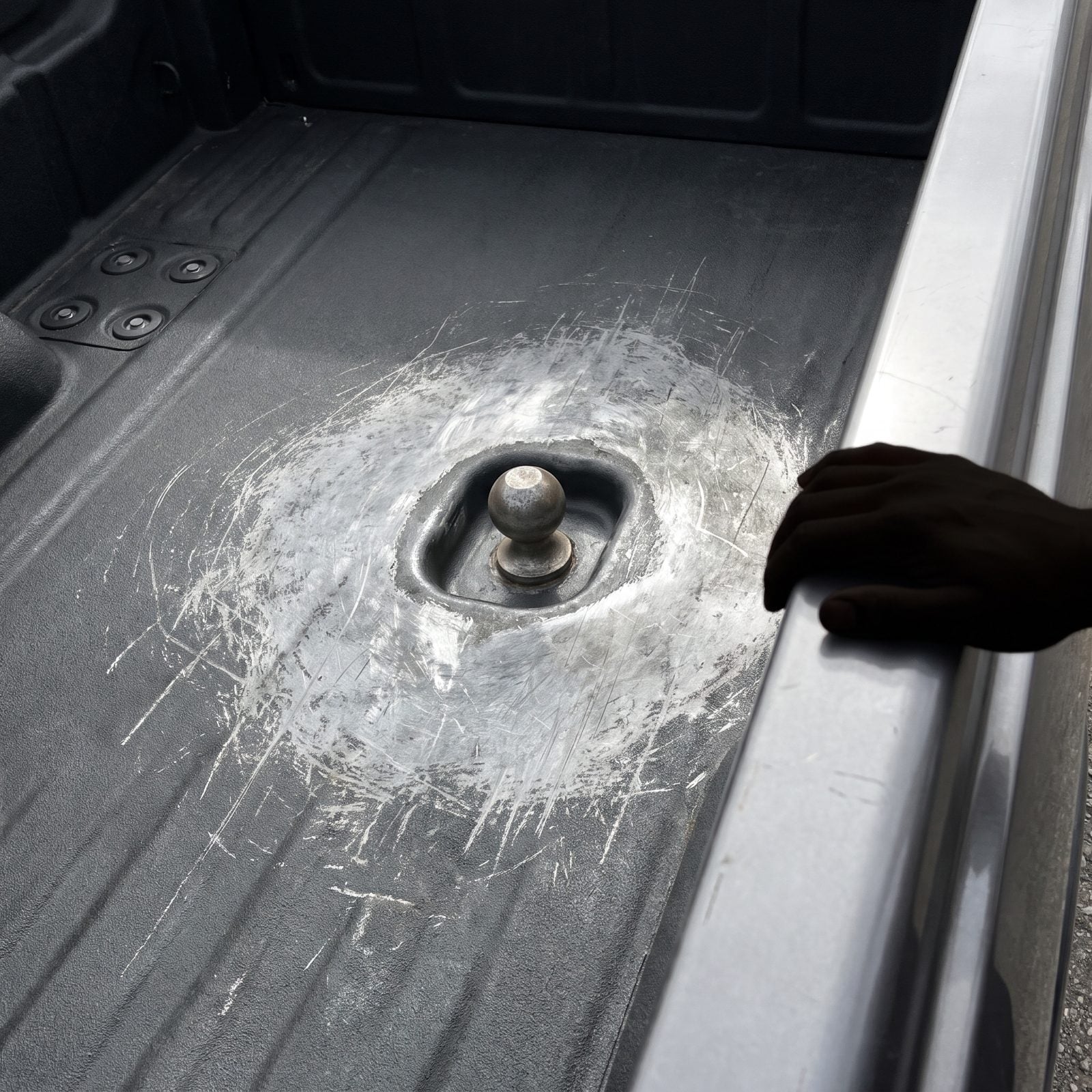
The bed tells the truth even when the odometer doesn’t. A worn ring around a gooseneck ball, polished puck anchors, and a flattened bedliner mean this truck pulled heavy loads for a living, not the occasional lake trip the seller described.
Towing isn’t a dealbreaker, but it ages a frame, driveline, and brakes far faster than the mileage suggests. A truck with easy highway miles and a truck with the same number in trailer miles are two different animals wearing the same number.
4. Failing to Test Trailer-Brake and Tow Wiring
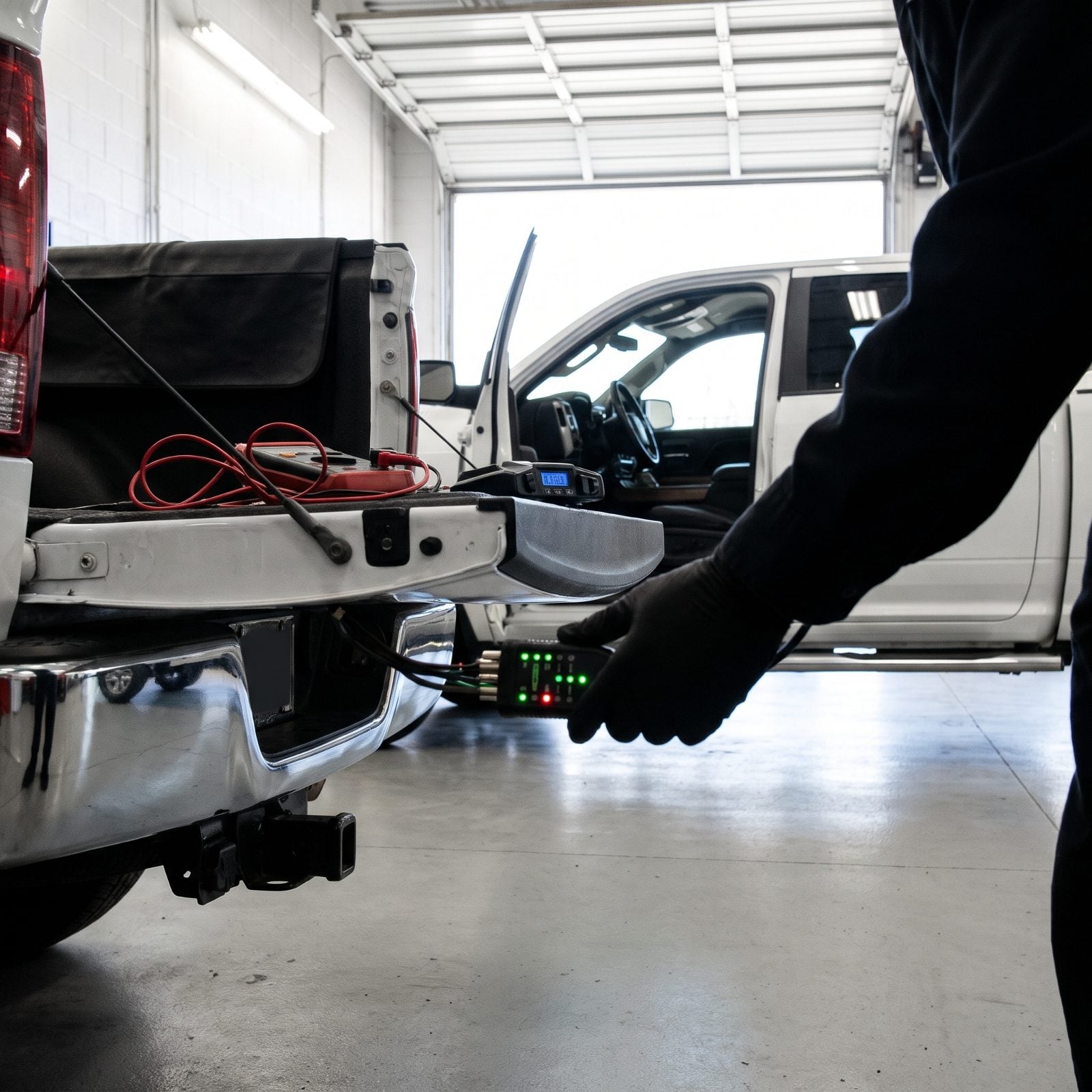
Everybody checks that the brake lights work. Almost nobody checks the brake controller and the trailer-brake pin.
A dead trailer-brake circuit or a corroded seven-pin connector means your loaded trailer has no brakes of its own, which is exactly the situation you don’t want to discover on a downgrade with a boat behind you. These harnesses sit low and catch road salt, so corrosion is common on older trucks.
Bring a seven-pin tester, plug it in, and confirm every circuit lights. Then turn on the integrated brake controller and watch it power up. If the dash throws a trailer-brake fault with nothing connected, the wiring needs attention before this truck earns the word “tow.”
3. Dismissing Airbag or Seatbelt Warning Lights
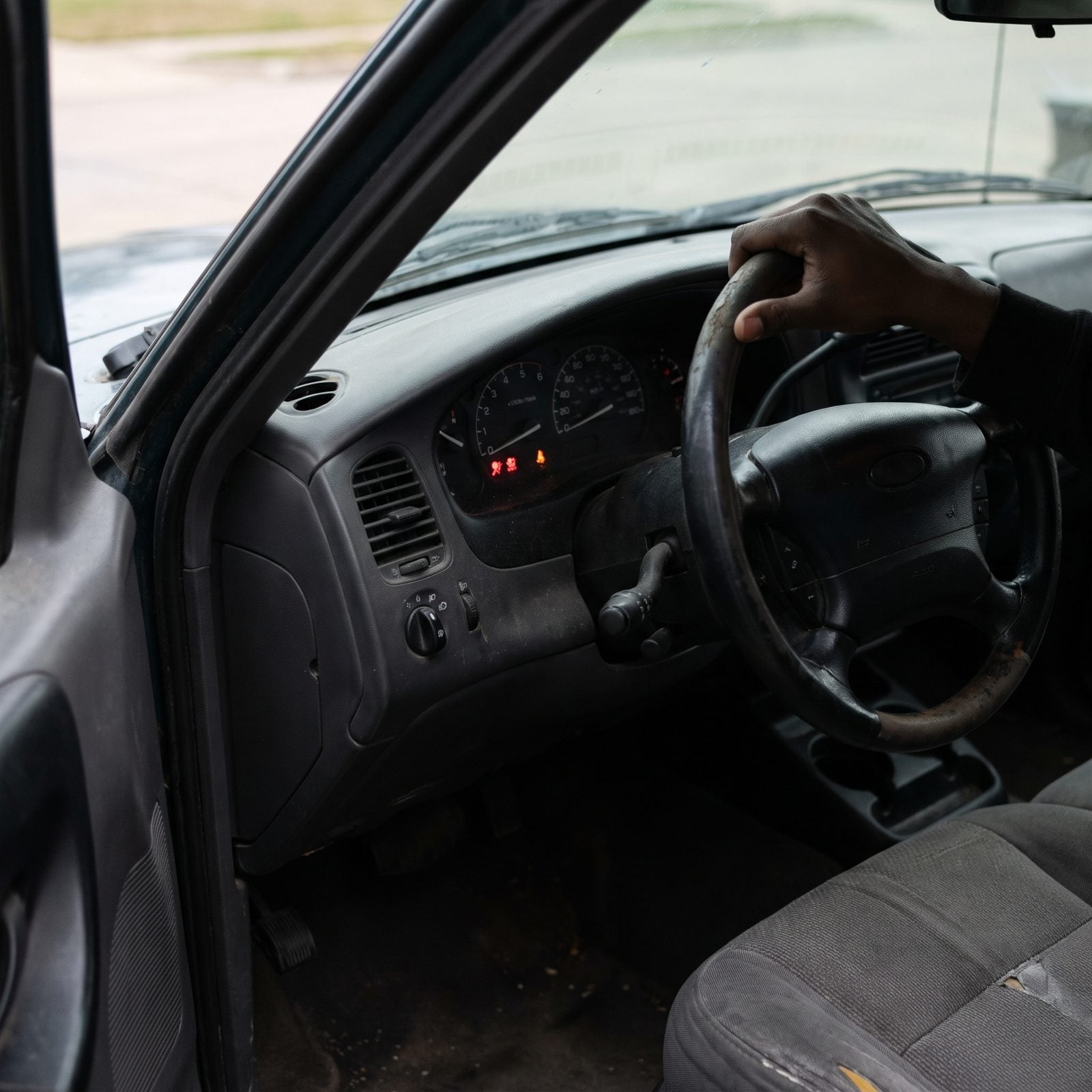
A seller will tell you the airbag light is “just a sensor.” Maybe. Or maybe this truck was in a wreck, the bags deployed, and someone stuffed the dash back together without replacing the system.
A lit airbag warning isn’t a nuisance light — it’s a safety system warning you it may not fire when you need it most, and a proper repair with new modules and clockspring runs well into real money.
2. Taking Only a Short Neighborhood Test Drive

Loop around the block, listen for nothing obvious, hand over the cash. That’s how people buy trucks with problems that only wake up at speed.
A short crawl never loads the drivetrain, never lets the transmission reach a high gear, never pushes the cooling system, and never surfaces a highway vibration or a torque converter that shudders. The faults you care about most hide above 45 mph, waiting for the one condition a lap of the subdivision will never create.
Get on a real road for a solid twenty minutes. Reach highway speed, let it shift through every gear, brake from speed, and find an empty lot to test slow full-lock turns while you listen for driveline clunks. A truck that drives honestly for twenty minutes earns more trust than one that behaved for two.
1. Failing to Perform a Controlled Hard-Braking Test
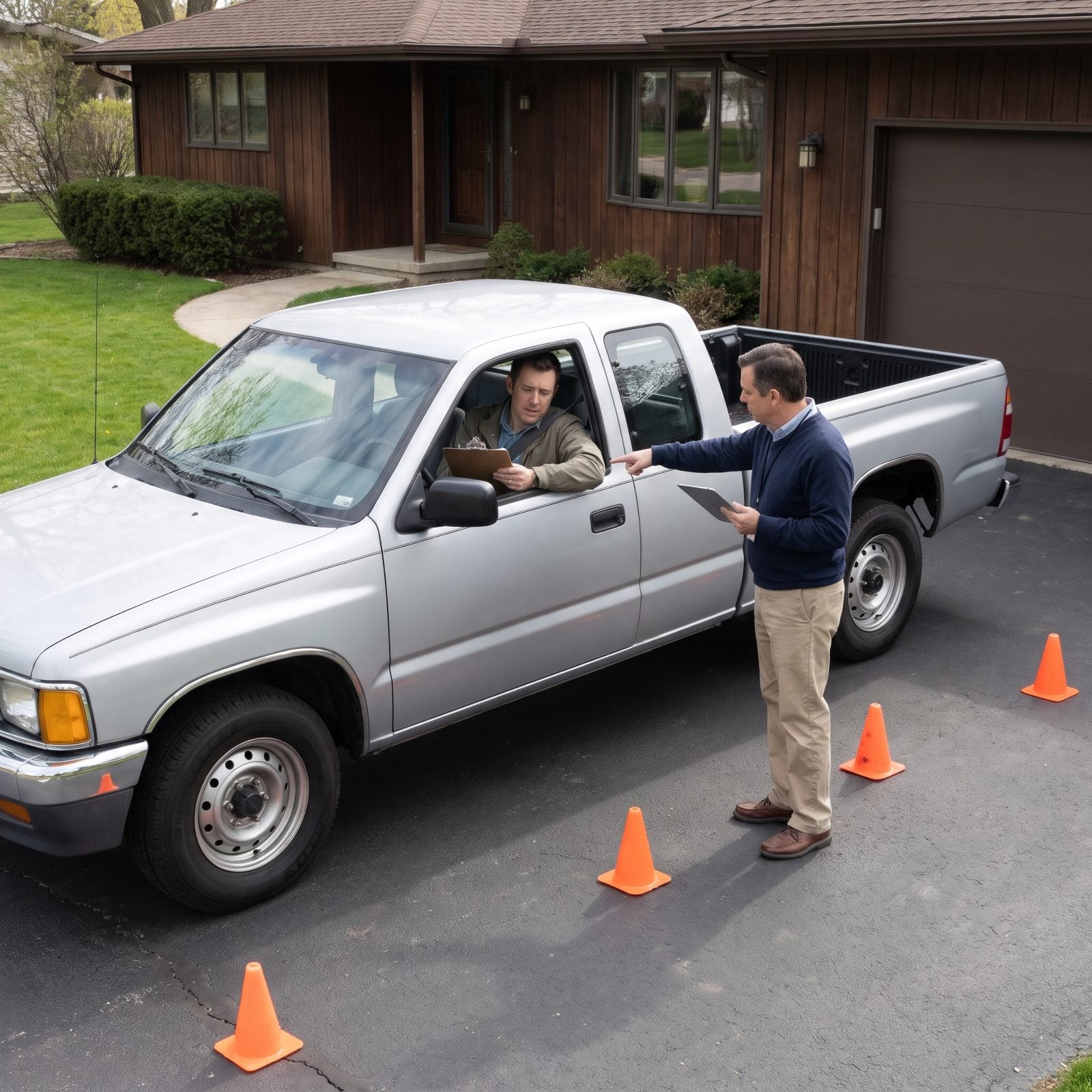
Gentle stops at stop signs tell you almost nothing. A brake system can feel perfectly fine crawling along and still reveal everything the moment you stand on the pedal from real speed.
Find an empty lot or a clear stretch with no one behind you, build to a safe speed, and brake hard once. You’re feeling for pull to one side, a pulsing pedal that means warped rotors, a soft pedal that sinks, or a truck that won’t track straight. On a heavy pickup, tired brakes are expensive and non-negotiable.