
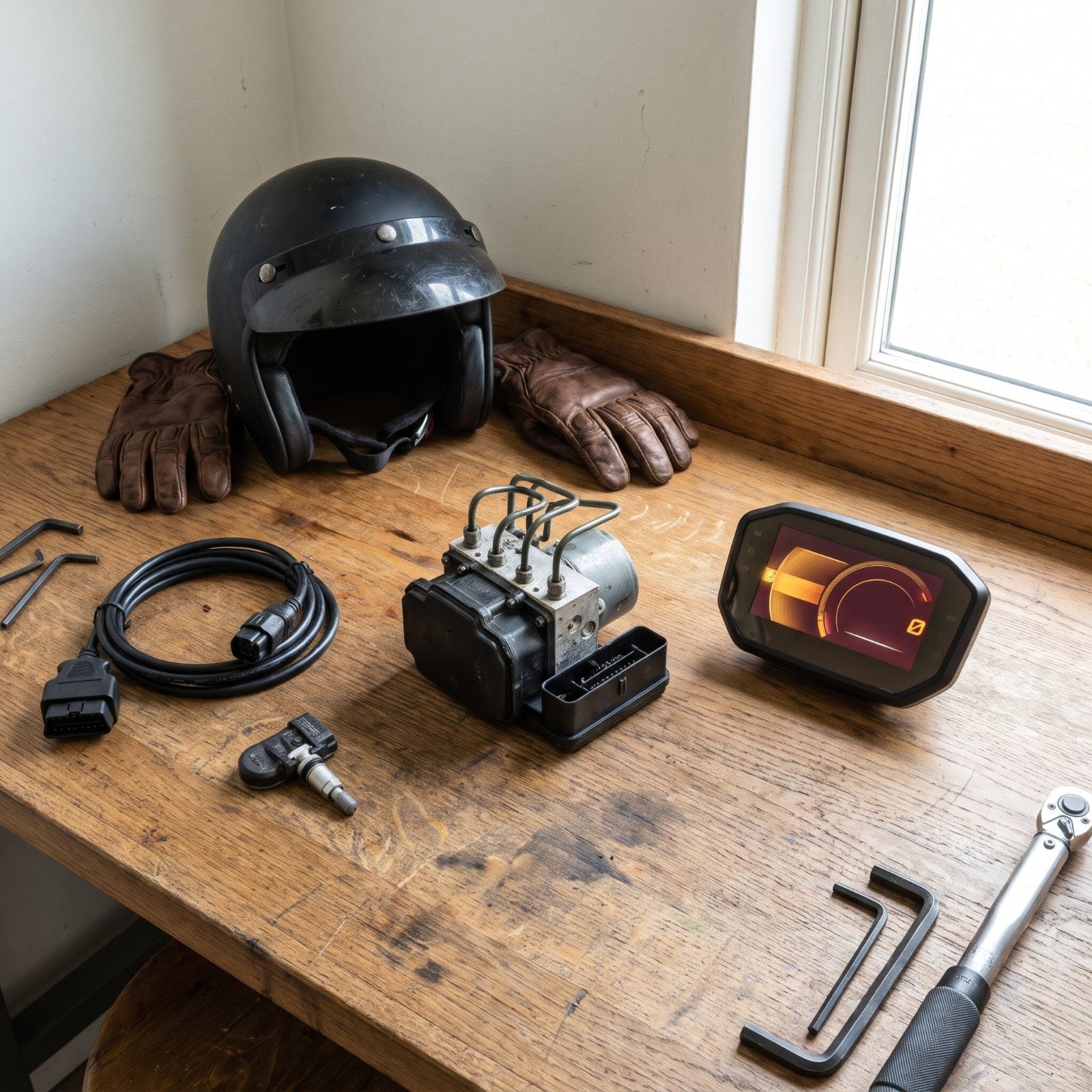
Ask the guy who turns the wrenches, not the guy writing the brochure. The service bay has a different opinion about what’s worth having on a modern bike, and it rarely lines up with what moves units off the showroom floor. Some tech is marketing. Some tech saves your collarbone, your wallet, or your whole afternoon. The features gaining real traction right now aren’t the loudest ones — they’re the quiet upgrades that prevent a lowside, catch a slow leak before it strands you, or tell you what’s wrong in words instead of a cryptic blinking light. Here’s what the people who fix these things think is coming.
Please note that some of the images in this article were created with the assistance of AI.
44. Lean-Sensitive ABS That Knows You’re in a Corner
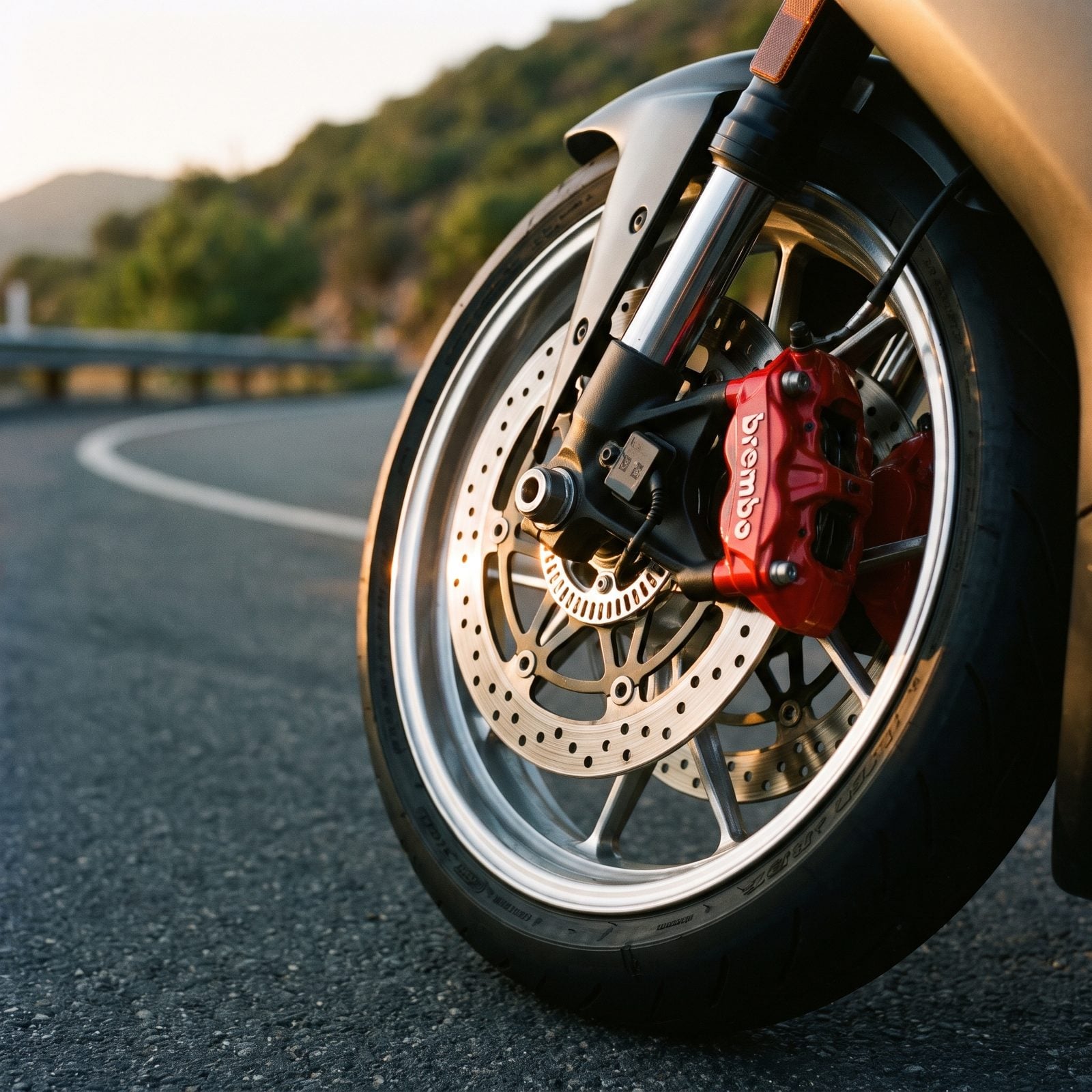
Regular ABS panics in a straight line. Grab too much brake mid-corner on an old system and you’re on the ground anyway, because the bike has no idea it’s leaned over. Lean-sensitive ABS — often called cornering ABS — reads an inertial measurement unit for lean angle, pitch and yaw dozens of times a second, then meters brake pressure to match how much grip the tire actually has while tilted.
This used to live only on liter-class sportbikes. Now it’s trickling down to middleweights and even some adventure bikes, and mechanics love it because the save lands in the exact moment a rider usually freezes. It won’t let you ride like an idiot. It will cover the honest mistake.
43. Adaptive Cornering LED Headlights That Light the Apex
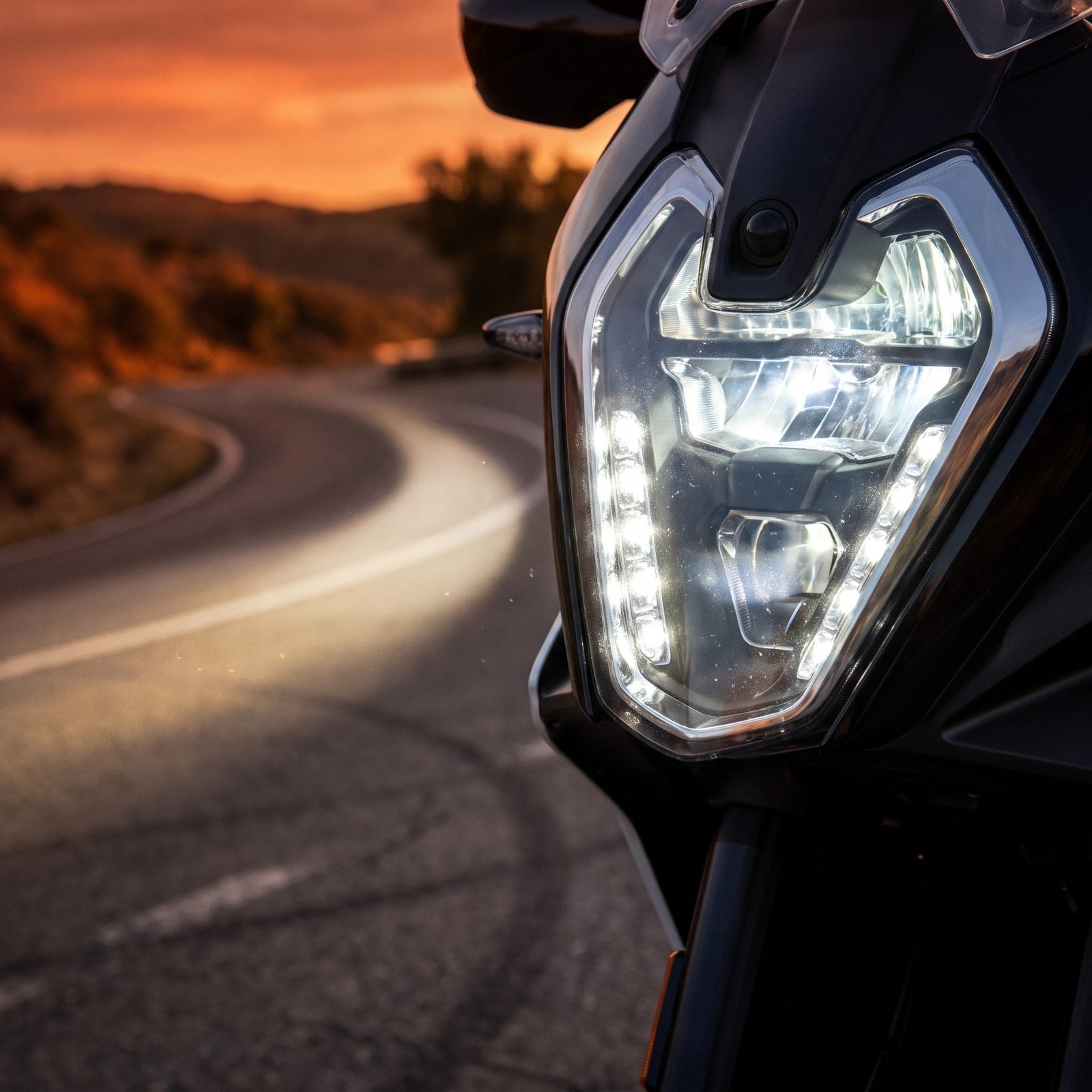
You’ve ridden a dark back road at night and watched your headlight point straight at the trees while the pavement curves away into black. That gap between where you’re looking and where the light actually goes is the problem.
Adaptive cornering headlights close it. Pulling the same lean-angle data from the IMU, extra LED segments switch on to throw light into the inside of a curve as you tilt. Some rigs fire a row of small projectors in sequence; others pivot the whole beam. Either way, you can see the exit of a corner before you’re committed to it. For anyone who rides mountain roads after sundown, this one earns its keep fast.
42. Factory Tire-Pressure Monitoring You Can Trust
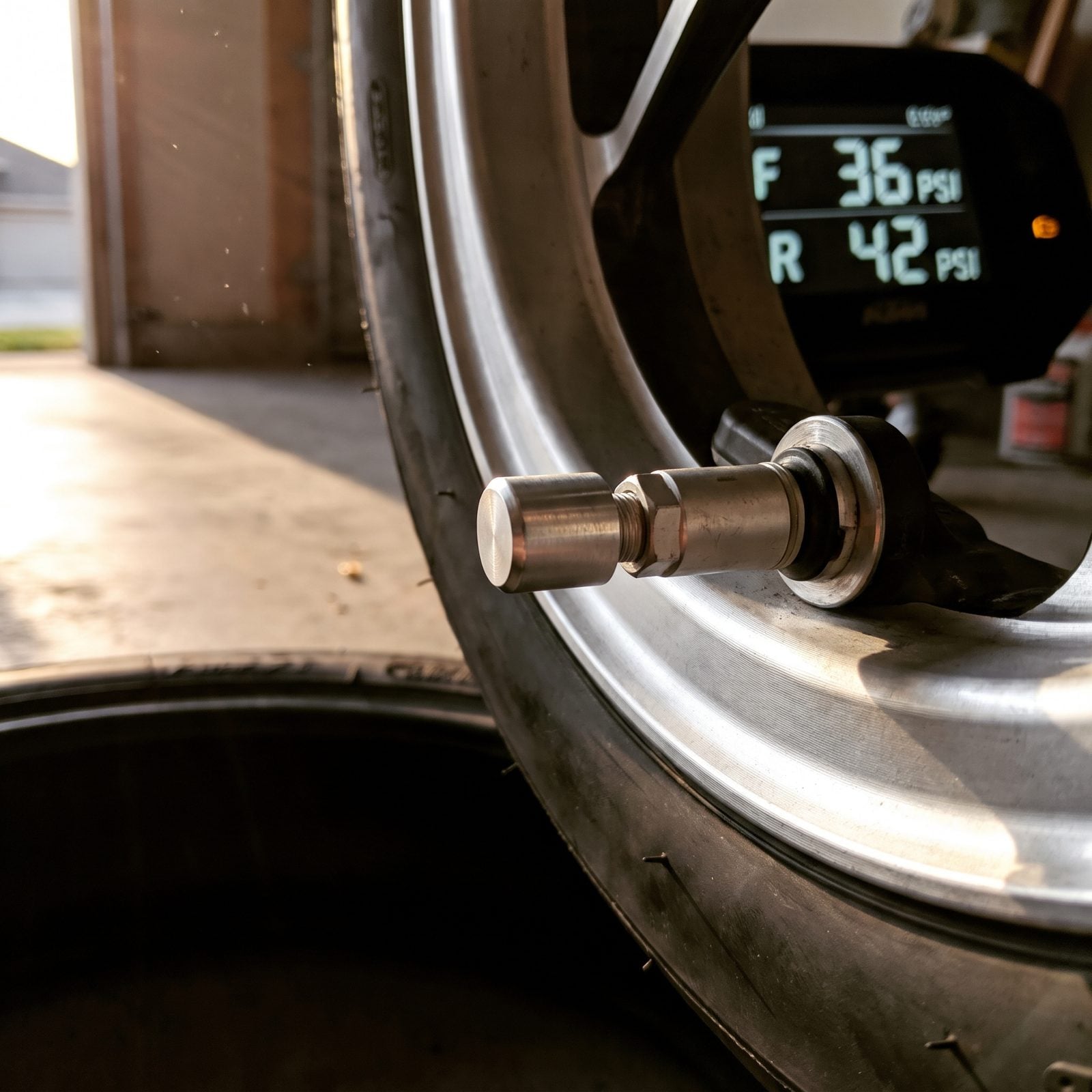
Nobody warns you about the slow leak. You often can’t feel it until the handling goes strange, and by then you’re already in trouble. Two wheels have zero margin for a soft tire the way four do.
Factory TPMS puts a small sensor inside each wheel and streams live pressure to the dash — no more squatting in a cold parking lot with a gauge and a flashlight. Aftermarket kits exist, but the factory versions are cleaner, better protected and calibrated to the bike. Mechanics like them because a rider who sees the number actually fixes the problem before it becomes a towing bill.
Describing the factory tire-pressure system that came standard on his own bike, an adventure-bike owner says it “Gives you some peace of mind and accuracy (+/- 5%) when it comes to tire pressures and detecting a slow leak.”
41. Blind-Spot Warnings Built Into the Mirrors
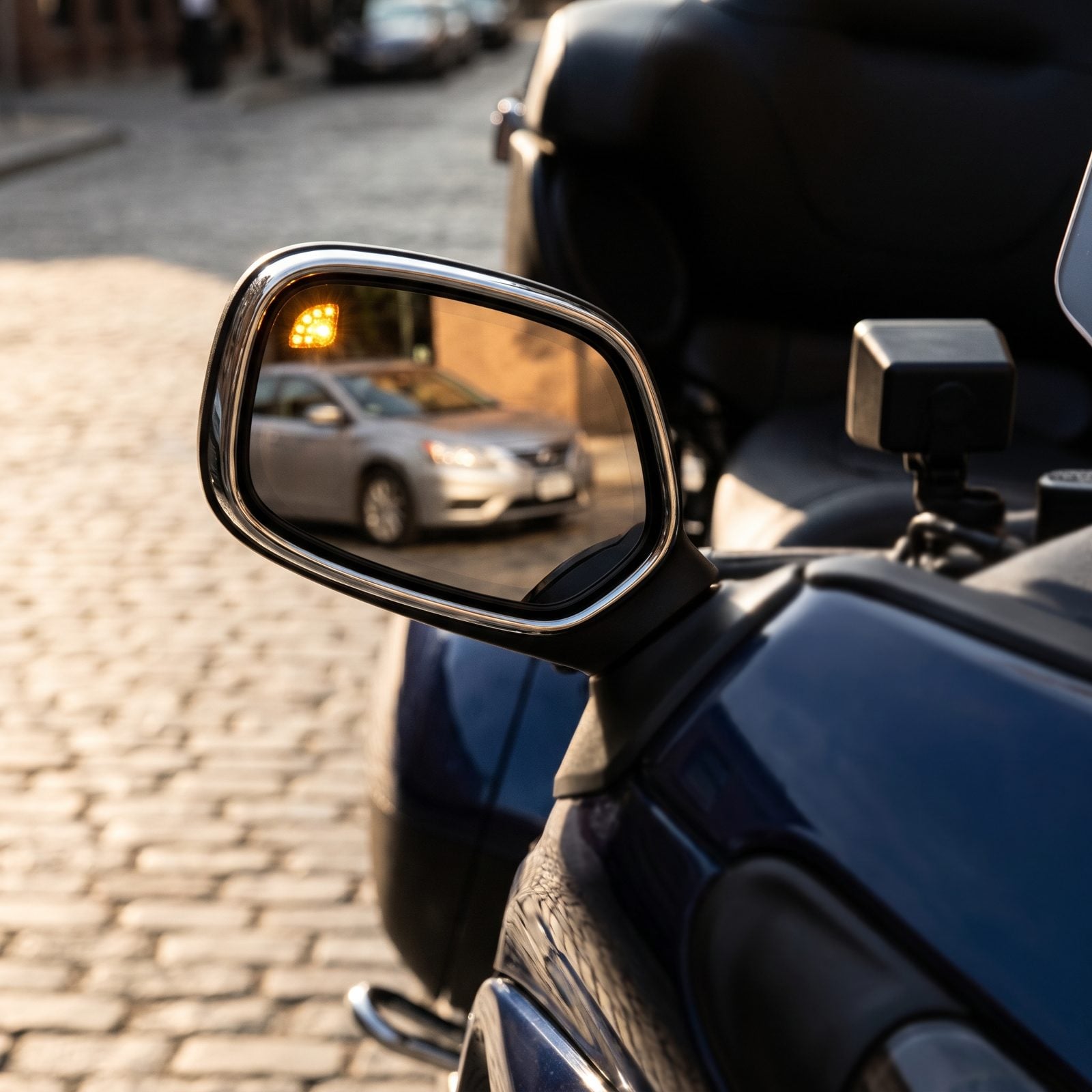
Shoulder-checking at highway speed means taking your eyes off what’s ahead for a full second. On a bike, that second matters more than it does in a car.
Radar-based blind-spot detection lights a small indicator near the mirror when a vehicle sits in the zone you can’t see. Cars have had it for years, and it’s now reaching more motorcycles, usually using a rear-facing radar bundled with the front unit that runs adaptive cruise. Drivers drift into riders constantly because they genuinely don’t see them. A warning light won’t fix the driver — but it tells you to hold your lane and wait him out.
40. Radar Adaptive Cruise Control for the Long Haul
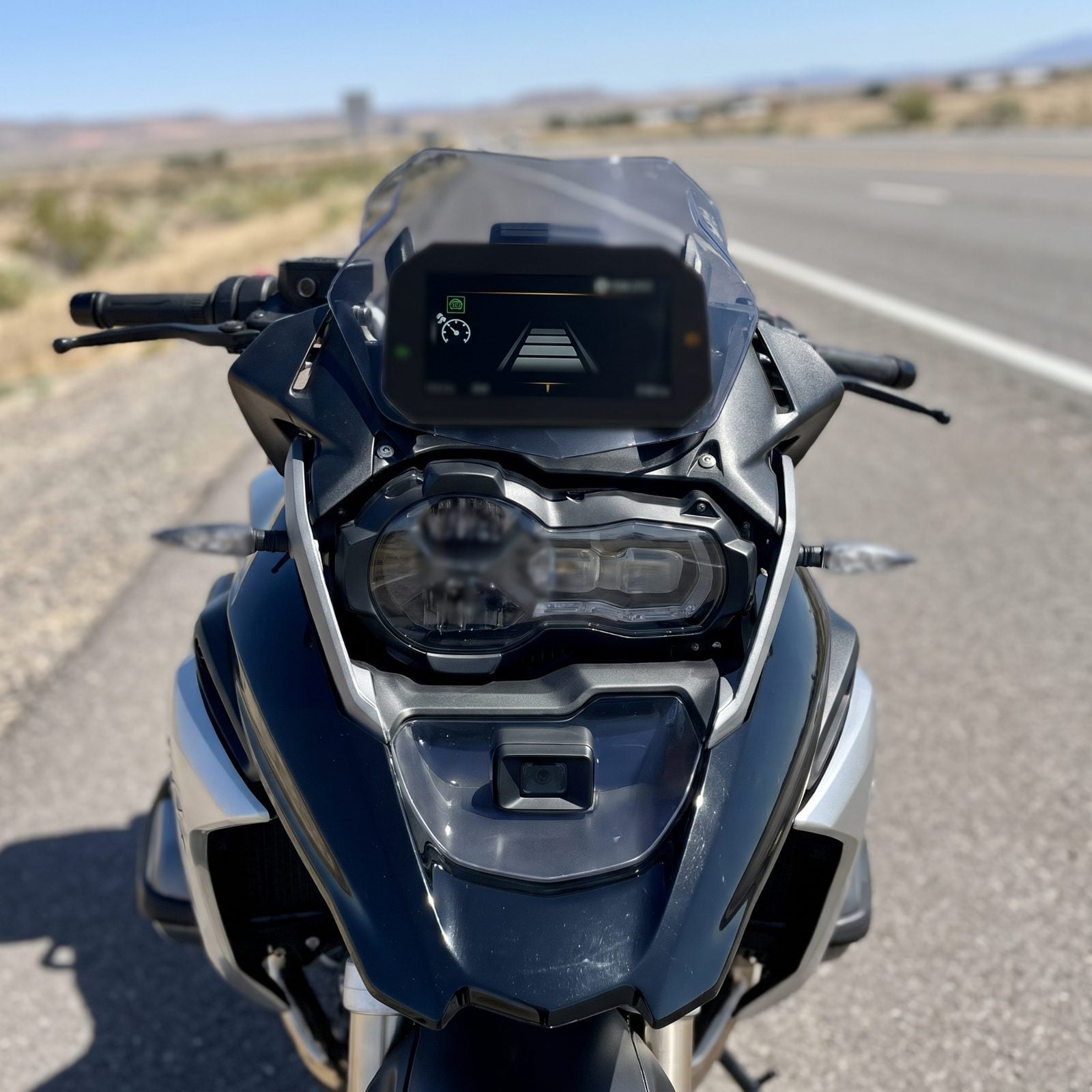
Adaptive cruise on a motorcycle sounds like a gimmick until you’ve done a long interstate day. Forward radar holds a set gap behind the vehicle ahead, slowing and resuming on its own as traffic bunches and opens.
On a bike it does something cars never get credit for. It takes the constant throttle micro-adjustment off your right wrist, which is exactly where fatigue builds on a long slog. You still steer, still brake, still pay attention. But that endless drone of throttle corrections just goes away.
It’s showing up on more sport-tourers and big adventure bikes every model year. Mechanics will tell you the radar hardware is robust. The one thing to watch is keeping the sensor face clean, because mud and bugs blind it in a hurry.
39. Wireless CarPlay and Android Auto That Just Connects
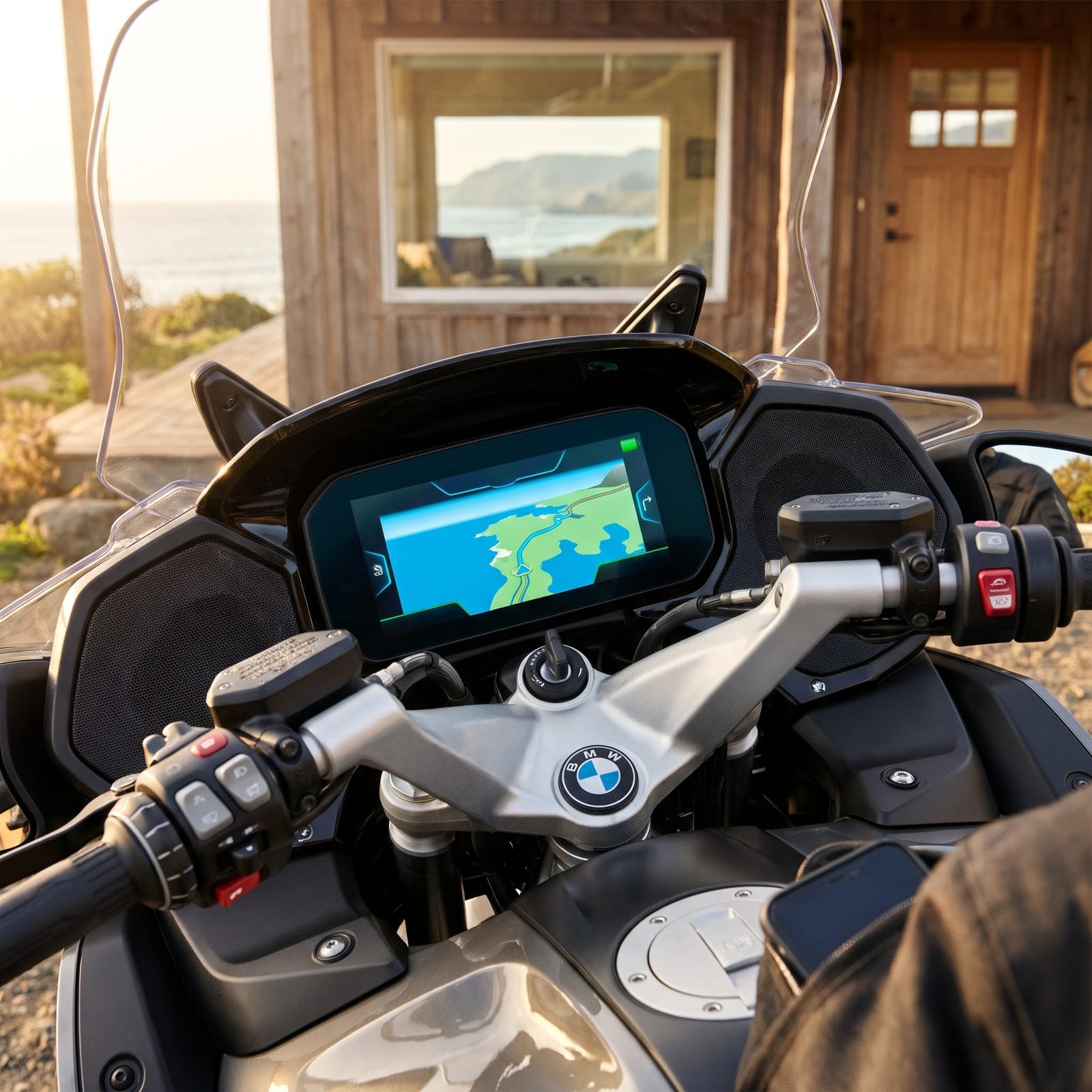
Wired phone integration on a bike is a cord you forget to plug in, a port that fills with rain, and a glovebox you have to open at every stop. Going wireless kills all three.
With wireless CarPlay or Android Auto, your navigation, music and calls land on the dash the moment the phone is in your pocket. Turn-by-turn shows on the screen or pipes into your helmet comms. More manufacturers are baking this in rather than making you buy a dedicated moto-GPS unit that costs as much as a set of tires.
38. Plain-English Dashboard Warnings Instead of Mystery Lights
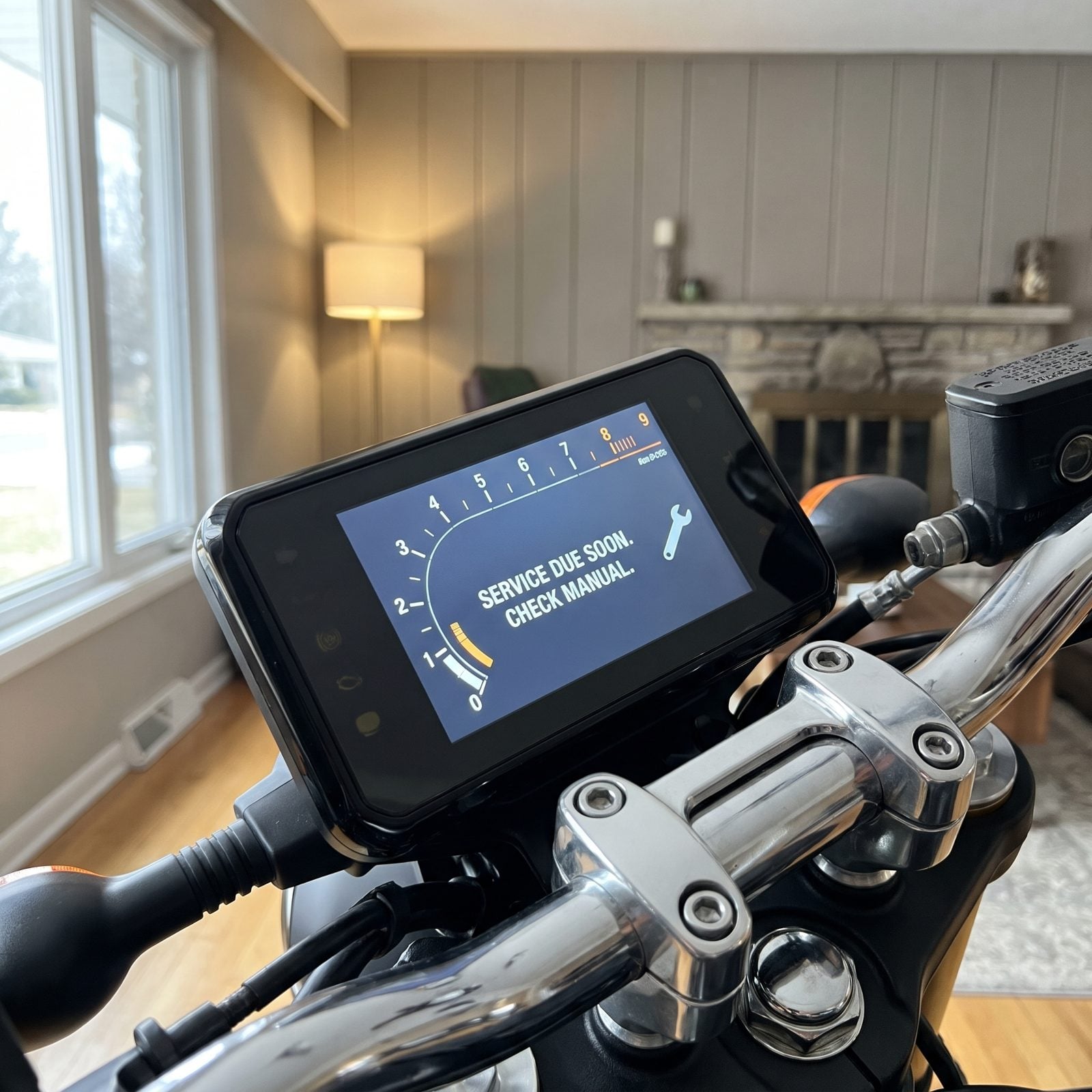
The classic dashboard light is a little orange shape that could mean a loose gas cap or a dying engine, and you’re just supposed to know which. Riders have squinted at cryptic symbols and thumbed through manuals for decades.
Color TFT dashboards let manufacturers skip the hieroglyphics and spell out what’s wrong. “Check tire pressure, rear.” “Service due soon.” “Coolant temperature high.” Sounds minor. It isn’t. A rider who understands the warning acts on it instead of ignoring it or panicking.
A warning you can read is a warning you’ll actually do something about.
37. Physical Controls for the Things You Can’t Fumble
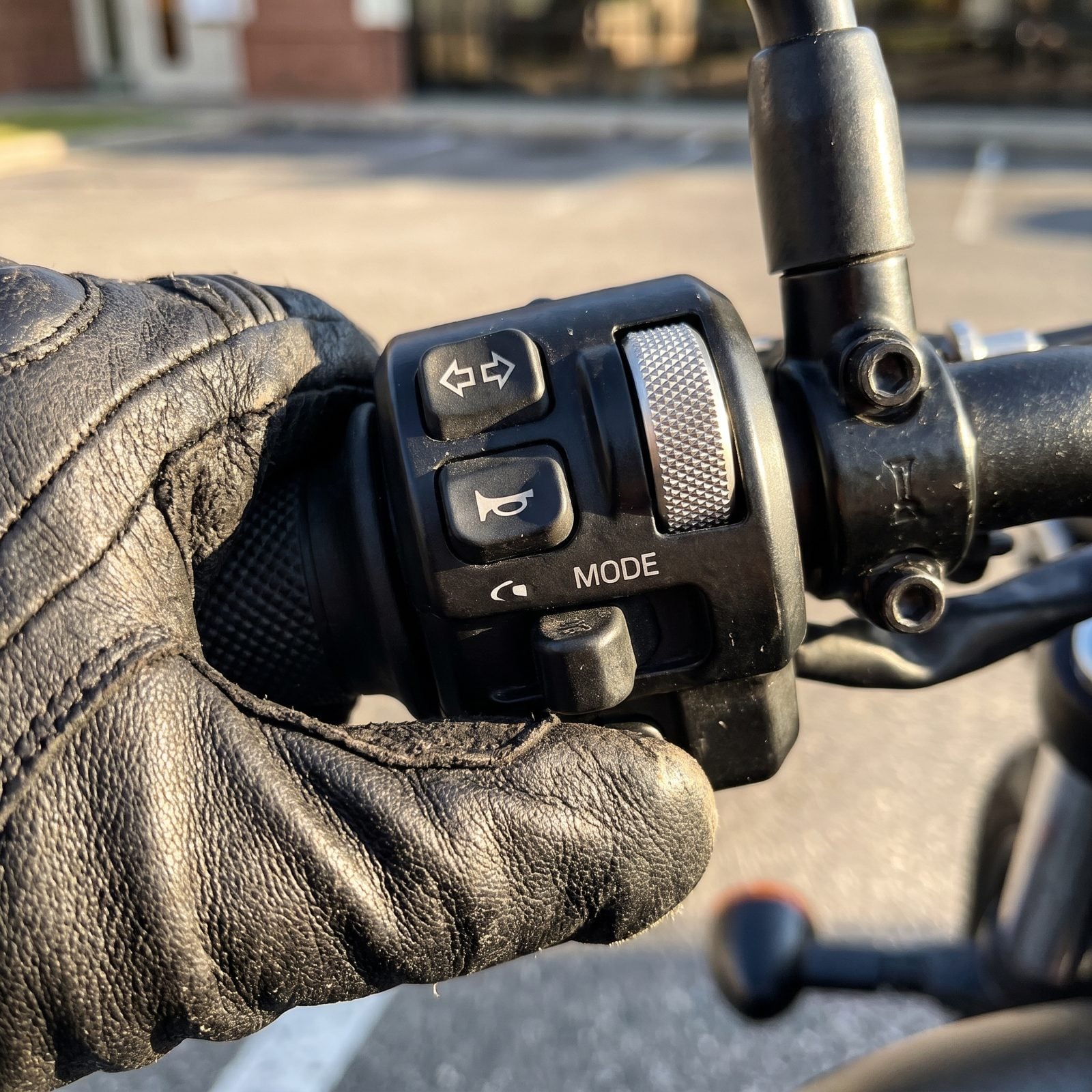
Let’s say it flat: touchscreens on a moving motorcycle are a bad idea, and the industry is finally admitting it. You cannot tap a smooth glass panel accurately while wearing gloves, bouncing over pavement, at speed. Not even close.
The trend the good mechanics are cheering is a return to real buttons and scroll wheels for the critical stuff — heated grips, riding modes, trip menus, cruise, hazards. You want to find those by feel, never looking down. A physical detent confirms through your fingertip. A screen gives you a guess and a glance away from the road. Some manufacturers went screen-heavy and are quietly walking it back. Good.
36. Bidirectional Quickshifters That Smooth Every Gear
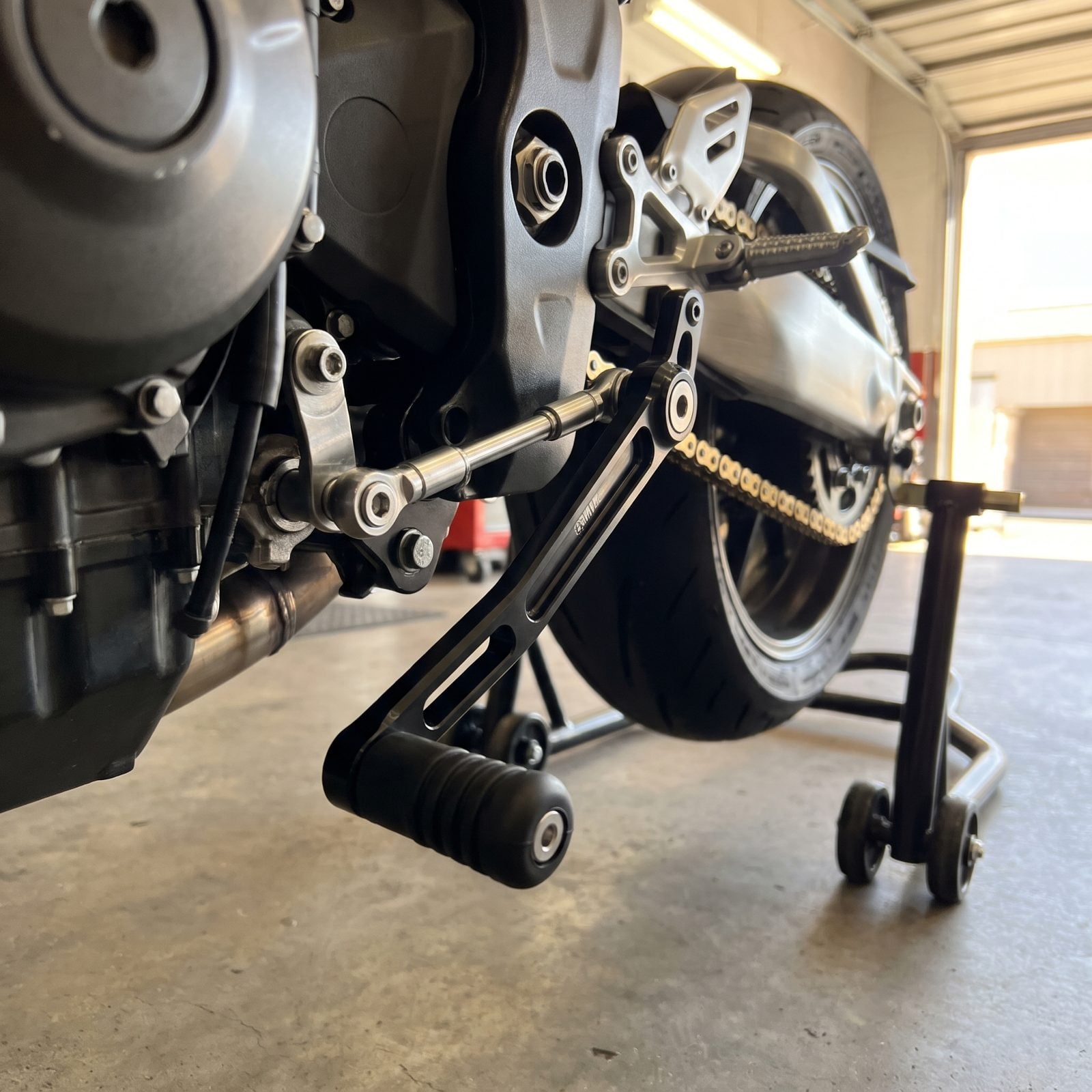
Quickshifters used to be a race-only toy: click up through the gears without the clutch or a throttle chop. The bidirectional versions now spreading to street bikes do it both ways, blipping the throttle automatically on downshifts so the rear wheel doesn’t hop under engine braking.
The comfort payoff is real on a long ride, where a thousand clutch pulls in traffic add up in your left forearm. And the control payoff matters just as much. Smooth downshifts keep the chassis settled going into a corner instead of lurching. It’s become a common factory option on middleweight and up, and the hardware has gotten reliable enough that mechanics no longer treat it as a warranty headache waiting to happen.
35. Automatic Manual Transmissions That Ditch the Clutch Lever
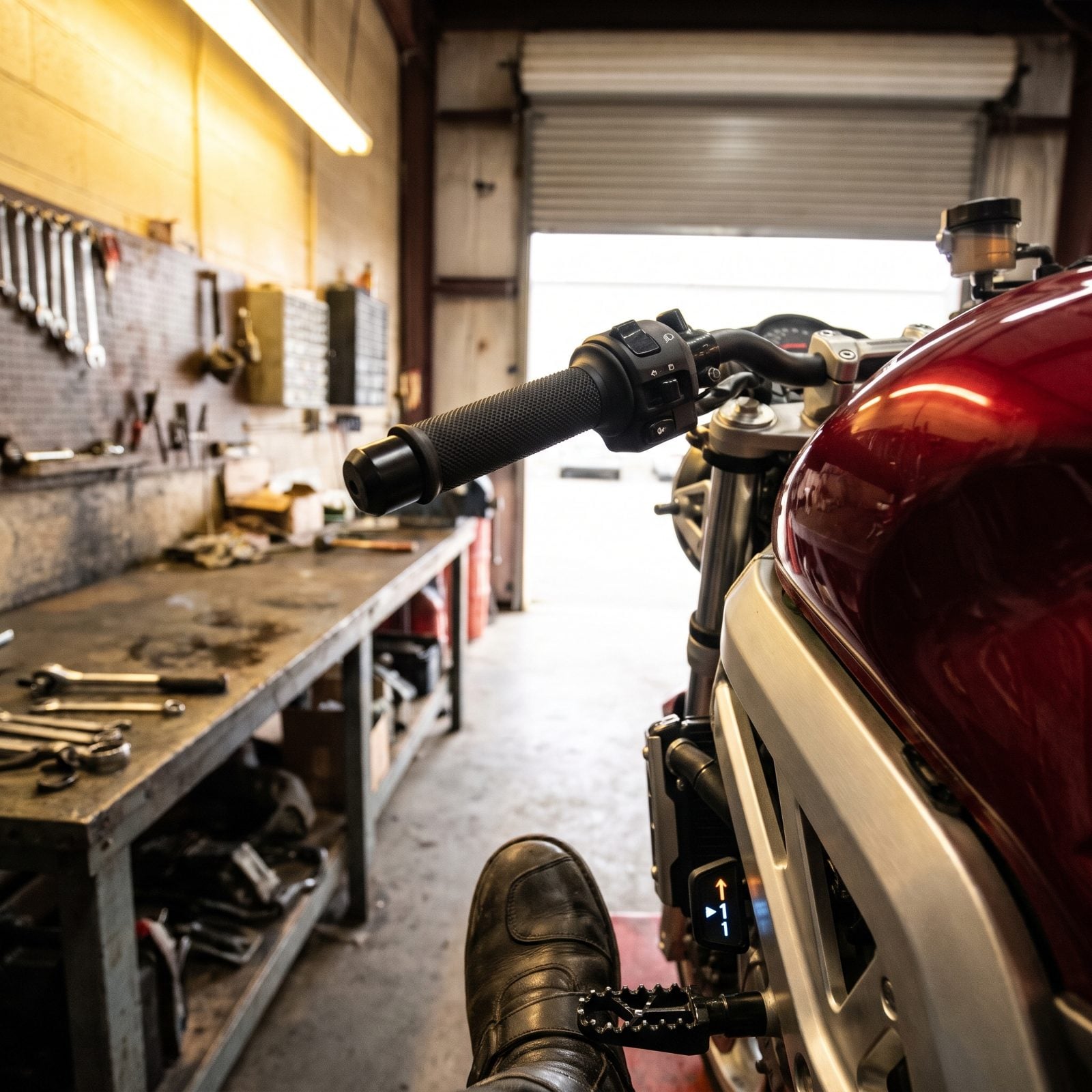
The clutch lever is quietly disappearing, and mechanics are oddly okay with it. Honda’s E-Clutch and Yamaha’s Y-AMT keep a real gearbox but let a motor handle the clutch: E-Clutch still has you shift by foot, while Y-AMT lets you shift with handlebar buttons or leave it in full auto. No torque-converter mush, no CVT drone. Same gears your bike always had.
Here’s what people miss. A machine modulating the clutch does it more consistently than most riders, which spares the plates the brutal friction of a hamfisted launch, and over the life of the bike that adds up to real savings on a job nobody enjoys doing. Expect it on more mid-size bikes by 2027, usually a few hundred dollars over the manual version.
Asked whether he would want an electronically actuated clutch on his own motorcycle, a longtime motorcycle riding coach says “The answer is yes. If this was a kit that could be added to any bike, I would put this on every bike I own.”
34. Tool-Free Height-Adjustable Seats You Change in the Driveway
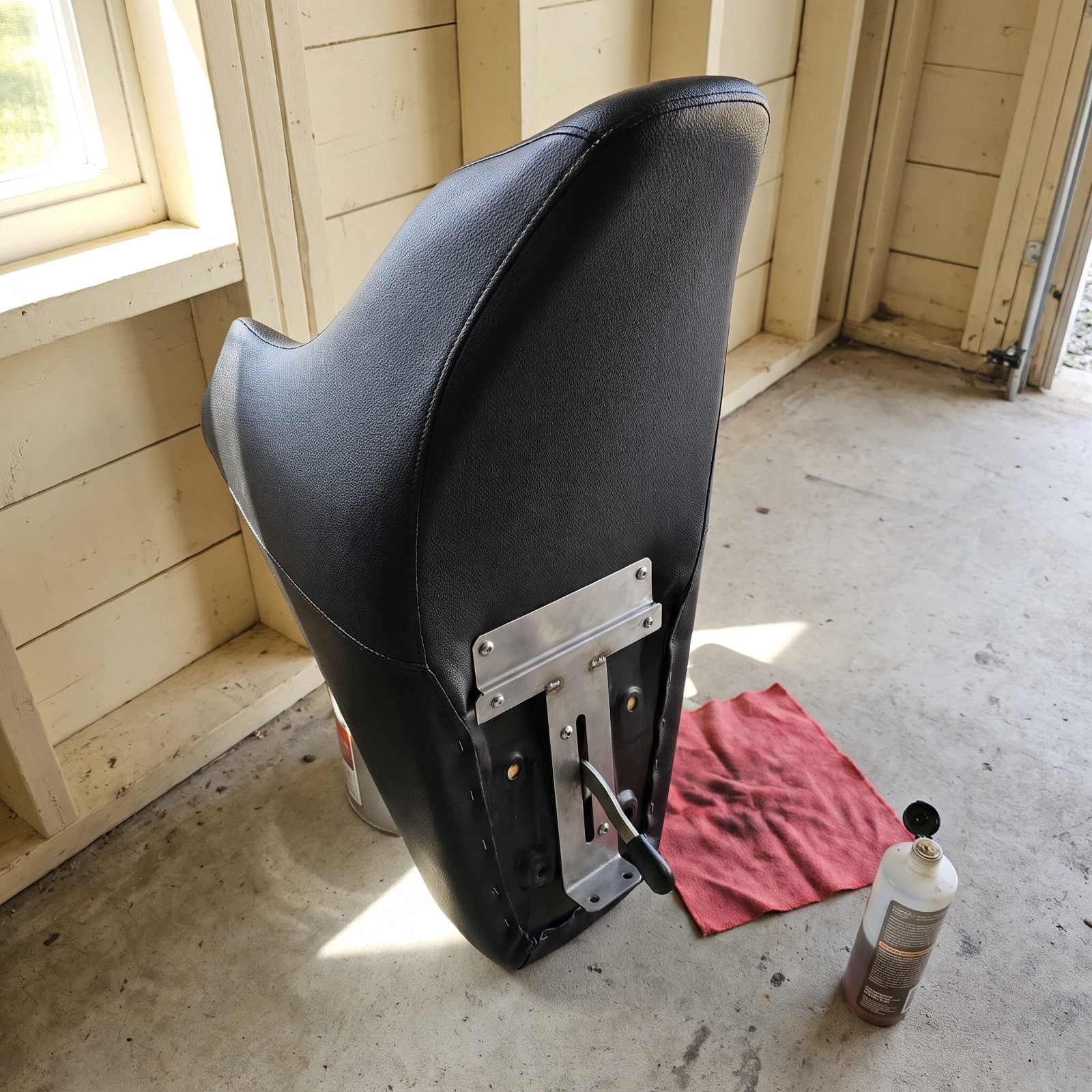
Inseam math ends a lot of test rides before they start. A seat you can drop or raise by an inch without digging out an Allen key solves the standover problem at the curb, not at the dealer.
BMW and a few others already offer two-position seats. The next wave makes it genuinely tool-free: flip a lever, slide the pan, done. Short-legged riders get both feet flat for stops and a taller perch for highway comfort. One seat, two bikes.
33. Adaptive Electronic Suspension That Reads the Road
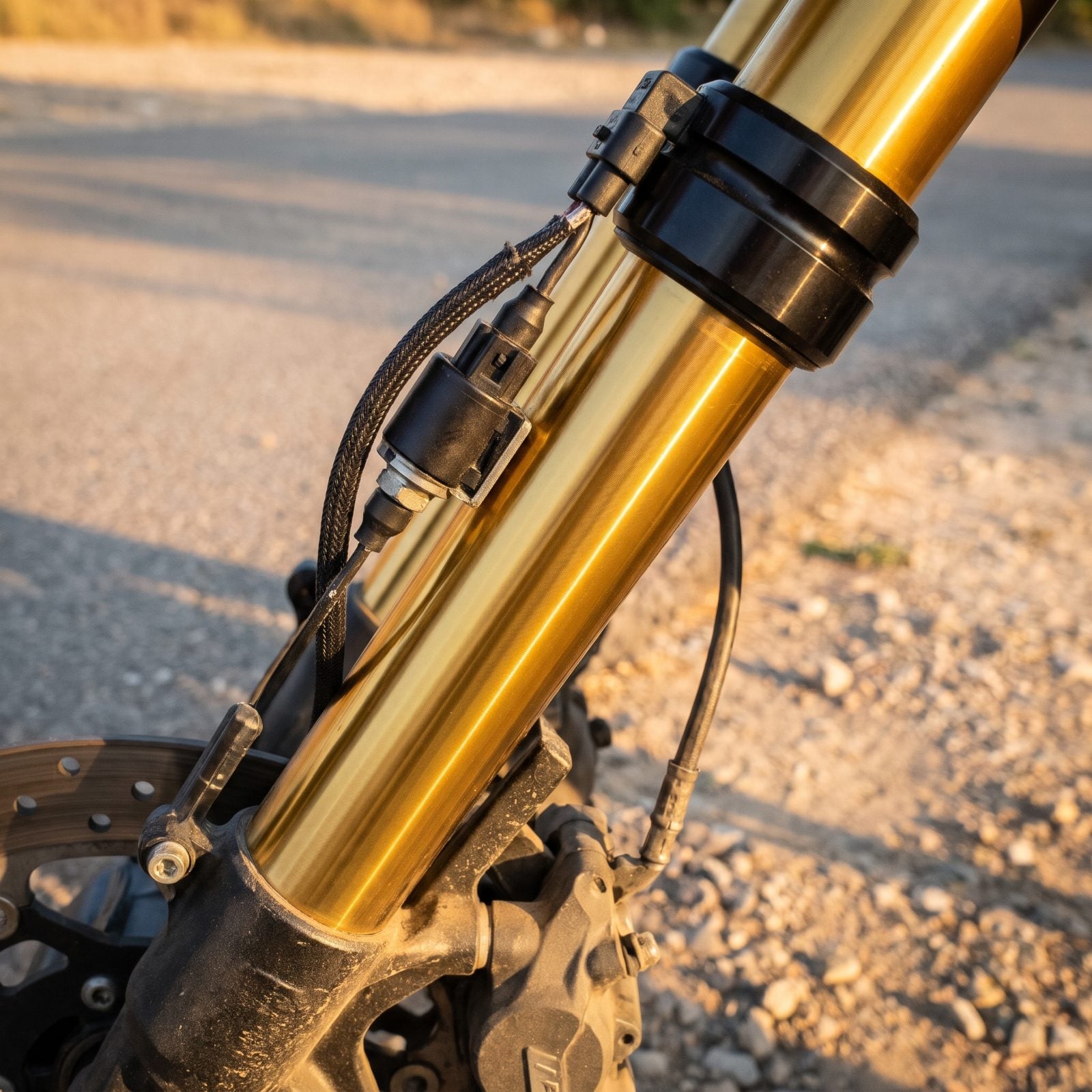
Semi-active suspension used to be superbike money. Not anymore.
Sensors sample the fork and shock hundreds of times a second and firm up or soften the damping before your spine files a complaint. Hit a pothole, the valve opens. Dive into a corner, it stiffens. You feel it most on bad pavement, where a conventional setup is either too soft for the bend or too harsh for the frost heave.
Ducati, BMW and KTM are pushing this down into mid-tier adventure and touring bikes. Mechanics like it because the guesswork of clicker settings mostly goes away, though a dead sensor is a dealer job, not a driveway fix.
32. Automatic Load-Leveling Suspension for Luggage and a Passenger
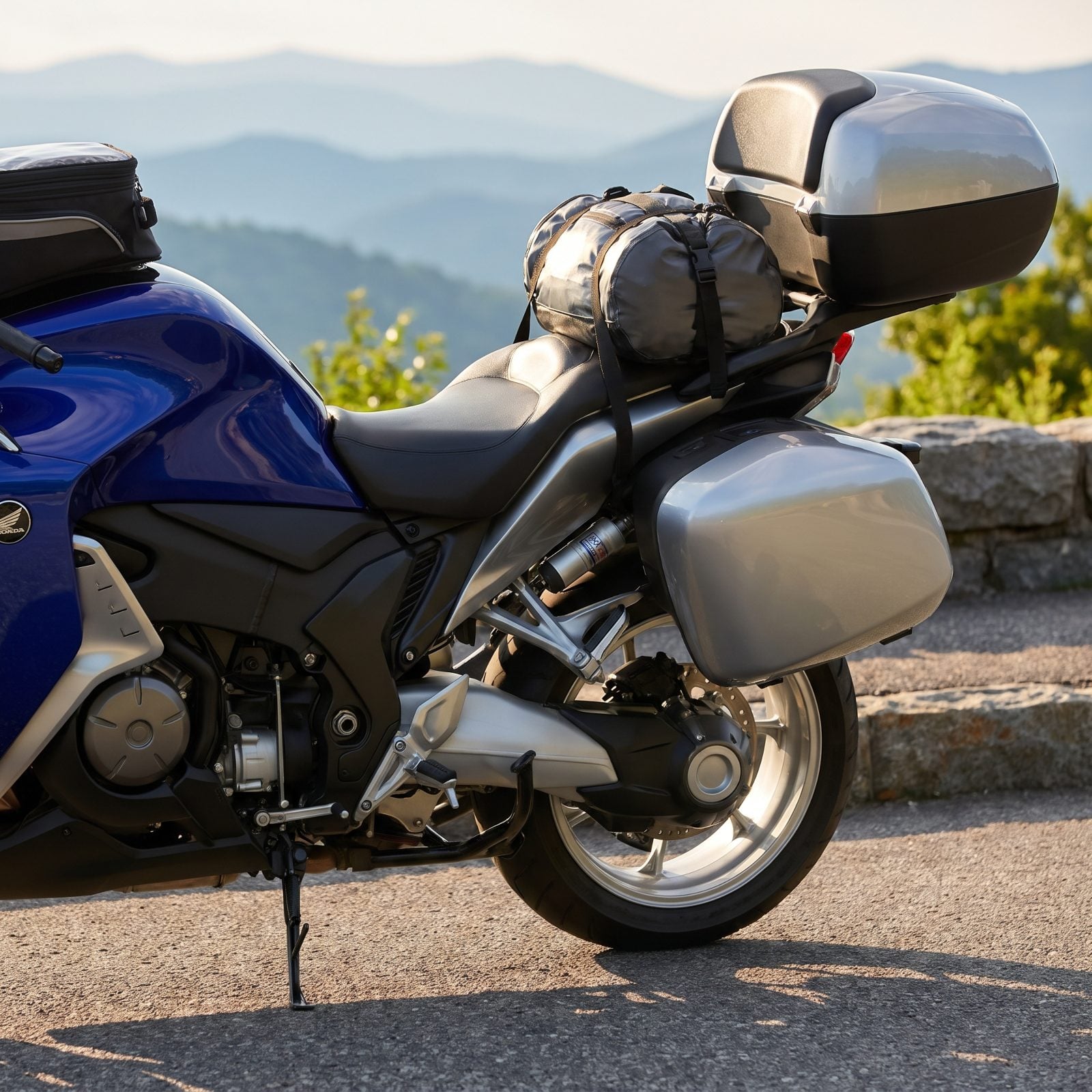
Load a bike with camping gear and a passenger and the rear end squats. Geometry goes soft, the headlight points at the treetops, and the handling turns vague right when you’ve got the most weight to manage.
Self-leveling preload fixes this without you kneeling in a parking lot wrestling a spanner against spring tension. The system senses the sag and adds preload to bring ride height back to spec, solo or two-up, panniers full or empty.
31. Lowering Modes That Drop the Bike at Every Stop
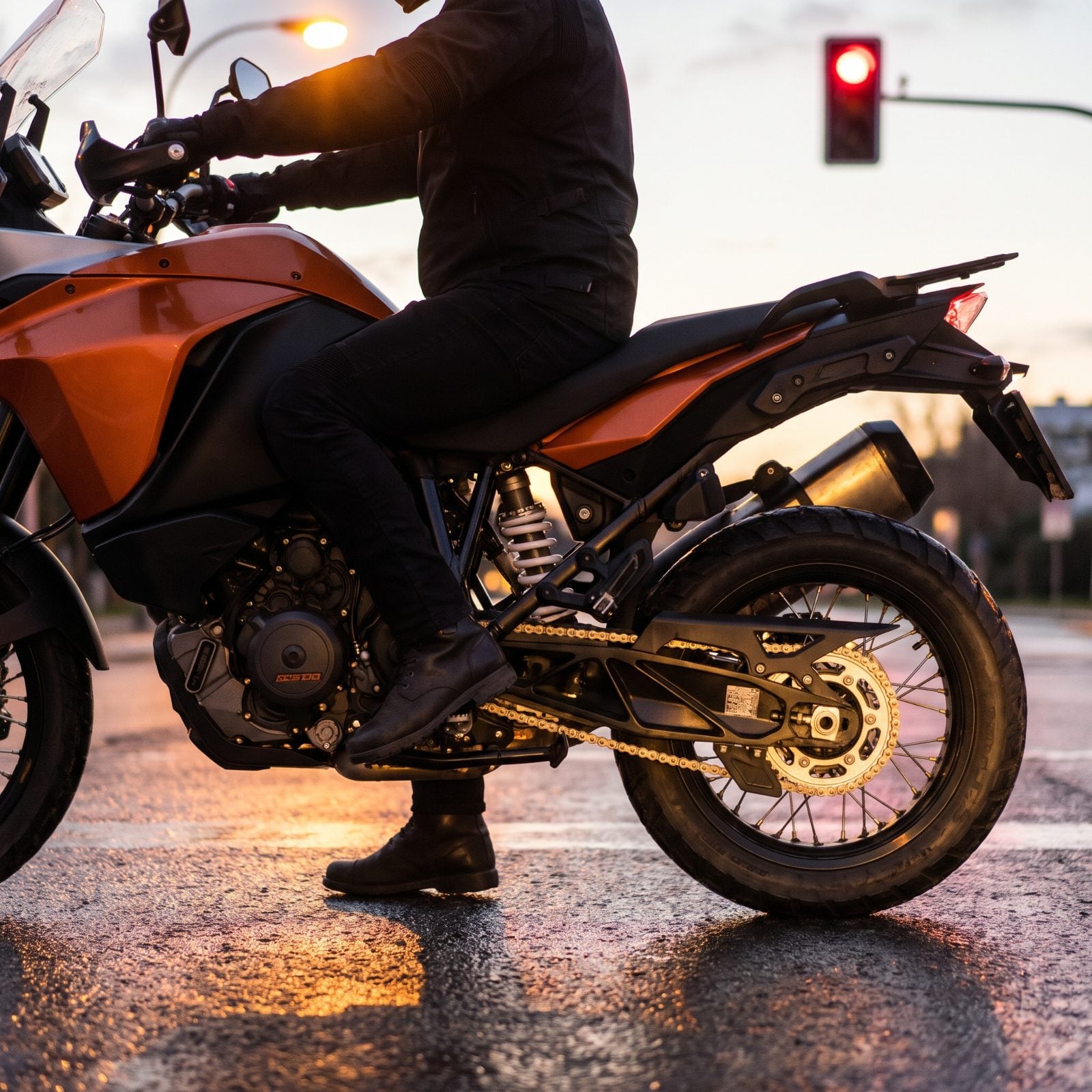
Tall bikes are brilliant on the move and terrifying at a stop. That seat that felt fine on the showroom floor turns into a tiptoe balancing act the moment you pull up to a red light with a camber working against you.
Automatic lowering modes bleed ride height as you slow, settling the bike an inch or two so you get real contact with the ground, then raise it back up as you accelerate away. KTM and Harley have both shown versions of this. For riders who love a tall adventure bike but dread parking lots, it’s the difference between keeping the bike and listing it for sale.
30. Reverse Assist for Backing a 900-Pound Bagger Uphill
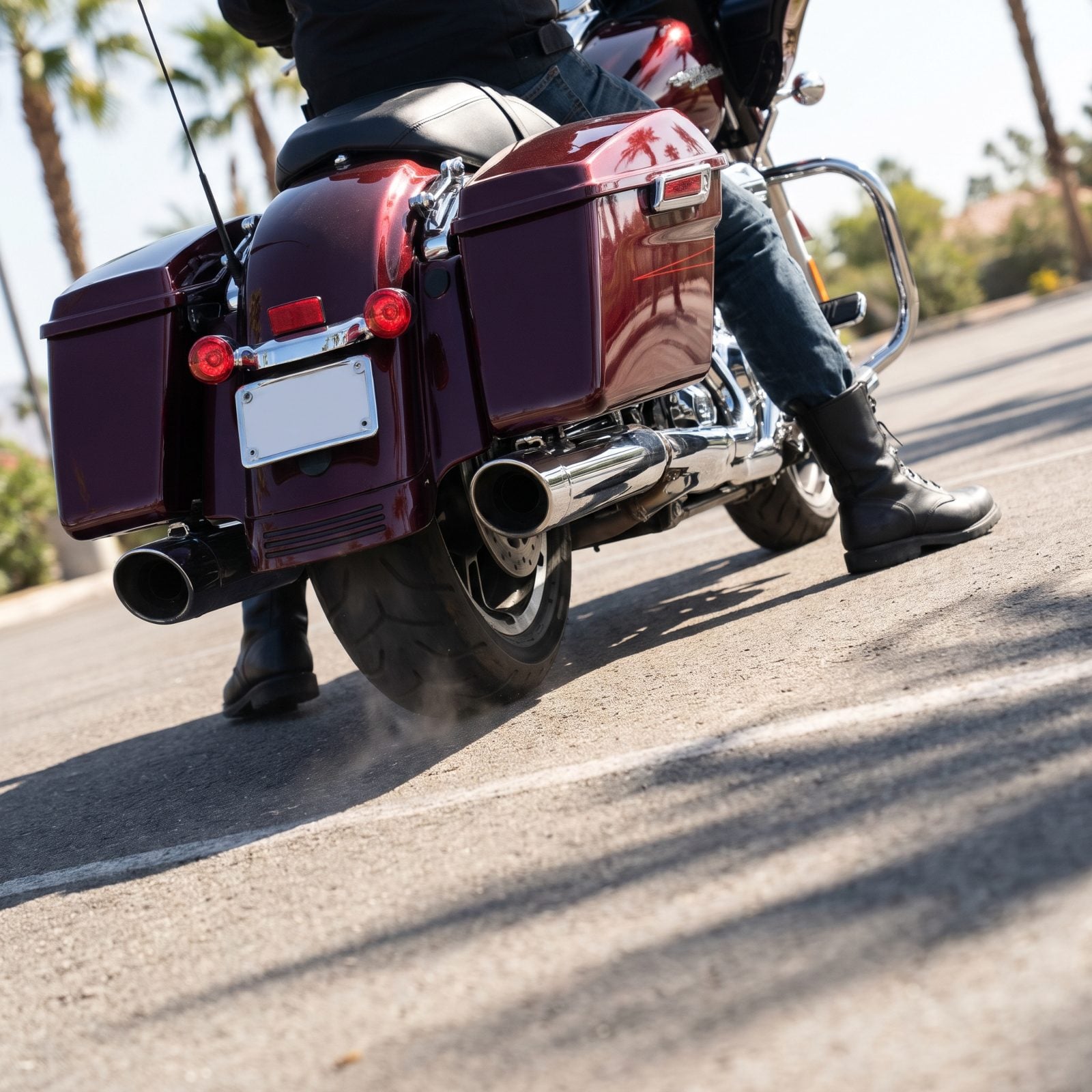
Anyone who’s dropped a full-dress tourer in a parking lot knows the shame is worse than the repair bill. These bikes can top 900 pounds wet, and paddling one backward up any grade is a hernia waiting to happen.
Reverse assist uses the starter motor or a small electric drive to walk the bike back at a crawl. You still steer and balance. The machine just does the shoving. Honda’s Gold Wing has had it for years, and it’s spreading to more big baggers, quietly extending how long an aging rider can keep the bike they love.
29. Hill-Start Hold So You Don’t Roll Back on an Incline
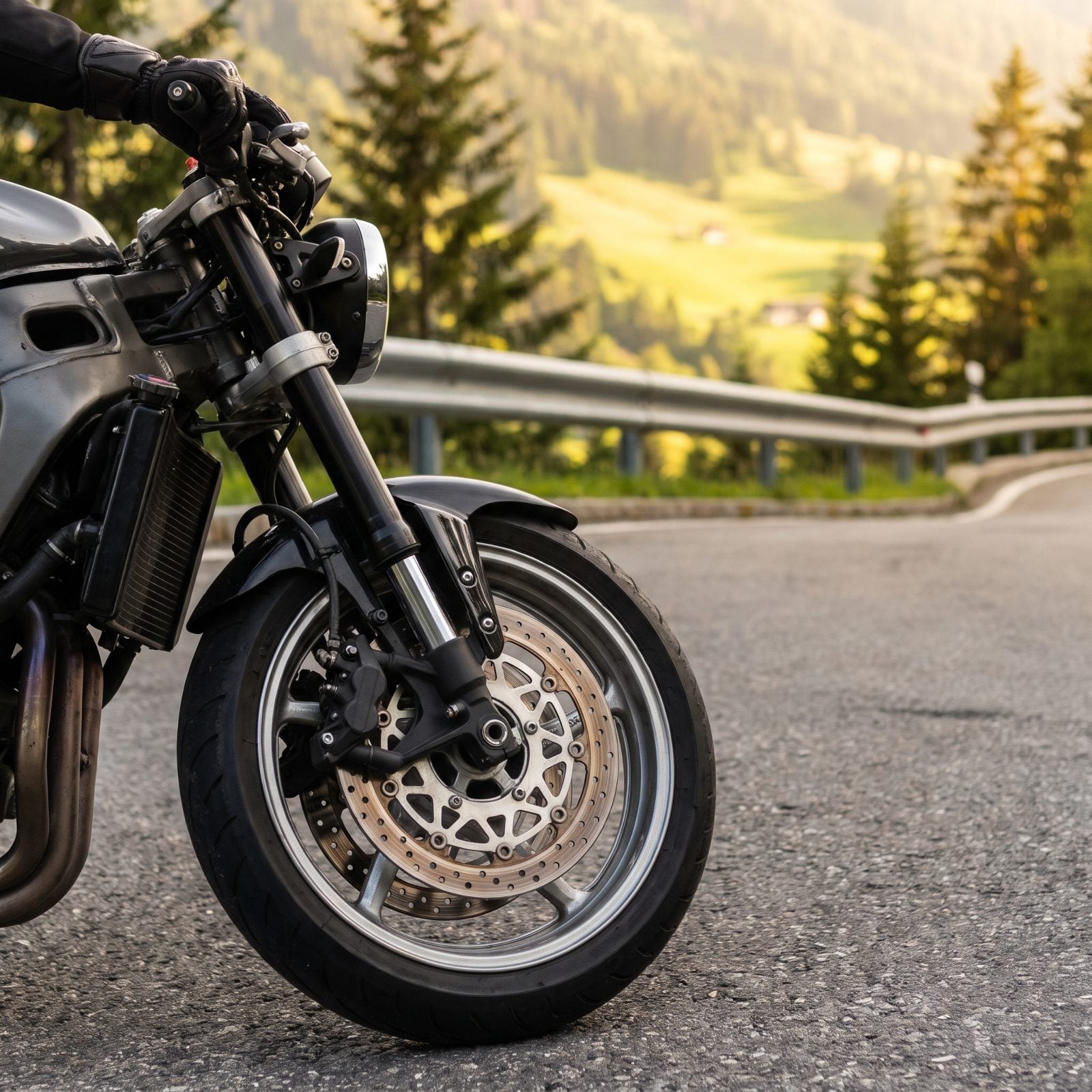
Stopping on a steep grade is a two-hands-two-feet problem with only so many hands and feet to go around. You’re holding the brake, feathering the throttle, and praying the bike doesn’t creep backward into the car behind you.
Hill-start hold keeps the brakes locked for a couple of seconds after you release the lever, giving you time to get on the gas cleanly. Cars have had it for ages. On a bike, where a rollback can mean a tip-over, it’s arguably more useful. Look for it bundled with the electronic brake systems rolling out across mid and large displacement machines.
28. User-Adjustable Engine-Braking Control for Smoother Downshifts
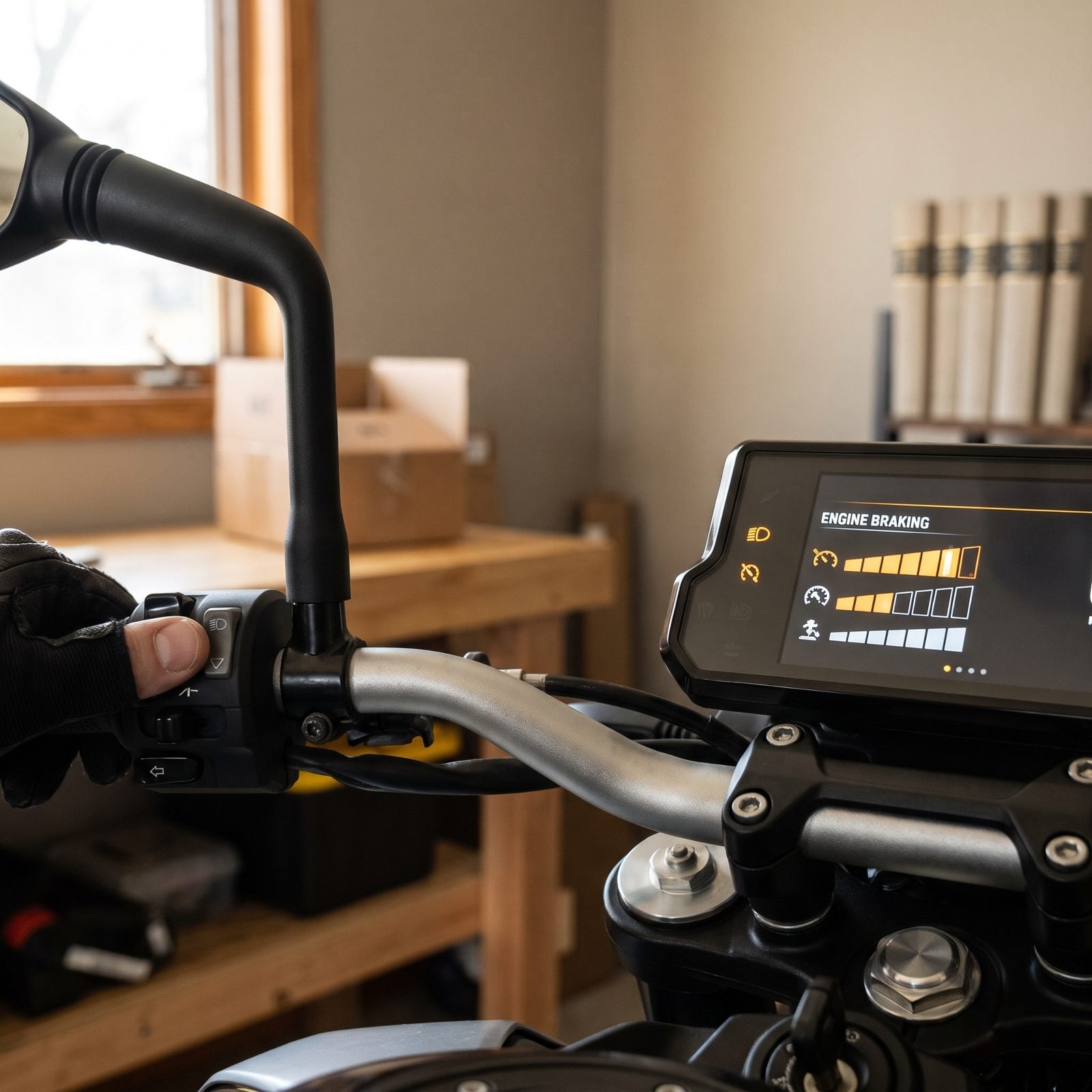
Chop the throttle on a big twin and the back wheel hops, the chassis lurches, and in the wet it can get genuinely sketchy. That’s engine braking, and until recently you lived with whatever the factory dialed in.
Adjustable engine-braking control softens that deceleration drag through ride-by-wire, so downshifts feel like you meant them. Track riders want it aggressive. Commuters and tourers want it mellow. Now you pick, and because it rides on the same throttle electronics as the rider modes, the cost of building it in keeps dropping.
27. Radar-Based Forward-Collision Warnings That Watch the Car Ahead
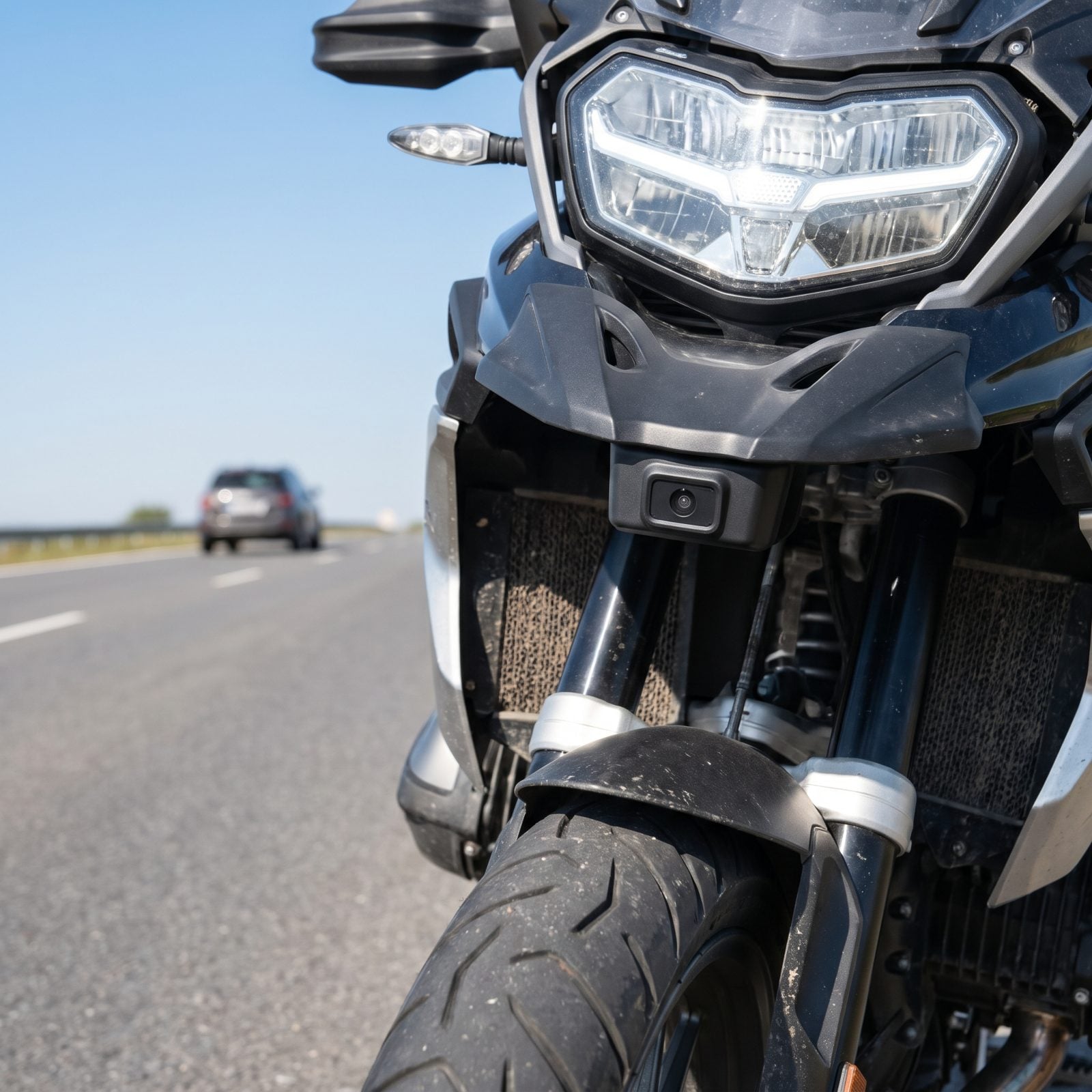
A motorcyclist has no crumple zone. The whole safety strategy is not hitting things.
Forward radar, the same tech behind adaptive cruise, now powers collision warnings that flash or buzz when you’re closing on the car ahead too fast. Ducati, BMW, KTM and others already ship radar on premium models, and the hardware is getting cheaper every cycle.
It won’t brake for you the way a car does. On a bike, surprise automatic braking could toss you off. Instead it buys you a fraction of a second of attention, which on two wheels is sometimes the whole margin.
26. Emergency Brake-Light Flashing to Warn the Driver Behind
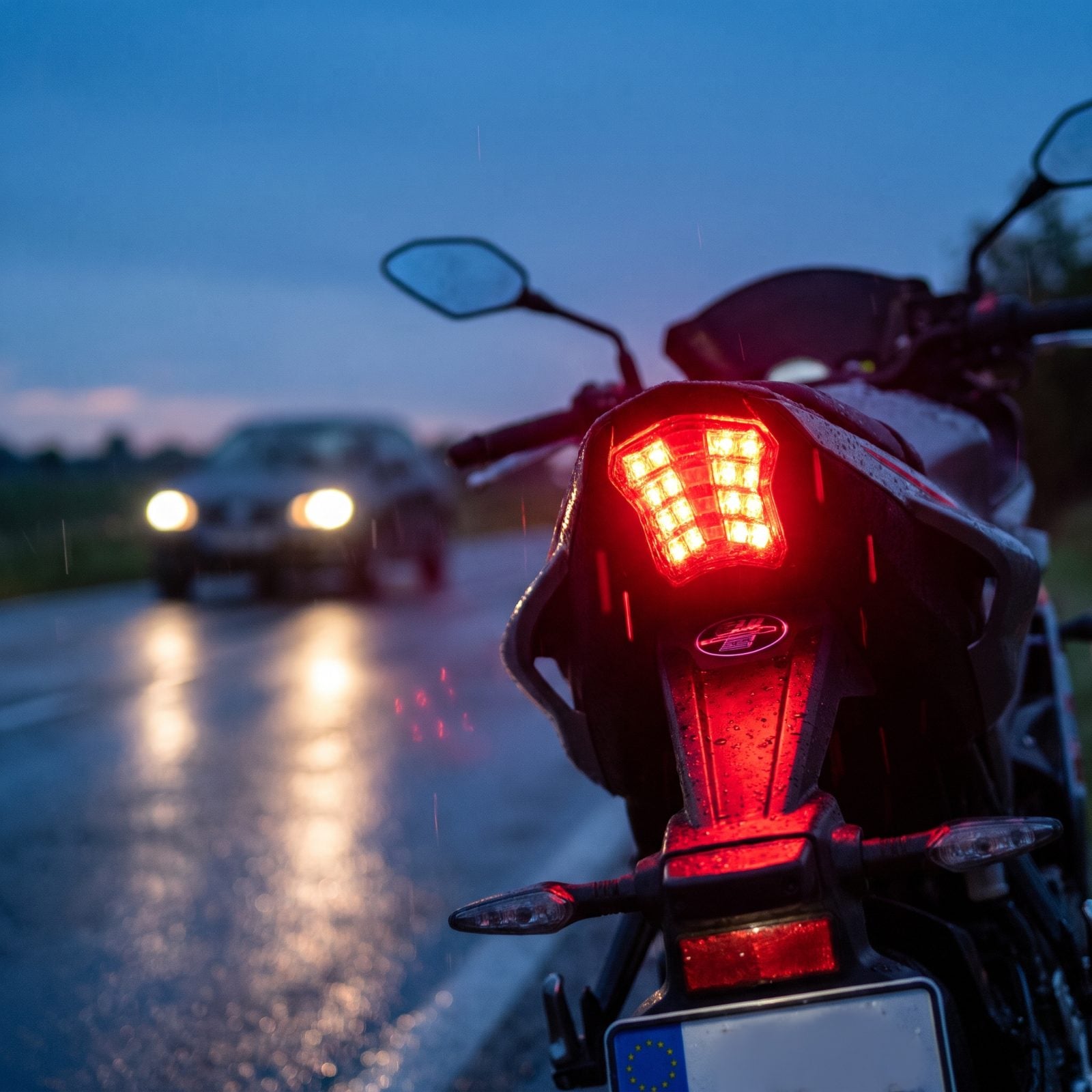
The scariest thing about stopping on a wet road at dusk isn’t your bike. It’s the driver closing in through the gloom, headlights on, who may not pick you out until late.
Emergency brake-light flashing detects a panic stop and strobes the tail light or kicks on the hazards, a far louder signal than the steady red lamp of a bike sitting on its kickstand. It’s cheap, it’s software riding on existing lights, and it costs you nothing to run.
BMW, KTM, Kawasaki and others already offer it, and by 2027 expect it well down into the commuter ranks. Of everything here, this is the one with the best safety-per-dollar return, and the one nobody bothers to brag about.
25. Factory Front-and-Rear Crash Recording
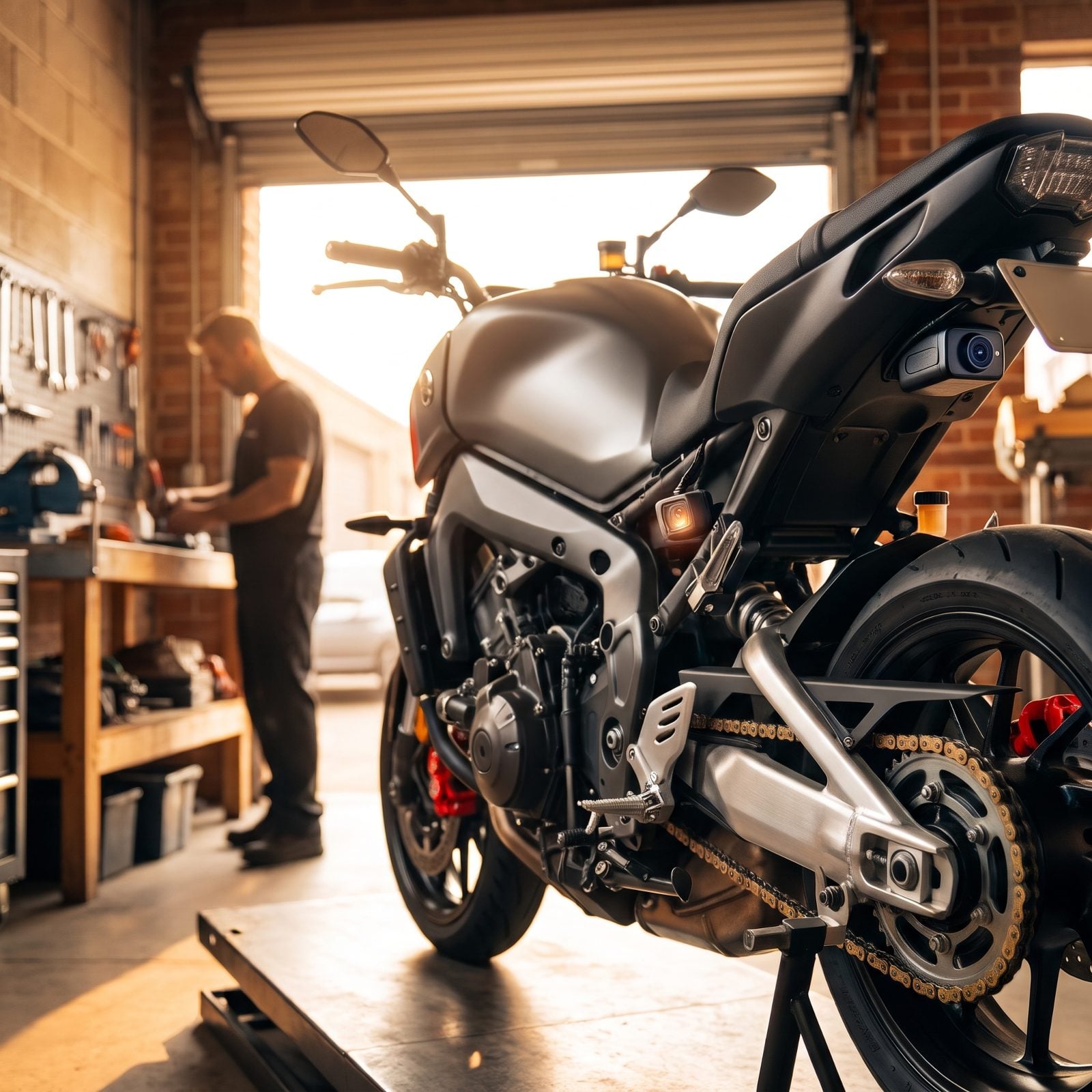
Insurers listen to video, then they argue about memory. That’s the real pitch for factory-fitted front-and-rear cameras, and mechanics have spent years watching the aftermarket versions get bolted on crooked.
By 2027 the gain is integration done right: clean wiring off the main loom, no dangling USB brick taped under the seat, lenses aimed where an engineer decided instead of wherever your arm could reach on a Sunday afternoon. And because the loop recording triggers off the bike’s own accelerometer, the thirty seconds around an impact get locked instead of overwritten.
Most riders never need it. The one who gets left-hooked at an intersection needs it badly, and a shaky cellphone clip from a bystander isn’t the same thing.
24. Emergency-Call Systems With Location Sharing
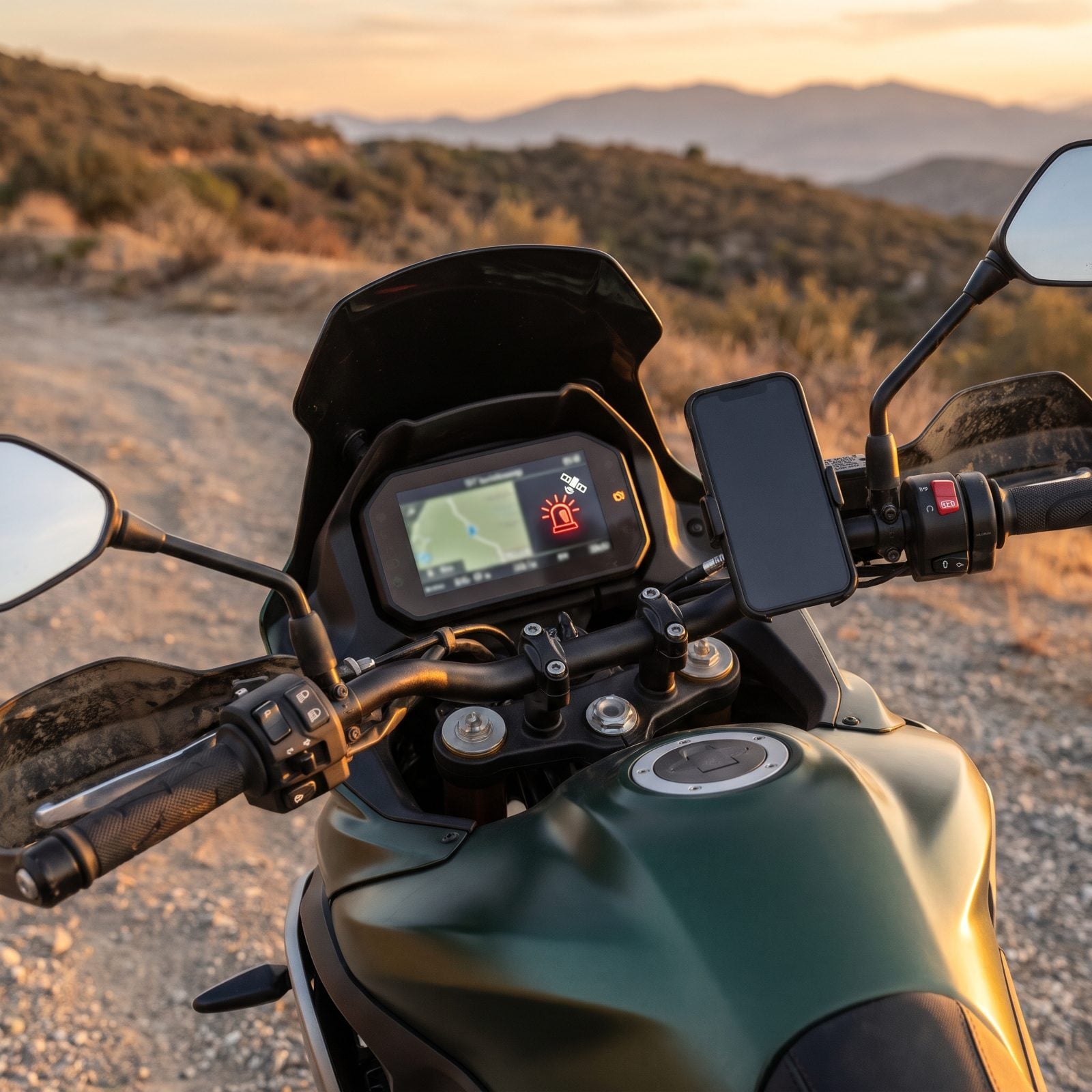
The worst place to crash is the empty place. A quiet county road, a logging two-track, the kind of corner you picked precisely because nobody else bothers with it.
These systems watch the bike’s crash sensors, and when they detect a get-off they start a countdown on the dash. Ignore it or stay still and the bike pings a contact list with your coordinates. Some hook into a dispatch service. It matters most for solo riders, which is all of us at some point.
23. Automatic Hazard Lights After a Crash
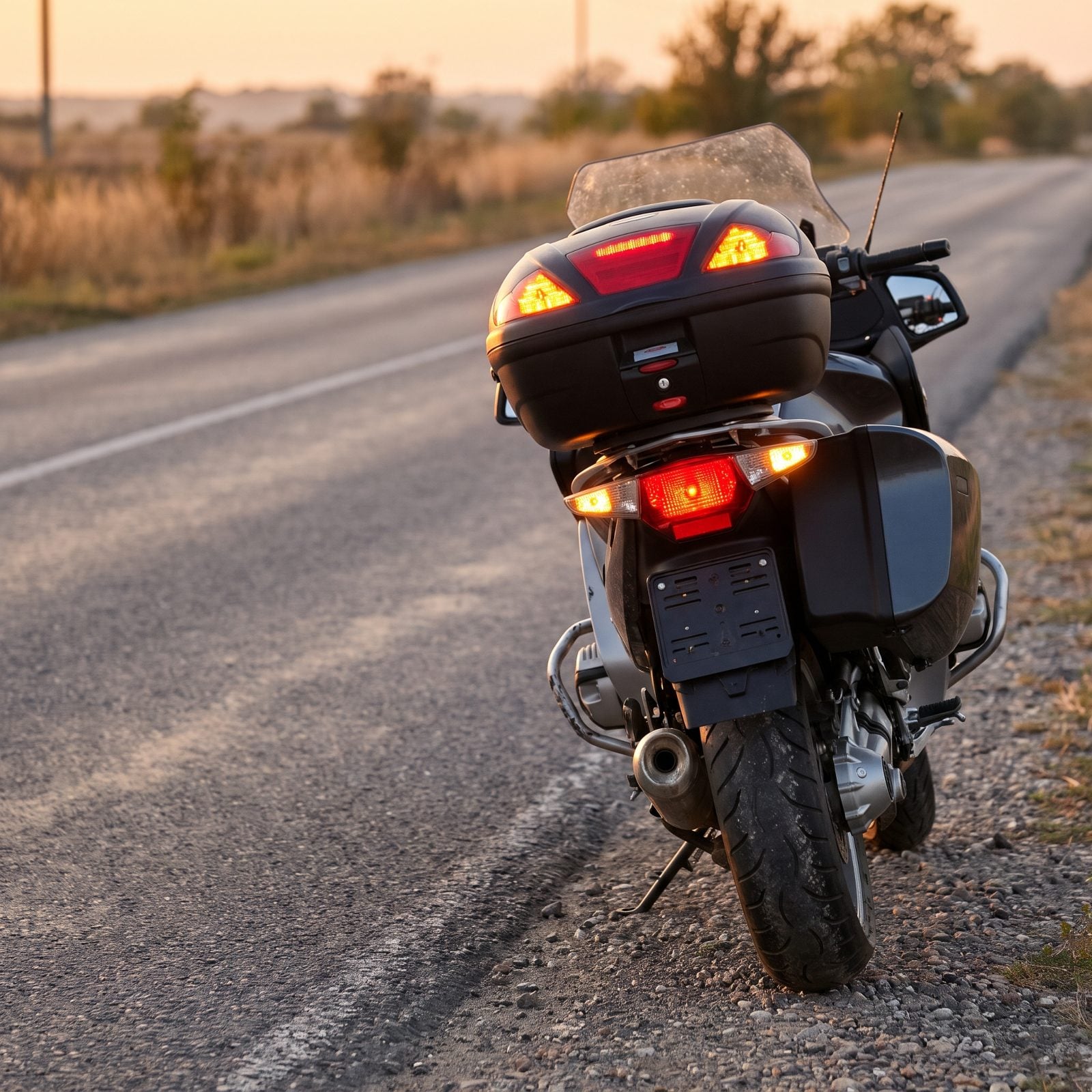
A bike stopped on the shoulder at dusk is easy to miss. It’s dark, it’s off to the side, and a shaken rider who’s stepped away from it may not think to reach the switch to warn anyone coming.
So the bike handles it. The crash sensor trips, hazards start flashing, and traffic behind you gets a few extra seconds of warning while you’re still checking yourself over on the gravel. Simple logic, no real new hardware either — just software that already knows something went wrong, telling the blinkers to earn their keep.
Cars have run this for a while. Watching it finally reach motorcycles, where the rider is the thing most likely to get run over a second time, is long overdue.
22. Self-Canceling Turn Signals That Read Lean Angle
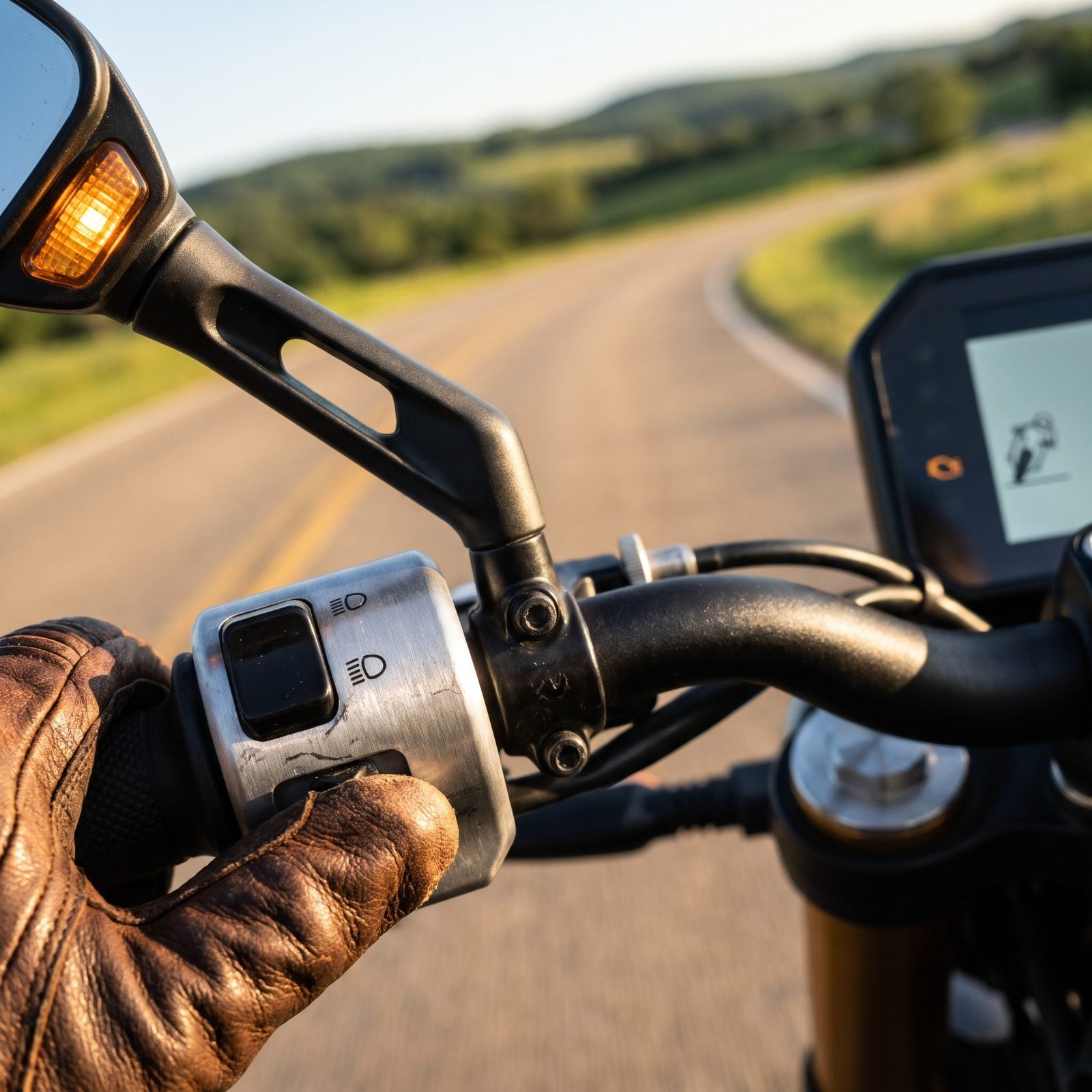
Leaving a blinker on is the most embarrassing motorcycle mistake going, and one of the most dangerous. The car behind you can’t tell whether you’re turning or you just forgot.
Old auto-cancel ran on a timer and a wheel-speed guess, which failed constantly at low speed and in traffic. The newer approach reads the bike’s lean-angle sensor — same gadget feeding cornering ABS. It knows you finished the turn because it felt you lean in and stand back up. Then it cancels.
Small thing, until you realize how many near-misses start with a rider who assumed the lane next to them had somewhere else to be.
21. GPS Theft Tracking
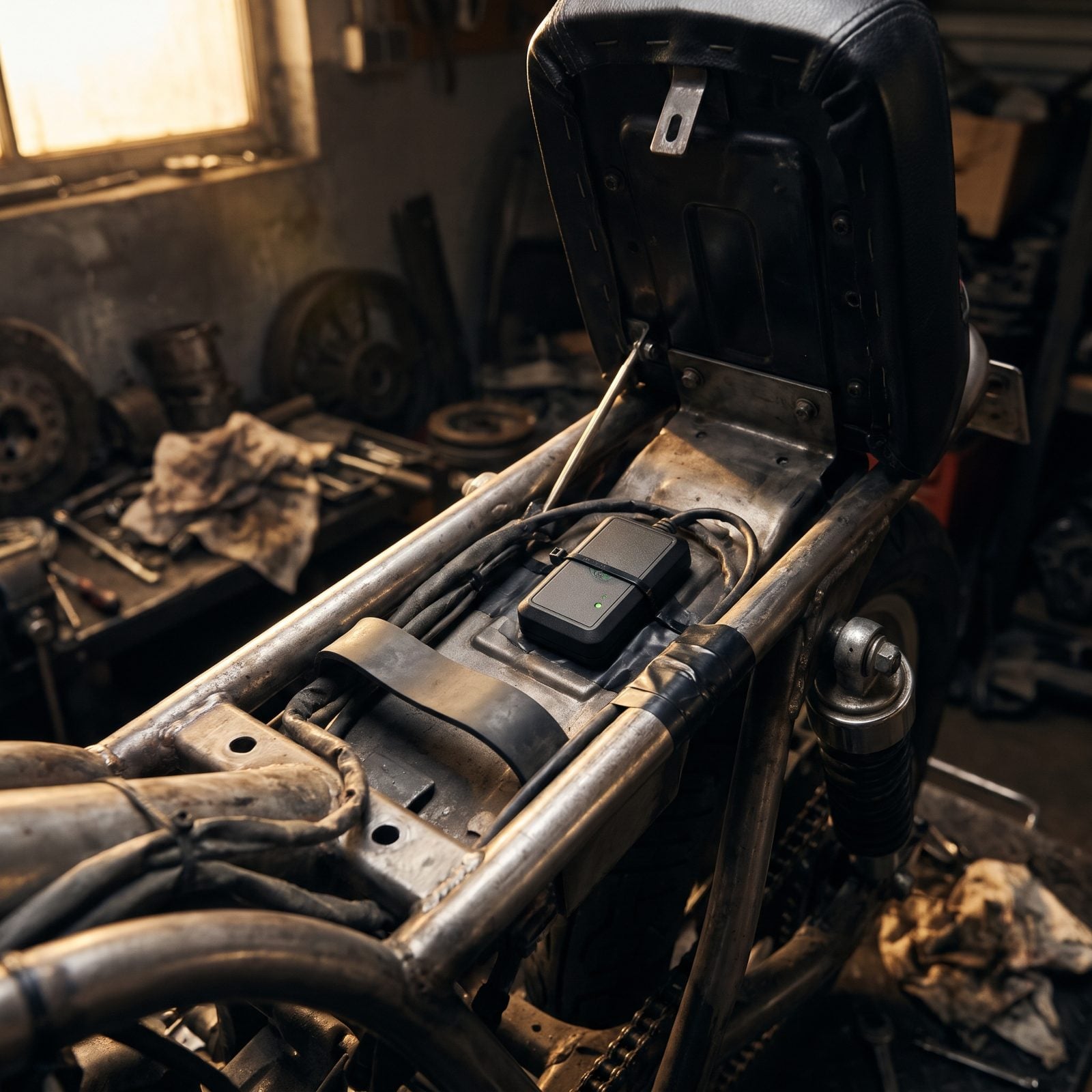
Thieves work fast. A van, a ramp, a cut lock, and your bike is three streets away before you’ve finished your coffee.
Factory-embedded GPS changes the math after the fact. The tracker lives somewhere a thief can’t easily find and feeds live location to your phone and, in plenty of cases, straight to recovery services. Aftermarket units exist, but they’re the first thing a pro strips once the bike’s in the van. A hidden factory install baked into the loom is much harder to kill.
Tracked bikes get recovered a good deal more often than untracked ones. The deterrent is real, but honestly, the recovery is the part that gets your bike back in the garage.
20. Movement-Triggered Theft Alerts
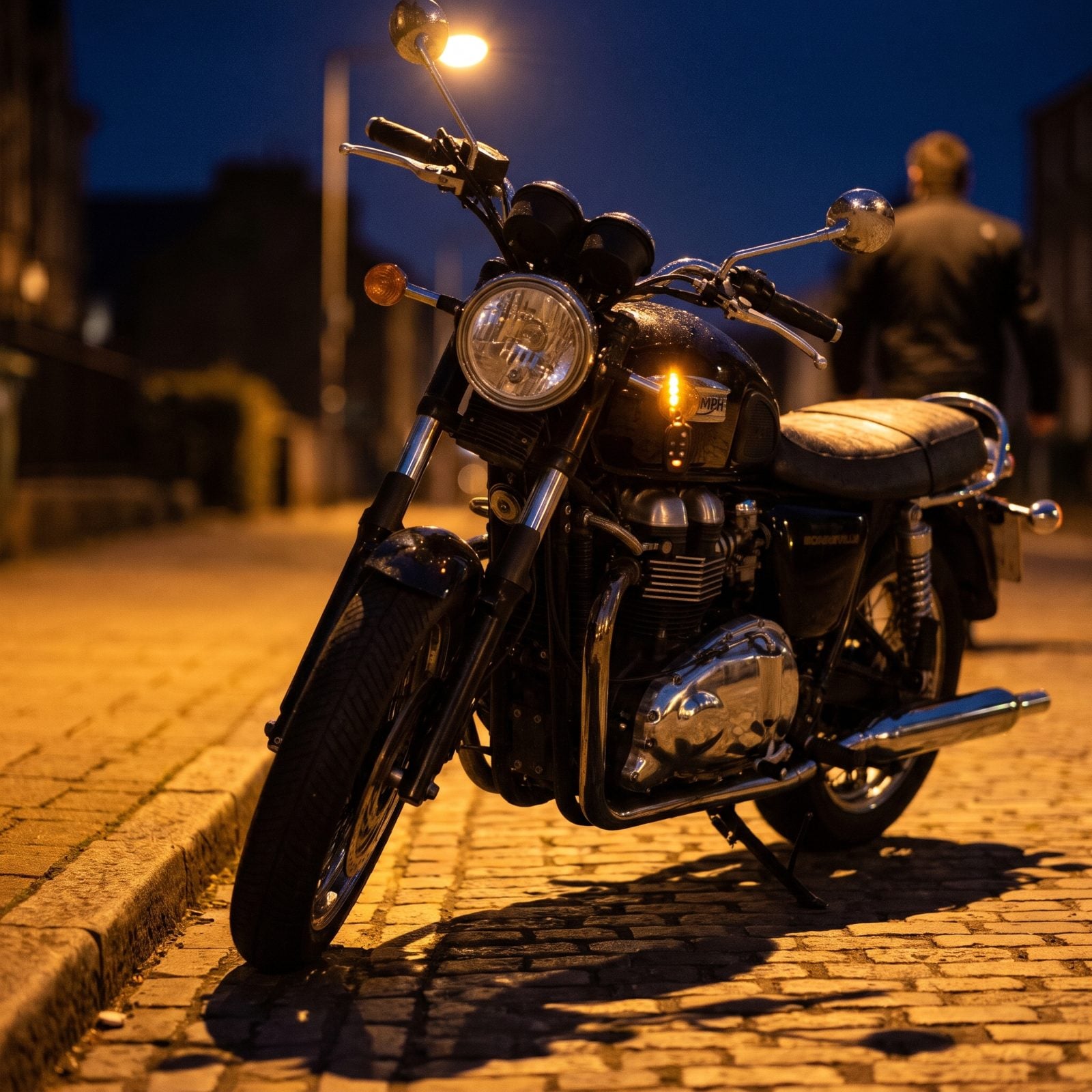
Someone leans on your bike in a parking lot and it screams at them. That stops the theft before it starts, which is why it works more reliably than tracking.
Built-in motion and tilt sensors watch for the bike being lifted, rolled, or jacked up onto a stand. A nudge earns a chirp warning. Keep pushing and the alarm goes full volume and pings your phone, and if it’s paired to the factory immobilizer the engine won’t fire even after they defeat the noise.
Here’s the catch nobody mentions: sensitivity. Too touchy and the thing howls every time a truck rumbles past, and you’ll disable it out of pure spite. The good ones let you tune that.
19. Battery-Health Monitoring
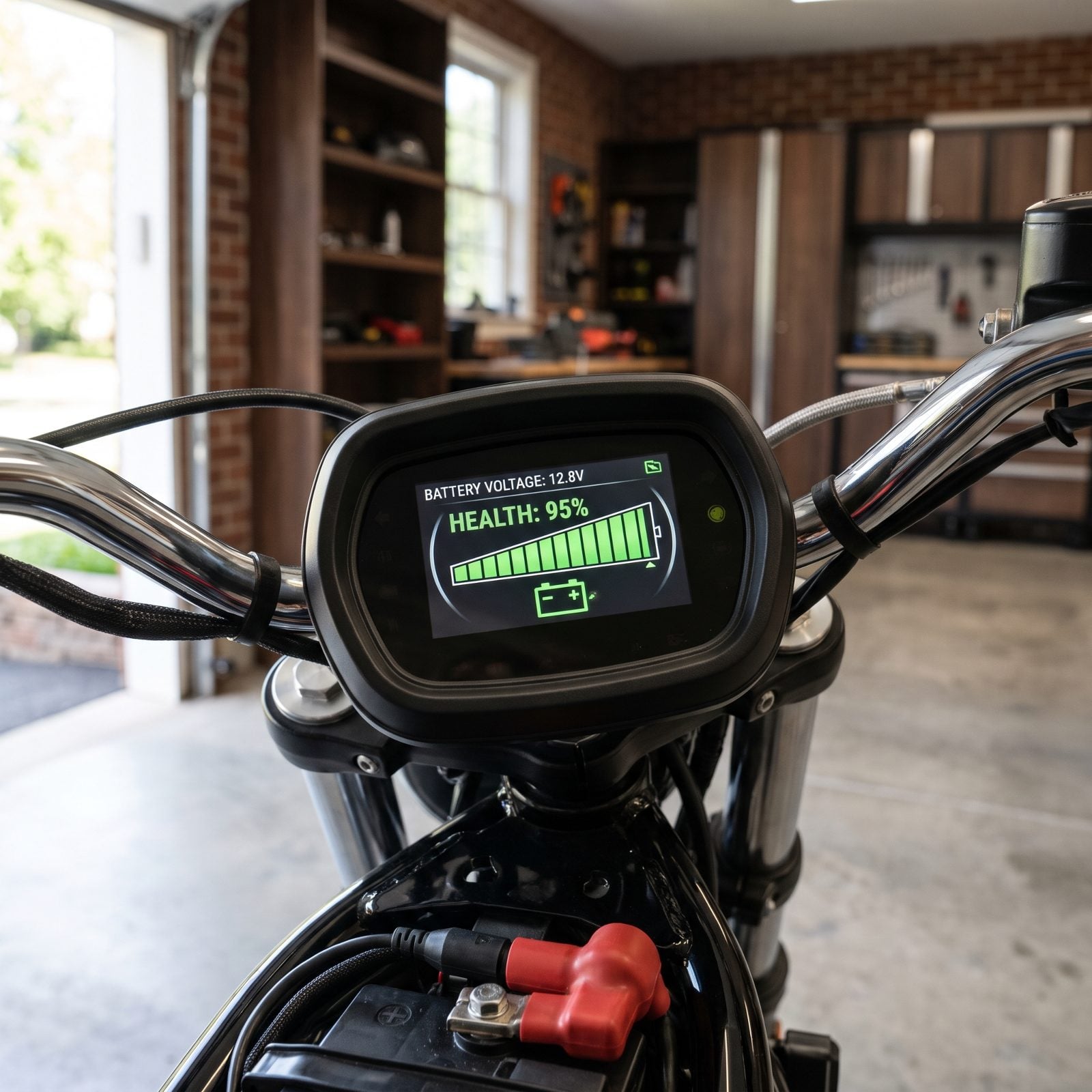
A dead battery on a cold morning is the oldest motorcycle disappointment there is. You suit up, thumb the starter, and get a sad little click.
Onboard monitoring tells you it’s coming. The system tracks voltage, charge acceptance, and how hard the battery works to crank the engine, then flags the decline weeks before it strands you. For anyone who stores a bike over winter, that’s the difference between a quiet spring and a tow truck.
18. Standard External Jump-Start Terminals
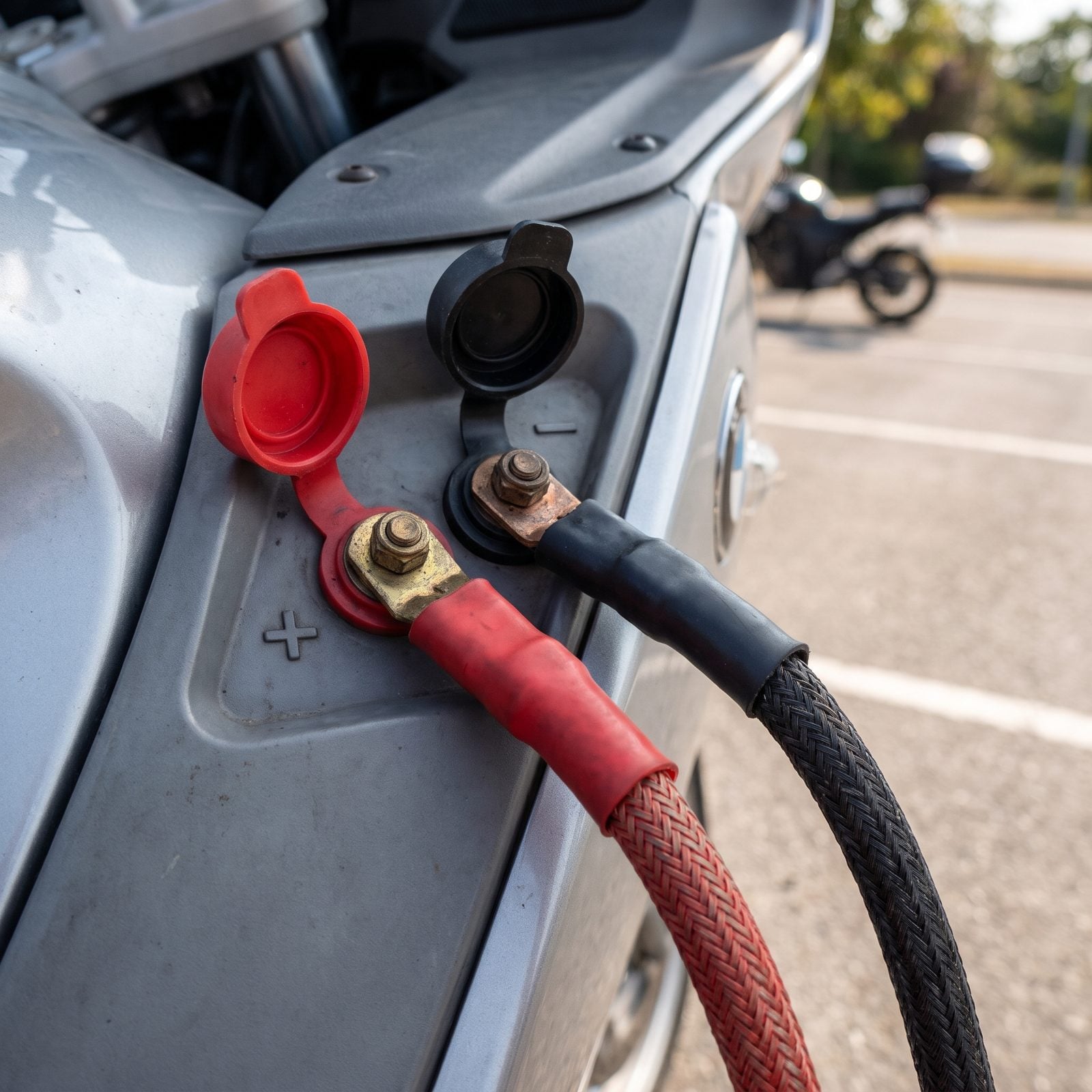
On a lot of bikes, getting to the battery means pulling the seat, sometimes the tank, maybe a panel held on by fasteners you’ve already lost once. A miserable way to learn you can’t jump a dead battery in a gas station lot.
External terminals fix a genuinely stupid problem: a clearly labeled positive and negative post somewhere you can reach with clamps, no tools, no disassembly. Cars have had this forever. Motorcycles mostly made you earn it.
Mechanics love this one too, because it’s where they hook up a trickle charger or a diagnostic lead without wrestling the bodywork. Small change, saves a lot of knuckle skin.
17. Keyless Ignition With a Mechanical Backup
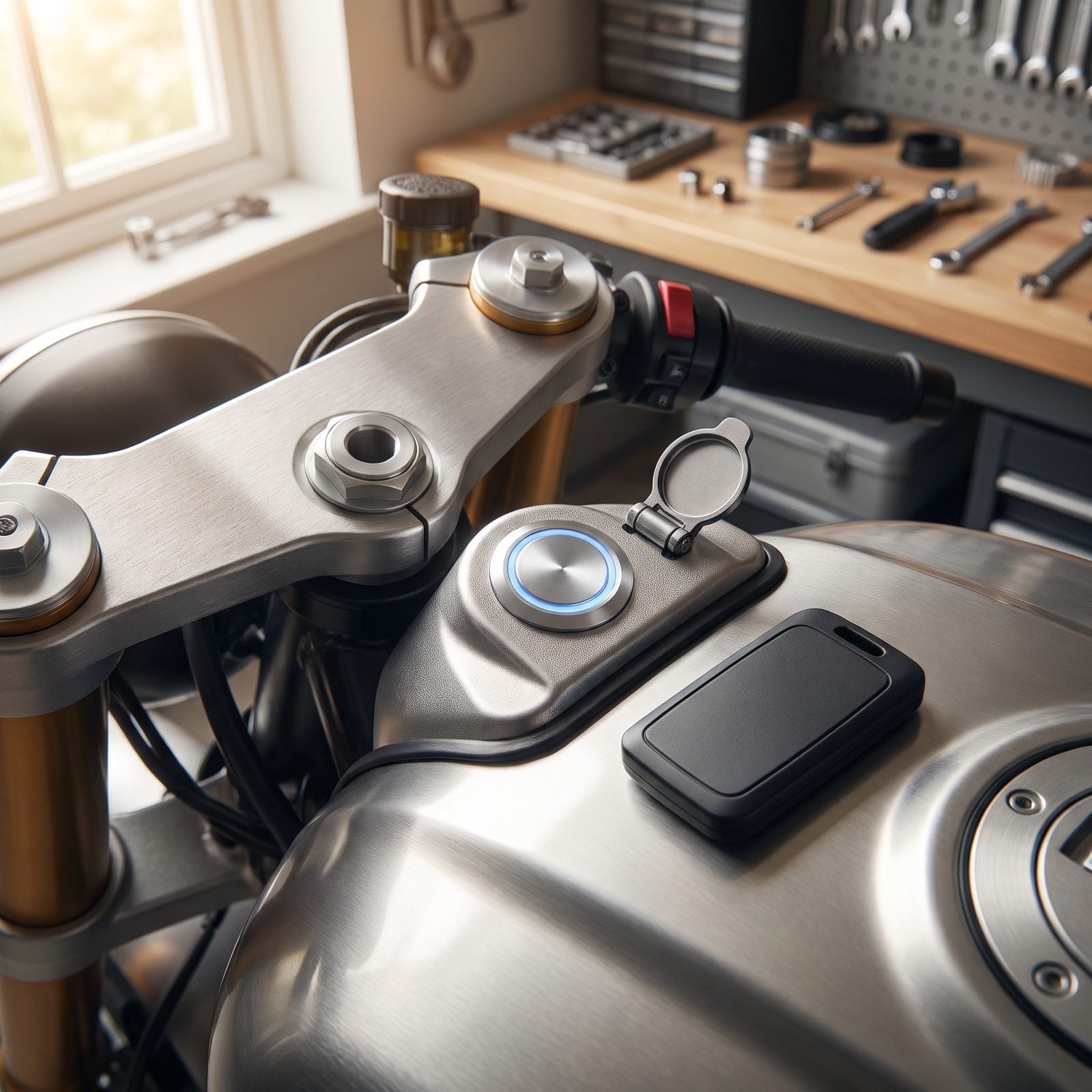
Keyless is convenient right up until the fob battery dies in a parking garage with no cell signal and you’re stuck next to a bike that won’t acknowledge you exist.
The version worth having by 2027 pairs keyless with a real mechanical fallback. Proximity fob for the daily convenience — no fishing for keys with gloves on, no fumbling at the pump — and a hidden physical key slot or backup code for the day the electronics sulk.
Plenty of early keyless bikes skipped the backup entirely, which is how you strand a rider over a dollar coin cell. That mechanical escape hatch separates a good system from a clever one that occasionally betrays you.
16. Automatic Chain-Lubrication Systems
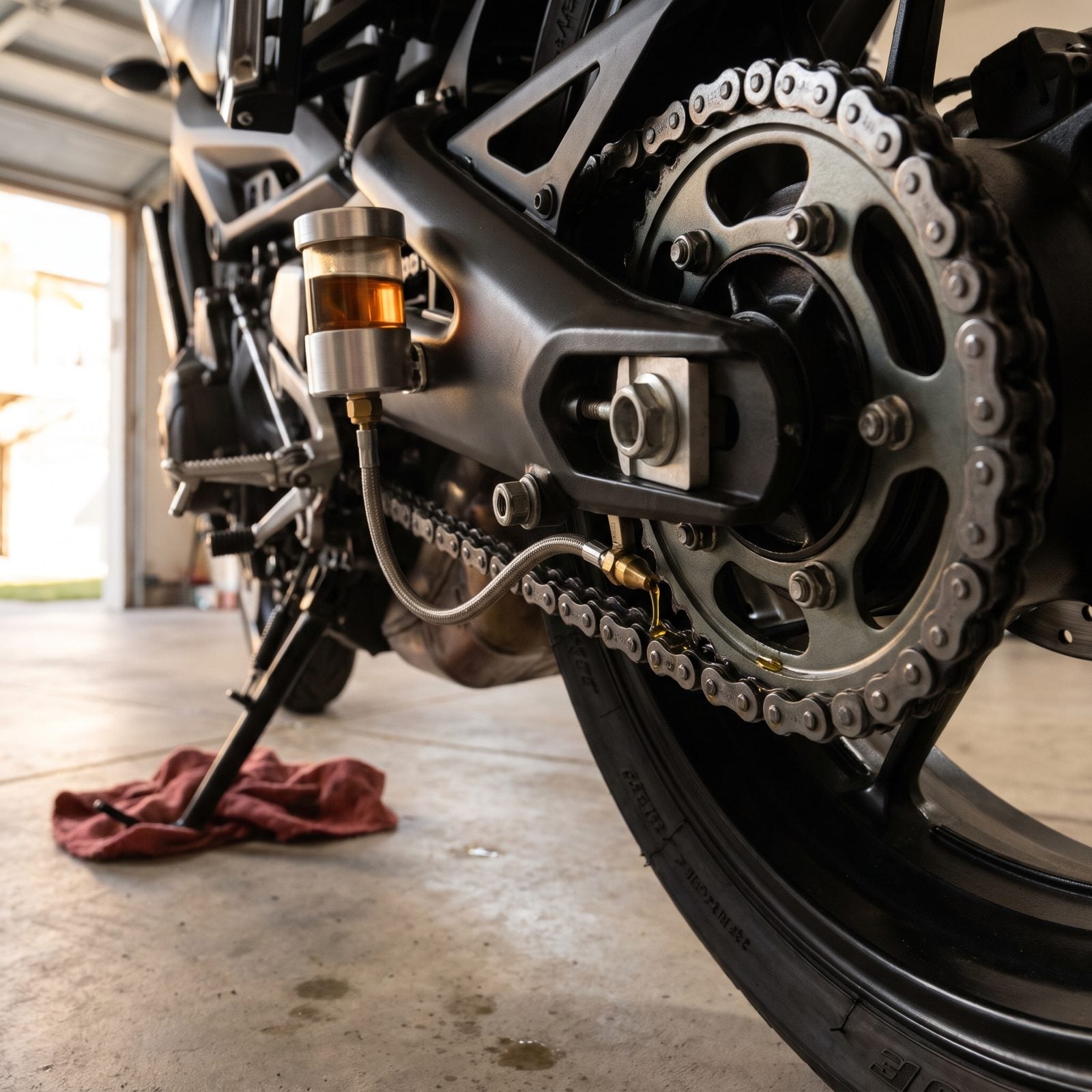
Chain maintenance is the chore riders lie to themselves about. You swear you’ll do it every 500 miles, then you actually do it when the thing starts squeaking at a stoplight.
Automatic oilers fix that by dosing a small amount of lubricant onto the chain while you ride, metered to distance or time. Scottoiler and Tutoro have sold these for years, but mechanics expect them baked into more 2027 adventure and touring bikes from the factory rather than bolted on in a back lot. The payoff is real: a well-oiled O-ring chain can outlast a neglected one by a wide margin, and sprockets aren’t cheap to replace in pairs.
15. Built-In USB-C Power Delivery
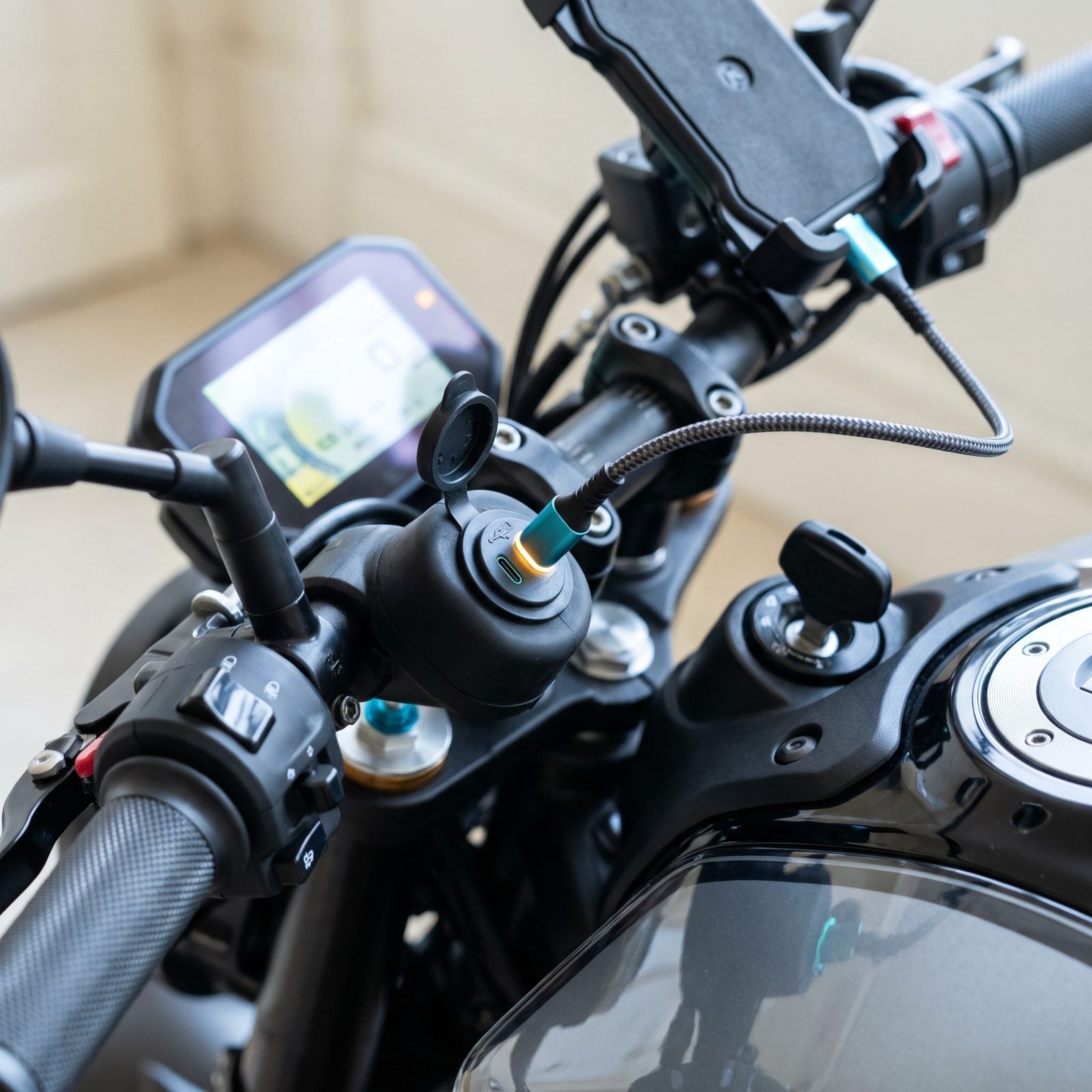
The 5-volt accessory socket bolted to half the bikes on the road can’t keep a modern phone charged while it runs navigation and streams music. You’ve watched the battery icon drop with the cable plugged in. That’s not a charging port — it’s a slow leak.
USB-C Power Delivery changes the math. A port rated for 27 watts or higher actually gains ground on a phone pulling GPS duty on a hot day. Mechanics like it because it’s one standard instead of three, and because weatherproof PD modules are finally cheap enough that manufacturers can wire them in at the factory instead of leaving you to splice an aftermarket unit into the fuse box.
14. Waterproof Wireless Phone Charging
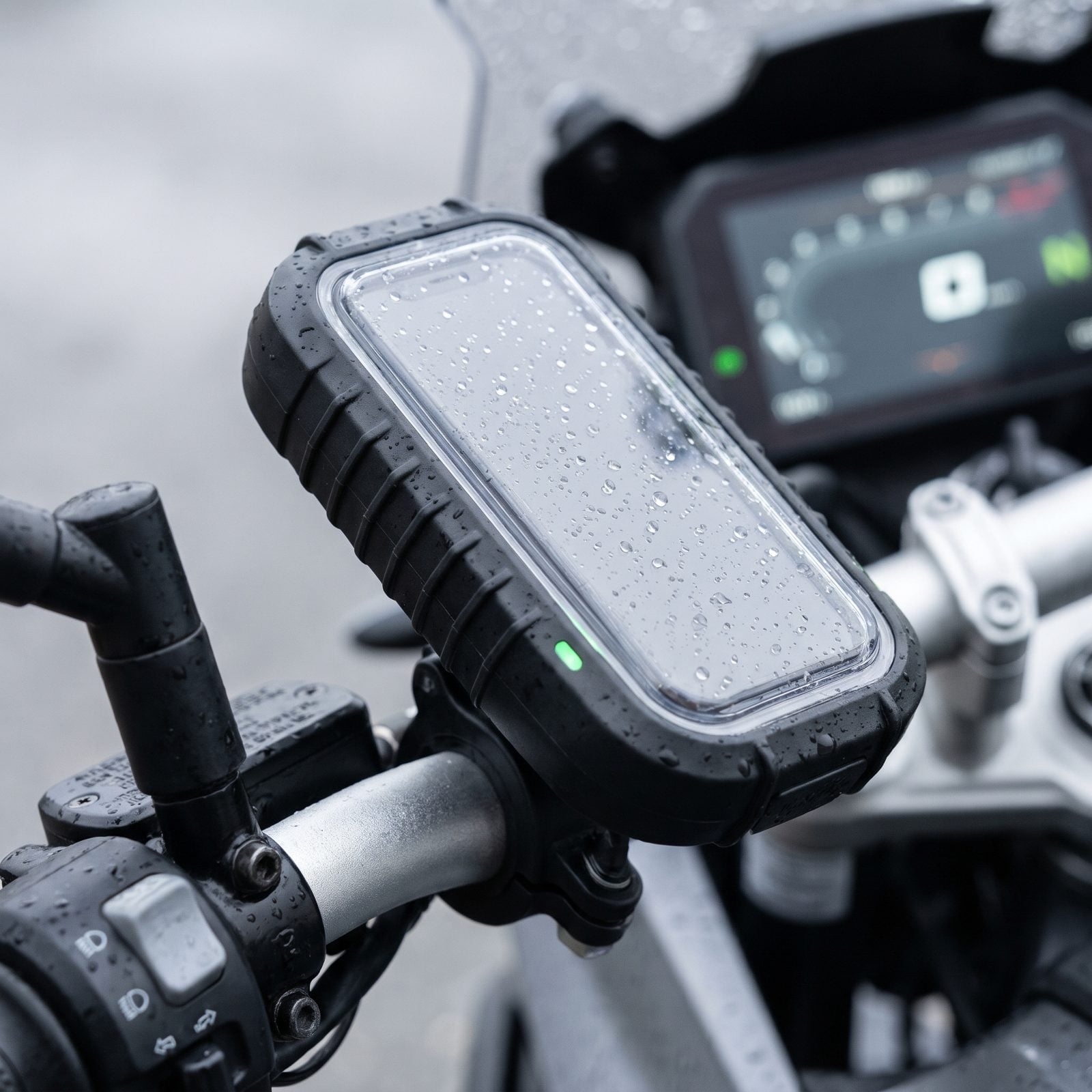
Wireless charging on a bike has always had two enemies: vibration and water. Cheap cradles handle neither.
The newer sealed Qi units handle both. A sprung, gasketed clamp holds the phone steady through engine buzz and pothole chatter, and the housing is rated to shrug off rain and a car-wash spray. No cable to fray, no port to corrode, no flap you forget to close. Drop the phone in and it charges.
One honest caveat. Wireless charging runs hot, and a phone baking in direct sun on a brutal summer afternoon will sometimes throttle itself or quit charging to protect the battery. A cradle with a small cooling fan handles that. A bargain one won’t.
13. Locking Weatherproof Phone Compartments
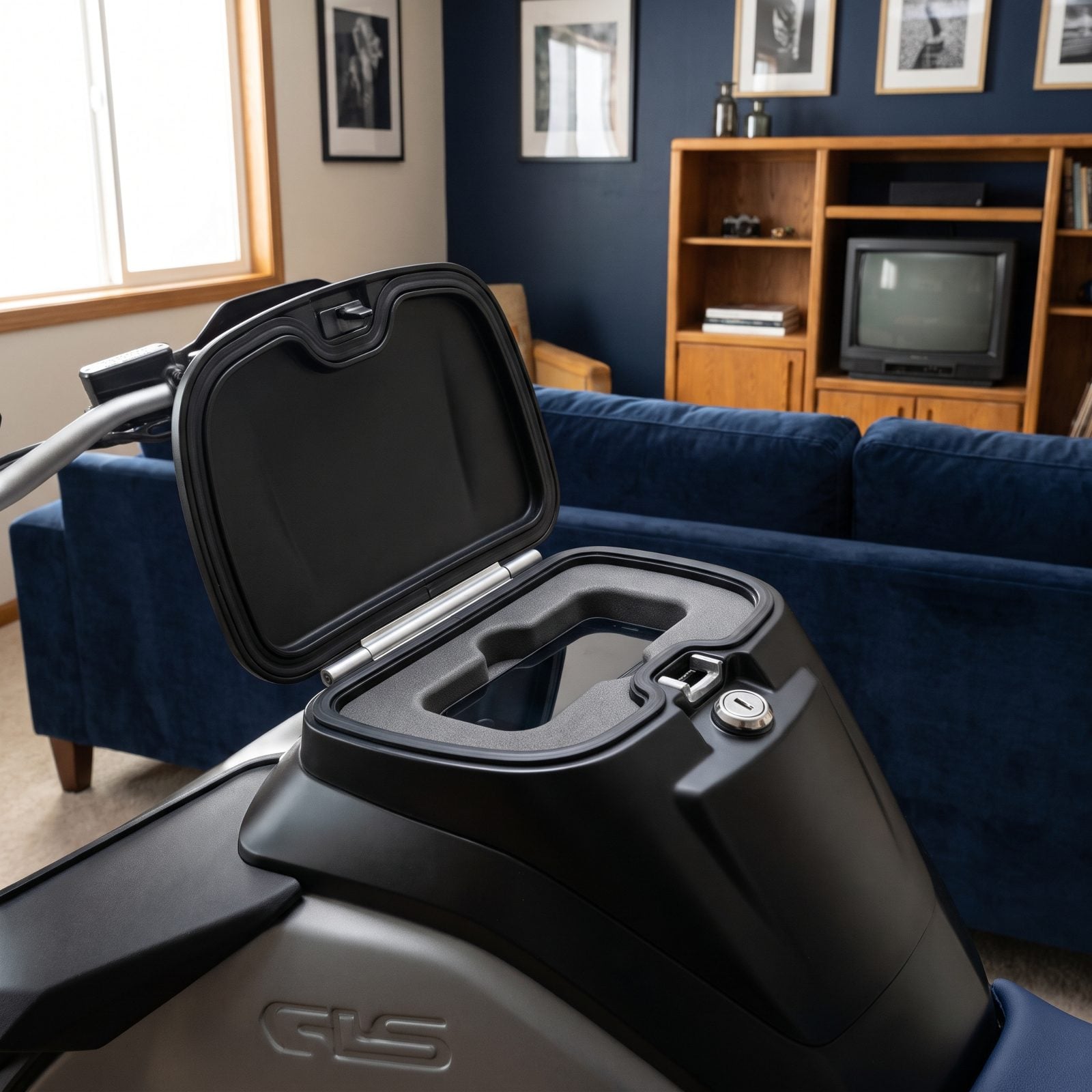
Every rider has done the pat-down. You park at the trailhead or the taco stand, and suddenly your phone, wallet, and keys are riding in your jacket because there’s nowhere safe to stash them on the bike.
Lockable weatherproof compartments — the kind BMW and a few scooter makers have quietly refined — kill the small daily annoyance that nobody brags about but everybody feels. A sealed, keyed cubby sized for a phone means you can leave it on the bike without leaving it exposed to rain or a passing hand. Mechanics like the trend because it’s integrated wiring and a gasket, not a stick-on box that cracks the first time the bike tips over.
12. Integrated Heated Grips
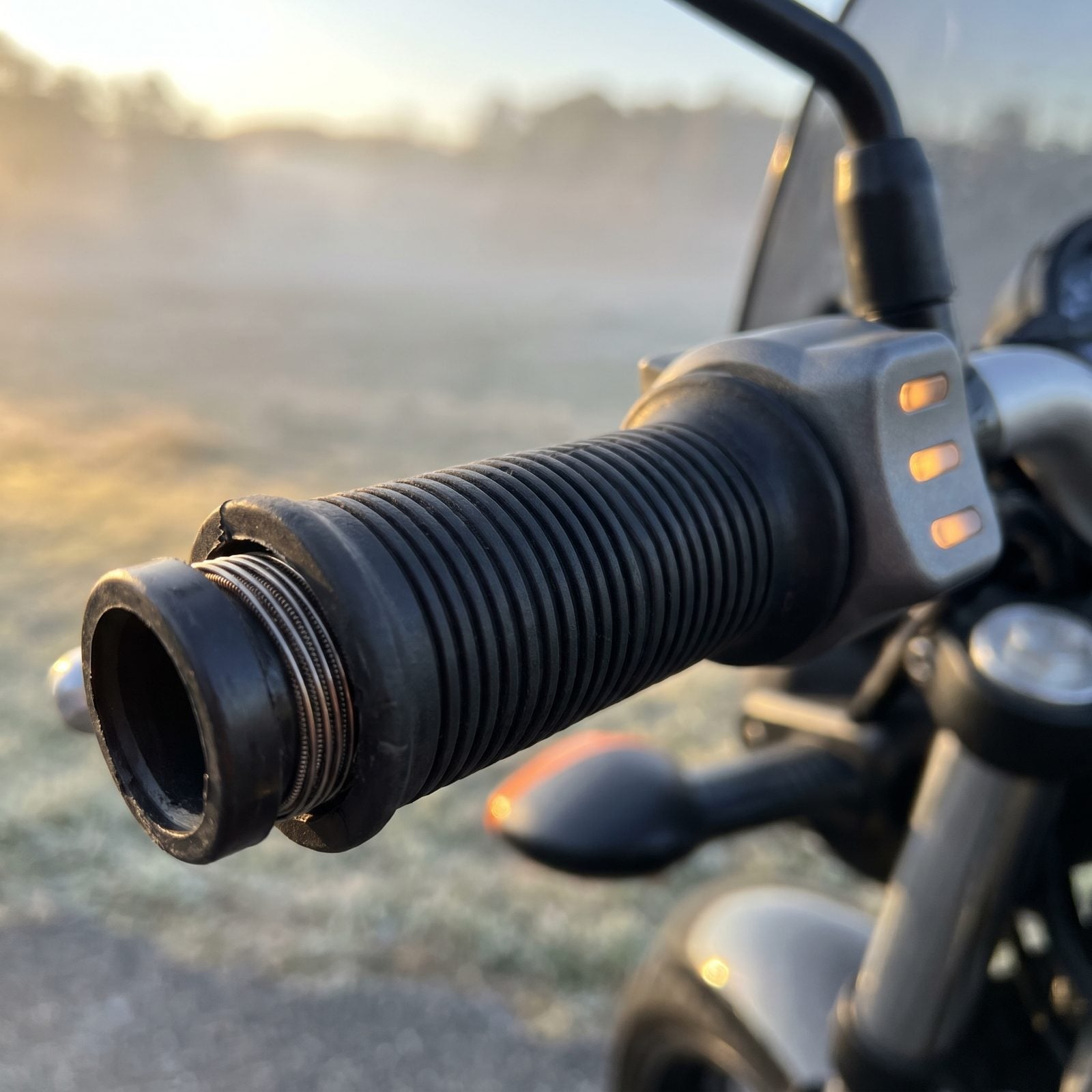
Cold hands end rides early. Not because you’re soft — because numb fingers can’t work a clutch or a front brake with any precision, and that’s a safety problem dressed up as a comfort one.
Factory heated grips are spreading down from big tourers into mid-size commuters and even some scooters. What sets them apart from the clamp-on kind is wiring actually sized to the bike’s charging system and controls built into the switchgear instead of a dangling dial. Three heat stages, no voltage drop at idle. Ride past October and this is the single feature that stretches your season the most.
11. Factory Heated Seats
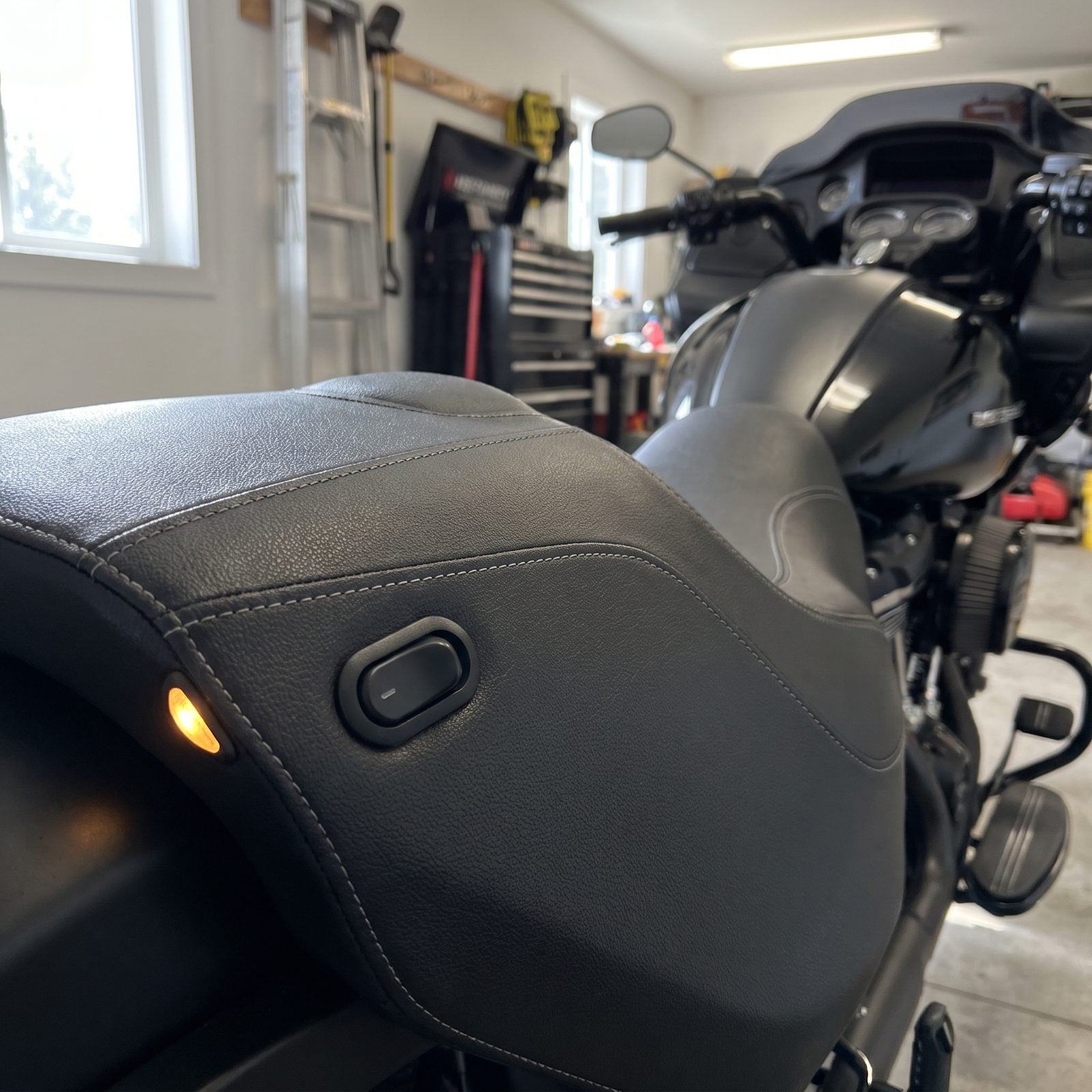
Heated grips warm your hands. A heated seat keeps your core from quitting, and your core is what actually decides when you pull over cold.
Long common on luxury tourers from Honda and BMW, seat heating is trickling into more mid-tier adventure and sport-touring machines as the elements get thinner and the wiring gets simpler. The best versions heat rider and passenger zones independently, which matters more than you’d think on a two-up ride when one of you is freezing and the other isn’t.
10. Ventilated Seats for Touring Motorcycles
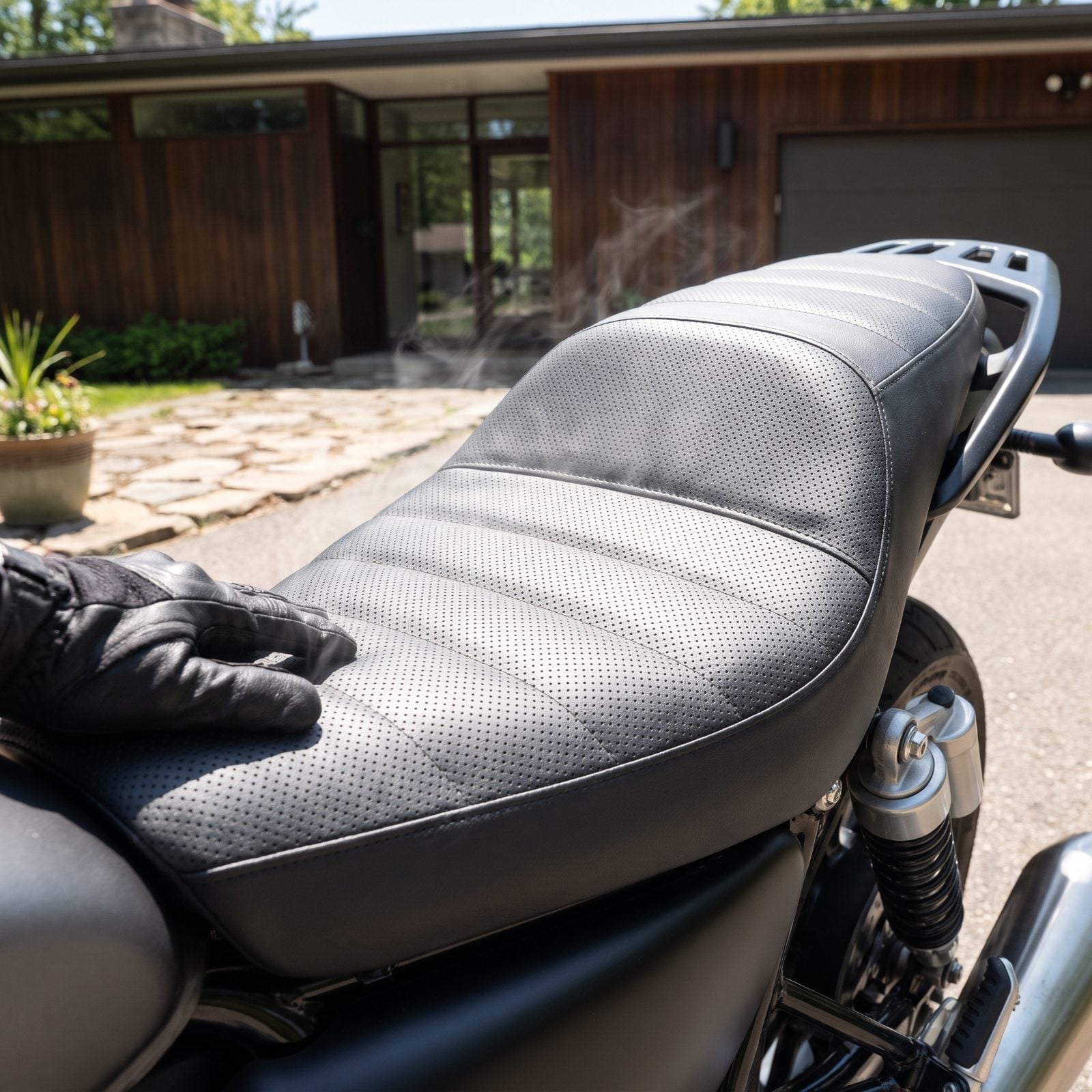
Anyone who’s done 300 miles in July knows the particular misery of a soaked seat and the sweat that pools where your legs meet the saddle. By afternoon it wrecks your concentration.
Ventilated seats pull air through perforations and a mesh layer, the same way premium car seats do, and they’re the summer answer to heated seats being the winter one. A few flagship tourers already run them, and the hardware is cheap enough that mechanics expect it on more 2027 long-distance bikes. The gain isn’t just comfort. A rider who isn’t fighting heat fatigue makes better decisions and rides more hours safely.
9. Customizable TFT Instrument Layouts
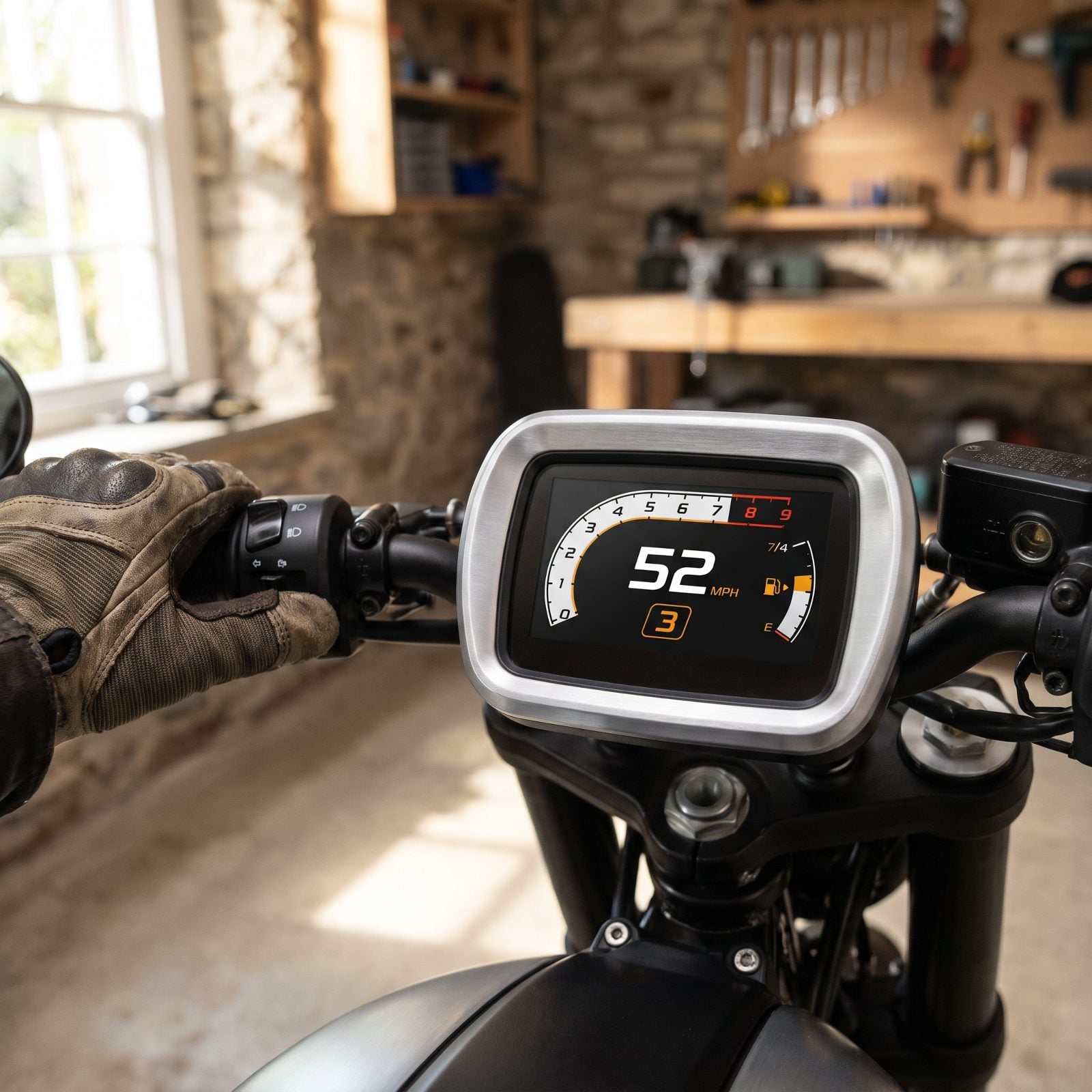
A dash that shows everything shows nothing. You glance down for a tenth of a second and have to hunt for the one number you actually wanted.
Configurable TFT layouts let you decide what lives front and center. A commuter might want a big clean speedo and the clock. A canyon rider wants a sweeping tach and gear position. Trackday riders want a lap timer where everything else used to be. KTM, Ducati, and Triumph led here, and the feature is spreading fast because it’s a software choice now, not new hardware.
Then there’s the quiet safety angle. The less time your eyes spend decoding a cluttered screen, the more time they spend on the road — and a layout tuned to how you actually ride is a glance you don’t have to repeat.
8. Glove-Friendly Touchscreens
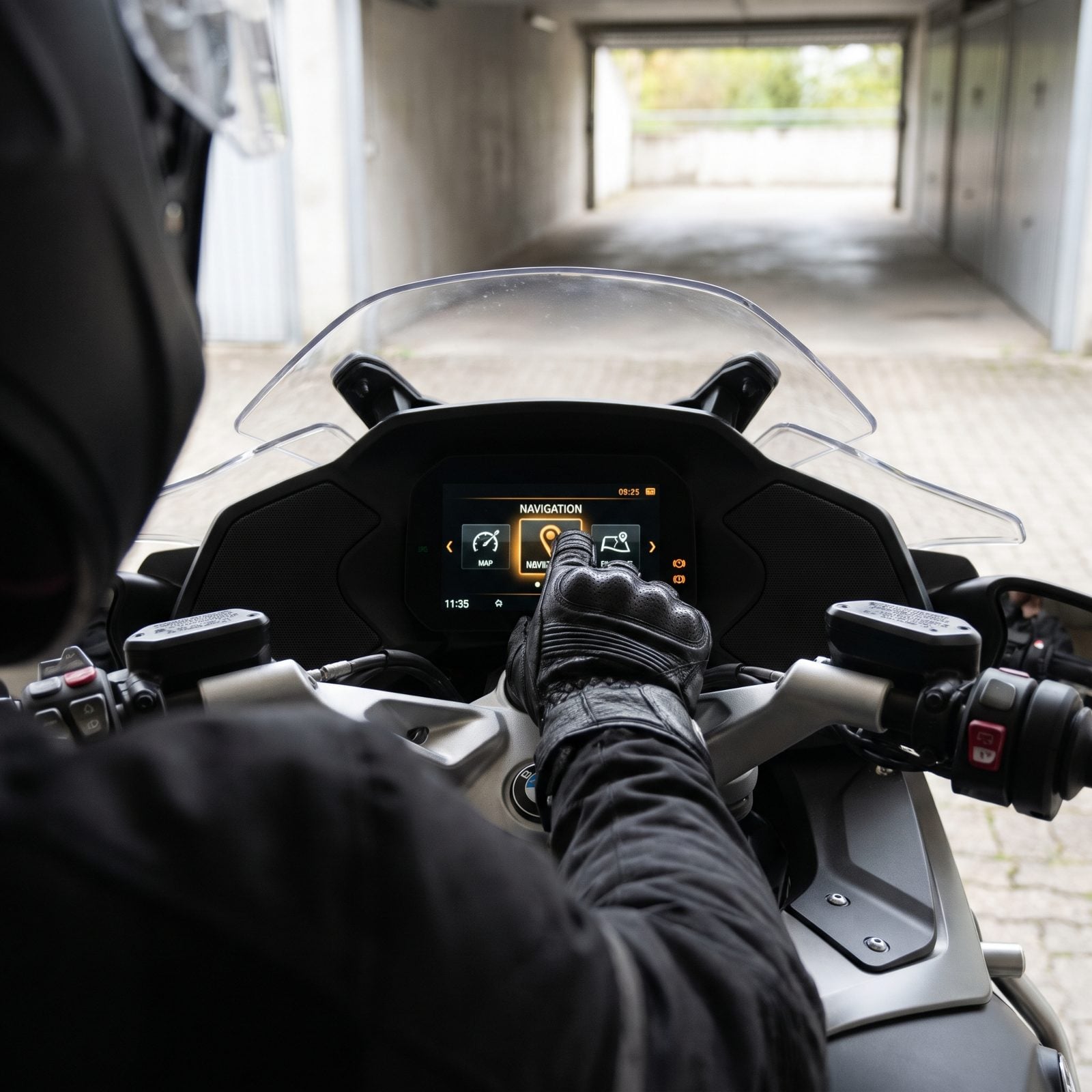
Touchscreens came to bikes and immediately met their nemesis: the riding glove. Capacitive screens built for bare fingers ignore a leather gauntlet completely — a cruel joke on a machine you really should wear gloves to operate.
The newer panels tune their sensitivity for gloved input and lean on big, spaced touch targets instead of tiny icons. Honda has pushed this hard, pairing glove-ready screens with bar-mounted toggles for the inputs you’d never want to make while moving anyway. Mechanics keep repeating one principle: nothing on the screen should ever ask you to take a hand off the bar at speed, and the good designs respect that.
7. Offline Navigation Built Into the Dash
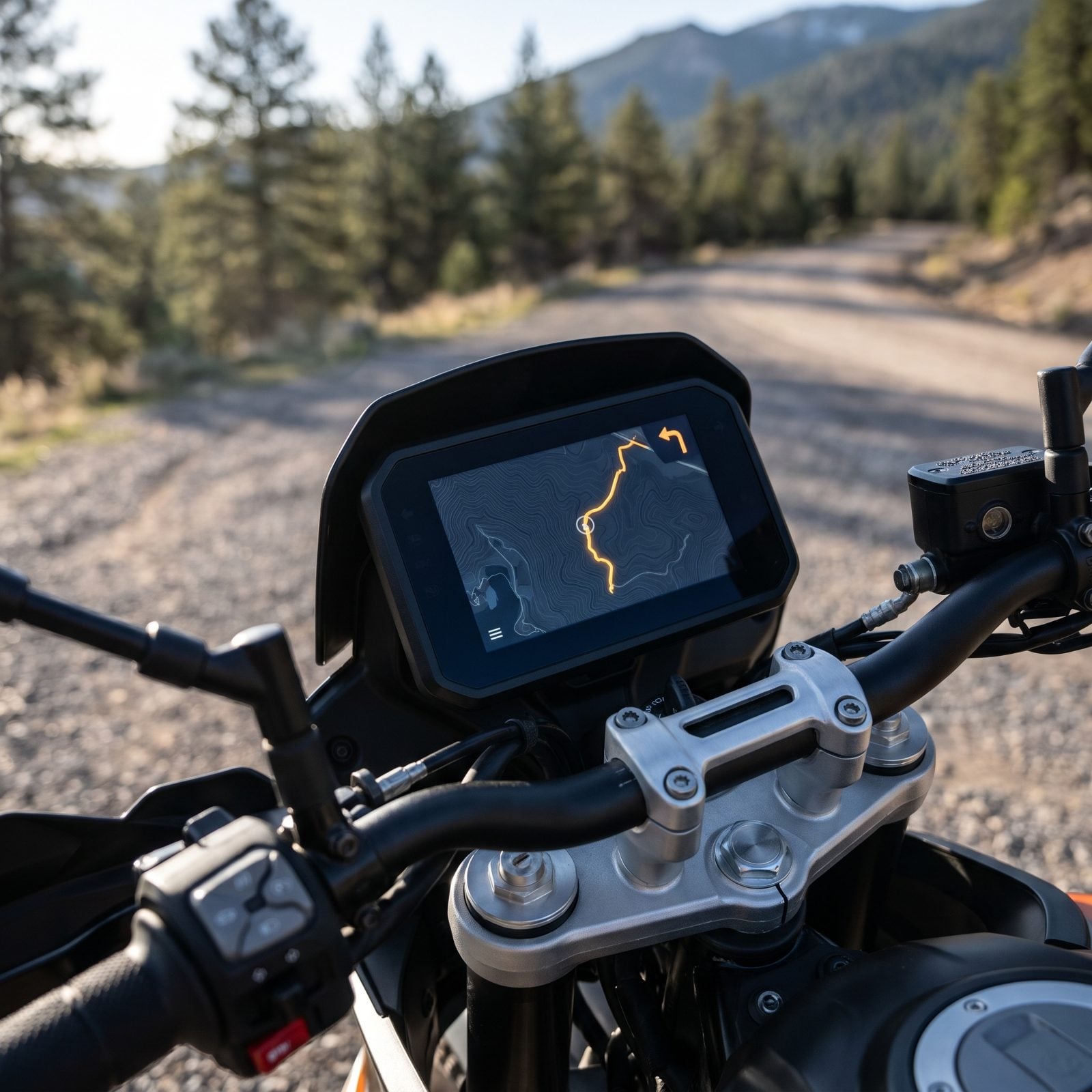
Cell signal dies about forty miles into anything worth riding, which is exactly where your phone’s turn-by-turn gives up and leaves you squinting at a frozen blue dot.
Dash-native offline maps fix the actual problem: the route lives on the bike, not in a tower you can’t reach. Mechanics like this one because it ends the ritual of RAM-mounting a phone that overheats in July and vibrates its camera to death by autumn. Load the maps before you leave, store them on local memory, and the bike reroutes without a single bar.
6. Modular Factory Luggage Mounts
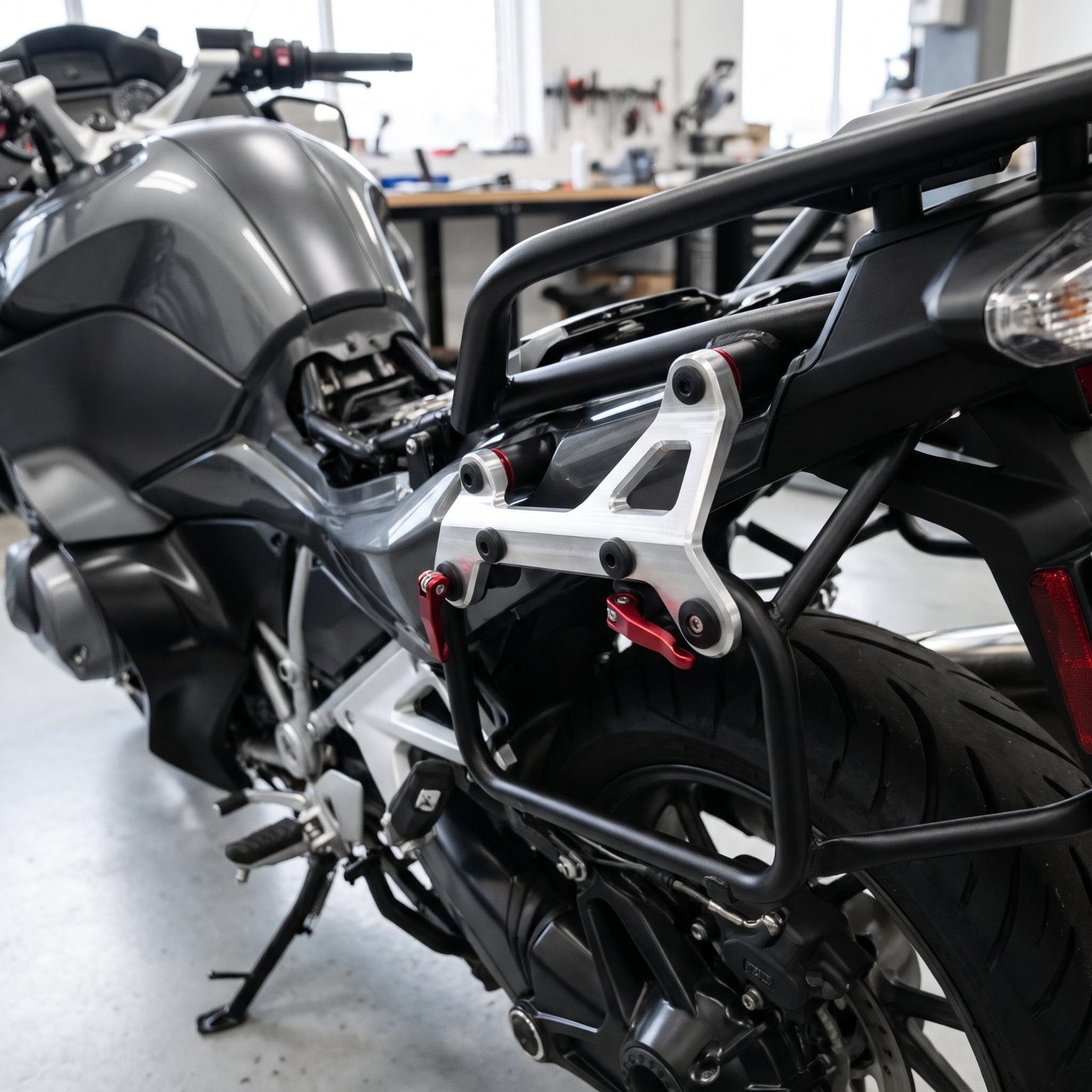
Anyone who’s bolted aftermarket racks to a bike knows the special frustration of mismatched bracketry, drilled fenders, and bolts that back themselves out on the interstate.
Factory modular mounts bake the attachment points right into the subframe. Panniers, a top case, a tail bag — they click on and off a standardized rail instead of eating your Sunday in fabrication. The frame is built to carry that load from day one, so you’re not trusting a $19 universal kit to hold forty pounds at 75 mph.
5. Standardized Electric-Motorcycle Charging Ports
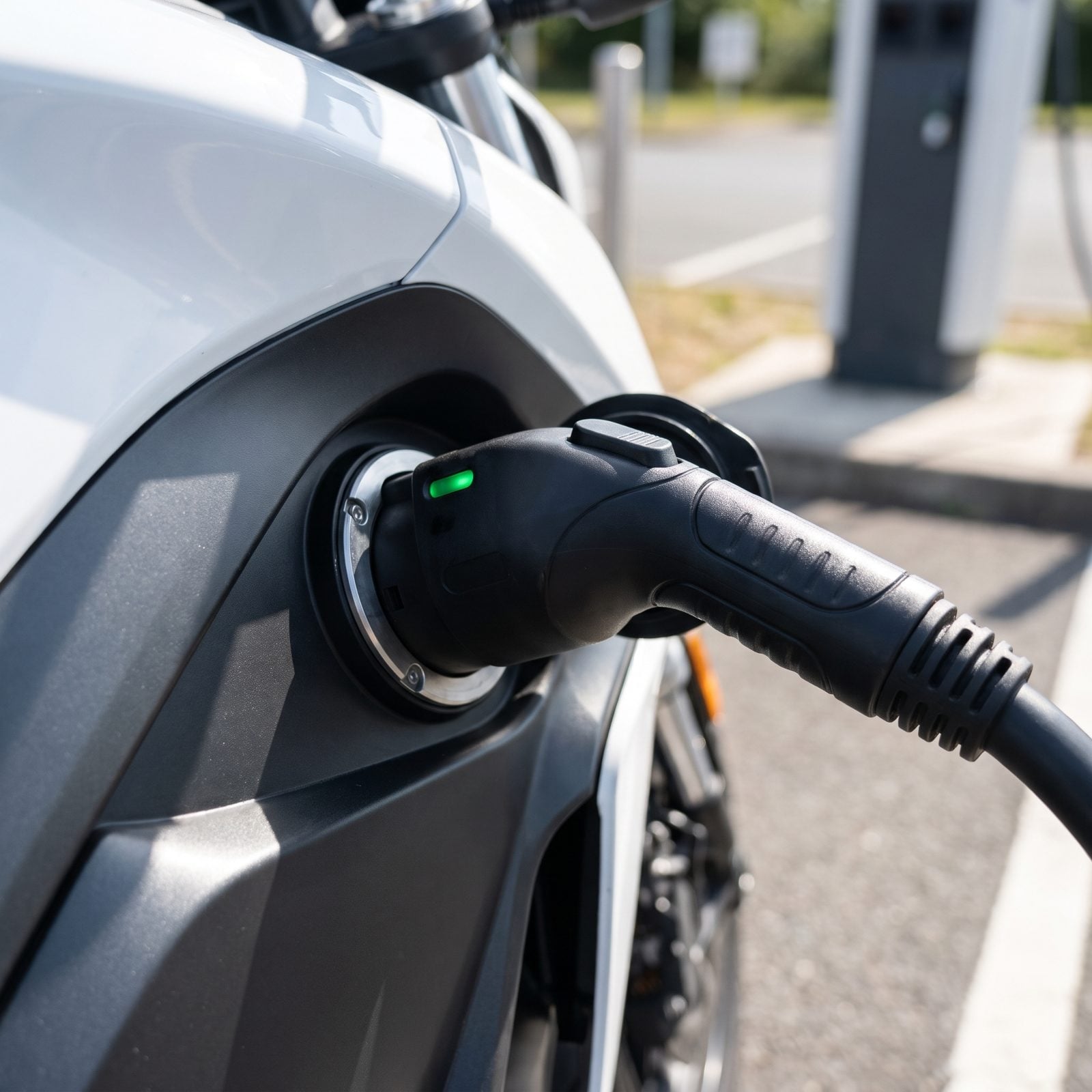
The electric bike world has spent years doing to chargers what the phone world did to cables before USB-C showed up. Proprietary this, dongle that, a tangle of adapters breeding in the garage.
A move toward standardized charging ports means a public station works with your machine instead of just one brand’s. That’s the whole ballgame for electric adoption. Nobody wants to plan a ride around which plug fits where.
It’s not fully settled yet, so read the fine print on any electric bike you’re eyeing. But the direction is clear, and the machines landing around 2027 are more likely to speak a common language at the plug.
4. Realistic Range Estimates That Adapt to Weather
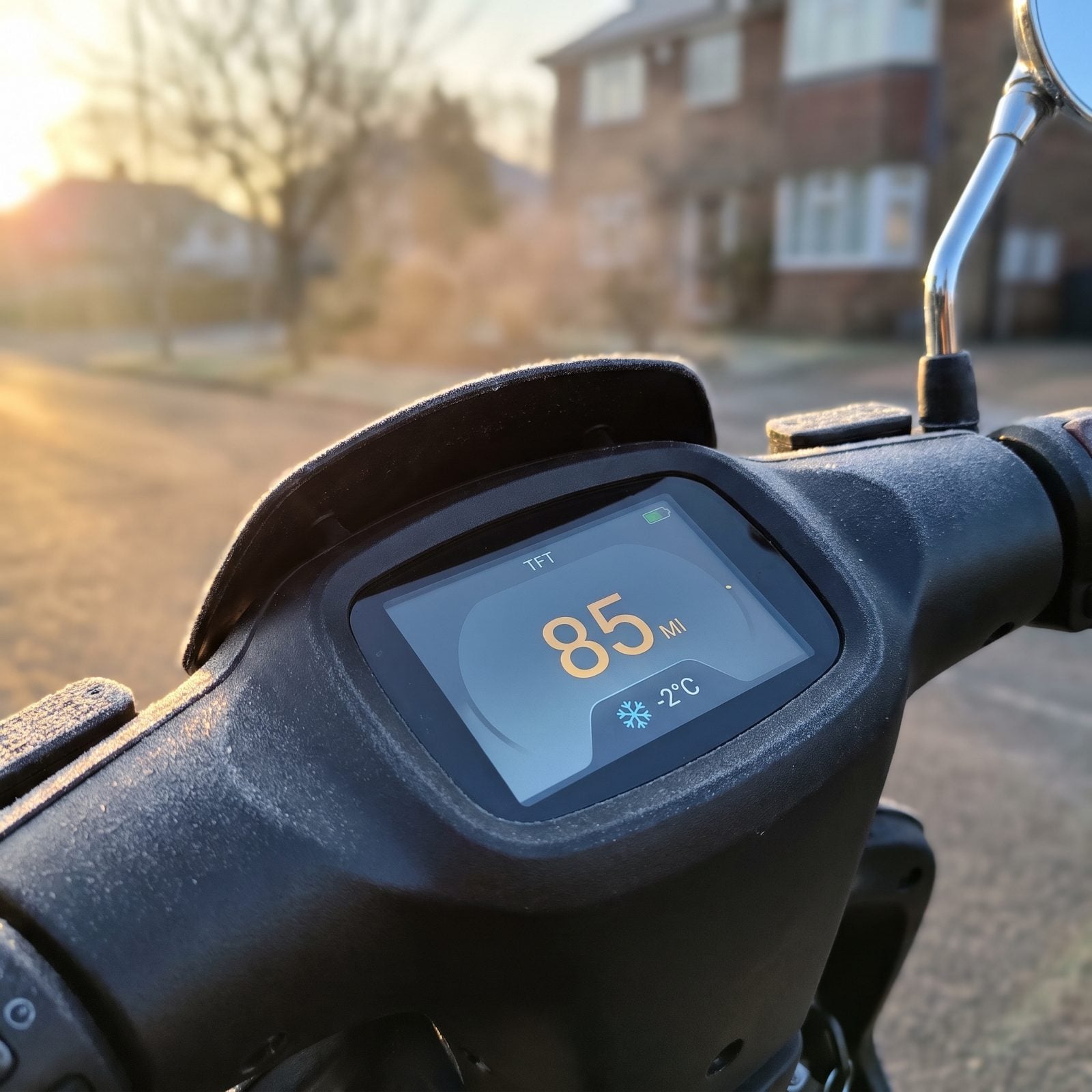
Cold weather eats range, and most estimators pretend it doesn’t.
You’ve watched an electric bike promise 110 miles at 70 degrees, then quietly hand you 75 once the thermometer drops. The old guess-o-meter just divided battery percentage by a fixed number and hoped for the best. Newer systems actually factor in ambient temperature, headwind, elevation, and how hard you’ve been riding.
The payoff is trust. A range number you can plan around beats an optimistic one that leaves you coasting into a charger on fumes. For anyone commuting through a real winter, this does more for daily confidence than any spec-sheet horsepower bump.
3. Regenerative Braking With Adjustable Strength
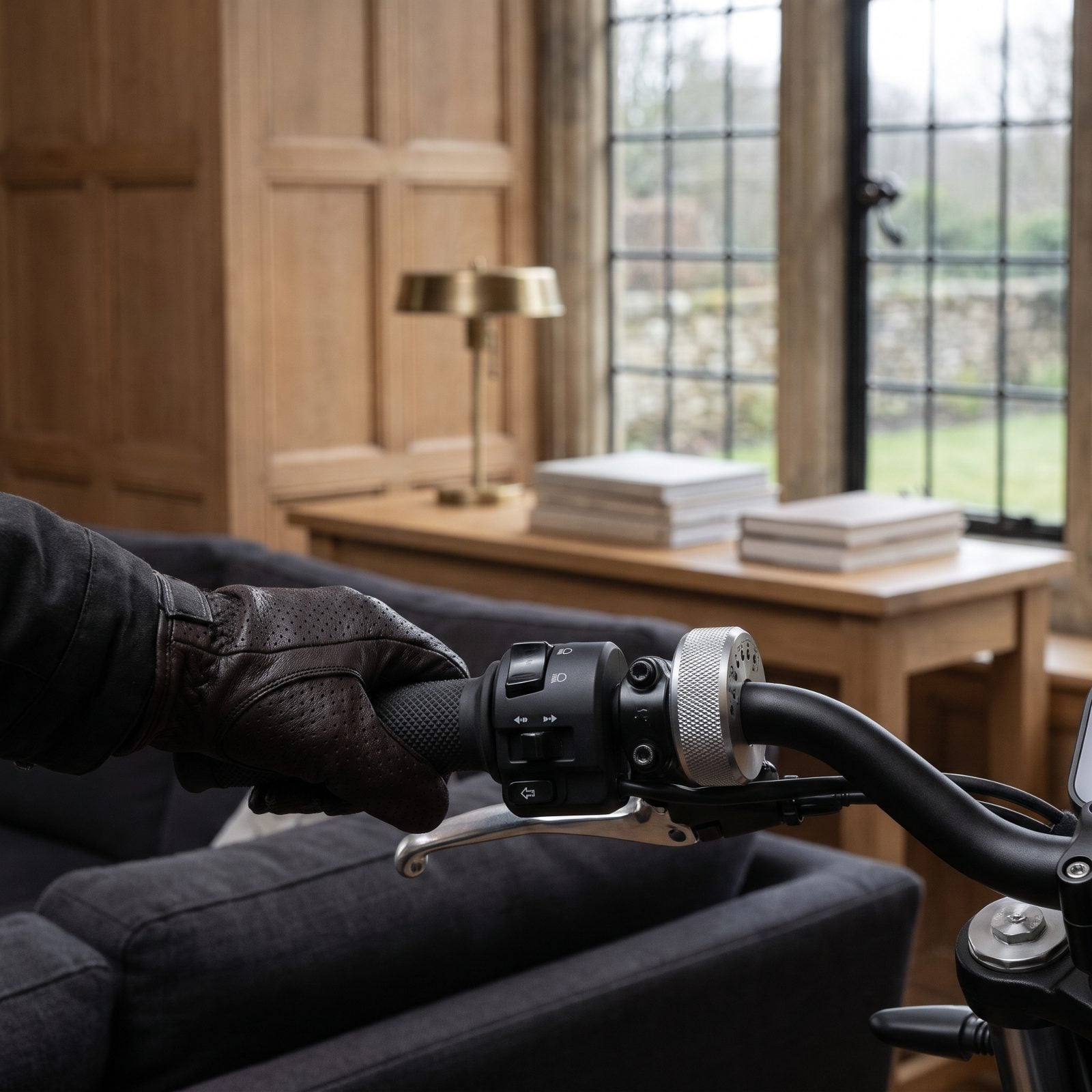
Downhill is where this earns its keep. Dial regen up and the bike slows itself off the throttle, feeding charge back to the battery and sparing your pads on a long descent.
Adjustable strength matters because one setting never fits every road. Strong regen that’s great in city stop-and-go feels grabby and awkward on a fast sweeper. Let the rider tune it and the bike behaves the way you want it to, moment to moment.
2. Integrated Helmet Locks
Small thing. Huge daily relief.
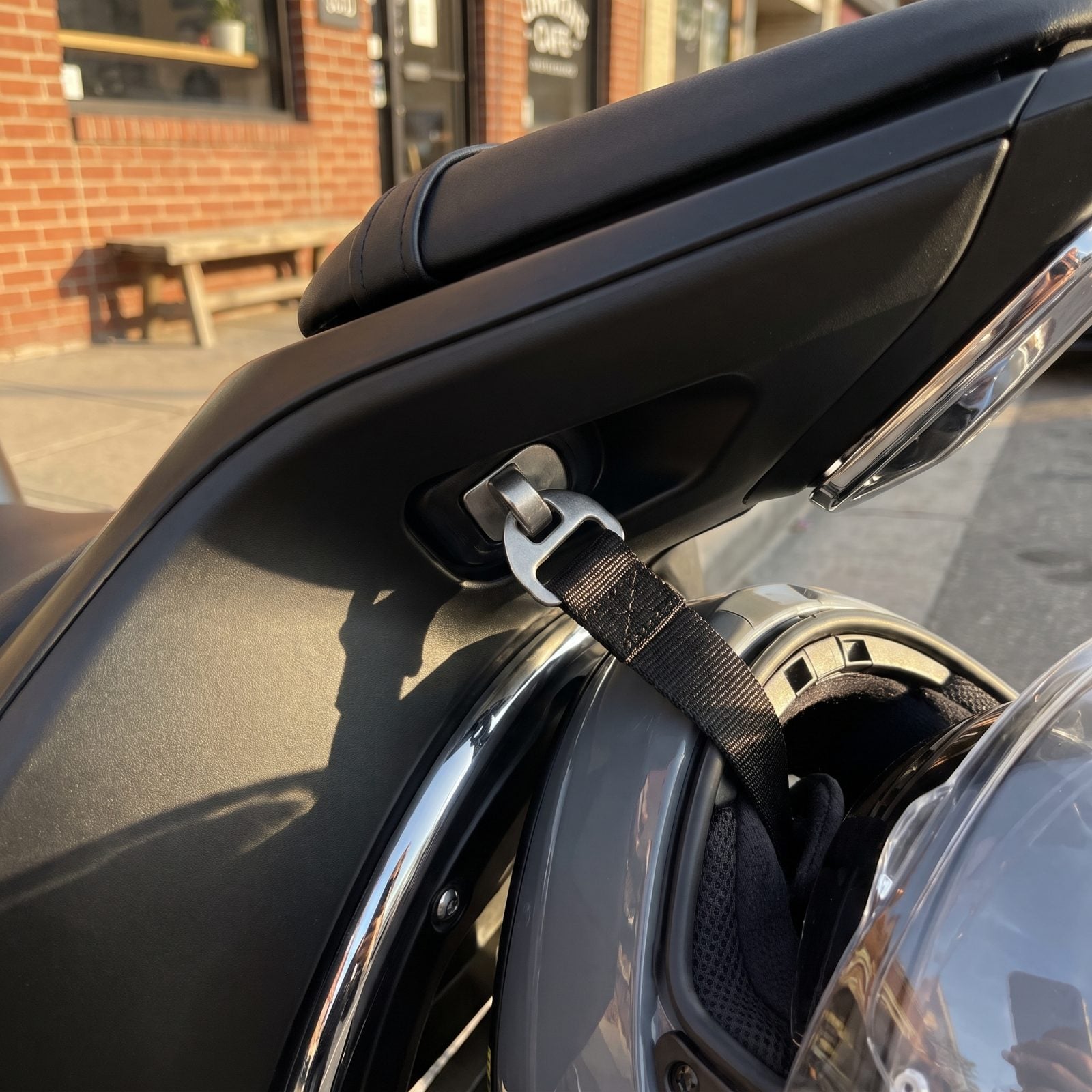
You know the awkward dance — carry the helmet into the coffee shop, or trust a bungee cord and the honor system. A proper integrated lock, built into the frame and keyed to the ignition, lets you clip the lid to the bike and walk away.
It’s not Fort Knox. A determined thief with time still wins. But most helmet theft is opportunistic, and a locked lid at a crowded trailhead is far less tempting than one dangling loose. For a feature that costs almost nothing to engineer in, it’s maddening how many bikes still skip it.
1. Low-Speed Balance Assistance
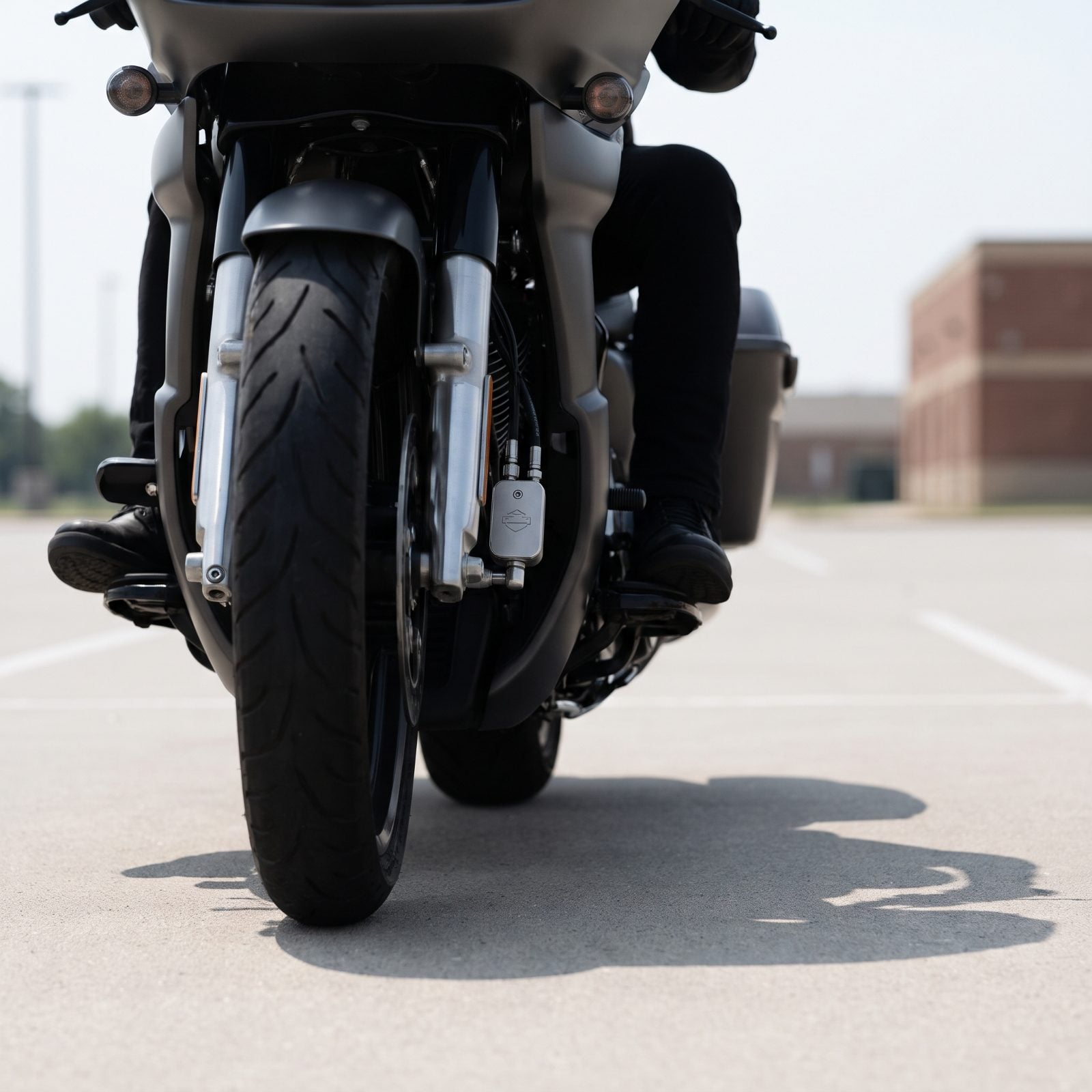
The tip-over that embarrasses you almost never happens at speed. It happens at a gas pump, a stoplight, a gravel driveway, walking the bike at a crawl.
Low-speed balance assistance aims right at that moment. Using steering and drive inputs, the system helps a heavy machine stay upright and controllable below the speed where your own balance usually does the work. That’s a big deal for riders coming back after years off, or anyone wrestling a 600-pound tourer in a tight lot.